
The Tiny Time Capsules: How Mouse Ovaries Are Revolutionizing Fertility's Future
Published: August 12, 2025
A Mother's Choice and a Scientific Frontier
In 2010, surgeons performed a groundbreaking procedure on a 2-year-old girl named Daisy. Facing sterilization from lifesaving cancer treatment, she became the youngest person ever to undergo ovarian tissue cryopreservation (OTC)—freezing slivers of her immature ovaries for potential future use 1 .
This daring act was fueled by research pioneered in an unlikely candidate: mice. At Northwestern University, scientists had just unlocked the ability to generate live offspring—dubbed "NUBorn" and "NUAge" mice—from the frozen ovarian tissue of prepubertal animals 1 5 . Their work ignited a revolution in oncofertility, a field merging cancer care and reproductive science.
Ethical Question: Who owns a child's reproductive future? Can we ethically freeze time?
A young patient undergoing medical treatment, representing the children who may benefit from ovarian tissue cryopreservation.
1. The Oncofertility Imperative: When Survival Meets Sacrifice
Cancer therapies—chemotherapy, radiation, bone marrow transplants—are often gonadotoxic, destroying ovarian function. While sperm banking is routine for boys, options for prepubertal girls were nonexistent until recently. OTC changes this paradigm:
The Procedure
Surgeons remove one ovary laparoscopically, freeze thin cortical strips, and store them in liquid nitrogen (-196°C). Decades later, tissue can be thawed and transplanted .
Ethical Dilemma
OTC is no longer "experimental" per ASRM guidelines (2019) 4 , yet long-term outcomes remain uncertain. Is it justified to perform surgery on a child for future benefit?
2. The Mouse That Rewrote the Rules: Inside the NUAge Experiment
The Northwestern team's 2008 study broke barriers by maturing follicles from prepubertal mice in artificial ovaries 1 2 5 .
Methodology: Building an Ovary in a Lab
- Tissue Harvest: Ovarian tissue extracted from 7-day-old mice (equivalent to human infancy).
- Follicle Isolation: Primordial follicles dissected and encapsulated in a 3D alginate hydrogel scaffold (mimicking natural ovary stiffness).
- In Vitro Maturation: Follicles cultured for 8 days with growth factors (e.g., FSH, estradiol) to stimulate development.
- Egg Retrieval & IVF: Mature eggs fertilized and transferred to surrogate mothers.
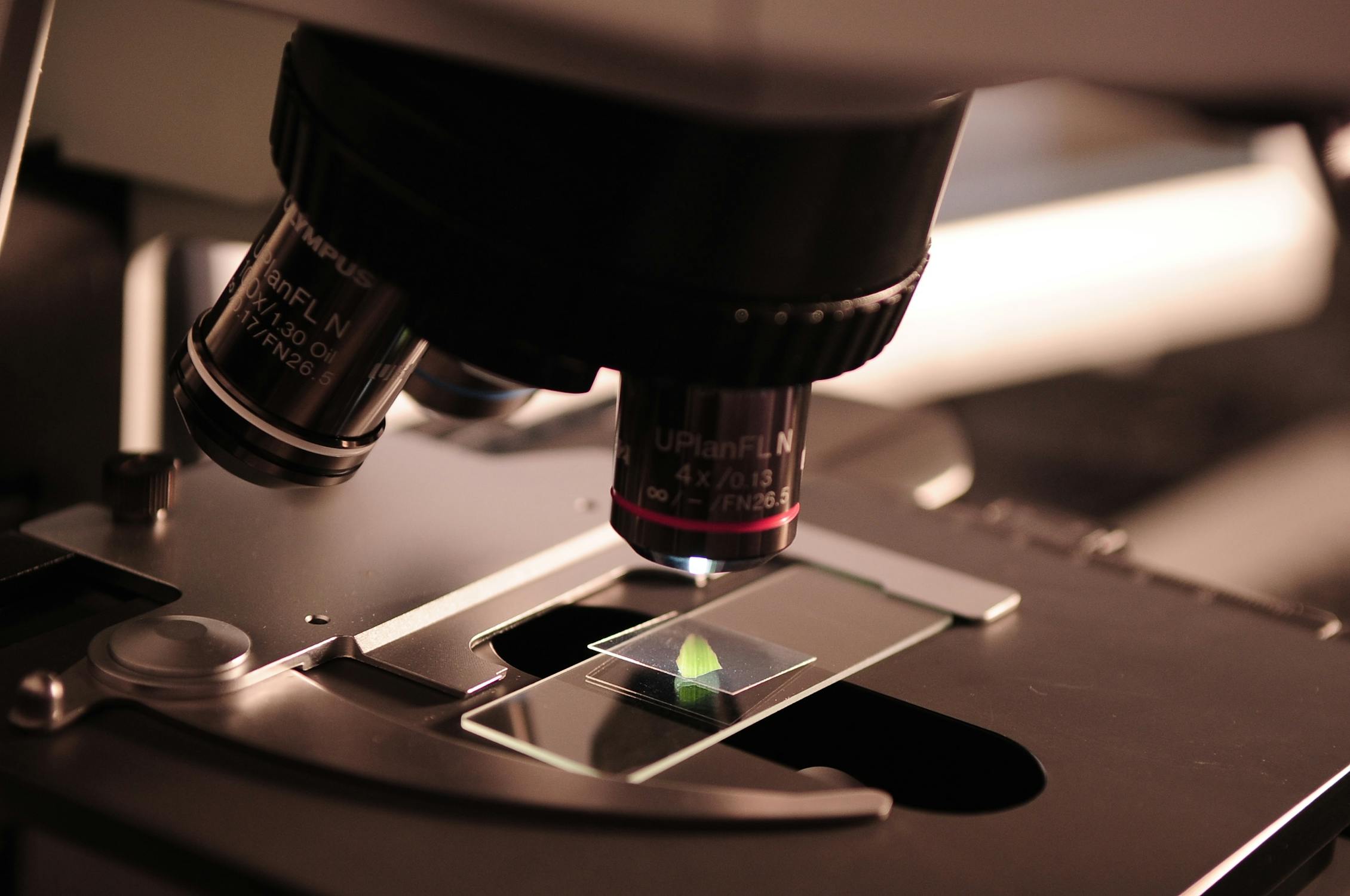
Laboratory setting where ovarian tissue research is conducted.
Results: Birth of the NUBorn
| Outcome Metric | Prepubertal Follicles | Adult Follicles (Control) |
|---|---|---|
| Follicle Survival Rate | 78% | 85% |
| Successful Embryo Formation | 62% | 70% |
| Live Birth Rate (NUBorn) | 41% | 50% |
Table 1: Developmental competence of eggs from prepubertal vs. adult mice 2 5 .
The "NUAge" mice—offspring born from this technique—were healthy and fertile, proving that immature follicles could yield viable life 5 . This provided the first roadmap for human applications.

Mouse follicle in alginate hydrogel scaffold.

Natural mouse ovary for comparison.
3. The Ethical Tightrope: Autonomy, Justice, and the "Right to an Open Future"
The NUAge experiment thrust five ethical quandaries into the spotlight:
Prepubertal children cannot consent. Parents decide based on:
- Feinberg's "Right to an Open Future": Preserving options (e.g., biological parenthood) a child might value as an adult .
- Counterargument: Could parental desires for grandchildren unduly influence decisions? .
OTC requires delaying cancer treatment by 48–72 hours. For aggressive cancers, this tradeoff is agonizing 3 .
What if a patient dies, or abandons stored tissue? Legal frameworks are patchy, with clinics holding tissue for decades in limbo 4 .
If OTC enables elective fertility delay (e.g., career planning), does it redefine societal expectations for women? 1 .
4. From Mice to Humans: The Shifting Landscape
The NUAge findings catalyzed clinical programs worldwide:
| Trend | Pre-2015 | 2023 | Change |
|---|---|---|---|
| Median Age at OTC | 16.4 years | 6.6 years | ↓ 60% |
| Prepubertal Patients | 20% | 63% | ↑ 215% |
| Research Participation Rate* | 45% | 92% | ↑ 104% |
Table 2: Evolution of pediatric OTC at a leading U.S. children's hospital (2011–2023) 9 .
*Donating tissue/blood for oncofertility research

Surgical team performing laparoscopic ovarian extraction on a pediatric patient.
5. The Scientist's Toolkit: Reagents Powering the Revolution
Key innovations enabling the NUAge experiment:
Alginate Hydrogel
3D scaffold mimicking ovary stiffness. Enables in vitro follicle growth sans animals.
Vitrification Solution
"Flash-freezes" tissue without ice crystals. Prevents oocyte damage; boosts survival.
Anti-Müllerian Hormone (AMH) Assay
Predicts ovarian reserve pre-OTC. Guides patient selection fairly.
PIWI Proteins (e.g., MIWI)
Protects germ cells from transposon damage. Ensures genetic integrity of eggs.
Conclusion: The Unfolding Promise
The story of the NUBorn mice is more than a lab triumph—it's a beacon for 82,000 prepubertal girls diagnosed with cancer annually 4 . As techniques evolve (e.g., whole-ovary vitrification, artificial gametes), ethical rigor must match scientific ambition. The goal? Ensuring every child like Daisy can one day choose if and how to build a family—bridging survival with the fullness of life.
"Oncofertility exists in the liminal space between cancer treatment and yearning."

A young cancer survivor holding hands with her child, symbolizing realized hope.
For further reading, explore the Oncofertility Consortium's public resources at oncofertility.msu.edu 6 .