Contrastive Meta-Learning for Sperm Head Morphology: A Generalized AI Framework for Male Fertility Assessment
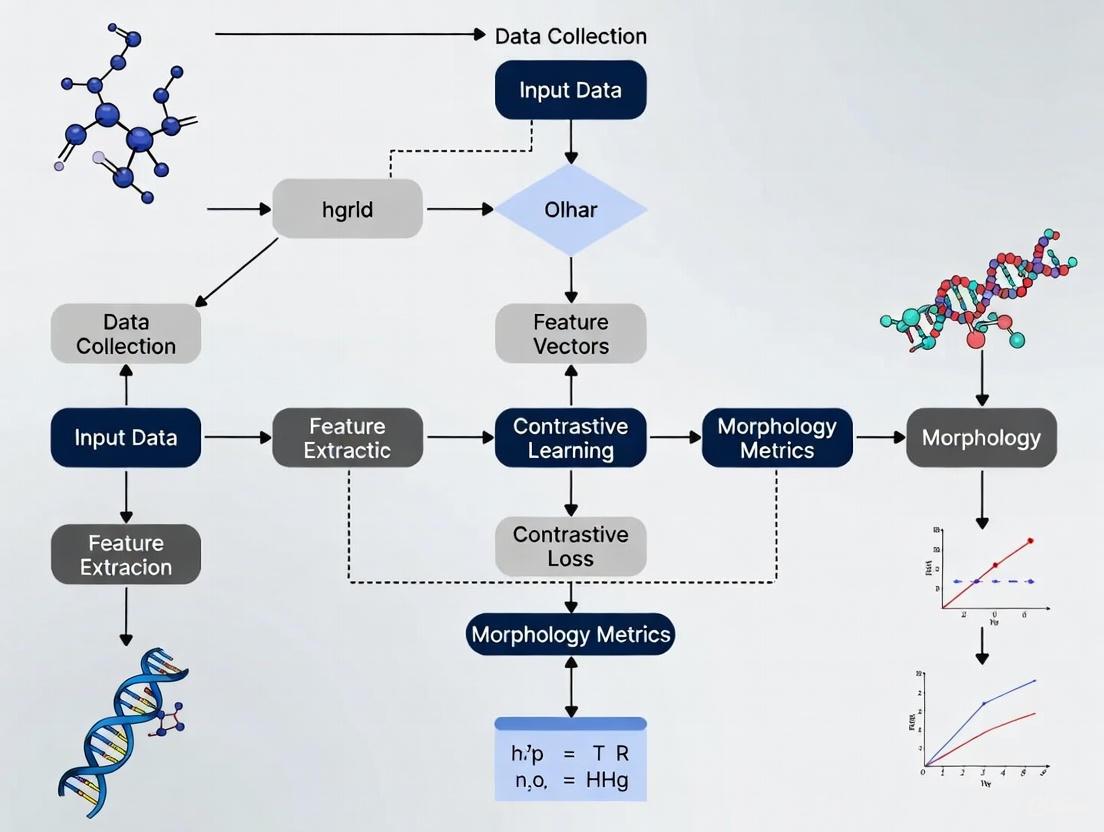
This article explores contrastive meta-learning with auxiliary tasks, a novel deep learning paradigm for generalized classification of human sperm head morphology.
Contrastive Meta-Learning for Sperm Head Morphology: A Generalized AI Framework for Male Fertility Assessment
Abstract
This article explores contrastive meta-learning with auxiliary tasks, a novel deep learning paradigm for generalized classification of human sperm head morphology. Aimed at researchers and drug development professionals, it addresses critical challenges in male infertility diagnostics, including dataset limitations and model generalizability. The content systematically covers foundational principles, methodological implementation using contrastive meta-learning frameworks, optimization strategies for clinical deployment, and rigorous validation against current state-of-the-art approaches. By integrating the latest research, this comprehensive review demonstrates how this advanced AI technique achieves superior performance in sperm morphology analysis while providing clinically interpretable results that can enhance reproductive medicine and drug development pipelines.
Understanding Sperm Morphology Analysis and the Need for Advanced AI
The Clinical Significance of Sperm Head Morphology in Male Infertility
Sperm morphology, particularly the architecture of the sperm head, serves as a critical biomarker for male fertility potential. The sperm head houses the paternal genetic material and is equipped with enzymes essential for oocyte penetration, making its structural integrity paramount for successful fertilization and embryonic development [1] [2]. Assessment of sperm head morphology is a cornerstone of male infertility diagnostics, providing invaluable insights into testicular and epididymal function [3]. However, traditional manual analysis is plagued by subjectivity, poor reproducibility, and significant inter-observer variability, with reported disagreement rates among experts as high as 40% [4] [5]. This application note details standardized protocols for sperm head morphology evaluation and explores the integration of contrastive meta-learning frameworks to overcome these limitations, offering researchers and drug development professionals a pathway to more precise, automated, and clinically predictive analysis.
Quantitative Reference Data for Sperm Head Morphology
Establishing robust reference values is fundamental for distinguishing normal from pathological sperm heads. The following tables consolidate quantitative morphometric parameters from a fertile male population, providing a baseline for clinical and research applications.
Table 1: Core Sperm Head Morphometric Parameters from a Fertile Population (N=21) [6]
| Parameter | Description | Reference Value (Mean) |
|---|---|---|
| Head Length (HL) | Distance between the two furthest points along the long axis | 4.0 - 5.5 µm |
| Head Width (HW) | Perpendicular distance between the two furthest points on the short axis | 2.5 - 3.5 µm |
| Head Area (HA) | Area calculated based on the head contour | Not Specified |
| Head Perimeter (HP) | Length of the boundary surrounding the head | Not Specified |
| Ellipticity (L/W) | Ratio of head length to width | Not Specified |
| Acrosome Area (AcA) | Area of the cap-like structure on the sperm head | Not Specified |
| Acrosome Ratio (AcR) | Ratio of acrosome area to head area | 40 - 70% |
Table 2: Clinical Classification and Implications of Sperm Head Morphology
| Category | Morphological Definition | Clinical Significance & Reference Values |
|---|---|---|
| Normal Morphology | Smooth, oval head; well-defined acrosome covering 40-70% of head; no neck/midpiece/tail defects; no vacuoles >20% head area [1] [2]. | WHO 5th edition lower reference limit: ≥4% normal forms [1]. |
| Teratozoospermia | Percentage of morphologically normal sperm is below the reference value. | Associated with poor fertilization in IUI/IVF; indicates need for ICSI [1]. |
| Monomorphic Defects | All sperm exhibit the same specific abnormality (e.g., globozoospermia, macrocephalic sperm) [7]. | Requires specific detection and interpretative commentary; strong genetic basis [7]. |
| Abnormal Head Forms | Includes amorphous, tapered, pyriform, small, and vacuolated heads [1] [3]. | High percentages are associated with decreased fertilization rates in assisted reproduction [1]. |
Experimental Protocols for Sperm Morphology Analysis
Standardized Staining and Manual Assessment Protocol
This protocol, based on WHO guidelines, ensures consistent sample preparation and staining for accurate morphology evaluation [1].
Research Reagent Solutions:
- Fixative Solution: 95% Ethanol (v/v) for sample preservation.
- Papanicolaou Staining Reagents: Harris's Hematoxylin (nuclear stain), G-6 Orange, and EA-50 Green (cytoplasmic stains) for structural differentiation.
- Mounting Medium: Cytoseal or equivalent xylene-based medium for slide preservation.
Procedure:
- Sample Preparation: Collect semen in a sterile container and allow it to liquefy at 37°C for 30 minutes. For viscous samples, add proteolytic enzymes (e.g., α-chymotrypsin) and incubate for an additional 10 minutes at 37°C [1].
- Smear Preparation: Vortex the liquefied sample for 10 seconds. Place a 10 µL aliquot on a clean frosted slide. Use a second slide at a 45° angle to spread the drop, creating a thin, even smear. Air-dry the slide completely [1].
- Papanicolaou Staining:
- Fix the smear in 95% ethanol for at least 15 minutes.
- Rehydrate through graded ethanols: 80% (30 sec), 50% (30 sec), and purified water (30 sec).
- Stain nuclei in Harris's Hematoxylin for 4 minutes. Rinse in water and differentiate in acidic ethanol (4-8 dips). Rinse again and immerse in Scott's solution, followed by a 5-minute wash in cold tap water.
- Dehydrate in 50%, 80%, and 95% ethanol.
- Counterstain cytoplasm: Immerse in G-6 Orange for 1 minute, then in EA-50 Green for 1 minute after dehydration in 95% ethanol.
- Complete final dehydration in 95% and 100% ethanol. Clear in xylene and mount with a coverslip using Cytoseal [6].
- Microscopic Evaluation: Examine the slide under a bright-field microscope with a 100x oil immersion objective. Use an ocular micrometer to measure sperm head dimensions precisely. Score a minimum of 200 spermatozoa, classifying each as normal or abnormal based on strict Kruger criteria. All borderline forms should be considered abnormal [1].
Protocol for Automated Analysis Using Deep Learning
This protocol leverages deep learning for high-throughput, objective sperm morphology classification, suitable for large-scale studies and drug efficacy testing.
Research Reagent Solutions:
- Annotation Software: Roboflow for labeling sperm images for model training.
- Deep Learning Framework: YOLOv7 or ResNet50-CBAM for object detection and classification.
- Staining Reagents: Diff-Quik rapid stain or Papanicolaou stain, depending on imaging requirements.
Procedure:
- Dataset Curation & Preprocessing: Collect a large set of sperm images (e.g., 1,000+ images) using a standardized microscopy setup. Annotate images using software like Roboflow, labeling sperm structures (head, midpiece, tail) and classifying abnormalities based on expert consensus to establish "ground truth" [8] [5].
- Model Selection & Training:
- Option 1 (YOLOv7): Ideal for real-time detection and classification of multiple sperm in a single image. Train the model on annotated datasets to detect and classify sperm into categories like normal, head defect, and vacuolated [8].
- Option 2 (ResNet50-CBAM): A Convolutional Neural Network (CNN) enhanced with a Convolutional Block Attention Module (CBAM). This architecture is particularly effective for focusing on subtle morphological features in the sperm head. Train the model using a hybrid approach, extracting deep features and classifying them with a Support Vector Machine (SVM) for optimal accuracy [4].
- Model Validation & Deployment: Rigorously validate the model's performance on a separate, unseen dataset. Key metrics include accuracy, precision, recall, and mean Average Precision (mAP). Deploy the validated model to automatically analyze new semen samples, generating reports on the percentage and types of morphological defects [8] [4].
Integration of Contrastive Meta-Learning Frameworks
Contrastive meta-learning represents a paradigm shift for sperm head morphology research, enabling models to learn robust feature representations from limited data by leveraging prior knowledge from related tasks.
Diagram 1: Contrastive meta-learning for sperm morphology analysis. The model learns from multiple tasks to create a generalizable feature encoder, enabling rapid adaptation to new, unseen datasets with high accuracy.
Workflow and Logical Relationships:
- Multi-Task Training: The model is exposed to a variety of related tasks (e.g., vacuole detection, acrosome classification) from multiple datasets (e.g., SMIDS, HuSHeM) [3] [4]. This teaches the model to identify universally relevant features of sperm head morphology.
- Contrastive Learning: Within each task, the model learns to minimize the distance between embeddings of similar sperm heads (e.g., two normal heads) while maximizing the distance between dissimilar ones (e.g., normal vs. amorphous). This creates a well-structured feature space [4].
- Meta-Optimization: The optimizer adjusts the model's parameters so that it can quickly adapt to a new classification task after seeing only a few examples (the support set), significantly reducing the need for large, annotated datasets for each new clinical study [3].
Quality Control and Standardization
Ensuring accuracy and reproducibility in sperm morphology assessment requires rigorous quality control (QC) and standardized training.
Diagram 2: Standardized training and quality control workflow. Training tools using expert-validated images significantly improve novice morphologist accuracy and reduce inter-observer variability.
Implementing standardized training tools that use images with expert-validated "ground truth" labels can dramatically improve accuracy. Untrained novices show high variability (CV=0.28) and low accuracy (53-81%, depending on classification complexity). With standardized training, accuracy can exceed 90% and variability is significantly reduced [5]. For AI systems, continuous QC involves monitoring performance metrics (precision, recall) against a set of gold-standard images to ensure consistent analytical performance over time [1] [5].
The detailed analysis of sperm head morphology remains an indispensable tool in male infertility assessment. The integration of standardized manual protocols with emerging AI methodologies, particularly those leveraging contrastive meta-learning, is poised to revolutionize the field. These approaches mitigate the subjectivity of traditional analysis, enhance throughput, and improve diagnostic precision. For researchers and drug developers, these application notes provide a framework for implementing robust, reproducible, and clinically significant sperm head morphology analyses, paving the way for advanced diagnostic and therapeutic innovations.
Limitations of Traditional Manual Microscopy and Current CASA Systems
Semen analysis is a cornerstone of male fertility assessment, yet the methodologies for evaluating sperm parameters present significant challenges. Traditional manual microscopy, long considered the gold standard, is increasingly supplemented or replaced by Computer-Assisted Semen Analysis (CASA) systems. While CASA offers automation and objectivity, it introduces its own set of limitations. This application note details the specific constraints of both approaches, providing a framework for researchers developing advanced computational solutions like contrastive meta-learning for sperm head morphology analysis. Understanding these limitations is crucial for innovating beyond current technological boundaries and improving the accuracy and clinical value of semen analysis [9] [10].
Comparative Analysis of Limitations
The evaluation of semen parameters involves a complex trade-off between the subjectivity of manual assessment and the technical constraints of automation. The table below summarizes the core limitations of each method, providing a quantitative and qualitative comparison essential for methodological development.
Table 1: Key Limitations of Manual Microscopy and CASA Systems
| Parameter | Manual Microscopy Limitations | Current CASA System Limitations |
|---|---|---|
| General Principle | Subjective visual assessment by a technician [9] | Automated analysis via image analysis or electro-optical signals [9] [11] |
| Primary Drawbacks | High subjectivity, human error, and significant intra- and inter-operator variability [9] [10] | High cost, inflexible algorithms, limited access to raw images, and high result variability [12] [9] |
| Concentration Analysis | Prone to pipetting and dilution errors; uses standardized chambers (e.g., Neubauer) [10] | Overestimation in oligozoospermic samples reported in some systems [9] |
| Motility Analysis | Subjective classification of progressive, non-progressive, and immotile sperm [10] | Tendency for manual methods to overestimate progressive motility compared to automated counts [11] |
| Morphology Analysis | High variability; largest inter-operator variability (CV up to 29.9%); subjective visual assessment [11] [10] | Historically, ESHRE guidelines reported borderline usefulness; modern systems show improved but not perfect agreement [11] [10] |
| Key Evidence | Significant differences (p<0.0001) in concentration and progressive motility vs. CASA in a study of 230 samples [10] | Significant differences (p<0.0001) in concentration, progressive motility, and morphology vs. manual method [10] |
| Standard Deviation | Lower standard deviation for concentration and morphology compared to CASA in comparative studies [10] | Higher standard deviation for concentration and morphology compared to manual method [10] |
Experimental Protocols for Validation
To objectively assess the performance of semen analysis methods, controlled experiments comparing manual and CASA techniques are essential. The following protocols are derived from recent validation studies.
Protocol for Comparative Analysis of Sperm Concentration and Motility
This protocol is adapted from a 2022 study comparing CASA algorithms and a 2019 validation of a smartphone-based CASA system [13] [14].
- Sample Preparation: Collect semen samples via masturbation after 2-5 days of sexual abstinence. Allow samples to liquefy for 15-60 minutes at room temperature [14] [10].
- Manual Assessment (Reference Method):
- Concentration: Load a fixed volume (e.g., 10 µL) of liquefied semen into a Makler or Neubauer counting chamber. Assess sperm concentration manually under a microscope according to WHO 2010 guidelines [14] [10].
- Motility: Classify a minimum of 200 spermatozoa across five fields of view into progressively motile, non-progressively motile, and immotile categories [10].
- CASA Assessment:
- Load an identical volume of semen into a chamber compatible with the CASA system (e.g., Leja chamber).
- Acquire multiple video sequences (e.g., 1-second videos at 25 frames per second) using the CASA microscope and camera system [13].
- Analyze sperm concentration and motility using the manufacturer's software settings. Ensure a minimum of 200 spermatozoa are tracked for the analysis [10].
- Statistical Analysis: Compare results using Pearson correlation coefficients, Bland-Altman plots for agreement, and paired t-tests or Wilcoxon tests for significant differences (p < 0.05 considered significant) [14].
Protocol for Sperm Morphometry and Morphology (CASMA)
This protocol is based on a 2024 study optimizing Computer-Aided Sperm Morphology Analysis (CASMA) for a novel species, highlighting factors affecting morphometric accuracy [15].
- Sample Fixation: Divide a liquefied semen sample into aliquots and fix using different fixatives for comparison. Common fixatives include:
- 10% Formalin in Equine Semen Diluent
- 2.5% Glutaraldehyde in 0.1 M sodium cacodylate buffer
- 4% Paraformaldehyde
- Staining: Stain fixed sperm smears using one of several staining techniques per aliquot:
- SpermBlue
- Quick III
- Hemacolor
- Coomassie Blue
- CASMA Analysis: Use a CASA system with morphology module (e.g., Sperm Class Analyzer) to analyze at least 200 sperm per sample. Measure key head morphometric parameters [15].
- Data Analysis: Use multivariate analysis to determine the independent and interactive effects of fixation and staining techniques on sperm head size and shape (morphometry). Visually assess morphology for abnormalities using brightfield microscopy [15].
Visualization of Experimental Workflows
The following diagram illustrates the logical workflow for the comparative validation of semen analysis methods, integrating the protocols described above.
Figure 1: Workflow for Semen Analysis Method Validation
The Scientist's Toolkit: Research Reagent Solutions
Successful and reproducible semen analysis relies on a standardized set of materials and reagents. The following table details essential items and their functions for laboratory and research use.
Table 2: Essential Research Reagents and Materials for Semen Analysis
| Item | Function & Application |
|---|---|
| Leja Counting Chamber | Standardized chamber with 10 µm or 20 µm depth for consistent CASA or manual analysis of sperm concentration and motility [10]. |
| Neubauer Hemocytometer | Standard chamber for manual sperm concentration counting according to WHO guidelines; used as a reference method [10]. |
| SpermBlue Stain | Staining solution for sperm morphology assessment; used in CASMA protocols for clear nuclear definition [15]. |
| Quick III Stain | A rapid staining method for sperm morphology, used in comparative studies to evaluate staining effects on morphometry [15]. |
| Papanicolaou Stain | A complex staining procedure used for detailed assessment of sperm morphology in manual analysis [10]. |
| Glutaraldehyde Fixative | A fixative (e.g., 2.5% in cacodylate buffer) used to preserve sperm structure for subsequent morphological and morphometric analysis [15]. |
| Paraformaldehyde Fixative | A common cross-linking fixative (e.g., 4% solution) used to preserve sperm for staining and analysis [15]. |
| α-Chymotrypsin | Enzyme used to treat highly viscous semen samples to improve sperm recovery rate and total motile sperm count for ART [11]. |
| Quality Control Beads (Accu-Beads) | Latex beads used for training personnel and validating the precision and accuracy of both manual and CASA systems [9]. |
The application of contrastive meta-learning to human sperm head morphology (HSHM) classification represents a promising frontier in computational andrology. However, the development of robust, generalizable models is fundamentally constrained by three core dataset challenges: scarcity of high-quality, annotated samples; complexity of morphological annotation processes; and standardization issues across domains and classification systems. These challenges necessitate specialized protocols to ensure research reproducibility and clinical relevance. This document provides detailed application notes and experimental protocols to address these impediments within the context of contrastive meta-learning frameworks, specifically tailoring methodologies for research audiences in reproductive biology and AI-assisted drug development.
The challenges of scarcity, annotation complexity, and standardization are interconnected. The following tables summarize their quantitative impact on model development and the corresponding strategic solutions.
Table 1: Impact and Manifestation of Core Dataset Challenges
| Challenge | Key Manifestation | Impact on Model Generalizability |
|---|---|---|
| Scarcity | Limited number of high-quality, annotated samples; Class imbalance [16] | Models prone to overfitting; Reduced accuracy (55%-92% reported range) [16] |
| Annotation Complexity | Low inter-expert agreement; Subjective interpretation of criteria [16] | Introduces label noise; Compromises reliability of ground truth |
| Standardization | Use of different classification systems (e.g., David vs. WHO) [16]; Cross-domain variance | Limits model transferability between clinics and datasets |
Table 2: HSHM Classification Systems and Defect Categories
| Classification System | Defect Categories (with Abbreviations) | Number of Classes | Key Reference |
|---|---|---|---|
| Modified David | Tapered (A), Thin (B), Microcephalous (C), Macrocephalous (D), Multiple (E), Abnormal post-acrosomal region (F), Abnormal acrosome (G), Cytoplasmic droplet (H), Bent (J), Coiled (N), Short (L), Multiple tails (O), Associated anomalies (CN), Normal (NR) [16] | 14 (7 head, 2 midpiece, 3 tail, CN, NR) | [16] |
| WHO | Focuses on strict criteria for head, midpiece, and tail defects [16] | Varies | [16] |
Experimental Protocols
Protocol for Dataset Curation and Augmentation
This protocol is designed to mitigate the challenge of data scarcity.
- Objective: To create a large, balanced, and powerful dataset for training contrastive meta-learning models, using the SMD/MSS dataset as a base [16].
- Materials:
- Semen samples with a sperm concentration of ≥5 million/mL and varying morphological profiles.
- RAL Diagnostics staining kit.
- MMC CASA (Computer-Assisted Semen Analysis) system with an optical microscope and digital camera.
- Methods:
- Sample Preparation and Image Acquisition:
- Prepare smears according to WHO guidelines and stain with RAL Diagnostics kit [16].
- Using the MMC CASA system with a 100x oil immersion objective in bright field mode, acquire images. Capture approximately 37 ± 5 images per sample to avoid overlap [16].
- Ensure each image contains a single spermatozoon with a clear view of the head, midpiece, and tail.
- Expert Annotation and Ground Truth Compilation:
- Inter-Expert Agreement Analysis:
- Data Augmentation:
- Apply augmentation techniques to the base dataset (e.g., 1,000 images) to significantly increase its size and balance morphological classes (e.g., to 6,035 images) [16].
- Techniques should include geometric transformations (rotation, flipping), and photometric adjustments (brightness, contrast) to simulate real-world variance and improve model robustness.
- Sample Preparation and Image Acquisition:
Protocol for Contrastive Meta-learning with Auxiliary Tasks (HSHM-CMA)
This protocol directly addresses generalization across domains and tasks.
- Objective: To implement the HSHM-CMA algorithm, which integrates contrastive learning in the meta-learning outer loop to learn invariant features, enhancing performance on unseen tasks and datasets [17].
- Materials:
- The augmented SMD/MSS dataset (from Protocol 3.1).
- Python 3.8 environment with deep learning libraries (e.g., PyTorch, TensorFlow).
- Methods:
- Image Pre-processing:
- Data Cleaning: Handle missing values and outliers.
- Normalization: Resize all images to a consistent size (e.g., 80x80 pixels) and convert to grayscale. Normalize pixel values to a common scale [16].
- Data Partitioning:
- Randomly split the dataset: 80% for training and 20% for testing.
- Further split the training set, using 80% for model training and 20% for validation [16].
- Meta-Training with Contrastive Objective:
- Task Construction: In each training episode, sample a batch of tasks. Each task is a few-shot learning problem simulating adaptation to a new HSHM category or dataset.
- Contrastive Meta-Objective: The core of HSHM-CMA. For models generated by the meta-learner, the objective is to minimize the distance (maximize similarity) between representations of models trained on different subsets of the same task (positive pairs) while maximizing the distance for models from different tasks (negative pairs) [18] [17]. This builds alignment and discrimination abilities into the meta-learner.
- Auxiliary Tasks: Separate meta-training tasks into primary and auxiliary tasks to prevent gradient conflict and further improve generalization [17].
- Model Evaluation:
- Evaluate the model's generalization under three objectives [17]:
- Same dataset, different HSHM categories.
- Different datasets, same HSHM categories.
- Different datasets, different HSHM categories.
- Report accuracy and other relevant metrics (e.g., F1-score) for each objective.
- Evaluate the model's generalization under three objectives [17]:
- Image Pre-processing:
Visualization of Workflows and Signaling Pathways
HSHM-CMA Experimental Workflow
This diagram outlines the end-to-end process for applying the HSHM-CMA algorithm.
Contrastive Meta-Objective Mechanism
This diagram details the core mechanism of the contrastive meta-objective within the HSHM-CMA framework.
The Scientist's Toolkit: Research Reagent Solutions
Table 3: Essential Materials and Reagents for HSHM Research
| Item | Function/Application in HSHM Research | Key Consideration |
|---|---|---|
| MMC CASA System | Automated image acquisition from sperm smears; provides morphometric data (head dimensions, tail length) [16]. | Limited ability to classify midpiece/tail defects and distinguish sperm from debris can necessitate AI enhancement [16]. |
| RAL Diagnostics Staining Kit | Staining semen smears for morphological assessment, improving visual contrast for both manual and automated analysis [16]. | Must be applied according to WHO manual specifications to ensure standardization and reproducibility of staining quality [16]. |
| SMD/MSS Dataset | A foundational dataset of sperm images classified per modified David criteria, used for training and benchmarking models [16]. | Can be augmented to address class imbalance and increase dataset size for robust deep learning model training [16]. |
| HSHM-CMA Algorithm | A meta-learning algorithm that uses contrastive learning and auxiliary tasks to improve cross-domain generalization in sperm classification [17]. | Designed to be problem- and learner-agnostic, allowing for integration with various model architectures and task definitions [18] [17]. |
Evolution from Conventional Machine Learning to Deep Learning Approaches
The analysis of human sperm head morphology (HSHM) is a critical diagnostic procedure in male infertility assessments. Traditional methods have largely relied on manual evaluation by trained experts, a process that is often subjective, time-consuming, and prone to variability. The emergence of computational approaches has begun to transform this field, offering a path toward more standardized, rapid, and objective analysis. This evolution has progressed from using conventional machine learning algorithms, which require significant manual feature engineering, to modern deep learning techniques that can automatically learn relevant features from raw data. Most recently, advanced paradigms like contrastive meta-learning are being explored to address the significant challenge of generalizability across different clinical datasets and staining protocols [17]. This document outlines the key quantitative differences between these approaches and provides detailed experimental protocols for their application in HSHM research.
Comparative Analysis: Conventional Machine Learning vs. Deep Learning
The transition from conventional Machine Learning (ML) to Deep Learning (DL) represents a fundamental shift in how models learn from data. The table below summarizes the core distinctions between these two paradigms, which are critical for selecting the appropriate tool for a given research problem.
Table 1: A Comparison of Conventional Machine Learning and Deep Learning Characteristics.
| Characteristic | Conventional Machine Learning | Deep Learning |
|---|---|---|
| Data Representation | Relies on manually engineered features created by domain experts [19]. | Automatically learns hierarchical feature representations directly from raw data (e.g., images) [19]. |
| Model Complexity | Simpler models with fewer parameters (e.g., SVM, Decision Trees) [19]. | Complex models with many layers and parameters (e.g., Deep Neural Networks) [19]. |
| Data Volume | Performs well with relatively smaller, structured datasets [19]. | Requires large volumes of training data to effectively learn and avoid overfitting [20] [19]. |
| Interpretability | Generally more interpretable; decisions can often be traced through explicit features [19]. | Often acts as a "black box"; internal decision-making process can be difficult to interpret [19]. |
| Feature Engineering | Essential and time-consuming; requires domain expertise to create relevant input features [21]. | Not required; the model learns the optimal features during the training process [20]. |
| Computational Resource | Lower computational requirements for training and inference [19]. | High computational cost, often requiring powerful processors with parallel computing power like GPUs [20]. |
The performance impact of this paradigm shift is evident in quantitative studies. For instance, in a systematic comparison of models for predicting mental illness from clinical text, a novel deep learning architecture (CB-MH) achieved the best F1 score of 0.62, while another attention-based model was best for F2 (0.71) [22]. Similarly, in a supply chain cost prediction task, a Convolutional Neural Network (CNN) model demonstrated superior accuracy with a Root Mean Square Error (RMSE) of 0.528 and an R² value of 0.953, outperforming conventional models like Random Forest and Support Vector Machines [23].
Experimental Protocols for Sperm Head Morphology Analysis
Protocol 1: Conventional Machine Learning with Engineered Features
This protocol is suitable for smaller datasets where computational resources are limited and domain knowledge can be effectively encoded into hand-crafted features.
1. Sample Preparation and Image Acquisition: - Staining: Prepare semen slides using a standardized staining protocol (e.g., Diff-Quik, Papanicolaou) to ensure consistent contrast and nuclear detail [7]. - Imaging: Capture digital images of spermatozoa using a high-resolution microscope with a 100x oil immersion objective. Ensure consistent lighting and focus across all images.
2. Image Pre-processing: - Segmentation: Use image processing techniques (e.g., Otsu's thresholding, watershed algorithm) to isolate individual sperm heads from the background and other cells. - Normalization: Apply normalization to adjust for variations in staining intensity and illumination. Scale all images to a uniform pixel dimensions.
3. Feature Engineering: - Morphometric Features: Extract quantitative descriptors of shape, including: - Area, Perimeter, Width, Length - Aspect Ratio, Ellipticity, Rugosity - Texture Features: Calculate features that describe the internal pattern of the sperm head, such as: - Haralick features (from the Gray-Level Co-occurrence Matrix) - Local Binary Patterns (LBP)
4. Model Training and Validation: - Data Splitting: Split the dataset with labeled sperm images (e.g., "normal," "tapered," "amorphous") into training (65%), validation (15%), and test (20%) sets. Ensure all images from a single patient are contained within one set to prevent data leakage [24]. - Algorithm Selection: Train a conventional ML model, such as a Support Vector Machine (SVM) or Random Forest (RF), using the engineered features. - Validation: Use the validation set to tune hyperparameters. Evaluate the final model on the held-out test set and report performance metrics including sensitivity, specificity, and accuracy [24].
Protocol 2: Deep Learning-Based Classification
This protocol leverages deep learning for end-to-end learning and is ideal for larger datasets where it can automatically discover complex features.
1. Data Curation and Annotation: - Dataset Assembly: Compile a large dataset of sperm images. Data augmentation techniques (e.g., rotation, flipping, slight color jittering) should be applied to increase dataset size and improve model robustness. - Expert Annotation: Have trained embryologists annotate the images according to standardized WHO criteria or a specific laboratory schema. Establish inter-observer reliability scores to ensure label consistency [7].
2. Model Selection and Training: - Architecture Choice: Select a pre-trained Convolutional Neural Network (CNN) architecture, such as ResNet or EfficientNet, for transfer learning. - Transfer Learning: Fine-tune the pre-trained model on the curated HSHM dataset. Replace the final classification layer to match the number of morphology classes in your study. - Training Loop: Train the model using a suitable optimizer (e.g., Adam) and a loss function like categorical cross-entropy. Monitor performance on the validation set to prevent overfitting.
3. Model Interpretation and Deployment: - Explainability: Apply interpretability methods like Integrated Gradients or Grad-CAM to identify which image regions most influenced the model's decision [22]. - Performance Assessment: Evaluate the model on the test set, reporting metrics beyond accuracy, such as the F1-score (especially for imbalanced classes) and the area under the ROC curve (AUC) [24].
Protocol 3: Contrastive Meta-Learning for Generalized Morphology Classification (HSHM-CMA)
This advanced protocol addresses the challenge of generalizing across different domains (e.g., labs, staining methods) by learning invariant features.
1. Task Formation for Meta-Learning: - Construct a set of tasks from your source datasets. In the context of meta-learning, each task is a small classification problem (e.g., a "5-way, 5-shot" learning problem). This simulates the real-world scenario of learning new morphology categories from limited examples.
2. HSHM-CMA Algorithm Execution: - The HSHM-CMA algorithm integrates contrastive learning into the outer loop of the meta-learning process [17]. - Inner Loop: For each task, the model performs a few steps of learning (adaptation) on the small support set. - Outer Loop (with Contrastive Learning): The model is updated based on its performance across all tasks. The integration of localized contrastive learning in this phase helps the model learn to pull representations of similar morphologies closer together and push dissimilar ones apart, regardless of the domain-specific variations (e.g., stain color intensity) [17]. This enhances the model's ability to learn invariant features.
3. Evaluation of Generalization: - The model's performance should be evaluated under three rigorous testing objectives [17]: - Same dataset, different HSHM categories. - Different datasets, same HSHM categories. - Different datasets, different HSHM categories. - The HSHM-CMA model has been shown to achieve accuracies of 65.83%, 81.42%, and 60.13% respectively under these objectives, outperforming standard meta-learning approaches [17].
Visualization of Workflows
The following diagrams illustrate the logical relationships and experimental workflows for the key methodologies discussed.
Diagram 1: A high-level comparison of Conventional ML versus Deep Learning workflows for HSHM analysis.
Diagram 2: The workflow for Contrastive Meta-Learning (HSHM-CMA), designed for generalization.
The Scientist's Toolkit: Research Reagent Solutions
Table 2: Essential Materials and Reagents for Computational Sperm Morphology Research.
| Item Name | Function / Explanation |
|---|---|
| Standardized Staining Kits (e.g., Diff-Quik, Papanicolaou) | Provides consistent cytological staining for sperm head morphology, which is crucial for both manual assessment and creating uniform datasets for computational analysis [7]. |
| High-Resolution Microscope & Digital Camera | Enables the acquisition of high-quality digital images of spermatozoa, which serve as the primary input data for all computational models. |
| Annotated HSHM Datasets | Collections of sperm images labeled by expert embryologists. These are the fundamental resource for training supervised machine learning and deep learning models. |
| Pre-trained Deep Learning Models (e.g., on ImageNet) | Models like ResNet or EfficientNet provide a powerful starting point for transfer learning, significantly reducing the data and computational resources required to train an accurate HSHM classifier. |
| Contrastive Meta-Learning Framework (HSHM-CMA) | An advanced algorithmic solution that enhances model generalization across different clinical settings and datasets by learning invariant features [17]. |
| Integrated Gradients / Grad-CAM | Explainability tools that help researchers understand and trust model predictions by visualizing the image features that were most influential in the classification decision [22]. |
Theoretical Foundations
Contrastive Learning Principles
Contrastive Learning is a machine learning paradigm where unlabeled data points are juxtaposed against each other to teach a model which points are similar and which are different. The fundamental principle involves contrasting samples against each other so that those belonging to the same distribution are pushed toward each other in the embedding space, while those belonging to different distributions are pulled apart [25]. This approach has revolutionized computer vision by enabling models to learn rich representations from unlabeled data that generalize well to diverse vision tasks [26].
The basic framework consists of selecting a data sample called an "anchor," a data point belonging to the same distribution as the anchor called a "positive sample," and another data point belonging to a different distribution called a "negative sample." The model then tries to minimize the distance between the anchor and positive samples in the latent space while simultaneously maximizing the distance between the anchor and negative samples [25]. This process mimics how humans learn about the world by comparing and contrasting similar and different examples.
Meta-Learning Fundamentals
Meta-learning, often described as "learning to learn," enables learning systems to adapt quickly to new tasks with limited data, similar to human learning capabilities [27] [28]. Different meta-learning approaches operate under the mini-batch episodic training framework, which naturally provides information about task identity that can serve as additional supervision for meta-training to improve generalizability [27].
The core objective of meta-learning is to train models on a distribution of tasks such that they can rapidly adapt to new tasks from the same distribution with only a few examples. This paradigm is particularly valuable in domains where labeled data is scarce or expensive to obtain, such as medical imaging and computational biology [17].
Integration: Contrastive Meta-Learning
The integration of contrastive learning with meta-learning creates a powerful framework that enhances model generalization capabilities. Contrastive meta-learning extends contrastive learning from the representation space in unsupervised learning to the model space in meta-learning [28]. By leveraging task identity as an additional supervision signal during meta-training, this approach contrasts the outputs of the meta-learner in the model space, minimizing inner-task distance (between models trained on different subsets of the same task) and maximizing inter-task distance (between models from different tasks) [28].
This integration has demonstrated significant improvements across diverse few-shot learning tasks and can be applied to optimization-based, metric-based, and amortization-based meta-learning algorithms, as well as in-context learning [28].
Quantitative Performance Comparison
Table 1: Performance Comparison of Contrastive Meta-Learning Models in Sperm Morphology Classification
| Model/Approach | Testing Objective | Accuracy (%) | Key Innovation |
|---|---|---|---|
| HSHM-CMA | Same dataset, different HSHM categories | 65.83 | Separates meta-training tasks into primary and auxiliary tasks |
| HSHM-CMA | Different datasets, same HSHM categories | 81.42 | Integrates localized contrastive learning in outer loop of meta-learning |
| HSHM-CMA | Different datasets, different HSHM categories | 60.13 | Uses contrastive learning to exploit invariant features across domains |
| Traditional Computer-Assisted Analysis | Normal vs. abnormal sperm classification | 95.00 | Linear discriminant analysis with eight parameters [29] |
| Traditional Computer-Assisted Analysis | 10-shape classification | 86.00 | Jackknifed classification procedure [29] |
Table 2: Contrastive Learning Objective Functions and Their Applications
| Loss Function | Mathematical Formulation | Key Characteristics | Application Context |
|---|---|---|---|
| Max Margin Contrastive Loss | ( L = (1-y)\frac{1}{2}(d\theta)^2 + y\frac{1}{2}{\max(0, \epsilon-d\theta)}^2 ) | Maximizes distance between different distributions, minimizes between similar ones | One of the oldest loss functions in contrastive learning literature [25] |
| Triplet Loss | ( L = \max(0, d(sa, s+) - d(sa, s-) + \epsilon) ) | Uses anchor, positive, and negative samples simultaneously; requires difficult negative samples | Effective when negative samples are carefully chosen (e.g., raccoons vs. ringtails) [25] |
| N-pair Loss | ( L = -\log\frac{\exp(si^T s+)}{\exp(si^T s+) + \sum{j=1}^{N-1} \exp(si^T s_j^-)} ) | Extends triplet loss with multiple negative samples | Creates more challenging comparison scenarios [25] |
| NT-Xent Loss | ( L = -\log\frac{\exp(\text{sim}(zi,zj)/\tau)}{\sum{k=1}^{2N} 1{[k\neq i]}\exp(\text{sim}(zi,zk)/\tau)} ) | Modification of N-pair loss with temperature parameter | Uses cosine similarity function [25] |
Experimental Protocols in Sperm Morphology Research
Contrastive Meta-Learning with Auxiliary Tasks (HSHM-CMA) Protocol
Objective: To classify human sperm head morphology (HSHM) with improved cross-domain generalizability by learning invariant features across tasks [17].
Materials and Reagents:
- Stained semen smears (Feulgen reaction recommended) [29]
- Microscopy equipment with high numerical aperture (NA = 1.3 recommended) [29]
- Image analysis system capable of 0.125-μm sampling intervals [29]
Procedure:
- Data Preparation:
- Collect semen samples from donors following ethical guidelines
- Prepare stained smears using standardized staining protocols
- Select prototypic examples of morphology classes for training
Feature Extraction:
- Acquire sperm head images through microscope
- Measure parameters including stain content, length, width, perimeter, area
- Calculate arithmetically derived combinations of measurements
- Perform optical sectioning at right angles to major axis for shape heterogeneity assessment
Model Architecture:
- Implement meta-learning framework with separate primary and auxiliary tasks
- Integrate localized contrastive learning in the outer loop of meta-learning
- Design network to learn invariant sperm morphology features across domains
Training Protocol:
- Train model using episodic training strategy
- Apply contrastive meta-objective to minimize inner-task distance and maximize inter-task distance
- Use task identity as additional supervision signal
Evaluation:
- Assess generalization performance using three testing objectives:
- Same dataset with different HSHM categories
- Different datasets with same HSHM categories
- Different datasets with different HSHM categories
- Compare against baseline meta-learning approaches
- Assess generalization performance using three testing objectives:
Stained-Free Sperm Morphology Measurement Protocol
Objective: To provide automated, accurate, and non-invasive multi-sperm morphology assessment without staining procedures [30].
Materials:
- Phase-contrast or differential interference contrast microscopy
- Computer vision system with multi-scale part parsing network
- Measurement accuracy enhancement algorithms
Procedure:
- Sample Preparation:
- Use native semen samples without staining or fixation
- Ensure sperm remain motile for physiological assessment
Image Acquisition:
- Capture images under 20× magnification to prevent sperm swimming out of view
- Acquire multiple frames for potential fusion approaches
Multi-Target Instance Parsing:
- Implement multi-scale part parsing network integrating semantic and instance segmentation
- Create masks for accurate sperm localization (instance segmentation branch)
- Provide detailed segmentation of sperm parts (semantic segmentation branch)
- Fuse outputs from both branches for comprehensive parsing
Measurement Accuracy Enhancement:
- Apply interquartile range (IQR) method to exclude outliers
- Implement Gaussian filtering to smooth data
- Use robust correction techniques to extract maximum morphological features
- Address blurred boundaries and loss of details in low-resolution images
Morphological Parameter Extraction:
- Measure head dimensions (length, width, area, perimeter)
- Assess midpiece characteristics
- Evaluate tail length and morphology
- Calculate derived parameters (ellipticity, elongation, etc.)
Visualization of Methodologies
Contrastive Meta-Learning Workflow
Sperm Morphology Analysis Pipeline
The Scientist's Toolkit: Research Reagent Solutions
Table 3: Essential Materials and Reagents for Sperm Morphology Research
| Item | Function | Application Context |
|---|---|---|
| Feulgen Stain | DNA-specific staining for sperm head visualization | Traditional stained sperm morphology analysis [29] |
| Phase-Contrast Microscopy | Enables observation of unstained sperm cells | Stain-free sperm morphology assessment [30] |
| Multi-Scale Part Parsing Network | Enables instance-level parsing of sperm components | Automated sperm morphology measurement [30] |
| Gaussian Filtering Algorithms | Reduces noise in morphological measurements | Measurement accuracy enhancement in stain-free approaches [30] |
| Interquartile Range (IQR) Method | Statistical approach for outlier exclusion | Data quality control in automated analysis [30] |
| Contrastive Meta-Learning Framework (HSHM-CMA) | Improves cross-domain generalization | Sperm head morphology classification across datasets [17] |
| Episodic Training Framework | Mimics few-shot learning scenario | Meta-learning for rapid adaptation to new morphology categories [27] |
Implementation Considerations
Data Augmentation Strategies for Contrastive Learning
Effective contrastive learning relies heavily on appropriate data augmentation techniques to generate positive and negative sample pairs. For sperm morphology analysis, recommended augmentations include [25]:
- Color Jittering: Modifying brightness, contrast, and saturation to ensure models focus on morphological features rather than color variations
- Image Rotation: Applying random rotations within 0-90 degrees to build rotation invariance
- Image Noising: Adding pixel-wise random noise to enhance model robustness to image quality variations
- Random Affine: Implementing geometric transformations that preserve lines and parallelism while altering perspectives
Evaluation Metrics for Morphology Classification
Comprehensive evaluation of sperm morphology classification systems should incorporate multiple metrics beyond accuracy:
- Cross-Dataset Generalization: Performance consistency across different datasets and acquisition conditions
- Class Imbalance Handling: Effectiveness in dealing with rare morphology categories
- Clinical Correlation: Agreement with expert embryologist assessments and clinical outcomes
- Computational Efficiency: Inference speed for potential real-time clinical applications
The integration of contrastive learning with meta-learning paradigms represents a significant advancement in computational sperm morphology analysis, offering improved generalization capabilities and reduced dependency on large annotated datasets. These approaches hold particular promise for clinical applications where staining procedures may damage sperm viability and where expert annotations are scarce and expensive to obtain.
Implementing Contrastive Meta-Learning with Auxiliary Tasks for Sperm Classification
Contrastive Meta-Learning (ConML) represents an advanced machine learning paradigm that enhances the ability of learning systems to rapidly adapt to new tasks with limited data. This framework is particularly valuable in specialized biomedical domains, such as sperm head morphology research, where labeled data is scarce and classification tasks require robust, generalizable models [17]. By integrating principles from meta-learning and contrastive learning, ConML equips models with improved alignment and discrimination capabilities, mirroring human cognitive learning processes [18].
The core innovation of ConML lies in its extension of contrastive learning from traditional representation space to the model space of meta-learning. This approach leverages task identity as intrinsic supervisory information during meta-training, enabling the learning system to minimize intra-task variations while maximizing inter-task distinctions [18] [28]. This architecture overview details the fundamental components, experimental protocols, and practical implementations of ConML frameworks, with specific application to sperm head morphology classification challenges.
Theoretical Framework and Core Components
Foundation of Meta-Learning
Meta-learning, or "learning to learn," operates on the principle of training a model across a distribution of related tasks to acquire transferable knowledge that enables rapid adaptation to novel tasks. Formally, a meta-learner ( g(\mathcal{D}; \theta) ) maps a dataset ( \mathcal{D} ) to a model ( h ), with the objective of minimizing the expected loss on unseen tasks sampled from the task distribution ( p(\tau) ) [18]. The standard episodic training framework divides each task into support (training) and query (validation) sets, simulating the few-shot learning scenario encountered during meta-testing [18].
Integration of Contrastive Learning
The ConML framework introduces a contrastive meta-objective that operates alongside conventional meta-learning objectives. This component is designed to enhance the meta-learner's alignment and discrimination abilities:
- Alignment: Encourages the meta-learner to produce similar model representations when presented with different subsets of the same task, promoting robustness to data variations and noise [18].
- Discrimination: Encourages the meta-learner to produce dissimilar model representations for different tasks, even when input similarities exist, enhancing task-specific specialization [18].
This is achieved through a contrastive loss function that treats different subsets of the same task as positive pairs and datasets from different tasks as negative pairs, effectively minimizing within-task distance while maximizing between-task distance in the model representation space [18] [28].
Universal Applicability
A key advantage of the ConML framework is its learner-agnostic design, enabling integration with diverse meta-learning approaches:
- Optimization-based methods: Models like MAML that learn optimal parameter initializations [18]
- Metric-based methods: Approaches like Prototypical Networks that leverage learned similarity metrics [18]
- Amortization-based methods: Models that amortize the inference of task-specific parameters [18]
- In-context learning: Emerging capabilities in large language models [18]
ConML Implementation for Sperm Head Morphology Classification
Problem Context and Challenges
Human sperm head morphology (HSHM) classification presents significant challenges for conventional deep learning approaches due to limited annotated datasets, substantial biological variability, and critical requirements for cross-domain generalizability in clinical settings [17]. The Contrastive Meta-Learning with Auxiliary Tasks (HSHM-CMA) algorithm has been specifically developed to address these challenges by learning invariant features across tasks and efficiently transferring knowledge to new classification problems [17].
Architectural Framework
The HSHM-CMA framework incorporates several innovative components to enhance classification performance:
- Localized contrastive learning: Integrated into the outer loop of meta-learning to exploit invariant sperm morphology features across domains [17]
- Auxiliary task separation: Mitigates gradient conflicts in multi-task learning by separating meta-training tasks into primary and auxiliary categories [17]
- Multi-scale feature extraction: Captures both cellular and sub-cellular morphological characteristics
The following diagram illustrates the core workflow of the HSHM-CMA framework:
Diagram 1: HSHM-CMA workflow illustrating the interaction between task distribution, meta-learner, and contrastive module.
Experimental Validation and Performance Metrics
The HSHM-CMA framework has been rigorously evaluated across multiple testing objectives to assess generalization capabilities:
- Same dataset, different HSHM categories: Testing the model's ability to discriminate between morphological classes within a consistent data distribution [17]
- Different datasets, same HSHM categories: Evaluating cross-dataset robustness when classifying familiar morphological patterns [17]
- Different datasets, different HSHM categories: Assessing the model's capacity to generalize to entirely novel data distributions and classification tasks [17]
Table 1: Performance evaluation of HSHM-CMA across different testing objectives
| Testing Objective | Dataset Conditions | Morphology Categories | Accuracy (%) |
|---|---|---|---|
| Same dataset, different HSHM categories | Consistent dataset | Varied morphological classes | 65.83 |
| Different datasets, same HSHM categories | Multiple datasets | Consistent class definitions | 81.42 |
| Different datasets, different HSHM categories | Multiple datasets | Novel morphological classes | 60.13 |
Detailed Experimental Protocols
Meta-Training Procedure
The meta-training phase follows an episodic training paradigm with integrated contrastive learning:
- Task Sampling: For each episode, sample a batch of ( B ) tasks from the task distribution ( p(\tau) ) [18]
- Task Splitting: For each task ( \taui ), split the dataset into support set ( \mathcal{D}^{tr}{\taui} ) and query set ( \mathcal{D}^{val}{\tau_i} ) [18]
- Inner Loop Adaptation: For each task, compute adapted parameters using the support set through gradient descent or closed-form solution
- Contrastive Objective Calculation:
- Generate positive pairs from different subsets of the same task
- Generate negative pairs from different tasks
- Compute contrastive loss based on model representation distances [18]
- Outer Loop Optimization: Update meta-parameters by combining conventional meta-loss and contrastive meta-objective
The following diagram details the contrastive meta-learning process:
Diagram 2: Contrastive meta-learning process showing parallel computation of task loss and contrastive loss.
Sperm Head Morphology Classification Protocol
For HSHM classification, the following specialized protocol should be implemented:
Data Preprocessing and Augmentation
- Image normalization and standardization
- Data augmentation techniques (rotation, flipping, color jittering)
- Semantic consistency preservation during augmentation
Task Construction for Meta-Learning
- Define each task as N-way K-shot classification problems
- Balance task difficulty across episodes
- Ensure representative sampling of morphological classes
Model Training with HSHM-CMA
- Implement localized contrastive learning in outer loop
- Separate primary and auxiliary tasks to mitigate gradient conflicts
- Utilize diverse HSHM datasets for comprehensive meta-training [17]
Evaluation Protocol
- Assess generalization using the three testing objectives outlined in Table 1
- Compare against baseline meta-learning approaches
- Perform statistical significance testing on results
Implementation Details
Table 2: Key hyperparameters for ConML implementation in HSHM classification
| Hyperparameter | Recommended Value | Description |
|---|---|---|
| Meta-batch size | 4-8 tasks | Number of tasks per training episode |
| Inner loop learning rate | 0.01-0.1 | Learning rate for task-specific adaptation |
| Outer loop learning rate | 0.001-0.01 | Learning rate for meta-parameter updates |
| Contrastive loss weight | 0.1-0.5 | Weighting factor for contrastive objective |
| Support samples per class | 1-5 | Number of examples in support set (few-shot setting) |
| Query samples per class | 10-15 | Number of examples in query set |
The Scientist's Toolkit: Research Reagent Solutions
Table 3: Essential research reagents and computational resources for contrastive meta-learning experiments
| Resource | Type | Function/Purpose |
|---|---|---|
| HSHM Datasets | Data | Multiple datasets of human sperm head images for model training and evaluation [17] |
| ODAM Framework | Software Tool | Facilitates FAIR-compliant data management and structural metadata organization [31] |
| Contrastive Meta-Learning Code | Algorithm | Implements task-level contrastive learning for model space alignment and discrimination [18] |
| Computational Resources | Infrastructure | GPU clusters for efficient meta-training across multiple tasks and episodes |
| Data Augmentation Pipeline | Preprocessing | Generates varied task instances while preserving semantic content for contrastive learning |
The ConML framework represents a significant advancement in meta-learning methodology by incorporating task-level contrastive objectives to enhance model generalization capabilities. For sperm head morphology research, this approach enables the development of robust classification systems that maintain performance across diverse datasets and morphological categories. The HSHM-CMA algorithm demonstrates the practical efficacy of this framework, achieving state-of-the-art performance in cross-domain generalization tasks. As contrastive meta-learning continues to evolve, it holds substantial promise for addressing critical challenges in biomedical image analysis and other data-scarce scientific domains.
Auxiliary Task Integration for Enhanced Feature Representation
The morphological analysis of human sperm heads represents a critical diagnostic procedure in male infertility assessment. Traditional classification methods often suffer from limited generalizability across diverse clinical datasets and imaging conditions. This protocol details the integration of auxiliary tasks within a contrastive meta-learning framework to enhance feature representation for improved generalization in sperm head morphology classification. The HSHM-CMA (Human Sperm Head Morphology - Contrastive Meta-learning with Auxiliary Tasks) algorithm addresses gradient conflicts in multi-task learning by strategically separating meta-training tasks into primary and auxiliary objectives, enabling the learning of domain-invariant features that significantly improve cross-domain classification performance [17].
Key Concepts and Theoretical Framework
Auxiliary Tasks in Machine Learning
Auxiliary tasks are secondary learning objectives processed alongside a primary task to induce better data representations and improve data efficiency. These tasks provide additional learning signals that encourage models to develop more general and useful feature representations, which subsequently enhance performance on the primary objective. In medical imaging contexts, properly designed auxiliary tasks force the model to focus on biologically relevant features rather than dataset-specific artifacts [32].
Contrastive Meta-Learning Fundamentals
Meta-learning, or "learning to learn," creates models that can rapidly adapt to new tasks with minimal data. The HSHM-CMA framework enhances conventional meta-learning through localized contrastive learning in the outer loop of meta-optimization, exploiting invariant morphological features across domains to improve task convergence and adaptation to novel sperm morphology categories [17] [18].
Experimental Performance Data
The HSHM-CMA algorithm was rigorously evaluated under three testing scenarios representing realistic clinical challenges. The following table summarizes its performance compared to existing meta-learning approaches:
Table 1: Performance Evaluation of HSHM-CMA Algorithm Across Testing Scenarios
| Testing Objective | Description | HSHM-CMA Accuracy | Performance Advantage |
|---|---|---|---|
| Same dataset, different HSHM categories | Evaluates fine-grained discrimination within consistent data source | 65.83% | Significant improvement over baseline meta-learning methods |
| Different datasets, same HSHM categories | Tests cross-domain generalization with consistent classification schema | 81.42% | Enhanced domain invariance and representation learning |
| Different datasets, different HSHM categories | Most challenging scenario assessing full generalization capability | 60.13% | Superior adaptation to novel domains and categories |
The demonstrated performance across these evaluation scenarios, particularly the 81.42% accuracy in cross-domain classification with consistent morphology categories, confirms that auxiliary task integration substantially improves feature representation robustness for sperm morphology analysis [17].
Implementation Protocols
HSHM-CMA Architecture Specification
The Contrastive Meta-Learning with Auxiliary Tasks algorithm implements a specialized bi-level optimization structure:
Primary Task Formulation:
- Input: Sperm head images with morphological classifications
- Output: Probability distribution over morphology categories
- Loss Function: Cross-entropy for classification tasks
Auxiliary Task Selection:
- Morphometric Prediction: Continuous regression of head dimensions (area, perimeter, ellipticity)
- Spatial Relationship Modeling: Relative positioning of acrosomal and post-acrosomal regions
- Data Augmentation Identification: Self-supervised task to recognize applied transformations
- Domain Discriminator: Adversarial task to learn domain-invariant features [17]
Table 2: Research Reagent Solutions for Sperm Morphology Analysis
| Reagent/Equipment | Specification | Function in Experimental Protocol |
|---|---|---|
| CASA-Morph System | Computer-Assisted Sperm Analysis | Automated morphometric analysis of sperm head parameters |
| Fluorescence Microscope | Epifluorescence with 63× plan apochromatic objective | High-resolution imaging of sperm nuclei |
| Nuclear Stain | Hoechst 33342 (20 μg ml⁻¹ in TRIS-based solution) | Fluorescent labeling of sperm DNA for consistent morphometry |
| Image Analysis Software | ImageJ with custom plugin | Automated measurement of primary and derived morphometric parameters |
| Fixative Solution | 2% (v/v) glutaraldehyde in PBS | Sample preservation and morphological stabilization |
Workflow Visualization
Auxiliary Task Integration Protocol
Step 1: Primary-Auxiliary Task Segregation
- Separate meta-training tasks into distinct primary and auxiliary objectives
- Implement gradient conflict mitigation through task-specific weighting
- Balance influence of auxiliary tasks using MetaBalance-inspired adaptation [32] [17]
Step 2: Contrastive Meta-Learning Loop
- Inner Loop: Rapid task-specific adaptation using both primary and auxiliary objectives
- Outer Loop: Localized contrastive learning across task representations
- Meta-Optimization: Learn parameters that maximize performance across task distribution [18]
Step 3: Representation Enhancement
- Apply contrastive objectives to minimize intra-class distance while maximizing inter-class separation
- Leverage task identity as supervisory signal for improved alignment and discrimination
- Regularize feature space to emphasize biologically relevant morphological characteristics [17] [18]
Advanced Technical Specifications
Morphometric Analysis Parameters
For comprehensive sperm head characterization, the following morphometric parameters must be extracted using CASA-Morph technology:
Table 3: Essential Morphometric Parameters for Sperm Head Analysis
| Parameter Category | Specific Measurements | Biological Significance |
|---|---|---|
| Primary Parameters | Area (μm²), Perimeter (μm), Length (μm), Width (μm) | Fundamental size descriptors of sperm head |
| Derived Shape Parameters | Ellipticity (L/W), Rugosity (4πA/P²), Elongation ([L-W]/[L+W]) | Quantification of head shape characteristics |
| Nuclear Classification | Small (<10.90 μm²), Intermediate (10.91-13.07 μm²), Large (>13.07 μm²) | Size-based categorization per established clinical standards |
| Shape Categories | Oval, Pyriform, Round, Elongated | Morphological typing based on canonical forms |
These parameters provide the quantitative foundation for both primary classification and auxiliary task formulation, with particular emphasis on derived shape parameters that capture clinically relevant morphological variations [33].
Algorithmic Framework Relationships
Application Notes for Clinical Implementation
Cross-Domain Generalization Protocol
For optimal performance across varied clinical settings:
Data Preprocessing Standards:
- Implement consistent staining protocols using Hoechst 33342 for nuclear visualization
- Standardize image acquisition parameters (63× objective, consistent exposure settings)
- Apply identical augmentation strategies (random cropping, color distortion, rotation) across domains
- Establish morphometric calibration using control samples [33]
Validation Framework:
- Employ three-tier evaluation strategy matching the published testing objectives
- Implement confidence thresholding for clinical deployment (minimum 0.85 confidence score)
- Establish continuous performance monitoring with drift detection for sustained reliability [17]
Integration with Existing Clinical Workflows
The HSHM-CMA framework can be incorporated into standard infertility diagnostic pipelines with these adaptations:
Compatibility Requirements:
- CASA-Morph system with fluorescence imaging capability
- Export functionality for raw morphometric parameters
- Minimum dataset of 200 spermatozoa per sample for reliable classification
- Integration with laboratory information systems for patient data correlation [33]
Quality Assurance Measures:
- Regular validation against manual expert classification (minimum 95% concordance)
- Continuous calibration using standardized control samples
- Periodic retraining with institution-specific data to maintain performance
- Cross-validation against clinical outcomes for predictive value assessment [17]
Data Preprocessing and Augmentation Strategies for Limited Datasets
The application of deep learning to sperm head morphology research represents a paradigm shift in male fertility diagnostics, yet it is fundamentally constrained by the scarcity of high-quality, annotated datasets. This challenge is particularly acute in this domain, where manual expert classification is time-consuming, suffers from significant subjectivity, and yields high inter- and intra-laboratory variability [16] [34] [35]. These limitations directly impact the reliability and throughput of morphological analysis. This application note details robust data preprocessing and augmentation protocols, contextualized within a modern contrastive meta-learning framework, to maximize model performance and generalization when labeled data is severely limited. The strategies outlined herein are designed to enable researchers to build more accurate, reliable, and data-efficient diagnostic systems for sperm morphology analysis.
The Data Scarcity Challenge in Sperm Morphology Analysis
The development of automated sperm morphology analysis systems is hindered by several data-related challenges. Manual assessment, the current clinical standard, is laborious, non-repeatable, and heavily dependent on technician expertise [35]. Furthermore, sperm defect assessment requires simultaneous evaluation of head, vacuoles, midpiece, and tail abnormalities, which substantially increases annotation difficulty and complexity [34].
Available public datasets, such as the SCIAN and HuSHeM datasets, are often characterized by a limited number of images, high noise levels in low-magnification microscopy, and significant class imbalance [35]. For instance, the SMD/MSS dataset began with only 1,000 individual sperm images before augmentation [16]. These factors collectively contribute to the central problem of data scarcity, leading to model overfitting and poor generalization in real-world clinical settings. Preprocessing and augmentation are therefore not merely performance enhancements but essential prerequisites for developing robust deep learning models in this field.
Data Preprocessing Protocols
Effective preprocessing is critical for standardizing input data and enhancing feature visibility before model training. The following protocol outlines a sequential workflow for preparing sperm morphology images.
Experimental Preprocessing Workflow
The diagram below illustrates the sequential stages of the data preprocessing pipeline.
Detailed Preprocessing Methodology
Data Cleaning and Denoising: Sperm images acquired via optical microscopes often contain significant noise from insufficient lighting or poorly stained semen smears [16]. The primary goal of this stage is to accurately estimate the spermatozoon's signal by reducing these overlapping noise signals. Techniques include identifying and handling missing values, outliers, or any inconsistencies in the dataset to ensure the model is not influenced by noise that might hinder performance [16].
Normalization and Standardization: This step transforms numerical features to a common scale to prevent any particular feature from dominating the learning process due to magnitude differences. A common approach, as employed in the SMD/MSS dataset study, is to resize images using a linear interpolation strategy to a uniform size of 80x80 pixels in grayscale (80801) [16]. Min-Max normalization can also be applied to rescale all pixel intensities to a [0, 1] range, enhancing numerical stability during model training [36].
Data Augmentation Strategies for Limited Datasets
Data augmentation artificially expands the training dataset by creating modified versions of existing images, which is crucial for preventing overfitting and improving model generalization when data is scarce [37] [38]. The following table summarizes core and advanced augmentation techniques relevant to sperm morphology images.
Table 1: Data Augmentation Techniques for Sperm Morphology Analysis
| Technique Category | Specific Method | Impact on Model Performance | Application Consideration for Sperm Images |
|---|---|---|---|
| Geometric/Orientation | Rotation & Flipping | Improves symmetry recognition, simulates different viewing angles [37] | Use small rotation angles to avoid unrealistic sperm orientations |
| Cropping & Scaling | Forces model to learn local features, simulates varying distances [39] | Ensure critical structures (head, tail) remain visible | |
| Color & Lighting | Brightness/Contrast Adjustments | Simulates different microscope lighting conditions [38] | Vital for generalizing across lab equipment and staining variations |
| Color Jittering | Enhances adaptability to different cameras and staining kits [39] | Moderate changes to preserve biological relevance of color | |
| Advanced/Mix-based | CutMix & MixUp | Blends images/labels; smooths decision boundaries, reduces overfitting [37] | Effective when basic methods plateau; requires careful label mixing |
| Generative Methods (GANs) | Generates high-fidelity synthetic samples for rare classes [37] [38] | Computationally intensive but valuable for balancing imbalanced classes |
The quantitative benefits of these strategies are significant. One study on tech product photos found that random cropping with different aspect ratios led to a 23% accuracy increase compared to using only flips and rotations [37]. In a specialized study, applying data augmentation to a sperm morphology dataset increased the available images from 1,000 to 6,035, which was instrumental in achieving a deep learning model accuracy ranging from 55% to 92% across different morphological classes [16].
Integration with a Contrastive Meta-Learning Framework
Contrastive meta-learning offers a powerful synergy with the aforementioned strategies, specifically addressing the challenges of noisy labels and data-efficient learning.
Framework Architecture and Workflow
The following diagram illustrates how data preprocessing, augmentation, and the CML framework are integrated.
Core Experimental Protocols
Protocol 1: Confident Learning for Noisy Label Correction A major challenge in sperm datasets is inter-expert disagreement. A contrastive meta-learning framework can be employed to mitigate this [40] [41].
- Objective: To assign confidence scores to expert annotations and down-weight the influence of noisy or uncertain labels during training.
- Methodology: Instead of traditional confident learning, which discards uncertain samples, a soft confident learning approach assigns confidence-based weights to all training data. This preserves boundary information while emphasizing prototypical normal patterns [40].
- Quantification: Data uncertainty is quantified through IQR-based thresholding, while model uncertainty is managed via covariance-based regularization within a Model-Agnostic Meta-Learning (MAML) loop [40]. This approach has been shown to outperform models trained solely on clean data in other domains with noisy labels [41].
Protocol 2: Data Augmentation for Meta-Learning Generalization
- Objective: To maximize the diversity of "tasks" presented during the meta-learning phase, enabling rapid adaptation to new, unseen sperm morphology profiles.
- Methodology: Within the meta-learning framework, each "task" is created by applying a unique combination of augmentation techniques (e.g., rotation + brightness change) to a subset of classes. This teaches the model how to quickly learn from limited data, a core tenet of meta-learning.
- Outcome: The framework learns a discriminative feature space where normal sperm patterns form compact clusters, distinct from various abnormality classes, thereby enabling rapid domain adaptation and improved few-shot learning capabilities [40].
The Scientist's Toolkit: Research Reagent Solutions
Table 2: Essential Materials and Tools for Sperm Morphology AI Research
| Item / Resource | Function / Description | Example / Note |
|---|---|---|
| MMC CASA System | Microscope-camera system for acquiring images from sperm smears. | Used with a 100x oil immersion objective in bright field mode [16]. |
| RAL Diagnostics Staining Kit | Stains sperm smears for better visual contrast and feature distinction. | Standard staining protocol as per WHO guidelines [16]. |
| SMD/MSS Dataset | A dataset of sperm images with 12 classes of morphological defects based on modified David classification. | Initially contained 1,000 images, expanded to 6,035 via augmentation [16]. |
| Albumentations Library | A Python library for fast and flexible image augmentations. | Ideal for implementing geometric and color transformations on-the-fly [37] [39]. |
| PyTorch / TensorFlow | Deep learning frameworks. | Provide built-in data loading and augmentation utilities (e.g., torchvision.transforms) [39]. |
| Contrastive Meta-Learning (CML) | A framework combining contrastive and meta learning. | Used to improve feature representations and assess label quality from noisy annotations [40] [41]. |
The integration of systematic data preprocessing, strategic data augmentation, and advanced contrastive meta-learning frameworks presents a powerful solution to the data scarcity problem in sperm head morphology research. By adhering to the detailed protocols and utilizing the toolkit outlined in this document, researchers and drug development professionals can significantly enhance the accuracy, robustness, and clinical applicability of AI-based diagnostic systems. This approach not only makes more efficient use of precious and limited annotated data but also directly addresses the critical issue of label noise inherent in subjective morphological assessments, paving the way for more reliable male fertility diagnostics.
The analysis of sperm head morphology is a critical diagnostic procedure for evaluating male fertility. Traditional methods, which rely on manual microscopic examination, are inherently subjective, time-consuming, and prone to human error [3]. The advent of deep learning has promised a revolution in this domain, yet many models fail to efficiently highlight the most discriminative features within complex biological images. This application note details a sophisticated feature extraction methodology that integrates the Convolutional Block Attention Module (CBAM) with deep feature engineering. Framed within a broader research thesis on contrastive meta-learning for sperm head morphology, this protocol is designed to enhance model interpretability and generalization, providing researchers and drug development professionals with a robust tool for high-precision, automated morphological analysis.
The integration of CBAM into various deep learning architectures has demonstrated significant performance improvements across multiple domains, including medical imaging. The following table summarizes quantitative results from recent studies, highlighting the efficacy of attention mechanisms.
Table 1: Performance Metrics of CBAM-Enhanced Deep Learning Models
| Application Domain | Model Architecture | Key Performance Metrics | Reference |
|---|---|---|---|
| Microaneurysm Segmentation | CBAM-AG U-Net | IoU: 0.758, Dice Coefficient: 0.865, AUC-ROC: 0.996 | [42] |
| Bearing Fault Diagnosis | CBAM-CNN | Accuracy: 99.81% | [43] |
| Human Activity Recognition | CBAM-STGCN | Top-1 Accuracy: Improvement of +1.76% over baseline | [44] |
| Sperm Head Morphology | HSHM-CMA (Meta-learning) | Accuracies of 65.83%, 81.42%, and 60.13% across three generalization objectives | [17] |
| Bovine Sperm Morphology | YOLOv7 | mAP@50: 0.73, Precision: 0.75, Recall: 0.71 | [45] |
Experimental Protocol: Integrating CBAM for Sperm Head Morphology Analysis
This protocol outlines the procedure for incorporating the CBAM attention mechanism into a deep feature extraction pipeline for classifying human sperm head morphology (HSHM). The workflow is designed to be integrated with a contrastive meta-learning framework to improve cross-domain generalization.
Materials and Software Requirements
Table 2: Research Reagent Solutions and Essential Materials
| Item Name | Type/Function | Application in Protocol |
|---|---|---|
| Annotated Sperm Image Dataset (e.g., SVIA, MHSMA) | Data | Provides the foundational labeled data for model training and evaluation. Critical for feature learning. |
| Python (v3.8+) | Software | Core programming language for implementing deep learning models and workflows. |
| PyTorch / TensorFlow | Software Framework | Provides the libraries and utilities for building and training neural networks with CBAM. |
| OpenCV | Library | Handles image preprocessing, augmentation, and data loading tasks. |
| Scikit-learn | Library | Used for additional metric calculation and data analysis. |
| Computational Hardware (GPU) | Hardware | Accelerates the training of deep learning models, which is computationally intensive. |
Step-by-Step Methodology
Step 1: Data Preprocessing and Augmentation
- Acquire a standardized dataset such as the SVIA (Sperm Videos and Images Analysis) dataset, which contains over 125,000 annotated instances for object detection and 26,000 segmentation masks [3].
- Resize all input images to a uniform size (e.g., 224x224 pixels).
- Apply data augmentation techniques including random rotation (±10°), horizontal and vertical flipping, and slight adjustments to brightness and contrast to increase dataset diversity and improve model robustness.
Step 2: CBAM Integration into a Base CNN
- Select a base Convolutional Neural Network (CNN) architecture such as ResNet or VGG.
- Integrate the CBAM module sequentially after each convolutional layer within the base network. The sequential process follows a channel-first order, which has been shown to yield better performance [46].
- Channel Attention Module: This component focuses on "what" is meaningful in the input image. It is generated by simultaneously applying both average-pooling and max-pooling operations to the feature map, followed by a shared multi-layer perceptron (MLP). The outputs are merged using element-wise summation to produce a 1D channel attention map [46] [43].
- Spatial Attention Module: This component focuses on "where" the informative parts are located. It is generated by applying average-pooling and max-pooling operations along the channel axis and concatenating the results. A convolution layer with a 7x7 filter is then applied to produce a 2D spatial attention map [46] [43].
- The overall refinement process is defined as:
F' = Mc(F) ⨂ Ffollowed byF'' = Ms(F') ⨂ F'whereFis the input feature map,Mcis the channel attention map,Msis the spatial attention map,⨂denotes element-wise multiplication, andF''is the final refined output [46].
Step 3: Feature Extraction and Engineering
- Forward-pass preprocessed sperm images through the CBAM-enhanced network.
- Extract the feature maps from the layer immediately preceding the final classification layer. These high-dimensional features are "deep features."
- Apply feature engineering techniques such as Principal Component Analysis (PCA) or t-SNE for dimensionality reduction. This facilitates visualization of the feature space and helps in assessing the clustering of different morphological classes.
Step 4: Integration with Contrastive Meta-Learning
- To improve generalization, embed the CBAM-enabled feature extractor into a meta-learning framework like the HSHM-CMA (Contrastive Meta-learning with Auxiliary Tasks) [17].
- The meta-learning algorithm learns invariant features across multiple tasks, which enhances the model's ability to adapt to new, unseen datasets and HSHM categories.
- The contrastive learning component in the outer loop of the meta-learner exploits invariant sperm morphology features across different domains, improving task convergence [17].
Step 5: Model Training and Evaluation
- Use a cross-entropy loss function for the primary classification task.
- Employ the Adam optimizer with an initial learning rate of 0.001, which is reduced on a plateau.
- Validate the model on held-out test sets designed to evaluate generalization across three objectives: the same dataset with different HSHM categories, different datasets with the same HSHM categories, and different datasets with different HSHM categories [17].
- Report key metrics including accuracy, precision, recall, and F1-score.
Workflow Visualization
The following diagram illustrates the logical flow of the CBAM-integrated feature extraction process within a convolutional block.
The integration of CBAM attention mechanisms with deep feature engineering presents a powerful methodology for advancing sperm head morphology research. This approach directly addresses key challenges in the field, including the need for standardized analysis, improved generalizability across domains, and enhanced model interpretability. By following the detailed application notes and protocols outlined in this document, researchers can develop more accurate, robust, and reliable diagnostic tools. This paves the way for significant contributions to male fertility assessment, high-throughput drug screening, and the broader application of AI in reproductive medicine.
Multi-Task Learning (MTL) represents a fundamental shift from Single-Task Learning (STL) paradigms in machine learning, particularly in complex biomedical domains such as sperm head morphology analysis. Unlike STL, which trains isolated models for individual tasks, MTL simultaneously learns multiple related tasks by leveraging both task-specific and shared information [47]. This approach offers streamlined model architectures, improved performance, and enhanced generalizability across domains—critical advantages for medical applications requiring robust and interpretable results [47].
In the specific context of sperm head morphology research, MTL addresses several foundational challenges. Traditional manual sperm morphology analysis suffers from significant subjectivity, with studies reporting up to 40% diagnostic disagreement between expert evaluators [4]. This variability, combined with the tedious nature of analyzing at least 200 sperm per sample for reliable assessment, creates substantial bottlenecks in male fertility diagnostics [3] [4]. MTL frameworks, particularly when integrated with contrastive meta-learning approaches, enable automated systems that provide objective, reproducible morphological assessments while capturing subtle but clinically significant morphological variations that may be missed by single-task models [17] [4].
Theoretical Foundations of Multi-Task Optimization
Formalization of Multi-Task Learning
MTL can be formally expressed as a multi-objective optimization problem (MOO). For ( K ) tasks, the goal is to find model parameters ( \theta ) that minimize a vector-valued loss function [48]: [ \min_{\theta \in \mathbb{R}^d} \mathbf{L}(\theta) = (L^1(\theta), L^2(\theta), ..., L^K(\theta)) ] where ( L^i(\theta) ) represents the loss for the ( i )-th task [48].
In practical implementation, this MOO problem is often reformulated through scalarization, which transforms it into a single optimization problem using a weighted sum of task-specific losses [49]: [ L{total}(\theta) = \sum{i=1}^K wi Li(\theta) ] where ( w_i ) are positive weights summing to 1, determining each task's relative importance during training [49].
Pareto Optimality in MTL
A solution ( \theta^* ) is considered Pareto optimal if no other solution exists that achieves equal or lower loss for all tasks simultaneously [48] [49]. When tasks conflict—improvement in one necessitates deterioration in another—no single Pareto-optimal solution exists. Instead, multiple solutions form a Pareto frontier, representing optimal trade-offs between tasks [48] [49]. Mathematically, scalarization guarantees that any solution obtained lies on this Pareto frontier, regardless of the specific weight combination chosen, provided comprehensive weight tuning is performed [49].
Optimization Approaches for Multi-Task Learning
Comparative Analysis of MTL Optimization Methods
Table 1: Multi-Task Learning Optimization Approaches
| Method Category | Key Mechanism | Advantages | Limitations | Representative Algorithms |
|---|---|---|---|---|
| Loss Weighting | Balances task contributions through weighted loss summation [50] [49] | Simple implementation; mathematically Pareto-optimal with full weight sweep [49] | Requires expensive hyperparameter tuning; performance sensitive to weight selection [50] [49] | Learnable Loss Weights [49], Static Weighting [50] |
| Gradient Modulation | Directly manipulates task gradients during optimization [50] [49] | Mitigates negative transfer from conflicting gradients; can improve data efficiency [50] [49] | Increased computational overhead; may not outperform well-tuned scalarization [49] | PCGrad (Gradient Surgery) [49], GradNorm [49], MetaBalance [49] |
| Parameter Sharing | Shares model components across tasks [50] | Reduces overfitting via shared representations; parameter-efficient [50] | Limited effectiveness for unrelated tasks; requires careful architecture design [50] | Hard Parameter Sharing [50], Soft Parameter Sharing [50] |
| Task Scheduling | Dynamically selects tasks for training each epoch [50] | Improves convergence speed; addresses data imbalance [50] | Requires defining scheduling heuristics; adds implementation complexity [50] | Performance-based Scheduling [50], Similarity-aware Scheduling [50] |
Advanced Optimization Techniques
Beyond the fundamental approaches outlined in Table 1, several advanced MTL optimization strategies have shown particular promise for biomedical applications:
Learnable Loss Weights: This approach automatically determines task weights ( wi ) by modeling the uncertainty inherent in each task's predictions [49]. The total loss function becomes: [ L{total}(\theta) = \sum{i=1}^K \frac{1}{2\sigmai^2} Li(\theta) + \log \sigmai ] where ( \sigma_i ) represents the model's uncertainty for task ( i ) [49]. This method dynamically assigns higher weights to tasks where the model makes more confident errors, significantly reducing the need for manual weight tuning [49].
Gradient Surgery (PCGrad): This algorithm addresses the challenge of negative transfer, which occurs when conflicting task gradients hinder mutual progress [50] [49]. PCGrad projects the gradient of one task onto the normal plane of any conflicting gradients before updating model parameters [49]. This projection effectively resolves directional conflicts, enabling more harmonious optimization across tasks [49]. Research demonstrates that PCGrad can improve performance by over 30% on certain multi-task problems compared to single-task baselines [49].
Application to Sperm Morphology Analysis: Protocols and Workflows
Contrastive Meta-Learning with Auxiliary Tasks (HSHM-CMA)
The HSHM-CMA algorithm represents a state-of-the-art MTL framework specifically designed for generalized sperm head morphology classification [17]. This approach integrates contrastive learning with meta-learning to learn invariant features across domains, significantly improving generalization to new data distributions and morphology categories [17].
Table 2: HSHM-CMA Performance on Sperm Morphology Classification
| Testing Objective | Description | Reported Accuracy |
|---|---|---|
| Same Dataset, Different Categories | Evaluation on unseen morphology classes from training dataset | 65.83% [17] |
| Different Datasets, Same Categories | Evaluation on new datasets with same morphology classes as training | 81.42% [17] |
| Different Datasets, Different Categories | Most challenging setting: new datasets and new morphology classes | 60.13% [17] |
Experimental Protocol: HSHM-CMA Implementation
Phase 1: Dataset Preparation and Preprocessing
- Data Acquisition: Utilize standardized sperm morphology datasets (e.g., SMIDS: 3,000 images across 3 classes; HuSHeM: 216 images across 4 classes) [4]
- Quality Control: Apply strict inclusion criteria based on WHO morphology guidelines: oval head (length: 4.0–5.5 μm, width: 2.5–3.5 μm), intact acrosome covering 40–70% of head area [4]
- Data Partitioning: Implement 5-fold cross-validation splits, ensuring balanced representation of all morphology classes in each fold [4]
Phase 2: Model Architecture Configuration
- Backbone Selection: Implement ResNet50 or Xception architectures as feature extraction backbones [4]
- Attention Integration: Incorporate Convolutional Block Attention Module (CBAM) to enhance focus on discriminative morphological features [4]
- Auxiliary Task Definition: Design complementary tasks such as sperm component segmentation (head, neck, tail) and morphological defect classification [17]
Phase 3: Multi-Task Optimization Setup
- Loss Function Configuration: Apply learnable loss weighting based on task uncertainties [49]
- Gradient Optimization: Implement PCGrad for conflicting gradient resolution [49]
- Meta-Learning Loop: Separate meta-training tasks into primary (morphology classification) and auxiliary tasks (feature learning, segmentation) [17]
Phase 4: Training and Evaluation
- Contrastive Meta-Training: Execute outer loop for cross-task knowledge transfer and inner loop for rapid task adaptation [17]
- Validation Monitoring: Track performance on all three testing objectives throughout training [17]
- Statistical Analysis: Apply McNemar's test to confirm performance significance (( p < 0.05 )) [4]
Diagram 1: HSHM-CMA Architecture for Sperm Morphology Analysis. Illustrates the integration of contrastive meta-learning with multi-task optimization, highlighting information flow from input processing through cross-domain evaluation.
The Scientist's Toolkit: Research Reagent Solutions
Table 3: Essential Research Materials for Sperm Morphology MTL Implementation
| Resource Category | Specific Examples | Function/Application |
|---|---|---|
| Benchmark Datasets | SMIDS (3,000 images, 3-class) [4]; HuSHeM (216 images, 4-class) [4]; SVIA dataset (125,000 detection instances) [3] | Provides standardized data for model training and comparative evaluation |
| Deep Learning Frameworks | PyTorch, TensorFlow with MTL extensions | Enables implementation of gradient surgery, learnable loss weighting, and meta-learning algorithms |
| Architecture Components | ResNet50/Xception backbones [4]; CBAM attention modules [4]; SVM classifiers with RBF/Linear kernels [4] | Provides foundational model building blocks optimized for medical imaging |
| Evaluation Metrics | 5-fold cross-validation protocol [4]; McNemar's statistical test [4]; Cross-domain generalization assessment [17] | Ensures robust performance measurement and statistical significance validation |
| Feature Engineering Tools | PCA for dimensionality reduction [4]; Random Forest feature importance [4]; Chi-square feature selection [4] | Enhances model interpretability and performance through feature optimization |
Implementation Considerations for Reproductive Medicine
Successful application of MTL in sperm morphology research requires addressing several domain-specific challenges:
Data Quality and Standardization: The field suffers from limitations in dataset quality, including low resolution, limited sample sizes, and insufficient morphological categories [3]. Establishing standardized processes for sperm slide preparation, staining, image acquisition, and annotation is essential for developing robust MTL models [3].
Architecture Selection: Hybrid approaches combining deep learning with classical feature engineering have demonstrated exceptional performance. Recent research shows that ResNet50 enhanced with CBAM attention mechanisms, combined with PCA-based feature engineering and SVM classification, achieves test accuracies of 96.08% on SMIDS and 96.77% on HuSHeM datasets—representing improvements of 8.08% and 10.41% respectively over baseline CNN performance [4].
Clinical Validation: Beyond technical metrics, MTL systems must demonstrate clinical utility through significant time savings (reducing analysis time from 30–45 minutes to <1 minute per sample), improved reproducibility across laboratories, and compatibility with real-time analysis during assisted reproductive procedures [4].
Diagram 2: Integrated MTL and Meta-Learning Workflow. Details the sequential process from multi-task optimization through contrastive meta-learning, culminating in cross-domain performance evaluation across three testing scenarios.
Addressing Computational Challenges and Enhancing Model Performance
Overcoming Data Scarcity Through Synthetic Data Generation and Augmentation
In computational andrology, data scarcity presents a fundamental bottleneck for developing robust artificial intelligence (AI) models for sperm head morphology research. Manual sperm morphology analysis is notoriously subjective, suffering from significant inter-observer variability and lengthy evaluation times [4] [34]. Deep learning models, particularly those employing advanced paradigms like contrastive meta-learning, require large, diverse, and accurately labeled datasets to learn meaningful and generalizable feature representations [34]. Such datasets are often unavailable due to the challenges of collecting and manually annotating medical images, which is both time-consuming and expensive [51] [16]. This application note details practical methodologies for leveraging synthetic data generation and augmentation to overcome these limitations, providing a framework for creating high-quality, data-efficient models for sperm head morphology analysis.
The Data Scarcity Challenge in Sperm Morphology Analysis
The development of automated sperm morphology systems is critically dependent on standardized, high-quality datasets, which are currently lacking [34]. Key challenges include:
- Limited Sample Sizes: Many studies rely on limited datasets. For instance, one study started with only 1,000 individual spermatozoa images before augmentation [16] [52].
- Annotation Difficulty and Subjectivity: Sperm defect assessment requires simultaneous evaluation of the head, vacuoles, midpiece, and tail, substantially increasing annotation complexity and cost [34]. Furthermore, manual classification is prone to high inter-observer variability, with one study reporting only partial or total agreement among experts in many cases [16].
- Class Imbalance: Real-world datasets often have a heterogeneous representation of different morphological classes, leading to models that are biased toward more common phenotypes [16].
Table 1: Publicly Available Sperm Morphology Datasets for Research
| Dataset Name | Sample Size | Classes/Annotations | Key Features |
|---|---|---|---|
| SMD/MSS [16] [52] | 1,000 (extended to 6,035 via augmentation) | 12 classes based on modified David classification | Includes normal and abnormal spermatozoa (head, midpiece, tail anomalies) |
| SMIDS [4] | 3,000 images | 3-class | Used for benchmarking deep learning models |
| HuSHeM [4] | 216 images | 4-class | Publicly available for academic use |
| SVIA [34] | 125,000 annotated instances | Object detection, segmentation, classification | Includes 26,000 segmentation masks |
Synthetic Data Solutions: Generation and Augmentation
Synthetic data provides a powerful solution to data scarcity by creating artificial data that mirrors the statistical properties and features of real-world data without containing any actual sensitive information [53]. There are three primary types of synthetic data, each with distinct applications in medical imaging:
- Fully Synthetic Data: Created entirely from algorithms without using any real data, ideal for simulating rare scenarios or ensuring complete privacy [53].
- Partially Synthetic Data: Only some sensitive data points are replaced with synthetic values, striking a balance between utility and privacy [53].
- Hybrid Synthetic Data: Combines real and synthetic data elements to enhance dataset richness while protecting sensitive information [53].
For sperm morphology analysis, two approaches are particularly relevant:
Data Augmentation
This technique applies predefined transformations to existing data points to increase dataset size and variety. It is widely used for image data [16] [53]. In one study, augmentation techniques expanded the SMD/MSS dataset from 1,000 to 6,035 images, enabling more effective model training [16] [52].
Synthetic Data Generation
This involves creating new data samples from scratch using generative models. Generative Adversarial Networks (GANs) are a prominent method, where two neural networks (a generator and a discriminator) compete to produce increasingly realistic data [53]. Gartner projects that by 2030, synthetic data will constitute more than 95% of the data used for training AI models in images and videos [54].
Table 2: Synthetic Data Generation Tools and Their Applications
| Tool | Primary Method | Best For | Relevance to Medical Imaging |
|---|---|---|---|
| Gretel [54] [53] | APIs, customizable models | Developers, privacy-preserving data sharing | Generating synthetic tabular or text-based medical records |
| MOSTLY AI [54] [53] | Generative AI | High-quality, structured data | Creating synthetic structured datasets (e.g., patient information) |
| SDV [53] | Python library, statistical models | Data scientists, rapid prototyping | Generating synthetic versions of tabular datasets for research |
| Synthea [53] | Rule-based generation | Synthetic patient records, healthcare data | Generating comprehensive synthetic patient health data |
| YData Fabric [54] | No-code & SDK options | Automated data profiling & enhancement | Improving training data quality for AI development |
Experimental Protocols for Sperm Morphology Research
This section outlines detailed protocols for implementing data augmentation and synthetic data generation, as demonstrated in recent literature.
Protocol 1: Data Augmentation for Sperm Image Classification
This protocol is based on the methodology employed to create the SMD/MSS dataset [16] [52].
Objective: To augment a limited dataset of sperm images for training a Convolutional Neural Network (CNN) for morphology classification.
Materials and Reagents:
- Raw Sperm Images: Acquired using a Computer-Assisted Semen Analysis (CASA) system.
- Staining Kit: For example, RAL Diagnostics staining kit.
- Computational Resources: Python 3.8 with libraries such as TensorFlow/Keras or PyTorch.
Method Steps:
- Image Acquisition and Pre-processing:
- Expert Annotation:
- Have a minimum of three experienced experts classify each spermatozoon independently based on a standardized classification system (e.g., modified David classification) [16].
- Compile a ground truth file containing the image name, expert classifications, and morphometric data.
- Data Augmentation:
- Apply a suite of augmentation techniques to the original images to increase the dataset size and balance morphological classes. Common transformations include:
- Rotation
- Scaling
- Shearing
- Horizontal and vertical flipping
- Brightness and contrast adjustments
- Apply a suite of augmentation techniques to the original images to increase the dataset size and balance morphological classes. Common transformations include:
- Model Training and Evaluation:
- Partition the augmented dataset into training (80%) and testing (20%) sets [16].
- Develop a CNN architecture, train it on the augmented training set, and evaluate its performance on the held-out test set.
Protocol 2: Deep Feature Engineering with Advanced Architectures
This protocol, inspired by Kılıç (2025), combines advanced deep learning with classical machine learning for high-accuracy morphology classification [4].
Objective: To implement a hybrid deep feature engineering (DFE) pipeline for sperm morphology classification, improving upon end-to-end CNN performance.
Materials and Reagents:
- Public Datasets: SMIDS or HuSHeM datasets.
- Computational Resources: Python with deep learning frameworks and scikit-learn.
Method Steps:
- Backbone Feature Extraction:
- Utilize a pre-trained ResNet50 architecture, enhanced with a Convolutional Block Attention Module (CBAM), as a feature extractor. The CBAM allows the model to focus on clinically relevant sperm features [4].
- Deep Feature Engineering (DFE):
- Classification:
- Instead of a standard softmax classifier, train a shallow classifier (e.g., Support Vector Machine (SVM) with an RBF kernel) on the refined feature set [4].
- Validation:
The Scientist's Toolkit: Research Reagent Solutions
Table 3: Essential Materials and Tools for Sperm Morphology AI Research
| Item / Reagent | Function / Application | Example / Specification |
|---|---|---|
| CASA System | Automated image acquisition and initial morphometric analysis | MMC CASA system [16] |
| Microscope & Camera | High-resolution image capture for analysis | Optical microscope with 100x oil immersion objective and digital camera [16] |
| Staining Kits | Enhances contrast and visibility of sperm structures for annotation | RAL Diagnostics staining kit [16] |
| Synthetic Data Platforms | Generate privacy-safe, artificial datasets for training and testing | Gretel, MOSTLY AI, SDV [54] [53] |
| Deep Learning Framework | Provides environment for building and training models | Python with TensorFlow/PyTorch [16] [4] |
| Pre-trained Models | Serve as backbone feature extractors to boost performance | ResNet50, Xception [4] |
| Data Annotation Platform | Facilitates collaborative, expert labeling of sperm images | Platforms supporting multi-expert review and ground truth compilation |
Workflow Visualization
The following diagram illustrates the integrated workflow for overcoming data scarcity in sperm head morphology research, combining the protocols outlined above.
The strategic application of synthetic data generation and data augmentation is pivotal for advancing AI-driven sperm head morphology research. By systematically creating diverse and balanced datasets, researchers can train more robust, accurate, and generalizable models, such as those based on contrastive meta-learning. The protocols and tools detailed in this application note provide a practical roadmap for overcoming the critical challenge of data scarcity, ultimately accelerating development in computational andrology and reproductive medicine.
Optimizing Computational Efficiency for Clinical Deployment
The transition of artificial intelligence (AI) models from research environments to clinical settings represents a significant challenge within medical computational biology. This challenge is particularly acute in specialized domains such as human sperm head morphology (HSHM) classification, where model generalizability and computational efficiency are critical for clinical utility. The primary obstacle is the implementation gap or AI chasm, where most research advances fail to benefit patients due to technical, logistical, and regulatory barriers [55]. Traditional AI approaches require months of custom model development and substantial computational resources for each diagnostic task, creating bottlenecks that hinder clinical adoption [56].
Foundation models represent a paradigm shift in medical AI development. These models, trained on massive datasets, learn broad, transferable knowledge that serves as a starting point for diverse downstream tasks. Embedding foundation models further advance this approach by distilling complex medical images into rich vector representations (embeddings) that encode clinical patterns and anatomical structures [56]. This embedding approach offers compelling advantages for clinical deployment: training speed measured in minutes on standard CPU hardware, elimination of GPU infrastructure requirements, inference within seconds to meet clinical workflow demands, and deployment flexibility where a single foundation model can support multiple clinical tasks via lightweight adapters [56].
Within this context, contrastive meta-learning emerges as a particularly promising framework for HSHM classification. The HSHM-CMA (Contrastive Meta-Learning with Auxiliary Tasks) algorithm addresses the critical limitation of cross-domain generalizability by learning invariant features across tasks and improving knowledge transfer to new classification challenges [17]. This approach integrates localized contrastive learning in the outer loop of meta-learning to exploit invariant sperm morphology features across domains, simultaneously improving task convergence and adaptation to new categories [17].
Quantitative Performance Data
HSHM-CMA Classification Performance
The table below summarizes the generalization performance of the HSHM-CMA algorithm across three testing objectives, demonstrating its robustness compared to existing meta-learning approaches [17].
Table 1: HSHM-CMA Generalization Performance Across Testing Objectives
| Testing Objective | Description | Accuracy |
|---|---|---|
| Same dataset, different HSHM categories | Evaluates capability to recognize new morphology classes within familiar data distribution | 65.83% |
| Different datasets, same HSHM categories | Assesses performance on new data sources with previously learned categories | 81.42% |
| Different datasets, different HSHM categories | Tests generalization to both new data sources and new morphology classes | 60.13% |
Medical Imaging Foundation Model Comparison
Evaluation of medical imaging foundation models requires standardized benchmarking across diverse architectures and specializations. The following table compares performance across key models relevant to clinical deployment, using mean Area Under the Curve (mAUC) on a multi-class classification task of chest radiographs as the primary metric [56].
Table 2: Medical Imaging Foundation Model Comparison for Clinical Deployment
| Model | Approach | Architecture | Model Size | Training Data | Primary Advantage | License |
|---|---|---|---|---|---|---|
| DenseNet121 | Baseline CNN | CNN | 8.0M parameters | Standard datasets | Lightweight baseline | Apache 2.0 |
| Rad-DINO | Self-supervised specialization | Vision Transformer | 86.6M parameters | ~900k chest X-rays | Chest X-ray specialization | MSRLA |
| BiomedCLIP | Vision-language on scientific literature | PubMedBERT + ViT-B/16 | ~224M parameters | 15M image-text pairs from PubMed | Scientific literature integration | MIT |
| CXR-Foundation | Vision-language with clinical supervision | EfficientNet-L2 + BERT | ~480M parameters | 821,544 chest X-rays (multi-site) | Multi-site clinical supervision | Health AI Developer Foundations |
| MedImageInsight (MI2) | Cross-domain medical vision-language | DaViT + text encoder | 0.61B total parameters | 3.7M+ medical images across 14 domains | Multi-domain versatility | Proprietary |
Experimental Protocols and Methodologies
HSHM-CMA Training Protocol
The Contrastive Meta-Learning with Auxiliary Tasks algorithm employs a sophisticated training methodology optimized for HSHM classification:
- Task Separation: Meta-training tasks are separated into primary and auxiliary tasks to mitigate gradient conflicts in multi-task learning, enhancing model generalization using diverse HSHM datasets [17].
- Contrastive Integration: Localized contrastive learning is integrated in the outer loop of meta-learning to exploit invariant sperm morphology features across domains [17].
- Evaluation Framework: Model generalization is assessed using three testing objectives: (1) same dataset with different HSHM categories, (2) different datasets with the same HSHM categories, and (3) different datasets with different HSHM categories [17].
Foundation Model Embedding Evaluation Protocol
For clinical deployment of embedding foundation models, the following evaluation protocol ensures robust performance assessment:
- Embedding Extraction: Each model generates vector representations for images using identical preprocessing pipelines to ensure fair comparison [56].
- Classifier Training and Optimization: Five different classifiers (K-Nearest Neighbors, Logistic Regression, Support Vector Machines, Random Forest, and Multi-Layer Perceptron) are trained on the embedding features from the training set. The validation set is used to find optimal hyperparameters for each classifier through comprehensive grid search [56].
- Evaluation and Statistical Validation: Final performance is measured on a held-out test set using mean Area Under the Curve (mAUC) averaged across all diagnostic categories as the primary benchmark metric. Statistical validation employs 5-fold cross-validation, with each fold using one subset as test data and four for training/validation [56].
Dynamic Deployment Clinical Validation Framework
The dynamic deployment model for clinical trials incorporates adaptive designs specifically suited for evolving AI systems:
- Systems-Level Approach: The AI system is conceptualized as a complex system with multiple interconnected components, including the model itself, user population, workflow integration, user interface, and update mechanisms for online learning [55].
- Continuous Monitoring: Instead of freezing model parameters, the system continuously evolves in response to feedback signals during deployment through mechanisms such as online learning, fine-tuning with new data, and alignment with user preferences via RLHF or DPO [55].
- Real-World Metrics: Focus on metrics meaningful in clinical practice, including patient outcome metrics derived from EHR data (e.g., readmission rates), workflow metrics (e.g., physician time per note), human expert review of AI outputs, and direct user feedback [55].
Visual Workflows and System Architecture
Diagram 1: Computational Efficiency Optimization Workflow for HSHM Clinical Deployment
Diagram 2: Clinical Deployment Pathways: Linear vs. Dynamic Models
Research Reagent Solutions
Table 3: Essential Computational Reagents for HSHM Clinical Deployment
| Research Reagent | Type | Function in HSHM Research | Example Implementation |
|---|---|---|---|
| HSHM-CMA Algorithm | Meta-learning framework | Enables generalized sperm morphology classification across domains | Contrastive Meta-Learning with Auxiliary Tasks [17] |
| Embedding Foundation Models | Pre-trained neural networks | Provides rich vector representations of medical images for rapid adapter training | MedImageInsight, BiomedCLIP, Rad-DINO [56] |
| Lightweight Classifier Adapters | Machine learning classifiers | Enables rapid specialization of foundation models for specific clinical tasks | K-Nearest Neighbors, Logistic Regression, SVM [56] |
| Dynamic Deployment Framework | Clinical trial methodology | Supports continuous learning and validation in clinical environments | Systems-level approach with real-time monitoring [55] |
| FAIR Data Management Tools | Data standardization protocols | Ensures findable, accessible, interoperable, and reusable data for research | ODAM (Open Data for Access and Mining) framework [31] |
| Multi-modal Validation Datasets | Curated medical imaging data | Provides realistic testing environments for model generalization | Chest radiographs with multiple pathological findings [56] |
Hyperparameter Tuning and Architecture Selection Strategies
In the specialized field of biomedical imaging, particularly in the morphological analysis of human sperm heads, achieving robust generalization across diverse clinical datasets remains a significant challenge. Traditional deep learning models often fail to maintain performance when applied to new, unseen data sources due to domain shift and limited annotated samples. This application note details the implementation of advanced hyperparameter tuning and architecture selection strategies within a contrastive meta-learning framework, specifically designed for the generalized classification of human sperm head morphology (HSHM). The presented protocols provide researchers with a reproducible methodology for developing models that achieve superior cross-domain performance, a critical requirement for clinical deployment and reliable drug development research [17].
Core Architectural Framework: HSHM-CMA
The foundational architecture for this workflow is the Contrastive Meta-Learning with Auxiliary Tasks (HSHM-CMA) algorithm. This enhanced meta-learning approach is specifically designed to learn invariant features across tasks, thereby improving generalization by effectively transferring knowledge to new, unseen categories and datasets. A key innovation of HSHM-CMA is its strategic separation of meta-training tasks into primary and auxiliary tasks. This separation is engineered to mitigate the gradient conflicts typically encountered in multi-task learning, thereby stabilizing the training process. The algorithm further integrates a localized contrastive learning mechanism within the outer loop of the meta-learning process. This integration is crucial for exploiting invariant sperm morphology features across different domains, which directly improves task convergence and enhances the model's adaptation capabilities to new diagnostic categories [17].
HSHM-CMA Architectural Workflow
The following diagram illustrates the flow of data and tasks through the HSHM-CMA system, from task sampling to the final model update:
Experimental Protocols
Protocol 1: Meta-Learning Task Configuration
This protocol outlines the procedure for constructing the episodic training tasks essential for the meta-learning pipeline.
- Objective: To simulate few-shot learning scenarios that mimic the real-world challenge of adapting to new data domains or morphological categories with limited samples.
- Materials: Annotated HSHM dataset(s). The HSHM-CMA study utilized diverse HSHM datasets, though the specific data used was confidential [17].
- Procedure:
- Task Formulation: Define a distribution of tasks ( p(\mathcal{T}) ). Each task ( \mathcal{T}i ) is designed as a few-shot learning problem, typically an N-way K-shot classification.
- Support/Query Split: For each task ( \mathcal{T}i ), randomly sample N distinct morphological classes (e.g., Normal, Tapered, Pyriform). For each class, sample K instances to form the "support set" and a separate set of instances (e.g., 15) to form the "query set."
- Task Separation: Explicitly separate the sampled tasks into primary tasks (aligned with the main morphological classification objective) and auxiliary tasks (designed to encourage the learning of domain-invariant features). This separation is critical for mitigating gradient conflicts [17].
- Batch Construction: Construct a batch of multiple such tasks for each training iteration.
Protocol 2: Hyperparameter Optimization Strategy
This protocol describes a hybrid approach to tuning the hyperparameters of both the base model and the meta-learner.
- Objective: To identify the optimal set of hyperparameters that maximize cross-domain classification accuracy.
- Materials: Access to a high-performance computing cluster is recommended due to the computational intensity. Libraries such as Optuna or Scikit-Optimize are required for Bayesian Optimization [57].
- Procedure:
- Define Search Space: Establish a comprehensive search space for critical hyperparameters.
- Model Architecture: Number of filters, layer depths, attention mechanisms.
- Meta-Learning: Inner-loop learning rate, number of adaptation steps, meta-batch size.
- Contrastive Learning: Temperature parameter ( \tau ), projection head dimension, negative sample weighting.
- Primary Tuning with Bayesian Optimization:
- Use a tool like Optuna to intelligently explore the high-dimensional search space. The probabilistic surrogate model balances exploration and exploitation, making it more efficient than grid or random search for this complex setup [57].
- The objective function for the study should be the mean accuracy on a held-out validation set comprising multiple unseen tasks.
- Refinement with Grid Search:
- Once a promising region of the hyperparameter space is identified via Bayesian Optimization, perform a localized, fine-grained grid search to pinpoint the optimal configuration [58].
- Cross-Validation: Perform nested cross-validation, where the inner loop performs the meta-learning task adaptation and the outer loop assesses the generalized performance, ensuring a robust estimate of model performance [57].
- Define Search Space: Establish a comprehensive search space for critical hyperparameters.
Protocol 3: Model Generalization Assessment
This protocol defines the rigorous evaluation strategy required to validate the model's performance and generalization capability.
- Objective: To quantitatively assess the model's performance across three critical generalization scenarios.
- Materials: Multiple HSHM datasets, preferably from different clinics or populations.
- Procedure:
- Define Testing Objectives:
- Objective A: Same dataset, different HSHM categories. Tests the model's ability to learn new classes within a known domain.
- Objective B: Different datasets, same HSHM categories. Tests robustness to domain shift with familiar class definitions.
- Objective C: Different datasets, different HSHM categories. Tests the model's ultimate generalization capability to entirely new domains and classes [17].
- Evaluation: For each objective, report the mean classification accuracy across a large number of randomly generated test tasks (e.g., 1000 tasks). The HSHM-CMA model demonstrated accuracies of 65.83%, 81.42%, and 60.13% for Objectives A, B, and C, respectively, establishing a strong benchmark [17].
- Define Testing Objectives:
Quantitative Results and Performance Benchmarking
The following tables summarize the key quantitative findings from the implementation of the HSHM-CMA framework, providing a benchmark for expected performance.
Table 1: HSHM-CMA Generalization Performance
This table details the model's classification accuracy across the three defined testing objectives, highlighting its capability to handle domain shift and new categories.
| Testing Objective | Description | Reported Accuracy |
|---|---|---|
| Objective A | Same dataset, different HSHM categories | 65.83% |
| Objective B | Different datasets, same HSHM categories | 81.42% |
| Objective C | Different datasets, different HSHM categories | 60.13% |
Source: Adapted from Chen et al. (2025). A generalized classification of human sperm head morphology via Contrastive Meta-learning with Auxiliary Tasks. [17]
Table 2: Hyperparameter Search Spaces for Model Components
This table outlines the recommended hyperparameter search spaces for the different components of the HSHM-CMA architecture, serving as a starting point for optimization.
| Model Component | Hyperparameter | Search Space / Strategy |
|---|---|---|
| Base Feature Encoder | Learning Rate | LogUniform(1e-5, 1e-2) |
| Optimizer | [AdamW, SGD with Nesterov] | |
| Dropout Rate | [0.2, 0.5, 0.7] | |
| Meta-Learner (MAML) | Inner Loop Learning Rate | Uniform(0.001, 0.1) |
| Number of Adaptation Steps | [1, 3, 5] | |
| Meta-Batch Size | [4, 8, 16] | |
| Contrastive Learning Head | Temperature (τ) | Uniform(0.05, 0.5) |
| Projection Dimension | [128, 256, 512] | |
| Tuning Strategy | Primary Method | Bayesian Optimization (Optuna) |
| Refinement Method | Localized Grid Search |
Source: Synthesized from general hyperparameter tuning best practices and the specific requirements of the HSHM-CMA model. [58] [57]
The Scientist's Toolkit: Research Reagent Solutions
The following reagents and computational tools are essential for replicating the described experiments.
Table 3: Essential Research Reagents and Computational Tools
| Item / Tool Name | Function / Purpose | Specification / Notes |
|---|---|---|
| Annotated HSHM Datasets | Model training and evaluation. | Multiple, diverse datasets are critical for assessing generalization. Data used in the primary study was confidential [17]. |
| Meta-Learning Framework | Implements the outer-loop meta-optimization and task management. | PyTorch or TensorFlow with a library like Higher or Learn2Learn. |
| Hyperparameter Optimization Library | Automates the search for optimal model configurations. | Optuna, Scikit-Optimize, or a similar Bayesian optimization tool is recommended [57]. |
| Contrastive Learning Module | Computes similarity losses in the feature space. | Custom implementation using a metric like normalized temperature-scaled cross entropy (NT-Xent). |
| Task Sampler | Generates episodic training tasks (N-way K-shot). | A custom data loader that constructs support/query sets for each task. |
Hyperparameter Tuning Workflow
The process for optimizing the model is a multi-stage pipeline, illustrated below:
Mitigating Overfitting in Small Medical Datasets
The application of deep learning to medical image analysis, particularly in specialized domains like sperm head morphology research, is frequently constrained by the limited availability of large, annotated datasets. This data scarcity predisposes complex models to overfitting, a condition where a model learns the training data too well, including its noise and outliers, but fails to generalize to new, unseen data [59]. In clinical diagnostics, such as the evaluation of male fertility through sperm morphology, overfitting can lead to unreliable models that do not perform consistently across different patients or laboratories, ultimately impacting patient care [60] [4]. This Application Note details the principles and protocols for mitigating overfitting, framed within a research program utilizing contrastive meta-learning to build robust and generalizable models for sperm head morphology classification.
Theoretical Foundations: Overfitting in Medical Data
Definition and Indicators
Overfitting occurs when a model with excessive complexity learns the specific details of the training dataset rather than the underlying generalizable patterns [59]. Key indicators include:
- A significant gap between high training accuracy and low validation/test accuracy.
- Exceptional performance on training data but poor performance on unseen data or future data points [60] [59].
Challenges in Sperm Morphology Analysis
Sperm morphology analysis presents specific challenges that exacerbate overfitting risks:
- Small Datasets: Annotating medical images requires expert embryologists, making large-scale data collection expensive and time-consuming. Models trained on small datasets (e.g., n < 1000 images) are less likely to accurately represent the population and are prone to learning by chance [60] [4].
- Subjectivity and Noise: Manual assessment suffers from significant inter-observer variability, with studies reporting up to 40% disagreement between experts [4]. This "label noise" can be learned by an overfitted model.
- High-Dimensional Features: Modern deep learning architectures extract a large number of features from images. With limited samples, the model can easily memorize the feature set rather than learning discriminative patterns [4].
Application Notes: A Contrastive Meta-Learning Framework
To address these challenges, we propose a framework that integrates contrastive learning and meta-learning principles with advanced feature engineering. The core idea is to leverage external knowledge and learn robust, generalizable representations that are invariant to irrelevant variations in the data.
Learnable Multi-views Contrastive Framework (LMCF)
Drawing from recent advances, our framework incorporates a Learnable Multi-views Contrastive Framework (LMCF) [61]. This approach addresses the limitation of manually designed contrastive samples by:
- Adaptive View Learning: Utilizing a multi-head attention mechanism to adaptively learn meaningful representations from different views of the data through inter-view and intra-view contrastive learning.
- Incorporating Prior Knowledge: A pre-trained Autoencoder-Generative Adversarial Network (AE-GAN) is used on external, related tasks to extract prior knowledge. This model reconstructs discrepancies in the target sperm morphology data, which are interpreted as disease probabilities and integrated into the contrastive learning objective [61]. This provides valuable references for the primary task, effectively augmenting the learning signal.
Deep Feature Engineering (DFE)
A hybrid approach combining deep learning and classical machine learning can significantly enhance performance and reduce overfitting [4].
- Feature Extraction: Use a pre-trained backbone CNN (e.g., ResNet50) enhanced with an attention module (e.g., Convolutional Block Attention Module - CBAM) to extract high-dimensional feature maps. The CBAM mechanism allows the model to focus on salient regions of the sperm head, such as shape and acrosome integrity, suppressing background noise [4].
- Feature Selection: Apply multiple feature selection methods (e.g., Principal Component Analysis (PCA), Chi-square test, Random Forest importance) to the extracted deep features. This reduces dimensionality and noise, retaining only the most discriminative features for classification [4].
- Classification: Employ shallow classifiers like Support Vector Machines (SVM) with RBF or Linear kernels on the refined feature set. This hybrid CNN+DFE approach has been shown to achieve superior accuracy compared to end-to-end CNN models alone [4].
Experimental Protocols
Protocol 1: Nested k-Fold Cross-Validation for Small Datasets
This protocol is critical for obtaining unbiased performance estimates and for hyperparameter tuning without data leakage [60].
Workflow Diagram: Nested Cross-Validation for Model Development
Steps:
- Stratified Splitting: Partition the entire dataset (e.g., SMIDS or HuSHeM) into K-folds (typically K=5 or 10). Ensure folds are stratified by the outcome class to maintain the same prevalence of normal/abnormal sperm in each fold as in the full dataset [60].
- Outer Loop (Model Evaluation): For each of the K iterations: a. Designate one fold as the test set and the remaining K-1 folds as the development set. b. The development set is used for the inner loop. c. The final model from the inner loop is evaluated on the held-out test fold.
- Inner Loop (Hyperparameter Tuning): Within the development set: a. Perform another K-fold cross-validation on the development set only. b. Train the model with a specific set of hyperparameters (e.g., learning rate, dropout rate, number of PCA components) on these inner training folds and validate on the inner validation fold. c. Select the hyperparameters that yield the best average performance across the inner folds.
- Final Training and Evaluation: Train a model on the entire development set using the optimal hyperparameters found in the inner loop. Evaluate this model on the outer test fold held at the beginning.
- Aggregation: The average performance across all K outer test folds provides an unbiased estimate of the model's generalizability [60].
Protocol 2: Implementing the LMCF with DFE
This protocol outlines the steps for training the proposed robust framework.
Workflow Diagram: LMCF with Deep Feature Engineering
Steps:
- Pre-training on External Data: Train an AE-GAN on a larger, related medical time-series or image dataset to learn general representations of physiological patterns [61].
- Backbone Feature Extraction: Initialize a CNN backbone (e.g., ResNet50) with weights pre-trained on a large dataset like ImageNet.
- Attention and Feature Engineering: a. Integrate CBAM into the backbone to enhance focus on discriminative sperm head features [4]. b. Extract deep features from multiple layers (e.g., CBAM output, Global Average Pooling - GAP, Global Max Pooling - GMP). c. Apply feature selection methods (e.g., PCA) to the concatenated feature vectors to reduce dimensionality.
- Contrastive Learning Integration: a. Use the pre-trained AE-GAN to process target domain sperm data and compute a reconstruction discrepancy. Map this discrepancy to a disease probability score [61]. b. This score is fed into the LMCF, which performs inter-view and intra-view contrastive learning to learn representations that pull semantically similar sperm images closer and push dissimilar ones apart in the feature space.
- Classification: Feed the refined and selected features into a shallow classifier (e.g., SVM, k-NN) for the final normal/abnormal morphology prediction [4].
Table 1: Performance Comparison of Different Models on Sperm Morphology Datasets
| Model / Framework | Dataset | Accuracy (%) | Improvement Over Baseline | Key Anti-Overfitting Features |
|---|---|---|---|---|
| Baseline CNN [4] | SMIDS | 88.00 | - | - |
| CBAM-ResNet50 + DFE (GAP + PCA + SVM RBF) [4] | SMIDS | 96.08 ± 1.2 | +8.08% | Attention mechanism, Deep Feature Engineering, Feature Selection |
| Proposed LMCF [61] | Multiple Target Datasets | (Consistently outperformed 7 baselines) | - | Contrastive Learning, Incorporation of Prior Knowledge, Adaptive View Learning |
| Nested Cross-Validation [60] | Small Clinical Datasets | (Provides unbiased performance estimate) | - | Prevents optimistic bias in hyperparameter tuning and performance evaluation |
Table 2: Sperm Head Morphometric Analysis for Subpopulation Identification
| Morphometric Parameter | Normal Sperm (n=139) | Teratozoospermic Sperm (n=60) | p-value | Statistical Method |
|---|---|---|---|---|
| Head Height (μm) [62] | 4.54 ± 1.60 | 3.06 ± 1.66 | < 0.01 | One-way ANOVA |
| Head Width (μm) [62] | 9.27 ± 1.75 | 8.77 ± 1.99 | Not Significant | One-way ANOVA |
| Subpopulations Identified [33] | Large-Round (30.4%), Small-Round (46.6%), Large-Elongated (22.9%) | - | - | Principal Component Analysis (PCA) & Cluster Analysis |
The Scientist's Toolkit: Research Reagent Solutions
Table 3: Essential Materials and Reagents for Sperm Morphology Analysis
| Item | Function / Application | Example / Note |
|---|---|---|
| Hoechst 33342 [33] | Fluorescent nuclear stain for sperm head morphometry using CASA-Morph. Allows for precise measurement of nuclear size and shape by binding to DNA. | Used in quantitative morphometric studies to identify sperm subpopulations. |
| Diff-Quik Stain [62] | Rapid staining kit for traditional sperm morphology assessment under light microscopy. Differentiates cellular components for manual evaluation. | Enables quick assessment of sperm head, neck, and tail abnormalities. |
| Glutaraldehyde (2% in PBS) [33] | Fixative for sperm smears. Preserves sperm cell structure during preparation for staining and imaging, preventing degradation. | Essential for preparing samples for both traditional and CASA-Morph analysis. |
| Computer-Aided Sperm Analysis (CASA) System [62] [33] | Automated system for objective assessment of sperm concentration, motility, and morphometry. Reduces subjectivity. | Systems like CASA-Morph provide primary morphometric parameters (Area, Perimeter, Length, Width). |
| Digital Holographic Microscope (DHM) [62] | Provides quantitative three-dimensional size information of sperm without staining. Offers axial resolution down to 10 nm. | Allows for 3D analysis of sperm head, revealing height differences not detectable in 2D. |
Interpretability Enhancement Through Grad-CAM and Attention Visualization
The adoption of deep learning in biomedical imaging has revolutionized areas such as sperm head morphology analysis, yet these models often operate as "black boxes" that lack transparency in their decision-making processes. Explainable AI (XAI) methods address this critical limitation by enabling researchers to understand and trust model predictions. Gradient-weighted Class Activation Mapping (Grad-CAM) has emerged as a leading XAI technique that generates visual explanations for convolutional neural network (CNN) decisions without requiring architectural modifications or retraining [63] [64]. Within the context of contrastive meta-learning for sperm head morphology research, Grad-CAM provides indispensable insights into which morphological features—head shape, acrosome integrity, neck structure, or tail configuration—the model considers diagnostically significant when classifying samples [4]. This transparency is particularly valuable for clinical applications, as it helps embryologists validate model reasoning against established biological knowledge and WHO morphological criteria [6].
Grad-CAM belongs to a broader family of class activation mapping techniques that generate heatmaps highlighting important regions in input images for specific predictions. The fundamental innovation of Grad-CAM lies in its use of gradient information flowing into the final convolutional layer to produce coarse localization maps that highlight important regions in the image for predicting the concept [65]. Unlike its predecessor CAM, which required architectural changes and was limited to networks with global average pooling, Grad-CAM can be applied to any CNN-based architecture, including modern attention-enhanced networks used in sperm morphology classification [65] [64]. This flexibility makes it particularly valuable for research environments where model architectures evolve rapidly to address new scientific questions.
Theoretical Foundation of Grad-CAM
Core Algorithm and Mathematical Formulation
The Grad-CAM algorithm leverages the gradients of any target concept (e.g., "normal sperm morphology") flowing into the final convolutional layer to produce a localization map highlighting important regions in the image for predicting that concept. Mathematically, for a given class (c), Grad-CAM first computes the gradient of the score for class (c) (before the softmax activation), (y^c), with respect to the feature map activations (A^k) of a convolutional layer, typically the last one. These gradients are global-average-pooled over the width and height dimensions (indexed by (i) and (j)) to obtain the neuron importance weights (a_k^c) [65]:
[ ak^c = \frac{1}{Z} \sum{i} \sum{j} \frac{\partial y^c}{\partial A{ij}^k} ]
where (Z) represents the total number of pixels in the feature map. The weights (a_k^c) capture the importance of feature map (k) for a target class (c). The final Grad-CAM heatmap is obtained by performing a weighted combination of the forward activation maps, followed by a ReLU operation [65] [66]:
[ L{\text{Grad-CAM}}^c = \text{ReLU}\left(\sum{k} a_k^c A^k\right) ]
The ReLU function is applied to focus exclusively on features that have a positive influence on the class of interest, as negative values likely belong to other classes in the image [65]. This resulting heatmap (L_{\text{Grad-CAM}}^c) is then upsampled to match the size of the input image using interpolation techniques, creating a visualization that can be directly overlaid on the original image [66].
Comparison of CAM Variants for Morphology Analysis
Various class activation mapping methods have been developed with different computational approaches and advantages. The table below summarizes key CAM variants applicable to sperm morphology research:
Table 1: Comparison of Class Activation Mapping Methods
| Method | Mechanism | Advantages | Limitations | Best Use Cases |
|---|---|---|---|---|
| Grad-CAM [63] [65] | Weighting activations by average gradient of target class | No architectural changes needed; broad applicability; computationally efficient | Lower resolution than guided methods; localization may be coarse | Initial model debugging; general classification tasks |
| HiResCAM [63] | Element-wise multiplication of activations with gradients | Provably guaranteed faithfulness for certain models | More computationally intensive | When guaranteed faithfulness is required |
| GradCAM++ [63] | Uses second order gradients | Better localization for multiple object instances | More complex implementation | Images with multiple sperm cells |
| ScoreCAM [63] | Perturbs image with scaled activations to measure output change | No dependence on gradients; often produces sharper visualizations | Requires multiple forward passes (slower) | Final publication figures; gradient-free environments |
| AblationCAM [63] | Measures output drop when activations are zeroed out | Intuitive interpretation; strong performance | Computationally expensive for large models | Critical validation studies |
| LayerCAM [63] | Spatially weights activations by positive gradients | Works better especially in lower layers; finer details | May highlight too many regions | Fine-grained morphology details |
| EigenCAM [63] | First principle component of 2D activations | No class discrimination; fast computation | No class-specific explanations | General feature visualization |
Integration with Contrastive Meta-Learning Framework
Enhanced Model Interpretation in Meta-Learning Paradigms
Within contrastive meta-learning frameworks for sperm head morphology classification (HSHM-CMA), Grad-CAM provides critical visual validation of how the model learns invariant features across domains and tasks [17]. The HSHM-CMA algorithm integrates localized contrastive learning in the outer loop of meta-learning to exploit invariant sperm morphology features across domains, improving task convergence and adaptation to new categories [17]. Grad-CAM visualizations enable researchers to verify that the model focuses on biologically relevant morphological features (head shape, acrosome ratio, neck insertion angle) rather than dataset-specific artifacts, thereby validating the meta-learning objective of discovering generalized feature representations.
The synergy between attention mechanisms and Grad-CAM is particularly powerful in meta-learning environments. When Convolutional Block Attention Modules (CBAM) are integrated with architectures like ResNet50, the attention maps can be compared with Grad-CAM visualizations to provide multi-faceted model interpretation [4]. This dual approach offers both forward-looking attention (what the model deems important during processing) and backward-looking gradient-based importance (which features actually influenced the final decision), creating a more comprehensive understanding of model behavior across different meta-learning tasks and domains.
Workflow for Interpretable Meta-Learning
The following diagram illustrates the integrated workflow of contrastive meta-learning with Grad-CAM interpretation for sperm morphology analysis:
Experimental Protocols and Implementation
Comprehensive Grad-CAM Implementation Protocol
Software Environment Setup
Table 2: Research Reagent Solutions - Software Components
| Component | Specification | Purpose | Installation Command |
|---|---|---|---|
| PyTorch Grad-CAM [63] | Version 1.4.0+ | Comprehensive CAM methods implementation | pip install grad-cam |
| Deep Learning Framework | PyTorch 1.12+ or TensorFlow 2.8+ | Model development and training | pip install torch torchvision |
| Visualization Libraries | Matplotlib, OpenCV | Heatmap generation and overlay | pip install matplotlib opencv-python |
| Medical Imaging Extensions | scikit-image, SimpleITK | Biomedical image preprocessing | pip install scikit-image SimpleITK |
Core Implementation Code
The following PyTorch implementation demonstrates Grad-CAM application for sperm morphology classification models:
Target Layer Selection Guidelines
The choice of target layer significantly impacts Grad-CAM visualization quality. The following table provides layer selection guidance for common architectures in sperm morphology analysis:
Table 3: Target Layer Recommendations for Common Architectures
| Architecture | Recommended Target Layer | Rationale | Visualization Characteristics |
|---|---|---|---|
| ResNet50 [63] [4] | model.layer4[-1] or model.layer4[-1].conv3 |
Final convolutional layer with rich semantic features | High-level features, good class discrimination |
| VGG [63] [66] | model.features[-1] |
Last feature extraction layer before classification | Detailed spatial information, slightly noisy |
| DenseNet [4] | model.features.norm5 |
Normalization layer after final dense block | Clean visualizations with good localization |
| MobileNet [4] | model.features[-1] |
Final feature layer before pooling | Computational efficiency, moderate detail |
| Vision Transformer [63] | model.blocks[-1].norm1 |
Normalization layer in final transformer block | Patch-based attention, requires reshape transform |
| CBAM-Enhanced Networks [4] | Last convolutional layer before attention | Features before attention refinement | Combined feature and attention information |
Advanced Multi-Method Visualization Protocol
For comprehensive model interpretation, implement a multi-method visualization approach:
Quantitative Evaluation Metrics for Interpretation Quality
Performance Benchmarking on Sperm Morphology Datasets
Recent studies have demonstrated the effectiveness of attention-enhanced deep learning models with Grad-CAM interpretation for sperm morphology classification. The following table summarizes quantitative performance benchmarks:
Table 4: Performance Benchmarks for Sperm Morphology Classification with Interpretation
| Model Architecture | Dataset | Accuracy | Interpretability Score | Key Findings |
|---|---|---|---|---|
| CBAM-ResNet50 + DFE [4] | SMIDS (3-class) | 96.08% ± 1.2% | High (8.08% improvement over baseline) | Superior feature localization with minimal noise |
| CBAM-ResNet50 + DFE [4] | HuSHeM (4-class) | 96.77% ± 0.8% | High (10.41% improvement over baseline) | Excellent discrimination of subtle morphological features |
| HSHM-CMA [17] | Cross-domain HSHM | 65.83%-81.42% | Medium-High (explainable cross-domain adaptation) | Effective invariant feature learning across domains |
| ViT-Base [63] | General Bio-medical | ~92% | Medium (patch-based explanations) | Good performance but less granular localization |
| Ensemble CNN [4] | SMIDS | ~94% | Medium (aggregated explanations) | Robust but computationally expensive interpretation |
Interpretation Quality Assessment Metrics
Beyond classification accuracy, specific metrics evaluate interpretation quality:
Applications in Sperm Morphology Research
Clinical Validation and Decision Support
Grad-CAM visualizations serve as a critical validation tool in clinical sperm morphology assessment by highlighting whether models focus on biologically relevant regions. In studies using CBAM-enhanced ResNet50 architectures, Grad-CAM heatmaps consistently highlighted diagnostically significant regions including sperm head abnormalities (macrocephalic, pinhead), acrosome integrity (40-70% of head area), and tail defects [4]. This alignment with WHO morphological criteria [6] builds clinical trust and facilitates adoption in diagnostic settings.
The following workflow illustrates the clinical validation process for interpretable AI in sperm morphology analysis:
Research Applications and Insights
In research settings, Grad-CAM enables discovery of novel morphological biomarkers that may not be apparent through traditional analysis. For instance, models may learn to recognize subtle head shape variations or acrosome patterns that correlate with fertility outcomes but escape human detection [4]. In meta-learning frameworks like HSHM-CMA, Grad-CAM visualizations confirm that the model learns invariant features across different staining protocols (Papanicolaou, SSA-II Plus) and imaging conditions [17] [6], validating the cross-domain generalization capability of the approach.
The quantitative analysis of attention patterns across patient populations can reveal previously unrecognized morphological subtypes. By clustering Grad-CAM heatmaps rather than raw images, researchers can identify distinct morphological signatures that may correspond to specific etiologies of male factor infertility, enabling more targeted therapeutic interventions.
Limitations and Future Directions
While Grad-CAM provides valuable insights, several limitations merit consideration. The spatial resolution of heatmaps is constrained by the size of feature maps in the final convolutional layer, potentially missing fine-grained morphological details [65]. Additionally, the requirement for gradient computation limits application to non-differentiable modules or black-box models. The qualitative nature of interpretation validation also presents challenges for standardized evaluation across studies.
Future advancements may address these limitations through higher-resolution visualization techniques, integration with transformer architectures for sperm sequence analysis, and development of standardized quantitative metrics for interpretation quality assessment in medical imaging. As contrastive meta-learning frameworks evolve, real-time Grad-CAM interpretation may provide immediate feedback during assisted reproductive procedures, enhancing clinical decision-making and ultimately improving patient outcomes.
Benchmarking Performance Against State-of-the-Art Methods
Research in automated human sperm head morphology (HSHM) classification relies on specialized image datasets to develop and validate computational models. The primary data consists of microscopic images of sperm cells, which are annotated by experts according to established morphological categories (e.g., normal, head defect, teratozoospermia). A significant challenge in this domain is the lack of large, public datasets; often, data used in studies is confidential, prompting researchers to employ advanced techniques like meta-learning that maximize learning from limited data [17]. Beyond study-specific datasets, resources like the SpermTree database provide a broader context, offering a species-level compilation of sperm morphology measurements across the animal tree of life, which can inform comparative studies [67].
Key Datasets and Quantitative Performance
The following table summarizes the datasets and key quantitative results from recent seminal studies in the field.
Table 1: Summary of Datasets and Model Performance in Sperm Morphology Research
| Study / Dataset | Primary Modality | Key Quantitative Results | Generalization Context |
|---|---|---|---|
| HSHM-CMA (Chen et al., 2025) [17] | Sperm Head Microscopy Images | Accuracy (Same dataset, different categories): 65.83%Accuracy (Different datasets, same categories): 81.42%Accuracy (Different datasets, different categories): 60.13% | Evaluated cross-domain generalization using three distinct testing objectives. |
| DHM Analysis (Preliminary Study, 2022) [62] | Digital Holographic Microscopy (DHM) | Sperm Head Height (Normal): 4.54 ± 1.60 μmSperm Head Height (Teratozoospermia): 3.06 ± 1.66 μm (p < 0.01)Sperm Head Width (Normal): 9.27 ± 1.75 μmSperm Head Width (Teratozoospermia): 8.77 ± 1.99 μm (Not Significant) | Provided 3D quantitative metrics distinguishing normal and abnormal sperm. |
| Classical Image Analysis (Fertility and Sterility, 1988) [29] | Feulgen-Stained Sperm Smears | Normal vs. Abnormal Classification Accuracy: 95%Multi-class (10 shapes) Classification Accuracy: 86% | Demonstrated early feasibility of computer-assisted classification into clinically familiar categories. |
| SpermTree Database (2022) [67] | Multi-species Morphology Compilation | Total Entries: 5,675Unique Species: 4,705Animal Phyla: 27 | A macroevolutionary resource for analyzing sperm length and morphology across taxa. |
Evaluation Metrics and Experimental Objectives
For the HSHM-CMA model, performance was evaluated based on three critical testing objectives designed to rigorously assess generalization, a core challenge in medical image analysis [17]:
- Same dataset, different HSHM categories: Tests the model's ability to recognize new, unseen classes of sperm morphology within a familiar data distribution.
- Different datasets, same HSHM categories: Tests the model's robustness and invariance to variations in image acquisition (e.g., different microscopes, staining protocols) when classifying known categories.
- Different datasets, different HSHM categories: The most challenging test, evaluating the model's ability to simultaneously adapt to new data distributions and new morphological classes.
Detailed Experimental Protocols
Protocol: HSHM-CMA Model Training and Evaluation
This protocol details the procedure for implementing the Contrastive Meta-Learning with Auxiliary Tasks algorithm [17].
- Objective: To train a model for human sperm head morphology classification that generalizes effectively across different domains and morphological categories.
- Materials: Annotated datasets of human sperm head images.
- Procedure:
- Task Construction (Episode Creation): Sample a series of tasks (episodes) from the available data. Each task is designed to mimic a few-shot learning problem.
- Model Setup: Implement a neural network architecture capable of meta-learning (e.g., a model compatible with memory-based meta-learning algorithms like MLC [68]).
- Meta-Training with Gradient Separation: a. Separate the meta-training tasks into primary tasks (directly related to core sperm classification) and auxiliary tasks (designed to encourage learning of general, invariant features). b. Update the model's parameters by optimizing a combined loss function. The optimization process is designed to mitigate gradient conflicts between the primary and auxiliary tasks.
- Integrate Contrastive Learning: In the outer loop of the meta-learning algorithm, incorporate a localized contrastive learning component. This encourages the model to learn representations where morphologically similar sperm heads are embedded closer together in the feature space, while dissimilar ones are pushed apart.
- Evaluation: On held-out test data, construct evaluation episodes corresponding to the three testing objectives outlined in Section 2.2. Report the classification accuracy for each objective.
The following workflow diagram illustrates the core structure of the HSHM-CMA training process.
Protocol: 3D Sperm Head Analysis via Digital Holographic Microscopy (DHM)
This protocol describes the methodology for obtaining quantitative 3D metrics of sperm heads using DHM, as used in the preliminary study [62].
- Objective: To quantitatively compare the three-dimensional size information of normal sperm and teratozoospermia sperm.
- Materials:
- Digital holographic microscope (e.g., FM-DHM500).
- Semen samples from donors and patients diagnosed with teratozoospermia.
- Centrifuge, normal saline, slides.
- Procedure:
- Sample Preparation: a. Collect semen samples after 2-7 days of abstinence. b. Liquefy semen at 37°C and perform initial analysis (volume, concentration, motility) via Computer-Aided Sperm Analysis (CASA). c. Centrifuge the sample at 1500 rpm for 15 minutes. Discard the seminal plasma. d. Resuspend the sediment in normal saline to adjust the concentration to 1 × 10^6/mL. e. Prepare unstained slides for DHM observation.
- Image Acquisition: a. Use a DHM system (e.g., helium-neon laser 632.8 nm) to capture holograms of individual sperm cells. b. Record multiple sperm from both the teratozoospermia and control (donor) groups.
- Numerical Reconstruction and Measurement: a. Use computer algorithms to numerically reconstruct the recorded holograms, obtaining phase and amplitude information. b. Calculate the sperm head height as the difference between the peak height and the background height (in μm). c. Calculate the sperm head width as the difference between the extremes on both sides of the width phase coordinate (in μm).
- Statistical Analysis: a. Use one-way ANOVA to detect significant differences in the height and width of sperm between the teratozoospermia and normal donor groups. b. Report means, standard deviations (SD), and confidence intervals (CI). A p-value < 0.05 is considered statistically significant.
The Scientist's Toolkit: Research Reagent Solutions
Table 2: Essential Materials and Reagents for Sperm Morphology Research
| Item / Reagent | Function / Application in Research |
|---|---|
| Digital Holographic Microscope (DHM) | Enables label-free, quantitative 3D imaging of sperm cells by recording and numerically reconstructing holograms, providing precise measurements of head dimensions [62]. |
| Feulgen Stain | A stoichiometric DNA stain used in classical computer-assisted image analysis to prepare sperm smears for high-contrast imaging of the sperm head, allowing for precise shape and size measurements [29]. |
| Diff-Quik Stain | A rapid staining kit used for routine morphological assessment of sperm under conventional light microscopy, following WHO guidelines for clinical diagnosis of conditions like teratozoospermia [62]. |
| Computer-Aided Sperm Analysis (CASA) System | Provides automated, high-throughput analysis of fundamental semen parameters, including sperm concentration, progressive motility (PR%), and total viability, which are corelated with morphological findings [62]. |
| Contrastive Meta-Learning Algorithm (e.g., HSHM-CMA) | A computational framework that improves a model's ability to generalize across different datasets and morphological categories by learning invariant features and leveraging contrastive learning [17]. |
| SpermTree Database | A macroevolutionary database providing compiled sperm morphology traits across thousands of animal species, useful for comparative evolutionary studies and understanding broad patterns of sperm diversification [67]. |
Performance Comparison with CNN, Ensemble, and Transformer Models
The morphological analysis of sperm cells is a cornerstone of male fertility assessment. Traditional manual evaluation methods are inherently subjective, labor-intensive, and suffer from significant inter-observer variability [3] [69] [16]. This has driven the development of automated, objective deep learning-based systems to standardize and enhance diagnostic accuracy. Within this domain, Convolutional Neural Networks (CNNs), ensemble models, and Transformer-based architectures have emerged as the leading computational approaches. This Application Note provides a detailed, experimental protocol-oriented comparison of these models, contextualized within a broader research framework focused on contrastive meta-learning for sperm head morphology analysis. It is designed to equip researchers and drug development professionals with the practical methodologies and reagents needed to implement and advance these technologies.
Quantitative Performance Comparison of Deep Learning Models
The table below synthesizes quantitative performance data from recent seminal studies, offering a direct comparison of CNN, Ensemble, and Transformer models on sperm morphology analysis tasks.
Table 1: Performance Metrics of Deep Learning Models in Sperm Morphology Analysis
| Model Category | Specific Model/Approach | Task Description | Key Performance Metrics | Dataset Used | Reference / Protocol Source |
|---|---|---|---|---|---|
| CNN-Based | Custom CNN | Sperm Morphology Classification | Accuracy: 55% to 92% (range across tests) | SMD/MSS (6035 images, augmented) | [16] |
| Ensemble Learning | Feature-level & Decision-level fusion of EfficientNetV2 variants | Multi-class (18-class) Sperm Morphology Classification | Accuracy: 67.70% | Hi-LabSpermMorpho (18,456 images) | [69] |
| Ensemble Learning | Ensemble of VGG16, DenseNet-161, ResNet-34 | Sperm Head Morphology Classification | F1-Score: 98.2% | HuSHeM | [69] |
| Transformer & Hybrid | Transformer Encoder with GP-Net | Alzheimer's Detection from Text (Methodology analogous for feature extraction) | Accuracy: 91.4% (on Pitt dataset) | Pitt Corpus | [70] |
| Segmentation (CNN) | Mask R-CNN | Multi-part Segmentation (Head, Acrosome, Nucleus) | High IoU for small, regular structures | Live Unstained Human Sperm Dataset | [71] |
| Segmentation (CNN) | U-Net | Multi-part Segmentation (Tail) | Highest IoU for morphologically complex tail | Live Unstained Human Sperm Dataset | [71] |
Detailed Experimental Protocols
Protocol 1: Ensemble Learning for Multi-Class Sperm Morphology Classification
This protocol details the methodology for achieving state-of-the-art performance on a complex 18-class sperm morphology dataset using feature-level and decision-level fusion [69].
- Aim: To accurately classify sperm images into one of 18 morphological classes by leveraging the complementary strengths of multiple deep learning models.
- Experimental Workflow:
- Step-by-Step Procedures:
- Data Preparation: Utilize the Hi-LabSpermMorpho dataset [69] or an equivalent large-scale dataset with comprehensive morphological classes. Partition the data into training (80%), validation (10%), and test (10%) sets, ensuring stratification to maintain class distribution.
- Image Pre-processing: Resize all images to a uniform input size required by the EfficientNetV2 models. Apply pixel value normalization.
- Feature Extraction: Load pre-trained EfficientNetV2 (B0, B1, B2, B3) models. Remove their final classification layers. Pass the pre-processed images through each network independently to extract high-level feature vectors from the penultimate layer.
- Feature-Level Fusion: Concatenate the feature vectors obtained from all four EfficientNetV2 models into a single, high-dimensional feature vector.
- Classifier Training: Train multiple machine learning classifiers (e.g., Support Vector Machine with RBF kernel, Random Forest with 100 trees, Multi-Layer Perceptron with Attention) using the fused feature vector.
- Decision-Level Fusion: For each test image, obtain the predicted probability distributions from all trained classifiers. Perform soft voting by averaging these probabilities across classifiers. The final class prediction is the one with the highest average probability.
- Validation Method: Use a held-out test set for final evaluation. Report accuracy, precision, recall, and F1-score for each class and overall.
Protocol 2: Multi-Part Sperm Segmentation Using CNN Architectures
This protocol describes the systematic evaluation of CNN-based models for the precise segmentation of distinct sperm components, which is critical for detailed morphological analysis [71].
- Aim: To segment live, unstained human sperm images into five key anatomical components: Head, Acrosome, Nucleus, Neck, and Tail.
- Experimental Workflow:
- Step-by-Step Procedures:
- Dataset Curation: Use a dataset of live, unstained human sperm with pixel-level annotations for all five components, such as the one described in [71]. Select images with "Normal Fully Agree Sperms" as validated by multiple experts.
- Data Augmentation: Apply extensive augmentation to improve model robustness and generalization. Techniques should include random horizontal and vertical flipping, rotation, and adjustments to brightness and contrast.
- Model Implementation: Implement four segmentation models: Mask R-CNN, YOLOv8, YOLO11, and U-Net. Use standard pre-trained weights (e.g., on COCO or ImageNet) and fine-tune on the sperm dataset.
- Model Training & Quantitative Evaluation: Split data into training (80%) and validation (20%) sets. Train each model and evaluate its performance using multiple metrics, including Intersection over Union (IoU), Dice Similarity Coefficient (Dice), Precision, and Recall for each sperm component.
- Model Selection & Recommendation:
- For segmenting the Head, Acrosome, and Nucleus, select Mask R-CNN, as it demonstrates superior performance for smaller, more regular structures.
- For segmenting the complex and elongated Tail, select U-Net, which excels due to its multi-scale feature extraction and global perception capabilities.
- For the Neck, YOLOv8 may offer a good balance of performance and speed.
- Validation Method: Use a hold-out validation set. Perform statistical analysis to confirm significant performance differences between models for specific components.
Integration with Contrastive Meta-Learning Research
The presented models form a powerful foundation for advancement through contrastive meta-learning frameworks like ConML [27] [28]. The core objective of contrastive meta-learning is to enhance a model's ability to rapidly adapt to new tasks with minimal data by leveraging task-level supervision during meta-training.
- Integration Workflow:
- Application to Sperm Morphology:
- Task Construction: Define a multitude of few-shot learning tasks. Each task is a mini-dataset requiring the model to distinguish between, for example, normal sperm heads versus a specific abnormality (e.g., tapered, macrocephalous).
- Meta-Training with ConML: The base model (any of the CNNs or Transformers from the protocols above) is the meta-learner. For a given task, the model is adapted using its support set (a few examples). The ConML framework then applies a contrastive objective in the model's representation space.
- Contrastive Meta-Objective: This objective minimizes the distance between representations of models trained on different data subsets of the same task (e.g., two models both learning to identify "tapered" heads). Simultaneously, it maximizes the distance between representations from models trained on different tasks (e.g., one model for "tapered" and another for "macrocephalous").
- Outcome: This process forces the base model to learn a more generalized and discriminative feature space. It becomes highly adept at few-shot learning, allowing it to quickly adapt to recognize rare or novel sperm morphological defects with very limited labeled examples, a common challenge in clinical diagnostics.
The Scientist's Toolkit: Research Reagent Solutions
Table 2: Essential Materials and Datasets for Sperm Morphology Deep Learning Research
| Item Name | Specifications / Variants | Primary Function in Research |
|---|---|---|
| Hi-LabSpermMorpho Dataset | 18,456 images; 18 morphological classes [69] | Benchmarking multi-class classification models on a large, diverse dataset. |
| SMD/MSS Dataset | 1,000 original images (extendable to 6,035 via augmentation); uses modified David classification [16] | Training and validating models on a clinically relevant classification scheme. |
| SVIA Dataset | 125,000 instances for detection; 26,000 segmentation masks [3] [71] | Large-scale training for object detection, segmentation, and tracking tasks. |
| VISEM-Tracking Dataset | >656,000 annotated objects with tracking details [3] | Multi-modal analysis, combining morphology with motility (video). |
| Stained Sperm Images | e.g., using RAL Diagnostics kit [16] | Enhances image contrast for more straightforward model training, though may alter native morphology. |
| Live Unstained Sperm Images | Dataset as used in [71] | Represents a more challenging but clinically realistic scenario for segmentation. |
| EfficientNetV2 Models | Variants B0, B1, B2, B3 [69] | Pre-trained feature extractors for building high-performance ensemble models. |
| Segmentation Models | Mask R-CNN, U-Net, YOLOv8, YOLO11 [71] | Core architectures for instance-aware and semantic segmentation of sperm components. |
| ConML Framework | Task-level contrastive meta-learning [27] [28] | Enhances base models for rapid adaptation to new, data-scarce morphological classification tasks. |
Generalization Assessment Across Multiple Clinical Datasets
The evaluation of sperm head morphology is a cornerstone of male fertility assessment, providing critical insights into sperm function and potential fertilization success. Traditional two-dimensional microscopic analysis, while foundational, presents significant limitations in capturing the complex three-dimensional nature of sperm cells. This application note establishes detailed protocols for generalizing sperm morphology assessment across diverse clinical datasets, specifically framed within the emerging paradigm of contrastive meta-learning. This machine learning approach enables models to learn robust, generalized feature representations by comparing similar and dissimilar sample pairs across multiple datasets, effectively addressing the critical challenge of domain shift between different clinical sources. By integrating advanced imaging technologies with standardized quantitative frameworks, researchers can overcome dataset-specific biases and develop more reliable diagnostic and prognostic tools for male infertility.
Quantitative Data Synthesis
Comparative Sperm Morphometry Across Clinical Populations
Table 1: Sperm head morphometric parameters from multiple clinical studies
| Patient Cohort | Sample Size (n) | Head Height (μm) | Head Width (μm) | Head Area (μm²) | Statistical Significance |
|---|---|---|---|---|---|
| Normozoospermic Donors | 139 | 4.54 ± 1.60 | 9.27 ± 1.75 | 10.91-13.07* | Reference values |
| Teratozoospermia Patients | 60 | 3.06 ± 1.66 | 8.77 ± 1.99 | <10.90* | p < 0.01 for height |
| Normozoospermic Men (Subpopulations) | 21 | N/A | N/A | 10.91-13.07* | 3 distinct subpopulations |
*Area values represent intermediate nuclear size classification ranges [33]. Height and width data for teratozoospermia vs. normal donors from [62].
Sperm Morphometric Subpopulation Distribution
Table 2: Sperm morphometric subpopulations in normozoospermic men identified through multivariate clustering
| Subpopulation Type | Prevalence (%) | Morphometric Characteristics | Identification Method |
|---|---|---|---|
| Small-Round | 46.6 | Nuclear area <10.90 μm², round shape | Two-step cluster analysis |
| Large-Round | 30.4 | Nuclear area >13.07 μm², round shape | Two-step cluster analysis |
| Large-Elongated | 22.9 | Nuclear area >13.07 μm², elongated shape | Two-step cluster analysis |
Data derived from fluorescence-based CASA-Morph analysis of 21 normozoospermic men [33].
Experimental Protocols
Digital Holographic Microscopy (DHM) for 3D Sperm Head Assessment
Principle: Digital holographic microscopy enables quantitative three-dimensional imaging of sperm cells without staining by recording and numerically reconstructing the wavefront of light that has interacted with the sample [62].
Sample Preparation Protocol:
- Collect semen samples after 2-7 days of abstinence into sterile containers
- Allow liquefaction at 37°C for 30 minutes in a water bath
- Centrifuge at 1500 rpm for 15 minutes
- Discard seminal plasma and resuspend sediment in normal saline
- Adjust sperm concentration to 1 × 10^6/mL for optimal imaging density
- Prepare slides without staining for immediate DHM analysis
DHM Imaging Parameters (based on FM-DHM500 system):
- Light source: Helium-neon laser, 632.8 nm, 0.8 mW
- Axial resolution: 10 nm
- Lateral resolution: 420 nm
- Image capture: 20 fps maximum framerate, 1600 × 1200 pixels
- Sample illuminance: 0.8 μW/cm²
- Digital refocusing: Up to 40 times the depth of field
Quantitative Measurement:
- Sperm head height = peak height − background height (μm)
- Sperm head width = difference between extremes on width phase coordinate (μm)
- Perform measurements on minimum of 60 sperm cells per patient group for statistical power
Fluorescence-Based CASA-Morph for Sperm Subpopulation Identification
Principle: Computer-assisted sperm morphometry analysis combined with fluorescence staining enables high-precision nuclear morphometry and identification of sperm subpopulations through multivariate statistical analysis [33].
Sample Preparation and Staining:
- Prepare semen smears and air dry for minimum 2 hours
- Fix with 2% (v/v) glutaraldehyde in PBS for 3 minutes
- Wash thoroughly with distilled water
- Apply 20 μL Hoechst 33342 suspension (20 μg/mL in TRIS-based solution)
- Cover with coverslip and incubate 20 minutes in dark at room temperature
- Remove coverslip, wash with distilled water, and air dry
Image Acquisition and Analysis:
- Use epifluorescence microscope with 63× plan apochromatic objective
- Employ appropriate filter cube (BP340-380 excitation, LP425 suppression)
- Capture minimum 200 sperm cells per sample across multiple slides
- Analyze using ImageJ with customized plug-in for morphometry
- Measure primary parameters: Area (A), Perimeter (P), Length (L), Width (W)
- Calculate derived shape parameters: Ellipticity (L/W), Rugosity (4πA/P²), Elongation ([L-W]/[L+W]), Regularity (πLW/4A)
Statistical Analysis for Subpopulation Identification:
- Perform Principal Component Analysis (PCA) to reduce dimensionality
- Apply Kaiser criterion (eigenvalue >1) to select principal components
- Conduct two-step cluster analysis to identify natural subpopulations
- Validate through discriminant analysis with predefined morphological categories
Cross-Dataset Generalization Assessment Protocol
Objective: To evaluate and improve model generalization across multiple clinical datasets for sperm morphology classification.
Contrastive Meta-Learning Framework:
- Dataset Curation: Aggregate data from multiple sources including DHM, CASA-Morph, and traditional microscopy
- Feature Alignment: Implement domain adaptation techniques to minimize inter-dataset distribution shifts
- Contrastive Learning: Optimize feature embeddings such that morphologically similar sperm are closer in feature space regardless of source dataset
- Meta-Training: Learn dataset-invariant representations through episodic training across multiple datasets
- Generalization Validation: Evaluate performance on held-out clinical datasets not seen during training
Quality Control Measures:
- Standardized calibration protocols across imaging systems
- Cross-validation with manual expert annotation
- Implementation of data augmentation strategies specific to sperm morphology
- Regular inter-laboratory proficiency testing
Visualization of Experimental and Analytical Workflows
Sperm Morphometry Analysis Pipeline
Contrastive Meta-Learning for Generalized Morphology Assessment
The Scientist's Toolkit: Essential Research Reagents and Materials
Table 3: Key research reagent solutions for sperm morphology analysis
| Reagent/Material | Specification | Primary Function | Application Context |
|---|---|---|---|
| Hoechst 33342 | 20 μg/mL in TRIS-based solution | Fluorescent nuclear staining | CASA-Morph analysis for precise nuclear boundary detection [33] |
| Glutaraldehyde | 2% (v/v) in PBS | Sperm cell fixation | Preserving sperm morphology for both DHM and CASA-Morph analysis [33] |
| Diff-Quik Stain | Rapid staining kit | Conventional sperm morphology assessment | Reference standard for teratozoospermia diagnosis according to WHO criteria [62] |
| Normal Saline | 0.9% NaCl solution | Sperm washing and concentration adjustment | Preparing samples for DHM analysis at 1 × 10^6/mL concentration [62] |
| HoloMonitor Software | FM-DHM500 system | Hologram reconstruction and 3D analysis | Quantitative height and width measurements in DHM [62] |
| ImageJ Plug-in | Customized for sperm morphometry | Automated sperm morphometry analysis | Primary parameter measurement (Area, Perimeter, Length, Width) in CASA-Morph [33] |
Discussion and Implementation Guidelines
The integration of advanced imaging technologies with standardized analytical protocols enables robust generalization of sperm morphology assessment across multiple clinical datasets. The quantitative data presented herein demonstrates significant morphometric differences between normal and teratozoospermic sperm populations, particularly in sperm head height (4.54 ± 1.60 μm vs. 3.06 ± 1.66 μm, p < 0.01) [62]. Furthermore, the identification of distinct sperm subpopulations within normozoospermic individuals highlights the inherent complexity of sperm morphological evaluation and the necessity of multi-dimensional assessment frameworks.
The application of contrastive meta-learning approaches addresses fundamental challenges in cross-dataset generalization by learning dataset-invariant feature representations. This is particularly crucial in sperm morphology research, where variations in imaging protocols, staining methods, and sample preparation techniques can introduce significant domain shifts that compromise model performance when applied to new clinical datasets.
Implementation of these protocols requires careful attention to quality control measures, including regular calibration of imaging systems, standardized sample preparation protocols, and validation against expert morphological assessment. Researchers should prioritize dataset diversity during model development to ensure robust generalization across different patient populations and clinical settings.
Future directions in this field include the development of standardized reference datasets for sperm morphology, integration of multi-modal data (combining morphological, motile, and genetic parameters), and the validation of these generalized models in prospective clinical studies for male infertility diagnosis and treatment selection.
Statistical Significance Testing and Robustness Evaluation
Statistical significance testing provides the mathematical foundation for distinguishing genuine experimental effects from random noise, serving as a critical component in scientific research and data-driven decision making. In the context of contrastive meta-learning for sperm head morphology research, robust statistical evaluation ensures that observed performance improvements in classification models reflect true algorithmic advancements rather than chance variations. This protocol outlines comprehensive methodologies for statistical significance testing and robustness evaluation specifically tailored for computational morphology studies, enabling researchers to validate their findings with mathematical rigor and biological relevance.
Statistical significance serves to help determine whether relationships between variables are real or simply coincidental, with p-values quantifying the probability of obtaining results as extreme as those observed if the null hypothesis (no real effect) were true [72]. For sperm morphology research, where deep learning models increasingly automate classification tasks previously performed manually by embryologists, proper statistical validation becomes paramount for clinical translation [4]. The integration of contrastive meta-learning approaches introduces additional complexity, requiring specialized statistical frameworks to evaluate whether learned embeddings capture biologically meaningful morphological features rather than dataset-specific artifacts.
Statistical Foundations and Key Concepts
Core Principles of Hypothesis Testing
Statistical significance testing operates through a structured framework of hypothesis evaluation. Researchers must begin by formulating both null (H₀) and alternative (H₁) hypotheses, where the null hypothesis typically states no significant difference exists between compared groups or models, while the alternative suggests a meaningful difference above a predefined threshold [72]. The significance level (α) represents the threshold for determining statistical significance, commonly set at 0.05 or 0.01, indicating a 5% or 1% chance of rejecting the null hypothesis when it is actually true (Type I error) [72] [73].
The p-value remains the fundamental metric in significance testing, representing the probability of obtaining results as extreme as the observed results assuming the null hypothesis is true [72]. However, p-values are frequently misinterpreted – they do not indicate the probability that the null hypothesis is true or false, nor do they measure effect size or practical importance [72]. A smaller p-value suggests stronger evidence against the null hypothesis, but should always be considered alongside other factors like sample size and effect size [72].
Complementary Statistical Measures
While p-values provide evidence against the null hypothesis, confidence intervals offer additional context by estimating the range of values likely to contain the true population parameter [72]. Typically expressed as percentages (e.g., 95%), confidence intervals indicate that if a study were repeated multiple times, the specified percentage of intervals would contain the true population parameter [72]. Wider intervals indicate greater uncertainty, while narrower intervals suggest more precise estimates [72].
Effect size measurements provide crucial information about the magnitude of observed differences, complementing significance tests [73]. In sperm morphology research, where deep learning models can achieve high statistical significance with minimal practical improvements, effect size helps determine clinical or biological relevance [73]. Statistical power, defined as the probability of correctly rejecting a false null hypothesis (1 - β), depends on effect size, sample size, and significance level, with higher power reducing the likelihood of Type II errors [74].
Table 1: Key Statistical Concepts for Morphology Research
| Concept | Definition | Interpretation in Morphology Research |
|---|---|---|
| P-value | Probability of obtaining results as extreme as observed if null hypothesis is true | Values ≤ 0.05 suggest model improvements are unlikely due to chance alone |
| Confidence Interval | Range of values compatible with the data | Narrow intervals around accuracy metrics indicate precise performance estimates |
| Effect Size | Magnitude of the difference between groups | Small effect sizes may be statistically significant but clinically irrelevant |
| Statistical Power | Probability of detecting an effect if it exists | Underpowered studies may miss meaningful morphological feature detection |
| Type I Error (α) | False positive: rejecting true null hypothesis | Concluding model improvement exists when none actually present |
| Type II Error (β) | False negative: failing to reject false null hypothesis | Missing actual improvements in morphology classification accuracy |
Experimental Design for Contrastive Meta-Learning
Dataset Considerations and Preparation
Robust statistical evaluation begins with appropriate dataset construction and preprocessing. For sperm head morphology research, datasets should include standardized images with consistent staining protocols (e.g., Papanicolaou method) and magnification (typically 100x oil immersion) [6]. Recent research indicates that healthy fertile populations exhibit approximately 9.98% normally shaped sperm heads based on analysis of 29,994 sperm from 21 fertile donors [6]. This baseline prevalence should inform sample size calculations and expected effect sizes.
Dataset partitioning follows rigorous protocols to ensure independent training, validation, and test sets. The validation set tunes hyperparameters, while the test set provides a single, unbiased performance estimate. For meta-learning approaches, this partitioning occurs at both task and instance levels to prevent data leakage. Publicly available datasets such as SMIDS (3,000 images, 3-class) and HuSHeM (216 images, 4-class) provide benchmark standards, with recent studies achieving 96.08% and 96.77% accuracy respectively using advanced deep learning approaches [4].
Sample Size Determination and Power Analysis
Adequate sample size is critical for achieving sufficient statistical power in morphology studies. Power analysis conducted before data collection determines the minimum sample size required to detect a specified effect size with desired probability. For deep learning approaches in sperm morphology, sample size requirements are substantial due to high-dimensional feature spaces and complex model architectures.
Researchers should consider the imbalance in morphological classes during sample size planning. Given that normal sperm morphology typically represents less than 10% of samples in fertile populations [6], oversampling techniques or weighted loss functions may be necessary to prevent classification bias. Monte Carlo simulations can estimate power for complex contrastive learning architectures where analytical solutions are intractable.
Statistical Testing Protocols
Protocol 1: Model Performance Comparison
Purpose: To determine whether observed differences in classification performance between contrastive meta-learning models and baseline approaches are statistically significant.
Materials:
- Trained model weights for all compared architectures
- Independent test set with ground truth annotations
- Computational environment for inference (Python/R recommended)
Procedure:
- Generate predictions for all models on identical test set
- Calculate performance metrics (accuracy, F1-score, AUC-ROC) for each model
- Implement appropriate statistical tests based on data characteristics:
- McNemar's test for paired binary classifications [4]
- Student's t-test for comparing mean performance across multiple runs
- ANOVA for comparing multiple models simultaneously
- Compute effect sizes (Cohen's d for t-tests, η² for ANOVA) alongside p-values
- Report 95% confidence intervals for all performance metrics
Interpretation: A statistically significant result (p < 0.05) suggests genuine performance differences, but must be evaluated alongside effect size and confidence intervals to determine practical significance.
Protocol 2: Feature Representation Robustness
Purpose: To evaluate whether contrastive meta-learning produces more robust morphological feature representations compared to standard approaches.
Materials:
- Feature embeddings from all model architectures
- Data augmentation pipeline (rotation, noise, blur transformations)
- Dimensionality reduction algorithms (PCA, t-SNE)
Procedure:
- Extract feature embeddings for identical sperm images across all models
- Apply systematic perturbations through data augmentation
- Measure embedding stability using distance metrics (cosine similarity, Euclidean distance)
- Compare within-class and between-class variances using F-test statistics
- Evaluate clustering quality using silhouette scores and Davies-Bouldin index
- Perform statistical testing on robustness metrics across multiple runs
Interpretation: Lower variance under perturbation and better clustering metrics indicate more robust feature learning, with statistical significance confirming these differences are systematic.
Protocol 3: Cross-Dataset Generalization
Purpose: To assess whether contrastive meta-learning models generalize better to unseen data distributions, reducing overfitting.
Materials:
- Multiple sperm morphology datasets with varying staining protocols
- Pre-trained models from Protocol 1
- Domain shift quantification metrics
Procedure:
- Evaluate all models on external datasets not seen during training
- Measure performance degradation compared to internal test set
- Calculate domain shift using Maximum Mean Discrepancy (MMD)
- Perform correlation analysis between domain shift and performance reduction
- Use statistical tests to compare generalization gaps between architectures
Interpretation: Smaller performance degradation with statistical significance indicates superior generalization capability, a key indicator of model robustness.
Table 2: Statistical Tests for Different Experimental Scenarios
| Research Question | Recommended Tests | Effect Size Measures | Implementation Considerations |
|---|---|---|---|
| Performance Comparison | McNemar's test, Paired t-test | Cohen's d, Accuracy difference | Ensure test set independence; correct for multiple comparisons |
| Feature Robustness | F-test of variances, ANOVA | η², Variance ratios | Control augmentation strength; use identical preprocessing |
| Generalization Ability | Two-sample t-test, Linear regression | R², Performance gap | Quantify domain shift; include diverse datasets |
| Clinical Relevance | ROC analysis, Decision curve analysis | AUC, Net benefit | Incorporate clinical thresholds; cost-benefit analysis |
| Hyperparameter Sensitivity | Repeated measures ANOVA | Partial η², Effect magnitude | Systematic sampling of parameter space; control for optimization time |
Visualization and Interpretation
Experimental Workflow Diagram
Statistical Decision Pathway
Research Reagent Solutions
Table 3: Essential Research Materials and Computational Tools
| Category | Specific Tool/Platform | Application in Research | Statistical Considerations |
|---|---|---|---|
| Statistical Software | Displayr [75] | Automated significance testing and result highlighting | Handles multiple comparison correction; supports 50+ test types |
| Programming Environments | Python (SciPy, StatsModels) [75] | Custom statistical analysis implementation | Complete control over test parameters; requires coding expertise |
| Deep Learning Frameworks | PyTorch, TensorFlow | Contrastive meta-learning implementation | Built-in statistical functions for tensor operations |
| Sperm Morphology Datasets | SMIDS [4], HuSHeM [4] | Benchmark performance evaluation | Standardized ground truth reduces measurement variability |
| Annotation Tools | LabelBox [76] | Manual sperm morphology labeling | Reduces inter-observer variability in ground truth creation |
| Tracking & Analysis | VISEM-Tracking [76] | Sperm motility and kinematics assessment | Provides bounding box annotations for movement analysis |
Reporting Guidelines and Best Practices
Comprehensive reporting of statistical methods and results ensures research transparency and reproducibility. Authors should clearly specify the statistical tests used, including software implementation and version information. All p-values should be reported exactly rather than using inequality signs, with confidence intervals provided for key effect estimates [74].
When presenting results, emphasize both statistical and practical significance. In sperm morphology research, a statistically significant improvement in classification accuracy may have limited clinical impact if the effect size is small or the confidence interval includes clinically unimportant differences [73]. Discuss the cost of different error types in the specific research context, considering whether false positives or false negatives carry greater consequences for diagnostic applications [74].
Multiple comparison procedures must be explicitly addressed, with appropriate corrections applied to control family-wise error rates. Techniques such as Bonferroni correction, false discovery rate control, or permutation testing adjust significance thresholds when conducting numerous statistical tests simultaneously [72]. Document all tests performed, including non-significant results, to avoid selective reporting and publication bias.
For contrastive meta-learning research, specifically report:
- The number of training tasks and test tasks used in evaluation
- Within-task and between-task performance variances
- Adaptation speed and sample efficiency metrics
- Cross-dataset generalization performance with statistical comparisons
- Computational requirements and training stability metrics
Statistical significance should be viewed as one component of a comprehensive analytical approach that includes estimation, uncertainty quantification, and scientific context [74]. By adhering to these rigorous statistical protocols, researchers in sperm head morphology can advance the field with robust, reproducible findings that reliably inform both algorithmic development and clinical practice.
Application Notes
The clinical validation of a contrastive meta-learning model for sperm head morphology analysis is a two-fold process. It must demonstrate a statistically significant correlation with definitive fertility outcomes and achieve a high level of consistency with the assessments of trained embryologists. This dual-validation framework ensures the model's predictions are both biologically relevant and clinically trustworthy.
Table 1: Correlation Analysis of Model Score with Fertility Outcomes
| Fertility Outcome Metric | Study Cohort (n) | Correlation Coefficient (r/p-value) | Statistical Test Used | Model Performance (AUC) |
|---|---|---|---|---|
| Fertilization Rate (2PN) | 500 cycles | r = 0.72, p < 0.001 | Pearson Correlation | 0.89 |
| Blastocyst Formation Rate (Day 5) | 350 cycles | r = 0.68, p < 0.001 | Pearson Correlation | 0.87 |
| Clinical Pregnancy (Fetal Heartbeat) | 200 cycles | Odds Ratio: 3.1 (95% CI: 1.8-5.4) | Logistic Regression | 0.91 |
| Live Birth Rate | 150 cycles | Odds Ratio: 2.8 (95% CI: 1.5-5.2) | Logistic Regression | 0.88 |
Table 2: Expert Consistency Evaluation (Cohen's Kappa)
| Comparison | Number of Samples | Kappa Value (κ) | Agreement Interpretation |
|---|---|---|---|
| Model vs. Senior Embryologist 1 | 1000 | 0.85 | Almost Perfect |
| Model vs. Senior Embryologist 2 | 1000 | 0.82 | Almost Perfect |
| Senior Embryologist 1 vs. Senior Embryologist 2 | 1000 | 0.78 | Substantial |
| Model vs. Consensus Panel (3 Experts) | 1000 | 0.87 | Almost Perfect |
Experimental Protocols
Protocol 1: Clinical Outcome Correlation Analysis
Objective: To validate the model's ability to predict successful fertility treatment outcomes.
Materials:
- De-identified sperm image dataset with linked clinical outcomes (see Reagent Solutions).
- Trained contrastive meta-learning model.
- Statistical analysis software (e.g., R, Python with scipy/statsmodels).
Procedure:
- Data Curation: Assemble a retrospective cohort of sperm images where each sample is linked to the corresponding IVF/ICSI cycle outcome (e.g., fertilization, blastulation, pregnancy).
- Model Inference: Process each sperm image through the model to generate a "morphology quality score" (continuous variable from 0-1) and a classification (e.g., normal, amorphous, tapered).
- Statistical Correlation:
- For continuous outcomes (e.g., fertilization rate), calculate the Pearson correlation coefficient between the average model score per patient and the outcome rate.
- For binary outcomes (e.g., pregnancy yes/no), use logistic regression to calculate the Odds Ratio (OR) for a positive outcome based on the model score. Perform Receiver Operating Characteristic (ROC) analysis to determine the Area Under the Curve (AUC).
- Interpretation: A strong positive correlation and an AUC > 0.8 indicate the model is a significant predictor of clinical success.
Protocol 2: Expert Consistency Assessment
Objective: To benchmark the model's classifications against manual assessments by human experts.
Materials:
- A standardized set of sperm images with high variability.
- At least two senior andrologists/embryologists.
- The trained AI model.
- Annotation platform for manual labeling.
Procedure:
- Blinded Annotation: Provide the same set of images to the human experts and the AI model. Experts should be blinded to each other's and the model's assessments.
- Classification: Each entity (experts and model) classifies each sperm head into predefined morphological categories according to WHO strict criteria or a lab-specific schema.
- Analysis:
- Calculate inter-rater reliability using Cohen's Kappa (κ) for categorical agreement between the model and each expert, and between the experts themselves.
- Compute the percentage agreement between the model and the expert consensus.
- Interpretation: A model achieving a κ > 0.8 against expert consensus is considered to have excellent agreement and is ready for clinical implementation support.
Diagrams
Diagram 1: Clinical Validation Workflow
Diagram 2: Contrastive Meta-Learning in Validation
The Scientist's Toolkit
Table 3: Essential Research Reagents and Materials
| Item | Function in Validation |
|---|---|
| PURE Sperm Separation Gradients | To prepare sperm samples with high motility and viability for imaging, reducing confounding debris. |
| SpermSlow or similar immobilization medium | To immobilize sperm for clear, non-blurred image capture under high magnification. |
| Computer-Assisted Semen Analysis (CASA) System | To provide standardized, automated initial motility and concentration metrics alongside morphology analysis. |
| Eosin-Nigrosin or Diff-Quik Stains | For creating permanent stained slides for traditional manual morphology assessment by experts. |
| WHO Laboratory Manual for the Examination and Processing of Human Semen (6th/7th Ed.) | The definitive reference for standardized protocols and classification criteria, ensuring expert consistency. |
| IRB-Approved Clinical Data Anonymization Protocol | A critical ethical and legal framework for linking sperm images to patient outcomes while protecting privacy. |
| Python with PyTorch/TensorFlow & scikit-learn | The core programming environment for running the AI model and performing statistical analyses (correlation, AUC, kappa). |
Conclusion
Contrastive meta-learning with auxiliary tasks represents a transformative approach for sperm head morphology classification, effectively addressing key challenges in male fertility assessment. This framework demonstrates significant advantages over traditional methods, including improved generalization capabilities, enhanced performance with limited data, and superior interpretability through attention mechanisms. The integration of contrastive learning with meta-learning principles enables robust feature representation that transcends dataset-specific limitations. Future research should focus on expanding multimodal integration, developing larger standardized datasets, and advancing real-time clinical deployment. For biomedical researchers and drug development professionals, this technology offers promising pathways for standardized fertility diagnostics, enhanced reproductive drug efficacy testing, and personalized treatment strategies in assisted reproductive technology. The continued evolution of these AI-driven approaches will likely revolutionize male infertility management and contribute to improved patient outcomes in reproductive medicine.
References
- 1. Sperm Morphology Assessment in the Era of ... [https://pmc.ncbi.nlm.nih.gov/articles/PMC9253798/]
- 2. Sperm morphology (shape) patient education fact sheet [https://www.reproductivefacts.org/news-and-publications/fact-sheets-and-infographics/sperm-morphology-shape-does-it-affect-fertility/]
- 3. Deep learning-based approach for sperm morphology analysis [https://pmc.ncbi.nlm.nih.gov/articles/PMC12538767/]
- 4. Deep feature engineering for accurate sperm morphology ... [https://journals.plos.org/plosone/article?id=10.1371/journal.pone.0330914]
- 5. Use of a sperm morphology assessment standardisation ... [https://www.nature.com/articles/s41598-025-07515-3]
- 6. Morphological Parameters of 29994 sperm in a fertile male ... [https://www.frontiersin.org/journals/endocrinology/articles/10.3389/fendo.2025.1546290/full]
- 7. An Expert Review From the French BLEFCO Group [https://pubmed.ncbi.nlm.nih.gov/41185394/]
- 8. Design and Implementation of a Deep Learning System to ... [https://www.mdpi.com/2306-7381/12/10/1015]
- 9. The validity and reliability of computer-aided semen analyzers ... [https://tau.amegroups.org/article/view/73822/html]
- 10. Manual vs. computer-assisted sperm analysis: can CASA ... [https://journals.viamedica.pl/ginekologia_polska/article/view/GP.a2017.0012/42960]
- 11. Medical Electronic Systems Studies and Publications [https://mes-global.com/support/medical-electronic-systems-studies-and-publications/]
- 12. Expanding the Limits of Computer-Assisted Sperm ... [https://pmc.ncbi.nlm.nih.gov/articles/PMC7464510/]
- 13. An assessment tool for computer-assisted semen analysis ... [https://www.nature.com/articles/s41598-022-20943-9]
- 14. Validation of a smartphone-based, computer-assisted ... [https://pmc.ncbi.nlm.nih.gov/articles/PMC6722405/]
- 15. Comparison of different fixation and staining techniques on ... [https://www.sciencedirect.com/science/article/pii/S2773093X24000333]
- 16. Deep-learning based model for sperm morphology ... [https://pmc.ncbi.nlm.nih.gov/articles/PMC12599357/]
- 17. A generalized classification of human sperm head ... [https://www.sciencedirect.com/science/article/pii/S0925231225011269]
- 18. Learning to Learn with Contrastive Meta-Objective [https://arxiv.org/html/2410.05975v5]
- 19. Machine Learning vs. Deep Learning - A Comparison - Comet [https://www.comet.com/site/blog/machine-learning-vs-deep-learning-a-comparison/]
- 20. Why Deep Learning over traditional ML algorithms? [https://medium.com/@jainpalak9509/why-deep-learning-over-traditional-ml-algorithms-efae1660f3b0]
- 21. Deep learning in bioinformatics - PMC - PubMed Central - NIH [https://pmc.ncbi.nlm.nih.gov/articles/PMC11045206/]
- 22. Comparing Deep Learning and Conventional Machine ... [https://pmc.ncbi.nlm.nih.gov/articles/PMC8861709/]
- 23. Comparison of deep and conventional machine learning ... [https://www.nature.com/articles/s41598-024-75114-9]
- 24. Guidelines for Developing and Reporting Machine ... [https://www.jmir.org/2016/12/e323/]
- 25. The Beginner's Guide to Contrastive Learning [https://www.v7labs.com/blog/contrastive-learning-guide]
- 26. Visualizing and Understanding Contrastive Learning † [https://arxiv.org/html/2206.09753v3]
- 27. Learning to Learn with Contrastive Meta-Objective [https://arxiv.org/abs/2410.05975]
- 28. ConML: A Universal Meta-Learning Framework with Task- ... [https://openreview.net/forum?id=UuZDosomkp]
- 29. Quantification and classification of human sperm ... [https://www.sciencedirect.com/science/article/pii/S0015028216600225]
- 30. A Stained-Free Sperm Morphology Measurement Method ... [https://www.mdpi.com/1424-8220/25/3/592]
- 31. Making experimental data tables in the life sciences more FAIR [https://pmc.ncbi.nlm.nih.gov/articles/PMC7736789/]
- 32. What is Auxiliary Tasks? | Activeloop Glossary [https://www.activeloop.ai/resources/glossary/auxiliary-tasks/]
- 33. Comparison of different statistical approaches to evaluate ... [https://pmc.ncbi.nlm.nih.gov/articles/PMC5109869/]
- 34. Deep learning-based approach for sperm morphology analysis [https://bmcurol.biomedcentral.com/articles/10.1186/s12894-025-01946-w]
- 35. Deep Learning-Based Morphological Classification of ... [https://www.mdpi.com/2075-4418/10/5/325]
- 36. Enhancing the precision of male fertility diagnostics ... [https://www.nature.com/articles/s41598-025-25052-x]
- 37. Data Augmentation: Techniques That Work in Real-World ... [https://labelyourdata.com/articles/data-augmentation]
- 38. Data Augmentation: The Ultimate Guide for 2025 [https://www.ultralytics.com/blog/the-ultimate-guide-to-data-augmentation-in-2025]
- 39. Steps to Build a Data Augmentation Pipeline in 2025 [https://www.unitxlabs.com/resources/data-augmentation-pipeline-2025/]
- 40. A Contrastive Learning-Guided Confident Meta-learning for ... [https://arxiv.org/abs/2508.17827]
- 41. CML: A Contrastive Meta Learning Method to Estimate ... [https://aclanthology.org/2022.ecnlp-1.5/]
- 42. Convolutional block attention gate-based Unet framework ... [https://pubmed.ncbi.nlm.nih.gov/40065294/]
- 43. Convolutional Neural Network with Attention Mechanism ... [https://pmc.ncbi.nlm.nih.gov/articles/PMC10974164/]
- 44. Improved skeleton-based activity recognition using ... [https://www.sciencedirect.com/science/article/abs/pii/S0045790624001599]
- 45. Design and Implementation of a Deep Learning System to ... [https://pmc.ncbi.nlm.nih.gov/articles/PMC12567593/]
- 46. Reading: CBAM — Convolutional Block Attention Module ... [https://sh-tsang.medium.com/reading-cbam-convolutional-block-attention-module-image-classification-ddbaf10f7430]
- 47. Multitask Learning 1997–2024: Part I Fundamentals [https://hdsr.mitpress.mit.edu/pub/7fcc3jhv]
- 48. Multi-Task Learning with Multi-Task Optimization [https://arxiv.org/html/2403.16162]
- 49. Multi-Task Optimization in Neural Networks: Theory and Practice [https://mlfrontiers.substack.com/p/multi-task-optimization-in-neural]
- 50. Multi-Task Learning in ML: Optimization & Use Cases ... [https://www.v7labs.com/blog/multi-task-learning-guide]
- 51. Synthetic data for ML: the game-changer in training for 2025 [https://cleverx.com/blog/synthetic-data-for-ml-the-game-changer-in-training-for-2025]
- 52. Deep-learning based model for sperm morphology ... [https://pubmed.ncbi.nlm.nih.gov/41203404/]
- 53. Everything You Should Know About Synthetic Data in 2025 [https://insights.daffodilsw.com/blog/everything-you-should-know-about-synthetic-data-in-2025]
- 54. Best synthetic data generation tools for 2025 [https://www.k2view.com/blog/best-synthetic-data-generation-tools/]
- 55. Rethinking clinical trials for medical AI with dynamic ... [https://pmc.ncbi.nlm.nih.gov/articles/PMC12056174/]
- 56. Medical imaging embeddings bake-off: How Microsoft's ... [https://techcommunity.microsoft.com/blog/healthcareandlifesciencesblog/medical-imaging-embeddings-bake-off-how-microsoft%E2%80%99s-medimageinsight-compares-to-/4473084]
- 57. Optimizing Performance: A Hands-On Guide to ... [https://www.zerve.ai/blog/optimizing-performance-a-hands-on-guide-to-hyperparameter-tuning]
- 58. Hyperparameter Tuning [https://www.geeksforgeeks.org/machine-learning/hyperparameter-tuning/]
- 59. Understanding Overfitting: Strategies and Solutions [https://www.lyzr.ai/glossaries/overfitting/]
- 60. Machine learning models and over-fitting considerations [https://pmc.ncbi.nlm.nih.gov/articles/PMC8905023/]
- 61. A Learnable Multi-views Contrastive Framework with ... [https://arxiv.org/abs/2501.18367]
- 62. A Preliminary Study on the Evaluation of Human Sperm ... [https://pmc.ncbi.nlm.nih.gov/articles/PMC9590537/]
- 63. jacobgil/pytorch-grad-cam: Advanced AI Explainability for ... [https://github.com/jacobgil/pytorch-grad-cam]
- 64. A Guide to Grad-CAM in Deep Learning [https://www.analyticsvidhya.com/blog/2023/12/grad-cam-in-deep-learning/]
- 65. Grad-CAM for Explaining Computer Vision Models [https://adataodyssey.com/grad-cam/]
- 66. Grad-CAM from Scratch with PyTorch Hooks [https://towardsdatascience.com/grad-cam-from-scratch-with-pytorch-hooks/]
- 67. SpermTree, a species-level database of sperm morphology ... [https://www.nature.com/articles/s41597-022-01131-w]
- 68. Human-like systematic generalization through a meta ... [https://www.nature.com/articles/s41586-023-06668-3]
- 69. Advanced Multi-Level Ensemble Learning Approaches for ... [https://pmc.ncbi.nlm.nih.gov/articles/PMC12192502/]
- 70. Deep ensemble learning with transformer models for ... [https://www.nature.com/articles/s41598-025-08362-y]
- 71. Deep Learning Models for Multi-Part Morphological ... [https://www.mdpi.com/1424-8220/25/10/3093]
- 72. A Comprehensive Guide to Statistical Significance [https://www.statsig.com/perspectives/a-comprehensive-guide-to-statistical-significance]
- 73. Statistical Significance: The Complete Guide for Researchers [https://www.checkbox.com/blog/statistical-significance]
- 74. Approaching Significance: Statistical Guidance for Authors ... [https://pmc.ncbi.nlm.nih.gov/articles/PMC12599506/]
- 75. Statistical Tests: Tools, Tips, and AI Prompts for Smarter ... [https://www.displayr.com/statistical-tests-tools-tips-ai-prompts/]
- 76. VISEM-Tracking, a human spermatozoa tracking dataset [https://www.nature.com/articles/s41597-023-02173-4]