Cross-Ancestry Insights: Replicating Endometriosis Genetic Loci Across Diverse Populations
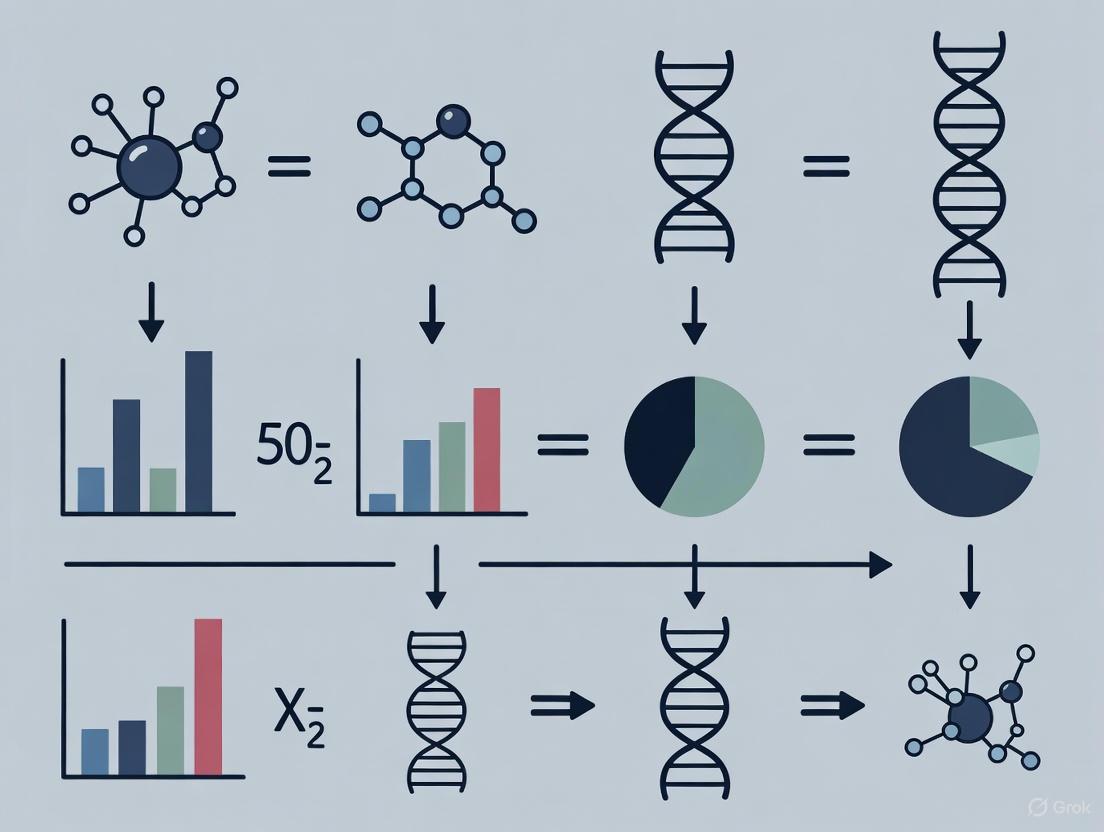
This review synthesizes current evidence on the replication of endometriosis-associated genetic loci across diverse ethnic groups, a critical endeavor for equitable biomedical advancement.
Cross-Ancestry Insights: Replicating Endometriosis Genetic Loci Across Diverse Populations
Abstract
This review synthesizes current evidence on the replication of endometriosis-associated genetic loci across diverse ethnic groups, a critical endeavor for equitable biomedical advancement. We explore the foundational genetic architecture of endometriosis, highlighting established loci from genome-wide association studies (GWAS) and the historical bias that has limited diversity in research. The article details methodological frameworks for cross-population genetic analysis, including multi-ancestry GWAS and functional genomics, and addresses key challenges such as heterogeneity, population-specific loci, and confounding by sub-phenotypes. We further compare and validate genetic risk factors and their functional consequences across ancestries, emphasizing recent discoveries from large-scale, diverse biobanks. For researchers and drug development professionals, this synthesis underscores the necessity of inclusive genomics to deconvolute the etiology of endometriosis and develop precise diagnostics and therapies applicable to all populations.
The Genetic Architecture of Endometriosis and the Imperative for Diverse Cohorts
Established Endometriosis Risk Loci from Predominantly European-Centric GWAS
Endometriosis is a complex gynecological disorder affecting approximately 10% of women of reproductive age globally, with a significant heritable component estimated at around 50% [1]. While genome-wide association studies (GWAS) have substantially advanced our understanding of endometriosis genetics, the overwhelming majority of these studies have focused on European ancestry populations, creating a critical gap in understanding how these genetic risk factors translate across diverse ethnic groups.
This review synthesizes current evidence regarding the replication of established endometriosis risk loci across different populations and explores emerging methodologies that overcome limitations of traditional GWAS. We examine how population-specific genetic architecture, allele frequency differences, and tissue-specific regulatory mechanisms impact the portability of European-centric genetic findings to global populations, with implications for biomarker development, therapeutic target identification, and precision medicine approaches in endometriosis.
Quantitative Comparison of GWAS vs. Combinatorial Analytics
Methodological Approaches and Outcomes
Table 1: Comparison of Traditional GWAS and Combinatorial Analytics for Endometriosis Genetic Discovery
| Parameter | Traditional GWAS | Combinatorial Analytics |
|---|---|---|
| Study Design | Single-marker analysis | Multi-SNP combinations (2-5 SNPs) |
| Cases/Controls | 60,000 cases/701,000 controls (meta-analysis) | UK Biobank + All of Us cohorts |
| Identified Loci | 42 significant genomic loci [2] | 1,709 disease signatures [2] |
| Explained Variance | ~5% of disease variance [2] | Not specified, but higher pathway resolution |
| Novel Genes Identified | Reference baseline | 75 novel genes [2] |
| Key Biological Pathways | Sex steroid regulation, cell adhesion [3] | Autophagy, macrophage biology, fibrosis, neuropathic pain [2] |
| Cross-Ancestry Reproducibility | Limited in non-European populations [4] | 66-88% reproducibility across ancestries [2] |
| Therapeutic Target Potential | Established targets (e.g., ESR1, CYP19A1) [3] | Novel targets for drug repurposing |
Cross-Population Genetic Architecture
Table 2: Population-Specific Characteristics in Endometriosis Genetic Studies
| Population | Sample Characteristics | Key Genetic Findings | Reproducibility of European Loci |
|---|---|---|---|
| European (UK Biobank) | White European cohort | 2,957 unique SNPs in combinatorial signatures [2] | Reference population |
| Multi-ancestry (All of Us) | Diverse American cohort | 58-88% signature enrichment (p<0.04) [2] | High for frequent signatures (>9% frequency) |
| Iranian | 25 cases, 25 controls [4] | MFN2, PINK1, PRKN significance | Sardinian study showed non-significant association with European variants [4] |
| Non-white European (All of Us sub-cohorts) | Multiple ethnicities | 66-76% reproducibility (p<0.04) [2] | Moderate for signatures >4% frequency |
| Sardinian | European sub-population | Non-significant association with established risk variants [4] | Limited replication |
Experimental Protocols and Methodologies
Combinatorial Analytics Workflow
The PrecisionLife combinatorial analytics platform represents a significant methodological advancement beyond traditional GWAS. The protocol involves:
Cohort Selection and Preparation: Analysis begins with a white European UK Biobank (UKB) cohort, followed by validation in a multi-ancestry American cohort from the All of Us (AoU) Research Program. Population structure is controlled statistically to minimize confounding [2].
Signature Identification: The platform identifies combinations of 2-5 SNPs (single nucleotide polymorphisms) that collectively associate with endometriosis risk, rather than analyzing individual variants in isolation. This approach identified 1,709 disease signatures comprising 2,957 unique SNPs in the discovery cohort [2].
Functional Annotation and Pathway Analysis: Significant SNP combinations are mapped to genes and biological pathways using enrichment analysis. Pathways significantly enriched in the disease signatures include cell adhesion, proliferation and migration, cytoskeleton remodeling, angiogenesis, fibrosis, and neuropathic pain pathways [2].
Cross-Validation: Signatures are tested for reproducibility in the independent AoU cohort, with stratification based on signature frequency and ancestral background. reproducibility rates range from 80-88% for high-frequency signatures (>9%) and 66-76% for non-white European sub-cohorts with signatures >4% frequency [2].
Multi-Tissue eQTL Analysis Protocol
Understanding the functional impact of endometriosis-associated variants requires tissue-specific expression quantitative trait loci (eQTL) analysis:
Variant Selection: 465 unique endometriosis-associated variants with genome-wide significance (p < 5×10^(-8)) were curated from the GWAS Catalog [5].
Tightly Selection: Six physiologically relevant tissues were analyzed: uterus, ovary, vagina, sigmoid colon, ileum, and peripheral blood, representing both reproductive tissues and tissues involved in lesion development or systemic inflammation [5].
eQTL Mapping: Variants were cross-referenced with tissue-specific eQTL data from GTEx v8 database, retaining only significant eQTLs (FDR < 0.05). The slope value, indicating direction and magnitude of regulatory effect, was recorded for each variant-gene-tissue combination [5].
Functional Interpretation: Regulated genes were analyzed using MSigDB Hallmark gene sets and Cancer Hallmarks collections to identify enriched biological pathways and processes [5].
Biological Pathways and Mechanisms
The combinatorial analytics approach revealed novel biological insights beyond traditional GWAS findings. While GWAS-identified genes predominantly cluster in sex steroid regulation pathways (ESR1, CYP19A1, HSD17B1) and basic cellular processes [3], the combinatorial approach identified 75 novel genes enriched in autophagy and macrophage biology pathways [2].
Tissue-specific eQTL analysis demonstrates significant heterogeneity in regulatory effects across different tissues. In reproductive tissues (uterus, ovary, vagina), endometriosis-associated variants predominantly regulate genes involved in hormonal response, tissue remodeling, and adhesion. In contrast, in intestinal tissues (colon, ileum) and peripheral blood, these variants primarily affect immune and epithelial signaling genes [5]. Key regulatory genes including MICB, CLDN23, and GATA4 consistently associate with hallmark pathways including immune evasion, angiogenesis, and proliferative signaling across multiple tissues [5].
The Scientist's Toolkit
Table 3: Essential Research Resources for Endometriosis Genetic Studies
| Resource | Type | Primary Function | Example Implementation |
|---|---|---|---|
| PrecisionLife Platform | Analytical Software | Combinatorial analysis of SNP combinations | Identified 1,709 multi-SNP disease signatures [2] |
| GTEx Database v8 | Reference Dataset | Tissue-specific eQTL mapping | Characterized regulatory effects across 6 relevant tissues [5] |
| UK Biobank | Cohort Resource | Large-scale genetic and health data | Discovery cohort for combinatorial analysis [2] |
| All of Us Program | Cohort Resource | Multi-ethnic validation cohort | Cross-ancestry reproducibility testing [2] |
| MSigDB Hallmark Sets | Annotation Resource | Biological pathway analysis | Functional interpretation of regulated genes [5] |
| GWAS Catalog | Reference Database | Curated genome-wide associations | Source of 465 established endometriosis variants [5] |
Implications for Drug Development
The identification of novel genes through combinatorial analytics provides substantial opportunities for therapeutic development. Several of the 75 newly identified genes represent credible targets for drug discovery, repurposing, and/or repositioning [2]. The high reproducibility rates across diverse ancestral groups (66-88%) suggest these targets may have broad applicability across populations.
The disease signatures identified can serve as genetic biomarkers in clinical trials of candidate drugs targeting specific mechanisms, enabling precision medicine approaches. This is particularly valuable for stratifying patient populations likely to respond to therapies targeting specific pathways such as autophagy, macrophage function, or specific inflammatory cascades [2].
Furthermore, understanding the tissue-specific regulatory effects of endometriosis risk variants enables more targeted therapeutic interventions. For instance, variants operating primarily in reproductive tissues might require different drug delivery strategies than those with systemic effects mediated through blood or intestinal tissues [5].
The established endometriosis risk loci from predominantly European-centric GWAS represent only a fraction of the genetic architecture of this complex disorder. While these loci have provided valuable insights into biological pathways, their portability across diverse ethnic groups is limited. Emerging methodologies, particularly combinatorial analytics and multi-tissue functional genomics, are rapidly expanding our understanding of endometriosis genetics beyond these initial findings.
The future of endometriosis genetics lies in diverse, multi-ancestry cohorts and analytical approaches that capture the complex interplay of multiple genetic variants. These advances will ultimately enable more precise diagnostic tools, personalized treatment strategies, and novel therapeutic interventions that benefit all populations affected by this debilitating condition.
The historical narrative surrounding race and endometriosis has profoundly shaped both research priorities and clinical perceptions for over a century. Early 20th-century medical literature propagated the persistent misconception that endometriosis primarily affected affluent White women, while being rare among Black women and other racial/ethnic minorities [6] [7]. This deeply entrenched bias originated from methodologically flawed studies conducted during an era of significant social concern about declining birth rates among upper-class women in the United States [6]. The historical framing of endometriosis as a "career woman's disease" or a condition of the "well-to-do" created a legacy of diagnostic suspicion that continues to influence contemporary research methodologies and clinical practices [7].
The impact of this biased historical narrative extends directly to the replication of endometriosis loci across diverse ethnic groups in genetic research. Genome-wide association studies (GWAS) have identified numerous genetic loci associated with endometriosis risk, but the populations included in these studies remain predominantly of European and East Asian ancestry, creating significant gaps in our understanding of the genetic architecture of endometriosis across all human populations [8] [9] [10]. This review examines how historical perceptions continue to influence modern research methodologies and clinical approaches, with particular focus on the translational implications for researchers, scientists, and drug development professionals working to advance equitable care in endometriosis.
Historical Foundations of Racial Bias in Endometriosis
Early Scientific Literature and Societal Influences
The modern historical narrative of endometriosis begins with American gynecologist John A. Sampson, who published his seminal work on retrograde menstruation in the 1920s [6] [7]. Sampson's research interests focused on explaining infertility in endometriosis patients, occurring against a backdrop of social panic regarding declining birth rates among upper-class women in the United States [6]. This societal context profoundly influenced early epidemiological theories about the condition.
Dr. Joe Vincent Meigs significantly advanced the racialization of endometriosis by proposing a theory directly linking the condition to contraceptive use and delayed childbearing patterns he observed most commonly in the "well-to-do" [6]. This theory gained substantial traction throughout the mid-20th century, supported by research that explicitly contrasted endometriosis rates between "private White patients" and "ward Black patients" - a dichotomy now recognized as methodologically problematic due to significant confounding and selection bias [6]. These early studies failed to account for the substantial disparities in healthcare access between different socioeconomic groups, instead attributing differential diagnosis rates to inherent biological differences between racial groups.
Persistence in Medical Education and Clinical Training
The biased narrative regarding race and endometriosis became institutionalized through its incorporation into foundational medical textbooks and educational materials. Throughout the 1960s and 1970s, prominent gynecology textbooks maintained strong convictions that endometriosis was less common in Black women and those of low socioeconomic status [7]. For instance, the sixth edition of Novak's Gynecology (1961) stated: "There seems no doubt that endometriosis is much more common in the white private patient than in the dispensary clientele" [6].
Although some evidence challenging this narrative began emerging as early as the 1950s, it was not until Dr. Chatman presented his work in the 1970s that the view of low endometriosis prevalence in Black patients began to meaningfully shift [6]. Even contemporary medical education resources sometimes perpetuate these historical biases. The 2013 edition of Blueprints of Gynecology featured a clinical vignette where "Her ethnicity is Caucasian" was correctly identified as increasing suspicion for endometriosis, demonstrating how these historical associations continue to influence diagnostic algorithms [6].
Historical Bias Development in Endometriosis
Contemporary Evidence on Racial and Ethnic Disparities
Epidemiological Patterns and Diagnostic Delays
Contemporary research reveals significant disparities in endometriosis prevalence and diagnostic timing across racial and ethnic groups, though these findings must be interpreted within the context of ongoing methodological limitations. A systematic review and meta-analysis by Bougie et al. (2019) synthesized data from 18 studies and found that compared to White women, Black and Hispanic women were less likely to be diagnosed with endometriosis, while Asian women were more likely to receive this diagnosis [6]. However, the authors noted significant heterogeneity in these analyses and highlighted the poor methodological quality of many included studies, particularly regarding selection bias and confounding from socioeconomic status [6].
More recent studies using different methodological approaches continue to demonstrate disparities. Analysis of cross-sectional data from the National Health and Nutrition Examination Survey (NHANES) 1999-2006 estimated an overall endometriosis prevalence of 9.0% among women aged 20-54 years, with substantial variation by race/ethnicity: 11.1% among non-Hispanic White women, 5.8% among non-Hispanic Black women, 2.7% among Hispanic women, and 6.4% among other racial/ethnic groups combined [11]. This analysis also identified significant differences in diagnostic timing, with Black and Hispanic women being diagnosed at older ages than their White counterparts [11].
Table 1: Endometriosis Prevalence and Diagnostic Timing Across Racial/Ethnic Groups
| Racial/Ethnic Group | Prevalence (%) | Odds Ratio (vs. White) | Mean Age at Diagnosis | Diagnosis Delay (Years) |
|---|---|---|---|---|
| Non-Hispanic White | 11.1 | Reference | 29.0 | Reference |
| Non-Hispanic Black | 5.8 | 0.49 (95% CI: 0.29-0.83) | 31.6 | +2.6 |
| Hispanic | 2.7 | 0.46 (95% CI: 0.14-1.50) | 32.8 | +3.8 |
| Asian | - | 1.63 (95% CI: 1.03-2.58) | - | - |
| Other Groups | 6.4 | - | 28.0 | -1.0 |
Data compiled from Bougie et al. (2019) systematic review and Li et al. (2021) NHANES analysis [6] [11]
Disparities in Treatment Approaches
Racial disparities extend beyond diagnosis to treatment patterns and prescription practices. A recent retrospective cohort study using IBM MarketScan Multi-state Medicaid data examined racial disparities in drug prescriptions for endometriosis patients [12]. The analysis included 16,372 endometriosis patients (23.3% Black, 66.0% White) and revealed significant differences in medication prescriptions across 28 drug classes examined [12].
Of the drug classes studied, 17 were prescribed significantly less frequently to Black patients compared to White patients, while only 4 were prescribed more frequently [12]. Notably, for 16 of the 17 drug classes with lower prescription rates in Black patients, these disparities were larger prior to diagnosis than after formal diagnosis, suggesting that diagnostic delays compound treatment inequities [12]. These findings highlight how disparities in endometriosis care extend across the entire clinical spectrum from initial symptom presentation through long-term management.
Genetic Research and Ethnic Representation
Current Status of Endometriosis Genome-Wide Association Studies
Genome-wide association studies have substantially advanced our understanding of endometriosis genetics, but significant ethnic disparities persist in research participation and representation. The largest meta-analysis of endometriosis GWAS to date combined data from 11 case-control datasets totaling 17,045 endometriosis cases and 191,596 controls, predominantly of European (∼93%) and Japanese (∼7%) ancestry [9]. This analysis identified five novel loci significantly associated with endometriosis risk, implicating genes involved in sex steroid hormone pathways including FN1, CCDC170, ESR1, SYNE1, and FSHB [9].
More recent population-specific GWAS continues to follow this pattern of ethnic concentration. A 2024 GWAS conducted in a Taiwanese-Han population identified five significant susceptibility loci for endometriosis, three of which (WNT4, RMND1, and CCDC170) were previously associated with endometriosis across different populations, while two (C5orf66/C5orf66-AS2 and STN1) were newly identified [8]. Functional network analysis of potential risk genes in this cohort revealed involvement in cancer susceptibility and neurodevelopmental disorders in endometriosis development [8].
Table 2: Key Endometriosis Genetic Loci Across Ethnic Populations
| Genetic Locus | Location | European Ancestry | Japanese Ancestry | Taiwanese-Han | Putative Function |
|---|---|---|---|---|---|
| WNT4 | 1p36.12 | Confirmed [9] | Confirmed [9] | Confirmed [8] | Female reproductive development |
| CCDC170 | 6q25.1 | Novel [9] | - | Confirmed [8] | Sex hormone pathway |
| ESR1 | 6q25.1 | Novel [9] | - | - | Estrogen receptor |
| FSHB | 11p14.1 | Novel [9] | - | - | Follicle-stimulating hormone |
| VEZT | 12q22 | Confirmed [9] | Confirmed [9] | - | Cell adhesion |
| GREB1 | 2p25.1 | Confirmed [9] | Confirmed [9] | - | Early estrogen regulation |
| C5orf66-AS2 | 5q31.1 | - | - | Novel [8] | Long non-coding RNA |
| STN1 | 10q24.33 | - | - | Novel [8] | Telomere maintenance |
Comparison of key endometriosis risk loci identified across different ethnic populations in GWAS [8] [9] [10]
Consequences of Limited Diversity in Genetic Studies
The limited ethnic diversity in endometriosis GWAS has profound implications for both scientific understanding and clinical translation. Research has identified three genetic loci (WNT4, CDC42, and CCDC170) that appear to be associated with endometriosis risk across European, Japanese, and Taiwanese-Han populations [10]. However, the absence of GWAS including other populations, particularly women of African ancestry, significantly restricts our understanding of the genetic architecture of endometriosis across all human populations [10].
This limited representation directly impacts the translational potential of genetic discoveries. Without diverse genetic data, risk prediction models cannot be adequately validated for clinical application across different ethnic groups, potentially exacerbating health disparities [10]. Furthermore, the identification of population-specific loci suggests that therapeutic targets derived from genetic studies conducted primarily in European populations may have limited efficacy or relevance for other ethnic groups [8] [10].
GWAS Workflow and Diversity Limitations
Methodological Challenges and Reporting Gaps
Inconsistent Reporting of Race and Ethnicity in Research
A fundamental barrier to understanding and addressing ethnic disparities in endometriosis is the inconsistent reporting of race and ethnicity data in research publications. A systematic review of all human studies reporting data about endometriosis published in 2022 found that only 10.0% (65/648) of articles reported the race or ethnicity of study participants [13]. Among those that did report this information, the quality of reporting was notably poor, with frequent use of unspecified classification methods (67.7%) and inadequate adherence to International Committee of Medical Journal Editors (ICMJE) recommendations for race/ethnicity reporting [13].
This systematic review revealed that the adherence to specific ICMJE recommendations was particularly low: only 3.1% of studies reported who classified individuals' race/ethnicity, no studies explained why the particular classification system was used, and only 1.5% described whether classification options were defined by the investigator or participant [13]. These reporting deficiencies significantly limit the ability to synthesize evidence across studies or conduct meaningful meta-analyses on ethnic variations in endometriosis presentation, treatment response, or outcomes.
Barriers to Diverse Participant Enrollment
Multiple structural and methodological barriers contribute to the limited ethnic diversity in endometriosis research. Historical exclusion of minority populations from medical research has generated legitimate distrust within these communities, creating recruitment challenges that require dedicated effort and resources to overcome [14]. Additionally, research protocols often fail to address practical barriers to participation, such as transportation challenges, inflexible work schedules, and language differences [14].
The historical framing of endometriosis as primarily affecting White women has also influenced research priorities and recruitment strategies, creating a self-perpetuating cycle of underrepresentation [6] [7]. Furthermore, the predominant focus on severe, surgically confirmed disease in genetic studies introduces selection bias, as ethnic minorities face greater barriers to accessing specialized surgical care, thereby limiting their eligibility for research participation [6] [14].
Research Reagent Solutions for Inclusive Genetic Studies
Advancing equitable endometriosis research requires specialized reagents and methodologies designed to address ethnic disparities in genetic studies. The following research tools represent essential components for conducting inclusive genetic epidemiology in endometriosis.
Table 3: Essential Research Reagents for Inclusive Endometriosis Genetics
| Research Reagent | Function/Application | Considerations for Diverse Populations |
|---|---|---|
| Whole Genome Sequencing Kits | Comprehensive variant detection across entire genome | Essential for identifying population-specific variants not captured in targeted arrays |
| Ethnically Diverse Reference Panels | Improves imputation accuracy for non-European populations | Critical for studies including African, Indigenous, or admixed populations |
| Custom SNP Arrays | Targeted genotyping of known endometriosis risk loci | Should include population-specific variants based on preliminary sequencing data |
| Epigenetic Analysis Kits | Analysis of DNA methylation patterns in endometriosis | Must account for ethnic differences in epigenetic markers influenced by environmental factors |
| Cell Line Models from Diverse Donors | In vitro functional validation of genetic findings | Requires establishment of ethnically diverse endometrial cell line collections |
| Multi-omics Integration Platforms | Integration of genomic, transcriptomic, and proteomic data | Necessary for understanding how genetic variants manifest differently across populations |
Essential research reagents and methodologies for advancing inclusive genetic studies in endometriosis [8] [9] [10]
The historical narrative of race and endometriosis continues to exert substantial influence on contemporary research methodologies and clinical perceptions. The legacy of early 20th-century biases, which framed endometriosis as a condition primarily affecting White women of higher socioeconomic status, has created persistent disparities in diagnosis timing, treatment approaches, and research representation [6] [7]. These disparities directly impact the replication of endometriosis loci across diverse ethnic groups, limiting the translational potential of genetic discoveries for all populations [8] [9] [10].
Addressing these historical inequities requires concerted methodological reforms across multiple domains. First, genetic research must prioritize the inclusion of underrepresented populations in GWAS and functional validation studies to identify both shared and population-specific risk loci [10]. Second, consistent and rigorous reporting of race and ethnicity data in endometriosis publications is essential, following established guidelines such as those from ICMJE [13]. Third, clinical education must confront and correct historical biases that continue to influence diagnostic suspicion and treatment decisions [6] [14].
For researchers, scientists, and drug development professionals, addressing these historical disparities is not merely an ethical imperative but a scientific necessity. The limited understanding of endometriosis genetics across diverse ethnic populations constrains drug target identification, clinical trial design, and ultimately, the development of effective therapies for all individuals with endometriosis. By implementing methodologically rigorous approaches that explicitly address historical biases and current research gaps, the field can advance toward more equitable and effective research paradigms and clinical care for endometriosis across all racial and ethnic groups.
Heritability Estimates and the Unexplained Genetic Variance in Non-European Groups
Understanding the genetic architecture of complex traits and diseases is a fundamental goal of human genetics, with profound implications for risk prediction, diagnosis, and the development of targeted therapies. Heritability estimates—quantifying the proportion of phenotypic variance attributable to genetic factors—provide a crucial metric for gauging the potential of genetic approaches. However, the overwhelming majority of genome-wide association studies (GWAS) have been conducted in populations of European ancestry [15]. This bias creates a critical challenge: significant portions of the genetic variance remain unexplained in non-European groups, and genetic risk models developed in European populations often show markedly reduced performance when applied to other ancestries [15]. This review examines the scope of this disparity, explores the genetic and methodological factors driving it, and uses endometriosis as a case study to illustrate both the challenges and potential pathways toward more equitable genomic medicine.
The Landscape of Ancestry Bias in Human Genomics
Quantifying the Disparity in Genomic Research
The underrepresentation of non-European populations in genetic studies is severe and persistent. Analyses of the GWAS Catalog reveal that as of 2021, approximately 83.8% of all participants in published GWAS were of European ancestry [15]. This bias has shown little improvement over the decade of 2011-2020, with European ancestry participants consistently constituting about 80% of study populations each year. Even after accounting for the resampling of the same individuals across multiple studies, Europeans still represent the majority (68%) of independent individuals used in height GWAS, for example [15].
Table 1: Ancestry Representation in GWAS for Select Phenotypes (Based on Largest Available Studies)
| Phenotype | European Ancestry Sample Size | East Asian Sample Size | African American/Afro-Caribbean Sample Size | Sub-Saharan African Sample Size |
|---|---|---|---|---|
| Type 2 Diabetes | 1,114,458 | 433,540 | 56,092 | 7,809 |
| Coronary Artery Disease | 547,261 | 167,140 | 28,235 | Not specified |
| Body Mass Index | 500,279 | 174,430 | 27,364 | Not specified |
The Performance Gap in Polygenic Risk Scores
The translational impact of this representation bias is most apparent in the performance of polygenic risk scores (PRS). PRS aggregate the effects of many genetic variants to quantify an individual's genetic liability for a trait or disease. While European-ancestry PRS have demonstrated increasing predictive power, their performance drops significantly when applied to non-European populations [15]. For example, PRS for cardiomyopathies developed from European data can be unreliable or even misleading for people of African descent [15]. This performance gap represents a significant challenge for the equitable application of genomic medicine.
Genetic and Methodological Drivers of Unexplained Variance
Biological Factors in Population-Specific Genetic Architecture
Several biological factors contribute to the differential performance of genetic models across populations:
Linkage Disequilibrium (LD) Differences: Patterns of linkage disequilibrium—the non-random association of alleles at different loci—vary substantially across human populations due to their distinct demographic histories [15]. SNPs identified in GWAS often serve as proxies (tag SNPs) for causal variants rather than being functional themselves. When LD patterns differ, these tag SNPs may not effectively capture the causal variants in other populations.
Allele Frequency Heterogeneity: The frequency of risk alleles can vary dramatically across populations. A variant common in one ancestry group might be rare or absent in another, directly affecting its contribution to heritability estimates and risk prediction models [16].
Effect Size Heterogeneity: The phenotypic effect of a genetic variant may not be constant across ancestries. Studies comparing European-Americans and African-Americans have found genetic effect correlations well below unity (ranging from 0.50 to 0.73 across traits), indicating significant heterogeneity in how genetic variants influence traits in different populations [16].
Methodological Considerations in Heritability Estimation
Heritability estimation itself involves methodological choices that can influence results and their interpretation:
SNP-Based vs. Pedigree-Based Heritability: Whole-genome sequencing (WGS) data from large biobanks now captures approximately 88% of pedigree-based narrow-sense heritability on average across phenotypes, with rare variants (MAF < 1%) contributing about 20% and common variants (MAF ≥ 1%) contributing 68% [17]. The remaining gap highlights variants or effects not captured by current SNP-based approaches.
Within-Family Designs: Recent within-family studies using sibling pairs of diverse ancestries provide robust heritability estimates that are less confounded by population structure or shared environmental effects. These designs have yielded substantial heritability estimates for various traits, with generally concordant estimates across ancestry groups [18].
Table 2: Key Methodologies for Estimating and Analyzing Heritability
| Methodology | Key Principle | Applications | Considerations for Diverse Populations |
|---|---|---|---|
| GREML-LDMS | Uses LD and minor allele frequency stratification to estimate SNP-based heritability from WGS [17] | Quantifying contributions of common and rare variants to phenotypic variance [17] | Requires large sample sizes across ancestries; sensitive to population stratification |
| Bayesian Random Effect Interaction Models | Models effect heterogeneity using main and interaction components across groups [16] | Quantifying effect correlation between ethnically diverse groups; identifying variable heterogeneity across genome regions [16] | Can accommodate both shrinkage and variable selection priors; provides SNP-specific measures of heterogeneity |
| Within-Family Designs | Leverages genetic sharing among relatives while controlling for shared environment [18] | Obtaining robust heritability estimates less confounded by population structure [18] | Requires large numbers of relative pairs; estimates may differ from population-based approaches |
| Sex-Stratified Analysis | Conducts separate GWAS in males and females to uncover sex-specific genetic architecture [19] | Identifying sexually dimorphic genetic effects; revealing additional loci beyond combined-sex analysis [19] | Effect direction concordance between sexes can reveal biologically relevant associations beyond statistical thresholds |
Endometriosis as a Case Study in Cross-Population Genetic Research
Established Genetic Architecture of Endometriosis
Endometriosis, a common gynecological condition affecting approximately 10% of women globally, provides an informative case study for examining genetic risk factors across populations. The condition has an estimated heritability of approximately 52% based on twin studies, with common SNP-based heritability estimated at 26% [20]. Large-scale GWAS meta-analyses have identified multiple risk loci for endometriosis, many implicating genes involved in sex steroid hormone pathways (e.g., WNT4, ESR1, FSHB, GREB1, VEZT) [9] [20].
Meta-analyses of endometriosis GWAS have generally shown remarkable consistency in results across studies of European ancestry, with little evidence of population-based heterogeneity [20]. However, these analyses also reveal that most identified loci show stronger associations with moderate-to-severe (Stage III/IV) disease, emphasizing the importance of detailed sub-phenotype information in genetic studies [20].
Emerging Insights from Diverse Populations
While most large-scale endometriosis GWAS have focused on European and East Asian populations, some studies have begun to examine transferability across ancestries. The first endometriosis GWAS in a Japanese population identified a significant association in CDKN2B-AS1 on chromosome 9p21 [20]. Subsequent meta-analyses combining European and Japanese datasets have confirmed that several loci show consistent effects across these ancestries, while others appear to be population-specific [9] [20].
These findings highlight both the shared genetic architecture and population-specific elements of endometriosis risk. Functional genomics approaches—including gene expression profiling, analysis of epigenetic modifications, and integration with other omics data—are helping to elucidate the biological relevance of associated loci across populations [21].
Figure 1: Biological Pathways Implicated in Endometriosis Genetics. Key genes associated with endometriosis risk through GWAS cluster in several core biological pathways, including sex steroid hormone signaling, cell adhesion and invasion, inflammatory response, and developmental pathways [21] [9] [20].
Research Reagent Solutions for Diverse Population Genetics
Table 3: Essential Research Tools for Advancing Cross-Population Genetic Studies
| Research Reagent | Primary Function | Application in Diverse Genomics |
|---|---|---|
| Whole-Genome Sequencing (WGS) | Comprehensive detection of genetic variation, including rare variants and structural variants [17] | Enables discovery of population-specific variants; captures 88% of pedigree-based heritability on average [17] |
| Multi-Ancestry Biobanks | Large-scale collections of biological samples and data from diverse populations [15] | Provides necessary sample sizes for well-powered discovery and replication across ancestries (e.g., All of Us, H3Africa) [15] |
| Functional Genomics Tools | Characterization of regulatory elements, epigenetic modifications, and gene expression patterns [21] | Elucidates biological mechanisms of associated variants; identifies diagnostic biomarkers across populations [21] |
| Advanced Statistical Methods (e.g., Bayesian Models) | Modeling effect heterogeneity and genetic architecture across populations [16] | Quantifies differences in genetic effects; identifies regions with variable heterogeneity across genome [16] |
The problem of unexplained genetic variance in non-European groups represents both a critical challenge and an opportunity for the field of human genetics. As this review has detailed through both broad analysis and the specific example of endometriosis, current heritability estimates and genetic risk models have significant limitations when applied to diverse populations. The path forward requires concerted effort in several key areas: expanding diverse representation in genetic studies, developing statistical methods that better account for genetic architecture differences, and integrating functional data to understand the biological mechanisms underlying population-specific and shared genetic risk factors. Addressing these challenges is not merely a technical necessity but an ethical imperative to ensure that the benefits of genomic medicine are distributed equitably across all human populations.
Endometriosis is a chronic, estrogen-dependent inflammatory disease characterized by the presence of endometrial-like tissue outside the uterine cavity, affecting approximately 10% of women of reproductive age globally [5]. Genome-wide association studies (GWAS) have emerged as a powerful tool for identifying genetic variants associated with complex diseases like endometriosis, revealing significant insights into its heritable components. Studies indicate that about 50% of endometriosis risk in populations is attributable to genetic factors, with approximately half of this (20-26%) stemming from common variants such as single nucleotide polymorphisms (SNPs) [1]. The biological pathways most frequently implicated by these genetic studies converge on two core systems: sex steroid hormone signaling and inflammatory processes. This review synthesizes how GWAS-identified loci functionally regulate these pathways, provides detailed experimental methodologies for their characterization, and discusses the implications for drug development, all within the critical context of replicating these findings across diverse ethnic populations.
GWAS Insights into Hormonal and Inflammatory Pathways
Key Genetic Loci and Their Functional Consequences
Table 1: Key Endometriosis-Associated GWAS Loci and Their Functional Roles
| Genomic Region/ Gene | Associated SNP(s) | Major Implicated Pathway | Tissue-Specific Regulatory Function | Effect on Gene Expression |
|---|---|---|---|---|
| FSHB Locus | rs11031005 (Chr 11) | Hormonal Signaling | Regulates FSH and LH levels [22] | Influences gonadotropin production |
| Chromosome 7 Locus | Not specified | Hormonal Signaling | Modulates DHEAS and progesterone levels [22] | Affects steroid hormone synthesis |
| Hyaluronic Acid Pathway | Multiple shared loci | Inflammation & Tissue Remodeling | Shared with osteoarthritis [1] | Promotes inflammatory processes |
| MICB, CLDN23, GATA4 | Not specified | Immune Evasion & Epithelial Function | Peripheral blood, colon, ileum [5] | Modulates immune signaling and barrier function |
GWAS have identified numerous loci associated with endometriosis risk, with recent studies characterizing the regulatory effects of 465 unique genome-wide significant variants [5]. A prominent finding is the tissue-specificity of these regulatory effects. In reproductive tissues (uterus, ovary, vagina), eQTL analysis reveals enrichment for genes involved in hormonal response, tissue remodeling, and cellular adhesion [5]. In contrast, in peripheral blood, colon, and ileum, the associated variants predominantly regulate genes involved in immune and epithelial signaling [5]. Key regulators such as MICB, CLDN23, and GATA4 are consistently linked to hallmark pathways including immune evasion, angiogenesis, and proliferative signaling [5].
Beyond the initial association signals, genetic correlation analyses have uncovered significant genetic sharing between endometriosis and other conditions, particularly pain-related disorders like migraine and multi-site chronic pain, as well as inflammatory and autoimmune conditions such as asthma, osteoarthritis, and rheumatoid arthritis [1]. This shared genetic architecture pinpoints specific biological pathways, like the hyaluronic acid pathway—currently a therapeutic target for osteoarthritis—as potentially relevant for endometriosis treatment [1].
Mechanistic Link: Hormones and Inflammation
The genetic insights provided by GWAS underscore a tightly intertwined relationship between sex steroid hormones and immune function in endometriosis pathogenesis. Estrogens, androgens, and progestins exert profound effects on immune cell function, influencing the pathogenesis of immune-related diseases [23]. These effects are concentration-dependent and involve genomic and non-genomic signaling through their respective receptors, which act as transcriptional regulators of immune cellular responses [24] [23].
Steroid hormone signaling modulates immunometabolism, a process wherein immune cells adapt their metabolic pathways to support activation, differentiation, and effector functions. For instance, estrogens can influence metabolic reprogramming in T cells and macrophages, shifting their energy production between aerobic glycolysis, the tricarboxylic acid (TCA) cycle, and oxidative phosphorylation [24]. Proinflammatory macrophages typically upregulate glycolysis, while anti-inflammatory cells rely more on oxidative phosphorylation [24]. This metabolic plasticity, regulated by hormones, shapes the inflammatory microenvironment that supports the survival and growth of ectopic endometrial lesions.
Experimental Protocols for Functional Validation
Following the identification of GWAS loci, a series of experimental protocols are essential to validate their biological function and elucidate their role in disease mechanisms.
Genotyping and Quality Control
The initial step involves robust genotyping and quality control (QC) of participant DNA samples. As demonstrated in a GWAS for sex hormone levels, DNA is typically extracted from whole blood using commercial kits (e.g., QIAamp DNA Blood kits) [22]. Genotyping is performed using microarray technology (e.g., Illumina's Infinium Global Screening Array). Stringent QC metrics must be applied using software like PLINK, excluding samples based on sex discordance, call rate <90%, excessive heterozygosity, or relatedness (Pihat ≥ 0.2) [25]. Population stratification is controlled for using principal components analysis (PCA) with reference panels such as the 1000 Genomes Project [25].
Expression Quantitative Trait Loci (eQTL) Mapping
To determine if a GWAS variant influences gene expression, it is cross-referenced with tissue-specific eQTL datasets. The Genotype-Tissue Expression (GTEx) portal is a primary resource for this analysis [5]. The following workflow is recommended:
- Variant Selection: Curate a list of significant GWAS variants (e.g., p < 5 × 10⁻⁸) from repositories like the GWAS Catalog.
- Tissue Selection: Identify physiologically relevant tissues (e.g., uterus, ovary, vagina, peripheral blood, sigmoid colon, ileum for endometriosis).
- Statistical Analysis: Query the GTEx database for each variant-tissue pair, retaining only significant eQTLs (false discovery rate, FDR < 0.05). The
slopevalue provided by GTEx indicates the direction and magnitude of the effect on gene expression [5].
Gene Expression Analysis via RT-qPCR
To functionally validate findings in a specific cohort, gene expression analysis can be performed.
- RNA Extraction: Total RNA is extracted from tissue samples (e.g., endometrial tissue) using a commercial kit (e.g., Favor prep kit) [4].
- cDNA Synthesis: RNA is reverse transcribed to cDNA using a kit (e.g., Parstous kit) [4].
- Quantitative PCR: Real-time PCR is performed (e.g., on a QIAGEN Rotorgene) using SYBR Green master mix. Reactions should be run in duplicate.
- Data Normalization: Gene expression data (delta-CT values) are normalized to a stable reference gene (e.g., 18s rRNA) and log-transformed for analysis. The Pfaffl method is used for fold-change calculation [4].
Diagram: Functional Validation Workflow for GWAS Hits
In Vitro Functional Assays
For putative causal variants in non-coding regulatory regions, reporter gene assays are critical.
- Cloning: Amplify the genomic region containing the risk and non-risk allele.
- Vector Construction: Clone each allele into a reporter plasmid (e.g., pGL3-Basic vector containing firefly luciferase).
- Transfection: Introduce constructs into relevant cell lines (e.g., endometrial stromal cells, immune cell lines).
- Measurement: Assay for luciferase activity after 24-48 hours. A significant difference in activity between alleles indicates the variant has a direct regulatory effect.
Pathway Diagrams and Biological Mechanisms
The integration of GWAS data with functional genomics reveals a core pathological network in endometriosis driven by the interplay of hormonal and inflammatory pathways.
Diagram: Hormone-Immune Interaction in Endometriosis Pathogenesis
This diagram illustrates the central hypothesis emerging from genetic studies: GWAS-implicated variants converge to disrupt normal sex hormone signaling and immune homeostasis. A key mechanistic link is immunometabolic reprogramming, where steroid hormones like estrogen modulate the metabolic pathways of immune cells, such as T cells and macrophages [24]. For example, estrogens can influence whether a macrophage adopts a pro-inflammatory (M1) state, reliant on glycolysis, or a pro-resolving (M2) state, dependent on oxidative phosphorylation [24]. This hormonally-driven metabolic shift creates an inflammatory microenvironment that facilitates the survival and proliferation of ectopic endometrial lesions.
The Scientist's Toolkit: Research Reagent Solutions
Table 2: Essential Research Reagents for Endometriosis Pathway Analysis
| Reagent / Material | Manufacturer / Example | Function in Experimental Protocol |
|---|---|---|
| DNA Extraction Kit | QIAamp DNA Blood Kits | High-quality genomic DNA isolation from whole blood for genotyping [25]. |
| Genotyping BeadChip | Illumina Infinium Global Screening Array | Genome-wide SNP profiling for GWAS and association studies [25]. |
| RNA Extraction Kit | Favor Prep Total RNA Kit | Isolation of intact RNA from tissue samples for gene expression studies [4]. |
| cDNA Synthesis Kit | Parstous cDNA Synthesis Kit | Reverse transcription of RNA to stable cDNA for downstream qPCR [4]. |
| SYBR Green qPCR Mix | AMPLICON SYBR Green Master Mix | Sensitive detection and quantification of target gene expression in real-time PCR [4]. |
| eQTL Database | GTEx Portal (v8) | Public resource to map genetic variants to tissue-specific gene expression effects [5]. |
| Reporter Vector | pGL3-Basic Luciferase Vector | Backbone for cloning regulatory sequences to test variant activity in vitro. |
Replication Across Diverse Ethnic Groups
The replication of GWAS findings across diverse ethnic populations remains a significant challenge and a critical area for future research. Studies have shown that risk alleles can exhibit population-specific effects. For instance, research in an Iranian population revealed significant associations between specific SNPs in genes like MFN2 and PINK1 and endometriosis, highlighting the importance of local and ethnic-specific genetic studies [4]. Furthermore, a study on the Sardinian population did not find a significant association between several target gene variants and endometriosis risk, suggesting that "specific risk alleles could act differently in the pathogenesis of the disease in different ethnic populations" [4].
This variability underscores the necessity of conducting large-scale genetic studies in diverse cohorts. The International Endometriosis Genomics Consortium has made strides by aggregating data from various ancestries, but continued effort is needed to ensure that biological insights and subsequent drug development efforts are applicable to all women affected by the disease. Understanding the role of differing allele frequencies, linkage disequilibrium patterns, and population-specific environmental interactions is paramount for validating the generalizability of the hormonal and inflammatory pathways identified primarily in European-ancestry populations to date.
Frameworks for Cross-Population Genetic Analysis and Functional Validation
Design and Power Considerations for Multi-Ancestry GWAS Meta-Analyses
Genome-wide association studies (GWAS) have fundamentally advanced our understanding of the genetic architecture of complex diseases. However, historic dominance of European-ancestry populations (approximately 94.5% of participants as of 2025) has severely limited the generalizability of genetic discoveries and exacerbated health disparities [26]. Multi-ancestry approaches are now essential for robust, equitable genetic research. These studies face methodological challenges in design, particularly the choice between meta-analysis (combining results from ancestry-stratified analyses) and mega-analysis (pooling all individuals in a single unified analysis) [27] [26]. Within the specific context of endometriosis—a heritable gynecological condition with estimated 52% heritability—expanding genetic investigations beyond European populations is crucial for translating gene discovery into pathogenic mechanisms and therapeutic targets relevant for a global population [28] [20]. This guide objectively compares the performance of multi-ancestry GWAS methodologies, providing supporting data and detailed protocols to inform researchers, scientists, and drug development professionals.
Methodological Frameworks for Multi-Ancestry GWAS
Core Analytical Strategies
Three primary strategies are employed in multi-ancestry GWAS, each with distinct operational and statistical characteristics.
Fixed-Effect or Mixed-Effect Meta-Analysis: This classical approach involves conducting separate GWAS within homogeneous ancestry groups, followed by statistical combination of summary statistics. Ancestry-specific reference panels (e.g., CAAPA for African ancestry, HRC for European) are typically used for imputation. Results are combined using models like inverse-variance weighting [27] [26]. An extension, MR-MEGA, leverages allele-frequency differences among studies to boost power and handle admixture, though it introduces additional parameters that can reduce power in certain scenarios [26].
Mega-Analysis (Pooled Analysis): This method processes all individuals collectively, using cosmopolitan reference panels like TOPMed for imputation, and conducts a unified GWAS. Population structure is typically accounted for by including principal components (PCs) as covariates in a single model [27] [26]. Mixed-model implementations can further enhance robustness to population structure and relatedness.
Advanced Frameworks for G×E and Complex Traits: Emerging scalable frameworks, such as SPAGxEmixCCT, are designed for genome-wide gene-environment interaction (G×E) analysis in diverse populations. These methods use a retrospective strategy, fitting a genotype-independent model first and employing saddlepoint approximation for accurate p-value calculation, effectively controlling for population stratification [29].
Comparative Performance Metrics
Evaluations across diverse traits and biobanks reveal critical performance differences between these approaches.
Table 1: Comparative Performance of Multi-Ancestry GWAS Methods
| Method | Statistical Power | Control of Population Structure | Handling of Admixed Individuals | Computational & Data Logistics |
|---|---|---|---|---|
| Mega-Analysis (Pooled) | Highest power across most ancestry compositions and trait architectures [26] | Good control in realistic scenarios with sufficient PCs; mixed-models enhance robustness [26] | Directly accommodates admixed individuals in analysis [26] | Requires individual-level data sharing; higher computational burden for very large samples [27] |
| Fixed-Effect Meta-Analysis | Lower power compared to pooled analysis, especially with heterogeneous allele frequencies [26] | Effective for distinct ancestry groups; PC correction can be less effective in small cohorts [26] | Does not neatly accommodate admixed individuals, potentially leading to their exclusion [27] | Enables data sharing with summary statistics; computationally efficient and scalable [26] |
| MR-MEGA | Power can be reduced due to additional parameters, particularly with complex admixture [26] | Leverages allele-frequency differences to handle structure and admixture [26] | Designed to handle admixed individuals in the meta-analysis framework [26] | Works with summary statistics; implementation complexity can be higher [26] |
| SPAGxEmixCCT (for G×E) | Maintains power while controlling type I error [29] | Specifically designed to be robust to ancestry-specific diversities and stratification [29] | Can be extended (SPAGxEmixCCT-local) to identify ancestry-specific G×E effects using local ancestry [29] | Scalable for large biobanks and complex traits like time-to-event and ordinal outcomes [29] |
Experimental Protocols for Key Methodologies
Protocol 1: Homogeneous Ancestry Meta-Analysis Pipeline
This protocol is exemplified by the Hyperglycemia and Adverse Pregnancy Outcome (HAPO) Study's classical approach [27].
- Ancestry Assignment and Stratification: Perform ancestry inference using tools like Principal Component Analysis (PCA) and spatial analysis (AIPS) on LD-pruned SNPs. Exclude regions like lactase (2q21) and MHC for robust clustering. Assign individuals to genetically homogeneous clusters [27].
- Ancestry-Specific Quality Control (QC): Within each ancestry cluster, apply stringent QC filters: remove variants with Hardy-Weinberg equilibrium p < 0.001, minor allele frequency (MAF) < 0.01, or exhibiting sex differences in allele frequency [27].
- Ancestry-Specific Imputation: Within each cluster, perform phasing and imputation using an ancestry-matched reference panel (e.g., CAAPA for African, HRC for European, GAsP for Asian ancestries). Retain variants with MAF > 0.05 and high imputation quality (e.g., R-square > 0.30) [27].
- Stratified GWAS: Conduct genome-wide association testing within each ancestry group using linear or logistic regression models, adjusting for relevant covariates (e.g., age, sex, field center) and ancestry-specific principal components.
- Meta-Analysis: Combine summary statistics from all ancestry-specific GWAS using random-effects or fixed-effects models (e.g., inverse-variance weighting) to generate final association estimates [27].
Protocol 2: Heterogeneous Ancestry Mega-Analysis Pipeline
This protocol leverages cosmopolitan reference panels for a unified analysis [27].
- Collective Preprocessing: Use genotyped variants common across all ancestry groups. Collectively align all samples to a cosmopolitan reference panel such as TOPMed [27].
- Phasing and Imputation: Perform phasing and imputation collectively for the entire cohort using the TOPMed Cosmopolitan Reference Panel, applying standard quality filters (e.g., R-square > 0.30) [27].
- Unified GWAS: Run a single GWAS on the entire, diverse cohort. For continuous traits, the linear model is fitted as:
y = GβG + XβX + e, whereyis the phenotype vector,Gis the genotype matrix for the variant, andXis the fixed-covariate matrix including top PCs to control for stratification [30] [26]. For binary traits with imbalance, use mixed-model software like SAIGE to account for relatedness and stratification [30]. - Result Calibration: Evaluate genomic inflation factors (λ) and use LD Score Regression (LDSC) to distinguish true polygenicity from confounding bias [27] [31].
Protocol 3: Gene-Environment Interaction in Diverse Biobanks
The SPAGxEmixCCT framework addresses G×E in multi-ancestry cohorts [29].
- Step 1: Fit Covariates-Only Model: Fit a null model for the trait (e.g., Cox model for time-to-event, logistic for binary) including covariates (age, sex, PCs, environmental factor
E), but not genotypes. Calculate the model residuals. This step is performed only once genome-wide [29]. - Step 2: Test for G×E Effect: For each genetic variant, the test statistic for the G×E effect is derived as
S_GxE = Σ (G_i * E_i - λ * G_i) * R_i, whereG_iis genotype,E_iis the environmental factor, andR_iis the residual from Step 1. A projection technique is used to remove the marginal genetic effect, ensuring the test is specific to the interaction [29]. - Step 3: Accurate p-value Calculation: Use a hybrid strategy combining normal approximation and saddlepoint approximation (SPA) to accurately compute p-values, which is crucial for low-frequency variants and unbalanced traits [29].
- Extension for Local Ancestry (SPAGxEmixCCT-local): When local ancestry information is available, this method can be applied to test for ancestry-specific G×E effects within admixed genomes [29].
The logical workflow for selecting and applying these methods is summarized below:
Empirical Evidence and Data-Driven Comparisons
Power and Discovery Performance
Recent large-scale evaluations demonstrate clear performance differences. A comprehensive comparison of pooled analysis, meta-analysis, and MR-MEGA revealed that pooled analysis consistently provides the highest statistical power across various ancestry compositions and trait architectures, while maintaining well-controlled type I error in realistic scenarios [26]. This power advantage is theoretically rooted in its ability to leverage allele-frequency differences across ancestry groups more efficiently [26].
Empirical evidence from the HAPO Study showcases this in practice. A heterogeneous ancestry mega-analysis using the TOPMed panel identified significantly more associations than a homogeneous ancestry meta-analysis. For maternal glycemia phenotypes, the mega-analysis pipeline not only confirmed associations found by meta-analysis but also uncovered a well-documented association at MTNR1B with both fasting and 1-hour maternal glucose that the meta-analysis missed [27]. For metabolomics analyses, the number of significant findings in the heterogeneous ancestry mega-analysis far exceeded those from the homogeneous ancestry meta-analysis and confirmed many previously documented associations [27].
Table 2: Empirical Findings from Comparative Multi-Ancestry GWAS
| Study & Trait | Mega-Analysis Findings | Meta-Analysis Findings | Implications |
|---|---|---|---|
| HAPO Study (Maternal Glycemia) [27] | Identified significant associations in regions close to GCK and MTNR1B for fasting and 1-hr glucose. |
Identified 15 significant variants near GCK for fasting glucose only; missed MTNR1B association. |
Mega-analysis can recover known biology and discover more trait-relevant loci. |
| Chronic Back Pain (N=553,601) [31] | Multi-ancestry meta-analysis identified 87 significant loci (67 novel). | European-ancestry stratum alone identified 68 loci. | Including diverse ancestries dramatically increases discovery (>25% more loci). |
| Endometriosis (N=~1.4M) [28] | Not directly compared, but the large multi-ancestry study identified 80 significant associations (37 novel), expanding on prior mostly European studies. | Previous, smaller meta-analyses had identified fewer loci, demonstrating the power of increased diverse sample sizes [20]. | Large, diverse samples are paramount for discovery and translating genetics into pathogenesis. |
| C-Reactive Protein (SeqGWAS) [32] | Multi-ancestry sequencing-based GWAS identified 113 independent association signals, with cross-ancestry fine-mapping pinpointing 19 to a 95% credible set. | European-only GWAS, while large, lacks the fine-mapping resolution gained from diverse ancestries. | Diversity improves fine-mapping resolution for causal variant identification. |
Considerations for Interpretation and Calibration
While mega-analysis offers power advantages, it requires careful calibration. The HAPO Study noted that genomic inflation factors were more variable in the mega-analysis pipeline, indicating that findings may merit cautious interpretation and further follow-up to distinguish true signals from residual stratification [27]. Using mixed-models (e.g., SAIGE, BOLT-LMM) or LD Score Regression is crucial to diagnose and correct for inflation [30] [26].
Furthermore, the choice of reference panel is critical. The mega-analysis pipeline's success relied on the TOPMed Cosmopolitan Reference Panel, which provides a more comprehensive haplotype resource for diverse populations compared to ancestry-specific panels, thereby improving imputation accuracy [27].
Table 3: Key Research Reagents and Computational Tools for Multi-Ancestry GWAS
| Resource Category | Specific Tool / Resource | Function and Application |
|---|---|---|
| Imputation Reference Panels | TOPMed (Freeze 8) [27] | Cosmopolitan reference panel for collective imputation in mega-analysis, enhancing variant discovery across ancestries. |
| CAAPA, HRC, GAsP, 1000G Phase 3 [27] | Ancestry-specific reference panels (African, European, Asian, Admixed American) for stratified meta-analysis pipelines. | |
| GWAS Software (Fixed-Effect) | PLINK 2.0 [30] [26] | Performs core association analysis (--glm); fast and efficient for quantitative and binary traits with adequate population structure control via PCs. |
| GWAS Software (Mixed-Effect) | SAIGE, BOLT-LMM [33] [30] [26] | Accounts for sample relatedness and case-control imbalance; essential for robust analysis in structured biobank data. |
| Meta-Analysis Tools | MR-MEGA [26] | Meta-analysis tool that uses allele-frequency differences to handle population structure and admixture. |
| Standard Inverse-Variance Weighting [26] | Classical fixed-effect or random-effects meta-analysis for combining summary statistics from stratified analyses. | |
| G×E Analysis Framework | SPAGxEmixCCT [29] | Scalable framework for gene-environment interaction analysis in multi-ancestry or admixed populations, supporting complex traits. |
| Quality Control & Pruning | PLINK (--indep-pairwise) [34] | LD-based marker pruning to reduce multicollinearity, speed up computation, and clarify association peaks. |
| Population Stratification | Principal Component Analysis (PCA) [27] [30] | Standard method to correct for gross population structure; PCs are included as covariates in association models. |
| Calibration & Fine-mapping | LD Score Regression (LDSC) [34] [31] | Diagnoses genomic inflation and distinguishes confounding from polygenicity. |
| SuSiE [32] | Fine-mapping method used to identify putative causal variants within a association signal using summary statistics. |
The evidence strongly supports mega-analysis (pooled analysis) as a powerful and robust strategy for multi-ancestry GWAS, particularly when the research goal is maximal genetic discovery and individual-level data can be shared and processed [27] [26]. However, the optimal methodological choice is context-dependent. Meta-analysis remains a valuable and pragmatic approach for consortia operating with summary-level data or for investigating heterogeneity of effects across predefined ancestry groups [26]. For specialized analyses like genome-wide G×E interaction studies in diverse biobanks, advanced frameworks like SPAGxEmixCCT are essential to maintain statistical rigor and power while accounting for complex population structure [29].
Future directions in multi-ancestry genomics will involve further refinement of mixed models, improved integration of admixed individuals, and the application of whole-genome sequencing in diverse cohorts to capture the full spectrum of genetic variation, including rare variants [32] [26]. As demonstrated in endometriosis research, large-scale multi-ancestry studies are indispensable for expanding the catalog of risk loci, refining polygenic risk scores for global populations, and ultimately elucidating pathogenic mechanisms to inform new therapeutic strategies [28].
Leveraging Large-Scale Biobanks to Enhance Ancestral Diversity in Genomics
Large-scale biobanks have emerged as transformative resources in genomic research, yet many historically suffered from limited ancestral representation, constraining their utility and perpetuating health disparities. The unprecedented scale of contemporary genomic databases has revolutionized the identification of genomic regions intolerant to variation—regions often implicated in disease. However, these datasets remain disproportionately enriched for individuals of Northern European ancestry, creating significant gaps in understanding global genetic architecture [35]. This limitation not only exacerbates health inequities but fundamentally restricts the resolution of genomic tools and discoveries [35].
The analysis of genetic intolerance metrics demonstrates that increasing ancestral representation, rather than sample size alone, critically drives performance. Scores trained on variation observed in African and Admixed American ancestral groups show higher resolution in detecting haploinsufficient and neurodevelopmental disease risk genes compared to scores trained on European ancestry groups [35]. Most strikingly, the Missense Tolerance Ratio (MTR) trained on 43,000 multi-ancestry exomes demonstrates greater predictive power than when trained on a nearly 10-fold larger dataset of 440,000 non-Finnish European exomes [35]. These findings highlight that enhanced population representation is essential to fully realize the potential of precision medicine and drug discovery.
Within this context, endometriosis research presents a compelling case study. Endometriosis, a heritable hormone-dependent gynecological disorder affecting 6-10% of reproductive-aged women, has an estimated heritability of 0.47-0.51 based on twin studies [9]. Understanding how its genetic architecture replicates across diverse populations is crucial for developing equitable diagnostic and therapeutic strategies.
Comparative Landscape of Major Biobanks
National biobank projects utilizing whole-genome sequencing have generated unprecedented volumes of high-resolution genomic data integrated with comprehensive phenotypic information. These initiatives employ distinct approaches to participant recruitment, data collection, and phenotype characterization, resulting in varying levels of ancestral diversity [36].
Table 1: Ancestral Composition of Major Biobanks
| Biobank Name | Total WGS Participants | Ancestral Composition | Special Characteristics |
|---|---|---|---|
| UK Biobank [36] | 490,640 | 93.5% European, 1.9% African, 1.9% South Asian, 0.6% East Asian, 0.6% Ashkenazi Jewish | Population-based cohort; Extensive phenotypic data through surveys, assessments, and EHR linkage |
| All of Us Research Program [36] | 245,388 (Goal: >1 million) | 51.1% European, 22% African/African American, 18% Hispanic/Latino, 2% Asian, mixed/other ancestries | 77% from groups historically underrepresented in biomedical research; Longitudinal EHR data; Wearable device metrics |
| Biobank Japan [36] | 14,000 (plus 270,000 SNP arrays) | >99% Japanese | Focus on 51 common diseases in Japanese population; Multi-omics data including metabolomics and proteomics |
| PRECISE Singapore [36] | Phase 1: 9,770; Phase 2: 100,000 (planned) | Chinese (58.4%), Indian (21.8%), Malay (19.5%) | Reflects Singapore's major ethnic groups; Multi-omics including transcriptomics, proteomics, metabolomics, epigenomics, microbiome |
| NPBBD-Korea [36] | Phase 1: 772,000 (planned, 2024-2028) | >99% Korean | Integrated bio-big data resource; Includes rare disease, severe/cancer disease participants and general population |
The differential ancestral representation across these biobanks directly impacts their ability to capture global genetic variation. African ancestry cohorts consistently exhibit the greatest genetic diversity relative to the current reference genome (hg38), followed by Admixed American and South Asian cohorts [35]. For example, in gnomAD, there was a 1.8-fold enrichment of common missense variants in the African ancestry cohort (141,538 variants among 8,128 individuals) compared to the non-Finnish European cohort (79,200 variants in 56,885 individuals) [35]. This pattern highlights the critical value of diverse representation for comprehensive variant discovery.
Endometriosis as a Case Study in Cross-Ancestral Genetic Research
Endometriosis genetics provides an instructive model for examining the replication of disease loci across diverse populations. Large-scale genome-wide association studies (GWAS) have identified multiple loci associated with endometriosis risk, but their generalizability across ethnic groups reveals important patterns.
Established Endometriosis Risk Loci
A 2017 meta-analysis of 11 GWAS datasets totaling 17,045 endometriosis cases and 191,596 controls identified five novel loci in addition to replicating nine previously reported loci [9]. The novel loci implicated genes involved in sex steroid hormone pathways (FN1, CCDC170, ESR1, SYNE1, and FSHB), offering unique opportunities for targeted functional research [9]. When combined, the 19 independent single nucleotide polymorphisms (SNPs) robustly associated with endometriosis explain up to 5.19% of variance in the condition [9].
Table 2: Key Endometriosis Risk Loci and Their Characteristics
| Locus | Gene | Reported Odds Ratio | P-value | Biological Pathway | Replication Across Ancestries |
|---|---|---|---|---|---|
| 6q25.1 | CCDC170 | 1.09 (1.06-1.13) | 3.74 × 10⁻⁸ | Sex steroid hormone signaling | Limited data in non-European populations |
| 6q25.1 | SYNE1 | 1.11 (1.07-1.15) | 2.02 × 10⁻⁸ | Sex steroid hormone signaling | Limited data in non-European populations |
| 11p14.1 | FSHB | 1.11 (1.07-1.15) | 2.00 × 10⁻⁸ | Follicle-stimulating hormone production | Limited data in non-European populations |
| 2q35 | FN1 | 1.23 (1.15-1.30) | 2.99 × 10⁻⁹ | Extracellular matrix organization | Limited data in non-European populations |
| 1p36.12 | WNT4 | 1.20 (1.14-1.26) | 4.19 × 10⁻¹² | Gonadal development | Consistent across European and Japanese ancestries [20] |
| 2p25.1 | GREB1 | 1.15 (1.10-1.20) | 1.16 × 10⁻⁹ | Estrogen-regulated gene expression | Consistent across European and Japanese ancestries [20] |
| 9p21.3 | CDKN2B-AS1 | 1.16 (1.12-1.21) | 1.50 × 10⁻⁸ | Cell cycle regulation | Identified in Japanese and European ancestries [20] [9] |
Historical Biases in Endometriosis Research
The relationship between race/ethnicity and endometriosis has been explored for over a century, with historical bias and poorly conducted research leading to the persistent idea that this condition is less likely to be diagnosed in certain racial groups, particularly Black women [6]. Early 20th-century theories incorrectly linked endometriosis to contraceptive use and delayed childbearing among "well-to-do" White women, substantiated by methodologically flawed research comparing private White patients to ward Black patients [6].
A 2019 systematic review and meta-analysis synthesizing 18 studies found that compared to White women, Black and Hispanic women were less likely to be diagnosed with endometriosis, while Asian women were more likely to receive this diagnosis [6]. However, significant heterogeneity was present in the analysis, stemming from clinical variation, outcome definitions, and methodological differences [6]. These findings must be interpreted cautiously given the poor methodological quality of many included studies and significant risk of selection bias and confounding, particularly from socioeconomic status [6].
Methodological Framework for Cross-Biobank Genetic Analysis
Experimental Protocol for Intolerance Metric Calculation
The calculation of ancestry-aware genetic intolerance metrics involves a standardized bioinformatics workflow:
Step 1: Ancestral Group Classification
- Use Principal Component Analysis (PCA) methods to identify clusters of genetic similarity
- Label clusters based on established reference panels (e.g., 1000 Genomes Project) [35]
- Apply consistent classification across UK Biobank and gnomAD datasets
Step 2: Variant Annotation and Filtering
- Annotate all variants using consistent pipeline (e.g., VEP, ANNOVAR)
- Categorize by functional impact: protein-truncating variants (PTVs), missense variants, synonymous variants
- Apply minor allele frequency (MAF) filters appropriate for each analysis (common: MAF > 0.05%; rare: MAF < 0.01%)
Step 3: Genic Mutability Estimation
- Replace traditional variant count proxies with genic mutability estimates
- Calculate from trimer mutation rates accounting for sequence context, methylation, and gene length
- Validate strong correlation between genic mutability and total variants observed (Pearson's r = 0.93-0.94) [35]
Step 4: Intolerance Score Calculation
- Compute Residual Variance Intolerance Score (RVIS) by regressing common functional variants (y-axis) on genic mutability (x-axis)
- Define score as studentized residual for each gene, with negative scores indicating intolerance
- Calculate ancestry-specific versions for each ancestral group
Step 5: Performance Validation
- Test ability to discriminate known disease gene sets (e.g., haploinsufficient genes, neurodevelopmental disorder genes)
- Use area under ROC curve (AUC) as primary metric
- Apply DeLong's test for statistical significance of AUC differences
Figure 1: Computational workflow for generating ancestry-aware genetic intolerance scores, incorporating ancestral classification, variant annotation, and validation steps.
Machine Learning Approaches for Endometriosis Risk Prediction
Recent research has applied machine learning to diverse biobank data for endometriosis prediction. One study using UK Biobank data developed a gradient boosting model (CatBoost) incorporating over 1000 variables covering female health, lifestyle, self-reported data, genetic variants, and medical history prior to diagnosis [37]. The optimal model achieved an area under the ROC curve (ROC-AUC) of 0.81, demonstrating the value of integrated data approaches [37]. Explainable AI tools (SHAP) identified irritable bowel syndrome (IBS) and menstrual cycle length as highly informative features, highlighting potential comorbidities and biological mechanisms [37].
Comparative Performance of Genomic Metrics Across Ancestries
Intolerance Metric Performance
Direct comparison of genetic intolerance metrics across ancestries reveals striking patterns:
Table 3: Performance Comparison of RVIS Across Ancestral Groups in Predicting Disease Genes
| Ancestral Group | Sample Size (exomes) | Haploinsufficient Genes (AUC) | Neurodevelopmental Disorder Genes (AUC) | Key Findings |
|---|---|---|---|---|
| African (AFR) | 8,128 (gnomAD) | 0.72 | 0.75 | Highest resolution despite smaller sample size; 1.8x enrichment of common missense variants vs. NFE |
| Admixed American (AMR) | 17,296 (gnomAD) | 0.70 | 0.73 | Consistently outperformed European ancestry scores |
| South Asian (SAS) | 15,308 (gnomAD) | 0.69 | 0.72 | Generally outperformed European ancestry scores |
| Non-Finnish European (NFE) | 56,885 (gnomAD) | 0.68 | 0.70 | Baseline for comparison; approaching saturation for common variants |
| Finnish European (FIN) | 10,824 (gnomAD) | 0.65 | 0.67 | Reduced diversity due to founding bottleneck |
The superior performance of African ancestry-based scores is consistent across multiple intolerance metrics and validation gene sets. DeLong's test demonstrated that RVIS~AFR~ AUCs were significantly higher than RVIS~NFE~ AUCs for all gene sets excluding haploinsufficient genes [35]. This pattern was robust to different minor allele frequency cutoffs, confirming that broad genetic representation enhances metric resolution beyond sample size alone [35].
Biobank-Specific Analytical Considerations
Each major biobank presents unique advantages and limitations for cross-ancestral analysis:
UK Biobank: While containing 95.06% participants of non-Finnish European ancestry, its large absolute numbers of minority ancestral groups (e.g., 8,701 of African ancestry) enable certain ancestry-specific analyses [35]. However, power remains limited for rare variant discovery in non-European groups.
All of Us Research Program: With 77% participants from groups historically underrepresented in biomedical research, it offers unprecedented diversity for US populations [36]. Longitudinal EHR data and wearable device metrics enhance phenotypic resolution.
Biobank Japan and NPBBD-Korea: Provide deep characterization of East Asian genetics but limited comparability for cross-population analyses without additional diverse cohorts [36].
PRECISE Singapore: Unique tri-ethnic composition (Chinese, Indian, Malay) enables within-study comparisons across multiple Asian populations [36].
Table 4: Key Research Reagent Solutions for Cross-Ancestral Genomic Studies
| Resource Category | Specific Tools | Function | Access Considerations |
|---|---|---|---|
| Genomic Intolerance Metrics | RVIS, MTR, LOF O/E [35] | Quantify gene tolerance to functional variation using population data | Publicly available through interactive portal: http://intolerance.public.cgr.astrazeneca.com/ |
| Biobank Data Access | UK Biobank, All of Us, BBJ, PRECISE [36] | Provide integrated genomic and phenotypic data for diverse populations | Varying access protocols; typically require approved research proposals and data use agreements |
| Variant Annotation | VEP, ANNOVAR | Functional consequence prediction for identified variants | Open-source and commercial options available |
| Ancestry Inference | PCA tools, ADMIXTURE, RFMIX | Genetic ancestry classification and estimation of ancestral proportions | Requires reference panels (e.g., 1000 Genomes, HGDP) |
| Analysis Platforms | UK Biobank Research Analysis Platform, All of Us Researcher Workbench [36] | Cloud-based computing environments with pre-loaded datasets | Secure access to individual-level data without local download |
| Genetic Association Software | REGENIE, SAIGE, PLINK | Scalable GWAS and genetic association testing | Accommodates large biobank-scale datasets with related individuals |
The integration of diverse ancestral representation in large-scale biobanks is transforming genetic research, moving the field beyond historically Eurocentric biases. As demonstrated through endometriosis research and genetic intolerance metrics, enhanced ancestral diversity improves gene-disease association discovery, refines functional prediction tools, and ultimately enables more equitable precision medicine approaches.
The remarkable consistency of most endometriosis risk loci across studies and populations, with limited evidence of population-based heterogeneity, suggests common biological mechanisms [20]. However, stronger associations with Stage III/IV disease observed for most loci emphasize the importance of detailed sub-phenotype information in future studies [20]. Functional studies in relevant tissues are needed to understand how identified variants affect downstream biological pathways across diverse populations.
Future research must prioritize: (1) expanding recruitment of underrepresented populations in existing biobanks; (2) developing statistical methods that optimally leverage diverse datasets; (3) integrating multi-omics data to elucidate functional mechanisms; and (4) ensuring equitable translation of genomic discoveries to clinical practice across all ancestral groups. As these efforts progress, they will catalyze a new era in genomic medicine where benefits are shared broadly across human diversity.
Genome-wide association studies (GWAS) have successfully identified numerous genetic loci associated with endometriosis, revealing over 15 significant genomic regions including signals near WNT4, FN1, ESR1, and FSHB [9]. However, a critical challenge remains: the majority of these disease-associated variants reside in non-coding regions of the genome, making their functional interpretation and causal gene identification exceptionally difficult [20] [38]. This biological knowledge gap is particularly problematic for drug development, as identifying the specific genes through which these variants exert their effects is essential for target validation.
Transcriptome-wide association studies (TWAS) and related methodological frameworks have emerged as powerful approaches to bridge this gap between genetic association and biological function. These methods integrate expression quantitative trait loci (eQTL) data with GWAS results to prioritize genes whose regulated expression mediates genetic risk for complex traits like endometriosis [39] [40]. This comparative guide examines the evolving landscape of these analytical approaches, their experimental foundations, and their practical application for elucidating causal mechanisms in endometriosis across diverse populations.
Methodological Framework: From TWAS to Causal Inference
Fundamental Principles and Analytical Evolution
TWAS and related methods operate on a core principle: they leverage genetic variants associated with gene expression (eQTLs) as instrumental variables to test for association between genetically predicted gene expression and complex traits [39] [41]. The foundational TWAS framework involves two primary stages. First, expression prediction models are built for each gene using cis-eQTL data from reference panels. Second, these models are applied to GWAS summary statistics to test for association between imputed expression and the trait of interest [42] [43].
This basic framework has evolved substantially to address several analytical challenges. Early methods like PrediXcan and FUSION demonstrated initial success but struggled with distinguishing causal genes from nearby correlated genes due to linkage disequilibrium (LD) and pleiotropy [38]. Subsequent developments introduced epigenetic annotation to prioritize functional SNPs (T-GEN) [39], multivariable Mendelian randomization approaches (TWMR) to account for pleiotropy [40], and more recently, methods that explicitly model genetic confounders (cTWAS) [38]. The latest innovations integrate comprehensive functional annotations (SUMMIT-FA) [43] and heterogeneous annotation classes (GAMBIT) [44] to further improve causal gene prioritization.
Key Methodological Comparisons
Table 1: Comparison of Primary eQTL Integration Methods
| Method | Statistical Approach | Key Features | Advantages | Limitations |
|---|---|---|---|---|
| T-GEN [39] | Bayesian sparse linear model with spike-and-slab prior | Integrates tissue-specific epigenetic annotation to prioritize functional SNPs | Identifies eQTLs with higher functional potential; 18.7-47.2% more functional eQTLs; 7.7-102% more trait-associated genes across 207 traits | Epigenetic annotation completeness affects performance |
| TWMR [40] | Multivariable Mendelian randomization | Uses multiple SNPs as instruments and multiple gene expressions as exposures simultaneously | Better accounts for pleiotropy; 1.3% power gain over single-gene approaches; controls type I error | Requires large sample sizes; computationally intensive |
| cTWAS [38] | Bayesian variable selection fine-mapping | Adjusts for all genetic confounders by jointly modeling imputed genes and variants | Controls false discoveries; provides posterior inclusion probabilities (PIPs) for genes and variants | Complex implementation; requires specialized expertise |
| SUMMIT-FA [43] | Penalized regression with functional annotation priors | Leverages MACIE functional annotation database and large eQTL summary data | 24.4% more analyzable expression models than SUMMIT; identifies 21.3% more gene-trait associations | Currently optimized for whole blood tissue |
| GAMBIT [44] | Omnibus test integrating heterogeneous annotation classes | Combines coding, UTR, enhancer, promoter, and eQTL annotations | Increases power by capturing multiple biological mechanisms; improves causal gene identification | Integration of multiple data sources increases complexity |
Experimental Protocols and Workflows
Core Analytical Pipelines
The experimental workflow for implementing these methods typically begins with quality-controlled GWAS summary statistics and matched eQTL reference data from relevant tissues. For endometriosis research, this might include eQTL data from reproductive tissues when available, though blood-based eQTLs from large consortia like eQTLGen (n=31,684) [40] [43] or GTEx [41] are commonly used as proxies.
A standard TWAS protocol involves several key steps. First, expression prediction models are trained using reference eQTL data, with methods varying in their statistical approaches—ranging from elastic net regression (PrediXcan) [39] to Bayesian models with epigenetic priors (T-GEN) [39]. Second, these models are applied to GWAS summary statistics to test gene-trait associations. Finally, significance is determined after multiple testing correction, with more advanced methods incorporating additional steps like joint analysis to identify independent signals [41].
The following workflow diagram illustrates a generalized analytical pipeline for these methods:
Specialized Methodological Protocols
T-GEN Implementation: The T-GEN method employs a specialized Bayesian framework where the probability of a SNP being an eQTL (πk) is linked to its epigenetic annotation matrix (Ak) through a logit model: logit(πk) = Akω [39]. This model prioritizes SNPs located in regions with active epigenetic marks (e.g., H3K4me1, H3K4me3, DNase-I hypersensitivity) known to be hallmarks of regulatory DNA regions. The implementation requires tissue-specific epigenetic data from sources like the Roadmap Epigenomics Project and uses variational Bayesian methods for estimation [39].
cTWAS Fine-mapping Protocol: The cTWAS approach implements a sophisticated fine-mapping procedure to distinguish causal genes from genetic confounders. The method partitions the genome into independent blocks and jointly models the dependence of phenotype on all imputed genes and all variants within each block [38]. It uses the SuSiE fine-mapping algorithm to compute posterior inclusion probabilities (PIPs) for genes and variants, representing the probability that each has a nonzero effect on the trait. This approach has demonstrated calibrated false discovery rates in simulations where traditional TWAS methods showed severe inflation [38].
GAMBIT Omnibus Testing: The GAMBIT framework implements a multi-stage testing procedure that first calculates association tests stratified by functional annotation class (e.g., coding, UTR, enhancer, eQTL), then aggregates across classes using omnibus tests [44]. The method supports four test statistics: L-type (linear/burden tests), Q-type (quadratic/SKAT-like tests), M-type (maximum test), and ACAT (aggregated Cauchy association test). This approach explicitly models multiple distinct biological mechanisms underlying genetic associations.
Application to Endometriosis Research
Insights into Endometriosis Pathogenesis
The application of these methods to endometriosis has provided crucial insights into the functional mechanisms underlying GWAS-identified loci. Large-scale meta-analyses have identified multiple novel loci implicating genes involved in sex steroid hormone pathways (FN1, CCDC170, ESR1, SYNE1, and FSHB) [9], highlighting the central role of hormone signaling in endometriosis pathogenesis.
These methods have been particularly valuable for identifying specific causal genes at multi-gene loci. For example, at the 7p15.2 locus initially identified through GWAS [45], integrative approaches helped pinpoint potential causal genes. Similarly, TWAS and related methods have helped identify genes beyond those nearest to GWAS signals, providing a more complete picture of the biological pathways involved in endometriosis development and progression [42].
Advancing Cross-Population Research
For endometriosis research across diverse ethnic groups, these methods offer particular promise. The functional genomic annotations utilized by methods like T-GEN and SUMMIT-FA can help prioritize likely causal variants that may be population-specific due to differences in LD structure [39] [43]. Additionally, by focusing on gene-level associations rather than variant-level associations, these approaches may improve trans-ethnic replicability when the same genes are involved across populations, even when specific variants differ.
The integration of tissue-specific epigenetic information is especially valuable for cross-population studies, as regulatory elements may be conserved even when specific genetic variants differ. Methods like T-GEN that leverage these functional annotations have demonstrated an 87% increase in identifying eQTLs with active chromatin states compared to annotation-agnostic methods [39], suggesting their potential for identifying conserved functional elements across populations.
Table 2: Key Research Reagents and Resources for eQTL-TWAS Integration
| Resource Category | Specific Resources | Key Features & Applications |
|---|---|---|
| eQTL Reference Data | GTEx (v8), eQTLGen Consortium, CAGE | Tissue-specific eQTL effects; eQTLGen includes 31,684 blood samples [40] [41] |
| Epigenetic Annotation Databases | Roadmap Epigenomics, ENCODE, MACIE | Tissue-specific regulatory element annotations; MACIE integrates multiple annotation categories [39] [43] |
| Analysis Software & Tools | FUSION, T-GEN, cTWAS, SMR, GAMBIT | Implement various TWAS/MR methods; GAMBIT integrates heterogeneous functional annotations [38] [44] |
| GWAS Summary Statistics | UK Biobank, IEC endometriosis GWAS | Trait-specific genetic association data; IEC collection includes >17,000 endometriosis cases [9] |
| LD Reference Panels | 1000 Genomes Project, UK10K | Population-specific linkage disequilibrium patterns; essential for summary statistic methods [40] [44] |
The evolution of eQTL integration methods represents significant progress in bridging the gap between genetic association and biological function in endometriosis research. Each methodological approach offers distinct advantages: T-GEN excels in prioritizing functional SNPs through epigenetic annotation [39]; TWMR provides robust handling of pleiotropy through multivariable modeling [40]; cTWAS offers superior false discovery control by accounting for genetic confounders [38]; and SUMMIT-FA and GAMBIT leverage comprehensive functional annotations to boost power [43] [44].
For researchers investigating endometriosis across diverse populations, strategic implementation of these methods should consider several factors. First, tissue relevance is crucial—while blood eQTLs are most widely available, pursuing reproductive tissue eQTLs when possible may improve specificity. Second, functional annotation databases should be prioritized to enhance causal inference. Third, complementary methods should be employed to triangulate evidence, as no single approach is foolproof.
As these methods continue to evolve, they promise to further illuminate the functional mechanisms underlying endometriosis genetic risk, ultimately accelerating the development of novel therapeutic strategies targeting specific causal genes and pathways. The integration of these approaches with emerging single-cell multi-omics data and diverse population cohorts will be particularly valuable for advancing personalized approaches to endometriosis treatment and prevention.
Endometriosis is a complex, inflammatory estrogen-dependent condition characterized by the presence of endometrial-like tissue outside the uterus, causing chronic pelvic pain and infertility [46]. The disease demonstrates remarkable phenotypic variation, with lesions detected on the peritoneum, within the ovaries, and infiltrating pelvic structures, alongside a diverse spectrum of symptom presentations [46] [47]. This heterogeneity presents significant challenges for genetic association studies, particularly in replicating findings across diverse ethnic populations. Phenotype refinement—the process of creating precisely defined, standardized patient subgroups—emerges as a critical methodological prerequisite. Without accurate phenotypic characterization, genetic studies risk generating spurious associations, failing replication, and overlooking population-specific risk factors. This article examines the essential tools and methodologies for phenotypic refinement in endometriosis research, focusing on the integrated roles of surgical confirmation, detailed symptom stratification, and standardised classification systems within the context of multi-ethnic genetic studies.
Surgical Phenotyping: The Foundational Bedrock
Surgical visualization with histological confirmation remains the gold standard for definitive endometriosis diagnosis and phenotypic characterization in research contexts. It provides the anatomical precision required to distinguish disease subtypes that may have distinct genetic underpinnings.
Established Surgical Classification Systems
Several classification systems have been developed to categorize surgical findings, though most demonstrate limited correlation with pain symptoms or quality of life [46]. Their value lies in standardizing anatomical reporting for research stratification.
Table 1: Key Surgical Classification Systems for Endometriosis
| System Name | Primary Purpose | Strengths | Documented Limitations |
|---|---|---|---|
| Revised ASRM (rASRM) | Stages disease severity (I-IV) based on lesion appearance, adhesion presence, and pouch of Douglas obliteration [48]. | Most widely used globally; provides a common language for documenting surgical extent [48]. | Poor correlation with pain symptoms, infertility, or patient quality of life; inadequate description of deep infiltrating endometriosis (DIE) [46] [48]. |
| ENZIAN | Complementary to rASRM; specifically describes the location and size of DIE nodules in retroperitoneal compartments [46] [48]. | Precisely documents retroperitoneal structure involvement; valuable for surgical planning and describing severe DIE phenotypes [46]. | Primarily used in German-speaking countries; similar to rASRM, shows a general lack of validation correlating with patient outcomes [46]. |
| Endometriosis Fertility Index (EFI) | Predicts pregnancy chances in patients attempting non-IVF conception after surgical documentation [46] [48]. | The only system validated for its intended purpose: predicting post-surgical natural fertility [46]. | Limited to forecasting fertility outcomes; not designed for general phenotypic description or pain correlation. |
Limitations and the Need for Standardized Surgical Protocols
A historical review of 22 different classification systems revealed that few have been adequately evaluated for their intended purposes, and none fully capture the complex phenotype of the disease [46]. This lack of a universally accepted, prognostically valuable system creates a significant barrier to pooling data across research cohorts, especially from diverse geographic and ethnic settings. Furthermore, surgical documentation can be influenced by the surgeon's technique and experience, introducing potential variability. The use of standardised surgical forms, such as those developed by the World Endometriosis Research Foundation, is crucial to minimise this bias and ensure consistent data collection for genetic studies [46].
Deep Clinical Phenotyping: Stratifying by Symptom Profiles
Beyond surgical anatomy, a comprehensive phenotypic description must integrate detailed symptom profiles. Patient-reported outcomes provide critical data that can refine subgroups for genetic analysis, particularly when surgical confirmation is not feasible for all study participants.
Symptom Clusters and Associations
Longitudinal cohort studies have demonstrated that endometriosis is associated with a wide range of symptoms beyond dysmenorrhea. Research from the Australian Longitudinal Study on Women’s Health showed that women with endometriosis had significantly higher odds of multiple symptom clusters compared to those without the disease [47]. These clusters can be stratified to identify potential patient subgroups.
Table 2: Symptom Clusters Associated with Endometriosis for Patient Stratification
| Symptom Cluster | Specific Symptoms (Adjusted Odds Ratio with 95% CI) | Research Implications |
|---|---|---|
| Menstrual Symptoms | Severe period pain (3.61, 3.11–4.19), Heavy menstrual bleeding (2.40, 2.10–2.74), Irregular bleeding (1.76, 1.52–2.03) [47]. | Useful for stratifying patients with a strong inflammatory/uterine contractility profile. |
| Mental Health Comorbidities | Depression (1.67, 1.39–2.01), Anxiety (1.59, 1.24–2.03) [47]. | Suggests a potential phenotype with shared neuro-inflammatory or central sensitization pathways. |
| Bowel & Urinary Symptoms | Constipation (1.67, 1.35–2.08), Urine burning/stinging (2.80, 1.71–4.58) [47]. | May indicate a subtype with significant involvement of the bowel or bladder, or a systemic inflammatory profile affecting multiple pelvic organs. |
| Non-Specific Systemic Symptoms | Severe tiredness (1.79, 1.56–2.05), Sleep difficulty (1.56, 1.35–1.81) [47]. | Points to a phenotype with a strong systemic impact, potentially linked to widespread inflammation or central nervous system effects. |
Methodologies for Symptom Data Collection
Robust symptom stratification relies on standardized methodologies:
- Validated Questionnaires: Use of tools like the Endometriosis Health Profile-30 (EHP-30) or bespoke symptom checklists to ensure consistent, quantifiable data across study sites [47].
- Longitudinal Follow-up: Prospective data collection, as performed in the Australian Longitudinal Study on Women’s Health, tracks symptom progression and stability over time, reducing recall bias [47].
- Cultural and Linguistic Adaptation: For multi-ethnic studies, questionnaires must be translated and culturally validated to ensure symptom concepts are equivalently captured across different populations.
Integrating Genetic and Phenotypic Data Across Diverse Populations
The integration of precise surgical and clinical phenotypes with genetic data is fundamental to understanding the disease's architecture. However, this process is complicated by significant ethnic disparities in diagnosis and representation in research.
The Challenge of Ethnic Disparities and Biased Data
Historical biases have perpetuated the misconception that endometriosis is less common in Black women, a notion originating from methodologically flawed early 20th-century studies [6]. This bias has had a lasting impact:
- Medical Education: Textbook narratives have historically under-represented endometriosis in non-White patients, affecting clinical suspicion and diagnosis [6].
- Research Representation: A systematic review of endometriosis literature published in 2022 found that only 10% of studies reported the race or ethnicity of participants. Among those that did, the quality of reporting was poor, with 67.7% using unspecified methods for classification [13].
- Diagnostic Delays: Black and Hispanic women experience longer delays in diagnosis due to systemic biases, including the dismissal of pain symptoms and limited access to specialized care [6] [14]. This delay can alter the observed phenotypic presentation at the time of surgical confirmation, potentially introducing bias into genetic studies.
A meta-analysis by Bougie et al. (2019) highlighted these disparities, suggesting Black and Hispanic women were less likely to be diagnosed with endometriosis than White women, while Asian women had a higher odds ratio [6]. These findings must be interpreted with caution, as they are confounded by diagnostic access and socioeconomic factors rather than reflecting true biological prevalence.
Landscape Genetics and Population-Specific Insights
Emerging landscape genetics approaches integrate genetic data with demographic and geographic variables. A 2025 study on Iranian women demonstrated a significant association between geographic variables, gene expression magnitude (of MFN2, PINK1, PRKN), and SNP genotypes, highlighting how population-specific context can influence genetic findings [4]. Furthermore, GWAS have identified numerous loci associated with endometriosis, but the effect sizes of these variants can differ across populations. For instance, a study on a Sardinian population did not replicate associations of certain variants found in other European groups, underscoring that risk alleles can act differently in various ethnic populations [4]. This evidence confirms that the replication of genetic loci across diverse groups is not merely a methodological check but a necessary step to distinguish universally relevant pathways from population-specific risk factors.
Essential Research Reagent Solutions and Experimental Protocols
To execute the phenotypic refinement strategies discussed, researchers require a standardized toolkit of reagents and protocols.
Table 3: Key Research Reagent Solutions for Phenotypic and Genetic Studies
| Reagent / Material | Function in Research | Application Example |
|---|---|---|
| Standardized Surgical Phenotyping Forms | Ensures consistent and comprehensive documentation of lesion location, size, and type during laparoscopy. | WERF EPhect surgical forms used in multi-center studies to create uniform datasets for genetic correlation [46]. |
| Validated Patient-Reported Outcome (PRO) Measures | Quantifies symptom severity and impact on quality of life for clinical stratification. | EHP-30 questionnaire deployed alongside sample collection to link symptom clusters with genomic data [47]. |
| DNA/RNA Extraction Kits | Isolves high-quality nucleic acids from blood or tissue for genotyping and expression studies. | DNA from whole blood used for SNP genotyping in landscape genetic studies; RNA from endometrial tissue for gene expression analysis [4]. |
| Pre-designed TaqMan Assays | Enables high-throughput genotyping of specific single nucleotide polymorphisms (SNPs) from GWAS. | Genotyping of SNPs in genes like WNT4 and VEZT in case-control cohorts from diverse ancestries [21]. |
| RT-qPCR Reagents | Measures gene expression levels of target genes in ectopic and eutopic endometrial tissue. | SYBR Green-based qPCR to analyze expression of MFN2, PINK1, and PRKN, normalized to a reference gene (e.g., 18s rRNA) [4]. |
Experimental Workflow for Integrated Phenotyping
The following diagram illustrates a robust experimental workflow for integrating surgical, clinical, and genetic data in endometriosis research.
Figure 1: Integrated workflow for refining endometriosis phenotypes by combining clinical, surgical, and genomic data, culminating in cross-population validation.
Protocol for High-Quality Phenotypic Data in Genetic Studies
Cohort Establishment with Demographic Data:
- Recruit cases with surgically confirmed endometriosis and matched controls.
- Systematically collect self-reported race, ethnicity, and ancestry data, specifying the method of classification (e.g., self-report) in accordance with ICMJE guidelines [13].
- Document geographic location and relevant environmental exposures.
Standardized Surgical Documentation:
- Utilize the rASRM system for overall staging and the ENZIAN classification for deep disease during laparoscopy.
- Record video or photographic evidence of procedures.
- Collect peritoneal, ovarian, and deep lesion samples for histology and biorepository.
Systematic Clinical Phenotyping:
- Administer validated pain and quality-of-life questionnaires (e.g., EHP-30).
- Collect detailed symptom histories using standardized checklists covering dysmenorrhea, chronic pelvic pain, dyschezia, and urinary symptoms [47].
- Obtain comprehensive obstetric and gynecologic history.
Genomic Data Generation and Integration:
- Perform GWAS or genotype pre-identified SNPs using platforms like the Illumina Global Screening Array.
- Generate polygenic risk scores (PRS) and test their predictive power within and across ancestral groups [21].
- Integrate genetic data with surgical and clinical phenotypic subgroups to identify genotype-phenotype correlations.
The relationships between core data types in this refined phenotyping approach are symbiotic, as shown below.
Figure 2: Interrelationships between core data types in endometriosis phenotyping. Demographic and ethnicity data provide essential context for all other data layers.
The replication of endometriosis loci across diverse ethnic groups is inextricably linked to the precision of phenotypic definition. Relying on a simple, unverified clinical diagnosis is insufficient for robust genetic discovery. This article has outlined the critical need for a multi-dimensional approach that integrates detailed surgical classification, stratified symptom profiles, and a conscious effort to address historical disparities in research representation. By adopting standardized surgical protocols, comprehensive clinical phenotyping, and inclusive recruitment strategies that capture the full spectrum of human diversity, researchers can generate the high-fidelity phenotypic data required. This refined data is the foundation upon which meaningful genetic associations can be identified and validated across populations, ultimately accelerating the development of targeted diagnostics and therapies for all individuals affected by this complex condition.
Addressing Heterogeneity, Population-Specific Signals, and Analytical Challenges
Overcoming Linkage Disequilibrium and Allelic Frequency Differences Across Populations
The replication of genetic association signals across diverse ethnic groups is a critical step in validating their biological significance and translational potential. In the context of endometriosis research, this endeavor faces two primary statistical genetic challenges: linkage disequilibrium (LD) patterns and allele frequency differences across populations. LD—the non-random association of alleles at different loci—varies substantially across human populations due to differences in demographic history, population bottlenecks, migration, and natural selection [49] [50]. These variations directly impact the design and interpretation of genome-wide association studies (GWAS), particularly when attempting to replicate findings across ethnic boundaries.
For endometriosis, a complex gynecological disorder with estimated heritability of 47-51%, understanding these population genetic principles is essential for distinguishing true biological signals from population-specific artifacts [20] [9]. This guide objectively compares methodologies and their performance in overcoming these challenges, providing a framework for robust cross-population genetic research.
Theoretical Foundations: LD and Population Structure
Understanding Linkage Disequilibrium
Linkage disequilibrium fundamentally represents the nonrandom association between alleles at different loci [49]. The coefficient of linkage disequilibrium (D) is defined as:
D = pAB - pApB
where pAB is the observed frequency of haplotype AB, and pA and pB are the frequencies of alleles A and B respectively [49] [51]. Under conditions of no evolutionary forces, LD decays exponentially over generations at a rate determined by the recombination frequency (c) between loci: Dt = D0(1-c)t [49] [51].
For practical applications in GWAS, the squared correlation coefficient (r²) is more commonly used:
r² = D² / [pA(1-pA)pB(1-pB)]
This measure is preferred because it is less sensitive to marginal allele frequencies and provides a more intuitive measure of predictive power between variants [51].
Population-Specific Variation in LD Architecture
Empirical studies have demonstrated that LD patterns vary substantially among populations, creating significant challenges for cross-population genetic studies [50]. African populations consistently exhibit shorter LD blocks and lower overall LD compared to non-African populations, reflecting greater genetic diversity and longer evolutionary history [52] [50]. In contrast, European and East Asian populations show substantially higher block coverage and more extensive LD, largely due to population bottlenecks associated with expansions out of Africa [52] [50].
Table 1: Characteristics of LD Across Major Populations
| Population | Typical LD Block Size | Genetic Diversity | Primary Influencing Factors |
|---|---|---|---|
| African | Shortest | Highest | Long evolutionary history, large population size |
| European | Intermediate | Moderate | Population bottlenecks, genetic drift |
| East Asian | Longest | Lower | Severe bottlenecks, genetic drift |
| Admixed | Highly variable | Variable | Ancestry proportions, admixture timing |
These population-specific differences mean that a variant-trait association detected in one population may not replicate in another due to differences in LD structure rather than biological relevance [50]. Furthermore, population stratification—the presence of systematic differences in allele frequencies between subpopulations due to non-genetic reasons—can create spurious associations if not properly accounted for [53].
Empirical Evidence: Endometriosis Loci Across Populations
Replication of Endometriosis Risk Loci
Large-scale GWAS and meta-analyses have identified numerous risk loci for endometriosis, with varying replication success across populations. A meta-analysis of 11 GWAS datasets totaling 17,045 cases and 191,596 controls revealed that 7 out of 9 reported loci showed consistent directions of effect across studies and populations, with 6 reaching genome-wide significance (P < 5 × 10⁻⁸) [20]. These included:
- rs12700667 on 7p15.2
- rs7521902 near WNT4
- rs10859871 near VEZT
- rs1537377 near CDKN2B-AS1
- rs7739264 near ID4
- rs13394619 in GREB1 [20]
Notably, the effect sizes for most loci were stronger in Stage III/IV endometriosis cases, suggesting these genetic factors primarily influence the development of moderate to severe disease [20].
Table 2: Replication of Endometriosis Loci in Cross-Population Analyses
| Locus | Previous GWAS P-value | Meta-Analysis P-value | Consistent Effect Direction | Stronger in Stage III/IV |
|---|---|---|---|---|
| 7p15.2 | 5.57 × 10⁻¹² [20] | 1.6 × 10⁻⁹ [20] | Yes | Yes |
| near WNT4 | < 5 × 10⁻⁸ [9] | 1.8 × 10⁻¹⁵ [20] | Yes | Yes |
| near VEZT | < 5 × 10⁻⁸ [9] | 4.7 × 10⁻¹⁵ [20] | Yes | Yes |
| near CDKN2B-AS1 | 8.65 × 10⁻⁹ [45] | 1.5 × 10⁻⁸ [20] | Yes | Yes |
| near ID4 | 2.19 × 10⁻⁷ [45] | 6.2 × 10⁻¹⁰ [20] | Yes | Yes |
| in GREB1 | < 5 × 10⁻⁸ [9] | 4.5 × 10⁻⁸ [20] | Yes | Yes |
Novel Loci Identification Through Trans-Ethnic Meta-Analysis
Trans-ethnic meta-analysis has proven powerful for identifying novel endometriosis risk loci. The largest endometriosis meta-analysis to date, encompassing 17,045 cases and 191,596 controls of European and Japanese ancestry, identified five novel loci in or near genes involved in sex-steroid hormone pathways [9]:
- FN1 (rs1250241): PGrade B = 2.99 × 10⁻⁹
- CCDC170 (rs1971256): Pall = 3.74 × 10⁻⁸
- ESR1 (secondary signals): Multiple independent associations
- SYNE1 (rs71575922): Pall = 2.02 × 10⁻⁸
- FSHB (rs74485684): Pall = 2.00 × 10⁻⁸ [9]
These findings highlight the value of combining datasets across diverse populations to enhance statistical power and identify biologically relevant pathways.
Methodological Solutions for LD Challenges
Population-Specific Significance Thresholds
The conventional GWAS significance threshold of 5 × 10⁻⁸ was established under assumptions that may not hold across diverse populations, particularly when analyzing whole-genome sequencing data [52]. Recent research demonstrates that minor allele frequency (MAF)-specific, population-tailored significance thresholds provide more accurate type I error control:
MAF-Specific GWAS Thresholds Across Populations Figure 1: Workflow for deriving population-specific significance thresholds that account for LD structure differences.
The Li-Ji method calculates the effective number of independent tests (M_eff) by decomposing eigenvalues of the correlation matrix, providing more accurate estimates than simpler approaches [52]:
M_eff = Σ f(|λi|) where f(x) = I(x ≥ 1) + (x - ⌊x⌋) for x > 0, and 0 otherwise [52]
This approach reveals that for common variants (MAF ≥ 0.05), significance thresholds in European and Asian populations are somewhat lower than the conventional 5 × 10⁻⁸ benchmark, while African populations require considerably more stringent corrections [52].
Table 3: Comparison of Multiple Testing Correction Methods
| Method | Theoretical Basis | Advantages | Limitations |
|---|---|---|---|
| SimpleM | Principal component analysis | Computationally efficient; accounts for 99.5% of variance | May overestimate effective tests in high LD |
| Li-Ji | Eigenvalue decomposition | More accurate for correlated tests; handles partial correlations | More computationally intensive for large datasets |
| Conventional Bonferroni | Fixed 1 million tests | Simple to implement; widely understood | Overly conservative/liberal depending on population |
LD Adjustment in Structured Populations
Standard LD measures are affected by admixture and population structure, making unlinked loci appear associated when analyzed jointly across populations [53]. To address this, a recently proposed method measures LD from the correlation of genotype residuals after accounting for population structure using top inferred principal components [53]. This adjusted LD measure remains unaffected by population structure when analyzing multiple populations jointly, including admixed individuals [53].
The process involves:
- Population structure inference via principal component analysis (PCA)
- Regression of genotypes on top principal components
- Calculation of LD from residuals of this regression
- LD pruning or clumping based on adjusted LD measures [53]
This approach reduces bias in downstream analyses like FST estimation and PCA, which are particularly vulnerable to the effects of uneven LD patterns across populations [53].
Experimental Protocols for Cross-Population Studies
Standardized GWAS Protocol for Multi-Ethnic Cohorts
Cross-Population GWAS Workflow Figure 2: Standardized experimental workflow for genetic association studies across diverse populations.
Sample Selection and Quality Control
- Select cases with surgically confirmed endometriosis using standardized criteria (e.g., rAFS classification) [20] [9]
- Apply stringent quality control: SNP call rate > 0.98, Hardy-Weinberg equilibrium P > 0.001, minor allele frequency > 0.01 [45]
- Remove samples with cryptic relatedness (closer than 3rd-degree relatives) using identity-by-state estimation [45]
Population Structure Control
Genotype Imputation and Association Testing
Trans-Ethnic Meta-Analysis Protocol
Dataset Harmonization
- Apply consistent quality control metrics across all studies
- Use same reference panel (e.g., 1000 Genomes March 2012 Release) for imputation [9]
- Annotate all SNPs with consistent genomic coordinates and allele encoding
Meta-Analysis Execution
Significance Evaluation
- Apply population-specific genome-wide significance thresholds [52]
- For African ancestry: more stringent thresholds due to greater genetic diversity
- For European/East Asian ancestry: slightly less stringent thresholds
The Scientist's Toolkit: Essential Research Reagents
Table 4: Key Research Reagents for Cross-Population Genetic Studies
| Reagent/Resource | Function | Application in Endometriosis Research |
|---|---|---|
| Illumina OmniExpress BeadChip | Genome-wide SNP genotyping | Initial GWAS discovery phase [45] |
| 1000 Genomes Project Reference | Genotype imputation panel | Improves genomic coverage across populations [9] |
| ADMIXTURE Software | Population structure inference | Controls for ancestry differences in association tests [45] |
| LDetect Database | Natural LD block definitions | Enables population-specific LD partitioning [52] |
| NHGRI-EBI GWAS Catalog | Repository of published associations | Context for novel endometriosis loci [20] |
Overcoming challenges posed by linkage disequilibrium and allele frequency differences across populations requires integrated methodological approaches. Population-specific significance thresholds, advanced LD adjustment techniques, and standardized trans-ethnic meta-analysis protocols substantially improve the robustness of genetic association findings. For endometriosis research, these methods have enabled the identification of multiple replicated loci involved in sex-steroid hormone pathways, advancing our understanding of the disease's genetic architecture across ethnic groups. Future studies incorporating even more diverse populations, particularly under-represented African and admixed cohorts, will further enhance our ability to distinguish population-specific from universal biological mechanisms in endometriosis pathogenesis.
Identifying and Interpreting Population-Specific and Ancestry-Informative Loci
Endometriosis, a heritable, estrogen-dependent, inflammatory condition associated with chronic pelvic pain and subfertility, demonstrates a complex genetic architecture influenced by multiple genetic and environmental factors [20]. Twin studies estimate its heritability at approximately 52%, highlighting the substantial role of genetic components in disease pathogenesis [20]. While genome-wide association studies (GWAS) have successfully identified numerous common genetic variants of moderate effect for endometriosis, the historical focus on populations of European ancestry has limited our understanding of the genetic landscape across diverse human populations [54] [6].
The imperative for investigating population-specific and ancestry-informative loci stems from recognized racial and ethnic disparities in disease presentation, diagnostic delays, and clinical outcomes [6]. Furthermore, genetic variants underlying disease risk can exhibit considerable heterogeneity across populations due to differences in allele frequency, linkage disequilibrium patterns, and population-specific environmental interactions [54]. This comparative guide objectively analyzes the current landscape of endometriosis genetics research across diverse populations, providing experimental frameworks and data synthesis to advance the field of trans-ancestry genetic investigation.
Established Endometriosis Risk Loci Across Populations
Core Genetic Findings from Major Studies
Initial endometriosis GWAS conducted in Japanese and European populations identified several genome-wide significant loci, with subsequent meta-analyses reinforcing these findings while revealing both consistent effects and population-specific heterogeneity [20] [9]. The remarkable consistency observed across studies of European ancestry contrasts with emerging evidence of population-specific effects in East Asian cohorts [20] [54].
Table 1: Established Endometriosis Risk Loci from Major GWAS and Meta-Analyses
| Locus/Nearest Gene | Chromosome | Lead SNP | Population | Odds Ratio | P-value | Associated Phenotype |
|---|---|---|---|---|---|---|
| WNT4 | 1p36.12 | rs7521902 | European | 1.16-1.25 | 1.8×10⁻¹⁵ | All endometriosis, Stage III/IV [20] |
| WNT4 | 1p36.12 | - | Taiwanese-Han | - | <5×10⁻⁸ | General susceptibility [54] |
| CDKN2B-AS1 | 9p21.3 | rs1537377 | European | - | 1.5×10⁻⁸ | All endometriosis [20] |
| CDKN2B-AS1 | 9p21.3 | rs10965235 | Japanese | 1.44 | 5.57×10⁻¹² | General susceptibility [20] |
| VEZT | 12q22 | rs10859871 | European | - | 4.7×10⁻¹⁵ | All endometriosis [20] |
| GREB1 | 2p25.1 | rs13394619 | European | - | 4.5×10⁻⁸ | All endometriosis [20] |
| ID4 | 6p22.3 | rs7739264 | European | - | 6.2×10⁻¹⁰ | All endometriosis [20] |
| FN1 | 2q35 | rs1250248 | European | - | 8.0×10⁻⁸ | Stage III/IV [20] |
| Intergenic 7p15.2 | 7p15.2 | rs12700667 | European | 1.22-1.38 | 1.6×10⁻⁹ | Stage III/IV [20] [55] |
| CCDC170 | 6q25.1 | rs1971256 | European | 1.09 | 3.74×10⁻⁸ | All endometriosis [9] |
| CCDC170 | 6q25.1 | - | Taiwanese-Han | - | <5×10⁻⁸ | General susceptibility [54] |
| RMND1 | 6q25.1 | - | Taiwanese-Han | - | <5×10⁻⁸ | General susceptibility [54] |
| FSHB | 11p14.1 | rs74485684 | European | 1.11 | 2.00×10⁻⁸ | All endometriosis [9] |
| SYNE1 | 6q25.1 | rs71575922 | European | 1.11 | 2.02×10⁻⁸ | All endometriosis [9] |
Population-Specific and Trans-Ancestry Effects
Recent studies have specifically investigated endometriosis genetic architecture in non-European populations, revealing both shared and population-specific risk loci. A 2024 GWAS in the Taiwanese-Han population identified five significant susceptibility loci, with three replicating previous findings in European and Japanese populations (WNT4, RMND1, and CCDC170), and two representing novel population-specific associations (C5orf66/C5orf66-AS2 and STN1) [54].
Table 2: Population-Specific Endometriosis Loci in Non-European Cohorts
| Population | Sample Size (Cases/Controls) | Shared Loci (with Europeans) | Population-Specific Novel Loci | Clinical Correlations |
|---|---|---|---|---|
| Taiwanese-Han | 2,794/27,940 [54] | WNT4, RMND1, CCDC170 [54] | C5orf66/C5orf66-AS2, STN1 [54] | Higher risks of deeply infiltrating/invasive lesions and associated malignancies [54] |
| Japanese | 1,907/5,292 [20] | CDKN2B-AS1 [20] | - | - |
| European | 17,045/191,596 [9] | - | FN1, CCDC170, ESR1, SYNE1, FSHB [9] | Stronger associations with Stage III/IV disease [20] |
The WNT4 locus exemplifies a trans-ancestry susceptibility region, identified consistently across European, Japanese, and Taiwanese-Han populations [20] [54]. This remarkable conservation highlights genes involved in sex steroid hormone pathways and developmental processes as fundamental to endometriosis pathogenesis across ethnicities [9]. In contrast, the CDKN2B-AS1 locus demonstrates population-specific heterogeneity, with the lead SNP (rs10965235) identified in Japanese populations showing an exceptionally high effect size (OR=1.44) compared to typical odds ratios in European populations (generally ranging from 1.1-1.3) [20].
Experimental Protocols for Cross-Population Genetic Studies
Genome-Wide Association Study (GWAS) Methodology
The fundamental experimental approach for identifying population-specific and ancestry-informative loci involves large-scale GWAS conducted in diverse populations. The standard protocol encompasses several critical phases:
Figure 1: GWAS Workflow for Population Genetics
Sample Collection and Cohort Design
- Case Definition: Surgical confirmation of endometriosis remains the gold standard, with staging according to the revised American Fertility Society (rAFS) classification system [20] [45]. Studies should clearly document inclusion criteria, as genetic effects often differ between minimal/mild (Stage I/II) and moderate/severe (Stage III/IV) disease [20].
- Sample Size Considerations: Early GWAS identified significant loci with 1,514-3,194 cases and 7,060-12,660 controls [20] [45], while contemporary meta-analyses include >17,000 cases and >191,000 controls for enhanced power [9]. Larger sample sizes are particularly important for detecting population-specific loci with moderate effect sizes.
- Ancestry Determination: Genetic ancestry should be verified using principal component analysis (PCA) comparing study samples with reference panels (e.g., 1000 Genomes Project) [54]. Analyses should be restricted to individuals with >95% genetic ancestry from the target population to minimize confounding [45].
Genotyping and Quality Control
- Genotyping Platforms: High-density SNP arrays (Illumina OmniExpress, Affymetrix 500K/6.0) provide genome-wide coverage of common variation [45]. Platform-specific quality metrics include Gentrain score ≥0.65, call rates >98%, and Hardy-Weinberg equilibrium P > 0.001 [45].
- Sample QC: Exclusion criteria include call rate <98%, excess heterozygosity, gender mismatches, and relatedness (removing samples closer than third-degree relatives, π > 0.2) [45].
- Variant QC: Standard filters comprise call rate >98%, minor allele frequency (MAF) >1%, and Hardy-Weinberg equilibrium P > 1×10⁻⁶ in controls [9].
Imputation and Statistical Analysis
- Imputation: Genotype imputation using reference panels (1000 Genomes Project, population-specific reference panels) enhances genomic coverage and enables cross-study comparisons [54] [9]. The 1000 Genomes Project global reference facilitates trans-ancestry analyses by providing comprehensive variant representation across populations [54].
- Association Testing: Logistic regression assuming an additive genetic model, with inclusion of principal components as covariates to account for population stratification [45]. The genomic inflation factor (λ) should be monitored, with typical values ranging from 1.05-1.18 before PCA adjustment [45].
- Significance Thresholds: Genome-wide significance is conventionally set at P < 5 × 10⁻⁸ to account for multiple testing. For replication studies, a significance threshold of P < 0.05 with consistent direction of effects is typically applied [20].
Cross-Population Meta-Analysis Framework
Meta-analysis of multiple GWAS datasets represents a powerful approach for identifying novel loci and evaluating trans-ancestry effects:
- Dataset Harmonization: Variants are aligned to the same reference genome build and allele coding. Strand orientation must be standardized, particularly for palindromic SNPs [9].
- Ethnicity-Specific Analyses: Fixed-effects meta-analyses are conducted within ancestral groups, followed by trans-ancestry meta-analysis using sample-size weighted Z-score methods or inverse variance weighted fixed effects models [20] [9].
- Heterogeneity Assessment: Cochran's Q statistic and I² values quantify heterogeneity in genetic effects across populations [20]. Significant heterogeneity (P < 0.005) may indicate population-specific effects or differences in linkage disequilibrium [20].
- Conditional Analysis: Stepwise conditional analysis identifies independent association signals at loci with multiple variants in linkage disequilibrium [9].
Signaling Pathways and Biological Mechanisms
The genetic loci identified through cross-population studies converge on several key biological pathways in endometriosis pathogenesis:
Figure 2: Biological Pathways in Endometriosis Genetics
The WNT signaling pathway emerges as particularly significant, with WNT4 associations identified across European, Japanese, and Taiwanese-Han populations [20] [54] [55]. Similarly, genes involved in sex steroid hormone pathways (ESR1, FSHB) demonstrate trans-ancestry relevance [9]. Population-specific loci may illuminate ancestry-specific biological mechanisms; for example, the C5orf66-AS2 locus identified in Taiwanese-Han populations involves long non-coding RNAs that interact with RNA-binding proteins to influence RNA metabolic processes, mRNA stabilization, and splicing, potentially contributing to the higher risks of deeply infiltrating lesions and associated malignancies observed in this population [54].
The Scientist's Toolkit: Essential Research Reagents
Table 3: Essential Research Reagents for Cross-Population Genetic Studies
| Reagent/Resource | Function | Examples/Specifications |
|---|---|---|
| Genotyping Arrays | Genome-wide variant profiling | Illumina OmniExpress, Affymetrix 500K/6.0 [45] |
| Imputation Reference Panels | Enhancing genomic coverage | 1000 Genomes Project, population-specific reference panels [54] [9] |
| Bioinformatics Software | Data quality control, population stratification, association testing | PLINK, ADMIXTURE, IMPUTE2, SNPTEST [54] [45] |
| Annotation Databases | Functional characterization of associated variants | ENCODE, Roadmap Epigenomics, GTEx [20] |
| Cell Line Models | Functional validation of risk loci | Endometrial stromal cells, epithelial organoids |
| CRISPR/Cas9 Systems | Genome editing for functional studies | Knockout/knockin of risk variants |
The identification and interpretation of population-specific and ancestry-informative loci represents a critical frontier in endometriosis genetics. While substantial progress has been made in European ancestry populations, recent studies in Taiwanese-Han and other diverse cohorts reveal both shared genetic influences and population-specific risk factors [54]. The consistent association of WNT4 across populations highlights conserved biological pathways, while novel loci such as C5orf66-AS2 in Taiwanese-Han populations suggest ancestry-specific mechanisms potentially linked to the distinct clinical presentation observed in this group [54].
Future advances will require intentional investment in diverse cohort development, standardized phenotyping protocols, and analytical methods specifically designed for trans-ancestry investigations. Furthermore, functional studies in relevant tissues are imperative to understand how population-specific variants influence downstream biological pathways and contribute to the heterogeneous presentation of endometriosis across ethnic groups [20]. By embracing genetic diversity as a fundamental dimension of endometriosis research, the scientific community can accelerate the development of more precise diagnostic and therapeutic approaches that benefit all affected individuals regardless of ancestry.
Challenges of Phenotypic Heterogeneity and Its Impact on Loci Replication
Endometriosis, a chronic inflammatory condition affecting approximately 10% of reproductive-aged women, demonstrates substantial phenotypic heterogeneity , manifesting with varying symptoms, anatomical locations, and disease severity [6]. This heterogeneity presents significant challenges for genetic studies aiming to replicate loci across diverse populations. The condition's heritability is estimated at 52% , with common genetic variation accounting for approximately 26% of disease variance [20] [56]. Despite considerable efforts in genome-wide association studies (GWAS), the replicated genetic loci explain only a limited portion of this heritability, in part due to phenotypic diversity and population-specific factors.
The historical context of endometriosis research further complicates this landscape. Early, methodologically flawed research perpetuated the biased notion that endometriosis was predominantly a condition of affluent white women, leading to underdiagnosis in racial and ethnic minority groups [6]. This bias has influenced medical education, research focus, and clinical care for decades, potentially creating gaps in our understanding of the condition's full genetic architecture across all populations. Recent systematic reviews indicate that despite evidence of endometriosis affecting women across all racial and ethnic backgrounds, significant diagnostic disparities persist, with Black and Hispanic women less likely to receive diagnoses compared to white women [6] [57].
Established Endometriosis Risk Loci and Heterogeneity Challenges
Key Genetic Loci with Replication Evidence Across Populations
Large-scale genetic studies have identified numerous loci associated with endometriosis risk. A 2022 meta-analysis of 60,674 cases and 701,926 controls of European and East Asian ancestry identified 42 genome-wide significant loci comprising 49 distinct association signals, explaining up to 5.01% of disease variance [56]. This represents a substantial increase from earlier studies which had identified only 19 significant associations.
Table 1: Key Endometriosis Risk Loci with Replication Evidence
| Locus | Nearest Gene | Population | P-value | Odds Ratio | Phenotype Association |
|---|---|---|---|---|---|
| 7p15.2 | Intergenic | European, Japanese | 1.6 × 10⁻⁹ | 1.22 | Stage III/IV [20] |
| 1p36.12 | WNT4 | European, Japanese | 1.8 × 10⁻¹⁵ | 1.15 | Stronger in Stage III/IV [20] |
| 12q22 | VEZT | European, Japanese | 4.7 × 10⁻¹⁵ | 1.13 | Stronger in Stage III/IV [20] |
| 9p21.3 | CDKN2B-AS1 | Japanese, European | 1.5 × 10⁻⁸ | 1.44 (Japanese) [20] | |
| 6p22.3 | ID4 | European | 6.2 × 10⁻¹⁰ | 1.17 | Stage III/IV [20] |
| 2p25.1 | GREB1 | European | 4.5 × 10⁻⁸ | 1.12 | Stronger in Stage III/IV [20] |
Remarkably, meta-analyses demonstrate consistency across populations for most loci, with seven out of nine tested loci showing consistent effect directions across studies of European and Japanese ancestry [20]. Only two independent inter-genic loci on chromosome 2 showed significant evidence of heterogeneity across datasets (P < 0.005), suggesting that while most established loci have generalizable effects, some may be population-specific [20].
Methodological Limitations in Current Genetic Studies
The interpretation of genetic associations in endometriosis faces several methodological challenges related to phenotypic heterogeneity:
Inconsistent Phenotypic Classification: Current GWAS primarily rely on surgical confirmation but lack detailed sub-phenotype information. Most identified loci show stronger effects for Stage III/IV disease, suggesting they may be particularly implicated in moderate to severe or ovarian disease rather than all endometriosis forms [20].
Limited Ancestry Diversity: The majority of participants in genetic studies (>75%) are of white European ancestry [6] [20]. East Asian populations are somewhat represented, but other racial/ethnic groups, including African, Hispanic, and Indigenous populations, remain severely underrepresented.
Inadequate Environmental Covariates: Emerging research highlights the role of gene-environment interactions, particularly with endocrine-disrupting chemicals (EDCs), but most genetic studies do not systematically account for these factors [58].
Table 2: Factors Contributing to Phenotypic Heterogeneity in Endometriosis Genetics
| Factor | Impact on Genetic Studies | Potential Solutions |
|---|---|---|
| Disease Staging Variability | Inconsistent effect sizes across studies | Refined phenotyping using rAFS and #ENZIAN classification |
| Anatomical Location Diversity | Ovarian endometriosis may have distinct genetic basis [56] | Site-specific genetic analyses |
| Symptom Heterogeneity | Pain perception genetics may confound risk loci | Separate analysis of pain-associated variants [56] |
| Racial/Ethnic Underrepresentation | Limited generalizability of findings | Diversified recruitment strategies |
| Diagnostic Delay (avg. 7 years) [56] | Misclassification of early-stage cases | Longitudinal studies with standardized diagnostic protocols |
Experimental Approaches for Addressing Heterogeneity
Genomic Methodologies for Diverse Population Studies
Advanced genomic methodologies are essential for disentangling the effects of phenotypic heterogeneity on loci replication:
Genome-Wide Association Studies (GWAS) Protocol:
- Sample Collection: Multi-center recruitment with standardized phenotyping across diverse populations
- Genotyping: Using arrays covering 100,000+ SNPs selected for maximum genome coverage
- Imputation: Leveraging reference panels (1000 Genomes) to infer non-genotyped variants
- Association Analysis: Case-control logistic regression with ancestry principal components as covariates
- Meta-analysis: Combining results across studies with fixed or random-effects models
Recent innovations include the use of ancestry informative markers (AIMs) to better account for population stratification. These carefully selected SNPs can assign individuals to their population of origin with near 100% accuracy, providing a more nuanced understanding of genetic ancestry than self-reported race alone [59].
Functional Validation and Pathway Analysis
To address heterogeneity, researchers are increasingly focusing on functional validation of associated loci. This involves:
- Expression Quantitative Trait Loci (eQTL) mapping in endometrium and ectopic lesions
- DNA methylation analysis to identify epigenetic regulation of risk loci
- In vitro studies of allele-specific effects on gene expression
- Animal models testing the functional consequences of risk variants
A recent study identified regulatory variants in genes including IL-6, CNR1, and IDO1 that were enriched in endometriosis patients. Some of these variants originated from ancient hominin introgression (Neandertal and Denisovan) and demonstrated interactions with modern environmental pollutants [58]. This suggests that gene-environment interactions may contribute to the heterogeneity observed in genetic studies.
The Scientist's Toolkit: Research Reagent Solutions
Table 3: Essential Research Reagents for Endometriosis Genetic Studies
| Reagent/Resource | Function | Application in Heterogeneity Research |
|---|---|---|
| Ancestry Informative Markers (AIMs) | Genetic markers with large frequency differences between populations | Correcting for population stratification in diverse cohorts [59] |
| Whole Genome Sequencing (WGS) | Comprehensive variant detection across entire genome | Identifying rare and structural variants contributing to phenotypic diversity [58] |
| Custom Genotyping Arrays | Targeted SNP detection including known endometriosis risk loci | Large-scale replication studies across diverse populations |
| DNA Methylation Profiling Kits | Analysis of epigenetic modifications | Investigating environmental influences on genetic risk [58] |
| Gene Expression Panels | Quantification of transcript abundance | Identifying regulatory consequences of risk variants across disease subtypes |
| Biobanked Tissue Samples | Preservation of ectopic/ectopic endometrial tissue | Functional validation studies across different disease phenotypes |
Disparities in Representation and Reporting Standards
A critical challenge in endometriosis genetic research is the inconsistent reporting of racial and ethnic data. A systematic review of endometriosis literature published in 2022 found that only 10.0% of studies reported participants' race or ethnicity, and the quality of this reporting was generally poor [13]. This lack of reporting impedes the assessment of how generalizable findings are across populations and obscures potential disparities.
Furthermore, disparities exist in clinical trial representation for endometriosis treatments. An analysis of FDA-approved endometriosis treatments found inconsistent racial representation, with Black participants overrepresented in some trials and Asian or Pacific Islander participants significantly underrepresented in others [60]. This uneven representation limits understanding of how treatments perform across different genetic backgrounds.
The historical biases in endometriosis diagnosis continue to influence research populations. The perpetuated notion that endometriosis is rare in Black women has likely contributed to their underrepresentation in research cohorts [6]. This creates a circular problem where the lack of diverse genetic data reinforces the assumption that findings from predominantly white cohorts are universally applicable.
Future Directions and Recommendations
To address the challenges of phenotypic heterogeneity in endometriosis loci replication, we propose the following strategic approaches:
Diversified Cohort Recruitment: Implement intentional recruitment strategies to ensure inclusion of underrepresented racial and ethnic groups, with a goal of matching population-level diversity.
Standardized Phenotyping Protocols: Develop and implement consensus guidelines for detailed phenotyping, including:
- Standardized disease staging (rAFS and #ENZIAN classification)
- Systematic symptom assessment and pain characterization
- Anatomical location mapping of lesions
- Comorbidity profiling
Integrated Omics Approaches: Combine genomic data with epigenomic, transcriptomic, and proteomic profiles to understand how genetic variants manifest across molecular layers in different subphenotypes.
Gene-Environment Interaction Studies: Systematically investigate how endocrine-disrupting chemicals and other environmental factors modify genetic risk across diverse populations [58].
Improved Reporting Standards: Journals and funding agencies should mandate complete reporting of racial, ethnic, and ancestry information using standardized categories, following ICMJE recommendations [13].
As research increasingly recognizes the complex interplay between genetic ancestry, environmental exposures, and phenotypic heterogeneity, we can develop more nuanced models of endometriosis pathogenesis. This approach will ultimately lead to more personalized risk prediction, earlier diagnosis, and targeted interventions that account for the diverse manifestations of this complex condition across global populations.
Statistical Methods for Fine-Mapping and Defining Credible Sets in Diverse Cohorts
Statistical fine-mapping represents a critical analytical step following genome-wide association studies (GWAS) that aims to distinguish true causal variants from non-causal variants that appear associated due to linkage disequilibrium (LD). While GWAS successfully identifies genomic regions associated with complex traits, these regions often contain hundreds or thousands of genetic variants with similar statistical significance due to LD, the non-random association between nearby genomic variants [61]. Fine-mapping addresses this limitation by refining GWAS loci to smaller sets of likely causal variants, facilitating both biological interpretation and downstream functional validation experiments [61]. The fundamental challenge in fine-mapping arises from the complex correlation structure of the genome, where even a single causal variant can produce association signals at hundreds of correlated non-causal variants, and the presence of multiple causal variants within a locus further complicates the identification of true causal mechanisms [61].
In recent years, cross-population fine-mapping has emerged as a powerful strategy to enhance fine-mapping resolution by leveraging genetic diversity across ancestrally diverse populations [62]. This approach capitalizes on differences in LD patterns across populations, as variations in haplotype structure and recombination histories can help break statistical ties between correlated variants. For conditions like endometriosis, which exhibits complex genetic architecture and potential differences in prevalence and presentation across ethnic groups, integrating diverse cohorts in fine-mapping presents particular promise [6] [9]. Historically, endometriosis research has been hampered by methodological biases and underrepresentation of non-European populations, perpetuating inaccurate assumptions about disease distribution across racial and ethnic groups [6]. The application of advanced fine-mapping methods to diverse cohorts offers an opportunity to address these historical limitations while improving the resolution of causal variant identification.
Methodological Approaches to Fine-Mapping
Foundational Concepts and Frameworks
Statistical fine-mapping operates through several foundational concepts that distinguish it from standard GWAS. The core output of most fine-mapping methods is the Posterior Inclusion Probability (PIP), which quantifies the probability that a given variant is causal conditional on the observed data [63]. PIPs are derived through Bayesian methods that compare the evidence for different causal configurations of variants. From these PIPs, credible sets are constructed—the minimum set of variants that collectively contain all causal variants with a specified probability (typically 95%) [64] [63]. These credible sets provide researchers with a prioritized list of candidate variants for functional follow-up.
The mathematical foundation of Bayesian fine-mapping involves calculating the posterior probability of causal models given the observed data. For a model ( M_m ) representing a specific configuration of causal variants, the posterior probability is calculated as:
[ Pr(Mm | O) = \frac{Pr(O | Mm) Pr(Mm)}{\sum{i=1}^n{Pr(O | Mi) Pr(Mi)}} ]
Where ( O ) represents the observed data, ( Pr(O | Mm) ) is the model likelihood, ( Pr(Mm) ) is the prior probability of model ( M_m ), and the denominator represents the total probability of the data across all possible models [63]. The PIP for a specific variant is then obtained by summing the posterior probabilities of all models that include that variant as causal.
Method Categories and Key Algorithms
Fine-mapping methods can be broadly categorized based on their underlying assumptions and computational approaches. Single causal variant methods assume exactly one causal variant per locus and were among the earliest approaches developed [61]. While simple and computationally efficient, this assumption is often biologically unrealistic, as many loci contain multiple independent causal variants. Multiple causal variant methods address this limitation by allowing several variants within a locus to have causal effects simultaneously. Early approaches to multiple causal variant fine-mapping faced computational challenges due to the exponential growth in possible causal configurations as the number of variants increases [61].
More recent innovations include Sum of Single Effects (SuSiE) models, which decompose the overall genetic effect into a sum of individual effects, each contributed by a single causal variant [62] [63]. This approach combines biological realism with computational efficiency through iterative Bayesian stepwise selection algorithms. Another significant methodological advancement is the development of functionally informed fine-mapping (FIFM), which incorporates functional genomic annotations to prioritize variants more likely to have biological effects [61].
For cross-population analyses, methods can be classified into three broad categories: meta-analysis-based approaches that apply single-population methods to cross-population meta-analyzed GWAS summary statistics; single-population combining methods that analyze each population independently and subsequently integrate results; and Bayesian cross-population methods that jointly model data from multiple populations while accounting for population-specific genetic architectures [62].
Table 1: Key Fine-Mapping Methods and Their Characteristics
| Method | Causal Variants | Population Scope | Key Features | Computational Efficiency |
|---|---|---|---|---|
| SuSiEx [62] | Multiple | Cross-population | Models population-specific LD, accounts for multiple causal variants | High (linear computational cost) |
| XMAP [65] | Multiple | Cross-population | Corrects confounding bias, integrates single-cell data | High (linear computational cost) |
| MGflashfm [66] | Multiple | Multi-group, multi-trait | Leverages pleiotropy, allows variants missing in some groups | Moderate |
| PAINTOR [62] | Multiple | Cross-population | Uses functional priors, enumerates causal configurations | Low with multiple causal variants |
| MsCAVIAR [62] | Multiple | Cross-population | Accounts for LD differences, enumerates causal configurations | Low with multiple causal variants |
| SuSiE [63] | Multiple | Single-population | Sum of single effects model, efficient algorithm | High |
Cross-Population Fine-Mapping: Leveraging Genetic Diversity
Theoretical Basis and Advantages
Cross-population fine-mapping leverages the natural experiment provided by human evolutionary history to improve causal variant identification. The theoretical foundation rests on two key observations: first, that LD patterns differ across populations due to distinct demographic histories, recombination rates, and selective pressures; and second, that causal variants are often shared across populations, particularly for common diseases [62] [66]. These population-specific LD patterns mean that non-causal variants tagging a causal signal will have different correlation structures across populations, providing complementary information that can help distinguish true causal variants from their correlated proxies.
The statistical advantage of cross-population approaches is particularly evident in regions with complex LD architecture. For example, a causal variant that is in high LD with several non-causal variants in one population might be in weaker LD with those same variants in another population, effectively breaking the statistical ambiguity [65]. This advantage is most pronounced when combining data from populations with divergent genetic backgrounds, such as European, East Asian, and African ancestry groups, with the latter typically exhibiting shorter LD blocks due to greater genetic diversity [62].
Key Cross-Population Methods
SuSiEx extends the SuSiE framework to cross-population analyses by integrating population-specific GWAS summary statistics and LD reference panels from multiple populations [62]. The method couples single effects across populations by assuming that causal variants are shared while allowing their effect sizes to vary across ancestries. This approach reports a single PIP for each variant rather than population-specific PIPs, though it allows for variants to be missing in specific ancestries [62]. In simulations, SuSiEx demonstrated improved power and resolution compared to single-population fine-mapping, with well-calibrated coverage at 95% regardless of the populations combined [62].
XMAP addresses three key challenges in fine-mapping: distinguishing causal variants in strong LD, identifying multiple causal variants efficiently, and correcting for confounding bias in GWAS summary statistics [65]. The method jointly models SNPs with putative causal effects and polygenic effects, enabling linear-time identification of multiple causal variants even when the specified number exceeds the true number. XMAP also incorporates a mechanism to correct for confounding biases that can produce spurious signals, addressing a limitation common to many fine-mapping approaches [65].
MGflashfm employs a different strategy by leveraging information across multiple traits and population groups simultaneously [66]. The method allows for variants that are not present in all groups, retaining causal variants that may be monomorphic or low-frequency in some populations but causal in others. This approach is particularly valuable for analyzing biobank-scale datasets from diverse ancestries, where variant frequencies and patterns of missingness can vary substantially across groups [66].
Table 2: Performance Comparison of Fine-Mapping Methods in Simulation Studies
| Method | Power to Detect Causal Variants | Resolution (Credible Set Size) | Calibration (Coverage) | Computational Time |
|---|---|---|---|---|
| SuSiEx | High (improved over single-population) | 60.3 variants on average (improved resolution) | Well-calibrated (95% coverage) | Fast (converges within minutes) |
| XMAP | High (3× more causal SNPs than SuSiE in LDL analysis) | Substantially reduced compared to single-population methods | Improved by confounding bias correction | Linear computational cost |
| MGflashfm | Above 0.75 proportion of causal variants with PP>0.80 | 10.5% median reduction in credible set size over single-trait | Well-calibrated | Moderate |
| PAINTOR | Limited with multiple causal variants | Limited with many variants | Often inflated false positive rates | Low (fails with large variant sets) |
| MsCAVIAR | Limited with multiple causal variants | Limited with many variants | Often inflated false positive rates | Very low (cannot complete within 24h) |
Experimental Validation and Benchmarking
Simulation Frameworks and Performance Metrics
Rigorous evaluation of fine-mapping methods requires comprehensive simulation studies that assess performance across diverse genetic architectures and population structures. Typical simulation frameworks generate genotype data using reference panels from the 1000 Genomes Project or large biobanks, then simulate phenotypic data under varying parameters including the number of causal variants, their effect sizes, cross-population genetic correlations, and local heritability [62] [65]. For example, in the SuSiEx evaluation, researchers simulated 1Mb regions with an average of 6,548 variants per region, generating individual-level genotypes for European, East Asian, and African populations using HAPGEN2 and 1000 Genomes Project samples as reference [62].
Key performance metrics include:
- Coverage/Calibration: The proportion of simulations where the credible set contains the true causal variant, which should match the nominal credible set threshold (e.g., 95%) [64].
- Power: The proportion of true causal variants identified, often measured at different PIP thresholds.
- Resolution: The size of credible sets, with smaller sets indicating greater precision in pinpointing causal variants.
- Computational Efficiency: Computation time and memory requirements, particularly important for biobank-scale datasets [62].
These metrics are evaluated under different simulation parameters to assess method robustness. Factors such as the number of causal variants, similarity of effect sizes across populations, sample sizes, and LD diversity all impact method performance [62].
Empirical Performance in Real Data Applications
Beyond simulations, fine-mapping methods are validated through applications to real biological datasets where ground truth is partially known or through replication in independent cohorts. For example, applying SuSiEx to schizophrenia GWAS summary statistics from European and East Asian ancestries in the Psychiatric Genomics Consortium identified 215 credible sets across 193 loci, with 11 loci containing a SNP with PIP >95% [62]. Compared to single-population fine-mapping applied to meta-analyzed data, SuSiEx mapped 57% more signals to a single variant with PIP >50% and reduced the average credible set size from 87.1 to 60.3 variants [62].
Similarly, XMAP demonstrated substantial improvements when applied to blood lipid traits, identifying three times more putative causal SNPs for low-density lipoprotein than SuSiE when combining GWAS from East Asian, African, and European populations [65]. These SNPs showed strong enrichment in liver eQTLs, supporting their biological relevance to lipid metabolism [65].
Practical Applications in Endometriosis Research
Genetic Architecture of Endometriosis
Endometriosis is a common gynecological disorder affecting approximately 10% of reproductive-aged women, characterized by the presence of endometrial-like tissue outside the uterus [6]. The condition has a significant genetic component, with twin studies estimating heritability around 0.47-0.51 and common SNP-based heritability of approximately 0.26 [9]. Large-scale GWAS have identified multiple risk loci for endometriosis, with many implicating genes involved in sex steroid hormone pathways [9]. For example, a meta-analysis of 17,045 endometriosis cases and 191,596 controls identified five novel loci in or near genes involved in hormone metabolism (FN1, CCDC170, ESR1, SYNE1, and FSHB) [9].
Historical research on endometriosis and race/ethnicity has been complicated by methodological limitations and potential biases. Early studies suggesting lower prevalence in Black women compared to White women often conflated socioeconomic factors with biological differences and suffered from selection biases [6]. More recent genetic studies have highlighted the need for diverse cohorts in endometriosis research, both to ensure equitable representation and to improve the resolution of genetic discoveries.
Implementing Cross-Population Fine-Mapping for Endometriosis
Applying cross-population fine-mapping to endometriosis requires careful consideration of several practical aspects. First, researchers must acquire GWAS summary statistics from diverse cohorts, such as the Taiwan Biobank (East Asian), UK Biobank (European), and other biobanks with endometriosis data from underrepresented populations [62]. Second, appropriate LD reference panels matched to each population group are needed, which can be obtained from the 1000 Genomes Project, population-specific biobanks, or in-sample LD estimates when individual-level data are available [66].
The analytical workflow typically involves:
- Locus Definition: Identifying genomic regions for fine-mapping based on GWAS significance thresholds or functional boundaries.
- Data Harmonization: Ensuring consistent variant identification and allele coding across diverse datasets.
- Method Application: Running fine-mapping methods with appropriate parameters, such as setting the maximum number of causal variants.
- Result Interpretation: Identifying high-confidence causal variants based on PIP thresholds and credible sets.
For endometriosis, special consideration should be given to potential differences in disease presentation and subtype distribution across populations, which might influence genetic effect sizes and architecture [6].
Diagram 1: Cross-Population Fine-Mapping Workflow for Endometriosis. This workflow illustrates the key steps in applying cross-population fine-mapping to endometriosis genetic data, from data harmonization to functional validation.
Research Reagent Solutions and Practical Implementation
Implementing cross-population fine-mapping requires access to specific data resources and computational tools. Key resources include:
- GWAS Summary Statistics: Population-specific association results for endometriosis, available from biobanks and consortia such as the UK Biobank, Taiwan Biobank, and the Psychiatric Genomics Consortium [62] [9].
- LD Reference Panels: Genotype data from reference panels such as the 1000 Genomes Project, Haplotype Reference Consortium, or population-specific references that match the ancestry composition of GWAS samples [66] [65].
- Functional Annotations: Genomic annotation data from resources like ENCODE, Roadmap Epigenomics, and tissue-specific expression QTL (eQTL) datasets to inform functionally-informed fine-mapping [61].
- Software Tools: Implementation of fine-mapping methods such as SuSiEx, XMAP, MGflashfm, and others, typically available as R packages or standalone software [62] [66] [65].
Table 3: Essential Research Reagents for Cross-Population Fine-Mapping
| Resource Category | Specific Examples | Application in Fine-Mapping | Access Considerations |
|---|---|---|---|
| GWAS Summary Statistics | UK Biobank, Taiwan Biobank, PGC | Primary input for association signals | Often requires application and approval |
| LD Reference Panels | 1000 Genomes Project, Haplotype Reference Consortium | Accounting for correlation between variants | Publicly available or through biobanks |
| Functional Annotations | ENCODE, Roadmap Epigenomics, GTEx | Informing functionally-informed priors | Publicly available |
| Software Tools | SuSiEx, XMAP, MGflashfm, PAINTOR | Implementing fine-mapping algorithms | Open-source with varying documentation |
| Computational Resources | High-performance computing clusters | Handling large-scale genomic data | Institutional infrastructure or cloud computing |
Implementation Considerations and Best Practices
Successful implementation of cross-population fine-mapping requires attention to several methodological considerations. First, researchers must carefully handle allele harmonization across diverse datasets, ensuring consistent variant identification, reference alleles, and strand orientation. Mismatches in allele coding can introduce serious errors in fine-mapping results. Second, the quality of LD estimation significantly impacts fine-mapping accuracy, making it preferable to use in-sample LD when possible or large, ancestry-matched reference panels when individual-level data are unavailable [66].
For methods that require specifying the maximum number of causal variants, researchers can use dynamic model selection approaches that learn this parameter from the data rather than fixing it arbitrarily [66]. Additionally, integrating functional annotations as priors can improve fine-mapping resolution, particularly for methods that support functionally-informed fine-mapping [61].
When working with diverse cohorts, special consideration should be given to population-specific variants that might be causal in one population but absent or monomorphic in others. Methods like MGflashfm that allow variants to be missing in some groups offer advantages in this context compared to approaches that require complete overlap across all populations [66].
Future Directions and Integrative Applications
Emerging Methodological Innovations
The field of statistical fine-mapping continues to evolve with several promising directions emerging. Integration with single-cell omics data represents a particularly exciting frontier, enabling the mapping of putative causal variants to specific cell types and states [65]. For example, XMAP results can be integrated with single-cell datasets to identify trait-relevant cell populations, greatly enhancing the biological interpretation of fine-mapping results [65]. In one application to blood traits, integration of XMAP results with single-cell profiles of 23 hematopoietic cell populations revealed significant enrichment of putative causal SNPs in specific cell types, such as late-stage erythroid cells for mean corpuscular volume [65].
Another emerging direction is the development of multi-trait fine-mapping methods that leverage genetic correlations between related traits to improve resolution. Methods like MGflashfm that jointly fine-map multiple traits can exploit pleiotropy to boost power, particularly for traits with shared genetic architecture [66]. For endometriosis, which presents with multiple symptom domains and frequently co-occurs with other inflammatory and pain conditions, this multi-trait approach holds particular promise.
Clinical Translation and Therapeutic Applications
Fine-mapping results provide a critical foundation for translating GWAS discoveries into biological insights and therapeutic opportunities. High-confidence causal variants identified through cross-population fine-mapping can be prioritized for functional validation using experimental approaches such as massively parallel reporter assays, genome editing, and other functional genomic techniques [61]. For endometriosis, this might involve validating the regulatory effects of non-coding variants on candidate genes in relevant cell types and tissues.
The improved resolution offered by cross-population fine-mapping also enhances drug target prioritization by reducing the number of candidate genes and variants that require expensive functional follow-up. Additionally, by identifying population-specific causal variants, these approaches can inform our understanding of ethnic differences in disease risk, presentation, and treatment response, potentially contributing to more personalized approaches to endometriosis management [6].
Diagram 2: Future Directions for Fine-Mapping in Endometriosis Research. This diagram illustrates how fine-mapping results can be integrated with single-cell omics and functional validation to advance drug discovery and clinical translation.
As cross-population fine-mapping methods continue to mature and diverse genomic resources expand, their application to endometriosis and other complex traits promises to accelerate the translation of genetic discoveries into biological insights and clinical applications. The integration of these statistical approaches with functional genomics and clinical research represents a powerful strategy for addressing the significant burden of endometriosis across global populations.
Comparative Analysis of Endometriosis Loci and Risk Models Across Ancestries
Endometriosis is a complex gynecological disorder affecting approximately 10% of women of reproductive age globally, with a significant genetic component accounting for an estimated 47% of disease predisposition [58]. Despite its prevalence, the genetic architecture of endometriosis remains incompletely characterized, with known common variants explaining only a small fraction of heritability. Trans-ethnic genome-wide association studies (GWAS) have emerged as powerful approaches for disentangling this complexity by leveraging natural differences in linkage disequilibrium (LD) and allele frequencies across diverse populations [67]. These studies enable researchers to distinguish true biological signals from population-specific artifacts, facilitate fine-mapping of causal variants, and identify both conserved and population-specific genetic effects.
Understanding the patterns of genetic replication across ancestries is crucial for developing a complete picture of endometriosis pathogenesis. This review synthesizes current evidence regarding the replication of endometriosis genetic loci across European, East Asian, and African ancestries, highlighting conserved biological pathways alongside divergent genetic effects. We provide detailed methodological frameworks for cross-population genetic analysis and present visualization tools to aid researchers in navigating the complex landscape of trans-ethnic genetic effects in endometriosis.
Methodological Framework for Trans-ethnic Genetic Studies
Core Analytical Approaches in Trans-ethnic GWAS
Cross-population genetic studies of endometriosis employ several established methodological frameworks to identify and validate genetic associations across diverse ancestries. The GWAS meta-analysis approach combines summary statistics from multiple ancestry-specific GWAS to boost statistical power for discovering novel loci. The largest such analysis to date included data from 60,674 cases and 701,926 controls of European and East Asian descent, identifying 42 genome-wide significant loci [68] [56]. More recent efforts have expanded to nearly 1.4 million women, including 105,869 cases across multiple ancestries, revealing 80 significant genetic associations [28] [69].
Fine-mapping through trans-ethnic LD differences represents another critical strategy. This approach capitalizes on the natural variation in LD patterns across populations to narrow down causal variants within associated genomic regions. Populations with historically smaller effective population sizes, such as Europeans, typically exhibit longer LD blocks, while those with larger effective population sizes, including African ancestries, show shorter LD blocks, providing enhanced mapping resolution [67].
Combinatorial analytics offers a complementary method for identifying multi-SNP disease signatures. Unlike traditional GWAS that examines single variants, this approach detects combinations of 2-5 SNPs that collectively associate with disease risk. One study applying this method to UK Biobank data identified 1,709 such disease signatures comprising 2,957 unique SNPs, with high reproducibility (58-88%) observed in a multi-ancestry American cohort [2].
Functional Validation and Multi-omics Integration
Beyond association testing, functional characterization of identified variants is essential for understanding their biological impact. Expression quantitative trait locus (eQTL) analysis examines how endometriosis-associated variants regulate gene expression across relevant tissues. A comprehensive eQTL analysis of 465 endometriosis-associated variants across six tissues (uterus, ovary, vagina, colon, ileum, and blood) revealed significant tissue-specific regulatory effects, with immune and epithelial signaling genes predominating in colon, ileum, and blood, while reproductive tissues showed enrichment for genes involved in hormonal response and tissue remodeling [70].
Multi-omics integration represents a more recent advancement, combining genomic data with transcriptomic, epigenetic, and proteomic datasets. This approach has demonstrated that genetic variation influences endometriosis risk through coordinated regulation across multiple molecular layers, converging on pathways involved in immune regulation, tissue remodeling, and cell differentiation [28]. Drug-repurposing analyses based on these integrated datasets have highlighted potential therapeutic interventions currently used for breast cancer and preterm birth prevention [69].
Table 1: Core Methodological Approaches in Trans-ethnic Endometriosis Genetics
| Approach | Key Features | Advantages | Limitations |
|---|---|---|---|
| GWAS Meta-analysis | Combines summary statistics from multiple populations; uses fixed or random effects models | Increases power for locus discovery; enables identification of cross-population effects | Susceptible to heterogeneity in genetic effects or phenotype definitions across studies |
| Fine-mapping via LD Differences | Leverages population-specific LD patterns to narrow causal variants; uses Bayesian approaches | Improves resolution for causal variant identification; prioritizes variants for functional validation | Requires large sample sizes across diverse ancestries; limited by differences in allele frequencies |
| Combinatorial Analytics | Identifies multi-SNP signatures; uses machine learning and pattern recognition | Captures non-additive genetic effects; identifies synergistic SNP combinations | Computationally intensive; requires validation in independent cohorts |
| eQTL Mapping | Correlates genotypes with gene expression across tissues; uses linear models | Provides functional context for non-coding variants; reveals tissue-specific mechanisms | Limited by tissue availability; sensitive to environmental and technical confounding |
| Multi-omics Integration | Integrates genomic, transcriptomic, epigenetic, and proteomic data | Provides comprehensive view of molecular mechanisms; identifies master regulatory pathways | Requires sophisticated computational methods; challenging data harmonization across platforms |
Experimental Workflow for Trans-ethnic Genetic Studies
The following diagram illustrates a generalized workflow for conducting trans-ethnic genetic studies of endometriosis, from cohort establishment to functional validation:
Diagram Title: Trans-ethnic Genetic Study Workflow
This workflow begins with careful cohort establishment and precise phenotyping across diverse populations, followed by ancestry-specific GWAS. The results are integrated through trans-ethnic meta-analysis, followed by fine-mapping of associated loci leveraging population-specific LD patterns. Functional annotation and validation through eQTL mapping and other approaches then prioritize candidate genes, with multi-omics integration providing a systems-level view of biological mechanisms.
Conserved Genetic Effects Across Ancestries
Established Cross-ancestry Risk Loci
Several endometriosis risk loci demonstrate consistent effects across multiple ethnic groups, suggesting conservation of underlying biological mechanisms. The largest trans-ethnic GWAS to date, encompassing European and East Asian ancestries, identified 42 genome-wide significant loci, with a substantial proportion replicating across both populations [68]. More recent multi-ancestry analyses involving nearly 1.4 million women have expanded this number to 80 significant associations, with the majority showing consistent direction of effects across ancestries [28] [69].
Specific genes with cross-population validation include WNT4 (1p36.12), RMND1 (6q25.1), and CCDC170 (6q25.1), which have been associated with endometriosis risk in European, Japanese, and Taiwanese Han populations [8]. These genes are involved in key biological processes relevant to endometriosis pathogenesis, including hormonal regulation, cellular metabolism, and cytoskeletal organization.
The shared genetic basis between endometriosis and pain-related traits represents another conserved genetic pattern across ancestries. Large-scale genetic studies have revealed significant genetic correlations between endometriosis and other types of chronic pain, including migraine, back pain, and multi-site pain, suggesting shared biological mechanisms in pain perception and maintenance that transcend ethnic boundaries [68] [56].
Conserved Biological Pathways
Cross-ancestry analyses consistently implicate several core biological pathways in endometriosis pathogenesis, regardless of population ancestry. These include:
- Immune system regulation: Genes involved in immune surveillance and inflammatory response, such as IL-6 and other cytokine signaling components, show conserved associations across populations [58] [70].
- Hormonal response: Estrogen signaling pathways and genes involved in steroid hormone metabolism consistently emerge as important across diverse ancestries.
- Tissue remodeling and cell adhesion: Processes involving extracellular matrix organization, epithelial-mesenchymal transition, and cell migration demonstrate conserved genetic influences [2] [70].
- Mitochondrial function and cellular energy metabolism: Genes regulating mitophagy and mitochondrial dynamics, including PINK1, PRKN, and MFN2, show conserved expression patterns and genetic associations across populations [4].
Table 2: Conserved Endometriosis Risk Loci Across Multiple Ancestries
| Locus | Gene | European Ancestry | East Asian Ancestry | Taiwanese Han | Primary Biological Function |
|---|---|---|---|---|---|
| 1p36.12 | WNT4 | Associated [68] | Associated [8] | Associated [8] | Hormone regulation, female reproductive tract development |
| 6q25.1 | RMND1 | Associated [68] | Associated [8] | Associated [8] | Mitochondrial function, cellular respiration |
| 6q25.1 | CCDC170 | Associated [68] | Associated [8] | Associated [8] | Cytoskeletal organization, estrogen response |
| 7p15.2 | IL6 | Regulatory variants [58] | Regulatory variants [58] | Not reported | Immune regulation, inflammation |
| 1p36.12 | — | Lead SNP: rs10917151 [70] | Lead SNP: rs10917151 [70] | Not reported | Immune and epithelial signaling |
The conservation of these pathways across ancestries strengthens their candidacy as fundamental mechanisms in endometriosis pathogenesis and suggests they may represent promising targets for therapeutic development with broad efficacy across ethnic groups.
Divergent Genetic Effects Across Ancestries
Population-specific Risk Variants
Despite substantial conservation in endometriosis genetic architecture, several lines of evidence point to important population-specific effects. A GWAS conducted specifically in a Taiwanese Han population identified two novel susceptibility loci not previously reported in European studies: C5orf66/C5orf66-AS2 (5q31.1) and STN1 (10q24.33) [8]. These loci appear to contribute to the higher prevalence of deeply infiltrating lesions and associated malignancies observed in this population.
Ethnic-specific differences in allele frequencies and linkage disequilibrium patterns can also lead to divergent genetic effects. For example, regulatory variants in the IL-6 gene cluster, some with Neandertal-derived origins, show significant enrichment in specific populations and demonstrate strong linkage disequilibrium patterns that differ across ancestries [58]. Similarly, variants in the CNR1 and IDO1 genes, some of Denisovan origin, show population-specific distributions and associations with endometriosis risk.
The combinatorial analytics approach has further revealed that while many multi-SNP signatures replicate across ancestries, reproducibility rates differ significantly between populations. One study reported 58-88% overall reproducibility of European-identified signatures in a multi-ethnic American cohort, with rates ranging from 66-76% in non-white European sub-cohorts specifically [2]. This suggests that while core genetic interactions are shared, their specific configurations and effect sizes may vary across ancestries.
Gene-Environment Interactions
Differences in environmental exposures across geographic and ethnic groups may interact with genetic background to produce divergent endometriosis risk profiles. A study investigating the intersection of ancient genetic regulatory variants and modern environmental pollutants identified several endometriosis-associated regulatory variants that overlapped with endocrine-disrupting chemical (EDC) responsive regions [58]. This suggests that gene-environment interactions may differentially exacerbate disease risk across populations with varying environmental exposures.
Demographic factors including body mass index (BMI), chronic stress, and geographic variables have also been shown to interact with genetic risk in population-specific ways. A study in Iranian women found significant associations between geographic variables, gene expression magnitude, and SNP genotypes, highlighting the importance of local environmental and demographic factors in shaping endometriosis genetic risk [4].
Table 3: Population-specific Endometriosis Genetic Associations
| Population | Specific Genetic Factors | Potential Clinical Correlations | Study |
|---|---|---|---|
| Taiwanese Han | C5orf66/C5orf66-AS2 (5q31.1), STN1 (10q24.33) | Higher risks of deeply infiltrating lesions and associated malignancies | [8] |
| Iranian | MFN2, PINK1, PRKN SNPs interacting with geographic and demographic factors | Association with local environmental exposures and lifestyle factors | [4] |
| European (UK Biobank) | 1,709 specific multi-SNP combinations | Specific patterns of pain sensitivity and disease presentation | [2] |
| Multiple (1000 Genomes) | Ancient regulatory variants (Neandertal-derived in IL-6; Denisovan in CNR1, IDO1) | Altered immune regulation and pain sensitivity across populations | [58] |
Biological Pathways and Mechanisms
Convergent Molecular Pathways
Integration of genetic findings across diverse ancestries reveals several convergent molecular pathways in endometriosis pathogenesis. The following diagram illustrates key conserved pathways and their interrelationships:
Diagram Title: Conserved Endometriosis Pathways
As illustrated, conserved pathways form an interconnected network in endometriosis pathogenesis. Immune dysregulation, particularly involving IL-6 and other cytokine signaling components, creates a pro-inflammatory environment that interacts with hormonal response pathways. Estrogen signaling through WNT4 and CCDC170 then promotes cellular proliferation and tissue remodeling processes mediated by cell adhesion and cytoskeletal organization genes. Mitochondrial function and quality control mechanisms provide necessary cellular energy and metabolic regulation supporting these processes, while shared pain signaling pathways explain frequent comorbidities with other chronic pain conditions.
Tissue-specific Regulatory Mechanisms
eQTL analyses demonstrate that the regulatory effects of endometriosis-associated variants often show significant tissue specificity. In reproductive tissues (uterus, ovary, vagina), endometriosis-associated eQTLs predominantly affect genes involved in hormonal response, tissue remodeling, and adhesion [70]. In contrast, in intestinal tissues (colon, ileum) and peripheral blood, the same variants more commonly regulate immune and epithelial signaling genes.
This tissue-specific regulation may explain the diverse clinical manifestations of endometriosis across different anatomical sites and suggests that both local tissue microenvironment and systemic factors contribute to disease pathogenesis. The convergence of genetic effects on shared pathways across tissues, despite different specific regulatory mechanisms, underscores the fundamental nature of these processes in endometriosis.
Research Toolkit for Trans-ethnic Genetic Studies
Table 4: Essential Research Reagents and Resources for Trans-ethnic Endometriosis Genetics
| Resource Category | Specific Examples | Primary Application | Key Features |
|---|---|---|---|
| Reference Datasets | GTEx v8, 1000 Genomes, gnomAD, UK Biobank, All of Us | Variant annotation, frequency estimation, LD reference | Population-specific allele frequencies, tissue-specific eQTLs, LD patterns |
| Bioinformatics Tools | ENSEMBL VEP, LDlink, PrecisionLife combinatorial platform, STRING | Functional annotation, LD analysis, pathway mapping | Integration of multi-omics data, network analysis, visualization |
| Cohort Resources | International Endogene Consortium, FinnGen, Biobank Japan, EstBB | Replication studies, trans-ethnic meta-analysis | Large sample sizes, diverse ancestries, detailed phenotyping |
| Experimental Reagents | Tissue-specific cell lines, organoid cultures, antibodies for IHC | Functional validation of candidate genes | Disease-relevant tissue models, protein localization |
Methodological Considerations for Trans-ethnic Studies
Successful trans-ethnic genetic studies of endometriosis require careful attention to several methodological considerations. Ancestry inference and accounting for population stratification are critical to avoid spurious associations, particularly in admixed populations. Methods such as principal component analysis and genetic matching can help address these challenges.
Phenotype harmonization across diverse cohorts represents another important consideration. Endometriosis exhibits substantial clinical heterogeneity, with different lesion types (ovarian, superficial, deep infiltrating) potentially having partially distinct genetic underpinnings [68]. Standardized phenotyping protocols and careful consideration of subtype-specific effects are essential for meaningful cross-population comparisons.
Sample size requirements vary substantially across populations due to differences in allele frequencies and LD patterns. Populations with greater genetic diversity and shorter LD blocks, such as African ancestries, typically require larger sample sizes to achieve equivalent statistical power, presenting both challenges and opportunities for enhanced fine-mapping resolution.
The replication patterns of endometriosis genetic loci across European, East Asian, and African ancestries reveal a complex landscape of both conserved and divergent genetic effects. Conserved loci, such as WNT4, RMND1, and CCDC170, point to fundamental biological pathways in disease pathogenesis, while population-specific associations like C5orf66/C5orf66-AS2 and STN1 in Taiwanese Han populations highlight the importance of local evolutionary history and environmental context.
Trans-ethnic genetic studies have substantially advanced our understanding of endometriosis biology, revealing conserved pathways in immune regulation, hormonal response, tissue remodeling, and pain signaling. These insights provide a robust foundation for developing targeted therapeutic interventions with potential efficacy across diverse ethnic groups. Meanwhile, recognition of population-specific genetic effects enables more precise risk prediction and understanding of ethnic disparities in disease presentation and progression.
Future research directions should include expanded representation of understudied populations, particularly African and Indigenous ancestries; enhanced integration of genomic data with environmental exposure information; and development of analytical methods that better capture the complex interplay between multiple genetic and environmental factors across diverse ethnic backgrounds. These advances will move the field closer to personalized risk assessment and treatment approaches that account for both shared and population-specific elements of endometriosis genetic architecture.
The discovery of the POLR2M locus as the first genome-wide significant variant for endometriosis exclusively in African-ancestry populations represents a transformative advancement in the understanding of this complex gynecological disorder. This breakthrough emerged from a large-scale genome-wide association study (GWAS) meta-analysis encompassing over 900,000 women across 14 biobanks worldwide, with 31% comprising non-European samples [71] [72]. The identification of this ancestry-specific locus underscores the critical importance of diversifying genetic research cohorts to uncover population-specific risk factors that would remain undetected in Eurocentric studies.
This case study details the experimental protocols, findings, and implications of this discovery within the broader thesis that the comprehensive elucidation of endometriosis genetics requires robust investigation across diverse ethnic groups. The limited transferability of European-derived genetic associations to other populations highlights substantial gaps in our understanding of endometriosis pathogenesis across the global population [6] [73]. The POLR2M discovery, coupled with integrative multi-omics analyses, has revealed novel aspects of disease biology, including key roles in immunopathogenesis, Wnt signaling, and the delicate balance between proliferation, differentiation, and migration of endometrial cells [71].
Historical Context & The Diversity Gap in Endometriosis Genetics
Endometriosis affects approximately 10% of women of reproductive age, yet its genetic architecture has been predominantly characterized through European-ancestry cohorts [6]. Historical perspectives in medical literature perpetuated the misconception that endometriosis was primarily a disease of affluent white women, leading to systematic under-diagnosis in racial and ethnic minority groups [6] [57]. These biased perspectives were embedded in gynecological textbooks and training materials for decades, creating persistent diagnostic disparities that continue to impact care delivery.
Quantifying the Representation Problem
Traditional genetic studies of endometriosis have suffered from profound diversity limitations. A systematic review and meta-analysis revealed that over 75% of participants in endometriosis genetic studies were of white European origin [6]. This disparity mirrors broader trends in genomics research, where approximately 78% of all GWAS participants have been of European descent, despite this group representing only about 16% of the global population [74].
The consequences of this representation gap are twofold. First, it creates inequitable benefits from genomic medicine, as polygenic risk scores and therapeutic targets derived from European populations demonstrate reduced predictive accuracy in other ancestral groups [73]. Second, it limits biological discovery, as population-specific genetic variants and their associated pathways remain undetected [75].
Table: Reported Odds Ratios for Endometriosis Diagnosis by Racial/Ethnic Group Compared to White Women
| Racial/Ethnic Group | Odds Ratio | 95% Confidence Interval | Number of Studies |
|---|---|---|---|
| Black women | 0.49 | 0.29-0.83 | 16 |
| Hispanic women | 0.46 | 0.14-1.50 | 5 |
| Asian women | 1.63 | 1.03-2.58 | 10 |
Source: Bougie et al. systematic review and meta-analysis [6] [57]
Methodology & Experimental Framework
Study Design and Cohort Composition
The discovery of the POLR2M locus resulted from a collaborative effort through the Global Biobank Meta-Analysis Initiative (GBMI), which performed a GWAS meta-analysis across 14 biobanks worldwide [71] [72]. The experimental design incorporated multiple endometriosis phenotype definitions, including broad clinical diagnoses and surgically confirmed cases, to enhance both discovery power and clinical relevance.
Table: Cohort Characteristics for the Endometriosis GWAS Meta-Analysis
| Parameter | Specification | Notes |
|---|---|---|
| Total Sample Size | 928,413 individuals | 44,125 cases |
| Ancestral Composition | 69% European, 31% non-European | African, East Asian, South Asian, Hispanic/Latin American |
| Number of Biobanks | 14 worldwide | Part of Global Biobank Meta-Analysis Initiative |
| Phenotype Definitions | Broad clinical diagnosis, narrow phenotypes, surgically confirmed cases | Enhanced sensitivity and specificity |
| Genomic Coverage | Genome-wide imputation | Utilizing 1000 Genomes Project reference panels |
Genomic Analysis Workflow
The analytical pipeline followed a comprehensive multi-omics integration approach to maximize biological insights from the genetic associations.
Figure 1: Comprehensive Genomic Analysis Workflow. The multi-stage analytical framework integrated genomic, transcriptomic, and proteomic data to identify and validate ancestry-specific associations.
Key Methodological Innovations
Several methodological advances were critical to the POLR2M discovery:
Ancestry-Aware Quality Control: Implementation of ancestry-specific filters for genotype quality, Hardy-Weinberg equilibrium, and imputation quality to ensure variant calling accuracy across diverse populations.
Ancestry-Stratified Heritability Estimation: Separate heritability calculations for each ancestral group demonstrated consistent heritability estimates (10-12%) across populations, validating the genetic contribution to endometriosis risk regardless of ancestry [71].
Cross-ancestry Fine-mapping: Application of Bayesian fine-mapping methods across ancestry groups narrowed putative causal variants in 38 loci, leveraging differences in linkage disequilibrium patterns to improve resolution [71] [74].
Multi-omics Integration: Concurrent transcriptome-wide association study (TWAS) and proteome-wide association study (PWAS) approaches connected genetic associations to functional consequences, identifying 11 significantly associated gene transcripts and one protein (RSPO3) [71] [72].
Results: The POLR2M Discovery & Cross-Ancestry Comparisons
POLR2M Locus Characterization
The POLR2M (RNA Polymerase II Subunit M) locus emerged as the first genome-wide significant association (P < 5 × 10⁻⁸) specific to African-ancestry individuals in endometriosis research [72]. This variant was not detected in previous European-focused studies due to differences in allele frequency and linkage disequilibrium patterns. The POLR2M gene encodes a subunit of RNA polymerase II, the essential enzyme responsible for transcribing protein-coding genes, suggesting potential disruptions in transcriptional regulation as a novel mechanism in endometriosis pathogenesis.
Comprehensive Loci Discovery
The expanded multi-ancestry analysis identified 45 significant loci for endometriosis using broad phenotype definitions, including seven previously unreported signals beyond POLR2M [71]. Analysis of narrow phenotypes and surgically confirmed cases successfully replicated known loci near CDC42, SKAP1, and GREB1, validating the approach across ancestry groups.
Table: Novel Genetic Discoveries from Multi-ancestry Endometriosis GWAS
| Genetic Finding | Count | Examples | Functional Implications |
|---|---|---|---|
| Novel Loci | 7 | POLR2M (African-specific) | First ancestry-specific discovery |
| Novel Transcripts | 2 | DTD1, CCDC88B | Previously unknown gene associations |
| Splicing Events | 2 | Within PGR, NSRP1 | Post-transcriptional regulation |
| Protein Associations | 1 | RSPO3 | Wnt signaling pathway modulation |
Cross-ancestry Transferability Assessment
Evaluation of previously established European-derived endometriosis loci revealed limited transferability to non-European populations, consistent with patterns observed for other complex traits [73]. For major depression, another complex trait, the power-adjusted transferability (PAT) ratio was only 0.27 for African-ancestry samples, meaning only 27% of the expected number of loci showed significant associations [73]. This limited transferability underscores the necessity of studying diverse populations to identify ancestry-specific risk variants.
Functional Validation & Pathway Analysis
Multi-omics Integration
Integrative -omics analyses provided critical functional context for the genetic discoveries:
Transcriptome-wide Association Study (TWAS): Identified 11 significantly associated genes, including two previously unreported genes (DTD1 and CCDC88B) and two intronic splicing events within PGR and NSRP1 [72].
Proteome-wide Association Study (PWAS): Revealed significant association of R-spondin 3 (RSPO3) with endometriosis, highlighting the crucial role of Wnt signaling pathway modulation in disease pathogenesis [71].
Single-cell Analyses: Prioritized 18 disease-relevant cell types, including venous cells and macrophages, providing cellular context for the genetic associations [72].
Key Pathway Elucidation
The integrated multi-omics data converged on several core pathways in endometriosis pathogenesis:
Figure 2: Key Pathways in Endometriosis Pathogenesis. The integrative -omics analyses identified interconnected biological processes driving endometriosis development across diverse populations.
The pathway analysis specifically highlighted:
- Immunopathogenesis: Multiple genetic signals pointed to dysregulated immune responses in endometriosis susceptibility across ancestral groups.
- Wnt Signaling: The RSPO3 association specifically emphasized the importance of Wnt pathway balance in endometrial cell behavior.
- Angiogenesis: Single-cell analyses highlighted venous cells as key players, suggesting vascular development as a therapeutic target.
- Cellular Homeostasis: Disruption of the balance between proliferation, differentiation, and migration of endometrial cells emerged as a central disease mechanism [71] [72].
The Scientist's Toolkit: Research Reagent Solutions
Table: Essential Research Reagents for Cross-ancestry Endometriosis Genetics
| Reagent/Resource | Function/Application | Examples/Specifications |
|---|---|---|
| Multi-ancestry Biobanks | Large-scale genomic discovery | Global Biobank Meta-Analysis Initiative (GBMI), UK Biobank, Million Veteran Program [71] [74] |
| Diverse Reference Panels | Genome imputation & variant calling | 1000 Genomes Project, African Genome Resources [74] [75] |
| Fine-mapping Algorithms | Causal variant identification | Bayesian fine-mapping (SuSiE, FINEMAP) [74] |
| Multi-omics Databases | Functional validation | GTEx (eQTLs), NephQTL, Human Kidney eQTL Atlas [74] [76] |
| Single-cell Atlases | Cellular context mapping | Single-cell RNA sequencing of endometrial tissues [72] |
| Pathway Analysis Tools | Biological mechanism elucidation | Mergeomics, MAGMA, GSEA [71] [72] |
Implications for Drug Development & Therapeutic Translation
The discovery of POLR2M and other ancestry-specific loci provides multiple new targets for therapeutic intervention across diverse populations. The Wnt signaling pathway, highlighted by RSPO3 association, offers particularly promising opportunities, as this pathway has well-established small-molecule modulators that could be repurposed for endometriosis treatment [71].
The identification of distinct genetic risk factors across populations suggests that drug response and efficacy may similarly vary by ancestry, supporting the development of personalized treatment approaches tailored to an individual's genetic background. This is particularly relevant for clinical trial design, as inclusion of diverse participants becomes essential for detecting potential ancestry-specific therapeutic effects.
The single-cell analyses that prioritized venous cells and macrophages as disease-relevant cell types suggest that existing compounds targeting angiogenesis or immunomodulation could be evaluated for efficacy in specific patient subgroups defined by both clinical presentation and genetic profile [72].
The identification of POLR2M as the first genome-wide significant locus for endometriosis in African-ancestry populations represents a paradigm shift in the field of endometriosis genetics. This discovery validates the essential role of diverse cohort representation in uncovering the complete genetic architecture of complex diseases. The interconnected pathways of immunopathogenesis, Wnt signaling, and cellular homeostasis emerging from the integrated multi-omics analyses provide a robust framework for future therapeutic development.
Future research must prioritize the continued expansion of diverse genomic resources, with particular emphasis on historically underrepresented populations, including African, Indigenous, and admixed groups. The development of ancestry-aware polygenic risk scores will be crucial for equitable implementation of genetic risk prediction in clinical care. Furthermore, functional characterization of the novel genes and pathways identified in this study will be essential for translating these genetic discoveries into improved diagnostics and therapeutics for all women affected by endometriosis, regardless of their ancestral background.
The POLR2M discovery exemplifies how embracing genetic diversity not only addresses health disparities but also fundamentally advances our biological understanding of complex diseases, ultimately benefiting patients across all populations through more precise and effective interventions.
Performance and Generalizability of Polygenic Risk Scores (PRS) Across Ethnicities
Polygenic risk scores (PRS) have emerged as transformative tools in genetic epidemiology, capable of estimating an individual's predisposition to complex diseases by aggregating the effects of numerous genetic variants [77]. Their promise for personalized medicine, however, is constrained by a critical limitation: limited portability across diverse populations. This portability issue stems primarily from the historical over-representation of European-ancestry participants in genome-wide association studies (GWAS), which form the foundation for PRS calculation [78]. As of 2019, 67% of polygenic scoring studies included exclusively European ancestry participants, while only 3.8% focused on African, Hispanic, or Indigenous peoples [78]. This European-centric bias creates substantial challenges for applying PRS equitably in global clinical and research settings, particularly for conditions like endometriosis where understanding genetic risk across populations is critical.
Quantifying the Performance Gap Across Ancestries
Documented Performance Decay
The performance degradation of European-derived PRS in non-European populations is both substantial and well-documented. A comprehensive analysis of the first decade of polygenic scoring studies (2008-2017) revealed that predictive performance of European ancestry-derived PRS is significantly lower in non-European ancestry samples [78]. The most pronounced reduction occurs in African ancestry samples, where the median effect size of polygenic scores was only 42% that of matched European ancestry samples (t = -5.97, df = 24, p = 3.7 × 10⁻⁶) [78]. This performance decay aligns with genetic distance from European populations, with East Asian samples showing relatively better performance (95% of European performance) compared to South Asian (60%) and African populations [78].
A 2024 systematic evaluation of PRS portability across 14 conditions confirmed this pattern, demonstrating that when using the best European PRS model, performance relative to Europeans decayed to 51.3% for South Asians, 46.6% for East Asians, and 39.4% for Africans [79]. This decay manifests as reduced phenotype variance explained and diminished stratification accuracy in non-European populations.
Table 1: Polygenic Risk Score Performance Decay Across Ancestries
| Ancestry Group | Performance Relative to Europeans | Key Contributing Factors |
|---|---|---|
| African | 39.4%-42% | Distinct LD patterns, allele frequency differences, greater genetic distance |
| South Asian | 51.3%-60% | Differential LD structure, variant frequency disparities |
| East Asian | 46.6%-95% | Moderate LD differences, some allele frequency correlations |
| Hispanic/Latino | ~19% representation relative to population | Admixed ancestry complexities, heterogeneous genetic backgrounds |
Underlying Biological and Methodological Causes
The fundamental causes of PRS performance disparities stem from population genetic differences:
- Linkage Disequilibrium (LD) Variation: LD patterns—the non-random association of alleles at different loci—vary substantially across populations. PRS methods trained in one population often fail to accurately capture causal variants in populations with different LD structures [80].
- Allele Frequency Disparities: Risk allele frequencies differ across populations, meaning variants weighted heavily in European-derived PRS may be rare or absent in other populations [78].
- Causal Variant Heterogeneity: The actual causal variants underlying complex traits may differ across ancestries, leading to reduced portability when PRS are based on tag SNPs rather than causal variants [79].
Methodological choices in PRS construction further exacerbate these issues. The inclusion of more variants and different LD clumping thresholds significantly affects score distributions across worldwide populations [78]. Methods that fail to account for ancestry-specific characteristics produce substantially different risk distributions that may reflect methodological artifacts rather than true biological risk differences.
Methodological Innovations for Multi-Ancestry PRS
Multi-Ancestry Training Approaches
Recent methodological advances focus on integrating genetic data from diverse populations to improve PRS portability:
PRS-CSx is a Bayesian polygenic modeling method that jointly models GWAS summary statistics from multiple populations while accounting for population-specific allele frequencies and LD patterns [81]. This approach couples genetic effects across populations using a shared continuous shrinkage prior, enabling more accurate effect size estimation by sharing information between datasets and leveraging LD diversity across discovery samples [81]. The method uses ancestry-specific reference panels (typically from the 1000 Genomes Project) and performs inverse-variance-weighted meta-analysis within its Gibbs sampler to generate final variant weights [81].
Multi-ethnic PRS represents an alternative approach that combines training data from European samples with target population data. This method constructs separate PRS for each ancestry component then combines them using optimized mixing weights [80]. For type 2 diabetes prediction in Latino cohorts, this approach achieved a >70% relative improvement in prediction accuracy (from R²=0.027 to R²=0.047) compared to single-source methods [80].
Table 2: Comparison of Multi-Ancestry PRS Methods
| Method | Key Approach | Reported Performance Improvements | Limitations |
|---|---|---|---|
| PRS-CSx | Bayesian framework with shared continuous shrinkage prior across multiple GWAS | 70% relative improvement for T2D in trans-ancestry score [81] | Requires multiple ancestry-specific GWAS of sufficient size |
| Multi-ethnic PRS with mixing weights | Linear combination of ancestry-specific PRS with optimized weights | >70% improvement for T2D in Latinos; 30% for height in Africans [80] | Needs validation data for weight optimization |
| GPSMult (multi-ancestry + risk factors) | Integrates GWAS across 5 ancestries + 10 CAD risk factors | OR/SD of 2.14 for CAD in Europeans; improved performance across all ancestries [82] | Complex implementation requiring large, diverse datasets |
| Ensemble Methods | Combines outputs of multiple PRS algorithms via logistic regression | Surpassed state-of-the-art models with minimal performance drops in external validation [77] | Computationally intensive; requires multiple well-performing base models |
Workflow for Multi-Ancestry PRS Development
The following diagram illustrates the generalized workflow for developing and validating multi-ancestry polygenic risk scores:
The Ensemble Approach
Recent innovations have introduced ensemble methods that combine multiple PRS algorithms to maximize predictive performance. One comprehensive study built an ensemble model using logistic regression to combine outputs of top-performing algorithms, creating PRS-based disease prediction models that incorporated easily accessible clinical characteristics (age, gender, ancestry, risk factors) [77]. This approach surpassed current state-of-the-art PRS models, with minimal performance drops in external cohorts, indicating good calibration [77]. After incorporating clinical characteristics, 12 out of 30 models surpassed 80% AUC, with 25 traits exceeding a diagnostic odds ratio of five across all ancestry groups [77].
Experimental Protocols for Multi-Ancestry PRS
Protocol 1: PRS-CSx Implementation
The PRS-CSx method represents one of the most widely validated approaches for multi-ancestry PRS construction:
Input Data Preparation: Collect GWAS summary statistics from diverse populations. For example, in trans-ancestry T2D PRS development, researchers integrated European (74,124 cases, 824,006 controls), African American (8,284 cases, 15,543 controls), and Japanese (45,383 cases, 132,032 controls) GWAS [81].
LD Reference Panel Selection: Utilize ancestry-matched LD reference panels from the 1000 Genomes Project. Each discovery population should be matched with corresponding reference panels (e.g., European GWAS with European LD reference) [81].
Model Fitting: Employ the fully Bayesian algorithm in PRS-CSx which automatically learns all model parameters from summary statistics without hyperparameter tuning. The method uses a Gibbs sampler for posterior inference [81].
Effect Size Meta-Analysis: Combine population-specific posterior effect size estimates using inverse-variance-weighted meta-analysis within the Gibbs sampler [81].
Score Generation: Apply the final variant weights to target genotype data to calculate polygenic risk scores. The output typically includes HapMap3 variants and their weights for application to genotyped individuals not included in discovery GWAS [81].
Protocol 2: Multi-Ancestry PRS Validation
Robust validation of multi-ancestry PRS requires specific methodological considerations:
Ancestry Definition: Utilize both self-reported ethnicity and genetic principal component analysis to define ancestry groups. Genetic ancestry should be determined using PCA projected onto reference panels (e.g., 1000 Genomes Project) [79].
Performance Metrics: Evaluate PRS performance using multiple metrics including:
Ancestry Adjustment: Consider post-hoc ancestry adjustment methods to express polygenic risk on the same scale across ancestrically diverse individuals, facilitating clinical implementation with single risk thresholds [81].
Cross-Ancestry Comparison: Benchmark performance against ancestry-specific and European-derived scores to quantify improvement. For example, in CAD risk prediction, GPSMult demonstrated OR/SD of 1.39 in African ancestry, 2.14 in East Asian ancestry, and 2.02 in South Asian ancestry, outperforming previous European-centric scores across all groups [82].
Implications for Endometriosis Research
Ethnic Diversity in Endometriosis Genetics
The limited portability of PRS has particular significance for endometriosis research, where genetic susceptibility plays a key role and population-specific effects have been observed. Current research indicates that:
- Endometriosis-associated variants show tissue-specific regulatory effects across different physiological contexts (uterus, ovary, vagina, colon, ileum, peripheral blood) [5].
- Population-specific risk alleles may act differently in endometriosis pathogenesis across ethnic groups. Studies of European, East Asian, and Sardinian populations reveal varying association signals and allele frequencies for endometriosis-associated variants [4].
- The complex genetic architecture of endometriosis, with 42 genome-wide significant loci identified in trans-ancestry meta-analyses, necessitates diverse representation to fully elucidate disease mechanisms [4].
Research Reagent Solutions for Endometriosis PRS
Table 3: Essential Research Resources for Multi-Ancestry Endometriosis PRS
| Resource Category | Specific Examples | Application in Endometriosis PRS |
|---|---|---|
| GWAS Summary Statistics | GWAS Catalog (EFO_0001065), Biobank Japan, MEta-analysis of type 2 Diabetes in African Americans (MEDIA) | Discovery of population-specific and shared genetic effects [5] [81] |
| LD Reference Panels | 1000 Genomes Project, population-specific reference panels | Account for ancestry-specific linkage disequilibrium patterns [81] [79] |
| eQTL Databases | GTEx v8 (uterus, ovary, vagina, colon, ileum, whole blood) | Functional characterization of endometriosis variants across relevant tissues [5] |
| Validation Cohorts | Taiwan Biobank, eMERGE network, Biobank of the Americas-GenomeLink | Cross-population PRS performance assessment [81] [79] |
| PRS Methods | PRS-CSx, LDpred2, SNPnet, multi-ancestry ensemble methods | Development of portable risk scores [81] [77] [79] |
Comparative Performance of PRS Methods
Quantitative Comparisons Across Diseases
Recent large-scale benchmarking studies provide comprehensive performance comparisons across multiple diseases and ancestries:
Table 4: Performance Comparison of Multi-Ancestry vs. European PRS Across Select Diseases
| Disease | Ancestry | Best European PRS (OR/SD) | Best Multi-Ancestry PRS (OR/SD) | Relative Improvement |
|---|---|---|---|---|
| Coronary Artery Disease | European | 1.77 [82] | 2.14 [82] | 20.9% |
| Coronary Artery Disease | African | 1.21 [82] | 1.39 [82] | 14.9% |
| Coronary Artery Disease | East Asian | 1.67 [82] | 2.14 [82] | 28.1% |
| Type 2 Diabetes | Latino/Hispanic | R²=0.027 [80] | R²=0.047 [80] | 74.1% |
| Type 2 Diabetes | South Asian | Not reported | >70% improvement [80] | >70% |
| Height | African | Not reported | 30% improvement [80] | 30% |
Visualizing Performance Comparisons
The following diagram illustrates the performance relationship between different PRS approaches across ancestries:
The development of polygenic risk scores with equitable performance across diverse populations remains both a critical challenge and active area of methodological innovation. Current evidence demonstrates that multi-ancestry approaches consistently outperform European-centric models in non-European populations, with relative improvements ranging from 30% to over 70% depending on the trait and ancestry [80] [82]. Methods such as PRS-CSx, multi-ethnic mixing models, and ensemble approaches represent significant advances toward reducing health disparities in genomic medicine.
For endometriosis research specifically, these developments highlight the necessity of diverse genetic studies to ensure that PRS can be equitably applied across populations. Future efforts should prioritize: (1) expanding GWAS in underrepresented populations; (2) developing tissue-specific functional annotations across diverse contexts; and (3) validating PRS in multi-ethnic clinical settings. As these efforts mature, polygenic risk assessment for endometriosis and other complex diseases may finally realize their potential for equitable implementation across global populations.
Functional Conservation of Regulatory Variants in Key Tissues Across Ancestral Backgrounds
The translation of genetic association signals into mechanistic insights and effective therapeutics represents a central challenge in modern genomics. For complex traits such as endometriosis, the majority of disease-associated variants identified through genome-wide association studies (GWAS) reside in non-coding regions of the genome, suggesting they exert their effects through the regulation of gene expression rather than through alterations of protein structure [5] [21]. Understanding the functional conservation of these regulatory variants across tissues and ancestral backgrounds is therefore critical for interpreting their biological significance and translational potential.
This review synthesizes current evidence regarding the tissue-specific regulatory effects of endometriosis-associated genetic variants and examines the degree to which these functional relationships are conserved across diverse ancestral backgrounds. We provide a comprehensive comparison of experimental approaches for characterizing regulatory variants, detailing their applications, limitations, and suitability for different research contexts.
Tissue-Specific Regulatory Landscape of Endometriosis Variants
Expression Quantitative Trait Loci (eQTL) Mapping
Expression quantitative trait loci (eQTL) analysis has emerged as a powerful approach for linking genetic variants to changes in gene expression. A systematic investigation of 465 endometriosis-associated GWAS variants integrated with tissue-specific eQTL data from the GTEx v8 database revealed distinct regulatory patterns across six physiologically relevant tissues: uterus, ovary, vagina, sigmoid colon, ileum, and peripheral blood [5].
The study demonstrated striking tissue specificity in the regulatory profiles of eQTL-associated genes. In gastrointestinal tissues (sigmoid colon and ileum) and peripheral blood, immune and epithelial signaling genes predominated. In contrast, reproductive tissues (uterus, ovary, and vagina) showed enrichment of genes involved in hormonal response, tissue remodeling, and cellular adhesion [5]. Key regulators consistently linked to endometriosis pathways included MICB (immune evasion), CLDN23 (epithelial barrier function), and GATA4 (angiogenesis and proliferative signaling) [5].
Table 1: Tissue-Specific Regulatory Patterns of Endometriosis-Associated eQTLs
| Tissue | Predominant Biological Processes | Key Regulator Genes | Conservation Across Ancestral Backgrounds |
|---|---|---|---|
| Uterus | Hormonal response, tissue remodeling | GATA4, GSN | Moderate to high |
| Ovary | Steroidogenesis, cell adhesion | VEZT, FSHB | Moderate |
| Vagina | Epithelial signaling, inflammation | CLDN23, IL6 | Limited data |
| Sigmoid Colon | Immune signaling, epithelial barrier function | MICB, CXCL5 | Variable |
| Ileum | Inflammatory response, host defense | DEFB1, TLR4 | Variable |
| Peripheral Blood | Systemic immune response, cytokine signaling | IL1A, TNFRSF1B | High |
Challenges in Cross-Ancestral Comparisons
Research investigating the functional conservation of regulatory variants across diverse ancestral backgrounds remains limited. Most large-scale eQTL resources, including the GTEx dataset, predominantly represent individuals of European ancestry, creating significant gaps in our understanding of regulatory conservation in other ancestral populations [4].
Emerging evidence suggests that both conserved and divergent mechanisms regulate gene expression programs across populations and species [83]. A study examining genetic factors associated with endometriosis incidence in Iranian women highlighted the importance of population-specific analyses, finding that geographical and demographic variables showed significant associations with both gene expression magnitudes and SNP genotypes [4]. This suggests that functional conservation of regulatory variants must be empirically determined across diverse populations rather than assumed.
Experimental Approaches for Assessing Functional Conservation
Cross-Species Comparative Genomics
Evolutionary conservation provides a valuable filter for prioritizing functional regulatory elements. Several methodological frameworks have been developed to identify conserved regulatory elements despite sequence divergence:
Interspecies Point Projection (IPP): This synteny-based algorithm identifies orthologous genomic regions independent of sequence similarity by interpolating positions relative to flanking alignable blocks. When applied to mouse-chicken comparisons, IPP increased putative conserved regulatory elements more than fivefold for enhancers compared to alignment-based methods alone [84].
Sequence-Conserved Enhancer-like Elements (ELEs): Integrating human-mouse sequence conservation with biochemical activity marks (H3K27ac and chromatin accessibility) identifies functional elements exhibiting both evolutionary and biochemical signatures. These elements show stronger tissue-specific enrichments of heritability and causal variants for many complex traits compared to enhancers without sequence conservation [85].
Table 2: Experimental Approaches for Assessing Regulatory Conservation
| Method | Principle | Applications | Strengths | Limitations |
|---|---|---|---|---|
| eQTL Mapping | Correlates genetic variation with gene expression | Tissue-specific regulatory effect characterization | Direct evidence in human tissues; Large sample sizes possible | Limited by tissue availability; Population biases in datasets |
| Cross-Species Sequence Alignment | Identifies evolutionarily conserved sequences | Prioritizing functional elements | Leverages deep evolutionary history; Conservative filter | Misses recently evolved or species-specific elements |
| Synteny-Based Methods (IPP) | Maps genomic positions relative to conserved anchor points | Identifying orthologous regulatory elements in diverged species | Identifies functional conservation despite sequence divergence | Requires multiple bridging species; Complex implementation |
| Integrated Evolutionary-Biochemical Approach | Combines sequence conservation with epigenetic marks | Comprehensive functional element annotation | High specificity for functional elements; Tissue-specific application | Dependent on quality and breadth of epigenetic data |
Functional Validation Strategies
Beyond computational predictions, experimental validation remains essential for confirming regulatory function:
Massively Parallel Reporter Assays (MPRAs): Enable high-throughput testing of thousands of sequences for regulatory activity across multiple cellular contexts.
Genome Editing in Model Systems: CRISPR-based approaches can introduce human variants at orthologous positions in model organisms to test functional conservation. Livestock species have been proposed as valuable models due to physiological similarities to humans, with over 1.6 million human variants having natural orthologues in domesticated mammals [86].
In Vivo Enhancer-Assay Systems: Transgenic reporter assays in model organisms (e.g., mouse, chicken) test the regulatory potential of human sequences in developing tissues. This approach has validated functional conservation of sequence-divergent enhancers across large evolutionary distances [84].
Methodological Framework for Cross-Ancestral Analysis
Experimental Workflow for Functional Conservation Studies
The following diagram illustrates a comprehensive workflow for assessing functional conservation of regulatory variants across tissues and ancestral backgrounds:
Signaling Pathways in Endometriosis Pathogenesis
Endometriosis-associated genetic variants converge on several key signaling pathways, with varying degrees of conservation across tissues and species:
The Scientist's Toolkit: Research Reagent Solutions
Table 3: Essential Research Resources for Functional Conservation Studies
| Resource Category | Specific Tools/Databases | Primary Application | Key Features |
|---|---|---|---|
| Genetic Variant Databases | GWAS Catalog, dbSNP, ClinVar | Variant selection and annotation | Curated associations; Functional predictions; Population frequencies |
| eQTL Resources | GTEx, eQTLGen, eQTL Catalogue | Tissue-specific regulatory mapping | Multi-tissue coverage; Meta-analysis capabilities; Cross-population data |
| Functional Genomic Data | ENCODE, Roadmap Epigenomics, Blueprint | Regulatory element annotation | Chromatin states; Transcription factor binding; Histone modifications |
| Evolutionary Conservation | UCSC Genome Browser, PhastCons, GERP | Sequence constraint analysis | Multiple species alignments; Constraint scores; Synteny maps |
| Analysis Tools | QTLtools, FINEMAP, COLOC | Statistical fine-mapping and colocalization | Causal variant identification; Multi-trait integration; Bayesian methods |
| Experimental Validation | MPRA, STARR-seq, CRISPRi | Functional verification of regulatory elements | High-throughput screening; Genome editing; Allele-specific effects |
Discussion and Future Perspectives
The functional conservation of regulatory variants across tissues and ancestral backgrounds remains an area of active investigation with significant implications for understanding endometriosis pathophysiology. Current evidence indicates a complex landscape where some regulatory relationships demonstrate high conservation, while others exhibit notable tissue specificity and population variability.
Several promising directions emerge for future research:
Expanded Ancestral Diversity: Increasing representation of non-European populations in functional genomic studies is essential for comprehensively understanding regulatory conservation [4]. Initiatives such as the Human Cell Atlas and inclusion of diverse cohorts in GTEx expansion efforts will address current limitations.
Integrated Multi-Omics Approaches: Combining genomic, transcriptomic, epigenomic, and proteomic data across tissues and populations will provide more comprehensive insights into functional mechanisms [21]. Machine learning approaches that leverage both evolutionary conservation and biochemical activity show particular promise for prioritizing functional variants [85].
Advanced Model Systems: Naturally occurring livestock models of human functional variants represent an underutilized resource [86]. Additionally, organoid and tissue-chip technologies enable functional testing in human-derived systems that maintain tissue-specific contexts.
As these methodologies advance, our understanding of functional conservation will continue to refine, ultimately enhancing our ability to translate genetic discoveries into clinically actionable insights for endometriosis and other complex genetic disorders.
Conclusion
The replication of endometriosis loci across diverse ethnic groups is no longer a peripheral concern but a central requirement for valid and equitable science. This synthesis confirms that while several core genetic loci and pathways, particularly those involved in hormone metabolism (e.g., WNT4, ESR1, GREB1) and immunopathogenesis, are consistently associated with endometriosis risk across populations, significant heterogeneity exists. The discovery of novel, population-specific loci, such as POLR2M in individuals of African ancestry, underscores the vast genetic diversity yet to be captured and highlights the bias inherent in non-inclusive studies. Future research must prioritize the intentional inclusion of underrepresented ancestries in large-scale genetic studies, coupled with deep phenotypic characterization and functional multi-omics integration. For drug development, this means therapeutic targets must be validated across populations to ensure broad efficacy. Ultimately, building a truly representative genetic map of endometriosis is the only path toward precision medicine that delivers equitable diagnostics, risk prediction, and care for all individuals affected by this complex condition.
References
- 1. The Familial and Hereditary Aspects of Endometriosis [https://www.endofound.org/the-familial-and-hereditary-aspects-of-endometriosis-krina-zondervan-msc-dphil-frcog]
- 2. Identification and Validation of Novel Combinatorial ... [https://pubmed.ncbi.nlm.nih.gov/40832379/]
- 3. New Insights into Genetics of Endometriosis—A ... [https://www.mdpi.com/2075-4418/13/13/2265]
- 4. Gene expression and demographic factors associated with ... [https://mefj.springeropen.com/articles/10.1186/s43043-025-00256-3]
- 5. Regulatory Effects of Endometriosis-Associated Genetic Variants [https://pmc.ncbi.nlm.nih.gov/articles/PMC12385710/]
- 6. Revisiting the impact of race/ethnicity in endometriosis - PMC [https://pmc.ncbi.nlm.nih.gov/articles/PMC9066945/]
- 7. Behind the times: revisiting endometriosis and race [https://www.sciencedirect.com/science/article/abs/pii/S0002937819303229]
- 8. Ethnic-specific genetic susceptibility loci for endometriosis ... [https://pubmed.ncbi.nlm.nih.gov/38982179/]
- 9. Meta-analysis identifies five novel loci associated with ... [https://www.nature.com/articles/ncomms15539]
- 10. Genomes and Gynecology: Shedding Light on Endometriosis [https://www.unlockinglifescode.org/genomics-insights/genomes-and-gynecology-shedding-light-endometriosis]
- 11. Prevalence and Time of Diagnosis of Endometriosis across ... [https://www.medrxiv.org/content/10.1101/2021.07.28.21261303v1]
- 12. Investigating Racial Disparities in Drug Prescriptions for ... [https://www.medrxiv.org/content/10.1101/2023.10.02.23296435v1]
- 13. Race and ethnicity reporting in endometriosis literature [https://pmc.ncbi.nlm.nih.gov/articles/PMC12489416/]
- 14. Endometriosis and Ethnic Disparities: Bridging Research Gaps [https://endoexcellencecenter.com/endometriosis-and-ethnic-disparities-bridging-research-gaps/]
- 15. Importance of Including Non-European Populations in ... [https://pmc.ncbi.nlm.nih.gov/articles/PMC9904154/]
- 16. Modeling Heterogeneity in the Genetic Architecture of ... [https://pmc.ncbi.nlm.nih.gov/articles/PMC6456318/]
- 17. Estimation and mapping of the missing heritability ... [https://www.nature.com/articles/s41586-025-09720-6]
- 18. Within-family heritability estimates for behavioural and ... [https://www.medrxiv.org/content/10.1101/2025.09.17.25336022v1]
- 19. Concordance between male- and female-specific GWAS ... [https://www.nature.com/articles/s41467-025-63763-x]
- 20. Genetic variants underlying risk of endometriosis [https://pmc.ncbi.nlm.nih.gov/articles/PMC4132588/]
- 21. New Insights into Genetics of Endometriosis—A ... [https://pmc.ncbi.nlm.nih.gov/articles/PMC10340419/]
- 22. Genome-wide association study with 1000 ... [https://www.nature.com/articles/ejhg2015102]
- 23. Sex hormone signaling and regulation of immune function [https://www.sciencedirect.com/science/article/pii/S107476132300448X]
- 24. Steroid hormone regulation of immunometabolism and ... [https://www.frontiersin.org/journals/immunology/articles/10.3389/fimmu.2025.1654034/abstract]
- 25. A genome-wide association study identifies new loci ... [https://www.frontiersin.org/journals/immunology/articles/10.3389/fimmu.2025.1639825/full]
- 26. Evaluating multi-ancestry genome-wide association methods [https://www.sciencedirect.com/science/article/pii/S0002929725003167]
- 27. Multi-ancestry genome-wide association analyses: a ... [https://pmc.ncbi.nlm.nih.gov/articles/PMC11755808/]
- 28. Multi-ancestry genome-wide association study of ... [https://pubmed.ncbi.nlm.nih.gov/40950499/]
- 29. Efficient and accurate framework for genome-wide gene ... [https://www.nature.com/articles/s41467-025-57887-3]
- 30. Association analysis - PLINK 2.0 - cog-genomics.org [https://www.cog-genomics.org/plink/2.0/assoc]
- 31. Multi-ancestry meta-analysis of genome-wide association studies discovers 67 new loci associated with chronic back pain - PMC [https://pmc.ncbi.nlm.nih.gov/articles/PMC11814113/]
- 32. Multi-ancestry sequencing-based genome-wide ... [https://www.nature.com/articles/s41467-025-59155-w]
- 33. Multiancestry Genome-Wide Association Study of Early ... - PMC [https://pmc.ncbi.nlm.nih.gov/articles/PMC11843792/]
- 34. Linkage Disequilibrium (LD) Pruning in GWAS: Case Study [https://www.cd-genomics.com/pop-genomics/resources/ld-case-study-gwas-pruning-outbred.html]
- 35. Diverse ancestral representation improves genetic ... [https://www.nature.com/articles/s41467-025-57885-5]
- 36. Lessons from national biobank projects utilizing whole ... [https://pmc.ncbi.nlm.nih.gov/articles/PMC11887102/]
- 37. Revisiting the Risk Factors for Endometriosis: A Machine ... [https://pmc.ncbi.nlm.nih.gov/articles/PMC9317820/]
- 38. Adjusting for genetic confounders in transcriptome-wide ... [https://www.nature.com/articles/s41588-023-01648-9]
- 39. Leveraging functional annotation to identify genes ... [https://pmc.ncbi.nlm.nih.gov/articles/PMC7660930/]
- 40. Mendelian randomization integrating GWAS and eQTL ... [https://pmc.ncbi.nlm.nih.gov/articles/PMC6656778/]
- 41. Mendelian Randomization and Transcriptome-Wide ... [https://www.mdpi.com/2073-4425/14/5/1027]
- 42. Functional annotation of genetic associations by ... [https://www.nature.com/articles/s42003-020-01527-7]
- 43. SUMMIT-FA: A new resource for improved transcriptome ... [https://www.medrxiv.org/content/10.1101/2023.02.02.23285208v1.full-text]
- 44. Integrating comprehensive functional annotations to boost ... [https://pmc.ncbi.nlm.nih.gov/articles/PMC7737906/]
- 45. Genome-Wide Association Study Link Novel Loci to ... [https://journals.plos.org/plosone/article?id=10.1371/journal.pone.0058257]
- 46. Endometriosis classification, staging and reporting systems [https://pmc.ncbi.nlm.nih.gov/articles/PMC8530712/]
- 47. Associations between endometriosis and common ... [https://www.sciencedirect.com/science/article/pii/S0002937823005057]
- 48. Classification/staging systems for endometriosis: the state ... [https://gremjournal.com/journal/01-2020/classification-staging-systems-for-endometriosis-the-state-of-the-art/]
- 49. Linkage disequilibrium — understanding the evolutionary ... [https://pmc.ncbi.nlm.nih.gov/articles/PMC5124487/]
- 50. Linkage disequilibrium patterns vary substantially among ... [https://www.nature.com/articles/5201368]
- 51. Linkage disequilibrium [https://en.wikipedia.org/wiki/Linkage_disequilibrium]
- 52. Calibrating genome wide significance by minor allele ... [https://www.nature.com/articles/s41598-025-19644-w]
- 53. Measuring linkage disequilibrium and improvement of ... [https://pubmed.ncbi.nlm.nih.gov/39907701/]
- 54. -specific genetic susceptibility Ethnic for loci in... endometriosis [https://www.nature.com/articles/s10038-024-01270-5?error=cookies_not_supported&code=bb2a7285-11a3-4024-a84b-a1a3fa885ebf]
- 55. Genome-wide enrichment analysis between endometriosis ... [https://pmc.ncbi.nlm.nih.gov/articles/PMC4576730/]
- 56. New Study Sheds Light on Endometriosis Genetics and ... [https://frontlinegenomics.com/new-study-sheds-light-on-endometriosis-genetics-and-pain-mechanisms/]
- 57. Disparity in endometriosis diagnoses between racial/ethnic ... [https://pmc.ncbi.nlm.nih.gov/articles/PMC6767495/]
- 58. Endometriosis - on the intersection of modern ... [https://www.nature.com/articles/s41431-025-01977-9]
- 59. Racial and Ethnic Health Disparities in Reproductive Medicine [https://pmc.ncbi.nlm.nih.gov/articles/PMC4152894/]
- 60. Disparities in Racial and Ethnic Representation in Clinical ... [https://pmc.ncbi.nlm.nih.gov/articles/PMC12592750/]
- 61. Methods for statistical fine-mapping and their applications ... [https://pmc.ncbi.nlm.nih.gov/articles/PMC8837575/]
- 62. Fine-mapping across diverse ancestries drives the discovery ... [https://pmc.ncbi.nlm.nih.gov/articles/PMC11888783/]
- 63. Fine-mapping Basics - GWASTutorial [https://cloufield.github.io/GWASTutorial/12_fine_mapping/]
- 64. Improving the coverage of credible sets in Bayesian ... [https://pmc.ncbi.nlm.nih.gov/articles/PMC7179948/]
- 65. XMAP: Cross-population fine-mapping by leveraging ... [https://www.nature.com/articles/s41467-023-42614-7]
- 66. Leveraging information between multiple population ... [https://www.nature.com/articles/s41467-023-43159-5]
- 67. Trans-ethnic genome-wide association studies: advantages ... [https://genomemedicine.biomedcentral.com/articles/10.1186/s13073-014-0091-5]
- 68. Global study shows the experience of Endometriosis is ... [https://www.ox.ac.uk/news/2023-03-14-global-study-shows-experience-endometriosis-rooted-genetics]
- 69. Multi-ancestry genome-wide association study of ... [https://www.medrxiv.org/content/10.1101/2025.09.03.25335012v1]
- 70. Regulatory Effects of Endometriosis-Associated Genetic ... [https://www.mdpi.com/2079-9721/13/8/248]
- 71. Expanding the genetic landscape of endometriosis: Integrative -omics... [https://pubmed.ncbi.nlm.nih.gov/39649588/]
- 72. David Healy Award 2025 presented to Lindsay Guare [https://www.worldendosociety.org/news/david-healy-award-2025-presented-to-lindsay-guare]
- 73. Multi- ancestry - genome association study of... | Nature Genetics wide [https://www.nature.com/articles/s41588-023-01596-4?error=cookies_not_supported]
- 74. Meta-analysis of African - ancestry association studies... genome wide [https://bmcgenomics.biomedcentral.com/articles/10.1186/s12864-023-09601-0]
- 75. World Academy of Sciences Journal [https://www.spandidos-publications.com/10.3892/wasj.2023.189]
- 76. Meta-analysis of African ancestry genome-wide association ... [https://pmc.ncbi.nlm.nih.gov/articles/PMC10464349/]
- 77. Optimization of multi-ancestry polygenic risk score disease ... [https://www.nature.com/articles/s41598-025-02903-1]
- 78. Analysis of polygenic risk score usage and performance in ... [https://www.nature.com/articles/s41467-019-11112-0]
- 79. Polygenic risk score portability for common diseases across ... [https://humgenomics.biomedcentral.com/articles/10.1186/s40246-024-00664-y]
- 80. Multi-ethnic polygenic risk scores improve risk prediction in ... [https://pmc.ncbi.nlm.nih.gov/articles/PMC5726434/]
- 81. Development and validation of a trans-ancestry polygenic risk ... [https://genomemedicine.biomedcentral.com/articles/10.1186/s13073-022-01074-2]
- 82. A multi-ancestry polygenic risk score improves risk prediction ... [https://pmc.ncbi.nlm.nih.gov/articles/PMC10353935/]
- 83. Conservation and divergence in gene regulation between ... [https://pmc.ncbi.nlm.nih.gov/articles/PMC8616835/]
- 84. Conservation of regulatory elements with highly diverged ... [https://www.nature.com/articles/s41588-025-02202-5]
- 85. Genetic effects of sequence-conserved enhancer-like ... [https://genomebiology.biomedcentral.com/articles/10.1186/s13059-023-03142-1]
- 86. The conservation of human functional variants and their ... [https://pmc.ncbi.nlm.nih.gov/articles/PMC9492664/]