Cross-Species Sperm DNA Methylation: From Evolutionary Insights to Clinical Applications in Male Fertility
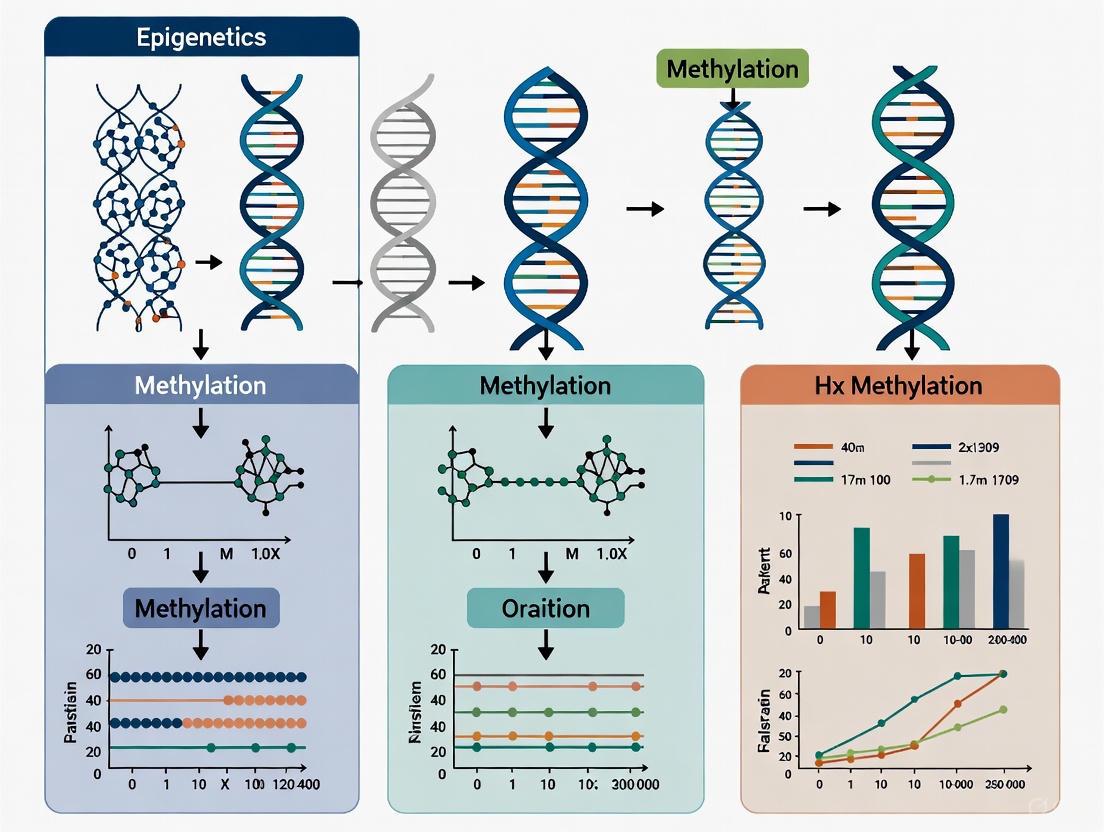
This comprehensive review synthesizes current research on sperm DNA methylation patterns across diverse species, including humans, non-human primates, livestock, and teleost fish.
Cross-Species Sperm DNA Methylation: From Evolutionary Insights to Clinical Applications in Male Fertility
Abstract
This comprehensive review synthesizes current research on sperm DNA methylation patterns across diverse species, including humans, non-human primates, livestock, and teleost fish. We explore the foundational evolutionary principles shaping the sperm methylome, methodological advances in epigenomic profiling, and the significant correlation between aberrant methylation and male infertility. By performing a comparative analysis, we highlight both conserved and species-specific epigenetic features, providing valuable insights for researchers and drug development professionals aiming to understand the role of epigenetic inheritance in reproduction and develop novel diagnostic and therapeutic strategies for male infertility.
The Sperm Methylome Blueprint: Evolutionary Conservation and Divergence
Core Principles of DNA Methylation Reprogramming During Spermatogenesis
DNA methylation reprogramming during spermatogenesis constitutes a fundamental biological process essential for the establishment of the sperm-specific epigenome and the transmission of paternal epigenetic information to the next generation. This intricate process involves carefully orchestrated waves of genome-wide demethylation and remethylation that ensure proper germ cell development, genomic stability, and embryonic competency [1] [2]. The core principles governing this reprogramming are conserved yet exhibit species-specific variations in timing, genomic targets, and regulatory mechanisms. Understanding these principles is critical for elucidating the molecular basis of male infertility and the paternal contribution to epigenetic inheritance [3] [2]. This guide examines the comparative principles of DNA methylation reprogramming across mammalian and teleost models, providing a structured analysis of the experimental data, methodologies, and key regulatory mechanisms that define this dynamic process.
The establishment of the sperm DNA methylome is not restricted to embryonic development but continues actively during adult spermatogenesis, comprising a global decline in DNA methylation in primary spermatocytes followed by selective remethylation to establish a sperm-specific methylome [3]. This reprogramming is particularly vulnerable to disruption, with aberrant methylation patterns significantly correlated with impaired spermatogenesis and male infertility across species [3] [2] [4]. The following sections provide a comprehensive comparison of the reprogramming principles, experimental evidence, and technical approaches used to investigate sperm methylation patterns across evolutionary diverse models.
Principles of Methylation Dynamics During Normal Spermatogenesis
Conserved and Species-Specific Reprogramming Patterns
DNA methylation reprogramming during spermatogenesis follows a biphasic pattern characterized by global erasure followed by de novo establishment of sex-specific methylation patterns. This process begins in primordial germ cells (PGCs) where extensive demethylation resets parental epigenetic marks, including at imprinted loci [1] [2]. Subsequently, de novo methylation occurs in prospermatogonia, establishing sex-specific patterns that are further refined during postnatal spermatogenesis [2] [5]. The core machinery involves de novo methyltransferases DNMT3A and DNMT3B, the catalytically inactive cofactor DNMT3L, and the maintenance methyltransferase DNMT1, which work in concert to establish and preserve methylation patterns during germ cell proliferation and differentiation [1].
Recent evidence indicates that methylation reprogramming continues during postnatal spermatogenesis, challenging the previous paradigm that methylation patterns are fixed before meiosis. In mouse models, site-specific DNA demethylation during the mitosis-to-meiosis transition predetermines nucleosome retention sites in mature sperm, suggesting an active reprogramming phase that influences paternal epigenetic inheritance [5]. This reprogramming exhibits both conserved features and species-specific variations across mammalian and teleost models, as detailed in Table 1.
Table 1: Comparative DNA Methylation Dynamics During Spermatogenesis Across Species
| Species | Global Methylation Level in Sperm | Key Reprogramming Events | Transposable Element Regulation | Imprinting Control |
|---|---|---|---|---|
| Human | Dynamic remodeling during differentiation [3] | Global decline in primary spermatocytes; selective remethylation in spermatids [3] | Hypomethylation of SINEs; LINEs protected from methylation changes [3] | Establishment maintained at germline DMRs [2] |
| Mouse | ~80% of CpG sites methylated in spermatogonia [5] | Site-specific demethylation at mitosis-meiosis transition; determines nucleosome retention [5] | piRNA-directed methylation of young transposons by DNMT3C [5] | Imprinting established in embryonic prospermatogonia [5] |
| Arctic Charr | ~86% mean methylation in spermatozoa [6] | Not specifically detailed in results | Regional correlation at variable CpG sites [6] | Not specifically addressed in results |
| Common Carp | ~93% CpG methylation in sperm [4] | Maintained high methylation through early embryogenesis [4] | Not specifically addressed in results | Not specifically addressed in results |
Chromatin and Transcription Factor Integration
The establishment of sperm methylation patterns is intricately linked with chromatin remodeling and transcription factor binding. Hypomethylated regions in spermatids and mature sperm are enriched in specific transcription factor binding sites for DMRT and SOX family members, which regulate spermatid-specific gene expression programs [3]. These hypomethylated domains coincide with nucleosome retention sites in sperm, creating bivalent chromatin domains characterized by the simultaneous presence of activating (H3K4me2/3) and repressive (H3K27me3) histone modifications [5].
The functional integration of DNA methylation with chromatin structure is particularly evident at regulatory elements, where unmethylated DNA is tightly coupled with nucleosome retention in mature sperm [5]. These regions are implicated in paternal epigenetic inheritance as they persist through fertilization and may influence embryonic gene regulation. The precise coordination between DNA demethylation and histone retention suggests a sophisticated mechanism that prepares specific genomic regions for their roles in early development, representing a fundamental principle of germline epigenome programming [5].
Alterations in Impaired Spermatogenesis and Environmental Influences
Methylation Defects in Male Infertility
Disturbances in spermatogenesis are associated with substantial alterations in DNA methylation patterns, particularly affecting transposable elements and genes critical for germ cell development. In cases of cryptozoospermia, characterized by severely reduced sperm output, germ cells exhibit considerable DNA methylation changes with significant enrichment at transposable elements and spermatogenesis-related genes [3]. Specifically, hypomethylation in SVA (SINE-VNTR-Alus) and L1HS (LINE-1 elements) has been detected in disturbed spermatogenesis, suggesting an association between abnormal programming of these regions and meiotic failure [3].
The relationship between DNA methylation defects and sperm DNA damage has been systematically investigated in clinical studies. Research comparing comet and TUNEL assays for DNA damage assessment revealed that the comet assay shows significantly higher association with DNA methylation disruption, identifying 3,387 differentially methylated regions compared to only 23 with TUNEL [7]. Sites associated with comet-based DNA damage were enriched in biological pathways related to DNA methylation involved in germline development, highlighting the intimate connection between epigenetic integrity and genomic stability in male gametes [7].
Table 2: DNA Methylation Alterations in Impaired Spermatogenesis
| Condition | Key Methylation Changes | Functional Consequences | Experimental Evidence |
|---|---|---|---|
| Cryptozoospermia | Hypomethylation of SVA and L1HS transposable elements [3] | Failure of germ cells to progress beyond meiosis [3] | Whole-methylome analysis of pure germ cell fractions [3] |
| General Male Infertility | Differential methylation at MEST, H19 (imprinted), and MTHFR (non-imprinted) [2] | Reduced reproductive potential, impaired embryo development [2] | Systematic review of methylation studies [2] |
| Sperm DNA Damage | 3,387 DMRs associated with comet assay scores [7] | Disruption of germline development pathways [7] | Methylation array analysis of 1,470 sperm samples [7] |
| Aged Sperm | 24,583 DMRs in stored sperm (14,600 hypermethylated) [4] | Reduced fertilization rates, altered offspring cardiac function [4] | Whole-genome bisulfite sequencing in common carp [4] |
Environmental and Lifestyle Influences
Sperm DNA methylation is highly sensitive to environmental exposures and lifestyle factors, providing a mechanistic link between external stressors and reproductive outcomes. Recent evidence demonstrates that sperm storage conditions induce significant methylation changes that are transmitted to offspring, affecting their development and physiological functions [4]. In common carp, short-term sperm storage (14 days) resulted in 24,583 differentially methylated regions (DMRs) in aged sperm compared to fresh sperm, with 14,600 hypermethylated and 9,983 hypomethylated DMRs [4]. These epigenetic alterations in sperm were associated with reduced cardiac performance in offspring, demonstrating the functional significance of storage-induced methylation changes [4].
Additional environmental factors including nutrition, chemical pollutants, stress, and temperature fluctuations have been shown to alter DNA methylation landscapes in germ cells [1]. Such perturbations can impair reproductive competence and may be transmitted across generations, positioning DNA methylation as a central molecular interface between environmental signals and heritable reproductive outcomes [1]. The susceptibility of the male germline to environmental programming represents a critical consideration for assisted reproductive technologies and the long-term management of fertility.
Comparative Experimental Models and Methodologies
Model Organisms in Spermatogenesis Research
The investigation of DNA methylation reprogramming during spermatogenesis employs diverse model organisms, each offering unique advantages for elucidating specific aspects of epigenetic regulation. Mouse models provide the foundational framework for understanding the molecular mechanisms of methylation dynamics, with precise genetic tools enabling functional studies of methyltransferases and chromatin remodelers [5]. Human studies focus primarily on clinical correlations between methylation defects and infertility phenotypes, utilizing patient samples to identify diagnostically relevant epigenetic markers [3] [2].
Teleost fish models, particularly Arctic charr and common carp, offer insights into the evolutionary conservation of methylation mechanisms and their relevance to reproductive success in ecologically important species [6] [4]. The high baseline methylation levels in fish sperm (~86-93%) and the transmission of sperm methylation patterns to embryos without the global demethylation observed in mammals provide distinctive models for studying intergenerational epigenetic inheritance [6] [4]. Each model system contributes complementary evidence for the core principles of methylation reprogramming, from molecular mechanisms to functional reproductive outcomes.
Analytical Techniques and Workflows
The advancement of understanding in sperm methylation reprogramming has been propelled by sophisticated genomic technologies and bioinformatic approaches. Whole-genome bisulfite sequencing (WGBS) provides base-resolution methylation maps, enabling comprehensive identification of differentially methylated regions during spermatogenesis and in pathological conditions [3] [4]. Enzymatic methyl-seq (EM-seq) offers an alternative approach that avoids the DNA-damaging bisulfite conversion step, providing more uniform coverage with lower sequencing depth requirements [6].
MethylCap-seq utilizes the methyl-CpG-binding domain (MBD) to capture methylated DNA, specifically detecting 5mC without cross-reactivity to 5hmC, which is particularly valuable for analyzing stage-specific methylation changes during spermatogenesis [5]. For targeted methylation assessment, the Infinium EPIC array enables cost-effective profiling of over 850,000 CpG sites, facilitating large-scale clinical studies of methylation in infertility [7]. The integration of these methylation profiling techniques with complementary omics approaches, including transcriptomics and proteomics, provides systems-level insights into the functional consequences of epigenetic alterations in spermatogenesis [4].
Figure 1: Experimental Workflow for Sperm Methylation Analysis. This flowchart outlines the key steps in processing and analyzing DNA methylation patterns during spermatogenesis, from sample collection through functional validation.
Essential Research Reagents and Tools
The investigation of DNA methylation reprogramming during spermatogenesis relies on specialized research reagents and methodologies tailored to the unique challenges of germ cell biology. The following toolkit summarizes essential solutions for experimental research in this field.
Table 3: Essential Research Reagent Solutions for Spermatogenesis Methylation Studies
| Reagent/Category | Specific Examples | Research Application | Key Features |
|---|---|---|---|
| Methylation Profiling | Whole-genome bisulfite sequencing (WGBS) [3] [4] | Genome-wide methylation mapping at single-base resolution | Comprehensive coverage; detects all methylated cytosines |
| Enzymatic Methyl-seq (EM-seq) [6] | Bisulfite-free methylation sequencing | Reduced DNA damage; lower GC bias | |
| MethylCap-seq [5] | MBD-based capture of methylated DNA | Specific for 5mC; cost-effective for focused analyses | |
| Infinium EPIC Array [7] | High-throughput methylation screening | Cost-effective for large sample numbers; 850,000+ CpG sites | |
| Cell Isolation | Fluorescence-activated cell sorting (FACS) [3] | Purification of specific germ cell populations | High-purity cell isolation using surface markers |
| Enzymatic digestion protocols [3] | Testicular tissue dissociation | Preparation of single-cell suspensions from biopsies | |
| DNA Damage Assessment | Comet Assay [7] | Detection of DNA strand breaks | High sensitivity for double-stranded breaks; correlates with methylation disruption |
| TUNEL Assay [7] | Detection of DNA fragmentation | Fluorescence-based quantification; DNA fragmentation index | |
| Data Analysis | USEQ Sliding Window Analysis [7] | Identification of differentially methylated regions | Statistical detection of DMRs from array or sequencing data |
| GREAT Ontology Analysis [7] | Functional annotation of DMRs | Pathway enrichment and biological process identification |
The core principles of DNA methylation reprogramming during spermatogenesis involve a dynamic, multi-stage process that shapes the paternal epigenome for successful reproduction and intergenerational epigenetic inheritance. Conservation across species centers on the biphasic pattern of global demethylation followed by targeted remethylation, the precise regulation of transposable elements, and the vulnerability of this process to environmental disruption. Species-specific variations manifest in the timing of reprogramming events, baseline methylation levels, and the mechanisms of epigenetic transmission to embryos.
The experimental evidence synthesized in this guide underscores the diagnostic and functional significance of sperm methylation patterns in male fertility. Aberrant methylation at specific genomic regions, particularly imprinted genes and transposable elements, provides promising biomarkers for the clinical assessment of male infertility and the prediction of assisted reproductive outcomes. Future research directions should focus on elucidating the molecular mechanisms that integrate DNA methylation with other epigenetic layers during germ cell development, and the development of targeted interventions to correct pathological epigenetic states in the male germline.
The epigenetic landscape of sperm cells is characterized by a highly specialized and conserved architecture, with global DNA methylation representing a fundamental feature across diverse species. This high level of methylation is not merely a structural phenomenon but appears to be functionally significant for male fertility, embryonic development, and evolutionary processes. Current research reveals that despite variations in specific genomic regions, the overarching pattern of elevated methylation in sperm is consistently maintained across evolutionary lineages, suggesting deep conservation of this epigenetic trait. This comparative analysis synthesizes recent findings from multiple model and non-model organisms to examine the universal presence of high sperm methylation, its functional implications for reproductive success, and the methodological frameworks enabling its investigation.
The emerging consensus indicates that sperm DNA methylation operates as a critical regulatory layer beyond genetic sequences, influencing transcriptional programming in early embryos and potentially facilitating long-term adaptation through epigenetic inheritance. Technological advancements in bisulfite sequencing and enzymatic methylation profiling have provided unprecedented resolution to map these epigenetic landscapes, revealing both remarkable conservation and species-specific specialization. This review systematically compares quantitative methylation data, experimental methodologies, and functional insights to establish high methylation as a universal characteristic of sperm epigenomes across the evolutionary spectrum.
Quantitative Comparison of Global Sperm Methylation Across Species
Comprehensive analysis of sperm methylomes from multiple vertebrate species reveals a consistent pattern of globally high DNA methylation, with specific quantitative variations linked to biological and methodological factors. The table below summarizes key findings from recent studies:
Table 1: Comparative Global Sperm Methylation Levels Across Species
| Species | Tissue/Cell Type | Global Methylation Level | Genomic Context | Citation |
|---|---|---|---|---|
| Arctic charr (Salvelinus alpinus) | Spermatozoa | ~86% | Genome-wide | [6] |
| Common carp (Cyprinus carpio) | Spermatozoa | ~93% | CpG context | [8] |
| Common carp (Cyprinus carpio) | Embryos (from sperm) | ~93% | CpG context | [8] |
| Multiple species (Human, Mouse, Rat, Mini-pig) | Spermatozoa | Variable but highly conserved | Orthologous CpG sites | [9] |
The consistently high methylation levels observed across evolutionarily divergent species suggest strong selective pressure maintaining this epigenetic feature. In Arctic charr, sperm DNA demonstrates remarkably high methylation (mean ~86%), with variations primarily observed in regulatory genomic features that influence gene expression [6]. Similarly, common carp sperm exhibits even higher global CpG methylation (~93%), a pattern faithfully transmitted to resulting embryos at the mid-blastula stage [8]. This transgenerational stability indicates that high sperm methylation represents a heritable epigenetic state with functional consequences for offspring development.
Comparative epigenomic analyses of orthologous CpG sites across humans, mice, rats, and mini-pigs further support this conservation, while revealing species-specific methylation variations near genes related to nervous system function and signal transduction [9]. These differentially methylated regions often associate with genes showing dynamic expression patterns during preimplantation development, suggesting they may contribute to organ speciation and long-term environmental adaptation through epigenetic plasticity.
Methodological Approaches for Sperm Methylation Analysis
Sequencing-Based Profiling Technologies
Advanced sequencing technologies form the cornerstone of modern sperm methylome analysis, with each platform offering distinct advantages for specific research applications:
Table 2: Methodologies for Sperm Methylome Profiling
| Technique | Resolution | Key Applications | Advantages | Limitations |
|---|---|---|---|---|
| Whole-Genome Bisulfite Sequencing (WGBS) | Single-base | Comprehensive methylation mapping | Gold standard for base-resolution methylomes | High cost, computational demands, DNA degradation [10] [8] |
| Enzymatic Methyl Sequencing (EM-seq) | Single-base | High-resolution methylome profiling | Lower GC bias, less DNA damage than WGBS | Newer methodology with evolving protocols [6] |
| Illumina MethylationEPIC BeadChip | Pre-defined CpG sites | Epigenome-wide association studies | Cost-effective for large sample sizes | Limited to pre-designed CpG sites (~850,000) [11] [12] |
| Reduced Representation Bisulfite Sequencing (RRBS) | Partial genome | Targeted methylation analysis | Cost-efficient for specific genomic regions | Incomplete genome coverage [10] |
The methodological selection significantly influences the detection and quantification of global methylation patterns. WGBS, despite its technical demands, provides the most comprehensive assessment of methylated cytosines across all genomic contexts, as demonstrated in common carp studies where it revealed >99.45% bisulfite conversion rates and >76% mapping efficiency [8]. In contrast, EM-seq offers an enzymatic alternative to harsh bisulfite treatment, preserving DNA integrity while maintaining high accuracy, as applied in Arctic charr research where it efficiently captured population-level methylation variation [6].
For large-scale epigenome-wide association studies (EWAS) in human populations, the Illumina MethylationEPIC array provides a practical balance of coverage and throughput, successfully identifying HIV controller-associated methylation signatures in whole blood [12]. Each method contributes uniquely to elucidating the global methylation landscape, with technical choices guided by research objectives, sample availability, and analytical resources.
Experimental Workflow for Comparative Sperm Methylation Analysis
The following diagram illustrates a generalized experimental pipeline for cross-species sperm methylation analysis, integrating multiple methodologies discussed in this review:
Diagram 1: Experimental workflow for comparative sperm methylome analysis (Title: Sperm Methylation Analysis Workflow)
This integrated workflow encompasses both laboratory procedures and computational analyses, highlighting the multistage process required for robust cross-species comparisons. The pathway begins with standardized sample collection across species, followed by DNA extraction using salt-based precipitation or commercial kits [6]. Library preparation then diverges based on methodological selection, with bisulfite conversion for WGBS or enzymatic treatment for EM-seq [6] [8]. Bioinformatic processing involves alignment to reference genomes, quality control metrics assessment (bisulfite conversion rates >99%, mapping efficiency >76%), and finally methylation quantification with identification of differentially methylated regions (DMRs) [8]. Functional validation typically integrates complementary multi-omics data, including transcriptomic and proteomic profiles, to establish biological relevance [8].
Functional Implications of High Sperm Methylation
Role in Male Fertility and Reproductive Success
High global sperm methylation associates strongly with male fertility across species, functioning as a regulatory mechanism fine-tuning genes essential for sperm function and embryonic development. In Arctic charr, comethylation network analyses identified genomic modules significantly correlated with sperm quality parameters, including concentration and motility kinematics [6]. These methylation patterns appear to regulate biological processes fundamental to sperm physiology, including spermatogenesis, cytoskeletal organization, and mitochondrial function [6].
The functional significance of sperm methylation extends beyond immediate sperm parameters to influence fertilization outcomes and offspring health. Common carp studies demonstrated that sperm storage-induced methylation changes (24,583 DMRs in aged sperm) directly impact fertilization rates and embryonic development, highlighting the functional sensitivity of the sperm methylome to environmental conditions [8]. These findings position sperm DNA methylation as a plastic yet stable epigenetic determinant of male reproductive success, potentially serving as a molecular record of environmental exposures and physiological history.
Transgenerational Inheritance and Embryonic Programming
The high methylation signature characteristic of sperm cells demonstrates remarkable stability during transmission to subsequent generations, functioning as a heritable information layer that influences embryonic development. Research in common carp reveals that embryos derived from stored sperm maintain nearly identical global methylation levels (~93%) to the sperm themselves, with conservation of both hypermethylated (13,030) and hypomethylated (13,079) regions [8]. This faithful transmission indicates that sperm methylation patterns survive extensive epigenetic reprogramming events following fertilization.
The functional impact of inherited sperm methylation manifests in measurable phenotypic outcomes in offspring. Common carp studies documented that sperm methylation changes induced by storage correlated with altered body length at early developmental stages and modified cardiac performance (heartbeat rate) in offspring [8]. Similarly, cross-species comparisons indicate that sperm methylation at promoter regions associates with gene expression dynamics during preimplantation development, potentially influencing organogenesis and long-term physiological traits [9]. These findings collectively support a model where high sperm methylation contributes to intergenerational epigenetic inheritance, potentially facilitating rapid adaptation through non-genetic mechanisms.
Research Reagent Solutions for Sperm Methylation Studies
Table 3: Essential Research Reagents for Sperm Methylome Analysis
| Reagent/Category | Specific Examples | Function | Application Context |
|---|---|---|---|
| DNA Methylation Profiling Kits | EM-seq Library Prep Kit | Enzymatic methylation conversion | Maintains DNA integrity vs. bisulfite [6] |
| Infinium MethylationEPIC BeadChip | Genome-wide CpG profiling | Large-scale EWAS studies [11] [12] | |
| DNA Extraction Reagents | Salt-based precipitation buffers | High-quality DNA isolation | Preserves methylation patterns [6] |
| Proteinase K, RNase A | Nucleic acid purification | Removes contaminants before sequencing [6] | |
| Methylation Standards | 100% methylated/unmethylated DNA controls | Quantification calibration | Benchmarking experimental results [13] |
| Bioinformatic Tools | ChAMP, methylKit | Differential methylation analysis | Identifies DMRs across samples [11] [14] |
| Validation Reagents | ELISA for 5mdC | Global methylation quantification | Confirms sequencing results [8] |
The selection of appropriate reagents and tools is critical for generating reliable, reproducible sperm methylation data. EM-seq kits offer distinct advantages over traditional bisulfite approaches by eliminating DNA fragmentation issues while maintaining detection accuracy for both 5mC and 5hmC [6]. For projects requiring analysis of hundreds to thousands of samples, the Infinium MethylationEPIC array provides a cost-effective platform with standardized processing, enabling direct cross-study comparisons [11] [12].
Bioinformatic tools represent an essential "reagent" category in modern epigenomic studies, with packages like ChAMP facilitating comprehensive quality control, normalization, and differential methylation analysis [11]. These computational resources enable researchers to navigate the technical complexities of methylation data, including batch effect correction and biological interpretation, ultimately extracting meaningful insights from complex global methylation landscapes.
The cumulative evidence from diverse vertebrate species firmly establishes high global methylation as a universal characteristic of sperm epigenomes, with remarkable conservation across evolutionary lineages. Quantitative comparisons reveal consistently elevated methylation levels (~86-93%) despite substantial phylogenetic distances, suggesting strong functional constraint maintaining this epigenetic state. The methodological advances in methylation profiling, particularly through bisulfite-free enzymatic approaches and multi-omics integration, have been instrumental in elucidating both the conservation and species-specific variations within this universal framework.
The functional significance of high sperm methylation extends beyond structural organization to encompass reproductive fitness, embryonic programming, and potentially long-term adaptation. The association between methylation patterns and sperm quality parameters, coupled with the transgenerational inheritance of methylation states, positions sperm epigenomes as dynamic regulators of phenotypic variation. Future research leveraging the reagent solutions and methodological frameworks summarized here will further illuminate how universal methylation landscapes interact with genetic and environmental factors to shape biological diversity across generations.
Hypomethylated Regions (HMRs) in Germ Cells vs. Somatic Cells
DNA methylation, the process of adding a methyl group to the cytosine base in DNA, is a fundamental epigenetic mechanism for controlling gene expression, maintaining genomic stability, and guiding cellular differentiation [1]. During mammalian development, the genome undergoes waves of nearly complete epigenetic reprogramming, particularly in the germline, where DNA methylation patterns are extensively erased and re-established to equip gametes for their role in generating the next generation [1] [15]. Within these dynamically changing methylomes, Hypomethylated Regions (HMRs) are genomic intervals with consistently low methylation levels. In gametes, HMRs are critically associated with gene regulatory elements, especially the promoters of genes essential for germ cell development and function [16] [17]. The establishment of the sperm methylome is a tightly regulated process, dependent on de novo DNA methyltransferases (DNMT3A, DNMT3B) and their stimulatory adapter (DNMT3L), which are vital for setting up methylation patterns, including the silencing of transposable elements and the establishment of genomic imprints [1]. This guide provides a comparative analysis of HMRs in germ cells versus somatic cells, detailing the experimental methodologies for their profiling, their conservation across species, and their functional significance for fertility and embryonic development.
Methodological Approaches for Profiling HMRs
Accurate profiling of HMRs requires high-resolution, genome-wide technologies. The following section details key protocols and a comparative analysis of the primary sequencing methods used in modern epigenomic studies.
Whole-Genome Bisulfite Sequencing (WGBS)
Whole-Genome Bisulfite Sequencing (WGBS) is widely considered the gold standard for single-base resolution DNA methylation analysis [16] [17]. The protocol involves several critical steps:
- DNA Extraction and Fragmentation: High-quality genomic DNA is isolated from purified germ cells (e.g., sperm) or somatic tissues (e.g., liver, brain). The DNA is then fragmented, typically by sonication, to a suitable size for library construction.
- Bisulfite Conversion: The fragmented DNA is treated with sodium bisulfite. This chemical conversion deaminates unmethylated cytosines to uracils, which are then amplified as thymines during PCR. Methylated cytosines are resistant to this conversion and remain as cytosines.
- Library Preparation and Sequencing: Converted DNA is used to prepare a sequencing library, which is then subjected to high-throughput sequencing.
- Bioinformatic Analysis: Sequence reads are aligned to a reference genome, and the methylation level at each cytosine is calculated by comparing the C-to-T conversion ratio. HMRs are subsequently identified using specialized tools (e.g., MethylSeekR) that segment the genome based on methylation levels, defining regions of significant hypomethylation against a predominantly methylated background [16].
A robust WGBS experiment, as exemplified by a bovine study, should achieve a high bisulfite conversion rate (>99%) to ensure accurate methylation calling, with coverage of most genomic CpGs (e.g., >85%) at a sufficient depth (e.g., 5-7x) to confidently determine methylation status [16].
Enzymatic Methyl-Sequencing (EM-seq)
A more recent alternative, Enzymatic Methyl-Sequencing (EM-seq), avoids the harsh bisulfite conversion step by using enzymes to map methylated cytosines [6]. The workflow involves:
- DNA Oxidation and Deamination: The DNA is first treated with the TET2 enzyme to oxidize 5-methylcytosine (5mC) and 5-hydroxymethylcytosine (5hmC) to 5-carboxylcytosine (5caC). This is followed by enzymatic deamination of unmodified cytosines to uracils. The oxidized methylated cytosines remain as cytosines.
- Library Preparation and Sequencing: The converted DNA is processed into a sequencing library and sequenced.
- Data Analysis: Similar to WGBS, the sequencing reads are aligned, and methylation levels are inferred.
The primary advantage of EM-seq is that it causes less DNA degradation than bisulfite treatment, requires lower sequencing coverage, and is less prone to GC content bias, making it particularly suitable for samples where DNA integrity is a concern [6].
Comparative Analysis of WGBS and EM-seq
The table below summarizes the key differences between these two primary methodologies:
Table 1: Comparison of Key Methodologies for DNA Methylome Profiling
| Feature | Whole-Genome Bisulfite Sequencing (WGBS) | Enzymatic Methyl-Sequencing (EM-seq) |
|---|---|---|
| Core Principle | Chemical conversion via sodium bisulfite | Enzymatic conversion via TET2 & deaminase |
| DNA Damage | High, can lead to significant fragmentation | Low, preserves DNA integrity |
| GC Bias | Prone to bias in GC-rich regions | Reduced GC bias |
| Coverage Requirement | Higher | Lower for equivalent power |
| Detection | Distinguishes C from 5mC/5hmC | Cannot distinguish 5mC from 5hmC |
| Cost & Accessibility | Established but costly | Emerging, potentially more cost-effective |
Comparative Landscape of HMRs: Germ Cells vs. Somatic Cells
Advanced methylome profiling has revealed fundamental differences in the abundance, genomic distribution, and functional roles of HMRs between germ cells and somatic cells.
Global Abundance and Distribution
Sperm cells exhibit a markedly different methylome landscape compared to somatic tissues. A foundational study in cattle demonstrated that sperm cells possess a greater number of partially methylated domains (PMDs) and HMRs than somatic cells [16]. While somatic cell methylomes showed a dispersed distribution of methylation levels across 20-kb genomic windows, sperm methylomes were highly enriched for windows with 80-100% methylation, alongside a significant proportion of hypomethylated windows [16]. This indicates a more pronounced binary methylation pattern in the male germline. Furthermore, a striking difference is observed in the methylation of repetitive elements. In somatic cells, common repeats and pericentromeric satellite DNA are typically heavily methylated to maintain genomic stability [16] [18]. In contrast, bovine sperm DNA shows selective hypomethylation of megabase-sized centromeric satellite clusters, a feature that may be related to chromosome segregation during meiosis [16] [18].
Genomic Localization and Functional Annotation
The genomic features associated with HMRs differ significantly between cell lineages:
- Sperm HMRs: These are strongly enriched at gene promoters and CpG islands (CGIs) [16] [17]. In cattle, sperm-specific HMRs are notably associated with key spermatogenesis-related genes such as BOLL, MAEL, SYCP3, DDX4, and SYCE1, which are hypermethylated and silenced in somatic cells but must be active during gametogenesis [16]. This promoter hypomethylation is crucial for their transcriptional activation.
- Somatic HMRs: While also found at promoters of actively transcribed genes, somatic HMRs are less numerous and do not target the germline-specific genetic program. Somatic HMRs are more associated with housekeeping genes and tissue-specific regulators.
This differential localization is visually summarized in the following diagram:
Cross-Species Conservation of Sperm HMRs
Comparative epigenomics reveals that while the sperm methylome has species-specific features, a core set of HMRs is evolutionarily conserved, reflecting their fundamental role in development.
Conservation in Mammals
A comparative analysis of sperm DNA methylomes from human, cattle, and mouse reveals a significant correlation in the methylation levels of orthologous gene promoters, indicating conserved epigenomic regulation over ~90 million years of evolution [17]. This conservation allows for the classification of genes based on their promoter methylation status:
Table 2: Categories of Promoter Methylation in Orthologous Genes Between Human and Cattle
| Category | Promoter Methylation Status | Example Genes | Enriched Biological Functions |
|---|---|---|---|
| Conserved Non-Methylated (nMeth) | Hypomethylated in both species | ANKS1A, WNT7A | mRNA processing, WNT signaling, embryonic development |
| Conserved Hypermethylated (hyper) | Hypermethylated in both species | TCAP, CD80 | T-cell activation, immune response |
| Cattle-specific Hypomethylated (COHR) | Hypomethylated in cattle, hypermethylated in human | LDHB, DGAT2 | Lipid storage and metabolism |
| Human-specific Hypomethylated (CRHO) | Hypomethylated in human, hypermethylated in cattle | FOXP2, HYDIN | Neuron system development, axonogenesis |
These findings demonstrate that lineage-specific HMRs are linked to species-adaptive traits. For instance, cattle-specific hypomethylated promoters are enriched for genes involved in lipid metabolism, reflecting selection for metabolic traits in livestock, while human-specific hypomethylated promoters are linked to brain development [17].
Insights from Teleost Fish
Studies in non-mammalian species, such as Arctic charr and common carp, confirm the functional importance of sperm HMRs. In Arctic charr, sperm methylation is highly conserved among individuals and strongly coupled with genetic variation [6]. Comethylation network analyses revealed that HMR-associated modules are significantly correlated with sperm quality traits, including concentration and motility (kinematics), and are linked to biological processes vital for sperm physiology, such as spermatogenesis, cytoskeletal regulation, and mitochondrial function [6]. Furthermore, research in common carp has shown that environmental stressors like prolonged sperm storage can induce aberrant methylation in sperm, which is subsequently transmitted to the offspring and correlates with altered gene expression and developmental phenotypes, underscoring the heritable nature of sperm methylation patterns and their vulnerability to perturbation [4].
Functional Significance and Association with Complex Traits
Sperm HMRs are not merely epigenetic signatures but play a decisive role in regulating gene expression programs critical for fertility and early development.
The hypomethylated state of key gene promoters in sperm is permissive for their transcription during spermatogenesis [16]. After fertilization, these patterns are largely erased during epigenetic reprogramming in the early embryo. However, certain HMRs, particularly those at developmental regulatory genes, may resist this reprogramming or help establish the zygotic transcriptome. This is supported by large-scale genomic studies showing that sperm HMRs are significantly enriched for signals from Genome-Wide Association Studies (GWAS) of complex traits [17]. In both cattle and humans, sperm HMRs are strongly enriched for GWAS signals of body conformation and developmental traits (e.g., stature, height), and reproduction traits, more so than for production or metabolic traits [17]. This highlights the crucial role of the sperm epigenome in shaping the genetic architecture of developmentally important traits. The following diagram illustrates the functional journey of sperm HMRs from gametogenesis to their impact on the offspring:
Conversely, disruptions to the sperm methylome, including aberrant HMR patterns, are linked to male infertility [16] [1] [7]. Altered methylation can impair meiosis and disrupt the expression of genes essential for sperm function. Studies have also established a correlation between high levels of sperm DNA damage, as measured by assays like the comet assay, and significant disruptions in DNA methylation, suggesting that genome integrity and epigenome integrity are closely linked in the male germline [7].
The Scientist's Toolkit: Key Research Reagents and Solutions
Profiling HMRs relies on a suite of specialized reagents and tools. The following table details essential solutions for conducting such analyses.
Table 3: Key Research Reagent Solutions for HMR Profiling
| Research Reagent / Solution | Function / Application | Example Use Case |
|---|---|---|
| Sodium Bisulfite Conversion Kit | Chemically converts unmethylated cytosine to uracil for WGBS. | Standard preparation of DNA for high-resolution methylation sequencing [16]. |
| EM-seq Kit | Enzymatic conversion-based library prep for methylation sequencing, minimizing DNA damage. | Profiling methylomes from samples with limited or partially degraded DNA [6]. |
| DNMT3A/DNMT3L Recombinant Proteins | Key enzymes for de novo DNA methylation; used for in vitro functional studies. | Mechanistic studies on the establishment of methylation patterns during in vitro germ cell differentiation [1]. |
| TET Enzyme Complex | Catalyzes the oxidation of 5mC, initiating active demethylation pathways. | Investigating epigenetic reprogramming dynamics in primordial germ cells (PGCs) [1]. |
| Methylation-Sensitive Restriction Enzymes (HpaII) | Detects methylation status at specific CpG-containing sequences (e.g., CCGG). | Historical and low-cost validation of methylation differences between somatic and germ cell DNA [19]. |
| Anti-5-Methylcytosine (5mC) Antibody | Immunoprecipitation of methylated DNA for enrichment-based methods (MeDIP). | Methylome profiling in species where whole-genome sequencing is cost-prohibitive. |
| Sperm Purification Solution (e.g., Percoll Gradient) | Isolates pure sperm populations from seminal plasma and somatic cell contamination. | Critical pre-processing step to ensure methylome data reflects sperm-specific patterns and is not confounded by other cells [7]. |
Sperm DNA methylation is a pivotal epigenetic regulator essential for fertility, embryogenesis, and the health of offspring [1] [17]. This guide provides a comparative analysis of sperm DNA methylomes across humans, chimpanzees, mice, and teleost fish, highlighting both conserved features and species-specific adaptations. DNA methylation, primarily occurring at cytosine-guanine (CpG) dinucleotides, is dynamically reprogrammed during germ cell development and is crucial for silencing repetitive elements, regulating gene expression, and maintaining genomic integrity [20] [1]. Cross-species comparisons reveal that while core methylation machinery and global patterns are often conserved, significant divergence exists in fine-scale methylation landscapes, reflecting evolutionary pressures and lineage-specific biological traits [20] [17]. This objective comparison, framed within broader research on sperm methylation patterns, synthesizes quantitative data and experimental methodologies to serve researchers, scientists, and drug development professionals in understanding the epigenetic foundations of male reproductive biology.
Table 1: Global Sperm Methylation Characteristics Across Species
| Species | Global Methylation Level | Key Genomic Features | Hypomethylated Region (HMR) Characteristics | Technical Notes |
|---|---|---|---|---|
| Human | ~70% [20] | Majority of promoters escape methylation; repeat elements heavily methylated [20]. | ~79,000 HMRs; mean size ~1.8 kb [20]. Enriched for GWAS signals of developmental traits [17]. | WGBS; high inter-individual correlation (r > 0.89 genome-wide) [17] [21]. |
| Chimpanzee | ~67% [20] | Similar to human: promoter hypomethylation and repeat methylation [20]. | ~70,000 HMRs; mean size ~1.8 kb [20]. | WGBS; high correlation with human methylome [20]. |
| Mouse | Data from model studies | Fundamental patterns conserved with humans and cattle [17]. | Promoter HMRs highly conserved across developmental stages and species [17]. | Used in studies on age-dependent methylation changes and transgenerational inheritance [17] [21]. |
| Teleost (Arctic Charr) | ~86% [6] | Variations in regulatory features linked to sperm quality [6]. | Comethylation networks in promoters/CGIs linked to sperm concentration and kinematics [6]. | EM-seq; methylation similarities mirror pedigree structure [6]. |
Table 2: Functional and Evolutionary Insights from Sperm Methylation
| Species | Conserved Functions | Divergent/Species-Specific Functions | Association with Complex Traits |
|---|---|---|---|
| Human | mRNA processing, embryonic development (via non-methylated promoters) [17]. | Hypomethylated promoters enriched for neuron system development genes (e.g., FOXP2, HYDIN) [17]. | HMRs enriched for GWAS signals of body conformation and brain-related traits [17]. |
| Chimpanzee | mRNA processing, embryonic development (via non-methylated promoters) [17]. | Divergent methylation in retrotransposon subfamilies with an impact on genomic sequence evolution [20]. | (Not detailed in search results) |
| Mouse | Imprint establishment, silencing of retrotransposons [1]. | Used for modeling age-dependent methylation changes (e.g., ribosomal DNA) [21]. | Offspring brain methylation patterns linked to paternal sperm methylation [21]. |
| Teleost (Arctic Charr) | Spermatogenesis, cytoskeletal regulation, mitochondrial function [6]. | Promoter/CGI comethylation modules suggest a resource trade-off between sperm concentration and velocity [6]. | DNA methylation is a critical factor influencing male fertility and sperm quality parameters [6]. |
Detailed Methodologies for Sperm Methylome Analysis
Whole-Genome Bisulfite Sequencing (WGBS)
Principle: This method is considered the gold standard for methylome analysis. Treatment of DNA with sodium bisulfite converts unmethylated cytosines to uracils, which are then read as thymines during sequencing. Methylated cytosines are protected from this conversion [6] [21].
Typical Workflow:
- DNA Extraction: Sperm DNA is isolated using salt-based precipitation or commercial kits [6].
- Bisulfite Conversion: DNA is treated with sodium bisulfite.
- Library Preparation & Sequencing: Converted DNA is prepared for high-throughput sequencing, generating short paired-end reads (e.g., 2x100 bases) [21].
- Data Analysis: Reads are mapped to a reference genome. Methylation level at each cytosine is calculated as the fraction of reads reporting a cytosine (methylated) versus thymine (unmethylated) [20] [21]. Hypomethylated Regions (HMRs) can be identified using hidden Markov models or other statistical approaches [20].
Application: This method was used for human, chimp, cattle, and mouse sperm methylome profiling, providing single-CpG resolution data [20] [17] [21].
Enzymatic Methyl-Sequencing (EM-seq)
Principle: A recent alternative that avoids the harsh bisulfite conversion step, which can fragment DNA. EM-seq uses enzymatic reactions to map 5-methylcytosine (5mC) and 5-hydroxymethylcytosine (5hmC) [6].
Typical Workflow:
- DNA Extraction: As above.
- Enzymatic Treatment: DNA is treated with specific enzymes (e.g., TET2 and APOBEC) that selectively modify unmethylated cytosines.
- Library Preparation & Sequencing: The enzymatically converted DNA is prepared and sequenced.
- Data Analysis: Similar in principle to WGBS for identifying methylated positions.
Advantages: Less DNA damage compared to WGBS, lower sequencing coverage requirements, and less prone to GC content bias [6]. This method was successfully applied in the study of Arctic charr sperm [6].
Diagram: Experimental Workflows for Sperm Methylome Analysis. Two main methods, WGBS and EM-seq, are used to profile DNA methylation at base resolution.
The Scientist's Toolkit: Essential Reagents and Assays
Table 3: Key Research Reagent Solutions for Sperm Methylation Studies
| Reagent / Assay | Function / Purpose | Example Application in Research |
|---|---|---|
| Sodium Bisulfite | Chemical conversion of unmethylated cytosine to uracil for WGBS [6]. | Fundamental for WGBS library preparation in human, chimp, and mouse studies [20] [21]. |
| TET2/APOBEC Enzymes | Enzymatic conversion of unmethylated cytosine for EM-seq [6]. | Used in Arctic charr sperm methylome analysis as a gentler alternative to bisulfite [6]. |
| DNMT Knockout Models | Genetic models to study the role of DNA methyltransferases in methylation establishment/maintenance. | Dnmt3l knockout in mice causes loss of methylation, retrotransposon de-repression, and infertility [1]. |
| Comet Assay | Measures sperm DNA damage (especially double-stranded breaks) via single-cell gel electrophoresis [7]. | Identified strong association with sperm DNA methylation disruption in human studies [7]. |
| TUNEL Assay | Detects DNA fragmentation (single and double-stranded breaks) by fluorescently labeling strand breaks [7]. | Correlates with comet assay but shows weaker association with methylation changes in human sperm [7]. |
| Infinium Methylation EPIC Array | Array-based technology for profiling methylation at >850,000 CpG sites; cost-effective for large cohorts [7]. | Used in large-scale human studies (e.g., FAZST) to link methylation patterns with DNA damage and traits [7]. |
This comparison guide elucidates the conserved and species-specific dynamics of sperm DNA methylation. Core characteristics, such as global hypermethylation and targeted hypomethylation at regulatory promoters, are evolutionarily conserved from mammals to teleosts. However, significant differences exist in quantitative levels, HMR distribution, and the association of methylation patterns with lineage-specific traits, such as brain development in humans or lipid metabolism in cattle. These divergences underscore the role of epigenetic evolution in environmental adaptation and trait selection. For researchers, the choice of methodology—WGBS for comprehensive mapping or EM-seq for a gentler, efficient alternative—is critical for accurate profiling. Furthermore, the strong link between sperm methylation, DNA integrity (as best measured by the comet assay), and offspring outcomes highlights its potential as a biomarker for male fertility and reproductive health in both clinical and agricultural contexts.
The comparative analysis of sperm methylomes across primate species has unveiled a fundamental mechanism in evolutionary biology: the species-specific regulation of retrotransposon elements through DNA methylation. While human and chimpanzee genomes share approximately 98-99% sequence identity [22], their epigenetic landscapes, particularly in the germline, reveal substantial divergence that has significantly influenced primate evolution. Retrotransposons, mobile genetic elements that constitute nearly half of the mammalian genome, are normally silenced by epigenetic mechanisms to maintain genomic stability. However, research now demonstrates that the differential methylation of these elements between closely related primate species has created regulatory divergence affecting gene expression patterns [23] [20]. This epigenetic divergence is especially pronounced in sperm cells, where hypomethylated domains evolve more rapidly than in somatic tissues, frequently occurring in genomic regions susceptible to structural variations [23]. The investigation of retrotransposon methylation patterns thus provides critical insights into the molecular mechanisms that have shaped primate evolution, revealing an intricate interplay between the genome and epigenome that extends beyond protein-coding sequences to influence regulatory networks and genome architecture.
Comparative Methylation Profiles Across Primate Species
Evolutionary Divergence in Sperm Methylomes
Table 1: Comparative Sperm Methylome Features in Primates
| Feature | Human | Chimpanzee | Macaque | Biological Significance |
|---|---|---|---|---|
| Average Sperm Methylation Level | ~70% [20] | ~67% [20] | Reference map generated [23] | May influence germline genomic stability |
| Hypomethylated Regions (HMRs) | ~79,000 [20] | ~70,000 [20] | Not specified | Rapidly evolving regions in germline |
| HMR Size Characteristics | Mean: ~1.8kb; Median: ~1.3kb [20] | Similar to human [20] | Not specified | Structural differences from somatic HMRs |
| Retrotransposon Subfamily Methylation | Divergent patterns in Alu, SVA, LTR5_Hs [23] [22] | Divergent patterns in LTR5_Pt [22] | Not specified | Creates species-specific regulatory elements |
| Association with CNVs | Human-specific sperm HMDs frequently in CNV regions [23] | Not specified | Not specified | Links epigenetic changes to structural variation |
The comparative analysis of sperm methylomes across primates reveals that differentially methylated regions (DMRs) between species frequently associate with genetic sequence changes, particularly in transcription factor-binding sites and retrotransposon insertions [23]. These species-specific DMRs range from several hundred base pairs to several kilobases and demonstrate a distinct bias toward methylation loss rather than gain in the germline [23]. This evolutionary trend toward hypomethylation in sperm suggests a potential mechanism for increased regulatory innovation in primate lineages.
The hypomethylated domains (HMDs) in sperm exhibit particularly rapid evolutionary changes compared to somatic tissues. While somatic HMDs remain largely conserved between humans and chimpanzees, hundreds of sperm HMDs appear to be human-specific [23]. This accelerated epigenetic evolution in the germline highlights the potential role of sperm methylation patterns in driving phenotypic divergence between closely related species. The significant association between these human-specific sperm HMDs and copy number variations (CNVs) further underscores the reciprocal relationship between epigenetic and genetic changes in shaping primate genomes [23].
Retrotransposon Families with Divergent Methylation
Table 2: Retrotransposon Families with Primate-Specific Methylation Patterns
| Retrotransposon Family | Primate Species with Specific Pattern | Methylation Status | Functional Consequences |
|---|---|---|---|
| Alu elements | Human and chimpanzee | Associated with S-DMRs [23] | Contributes to promoter and regulatory divergence |
| SVA elements | Human and chimpanzee | Associated with S-DMRs [23] | Contributes to promoter and regulatory divergence |
| LTR5_Hs | Human | Specific H3K4me3 regions [22] | Creates species-specific enhancer activity |
| LTR5_Pt | Chimpanzee | Specific H3K4me3 regions [22] | Creates species-specific enhancer activity |
| LINE-1 (L1Pt) | Chimpanzee | Low promoter methylation in specific loci [24] | Bidirectional promoters for lncRNAs in brain organoids |
The differential methylation of retrotransposon subfamilies between human and chimpanzee represents a particularly compelling mechanism for evolutionary innovation. Studies comparing induced pluripotent stem cells (iPSCs) from both species have revealed that species-specific insertions of retrotransposons, including the LTR5Hs subfamily in humans and the novel LTR5Pt subfamily in chimpanzees, create corresponding species-specific H3K4me3 regions associated with increased expression of neighboring genes [22]. These epigenetic innovations demonstrate how transposable elements can serve as sources of regulatory novelty during evolution.
The investigation of LINE-1 elements in cerebral organoids further highlights the functional significance of primate-specific retrotransposon methylation. In chimpanzees, specific L1Pt loci with demethylated promoters function as bidirectional promoters transcribing previously undescribed long non-coding RNAs (lncRNAs) [24]. These lncRNAs show peak expression during a critical period of cerebral organoid development, suggesting a potential role in shaping primate-specific neural development pathways. This finding illustrates how the epigenetic regulation of retrotransposons can contribute to the emergence of novel regulatory networks underlying complex traits.
Methodologies for Analyzing Retrotransposon Methylation
Comparative Epigenomic Profiling Techniques
The identification of species-specific methylation patterns in retrotransposons relies on sophisticated epigenomic technologies that enable base-resolution mapping of DNA methylation across genomes. The primary method for methylome analysis has been whole-genome bisulfite sequencing (WGBS), which treats DNA with bisulfite to convert unmethylated cytosines to uracils while leaving methylated cytosines unchanged [20] [4]. This conversion allows for single-base resolution detection of methylated cytosines, though it requires high sequencing coverage and can introduce DNA damage [6]. More recently, enzymatic methyl-seq (EM-seq) has emerged as an alternative approach that avoids bisulfite conversion by using enzymatic treatment to map 5mC and 5hmC, resulting in lower GC bias and requiring less sequencing coverage [6].
For the analysis of histone modifications associated with retrotransposon regulation, chromatin immunoprecipitation sequencing (ChIP-seq) has been instrumental. This method utilizes antibodies specific to histone modifications such as H3K4me3 and H3K27me3 to immunoprecipitate associated DNA fragments, which are then sequenced to map the genomic locations of these epigenetic marks [22]. The combination of these techniques in comparative studies of primate cells has revealed that differences in histone modifications frequently correlate with species-specific retrotransposon insertions, highlighting the interconnected nature of epigenetic regulatory mechanisms [22].
Figure 1: Experimental workflow for comparative retrotransposon methylation analysis in primate evolution studies. The process begins with sample collection and proceeds through DNA extraction, sequencing, and bioinformatic analysis to identify evolutionarily significant methylation patterns.
Advanced Sequencing Technologies for Methylation Analysis
Recent technological advancements have significantly enhanced our ability to study retrotransposon methylation in primates. Long-read sequencing platforms, particularly PacBio HiFi sequencing, now enable the simultaneous detection of nucleotide sequence and methylation status across extensive genomic regions [25]. This approach is especially valuable for studying repetitive elements like retrotransposons, which are challenging to analyze with short-read technologies due to mapping ambiguities. The application of long-read sequencing to primate testis tissue and human sperm has facilitated the direct detection of meiotic recombination events and their relationship to methylation patterns [25].
The development of methylation-based cellular classification further refines these analyses by allowing researchers to distinguish between somatic and germline origins of sequencing reads based on their CpG methylation patterns [25]. This classification is particularly crucial for testis tissue samples, which contain a mixture of cell types at different developmental stages. By focusing specifically on germline reads, researchers can more accurately assess the heritable epigenetic changes that may influence evolutionary trajectories, reducing potential confounding signals from somatic methylation patterns.
Functional Consequences of Retrotransposon Methylation Divergence
Impact on Genome Stability and Evolution
The species-specific methylation of retrotransposons has profound implications for genome stability and evolutionary innovation. When retrotransposons escape epigenetic silencing, they can insert into new genomic locations, potentially disrupting gene function or creating novel regulatory elements. Research has demonstrated that these transposition events are not randomly distributed; in humans, full-length species-specific LINE-1 insertions show approximately equal numbers of intragenic and intergenic insertions, while non-human primates exhibit a bias toward intergenic insertions [24]. This distribution pattern suggests differential selection pressures on retrotransposon integration sites across primate lineages.
The relationship between hypomethylated domains and regions of structural variation highlights the evolutionary significance of retrotransposon methylation. Human-specific sperm hypomethylated domains frequently occur in genomic regions exhibiting copy number variations, indicating that epigenetic changes in the germline can predispose certain genomic regions to structural rearrangements [23]. This connection between the epigenome and genome stability represents a powerful mechanism whereby methylation patterns can influence the rate and location of genetic mutations, thereby shaping genome evolution over time.
Figure 2: Signaling pathways of retrotransposon-mediated evolutionary divergence. Species-specific epigenetic responses to retrotransposon insertions lead to either silencing or activation, with the latter generating regulatory innovation that contributes to phenotypic differences between primates.
Influence on Gene Regulatory Networks
The epigenetic regulation of retrotransposons significantly influences gene regulatory networks in a species-specific manner. When retrotransposons insert near genes and escape complete methylation silencing, they can bring novel regulatory sequences that alter the expression of neighboring genes. Studies of human and chimpanzee iPSCs have revealed that species-specific retrotransposon insertions frequently create corresponding epigenetic modifications that are associated with increased expression of nearby genes [22]. These insertions can introduce transcription factor binding sites that are not present in the orthologous regions of other species, thereby generating regulatory divergence.
The impact of retrotransposon methylation extends to the development of bivalent chromatin domains in pluripotent stem cells. Research has shown that human iPSCs contain more H3K27me3 regions than chimpanzee iPSCs, resulting in a greater abundance of bivalent domains that keep developmental genes in a poised state [22]. This epigenetic difference may contribute to species-specific developmental timing or cell fate decisions, particularly in tissues such as the brain where the expression of retrotransposon-derived transcripts has been documented [24]. The presence of demethylated LINE-1 promoters that function as bidirectional promoters for long non-coding RNAs in chimpanzee cerebral organoids exemplifies how retrotransposon methylation patterns can contribute to the evolution of regulatory complexity [24].
The Scientist's Toolkit: Essential Research Reagents and Methodologies
Table 3: Essential Research Reagents and Solutions for Retrotransposon Methylation Studies
| Reagent/Technology | Application | Key Features | Considerations |
|---|---|---|---|
| Whole-Genome Bisulfite Sequencing (WGBS) | Genome-wide methylation profiling at single-base resolution | High sensitivity, comprehensive coverage | DNA degradation during bisulfite treatment [20] [4] |
| Enzymatic Methyl-Seq (EM-seq) | Methylome mapping without bisulfite conversion | Lower GC bias, less DNA damage [6] | Emerging technology with evolving protocols |
| PacBio HiFi Long-Read Sequencing | Simultaneous sequence and methylation detection | Resolves repetitive regions, phasing capability [25] | Higher cost per sample, specialized equipment |
| Chromatin Immunoprecipitation (ChIP) | Mapping histone modifications at retrotransposons | Protein-DNA interaction analysis | Antibody specificity critical [22] |
| OXFORD Nanopore Sequencing | Direct methylation detection from sequence data | Real-time analysis, long reads | Different error profile than PacBio [24] |
| Induced Pluripotent Stem Cells (iPSCs) | Modeling developmental epigenetic patterns | Species comparisons, differentiation potential [22] | May not fully replicate in vivo conditions |
| Cerebral Organoids | Studying brain-specific retrotransposon regulation | 3D architecture, developmental modeling [24] | Limited maturation, batch variability |
The effective study of retrotransposon methylation in primate evolution requires specialized molecular tools and experimental systems. Bisulfite conversion reagents represent a cornerstone technology, with optimized kits needed for efficient cytosine conversion while minimizing DNA degradation. For antibody-based methods, validated immunoprecipitation-grade reagents against various histone modifications (H3K4me3, H3K27me3, H3K9me3) are essential for mapping the chromatin landscape around retrotransposons [22]. The selection of appropriate cell model systems is equally important, with primate iPSCs and derived organoids offering ethically acceptable and experimentally tractable platforms for comparative studies [22] [24].
The bioinformatic analysis of retrotransposon methylation presents unique challenges that require specialized computational tools. Software for aligning sequencing data to repetitive elements, detecting differentially methylated regions, and identifying species-specific insertions must account for the multi-copy nature of retrotransposon families. The integration of methylation data with other genomic features, such as chromatin states and transcription factor binding sites, enables a systems-level understanding of how retrotransposon regulation influences genome function and evolution [23] [22]. As single-cell epigenomic technologies continue to advance, they promise to reveal even greater resolution of the cell-type-specific patterns of retrotransposon regulation during primate development.
The comparative analysis of retrotransposon methylation across primate species has established the epigenome as a key substrate for evolutionary change. The species-specific patterns of DNA methylation at transposable elements demonstrate how epigenetic regulation can drive phenotypic divergence even between closely related species with highly similar genomic sequences. The preferential location of evolutionarily labile hypomethylated domains in sperm cells further highlights the importance of germline epigenetics in shaping species-specific traits [23] [20]. These findings fundamentally expand our understanding of evolutionary mechanisms beyond protein-coding changes to include the epigenetic regulation of repetitive elements.
Future research in this field will likely focus on developing more sophisticated experimental models to study the functional consequences of retrotransposon methylation differences. The integration of multi-omics approaches—combining DNA methylome, transcriptome, proteome, and chromatin architecture data—will provide a more comprehensive understanding of how epigenetic variation contributes to primate phenotypes [4]. Additionally, the application of base-editing technologies to introduce specific methylation changes at retrotransposons will enable direct testing of their functional significance. As these technologies advance, they will further illuminate the role of retrotransposon methylation in human evolution, health, and disease, potentially identifying novel therapeutic targets for conditions influenced by transposable element dysregulation.
Advanced Epigenomic Profiling: From WGBS to EM-Seq and Fertility Biomarkers
Whole-Genome Bisulfite Sequencing (WGBS) for Base-Resolution Methylomes
Whole-Genome Bisulfite Sequencing (WGBS) represents the gold standard for DNA methylation analysis, providing unparalleled single-base resolution across the entire genome. This technology has become indispensable for epigenetic research, including the study of sperm methylation patterns across different species. The fundamental principle underpinning WGBS is the sodium bisulfite conversion of unmethylated cytosines to uracils, while methylated cytosines remain protected from this conversion. When sequenced, these uracils are read as thymines, creating distinct methylation signatures that can be computationally mapped to reveal the methylation status of each cytosine in the genome. The ability to assess nearly every CpG site (approximately 80% of all CpGs genome-wide) makes WGBS particularly valuable for comprehensive epigenetic studies where complete methylome mapping is required.
In the specific context of sperm methylation research, WGBS has enabled groundbreaking discoveries about epigenetic inheritance and male fertility factors. Studies across species from teleost fish to humans have utilized WGBS to uncover how sperm methylation patterns influence embryonic development, offspring health, and reproductive success. The technology's comprehensive coverage is especially important for identifying methylation patterns in regulatory regions beyond promoters, including enhancers and gene bodies, which play crucial roles in spermatogenesis and transgenerational epigenetic inheritance. As research into comparative sperm methylation expands, understanding the capabilities, limitations, and appropriate applications of WGBS becomes increasingly important for designing robust experimental approaches.
Technology Comparison: WGBS Versus Current Alternatives
Performance Metrics Across Platforms
Table 1: Comprehensive Comparison of DNA Methylation Profiling Technologies
| Technology | Resolution | Genomic Coverage | DNA Input Requirements | Key Advantages | Main Limitations |
|---|---|---|---|---|---|
| WGBS | Single-base | ~80% of CpGs | 1μg (pre-bisulfite) [26] | Gold standard, complete genome coverage | High cost, DNA degradation [26] |
| EPIC Array | Pre-selected sites | ~850,000-935,000 CpGs | 500ng [26] | Cost-effective, standardized processing | Limited to predefined sites [26] [7] |
| EM-seq | Single-base | Comparable to WGBS | Lower than WGBS [26] | Preserves DNA integrity, reduces bias | Newer method, less established [26] [6] |
| Oxford Nanopore | Single-base | Genome-wide | ~1μg [26] | Long reads, direct detection | Lower agreement with WGBS/EM-seq [26] |
Table 2: Experimental Evidence from Comparative Studies
| Study Context | Key Findings | Performance Insights |
|---|---|---|
| Human Samples (Tissue, Cell Line, Blood) | EM-seq showed highest concordance with WGBS [26] | Enzymatic and bisulfite methods produce highly correlated results |
| Arctic Charr Sperm | EM-seq detected high methylation (~86%) with less DNA damage [6] | Enzymatic approach advantageous for precious sperm samples |
| Common Carp Sperm Storage | WGBS identified 24,583 DMRs in aged sperm [8] | WGBS effectively reveals biologically relevant methylation changes |
| Multi-platform Assessment | Each method identified unique CpG sites [26] | Technologies are complementary rather than perfectly interchangeable |
Technical Considerations for Sperm Methylation Studies
When investigating sperm methylation patterns across species, the choice of methylation profiling technology significantly impacts research outcomes. WGBS provides the most comprehensive coverage but requires substantial sequencing depth and sophisticated bioinformatics support. The International Human Epigenome Consortium recommends at least 30-fold coverage for a complete methylome, making WGBS cost-prohibitive for large-scale studies [27]. The recent development of DNBSEQ-Tx sequencing has addressed this limitation to some extent by generating up to 6 Tb data in a single run, enabling larger WGBS studies [27].
The EPIC array offers a practical alternative for population-scale studies, as demonstrated in the FAZST trial involving 1,470 human sperm samples [7]. However, its limitation to predefined CpG sites restricts novel discovery in non-reference genomes or less-studied genomic regions. For non-model species commonly encountered in comparative sperm methylation research, this limitation becomes particularly significant.
EM-seq emerges as a promising alternative that maintains the comprehensive coverage of WGBS while addressing its key limitations. In Arctic charr sperm studies, EM-seq successfully identified methylation patterns correlated with sperm concentration and kinematics, revealing biological pathways related to spermatogenesis, cytoskeletal regulation, and mitochondrial function [6]. The enzymatic approach causes less DNA fragmentation, making it particularly suitable for sperm samples where DNA integrity is crucial.
Oxford Nanopore Technologies enables long-read sequencing that captures methylation in challenging genomic regions, though it shows lower agreement with WGBS and EM-seq [26]. This technology may be particularly valuable for studying repetitive elements and structural variants in sperm genomes.
Experimental Design and Methodologies
Standard WGBS Workflow for Sperm Samples
Diagram 1: Complete WGBS workflow from sample preparation to data analysis
DNA Extraction and Quality Control
The initial phase of WGBS involves extracting high-quality DNA from sperm samples. For human studies, somatic cell contamination must be carefully assessed as it can heavily skew sperm DNA methylation signatures [7]. The DLK1 locus methylation fraction serves as an effective cutoff for contamination detection [7]. In fish sperm studies, such as Arctic charr research, a salt-based precipitation method has proven effective, using SSTNE buffer with proteinase K digestion followed by RNase A treatment and isopropanol precipitation [6].
Quality control measures include NanoDrop assessment of 260/280 and 260/230 ratios and quantification using fluorometric methods (e.g., Qubit Fluorometer) [26]. For sperm-specific studies, additional assessments of DNA fragmentation using comet or TUNEL assays may correlate with methylation patterns [7].
Library Preparation Methods
Table 3: WGBS Library Preparation Methods Comparison
| Method | Bisulfite Treatment Timing | DNA Input | Advantages | Disadvantages |
|---|---|---|---|---|
| Pre-bisulfite | Before adapter ligation | High (≈5μg) [28] | Established protocol | DNA fragmentation, high input |
| Post-bisulfite | After adapter ligation | Moderate | Protected DNA integrity | Still uses bisulfite |
| PBAT | After adapter tagging | Low (100ng) [28] | Amplification-free, reduced bias | Site preferences in priming |
| MethylC-seq | After fragmentation | Variable | Compatible with standard protocols | PCR amplification biases |
The bisulfite conversion process represents the most critical step, requiring precise control of reaction parameters including temperature, time, and bisulfite concentration to achieve efficient conversion while maintaining DNA integrity [29]. Incomplete conversion leads to false-positive methylation calls, particularly problematic in GC-rich regions like CpG islands [26]. For sperm samples with limited availability, PBAT (post-bisulfite adapter tagging) methods requiring as little as 100ng DNA may be preferable [28].
Bioinformatics Processing Pipeline
Diagram 2: Bioinformatics workflow for WGBS data analysis
Quality Control and Trimming
Initial quality assessment of raw FASTQ files uses FastQC to evaluate sequence quality, adapter contamination, and GC content distribution [29] [28]. For WGBS data, special attention must be paid to the unique quality problems introduced by bisulfite conversion, including GC bias and sequence complexity reduction [29].
Trim Galore and Trimmomatic are commonly used for adapter trimming and quality filtering [29]. The default Phred quality score threshold of 20 (indicating 99.9% base calling accuracy) is typically applied, with careful attention to library orientation and paired-end characteristics [29]. For sperm methylation studies, additional checks for vector sequences and Phi X phage DNA (used for sequencing calibration) are recommended as these contaminants can significantly impact alignment efficiency [28].
Alignment Strategies and Methylation Calling
The computational challenge in WGBS analysis stems from the C-T mismatching caused by bisulfite conversion. Two primary alignment strategies have been developed:
- Three-letter strategy: Converts all Cs in reference genome and sequence reads to Ts, then uses standard alignment tools like Bowtie1/Bowtie2 [29]
- Wildcard strategy: Converts Cs in the genome to Ys (which match both Cs and Ts in reads) [29]
Evaluation of alignment software shows that three-letter comparison tools (Bismark, BWA-METH, gemBS) generally outperform wildcard tools (BRAT_BW, BSMAP, GSnap) in running time and memory usage [29]. Bismark is particularly widely adopted due to its accuracy and comprehensive documentation.
Following alignment, M-bias plots should be examined to identify positional biases, and MethylDackel is recommended for methylation information extraction [29]. For sperm methylation studies, specialized pipelines like USEQ can perform sliding window analyses to identify differentially methylated regions (DMRs) associated with sperm quality parameters [7].
Table 4: Key Research Reagent Solutions for Sperm Methylation Studies
| Reagent/Resource | Function | Application Notes |
|---|---|---|
| Sodium Bisulfite | Chemical conversion of unmethylated C to U | Critical concentration and purity required for complete conversion [28] |
| DNBSEQ-Tx Sequencer | High-throughput sequencing | Generates up to 6Tb data per run for large-scale WGBS [27] |
| Bismark Software | Alignment of bisulfite-treated reads | Most widely used three-letter alignment tool [29] |
| Methylated Adapters | Library preparation with unique molecular identifiers | Essential for distinguishing true methylation signals from artifacts |
| TET2/APOBEC Enzymes | Enzymatic conversion (EM-seq alternative) | Avoids DNA fragmentation of bisulfite method [26] [6] |
| NucleoCounter SP-100 | Sperm concentration measurement | Correlates methylation patterns with sperm metrics [6] |
| CASA System | Computer-assisted sperm analysis | Links methylation patterns to motility parameters [6] |
WGBS maintains its position as the gold standard for comprehensive DNA methylation profiling in sperm methylation research, providing unmatched base-resolution coverage across the genome. However, the emergence of enzymatic conversion methods like EM-seq presents a compelling alternative that addresses key limitations of bisulfite treatment, particularly DNA degradation and GC bias. For large-scale comparative studies of sperm methylation across species, the choice between WGBS, EM-seq, and array-based methods involves careful consideration of research objectives, sample availability, and computational resources.
The future of sperm methylome research will likely see increased adoption of multi-omics approaches that integrate methylation data with transcriptomic, proteomic, and phenotypic information [8]. As studies in both model and non-model species continue to reveal the profound impact of sperm methylation patterns on embryonic development, offspring health, and transgenerational inheritance, the technical refinements in WGBS and emerging technologies will play a crucial role in advancing our understanding of epigenetic inheritance across the tree of life.
The precise mapping of DNA methylation patterns is fundamental to advancing our understanding of epigenetics, development, and disease. For research focusing on sperm methylation patterns across species, selecting the appropriate profiling technique is paramount. This guide provides an objective comparison between two powerful methods: Reduced Representation Bisulfite Sequencing (RRBS) and Enzymatic Methyl-Sequencing (EM-seq). We evaluate their performance, applications, and suitability for cross-species sperm methylome research, supported by recent experimental data and detailed methodologies.
Fundamental Principles
Reduced Representation Bisulfite Sequencing (RRBS) utilizes methylation-insensitive restriction enzymes (commonly MspI, which cuts at CCGG motifs) to digest genomic DNA, effectively enriching for CpG-rich regions such as promoters and CpG islands. This is followed by bisulfite conversion, which deaminates unmethylated cytosines to uracils (read as thymines during sequencing), while methylated cytosines remain protected from conversion [30] [31]. By profiling only a fraction of the genome (typically 1-5%), it allows for higher sample throughput and read depth in targeted regions [31].
Enzymatic Methyl-Sequencing (EM-seq) is a bisulfite-free method that employs a series of enzymatic reactions to achieve the same discrimination. The TET2 enzyme oxidizes 5-methylcytosine (5mC) and 5-hydroxymethylcytosine (5hmC) to 5-carboxylcytosine (5caC), while T4 β-glucosyltransferase (T4-BGT) protects 5hmC. Subsequently, the APOBEC enzyme deaminates unmodified cytosines to uracils, while all modified cytosines are protected. This process avoids the DNA damage associated with harsh bisulfite chemistry [32] [33].
Performance Comparison Table
The following table summarizes the key characteristics of RRBS and EM-seq based on current literature, providing a direct comparison for researchers.
Table 1: Technical and Performance Comparison of RRBS and EM-seq
| Feature | Reduced Representation Bisulfite Sequencing (RRBS) | Enzymatic Methyl-Sequencing (EM-seq) |
|---|---|---|
| Core Chemistry | Chemical conversion (Bisulfite) | Enzymatic conversion (TET2/APOBEC) |
| DNA Damage | High, causes substantial fragmentation [30] | Low, preserves DNA integrity [32] [33] |
| Genomic Coverage | Targets ~1-5% of genome; enriches CpG islands and promoters [31] | Near-complete genome coverage in whole-genome mode; can be adapted for targeted approaches [30] [33] |
| Library Complexity / Duplication Rate | Lower library complexity and higher duplication rates compared to EM-seq, especially with low-input DNA [32] | Higher library complexity and lower duplication rates, leading to more efficient sequencing [32] [33] |
| Input DNA Requirement | Suitable for low-input samples, but efficiency can be affected by BS-induced damage [31] | Effective with low-input and fragmented samples (e.g., cfDNA); higher DNA recovery [32] [6] |
| GC Bias | Can exhibit bias, particularly in high-GC regions due to incomplete conversion [30] | Improved GC coverage uniformity and reduced bias [32] [6] |
| Background Noise (Non-conversion) | Moderate, but can lead to false positives if conversion is incomplete [30] | Very low background (~0.1%); can be higher and less consistent at very low inputs [32] |
| Cost-Effectiveness | Highly cost-effective for targeted, population-scale studies [31] [33] | Higher reagent cost than RRBS, but becoming more affordable with protocols like TMS [33] |
| Ideal Application | Large-scale ecological/evolutionary studies targeting CpG islands with high sample numbers [31] | Whole-methylome studies requiring high data quality, using precious or low-quality samples [30] [6] |
Experimental Data and Application in Sperm Methylome Research
Performance with Challenging Samples
Recent studies highlight the advantages of EM-seq when working with sensitive samples like sperm DNA. In a 2025 study profiling Arctic charr sperm, EM-seq was successfully employed, capitalizing on its ability to require lower sequencing coverage than Whole-Genome Bisulfite Sequencing (WGBS) while being less prone to GC content bias [6]. This is crucial for non-model species where high-quality, high-quantity DNA can be difficult to obtain.
Furthermore, a 2025 benchmarking study directly compared EM-seq to bisulfite-based methods using low-input DNA. The results demonstrated that EM-seq and the novel Ultra-Mild Bisulfite Sequencing (UMBS-seq) effectively preserved the characteristic fragmentation profile of cell-free DNA after treatment, whereas conventional bisulfite sequencing did not. EM-seq consistently showed improved genomic coverage and better representation of key genomic features, particularly in GC-rich regulatory elements such as promoters and CpG islands [32].
Concordance with Established Methods
Data from comparative analyses show strong agreement between different technologies, reinforcing the reliability of newer methods. One study found that EM-seq showed the highest concordance with WGBS, indicating strong reliability due to their similar sequencing chemistry [30] [34]. Similarly, an optimized Targeted Methylation Sequencing (TMS) protocol based on EM-seq showed strong agreement with both the Infinium MethylationEPIC BeadChip (R² = 0.97) and whole-genome bisulfite sequencing (R² = 0.99) [33].
Detailed Experimental Protocols
Protocol: RRBS for Sperm DNA Methylation Profiling
The following protocol is adapted from procedures used in sperm methylome studies in pigs and other species [31] [35].
- DNA Extraction and Quality Control: Extract genomic DNA from sperm samples using a salt-based precipitation method [6] or a commercial kit. Assess DNA purity and concentration using spectrophotometry (e.g., NanoDrop) and fluorometry (e.g., Qubit). Run an aliquot on a Bioanalyzer to confirm high molecular weight and integrity.
- Restriction Digest: Digest 5-100 ng of high-quality genomic DNA with the MspI restriction enzyme. This enzyme cuts at CCGG sites, fragmenting the genome and enriching for CpG-rich regions.
- End-Repair and Adapter Ligation: Repair the ends of the digested DNA fragments and ligate methylated sequencing adapters. The adapters are methylated to prevent their digestion in subsequent steps.
- Size Selection: Perform size selection (e.g., using gel electrophoresis or magnetic beads) to isolate fragments typically in the 150-400 bp range, which strongly enriches for CpG islands and promoter regions.
- Bisulfite Conversion: Treat the size-selected DNA with sodium bisulfite using a commercial kit (e.g., EZ DNA Methylation-Gold Kit, Zymo Research). This step converts unmethylated cytosines to uracils. The conversion conditions often involve high temperatures and long incubation times, which can cause DNA degradation [30].
- PCR Amplification: Amplify the converted libraries using a polymerase resistant to uracil residues. The number of PCR cycles should be minimized to reduce duplicates.
- Library QC and Sequencing: Validate the final library quality using a Bioanalyzer and quantify it via qPCR. Sequence on an Illumina platform to obtain single-base resolution methylation data.
Protocol: EM-seq for Sperm DNA Methylation Profiling
This protocol is based on the NEBNext EM-seq kit and its application in recent studies, including on Arctic charr sperm [6] [33].
- DNA Extraction and Fragmentation: Extract DNA as described in the RRBS protocol. If performing whole-genome EM-seq, fragment the DNA to the desired size (e.g., 200-500 bp) via sonication or enzymatic fragmentation. Enzymatic fragmentation is preferred in optimized protocols to facilitate miniaturization and reduce hands-on time [33].
- Oxidation and Protection: Incubate the DNA with the TET2 enzyme and T4-BGT. TET2 oxidizes 5mC and 5hmC to 5caC, while T4-BGT glucosylates 5hmC, protecting it from further oxidation and allowing for potential discrimination.
- Deamination: Treat the DNA with the APOBEC enzyme, which deaminates unmodified cytosines to uracils. The oxidized and glucosylated modified cytosines are protected from deamination.
- Adapter Ligation and Library Amplification: Ligate standard sequencing adapters to the converted DNA fragments. Since the DNA is not damaged by bisulfite, this step can be performed after conversion, minimizing bias. Follow with a limited-cycle PCR to generate the final sequencing library.
- Library QC and Sequencing: Purify the library and perform quality control as for RRBS. Sequence on an Illumina platform.
Workflow Visualization
The following diagram illustrates the key procedural steps and logical relationships for both RRBS and EM-seq protocols.
The Scientist's Toolkit: Essential Research Reagents
This table lists key reagents and their functions for implementing the EM-seq and RRBS protocols, based on solutions used in the cited research.
Table 2: Key Research Reagent Solutions for DNA Methylation Sequencing
| Reagent / Kit | Function | Application Context |
|---|---|---|
| NEBNext EM-seq Kit | Provides TET2, T4-BGT, and APOBEC enzymes for complete enzymatic conversion of unmodified cytosines. | Whole-genome EM-seq; the core of the enzymatic conversion workflow [32] [33]. |
| EZ DNA Methylation-Gold Kit | A widely used commercial kit for efficient bisulfite conversion of DNA. | Standard bisulfite-based methods like RRBS and WGBS [30] [35]. |
| MspI Restriction Enzyme | Methylation-insensitive enzyme that cuts at CCGG motifs to genomically target CpG-rich regions. | Essential for the initial digest in the RRBS protocol [31]. |
| TMS (Targeted Methylation Sequencing) | An optimized, cost-effective protocol using EM-seq chemistry to profile a targeted subset of CpG sites. | Population-scale studies in humans and non-human primates requiring a balance of coverage and cost [33]. |
| Methylated Adapters | Sequencing adapters that are methylated at cytosines to prevent digestion by frequent-cutter restriction enzymes. | Used in RRBS library preparation post-MspI digest [31]. |
| Bismark / BWA-meth | Bioinformatics software packages for aligning bisulfite-converted sequencing reads to a reference genome. | Essential for downstream data analysis of both RRBS and EM-seq data [31] [36]. |
Both RRBS and EM-seq are powerful techniques for profiling sperm DNA methylation across species. The choice between them depends heavily on the specific research goals, sample quality, and available resources.
- Choose RRBS when conducting large-scale ecological or evolutionary studies with many samples, where the primary interest lies in CpG islands and promoters, and cost-effectiveness is a priority. Its main limitation is the DNA damage induced by bisulfite treatment.
- Choose EM-seq when pursuing whole-methylome analysis with the highest data quality, particularly when working with precious, low-input, or degraded samples like historical or clinical specimens. Its superior DNA preservation, lower duplication rates, and reduced GC bias make it a robust and reliable choice, albeit at a higher reagent cost.
For the specific thesis context of comparing sperm methylation patterns across species, EM-seq offers significant advantages for characterizing the full methylome with minimal bias, especially if the sample material from different species is limited or varies in quality. However, for screening a large number of individuals from well-defined populations, RRBS remains a highly efficient and valuable tool.
Identifying Differentially Methylated Cytosines (DMCs) and Regions (DMRs)
DNA methylation, the process of adding a methyl group to the fifth carbon of a cytosine residue, represents a fundamental epigenetic mechanism that regulates gene expression without altering the underlying DNA sequence [7]. This modification predominantly occurs at cytosine-guanine dinucleotides (CpG sites) and plays a crucial role in numerous biological processes including normal development, genomic imprinting, and cellular differentiation [37] [38]. In reproductive biology, particularly in the context of sperm methylation patterns across species, DNA methylation has emerged as a powerful predictor of tissue health and embryonic development potential [7] [39]. The identification of differentially methylated cytosines (DMCs) and regions (DMRs) provides critical insights into epigenetic variations that may underlie phenotypic differences, disease states, and evolutionary adaptations.
Aberrant DNA methylation patterns have been strongly associated with various disease states, including cancer, where tumor-suppressor genes may be silenced through hypermethylation and growth-promoter genes activated via hypomethylation [37]. Beyond human health, understanding methylation patterns in sperm across different species offers valuable opportunities for comparative epigenomics, with practical applications in agriculture, conservation, and assisted reproductive technologies [40] [39]. The detection of DMRs—genomic regions showing statistically significant differences in methylation status between biological samples—has become a cornerstone of epigenetic research, enabling scientists to identify regulatory elements potentially involved in key biological processes and phenotypic variations.
Experimental Methodologies for Methylation Profiling
DNA Methylation Detection Technologies
Multiple high-throughput technologies have been developed for genome-wide DNA methylation profiling, each with distinct advantages and limitations. The following table summarizes the primary methodologies currently employed in epigenetic research:
Table 1: Comparison of DNA Methylation Detection Methods
| Method | Resolution | Advantages | Disadvantages | Best Applications |
|---|---|---|---|---|
| Whole-Genome Bisulfite Sequencing (WGBS) | Single-base | Comprehensive genome coverage; detects ~80% of CpG sites; absolute methylation levels [26] | DNA degradation from harsh bisulfite treatment; high cost; computational challenges [26] | Reference methylomes; species without established arrays |
| Enzymatic Methyl-seq (EM-seq) | Single-base | Gentle enzyme-based conversion; preserves DNA integrity; more uniform GC coverage [41] [26] | Cannot distinguish between 5mC and 5hmC [41] | Large-scale studies with limited DNA input |
| Methylation Microarrays (EPIC) | Pre-defined sites | Cost-effective; standardized processing; analyzes >935,000 CpG sites [26] | Limited to pre-designed CpG sites; no de novo discovery [26] | Large cohort studies; clinical applications |
| Reduced Representation Bisulfite Seq (RRBS) | Single-base within covered regions | Cost-effective; focuses on CpG-rich regions [42] | Limited genome coverage; bias toward CpG islands [42] | Targeted methylation analysis |
| Oxford Nanopore (ONT) | Single-base | Long reads; detects modifications natively; accesses challenging genomic regions [26] | Higher DNA input requirements; lower agreement with WGBS/EM-seq [26] | Structural variation with methylation; haplotype-specific methylation |
Bisulfite conversion-based methods remain the gold standard for DNA methylation analysis, wherein unmethylated cytosines are converted to uracils while methylated cytosines remain unchanged [41] [38]. This chemical treatment, when followed by sequencing, allows for single-base resolution mapping of methylation patterns across the genome. Recent advancements include enzymatic conversion methods like EM-seq that offer a gentler alternative to harsh bisulfite treatment, thereby minimizing DNA damage while maintaining high accuracy [41] [26]. Third-generation sequencing technologies, particularly Oxford Nanopore, enable direct detection of DNA methylation without chemical conversion, providing additional opportunities for long-read methylation profiling in complex genomic regions [26].
Experimental Workflow for Sperm Methylation Analysis
The following diagram illustrates a generalized experimental workflow for identifying DMCs and DMRs in cross-species sperm methylation studies:
Diagram 1: Experimental Workflow for DMC/DMR Detection (82 characters)
In cross-species sperm methylation studies, special considerations must be addressed during sample preparation. Sperm cells possess highly compacted nuclei with protamine-bound DNA, requiring optimized DNA extraction protocols to ensure high-quality methylation data [40]. Additionally, contamination from somatic cells must be rigorously monitored and controlled, as even minor contamination can significantly skew sperm-specific methylation signatures [7]. For studies comparing methylation patterns across species, careful bioinformatic approaches are needed to address genomic differences and enable meaningful comparative analyses.
Computational Methods for DMC and DMR Detection
Statistical Models and Algorithms
Various computational approaches have been developed to identify DMCs and DMRs from bisulfite sequencing data, each employing distinct statistical frameworks to address the unique characteristics of methylation data:
Table 2: Comparison of Computational Methods for DMC/DMR Detection
| Method | Statistical Model | Differential Test | Segmentation Approach | Key Features |
|---|---|---|---|---|
| ComMet (Bisulfighter) | Hidden Markov Model with beta-binomial emissions | Likelihood ratio | HMM state transitions | Incorporates genome-wide methylation level distributions; determines exact DMR boundaries [43] |
| DM-BLD | Hierarchical Bayesian with local dependency | Bayesian estimation | Markov Random Field | Captures local spatial correlation; models dependency of methylation changes [37] |
| methylKit | Logistic regression | Logistic regression test | Tiling window or predefined regions | Provides additional functions like clustering and PCA [38] |
| DSS | Bayesian hierarchical model | Wald test | Merging CpGs based on p-value | Beta-binomial model accounting for biological variation [38] |
| metilene | Non-parametric | 2D Kolmogorov-Smirnov test | Circular binary segmentation | No distributional assumptions; handles diverse data types [38] |
| BSmooth | Binomial distribution with smoothing | Modified t-test | Merging consecutive CpGs | Incorporates smoothing of methylation levels [38] |
| RADMeth | Beta-binomial regression | Log-likelihood ratio test | Correlation between p-value pairs within a bin | Handles multi-factor experiments; improves power for small samples [38] |
These methods generally fall into two categories for DMR detection: annotation-based approaches that rely on predefined genomic regions, and de novo methods that identify DMRs without prior assumptions about their locations [37]. HMM-based approaches like ComMet integrate DMC detection and DMR grouping into a unified probabilistic framework, with emission functions evaluating the likelihood of differential methylation at each cytosine site and transition functions modeling the spatial dependencies between adjacent sites [43]. Alternatively, Bayesian methods like DM-BLD employ hierarchical models to capture both local dependency of methylation levels and dependency of methylation changes across samples, embedding differential states as hidden variables within a probabilistic framework [37].
Method Performance Considerations
Comprehensive benchmarking studies have revealed that no single method consistently outperforms all others across all evaluation metrics and data scenarios [38]. Performance varies depending on factors including sequencing depth, number of biological replicates, effect size (magnitude of methylation difference), and the underlying biological context. Methods employing smoothing techniques like BSmooth generally perform better with low-coverage data, while non-parametric approaches like metilene show advantages when distributional assumptions are violated.
The number of biological replicates emerges as a critical factor in differential methylation analysis, with limited replicates posing greater challenges than low sequencing depth [38]. This has important implications for sperm methylation studies across species, where sample availability may be constrained, particularly for endangered species or difficult-to-collect specimens. In such scenarios, methods specifically designed for small sample sizes, such as DSS and RADMeth, may be preferable.
Comparative Analysis of DMR Detection Tools
Performance Benchmarking
Evaluation of DMR detection methods using both simulated and real datasets reveals significant differences in performance characteristics. The following table summarizes key findings from comparative studies:
Table 3: Performance Comparison of DMR Detection Methods
| Method | Sensitivity | Boundary Detection | Computational Efficiency | Best Use Cases |
|---|---|---|---|---|
| ComMet | High | Excellent | Moderate | Precise DMR boundary definition; WGBS data [43] |
| DM-BLD | High (especially for moderate changes) | Good | Low (Gibbs sampling) | Noisy data with high biological variation [37] |
| methylKit | Moderate | Moderate | High | Standard analyses with good replication [38] |
| DSS | Moderate to High | Good | Moderate | Small sample sizes; biological replicates [38] |
| metilene | High | Good | High | Large datasets; non-normally distributed data [38] |
| BSmooth | Moderate (improves with low coverage) | Good | Moderate | Low-coverage data; smoothing beneficial [38] |
| RADMeth | High for small samples | Moderate | High | Limited replicates; multifactor designs [38] |
A notable finding from benchmarking studies is that smoothing approaches do not universally improve performance, contrary to common assumptions [38]. The optimal choice of method depends heavily on specific experimental parameters, with no single approach consistently ranking first across all evaluation metrics. For sperm methylation studies, where DMRs may be tissue-specific and exhibit distinct characteristics compared to somatic tissues, method selection should be guided by pilot data analysis whenever possible.
Impact of Data Quality and Experimental Design
Data quality parameters significantly influence method performance in DMR detection. Sequencing depth directly affects statistical power, with deeper coverage enabling more reliable detection of subtle methylation differences. Biological variation presents particular challenges in sperm methylation studies, where inter-individual differences may be substantial, especially in cross-species comparisons. Methods employing beta-binomial distributions or hierarchical Bayesian models generally demonstrate better performance in handling overdispersed count data typical of bisulfite sequencing experiments [43] [37] [38].
The specific statistical tests employed by each method also impact their applicability to different experimental designs. While some tools are limited to simple two-group comparisons, others like RADMeth and methylKit support more complex experimental designs including multiple factors and covariates [38]. This flexibility is particularly valuable in comparative sperm methylation studies, where researchers may need to account for confounding variables such as age, season, or environmental factors that could influence methylation patterns.
Applications in Sperm Methylation Research
Insights from Sperm Methylation Studies
DMR analysis in sperm has revealed important relationships between methylation patterns, sperm quality, and embryonic development. In Holstein bulls, whole-genome bisulfite sequencing of X and Y sperm identified 12,175 differentially methylated regions mapping to 2,041 genes, with functional enrichment in energy metabolism and membrane voltage regulation—processes critical for sperm function and embryonic development [40]. This research provides valuable insights for developing advanced sex control technologies in livestock management.
Studies examining the effects of sperm storage on methylation patterns have demonstrated that while global methylation levels may remain stable, specific loci can show significant alterations. In common carp, fertilization with short-term stored sperm resulted in 3,313 DMRs in resulting embryos, with these regions involved in key signaling pathways including calcium signaling, mitogen-activated protein kinase, and adrenergic signaling [39]. These findings highlight the potential epigenetic consequences of assisted reproduction techniques widely used in aquaculture and human fertility treatments.
The relationship between sperm methylation patterns and DNA damage has also been explored using DMR analysis. Interestingly, the comet assay shows a significantly higher association with DNA methylation disruption compared to TUNEL assay, suggesting it may be a better indicator of sperm epigenetic health [7]. This has important implications for clinical assessment of sperm quality, where traditional parameters like motility and morphology may not fully capture epigenetic integrity.
Cross-Species Comparative Approaches
Comparative analysis of sperm methylation patterns across species presents both unique challenges and opportunities. The conservation of methylation patterns in sperm across mammalian species suggests common epigenetic regulation of essential gametic functions, while species-specific differences may illuminate evolutionary adaptations in reproductive strategies. The following diagram illustrates a conceptual framework for cross-species comparison of sperm methylation patterns:
Diagram 2: Cross-Species Sperm Methylation Comparison (56 characters)
Methodological considerations for cross-species comparisons include addressing differences in genome assembly quality, CpG density, and genomic context. Alignment to syntenic regions or restriction to conserved genomic elements can facilitate more meaningful comparisons. Additionally, statistical methods must account for phylogenetic relationships when comparing multiple species to avoid false positives resulting from shared evolutionary history rather than biological phenomena of interest.
Table 4: Essential Research Reagents and Computational Tools for DMC/DMR Analysis
| Category | Specific Tools/Reagents | Function | Application Notes |
|---|---|---|---|
| Bisulfite Conversion Kits | EZ DNA Methylation Kit (Zymo Research) | Converts unmethylated cytosines to uracils | Critical step for BS-seq; optimize conversion efficiency to minimize artifacts [26] |
| Enzymatic Conversion | NEBNext Enzymatic Methyl-seq Kit | Enzymatic alternative to bisulfite conversion | Reduces DNA damage; improved coverage in GC-rich regions [41] |
| Library Prep Kits | KAPA HiFi HotStart Uracil+ ReadyMix | Amplification of bisulfite-converted DNA | Specialized polymerases for handling uracil-containing templates [40] |
| Bisulfite Aligners | Bismark, BSMAP, BatMeth | Alignment of bisulfite-converted reads to reference genome | Bismark most widely used; consider computational efficiency for large datasets [38] |
| DMR Detection Software | ComMet, DM-BLD, methylKit, DSS, metilene | Statistical identification of differential methylation | Choice depends on experimental design, sample size, and data quality [43] [37] [38] |
| Quality Control Tools | FastQC, Trim Galore, methylQA | Assessment of data quality and preprocessing | Essential for detecting biases from conversion or sequencing [40] |
| Annotation Resources | DAVID, GREAT, KEGG, GO | Functional interpretation of DMRs | Identifies biological processes and pathways enriched in DMRs [7] [40] |
Successful DMC and DMR analysis requires careful consideration of both wet-lab and computational resources. For bisulfite sequencing approaches, conversion efficiency must be rigorously monitored, as incomplete conversion represents a major source of false positives in methylation calling [26]. Inclusion of spike-in controls, such as unmethylated lambda DNA, provides an internal quality check for the conversion process [40]. Computational resources must be adequate for the substantial storage and processing requirements of whole-genome methylation data, with efficient pipelines for parallel processing of multiple samples.
For cross-species sperm methylation studies, additional considerations include species-specific reference genomes, which may vary in completeness and annotation quality. In non-model organisms, reduced representation approaches or targeted bisulfite sequencing may offer more cost-effective alternatives to whole-genome methods while still providing information on evolutionarily conserved regulatory regions [42].
The identification of differentially methylated cytosines and regions represents a powerful approach for uncovering epigenetic regulation in sperm biology and evolution. Current methodologies offer diverse strategies for DMR detection, with optimal method selection dependent on specific experimental parameters including sample size, sequencing depth, and biological context. HMM-based approaches like ComMet and Bayesian methods like DM-BLD provide sophisticated frameworks for capturing the spatial dependencies inherent in methylation data, while non-parametric methods offer robustness when distributional assumptions are questionable.
In cross-species sperm methylation research, integrative approaches combining multiple detection methods may provide the most comprehensive insights, particularly when complemented by functional validation. As methylation profiling technologies continue to evolve, with enzymatic conversion and long-read sequencing offering new possibilities, the resolution and accuracy of DMR detection will continue to improve. These advancements will further illuminate the epigenetic mechanisms underlying sperm function, embryonic development, and evolutionary adaptations across species, with important applications in conservation, agriculture, and reproductive medicine.
Linking Sperm Methylation Patterns to Semen Quality Parameters
The study of sperm DNA methylation represents a pivotal advancement in male reproductive health, providing a molecular window into the epigenetic mechanisms governing semen quality. DNA methylation, an epigenetic modification involving the addition of a methyl group to cytosine bases in CpG dinucleotides, plays a crucial role in regulating gene expression during spermatogenesis and early embryonic development [6] [44]. Recent evidence demonstrates that abnormal methylation patterns in spermatozoa are closely associated with compromised semen parameters, including reduced sperm motility, concentration, and morphological integrity [44] [45]. This relationship positions sperm methylation patterns as promising diagnostic biomarkers for male infertility, potentially surpassing the predictive value of conventional semen analysis alone.
The investigation of sperm methylation patterns extends across multiple species, from teleost fish to humans, revealing both conserved and species-specific epigenetic regulation of reproductive function. Research in Arctic charr (Salvelinus alpinus) has demonstrated that sperm DNA methylation is highly conserved yet exhibits variations in genomic features involved in gene regulation, with specific methylation signatures correlating with sperm quality parameters [6]. Similarly, human studies have identified aberrant methylation at imprinted genes and spermatogenesis-related genes in males with poor semen parameters, offering insights into the epigenetic basis of idiopathic infertility [44] [46]. This comparative approach across species enhances our understanding of the fundamental epigenetic principles governing male fertility while highlighting translational opportunities for clinical application.
Comparative Analysis of Sperm Methylation Patterns Across Species
Key Findings from Human and Teleost Fish Studies
Table 1: Comparative Sperm Methylation Patterns Linked to Semen Quality Across Species
| Species | Global Sperm Methylation Level | Genomic Regions with Quality-Associated Methylation | Specific Genes/Regions Identified | Linked Semen Quality Parameters |
|---|---|---|---|---|
| Human (Homo sapiens) | Variable (studies focus on specific regions) | Imprinted genes, promoter regions | IGF2-H19 DMR, MEST, PEG3, KCNQ1, MEG3 [47] [44] | Sperm motility, concentration, DNA fragmentation index [44] |
| Arctic charr (Salvelinus alpinus) | ~86% [6] | Promoters, CpG islands, first introns [6] | Modules related to spermatogenesis, cytoskeletal regulation, mitochondrial function [6] | Sperm concentration, kinematics (VAP, VCL, VSL) [6] |
| Common carp (Cyprinus carpio) | ~93% (CpG context) [8] | Genome-wide, specific DMRs transmitted to offspring [8] | Genes associated with nervous system development, myocardial morphogenesis [8] | Sperm motility, velocity (VCL, VAP), fertilization ability [8] |
The comparative analysis of sperm methylation patterns reveals both conserved epigenetic regulation and species-specific characteristics. In humans, research has predominantly focused on imprinting control regions, where proper methylation is critical for parental-specific gene expression and embryonic development. Studies demonstrate that abnormal methylation at specific CpG sites within imprinted genes such as IGF2-H19, MEST, and PEG3 is significantly associated with poor sperm quality, including asthenospermia (reduced motility) and elevated DNA fragmentation [44]. Specifically, hypermethylation at certain IGF2 CpG sites and hypomethylation at MEST and KCNQ1 sites have been documented in asthenospermic males compared to normozoospermic controls [44]. Furthermore, the combination of methylation levels at five imprinted genes (IGF2-H19 DMR, IG-DMR, ZAC, KvDMR, and PEG3) has demonstrated strong diagnostic potential for identifying epigenetically abnormal sperm, with an area under the curve (AUC) of 0.88 for distinguishing samples from recurrent pregnancy loss couples [47].
In teleost fish, studies employ a more genome-wide approach, revealing high global methylation levels in sperm (86-93%) with specific regional variations associated with semen quality parameters. Arctic charr research identified co-methylation network modules significantly correlated with sperm concentration and kinematics, suggesting a resource trade-off between these parameters at the epigenetic level [6]. Gene-set enrichment analysis highlighted biological mechanisms related to spermatogenesis, cytoskeletal regulation, and mitochondrial function as vital to sperm physiology [6]. Common carp studies further demonstrated that sperm storage-induced methylation changes can be transmitted to offspring, affecting their developmental pathways and cardiac performance [8]. This transgenerational inheritance of epigenetic alterations raises important considerations for assisted reproductive technologies in both aquaculture and human medicine.
Technological Approaches in Methylation Analysis
Table 2: Methodologies for Assessing Sperm Methylation Patterns
| Methodology | Principle | Genomic Coverage | Key Advantages | Applications in Semen Quality Research |
|---|---|---|---|---|
| Whole-Genome Bisulfite Sequencing (WGBS) | Bisulfite conversion of unmethylated cytosines to uracils | Comprehensive, single-base resolution | Gold standard for genome-wide methylation analysis | Identifying DMRs in common carp sperm storage study [8] |
| Enzymatic Methyl-Seq (EM-seq) | Enzymatic treatment to map 5mC and 5hmC | Comprehensive, with less GC bias | Avoids DNA-damaging bisulfite conversion; lower sequencing coverage required | Arctic charr sperm methylome analysis [6] |
| Methylated DNA Immunoprecipitation (MeDIP) | Antibody-based immunoprecipitation of methylated DNA | 95% of genome (low-density CpG regions) | Focuses on functionally relevant low-density CpG regions | Identifying infertility DMRs in human sperm [46] |
| Targeted Bisulfite Sequencing | Bisulfite conversion followed by PCR amplification of specific regions | Targeted (selected regions) | High sensitivity for specific CpG sites; suitable for low-DNA forensic samples | Analyzing imprinted genes in human infertility studies [47] [44] |
| Infinium MethylationEPIC BeadChip | Array-based hybridization with methylation-specific probes | 850,000 CpG sites | Cost-effective for large sample sizes; well-established analysis pipelines | Semen age prediction studies [48] [49] |
The selection of methylation analysis methodology significantly influences the scope and resolution of epigenetic findings in semen quality research. Bisulfite-based approaches, particularly WGBS, remain the gold standard for comprehensive methylation profiling, providing single-base resolution across the entire genome [8]. However, the recent introduction of EM-seq offers advantages by avoiding the DNA-damaging bisulfite conversion through enzymatic treatment, resulting in more preserved DNA integrity and reduced GC bias [6]. For clinical applications focusing on specific genomic regions, targeted bisulfite sequencing provides a cost-effective alternative with high sensitivity, making it suitable for analyzing candidate genes in diagnostic contexts [47] [44]. Array-based technologies like the Infinium MethylationEPIC BeadChip balance comprehensive coverage with throughput, enabling large-scale epigenome-wide association studies, particularly in age prediction research [48] [49]. The methodological diversity reflects the varying research objectives, from discovery-phase genome-wide explorations to validated clinical assays targeting specific epigenetic biomarkers.
Experimental Protocols for Key Studies
Protocol 1: Assessment of Imprinted Gene Methylation in Human Sperm
The evaluation of imprinted gene methylation patterns in human sperm involves a multi-step process designed to ensure accurate methylation quantification while minimizing technical artifacts. Semen samples are first collected following standard protocols, typically after 3-5 days of sexual abstinence, and subjected to conventional semen analysis according to World Health Organization guidelines [44]. This initial assessment includes measurement of semen volume, sperm concentration, progressive motility, and morphology using computer-assisted semen analysis systems. To specifically analyze sperm DNA without contamination from somatic cells present in semen, samples undergo a somatic cell lysis treatment using a buffer containing 0.1% sodium dodecyl sulfate and 0.5% Triton X-100 for approximately 6 hours at room temperature with constant shaking [47]. Following this treatment, sperm samples are washed with phosphate-buffered saline to remove cellular debris before DNA extraction.
Genomic DNA is extracted using commercial kits, with quality and concentration verified by spectrophotometry. Subsequently, 500ng of DNA undergoes bisulfite conversion using specialized kits, which deaminates unmethylated cytosines to uracils while leaving methylated cytosines unchanged. This conversion enables the discrimination of methylation status through subsequent PCR amplification. For targeted analysis of imprinted genes, quantitative methods such as pyrosequencing or next-generation sequencing-based multiple methylation-specific PCR are employed [47] [44]. These approaches allow for precise quantification of methylation levels at individual CpG sites within differentially methylated regions of imprinted genes including IGF2-H19, MEST, PEG3, and others. The resulting methylation data are then correlated with semen parameters to identify epigenetic signatures associated with abnormal sperm function.
Protocol 2: Genome-Wide Methylation Analysis in Fish Sperm
The investigation of sperm methylation patterns in teleost fish employs comprehensive genome-wide approaches to capture species-specific epigenetic landscapes. In Arctic charr, sperm samples are collected through manual stripping of anesthetized fish, followed by immediate computer-assisted semen analysis to assess motility parameters including curvilinear velocity, straight-line velocity, and average path velocity [6]. Sperm concentration is determined using specialized counting instruments, and samples are subsequently preserved in absolute ethanol for long-term storage at -20°C. DNA extraction utilizes a salt-based precipitation method, involving overnight digestion at 55°C with a lysis solution containing proteinase K, followed by RNase A treatment and protein precipitation with 5M NaCl [6]. The extracted DNA is then prepared for methylation analysis using EM-seq, which employs enzymatic rather than chemical conversion to identify methylated cytosines, thereby preserving DNA integrity and reducing sequencing biases.
In common carp sperm storage studies, fresh sperm is compared with sperm stored in artificial seminal plasma for extended periods (up to 14 days) to evaluate the impact of storage on epigenetic integrity [8]. Functional assessments include motility analysis, membrane integrity evaluation, and DNA fragmentation measurements. For methylation analysis, researchers utilize WGBS, which involves bisulfite conversion of DNA followed by high-throughput sequencing. Library preparation typically uses the NEBNext Ultra II DNA Library Prep Kit, with sequencing performed on platforms such as Illumina NovaSeq 6000 [8]. Bioinformatic processing includes quality control of raw data, alignment to reference genomes, and identification of differentially methylated regions using specialized software packages. This comprehensive approach enables the detection of storage-induced epigenetic alterations and their potential transmission to offspring, providing insights into the intergenerational impacts of sperm epigenetic integrity.
Diagram Title: Experimental Workflows in Sperm Methylation Research
Implications for Clinical Applications and Therapeutics
Diagnostic Biomarkers for Male Infertility
The identification of sperm methylation signatures associated with semen quality parameters has significant implications for clinical diagnosis of male infertility. Research demonstrates that specific methylation patterns at imprinted genes can distinguish between fertile and infertile males with high accuracy. A combination of five imprinted genes (IGF2-H19 DMR, IG-DMR, ZAC, KvDMR, and PEG3) achieved an area under the curve of 0.88 for identifying epigenetically abnormal sperm in cases of recurrent pregnancy loss, with a specificity of 90.41% and sensitivity of 70% at a threshold value of 0.61 [47]. This diagnostic approach outperforms conventional semen analysis in predicting reproductive outcomes, providing a molecular tool for clinicians managing idiopathic infertility cases. Furthermore, methylation analysis of the MTHFR gene at differentially methylated regions has revealed significant correlations with semen parameters, with oligoasthenoteratospermic men showing elevated methylation levels compared to controls and asthenospermic individuals [45]. These findings position sperm methylation biomarkers as valuable adjuncts to standard semen analysis in reproductive clinics.
Beyond single-gene approaches, genome-wide methylation analyses have identified distinct epigenetic signatures associated with therapeutic responsiveness. A landmark study investigating FSH therapy in idiopathic infertile men discovered specific differential methylated regions that distinguished patients who responded to treatment with improved sperm parameters from non-responders [46]. This epigenetic stratification approach has transformative potential for personalizing infertility treatments, avoiding ineffective therapies, and improving success rates. The development of machine learning models that incorporate both semen parameters and molecular markers like mitochondrial DNA copy number further enhances predictive accuracy for time to pregnancy, with one model achieving an area under the curve of 0.73 for predicting pregnancy status at 12 cycles [50]. These advances represent a paradigm shift from descriptive semen analysis to predictive molecular diagnostics in male reproductive medicine.
Forensic Applications and Age Prediction
Sperm methylation patterns have found unexpected applications in forensic science, particularly for estimating donor age from semen evidence. Unlike somatic cells, sperm cells exhibit unique age-related methylation patterns, with most genes showing demethylation with advancing age rather than the hypermethylation observed in somatic tissues [48]. Forensic researchers have identified numerous CpG sites with strong age correlations in semen, enabling the development of accurate age prediction models. Early models utilizing three CpG sites achieved mean absolute errors of approximately 5 years [49], while more recent approaches incorporating additional markers have reduced errors to 3.30 years [51]. These models typically employ targeted bisulfite sequencing followed by regression analysis or machine learning algorithms to predict chronological age based on methylation patterns at specific genomic loci.
The translation of sperm methylation biomarkers to forensic applications faces unique challenges, including the typically degraded nature of forensic samples and the need for population-specific calibration. Research has demonstrated significant population differences in age-related methylation patterns between European and Korean populations, necessitating the development of ethnically tailored prediction models [49]. Additionally, the distinction between sperm-specific methylation patterns and those from contaminating somatic cells in semen requires careful analytical consideration. Despite these challenges, DNA methylation-based age estimation from semen represents a powerful intelligence tool in forensic investigations, particularly in sexual assault cases where conventional DNA profiling fails to identify suspects. The continuous refinement of these epigenetic clocks, aided by advanced sequencing technologies and expanded reference datasets, promises enhanced accuracy and reliability in forensic applications.
The Scientist's Toolkit: Essential Research Reagents and Materials
Table 3: Essential Research Reagents for Sperm Methylation Studies
| Reagent/Category | Specific Examples | Function in Research | Application Notes |
|---|---|---|---|
| DNA Methylation Analysis Kits | EZ DNA Methylation-Gold Kit (Zymo Research), MethylCode Bisulfite Conversion Kit (Invitrogen) | Chemical conversion of unmethylated cytosines to uracils | Critical step for bisulfite-based methods; efficiency should be >99% [44] |
| Targeted Methylation Analysis Systems | PyroMark PCR Amplification Kit (Qiagen), MethylTarget (Genesky Biotechnologies) | Amplification and quantification of specific methylated regions | Enables focused analysis of candidate genes; suitable for clinical screening [47] [44] |
| Sperm Preparation Reagents | Somatic cell lysis buffer (SDS, Triton X-100), Density gradient centrifugation media | Isolation of pure sperm DNA free from somatic cell contamination | Essential for accurate sperm-specific methylation profiling [47] [44] |
| Semen Analysis Systems | Computer-assisted semen analysis (CASA) systems, NucleoCounter SP-100 | Quantification of semen quality parameters (concentration, motility) | Provides phenotypic correlation for methylation data [6] [44] |
| DNA Quantification Tools | Nanodrop spectrophotometers, Qubit fluorometric assays | Assessment of DNA concentration and purity | Quality control step before methylation analysis [44] |
| Next-Generation Sequencing Kits | NEBNext Ultra II DNA Library Prep Kit, EM-seq Library Preparation Kit | Preparation of sequencing libraries for genome-wide methylation analysis | Enables comprehensive methylome mapping [6] [8] |
The selection of appropriate reagents and methodologies is crucial for generating reliable sperm methylation data. For bisulfite conversion-based approaches, kit selection should consider conversion efficiency, DNA fragmentation rates, and compatibility with downstream applications. The EM-seq technology offers a compelling alternative to bisulfite conversion, providing more uniform coverage while avoiding DNA damage [6]. For somatic cell removal, the specific lysis protocol must balance complete elimination of contaminating cells with preservation of sperm DNA integrity. In targeted methylation analysis, primer design requires careful attention to avoid CpG sites within binding regions and to account for sequence changes following bisulfite conversion. The integration of computer-assisted semen analysis systems provides essential phenotypic data for correlation with epigenetic markers, creating comprehensive datasets that link molecular patterns with functional outcomes. As the field advances toward clinical implementation, standardization of these research tools across laboratories will be essential for establishing reproducible diagnostic thresholds and inter-laboratory validation.
The comparative analysis of sperm methylation patterns across species reveals both conserved epigenetic principles and taxon-specific regulatory mechanisms governing semen quality. In humans, the precise regulation of imprinted genes emerges as critically important, with aberrant methylation at loci such as IGF2-H19 and MEST strongly associated with impaired sperm function and clinical infertility [47] [44]. In teleost fish, broader genome-wide approaches have identified functional modules related to spermatogenesis, cytoskeletal organization, and mitochondrial function as key determinants of sperm quality parameters [6] [8]. These comparative insights highlight the multifaceted relationship between epigenetic regulation and reproductive function while suggesting candidate pathways for therapeutic intervention.
Future research directions should focus on translating these epigenetic discoveries into clinical applications, including improved diagnostic biomarkers, prognostic indicators for assisted reproduction outcomes, and potentially epigenetic therapies for male factor infertility. The demonstration that sperm methylation signatures can predict responsiveness to FSH therapy represents an important step toward personalized treatment approaches in andrology [46]. Additionally, the concerning findings from fish models that sperm storage-induced epigenetic alterations can be transmitted to offspring with functional consequences for development warrant further investigation in mammalian systems [8]. As technologies for methylation analysis continue to advance, becoming more cost-effective and accessible, the integration of epigenetic evaluation into standard fertility assessments promises to enhance both diagnostic precision and therapeutic outcomes in clinical practice.
Diagram Title: Sperm Methylation in Research and Application Contexts
Sperm Global DNA Methylation (SGDM) as a Potential Clinical Marker
Sperm Global DNA Methylation (SGDM) represents a crucial epigenetic parameter reflecting the overall methylation status of sperm DNA, predominantly measured via the percentage of 5-Methylcytosine (% 5-mC). This marker provides a snapshot of the epigenetic landscape, which is essential for normal sperm function, fertilization, and embryonic development [52] [53]. In clinical andrology, the assessment of male fertility has traditionally relied on conventional semen parameters, including sperm concentration, motility, and morphology. However, a significant proportion of male infertility cases remain unexplained by these standard tests. Emerging evidence across multiple species indicates that alterations in SGDM are closely linked to impaired seminal parameters, poor embryo development, and reduced fertility rates, positioning SGDM as a promising biomarker for a more nuanced evaluation of the male reproductive potential [52] [53] [6].
The integration of SGDM into clinical practice necessitates a robust comparison of its performance against other diagnostic tools. This guide objectively compares SGDM with conventional and other advanced sperm quality parameters, drawing upon experimental data from studies in dogs, humans, cattle, and teleost fish. By synthesizing quantitative data and detailed methodologies, this analysis aims to inform researchers, scientists, and drug development professionals about the potential and limitations of SGDM as a clinical marker.
Comparative Analysis of SGDM and Conventional Semen Parameters
Performance Comparison in Canine Models
A study on 30 healthy dogs of different breeds provides direct experimental data comparing SGDM with conventional and other advanced semen parameters [52] [53]. The results are summarized in the table below.
Table 1: Correlation between SGDM and Semen Parameters in Dogs
| Semen Parameter | Correlation with SGDM (r-value) | Statistical Significance (p-value) |
|---|---|---|
| Sperm Concentration | 0.41 | < 0.05 |
| Total Sperm Count | 0.61 | < 0.001 |
| Oligozoospermia Status | SGDM was significantly lower in oligozoospermic dogs (4.3%) vs. non-oligozoospermic dogs (8.7%) | < 0.005 |
The positive correlations indicate that higher SGDM levels are associated with better sperm production outputs. Furthermore, the study found that SGDM was significantly lower in oligozoospermic dogs compared to non-oligozoospermic ones, suggesting its role as a marker of testis function and spermatogenesis efficiency [52]. In contrast, conventional parameters like sperm motility and morphology did not show a significant correlation with SGDM in this cohort, highlighting that SGDM provides independent information not captured by routine analysis.
Insights from Cross-Species Comparative Methylomics
A broader perspective comes from a comparative analysis of sperm DNA methylomes across mammals. Research comparing sperm methylation between human and cattle revealed that promoter methylation of orthologous genes is correlated (Pearson’s r = 0.45), indicating a degree of evolutionary conservation in the sperm epigenome [17]. This study identified specific functional categories of genes based on their conserved methylation status, linking them to complex phenotypes.
Table 2: Conserved Sperm Promoter Methylation and Trait Associations Across Species
| Gene Category (by Promoter Methylation) | Example Genes | Biological Function | Associated Complex Traits |
|---|---|---|---|
| Conserved Non-Methylated | ANKS1A, WNT7A | Embryonic development, WNT signaling | Body conformation, stature [17] |
| Conserved Hypermethylated | TCAP, CD80 | Immune response, T-cell activation | Immune-related traits [17] |
| Human-Specific Hypomethylated | FOXP2, HYDIN | Neuron system development, axon guidance | Brain-related traits [17] |
| Cattle-Specific Hypomethylated | LDHB, DGAT2 | Lipid storage and metabolism | Production traits [17] |
These findings demonstrate that species-specific sperm methylation patterns are functionally relevant and are enriched for genetic signals associated with lineage-specific traits. This underscores the potential of SGDM and more detailed methylome analyses to reveal the epigenetic underpinnings of fertility and other complex phenotypes.
Experimental Data from a Non-Model Teleost
Further evidence for the functional role of sperm DNA methylation comes from a recent study in a non-model teleost, Arctic charr. This investigation found that the sperm DNA of Arctic charr is highly methylated, with a mean value of approximately 86% [6]. More importantly, it employed comethylation network analyses to reveal that specific genomic modules were significantly correlated with sperm quality traits. Distinct epigenetic patterns suggested a resource trade-off between sperm concentration and kinematics (motility parameters) [6]. The annotated genes in these modules were involved in biological processes vital to sperm physiology, including spermatogenesis, cytoskeletal regulation, and mitochondrial function. This reinforces the notion that DNA methylation is a fundamental and conserved factor influencing male fertility across diverse species.
Essential Research Reagent Solutions
The following table details key reagents and materials used in the cited studies for assessing SGDM and related epigenetic features.
Table 3: Key Research Reagent Solutions for Sperm Methylation Analysis
| Research Reagent / Kit | Function in Experiment |
|---|---|
| EZ DNA Methylation Kit (Zymo Research) | Quantification of global 5-methylcytosine (%5-mC) levels via ELISA-based method [53]. |
| Dynabeads CD45 magnetic beads (Invitrogen) | Depletion of leukocytes from semen samples to purify spermatozoa and prevent somatic cell contamination [53]. |
| PureSperm Density Gradient (Nidacon International AB) | Purification of spermatozoa from semen and removal of contaminants through density gradient centrifugation [53]. |
| Whole-Genome Bisulfite Sequencing (WGBS) | Gold-standard method for genome-wide, base-resolution mapping of DNA methylation patterns [17]. |
| Enzymatic Methylation Sequencing (EM-seq) | Enzymatic alternative to WGBS for mapping 5mC and 5hmC; less DNA damage and lower GC bias [6]. |
Detailed Experimental Protocols
Protocol: SGDM Measurement via 5-mC ELISA in Canine Sperm
The following workflow details the methodology used in the canine study to measure SGDM [53].
Step-by-Step Procedure:
- Semen Collection and Initial Processing: Semen is collected manually. The first and second fractions of the ejaculate are combined for analysis. Volume, sperm concentration, motility, and morphology are assessed according to standard WHO guidelines [53].
- Leukocyte Depletion and Sperm Purification: To ensure analysis is performed on pure sperm DNA without somatic cell contamination, the semen sample is processed with Dynabeads CD45 magnetic beads to remove leukocytes. This is followed by purification using a discontinuous two-layer (40:80) PureSperm density gradient. After centrifugation at 300× g for 30 minutes, the spermatozoa pellet is collected and washed twice with phosphate-buffered saline (PBS) [53].
- DNA Extraction: DNA is extracted from purified spermatozoa using a salt-based precipitation method. The sample is digested in a lysis solution with proteinase K. Following protein precipitation with 5 M NaCl, DNA is precipitated using isopropanol, cleaned, and resuspended in Tris-HCl buffer [53].
- Global Methylation Quantification: SGDM is evaluated using the EZ DNA Methylation Kit. Briefly, 100 ng of denatured, single-stranded DNA from each sample is loaded in duplicate into a 96-well plate pre-coated with an anti-5-methylcytosine (5-mC) antibody. An HRP-conjugated secondary antibody is added for detection.
- Detection and Analysis: After adding the HRP developer, the absorbance is measured at 405–450 nm using an ELISA plate reader. The percentage of 5-mC (% 5-mC) for each sample is quantified using the logarithmic equation derived from a standard curve constructed with controls of known % 5-mC [53].
Protocol: Sperm Methylome Sequencing via EM-seq in Arctic Charr
The Arctic charr study utilized Enzymatic Methylation Sequencing (EM-seq), a recent alternative to Whole-Genome Bisulfite Sequencing (WGBS) [6].
Step-by-Step Procedure:
- Sample Collection and Phenotyping: Milt (fish semen) is collected by manual stripping from anesthetized fish. Sperm motility and kinematic parameters (e.g., curvilinear velocity VCL) are analyzed using Computer-Assisted Semen Analysis (CASA), and sperm concentration is measured with a NucleoCounter SP-100 [6].
- DNA Extraction: Genomic DNA is extracted from milt using a salt-based precipitation method, involving overnight lysis with proteinase K, RNAse A treatment, protein precipitation with NaCl, and DNA precipitation with isopropanol [6].
- EM-seq Library Preparation and Sequencing: Instead of the harsh bisulfite conversion used in WGBS, EM-seq uses a series of enzymes (TET2 and APOBEC3A) to protect methylated and hydroxymethylated cytosines while converting unmodified cytosines to uracils. This library preparation method is less destructive to DNA and reduces GC bias. The resulting libraries are then sequenced on a high-throughput platform [6].
- Bioinformatic Data Analysis: Sequencing reads are aligned to the reference genome. Methylation levels are calculated as the percentage of reads showing a C (versus a T) at each cytosine position. Advanced analyses, such as comethylation network analysis, are performed to identify regions of co-regulated methylation whose levels are correlated with sperm quality traits like concentration and motility [6].
The collective evidence from dogs, mammals, and fish strongly supports Sperm Global DNA Methylation (SGDM) as a clinically valuable marker. It provides independent information that complements conventional semen analysis, offering insights into testicular function and spermatogenesis efficiency. While conventional parameters remain the first line of assessment, SGDM adds a crucial epigenetic dimension, explaining cases of idiopathic infertility. The cross-species conservation of key methylation pathways and their association with fundamental biological processes underscores the robustness of this epigenetic marker. For clinical and research applications, the choice between a global measure like the %5-mC ELISA and a detailed methylome analysis via sequencing depends on the specific goals, resources, and required resolution.
Methylation Dysregulation: Infertility Links and Paternal Age Effects
Aberrant Methylation in Idiopathic Male Infertility and Impaired Embryo Development
Idiopathic male infertility, representing cases with normal routine semen analysis but unsuccessful pregnancy, is a significant clinical challenge affecting 15–30% of infertile couples [54]. Emerging research has established that aberrant sperm DNA methylation serves as a major molecular substrate underlying this condition, with potential consequences extending to impaired embryo development and assisted reproductive technology (ART) outcomes. This review synthesizes current evidence comparing methylation patterns across species and clinical phenotypes, providing a comprehensive analysis of methodological approaches and key epigenetic signatures associated with male infertility.
Molecular Signatures of Aberrant Methylation in Human Sperm
Imprinted Gene Regions
Imprinted genes, which exhibit parent-of-origin-specific expression, are critically vulnerable to methylation errors in sperm. These regions are particularly consequential because they escape epigenetic reprogramming after fertilization and can directly influence embryonic development [55].
Table 1: Aberrant Methylation of Imprinted Genes in Idiopathic Male Infertility
| Gene/Region | Genomic Location | Methylation Alteration | Associated Semen Phenotype | Clinical Impact |
|---|---|---|---|---|
| H19 DMR | 11p15.5 | Hypomethylation | Oligozoospermia [55] | Reduced pregnancy rates; potential risk for Beckwith-Wiedemann syndrome [55] |
| GNAS/GNASAS | 20q13.32 | Hypermethylation | Oligozoospermia [56] | Predictive of oligozoospermia (OR = 2.46, 95% CI: 1.32–4.60) [56] |
| MEST | 7q32.2 | Hypermethylation | Various abnormal parameters [55] [56] | Association with abnormal semen parameters |
| DIRAS3 | 1q31.3 | Aberrant methylation | Idiopathic infertility [55] | Found in subset of infertile males |
The H19/IGF2 imprinting control region demonstrates particularly consistent alterations, with hypomethylation observed in oligozoospermic men compared to fertile controls [55] [56]. This disruption extends to the relationship between methylation and gene expression, as one study noted that the correlation between IGF2 expression and methylation status of IGF2AS and H19 observed in fertile men disappears in infertile groups, indicating fundamental epigenetic dysregulation during spermatogenesis [56].
Non-Imprinted Genomic Regions
Beyond imprinted genes, genome-wide methylation studies have identified additional loci consistently altered in idiopathic infertility:
- CEP41: A non-imprinted gene highly expressed in testis whose hypermethylation predicts normal sperm count (OR = 1.75, 95% CI: 1.04–2.95) [56].
- Ribosomal DNA (rDNA): Sperm from men with abnormal parameters shows significantly higher rDNA promoter methylation (13.9% vs. 12.1% in normozoospermic) and lower presumably active rDNA copy numbers (104 ± 31 vs. 115 ± 31) [57].
- Functional Pathways: Genes involved in spermatogenesis, cytoskeletal regulation, and mitochondrial function show differential methylation in infertile men, affecting vital sperm physiological processes [6].
Methodological Approaches and Experimental Protocols
Critical Pre-Analytical Considerations
Somatic DNA contamination represents a significant confounder in sperm methylation studies, as somatic cells have distinct methylation patterns that can skew results. A comprehensive approach to address this includes:
- Microscopic examination of semen samples to assess somatic cell presence [58]
- Somatic cell lysis buffer (SCLB) treatment containing 0.5% Triton X-100 in 0.1% SDS [58] [56]
- Percoll gradient centrifugation to purify motile sperm cells away from lymphocyte contamination, immature germ cells, and epithelial cells [55]
- Bioinformatic filtering using established somatic methylation markers (e.g., DLK1 locus) to identify and exclude contaminated samples [7]
This multi-step approach enables accurate assessment of the true sperm methylome, with studies recommending application of a 15% cutoff during data analysis to completely eliminate somatic contamination influence [58].
DNA Methylation Analysis Techniques
Table 2: Core Methodologies for Sperm DNA Methylation Analysis
| Method | Resolution | Key Applications | Advantages | Limitations |
|---|---|---|---|---|
| Whole-Genome Bisulfite Sequencing (WGBS) | Single-base | Genome-wide methylation profiling [35] | Comprehensive coverage; detects non-CpG methylation | High cost; computationally intensive |
| Infinium Methylation BeadChip (450K/EPIC) | Predefined CpG sites (850,000+) | Large cohort studies [58] [7] | Cost-effective for large samples; standardized | Limited to predefined sites |
| Enzymatic Methyl-Seq (EM-seq) | Single-base | Genome-wide profiling without bisulfite [6] | Less DNA damage; lower GC bias | Newer method with less established protocols |
| Combined Bisulfite Restriction Analysis (COBRA) | Target regions | Validation of specific loci [55] | Quantitative; cost-effective for validation | Limited to regions with restriction sites |
| Bisulfite Sequencing PCR (BSP) | Target regions | High-resolution analysis of specific DMRs [55] | High resolution for targeted regions | Limited scope |
The following workflow diagram illustrates a standardized pipeline for sperm methylation analysis:
Cross-Species Comparative Analysis of Sperm Methylation
Comparative epigenomics reveals both conserved and species-specific methylation patterns relevant to male fertility. Studies in porcine models have identified 1,040–1,666 breed-specific hypomethylated regions in sperm associated with embryonic development and economically important traits [35]. Notably, cross-species comparison has revealed:
- 2,733 conserved hypomethylated regions between human and pig sperm, including genes involved in organ development and brain-related traits such as NLGN1 (neuroligin 1) [35].
- High similarity between human and pig sperm methylation patterns compared to mouse, supporting pigs as valuable biomedical models for human male infertility research [35].
- In Arctic charr, a non-model teleost fish, sperm methylation levels average ~86%, with specific patterns correlated with sperm concentration and kinematics, suggesting evolutionarily conserved mechanisms linking methylation to sperm function [6].
The conservation of these epigenetic regulators across species underscores their fundamental role in male reproductive function, while species-specific differences highlight the importance of appropriate model selection for translational research.
Functional Consequences on Embryo Development and ART Outcomes
Clinical Correlations with Embryo Viability
Sperm methylation abnormalities have demonstrable impacts on embryonic development and ART success:
- rDNA methylation status: Samples not leading to clinical pregnancy after IVF/ICSI displayed significantly lower absolute (225 ± 51 vs. 249 ± 62) and presumably active rDNA copy numbers (103 ± 30 vs. 115 ± 31) compared to successful pregnancies [57]. This difference was most pronounced in normozoospermic males, suggesting methylation status can explain idiopathic cases.
- DNA damage interrelationship: Sperm with high DNA damage (measured by comet assay) shows significant methylation disruption at 3,387 differentially methylated sites, particularly in biological pathways related to germline development [7]. The comet assay demonstrates superior detection of epigenetic abnormalities compared to TUNEL assay.
- Molecular biomarkers: Integration of molecular signatures with traditional parameters improves predictive value. The Spermatozoa Function Index (SFI), incorporating expression levels of AURKA, HDAC4, and CARHSP1 with motile sperm count, revealed that 37% of normospermic samples had low functional competence despite normal conventional parameters [59].
The relationship between sperm methylation defects and embryo development can be visualized through the following mechanistic pathway:
The Scientist's Toolkit: Essential Research Reagents
Table 3: Key Research Reagents for Sperm Methylation Studies
| Reagent/Kit | Application | Function | Example Use |
|---|---|---|---|
| Percoll Gradient | Sperm purification | Separates motile sperm from somatic cells, immature germ cells | Isolation of pure sperm fractions for methylation analysis [55] |
| Somatic Cell Lysis Buffer (SCLB) | Sperm isolation | Lyses somatic cells while preserving sperm integrity | Treatment before DNA extraction to minimize contamination [58] [56] |
| EpiTect Bisulfite Kit (Qiagen) | DNA modification | Converts unmethylated cytosine to uracil while preserving 5-mC | Sample preparation for bisulfite-based methylation assays [55] |
| EZ DNA Methylation-Gold Kit | DNA modification | Bisulfite conversion for methylation analysis | Library preparation for WGBS [35] |
| Infinium Methylation EPIC BeadChip | Genome-wide methylation profiling | Simultaneous analysis of >850,000 CpG sites | Large-scale cohort studies of sperm methylation [58] [7] |
| Isolate Sperm Separation Medium | Sperm processing | Density gradient medium for sperm isolation | Purification of motile sperm for molecular analysis [59] |
| TRIzol Reagent | RNA/DNA extraction | Simultaneous isolation of RNA, DNA, and proteins | Nucleic acid extraction from sperm samples [56] |
The comprehensive analysis of sperm DNA methylation patterns provides crucial insights into the molecular basis of idiopathic male infertility and its impact on embryo development. Key conclusions include:
- Clinical Diagnostic Value: Methylation markers like GNASAS hypermethylation and H19 hypomethylation show strong associations with infertility phenotypes and potential for diagnostic application.
- Technical Standardization: Robust methodological approaches addressing somatic contamination and employing appropriate analysis platforms are essential for reliable results.
- Cross-Species Conservation: Comparative epigenomics reveals evolutionarily conserved methylation pathways while highlighting species-specific differences that inform model selection.
- Functional Impact: Sperm methylation abnormalities directly influence embryo developmental potential and ART outcomes, particularly through imprinted gene dysregulation and rDNA copy number alterations.
Future research directions should focus on developing standardized clinical panels of methylation biomarkers, elucidating the environmental and lifestyle factors that promote these epigenetic alterations, and exploring targeted epigenetic interventions to improve male fertility and ART success rates.
Paternal Age and Environmental Impacts on Sperm Epigenetic Integrity
Sperm epigenetic integrity is a critical determinant of male fertility, embryonic development, and offspring health. Unlike the female biological clock, the paternal reproductive aging process is more subtle but carries significant consequences for reproductive success and intergenerational health. The epigenome in sperm, comprising DNA methylation patterns, histone modifications, and non-coding RNAs, serves as a molecular interface between paternal exposures and offspring phenotypes. Growing evidence demonstrates that both advancing paternal age and environmental exposures can disrupt these delicate epigenetic markings, leading to compromised sperm function and potential health consequences for subsequent generations. This review systematically compares how paternal age and various environmental factors impact sperm epigenetic marks, with particular emphasis on cross-species conservation and divergence in methylation patterns. Understanding these relationships is fundamental for developing diagnostic biomarkers and therapeutic interventions for male factor infertility and improving assisted reproductive technologies.
Impact of Paternal Age on Sperm Epigenetics
Epigenetic Alterations in Advanced Paternal Age
Advanced paternal age (APA) is associated with distinct epigenetic changes in sperm that can influence embryonic development and offspring health. Research controlling for maternal age factors using donor oocyte IVF cycles has revealed that blastocysts derived from APA fathers (≥50 years) exhibit significant differential methylation and transcriptional alterations compared to those from young fathers, specifically affecting neurodevelopmental pathways [60]. These epigenetic disruptions are detectable as early as the first embryonic lineage differentiation, with both inner cell mass (ICM) and trophectoderm (TE) tissues showing significant methylation dysregulation in APA-derived blastocysts [60].
The association between APA and neurodevelopmental disorders in offspring is particularly well-documented. The methylome of APA-derived blastocysts shows significant enrichment for neuronal signaling pathways and genes associated with neurodevelopmental disorders like autism spectrum disorder and schizophrenia [60]. This suggests that epigenetic dysregulation represents a key molecular mechanism underlying the increased disease risk observed in children conceived by older fathers.
Small non-coding RNAs (sncRNAs) represent another crucial epigenetic mechanism affected by paternal aging. These molecules, once considered residual products of sperm maturation, are now recognized as key regulators of sperm cell cycle, maturation, and embryonic development [61]. The expression profiles of sncRNAs in sperm are increasingly recognized as a sensitive indicator of paternal aging effects on reproductive potential and offspring health trajectories [61].
Table 1: Paternal Age-Associated Epigenetic Changes and Their Functional Consequences
| Epigenetic Alteration | Functional Impact | Offspring Health Implications |
|---|---|---|
| Differential methylation at neurodevelopmental genes | Disrupted embryonic transcription patterns | Increased risk of ASD and schizophrenia [60] |
| Altered sncRNA expression profiles | Impaired embryo development and gene regulation | Potential metabolic and neurological disorders [61] |
| Methylation changes at imprinted genes | Loss of appropriate parental-origin gene expression | Growth defects and developmental disorders [47] |
| LINE-1 hypomethylation | Genomic instability and potential mutagenesis | Increased disease susceptibility [2] |
Cross-Species Conservation in Age-Related Epigenetic Changes
Comparative analyses of sperm DNA methylomes across species reveal both conserved and divergent aspects of epigenetic aging. Studies comparing human and cattle sperm methylomes have identified genes with conserved non-methylated promoters (e.g., ANKS1A and WNT7A) that are involved in common system and embryo development, indicating fundamental epigenetic patterns preserved through evolution [17]. These conserved hypomethylated regions are enriched for GWAS signals of body conformation traits in both species, suggesting their fundamental role in developmental programming [17].
Similarly, genes with conserved hypermethylated promoters (e.g., TCAP and CD80) in both human and cattle sperm are primarily engaged in immune responses, highlighting another evolutionarily maintained epigenetic pattern [17]. This conservation across approximately 90 million years of evolutionary divergence underscores the functional importance of these epigenetic arrangements in mammalian reproduction.
The correlation of promoter methylation levels in orthologous gene-pairs between human and cattle (Pearson's r = 0.45) further demonstrates that a significant fraction of the sperm epigenome remains conserved across millions of years of mammalian evolution [17]. These correlations extend to mouse models as well, with human vs. mouse orthologous promoter methylation showing a correlation of 0.53 [17].
Table 2: Cross-Species Comparison of Sperm Methylation Patterns
| Methylation Pattern Category | Representative Genes | Biological Functions | Species-Specific Enrichments |
|---|---|---|---|
| Conserved non-methylated promoters | ANKS1A, WNT7A | Embryonic development, mRNA processing, WNT signaling | Body conformation traits in human and cattle [17] |
| Conserved hypermethylated promoters | TCAP, CD80 | Immune responses, T-cell activation | Immune-related traits in both species [17] |
| Human-specific hypomethylated promoters | FOXP2, HYDIN | Neuron system development, axon and dendrite development | Brain-related traits in humans [17] |
| Cattle-specific hypomethylated promoters | LDHB, DGAT2 | Lipid storage and metabolism | Production traits in cattle [17] |
Environmental Exposures and Sperm Epigenetic Alterations
Lifestyle and Chemical Exposures
Paternal preconception exposures to various environmental factors can induce epigenetic changes in sperm with consequences for offspring health. A comprehensive review of evidence indicates that paternal lifestyle and environmental exposures—including diet, obesity, smoking, endocrine-disrupting chemicals, and stress—alter sperm epigenetic marks such as DNA methylation, histone retention, and small non-coding RNAs [62].
Obesity and dietary patterns represent significant modifiers of the sperm epigenome. Paternal high-fat diets have been linked to altered methylation and sncRNA profiles, impaired sperm parameters, and metabolic dysfunction in offspring [63] [62]. Specifically, paternal obesity induces sperm histone H3 lysine 4 tri-methylation changes that serve as metabolic sensors and associate with inheritance of metabolic dysfunction [63]. Folate deficiency in fathers has also been associated with increased incidence of ventricular septal defects in mouse offspring through epigenetic mechanisms [63].
Exposure to environmental pollutants constitutes another major category of epigenetic disruptors. Paternal exposure to heavy metals, organic compounds, and endocrine-disrupting chemicals (EDCs) like bisphenol A (BPA) and phthalates can induce transgenerational DNA methylation changes, affecting both fertility and disease risk in offspring [63] [62]. Smoking associates with differentially methylated regions in genes tied to anti-oxidation, insulin signaling, and spermatogenesis, along with reduced sperm motility and morphology [62].
Figure 1: Pathway of Paternal Environmental Exposure Impact on Offspring Health. This diagram illustrates how paternal exposures alter sperm epigenetic marks, leading to functional consequences for sperm and ultimately affecting offspring health outcomes.
Stress and Psychological Factors
Paternal stress before conception represents a significant modifier of the sperm epigenome with demonstrated transgenerational effects. Animal studies have shown that chronic stress in fathers correlates with altered sperm miRNAs/piRNAs and methylation patterns, with behavioral and metabolic effects detected across generations [63] [62]. These epigenetic changes can predispose offspring to anxiety-like behaviors, anhedonia (loss of pleasure capacity), and metabolic dysregulation.
The molecular mechanisms linking paternal stress to sperm epigenetic changes involve several pathways. Stress-induced alterations in sperm microRNA content have been shown to reprogram offspring HPA stress axis regulation, potentially creating vulnerability to stress-related disorders [63]. Additionally, chronic elevation of stress hormones can dysregulate sperm long non-coding RNAs, and embryonic microinjection of these altered RNAs affects development and affective behaviors in resulting offspring [63].
Comparative Analysis of Sperm Methylation Patterns Across Species
Evolutionary Conservation and Divergence
Cross-species comparisons of sperm DNA methylomes provide valuable insights into the evolution of epigenetic regulation in reproduction. Research comparing human and cattle sperm methylomes has revealed that approximately 80% of sequence homology is reflected in a significant correlation (Pearson's r = 0.45) of promoter methylation levels in orthologous genes [17]. This conservation persists despite the ~90 million years of evolutionary divergence between these species, highlighting the functional importance of preserved epigenetic patterns in mammalian reproduction.
The hypomethylated regions (HMRs) in sperm show distinctive evolutionary patterns. Genes with conserved non-methylated promoters between human and cattle (e.g., ANKS1A and WNT7A) are predominantly involved in fundamental developmental processes, including mRNA processing, WNT signaling pathway, and embryonic development [17]. These conserved epigenetic features highlight critical genomic regions under evolutionary constraint for proper germline function and embryonic development.
Species-specific methylation patterns also provide insights into adaptive evolution. Genes with human-specific hypomethylated promoters (e.g., FOXP2 and HYDIN) are significantly enriched for neuronal system development and brain-related traits, potentially reflecting human-specific cognitive evolution [17]. Conversely, genes with cattle-specific hypomethylated promoters (e.g., LDHB and DGAT2) mainly participate in lipid storage and metabolism, aligning with selective pressures in domestication and production traits [17].
Technical Considerations in Cross-Species Epigenetic Comparisons
Comparing sperm methylomes across species requires careful methodological standardization. Whole-genome bisulfite sequencing (WGBS) has emerged as the gold standard for generating base-resolution DNA methylation maps, allowing direct cross-species comparisons [17] [60]. However, differences in genomic architecture, CpG density, and annotation resources between species present analytical challenges.
The distribution of methylation across genomic elements shows remarkable consistency across mammals. In both human and cattle sperm, the majority of genomic elements (e.g., genic regions and repeat elements like LINE and SINE) are highly methylated (>80% on average), while promoters and CpG islands follow a clear bimodal pattern with peaks at <20% and >80% methylation [17]. This conservation in broad methylation patterns facilitates meaningful cross-species comparisons.
Table 3: Experimental Approaches for Sperm Methylation Analysis
| Methodology | Resolution | Applications | Advantages/Limitations |
|---|---|---|---|
| Whole-genome bisulfite sequencing (WGBS) | Single-base | Genome-wide methylation profiling, cross-species comparisons [17] [60] | Advantage: Comprehensive coverage; Limitation: Higher cost and computational demands |
| Methylated DNA immunoprecipitation (MeDIP) | ~100-1000 bp regions | Genome-wide analysis of low-density CpG regions [46] | Advantage: Cost-effective for large regions; Limitation: Lower resolution than WGBS |
| Pyrosequencing | Single CpG sites | Validation and quantitative analysis of specific regions [47] | Advantage: Highly quantitative; Limitation: Limited to predefined regions |
| EPIC microarray | Predefined CpG sites | Clinical screening and biomarker validation [46] | Advantage: Cost-effective for targeted analysis; Limitation: Limited to predefined sites |
Diagnostic and Therapeutic Implications
Epigenetic Biomarkers for Male Infertility
Sperm DNA methylation patterns show significant promise as diagnostic biomarkers for male infertility and therapeutic responsiveness. Research has identified specific differential DNA methylation regions (DMRs) that distinguish fertile from infertile men with high accuracy [46]. In particular, a combination of five imprinted genes (IGF2-H19 DMR, IG-DMR, ZAC, KvDMR, and PEG3) can identify epigenetically abnormal sperm samples with 90.41% specificity and 70% sensitivity (AUC = 0.88) [47].
These epigenetic biomarkers also show potential for predicting responsiveness to fertility treatments. Genome-wide DMRs have been identified that distinguish patients who respond to follicle-stimulating hormone (FSH) therapy from non-responders [46]. This novel application of epigenetic biomarkers could dramatically improve clinical trials and facilitate targeted therapeutic approaches for male infertility patients.
The clinical utility of sperm epigenetic testing extends to recurrent pregnancy loss (RPL) of unknown etiology. Studies have demonstrated that approximately 40% of RPL sperm samples show aberrant methylation at key imprinted genes, compared to only 3% of control samples [47]. This suggests that paternal epigenetic factors contribute significantly to cases of idiopathic recurrent pregnancy loss.
Figure 2: Sperm Epigenetic Analysis Workflow. This diagram outlines the key steps in sperm epigenetic profiling, from sample collection through analysis to clinical applications.
Therapeutic Interventions and Reversibility
Unlike genetic defects, epigenetic modifications are potentially reversible, opening avenues for therapeutic interventions. Preconception lifestyle modifications—including weight management, smoking cessation, balanced nutrition (particularly adequate folate), physical activity, and reduced toxin exposure—may help reverse adverse sperm epigenetic marks [62]. Rodent studies demonstrate that paternal exercise interventions can partially normalize sperm miRNA profiles and improve metabolic outcomes in offspring, providing experimental evidence for the reversibility of environmentally-induced epigenetic alterations [63].
Pharmacological approaches also show promise for addressing epigenetic infertility. FSH therapy has been shown to improve sperm parameters in a subset of infertile men, and distinct epigenetic signatures may identify patients likely to respond to this treatment [46]. The development of targeted epigenetic therapies represents an emerging frontier in male fertility treatment, though substantial research is still needed in this area.
The Scientist's Toolkit: Essential Research Reagents and Methodologies
Table 4: Essential Research Reagents for Sperm Epigenetic Studies
| Reagent/Methodology | Application | Specific Examples | Experimental Considerations |
|---|---|---|---|
| Bisulfite Conversion Kits | DNA methylation analysis | EZ DNA Methylation-Direct Kit (Zymo Research) [60] | Conversion efficiency controls; DNA degradation minimization |
| Methylated DNA Immunoprecipitation (MeDIP) | Genome-wide methylation profiling | MeDIP with next-generation sequencing [46] | Optimal for low-CpG density regions; requires validation |
| Whole-Genome Bisulfite Sequencing | Comprehensive methylome analysis | Ultra-low input WGBS protocols [60] | Single-base resolution; requires high sequencing depth |
| Pyrosequencing Assays | Quantitative methylation analysis | Primer sets for imprinted genes (IGF2-H19, PEG3, etc.) [47] | High quantitative accuracy; limited to targeted regions |
| Somatic Cell Lysis Buffer | Sperm purification | SDS/Triton X-100-based protocols [47] | Critical for pure sperm analysis; removes contaminating cells |
| Methylation-Specific PCR Kits | Targeted methylation screening | Commercial MSP kits for imprinted genes | Rapid screening; qualitative or semi-quantitative results |
| Chromatin Immunoprecipitation | Histone modification analysis | ChIP for H3K4me3, H3K27me3 etc. [63] | Antibody specificity is critical; low-input protocols needed |
| Small RNA Sequencing | sncRNA profiling | Library prep for sperm miRNAs/piRNAs [61] [62] | Captures tRNA fragments, miRNAs; specialized protocols needed |
The integrity of the sperm epigenome is increasingly recognized as a critical factor in male fertility, embryonic development, and intergenerational health. Both advanced paternal age and environmental exposures can disrupt delicate epigenetic programming in sperm, with consequences that extend to offspring health trajectories. Cross-species comparisons reveal both deeply conserved and lineage-specific aspects of sperm epigenetic regulation, providing insights into both fundamental reproductive biology and adaptive evolution. The development of sperm epigenetic biomarkers for infertility diagnosis and treatment prediction represents a promising clinical application, while lifestyle interventions offer potential pathways for mitigating adverse epigenetic alterations. Future research directions should include large-scale longitudinal human studies, standardized epigenome profiling platforms for clinical use, and intervention trials assessing the reversibility of sperm epigenetic defects. As our understanding of paternal epigenetic contributions continues to expand, so too will opportunities for improving reproductive outcomes and intergenerational health.
Dysregulation of Imprinted Genes and Repetitive Elements
The integrity of the sperm epigenome is fundamental to male fertility and the health of subsequent generations. Among the various epigenetic regulators, DNA methylation serves a critical role in controlling gene expression and maintaining genome stability. This guide provides a comparative analysis of how the dysregulation of imprinted genes and repetitive elements in sperm DNA contributes to male infertility across different species. It synthesizes current research to objectively compare the performance of various methodological approaches and their findings, offering a structured overview of experimental data, protocols, and key research tools for scientists and drug development professionals.
Quantitative Data Comparison
The following tables summarize key quantitative findings from recent studies on sperm DNA methylation dysregulation.
Table 1: Summary of Studies on Sperm DNA Methylation and Male Fertility
| Species/Context | Key Finding | Measurement Method | Quantitative Result |
|---|---|---|---|
| Arctic Charr (Sperm Quality) [6] | Sperm DNA globally hypermethylated | Enzymatic Methylation Sequencing (EM-seq) | Mean sperm DNA methylation: ~86% |
| Common Carp (Sperm Storage) [8] | Global methylation change after storage | Whole-Genome Bisulfite Sequencing (WGBS) | Global CpG methylation: ~93%; 24,583 DMRs in aged sperm (14,600 hyper, 9,983 hypo) |
| Human (Advanced Paternal Age) [64] | Placenta methylation linked to paternal age | Illumina 850K Methylation Array | 688 genes with DNA methylation changes in placenta (65% hypomethylated); 8 imprinted genes affected |
| Human (Amebiasis Infection) [65] | Sperm quality linked to SPATA6 methylation | Methylation-Specific PCR (MSP) | SPATA6 methylation: 60% (infected) vs. 30% (control); Sperm concentration: 35M/mL (infected) vs. 60M/mL (control) |
| Human (Male Infertility) [2] | Key imprinted genes frequently dysregulated | Various targeted and genome-wide methods | MEST, H19, and MTHFR are most consistently linked to infertility across studies |
Table 2: Functional Consequences of Sperm DNA Methylation Dysregulation
| Dysregulation Type | Associated Functional Deficit | Experimental Evidence |
|---|---|---|
| Imprinted Gene Dysregulation (e.g., H19, MEST) [66] [2] | Low sperm quality, reduced fertilization rates, impaired post-fertilization development [2] | Association studies in infertile men; correlations with poor semen parameters [66] [2] |
| Repetitive Element Hypomethylation (LINE-1, Alu, Satellites) [67] | Genomic instability, unscheduled transcription, chromosomal rearrangements [67] | Observed in cancer, psychiatric disorders; linked to retrotransposon activation and insertional mutagenesis [67] [2] |
| Sperm Storage-Induced Changes [8] | Reduced sperm motility, velocity, membrane integrity; altered offspring development (body length, cardiac function) [8] | CASA motility analysis; offspring phenotyping in common carp model |
| Cross-Species Imprinting Conservation [68] | Disruption leads to neurological, developmental, and metabolic disorders (e.g., Prader-Willi, Beckwith-Wiedemann syndromes) [68] | Clinical studies of imprinting disorders in humans |
Detailed Experimental Protocols
To ensure reproducibility and provide a clear basis for comparison, this section outlines the core methodologies used in the cited research.
Enzymatic Methylation Sequencing (EM-seq) for Methylome Profiling
This protocol, as applied in the study of Arctic charr sperm, offers an alternative to bisulfite sequencing that avoids DNA degradation [6].
- DNA Extraction: Extract genomic DNA from sperm samples using a salt-based precipitation method. This involves digesting the sample with a lysis solution and proteinase K, followed by RNase A treatment and protein precipitation with NaCl. DNA is precipitated using isopropanol [6].
- EM-seq Library Preparation: Treat the extracted DNA using the EM-seq kit. This enzymatic treatment selectively maps 5-methylcytosine (5mC) and 5-hydroxymethylcytosine (5hmC) without the damaging bisulfite conversion step used in traditional methods [6].
- Sequencing and Data Analysis: Sequence the libraries on a high-throughput platform. Align the sequenced reads to a reference genome and perform bioinformatic analyses to call methylated cytosines. Differentially Methylated Regions (DMRs) can be identified using statistical packages, and co-methylation network analyses can link specific genomic modules to phenotypic traits like sperm kinematics [6].
Whole-Genome Bisulfite Sequencing (WGBS) for Methylome Analysis
This is the gold-standard method for single-base resolution DNA methylation analysis, as used in the common carp sperm storage study [8].
- Bisulfite Conversion: Treat extracted sperm DNA with sodium bisulfite. This chemical reaction converts unmethylated cytosines to uracils (which are read as thymines in sequencing), while methylated cytosines remain unchanged.
- Library Preparation and Sequencing: Prepare sequencing libraries from the bisulfite-converted DNA and sequence them on a high-coverage platform [8].
- Bioinformatic Processing: Map the sequenced reads to a reference genome, accounting for the C-to-T conversion. Calculate the methylation level at each cytosine as the percentage of reads showing a cytosine over the total reads covering that position. Identify DMRs by comparing methylation profiles between experimental groups (e.g., fresh vs. stored sperm) using tools like
DSSormethylKit[8].
Targeted DNA Methylation Analysis via Methylation-Specific PCR (MSP)
This method is used for validating or screening specific genes of interest, such as SPATA6 in the amebiasis study [65].
- Bisulfite Conversion: Treat DNA with sodium bisulfite as described in the WGBS protocol.
- PCR Amplification: Design two sets of PCR primers for each locus of interest: one set that binds specifically to the methylated sequence (after bisulfite conversion) and another that binds specifically to the unmethylated sequence.
- Detection and Quantification: Perform PCR with both primer sets. The presence or absence of PCR products indicates the methylation status of the sample. Quantification can be achieved by using quantitative real-time PCR (qPCR) methods, such as Quantitative Methylation-Specific PCR (qMSP) [65].
Signaling Pathways and Workflows
The diagram below illustrates the core workflow for a cross-species comparative analysis of sperm DNA methylation, integrating the key experimental steps discussed.
The Scientist's Toolkit: Essential Research Reagents
The following table lists key reagents and materials essential for conducting research in sperm DNA methylation and epigenetics.
Table 3: Key Research Reagent Solutions for Sperm Methylation Studies
| Reagent/Material | Function in Research | Specific Examples & Notes |
|---|---|---|
| DNA Methyltransferases (DNMTs) | Enzymes that catalyze DNA methylation; targets for functional studies [66] [2]. | DNMT1 (maintenance), DNMT3A/B (de novo). Knockout models show spermatogenesis defects [66]. |
| Ten-eleven translocation (TET) Enzymes | Mediate active DNA demethylation via oxidation of 5mC [2]. | Key for epigenetic reprogramming in primordial germ cells [2]. |
| S-Adenosyl-L-Methionine (SAM) | Universal methyl group donor for DNMT-catalyzed methylation reactions [66]. | Essential in methylation assay buffers; levels can influence global methylation [66]. |
| 5-methylcytosine (5mC) Antibody | Immunoprecipitation of methylated DNA for MeDIP-seq or immunostaining [69]. | Used for methylome profiling in Arabidopsis seed development [69]. |
| Sodium Bisulfite | Chemical conversion of unmethylated cytosine to uracil for bisulfite-based sequencing [8]. | Core reagent for WGBS and MSP; requires optimized conversion conditions [8] [65]. |
| Methylation-Specific PCR (MSP) Primers | Amplify and detect methylation status of specific gene loci [65]. | Designed for bisulfite-converted DNA; used for SPATA6 analysis [65]. |
| Computer-Assisted Sperm Analysis (CASA) | Quantifies sperm motility and kinematics for phenotypic correlation [6] [8]. | Measures parameters like VCL, VSL, VAP [6]. |
| NucleoCounter SP-100 | Provides accurate sperm concentration measurements [6]. | Used for standardizing samples prior to molecular analysis [6]. |
This comparison guide underscores that dysregulation of imprinted genes and repetitive elements is a conserved mechanism underpinning male infertility across species, from teleost fish to humans. The experimental data reveal that while the specific genes affected may vary, the functional consequences—ranging from reduced sperm motility to compromised embryonic development—are consistently observed. Advanced paternal age, environmental stressors, and pathogenic infections are identifiable risk factors that converge on disrupting the sperm methylome. The integration of multi-omics approaches and cross-species analyses provides a powerful framework for identifying robust diagnostic biomarkers and for informing the development of novel therapeutic strategies aimed at mitigating epigenetic risks in male infertility and assisted reproduction.
Correlations Between Specific DMRs and Poor Semen Quality
Within the burgeoning field of reproductive epigenetics, sperm DNA methylation has emerged as a critical molecular regulator of male fertility. This guide provides a comparative analysis of research investigating how specific Differentially Methylated Regions (DMRs) correlate with clinically assessed semen quality parameters. The establishment and maintenance of correct DNA methylation patterns during spermatogenesis are vital for producing functionally competent sperm [2]. perturbations in this intricate epigenetic reprogramming are increasingly implicated in idiopathic male infertility, offering potential molecular explanations for cases where standard semen analyses remain inconclusive [70] [71]. By comparing foundational and recent studies across model organisms and humans, this guide details the specific DMRs associated with suboptimal semen characteristics, the experimental protocols used for their identification, and the essential reagents that power this research, providing a resource for scientists exploring the epigenetic underpinnings of male reproductive health.
Key DMRs and Their Correlations with Semen Parameters
Numerous studies have consistently identified aberrant methylation in specific genomic regions as a hallmark of poor semen quality. The table below summarizes the principal DMRs and their documented correlations with standard semen analysis parameters.
Table 1: Key DMRs and Their Correlations with Semen Quality
| Genomic Region/ Gene | Imprinting Status | Methylation Alteration | Associated Semen Quality Defects | Species | Reference |
|---|---|---|---|---|---|
| MEST (PEG1) | Maternally Imprinted | Hypermethylation | Asthenospermia; Oligoasthenoteratospermia; Severe DNA fragmentation | Human | [44] [72] |
| IGF-2 | Maternal | Hypermethylation (specific CpG sites) | Asthenospermia; Severe DNA fragmentation | Human | [44] |
| H19 ICR | Paternal | Aberrant Methylation | Impaired spermatogenesis; Idiopathic infertility | Human | [2] |
| KCNQ1 | Paternal | Hypomethylation (specific CpG sites) | Asthenospermia | Human | [44] |
| Genome-wide DMR Signature | N/A | Multiple Hyper/Hypomethylated Regions | Idiopathic Infertility; FSH Therapy Non-Responsiveness | Human | [46] |
| Chr 3, 9, 13, 16 DMRs | N/A | Primarily Hypermethylation in LF boars | Low Farrowing Rate and Litter Size | Porcine | [71] |
The evidence from these studies strongly suggests that sperm epigenetics, particularly DNA methylation, is more than a mere bystander in male infertility. The identified DMRs, especially in imprinted genes, represent tangible molecular lesions correlated with functional deficiencies, offering a new layer of diagnostic information beyond sperm count and motility.
Detailed Experimental Protocols for DMR Analysis
The identification and validation of DMRs correlating with semen quality rely on robust and reproducible experimental workflows. The following protocols are standardized in the field.
Protocol 1: Targeted Bisulfite Sequencing for Imprinted Genes
This protocol is ideal for focused analysis of candidate regions, such as imprinted genes.
- Semen Sample Collection and Processing: Semen samples are collected following standard clinical procedures (e.g., after 3-7 days of sexual abstinence). To ensure analysis is performed on pure sperm DNA, samples are washed with phosphate-buffered saline (PBS) and treated with density gradient centrifugation or a "swimming-up" technique to isolate motile sperm and remove somatic cell contamination [44].
- Genomic DNA Isolation and Bisulfite Conversion: Sperm genomic DNA is extracted using commercial kits (e.g., Qiagen Inc., Germany). Approximately 500 ng of the extracted DNA is treated with sodium bisulfite using a dedicated kit (e.g., EZ DNA Methylation-Gold Kit, Zymo Research, USA). This critical step converts unmethylated cytosines to uracils, while methylated cytosines remain unchanged [44].
- Multiplex PCR and Next-Generation Sequencing (NGS): Specific primers are designed for the promoter regions of the target imprinted genes (e.g., using MethPrimer). A multiplex PCR is performed to amplify the bisulfite-converted DNA from all target regions simultaneously. The resulting amplicons are then prepared for high-throughput sequencing on platforms like the Illumina MiSeq [44].
- Data Analysis: The sequencing reads are aligned to reference sequences, and the methylation status of each CpG site is quantified using specialized software (e.g., BiQ Analyzer HT). The methylation levels (percentage of reads showing methylation) are then compared between groups (e.g., normozoospermic vs. asthenospermic) using statistical tests like the Mann-Whitney test [44].
Protocol 2: Genome-Wide DMR Discovery Using MeDIP-Seq
This protocol is used for unbiased, hypothesis-generating studies to discover novel DMRs.
- Sperm DNA Extraction and Fragmentation: DNA is isolated from purified sperm samples. The DNA is then fragmented by sonication or enzymatic digestion into random fragments [73] [46].
- Methylated DNA Immunoprecipitation (MeDIP): The fragmented DNA is incubated with an antibody specific for 5-methylcytosine. This antibody immunoprecipitates the methylated fragments of the genome. The bound methylated DNA is then isolated and purified [46] [71].
- Library Preparation and NGS: The immunoprecipitated methylated DNA and the input control DNA are used to construct sequencing libraries. These libraries are sequenced on an NGS platform, generating millions of reads representing the methylated fraction of the sperm genome [46].
- Bioinformatic Identification of DMRs: The sequenced reads are aligned to the reference genome. Using bioinformatic tools, the read coverage in the MeDIP sample is compared to the input control to identify genomic regions significantly enriched for methylation. Statistical comparisons (e.g., using edgeR) between case and control groups (e.g., fertile vs. infertile) are performed to identify DMRs [73] [46].
The logical relationship and application of these protocols within a research workflow can be visualized as follows:
The Scientist's Toolkit: Essential Research Reagents and Materials
Successful investigation into sperm DMRs requires a suite of specialized reagents and instruments. The following table details key solutions used in the featured protocols.
Table 2: Key Research Reagent Solutions for Sperm Methylation Analysis
| Reagent / Kit / Instrument | Primary Function | Brief Description of Role in Workflow |
|---|---|---|
| Density Gradient Centrifugation Media | Sperm Purification | Isolates motile, morphologically normal spermatozoa and removes contaminating somatic cells, which have vastly different methylomes. |
| Sodium Bisulfite Conversion Kit | DNA Modification | Chemically converts unmethylated cytosine to uracil, allowing for the subsequent discrimination of methylated vs. unmethylated alleles via sequencing or PCR. |
| 5-methylcytosine Antibody | Methylated DNA Enrichment | The core component of MeDIP; selectively binds methylated DNA fragments for immunoprecipitation and enrichment prior to sequencing. |
| Methylation-Specific PCR Primers | Targeted Amplification | Designed to amplify either the methylated or unmethylated sequence after bisulfite conversion, enabling quantitative or qualitative analysis of specific loci. |
| Next-Generation Sequencer | High-Throughput Sequencing | Platforms like Illumina MiSeq or HiSeq generate the massive sequence datasets required for both bisulfite sequencing and MeDIP-seq analyses. |
| Bioinformatic Software | Data Analysis | Specialized tools (e.g., BiQ Analyzer HT, MeDIP analysis pipelines) are essential for aligning sequences, quantifying methylation, and statistically identifying DMRs. |
Cross-Species Comparative Analysis
A comparative view across species, particularly between humans and the porcine biomedical model, reveals conserved principles of how sperm DNA methylation influences fertility.
In humans, the link is often established in a clinical context, associating specific imprinted gene DMRs with diagnostic semen parameters. In contrast, studies in Duroc boars correlate DMRs with direct fertility outcomes—farrowing rate and litter size—in artificial insemination programs [71]. This bypasses the inherent confounding factors of human studies. A key finding in boars was that low-fertility (LF) males exhibited more hypermethylated DMRs across the genome compared to high-fertility (HF) males, and these epigenetic patterns could successfully cluster animals by fertility level [71]. This mirrors the human finding of a distinct sperm DNA methylation signature that can separate idiopathic infertile men from fertile controls with high accuracy [46]. Furthermore, the porcine model revealed that seasonal changes (late-summer vs. mid-autumn) significantly impact the sperm methylome, highlighting the sensitivity of this epigenetic layer to environmental factors like heat stress [71]. The conservation of these relationships across species strongly validates the functional significance of sperm DMRs in male fertility.
The relationship between environmental exposure, epigenetic change, and transgenerational inheritance is complex. The following diagram synthesizes findings from multiple studies to illustrate a proposed mechanistic pathway.
Interindividual Variability vs. Fertility Status in Bulls and Dogs
Within the burgeoning field of comparative epigenetics, the analysis of sperm DNA methylation patterns offers a powerful lens for understanding the molecular basis of phenotypic diversity, fertility, and evolutionary adaptation. This guide provides an objective comparison of how sperm DNA methylation varies between individuals and correlates with fertility status in two key domestic animal species: bulls and dogs. Framed within a broader thesis on cross-species sperm methylation research, this comparison highlights conserved mechanisms and species-specific peculiarities. For researchers, scientists, and drug development professionals, this synthesis of current data and methodologies underscores the potential of epigenetic biomarkers in diagnosing male fertility and improving genetic selection, while also pinpointing critical gaps in our knowledge, particularly in canine models.
Table 1: Comparative Summary of Sperm DNA Methylation Findings in Bulls and Dogs
| Feature | Bull (Bos taurus) | Dog (Canis lupus familiaris) |
|---|---|---|
| Interindividual Variability | Well-documented; high global correlation (r > 0.91) among individuals, but specific Differentially Methylated Regions (DMRs) exist [17]. | Evidence from multi-species studies indicates the presence of species-specific Hypomethylated Regions (HMRs), but direct studies on interindividual variability are limited [74]. |
| Fertility-Linked DMRs | Multiple studies identify specific DMRs and Hypomethylated Promoters associated with fertility traits and sire conception rate (SCR) [17] [75]. | No direct studies linking sperm DNA methylation to fertility status were identified in the search results. |
| Key Functional Enrichment | Genes with conserved hypomethylated promoters are involved in system and embryonic development [17]. Genes with lineage-specific hypomethylated promoters participate in lipid metabolism [17]. | Specific functional enrichments for variable regions are not detailed for fertility; however, canine sperm HMRs overlap with promoters and repetitive elements [74]. |
| Impact of Age | Documented age-dependent DNA methylation (ADDM) changes that can affect semen quality and potentially fertility [75] [76]. | A general decline in semen quality (motility, morphology) is recognized with age, but a direct link to sperm DNA methylation changes is not established [76]. |
| Key Supported Research Areas | Biomarker discovery for artificial insemination (AI), understanding paternal epigenetic inheritance, and genetic selection [74] [77] [75]. | Primarily included as part of broader evolutionary and comparative epigenomics studies [74]. |
Detailed Experimental Data and Protocols
Key Methodologies for Sperm Methylation Analysis
The robust findings in bull sperm epigenetics are underpinned by standardized, high-resolution protocols. The following workflow and detailed methods are critical for replicating studies and interpreting data on interindividual variability and fertility.
Whole-Genome Bisulfite Sequencing (WGBS)
Protocol Description: WGBS is considered the gold standard for epigenome-wide methylation profiling, providing single-base-pair resolution of the methylome. Genomic DNA is first treated with sodium bisulfite, which converts unmethylated cytosines to uracils (read as thymines in sequencing), while methylated cytosines remain unchanged. The converted DNA is then subjected to high-throughput sequencing [17] [78].
Key Applications:
- Establishing reference methylomes for a species [17] [78].
- Identifying hypomethylated regions (HMRs) and differentially methylated regions (DMRs) across the entire genome without bias [74] [17].
- Comparative epigenomics across species [74] [17] [78].
Methylation Microarray Analysis
Protocol Description: This method utilizes pre-designed arrays, such as the Illumina Infinium MethylationEPIC BeadChip, to interrogate the methylation status of hundreds of thousands of pre-selected CpG sites across the genome. While originally designed for human DNA, it has been successfully cross-applied to bovine studies. The method relies on the hybridization of bisulfite-converted DNA to probe sequences [75].
Key Applications:
- Cost-effective screening of many samples for biomarker discovery [75].
- Identification of candidate CpG sites associated with a trait like fertility [75].
Combined Bisulfite Restriction Analysis (COBRA)
Protocol Description: COBRA is a targeted, quantitative method used to validate findings from genome-wide screens. After bisulfite conversion and PCR amplification of a specific genomic region of interest, the PCR product is digested with a restriction enzyme that cuts only at a sequence retaining its CpG site (indicating methylation) or only at the converted sequence (indicating non-methylation). The digestion products are separated by gel electrophoresis, and the band intensities are used to calculate the proportion of methylated vs. unmethylated DNA [75].
Key Applications:
- Validation of methylation levels at specific DMRs identified via WGBS or microarrays [75].
- Rapid, low-cost screening of methylation status at candidate loci in large sample sets [75].
Quantitative Data on Methylation and Fertility in Bulls
Table 2: Experimentally Defined Fertility-Associated DMRs in Bull Sperm
| Genomic Context | Methylation State in Low-Fertility Bulls | Associated Fertility Metric | Reported/Implied Biological Function | Experimental Method |
|---|---|---|---|---|
| Promoter of PRM1 [77] | Higher mRNA expression, lower protein level [77] | Lower adjusted fertility score [77] | Chromatin compaction during spermiogenesis [77] | mRNA-seq, Western Blot |
| 10 specific DMRs [75] | Significant difference in methylation level (>10% in 9 DMRs) [75] | Sire Conception Rate (SCR) [75] | Various (e.g., near genes EMX2, RAB11FIP2) [75] | Microarray, WGBS, COBRA |
| Conserved Hypomethylated Promoters (e.g., ANKS1A, WNT7A) [17] | Non-methylated (conserved in high-fertility contexts) [17] | GWAS signals for body conformation [17] | Embryonic development, mRNA processing [17] | WGBS |
| Cattle-Specific Hypomethylated Promoters (e.g., LDHB, DGAT2) [17] | Hypomethylated (cattle-specific) [17] | Not directly stated | Lipid storage and metabolism [17] | WGBS |
The Scientist's Toolkit: Essential Research Reagents and Solutions
Table 3: Key Reagents and Kits for Sperm Methylation Studies
| Reagent / Kit Name | Function in Workflow | Specific Application / Note |
|---|---|---|
| DNeasy Blood & Tissue Kit (Qiagen) [75] | High-quality genomic DNA extraction from sperm cells. | Critical for obtaining pure DNA, free of contaminants that inhibit bisulfite conversion. |
| MethylEasy Xceed Kit (Human Genetic Signatures) [75] | Rapid bisulfite conversion of DNA. | Converts unmethylated cytosines to uracils for downstream sequence discrimination. |
| EZ DNA Methylation-Gold Kit (Zymo Research) [78] | Bisulfite conversion of DNA. | Used in WGBS library preparation protocols for robust and efficient conversion. |
| Infinium MethylationEPIC BeadChip (Illumina) [75] | Genome-wide methylation profiling at pre-defined CpG sites. | Allows for screening of >850,000 CpG sites; cross-species application is possible. |
| TRIzol Reagent [77] | Simultaneous extraction of RNA, DNA, and proteins from cells. | Used in studies correlating mRNA expression and DNA methylation from the same sample. |
| TaKaRa EpiTaq HS Kit [75] | PCR amplification of bisulfite-converted DNA. | A polymerase specifically designed for bisulfite-treated, GC-rich templates. |
Discussion and Comparative Pathway Analysis
The divergence in research focus between bulls and dogs can be visualized as a pathway, highlighting the established chain of evidence in bulls and the inferred, yet unconfirmed, pathway in dogs.
The contrast is stark. In bulls, the pathway from genetic and environmental factors to altered sperm DNA methylation and subsequent impacts on fertility is well-established. Interindividual variability is not just noise; it is a source of biomarkers. Specific DMRs have been quantitatively linked to the Sire Conception Rate, a key fertility metric [17] [75]. Furthermore, this variability has an evolutionary dimension; conserved hypomethylated promoters are enriched for developmental genes, while lineage-specific hypomethylated regions are linked to traits like lipid metabolism, reflecting the unique selective pressures on cattle [17].
In dogs, the pathway remains largely hypothetical. While they are included in broad evolutionary studies confirming that canine sperm possesses a unique methylome with species-specific HMRs [74], and despite documented declines in conventional semen quality (e.g., motility, morphology) with age [76], a direct bridge connecting sperm DNA methylation patterns to individual fertility status has not been built. This represents a significant opportunity for future research, particularly given the value of dogs as models for human reproductive health and the prevalence of inherited disorders in purebred populations.
Cross-Species Validation and Epigenetic Drivers of Speciation
Conserved Methylation near Genes for CNS and Signal Transduction
Within the broader context of comparing sperm methylation patterns across species, a specific and critical area of investigation focuses on the epigenetic regulation of genes essential for central nervous system (CNS) function and signal transduction pathways. DNA methylation, a key epigenetic modification involving the addition of a methyl group to cytosine bases, plays a pivotal role in stabilizing gene expression patterns without altering the underlying DNA sequence [1]. In sperm, these methylation patterns are not only crucial for male fertility but also represent a potential vector for the transgenerational inheritance of epigenetic information, influencing offspring development and health [6] [79] [1]. This guide objectively compares the experimental approaches and findings from recent studies that interrogate conserved methylation landscapes, providing a structured overview of the methodologies, key results, and reagent solutions driving this field forward.
Experimental Protocols for Methylation Analysis
Advanced sequencing technologies form the backbone of modern methylation analysis. The following protocols are commonly employed to generate the comparative data discussed in this guide.
Whole-Genome Bisulfite Sequencing (WGBS)
Principle: This method treats genomic DNA with sodium bisulfite, which converts unmethylated cytosines to uracils (read as thymines during sequencing), while methylated cytosines remain unchanged [80]. Post-sequencing, the methylation status of cytosine bases across the genome is determined by comparing the sequence to an untreated reference genome. Procedure: As utilized in the study of Nautilus pompilius, high-molecular-weight genomic DNA is fragmented by sonication to sizes of 200-500 bp. Following end-repair, 5'-phosphorylation, and A-tailing, the fragments are ligated to methylated adapters. The adapter-ligated DNA undergoes bisulfite conversion, followed by PCR amplification to create the final sequencing library. These libraries are then sequenced on platforms such as Illumina, and the resulting reads are aligned to a reference genome using specialized tools like Bismark to extract methylation calls for individual cytosine sites [80].
Enzymatic Methyl-Sequencing (EM-seq)
Principle: A recent alternative to WGBS, EM-seq uses enzymatic reactions rather than harsh bisulfite chemistry to distinguish methylated cytosines. This approach avoids DNA fragmentation and the GC-content bias associated with bisulfite treatment, allowing for a more accurate assessment of the methylome with lower sequencing coverage requirements [6]. Procedure: In the Arctic charr sperm study, genomic DNA was first extracted using a salt-based precipitation method. The EM-seq library was then prepared using a commercial kit, where enzymes protect 5-methylcytosine (5mC) and 5-hydroxymethylcytosine (5hmC) from deamination, while unmethylated cytosines are converted to uracils. The resulting libraries are sequenced, and data is processed to identify methylated positions [6].
Oxford Nanopore Sequencing for Base Modification Calling
Principle: This third-generation sequencing technology directly detects DNA base modifications, including 5mC and N6-methyladenine (6mA), in real-time without pre-treatment. The electronic signals generated as DNA strands pass through nanopores are altered by base modifications, allowing for their direct identification [81]. Procedure: High-molecular-weight DNA is prepared for sequencing without bisulfite conversion. The DNA is loaded onto an Oxford Nanopore flow cell, and the raw signal data is collected. Base calling and modification detection (e.g., 5mC, 6mA) are performed simultaneously using integrated algorithms within the platform's software suite, such as Guppy with 'all-context' models [81].
Comparative Analysis of Methylation Patterns
The application of these protocols across different biological contexts reveals both conserved and specialized roles for DNA methylation.
Methylation Patterns in Sperm and Male Fertility
Research on Arctic charr sperm and nicotine-exposed mouse models demonstrates a clear link between sperm methylation patterns and male fertility. Key findings are summarized in the table below.
Table 1: Summary of Sperm Methylation and Fertility Studies
| Study Model | Key Methylation Findings | Correlated Phenotypic Traits | Experimental Method |
|---|---|---|---|
| Arctic Charr (Salvelinus alpinus) [6] | High global sperm methylation (~86%). Comethylation network modules associated with sperm quality. | Sperm concentration, motility (VAP, VCL, VSL), and kinematics. | EM-seq, CASA |
| Nicotine-Exposed Mouse [79] | Significant alterations in global sperm DNA methylation patterns. | Reduced sperm concentration, motility, testicular weight, and serum testosterone. | WGBS, CASA, scRNA-seq |
| Humans with Recurrent Miscarriage (RM) [82] | Significant hypermethylation in sperm DMPs. Hypomethylation at enhancers of imprinted genes (e.g., CPA4, PRDM16). | Recurrent pregnancy loss, altered sperm quality. | Illumina Methylation 450 BeadChip |
The Arctic charr study revealed that DNA methylation is highly stable in sperm and strongly coupled with genetic variation. The identified comethylation networks were enriched for genes involved in spermatogenesis, cytoskeletal regulation, and mitochondrial function—processes vital for sperm physiology [6]. Conversely, the mouse model showed that nicotine exposure disrupts this delicate epigenetic balance, leading to aberrant methylation, impaired spermatogenesis, and reduced sperm quality. Crucially, these effects, including the abnormal DNA methylation patterns, were partially reversible upon nicotine cessation [79]. Human studies further corroborate these findings, showing that abnormal sperm methylation, particularly at imprinted gene loci, is associated with recurrent miscarriage and poor reproductive outcomes [82].
Conserved Methylation Signatures in CNS and Signal Transduction
DNA methylation provides a stable molecular signature that can be used for accurate classification, even in challenging diagnostic scenarios. A case study on a heavily irradiated central nervous system (CNS) tumour illustrates this power. Despite ambiguous histopathology and immunohistochemistry results, low-coverage whole-genome methylation profiling using Oxford Nanopore sequencing provided a conclusive diagnosis of meningioma. The classifier achieved a high confidence score of 0.791, supported by t-distributed stochastic neighbor embedding (t-SNE) clustering and characteristic copy number variations [83] [84]. This demonstrates that methylation signatures in CNS tissues remain stable and reliable despite extensive treatment-induced morphological changes, underscoring their diagnostic value.
Furthermore, the conservation of methylation mechanisms extends beyond cytosine methylation. A groundbreaking study profiling 18 unicellular eukaryotes revealed that N6-methyladenine (6mA) is an evolutionarily ancient epigenetic mark associated with transcriptionally active chromatin. This 6mA modification is consistently enriched downstream of transcriptional start sites (TSS) and is positioned between nucleosomes marked by H3K4me3, a hallmark of active promoters [81]. This pattern suggests a deeply conserved, dual methylation system in eukaryotes, with 6mA linked to transcriptional activation and 5mC often associated with repression.
Table 2: Conserved Methylation Signatures and Functions Across Biological Contexts
| Biological Context | Conserved Signature/Function | Molecular Mechanism | Technical Approach |
|---|---|---|---|
| Post-Irradiated CNS Tumour [83] | Stable genome-wide CpG methylation profile for tumour classification. | Methylation pattern withstands radiation-induced histologic distortion. | Oxford Nanopore Sequencing |
| Eukaryotic Gene Regulation [81] | 6mA enrichment downstream of TSS in transcriptionally active genes. | AMT1-mediated adenine methylation in ApT context; association with H3K4me3-marked nucleosomes. | Oxford Nanopore Modified Base Calling |
| Invertebrate Gene Regulation (N. pompilius) [80] | Gene body methylation (gbM) with low methylation bias in promoter/first exon. | Correlation between promoter/gene body methylation and gene expression levels. | WGBS, RNA-seq |
The following diagram illustrates the workflow for identifying conserved methylation signatures using multi-species sequencing.
The Scientist's Toolkit: Research Reagent Solutions
Successful methylation research relies on a suite of specialized reagents and tools. The following table details essential solutions for key experimental stages.
Table 3: Essential Research Reagents for Methylation Studies
| Product Category | Specific Examples / Methods | Critical Function | Key Considerations |
|---|---|---|---|
| DNA Extraction Kits | DNeasy Blood & Tissue Kit (QIAGEN) [80]; Salt-based precipitation [6] | High-purity, high-molecular-weight DNA isolation. | Purity critical for sequencing library yield; avoids contaminants. |
| Bisulfite Conversion Kits | EZ DNA Methylation-Gold Kit (Zymo Research) [82] [80] | Chemical conversion of unmethylated C to U for WGBS. | DNA damage control; high conversion efficiency is paramount. |
| Enzymatic Methyl-seq Kits | EM-seq Kit (e.g., from NEB) [6] | Enzymatic identification of 5mC/5hmC, alternative to bisulfite. | Reduces DNA damage and GC bias; lower input requirements. |
| Methylation Array Kits | Infinium HumanMethylation 450/850K BeadChip (Illumina) [82] | Interrogates predefined CpG sites across the genome. | Cost-effective for large human cohorts; limited to pre-designed sites. |
| Nanopore Sequencing Kits | Ligation Sequencing Kits (Oxford Nanopore) [83] [81] | Direct sequencing with real-time modification calling. | Enables detection of 5mC, 6mA, and other modifications natively. |
| Bioinformatics Tools | Bismark [80], Guppy (Nanopore) [81], Seqtk, FastQC | Raw data processing, alignment, and methylation visualization. | Expertise required for pipeline setup and data interpretation. |
Signaling Pathways and Logical Workflows
The relationship between methylation changes, gene expression, and phenotypic outcomes forms a core logical pathway in epigenetic research. The diagram below maps this workflow from initial stimulus to functional consequence, integrating concepts from the cited studies on nicotine exposure and conserved methylation.
This conceptual pathway is supported by specific findings. For instance, nicotine exposure alters sperm methylation, which is associated with dysregulated expression of genes involved in the respiratory chain and histone-to-protamine transition, ultimately leading to impaired spermatogenesis and reduced sperm quality [79]. Similarly, conserved methylation signatures in CNS tumours provide a stable molecular barcode that accurately predicts tumour type despite morphological ambiguity, directly informing clinical decision-making [83].
rDNA Methylation and Copy Number Variation in Human and Mouse Sperm
Ribosomal DNA (rDNA) copy number (CN) and its epigenetic regulation are fundamental to understanding male fertility and early embryonic development. The sperm epigenome, a product of male germline reprogramming, is influenced by both intrinsic factors like genetic variants and extrinsic factors such as male infertility and paternal age [85] [86]. In mammals, rDNA—arranged in tandem repeats in nucleolus organizer regions—shows considerable CN variation among individuals. Crucially, only a subset of these copies with hypomethylated promoters is considered transcriptionally active, directly influencing ribosome biogenesis and protein synthesis capacity [86]. This comparative analysis examines the quantitative differences in rDNA CN and methylation patterns between human and mouse sperm, exploring their functional implications for fertility, embryonic genome activation, and the conserved effects of paternal aging across species.
Comparative Analysis of rDNA Metrics Between Human and Mouse Sperm
Table 1: Quantitative Comparison of rDNA Characteristics in Human vs. Mouse Sperm
| Metric | Human Sperm | Mouse Sperm | Measurement Technique |
|---|---|---|---|
| Absolute rDNA Copy Number | 219 ± 47 (Range: 98–404) [85] [86] | 133 ± 14 (Range: 98–177) [85] [86] | Droplet digital PCR (ddPCR) |
| Completely Unmethylated (0%) Promoter Copies | 25.7 ± 9.5 (12% of total) [86] | 101.7 ± 11.4 (77% of total) [86] | Deep Bisulfite Sequencing (DBS) |
| Slightly Methylated (1-10%) Promoter Copies | 83.0 ± 19.8 [86] | 11.3 ± 2.8 (8.5% of total) [86] | Deep Bisulfite Sequencing (DBS) |
| Total Hypomethylated (0-10%) "Active" Copies | 108.7 ± 28.3 [85] [86] | 113.0 ± 12.2 [85] [86] | Calculated from DBS |
| Promoter Methylation Correlation with Age | Significantly increases (ρ = 0.68; p < 0.0001) [86] | Significantly increases [86] | Deep Bisulfite Sequencing (DBS) |
The data reveals a striking contrast: while absolute rDNA CN is significantly higher in human sperm, the number of hypomethylated (presumably active) copies is remarkably similar between the two species [85] [86]. The key difference lies in the methylation distribution. In mouse sperm, the vast majority (about 77%) of all copies are completely unmethylated, whereas in human sperm, most hypomethylated copies show slight methylation (1-10%), with only 12% being completely unmethylated [86]. This suggests different germline methylation dynamics, potentially related to species-specific reproductive strategies and lifespans. The complete demethylation in mice may be essential for very early embryonic genome activation, which occurs at the 2-cell stage, compared to the 4-8-cell stage in humans [86].
Impact on Male Fertility and Assisted Reproduction
rDNA metrics in human sperm show a significant correlation with clinical fertility outcomes. Studies on sperm samples from men with normal (NSPs) and abnormal semen parameters (ASPs) reveal that although absolute rDNA CN does not differ between groups, promoter methylation is significantly higher in the ASP group (13.9% vs. 12.1%) [87]. Consequently, the number of presumably active rDNA copies is significantly lower in the ASP group (104 ± 31) compared to the NSP group (115 ± 31) [88] [87].
This relationship extends to assisted reproductive technology (ART) outcomes. Sperm samples that led to a clinical pregnancy after IVF/ICSI had significantly higher absolute and active rDNA CN than those that did not, even after correcting for confounding factors like semen quality, donor age, and BMI [87]. The difference was most pronounced in normozoospermic males, where the active CN was 107 ± 32 in samples without pregnancy versus 120 ± 28 in samples with pregnancy [87]. Analysis suggests that approximately 60 hypomethylated, active sperm rDNA copies are the minimum threshold to establish a pregnancy [87].
The Paternal Age Effect: A Conserved Phenomenon
Aging significantly impacts sperm rDNA methylation in both humans and mice, demonstrating a conserved paternal age effect. In human sperm, the number of completely unmethylated rDNA copies and slightly methylated (1-10%) copies significantly decreases with donor age [86]. Conversely, the number of copies with higher methylation levels (11-20%, 21-30%, etc.) increases with age [86]. A similar trend is observed in mice, where the number of completely unmethylated copies decreases with age, and the number of methylated (>1%) copies increases [85] [86]. This age-related gain of rDNA methylation in the germline mirrors changes observed in somatic tissues and points to an evolutionarily conserved rDNA methylation clock operating in the mammalian germline [86].
Experimental Protocols for rDNA Analysis
Droplet Digital PCR (ddPCR) for Absolute rDNA Copy Number Quantification
Protocol Summary:
- DNA Isolation: Extract genomic DNA from sperm samples using a salt-based precipitation method or commercial kits, ensuring minimal degradation [6].
- Target Selection: Design primer/probe sets specific to a conserved region of the rDNA repeat unit (e.g., 18S or 28S rRNA gene).
- Reference Gene Selection: Co-amplify a single-copy reference gene (e.g., RNase P) for normalization.
- Droplet Generation: Partition the PCR reaction mixture into thousands of nanoliter-sized droplets, effectively creating individual reaction chambers.
- Endpoint PCR: Amplify the target and reference genes within each droplet.
- Droplet Reading: Analyze droplets using a droplet reader to classify them as positive or negative for the target and reference signals based on fluorescence.
- Copy Number Calculation: Use Poisson statistics to determine the absolute concentration (copies/μL) of both the rDNA target and the reference gene in the original sample. The absolute rDNA CN is calculated as:
(rDNA concentration / reference gene concentration) * 2(for diploid cells) or* 1(for haploid sperm, though the formula may be adjusted based on ploidy assumptions) [86].
Deep Bisulfite Sequencing (DBS) for rDNA Methylation Analysis
Protocol Summary:
- Bisulfite Conversion: Treat isolated sperm DNA with sodium bisulfite, which deaminates unmethylated cytosines to uracils, while methylated cytosines remain unchanged.
- PCR Amplification: Design primers specific to the bisulfite-converted rDNA promoter region (e.g., Upstream Control Element/Core Promoter - UCE/CP). This step preferentially amplifies converted molecules.
- Library Preparation & High-Throughput Sequencing: Prepare sequencing libraries from the PCR amplicons and sequence them on a platform like Illumina to a high depth (e.g., 10,000x coverage per TU) to capture variation across individual rDNA repeats [86].
- Bioinformatic Analysis:
- Alignment: Map sequencing reads to a reference bisulfite-converted rDNA sequence.
- Methylation Calling: For each CpG site in each read, determine the methylation status (C = methylated, T = unmethylated).
- TU Classification: Cluster reads representing individual rDNA Transcription Units (TUs) based on their shared methylation patterns across multiple CpG sites.
- Methylation Binning: Classify each TU into methylation bins (e.g., 0%, 1-10%, 11-20%, etc.) based on the average methylation level across its promoter [86].
- Active CN Calculation: The number of "presumably active" rDNA copies is derived by summing the TUs in the hypomethylated bins (0-10% methylation) [87].
Biological Significance and Functional Pathways
The hypomethylated state of the rDNA promoter in sperm is critical for early embryonic development. Upon fertilization, the paternal genome undergoes rapid reprogramming. The pre-established hypomethylation of paternal rDNA is thought to facilitate its rapid transcription during Embryonic Genome Activation (EGA) [86]. EGA is the critical point when the embryo transitions from using maternal RNAs to transcribing its own genome. In mice, where EGA occurs very early (2-cell stage), the need for immediate rDNA transcription may explain the more extreme hypomethylation (77% completely unmethylated) observed in mouse sperm compared to humans (EGA at 4-8-cell stage) [86]. Inhibition of rDNA transcription has been shown to cause developmental delay and arrest, underscoring its importance [86]. The transmitted sperm rDNA methylation status thus plays a role in nucleolar organization and the functional genome architecture of the early embryo.
The Scientist's Toolkit: Essential Research Reagents
Table 2: Key Reagents and Solutions for rDNA Sperm Research
| Reagent / Solution | Function in Protocol | Specific Example / Note |
|---|---|---|
| Droplet Digital PCR (ddPCR) System | Partitions samples for absolute quantification of rDNA copy number without a standard curve. | Platforms from Bio-Rad are commonly used. |
| Deep Bisulfite Sequencing Kit | Converts unmethylated cytosines to uracils for subsequent methylation analysis. | Kits from Qiagen or Zymo Research are standard. |
| rDNA-Specific Primers/Probes | Amplifies and detects target rDNA sequences in ddPCR and DBS. | Must be designed for conserved rDNA regions (e.g., 18S, 28S) and for bisulfite-converted DNA [86]. |
| Single-Copy Reference Gene Assay | Used in ddPCR for normalization of rDNA copy number. | RNase P is a commonly used reference gene. |
| High-Fidelity DNA Polymerase | Accurate amplification of target sequences, especially for bisulfite-converted DNA. | Essential for minimizing PCR errors during library prep for DBS. |
| Next-Generation Sequencer | Provides high-depth sequencing for methylation analysis of individual rDNA repeats. | Illumina platforms are typical for DBS [86]. |
| Sperm Lysis Buffer (e.g., SSTNE) | Efficiently lyses sperm cells for DNA extraction, dealing with dense chromatin packaging. | Often contains SDS and Proteinase K for overnight digestion [6]. |
Divergent Germline Methylation Dynamics and Reproductive Strategies
In the evolving field of comparative epigenetics, sperm DNA methylation has emerged as a critical molecular marker intimately linked with male fertility and reproductive success across species. This epigenetic mechanism involves the addition of a methyl group to a cytosine base, typically within a CpG dinucleotide context, and plays a fundamental role in regulating gene expression without altering the underlying DNA sequence [2]. The dynamics of how these methylation patterns are established, maintained, and reprogrammed during germline development vary considerably among species, reflecting their divergent reproductive strategies and evolutionary trajectories. Understanding these divergent germline methylation dynamics provides not only fundamental biological insights but also practical applications in conservation, animal breeding, and human reproductive medicine.
Recent technological advances in epigenomic profiling have enabled detailed comparative studies of sperm methylomes across diverse taxa. These investigations reveal that while core DNA methylation machinery is largely conserved, its deployment during gametogenesis and early embryogenesis exhibits remarkable species-specific characteristics. This guide systematically compares current experimental findings on sperm methylation patterns across multiple species, detailing the methodologies, key results, and functional implications of these epigenetic differences for reproductive strategies.
Comparative Methylome Profiles Across Species
Table 1: Comparative Sperm Methylation Patterns Across Species
| Species | Global Sperm Methylation Level | Key Genomic Features | Association with Reproductive Traits | Technical Approach |
|---|---|---|---|---|
| Arctic charr (Salvelinus alpinus) | ~86% (high) | Promoters, CpG islands, first introns | Negative correlation between sperm concentration and kinematics; resource trade-off | EM-seq [6] |
| Commercial pig breeds (Landrace, Duroc, Large White) | Variable breed-specific patterns | Hypomethylated regions (HMRs) | Breed-specific HMRs associated with embryonic development and economic traits | WGBS [35] |
| Human (Homo sapiens) | Tissue-specific patterns | Imprinted genes (IGF2-H19, IG-DMR, ZAC, KvDMR, PEG3) | Diagnostic biomarkers for male infertility; association with recurrent pregnancy loss | Pyrosequencing, MeDIP [46] [47] |
| Opossum (Monodelphis domestica) | ~77% (sperm) vs ~65% (oocyte) | Genome remains hypermethylated during cleavage stages | Sustained hypomethylation in trophectoderm but transient in epiblast | Low-input BS-seq [89] |
| Zebrafish (Danio rerio) | Promoter methylation varies | Duplicate gene promoters | Negative correlation with gene expression; evolutionary constraint on duplicates | BS-seq [90] |
Experimental Methodologies in Sperm Methylation Research
Enzymatic Methylation Sequencing (EM-seq)
Protocol Application: Arctic charr sperm methylome analysis [6]
The EM-seq methodology represents an advanced approach for mapping 5-methylcytosine (5mC) and 5-hydroxymethylcytosine (5hmC) without the DNA-damaging bisulfite conversion used in traditional methods. The protocol begins with DNA extraction using a salt-based precipitation method, where milt samples are digested overnight at 55°C using a lysis solution containing SSTNE, SDS, and proteinase K. Following RNase A treatment and protein precipitation with 5M NaCl, DNA is precipitated using isopropanol. For EM-seq proper, the approach utilizes enzymatic treatment rather than bisulfite conversion, avoiding the chemically detrimental DNA template bisulfite reaction. This results in libraries that require lower sequencing coverage while being less prone to GC content bias compared to whole-genome bisulfite sequencing (WGBS) [6].
Whole-Genome Bisulfite Sequencing (WGBS)
Protocol Application: Commercial pig breed sperm methylome comparison [35]
WGBS remains the gold standard for comprehensive DNA methylation analysis. In the pig sperm study, qualified genomic DNA was spiked with unmethylated lambda DNA and fragmented into 200-300bp fragments. After terminal repair, 3'A addition, and adapter ligation, DNA fragments were treated twice with bisulfite using an EZ DNA Methylation-Gold kit to convert unmethylated cytosines to uracils. The converted fragments were then amplified by PCR to create sequencing libraries, which were sequenced using a paired-end 150bp flow cell on an Illumina HiSeq X Ten machine. Bioinformatic processing involved quality assessment with FastQC, read filtering with Trim Galore, and mapping to reference genomes using Bismark with default parameters [35].
Methylated DNA Immunoprecipitation (MeDIP)
Protocol Application: Human idiopathic infertility biomarker discovery [46]
MeDIP provides an alternative method focusing on genome-wide analysis of low-density CpG regions (approximately 95% of the genome). In the human infertility study, DNA was extracted from sperm and fragmented, followed by immunoprecipitation with an antibody specific to methylated cytosine. The MeDIP DNA was then prepared for next-generation sequencing, enabling identification of differential DNA methylated regions (DMRs) between fertile and infertile patients. This approach is particularly valuable for clinical biomarker discovery as it examines the majority of the genome, unlike microarray-based analyses which cover less than 5% of genomic regions [46].
Bisulfite Pyrosequencing
Protocol Application: Validation of imprinted gene methylation in human sperm [47]
For targeted methylation analysis, bisulfite pyrosequencing provides quantitative data for specific genomic regions. In the recurrent pregnancy loss study, sperm genomic DNA was extracted using a commercial kit and subjected to bisulfite conversion using the MethylCode Bisulfite Conversion Kit. Modified DNA was amplified with primers specific for imprinted genes (IGF2-H19 DMR, IG-DMR, ZAC, KvDMR, and PEG3), followed by pyrosequencing on a PyroMark Q96 ID system. This methodology enables precise quantification of methylation levels at individual CpG sites within diagnostically relevant regions [47].
Signaling Pathways and Metabolic Networks
The relationship between sperm methylation patterns and reproductive fitness involves several interconnected biological pathways identified through gene-set enrichment analyses across multiple studies.
Figure 1: Regulatory network of sperm methylation dynamics showing how environmental factors influence epigenetic machinery to establish methylation patterns that regulate molecular pathways critical for reproductive success. Pathway associations were identified through gene-set enrichment analyses in multiple studies [6] [46] [2].
The Scientist's Toolkit: Essential Research Reagents
Table 2: Key Research Reagents and Experimental Solutions
| Reagent/Solution | Primary Function | Application Examples |
|---|---|---|
| Proteinase K | Digests proteins and nucleases during DNA extraction | DNA extraction from Arctic charr milt [6] |
| EZ DNA Methylation-Gold Kit | Bisulfite conversion of unmethylated cytosines | WGBS library preparation for pig sperm [35] |
| Sodium Bisulfite | Converts unmethylated cytosine to uracil | Standard BS-seq protocols [90] [89] |
| Trim Galore | Quality control and adapter trimming | Pre-processing of WGBS sequencing data [35] |
| Bismark Software | Maps bisulfite-treated reads to reference genomes | Alignment and methylation extraction [90] [35] |
| PyroMark PCR Amplification Kit | Amplifies bisulfite-converted DNA for pyrosequencing | Targeted methylation analysis of human imprinted genes [47] |
| Methylated DNA Immunoprecipitation (MeDIP) Kit | Enriches methylated DNA fragments | Genome-wide DMR discovery in human infertility [46] |
| SSTNE Lysis Buffer | Maintains nuclear integrity during sperm DNA extraction | Arctic charr sperm DNA isolation [6] |
Discussion: Evolutionary Implications and Clinical Applications
The comparative analysis of germline methylation dynamics reveals fascinating evolutionary adaptations in reproductive strategies. The high methylation stability observed in Arctic charr sperm (~86%) [6] contrasts with the more dynamic reprogramming patterns in mammals, suggesting distinct evolutionary solutions to balancing epigenetic stability and flexibility. Similarly, the discovery that marsupials maintain hypermethylated genomes during early development, unlike eutherians [89], challenges the paradigm that global DNA demethylation is essential for mammalian embryogenesis, indicating instead that specific aspects of methylation reprogramming may be adapted to different reproductive strategies.
From a clinical perspective, the strong association between sperm methylation defects and male infertility [46] [47] [2] highlights the diagnostic potential of epigenetic biomarkers. The development of probability scores based on combined methylation levels of imprinted genes (IGF2-H19 DMR, IG-DMR, ZAC, KvDMR, and PEG3) with 90.41% specificity and 70% sensitivity for identifying epigenetically abnormal sperm [47] represents a significant advance toward clinical application. Furthermore, the identification of methylation biomarkers predictive of responsiveness to FSH therapy [46] illustrates how epigenetic diagnostics could eventually guide personalized treatment strategies for male infertility.
In agricultural contexts, the breed-specific hypomethylated regions identified in commercial pigs [35] associated with economically important traits suggest potential applications in livestock breeding programs. Similarly, the resource trade-off between sperm concentration and kinematics linked to methylation patterns in Arctic charr [6] provides insights that could inform selective breeding strategies in aquaculture.
Future research directions should focus on elucidating the precise mechanisms connecting specific methylation patterns to functional reproductive outcomes, developing standardized clinical protocols for epigenetic diagnostics, and exploring intervention strategies to correct aberrant methylation patterns associated with infertility. The continued comparative analysis across species with divergent reproductive strategies will undoubtedly yield further fundamental insights into the evolutionary significance of germline methylation dynamics.
Epigenetic Plasticity for Organ Speciation and Long-Term Adaptation
The sperm epigenome serves as a critical interface between environmental experiences and transgenerational phenotypic outcomes. While genetic sequences provide the fundamental blueprint for life, epigenetic modifications on sperm DNA offer a dynamic mechanism for rapid environmental adaptation without altering the underlying genetic code. Comparative analyses of sperm DNA methylation across divergent species reveal that specific genomic regions display evolutionary conserved epigenetic plasticity, particularly near genes governing organ development and neural system function [91] [92]. This epigenetic variability provides a molecular substrate for organ speciation and long-term adaptation to environmental challenges [91].
Research demonstrates that the sperm epigenome is fundamentally distinct from somatic cells and oocytes, undergoing nearly complete reprogramming during germ cell and preimplantation development [92]. Despite this reprogramming, certain environmentally-induced epigenetic marks escape erasure, potentially transmitting adaptive information to subsequent generations. The investigation of sperm methylomes across humans, chimpanzees, mice, rats, and mini-pigs has identified consistent patterns of epigenetic variation in genes related to central nervous system development and signal transduction pathways [91], suggesting these regions are hotspots for evolutionary innovation through epigenetic mechanisms.
Comparative Methylation Patterns Across Species
Cross-Species Conservation of Epigenetic Variability
Genome-wide DNA methylation analysis of spermatozoa from humans, mice, rats, and mini-pigs has identified remarkable conservation in the genomic distribution of epigenetically variable regions. These conserved differentially methylated regions are disproportionately located near genes encoding functions essential for anatomical diversification and environmental interaction [91].
Table 1: Conserved Sperm Methylation Patterns Across Species
| Species Compared | Conserved Genomic Regions with Methylation Variation | Associated Biological Functions | Evolutionary Implications |
|---|---|---|---|
| Human, Mouse, Rat, Mini-pig | Genes related to central nervous system | Neurodevelopment, synaptic function | Neural complexity and behavioral adaptation |
| Human, Mouse, Rat, Mini-pig | Genes involved in signal transduction | Cellular communication, environmental response | Adaptation to diverse ecological niches |
| Human vs. Chimpanzee | Retrotransposon subfamilies | Genome stability, gene regulation | Species-specific evolutionary trajectories |
| Arctic Charr | Promoters, CpG islands, first introns | Spermatogenesis, mitochondrial function | Male reproductive success and fitness |
The relationship between sperm methylation and gene expression programming during early embryo development appears to be complex. Research indicates that gene expression dynamics at different time points of preimplantation stages show modest associations with sperm DNA methylation at the nearest promoters [91]. This suggests that sperm methylation marks may work in concert with other epigenetic mechanisms to establish transcriptional programs during development rather than acting as a deterministic blueprint.
Technological Platforms for Methylome Analysis
Advanced technologies have enabled high-resolution mapping of sperm methylomes across species, revealing both conserved and species-specific patterns:
- Enzymatic Methyl-seq (EM-seq): Used in Arctic charr studies, this approach avoids chemically detrimental DNA template bisulfite reaction, requires lower sequencing coverage than WGBS, and is less prone to GC content bias [6].
- Reduced Representation Bisulfite Sequencing (RRBS): Employed in human sperm aging studies, this technique provides cost-effective methylation profiling of CpG-rich regions [93].
- Whole Genome Bisulfite Sequencing (WGBS): The gold standard for comprehensive single-base resolution methylome mapping, used for human and chimp sperm comparisons [92].
Table 2: Methylation Profiling Technologies
| Technique | Resolution | Advantages | Limitations | Applied in Species |
|---|---|---|---|---|
| EM-seq | Single-base | Lower sequencing coverage, minimal GC bias, no DNA degradation | Relatively new method | Arctic charr [6] |
| RRBS | ~360,000 regions | Cost-effective, focuses on CpG-rich regions | Incomplete genome coverage | Human [93] |
| WGBS | Comprehensive single-base | Gold standard, complete methylome | Expensive, computationally intensive | Human, chimp [92] |
| Methylation Arrays | Pre-defined CpG sites | High-throughput, cost-effective for large samples | Limited to pre-selected CpG sites | Human [93] |
Experimental Evidence and Methodologies
Key Experimental Protocols
Protocol 1: Cross-Species Comparative Methylation Analysis
The experimental workflow for comparing sperm methylation patterns across species involves:
- Sample Collection: Spermatozoa from humans, mice, rats, and mini-pigs collected under standardized conditions [91].
- DNA Extraction: Using salt-based precipitation methods or commercial kits (e.g., PureLink Genomic DNA Mini Kit) to obtain high-quality DNA [6] [94].
- Library Preparation: Utilizing bisulfite conversion or enzymatic treatment (EM-seq) for methylation detection [6].
- Sequencing: Performing whole-genome bisulfite sequencing or reduced representation approaches on Illumina platforms [91] [92].
- Bioinformatic Analysis: Alignment to reference genomes, methylation calling, and identification of differentially methylated regions using tools like MethPipe or Bismark.
- Integration with Functional Data: Correlation of methylation patterns with transcriptomic data from early embryonic development [91].
Protocol 2: Aging Methylation Analysis in Human Sperm
The investigation of age-related sperm methylation changes follows:
- Cohort Selection: 73 sperm samples from males attending fertility centers, aged 25.8-50.4 years [93].
- Quality Control: Assessment of imprinting control regions to exclude somatic cell contamination [93].
- RRBS Library Preparation: Using Premium RRBS Kit V2 or similar commercial kits [93].
- Validation: Bisulfite pyrosequencing of selected genes (PRAM1, EEF1A2, PRKAR2A, MBD3) in independent samples [93].
- Statistical Analysis: Identification of ageDMRs with false discovery rate adjustment, functional enrichment analysis using GREAT [93].
The Scientist's Toolkit: Essential Research Reagents
Table 3: Essential Research Reagents for Sperm Methylation Studies
| Reagent/Category | Specific Examples | Function/Application | Example Studies |
|---|---|---|---|
| DNA Extraction Kits | PureLink Genomic DNA Mini Kit, Salt-based precipitation methods | High-quality DNA isolation from sperm | Arctic charr [6], Rat organs [94] |
| Methylation Library Prep Kits | Premium RRBS Kit V2, EM-seq Kit, WGBS Kits | Conversion and sequencing library preparation | Human sperm [93], Arctic charr [6] |
| Bisulfite Conversion Reagents | EZ DNA Methylation kits | Convert unmethylated cytosines to uracils | Human sperm aging [93] |
| Enzymatic Methylation Conversion | EM-seq Kit | Enzymatic detection of 5mC and 5hmC without bisulfite | Arctic charr [6] |
| Validation Technologies | Bisulfite Pyrosequencing | Targeted methylation validation | Human sperm [93] |
| Bioinformatic Tools | Bismark, MethPipe, GREAT | Read alignment, DMR calling, functional enrichment | Multiple species [91] [93] |
Signaling Pathways and Conceptual Framework
The relationship between sperm methylation patterns, embryonic development, and evolutionary adaptation involves complex regulatory pathways that can be visualized as follows:
Figure 1: Conceptual Framework of Sperm Methylation in Evolution. This diagram illustrates how environmental inputs shape sperm methylation patterns, particularly in genes related to central nervous system function and signal transduction, ultimately influencing embryonic development, organ speciation, and long-term evolutionary adaptation.
Data Interpretation and Research Implications
Functional Validation and Integration
The connection between sperm methylation marks and embryonic gene expression, while significant, demonstrates considerable complexity. Research reveals that gene expression dynamics at different preimplantation stages show only modest associations with sperm DNA methylation at the nearest promoters [91]. This suggests that sperm methylation likely functions as one component within a broader epigenetic regulatory network that includes histone modifications, non-coding RNAs, and chromatin accessibility.
Notably, conserved sperm methylation patterns are associated with genes controlling the central nervous system and signal transduction pathways across multiple mammalian species [91]. This evolutionary conservation highlights the potential importance of these epigenetic regulation mechanisms for adaptive evolution. Furthermore, in Arctic charr, sperm methylation patterns show significant correlations with sperm quality parameters, including concentration and motility, suggesting a direct link between epigenetic marks and reproductive fitness [6].
Research Applications and Future Directions
The comparative analysis of sperm methylomes offers powerful applications for both basic science and applied biotechnology:
- Biomarker Development: Sperm methylation signatures show promise as biomarkers for male fertility assessment in both clinical and aquaculture contexts [6] [93].
- Evolutionary Studies: The identification of conserved and species-specific methylation patterns provides insights into the molecular mechanisms driving speciation and anatomical diversification [91] [92].
- Environmental Adaptation: Understanding how environmental factors shape the sperm methylome may help predict species resilience to climate change and other anthropogenic pressures [95].
- Selective Breeding: In agricultural and aquaculture industries, sperm methylation markers could inform selective breeding programs to enhance desirable traits [6].
Future research directions should include multi-omics approaches that integrate methylomic, transcriptomic, and proteomic data across multiple developmental stages. Additionally, expanding comparative analyses to include more diverse taxonomic groups will provide deeper insights into the evolutionary conservation of epigenetic mechanisms. Experimental validation using epigenetic editing tools will be essential to establish causal relationships between specific methylation patterns and phenotypic outcomes.
Paternal DNA Methylation as a Determinant of Early Embryonic Chromatin
The paternal genome undergoes profound epigenetic reprogramming immediately following fertilization, a process critical for successful embryogenesis. DNA methylation, a key epigenetic mark, is dynamically remodeled in the paternal pronucleus to establish a totipotent state in the zygote. This comprehensive guide examines how sperm DNA methylation patterns influence early embryonic chromatin configuration across species, synthesizing comparative findings from plant, mammalian, and teleost models. The orchestrated erasure and reestablishment of DNA methylation marks on paternal alleles represents a fundamental biological process that resets epigenetic memory for embryonic development while potentially carrying paternal environmental exposures across generations. Understanding the conservation and species-specific variations in these mechanisms provides crucial insights into epigenetic inheritance and developmental origins of health and disease, with significant implications for assisted reproductive technologies and regenerative medicine.
Comparative Analysis of Paternal DNA Methylation Reprogramming
Table 1: Cross-Species Comparison of Paternal DNA Methylation Dynamics During Early Embryogenesis
| Species | Global Paternal Demethylation | Maternal Genome Demethylation | Protected Genomic Regions | Techniques Employed |
|---|---|---|---|---|
| Rice (Plant) | Remodeled to maternal levels in zygote [96] | Limited demethylation [96] | Parental allelic-specific methylation reestablished at globular stage [96] | Allele-specific BS-seq [96] |
| Human | Rapid active demethylation [97] | Limited passive demethylation [97] | SINE-VNTR-Alu, tandem repeats, centromeric satellites [97] | Whole-genome bisulfite sequencing [97] |
| Mouse | Rapid active demethylation [97] | Extensive passive demethylation [97] | IAP elements, imprinted DMRs [97] | Reduced representation bisulfite sequencing [97] |
| Common Carp | Heritable storage-induced changes [8] | Not specified | Genes for nervous system, myocardial morphogenesis [8] | Whole-genome bisulfite sequencing, multi-omics [8] |
| Arctic Charr | High basal sperm methylation (~86%) with fertility correlations [6] | Not applicable (sperm study) | Promoters, CpG islands, first introns linked to sperm quality [6] | Enzymatic methyl-seq (EM-seq) [6] |
Table 2: Functional Correlations of Sperm DNA Methylation Patterns Across Species
| Species | Biological Process | Key Findings | Functional Correlations |
|---|---|---|---|
| Human | Embryonic development | Paternal genome demethylated more extensively than maternal [97] | Establishment of totipotency, imprinting protection |
| Common Carp | Sperm storage | 14-day storage alters offspring DNA methylome [8] | Altered cardiac function, early growth enhancement [8] |
| Arctic Charr | Male fertility | Sperm concentration vs. kinematics trade-off [6] | Comethylation networks linked to spermatogenesis, mitochondrial function [6] |
| Human | DNA damage assessment | Comet assay superior to TUNEL for methylation correlation [7] | Germline development pathways, epigenetic health assessment [7] |
Key Experimental Models and Methodologies
Plant Models: Rice Hybrid Zygotes
Research in rice (Oryza sativa) has provided unprecedented insights into paternal methylation remodeling through allele-specific analysis of reciprocal hybrids. Using bisulfite sequencing on as few as 25 zygotes and 150 sperm cells, investigators demonstrated that paternal DNA methylation is predominantly remodeled to match maternal allelic levels upon fertilization, with these changes persisting through the first zygotic division [96]. This remodeling pattern supports the predominantly maternal-biased gene expression observed during zygotic genome activation in rice. Remarkably, parental allele-specific methylation patterns are reestablished at the globular embryo stage, suggesting existence of a chromatin memory mechanism that maintains parental epigenetic identity in hybrids [96].
Mammalian Models: Human and Mouse Embryos
Whole-genome bisulfite sequencing of human gametes and blastocysts has revealed both conserved and species-specific aspects of paternal epigenetic reprogramming. In humans, the paternal genome undergoes rapid active demethylation while SINE-VNTR-Alu elements and certain tandem repeat-containing regions are specifically protected from this global demethylation [97]. Comparative analysis with mouse models demonstrates significant differences in maternal genome handling—human maternal genomes experience much lesser demethylation in blastocysts compared to mice, potentially contributing to an increased number of imprinted differentially methylated regions in the human genome [97].
Teleost Models: Sperm Methylation and Offspring Outcomes
Studies in teleost fish, including common carp (Cyprinus carpio) and Arctic charr (Salvelinus alpinus), have provided evidence for heritable epigenetic changes induced by environmental factors. When common carp sperm was stored for 14 days in artificial seminal plasma, significant alterations in offspring DNA methylome were observed, affecting genes associated with nervous system development and myocardial morphogenesis [8]. In Arctic charr, research utilizing enzymatic methylation sequencing revealed that sperm DNA methylation patterns correlate with critical sperm quality parameters, including concentration and motility, suggesting DNA methylation serves as a fundamental factor influencing male fertility [6].
Visualization of Paternal Methylation Reprogramming
Diagram 1: Paternal DNA Methylation Reprogramming Pathway. This diagram illustrates the dynamic remodeling of paternal methylation patterns following fertilization, highlighting the rapid active demethylation of the paternal genome contrasted with more limited maternal demethylation.
Essential Research Reagents and Methodologies
Table 3: Essential Research Reagents and Methodologies for Studying Sperm DNA Methylation
| Reagent/Technology | Primary Function | Key Advantages | Representative Applications |
|---|---|---|---|
| Whole-Genome Bisulfite Sequencing (WGBS) | Genome-wide methylation mapping | Unbiased coverage of >70% genomic CpGs [97] | Human gamete and blastocyst methylome profiling [97] |
| Enzymatic Methyl-seq (EM-seq) | Methylation library preparation | Avoids DNA-damaging bisulfite; lower GC bias [6] | Arctic charr sperm methylome analysis [6] |
| Allele-Specific BS-seq | Parental-specific methylation analysis | Discerns maternal vs. paternal methylation patterns [96] | Rice hybrid zygote methylation remodeling [96] |
| Infinium Methylation EPIC Array | Targeted methylation profiling | Covers >850,000 CpG sites; cost-effective for large cohorts [7] | Human sperm DNA damage-methylation correlation [7] |
| Methylation-Sensitive Restriction Enzymes | Methylation-specific digestion | Enriches methylated fragments from complex mixtures [98] | Blood-based cancer biomarker development [98] |
| Computer-Assisted Semen Analysis (CASA) | Sperm quality assessment | Quantifies motility parameters and concentration [6] | Correlation with sperm methylation patterns [6] |
Advanced Methodological Approaches
The comet assay demonstrates superior performance over TUNEL for assessing sperm epigenetic health, showing significantly higher association with DNA methylation disruption (3,387 vs. 23 differentially methylated sites) [7]. This assay identifies biological pathways related to germline development, establishing its utility for comprehensive epigenetic assessment. For large-scale clinical applications, targeted methylation analysis methods including pyrosequencing and digital droplet PCR provide validated alternatives for specific genomic regions, balancing throughput with analytical precision [99].
Implications for Clinical Applications and Future Research
The conservation of paternal epigenetic reprogramming mechanisms across species underscores their fundamental importance in development and disease etiology. Research findings have significant implications for assisted reproductive technologies, where sperm storage conditions and handling may induce epigenetic alterations transmitted to offspring [8]. The development of epigenetic biomarkers for male fertility assessment represents a promising clinical application, with sperm methylation signatures potentially predicting embryonic viability and developmental outcomes [6]. Furthermore, understanding species-specific aspects of epigenetic reprogramming informs appropriate model selection for translational research, particularly for investigating environmental impacts on epigenetic inheritance and transgenerational health effects.
Conclusion
The comparative analysis of sperm DNA methylation across species reveals a complex interplay of deeply conserved epigenetic mechanisms and species-specific adaptations essential for fertility and embryogenesis. Key takeaways include the universal hypermethylation of the sperm genome with strategic hypomethylation at regulatory regions, the validation of methylation patterns as robust biomarkers for male fertility assessment, and the profound impact of paternal age and environment on epigenetic integrity. The conserved epigenetic variation near genes involved in central nervous system development and signal transduction suggests a role in organ speciation. Future research must focus on elucidating the precise mechanisms by which sperm-borne methylation instructions are interpreted by the early embryo and translating these epigenetic insights into clinical applications, including improved diagnostic tools for male infertility and strategies to mitigate transgenerational epigenetic risks.
References
- 1. DNA Methylation: A Key Regulator in Male and Female ... [https://pmc.ncbi.nlm.nih.gov/articles/PMC12298693/]
- 2. Epigenetics of Male Infertility: The Role of DNA Methylation [https://www.frontiersin.org/journals/cell-and-developmental-biology/articles/10.3389/fcell.2021.689624/full]
- 3. Genome-wide DNA methylation changes in human ... [https://pmc.ncbi.nlm.nih.gov/articles/PMC11179423/]
- 4. Comprehensive multi-omics analysis uncovers potential risks ... [https://bmcbiol.biomedcentral.com/articles/10.1186/s12915-025-02379-5]
- 5. Site-specific DNA demethylation during spermatogenesis ... [https://elifesciences.org/reviewed-preprints/105926]
- 6. Sperm DNA methylation landscape and its links to male ... [https://www.nature.com/articles/s41437-025-00756-y]
- 7. The correlation between sperm DNA methylation and ... [https://www.frontiersin.org/journals/reproductive-health/articles/10.3389/frph.2025.1523386/full]
- 8. Comprehensive multi-omics analysis uncovers potential risks ... [https://pmc.ncbi.nlm.nih.gov/articles/PMC12374335/]
- 9. Comparative analysis of sperm DNA methylation supports ... [https://www.ipmc.cnrs.fr/en/publication/comparative-analysis-of-sperm-dna-methylation-supports-evolutionary-acquired-epigenetic-plasticity-for-organ-speciation/]
- 10. DNA methylation and machine learning - PubMed Central - NIH [https://pmc.ncbi.nlm.nih.gov/articles/PMC12512482/]
- 11. a comprehensive DNA methylation database for aging ... [https://www.nature.com/articles/s41597-025-05538-z]
- 12. DNA methylation landscapes of HIV controllers [https://pmc.ncbi.nlm.nih.gov/articles/PMC12598396/]
- 13. Global DNA-methylation in quantitative epigenetics [https://www.frontiersin.org/journals/molecular-biosciences/articles/10.3389/fmolb.2025.1681568/full]
- 14. Experimental evidence for short term directional selection ... [https://peercommunityjournal.org/articles/10.24072/pcjournal.583/]
- 15. Epigenetics, Germ Cells | Learn Science at Scitable [https://www.nature.com/scitable/topicpage/germ-cells-and-epigenetics-14426688/]
- 16. Comparative whole genome DNA methylation profiling of ... [https://pmc.ncbi.nlm.nih.gov/articles/PMC5928411/]
- 17. Comparative analyses of sperm DNA methylomes among ... [https://pmc.ncbi.nlm.nih.gov/articles/PMC6557555/]
- 18. Centromeric DNA hypomethylation as an epigenetic ... [https://www.sciencedirect.com/science/article/pii/S0012160607013930]
- 19. Methylation of somatic vs germ cell DNAs analyzed by ... [https://pmc.ncbi.nlm.nih.gov/articles/PMC342386/]
- 20. Sperm methylation profiles reveal features of epigenetic ... [https://pmc.ncbi.nlm.nih.gov/articles/PMC3205962/]
- 21. Global effects of identity and aging on the human sperm ... [https://clinicalepigeneticsjournal.biomedcentral.com/articles/10.1186/s13148-023-01541-6]
- 22. Sequence Divergence and Retrotransposon Insertion ... [https://pmc.ncbi.nlm.nih.gov/articles/PMC9577543/]
- 23. Evolution of the Sperm Methylome of Primates Is ... [https://pubmed.ncbi.nlm.nih.gov/28637190/]
- 24. Investigating the Role of LINE-1 Retrotransposons ... [https://lup.lub.lu.se/student-papers/search/publication/9214488]
- 25. Long-read sequencing of primate testis and human sperm ... [https://www.nature.com/articles/s41467-025-65248-3]
- 26. Comparison of current methods for genome-wide DNA ... [https://epigeneticsandchromatin.biomedcentral.com/articles/10.1186/s13072-025-00616-3]
- 27. The performance of whole genome bisulfite sequencing on ... [https://www.sciencedirect.com/science/article/pii/S2405844023037787]
- 28. Analysis and performance assessment of the whole ... [https://pmc.ncbi.nlm.nih.gov/articles/PMC8963483/]
- 29. WGBS Data Analysis: Workflow and Performance ... [https://www.cd-genomics.com/epigenetics/resource-wgbs-dna-analysis-workflow-software.html]
- 30. Comparison of current methods for genome-wide DNA ... [https://pmc.ncbi.nlm.nih.gov/articles/PMC12376410/]
- 31. Variable performance of widely used bisulfite sequencing ... [https://pmc.ncbi.nlm.nih.gov/articles/PMC11957057/]
- 32. Ultra-mild bisulfite outperforms existing methods for 5- ... [https://www.nature.com/articles/s41467-025-66033-y]
- 33. Cost-effective solutions for high-throughput enzymatic DNA ... [https://journals.plos.org/plosgenetics/article?id=10.1371/journal.pgen.1011667]
- 34. Comparison of current methods for genome-wide DNA ... [https://pubmed.ncbi.nlm.nih.gov/40855329/]
- 35. Comparative Analyses of Sperm DNA Methylomes Among ... [https://pmc.ncbi.nlm.nih.gov/articles/PMC8527042/]
- 36. Aryana-bs: context-aware alignment of bisulfite-sequencing ... [https://bmcbioinformatics.biomedcentral.com/articles/10.1186/s12859-025-06182-5]
- 37. DM-BLD: differential methylation detection using a ... [https://pmc.ncbi.nlm.nih.gov/articles/PMC5254079/]
- 38. Comprehensive Evaluation of Differential Methylation Analysis... [https://pmc.ncbi.nlm.nih.gov/articles/PMC8345583/]
- 39. Fertilization by short-term stored sperm alters DNA methylation ... [https://link.springer.com/article/10.1007/s11160-024-09866-y]
- 40. Whole-genome bisulfite sequencing of X and Y sperm in Holstein bulls... [https://bmcgenomics.biomedcentral.com/articles/10.1186/s12864-025-11402-6]
- 41. Comparison of Methods for DNA Methylation Analysis [https://www.neb.com/en-us/tools-and-resources/selection-charts/dna-methylation-table?srsltid=AfmBOoogPyi6e2Rqy5Qo2Yf639VFd5kytAfJXmLvrgerJEXBqDSLxEOf]
- 42. Identification and validation of DNA methylation markers to ... [https://journals.plos.org/plosone/article?id=10.1371/journal.pone.0278270]
- 43. Detection of differentially methylated regions from bisulfite-seq data by... [https://bmcgenomics.biomedcentral.com/articles/10.1186/1471-2164-16-S12-S3]
- 44. Poor semen parameters are associated with abnormal ... - PMC [https://pmc.ncbi.nlm.nih.gov/articles/PMC9647922/]
- 45. The Study of MTHFR Methylation on Sperm Parameters in ... [https://pubmed.ncbi.nlm.nih.gov/40590289/]
- 46. Sperm DNA Methylation Epimutation Biomarkers for Male ... [https://www.nature.com/articles/s41598-019-52903-1]
- 47. DNA methylation biomarkers to identify epigenetically ... [https://pmc.ncbi.nlm.nih.gov/articles/PMC10498810/]
- 48. Epigenetic age prediction in semen – marker selection and ... [https://pmc.ncbi.nlm.nih.gov/articles/PMC8386575/]
- 49. DNA methylation-based semen age prediction using the ... [https://www.sciencedirect.com/science/article/abs/pii/S1872497325000237]
- 50. A machine learning approach using semen parameters ... [https://www.sciencedirect.com/science/article/pii/S2666334125000716]
- 51. DNA methylation-based age estimation from semen [https://www.sciencedirect.com/science/article/abs/pii/S1872497324002114]
- 52. Sperm Global DNA Methylation (SGDM) in Semen of ... [https://pubmed.ncbi.nlm.nih.gov/33802963/]
- 53. Sperm Global DNA Methylation (SGDM) in Semen of ... [https://www.mdpi.com/2306-7381/8/3/50]
- 54. A DNA Methylation Perspective on Infertility [https://www.mdpi.com/2073-4425/14/12/2132]
- 55. Idiopathic male infertility is strongly associated with aberrant ... [https://clinicalepigeneticsjournal.biomedcentral.com/articles/10.1186/s13148-018-0568-y]
- 56. Male infertility is associated with differential DNA ... [https://link.springer.com/article/10.1007/s10815-024-03202-w]
- 57. Sperm rDNA Copy Number and Methylation Are ... [https://pmc.ncbi.nlm.nih.gov/articles/PMC12609593/]
- 58. Tackling somatic DNA contamination in sperm epigenetic ... [https://pubmed.ncbi.nlm.nih.gov/39974749/]
- 59. The Combined Expression Profiles of Epigenetic ... [https://www.mdpi.com/2073-4425/16/11/1314]
- 60. Paternal aging impacts expression and epigenetic markers as ... [https://humgenomics.biomedcentral.com/articles/10.1186/s40246-024-00599-4]
- 61. Epigenetic links between paternal age, reproduction and ... [https://pubmed.ncbi.nlm.nih.gov/41283787/]
- 62. Review reveals how paternal lifestyle shapes sperm ... [https://www.news-medical.net/news/20251017/Review-reveals-how-paternal-lifestyle-shapes-sperm-epigenetics-and-offspring-health.aspx]
- 63. Epigenetic effects of paternal environmental exposures ... [https://www.sciencedirect.com/science/article/abs/pii/S0168952525001076]
- 64. 高龄父亲的影响会波及精子和胎盘DNA甲基组中的常见基因 ... [https://www.ebiotrade.com/newsf/2025-10/20251030002553815.htm]
- 65. 研究揭示阿米巴病可能損害男性生育能力 [https://geneonline.news/%E7%A0%94%E7%A9%B6%E6%8F%AD%E7%A4%BA%E9%98%BF%E7%B1%B3%E5%B7%B4%E7%97%85%E5%8F%AF%E8%83%BD%E6%90%8D%E5%AE%B3%E7%94%B7%E6%80%A7%E7%94%9F%E8%82%B2%E8%83%BD%E5%8A%9B/]
- 66. DNA methylation in spermatogenesis and male infertility [https://pmc.ncbi.nlm.nih.gov/articles/PMC5038464/]
- 67. Losing DNA methylation at repetitive elements and breaking bad [https://epigeneticsandchromatin.biomedcentral.com/articles/10.1186/s13072-021-00400-z]
- 68. Role of DNA methylation in imprinting disorders [https://pmc.ncbi.nlm.nih.gov/articles/PMC5427654/]
- 69. Extensive Demethylation of Repetitive Elements During Seed ... [https://pmc.ncbi.nlm.nih.gov/articles/PMC2886585/]
- 70. How do lifestyle and environmental factors influence the ... [https://clinicalepigeneticsjournal.biomedcentral.com/articles/10.1186/s13148-025-01815-1]
- 71. Sperm Methylome Profiling Can Discern Fertility Levels in ... [https://www.mdpi.com/1422-0067/22/5/2679]
- 72. Impact of DNA methylation of the human mesoderm ... [https://www.sciencedirect.com/science/article/pii/S240584402308307X]
- 73. Transgenerational sperm DMRs escape DNA methylation ... [https://pmc.ncbi.nlm.nih.gov/articles/PMC10281242/]
- 74. DNA methylation in bull spermatozoa: evolutionary impacts... [https://bioone.org/journals/canadian-journal-of-animal-science/volume-100/issue-1/cjas-2019-0071/----Custom-HTML----DNA/10.1139/cjas-2019-0071.full]
- 75. Differentially methylated CpG sites related to fertility in Japanese... [https://pmc.ncbi.nlm.nih.gov/articles/PMC8075730/]
- 76. Effect of male age on semen quality in domestic animals [https://pmc.ncbi.nlm.nih.gov/articles/PMC10485126/]
- 77. Frontiers | Identification of differentially expressed mRNAs and miRNAs... [https://www.frontiersin.org/journals/veterinary-science/articles/10.3389/fvets.2022.993561/full]
- 78. Comparative Analyses of Sperm DNA Methylomes Among ... [https://www.frontiersin.org/journals/genetics/articles/10.3389/fgene.2021.740036/full]
- 79. Mechanisms and reversibility of nicotine-induced ... [https://www.nature.com/articles/s42003-025-08493-y]
- 80. DNA methylation landscape of Nautilus Pompilius [https://bmcgenomics.biomedcentral.com/articles/10.1186/s12864-025-11907-0]
- 81. Adenine DNA methylation associated with transcriptionally ... [https://www.nature.com/articles/s41588-025-02409-6]
- 82. Comprehensive analysis of DNA methylation patterns in ... [https://pmc.ncbi.nlm.nih.gov/articles/PMC12513379/]
- 83. Conserved methylation signature accurately predicts ... [https://www.spandidos-publications.com/10.3892/br.2025.2043?text=fulltext]
- 84. Conserved methylation signature accurately predicts ... [https://pubmed.ncbi.nlm.nih.gov/40904830/]
- 85. rDNA Copy Number Variation and Methylation in Human ... [https://pubmed.ncbi.nlm.nih.gov/40362434/]
- 86. rDNA Copy Number Variation and Methylation in Human ... [https://www.mdpi.com/1422-0067/26/9/4197]
- 87. Sperm rDNA Copy Number and Methylation Are ... [https://www.mdpi.com/1422-0067/26/21/10657]
- 88. Sperm rDNA Copy Number and Methylation Are ... [https://pubmed.ncbi.nlm.nih.gov/41226693/]
- 89. Divergent DNA methylation dynamics in marsupial and ... [https://www.nature.com/articles/s41586-025-08992-2]
- 90. Divergent DNA Methylation Provides Insights into the ... [https://pmc.ncbi.nlm.nih.gov/articles/PMC5100857/]
- 91. Comparative analysis of sperm DNA methylation supports ... [https://pubmed.ncbi.nlm.nih.gov/36420698/]
- 92. Sperm Methylation Profiles Reveal Features of Epigenetic ... [https://www.sciencedirect.com/science/article/pii/S0092867411009421]
- 93. Age-related methylation changes in the human sperm ... [https://pmc.ncbi.nlm.nih.gov/articles/PMC10042684/]
- 94. Organ Specificity and Commonality of Epigenetic Aging in Low [https://pmc.ncbi.nlm.nih.gov/articles/PMC12341768/]
- 95. Epigenetic plasticity enables copepods to cope with ocean ... [https://www.nature.com/articles/s41558-022-01477-4]
- 96. Paternal DNA methylation is remodeled to maternal levels in ... [https://pmc.ncbi.nlm.nih.gov/articles/PMC10584822/]
- 97. Genome-Wide Analysis of DNA Methylation Dynamics during ... [https://journals.plos.org/plosgenetics/article?id=10.1371/journal.pgen.1004868]
- 98. DNA methylation as a universal biomarker - PMC [https://pmc.ncbi.nlm.nih.gov/articles/PMC2933138/]
- 99. How to Translate DNA Methylation Biomarkers Into Clinical ... [https://www.frontiersin.org/journals/cell-and-developmental-biology/articles/10.3389/fcell.2022.854797/full]