Decoding Endometriosis Susceptibility: From Genetic Heterogeneity to Precision Medicine
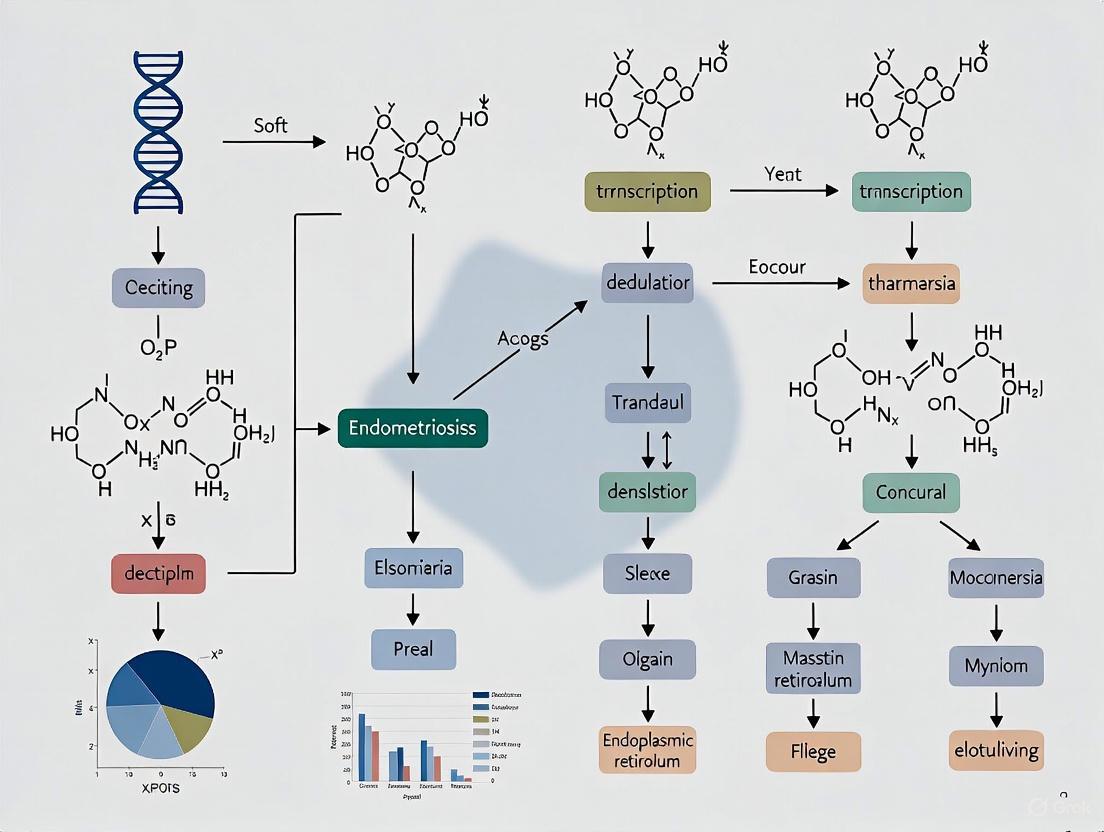
Endometriosis is a complex gynecological disorder with a substantial but heterogeneous genetic component.
Decoding Endometriosis Susceptibility: From Genetic Heterogeneity to Precision Medicine
Abstract
Endometriosis is a complex gynecological disorder with a substantial but heterogeneous genetic component. This article synthesizes current research on the genetic architecture of endometriosis susceptibility, spanning common low-risk variants identified through genome-wide association studies (GWAS) to rare, high-risk familial mutations. We explore methodological advances in functional genomics, expression quantitative trait loci (eQTL) analysis, and multi-omics integration that elucidate tissue-specific regulatory mechanisms. The review further addresses challenges in clinical translation, including diagnostic delays and population-specific heterogeneity, and examines validation frameworks through Mendelian randomization and genetic correlation studies with comorbid conditions. For researchers and drug development professionals, this analysis provides a comprehensive roadmap for leveraging genetic insights to develop novel diagnostics and targeted therapeutics, ultimately advancing personalized management for this enigmatic condition.
The Genetic Architecture of Endometriosis: From Heritability to Molecular Subtypes
Heritability estimation represents a cornerstone of genetic epidemiology, providing crucial insights into the relative contributions of genetic and environmental factors to phenotypic variation. Within complex diseases such as endometriosis, understanding these contributions is essential for unraveling disease etiology. This technical guide examines the methodologies and evidence derived from twin and familial aggregation studies, with particular emphasis on their application to endometriosis research. The estimation of heritability provides the foundational evidence for the genetic heterogeneity observed in endometriosis susceptibility, guiding subsequent molecular genetic investigations including genome-wide association studies (GWAS) and functional genomic approaches [1] [2].
Theoretical Foundations of Heritability
Defining Heritability
Heritability quantifies the proportion of observed variation in a trait that can be attributed to genetic differences among individuals in a specific population. It is fundamentally a population-level statistic rather than an individual-level determinant [3]. Two primary distinctions are critical:
- Broad-sense heritability (H²) represents the proportion of phenotypic variance explained by all genetic factors, including additive, dominant, and epistatic effects: (H^2 = \frac{\sigma^2G}{\sigma^2P}) [4].
- Narrow-sense heritability (h²) captures only the proportion of phenotypic variance explained by additive genetic effects: (h^2 = \frac{\sigma^2A}{\sigma^2P}) [3] [4].
For complex traits like endometriosis, narrow-sense heritability is particularly relevant as it predicts the resemblance between relatives and response to natural selection [3].
Key Concepts in Variance Partitioning
The phenotypic variance (σ²P) can be partitioned into genetic (σ²G), environmental (σ²E), and interaction components. In the standard ACE model used in twin studies:
- A (Additive genetic effects): Represents the cumulative effect of all alleles across the genome.
- C (Common environment): Environmental factors shared by twins reared together.
- E (Non-shared environment): Environmental factors not shared by twins, plus measurement error [5].
Table 1: Variance Components in the ACE Model
| Component | Symbol | Description | Expected Correlation |
|---|---|---|---|
| Additive Genetics | A | Cumulative effect of alleles | 1.0 for MZ twins, 0.5 for DZ twins |
| Common Environment | C | Shared environmental influences | 1.0 for both MZ and DZ twins |
| Non-shared Environment | E | Unique experiences + measurement error | 0 for both twin types |
Methodological Approaches for Heritability Estimation
Twin Study Designs
Twin studies represent the gold standard for heritability estimation in human populations, leveraging the known genetic relatedness of monozygotic (MZ) and dizygotic (DZ) twins [6].
Fundamental Assumptions:
- MZ twins share virtually 100% of their genetic material, while DZ twins share approximately 50% on average.
- Both types of twins share common environmental exposures to a similar extent ("equal environments assumption").
- Genetic and environmental effects combine additively to influence the trait [5] [3].
The ACE Model Specification: The ACE model formulates the phenotypic value for an individual as: [ y{if(z)} = \alpha + A{if(z)} + C{if(z)} + E{if(z)} ] where (y_{if(z)}) represents the trait value for individual (i) in family (f) of zygosity (z), α is the population mean, and A, C, and E represent the latent components [5].
Falconer's Formula: Heritability can be estimated from twin correlations using: [ h^2 = 2(r{MZ} - r{DZ}) ] [ c^2 = 2r{DZ} - r{MZ} ] [ e^2 = 1 - r{MZ} ] where (r{MZ}) and (r_{DZ}) represent the intra-class correlations for MZ and DZ twins, respectively [5].
Familial Aggregation Studies
Familial aggregation studies examine disease recurrence within families, providing complementary evidence to twin studies:
Kinship Coefficients and Relative Risk:
- Kinship coefficient: Measures the probability that two relatives share identical copies of an allele inherited from a common ancestor.
- Relative risk (λR): Quantifies the increased disease risk for relatives of affected individuals compared to the population prevalence [7].
Study Designs:
- Family history studies: Collect disease status from probands about their relatives.
- Family set studies: Directly ascertain and assess all members of identified families.
- Population genealogy studies: Leverage comprehensive genealogical records to reconstruct familial relationships across generations [7].
Application to Endometriosis Research
Heritability Estimates for Endometriosis
Multiple studies have consistently demonstrated significant genetic contributions to endometriosis susceptibility through twin and familial aggregation designs.
Table 2: Heritability Estimates for Endometriosis from Key Studies
| Study | Design | Sample Size | Heritability Estimate | Notes |
|---|---|---|---|---|
| Treloar et al. (1999) [2] | Australian Twin Registry | 3,096 twin pairs | 51% | Latent liability scale |
| Stefansson et al. [7] | Icelandic population genealogy | 750 cases | λsisters = 5.20 | Significantly higher kinship coefficient |
| Farrington et al. [7] | Utah population database | N/A | Increased risk in close relatives | Higher kinship coefficient |
| Swedish Twin Registry [8] | Swedish twins | 1,556 twin pairs | 47% | Confirmed substantial heritability |
Key Findings:
- First-degree relatives of affected women have a 5- to 7-fold increased risk of developing endometriosis compared to the general population [7].
- Studies consistently show higher concordance rates in MZ twins (approximately 2%) compared to DZ twins (approximately 0.6%) [7].
- The increased familial risk and heritability estimates remain significant even when considering potential diagnostic and reporting biases [7].
Methodological Considerations in Endometriosis Research
Diagnostic Challenges: Endometriosis presents unique methodological challenges for heritability estimation:
- Invasive surgical confirmation (laparoscopy) required for definitive diagnosis.
- Potential for under-ascertainment, particularly in population-based studies.
- Phenotypic heterogeneity, with different manifestations (peritoneal, ovarian endometriomas, deeply infiltrating disease) potentially having distinct genetic architectures [7] [2].
Phenotypic Refinement: Recent evidence suggests that heritability estimates vary according to disease severity:
- Six out of nine identified GWAS loci showed stronger effect sizes for Stage III/IV endometriosis [2].
- Familial cases tend to present with more severe disease compared to sporadic cases [7].
- Future studies would benefit from detailed sub-phenotype information to enhance genetic discovery [2].
Advanced Methodological Considerations
Limitations and Assumptions
Critical Assumptions in Twin Studies:
- Equal environments assumption: MZ and DZ twins experience similar shared environmental influences.
- Random mating: Absence of assortative mating for the trait.
- Gene-environment independence: Lack of correlation or interaction between genetic predispositions and environmental exposures [5] [3].
Measurement Error Considerations: Conventional structural equation models typically assume either:
- Absence of measurement error, or
- Incorporation of measurement error into the non-shared environment component (E) Hierarchical modeling approaches offer improved accuracy when measurement error is non-negligible [5].
Emerging Methodological Approaches
Genomic-Relatedness-Based Methods:
- GREML (Genomic Relatedness Restricted Maximum-Likelihood): Uses genome-wide SNP data from unrelated individuals to partition phenotypic variance.
- LD Score Regression: Leverages linkage disequilibrium patterns to estimate heritability from GWAS summary statistics.
- Family-based genomic designs: Combine molecular genetic data with family structures to overcome limitations of both twin and SNP-based methods [6].
Integration with Molecular Data: Modern approaches integrate heritability estimates with functional genomic data:
- Expression Quantitative Trait Loci (eQTL) mapping identifies genetic variants influencing gene expression.
- Epigenetic analyses examine DNA methylation patterns in endometriotic tissue.
- Multi-omics integration provides comprehensive insights into molecular mechanisms [1] [9].
Visualizing Methodological Approaches
Twin Study ACE Model Path Diagram
Heritability Estimation Workflow
Research Reagent Solutions for Heritability Studies
Table 3: Essential Research Tools for Heritability Studies in Endometriosis
| Research Tool | Application | Function in Heritability Research |
|---|---|---|
| Twin Registries | Subject recruitment | Access to well-characterized MZ and DZ twin pairs with detailed phenotypic data |
| Genome-Wide SNP Arrays | Genotyping | Genome-wide coverage for relatedness estimation and SNP-based heritability |
| Surgical Documentation Platforms | Phenotype validation | Standardized laparoscopic confirmation of endometriosis diagnosis and staging |
| Gene Expression Profiling | Functional validation | Identification of differentially expressed genes in endometriotic tissue |
| Population Genealogy Databases | Familial aggregation studies | Reconstruction of pedigrees and kinship coefficients in large populations |
| Methylation Arrays | Epigenetic analysis | Assessment of DNA methylation patterns as potential sources of phenotypic variance |
Twin and familial aggregation studies provide compelling evidence for substantial heritability of endometriosis, with estimates consistently around 50% of the latent liability. These findings establish the fundamental genetic component of endometriosis susceptibility and justify subsequent molecular genetic investigations. Methodological innovations, including hierarchical modeling to address measurement error and integration with genomic data, continue to refine our understanding of the genetic architecture of endometriosis. The consistent observation of higher heritability for severe disease phenotypes underscores the genetic heterogeneity within endometriosis and highlights the importance of precise phenotypic characterization in future genetic studies.
Endometriosis, a chronic, estrogen-dependent inflammatory disease, affects approximately 10% of reproductive-aged women globally, representing over 190 million individuals worldwide [10] [1] [11]. This complex gynecological disorder demonstrates substantial heritability estimates of 47-51% based on twin studies, with common single nucleotide polymorphisms (SNPs) contributing approximately 26% of the disease's heritability [12]. The genetic architecture of endometriosis susceptibility encompasses a spectrum of variants, from common SNPs with modest effects to rare variants and structural alterations, collectively contributing to the multifactorial nature of the disease [1] [12]. Understanding this intricate genetic landscape is crucial for unraveling the pathophysiological mechanisms underlying endometriosis and developing targeted therapeutic interventions.
The disease manifests through the ectopic presence of endometrial-like tissue outside the uterine cavity, leading to chronic pelvic pain, infertility, and significantly reduced quality of life [10] [1]. Despite its prevalence and impact, diagnosis typically experiences a 7-10 year delay from symptom onset, partially attributable to limited understanding of the molecular mechanisms and lack of non-invasive diagnostic biomarkers [1]. Genetic research offers promising avenues to address these challenges by elucidating the biological pathways involved in disease pathogenesis and identifying potential targets for intervention [1] [11].
Comprehensive Catalog of Endometriosis-Associated Genetic Variants
Common SNPs: Genome-Wide Association Studies (GWAS) Insights
Large-scale genome-wide association studies have substantially advanced our understanding of common genetic variants contributing to endometriosis risk. A 2017 meta-analysis of 11 GWAS datasets, encompassing 17,045 cases and 191,596 controls, identified multiple susceptibility loci, with nine previously reported European risk loci reaching genome-wide significance (P < 5 × 10⁻⁸) [12]. This analysis revealed five novel loci implicating genes involved in sex steroid hormone pathways (FN1, CCDC170, ESR1, SYNE1, and FSHB) [12]. Conditional analysis further identified five secondary association signals, resulting in 19 independent SNPs robustly associated with endometriosis, collectively explaining up to 5.19% of variance in disease susceptibility [12].
Table 1: Key Endometriosis Susceptibility Loci Identified Through GWAS
| Genomic Region | Representative SNP | Associated Gene | Biological Pathway | Odds Ratio (95% CI) |
|---|---|---|---|---|
| 1p36.12 | rs7521902 | WNT4 | Development, sex steroid response | 1.16 (1.12-1.20) |
| 2p25.1 | rs13391619 | GREB1 | Estrogen regulation | 1.19 (1.14-1.25) |
| 6q25.1 | rs1971256 | CCDC170 | Estrogen receptor signaling | 1.09 (1.06-1.13) |
| 6q25.1 | rs71575922 | SYNE1 | Nuclear organization | 1.11 (1.07-1.15) |
| 11p14.1 | rs74485684 | FSHB | Follicle-stimulating hormone | 1.11 (1.07-1.15) |
| 2q35 | rs1250241 | FN1 | Extracellular matrix | 1.23 (1.15-1.30) |
More recent investigations have expanded our understanding of how these common variants exert functional effects. A 2025 study analyzing 465 endometriosis-associated variants from the GWAS Catalog explored their tissue-specific regulatory impacts across six physiologically relevant tissues: uterus, ovary, vagina, sigmoid colon, ileum, and peripheral blood [10]. This research demonstrated that regulatory variants exhibit tissue-specific effects, with immune and epithelial signaling genes predominating in colon, ileum, and blood, while reproductive tissues showed enrichment for genes involved in hormonal response, tissue remodeling, and adhesion [10]. Key regulators such as MICB, CLDN23, and GATA4 were consistently linked to critical pathways including immune evasion, angiogenesis, and proliferative signaling [10].
Rare Variants and Structural Alterations
While common SNPs contribute significantly to endometriosis heritability, rare variants and structural alterations represent additional layers of genetic complexity. Meta-analysis approaches for rare variants have been developed to address the challenges of identifying associations with these less frequent genetic alterations [13] [14]. These methods include burden tests that collapse rare variants within a gene or region into a single genetic score, and variance component tests like SKAT (Sequence Kernel Association Test) that aggregate individual variant test statistics [13]. Unified tests that combine both approaches, such as SKAT-O, adaptively select the optimal linear combination of burden and variance component statistics to maximize power for detecting associations [13].
Emerging evidence suggests that regulatory variants, including some derived from ancient hominin introgression, may contribute to endometriosis susceptibility [11]. A study analyzing whole-genome sequencing data from the Genomics England 100,000 Genomes Project identified six regulatory variants significantly enriched in an endometriosis cohort compared to controls [11]. Notably, co-localized IL-6 variants rs2069840 and rs34880821—located at a Neandertal-derived methylation site—demonstrated strong linkage disequilibrium and potential immune dysregulation [11]. Variants in CNR1 and IDO1, some of Denisovan origin, also showed significant associations, suggesting that ancient regulatory variants interacting with contemporary environmental exposures may modulate disease risk through immune and inflammatory pathways [11].
Table 2: Analysis Methods for Different Variant Types in Endometriosis Research
| Variant Category | Detection Method | Key Characteristics | Analysis Approaches |
|---|---|---|---|
| Common SNPs (MAF >5%) | GWAS | Small effect sizes, polygenic | Single-marker tests, Meta-analysis |
| Rare Variants (MAF <1%) | Sequencing studies | Larger potential effect sizes | Burden tests, SKAT, SKAT-O |
| Structural Variants | WGS, cytogenetics | Chromosomal rearrangements | Read depth, split read analysis |
| Regulatory Variants | eQTL mapping | Tissue-specific effects | Integration with functional genomics |
Experimental Methodologies for Variant Identification and Characterization
Genome-Wide Association Studies and Meta-Analysis Protocols
The standard protocol for GWAS in endometriosis research involves multiple carefully executed steps. First, case-control selection must adhere to stringent criteria, with optimal confirmation of endometriosis through surgical visualization and histology [12]. The QIMRHCS, OX, deCODE and LEUVEN studies, for instance, exclusively included surgically confirmed cases with disease stage documented using the revised American Fertility Society (rAFS) classification system [12]. DNA extraction from blood or saliva samples is followed by genotype processing using high-density arrays such as Affymetrix or Illumina platforms [12].
Quality control procedures eliminate SNPs with high missing rates (>5%), significant deviation from Hardy-Weinberg equilibrium (P < 10⁻⁶), or low minor allele frequency (<1%) [12]. Population stratification is typically addressed using principal component analysis or genetic matching between cases and controls [12]. Imputation to reference panels like the 1000 Genomes Project increases genomic coverage, followed by association testing using logistic regression adjusted for principal components and other covariates [12].
For meta-analysis, individual study results are combined using fixed-effect or random-effects models, with careful consideration of heterogeneity [12]. The 2017 meta-analysis by Sapkota et al. utilized a fixed-effect model for primary analysis, followed by sensitivity analyses using the Han-Eskin random-effects model (RE2) for variants showing evidence of heterogeneity [12]. This approach substantially increases power to detect loci with consistent effects across studies while appropriately handling heterogeneous genetic effects.
Functional Genomic Characterization of Risk Loci
Advanced functional genomics approaches are essential for moving from statistical associations to biological mechanisms. The integration of GWAS findings with expression quantitative trait loci (eQTL) data provides powerful insights into how genetic variants regulate gene expression in tissue-specific contexts [10]. A standardized protocol for this integration involves: (1) curating endometriosis-associated variants from the GWAS Catalog; (2) cross-referencing with tissue-specific eQTL data from resources like the GTEx database; (3) identifying significant eQTLs (FDR < 0.05) across relevant tissues; and (4) functional interpretation using gene set enrichment analyses [10].
The GTEx v8 database serves as a critical resource for identifying eQTLs across multiple tissues, with the slope parameter indicating the direction and magnitude of effect on gene expression [10]. For example, a slope of +1.0 indicates a twofold increase in expression, while -1.0 reflects a 50% decrease relative to the reference allele [10]. Even moderate values (±0.5) may represent meaningful regulatory effects in disease-relevant genes [10].
Functional characterization extends to epigenomic profiling, including assessment of chromatin accessibility (ATAC-seq), histone modifications (ChIP-seq), and DNA methylation patterns in disease-relevant cell types [1] [11]. These approaches help pinpoint causal variants and elucidate their effects on transcriptional regulation, providing critical insights for functional validation experiments.
Figure 1: Integrative Genomics Workflow for Endometriosis Research. This flowchart outlines the comprehensive approach to identifying and validating genetic variants in endometriosis, incorporating multiple genomic data layers.
Biological Pathways and Mechanisms
Hormone Signaling and Response Pathways
Genetic studies have consistently highlighted the central role of sex steroid hormone pathways in endometriosis susceptibility. Genes at identified risk loci, including ESR1 (estrogen receptor alpha), CYP19A1 (aromatase), FSHB (follicle-stimulating hormone subunit beta), and GREB1 (growth regulation by estrogen in breast cancer 1), implicate disrupted hormonal signaling as a fundamental mechanism in disease pathogenesis [15] [1] [12]. The estrogen receptor alpha, encoded by ESR1, mediates the proliferative effects of estrogen on endometrial tissue, with risk variants potentially altering receptor expression or function [12]. Similarly, aromatase (CYP19A1) plays a crucial role in local estrogen synthesis within endometriotic lesions, creating a self-sustaining inflammatory microenvironment [1].
The GREB1 region on chromosome 2p25.1 exemplifies the complex relationship between genetic risk variants and hormonal regulation [15]. Fine-mapping studies of this locus have identified multiple SNPs showing stronger association with endometriosis risk than the original GWAS SNP (rs13394619) [15]. Although functional studies of GREB1 expression in endometrial tissue showed cycle-dependent regulation without significant case-control differences, the gene remains a compelling candidate given its rapid estrogen-induced upregulation and potential role in estrogen-mediated cell proliferation [15].
Immune Dysregulation and Inflammatory Processes
Immune system dysfunction represents another cornerstone of endometriosis pathophysiology, with genetic studies revealing significant enrichment of immune-related genes among susceptibility loci. The IL-6 (interleukin-6) pathway has emerged as particularly prominent, with regulatory variants potentially contributing to disease through altered inflammatory responses [11]. Notably, co-localized IL-6 variants rs2069840 and rs34880821 demonstrate strong linkage disequilibrium and map to a Neandertal-derived methylation site, suggesting possible evolutionary origins for this genetic risk factor [11].
Additional immune-related genes implicated in endometriosis include MICB (MHC class I polypeptide-related sequence B), which plays a role in natural killer cell activation, and IDO1 (indoleamine 2,3-dioxygenase 1), involved in tryptophan metabolism and immune tolerance [10] [11]. The cannabinoid receptor gene CNR1 also shows association with endometriosis risk, potentially linking endocannabinoid signaling to the inflammatory processes underlying the disease [11]. These genetic findings collectively suggest that dysregulated immune surveillance permits the survival and establishment of ectopic endometrial tissue, while sustained inflammation drives pain and disease progression.
Figure 2: Pathway Integration of Genetic Risk Variants in Endometriosis. This diagram illustrates how diverse genetic risk variants converge on shared pathological pathways in endometriosis.
Research Reagents and Methodological Toolkit
Table 3: Essential Research Reagents and Resources for Endometriosis Genetic Studies
| Resource Category | Specific Tools/Databases | Primary Application | Key Features |
|---|---|---|---|
| Genomic Databases | GWAS Catalog, GTEx v8, 1000 Genomes | Variant selection, functional annotation | Tissue-specific eQTLs, population allele frequencies |
| Bioinformatics Tools | Ensembl VEP, DEPICT, LDlink | Functional prediction, enrichment analysis | Variant consequence, gene set enrichment, LD estimation |
| Statistical Packages | SKAT, METAL, PRSice-2 | Rare variant tests, meta-analysis, PRS | Burden tests, variance components, polygenic scoring |
| Experimental Models | Primary endometrial cells, animal models | Functional validation | Disease-relevant cellular contexts |
The GWAS Catalog (ebi.ac.uk/gwas) serves as a fundamental resource for identifying established variant-trait associations, with the ontology identifier EFO_0001065 specific to endometriosis [10]. The GTEx (Genotype-Tissue Expression) Portal provides comprehensive eQTL data across multiple tissues, enabling researchers to connect non-coding risk variants with potential target genes [10]. For functional annotation, the Ensembl Variant Effect Predictor (VEP) categorizes variants by genomic location and functional consequence, while tools like DEPICT and MsigDB facilitate gene set enrichment analyses to identify pathways enriched among associated genes [10] [12].
For rare variant analysis, SKAT and burden tests implemented in specialized R packages enable powerful association testing despite low allele frequencies [13]. Meta-analysis tools such as METAL and MR-MEGA support the combination of results across studies, accommodating diverse study designs and ancestry groups [12] [16]. Polygenic risk scoring algorithms, including PRSice-2 and PRScs, leverage GWAS summary statistics to calculate individualized genetic risk profiles, with applications in risk prediction and stratification for clinical trials [17].
The comprehensive characterization of the spectrum of genetic variants in endometriosis has substantially advanced our understanding of disease pathogenesis, revealing crucial roles for hormone signaling, immune regulation, and tissue remodeling processes. The integration of common SNPs, rare variants, and regulatory alterations provides a more complete picture of the genetic architecture underlying endometriosis susceptibility. However, significant challenges remain, including the need for larger diverse cohorts to improve power for rare variant detection, enhanced functional validation of candidate genes, and translation of genetic discoveries into clinical applications.
Future research directions should prioritize multi-omics integration, combining genomic data with epigenomic, transcriptomic, and proteomic profiles from disease-relevant tissues and cell types [1]. The development of more sophisticated polygenic risk scores incorporating functional genomic annotations may improve prediction accuracy and clinical utility [1] [17]. Furthermore, exploring the interaction between genetic susceptibility and environmental factors, particularly endocrine-disrupting chemicals, represents a critical avenue for understanding disease etiology and developing preventive strategies [11].
As genetic research continues to unravel the complexity of endometriosis, these findings hold promise for revolutionizing diagnosis through genetic biomarkers, personalizing treatment approaches based on individual genetic profiles, and identifying novel therapeutic targets for this debilitating condition. The ongoing expansion of genomic resources, coupled with advances in functional genomics and analytical methods, will accelerate progress toward these clinical applications in the coming years.
Endometriosis is a common, estrogen-dependent gynecological disorder affecting approximately 6-10% of women of reproductive age, characterized by the presence of endometrial-like tissue outside the uterine cavity [10] [1]. The condition is associated with chronic pelvic pain, dysmenorrhea, and reduced fertility, with an estimated heritability of approximately 50% based on twin studies [12] [2]. Over the past decade, genome-wide association studies (GWAS) have revolutionized our understanding of the genetic architecture of endometriosis, identifying multiple susceptibility loci and providing insights into the biological mechanisms underlying disease pathogenesis. This review synthesizes key findings from major GWAS on endometriosis, highlighting established and novel susceptibility loci, their tissue-specific regulatory effects, and implications for understanding the molecular pathophysiology of this complex condition.
Established Endometriosis Susceptibility Loci
Early GWAS Discoveries
Initial GWAS conducted in Japanese and European populations identified the first robust genetic associations with endometriosis risk. The first GWAS, published in 2010 on a Japanese cohort, identified a significant association at rs10965235 in the CDKN2B-AS1 gene on chromosome 9p21.3 [2]. This was quickly followed by a European-ancestry GWAS by the International Endogene Consortium (IEC) that identified rs12700667 on chromosome 7p15.2 and rs7521902 near the WNT4 gene on chromosome 1p36.12 [18] [2]. A subsequent meta-analysis of 4,604 cases and 9,393 controls from Australian, UK, and Japanese populations confirmed these associations and identified additional loci in GREB1 (rs13394619), VEZT (rs10859871), and several other genomic regions [18].
Comprehensive Meta-Analyses and Novel Loci
Large-scale meta-analyses have substantially expanded the catalog of endometriosis susceptibility loci. A landmark meta-analysis of 11 GWAS datasets totaling 17,045 endometriosis cases and 191,596 controls identified five novel loci significantly associated with endometriosis risk, highlighting genes involved in sex steroid hormone pathways (FN1, CCDC170, ESR1, SYNE1, and FSHB) [12]. More recently, a GWAS meta-analysis including 60,674 cases and 701,926 controls of European and East Asian ancestry identified 42 genome-wide significant loci comprising 49 distinct association signals, explaining up to 5.01% of disease variance [19].
Table 1: Key Endometriosis Susceptibility Loci Identified in GWAS
| Locus | Nearest Gene(s) | Chromosome | Lead SNP | Potential Function | Population |
|---|---|---|---|---|---|
| 1p36.12 | WNT4 | 1 | rs7521902 | Hormone regulation, development | European, Japanese [18] [2] |
| 2p25.1 | GREB1 | 2 | rs13394619 | Estrogen regulation | European, Japanese [18] |
| 6q25.1 | ESR1, CCDC170, SYNE1 | 6 | rs71575922 | Estrogen receptor signaling | European [12] |
| 7p15.2 | Intergenic | 7 | rs12700667 | Developmental regulation | European, Japanese [18] [2] |
| 9p21.3 | CDKN2B-AS1 | 9 | rs10965235 | Cell cycle regulation | Japanese [2] |
| 12q22 | VEZT | 12 | rs10859871 | Cell adhesion | European, Japanese [18] |
| 11p14.1 | FSHB | 11 | rs74485684 | Follicle-stimulating hormone | European [12] |
Ethnic-Specific Genetic Architecture
Population-Specific Susceptibility Loci
Recent studies have highlighted ethnic-specific genetic susceptibility loci for endometriosis. A GWAS in a Taiwanese-Han population identified five significant susceptibility loci, with three (WNT4, RMND1, and CCDC170) previously associated with endometriosis across different populations, and two novel loci (C5orf66/C5orf66-AS2 and STN1) specific to this population [20]. Functional network analysis of potential risk genes in this population revealed involvement in cancer susceptibility and neurodevelopmental disorders in endometriosis development [20]. These findings support clinical observations of differences in endometriosis presentation in Taiwanese-Han population, including higher risks of developing deeply infiltrating lesions and associated malignancies.
Trans-Ancestry Genetic Correlations
Despite population-specific variants, significant genetic correlations exist across ethnicities. A formal meta-analysis of Australian, UK, and Japanese GWA data demonstrated that the association of rs12700667 on chromosome 7p15.2, initially identified in Europeans, replicates in Japanese populations [18]. Similarly, polygenic risk for endometriosis shows significant overlap between European and Japanese populations, indicating that many weakly associated SNPs represent true endometriosis risk loci that may be transferable across populations for risk prediction [18].
Functional Characterization of Susceptibility Loci
Expression Quantitative Trait Loci (eQTL) Mapping
Integration of GWAS findings with expression quantitative trait loci (eQTL) data has provided insights into the functional consequences of endometriosis-associated variants. A 2025 study explored the regulatory impact of 465 endometriosis-associated variants across six biologically relevant tissues (uterus, ovary, vagina, sigmoid colon, ileum, and peripheral blood) using GTEx v8 data [10]. The study revealed tissue-specific regulatory profiles, with immune and epithelial signaling genes predominating in colon, ileum, and peripheral blood, while reproductive tissues showed enrichment of genes involved in hormonal response, tissue remodeling, and adhesion [10]. Key regulators identified included MICB, CLDN23, and GATA4, consistently linked to pathways including immune evasion, angiogenesis, and proliferative signaling [10].
A separate study in a Taiwanese population identified rs13126673 as a significant cis-eQTL for the INTU gene, with the risk allele (C) associated with lower INTU expression in both GTEx database samples and endometriotic tissues from women with endometriosis [9]. Computational modeling suggested that this intronic variant may influence RNA secondary structure, potentially explaining its effect on gene expression [9].
Biological Pathways Implicated by Susceptibility Loci
The functional annotation of endometriosis susceptibility loci has revealed enrichment in specific biological pathways:
- Sex steroid hormone signaling: Multiple loci (WNT4, ESR1, GREB1, FSHB, CYP19A1) implicate genes involved in estrogen synthesis, metabolism, and signaling [1] [12].
- Developmental pathways: WNT4 plays crucial roles in Müllerian duct development and female reproductive tract formation [2].
- Cell adhesion and migration: VEZT encodes a cell adhesion molecule, while FN1 (fibronectin 1) is involved in extracellular matrix organization [12] [2].
- Immune regulation: Several loci are located near genes involved in immune function and inflammatory responses [10].
Figure 1: Workflow for Functional Characterization of GWAS Loci
Methodological Approaches in Endometriosis GWAS
Standard GWAS Protocol
Modern endometriosis GWAS typically follow standardized protocols for quality control and analysis:
- Sample Collection: Cases with surgically confirmed endometriosis (typically via laparoscopy with histological confirmation) and ethnically matched controls [18] [2].
- Genotyping: Using high-density SNP arrays (e.g., Affymetrix, Illumina) covering 600,000 to 5,000,000 SNPs [9] [2].
- Quality Control: Exclusion of samples with low call rates, gender mismatches, excessive heterozygosity, or non-European ancestry in principal component analysis [18] [2].
- Imputation: Using reference panels (1000 Genomes Project, Haplotype Reference Consortium) to increase genomic coverage [12].
- Association Analysis: Logistic regression assuming additive genetic effects, with adjustment for principal components to account for population stratification [18] [2].
- Meta-analysis: Combining results across multiple studies using fixed-effects or random-effects models [12] [2].
Specialized Methodological Considerations
- Sub-phenotype Analysis: Several studies have stratified analyses by disease stage (rAFS I-II vs. III-IV), revealing that most loci show stronger effects for moderate-to-severe disease [18] [2].
- Cross-ancestry Meta-analysis: Methods accounting for differences in linkage disequilibrium and allele frequencies across populations [18] [12].
- Functional Genomics Integration: Combining GWAS signals with eQTL, chromatin interaction data, and epigenetic annotations to prioritize causal genes and variants [10] [9].
Table 2: Key Methodological Considerations in Endometriosis GWAS
| Methodological Aspect | Standard Approach | Considerations |
|---|---|---|
| Case Definition | Surgically confirmed endometriosis | Heterogeneous phenotypes; sub-type stratification improves power |
| Sample Size | Thousands to tens of thousands | Larger samples needed due to modest effect sizes (ORs: 1.1-1.3) |
| Genotyping Platform | Commercial SNP arrays | Different platforms require careful imputation and quality control |
| Ancestry | European, East Asian, Taiwanese-Han | Population-specific loci; trans-ancestry analysis increases power |
| Statistical Analysis | Logistic regression with covariates | Principal components to control stratification; multiple testing correction |
| Functional Follow-up | eQTL mapping, pathway analysis | Tissue-specific effects important; integration with epigenetic data |
The Scientist's Toolkit: Research Reagent Solutions
Table 3: Essential Research Reagents for Endometriosis Genetic Studies
| Reagent/Resource | Function | Example Use |
|---|---|---|
| GWAS Arrays | Genome-wide SNP genotyping | Initial discovery of association signals [9] |
| 1000 Genomes Project Reference Panel | Imputation of ungenotyped variants | Increasing genomic coverage after genotyping [12] |
| GTEx Database | Tissue-specific eQTL information | Linking variants to gene expression in relevant tissues [10] [9] |
| ENCODE Data | Functional genomic annotations | Interpreting non-coding variants [2] |
| CRISPR/Cas9 Systems | Functional validation of candidate genes | Manipulating gene expression in cell lines and organoids |
| Primary Cell Cultures | In vitro functional studies | Endometrial stromal cells, epithelial cells |
| Animal Models | In vivo functional validation | Mouse models of endometriosis |
Signaling Pathways Implicated by GWAS Findings
Figure 2: Key Signaling Pathways Implicated by Endometriosis GWAS
Future Directions and Clinical Implications
Therapeutic Target Discovery
The identification of endometriosis susceptibility loci provides valuable starting points for therapeutic development. Genes in associated loci represent promising drug targets, particularly those involved in specific biological pathways such as hormone signaling (ESR1, FSHB), inflammation, and angiogenesis [12] [19]. The shared genetic basis between endometriosis and other pain conditions, including migraine and back pain, suggests potential for repurposing existing analgesics and developing novel pain management strategies for endometriosis patients [19].
Precision Medicine Approaches
Polygenic risk scores (PRS) derived from GWAS data show promise for identifying women at high risk of developing endometriosis, potentially enabling earlier diagnosis and intervention [1]. Additionally, genetic stratification of patients may help guide treatment selection, particularly as targeted therapies are developed. The differential genetic basis observed for ovarian endometriosis versus superficial peritoneal disease suggests that distinct treatment approaches may be needed for different disease subtypes [19].
Functional Follow-up Studies
Future research should focus on comprehensive functional characterization of established susceptibility loci through:
- Fine-mapping to identify causal variants
- Experimental validation using CRISPR-based genome editing
- Multi-omics integration (genomics, transcriptomics, epigenomics, proteomics)
- Development of more sophisticated model systems, including patient-derived organoids
In conclusion, GWAS have substantially advanced our understanding of the genetic architecture of endometriosis, identifying numerous susceptibility loci and implicating key biological pathways in disease pathogenesis. Future efforts integrating genetic findings with functional genomics and clinical data hold promise for developing improved diagnostic tools and targeted therapies for this complex condition.
Chromosomal Alterations and Loss of Heterozygosity in Endometriotic Lesions
Endometriosis, defined as the growth of endometrial tissue outside the uterine cavity, is a common cause of pelvic pain, dysmenorrhea, and infertility, affecting approximately 10-15% of women of reproductive age [21]. Despite its prevalence, the etiology of this complex condition remains incompletely understood. While retrograde menstruation is a common phenomenon, the development of endometriosis in only a subset of women implies underlying susceptibility factors [21].
Genetic studies have demonstrated that endometriosis exhibits familial clustering, with first-degree relatives of affected women having a 5- to 7-fold increased risk of developing the disease [7]. This heritability, estimated at approximately 51% based on twin studies, suggests a significant genetic component to disease susceptibility [7]. Endometriosis shares several characteristics with neoplastic processes, including local invasion, angiogenesis, and clonal expansion [7]. These observations have prompted investigations into whether somatic genetic alterations, particularly chromosomal instability and loss of heterozygosity (LOH), contribute to the pathogenesis and progression of endometriosis.
This review synthesizes current evidence regarding chromosomal alterations and LOH in endometriotic lesions, framing these genetic events within the broader context of mechanisms underlying genetic heterogeneity in endometriosis susceptibility.
Genetic Basis of Endometriosis Susceptibility
Familial Aggregation and Heritability
Strong evidence supports the heritable nature of endometriosis. The first formal genetic study by Simpson et al. (1980) found that 5.9% of mothers and 8.1% of sisters of affected women had endometriosis, compared to only 0.9% in controls [7] [21]. Subsequent studies have confirmed these findings, with familial cases tending toward more severe disease [7] [21]. Twin studies further support genetic involvement, showing higher concordance in monozygotic (75-88%) compared to dizygotic twins [21].
The inheritance pattern of endometriosis is generally considered polygenic/multifactorial, involving multiple genes interacting with environmental factors [7]. The increased severity observed in familial cases aligns with this model, as greater genetic liability predicts more severe disease expression and higher proportion of affected relatives [21].
The Multi-Hit Theory of Endometriosis Pathogenesis
A theoretical framework proposed by Bischoff and Simpson suggests that endometriosis development may involve accumulated mutations, analogous to the multi-step process in carcinogenesis [7]. In this model:
- The initial "hit" (inherited in familial cases or somatic in sporadic cases) affects genes involved in cellular attachment or persistence within menstrual effluent
- Mutated endometrial cells refluxed through fallopian tubes gain ability to attach to peritoneum and survive
- Subsequent mutations alter cellular metabolism and biology, establishing endometriosis
- Additional mutations in tumor suppressor genes or oncogenes may, in rare cases, lead to malignant transformation [7]
This model provides a framework for understanding how LOH and somatic mutations might contribute to endometriosis development and progression.
Chromosomal Alterations in Endometriosis
Recurrent Chromosomal Abnormalities
Numerous studies have identified non-random chromosomal abnormalities in endometriotic lesions. Early cytogenetic studies revealed monosomy 16 and 17 and trisomy 11 in touch preparations of endometriotic tissue [21]. Using fluorescence in situ hybridization (FISH) with chromosome-specific probes, researchers consistently observed chromosome 17 monosomic cells in endometriotic samples [22] [21].
Table 1: Recurrent Chromosomal Alterations in Endometriosis
| Chromosomal Alteration | Frequency | Detection Method | Potential Significance |
|---|---|---|---|
| Monosomy 17 | 12/16 samples (75%) | FISH | Loss of TP53 tumor suppressor gene locus |
| 9p LOH | Common | Microsatellite analysis | Potential involvement of p16INK4a tumor suppressor |
| 11q LOH | Common | Microsatellite analysis | Unknown tumor suppressor gene |
| 22q LOH | Common | Microsatellite analysis | Potential involvement in disease pathogenesis |
| 1q+ | Detected | Comparative genomic hybridization | Possible oncogene activation |
| 6q- | Detected | Comparative genomic hybridization | Potential tumor suppressor loss |
| 10q23 LOH | 40% in atypical endometriosis | Microsatellite analysis | PTEN tumor suppressor gene locus |
Comparative genomic hybridization studies have revealed additional recurrent abnormalities including 1q+, 4q-, 11p-, 13q-, and losses of chromosomes 9, 12, and 18 [21]. These findings provide evidence that acquired chromosome-specific alterations are involved in endometriosis, possibly reflecting clonal expansion of chromosomally abnormal cells.
Chromosome 17 and TP53 Alterations
Chromosome 17 abnormalities appear particularly significant in endometriosis. FISH analysis demonstrated heterogeneity for loss of chromosome 17 in all endometriosis specimens studied, with 12 of 14 samples showing significant proportions of cells (8-42%) monosomic for chromosome 17 with concomitant loss of one p53 locus [22]. In two remaining cases, only p53 loss was observed without complete chromosome 17 loss, suggesting a smaller deletion [22].
Kosugi et al. found increased frequency of monosomy 17 and specifically loss of the TP53 tumor suppressor gene locus in endometriotic samples compared to controls [7]. Among 16 endometriotic samples, 12 had monosomy 17 while the remaining 4 showed LOH for the TP53 allele [7]. These findings suggest that loss of TP53, a critical tumor suppressor gene, may contribute to endometriosis pathogenesis by allowing abnormal cell survival and proliferation.
Loss of Heterozygosity in Endometriotic Lesions
Patterns of LOH in Benign Endometriosis
LOH refers to the loss of one allele at a specific locus, often involving tumor suppressor genes. Multiple studies have demonstrated LOH in endometriotic lesions, even in the absence of malignancy. Jiang et al. demonstrated LOH at 9p, 11q, and 22q in endometriotic lesions [7]. Further studies identified LOH at 5q, 6q, 9p, 11q, and 22q in one-third of ovarian cancers associated with endometriosis [7].
The frequency of LOH appears to increase with disease progression. Studies of solitary ovarian endometriosis show relatively low LOH rates, while endometriosis contiguous with ovarian cancer demonstrates significantly higher LOH prevalence [23]. This pattern suggests accumulated genetic alterations may correlate with disease severity or malignant potential.
LOH in Endometriosis-Associated Ovarian Cancer
The malignant transformation of endometriosis is uncommon (estimated 0.7-1.6% of cases) but represents a significant clinical concern [23]. Molecular analyses support a potential pathogenic link between endometriosis and specific ovarian cancer subtypes, particularly endometrioid and clear cell carcinomas [23] [24].
Table 2: LOH Frequencies in Endometriosis and Related Malignancies
| Genetic Alteration | Solitary Endometriosis | Atypical Endometriosis | Endometriosis-Associated Ovarian Cancer |
|---|---|---|---|
| 10q23 LOH (PTEN) | Infrequent | 40% | 43% in endometrioid ovarian cancer |
| 9p LOH | Detected | Increased frequency | Common |
| 11q LOH | Detected | Increased frequency | Common |
| 22q LOH | Detected | Increased frequency | Common |
| 6q LOH | Detected | 60% | Common |
| PTEN mutations | Rare | Not observed | 21% in endometrioid ovarian cancer |
| TP53 mutations | Uncommon | Uncommon | Frequent in advanced cases |
Studies analyzing ovarian cancer arising from endometriosis (OCEMs) reveal shared LOH events between benign endometriosis and adjacent carcinoma, supporting a direct lineage [23]. In one study, the same LOH events were detected in both endometriosis and cancer components of OCEMs, with additional genetic alterations in the cancerous portions [23]. This stepwise increase in LOH from benign endometriosis to cancer suggests accumulated genetic alterations in tumor suppressor genes may drive malignant transformation.
Molecular Mechanisms and Signaling Pathways
Key Genes and Pathways Affected by LOH
Several critical cancer-associated genes and pathways are affected by LOH in endometriosis:
PTEN (Phosphatase and Tensin Homolog) Located on 10q23.3, PTEN acts as a tumor suppressor by negatively regulating the PI3K/AKT/mTOR signaling pathway. PTEN mutations have been identified in endometrioid and clear cell ovarian carcinomas as well as in endometriotic samples [7] [24]. LOH at the PTEN locus occurs in approximately 40% of ovarian atypical endometriosis, suggesting its involvement in early disease progression [24].
TP53 (Tumor Protein P53) The TP53 tumor suppressor gene on chromosome 17p13.1 is frequently affected by LOH in endometriosis [22]. Loss of p53 function may enable abnormal cell survival despite oxidative stress and other damaging stimuli.
ARID1A (AT-Rich Interaction Domain 1A) While not primarily associated with LOH, ARID1A mutations are frequently found in endometriosis and related cancers [25]. This chromatin remodeling gene likely interacts with other genetic alterations in disease pathogenesis.
Diagram 1: Multi-hit progression theory in endometriosis pathogenesis
Oxidative Stress and Mutagenesis
Oxidative stress from retrograde menstruation and iron overload has been proposed as a key driver of mutagenesis in endometriosis [25]. Reactive oxygen species can induce DNA damage, potentially leading to somatic mutations in cancer-associated genes such as KRAS, ARID1A, PIK3CA, and PTEN [25]. This mutagenic process predominantly promotes fibrotic rather than malignant outcomes in endometriosis, explaining the low incidence of malignant transformation despite the presence of cancer-associated mutations.
Diagram 2: Oxidative stress-driven mutagenesis in endometriosis
Research Methodologies and Experimental Approaches
Techniques for Detecting Chromosomal Alterations
Fluorescence In Situ Hybridization (FISH) FISH allows visualization of specific chromosomal regions or entire chromosomes in intact cells. In endometriosis research, FISH has been particularly valuable for detecting aneuploidy, especially monosomy 17 and TP53 loss [22]. The protocol typically involves:
- Preparation of touch preparations or tissue sections from endometriotic lesions
- Hybridization with chromosome-specific fluorescent probes
- Microscopic analysis and counting of signals in multiple nuclei
- Statistical comparison with control tissues [22]
Comparative Genomic Hybridization (CGH) CGH enables genome-wide screening of chromosomal imbalances without prior knowledge of specific regions of interest. This technique has revealed recurrent patterns of chromosomal gains and losses in endometriosis, including 1q+, 4q-, 11p-, 13q-, and losses of chromosomes 9, 12, and 18 [21].
Methods for LOH Analysis
Microsatellite Analysis Microsatellite analysis represents the gold standard for LOH detection. The standard protocol involves:
- DNA extraction from microdissected endometriotic and matched normal control tissues
- Selection of polymorphic microsatellite markers in regions of interest
- PCR amplification with fluorescently labeled primers
- Capillary electrophoresis and fragment analysis
- LOH determination by comparing allele ratios in normal and lesion DNA [23]
Key considerations for LOH studies in endometriosis include:
- Careful microdissection to ensure pure populations of endometriotic cells
- Selection of informative markers based on known regions of interest in endometriosis and related cancers
- Use of multiple markers per chromosomal arm to define minimal regions of deletion
- Validation of findings in independent sample sets [23]
Single-Cell and Next-Generation Sequencing Emerging approaches include single-cell genomics and next-generation sequencing, which offer unprecedented resolution for detecting somatic mutations and clonal relationships in endometriotic lesions [25]. These techniques have revealed distinct mutational patterns between epithelial and stromal components and across lesions, indicating oligoclonal origins and independent clonal evolution [25].
The Scientist's Toolkit: Essential Research Reagents
Table 3: Essential Research Reagents for Endometriosis Genetic Studies
| Reagent/Category | Specific Examples | Research Application |
|---|---|---|
| Chromosomal Analysis | Chromosome-specific FISH probes (especially chr17/TP53) | Detection of aneuploidy and specific chromosomal losses |
| LOH Analysis | Fluorescently labeled microsatellite primers for regions: 9p, 11q, 17p, 22q, 10q | Identification of loss of heterozygosity events |
| DNA Analysis | DNA extraction kits for fixed/frozen tissues, Whole-genome amplification kits | Obtaining sufficient quality DNA from limited samples |
| Mutation Detection | PCR reagents, Sanger sequencing kits, Next-generation sequencing panels | Identification of somatic mutations in cancer-associated genes |
| Cell Isolation | Laser capture microdissection equipment, Tissue dissociation enzymes | Isolation of pure cell populations from heterogeneous lesions |
| Pathway Analysis | Antibodies for PTEN, p53, ARID1A immunohistochemistry | Validation of protein expression changes resulting from genetic alterations |
Clinical Implications and Future Directions
Diagnostic and Prognostic Applications
Understanding chromosomal alterations and LOH in endometriosis has several potential clinical applications:
Risk Stratification Specific LOH patterns or chromosomal alterations may identify subsets of patients at higher risk for disease progression or malignant transformation. For example, LOH at PTEN or TP53 loci might warrant more vigilant monitoring [23] [24].
Molecular Classification Integrating molecular genetic analysis with traditional histopathology could lead to refined classification systems that better predict clinical behavior and treatment response [25]. Distinct mutational patterns between epithelial and stromal components and across lesions may explain the heterogeneous clinical presentation of endometriosis [25].
Therapeutic Implications
The identification of cancer-associated mutations in endometriosis opens avenues for targeted therapies:
PI3K/AKT/mTOR Pathway Inhibition Given the frequency of PTEN loss and PIK3CA mutations in endometriosis, inhibitors targeting the PI3K/AKT/mTOR pathway represent promising therapeutic candidates [25]. Preclinical studies have demonstrated that parthenolide can repress surgically-induced endometriosis in rats through regulation of the PTEN/PI3K/AKT/GSK-3β/β-catenin signaling axis [25].
PARP Inhibition The presence of LOH, particularly high levels of genomic instability, might suggest susceptibility to PARP inhibitors, similar to their use in cancers with homologous recombination deficiencies [26]. While this approach remains investigational for benign endometriosis, it may be relevant for cases with documented high LOH burden or those undergoing malignant transformation.
Future Research Directions
Key unanswered questions and research opportunities include:
- Determining whether specific LOH patterns predict response to conventional endometriosis treatments
- Investigating the relationship between LOH burden and disease symptomatology
- Exploring the potential of circulating tumor DNA or other liquid biopsy approaches to detect endometriosis-associated genetic alterations non-invasively
- Developing in vitro and in vivo models that recapitulate the genetic alterations observed in human endometriosis to facilitate therapeutic testing
Chromosomal alterations and loss of heterozygosity represent significant molecular events in the pathogenesis of endometriosis. The recurrent nature of specific abnormalities, particularly involving chromosome 17 and the TP53 locus, as well as LOH at 9p, 11q, 22q, and 10q, suggests these genetic changes play a role in disease development and progression. The multi-hit theory, wherein accumulated genetic alterations drive the establishment and potential malignant transformation of endometriosis, provides a useful framework for understanding the relationship between these genetic events and disease heterogeneity.
Ongoing research using increasingly sophisticated genomic technologies continues to refine our understanding of the genetic architecture of endometriosis. The integration of molecular classification into clinical practice holds promise for improved diagnosis, risk stratification, and personalized treatment approaches for this enigmatic condition. As our knowledge of the genetic underpinnings of endometriosis expands, so too will opportunities to translate these findings into improved patient care.
Genetic Heterogeneity Across Populations and Ethnicities
Endometriosis, a complex, inflammatory, and estrogen-dependent condition characterized by the presence of endometrial-like tissue outside the uterine cavity, affects approximately 10% of reproductive-aged women globally [1] [27]. Its pathogenesis involves a multifaceted interplay of genetic, epigenetic, and environmental factors. A substantial genetic component is well-established, with twin and familial aggregation studies indicating a heritability of around 52% [2]. Over the past decade, genome-wide association studies (GWAS) have been instrumental in identifying specific genetic variants associated with endometriosis susceptibility, shedding light on the molecular pathways involved and revealing a complex genetic architecture that exhibits significant heterogeneity across different human populations [1] [28].
Understanding this population-specific genetic heterogeneity is crucial for several reasons. It challenges the historical and often biased perspective that endometriosis is predominantly a disease of white women—a narrative perpetuated in older medical literature and education [29]. More importantly, it holds the key to advancing personalized medicine, improving the accuracy of genetic risk prediction models, and ensuring that diagnostic and therapeutic innovations benefit all populations equitably [1]. This in-depth technical guide synthesizes current evidence on the genetic heterogeneity of endometriosis across populations and ethnicities, provides detailed methodological protocols for its study, and outlines essential tools for researchers and drug development professionals working within this framework.
Evidence of Population-Level Genetic Heterogeneity
Disparate Risk Allele Frequencies Across Global Populations
A global population genomic analysis, which conceptualizes the disease's genetic profile as a "disease genomic grammar" (DGG), has provided a systematic framework for comparing endometriosis risk across ancestries. This approach analyzes the allele frequencies of endometriosis-associated single nucleotide polymorphisms (SNPs) from GWAS across five major population groups: Europeans, Africans, East Asians, South Asians, and Americans [28].
Table 1: Summary of Endometriosis Genetic Heterogeneity Across Populations
| Population | Reported Risk vs. White Women | Key Genetic Loci Identified | Notable Characteristics |
|---|---|---|---|
| East Asian | Increased risk (OR: 1.63) [29] | CDKN2B-AS1 (rs10965235) [2], WNT4, RMND1, CCDC170 [20] |
Higher risk of deeply infiltrating/invasive lesions and associated malignancies [20] |
| Black/Hispanic | Decreased diagnosis (Black OR: 0.49; Hispanic OR: 0.46) [29] | Understudied; distinct genetic architecture suggested [28] | Significant diagnostic delays and disparities in pain care [29] |
| European | Reference group | WNT4, VEZT, GREB1, ID4, FN1 [2] |
Most extensively studied population; majority of GWAS data |
| Taiwanese-Han | Data specific to population | Novel loci: C5orf66/C5orf66-AS2, STN1 [20] |
Shared loci (WNT4, RMND1, CCDC170) with Europeans and Japanese |
This analysis revealed 296 common genetic targets with low allele frequencies (≤0.1) and six with high allele frequencies that constitute the shared DGG of endometriosis. However, marked differences were observed between population groups, with the greatest diversity of allele frequency patterns originating within African populations, reflecting the deep genetic substructure and highest genetic diversity on the continent [28]. These variations in risk allele frequencies directly contribute to differences in disease susceptibility and presentation among ethnic groups.
Population-Specific Susceptibility Loci from GWAS
GWAS conducted in specific ethnic cohorts have successfully identified both shared and unique genetic risk loci. A landmark GWAS in a Taiwanese-Han population (2,794 cases and 27,940 controls) identified five significant susceptibility loci [20]. Among these, three—WNT4 (1p36.12), RMND1 (6q25.1), and CCDC170 (6q25.1)—were previously associated with endometriosis in European and Japanese descent cohorts, indicating a conserved role across ethnicities. Notably, two novel loci, C5orf66/C5orf66-AS2 (5q31.1) and STN1 (10q24.33), were identified as ethnic-specific risk factors. Functional analysis suggested that these long non-coding RNAs interact with RNA-binding proteins, influencing mRNA metabolism and potentially leading to dysregulation in tumor-promoting gene expression [20].
Conversely, the first endometriosis GWAS, conducted in a Japanese population, identified a genome-wide significant variant (rs10965235) in the CDKN2B-AS1 gene [2]. This highlights that while some genetic pathways are common, the specific variants driving risk can differ across populations.
The Interplay of Genetics, Demographics, and Environment
Genetic susceptibility does not operate in a vacuum. Studies in Iranian women have demonstrated that the expression of genes associated with endometriosis (e.g., MFN2, PINK1, PRKN) and their related SNPs show significant associations with geographical and demographic variables, including lifestyle factors and ethnicity [30]. This "landscape genetic" approach underscores the necessity of studying genetic risk within its specific environmental and demographic context to draw meaningful conclusions for that population.
Methodologies for Investigating Genetic Heterogeneity
Genome-Wide Association Studies (GWAS) in Diverse Cohorts
Objective: To identify genetic variants (SNPs) associated with endometriosis risk in a specific population by genotyping a large set of cases and controls and comparing allele frequencies.
Table 2: Key Protocol for Multi-Population GWAS
| Step | Protocol Detail | Technical Considerations |
|---|---|---|
| 1. Cohort Ascertainment | Recruit surgically confirmed cases and ethnically matched controls. | Sample size must provide sufficient power (typically thousands). Phenotype deeply (e.g., rASM stage, lesion location) [2]. |
| 2. Genotyping & Quality Control (QC) | Genotype using microarray (e.g., Illumina OmniExpress). Apply strict QC filters: call rate >98%, MAF >1%, HWE P >1x10⁻⁶. | Use population structure statistics (e.g., PCA) to identify and control for stratification [2]. |
| 3. Imputation | Impute to a reference panel (1000 Genomes Phase 3, HRC) to increase genomic coverage. | Use a reference panel that includes the target population to improve imputation accuracy [31]. |
| 4. Association Analysis | Perform logistic regression for each SNP, adjusting for age, BMI, and genetic principal components. | Use a linear mixed model (e.g., in BOLT-LMM) to account for relatedness and structure [31]. |
| 5. Meta-Analysis | Combine results from multiple cohorts using fixed- or random-effects models (e.g., METAL). | Test for heterogeneity (Cochran's Q) to identify loci with divergent effects [2]. |
| 6. Functional Annotation | Annotate significant loci using databases (GTEx, ENCODE) to link SNPs to candidate genes and pathways. | Employ fine-mapping (e.g., SUSIE) to identify potential causal variants [31]. |
Diagram 1: Comprehensive workflow for conducting and validating a GWAS for endometriosis in diverse populations.
Cross-Population Genetic Correlation and Pleiotropy Analysis
Objective: To quantify the shared genetic basis of endometriosis between different populations or between endometriosis and other related traits.
Protocol (using LD Score Regression):
- Data Preparation: Obtain GWAS summary statistics for endometriosis from two different populations (e.g., European and East Asian).
- Compute LD Scores: Pre-compute linkage disequilibrium (LD) scores from a reference panel (e.g., 1000 Genomes) that is representative of the populations studied.
- Run Bivariate LDSC: Use the LDSC software to estimate the genetic correlation (rg). An rg of 1 indicates a perfect genetic correlation, while 0 indicates no shared genetic influences.
- Pleiotropy Analysis: Apply statistical tools like PLACO (Pleiotropic analysis under composite null hypothesis) to identify specific SNPs that influence both traits or both population-specific disease manifestations simultaneously [32].
Functional Genomics and Multi-Omics Integration
Objective: To move from genetic association to biological mechanism by understanding how risk variants influence gene function in a tissue- and cell-type-specific manner.
Protocol:
- eQTL/mQTL Mapping: Identify if the risk SNPs are expression quantitative trait loci (eQTLs) or methylation QTLs (mQTLs) in tissues relevant to endometriosis (e.g., uterus, endometrium, fallopian tube) using data from resources like GTEx [32].
- Epigenomic Profiling: Overlap SNP locations with epigenomic marks (e.g., H3K27ac for enhancers) from ectopic lesions and eutopic endometrium using data from projects like ENCODE.
- In Vitro/In Vivo Validation: Employ techniques like:
- CRISPR-Cas9 editing in endometriotic cell lines to knock out or modify the risk allele and observe changes in gene expression or cellular phenotypes (invasion, proliferation).
- Luciferase reporter assays to test if the risk variant alters transcriptional activity.
- Organoid models derived from endometrial or endometriotic tissues to study the functional impact of genetic variants in a more physiologically relevant system [33].
The Scientist's Toolkit: Essential Research Reagents and Solutions
Table 3: Key Research Reagents for Investigating Genetic Heterogeneity
| Reagent / Solution | Function & Application | Technical Notes |
|---|---|---|
| High-Density SNP Arrays (e.g., Illumina Global Screening Array) | Genome-wide genotyping of common variants; foundation for GWAS and imputation. | Select arrays with content optimized for diverse populations to reduce allele frequency bias. |
| Reference Panels (1000 Genomes, HRC, gnomAD) | Essential for genotype imputation and frequency comparison across super-populations. | Use population-specific panels (e.g., African Genome Variation Project) for better non-European imputation. |
| Ethnically-Diverse Biospecimens (Tissue, Blood) | Primary cell culture, DNA/RNA extraction, and functional validation studies. | Source from biobanks with detailed phenotype and ethnicity data. Critical for overcoming eutopic endometrium over-representation [33]. |
| Validated Endometriotic Cell Lines (e.g., 12Z, 22B) | In vitro models for functional characterization of genetic hits. | Acknowledge limitations: most are epithelial, derived from endometriomas, and lack genetic diversity [33]. |
| CRISPR-Cas9 System | Precise genome editing for functional validation of candidate causal variants. | Allows for introduction of population-specific alleles into model systems to study their effects. |
| qPCR & RNA-Seq Reagents | Gene expression analysis (e.g., of WNT4, SYNE1, DNM3) in diverse tissue samples. |
Use for validating changes in gene expression associated with risk alleles in different genetic backgrounds. |
Biological Pathways and Future Directions
The genetic variants identified across populations converge on several key biological pathways, albeit sometimes through different genes or alleles. These include:
- Sex Steroid Hormone Signaling: Loci near
WNT4,ESR1,CYP19A1, andHSD17B1are consistently implicated, underscoring the estrogen-dependent nature of the disease [1] [2]. - Cell Adhesion and Migration: Genes like
VEZThighlight the importance of cellular invasion and establishment of ectopic lesions [1]. - Inflammation and Immune Dysregulation: GWAS loci are enriched in genomic regions governing immune function, consistent with the chronic inflammatory microenvironment of endometriosis [27].
Diagram 2: Core biological pathways implicated by genetic studies of endometriosis, influenced by population-specific variants.
Future research must prioritize the inclusion of understudied populations, particularly those of African and Hispanic ancestry, in large-scale genetic studies. Furthermore, moving beyond simple GWAS to integrative multi-omics approaches—combining genomics with transcriptomics, epigenomics, and proteomics in diverse cohorts—will be essential to unravel the intricate biological mechanisms driven by population-specific genetic factors. This will ultimately pave the way for the development of population-informed polygenic risk scores and targeted therapeutic interventions that are effective across the global spectrum of human genetic diversity [1] [28].
Pleiotropy and Shared Genetic Risk with Other Chronic Conditions
Endometriosis, a chronic systemic disease characterized by the presence of endometrial-like tissue outside the uterus, affects approximately 1 in 9 women of reproductive age [34]. While historically considered a gynecological disorder, it is now recognized as a complex condition with multifaceted etiology. Understanding the genetic architecture of endometriosis susceptibility requires exploring mechanisms of genetic heterogeneity, among which pleiotropy—where single genetic variants influence multiple seemingly unrelated traits—plays a fundamental role.
Pleiotropy represents a crucial component of associative heterogeneity, a pattern where different genetic mechanisms produce similar phenotypic outcomes or where shared genetic factors underlie multiple conditions [35]. This review examines how pleiotropic mechanisms contribute to endometriosis susceptibility and its shared genetic architecture with various chronic conditions, providing insights with implications for therapeutic development and precision medicine approaches.
Epidemiological and Genomic Evidence of Comorbidity
Large-scale epidemiological studies have revealed extensive comorbidity patterns between endometriosis and numerous other conditions. Analysis of UK Biobank data identified 292 ICD10 codes significantly correlated with endometriosis diagnosis, spanning diverse disease categories including gynecological, immune, infectious, pain, psychiatric, cancer, gastrointestinal, urinary, bone, and cardiovascular conditions [34] [36].
Table 1: Selected Comorbid Conditions with Endometriosis Based on UK Biobank Analysis
| Category | Representative Conditions | Evidence Strength |
|---|---|---|
| Gynecological | Polycystic ovary syndrome, uterine fibroids | Epidemiological correlation + genetic correlation |
| Gastrointestinal | Irritable bowel syndrome, inflammatory bowel disease | Epidemiological correlation + genetic correlation |
| Pain Conditions | Chronic pain syndromes, migraines | Epidemiological correlation + genetic correlation |
| Psychiatric | Depression, anxiety | Epidemiological correlation |
| Cancer | Ovarian cancer (clear cell, endometrioid), endometrial cancer | Epidemiological correlation + genetic pleiotropy/causality |
| Immune/Inflammatory | Autoimmune conditions, allergies | Epidemiological correlation |
| Urinary | Interstitial cystitis, urinary tract infections | Epidemiological correlation |
Follow-up genetic analyses of 76 of these comorbid traits revealed that 22 showed significant genetic correlation with endometriosis, suggesting shared genetic background rather than causal relationships [34]. The strongest genetic correlations were observed with pain conditions, gastrointestinal disorders, and other gynecological conditions.
Genetic Correlation and Pleiotropy Analysis
Methodological Framework
Genetic correlation analysis quantifies the shared genetic architecture between two traits using genome-wide association study (GWAS) summary statistics. Linkage Disequilibrium Score Regression (LDSC) is the primary method used, which estimates genetic covariance based on the relationship between SNP association statistics and linkage disequilibrium (LD) [34] [32].
The experimental workflow for genetic correlation and pleiotropy analysis typically involves:
- GWAS Summary Statistics Acquisition: Obtaining properly harmonized GWAS data for endometriosis and comorbid traits
- LD Reference Panel Processing: Using ancestral-matched reference panels (e.g., 1000 Genomes European populations)
- Genetic Correlation Estimation: Applying LDSC regression to estimate rg (genetic correlation coefficient)
- Pleiotropic Locus Identification: Using methods like PLACO (Pleiotropic Analysis under Composite Null) to identify specific shared risk loci
- Functional Mapping: Annotating identified loci using tools like FUMA (Functional Mapping and Annotation of Genetic Associations) [32]
Key Findings on Shared Genetic Architecture
Studies applying these methodologies have revealed significant pleiotropy between endometriosis and other conditions:
Polycystic Ovary Syndrome (PCOS): A positive genetic correlation (rg = 0.26-0.38) has been identified, with 12 significant pleiotropic loci shared between endometriosis and PCOS [32]. Gene-based analyses identified shared risk genes including SYNE1 and DNM3, with expression changes validated in endometrial tissues from patients with both conditions.
Hormone-Related Cancers: Mendelian randomization analyses provide evidence for a potential causal relationship between endometriosis and ovarian cancer, particularly clear cell (Beta = 0.314, SE = 0.096, p = 0.0011) and endometrioid (Beta = 0.256, SE = 0.077, p = 0.0009) subtypes [37]. Shared genetic variants were identified in regions involving sex steroid regulation genes (ESR1, CYP19A1, HSD17B1).
Gastrointestinal Disorders: Significant genetic correlations with irritable bowel syndrome and other functional gastrointestinal disorders suggest shared pathways in pain processing and visceral sensitivity [34].
Table 2: Significant Genetic Correlations Between Endometriosis and Comorbid Conditions
| Trait Category | Specific Condition | Genetic Correlation (rg) | P-Value | Shared Loci |
|---|---|---|---|---|
| Reproductive | PCOS | 0.26-0.38 | <0.001 | 12 |
| Reproductive | Uterine fibroids | 0.31 | <0.001 | 8 |
| Gastrointestinal | Irritable bowel syndrome | 0.28 | <0.001 | 5 |
| Pain | Chronic widespread pain | 0.35 | <0.001 | 6 |
| Cancer | Ovarian cancer (endometrioid) | 0.22 | <0.001 | 4 |
| Cancer | Ovarian cancer (clear cell) | 0.25 | <0.001 | 5 |
Causal Inference Through Mendelian Randomization
Methodological Principles
Mendelian randomization (MR) is an epidemiological method that uses genetic variants as instrumental variables to infer causal relationships between exposures and outcomes. The core assumptions of MR are: (1) the genetic instrument is robustly associated with the exposure; (2) the instrument is independent of confounders; and (3) the instrument affects the outcome only through the exposure [37].
The standard MR workflow includes:
- Instrument Selection: Identifying SNPs significantly associated with the exposure (endometriosis) at genome-wide significance (p < 5×10⁻⁸)
- Harmonization: Ensuring effect alleles are aligned between exposure and outcome datasets
- Effect Estimation: Applying multiple MR methods (IVW, weighted median, MR-Egger) 4.Sensitivity Analyses: Testing for pleiotropy (MR-Egger intercept), heterogeneity (Cochran's Q), and outlier variants (MR-PRESSO)
Key Causal Findings
Two-sample MR analyses have provided insights into the nature of relationships between endometriosis and comorbid conditions:
Ovarian Cancer: Consistent evidence supports a potential causal effect of endometriosis on ovarian cancer risk, particularly for clear cell and endometrioid histotypes [37]. The inverse variance weighted (IVW) method shows significant effects (Beta = 0.251, SE = 0.051, p = 9.34×10⁻⁷), supported by weighted median and MR-Egger methods.
Endometrial Cancer: While epidemiological associations exist, MR analyses suggest the relationship is primarily driven by horizontal pleiotropy (Egger intercept = -0.171±0.042, p = 0.0047) rather than causality [37].
Breast Cancer: MR analyses show no significant causal relationship but substantial heterogeneity (Cochran's Q = 28.34, p = 0.0004), suggesting independent genetic mechanisms [37].
Biological Mechanisms Underlying Pleiotropy
Shared Molecular Pathways
Colocalization and gene-based analyses have identified several biological systems through which pleiotropic genetic variants operate:
Sex Steroid Hormone Signaling: Genes involved in estrogen biosynthesis and metabolism (CYP19A1, ESR1, HSD17B1) show pleiotropic effects between endometriosis and hormone-related cancers [32] [37]. These shared pathways may explain the estrogen-dependent nature of multiple reproductive disorders.
Coagulation Factors: Genetic variants influencing coagulation pathways appear to contribute to both endometriosis and cardiovascular comorbidities, potentially through mechanisms involving pelvic microenvironment and inflammatory responses [34].
Developmental Processes: Genes regulating female reproductive tract development (WNT4, HOX clusters) demonstrate pleiotropic effects between endometriosis and other gynecological conditions including PCOS and uterine fibroids [34] [32].
Immune and Inflammatory Pathways: Shared genetic influences on cytokine signaling, particularly IL-6 and TNF-α pathways, contribute to comorbidities between endometriosis and inflammatory conditions such as irritable bowel syndrome and autoimmune diseases [34].
Tissue-Specific Enrichment
Linkage disequilibrium score regression for specific expression of genes (LDSC-SEG) analyses reveal that genetic associations between endometriosis and PCOS are particularly enriched in uterine, endometrial, and fallopian tube tissues [32]. This tissue-specific enrichment highlights the importance of context in pleiotropic effects and suggests that shared genetic risk may operate through disruption of reproductive tissue homeostasis.
Research Reagent Solutions
Table 3: Essential Research Reagents for Pleiotropy Studies
| Reagent/Resource | Function/Application | Example Use Cases |
|---|---|---|
| GWAS Summary Statistics | Genetic association data for analysis | LDSC regression, genetic correlation estimation |
| LD Reference Panels | Population-specific linkage disequilibrium information | 1000 Genomes Project, UK Biobank LD scores |
| HapMap3 SNPs | Curated SNP set for analysis | LDSC regression baseline [34] [32] |
| FUMA Platform | Functional mapping and annotation of GWAS results | Gene-based analysis, functional annotation [32] |
| GTEx Database | Tissue-specific gene expression reference | eQTL mapping, tissue enrichment analysis [32] |
| METAL Software | GWAS meta-analysis tool | Combining endometriosis GWAS datasets [34] |
| Colocalization Methods (GWAS-PW) | Identifying shared causal variants | Distinguishing pleiotropy from coincidental association [34] |
Future Directions and Clinical Implications
Understanding pleiotropy and shared genetic risk in endometriosis has important implications for both basic research and clinical practice:
Drug Repurposing Opportunities: Identified shared pathways between endometriosis and comorbid conditions may reveal opportunities for therapeutic repurposing. For instance, targeting coagulation factors or specific inflammatory pathways could benefit multiple conditions.
Precision Medicine Approaches: Accounting for genetic heterogeneity through individualized co-expression networks may enable better patient stratification and personalized treatment selection [38]. This approach moves beyond population-level averages to model individual-specific network perturbations.
Improved Disease Classification: Recognizing endometriosis as a systemic disorder with shared genetic underpinnings across multiple conditions challenges traditional organ-based disease classification and may lead to more biologically-informed diagnostic frameworks.
Future research should focus on extending these analyses to diverse ancestral populations, integrating multi-omic data (genomics, transcriptomics, epigenomics), and developing more sophisticated methods to distinguish mediated pleiotropy from direct pleiotropic effects in the context of endometriosis comorbidities.
Advanced Genomic Technologies and Analytical Frameworks for Dissecting Heterogeneity
Endometriosis is a chronic, systemic inflammatory disease characterized by the presence of endometrial-like tissue outside the uterine cavity, affecting approximately 10% of reproductive-age women globally [39] [1]. This complex gynecological disorder carries a substantial public health burden due to its debilitating symptomatic profile that severely reduces quality of life. The disease exhibits substantial heritability, with twin studies estimating it at approximately 50% and SNP-based heritability (SNP-h2) estimated at around 8% [39]. Over the past decade, genome-wide association studies (GWAS) and their meta-analyses have been instrumental in dissecting the biology of endometriosis, progressively identifying multiple risk loci that provide crucial insights into the molecular pathways involved in disease pathogenesis [39] [1].
The genetic architecture of endometriosis reflects substantial heterogeneity, manifested through varied clinical presentations, symptom profiles, and comorbidity patterns. Understanding this heterogeneity requires large-scale genetic studies that can capture the complexity of the disease across diverse populations. Recent advances in multi-ancestry GWAS meta-analyses have dramatically expanded our understanding of endometriosis genetics, revealing novel loci and highlighting key biological pathways involving hormone metabolism, immune regulation, and tissue remodeling mechanisms [39] [12]. This technical guide examines the methodological frameworks, discoveries, and translational applications of GWAS and meta-analyses in elucidating the genetic underpinnings of endometriosis susceptibility.
Evolution of Endometriosis GWAS: Expanding Sample Size and Diversity
Historical Progression of Study Scale
The scale of endometriosis GWAS has expanded significantly over the past decade, progressively including larger sample sizes and more diverse ancestral populations. Early GWAS identified a limited number of loci, but as sample sizes increased, so did the discovery of novel associations.
Table 1: Progression of Endometriosis GWAS Scale and Discoveries
| Study Reference | Sample Size | Cases | Novel Loci Identified | Key Genetic Findings |
|---|---|---|---|---|
| Sapkota et al., 2017 [12] | ~209,000 | 17,045 | 5 | Sex steroid hormone pathways (FN1, CCDC170, ESR1, SYNE1, FSHB) |
| Recent multi-ancestry study [39] | ~1.4 million | 105,869 | 37 | 80 genome-wide significant associations, including first adenomyosis loci |
Multi-Ancestry Approaches
Recent efforts have prioritized diversity in genetic studies of endometriosis. The most recent multi-ancestry GWAS included individuals from six ancestral groups (African, Admixed American, Central/South Asian, East Asian, European, and Middle Eastern), representing a significant advancement in the field [39]. This approach enhances the generalizability of findings and improves the resolution for fine-mapping causal variants by leveraging differences in linkage disequilibrium patterns across populations. The significant SNP heritability observed in the European-specific analyses and the emerging signals in non-European populations highlight both the transferability of findings and the need for continued diversification of study cohorts [39].
Methodological Framework for GWAS Meta-Analyses
Core Experimental Workflow
GWAS meta-analyses for complex traits like endometriosis follow a structured workflow that integrates data from multiple independent studies while maintaining rigorous quality control standards.
Figure 1: GWAS Meta-Analysis Workflow
Quality Control and Imputation Protocols
Each participating study in a meta-analysis must implement standardized quality control procedures before contributing summary statistics. For individual-level genotype data, this includes:
- Sample QC: Removal of samples with excessive missingness (>2%), sex discrepancies, heterozygosity outliers, and related individuals (pi-hat > 0.2)
- Variant QC: Exclusion of SNPs with call rate <98%, significant deviation from Hardy-Weinberg equilibrium (P < 1×10^(-6)), and minor allele frequency <1%
- Population stratification: Correction using principal components analysis, with exclusion of ancestral outliers
- Imputation: Utilization of unified reference panels (1000 Genomes Phase 3 or HRC) to increase genomic coverage and enable cross-study consistency [39] [12]
Meta-Analysis Statistical Framework
The meta-analysis approach employs fixed-effects or random-effects models to combine association statistics across studies. The inverse-variance weighted fixed-effects model is most commonly used:
Table 2: Key Methodological Components in Endometriosis GWAS Meta-Analyses
| Methodological Component | Implementation | Purpose |
|---|---|---|
| Association Analysis | Logistic regression with principal components as covariates | Test genetic variants for association with endometriosis case-control status |
| Meta-Analysis Method | Inverse-variance weighted fixed-effects model | Combine summary statistics across studies |
| Heterogeneity Assessment | Cochran's Q statistic and I² | Evaluate consistency of effects across studies |
| Conditional Analysis | Stepwise model selection | Identify independent association signals within loci |
| Cross-Ancestry Mapping | MR-MEGA and trans-ancestry fine-mapping | Leverage population diversity to refine causal variants |
Biological Pathways Revealed Through Genetic Studies
Key Mechanistic Insights from GWAS Findings
Integration of GWAS discoveries with functional genomic datasets has illuminated several core biological pathways in endometriosis pathogenesis:
Figure 2: Biological Pathways in Endometriosis Pathogenesis
Tissue-Specific Regulatory Mechanisms
Expression quantitative trait loci (eQTL) analyses across multiple tissues relevant to endometriosis pathophysiology have revealed tissue-specific regulatory patterns for endometriosis-associated variants [10]. In reproductive tissues (uterus, ovary, vagina), endometriosis risk genes are predominantly involved in hormonal response, tissue remodeling, and cellular adhesion. In contrast, in intestinal tissues (colon, ileum) and peripheral blood, immune and epithelial signaling genes predominate [10]. This tissue-specific regulation suggests distinct mechanistic contributions to lesion establishment versus systemic manifestations.
Functional Validation and Multi-Omics Integration
From Genetic Association to Biological Function
Translating GWAS discoveries into biological insights requires multi-tier functional validation:
- Fine-mapping and colocalization: Statistical approaches to identify putative causal variants within association signals [39]
- Epigenomic annotation: Integration with chromatin marks (H3K27ac, H3K4me1) from disease-relevant tissues [17]
- Functional genomics: Experimental validation using CRISPR-based approaches in cell line and organoid models
- Multi-omics integration: Combining genomic, transcriptomic, epigenomic, and proteomic data to build comprehensive pathway models [1]
Cross-Disciplinary Integrative Approaches
Recent studies have implemented sophisticated integrative frameworks:
- Transcriptome-wide association studies (TWAS): Identify genes whose expression is associated with endometriosis risk
- Mendelian randomization: Test causal relationships between modifiable risk factors and endometriosis
- Genetic correlation analyses: Quantify shared genetic architecture with comorbid conditions [40] [32]
- Drug repurposing analyses: Connect genetic targets to existing therapeutic compounds [39]
Research Reagent Solutions for Endometriosis Genetics
Table 3: Essential Research Resources for Endometriosis Genetic Studies
| Resource Category | Specific Tools/Databases | Application in Endometriosis Research |
|---|---|---|
| GWAS Catalogs | GWAS Catalog (EFO_0001065), GWAS Central | Access summary statistics for endometriosis genetic associations [10] |
| Expression Data | GTEx v8, Franke Lab datasets, GEO datasets | Tissue-specific eQTL mapping and gene expression validation [10] [32] |
| Functional Annotation | ENSEMBL VEP, Roadmap Epigenomics, ENCODE | Variant consequence prediction and regulatory element annotation [10] [17] |
| Pathway Analysis | DEPICT, MSigDB Hallmark, Cancer Hallmarks | Biological pathway enrichment and gene set interpretation [10] [17] |
| Polygenic Scoring | PRS-CS, LDSC, LDPred | Polygenic risk score calculation and genetic correlation estimation [39] [17] |
Clinical Translation and Therapeutic Implications
Diagnostic Applications
Genetic discoveries have enabled several clinically relevant applications:
- Polygenic risk scores (PRS): Aggregate risk across multiple variants to stratify individuals by disease susceptibility [39] [17]
- Biomarker development: Genetic variants inform non-invasive diagnostic tests, potentially reducing diagnostic delay [1] [41]
- Comorbidity risk assessment: Shared genetic architecture with psychiatric conditions informs comprehensive patient care [40]
Therapeutic Target Identification
Drug-repurposing analyses using endometriosis GWAS data have highlighted potential therapeutic interventions currently used for breast cancer and preterm birth prevention [39]. The strong evidence for the role of specific biological pathways, particularly those involving hormone metabolism and inflammatory signaling, provides molecular support for several hypotheses on the disease's pathogenesis and reveals novel target opportunities.
GWAS and meta-analyses have fundamentally advanced our understanding of endometriosis genetics, evolving from initial locus discovery to comprehensive biological pathway characterization. The ongoing expansion of sample sizes, diversification of ancestral backgrounds, and integration of multi-omics data will continue to refine our understanding of this complex disorder. Future efforts should focus on enhancing ancestral diversity, developing more sophisticated functional validation pipelines, and strengthening the translation of genetic discoveries into clinical applications that reduce diagnostic delays and improve therapeutic outcomes for individuals with endometriosis.
Whole-Exome and Whole-Genome Sequencing for Identifying Rare High-Risk Variants
The identification of rare, high-risk genetic variants represents a crucial frontier in elucidating the complex etiology of endometriosis, a chronic inflammatory condition affecting approximately 10-15% of women of reproductive age [42] [1]. While genome-wide association studies (GWAS) have successfully identified common, low-penetrance variants associated with the disease, these findings account for only a fraction of its estimated 50% heritability [43] [1]. Next-generation sequencing technologies, particularly whole-exome sequencing (WES) and whole-genome sequencing (WGS), are now enabling researchers to uncover rare, high-effect-size variants that may confer significant susceptibility, especially in familial and severe cases [43] [42] [11]. This technical guide explores the experimental frameworks, analytical pipelines, and functional validation strategies essential for pinpointing these elusive genetic determinants within the context of endometriosis heterogeneity, providing a roadmap for researchers and drug development professionals aiming to translate genetic discoveries into targeted diagnostic and therapeutic applications.
The Genetic Architecture of Endometriosis: Beyond GWAS
Endometriosis demonstrates a complex genetic architecture characterized by polygenic inheritance, heterogeneity, and significant interplay with environmental factors. Twin and familial aggregation studies have consistently shown a higher concordance rate among monozygotic twins compared to dizygotic twins, with first-degree relatives of affected women having a five- to seven-fold increased risk [42] [21]. The largest GWAS meta-analysis to date, encompassing 60,674 cases and 701,926 controls, identified 42 significant loci for endometriosis predisposition, highlighting genes involved in sex steroid pathways (e.g., ESR1, CYP19A1, WNT4) and pain perception [43] [1]. However, these common variants typically exhibit low penetrance and collectively explain only about 26% of the accountable variation [43].
This "missing heritability" has shifted research focus toward rare variants with potentially higher penetrance. Familial cases often present with earlier onset and more severe symptoms, suggesting the presence of such high-risk alleles [42]. The genetic/epigenetic theory of pathogenesis posits that a set of genetic and epigenetic incidents transmitted at birth explains the hereditary predisposition, with additional somatic incidents required for the development of specific lesion subtypes [44]. This model aligns with the observed clonal origin of endometriotic lesions and the disease's association with increased risk for certain ovarian cancers, particularly endometrioid and clear cell carcinomas [43] [44].
Table 1: Complementary Genetic Approaches in Endometriosis Research
| Approach | Variant Type Identified | Strengths | Limitations in Explaining Heritability |
|---|---|---|---|
| Genome-Wide Association Studies (GWAS) | Common variants (minor allele frequency >5%), low penetrance [1] | Identifies shared risk loci across populations; enables polygenic risk scores [1] | Explains only a fraction of heritability; variants often in non-coding regions with unclear function [42] [1] |
| Whole-Exome Sequencing (WES) | Rare, coding variants (missense, frameshift, stop-gain), moderate to high penetrance [43] [42] | Interrogates protein-altering changes; ideal for familial and severe case studies [43] [45] | Misses non-coding regulatory variants; family studies may identify private, non-generalizable mutations [43] [11] |
| Whole-Genome Sequencing (WGS) | Rare coding and non-coding variants (regulatory, deep intronic), moderate to high penetrance [11] [46] | Captures the full spectrum of genetic variation; enables study of regulatory mechanisms [11] | Higher cost and computational burden; greater challenge in interpreting non-coding variant effects [11] |
Experimental Design and Sequencing Methodologies
Subject Ascertainment and Cohort Selection
A critical first step is the careful selection of study participants to maximize the probability of detecting rare, high-impact variants. Multigenerational families with multiple affected individuals are a powerful resource, as they allow for the identification of co-segregating variants [43] [42]. Key inclusion criteria often involve:
- Surgically verified diagnosis via laparoscopy and histological confirmation to ensure phenotypic accuracy [43] [45].
- Severe and/or early-onset disease, which is more likely to have a strong genetic component [42].
- Familial aggregation, including first- and second-degree relatives across multiple generations [42] [45].
For case-control studies, extreme phenotypes are often selected. Screening of identified variants in additional cohorts (e.g., 92 Finnish endometriosis patients and 19 endometriosis-ovarian cancer patients in the Nousiainen et al. study) is essential to assess variant frequency and generalizability [43] [47].
Sequencing Technologies and Analytical Workflows
Both WES and WGS rely on high-throughput next-generation sequencing platforms (e.g., Illumina). WES focuses on the protein-coding exome (∼1-2% of the genome), offering a cost-effective approach for detecting coding variants, while WGS Interrogates the entire genome, capturing non-coding regulatory regions [42] [11].
A standard bioinformatic workflow involves:
- DNA Extraction & Library Preparation: Genomic DNA is extracted from peripheral blood leukocytes or tissues and prepared for sequencing [42].
- Sequencing: The Illumina platform is commonly used, with an average coverage of >100x recommended for reliable variant calling [42].
- Read Mapping & Variant Calling: Paired-end reads are aligned to a reference genome (e.g., GRCh37/hg19) using tools like BWA. Variants (SNVs, Indels) are then called using software such as FreeBayes [42].
- Variant Filtering & Prioritization: This is a crucial step involving sequential filters:
- Quality Filtering: Based on depth, genotype quality, and call rate [42].
- Population Frequency: Removing variants with high frequency in public databases (e.g., gnomAD) to focus on rare variants (e.g., minor allele frequency <0.1-1%) [43] [42].
- Predicted Functional Impact: Prioritizing loss-of-function (stop-gain, frameshift) and deleterious missense variants using in silico tools like SIFT, PolyPhen-2, and CADD [43] [42].
- Inheritance and Co-segregation: In family studies, identifying variants that follow a suspected inheritance model (e.g., dominant) and are present in all affected members [43] [45].
The following diagram illustrates the core workflow for identifying rare high-risk variants from sample collection to functional validation:
Key Findings from Sequencing Studies in Endometriosis
Recent WES and WGS studies have begun to unveil specific candidate genes and pathways implicated in endometriosis susceptibility.
Table 2: Candidate High-Risk Genes Identified via Sequencing Studies
| Gene Symbol | Associated Variant(s) | Study Design | Potential Biological Mechanism |
|---|---|---|---|
| FGFR4 [43] [47] | c.1238C>T, p.(Pro413Leu) [43] | WES in a Finnish family with endometriosis and HGSC [43] | Involved in fibroblast growth factor signaling; predicted deleterious; may influence cell proliferation and invasion [43] |
| NALCN [43] [47] | c.5065C>T, p.(Arg1689Trp) [43] | WES in a Finnish family with endometriosis and HGSC [43] | Regulates sodium leak channels; potential role in cellular excitability and signaling [43] |
| NAV2 [43] [47] | c.2086G>A, p.(Val696Met) [43] | WES in a Finnish family with endometriosis and HGSC [43] | Implicated in neuronal development and cell migration [43] |
| LAMB4 [42] [45] | c.3319G>A, p.(Gly1107Arg) [42] | WES in a multi-generational Italian family [42] | Encodes a basement membrane protein; may affect extracellular matrix structure and cell adhesion [42] |
| EGFL6 [42] [45] | c.1414G>A, p.(Gly472Arg) [42] | WES in a multi-generational Italian family [42] | Promotes angiogenesis and cell migration; potential role in lesion establishment [42] |
| IL-6 [11] | Regulatory variants rs2069840 and rs34880821 [11] | WGS analysis of regulatory variants [11] | Key cytokine in inflammation and immune response; variants may dysregulate immune function [11] |
These findings underscore a shift from a monogenic to a polygenic or oligogenic model for familial endometriosis, where multiple rare variants in different genes act synergistically to increase disease risk [42] [44]. Furthermore, integrating regulatory variant analysis is crucial. A WGS pilot study identified significant enrichment of non-coding regulatory variants in IL-6, CNR1, and IDO1 in an endometriosis cohort, some of which are located at ancient hominin-derived methylation sites and overlap with endocrine-disrupting chemical (EDC) responsive regions, suggesting a complex interplay between ancient genetics and modern environmental exposures [11].
Functional Validation and Clinical Translation
From Association to Mechanism
Identifying a genetic variant is merely the first step. Understanding its functional impact is essential for validating its role in pathogenesis. Key experimental approaches include:
- Expression Quantitative Trait Locus (eQTL) Analysis: Determines if risk variants are associated with changes in gene expression in relevant tissues (e.g., uterus, ovary, blood) [46]. A multi-tissue eQTL analysis found that endometriosis-associated variants regulate genes involved in tissue-specific pathways, including immune signaling in peripheral blood and hormonal response in reproductive tissues [46].
- In vitro and In vivo Functional Assays: These assess the biochemical consequences of a mutation, such as using cell culture models to test how a
FGFR4missense variant affects receptor signaling, proliferation, or invasion [43]. - Epigenomic and Multi-omics Integration: Combining genetic data with epigenomic (DNA methylation, histone modifications), transcriptomic, and proteomic profiles provides a systems-level view of dysregulated pathways [1] [11]. For instance, epigenetic alterations in
ESR2(estrogen receptor beta) andPGR(progesterone receptor) genes contribute to the estrogen dominance and progesterone resistance characteristic of endometriosis [42] [1].
Pathway Mapping and Therapeutic Target Identification
The convergence of genetic findings onto specific biological pathways offers a robust framework for identifying new therapeutic targets. The diagram below maps how candidate genes from recent studies impinge on core endometriosis pathways, highlighting potential targets for drug development:
The Scientist's Toolkit: Essential Research Reagents and Databases
Table 3: Key Resources for Sequencing-Based Endometriosis Research
| Resource Category | Specific Examples | Primary Function in Research |
|---|---|---|
| Sequencing & Biobanking | Illumina Sequencing Platforms [42] | High-throughput DNA sequencing (WES/WGS) |
| Peripheral Blood Leukocytes [42] | Source of germline genomic DNA | |
| Endometriotic Lesion Tissue (histologically confirmed) [43] | Source for somatic mutation analysis and functional studies | |
| Bioinformatic Tools | BWA (Burrows-Wheeler Aligner) [42] | Mapping sequenced reads to a reference genome |
| FreeBayes [42] | Variant calling from aligned sequencing data | |
| Ensembl VEP (Variant Effect Predictor) [11] [46] | Annotating and predicting the functional consequences of variants | |
| Galaxy Platform [42] | Accessible, web-based bioinformatic analysis platform | |
| Databases & Repositories | GTEx (Genotype-Tissue Expression) Portal [46] | Determining if variants act as expression QTLs in relevant tissues |
| gnomAD (Genome Aggregation Database) [11] | Filtering out common population variants | |
| GWAS Catalog [46] | Curating known genome-wide significant associations | |
| 1000 Genomes Project [11] | Reference for population allele frequencies and linkage disequilibrium | |
| Functional Validation | GTEx eQTL Data [46] | Linking non-coding variants to target gene expression |
| MSigDB (Molecular Signatures Database) [46] | Pathway enrichment analysis for prioritized gene lists | |
| Cancer Hallmarks Platform [46] | Assessing the overlap of regulated genes with oncogenic processes |
The application of WES and WGS is rapidly advancing our understanding of the high-risk genetic landscape of endometriosis. By focusing on rare, penetrant variants in familial and severe cases, researchers have identified novel candidate genes (FGFR4, NALCN, LAMB4, EGFL6) and highlighted the importance of non-coding regulatory variation and gene-environment interactions [43] [42] [11]. Future research must prioritize several key areas:
- Larger, diverse cohort studies to distinguish true pathogenic variants from family-specific private mutations.
- Integrated multi-omics approaches that combine WGS with epigenomic, transcriptomic, and proteomic data from well-phenotyped tissues to build comprehensive disease models [1].
- Advanced functional models, including patient-derived organoids and genetically engineered animal models, to definitively establish causality and mechanism.
- Development of polygenic risk scores that incorporate both common and rare variants to improve risk prediction and enable early intervention [1].
Ultimately, the systematic identification of rare high-risk variants through sequencing technologies will not only clarify the fundamental pathophysiology of endometriosis but also pave the way for novel diagnostic biomarkers, personalized risk assessment, and precision therapeutics.
Functional genomics represents a critical paradigm for moving beyond the mere identification of genetic associations to elucidating the biological mechanisms that underpin complex diseases. In the context of endometriosis, a chronic inflammatory condition affecting approximately 10% of reproductive-aged women globally, this approach is particularly vital [27]. Despite genome-wide association studies (GWAS) having identified hundreds of susceptibility loci for endometriosis, the majority reside in non-coding regions, complicating the interpretation of their functional significance [10] [48]. This technical guide examines the core principles and methodologies of functional genomics, framed within the urgent need to decipher the genetic heterogeneity of endometriosis susceptibility.
The fundamental challenge in post-GWAS analysis is that identified variants primarily signal association rather than mechanism. As recent research highlights, standard GWAS and rare variant burden tests systematically prioritize different genes, revealing distinct aspects of trait biology [49]. For endometriosis, this mechanistic understanding is crucial for transforming genetic discoveries into diagnostic and therapeutic advances. This guide provides researchers with a comprehensive framework for applying functional genomics approaches to map genetic associations to biological function, with specific application to unraveling endometriosis pathophysiology.
Core Principles of Functional Genomics
From Association to Function: Conceptual Foundations
Functional genomics operates on the premise that genetic variants influence disease susceptibility through specific molecular mechanisms that ultimately alter cellular and physiological processes. The field has evolved from simply cataloging associations to systematically probing mechanism through computational and experimental approaches. A key insight from recent analyses is that different genetic study designs prioritize genes based on distinct properties: while burden tests favor trait-specific genes, GWAS capture both specific and pleiotropic genes, revealing complementary biological insights [49].
The functional genomics workflow typically progresses through several stages: (1) identifying disease-associated variants through GWAS; (2) mapping these variants to regulatory elements and potential target genes; (3) validating the functional effects of variants on gene regulation; and (4) connecting these molecular effects to cellular and physiological phenotypes relevant to disease. For endometriosis, this approach must account for tissue-specific regulation across reproductive tissues (uterus, ovary), gastrointestinal sites (colon, ileum), and systemic environments (peripheral blood) [10].
Endometriosis as a Model for Functional Genomics Application
Endometriosis presents particular challenges and opportunities for functional genomics approaches. Its genetic architecture includes contributions from common regulatory variants [11], ancient hominin introgressed sequences [11], and complex interactions with modern environmental pollutants [11]. The disease exhibits substantial heterogeneity in clinical presentation, lesion location, and molecular profiles, demanding sophisticated approaches to dissect its genetic underpinnings.
Recent studies have begun to map the functional consequences of endometriosis-associated genetic variation. For instance, integrative analysis of endometriosis-associated variants with expression quantitative trait loci (eQTL) data across six relevant tissues revealed distinctive regulatory patterns: in reproductive tissues, regulated genes predominantly affected hormonal response, tissue remodeling, and adhesion pathways, while in intestinal tissues and blood, immune and epithelial signaling genes were more prominent [10]. This tissue-specific functional profiling provides a roadmap for prioritizing candidate genes and formulating mechanistic hypotheses.
Key Methodological Approaches
Expression Quantitative Trait Loci (eQTL) Mapping
Protocol for Cross-Tissue eQTL Analysis
Experimental Principle: eQTL mapping identifies genetic variants associated with gene expression levels, providing direct evidence for the functional regulatory effects of disease-associated variants. When applied to endometriosis, this approach reveals how risk variants alter gene expression in disease-relevant tissues.
Methodology:
- Variant Selection: Curate endometriosis-associated variants from GWAS catalog with genome-wide significance (p < 5 × 10⁻⁸) [10]. Filter to include only variants with standardized rsIDs to ensure compatibility across datasets.
- Tissue Selection: Select physiologically relevant tissues including reproductive (uterus, ovary, vagina), intestinal (sigmoid colon, ileum), and systemic (peripheral blood) tissues [10].
- Dataset Integration: Cross-reference variants with tissue-specific eQTL data from resources such as GTEx (v8) [10]. Apply false discovery rate (FDR) correction (typically < 0.05) to account for multiple testing.
- Effect Size Quantification: Extract slope values representing the direction and magnitude of regulatory effects. A slope of +1.0 indicates approximately a twofold increase in expression per alternative allele, while -1.0 reflects approximately 50% decrease [10].
- Functional Annotation: Annotate significant eQTLs using Ensembl Variant Effect Predictor to determine genomic context (intronic, intergenic, UTR, etc.) [10].
- Pathway Analysis: Input regulated genes into enrichment analysis platforms (e.g., MSigDB Hallmark gene sets) to identify affected biological pathways [10].
Technical Considerations: For endometriosis, special attention should be paid to cell-type specificity within heterogeneous tissues, and potential context-specific regulation in diseased versus healthy states. The use of healthy tissue eQTLs provides baseline regulatory information that may reveal constitutive predisposition mechanisms [10].
Table 1: Key Resources for eQTL Mapping in Endometriosis Research
| Resource | Application | Key Features | Considerations for Endometriosis |
|---|---|---|---|
| GTEx Portal v8 | Baseline tissue-specific eQTL reference | Normalized effect sizes (slopes) for 54 tissues | Limited endometriosis-specific samples; represents healthy tissue regulation |
| GWAS Catalog | Source of endometriosis-associated variants | Curated associations with standardized identifiers | Filter for genome-wide significance (p < 5 × 10⁻⁸) |
| Ensembl VEP | Functional variant annotation | Genomic context, consequence predictions | Critical for interpreting non-coding variants |
| MSigDB Hallmark | Pathway enrichment analysis | Curated gene sets representing specific biological states | Identifies pathways enriched in eQTL target genes |
Data Interpretation and Validation
The analysis of 465 endometriosis-associated variants across six tissues revealed that only a subset functions as eQTLs in any given tissue, demonstrating substantial tissue specificity [10]. For example, genes like MICB, CLDN23, and GATA4 were consistently linked to immune evasion, angiogenesis, and proliferative signaling pathways relevant to endometriosis pathogenesis. A substantial proportion of regulated genes did not map to known pathways, suggesting novel regulatory mechanisms in endometriosis [10].
Validation of eQTL findings should include:
- Co-localization analysis to determine if GWAS and eQTL signals share causal variants
- Independent cohort replication in endometriosis-specific datasets when available
- Experimental validation using reporter assays or CRISPR-based approaches
Mendelian Randomization for Causal Inference
Protocol for Proteome-Wide Mendelian Randomization
Experimental Principle: Mendelian randomization (MR) uses genetic variants as instrumental variables to infer causal relationships between modifiable exposures (e.g., protein levels) and disease outcomes, while minimizing confounding and reverse causation [50].
Methodology:
- Genetic Instrument Selection: Derive genetic instruments from protein quantitative trait loci (pQTL) studies. Classify as cis-pQTLs (variants within ±1 Mb of gene region) or trans-pQTLs (variants outside this boundary) [50].
- Outcome Data Sourcing: Obtain endometriosis GWAS summary statistics from large-scale cohorts (e.g., FinnGen: 15,088 cases, 107,564 controls; UK Biobank) [50].
- Primary Analysis: Apply inverse variance weighting (multiple variants) or Wald ratio (single variant) methods to estimate causal effects [50].
- Sensitivity Analyses:
- Assess heterogeneity using Cochran Q test
- Test for horizontal pleiotropy using MR-Egger intercept
- Perform reverse MR to exclude reverse causation
- Conduct Bayesian colocalization to evaluate shared genetic signals
- Validation: Replicate significant findings in independent cohorts and correct for multiple testing using FDR.
Technical Considerations: Ensure strong instrument assumption (F-statistic >10) to minimize weak instrument bias. For endometriosis, recent MR studies have identified β-nerve growth factor (β-NGF) as a causal risk factor (OR = 2.23; 95% CI: 1.60-3.09; P = 1.75 × 10⁻⁶) with strong colocalization evidence (PPH3 + PPH4 = 97.22%) [50].
Diagram 1: Mendelian randomization workflow for causal inference.
Integration of Ancient Variation and Environmental Exposures
Protocol for Analyzing Gene-Environment Interactions
Experimental Principle: This approach investigates how ancient regulatory variants and modern environmental exposures interact to shape endometriosis susceptibility, particularly focusing on endocrine-disrupting chemicals (EDCs) and their effects on gene regulation [11].
Methodology:
- Gene Selection: Prioritize genes based on EDC responsiveness, pathway centrality, and expression at common endometriosis implant sites through systematic literature review [11].
- Regulatory Variant Identification: Focus on non-coding regions (introns, UTRs, promoter-flanking regions ±1 kb TSS/TES) as EDCs more often perturb expression than protein structure [11].
- Cohort Analysis: Analyze whole-genome sequencing data from curated databases (e.g., Genomics England 100,000 Genomes Project) in individuals with clinically confirmed endometriosis versus controls [11].
- Variant Enrichment Testing: Compare variant frequencies between endometriosis cohort and matched controls using χ² goodness of fit tests with Benjamini-Hochberg FDR correction [11].
- Linkage Disequilibrium and Evolutionary Analysis:
- Calculate pairwise LD values (D' and r²) across populations
- Compute Population Branch Statistic (PBS) to identify differentiated variants
- Assess archaic introgression using Neandertal/Denisovan genome maps
Technical Considerations: This approach has identified significant enrichment of regulatory variants in IL-6, CNR1, and IDO1 in endometriosis patients, with some variants (e.g., IL-6 rs2069840 and rs34880821) located at Neandertal-derived methylation sites and showing strong linkage disequilibrium [11]. These variants frequently overlap EDC-responsive regulatory regions, suggesting gene-environment interactions exacerbate endometriosis risk.
Table 2: Significant Regulatory Variants in Endometriosis Susceptibility Genes
| Gene | Variant | Enrichment | Potential Function | Ancestral Origin |
|---|---|---|---|---|
| IL-6 | rs2069840 | Significant | Immune dysregulation | Neandertal-derived methylation site |
| IL-6 | rs34880821 | Significant | Immune dysregulation | Neandertal-derived methylation site |
| CNR1 | rs806372 | Significant | Pain sensitivity | Denisovan |
| CNR1 | rs76129761 | Significant | Pain sensitivity | Not specified |
| IDO1 | Multiple | Significant | Tryptophan metabolism | Denisovan |
Experimental Validation Workflows
Functional Follow-Up of Candidate Variants
Protocol for Functional Validation of Non-Coding Variants
Experimental Principle: After identifying putative functional variants through computational methods, experimental validation is essential to confirm their effects on gene regulation and cellular phenotypes relevant to endometriosis.
Methodology:
- Reporter Assay Construction:
- Clone genomic regions containing risk alleles into luciferase reporter vectors
- Transfer constructs into endometriosis-relevant cell lines (endometrial stromal cells, epithelial cells)
- Measure allele-specific effects on reporter expression
CRISPR-Based Genome Editing:
- Design guide RNAs targeting risk loci
- Perform allele-specific editing in relevant cell models
- Assess transcriptional consequences (RNA-seq) and epigenetic changes (ChIP-seq, ATAC-seq)
Functional Phenotyping in Cellular Models:
- Measure effects on proliferation, invasion, decidualization
- Assess hormone response and inflammatory signaling
- Evaluate extracellular matrix remodeling
Technical Considerations: For endometriosis, particular attention should be paid to progesterone response, as progesterone resistance is a hallmark of the disease mediated through epigenetic modifications including promoter hypermethylation of progesterone receptors and microRNA dysregulation [27]. Recent studies indicate that dual inhibition of AKT and ERK1/2 pathways may restore progesterone responsiveness in resistant cells [41].
Diagram 2: Experimental validation workflow for candidate variants.
The Scientist's Toolkit: Essential Research Reagents
Table 3: Key Research Reagent Solutions for Endometriosis Functional Genomics
| Reagent/Resource | Category | Specific Application | Example Use in Endometriosis |
|---|---|---|---|
| GTEx eQTL Data | Dataset | Tissue-specific regulatory variants | Mapping endometriosis GWAS variants to gene regulation [10] |
| pQTL Summary Statistics | Dataset | Protein level genetic regulation | Mendelian randomization for causal proteins [50] |
| CRISPR/Cas9 Systems | Genome Editing | Functional validation of variants | Allele-specific editing of risk loci in endometrial cells |
| Primary Endometrial Stromal Cells | Cell Model | Disease-relevant cellular context | Studying progesterone resistance mechanisms [27] |
| Luciferase Reporter Vectors | Molecular Biology | Testing regulatory activity | Assessing allele-specific effects on gene expression |
| DNA Methylation Profiling | Epigenetic Analysis | Identifying epigenetic alterations | Detecting promoter hypermethylation in progesterone receptor [27] |
| Chromatin Conformation Capture | 3D Genomics | Mapping enhancer-promoter interactions | Connecting non-coding variants to target genes |
| Cytokine/Chemokine Panels | Protein Assay | Inflammatory pathway profiling | Measuring β-NGF, CXCL11, SLAM levels [50] |
Data Integration and Pathway Mapping
Multi-Omics Integration in Endometriosis
The integration of multiple functional genomics datasets is particularly powerful for elucidating endometriosis mechanisms. Recent multi-omics approaches have revealed how hormonal dysregulation, immune dysfunction, oxidative stress, genetic and epigenetic alterations, and microbiome imbalances collectively contribute to endometriosis-associated infertility [27]. These integrated analyses demonstrate that local estrogen dominance with progesterone resistance, pervasive immune dysregulation, and oxidative stress with iron-driven ferroptosis collectively impair ovarian reserve, oocyte competence, and endometrial receptivity [27].
A key insight from these integrated approaches is the interconnected nature of endometriosis pathogenesis. For instance, epigenetic modifications including hypomethylation of estrogen receptor beta and aromatase promoters sustain estrogen-driven inflammation, while simultaneously contributing to progesterone resistance through altered progesterone receptor expression [27]. This complex pathophysiology explains why current treatments show variable efficacy and highlights the need for patient-specific therapeutic approaches.
Pathway Mapping for Therapeutic Target Identification
Functional genomics approaches have identified several promising therapeutic targets for endometriosis. Mendelian randomization studies have robustly implicated β-nerve growth factor (β-NGF) as a causal risk factor, with DrugBank analysis identifying five potential β-NGF-targeted therapies [50]. Additionally, integrative analyses have highlighted potential targets in nociceptor-immune crosstalk, ferroptosis modulation, and microbiota manipulation [27].
The functional characterization of endometriosis-associated variants has also revealed enrichment in specific pathway classes across different tissues. In reproductive tissues, regulated genes predominantly fall into hormonal response, tissue remodeling, and adhesion pathways, while in intestinal tissues and blood, immune and epithelial signaling genes predominate [10]. This tissue-specific pathway mapping provides a rational basis for developing targeted interventions with potentially fewer systemic effects.
Functional genomics provides an essential framework for translating genetic associations into biological mechanisms in endometriosis research. The methodologies outlined in this guide—from eQTL mapping and Mendelian randomization to experimental validation and multi-omics integration—represent a comprehensive approach to addressing the genetic heterogeneity of endometriosis susceptibility. As these techniques continue to evolve, particularly with advances in single-cell technologies, CRISPR screening, and artificial intelligence applications, our ability to pinpoint causal mechanisms and develop targeted interventions will dramatically improve.
The integration of functional genomics findings into clinical applications remains a crucial frontier. Current research has already identified potential biomarkers for early detection [41] and novel therapeutic targets [50] [51], but realizing the full potential of these discoveries will require continued collaboration between geneticists, molecular biologists, and clinicians. By systematically applying the principles and methods outlined in this guide, researchers can accelerate the translation of genetic findings into improved diagnostics and treatments for endometriosis patients.
Expression Quantitative Trait Loci (eQTL) Mapping Across Relevant Tissues
Expression Quantitative Trait Loci (eQTL) mapping has emerged as a powerful approach for elucidating the functional consequences of genetic variation by identifying associations between genetic variants and gene expression levels. Within endometriosis research, eQTL analysis provides a crucial mechanistic bridge connecting genome-wide association study (GWAS)-identified risk variants with their target genes and regulatory pathways across different tissues. This technical guide examines the core principles, methodologies, and applications of eQTL mapping with specific emphasis on addressing the genetic heterogeneity inherent in endometriosis susceptibility.
Endometriosis, a complex inflammatory condition characterized by ectopic endometrial-like tissue, exhibits substantial genetic heterogeneity and tissue-specific pathophysiology. Recent multi-tissue eQTL analyses have revealed that endometriosis-associated variants demonstrate distinct regulatory profiles across reproductive tissues (ovary, uterus) versus gastrointestinal and immune tissues [52]. This tissue-specific regulatory architecture potentially underlies the varied clinical manifestations and disease subtypes observed in patients. By mapping eQTLs across physiologically relevant tissues, researchers can prioritize candidate causal genes and elucidate the molecular mechanisms driving endometriosis pathogenesis in specific tissue contexts.
Technical Foundations of eQTL Mapping
Core Computational Methods and Statistical Frameworks
eQTL analysis fundamentally tests for associations between genetic variants (typically SNPs) and gene expression levels. The standard approach involves applying linear regression or linear mixed models to account for population structure and other confounding factors [53]. For single-tissue analyses, the Matrix eQTL implementation provides computationally efficient computation, while multi-tissue analyses require more sophisticated hierarchical Bayesian frameworks to borrow strength across tissues while accommodating tissue-specific effects [53].
The HT-eQTL method represents a significant advancement for multi-tissue analyses, utilizing a scalable hierarchical Bayesian framework that models the presence or absence of eQTL effects across tissues through binary configuration vectors [53] [54]. This approach employs a multi-Probit model with thresholding to manage the exponentially growing configuration space when analyzing many tissues simultaneously. The method fits models for all tissue pairs in parallel then synthesizes these into a higher-order model, achieving computational time that scales polynomially rather than exponentially with the number of tissues [53].
Statistical significance in eQTL studies is typically established through false discovery rate (FDR) control, with a common threshold of FDR < 0.001 for genome-wide significance [55]. For cis-eQTL mapping, variants are usually restricted to those within 1 megabase of the transcription start site of the target gene.
Key Experimental Considerations and Data Processing
Table 1: Essential Components for eQTL Mapping Studies
| Component | Specification | Function/Purpose |
|---|---|---|
| Tissue Samples | Disease-relevant tissues (e.g., endometrium, ovary), sample size >80 per tissue [53] | Captures tissue-specific genetic regulation |
| Genotyping Array | Genome-wide coverage (e.g., Illumina Omni arrays) | Provides genetic variant data for association testing |
| RNA Sequencing | Standard RNA-seq protocols (e.g., GTEx v8) | Quantifies gene expression levels |
| Covariate Data | Demographic, technical, clinical variables (e.g., menstrual cycle phase) [56] | Controls for confounding factors |
| Quality Control | Sample and gene-level filtering (e.g., 984 samples post-QC) [56] | Ensures data integrity and reliability |
Robust quality control procedures are essential for both genotype and expression data. Genotype data should undergo standard QC including checks for call rate, Hardy-Weinberg equilibrium, and relatedness. Expression data requires normalization and correction for technical artifacts. In endometrial studies, menstrual cycle phase constitutes a major source of variation that must be accounted for in analytical models [56] [57]. The largest variability in endometrial DNA methylation (4.30%) and gene expression is explained by cycle phase, substantially exceeding the variance explained by endometriosis status itself (0.03%) [56].
For multi-tissue eQTL meta-analyses, effect sizes and standard errors from individual studies are combined using mixed effects models. However, mega-analysis (analyzing all raw data together) has been shown to provide greater power, identifying approximately twice as many eQTL variants compared to meta-analysis in liver tissue [55].
Diagram 1: Comprehensive eQTL mapping workflow encompassing tissue collection through functional annotation.
Tissue-Specific eQTL Applications in Endometriosis
Multi-Tissue Regulatory Patterns in Endometriosis
Multi-tissue eQTL analyses have revealed striking differences in the regulatory landscape of endometriosis-associated variants across tissues. A recent investigation analyzing eQTLs across six physiologically relevant tissues (peripheral blood, sigmoid colon, ileum, ovary, uterus, and vagina) demonstrated clear tissue specificity in regulatory profiles [52]. In gastrointestinal tissues (colon, ileum) and peripheral blood, eQTL-associated genes were predominantly involved in immune response and epithelial signaling pathways. In contrast, reproductive tissues (ovary, uterus, vagina) showed enrichment for genes regulating hormonal response, tissue remodeling, and cellular adhesion processes [52].
Key regulatory genes consistently identified across multiple tissues include MICB (immune regulation), CLDN23 (epithelial barrier function), and GATA4 (developmental transcription factor). These genes demonstrate connections to critical endometriosis pathways including immune evasion, angiogenesis, and proliferative signaling [52]. Notably, a substantial subset of eQTL-regulated genes in endometriosis contexts does not map to previously known pathways, suggesting novel regulatory mechanisms yet to be characterized [52].
Integration with Endometrial Epigenomics
The combination of eQTL mapping with epigenomic profiling has provided deeper insights into endometriosis pathophysiology. Large-scale endometrial DNA methylation analyses have identified methylation quantitative trait loci (mQTLs) that intersect with endometriosis genetic risk variants [56]. In one comprehensive study of 984 endometrial samples, researchers identified 118,185 independent cis-mQTLs, including 51 that were associated with endometriosis risk [56].
These integrated analyses demonstrate that approximately 15.4% of endometriosis disease variation is captured by DNA methylation patterns in endometrial tissue, with an estimated 37% of disease variance explained by the combination of common genetic variants and endometrial DNA methylation [56]. This highlights the substantial role of epigenetic regulation in mediating genetic risk for endometriosis.
Table 2: Tissue-Specific eQTL Patterns in Endometriosis-Associated Variants
| Tissue Category | Representative Tissues | Enriched Biological Pathways | Key Regulatory Genes |
|---|---|---|---|
| Reproductive Tissues | Ovary, uterus, vagina [52] | Hormonal response, tissue remodeling, cell adhesion [52] | GATA4, WNT4, VEZT [52] [1] |
| Gastrointestinal Tissues | Sigmoid colon, ileum [52] | Immune signaling, epithelial barrier function [52] | CLDN23, MICB [52] |
| Peripheral Blood | Whole blood, immune cells [52] | Inflammatory response, immune regulation [52] [55] | MICB, CFH, CFHR1/3 [52] [55] |
Advanced Methodological Approaches
Single-Cell eQTL Mapping
Single-cell RNA sequencing (scRNA-Seq) technologies have enabled eQTL mapping at unprecedented cellular resolution. In endometriosis research, scRNA-Seq of menstrual effluent has revealed distinct cellular subpopulations and expression patterns that differentiate patients from controls [58]. These analyses have identified a unique subcluster of proliferating uterine natural killer (uNK) cells that is markedly reduced in endometriosis cases, along with a significant decrease in total uNK cells (p < 10^(-16)) [58].
Additionally, scRNA-Seq has demonstrated an abundance of IGFBP1+ decidualized stromal cells in shed endometrium of controls compared to cases (p < 10^(-16)), confirming previous findings of compromised decidualization in endometriosis [58]. Conversely, endometrial stromal cells from cases exhibit enriched pro-inflammatory and senescent phenotypes, along with increased B cell populations (p = 5.8 × 10^(-6)) [58]. These cellular differences highlight the potential for cell-type-specific eQTL effects in endometriosis pathogenesis.
Cross-Disease Genetic Architecture Analysis
Investigating shared genetic architecture between endometriosis and related disorders has provided valuable insights into common pathogenic mechanisms. Recent analyses have revealed a positive genetic correlation between endometriosis and polycystic ovary syndrome (PCOS), with 12 significant pleiotropic loci identified through cross-trait meta-analysis [32]. Tissue enrichment analyses indicate that genetic associations between these conditions are particularly pronounced in uterus, endometrium, and fallopian tube tissues [32].
Mendelian randomization analyses further support a potential causal relationship between endometriosis and PCOS, with bidirectional effects suggesting these conditions may influence each other's development [32]. Genes within shared risk loci, including SYNE1 and DNM3, show significantly altered expression in endometrium of both endometriosis and PCOS patients compared to controls [32].
Diagram 2: Hierarchical Bayesian model for multi-tissue eQTL analysis incorporating configuration vectors.
Experimental Protocols
HT-eQTL Analysis Protocol
The HT-eQTL methodology provides a scalable framework for multi-tissue eQTL analysis [53]. The protocol begins with preprocessing of genotype and expression data, including:
- Quality Control: Filter samples based on call rates, relatedness, and population outliers. Filter genes based on expression thresholds.
- Normalization: Apply variance stabilization transformation to expression data and adjust for technical covariates.
- Stratification: Account for population structure using genetic principal components or mixed models.
For the core eQTL analysis:
- Compute Z-statistics: For each gene-SNP pair in each tissue, compute Z = h(r) · d^(1/2), where h(·) is the Fisher transformation and d is effective sample size [53].
- Model Fitting: Implement the hierarchical Bayesian model: Zλ ~ Σ{γ∈{0,1}^K} p(γ) N_K(μ·γ, Δ+Σ·γγ'), where γ represents configuration vectors across K tissues [53].
- Pairwise Synthesis: Fit models for all tissue pairs in parallel, then synthesize into full multi-tissue model.
- FDR Control: Apply local false discovery rate approach to identify significant eQTLs at desired threshold (e.g., FDR < 0.05).
Menstrual Effluent scRNA-Seq Protocol
Single-cell analysis of menstrual effluent requires specialized processing [58]:
- Sample Collection: Collect menstrual effluent using menstrual cups or collection sponges during heaviest flow (typically day 1-2 of cycle).
- Tissue Digestion: Digest 2.5-10ml whole ME with Collagenase I (1mg/ml) and DNase I (0.25mg/ml) at 37°C for 10-30 minutes using gentleMACS dissociator.
- Cell Isolation: Sieve digested sample through 70μm filter, then through 40μm filter. Remove neutrophils using CD66b positive selection.
- Cell Fixation: Resuspend cells in Ca++/Mg++-free PBS, then add chilled 100% methanol dropwise to 80% final concentration. Store at -80°C.
- Library Preparation: Perform scRNA-Seq using appropriate platform (e.g., 10X Genomics). Sequence to minimum depth of 50,000 reads per cell.
- Data Analysis: Process using standard scRNA-seq pipelines (Cell Ranger, Seurat). Cluster cells and identify cell-type-specific expression patterns.
Research Reagent Solutions
Table 3: Essential Research Reagents for Endometriosis eQTL Studies
| Reagent/Category | Specific Examples | Research Application |
|---|---|---|
| Tissue Collection | Menstrual cups, collection sponges [58] | Non-invasive sampling of endometrial tissues |
| Dissociation Enzymes | Collagenase I, DNase I [58] | Tissue digestion for single-cell isolation |
| Cell Separation | CD66b Positive Selection Kit, RBC Depletion Reagent [58] | Immune cell isolation and enrichment |
| Genotyping Platforms | Illumina Infinium MethylationEPIC BeadChip [56] | Genome-wide methylation and variant analysis |
| Single-Cell Technologies | 10X Genomics Chromium, methanol fixation reagents [58] | Single-cell transcriptome profiling |
| Bioinformatics Tools | HT-eQTL software, Matrix eQTL, Seurat, CELLector [53] [58] | Computational analysis of eQTL data |
eQTL mapping across multiple tissues represents an essential methodology for deciphering the complex genetic architecture of endometriosis. The integration of multi-tissue eQTL data with endometriosis GWAS findings has enabled significant advances in identifying candidate causal genes, revealing tissue-specific regulatory mechanisms, and understanding the biological pathways underlying disease susceptibility. Future directions in this field will likely include increased sample sizes across diverse populations, expanded single-cell eQTL atlases, and sophisticated computational methods for integrating multi-omics data. These approaches will further illuminate the genetic heterogeneity in endometriosis and facilitate development of tissue-targeted therapeutic interventions.
Endometriosis is a complex, chronic inflammatory gynecological condition affecting approximately 10% of women of reproductive age globally and is characterized by the presence of endometrial-like tissue outside the uterine cavity [59] [27]. The disease demonstrates significant genetic heterogeneity, with familial aggregation and twin studies providing compelling evidence of a strong heritable component [1]. The pathogenesis of endometriosis involves intricate interactions between genetic predisposition, epigenetic modifications, and environmental factors, resulting in diverse clinical presentations and disease subtypes [1] [41]. Understanding this heterogeneity is crucial for advancing diagnostic precision and developing targeted therapeutic interventions.
Multi-omics approaches integrate data from transcriptomics, epigenetics, and proteomics to provide a comprehensive, systems-level view of the molecular mechanisms driving endometriosis susceptibility and progression [60]. By simultaneously analyzing multiple layers of biological information, researchers can identify master regulators, key signaling networks, and biomarker panels that would remain undetected when examining individual omics layers in isolation [61] [62]. This integrated framework is particularly valuable for elucidating the complex mechanisms underlying endometriosis-associated infertility, which involves hormonal dysregulation, immune dysfunction, oxidative stress, and microbiome imbalances [60] [59].
Recent technological advancements in high-throughput sequencing, mass spectrometry, and computational biology have enabled unprecedented resolution in mapping the molecular landscape of endometriosis [1] [61]. The integration of these multi-omics datasets is unveiling novel diagnostic biomarkers and therapeutic targets, paving the way for a patient-centered, multidisciplinary precision medicine approach that combines mechanistic insights with individualized treatment strategies to improve reproductive outcomes across the disease spectrum [60] [27].
Core Omics Technologies and Their Applications
Transcriptomics in Endometriosis Research
Transcriptomic technologies profile gene expression patterns to identify differentially expressed genes and regulatory networks in endometriosis. RNA sequencing (RNA-Seq) enables comprehensive analysis of coding and non-coding RNA transcripts, while single-cell RNA sequencing (scRNA-Seq) resolves cellular heterogeneity within endometrial tissues [61] [62].
Key Applications and Findings:
- Identification of differentially expressed genes (DEGs) in eutopic versus ectopic endometrial tissue [61]
- Discovery of non-coding RNAs (lncRNAs, miRNAs) as key regulators of endometriosis pathogenesis [63] [61]
- Characterization of cell-type-specific expression patterns through single-cell transcriptomics [62]
- Development of machine learning classifiers for endometriosis diagnosis using transcriptomic data [63]
Recent transcriptomic studies have identified several genes as potential biomarkers for endometriosis, including CUX2, CLMP, CEP131, EHD4, CDH24, ILRUN, LINC01709, HOTAIR, SLC30A2, and NKG7 [63]. Other studies have highlighted AIFM1 and PDK4 as promising diagnostic markers, with PDK4 upregulated and AIFM1 downregulated in endometriosis patients [61]. The integration of transcriptomic data with other omics layers has further revealed shared diagnostic genes such as PDIA4 and PGBD5 in endometriosis and recurrent implantation failure [62].
Epigenetic Modifications in Endometriosis
Epigenetic mechanisms, including DNA methylation, histone modifications, and non-coding RNA regulation, modulate gene expression without altering the DNA sequence itself. In endometriosis, epigenetic alterations contribute to the establishment and maintenance of ectopic lesions through differential methylation patterns, histone mark redistribution, and miRNA-mediated gene silencing [1] [41].
Key Epigenetic Alterations in Endometriosis:
- Promoter hypomethylation of genes involved in estrogen biosynthesis (CYP19A1) and signaling (ESR2/ERβ) [59] [27]
- Progesterone resistance mediated by hypermethylation of progesterone receptor (PGR) promoters and microRNA dysregulation (e.g., miR-26a, miR-181) [59] [27]
- Histone modification changes that alter chromatin accessibility and transcription factor binding at key disease loci [1]
- miRNA signatures in peripheral blood and endometrial tissue that show promise as non-invasive diagnostic biomarkers [1] [41]
Epigenetic modifications serve as a critical interface between genetic predisposition and environmental factors in endometriosis pathogenesis [1]. The reversible nature of epigenetic changes makes them attractive targets for therapeutic intervention, with potential for developing epigenetic therapies that could restore normal gene expression patterns in endometriotic lesions [60].
Proteomics and Protein Signaling Networks
Proteomic technologies enable comprehensive characterization of protein expression, post-translational modifications, and protein-protein interactions in endometriosis. Mass spectrometry-based approaches identify differentially expressed proteins and activated signaling pathways in endometriotic tissues and biofluids [41].
Key Proteomic Findings in Endometriosis:
- Identification of inflammatory cytokines and angiogenic factors in peritoneal fluid that promote lesion establishment [41]
- Discovery of CA-125 as a clinical biomarker, though with limitations in specificity and sensitivity [1] [41]
- Characterization of post-translational modifications that alter protein function in endometriotic cells [41]
- Integration with transcriptomic data to reveal post-transcriptional regulatory mechanisms [62]
Proteomic analyses have identified numerous proteins involved in immune response, extracellular matrix remodeling, cell adhesion, and apoptosis resistance as central to endometriosis pathogenesis [41]. The integration of proteomic data with other omics layers provides insights into the functional consequences of genetic and epigenetic alterations, bridging the gap between genotype and phenotype in endometriosis susceptibility and progression.
Table 1: Multi-Omics Biomarkers in Endometriosis
| Omics Layer | Biomarker Examples | Biological Function | Diagnostic Potential |
|---|---|---|---|
| Transcriptomics | CUX2, CLMP, AIFM1, PDK4 | Cell adhesion, mitochondrial function, glucose metabolism | AUC > 0.7 in validation studies [63] [61] |
| Epigenetics | CYP19A1 hypomethylation, miR-26a, miR-181 | Estrogen synthesis, progesterone resistance | Sensitivity 79%, specificity 89% for aromatase [41] |
| Proteomics | CA-125, cytokines, NNMT | Immune response, estrogen metabolism | Limited specificity, better in panels [1] [41] |
Integrative Methodologies and Data Analysis
Computational Frameworks for Multi-Omics Integration
The integration of multi-omics data requires sophisticated computational approaches that can handle the high dimensionality, heterogeneity, and complexity of biological systems. Weighted Gene Co-expression Network Analysis (WGCNA) identifies groups of highly correlated genes (modules) that represent functional units and associates them with clinical traits of endometriosis [61] [62]. This method has been successfully applied to identify key gene modules significantly correlated with endometriosis and recurrent implantation failure [62].
Machine learning algorithms play an increasingly important role in multi-omics integration for endometriosis research. Algorithms such as Random Forest (RF), XGBoost, and AdaBoost can handle high-dimensional multi-omics data to identify biomarker panels and build diagnostic classifiers [63] [62]. One study utilizing these approaches achieved classification metrics of 85.7% accuracy, 85.7% balanced accuracy, 100% sensitivity, and 75% specificity for endometriosis diagnosis [63].
Functional enrichment analysis tools, including Gene Ontology (GO) and Kyoto Encyclopedia of Genes and Genomes (KEGG) pathway analysis, help interpret multi-omics findings by identifying biological processes, molecular functions, and signaling pathways significantly enriched in endometriosis [61] [62]. These analyses have revealed that genes identified through multi-omics integration are frequently involved in immune responses, vascular function, hormone regulation, and extracellular matrix organization [61] [62].
Experimental Workflows and Pipeline Development
A standardized workflow for multi-omics integration in endometriosis research typically includes sample preparation, data generation, quality control, data preprocessing, integrative analysis, and biological validation. For transcriptomic studies, the process involves RNA extraction, library preparation, sequencing, quality control using FastQC, adapter trimming with Cutadapt, alignment to reference genomes (e.g., hg38) using Bowtie2 or TopHat, and read count quantification with HTSeq [63].
For epigenomic analyses, techniques such as whole-genome bisulfite sequencing (WGBS) for DNA methylation profiling, ChIP-seq for histone modifications, and small RNA-seq for miRNA expression are employed [1]. Proteomic workflows typically involve protein extraction, digestion, liquid chromatography-tandem mass spectrometry (LC-MS/MS), and database searching for protein identification and quantification [41].
Table 2: Key Experimental Protocols in Multi-Omics Endometriosis Research
| Protocol Type | Key Steps | Applications in Endometriosis |
|---|---|---|
| RNA Sequencing | Quality control (FastQC), adapter trimming (Cutadapt), alignment (Bowtie2/TopHat), quantification (HTSeq) | Gene expression profiling, differential expression analysis, biomarker discovery [63] |
| Single-Cell RNA-seq | Cell capture, cDNA synthesis, library preparation, sequencing, clustering, cell type identification | Cellular heterogeneity analysis, rare cell population identification, cell-type-specific expression [62] |
| DNA Methylation Analysis | Bisulfite conversion, sequencing, read alignment, methylation calling, differential methylation analysis | Epigenetic regulation of hormone receptors, disease subtyping [1] [59] |
| Mass Spectrometry Proteomics | Protein extraction, digestion, LC separation, MS/MS analysis, database search, quantification | Protein biomarker discovery, signaling pathway analysis, post-translational modification mapping [41] |
Signaling Pathways and Molecular Mechanisms
Hormonal Regulation and Signaling Networks
Endometriosis is fundamentally an estrogen-dependent disorder characterized by local estrogen dominance and progesterone resistance [59] [27]. Multi-omics studies have revealed that endometriotic tissue overexpresses aromatase (encoded by CYP19A1) and downregulates 17β-hydroxysteroid dehydrogenase type 2 (17β-HSD2), leading to increased estradiol production and reduced conversion to less potent estrone [59] [27]. Concurrently, an elevated ERβ/ERα ratio, resulting from promoter methylation-induced ERβ upregulation and ERα downregulation, amplifies estrogen signaling in endometriotic cells [27].
Progesterone resistance in endometriosis involves marked reductions in progesterone receptor (PR) expression, particularly the PR-B isoform, attributed to promoter hypermethylation, microRNA dysregulation, and genetic polymorphisms [59] [27]. This resistance compromises the ability of progesterone to suppress inflammation and promote decidualization, contributing to infertility in endometriosis patients [59].
Immune Dysregulation and Inflammatory Pathways
Immune system dysfunction and chronic inflammation are central pathological features of endometriosis, characterized by aberrant immune cell activation, cytokine dysregulation, and impaired immune surveillance [59] [27]. Multi-omics analyses have revealed significant alterations in macrophage polarization, with M1 (pro-inflammatory) predominance in eutopic endometrium and M2 (anti-inflammatory/pro-angiogenic) polarization in ectopic lesions, supporting angiogenesis and tissue remodeling [27].
Natural killer (NK) cell function is severely compromised in endometriosis, with reduced cytotoxicity of the CD56dimCD16+ subset in peripheral blood and peritoneal fluid, enabling immune escape of ectopic cells [27]. This impairment is mediated by cytokines such as TGF-β, IL-6, and IL-15, which suppress NK cell activity [27]. T-cell subsets are also dysregulated, with increased Th2, Th17, and regulatory T (Treg) cells in the peritoneal microenvironment [27].
The Scientist's Toolkit: Research Reagent Solutions
Table 3: Essential Research Reagents for Multi-Omics Endometriosis Studies
| Reagent Category | Specific Examples | Application in Endometriosis Research |
|---|---|---|
| Sequencing Kits | Illumina NextSeq, RNA-seq library prep kits | Transcriptome profiling, gene expression analysis [63] |
| Antibodies | Anti-CA125, anti-ERβ, anti-PR-B, anti-CD56 | Protein detection, immunohistochemistry, cell sorting [41] |
| Cell Isolation Kits | CD45+ selection, epithelial cell isolation | Single-cell analysis, immune cell profiling [62] |
| Methylation Analysis Kits | Bisulfite conversion kits, methylation arrays | DNA methylation profiling, epigenetic analysis [1] |
| Cytokine Arrays | Multiplex cytokine panels, ELISA kits | Inflammation profiling, biomarker validation [41] |
| Bioinformatics Tools | Limma, WGCNA, Seurat, Boruta | Differential expression, network analysis, single-cell analysis [63] [61] [62] |
Future Directions and Clinical Applications
The integration of multi-omics data is revolutionizing endometriosis research by providing unprecedented insights into the molecular mechanisms underlying disease susceptibility and progression. Future directions in this field include the development of multi-omics biomarker panels that combine transcriptomic, epigenetic, and proteomic signatures for early diagnosis and personalized treatment strategies [60] [41]. These panels have the potential to significantly reduce the current diagnostic delay of 7-12 years in endometriosis [41].
Advanced machine learning and artificial intelligence approaches will play an increasingly important role in analyzing complex multi-omics datasets and identifying patterns predictive of disease subtype, progression, and treatment response [63] [41]. The application of these technologies to multi-omics data may enable the development of polygenic risk scores (PRS) that could identify individuals at high risk for developing endometriosis, potentially leading to earlier diagnosis and intervention [1].
From a therapeutic perspective, multi-omics integration is unveiling novel therapeutic targets, including immunotherapy approaches targeting nociceptor-immune crosstalk, ferroptosis modulation, microbiota manipulation, and diet-based metabolic strategies [60] [59]. The continued advancement of multi-omics technologies and analytical approaches holds tremendous promise for transforming endometriosis from a condition characterized by diagnostic delays and limited treatment options to one managed through precision medicine approaches tailored to individual molecular profiles.
Polygenic Risk Scores (PRS) for Risk Prediction and Stratification
Endometriosis, a complex gynecological condition affecting approximately 10% of women of reproductive age, demonstrates a substantial heritable component estimated at 47-51% [64] [65]. This strong genetic predisposition has motivated extensive research into polygenic risk scores (PRS) as tools for risk prediction and stratification. PRS aggregate the effects of numerous genetic variants into a single metric, offering insights into an individual's genetic susceptibility to endometriosis. Within the context of genetic heterogeneity in endometriosis research, PRS represent a powerful approach to deciphering the complex genetic architecture underlying disease susceptibility, comorbidity patterns, and clinical manifestations. The development and validation of these scores across diverse populations and clinical presentations remain an active area of investigation with significant implications for both clinical practice and drug development.
Performance Metrics of Endometriosis PRS
Validation Across Cohorts
Studies have consistently demonstrated the predictive capability of PRS for endometriosis across independent populations and healthcare settings. The discriminative accuracy of these scores has been evaluated in surgically confirmed cases, registry-based cohorts, and large biobanks, providing robust evidence for their utility in risk stratification.
Table 1: Performance of Endometriosis PRS Across Validation Cohorts
| Cohort | Cases/Controls | Odds Ratio per SD | P-value | Key Findings |
|---|---|---|---|---|
| Danish Surgical Cohort | 249/348 | 1.59 | 2.57×10⁻⁷ | Association in surgically confirmed cases [66] |
| Danish Twin Registry | 140/316 | 1.50 | 0.0001 | Association with ICD-10 diagnosed cases [66] |
| UK Biobank | 2,967/256,222 | 1.28 | <2.2×10⁻¹⁶ | Successful replication in large biobank [66] |
| Combined Danish Cohorts | 389/664 | 1.57 | 2.5×10⁻¹¹ | Increased power from combined analysis [66] |
Performance Across Endometriosis Subtypes
The genetic risk captured by PRS extends across multiple endometriosis subtypes, though with varying effect sizes. This suggests that while common genetic factors contribute to overall disease risk, subtype-specific genetic architectures may exist.
Table 2: PRS Performance by Endometriosis Subtype in Combined Danish Cohorts
| Subtype | Odds Ratio per SD | P-value | Clinical Implications |
|---|---|---|---|
| Ovarian (N80.1) | 1.72 | 6.7×10⁻⁵ | Strongest genetic association [66] |
| Infiltrating (N80.4, N80.5) | 1.66 | 2.7×10⁻⁹ | Association with deep infiltrating disease [66] |
| Peritoneal (N80.2, N80.3) | 1.51 | 2.6×10⁻³ | Association with peritoneal lesions [66] |
| All Endometriosis | 1.57 | 2.5×10⁻¹¹ | Overall disease risk [66] |
Notably, PRS derived from endometriosis genetic risk variants show no significant association with adenomyosis (N80.0), supporting the hypothesis that these are distinct disease entities despite shared symptomatology [66]. This differentiation highlights the specificity of current PRS models and their utility in distinguishing between related gynecological conditions.
PRS Construction and Analytical Workflow
The development of a robust PRS for endometriosis requires a systematic approach encompassing data collection, genotype processing, statistical analysis, and validation. The following workflow outlines the key stages in PRS construction and application.
Workflow Visualization
Detailed Methodological Framework
The foundation of PRS development begins with genome-wide association study (GWAS) summary statistics. Recent methods have employed advanced Bayesian approaches for effect size estimation. For instance, one study utilized SBayesR as implemented in GCTB 2.02 with default settings, excluding the MHC region and imputing sample size where necessary [64]. This approach provides posterior effect size estimates that account for linkage disequilibrium, improving PRS accuracy over traditional clumping and thresholding methods.
Quality control procedures for summary statistics include:
- Filtering of variants based on imputation quality (INFO score > 0.8)
- Minor allele frequency thresholds (typically > 0.01)
- Removal of strand-ambiguous and non-biallelic variants
- Chromosomal sex check and relatedness estimation (PI-HAT > 0.1875) [65]
Target Genotype Processing
In the target dataset (where PRS will be calculated), rigorous quality control is essential:
Genotyping Quality Filters:
- Sample call rate > 95%
- SNP call rate > 95%
- Hardy-Weinberg equilibrium p-value > 1×10⁻⁵
- Heterozygosity outliers (>3 SD from mean excluded) [65]
Population Structure:
- Genetic principal components (PCs) are calculated to control for population stratification
- SNPs are pruned for linkage disequilibrium (window size 50 kb, step size 5 variants, r² threshold 0.2) before PCA [64]
- Ancestry determination using genetic information to ensure ethnic homogeneity
PRS Calculation
The polygenic risk score for each individual is calculated using the formula:
$$ PRSi = \sum{j=1}^{M} \betaj \times G{ij} $$
Where:
- $PRS_i$ is the polygenic risk score for individual $i$
- $\beta_j$ is the effect size of SNP $j$ from the GWAS summary statistics
- $G_{ij}$ is the genotype dosage of SNP $j$ for individual $i$
- $M$ is the number of SNPs included in the score
Implementation is typically performed using PLINK1.9's score function, with PRS converted to z-scores for downstream analysis [64].
The Scientist's Toolkit: Research Reagent Solutions
Table 3: Essential Research Reagents and Resources for Endometriosis PRS Studies
| Resource | Specification | Research Application |
|---|---|---|
| Genotyping Arrays | Illumina Global Screening Array | Genome-wide variant detection [65] |
| Imputation Reference | TOPMed Version R2 on GRC38 | Enhances variant coverage [65] |
| Analysis Tools | PLINK 1.9/2.0, GCTB 2.02 | PRS calculation, SBayesR implementation [64] |
| Biobank Resources | UK Biobank, Estonian Biobank, FinnGen | Validation cohorts, phenotype data [64] [67] |
| Quality Control Metrics | INFO score >0.8, MAF >0.01 | Ensures variant quality for analysis [65] |
Advanced Analytical Applications
Pleiotropy and Comorbidity Analysis
PRS-PheWAS (phenome-wide association study) approaches have revealed extensive pleiotropic effects of endometriosis genetic risk factors, illuminating shared biological pathways with comorbid conditions:
Key Comorbidity Interactions:
- Significant interactions exist between endometriosis PRS and diagnoses of uterine fibroids, heavy menstrual bleeding, and dysmenorrhea [67]
- The absolute increase in endometriosis prevalence conveyed by these comorbidities is greater in individuals with high endometriosis PRS [68]
- Comorbidity burden is positively correlated with endometriosis PRS in women without endometriosis but negatively correlated in women with endometriosis [67]
Biological Insights:
- A PRS-PheWAS revealed an association between genetic liability to endometriosis and lower testosterone levels [64]
- Mendelian randomization follow-up analyses suggested lower testosterone may be causal for both endometriosis and clear cell ovarian cancer [64]
- These findings highlight the importance of sex-specific pathways in the overlap between endometriosis and many other traits
Clinical Presentation Correlations
Research has investigated the relationship between PRS and clinical manifestations of endometriosis, with implications for personalized treatment approaches:
Inverse Associations Identified:
- Spread of endometriosis
- Involvement of the gastrointestinal tract
- Hormone treatment utilization [65]
Limitations in Clinical Prediction:
- Significance was lost when calculated as p for trend
- Specificity and sensitivity remained low for clinical presentation prediction [65]
- No correlations identified between PRS and inflammatory proteins (TRAb, AXIN1, ST1A1, CXCL9, OSM, MCP-1, TNFRSF9) [65]
These findings suggest that specific PRS models may need development to predict clinical presentations in patients with established endometriosis, as current scores primarily reflect disease risk rather than phenotypic heterogeneity.
Future Directions and Implementation Challenges
Current Limitations
While PRS show promise for endometriosis risk prediction, several limitations must be addressed:
Variance Explanation:
- Current PRS explain only a small fraction of disease heritability [69]
- Larger GWAS sample sizes are needed to improve predictive power
Clinical Utility:
- Standalone discriminative accuracy remains insufficient for clinical application [66] [70]
- Integration with classical clinical risk factors and symptoms is necessary for risk stratification [70]
Population Diversity:
- Most studies focus on European ancestry populations [69]
- Transferability across diverse ethnic groups requires further investigation
Integration Pathways for Drug Development
For pharmaceutical and therapeutic development, PRS offer several promising applications:
Patient Stratification:
- Enrichment of clinical trials with genetically high-risk individuals
- Identification of subtypes with distinct therapeutic responses
Target Validation:
- Integration of PRS findings with functional genomics data to prioritize drug targets
- Mendelian randomization approaches to assess causal relationships with modifiable risk factors [64]
Comorbidity Understanding:
- Elucidation of shared pathways between endometriosis and comorbid conditions [67] [68]
- Identification of repurposing opportunities for existing therapeutics
The ongoing expansion of biobank resources, advances in statistical genetics, and integration of multi-omics data will further enhance the utility of PRS in both basic research and clinical applications for endometriosis.
Addressing Complexity: Challenges in Interpretation and Clinical Translation
Overcoming the 'Missing Heritability' Problem
Endometriosis, a chronic, estrogen-driven inflammatory disorder, affects approximately 10% of reproductive-aged women globally, representing a significant women's health burden [11] [71]. Twin studies indicate a substantial genetic component, with heritability estimated at approximately 50% [39]. However, despite the identification of numerous susceptibility loci through genome-wide association studies (GWAS), a substantial portion of this heritability remains unaccounted for—a phenomenon termed the "missing heritability" problem [72]. This gap between the heritability explained by identified genetic variants and the total heritability observed in twin studies represents a critical challenge in endometriosis research, limiting opportunities for early diagnosis, personalized risk assessment, and targeted therapeutic development.
The persistence of missing heritability suggests that current genetic models incompletely capture the complex genetic architecture of endometriosis. Traditional GWAS approaches, while successful in identifying common variants, often overlook rare variants, structural variations, gene-environment interactions, and regulatory mechanisms that collectively contribute to disease susceptibility [11] [10]. Furthermore, the predominant focus on European ancestry populations and advanced-stage disease has constrained the diversity of genetic discoveries, potentially obscuring important risk variants present in other populations or associated with early disease manifestations [39]. Overcoming these limitations requires integrative approaches that combine genomic data with functional validation, diverse ancestral backgrounds, and environmental context to construct a more comprehensive model of endometriosis susceptibility.
Beyond GWAS: Strategic Approaches to Elucidate Hidden Heritability
Expanding Genetic Discovery Across Ancestries and Phenotypes
Recent large-scale genomic initiatives have demonstrated the power of sample size and diversity in uncovering novel genetic associations. A multi-ancestry GWAS encompassing approximately 1.4 million women, including 105,869 endometriosis cases, identified 80 genome-wide significant associations, 37 of which were novel [39]. This expansion beyond European-centric studies revealed five loci representing the first genetic variants reported for adenomyosis, a frequently co-occurring condition. The cross-ancestry framework implemented in this study enhanced the transferability of polygenic risk scores across global populations, addressing a critical limitation of ancestry-specific models. Furthermore, stratification by clinical symptoms and disease subtypes enabled detection of variant-phenotype specific associations that may have been diluted in broader case-control designs, highlighting the importance of refined phenotyping in heritability analyses.
Table 1: Key Findings from Large-Scale Endometriosis Genetic Studies
| Study Feature | Traditional GWAS | Multi-Ancestry Approach |
|---|---|---|
| Sample Size | 60,674 cases (European) [39] | 105,869 cases (multiple ancestries) [39] |
| Significant Loci | 45 loci [39] | 80 loci (37 novel) [39] |
| Ancestry Representation | Primarily European | African, Admixed American, Central/South Asian, East Asian, European, Middle Eastern |
| Phenotypic Scope | Broad case-control definition | Inclusion of symptom-specific associations and adenomyosis loci |
| Functional Follow-up | Limited | Multi-omic integration (transcriptomic, epigenetic, proteomic) |
Functional Characterization of Regulatory Variants
The integration of expression quantitative trait loci (eQTL) data with GWAS findings has emerged as a powerful strategy for prioritizing candidate genes and understanding the functional consequences of non-coding variants. A comprehensive analysis of 465 endometriosis-associated GWAS variants revealed tissue-specific regulatory effects across six physiologically relevant tissues: uterus, ovary, vagina, sigmoid colon, ileum, and peripheral blood [10]. This approach demonstrated that endometriosis-associated variants frequently act as eQTLs with distinct regulatory profiles depending on tissue context. In reproductive tissues, regulated genes were enriched for hormonal response, tissue remodeling, and adhesion pathways, whereas in intestinal and immune-related tissues, immune and epithelial signaling genes predominated [10]. This tissue-specific regulatory landscape suggests that genetic risk manifests differently across biological contexts, potentially explaining aspects of endometriosis heterogeneity.
The contribution of ancient regulatory variants to modern disease susceptibility represents another dimension of missing heritability. Analysis of whole-genome sequencing data from the 100,000 Genomes Project identified six regulatory variants significantly enriched in endometriosis cohorts, including co-localized IL-6 variants (rs2069840 and rs34880821) located at a Neandertal-derived methylation site [11]. These variants demonstrated strong linkage disequilibrium and potential immune dysregulation, while variants in CNR1 and IDO1 showed Denisovan origins [11]. The persistence of these archaic haplotypes suggests they may have conferred evolutionary advantages while potentially increasing susceptibility to modern inflammatory conditions like endometriosis, illustrating how deep evolutionary genetics can inform understanding of contemporary disease risk.
Integrating Environmental Exposures Through Gene-Environment Interactions
The influence of environmental factors, particularly endocrine-disrupting chemicals (EDCs), represents a crucial component of endometriosis susceptibility that may interact with genetic risk profiles. Research exploring the intersection between ancient genetic regulatory variants and modern environmental pollutants has revealed that several endometriosis-associated variants overlap with EDC-responsive regulatory regions [11]. This suggests that gene-environment interactions may exacerbate disease risk, particularly for individuals carrying specific regulatory variants in genes involved in immune and inflammatory responses. The convergence of ancient genetic architecture with contemporary environmental exposures provides a novel perspective on endometriosis susceptibility, positioning it as a disease of evolutionary mismatch in some cases.
Addressing Methodological Biases in Endometriosis Research
Critical appraisal of available research models and biospecimens has revealed significant biases that may contribute to the missing heritability problem. A comprehensive review of publicly available endometriosis datasets found that 36.89% contained only eutopic endometrium rather than actual endometriotic lesions [33]. When considering datasets using eutopic endometrium as controls, nearly half (48.37%) of all biospecimens labeled as 'endometriosis' contained no representation of true endometriotic disease [33]. This over-reliance on eutopic endometrium is methodologically problematic given the unequivocal differences at both tissue and cellular levels between endometrium and endometriosis lesions. Additionally, endometriomas were disproportionately represented in available datasets (70.59% of primary cell samples) despite comprising approximately 30% of endometriosis lesions clinically [33]. These biases in biospecimen selection may have constrained genetic discoveries to specific disease subtypes or obscured important molecular distinctions between eutopic endometrium and ectopic lesions.
Experimental Approaches and Methodologies
Functional Genomic Workflows for Variant Prioritization
Systematic integration of GWAS findings with functional genomic data requires standardized workflows for variant prioritization and validation. The following workflow illustrates a comprehensive approach for moving from genetic association to functional validation:
Diagram 1: Functional genomics workflow for variant prioritization (89 characters)
This workflow begins with curation of endometriosis-associated variants from GWAS Catalog (EFO_0001065), followed by functional annotation using Ensembl Variant Effect Predictor to determine genomic location and consequence [10]. Cross-referencing with tissue-specific eQTL data from GTEx v8 enables identification of variants with regulatory potential in biologically relevant tissues [10]. Significant eQTLs (FDR < 0.05) are then subjected to tissue-specific pathway enrichment analysis using resources like MSigDB Hallmark gene sets, facilitating prioritization of candidate genes based on regulatory impact and biological relevance [10]. Finally, top candidates undergo experimental validation using techniques such as immunohistochemistry, RT-qPCR, and functional assays in appropriate cellular models.
Mendelian Randomization for Causal Inference and Target Prioritization
Mendelian randomization (MR) has emerged as a powerful approach for identifying causal relationships between biomarkers and endometriosis risk, offering insights into potential therapeutic targets. The following diagram illustrates the key components and assumptions of MR analysis:
Diagram 2: Mendelian randomization framework for causal inference (87 characters)
MR employs genetic variants as instrumental variables to infer causal relationships between exposures (e.g., plasma proteins, metabolites) and outcomes (endometriosis) while controlling for confounding [73]. Valid instruments must meet three core assumptions: (1) strong association with the exposure (P < 5×10⁻⁸), (2) independence from confounders, and (3) no direct effect on the outcome except through the exposure [73]. In practice, cis-protein quantitative trait loci (cis-pQTLs) are preferred instruments as they are less likely to violate the exclusion restriction assumption. Application of this approach to endometriosis has identified RSPO3 as a potential causal protein and therapeutic target, with experimental validation confirming elevated RSPO3 levels in plasma and tissues of endometriosis patients compared to controls [73].
The Scientist's Toolkit: Essential Research Reagents
Table 2: Key Research Reagents for Endometriosis Genetic Studies
| Reagent/Resource | Function/Application | Example Use |
|---|---|---|
| GTEx v8 Database | Tissue-specific eQTL reference | Identifying regulatory consequences of non-coding variants [10] |
| Ensembl VEP | Variant effect prediction | Functional annotation of GWAS hits [10] |
| SOMAscan Platform | High-throughput proteomics | Plasma protein QTL mapping [73] |
| MSigDB Hallmark Sets | Pathway enrichment analysis | Functional interpretation of regulated genes [10] |
| Human R-Spondin3 ELISA Kit | Protein quantification | Validating RSPO3 levels in patient plasma [73] |
| LDlink Suite | Linkage disequilibrium analysis | Population-specific LD patterns [11] |
| 1000 Genomes Phase 3 | Population allele frequencies | Contextualizing variant prevalence [11] |
Biological Pathways and Convergent Mechanisms
Integrated Signaling Pathways in Endometriosis Pathogenesis
Multi-omics integration has revealed that genetic variation influences endometriosis risk through coordinated transcriptomic, epigenetic, and proteomic regulation across multiple tissues, converging on several core pathways [39]. The following diagram illustrates key molecular pathways implicated by integrative genetic analyses:
Diagram 3: Molecular pathways in endometriosis susceptibility (87 characters)
Key pathways implicated by integrative analyses include IL-6 signaling, with Neandertal-derived regulatory variants potentially contributing to immune dysregulation; RSPO3-mediated tissue remodeling through WNT signaling activation; endocannabinoid signaling via CNR1 variants affecting pain perception; and VEGF-driven angiogenesis through FLT1 regulation [11] [39] [73]. These pathways collectively influence disease development through chronic inflammation, altered tissue microenvironment, vascularization of lesions, and pain sensitization. Drug-repurposing analyses based on these genetic findings have highlighted potential therapeutic interventions currently used for breast cancer and preterm birth prevention, demonstrating the translational potential of pathway-informed genetics [39].
Overcoming the missing heritability problem in endometriosis requires a multidimensional approach that expands beyond traditional GWAS. The strategies outlined here—including multi-ancestry studies, functional characterization of regulatory variants, integration of environmental exposures, and correction of methodological biases—collectively address different components of this complex challenge. The continued development of sophisticated analytical frameworks, such as Mendelian randomization and colocalization analysis, will further enhance our ability to distinguish causal mechanisms from correlative associations.
Future research directions should prioritize several key areas: (1) increased representation of diverse ancestral backgrounds to improve the portability of genetic findings across populations; (2) deeper phenotypic characterization to enable subtype-specific genetic analyses; (3) systematic integration of multi-omic data layers to capture the full spectrum of regulatory variation; and (4) development of more biologically relevant experimental models that accurately recapitulate the cellular heterogeneity of endometriotic lesions. As these approaches mature, they will progressively illuminate the dark corners of endometriosis genetics, transforming our understanding of its pathogenesis and creating new opportunities for precision medicine interventions in this debilitating condition.
Accounting for Tissue-Specific Regulation and Context
Endometriosis is a complex, estrogen-dependent inflammatory disease characterized by the ectopic growth of endometrial-like tissue, affecting approximately 10% of reproductive-aged women worldwide [74]. Its pathogenesis involves an intricate interplay of genetic susceptibility, hormonal dysregulation, and inflammatory processes [75] [74]. A critical challenge in elucidating its molecular foundations is that the functional consequences of genetic variants are often not universal but are highly dependent on the cellular and tissue environment [76] [10]. Genome-wide association studies (GWAS) have identified numerous loci associated with endometriosis risk; however, the majority reside in non-coding regions, suggesting their primary effect may be the regulation of gene expression rather than altering protein structure [10] [11]. This technical guide details the frameworks and methodologies for integrating tissue-specific regulatory data into endometriosis research, providing scientists and drug development professionals with the tools to dissect the mechanisms of genetic heterogeneity and identify novel, tissue-informed therapeutic targets.
Key Molecular Mechanisms of Tissue-Specific Regulation
Expression Quantitative Trait Loci (eQTL) Mapping
Definition and Biological Rationale Expression Quantitative Trait Loci (eQTLs) are genetic variants that influence the expression levels of messenger RNAs (mRNAs). They represent a fundamental molecular mechanism linking non-coding GWAS risk variants to potential gene targets by revealing how an individual's genotype affects gene expression in a specific tissue [76] [10].
Tissue-Specific and Shared Regulatory Patterns Research demonstrates that while a substantial proportion (approximately 85%) of endometrial eQTLs are shared with other tissues, a significant number of tissue-specific regulatory relationships exist [76]. One study identified 444 sentinel cis-eQTLs in the endometrium, of which 327 were novel, highlighting the value of focused tissue analysis [76]. The genetic effects on gene expression in the endometrium are highly correlated with effects in other reproductive tissues (e.g., uterus, ovary) and certain digestive tissues (e.g., stomach), reflecting shared biological functions [76]. This establishes a prioritization framework where shared regulation supports general mechanistic hypotheses, while tissue-specific eQTLs pinpoint unique aspects of endometriosis pathophysiology.
Functional Characterization of Endometriosis Risk Variants A systematic analysis of 465 endometriosis-associated GWAS variants cross-referenced with GTEx data revealed distinct regulatory profiles across six disease-relevant tissues (uterus, ovary, vagina, sigmoid colon, ileum, and peripheral blood) [10].
- Reproductive Tissues (Uterus, Ovary, Vagina): eQTL-associated genes were predominantly involved in hormonal response, tissue remodeling, and cellular adhesion pathways.
- Intestinal Tissues (Colon, Ileum) and Blood: eQTLs were primarily linked to immune signaling and epithelial function [10].
Key regulators such as MICB, CLDN23, and GATA4 were consistently associated with hallmark pathways including immune evasion, angiogenesis, and proliferative signaling across multiple tissues [10]. The following table summarizes the distribution and functional themes of eQTL effects across these tissues.
Table 1: Tissue-Specific Regulatory Profiles of Endometriosis Risk Variants [10]
| Tissue | Primary Functional Themes of eQTL-Associated Genes | Example Key Regulators |
|---|---|---|
| Uterus | Hormonal response, tissue remodeling, adhesion | GATA4 |
| Ovary | Hormonal response, tissue remodeling | - |
| Vagina | Hormonal response, adhesion | - |
| Sigmoid Colon | Immune signaling, epithelial function | MICB, CLDN23 |
| Ileum | Immune signaling, epithelial function | MICB, CLDN23 |
| Peripheral Blood | Systemic immune and inflammatory signals | MICB |
Mendelian Randomization for Causal Inference
Principles and Application Mendelian randomization (MR) is an epidemiological method that uses genetic variants as instrumental variables to infer causal relationships between a modifiable exposure (e.g., protein levels) and an outcome (e.g., endometriosis) [50]. This approach helps minimize confounding and reverse causation, which often plague observational studies.
Identifying Causal Inflammatory Mediators A proteome-wide MR study assessed 91 inflammatory proteins for a causal role in endometriosis. The analysis identified beta-nerve growth factor (β-NGF) as a significant causal risk factor [50]. Each unit increase in β-NGF levels was associated with an odds ratio of 2.23 for endometriosis risk [50]. Bayesian colocalization analysis provided strong evidence (PPH3 + PPH4 = 97.22%) that the genetic signal influencing β-NGF levels and the signal for endometriosis risk share the same causal variant, strengthening the argument for a direct, causal role [50]. This MR framework provides a powerful strategy for prioritizing therapeutic targets from a large set of candidate biomarkers.
Gene-Environment Interactions
The Role of Endocrine-Disrupting Chemicals (EDCs) Endometriosis susceptibility is not solely genetic; modern environmental pollutants, particularly EDCs, are hypothesized to interact with an individual's genetic background to influence disease risk [11]. EDCs mimic or block natural hormones, interfering with reproductive system physiology [11].
Ancient Genetic Variants and Modern Exposures Emerging research suggests that regulatory variants of ancient hominin origin (Neandertal and Denisovan), which have been maintained in the modern human genome, may modulate the response to contemporary environmental exposures [11]. For instance, co-localized regulatory variants in the IL-6 gene (rs2069840 and rs34880821), located at a Neandertal-derived methylation site, were significantly enriched in an endometriosis cohort [11]. These variants are in strong linkage disequilibrium and overlap with EDC-responsive regulatory regions, proposing a model where ancient genetic adaptations in immune regulation pathways interact with modern chemical exposures to predispose individuals to endometriosis [11].
Experimental Protocols for Tissue-Specific Analysis
Protocol 1: Identification and Validation of Tissue-Specific eQTLs
This protocol outlines the steps for mapping eQTLs in endometrium and other relevant tissues and linking them to endometriosis risk loci.
1. Sample Collection and RNA Sequencing
- Tissue Acquisition: Collect fresh endometrial biopsies from 200+ participants, with detailed phenotyping including menstrual cycle stage and disease status [76].
- RNA Extraction & Library Prep: Isolve total RNA and prepare sequencing libraries using standard protocols (e.g., Trimmomatic for quality control) [76].
- Sequencing: Perform high-throughput RNA-sequencing to quantify gene expression levels.
2. Genotyping and Quality Control
- Genotype Data: Obtain individual genotype data from participants, typically using SNP microarrays or whole-genome sequencing [76] [11].
- QC Filters: Apply standard quality control filters to genetic data: call rate >98%, Hardy-Weinberg equilibrium p > 1x10⁻⁶, and minor allele frequency > 1% [76].
3. Expression Quantitative Trait Loci (eQTL) Mapping
- Normalization: Normalize gene expression data to account for technical covariates and hidden confounders.
- Statistical Association: For each genetic variant (cis-region: typically ±1 Mb from transcription start site), test for association with the expression of each gene using a linear regression model, including relevant technical and biological covariates (e.g., sequencing batch, age, genetic principal components) [76] [10].
- Significance Threshold: Apply a multiple testing correction (e.g., Bonferroni or False Discovery Rate (FDR)) to define significant eQTLs. For instance, a sentinel cis-eQTL may be defined at P < 2.57 × 10⁻⁹ [76].
4. Integration with GWAS Data
- Colocalization Analysis: Use Bayesian colocalization (e.g., with the
colocR package) to determine if the same underlying genetic variant is responsible for both the eQTL signal and the GWAS signal for endometriosis. A posterior probability (PPH4) > 80% provides strong evidence of a shared causal variant [50] [10]. - Transcriptome-Wide Association Study (TWAS): Impute gene expression based on genetic data into the GWAS cohort to identify gene-trait associations [76].
- Summary-data-based Mendelian Randomization (SMR): Test for potential causal relationships between gene expression and endometriosis risk using summary-level data from eQTL and GWAS studies [76].
Protocol 2: Mendelian Randomization for Causal Protein Prioritization
This protocol uses a two-sample MR approach to assess the causal role of circulating inflammatory proteins in endometriosis.
1. Data Source Selection
- Exposure Data: Obtain genetic association summary statistics for inflammatory protein levels from a large-scale pQTL study (e.g., 91 inflammatory proteins measured in 14,824 individuals) [50]. Prioritize cis-pQTLs as stronger instrumental variables.
- Outcome Data: Obtain genetic association summary statistics for endometriosis from a large GWAS (e.g., 15,088 cases and 107,564 controls from the FinnGen cohort) [50].
2. Genetic Instrument Selection
- Clumping and Thresholding: For each protein, select independent (linkage disequilibrium r² < 0.001) genome-wide significant (P < 5 × 10⁻⁸) SNPs associated with its levels [50].
- Strength Assessment: Calculate the F-statistic for each instrument to guard against weak instrument bias. F-statistics > 10 are desirable [50].
3. Causal Effect Estimation
- Primary Analysis: Use the inverse variance weighted (IVW) method for proteins with multiple instruments, or the Wald ratio method for proteins with a single instrument, to estimate the causal effect (odds ratio) of the protein on endometriosis risk [50].
- Multiple Testing Correction: Apply a false discovery rate (FDR) correction to the MR results. An FDR < 0.05 is considered significant [50].
4. Sensitivity and Validation Analyses
- Pleiotropy Test: Use the MR-Egger intercept test to assess horizontal pleiotropy, which can bias results [50].
- Heterogeneity Test: Use Cochran's Q statistic to assess heterogeneity among the causal estimates from individual variants [50].
- Reverse Causality Analysis: Perform bidirectional MR to rule out the possibility that endometriosis causes changes in protein levels.
- Validation: Replicate significant findings in an independent GWAS cohort (e.g., UK Biobank) [50].
Visualization of Workflows and Pathways
Workflow for Integrative Tissue-Specific Genetic Analysis
The diagram below outlines the logical workflow for integrating tissue-specific functional genomics data to prioritize candidate genes and mechanisms in endometriosis.
Integrative Genomics Workflow
Inflammatory Signaling Pathway in Endometriosis
This diagram illustrates a simplified key inflammatory signaling pathway implicated in endometriosis, highlighting causal mediators like β-NGF and the central role of IL-6.
Inflammatory Signaling Pathway
Table 2: Key Research Reagents and Resources for Tissue-Specific Endometriosis Research
| Resource/Reagent | Function/Description | Example Use Case |
|---|---|---|
| GTEx Database (v8+) | Public repository of tissue-specific eQTLs from post-mortem donors. | Provides a baseline of normal regulatory variation in healthy uterus, ovary, etc., for comparison with disease states [76] [10]. |
| Endometrial eQTL Browser | A shiny-based web application hosting endometrial-specific eQTL data. | Enables query of novel endometrial eQTLs identified in dedicated studies for hypothesis generation [76]. |
| pQTL Summary Statistics | Genetic association data for circulating protein levels. | Serves as the exposure data for MR studies to identify causal inflammatory proteins like β-NGF [50]. |
| GWAS Catalog (EFO_0001065) | Curated collection of published GWAS results for endometriosis. | Source of genome-wide significant variants for functional annotation and colocalization analysis [10]. |
| LDlink Suite | Web-based toolset for calculating linkage disequilibrium and allele frequencies across populations. | Used to assess the correlation between regulatory variants (e.g., in IL-6) and for population genetic analyses [11]. |
| Ensembl VEP (Variant Effect Predictor) | Tool to functionally annotate genetic variants (e.g., genomic location, predicted impact). | Annotates the potential functional consequences of endometriosis-associated GWAS variants [10]. |
| Coloc R Package | Bayesian statistical package for colocalization analysis. | Tests whether eQTL and GWAS signals share a common causal variant, supporting a potential mechanistic link [50]. |
| TwoSampleMR R Package | Comprehensive pipeline for performing two-sample MR analysis. | Conducts causal inference, sensitivity analyses, and visualization in MR studies [50]. |
Accounting for tissue-specific regulation is not merely a technical refinement but a fundamental requirement for unraveling the genetic heterogeneity of endometriosis. By systematically integrating eQTL maps from disease-relevant tissues, applying causal inference methods like Mendelian randomization, and considering the interplay between ancient genetic variants and modern environmental factors, researchers can move beyond simple genetic association to discern biological mechanism. The experimental frameworks and tools detailed in this guide provide a roadmap for prioritizing candidate genes, formulating testable hypotheses about pathophysiology, and ultimately, discovering new therapeutic targets tailored to the specific tissue contexts in which endometriosis develops and persists.
Endometriosis, a chronic, estrogen-dependent inflammatory condition affecting approximately 10% of reproductive-aged women globally, represents a significant challenge in women's health [77]. The disease pathophysiology involves complex interactions between genetic susceptibility and environmental factors, with endocrine-disrupting chemicals (EDCs) emerging as crucial modulators of disease risk. EDCs are exogenous chemicals that interfere with hormonal signaling, synthesis, metabolism, or receptor function, thereby disrupting normal endocrine homeostasis [77]. The increasing body of evidence suggests that EDCs do not act in isolation but rather interact with an individual's genetic background to influence endometriosis susceptibility, progression, and severity. This gene-environment interplay represents a critical area for understanding the mechanisms underlying endometriosis heterogeneity and developing targeted therapeutic interventions.
The concept of genetic heterogeneity in endometriosis susceptibility has gained substantial support from genome-wide association studies (GWAS), which have identified numerous susceptibility loci. However, these genetic variants alone explain only a portion of disease risk, suggesting that environmental exposures, particularly during critical developmental windows, may interact with genetic predispositions to determine disease outcomes [11]. EDCs, including polychlorinated biphenyls (PCBs), dioxins, phthalates, and bisphenol A (BPA), function as xenoestrogens, alter immune function, induce oxidative stress, and disrupt progesterone signaling, creating a permissive environment for the establishment and maintenance of endometriotic lesions [77]. Furthermore, emerging evidence indicates that epigenetic reprogramming may serve as a key mechanism mediating EDC-induced endometriosis, providing a molecular bridge between environmental exposures and gene expression alterations [77].
This technical review examines the current evidence linking EDC exposure to endometriosis risk through modulation of genetic susceptibility pathways, with particular emphasis on molecular mechanisms, methodological approaches for studying gene-environment interactions, and implications for drug development and precision medicine strategies.
Endocrine-disrupting chemicals comprise a diverse group of compounds that vary in structure, use, and persistence in the environment and biological tissues. Understanding their sources, exposure routes, and measurement approaches is fundamental to designing robust gene-environment interaction studies.
Table 1: Major Endocrine-Disrupting Chemicals Implicated in Endometriosis Pathogenesis
| EDC Class | Common Sources | Exposure Routes | Biomarker Matrix | Half-Life |
|---|---|---|---|---|
| Bisphenol A (BPA) | Polycarbonate plastics, food can linings, thermal paper | Ingestion, dermal absorption | Urine, serum | 2-5 hours (rapid metabolism) |
| Phthalates | PVC plastics, personal care products, medical devices | Ingestion, inhalation, dermal absorption | Urine | Hours to minutes (rapid metabolism) |
| Polychlorinated Biphenyls (PCBs) | Electrical equipment, fluorescent lighting, building materials | Ingestion of contaminated food, inhalation | Serum, adipose tissue | Years (high persistence) |
| Dioxins | Industrial processes, waste incineration, forest fires | Ingestion of contaminated food | Serum, adipose tissue | 7-11 years (high persistence) |
The methodological approaches for assessing EDC exposure in endometriosis research have evolved significantly, incorporating direct biomonitoring, questionnaire data, and retrospective exposure estimation. Current evidence from epidemiologic studies supports a positive association between increased levels of BPA, phthalates, and dioxins in urine or blood and endometriosis risk, despite methodological heterogeneity across studies [77]. The timing of exposure appears critical, with prenatal, perinatal, and pubertal windows potentially representing periods of heightened susceptibility to epigenetic reprogramming and developmental programming of disease risk later in life [77] [11].
Genetic Landscape of Endometriosis Susceptibility
Advanced genomic technologies have substantially expanded our understanding of the genetic architecture of endometriosis. Genome-wide association studies (GWAS) have identified 42 significant loci comprising 49 distinct association signals, explaining up to 5.01% of disease variance [19]. These findings represent a threefold increase from previous studies and highlight the polygenic nature of endometriosis susceptibility. Notably, recent analyses have demonstrated that ovarian endometriosis has a different genetic basis than superficial peritoneal disease, suggesting subtype-specific genetic mechanisms [19].
Expression quantitative trait loci (eQTL) mapping has provided functional insights into how genetic variants influence gene expression across tissues relevant to endometriosis pathophysiology. A recent investigation of 465 endometriosis-associated variants revealed tissue-specific regulatory patterns, with immune and epithelial signaling genes predominating in colon, ileum, and peripheral blood, while reproductive tissues showed enrichment of genes involved in hormonal response, tissue remodeling, and adhesion [10]. Key regulators such as MICB, CLDN23, and GATA4 were consistently linked to hallmark pathways, including immune evasion, angiogenesis, and proliferative signaling [10].
Table 2: Prioritized Genes from Endometriosis GWAS and eQTL Analyses
| Gene Symbol | Genomic Location | Primary Function | Tissue-Specific eQTL Effects | EDC Responsive |
|---|---|---|---|---|
| WNT4 | 1p36.12 | Estrogen-regulated signaling, Müllerian duct development | Uterus, ovary | Yes (BPA, phthalates) |
| VEZT | 12q24.31 | Cell adhesion, adherens junction organization | Uterus, vagina | Limited evidence |
| GREB1 | 2p25.1 | Estrogen-induced growth factor, cell proliferation | Uterus, ovary | Yes (BPA) |
| IL-6 | 7p15.3 | Pro-inflammatory cytokine, immune regulation | Multiple tissues | Yes (multiple EDCs) |
| CNR1 | 6q14-q15 | Endocannabinoid signaling, pain modulation | Nervous tissue, immune cells | Yes (BPA, phthalates) |
Integrative approaches have further revealed the involvement of ancient regulatory variants in endometriosis susceptibility. Co-localized IL-6 variants rs2069840 and rs34880821, located at a Neandertal-derived methylation site, demonstrate strong linkage disequilibrium and potential immune dysregulation [11]. Similarly, variants in CNR1 and IDO1, some of Denisovan origin, show significant associations with endometriosis risk, suggesting that ancestral genetic contributions may interact with modern environmental exposures to shape disease susceptibility [11].
Molecular Mechanisms of Gene-Environment Interactions
Epigenetic Reprogramming by EDCs
Epigenetic mechanisms represent a primary interface through which EDCs interact with the genome to influence endometriosis susceptibility. EDCs can alter DNA methylation patterns, histone modifications, and non-coding RNA expression, creating persistent changes in gene expression without altering the underlying DNA sequence [77]. Multi-omic studies integrating genome-wide association studies (GWAS), expression quantitative trait loci (eQTLs), methylation quantitative trait loci (mQTLs), and protein quantitative trait loci (pQTLs) have identified 196 CpG sites in 78 genes, alongside 18 eQTL-associated genes and 7 pQTL-associated proteins with roles in endometriosis pathogenesis [78]. Notably, the MAP3K5 gene displays contrasting methylation patterns linked to endometriosis risk, suggesting a mechanism whereby specific methylation patterns downregulate gene expression to heighten disease susceptibility [78].
The estrogen receptor β (ERβ) pathway illustrates how EDCs can epigenetically reprogram hormonal signaling. EDCs such as dioxins and phthalates induce hypomethylation of the ERβ promoter, leading to its upregulation and creating a self-perpetuating hyperestrogenic microenvironment in endometriotic lesions [59]. Concurrently, promoter hypermethylation silences the progesterone receptor (PR) gene, contributing to progesterone resistance—a hallmark of endometriosis that permits unchecked estrogen-driven proliferation and inflammation [59]. These epigenetic alterations may occur early in life but manifest as disease later, particularly during reproductive years when hormonal fluctuations create a permissive environment for lesion establishment.
Nuclear Receptor Signaling and Hormone Response
EDCs directly interact with nuclear hormone receptors, including estrogen receptors (ERα and ERβ), progesterone receptor, and aryl hydrocarbon receptor (AhR), to disrupt normal hormonal signaling. Structural similarities between EDCs and endogenous hormones allow them to function as receptor agonists or antagonists, with consequences for gene expression programs controlling cellular proliferation, differentiation, and inflammation [77]. For example, BPA binds to ERβ with higher affinity than ERα, potentially explaining the elevated ERβ/ERα ratio observed in endometriotic lesions and the resulting estrogen dominance [77] [59].
The integrative causal inference approaches using Mendelian randomization have identified specific genes through which EDCs may influence reproductive pathology. SULT1B1, MASTL, and TTC39C are linked to increased infertility risk, while ESR1 and AKAP13 demonstrate protective effects [79]. Colocalization analysis confirmed that four of these genes (ESR1, TTC39C, AKAP13, and SULT1B1) shared causal variants with infertility, strengthening the evidence for their involvement in EDC-mediated mechanisms [79]. These findings highlight complex molecular mechanisms through which environmental exposures influence reproductive health outcomes.
Diagram 1: Molecular pathways through which endocrine-disrupting chemicals contribute to endometriosis pathogenesis. EDCs activate multiple interconnected pathways that collectively promote lesion establishment and growth.
Immune Dysregulation and Inflammation
Chronic inflammation and immune dysfunction represent central features of endometriosis pathogenesis that are significantly influenced by EDC exposure. EDCs alter immune cell populations and function, particularly affecting macrophages, natural killer (NK) cells, and T-cell subsets [59]. In the peritoneal fluid of women with endometriosis, macrophages constitute over 50% of immune cells and exhibit a "pro-endometriosis" phenotype characterized by impaired efferocytosis and enhanced support of endometrial cell growth [59]. Neuroimmune communication via calcitonin gene-related peptide (CGRP) and its coreceptor RAMP1 promotes macrophage recruitment and phenotypic shifts, operating independently of classic chemokine receptors [59].
NK cell function is severely compromised in endometriosis, with reduced cytotoxicity of the CD56dimCD16+ subset in peripheral blood and peritoneal fluid, enabling immune escape of ectopic cells [59]. This impairment is mediated by cytokines such as TGF-β, IL-6, and IL-15, which are themselves influenced by EDC exposure [77] [59]. The IL-6 gene variants identified through ancient introgression analyses demonstrate how genetic susceptibility in immune pathways may interact with modern environmental exposures to disrupt immune surveillance and promote lesion establishment [11].
Methodological Approaches for Studying Gene-Environment Interactions
Multi-Omic Integration and Causal Inference
Advanced multi-omic approaches have revolutionized our ability to identify causal relationships between EDC exposures, genetic variation, and endometriosis risk. Multi-omic summary Mendelian randomization (SMR) integrates data from GWAS, eQTLs, mQTLs, and pQTLs to assess causal associations while accounting for pleiotropy through heterogeneity in dependent instruments (HEIDI) tests [78]. This method employs genetic variants as instrumental variables, assuming they are randomly assigned at conception and thus not confounded by environmental and behavioral factors [78].
The SMR workflow begins with the selection of top cis-QTLs within a ± 1000 kb window centered on corresponding genes using a P-value threshold of 5.0 × 10⁻⁸. SNPs with allele frequency differences exceeding 0.2 between any pairwise datasets are excluded to minimize population stratification artifacts. Multi-SNP based SMR analysis considers all SNPs within the QTL probe window area with P-values below the threshold and LD r² values below 0.9 with the top associated SNPs [78]. Colocalization analysis using the R package 'coloc' then identifies shared causal variants between cis-QTLs related to cell aging genes and endometriosis, calculating posterior probabilities for five mutually exclusive hypotheses regarding shared genetic architecture [78].
Diagram 2: Experimental workflow for multi-omic causal inference of gene-environment interactions in endometriosis. The approach integrates diverse data types to establish causal relationships prior to experimental validation.
Tissue-Specific eQTL Mapping
Understanding the tissue-specific regulatory effects of genetic variants is essential for interpreting how EDCs might interact with susceptibility genes. The Genotype-Tissue Expression (GTEx) project provides a comprehensive resource for identifying expression quantitative trait loci (eQTLs) across multiple tissues relevant to endometriosis pathophysiology [10]. Recent studies have systematically analyzed endometriosis-associated variants across six physiologically relevant tissues: peripheral blood, sigmoid colon, ileum, ovary, uterus, and vagina [10].
The methodology for tissue-specific eQTL mapping begins with the curation of endometriosis-associated variants from the GWAS Catalog, retaining only those with genome-wide significance (p < 5 × 10⁻⁸). These variants are cross-referenced with tissue-specific eQTL data from GTEx, retaining only significant eQTLs with false discovery rate (FDR) correction below 0.05. The slope parameter provided by GTEx indicates the direction and magnitude of regulatory effect, with positive values indicating increased expression and negative values indicating decreased expression per alternative allele [10]. Functional interpretation then proceeds using MSigDB Hallmark gene sets and Cancer Hallmarks gene collections to identify enriched biological pathways.
Research Reagent Solutions for Gene-Environment Studies
Table 3: Essential Research Reagents for Investigating EDC-Gene Interactions in Endometriosis
| Reagent Category | Specific Examples | Research Application | Technical Considerations |
|---|---|---|---|
| Genomic Databases | GTEx v8, GWAS Catalog, gnomAD, 1000 Genomes | Variant annotation, frequency data, functional prediction | Population stratification, sample size limitations |
| EDC Exposure Resources | TEDX database, Comparative Toxicogenomics Database (CTD) | Chemical-gene interaction mapping, exposure assessment | Documentation quality, mechanistic evidence level |
| Cell Models | Immortalized endometriotic stromal cells, 3D organoid cultures, primary eutopic/ectopic cells | Functional validation of genetic findings | Donor variability, culture condition optimization |
| Animal Models | Xenotransplantation models, non-human primates, transgenic mouse lines | In vivo assessment of gene-environment interactions | Species differences in EDC metabolism |
| Analytical Tools | SMR software, COLOC R package, LDlink, METASOFT | Multi-omic integration, causal inference, meta-analysis | Computational resources, statistical expertise |
Implications for Drug Development and Precision Medicine
Understanding gene-environment interactions in endometriosis opens new avenues for therapeutic development and personalized treatment approaches. The identification of specific molecular pathways through which EDCs exert their effects provides potential targets for pharmacological intervention. For instance, the MAP3K5 gene, identified through multi-omic SMR analysis, represents a promising therapeutic target, with specific methylation patterns downregulating its expression and heightening endometriosis risk [78]. Similarly, the THRB gene and ENG protein were validated as risk factors in independent cohorts, suggesting their potential utility as biomarkers or therapeutic targets [78].
The shared genetic basis between endometriosis and other pain conditions, including migraine, back pain, and multi-site pain, highlights opportunities for repurposing existing analgesics and developing novel pain management strategies for endometriosis patients [19]. Genetics may contribute to the sensitization of the central nervous system that some chronic pain patients experience, suggesting that targeting shared pain pathways could benefit multiple patient populations [19].
From a preventive perspective, identification of genetic variants that increase susceptibility to EDC-mediated effects could enable risk stratification and targeted exposure reduction strategies. Women with specific risk alleles in genes such as IL-6, CNR1, or IDO1 might benefit particularly from reduced exposure to specific EDCs during critical developmental windows [11]. Furthermore, the recognition that ovarian endometriosis has a different genetic basis than superficial peritoneal disease suggests that subtype-specific therapeutic approaches may be warranted, moving beyond the current one-size-fits-all treatment paradigm [19].
The intricate interplay between endocrine-disrupting chemicals and genetic susceptibility factors represents a critical dimension in understanding endometriosis pathogenesis. EDCs, including BPA, phthalates, dioxins, and PCBs, interact with an individual's genetic background through multiple mechanisms, including epigenetic reprogramming, nuclear receptor signaling, immune dysregulation, and oxidative stress. Advanced methodological approaches such as multi-omic Mendelian randomization, tissue-specific eQTL mapping, and colocalization analysis provide powerful tools for disentangling these complex relationships and identifying causal mechanisms.
Future research directions should include larger, diverse cohorts to enhance generalizability, longitudinal designs to capture critical exposure windows, and functional validation of identified gene-environment interactions. Additionally, integration of emerging technologies such as single-cell multi-omics and complex in vitro models will provide unprecedented resolution for understanding cell-type-specific effects of EDCs. The ultimate goal is to translate these insights into improved risk stratification, preventive strategies, and targeted therapeutics that address the underlying molecular mechanisms driving endometriosis heterogeneity.
Standardizing Phenotypic Definitions for Genetic Studies
Endometriosis, a prevalent gynecological condition affecting approximately 10% of women globally during their reproductive years, demonstrates substantial genetic heterogeneity that complicates research and therapeutic development [1]. The condition involves the abnormal growth of endometrial-like tissue outside the uterus, resulting in a complex multifactorial disorder with heterogeneous clinical presentations. This heterogeneity, combined with the current reliance on invasive surgical procedures (laparoscopy with histological confirmation) for diagnosis, contributes to an average diagnostic delay of 7-10 years from symptom onset [1]. Standardizing phenotypic definitions is therefore not merely a methodological concern but a fundamental prerequisite for advancing our understanding of endometriosis susceptibility mechanisms and translating genetic discoveries into clinical applications.
The heritable component of endometriosis has been well-established through familial aggregation and twin studies, indicating a pivotal role for genetic factors in its pathogenesis [1]. However, the genetic architecture of endometriosis is complex, with identified common variants explaining only a fraction of disease heritability. This "missing heritability" paradox stems partly from inconsistent phenotypic characterization across studies, which obscures genuine genetic signals and complicates replication efforts. Within the context of genetic heterogeneity research, precise phenotypic definitions enable researchers to distinguish between distinct genetic subtypes, identify subtype-specific risk factors, and ultimately decipher the intricate mechanisms underlying variable disease presentation and progression.
Framework for Phenotypic Standardization
Multi-Domain Phenotypic Classification System
A comprehensive standardization framework for endometriosis genetic studies requires meticulous characterization across multiple clinical domains. This approach ensures that study populations are comparable across research cohorts and that genetic associations can be meaningfully interpreted.
Table 1: Core Phenotypic Domains for Standardization in Endometriosis Genetic Studies
| Domain | Classification Tier | Specific Parameters |
|---|---|---|
| Surgical Visualization & Histology | Stage 1 (Minimal): Visual inspection onlyStage 2 (Confirmed): Histological verification of endometrial glands/stromaStage 3 (Advanced): Deep infiltrating disease >5mm | Lesion location (peritoneum, ovaries, deep pelvis), lesion appearance (red, white, black, atypical), revised ASRM classification stage (I-IV) |
| Symptom Phenotyping | Acute: Current symptom burdenChronicity-Based: Persistent symptoms >6 monthsCyclical Pattern: Symptom exacerbation during menstruation | Dysmenorrhea (VAS score), chronic pelvic pain (VAS score), dyspareunia, dyschezia, infertility (primary/secondary, duration), gastrointestinal/urinary symptoms |
| Imaging Correlates | Ultrasound Findings: Ovarian endometrioma features, deep endometriosis nodulesMRI Findings: Deep infiltrating lesions, extra-pelvic disease | Endometrioma characteristics (size, laterality, internal echogenicity), pouch of Douglas obliteration, adenomyosis coexistence, ureteral involvement |
| Molecular Subtypes | Tissue-Based Transcriptomics: Molecular signatures from lesionsBlood-Based Biomarkers: CA125 levels, genetic risk variants, polygenic risk scores | Gene expression profiles (e.g., WNT4, VEZT pathways), epigenetic modifications (DNA methylation patterns), inflammatory markers |
Procedural Standards for Phenotypic Assessment
Standardization requires not only what to measure but how to measure it. The following procedural standards ensure consistency in phenotypic data collection:
- Surgical Documentation Protocol: Mandatory video or photographic documentation of laparoscopic findings with double-review by independent surgeons. Systematic mapping of lesion locations using standardized pelvic anatomical diagrams.
- Symptom Quantification Tools: Implementation of validated patient-reported outcome measures (PROMs) including visual analogue scales (VAS) for pain assessment, Endometriosis Health Profile-30 (EHP-30) for quality of life impact, and systematic menstrual cycle tracking.
- Biomarker Collection Procedures: Standardized protocols for blood collection (timing relative to menstrual cycle, processing methods), tissue preservation (snap-freezing versus formalin-fixation), and DNA/RNA extraction methods to minimize technical variability.
- Imaging Standardization: Adherence to International Deep Endometriosis Analysis (IDEA) group guidelines for ultrasonographic assessment and specific MRI protocols for endometriosis mapping without contrast enhancement.
Genetic Evidence Supporting Phenotypic Subtypes
Recent genetic studies have revealed that standardized phenotypic definitions enable the detection of specific genetic associations that would otherwise be obscured in heterogeneous patient populations.
Table 2: Genetic Correlations Between Endometriosis and Immunological Comorbidities
| Immunological Condition | Category | Phenotypic Association with Endometriosis | Genetic Correlation (rg) | P-Value |
|---|---|---|---|---|
| Osteoarthritis | Autoimmune | 30-80% increased risk | 0.28 | 3.25 × 10⁻¹⁵ |
| Rheumatoid Arthritis | Autoimmune | 30-80% increased risk | 0.27 | 1.5 × 10⁻⁵ |
| Multiple Sclerosis | Autoimmune | 30-80% increased risk | 0.09 | 4.00 × 10⁻³ |
| Coeliac Disease | Autoimmune | 30-80% increased risk | Not significant | Not significant |
| Psoriasis | Mixed-pattern | 30-80% increased risk | Not significant | Not significant |
Mendelian randomization analysis has further suggested a potential causal association between endometriosis and rheumatoid arthritis (OR = 1.16, 95% CI = 1.02-1.33) [80]. This indicates that standardized phenotypic characterization enables not only the identification of genetic correlations but also the elucidation of potential causal relationships between endometriosis and its comorbidities.
Expression quantitative trait loci (eQTL) analyses have highlighted specific genes affected by shared risk variants, with enrichment for seven biological pathways across endometriosis and the significantly correlated immunological conditions. Research has identified three specific genetic loci shared between endometriosis and osteoarthritis (BMPR2/2q33.1, BSN/3p21.31, MLLT10/10p12.31) and one shared with rheumatoid arthritis (XKR6/8p23.1) [80]. These shared genetic architectures provide compelling evidence for biologically distinct endometriosis subtypes that can be defined through precise phenotypic characterization.
Experimental Protocols for Genetic Studies
Genome-Wide Association Study (GWAS) Design
Comprehensive GWAS represent a foundational approach for identifying genetic variants associated with standardized endometriosis phenotypes.
Participant Selection & Phenotyping:
- Recruit cases through surgical confirmation with histological verification whenever possible
- Apply stringent exclusion criteria for other pelvic pathologies that may confound diagnosis
- Stratify cases according to the multi-domain phenotypic classification system (Table 1)
- Select controls from the general population with additional exclusion of individuals with chronic pelvic pain or infertility
- Collect comprehensive demographic and clinical data including age, ethnicity, menstrual characteristics, and reproductive history
Laboratory Methods:
- Perform DNA extraction from blood samples using standardized kits (e.g., Qiagen DNeasy Blood & Tissue Kit)
- Conduct genome-wide genotyping using high-density arrays (Illumina Global Screening Array or similar)
- Implement rigorous quality control: sample call rate >98%, variant call rate >95%, Hardy-Weinberg equilibrium P > 1×10⁻⁶, relatedness exclusion (pi-hat < 0.2)
- Impute genotypes to reference panels (1000 Genomes or HRC) using sophisticated algorithms (MINIMAC4 or IMPUTE5)
Statistical Analysis:
- Perform association testing using logistic regression adjusted for principal components
- Apply genome-wide significance threshold of P < 5×10⁻⁸
- Conduct conditional analysis to identify independent signals
- Calculate heritability estimates using LD score regression
- Generate polygenic risk scores using clumping and thresholding methods
Functional Validation Workflow
Following genetic association identification, functional validation is essential for establishing biological mechanisms.
Integrative Omics Protocol
Multi-omics integration provides comprehensive insights into the functional consequences of genetic variants.
Sample Preparation:
- Collect ectopic and eutopic endometrial tissues during laparoscopic procedures
- Process samples within 30 minutes of collection for optimal preservation
- Ispecific populations for single-cell analyses using fluorescence-activated cell sorting
Data Generation:
- Conduct RNA sequencing (Illumina platform) with minimum 30 million reads per sample
- Perform DNA methylation profiling (Illumina EPIC array) covering >850,000 CpG sites
- Analyze chromatin accessibility (ATAC-seq) to identify regulatory regions
- Generate proteomic profiles using mass spectrometry (LC-MS/MS)
Data Integration:
- Map QTLs (eQTLs, meQTLs, pQTLs) using matrix eQTL or similar tools
- Conduct colocalization analysis to identify shared causal variants
- Build regulatory networks using weighted correlation network analysis (WGCNA)
- Integrate multi-omics data using multivariate methods (MOFA)
Research Reagent Solutions
Table 3: Essential Research Reagents for Endometriosis Genetic Studies
| Reagent Category | Specific Examples | Research Application | Technical Considerations |
|---|---|---|---|
| Genotyping Arrays | Illumina Infinium Global Screening Array-24 v3.0, Thermo Fisher Axiom Biobank Array | Genome-wide variant detection for GWAS and polygenic risk scoring | > 700,000 markers, imputation quality highly dependent on reference panel selection |
| Whole Genome Sequencing Kits | Illumina NovaSeq 6000 S4 Reagent Kit, PacBio HiFi sequencing reagents | Comprehensive variant discovery including structural variants | 30x coverage recommended; long-read technologies improve structural variant detection |
| RNA Sequencing Kits | Illumina Stranded mRNA Prep, SMARTer Stranded RNA-Seq Kit | Transcriptome profiling of endometriotic lesions | Ribosomal RNA depletion preferred over poly-A selection for degraded samples |
| DNA Methylation Profiling | Illumina Infinium MethylationEPIC Kit | Genome-wide methylation analysis at >850,000 CpG sites | Bisulfite conversion efficiency critical; normal epithelial cell proportion adjustment needed |
| Single-Cell RNA Seq | 10x Genomics Chromium Single Cell 3' Reagent Kit | Cellular heterogeneity analysis in endometriotic tissues | Fresh tissue processing ideal; cell viability >80% critical for quality data |
| Cell Culture Models | Primary endometriotic stromal cells, 12Z immortalized cell line | Functional validation of genetic hits in relevant cellular contexts | Serum-free culture conditions recommended to maintain phenotypic stability |
| Animal Models | Induced endometriosis mouse model, non-human primate models | In vivo functional studies of candidate genes | Immunodeficient background required for human tissue xenograft studies |
Implementation Challenges and Future Directions
Despite the clear rationale for phenotypic standardization in endometriosis genetic studies, significant implementation challenges persist. Diagnostic heterogeneity remains a substantial barrier, as the field transitions from purely surgical classification to integrated clinical-molecular taxonomies. The research community must develop consensus guidelines on minimum phenotypic data collection standards that are feasible across diverse clinical settings and resource environments. Furthermore, statistical power considerations are paramount when studying stratified patient subgroups; this necessitates large-scale collaborative consortia with harmonized phenotyping protocols.
Future directions should prioritize the development of molecular taxonomies that complement clinical phenotyping. As identified in recent studies, genes such as WNT4 and VEZT have been associated with endometriosis and are involved in biological pathways such as hormone regulation and cell adhesion, respectively [1]. The integration of polygenic risk scores with clinical features presents a promising avenue for refined patient stratification. Additionally, advancing functional genomics approaches will be crucial for moving from genetic associations to biological mechanisms, ultimately enabling the development of targeted therapeutic interventions based on an individual's specific endometriosis subtype.
The path forward requires sustained collaboration across institutions, disciplines, and research consortia to establish the standardized phenotypic definitions that will unravel the genetic heterogeneity of endometriosis and transform patient care through precision medicine approaches.
Bioinformatic Strategies for Prioritizing Causal Variants
Endometriosis is a complex, estrogen-dependent inflammatory disorder affecting approximately 10% of reproductive-aged women globally, characterized by the presence of endometrial-like tissue outside the uterine cavity [10]. Despite its high heritability (estimated at 47-51% from twin studies), the molecular pathogenesis remains incompletely understood [12] [11]. Genome-wide association studies (GWAS) have identified numerous susceptibility loci, yet these explain only a fraction of disease heritability and primarily reside in non-coding regions, complicating the identification of causal mechanisms [10] [11]. This whitepaper outlines integrated bioinformatic strategies for prioritizing causal genetic variants in endometriosis research, addressing the critical challenge of genetic heterogeneity in both familial and sporadic cases.
The polygenic architecture of endometriosis involves common variants with small effect sizes, rare variants with potentially larger effects, and regulatory elements that may interact with environmental factors [42] [11]. Recent evidence suggests that ancient regulatory variants and their interaction with modern environmental exposures may further shape disease susceptibility [11]. This complex landscape demands sophisticated computational approaches that integrate diverse genomic datasets and functional annotations to distinguish true causal variants from the extensive background of neutral genetic variation.
Core Prioritization Frameworks and Methodologies
Expression Quantitative Trait Loci (eQTL) Mapping
Rationale and Workflow: eQTL analysis identifies genetic variants that influence gene expression levels, providing functional context for non-coding GWAS hits. This approach is particularly valuable for endometriosis research, as most associated variants reside in non-coding regions with potentially tissue-specific regulatory effects [10].
Experimental Protocol:
- Variant Selection: Curate endometriosis-associated variants from GWAS Catalog (e.g., using EFO_0001065 ontology identifier) with genome-wide significance (p < 5×10^-8) [10]
- Tight Selection: Prioritize physiologically relevant tissues (uterus, ovary, vagina, colon, ileum, peripheral blood) based on endometriosis lesion distribution [10]
- Data Integration: Cross-reference variants with tissue-specific eQTL data from GTEx database (v8 or later), retaining only significant eQTLs (FDR < 0.05) [10]
- Effect Characterization: Extract slope values indicating direction and magnitude of expression effects, noting that even moderate values (±0.5) may represent meaningful regulatory effects in disease-relevant genes [10]
- Functional Interpretation: Perform pathway enrichment analysis using MSigDB Hallmark gene sets and Cancer Hallmarks collections to identify biological processes impacted [10]
Key Findings in Endometriosis: A recent eQTL analysis demonstrated distinct tissue-specific regulatory profiles, with immune and epithelial signaling genes predominating in intestinal tissues and blood, while reproductive tissues showed enrichment of hormonal response, tissue remodeling, and adhesion pathways [10]. Key regulators included MICB, CLDN23, and GATA4, linked to immune evasion, angiogenesis, and proliferative signaling hallmarks.
Figure 1: eQTL Analysis Workflow for Endometriosis Variant Prioritization
Explainable AI and Integrated Feature Prioritization
3ASC Framework: The 3ASC (Annotation, Symptom similarity, 3Cnet score, and Additional features for false positive risk control) system represents an advanced explainable AI approach for variant prioritization that integrates multiple evidence types while providing interpretable results [81].
Methodological Implementation:
- Evidence Annotation: Implement the 28 ACMG/AMP criteria using tools like EVIDENCE for standardized variant classification [81]
- Phenotypic Integration: Calculate symptom similarity scores using Human Phenotype Ontology (HPO) terms to quantify semantic similarity between known disorder symptoms and patient presentations [81]
- Functional Prediction: Generate 3Cnet scores from deep learning models predicting amino acid change impact on protein function [81]
- False Positive Mitigation: Incorporate features associated with false positives (quality control metrics, inheritance patterns) through machine learning training rather than hard filtering [81]
- Explainable Output: Apply X-AI techniques (MDA, SHAP) to explain feature contributions to variant assessments [81]
Performance Metrics: In validation studies, 3ASC achieved top 1 and top 3 recall rates of 85.6% and 94.4% respectively, significantly outperforming existing tools like Exomiser (81.4% top 10 recall) and LIRICAL (57.1% top 10 recall) [81].
Mendelian Randomization for Therapeutic Target Identification
Principles and Application: Mendelian randomization (MR) uses genetic variants as instrumental variables to infer causal relationships between modifiable exposures (e.g., protein levels) and disease outcomes, providing powerful support for target identification in endometriosis [82].
Experimental Protocol:
- Instrument Selection: Identify cis-protein quantitative trait loci (cis-pQTLs) strongly associated (p < 5×10^-8) with plasma protein levels from large-scale GWAS (e.g., 35,559 Icelandic samples) [82]
- LD Clumping: Apply stringent linkage disequilibrium thresholds (r² < 0.001, clump distance = 1 Mb) to ensure variant independence [82]
- Strength Validation: Calculate F-statistics to exclude weak instruments (F < 10), minimizing bias [82]
- MR Analysis: Implement two-sample MR using endometriosis GWAS data (e.g., UK Biobank: 3,809 cases/459,124 controls; FinnGen: 20,190 cases/130,160 controls) [82]
- Colocalization Testing: Assess whether protein and endometriosis associations share causal variants using posterior probability of hypothesis 4 (PPH4) [82]
Key Endometriosis Findings: MR analysis has identified RSPO3 and FLT1 as potentially causal proteins in endometriosis, with RSPO3 validation showing significantly elevated levels in patient plasma and tissues compared to controls [82].
Specialized Approaches for Endometriosis Research
Familial Whole-Exome Sequencing and Rare Variant Analysis
Study Design: Multi-generational families with high endometriosis burden provide unique opportunities to identify rare, high-effect variants through co-segregation analysis [42].
Methodological Pipeline:
- Family Recruitment: Identify families with multiple affected individuals across generations (e.g., 3 sisters, their mother, grandmother, and daughter) [42]
- Sequencing and QC: Perform WES with minimum 100× coverage, ensuring >90% bases exceed Q30 and >80% coverage uniformity [42]
- Variant Filtering: Apply quality filters (depth, genotype quality, call rate) to reduce ~20,000-25,000 raw variants per individual to ~15,000-20,000 high-confidence variants [42]
- Variant Prioritization: Focus on rare (MAF < 0.01), potentially functional variants (missense, frameshift, stop) that co-segregate with affected status [42]
- Gene-Based Analysis: Prioritize genes associated with cancer growth, hormonal signaling, and immune regulation pathways relevant to endometriosis pathophysiology [42]
Application in Endometriosis: A recent familial WES study identified 36 co-segregating rare variants, with top candidates including LAMB4 (c.3319G>A, p.Gly1107Arg) and EGFL6 (c.1414G>A, p.Gly472Arg), suggesting a polygenic model of inheritance even in familial cases [42].
Regulatory Variant and Ancient Haplotype Analysis
Evolutionary Context: Recent evidence suggests that ancient regulatory variants from Neandertal and Denisovan introgression may contribute to modern disease susceptibility, including endometriosis [11].
Analytical Framework:
- Gene Selection: Prioritize genes based on EDC responsiveness, pathway centrality, and expression at common implant sites (e.g., IL-6, CNR1, IDO1) [11]
- Regulatory Focus: Target non-coding regions (introns, UTRs, promoter-flanking, ±1 kb TSS/TES) where environmental pollutants likely affect gene expression [11]
- Variant Enrichment: Compare variant frequencies between endometriosis cohorts and control populations using χ² tests with Benjamini-Hochberg FDR correction [11]
- LD and Evolutionary Analysis: Conduct linkage disequilibrium analysis and compute Population Branch Statistic (PBS) to identify population-specific evolutionary pressures [11]
- EDC Interaction Mapping: Overlap significant variants with endocrine-disrupting chemical responsive regulatory regions to identify gene-environment interaction potentials [11]
Endometriosis Insights: This approach has identified enriched regulatory variants in IL-6 (rs2069840 and rs34880821) at a Neandertal-derived methylation site and CNR1 variants of Denisovan origin, suggesting ancient genetic contributions to modern endometriosis risk through immune and inflammatory pathways [11].
Integrated Prioritization Workflows and Tools
Optimized Exomiser/Genomiser Implementation
Performance Optimization: Systematic parameter optimization significantly improves variant prioritization performance in rare disease diagnostics, with implications for endometriosis research [83].
Recommended Protocol:
- Input Preparation: Provide multi-sample family VCF files, corresponding PED pedigree files, and comprehensive HPO terms for the proband [83]
- Parameter Tuning: Optimize gene-phenotype similarity algorithms, variant pathogenicity scores, and frequency filters based on validated benchmarks [83]
- Quality Control: Implement rigorous HPO term curation, removing non-specific perinatal and prenatal terms that may introduce noise [83]
- Multi-Tool Integration: Use Genomiser as a complementary tool to Exomiser for regulatory variant prioritization rather than a replacement [83]
- Result Refinement: Apply p-value thresholds and flag genes frequently ranked in top 30 but rarely associated with diagnoses [83]
Performance Gains: Optimization improves top 10 ranking of diagnostic variants from 49.7% to 85.5% for GS data and from 67.3% to 88.2% for ES data compared to default parameters [83].
Figure 2: Integrated Variant Prioritization Workflow for Endometriosis Research
Research Reagent Solutions
Table 1: Essential Research Reagents and Computational Tools for Endometriosis Variant Prioritization
| Category | Specific Tool/Reagent | Application in Variant Prioritization | Key Features |
|---|---|---|---|
| Variant Annotation | Ensembl VEP [10] | Functional consequence prediction | Genomic location, regulatory regions, consequence type |
| eQTL Data | GTEx Portal v8+ [10] | Tissue-specific regulatory effects | Multi-tissue expression, significance thresholds (FDR < 0.05) |
| Prioritization Tools | Exomiser/Genomiser [83] | Phenotype-driven variant ranking | HPO integration, inheritance patterns, optimized parameters |
| 3ASC System [81] | Explainable AI prioritization | ACMG/AMP criteria, feature contribution explanation | |
| Pathway Analysis | MSigDB Hallmark Sets [10] | Biological pathway enrichment | Curated gene sets, cancer hallmarks, functional themes |
| Protein Modeling | 3Cnet [81] | Protein functional impact prediction | Deep learning, amino acid change impact |
| Experimental Validation | ELISA Kits (e.g., RSPO3) [82] | Protein level confirmation | Quantitative measurement, clinical sample application |
| Sequencing Platforms | Illumina WES [42] | Rare variant detection in families | 100× coverage, quality metrics (Q30 > 90%) |
Discussion and Future Directions
The integration of multiple bioinformatic strategies is essential for unraveling the complex genetic architecture of endometriosis. Each approach contributes unique insights: eQTL mapping reveals tissue-specific regulatory mechanisms, familial WES identifies rare high-effect variants, MR pinpoints causal proteins for therapeutic targeting, and ancient variant analysis explores evolutionary contributions to disease susceptibility [10] [42] [82]. The emerging paradigm recognizes that endometriosis susceptibility arises from complex interactions between common and rare variants, regulatory elements across multiple tissues, and environmental exposures, particularly endocrine-disrupting chemicals.
Future prioritization frameworks must increasingly incorporate multi-omic data integration, single-cell resolution, and advanced AI methodologies with built-in explainability. For drug development professionals, prioritizing variants with functional consequences in key pathways like hormone metabolism (ESR1, FSHB, GREB1), inflammation (IL-6), and angiogenesis (RSPO3, FLT1) offers promising targets for therapeutic intervention [82] [12]. The continued refinement of these bioinformatic strategies will be crucial for translating genetic discoveries into improved diagnostics and targeted treatments for endometriosis patients.
Endometriosis, a chronic estrogen-driven inflammatory disorder characterized by the presence of endometrial-like tissue outside the uterine cavity, affects approximately 10% of reproductive-aged women globally, representing over 190 million women worldwide [11] [71] [59]. Despite its high prevalence, diagnosis is frequently delayed by 7-10 years from symptom onset, primarily due to reliance on invasive surgical procedures (laparoscopy) for definitive diagnosis [84] [71]. This diagnostic delay allows disease progression, worsens treatment outcomes, and contributes to the significant personal and socioeconomic burden of endometriosis, estimated at $22 billion annually in the United States alone [71] [59].
The genetic heterogeneity of endometriosis presents both a challenge and opportunity for biomarker development. Current genome-wide association studies (GWAS) have identified 42 endometriosis-associated single nucleotide polymorphisms (SNPs), yet none effectively predict early-stage disease [11]. Understanding this genetic complexity, particularly the role of regulatory variants and their interaction with environmental factors, provides a promising pathway for developing non-invasive diagnostic tools that can detect endometriosis before irreversible pelvic damage occurs [11] [10].
Genetic Architecture of Endometriosis Susceptibility
Key Genetic Variants and Regulatory Mechanisms
Endometriosis demonstrates substantial heritability, with studies estimating 47% genetic and 53% environmental contributions to disease predisposition [11]. Recent investigations have moved beyond coding regions to explore regulatory variants, including those derived from ancient hominin introgression, and their interactions with modern environmental exposures [11].
A dual-phase literature review and analysis of Whole-Genome Sequencing (WGS) data from the Genomics England 100,000 Genomes Project identified significant enrichment of regulatory variants in five key genes in endometriosis patients compared to matched controls [11]. Table 1 summarizes the significantly enriched regulatory variants and their potential functional impacts.
Table 1: Enriched Regulatory Variants in Endometriosis Pathogenesis
| Gene | Variant(s) | Origin | Potential Functional Impact | Pathway Involvement |
|---|---|---|---|---|
| IL-6 | rs2069840, rs34880821 | Neandertal-derived | Immune dysregulation; strong linkage disequilibrium | Inflammatory signaling |
| CNR1 | rs806372, rs76129761 | Denisovan | Pain sensitivity modulation | Endocannabinoid signaling |
| IDO1 | Multiple | Denisovan | Immune tolerance | Tryptophan metabolism |
| TACR3 | Not specified | Not specified | Neuroendocrine signaling | Neurokinin signaling |
| KISS1R | Not specified | Not specified | Gonadotropin regulation | Neuroendocrine signaling |
These regulatory variants are particularly significant as they frequently overlap with endocrine-disrupting chemical (EDC)-responsive regulatory regions, suggesting gene-environment interactions may exacerbate disease risk [11]. The co-localized IL-6 variants at a Neandertal-derived methylation site demonstrate how ancient genetic contributions may interact with contemporary environmental factors to shape disease susceptibility.
Tissue-Specific Regulatory Effects
The functional impact of genetic variants varies significantly across tissues relevant to endometriosis pathophysiology. A comprehensive analysis of 465 endometriosis-associated GWAS variants cross-referenced with tissue-specific expression quantitative trait loci (eQTL) data from the GTEx database revealed distinct regulatory patterns [10].
Table 2: Tissue-Specific eQTL Effects in Endometriosis
| Tissue | Primary Regulatory Pattern | Key Regulated Genes | Dominant Biological Processes |
|---|---|---|---|
| Colon/Ileum | Immune and epithelial signaling predominates | MICB, CLDN23 | Immune evasion, barrier function |
| Peripheral Blood | Systemic immune dysregulation | Multiple immune genes | Inflammatory signaling |
| Ovary/Uterus/Vagina | Hormonal response and tissue remodeling | GATA4 | Hormonal response, tissue adhesion |
| All Reproductive Tissues | Mixed regulatory profiles | Multiple | Angiogenesis, proliferative signaling |
This tissue-specific regulation highlights the complexity of endometriosis genetics and emphasizes the importance of examining relevant tissues rather than relying solely on accessible proxies like blood. Notably, a substantial subset of eQTL-regulated genes did not associate with any known pathway, indicating potential novel regulatory mechanisms in endometriosis pathogenesis [10].
Experimental Approaches for Biomarker Discovery
Genomic and Transcriptomic Methodologies
Whole Genome Sequencing Analysis
Objective: Identify regulatory variant enrichment in endometriosis cohorts. Sample Source: Genomics England 100,000 Genomes Project [11]. Cohort Selection:
- 19 females with clinically confirmed endometriosis (age 18-43)
- Matched controls without endometriosis
- Exclusion of individuals with additional ovarian pathology, chromosomal abnormalities, haematological disorders, or other reproductive tract malignancies Variant Filtering: Focus on regulatory regions (introns, untranslated regions, promoter-flanking, ±1 kb Transcription Start Site/Transcription End Site) of five pre-selected genes (IL-6, CNR1, IDO1, TACR3, KISS1R) based on EDC responsiveness, pathway centrality, and expression at common implant sites [11]. Statistical Analysis:
- Variant frequencies compared between endometriosis cohort and controls using χ² goodness of fit test
- Fisher's combined probability test with Benjamini-Hochberg false discovery rate correction
- Linkage disequilibrium analysis using LDlink for population-specific evolutionary patterns [11].
Machine Learning for Transcriptomic Biomarker Discovery
Objective: Identify genomic biomarkers using transcriptomic data and machine learning approaches. Dataset: RNA-seq data from 16 endometriosis patients and 22 controls [85]. ML Algorithms: AdaBoost, XGBoost, Stochastic Gradient Boosting, Bagged Classification and Regression Trees (CART) with five-fold cross-validation. Feature Selection: Genes ranked by variable importance from modeling. Performance Metrics: The Bagged CART model demonstrated the best performance with 85.7% accuracy, 100% sensitivity, and 75% specificity [85]. Identified Biomarkers: CUX2, CLMP, CEP131, EHD4, CDH24, ILRUN, LINC01709, HOTAIR, SLC30A2, and NKG7 emerged as potential diagnostic biomarkers from transcriptomic analysis [85].
Proteomic and Extracellular Vesicle Biomarker Discovery
Proteomic Profiling Approaches
Objective: Identify non-invasive diagnostic protein biomarkers across multiple biological samples. Study Design: Systematic review and meta-analysis of 26 observational studies with 2,486 participants [86]. Sample Types: Peripheral blood, urine, cervical mucus, menstrual blood. Proteomic Platform: Mass spectrometry-based techniques. Data Analysis:
- Identification of 644 differentially expressed proteins (180 upregulated, 464 downregulated)
- Protein-protein interaction and hub gene selection analyses
- GO and KEGG pathway enrichment analyses [86] Validation: Reported sensitivity ranges of 38-100% in peripheral blood proteins and 58-91% in urine proteins, with specificities of 59-99% and 76-93%, respectively [86].
Extracellular Vesicle Biomarker Protocols
Objective: Characterize EV signatures in various biofluids as non-invasive biomarkers. Sample Collection: Serum/plasma, menstrual blood, follicular fluid, uterine fluid from endometriosis patients undergoing ART [87]. EV Isolation: Differential centrifugation or commercial kits to separate apoptotic bodies, microvesicles (100-1000 nm), and small EVs/exosomes (30-150 nm). Cargo Analysis:
- miRNA profiling (e.g., miR-22-3p, miR-320a, miR-200 family, miR-145-5p)
- Protein composition analysis
- Functional validation through recipient cell internalization studies [87] Clinical Application Framework:
- Menstrual-blood EVs for non-invasive endotyping
- Serum/plasma EV profiling for baseline risk stratification
- Pre-transfer uterine-fluid EV evaluation to inform embryo-transfer decisions [87]
Emerging Biomarker Classes and Signaling Pathways
Multi-Omic Biomarker Integration
The pathogenesis of endometriosis-associated infertility involves multifactorial mechanisms including hormonal dysregulation, immune dysfunction, oxidative stress/ferroptosis, genetic and epigenetic alterations, and microbiome imbalance [59]. Multi-omics approaches have revealed key interconnected pathways that provide promising biomarker targets:
Hormonal Dysregulation: Local estrogen dominance with progesterone resistance due to aromatase (CYP19A1) overexpression and 17β-hydroxysteroid dehydrogenase type 2 downregulation in ectopic lesions [59].
Immune Alterations: Macrophage recruitment via neuroimmune communication (CGRP/RAMP1), reduced NK cell cytotoxicity, and T-cell subset dysregulation [59].
Oxidative Stress: Iron-driven ferroptosis particularly injuring granulosa cells, creating a pro-oxidative environment that impacts oocyte development and endometrial function [59].
Table 3: Promising Multi-Omic Biomarker Candidates
| Biomarker Class | Specific Candidates | Biological Fluid | Potential Application |
|---|---|---|---|
| Proteomic | Alpha-1-antitrypsin, Albumin, Vitamin D binding protein | Serum, Urine | Diagnosis & Monitoring |
| Proteomic | Complement C3 | Serum, Menstrual Blood, Cervical Mucus | Disease Staging |
| Proteomic | S100-A8 | Menstrual Blood, Cervical Mucus | Inflammation Assessment |
| EV-derived miRNA | miR-22-3p, miR-320a, miR-200 family | Serum, Menstrual Blood | Diagnosis & Prognosis |
| EV-derived miRNA | miR-145-5p | Follicular Fluid | ART Outcome Prediction |
| Transcriptomic | CUX2, CLMP, CEP131, HOTAIR | Blood | Diagnostic Classification |
The Gut-Endometriosis Axis
Emerging evidence indicates the gut microbiome plays a significant role in endometriosis through immune manipulation, estrogen metabolism, and inflammatory networks [88]. Dysbiosis in endometriosis patients characterized by:
- Increased pro-inflammatory bacteria (Escherichia coli, Clostridium species)
- Decreased beneficial bacteria (Lactobacillus, Bifidobacterium)
- Reduced microbial diversity [88]
Mechanistic pathways linking gut and endometriosis include:
- Immunological modulation: Dysbiosis disrupts immune homeostasis, triggering excessive inflammatory response
- Intestinal permeability: 'Leaky gut' allows bacterial endotoxin translocation (LPS), inducing systemic inflammation
- Estrogen metabolism: Gut bacteria produce β-glucuronidase, deconjugating estrogens and influencing circulating levels [88]
Visualization of Key Signaling Pathways
Endometriosis Inflammatory Signaling Pathway
Multi-Omic Biomarker Discovery Workflow
The Scientist's Toolkit: Research Reagent Solutions
Table 4: Essential Research Reagents and Platforms for Endometriosis Biomarker Discovery
| Reagent/Platform | Specific Product/Technology | Research Application | Key Function |
|---|---|---|---|
| Genomic Databases | Genomics England 100,000 Genomes Project | Variant discovery | Provides WGS data for association studies |
| eQTL Resources | GTEx v8 Database | Tissue-specific regulatory mapping | Identifies functional consequences of non-coding variants |
| Variant Annotation | Ensembl Variant Effect Predictor | Functional annotation | Predicts impact of genetic variants |
| Proteomic Platforms | Mass Spectrometry (Various platforms) | Protein biomarker discovery | Identifies and quantifies differentially expressed proteins |
| EV Isolation Kits | Commercial exosome isolation kits | EV biomarker studies | Isolates extracellular vesicles from biofluids |
| Machine Learning | Bagged CART, XGBoost algorithms | Biomarker classification | Identifies diagnostic patterns in complex omics data |
| Pathway Analysis | GO and KEGG enrichment | Functional interpretation | Identifies biological pathways from biomarker lists |
The integration of multi-omics data is unveiling novel diagnostic biomarkers and therapeutic targets for endometriosis, potentially enabling a shift from invasive surgical diagnosis to non-invasive testing. Genetic studies have identified regulatory variants in key inflammatory and neuroendocrine pathways, while proteomic analyses have revealed differentially expressed proteins across multiple biofluids. Extracellular vesicles show particular promise as they provide a multifaceted view of disease processes through their miRNA, protein, and lipid cargo.
Future endometriosis management will likely incorporate a patient-centered, multidisciplinary precision medicine approach that combines these mechanistic insights with individualized treatment strategies. Continued interdisciplinary collaboration, standardization of research protocols, and large-scale validation studies are essential for translating these biomarker discoveries into clinical practice. As our understanding of the genetic heterogeneity of endometriosis deepens, so too does our capacity to develop effective non-invasive diagnostic tools that can reduce the current diagnostic delay and improve reproductive outcomes for the millions of women affected by this complex disease.
Validation Paradigms and Comparative Genetics: Informing Pathobiology and Therapy
Mendelian randomization (MR) has emerged as a powerful methodological framework for strengthening causal inference in observational epidemiological data. This approach utilizes genetic variants as instrumental variables to proxy modifiable risk factors, thereby estimating the causal effect of an exposure on a disease outcome. When applied to the context of endometriosis, a complex condition with significant diagnostic delays and numerous comorbid associations, MR provides a unique lens through which to dissect the directionality and potential causality of these relationships. Framed within the broader investigation of genetic heterogeneity in endometriosis susceptibility, MR analyses help to decipher whether comorbid traits are risk factors, consequences, or simply shared manifestations of common underlying genetic mechanisms. The insights gained are critical for identifying genuine risk factors to aid diagnosis and for understanding the holistic disease burden to inform patient management [89].
Methodological Foundations of Mendelian Randomization
Core Principles and Assumptions
MR is conceptually analogous to a randomized controlled trial (RCT). In an RCT, participants are randomly assigned to a treatment or control group, minimizing confounding. In MR, the random assignment of genetic alleles at conception is used as a natural experiment to proxy an exposure of interest. Because these genetic instruments are generally independent of environmental confounders and cannot be modified by the subsequent onset of disease, MR estimates are largely protected from confounding and reverse causation [90].
The validity of any MR study hinges on the selection of genetic instruments that satisfy three core assumptions, illustrated in the diagram below.
MR Core Assumptions
- Relevance: The genetic instrument must be robustly associated with the exposure of interest. This is typically established through genome-wide association studies (GWAS) [90].
- Independence: The genetic instrument must not be associated with any confounders of the exposure-outcome relationship [90].
- Exclusion Restriction: The genetic instrument must affect the outcome only through the exposure, and not via any other alternative biological pathways (a phenomenon known as horizontal pleiotropy) [90].
Study Designs and Analytical Techniques
MR analyses can be implemented using different data structures, each with specific considerations.
- One-Sample MR (1SMR): The genetic associations with the exposure and the outcome are estimated within the same sample of individuals. This design is potentially susceptible to bias from confounding within that sample and to overfitting [90].
- Two-Sample MR (2SMR): The genetic association with the exposure is obtained from one (often large) GWAS, and the genetic association with the outcome is obtained from a separate, independent GWAS. This is the most common and robust approach, as it minimizes confounding and allows for the utilization of summary-level data from large consortia [90].
Several statistical methods are used to generate causal estimates, each with different tolerances for pleiotropy.
- Inverse-Variance Weighted (IVW) Method: The primary and most efficient method when its assumptions are met. It performs a meta-analysis of the variant-specific causal estimates, weighted by the precision of each estimate [90].
- MR-Egger Regression: A sensitivity analysis that allows for balanced pleiotropy (where pleiotropic effects average to zero). It can provide a test for directional pleiotropy via its intercept and a causal estimate that is robust to it, though this estimate is less precise [90].
- Other Robust Methods: Additional methods like weighted median, simple mode, and weighted mode offer further robustness to invalid instruments under specific conditions.
Application of MR in Endometriosis Comorbidity Research
Established Causal Relationships
Genomic studies applying MR and genetic correlation analyses have begun to map the complex network of traits causally associated with endometriosis. These findings provide a molecular basis for the co-occurrence of symptoms observed clinically and epidemiologically. The table below summarizes key comorbidities where MR evidence supports a potential causal link.
Table 1: Causal Relationships Between Endometriosis and Comorbid Traits from MR Studies
| Comorbid Trait Category | Specific Trait | MR Evidence for Causal Link | Putative Causal Direction | Shared Biological Pathways Implicated |
|---|---|---|---|---|
| Psychological | Depression | Supported [89] | Bidirectional / Risk Factor | Gastric mucosa abnormality [89] |
| Gynaecological | Uterine Fibroids | Supported [89] | Outcome of Endometriosis | Sex hormones, tissue remodeling [89] |
| Cancer | Ovarian Cancer | Supported [89] | Outcome of Endometriosis | Subtype-specific (e.g., clear cell, endometrioid) [89] |
| Pain & Neurological | Migraine | Genetic Correlation [89] | - | Sex hormone signaling, thyroid pathways [89] |
| Gastrointestinal | GERD, Gastritis | Genetic Correlation [89] | - | Immune dysregulation, shared genetic loci with depression [89] |
| Inflammatory/Immune | Asthma | Genetic Correlation [89] | - | Immune and thyroid signaling pathways [89] |
Insights into Genetic Heterogeneity
The functional characterization of endometriosis-associated genetic variants provides a mechanistic bridge between GWAS hits and disease pathophysiology. By analyzing how these variants regulate gene expression as expression quantitative trait loci (eQTLs) across different tissues, researchers can uncover evidence of genetic heterogeneity.
One such analysis of 465 genome-wide significant endometriosis-associated variants revealed distinct tissue-specific regulatory profiles [10]. In reproductive tissues (uterus, ovary, vagina), eQTLs were enriched for genes involved in hormonal response, tissue remodeling, and cellular adhesion. In contrast, in intestinal tissues (sigmoid colon, ileum) and peripheral blood, the regulated genes were predominantly involved in immune and epithelial signaling [10]. This suggests that genetic susceptibility to endometriosis manifests through different biological mechanisms in different tissue contexts, contributing to the disease's heterogeneous presentation and comorbidity profile. Key genes like MICB (immune evasion), CLDN23 (barrier function), and GATA4 (proliferative signaling) were consistently linked to hallmark cancer pathways, underscoring shared processes with neoplastic conditions [10].
Detailed Experimental Protocol for a Two-Sample MR Study
The following section outlines a standardized workflow for conducting a two-sample MR analysis to investigate the causal relationship between an exposure (e.g., a potential risk factor) and endometriosis.
MR Analysis Workflow
Stage 1: Selection of Genetic Instruments
- Objective: Identify genetic variants strongly and reliably associated with the exposure.
- Procedure:
- Source summary statistics from a large, well-powered GWAS on the exposure trait.
- Select single-nucleotide polymorphisms (SNPs) that achieve genome-wide significance (typically p < 5 × 10⁻⁸).
- Clump SNPs to ensure independence (e.g., r² < 0.001 within a 10,000 kb window) using a reference panel like the 1000 Genomes Project.
- Calculate the F-statistic for each variant to assess instrument strength. An F-statistic > 10 is a common threshold to mitigate weak instrument bias.
Stage 2: Procurement of Outcome Data
- Objective: Obtain genetic association estimates for the same SNPs with the outcome (endometriosis).
- Procedure:
- Source summary statistics from a large, independent endometriosis GWAS, such as those from the International Endogene Consortium or the 23andMe Research Team [89].
- Ensure the outcome dataset does not overlap with the exposure dataset to avoid bias.
Stage 3: Data Harmonization
- Objective: Align the exposure and outcome data for analysis.
- Procedure:
- Match the SNPs from the exposure dataset with those in the outcome dataset.
- Align the effect alleles and effect sizes (beta coefficients) for both the exposure and the outcome. Palindromic SNPs (e.g., A/T or G/C) with intermediate allele frequencies should be handled with care, potentially using allele frequency information for inference or exclusion.
Stage 4: Statistical Analysis and Sensitivity Testing
- Objective: Perform MR analysis and assess the robustness of the findings.
- Procedure:
- Primary Causal Estimate: Perform an Inverse-Variance Weighted (IVW) meta-analysis.
- Sensitivity Analyses:
- MR-Egger Regression: Test for and provide an estimate robust to directional pleiotropy.
- Weighted Median Estimator: Provides a consistent estimate if at least 50% of the weight comes from valid instruments.
- MR-PRESSO: Identifies and removes outliers due to horizontal pleiotropy.
- Assessment of Assumptions:
- Cochran's Q statistic: Tests for heterogeneity among the causal estimates of individual variants. Significant heterogeneity can indicate pleiotropy.
- MR-Egger Intercept Test: Evaluates the presence of directional pleiotropy.
- Leave-one-out Analysis: Determines if the causal estimate is driven by a single influential SNP.
Table 2: Essential Research Reagents and Analytical Tools for MR Studies
| Category | Item/Resource | Function and Application |
|---|---|---|
| Genetic Data | GWAS Summary Statistics | The foundational data for exposure and outcome associations. Sources include consortia and biobanks. |
| Instrument Selection | PLINK | Software for clumping SNPs to ensure independence of genetic instruments. |
| 1000 Genomes Project | Reference panel used for linkage disequilibrium (LD) estimation during clumping. | |
| MR Analysis Software | TwoSampleMR R Package | A comprehensive R package for performing 2SMR, including harmonization and multiple MR methods. |
| MR-PRESSO | An R package for detecting and correcting for pleiotropic outliers. | |
| Functional Validation | GTEx Database | Resource for exploring tissue-specific eQTL effects to hypothesize biological mechanisms [10]. |
| Ensembl VEP | Tool for annotating genetic variants and predicting their functional consequences [10]. |
Discussion and Future Directions
Mendelian randomization has significantly advanced our understanding of the causal landscape surrounding endometriosis and its comorbidities. By providing a method to triangulate evidence beyond observational associations, MR has helped identify risk factors like depression and consequences such as increased risk of ovarian cancer and uterine fibroids [89]. However, careful interpretation is required, as violations of MR assumptions, particularly through horizontal pleiotropy, can bias results. The future of MR in endometriosis research lies in more refined approaches. Multivariable MR can account for the effects of correlated exposures (e.g., multiple hormonal factors), while network MR can model more complex causal pathways among multiple traits. Furthermore, the integration of MR findings with functional genomic data from studies like GTEx [10] is essential to move from establishing causality to understanding the underlying tissue-specific molecular mechanisms, ultimately bridging the gap between genetic susceptibility and heterogeneous clinical presentation.
Genetic Correlation Analyses with Autoimmune and Inflammatory Diseases
The investigation of genetic correlations represents a pivotal strategy for elucidating the shared etiology between complex diseases. In the context of endometriosis research, genetic correlation analyses with autoimmune and inflammatory diseases provide a powerful framework for deconstructing its mechanisms of genetic heterogeneity. Endometriosis, a chronic inflammatory condition affecting approximately 10% of reproductive-aged women, demonstrates substantial comorbidity with various immune-mediated disorders, suggesting overlapping pathogenic pathways [10] [11]. This technical guide outlines comprehensive methodologies for executing robust genetic correlation analyses, with specific application to endometriosis susceptibility research. By leveraging cross-phenotype analytical techniques, researchers can systematically identify shared genetic architectures, refine biological mechanisms, and prioritize therapeutic targets operating at the interface of reproductive and immune pathophysiology.
Conceptual Foundations of Genetic Correlation
Defining Genetic Correlation and Its Interpretations
Genetic correlation (rG) quantifies the proportion of genetic variance shared between two traits, ranging from -1 (complete antagonism) to +1 (complete overlap). In autoimmune and endometriosis contexts, positive genetic correlations indicate shared susceptibility loci and biological pathways, while negative values suggest divergent genetic mechanisms. These correlations persist beyond clinical comorbidity and can reveal relationships between disorders with minimal phenotypic overlap [91].
The genetic correlation between endometriosis and autoimmune disorders may stem from several biological scenarios: (1) pleiotropic variants influencing identical pathways in both disease processes; (2) overlapping gene regulatory networks affected by shared genetic variants; or (3) causal relationships where genetic susceptibility to one disorder directly influences risk for the other.
Biological Rationale for Autoimmune-Endometriosis Genetic Overlap
Several lines of evidence support the investigation of genetic correlations between endometriosis and autoimmune diseases:
- Shared Inflammatory Pathways: Both disease classes demonstrate involvement of cytokine signaling, T-cell activation, and NF-κB-mediated inflammation [92] [93].
- Regulatory Variant Effects: Endometriosis-associated genetic variants function as expression quantitative trait loci (eQTLs) in immune-relevant tissues, modulating gene expression in pathways common to autoimmunity [10].
- Hormonal-Immune Interactions: Estrogen signaling, central to endometriosis pathogenesis, concurrently regulates immune cell function and inflammatory responses in classic autoimmune disorders [11].
Analytical Frameworks and Methodologies
Core Statistical Genetic Approaches
Table 1: Core Methodologies for Genetic Correlation Analysis
| Method | Statistical Approach | Primary Application | Software/Tools |
|---|---|---|---|
| LD Score Regression (LDSC) | Uses linkage disequilibrium (LD) patterns from reference panels to estimate genetic covariance | Genome-wide genetic correlation estimation using summary statistics | LDSC, GenomicSEM |
| Cross-Phenotype Association Analysis (CPASSOC) | Combines test statistics across multiple phenotypes to detect pleiotropic associations | Identification of specific variants influencing multiple traits | CPASSOC |
| Mendelian Randomization (MR) | Uses genetic variants as instrumental variables to test causal relationships | Inferring causal directions between correlated traits | TwoSampleMR, MR-Base |
| Genomic Structural Equation Modeling (Genomic SEM) | Multivariate factor modeling of genetic covariance matrices | Modeling shared genetic factors across multiple disorders | Genomic SEM |
| Colocalization Analysis (COLOC) | Bayesian testing of whether two traits share the same causal variant | Determining if genetic associations reflect shared causal variants | COLOC, eCAVIAR |
Advanced Multivariate Frameworks
The Genomic SEM framework enables sophisticated modeling of genetic relationships across multiple autoimmune conditions and endometriosis. This approach involves:
Genetic Covariance Estimation: Using multivariable LDSC to estimate the genetic covariance matrix (S) and corresponding sampling covariance matrix (V) for all analyzed traits [91].
Factor Structure Specification: Testing theoretically-driven factor structures (e.g., autoimmune vs. autoinflammatory factors) or employing data-driven exploratory factor analysis to identify latent genetic factors.
Model Fitting: Evaluating model fit using comparative fit index (CFI ≥ 0.9) and standardized root mean squared residual (SRMR ≤ 0.1) to ensure adequate representation of the genetic architecture [91].
This methodology recently revealed four distinct genomic factors across 11 immune-mediated diseases, describing a continuum from autoimmune to autoinflammatory diseases, with specific factor correlations with psychiatric traits [91]. Similar approaches can be applied to elucidate the position of endometriosis within this immune disease continuum.
Diagram 1: Analytical Workflow for Genetic Correlation Studies. This workflow outlines the transformation of input data through analytical methods to specific output metrics.
Experimental Design Considerations
Sample Size and Power: Genetic correlation analyses require substantial sample sizes to detect effects reliably. For rg = 0.5, approximately 15,000 cases per trait are needed for 80% power at α = 5×10⁻⁸ [91].
Ancestry and Stratification: Analyses should account for population stratification by using ancestry-matched controls and reference panels. Trans-ancestry genetic correlation can reveal population-specific effects.
MHC Region Handling: The major histocompatibility complex (MHC) region presents analytical challenges due to complex linkage disequilibrium. Sensitivity analyses excluding MHC region variants (chr6:25-34Mb) are recommended [91].
Application to Endometriosis Research
Current Evidence for Genetic Overlap
Emerging evidence supports genetic overlap between endometriosis and autoimmune disorders:
- Pleiotropic Loci: Cross-phenotype analyses have identified shared genetic variants between endometriosis and rheumatoid arthritis, systemic lupus erythematosus, and inflammatory bowel disease [92] [94].
- Regulatory Mechanisms: Endometriosis-associated variants function as eQTLs for genes in immune signaling pathways (e.g., IL-6, MICB, CLDN23) across multiple tissues, including uterus, ovary, and peripheral blood [10].
- Pathway Enrichment: Enrichment analyses identify overlapping pathways, including cytokine signaling, T-cell activation, and interferon response [92] [10].
Tissue-Specific Regulatory Context
Table 2: Tissue-Specific eQTL Effects of Endometriosis-Associated Variants in Immune-Relevant Tissues
| Tissue | Key eQTL-Regulated Genes | Enriched Biological Pathways | Implications for Autoimmunity |
|---|---|---|---|
| Peripheral Blood | MICB, CLDN23, IL6R | Immune cell signaling, Antigen presentation | Systemic immune activation, Leukocyte trafficking |
| Uterus | GATA4, IL-6, CNR1 | Hormone response, Tissue remodeling, Inflammation | Uterine-immune axis dysregulation |
| Ovary | KISS1R, TACR3 | Steroidogenesis, Neuroendocrine signaling | Hormone-immune interactions |
| Sigmoid Colon/Ileum | CLDN23, IL-6 | Epithelial barrier function, Mucosal immunity | Gut-immune axis, Inflammatory bowel disease overlap |
The tissue-specific regulatory effects of endometriosis-associated variants highlight the importance of context in genetic correlation analyses. For example, the variant rs2069840 in the IL-6 gene demonstrates strong eQTL effects across multiple tissues and has been linked to both endometriosis risk and rheumatoid arthritis pathogenesis [10] [11].
Implementation Protocol: Endometriosis-Autoimmune Genetic Correlation Analysis
Stage 1: Data Preparation and Quality Control
- GWAS Summary Statistics: Obtain endometriosis GWAS summary statistics from largest available studies (e.g., Endometriosis Association Consortium). For autoimmune traits, utilize publicly available resources (e.g., GWAS Catalog, IEUGWAS).
- Quality Control Filters: Apply standard filters: INFO score >0.9, MAF >0.01, HWE p>1×10⁻⁶, removal of strand-ambiguous SNPs.
- LD Score Estimation: Precompute LD scores using a reference panel (e.g., 1000 Genomes European population) for all autosomal chromosomes, excluding MHC region.
Stage 2: Initial Genetic Correlation Screening
- Bivariate LDSC: Perform pairwise genetic correlation analysis between endometriosis and each autoimmune trait using LDSC with default parameters.
- Multiple Testing Correction: Apply Benjamini-Hochberg FDR correction (q<0.05) across all tested trait pairs.
- Power Assessment: Calculate achieved power for significant correlations based on sample sizes and heritability estimates.
Stage 3: In-depth Analysis of Significant Correlations
- Genomic SEM Factor Modeling: For autoimmune traits showing significant correlation with endometriosis, build a factor model including related immune disorders to identify shared genetic factors.
- CPASSOC Analysis: Implement CPASSOC to identify specific pleiotropic SNPs contributing to the observed genetic correlations.
- Mendelian Randomization: Test causal relationships using multiple MR methods (IVW, MR-Egger, weighted median) with sensitivity analyses.
Stage 4: Functional Annotation and Validation
- eQTL Colocalization: Test colocalization between GWAS signals and eQTLs in disease-relevant tissues using COLOC (PP4 > 0.8).
- Pathway Enrichment: Perform competitive gene set enrichment analysis using MAGMA or similar tools.
- Single-Cell Contextualization: Map identified genes to cell types in endometriosis and autoimmune disease tissues using single-cell RNA-seq data.
Integration with Endometriosis Genetic Heterogeneity Research
Dissecting Endometriosis Subtypes Through Immune Correlations
The genetic heterogeneity of endometriosis may be partially explained by differential immune involvement across subtypes. Strategic application of genetic correlation analyses can help resolve this heterogeneity:
- Symptom-Based Stratification: Test differential genetic correlations between autoimmune disorders and endometriosis subphenotypes (e.g., pain-dominant vs. infertility-dominant).
- Stage-Specific Analysis: Evaluate whether genetic correlations with immune traits differ across ASRM stages, potentially reflecting distinct etiological pathways.
- Comorbidity Patterns: Leverage clinical comorbidity data to prioritize autoimmune traits for genetic correlation analysis based on epidemiological evidence.
Incorporating Functional Genomic Data
Diagram 2: Integrative Analysis Framework. This framework demonstrates how genetic correlation findings can be contextualized through functional genomic data.
Integration of functional genomic data enhances the biological interpretation of genetic correlations:
- Tissue-Specific Regulation: Identify cell-type-specific regulatory contexts for shared variants using single-cell epigenomic data from endometrium and immune tissues.
- Gene Regulatory Networks: Construct co-expression networks incorporating both endometriosis and autoimmune risk genes to identify shared regulatory modules.
- Chemical Response Elements: Overlap genetic signals with environmental response elements (e.g., EDC-responsive regulatory regions) to identify gene-environment interactions relevant to both disease classes [11].
Research Reagent Solutions
Table 3: Essential Research Reagents for Experimental Validation
| Reagent Category | Specific Examples | Research Application | Technical Considerations |
|---|---|---|---|
| Genotyping Arrays | Global Screening Array, Immunochip | Variant detection in custom loci | Selection depends on study focus (genome-wide vs. immune-specific) |
| qPCR Assays | TaqMan SNP Genotyping, SYBR Green eQTL validation | Target gene expression quantification | Pre-designed vs. custom assays based on candidate genes |
| Antibodies for IHC | Anti-IL-6, Anti-TNF-α, Anti-CD3 | Protein localization and quantification in tissue | Validation for specific tissue types (endometrium, immune cells) |
| Cell Culture Models | Primary endometrial stromal cells, Immune cell lines | Functional validation of genetic findings | Consider coculture systems for immune-endometrial interactions |
| CRISPR Tools | Cas9 nucleases, gRNA libraries | Functional screening of candidate genes | Delivery optimization for primary endometrial cells |
| Bulk/Single-Cell RNA-seq Kits | 10X Genomics, SMART-seq | Transcriptomic profiling | Tissue dissociation optimization for endometrial samples |
Translational Applications and Therapeutic Insights
Genetic correlation analyses between endometriosis and autoimmune diseases provide concrete translational benefits:
Drug Repurposing Opportunities
Identification of shared genetic pathways enables drug repurposing from autoimmune therapeutics to endometriosis:
- TYK2 Inhibitors: Deucravacitinib, approved for psoriatic arthritis and psoriasis, targets a signaling pathway relevant to endometriosis inflammation [93].
- IL-6 Pathway Inhibitors: Tocilizumab and other IL-6 receptor antagonists, used in rheumatoid arthritis, may target shared IL-6 signaling identified in endometriosis [10] [93].
- JAK Inhibitors: Brepocitinib (TYK2/JAK1 inhibitor), currently in phase 3 trials for non-infectious uveitis, represents a candidate for endometriosis application [93] [95].
Biomarker Development
Genetic correlation findings contribute to biomarker development:
- Polygenic Risk Scores: Incorporate shared autoimmune-endometriosis variants into refined polygenic risk models for stratified screening.
- Pathway-Specific Biomarkers: Develop biomarker panels based on shared pathways (e.g., IL-6 signaling activity).
- Comorbidity Prediction: Generate genetic scores predicting endometriosis-autoimmune comorbidity patterns for personalized management.
Genetic correlation analyses represent a powerful methodology for deconstructing the genetic heterogeneity of endometriosis through its shared architecture with autoimmune and inflammatory diseases. The strategic application of cross-phenotype genomic methods, coupled with functional validation and tissue-specific contextualization, provides a comprehensive framework for identifying shared pathogenic mechanisms. These approaches not only advance our understanding of endometriosis etiology but also create tangible translational opportunities for therapeutic repurposing and biomarker development. As genomic resources expand, continued refinement of these analytical frameworks will further elucidate the complex genetic relationships between endometriosis and immune dysregulation, ultimately informing personalized approaches to diagnosis and treatment.
The investigation of endometriosis susceptibility provides a critical framework for understanding complex, polygenic disorders. This whitepaper extends this framework through a comparative analysis of polycystic ovary syndrome (PCOS) and ankylosing spondylitis (AS), two conditions that, like endometriosis, demonstrate significant genetic heterogeneity and immune-inflammatory dysregulation. Endometriosis research has revealed that susceptibility arises from complex interactions between genetic variants, epigenetic modifications, and environmental exposures [11]. Similarly, PCOS and AS represent multifactorial disorders whose pathogenesis cannot be attributed to single genetic causes but rather to intricate networks of susceptibility genes and dysregulated pathways.
This cross-disorder comparison aims to elucidate shared molecular pathways that transcend traditional disease boundaries, offering insights for researchers and drug development professionals working on novel therapeutic strategies. By examining the genetic architecture and immune mechanisms common to these seemingly distinct conditions, we can identify master regulatory pathways that may respond to targeted interventions and uncover biomarker signatures with diagnostic and prognostic utility across multiple disorders.
Genetic Landscape and Key Susceptibility Variants
Polygenic Architecture Across Disorders
The genetic architecture of PCOS, AS, and endometriosis reveals a complex polygenic nature with both unique and overlapping susceptibility variants. Table 1 summarizes the key genetic associations across these disorders.
Table 1: Key Genetic Variants and Their Functional Significance Across PCOS, AS, and Endometriosis
| Disorder | Key Susceptibility Genes/Variants | Genomic Context | Functional Significance | Shared Pathways |
|---|---|---|---|---|
| PCOS | DENND1A, THADA, MTNR1B, ERAP1, IL23R | Primarily intronic, regulatory regions | Altered ovarian function, insulin signaling, immune regulation | IL-23/IL-17 signaling, immune dysregulation |
| Ankylosing Spondylitis | HLA-B27, ERAP1, IL23R, IL12B, RUNX3 | MHC and non-MHC regions, intronic | Peptide presentation, IL-23 responsiveness, bone remodeling | IL-23/IL-17 axis, immune cell activation |
| Endometriosis | IL-6, CNR1, IDO1, IL-6 variants (rs2069840, rs34880821) | Regulatory regions, ancient haplotypes | Immune dysregulation, pain sensitivity, inflammation | Cytokine signaling, inflammatory response |
Shared Genetic Architecture
PCOS demonstrates a strong genetic component with specific variants in genes such as DENND1A, THADA, and MTNR1B showing signs of positive evolutionary selection, suggesting possible ancestral adaptive roles [96]. These variants predominantly affect regulatory regions, influencing gene expression rather than protein structure. Similarly, AS exhibits a polygenic risk profile with ERAP1 and IL23R emerging as key genes implicated in disease pathogenesis, alongside the well-established HLA-B27 association [97].
The genetic overlap between these conditions extends beyond shared individual variants to encompass common pathways. Notably, 66 of 78 AS-associated SNPs are shared with other autoimmune diseases, particularly rheumatoid arthritis and psoriasis [97], suggesting broad immune-inflammatory networks that may also be relevant to PCOS and endometriosis pathogenesis. This pattern of shared genetic susceptibility highlights the interconnected nature of inflammatory and autoimmune disorders and suggests potential for therapeutic repurposing.
Shared Pathogenic Mechanisms and Molecular Pathways
Immune Dysregulation and Cytokine Signaling
Dysregulated immune responses form a common pathogenic backbone across PCOS, AS, and endometriosis. In AS, the IL-23/IL-17 axis plays a central role in driving chronic inflammation and tissue damage [97]. IL-23 stimulates IL-17-producing cells, including Th17, γδ T cells, MAIT cells, and ILC3s, which drive tissue inflammation. These findings are particularly relevant to PCOS, where immune system dysregulation has been linked to an elevated risk of autoimmune diseases [98].
Recent bioinformatics analyses have revealed direct molecular links between PCOS and rheumatoid arthritis, identifying six core genes (CSTA, DPH3, CAPZA2, GLRX, CD58, and IFIT1) overexpressed in both conditions [98]. These genes are involved in cell death, inflammation, and redox pathways, and their expression correlates with neutrophil and CD8+ T cell infiltration, suggesting shared mechanisms of immune cell recruitment and activation.
Endocrine-Inflammatory Crosstalk
The intersection of endocrine and inflammatory pathways represents another shared mechanism. In PCOS, hormonal imbalances particularly hyperandrogenism and insulin resistance, contribute to a pro-inflammatory state [96]. Similarly, endometriosis features estrogen dominance and progesterone resistance that perpetuate local inflammation [27]. This endocrine-inflammatory crosstalk creates a self-sustaining cycle that promotes disease chronicity across these disorders.
The shared pathogenesis between PCOS and autoimmune conditions like AS may be influenced by hormonal factors that impact immune function. Hormonal imbalances observed in PCOS can disrupt immune homeostasis and increase susceptibility to autoimmune conditions [98], potentially explaining the observed epidemiological associations between these disorders.
Experimental Methodologies for Cross-Disorder Analysis
Genomic and Transcriptomic Approaches
Elucidating shared pathways requires sophisticated genomic and transcriptomic methodologies. Table 2 outlines key experimental protocols for cross-disorder genetic analysis.
Table 2: Experimental Protocols for Cross-Disorder Genetic Analysis
| Methodology | Key Applications | Technical Considerations | Data Outputs |
|---|---|---|---|
| Genome-Wide Association Studies (GWAS) | Identification of susceptibility variants across disorders | Large sample sizes required, population stratification adjustment | SNP associations, polygenic risk scores |
| Expression Quantitative Trait Loci (eQTL) Mapping | Determining regulatory effects of variants in specific tissues | Tissue-specific databases (GTEx), significance thresholds (FDR <0.05) | Variant-gene expression correlations, tissue specificity |
| Differential Gene Expression Analysis | Identifying commonly dysregulated genes | Normalization, batch effect correction, multiple testing adjustment | Differentially expressed genes, pathway enrichment |
| Protein-Protein Interaction (PPI) Networks | Mapping interactions between gene products | String database, Cytoscape visualization, topological analysis | Interaction networks, hub genes |
Functional Validation Techniques
Following identification of candidate genes and pathways, functional validation is essential. Flow cytometry-based phosphorylation assays can confirm signaling abnormalities, as demonstrated in STAT1 gain-of-function disorders where phosphorylated STAT1 (pSTAT1) levels were assessed at multiple time points post-stimulation [99]. For immune cell characterization, CIBERSORT analysis enables evaluation of differences in immune cell types between conditions using gene expression data [98].
Epigenetic mechanisms require specialized methodologies, including methylation-specific PCR and chromatin immunoprecipitation to assess regulatory modifications identified in endometriosis and PCOS [96] [27]. These techniques help bridge the gap between genetic susceptibility and functional pathology across disorders.
Visualization of Shared Inflammatory Pathways
The following diagram illustrates the core inflammatory pathways shared across PCOS, ankylosing spondylitis, and endometriosis, highlighting common cytokines, immune cells, and downstream effects:
Shared Inflammatory Pathways in PCOS, AS, and Endometriosis
Research Reagent Solutions for Pathway Analysis
The following table provides essential research reagents and their applications for investigating shared pathways across PCOS, AS, and endometriosis:
Table 3: Essential Research Reagents for Cross-Disorder Pathway Analysis
| Reagent Category | Specific Examples | Research Applications | Technical Considerations |
|---|---|---|---|
| Genetic Analysis Tools | IEI genetic panels, GWAS arrays, Sanger sequencing | Variant identification, mutation confirmation | Population-specific controls, quality metrics |
| Cell Signaling Assays | Phospho-specific flow antibodies, JAK/STAT inhibitors | Signaling pathway activation assessment | Time-course experiments, stimulation optimization |
| Cytokine Detection | Multiplex cytokine arrays, ELISA kits | Inflammatory mediator quantification | Sample type suitability, dynamic range verification |
| Immune Cell Characterization | CIBERSORT computational tool, surface marker antibodies | Immune cell profiling, subset identification | Sample preservation, panel design |
| Gene Expression Analysis | RT-PCR reagents, RNA sequencing kits | Differential expression validation | RNA quality control, normalization methods |
Discussion and Therapeutic Implications
Convergence on Master Regulatory Pathways
The cross-disorder comparison of PCOS, AS, and endometriosis reveals significant convergence on master regulatory pathways, particularly those involving IL-23/IL-17 signaling, NF-κB activation, and JAK/STAT signaling. These shared pathways represent promising targets for therapeutic development with potential utility across multiple conditions. For instance, JAK inhibitors such as ruxolitinib have demonstrated efficacy in STAT1 gain-of-function disorders [99] and may have applications in other conditions characterized by similar signaling abnormalities.
The genetic overlap between these disorders, particularly in immune-related genes, suggests that treatments developed for one condition may be repurposed for others. IL-17 inhibitors like secukinumab and ixekizumab, which have shown promise in AS [97], may warrant investigation in PCOS and endometriosis subtypes with similar immune profiles. This approach could significantly accelerate therapeutic development by leveraging existing clinical data and safety profiles.
Implications for Personalized Medicine
Understanding shared pathways enables a more precision-oriented approach to treatment selection based on molecular profiling rather than diagnostic labels alone. Patients with different diagnoses but similar pathway dysregulation might respond to the same targeted therapies. This approach is particularly relevant for conditions like PCOS that demonstrate significant phenotypic heterogeneity [96], where subtyping based on immune parameters could guide therapy.
The integration of multi-omics data is unveiling novel diagnostic biomarkers and therapeutic targets across these disorders [27]. Future management will require patient-centered, multidisciplinary approaches that combine mechanistic insights with individualized treatment strategies to improve outcomes across the disease spectrum.
This cross-disorder analysis demonstrates that PCOS, AS, and endometriosis share fundamental pathogenic mechanisms despite their distinct clinical presentations. The genetic heterogeneity observed in endometriosis research provides a framework for understanding these complex disorders, revealing common pathways in immune regulation, inflammatory signaling, and endocrine-immune crosstalk. These insights create opportunities for therapeutic repurposing, biomarker development, and personalized treatment approaches that transcend traditional diagnostic boundaries.
For researchers and drug development professionals, these findings highlight the importance of pathway-centric approaches rather than disease-siloed research. Future investigations should focus on validating these shared mechanisms in translational models and clinical cohorts, with the goal of developing targeted interventions that address the root causes of immune dysregulation across multiple conditions.
Endometriosis is a complex gynecological disorder whose etiology is characterized by significant genetic heterogeneity. Genome-wide association studies (GWAS) and whole-exome sequencing (WES) have identified numerous candidate genes and loci associated with endometriosis susceptibility [42] [1] [19]. However, establishing causal relationships and elucidating the functional mechanisms of these genetic variants requires robust functional validation in model systems. In vitro and in vivo models provide the necessary platforms to dissect how specific genetic alterations contribute to the pathophysiological processes of endometriosis, including cell survival, invasion, angiogenesis, and immune evasion [100] [101]. This guide details the experimental models and methodologies essential for validating the functional role of candidate genes identified in genetic studies, providing a critical bridge between genetic association and biological mechanism.
2In VitroModels for Functional Analysis
In vitro models offer a controlled environment for the initial, high-throughput functional characterization of candidate genes. They allow for the precise manipulation of gene expression and the subsequent analysis of cellular phenotypes.
Cell-Based Systems and Their Applications
The choice of cell system is paramount and depends on the specific research question and the nature of the candidate gene. The table below summarizes the primary cell-based systems used in endometriosis research.
Table 1: Overview of In Vitro Cell-Based Systems for Functional Validation
| System Type | Description | Key Applications | Advantages | Limitations |
|---|---|---|---|---|
| Immortalized Cell Lines [100] [101] | Commercially available epithelial (e.g., 12-Z, 11-Z) and stromal (e.g., 22-B) lines derived from human endometriotic lesions. | - Investigation of proliferation, invasion, migration.- Hormone and cytokine signaling studies.- Initial drug screening. | - Infinite lifespan, easy to culture.- High reproducibility.- Amenable to genetic manipulation (e.g., siRNA, CRISPR). | - May not fully recapitulate the in vivo phenotype due to immortalization.- Limited genetic diversity. |
| Primary Cells [100] [101] | Epithelial and stromal cells isolated directly from eutopic or ectopic endometrial tissues of patients. | - Study of patient-specific pathophysiology.- Analysis of cellular responses in a more physiologically relevant context. | - Maintain native cellular morphology and marker expression.- Closer representation of the in vivo state. | - Finite lifespan in culture.- Donor-to-donor variability.- Invasive collection procedure. |
| Menstrual Blood-Derived Stromal Cells (MenSCs) [102] | Stromal cells isolated from the menstrual blood of patients with endometriosis (E-MenSCs) and healthy controls (H-MenSCs). | - Model the inherent properties of the eutopic endometrium.- Study proliferation and migration capacities. | - Non-invasive collection method.- E-MenSCs show enhanced proliferation and migration vs. H-MenSCs [102].- Ideal for autologous transplantation in mice. | - Requires validation of stromal cell properties. |
KeyIn VitroFunctional Assays and Protocols
Once a candidate gene is selected and the cell model is established, specific functional assays are employed to probe its role.
2.2.1 Gene Manipulation Protocol
- Gene Knockdown: Transfect cells with small interfering RNA (siRNA) targeting the candidate gene. A non-targeting siRNA should be used as a negative control.
- Gene Overexpression: Transduce cells with a lentiviral vector containing the full-length cDNA of the candidate gene, often with a specific variant (e.g., missense mutation). An empty vector serves as the control.
- Validation: Confirm knockdown or overexpression efficiency 48-72 hours post-transfection/transduction using quantitative RT-PCR (for mRNA) and Western blotting (for protein).
2.2.2 Phenotypic Assay Protocols
- Proliferation/Viability Assay: Seed transfected cells in a 96-well plate. Assess cell viability at 0, 24, 48, 72, and 96 hours using a Cell Counting Kit-8 (CCK-8) according to the manufacturer's protocol. Measure absorbance at 450 nm [102].
- Migration/Wound Healing Assay: Seed cells in a 6-well plate to create a confluent monolayer. Scratch the monolayer with a sterile 200 μL pipette tip. Wash away debris and capture images of the wound at 0, 24, and 48 hours. Quantify the migrated area using image analysis software (e.g., ImageJ) [102].
- Invasion Assay: Use a Matrigel-coated transwell chamber. Seed serum-starved transfected cells in the upper chamber with a serum-free medium. Place complete medium with 10% FBS in the lower chamber as a chemoattractant. After 24-48 hours, fix the cells that invaded through the Matrigel to the lower surface, stain with crystal violet, and count under a microscope [100].
2.2.3 Advanced 3D Culture Models Moving beyond traditional 2D monolayers, 3D models better mimic the tissue microenvironment.
- 3D Spheroid Model: Culture endometriotic cell lines (e.g., 12-Z) on poly-HEMA-coated plates to prevent adhesion, promoting the formation of spheroid structures over 7 days. These spheroids show upregulation of genes related to immune response and hormonal signaling compared to 2D cultures [100].
- 3D Polymerized Collagen Model: Mix primary endometrial stromal cells with a type I collagen solution and allow it to polymerize. This model is useful for studying cell-matrix interactions and has shown that endometriotic stromal cells exhibit heightened AKT and ERK pathway activation in 3D versus 2D conditions [100].
The following diagram illustrates the core workflow for establishing and utilizing these in vitro models.
Figure 1: Workflow for In Vitro Functional Validation of Candidate Genes.
3In VivoModels for Integrated Pathophysiological Validation
While in vitro models are invaluable, in vivo models are essential for studying the complex, multi-systemic processes of endometriosis, including lesion establishment, neurovascularization, and immune system interactions.
Murine Models: Methodologies and Applications
Mice are the most widely used in vivo models due to their cost-effectiveness and the availability of genetic tools. The table below compares the primary murine model approaches.
Table 2: Comparison of Key Murine Models for Endometriosis
| Model Approach | Methodology Description | Lesion Formation Rate & Volume | Advantages | Disadvantages |
|---|---|---|---|---|
| Surgical Implantation (Scaffold) [102] | Human endometrial tissue or MenSCs seeded on a scaffold are surgically implanted into the peritoneal cavity of immunodeficient mice. | - Rate: ~90% [102]- Volume: ~123.6 mm³ [102] | - Generates large, well-defined lesions.- Mimics initial attachment and growth. | - Invasive surgery required.- Longer modeling period (~1 month). |
| Subcutaneous Injection (Abdomen) [102] | Injection of a suspension of human MenSCs into the abdominal subcutaneous space of nude mice. | - Rate: ~115% [102]- Volume: ~27.4 mm³ [102] | - Non-invasive, simple, and safe.- High lesion formation rate.- Short modeling period (1 week). | - Lesions are ectopic (subcutaneous).- Smaller lesion size. |
| Syngeneic Mouse Model [103] | Menstrual-phase endometrium from a donor mouse (induced by hormone treatment) is transplanted into the peritoneal cavity of a syngeneic, immunocompetent recipient. | - Varies by mouse strain and cycle phase. | - Utilizes immunocompetent hosts.- Recapitulates immune-cell interactions. | - Does not use human tissue.- Requires hormonal priming of donors. |
Protocol: Generating an Endometriotic Model Using Menstrual Blood-Derived Cells
This protocol outlines the subcutaneous injection model, praised for its high success rate and simplicity [102].
- Cell Preparation: Isolate and expand menstrual blood-derived stromal cells (MenSCs) from patients with endometriosis (E-MenSCs) and healthy controls (H-MenSCs). Validate their mesenchymal properties via adipogenic and osteogenic differentiation.
- Recipient Mice: Use female nude mice (e.g., BALB/c nude), 6-8 weeks old. House under standard conditions.
- Cell Injection: Harvest E-MenSCs and resuspend in PBS or Matrigel. For the experimental group, inject 1x10⁶ E-MenSCs in 100 μL subcutaneously into the abdominal wall. For the control group, inject an equal number of H-MenSCs or vehicle alone.
- Monitoring and Analysis: Sacrifice mice one week post-injection.
- Lesion Identification: Visually identify and excise transparent, cystic spheres that form around new blood vessels at the injection site.
- Volume Measurement: Measure lesion dimensions with calipers and calculate volume using the formula for an ellipsoid: V = (length × width × height) × 0.52.
- Histological Validation: Fix lesions in formalin, embed in paraffin, section, and stain with Hematoxylin and Eosin (H&E). Confirm the presence of human-derived endometrial glands and stroma. Perform immunofluorescent staining for human leukocyte antigen α (HLAA) to verify the human origin of the cells [102].
The following diagram maps the decision-making process for selecting and implementing an in vivo validation strategy.
Figure 2: Decision Workflow for In Vivo Model Selection and Validation.
The Scientist's Toolkit: Essential Research Reagents
This table catalogs key reagents and their applications for functional validation experiments in endometriosis research.
Table 3: Essential Research Reagents for Experimental Models
| Reagent / Material | Function / Application | Examples / Notes |
|---|---|---|
| Endometriotic Cell Lines [100] | Provide a stable, renewable cell source for high-throughput functional studies. | - 12-Z (Epithelial):常用于侵袭、迁移、增殖研究 [100].- 22-B (Stromal): Used for stromal-specific signaling studies. |
| Matrigel [100] [102] | Basement membrane extract used to coat transwells for invasion assays or to suspend cells for in vivo injection to enhance engraftment. | Simulates the extracellular matrix for invasion studies and supports 3D cell growth. |
| Poly-HEMA [100] | Polymer used to coat culture plates to prevent cell adhesion, forcing cells to aggregate and form 3D spheroids. | Enables the formation of in vitro spheroid models that better mimic tissue architecture. |
| Collagenase [101] | Enzyme used for the enzymatic digestion of endometrial tissues to isolate primary epithelial and stromal cells. | Critical for the preparation of primary cell cultures from patient biopsies. |
| siRNA / shRNA [100] | For transient (siRNA) or stable (shRNA) knockdown of candidate gene expression to study loss-of-function phenotypes. | Requires validation of knockdown efficiency via qPCR/Western blot. |
| Lentiviral Vectors [101] | For stable overexpression or CRISPR/Cas9-mediated gene editing in target cells. | Allows for permanent genetic modification of hard-to-transfect cells like primary cultures. |
| Anti-HLAA Antibody [102] | Used for immunofluorescence staining to confirm the human origin of cells in lesions formed in murine xenograft models. | Critical for validating successful engraftment in in vivo models using human tissue. |
| Cell Counting Kit-8 (CCK-8) [102] | Colorimetric assay for convenient and sensitive quantification of cell proliferation and viability. | A WST-8 based reagent; more stable and less toxic than MTT assays. |
The functional validation of candidate genes in endometriosis is a multi-step process that progresses from reductionist in vitro systems to complex in vivo models. In vitro models, including standard 2D cultures, patient-derived primary cells, and advanced 3D systems, are powerful for initial high-throughput screening and mechanistic dissection. In vivo models, particularly those utilizing human-derived cells in immunocompromised mice or syngeneic systems in immunocompetent mice, are indispensable for validating these findings in an integrated physiological context. The strategic selection and combination of these models, guided by the specific research question and the nature of the genetic candidate, are crucial for deconvoluting the mechanisms of genetic heterogeneity in endometriosis susceptibility and paving the way for novel therapeutic strategies.
Endometriosis, a chronic inflammatory condition affecting approximately 10% of reproductive-age women, demonstrates considerable genetic heterogeneity that has complicated therapeutic development [1]. This heterogeneity manifests through varied clinical presentations, diverse lesion locations, and complex molecular subtypes, necessitating sophisticated approaches to target prioritization. Genome-wide association studies (GWAS) have identified numerous loci associated with endometriosis susceptibility, yet most reside in non-coding regions, obscuring their functional consequences and therapeutic implications [10]. The transition from these genetic associations to druggable targets requires sophisticated computational and experimental frameworks that account for this heterogeneity while illuminating causal biological mechanisms.
The pathophysiological complexity of endometriosis is increasingly recognized, with evidence characterizing it as a systemic inflammatory disease rather than a disorder localized to the pelvis [104]. This understanding expands the therapeutic landscape beyond hormonal modulation to include immune and inflammatory pathways. Simultaneously, advances in genomic technologies and analytical methods have created unprecedented opportunities to prioritize targets with higher probability of clinical success. This technical guide outlines a systematic approach for therapeutic target prioritization from genetic data, contextualized within endometriosis research while providing broadly applicable principles for drug development professionals.
Foundational Genomic Datasets and Preprocessing
The initial phase of target prioritization requires careful curation of genomic datasets that capture disease-associated genetic variation and its functional consequences. Several key data types form the foundation of this process, each with specific quality control considerations.
Genome-Wide Association Studies (GWAS)
GWAS summary statistics provide the fundamental genetic association data for target discovery. For endometriosis, recent meta-analyses have identified approximately 465 genome-wide significant variants (p < 5×10⁻⁸) distributed across all autosomes and the X chromosome [10]. Quality control measures should include: (1) filtering for linkage disequilibrium (clumping at r² < 0.001, distance = 1 Mb); (2) evaluation of population stratification; (3) assessment of genomic inflation; and (4) removal of variants in the major histocompatibility complex (MHC) region due to its complex linkage structure [105]. Chromosomes 1, 6, and 8 typically harbor the highest density of endometriosis-risk variants, highlighting genomic regions of particular interest [10].
Functional Genomic Annotations
Linking GWAS variants to genes requires integrating multiple layers of functional genomic data, as the majority of disease-associated variants lie in non-coding regions with regulatory potential [1]. Critical datasets include:
- Expression quantitative trait loci (eQTLs): Tissue-specific datasets from uterus, ovary, vagina, colon, ileum, and peripheral blood help identify variants influencing gene expression in relevant tissues [10].
- Promoter Capture Hi-C (PCHi-C) data: Reveals chromosomal conformations connecting regulatory elements with target gene promoters [104].
- Protein quantitative trait loci (pQTLs): Identifies genetic variants associated with plasma protein levels, offering more direct insight into therapeutic target modulation [105] [106].
- Epigenetic annotations: Chromatin accessibility, histone modification, and DNA methylation patterns help prioritize variants in regulatory regions.
Table 1: Key Genomic Datasets for Endometriosis Target Prioritization
| Data Type | Source Examples | Primary Application | Sample Size Considerations |
|---|---|---|---|
| GWAS summary statistics | GWAS Catalog, UK Biobank, FinnGen | Identify disease-associated loci | >10,000 cases for sufficient power |
| eQTL data | GTEx v8, tissue-specific studies | Link variants to gene expression | >100 samples per tissue for reliability |
| pQTL data | deCODE, UKBPPP, Zheng et al. | Connect variants to protein levels | >5,000 samples for plasma pQTLs |
| 3D genome architecture | Promoter Capture Hi-C, HiChIP | Connect regulatory elements to genes | Multiple cell types recommended |
Computational Prioritization Frameworks
Genomics-Led Target Prioritization (END Method)
A multi-evidence integration approach called END (Endometriosis Netted Discovery) leverages random forest algorithms to evaluate and combine genomic predictors [104]. This method outperforms naïve proximity-based prioritization and established platforms like Open Targets in recovering clinical proof-of-concept targets. The implementation involves three sequential steps:
Step 1: Predictor Preparation Extract three genomic evidence types for each candidate gene: (1) nGene - nearby genes based on physical proximity to GWAS hits (P < 5×10⁻⁸, LD R² < 0.8); (2) cGene - conformation genes linked through PCHi-C data; and (3) eGene - expression genes identified via eQTL mapping [104].
Step 2: Predictor Importance Evaluation Apply random forest classification using clinical proof-of-concept targets (drug targets reaching phase 2 development or beyond) as positive controls. Retain only cGene and eGene predictors that demonstrate importance scores equal to or greater than the nGene baseline [104].
Step 3: Predictor Combination Employ multiple combination strategies (sum, max, harmonic, or statistical meta-analysis) to generate unified priority scores. Validate approach performance using area under the ROC curve (AUC) metrics, with the harmonic sum strategy demonstrating superior performance in endometriosis applications [104].
Mendelian Randomization for Causal Inference
Mendelian randomization (MR) uses genetic variants as instrumental variables to infer causal relationships between modifiable exposures (e.g., protein levels) and disease outcomes [105] [82]. This approach is particularly valuable for prioritizing drug targets as it minimizes confounding and reverse causation biases inherent in observational studies.
Core MR Assumptions and Implementation: MR relies on three key assumptions: (1) association assumption - genetic instruments strongly associate with the exposure; (2) independence assumption - instruments are independent of confounders; and (3) exclusion restriction - instruments affect outcome only through the exposure [82]. The typical workflow includes:
- Instrument Selection: Identify cis-pQTLs (P < 5×10⁻⁸) located within 1 Mb of the protein-coding gene, with LD clumping (r² < 0.001) to ensure independence [105].
- MR Analysis: Apply two-sample MR using inverse-variance weighted method as primary analysis, supplemented by sensitivity analyses (MR-Egger, weighted median, MR-PRESSO).
- Validation: Perform Bayesian colocalization to assess whether protein and disease share causal variants (PPH4 > 0.8 indicates strong evidence) [105] [82].
Application of MR to endometriosis has identified several potential therapeutic targets, including RSPO3 (OR = 1.0029 per SD decrease; P = 3.26×10⁻⁵), LGALS3, CPE, and FUT5 [105] [82].
Cross-Disease Pleiotropy Analysis
A pleiotropy-driven approach leverages genetic overlap between endometriosis and related disorders to prioritize targets with broader therapeutic potential [107]. This method is particularly relevant given the comorbidity between endometriosis and immune-mediated diseases. The implementation involves:
- Cross-disease GWAS meta-analysis to identify pleiotropic loci.
- Pathway crosstalk analysis to identify critical nodes connecting multiple disease-relevant pathways.
- Network-based attack analysis to identify optimal targeting combinations that maximally disrupt disease-relevant networks [104] [107].
In endometriosis, this approach has identified AKT1 as a critical node, with combinatorial targeting strategies involving ESR1 showing particular promise [104].
Table 2: Performance Comparison of Target Prioritization Methods in Endometriosis
| Method | Key Principles | Advantages | Validated Targets in Endometriosis |
|---|---|---|---|
| END prioritization | Multi-evidence integration via machine learning | High recovery of clinical PoC targets; outperforms established platforms | AKT1, ESR1, TNF, IL6R |
| Mendelian randomization | Genetic instruments for causal inference | Reduces confounding; supports drug target validation | RSPO3, LGALS3, FLT1, CPE |
| Cross-disease pleiotropy | Leverages genetic overlap across diseases | Identifies targets with broader therapeutic potential | Shared targets with IBD and RA |
| Naïve prioritization | Physical proximity to GWAS hits | Simple implementation | Limited performance versus advanced methods |
Experimental Validation Workflows
Functional Characterization of Prioritized Targets
Computationally prioritized targets require rigorous experimental validation to confirm their therapeutic potential. A multi-tiered approach is recommended:
In Vitro Models: Primary human endometriotic stromal cells and immortalized cell lines provide initial platforms for target validation. Key assays include:
- Gene expression modulation using siRNA/shRNA or CRISPRi/a
- High-content imaging of cellular phenotypes (proliferation, invasion)
- Pathway activity reporters for inflammatory, angiogenic, and hormonal signaling
Ex Vivo Models:
- Patient-derived explant cultures maintain native tissue architecture and cell-cell interactions
- Air-liquid interface cultures preserve epithelial characteristics
In Vivo Models:
- Xenograft models in immunodeficient mice with human endometriotic tissue
- Macaque models with spontaneous or transplanted endometriosis, providing translational relevance due to shared menstruation and similar pelvic anatomy [108]
Clinical Correlation and Biomarker Development
Translational validation requires demonstrating clinical relevance in patient populations:
Tissue-based Validation:
- Immunohistochemistry for protein localization and quantification in endometriotic versus eutopic endometrium
- Spatial transcriptomics to map gene expression patterns within lesion microenvironment
- Digital pathology algorithms for quantitative assessment of target expression
Liquid Biopsy Applications:
- Plasma protein quantification of prioritized targets (e.g., ELISA for RSPO3)
- Circulating miRNA profiling as potential pharmacodynamic biomarkers
- Patient-derived organoids for ex vivo drug sensitivity testing
For RSPO3 validation, studies have demonstrated elevated plasma levels in endometriosis patients versus controls (P < 0.01) using ELISA, with immunohistochemistry confirming protein expression in ectopic lesions [82] [73].
Pathway Analysis and Therapeutic Implications
Key Signaling Pathways in Endometriosis
Pathway enrichment analysis of prioritized targets reveals several core pathways dysregulated in endometriosis:
Hormonal Signaling Pathways:
- Estrogen receptor signaling (ESR1, CYP19A1, HSD17B1)
- Progesterone resistance pathways
- GnRH signaling modulation
Inflammatory and Immune Pathways:
- Cytokine signaling (TNF, IL6, IL6R)
- JAK-STAT activation
- Neutrophil degranulation facilitating metastasis-like spread [104]
Developmental Pathways:
- WNT signaling (RSPO3, WNT4)
- Angiogenesis (VEGF, FLT1)
- Tissue remodeling (MMPs, TIMPs)
Cell Survival and Metabolism:
- PI3K/AKT/mTOR pathway (AKT1)
- Oxidative stress response
- Mitophagy and mitochondrial function (MFN2, PINK1, PRKN) [30]
Therapeutic Targeting Strategies
Prioritized targets inform several therapeutic approaches with examples in endometriosis:
Drug Repurposing Opportunities:
- TNF inhibitors (infliximab, adalimumab) - shared target with inflammatory bowel disease
- IL6R blockades (tocilizumab) - shared target with rheumatoid arthritis
- JAK inhibitors (tofacitinib) - targeting cytokine signaling pathways [104]
Novel Targeted Therapies:
- AKT inhibitors in combination with hormonal therapies
- RSPO3-targeting antibodies or small molecules
- VEGF receptor inhibitors with KDR-targeting nanoparticles [108]
Nanoparticle-Based Delivery: Polymeric nanoparticles (PEG-PCL, ~40 nm) functionalized with VEGFR2 (KDR)-targeting peptides (ATWLPPR) demonstrate enhanced accumulation in endometriotic lesions via both passive (EPR effect) and active targeting mechanisms [108].
The Scientist's Toolkit: Essential Research Reagents
Table 3: Key Research Reagent Solutions for Endometriosis Target Validation
| Reagent Category | Specific Examples | Research Application | Technical Considerations |
|---|---|---|---|
| Cell-based Models | Primary endometriotic stromal cells, 12Z, 22B immortalized lines | In vitro target validation | Use low passage numbers; validate identity via STR profiling |
| Animal Models | SCID mouse xenografts, macaque spontaneous endometriosis | In vivo efficacy studies | Consider hormonal cycling in experimental design |
| Nanoparticles | PEG-PCL polymers, KDR-targeting peptides (ATWLPPR) | Targeted delivery systems | Optimize size (30-50 nm) and surface charge for EPR effect |
| Antibodies | Anti-RSPO3, anti-KDR, anti-phospho-AKT | IHC, Western blot, ELISA | Validate specificity using knockout controls |
| qPCR Assays | TaqMan assays for RSPO3, FLT1, MFN2, PINK1 | Gene expression quantification | Use multiple reference genes (18S rRNA, GAPDH, ACTB) |
| CRISPR Tools | lentiviral Cas9/sgRNA vectors for target knockout | Functional genomics | Include multiple sgRNAs per target to control for off-target effects |
The prioritization of therapeutic targets from genetic data in a heterogeneous condition like endometriosis requires integrating multiple computational and experimental approaches. The most robust strategies combine genomics-led prioritization, causal inference through Mendelian randomization, and cross-disease pleiotropy analysis to identify high-confidence targets. Experimental validation across increasingly complex model systems, culminating in primate studies and clinical correlation, provides the necessary evidence to advance targets toward therapeutic development.
Emerging opportunities lie in targeting neutrophil degranulation pathways unique to endometriosis, repurposing immunomodulators used in related inflammatory conditions, and developing nanoparticle-based delivery systems for tissue-specific targeting. As genetic datasets expand and functional characterization methods advance, the pipeline from loci to drugs will accelerate, ultimately delivering novel therapeutics for this complex and heterogeneous disease.
Comparative Analysis of Somatic vs. Germline Genetic Alterations
Endometriosis, a chronic and debilitating gynecological condition affecting approximately 10% of women of reproductive age globally, demonstrates considerable genetic heterogeneity in its pathogenesis and progression [1]. Understanding the relative contributions of somatic versus germline alterations provides crucial insights into the molecular mechanisms driving disease susceptibility, lesion establishment, and potential malignant transformation. While germline mutations represent inherited variants present in all cells, conferring lifetime predisposition, somatic mutations are acquired alterations restricted to endometriotic lesions themselves, arising from processes such as oxidative stress and inflammatory microenvironments [25]. This technical analysis synthesizes current research on both genetic alteration types, their functional consequences, and methodologies for their investigation, framed within the broader context of genetic heterogeneity in endometriosis susceptibility research.
Fundamental Distinctions Between Somatic and Germline Alterations
Germline alterations are heritable genetic variants present in all nucleated cells of an organism, inherited from parental gametes. These variants form the foundational genetic susceptibility landscape for endometriosis development. In contrast, somatic alterations are acquired mutations occurring in specific cell populations (e.g., endometriotic lesions) during an individual's lifetime, absent from germline cells, and potentially contributing to lesion initiation, survival, and fibrogenesis through clonal expansion mechanisms [25].
The distinction has profound implications for disease mechanisms, inheritance patterns, and research methodologies. Germline variants typically follow Mendelian inheritance patterns and can be detected from blood or saliva samples, while somatic mutations require direct analysis of lesion tissues and may exhibit heterogeneity across different anatomical locations within the same individual.
Table 1: Key Characteristics of Somatic vs. Germline Alterations in Endometriosis
| Characteristic | Somatic Alterations | Germline Alterations |
|---|---|---|
| Origin | Acquired post-zygotically | Inherited via parental gametes |
| Cellular Distribution | Restricted to endometriotic lesions and their progeny | Present in all nucleated cells |
| Detection Method | Lesion DNA sequencing compared to matched normal tissue | Blood or saliva DNA sequencing |
| Primary Functional Role | Lesion initiation, survival, clonal expansion, fibrogenesis | Lifetime disease susceptibility, pathway predisposition |
| Common Genes Affected | KRAS, ARID1A, PIK3CA, PTEN [25] | WNT4, VEZT, GREB1, NPSR1 [2] [109] |
| Research Focus | Microenvironment drivers, clonal selection, mutation signatures | Population risk, hereditary patterns, susceptibility loci |
Germline Alterations: Establishing Genetic Susceptibility
Genome-Wide Association Studies (GWAS) and Susceptibility Loci
Large-scale genome-wide association studies have identified numerous common variants contributing to endometriosis susceptibility. The largest GWAS meta-analysis to date, comprising 60,674 cases and 701,926 controls, identified 42 significant loci comprising 49 distinct association signals, explaining up to 5.01% of disease variance [19]. Notably, this study revealed that ovarian endometriosis has a different genetic basis than superficial peritoneal disease, suggesting distinct pathogenetic mechanisms for different disease subtypes [19].
Key susceptibility genes identified through GWAS include:
- WNT4: Involved in developmental pathways and steroid hormone response
- VEZT: Encodes a cell adhesion molecule
- GREB1: An estrogen-regulated gene involved in cell growth
- CDKN2B-AS1: A regulatory RNA influencing cell cycle progression
- FN1: Fibronectin, involved in extracellular matrix organization [2]
These findings highlight the involvement of genes associated with sex steroid regulation, cell adhesion mechanisms, and inflammatory processes in endometriosis predisposition, providing insights into the molecular pathways underlying disease development.
High-Risk Germline Variants and Familial Aggregation
While GWAS identifies common variants conferring modest risk, studies of familial endometriosis have sought high-penetrance variants through linkage analysis and whole-exome sequencing. Research on multigenerational families with severe, symptomatic endometriosis has revealed rare candidate predisposing variants in FGFR4, NALCN, and NAV2 genes [109]. These findings suggest that in specific familial contexts, rare variants with larger effect sizes may contribute significantly to disease risk, though their population-level prevalence remains limited.
Twin studies estimate the heritability of endometriosis at approximately 50%, with common genetic variation accounting for about 26% of cases [19] [109]. This strong heritable component underscores the importance of germline factors in disease susceptibility, though their interaction with environmental influences and somatic events remains a critical area of investigation.
Somatic Alterations: Drivers of Lesion Development and Progression
Characteristic Mutational Profiles in Endometriotic Lesions
Endometriotic lesions harbor recurrent somatic mutations in cancer-associated genes, despite the condition's benign classification. The most frequently mutated genes include:
- KRAS: Promotes cell survival and proliferation through MAPK signaling
- ARID1A: A chromatin remodeling gene with tumor suppressor function
- PIK3CA: Activates PI3K/AKT growth and survival pathway
- PTEN: A tumor suppressor regulating cell cycle progression [25]
These mutations occur in a clonal distribution pattern, suggesting they provide a selective advantage to lesion development and persistence. The prevalence of these mutations varies across studies, with KRAS mutations detected in 14-24% of ovarian endometriosis cases, ARID1A in 40%, and PIK3CA in 20% [25].
Mutagenic Mechanisms and Microenvironmental Influences
The acquisition of somatic mutations in endometriosis is facilitated by oxidative stress generated through retrograde menstruation and subsequent iron overload in the peritoneal cavity [25]. This pro-oxidant microenvironment creates DNA damage that, when combined with defective repair mechanisms, drives mutagenesis in implanting endometrial cells.
Distinct mutational patterns are observed between epithelial and stromal components of endometriotic lesions, indicating oligoclonal origins and independent clonal evolution across different lesions [25]. This heterogeneity complicates therapeutic targeting but offers insights into the complex natural history of the disease.
Table 2: Somatic Mutations in Endometriosis: Prevalence and Functional Consequences
| Gene | Mutation Prevalence | Primary Function | Pathogenic Consequences in Endometriosis |
|---|---|---|---|
| KRAS | 14-24% (ovarian endometriosis) [25] | GTPase, MAPK signaling pathway | Promotes cell survival, proliferation, and invasion |
| ARID1A | Up to 40% of cases [25] | Chromatin remodeling, SWI/SNF complex | Deregulates gene expression, enhances invasion |
| PIK3CA | ~20% of cases [25] | Catalytic subunit of PI3K, AKT signaling | Enhances cell growth, survival, and metabolic adaptation |
| PTEN | Less frequent [25] | Lipid phosphatase, PI3K pathway antagonist | Deregulated cell cycle, survival, and growth |
Methodological Approaches for Genetic Alteration Analysis
Whole Exome and Genome Sequencing Protocols
Comprehensive genetic analysis in endometriosis research utilizes both whole exome sequencing (WES) and whole genome sequencing (WGS) approaches. For somatic mutation detection, the recommended protocol involves:
Parallel Sequencing of Matched Samples: DNA extracted from endometriotic lesions (fresh-frozen or FFPE) alongside matched normal tissue (typically blood or eutopic endometrium)
Library Preparation and Sequencing: Utilizing platforms such as Illumina NovaSeq with paired-end reads (e.g., 2×101 bp configuration), achieving Q30 scores exceeding 89.78% for high-quality data [110]
Bioinformatic Processing: Alignment to reference genome (hg19/GRCh37) using DRAGEN platform, variant calling (SNVs, indels), and annotation through platforms like Geneyx Analysis with integration of ClinVar, dbSNP, and OMIM databases [110]
For germline variant identification, blood-derived DNA sequencing suffices, with variant classification following ACMG guidelines (pathogenic, likely pathogenic, variants of uncertain significance) [110].
Functional Validation of Genetic Alterations
Candidate variants require functional validation to establish pathogenic mechanisms:
Expression Quantitative Trait Loci (eQTL) Analysis: Integrating GWAS findings with tissue-specific eQTL data from resources like GTEx to identify variants regulating gene expression in relevant tissues (uterus, ovary, vagina, colon, ileum, blood) [10]
Epigenomic Assessment: Chromatin immunoprecipitation sequencing (ChIP-seq) for histone modifications (H3K27ac) and transcription factor binding, combined with Hi-C for 3D genome organization analysis [111]
In Vitro and In Vivo Modeling: CRISPR-based genome editing in cell line models, followed by functional assays for proliferation, invasion, and gene expression changes [111]
Diagram 1: Integrated Workflow for Somatic and Germline Genetic Analysis in Endometriosis Research. This workflow illustrates the parallel processing of samples for comprehensive genetic alteration detection, from sample collection through functional validation.
Research Reagent Solutions for Endometriosis Genetics
Table 3: Essential Research Reagents and Platforms for Endometriosis Genetic Studies
| Reagent/Platform | Specific Examples | Primary Application | Technical Considerations |
|---|---|---|---|
| DNA Extraction Kits | MagMax FFPE DNA/RNA Ultra (Thermo Fisher), QIA Symphony DSP DNA Mini Kit (Qiagen) [110] | High-quality DNA from FFPE tissue and blood samples | Ensure DNA integrity numbers >7 for FFPE samples |
| Sequencing Library Prep | CeGaT Exome V5 kit (Twist Bioscience) [110] | Target enrichment for whole exome sequencing | 50ng DNA input sufficient for quality libraries |
| Sequencing Platforms | Illumina NovaSeq 6000 [110] | High-throughput sequencing | Paired-end 2×101bp configuration recommended |
| Bioinformatics Pipelines | DRAGEN Bio-IT Platform (Illumina) [110], Geneyx Analysis [110] | Variant calling, annotation, and interpretation | Integration with ClinVar, dbSNP, OMIM essential |
| Functional Validation | GTEx v8 database [10], SOMAscan V4 [82] | eQTL analysis, protein quantitative trait loci | Tissue-specific reference datasets critical |
Signaling Pathways and Molecular Mechanisms
The genetic alterations in endometriosis converge on several core signaling pathways that drive disease pathogenesis:
PI3K/AKT/mTOR Pathway: Activated through PIK3CA mutations and PTEN loss, promoting cell survival, growth, and metabolic adaptation in endometriotic lesions [25]
MAPK/ERK Pathway: Driven by KRAS mutations, enhancing cellular proliferation and invasion potential
WNT/β-Catenin Signaling: Germline variants in WNT4 and somatic regulation of CTNNB1 contribute to developmental pathway dysregulation [2]
Hormone Response Pathways: Estrogen-regulated genes including GREB1 show altered expression through both genetic and epigenetic mechanisms
Chromatin Remodeling: ARID1A mutations disrupt normal chromatin organization, leading to widespread gene expression changes [25]
Diagram 2: Molecular Pathways in Endometriosis Pathogenesis. This diagram illustrates how germline variants and somatic mutations converge on key signaling pathways that collectively drive the cellular processes underlying endometriosis development and progression.
The comparative analysis of somatic and germline genetic alterations reveals a complex interplay in endometriosis pathogenesis, where inherited susceptibility variants establish a permissive background upon which acquired mutations drive lesion development and progression. This multifaceted genetic architecture explains both the heritable nature of endometriosis and the heterogeneous presentation across individuals.
Future research directions should focus on: (1) Integrated multi-omics approaches simultaneously assessing germline predisposition, somatic mutations, epigenomic alterations, and transcriptional profiles in matched sample sets; (2) Single-cell resolution studies to resolve cellular heterogeneity and clonal dynamics within lesions; (3) Longitudinal tracking of mutational acquisition and evolution throughout disease progression; and (4) Functional studies establishing causal relationships between specific genetic variants and pathogenic mechanisms.
Elucidating the complete genetic landscape of endometriosis promises to transform clinical management through improved risk prediction, molecular classification, and targeted therapeutic interventions based on individual genetic profiles.
Conclusion
The genetic landscape of endometriosis susceptibility is characterized by profound heterogeneity, encompassing a spectrum of variants from common low-effect polymorphisms to rare high-penetrance mutations. Foundational studies have established a strong heritable component and identified key biological pathways, including sex steroid signaling, inflammation, and cell adhesion. Methodological advances in sequencing and multi-omics integration are now enabling a more nuanced understanding of tissue-specific regulation and gene-environment interactions. However, significant challenges remain in deciphering functional mechanisms and translating these discoveries into clinical practice. Future research must prioritize functional characterization of risk loci, development of diverse population-specific polygenic risk scores, and exploration of non-coding regulatory elements. For drug development, these genetic insights provide a robust foundation for identifying novel therapeutic targets and advancing personalized treatment strategies, ultimately aiming to reduce the diagnostic delay and improve quality of life for the millions affected by this complex condition.
References
- 1. New Insights into Genetics of Endometriosis—A ... [https://pmc.ncbi.nlm.nih.gov/articles/PMC10340419/]
- 2. Genetic variants underlying risk of endometriosis [https://pmc.ncbi.nlm.nih.gov/articles/PMC4132588/]
- 3. Estimating Trait Heritability | Learn Science at Scitable [https://www.nature.com/scitable/topicpage/estimating-trait-heritability-46889/]
- 4. Heritability 201: Types of heritability and how we estimate it [http://www.nealelab.is/blog/2017/9/13/heritability-201-types-of-heritability-and-how-we-estimate-it]
- 5. Improving accuracy and precision of heritability estimation ... [https://www.frontiersin.org/journals/genetics/articles/10.3389/fgene.2025.1522729/full]
- 6. How to estimate heritability: a guide for genetic ... [https://pubmed.ncbi.nlm.nih.gov/36427280/]
- 7. Genetics and Genomics of Endometriosis - PMC [https://pmc.ncbi.nlm.nih.gov/articles/PMC4346178/]
- 8. Heritability of endometriosis [https://www.sciencedirect.com/science/article/pii/S0015028215004628]
- 9. Integration of genome-wide association study and ... [https://www.nature.com/articles/s41598-020-79515-4]
- 10. Regulatory Effects of Endometriosis-Associated Genetic Variants [https://pmc.ncbi.nlm.nih.gov/articles/PMC12385710/]
- 11. Endometriosis - on the intersection of modern ... [https://www.nature.com/articles/s41431-025-01977-9]
- 12. Meta-analysis identifies five novel loci associated with ... [https://www.nature.com/articles/ncomms15539]
- 13. General Framework for Meta-analysis of Rare Variants in ... [https://pmc.ncbi.nlm.nih.gov/articles/PMC3710762/]
- 14. Article Meta-analysis of Gene-Level Associations for Rare ... [https://www.sciencedirect.com/science/article/pii/S0002929713002802]
- 15. Functional evaluation of genetic variants associated with ... [https://pubmed.ncbi.nlm.nih.gov/25788566/]
- 16. Genetic drivers of heterogeneity in type 2 diabetes ... [https://www.nature.com/articles/s41586-024-07019-6]
- 17. Genome-wide association meta-analysis identifies risk loci ... [https://www.nature.com/articles/s41588-023-01510-y]
- 18. Genome-wide association meta-analysis identifies new ... [https://pmc.ncbi.nlm.nih.gov/articles/PMC3527416/]
- 19. New Study Sheds Light on Endometriosis Genetics and ... [https://frontlinegenomics.com/new-study-sheds-light-on-endometriosis-genetics-and-pain-mechanisms/]
- 20. Ethnic-specific genetic susceptibility loci for endometriosis ... [https://pubmed.ncbi.nlm.nih.gov/38982179/]
- 21. Genetics of Endometriosis [https://www.glowm.com/section-view/heading/Genetics%20of%20Endometriosis/item/362]
- 22. high frequency of chromosome 17 and p53 loss in late- ... [https://www.sciencedirect.com/science/article/abs/pii/S0165037801001310]
- 23. Possible involvement of loss of heterozygosity in malignant ... [https://www.sciencedirect.com/science/article/abs/pii/S0090825810007936]
- 24. Common genetic changes between endometriosis and ... [https://pubmed.ncbi.nlm.nih.gov/11093060/]
- 25. The role of somatic mutations in endometriosis [https://www.sciencedirect.com/science/article/pii/S266657192500012X]
- 26. Clinical and biological characteristics associated with of ... [https://pubmed.ncbi.nlm.nih.gov/40707423/]
- 27. Endometriosis-associated infertility: Multi-omics insights into ... [https://pmc.ncbi.nlm.nih.gov/articles/PMC12527851/]
- 28. World Academy of Sciences Journal [https://www.spandidos-publications.com/10.3892/wasj.2023.189]
- 29. Revisiting the impact of race/ethnicity in endometriosis - PMC [https://pmc.ncbi.nlm.nih.gov/articles/PMC9066945/]
- 30. Gene expression and demographic factors associated with ... [https://mefj.springeropen.com/articles/10.1186/s43043-025-00256-3]
- 31. Genome-wide association and epidemiological analyses ... [https://www.nature.com/articles/s41467-019-12536-4]
- 32. Dissecting the shared genetic architecture between ... [https://www.frontiersin.org/journals/endocrinology/articles/10.3389/fendo.2024.1359236/full]
- 33. Endometriosis is not the endometrium: Reviewing the over- ... [https://elifesciences.org/articles/103825]
- 34. Genomic characterisation of the overlap of endometriosis ... [https://pmc.ncbi.nlm.nih.gov/articles/PMC10449967/]
- 35. Genetic heterogeneity: Challenges, impacts, and methods ... [https://pmc.ncbi.nlm.nih.gov/articles/PMC9669229/]
- 36. Genomic characterisation of the overlap of endometriosis ... [https://www.ukbiobank.ac.uk/publications/genomic-characterisation-of-the-overlap-of-endometriosis-with-76-comorbidities-identifies-pleiotropic-and-causal-mechanisms-underlying-disease-risk/]
- 37. Genetic Contribution of Endometriosis to the Risk ... [https://www.mdpi.com/1422-0067/22/11/6083]
- 38. Unraveling patient heterogeneity in complex diseases ... [https://www.frontiersin.org/journals/genetics/articles/10.3389/fgene.2023.1209416/full]
- 39. Multi-ancestry genome-wide association study of ... [https://www.medrxiv.org/content/10.1101/2025.09.03.25335012v1.full-text]
- 40. Shared Genetic Architecture Between Endometriosis and ... [https://www.medrxiv.org/content/10.1101/2025.10.22.25338556v1]
- 41. Potential biomarkers for early detection of endometriosis [https://link.springer.com/article/10.1007/s13353-025-01021-y]
- 42. Identification of Candidate Genes for Endometriosis in a ... [https://pmc.ncbi.nlm.nih.gov/articles/PMC12383487/]
- 43. Whole-exome sequencing reveals candidate high-risk ... [https://pmc.ncbi.nlm.nih.gov/articles/PMC10546785/]
- 44. Pathogenesis of endometriosis: the genetic/epigenetic theory [https://www.sciencedirect.com/science/article/pii/S0015028218321356]
- 45. Identification of Candidate Genes for Endometriosis in a ... [https://www.mdpi.com/2227-9059/13/8/1922]
- 46. Regulatory Effects of Endometriosis-Associated Genetic ... [https://www.mdpi.com/2079-9721/13/8/248]
- 47. Whole-exome sequencing reveals candidate high-risk ... [https://pubmed.ncbi.nlm.nih.gov/37789421/]
- 48. Realizing the promise of genome-wide association studies for ... [https://pubmed.ncbi.nlm.nih.gov/40442285/]
- 49. Specificity, length and luck drive gene rankings in ... [https://www.nature.com/articles/s41586-025-09703-7]
- 50. Proteome-wide Mendelian randomization identifies β ... [https://pmc.ncbi.nlm.nih.gov/articles/PMC12622680/]
- 51. Research advances in drug therapy of endometriosis [https://www.frontiersin.org/journals/pharmacology/articles/10.3389/fphar.2023.1199010/full]
- 52. Regulatory Effects of Endometriosis -Associated Genetic Variants... [https://pubmed.ncbi.nlm.nih.gov/40863222/]
- 53. HT-eQTL: integrative expression quantitative trait loci analysis ... [https://bmcbioinformatics.biomedcentral.com/articles/10.1186/s12859-018-2088-3]
- 54. HT-eQTL: Integrative Expression Quantitative Trait Loci ... [https://arxiv.org/abs/1701.05426]
- 55. A mega-analysis of expression quantitative trait loci (eQTL) ... [https://www.nature.com/articles/s41598-018-24219-z]
- 56. Global endometrial DNA methylation analysis reveals insights into... [https://www.nature.com/articles/s42003-023-05070-z?error=cookies_not_supported]
- 57. Frontiers | Genetic Regulation of Transcription in the Endometrium in... [https://www.frontiersin.org/journals/reproductive-health/articles/10.3389/frph.2021.795464/full]
- 58. Single-cell analysis of menstrual endometrial tissues defines... [https://bmcmedicine.biomedcentral.com/articles/10.1186/s12916-022-02500-3]
- 59. Endometriosis-associated infertility: Multi-omics insights ... [https://www.frontiersin.org/journals/endocrinology/articles/10.3389/fendo.2025.1613334/full]
- 60. Endometriosis-associated infertility: Multi-omics insights ... [https://pubmed.ncbi.nlm.nih.gov/41113721/]
- 61. Uncovering potential biomarkers of endometriosis [https://www.frontiersin.org/journals/medicine/articles/10.3389/fmed.2025.1528434/full]
- 62. Unraveling shared diagnostic genes and cellular ... [https://www.nature.com/articles/s41598-025-93146-7]
- 63. Prediction of genomic biomarkers for endometriosis using the ... [https://pmc.ncbi.nlm.nih.gov/articles/PMC12019090/]
- 64. Polygenic risk score phenome-wide association study reveals ... [https://bmcmedicine.biomedcentral.com/articles/10.1186/s12916-023-03184-z]
- 65. Applicability of polygenic risk scores in endometriosis clinical ... [https://bmcwomenshealth.biomedcentral.com/articles/10.1186/s12905-022-01788-w]
- 66. Polygenic Risk Score Prediction for Endometriosis - PMC [https://pmc.ncbi.nlm.nih.gov/articles/PMC9580817/]
- 67. Interaction between genetic risk and comorbid conditions ... [https://www.sciencedirect.com/science/article/pii/S2666247725000594]
- 68. Interaction between genetic risk and comorbid conditions ... [https://pubmed.ncbi.nlm.nih.gov/40369874/]
- 69. New Insights into Genetics of Endometriosis—A ... [https://www.mdpi.com/2075-4418/13/13/2265]
- 70. Polygenic Risk Score Prediction for Endometriosis [https://www.frontiersin.org/journals/reproductive-health/articles/10.3389/frph.2021.793226/full]
- 71. Endometriosis: A research and development call to action [https://www.iconplc.com/insights/blog/2025/03/04/endometriosis-research-and-development-call-action]
- 72. Endometriosis: Challenges in Clinical Molecular ... [https://pmc.ncbi.nlm.nih.gov/articles/PMC12072088/]
- 73. New therapeutic targets for endometriosis predicted ... [https://pmc.ncbi.nlm.nih.gov/articles/PMC12394149/]
- 74. Endometriosis: current challenges in modeling a multifactorial ... [https://translational-medicine.biomedcentral.com/articles/10.1186/s12967-020-02471-0]
- 75. Review Immune and endocrine regulation in endometriosis [https://www.sciencedirect.com/science/article/pii/S2949838423000373]
- 76. Tissue specific regulation of transcription in endometrium ... [https://pubmed.ncbi.nlm.nih.gov/32103259/]
- 77. Unraveling the Core of Endometriosis [https://pmc.ncbi.nlm.nih.gov/articles/PMC12347297/]
- 78. Multiomic insight into the involvement of cell aging related ... [https://www.nature.com/articles/s41598-025-96711-2]
- 79. Integrative causal inference illuminates gene-environment ... [https://pubmed.ncbi.nlm.nih.gov/40663944/]
- 80. The phenotypic and genetic association between endometriosis and... [https://pubmed.ncbi.nlm.nih.gov/40262193/]
- 81. Explicable prioritization of genetic variants by integration ... [https://pmc.ncbi.nlm.nih.gov/articles/PMC10956189/]
- 82. New therapeutic targets for endometriosis predicted ... [https://www.frontiersin.org/journals/genetics/articles/10.3389/fgene.2025.1631446/full]
- 83. An optimized variant prioritization process for rare disease ... [https://genomemedicine.biomedcentral.com/articles/10.1186/s13073-025-01546-1]
- 84. Advances in non-invasive diagnostic tools for endometriosis [https://pubmed.ncbi.nlm.nih.gov/40728311/]
- 85. Prediction of genomic biomarkers for endometriosis using ... [https://pubmed.ncbi.nlm.nih.gov/40671745/]
- 86. Proteomics approach to discovering non-invasive diagnostic ... [https://translational-medicine.biomedcentral.com/articles/10.1186/s12967-024-05474-3]
- 87. ''Non-Invasive Extracellular Vesicle Biomarkers in ... [https://www.mdpi.com/1467-3045/47/11/956]
- 88. The Gut–Endometriosis Axis: Genetic Mechanisms and ... [https://www.mdpi.com/2073-4425/16/8/918]
- 89. Insights from Mendelian randomization and genetic ... [https://pubmed.ncbi.nlm.nih.gov/37159502/]
- 90. A Guide to Understanding Mendelian Randomization Studies [https://pmc.ncbi.nlm.nih.gov/articles/PMC11833605/]
- 91. Examining the genetic links between clusters of immune- ... [https://www.nature.com/articles/s41398-025-03470-9]
- 92. Emerging patterns of genetic overlap across autoimmune ... [https://pmc.ncbi.nlm.nih.gov/articles/PMC3334554/]
- 93. Breakthrough Autoimmune Findings at ACR 2025 [https://www.autoimmuneinstitute.org/research_updates/breakthrough-autoimmune-findings-at-acr-2025/]
- 94. Genetic association with autoimmune diseases identifies ... [https://www.sciencedirect.com/science/article/pii/S2589004224019400]
- 95. Eight rare autoimmune diseases biotechs are fighting to treat [https://www.labiotech.eu/in-depth/rare-autoimmune-diseases-biotech/]
- 96. PCOS and the Genome: Is the Genetic Puzzle Still Worth ... [https://pmc.ncbi.nlm.nih.gov/articles/PMC12383298/]
- 97. The Genetic Background of Ankylosing Spondylitis ... [https://www.mdpi.com/2077-0383/14/11/3677]
- 98. Shared pathogenesis in polycystic ovaries and rheumatoid ... [https://www.frontiersin.org/journals/genetics/articles/10.3389/fgene.2025.1554139/full]
- 99. Delayed diagnosis of STAT1 gain-of-function variant in a ... [https://pmc.ncbi.nlm.nih.gov/articles/PMC12291487/]
- 100. In-vitro models of human endometriosis - PMC [https://pmc.ncbi.nlm.nih.gov/articles/PMC7027135/]
- 101. Modelling Endometriosis Using In Vitro and In Vivo Systems [https://pmc.ncbi.nlm.nih.gov/articles/pmid/39859296/]
- 102. Novel in vivo endometriotic models associated eutopic ... [https://www.nature.com/articles/s41598-023-35373-4]
- 103. Challenges and Progress Toward a 'Best Fit' Murine Model [https://www.frontiersin.org/journals/physiology/articles/10.3389/fphys.2021.806574/full]
- 104. Genomic Evidence Supports the Recognition of ... [https://pmc.ncbi.nlm.nih.gov/articles/PMC8983833/]
- 105. Identification of potential druggable targets for endometriosis ... [https://pmc.ncbi.nlm.nih.gov/articles/PMC11794050/]
- 106. Genetic variation perspective reveals potential drug targets ... [https://www.nature.com/articles/s41598-024-78689-5]
- 107. A cross-disease, pleiotropy-driven approach for therapeutic ... [https://www.sciencedirect.com/science/article/pii/S2667237524000882]
- 108. Targeted nanoparticles for imaging and therapy of ... [https://pmc.ncbi.nlm.nih.gov/articles/PMC11180615/]
- 109. Whole-exome sequencing reveals candidate high-risk ... [https://humgenomics.biomedcentral.com/articles/10.1186/s40246-023-00538-9]
- 110. and Somatic mutations in endometrial cancer - PMC germline [https://pmc.ncbi.nlm.nih.gov/articles/PMC11407495/]
- 111. Endometrial tumorigenesis involves epigenetic plasticity demarcating... [https://genomebiology.biomedcentral.com/articles/10.1186/s13059-025-03596-5]