Decoding Ethnic Disparities in Endometrial Transcriptome: From Molecular Drivers to Precision Medicine Applications
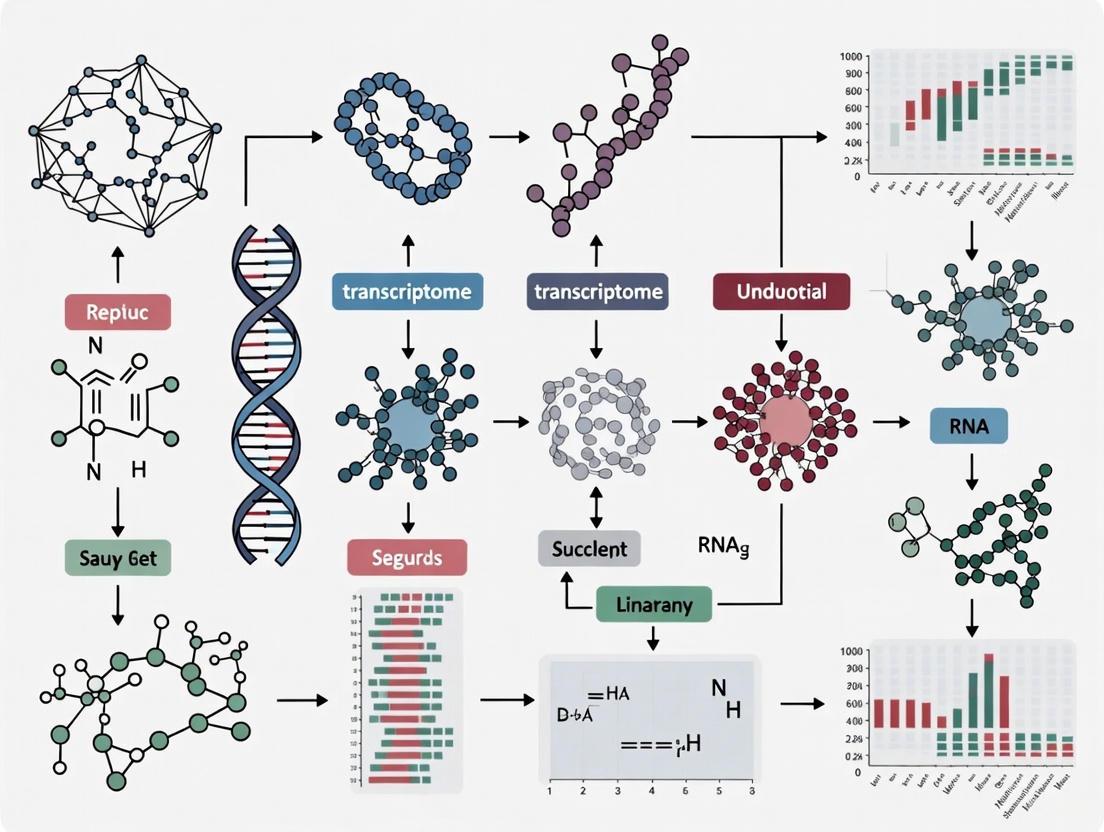
This comprehensive review synthesizes current research on ethnic differences in endometrial transcriptomics, encompassing both physiological receptivity and pathological states like endometrial cancer.
Decoding Ethnic Disparities in Endometrial Transcriptome: From Molecular Drivers to Precision Medicine Applications
Abstract
This comprehensive review synthesizes current research on ethnic differences in endometrial transcriptomics, encompassing both physiological receptivity and pathological states like endometrial cancer. We explore foundational genomic disparities between racial groups, methodological approaches in transcriptomic analysis, clinical applications for optimizing outcomes, and validation through multi-omics integration. For researchers and drug development professionals, this article provides critical insights into population-specific molecular signatures, their implications for diagnostic biomarker development, therapeutic targeting, and addressing persistent health disparities in endometrial conditions through precision medicine approaches.
Uncovering Fundamental Ethnic Disparities in Endometrial Molecular Landscapes
Racial Disparities in Endometrial Cancer Incidence and Mortality Rates
Endometrial cancer (EC), a malignancy of the uterine lining, stands as the most common gynecologic cancer in the United States and one of the few cancers with both rising incidence and mortality rates [1] [2]. Within this concerning trend, a stark and persistent racial disparity exists: Black women experience significantly higher mortality rates from endometrial cancer compared to White women, a gap that has worsened over time [3] [1] [2]. This comparison guide objectively analyzes the multifaceted drivers of this disparity, framing the issue within the broader context of ethnic background differences in endometrial transcriptome research. For researchers and drug development professionals, we synthesize current data on incidence, mortality, molecular genomics, and the tumor microenvironment, providing structured experimental data and methodologies to inform future research and therapeutic strategies.
Comparative Analysis of Incidence and Mortality
Current and Projected Epidemiological Trends
Recent data and modeling projections reveal a deepening racial disparity in the burden of endometrial cancer. The following table summarizes key statistics and future projections.
Table 1: Current Statistics and Projected Trends in Endometrial Cancer by Race
| Metric | Black Women | White Women | Notes |
|---|---|---|---|
| Current Incidence (2018) | 56.8 per 100,000 [2] | 57.7 per 100,000 [2] | Rates are age-adjusted. |
| Projected Incidence (2050) | 86.9 per 100,000 [2] | 74.2 per 100,000 [2] | Represents a 53% increase for Black women and 29% for White women from 2018. |
| Current Mortality | ~2x higher than White women [2] [4] | - | Death rate is about twice as high [2]. |
| Projected Mortality (2050) | 27.9 per 100,000 [2] | 11.2 per 100,000 [2] | Incidence-based mortality. |
| 5-Year Relative Survival | 65.6% [5] | 85.3% [5] | Based on earlier data; disparity persists in recent studies. |
| Stage at Diagnosis | More frequently diagnosed at advanced stages [6] [4] | More likely diagnosed at early stages (69% overall) [1] | Early diagnosis is often associated with abnormal bleeding. |
A critical factor underlying these disparities is the divergent distribution of histologic subtypes. Black women are disproportionately affected by aggressive, non-endometrioid tumors (e.g., serous carcinoma and carcinosarcoma), which have a worse prognosis, while White women more frequently develop the less aggressive endometrioid subtype [6] [7]. Projections indicate that the increase in non-endometrioid tumors will be more significant in Black women (from 22.5 to 36.3 per 100,000) than in White women (from 8.5 to 10.8 per 100,000) by 2050 [2].
Limitations of Socioeconomic Explanations
While socioeconomic factors contribute to health disparities, research demonstrates they cannot fully account for the endometrial cancer mortality gap. A 2025 study examining neighborhood socioeconomic status (nSES) found that higher nSES was protective for White patients but not for Black patients [3]. Specifically, Black patients in the highest SES neighborhoods had a mortality risk similar to White patients in the lowest SES neighborhoods [3]. This suggests that relative affluence does not overcome other factors, such as biological differences and structural biases in healthcare, that drive poorer outcomes for Black women [3] [6].
Molecular and Genomic Disparities
Molecular classification provides a deeper understanding of the biological underpinnings of endometrial cancer disparities. The Cancer Genome Atlas (TCGA) categorizes EC into four subtypes: POLE ultramutated, microsatellite unstable (MSI), copy-number low (CNL), and copy-number high (CNH) [7].
Table 2: Disparities in Molecular and Genomic Features of Endometrial Cancer
| Molecular Feature | Disparity in Black Women | Disparity in White Women | Clinical Impact |
|---|---|---|---|
| TCGA Subtype | Higher prevalence of CNH subtype [6] [7] | Higher prevalence of CNL and MSI subtypes [7] | CNH subtype is associated with the worst progression-free survival [7]. |
| TP53 Mutations | More frequent TP53 mutant tumors [8] [7] | Less frequent TP53 mutations [8] | TP53 mutant tumors have the worst PFS and OS [8] [7]. |
| Somatic Mutations | Less frequent mutations in ARID1A or PTEN [8] [7] | More often have somatic mutations in ARID1A or PTEN [8] [7] | The clinical actionability of these differences is under investigation. |
| HER2 Expression | No significant difference in HER2 status found in Grade 3 EEC [9] | No significant difference in HER2 status found in Grade 3 EEC [9] | HER2 2+ expression was common (41%), suggesting a potential therapeutic target [9]. |
These molecular differences are not solely explained by histology. For instance, one study found that even among the aggressive Grade 3 Endometrioid Endometrial Cancers (Gr3 EEC), Black women experienced significantly shorter progression-free and overall survival, prompting investigation into other drivers [9] [7].
The Tumor Microenvironment and Immune Landscape
Computational image analysis and machine learning are revealing population-specific differences in the tumor immune microenvironment. A 2025 study used these techniques on H&E-stained slides and found that the immune cell spatial architecture is distinct between African American (AA) and European American (EA) women [6].
The study developed population-specific prognostic models based on immune architecture. The model for African American women (MAA) relied on features related to stromal tumor-infiltrating lymphocyte (TIL) clusters, while the model for European American women (MEA) incorporated features from both epithelial and stromal regions [6]. Critically, these models lost prognostic power when applied to the other population, and a population-agnostic model (MPA) failed to stratify risk for African American patients [6]. This indicates that the immune ecology of endometrial cancer is population-specific and underscores the need for tailored risk prediction models [6].
The following diagram illustrates the workflow for analyzing population-specific tumor immune environments:
Detailed Experimental Protocols
To support reproducible research, this section outlines the methodologies from key studies cited in this guide.
Protocol 1: Targeted DNA Sequencing for Genomic Characterization
This protocol is adapted from studies using the UNCseq panel to characterize genomic differences [8] [7].
- Objective: To identify somatic mutations and genomic differences in endometrioid and serous ECs between Black and White patients.
- Patient and Tumor Assessment:
- Sample Acquisition: Tumor tissue from Black and White patients with confirmed endometrioid or serous EC, obtained under IRB-approved protocols with informed consent.
- Pathologic Review: A gynecologic pathologist reviews H&E-stained slides to confirm diagnosis, estimate percent neoplastic nuclei (median 70%), and recategorize mixed histology tumors based on dominant histology (>90% endometrioid or >10% serous) [7].
- DNA Library Preparation and Capture:
- DNA Isolation: Extract DNA from FFPE tissue using kits (e.g., Gentra Puregene Tissue Kit, Maxwell 16 FFPE Plus LEV DNA Kit). Quality is assessed via NanoDrop and TapeStation; concentration is quantified via Qubit fluorometer.
- Library Prep: Using SureSelect XT Kit, 3 µg of DNA is sheared via ultrasonication to 150-200bp fragments. End repair, A-tailing, adapter ligation, and PCR amplification are performed.
- Target Capture: Libraries are captured using custom biotinylated RNA baits targeting a panel of cancer-associated genes (e.g., UNCseq v8/9: 666-775 genes).
- Sequencing: Pooled libraries are sequenced on Illumina platforms (HiSeq2500 or NextSeq500) to a depth of ~2000x coverage with 2x100 bp paired-end reads.
- Bioinformatic Analysis:
- Alignment: Sequence reads are aligned to the GRCh38 human genome using BWA-MEM.
- Variant Calling: Somatic variants are called from tumor-normal pairs using tools like Strelka2 after realignment with ABRA2. Microsatellite instability (MSI) status is determined using a dedicated module analyzing unstable loci.
- Copy Number Analysis: Copy number variations are called using CNVkit with intrarun normalization to control for artifacts.
Protocol 2: Computational Analysis of Tumor Immune Architecture
This protocol is adapted from the 2025 study that employed computerized image analysis to investigate the tumor microenvironment [6].
- Objective: To discern quantitative structural and immune cell spatial variances in the endometrial cancer microenvironment between AA and EA women and build population-specific prognostic models.
- Dataset Curation:
- Cohorts: Utilize multi-institutional datasets (e.g., TCGA, University Hospitals, CPTAC). Divide data into training (e.g., T0) and internal/external test sets (e.g., T1, T2, T3). Analyze in population-based subsets (e.g., T0AA, T0EA).
- Computational Image Analysis:
- Slide Digitization: H&E-stained whole slide images (WSIs) are digitized using a high-resolution scanner.
- Tissue and Cell Segmentation: Employ machine learning-based algorithms to segment WSIs into epithelial and stromal regions and identify individual nuclei (tumor, stromal, immune cells).
- Feature Extraction: Quantify morphometric features, including:
- Spatial Features: Density, distribution, and clustering of tumor-infiltrating lymphocytes (TILs) in stromal and epithelial regions.
- Interaction Features: Spatial relationships between immune cell clusters and surrounding stromal/tumor cells.
- Model Development and Validation:
- Population-Specific Modeling: Train separate machine learning models (e.g., MAA, MEA) using immune architectural features from the respective population's training set (T0AA, T0EA). A population-agnostic model (MPA) is trained on the entire T0 set.
- Prognostic Output: Models assign risk scores to predict progression-free survival (PFS). Optimized thresholds categorize patients into risk groups.
- Validation: Validate model performance by calculating the concordance (C) index and performing Kaplan-Meier survival analysis with log-rank tests on held-out test sets (e.g., T1AA/T1EA, T2AA/T2EA).
The following diagram maps the key molecular pathways and features implicated in endometrial cancer disparities:
The Scientist's Toolkit: Research Reagent Solutions
Table 3: Essential Research Reagents and Materials for Endometrial Cancer Disparity Research
| Reagent/Material | Function/Application | Example Use Case |
|---|---|---|
| Formalin-Fixed Paraffin-Embedded (FFPE) Tissue Sections | Preserves tumor morphology and biomolecules for histopathology and DNA/RNA extraction. | Primary source for DNA sequencing (UNCseq) and immunohistochemistry [8] [9] [7]. |
| UNCseq / Custom Targeted Gene Panels | Enables focused, cost-effective sequencing of hundreds of cancer-associated genes. | Characterizing somatic mutations and genomic differences by race [8] [7]. |
| Anti-HER2 / Anti-TP53 Antibodies | Immunohistochemistry (IHC) detection of protein expression and mutation-associated overexpression. | Determining HER2 status and TP53 mutation correlates in tumor samples [9]. |
| SureSelect XT Kit (Agilent) | Facilitates preparation of sequencing libraries, including end repair, A-tailing, and adapter ligation. | Library preparation for targeted next-generation sequencing [7]. |
| BWA-MEM Aligner | Precisely aligns sequencing reads to a reference genome (GRCh38). | First step in bioinformatic pipeline for variant calling [7]. |
| Integrated Genomics Viewer (IGV) | Visualizes and validates sequencing alignments and variant calls. | Manual inspection of somatic variant calls from NGS data [9]. |
| Machine Learning Libraries (e.g., in R/Python) | Enables development of prognostic models based on image-derived features. | Building population-specific risk prediction models (MAA, MEA) [6]. |
The racial disparities in endometrial cancer incidence and mortality are a pressing issue driven by a complex interplay of aggressive histology, distinct molecular subtypes (like CNH and TP53 mutant), population-specific tumor immune environments, and socioeconomic factors that alone cannot explain the mortality gap. The projected rise in cases, particularly among Black women, underscores the urgency of this problem.
For the research community, these findings have critical implications:
- Drug Development: Therapeutic strategies may need to account for molecular subtypes that are disproportionately prevalent in Black women, such as CNH/TP53 mutant tumors.
- Clinical Trial Design: Ensuring adequate representation of Black women in trials is essential to validate treatments and biomarkers across populations.
- Diagnostic Models: Prognostic and predictive tools must be developed and validated in a population-specific manner to be clinically useful for all patients.
Overcoming these disparities will require a concerted effort that integrates molecular profiling, understanding of the tumor microenvironment, and addressing structural barriers to equitable care. Future research must prioritize the validation of these findings in larger, diverse cohorts and translate them into clinically actionable strategies to ensure equitable outcomes for all women with endometrial cancer.
Differential Distribution of Molecular Subtypes Across Ethnic Groups
Endometrial cancer (EC), the most common gynecologic malignancy in developed countries, demonstrates significant heterogeneity in incidence, histology, and molecular profiles across different ethnic groups. While non-Hispanic white women historically showed higher incidence rates, recent data indicate near-equal age-adjusted incidence between white and Black women when accounting for hysterectomy prevalence [5]. However, a pronounced mortality disparity persists, with Black women experiencing an 80% higher mortality rate and a five-year relative survival of only 65.6% compared to 85.3% in white women [5]. This review examines the current evidence regarding the distribution of molecular subtypes across ethnic groups and explores the complex interplay of molecular characteristics, histology, and healthcare disparities that may contribute to differential outcomes.
Molecular Classification of Endometrial Cancer
The Cancer Genome Atlas (TCGA) Research Network established a comprehensive molecular classification system in 2013 that categorizes endometrial cancers into four distinct prognostic subgroups based on genomic abnormalities [10] [11]. This classification has revolutionized risk stratification and therapeutic decision-making in endometrial cancer management.
Table 1: Molecular Subtypes of Endometrial Cancer
| Molecular Subtype | Key Characteristics | Prognosis | Prevalence in General Population |
|---|---|---|---|
| POLE ultramutated | DNA polymerase epsilon exonuclease domain mutations, very high mutation burden | Excellent | 7-10% |
| MSI-Hypermutated | Microsatellite instability, mismatch repair deficiency, high mutation burden | Intermediate | 20-30% |
| Copy Number High (p53abn) | TP53 mutations, serous histology association, chromosomal instability | Poor | 10-20% |
| Copy Number Low (NSMP) | No specific molecular profile, low mutation burden, often hormonally driven | Favorable (with exceptions) | 40-50% |
This molecular classification demonstrates strong prognostic value independent of traditional histologic assessment. Multiple studies have confirmed that patients with POLE-mutated tumors exhibit exceptional survival outcomes even with high-grade histology, while those with p53abn tumors experience significantly worse progression-free and overall survival [11]. The clinical utility of this classification system has led to its incorporation into international treatment guidelines, enabling more personalized adjuvant therapy approaches.
Evidence on Ethnic Differences in Molecular Subtype Distribution
Conflicting Findings in Recent Research
Current evidence presents conflicting conclusions regarding the distribution of molecular subtypes across ethnic groups, with studies differing in their findings about whether molecular differences explain observed survival disparities.
Table 2: Comparative Studies on Molecular Subtypes by Race/Ethnicity
| Study | Population | Key Findings on Molecular Subtypes by Race | HER2 Expression Differences |
|---|---|---|---|
| Ackroyd et al. (2025) [12] [9] | 34 Stage I-III Gr3 EEC (13 Black, 18 White) | No significant difference in TCGA subtype distribution between Black and White patients | No racial differences in HER2 expression; 2+ expression common (41%) but 3+ rare (3%) |
| Dubil et al. (2018) [13] | 337 TCGA patients (14% Black, 82% White) | CNV-high subtype more common in Black (61.9%) vs White (23.5%) patients; Cluster 4 and mitotic subtypes also more prevalent in Black patients | Not assessed |
| NCC/C-CAT (2023) [11] | 1,029 Japanese patients | Distribution differed from Western cohorts; different prognostic genomic features within NSMP subgroup | Not assessed |
The most recent evidence from Ackroyd et al. (2025) analyzed grade 3 endometrioid endometrial cancers (Gr3 EEC) and found no significant differences in TCGA molecular subtype distribution between Black and White patients [12] [9]. In this cohort of 34 patients, microsatellite unstable (MSI) tumors represented 44% of cases, copy number high (CNH) 29%, POLEmut 17.6%, and copy number low (CNL) 8.8%, with similar distributions across racial groups. The authors concluded that molecular subtype differences do not explain outcome disparities in Gr3 EEC and recommended investigating other causative factors [9].
In contrast, the earlier TCGA-based analysis by Dubil et al. (2018) reported significant racial disparities in aggressive molecular subtypes [13]. This study found the CNV-high subtype was approximately 2.6 times more prevalent in Black patients (61.9%) compared to White patients (23.5%). Similarly, the cluster 4 and mitotic subtypes demonstrated substantially higher prevalence in Black patients (56.8% and 64.1% respectively) compared to White patients (20.9% and 33.7%) [13]. These aggressive subtypes were associated with worse progression-free survival in both racial groups, though with different enrichment patterns in mitotic signaling pathways that may indicate distinct therapeutic opportunities.
Histological Differences by Ethnicity
Significant ethnic variation exists in the distribution of endometrial cancer histological subtypes, which correlates with molecular classifications. Black women demonstrate a higher incidence of aggressive non-endometrioid tumors, including serous, clear cell, and malignant mixed Mullerian tumors (carcinosarcoma) compared to their White counterparts [5]. These high-grade histologies are disproportionately associated with the copy number high (p53abn) molecular subtype, which carries the poorest prognosis [14] [5].
Trend analyses from 2000-2011 revealed differing incidence patterns by race and histology. While low-grade endometrioid tumors decreased in non-Hispanic white women (APC -0.82%), they increased in non-Hispanic black women (APC 0.97%) during this period [5]. High-grade endometrioid tumors decreased across all groups, though the decline was most pronounced in non-Hispanic white women [5]. These histologic distribution differences contribute substantially to the observed survival disparities between ethnic groups.
Methodological Approaches in Molecular Subtyping
Experimental Protocols for Molecular Classification
Standardized methodologies for molecular classification typically employ a multi-platform approach combining immunohistochemistry (IHC) and next-generation sequencing (NGS) techniques.
1. Sample Processing and DNA Extraction: Formalin-fixed paraffin-embedded (FFPE) tumor tissue sections are used for analysis. Genomic DNA is extracted using specialized kits (e.g., QIAamp DNA FFPE tissue kit) with quality control measures to ensure integrity for downstream applications [11]. Sample tumor content is typically assessed by gynecologic pathologists to ensure adequate malignant cells for analysis.
2. Immunohistochemistry (IHC) Profiling: IHC is performed for key protein markers including:
- Mismatch Repair (MMR) Proteins: MLH1, MSH2, MSH6, PMS2 to identify MMR-deficient cases
- p53 Protein: Abnormal expression patterns (overexpression, null, or cytoplasmic) serve as surrogate markers for TP53 mutation
- HER2/neu: Scored 0-3+ according to endometrial carcinoma-specific testing algorithms [9]
3. Next-Generation Sequencing (NGS): Comprehensive genomic profiling using targeted panels (e.g., University of Chicago Medicine OncoPlus panel, FoundationOne CDx) that sequence hundreds of cancer-associated genes [11] [9]. Key applications include:
- POLE Mutation Analysis: Identification of pathogenic variants within the exonuclease domain
- Microsatellite Instability (MSI) Assessment: Analysis of hundreds of homopolymer regions across captured genes
- Copy Number Alteration Detection: CNVkit software with intrarun normalization to identify copy number high tumors
- TP53 Mutation Status: Direct sequencing to confirm p53abn classification
4. Molecular Classification Algorithm: Cases are classified hierarchically: (1) POLE-mutated tumors identified through sequencing; (2) MMR-deficient tumors identified through IHC and/or MSI analysis; (3) p53abn tumors identified through IHC and/or TP53 sequencing; (4) NSMP for tumors without these alterations [11].
Analytical Considerations and Challenges
Molecular classification presents several technical challenges, particularly in ethnically diverse cohorts. Studies report 18-32% discordance rates between p53 IHC and TP53 sequencing results, necessitating orthogonal confirmation in some cases [14]. Subclonal or heterogeneous protein expression occurs in approximately 18% of tumors for p53 and 22% for MMR proteins, potentially complicating classification [14]. Additionally, the presence of multiple molecular classifiers (so-called "double-classifier" tumors) requires hierarchical classification systems to maintain consistent categorization [11].
Therapeutic Implications and Biomarker-Driven Treatments
Molecular classification has enabled precision oncology approaches in endometrial cancer, with several biomarker-directed therapies now integrated into clinical practice:
MMR-Deficient/MSI-H Tumors: Immune checkpoint inhibitors (pembrolizumab, dostarlimab) demonstrate significant efficacy, with the GARNET trial reporting 43.5% objective response rates in dMMR recurrent or advanced endometrial cancer [10].
p53abn Tumors: While historically associated with poor outcomes, these tumors frequently exhibit HER2 overexpression (particularly in serous histology), suggesting potential benefit from HER2-targeted therapies like trastuzumab [14] [10]. Ongoing clinical trials are exploring combination approaches in this subgroup.
NSMP Tumors: These tumors often harbor mutations in the PI3K/AKT/mTOR pathway, potentially responsive to mTOR inhibitors (everolimus) combined with hormonal therapy [10] [11]. The specific genomic alterations within the NSMP subgroup may have differential prognostic significance across ethnic groups.
Table 3: Research Reagent Solutions for Molecular Subtyping
| Reagent/Category | Specific Examples | Research Application | Function in Experimental Protocol |
|---|---|---|---|
| DNA Extraction Kits | QIAamp DNA FFPE Tissue Kit | Nucleic acid isolation from archived specimens | High-quality DNA extraction from challenging FFPE samples for NGS |
| Targeted NGS Panels | Ion AmpliSeq Cancer Hotspot Panel v2, FoundationOne CDx | Comprehensive genomic profiling | Simultaneous analysis of hundreds of cancer-associated genes and biomarkers |
| IHC Antibodies | Anti-p53 (clone DO-7), Anti-HER2/neu (clone c-erbB-2) | Protein expression analysis | Detection of aberrant protein expression patterns for classification |
| Microsatellite Instability Tests | MSI Analysis Module (336 homopolymer regions) | MMR status determination | Identification of hypermutated phenotypes through microsatellite analysis |
| Copy Number Analysis Tools | CNVkit with intrarun normalization | Genomic instability assessment | Detection of chromosomal copy number alterations characteristic of CNH subtype |
The relationship between ethnic background and molecular subtype distribution in endometrial cancer remains incompletely characterized, with recent evidence challenging earlier assumptions about molecular drivers of health disparities. While initial studies suggested higher prevalence of aggressive molecular subtypes in Black women, more recent investigations in grade-specific cohorts found no significant differences in subtype distribution [12] [13] [9]. This contradiction highlights the complexity of endometrial cancer disparities and suggests that molecular differences alone may not fully explain outcome variations.
Future research directions should include:
- Larger multi-ethnic prospective studies with standardized molecular classification
- Investigation of transcriptomic and immune microenvironment differences across ethnic groups
- Assessment of how social determinants of health interact with molecular profiles to influence outcomes
- Development of ethnic-specific prognostic models within molecular subtypes
- Exploration of therapeutic response differences across ethnic groups within molecular classifications
As precision oncology advances in endometrial cancer, ensuring equitable representation of diverse populations in biomarker discovery and clinical trials remains imperative to address persistent survival disparities and optimize treatment approaches across all ethnic groups.
Endometrial cancer (EC) demonstrates profound racial disparities, with Black patients experiencing significantly higher mortality rates compared to their White counterparts. While socioeconomic factors and healthcare access contribute to these disparities, growing evidence indicates that molecular differences in tumor biology play a crucial role. The molecular characterization of endometrial cancers via The Cancer Genome Atlas (TCGA) project has established a new paradigm for classifying EC into four molecular subtypes: POLE ultramutated, microsatellite instability hypermutated (MSI), copy-number low (CNL), and copy-number high (CNH) [15]. This review objectively compares the ethnic variations in three key driver mutations—TP53, PTEN, and POLE—within the context of endometrial cancer, providing experimental data and methodologies relevant to researchers and drug development professionals.
Comparative Analysis of Mutation Frequencies and Clinical Outcomes
Racial Disparities in Mutation Prevalence and Distribution
Quantitative data from clinical sequencing efforts reveal distinct mutation patterns between Black and White patients with endometrial cancer. The following table summarizes key comparative findings:
Table 1: Racial Differences in Endometrial Cancer Genomics and Clinical Outcomes
| Parameter | Black Patients | White Patients | P-value/Statistical Significance |
|---|---|---|---|
| TP53 Mutation Frequency | Significantly higher [8] [7] | Significantly lower [8] [7] | p = 0.01 [7] |
| PTEN Mutation Frequency | Less frequent [8] [15] | More frequent [8] [15] | p < 0.05 [8] |
| ARID1A Mutation Frequency | Less frequent [8] | More frequent [8] | p < 0.05 [8] |
| Common Histology | More frequently serous tumors [8] [7] [15] | More frequently endometrioid tumors [8] [7] [15] | p < 0.0001 [8] |
| TCGA CNH Subtype | Higher proportion (62%) [15] | Lower proportion (24%) [15] | Significant association [15] |
| 5-Year Survival | 51-57% (disease-specific) [15] | 65-67% (disease-specific) [15] | p < 0.0001 [15] |
A study using the UNCseq targeted sequencing panel (versions 8 and 9, covering 533-775 cancer-associated genes) analyzed 200 endometrioid or serous ECs (169 from White patients, 31 from Black patients). This research confirmed that Black patients had significantly higher rates of TP53 mutant tumors and more aggressive serous histologies, while White patients more frequently had somatic mutations in ARID1A and PTEN [8] [7]. These molecular differences align with the TCGA classification, where Black patients are more likely to have the copy-number high (CNH) subgroup, which is substantially related to high-grade serous cancers and poor prognosis and characterized by frequent TP53 mutations [15].
Impact on Survival and Disease Progression
The molecular disparities summarized in Table 1 have direct clinical consequences. Over a median follow-up of 62.4 months, both progression-free survival (PFS) and overall survival (OS) were significantly shorter for Black endometrial cancer patients (p < 0.04) [8] [7]. Tumors categorized as TP53 mutant by modified TCGA classification demonstrated the worst PFS and OS outcomes (p < 0.04) [8] [7]. The survival disadvantage for Black patients persists across histologic categories, even when stratified by stage, grade, and age [15].
Experimental Methodologies for Genomic Characterization
Targeted DNA Sequencing Approach
The UNCseq protocol (LCCC 1108) represents a standardized institutional sequencing effort for characterizing cancer genomics. The key methodological steps include:
- Specimen Collection: Tumor tissue from Black and White patients with serous or endometrioid ECs underwent DNA sequencing. A gynecologic pathologist performed pathologic review to confirm neoplastic cells (median percent neoplastic nuclei was 70%) and classify histology [7].
- DNA Extraction and Quality Control: DNA was isolated using commercial kits (Gentra Puregene Tissue Kit, Maxwell 16 FFPE Plus LEV DNA Kit, or Maxwell 16 Blood DNA Purification Kit). DNA quality was measured using NanoDrop spectrophotometry and TapeStation 2200, while concentration was quantified using a Qubit 2.0 fluorometer [7].
- Library Preparation and Sequencing: DNA libraries were prepared using the SureSelect XT Kit. Up to 3 µg of DNA were mechanically sheared via focused ultrasonication (Covaris E220) to fragment sizes of 150-200 base pairs. Following end repair, dA-tailing, and adapter ligation, libraries were captured with custom biotinylated RNA baits. Sequencing was performed on Illumina platforms (HiSeq2500 or NextSeq500) to a depth of ~2000X raw coverage with 2x100 bp paired-end reads [7].
- Bioinformatic Analysis: Sequence reads were aligned to the GRCh38 human genome using BWA mem v 0.7.17. Somatic variants were called using a multi-step process including realignment with ABRA2 v2.24 and variant calling [7].
Whole-Exome Sequencing for Comprehensive Profiling
For more comprehensive genomic characterization, whole-exome sequencing (WES) provides an alternative approach:
- DNA Extraction and Library Preparation: Genomic DNA is extracted from FFPE tissue sections using kits such as the QIAamp DNA FFPE Tissue Kit. WES libraries are prepared using platforms like the Twist Human Core Exome EF Multiplex Complete Kit [16].
- Sequencing and Analysis: Libraries undergo paired-end sequencing on Illumina Novaseq 6000 platforms. Bioinformatic processing includes adapter trimming with Trimmomatic, alignment to reference genomes (e.g., GRCh38.p13) using BWA-MEM, and variant calling with a consensus approach using MuTect2, Strelka2, and VarScan [16].
- Additional Characterization: WES enables analysis of somatic copy number alterations (SCNAs) using tools like HATCHet and mutational signature reconstruction with packages such as mSigAct in conjunction with the COSMIC database [16].
Molecular Pathways and Biological Implications
TP53 Mutational Spectrum and Ethnic-Specific Variants
The TP53 tumor suppressor gene encodes a critical transcription factor activated by cellular stress to prevent tumor development. Beyond its high mutation frequency in cancers, germline TP53 mutations predispose carriers to Li-Fraumeni Syndrome (LFS) and are associated with hereditary breast cancer risk [17]. Recent analyses of expanding genomics repositories have revealed that each ancestry contains a distinct TP53 variant landscape defined by enriched ethnic-specific alleles [17].
Table 2: Characterized Ethnic-Specific TP53 Germline Variants
| Variant | Ethnic Population | Functional Consequence | Proposed Cancer Risk |
|---|---|---|---|
| P47S | African | Suspected low-penetrance | Altered cancer risk and therapy efficacy [17] |
| G334R | Ashkenazi Jewish | Suspected low-penetrance | Altered cancer risk and therapy efficacy [17] |
| rs78378222 | Icelandic | Suspected low-penetrance | Altered cancer risk and therapy efficacy [17] |
| D49H | East Asian | Linked to milder cancer phenotypes | Underdiagnosed, requires investigation [17] |
| R181H | European | Linked to milder cancer phenotypes | Underdiagnosed, requires investigation [17] |
These ethnic-specific variants exist along a cancer risk continuum, with functional consequences ranging from complete loss of tumor suppression to gain of oncogenic functions. Some variants exhibit dominant negative effects, inactivating wild-type p53 through formation of mixed heterotetramers [17]. The presence of potentially pathogenic TP53 mutations in general population databases (e.g., gnomAD) suggests variants may predispose to reduced penetrance or adult-onset cancers and interact with genetic and environmental modifiers [17].
Figure 1: TP53 Functional Pathways. Cellular stress activates wild-type p53, leading to tumor-suppressive outcomes. Ethnic-specific variants can result in mutant p53, driving genomic instability and tumor progression.
PTEN and POLE in Endometrial Carcinogenesis
PTEN functions as a critical tumor suppressor through its role in the PI3K-AKT signaling pathway. As a lipid phosphatase, PTEN dephosphorylates phosphatidylinositol (3,4,5)-trisphosphate (PIP3), thereby antagonizing the PI3K-AKT-mTOR pathway and regulating cell survival, proliferation, and metabolism [15]. The higher frequency of PTEN mutations in White patients with endometrioid carcinomas aligns with the generally more favorable prognosis of this EC subtype.
POLE encodes the catalytic subunit of DNA polymerase epsilon, which is essential for nuclear DNA replication and repair. Pathogenic mutations in the exonuclease domain of POLE result in an ultramutated phenotype characterized by exceptionally high mutation rates [15] [16]. Despite the increased mutational burden, the POLE ultramutated subtype is associated with favorable outcomes, even in patients with high-grade tumors [15]. This paradoxical relationship highlights the complex interplay between mutagenesis and tumor immunobiology.
The Scientist's Toolkit: Essential Research Reagents
Table 3: Key Research Reagent Solutions for Endometrial Cancer Genomics
| Reagent/Kit | Primary Function | Application Context |
|---|---|---|
| QIAamp DNA FFPE Tissue Kit | DNA extraction from archived formalin-fixed, paraffin-embedded tissue | Isolation of high-quality DNA from challenging clinical specimens [16] |
| SureSelect XT Kit | Target enrichment for next-generation sequencing | Library preparation for targeted gene panels (e.g., UNCseq) [7] |
| Twist Human Core Exome Kit | Whole-exome sequencing library preparation | Comprehensive exome capture for mutational profiling [16] |
| BWA-MEM | Sequence alignment to reference genomes | Fundamental bioinformatics processing of NGS data [7] [16] |
| MuTect2/Strelka2/VarScan | Somatic variant calling | Detection of cancer-specific mutations from tumor-normal pairs [16] |
Figure 2: Genomic Analysis Workflow. The standard pipeline from tissue collection to ethnic comparison in endometrial cancer genomics studies.
The comprehensive analysis of ethnic variations in TP53, PTEN, and POLE mutations reveals critical insights into endometrial cancer disparities. Black patients demonstrate higher frequencies of TP53 mutations and more aggressive molecular subtypes (CNH/serous), contributing to their poorer survival outcomes. In contrast, White patients show higher rates of PTEN mutations, typically associated with less aggressive endometrioid histologies. These differences underscore the necessity of considering ethnic background in both endometrial cancer research and clinical management. Future directions should include expanding diverse cohort sizes, developing race-specific treatment strategies, and further investigating the functional consequences of ethnic-specific variants, particularly those with suspected low-penetrance. Such efforts will be essential for advancing personalized oncology and addressing persistent health disparities in endometrial cancer outcomes.
Transcriptomic Signatures of Endometrial Receptivity Across Populations
Endometrial receptivity (ER) is a critical determinant of successful embryo implantation, defined by a brief period known as the window of implantation (WOI) when the endometrium acquires a functional status conducive to blastocyst acceptance [18]. Transcriptomic analyses have revolutionized ER characterization by identifying precise gene expression signatures that delineate the WOI, moving beyond traditional histological dating methods whose accuracy and reproducibility have been questioned [19] [18].
Emerging evidence indicates significant inter-individual variability in WOI timing and molecular signatures, with ethnic background representing a potentially significant contributor to this heterogeneity [20]. This review systematically compares transcriptomic signatures of endometrial receptivity across diverse populations, highlighting population-specific biomarkers, methodological approaches in transcriptomic profiling, and clinical implications for personalized embryo transfer strategies in assisted reproductive technology (ART).
Comparative Analysis of Population-Specific Transcriptomic Signatures
Table 1: Key Transcriptomic Studies of Endometrial Receptivity Across Populations
| Study Population | Sample Size | Technology Platform | Key Biomarker Genes Identified | WOI Timing | Clinical Accuracy |
|---|---|---|---|---|---|
| Multi-study Meta-analysis [19] | 164 samples (76 pre-receptive, 88 receptive) | Microarray meta-analysis + RNA-seq validation | 57-gene meta-signature (PAEP, SPP1, GPX3, MAOA, GADD45A up-regulated; SFRP4, EDN3, OLFM1, CRABP2, MMP7 down-regulated) | Mid-secretory phase | 39 genes validated in independent samples |
| Chinese Population (General) [21] | 90 fertile women | mRNA-enriched RNA-Seq | 166-gene signature (ERD model) | LH+7 days | 100% training set, 85.19% validation set accuracy |
| Chinese RIF Patients [20] | 40 RIF patients | RNA-seq | 10 DEGs for WOI displacement (immunomodulation, transport, regeneration) | Personalized (P+5 variant) | 65% pregnancy rate after pET |
| Chinese RIF Patients (rsERT) [22] | 142 RIF patients | RNA-Seq | 175 biomarker genes | Personalized (LH+7/P+5 variant) | 50.0% IPR vs 23.7% in controls (day-3 embryos) |
Table 2: Functional Enrichment of Receptivity Signatures Across Populations
| Biological Process/Pathway | Meta-analysis Findings [19] | Chinese Population Findings [21] [20] | Clinical Associations |
|---|---|---|---|
| Immune Response | Significant enrichment in inflammatory response, humoral immunity, complement cascade | Immunomodulation genes identified in WOI displacement signatures | Complement pathway (C1R, CFD) crucial for mid-secretory function |
| Extracellular Vesicles | 2.13x higher probability in exosomes (p=0.0059) | Not specifically addressed | 28 meta-signature proteins detected in exosomes |
| Cell-Specific Expression | Epithelium-specific: ANXA2, COMP, CP, SPP1; Stroma-specific: APOD, CFD, C1R | Not specifically analyzed | Confirmed via FACS-sorted epithelial/stromal cells |
| Developmental Processes | Not highlighted | Tissue regeneration genes in displacement signatures | Associated with WOI displacement in RIF patients |
Detailed Methodologies for Transcriptomic Profiling
Sample Collection and Preparation
Endometrial biopsies were obtained using standardized sampling protocols across studies. In the Chinese cohort study, 90 endometrial samples were collected from healthy, fertile women during precisely timed menstrual cycle phases: prereceptive (LH+3/LH+5), receptive (LH+7), and post-receptive (LH+9) [21]. For RIF patient studies, sampling occurred during hormone replacement therapy (HRT) cycles, with progesterone administration day designated as P+0, and biopsies taken on P+3, P+5, and P+7 [20].
Samples were immediately stabilized using RNAlater buffer (Thermo Fisher Scientific, AM7020) to preserve RNA integrity [23]. For cell-type specific analyses, some studies employed fluorescence-activated cell sorting (FACS) to separate epithelial and stromal cell populations from fresh endometrial biopsies, enabling compartment-specific transcriptomic profiling [19].
RNA Sequencing and Data Processing
Total RNA was extracted using standardized kits, with quality verification via Agilent Bioanalyzer or similar systems. For the rsERT development, mRNA-enriched RNA-Seq was performed on the Illumina platform [21]. Sequencing reads were quality-controlled using FastQC, aligned to the human reference genome (GRCh38) with STAR aligner, and gene counts were generated using featureCounts [21] [22].
Differential expression analysis was performed using edgeR or DESeq2 packages in R, with counts normalized using TMM or similar methods. Genes with counts per million (CPM) >1 in at least the minimum group sample size were retained for analysis [24]. For the meta-analysis, a robust rank aggregation (RRA) method was applied to identify statistically significant consensus genes across multiple studies [19].
Bioinformatic Analysis and Model Construction
Machine learning algorithms were employed to develop predictive models. The Chinese ERD model utilized a two-step feature selection process, identifying 166 biomarker genes that accurately classified endometrial receptivity status [20]. For the rsERT, 175 biomarker genes were selected through tenfold cross-validation, achieving 98.4% accuracy in WOI prediction [22].
Co-expression network analysis using Weighted Gene Co-expression Network Analysis (WGCNA) identified functionally relevant gene modules associated with pregnancy outcomes [24]. Functional enrichment analysis was performed using g:Profiler and Gene Set Enrichment Analysis (GSEA) to identify biological processes and pathways significantly associated with receptivity signatures [19] [24].
Figure 1: Experimental workflow for endometrial receptivity transcriptomic profiling, illustrating key steps from sample collection to clinical validation.
Signaling Pathways and Biological Processes in Endometrial Receptivity
Transcriptomic analyses consistently identify several core biological processes associated with the acquisition of endometrial receptivity across populations. The meta-analysis of 164 endometrial samples revealed significant enrichment in immune-related pathways, particularly the complement and coagulation cascades (p=0.00112) [19]. Genes involved in responses to external stimuli, wound healing, inflammatory responses, and humoral immune responses were prominently upregulated during the WOI.
The Chinese population studies identified additional processes relevant to receptivity, including immunomodulation, transmembrane transport, and tissue regeneration [20]. These pathways appear crucial for preparing the endometrium for embryo implantation through modulation of the local immune environment, nutrient transport, and tissue remodeling.
Cell-type specific analyses demonstrate compartmentalization of receptivity-associated functions, with epithelial cells showing predominant expression of genes involved in direct embryo interaction (ANXA2, SPP1), while stromal cells specifically upregulated genes associated with decidualization and immunomodulation (APOD, C1R) [19]. This functional specialization highlights the complex cellular coordination required for successful implantation.
Figure 2: Key biological pathways associated with endometrial receptivity, identified through transcriptomic analyses across populations.
Clinical Applications and Diagnostic Implementation
Population-Specific Diagnostic Tools
The translation of transcriptomic signatures into clinical diagnostic tests has yielded population-tailored tools for WOI assessment. The Chinese population-specific ERD test, based on 166 biomarker genes identified through RNA-seq, achieved 85.19% accuracy in predicting receptive endometrium in a validation cohort of 27 samples [21]. Similarly, the rsERT test, comprising 175 biomarker genes, demonstrated significant improvement in pregnancy outcomes for RIF patients, with intrauterine pregnancy rates increasing from 23.7% to 50.0% when transferring day-3 embryos [22].
Comparative studies between transcriptomic tests and traditional morphological assessments reveal superior performance of molecular approaches. In a direct comparison, rsERT diagnosed 65.31% of RIF patients with normal WOI timing, while pinopode evaluation identified only 28.57% with normal receptivity patterns [23]. Most significantly, patients receiving rsERT-guided personalized embryo transfer achieved higher pregnancy rates (50.00% vs. 16.67%) while requiring fewer transfer cycles [23].
WOI Displacement Patterns Across Populations
Transcriptomic profiling has revealed substantial variation in WOI timing across individuals and populations. Among Chinese RIF patients, 67.5% (27/40) exhibited non-receptive endometrium during the conventional WOI (P+5) in HRT cycles [20]. The displacement patterns showed distinct distribution, with advancements comprising the majority of displacements (30.61%) according to rsERT assessment [23].
These displacement patterns have direct clinical implications, as correction of transfer timing based on transcriptomic assessment significantly improved pregnancy outcomes. The clinical pregnancy rate in RIF patients increased to 65% after ERD-guided personalized embryo transfer, demonstrating the clinical utility of population-specific transcriptomic diagnostics [20].
The Scientist's Toolkit: Essential Research Reagents
Table 3: Essential Research Reagents for Endometrial Receptivity Transcriptomics
| Reagent/Equipment | Specific Example | Application in ER Research |
|---|---|---|
| RNA Stabilization Buffer | RNAlater (Thermo Fisher, AM7020) | Preserves RNA integrity in endometrial biopsies during transport and storage [23] |
| RNA Extraction Kit | Standard silica-membrane kits | High-quality total RNA isolation for downstream sequencing applications [21] |
| RNA Quality Control | Agilent Bioanalyzer | Assesses RNA integrity number (RIN) to ensure sample quality before sequencing [22] |
| Library Prep Kit | mRNA-enrichment kits | Selective enrichment of polyadenylated transcripts for RNA-Seq [21] |
| Sequencing Platform | Illumina sequencers | High-throughput RNA sequencing for transcriptome profiling [21] [22] |
| Cell Sorting System | FACS instrumentation | Isolation of pure epithelial and stromal cell populations for compartment-specific analysis [19] |
| Bioinformatic Tools | edgeR/DESeq2, WGCNA | Differential expression analysis and co-expression network construction [19] [24] |
Transcriptomic signatures of endometrial receptivity demonstrate both conserved elements and population-specific variations that inform clinical practice. The consistent identification of immune response pathways and complement activation across studies highlights fundamental biological processes required for receptivity. Meanwhile, population-specific biomarker genes and varying rates of WOI displacement underscore the importance of ethnically diverse research and personalized diagnostic approaches.
The development of population-tailored transcriptomic tests like the Chinese ERD and rsERT represents significant progress toward personalized embryo transfer strategies. These tools have demonstrated improved pregnancy outcomes for RIF patients by identifying individual WOI timing and correcting embryo-endometrial asynchrony. Future research directions should include expanded diversity in study populations, standardization of analytical methodologies, and integration of multi-omics data to further refine our understanding of endometrial receptivity across all ethnic groups.
The Impact of Genetic Ancestry on Tumor Microenvironment and Immune Architecture
Endometrial cancer (EC) exemplifies the critical interplay between genetic ancestry, the tumor microenvironment (TME), and clinical outcomes. Significant disparities in incidence and survival rates exist across racial groups, with African American (AA) women facing a significantly higher mortality risk compared to European American (EA) women—39% versus 20% in 5-year survival rates [6]. These disparities persist even when controlling for healthcare access, suggesting that biological differences in TME and immune architecture play a crucial role [6]. This review synthesizes current evidence on how genetic ancestry shapes the endometrial cancer TME, focusing on comparative immune cell composition, spatial organization, and transcriptional profiles that may underlie differential disease aggressiveness and response to therapy.
Comparative Clinical Outcomes and Tumor Characteristics
The foundation of ancestry-associated disparities in endometrial cancer is rooted in distinct clinical and molecular presentation patterns. AA women are more frequently diagnosed with aggressive non-endometrioid histologies, such as serous carcinoma and carcinosarcoma [6]. They also present with more advanced-stage and high-grade tumors compared to EA women [6].
Table 1: Comparative Tumor Characteristics and Clinical Outcomes in Endometrial Cancer
| Characteristic | African American Women | European American Women |
|---|---|---|
| 5-Year Mortality Rate | 39% [6] | 20% [6] |
| Common Histologic Subtypes | Higher proportion of aggressive subtypes (serous, carcinosarcoma) [6] | Higher proportion of endometrioid subtype (Type I) [6] |
| Tumor Grade & Stage | More frequently high-grade and advanced-stage [6] | More frequently low-grade and early-stage [6] |
| Molecular Subtypes | Higher prevalence of CNH (Copy Number High) subtype [6] | More diverse distribution across CNL, MSI, and POLE subtypes [6] |
| Prognostic Model Efficacy | Population-specific models (MAA) required for accurate risk stratification [6] | Population-specific models (MEA) required for accurate risk stratification [6] |
Molecular analyses reveal an uneven distribution of The Cancer Genome Atlas (TCGA) molecular subtypes. AA patients have a higher prevalence of the copy number high (CNH) genomic subtype, which often coincides with the aggressive serous subtype of EC [6]. These fundamental differences in tumor biology underscore the need to investigate the underlying TME and immune responses.
The Tumor Immune Microenvironment: Core Components and Ancestry-Associated Variations
The TME is a complex ecosystem comprising cellular components and signaling networks that collectively influence tumor behavior. Key cellular players include [25]:
- Tumor-Associated Macrophages (TAMs): Often polarized to the M2 phenotype, secreting immunosuppressive cytokines (IL-10, TGF-β) and pro-angiogenic factors (VEGF) that promote tumor progression [25].
- Myeloid-Derived Suppressor Cells (MDSCs): Suppress T-cell proliferation through arginase and reactive oxygen species, contributing to an immunosuppressive niche [25].
- Cancer-Associated Fibroblasts (CAFs): Remodel the extracellular matrix and secrete factors that stimulate tumor proliferation and chemoresistance [25].
- Tumor-Infiltrating Lymphocytes (TILs): Including CD8+ T cells, whose function can be suppressed in the TME [26].
Computational image and bioinformatic analyses reveal that the spatial patterns and functional states of these immune cells differ significantly between AA and EA women [6]. Population-specific prognostic models based on immune architecture features were not transferable between groups, indicating fundamental differences in how the immune system interacts with tumors across ancestral backgrounds [6]. For instance, studies in other cancers suggest that CD8+ T cells in the TME of Black patients can exhibit an exhausted phenotype, leading to an ineffective anti-tumor response despite their presence [26].
Methodologies for Decoding the TME
Computational Image Analysis and Machine Learning
Advanced computational methods quantify TME features from standard hematoxylin and eosin (H&E)-stained tissue slides [6].
- Workflow: Digital whole-slide images are processed to extract quantitative morphometric features, particularly focusing on the spatial arrangement and density of tumor-infiltrating lymphocytes (TILs) in stromal and epithelial regions.
- Application: Machine learning models (e.g., MAA and MEA) are trained on population-specific data to predict progression-free survival. The MAA model identified four prognostic features related to stromal TIL clusters interacting with stromal cell nuclei [6].
Figure 1: Computational Workflow for Immune Architecture Analysis. The process begins with digitizing H&E slides, extracting quantitative features related to immune cell spatial distribution, and culminates in population-specific prognostic models (M_AA for African American, M_EA for European American).
Single-Cell RNA Sequencing (scRNA-seq)
scRNA-seq provides high-resolution insights into cellular heterogeneity and transcriptional states within the TME at the individual cell level [27].
- Workflow: Single-cell suspensions from fresh tissue are captured and barcoded, followed by library preparation and sequencing. Bioinformatic pipelines then cluster cells by transcriptomic profiles.
- Application: In endometrial cancer, scRNA-seq has elucidated the cellular origin of endometrioid endometrial cancer (EEC), identifying unciliated glandular epithelium as the source and revealing LCN2+/SAA1/2+ cells as a featured subpopulation in tumorigenesis [27]. This technique can also delineate ancestry-associated differences in fibroblast states and T-cell exhaustion signatures.
Spatial Transcriptomics and Multiplex Imaging
Spatial transcriptomics (e.g., Visium) and multiplex protein imaging (e.g., CODEX) preserve the architectural context of cells, allowing researchers to map "tumor microregions" and "spatial subclones" [28].
- Workflow: Tissue sections on specialized slides are processed for spatially barcoded RNA sequencing or cyclic fluorescence staining for protein markers.
- Application: These technologies have identified distinct cancer cell clusters with differential oncogenic activities and variable T-cell infiltration within microregions. Macrophages were observed predominantly residing at tumor boundaries [28]. 3D reconstructions from serial sections further provide insights into spatial organization and heterogeneity.
Essential Research Reagent Solutions
Table 2: Key Reagent Solutions for Tumor Microenvironment Research
| Research Reagent / Tool | Primary Function | Application Context |
|---|---|---|
| ESTIMATE Algorithm | Calculates stromal and immune scores from bulk tumor transcriptome data to infer tumor purity [29] [30]. | Used to identify microenvironment-related differentially expressed genes and correlate scores with patient survival [30]. |
| CIBERSORT | Deconvolutes bulk RNA-seq data to estimate abundances of 22 immune cell types [29]. | Profiling immune cell infiltration landscapes in endometrial cancer and other malignancies. |
| 10X Genomics Chromium | Platform for single-cell RNA sequencing library preparation [27]. | Generating single-cell transcriptome atlases of normal, precancerous, and cancerous endometrial tissues [27]. |
| Visium Spatial Gene Expression | Enables genome-wide RNA sequencing data collection from intact tissue sections [28]. | Mapping tumor microregions, spatial subclones, and tumor-immune interactions in 2D and 3D [28]. |
| CODEX Multiplex Imaging | Allows highly multiplexed protein detection (50+) in situ on a single tissue section [28]. | Validating spatial transcriptomics findings and characterizing protein-level immune checkpoint expression. |
| STRIGN Database | Resource for constructing Protein-Protein Interaction (PPI) networks [29]. | Identifying hub genes and functional modules within lists of microenvironment-related genes [29]. |
Signaling Pathways and Key Molecular Findings
Several signaling pathways and molecular features are implicated in ancestry-associated TME differences:
- Immune Checkpoint Pathways: PD-1/PD-L1 pathways contribute to immunosuppressive milieus [25]. Genomic analyses show differential expression of immune checkpoint markers (PDCD1, PDCD1LG2) and CD8A between populations [31].
- Cytokine Signaling: Immunosuppressive cytokines (TGF-β, IL-10) secreted by TAMs and other cells inhibit anti-tumor immunity [25].
- Metabolic Pathways: Increased metabolic activity is observed at the center of tumor microregions [28].
- Fibroblast-Mediated Remodeling: CAFs secrete factors (FGF, IL-6) that enhance tumor invasiveness and mediate chemoresistance [25].
Figure 2: Proposed Mechanism Linking Genetic Ancestry to Clinical Outcomes via the TME. Genetic ancestry influences the composition and function of the TME, leading to alterations in immune cell phenotypes, spatial architecture, and molecular pathways that collectively drive observed clinical disparities.
Implications for Drug Development and Therapeutic Stratification
Understanding ancestry-specific TME differences has profound implications for therapeutic development. The failure of population-agnostic prognostic models underscores that universal treatment approaches may be suboptimal [6]. Key considerations include:
- Immunotherapy Strategies: The baseline differences in T-cell exhaustion and immune checkpoint expression suggest potential variations in response to immune checkpoint inhibitors [26].
- Targeting Pro-Tumor Components: Therapies aimed at reprogramming TAMs from M2 to M1 phenotype or inhibiting MDSC functions could be particularly relevant in specific ancestral backgrounds [25].
- Stromal-Targeting Agents: Given the role of CAFs in chemoresistance, targeting stromal components might help overcome treatment resistance [25] [29].
- Clinical Trial Design: Future trials should stratify by ancestry and incorporate spatial biology biomarkers to ensure therapies are effective across diverse populations.
The impact of genetic ancestry on the tumor microenvironment and immune architecture of endometrial cancer is profound and multifaceted. Disparities in clinical outcomes between African American and European American women are mirrored by distinct patterns of immune cell infiltration, spatial organization, and molecular pathways within the TME. The development of population-specific prognostic models and the integration of advanced technologies like single-cell sequencing and spatial transcriptomics are providing unprecedented insights into these differences. Moving forward, drug development must account for this biological diversity to ensure equitable advances in cancer care for all patient populations.
Advanced Methodologies for Ethnic-Specific Transcriptomic Profiling and Clinical Translation
Next-Generation Sequencing Platforms for Population-Specific Biomarker Discovery
Next-generation sequencing (NGS) has revolutionized genomic research by enabling high-throughput, cost-effective analysis of DNA and RNA molecules, providing comprehensive insights into genome structure, genetic variations, and gene expression profiles [32]. This transformative technology has become particularly valuable for investigating population-specific biomarkers in complex diseases such as endometrial cancer, where significant racial disparities in incidence and outcomes have been documented [7] [8]. The versatility of NGS platforms facilitates studies on rare genetic diseases, cancer genomics, and population genetics, allowing researchers to identify molecular drivers of health disparities that may inform targeted interventions and personalized treatment approaches [32].
Understanding ethnic background differences in endometrial transcriptome research requires sophisticated genomic tools capable of detecting subtle variations in gene expression, mutational patterns, and molecular subtypes across diverse populations. Advances in NGS technology, including the development of long-read sequencing, single-cell sequencing, and spatial transcriptomics, have created unprecedented opportunities to unravel the complex interplay between genetic ancestry, environmental factors, and disease manifestation [33] [34]. This comparison guide objectively evaluates the performance of major NGS platforms and their applications in population-specific biomarker discovery, with a focus on endometrial cancer genomics.
NGS Platform Technologies: Comparative Performance Analysis
Multiple NGS platforms are currently available, each with distinct technological approaches, strengths, and limitations. These systems can be broadly categorized into short-read and long-read sequencing technologies, with the latter becoming increasingly important for resolving complex genomic regions and detecting structural variations that may contribute to health disparities [32].
Table 1: Comparison of Major Next-Generation Sequencing Platforms
| Platform | Sequencing Technology | Amplification Type | Read Length (bp) | Key Applications in Biomarker Discovery | Primary Limitations |
|---|---|---|---|---|---|
| Illumina | Sequencing by synthesis | Bridge PCR | 36-300 | Population-scale WGS/WES, transcriptomics, methylation studies | Signal crowding at high cluster densities; error rate ~1% [32] |
| Ion Torrent | Semiconductor sequencing | Emulsion PCR | 200-400 | Targeted sequencing, somatic variant detection | Homopolymer sequencing errors; signal degradation in long repeats [32] |
| PacBio SMRT | Single-molecule real-time sequencing | Without PCR | 10,000-25,000 (average) | Full-length transcript sequencing, structural variant detection, haplotype phasing | Higher cost per sample; requires high molecular weight DNA [32] |
| Nanopore | Electrical impedance detection | Without PCR | 10,000-30,000 (average) | Direct RNA sequencing, metagenomics, rapid diagnostics | Error rate can reach 15% without correction algorithms [32] |
| 454 Pyrosequencing | Pyrosequencing | Emulsion PCR | 400-1000 | Targeted resequencing, amplicon sequencing | Inefficient determination of homopolymer length; largely superseded [32] |
Performance Metrics for Population Genomics
Each NGS platform offers distinct advantages for specific applications in population-specific biomarker discovery. Short-read technologies like Illumina provide high accuracy for single nucleotide variant (SNV) detection and are well-suited for large-scale cohort studies requiring consistent performance across thousands of samples [32] [35]. Long-read platforms from PacBio and Oxford Nanopore enable more comprehensive characterization of structural variants, haplotype phasing, and access to previously challenging genomic regions, which is particularly valuable for understanding population-specific genetic architectures [32].
Each platform's performance characteristics must be carefully matched to research objectives in endometrial transcriptome studies. For identifying single nucleotide polymorphisms (SNPs) and small indels across diverse populations, short-read platforms provide cost-effective solutions with high accuracy. Conversely, for resolving complex structural variations and performing haplotype phasing in population-specific risk loci, long-read technologies offer significant advantages despite higher per-sample costs [32].
Population-Specific Biomarker Discovery in Endometrial Cancer
Documented Genomic Disparities in Endometrial Cancer
Recent studies utilizing NGS technologies have revealed significant molecular differences in endometrial cancers (ECs) between Black and White patients, providing potential explanations for observed disparities in clinical outcomes. A 2025 study using targeted DNA sequencing (UNCseq panel) of 200 endometrioid or serous ECs found that Black patients experienced significantly shorter progression-free survival (PFS) and overall survival (OS) compared to White patients [7] [8]. The research identified several molecular drivers of these disparities, with Black patients more frequently having serous histology and TP53 mutant tumors, while White patients more often exhibited somatic mutations in ARID1A or PTEN [7] [8].
Table 2: Molecular Characteristics of Endometrial Cancer by Racial Group
| Molecular Characteristic | Black Patients | White Patients | p-value | Clinical Implications |
|---|---|---|---|---|
| Serous Histology | More frequent | Less frequent | <0.0001 | More aggressive tumor behavior; worse prognosis |
| TP53 Mutations | 62% (CNH subtype) | 24% (CNH subtype) | 0.01 | Association with copy-number high subtype; poorer outcomes |
| ARID1A Mutations | Less frequent | More frequent | <0.05 | Associated with endometrioid histology; potentially better response to targeted therapies |
| PTEN Mutations | Less frequent | More frequent | <0.05 | Common in endometrioid cancers; potential therapeutic implications |
| Modified TCGA Classification | Predominantly CNH | More distributed across subtypes | 0.01 | CNH subtype associated with 3-fold worse stage-adjusted PFS |
NGS Methodologies for Population-Specific Biomarker Discovery
The UNCseq protocol exemplifies how targeted NGS approaches can be applied to investigate population-specific biomarkers in endometrial cancer [7]. This institutional sequencing effort utilized a custom gene panel of nearly 500 cancer-associated genes selected by the University of North Carolina Committee for the Communication of Genetic Research Results [7]. The methodology involved:
- DNA Extraction: Isolation of DNA from FFPE banked tumor tissue using Gentra Puregene Tissue Kit (QIAGEN), Maxwell 16 FFPE Plus LEV DNA Kit (Promega AS1135), or Maxwell 16 Blood DNA Purification Kit (Promega AS1010) following manufacturer's protocols [7].
- Quality Control: DNA quality measurement using NanoDrop spectrophotometer (Thermo Scientific ND-2000C) and TapeStation 2200 (Agilent G2964AA), with concentration quantification via Qubit 2.0 fluorometer (Life Technologies Q32866) [7].
- Library Preparation: Using SureSelect XT Kit (Agilent G9641B) with up to 3 µg of DNA mechanically sheared to 150-200 bp fragments using Covaris E220 ultrasonicator [7].
- Sequencing: Libraries were sequenced on Illumina HiSeq2500 or NextSeq500 instruments with 2x100 bp paired-end reads to a depth of ~2000X raw sequencing coverage [7].
- Bioinformatics Analysis: Sequence reads were aligned to GRCh38 human genome using BWA mem v 0.7.17, with realignment of tumor-normal pairs using ABRA2 v2.24 [7].
This targeted approach demonstrates how NGS can be optimized for population-specific biomarker discovery by focusing on genes with established relevance to cancer pathways while maintaining cost-effectiveness for larger cohort studies.
Experimental Design and Workflow for Transcriptomic Studies
Molecular Staging Model for Endometrial Research
Accurate menstrual cycle staging presents a particular challenge in endometrial transcriptome research, especially when comparing across ethnic groups that may exhibit variations in cycle characteristics. A 2023 study addressed this methodological challenge by developing a 'molecular staging model' that determines endometrial cycle stage based on global gene expression patterns [36]. This approach revealed significant and synchronized daily changes in expression for over 3400 endometrial genes throughout the cycle, with the most dramatic changes occurring during the secretory phase [36].
The molecular staging model enables identification of differentially expressed endometrial genes with increasing age and across different ethnicities, providing a powerful tool for normalizing endometrial gene expression data in population-specific studies [36]. The methodology involves:
- Sample Collection: Endometrial biopsies from subjects with regular menstrual cycles and normal endometrial pathology.
- RNA Sequencing: Comprehensive transcriptome profiling using RNA-seq technology.
- Computational Modeling: Fitting splines to expression data for each gene across the menstrual cycle.
- Cycle Stage Assignment: Estimating cycle time by minimizing mean squared error between observed expression and expected expression across all genes.
This model significantly advances the accuracy of comparative transcriptomic studies in endometrial research by accounting for normal physiological variations that could otherwise confound population-specific comparisons.
Comprehensive Workflow for Population-Specific Biomarker Discovery
Figure 1: NGS Workflow for Biomarker Discovery
The experimental workflow for population-specific biomarker discovery using NGS involves multiple standardized steps from sample preparation through data analysis. The next-generation sequencing workflow includes three fundamental phases: library preparation, sequencing, and data analysis, each with specific requirements for optimal results in population genomics [35].
Library Preparation involves fragmenting DNA or RNA samples and adding adapters for sequencing. This critical step can be optimized for different sample types, including FFPE tissue, frozen specimens, or liquid biopsy samples [7] [35]. For transcriptome studies, RNA extraction methods must preserve RNA integrity, with quality control measures like RNA integrity number (RIN) assessment ensuring sample quality [36].
Sequencing parameters must be tailored to research objectives. Whole genome sequencing provides comprehensive coverage but at higher cost, while targeted sequencing approaches like the UNCseq panel offer cost-effective solutions for focusing on specific gene sets [7]. For population-scale studies, balanced consideration of sequencing depth, coverage, and sample size is essential for adequate statistical power to detect population-specific variants.
Data Analysis represents the most computationally intensive phase, requiring sophisticated bioinformatics pipelines for alignment, variant calling, and annotation. Cloud computing platforms like Google Cloud Platform offer scalable solutions for the substantial computational demands of NGS data analysis, enabling rapid processing even for healthcare facilities without extensive local infrastructure [37].
Computational Infrastructure for NGS Data Analysis
High-Performance Computing Solutions
The computational demands of NGS data analysis present significant challenges, particularly for institutions engaged in large-scale population genomics studies. Cloud platforms like Google Cloud Platform (GCP) offer scalable solutions to address these limitations, providing access to advanced computational resources without substantial capital investment in local infrastructure [37].
Sentieon DNASeq and Clara Parabricks Germline represent two widely used pipelines for ultra-rapid NGS analysis, with benchmarking studies demonstrating comparable performance on GCP [37]. These tools enable healthcare providers and research institutions to access advanced genomic analysis capabilities while maintaining cost predictability proportional to actual demand [37].
Table 3: Computational Requirements for NGS Analysis Pipelines
| Parameter | Sentieon DNASeq | Clara Parabricks Germline | Traditional CPU-based Analysis |
|---|---|---|---|
| Recommended VM Configuration | 64 vCPUs, 57GB memory | 48 vCPUs, 58GB memory + 1 T4 GPU | 32-64 vCPUs, 64-128GB memory |
| Cost per Hour (GCP) | $1.79 | $1.65 | $1.20-$2.50 |
| Typical Analysis Time (WES) | 2-4 hours | 1.5-3.5 hours | 8-24 hours |
| Primary Resource Utilization | CPU-intensive | GPU-accelerated | CPU-intensive |
| Optimal Use Cases | Large cohort studies, production environments | Rapid diagnostics, time-sensitive analyses | Moderate-scale projects, limited budget |
Bioinformatics Pipelines for Variant Discovery
The bioinformatics analysis of NGS data for population-specific biomarker discovery requires robust, standardized pipelines to ensure reproducibility and accuracy. The basic workflow typically includes:
- Sequence Alignment: Using tools like BWA mem for mapping sequence reads to reference genomes [7].
- Variant Calling: Employing specialized algorithms for detecting SNPs, indels, and structural variants.
- Annotation: Functional annotation of identified variants using databases like dbSNP, ClinVar, and population-specific frequency databases.
- Population Genetics Analysis: Implementing methods for population stratification, admixture mapping, and selection signature detection.
For the UNCseq endometrial cancer study, the bioinformatics pipeline involved alignment to GRCh38 human genome using BWA mem v 0.7.17, with realignment performed for tumor and normal pairs using ABRA2 v2.24 [7]. This highlights the importance of optimized bioinformatics protocols tailored to specific research questions and sample types.
Essential Research Reagents and Materials
Table 4: Key Research Reagent Solutions for NGS-Based Biomarker Discovery
| Reagent Category | Specific Products | Primary Function | Application in Endometrial Research |
|---|---|---|---|
| Nucleic Acid Extraction Kits | Gentra Puregene Tissue Kit, Maxwell 16 FFPE Plus LEV DNA Kit | Isolation of high-quality DNA from various sample types | Extraction from FFPE endometrial tissue blocks [7] |
| Library Preparation Kits | SureSelect XT Kit, Twist Core Exome Capture System | Fragmentation, adapter ligation, target enrichment | Preparation of sequencing libraries for targeted gene panels [7] |
| Target Enrichment Panels | UNCseq Panel (500 cancer-associated genes) | Selective capture of genomic regions of interest | Focused sequencing of endometrial cancer-relevant genes [7] |
| Sequencing Consumables | Illumina SBS chemistry, PacBio SMRT cells | Template amplification and nucleotide incorporation | Platform-specific sequencing reactions [32] [35] |
| Quality Control Tools | NanoDrop, TapeStation, Qubit Fluorometer | Quantification and quality assessment of nucleic acids | QC of DNA/RNA extracts and final libraries [7] |
The selection of appropriate research reagents is critical for successful NGS-based biomarker discovery, particularly when working with challenging sample types like FFPE endometrial tissues. Quality control measures throughout the experimental workflow ensure reliable results and minimize technical artifacts that could confound population-specific comparisons [7]. Consistent use of standardized reagents and protocols across multi-center studies enhances reproducibility and facilitates meta-analyses combining data from diverse population groups.
Next-generation sequencing platforms provide powerful tools for uncovering population-specific biomarkers that contribute to health disparities in endometrial cancer and other complex diseases. The integration of diverse NGS technologies—from short-read sequencing for variant discovery to long-read platforms for resolving complex genomic regions—enables comprehensive characterization of the molecular basis of health disparities [32].
The documented genomic differences in endometrial cancers between Black and White patients highlight both the urgency and promise of this research direction [7] [8]. As NGS technologies continue to evolve, with ongoing improvements in accuracy, throughput, and cost-effectiveness, their application to population-specific biomarker discovery will expand, potentially leading to more targeted interventions and personalized treatment approaches that address health disparities.
Future directions in this field will likely involve greater integration of multi-omic approaches, including transcriptomics, epigenomics, and proteomics, combined with advanced computational methods like artificial intelligence and machine learning [34]. These technological advances, coupled with increased recruitment of diverse populations in genomic research, hold significant promise for unraveling the complex interplay between genetic ancestry, environmental factors, and disease risk, ultimately advancing the goal of health equity for all populations.
Computational Image Analysis and Machine Learning Approaches
Computational image analysis and machine learning (ML) are revolutionizing endometrial cancer research, offering powerful tools to decipher complex biological questions. A critical area of investigation involves understanding the stark disparities in endometrial cancer outcomes between Black and White patients [7]. Black patients experience significantly higher mortality rates, a difference that may be driven by a combination of socioeconomic factors, access to healthcare, and distinct tumor biology [7]. This guide objectively compares the performance of various computational approaches used to explore these disparities, focusing on their application in analyzing medical images and transcriptomic data. By comparing the efficacy of different machine learning techniques, from traditional radiomics to deep learning, this resource aims to equip researchers with the knowledge to select optimal methodologies for their investigations into ethnic differences in endometrial cancer.
Comparative Analysis of Computational Approaches
The selection of an appropriate computational method is paramount. The table below compares the performance of various machine learning and deep learning models as reported in recent studies across different medical imaging domains.
Table 1: Performance Comparison of Machine Learning and Deep Learning Models on Medical Image Classification Tasks
| Model Category | Specific Model | Dataset / Application | Key Performance Metric(s) | Reported Result |
|---|---|---|---|---|
| Traditional ML | Random Forest | BraTS / Brain Tumor Classification [38] | Accuracy | 87.0% |
| Traditional ML | Linear Discriminant Analysis (LDA) | CBIS-DDSM / Breast Masses [39] | AUC | 61.5% |
| Traditional ML | XGBoost | Endometrial Cancer / Prognostic Radiomics [40] | AUC (Test Set 1) | 0.849 - 0.869 |
| Deep Learning | EfficientNetB6 | CBIS-DDSM / Breast Masses [39] | AUC | 76.2% |
| Deep Learning | EfficientNetV2-S | CIFAR-10, CIFAR-100, Tiny ImageNet [41] | Accuracy | Consistently High |
| Deep Learning | MobileNetV3 | CIFAR-10, CIFAR-100, Tiny ImageNet [41] | Balance of Accuracy & Efficiency | Best Balance |
Key Performance Insights
Traditional ML Competitiveness: In specific contexts, traditional machine learning models can outperform sophisticated deep learning architectures. For instance, a Random Forest classifier achieved an accuracy of 87% on the BraTS brain tumor dataset, surpassing several deep learning models including VGG16, VGG19, and ResNet50, which achieved accuracies between 47% and 70% [38]. This highlights that dataset characteristics and task specificity are critical in model selection.
Radiomics with Ensemble ML: In endometrial cancer prognosis, a radiomics model leveraging XGBoost demonstrated high predictive value for postoperative overall survival, with AUCs ranging from 0.849 to 0.885 on external test sets [40]. This demonstrates the power of combining handcrafted image features with robust ensemble learning algorithms.
Deep Learning Superiority in Breast Cancer Diagnosis: A direct comparison on the same breast imaging dataset (CBIS-DDSM) showed that the deep learning model EfficientNetB6 (AUC: 76.2%) significantly outperformed a traditional radiomics workflow based on Linear Discriminant Analysis (AUC: 61.5%) for classifying breast masses [39].
Efficiency-Accuracy Trade-offs in Lightweight Models: For resource-constrained environments, studies on lightweight models show that while EfficientNetV2-S consistently achieves the highest accuracy, MobileNetV3 offers the best balance between accuracy and computational efficiency, and SqueezeNet excels in inference speed and model compactness [41].
Experimental Protocols and Methodologies
Reproducibility is a cornerstone of scientific research. This section details the experimental protocols commonly employed in studies that integrate image analysis and transcriptomics, providing a template for rigorous investigation.
Protocol for Radiomics Analysis in Endometrial Cancer
A comprehensive radiomics study for prognostic prediction in endometrial cancer typically involves the following steps [40]:
Patient Cohort and Data Collection: Data is often collected retrospectively and prospectively from multiple medical centers. For endometrial cancer, patients who underwent surgery and lymph node dissection are selected. Clinical data, including age, tumor diameter, lymph node metastasis status, and pathological staging (e.g., FIGO stage), are compiled.
Image Acquisition and Preprocessing: Multi-parametric MRI scans are acquired using standardized protocols on specific scanner models (e.g., 3.0T GE Signa HDXT). Key sequences include T2-weighted imaging (T2WI). Bowel preparation and controlled bladder filling are often part of the patient preparation protocol to ensure image consistency.
Tumor Segmentation and Feature Extraction: The region of interest (ROI) encompassing the primary tumor is manually outlined layer-by-layer on T2WI images by experienced radiologists. This ROI is often expanded by a defined margin (e.g., 5 mm) to capture peritumoral features. The outlined regions are fused into a 3D volume of interest (VOI). High-throughput feature extraction is then performed using specialized software like PyRadiomics, which quantifies shape, texture, and intensity patterns.
Feature Selection and Model Construction: Extracted features are first filtered for robustness using metrics like the Interclass Correlation Coefficient (ICC > 0.75). Spearman's correlation analysis is used to eliminate redundant features. Dimensionality reduction and feature selection are then performed using methods like the Least Absolute Shrinkage and Selection Operator (LASSO). Finally, various machine learning algorithms (e.g., XGBoost, glmnet, dephit) are trained on the selected features to construct a prognostic model, outputting a Radiomics score (Radscore).
Validation and Correlation with Biology: The model's performance is rigorously validated on held-out test sets and external cohorts. The Radscore's incremental value is assessed by combining it with clinical indicators. Furthermore, the biological basis of the radiomics model is explored by correlating it with transcriptomic and proteomic data from public databases like The Cancer Genome Atlas (TCGA) and Clinical Proteomic Tumor Analysis Consortium (CPTAC), and through experimental validation of implicated pathways (e.g., angiogenesis) [40].
Protocol for Genomic Analysis of Racial Disparities
Investigating the molecular drivers of ethnic disparities involves targeted genomic sequencing [7]:
Cohort Selection and Tissue Processing: Tumor tissues are obtained from Black and White patients, matched for key clinical variables like cancer stage, grade, and histology where possible. A gynecologic pathologist reviews hematoxylin and eosin (H&E)-stained slides to confirm diagnosis, estimate the percentage of neoplastic nuclei (e.g., median of 70%), and categorize histology.
DNA Extraction and Library Preparation: DNA is isolated from formalin-fixed, paraffin-embedded (FFPE) tumor tissue and matched non-malignant specimens using commercial kits (e.g., Gentra Puregene Tissue Kit). DNA quality and concentration are assessed using a NanoDrop spectrophotometer and a Qubit fluorometer. DNA libraries are prepared with a kit (e.g., SureSelect XT) involving mechanical shearing, end repair, adapter ligation, and PCR amplification.
Targeted Sequencing: Libraries are captured using custom biotinylated RNA baits targeting a panel of cancer-associated genes (e.g., the UNCseq panel of ~500 genes). The pooled libraries are sequenced on a platform like an Illumina HiSeq2500 to a high depth of coverage (~2000x).
Bioinformatics Analysis: Sequence reads are aligned to a reference genome (e.g., GRCh38) using tools like BWA mem. Somatic variants (mutations) are called from matched tumor-normal DNA pairs using specialized pipelines. Tumors can be classified into molecular subtypes (e.g., modified TCGA subgroups: POLE, MSI, CNL, CNH) based on this data.
Statistical Integration with Outcomes: Identified genomic alterations (e.g., mutations in TP53, ARID1A, PTEN) and molecular subtypes are compared between racial groups using statistical tests. The association of these molecular features with clinical outcomes, such as progression-free survival (PFS) and overall survival (OS), is then analyzed to identify potential drivers of disparity [7].
Visualizing the Analytical Workflow
The following diagram illustrates the integrated workflow for a multi-modal study combining image analysis and genomics, as described in the experimental protocols.
The Scientist's Toolkit: Essential Research Reagents and Materials
The following table catalogs key reagents, software, and datasets essential for conducting research in computational image analysis and genomics for endometrial cancer.
Table 2: Essential Research Reagents and Computational Tools
| Item Name | Category | Primary Function in Research |
|---|---|---|
| Formalin-Fixed, Paraffin-Embedded (FFPE) Tissue | Biological Sample | Preserves tumor tissue morphology and biomolecules (DNA/RNA) for retrospective genomic studies and pathological review [7]. |
| SureSelect XT Kit | Molecular Reagent | Facilitates preparation of targeted sequencing libraries for high-depth genomic analysis of cancer-associated genes [7]. |
| PyRadiomics | Software Library | An open-source Python tool for the extraction of a large number of quantitative features (shape, texture, intensity) from medical images [40] [39]. |
| 3D Slicer | Software Platform | An open-source application for visualization, segmentation, and analysis of medical images; used for delineating tumors on MRI [40]. |
| UNCseq Gene Panel | Targeted Sequencing Panel | A custom panel of nearly 500 cancer-associated genes used for targeted DNA sequencing to identify somatic mutations and molecular subtypes [7]. |
| The Cancer Genome Atlas (TCGA) | Data Repository | Provides comprehensive, publicly available genomic, transcriptomic, and clinical data for validation and comparison of research findings [40] [7]. |
| CBIS-DDSM | Data Repository | A public database of mammography images with annotated lesions, used for training and validating breast image analysis models [39]. |
The comparative data presented in this guide reveals that no single computational approach is universally superior. The choice between traditional machine learning models like Random Forest or XGBoost and more complex deep learning architectures depends heavily on the specific research question, data availability, and computational resources [39] [38]. In the critical context of endometrial cancer disparities, integrating multiple approaches appears most promising. Radiomics provides interpretable features that can be linked to clinical outcomes, while genomics offers direct insight into the molecular alterations that may differ between racial groups [40] [7].
Future research should prioritize multi-modal integration, combining image-derived phenotypes with transcriptomic, proteomic, and clinical data to build more powerful predictive models. Furthermore, employing explainable AI (XAI) techniques will be crucial for building trust and understanding in these models, especially when investigating sensitive issues like health disparities. By leveraging these advanced computational image analysis and machine learning approaches, researchers can move closer to unraveling the complex biological underpinnings of endometrial cancer disparities, ultimately guiding the development of more equitable diagnostic tools and therapeutic strategies.
Proteomic Integration with Transcriptomic Data for Validation
The integration of proteomic and transcriptomic data has become a cornerstone of modern molecular biology, providing a more comprehensive understanding of how genetic information flows through biological systems. This multi-omics approach is particularly powerful for validating findings across molecular layers, as it connects putative genetic regulators with their functional protein effectors. In the specialized field of ethnic background differences in endometrial transcriptome research, this integrated validation strategy is proving indispensable for distinguishing true biological signals from technical artifacts and for uncovering population-specific disease mechanisms.
Endometrial cancer (EC) exemplifies the critical need for such integrated approaches, as significant disparities in incidence and outcomes exist between racial groups. African American (AA) women experience significantly higher mortality rates from endometrial cancer compared to European American (EA) women, with 5-year survival rates of 39% versus 20%, respectively [6]. While socioeconomic and healthcare access factors contribute to these disparities, growing evidence suggests that molecular differences in tumor biology play a crucial role [6]. Multi-omics approaches enable researchers to move beyond simply documenting these disparities to understanding their fundamental molecular drivers, potentially leading to more targeted and equitable diagnostic and therapeutic strategies.
This guide objectively compares the performance of different proteomic-transcriptomic integration strategies, provides detailed experimental protocols, and highlights their specific applications in endometrial cancer research focused on ethnic background differences.
Quantitative Comparison of Multi-Omics Integration Approaches
Different integration methods offer varying strengths for specific research applications. The table below summarizes the performance characteristics of major computational approaches for integrating transcriptomic and proteomic data, based on recent benchmarking studies:
Table 1: Performance Benchmarking of Single-Cell Clustering Algorithms for Transcriptomic and Proteomic Data Integration [42]
| Clustering Method | Type | ARI (Transcriptomics) | ARI (Proteomics) | Memory Efficiency | Time Efficiency |
|---|---|---|---|---|---|
| scAIDE | Deep Learning | High (2nd) | High (1st) | Medium | Medium |
| scDCC | Deep Learning | High (1st) | High (2nd) | High | Medium |
| FlowSOM | Machine Learning | High (3rd) | High (3rd) | Medium | Low |
| TSCAN | Machine Learning | Medium | Medium | Medium | High |
| SHARP | Machine Learning | Medium | Medium | Medium | High |
| scDeepCluster | Deep Learning | Medium | Medium | High | Medium |
| PARC | Community Detection | Medium (4th) | Low | Medium | Medium |
The benchmarking analysis revealed that methods specifically designed for multiple modalities generally outperform those adapted from single-omics approaches. The top-performing algorithms—scAIDE, scDCC, and FlowSOM—demonstrated consistent performance across both transcriptomic and proteomic data types, which is crucial for robust integrated analysis [42].
In the context of endometrial cancer disparities research, these integration methods have enabled the identification of significant molecular differences between racial groups. A recent study using targeted DNA sequencing found that Black patients with endometrial cancer more frequently had serous tumors (p < 0.0001) and TP53 mutant tumors (p = 0.01) compared to White patients [8] [43]. Furthermore, White patients more often had somatic mutations in ARID1A or PTEN (p < 0.05) [8] [43]. These molecular differences, validated through multi-omics approaches, correlate with the observed clinical outcomes, where Black patients experienced significantly shorter progression-free survival and overall survival (p < 0.04) [8] [43].
Experimental Protocols for Multi-Omics Validation
Transcriptomic Profiling Workflow
RNA sequencing has become the standard method for comprehensive transcriptome analysis. The following step-by-step protocol enables researchers to process transcriptomic data from raw sequences to differentially expressed genes:
Quality Control: Begin with raw FASTQ files and assess sequence quality using FastQC to evaluate per-base sequencing quality, GC content, adapter contamination, and other quality metrics [44].
Read Trimming: Use Trimmomatic to remove adapter sequences and low-quality bases, applying parameters such as SLIDINGWINDOW:4:20 and MINLEN:36 [44].
Read Alignment: Map cleaned reads to a reference genome using HISAT2, a fast spliced aligner with low memory requirements that accounts for splice junctions in eukaryotic transcripts [44].
Gene Quantification: Generate count matrices using featureCounts, which assigns aligned reads to genomic features while considering overlap with exon coordinates [44].
Differential Expression Analysis: Process count matrices in R using DESeq2 to identify statistically significant differentially expressed genes (DEGs) with parameters of |log2FoldChange| > 1 and adjusted p-value < 0.05 [45].
Visualization: Create diagnostic plots including PCA for sample separation analysis, heatmaps for gene expression patterns across samples, and volcano plots to visualize the relationship between statistical significance and magnitude of gene expression changes [44].
Proteomic Profiling Workflow
Proteomic analysis complements transcriptomic data by quantifying the functional effectors within biological systems. The following protocol outlines the standard workflow for proteomic profiling:
Protein Extraction and Digestion: Lyse tissues or cells in RIPA buffer, reduce disulfide bonds with dithiothreitol, alkylate with iodoacetamide, and digest proteins with trypsin to generate peptides for mass spectrometry analysis [45].
Peptide Labeling: Label peptides from different experimental conditions using Tandem Mass Tag (TMT) or iTRAQ reagents, which enable multiplexed analysis by encoding sample origin within mass spectrometer-detectable reporter ions [45] [46].
Liquid Chromatography Separation: Fractionate labeled peptides using an Easy nLC 1200 system or similar nanoflow liquid chromatography system to reduce sample complexity prior to mass spectrometry analysis [45].
Mass Spectrometry Analysis: Analyze peptides using LC-MS/MS with data-dependent acquisition, selecting the most abundant precursor ions for fragmentation to generate MS2 spectra for protein identification [45].
Protein Identification and Quantification: Search MS2 spectra against protein databases using Sequest HT in Proteome Discoverer or similar software, then quantify proteins based on reporter ion intensities in MS2 or MS3 scans [45].
Differential Expression Analysis: Identify differentially expressed proteins (DEPs) using statistical thresholds appropriate for proteomic data, typically |log2FoldChange| > 1.2 and p-value < 0.05 [45].
Integrated Analysis Workflow
The true power of multi-omics research emerges from integrated analysis, which connects observations across molecular layers. The workflow can be visualized as follows:
Diagram 1: Multi-omics integration workflow for validation
The integrated analysis proceeds through these key stages:
Data Preprocessing: Normalize transcriptomic and proteomic datasets separately to account for technical variation while preserving biological signals, using methods such as variance stabilizing transformation for RNA-seq data and quantile normalization for proteomic data [47] [45].
Correlation Analysis: Identify genes and proteins that show concordant or discordant expression patterns using nine-square grid analysis and correlation plots to visualize the relationship between transcript and protein abundance [45].
Pathway Integration: Map correlated gene-protein pairs to biological pathways using KEGG and Gene Ontology databases to identify processes that are consistently altered across molecular layers [47] [45].
Validation Experiments: Confirm key findings using orthogonal methods including:
Signaling Pathways in Multi-Omics Validation
Integrated transcriptomic and proteomic analyses have revealed several key signaling pathways that demonstrate consistent alterations across molecular layers in various disease contexts. The signaling pathways relevant to ethnic disparities in endometrial cancer can be visualized as follows:
Diagram 2: Signaling pathways in multi-omics studies
In the context of ethnic disparities in endometrial cancer, several pathways show particular relevance:
MAPK Signaling Pathway: This pathway has been identified as a key regulator in stress response mechanisms and demonstrates consistent activation patterns at both transcript and protein levels in multi-omics studies [47]. In endometrial cancer, this pathway may be differentially regulated across ethnic groups, potentially contributing to variations in tumor aggressiveness and treatment response.
Inositol Signaling Pathway: Multi-omics analyses have revealed the importance of inositol signaling in coordinating cellular stress responses, with both transcripts and proteins in this pathway showing altered expression under disease conditions [47]. This pathway may be particularly relevant in the context of metabolic syndrome, which displays varying prevalence across ethnic groups and influences endometrial cancer risk.
TP53 Pathway: TP53 mutations are more frequently found in endometrial tumors from Black patients compared to White patients (p = 0.01) [8] [43]. This pathway demonstrates how genetic alterations can be validated through proteomic integration, as mutant p53 protein accumulation can be detected alongside transcriptomic changes, potentially explaining the more aggressive tumor phenotypes observed in specific patient populations.
Hormonal Metabolism Pathways: Integrated omics approaches have revealed consistent alterations in hormonal metabolism at both transcript and protein levels, including proteins involved in abscisic acid (ABA) metabolism [47]. In endometrial cancer, estrogen metabolism disparities may contribute to incidence variations between ethnic groups.
ROS Clearance Pathways: Multi-omics studies have demonstrated coordinated regulation of reactive oxygen species (ROS) clearance mechanisms, with enhanced expression of both transcripts and proteins involved in antioxidant defense systems [47]. Ethnic differences in oxidative stress response may contribute to disparities in treatment-related toxicity and therapeutic efficacy.
The Scientist's Toolkit: Essential Research Reagents and Solutions
Successful integration of transcriptomic and proteomic data requires carefully selected reagents and computational tools. The following table details essential solutions for multi-omics research with a focus on applications in endometrial cancer disparities research:
Table 2: Essential Research Reagent Solutions for Multi-Omics Validation Studies
| Category | Product/Platform | Specific Application | Performance Notes |
|---|---|---|---|
| Sequencing Platforms | Illumina NovaSeq X | High-throughput transcriptomics | Enables large-scale population studies comparing ethnic groups [48] |
| Oxford Nanopore Technologies | Long-read transcriptomics | Allows detection of ethnic-specific splice variants [48] | |
| Proteomics Platforms | Easy nLC 1200 System | Nanoflow liquid chromatography | Separates complex peptide mixtures from tissue samples [45] |
| Tandem Mass Tag (TMT) Kit | Multiplexed proteome quantification | Enables parallel processing of multiple patient samples [45] | |
| Computational Tools | Seurat v3 | Single-cell multi-omics integration | Identifies cell-type specific expression patterns across populations [42] |
| DeepVariant | AI-powered variant calling | Accurately detects genetic variations in diverse populations [48] | |
| Proteome Discoverer | Proteomic data analysis | Quantifies protein abundance changes; identifies ethnic-specific biomarkers [45] | |
| Validation Reagents | TRIzol Kit | RNA purification from patient tissues | Maintains RNA integrity for transcriptomic studies [45] |
| RIPA Buffer | Protein extraction from tissue specimens | Efficiently extracts proteins for mass spectrometry analysis [45] | |
| Specific Antibodies | Western blot and IHC validation | Confirms protein expression differences across ethnic groups [45] |
The integration of proteomic and transcriptomic data provides a powerful validation framework that significantly enhances the robustness of biological findings, particularly in the complex field of ethnic disparities in endometrial cancer. This multi-omics approach enables researchers to distinguish technical artifacts from biologically meaningful signals, uncover coordinated pathway alterations, and identify novel therapeutic targets that may address health disparities.
The benchmarking data presented in this guide demonstrates that while methodological challenges remain, particularly in computational integration strategies, the field has matured significantly with several high-performing algorithms now available. The experimental protocols and essential reagents detailed here provide a foundation for implementing these approaches in practice.
For researchers investigating ethnic differences in endometrial transcriptomes, proteomic integration offers not just validation of transcriptomic findings, but a crucial bridge to understanding how population-specific genetic variations manifest in functional protein networks and ultimately contribute to the disparate clinical outcomes observed in endometrial cancer and other complex diseases.
Developing Population-Specific Diagnostic and Prognostic Models
Endometrial cancer (EC) demonstrates significant racial and ethnic disparities in clinical outcomes, with Black patients experiencing disproportionately higher mortality rates compared to White patients despite similar incidence rates [8] [49] [7]. These disparities persist across geographic regions and healthcare settings, suggesting that current diagnostic and prognostic models, which are primarily derived from predominantly White populations, may lack sufficient accuracy for diverse patient groups [49] [50]. The molecular landscape of endometrial cancer varies substantially by race, with differences in tumor histology, somatic mutations, and transcriptional profiles contributing to divergent disease trajectories and therapeutic responses [8] [7] [51]. This article objectively compares the performance of current modeling approaches against the emerging paradigm of population-specific frameworks, providing experimental data and methodologies that underscore the necessity of incorporating ethnic background differences in endometrial transcriptome research to achieve health equity in cancer care.
Comparative Analysis of Current vs. Population-Specific Models
Table 1: Performance Comparison of General vs. Population-Specific Diagnostic Models
| Model Characteristic | General Population Models | Population-Specific Models | Evidence Quality |
|---|---|---|---|
| Discriminatory Ability (AUC) | 0.68-0.92 (wide variation) [52] | Limited validation data available | Systematic review of 19 models [52] |
| Calibration Performance | Only 5 of 19 models assessed; most with high bias risk [52] | Theoretical superior calibration in target populations | Limited external validation [52] [53] |
| Key Predictors Included | Age, BMI, reproductive history, endometrial thickness [52] [53] | Adds molecular features (TP53, ARID1A), histologic subtypes [8] [7] | Genomic sequencing studies [8] [7] |
| Racial Disparity Explanation | Limited; fails to explain outcome differences [49] | Explains molecular drivers of disparities [8] [7] | Genomic and transcriptomic analyses [8] [7] [51] |
| Validation in Diverse Cohorts | Most lack diverse external validation [52] [53] | Specifically designed for diverse validation | Research gap identified [8] [52] |
Table 2: Racial Disparities in Endometrial Cancer Molecular Characteristics and Outcomes
| Parameter | Black Patients | White Patients | Statistical Significance | Clinical Implications |
|---|---|---|---|---|
| Serous Histology Frequency | Higher prevalence [8] [7] | Lower prevalence [8] [7] | p < 0.0001 [8] [7] | More aggressive tumor biology |
| TP53 Mutant Tumors | More frequent [8] [7] | Less frequent [8] [7] | p = 0.01 [8] [7] | Poorer prognosis category |
| Somatic ARID1A/PTEN Mutations | Less frequent [8] [7] | More frequent [8] [7] | p < 0.05 [8] [7] | Different therapeutic targets |
| 5-Year Survival | 63.2% [49] | 86.1% [49] | Significant disparity | Mortality gap |
| Geographic Variability | Persists across diverse regions [49] | Better survival across regions [49] | Consistent pattern | Not explained by access alone |
Molecular Drivers of Disparities: Evidence from Genomic and Transcriptomic Studies
Genomic Landscape Differences
Comprehensive genomic sequencing reveals fundamental differences in the molecular architecture of endometrial cancers between racial groups. A targeted DNA sequencing study using the UNCseq panel of nearly 500 cancer-associated genes demonstrated that Black patients have significantly higher frequencies of serous histology and TP53 mutant tumors compared to White patients (p < 0.0001 and p = 0.01, respectively) [8] [7]. These TP53 mutant tumors, classified as copy-number high (CNH) under the TCGA molecular classification system, demonstrate the worst progression-free survival (PFS) and overall survival (OS) outcomes across all subtypes (p < 0.04) [8] [7]. Conversely, White patients more frequently exhibit somatic mutations in ARID1A or PTEN genes (p < 0.05), which are associated with more favorable prognoses and different therapeutic pathways [8] [7].
The transcriptomic landscape further elucidates these disparities. RNA sequencing analyses have identified 2,483 differentially expressed genes (DEGs) in endometrial cancer tissues compared to normal endometrium, including protein-coding genes, long non-coding RNAs (lncRNAs), and microRNAs (miRNAs) [51]. Key dysregulated pathways involve cell cycle regulation, multiple signaling pathways, and metabolic processes, with notable differential expression of known cancer-related genes such as MYC, AKT3, CCND1, and CDKN2A across racial groups [51].
Tumor Microenvironment and Cellular Origins
Single-cell transcriptomic analyses provide unprecedented resolution into the cellular origins and tumor microenvironment differences that may contribute to disparities. Studies comparing normal endometrium, atypical endometrial hyperplasia, and endometrioid endometrial cancer (EEC) have demonstrated that EEC originates from endometrial epithelial cells rather than stromal cells, with unciliated glandular epithelium identified as the specific cellular source [54]. During carcinogenesis, epithelial cell proportions significantly increase in AEH and further expand in EEC, while stromal fibroblast proportions dramatically decrease [54].
Copy number variation (CNV) analysis at single-cell resolution reveals that epithelial cells in atypical endometrial hyperplasia and EEC show significant deviation from normal endometrium, with high CNVs frequently occurring on chromosomes 1, 8, and 10 [54]. These findings align with TCGA dataset patterns and represent canonical CNV subclones that likely contribute to tumor progression [54]. Additionally, researchers have identified LCN2+/SAA1/2+ cells as a featured subpopulation in endometrial tumorigenesis, potentially representing a key cellular population driving differential outcomes across racial groups [54].
Geographic and Ethnic Variations in Survival Disparities
The racial disparities in endometrial cancer outcomes demonstrate significant geographic variation across the United States, suggesting complex interactions between biological factors and healthcare system determinants. A comprehensive cohort study of 162,500 patients with uterine cancer examined associations between race/ethnicity and uterine cancer-specific survival according to geographic region and regional diversity [49]. The analysis found that uterine cancer-specific survival was better among Asian patients (HR, 0.91; 95% CI, 0.86-0.97), worse among Black patients (HR, 1.34; 95% CI, 1.28-1.40), and not significantly different among Hispanic patients (HR, 1.01; 95% CI, 0.97-1.06) compared with White patients [49].
Notably, these disparities persisted across both high-diversity and low-diversity locations. Black patients experienced worse survival compared to White patients in higher Diversity Index (DI) locations like California (HR, 1.34; 95% CI, 1.25-1.44; DI, 69.7%), New Jersey (HR, 1.34; 95% CI, 1.21-1.50; DI, 65.8%), and Georgia (HR, 1.39; 95% CI, 1.26-1.53; DI = 64.1%), as well as in lower DI locations including Louisiana (HR, 1.34; 95% CI, 1.16-1.54; DI = 58.6%), Connecticut (HR, 1.42; 95% CI, 1.17-1.72; DI, 55.7%), and Iowa (HR, 1.71; 95% CI, 1.01-2.89; DI, 30.8%) [49]. This geographic pattern suggests that disparities are not simply explained by regional healthcare access or diversity levels but involve more complex factors including possible molecular differences.
International data from South Africa further highlights ethnic disparities in endometrial cancer outcomes. A 20-year population-based study (1999-2018) found distinct mortality patterns among different ethnic groups, with Black women experiencing disparities in access to care and potentially different disease manifestations [50]. The study utilized age-period-cohort and joinpoint regression analyses to disentangle the effects of age, calendar period, and birth cohort on endometrial cancer mortality trends, revealing how ethnic differences in risk factor prevalence and healthcare access contribute to outcome disparities [50].
Experimental Protocols for Population-Specific Model Development
Genomic Sequencing and Analysis Protocol
Table 3: Key Research Reagent Solutions for Endometrial Cancer Molecular Analysis
| Research Tool | Specific Application | Function in Analysis | Example Products/Citations |
|---|---|---|---|
| Targeted DNA Sequencing Panels | Somatic mutation detection | Identifies single nucleotide variants, indels in cancer genes | UNCseq panel (500 genes) [8] [7] |
| Single-Cell RNA Sequencing | Tumor heterogeneity analysis | Characterizes transcriptome of individual cells | 10X Genomics Chromium [54] |
| CNV Inference Tools | Copy number alteration detection | Predicts CNVs from transcriptomic data | SCEVAN, CopyKAT, InferCNV [55] |
| Cell Type Annotation Tools | Cell population identification | Classifies cells based on expression profiles | SingleR, celldex reference datasets [55] |
| Pathway Analysis Software | Biological pathway characterization | Identifies dysregulated molecular pathways | GSEA, Ingenuity Pathway Analysis [51] |
The development of population-specific diagnostic and prognostic models requires standardized protocols for genomic and transcriptomic analysis. The following methodology outlines a comprehensive approach based on current best practices:
Sample Collection and Processing:
- Obtain tumor tissue from racially and ethnically diverse patient cohorts with appropriate IRB approval and informed consent [8] [7]
- Perform pathologic review to confirm neoplastic cells and estimate percent neoplastic nuclei (target >70%) [8] [7]
- Extract DNA using validated kits (e.g., Gentra Puregene Tissue Kit, Maxwell FFPE DNA Kit) [7]
- Assess DNA quality using Nanodrop spectrophotometry and TapeStation analysis [7]
Library Preparation and Sequencing:
- Prepare DNA libraries using SureSelect XT or similar systems [7]
- Mechanically shear DNA to 150-200bp fragments using focused ultrasonication [7]
- Perform end repair, dA-tailing, adapter ligation, and PCR amplification [7]
- Capture with custom biotinylated RNA baits targeting cancer-associated genes [7]
- Sequence on Illumina platforms (HiSeq2500/NextSeq500) to ~2000X coverage with 2x100bp reads [7]
Bioinformatic Analysis:
- Align sequence reads to reference genome (GRCh38) using BWA mem [7]
- Perform realignment of tumor-normal pairs using ABRA2 [7]
- Call somatic variants using appropriate algorithms [7]
- Infer CNVs from scRNA-seq data using multiple tools (SCEVAN, CopyKAT, InferCNV) [55]
- Conduct differential expression analysis with adjustment for multiple testing [51]
- Perform pathway enrichment analysis to identify dysregulated biological processes [51]
Single-Cell RNA Sequencing Workflow
For single-cell transcriptomic analyses, the following specialized protocol is recommended:
Cell Processing and Sequencing:
- Process endometrial tissues without prior cell type selection [54]
- Perform quality control to eliminate dead/damaged cells, high mitochondrial content cells, and doublets [55] [54]
- Conduct normalization using "LogNormalize" function or similar approaches [55]
- Reduce batch effects using Harmony integration or comparable methods [55]
- Select highly variable genes using variance stabilizing transformation [55]
- Perform dimensionality reduction with UMAP [55]
- Cluster cells using Louvain clustering at appropriate resolutions [55]
Cell Type Identification and Validation:
- Annotate cell types using SingleR with reference datasets (HumanPrimaryCellAtlasData) [55]
- Identify EC cells using established biomarkers from literature [55]
- Validate epithelial origin through RNA velocity analysis [54]
- Confirm CNV patterns in epithelial vs. stromal compartments [54]
Limitations and Methodological Challenges
The development of population-specific models faces several methodological challenges that require careful consideration. Current computational tools for CNV inference from single-cell RNA sequencing data (SCEVAN, CopyKAT, InferCNV, sciCNV) demonstrate significant variability in performance and limited agreement [55]. A comparative analysis found that SCEVAN and CopyKAT tools have moderate sensitivity but significantly overestimate the true number of true EC tumor cells, while InferCNV and sciCNV do not directly predict tumor cells but rather infer CNVs and compute CNV scores [55]. The distribution curves of CNV scores often fail to clearly distinguish between malignant and non-malignant cell populations, complicating accurate classification [55].
Most existing prediction models demonstrate methodological limitations, with only three of nineteen models receiving a low risk of bias rating in a recent systematic review [52]. Common issues include inadequate handling of missing data, suboptimal predictor selection, and insufficient external validation in diverse populations [52] [53]. Additionally, racial and ethnic disparities in endometrial cancer survival exhibit complex geographic patterns that are not fully explained by current models, suggesting that additional factors including social determinants of health, healthcare access, and environmental influences must be incorporated into comprehensive models [49].
The development of population-specific diagnostic and prognostic models represents a crucial advancement in addressing persistent racial disparities in endometrial cancer outcomes. Current evidence strongly supports the integration of molecular features including TP53 mutation status, histologic subtype classification, and transcriptomic profiles into clinically implemented models [8] [7] [51]. The geographic persistence of survival disparities across diverse healthcare environments further underscores the necessity of models that account for both biological differences and system-level factors [49].
Future research should prioritize the external validation of promising models in large, diverse cohorts and the refinement of computational methods for analyzing multi-omics data [8] [52]. Additionally, prospective studies examining the implementation of population-specific models in clinical decision-making will be essential for translating molecular insights into improved outcomes for all endometrial cancer patients, regardless of racial or ethnic background.
Transcriptome-Based Endometrial Receptivity Assessment in Diverse Populations
Recurrent implantation failure (RIF) presents a significant challenge in assisted reproductive technology (ART), affecting approximately 10% of patients undergoing fertility treatments [56]. The window of implantation (WOI) represents a critical period during which the endometrium acquires a receptive state capable of supporting embryo implantation. Transcriptome-based endometrial receptivity assessments have emerged as powerful diagnostic tools to personalize embryo transfer timing, particularly for patients experiencing RIF [57] [58].
Recent research has revealed that the molecular signatures defining endometrial receptivity may exhibit significant variation across different ethnic populations [56]. This review systematically compares the performance of various transcriptomic assessment technologies, examines their application in diverse populations, and explores the implications of ethnic background on endometrial receptivity profiling.
Comparative Analysis of Transcriptomic Assessment Technologies
Technology Platforms and Gene Panels
Table 1: Comparison of Transcriptomic Endometrial Receptivity Technologies
| Technology | Gene Panel Size | Population Validated | WOI Displacement Rate in RIF | Clinical Pregnancy Rate with pET |
|---|---|---|---|---|
| Endometrial Receptivity Array (ERA) | 238 genes | European, Spanish | 25.9% [56] | Improved implantation and pregnancy rates [56] |
| Transcriptome-based ERA (Tb-ERA) | Not specified | Chinese | ~41.5% [57] | 65.0% (vs 37.1% control) [57] |
| RNA-seq based ERT (rsERT) | 175 biomarkers | Chinese | 30.61% advancement [58] | 50.00% (vs 16.67% pinopode) [58] |
| Endometrial Receptivity Diagnosis (ERD) | 166 genes | Chinese | 67.5% non-receptive at P+5 [59] | 65% after pET [59] |
The conventional Endometrial Receptivity Array (ERA), developed using gene expression microarray technology, utilizes a customized DNA microarray containing 238 genes differentially expressed across endometrial cycle stages [56]. This tool generates a transcriptomic signature that enables precise identification of the personalized WOI.
In contrast, technologies developed specifically for Chinese populations, including Transcriptome-based ERA (Tb-ERA) and RNA-seq based Endometrial Receptivity Test (rsERT), demonstrate significant divergence in their genetic panels. Notably, only 133 genes (55.88%) are shared between the original ERA and the Tb-ERA developed for Chinese patients, highlighting substantial population-specific transcriptomic differences [56]. The rsERT utilizes 175 biomarker genes and has demonstrated exceptional accuracy (98.4%) in classifying receptive states through tenfold cross-validation [58].
Clinical Performance Across Populations
Table 2: Clinical Outcomes of Transcriptome-Based Receptivity Testing
| Study Population | Technology | Sample Size | Clinical Pregnancy Rate | Ongoing Pregnancy Rate | Live Birth Rate |
|---|---|---|---|---|---|
| Chinese RIF patients [60] | ERA | 140 | Significantly higher vs FET (P<0.01) | Not specified | Not specified |
| Patients with previous implantation failures [57] | ERA | 200 | 65.0% (vs 37.1% control) | 49.0% (vs 27.1% control) | 48.2% (vs 26.1% control) |
| Chinese RIF patients [58] | rsERT | 42 | 50.00% | Not specified | Not specified |
| Chinese RIF patients [59] | ERD | 40 | 65% after pET | Not specified | Not specified |
Multiple studies demonstrate consistently improved pregnancy outcomes following personalized embryo transfer (pET) guided by transcriptomic assessment across diverse populations. In a multicenter retrospective study of patients with previous implantation failures, ERA-guided pET resulted in significantly higher pregnancy rates (65.0% vs 37.1%), ongoing pregnancy rates (49.0% vs 27.1%), and live birth rates (48.2% vs 26.1%) compared to standard embryo transfer [57].
Similarly, research focusing specifically on Chinese populations shows comparable improvements. The ERD model achieved a clinical pregnancy rate of 65% in RIF patients after pET, while rsERT-guided transfer resulted in a 50.00% successful pregnancy rate compared to 16.67% with pinopode-based assessment [58] [59].
Ethnic Variations in Endometrial Receptivity
Transcriptomic Differences Across Populations
The fundamental thesis that ethnic background influences endometrial transcriptome research finds support in multiple studies. The significant discrepancy in shared genes between the original ERA and Chinese-specific Tb-ERA (55.88%) provides direct molecular evidence of population-specific receptivity signatures [56]. This genetic divergence likely stems from differences in ethnic backgrounds, profiling methodologies, and data analyses [56].
Beyond reproductive medicine, research in other medical fields further substantiates the impact of racial background on transcriptomic profiles. A 2025 study on triple-negative breast cancer revealed distinct microbial landscapes and host gene expression patterns between women of African ancestry (AA) and European ancestry (EA), with hierarchical clustering based on microbial transcripts separating samples into two groups predominantly defined by racial ancestry [61]. This demonstrates how racial background can influence both human gene expression and associated microbiomes in tissue environments.
Prevalence of WOI Displacement
The prevalence of window of implantation displacement appears to vary across studies conducted in different populations, though direct comparative studies are limited:
- In Spanish RIF patients: 25.9% exhibited WOI displacement [56]
- In Chinese RIF patients: 41.5% demonstrated WOI displacement in one study [57]
- In Chinese RIF patients: 67.5% were non-receptive at the conventional P+5 timing [59]
These varying rates suggest potential population-specific differences in endometrial receptivity dynamics, though differences in study methodologies and diagnostic criteria must also be considered.
Figure 1: Transcriptomic Receptivity Assessment Workflow. This flowchart illustrates the standardized experimental protocol for endometrial receptivity assessment, from biopsy collection to clinical decision-making.
Methodological Approaches
Experimental Protocols
The standard methodology for transcriptome-based endometrial receptivity assessment involves several critical steps:
Endometrial Biopsy Collection: Biopsies are typically obtained during hormone replacement therapy (HRT) cycles. Patients receive estradiol priming (oral or transdermal) starting on menstrual cycle day 1-2, with ultrasound assessment after 7-10 days. Progesterone administration begins once endometrial thickness exceeds 6-7mm with serum progesterone <1ng/mL. Biopsies are collected using sterile suction pipettes from the uterine fundus approximately 120 hours after progesterone initiation (P+5) in HRT cycles, or 7 days after the LH surge (LH+7) in natural cycles [57] [60].
Sample Processing and Analysis: Tissue samples are immediately stabilized in RNA-later solution. RNA extraction utilizes systems such as the QIAGEN QIA cube robotic workstation with spin-column kits, with quality verification (RNA Integrity Number ≥7) before analysis. For microarray-based ERA, labeled samples are hybridized to custom arrays, while RNA-seq methods employ next-generation sequencing platforms [57] [60].
Data Interpretation: Computational algorithms analyze expression patterns of receptivity-associated genes, classifying endometrium as pre-receptive, receptive, or post-receptive. The personal window of implantation is determined, guiding embryo transfer timing adjustments [57].
Key Research Reagents and Solutions
Table 3: Essential Research Reagents for Transcriptomic Endometrial Assessment
| Reagent/Solution | Function | Example Specifications |
|---|---|---|
| RNA-later buffer | RNA stabilization in tissue samples | Thermo Fisher Scientific, AM7020 [58] |
| Endometrial sampler | Tissue collection | AiMu Medical Science & Technology Co. [58] |
| RNA extraction kits | RNA isolation from endometrial tissue | QIAGEN spin-column kits [60] |
| Microarray or NGS platforms | Transcriptome profiling | Custom arrays or NGS systems [57] [60] |
| Progesterone formulations | Endometrial preparation | Utrogestan vaginal 300mg capsules [60] |
| Estradiol preparations | Endometrial priming | Oral (6mg daily) or transdermal [57] |
Figure 2: Ethnic Factors Influencing Endometrial Receptivity. This diagram illustrates how ethnic background may affect receptivity through multiple biological pathways, potentially influencing personalized embryo transfer outcomes.
Implications for Global Research and Clinical Practice
The documented variations in endometrial transcriptome profiles across ethnic groups carry significant implications for both research and clinical practice. The development of population-specific diagnostic panels, as demonstrated by the Chinese Tb-ERA and rsERT, may be necessary to optimize diagnostic accuracy across diverse populations [56] [58].
Future research directions should prioritize inclusive study designs that adequately represent global ethnic diversity. This approach aligns with growing recognition in biomedical research that equitable inclusion of racialized communities is essential for developing truly effective precision medicine approaches [62]. The historical overreliance on predominantly European populations in genomic research has created significant knowledge gaps that may limit the effectiveness of transcriptomic tools when applied to diverse ethnic groups [62] [63].
Furthermore, researchers must navigate the complex relationship between race, ethnicity, and genetic ancestry with scientific rigor and cultural sensitivity. While racial categories are social constructs with no definitive genetic basis, patterns of genetic variation can correlate with geographic ancestry and may have physiological implications [63]. This nuanced understanding is essential for advancing endometrial receptivity research in diverse populations while avoiding the pitfalls of biological determinism.
Transcriptome-based endometrial receptivity assessment represents a significant advancement in personalized reproductive medicine, demonstrating consistently improved pregnancy outcomes across multiple technologies and populations. The emerging evidence of ethnic variations in endometrial transcriptome profiles underscores the necessity of population-specific considerations in both research and clinical application. Future developments in this field should prioritize inclusive study designs and validation across diverse populations to ensure equitable advancement of reproductive healthcare globally.
Addressing Technical Challenges and Optimizing Multi-Ethnic Study Designs
Overcoming Limitations in Minority Population Sample Sizes
A significant challenge in health disparities research is conducting robust genomic studies with small sample sizes from minority populations. This guide examines the methodologies and analytical frameworks used to overcome this limitation, focusing specifically on endometrial transcriptome and genomic research where ethnic background is a key variable.
Table 1: Key Research Reagent Solutions for Endometrial Sequencing Studies
| Item Name | Function in Research | Application Context |
|---|---|---|
| UNCseq Targeted Panel [8] | Targeted DNA sequencing to characterize genomic differences | Identifying somatic mutations in endometrial cancer tumors [8] |
| RNA-seq [20] | Comprehensive, quantitative gene expression profiling | Endometrial receptivity transcriptome analysis independent of prior knowledge [20] |
| Endometrial Receptivity Diagnostic (ERD) Model [20] | Machine learning model using 166 biomarker genes to predict window of implantation (WOI) | Personalizing embryo transfer timing in patients with recurrent implantation failure (RIF) [20] |
| 10X Chromium System [64] | Droplet-based single-cell RNA sequencing (scRNA-seq) | Creating high-resolution cellular maps of human endometrium across the window of implantation [64] |
| StemVAE Algorithm [64] | Computational algorithm to model time-series single-cell data | Predicting transcriptomic dynamics and characterizing endometrial deficiencies in RIF [64] |
Quantitative Data on Sample Sizes and Saturation
Table 2: Empirical Sample Size Ranges for Research Saturation
| Research Type | Sample Size Range for Saturation | Key Parameters Influencing Size |
|---|---|---|
| Qualitative Interviews [65] | 9 - 17 interviews | Homogenous population, narrowly defined objectives |
| Focus Group Discussions [65] | 4 - 8 discussions | Homogenous population, narrowly defined objectives |
| Endometrial Cancer Genomic Study [8] | 200 total tumors (31 from Black patients) | Population heterogeneity, number of genomic variables analyzed |
Experimental Protocols for Small Sample Research
Protocol for Targeted Genomic Sequencing in Health Disparities
Objective: To characterize genomic differences in endometrial cancers between Black and White patients using an institution-sponsored sequencing effort [8].
Methods:
- Tissue Collection: Tumor tissue from 200 endometrioid or serous endometrial cancers (169 from White patients, 31 from Black patients) was included [8].
- DNA Sequencing: DNA sequencing was performed using the UNCseq targeted panel [8].
- Survival Analysis: Progression-free survival (PFS) and overall survival (OS) were assessed for all patients and within histologic and molecular subcategories using clinicopathologic data from the medical record over a median follow-up of 62.4 months [8].
- Molecular Classification: Tumors were classified using a modified TCGA (The Cancer Genome Atlas) subclassification system (POLE, MSI, TP53 wild type, TP53 mutant) [8].
- Statistical Analysis: Statistical tests compared the frequency of specific tumor histology, molecular classification, and somatic mutations between racial groups [8].
Protocol for Transcriptome-Based Endometrial Receptivity Assessment
Objective: To identify transcriptomic signatures of endometrium with normal and displaced windows of implantation (WOI) in patients with recurrent implantation failure (RIF) [20].
Methods:
- Patient Recruitment: 40 RIF patients (mean 4.55 ± 2.28 prior failures) were recruited. RIF was defined as failure to achieve clinical pregnancy after transfer of ≥4 high-quality embryos in ≥3 cycles [20].
- Endometrial Sampling: Endometrial biopsies were taken on day P+5 (5th day after starting progesterone) of a hormone replacement therapy (HRT) cycle [20].
- Transcriptome Sequencing & Analysis: RNA-seq was performed on endometrial samples. The ERD model, containing 166 biomarker genes, was used to predict WOI status (advanced, normal, or delayed) [20].
- Personalized Embryo Transfer (pET): Embryo transfer timing was adjusted based on ERD-predicted WOI. Clinical pregnancy was confirmed via ultrasonographic evidence of an intrauterine sac with a heartbeat at the 6th gestational week [20].
- Differential Expression Analysis: Transcriptome analysis of endometrium from patients with clinical pregnancies after pET was performed to identify differentially expressed genes (DEGs) associated with WOI displacement [20].
Methodological Framework and Technical Workflow
The following diagram illustrates the core methodological approach for leveraging transcriptomic data in conditions like RIF, a framework that can be adapted for small sample size research in minority populations.
Analytical Approaches for Small Sample Genomic Studies
Table 3: Statistical and Methodological Solutions for Small Samples
| Methodological Challenge | Proposed Solution | Application Example |
|---|---|---|
| Low Statistical Power from limited N [66] | Use of Bayesian approaches which are less sensitive to sample size than frequentist methods [66]. | Re-analyzing genomic association data with informed priors. |
| Instability in Multivariate Modeling with complex models [66] | Bootstrapping procedures which work well with samples as small as 20 [66]. | Validating mutational signature clusters in a small cohort. |
| Influence of Single Observations on parameter estimates [66] | Intentional use of nonparametric techniques which are less sensitive to outliers [66]. | Comparing transcriptome profiles between ethnic groups without normality assumptions. |
| Defining adequate sample size for qualitative data [65] | Saturation testing to determine when new information plateaus (9-17 interviews) [65]. | Determining sample sufficiency for patient experience themes. |
The following diagram outlines the specific technical workflow for a single-cell transcriptomic study, which provides high-resolution data even from limited samples.
Key Findings in Ethnic Differences in Endometrial Genomics
Research utilizing these specialized methodologies has revealed critical disparities. A study using UNCseq found that Black patients with endometrial cancer had significantly shorter progression-free survival and overall survival compared to White patients over a median follow-up of 62.4 months [8]. The study identified several potential molecular drivers, including that Black patients more frequently had serous histology and TP53 mutant tumors, which are associated with worse outcomes, while White patients more often had somatic mutations in ARID1A or PTEN [8]. This highlights the critical importance of developing methodologies that can extract valid insights from currently available sample sizes to address pressing health disparities.
Standardization of Sampling Protocols Across Diverse Cohorts
The pursuit of precision medicine in reproductive health has brought the standardization of sampling protocols to the forefront of scientific inquiry, particularly when investigating ethnic background differences in endometrial transcriptome research. The endometrium, a dynamically changing tissue, exhibits significant molecular variations across the menstrual cycle, influenced by genetic, environmental, and lifestyle factors. Without rigorous standardization, biological differences of interest can be confounded by technical artifacts, precluding valid cross-population comparisons. Research consistently demonstrates that molecular disparities exist among ethnic groups; for instance, genomic studies of endometrial cancer reveal that Black patients more frequently exhibit aggressive TP53 mutant tumors and experience significantly shorter progression-free and overall survival compared to White patients [8] [43]. These findings underscore the necessity for sampling protocols that can accurately capture biological realities across diverse populations without introducing technical bias. The challenge lies in developing frameworks that accommodate natural biological variation while minimizing pre-analytical variability—a prerequisite for identifying true disparities and developing equitable diagnostic and therapeutic strategies.
Comparative Analysis of Standardization Approaches
The table below summarizes four distinct approaches to standardization and data harmonization, highlighting their applications, advantages, and limitations within multi-cohort studies.
Table 1: Comparative Analysis of Standardization and Harmonization Approaches
| Approach | Description | Application Context | Key Advantages | Limitations |
|---|---|---|---|---|
| Common Data Model (CDM) [67] | Defines essential and recommended data elements with preferred measurement instruments. | ECHO-wide Cohort Study (69 cohorts, >57,000 children). | Facilitates data pooling; enables transdisciplinary science; improves reproducibility. | Requires extensive harmonization of extant data; complex implementation. |
| Pre-Analytical Phase Microsampling [68] | Utilizes minimal-volume, patient-centric sampling devices (e.g., VAMS, qDBS). | Bioanalytical testing, therapeutic drug monitoring. | Reduces participant burden; enables decentralized collection; minimizes pre-analytical variability. | Potential hematocrit effect; requires device-specific validation. |
| Multi-Platform Data Harmonization [69] | Integrates disparate datasets using computational models (e.g., random-effects model). | Transcriptomic subtyping of Recurrent Implantation Failure (RIF). | Leverages existing public data; increases statistical power; validates findings across cohorts. | Susceptible to batch effects; requires advanced bioinformatics expertise. |
| Phase-Centric Transcriptomic Framing [70] | Anchors analysis to a specific biological reference point (e.g., mid-proliferative phase). | Characterizing endometrial transcriptome dynamics across the menstrual cycle. | Reveals critical transition biology; provides a stable reference for comparison. | May overlook other important dynamic relationships within the cycle. |
Detailed Experimental Protocols in Endometrial Research
Protocol 1: ECHO-Wide Cohort Standardization Framework
The Environmental influences on Child Health Outcomes (ECHO)-wide Cohort study established a rigorous, systematic protocol for pooling data from 69 extant and new cohorts, encompassing over 57,000 children from diverse backgrounds [67].
- Protocol Development and Life-Stage Stratification: The ECHO-wide Cohort Protocol (EWCP) Working Group defined data elements stratified by participant life stage (prenatal, perinatal, infancy, early childhood, middle childhood, and adolescence). Each element was classified as either "essential" (must collect) or "recommended" (collect if possible). For essential elements, the protocol specified "preferred" and "acceptable" measures to be used for new data collection [67].
- Cohort Measurement Identification Tool (CMIT): The Data Analysis Center (DAC) developed the CMIT, a comprehensive survey instrument. Each cohort reported the measures they had historically used and the EWCP measures they planned to use for future data collection. This information was used to refine the protocol, identify legacy measures used by multiple cohorts for potential inclusion, and prepare for implementation [67].
- Data Transformation and Centralized Capture: The DAC developed a web-based "Data Transform" tool, allowing cohorts to map their local data (both extant and new) into the ECHO Common Data Model (CDM). For new data collection, cohorts could use a centralized REDCap system ("REDCap Central") or their own local systems, with data subsequently mapped to the CDM. This hybrid approach balanced standardization with practical feasibility across diverse study sites [67].
Protocol 2: Transcriptomic Profiling of Endometrial Receptivity
A 2025 study on Recurrent Implantation Failure (RIF) exemplifies a robust protocol for molecular subtyping, which is crucial for understanding ethnic disparities in endometrial function [69].
- Multi-Cohort Data Collection and Harmonization: Publicly available microarray datasets (GSE111974, GSE71331, GSE58144, GSE106602) were retrieved from the Gene Expression Omnibus (GEO). These datasets, generated from different platforms, were harmonized using a random-effects model to adjust for batch effects and technical variability. This integrated cohort included RIF patients and healthy controls with well-defined clinical phenotypes [69].
- Prospective Sample Collection and Validation: Endometrial biopsy samples were prospectively collected from 12 women with RIF and 21 controls with tubal factor infertility. All participants met strict criteria: age 18-38, BMI 18-25 kg/m², regular menstrual cycles (25-35 days), and no hormonal treatments for three months prior to biopsy. Exclusion criteria encompassed intrauterine pathologies, endometriosis, chromosomal abnormalities, and endocrine disorders [69].
- Standardized Tissue Processing and RNA Sequencing: Endometrial biopsies were timed to the mid-secretory phase (5-8 days after the luteinizing hormone peak), confirmed by histological dating via Noyes' criteria. Tissue samples were immediately rinsed and cryopreserved at -80°C. Total RNA was extracted using Qiagen RNeasy Mini Kits, and RNA sequencing libraries were prepared for transcriptomic analysis [69].
- Bioinformatic Analysis and Subtype Discovery: Differentially expressed genes (DEGs) between RIF and control groups were identified using the MetaDE package. Unsupervised clustering analysis with ConsensusClusterPlus was applied to the RIF samples to reveal molecular subtypes. The biological characteristics of these subtypes were investigated through Gene Set Enrichment Analysis (GSEA), and a molecular classifier (MetaRIF) was developed using machine learning algorithms [69].
Diagram 1: The ECHO-Wide Cohort Data Standardization and Harmonization Workflow. This diagram illustrates the systematic process of integrating data from diverse cohorts, from initial standardized collection through harmonization and analysis.
Visualization of Key Workflows and Signaling Pathways
Endometrial Transcriptomic Analysis Workflow
The following diagram outlines the key steps for processing and analyzing endometrial samples, from cohort selection to molecular subtyping, a process critical for identifying ethnically relevant biomarkers.
Diagram 2: Endometrial Transcriptomic Profiling and Subtype Discovery Pipeline. This workflow shows the path from patient identification and standardized sampling to bioinformatic analysis, which can reveal molecular subtypes across ethnic groups.
Molecular Subtypes of Recurrent Implantation Failure (RIF)
The diagram below summarizes the two distinct molecular subtypes of RIF identified through transcriptomic profiling, a finding with potential implications for understanding ethnic disparities in implantation failure.
Diagram 3: Molecular Subtypes of Recurrent Implantation Failure and Their Characteristics. This diagram illustrates the two major RIF subtypes—immune and metabolic—with their distinct pathways and potential targeted treatments.
The Scientist's Toolkit: Essential Research Reagent Solutions
The table below catalogs key reagents, technologies, and computational tools essential for implementing standardized sampling and analysis in endometrial transcriptome research across diverse cohorts.
Table 2: Essential Research Reagent Solutions for Cross-Cohort Endometrial Studies
| Item/Tool Name | Type | Primary Function | Application in Research Context |
|---|---|---|---|
| UNCseq Panel [8] | Targeted DNA Sequencing Panel | Characterizes genomic differences in tumor tissue. | Used to identify somatic mutations (e.g., TP53, ARID1A, PTEN) driving ethnic disparities in endometrial cancer outcomes. |
| RNA-exome Sequencing [70] | Sequencing Technology | Provides transcriptome-wide analysis of gene expression. | Employed to define phase-specific gene expression signatures (e.g., mid-proliferative, late proliferative) across the menstrual cycle. |
| Volumetric Absorptive Microsampling (VAMS) [68] | Microsampling Device | Enables minimal, volumetric blood collection for bioanalysis. | Facilitates standardized, decentralized sampling in large, diverse cohort studies, reducing participant burden. |
| Weighted Gene Co-expression Network Analysis (WGCNA) [24] | Bioinformatics R Package | Identifies clusters (modules) of highly correlated genes. | Used to find co-expressed gene networks in uterine fluid extracellular vesicles linked to pregnancy outcomes. |
| MetaDE [69] | Computational R Package | Identifies differentially expressed genes from multiple datasets. | Key for meta-analysis of RIF transcriptomic data across different study cohorts and platforms. |
| ConsensusClusterPlus [69] | Computational R Package | Determines robust molecular subtypes via unsupervised clustering. | Applied to discover and validate immune (RIF-I) and metabolic (RIF-M) subtypes of recurrent implantation failure. |
| Connectivity Map (CMap) [69] | Pharmacogenomic Database | Links gene expression signatures to potential therapeutic compounds. | Used to predict subtype-specific treatments (e.g., Sirolimus for RIF-I) based on endometrial transcriptomic profiles. |
| Research Electronic Data Capture (REDCap) [67] | Data Capture System | Secures web-based data collection and management. | Serves as the centralized data capture system ("REDCap Central") in the ECHO-wide cohort for standardized new data collection. |
The standardization of sampling protocols is not merely a technical prerequisite but a fundamental component of ethical and rigorous science, especially in research investigating ethnic disparities in endometrial health. Frameworks like the ECHO-wide Cohort's Common Data Model demonstrate that it is feasible to harmonize data across vast, diverse populations without erasing the unique biological characteristics of different groups. Concurrently, advanced molecular techniques and bioinformatic tools are uncovering biologically distinct subtypes of endometrial disorders, such as the immune and metabolic subtypes of RIF, which may underlie differential prevalence and treatment responses across ethnicities. The future of this field lies in the continued refinement of minimally invasive, patient-centric sampling methods coupled with sophisticated computational harmonization techniques. This integrated approach will ensure that research findings are not only robust and reproducible but also equitable, ultimately leading to diagnostic and therapeutic strategies that are effective for all women, regardless of their ethnic background.
Bioinformatic Strategies for Batch Effect Correction in Multi-Center Studies
Batch effects represent a fundamental challenge in multi-center transcriptomic studies, introducing technical variations that can obscure biological signals and compromise data integrity. These non-biological variations arise from differences in experimental conditions, including sample processing, sequencing protocols, personnel, equipment, and technological platforms across different laboratories [71] [72]. In endometrial transcriptome research, particularly studies investigating ethnic background differences, batch effects can confound true biological differences and potentially contribute to the inconsistent findings observed across studies [73]. The profound negative impact of batch effects ranges from increased variability and decreased statistical power to incorrect conclusions and irreproducible findings [72]. One documented case in a clinical trial resulted in incorrect classification outcomes for 162 patients due to batch effects introduced by a change in RNA-extraction solution, leading to inappropriate treatment decisions [72].
The challenge is particularly acute in endometrial research, where studies often suffer from limited demographic details, variable fertility definitions, and differing hormone treatments, making cross-study comparisons difficult [73]. When batch effects correlate with demographic factors such as ethnic background, they can potentially bias the identification of differentially expressed genes and hinder the discovery of genuine biological markers. This review provides a comprehensive comparison of batch effect correction strategies, focusing on their application in multi-center studies and their critical role in ensuring reliable endometrial transcriptome research across diverse populations.
Fundamentals of Batch Effects in Transcriptomic Studies
Batch effects emerge at virtually every stage of high-throughput transcriptomic studies, from study design to data generation and analysis. The table below categorizes the primary sources of batch effects throughout a typical research workflow:
Table 1: Major Sources of Batch Effects in Multi-Center Transcriptomic Studies
| Research Phase | Specific Sources of Variation | Impact on Data |
|---|---|---|
| Study Design | Non-randomized sample collection, confounded designs, selection bias based on characteristics | Systematic differences between batches difficult to correct analytically |
| Sample Preparation | Collection protocols, personnel differences, RNA extraction methods, reagent lots | Pre-analytical variations affecting RNA quality and quantity |
| Library Preparation | mRNA enrichment methods (poly-A selection), strandedness protocols, amplification | Technical variations in library complexity and representation [74] |
| Sequencing | Platforms (Illumina, PacBio), read lengths, sequencing depth, flow cells | Differences in coverage, error profiles, and quantitative measurements |
| Data Analysis | Bioinformatics pipelines, alignment tools, quantification methods, normalization | Computational variations affecting gene expression values [75] |
In the specific context of endometrial research, additional challenges include the limited reporting of key participant information such as menstrual cycle length and body mass index, variable definitions of fertility-related pathologies, and differing hormone treatments across studies [73]. These factors introduce both biological and technical variations that can become confounded with batch effects in multi-center collaborations.
Impact on Endometrial Transcriptome Research
The consequences of uncorrected batch effects are particularly problematic for endometrial studies investigating ethnic differences. Batch effects can:
- Obscure genuine biological signals: Technical variations may dilute or mask true transcriptomic differences associated with ethnic background in endometrial function and pathology [73].
- Generate spurious findings: Batch effects correlated with demographic factors can create false associations between gene expression and ethnic background [72].
- Hinder reproducibility: The combination of limited sample sizes, variable definitions of endometrial conditions, and batch effects contributes to the limited overlap in differentially expressed genes across endometrial transcriptomic studies [73] [76].
- Impede clinical translation: Batch effects reduce the reliability of potential biomarkers for endometrial receptivity and pathology, affecting the development of diagnostic tools like the endometrial receptivity array (ERA) [76].
Comparative Analysis of Batch Effect Correction Methods
Method Categories and Underlying Principles
Batch effect correction methods can be broadly categorized into non-procedural (direct statistical adjustment) and procedural (multi-step alignment) approaches [77]. Non-procedural methods like ComBat and Limma's removeBatchEffect function employ statistical models to adjust for additive or multiplicative batch biases, typically assuming a linear relationship between batches [71] [78]. Procedural methods such as Seurat, Harmony, and fastMNN use multi-step computational workflows to align cells or samples across batches through techniques like canonical correlation analysis, mutual nearest neighbors, or iterative embedding adjustment [75] [77].
Recent advancements include federated approaches that enable privacy-preserving analysis across institutions without sharing raw data [71], and order-preserving methods that maintain the relative rankings of gene expression levels within each batch after correction [77]. The choice of method depends on multiple factors, including data type (bulk vs. single-cell), study design, and the specific biological question.
Performance Comparison of Correction Algorithms
Multiple benchmarking studies have evaluated the performance of batch effect correction methods using various metrics assessing batch mixing and biological signal preservation. The following table summarizes quantitative comparisons from large-scale studies:
Table 2: Performance Comparison of Batch Effect Correction Methods Across Benchmarking Studies
| Method | Category | Key Metrics | Performance Summary | Best Use Cases |
|---|---|---|---|---|
| ComBat | Non-procedural | kBET, ASW, LISI | Effective mean/variance adjustment; preserves order [77]; may struggle with scRNA-seq sparsity [77] | Bulk RNA-seq data; linear batch effects |
| Limma | Non-procedural | kBET, Silhouette Score | Linear batch effect removal; performs similarly to ComBat in PET/CT radiomics [78] | Bulk RNA-seq; linear modeling frameworks |
| Harmony | Procedural | ARI, LISI, ASW | Effective iterative embedding integration; improves cell clustering [75] [77] | scRNA-seq; large datasets requiring iterative integration |
| Seurat v3 | Procedural | ARI, ASW | Uses CCA and MNNs for alignment; performance varies by dataset complexity [75] | Heterogeneous scRNA-seq data; multi-modal integration |
| FedscGen | Federated | NMI, ASW_C, kBET | Matches centralized scGen performance while preserving privacy [71] | Multi-center collaborations with privacy concerns |
| Order-Preserving Network | Procedural | ARI, Spearman correlation | Maintains gene expression rankings; preserves inter-gene correlations [77] | Studies requiring maintained expression relationships |
| Scanorama | Procedural | LISI, ARI | Effective for complex batch effects using MNNs in reduced spaces [71] | Large-scale scRNA-seq integration |
The performance of these methods varies significantly depending on dataset characteristics. For instance, in a multi-center study benchmarking single-cell RNA sequencing methods, batch-effect correction emerged as the most important factor in correctly classifying cells, with method performance heavily dependent on sample/cellular heterogeneity and the platform used [75].
Special Considerations for Single-Cell RNA-seq Data
Single-cell RNA sequencing data presents unique challenges for batch effect correction due to its inherent technical characteristics, including high sparsity, dropout events (zero counts), and considerable cell-to-cell variation [72]. These factors make batch effects more severe in single-cell data than in bulk RNA-seq [72]. Method selection should consider the following aspects:
- Sparsity awareness: Methods like scGen (and its federated version FedscGen) utilize variational autoencoders to handle scRNA-seq specific challenges including dropouts [71].
- Scalability: With scRNA-seq datasets growing increasingly large, computational efficiency becomes crucial. Methods like Harmony and Scanorama offer scalable solutions for large datasets [75].
- Privacy preservation: Federated approaches like FedscGen enable collaborative batch effect correction across institutions without sharing raw data, addressing genomic privacy concerns while maintaining competitive performance with centralized methods [71].
Experimental Protocols for Method Evaluation
Standardized Benchmarking Frameworks
Rigorous evaluation of batch effect correction methods requires standardized frameworks incorporating appropriate metrics and ground truth datasets. Well-designed benchmarking studies typically include:
- Reference materials: Using well-characterized reference samples such as the Quartet RNA reference materials for bulk RNA-seq or cell line mixtures for scRNA-seq [74] [75].
- Multiple performance metrics: Employing complementary metrics assessing both batch mixing (kBET, LISI, ASW) and biological signal preservation (ARI, graph connectivity) [71] [75].
- Ground truth comparisons: Utilizing built-in truths like ERCC spike-in ratios or known sample mixtures to assess accuracy [74].
The following diagram illustrates a comprehensive experimental workflow for benchmarking batch effect correction methods:
Diagram 1: Batch Effect Correction Benchmarking Workflow
Key Metrics and Their Interpretation
Understanding evaluation metrics is crucial for appropriate method selection and interpretation:
- kBET (k-nearest neighbor batch-effect test): Measures the local mixing of batches by testing whether the batch label distribution in the k-nearest neighbors of each cell matches the global distribution [71] [78]. Lower rejection rates indicate better batch mixing.
- ASW (Average Silhouette Width): Assesses cluster compactness and separation. Values range from -1 to 1, with higher values indicating better-defined clusters [71] [77].
- LISI (Local Inverse Simpson's Index): Quantifies the diversity of batches in local neighborhoods. Higher LISI scores indicate better batch mixing [71] [77].
- ARI (Adjusted Rand Index): Measures clustering accuracy against known cell type labels, with values closer to 1 indicating better alignment with biological truth [75] [77].
No single metric provides a complete picture of method performance. A comprehensive evaluation should include multiple complementary metrics assessing both technical batch mixing and biological signal preservation.
Application to Endometrial Transcriptome Studies
Current Challenges in Endometrial Research
Endometrial transcriptome studies face specific challenges that complicate batch effect correction:
- Limited sample availability: Endometrial tissue sampling is invasive, leading to typically small sample sizes in individual studies [73].
- Biological complexity: The endometrium undergoes dynamic changes throughout the menstrual cycle, introducing biological variations that can be confounded with technical batch effects [73] [76].
- Demographic reporting gaps: Key participant information such as menstrual cycle length, body mass index, and fertility status is frequently not reported, limiting the ability to account for these factors in batch correction [73].
- Variable disease definitions: Fertility-related pathologies like recurrent implantation failure (RIF) are variably defined across studies, creating additional heterogeneity [73].
These challenges are compounded in studies investigating ethnic background differences, where cultural factors, healthcare access disparities, and underrepresentation of certain ethnic groups in research further complicate data integration [79] [80].
Practical Implementation Framework
Implementing effective batch effect correction in multi-center endometrial studies requires a systematic approach:
Diagram 2: Batch Effect Management Implementation Framework
Addressing Ethnic Background Considerations
When investigating ethnic background differences in endometrial transcriptomics, special considerations are essential:
- Prevention of confounding: Ensure batch effects are not correlated with ethnic background by designing studies that distribute samples from different ethnic groups across processing batches.
- Stratified analysis: Apply batch correction within ethnic groups when appropriate, then compare corrected datasets across groups.
- Validation of findings: Use independent cohorts from different centers to validate identified ethnic differences, ensuring they persist after batch correction.
- Metadata completeness: Collect and report comprehensive demographic and clinical metadata to enable proper adjustment for potential confounders.
Evidence suggests that disparities exist in endometrial cancer research, with Black patients being disproportionately underrepresented in clinical trials despite having higher rates of aggressive cancer histologies [79]. These disparities extend to clinical trial enrollment across gynecologic cancers, with lower enrollment observed among Asian, Black, and Hispanic women compared to White women [80]. Appropriate batch effect correction is essential to ensure that technical artifacts do not further compound these disparities or lead to misleading conclusions about biological differences between ethnic groups.
Software and Computational Tools
Table 3: Essential Bioinformatics Tools for Batch Effect Correction
| Tool Name | Primary Function | Applicable Data Types | Key Features |
|---|---|---|---|
| FedscGen | Federated batch correction | scRNA-seq | Privacy-preserving; based on scGen model; uses SMPC [71] |
| Harmony | Dataset integration | scRNA-seq, bulk RNA-seq | Iterative PCA-based correction; preserves biological variation [75] [77] |
| Seurat | Single-cell analysis | scRNA-seq | CCA and MNN-based integration; multi-modal capability [75] |
| ComBat | Batch effect adjustment | Bulk RNA-seq, microarray | Linear model-based; empirical Bayes adjustment [78] [77] |
| Limma | Linear models | Bulk RNA-seq, microarray | removeBatchEffect function; flexible model specification [71] [78] |
| Scanorama | Single-cell integration | scRNA-seq | MNN-based in reduced spaces; handles large datasets [71] |
| Order-Preserving Network | Batch correction with order preservation | scRNA-seq | Maintains gene expression rankings; preserves correlations [77] |
Reference Materials and Quality Controls
Implementing robust batch effect correction requires appropriate reference materials and quality control measures:
- Reference samples: Commercially available reference RNA samples or well-characterized cell lines can be included across batches to assess technical variation [74] [75].
- Spike-in controls: Synthetic RNA controls like ERCC spike-ins enable absolute quantification and assessment of technical performance across batches [74].
- Positive controls: Known differentially expressed genes between sample types can help verify that biological signals are preserved after correction.
- Negative controls: Samples that should be similar across batches can help assess over-correction.
Batch effect correction remains an essential component of rigorous multi-center transcriptomic studies, particularly in complex fields like endometrial research where biological signals may be subtle and confounded with technical variations. The optimal approach depends on multiple factors, including data type, study design, and specific research questions. No single method universally outperforms others across all scenarios, emphasizing the importance of method evaluation using multiple complementary metrics.
Future developments in batch effect correction will likely focus on several key areas:
- Federated learning approaches that enable privacy-preserving collaborations across institutions without sharing raw data [71].
- Order-preserving methods that maintain important biological relationships while removing technical artifacts [77].
- Multi-omics integration strategies that simultaneously correct batch effects across different data types [72].
- Automated method selection frameworks that recommend appropriate correction strategies based on dataset characteristics.
For endometrial transcriptome studies investigating ethnic background differences, appropriate batch effect correction is not merely a technical consideration but an ethical imperative. By ensuring that technical artifacts do not contribute to spurious findings or compound existing health disparities, researchers can advance our understanding of genuine biological differences while promoting equity in women's health research.
Optimizing Population-Specific Risk Prediction Models
Endometrial cancer (EC) exemplifies the critical need for population-specific risk prediction models, with African American (AA) women facing a significantly higher mortality risk compared to European American (EA) women—39% versus 20% five-year survival rates [6]. While socioeconomic factors and healthcare access contribute to this disparity, a growing body of evidence indicates that biological, molecular, and immunological differences substantially influence disease aggressiveness and treatment response [6]. Research reveals that AA women present more aggressive non-endometrioid histology types, such as serous carcinoma and carcinosarcoma, and exhibit significantly increased rates of advanced-stage and high-grade tumors [6]. These clinical observations, coupled with emerging molecular findings, underscore the limitations of population-agnostic prediction models and highlight the urgent need for optimized, population-specific frameworks that can accurately capture the unique disease characteristics across different ethnic backgrounds, particularly in endometrial transcriptome research.
Performance Comparison: Population-Specific Versus Agnostic Models
Quantitative Performance Metrics in Endometrial Cancer
Computational studies analyzing immune architecture in endometrial cancer demonstrate striking performance differences between population-specific and population-agnostic models. The evidence clearly indicates that models trained and validated on the same population substantially outperform those applied indiscriminately across ethnic groups [6].
Table 1: Performance Comparison of Endometrial Cancer Prognostic Models by Population
| Model Type | Training Population | Test Population | C-Index | Prognostic Value |
|---|---|---|---|---|
| MAA | African American (AA) | T1AA | 0.86 | Strongly prognostic |
| MAA | African American (AA) | T1EA | 0.39 | Not prognostic |
| MEA | European American (EA) | T1EA | 0.93 | Strongly prognostic |
| MEA | European American (EA) | T1AA | 0.70 | Moderately prognostic |
| MPA (Agnostic) | Combined (AA + EA) | T1EA | 0.95 | Strongly prognostic |
| MPA (Agnostic) | Combined (AA + EA) | T1AA | 0.48 | Not prognostic |
The population-specific model for African Americans (MAA) demonstrated excellent prognostic capability within its target population (C-index: 0.86-0.90) but failed to generalize to European American patients (C-index: 0.39-0.50) [6]. Similarly, the European American-specific model (MEA) showed outstanding performance in EA cohorts (C-index: 0.90-0.93) but substantially reduced effectiveness in AA patients (C-index: 0.50-0.70) [6]. Most notably, the population-agnostic model (MPA), while performing well for EA patients and in combined cohorts, showed poor prognostic value specifically for AA patients (C-index: 0.48-0.76) [6], highlighting the critical limitation of one-size-fits-all approaches.
Broader Evidence Across Disease Domains
The superior performance of population-specific risk prediction models extends beyond endometrial cancer to other disease areas, reinforcing their value in precision medicine.
Table 2: Performance of Population-Specific Models Across Medical Domains
| Disease Area | Model Type | Performance Metric | Population | Result |
|---|---|---|---|---|
| Breast Cancer | ML Model (Indian Population) | AUC-ROC | Indian women | >0.9 [81] |
| Breast Cancer | Traditional Gail Model | C-statistic | Chinese cohorts | 0.543 [82] |
| Breast Cancer | Machine Learning Models | Pooled C-statistic | Multi-population | 0.74 [82] |
| Cardiovascular Disease | SCORE2 with ethnicity added | Net Reclassification | South-Asian Surinamese | Improvement [83] |
| Alzheimer's Disease | DisPred (Genetic Risk Prediction) | Risk Prediction | Admixed individuals | Improved [84] |
In breast cancer, a population-specific machine learning model developed for Indian women demonstrated robust predictive performance with an AUC-ROC >0.9, significantly outperforming traditional Western-developed models like Gail, which showed notably poor predictive accuracy in non-Western populations (C-statistic: 0.543 in Chinese cohorts) [81] [82]. Similarly, in cardiovascular risk prediction, adding ethnicity to the SCORE2 model improved risk classification for South-Asian Surinamese, Turkish, and Ghanaian populations in the Netherlands [83]. For genetic risk prediction in Alzheimer's disease, the DisPred framework that disentangles ancestry from phenotype-relevant information substantially improved risk prediction in minority populations and admixed individuals without needing self-reported ancestry information [84].
Experimental Protocols for Developing Population-Specific Models
Protocol 1: Computational Image Analysis for Endometrial Cancer Risk Stratification
Objective: To develop population-specific prognostic models for endometrial cancer by quantifying morphological and immune architectural patterns from H&E-stained whole slide images (WSIs) [6].
Sample Preparation:
- Collect formalin-fixed paraffin-embedded (FFPE) endometrial cancer tissue blocks from AA and EA patients
- Prepare H&E-stained sections following standard pathological protocols
- Digitize slides using high-resolution whole slide scanners
Data Curation and Cohort Definition:
- Utilize multi-institutional datasets: The Cancer Genome Atlas (TCGA, n=429), University Hospitals (UH, n=88), and CPTAC (n=67)
- Implement 2:1 random split of TCGA into training (T0, n=287) and internal test (T1, n=142) sets
- Designate UH and CPTAC as external test sets T2 and T3
- Create population-specific subsets for all datasets (T0AA, T0EA, T1AA, T1EA, etc.)
Computational Feature Extraction:
- Apply automated image analysis algorithms to segment tissue into epithelial and stromal regions
- Quantify tumor-infiltrating lymphocyte (TIL) density, distribution, and spatial organization
- Extract morphological features describing immune cell clustering and stroma architecture
- Calculate spatial relationships between immune cells and tumor cells
Model Development and Validation:
- Develop separate models for AA (MAA) and EA (MEA) populations using their respective training data
- Train population-agnostic model (MPA) on combined training data
- Implement Cox regression models with regularization to prevent overfitting
- Validate all models on internal and external test sets with population-stratified performance metrics
- Assess prognostic value using Kaplan-Meier analysis and concordance indices
Figure 1: Experimental workflow for developing population-specific endometrial cancer prognostic models using computational image analysis.
Protocol 2: Molecular Subtyping and HER2 Characterization in Grade 3 Endometrioid Endometrial Cancer
Objective: To characterize molecular subtypes and HER2 status in Grade 3 Endometrioid Endometrial Cancer (Gr3 EEC) and explore differences by race [9].
Case Selection and Pathological Review:
- Identify stage I-III Gr3 EEC cases from institutional cancer registry (2006-2022)
- Conduct expert pathological review to confirm Gr3 EEC diagnosis according to WHO 2020 criteria
- Exclude cases without primary tumor samples available for analysis
- Collect clinical data through cancer registry and electronic health record review
Next-Generation Sequencing:
- Extract genomic DNA from FFPE tumor sections
- Perform hybrid-capture-based NGS using comprehensive cancer gene panel (1005-1213 genes)
- Conduct somatic mutation calling with custom bioinformatics pipeline
- Implement microsatellite instability detection using 336 homopolymer loci
- Classify tumors into molecular subtypes: CNH, CNL, MSI, and POLEmut
HER2 Immunohistochemistry:
- Perform HER2 IHC on representative tumor sections
- Use endometrial carcinoma-specific HER2 testing algorithm for scoring
- Interpret results on 0-3+ scale with appropriate controls
Statistical Analysis and Racial Comparisons:
- Compare distribution of molecular subtypes between Black and White patients
- Analyze HER2 status by race using appropriate statistical tests
- Assess progression-free and overall survival using Kaplan-Meier method
Figure 2: Molecular characterization workflow for Grade 3 endometrioid endometrial cancer.
Protocol 3: Ancestry-Disentangled Genetic Risk Prediction
Objective: To develop robust genetic risk prediction models that generalize across diverse populations by separating ancestry information from phenotype-relevant genetic representations [84].
Data Preparation and Quality Control:
- Collect genotype dosage data (values 0-2) from diverse populations
- Implement standard GWAS quality control procedures
- Annotate samples with available self-reported ancestry information
Disentangling Autoencoder Architecture:
- Design encoder function ( \mathscr{F}{\theta} (x) ) that decomposes genotype data ( x ) into:
- Ancestry-specific representation ( za )
- Phenotype-specific representation ( z_d )
- Implement decoder function ( \mathscr{G}{\theta'} (za, z_d) ) to reconstruct original data
- Train model by minimizing composite loss function: ( \mathscr{L}^{Disentgl-AE} = \mathscr{L}^{Recon} + \alphad \cdot \mathscr{L}{zd}^{SC} + \alphaa \cdot \mathscr{L}{za}^{SC} )
- Apply contrastive loss to enforce similarity constraints in latent space
Prediction Model Training:
- Extract phenotype-specific representations ( z_d ) from trained autoencoder
- Train linear prediction models on disentangled representations
- Create ensemble models combining predictions from original data and learned representations
Validation Across Ancestry Groups:
- Evaluate model performance in majority and minority populations
- Assess generalization in admixed individuals without ancestry labels
- Compare with standard PRS and linear models
Signaling Pathways and Biological Mechanisms
PAX8-Mediated Immune Suppression in Uterine Serous Carcinoma
Single-nuclei RNA sequencing of uterine serous carcinoma (USC) tumors from Black and white patients revealed significant racial differences in tumor biology, particularly involving the PAX8 gene pathway [85].
Key Findings:
- Tumors from Black patients showed increased expression of PAX8, associated with tumor aggressiveness
- High PAX8 expression correlated with worse overall survival in USC patients
- PAX8 directly influenced macrophage activity within the tumor microenvironment
- Tumors from Black patients demonstrated more immunosuppressive features
Mechanistic Insights: PAX8 upregulation in USC tumors, particularly prevalent in Black patients, drives immune suppression by modulating macrophage function toward a pro-tumor phenotype. This creates an immunosuppressive tumor microenvironment that facilitates immune evasion and tumor progression. The differential expression of PAX8 between racial groups represents a potential biological contributor to endometrial cancer disparities.
Figure 3: PAX8-mediated immune suppression pathway in uterine serous carcinoma.
Tumor Microenvironment Architecture in Endometrial Cancer Disparities
Computational image analysis has revealed distinct patterns of immune cell spatial organization in the tumor microenvironment of AA versus EA women with endometrial cancer [6].
Stromal Immune Architecture Differences:
- AA patients exhibit distinct spatial distributions of tumor-infiltrating lymphocytes (TILs)
- Stromal TIL clusters interact differently with surrounding stromal cell nuclei in AA versus EA patients
- Population-specific models identified different prognostic features in epithelial and stromal regions
- Immune architectural risk scores provide independent prognostic value beyond clinicopathological factors
Biological Implications: The differential organization of the immune microenvironment between racial groups suggests fundamentally distinct host-tumor interactions that may drive disparate outcomes. These findings underscore the biological basis for population-specific risk models and highlight potential targets for immunotherapy approaches tailored to specific patient populations.
Table 3: Essential Research Reagents for Population-Specific Endometrial Cancer Research
| Reagent/Resource | Specific Application | Function | Example Specifications |
|---|---|---|---|
| FFPE Tissue Blocks | Histopathology & Nucleic Acid Extraction | Preserves tissue architecture and biomolecules for multi-analyte studies | Standard 10% neutral buffered formalin fixation |
| HER2 IHC Reagents | Protein Expression Analysis | Detects HER2 overexpression in endometrial carcinoma | Clone c-erbB-2, dilution 1:320 (Agilent) |
| NGS Panels | Molecular Subtyping | Comprehensive cancer gene sequencing for classification | 1005-1213 gene panels with MSI detection |
| snRNA-seq Reagents | Single-Cell Transcriptomics | Resolves cellular heterogeneity and racial differences in tumor biology | 10X Genomics platform |
| Computational Image Analysis Tools | Tumor Microenvironment Quantification | Extracts quantitative features from H&E slides | Digital pathology platforms |
| Ancestry-Disentangled Algorithms | Genetic Risk Prediction | Separates ancestry from phenotype-relevant genetic signals | DisPred framework |
The evidence comprehensively demonstrates that population-specific risk prediction models substantially outperform population-agnostic approaches across multiple disease domains, particularly in endometrial cancer. The suboptimal performance of generalized models in minority populations stems from their failure to capture population-specific molecular features, immune architectural patterns, and genetic risk factors that drive disease behavior and treatment response. For endometrial cancer specifically, racial differences in PAX8 expression, tumor microenvironment organization, and molecular subtype distribution necessitate tailored modeling approaches. Future research directions should focus on expanding diverse cohort recruitment, developing more sophisticated ancestry-aware algorithms, and validating population-specific models in prospective clinical trials to ensure equitable advancement of precision medicine for all patient populations.
Integrating Social Determinants with Molecular Data in Disparities Research
Endometrial cancer (EC) presents a critical model for investigating health disparities, as African American (AA) women face a significantly higher mortality risk compared to European American (EA) women, with 5-year survival rates of 39% versus 20% [6]. This disparity cannot be fully explained by clinical factors alone, necessitating integrated research approaches that bridge molecular biology and social determinants of health (SDoH). SDoH—the conditions in which people are born, grow, live, work, and age—account for up to 80% of modifiable factors affecting health outcomes [86] [87]. Research increasingly demonstrates that these social factors interact with biological mechanisms to drive disparate cancer outcomes, creating an imperative for multidimensional analytical frameworks.
The integration of SDoH with molecular data represents a transformative approach in disparities research, moving beyond traditional siloed investigations. This integrated paradigm recognizes that biological differences in endometrial tumors, such as variations in immune architecture and mutation profiles, coexist with structural barriers including limited healthcare access, transportation challenges, and financial strain [88] [7] [6]. This review compares emerging methodologies that unite these disparate data domains, evaluating their experimental protocols, analytical performance, and applicability to endometrial cancer research focused on ethnic background differences.
Comparative Analysis of Integrated Methodologies
Technical Approaches and Data Integration Strategies
Table 1: Comparison of Integrated Disparities Research Methodologies
| Methodology | Primary Data Sources | SDoH Integration Approach | Molecular Data Types | Key Analytical Outputs |
|---|---|---|---|---|
| Computational Image Analysis & Machine Learning [6] | H&E tissue slides, Clinical records, Genomic subtypes | Self-reported race as proxy for social exposures; Association with care access variables | TCGA molecular subtypes (CNH, CNL, MSI, POLE), Tumor-infiltrating lymphocyte patterns | Population-specific prognostic models, Immune architecture descriptors, C-index performance metrics (0.86-0.95) |
| Targeted Genomic Sequencing [7] | Tumor tissue DNA, Clinical pathology data, Demographic information | Race-stratified analysis controlling for clinical variables | UNCseq targeted panel (666-775 genes), Somatic mutations (TP53, ARID1A, PTEN), Molecular classification | Progression-free survival, Overall survival, Mutation frequency by race, Histologic distribution |
| Conversational AI Platform (AI-HOPE-PM) [89] | TCGA, cBioPortal, AACR GENIE, Simulated SDoH data | Natural language processing of integrated datasets, Simulated SDoH variables (financial strain, food insecurity) | Genomic mutations (TP53, APC, KRAS), Clinical treatment data, Survival outcomes | Survival analysis with SDoH interactions, Odds ratios for treatment access, Real-time analytical reports |
| SDoH-Enriched EHR Analytics [86] | Electronic Health Records, Public health surveys, Environmental data | Structured SDoH fields, NLP of clinical notes, Geospatial linkage | Not specifically highlighted in available excerpt | Risk stratification, Unmet social need prediction, Public health intervention targeting |
Experimental Performance Metrics
Table 2: Quantitative Performance Comparison Across Methodologies
| Methodology | Study Population | Primary Endpoint Results | Statistical Significance | Model Performance |
|---|---|---|---|---|
| Computational Image Analysis [6] | 584 patients (456 AA, 128 EA) | Population-specific prognostic stratification | PFS HR varied by population | MAA C-index: 0.86 (AA), 0.39 (EA); MEA C-index: 0.70 (AA), 0.93 (EA) |
| Targeted Sequencing [7] | 200 tumors (31 AA, 169 EA) | Shorter PFS and OS in AA patients | p < 0.04 | Higher frequency of TP53 mutations in AA (p = 0.01) and serous histology (p < 0.0001) |
| AI-HOPE-PM Platform [89] | CRC datasets with simulated SDoH | Survival differences by financial strain | p = 0.0481 (TP53 mutations + financial strain) | 92.5% query interpretation accuracy; Analysis completion <1 minute |
| SDoH-EHR Integration [86] | Various population datasets | Improved risk stratification | Not quantified in excerpt | Enabled SDoH-powered disease risk prediction |
Detailed Experimental Protocols
Computational Image Analysis for Population-Specific Prognostication
The computational image analysis workflow employed by researchers to investigate endometrial cancer disparities involves multiple standardized steps [6]:
Tissue Processing and Digitization:
- H&E-stained endometrial cancer tissue sections are digitized using whole-slide scanners at 40x magnification
- Image quality control is performed to ensure focus, staining consistency, and absence of artifacts
Computational Feature Extraction:
- Stromal and epithelial regions are automatically segmented using machine learning algorithms
- Morphometric features are quantified, including immune cell density, distribution, and spatial arrangement
- Nuclear features are extracted, including size, shape, and texture metrics
- Spatial relationships between tumor cells and tumor-infiltrating lymphocytes are computed
Model Development and Validation:
- Population-specific models are trained using distinct AA and EA cohorts
- Regression models identify prognostic features associated with progression-free survival
- Models are validated on internal test sets and external datasets (University Hospitals, CPTAC)
- Performance is quantified using concordance indices and Kaplan-Meier analysis
This protocol successfully identified differential prognostic features between AA and EA women, with AA-specific models emphasizing stromal immune cell clusters while EA-specific models incorporated both epithelial and stromal features [6].
Targeted Genomic Sequencing with Clinical Correlation
The UNCseq protocol for endometrial cancer disparities research employs a comprehensive approach to molecular characterization [7]:
Sample Acquisition and Processing:
- Tumor and matched normal tissues are collected under IRB-approved protocols
- DNA is extracted using standardized kits (Gentra Puregene Tissue Kit, Maxwell FFPE kits)
- DNA quality control is performed via NanoDrop spectrophotometry and TapeStation analysis
Library Preparation and Sequencing:
- DNA libraries are prepared using SureSelect XT Kit with mechanical shearing
- Hybrid capture is performed using custom biotinylated RNA baits targeting cancer-associated genes
- Sequencing is conducted on Illumina platforms (HiSeq2500/NextSeq500) to ~2000x coverage
Bioinformatic Analysis:
- Sequence alignment to GRCh38 using BWA mem
- Somatic variant calling with Strelka and other specialized tools
- Molecular classification according to modified TCGA subtypes
- Statistical correlation with clinical outcomes and racial groups
This protocol revealed significant differences in TP53 mutation frequency (higher in AA women) and histologic distribution, with AA women more frequently presenting with aggressive serous tumors [7].
Integrated SDoH-Genomic Data Fusion Platform
The AI-HOPE-PM platform demonstrates a novel approach to integrating SDoH with molecular and clinical data [89]:
Data Harmonization:
- Genomic data from TCGA, cBioPortal, and AACR GENIE are standardized
- SDoH variables are simulated or extracted from available metadata
- Clinical outcomes data are harmonized across sources
Natural Language Processing:
- User queries are parsed using large language models (LLMs)
- Retrieval-augmented generation (RAG) identifies relevant data subsets
- Query intent is mapped to analytical workflows
Automated Analysis Execution:
- Python-based workflows execute statistical analyses
- Survival modeling, odds ratio calculations, and case-control comparisons are performed
- Results are visualized and reported in natural language
This platform successfully identified interactions between genetic mutations (TP53, APC) and SDoH factors (financial strain, healthcare access) in colorectal cancer outcomes, demonstrating feasibility for similar applications in endometrial cancer [89].
Visualization of Integrated Analytical Framework
The Scientist's Toolkit: Research Reagent Solutions
Table 3: Essential Research Resources for Integrated Disparities Studies
| Resource Category | Specific Tools & Reagents | Application in Disparities Research | Key Features |
|---|---|---|---|
| Genomic Sequencing | UNCseq Targeted Panel [7] | Identification of population-specific mutations in endometrial cancer | 533-775 cancer-associated genes; Custom bait design |
| SDoH Assessment | PRAPARE Survey [86] [87] | Standardized measurement of social risk factors | 21 core questions; EHR integration compatible |
| CMS HRSN Screening Tool [87] | Healthcare system-based SDoH screening | CMS-approved; Z-code mapping for reimbursement | |
| Data Integration | AI-HOPE-PM Platform [89] | Natural language querying of integrated datasets | LLM-based; RAG architecture; Python workflow engine |
| Computational Pathology | Digital Whole-Slide Scanners [6] | High-resolution tissue imaging for quantitative analysis | 40x magnification; Automated batch processing |
| Bioinformatic Tools | BWA mem Alignment [7] | Sequence alignment for variant calling | GRCh38 compatibility; Optimized for somatic variants |
| TCGA Molecular Classifier [7] [6] | Standardized tumor subtyping | Four-category system (POLE, MSI, CNL, CNH); Prognostic validation | |
| Clinical Data Harmonization | CDISC Standards | Regulatory-grade data organization | Structured terminology; Interoperability focus |
Discussion and Future Directions
The integration of social determinants with molecular data represents a paradigm shift in endometrial cancer disparities research, moving beyond singular explanations toward multifactorial models that reflect biological and social complexity. The comparative analysis presented here demonstrates that population-specific modeling approaches outperform population-agnostic methods, with computational image analysis achieving C-index values of 0.86 for African American women compared to 0.39 when applying EA-optimized models to AA populations [6]. Similarly, genomic analyses reveal divergent mutation patterns, with AA women showing higher frequencies of TP53 mutations and more aggressive histologic subtypes [7].
Future research must address critical methodological challenges, including the standardization of SDoH measurement across healthcare systems, development of more sophisticated proxies for cumulative social adversity, and ethical frameworks for handling sensitive social-genetic data. Promising directions include the expansion of AI-powered analytical platforms [89], implementation of CMS-mandated SDoH screening in clinical workflows [87], and development of community-engaged research models that ensure investigations reflect the lived experiences of affected populations.
The profound endometrial cancer disparities observed between African American and European American women—rooted in structural inequities, differential tumor biology, and healthcare access barriers—demand precisely these integrated approaches. By uniting social context with molecular mechanism, researchers can advance both the scientific understanding of cancer disparities and the development of targeted interventions that promote health equity across diverse populations.
Validation of Ethnic-Specific Biomarkers Through Multi-Omics and Cross-Population Analysis
Cross-Platform Validation of Transcriptomic Signatures
The pursuit of precise and reliable biomarkers in reproductive medicine has positioned transcriptomic signatures at the forefront of endometrial receptivity research. These signatures, which capture the complex gene expression patterns of the endometrium during the window of implantation (WOI), hold tremendous promise for personalized embryo transfer (pET) in patients experiencing recurrent implantation failure (RIF). However, their translation into clinical practice necessitates rigorous cross-platform validation to ensure analytical robustness and clinical utility across diverse patient populations.
A critical yet often overlooked dimension in this validation process is the impact of ethnic background on endometrial transcriptome profiles. Ethnic variation in gene expression patterns presents both a challenge for universal signature application and an opportunity for refining personalized treatment approaches. Research indicates that endometrial gene expression demonstrates population-specific characteristics, necessitating validation across diverse genetic backgrounds to ensure broad clinical applicability [21]. This article provides a systematic comparison of current transcriptomic signature technologies, their validation methodologies, and performance metrics within the context of ethnic diversity in endometrial research.
Technical Comparison of Major Transcriptomic Platforms
The landscape of endometrial receptivity testing is dominated by several transcriptomic technologies that differ in their analytical approaches, gene targets, and validation histories. The following table summarizes the key characteristics of the major commercially available and research-based platforms:
Table 1: Comparison of Transcriptomic Signature Platforms for Endometrial Receptivity
| Platform Name | Technology Base | Signature Size (Genes) | Reported Accuracy | Key Validated Populations | Primary Clinical Application |
|---|---|---|---|---|---|
| Endometrial Receptivity Array (ERA) | Microarray | 238 | >98% (original studies) | European, Chinese [22] | WOI prediction for RIF patients |
| RNA-seq-based ER Test (rsERT) | RNA-sequencing | 175 | 98.4% (cross-validation) | Chinese [22] | Personalized embryo transfer timing |
| Molecular Staging Model | RNA-sequencing | 3,400+ | High cycle stage correlation (r=0.93) [36] | Multi-ethnic cohort [36] | Endometrial dating across entire cycle |
| Meta-Signature (Validation Set) | RNA-sequencing | 57 | 39 genes validated [19] | European-derived [19] | Fundamental receptivity research |
The comparative analysis reveals significant differences in signature size, with the research-based molecular staging model encompassing over 3,400 cycling genes compared to more focused clinical signatures comprising 57-238 genes [36] [19] [22]. The validation populations also vary considerably, with some signatures specifically validated in Chinese cohorts [21] [22] while others were developed in European populations [19], highlighting the importance of ethnic considerations in test selection and interpretation.
Experimental Protocols for Signature Validation
Sample Collection and Processing
Robust validation of transcriptomic signatures begins with standardized sample collection protocols. Endometrial biopsies are typically performed during specific cycle phases, most commonly on day P+5 (5 days after progesterone administration) in hormone replacement therapy (HRT) cycles or day LH+7 (7 days after the luteinizing hormone surge) in natural cycles [20]. Samples are immediately stabilized in RNAlater or similar preservation solutions and stored at -80°C until processing. For RNA isolation, the TRIzol method followed by quality assessment using Bioanalyzer systems ensures integrity of the genetic material [90].
Transcriptomic Profiling Workflows
The core analytical workflows differ significantly between platforms:
Microarray-based Platforms (ERA): Utilize custom-designed arrays targeting specific gene panels. Protocols involve RNA amplification, fluorescent labeling, hybridization to array chips, and scanning using specialized microarray scanners [22].
RNA-sequencing Platforms: Employ whole transcriptome analysis through library preparation using kits such as NEBNext Ultra RNA Library Prep, followed by sequencing on Illumina platforms (NovaSeq 6000) with typical read configurations of 2×150 bp [90]. The analytical process involves multiple sophisticated steps as illustrated below:
Figure 1: RNA-seq Workflow for Transcriptomic Signature Validation
Cross-Platform Validation Methodology
Comprehensive validation requires rigorous statistical frameworks employing nested cross-validation approaches to prevent overfitting [22] [91]. For signature comparison studies, researchers typically apply multiple signatures to the same dataset using uniform pre-processing pipelines. Performance metrics including area under the curve (AUC), accuracy, sensitivity, and specificity are calculated using dataset-specific thresholds determined by maximizing Youden's J-statistic [91]. Batch effects are addressed using computational tools like limma, and model performance is assessed through logistic regression with lasso penalty within cross-validation frameworks [92] [91].
Quantitative Performance Metrics Across Platforms
The clinical utility of transcriptomic signatures is ultimately determined by their performance in predicting endometrial receptivity and improving reproductive outcomes. The following table summarizes key performance indicators across validation studies:
Table 2: Performance Metrics of Transcriptomic Signatures in Clinical Validation Studies
| Platform/Study | Population Characteristics | Sample Size | WOI Displacement Detection Rate | Pregnancy Rate Improvement with pET | Statistical Significance |
|---|---|---|---|---|---|
| ERD Model [20] | Chinese RIF patients | 40 | 67.5% (27/40) non-receptive at P+5 | 65% clinical pregnancy rate post-pET | P value not reported |
| rsERT [22] | Chinese RIF patients | 142 (56 intervention) | Not specified | 50.0% vs 23.7% in controls (cleavage-stage); 63.6% vs 40.7% (blastocyst) | RR 2.107; P=0.017 |
| Molecular Staging Model [36] | Multi-ethnic with endometriosis | 236 | Model enabled precise dating | Not applicable (research model) | r=0.93 vs pathology dating |
| Meta-Signature [19] | Fertile volunteers | 20 validation samples | 39/57 genes validated | Not applicable (mechanistic study) | Fold change ≥3 for validated genes |
The data demonstrate that transcriptomic signatures can identify WOI displacement in approximately 25-68% of RIF patients [20] [22], with subsequent pET significantly improving pregnancy rates. The most compelling clinical data comes from prospective studies showing that pET guided by transcriptomic signatures can more than double pregnancy rates in certain patient populations, with reported relative risks of 2.107 for cleavage-stage embryos [22].
Impact of Ethnicity on Transcriptomic Signature Performance
Molecular Evidence of Ethnic Variation
Growing evidence confirms that ethnic background significantly influences endometrial gene expression patterns, potentially affecting signature performance across populations. A comprehensive molecular staging model study identified differentially expressed endometrial genes between women of different ancestries, confirming that genetic background contributes to transcriptomic variation in endometrial tissue [36]. Similarly, research on uterine fibroids revealed 95 transcripts that were significantly altered (>1.5-fold) in Black patients but minimally changed in White patients, indicating race-dependent gene expression patterns [93].
These findings extend beyond endometrial tissue to immune function. Single-cell transcriptomic analysis of immune responses demonstrated profound effects of ethnicity on transcriptional landscapes, particularly within monocyte populations, with ethnic-specific immune signatures observed under both infected and non-infected states [94]. PBMC transcriptome studies further confirmed that age and ethnicity signatures manifest in distinct gene expression modules between Asian and Caucasian cohorts [90].
Analytical Framework for Ethnic Considerations
The diagram below illustrates the multifaceted impact of ethnicity on transcriptomic signature development and validation:
Figure 2: Impact of Ethnicity on Transcriptomic Signature Development
The diagram illustrates how ethnic background influences signature performance through multiple pathways, including genetic variation affecting gene expression through expression quantitative trait loci (eQTLs), environmental factors, and their combined impact on transcriptomic profiles [94] [92]. These factors collectively necessitate population-specific validation before broad clinical implementation.
The Scientist's Toolkit: Essential Research Reagents
Successful implementation and validation of transcriptomic signatures requires specialized reagents and platforms. The following table catalogues essential research tools referenced in validation studies:
Table 3: Essential Research Reagents for Transcriptomic Signature Validation
| Reagent/Platform | Specific Product Examples | Primary Function | Key Features |
|---|---|---|---|
| RNA Stabilization Solution | RNAlater | RNA preservation | Prevents degradation in tissue samples |
| RNA Extraction Kit | TRIzol (Invitrogen) | Total RNA isolation | Maintains RNA integrity for sequencing |
| Library Prep Kit | NEBNext Ultra RNA Library Prep Kit (NEB) | Sequencing library construction | Compatible with Illumina platforms |
| Sequencing Platform | Illumina NovaSeq 6000 | High-throughput sequencing | 2×150 bp configuration standard |
| Quality Control System | Bioanalyzer DNA High Sensitivity Chip (Agilent) | RNA integrity assessment | RIN evaluation pre-sequencing |
| Computational Analysis Suite | limma, DESeq2, edgeR | Differential expression analysis | Handles batch effects, normalization |
These foundational tools support the complete workflow from sample acquisition through data analysis, with quality control checkpoints essential for generating reproducible results across validation studies [90] [91].
Cross-platform validation of transcriptomic signatures represents a critical step in translating endometrial receptivity research into clinically actionable tools. The current evidence demonstrates that while core biological processes of endometrial receptivity are conserved across populations [19], ethnic variation in gene expression patterns necessitates thoughtful consideration during test implementation. The most successful validation frameworks incorporate multi-ethnic cohorts and address both technical and biological variables through standardized processing and analytical methods.
For researchers and clinicians, selection of transcriptomic signatures should be guided by validation evidence specific to their patient populations, with particular attention to ethnic representation in validation studies. Future development in this field should prioritize prospective multi-ethnic studies that simultaneously evaluate multiple signature platforms to establish comprehensive performance metrics across diverse genetic backgrounds. Such rigorous approaches will ensure that the promise of personalized embryo transfer based on transcriptomic signatures becomes a reality for all patient populations, regardless of ethnic background.
Comparative Analysis of Endometrial Receptivity Biomarkers Across Ethnicities
Endometrial receptivity (ER) is a critical determinant of successful embryo implantation, defined as the transient period when the endometrium acquires a functional status conducive to blastocyst acceptance. This period, known as the window of implantation (WOI), involves complex molecular dialogues between the embryo and endometrium [19] [64]. The clinical assessment of ER has evolved significantly from traditional histological dating to sophisticated transcriptomic profiling, enabling more precise identification of the WOI [95] [19].
Emerging evidence suggests that ethnic background may influence endometrial gene expression patterns and receptivity biomarkers, potentially affecting reproductive outcomes in assisted reproductive technology (ART) [56] [59]. This comparative analysis systematically evaluates endometrial receptivity biomarkers across diverse ethnic populations, examining the performance of transcriptomic assays, identifying ethnic-specific molecular signatures, and addressing methodological challenges in cross-ethnic reproductive research.
Methodological Approaches in Endometrial Receptivity Assessment
Transcriptomic Profiling Technologies
Bulk RNA sequencing and microarray technologies have revolutionized endometrial receptivity assessment by enabling genome-wide expression analysis. The endometrial receptivity array (ERA), initially developed based on a 238-gene signature, utilizes customized DNA microarrays to pinpoint the WOI [56] [95]. RNA sequencing provides a more comprehensive and quantitative approach that is independent of prior knowledge of transcript targets [59].
Single-cell RNA sequencing (scRNA-seq) has further enhanced resolution by delineating cell-type-specific gene expression dynamics. Recent studies applying scRNA-seq to over 220,000 endometrial cells have uncovered distinct epithelial, stromal, and immune cell subpopulations and their temporal changes across the WOI [64]. This technology has revealed a two-stage decidualization process in stromal cells and a gradual transition in luminal epithelial cells during receptivity establishment [64].
Experimental Protocols for Endometrial Sampling and Analysis
Standardized protocols for endometrial tissue collection are crucial for reliable biomarker analysis. Endometrial biopsies should be performed during the mid-secretory phase, specifically timed relative to the LH surge (LH+7) in natural cycles or progesterone administration (P+5) in hormone replacement therapy (HRT) cycles [60] [59].
Sample Processing Protocol:
- Tissue collection using sterile suction catheter (e.g., Shanghai Jiaobao Medical Health Care Technology Co., Ltd.)
- Transfer to cryotubes containing RNA stabilization solution (e.g., RNAlater, Qiagen)
- Storage at 4°C for ≥4 hours or -20°C for long-term preservation
- RNA extraction using silica-based membrane columns (e.g., QIAGEN kits)
- Quality assessment (RNA Integrity Number ≥7 required)
- Library preparation and sequencing on platforms (e.g., Illumina NovaSeq 6000) [60] [59] [96]
For single-cell analysis:
- Enzymatic dissociation of endometrial tissue
- Single-cell capture using 10X Chromium system
- cDNA synthesis and barcoding
- Sequencing and bioinformatic analysis using computational tools like StemVAE for temporal modeling [64]
Ethnic Variations in Endometrial Receptivity Biomarkers
Comparative Performance of Transcriptomic Assays
Substantial differences in transcriptomic signatures and assay performance have been observed across ethnic groups. Chinese populations exhibit distinct gene expression profiles compared to European populations, affecting the predictive accuracy of ER assessment tools.
Table 1: Comparative Performance of ER Biomarkers in Different Ethnic Populations
| Ethnic Group | Assay Type | Key Genes | WOI Displacement Rate | Clinical Pregnancy Rate with pET | Reference |
|---|---|---|---|---|---|
| Chinese | Tb-ERA (166 genes) | 55.88% overlap with Spanish ERA | 67.5% in RIF patients | 65% (26/40 patients) | [56] [59] |
| European | ERA (238 genes) | 238-gene signature | 25.9-47% in RIF patients | Improved to similar to receptive patients | [56] [19] |
| General (Meta-analysis) | 57 meta-signature genes | PAEP, SPP1, GPX3, MAOA, GADD45A | ~30% across populations | Not specified | [19] |
The transcriptome-based endometrial receptivity assessment (Tb-ERA) developed for Chinese populations shares only 133 genes (55.88%) with the original Spanish ERA, indicating substantial molecular differences between ethnic groups [56]. Clinical validation studies demonstrate that this Chinese-specific Tb-ERA significantly improves pregnancy outcomes in recurrent implantation failure (RIF) patients, achieving a 65% clinical pregnancy rate after personalized embryo transfer (pET) [59].
Ethnic-Specific Molecular Signatures
Comprehensive transcriptomic analyses have identified both conserved and ethnic-specific molecular pathways associated with endometrial receptivity. A meta-analysis of 164 endometrial samples identified 57 consistently dysregulated genes during the WOI across multiple populations, with 39 genes experimentally validated [19]. These meta-signature genes are primarily involved in immune responses, complement cascade, and exosomal functions.
Table 2: Ethnic-Specific Gene Expression Patterns in Endometrial Receptivity
| Molecular Pathway | European Populations | Chinese Populations | Conserved Elements |
|---|---|---|---|
| Immune Response | Complement cascade emphasis | IFN signaling prominence | Inflammatory response activation |
| Epithelial Function | PAEP, SPP1 upregulation | Similar upregulation with timing differences | Luminal epithelium transition |
| Stromal Decidualization | Two-stage process | Similar staging with temporal shifts | PRL, IGFBP1 expression |
| WOI Timing | LH+7 in natural cycles | Similar baseline with higher displacement rate | Progesterone responsiveness |
Chinese women with RIF demonstrate altered interferon signaling pathways and extracellular matrix organization during the WOI [59] [96]. Specifically, pathways such as "Expression of IFN-induced genes" and "Tumor necrosis factor production" show significant dysregulation in adenomyosis patients of European descent, potentially contributing to impaired receptivity [96].
Analysis of Signaling Pathways and Molecular Mechanisms
The establishment of endometrial receptivity involves coordinated activation of multiple signaling pathways that exhibit both conservation and ethnic variation. Immune modulation, particularly through interferon signaling and complement activation, appears fundamental across all populations [19] [96].
Diagram 1: Molecular Pathways in Endometrial Receptivity Establishment. This diagram illustrates the core signaling pathways involved in endometrial receptivity across ethnicities, highlighting both conserved mechanisms and ethnically variable elements.
The molecular regulation of endometrial receptivity involves complex interactions between hormonal signaling, immune modulation, and structural remodeling. Single-cell transcriptomic studies have revealed that epithelial cells undergo a gradual transition during WOI, while stromal cells display a clear two-stage decidualization process [64]. These processes are coordinated by time-varying gene sets that regulate epithelial receptivity and stromal-immune crosstalk.
Ethnic variations manifest particularly in immune response elements, with Chinese populations showing more pronounced interferon signaling, while European populations emphasize complement cascade activation [19] [59] [96]. These differences may reflect genetic variations in immune system regulation that indirectly influence endometrial receptivity.
Research Reagent Solutions Toolkit
Table 3: Essential Research Reagents for Endometrial Receptivity Studies
| Reagent/Category | Specific Examples | Application in ER Research |
|---|---|---|
| RNA Stabilization | RNAlater (Qiagen) | Preserves endometrial RNA integrity during storage/transport |
| RNA Extraction Kits | QIAGEN RNeasy, QIAcube robotic workstation | High-quality RNA isolation from endometrial biopsies |
| Sequencing Platforms | Illumina NovaSeq 6000, 10X Chromium | Bulk and single-cell transcriptome profiling |
| Bioinformatic Tools | StemVAE, Robust Rank Aggregation | Temporal modeling, meta-signature identification |
| Hormonal Reagents | Utrogestan, dydrogesterone | HRT cycle standardization for WOI assessment |
| Cell Sorting | Fluorescence-activated cell sorting | Epithelial/stromal cell separation for cell-type analysis |
Discussion and Clinical Implications
The observed ethnic variations in endometrial receptivity biomarkers have significant implications for clinical practice and drug development. The limited overlap between Chinese and European ERA gene signatures underscores the necessity of population-specific diagnostic approaches [56] [59]. Currently, direct comparative data for other ethnic groups, including African, Hispanic, and South Asian populations, remains scarce, highlighting a critical gap in reproductive medicine research [73].
The higher rate of WOI displacement observed in Chinese RIF patients (67.5%) compared to European populations (25.9-47%) suggests potential ethnic differences in endometrial temporal responsiveness to hormonal signals [56] [60] [59]. These differences may reflect genetic polymorphisms in hormone receptor genes or downstream signaling components, warranting further investigation.
From a therapeutic perspective, these findings emphasize the need for ethnically diverse participant inclusion in clinical trials of endometrial receptivity interventions. Pharmaceutical development should account for ethnic variability in drug targets, particularly those involving immune modulation and hormonal response pathways.
Future research directions should include:
- Multi-ethnic longitudinal studies with standardized protocols
- Integration of genomic, transcriptomic, and proteomic data
- Development of ethnic-specific diagnostic algorithms
- Investigation of microbial-immune interactions in endometrial receptivity [97] [98]
This comparative analysis demonstrates significant ethnic variations in endometrial receptivity biomarkers, particularly between European and Chinese populations. These differences manifest at the molecular level through distinct gene expression signatures, pathway activations, and temporal displacement patterns of the window of implantation. The findings highlight the necessity of population-specific approaches in both diagnostic tool development and therapeutic interventions for endometrial receptivity disorders. Future research expanding to underrepresented ethnic groups and employing multi-omics technologies will be essential for advancing personalized reproductive medicine and ensuring equitable care across diverse populations.
Proteomic Confirmation of Race-Associated Molecular Targets
Health disparities in endometrial cancer (EC) represent a significant challenge in modern oncology. Black women experience double the mortality rate from EC compared to their White counterparts, a disparity that persists even after accounting for socioeconomic factors, access to care, and comorbid conditions [99]. This stark inequality has prompted researchers to investigate whether molecular differences in tumors contribute to these observed outcomes. The integration of high-throughput proteomic technologies has emerged as a powerful approach to identify biologically relevant, targetable proteins that may differ across racial groups, moving beyond social constructs of race to focus on the molecular drivers of disease aggressiveness [100] [101].
Proteomic analyses offer a direct window into the functional state of cells, capturing the proteins that execute cellular processes and ultimately determine disease behavior. In the context of endometrial cancer, large-scale proteomic profiling has begun to reveal distinct protein expression patterns between racial groups that may explain differential disease progression and therapeutic response [99]. This systematic comparison explores the current evidence for race-associated molecular targets in endometrial cancer, detailing the experimental methodologies, key findings, and potential clinical applications of this growing body of research, with particular emphasis on how these discoveries might eventually help address persistent health disparities.
Experimental Approaches in Racial Disparity Proteomics
Study Designs and Patient Cohort Considerations
Research investigating proteomic differences across racial groups in endometrial cancer employs carefully designed experiments to ensure meaningful results. These studies typically utilize retrospective cohort designs with samples obtained from tumor banks or ongoing cohort studies. A critical methodological consideration is proper matching of patient groups to control for potential confounders. For instance, one proteomic analysis included 46 patients (12 African Americans, 12 Whites, 12 Native Americans, and 10 Asians) matched for age, BMI, and tumor histology (all with grade 1 endometrioid endometrial cancer at stage 1) to isolate racial differences independent of these clinical variables [99].
Sample processing follows standardized protocols to maintain protein integrity. Tissue samples are typically homogenized in lysis buffers containing protease and phosphatase inhibitors to prevent protein degradation and preserve post-translational modifications. For plasma proteomics, blood samples are collected in EDTA or heparin tubes, followed by centrifugation to separate plasma, which is then aliquoted and stored at -80°C until analysis [102] [103]. These meticulous sample handling procedures are essential for generating reliable, reproducible proteomic data.
Proteomic Technologies and Platforms
The majority of recent studies investigating racial disparities in cancer proteomics utilize advanced, high-throughput platforms:
- Tandem Mass Tag (TMT) Liquid Chromatography-Tandem Mass Spectrometry (LC-MS/MS): This multiplexed proteomic approach allows simultaneous quantification of proteins across multiple samples. In one study, this technology identified 1,611 proteins across all endometrial samples from different racial groups [99].
- Olink Proximity Extension Assay (PEA): This high-sensitivity, antibody-based platform measures thousands of proteins in plasma samples with high specificity and low sample volume requirements. The UK Biobank Pharma Proteomics Project utilized this technology to measure 2,923 unique proteins in over 54,000 participants [103].
- Reverse Phase Protein Array (RPPA): This antibody-based targeted approach allows quantification of specific proteins and their post-translational modifications across many samples simultaneously.
The following diagram illustrates a generalized workflow for these proteomic studies:
Bioinformatic and Statistical Analysis Methods
The analysis of proteomic data involves sophisticated bioinformatic pipelines to identify statistically significant differences between racial groups. Raw proteomic data undergoes normalization to correct for technical variation, followed by imputation of missing values using appropriate algorithms. Statistical analyses typically employ ANOVA with multiple test correction (such as Benjamini-Hochberg false discovery rate) to identify proteins with significantly different expression across racial groups [99].
Pathway analysis tools like Ingenuity Pathway Analysis (IPA) and Gene Ontology (GO) enrichment are then used to interpret the biological significance of differentially expressed proteins. These tools identify overrepresented biological pathways, molecular functions, and cellular processes that may drive the observed health disparities [99]. Additional analyses include protein-protein interaction network mapping and correlation with clinical outcomes to establish potential clinical relevance.
Key Findings: Race-Associated Molecular Targets in Endometrial Cancer
Proteomic Differences Across Racial Groups
Comprehensive proteomic analyses have revealed significant differences in protein expression patterns between racial groups in endometrial cancer. A key study identifying 58 proteins with significantly different expression across Black, White, American Indian, and Asian racial groups provides substantial evidence for molecular differences underlying health disparities [99].
The table below summarizes the number of significantly altered proteins in each racial group compared to White patients:
Table 1: Proteins Significantly Altered in Different Racial Groups Compared to White Patients
| Racial Group | Proteins with Higher Concentration | Proteins with Lower Concentration | Total Significant Differences |
|---|---|---|---|
| Black | 35 | 9 | 44 |
| American Indian | 20 | 3 | 23 |
| Asian | 18 | 10 | 28 |
Notably, Black patients showed the greatest number of differentially expressed proteins compared to White patients, with 35 proteins elevated and 9 reduced [99]. Among the most significantly altered proteins across multiple racial groups were SARS2, UBR4, USP47, and WDR5, suggesting these may represent important molecular players in race-associated endometrial cancer differences.
Key Signaling Pathways Implicated in Racial Disparities
Pathway analysis of differentially expressed proteins has revealed enrichment in specific biological processes that may contribute to more aggressive disease in certain racial groups. The top canonical pathways identified through Ingenuity Pathway Analysis include:
- EIF2 signaling - critical for protein synthesis and cellular stress response
- Regulation of eIF4 and p70S6K signaling - key components of mRNA translation initiation
- mTOR signaling - central regulator of cell growth, proliferation, and metabolism
These pathways were most strongly associated with endometrial cancers from White patients and showed the least association in cancers from American Indian patients [99]. The enrichment of protein synthesis regulatory pathways suggests fundamental differences in cellular metabolism and growth control between racial groups that could influence tumor behavior and treatment response.
The following diagram illustrates the key signaling pathways identified as differentially active across racial groups:
Integration with Genomic and Transcriptomic Data
Complementing proteomic findings, genomic studies of endometrial cancer have also revealed racial differences in mutation patterns that may contribute to disparities. Analysis of The Cancer Genome Atlas (TCGA) data found that PTEN was the most frequently mutated gene in Caucasian (63%) and Asian (85%) tumors, while TP53 was the most frequently mutated gene in Black or African American (BoAA) cases (49%) [104]. This is significant because TP53 mutations are typically associated with more aggressive serous endometrial cancers, while PTEN mutations are more common in less aggressive endometrioid types.
Further genomic analyses have identified differences in mutation frequency for specific genes between racial groups:
- POLE and RPL22 mutations were more frequent in Caucasians
- TP53 mutations were enriched in BoAA patients
- PMS2 mutations in DNA mismatch repair genes were significantly more frequent in Asian tumors [104]
These genomic differences align with proteomic observations and provide a more comprehensive understanding of the molecular basis for endometrial cancer disparities.
The Scientist's Toolkit: Essential Research Reagents and Platforms
Table 2: Key Research Reagent Solutions for Disparity Proteomics
| Category | Specific Products/Platforms | Primary Function | Key Features |
|---|---|---|---|
| Sample Preparation | Gentra Puregene Tissue Kit, Maxwell FFPE Plus LEV DNA Kit | Nucleic acid extraction from tumor tissues | Maintains protein integrity, compatible with FFPE samples |
| Proteomic Platforms | Olink Explore Platform, TMT LC-MS/MS, RPPA | Multiplexed protein quantification | High sensitivity, wide dynamic range, high throughput |
| Bioinformatic Tools | Ingenuity Pathway Analysis (IPA), SUSIE, coloc | Pathway analysis, statistical genetics | Identifies enriched pathways, integrates multi-omics data |
| Validation Reagents | Proximity Extension Assay, Western Blot reagents | Target verification | Orthogonal confirmation of protein expression |
Clinical Implications and Therapeutic Opportunities
Potential for Targeted Therapies
The identification of race-associated molecular targets creates opportunities for more precise, targeted therapeutic interventions. Proteins consistently showing differential expression across racial groups represent potential candidates for drug development or repurposing. For instance, the mTOR signaling pathway, identified as differentially active across racial groups, can be targeted by existing inhibitors such as everolimus and temsirolimus [99]. Similarly, proteins involved in EIF2 signaling and regulation of eIF4 represent potential therapeutic targets that might be particularly relevant for specific patient subgroups.
The enrichment of metabolic and protein synthesis pathways in tumors from different racial backgrounds suggests that metabolic inhibitors might have differential efficacy across patient groups. For example, the differential expression of HK2 (hexokinase 2) in Black patients points to potential variations in glycolytic dependence that could influence response to metabolic inhibitors [99].
Implications for Risk Stratification and Prognostication
Proteomic signatures derived from race-associated molecular differences have potential for improving risk stratification in endometrial cancer. The development of proteomic-based risk models that incorporate these race-specific signatures could enhance clinical decision-making. In other diseases like type 2 diabetes, proteomic models have demonstrated improved risk prediction when added to conventional models, increasing the area under the curve (AUC) from 0.77 to 0.88 [102]. Similar approaches in endometrial cancer could help identify high-risk patients who might benefit from more aggressive treatment regimens.
The integration of proteomic data with traditional clinicopathological factors and genomic classifications (such as the TCGA molecular subtypes) may yield more robust prognostic tools that account for biological differences across racial groups. This is particularly important given that Black patients more frequently present with histologic subtypes (serous) and molecular subtypes (copy-number high/TP53 mutant) associated with poorer prognosis [7].
Methodological Considerations and Limitations
While proteomic studies of racial disparities in endometrial cancer have yielded valuable insights, several important methodological considerations merit attention:
- Ancestry vs. Social Race: A significant challenge in this field is distinguishing between genetic ancestry and socially constructed racial categories. Large-scale genetic studies have demonstrated that self-reported race is a poor proxy for genetic ancestry, and there is substantial genetic diversity within racial groups [100]. Future studies would benefit from incorporating genetic ancestry estimation alongside self-reported race.
- Environmental and Social Influences: Proteomic differences observed between racial groups may reflect environmental exposures, social determinants of health, or differential treatment rather than inherent biological differences. Studies should attempt to account for these factors through careful study design and statistical adjustment.
- Sample Size Limitations: Many studies in this field have limited sample sizes, particularly for racial groups other than Black and White. Larger, more diverse cohorts are needed to validate preliminary findings and ensure generalizability.
- Technical Variability: Batch effects, platform differences, and sample processing variations can introduce technical artifacts that might be misinterpreted as biological differences. Robust experimental design with randomization and appropriate normalization strategies is essential.
Proteomic analyses have revealed substantial molecular differences in endometrial tumors across racial groups, providing biological insights that may contribute to observed health disparities. The identification of differentially expressed proteins and activated pathways—particularly those involved in protein synthesis regulation, metabolism, and cell growth—offers promising targets for therapeutic intervention and improved risk stratification. However, it is crucial to interpret these findings with nuance, recognizing that race is primarily a social construct with limited biological basis, and that observed proteomic differences likely reflect a complex interplay of genetic ancestry, environmental exposures, and social determinants of health.
Future research in this field should prioritize larger, more diverse cohorts, integrate multiple omics approaches, and carefully distinguish between genetic ancestry and social race. Such efforts will advance our understanding of endometrial cancer disparities and move us closer to the goal of equitable, precision oncology for all women regardless of racial background.
Validation of Population-Specific Therapeutic Targets
Endometrial cancer (EC) exhibits profound racial disparities, with African American (AA) women experiencing significantly higher mortality rates compared to European American (EA) women—39% versus 20% in 5-year survival [6]. While socioeconomic factors and healthcare access contribute to these disparities, recent genomic and immunohistochemical analyses reveal fundamental biological differences in tumor molecular architecture between racial groups [8] [6]. This evidence establishes the critical need for validated population-specific therapeutic targets to enable precision oncology approaches that address these disparities.
Molecular characterization of endometrial cancers has moved beyond simplistic histologic classification toward genomic subtyping based on The Cancer Genome Atlas (TCGA) framework, which categorizes EC into four subtypes: POLE ultramutated, microsatellite instability hypermutated (MSI), copy-number low (CNL), and copy-number high (CNH) [7]. The distribution of these subtypes varies significantly by race, with consequential differences in clinical outcomes and therapeutic responses [8]. This review systematically compares molecular targets across populations and provides experimental validation frameworks for developing ethnicity-informed therapeutic strategies.
Molecular Landscape of Endometrial Cancer Across Ethnicities
Genomic Alterations and Mutation Profiles
Comprehensive genomic sequencing reveals distinct mutation patterns between Black and White patients with endometrial cancer. A study utilizing UNCseq targeted DNA sequencing of 200 endometrioid or serous ECs (169 from White patients, 31 from Black patients) identified significant differences in tumor histology, molecular classification, and somatic mutations [8] [43].
Table 1: Comparative Genomic Profiles in Endometrial Cancer by Race
| Molecular Characteristic | Black Patients | White Patients | Statistical Significance |
|---|---|---|---|
| Serous histology frequency | Higher proportion | Lower proportion | p < 0.0001 |
| TP53 mutant tumors | More frequent | Less frequent | p = 0.01 |
| Somatic ARID1A mutations | Less frequent | More frequent | p < 0.05 |
| Somatic PTEN mutations | Less frequent | More frequent | p < 0.05 |
| CNH (copy-number high) subtype | Predominant [6] | Less common | Significant |
| POLE ultramutated subtype | Less common | More common | Not specified |
Black patients experience significantly shorter progression-free survival (PFS) and overall survival (OS) over a median follow-up of 62.4 months (p < 0.04) [8]. Modified TCGA-categorized TP53 mutant tumors demonstrated the worst PFS and OS across all patients (p < 0.04) [8] [7]. Notably, 25% of serous tumors were categorized as POLE, MSI, or TP53 wild type, while 11.6% of endometrioid tumors were categorized as TP53 mutant, revealing substantial molecular heterogeneity beyond histologic classification [7].
Tumor Microenvironment and Immune Architecture
Computational image and bioinformatic analysis of endometrial cancer samples reveals distinct immune cell spatial patterns between AA and EA women [6]. These population-specific differences in tumor immune architecture significantly influence disease progression and treatment response.
Unsupervised clustering revealed distinct associations between immune cell features and known molecular subtypes of endometrial cancer that varied between AA and EA populations [6]. Population-specific prognostic models outperformed population-agnostic models when validated on their respective populations, demonstrating the fundamental biological differences in tumor microenvironment organization.
Table 2: Immune Microenvironment Features by Population
| Feature Category | African American Women | European American Women |
|---|---|---|
| Predictive Model Performance | MAA model: C-index 0.86-0.90 in AA cohorts [6] | MEA model: C-index 0.89-0.93 in EA cohorts [6] |
| Stromal Immune Features | 4 prognostic features related to stromal TIL clusters interacting with stromal cell nuclei [6] | 7 prognostic features from both epithelial and stromal regions [6] |
| Model Cross-Validation | MAA performed poorly in EA cohorts (C-index 0.39-0.50) [6] | MEA performed poorly in AA cohorts (C-index 0.50-0.70) [6] |
The immune architectural risk scores derived from these population-specific models remained independently prognostic in both univariate and multivariable Cox regression analyses, even after accounting for clinicopathological variables (p < 0.05) [6]. This confirms that population-specific immune microenvironment features exert a distinct influence on prognosis beyond conventional clinical and pathologic factors.
Experimental Protocols for Target Validation
Genomic Sequencing and Bioinformatics Pipeline
The UNCseq protocol provides a validated framework for identifying population-specific therapeutic targets [7]. This institution-sponsored targeted sequencing effort uses nearly 500 cancer-associated genes selected by the University of North Carolina Committee for the Communication of Genetic Research Results.
Methodology Details:
- Tumor Selection: FFPE banked tumor tissue with median percent neoplastic nuclei of 70% (range: 20-100%) confirmed by pathologic review [7]
- DNA Extraction: Gentra Puregene Tissue Kit (QIAGEN), Maxwell 16 FFPE Plus LEV DNA Kit (Promega AS1135), or Maxwell 16 Blood DNA Purification Kit (Promega AS1010) [7]
- Quality Control: NanoDrop spectrophotometry and TapeStation 2200 analysis; Qubit 2.0 fluorometer quantification [7]
- Library Preparation: SureSelect XT Kit with mechanical shearing to 150-200bp fragments [7]
- Sequencing: Illumina HiSeq2500 or NextSeq500 with ~2000X raw sequencing coverage using 2x100bp paired-end reads [7]
- Bioinformatic Analysis: BWA mem v 0.7.17 alignment to GRCh38; ABRA2 v2.24 re-alignment; somatic variant calling with matched tumor-normal DNA [7]
Figure 1: Genomic Sequencing and Analysis Workflow
Computational Image Analysis of Tumor Microenvironment
The protocol for analyzing population-specific differences in immune architecture combines digital pathology with machine learning algorithms [6]. This approach quantitatively characterizes tumor microenvironment features predictive of clinical outcomes.
Methodology Details:
- Slide Processing: H&E-stained whole slide images from TCGA (n=429), University Hospitals (n=88), and CPTAC (n=67) datasets [6]
- Feature Extraction: Computational identification of stromal tumor-infiltrating lymphocyte (TIL) clusters and their spatial relationships to stromal cell nuclei [6]
- Model Development: Population-specific models (MAA and MEA) trained separately on AA and EA cohorts [6]
- Validation Framework: Internal validation (T1 cohort) and external validation (T2 and T3 cohorts) with C-index calculation for prognostic performance [6]
- Statistical Analysis: Kaplan-Meier survival analysis with hazard ratios and 95% confidence intervals; multivariable Cox regression adjusting for clinicopathological variables [6]
The Scientist's Toolkit: Essential Research Reagents
Table 3: Key Research Reagents for Population-Specific Target Validation
| Reagent/Technology | Manufacturer/Catalog | Function in Experimental Protocol |
|---|---|---|
| Gentra Puregene Tissue Kit | QIAGEN | DNA isolation from tumor tissue [7] |
| Maxwell 16 FFPE Plus LEV DNA Kit | Promega AS1135 | DNA purification from formalin-fixed paraffin-embedded tissue [7] |
| SureSelect XT Kit | Agilent G9641B | Library preparation for targeted sequencing [7] |
| UNCseq Panel | Agilent 5190-4833 | Custom biotinylated RNA baits for capturing cancer-associated genes [7] |
| BWA mem v 0.7.17 | Open Source | Sequence alignment to reference genome GRCh38 [7] |
| ABRA2 v2.24 | Open Source | Realignment of tumor-normal DNA pairs for variant detection [7] |
Signaling Pathways in Population-Specific Endometrial Cancer
The genomic differences between racial groups converge on specific signaling pathways that represent promising therapeutic targets. TP53 mutant tumors, more prevalent in Black patients, are associated with copy-number high (CNH) classification and poorer prognosis [8] [7]. By contrast, White patients more frequently exhibit mutations in ARID1A and PTEN, which are associated with different signaling pathways and more favorable outcomes [8].
Figure 2: Population-Specific Signaling Pathway Activation
These pathway differences have direct therapeutic implications. TP53 mutant CNH tumors may respond better to DNA-damaging agents, while ARID1A and PTEN mutant tumors may benefit from targeted approaches exploiting their specific pathway vulnerabilities [8]. The differential immune architecture between populations further suggests that immunotherapeutic approaches may need to be tailored based on population-specific tumor microenvironment features [6].
Validation of population-specific therapeutic targets represents a crucial advancement in addressing racial disparities in endometrial cancer outcomes. The distinct genomic, molecular, and immune landscape of endometrial cancers in African American versus European American women necessitates tailored approaches to both target identification and therapeutic development.
Future directions should include larger diverse study populations to validate the clinical impact of these findings, development of targeted therapies against population-specific vulnerabilities, and integration of multi-omics approaches to identify comprehensive biomarker signatures [105] [106]. Additionally, regulatory frameworks must evolve to accommodate population-specific biomarker validation while ensuring equitable access to precision oncology approaches across all racial and ethnic groups [105].
The emerging paradigm of population-specific target validation promises to not only advance our fundamental understanding of endometrial cancer biology but also directly address the stark racial disparities that have persisted in this disease. By incorporating ethnic background as a fundamental biological variable in therapeutic development, the field moves closer to truly personalized medicine for all women with endometrial cancer.
Multi-Ethnic Concordance and Divergence in Pathway Enrichment Patterns
Endometrial cancer (EC) demonstrates significant ethnic disparities in incidence and mortality rates, with Black patients experiencing disproportionately worse outcomes compared to their White counterparts [7]. Understanding the molecular basis for these disparities requires sophisticated transcriptomic analyses that can identify both conserved and divergent pathway enrichment patterns across ethnic groups. This comparative guide examines current research approaches for identifying multi-ethnic concordance and divergence in endometrial cancer pathway enrichment, providing an objective analysis of methodological strategies and their applications in precision oncology.
Key Findings in Ethnic-Specific Pathway Alterations
Documented Disparities in Genomic Landscapes
Recent studies have revealed substantial differences in endometrial cancer molecular profiles between Black and White patients:
Table 1: Key Genomic Differences in Endometrial Cancer by Race
| Molecular Characteristic | Black Patients | White Patients | Significance |
|---|---|---|---|
| TP53 mutation frequency | Higher prevalence [43] [7] | Lower prevalence [43] [7] | Associated with worse prognosis |
| Serous histology | More frequent (p < 0.0001) [7] | Less frequent [7] | More aggressive subtype |
| ARID1A mutations | Less frequent (p < 0.05) [7] | More frequent [7] | Potential therapeutic implications |
| PTEN mutations | Less frequent (p < 0.05) [7] | More frequent [7] | Altered pathway activation |
| Copy-number high subtype | 62% prevalence [7] | 24% prevalence [7] | More aggressive molecular class |
Transcriptomic Divergence in Aggressive Subtypes
Single-nuclei RNA sequencing of uterine serous carcinoma (USC) has identified significant transcriptional differences between Black and White patients [85]. Tumors from Black patients demonstrate increased expression of genes associated with tumor aggressiveness, notably PAX8, which directly influences macrophage activity within the tumor microenvironment to suppress anti-tumor immune responses [85]. This enhanced immunosuppressive signature represents a critical divergence in pathway enrichment that may contribute to outcome disparities.
Experimental Protocols for Pathway Enrichment Analysis
Multi-Omics Integration Methodology
Comprehensive pathway analysis requires integration of multiple data types and modalities:
Protocol 1: Integrated Multi-Omics Pathway Analysis
- Data Acquisition: RNA-seq data from TCGA and GEO databases normalized using DESeq2 and limma packages [107] [108]
- Differential Expression Analysis: Wilcoxon rank-sum test with FDR threshold < 0.05 for identifying ethnic-specific DEGs [107]
- Functional Enrichment: Gene Ontology and KEGG pathway analysis using clusterProfiler with hypergeometric testing (FDR < 0.05) [107]
- Gene Set Enrichment Analysis: MSigDB gene sets with 1000 phenotype permutations, significance threshold |NES| > 1.6, p.adj < 0.05 [107]
- Multi-omics Correlation: Integration of genetic alterations, copy number variations, and DNA methylation data to identify upstream regulators [107]
Racial Disparity-Focused Sequencing Protocols
Targeted sequencing approaches specifically designed for ethnic comparison:
Protocol 2: UNCseq Targeted Sequencing for Ethnic Disparity Research
- Sample Preparation: Formalin-fixed, paraffin-embedded tumor tissue with ≥20% neoplastic nuclei [7]
- DNA Extraction: Gentra Puregene Tissue Kit or Maxwell FFPE DNA Purification Kit [7]
- Library Preparation: SureSelect XT Kit with mechanical shearing to 150-200bp fragments [7]
- Sequencing: Illumina HiSeq2500/NextSeq500, 2x100bp paired-end reads, ~2000X coverage [7]
- Bioinformatic Processing: BWA mem alignment to GRCh38, ABRA2 realignment, Strelka variant calling [7]
The following diagram illustrates the core workflow for conducting multi-ethnic transcriptome analysis:
Pathway Enrichment Patterns Across Ethnicities
Concordant Oncogenic Pathways
Despite ethnic differences in specific genetic alterations, several core oncogenic pathways demonstrate conservation across ethnic groups:
Table 2: Concordant Pathway Enrichment in Endometrial Cancer
| Pathway | Concordant Elements | Functional Significance | Supporting Evidence |
|---|---|---|---|
| Cell Cycle Regulation | CCNB1, CDK1, CDC25C coordination [107] | G2/M phase transition control | Conserved correlation patterns in TCGA-UCEC cohort [107] |
| p53 Signaling | TP53-associated network components [107] | Genome stability maintenance | Enriched in high-C1orf112 tumors across populations [107] |
| DNA Replication | Core replication machinery [107] | Proliferation capacity | Consistently enriched in endometrial carcinogenesis [107] |
| PI3K/AKT/mTOR | Pathway activation patterns [107] | Metabolic reprogramming | Commonly activated across ethnicities [107] |
Divergent Pathway Activation
The p53 signaling pathway demonstrates particularly important ethnic divergence in its regulation and downstream effects:
Substantial divergence exists in immune and developmental pathways:
- PAX8-Mediated Immune Suppression: Tumors from Black patients show enhanced PAX8 expression that directly modulates macrophage activity, creating a more immunosuppressive microenvironment [85]
- Metallopeptidase Activity: CPA4 overexpression associated with poor prognosis demonstrates ethnic variation in expression patterns and correlates with mitotic cell cycle processes [108]
- Hormone Response Pathways: Differential enrichment of estrogen and progesterone response elements may contribute to histologic subtype distribution variations [7]
The Scientist's Toolkit: Research Reagent Solutions
Table 3: Essential Research Reagents for Multi-Ethnic Transcriptome Studies
| Reagent/Category | Specific Examples | Research Application | Experimental Function |
|---|---|---|---|
| Nucleic Acid Extraction Kits | Gentra Puregene Tissue Kit, Maxwell FFPE DNA Purification Kit [7] | Nucleic acid isolation from banked specimens | High-quality DNA/RNA recovery from diverse sample types |
| Library Preparation Systems | SureSelect XT Kit [7] | Targeted sequencing library construction | Capture of cancer-associated gene panels for ethnic comparison |
| Sequencing Platforms | Illumina HiSeq2500, NextSeq500 [7] | High-throughput sequencing | Generation of ~2000X coverage for variant detection |
| Bioinformatic Tools | BWA mem, ABRA2, Strelka, DESeq2, clusterProfiler [107] [7] | Data processing and pathway analysis | Alignment, variant calling, differential expression, and enrichment calculation |
| Cell Line Models | Ishikawa, Hec-1-A [108] | Functional validation studies | In vitro assessment of gene function in endometrial context |
| IHC Validation Reagents | Anti-CPA4, HRP-conjugated secondaries [108] | Protein-level confirmation | Translational validation of transcriptomic findings |
Implications for Targeted Therapeutic Development
The identified concordant and divergent pathway patterns have significant implications for drug development strategies. Conserved pathways across ethnic groups represent promising targets for broad-efficacy therapeutics, while ethnic-divergent pathways necessitate tailored approaches and clinical trial designs that account for population-specific molecular features.
The enrichment of immunosuppressive features in tumors from Black patients, particularly the PAX8-macrophage axis, suggests potential for immune-focused therapies in this population [85]. Similarly, the high prevalence of TP53 mutations and copy-number high subtypes in Black patients indicates potential benefit from PARP inhibitors and other DNA damage response agents [7].
Future therapeutic development must incorporate multi-ethnic biomarker strategies from early discovery phases, ensuring that precision oncology approaches benefit all populations equitably. This will require intentional inclusion of diverse populations in genomic studies and clinical trials, with specific attention to the pathway enrichment patterns identified in these comparative analyses.
Conclusion
The growing body of evidence demonstrates that ethnic background significantly influences endometrial transcriptomic profiles, with profound implications for both basic reproductive biology and clinical oncology. Key takeaways include the validated differences in molecular subtype distribution, mutation frequencies, and immune microenvironment across racial groups, necessitating population-specific approaches in both research and clinical practice. Future directions must focus on expanding diverse cohort studies, developing ethnicity-informed diagnostic algorithms, and creating targeted interventions that address these fundamental biological differences. For drug development professionals and researchers, these findings underscore the critical importance of incorporating ethnic diversity into biomarker discovery, clinical trial design, and therapeutic development to effectively combat endometrial health disparities and advance precision medicine for all populations.
References
- 1. Key Statistics for Endometrial Cancer [https://www.cancer.org/cancer/types/endometrial-cancer/about/key-statistics.html]
- 2. U.S. Uterine Cancer Incidence and Mortality Rates ... [https://www.aacr.org/about-the-aacr/newsroom/news-releases/u-s-uterine-cancer-incidence-and-mortality-rates-expected-to-significantly-increase-by-2050/]
- 3. Racial disparities persist across the spectrum [https://pubmed.ncbi.nlm.nih.gov/41172550/]
- 4. Uterine cancer rates predicted to rise, especially among ... [https://ecancer.org/en/news/26679-uterine-cancer-rates-predicted-to-rise-especially-among-black-women]
- 5. Endometrial Cancer Trends by Race and Histology in the ... [https://pmc.ncbi.nlm.nih.gov/articles/PMC6917984/]
- 6. Computational image and molecular analysis reveal ... [https://www.nature.com/articles/s41698-025-00972-z]
- 7. Racial differences in endometrial cancer genomics and ... [https://pmc.ncbi.nlm.nih.gov/articles/PMC12274730/]
- 8. Racial differences in endometrial cancer genomics and ... [https://www.sciencedirect.com/science/article/pii/S2352578925001201]
- 9. Analysis of racial differences in HER2 status and molecular ... [https://pmc.ncbi.nlm.nih.gov/articles/PMC12426760/]
- 10. Exploring the Genomic Underpinnings of Endometrial Cancer [https://www.mdpi.com/2072-6694/17/2/320]
- 11. Utility of molecular subtypes and genetic alterations for ... [https://www.nature.com/articles/s41416-023-02203-3]
- 12. Analysis of racial differences in HER2 status and molecular ... [https://pubmed.ncbi.nlm.nih.gov/40951324/]
- 13. Racial disparities in molecular subtypes of endometrial ... [https://pubmed.ncbi.nlm.nih.gov/29605044/]
- 14. Molecular characterization of mixed-histology endometrial ... [https://www.nature.com/articles/s41698-025-00803-1]
- 15. Histopathologic, Genetic and Molecular Characterization of ... [https://pmc.ncbi.nlm.nih.gov/articles/PMC8071317/]
- 16. Distinct genomic subgroups and mutational patterns in ... [https://bmccancer.biomedcentral.com/articles/10.1186/s12885-025-15053-4]
- 17. Emerging insights into ethnic-specific TP53 germline variants [https://pmc.ncbi.nlm.nih.gov/articles/PMC10560603/]
- 18. 15 years of transcriptomic analysis on endometrial receptivity [https://pmc.ncbi.nlm.nih.gov/articles/PMC6681490/]
- 19. Meta-signature of human endometrial receptivity [https://www.nature.com/articles/s41598-017-10098-3]
- 20. Endometrial transcriptome profiling of patients with recurrent ... [https://pmc.ncbi.nlm.nih.gov/articles/PMC10863671/]
- 21. Transcriptomic analysis of endometrial receptivity for a ... [https://www.sciencedirect.com/science/article/pii/S0015028220326789]
- 22. The role of transcriptomic biomarkers of endometrial ... [https://translational-medicine.biomedcentral.com/articles/10.1186/s12967-021-02837-y]
- 23. The RNA-seq based endometrial receptivity test (rsERT) ... [https://www.frontiersin.org/journals/endocrinology/articles/10.3389/fendo.2022.1009161/full]
- 24. Endometrial receptivity profiled through transcriptomic ... [https://www.nature.com/articles/s41598-025-19633-z]
- 25. The immune microenvironment in endometrial carcinoma [https://pmc.ncbi.nlm.nih.gov/articles/PMC12310473/]
- 26. Racial and Ethnic Differences in Tumor Microenvironment [https://www.frontiersin.org/research-topics/64449/racial-and-ethnic-differences-in-tumor-microenvironmentundefined]
- 27. Single-cell transcriptomic analysis highlights... | Nature Communications [https://www.nature.com/articles/s41467-022-33982-7?error=cookies_not_supported&code=ff6ecca9-b75b-4573-b549-42e850bbcf58]
- 28. Tumour evolution and microenvironment interactions in 2D ... [https://www.nature.com/articles/s41586-024-08087-4]
- 29. Construction of a microenvironment immune gene model for ... [https://bmccancer.biomedcentral.com/articles/10.1186/s12885-021-08935-w]
- 30. Identification of prognostic immune-related genes in the ... [https://www.aging-us.com/article/102817/text]
- 31. SUN-306 Uncovering Tumor Microenvironment Differences ... [https://pmc.ncbi.nlm.nih.gov/articles/PMC12546463/]
- 32. Next-Generation Sequencing Technology: Current Trends ... [https://pmc.ncbi.nlm.nih.gov/articles/PMC10376292/]
- 33. Biomarker Discovery and Analysis Platforms [https://broadclinicallabs.org/biomarker/]
- 34. Emerging Technologies in Biomarker Discovery You ... [https://blog.crownbio.com/emerging-technologies-in-biomarker-discovery-you-should-know-about]
- 35. Next-Generation Sequencing (NGS) | Explore the technology [https://www.illumina.com/science/technology/next-generation-sequencing.html]
- 36. A molecular staging model for accurately dating the ... [https://www.nature.com/articles/s41467-023-41979-z]
- 37. Rapid NGS Analysis on Google Cloud Platform [https://pmc.ncbi.nlm.nih.gov/articles/PMC12627752/]
- 38. Comparative analysis of machine learning techniques on ... [https://pubmed.ncbi.nlm.nih.gov/41030946/]
- 39. Comparative Evaluation of Machine Learning-Based ... [https://www.mdpi.com/2075-4418/15/8/953]
- 40. Machine learning-based radiomics model: prognostic ... [https://pmc.ncbi.nlm.nih.gov/articles/PMC12481825/]
- 41. Comparative Analysis of Lightweight Deep Learning ... [https://arxiv.org/abs/2505.03303]
- 42. Comparative benchmarking of single-cell clustering ... [https://genomebiology.biomedcentral.com/articles/10.1186/s13059-025-03719-y]
- 43. Racial differences in endometrial cancer genomics and ... [https://pubmed.ncbi.nlm.nih.gov/40687919/]
- 44. A Guide to Basic RNA Sequencing Data Processing and ... [https://pubmed.ncbi.nlm.nih.gov/40364982/]
- 45. A transcriptomic and proteomic analysis and comparison of ... [https://www.nature.com/articles/s41598-025-00986-4]
- 46. Comparative Transcriptomic and Proteomic Analyses ... [https://pmc.ncbi.nlm.nih.gov/articles/PMC12607631/]
- 47. Integration of transcriptomics and proteomics data for ... [https://pubs.rsc.org/en/content/articlehtml/2025/en/d5en00327j]
- 48. 2025 and Beyond: The Future of Genomic Data Analysis ... [https://blog.crownbio.com/2025-and-beyond-the-future-of-genomic-data-analysis-and-innovations-in-genomics-services]
- 49. Geographic Variation of Racial and Ethnic Differences in ... [https://pmc.ncbi.nlm.nih.gov/articles/PMC12032568/]
- 50. Trends and ethnic disparity in endometrial cancer mortality in ... [https://journals.plos.org/plosone/article?id=10.1371/journal.pone.0313487]
- 51. Differential gene expression in uterine endometrioid ... [https://www.sciencedirect.com/science/article/pii/S0890850825000209]
- 52. Models for predicting risk of endometrial cancer [https://pmc.ncbi.nlm.nih.gov/articles/PMC11792366/]
- 53. Prediction models for endometrial cancer for the general ... [https://www.sciencedirect.com/science/article/pii/S1040842817305024]
- 54. Single-cell transcriptomic analysis highlights origin and ... [https://www.nature.com/articles/s41467-022-33982-7]
- 55. Tool Comparison for Detecting Tumour Cells in ... [https://pmc.ncbi.nlm.nih.gov/articles/PMC12571190/]
- 56. The clinical efficiency of transcriptome-based endometrial ... [https://pmc.ncbi.nlm.nih.gov/articles/PMC9163422/]
- 57. Clinical outcomes following endometrial receptivity ... [https://www.nature.com/articles/s41598-025-01056-5]
- 58. The RNA-seq based endometrial receptivity test (rsERT ... [https://pmc.ncbi.nlm.nih.gov/articles/PMC9634259/]
- 59. Endometrial transcriptome profiling of patients with ... [https://www.frontiersin.org/journals/endocrinology/articles/10.3389/fendo.2023.1292723/full]
- 60. Comparison of the Effectiveness of Endometrial Receptivity ... [https://pmc.ncbi.nlm.nih.gov/articles/PMC8957643/]
- 61. Race-related host and microbe transcriptomic signatures in ... [https://www.nature.com/articles/s41523-025-00806-y]
- 62. Equitable inclusion of racialised communities in genomic ... [https://pmc.ncbi.nlm.nih.gov/articles/PMC12598948/]
- 63. Rethinking Race and Ethnicity in Biomedical Research ... [https://www.nationalacademies.org/read/27913/chapter/3]
- 64. Time-series single-cell transcriptomic profiling of luteal ... [https://www.nature.com/articles/s41467-024-55419-z]
- 65. Sample sizes for saturation in qualitative research [https://www.sciencedirect.com/science/article/pii/S0277953621008558]
- 66. Introduction to Advancing Small Sample Prevention Science [https://pmc.ncbi.nlm.nih.gov/articles/PMC4943852/]
- 67. Approaches to protocol standardization and data ... [https://www.nature.com/articles/s41390-024-03039-0]
- 68. New trends in bioanalysis sampling and pretreatment [https://www.sciencedirect.com/science/article/pii/S2772582025000142]
- 69. Molecular subtype of recurrent implantation failure reveals ... [https://pmc.ncbi.nlm.nih.gov/articles/PMC12257665/]
- 70. Endometrial Proliferative Phase-Centered View of ... [https://www.mdpi.com/1422-0067/25/10/5320]
- 71. FedscGen: privacy-preserving federated batch effect ... [https://genomebiology.biomedcentral.com/articles/10.1186/s13059-025-03684-6]
- 72. Assessing and mitigating batch effects in large-scale omics ... [https://genomebiology.biomedcentral.com/articles/10.1186/s13059-024-03401-9]
- 73. A systematic of transcriptomic studies of the human... review [https://pmc.ncbi.nlm.nih.gov/articles/PMC10388686/]
- 74. A real-world multi-center RNA-seq benchmarking study ... [https://www.nature.com/articles/s41467-024-50420-y]
- 75. A multi-center study benchmarking single-cell RNA ... [https://pmc.ncbi.nlm.nih.gov/articles/PMC11245320/]
- 76. 15 years of transcriptomic analysis on endometrial receptivity: what... [https://fertilityresearchandpractice.biomedcentral.com/articles/10.1186/s40738-019-0059-7]
- 77. An order-preserving batch-effect correction method based ... [https://pmc.ncbi.nlm.nih.gov/articles/PMC12207412/]
- 78. Comparative analysis of batch correction methods for FDG ... [https://www.nature.com/articles/s41598-023-45296-9]
- 79. Disparities in clinical drug trial participation in endometrial ... [https://pubmed.ncbi.nlm.nih.gov/39349272/]
- 80. Racial and Ethnic Disparities in Clinical Trial Enrollment ... [https://pmc.ncbi.nlm.nih.gov/articles/PMC10704282/]
- 81. A Population-Specific Breast Cancer Risk Prediction Model ... [https://www.medrxiv.org/content/10.1101/2025.07.20.25331883v1]
- 82. Development and performance of female breast cancer ... [https://pmc.ncbi.nlm.nih.gov/articles/PMC12278464/]
- 83. Adding ethnicity to cardiovascular risk prediction [https://www.sciencedirect.com/science/article/pii/S0167527324011471]
- 84. Improving genetic risk prediction across diverse population ... [https://www.nature.com/articles/s42003-023-05352-6]
- 85. Single-nuclei RNA sequencing identifies racial differences ... [https://www.rna-seqblog.com/single-nuclei-rna-sequencing-identifies-racial-differences-in-rare-endometrial-cancer/]
- 86. Enriching Real-world Data with Social Determinants of ... [https://pmc.ncbi.nlm.nih.gov/articles/PMC10751148/]
- 87. How Is CMS Addressing Social Determinants of Health ... [https://docgo.com/blog/how-is-cms-addressing-social-determinants-of-health-sdoh-in-2025/]
- 88. Social Determinants of Health: The Impact of This ... [https://pmc.ncbi.nlm.nih.gov/articles/PMC12224330/]
- 89. Integrating Social Determinants of Health, Genomics, and ... [https://www.medrxiv.org/content/10.1101/2025.03.28.25324864v1]
- 90. Gene Expression Analysis Reveals Age and Ethnicity ... [https://www.frontiersin.org/journals/aging/articles/10.3389/fragi.2021.797040/full]
- 91. Systematic comparison of published host gene expression ... [https://genomemedicine.biomedcentral.com/articles/10.1186/s13073-022-01025-x]
- 92. Transcriptomic analysis of immune cells in a multi-ethnic ... [https://www.nature.com/articles/s42003-021-02000-9]
- 93. The Influence of Race/Ethnicity on the Transcriptomic ... [https://pmc.ncbi.nlm.nih.gov/articles/PMC10487975/]
- 94. Single-cell transcriptomics reveals inter-ethnic variation in ... [https://www.sciencedirect.com/science/article/pii/S0002929725000205]
- 95. Current Status of Ovarian and Endometrial Biomarkers in ... [https://www.mdpi.com/2077-0383/13/13/3739]
- 96. Transcriptomics of receptive endometrium in women with ... [https://rbej.biomedcentral.com/articles/10.1186/s12958-021-00871-5]
- 97. Endometrial Microbiome and Reproductive Receptivity [https://pmc.ncbi.nlm.nih.gov/articles/PMC12609489/]
- 98. Endometrial Microbiome and Reproductive Receptivity [https://pubmed.ncbi.nlm.nih.gov/41226831/?utm_source=FeedFetcher&utm_medium=rss&utm_campaign=None&utm_content=1-SjSZJSoHBGsnEXcLDjZZ8F-vz5YagNLIUYugSQFZXvZle9Rx&fc=None&ff=20251113080814&v=2.18.0.post22+67771e2]
- 99. Identification of Candidate Biomarker and Drug Targets for ... [https://pmc.ncbi.nlm.nih.gov/articles/PMC9318530/]
- 100. Study rethinks use of race in research at politically sensitive time [https://www.statnews.com/2025/06/05/nih-all-of-us-genetics-study-examines-nuanced-interplay-of-race-and-genetics/]
- 101. Addressing Ethnicity in the Design and Evaluation of an ... [https://pmc.ncbi.nlm.nih.gov/articles/PMC11800234/]
- 102. Proteomic analyses in diverse populations improved risk ... [https://pmc.ncbi.nlm.nih.gov/articles/PMC7615965/]
- 103. Plasma proteomic associations with genetics and health in ... [https://www.nature.com/articles/s41586-023-06592-6]
- 104. Racial differences in endometrial cancer molecular ... [https://www.oncotarget.com/article/24907/text/]
- 105. Challenges and Future Trends in Biomarker Analysis for ... [https://blog.crownbio.com/challenges-and-future-trends-in-biomarker-analysis-for-clinical-research-whats-ahead-in-2025]
- 106. Development and validation of an integrative 54 biomarker ... [https://biomarkerres.biomedcentral.com/articles/10.1186/s40364-025-00812-z]
- 107. Molecular mechanisms by which C1orf112 promotes ... [https://pmc.ncbi.nlm.nih.gov/articles/PMC12619259/]
- 108. CPA4 overexpression correlates with poor prognosis and ... [https://eurjmedres.biomedcentral.com/articles/10.1186/s40001-025-02293-0]