Decoding the Genetic Landscape of Male Infertility: From Molecular Etiology to Clinical Translation
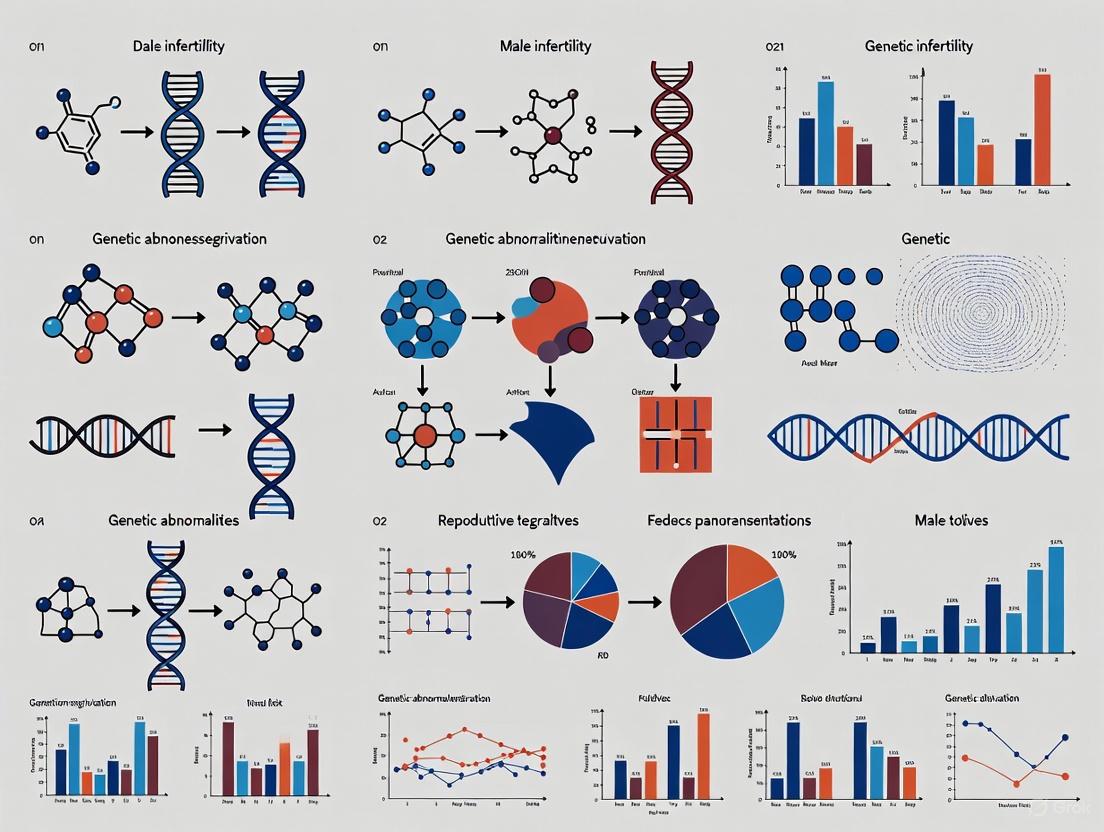
Male factors contribute to nearly 50% of infertility cases, with genetic abnormalities accounting for at least 15-30% of these cases.
Decoding the Genetic Landscape of Male Infertility: From Molecular Etiology to Clinical Translation
Abstract
Male factors contribute to nearly 50% of infertility cases, with genetic abnormalities accounting for at least 15-30% of these cases. This comprehensive review synthesizes current knowledge on the genetic architecture of male infertility, spanning chromosomal aneuploidies, Y-chromosome microdeletions, and single-gene defects disrupting spermatogenesis. We explore cutting-edge diagnostic methodologies, including next-generation sequencing and multi-omics approaches, that are revolutionizing our understanding of idiopathic cases. The article critically examines current clinical management strategies, including preimplantation genetic testing and genetic counseling, while addressing the significant diagnostic challenges that leave approximately 40% of cases unexplained. For researchers, scientists, and drug development professionals, this review provides an essential foundation for identifying novel therapeutic targets and developing personalized treatment paradigms to improve reproductive outcomes.
The Genetic Architecture of Male Infertility: Chromosomal and Single-Gene Defects
Male infertility is a significant global health issue, with genetic abnormalities constituting a major etiological factor. A male factor is estimated to contribute to approximately 50% of infertility cases among couples, with sole responsibility in about 30% and as a co-contributing factor in 20% of cases [1]. The comprehensive analysis of genetic abnormalities provides crucial insights for diagnosis, clinical management, and therapeutic development. Within the broader thesis of male infertility research, understanding the epidemiological distribution and clinical implications of these genetic factors is fundamental for advancing the field and developing targeted interventions for researchers and drug development professionals.
This whitepaper synthesizes current evidence on the prevalence and impact of genetic abnormalities in male infertility, with particular focus on their distribution across populations, association with specific semen parameters, and significance for clinical outcomes and therapeutic development. The integration of advanced genetic methodologies is revolutionizing our understanding of these conditions and creating new opportunities for scientific advancement.
Epidemiological Landscape of Genetic Abnormalities
Global Prevalence and Population-specific Patterns
Infertility affects approximately 8-12% of couples globally, with male factors contributing to roughly half of these cases [2] [3]. The World Health Organization reports that approximately 17.5% of the adult population (about 1 in 6 people worldwide) experiences infertility, with male infertility being the full or partial cause in 20-70% of couples [4]. Genetic factors contribute substantially to this burden, with chromosomal abnormalities and specific gene mutations accounting for a significant proportion of severe male infertility cases.
Genetic epidemiology varies considerably across different geographic regions and populations due to differences in genetic backgrounds, environmental exposures, and cultural practices such as consanguineous marriages. In South Asian populations including Pakistan, consanguineous marriages increase the incidence of inherited infertility due to a higher likelihood of recessive genes causing conditions such as Y-chromosome microdeletions [5]. In contrast, Western populations exhibit more sporadic, nonfamilial genetic infertility cases.
Table 1: Prevalence of Major Genetic Abnormalities in Male Infertility
| Genetic Abnormality | Overall Prevalence | Population with Highest Prevalence | Key Epidemiological Findings |
|---|---|---|---|
| Klinefelter Syndrome | 0.04-0.23% (newborns); 11% of azoospermic men [6] | Southern China (0.703% of infertile males) [6] | Mosaic KS prevalence: 0.172% of infertile males in Southern China [6] |
| Y Chromosome Microdeletions | 5-7% of oligozoospermic males; 15% of azoospermic males [5] | Global distribution with regional variations | AZFc most common deletion; complete AZFa/b deletions have poorest prognosis |
| Chromosomal Abnormalities | 2-14% depending on patient selection [6] | Varies by specific abnormality | Correlation between sperm count and abnormal cell karyotype percentage [6] |
| Monogenic Causes | ~4% of infertile men currently identified [4] | Populations with high consanguinity | 60-70% of cases remain unexplained (idiopathic) [4] |
Distribution by Semen Phenotype
The prevalence of genetic abnormalities correlates strongly with semen analysis parameters, particularly sperm concentration. Azoospermic men demonstrate the highest rates of genetic abnormalities, with Klinefelter syndrome affecting approximately 11% of this population [6]. Y-chromosome microdeletions are identified in roughly 15% of azoospermic men and 5-7% of oligozoospermic men [5]. Among men evaluated for infertility, approximately 6% are estimated to have more serious underlying medical conditions like cancer [2].
Table 2: Genetic Abnormalities by Semen Parameters
| Semen Parameter | Prevalence of Genetic Abnormalities | Most Common Associated Genetic Findings |
|---|---|---|
| Azoospermia | 15-30% [5] [6] | Klinefelter syndrome (11%), Y chromosome microdeletions (15%), AZF deletions [5] [6] |
| Severe Oligozoospermia (<5 million/mL) | 5-15% [5] | Y chromosome microdeletions (5-7%), autosomal gene mutations, chromosomal rearrangements [5] |
| Oligozoospermia (5-15 million/mL) | 2-5% | Autosomal gene mutations, partial AZF deletions, polymorphic variants |
| Normospermia | 1-2% | Subtle genetic defects, polymorphisms affecting sperm function |
Major Classes of Genetic Abnormalities
Chromosomal Abnormalities
Chromosomal abnormalities represent a major category of genetic defects in male infertility, with Klinefelter syndrome (47,XXY) being the most common genetic cause. The incidence of KS in newborns ranges from 0.04% to 0.23%, while its prevalence rises to approximately 11% among azoospermic men and 0.703% among infertile males in Southern China [6]. Approximately 90% of individuals with KS have the non-mosaic 47,XXY karyotype, while less than 10% exhibit mosaic or variant forms [6].
Mosaic KS demonstrates significant phenotypic heterogeneity. Research from Southern China indicates that among mosaic KS patients, 78.57% present with the 47,XXY/46,XY karyotype [6]. The clinical presentation ranges from azoospermia to normal sperm parameters, with a strong correlation between sperm count and the proportion of abnormal cells. Only 14.29% of mosaic KS patients were azoospermic, compared to 95.65% of non-mosaic KS patients in the same regional study [6].
Other chromosomal abnormalities include structural rearrangements such as translocations, inversions, and marker chromosomes, which collectively affect approximately 2-14% of infertile men depending on selection criteria. These abnormalities can disrupt spermatogenesis through meiotic pairing defects or position effects on genes critical for germ cell development.
Y Chromosome Microdeletions
Microdeletions in the azoospermia factor (AZF) regions of the Y chromosome represent the second most common genetic cause of spermatogenic failure, affecting approximately 15% of azoospermic men and 5-7% of oligozoospermic men [5]. The AZF region is subdivided into three non-overlapping intervals: AZFa, AZFb, and AZFc, with AZFbc having two different breakpoints [5].
The clinical consequences of AZF deletions depend on their location and size. Complete AZFa deletions typically result in Sertoli-cell-only syndrome (SCOS) with complete absence of germ cells. Complete AZFb deletions lead to meiotic arrest, while AZFc deletions demonstrate variable phenotypes ranging from azoospermia to severe oligozoospermia. The AZFc region is the most frequently deleted, and partial AZFc deletions may have milder effects on spermatogenesis.
Monogenic Disorders
Single-gene disorders account for a growing proportion of identified genetic causes of male infertility. A 2025 systematic review identified 191 genes with established gene-disease relationships (GDRs) in male infertility, with 41 classified as definitive evidence, 25 as strong evidence, and 34 as moderate evidence [4]. These genes span diverse biological processes including spermatogenesis (e.g., DAZL, SYCP3), DNA repair (e.g., DMC1, XRCC2), and hormonal regulation (e.g., AR, INSL3) [5].
Mutations in these genes can cause both isolated infertility or syndromic conditions where infertility is one component of a broader clinical picture. Currently, only about 4% of infertile men receive a definitive genetic diagnosis, while 60-70% of cases remain unexplained, suggesting significant potential for future gene discovery [4].
Experimental Approaches and Methodologies
Diagnostic and Research Workflows
The standard diagnostic approach for genetic causes of male infertility involves a stepwise methodology beginning with comprehensive clinical assessment, including medical history, physical examination, semen analysis, and hormonal profiling [1]. Genetic testing is typically initiated based on specific indications such as azoospermia, severe oligozoospermia, or family history of infertility.
Diagram 1: Genetic Testing Workflow for Male Infertility
Advanced Genetic Analysis Techniques
Next-generation sequencing technologies have revolutionized the identification of genetic causes of male infertility. The 2025 systematic review by Frontiers in Endocrinology employed PRISMA guidelines to identify and evaluate monogenic causes of male infertility, screening 20,215 articles and ultimately selecting 229 publications for full analysis [4]. This methodology enabled the identification and clinical validity assessment of 191 genes associated with male infertility.
The technical approach typically involves:
Library Preparation and Target Enrichment: For targeted gene panels, custom oligonucleotide probes capture coding regions and splice sites of genes of interest. Whole exome sequencing utilizes broader capture systems covering the entire exome.
Sequencing: High-throughput sequencing on platforms such as Illumina or Ion Torrent systems, with minimum recommended coverage of 100x for clinical applications.
Variant Calling and Annotation: Bioinformatics pipelines align sequences to reference genomes, identify variants, and annotate functional consequences using tools like PolyPhen-2, SIFT, and CADD.
Validation: Orthogonal confirmation of potentially pathogenic variants using Sanger sequencing or other molecular methods.
Functional Studies: For novel variants, functional validation may include immunohistochemistry, animal models, or in vitro assays to confirm pathogenicity.
Clinical Implications and Therapeutic Perspectives
Male infertility, particularly when associated with genetic abnormalities, serves as a biomarker for broader health concerns. Large-scale cohort studies consistently show that men with poorer semen parameters have elevated all-cause mortality compared to fertile counterparts, with a dose-dependent pattern whereby more severe abnormalities correlate with higher risk of early death [7]. A 2021 systematic review and meta-analysis spanning approximately 60,000 men found that infertile men have a 26% higher risk of all-cause mortality than fertile men (pooled HR = 1.26) [7].
Specific genetic conditions exemplify this connection. Klinefelter syndrome predisposes to metabolic syndrome, diabetes, and certain malignancies [7]. Low testosterone, frequently found in testicular dysfunction, is implicated in obesity, insulin resistance, and cardiovascular disease, all of which can shorten lifespan [7]. Furthermore, men with infertility face increased cancer risks, with a meta-analysis identifying a 43% increased overall cancer risk in infertile men versus fertile men, with especially heightened risks for testicular cancer (OR ~1.91), prostate cancer (OR ~1.48), and melanoma (OR ~1.31) [7].
Implications for Drug Development
Genetic insights are increasingly informing drug discovery and development strategies for male infertility. Genomics-driven drug discovery leverages knowledge of disease-susceptibility genes to identify novel therapeutic targets and repurpose existing drugs [8]. Several approaches show particular promise:
Drug Repurposing: By utilizing databases of existing approved drug-target genes and protein-protein interactions, researchers can identify potential new applications for existing drugs. This approach has successfully identified CDK4/6 inhibitors (originally developed for cancer) as potential therapeutic candidates for conditions like rheumatoid arthritis, demonstrating the potential for similar applications in male infertility [8].
Mendelian Randomization: This genetic epidemiological framework enables causal inference between biomarkers and disease states, helping to identify promising therapeutic targets while estimating potential side effects [8]. Large-scale proteomic MR analyses have identified novel causal mediators for various diseases, providing a roadmap for similar applications in male infertility.
Target Prioritization: Methods such as the "priority index" (Pi) integrate genome-scale data, disease ontologies, and protein-protein interactions to prioritize genes as therapeutic targets [8]. This approach has demonstrated significant enrichment for approved medication targets when applied to immunologic traits.
The Scientist's Toolkit: Essential Research Reagents
Table 3: Essential Research Reagents for Genetic Studies in Male Infertility
| Reagent Category | Specific Examples | Research Application | Technical Considerations |
|---|---|---|---|
| Genetic Analysis Tools | Karyotype G-banding reagents, AZF deletion PCR primers, NGS library prep kits | Chromosomal analysis, Y microdeletion screening, gene mutation identification | Minimum 20 metaphases for karyotyping; 6 STS markers for AZF screening; 100x coverage for NGS |
| Molecular Biology Assays | Sanger sequencing reagents, Western blot equipment, immunohistochemistry antibodies | Variant confirmation, protein expression analysis, tissue localization | ACMG-AMP guidelines for variant interpretation; validated antibodies for reproductive tissues |
| Cell Culture Models | Germ cell lines (e.g., GC-1, GC-2), Sertoli cell lines, testicular organoid systems | In vitro functional studies, drug screening, mechanistic investigations | Limited availability of human germline cell lines; primary culture challenges |
| Animal Models | Gene-edited mice (CRISPR/Cas9), spontaneous mutant models, xenograft systems | In vivo functional validation, pathophysiology studies, therapeutic testing | Species differences in spermatogenesis; ethical considerations |
| Bioinformatics Tools | Variant annotation pipelines (ANNOVAR, VEP), population databases (gnomAD), pathogenicity predictors (PolyPhen-2, SIFT) | Genetic data analysis, variant prioritization, pathogenicity assessment | Integration of multiple prediction algorithms improves accuracy |
Genetic abnormalities represent a significant component of male infertility, with diverse epidemiological patterns and profound clinical implications. The integration of advanced genetic technologies, particularly next-generation sequencing, has dramatically expanded our understanding of the genetic architecture of male infertility, while simultaneously revealing the substantial proportion of cases that remain genetically unexplained. Future research directions should focus on elucidating the functional consequences of genetic variants, developing targeted therapies based on genetic findings, and exploring the potential of gene editing technologies for corrective interventions. The continued collaboration between geneticists, reproductive specialists, and basic scientists will be essential to translate these genetic insights into improved clinical outcomes for affected individuals and couples.
Chromosomal abnormalities constitute a significant cause of male infertility, accounting for at least 15% of cases [9]. These genetic disruptions are conventionally categorized into numerical aberrations, involving an abnormal number of chromosomes, and structural rearrangements, involving alterations to chromosome architecture. Within the context of male infertility, Klinefelter syndrome (47,XXY) and 47,XYY syndrome represent the most prevalent sex chromosome aneuploidies, while balanced chromosomal rearrangements are a notable cause of spermatogenic failure [10] [11] [9]. This technical guide provides an in-depth analysis of these abnormalities, framing them within the broader research landscape of genetic male infertility. It details the molecular etiologies, clinical presentations, associated experimental protocols for diagnosis and research, and the consequent implications for drug development and therapeutic strategies.
Numerical Chromosomal Aberrations
Klinefelter Syndrome (47,XXY and Variants)
Klinefelter syndrome (KS) is the most common genetic cause of male infertility, with an incidence of approximately 1 in 500-1,000 live male births [12] [9]. The syndrome is defined by the presence of at least one extra X chromosome, resulting in a 47,XXY karyotype in about 90% of cases, with the remainder being mosaic (e.g., 46,XY/47,XXY) or variant forms (e.g., 48,XXXY) [12] [6].
Molecular Pathogenesis and Etiology
KS arises from nondisjunction during meiotic division in parental gametogenesis or from mitotic nondisjunction in the early zygote [12]. Approximately 50% of cases originate from maternal meiosis I, while the rest stem from paternal meiosis I or II [12]. The primary molecular consequence is gene dosage imbalance due to the extra X chromosome. While X-inactivation silences most genes on the additional X chromosome, genes in the pseudoautosomal regions (PARs) escape inactivation [12]. The overdosage of these genes, such as SHOX, is postulated to contribute to the characteristic tall stature seen in KS and other sex chromosome aneuploidies [13]. The presence of the extra X chromosome disrupts the normal process of testicular development and function, leading to the degeneration of the seminiferous tubules, hyalinization, and eventual fibrosis [12].
Clinical and Laboratory Presentation in the Context of Infertility
The phenotype of KS is highly variable, but its most consistent feature is infertility resulting from azoospermia or severe oligozoospermia [12]. A recent large-scale study in Southern China found that KS accounted for 0.703% (57 out of 8,110) of male infertility cases, with non-mosaic 47,XXY representing 75.44% of these KS cases [6]. The azoospermia rate in non-mosaic KS is exceptionally high, reaching 95.65% [6]. Physical findings often include small, firm testicles (volume < 4 mL), tall stature, gynecomastia, and evidence of hypogonadism [12]. The hormonal profile is typically characterized by low testosterone and elevated gonadotropins (FSH and LH), consistent with primary testicular failure [10] [12].
Table 1: Clinical and Laboratory Characteristics of Klinefelter Syndrome (KS) and 47,XYY Syndrome
| Characteristic | Klinefelter Syndrome (47,XXY) | 47,XYY Syndrome |
|---|---|---|
| Incidence | 1 in 500-1,000 male births [12] [9] | ~1 in 1,000 male births [10] [13] |
| Classic Karyotype | 47,XXY (90% of cases) [12] | 47,XYY |
| Primary Infertility Phenotype | Azoospermia or Severe Oligozoospermia [12] | Azoospermia to Normospermia (Highly Variable) [10] [14] |
| Typical Testicular Volume | < 4 ml [12] | Usually Normal [14] |
| Predominant Hormonal Pattern | Low Testosterone, High FSH/LH [10] [12] | Generally Normal; Can be Variable [10] [14] |
| Sperm Retrieval Rate (SRR) | ~44% with TESE/microTESE [15] | Not systematically studied, but fertility is often preserved [13] |
| ICSI Success (Pregnancy Rate) | ~43% per cycle [15] | Data limited, but successful pregnancies reported |
Mosaic KS (e.g., 47,XXY/46,XY) presents with a milder and more heterogeneous phenotype. The same Chinese study reported a 0.172% incidence of mosaic KS among infertile men, accounting for 24.56% of all KS cases in the cohort [6]. Critically, the rate of azoospermia in mosaic KS was significantly lower (14.29%) than in the non-mosaic form, and patients exhibited a spectrum of semen findings, from azoospermia to normospermia [6]. This suggests a correlation between the proportion of normal 46,XY cell lines and the severity of spermatogenic impairment.
47,XYY Syndrome
47,XYY syndrome has an incidence of approximately 1 in 1,000 male births [10] [13]. Unlike KS, the majority of 47,XYY males are phenotypically normal and often undiagnosed, with many having normal fertility [13]. However, it is observed more frequently in infertile populations, indicating a potential negative effect on spermatogenesis in a subset of individuals [10] [14].
Molecular Pathogenesis and Etiology
The 47,XYY karyotype typically results from nondisjunction during paternal meiosis II, leading to a sperm cell with two Y chromosomes [10]. Fertilization of a normal X-containing ovum produces a 47,XYY zygote. Mosaicism (46,XY/47,XYY) can also occur from post-zygotic mitotic nondisjunction [10] [14]. The mechanism by which the extra Y chromosome impacts fertility is an area of active research. It is hypothesized that the extra Y chromosome may be lost in germ cells prior to meiosis, allowing for normal spermatogenesis in many affected men [10]. However, persistence of the extra Y chromosome during meiosis can lead to meiotic impairment, aberrant pairing, and apoptosis of germ cells [10]. Studies have shown that men with 47,XYY have an increased percentage of aneuploid and diploid sperm, which could contribute to reduced semen quality and an elevated risk of transmitting sex chromosome abnormalities to offspring [10].
Clinical and Laboratory Presentation in the Context of Infertility
The physical phenotype of 47,XYY is often subtle, with the most consistent feature being increased stature from early childhood [10] [13]. Infertility is not a universal characteristic, but cases of azoospermia and severe oligozoospermia have been reported [10] [14]. A case series of four infertile men with 47,XYY demonstrated variable semen analyses, from azoospermia to severe oligozoospermia, and equally variable endocrine profiles, with some patients showing elevated FSH and low-to-normal testosterone levels [10] [14]. This heterogeneity underscores the diverse phenotypic expression of this karyotype. The presence of a 47,XYY karyotype does not preclude biological fatherhood, and spontaneous pregnancies have been reported [10].
Structural Chromosomal Rearrangements
Balanced chromosomal rearrangements (BCAs), including translocations and inversions, are identified in approximately 0.5%–1.0% of men with severe oligospermia or azoospermia [11]. These rearrangements, while balanced at a karyotypic level, can disrupt spermatogenesis through several mechanistic pathways.
Pathophysiological Mechanisms
The primary mechanism involves the disruption of meiosis during prophase I. The presence of rearranged chromosomes interferes with the accurate pairing and synapsis of homologous chromosomes [11] [16]. This can lead to meiotic arrest and apoptosis of germ cells. Furthermore, advanced genomic techniques have revealed that many apparently "balanced" rearrangements are in fact complex, with cryptic complexities and copy number variations (CNVs) at breakpoints [11]. A genome sequencing study of six azoospermic/severely oligospermic men with BCAs found additional structural rearrangements and/or CNVs in 5 out of 6 cases, with breakpoints directly truncating or dysregulating genes critical for spermatogenesis, such as those involved in germ cell development and apoptosis [11]. The disruption of topological-associated domains (TADs) by breakpoints, leading to dysregulation of gene expression, is another significant mechanism [11].
Table 2: Impact of Structural Rearrangements on Male Infertility (Based on Genome Sequencing of 6 Patients) [11]
| Case ID | Clinical Indication | Karyotype | Rearrangements Identified by Mate-Pair GS | Cryptic CNVs | Key Disruptions |
|---|---|---|---|---|---|
| MI1 | Severe Oligospermia | 46,XY,t(3;19)(p21.3;q13.3) | 2 | 0 | Gene disruptions at breakpoints |
| MI2 | Azoospermia | 46,XY,t(5;9)(p13.3;p22),t(7;21)(p13;q22.1) | 4 | 1 | Gene disruptions at breakpoints |
| MI3 | Severe Oligospermia | 46,XY,t(4;11;6)(q22;q21;q16) | 7 | 0 | Gene disruptions at breakpoints |
| MI4 | Azoospermia | 46,XY,t(8;12;10)(q24.1;p13;q22) | 7 | 0 | Gene disruptions at breakpoints |
| MI5 | Severe Oligospermia | 46,XY,ins(6;2)(q23;p13p22) | 9 | 0 | Gene disruptions at breakpoints |
| MI6 | Azoospermia | 46,XY,t(4;20)(q28;q12),der(20)ins(20;3)... | 19 | 4 | Complex rearrangement & point mutations in DNAH1 |
Complex chromosome rearrangements (CCRs), involving at least three chromosomes and three breakpoints, carry a particularly high risk of reproductive failure. Male carriers of CCRs produce a high frequency of chromosomally abnormal spermatozoa due to aberrant meiotic segregation [16]. The number of chromosomes and breakpoints, the location of breakpoints, and the presence of recombination within rearranged segments are all presumed to affect the fertility of the carrier [16].
Experimental Protocols and Research Methodologies
Standard Diagnostic and Research Karyotyping
Purpose: To identify numerical and large-scale structural chromosomal abnormalities. Methodology: Lymphocytes from peripheral blood are cultured in RPMI-1640 medium supplemented with fetal bovine serum and phytohemagglutinin to stimulate mitosis [14]. Cells are arrested in metaphase using colchicine. After hypotonic treatment and fixation, slides are prepared and subjected to G-banding using trypsin and Giemsa (GTG) [14] [6]. A minimum of 20 metaphases are analyzed under a microscope, with resolution typically at the 320-400 band level per haploid set. For mosaicism, up to 100 metaphases may be analyzed [6]. Karyotypes are described according to the International System for Human Cytogenomic Nomenclature (ISCN) [6].
Fluorescence In Situ Hybridization (FISH)
Purpose: To confirm specific abnormalities identified by karyotyping (e.g., presence of extra X or Y chromosomes) and to screen for aneuploidy in sperm. Methodology: Fluorescence-labeled DNA probes specific to centromeric or locus-specific regions of target chromosomes (e.g., X and Y centromeres) are hybridized to metaphase spreads or interphase nuclei on a slide [14]. After washing, the slides are analyzed using an epifluorescent microscope equipped with appropriate filters. The signals are counted, and the presence of an extra chromosome is confirmed by observing three signals instead of two in a non-divided cell [14]. For sperm FISH, decondensed sperm nuclei are used to assess the rate of aneuploidy.
Advanced Genomic Sequencing for Structural Rearrangements
Purpose: To comprehensively identify cryptic structural rearrangements, copy number variants (CNVs), and point mutations in patients with male infertility. Methodology (Mate-Pair Genome Sequencing): This protocol is designed to overcome the limitations of standard GS in detecting breakpoints mediated by repetitive elements [11].
- Library Preparation: Genomic DNA (1 μg) is sheared to 3–8 kb fragments. Mate-pair libraries are constructed from these large-insert fragments [11].
- Sequencing: Libraries are sequenced to paired-end 100 bp on a platform such as MGISEQ-2000. A minimum of 60 million read-pairs are generated per case, providing ~4x read-depth but high physical coverage [11].
- Bioinformatic Analysis: Chimeric read-pairs mapping to different chromosomes or to the same chromosome with a large insert size are clustered. Structural rearrangements are detected at a resolution of 10 kb, and CNVs are detected at a resolution of 50 kb. Variants are filtered against a large control dataset to remove polymorphisms and systematic errors [11]. High Read-Depth Genome Sequencing: In parallel, 400 ng of gDNA is used for standard, high read-depth (e.g., 30x) GS to identify single nucleotide variants and small indels in known male infertility genes (e.g., DNAH1) [11].
Diagram Title: Genome Sequencing Workflow for Male Infertility
The Scientist's Toolkit: Key Research Reagent Solutions
Table 3: Essential Reagents and Materials for Investigating Genetic Infertility
| Research Reagent / Material | Function / Application | Example Use Case |
|---|---|---|
| RPMI-1640 Culture Medium | Supports the growth and mitosis of peripheral blood lymphocytes. | Standard karyotyping for initial cytogenetic diagnosis [14]. |
| Phytohemagglutinin (PHA) | A mitogen that stimulates T-lymphocytes to enter cell division. | Essential for initiating cell culture in karyotyping protocols [14]. |
| Fluorescence-Labeled DNA Probes | Target-specific sequences for visualization under fluorescence microscopy. | FISH analysis to confirm aneuploidy (e.g., X/Y centromeric probes) [14]. |
| Mate-Pair Library Prep Kit | Facilitates the construction of large-insert (3-8 kb) sequencing libraries. | Enables detection of complex structural rearrangements and breakpoints [11]. |
| DNeasy Blood & Tissue Kit | For high-quality genomic DNA extraction from patient samples. | Standardized DNA preparation for downstream genomic applications like GS and PCR [11]. |
| AZF Microdeletion PCR Primers | Amplify sequence-tagged sites (STS) in the AZFa, AZFb, and AZFc regions. | Screening for Y-chromosome microdeletions, a common genetic cause of infertility [6]. |
Discussion and Research Implications
The investigation of chromosomal abnormalities in male infertility has evolved from routine karyotyping to sophisticated genomic analyses. This progression has revealed a complex genetic landscape where cryptic complexities and the combined effects of multiple genetic lesions (e.g., structural rearrangements with single-gene mutations) are common [11]. For researchers and drug development professionals, this complexity presents both a challenge and an opportunity.
From a therapeutic perspective, conditions like KS, once considered absolute barriers to biological fatherhood, can now be overcome in nearly 50% of cases using testicular sperm extraction (TESE) coupled with intracytoplasmic sperm injection (ICSI) [15]. Meta-analyses show no significant influence of clinical or biochemical parameters on success rates, supporting the offer of TESE to all KS patients [15]. However, this bypasses the underlying genetic defect, raising concerns about the potential transmission of chromosomal abnormalities or other genetic risks to offspring [17]. Preimplantation genetic testing (PGT) is, therefore, a critical adjunctive technology.
For structural rearrangements, the low likelihood of retrieving euploid sperm often makes ICSI a less viable option, highlighting the need for improved prognostic biomarkers [16]. The identification of specific disrupted genes and pathways through genome sequencing opens avenues for future research into targeted therapies and better genetic counseling [11]. The continued integration of genomic technologies into clinical practice is essential for unraveling the significant portion of male infertility that remains idiopathic, ultimately paving the way for more personalized and effective treatments.
Male infertility is a significant health concern, with genetic abnormalities being a major causative factor. Among these, microdeletions of the azoospermia factor (AZF) regions on the long arm (Yq11) of the Y chromosome represent the second most common genetic cause of male infertility after Klinefelter syndrome [18] [19]. These microdeletions lead to impaired spermatogenesis, manifesting clinically as azoospermia or severe oligozoospermia. The Y chromosome contains a set of genes with testis-specific expression that are crucial for testicular development and sperm production [20]. Understanding the precise genetic architecture of these regions and their impact on spermatogenesis is essential for developing targeted diagnostic approaches and therapeutic interventions for male infertility. This technical guide provides an in-depth analysis of AZF microdeletions within the broader context of genetic abnormalities in male infertility research.
AZF Regional Architecture and Clinical Significance
The AZF locus is conventionally subdivided into three non-overlapping regions: AZFa, AZFb, and AZFc, with some studies also recognizing an AZFd region, though its clinical relevance is debated [21] [22]. Each region contains specific genes crucial for spermatogenesis, and deletions in these regions result in distinct histological and clinical phenotypes.
Table 1: AZF Regions, Key Genes, and Associated Phenotypes
| AZF Region | Key Genes | Primary Histological Findings | Clinical Phenotype | Sperm Retrieval Prognosis |
|---|---|---|---|---|
| AZFa | USP9Y, DDX3Y | Sertoli Cell Only (SCO) syndrome (68.6%) [22] | Azoospermia [22] | Very Poor (Near 0%) [22] |
| AZFb | RBMY1A1 | Maturation Arrest (MA) [22] | Azoospermia [22] | Very Poor (Near 0%) [22] |
| AZFc | DAZ, BPY2 | SCO (46%), MA (38.2%), Hypospermatogenesis (15.7%) [22] | Azoospermia or Severe Oligozoospermia [18] [22] | Favorable (Mean SRR: 47%) [22] |
| AZFb+c | Multiple genes from AZFb and AZFc | SCO or MA [22] | Azoospermia [22] | Very Poor (Near 0%) [22] |
| Partial AZFc (gr/gr, b2/b3) | Partial DAZ | Variable | Population-dependent; No significant impact in Slavic men [20] | Variable |
Complete deletions of AZFa, AZFb, or combined AZFb+c regions typically result in obstructive azoospermia with minimal chance of successful sperm retrieval [22]. In contrast, men with AZFc deletions often have focal spermatogenesis, making them better candidates for sperm retrieval procedures. The impact of partial AZFc deletions (e.g., gr/gr, b2/b3) on spermatogenesis shows significant population-based variation due to the presence of compensatory genetic factors in specific Y haplogroups [20].
Epidemiology and Population Genetics
The prevalence of Y chromosome microdeletions varies significantly based on study population, selection criteria, and geographical distribution. A large retrospective analysis of 1600 infertile men with azoospermia or severe oligozoospermia found AZF microdeletions in 9.69% of cases, with the AZFc region being the most frequently deleted [23]. The prevalence in azoospermic and oligozoospermic men globally ranges from 3.2% to 29.4%, with an overall prevalence of approximately 7% [22].
Table 2: Prevalence of AZF Microdeletions Across Different Populations
| Population | Sample Characteristics | Overall AZF Deletion Frequency | Most Frequent Deletion Type | Population-Specific Findings |
|---|---|---|---|---|
| General Russian (Slavic) | 700 men from general population [20] | 19.9% (partial AZFc deletions) [20] | b2/b3 (16.7%) [20] | High frequency linked to Y haplogroups N3 and R1a; no significant impact on spermatogenesis [20] |
| Western Indian | 242 infertile men [19] | 13.63% [19] | AZFc [19] | Genetic abnormalities found beyond azoospermic men to include OAT [19] |
| Sudanese | 51 infertile men (azoospermic/oligozoospermic) [24] | 58.8% [24] | AZFa (among oligozoospermic) [24] | Unique distribution with high AZFa deletion frequency [24] |
| Mixed (Large Cohort) | 1600 infertile men (azoospermic/severe oligozoospermic) [23] | 9.69% [23] | AZFc [23] | No significant difference in deletion rates between azoospermia (9.15%) and severe oligozoospermia (12%) groups [23] |
Notably, the impact of partial AZFc deletions exhibits significant ethnic variation. For instance, in Slavic men, these deletions are fixed in specific Y haplogroups (N3 and R1a) and show no significant association with impaired spermatogenesis, suggesting the presence of compensatory genetic factors [20]. This highlights the importance of considering population genetics in both research and clinical diagnostics.
Detection Methodologies and Technical Considerations
Accurate detection of AZF microdeletions is crucial for diagnosis and treatment planning. The current gold standard involves PCR amplification of sequence-tagged sites (STS) from peripheral blood lymphocytes [21] [19].
Standard PCR-Based STS Analysis
The European Academy of Andrology (EAA) recommends a multiplex PCR approach using a specific set of STS markers covering all AZF regions [19]. A typical diagnostic protocol includes:
- DNA Extraction: Genomic DNA is isolated from whole blood using commercial kits (e.g., QIAamp DNA Blood Mini Kit) [19].
- Multiplex PCR: Reactions contain 100 ng DNA, PCR master mix, DMSO, and sequence-specific primers in a 25 μL reaction volume [19].
- Amplification Conditions: Initial denaturation at 94°C for 4 minutes, followed by 34 cycles of denaturation (94°C for 30s), annealing (temperature varies by STS marker), and extension (72°C for 40s), with a final extension at 72°C for 3 minutes [19].
- Product Visualization: PCR products are separated on 2% agarose gel, stained with ethidium bromide, and visualized under UV light [24] [19].
Comparison of Detection Platforms
Emerging technologies offer complementary approaches to AZF microdeletion detection:
Table 3: Comparison of Y Microdeletion Detection Methods
| Method | Principle | Advantages | Limitations | Clinical Utility |
|---|---|---|---|---|
| Fluorescence qPCR [25] | Quantitative amplification of STS markers with fluorescent probes | Rapid, cost-effective, standardized | May miss complex structural variants or smaller deletions | First-line clinical testing |
| Multiplex PCR & Gel Electrophoresis [24] [19] | Amplification of multiple STS markers with visual confirmation | Well-established, cost-effective | Limited resolution, potential for false negatives/positives | Routine clinical diagnostics |
| High-Throughput Sequencing (NGS) [25] | Massively parallel sequencing of Y chromosome regions | Comprehensive coverage, detects novel deletions, identifies additional abnormalities | Higher cost, bioinformatics complexity, potential coverage gaps in complex regions | Research and complex diagnostic cases |
| Multiplex Real-Time PCR [20] | Simultaneous amplification and detection of multiple STS markers | High throughput, reduced contamination risk | Requires specialized equipment | Large-scale population studies |
Each methodology has distinct advantages and limitations. While qPCR may miss certain deletions, NGS can identify additional complexities but may have coverage gaps in repetitive regions [25]. The choice of method should be guided by clinical context, available resources, and required comprehensiveness of analysis.
Clinical Management and Therapeutic Implications
Sperm Retrieval Outcomes
The management of infertility in men with AZF microdeletions depends on the specific deletion type. Sperm retrieval rates vary significantly by AZF region:
- AZFc Deletions: Show the most favorable outcomes, with mean sperm retrieval rates of 47% (range: 13-100%) via microTESE [22]. Histologically, these men demonstrate Sertoli cell-only syndrome (46%), maturation arrest (38.2%), or hypospermatogenesis (15.7%) [22].
- AZFa or AZFb Deletions: Have severely impaired spermatogenesis with virtually no chance of successful sperm retrieval [22]. These patients should be counseled accordingly to avoid unnecessary surgical interventions.
- Partial Deletions: Management depends on specific deletion type and population background. In some populations, partial AZFc deletions (b2/b3, gr/gr) show no significant impact on spermatogenesis parameters [20].
Assisted Reproductive Technologies
For men with AZFc deletions where sperm is retrieved, intracytoplasmic sperm injection (ICSI) enables biological parenthood. One study reported pregnancy and healthy delivery achieved in 42.9% (6/14) of subjects with AZF microdeletions using ICSI [18]. However, crucial considerations include:
- Genetic Counseling: Essential due to the 100% transmission of the Y chromosome microdeletion to male offspring, who will likely experience similar fertility issues [18].
- Surgical Approach Selection: For men with AZFc deletions and obstructive patterns, MESA (microscopic epididymal sperm aspiration) may be preferable to microTESE to avoid testicular damage [18].
Research Reagent Solutions
Table 4: Essential Research Reagents for AZF Microdeletion Studies
| Reagent/Category | Specific Examples | Application/Function | Reference |
|---|---|---|---|
| STS Markers | sY84, sY86 (AZFa); sY127, sY134 (AZFb); sY254, sY255 (AZFc) [19] | Target amplification for specific AZF regions | [19] |
| DNA Extraction Kits | QIAamp DNA Blood Mini Kit (Qiagen) [19] | High-quality genomic DNA isolation from whole blood | [19] |
| PCR Master Mix | EmeraldAmp GT PCR Master Mix [19] | Optimized enzyme/buffer system for robust amplification | [19] |
| Electrophoresis Reagents | Agarose, TAE buffer, Ethidium bromide, 50bp DNA ladder [19] | Separation and visualization of PCR products | [19] |
| Commercial EQA Schemes | EMQN Y-Chromosome Microdeletion Testing [26] | External quality assessment for diagnostic accuracy | [26] |
Y chromosome microdeletions represent a significant genetic etiology of male infertility with distinct genotype-phenotype correlations. The clinical presentation and management outcomes vary dramatically based on the specific AZF region involved, with AZFc deletions offering the most favorable prognosis for sperm retrieval. Recent advances in detection technologies, particularly the integration of NGS with traditional methods, are enhancing diagnostic precision. Population-specific differences in deletion prevalence and impact underscore the importance of considering genetic background in both research and clinical practice. Future research directions should focus on elucidating the precise functions of AZF-encoded genes, identifying genetic modifiers that influence phenotypic expression, and developing more effective interventions for affected individuals.
Male infertility is a significant global health issue, affecting at least 7% of men worldwide and contributing to 20-70% of infertility cases among couples [4] [27]. A substantial portion of male infertility cases—approximately 60-70%—remain without a definitive diagnosis and are classified as unexplained, highlighting critical gaps in our understanding of the underlying etiology [4] [28]. Genetic factors play a crucial role, with currently about 4% of infertile men identified with a specific genetic cause [4] [28]. Among these genetic factors, monogenic causes represent a rapidly expanding area of research, driven largely by the adoption of next-generation sequencing (NGS) technologies.
This technical guide focuses on three primary phenotypes of genetic male infertility: azoospermia (the complete absence of sperm in the ejaculate), teratozoospermia (abnormal sperm morphology), and flagellar defects (structural and functional abnormalities of the sperm tail). Non-obstructive azoospermia (NOA), which results from impaired sperm production rather than physical blockages, affects 10-20% of azoospermic men and represents the most severe form of male infertility [29] [30]. The complexity of spermatogenesis—involving the coordinated expression of an estimated over 2,000 genes—creates numerous potential points of failure where monogenic defects can disrupt this finely tuned process [30].
Table 1: Classification and Prevalence of Major Male Infertility Phenotypes
| Phenotype | Clinical Definition | Approximate Prevalence | Key Genetic Associations |
|---|---|---|---|
| Non-obstructive Azoospermia (NOA) | Absence of sperm in ejaculate due to defective spermatogenesis | 10-20% of infertile men [30] | TEX11, SYCP3, TDRD9, ZMYND15 [29] [30] |
| Teratozoospermia | Abnormal sperm morphology affecting head, neck, or tail | 1-5% of infertile men [31] | AURKC, SUN5, PMFBP1 [4] |
| Flagellar Defects | Structural/functional abnormalities of sperm flagella | 1-3% of infertile men [4] | DNAH1, CFAP43, CFAP44, CFAP65 [4] [30] |
Established and Emerging Monogenic Causes
Systematic Evidence Assessment
Recent systematic reviews have significantly advanced our understanding of monogenic causes of male infertility. The most current comprehensive analysis, published in 2025, evaluated 191 gene-disease relationships (GDRs) using standardized clinical validity assessments [4] [32]. This analysis classified the evidence for gene-disease relationships as follows: 41 with definitive evidence, 25 with strong evidence, 34 with moderate evidence, 82 with limited evidence, and 9 with no supporting evidence [4]. This represents a substantial increase from the 2021 systematic review, which identified 120 genes with at least moderate evidence linking them to 104 infertility phenotypes [28] [27]. This 33% increase in validated genes over a relatively short timeframe underscores the accelerating pace of discovery in male infertility genetics, largely driven by widespread adoption of NGS technologies [27].
Notably, the 2025 analysis revealed that approximately 50% of NOA genes have also been implicated in primary ovarian insufficiency, amenorrhea, and female genital anomalies, suggesting overlapping genetic mechanisms governing reproductive system development and function across sexes [29]. This finding has significant implications for both research approaches and clinical counseling, as it suggests that discoveries in one sex may inform understanding of reproductive disorders in the other.
Genes Associated with Azoospermia
Non-obstructive azoospermia (NOA) is the most severe form of male infertility, characterized by spermatogenic failure. Monogenic causes of NOA predominantly affect crucial biological processes including meiotic progression, transcriptional regulation, and endocrine signaling [29]. A 2021 review identified 38 established NOA genes, 92% of which are predicted to functionally interact with each other, forming a tightly connected biological network essential for male fertility [29].
Table 2: Key Monogenic Causes of Non-Obstructive Azoospermia
| Gene | Protein Function | Biological Process | Inheritance Pattern | Evidence Level |
|---|---|---|---|---|
| TEX11 | Meiotic recombination | Meiosis, crossover formation | X-linked | Definitive [30] |
| TDRD9 | Piwi-interacting protein | Transposon silencing, meiosis | Autosomal recessive | Definitive [29] |
| ZMYND15 | Transcriptional regulator | Spermatogonial differentiation | Autosomal recessive | Strong [29] [30] |
| MSH4 | DNA mismatch repair | Meiotic recombination | Autosomal recessive | Definitive [30] |
| STAG3 | Meiotic cohesin complex | Sister chromatid cohesion | Autosomal recessive | Definitive [30] |
| SOHLH1 | Transcription factor | Spermatogonial differentiation | Autosomal recessive | Strong [29] |
Recent research continues to expand this genetic landscape. A 2025 study applying whole-exome sequencing (WES) to 30 NOA patients identified 27 genes with 34 variant loci associated with NOA, including CFAP65, SEPTIN12, DNAH2, CEP112, and SHOC1 [30]. Notably, the study reported a variant in the CFAP65 gene (c.1223C>A p.S408*) that is predicted to be pathogenic and likely contributes to spermatogenic failure [30].
Genes Associated with Teratozoospermia and Flagellar Defects
Teratozoospermia and sperm flagellar defects represent distinct but overlapping categories of morphological abnormalities that impair sperm function. Teratozoospermia encompasses defects in sperm head morphology (including macrocephaly, microcephaly, and abnormal head shape), neck defects, and flagellar abnormalities. Flagellar defects specifically affect the sperm tail and are frequently associated with impaired motility (asthenozoospermia) [4].
Multiple morphological abnormalities of the sperm flagella (MMAF) is a severe phenotype characterized by short, absent, coiled, bent, or irregular flagella. The MMAF phenotype has been linked to mutations in numerous genes, particularly those encoding axonemal proteins, dynein arms, and fibrous sheath components [4]. A 2025 systematic review identified 34 genes with at least moderate evidence for causing teratozoospermia or flagellar defects [4].
Table 3: Key Genes Associated with Sperm Flagellar Defects and Teratozoospermia
| Gene | Protein Function | Associated Phenotype | Inheritance Pattern | Evidence Level |
|---|---|---|---|---|
| DNAH1 | Dynein axonemal heavy chain | MMAF, primary ciliary dyskinesia | Autosomal recessive | Definitive [4] [30] |
| CFAP43 | Cilia and flagella associated protein | MMAF, teratozoospermia | Autosomal recessive | Strong [4] [30] |
| CFAP44 | Cilia and flagella associated protein | MMAF, teratozoospermia | Autosomal recessive | Strong [4] |
| CFAP65 | Cilia and flagella associated protein | MMAF, teratozoospermia | Autosomal recessive | Moderate [4] [30] |
| AK7 | Adenylate kinase | MMAF, multiple anomalies | Autosomal recessive | Moderate [30] |
| SPEF2 | Sperm flagellar protein | MMAF, spermatogenic arrest | Autosomal recessive | Strong [4] [30] |
The 2025 experimental study that applied WES to NOA patients also identified several flagellar genes, including CFAP43, CFAP69, DNAH17, and DNAH2, expanding the spectrum of mutations associated with spermatogenic disorders [30]. This suggests significant overlap between genetic causes of complete spermatogenic failure (azoospermia) and severe morphological defects (teratozoospermia and MMAF).
Experimental Approaches for Gene Discovery and Validation
Next-Generation Sequencing Methodologies
The identification and validation of monogenic causes of male infertility have been revolutionized by next-generation sequencing technologies. Whole-exome sequencing has emerged as a particularly powerful tool for unbiased discovery of novel candidate genes, while targeted gene panels offer a cost-effective approach for clinical screening of established genes [28] [27].
The standard workflow for genetic investigation of male infertility begins with karyotype analysis and Y-chromosome microdeletion screening to identify chromosomal abnormalities, followed by CFTR mutation testing in cases suggestive of obstructive azoospermia [31]. For cases where these standard tests are normal, WES provides a comprehensive approach to identify potential monogenic causes [33] [30].
A 2025 study established a specific WES-based screening method for NOA patients that excluded those with chromosomal abnormalities or Y-chromosome microdeletions [30]. Their methodology involved: (1) DNA extraction from peripheral blood samples; (2) library preparation through fragmentation, junction ligation, and amplification; (3) target capture using hybridization-based enrichment of exonic regions; (4) high-throughput sequencing; and (5) bioinformatic analysis using tools like MutationTaster, SIFT, and Polyphen2 for variant annotation and pathogenicity prediction [30].
This approach demonstrates how WES can be systematically applied to identify novel candidate genes and variants in well-phenotyped patient cohorts, particularly for the most severe infertility phenotypes like NOA and MMAF.
Gene-Disease Relationship Validation Frameworks
Rigorous assessment of gene-disease relationships is essential for distinguishing truly pathogenic variants from benign polymorphisms. The Clinical Genome Resource (ClinGen) has established a comprehensive framework for evaluating the clinical validity of GDRs, which has been adapted for male infertility research [4] [28].
The scoring system evaluates multiple evidence categories including: (1) experimental quality; (2) patient phenotype assessment; (3) functional evidence based on gene expression; (4) mutant in-vitro cell models; and (5) in-vivo animal model phenotypes [28] [27]. Each GDR receives a final classification ranging from "no evidence" to "definitive," providing researchers and clinicians with a standardized metric for evidence strength [4] [28].
This framework has been applied by the International Male Infertility Genomics Consortium (IMIGC) to systematically evaluate monogenic causes, with results made publicly available to facilitate collaboration and data sharing among researchers [28] [27]. The implementation of such standardized frameworks represents a significant advancement in the field, addressing previous challenges with inconsistent validation of proposed infertility genes.
Table 4: Essential Research Reagents for Investigating Monogenic Male Infertility
| Reagent/Resource | Specific Examples | Research Application | Key Features |
|---|---|---|---|
| Whole-Exome Sequencing Kits | Illumina Nextera Flex, Agilent SureSelect | Comprehensive variant discovery | Target enrichment, high coverage of exonic regions [30] |
| Bioinformatic Tools | MutationTaster, SIFT, PolyPhen-2 | Variant pathogenicity prediction | In silico analysis of mutation impact [30] |
| Gene Expression Databases | Human Protein Atlas, GTEx, HISTA | Tissue-specific expression patterns | Single-cell RNA-seq data for testis tissues [27] |
| Animal Models | Mouse knockout models | Functional validation of candidate genes | Phenotypic recapitulation of human infertility [29] [28] |
| Clinical Validity Framework | ClinGen/IMIGC scoring system | Standardized gene-disease evaluation | Evidence-based classification of GDRs [4] [28] |
The landscape of monogenic causes of male infertility has expanded dramatically in recent years, with current evidence supporting definitive gene-disease relationships for at least 41 genes and moderate to strong evidence for an additional 59 genes [4]. This rapid progress, driven primarily by widespread implementation of NGS technologies, has transformed our understanding of the genetic architecture underlying azoospermia, teratozoospermia, and flagellar defects.
Several promising research directions are emerging. First, there is growing recognition of the potential role of digenic or oligogenic inheritance in male infertility, which may explain some cases that appear monogenic but show variable expressivity or incomplete penetrance [29]. Second, the investigation of de novo mutations represents another frontier, particularly for severe spermatogenic failure [29]. Third, the observed genetic overlap between male and female infertility suggests that discoveries in one field can strategically inform the other, potentially accelerating gene discovery in both areas [29].
From a clinical perspective, these genetic discoveries are beginning to inform evidence-based genetic testing strategies. The 2025 European Association of Urology Guidelines have incorporated exome sequencing into their recommendations, reflecting the growing clinical utility of comprehensive genetic assessment in male infertility [33]. Furthermore, identifying specific genetic defects enables personalized management approaches, including appropriate selection of surgical sperm retrieval techniques in NOA cases and informed counseling regarding transmission risk to offspring [29] [31].
As the field continues to evolve, international collaborations such as the International Male Infertility Genomics Consortium will be crucial for assembling sufficiently large cohorts to validate rare genetic causes. The integration of functional studies with genomic discoveries will further enhance our understanding of pathogenic mechanisms and potentially identify targets for novel therapeutic interventions. With ongoing advances in sequencing technologies, analytical methods, and functional validation approaches, the coming years promise to unravel even more of the genetic complexity underlying male infertility, ultimately improving diagnostics, counseling, and management for affected individuals and couples.
Syndromic infertility refers to conditions where impaired reproductive function is one manifestation of a broader genetic disorder affecting multiple organ systems [34]. This stands in contrast to nonsyndromic or isolated infertility, where reproductive pathology occurs without other health concerns. Understanding these syndromes is critical for researchers and clinicians, as the genetic diagnosis often has profound implications for the management of the patient's overall health, not just their fertility [35]. It is estimated that genetic factors account for a significant portion of infertility cases, with male infertility alone having a identifiable genetic cause in approximately 4% of affected individuals [4] [28]. A substantial number of cases—60–70% of infertile men—remain without a definitive diagnosis, suggesting significant potential for discovery of novel genetic associations [4]. The integration of next-generation sequencing (NGS) into research protocols is rapidly accelerating the identification and validation of new gene-disease relationships (GDRs), expanding our understanding of the molecular basis of syndromic infertility [4] [28].
Major Genetic Syndromes and Their Molecular Pathways
Numerous genetic syndromes include infertility as a key feature. The molecular pathophysiology of these disorders often involves disruptions in hormonal regulation, gonadal development, or ciliary function.
Table 1: Major Genetic Syndromes Featuring Infertility
| Syndrome Name | Key Associated Genes | Inheritance Pattern | Primary Reproductive Manifestations | Key Non-Reproductive Features |
|---|---|---|---|---|
| Kallmann Syndrome | KAL1, FGFR1, PROKR2, GNRH1 [36] |
X-linked, AD, AR [34] | Hypogonadotropic hypogonadism, absent/delayed puberty [34] | Anosmia (impaired smell), sometimes cleft lip/palate [34] |
| Bardet-Biedl Syndrome | Multiple BBS genes (e.g., BBS1, BBS10) [37] |
Autosomal Recessive | Hypogonadism in males, genital anomalies in females [37] | Rod-cone dystrophy, obesity, polydactyly, renal dysfunction [37] |
| Noonan Syndrome | PTPN11, SOS1 [36] |
Autosomal Dominant | Male infertility (often due to cryptorchidism) [34] | Congenital heart disease, short stature, characteristic facial features [34] |
| Klinefelter Syndrome | 47,XXY Karyotype [36] | Sporadic (Numerical Chromosomal) | Azospermia, hypergonadotropic hypogonadism, testicular atrophy [35] [38] | Tall stature, gynecomastia, learning difficulties, increased metabolic disease risk [35] |
| Turner Syndrome | 45,X Karyotype [34] | Sporadic (Numerical Chromosomal) | Primary ovarian insufficiency, streak ovaries, infertility [34] | Short stature, webbed neck, cardiac defects (e.g., coarctation of aorta) [34] |
| Prader-Willi Syndrome | Imprinting defect on 15q11-q13 [39] | Sporadic (Epigenetic/Deletion) | Hypogonadism, incomplete pubertal development | Neonatal hypotonia, hyperphagia leading to obesity, intellectual disability |
| Myotonic Dystrophy | DMPK [36] |
Autosomal Dominant | Testicular atrophy, primary ovarian insufficiency [36] | Progressive muscle weakness and wasting, myotonia, cardiac conduction defects |
Signaling Pathways in Hypogonadotropic Hypogonadism (HH)
Syndromic HH, as seen in Kallmann syndrome, involves defects in the migration of GnRH neurons and the secretion or action of gonadotropin-releasing hormone (GnRH). This disrupts the entire hypothalamic-pituitary-gonadal (HPG) axis.
Diagram 1: The HPG axis and sites of disruption in Hypogonadotropic Hypogonadism (HH).
Genetic Defects in Gonadal Development and Function
Syndromes like Klinefelter and Turner involve chromosomal aneuploidies that directly impair gonadal development and function, leading to hypergonadotropic hypogonadism. The gonads are unable to respond to pituitary hormones, leading to elevated FSH and LH levels.
Quantitative Evidence and Gene-Disease Relationships
Systematic reviews and evidence assessments are crucial for establishing clinically valid gene-disease relationships (GDRs) in syndromic infertility.
Recent Systematic Evidence Assessment
A 2025 systematic review assessed the clinical validity of monogenic gene-disease relationships in human male infertility, providing a robust evidence-based framework [4]. The study evaluated evidence from 229 selected publications and identified 191 genes with confirmed GDRs.
Table 2: Evidence Classification for Male Infertility Gene-Disease Relationships (2025 Systematic Review)
| Evidence Classification | Number of Genes | Cumulative Percentage | Description of Evidence Level |
|---|---|---|---|
| Definitive | 41 | 21.5% | Overwhelming evidence from replicated studies and functional validation |
| Strong | 25 | 34.6% | Strong evidence but awaiting independent replication |
| Moderate | 34 | 52.4% | Moderate evidence supporting the association |
| Limited | 82 | 95.3% | Preliminary evidence requiring further validation |
| No Evidence | 9 | 100.0% | Insufficient evidence to support the relationship |
The research identified 100 genes with at least a moderate evidence level link to male infertility or atypical genitourinary development, providing a high-confidence set of targets for further research and diagnostic panel development [4]. This represents a significant expansion from a 2021 systematic review, which had identified 120 genes that were moderately, strongly, or definitively linked to 104 infertility phenotypes, marking a 33% increase from the number of validated genes identified in 2019 [28].
Experimental Methodologies for Genetic Investigation
Rigorous and standardized methodologies are essential for the discovery and validation of genetic causes of syndromic infertility.
Systematic Review and Evidence Assessment Protocol
The PRISMA (Preferred Reporting Items for Systematic Reviews and Meta-Analyses) guidelines provide a standardized framework for conducting systematic reviews in this field [4] [28]. The protocol involves a multi-stage process of identification, screening, eligibility assessment, and inclusion.
Diagram 2: Workflow for systematic review of Gene-Disease Relationships (GDRs).
Standardized Gene-Disease Relationship (GDR) Scoring
After data extraction, the clinical validity of each GDR is evaluated using a standardized scoring method, such as the simplified system established by Smith et al. [4]. This framework consolidates evidence into compressed dimensions for more efficient clinical decision-making.
Evaluation Dimensions:
- Experimental Quality: Rigor of the experimental design and variant identification methodology (e.g., NGS platform used).
- Patient Phenotype Assessment: Thoroughness and standardization of clinical characterization.
- Functional Evidence: Data from gene expression studies, in vitro cell models, and in vivo animal models demonstrating the functional impact of mutations [4] [28].
Final Classification: Each GDR receives a final score categorizing the evidence as No Evidence, Limited, Moderate, Strong, or Definitive [4]. This classification is critical for translating research findings into clinical practice.
The Scientist's Toolkit: Key Research Reagents and Materials
Table 3: Essential Research Reagents for Investigating Genetic Infertility
| Reagent / Material | Primary Function in Research | Specific Application Examples |
|---|---|---|
| Next-Generation Sequencers | High-throughput parallel sequencing of DNA/RNA. | Whole-exome sequencing (WES) and whole-genome sequencing (WGS) of infertile cohorts to identify novel variants [4]. |
| PCR and qRT-PCR Reagents | Amplification and quantification of specific DNA/RNA targets. | Validation of candidate variants, gene expression analysis in patient tissues or cell models [37]. |
| CRISPR-Cas9 Systems | Precise genome editing in cell lines and model organisms. | Functional validation of putative pathogenic mutations by creating isogenic mutant models [28]. |
| Anti-LH, Anti-FSH, Anti-GnRH Antibodies | Detection and quantification of hormone/protein levels via immunoassays. | Assessing endocrine profiles in patient sera or characterizing hormonal defects in animal models of HH [34]. |
| Immunofluorescence Staining Kits | Visualizing spatial distribution and localization of proteins in tissues/cells. | Analyzing the expression and localization of sperm proteins (e.g., AURKC, SPATA16) in spermatozoa or testicular biopsies [36]. |
| Spermatogonal Stem Cell (SSC) Culture Media | In vitro maintenance and propagation of male germline cells. | Studying the impact of genetic mutations on spermatogenesis and developing novel therapeutic strategies [38]. |
Discussion and Future Directions
The field of genetics in syndromic infertility is rapidly evolving. The application of NGS has been pivotal, transitioning the field from candidate-gene approaches to unbiased, hypothesis-generating genomic investigations [4] [28]. However, challenges remain, including the need for functional validation of the many newly discovered genetic associations and the development of standardized diagnostic panels for clinical use.
Future research should focus on several key areas:
- Elucidating Oligogenic and Polygenic Models: The role of digenic or oligogenic inheritance, where mutations in more than one gene are required to manifest the phenotype, is an area of growing interest and may explain some cases currently classified as idiopathic [28].
- Exploring Non-Coding Variants: Most current research focuses on exonic regions. Investigating the role of non-coding and regulatory variants using whole-genome sequencing will likely uncover novel mechanisms.
- Integrating Functional Genomics: High-throughput functional assays are needed to keep pace with variant discovery and provide mechanistic insights into the pathophysiology of newly associated genes.
- Translating Discoveries to Clinical Practice: The continuous updating of evidence-based guidelines for genetic testing in infertility clinics is essential. This includes expanding the patient groups for which genetic testing is recommended and adopting comprehensive techniques like exome sequencing [28].
Syndromic infertility encompasses a wide spectrum of genetic disorders where reproductive failure is a key component of a multisystem condition. Understanding the genetic basis of these syndromes is crucial not only for managing infertility but also for the comprehensive care of affected individuals, as many associated conditions have significant health implications beyond reproduction. The rigorous application of systematic review methodologies and standardized GDR assessment has significantly expanded the list of validated genes and improved the evidence base for clinical diagnostics. As research continues to unravel the complex genetic architecture of syndromic infertility, it paves the way for improved diagnostic yield, personalized management strategies, and informed genetic counseling for affected couples and their families.
Advanced Diagnostic Technologies: From Cytogenetics to Multi-Omics Profiling
Male infertility is a significant public health issue, affecting nearly 15% of couples attempting to conceive, with a male factor contributing in up to 50% of these cases [40]. Genetic conditions are responsible for approximately 15% of all male infertility cases, rising to 25% in cases of azoospermia (complete absence of sperm in semen) [41]. The genetic landscape of male infertility is highly complex, involving at least 2,000 genes essential for proper spermatogenesis [40]. This technical review examines three cornerstone genetic testing methodologies—karyotype analysis, fluorescence in situ hybridization (FISH), and Y-chromosome microdeletion analysis—that have become integral to the diagnostic workup of male infertility. These tests serve critical roles in identifying heritable conditions that may be passed to offspring, evaluating conditions that impact the success of assisted reproductive techniques, and informing overall patient health management [40] [35].
Table 1: Prevalence of Major Genetic Abnormalities in Male Infertility
| Genetic Abnormality | General Male Population | Oligozoospermic Men | Azoospermic Men |
|---|---|---|---|
| Chromosomal Abnormalities | 0.4% [40] | 3.6% [40] | 15% [40] |
| Y Chromosome Microdeletions | Rare | 3-7% [35] | 8-12% [35] |
| Klinefelter Syndrome (47,XXY) | 0.1-0.2% [5] | ~5% [42] | ~10% [42] |
| CFTR Mutations (in CBAVD) | 0.03% (carrier frequency) | Not applicable | Up to 80% in CBAVD [40] |
Karyotype Analysis: The Cytogenetic Foundation
Technical Methodology and Protocol
Karyotype analysis is a cytogenetic technique in which human chromosomes are visualized using light microscopy and analyzed for abnormalities in number or structure [40]. The standard protocol involves collecting peripheral blood samples and culturing lymphocytes for 4-7 days [43]. Cells are chemically arrested in metaphase with colcemid, which depolymerizes microtubules and inhibits spindle formation [40]. Following arrest, cells are swollen with a hypotonic solution to disperse chromosomes, then fixed chemically [43]. Conventional G-banding using Giemsa stain produces characteristic banding patterns on each chromosome, allowing for detection of abnormalities greater than 5 megabases (Mb) in size [40] [43]. The resolution is dependent on cell origin, with blood lymphocytes typically providing better resolution than fibroblasts grown from amniotic fluid or tumor cells [43].
Clinical Applications in Male Infertility
Karyotypic abnormalities are significantly more prevalent in oligospermic and azoospermic men compared to fertile controls [40]. Major urologic associations including the American Urological Association (AUA) and European Association of Urology (EAU) recommend karyotype testing for all men with non-obstructive azoospermia or severe oligospermia (sperm concentration <5-10 million/mL) [40]. The most clinically significant abnormalities detected include Klinefelter syndrome (47,XXY) and its variants, structural chromosomal aberrations (translocations, inversions), and 46,XX male syndrome (de la Chappelle syndrome) [40]. Klinefelter syndrome affects approximately 1 in 660 men and represents the most frequent genetic cause of non-obstructive azoospermia [40]. Structural chromosome aberrations are found in up to 10% of infertile men and represent the most frequent causes of oligospermia [40].
Diagram 1: Karyotype analysis workflow
Fluorescence In Situ Hybridization (FISH): Enhancing Resolution
Technical Principles and Protocol
Fluorescence in situ hybridization (FISH) represents a significant advancement in cytogenetic resolution, capable of detecting abnormalities of approximately 1 Mb in size [43]. This molecular cytogenetic technique uses short sequences of single-stranded DNA (probes) that carry fluorescent tags to detect chromosomal DNA with a complementary sequence [43]. Unlike karyotyping, FISH does not require cells to be in metaphase for analysis, as it relies on the presence or absence of a fluorescent signal rather than specific banding patterns [43]. This allows surveillance of more cells from much smaller samples—potentially down to a single cell [43]. Key probe types include locus-specific probes that bind to single chromosomal areas (genes or repetitive sequences), and whole chromosome probes (chromosome painting) that allow each chromosome to be "painted" a different color [43].
Applications in Male Infertility Diagnostics
In male infertility assessment, FISH serves several specialized roles beyond routine karyotyping. It is particularly valuable as an adjunct to further characterize specific cytogenetic anomalies, such as determining whether the sex-determining region of the Y chromosome (SRY) is present in patients with XX karyotype [40]. FISH also plays important roles in analyzing spermatic chromosomal integrity and preimplantation genetic diagnosis [40]. For patients with abnormal karyotypes who are candidates for in vitro fertilization (IVF) or intracytoplasmic sperm injection (ICSI), FISH analysis of retrieved sperm can assess for spermatic aneuploidy or structural defects [40]. This is particularly relevant for males with Klinefelter syndrome and other sex chromosome aneuploidies such as 47,XYY, who have an increased incidence of aneuploid sperm production [40].
Table 2: Comparison of Cytogenetic Techniques for Male Infertility Assessment
| Parameter | Karyotype Analysis | FISH | Y Microdeletion PCR |
|---|---|---|---|
| Resolution | >5 Mb [40] | ~1 Mb [43] | Gene-specific [40] |
| Cell Requirement | Metaphase cells [43] | Interphase or metaphase [43] | DNA sample [42] |
| Key Applications | Aneuploidies, large structural rearrangements [40] | Targeted analysis, sperm aneuploidy, PGD [40] | AZF region deletions [40] |
| Turnaround Time | 7-10 days [44] | 2-3 days [45] | 1-2 days [42] |
| Primary Limitations | Poor resolution for microdeletions [40] | Probe-dependent, targeted analysis only [43] | Limited to Y chromosome regions [40] |
Y-Chromosome Microdeletion Analysis: Molecular Precision
Technical Methodology and Molecular Basis
Y-chromosome microdeletion testing targets specific regions on the long arm of the Y chromosome known as the azoospermia factor (AZF) region [40]. The Y chromosome contains 60 million nucleotides and is 57 Mb in size, with 95% of its length comprising the male-specific region (MSY) which contains approximately 80 genes crucial for male sex development and spermatogenesis [46]. The AZF region is further subdivided into three non-overlapping intervals: AZFa (792 kb), AZFb (6.2 Mb), and AZFc (4.5 Mb), each harboring genes essential for spermatogenesis [46]. The MSY is characterized by repetitive, palindromic sequences highly susceptible to intra-chromosomal rearrangement during meiosis through non-allelic homologous recombination, making these regions prone to deletions [40].
Standard testing employs multiplex polymerase chain reaction (PCR) amplification of sequence-tagged sites (STS) markers spanning the AZF regions [42]. The EAA/EMQN best practice guidelines recommend testing for a minimum of 6 STS markers in the AZFa region (sY84, sY86), AZFb region (sY127, sY134), and AZFc region (sY254, sY255) [44]. More comprehensive panels may include additional markers for improved resolution. Quantitative fluorescent-PCR (QF-PCR) has also been developed as a rapid, reliable method for simultaneous detection of sex chromosomal aneuploidies and AZF deletions [42].
Clinical Significance and Applications
Y-chromosome microdeletions represent the most common molecular genetic cause of severe spermatogenic failure, found in 8-12% of azoospermic men and 3-7% of oligozoospermic men [35]. The clinical presentation and prognosis vary significantly depending on the specific AZF region deleted. Complete AZFa deletions typically cause Sertoli-cell-only syndrome (SCOS) with complete absence of germ cells, while complete AZFb deletions result in spermatogenic arrest [40] [41]. Men with AZFc deletions typically present with azoospermia or severe oligospermia, though sperm retrieval rates through testicular sperm extraction (TESE) are higher compared to other AZF deletions [41]. Complete deletions of AZFa and AZFb regions carry a virtually zero chance of sperm recovery using testis biopsy, making this information critical for clinical decision-making [41].
Diagram 2: Y chromosome structure and AZF regions
Integrated Testing Approaches and Clinical Guidelines
Complementary Testing Strategies
The comprehensive genetic evaluation of infertile men often requires an integrated approach combining multiple techniques to overcome the limitations of individual methods [45]. This is particularly important in cases of complex chromosomal rearrangements or mosaicism, where different techniques may yield apparently conflicting results that require careful interpretation [45] [44]. For example, a case report of mosaic isodicentric Y chromosomes demonstrated how QF-PCR initially suggested an extra Y chromosome, array comparative genomic hybridization (aCGH) detected only a deletion, and final diagnosis required karyotyping with FISH to identify the mosaic pattern [45]. Such cases highlight the essential role of incorporating multiple genetic techniques in diagnosing potential complex chromosomal rearrangements [45].
Major urologic associations have established clear guidelines for genetic testing in male infertility, summarized in Table 3. These guidelines are based on extensive clinical evidence demonstrating the increased prevalence of genetic abnormalities in men with specific semen parameters [40].
Table 3: Professional Guidelines for Genetic Testing in Male Infertility
| Genetic Test | AUA Guidelines | EAU Guidelines | ASRM Guidelines |
|---|---|---|---|
| Karyotyping | NOA or <5 million/mL [40] | Sperm concentration <10 million/mL [40] | NOA or <5 million/mL [40] |
| YCMD Analysis | NOA or <5 million/mL [40] | Sperm concentration <5 million/mL [40] | NOA or <5 million/mL [40] |
| CFTR Testing | CBAVD [40] | CBAVD or CUAVD without renal abnormalities [40] | CBAVD, CUAVD without renal abnormalities, or bilateral epididymal obstruction [40] |
Research Reagent Solutions for Genetic Testing
Table 4: Essential Research Reagents for Genetic Testing in Male Infertility
| Reagent/Category | Specific Examples | Application and Function |
|---|---|---|
| Cell Culture Media | RPMI-1640 with fetal bovine serum [44] | Lymphocyte culture for karyotyping |
| Mitotic Inhibitors | Colcemid [40] [44] | Metaphase arrest for chromosome analysis |
| Staining Reagents | Giemsa stain [40] [43] | G-banding for chromosome identification |
| FISH Probes | X/Y centromeric probes, locus-specific probes [43] [45] | Targeted chromosomal analysis |
| PCR Components | STS-specific primers, multiplex PCR kits [42] [44] | Y microdeletion detection |
| DNA Analysis Kits | Array CGH kits [45] [44] | Genome-wide copy number analysis |
The field of genetic testing in male infertility continues to evolve rapidly, with emerging technologies promising to enhance diagnostic capabilities. Next-generation sequencing (NGS) approaches are identifying novel genetic factors associated with idiopathic male infertility, which accounts for approximately 40% of cases [47] [46]. Whole-exome and whole-genome sequencing studies have revealed intriguing new targets for genetic testing that may soon achieve clinical relevance [40] [41]. International consortium-based studies represent the most promising approach for discovering the missing genetic etiology of idiopathic male infertility [41].
Despite these advances, karyotyping, FISH, and Y-chromosome microdeletion analysis remain fundamental components of the genetic evaluation of infertile men. Each technique offers unique advantages and limitations, and their appropriate application following established guidelines provides critical information for diagnosis, treatment selection, and genetic counseling. As our understanding of the genetic basis of male infertility expands, these established techniques will continue to form the foundation upon which newer technologies are integrated, ultimately improving patient care and reproductive outcomes.
Male infertility is a significant health concern, affecting approximately 7% of the general male population and contributing to about 50% of infertility cases among couples [48] [49]. A substantial proportion of male infertility cases—estimated between 30% to 70%—remain idiopathic after standard clinical evaluation, indicating a strong suspected genetic component that current diagnostic approaches cannot identify [48] [50] [49]. The complex process of spermatogenesis involves over 2,000 genes, making the genetic landscape of male infertility remarkably heterogeneous and challenging to decipher with traditional genetic screening methods [48]. Next-generation sequencing (NGS) technologies have revolutionized this diagnostic landscape by enabling comprehensive analysis of genetic factors contributing to male reproductive impairment.
The emergence of NGS platforms has provided researchers and clinicians with powerful tools to investigate the genetic architecture of male infertility through multiple approaches: whole-genome sequencing (WGS), whole-exome sequencing (WES), and targeted gene panels [49] [51]. Each method offers distinct advantages and limitations in terms of genomic coverage, depth, data volume, and cost-effectiveness, making them suitable for different research and diagnostic applications in the context of male infertility [52] [51] [53]. These technologies have accelerated the discovery of novel genetic variants and pathways crucial for spermatogenesis, testicular development, and endocrine regulation of testicular function, thereby expanding our understanding of the molecular basis of impaired sperm production and function.
Comparative Analysis of NGS Approaches
Table 1: Technical Specifications of Primary NGS Approaches
| Parameter | Whole Genome Sequencing (WGS) | Whole Exome Sequencing (WES) | Targeted Panels |
|---|---|---|---|
| Sequencing Region | Entire genome (3 GB) | Protein-coding exons only (~30-50 MB) | Selected genes/regions of interest |
| Region Size | ~3 billion base pairs | ~1.5% of genome (30-50 million base pairs) | Flexible; tens to thousands of genes |
| Typical Sequencing Depth | >30X | 50-150X | >500X |
| Data Volume per Sample | >90 GB | 5-10 GB | Smallest (varies with panel size) |
| Detectable Variants | SNVs, InDels, CNVs, structural variants, regulatory elements | Primarily SNVs, InDels, some CNVs | SNVs, InDels, CNVs (panel-dependent) |
| Best Applications | Discovery of novel variants, de novo assembly, non-coding region analysis | Disease-specific research, candidate gene identification | Clinical diagnostics, focused research, screening known genes |
| Cost Consideration | $$$ (Highest) | $$ (Medium) | $ (Lowest) |
| Turnaround Time | Slowest | Medium | Fastest |
Table 2: Application Context in Male Infertility Research
| Factor | Whole Genome Sequencing | Whole Exome Sequencing | Targeted Panels |
|---|---|---|---|
| Ideal Use Case | Discovery of novel non-coding variants, structural variations in idiopathic cases | Balanced approach for coding variant discovery in heterogeneous phenotypes | High-throughput screening of known infertility genes in clinical cohorts |
| Variant Discovery Potential | Highest - covers coding, non-coding, regulatory regions | Moderate - focused on coding regions with some regulatory elements | Limited to pre-defined genomic regions |
| Data Analysis Complexity | Most complex - requires advanced bioinformatics infrastructure | Moderate - manageable with standard bioinformatics resources | Least complex - focused analysis |
| Sample Multiplexing Capacity | Lowest - typically limited multiplexing | Moderate - several samples per run | High - dozens to hundreds of samples |
| Clinical Utility | Emerging for complex cases | Growing for diagnostic odyssey cases | Well-established for known genetic causes |
Whole Genome Sequencing (WGS)
Whole genome sequencing represents the most comprehensive NGS approach, determining the order of all nucleotides (A, C, G, T) across the entire genome, including both coding and non-coding regions [52] [51]. This technique provides a complete view of an individual's genetic makeup, enabling detection of a wide spectrum of genetic variants including single nucleotide variants (SNVs), insertions/deletions (indels), copy number variations (CNVs), structural variants, and variations in regulatory elements [53]. For male infertility research, WGS is particularly valuable for identifying variants in non-coding regions that may influence gene regulation, chromatin organization in spermatogenesis, or epigenetic modifications crucial for germ cell development [49].
The major advantages of WGS include its unbiased coverage of the entire genome without requiring prior knowledge of specific disease-associated regions, making it ideal for discovery of novel genetic associations in idiopathic male infertility cases [53]. However, WGS generates massive datasets (typically exceeding 90 GB per sample) that require substantial computational resources for storage and analysis [51] [53]. The interpretation of non-coding variants also presents significant challenges, as each individual genome contains millions of variants whose functional consequences are often difficult to predict [49]. Additionally, WGS typically achieves lower sequencing depth compared to targeted approaches, potentially limiting sensitivity for detecting low-frequency mosaicism or variants in complex genomic regions [51].
Whole Exome Sequencing (WES)
Whole exome sequencing represents a targeted approach that focuses specifically on the protein-coding regions of the genome (exons), which constitute approximately 1-2% of the total genome but harbor the majority (about 85%) of known disease-causing variants [52] [51]. By sequencing only the exome (~30-50 million base pairs), WES achieves greater depth of coverage (typically 50-150X) for coding regions at a lower cost and with reduced data analysis burden compared to WGS [51] [53]. This method captures not only exonic sequences but also flanking regulatory regions including splice sites, 5' and 3' untranslated regions (UTRs), providing information on variants that may affect RNA splicing, stability, or translation [49].
In male infertility research, WES has proven highly successful in identifying pathogenic variants in genes critical for spermatogenesis, hormonal regulation, and sperm function [49]. The higher depth of coverage improves variant detection accuracy, particularly for heterozygous variants, and enhances the ability to detect rare coding variants with potentially large effect sizes [51]. Limitations of WES include its inability to detect variants in non-coding regulatory regions, which may play important roles in gene expression during spermatogenesis, and uneven coverage due to biases in target enrichment technologies [49] [53]. WES may also miss exons that are poorly captured by standard enrichment kits or variations in highly homologous genomic regions [53].
Targeted Gene Panels
Targeted sequencing panels represent the most focused NGS approach, sequencing a predefined set of genes or genomic regions known or suspected to be associated with specific phenotypes [51] [53]. These panels can range from a few dozen to several hundred genes and are typically designed based on current understanding of disease pathophysiology, clinical presentations, and previous genetic associations [53]. For male infertility, targeted panels commonly include genes implicated in spermatogenic failure, obstructive azoospermia, hypogonadotropic hypogonadism, and sperm functional defects [48] [50] [54].
The primary advantages of targeted panels include very high sequencing depth (often exceeding 500X), which enables reliable detection of low-level mosaicism and variants in genetically heterogeneous conditions; reduced data storage and analysis requirements; faster turnaround times; and lower overall cost per sample [51] [53]. The exceptional depth achievable with targeted sequencing is particularly valuable for clinical diagnostics where false negatives must be minimized. Additionally, targeted panels allow for efficient multiplexing of large numbers of samples, making them ideal for population screening and validation studies [49].
The primary limitation of targeted panels is their restriction to known genomic regions, potentially missing novel disease-associated genes or variants outside the targeted regions [53]. Panel design also requires regular updates as new disease genes are discovered to maintain clinical relevance [54]. Furthermore, different laboratories may utilize different gene panels, potentially complicating comparisons across studies and populations [50] [54].
Figure 1: Decision Framework for Selecting NGS Approaches in Male Infertility Research
NGS Methodologies and Experimental Protocols in Male Infertility
Panel Design and Validation for Male Infertility
The development of targeted NGS panels for male infertility requires meticulous gene selection based on established evidence from databases such as Online Mendelian Inheritance in Man (OMIM), GeneReviews, and primary literature [48] [54]. Genes are typically categorized as "diagnostic" when their variants are unequivocally associated with male infertility across multiple studies and populations, or "pre-diagnostic/informative" when evidence suggests association but causality remains uncertain [48] [54]. For instance, one validated panel included 110 diagnostic genes for primary spermatogenic failure and central hypogonadism, supplemented with 65 pre-diagnostic genes for cases negative on initial testing [48]. Another study developed a focused 9-gene panel (AR, FSHB, FSHR, KLHL10, NR5A1, NANOS1, SEPT12, SYCP3, TEX11) for quantitative spermatogenic impairment [50].
The laboratory workflow begins with DNA extraction from peripheral blood leukocytes using commercial kits (e.g., QIAamp DNA Blood Mini Kit), followed by quality assessment through spectrophotometry (NanoDrop) and fluorometry (Qubit) [50]. For targeted sequencing, two primary enrichment methods are employed: hybridization capture or amplicon-based approaches [53]. Hybridization capture uses biotinylated probes complementary to target regions to selectively enrich genomic fragments, while amplicon-based enrichment utilizes highly multiplexed PCR to amplify regions of interest [53]. Amplicon-based methods offer advantages including lower DNA input requirements, better performance with degraded samples, and superior ability to distinguish highly homologous regions [53].
Figure 2: Experimental Workflow for Targeted NGS in Male Infertility Testing
Bioinformatics Analysis Pipeline
NGS data analysis requires sophisticated computational infrastructure and specialized bioinformatics pipelines that typically include three major components: read mapping, variant calling, and variant interpretation [49]. The initial step involves aligning sequence reads to a reference human genome using alignment algorithms such as BWA (Burrows-Wheeler Aligner) [51]. Variant calling then identifies positions where the sequenced DNA differs from the reference, detecting single nucleotide variants (SNVs), insertions/deletions (indels), and copy number variations (CNVs) [49]. Specialized software like GATK (Genome Analysis Toolkit) is commonly employed for this purpose [51].
Variant interpretation represents the most challenging aspect of the bioinformatics pipeline, requiring integration of multiple lines of evidence including population frequency databases (e.g., gnomAD), functional prediction algorithms, disease-specific databases (e.g., ClinVar), and primary literature [49]. Identified variants are classified according to established guidelines (e.g., American College of Medical Genetics criteria) as pathogenic, likely pathogenic, variant of uncertain significance (VUS), likely benign, or benign [54]. This classification incorporates evidence such as variant type, predicted effect on protein function, segregation with disease in families, and previous reports of association with male infertility [49] [54].
Analytical Validation and Quality Metrics
Robust validation of NGS panels for male infertility requires demonstration of analytical accuracy, sensitivity, specificity, and reproducibility [54]. Analytical validation typically involves sequencing well-characterized reference samples (e.g., from the 1000 Genomes Project) and comparison of results with known variants to determine performance metrics [54]. One comprehensive infertility panel demonstrated >99% analytical accuracy for SNVs and >91% sensitivity for indels, with 100% clinical sensitivity for CNVs and sex chromosome aneuploidies [54].
Key quality metrics for targeted sequencing include on-target rate (percentage of reads mapping to target regions), coverage uniformity across targeted regions, sequencing depth, and duplication rate [51]. High-performing panels typically achieve >95% of target bases covered at ≥20x depth, with minimal coverage gaps in critical regions [54]. For clinical applications, establishment of quality control thresholds and regular proficiency testing are essential components of laboratory accreditation under Clinical Laboratory Improvement Amendments (CLIA) or College of American Pathologists (CAP) certifications [49].
Research Reagent Solutions for Male Infertility NGS Studies
Table 3: Essential Research Reagents and Platforms for NGS in Male Infertility
| Category | Specific Products/Platforms | Application in Male Infertility Research |
|---|---|---|
| DNA Extraction | QIAamp DNA Blood Mini Kit (Qiagen), SAMAG 120 BLOOD DNA Extraction Kit | High-quality genomic DNA isolation from peripheral blood for genetic analysis [48] [50] |
| DNA Quantification | Quant-iT Picogreen dsDNA Assay Kit (Life Sciences), NanoDrop-1000, Qubit Fluorometer | Accurate DNA concentration measurement for library preparation quality control [48] [50] [54] |
| Library Preparation | HyperPlus Library Preparation Kit (Roche), Illumina Nextera Flex | Fragment DNA and add sequencing adapters with sample barcodes for multiplexing [54] |
| Target Enrichment | Custom hybridization capture probes, Multiplex PCR amplicon panels | Selective enrichment of infertility-associated genes (e.g., diagnostic and pre-diagnostic gene panels) [48] [53] |
| Sequencing Platforms | Illumina NextSeq500, NovaSeq; DRAGEN Bio-IT Platform | High-throughput sequencing and primary data analysis [54] |
| Variant Confirmation | Axiom Microarray (Affymetrix), Sanger Sequencing | Orthogonal validation of pathogenic variants and VUS identified by NGS [54] |
Applications and Findings in Male Infertility Research
Targeted NGS panels have demonstrated significant diagnostic utility in male infertility populations. In one study of 241 men with idiopathic infertility, variants in key spermatogenesis genes (AR, FSHB, FSHR, KLHL10, NR5A1, NANOS1, SEPT12, SYCP3, TEX11) were identified in 16/174 (9.2%) patients with spermatogenic impairment, while no variants were detected in normozoospermic controls [50] [55]. Another investigation applying a 65-gene "pre-diagnostic" panel to 12 patients negative on initial testing found potential causative variants in 10 individuals, including pathogenic variants in DNAH5 and CFTR genes, and variants of uncertain significance in DNAI1, DNAH11, and CCDC40 genes [48].
The implementation of comprehensive NGS testing in male infertility provides several advantages over traditional genetic testing approaches, which typically involve multiple separate assays for karyotyping, Y chromosome microdeletions, and CFTR mutation analysis [54]. A single NGS panel can simultaneously detect SNVs, indels, CNVs, sex chromosome aneuploidies, and Y chromosome microdeletions, simplifying the testing process, reducing turnaround time, and potentially lowering overall costs [54]. This comprehensive approach is particularly valuable for idiopathic cases where standard genetic testing fails to identify a cause [48] [50].
The growing understanding of genetic factors in male infertility also presents opportunities for developing novel therapeutic interventions. Research into genes exclusively or highly expressed in the male reproductive tract has identified potential targets for non-hormonal male contraception, with knockout mouse models demonstrating phenotypes including spermatogenic arrest, abnormal sperm morphology, and impaired sperm motility [56]. Additionally, investigations into neurotrophins such as nerve growth factor (NGF) have revealed their roles in testis morphogenesis, spermatogenesis regulation, and hypothalamic-pituitary-gonadal axis function, suggesting potential applications for treating male hypogonadism or protecting against chemotherapy-induced gonadal dysfunction [57].
Challenges and Future Directions
Despite significant advances, several challenges remain in the application of NGS technologies to male infertility. The interpretation of variants of uncertain significance (VUS) represents a major hurdle, particularly for genes with limited functional validation or population frequency data [49]. The genetic heterogeneity of male infertility, with hundreds of potential candidate genes and diverse phenotypic presentations, complicates genotype-phenotype correlations and clinical translation [48] [49]. Additionally, the detection of structural variants and variations in non-coding regions remains technically challenging, particularly with targeted sequencing approaches [49].
Future directions in male infertility genetics research include the development of more comprehensive gene panels incorporating recently discovered disease genes; integration of multi-omics approaches combining genomic, transcriptomic, and epigenomic data; and implementation of standardized variant interpretation frameworks specific to male infertility [49]. The growing availability of whole-genome sequencing in large cohorts will likely identify novel genetic associations in non-coding regions and provide insights into the complex interplay of genetic and environmental factors in male reproductive health [49] [53]. Furthermore, functional validation of candidate genes using animal models or in vitro systems will be essential for establishing causative relationships and developing targeted interventions [56].
As NGS technologies continue to evolve and decrease in cost, their integration into routine clinical practice for male infertility diagnosis is expected to expand, enabling more personalized management approaches and informed reproductive counseling for affected individuals and couples [50] [54]. The continued discovery of genetic factors underlying male infertility will not only improve diagnostic capabilities but may also identify novel targets for therapeutic development, ultimately advancing the field of androgenetics and reproductive medicine [57] [56].
Male factor infertility is involved in approximately 50% of infertility cases among couples, with about half of these cases historically classified as idiopathic due to limitations in diagnostic capabilities [58] [59]. The standard semen analysis, while a first-line diagnostic tool, exhibits high variability and limited predictive value for fertility outcomes, creating an urgent need for more precise diagnostic approaches [59]. The emergence of multi-omics technologies—including genomics, epigenetics, transcriptomics, proteomics, and metabolomics—has revolutionized the investigation of spermatogenesis by enabling comprehensive analysis of the biological processes underlying male infertility [60]. These integrated approaches allow researchers to move beyond descriptive phenomenology toward mechanistic understandings of testicular dysfunction, particularly in cases involving genetic abnormalities.
Spermatogenesis is an extraordinarily complex process requiring the coordinated expression of over 2,000 genes and the precise regulation of their protein products [59]. Disruptions at any level—from DNA sequence variations to epigenetic modifications, altered transcript levels, and protein expression changes—can impair sperm production, function, or fertility. Multi-omics integration provides a powerful framework for deciphering these relationships, offering unprecedented insights into the molecular pathology of spermatogenic failure and identifying potential biomarkers for diagnostic and therapeutic applications [60] [59]. This technical guide examines current proteomic, transcriptomic, and epigenetic findings in spermatogenesis research and their integration within the context of male infertility.
Omics Layers in Spermatogenesis
Genomic and Epigenomic Regulation
Genomic studies have identified several key genetic abnormalities associated with impaired spermatogenesis. The most established genetic causes include Klinefelter syndrome (47,XXY), Y chromosome microdeletions affecting the azoospermia factor (AZF) regions, and mutations in the cystic fibrosis transmembrane conductance regulator (CFTR) gene leading to congenital bilateral absence of the vas deferens (CBAVD) [60] [59]. These genetic abnormalities account for approximately 30% of male infertility cases, leaving a significant proportion of etiology unexplained [59].
Epigenetic mechanisms regulate gene expression without altering the underlying DNA sequence and play a crucial role in spermatogenesis. Key epigenetic processes include:
- DNA methylation: Proper methylation patterns are essential for genomic imprinting and normal sperm function. Aberrant sperm DNA methylation has been consistently observed in infertile men and may contribute to impaired spermatogenesis and poor embryo development [60] [59].
- Histone modifications and protamine replacement: During spermatogenesis, histones are largely replaced by protamines to enable dense chromatin packaging. Disruption of this process, including impaired replacement or abnormal retention of histones, is associated with sperm abnormalities and infertility [60].
- Non-coding RNAs: Short non-coding RNAs (sRNAs), including microRNAs and piRNAs, play critical roles in post-transcriptional regulation and are altered in subfertile men. The miRNA-34/449 family, for instance, is essential for proper spermatogenesis, with its dysregulation linked to sperm aggregation, abnormal ciliogenesis, and meiotic defects [58]. Research has shown that piRNA levels in seminal plasma are significantly lower in asthenozoospermic patients compared to normozoospermic controls [58].
Table 1: Key Genetic and Epigenetic Factors in Male Infertility
| Factor Type | Specific Element | Function/Effect | Associated Phenotypes |
|---|---|---|---|
| Genetic | AZF deletions | Disruption of spermatogenesis genes | Sertoli cell-only syndrome, spermatogenic arrest |
| CFTR mutations | Impaired development of vas deferens | Obstructive azoospermia (CBAVD) | |
| Klinefelter syndrome | Extra X chromosome disrupts testicular development | Hyalinized seminiferous tubules, hypergonadotropic hypogonadism | |
| Epigenetic | DNA methylation | Genomic imprinting, gene regulation | Impaired sperm function, poor embryo development |
| Histone-protamine replacement | Chromatin compaction | Abnormal sperm morphology, DNA damage | |
| miRNA-34/449 family | Regulation of meiotic division, ciliogenesis | Oligozoospermia to azoospermia |
Transcriptomic and Proteomic Landscapes
The sperm transcriptome and proteome provide functional readouts of spermatogenic activity and have emerged as rich sources of biomarkers for male infertility. Transcriptomic studies have revealed that spermatozoa contain complex populations of RNA molecules, including messenger RNAs and various non-coding RNAs, whose profiles differ significantly between fertile and infertile men [58]. These transcriptional signatures not only reflect developmental history but may also influence early embryonic development.
Proteomic analyses have identified more than 6,000 distinct proteins in sperm, spanning multiple functional pathways with specific localization patterns corresponding to their roles in sperm structure and function [60]. In men with asthenozoospermia, researchers have observed consistent alterations in estrogen production, structural proteins, and signaling/regulatory proteins across various compartments of the male reproductive tract, including sperm, seminal plasma, and testicular tissue [60]. These proteomic signatures offer potential for classifying subtypes of male infertility that are indistinguishable by conventional semen analysis.
Table 2: Transcriptomic and Proteomic Biomarkers in Male Infertility
| Omics Layer | Biomarker Class | Alteration in Infertility | Potential Diagnostic Application |
|---|---|---|---|
| Transcriptomics | miRNA-34/449 | Downregulation | Spermatogenic failure, obstructive infertility |
| piRNAs | Lower levels in seminal plasma | Asthenozoospermia | |
| sperm RNA elements | Differential expression patterns | Unexplained infertility, prediction of ART success | |
| Proteomics | Structural proteins | Altered expression in asthenozoospermia | Sperm functional competence |
| Signaling proteins | Dysregulated pathways | Specific defects in sperm motility or maturation | |
| Seminal plasma proteins | Characteristic profiles | Non-invasive diagnosis of testicular dysfunction |
Metabolic Aspects: Metabolomics in Male Infertility
Metabolomics examines the concentration of various metabolites and their dynamic changes, potentially reflecting the functional state of cells or tissues more directly than other omics layers [60]. In male infertility research, metabolomic approaches have revealed several significant alterations:
- Oxidative stress: The generation of high levels of reactive oxygen species (ROS) in infertile men is associated with impaired sperm morphology, reduced concentration and poor motility, and increased DNA fragmentation [60]. ROS levels could thus serve as functional biomarkers of infertility.
- Metabolic profiling: Studies using techniques like gas chromatography-mass spectrometry have successfully distinguished patients with different types of azoospermia based solely on their metabolic profiles [60].
- Pyruvate metabolism: Recent multi-omics research has identified pyruvate metabolism as a critical pathway disrupted in testicular aging, with dietary supplementation of pyruvate metabolites showing potential to alleviate age-related mitochondrial dysfunction in spermatogenesis [61].
Integrative Multi-Omics: Methods and Workflows
Experimental Design and Sample Preparation
Proper experimental design is crucial for generating meaningful multi-omics data. Key considerations include:
- Sample type selection: Depending on the research question, appropriate samples may include semen (spermatozoa and seminal plasma), testicular biopsies, epididymal aspirates, or blood for genetic analyses.
- Control groups: Well-characterized control groups (fertile donors, normozoospermic men) are essential for identifying disease-associated alterations.
- Standardized processing: Immediate processing and proper storage of samples prevent degradation of analytes, particularly for RNA and labile metabolites.
- Clinical annotation: Comprehensive clinical and phenotypic data, including semen parameters, hormonal profiles, and fertility history, enable robust correlation with omics data.
The following workflow diagram illustrates a generalized multi-omics experimental approach for spermatogenesis research:
Core Analytical Technologies
Advanced analytical platforms enable comprehensive profiling across omics layers:
- Genomics: Next-generation sequencing (NGS) panels for spermatogenesis failure can increase the diagnostic rate of male infertility [58]. Chromosomal analysis via karyotyping and fluorescent in situ hybridization (FISH) detects aneuploidies and structural variations.
- Epigenomics: Bisulfite sequencing assesses genome-wide DNA methylation patterns, while chromatin immunoprecipitation (ChIP) maps histone modifications. Immunofluorescence detects protamine ratios and histone retention in sperm.
- Transcriptomics: RNA sequencing characterizes coding and non-coding RNA populations. Quantitative PCR validates specific transcript alterations.
- Proteomics: Liquid chromatography-tandem mass spectrometry (LC-MS/MS) identifies and quantifies protein expression. Two-dimensional gel electrophoresis (2D-GE) with mass spectrometry detects post-translational modifications.
- Metabolomics: Gas chromatography-mass spectrometry (GC-MS) and liquid chromatography-mass spectrometry (LC-MS) profile small molecule metabolites in semen and reproductive tissues.
Data Integration and Bioinformatics
Integrating multi-omics datasets presents significant computational challenges but offers unparalleled biological insights. Effective integration strategies include:
- Multi-omics factor analysis: Identifying latent factors that explain variation across different data types.
- Pathway and network analysis: Mapping alterations onto biological pathways to identify convergent mechanisms.
- Machine learning approaches: Developing classifiers that combine features from multiple omics layers to predict clinical phenotypes.
- Association analysis: Correlating transcriptomic, proteomic, and metabolomic data to identify regulatory relationships.
A recent study exemplifies this approach by integrating single-cell transcriptomics, protein interaction mapping, and transcriptome-metabolome association analysis to identify pyruvate metabolism as a critical pathway disrupted in testicular aging [61].
Research Reagent Solutions
Table 3: Essential Research Reagents for Multi-Omics Studies in Spermatogenesis
| Reagent Category | Specific Examples | Application/Function | Technical Notes |
|---|---|---|---|
| Nucleic Acid Analysis | PCR primers for AZF regions | Detection of Y chromosome microdeletions | Standardized protocols available from EAA/EMQN |
| Bisulfite conversion kits | DNA methylation analysis | Optimized for sperm DNA with high protamine content | |
| RNA extraction reagents | Isolation of sperm RNA | Must effectively separate from protamines; include DNase treatment | |
| Protein Analysis | Protein extraction buffers | Solubilization of sperm proteins | Require strong detergents for membrane-associated proteins |
| Antibodies for protamines/histones | Assessment of chromatin maturity | Key for epigenetic evaluation of sperm quality | |
| LC-MS/MS reagents | Proteomic profiling | Include protease inhibitors during sample preparation | |
| Cell Analysis | Fluorescent probes for FISH | Chromosomal aneuploidy detection | Sperm must be decondensed prior to hybridization |
| Reactive oxygen species detectors | Measurement of oxidative stress | DCFH-DA, MitoSOX for mitochondrial-specific ROS | |
| Vital stains for sperm function | Assessment of membrane integrity, MMP | Propidium iodide, JC-1, SYBR-14 | |
| Specialized Kits | Sperm DNA fragmentation kits | SCSA, TUNEL, Comet assays | Multiple methodologies available; standardization needed |
| Epigenetic modification kits | Global methylation, hydroxymethylation | Commercial kits now available for high-throughput analysis | |
| miRNA/piRNA detection panels | Small RNA sequencing | Specialized protocols for seminal plasma microvesicles |
Case Study: Multi-Omics in Testicular Aging Research
A recent investigation demonstrates the power of integrative multi-omics in elucidating molecular mechanisms underlying age-related testicular dysfunction [61]. This study employed:
- Genetic manipulation: CRISPR/Cas9 technique generated Vha68-3 knockout Drosophila models to study testicular aging.
- Phenotypic characterization: Immunofluorescence staining and transmission electron microscopy revealed testicular phenotypes and ultrastructural changes.
- Single-cell RNA sequencing: Identified cell-type-specific transcriptional alterations during aging.
- Protein interaction mapping: Liquid chromatography-tandem mass spectrometry identified Vha68-3 binding partners.
- Metabolomic integration: Association analysis linked transcriptomic changes with metabolic alterations.
This comprehensive approach revealed that Vha68-3, a testis-specific subunit of the V-type ATP synthase, coordinates spermatid elongation through mitochondrial metabolic homeostasis, with its deficiency impairing mitochondrial function in elongated spermatids during testicular aging [61]. Crucially, the study identified pyruvate metabolism as a central disrupted pathway and demonstrated that dietary supplementation with pyruvate, S-lactoylglutathione, and phosphoenolpyruvate alleviated mitochondrial dysfunction and testicular aging in Vha68-3 deficient models [61].
The following diagram illustrates the molecular pathway discovered in this study:
Future Directions and Clinical Applications
The integration of proteomic, transcriptomic, and epigenetic data holds tremendous promise for advancing male infertility diagnostics and treatment. Future developments will likely include:
- Diagnostic biomarker panels: Combining multiple omics markers into clinically validated tests for specific infertility subtypes.
- Personalized treatment approaches: Using multi-omics profiling to guide therapeutic decisions, such as selecting optimal ART protocols based on a patient's specific molecular profile.
- Therapeutic target identification: Discovering novel intervention points for pharmaceutical development, such as the mitochondrial metabolic pathways identified in testicular aging research [61].
- Transgenerational epigenetic studies: Elucidating how paternal environmental exposures influence sperm epigenetics and offspring health.
As these technologies mature and become more accessible, multi-omics approaches are poised to transform the clinical management of male infertility, moving beyond descriptive diagnoses to mechanistic understanding and targeted interventions. The continued refinement of integrative analytical methods will be essential for realizing the full potential of these powerful approaches in both basic research and clinical practice.
The identification of genetic variants associated with male infertility has accelerated dramatically with the widespread adoption of next-generation sequencing technologies. However, establishing a definitive causal relationship between a genetic variant and an infertility phenotype remains a significant challenge. While genomic studies can identify candidate genes and variants, functional validation is the essential next step that transforms a statistical association into a biologically confirmed cause. This process is particularly crucial in male infertility, where the self-limiting nature of the condition and the extreme genetic heterogeneity present substantial obstacles to gene discovery [62] [63].
Spermatogenesis is one of the most complex biological processes in mammals, requiring the coordinated expression of an estimated 2,300-4,000 genes highly enriched in meiotic and haploid germ cells [62]. This genetic complexity means that while individual monogenic causes of infertility may be rare, the collective burden of genetic defects is substantial. Currently, genetic diagnoses can only be determined for approximately 4% of unselected infertile men, leaving a significant diagnostic gap [4] [64]. Closing this gap requires not only the discovery of new candidate genes through sequencing approaches but also robust functional validation systems to confirm pathogenicity and elucidate underlying mechanisms.
This technical guide provides a comprehensive framework for the functional validation of candidate male infertility genes, focusing on established animal models, emerging in vitro systems, and detailed experimental methodologies. Within the broader context of genetic abnormalities in male infertility research, functional validation serves as the critical bridge between genetic association and biological understanding, ultimately enabling improved diagnostic capabilities and targeted therapeutic development.
Animal Model Systems for Functional Validation
Animal models remain the gold standard for functional validation of candidate human infertility genes due to their ability to recapitulate the complex cellular interactions and developmental timelines of spermatogenesis. The mouse (Mus musculus) is the predominant model system, offering significant genetic and physiological conservation with humans while being practical for laboratory research.
The Mouse as a Primary Validation System
The mouse model shares approximately 99% of its gene content with humans and exhibits highly comparable germ cell development chronology and function [62]. Several features make mice particularly suitable for infertility research: they are highly fecund, easy to maintain, and possess a well-characterized reproductive system. The spermatogenic cycle in mice (approximately 35 days) allows for reasonable experimental timelines, and the availability of sophisticated genetic manipulation tools enables precise modeling of human variants.
When designing mouse validation studies, researchers should consider these key aspects:
- Genetic conservation: Target genes should have clear human orthologs with similar expression patterns and suspected functions.
- Phenotyping depth: Comprehensive reproductive assessment includes histology, sperm analysis, and fertility testing.
- Variant specificity: Ideally, models should incorporate the specific patient mutation rather than complete gene knockouts when possible.
Systematic phenotyping of candidate male infertility mutants in mice involves investigating multiple cell types across the testis and epididymis, as well as sperm function capabilities [62]. This multi-level approach ensures that the full spectrum of potential reproductive impairments is captured.
To address the challenge of validating numerous candidate genes, several international consortia have been established, including the International Male Infertility Genomics Consortium and the Genetics of Male Infertility Initiative (GEMINI) [62]. These collaborative efforts aim to standardize validation approaches, share resources, and accelerate the confirmation of novel infertility genes. The increasing availability of CRISPR-Cas9 technology has dramatically enhanced the capacity for efficient generation of mouse models containing specific human variants, enabling medium-to-high throughput validation pipelines.
Table 1: Key Considerations for Selecting Animal Models in Male Infertility Research
| Model System | Key Advantages | Limitations | Ideal Use Cases |
|---|---|---|---|
| Mouse (Mus musculus) | High genetic similarity to humans; well-characterized reproductive system; extensive genetic tools; reasonable generation time | Differences in sperm morphology and some reproductive mechanisms; cannot fully model all human-specific aspects | Modeling monogenic causes; meiotic studies; comprehensive phenotyping |
| Rats | Larger size facilitates surgical procedures and sample collection; similar reproductive biology to mice | Fewer genetic tools available compared to mice; longer generation time | Surgical studies; toxicology research; when larger biological samples are needed |
| Non-human Primates | Closest physiological and genetic similarity to humans; nearly identical reproductive systems | Extremely high cost; long generation time; ethical concerns; limited availability | Final preclinical validation of therapeutic interventions |
In Vitro and Alternative Model Systems
While animal models provide the most comprehensive validation platform, several in vitro and alternative systems offer valuable complementary approaches for initial screening or mechanistic studies.
Cell Culture Models
Cell-based systems provide controlled environments for investigating specific molecular mechanisms and pathways. Several testicular cell lines are available, though their utility varies:
- GC-1 and GC-2 cells: Derived from mouse spermatogonia and spermatocytes, useful for studying early spermatogenic events.
- TM4 cells: Mouse Sertoli cell line, appropriate for investigating somatic-germ cell interactions.
- Primary cell co-cultures: Freshly isolated testicular cells maintain more native characteristics but are more challenging to maintain.
These systems are particularly valuable for initial functional studies of genes involved in DNA repair mechanisms, meiotic processes, and metabolic pathways essential for spermatogenesis [65]. For example, the role of mismatch repair (MMR) genes like MSH4 and MSH5 in meiosis can be partially investigated in cell culture systems expressing these genes [65].
Organoid and Ex Vivo Systems
Testicular organoid cultures and ex vivo testicular tissue explants represent more physiologically relevant model systems that preserve some tissue architecture and cell-cell interactions. While still under development, these approaches show promise for:
- Modeling the testicular microenvironment and paracrine signaling
- Studying somatic cell support of germ cell development
- Assessing spermatogenesis in a more native context without complete animal models
Standardized Phenotyping Frameworks for Validation Studies
Comprehensive phenotyping is essential for meaningful functional validation. The following framework outlines a systematic approach to characterize infertility models, adapted from established best practices in the field [62].
Histological Assessment of Spermatogenesis
Testicular histology remains the cornerstone of infertility phenotyping, providing detailed information about spermatogenic progression and cellular integrity. A standardized histological evaluation should include:
- Tubule staging and cellular associations: Assessment of spermatogenic wave organization
- Germ cell quantification: Enumeration of spermatogonia, spermatocytes, and spermatids
- Identification of arrest points: Determination of specific developmental stages where spermatogenesis fails
- Spermiation efficiency: Evaluation of spermatid release into the tubule lumen
- Sertoli cell assessment: Examination of the supportive somatic cell population
Table 2: Core Phenotyping Parameters for Male Infertility Models
| Assessment Category | Key Parameters | Methodologies | Expected Outcomes in Mutants |
|---|---|---|---|
| Testicular Histology | Tubule diameter, germ cell populations, arrest stage, spermiation | H&E staining, periodic acid-Schiff staining, immunohistochemistry | Meiotic arrest, reduced germ cells, Sertoli cell-only pattern |
| Sperm Analysis | Concentration, motility, morphology | Computer-assisted sperm analysis (CASA), morphology stains | Oligozoospermia, asthenozoospermia, teratozoospermia |
| Fertility Testing | Mating success, litter size, time to conception | Controlled mating trials with proven fertile partners | Subfertility, complete infertility, reduced litter size |
| Hormonal Profiles | Testosterone, FSH, LH, INHB | ELISA, mass spectrometry, RIA | Altered testosterone:LH ratio, elevated FSH |
| Sperm Function | Capacitation, acrosome reaction, DNA integrity | CASA, CTC staining, TUNEL assay, SCSA | Impaired capacitation, increased DNA fragmentation |
Functional and Metabolic Assessment
Beyond basic sperm parameters, functional assessments provide critical insights into the mechanistic basis of infertility:
- Sperm motility analysis: Using computer-assisted sperm analysis (CASA) systems to quantify progressive motility, velocity, and movement patterns
- Sperm metabolism evaluation: Assessment of glycolytic and oxidative phosphorylation capacity through ATP production measurements and metabolic flux analysis [66]
- Sperm DNA integrity testing: Evaluation of DNA fragmentation via TUNEL assay or sperm chromatin structure assay (SCSA)
- Capacitation and acrosome reaction assays: Determination of functional competence for fertilization
- In vitro fertilization tests: Direct assessment of fertilization capability using wild-type oocytes
Experimental Workflows and Methodologies
Comprehensive Validation Pipeline
A robust functional validation pipeline integrates multiple approaches to establish causal relationships between genetic variants and infertility phenotypes. The following workflow diagram illustrates a systematic approach from candidate gene identification to mechanistic understanding:
Molecular Validation Protocols
Gene Expression Analysis in Testicular Tissue
Accurate assessment of gene expression patterns provides critical evidence for candidate gene relevance in spermatogenesis.
Materials:
- Fresh or frozen testicular tissue samples
- RNA extraction kit (e.g., TRIzol method)
- cDNA synthesis kit
- Quantitative PCR system with gene-specific primers
- RNA integrity assessment equipment (e.g., Bioanalyzer)
Protocol:
- Tissue processing: Homogenize 20-30mg testicular tissue in TRIzol reagent
- RNA extraction: Follow manufacturer protocol with DNase I treatment to remove genomic DNA
- Quality control: Assess RNA integrity number (RIN) - samples with RIN >7.0 are acceptable
- cDNA synthesis: Convert 1μg total RNA to cDNA using reverse transcriptase
- qPCR amplification: Perform in triplicate with candidate gene primers and reference genes (Hprt, Ppia, Sdha)
- Data analysis: Calculate relative expression using ΔΔCt method
Testicular Histology and Morphometry
Detailed histological examination identifies specific defects in spermatogenic progression.
Materials:
- Bouin's fixative or 4% paraformaldehyde
- Ethanol series for dehydration
- Paraffin embedding system
- Microtome
- Hematoxylin and eosin stains
- Periodic acid-Schiff (PAS) stain with hematoxylin counterstain
Protocol:
- Tissue fixation: Immerse testes in Bouin's fixative for 24-48 hours
- Processing: Dehydrate through graded ethanol series, clear in xylene, infiltrate with paraffin
- Sectioning: Cut 5μm sections using microtome, float on water bath, mount on slides
- Staining: Perform H&E and PAS staining following standard protocols
- Analysis: Evaluate tubule diameter, germ cell layers, and identify arrest points using established staging criteria
The Scientist's Toolkit: Essential Research Reagents
Table 3: Key Research Reagent Solutions for Functional Validation Studies
| Reagent Category | Specific Examples | Primary Applications | Technical Considerations |
|---|---|---|---|
| CRISPR-Cas9 Systems | sgRNAs, Cas9 mRNA/protein, homology-directed repair templates | Generation of precise genetic models in mice | Optimization needed for efficiency; off-target effects must be assessed |
| Germ Cell Markers | DDX4 (VASA), SYCP3, CREM, PRM1, TNP1 | Identification of specific germ cell populations by immunohistochemistry | Antibody validation critical; species compatibility must be confirmed |
| Spermatogenic Stage Markers | PLZF (spermatogonia), γH2AX (meiotic cells), Acrosin (spermatids) | Staging of spermatogenic impairment | Multiple markers often needed for precise staging |
| Hormone Assay Kits | Testosterone, FSH, LH ELISA kits | Endocrine profiling of mutant models | Sample collection timing critical due to pulsatile secretion |
| Sperm Function Assays | Chlortetracycline (capacitation), Coomassie blue (acrosome), Hoechst 33342 (viability) | Functional assessment of sperm quality | Strict standardization required for reproducibility |
| Metabolic Probes | MitoTracker, JC-1, fluorescent glucose analogs | Evaluation of sperm metabolism and mitochondrial function | Proper controls essential for interpretation |
| DNA Damage Detection | TUNEL assay kits, comet assay reagents | Assessment of sperm DNA integrity | Multiple methods recommended for confirmation |
Interpretation and Integration of Validation Data
Establishing Causality and Clinical Relevance
Successful functional validation requires consistent evidence across multiple experimental approaches. The following criteria support a definitive gene-disease relationship:
- Recapitulation of human phenotype: The model system should mirror key aspects of human infertility
- Dose-response relationship: More severe genetic perturbations should produce more pronounced phenotypes
- Rescue experiments: Reversion of phenotype through genetic or pharmacological intervention
- Multiple independent lines of evidence: Concordance between animal models, in vitro systems, and patient data
The clinical validity of gene-disease relationships (GDRs) in male infertility can be classified using standardized scoring systems, such as the framework employed by systematic reviews that categorize evidence as limited, moderate, strong, or definitive [4]. For example, a recent systematic review evaluating 191 genes associated with male infertility classified 41 as having definitive evidence, 25 as strong evidence, and 34 as moderate evidence [4].
Integration with Human Genetic Data
Functional validation data must be interpreted in the context of human genetic findings. Key considerations include:
- Variant segregation: Co-segregation of variants with phenotype in families
- Population frequency: Rare variants in constrained genes are more likely pathogenic
- Functional impact: Predicted deleterious effects on protein function
- Gene expression: Enrichment in testis and relevant germ cell types
The combination of trio-based exome sequencing with functional validation in model systems has proven particularly powerful. For instance, a study identifying 29 rare protein-altering de novo mutations in infertile men found significant enrichment in loss-of-function-intolerant genes, highlighting the importance of constrained genes in male fertility [63].
Future Directions and Emerging Technologies
The field of functional validation in male infertility is rapidly evolving, with several promising technologies enhancing validation capabilities:
- Single-cell multi-omics: Simultaneous measurement of gene expression, chromatin accessibility, and protein expression in individual testicular cells
- Organ-on-a-chip systems: Microfluidic devices that recreate testicular tissue architecture and function
- In vitro spermatogenesis: Complete recapitulation of spermatogenesis from stem cells
- High-throughput phenotyping: Automated platforms for rapid assessment of multiple sperm parameters
- CRISPR screening: Genome-wide functional screens to identify novel fertility genes
These advanced approaches, combined with established model systems and standardized phenotyping frameworks, will continue to accelerate the discovery and validation of genetic causes of male infertility, ultimately improving diagnostic capabilities and therapeutic options for affected individuals.
Biomarker Discovery: Identifying Novel Genetic Signatures for Diagnostic and Prognostic Applications
Male infertility affects a significant proportion of couples worldwide, with a substantial number of cases classified as idiopathic due to unknown etiology. The complex genetic underpinnings of spermatogenesis present a major challenge for diagnosis and treatment. This whitepaper synthesizes current research on novel genetic, microbial, and metabolic biomarker discovery for male infertility. We provide an in-depth technical review of integrated multi-omics approaches, including genomic, metabolomic, and microbiomic profiling, that are revealing promising diagnostic and prognostic signatures. The document details experimental protocols, presents structured quantitative data comparisons, and visualizes key biological pathways and workflows. Within the broader context of genetic abnormalities in male infertility research, this resource aims to equip scientists and drug development professionals with the methodological frameworks and emerging biomarker candidates necessary for advancing diagnostic applications and therapeutic development.
Infertility is a significant global health concern, affecting approximately 15% of couples, with male factors contributing to roughly 50% of cases [67]. Despite advanced diagnostic capabilities, approximately 40% of male infertility cases linked to impaired spermatogenesis are classified as idiopathic, meaning the underlying genetic causes remain unidentified after exhaustive clinical evaluation [67]. This diagnostic gap represents a critical challenge in clinical andrology and underscores the urgent need for novel biomarker discovery. The spermatogenesis process involves at least 2,000 genes, creating a complex landscape for identifying pathological variants [67]. Traditional genetic analyses in clinical practice remain relatively limited, typically focusing on chromosomal abnormalities, Y-chromosome microdeletions, and specific single-gene mutations [68]. However, emerging technologies for genetic analysis are pushing the boundaries of discovery, revealing numerous risk loci through genome-wide association studies (GWAS) and next-generation sequencing, although their clinical significance often remains uncertain [68] [67]. This whitepaper examines current approaches for identifying and validating novel genetic signatures with diagnostic and prognostic applications in male infertility, framed within the broader context of genetic abnormality research.
Established and Emerging Biomarker Classes
Research has identified several distinct classes of biomarkers for male infertility, ranging from genetic mutations to metabolic profiles. The integration of these multi-omics datasets provides a more comprehensive understanding of the molecular basis of idiopathic infertility.
Genomic and Molecular Biomarkers
Table 1: Established and Emerging Genetic Biomarkers in Male Infertility
| Biomarker Category | Specific Biomarkers | Association with Infertility | Potential Application |
|---|---|---|---|
| Meiotic Genes | TEX11, SPO11, SYCP3 [67] | Disruption of spermatogenesis | Diagnostic biomarker for idiopathic cases |
| Telomere Length | Sperm telomere length [69] [70] | Significant reduction in infertile men (p=0.001) | Prognostic indicator of sperm quality |
| Mitochondrial DNA | mtDNA copy number [69] [70] | Significant increase in infertile men (p=0.001) | Diagnostic biomarker |
| Seminal Metabolites | γ-Glu-Tyr, Indalone, Lys-Glu, γ-Glu-Phe [71] | DEMs with AUC >0.97 for diagnosis | Diagnostic biomarker |
| Seminal Microbiota | Providencia rettgeri, Pediococcus pentosaceus, Proteus penneri [71] | Positive/Negative correlation with sperm quality | Diagnostic and prognostic indicator |
Table 2: Quantitative PCR Analysis of Telomere Length and mtDNA Copy Number
| Parameter | Fertile Controls (n=50) | Infertile Patients (n=150) | P-value | Methodology |
|---|---|---|---|---|
| Telomere Length (Relative quantification) | Baseline | Significant reduction | 0.001 | qPCR analysis |
| mtDNA Copy Number (Relative to nuclear DNA) | Baseline | Significant increase | 0.001 | qPCR (ND1/GAPDH genes) |
| Sperm Motility | WHO reference range | Correlated with alterations | - | WHO guidelines |
Integrated Multi-Omics Approaches
The integration of multiple biomarker platforms represents the cutting edge of infertility diagnostics. A 2025 study performing integrated microbiota-metabolome profiling revealed distinct dysbiosis of the seminal microbiota and metabolic disruptions in idiopathic male infertility [71]. The research identified 45 differentially abundant microbial taxa and 147 differentially expressed metabolites (DEMs) between infertile and fertile men [71]. Notably, four metabolites—γ-Glu-Tyr, Indalone, Lys-Glu, and γ-Glu-Phe—demonstrated exceptional diagnostic potential with area under the curve (AUC) values exceeding 0.97 [71]. Furthermore, specific microbial abundances showed significant correlations with sperm parameters: Providencia rettgeri, Pediococcus pentosaceus, and Streptococcus pneumoniae abundance correlated positively with sperm quality, while Proteus penneri correlated negatively [71]. This integrated analysis provides novel insights into the functional interplay between the seminal microenvironment and sperm function, suggesting combined biomarker panels may offer superior diagnostic capability compared to single-platform approaches.
Experimental Protocols and Methodologies
Genomic DNA Extraction and Quantitative PCR for Telomere Length and mtDNA Copy Number
Principle: This protocol details the simultaneous assessment of telomere length and mitochondrial DNA (mtDNA) copy number from sperm samples using quantitative PCR (qPCR), based on methodologies described by Kadhim et al. (2025) [69].
Reagents and Equipment:
- Sperm washing buffer (PBS)
- Proteinase K
- Phenol-chloroform-isoamyl alcohol (25:24:1)
- SYBR Green PCR Master Mix
- Primers for telomeric repeats
- Primers for mitochondrial gene ND1
- Primers for nuclear reference gene GAPDH
- Real-time PCR system
- Nanodrop spectrophotometer
Procedure:
- DNA Extraction:
- Wash sperm samples twice with PBS to remove seminal plasma.
- Resuspend pellet in lysis buffer containing Proteinase K and incubate at 56°C for 2 hours.
- Extract DNA using phenol-chloroform-isoamyl alcohol.
- Precipitate DNA with ethanol and resuspend in TE buffer.
- Quantify DNA purity and concentration using Nanodrop.
- Quantitative PCR Analysis:
- Prepare separate reaction mixtures for telomere, ND1, and GAPDH amplifications.
- For telomere length: Use telomere-specific primers (Tel-F: 5'-CGGTTTGTTTGGGTTTGGGTTTGGGTTTGGGTTTGGGTT-3'; Tel-R: 5'-GGCTTGCCTTACCCTTACCCTTACCCTTACCCT-3').
- For mtDNA copy number: Use ND1 primers (ND1-F: 5'-CCCTAAAACCCGCCACATCT-3'; ND1-R: 5'-GAGCGATGGTGAGAGCTAAGGT-3') and GAPDH primers (GAPDH-F: 5'-GAAGGTGAAGGTCGGAGTC-3'; GAPDH-R: 5'-GAAGATGGTGATGGGATTTC-3').
- Use the following cycling conditions: 95°C for 10 min, followed by 40 cycles of 95°C for 15 sec and 60°C for 1 min.
- Calculate telomere length using the T/S ratio (telomere signal to single-copy gene signal).
- Calculate mtDNA copy number using the ΔΔCt method comparing ND1 to GAPDH.
Technical Notes:
- Include both positive and negative controls in each run.
- Perform all reactions in triplicate to ensure reproducibility.
- Normalize results to a reference sample included in each experiment.
Integrated Semen Microbiota and Metabolome Profiling
Principle: This protocol describes an integrated approach for simultaneous analysis of seminal microbiota and metabolome to identify dysregulation patterns associated with male infertility, based on methodologies from a 2025 study [71].
Reagents and Equipment:
- Methanol (HPLC grade)
- Acetonitrile (HPLC grade)
- Water (HPLC grade)
- Formic acid
- DNA extraction kit optimized for microbial cells
- PCR reagents for 16S rRNA gene amplification
- Liquid chromatography-mass spectrometry (LC-MS) system
- High-throughput sequencing platform
Procedure:
- Sample Preparation:
- Centrifuge semen samples at 13,000 × g for 10 minutes to separate sperm from seminal plasma.
- Aliquot seminal plasma for metabolomic and microbiomic analyses.
Microbiota Analysis:
- Extract microbial DNA from 200 μL of seminal plasma using a commercial kit.
- Amplify the V3-V4 region of the 16S rRNA gene using primers 341F (5'-CCTAYGGGRBGCASCAG-3') and 806R (5'-GGACTACNNGGGTATCTAAT-3').
- Sequence amplicons using an Illumina MiSeq platform with 2×250 bp paired-end sequencing.
- Process sequences using QIIME2 or similar pipeline: demultiplex, quality filter, cluster into OTUs, assign taxonomy against SILVA database.
- Perform α-diversity (Shannon, Chao1) and β-diversity (PCoA, PERMANOVA) analyses.
Metabolome Analysis:
- Mix 50 μL of seminal plasma with 200 μL of cold methanol:acetonitrile (1:1, v/v) to precipitate proteins.
- Centrifuge at 14,000 × g for 15 minutes at 4°C.
- Collect supernatant and dry under nitrogen stream.
- Reconstitute in 100 μL of 10% acetonitrile for LC-MS analysis.
- Perform untargeted metabolomics using UHPLC system coupled to Q-TOF mass spectrometer.
- Use HILIC column for chromatographic separation with mobile phase A (water with 0.1% formic acid) and mobile phase B (acetonitrile with 0.1% formic acid).
- Acquire data in both positive and negative ionization modes.
- Process raw data using XCMS or similar software: peak detection, alignment, normalization.
- Identify significantly altered metabolites using multivariate (PLS-DA) and univariate (t-test) statistics.
Technical Notes:
- Process samples in random order to avoid batch effects.
- Use quality control samples (pooled from all samples) throughout the run.
- Validate metabolite identifications using authentic standards when available.
Visualization of Experimental Workflows and Biological Pathways
Integrated Multi-Omics Biomarker Discovery Workflow
Genetic and Molecular Pathways in Male Infertility
The Scientist's Toolkit: Essential Research Reagents and Materials
Table 3: Essential Research Reagents for Male Infertility Biomarker Studies
| Reagent/Material | Specific Example | Function/Application | Technical Notes |
|---|---|---|---|
| DNA Extraction Kits | Commercial kits for sperm/microbial DNA | Isolation of high-quality DNA for genetic analyses | Ensure removal of seminal plasma inhibitors |
| qPCR Reagents | SYBR Green Master Mix, TaqMan assays | Telomere length measurement, mtDNA copy number | Run in triplicate; include reference genes |
| 16S rRNA Primers | 341F/806R for V3-V4 region | Microbial community profiling | Standardized for microbiome studies |
| LC-MS Reagents | HPLC-grade solvents, columns | Untargeted metabolomic profiling | Use both positive/negative ionization modes |
| Reference Genes | GAPDH, β-actin | Normalization of genetic data | Validate stability in reproductive tissues |
| Bioinformatic Tools | QIIME2, XCMS, Cytoscape | Multi-omics data integration | Essential for pathway and network analyses |
The discovery and validation of novel genetic signatures for male infertility is rapidly evolving beyond single-gene approaches toward integrated multi-omics strategies. The convergence of genomic, metabolomic, and microbiomic data provides unprecedented insights into the complex pathophysiology of idiopathic male infertility. Biomarkers such as telomere length, mtDNA copy number, seminal metabolites, and specific microbial taxa show significant diagnostic and prognostic potential, with some demonstrating exceptional discriminatory power (AUC >0.97) [71] [69]. The experimental protocols and analytical frameworks presented in this whitepaper provide researchers with standardized methodologies for advancing this field. Future research directions should focus on validating these biomarkers in large, diverse cohorts, developing cost-effective clinical assays, and establishing standardized reference ranges. Furthermore, the integration of artificial intelligence and machine learning approaches for multi-omics data analysis promises to uncover deeper biological insights and accelerate the translation of these discoveries into clinical practice, ultimately improving diagnostic precision and therapeutic outcomes for men with idiopathic infertility.
Addressing Diagnostic Gaps and Clinical Management Challenges
Infertility represents a significant global health challenge, affecting millions of individuals of reproductive age worldwide. Current data from the World Health Organization indicates that approximately one in six people experience infertility during their lifetime [72]. Within this landscape, idiopathic or unexplained infertility presents a particularly perplexing clinical and research conundrum. Unexplained infertility is traditionally diagnosed when standard infertility evaluations—including semen analysis, assessment of ovulation, and tubal patency—fail to identify a specific cause for a couple's inability to conceive [73]. This condition accounts for a substantial proportion of infertility cases, with estimates ranging from 10% to 30% of infertile couples, making it one of the most significant diagnostic categories in reproductive medicine [73] [74] [75].
The diagnostic challenge of unexplained infertility is fundamentally rooted in the limitations of current assessment methodologies. Standard infertility workups typically evaluate gross anatomical, hormonal, and basic functional parameters but lack the resolution to detect subtle molecular, genetic, and functional abnormalities that may impair fertility. Consequently, when all standard tests return normal results, couples receive the unsatisfying diagnosis of unexplained infertility [76]. This diagnostic label essentially represents a knowledge gap in our understanding of the complex biological processes required for successful conception.
Within the context of male infertility, the challenge is even more pronounced. Genetic factors are known to contribute significantly to male infertility, with current estimates suggesting that 15-30% of cases have identifiable genetic causes [77] [46]. However, a substantial proportion—approximately 40%—of infertile men receive a diagnosis of idiopathic infertility, meaning the etiology remains unknown despite comprehensive evaluation [46]. This extensive diagnostic gap highlights critical deficiencies in our understanding of the genetic and molecular mechanisms governing human spermatogenesis and reproductive function.
The emergence of advanced genomic technologies, particularly next-generation sequencing (NGS), has begun to illuminate this diagnostic black box. Recent systematic reviews have revealed that monogenic factors likely explain a significant portion of cases previously classified as unexplained. A 2025 systematic review assessed 191 gene-disease relationships (GDRs) associated with male infertility, classifying 41 as definitive, 25 as strong, 34 as moderate, 82 as limited, and 9 as having no evidence [4]. This evolving genetic landscape provides a new framework for investigating the molecular basis of idiopathic male infertility and developing more targeted diagnostic approaches.
The Genetic Architecture of Male Infertility: Beyond the Basics
The genetic basis of male infertility is increasingly recognized as highly complex and heterogeneous, involving multiple layers of genetic regulation and dysfunction. Understanding this architecture is essential for contextualizing the challenge of unexplained cases.
Chromosomal and Subchromosomal Abnormalities
Chromosomal abnormalities represent the most readily identifiable genetic causes of male infertility, accounting for approximately 5-15% of cases [46]. These aberrations include both numerical and structural variations that disrupt genes critical for spermatogenesis or sexual development.
Table 1: Chromosomal Abnormalities in Male Infertility
| Abnormality Type | Prevalence | Key Examples | Clinical Presentation |
|---|---|---|---|
| Numerical Abnormalities | 5-15% of infertile men | Klinefelter syndrome (47,XXY) | Azoospermia, small testes, hypergonadotropic hypogonadism |
| 47,XYY syndrome | Variable presentation from normal fertility to oligozoospermia | ||
| Structural Abnormalities | 0.8-5% of infertile men | Robertsonian translocations | Oligozoospermia, risk of unbalanced gametes |
| Reciprocal translocations | Impaired spermatogenesis, increased miscarriage risk | ||
| Pericentric inversions | Reduced recombination, abnormal gametogenesis | ||
| Y Chromosome Microdeletions | 1-13% of infertile men | AZFa, AZFb, AZFc deletions | Azoospermia or severe oligozoospermia depending on region |
Klinefelter syndrome (47,XXY) represents the most common chromosomal abnormality in infertile men, found in approximately 14% of azoospermic individuals and 1 in 7 men with non-obstructive azoospermia [46]. Men with this condition typically present with small testes and complete absence of spermatogenesis, though mosaic cases may retain some spermatogenic potential. Structural chromosomal abnormalities, including Robertsonian translocations, reciprocal translocations, and inversions, also contribute significantly to male infertility by disrupting meiotic processes and generating genetically imbalanced gametes [77] [46].
Y chromosome microdeletions represent another major genetic cause of male infertility, particularly affecting the azoospermia factor (AZF) regions. These microdeletions are identified in 13% of azoospermic men and 1-7% of severely oligozoospermic men [77]. The specific clinical presentation depends on the AZF region affected: AZFa deletions typically cause Sertoli-cell-only syndrome, AZFb deletions lead to meiotic arrest, and AZFc deletions result in a variable phenotype ranging from azoospermia to severe oligozoospermia [77].
Monogenic Causes and Emerging Gene-Disease Relationships
Beyond chromosomal abnormalities, single-gene disorders contribute significantly to the genetic architecture of male infertility. The application of next-generation sequencing has dramatically expanded our understanding of monogenic causes, with recent systematic reviews identifying 191 genes with putative roles in male infertility [4]. The clinical validity of these gene-disease relationships varies considerably, with current evidence classifications ranging from definitive to limited.
Table 2: Evidence Classification for Gene-Disease Relationships in Male Infertility (2025 Systematic Review)
| Evidence Classification | Number of Genes | Score Range | Implications for Clinical Validity |
|---|---|---|---|
| Definitive | 41 | >15 points | Well-established causal relationship |
| Strong | 25 | 13-15 points | Strong evidence supporting causality |
| Moderate | 34 | 9-12 points | Moderate evidence supporting association |
| Limited | 82 | 3-8 points | Preliminary evidence requiring validation |
| No Evidence | 9 | <3 points | Insufficient evidence for association |
Among the most significant monogenic causes are mutations in genes associated with congenital bilateral absence of the vas deferens (CBAVD), including CFTR and non-CFTR genes such as ADGRG2, PANK2, SCNN1B, and CA12 [46]. These discoveries have refined our understanding of obstructive azoospermia and expanded the genetic differential diagnosis for this condition.
Additionally, research has identified numerous genes associated with quantitative spermatogenic defects, including 13 genes linked to non-obstructive azoospermia due to maturation/meiotic arrest [46]. Similarly, multiple genes have been associated with qualitative sperm defects, particularly multiple morphological abnormalities of the sperm flagella (MMAF), which disrupt sperm motility and function through defects in axonemal structure and assembly.
Epigenetic and Mitochondrial DNA Factors
Beyond the nuclear genome, epigenetic regulation and mitochondrial DNA (mtDNA) integrity play crucial roles in male fertility. Epigenetic modifications, including DNA methylation, histone modifications, and non-coding RNA expression, govern spermatogenesis and ensure proper genomic imprinting [73]. Aberrant sperm DNA methylation patterns have been identified as predictors of male fertility status and embryo quality, suggesting epigenetic markers may serve as valuable diagnostic indicators in unexplained infertility [73].
Mitochondrial DNA mutations also contribute to impaired spermatogenesis and sperm function, particularly through disruptions in energy production required for sperm motility [38] [77]. The high energy demands of sperm motility make mtDNA integrity particularly critical, and mutations accumulating in the mitochondrial genome can severely compromise sperm function without affecting standard semen analysis parameters.
Methodological Approaches: Investigating the Genetic Basis of Idiopathic Infertility
Next-Generation Sequencing Technologies and Applications
The investigation of idiopathic male infertility has been revolutionized by next-generation sequencing technologies, which enable comprehensive assessment of genetic factors across multiple molecular levels. These approaches have revealed previously unrecognized genetic causes and provided insights into the complex etiology of unexplained cases.
Whole Exome Sequencing (WES) in Male Infertility Research
Whole exome sequencing targets the protein-coding regions of the genome, which harbor approximately 85% of disease-causing mutations. In male infertility research, WES has proven particularly valuable for identifying novel monogenic causes. The standard WES workflow begins with careful patient phenotyping according to standardized criteria, followed by DNA extraction from blood or semen samples. Library preparation utilizes hybridization-based capture methods to enrich exonic regions, followed by high-throughput sequencing. Bioinformatic analysis involves alignment to reference genomes, variant calling, and annotation using specialized pipelines. Candidate variants are then filtered based on population frequency, predicted functional impact, and mode of inheritance consistent with the observed phenotype [4] [46].
The application of WES in male infertility cohorts has identified numerous novel genes associated with various infertility phenotypes, including non-obstructive azoospermia, severe oligozoospermia, and multiple morphological abnormalities of the sperm flagella. These discoveries have expanded our understanding of the genetic landscape of male infertility and provided new candidates for diagnostic testing.
Whole Genome Sequencing (WGS) for Comprehensive Genetic Assessment
Whole genome sequencing provides a more comprehensive genetic assessment by sequencing the entire genome, including non-coding regions, structural variants, and copy number variations that may be missed by WES. In male infertility research, WGS has particular utility for identifying non-coding regulatory variants, complex structural rearrangements, and variations in repetitive regions that may influence gene expression or chromosomal stability during meiosis [4].
The WGS methodology involves fragmentation of genomic DNA, library preparation without target enrichment, and deep sequencing to ensure adequate coverage across the genome. Bioinformatic analysis incorporates specialized algorithms for detecting structural variants, copy number variations, and non-coding regulatory elements. This approach has revealed novel genetic mechanisms in idiopathic infertility cases and provided insights into the complex genomic architecture of spermatogenesis.
Functional Validation Strategies
Genetic discoveries require rigorous functional validation to establish causal relationships between identified variants and infertility phenotypes. Multiple experimental approaches are employed to demonstrate biological plausibility and mechanism of action.
In Vitro Functional Studies
In vitro models provide a controlled system for investigating the functional consequences of genetic variants. Common approaches include plasmid-based expression systems to assess protein localization and function, cell culture models (e.g., testicular cell lines) for evaluating molecular pathways, and sperm-based assays for functional characterization. These studies can demonstrate how specific mutations disrupt protein function, cellular localization, or molecular interactions critical for spermatogenesis or sperm function [4].
Animal Models for In Vivo Validation
Animal models, particularly mice, remain essential for validating gene function in spermatogenesis and reproduction. The standard validation pipeline involves generation of knockout models using CRISPR-Cas9 gene editing to recapitulate human mutations, followed by comprehensive phenotyping of reproductive parameters. These studies assess testicular histology, sperm production, sperm motility and morphology, and ultimately, fertility capacity through mating trials. Successful validation requires demonstration that the genetic perturbation produces a infertility phenotype consistent with the human condition [4].
Essential Research Reagents and Experimental Tools
The investigation of genetic factors in idiopathic male infertility relies on specialized reagents and methodologies. The following table summarizes key resources essential for conducting rigorous research in this field.
Table 3: Essential Research Reagents for Genetic Studies in Male Infertility
| Reagent Category | Specific Examples | Research Applications | Technical Considerations |
|---|---|---|---|
| NGS Library Prep Kits | Illumina Nextera, Twist Core Exome | Target enrichment for WES/WGS | Capture efficiency, coverage uniformity, GC bias |
| CRISPR-Cas9 Systems | SpCas9, saCas9, base editors | Gene knockout, knockin, point mutation models | Off-target effects, delivery efficiency, mosaicism |
| Antibodies for Germ Cell Markers | DDX4, SYCP3, TNP1, Acetylated Tubulin | Immunofluorescence, Western blotting, IHC | Species cross-reactivity, staining specificity |
| Sperm Function Assays | CMA3, TUNEL, JC-1, Hoechst 33342 | DNA integrity, mitochondrial potential, viability | Protocol standardization, inter-laboratory variability |
| Bioinformatic Tools | GATK, ANNOVAR, VarSome, UCSC Genome Browser | Variant calling, annotation, prioritization | Reference genome version, database currency |
| Cell Culture Models | GC-1, GC-2, TM4, 15P-1 | In vitro spermatogenesis models | Limited representation of in vivo microenvironment |
These research tools enable comprehensive investigation of genetic factors across multiple experimental paradigms, from initial discovery to functional validation. Appropriate selection and application of these reagents is critical for generating robust, reproducible data that advances our understanding of idiopathic male infertility.
The investigation of idiopathic male infertility represents a rapidly evolving frontier in reproductive genetics. While significant progress has been made in identifying genetic causes, approximately 40% of cases remain unexplained despite advanced diagnostic approaches. Resolving this diagnostic dilemma requires continued refinement of genetic technologies, expansion of functional validation efforts, and integration of multi-omics data to capture the full complexity of male reproductive biology. The ongoing discovery of novel genetic factors and pathways not only enhances diagnostic capabilities but also opens new avenues for therapeutic development, ultimately offering hope for couples facing unexplained infertility.
The diagnostic evaluation of male infertility has been revolutionized by the widespread adoption of next-generation sequencing (NGS) technologies. While these advances have identified numerous genetic contributors to impaired spermatogenesis, they have simultaneously generated a substantial interpretive challenge: the variant of uncertain significance (VUS). A VUS represents a genetic change identified during testing for which the clinical implications remain unclear—it is neither definitively benign nor clearly pathogenic [78]. These variants are frequently encountered in multi-gene panel testing, comprising approximately 20% to 40% of reported findings, with the number of VUS correlating positively with the number of genes analyzed [78].
In the specific context of male infertility, the proper interpretation of VUS is particularly critical. Genetic factors account for approximately 15% to 30% of male infertility cases, including chromosomal abnormalities, Y-chromosome microdeletions, and monogenic mutations [65] [4]. The clinical actionability of genetic findings directly impacts reproductive decision-making, including the use of preimplantation genetic testing for monogenic disease (PGT-M) [79]. This technical guide provides a comprehensive framework for VUS interpretation, classification, and clinical application within male infertility research and practice, with specific emphasis on emerging bioinformatic tools, standardized classification systems, and evidence-based reassessment protocols.
VUS Classification Frameworks
Evolution of Classification Systems
The American College of Medical Genetics and Genomics and the Association for Molecular Pathology (ACMG/AMP) established the foundational framework for variant interpretation in 2015 [78]. This system categorized evidence using qualitative terms like "supporting," "moderate," "strong," and "very strong," which introduced subjectivity into the interpretation of genetic variants. A significant limitation of these initial guidelines was the creation of a broad VUS category encompassing heterogeneous variants, including novel variants with no evidence, those with unidirectional but insufficient evidence, and those with conflicting data [78]. This single category failed to convey that not all VUS are equal in their potential pathogenicity.
The emerging ACMG Version 4 guidelines, currently in development, directly address this challenge through a more quantitative approach. The new system employs a Bayesian scale ranging from ≤ -4 to ≥10, with scores between 0 and 5 representing Uncertain Significance, further divided into Low (leaning benign), Mid, and High (leaning pathogenic) categories [78]. These updated recommendations outline a clear framework for subclassifying such variants and provide a rationale for how and when reclassification should occur. This refined approach helps prioritize variants for further investigation and guides clinical reporting decisions.
Evidence Categories for VUS Classification
Table: Evidence Categories for VUS Classification in Male Infertility Genes
| Evidence Type | Description | Weight in Classification |
|---|---|---|
| Population Data | Frequency in reference populations (gnomAD) | Benign evidence stronger if absent from reference populations |
| Computational Data | In silico prediction tools (SIFT, PolyPhen-2, REVEL, CADD) | Supporting to moderate strength |
| Functional Data | Experimental studies of protein function | Strong evidence depending on assay quality |
| Segregation Data | Co-segregation with phenotype in families | Strong evidence for pathogenic classification |
| De Novo Occurrence | De novo appearance in affected individual | Moderate to strong evidence |
| Allelic Data | Previously established pathogenic variants in same gene | Supporting evidence |
The ACGS Best Practice Guidelines for Variant Classification 2020 provide a structured approach for evaluating rare, deleterious variants in male infertility genes [65]. These guidelines emphasize the importance of population frequency thresholds (typically <5% in gnomAD for rare variants), predictive computational tools (SIFT, PolyPhen-2, MutationTaster, PROVEAN, REVEL, CADD), and prioritization of loss-of-function variants (frameshift, nonsense, canonical splice site variants) [65]. For male infertility genes, special consideration is given to testis-enriched gene expression and functional role in spermatogenesis, meiosis, or DNA repair pathways.
Subclassification of VUS
Subclassification of VUS has been identified as the primary and most critical step that can improve clinical decision-making and reduce uncertainty in patient management [78]. Laboratories have developed various systems for subclassifying and reporting these variants to help prioritize investigation and guide reporting decisions. Some refer to categories like "VUS," "VUS – possibly benign," and "VUS – possibly pathogenic," while others adhere to the ACMG classification system of VUS-low, VUS-mid, and VUS-high [78].
A recent study examined the likelihood of VUS reclassification over a several-year period among four laboratories that routinely subclassify VUS [78]. The findings demonstrated that variants in the lowest VUS subclass were never reclassified as likely pathogenic/pathogenic, while those in the highest subclass often reached the pathogenic spectrum [78]. These results have implications for reporting VUS, as laboratories may consider de-emphasizing the category of VUS-low on reports, such as shifting to a supplement or excluding them from reports altogether, while maintaining heightened scrutiny of VUS-high variants.
VUS in Male Infertility: Specific Considerations
Genetic Architecture of Male Infertility
Male infertility represents a complex, multifactorial pathological condition with a highly heterogeneous phenotype, ranging from complete absence of sperm in the testicles to significant changes in sperm quality [4]. The application of NGS in male infertility has risen rapidly over the past 5-10 years, helping to translate research findings into clinical practice as clinical cohorts grow [4]. A recent systematic review and evidence assessment of monogenic gene-disease relationships in human male infertility evaluated 191 genes and confirmed 191 gene-disease relationships (GDRs), with 41 classified as showing definitive evidence, 25 as strong evidence, 34 as moderate evidence, 82 as limited evidence, and 9 as no evidence [4].
The European Association of Urology Guidelines on Male Sexual and Reproductive Health were updated in 2025 to include new sections addressing exome sequencing and probiotic treatment, alongside significant updates to the evidence base and recommendations for the diagnostic work-up of male infertility [33]. These guidelines emphasize the importance of a thorough urological assessment of all men seeking medical help for fertility problems and stress the clinical relevance of parallel investigation of the female partner during the diagnostic and management work-up of the infertile couple [33].
Key Gene Families in Male Infertility
Mismatch repair (MMR) genes represent an important family of genes implicated in male infertility. These genes are primarily involved in correcting DNA replication errors, including small nucleotide deletions, insertions, and base pair mismatches [65]. A 2025 systematic review and cohort study investigating the role of MMR genes in spermatogenesis and male infertility gathered robust evidence supporting the strong involvement of MSH4 and MSH5 variants in male infertility, moderate evidence for MLH3, and limited evidence for other MMR genes [65]. The study identified likely pathogenic or pathogenic variants in two individuals: one with two MSH4 variants and another with a PMS2 variant [65].
Table: Evidence Strength for MMR Genes in Male Infertility
| Gene | Evidence Strength | Function in Spermatogenesis | Associated Phenotype |
|---|---|---|---|
| MSH4 | Strong | Meiotic crossing over, Holliday junction stabilization | Non-obstructive azoospermia, meiotic arrest |
| MSH5 | Strong | Forms complex with MSH4, meiotic recombination | Non-obstructive azoospermia, meiotic arrest |
| MLH3 | Moderate | Mismatch repair, meiotic progression | Impaired spermatogenesis |
| PMS2 | Limited | DNA mismatch repair | Azoospermia (rare cases) |
| MSH2 | Limited | DNA mismatch repair | Limited association |
| MLH1 | Limited | DNA mismatch repair | Limited association |
The functional role of MSH4 and MSH5 is particularly crucial in male fertility, as these proteins form a complex in eukaryotes responsible for binding and stabilization of Holliday junctions and facilitation of crossovers during Meiosis I, therefore ensuring chromosomal repair and segregation during meiosis [65]. Mouse models for both genes confirm the reproductive abnormalities, with disruptions leading to azoospermia and meiotic arrest at the spermatocyte stage [65].
VUS Reclassification: Evidence and Methods
Reclassification Rates and Timelines
The dynamic nature of variant classification means that VUS interpretations evolve as additional evidence accumulates. A study on VUS reclassification in BRCA1/2 genes demonstrated that among 166 VUSs detected in 231 index cases, 135 (81.3%) found in 197 index cases were classified by applying BRCA1/2-specified ACMG/AMP criteria: 128 (94.8%) as Benign/Likely Benign and 7 (5.2%) as Pathogenic/Likely Pathogenic [80]. The average time from the first report as 'VUS' to classification using this approach was 49.4 months [80]. These findings suggest a cadence of no more than 3 years for regular review of VUSs, though this requires substantial time, expertise, and resources [80].
In the context of preconception genetic testing, the rate of VUS reclassification has increased significantly. Analysis of the ACMG 113-gene pre-conception panel revealed a 103% increase in the number of VUSs reported from 2019 to 2022 (from 13,278 to 26,965) and a 235% increase in the number of VUSs in conflict (defined as those reported as VUS by one submitter and as pathogenic or likely pathogenic by another) from 387 to 1,297 [79]. The total percentage of VUSs in conflict increased over time from 2.9% in 2019 to 4.8% in 2022 [79].
Methodologies for VUS Reclassification
Systematic Evidence Evaluation
Thorough and proactive assessment of emerging evidence is vital for the reclassification of VUS. This includes conducting systematic literature reviews, compiling clinical data from similar cases, and harmonizing variant interpretations with those from peer laboratories [78]. The ClinGen-approved BRCA1/2-specified ACMG/AMP classification guidelines serve as an exemplar for this approach, demonstrating how gene-specific criteria can significantly improve classification rates [80].
For male infertility genes, the clinical validity of gene-disease relationships should be evaluated using standardized scoring methods that assess the quality of experimental evidence, details of patient phenotypes, gene expression-based functional data, and research on animal and cell models with in vitro and in vivo loss of function [4]. These evaluations typically incorporate the broadly recognized standards of the ACMG-AMP, followed by recording in structured databases.
Functional Validation Assays
Experimental validation represents a crucial step in VUS reclassification, particularly for variants in genes with limited clinical evidence. The research reagent solutions table in Section 6 outlines key materials used in functional validation of VUS in male infertility genes. These experimental approaches include:
- In vitro spermatogenesis models using testicular organoids or spermatogonial stem cell cultures
- CRISPR-Cas9 gene editing in suitable cell lines or animal models
- Protein-protein interaction studies for genes involved in meiotic complexes
- Immunofluorescence staining for meiotic markers in testicular tissues
- Sperm DNA fragmentation analysis for genes involved in DNA repair
Clinical Implications and Decision-Making
Reproductive Decision-Making
The identification of VUS in male infertility genes presents significant challenges for reproductive counseling and decision-making. When a VUS is reported, the question arises whether preimplantation genetic testing for monogenic disease (PGT-M) of embryos should be recommended to prevent offspring from inheriting the variant [79]. Since assisted reproductive technology (ART) has the unique capacity to identify genetic variants in the embryo preconceptionally, thus preventing their transmission to the offspring, the common reporting of VUS presents a difficult dilemma, especially due to the lack of specific guidelines by professional societies [79].
There is currently significant variation in the eligibility policy regarding VUS for PGT-M between laboratories, and a perceived lack of specific guidelines by professional societies regarding counseling patients [79]. The American Society of Reproductive Medicine (ASRM) ethics committee opinion states that PGT-M is ethically justifiable in cases of serious conditions with no known interventions, as well as for cases of less serious or lower penetrance disorders due to reproductive liberty [79]. However, specific guidance on VUS management remains limited.
Health Implications Beyond Infertility
Emerging evidence suggests that male infertility may reflect broader health concerns. Large-scale cohort studies consistently show that men with poorer semen parameters have elevated all-cause mortality compared to fertile counterparts, with a dose-dependent pattern whereby more severe abnormalities correlate with a higher risk of early death [81]. Proposed mechanisms linking infertility to reduced life expectancy encompass genetic, hormonal, and lifestyle factors [81].
For instance, Klinefelter syndrome exemplifies a genetic cause of azoospermia that also predisposes to metabolic syndrome, diabetes, and certain malignancies [81]. Low testosterone, a frequent finding in testicular dysfunction, is implicated in obesity, insulin resistance, and cardiovascular disease, all of which can shorten lifespan [81]. These findings underscore the importance of recognizing male infertility as an early indicator of potentially modifiable health vulnerabilities, with genetic assessment potentially informing broader health risks.
The Scientist's Toolkit: Research Reagent Solutions
Table: Essential Research Reagents for VUS Functional Validation in Male Infertility
| Reagent/Category | Specific Examples | Research Application | Technical Considerations |
|---|---|---|---|
| NGS Platforms | Whole-exome sequencing, Whole-genome sequencing | Variant discovery, identification of novel genes | Coverage depth >100x for WES, >30x for WGS; inclusion of non-coding regions |
| Computational Prediction Tools | SIFT, PolyPhen-2, REVEL, CADD, MetaSVM | In silico pathogenicity prediction | Concordance across multiple tools strengthens evidence |
| Gene Editing Systems | CRISPR-Cas9, Base editors | Functional validation in cellular models | Off-target effects monitoring; use of isogenic controls |
| Cell Culture Models | GC-1 spg, GC-2 spd, MA-10, Sertoli cell lines | In vitro functional assays | Cell line authentication; contamination monitoring |
| Antibodies for Meiotic Markers | γH2AX, SYCP1/3, RAD51, MLH1, MSH4/5 | Immunofluorescence of testicular sections | Antibody validation using positive and negative controls |
| Animal Models | Mouse knockout models, Xenotransplantation assays | In vivo functional validation | Species-specific differences in spermatogenesis |
| Sperm Assessment Platforms | CASA, Sperm chromatin structure assay | Phenotypic correlation with genetic variants | Standardized protocols for semen analysis |
| Protein Interaction Assays | Yeast two-hybrid, Co-immunoprecipitation | Assessment of mutational impact on protein complexes | Controls for specificity and interaction strength |
The field of VUS interpretation in male infertility genetics is rapidly evolving, with several promising developments on the horizon. The upcoming ACMG Version 4 guidelines with their Bayesian scoring system represent a significant advance in standardization and quantification of variant classification [78]. The subcategorization of VUS into low, mid, and high classifications provides a more nuanced approach that better communicates the uncertainty and potential risk associated with different variants.
For male infertility specifically, the continued identification and functional validation of genes crucial for spermatogenesis will expand the diagnostic yield of genetic testing. The 2025 systematic review by Kunej et al. identified 100 genes with at least a moderate connection to male infertility or atypical genitourinary development traits [4]. As evidence for these genes accumulates, previously classified VUS will be reclassified, providing clearer diagnostic information for patients and clinicians.
The development of gene-specific criteria for male infertility genes, similar to those established for BRCA1/2 by the ENIGMA consortium, will significantly improve classification consistency [80]. International collaboration and data sharing through platforms such as ClinVar are essential for accelerating variant reclassification. Finally, the integration of artificial intelligence and machine learning approaches for variant prediction holds promise for leveraging multidimensional data to improve classification accuracy.
In conclusion, the interpretation of variants of uncertain significance represents both a challenge and opportunity in male infertility genetics. Through standardized classification frameworks, robust functional validation, and international collaboration, the field continues to transform these currently non-actionable findings into clinically meaningful insights that inform reproductive decision-making and patient care.
Preimplantation genetic testing (PGT) represents a pivotal integration of genetic analysis and assisted reproductive technology (ART), playing an increasingly critical role in the primary prevention of birth defects and the mitigation of genetic disease transmission [82]. Within the specific context of male infertility research, PGT provides a strategic tool to address the substantial contribution of male genetic factors to reproductive failure and offspring health. Male factors alone or in combination are implicated in approximately 50% of all infertility cases, with a genetic etiology identified in up to 30% of infertile men, particularly those with azoospermia or severe oligozoospermia [83]. The application of PGT allows for the selection of euploid and genetically normal embryos prior to implantation, thereby directly addressing chromosomal and monogenic defects originating from the male gamete. This technical guide delineates the methodologies, applications, and experimental protocols for PGT-A, PGT-M, and PGT-SR, framing them within the broader research landscape of genetic abnormalities in male infertility.
Classification of PGT and Clinical Indications
Preimplantation genetic testing is categorized into three distinct types based on clinical indications and the nature of the genetic abnormality being assessed. The following table summarizes their primary characteristics and applications, with particular relevance to male infertility.
Table 1: Classification and Indications for Preimplantation Genetic Testing
| Test Type | Full Name | Primary Purpose | Key Indications in Male Infertility Context |
|---|---|---|---|
| PGT-A | Preimplantation Genetic Testing for Aneuploidy | Screens for abnormal chromosome number (aneuploidy) | Advanced paternal age, severe male factor (SMF) infertility, recurrent implantation failure (RIF), recurrent pregnancy loss [82] [84] [85]. |
| PGT-M | Preimplantation Genetic Testing for Monogenic Disorders | Identifies embryos affected by specific single-gene mutations. | Known carrier status for heritable conditions (e.g., cystic fibrosis, spinal muscular atrophy), X-linked disorders, family history of genetic disease [82] [86] [87]. |
| PGT-SR | Preimplantation Genetic Testing for Structural Rearrangements | Identifies unbalanced chromosomal arrangements. | Male carriers of balanced chromosomal rearrangements (e.g., Robertsonian/reciprocal translocations, inversions) [82] [84] [83]. |
PGT-A in Male Infertility
PGT-A detects numerical chromosomal abnormalities (aneuploidy), a major cause of implantation failure and miscarriage [88]. While strongly associated with advanced maternal age, its relevance to male infertility is clear: severe male factor infertility can increase the risk of chromosomal abnormalities in the embryo [85]. Aneuploid embryos originating from sperm with compromised genetic integrity contribute to poor ART outcomes, making PGT-A a valuable tool for selecting chromosomally normal embryos in couples with male factor infertility [87].
PGT-M for Heritable Male Factors
PGT-M is indicated when one or both parents carry a known pathogenic variant for a monogenic disorder. For conditions with autosomal dominant inheritance (e.g., Huntington's disease) where the male partner is affected, PGT-M can reduce the 50% risk of transmission [87]. In cases of autosomal recessive disorders (e.g., cystic fibrosis), PGT-M is crucial when both partners are carriers. It is also applied for X-linked disorders (e.g., Duchenne muscular dystrophy, hemophilia) to identify unaffected embryos [87].
PGT-SR for Male Carriers of Rearrangements
Men with balanced chromosomal rearrangements, such as Robertsonian or reciprocal translocations, are often phenotypically normal but face a significantly elevated risk of producing gametes with unbalanced genetic material [83]. This leads to reduced fertility, recurrent miscarriage, or offspring with birth defects. PGT-SR identifies embryos with a balanced or normal chromosomal complement, thereby improving the chances of a healthy pregnancy [82]. In couples where the male is a carrier, the overall euploidy rate of blastocysts has been reported to be as low as 30.11% for reciprocal translocations, underscoring the clinical utility of PGT-SR [82].
Technical Methodologies and Workflows
The PGT process is seamlessly integrated into a standard IVF cycle and involves a critical biopsy step to obtain cellular material for genetic analysis.
Embryo Biopsy and Whole-Genome Amplification
The gold standard for PGT involves a blastocyst-stage biopsy performed on day 5 or 6 of embryo development. A skilled embryologist removes approximately 5-10 cells from the trophectoderm (TE), the outer layer that forms the placenta, leaving the inner cell mass (which becomes the fetus) undisturbed [82] [84]. The biopsied samples are then subjected to whole-genome amplification (WGA) to generate sufficient DNA for subsequent analysis [82].
Table 2: Common Whole-Genome Amplification Methods in PGT
| WGA Method | Principle | Advantages | Limitations | Preferred PGT Application |
|---|---|---|---|---|
| DOP-PCR (Degenerate Oligonucleotide Primer PCR) | Uses partially degenerate primers for unspecific genome amplification [82]. | Fast, low input requirements. | Lower genomic coverage, high amplification bias. | PGT-A, PGT-SR (CNV detection) [82]. |
| MDA (Multiple Displacement Amplification) | Uses phi29 polymerase for isothermal amplification with high processivity [82]. | Superior genome coverage, lower error rate. | Higher amplification bias, prone to non-specific artifacts. | PGT-M (SNV detection) [82]. |
| MALBAC (Multiple Annealing and Looping-Based Amplification Cycles) | Combines quasi-linear pre-amplification with exponential PCR [82]. | More uniform coverage, reduced bias. | Complex protocol. | Various applications. |
A key technical challenge is allele drop-out (ADO), a phenomenon where one of the two alleles in a heterozygous cell fails to amplify. ADO can lead to misdiagnosis in PGT-M and is an inherent limitation of WGA from limited starting material [82].
Genomic Analysis Platforms
Following WGA, the DNA is analyzed using advanced genomic technologies. Next-generation sequencing (NGS) has become the dominant platform due to its high resolution, scalability, and ability to detect mosaicism [84]. NGS allows for the simultaneous analysis of all chromosomes for PGT-A and can be tailored for targeted sequencing in PGT-M. Its high sensitivity enables the identification of embryonic mosaicism—a condition where the embryo contains a mix of euploid and aneuploid cells—which presents a clinical challenge for embryo transfer decisions [84].
The diagram below illustrates the complete workflow from IVF to embryo transfer, integrating all key steps of the PGT process.
Research Reagents and Technical Solutions
The execution of PGT requires a suite of specialized reagents and tools. The following table details key components of the "research toolkit" for establishing and performing PGT assays.
Table 3: Essential Research Reagents and Materials for PGT
| Reagent/Material | Function | Technical Considerations |
|---|---|---|
| Blastocyst Culture Media | Supports embryo development to day 5/6 for biopsy. | Formulations must maintain physiological conditions; time-lapse monitoring systems can be integrated for non-invasive morphological assessment [89]. |
| Laser for Embryo Biopsy | Enables precise, non-contact ablation of the zona pellucida and trophectoderm cell removal. | Requires high skill and training; minimal energy should be used to avoid cellular damage [86]. |
| WGA Kits (DOP-PCR, MDA, MALBAC) | Amplifies genomic DNA from a few cells to microgram quantities for analysis. | Choice of kit impacts ADO rates, coverage uniformity, and suitability for downstream NGS or array platforms [82]. |
| NGS Library Prep Kits | Prepares WGA DNA for sequencing by fragmenting, adapter ligating, and indexing. | Must be compatible with low-input and potentially degraded DNA from WGA; target enrichment is required for PGT-M [82] [87]. |
| Bioinformatics Pipeline | Analyzes raw NGS data for aneuploidy, SNVs, or CNVs. | Requires robust algorithms for ploidy determination, variant calling, and mosaicism detection; must account for WGA artifacts [84]. |
Quantitative Data and Clinical Outcomes in Male Infertility
The application of PGT in cases of male infertility is supported by epidemiological and clinical outcome data. Quantitative findings highlight the genetic burden and the potential benefits of PGT.
Table 4: Epidemiological and Clinical Outcome Data in Male Infertility and PGT
| Parameter | Quantitative Finding | Context and Relevance |
|---|---|---|
| Prevalence of Genetic Abnormalities in Infertile Men | 13-30% of male infertility cases have a genetic etiology [83]. | Underscores the need for comprehensive genetic screening (karyotype, Y-microdeletion, gene panels) in azoospermic and severely oligozoospermic men. |
| Y-chromosome Microdeletion Prevalence | 8-12% in azoospermia; ~5% in severe oligospermia (<1 million/mL) [83]. | Testing is most effective in men with sperm concentration <1 million/mL; informs prognosis for sperm retrieval. |
| Euploidy Rate in PGT-SR (Male Carrier) | Varies by rearrangement: Inversion (57.27%), Robertsonian (46.06%), Reciprocal (30.11%) [82]. | Provides realistic expectations for couples; guides genetic counseling on the number of embryos needed for a successful transfer. |
| Live Birth Rate with PGT-SR | Reported range of 26.7% to 87% across studies [82]. | Demonstrates the potential of PGT-SR to achieve healthy live births in couples where the male carries a structural rearrangement. |
| Male Infertility and Mortality | Infertile men have a 26% higher all-cause mortality risk (Pooled HR=1.26); risk increases with semen parameter severity [90]. | Positions male infertility as a biomarker of systemic health, justifying a broader health assessment for infertile men. |
Preimplantation genetic testing represents a sophisticated and rapidly evolving frontier in reproductive medicine, offering direct strategies to circumvent the transmission of genetic defects, particularly those originating from male infertility. The integration of blastocyst biopsy, advanced WGA, and high-resolution NGS provides a powerful diagnostic combo for selecting embryos with the greatest potential for a healthy term pregnancy. For researchers and clinicians, the ongoing challenges are clear: minimizing technical artifacts like ADO, improving the diagnosis of complex rearrangements and small CNVs, and developing evidence-based guidelines for managing mosaic embryos. Furthermore, the emergence of polygenic embryo screening (PES/PGT-P) and non-invasive PGT (niPGT) heralds a new era of complexity and ethical consideration. Within the framework of male infertility research, PGT not only serves as a clinical tool but also as a research platform that deepens our understanding of the genetic underpinnings of spermatogenic failure and its consequences for embryonic development. As the technology continues to advance towards greater comprehensiveness and precision, its rigorous application, governed by strict ethical guidelines and legislation, remains paramount to achieving the ultimate goal of helping couples build healthy families.
Male infertility represents a significant health concern, affecting a substantial proportion of couples worldwide, with genetic factors playing a crucial role in its pathogenesis. Approximately 4% of infertile men have currently identified genetic causes, yet a striking 60–70% of cases remain unexplained and lack a definitive diagnosis, highlighting the complex genetic architecture underlying this condition [4]. The integration of personalized treatment approaches represents a paradigm shift in managing male infertility, moving beyond traditional one-size-fits-all interventions toward precisely tailored strategies based on individual genetic profiles. Next-generation sequencing (NGS) technologies have revolutionized our understanding of the monogenic foundations of male infertility, enabling the discovery of a growing array of genetic variations that contribute to impaired spermatogenesis and fertility [4] [38]. This technological advancement has facilitated the transition from symptomatic management to targeted interventions based on specific genetic abnormalities, mirroring the precision medicine approaches that have transformed oncology treatment [91] [92].
The field of male infertility encompasses a spectrum of genetic abnormalities, including chromosomal anomalies, single-gene mutations, epigenetic changes, and mitochondrial DNA defects, each requiring specific diagnostic and therapeutic approaches [38]. As genetic research continues to unravel the molecular mechanisms behind impaired spermatogenesis, it becomes increasingly evident that personalized treatment strategies offer the most promising avenue for effective intervention. This technical guide explores the comprehensive framework for implementing personalized approaches in male infertility, from initial genetic counseling and diagnostic protocols to the development of targeted interventions tailored to individual genetic profiles.
Genetic Foundations of Male Infertility
Chromosomal and Monogenic Contributions
The genetic basis of male infertility is multifaceted, encompassing both chromosomal abnormalities and single-gene disorders that disrupt normal spermatogenesis and reproductive function. Chromosomal abnormalities such as Klinefelter syndrome (47,XXY) and Y chromosome microdeletions remain significant contributors to infertility, with recent research providing new insights into their variable presentations and impact on sperm retrieval outcomes [38]. Beyond these well-established chromosomal factors, advances in genetic research have identified numerous monogenic causes that disrupt critical reproductive processes.
Systematic reviews assessing gene-disease relationships (GDRs) in male infertility have identified 191 genes with confirmed associations, of which 41 demonstrate definitive evidence, 25 show strong evidence, and 34 present moderate evidence for their pathogenic role [4]. These findings underscore the complex genetic architecture underlying male infertility and highlight the importance of comprehensive genetic assessment in developing personalized treatment strategies. The standardized clinical validity evaluation of these monogenic relationships follows established frameworks, such as the system developed by the Clinical Genome Resource (ClinGen), which enables objective classification of evidence supporting gene-disease associations [4].
Table 1: Categories of Genetic Abnormalities in Male Infertility
| Category | Key Examples | Clinical Implications | Diagnostic Approaches |
|---|---|---|---|
| Chromosomal Abnormalities | Klinefelter syndrome (47,XXY), Y chromosome microdeletions | Impaired spermatogenesis, testicular dysfunction | Karyotype analysis, AZF microdeletion screening |
| Single-Gene Disorders | CFTR mutations (CBAVD), ADGRG2 mutations | Obstructive azoospermia, spermatogenic failure | Targeted gene sequencing, NGS panels |
| Syndromic Genetic Conditions | Kallmann syndrome, Noonan syndrome | Hypogonadotropic hypogonadism, combined reproductive and systemic manifestations | Clinical evaluation with genetic confirmation |
| Epigenetic Alterations | DNA methylation abnormalities, histone modifications | Impaired sperm function, transgenerational effects | Advanced epigenomic profiling |
| Mitochondrial DNA Defects | mtDNA deletions, mutations | Impaired sperm motility, energy deficiency | Mitochondrial DNA sequencing |
Quantitative Evidence for Genetic Involvement in Male Infertility
Recent systematic reviews and evidence assessments have provided quantitative data on the strength of gene-disease relationships in male infertility. The application of standardized scoring methodologies, such as the modified system based on Smith et al., has enabled objective classification of genetic evidence, yielding definitive scores ranging from no evidence to definitive based on accumulated points [4]. This systematic approach facilitates the identification of clinically relevant genetic markers and their integration into diagnostic and therapeutic algorithms.
Table 2: Evidence Classification of Gene-Disease Relationships in Male Infertility
| Evidence Classification | Point Range | Number of Genes | Clinical Application |
|---|---|---|---|
| Definitive | >15 points | 41 | Strong evidence for clinical decision-making |
| Strong | 13-15 points | 25 | High confidence for diagnostic interpretation |
| Moderate | 9-12 points | 34 | Consider in diagnostic evaluation |
| Limited | 3-8 points | 82 | Preliminary evidence, requires further validation |
| No Evidence | <3 points | 9 | Insufficient evidence for clinical application |
Analysis of 229 peer-reviewed publications through rigorous systematic review methodologies has enabled the identification of 191 distinct genes of interest associated with male infertility, with 85 representing newly discovered associations [4]. This expanding genetic landscape provides the foundation for developing targeted interventions and personalized management strategies based on individual genetic profiles.
Diagnostic Approaches and Genetic Counseling Frameworks
Advanced Genetic Diagnostic Technologies
The diagnostic paradigm for male infertility has evolved significantly with the advent of next-generation sequencing technologies, which offer unprecedented capabilities for comprehensive genetic assessment. While essential evaluations including cytogenetic karyotyping and Y chromosome microdeletion analysis remain fundamental components of the diagnostic workflow, they exhibit significant inter-laboratory variability in clinical implementation [4]. The integration of NGS platforms, particularly whole-exome sequencing (WES) and whole-genome sequencing (WGS), has revolutionized genetic diagnostics in male infertility, though consensus guidelines for their systematic application remain under development.
The implementation of personalized diagnostic pathways requires careful consideration of technological capabilities, clinical utility, and cost-effectiveness. Over the past 5–10 years, the application of NGS technology in male infertility has risen rapidly, helping to translate research findings into clinical practice as clinical cohorts grow [4]. This technological transition enables the move from targeted genetic analysis to comprehensive genomic assessment, facilitating the identification of novel genetic determinants and expanding the diagnostic yield in previously idiopathic cases.
Adaptive Genetic Counseling Models
Genetic counseling represents a critical component of personalized treatment approaches, serving as the bridge between complex genetic information and clinical decision-making. The traditional model for cancer genetic services, established by the National Society of Genetic Counselors, has involved a multistep process including initial cancer risk assessment, predisclosure and blood draw, and results disclosure [93]. However, practice changes have occurred to better adapt to patient medical needs, with significant evolution in counseling frameworks to accommodate emerging clinical indications and timely decision-making.
Survey data from cancer genetic counseling reveals that although professional guidelines propose a three-visit model, 29.3% of respondents have transitioned to a one-visit model where sample collection occurs during the initial consultation and phone disclosure replaces the third in-person visit [93]. This adaptation reduces the burden on patients while maintaining the essential elements of genetic counseling. Furthermore, 56% of genetic counselors reported that 30–60 minutes is sufficient to cover necessary material compared to the traditional 90-minute initial session, indicating increased efficiency in information delivery [93].
Diagram 1: Genetic counseling workflow for personalized treatment
Alternative service delivery models have emerged to accommodate increased demand and improve access to genetic counseling services. Telegenetic and telephone genetic counseling approaches are increasingly employed, particularly for patients at substantial distance from specialized providers [93]. Studies demonstrate that both telephone counseling and video teleconferencing represent feasible alternatives to face-to-face sessions, with similar outcomes in accurate risk perception and patient satisfaction [93]. These adapted frameworks maintain the core components of genetic counseling while enhancing accessibility and convenience for patients.
Targeted Interventions Based on Genetic Profiles
Molecularly-Guided Therapeutic Strategies
The paradigm of personalized medicine in male infertility encompasses targeted interventions designed to address specific genetic abnormalities identified through comprehensive diagnostic evaluation. This approach mirrors advancements in precision oncology, where molecular profiling guides treatment selection based on identified genetic drivers [91] [92]. In the context of male infertility, targeted interventions may include surgical approaches, medical therapies, and assisted reproductive technologies specifically selected based on individual genetic profiles.
The fundamental principle underlying targeted interventions involves the classification of individuals into subpopulations that differ in their susceptibility to particular forms of infertility or their response to specific treatments [94]. This approach enables the concentration of therapeutic interventions on those most likely to benefit, while sparing expense and side effects for those who will not respond favorably [94]. The development of these targeted strategies requires deep understanding of the molecular mechanisms through which genetic abnormalities disrupt normal reproductive function and the points at which these pathways can be therapeutically modulated.
Emerging Applications of Precision Medicine Technologies
The field of precision medicine continues to evolve rapidly, with emerging technologies offering new opportunities for targeted intervention in male infertility. Advances in genomic profiling and next-generation sequencing have led to significant improvements in targeted therapies in related fields, providing frameworks that can be adapted to male infertility [91]. Technologies such as clustered regularly interspaced short palindromic repeats (CRISPR) gene editing and artificial intelligence (AI) are refining personalized medicine approaches by facilitating the identification of actionable mutations and optimizing treatment strategies [91].
The convergence of genomics, gene editing, and AI is paving the way toward more personalized, efficient interventions [91]. In oncology, this integrated approach has demonstrated significant improvements in patient outcomes, with studies showing that patients receiving molecularly targeted therapy based on comprehensive genomic profiling had improved response rates (11% vs. 5%), longer failure-free survival (3.4 vs. 2.9 months), and longer overall survival (8.4 vs. 7.3 months) compared to unmatched patients [91]. While direct parallels to male infertility require further investigation, these findings highlight the potential of precision approaches to transform therapeutic outcomes.
Experimental Protocols and Research Methodologies
Systematic Evidence Assessment Protocols
The rigorous assessment of gene-disease relationships in male infertility follows standardized systematic review methodologies based on PRISMA guidelines. These protocols involve comprehensive literature searches across multiple databases including PubMed, Web of Science, Embase, Ovid MEDLINE, and Scopus, with defined inclusion and exclusion criteria for study selection [4]. The search strategy encompasses terms related to 'male infertility' in combination with genetics-related keywords, confined to original research on human subjects featured in peer-reviewed English journals.
The experimental framework for evaluating clinical validity of gene-disease relationships utilizes standardized scoring methodologies based on established systems such as that developed by Smith et al. [4]. This approach involves independent evaluation by multiple reviewers who assess gene names, genetic inheritance patterns, patient characteristics, discovery methodologies, variant labeling, and functional and clinical data. Each gene-disease relationship receives a conclusive score based on predetermined point ranges, with classification categories including no evidence, limited, moderate, strong, or definitive evidence [4].
Genomic Sequencing and Data Analysis Workflows
Next-generation sequencing represents a cornerstone technology in personalized approaches to male infertility, with specific experimental protocols guiding its application. The sequencing workflow typically involves library preparation, template amplification, sequencing, and data analysis, with platform-specific variations in methodology [92]. The enormous datasets generated through these approaches present significant challenges in interpretation, requiring sophisticated bioinformatics pipelines for variant identification, annotation, and prioritization.
Diagram 2: NGS analysis workflow for male infertility
The analytical phase incorporates multiple steps including quality control of raw sequencing data, alignment to reference genomes, variant identification, and functional annotation using established databases. The clinical interpretation of identified variants follows standards and guidelines established by the American College of Medical Genetics and Genomics (ACMG), incorporating evidence from population frequency databases, functional studies, predictive algorithms, and segregation data [4]. This comprehensive approach ensures systematic evaluation of the potential pathogenicity of identified genetic variants and their relevance to male infertility phenotypes.
The implementation of personalized treatment approaches in male infertility research requires specific technical resources and reagent systems designed to facilitate genetic analysis and functional validation. These tools enable researchers to identify genetic abnormalities, characterize their functional consequences, and develop targeted intervention strategies based on individual genetic profiles.
Table 3: Essential Research Reagents for Male Infertility Genetics
| Reagent Category | Specific Examples | Research Applications | Technical Considerations |
|---|---|---|---|
| Next-Generation Sequencing Platforms | Illumina NovaSeq, Oxford Nanopore | Whole genome, exome, targeted sequencing | Coverage depth, read length, error rates |
| Target Enrichment Systems | Illumina TruSight, Agilent SureSelect | Gene panel sequencing, focused analysis | Target regions, capture efficiency |
| Bioinformatic Analysis Tools | GATK, ANNOVAR, VEP | Variant calling, annotation, prioritization | Algorithm selection, parameter optimization |
| Functional Validation Assays | CRISPR/Cas9 systems, reporter constructs | Pathogenicity assessment, mechanism study | Model system relevance, throughput |
| Reproductive Tissue Biobanking | Cryopreservation media, storage systems | Sample preservation for future analysis | Viability maintenance, ethical compliance |
The selection of appropriate research reagents requires careful consideration of technical specifications, application requirements, and compatibility with existing laboratory workflows. Quality control measures represent an essential component of reagent validation, ensuring consistency and reproducibility in research outcomes. Furthermore, the establishment of standardized protocols for reagent utilization facilitates comparison of results across different research platforms and enhances the translational potential of research findings.
The field of male infertility is undergoing a significant transformation, moving from empirical management strategies toward personalized approaches based on individual genetic profiles. The integration of advanced genetic diagnostics, adaptive counseling frameworks, and targeted interventions represents the future of male infertility management, offering the potential for improved diagnostic accuracy and therapeutic outcomes. The systematic assessment of gene-disease relationships has identified numerous genetic contributors to male infertility, providing the foundation for personalized treatment strategies tailored to individual genetic profiles.
The full realization of personalized approaches in male infertility will require ongoing interdisciplinary collaboration, investment in technological infrastructure, and development of evidence-based guidelines for clinical implementation. As genetic research continues to unravel the complex molecular mechanisms underlying male infertility, the precision medicine paradigm will increasingly enable the delivery of the right intervention to the right patient at the right time, ultimately improving outcomes for individuals and couples affected by infertility.
Male infertility represents a significant global health issue, affecting approximately 7% of men worldwide and contributing to 20-70% of infertility cases among couples [4]. The condition demonstrates complex etiology, with genetic factors accounting for a substantial portion of cases, while approximately 60-70% of cases remain idiopathic and lack a definitive diagnosis [4]. Emerging research increasingly reveals that environmental exposures interact with genetic susceptibility to modulate disease risk and phenotypic expression in male infertility. This technical review examines the interplay between genetic vulnerabilities and modifiable environmental risk factors, focusing specifically on the biological mechanisms, experimental approaches, and clinical implications for researchers and drug development professionals working within the context of genetic abnormalities in male infertility research.
The multifactorial nature of male infertility necessitates integrated research approaches that consider both genetic predisposition and environmental influences. While established genetic causes like Klinefelter syndrome and Y-chromosome microdeletions account for 10-20% of severe spermatogenic failure cases [95], the exponential increase in risk when genetic susceptibility combines with environmental exposures remains undercharacterized [96]. This review synthesizes current evidence on gene-environment interactions and provides methodological guidance for investigating these complex relationships in male infertility research.
Genetic Foundations of Male Infertility
Established Genetic Abnormalities
The genetic architecture of male infertility encompasses chromosomal abnormalities, single-gene mutations, and copy number variations that disrupt critical reproductive processes. Klinefelter syndrome (47, XXY) represents the most prevalent genetic cause of nonobstructive azoospermia (NOA), occurring in approximately 0.1-0.2% of male newborns with diagnosis likelihood increasing with age [5]. Y-chromosome microdeletions in the azoospermia factor (AZF) regions – specifically AZFa, AZFb, AZFbc, and AZFc – account for a substantial portion of severe oligozoospermia and azoospermia cases [5]. Chromosomal abnormalities cause infertility in approximately 20% of the male population, with specific diagnoses in 5-7% of oligozoospermic males and 15% of azoospermic males [5].
Advanced genomic technologies have dramatically expanded our understanding of monogenic causes of male infertility. A recent systematic review evaluating gene-disease relationships (GDRs) identified 191 genes with validated associations to male infertility, with 41 classified as definitive evidence, 25 as strong evidence, and 34 as moderate evidence [4]. These genes span functional categories critical for reproductive success, including spermatogenesis, DNA repair, hormonal regulation, and testicular development.
Table 1: Classification of Genetic Evidence in Male Infertility
| Evidence Classification | Number of Genes | Clinical Implications |
|---|---|---|
| Definitive | 41 | Suitable for diagnostic panels and clinical decision-making |
| Strong | 25 | High confidence for inclusion in genetic screening |
| Moderate | 34 | Promising targets for validation studies |
| Limited | 82 | Require further investigation |
| No Evidence | 9 | Insufficient data for clinical application |
Genetic Susceptibility and Polygenic Risk
Beyond monogenic causes, male infertility demonstrates substantial polygenic influences where cumulative effects of multiple risk alleles interact with environmental factors. Research across complex diseases demonstrates that risk alleles combine multiplicatively with each other and with modifiable risk factors to affect disease prevalence [96]. Mathematical modeling reveals that individuals in the highest decile of genetic risk burden exhibit a 3.4-fold increased disease prevalence compared to those in the lowest decile, despite only a 16.9% difference in risk allele counts [96]. This exponential relationship creates a scenario where genetic susceptibility establishes a baseline risk that environmental factors can amplify beyond critical thresholds.
Environmental Determinants of Male Infertility
Air Pollution and Volatile Organic Compounds
Environmental toxicants represent significant modifiable risk factors for male infertility, with air pollution emerging as a particularly potent threat to reproductive health. Particulate matter (PM2.5 and PM10) and gaseous pollutants including sulfur dioxide (SO₂), nitrogen dioxide (NO₂), and ozone have demonstrated significant negative correlations with semen parameters across multiple exposure windows [5] [97]. A comprehensive meta-analysis established that air pollution exposure substantially reduces semen volume, sperm concentration, total sperm motility, morphology, and increases DNA fragmentation index [97]. Specific studies on SO₂ exposure reveal significant reductions in sperm count, motility, and overall sperm integrity across both acute and chronic exposure windows [5].
The mechanistic pathways through which air pollution impairs male fertility include:
- Induction of oxidative stress through generation of reactive oxygen species (ROS)
- DNA damage and epigenetic alterations via polycyclic aromatic hydrocarbons (PAHs)
- Disruption of hormonal regulation through endocrine-disrupting properties
- Direct inflammatory responses in reproductive tissues
Occupational studies provide compelling evidence for these mechanisms, with tollgate workers exposed to vehicle exhaust demonstrating lower total sperm motility and higher sperm DNA fragmentation compared to unexposed controls [97]. These findings highlight the dose-response relationship between pollutant exposure and reproductive impairment.
Endocrine Disrupting Chemicals and Lifestyle Factors
Endocrine-disrupting chemicals (EDCs) constitute a broad class of environmental toxicants that interfere with hormonal regulation of testicular function. These chemicals include pesticides, herbicides, bisphenol A (BPA), phthalates, polychlorinated biphenyls (PCBs), and heavy metals [97]. EDCs operate through multiple mechanisms: mimicking or blocking endogenous hormones, altering hormone production and metabolism, and modifying hormone receptor expression and function. The timing of exposure is critical, with prenatal, perinatal, and pubertal windows representing particularly vulnerable periods for long-term reproductive consequences.
Lifestyle factors constitute another category of modifiable risk factors with substantial impact on male fertility:
- Heat exposure: Elevated testicular temperature, even by 1°C, impairs spermatogenesis through increased oxidative stress and reduced sperm motility [5]. Occupational settings like welding, brick baking, and steel factories pose particular risks, as does prolonged laptop use directly on the lap.
- Smoking and tobacco use: Prevalent in certain populations like Pakistan, tobacco consumption introduces numerous toxic compounds that adversely affect sperm parameters [5].
- Consanguineous marriages: Common in South Asian populations, consanguinity increases the incidence of inherited infertility through higher likelihood of recessive gene expression [5].
Table 2: Environmental Risk Factors and Their Impact on Semen Parameters
| Environmental Factor | Key Components | Primary Mechanisms | Impact on Semen Parameters |
|---|---|---|---|
| Air Pollution | Particulate matter (PM2.5, PM10), SO₂, NO₂, ozone | Oxidative stress, DNA damage, inflammation | ↓ Concentration, ↓ Motility, ↑ DNA fragmentation, ↓ Morphology |
| Endocrine Disruptors | BPA, phthalates, PCBs, pesticides | Hormone mimicry/blockade, altered receptor expression | ↓ Concentration, ↓ Motility, hormonal imbalances |
| Heat Stress | Occupational exposure, laptop use | Increased scrotal temperature, oxidative stress | ↓ Count, ↓ Motility, ↑ Abnormal morphology |
| Lifestyle Factors | Smoking, alcohol, obesity | Oxidative stress, hormonal disruption | ↓ Count, ↓ Motility, ↑ DNA damage |
Gene-Environment Interactions: Biological Mechanisms
Interactive Pathways in Spermatogenesis Disruption
The interplay between genetic susceptibility and environmental exposures occurs through multiple biological pathways that converge on critical reproductive processes. Spermatogenesis – the highly regulated transformation of spermatogonial stem cells into mature spermatozoa – represents a vulnerable process susceptible to disruption by both genetic mutations and environmental toxicants [5]. The combined effects often exceed the sum of individual risks, creating synergistic damage that overwhelms protective cellular mechanisms.
The diagram below illustrates the key interactive pathways through which genetic susceptibility and environmental factors converge to disrupt male reproductive function:
The biological basis for these interactions operates through several key mechanisms:
Oxidative Stress Amplification: Genetic impairments in DNA repair pathways (e.g., mutations in DMC1, XRCC2) reduce capacity to handle environmentally-induced DNA damage [5]. This creates a scenario where pollutant-generated reactive oxygen species cause cumulative sperm DNA fragmentation that exceeds repair thresholds.
Hormonal Signaling Disruption: Genetic variations in hormonal regulation (e.g., AR, INSL3 mutations) compound the effects of endocrine-disrupting chemicals [5]. The combined disruption at both genetic and environmental levels leads to significant impairment of the hypothalamic-pituitary-gonadal axis.
Cellular Stress Response Overload: Mutations in spermatogenesis genes (e.g., DAZL, SYCP3) reduce cellular resilience to environmental stressors like heat shock [5]. Chronic heat exposure overwhelms protective heat shock proteins (HSPs), leading to protein misfolding and apoptosis of developing germ cells.
Exponential Risk Models in Gene-Environment Interactions
Recent mathematical modeling of complex diseases demonstrates that risk alleles combine multiplicatively with each other and with modifiable risk factors to affect disease prevalence [96]. This exponential function explains how genetic susceptibility establishes a baseline risk that environmental factors can amplify beyond critical biological thresholds. In this model, alleles predisposing to common diseases can be carried safely in large numbers, but few additional genetic or environmental risk factors lead to sharp risk increments when combined with existing susceptibility [96].
The clinical manifestation of infertility occurs when the cumulative burden of genetic risk and environmental exposures surpasses individual compensation thresholds. This model explains the population-specific variations in infertility prevalence, as populations with higher rates of consanguinity (e.g., Pakistani population) exhibit increased genetic susceptibility, while Western populations with greater environmental pollutant exposure demonstrate different risk profiles [5].
Experimental Approaches and Methodologies
Genetic Screening and Validation Protocols
Comprehensive genetic assessment represents the foundation for investigating gene-environment interactions in male infertility. The standard diagnostic evaluation includes karyotype analysis, AZF microdeletion screening, and targeted gene mutation screening [4]. Next-generation sequencing (NGS) technologies, including whole-exome sequencing (WES) and whole-genome sequencing (WGS), have revolutionized genetic diagnostics by enabling comprehensive assessment of monogenic causes.
The recommended methodological workflow for genetic screening includes:
- Patient Phenotyping: Detailed andrological examination including semen analysis, reproductive hormone profiling, and testicular ultrasound.
- Standard Genetic Screening: Karyotype analysis and Y-chromosome microdeletion testing following established guidelines.
- Next-Generation Sequencing: WES or WGS with targeted analysis of curated gene panels for male infertility.
- Variant Interpretation: Application of American College of Medical Genetics and Genomics (ACMG) standards for variant classification.
- Functional Validation: In vitro and in vivo models to confirm pathogenicity of identified variants.
For systematic evaluation of gene-disease relationships, the standardized clinical validity framework developed by Smith et al. provides a validated scoring methodology that assesses genetic and experimental evidence, phenotype characteristics, and functional data [4]. This approach classifies GDRs into definitive, strong, moderate, limited, or no evidence categories based on cumulative evidence scores.
Environmental Exposure Assessment
Quantifying environmental exposures represents a critical methodological challenge in gene-environment interaction studies. Recommended approaches include:
- Geospatial Mapping: Linking residential and occupational locations to environmental monitoring data for air quality, industrial emissions, and agricultural pesticide use.
- Biomonitoring: Measurement of toxicants and their metabolites in biological samples (blood, urine, semen) to assess individual body burden.
- Occupational Histories: Detailed work histories with exposure assessment for specific industries and job tasks.
- Lifestyle Questionnaires: Comprehensive assessment of smoking, alcohol, heat exposure, and other modifiable factors.
The integration of precise exposure assessment with genetic profiling enables researchers to identify specific interactions between environmental toxicants and genetic vulnerabilities. Study designs should prioritize prospective cohorts with repeated measures of both genetic markers and time-varying environmental exposures.
The Scientist's Toolkit: Research Reagent Solutions
Table 3: Essential Research Reagents for Investigating Gene-Environment Interactions in Male Infertility
| Research Tool Category | Specific Examples | Applications and Functions |
|---|---|---|
| Genetic Analysis Platforms | Whole-exome sequencing kits, Y-chromosome microdeletion PCR panels, karyotyping reagents | Comprehensive genetic profiling to identify susceptibility variants and established genetic abnormalities |
| Environmental Exposure Biomarkers | ELISA kits for BPA, phthalates, and heavy metals; oxidative stress markers (8-OHdG, MDA) | Quantification of individual toxicant burden and biological effect monitoring |
| Spermatogenesis Assessment | Sperm chromatin structure assay (SCSA) kits, computer-assisted semen analysis (CASA) systems, histology reagents | Detailed evaluation of semen parameters and testicular histology |
| Functional Validation Tools | CRISPR/Cas9 gene editing systems, spermatogonial stem cell culture media, animal model strains (e.g., knockout mice) | Experimental validation of genetic variants and mechanistic studies |
| Endocrine Disruption Assays | Hormone receptor binding assays, steroidogenesis profiling kits, hypothalamic-pituitary cell lines | Assessment of endocrine disruption at multiple regulatory levels |
Clinical Implications and Therapeutic Interventions
Risk Stratification and Personalized Prevention
Understanding gene-environment interactions enables sophisticated risk stratification models that identify genetically susceptible individuals who would benefit most from environmental risk reduction. This personalized prevention approach recognizes that all environmental risks are not equal across genetic backgrounds. For example, men with genetic impairments in DNA repair pathways may derive particular benefit from reduced exposure to air pollutants that induce oxidative DNA damage [5] [97]. Similarly, individuals with genetic variations in heat shock protein responses may achieve significant risk reduction through avoidance of occupational heat exposure.
The exponential model of risk accumulation suggests that modest environmental risk reduction in highly susceptible individuals can produce substantial clinical benefits by shifting their cumulative risk below critical biological thresholds [96]. This emphasizes the importance of genetically-informed lifestyle counseling in clinical andrology practice.
Targeted Therapeutic Development
The elucidation of specific gene-environment interactions creates opportunities for targeted therapeutic interventions that address precise mechanistic pathways. Potential approaches include:
- Antioxidant Supplementation: Tailored antioxidant regimens for individuals with combined genetic susceptibility and high exposure to oxidative stressors.
- Hormonal Modulation: Precision endocrine therapies for men with genetic polymorphisms in hormonal pathways compounded by EDC exposure.
- Environmental Modifications: Workplace accommodations and exposure reduction strategies for genetically susceptible individuals in high-risk occupations.
Pharmacogenomic principles can be applied to optimize assisted reproductive technologies for men with specific genetic and environmental risk profiles. This may include tailored stimulation protocols, sperm selection techniques, or preimplantation genetic testing strategies based on individual interaction profiles.
The investigation of gene-environment interactions in male infertility represents a frontier in reproductive medicine with significant implications for both clinical management and therapeutic development. The exponential risk model demonstrates how genetic susceptibility and environmental factors combine multiplicatively to exceed biological thresholds and manifest clinical disease [96]. This understanding enables a paradigm shift from deterministic genetic counseling to modifiable risk assessment and personalized intervention.
Future research priorities should include large-scale prospective studies with integrated genetic and environmental monitoring, development of validated risk prediction models, and translational research focused on mechanism-based interventions. The continued refinement of gene-disease relationship classifications [4] will enhance our ability to identify clinically relevant genetic susceptibilities that interact with modifiable environmental factors. Through these approaches, researchers and drug development professionals can transform the management of male infertility from symptomatic treatment to targeted prevention and precision therapy based on individual genetic and environmental risk profiles.
Translating Genetic Discoveries to Clinical Practice and Therapeutic Development
Male infertility is a complex health issue, affecting nearly 50% of infertile couples, with genetic conditions responsible for approximately 15% of all cases [40] [35]. The integration of genetic testing into the diagnostic workup of male infertility has become standard practice in clinical andrology, guided by evidence-based recommendations from major urological and reproductive medicine societies. These guidelines aim to standardize the approach to identifying genetic anomalies that underlie spermatogenic failure, inform treatment strategies, and assess risks of transmitting genetic conditions to offspring [40] [98].
The landscape of genetic testing is rapidly evolving. While karyotype analysis, Y-chromosome microdeletion (YCMD) screening, and cystic fibrosis transmembrane conductance regulator (CFTR) gene mutation testing constitute the current standard of care, next-generation sequencing (NGS) technologies are revealing new monogenic causes and promising to transform diagnostic protocols [4] [54]. This technical review provides a comparative analysis of current evidence-based guidelines, details experimental methodologies, and explores emerging research directions, framing this progress within the broader thesis of elucidating genetic abnormalities in male infertility.
Current Guidelines and Quantitative Comparisons
Major professional societies, including the American Urological Association (AUA) in conjunction with the American Society for Reproductive Medicine (ASRM), the European Association of Urology (EAU), and recently, Australian guidelines, have established specific criteria for genetic testing in male infertility [40] [99] [100]. The following tables provide a quantitative comparison of these recommendations and the diagnostic yield of standard tests.
Table 1: Comparative Analysis of Genetic Testing Guidelines by Professional Societies
| Genetic Test | AUA/ASRM Guidelines | EAU Guidelines | Australian Guidelines | Primary Clinical Utility |
|---|---|---|---|---|
| Karyotype Analysis | Non-obstructive azoospermia (NOA) or severe oligospermia (<5 million/mL) [40] | Sperm concentration <10 million/mL [40] | NOA or severe oligospermia [99] | Detects sex chromosome aneuploidies (e.g., Klinefelter syndrome) and structural rearrangements [40] [98] |
| Y-Chromosome Microdeletion (YCMD) | NOA or severe oligospermia (<5 million/mL) [40] | Sperm concentration <5 million/mL [40] | NOA or severe oligospermia [99] | Identifies deletions in AZF regions (AZFa, AZFb, AZFc) on Yq; prognostic for sperm retrieval [40] [98] |
| CFTR Mutation Analysis | Congenital bilateral absence of the vas deferens (CBAVD) [40] | CBAVD or congenital unilateral absence of the vas deferens (CUAVD) without renal abnormalities [40] | CBAVD [99] | Diagnoses genetic cause of obstructive azoospermia; partner testing is mandatory [40] [98] |
Table 2: Diagnostic Yield of Standard Genetic Tests in Male Infertility
| Test | Population Tested | Detection Rate | Most Common Findings |
|---|---|---|---|
| Karyotype Analysis | Azoospermic men | 14-19% [98] | Klinefelter syndrome (47,XXY), structural aberrations [40] [98] |
| Karyotype Analysis | Severely oligospermic men (<5-10 million/mL) | 3-5% [98] | Structural chromosomal aberrations (translocations, inversions) [40] |
| YCMD Testing | Azoospermic men | 8-12% [35] | AZFc (most common), AZFa, AZFb deletions [40] [98] |
| YCMD Testing | Oligozoospermic men | 3-7% [35] | Primarily AZFc deletions [40] |
| CFTR Testing | Men with CBAVD | ~80% [98] | Mutations in the CFTR gene [40] [98] |
The guidelines universally emphasize that genetic testing is not indicated for all infertile men. It is primarily reserved for those with severe impairment of spermatogenesis: non-obstructive azoospermia (NOA) or severe oligospermia (sperm concentration generally <5-10 million/mL) [40] [98]. Furthermore, a parallel investigation of the female partner is recommended during the diagnostic work-up to promote shared decision-making [33] [99].
Experimental Protocols for Core Genetic Tests
Karyotype Analysis (G-Banding)
Principle: This cytogenetic technique visualizes metaphase chromosomes to identify abnormalities in number (aneuploidy) or structure (translocations, inversions) larger than 5-10 Mb [40] [98].
Detailed Methodology:
- Sample Collection & Culture: Collect peripheral blood in a heparinized tube. Isolate lymphocytes and culture them in a mitogen-stimulated medium (e.g., containing phytohemagglutinin) for 48-72 hours to induce cell division.
- Metaphase Arrest: Add colcemid (a microtubule depolymerizing agent) to the culture for 1-2 hours. This inhibits spindle formation, arresting a population of cells in metaphase, where chromosomes are most condensed and visible.
- Hypotonic Treatment & Fixation: Subject the cells to a hypotonic potassium chloride solution, causing them to swell and spread the chromosomes. Subsequently, fix the cells with multiple changes of Carnoy's fixative (3:1 methanol:glacial acetic acid).
- Slide Preparation & Staining: Drop the fixed cell suspension onto clean glass slides, allowing chromosomes to disperse. Perform G-banding by treating slides with trypsin followed by Giemsa stain. Trypsin digests proteins differentially across chromosomes, and Giemsa stain creates a characteristic pattern of light and dark bands (G-bands) unique to each chromosome type.
- Microscopy & Analysis: Analyze approximately 20 metaphase spreads under a light microscope at 1000x magnification. Capture digital images, and arrange the chromosomes into a standardized karyogram (ideogram) to check for numerical and structural abnormalities [40] [98].
Y-Chromosome Microdeletion (YCMD) Testing
Principle: Polymerase Chain Reaction (PCR) is used to amplify Sequence-Tagged Sites (STS) specific to the AZF regions (AZFa, AZFb, AZFc) on the long arm of the Y chromosome. The absence of amplification indicates a deletion in that specific region [40] [98].
Detailed Methodology:
- DNA Extraction: Extract genomic DNA from peripheral blood lymphocytes or buccal cells using standardized commercial kits (e.g., phenol-chloroform or silica-column based methods). Precisely quantify the DNA using spectrophotometry (e.g., Nanodrop) or fluorometry (e.g., Qubit).
- PCR Amplification: Design multiplex PCR reactions containing:
- Primers: STS primers for at least two loci in each AZF subregion (e.g.,
USP9YandDDX3Yfor AZFa;RBMY1andEIF1AYfor AZFb;DAZgene family for AZFc) [40] [98]. - Internal Controls: Primers for the
SRYgene (on Yp) and a autosomal gene (e.g.,ZFX/ZFY) to confirm the presence of amplifiable DNA and successful PCR. - PCR Master Mix: Contains Thermostable DNA polymerase (e.g., Taq polymerase), dNTPs, MgCl₂, and reaction buffer.
- Primers: STS primers for at least two loci in each AZF subregion (e.g.,
- Thermocycling: Amplify using a programmed thermocycler with denaturation, annealing, and extension steps for 30-35 cycles.
- Product Detection & Interpretation: Separate the PCR products by size using agarose or polyacrylamide gel electrophoresis. Visualize the DNA bands with ethidium bromide or SYBR Safe under UV light. The deletion of a specific AZF region is confirmed by the consistent absence of its corresponding STS band(s) in the presence of positive control bands [40] [98].
Diagram 1: Genetic Testing Clinical Decision Pathway. This workflow outlines the standard diagnostic and prognostic genetic testing pathway for men with severe infertility phenotypes, integrating karyotype, YCMD, and CFTR tests.
Next-Generation Sequencing (NGS) Panels
Principle: NGS allows for the simultaneous high-throughput sequencing of multiple genes associated with infertility. This overcomes the limitations of single-gene tests and can identify novel mutations [4] [54].
Detailed Methodology:
- Panel Design & Library Preparation: Select a target panel of genes with definitive or strong evidence for involvement in male infertility (e.g., 87 to over 190 genes, including
CFTR,AR, and syndromic genes) [4] [54]. Fragment the genomic DNA and ligate platform-specific adapters containing barcode sequences to identify each sample (multiplexing). - Target Enrichment: Hybridize the library to biotinylated probes complementary to the target regions (e.g., exons, promoters, selected introns). Capture the hybridized fragments using streptavidin-coated magnetic beads.
- Sequencing: Amplify the enriched library via PCR and load onto an NGS platform (e.g., Illumina NextSeq). The technology performs massive parallel sequencing, generating millions of short reads.
- Bioinformatic Analysis: Map the generated sequence reads to the human reference genome. Use specialized algorithms to call single-nucleotide variants (SNVs), small insertions/deletions (indels), and copy number variants (CNVs). Annotate variants and filter against population databases.
- Variant Interpretation & Validation: Classify variants according to American College of Medical Genetics and Genomics (ACMG) guidelines as Pathogenic, Likely Pathogenic, Variant of Uncertain Significance (VUS), Likely Benign, or Benign [54]. Confirm reportable variants by an orthogonal method like Sanger sequencing.
Diagram 2: NGS Workflow for Male Infertility. This diagram illustrates the integrated laboratory and computational workflow for comprehensive genetic testing using next-generation sequencing.
The Evolving Landscape: Next-Generation Sequencing and Monogenic Defects
Despite established guidelines, a specific etiology for infertility remains elusive in up to 80% of cases, highlighting a significant diagnostic gap [40]. The advent of NGS is rapidly changing the field, enabling the systematic discovery and validation of monogenic causes of infertility. A recent systematic review (2025) assessed the clinical validity of gene-disease relationships (GDRs), classifying 191 genes with a definitive (41 genes), strong (25 genes), or moderate (34 genes) association with male infertility or disorders of sex development [4].
This evidence base is crucial for developing diagnostic gene panels and guiding future research. The 2025 EAU guidelines have begun to incorporate this shift, adding a new section addressing the role of exome sequencing [33]. The transition from a fragmented testing approach to a single, comprehensive NGS test can simplify the diagnostic process, reduce turnaround time, and lower overall costs while maintaining accuracy [54].
The Scientist's Toolkit: Key Research Reagents and Materials
Table 3: Essential Research Reagents for Genetic Infertility Investigations
| Reagent / Material | Function in Experimental Protocol |
|---|---|
| Phytohemagglutinin (PHA) | A mitogen used in lymphocyte cell culture to stimulate T-cell division and proliferation for karyotyping [40]. |
| Colcemid | A microtubule inhibitor used in karyotyping to arrest cells in metaphase, allowing for chromosomal condensation and visualization [40]. |
| Giemsa Stain | A histological dye used in G-banding karyotype analysis to produce characteristic light and dark banding patterns on chromosomes for identification [40]. |
| Sequence-Tagged Site (STS) Primers | Specific oligonucleotide primers designed to amplify unique, single-copy DNA sequences within the AZF regions of the Y chromosome for microdeletion testing [40] [98]. |
| Thermostable DNA Polymerase (e.g., Taq) | Enzyme essential for the PCR amplification of DNA segments during YCMD testing and other molecular assays [98]. |
| Biotinylated Capture Probes | Oligonucleotides designed to hybridize with target genomic regions (genes of interest) in NGS panels, enabling target enrichment prior to sequencing [54]. |
| ACMG/AMP Guidelines Framework | A standardized classification system for interpreting sequence variants identified via NGS, categorizing them based on evidence of pathogenicity [4] [54]. |
Evidence-based guidelines from major professional societies provide a critical framework for the rational use of genetic tests in male infertility, focusing on karyotyping, YCMD, and CFTR analysis in men with severe spermatogenic impairment. The diagnostic yield of these tests is well-established, and their standardized protocols remain foundational to clinical practice. However, the limitations of this approach are evident in the high percentage of idiopathic cases.
The research frontier is being reshaped by next-generation sequencing, which is systematically expanding the catalog of validated monogenic causes of infertility and promises a future of more comprehensive, precise molecular diagnoses. The ongoing challenge for the scientific and clinical community is to rigorously evaluate these new GDRs and seamlessly integrate robust genetic findings into updated diagnostic guidelines and therapeutic strategies, ultimately improving patient care and outcomes.
Male infertility is a complex condition affecting a significant portion of the global population, with genetic factors contributing substantially to its etiology. Within the broader thesis on genetic abnormalities in male infertility research, this assessment examines the clinical utility of genetic diagnosis in shaping treatment strategies, predicting outcomes, and improving patient prognosis. Approximately 1 in 6 couples worldwide experience infertility, with male factors being solely responsible in about one-third of cases and contributing to approximately 50% of cases overall [101] [102]. While genetic causes were once considered rare, advanced diagnostic technologies now reveal that genetic and genomic abnormalities underlie a substantial proportion of male infertility cases, particularly in severe phenotypes such as azoospermia and severe oligozoospermia.
The integration of genetic evaluation into standard diagnostic workups has transformed the clinical management paradigm for infertile men. Where idiopathic infertility was previously a common diagnosis, structured genetic assessment now identifies specific etiologies in up to 4 out of 5 infertile men [102]. This precision diagnostic capability carries profound implications for treatment selection, genetic counseling, and prognostic accuracy. This technical assessment evaluates the impact of genetic diagnosis on therapeutic decision-making, reproductive outcomes, and the broader implications for male health, providing researchers and drug development professionals with evidence-based frameworks for advancing the field.
Current Genetic Testing Landscape in Male Infertility
The diagnostic arsenal for male infertility genetics has expanded significantly beyond conventional karyotyping and Y-chromosome microdeletion screening. Next-generation sequencing (NGS) technologies, including whole-exome sequencing (WES) and whole-genome sequencing (WGS), have revolutionized gene discovery and clinical diagnostics, enabling comprehensive assessment of monogenic causes [4] [103]. The 2025 update to the European Association of Urology (EAU) Guidelines on Male Sexual and Reproductive Health formally recognizes this evolution with the addition of sections on exome sequencing, reflecting its growing clinical importance [33].
Standard genetic tests currently recommended in clinical practice include:
- Karyotype analysis for detection of chromosomal abnormalities such as Klinefelter syndrome (47,XXY)
- Y-chromosome microdeletion analysis targeting AZFa, AZFb, and AZFc regions
- CFTR mutation testing for men with congenital absence of the vas deferens
- Targeted gene panel testing for specific phenotypes like multiple morphological abnormalities of the flagella (MMAF)
Recent systematic evidence assessments have substantially expanded the catalog of genes with validated relationships to male infertility. A 2025 systematic review evaluated 191 gene-disease relationships (GDRs), classifying 41 as definitive, 25 as strong, and 34 as moderate in terms of clinical validity [4]. This rigorous curation provides a evidence-based foundation for diagnostic panel development and clinical test interpretation.
Table 1: Evidence Classification of Gene-Disease Relationships in Male Infertility
| Evidence Classification | Number of Genes | Typical Phenotypic Associations | Clinical Actionability |
|---|---|---|---|
| Definitive | 41 | Azoospermia, severe oligozoospermia, MMAF | High - Direct implications for treatment and genetic counseling |
| Strong | 25 | Various spermatogenic failures, endocrine forms | Moderate-High - Inform treatment decisions |
| Moderate | 34 | Mixed phenotypes, often syndromic | Moderate - Supports diagnosis but limited prognostic value |
| Limited | 82 | Heterogeneous, often single reports | Low - Primarily for research purposes |
| No Evidence | 9 | Unconfirmed associations | Not clinically applicable |
Despite these advances, significant diagnostic gaps remain. Current genetic investigations explain only approximately 60% of MMAF cases, leaving many patients without a molecular diagnosis [103]. This underscores the need for continued gene discovery efforts and functional validation studies to fully elucidate the genetic architecture of male infertility.
Impact on Diagnostic Precision and Syndrome Recognition
Genetic diagnosis has dramatically improved the classification and understanding of male infertility subtypes, enabling precise phenotype-genotype correlations that inform clinical management. The identification of specific genetic defects allows for accurate syndrome recognition beyond what is possible through standard semen analysis and clinical assessment alone.
In cases of obstructive azoospermia, CFTR mutation analysis not only confirms the diagnosis of congenital bilateral absence of the vas deferens but also has critical implications for treatment planning and genetic counseling. When a CFTR mutation is identified, evaluation of the female partner becomes essential to assess carrier status and quantify the risk of cystic fibrosis in offspring [104]. This represents a direct clinical application where genetic diagnosis directly shapes reproductive counseling and management.
For men with non-obstructive azoospermia, chromosomal analysis frequently identifies Klinefelter syndrome (47,XXY) and its variants, which carries specific implications for sperm retrieval success rates and health management beyond infertility. Recent studies have demonstrated that men with Klinefelter syndrome may have sperm successfully retrieved via microdissection testicular sperm extraction (micro-TESE) in approximately 40-50% of cases, allowing for biological parenthood while acknowledging the potential health implications of the syndrome [68] [104].
The emergence of monogenic causes for severe spermatogenic failure has been particularly transformative. Pathogenic variants in genes such as DNAH3 specifically cause asthenoteratozoospermia with characteristic MMAF phenotypes [103]. This precise diagnosis informs both the prognosis and treatment approach, as these patients typically require intracytoplasmic sperm injection (ICSI) but have favorable outcomes when this treatment is applied.
Table 2: Diagnostic Yield of Genetic Tests by Clinical Phenotype
| Clinical Phenotype | Recommended Genetic Tests | Diagnostic Yield | Most Common Genetic Findings |
|---|---|---|---|
| Azoospermia (non-obstructive) | Karyotype, Y-microdeletion, gene panel | 20-30% | Klinefelter syndrome, AZF deletions, TEX11 mutations |
| Severe oligozoospermia (<5 million/mL) | Karyotype, Y-microdeletion | 10-15% | Sex chromosome abnormalities, AZFc deletions |
| Obstructive azoospermia | CFTR mutation analysis | 80-90% | CFTR mutations (especially in CBAVD) |
| MMAF phenotype | Targeted NGS panel | ~60% | DNAH1, DNAH3, CFAP43, CFAP44 mutations |
| Combined endocrine and reproductive defects | Gene panel or WES | 30-50% | NR5A1, NR0B1, LHB mutations |
The diagnostic precision afforded by modern genetic testing has significantly reduced the proportion of cases classified as idiopathic infertility. Comprehensive diagnostic workups that include genetic assessment can identify at least one underlying cause in approximately 80% of infertile men, a substantial improvement over traditional diagnostic approaches [102].
Direct Influence on Treatment Selection and Outcomes
Genetic diagnosis directly influences therapeutic decision-making in male infertility, enabling personalized treatment strategies that improve clinical outcomes and avoid ineffective interventions. The identification of specific genetic defects provides critical prognostic information that guides selection between medical therapy, surgical sperm retrieval, and assisted reproductive technologies.
Surgical Sperm Retrieval and Genetic Predictors
For men with non-obstructive azoospermia, genetic diagnosis provides valuable prognostic information for sperm retrieval outcomes. The 2024 AUA/ASRM Guideline recommends micro-TESE as the preferred sperm retrieval method for men with non-obstructive azoospermia [104]. Genetic factors significantly influence retrieval success rates, with specific genetic lesions carrying distinct prognoses:
- Klinefelter syndrome (47,XXY): Sperm retrieval success rates of 40-50% with micro-TESE
- AZFa or AZFb complete deletions: Virtually 0% success rate, contraindicating surgical intervention
- AZFc deletions: Favorable retrieval rates of 50-70% with micro-TESE
- Specific gene mutations (e.g., TEX11): Variable success rates depending on the gene and mutation type
This genetic prognostic information enables evidence-based counseling about the likelihood of successful sperm retrieval, preventing unnecessary surgical procedures in cases with poor prognosis while encouraging attempted retrieval in cases with favorable genetic profiles.
Assisted Reproductive Technology Selection and Optimization
Genetic diagnosis directly informs the selection and application of assisted reproductive technologies. The identification of specific genetic defects helps determine whether intracytoplasmic sperm injection (ICSI) is indicated and predicts the likelihood of success:
- DNAH3 mutations: Recent research demonstrates that while DNAH3 deficiency causes severe asthenoteratozoospermia with MMAF features, ICSI outcomes remain favorable. In one study, partners of two out of four men with DNAH3 mutations achieved clinical pregnancy following ICSI [103].
- CFTR mutations: When obstructive azoospermia results from CFTR mutations, surgical sperm retrieval combined with ICSI represents an effective treatment approach, with success rates comparable to other forms of obstructive azoospermia.
- Karyotypic abnormalities: Men with structural chromosomal rearrangements require preimplantation genetic testing (PGT) in conjunction with ICSI to prevent transmission of unbalanced chromosomal complements to offspring.
The following experimental protocol from recent DNAH3 research illustrates how genetic and functional analyses inform treatment decisions:
Experimental Protocol: Genetic and Functional Analysis of Flagellar Defects
- Patient Selection: Identify infertile men exhibiting MMAF phenotype through semen analysis
- Genetic Screening: Perform whole-exome sequencing with focus on known MMAF-associated genes
- Variant Validation: Confirm putative pathogenic variants using Sanger sequencing
- Functional Studies:
- Assess sperm ultrastructure via transmission electron microscopy
- Evaluate inner dynein arm composition through immunohistochemistry
- Analyze expression levels of related dynein proteins (DNAH1, DNAH6, DNALI1)
- Animal Modeling: Generate Dnah3 knockout mice to recapitulate human phenotype
- Therapeutic Testing: Evaluate ICSI outcomes in both human subjects and animal models
This comprehensive approach directly links genetic diagnosis to specific cellular defects and evaluates appropriate treatment interventions, providing a model for translational research in male infertility genetics.
Contraindications and Alternative Approaches
In some cases, genetic diagnosis identifies conditions where conventional infertility treatments are contraindicated or unlikely to succeed:
- Complete AZFa or AZFb deletions: Surgical sperm retrieval is not recommended due to virtually nonexistent success rates [104]
- Certain syndromic infertility forms: When infertility is part of a broader genetic syndrome, addressing systemic health issues may take precedence over fertility treatment
- High risk of vertical transmission: In cases where severe genetic disorders would likely be transmitted to offspring, use of donor sperm may be recommended
Genetic Counseling and Risk Assessment
The integration of genetic diagnosis into male infertility management has elevated the importance of genetic counseling in clinical practice. Identification of genetic abnormalities enables precise quantification of transmission risks and informs discussions about potential health implications for offspring.
Inheritance Risk Assessment
Different genetic diagnoses carry distinct inheritance patterns and recurrence risks:
- Y-chromosome microdeletions: Vertical transmission to all male offspring through natural conception or ICSI
- Autosomal recessive mutations (e.g., CFTR, DNAH3): 25% recurrence risk for offspring, necessitating partner carrier screening
- X-linked disorders (e.g., NR0B1/DAX1 mutations): 50% transmission risk to female offspring who may be carriers
- Chromosomal translocations: Variable transmission risks depending on the specific rearrangement, often requiring preimplantation genetic testing
The 2025 EAU Guidelines emphasize the importance of parallel investigation of female partners during diagnostic workup to facilitate shared decision-making regarding timing and therapeutic strategies [33]. This collaborative approach is particularly crucial when autosomal recessive conditions are identified, as both partners must be carriers for the condition to manifest in offspring.
Beyond Reproductive Implications
Genetic diagnosis in male infertility frequently identifies health implications extending beyond reproduction. The AUA/ASRM Guideline recommends counseling all infertile men and those with abnormal semen parameters about associated health risks [104]. Specific genetic associations include:
- Klinefelter syndrome: Increased risk of metabolic syndrome, osteoporosis, and autoimmune disorders
- CFTR mutations: Pulmonary and pancreatic manifestations in affected offspring
- NR5A1 mutations: Associated with adrenal insufficiency in some cases
- General association: Abnormal semen parameters are linked to increased cancer risk, including testicular, prostate, and colorectal cancers [102]
This broader health context transforms genetic diagnosis from purely a reproductive concern to a comprehensive health assessment, enabling early detection and management of associated conditions.
Research Reagents and Experimental Tools
Advancements in understanding the genetic basis of male infertility depend on specialized research reagents and methodologies. The following toolkit represents essential resources for investigating genetic factors in male infertility:
Table 3: Essential Research Reagent Solutions for Male Infertility Genetics
| Research Reagent | Application | Specific Function | Example Use Cases |
|---|---|---|---|
| Whole-exome sequencing kits | Comprehensive variant discovery | Identifies coding region variants across the genome | Initial screening of unexplained infertility cases [4] |
| Custom targeted gene panels | Focused mutation screening | Interrogates specific genes associated with male infertility | High-throughput clinical testing for known infertility genes |
| Transmission electron microscopy | Sperm ultrastructure analysis | Visualizes axonemal and peri-axonemal structures | Confirming MMAF phenotype in DNAH3 mutations [103] |
| CRISPR-Cas9 gene editing systems | Functional validation | Creates precise genetic modifications in model systems | Generating Dnah3 knockout mouse model [103] |
| Anti-DNAH3 antibodies | Protein localization and quantification | Detects presence and distribution of DNAH3 protein in sperm | Confirming loss of protein expression in suspected cases |
| Follicle-stimulating hormone (FSH) assays | Endocrine assessment | Measures FSH levels as marker of spermatogenic function | Evaluating testicular function in genetic causes of infertility [102] |
| Single-cell RNA sequencing | Transcriptomic profiling | Characterizes gene expression in individual testicular cells | Identifying novel gene networks in infertile men |
Visualizing Diagnostic and Research Workflows
The integration of genetic testing into male infertility management requires structured diagnostic pathways. The following visualization outlines a comprehensive approach to genetic diagnosis and its clinical applications:
Diagram 1: Genetic Diagnostic Workflow for Male Infertility. This algorithm outlines the structured approach to genetic testing based on clinical presentation and semen analysis findings, ensuring appropriate test selection and interpretation.
The molecular pathogenesis of genetic defects in male infertility involves specific disruptions to spermatogenesis and sperm function. The following diagram illustrates the mechanistic pathway for DNAH3-related infertility:
Diagram 2: Molecular Pathogenesis of DNAH3-Related Infertility. This pathway illustrates the cascade from genetic mutation to cellular defect and clinical phenotype, highlighting potential intervention points.
Genetic diagnosis has fundamentally transformed the clinical management of male infertility, shifting the paradigm from empirical treatment to precision medicine. The systematic assessment of genetic factors provides critical information that directly influences therapeutic decisions, predicts treatment outcomes, and defines prognosis. As genetic testing technologies continue to advance and our understanding of the genetic architecture of male infertility expands, the clinical utility of genetic diagnosis will further increase.
For researchers and drug development professionals, several key priorities emerge:
- Expanding genetic discovery to address the significant proportion of cases still lacking molecular diagnosis
- Functional validation of newly discovered genetic variants using standardized frameworks like those employed in recent systematic reviews
- Developing targeted interventions for specific genetic subtypes of male infertility
- Integrating multi-omics approaches to capture the complex interplay between genetic, epigenetic, and environmental factors
The 2025 EAU Guidelines' incorporation of exome sequencing and the continued refinement of evidence-based gene-disease relationships underscore the rapidly evolving nature of this field [33] [4]. As genetic diagnosis becomes increasingly embedded in standard infertility workups, its impact on treatment success, genetic counseling, and comprehensive male health will continue to grow, ultimately improving outcomes for infertile couples worldwide.
Male infertility constitutes a significant clinical challenge, affecting approximately 7% of the male population and contributing to approximately 50% of infertility cases among couples [105] [106]. This condition represents a complex pathological state with extremely heterogeneous phenotypic presentations, ranging from complete absence of sperm (azoospermia) to various qualitative defects in sperm parameters [46] [106]. The genetic basis of male infertility is equally complex, with at least 2,000 genes implicated in spermatogenesis, yet the etiology remains unknown in about 40% of affected individuals [106] [4]. The highest frequency of known genetic factors (approximately 25%) is found in azoospermia, while the number of identified genetic anomalies across other semen and etiological categories continues to grow steadily [106].
The clinical imperative for identifying and validating novel genetic targets for male infertility therapeutics stems from several critical factors. First, current empirical treatments often yield suboptimal outcomes, with many couples ultimately requiring assisted reproductive technologies that bypass rather than treat the underlying pathology [107]. Second, genetic anomalies underlying male infertility can also affect general health, with established links between infertility and higher morbidity, including increased cancer risk and metabolic disorders [105] [106]. Third, advances in genomic technologies, particularly next-generation sequencing (NGS), have dramatically accelerated the discovery of potential genetic determinants, creating both opportunities and challenges for target prioritization in drug development pipelines [4].
This technical guide provides a comprehensive framework for evaluating candidate genes for their drug development potential within the context of male infertility. By integrating recent genomic discoveries with established validation methodologies, we aim to equip researchers and drug development professionals with structured approaches to translate genetic insights into targeted therapeutic strategies.
Current Genetic Understanding of Male Infertility
Established Genetic Factors
The genetic architecture of male infertility encompasses several well-characterized categories of anomalies. Cytogenetic abnormalities occur in approximately 5-15% of infertile men, with the highest prevalence observed in men with complete absence of spermatogenesis [46] [106]. Klinefelter syndrome (47,XXY) represents the most common chromosomal anomaly, seen in about 14% of azoospermic men [46]. Y chromosome microdeletions affecting the azoospermia factor (AZF) regions—AZFa, AZFb, and AZFc—constitute another major genetic cause, with complete deletions of AZFa and AZFb regions resulting in azoospermia with virtually no chance of sperm recovery [106]. These established genetic factors collectively account for approximately 15-30% of male infertility cases, leaving a substantial proportion of idiopathic cases potentially amenable to novel therapeutic interventions [46] [106].
Emerging Genetic Targets from Recent Evidence
Systematic evaluation of gene-disease relationships (GDRs) has identified numerous promising candidate genes through rigorous evidence assessment frameworks. A recent comprehensive review evaluated 191 gene-disease relationships, classifying 41 as having definitive evidence, 25 as strong evidence, and 34 as moderate evidence for their role in male infertility [4]. This expanding genetic landscape reveals several promising themes for therapeutic targeting, including:
- Meiotic arrest genes associated with non-obstructive azoospermia
- Sperm flagellar assembly genes underlying multiple morphological abnormalities of the sperm flagella (MMAF)
- Metabolic pathway genes influencing sperm energy production and function
- Hormonal signaling genes affecting the hypothalamic-pituitary-gonadal axis
The following table summarizes key candidate genes with validated roles in male infertility, organized by their strength of evidence and biological function:
Table 1: Prioritized Candidate Genes for Male Infertility Therapeutic Development
| Gene Symbol | Strength of Evidence | Biological Function | Infertility Phenotype | Therapeutic Potential |
|---|---|---|---|---|
| GPD1 | Strong (Drug repurposing) | Glycerol-3-phosphate dehydrogenase; metabolic regulation | Idiopathic male infertility | Metformin target; OR 0.007 [108] |
| SLC5A1 | Strong (Drug repurposing) | Sodium/glucose cotransporter; glucose uptake | Idiopathic male infertility | SGLT2 inhibitor target; OR 0.048 [108] |
| IGF1R | Strong (Drug repurposing) | Insulin-like growth factor receptor; cell growth & metabolism | Idiopathic male infertility | Insulin/analog target; OR 0.773 [108] |
| TRPM4 | Strong (Drug repurposing) | Calcium-activated cation channel; ion homeostasis | Idiopathic male infertility | Sulfonylurea target; OR 0.869 [108] |
| CPT1A | Strong (Drug repurposing) | Carnitine palmitoyltransferase; fatty acid oxidation | Idiopathic male infertility | Sulfonylurea target; OR 0.838 [108] |
| CFTR | Definitive (Clinical validity) | Chloride channel; fluid secretion | Obstructive azoospermia | Small molecule correctors/potentiators |
| TEX11 | Definitive (Clinical validity) | Meiotic chromosome synapsis; DNA repair | Non-obstructive azoospermia | Meiotic resumption targets |
| DNAH1 | Definitive (Clinical validity) | Dynein arm component; sperm motility | Multiple morphological abnormalities | Sperm motility enhancers |
Methodological Framework for Gene Prioritization
Computational Prioritization Approaches
Gene prioritization establishes the ranking of candidate genes based on their relevance to the biological process of interest, enabling researchers to select the most promising candidates for further analysis [109]. Computational methods typically employ the "guilt-by-association" principle, favoring candidate genes that resemble known disease-associated genes across multiple genomic data dimensions [110]. The Endeavour platform represents a sophisticated example of such tools, integrating 75 data sources across six species to generate global rankings of candidate genes [110]. The algorithm operates through three fundamental steps: (1) training a model of the biological process using known seed genes, (2) scoring candidate genes against this model across multiple data sources, and (3) integrating these scores into a global ranking using order statistics [110].
Table 2: Key Data Sources for Gene Prioritization in Male Infertility
| Data Category | Specific Resources | Application in Male Infertility |
|---|---|---|
| Gene & Protein Function | Gene Ontology, InterPro | Functional annotation of spermatogenesis genes |
| Biomolecular Pathways | Reactome, KEGG | Mapping metabolic and signaling pathways in testes |
| Interaction Networks | BioGrid, IntAct | Identifying protein-protein interactions in spermatogenesis |
| Phenotypic Information | OMIM, HPOA | Correlating genotypic and phenotypic spectra |
| Expression Data | GTEx, Human Protein Atlas | Testis-specific expression patterns |
| Sequence-based Features | miRNA targets, conserved domains | Evolutionary conservation and regulatory elements |
Experimental Validation Workflows
Following computational prioritization, candidate genes require rigorous experimental validation to establish causative relationships with male infertility phenotypes. A robust validation pipeline incorporates both in vitro and in vivo approaches:
Functional assays in human cell lines should include:
- Gene expression modulation (CRISPR/Cas9 knockout, siRNA knockdown, overexpression)
- Transcriptomic and proteomic profiling to identify downstream effects
- High-content imaging to assess cellular phenotypes and localization
Animal model studies should implement:
- Generation of transgenic mice with orthologous mutations
- Comprehensive histological analysis of testicular architecture
- Sperm functional assessments including motility, capacitation, and acrosome reaction
- Breeding studies to determine fertility outcomes
Clinical correlation analyses must encompass:
- Segregation analysis in multigenerational families when available
- Assessment of mutation frequency in large case-control cohorts
- Genotype-phenotype correlations across diverse ethnic populations
The diagram below illustrates the integrated gene prioritization and validation workflow:
Promising Therapeutic Targets and Mechanisms
Hormonal Axis Targets
The hypothalamic-pituitary-testicular axis undergoes progressive dysregulation with aging, characterized by diminished GnRH pulsatility, attenuated pituitary LH/FSH secretion, and declining Leydig cell responsiveness [111]. This endocrine disruption leads to impaired testosterone production and spermatogenic dysfunction, creating multiple potential intervention points:
- GnRH receptor agonists/antagonists: For restoring physiological pulsatility
- FSH receptor activators: To enhance spermatogonial proliferation and Sertoli cell function
- Leydig cell-stimulating agents: To boost testosterone production
Notably, FE 999049, a novel recombinant human FSH expressed from a human fetal retinal cell line, is currently in Phase II clinical development for male infertility by Ferring Pharmaceuticals [107]. This compound demonstrates a lower clearance rate compared with conventional recombinant FSH products due to its higher sialic acid content, potentially offering improved therapeutic efficacy.
Metabolic Pathway Targets
Emerging evidence from Mendelian randomization studies indicates that antidiabetic drugs may offer unexpected benefits for male infertility treatment [108]. These findings suggest repurposing opportunities for existing metabolic modulators:
- Metformin targets: GPD1 gene (OR 0.007, 95% CI 0.000-0.204, P = 0.004)
- SGLT2 inhibitor targets: SLC5A1 gene (OR 0.048, 95% CI 0.004-0.585, P = 0.017)
- Sulfonylurea targets: TRPM4 and CPT1A genes
The protective effects of these antidiabetic medications likely involve multiple mechanisms, including reduction of oxidative stress, improvement of mitochondrial function, and enhancement of metabolic homeostasis in spermatogenic cells [108].
Oxidative Stress and Inflammation Targets
Testicular aging represents a complex biological process characterized by progressive structural and functional decline, with oxidative stress and inflammation serving as key pathogenic drivers [111]. Promising therapeutic strategies targeting these processes include:
- COX-2 inhibitors (e.g., NS398): Demonstrated efficacy in enhancing testosterone synthesis in experimental models
- Antioxidant combinations: Vitamins D, C, E, zinc, and selenium have shown potential in improving sperm quality parameters
- Novel PDE5 inhibitors: Sildenafil, vardenafil, and other agents improve erectile function and may positively influence semen parameters through enhanced testicular perfusion
The following diagram illustrates key therapeutic targeting strategies for male infertility:
Experimental Protocols for Target Validation
High-Throughput Functional Screening
Comprehensive functional validation of candidate genes requires standardized protocols capable of assessing diverse aspects of gene function in spermatogenesis. The following workflow outlines a tiered approach to target validation:
Phase 1: In Silico Analysis
- Perform phylogenetic conservation analysis across species
- Conduct protein structure modeling and ligand docking studies
- Analyze expression patterns across spermatogenic stages using public datasets
Phase 2: Cellular Models
- Establish germ cell line models (GC-1, GC-2, etc.) with stable gene modulation
- Implement high-content screening for cellular phenotypes (viability, apoptosis, differentiation)
- Conduct transcriptomic and proteomic profiling to identify pathway alterations
Phase 3: Organoid and Ex Vivo Systems
- Develop testicular organoid cultures from primary cells
- Establish testicular tissue explant systems for functional assessment
- Implement sperm motility and function assays where applicable
Phase 4: In Vivo Validation
- Generate conditional knockout mouse models with testis-specific Cre drivers
- Perform comprehensive reproductive phenotyping (sperm counts, motility, morphology)
- Conduct breeding trials to quantify fertility outcomes
- Execute histological analyses of testicular architecture at multiple developmental timepoints
The Scientist's Toolkit: Essential Research Reagents
Table 3: Key Research Reagent Solutions for Male Infertility Target Validation
| Reagent Category | Specific Examples | Research Application |
|---|---|---|
| Cell Line Models | GC-1 spg, GC-2 spd, MA-10, TM4 | In vitro screening of candidate gene effects on germ and somatic cells |
| Antibody Panels | DDX4, SYCP3, TNP1, ACRBP | Immunohistochemical staging of spermatogenesis and protein localization |
| Animal Models | Cre-driver lines (Stra8-Cre, Ddx4-Cre) | Cell-type specific gene manipulation in testicular compartments |
| Organoid Systems | Testicular organoid cultures | 3D modeling of testicular function and spermatogenesis |
| Sequencing Panels | Custom targeted NGS panels for male infertility genes | Efficient screening of patient cohorts for candidate gene mutations |
| Protein Arrays | Phospho-kinase arrays, apoptosis arrays | Pathway analysis following candidate gene manipulation |
The systematic evaluation of candidate genes for male infertility therapeutics represents a rapidly evolving frontier in reproductive medicine. The convergence of advanced genomic technologies, sophisticated computational prioritization tools, and robust experimental validation frameworks has created unprecedented opportunities for target discovery and therapeutic development. Current evidence supports several promising directions for future investment and investigation:
First, drug repurposing strategies targeting metabolic pathways offer near-term translational potential, with antidiabetic medications showing significant promise based on genetic evidence [108]. Second, hormonal axis modulation continues to represent a fertile area for innovation, with novel FSH formulations and selective androgen receptor modulators in various stages of development [111] [107]. Third, gene-specific approaches targeting monogenic forms of infertility may eventually enable personalized therapeutic interventions for distinct genetic subtypes.
The successful translation of candidate genes into viable therapeutics will require continued collaboration across disciplines—integrating clinical genomics, molecular biology, medicinal chemistry, and reproductive medicine. Furthermore, the establishment of standardized functional assessment frameworks and validation criteria will be essential for accelerating the pipeline from gene discovery to clinical application. As our understanding of the genetic architecture of male infertility continues to mature, so too will opportunities to develop targeted interventions that address the root causes rather than merely bypassing the symptoms of this complex condition.
Male infertility is a significant global health issue, affecting approximately 1 in 6 couples worldwide, with male factors being the sole or contributing cause in 20-70% of cases [4]. Genetic abnormalities are a major cause, identified in about 15% of infertile men, though this figure rises substantially in cases of severe oligospermia or azoospermia [112] [5]. The integration of advanced genetic diagnostics and assisted reproductive technologies (ART), such as preimplantation genetic testing (PGT), into clinical practice has created a complex landscape of ethical considerations and counseling imperatives. This whitepaper examines these implications within the context of male infertility research and treatment, addressing the responsibilities of researchers, clinicians, and drug development professionals in navigating the ethical challenges of genomic medicine while ensuring patient-centered care.
Genetic Basis of Male Infertility
Prevalence and Impact
Infertility affects an estimated 9% of men of reproductive age in the United States, with male factors solely responsible for infertility in approximately one-third of couples [101]. The prevalence increases with age, rising from 5.4% among men aged 15-24 to 13.2% among those aged 35-39 [101]. Globally, these figures translate to significant numbers of individuals affected by genetic forms of infertility that may be transmitted to offspring through natural conception or the use of ART.
Established Genetic Causes
The genetic architecture of male infertility is highly heterogeneous, encompassing chromosomal abnormalities, single-gene disorders, and epigenetic modifications. A recent systematic review evaluating gene-disease relationships (GDRs) identified 191 genes with confirmed associations to male infertility, classifying 41 as definitive, 25 as strong, and 34 as moderate based on evidence assessment [4]. The major genetic causes are detailed in Table 1.
Table 1: Major Genetic Causes of Male Infertility
| Category | Genetic Anomaly | Prevalence | Key Clinical Features |
|---|---|---|---|
| Chromosomal Abnormalities | Klinefelter syndrome (47,XXY) | 0.1-0.2% of male newborns [5] | Azoospermia, hypogonadism, small firm testes [112] |
| Y chromosome microdeletions (AZF regions) | 5-7% of oligozoospermic, 15% of azoospermic males [5] | Variable spermatogenic failure depending on AZF region affected [112] | |
| Balanced translocations | Increased in infertile males | Risk of unbalanced gametes, recurrent pregnancy loss [112] | |
| Monogenic Disorders | CFTR mutations (CBAVD) | 1-2% of infertile men [112] | Obstructive azoospermia, risk of CF in offspring [112] |
| Spermatogenesis genes (e.g., DAZL, SYCP3) | Under investigation | Non-obstructive azoospermia, impaired sperm production [4] [5] | |
| Syndromic Forms | Kartagener syndrome/PCD | Rare | Immotile spermatozoa, situs inversus, chronic respiratory infections |
CBAVD: Congenital Bilateral Absence of Vas Deferens; PCD: Primary Ciliary Dyskinesia.
Emerging Genetic Research
Next-generation sequencing (NGS) technologies have revolutionized the discovery of novel male infertility genes, with whole-exome sequencing (WES) and whole-genome sequencing (WGS) identifying new candidates at an accelerating pace [4]. However, substantial proof supporting gene-disease relationships is still absent in many instances, creating challenges for clinical translation [4]. Furthermore, research into the interplay between genetic predispositions and environmental factors (gene-environment interactions) represents a critical frontier for understanding the complex etiology of male infertility [5].
Genetic Counseling Framework
Process and Principles
Genetic counseling is defined as "the process of helping people understand and adapt to the medical, psychological, and familial implications of the genetic contributions to disease" [112]. This process integrates interpretation of family and medical histories, education about inheritance and testing, and counseling to promote informed choices and adaptation [112]. Within male infertility, genetic counseling serves several crucial functions: explaining the underlying etiology, discussing the risk of transmission to offspring, reviewing reproductive options, and providing psychosocial support to address the emotional impact of an infertility diagnosis.
Counseling for Known and Unknown Etiologies
Genetic counseling approaches differ based on whether a genetic etiology has been identified. For men with a confirmed genetic diagnosis, counseling focuses on the specific inheritance pattern, recurrence risks, and implications for offspring health [112]. However, in approximately 40% of male infertility cases, the etiology remains unknown despite comprehensive evaluation [112]. In these situations, genetic counseling must address the limitations of current knowledge and diagnostic testing while still providing guidance on empirical risks and reproductive options. Pre-test counseling should include discussion of possible results scenarios and how each might impact the patient/couple and their family members [112].
Implementation Science in Genetic Counseling
Implementation science (IS) provides valuable frameworks for integrating evidence-based genetic counseling practices into routine care. IS is "the scientific study of methods to promote the systematic uptake of research findings and other evidence-based practices into routine practice" [113]. For genetic counselors, IS tools can help address challenges in implementing new genetic tests, clinical guidelines, or counseling approaches, particularly by understanding and addressing contextual barriers in different healthcare settings [113].
Table 2: Genetic Counseling Considerations by Diagnosis
| Diagnosis | Inheritance Pattern | Offspring Risks | Key Counseling Points |
|---|---|---|---|
| Klinefelter Syndrome (47,XXY) | Mostly de novo (not inherited) | Slightly increased aneuploidy risk with ICSI [112] | Sperm may be retrievable via TESE for ICSI; prenatal diagnosis recommended [112] |
| Y Chromosome Microdeletion | Y-linked | 100% transmission to male offspring (infertility) [112] | All sons will inherit the deletion and likely experience infertility; daughter conception unaffected [112] |
| CFTR Mutations (CBAVD) | Autosomal recessive | Dependent on partner carrier status [112] | Partner carrier testing essential; risk of CF in offspring if partner is carrier [112] |
| Balanced Translocation | De novo or familial | Increased risk of unbalanced rearrangement | Risk of miscarriage or child with birth defects; PGT-SR available [114] |
ICSI: Intracytoplasmic Sperm Injection; TESE: Testicular Sperm Extraction; PGT-SR: Preimplantation Genetic Testing for Structural Rearrangements.
Ethical Considerations in Management and Research
Preimplantation Genetic Testing
Preimplantation genetic testing (PGT) encompasses three distinct applications: PGT-A for aneuploidy screening, PGT-M for monogenic disorders, and PGT-SR for structural rearrangements [114]. While PGT offers couples at risk of transmitting genetic disorders the opportunity to have unaffected biological children, it raises several ethical considerations. These include the status and disposition of embryos found to carry genetic abnormalities, the potential for selection against late-onset conditions, and concerns about the creation of "savior siblings" through HLA matching [115].
The use of PGT for conditions beyond severe childhood disorders, such as cancer predisposition syndromes or late-onset neurological diseases, presents particular ethical challenges. While some argue that reproductive autonomy supports such uses, others question the appropriateness of selecting against embryos for conditions that may not manifest for decades or may have effective treatments [115].
Emerging Technologies
Genome editing technologies, particularly CRISPR/Cas9, represent a transformative platform in reproductive medicine with potential applications for correcting genetic defects causing male infertility [116]. However, the ethical implications of germline modification are profound and include concerns about off-target effects, germline mosaicism, long-term safety, and the potential for non-therapeutic enhancements [116]. The ethical debate extends to whether and under what circumstances researchers should pursue clinical applications of these technologies for male infertility.
Equity and Access
Disparities in access to infertility care and genetic services raise significant ethical concerns. Research indicates racial variations in treatment-seeking behavior, with White men waiting an average of 3.5 years before seeking infertility treatment compared to 4.8 years for Black men and 5.1 years for American Indian/Native American men [101]. These disparities reflect broader issues of healthcare equity that must be addressed through conscious implementation strategies and policy initiatives [113].
Experimental and Diagnostic Methodologies
Genetic Testing Workflows
The diagnostic evaluation for male infertility involves a stepwise approach beginning with semen analysis and progressing to specialized genetic testing based on clinical findings. For men with azoospermia, the initial distinction between obstructive and non-obstructive forms guides subsequent testing [112]. The following diagram illustrates a comprehensive genetic testing workflow for male infertility:
Diagram 1: Genetic testing workflow for male infertility.
Preimplantation Genetic Testing Protocol
PGT involves multiple laboratory components requiring close coordination between the IVF laboratory and genetic testing facility. The critical steps include:
- Oocyte Retrieval and Fertilization: Oocytes are obtained through transvaginal ultrasound-guided aspiration following ovarian stimulation, then fertilized using ICSI to prevent paternal DNA contamination [117].
- Embryo Biopsy: Typically performed at the blastocyst stage (day 5-6), where 5-10 trophectoderm cells are removed using laser ablation or mechanical/chemical zona breaching [117] [115]. Blastocyst biopsy is preferred as it is less deleterious to the embryo and provides more cells for analysis [117].
- Whole Genome Amplification (WGA): The limited DNA from biopsied cells is amplified to generate sufficient material for multiple genetic analyses [117].
- Genetic Analysis:
- PGT-M: Utilizes various mutation detection strategies including PCR-based methods, restriction enzyme digestion, linkage analysis, and sequencing to identify specific single-gene disorders [117].
- PGT-A: Employs comprehensive chromosome screening methods such as next-generation sequencing to detect aneuploidies [114].
- PGT-SR: Uses fluorescence in situ hybridization (FISH) or NGS to identify structural chromosomal rearrangements [114].
- Embryo Transfer: Unaffected euploid embryos are selected for transfer based on genetic testing results [117].
Research Reagent Solutions
Table 3: Essential Research Reagents for Male Infertility Genetics
| Reagent/Category | Specific Examples | Research Application |
|---|---|---|
| Next-Generation Sequencing | Whole exome/genome sequencing panels | Discovery of novel infertility genes [4] |
| Single-Cell Analysis | Whole genome amplification kits | Genetic analysis of individual sperm or blastomeres [117] |
| CRISPR/Cas9 Systems | Guide RNAs, Cas9 nucleases, delivery vectors | Functional validation of genetic variants in model systems [116] |
| Cytogenetics | FISH probes, karyotyping reagents | Detection of chromosomal abnormalities [117] |
| Bioinformatics | Variant annotation pipelines, population databases | Interpretation of sequence variants [4] |
Counseling for Special Considerations
Consanguinity
Consanguineous couples (related as second cousins or closer) require specialized genetic counseling due to an increased risk of autosomal recessive disorders in offspring, including those that may cause infertility [118] [5]. Recommendations include thorough family history assessment, carrier screening for common recessive conditions based on ethnic background, and offering maternal-fetal serum marker screening and high-resolution fetal ultrasonography during pregnancy [118].
Psychological and Cultural Considerations
The diagnosis of male infertility often carries significant psychological burden, affecting self-esteem and couple relationships [112]. Genetic counseling must address these psychosocial aspects while respecting cultural and religious beliefs that may influence reproductive decisions. Culturally competent care is particularly important when discussing sensitive topics such as infertility and genetic risk, especially in diverse populations with varying perspectives on ART and genetic testing.
Research Implications
The field of male infertility genetics is rapidly evolving, with several critical research directions emerging. First, there is a need for continued gene discovery to explain the approximately 40% of cases with unknown etiology [112]. Second, functional validation of newly identified genetic variants is essential to establish definitive gene-disease relationships [4]. Third, research on gene-environment interactions will elucidate how modifiable factors like pollution, heat, and lifestyle choices interact with genetic predispositions [5]. Finally, implementation science research is needed to identify effective strategies for integrating new genetic discoveries into diverse clinical settings [113].
Ethical Decision-Making Framework
The following diagram outlines a systematic approach to ethical decision-making in male infertility genetics, incorporating key considerations for researchers and clinicians:
Diagram 2: Ethical decision-making framework.
The integration of genetic advances into male infertility management presents both unprecedented opportunities and complex ethical challenges. As research continues to unravel the genetic architecture of male infertility, researchers, clinicians, and drug development professionals must work collaboratively to ensure that new discoveries are translated responsibly into clinical practice. This requires robust ethical frameworks, comprehensive genetic counseling, culturally sensitive implementation approaches, and ongoing dialogue among all stakeholders. Through such coordinated efforts, the field can advance while maintaining its fundamental commitment to patient welfare, reproductive autonomy, and the ethical application of genetic technologies.
Male infertility is a complex, multifactorial pathological condition with a highly heterogeneous phenotype, ranging from complete absence of sperm in the testicles to significant changes in sperm quality, where genetic factors play a major role [4]. Approximately 4% of infertile men are currently identified with genetic causes, yet the majority (60–70%) still lack a definitive diagnosis and remain unexplained [4]. The advent of next-generation sequencing (NGS) has revolutionized our understanding, discovering a growing array of genetic variations in infertility issues affecting males [4]. With the rising count of newly discovered genes, precise diagnoses are now possible for cases of male infertility that were once considered idiopathic [4]. This whitepaper explores the integration of these genetic profiles into sophisticated algorithms for personalized fertility management, framed within the broader context of advancing male infertility research.
The field of genetic infertility is rapidly evolving, offering new insights into the molecular mechanisms behind impaired spermatogenesis and fertility [38]. These findings highlight the importance of integrating genetic testing into infertility evaluations to guide personalized management strategies [38]. Recent advances in genetic research have brought incredible new perspectives to understanding male infertility, thanks in large part to next-generation sequencing technologies that enable comprehensive analysis of chromosomal anomalies, single-gene mutations, epigenetic changes, and mitochondrial DNA defects [38].
Current Genetic Markers and Evidence Assessment in Male Infertility
Systematic Evidence Assessment of Gene-Disease Relationships
A recent systematic review applying standardized clinical validity evaluation frameworks has significantly advanced our understanding of monogenic causes behind male infertility [4]. This research utilized PRISMA guidelines to analyze literature from January 1, 2020, to September 24, 2024, identifying 191 genes with confirmed gene-disease relationships (GDRs) for male infertility and disorders of sex development [4]. The clinical validity of each GDR was objectively classified using a standardized scoring system, with findings summarized in Table 1.
Table 1: Evidence Classification for Gene-Disease Relationships in Male Infertility
| Evidence Classification | Number of Genes | Clinical Implications |
|---|---|---|
| Definitive | 41 | Sufficient evidence for clinical diagnostic applications |
| Strong | 25 | Strong evidence supporting clinical utility |
| Moderate | 34 | Moderate evidence, promising for diagnostics |
| Limited | 82 | Require further validation |
| No Evidence | 9 | Insufficient evidence for clinical association |
The assessment employed a standardized scoring method where each GDR received a conclusive rating based on points accumulated from evidence categories: no evidence (<3 points), limited (3–8 points), moderate (9–12 points), strong (13–15 points), or definitive (>15 points) [4]. This rigorous framework provides researchers and clinicians with a validated evidence base for developing targeted genetic screening panels and interpreting variants of uncertain significance.
Key Genetic Abnormalities in Male Infertility
Chromosomal abnormalities such as Klinefelter syndrome and Y chromosome microdeletions remain key contributors to male infertility, with new insights emerging into their variable presentations and impact on sperm retrieval [38]. Advanced discoveries in specific genes have reframed our diagnostic approaches; for instance, variations in CFTR and ADGRG2 have transformed our understanding of conditions like congenital bilateral absence of the vas deferens (CBAVD) [38]. Beyond single-gene disorders, epigenetic disruptions and mitochondrial DNA mutations are revealing previously unrecognized mechanisms behind impaired spermatogenesis and sperm motility [38]. The complexity of genetic contributions is further underscored by rare copy number variations and genetic syndromes like Kallmann and Noonan, which highlight the intricate interplay between systemic disorders and male fertility [38].
Technological Foundations for Genetic Profile Integration
Advanced Sequencing and Biomarker Discovery Platforms
The implementation of precision medicine in fertility is contingent upon next-generation sequencing methodology and technology [119]. Comprehensive genome profiling using NGS provides the ability to molecularly profile patients, offering information on the complexity of the disease and potentially identifying actionable mutations [120]. These technologies enable the discovery of novel biomarkers that help identify patient groups that are more or less likely to respond to specific treatments [119].
Using an array of next-generation technologies, biomarker assays today can generate high-resolution data that provide biological information down to the single-cell level [120]. The powerful combination of linkage analysis coupled to ultra-high-throughput genotyping, gene array, and proteomics technology, together with innovative bioinformatic resources, provides a focused integrative strategy for pinpointing disease-causing genes that may generate validated drug targets [121]. For functional validation, patient-derived models including xenograft systems and induced pluripotent stem cells (iPSCs) enable in vitro disease modeling and target verification [120].
Computational Approaches for Data Integration
Large-scale genomic initiatives such as the 100,000 Genomes Project and the Tohoku Medical Megabank Project provide valuable data sources to mine for research and target identification [120]. Genomic analyses such as genome-wide association studies (GWAS) are traditionally conducted on large cohort data to identify quantitative trait loci in specific populations, which may shed insight into disease mechanisms [120].
Quantitative systems pharmacology (QSP) represents a paradigm shift from a single-gene to a multi-modal approach, integrating pharmacokinetic and pharmacodynamic data with the "system" being studied [120]. This approach provides a quantitative framework for the integration of diverse omics data sources and translation of molecular data to clinical outcomes. Multi-omics data are increasingly being used to deepen our understanding of the pathophysiology of diseases and are recognized as novel tools for discovery of drug targets and disease-associated biomarkers [120].
Diagram 1: Multi-Omics Data Integration Workflow for identifying fertility biomarkers and constructing predictive models through computational analysis of diverse data sources.
Algorithmic Frameworks for Personalized Fertility Management
Machine Learning and Artificial Intelligence Applications
Machine learning (ML) based algorithms with strong data processing ability have become a promising methodology for clinical decision making in reproductive medicine [122]. These algorithms can analyze large, complex data and extract patterns that can be used for prediction, taking full account of interactions among variations and incorporating new data to update algorithms [122]. In the context of fertility management, ML approaches have demonstrated significant potential for improving outcomes through personalized predictions and treatment optimization.
Several studies have successfully implemented ML algorithms for fertility applications. One research team developed a computer algorithm for IVF management that demonstrated high accuracy (0.92) in predicting when to stop or continue stimulation, 0.96 accuracy in predicting when to trigger or cancel cycles, 0.82 accuracy in medication adjustment decisions, and 0.87 accuracy in determining follow-up timing [123]. Another study utilized XGBoost modeling to predict live birth outcomes prior to the first IVF treatment, achieving an area under the ROC curve of 0.73 using pre-treatment variables including age, AMH, BMI, duration of infertility, and reproductive history [122].
Mathematical Modeling for Treatment Optimization
Mathematical modeling approaches provide another powerful framework for personalizing fertility treatments. One innovative approach adapted batch crystallization principles to model follicle growth during ovarian stimulation, using method of moments for representing follicle growth and number prediction [124]. This mathematical model was then used to optimize medication dosage through optimal control strategies, resulting in a clinical trial where the model-predicted dosage was 40% lower than physician-suggested dosage while producing significantly more mature follicles [124].
The integration of genetic parameters into these mathematical models represents the next frontier for personalization. By incorporating individual genetic profiles related to drug metabolism, hormone receptor sensitivity, and underlying infertility etiology, these models can be further refined to optimize stimulation protocols for specific genetic subgroups, potentially improving outcomes while reducing risks such as ovarian hyperstimulation syndrome (OHSS) [124].
Diagram 2: Genetic Algorithm Integration Pipeline showing how diverse data sources are processed through multiple analytical methods to generate personalized treatment recommendations.
Experimental Protocols and Research Methodologies
Gene-Disease Relationship Validation Framework
The validation of gene-disease relationships in male infertility requires systematic approaches and standardized protocols. The PRISMA guidelines provide a robust methodology for identifying, selecting, appraising, and synthesizing studies [4]. In practice, this involves comprehensive literature searches across multiple databases (PubMed, Web of Science, Embase, Ovid MEDLINE, Scopus) using structured search terms related to 'male infertility' in combination with genetics-related keywords [4].
For experimental validation, the following protocol is recommended:
Gene and variant analysis: Extract genes and genetic variations linked to male infertility or anomalies in the male reproductive system from selected full texts [4]
Independent evaluation: Two evaluators utilize a uniform evaluation framework to identify gene names, genetic inheritance trends, patient characteristics, discovery techniques, label variants, and examine functional and clinical data [4]
Standardized scoring: Employ a modified version of Smith et al.'s standardized scoring method, evaluating experiment quality, patient phenotypes, functional data, and model systems [4]
Variant reclassification: Adhere to American College of Medical Genetics and Genomics-Association for Molecular Pathology (ACMG-AMP) standards for variant interpretation [4]
Consensus resolution: Analyze individual scores for each GDR, with discrepancies resolved through designated reviewers and, when necessary, deliberation with all non-conflicted reviewers [4]
Biomarker Discovery and Validation Workflow
The discovery of pharmacogenomic biomarkers for fertility treatment response follows a structured pathway:
Sample collection: Obtain clinical samples with appropriate informed consent and IRB approval [119]
Genotyping and sequencing: Utilize high-density genomic SNP maps and NGS technologies, potentially with target capture to improve coverage of genomic areas of interest [119]
Data analysis: Compare sequences to appropriate reference materials to identify genetic variations, using computational techniques or previous research data to predict functional consequences of modifications [119]
Functional validation: Employ in vitro and in vivo models to confirm biological significance of identified variants [4]
Clinical validation: Conduct prospective studies to assess biomarker performance in predicting treatment outcomes or drug responses [120]
Table 2: Research Reagent Solutions for Genetic Fertility Research
| Research Tool Category | Specific Examples | Applications in Fertility Research |
|---|---|---|
| Sequencing Platforms | Whole exome sequencing, Whole genome sequencing, Targeted gene panels | Comprehensive genetic profiling, Identification of novel variants, Diagnostic screening [4] |
| Bioinformatics Tools | STAR aligner, DESeq2, BioDiscML, Network analysis software | Read mapping, Differential expression analysis, Machine learning feature selection, Co-expression network modeling [4] [125] |
| Functional Validation Assays | CRISPR-Cas9 systems, Patient-derived cell cultures, Animal models | Gene editing and functional studies, In vitro disease modeling, In vivo validation of gene function [120] |
| Biomarker Detection Kits | qPCR assays, ELISA kits, Immunofluorescence panels | Validation of gene expression findings, Protein level confirmation, Tissue localization studies [119] |
| Data Resources | Public omics databases (TCGA, JGCA), Biobanks, Clinical trial biorepositories | Target identification, Validation cohorts, Association studies [120] |
Implementation Roadmap and Future Perspectives
Development of Integrated Clinical Decision Support Systems
The future of personalized fertility management lies in the development of comprehensive clinical decision support algorithms (CDSAs) that integrate genetic profiles with clinical, biochemical, and imaging parameters [126]. These systems have the potential to improve in vitro fertilization outcomes at every stage, from prognosis and patient counseling to clinical management and embryo assessment [126]. The successful implementation of such systems requires collaborative ecosystems involving all stakeholders in drug development—including drug makers, diagnostic manufacturers, biotechnology companies, regulatory agencies, academia, and patients [120].
This personalized therapy ecosystem enables a wholistic biomarker assessment of an individual's disease state, creating what can be termed a disease blueprint—the true omni-level etiology of an individual's disease state [120]. In the context of male infertility, this blueprint would integrate various types of biomarker information, including next-generation multi-omic assay data, which can guide targeted treatment strategies and ensure optimization throughout the fertility treatment journey [120].
Regulatory and Validation Considerations
For successful clinical translation, validation frameworks must be established to demonstrate the clinical utility of genetic profile-integrated algorithms. This requires standardized validation methods across studies, which currently represents a significant limitation in the field [126]. The biomarker lifecycle—spanning discovery, translation, and qualification stages—must be rigorously followed, with attention to regulatory requirements for clinical implementation [120].
The drug development industry is navigating a highly dynamic landscape, moving from "one-drug-fits-all" to personalized approaches [120]. In response, innovative clinical trial designs have been key in realizing biomarker-driven drug development [120]. Similar approaches should be applied to fertility management, developing evidence-based frameworks that validate the integration of genetic profiles into clinical decision-making algorithms while meeting regulatory standards for safety and efficacy.
The integration of genetic profiles into personalized fertility management algorithms represents a paradigm shift in how we approach male infertility. With approximately 100 genes now demonstrating at least a moderate connection to male infertility or atypical genitourinary development traits [4], and with rapid advances in machine learning and mathematical modeling approaches [124] [122], we stand at the precipice of truly personalized fertility treatments. The road ahead requires continued rigorous validation, standardization of analytical approaches, and development of clinical frameworks that can translate these technological advances into improved patient outcomes. By embracing these future directions, the field can move beyond the current reality where most cases of male infertility remain unexplained, toward a future where precision medicine transforms fertility care for the millions affected worldwide.
Conclusion
The comprehensive mapping of genetic abnormalities in male infertility represents a paradigm shift in understanding and managing this complex condition. While significant progress has been made in identifying chromosomal anomalies, Y-chromosome microdeletions, and monogenic causes, approximately 40% of cases remain idiopathic, highlighting critical knowledge gaps. The integration of next-generation sequencing and multi-omics approaches is rapidly expanding our diagnostic capabilities and revealing novel candidate genes. For biomedical researchers and drug development professionals, these advances create unprecedented opportunities to develop targeted therapies, refine preimplantation genetic testing, and establish personalized treatment protocols. Future research must focus on functional validation of genetic variants, understanding gene-environment interactions, and developing evidence-based guidelines for genetic testing and counseling. The translation of these genetic discoveries into clinical practice promises to revolutionize male infertility management, ultimately improving reproductive outcomes and enabling informed family planning decisions for affected couples.
References
- 1. RACGP - Male – The other side of the equation infertility [https://www.racgp.org.au/afp/2017/september/male-infertility]
- 2. Forecast Male -2034 Infertility Epidemiology 2025 [https://www.researchandmarkets.com/report/male-infertility-drug-market]
- 3. Forecast 2034 Male Infertility Epidemiology [https://www.expertmarketresearch.com/epidemiology-reports/male-infertility-epidemiology-forecast]
- 4. Frontiers | A systematic review and evidence assessment of monogenic... [https://www.frontiersin.org/journals/endocrinology/articles/10.3389/fendo.2025.1643543/full]
- 5. Exploration of the genetic and environmental determinants of male ... [https://jmhg.springeropen.com/articles/10.1186/s43042-025-00703-w]
- 6. Frontiers | Prevalence , spermatozoa, hormonal, and genetic ... [https://www.frontiersin.org/journals/genetics/articles/10.3389/fgene.2025.1573292/full]
- 7. and Reduced Life Expectancy: Male ... Infertility Epidemiology [https://pmc.ncbi.nlm.nih.gov/articles/PMC12156384/]
- 8. Genomics-driven drug discovery based on disease-susceptibility genes | Inflammation and Regeneration | Full Text [https://inflammregen.biomedcentral.com/articles/10.1186/s41232-021-00158-7]
- 9. Clinical Management of Male Infertility - Endotext - NCBI Bookshelf [https://www.ncbi.nlm.nih.gov/books/NBK279160/]
- 10. 47,XYY Syndrome and Male Infertility - PMC [https://pmc.ncbi.nlm.nih.gov/articles/PMC3922324/]
- 11. Investigation of the genetic etiology in male infertility with apparently balanced chromosomal structural rearrangements by genome sequencing - PMC [https://pmc.ncbi.nlm.nih.gov/articles/PMC9226698/]
- 12. Klinefelter syndrome - Wikipedia [https://en.wikipedia.org/wiki/Klinefelter_syndrome]
- 13. XYY syndrome - Wikipedia [https://en.wikipedia.org/wiki/XYY_syndrome]
- 14. Male infertility related to an aberrant karyotype, 47,XYY: four case reports - PMC [https://pmc.ncbi.nlm.nih.gov/articles/PMC2631534/]
- 15. recovery and ICSI outcomes in Sperm ... Klinefelter syndrome [https://pubmed.ncbi.nlm.nih.gov/28379559/]
- 16. Balanced complex chromosome rearrangement in male infertility: case report and literature review - PubMed [https://pubmed.ncbi.nlm.nih.gov/24612408/]
- 17. Molecular genetics of human male infertility: from genes to new therapeutic perspectives - PubMed [https://pubmed.ncbi.nlm.nih.gov/14965334/]
- 18. Infertility treatment for patients having a microdeletion of azoospermic... [https://pmc.ncbi.nlm.nih.gov/articles/PMC10281840/]
- 19. and molecular abnormalities in men with impaired... Chromosomal [https://jmhg.springeropen.com/articles/10.1186/s43042-025-00803-7]
- 20. Prevalence of AZFс Y and association... chromosome microdeletions [https://pubmed.ncbi.nlm.nih.gov/39722664/]
- 21. Y chromosome microdeletion - Wikipedia [https://en.wikipedia.org/wiki/Y_chromosome_microdeletion]
- 22. Histology and sperm retrieval among men with Y chromosome microdeletions - Yuen - Translational Andrology and Urology [https://tau.amegroups.org/article/view/41369/html]
- 23. A retrospective analysis of 1600 infertility patients with azoospermia... [https://pubmed.ncbi.nlm.nih.gov/39307333/]
- 24. Detection of AZF microdeletions and reproductive hormonal profile analysis of infertile sudanese men pursuing assisted reproductive approaches | BMC Urology | Full Text [https://bmcurol.biomedcentral.com/articles/10.1186/s12894-021-00834-3]
- 25. The selection of Y detection methods... chromosome microdeletion [https://pubmed.ncbi.nlm.nih.gov/40226073/]
- 26. Y-Chromosome Microdeletion testing for patients with male . infertility [https://www.emqn.org/scheme/y-chromosome-microdeletion-testing-azf/]
- 27. A systematic review of the validated monogenic causes of human male infertility: 2020 update and a discussion of emerging gene–disease relationships - PMC [https://www.ncbi.nlm.nih.gov/pmc/articles/PMC8730311/]
- 28. A systematic review of the validated monogenic causes of human male infertility: 2020 update and a discussion of emerging gene-disease relationships - PubMed [https://pubmed.ncbi.nlm.nih.gov/34498060/]
- 29. of non-obstructive Monogenic : challenges... causes azoospermia [https://pubmed.ncbi.nlm.nih.gov/31955275/]
- 30. Establishment and clinical significance of genetic factor screening... [https://tau.amegroups.org/article/view/137503/html]
- 31. Genetic Disorders & Infertility in Men | Fertility Center [https://fertility.womenandinfants.org/services/male-infertility/genetic-disorders-infertility-in-men]
- 32. A systematic review and evidence assessment of monogenic gene-disease relationships in human male infertility - PubMed [https://pubmed.ncbi.nlm.nih.gov/40951413/]
- 33. European Association of Urology Guidelines on Male Sexual and... [https://pubmed.ncbi.nlm.nih.gov/40118737/]
- 34. The Genetics of Female and Male Infertility (07.03. 2025 ) [https://di.aerzteblatt.de/int/archive/article/243076]
- 35. The evolving role of genetic tests in reproductive medicine | Journal of Translational Medicine | Full Text [https://translational-medicine.biomedcentral.com/articles/10.1186/s12967-019-2019-8]
- 36. The Genetics of Infertility : Current Status of the Field - PMC [https://pmc.ncbi.nlm.nih.gov/articles/PMC3885174/]
- 37. Genes predisposing to syndromic and nonsyndromic infertility ... [https://jmhg.springeropen.com/articles/10.1186/s43042-020-00088-y]
- 38. of Genetics male infertility [https://pubmed.ncbi.nlm.nih.gov/40181750/]
- 39. Role of genetics in reproductive health | Medicover Genetics [https://medicover-genetics.com/role-of-genetics-in-reproductive-health/]
- 40. Genetic testing for men with infertility : techniques and indications - PMC [https://pmc.ncbi.nlm.nih.gov/articles/PMC8039607/]
- 41. Genetics of male infertility | Nature Reviews Urology [https://www.nature.com/articles/s41585-018-0003-3]
- 42. Genetic Causes of Male Infertility - PMC [https://pmc.ncbi.nlm.nih.gov/articles/PMC3776680/]
- 43. Genetics 101: cytogenetics and FISH - PMC [https://pmc.ncbi.nlm.nih.gov/articles/PMC117855/]
- 44. A Rare Case of 45, X/46, X, del( Y )(q12 qter) Mosaicism in An Infertile ... [https://www.jri.ir/article/140198]
- 45. Discrepancy of QF-PCR, CMA and karyotyping on a de novo case of mosaic isodicentric Y chromosomes | Molecular Cytogenetics | Full Text [https://molecularcytogenetics.biomedcentral.com/articles/10.1186/s13039-018-0413-1]
- 46. Genetics of Male Infertility – Present and Future: A Narrative Review - PMC [https://pmc.ncbi.nlm.nih.gov/articles/PMC8527069/]
- 47. [ Genetic aspects of male : From bench to clinic] infertility [https://pubmed.ncbi.nlm.nih.gov/30514637/]
- 48. Diagnosis: Improvement of Genetic Analysis... Male Infertility [https://pmc.ncbi.nlm.nih.gov/articles/PMC7872015/]
- 49. A systematic review on the genetics of male infertility in the era of next-generation sequencing - PMC [https://www.ncbi.nlm.nih.gov/pmc/articles/PMC5922186/]
- 50. Development of a novel next-generation sequencing panel for diagnosis of quantitative spermatogenic impairment - PMC [https://www.ncbi.nlm.nih.gov/pmc/articles/PMC7183017/]
- 51. WGS vs. WES vs. Targeted - CD Sequencing Panels Genomics [https://www.cd-genomics.com/resource-wgs-vs-wes-vs-targeted-panels.html]
- 52. - Whole vs. Genome - Whole vs. Exome ... Sequencing Targeted [https://www.healio.com/hematology-oncology/learn-genomics/whole-genome-sequencing/whole-genome-whole-exome-sequencing-and-targeted-sequencing-panels]
- 53. DNA Sequencing Methods | Thermo Fisher Scientific - ZA [https://www.thermofisher.com/za/en/home/life-science/sequencing/sequencing-learning-center/next-generation-sequencing-information/ngs-basics/dna-sequencing-methods.html]
- 54. Comprehensive genetic testing for female and male using... infertility [https://link.springer.com/article/10.1007/s10815-018-1204-7]
- 55. Development of a novel next-generation sequencing panel for diagnosis of quantitative spermatogenic impairment - PubMed [https://pubmed.ncbi.nlm.nih.gov/32242295/]
- 56. Toward Development of the Male Pill: A Decade of Potential Non-hormonal Contraceptive Targets - PubMed [https://pubmed.ncbi.nlm.nih.gov/32161754/]
- 57. NGF and the Male Reproductive System: Potential Clinical Applications in Infertility - PubMed [https://pubmed.ncbi.nlm.nih.gov/36361912/]
- 58. Editorial: Male Idiopathic Infertility : Novel Possible Targets, Volume... [https://pmc.ncbi.nlm.nih.gov/articles/PMC8635955/]
- 59. Future diagnostics in male : genomics, epigenetics... infertility [https://tau.amegroups.org/article/view/36740/html]
- 60. The 'Omics in Male Fertility Diagnostics [https://www.news-medical.net/health/The-Omics-in-Male-Fertility-Diagnostics.aspx]
- 61. - Multi reveals Vha68-3 as a testicular aging-specific... omics integration [https://pubmed.ncbi.nlm.nih.gov/40346547/]
- 62. A framework for high-resolution phenotyping of candidate male infertility mutants: from human to mouse - PMC [https://pmc.ncbi.nlm.nih.gov/articles/PMC9014372/]
- 63. A de novo paradigm for male infertility | Nature Communications [https://www.nature.com/articles/s41467-021-27132-8]
- 64. Sequence analysis of 37 candidate for genes ... male infertility [https://pubmed.ncbi.nlm.nih.gov/31479588/]
- 65. The role of DNA mismatch repair mutS/mutL homolog genes in... [https://rbej.biomedcentral.com/articles/10.1186/s12958-025-01493-x]
- 66. Exploring Human Sperm Metabolism and Male Infertility: A Systematic Review of Genomics, Proteomics, Metabolomics, and Imaging Techniques - PMC [https://pmc.ncbi.nlm.nih.gov/articles/PMC12347205/]
- 67. Potential biomarker signatures in male : integrative genomic... infertility [https://jmhg.springeropen.com/articles/10.1186/s43042-024-00512-7]
- 68. Contemporary genetics -based diagnostics of male infertility [https://pubmed.ncbi.nlm.nih.gov/31215260/]
- 69. Telomere length and mitochondrial copy number as potential... | medRxiv [https://www.medrxiv.org/content/10.1101/2025.05.11.25327013v1]
- 70. Telomere Length and Mitochondrial Copy Number as... | Preprints.org [https://www.preprints.org/manuscript/202511.1494]
- 71. Integrated profiling of semen microbiota and metabolome reveals... [https://pubmed.ncbi.nlm.nih.gov/41088280/]
- 72. Infertility [https://www.who.int/health-topics/infertility]
- 73. Unexplained infertility - Wikipedia [https://en.wikipedia.org/wiki/Unexplained_infertility]
- 74. Unexplained Infertility, the Controversial Matter in Management of Infertile Couples - PMC [https://pmc.ncbi.nlm.nih.gov/articles/PMC4322174/]
- 75. Unexplained Infertility | Loma Linda Center for Fertility [https://lomalindafertility.com/infertility/unexplained-infertility/]
- 76. Unexplained Infertility | Fertility Network [https://fertilitynetworkuk.org/learn-about-fertility/causes/unexplained-infertility/]
- 77. Genetic and epigenetic factors: Role in male infertility - PMC [https://pmc.ncbi.nlm.nih.gov/articles/PMC3114572/]
- 78. A more nuanced approach to evaluating and reporting VUS [https://www.linkedin.com/pulse/more-nuanced-approach-evaluating-reporting-vus-n3h5c]
- 79. The impact of VUS reclassification on reproductive decision making - PMC [https://pmc.ncbi.nlm.nih.gov/articles/PMC12111534/]
- 80. Clinical implications of VUS reclassification in a single-centre series from application of ACMG/AMP classification rules specified for BRCA1/2 - PubMed [https://pubmed.ncbi.nlm.nih.gov/38160042/]
- 81. Male Infertility and Reduced Life Expectancy: Epidemiology, Mechanisms, and Clinical Implications - PubMed [https://pubmed.ncbi.nlm.nih.gov/40507691/]
- 82. Frontiers | The clinical application and challenges of preimplantation ... [https://www.frontiersin.org/journals/genetics/articles/10.3389/fgene.2025.1599088/full]
- 83. Update on genetic screening and treatment for infertile men with... [https://ecerm.org/journal/view.php?number=1228]
- 84. A Guide to Preimplantation Genetic Testing (PGT) | Fertility Center [https://fertility.womenandinfants.org/treatment/preimplantation-genetic-testing]
- 85. PGT-A and PGT-M Genetic Testing at Boston IVF [https://www.bostonivf.com/treatments/genetic-testing]
- 86. - PGT , A - PGT , M - PGT Genetic Screening and Testing Services SR [https://www.ferty9.com/infertility-treatments/preimplantation-genetic-testing-screening]
- 87. Foretelling the Future: Preimplantation and the... Genetic Testing [https://pmc.ncbi.nlm.nih.gov/articles/PMC12156276/]
- 88. Preimplantation genetic testing in assisted reproduction technology [https://pubmed.ncbi.nlm.nih.gov/32113002/]
- 89. Preimplantation Genetic Screening In Europe - PFC [https://www.pragueivf.com/en/treatments-and-care/laboratory-methods/preimplantation-genetic-screening-and-diagnostics]
- 90. Male Infertility and Reduced Life Expectancy: Epidemiology, Mechanisms, and Clinical Implications [https://www.mdpi.com/2077-0383/14/11/3930]
- 91. Advances in personalized medicine: translating genomic insights into targeted therapies for cancer treatment - PMC [https://pmc.ncbi.nlm.nih.gov/articles/PMC12106117/]
- 92. The growing role of precision and personalized medicine for cancer treatment - PMC [https://pmc.ncbi.nlm.nih.gov/articles/PMC6352312/]
- 93. The evolution of personalized cancer genetic counseling in the era of personalized medicine - PMC [https://pmc.ncbi.nlm.nih.gov/articles/PMC3905734/]
- 94. Genetic Counseling, Personalized Medicine, and Precision Health - PMC [https://pmc.ncbi.nlm.nih.gov/articles/PMC7461766/]
- 95. to Genetic : news from genome-wide... susceptibility male infertility [https://pubmed.ncbi.nlm.nih.gov/24574159/]
- 96. Genetic and modifiable risk factors combine multiplicatively in common disease - PubMed [https://pubmed.ncbi.nlm.nih.gov/35987817/]
- 97. Frontiers | Potential effects of environmental toxicants on sperm... [https://www.frontiersin.org/journals/endocrinology/articles/10.3389/fendo.2025.1545593/full]
- 98. Genetic evaluation of male infertility - PMC [https://pmc.ncbi.nlm.nih.gov/articles/PMC4708302/]
- 99. The first Australian evidence ‐ based on guidelines male infertility [https://www.mja.com.au/journal/2025/223/11/first-australian-evidence-based-guidelines-male-infertility]
- 100. Diagnosis and treatment of infertility in men: AUA/ASRM guideline ... [https://www.asrm.org/practice-guidance/practice-committee-documents/diagnosis-and-treatment-of-infertility-in-men-aua-asrm-guideline-part2/]
- 101. Statistics: Tops Facts In Male Infertility 2025 [https://www.mergerwatch.org/sexual-health/male-infertility-statistics]
- 102. Contemporary Diagnostic Work-Up for Male Infertility: Emphasizing Comprehensive Baseline Assessment - PMC [https://pmc.ncbi.nlm.nih.gov/articles/PMC11937355/]
- 103. Insights into Genetic Uncovered - Simple Science Male Infertility [https://scisimple.com/en/articles/2025-08-11-genetic-insights-into-male-infertility-uncovered--akyx2g0]
- 104. Diagnosis and Treatment of Infertility in Men: AUA/ASRM Guideline - American Urological Association [https://www.auanet.org/guidelines-and-quality/guidelines/male-infertility]
- 105. European Association of Urology Guidelines on Male Sexual and Reproductive Health: 2025 Update on Male Infertility - ScienceDirect [https://www.sciencedirect.com/science/article/abs/pii/S0302283825001484]
- 106. of Genetics | Nature male Urology infertility Reviews [https://www.nature.com/articles/s41585-018-0003-3?error=cookies_not_supported&code=39755107-ca2d-4793-9601-c659f40ee468]
- 107. - Pipeline Insight, Male - Research and Markets Infertility 2025 [https://www.researchandmarkets.com/reports/4037235/male-infertility-pipeline-insight-2025]
- 108. Protective effect of antidiabetic drugs against male ... infertility [https://pmc.ncbi.nlm.nih.gov/articles/PMC12036310/]
- 109. Candidate gene prioritization - PubMed [https://pubmed.ncbi.nlm.nih.gov/22893106/]
- 110. Candidate gene prioritization with Endeavour - PMC [https://pmc.ncbi.nlm.nih.gov/articles/PMC4987917/]
- 111. Emerging Therapies Reproductive Aging... | IntechOpen Targeting Male [https://www.intechopen.com/chapters/1233093]
- 112. for Genetic men of known and unknown etiology counselling infertile [https://tau.amegroups.org/article/view/58384/html]
- 113. A guide to utilizing implementation science for genetic counseling - PMC [https://pmc.ncbi.nlm.nih.gov/articles/PMC12043043/]
- 114. PGD Preimplantation Genetic Diagnosis Test Embryo for Genetic Disease [https://www.advancedfertility.com/fertility-treatment/genetic-testing]
- 115. Preimplantation genetic diagnosis - Wikipedia [https://en.wikipedia.org/wiki/Preimplantation_genetic_diagnosis]
- 116. Genome Editing for Fertility: Unlocking the Promise of CRISPR/Cas9 in... [https://pubmed.ncbi.nlm.nih.gov/40897994/]
- 117. Molecular Diagnostics in Preimplantation Genetic Diagnosis - PMC [https://pmc.ncbi.nlm.nih.gov/articles/PMC1906968/]
- 118. Genetic Counseling and Screening of Consanguineous Couples and Their Offspring: Recommendations of the National Society of Genetic Counselors - PubMed [https://pubmed.ncbi.nlm.nih.gov/26141656/]
- 119. Pharmacogenomics: A Genetic Approach to Drug Development and Therapy [https://www.mdpi.com/1424-8247/17/7/940]
- 120. A State-of-the-Art Roadmap for Biomarker-Driven Drug Development in the Era of Personalized Therapies - PMC [https://pmc.ncbi.nlm.nih.gov/articles/PMC9143954/]
- 121. Advances in the development of genetic markers for the diagnosis of disease and drug response - PubMed [https://pubmed.ncbi.nlm.nih.gov/12271813/]
- 122. Personalized prediction of live birth prior to the first in vitro fertilization treatment: a machine learning method | Journal of Translational Medicine | Full Text [https://translational-medicine.biomedcentral.com/articles/10.1186/s12967-019-2062-5]
- 123. Artificial intelligence in in vitro fertilization: a computer decision support system for day-to-day management of ovarian stimulation during in vitro fertilization - PubMed [https://pubmed.ncbi.nlm.nih.gov/33012555/]
- 124. Personalized medicine for in vitro fertilization procedure using modeling and optimal control - ScienceDirect [https://www.sciencedirect.com/science/article/abs/pii/S0022519319304746]
- 125. Machine Learning-Based Co-Expression Network Analysis Unravels... [https://pmc.ncbi.nlm.nih.gov/articles/PMC9559512/]
- 126. Artificial Intelligence, Clinical Decision Support Algorithms, Mathematical Models, Calculators Applications in Infertility: Systematic Review and Hands-On Digital Applications - ScienceDirect [https://www.sciencedirect.com/science/article/pii/S2949761224000828]