Explainable AI in Fertility Diagnostics: A Comparative Analysis of Methods, Validation, and Clinical Translation
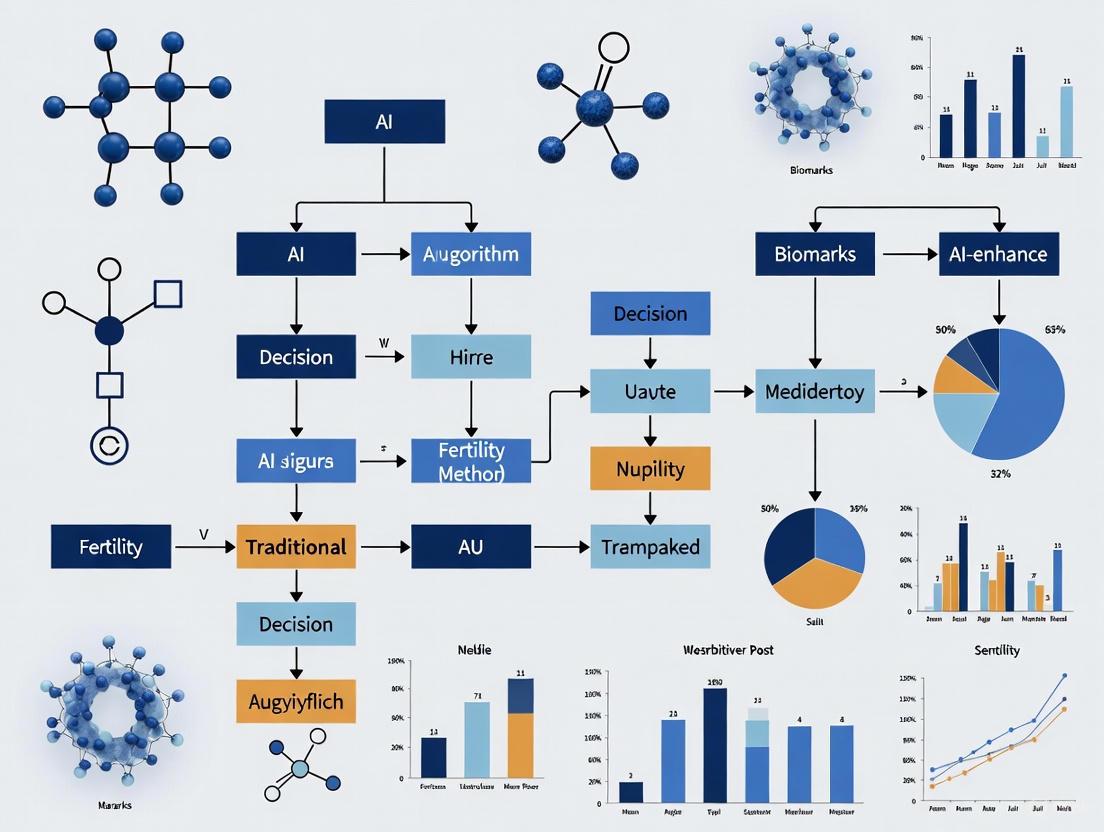
This article provides a comprehensive comparative analysis of Explainable Artificial Intelligence (XAI) methodologies within fertility diagnostics and Assisted Reproductive Technology (ART).
Explainable AI in Fertility Diagnostics: A Comparative Analysis of Methods, Validation, and Clinical Translation
Abstract
This article provides a comprehensive comparative analysis of Explainable Artificial Intelligence (XAI) methodologies within fertility diagnostics and Assisted Reproductive Technology (ART). Tailored for researchers, scientists, and drug development professionals, it explores the foundational principles necessitating a shift from 'black box' models to interpretable systems. The review critically examines and compares specific XAI techniques, including SHapley Additive exPlanations (SHAP), for applications in embryo selection, sperm analysis, and treatment personalization. It further addresses pivotal challenges in model optimization, data bias, and clinical deployment, while evaluating validation frameworks and performance metrics against traditional methods. The analysis concludes by synthesizing the translational pathway for XAI, highlighting its implications for fostering trust, ensuring equity, and accelerating personalized reproductive medicine.
The Imperative for Explainability: Foundations of XAI in Reproductive Medicine
The integration of artificial intelligence (AI) into clinical decision-making represents a paradigm shift in modern healthcare, promising enhanced diagnostic precision, optimized treatment protocols, and personalized patient care. Nowhere is this potential more significant than in the data-rich field of fertility diagnostics and treatment, where AI-driven tools are increasingly deployed for tasks ranging from embryo selection to outcome prediction [1] [2]. However, a fundamental challenge threatens to undermine this potential: the "black box" problem inherent in many conventional AI systems. These systems produce outputs and recommendations through processes that are opaque, complex, and often incomprehensible to clinicians, researchers, and patients alike [3] [4]. This opacity creates significant epistemic and ethical barriers to their responsible implementation, particularly in sensitive domains like reproductive medicine where decisions carry profound consequences. This analysis examines the limitations of conventional black-box AI through a comparative lens, contrasting its performance and methodological constraints against emerging explainable AI (XAI) approaches, with specific focus on applications within fertility diagnostics and research.
Performance Comparison: Black-Box AI vs. Explainable AI in Fertility Applications
Quantitative performance metrics alone provide an incomplete picture of AI efficacy in clinical settings. The following table synthesizes documented performance and key characteristics of AI approaches as applied to reproductive medicine, highlighting the critical trade-offs between accuracy and interpretability.
Table 1: Comparative Analysis of AI Approaches in Fertility Diagnostics and Embryology
| Feature | Conventional Black-Box AI | Explainable AI (XAI) Approaches |
|---|---|---|
| Reported Performance (Embryo Selection) | AUC >0.9 [3], Accuracy up to 96.94% for broad "good/poor" embryo classification [3] | Comparable accuracy with interpretable neural networks reported in literature [3] |
| Clinical Utility | Limited in differentiating embryos of similar quality [3] | Aims to assist in competitive selection between morphologically similar embryos |
| Interpretability | Opaque; reasoning process is not accessible or understandable [3] [4] | High; models are constrained for human understanding [3] or use post-hoc explanations (e.g., SHAP [5]) |
| Typical Techniques | Deep Neural Networks, proprietary algorithms [3] [2] | Interpretable neural networks, rule-based models combined with ML, SHAP analysis [5] [3] |
| Handling of Confounders | Prone to learning spurious correlations; difficult to detect or correct [3] | Allows for manual verification of features and reasoning, mitigating confounder risks [3] |
| Evidence Level | Primarily proof-of-concept efficacy studies; lack of RCTs [3] | Emerging literature; advocates call for RCTs and long-term follow-up [3] |
Methodological Limitations: Experimental Protocols and Inherent Flaws
The evaluation of conventional AI systems in fertility is hampered by methodological shortcomings that inflate perceived performance and limit clinical applicability. A critical analysis of experimental protocols reveals significant gaps.
Efficacy vs. Effectiveness in Embryo Selection Trials
Many seminal studies on AI for embryo selection demonstrate efficacy (performance under ideal conditions) but not effectiveness (performance in real-world practice) [3]. For instance, the IVY model reportedly achieved an Area Under the Curve (AUC) of 0.93 for predicting fetal heartbeat pregnancy [3]. However, a critical flaw in its experimental protocol was that the training and test datasets contained a high proportion of poor-quality embryos that would typically be discarded in clinical practice. This artificially inflated the algorithm's discriminatory power by having it distinguish between "obviously non-viable" and "potentially viable" embryos, rather than addressing the true clinical need: ranking a cohort of morphologically similar, good-quality embryos to select the single one with the highest implantation potential [3]. Similarly, Khosravi et al.'s (2019) algorithm achieved 96.94% accuracy in categorizing embryos as "good" or "poor" quality, aligning with embryologist consensus. Yet, the protocol excluded the "fair-quality" embryos, which constitute the very group where clinicians most need decision support [3].
Data Scarcity and Generalizability Challenges
A common pitfall in AI development for reproductive medicine is the use of small, non-generalizable datasets. Over 50% of studies applying machine learning to analyze Intensive Care Unit (ICU) data utilized datasets from fewer than 1,000 patients, leading to performance overestimation in the absence of external validation [6]. This issue translates directly to fertility contexts, where data scarcity for rare occurrences or specific patient subgroups is a major constraint. Furthermore, population shift or population bias poses a significant threat. A model trained on data from one patient demographic, clinic population, or using specific laboratory protocols may generalize poorly to different populations [6] [3]. For example, an AI model trained predominantly on embryos from one demographic group may perform suboptimally for other patient populations, a risk that is difficult to assess without transparent, interpretable models.
The Cognitive Workflow and Impact of the Black Box in Clinical Practice
The interaction between a clinician and an AI-CDSS can be modeled as a process fraught with uncertainty when the AI is a black box. The following diagram illustrates this challenging workflow and its potential breakdown points.
This workflow highlights the core problem: the "Zone of Unexplainability" forces clinicians to make decisions based on a recommendation whose reasoning is hidden. This creates a trust gap and information asymmetry, where the clinician must rely on the output without understanding the underlying medical rationale [3] [7] [4]. Qualitative studies synthesizing clinician perspectives reveal that this opacity often leads to skepticism, as clinicians question the system's ability to compete with their own expertise, particularly when the AI lacks contextual patient information [7]. The result can be either under-utilization (discarding potentially correct recommendations due to lack of trust) or, conversely, over-reliance (accepting incorrect recommendations), both of which degrade clinical performance [7].
Essential Research Reagents and Tools for Fertility AI Research
The development and validation of AI tools in reproductive medicine rely on a specific set of data, software, and analytical tools. The following table details key components of the "research toolkit" for this field.
Table 2: Key Research Reagent Solutions for AI in Fertility Diagnostics
| Reagent / Tool Category | Specific Examples | Function & Application in Research |
|---|---|---|
| Embryo Imaging & Annotation | Time-lapse Imaging Systems, iDAScore [1], BELA system [1] | Provides continuous, high-dimensional visual data for model training; automated embryo assessment and ploidy prediction. |
| Clinical Data Repositories | Open Science Framework (OSF) U.S. fertility measures [5], Institutional EHRs | Supplies structured, tabular data on patient history, cycle outcomes, and biomarkers for predictive modeling. |
| AI Modeling Frameworks | Prophet (Time-series) [5], XGBoost [5], Interpretable Neural Networks [3] | Used for forecasting trends (e.g., birth rates) and building classification/regression models with varying interpretability. |
| Interpretability & Analysis Libraries | SHAP (SHapley Additive exPlanations) [5], LIME | Provides post-hoc explanations for black-box models and quantifies feature influence on predictions. |
| Statistical & Coding Environments | Python (pandas, scikit-learn) [5], R, Jupyter Notebooks [5] | Enables data cleaning, manipulation, model development, and validation in a reproducible research environment. |
The limitations of conventional black-box AI in clinical decision-making are not merely technical hurdles but represent fundamental epistemic and ethical challenges. In the high-stakes domain of fertility care, where decisions impact family-building outcomes and patient well-being, the inability to interrogate, understand, and trust an AI's reasoning is a critical barrier to adoption and safe integration [3] [7] [4]. The comparative analysis presented herein demonstrates that while black-box systems can show impressive efficacy in controlled experiments, their lack of transparency, vulnerability to confounders, and poor alignment with actual clinical workflows limit their real-world effectiveness and pose significant risks.
The path forward requires a concerted shift towards the development and implementation of explainable AI (XAI) systems. These models, whether interpretable by design or augmented with explanation interfaces, are essential for building clinician trust, ensuring regulatory compliance, facilitating the detection of bias, and ultimately, upholding the principles of patient-centered care [3] [2]. Future research must prioritize rigorous external validation, prospective randomized controlled trials, and long-term follow-up of children born following AI-assisted selection [3]. By moving beyond the black box, the field of reproductive medicine can harness the true potential of AI as a powerful, transparent, and trustworthy partner in advancing patient care.
The integration of Artificial Intelligence (AI) into reproductive medicine represents a paradigm shift in how clinicians diagnose and treat infertility. As these technologies become increasingly complex, they often operate as "black boxes," making decisions through processes that are opaque even to their developers [8]. This opacity creates significant challenges in fertility diagnostics, where treatment decisions have profound emotional, financial, and ethical implications for patients. Explainable AI (XAI) has emerged as a critical framework to address these challenges by making AI decisions transparent, interpretable, and accountable to clinicians, researchers, and patients [9].
The field of fertility diagnostics presents unique challenges that make explainability particularly vital. Treatment decisions often rely on complex, multimodal data including medical imagery, clinical history, and laboratory results. Furthermore, the high-stakes nature of fertility treatments demands that clinicians understand and trust AI recommendations before incorporating them into patient care pathways. This comparative analysis examines how XAI principles are being implemented across fertility diagnostic applications, evaluates their methodological approaches, and assesses their impact on clinical transparency and accountability.
Theoretical Foundations of Explainable AI
Core Principles and Definitions
Explainable AI is built upon three foundational principles that ensure AI systems remain transparent and accountable throughout their lifecycle:
Transparency: AI systems should provide clear explanations of their decision-making processes, including the data and algorithms used and the rationale behind predictions or recommendations [9] [10]. This principle requires that the internal logic of AI systems be accessible for examination rather than hidden within impenetrable code.
Interpretability: The reasoning behind AI decisions must be accessible and understandable to all stakeholders, including those without technical expertise [9]. This ensures that AI decision-making is comprehensible to clinicians, patients, and regulators who may lack deep knowledge of machine learning methodologies.
Accountability: It must be possible to track and trace AI decisions to detect biases and ensure fairness, particularly in high-stakes domains like healthcare where AI decisions significantly impact human lives [9]. Accountability mechanisms ensure that responsibility for AI-assisted decisions can be properly attributed.
XAI Methodologies and Techniques
Multiple technical approaches have been developed to implement these core principles across different AI systems:
Model-Agnostic Methods provide explanations applicable across various AI models without altering their internal structure. SHAP (SHapley Additive exPlanations) uses cooperative game theory to assign contribution scores to each feature in a prediction, quantifying which factors had the biggest impact on the final decision [8] [10]. LIME (Local Interpretable Model-agnostic Explanations) approximates complex models locally with interpretable surrogate models to explain individual predictions [8] [10].
Interpretable Models are algorithms designed with inherent transparency, including decision trees that offer clear rule paths, linear regression that provides coefficient interpretations tied directly to feature influence, and rule-based systems that encode human-readable conditions [8] [10]. These models often trade some predictive accuracy for better interpretability, making them preferable when explainability is critical.
Visualization Techniques help users grasp complex model behavior through feature importance charts, saliency maps that emphasize regions influencing computer vision outputs, and attention visualizations that reveal which elements influence natural language processing tasks [10]. These techniques are particularly valuable in medical imaging applications within fertility diagnostics.
Comparative Analysis of XAI Applications in Fertility Diagnostics
Male Fertility Assessment
A hybrid diagnostic framework combining a multilayer feedforward neural network with a nature-inspired ant colony optimization algorithm has demonstrated remarkable performance in male fertility assessment. The system incorporates a Proximity Search Mechanism (PSM) to provide interpretable, feature-level insights for clinical decision-making [11]. When evaluated on a publicly available dataset of 100 clinically profiled male fertility cases representing diverse lifestyle and environmental risk factors, the model achieved exceptional performance metrics, as detailed in Table 1.
Table 1: Performance Metrics of XAI Framework for Male Fertility Diagnostics
| Metric | Performance Value | Clinical Significance |
|---|---|---|
| Classification Accuracy | 99% | Ultra-high diagnostic precision |
| Sensitivity | 100% | Identifies all true positive cases |
| Computational Time | 0.00006 seconds | Enables real-time clinical application |
| Key Features Identified | Sedentary habits, environmental exposures | Guides targeted interventions |
The study employed range-based normalization to standardize the feature space and facilitate meaningful correlations across variables operating on heterogeneous scales [11]. All features were rescaled to the [0, 1] range to ensure consistent contribution to the learning process, prevent scale-induced bias, and enhance numerical stability during model training. The resulting system provides a cost-effective, time-efficient approach to male reproductive health diagnostics that illustrates the effective synergy between machine learning and bio-inspired optimization.
Follicle Optimization for Oocyte Retrieval
In female fertility treatment, a multi-center study harnessing explainable artificial intelligence identified follicle sizes that contribute most to relevant downstream clinical outcomes during in vitro fertilization (IVF) [12]. The research, encompassing 19,082 treatment-naive female patients across 11 European IVF centers, employed a histogram-based gradient boosting regression tree model to determine optimal follicle characteristics.
The investigation revealed that intermediately-sized follicles (12-20 mm) on the day of trigger administration contributed most to the number of oocytes retrieved, while a tighter range of 13-18 mm follicles were most productive for yielding mature metaphase-II oocytes [12]. For downstream laboratory outcomes, follicles of 14-20 mm were most important for high-quality blastocysts. These findings enable more precise timing for trigger administration in IVF protocols, potentially improving live birth rates.
Table 2: Most Contributory Follicle Sizes for IVF Outcomes Identified Through XAI
| Clinical Outcome | Most Contributory Follicle Sizes | Patient Population | Sample Size |
|---|---|---|---|
| All Oocytes Retrieved | 12-20 mm | General IVF population | 19,082 patients |
| Mature (MII) Oocytes | 13-18 mm | General IVF population | 14,140 patients |
| Mature Oocytes (Women ≤35) | 13-18 mm | Younger patient subgroup | 5,707 patients |
| Mature Oocytes (Women >35) | 11-20 mm | Advanced maternal age | 4,717 patients |
| High-Quality Blastocysts | 14-20 mm | General IVF population | 17,488 patients |
The model performance was validated through internal-external validation across the eleven clinics, with the model for predicting mature oocytes in the ICSI population achieving a mean absolute error (MAE) of 3.60 and median absolute error (MedAE) of 2.59 [12]. SHAP analysis confirmed these findings, showing an accentuated increase in values across similar ranges of intermediately-sized follicles, corresponding to an increased expectation of mature oocytes.
Fertility Preference Prediction in Population Studies
Machine learning algorithms with SHAP analysis have been applied to identify key predictors of fertility preferences among reproductive-aged women in low-resource settings [13]. This cross-sectional study utilized data from the 2020 Somalia Demographic and Health Survey, encompassing 8,951 women aged 15-49 years, to predict fertility preferences dichotomized as either desire for more children or preference to cease childbearing.
Among seven evaluated ML algorithms, Random Forest emerged as the optimal model based on performance metrics including accuracy, precision, recall, F1-score, and the Area Under the Receiver Operating Characteristic Curve (AUROC) [13]. The model demonstrated superior performance, achieving an accuracy of 81%, precision of 78%, recall of 85%, F1-score of 82%, and AUROC of 0.89.
SHAP analysis identified the most influential predictors of fertility preferences as age group, region, number of births in the last five years, number of children born, marital status, wealth index, education level, residence, and distance to health facilities [13]. Specifically, age group was the most significant feature, followed by region and number of births in the last five years. Women aged 45-49 years and those with higher parity were significantly more likely to prefer no additional children. Distance to health facilities emerged as a critical barrier, with better access being associated with a greater likelihood of desiring more children.
Experimental Protocols and Methodologies
Common Workflows in Fertility XAI Research
The application of XAI in fertility diagnostics follows methodological patterns that ensure rigorous validation and clinical relevance. The following diagram illustrates a standardized workflow for developing and validating explainable AI systems in fertility research:
Technical Implementation Framework
The technical implementation of XAI systems in fertility research typically involves a structured approach to data handling, model selection, and validation:
Data Preprocessing Protocols: Studies consistently employ data normalization techniques to handle heterogeneous clinical data. Min-Max normalization linearly transforms each feature to a consistent scale, typically [0, 1], to prevent scale-induced bias and enhance numerical stability during model training [11]. Additional preprocessing may include handling missing data, addressing class imbalance through techniques like SMOTE, and feature selection to reduce dimensionality.
Model Selection and Training: Researchers typically compare multiple machine learning algorithms to identify the optimal approach for their specific fertility diagnostic task. Common algorithms include Random Forest, Gradient Boosting machines, Support Vector Machines, and neural networks [13] [12] [11]. Models are trained using cross-validation techniques to ensure robustness and avoid overfitting, with hyperparameter tuning to optimize performance.
Validation Methodologies: Internal-external validation approaches, where models are trained on multiple clinics and tested on held-out clinics, provide the most rigorous assessment of generalizability [12]. Performance metrics commonly reported include accuracy, precision, recall, F1-score, and Area Under the Receiver Operating Characteristic Curve (AUROC) for classification tasks, and Mean Absolute Error (MAE) or Median Absolute Error (MedAE) for regression tasks [13] [12].
The Scientist's Toolkit: Essential Research Reagents and Solutions
Table 3: Key Research Reagent Solutions for XAI in Fertility Diagnostics
| Reagent/Resource | Function in XAI Research | Example Implementation |
|---|---|---|
| SHAP (SHapley Additive exPlanations) | Quantifies feature contribution to predictions using game theory | Identified age group as primary predictor of fertility preferences in Somali women [13] |
| LIME (Local Interpretable Model-agnostic Explanations) | Creates local surrogate models to explain individual predictions | Approximates complex IVF outcome models for specific patient cases [8] |
| Histogram-based Gradient Boosting | Handles complex, non-linear relationships in clinical data | Identified optimal follicle sizes for oocyte retrieval in IVF [12] |
| Ant Colony Optimization | Nature-inspired optimization for parameter tuning and feature selection | Enhanced neural network performance in male fertility assessment [11] |
| Random Forest Algorithm | Robust classification handling multiple feature types | Optimal model for fertility preference prediction with 81% accuracy [13] |
| Multilayer Perceptron | Deep learning approach for complex pattern recognition | Alternative model for oocyte yield prediction in IVF [12] |
Regulatory and Implementation Considerations
Compliance Frameworks
The implementation of XAI in fertility diagnostics operates within an evolving regulatory landscape that emphasizes transparency and accountability. Major regulatory frameworks influencing XAI adoption include:
The General Data Protection Regulation (GDPR) mandates the right to explanation when automated decisions affect individuals, requiring fertility clinics to provide interpretable justifications for AI-assisted diagnoses and treatment recommendations [10] [14].
The EU AI Act categorizes AI systems used in healthcare as high-risk, mandating strict transparency requirements, detailed documentation, and human oversight provisions [10] [15].
The U.S. Food and Drug Administration (FDA) issues guidelines for AI/ML-based medical devices that emphasize transparency and clinical validation, requiring rigorous documentation of explainability for regulatory approval [10].
Adoption Barriers and Implementation Challenges
Despite its promise, the integration of XAI into fertility practice faces significant practical challenges:
Technical Complexity: Balancing model accuracy with interpretability remains challenging, as deep learning models often yield superior performance but lack inherent explainability [10]. Simplifying models to enhance interpretability may reduce predictive power in some applications.
Data Limitations: Many fertility datasets are limited in size, lack demographic diversity, and originate predominantly from high-income settings, limiting model generalizability and equity [15]. Most AI research in reproductive medicine utilizes private datasets with limited clinical and demographic diversity.
Implementation Costs: Financial barriers represent significant obstacles, with 38.01% of fertility specialists citing cost as a primary barrier to AI adoption in a 2025 global survey [16]. Additional resources required for training, integration with existing systems, and ongoing maintenance further increase implementation barriers.
Ethical Concerns: Over-reliance on technology and algorithmic bias represent significant risks, with 59.06% of specialists citing over-reliance as a concern in the same survey [16]. Ensuring that AI systems complement rather than replace clinical judgment remains a critical consideration.
The integration of Explainable AI into fertility diagnostics represents a transformative advancement with the potential to enhance precision, objectivity, and personalization in reproductive medicine. Through comparative analysis of current implementations, this review demonstrates that XAI methodologies—particularly SHAP analysis, model-agnostic interpretation techniques, and inherently interpretable models—provide critical insights into male fertility assessment, ovarian follicle optimization, and population-level fertility preferences.
The foundational principles of transparency, interpretability, and accountability provide a framework for developing AI systems that clinicians can understand, trust, and appropriately integrate into patient care pathways. As the field evolves, ongoing attention to validation standards, ethical implementation, and equitable access will be essential to realizing the full potential of these technologies. The continuing maturation of XAI in fertility diagnostics promises not only incremental improvements in laboratory performance but also a fundamental shift toward more transparent, accountable, and patient-centered reproductive care.
The Clinical and Ethical Demand for Interpretability in Fertility Diagnostics
The integration of artificial intelligence (AI) into reproductive medicine is transforming the diagnosis and treatment of infertility, a condition affecting an estimated one in six couples globally [12] [17]. Male infertility alone contributes to 30-50% of all cases, yet traditional diagnostic methods like manual semen analysis are often hampered by subjectivity, poor reproducibility, and an inability to capture the complex interplay of biological, lifestyle, and environmental factors [18] [11] [19]. AI, particularly machine learning (ML) and deep learning (DL), promises to overcome these limitations by enhancing the precision of sperm, oocyte, and embryo analysis, and by improving the prediction of treatment success for procedures like in vitro fertilization (IVF) [18] [20] [17].
However, the "black-box" nature of many complex AI models presents a significant barrier to their clinical adoption. When an AI model recommends a specific sperm for injection or an embryo for transfer, clinicians and patients must understand the reasoning behind that decision. This has created a clinical and ethical demand for interpretability and explainability in AI systems. Explainable AI (XAI) provides insights into model decisions, fostering trust, enabling verification, and ensuring that critical treatment decisions are transparent and actionable. This comparative analysis examines the current state of interpretable AI in fertility diagnostics, evaluating the methodologies, performance, and clinical applicability of various XAI frameworks.
Comparative Analysis of Explainable AI Approaches
Research in explainable AI for fertility diagnostics has produced diverse approaches, ranging from hybrid models that integrate optimization algorithms to deep learning frameworks capable of visualizing decision-making processes. The table below summarizes the performance of several key XAI frameworks as reported in recent studies.
Table 1: Performance Comparison of Explainable AI Frameworks in Fertility Diagnostics
| XAI Framework | Clinical Application | Dataset Size | Key Performance Metrics | Explainability Method |
|---|---|---|---|---|
| MLFFN–ACO Hybrid Model [11] [19] | Male fertility diagnosis | 100 records | Accuracy: 99%, Sensitivity: 100%, Computational Time: 0.00006s | Proximity Search Mechanism (PSM), Feature Importance Analysis |
| Histogram-Based Gradient Boosting [12] | Follicle contribution to mature oocytes | 19,082 patients | Model for MII oocytes: MAE: 3.60, MedAE: 2.59 | Permutation Importance, SHAP Values |
| CNN-LSTM with LIME [21] | Embryo selection (Blastocyst) | 98 images (augmented to 1,470) | Accuracy (After Augmentation): 97.7% | LIME (Local Interpretable Model-agnostic Explanations) |
| Deep Neural Network (DNN) [22] | IVF pregnancy prediction | 8,732 treatment cycles | Accuracy: 0.78, Specificity: 0.86, AUC: 0.68-0.86 | Feature Correlation Analysis (XGBoost) |
| Gradient Boosting Trees (GBT) [18] | Sperm retrieval in azoospermia | 119 patients | AUC: 0.807, Sensitivity: 91% | Not Specified |
Methodologies and Experimental Protocols
The experimental protocols and methodologies underpinning these XAI frameworks are critical to understanding their comparative value.
The MLFFN–ACO Hybrid Framework for Male Fertility Diagnosis This framework was designed to address the multifactorial nature of male infertility by integrating clinical, lifestyle, and environmental factors [11] [19].
- Data Preprocessing: A publicly available dataset of 100 male fertility cases from the UCI repository was used. All features were rescaled to a [0, 1] range using min-max normalization to ensure consistent contribution and prevent scale-induced bias.
- Model Architecture: The core is a Multilayer Feedforward Neural Network (MLFFN). Its learning efficiency and predictive accuracy are enhanced by integration with a nature-inspired Ant Colony Optimization (ACO) algorithm. The ACO performs adaptive parameter tuning, mimicking ant foraging behavior to overcome the limitations of conventional gradient-based methods.
- Explainability Protocol: The framework incorporates a Proximity Search Mechanism (PSM) to provide feature-level interpretability. This allows clinicians to understand which specific factors (e.g., sedentary habits, environmental exposures) most contributed to a diagnosis of "altered" seminal quality, thereby enabling actionable clinical insights.
The CNN-LSTM and LIME Framework for Embryo Selection This approach addresses the subjective and time-consuming nature of manual embryo grading by embryologists [21].
- Dataset and Augmentation: The model was trained on the STORK dataset, which initially contained only 98 blastocyst images. To overcome data scarcity, extensive image augmentation techniques (geometric transformations, rotations, etc.) were applied, expanding the dataset to 1,470 images.
- Model Architecture: A hybrid Convolutional Neural Network (CNN) and Long Short-Term Memory (LSTM) architecture was employed. The CNN extracts spatial features from the blastocyst images, while the LSTM captures temporal dependencies, together modeling both the structure and developmental sequence of the embryo.
- Explainability Protocol: LIME (Local Interpretable Model-agnostic Explanations) was used to interpret the "black-box" CNN-LSTM model. LIME works by perturbing the input image and observing changes in the prediction, thereby generating a heatmap that highlights the specific image regions (e.g., parts of the inner cell mass or trophectoderm) that were most influential in classifying an embryo as "good" or "poor." This visualization is crucial for embryologists to validate the AI's decision.
The Histogram-Based Gradient Boosting for Follicle Analysis This large multi-center study aimed to identify which follicle sizes on the day of trigger administration contribute most to successful IVF outcomes [12].
- Data Source: The model was trained on data from 19,082 treatment-naive female patients across 11 European IVF centers.
- Model and Analysis: A histogram-based gradient boosting regression tree model was used to predict the number of mature oocytes retrieved based on follicle sizes. The primary explainability technique used was permutation importance, which measures the decrease in model performance when a specific feature (in this case, a follicle size bin) is randomly shuffled. This identifies which follicle sizes the model relies on most for accurate predictions.
- Validation: The findings were further explained and validated using SHAP (SHapley Additive exPlanations) values, which quantify the marginal contribution of each feature to the model's prediction for an individual patient.
The following diagram illustrates the core workflow of an interpretable AI system in fertility diagnostics, from data input to clinical decision-making:
The Scientist's Toolkit: Essential Research Reagents and Solutions
For researchers aiming to develop or validate explainable AI tools in reproductive medicine, a specific set of data, algorithmic, and validation tools is essential. The table below details key components of this toolkit.
Table 2: Research Reagent Solutions for Explainable Fertility AI
| Tool Category | Specific Tool / Solution | Function in Research |
|---|---|---|
| Public Datasets | UCI Fertility Dataset [11] [19] | Provides structured clinical, lifestyle, and environmental data for model training in male fertility diagnosis. |
| Public Datasets | STORK Dataset [21] | Offers blastocyst images for developing and benchmarking embryo selection algorithms. |
| AI Algorithms | Ant Colony Optimization (ACO) [11] [19] | A nature-inspired metaheuristic for optimizing model parameters and feature selection. |
| AI Algorithms | CNN-LSTM Hybrid Models [21] | Captures both spatial and temporal features from image data, ideal for embryo development analysis. |
| Explainability Libraries | LIME (Local Interpretable Model-agnostic Explanations) [21] | Explains predictions of any classifier by approximating it locally with an interpretable model. |
| Explainability Libraries | SHAP (SHapley Additive exPlanations) [12] | Unpacks the contribution of each feature to a single prediction based on cooperative game theory. |
| Validation Frameworks | Internal-External Validation [12] [22] | Tests model performance across multiple clinics or datasets to ensure generalizability and robustness. |
Discussion and Future Directions
The comparative analysis reveals that no single XAI approach is universally superior; rather, the optimal choice is dictated by the specific clinical question and data type. For structured data (e.g., clinical parameters), models like gradient boosting with feature importance analysis (SHAP) provide clear, quantifiable insights [11] [12]. For complex image data (e.g., embryos), DL models combined with visual explanation tools (LIME) are necessary to bridge the interpretability gap [21].
A critical challenge is the trade-off between model performance and interpretability. The hybrid MLFFN-ACO model [11] [19] and the CNN-LSTM model [21] demonstrate that it is possible to achieve high accuracy (>97%) while maintaining a degree of interpretability. However, the clinical validation of these tools remains a work in progress. While studies report strong metrics like AUC and sensitivity, their ultimate impact on live birth rates needs confirmation through large-scale, prospective trials [18] [23].
Future development must also address ethical imperatives. The ability to explain an AI's decision is fundamental to ensuring accountability, mitigating bias, and maintaining patient autonomy. As these technologies evolve, interdisciplinary collaboration among AI experts, clinicians, embryologists, and ethicists will be paramount to developing solutions that are not only powerful but also transparent, fair, and trustworthy [17] [23]. The integration of XAI is not merely a technical enhancement but a clinical and ethical necessity for the responsible implementation of AI in the deeply human context of fertility care.
In the rapidly evolving field of fertility diagnostics, artificial intelligence (AI) systems are increasingly being deployed to analyze complex patterns in reproductive health data, from hormonal levels to embryo viability assessments. For researchers, scientists, and drug development professionals, the "black box" nature of many advanced algorithms presents significant challenges for clinical validation and regulatory approval. Explainable AI (XAI) has therefore emerged as a critical requirement—not merely an enhancement—for ensuring that AI-driven diagnostic tools are trustworthy, clinically actionable, and compliant with regulatory standards across major markets [24].
The global regulatory landscape for AI in healthcare is characterized by two dominant but divergent frameworks: the United States Food and Drug Administration (FDA) approach and the European Union's AI Act. Understanding their distinct requirements for transparency, interpretability, and validation is essential for successfully navigating the compliance pathway for fertility diagnostic technologies. This comparative analysis examines these frameworks through the specific lens of XAI requirements, providing researchers with strategic guidance for developing compliant and clinically effective AI solutions for reproductive medicine.
Philosophical Divide: Contrasting Regulatory Approaches
The FDA and EU approaches to AI regulation stem from fundamentally different philosophical foundations that directly impact XAI implementation strategies.
US FDA: Pro-Innovation with Lifecycle Oversight
The FDA's approach prioritizes fostering innovation while ensuring safety through a "total product lifecycle" model [25]. This framework acknowledges that AI systems, particularly those based on machine learning, evolve over time through continuous learning and improvement. Rather than treating AI-based medical devices as static products, the FDA has developed adaptive pathways that accommodate iterative updates within predefined boundaries [26].
Central to this approach is the Predetermined Change Control Plan (PCCP), which allows manufacturers to specify anticipated modifications—including algorithm updates and performance enhancements—during the initial premarket review [26] [27]. For fertility diagnostics research, this means that XAI methodologies can be integrated into the development pipeline with a clear roadmap for how explanatory capabilities will evolve alongside the core algorithm, without requiring a new submission for each improvement [25].
The FDA's guidance emphasizes Good Machine Learning Practices (GMLP) that align with XAI principles, including robust validation, transparency in design, and comprehensive documentation of model performance across relevant patient populations [25]. This principles-based approach offers flexibility for researchers to implement XAI techniques appropriate to their specific algorithmic architecture and clinical context in reproductive medicine.
EU AI Act: Precautionary Principle with Strict Categorization
In contrast, the EU AI Act establishes a comprehensive, risk-based regulatory framework that applies strict, legally binding requirements to AI systems based on their potential impact on health, safety, and fundamental rights [28]. The regulation adopts a precautionary approach, emphasizing thorough upfront validation and continuous monitoring of high-risk AI applications [26].
Most AI-powered fertility diagnostics are classified as "high-risk" AI systems under the EU framework, as they are considered safety components of medical devices that influence diagnostic or therapeutic decisions [28]. This categorization triggers extensive obligations for transparency, human oversight, and robust performance validation that directly implicate XAI requirements [25].
The EU's approach requires dual conformity assessment for AI-enabled medical devices, which must satisfy both the existing Medical Device Regulation (MDR) and the specific requirements of the AI Act [25]. This creates a multi-layered compliance landscape where XAI must demonstrate not only clinical validity but also adherence to fundamental rights protections, including non-discrimination and privacy—particularly relevant for fertility diagnostics that may involve sensitive genetic or health data [28].
Table 1: Foundational Philosophical Differences Between FDA and EU AI Act
| Aspect | US FDA Approach | EU AI Act Approach |
|---|---|---|
| Core Philosophy | Pro-innovation, lifecycle oversight | Precautionary, risk-based regulation |
| Regulatory Model | Flexible, adaptive pathways | Strict, legally binding requirements |
| Key Mechanism | Predetermined Change Control Plans (PCCPs) | Conformity assessment by Notified Bodies |
| XAI Emphasis | Transparency for clinical utility | Transparency for fundamental rights protection |
| Governance | Centralized FDA review | Distributed enforcement through member states |
Comparative Framework Analysis: XAI Requirements
FDA XAI Guidance and Expectations
The FDA's approach to XAI is contextual and focused on the clinical application of AI systems. Through its Artificial Intelligence/Machine Learning (AI/ML)-Based Software as a Medical Device (SaMD) Action Plan and subsequent guidance documents, the FDA emphasizes that the level of explainability required should be commensurate with the device's risk profile, intended use, and the potential impact of incorrect outputs [27].
For fertility diagnostics, this means that XAI capabilities must be sufficient to enable healthcare providers to understand the basis for the AI's conclusions well enough to make informed clinical decisions. The FDA's draft guidance "Considerations for the Use of Artificial Intelligence to Support Regulatory Decision-Making for Drug and Biological Products" introduces a risk-based credibility assessment framework that can be applied to evaluate AI models in medical contexts [29] [30]. This framework emphasizes the importance of defining the "context of use" (COU) for the AI model, which for fertility diagnostics might include specific patient populations, clinical scenarios, or decision-support functions [29].
The FDA encourages the use of Real-World Evidence (RWE) and post-market monitoring to validate XAI performance across diverse populations—a critical consideration for fertility diagnostics that may exhibit varying performance across different ethnic groups, age ranges, or underlying health conditions [25]. This lifecycle approach allows for continuous refinement of XAI capabilities based on actual clinical experience.
EU AI Act XAI Mandates and Obligations
The EU AI Act establishes more prescriptive requirements for XAI through its provisions on transparency and human oversight for high-risk AI systems. Article 13 specifically requires that high-risk AI systems be "sufficiently transparent to enable users to interpret the system's output and use it appropriately" [28]. For fertility diagnostics, this translates to several concrete obligations:
- Technical Documentation: Providers must maintain detailed documentation of the AI system's logic, training methodologies, data protocols, and explanatory capabilities [28].
- Human Oversight: Systems must be designed with effective human oversight measures, including interpretation tools that enable clinicians to understand the AI's reasoning and potentially override decisions [25].
- Information to Users: Clear and adequate information must be provided to deployers about the system's capabilities, limitations, and the meaning of its outputs [28].
The EU's requirements extend beyond clinical utility to encompass fundamental rights impact assessments, particularly relevant for fertility diagnostics that may involve sensitive health data or have implications for reproductive autonomy [28]. XAI in this context must enable not just clinical validation but also ethical review and rights-based oversight.
Table 2: Comparative XAI Requirements for Fertility Diagnostics
| Requirement Category | FDA Expectations | EU AI Act Mandates |
|---|---|---|
| Explainability Level | Contextual based on intended use and risk | Sufficient for users to interpret output and use appropriately |
| Documentation | Good Machine Learning Practice (GMLP) principles | Detailed technical documentation of system logic and capabilities |
| Validation | Clinical validation across relevant populations | Fundamental rights impact assessment and clinical validation |
| Human Oversight | Emphasized for clinical decision support | Required design feature with override capabilities |
| Post-Market Monitoring | Real-World Evidence (RWE) collection for performance tracking | Post-market monitoring system with incident reporting |
Strategic Compliance Pathway for Fertility Diagnostics
Navigating the dual requirements of FDA and EU regulatory frameworks requires a strategic approach to XAI implementation from the earliest stages of development. The following workflow outlines a comprehensive compliance pathway for fertility diagnostic AI systems:
Figure 1: XAI Compliance Pathway for Fertility Diagnostics
Experimental Protocols for XAI Validation
Validating XAI systems for regulatory compliance requires a multi-dimensional approach that addresses both technical performance and clinical utility. The following experimental protocol provides a framework for generating the evidence required by both FDA and EU regulators:
Protocol: Multi-dimensional XAI Validation for Fertility Diagnostics
Objective: To comprehensively validate XAI methodologies for AI-based fertility diagnostic systems against FDA and EU regulatory requirements.
Primary Endpoints:
- Technical Explainability Metrics: Quantitative assessment of explanation accuracy, completeness, and stability using standardized metrics (e.g., faithfulness, monotonicity, sensitivity).
- Clinical Utility Metrics: Healthcare provider comprehension scores, diagnostic confidence improvement, and clinical decision correlation with explanations.
- Robustness Metrics: Performance consistency across diverse patient demographics and clinical scenarios.
Methodology:
- Dataset Curation: Collect retrospective fertility diagnostic data with comprehensive demographic representation, including age, ethnicity, reproductive history, and relevant comorbidities. Ensure appropriate ethical approvals and data governance protocols are in place [5].
- XAI Implementation: Integrate appropriate XAI methodologies (e.g., SHAP, LIME, counterfactual explanations) tailored to the specific AI architecture and clinical use case. For embryo viability prediction, this might include feature importance rankings for morphological characteristics [5].
- Technical Validation: Conduct quantitative experiments measuring explanation fidelity using perturbation tests, consistency across similar cases, and robustness to input variations.
- Clinical Validation: Deploy the XAI system in simulated clinical environments with reproductive endocrinologists and embryologists. Measure comprehension through structured surveys, diagnostic accuracy with and without explanations, and clinical workflow integration assessment.
- Bias and Fairness Assessment: Evaluate explanation consistency and model performance across demographic subgroups to identify potential disparities in explanatory quality or diagnostic accuracy [24].
Statistical Analysis:
- Employ appropriate statistical tests to compare performance across subgroups and validate explanation consistency.
- Calculate confidence intervals for clinical utility metrics to establish minimal acceptable thresholds for explainability performance.
This comprehensive validation approach generates the evidence necessary to demonstrate compliance with both FDA's emphasis on clinical utility and the EU's requirements for transparency and fundamental rights protection.
Research Reagent Solutions for XAI Compliance
Successfully implementing XAI for regulatory compliance requires leveraging specialized tools and frameworks throughout the development lifecycle. The following table outlines essential "research reagents" for developing compliant XAI systems in fertility diagnostics:
Table 3: Essential Research Reagents for XAI Compliance in Fertility Diagnostics
| Research Reagent | Function | Regulatory Application |
|---|---|---|
| SHAP (SHapley Additive exPlanations) | Quantifies feature contribution to model predictions using game theory | Generates quantitative explanations for technical documentation [5] |
| LIME (Local Interpretable Model-agnostic Explanations) | Creates local surrogate models to explain individual predictions | Provides case-specific explanations for clinical validation [24] |
| Counterfactual Explanation Frameworks | Generates "what-if" scenarios showing minimal changes to alter outcomes | Supports clinical decision-making and bias assessment [24] |
| Model Cards and Datasheets | Standardized documentation for model characteristics and limitations | Fulfills EU AI Act technical documentation requirements [28] |
| Fairness Assessment Toolkits | Quantifies model performance across demographic subgroups | Enables bias testing for fundamental rights compliance [24] |
| Predetermined Change Control Plan Templates | Structures planned modifications for iterative improvement | Supports FDA PCCP submissions for lifecycle management [26] |
| Real-World Performance Monitoring Platforms | Tracks model performance and explanation quality post-deployment | Addresses post-market monitoring requirements for both frameworks [25] |
The regulatory landscape for XAI in fertility diagnostics is characterized by two distinct but equally important frameworks. The FDA's flexible, lifecycle-oriented approach provides pathways for iterative improvement of explanatory capabilities, while the EU AI Act establishes comprehensive, legally binding requirements for transparency and human oversight. For researchers and developers, success in this environment requires a strategic approach that integrates XAI considerations from the earliest stages of development, employs robust validation methodologies addressing both technical and clinical dimensions, and maintains comprehensive documentation throughout the product lifecycle. By adopting the compliance pathway and experimental protocols outlined in this analysis, fertility diagnostics researchers can navigate this complex landscape effectively, accelerating the development of AI systems that are not only regulatory compliant but also clinically valuable and ethically sound.
XAI in Action: Comparative Methodologies and Diagnostic Applications
The integration of artificial intelligence (AI) in fertility diagnostics has created a critical need for model interpretability. Explainable AI (XAI) techniques address the "black-box" nature of complex machine learning models, making their decisions transparent and actionable for clinicians and researchers. Within this landscape, SHapley Additive exPlanations (SHAP) has emerged as a powerful unified framework for interpreting model predictions based on cooperative game theory [31]. SHAP quantifies the marginal contribution of each input feature to a model's final prediction, providing both global interpretability (overall model behavior) and local interpretability (individual prediction rationale) [32].
In fertility research, where treatment decisions have profound implications, SHAP offers a mathematically rigorous approach to feature importance analysis. By calculating Shapley values—a concept derived from game theory that fairly distributes the "payout" among "players" (features)—SHAP enables researchers to identify which factors most significantly influence predictions of treatment success, fertility preferences, or diagnostic outcomes [33] [13]. This capability is particularly valuable in assisted reproductive technology (ART), where multiple clinical parameters interact in complex, non-linear ways that traditional statistical methods may fail to capture adequately [34] [17].
SHAP Methodology: Core Principles and Implementation
Theoretical Foundation
SHAP builds upon Shapley values, which provide a theoretically grounded solution to the problem of fairly distributing credit among collaborating features. The core SHAP value for a specific feature i is calculated using a weighted average of all possible feature coalitions, expressed as:
This comprehensive approach ensures that SHAP values satisfy three key properties: local accuracy (the explanation model matches the original model for the specific instance being explained), missingness (features absent from the coalition receive no attribution), and consistency (if a model changes so that a feature's contribution increases, the SHAP value does not decrease) [31].
Implementation Variants
SHAP offers multiple implementation approaches tailored to different model architectures:
- KernelSHAP: A model-agnostic method that approximates Shapley values using weighted linear regression, applicable to any machine learning model [31]
- TreeSHAP: A specialized, computationally efficient algorithm for tree-based models (e.g., Random Forest, XGBoost, LightGBM) that leverages the tree structure to compute exact Shapley values [33] [34]
- DeepSHAP: An approximation method for deep learning models that builds on DeepLIFT, providing faster computation than KernelSHAP for neural networks
In fertility research, TreeSHAP has gained particular prominence due to the widespread use of tree-based ensemble methods like XGBoost and Random Forest, which consistently demonstrate strong predictive performance for complex biological outcomes [33] [34] [35].
Comparative Analysis of XAI Techniques in Fertility Research
SHAP vs. Alternative XAI Methods
While SHAP has gained significant traction in fertility research, several alternative XAI methods offer complementary capabilities. The table below compares SHAP with other prominent interpretability techniques:
Table 1: Comparison of Explainable AI Techniques in Fertility Research
| Method | Theoretical Basis | Scope | Fertility Research Applications | Advantages | Limitations |
|---|---|---|---|---|---|
| SHAP | Game Theory (Shapley values) | Global & Local | Feature importance for live birth prediction [34], fertility preferences [33], PPH risk [32] | Mathematical rigor, consistent, unified framework | Computationally intensive for some variants |
| LIME | Perturbation-based Local Surrogate | Local | Interpreting individual predictions in complex models [31] | Model-agnostic, intuitive local explanations | Instability across different random samples |
| Feature Importance | Model-specific Metrics | Global | Preliminary feature ranking in fertility studies [35] | Computationally efficient, simple to implement | No individual prediction explanations, potentially biased |
| Partial Dependence Plots (PDP) | Marginal Effect Visualization | Global | Understanding feature relationships in fertility outcomes [12] | Intuitive visualization of feature relationships | Assumes feature independence, can be misleading |
Quantitative Performance Comparison in Fertility Studies
Multiple fertility diagnostics studies have implemented both SHAP and alternative interpretability methods, enabling direct comparison of their effectiveness:
Table 2: Empirical Performance of XAI Methods in Fertility Research Applications
| Study Focus | Best-Performing ML Model | XAI Methods Compared | Key Advantage of SHAP | Performance Metrics |
|---|---|---|---|---|
| PCOS Live Birth Prediction [34] | XGBoost (AUC: 0.822) | Feature Importance, SHAP | Identified non-linear relationships (maternal age, testosterone) | Revealed embryo transfer count as top predictor |
| Fertility Preferences in Somalia [33] [13] | Random Forest (Accuracy: 81%, AUROC: 0.89) | Permutation Importance, SHAP | Quantified directionality of effects (age, parity, distance to healthcare) | Identified age group as most influential feature |
| Female Infertility Risk [35] | LGBM (AUROC: 0.964) | Feature Importance, SHAP | Detected interaction effects (heavy metals, cardiovascular health) | Ranked Cd exposure, BMI, LE8 score as top predictors |
| Optimal Follicle Identification [12] | Histogram-based Gradient Boosting | Ablation Analysis, SHAP | Precise quantification of follicle size contributions | Identified 13-18mm as optimal follicle size range |
Experimental Protocols for SHAP Analysis in Fertility Research
Standardized Workflow for SHAP Implementation
Implementing SHAP analysis in fertility research follows a systematic protocol that ensures reproducible and meaningful results. The following diagram illustrates the complete workflow from data preparation to clinical interpretation:
Detailed Methodological Specifications
Data Collection and Preprocessing
Fertility studies employing SHAP analysis typically utilize diverse data sources, including electronic health records, demographic surveys, laboratory results, and medical imaging. For example, the PCOS live birth prediction study incorporated 1,062 fresh embryo transfer cycles, collecting demographic information, laboratory test results, and treatment procedure details [34]. The Somalia fertility preferences study utilized data from 8,951 women aged 15-49 years from the 2020 Somalia Demographic and Health Survey [33] [13].
Data preprocessing follows rigorous standards:
- Handling Missing Values: Techniques range from median imputation (for clinical datasets) to more advanced methods like missForest imputation [34] [32]
- Feature Selection: Employing methods like LASSO regression and Recursive Feature Elimination (RFE) to reduce dimensionality and enhance model interpretability [34]
- Data Splitting: Typically 70:30 or 80:20 splits for training and testing, with external validation on temporally or geographically distinct datasets [32]
Model Training and Validation
The optimal machine learning model for SHAP analysis varies by application domain in fertility research:
- Random Forest: Demonstrated superior performance for fertility preference classification (81% accuracy, AUROC 0.89) [33] [13]
- XGBoost: Excelled in PCOS live birth prediction (AUC 0.822) and postpartum hemorrhage risk prediction (AUC 0.894) [34] [32]
- LightGBM: Achieved best performance for female infertility risk prediction based on lifestyle and environmental factors (AUROC 0.964) [35]
Model validation employs robust techniques including k-fold cross-validation (typically 5-fold), grid search for hyperparameter tuning, and comprehensive evaluation metrics (AUC, accuracy, precision, recall, F1-score, Brier score) [34] [32].
SHAP Calculation and Interpretation
The SHAP computation process involves:
- Explainer Selection: Choosing appropriate SHAP explainers based on model type (TreeSHAP for tree-based models, KernelSHAP for other models)
- Value Calculation: Computing SHAP values for all instances in the validation set
- Visualization Generation: Creating multiple plot types to extract insights at different levels of granularity
Critical interpretation principles include:
- Global Feature Importance: Summary plots display mean absolute SHAP values across the dataset, ranking features by overall impact [33] [34]
- Feature Directionality: Dependence plots reveal how specific features influence predictions, showing positive/negative relationships and interaction effects [32] [35]
- Individual Prediction Explanations: Force plots decompose single predictions, showing how each feature contributes to moving the base value to the final prediction [32]
Research Reagent Solutions: Essential Tools for SHAP Implementation
Successful implementation of SHAP analysis in fertility research requires specific computational tools and frameworks. The table below details essential "research reagents" for conducting SHAP-based interpretability studies:
Table 3: Essential Research Reagents for SHAP Analysis in Fertility Diagnostics
| Tool Category | Specific Solution | Function in SHAP Analysis | Implementation Example |
|---|---|---|---|
| Programming Languages | Python 3.9+ | Primary implementation environment for ML and SHAP | Fertility preference prediction [33] |
| SHAP Libraries | SHAP Python package (0.40.0+) | Core SHAP value computation and visualization | PCOS live birth prediction [34] |
| Machine Learning Frameworks | XGBoost, Scikit-learn, LightGBM | Model training and evaluation | Female infertility risk prediction [35] |
| Data Handling Libraries | pandas, NumPy | Data manipulation and preprocessing | Postpartum hemorrhage prediction [32] |
| Visualization Tools | matplotlib, Seaborn | Customizing SHAP plots and creating publication-quality figures | Follicle size optimization [12] |
| Clinical Data Platforms | Electronic Health Records, NHANES, DHS | Source of fertility-related features and outcomes | LE8 and heavy metal study [35] |
Applications in Fertility Diagnostics: Case Studies
Predicting Live Birth Outcomes in PCOS Patients
A recent study demonstrated SHAP's utility in explaining live birth predictions for polycystic ovary syndrome (PCOS) patients undergoing fresh embryo transfer [34]. Using XGBoost trained on 1,062 transfer cycles, researchers achieved an AUC of 0.822. SHAP analysis revealed that embryo transfer count, embryo type, maternal age, infertility duration, BMI, serum testosterone, and progesterone levels on HCG administration day were pivotal predictors. The analysis quantified non-linear relationships, showing how specific thresholds of maternal age and testosterone levels significantly impacted live birth probabilities, enabling more personalized treatment protocols.
The application of SHAP to fertility preferences in Somalia showcased its ability to handle complex sociodemographic data [33] [13]. Using Random Forest (accuracy: 81%, AUROC: 0.89) on data from 8,951 women, SHAP identified age group as the most influential predictor, followed by region, number of births in the last five years, and distance to health facilities. SHAP dependence plots revealed that better access to healthcare facilities was associated with a greater likelihood of desiring more children, challenging conventional assumptions about healthcare access and fertility preferences in low-resource settings.
Optimizing Follicle Selection in IVF Treatment
In a multi-center study of 19,082 patients, SHAP analysis identified optimal follicle sizes that contribute most to successful IVF outcomes [12]. The histogram-based gradient boosting model leveraged SHAP to determine that follicles sized 13-18mm on the day of trigger administration contributed most to mature oocyte yield. SHAP dependence plots further revealed that continuing ovarian stimulation beyond the optimal window resulted in follicles >18mm that secreted progesterone prematurely, negatively impacting live birth rates with fresh embryo transfer. These data-driven insights enable more precise timing of trigger administration in IVF protocols.
Assessing Female Infertility Risk from Environmental and Lifestyle Factors
A novel application of SHAP integrated cardiovascular health metrics (Life's Essential 8) and heavy metal exposure to predict female infertility risk [35]. The LightGBM model achieved exceptional performance (AUROC: 0.964) on NHANES data from 873 American women. SHAP analysis identified cadmium exposure, BMI, and overall LE8 score as the most influential predictors. The analysis revealed intricate interaction effects, showing how heavy metal exposure and cardiovascular health metrics jointly influence infertility risk, providing insights for multifactorial prevention strategies.
Limitations and Future Directions
Despite its significant advantages, SHAP analysis in fertility research faces several challenges. Computational demands can be substantial for large datasets or complex models, though TreeSHAP mitigates this for tree-based ensembles. The interpretation of SHAP values requires statistical expertise, particularly for understanding interaction effects and avoiding causal misinterpretations. Additionally, as with all explainable AI methods, SHAP provides explanations of model behavior rather than definitive causal relationships.
Future developments will likely focus on enhancing SHAP's efficiency for very large-scale fertility datasets, improving the visualization of complex feature interactions, and integrating temporal aspects for longitudinal fertility data. As prospective validation of AI systems in fertility care becomes more standardized [36], SHAP will play an increasingly critical role in translating predictive models into clinically actionable insights, ultimately advancing toward more personalized, effective fertility treatments.
In the high-stakes field of fertility diagnostics and in vitro fertilization (IVF), artificial intelligence (AI) offers unprecedented potential to process complex datasets and identify subtle patterns beyond human capability [37] [3]. However, the transition from experimental AI tools to clinically trusted systems hinges on a critical property: interpretability. Black-box models—those whose internal logic remains opaque—create significant epistemic and ethical concerns in medical contexts, including problems with trust, potential poor generalization to different populations, and a responsibility gap when selection choices prove suboptimal [3]. Local Interpretable Model-agnostic Explanations (LIME) represents a foundational technique in the Explainable AI (XAI) domain that addresses these challenges by providing case-specific insights into model predictions [38]. For researchers and clinicians working in fertility diagnostics, understanding LIME's comparative performance against alternatives like SHAP is essential for implementing transparent, trustworthy AI systems that can enhance clinical decision-making while maintaining human oversight.
Core Methodology: How LIME Generates Case-Specific Insights
LIME operates on a fundamentally local and model-agnostic principle: it explains individual predictions of any machine learning model by approximating its behavior locally with a simpler, interpretable model [38] [39]. The technique treats the original model as a black box, requiring no knowledge of its internal workings, and generates explanations by systematically perturbing input data and observing how the model responds to these variations [39].
The technical workflow of LIME follows a structured sequence:
- Instance Selection: A specific data instance (e.g., an embryo image or patient profile) is selected for explanation.
- Perturbation Generation: LIME creates numerous slightly modified versions of this instance by perturbing or tweaking its features while keeping the label constant.
- Prediction Observation: Each perturbed sample is passed through the original black-box model to obtain its prediction.
- Weighting by Proximity: The generated samples are weighted based on their proximity to the original instance—closer samples exert more influence on the explanation.
- Surrogate Model Training: A simple, interpretable model (typically a sparse linear model or decision tree) is trained on this weighted, perturbed dataset to approximate the original model's predictions locally around the instance of interest.
- Explanation Extraction: The coefficients or feature importances of this transparent surrogate model highlight which input features most influenced the prediction for that specific instance [38] [39].
The following diagram illustrates LIME's core operational workflow:
In fertility research contexts, LIME might explain a model's classification of an embryo as high-quality by highlighting that specific morphological features—such as trophectoderm structure or inner cell mass appearance—were most influential in that particular decision [40]. This case-specific insight provides embryologists with interpretable reasoning that builds trust and enables validation of the model's decision logic.
Performance Comparison: LIME Versus SHAP in Experimental Settings
When selecting XAI techniques for fertility diagnostics, researchers must evaluate comparative performance across multiple dimensions. The table below summarizes key experimental findings comparing LIME with SHAP (SHapley Additive exPlanations), another prominent explanation method:
| Performance Metric | LIME | SHAP |
|---|---|---|
| Computational Speed | Significantly faster; suitable for real-time applications [38] | Slower due to computation of Shapley values; can take minutes for 5,000 samples [38] |
| Explanation Scope | Local explanations for individual predictions [38] | Local and global explanations; unified approach [38] |
| Theoretical Foundation | Local linear approximations [38] | Game-theoretically optimal Shapley values [38] |
| Consistency Guarantees | No theoretical consistency guarantees [38] | Guarantees consistency and local accuracy [38] |
| Implementation Complexity | Lower complexity; direct compatibility with NumPy arrays [38] [41] | Higher complexity; requires compatibility with model architecture [38] |
| Fertility Research Applications | Limited direct documentation in fertility literature | Well-documented in fertility preference prediction and outcome studies [33] [42] |
The performance differential stems from fundamental methodological differences. SHAP employs a game-theoretic approach that considers all possible combinations of input features to compute their marginal contributions, guaranteeing properties like consistency and local accuracy [38]. This exhaustive computation provides robust explanations but creates significant computational overhead. In contrast, LIME's local sampling approach generates explanations more efficiently but lacks the same theoretical guarantees, potentially producing slightly different explanations between runs [38].
In fertility diagnostics, this trade-off manifests practically: SHAP might be preferable for thorough retrospective analysis of model behavior across population subgroups, while LIME offers advantages when integrating explanations into clinical workflows requiring rapid feedback, such as during time-sensitive embryo selection procedures.
Experimental Protocols for XAI Evaluation in Fertility Research
Protocol 1: Model Interpretation for Fertility Preference Prediction
A 2025 study published in Scientific Reports demonstrated the application of machine learning and explainable AI to predict fertility preferences among reproductive-aged women in Somalia, providing a template for XAI evaluation in demographic fertility research [33].
Dataset: The study utilized data from the 2020 Somalia Demographic and Health Survey (SDHS), encompassing 8,951 women aged 15-49 years. The outcome variable was fertility preference (desire for more children versus preference to cease childbearing), with predictors including sociodemographic factors, wealth index, education, residence, and distance to health facilities [33].
Model Training and Evaluation: Seven machine learning algorithms were evaluated using a cross-sectional design. The Random Forest model emerged as optimal, achieving accuracy of 81%, precision of 78%, recall of 85%, F1-score of 82%, and AUROC of 0.89. Although this particular study employed SHAP rather than LIME for interpretation, the experimental design provides a validated framework for comparing XAI techniques on identical models and datasets [33].
Explanation Generation: The SHAP analysis identified age group as the most significant predictor, followed by region and number of births in the last five years. Women aged 45-49 years and those with higher parity were significantly more likely to prefer no additional children. Distance to health facilities emerged as a critical barrier, with better access associated with a greater likelihood of desiring more children [33]. A comparable LIME implementation would generate similar insights but with different computational characteristics.
Protocol 2: Embryo Quality Classification Interpretation
Research in Nature Communications (2024) applied deep learning to classify blastocyst morphologic quality using 2,170 expert-annotated blastocyst images, achieving an AUC of 0.93 [40]. While this study used a specialized interpretability method called DISCOVER rather than LIME, it establishes rigorous validation protocols for XAI in embryo evaluation.
Image Preprocessing and Model Training: The protocol involved localizing blastocysts within images, followed by fine-tuning a pre-trained VGG-19 deep convolutional neural network to discriminate between high- versus low-quality blastocysts based on inner cell mass and trophectoderm morphology [40].
Interpretation Validation: Expert embryologists qualitatively assessed explanations against known embryo grading criteria (Gardner and Schoolcraft standards). This human-in-the-loop validation approach is essential for establishing clinical trustworthiness [40]. For LIME applications, similar validation would require embryologists to evaluate whether highlighted image regions align with biologically plausible features.
Quantitative Interpretation Metrics: The study measured the ability of explanations to identify known embryo properties, discover previously unmeasured properties, and determine which quality properties dominated classification decisions for specific embryos [40]. These metrics could be adapted to benchmark LIME's performance against alternative XAI methods in embryo assessment tasks.
| Tool Category | Specific Solution | Function in LIME Implementation |
|---|---|---|
| Software Libraries | marcotcr's LIME Package [41] | Python implementation for explaining text, tabular, and image classifiers; supports any model with prediction function |
| Microsoft MMLSpark TabularLIME [38] | Apache Spark-based implementation for distributed computing environments | |
| Model Framework | scikit-learn [41] | Compatible with LIME; provides built-in support for many standard classifiers |
| Visualization | LIME HTML Widgets [41] | Generates interactive explanations with highlighted features for text and images |
| Data Handling | NumPy Arrays [38] | Primary data format for marcotcr's LIME implementation |
| Validation Tools | Expert Annotation Protocols [40] | Framework for clinical validation of explanations by domain specialists |
Applications and Limitations of LIME in Fertility Diagnostics
Fertility Research Applications
LIME provides particular value in fertility diagnostics contexts requiring case-specific transparency:
- Embryo Selection Justification: Explaining why a particular embryo was ranked highest for transfer among a cohort of morphologically similar embryos [3] [40].
- Treatment Outcome Prediction: Interpreting predictions for individual patients in IVF outcome tools, highlighting which patient factors (age, infertility duration, diagnosis) most influenced their personalized prognosis [43].
- Clinical Decision Support: Providing embryologists with intuitive explanations that build appropriate trust in AI recommendations and enable identification of potential model errors or biases [3].
Technical Limitations and Considerations
Despite its advantages, LIME presents several limitations that researchers must consider:
- Linearity Constraints: The local explanation model is typically linear, potentially struggling to accurately explain highly non-linear decision boundaries [38].
- Instability: Explanations may vary between runs due to the random sampling component of the perturbation process [38] [39].
- Feature Representation Challenges: The method primarily works with NumPy arrays, potentially requiring data format conversions in big data environments using platforms like PySpark [38].
- Null Effect Oversight: Standard implementations may miss important null feature effects if the sampling process excludes null features [38].
For fertility diagnostics researchers selecting XAI methods, LIME offers distinct advantages for generating rapid, case-specific explanations when computational efficiency and model-agnostic flexibility are priorities. Its ability to provide intuitive local interpretations makes it particularly valuable for clinical settings requiring transparent decision support. However, for studies requiring rigorous theoretical guarantees or population-level insights, SHAP may represent a more appropriate choice despite its computational intensity [38] [33].
The optimal approach may involve strategic combination of multiple XAI techniques—using LIME for real-time clinical explanations and SHAP for retrospective model validation and auditing. As fertility diagnostics increasingly embraces AI-powered tools, thoughtful implementation of explainability methods like LIME will be essential for maintaining clinical oversight, ensuring ethical application, and ultimately building systems that enhance rather than replace human expertise in reproductive medicine [37] [3].
Interpreting Embryo Selection Algorithms (e.g., iDAScore, Life Whisperer, DeepEmbryo)
The selection of the most viable embryo is a critical determinant of success in in vitro fertilization (IVF), yet it has historically been plagued by subjectivity and inconsistency due to reliance on manual morphological assessment by embryologists. [44] [45] Artificial intelligence (AI) is poised to revolutionize this process by introducing data-driven, objective, and standardized evaluation methods. AI-based decision support systems (DSS) analyze embryo images—either static or from time-lapse imaging—to predict developmental potential and likelihood of resulting in a clinical pregnancy. [45] [23] This guide provides a comparative analysis of three prominent AI algorithms: iDAScore, Life Whisperer, and DeepEmbryo, focusing on their operational principles, predictive performance, and experimental validation within the specific context of explainable AI (XAI) for fertility diagnostics research.
A key challenge in the field is the "black-box" nature of some complex AI models, particularly those based on deep learning (DL), where the reasoning behind a decision is not transparent. [45] This has spurred a classification system for AI-driven DSS, ranging from black-box models (e.g., some deep learning systems that provide only an output score without explanation) to glass-box models that use interpretable methods (e.g., logistic regression, decision trees), allowing researchers to understand how input features contribute to the final prediction. [45] The level of explainability is a crucial differentiator among the various embryo selection algorithms available to scientists.
Comparative Analysis of Embryo Selection Algorithms
The following analysis compares three leading AI embryo selection platforms—iDAScore, Life Whisperer, and DeepEmbryo—based on their technical specifications, input requirements, and key performance characteristics as reported in validation studies.
Table 1: Algorithm Comparison: Technical Specifications and Input Requirements
| Feature | iDAScore | Life Whisperer | DeepEmbryo |
|---|---|---|---|
| AI Model Type | Deep Learning (Spatio-temporal analysis) [46] [47] | Not Fully Specified (Image analysis) [44] [48] | Deep Learning (Static image analysis) [15] |
| Primary Input | 128-frame time-lapse sequence (12-140 hpi) [47] | Single static image (Day 5 blastocyst) [44] | Three static images (19, 43, 67 hpi) [15] |
| Key Input Features | Morphological & morphokinetic patterns [46] | Morphological features (ICM, Trophectoderm, Blastocyst expansion) [44] | Morphology at cleavage and blastocyst stages [15] |
| Output | Score 1.0 - 9.9 (likelihood of fetal heartbeat) [47] | Viability Score 0 - 10 [44] | Pregnancy prediction (75% accuracy reported) [15] |
| Explainability | Black-Box [45] | Not Specified | Not Specified |
Table 2: Algorithm Comparison: Performance and Validation
| Aspect | iDAScore | Life Whisperer | DeepEmbryo |
|---|---|---|---|
| Reported Performance | Clinical Pregnancy Rate: 46.5% (RCT) [46] | Increased predictive efficiency & consistency (Prospective Study Protocol) [44] | 75% accuracy, outperformed embryologists (Validation Study) [15] |
| Comparison to Manual | Non-inferior to standard morphology [46] [49] | Aims to show increased predictive power vs. ASEBIR criteria [44] | Outperformed a panel of experienced embryologists [15] |
| Workflow Efficiency | ~21 seconds evaluation time (10x faster than manual) [46] | Web-based, instant analysis [48] | Aligns with standard lab workflow without time-lapse [15] |
| Key Validation Study | Multicenter RCT (n=1,066) [46] | Prospective single-center study protocol (n=222 planned) [44] | Validation study demonstrating high accuracy [15] |
Experimental Protocols and Validation
Robust experimental validation is essential to establish the clinical utility of AI algorithms. The following section details the methodologies of key studies for each platform, providing researchers with insights into validation frameworks and data collection protocols.
iDAScore: Multicenter Randomized Controlled Trial
- Study Design: A multicenter, randomized, double-blind, non-inferiority parallel-group trial was conducted across 14 IVF clinics in Australia and Europe. [46]
- Participants: 1,066 women under 42 years of age with at least two early-stage blastocysts on day 5 were randomized. [46]
- Intervention: Embryos in the study arm (n=533) were selected for transfer using the iDAScore. The algorithm analyzed a sequence of 128 images per embryo, sampled hourly from 12 to 140 hours post-insemination, using a deep learning model to output a score between 1.0 and 9.9. [46] [47]
- Control: Embryos in the control arm (n=533) were selected by trained embryologists using standard morphological assessment (Gardner scale). [46]
- Primary Outcome: Clinical pregnancy rate, confirmed by ultrasound evidence of a gestational sac. [46]
- Key Finding: The clinical pregnancy rate was 46.5% in the iDAScore group versus 48.2% in the morphology group, with a risk difference of -1.7% (95% CI: -7.7, 4.3). The study did not demonstrate statistical non-inferiority within the predefined 5% margin but confirmed comparable performance and a significant reduction in embryo evaluation time (mean 21.3 ± 18.1 seconds for iDAScore vs. 208.3 ± 144.7 seconds for manual assessment). [46]
Life Whisperer Genetics: Prospective Single-Center Study Protocol
- Study Design: A prospective study protocol designed to compare AI-based embryo grading with conventional manual grading. [44]
- Planned Participants: 222 women aged 23–40 years undergoing Intra-Cytoplasmic Sperm Injection (ICSI) at a single IVF clinic. [44]
- Methodology: Day 5 blastocysts will be imaged using an inverted microscope. Each embryo image will be graded by two methods:
- Primary Outcome: The success rate of clinical pregnancy, confirmed by the presence of a gestational sac. [44]
- Expected Outcome: The study is designed to test the hypothesis that AI-driven grading will show increased predictive efficiency, rigor, and consistency compared to manual grading. [44]
DeepEmbryo: Workflow-Integrated Validation
- Study Design: A validation study of the DeepEmbryo algorithm, designed to integrate with existing laboratory workflows without requiring time-lapse incubators. [15]
- Methodology: The model utilizes three static images of the embryo captured at standard time points (19, 43, and 67 hours post-insemination), which align with routine morphological assessments already performed in most IVF labs. [15]
- Performance Assessment: The algorithm's performance was benchmarked against a panel of experienced embryologists. DeepEmbryo achieved a reported 75% accuracy in predicting pregnancy outcomes, surpassing the performance of the human experts. [15]
- Key Advantage: This approach demonstrates that AI can enhance embryo selection without imposing prohibitive infrastructural demands or changes to standard laboratory protocols, making it highly accessible. [15]
The Scientist's Toolkit: Research Reagents and Materials
For researchers aiming to validate or work with AI embryo selection algorithms, familiarity with the following key laboratory materials and platforms is essential.
Table 3: Essential Research Materials and Platforms
| Item / Platform | Function in AI Embryo Research |
|---|---|
| Time-Lapse Incubator (e.g., EmbryoScope Plus) | Provides a stable culture environment while automatically capturing high-frequency, multi-focal images of developing embryos. This generates the rich spatio-temporal data required for algorithms like iDAScore. [46] [47] |
| Inverted Microscope | Used to capture high-resolution static images (minimum 512×512 pixels) of blastocysts for AI systems like Life Whisperer that analyze standard microscopic images. [44] |
| Culture Media (e.g., G1 Plus, G2 Plus) | Sequential media systems used to support embryo development from fertilization to the blastocyst stage under defined conditions, ensuring consistency in the input data for AI models. [47] |
| Vitrification Solutions & Equipment | Enables cryopreservation of blastocysts not selected for fresh transfer, allowing for subsequent frozen embryo transfer cycles, which is a common feature in AI validation study designs. [47] |
| iDAScore Software (Vitrolife) | A deep learning-based decision support tool integrated into the EmbryoScope system that automatically scores embryos without manual annotation. [46] [49] |
| Life Whisperer Web Platform | A cloud-based AI tool that allows users to upload static embryo images for instant viability and genetic normality analysis. [48] |
The current landscape of AI-driven embryo selection presents a trade-off between performance, explainability, and integration ease. iDAScore is a robust, extensively validated deep learning model that leverages rich time-lapse data, though its "black-box" nature presents challenges for full biological interpretability. [46] [47] Life Whisperer offers practical advantages with its web-based, static-image analysis, potentially increasing accessibility, but its full validation data from large-scale trials are still forthcoming. [44] [48] DeepEmbryo demonstrates that high predictive accuracy can be achieved by integrating AI into standard laboratory workflows without capital-intensive time-lapse systems, offering a compelling path for wider adoption. [15]
A paramount challenge for researchers in this field remains the "black-box" problem. Future development must prioritize Explainable AI (XAI) and glass-box models that provide not only predictions but also interpretable insights into the morphological and morphokinetic features driving those predictions. [45] This is critical for building clinical trust, ensuring ethical application, and generating new biological knowledge that can further advance the science of embryology. The convergence of AI with other data modalities, such as proteomics or metabolomics, within a transparent and interpretable framework, represents the next frontier for research and development in embryo selection.
The integration of Explainable Artificial Intelligence (XAI) into fertility diagnostics represents a paradigm shift, moving beyond "black box" models to transparent systems that provide both predictions and the underlying reasoning. In the assessment of sperm morphology and motility, this explainability is crucial for clinical adoption, as it allows embryologists and researchers to trust and understand the AI's diagnostic decisions [50]. The overarching goal is to enhance the objectivity, accuracy, and reproducibility of semen analysis, a field historically plagued by subjective manual assessment [51] [52]. This guide provides a comparative analysis of current XAI methodologies, their experimental protocols, and performance data, offering a clear framework for professionals evaluating these advanced diagnostic tools.
Comparative Analysis of XAI Approaches
The following section objectively compares the performance, explainability techniques, and technical specifications of different explainable AI models applied to sperm quality assessment.
Table 1: Performance Comparison of Explainable AI Models for Fertility Assessment
| Model / Framework | Reported Accuracy | Key Explainability Method | Primary Application Focus | Dataset & Validation |
|---|---|---|---|---|
| Random Forest with SHAP [50] | 90.47% (AUC: 99.98%) | SHAP (SHapley Additive exPlanations) | General male fertility detection | 5-fold cross-validation, balanced dataset |
| Hybrid MLFFN–ACO Framework [11] | 99% | Proximity Search Mechanism (PSM), Feature Importance | Male infertility prediction from lifestyle/clinical factors | 100 cases from UCI Repository, unseen samples |
| ResNet50 Transfer Learning [52] | 93% (Test Accuracy) | Model-specific feature visualization | Unstained live sperm morphology classification | 21,600 confocal microscopy images, held-out test set |
| Industry-Standard ML Models [50] | 87-95% (Range) | SHAP analysis for all models | Comparative male fertility detection | Public fertility dataset, 5-fold CV |
Table 2: Analysis of Model Strengths and Clinical Applicability
| Model / Framework | Key Strengths | Interpretability Level | Computational Efficiency | Notable Limitations |
|---|---|---|---|---|
| Random Forest with SHAP [50] | High AUC, robust to overfitting, clear feature impact scores | High (Global & Local) | Moderate | Performance can be sensitive to dataset balancing |
| Hybrid MLFFN–ACO Framework [11] | Exceptional accuracy & sensitivity, ultra-fast prediction (0.00006s) | High (via PSM & Feature Importance) | Very High | Tested on a relatively small dataset (n=100) |
| ResNet50 Transfer Learning [52] | High precision for abnormal sperm, works on unstained live samples | Medium (Feature Maps) | Moderate (0.0056s/image) | "Black-box" nature of deep learning requires specific XAI techniques |
Detailed Experimental Protocols and Workflows
To ensure reproducibility and provide a clear basis for comparison, this section details the experimental methodologies from key studies.
Protocol 1: XAI for General Male Fertility Detection
This protocol is based on a study that evaluated seven industry-standard machine learning models for male fertility detection, using SHAP to explain their decisions [50].
- Objective: To compare the performance of multiple ML models and use XAI to interpret their predictions for male fertility.
- Dataset: A public fertility dataset involving lifestyle, environmental, and clinical factors. The study explicitly addressed class imbalance using techniques like the Synthetic Minority Oversampling Technique (SMOTE) [50].
- Preprocessing: All features were rescaled to a [0, 1] range using Min-Max normalization to ensure consistent contributions and prevent scale-induced bias [11].
- Model Training: Seven models were trained and compared: Support Vector Machine, Random Forest (RF), Decision Tree, Logistic Regression, Naïve Bayes, AdaBoost, and Multi-Layer Perceptron.
- Validation: Models were evaluated using a robust 5-fold cross-validation scheme.
- Explainability Analysis: The SHAP framework was applied to each model to quantify the impact of each input feature (e.g., sedentary hours, environmental factors) on the model's output, revealing why a case was classified as "normal" or "altered" [50].
The workflow for this protocol is summarized in the diagram below:
Protocol 2: Deep Learning for Unstained Sperm Morphology
This protocol outlines the development of an in-house AI model for assessing the morphology of live, unstained sperm, a significant advancement for use in clinical ART [52].
- Objective: To train a deep learning model to classify normal and abnormal sperm morphology without the need for staining, preserving sperm viability.
- Sample Preparation: Semen samples were dispensed as a 6 µL droplet onto a standard two-chamber slide with a depth of 20 µm [52].
- Image Acquisition: Sperm images were captured using a confocal laser scanning microscope at 40x magnification in Z-stack mode (interval: 0.5 µm), producing high-resolution images [52].
- Annotation & Labeling: Embryologists and researchers manually annotated well-focused sperm images, categorizing them into normal and abnormal classes based on WHO criteria. The inter-observer correlation was high (0.95-1.0) [52].
- Model Development: A ResNet50 transfer learning model was trained on a dataset of 12,683 annotated sperm images to minimize the difference between predicted and actual labels.
- Evaluation: The model's performance was assessed on a separate test set of unseen images, reporting accuracy, precision, and recall.
The workflow for this image-based analysis is as follows:
The Scientist's Toolkit: Essential Research Reagents & Materials
Successful implementation of the described experimental protocols requires specific tools and reagents. The following table details key solutions used in the featured studies.
Table 3: Key Research Reagent Solutions for XAI Sperm Analysis
| Item Name | Function / Application | Example Use-Case | Critical Parameters |
|---|---|---|---|
| Confocal Laser Scanning Microscope [52] | High-resolution, optical sectioning of live, unstained sperm. | Generating high-quality image Z-stacks for DL model training. | 40x magnification, Z-stack interval (e.g., 0.5 µm), frame time. |
| Computer-Aided Semen Analysis (CASA) System [51] [52] | Automated, objective analysis of sperm concentration and motility. | Providing ground-truth motility data; benchmark for AI models. | Adherence to WHO guidelines; calibration. |
| Standard Two-Chamber Slides [52] | Holding semen samples for microscopic analysis at a defined depth. | Creating consistent 20 µm preparation depth for imaging. | Depth (20 µm), cleanliness. |
| Diff-Quik Stain [52] | Romanowsky-type stain for differentiating sperm structures on fixed slides. | Staining sperm for traditional morphology assessment (CASA/CSA). | Staining protocol, viability post-staining. |
| LabelImg Program [52] | Open-source graphical image annotation tool. | Drawing bounding boxes around sperm for creating training datasets. | Annotation consistency, file format output. |
| Synthetic Minority Oversampling Technique (SMOTE) [50] | Algorithmic solution to generate synthetic data for imbalanced datasets. | Balancing fertility datasets to prevent model bias toward majority class. | Sampling strategy, k-neighbors parameter. |
Transparent Predictive Modeling for Ovarian Stimulation and Personalized Treatment Protocols
The integration of Artificial Intelligence (AI) into assisted reproductive technology (ART) represents a paradigm shift from standardized protocols to highly personalized treatment strategies. The growing complexity of AI models, however, necessitates an equal focus on transparency and interpretability to foster clinical trust and adoption. Explainable AI (XAI) moves beyond "black box" predictions by providing clinicians with clear insights into the reasoning behind model outputs, such as why a specific gonadotropin dose is recommended or why a particular day is suggested for ovulation trigger. This comparative analysis examines the current landscape of transparent predictive models for ovarian stimulation, evaluating their methodological rigor, performance metrics, and clinical applicability to inform researchers and drug development professionals. The ultimate goal is to bridge the gap between algorithmic performance and clinical utility in fertility diagnostics.
Comparative Analysis of Transparent Predictive Models
The following analysis compares key XAI approaches that provide interpretable predictions for ovarian stimulation outcomes, focusing on mature oocyte (MII) yield—a critical determinant of cumulative live birth rates [53] [12].
Table 1: Performance Comparison of Predictive Models for Mature Oocyte Yield
| Model / Study | Sample Size | Key Predictors | Performance Metrics | Explainability Features |
|---|---|---|---|---|
| FmOI Regression Model [53] | 503 cycles (training) | Initial FSH, Follicles ≥14 mm, Total Gonadotropin Dose | MedAE: 1.80-1.90 MII; Concordance: 0.87-0.98 | Linear regression equation; Clear predictor weighting |
| Histogram-Based Gradient Boosting [12] | 19,082 patients | Follicle counts in 13-18 mm range | MAE: 3.60 MII; MedAE: 2.59 MII | SHAP values; Permutation importance for follicle sizes |
| FertilAI Trigger Timing Algorithm [54] | 53,000 cycles | Follicle sizes, Hormone levels, Patient demographics | R²: 0.72 for MII oocytes | Compares predictions for "trigger today" vs. "trigger tomorrow" |
| Neural Network for Pregnancy Prediction [22] | 8,732 cycles | 19 Laboratory KPI parameters and clinical data | AUC: 0.68-0.86; Accuracy: 0.78 | Feature importance analysis via XGBoost |
Table 2: Analysis of Model Methodologies and Clinical Validation
| Model / Study | Model Type | Validation Method | Clinical Workflow Integration | Key Clinical Finding |
|---|---|---|---|---|
| FmOI Regression Model [53] | Lasso Regression | Internal validation; Comparison of Alfa/Delta groups | Supports trigger timing decisions | Higher cumulative live birth rate in model-guided group |
| Histogram-Based Gradient Boosting [12] | Machine Learning (XGBoost) | Internal-external validation across 11 clinics | Identifies optimal follicle cohorts for triggering | Follicles 13-18mm most contributory to MII oocytes |
| FertilAI Trigger Timing Algorithm [54] | Machine Learning | Multi-center retrospective validation | Compares physician vs. AI trigger decisions | +3.8 MII oocytes when following AI guidance |
| Neural Network for Pregnancy Prediction [22] | Deep Neural Network | External validation at 2 independent clinics | Predicts pregnancy chance from lab KPIs | High specificity (0.86) for clinical pregnancy prediction |
The quantitative comparison reveals distinct strategic approaches. The FmOI Regression Model employs a classically interpretable linear model, trading some predictive complexity for high transparency via a simple equation [53]. In contrast, the Histogram-Based Gradient Boosting model uses advanced XAI techniques like SHAP values to interpret a more complex algorithm, identifying that follicles 13-18mm in diameter contribute most to mature oocyte yield, a finding that refines the traditional reliance on lead follicles alone [12]. The scale of the FertilAI study is particularly noteworthy, and its finding that physicians triggered earlier than the AI recommended in >70% of discordant cases highlights how transparent models can address clinical practice variations [54].
Experimental Protocols and Methodologies
Development of the FmOI Prediction Model
The protocol for developing the Follicle-to-mature Oocyte Index (FmOI) model is representative of a regression-based, interpretable approach [53].
- Study Population and Design: A retrospective analysis of 503 controlled ovarian stimulation (COS) cycles (380 follitropin alfa, 123 follitropin delta) was used as training data. The model was later validated on a prospective cohort of 92 cycles.
- Objective Variable Definition: The FmOI was defined as the number of mature oocytes (MII) obtained per antral follicle count (AFC), serving as an indicator of retrieval efficiency.
- Predictor Selection: Lasso regression analysis was performed to select the most relevant predictive factors from a set of candidate variables, minimizing overfitting.
- Model Construction and Validation: A regression equation was built using the selected predictors. Model accuracy was quantified using Median Absolute Error (MedAE) and concordance index on the test data, with performance compared between gonadotropin types.
Multi-Center XAI Analysis for Follicle Contribution
This large-scale study exemplifies a robust, explainable machine learning workflow to identify critical follicle sizes [12].
- Data Sourcing and Cohort: The study leveraged data from 11 IVF centers across the UK and Poland, including the first treatment cycle of 19,082 treatment-naive patients.
- Model Training and Explainability: A histogram-based gradient boosting regression tree model was trained to predict the number of MII oocytes. To achieve explainability, the model used permutation importance to determine which follicle size bins (e.g., 10-11mm, 12-13mm) on the day of trigger contributed most to the prediction.
- Validation and Sensitivity Analysis: The model underwent internal-external validation across the participating clinics. Extensive sensitivity analyses were conducted, stratifying by patient age and treatment protocol (GnRH agonist vs. antagonist) to ensure generalizability.
Visualization of Model Workflows and Decision Pathways
The following diagrams illustrate the logical workflows of the featured experimental protocols, providing a clear map of the research processes.
Diagram 1: FmOI Model Development Workflow
Diagram 2: Explainable AI Analysis Workflow
The Scientist's Toolkit: Essential Research Reagents and Materials
Successful development and validation of transparent predictive models require specific data types and analytical tools. The following table details key "research reagents" and their functions in this field.
Table 3: Essential Research Reagents for Transparent Predictive Modeling
| Reagent / Material | Function in Experimental Protocol | Example from Cited Studies |
|---|---|---|
| Clinical & Hormonal Data | Provides baseline patient characteristics for model personalization and bias correction. | Age, BMI, AMH, AFC, Initial FSH [53] [12] [17]. |
| Stimulation Protocol Details | Allows for protocol-specific analysis and outcome prediction across different drug regimens. | Gonadotropin type (alfa/delta) and total dose [53] [12]. |
| * Longitudinal Follicle Measurements* | Serves as the primary dynamic input for trigger timing models; requires standardized ultrasound methodology. | Follicle sizes grouped by diameter (e.g., <11mm, 12-13mm, 14-15mm, etc.) [12] [54]. |
| Key Performance Indicators (KPIs) | Quantifies laboratory proficiency and enables the correlation of procedural metrics with ultimate success. | Fertilization rate, blastocyst development rate, MII oocyte rate [22]. |
| XAI Software Libraries | Provides algorithms for model interpretation, bridging the gap between complex models and clinical understanding. | SHAP (SHapley Additive exPlanations), Permutation Importance analysis [12]. |
Discussion and Future Directions
The comparative analysis demonstrates that transparent predictive modeling for ovarian stimulation is maturing beyond proof-of-concept into clinically actionable tools. The consensus across studies is that moving beyond simple lead follicle measurements to a multi-factorial, cohort-based analysis improves prediction accuracy. However, the "best" model is context-dependent. For clinics seeking high interpretability, regression-based models like the FmOI offer a compelling balance of performance and transparency [53]. For centers prioritizing maximal predictive power from complex data, XAI-enhanced machine learning models provide deeper insights, such as the identified optimal follicle cohort of 13-18mm [12].
A critical finding for drug development is the demonstrated impact of the specific gonadotropin used (follitropin alfa vs. delta) on model performance, suggesting that predictive algorithms may need to be tailored to specific therapeutic agents [53]. Furthermore, the ability of AI to optimize gonadotropin dosing, potentially reducing FSH use by up to 20%, presents a direct application for making treatment more cost-effective and accessible [55].
Future research must address the high risk of bias noted in many existing models and prioritize prospective, multi-center validations to ensure generalizability [56]. As emphasized in critical reviews, the true potential of AI in ART will be realized only when these tools are seamlessly integrated into clinical workflows, augmenting rather than replacing embryologist and clinician expertise [57]. The continued development of transparent models is a crucial step toward building the trust required for this integration, ultimately paving the way for more personalized, effective, and understandable fertility treatments.
Overcoming Implementation Hurdles: Data, Bias, and Integration Challenges
Addressing Data Scarcity and Limited Dataset Diversity in Model Training
In the specialized field of fertility diagnostics, artificial intelligence (AI) models face a significant constraint: the availability of high-quality, diverse, and sufficiently large datasets for training. This data scarcity and lack of diversity directly impact the development, performance, and clinical applicability of explainable AI (XAI) systems designed for reproductive medicine. Unlike domains with abundant standardized data, fertility diagnostics must contend with complex biological variables, privacy concerns, and heterogeneous data collection methods across institutions, creating unique challenges for model generalization and reliability.
The implications of these data limitations extend beyond technical performance to affect healthcare equity. Studies have demonstrated that racial and ethnic disparities exist in fertility awareness, with minority populations showing significantly lower knowledge scores regarding fertility risk factors, miscarriage rates, and treatment options [58]. When AI systems are trained on limited, non-representative datasets, these disparities can be inadvertently amplified, reducing model effectiveness for underrepresented patient groups and potentially perpetuating existing healthcare inequalities.
Comparative Analysis of XAI Approaches Under Data Constraints
Technical Strategies for Limited Data Environments
Researchers have developed various technical approaches to mitigate data scarcity in fertility diagnostics, each with distinct strengths and limitations. The table below compares four prominent methodologies identified in recent literature:
Table 1: Comparison of XAI Approaches for Fertility Diagnostics with Limited Data
| Approach | Core Methodology | Data Efficiency Features | Explainability Method | Reported Performance | Key Limitations |
|---|---|---|---|---|---|
| Hybrid MLFFN–ACO Framework [11] | Multilayer feedforward neural network combined with Ant Colony Optimization | Bio-inspired optimization enhances feature selection with limited samples; handles class imbalance | Proximity Search Mechanism (PSM) for feature-level insights | 99% accuracy, 100% sensitivity with n=100 samples | Limited validation on diverse ethnic populations; small sample size |
| Random Forest with SHAP [33] [13] | Ensemble learning with multiple decision trees | Built-in feature importance; robust to overfitting with small datasets | SHAP (SHapley Additive exPlanations) values | 81% accuracy, 0.89 AUROC with n=8,951 | Requires careful hyperparameter tuning; performance depends on feature quality |
| Transfer Learning with Pre-trained Models [59] | Adaptation of models pre-trained on larger datasets | Leverages knowledge from related domains; requires less target data | Attention maps; feature visualization | Varies by application (embryo imaging, etc.) | Potential domain mismatch; may require specialized adaptation |
| Three-Stage Evaluation Methodology [60] | Integration of traditional metrics with XAI evaluation | Quantitative XAI metrics reduce need for large validation sets | LIME, IoU, DSC metrics for reliability assessment | Identified ResNet50 as most reliable (IoU: 0.432) | Primarily validated on image data; computational complexity |
Addressing Dataset Diversity Gaps
The diversity of training data significantly impacts model performance across patient demographics. Recent research has quantified concerning knowledge disparities: minority women score significantly lower on fertility knowledge assessments (48.3% vs. 58.6% for non-Hispanic White women) and demonstrate lower awareness of risk factors including smoking (71.6% vs. 88.7%), obesity (70.5% vs. 90.5%), and sexually transmitted infections (64.7% vs. 83.7%) [58]. These disparities highlight the critical need for diverse training datasets that adequately represent varying levels of fertility awareness across demographic groups.
Similarly, significant knowledge gaps exist along socioeconomic lines. Women from low-resource settings score an average of 3.0 points lower on fertility knowledge assessments compared to their high-resource counterparts, with education level emerging as the strongest predictor of fertility knowledge [61]. When AI systems are trained on limited datasets that overrepresent educated, affluent populations, they inevitably develop biases that reduce their effectiveness for underserved communities who may benefit most from accessible diagnostic tools.
Experimental Protocols and Methodologies
Data Collection and Preprocessing Frameworks
The studies implementing XAI for fertility research employed rigorous methodologies to maximize insights from limited datasets. For predicting fertility preferences in Somalia, researchers utilized a cross-sectional design with data from the 2020 Somalia Demographic and Health Survey (SDHS), encompassing 8,951 women aged 15-49 years [33] [13]. The preprocessing pipeline included:
- Feature Selection: Sociodemographic factors (age, education, parity, wealth, residence, distance to health facilities)
- Data Balancing: Addressing class imbalance through sampling techniques
- Validation Strategy: Stratified k-fold cross-validation to maximize use of limited data
- Model Comparison: Seven machine learning algorithms evaluated using accuracy, precision, recall, F1-score, and AUROC metrics
For the male fertility diagnostic framework, researchers employed range-based normalization to standardize heterogeneous features, applying Min-Max normalization to rescale all features to [0, 1] range to ensure consistent contribution to the learning process [11]. This preprocessing step was particularly important given the combination of binary (0, 1) and discrete (-1, 0, 1) attributes in the fertility dataset.
Evaluation Metrics Beyond Traditional Accuracy
When working with limited and potentially biased data, traditional performance metrics provide an incomplete picture. The three-stage evaluation methodology introduced in [60] combines:
- Traditional Classification Metrics: Accuracy, precision, recall, F1-score
- Quantitative XAI Evaluation: Intersection over Union (IoU), Dice Similarity Coefficient (DSC) to measure alignment between model attention and clinically relevant features
- Reliability Assessment: Overfitting ratio to quantify model reliance on insignificant features
This comprehensive approach is particularly valuable for fertility diagnostics, where understanding model decision-making is as important as raw predictive accuracy for clinical adoption.
Diagram 1: XAI workflow for limited fertility data (81 characters)
The Scientist's Toolkit: Research Reagent Solutions
Table 2: Essential Research Tools for XAI in Fertility Diagnostics
| Tool/Category | Specific Examples | Function in Research | Implementation Considerations |
|---|---|---|---|
| ML Algorithms | Random Forest, XGBoost, MLFFN-ACO | Predictive modeling from limited features | Choice depends on dataset size; tree-based methods often perform well with small n |
| XAI Frameworks | SHAP, LIME, Proximity Search Mechanism | Model interpretation and feature importance | SHAP provides theoretical guarantees; LIME offers local explanations |
| Optimization Techniques | Ant Colony Optimization, Genetic Algorithms | Enhanced feature selection with limited data | Bio-inspired methods improve efficiency in high-dimensional spaces |
| Data Collection Instruments | Demographic Health Surveys, Fertility Knowledge Assessments | Standardized data acquisition | Must include diverse socioeconomic and ethnic groups for representative sampling |
| Evaluation Metrics | IoU, DSC, Overfitting Ratio, AUROC | Comprehensive model assessment beyond accuracy | Quantitative XAI metrics essential for clinical trustworthiness |
The integration of explainable AI into fertility diagnostics represents a promising frontier in reproductive medicine, but its potential is currently constrained by data scarcity and limited diversity in training datasets. The comparative analysis presented herein demonstrates that technical innovations in bio-inspired optimization, ensemble methods, and comprehensive evaluation frameworks can partially mitigate these challenges. However, technical solutions alone are insufficient without concurrent efforts to improve data collection practices and enhance diversity in research participation.
Future progress in this field requires (1) standardized data collection protocols across institutions, (2) intentional recruitment of underrepresented populations in fertility research, (3) development of federated learning approaches that enable model training without compromising patient privacy, and (4) continued refinement of XAI methodologies specifically designed for small, imbalanced datasets. By addressing these foundational data challenges, the research community can develop more accurate, equitable, and clinically actionable AI systems that benefit all patient populations regardless of demographic background or socioeconomic status.
Identifying and Mitigating Algorithmic Bias to Ensure Equitable Outcomes
Comparative Analysis of Explainable AI Methodologies in Fertility Diagnostics
The integration of Explainable Artificial Intelligence (XAI) into fertility diagnostics represents a paradigm shift, enabling data-driven personalization of treatments like In Vitro Fertilization (IVF). However, the efficacy and equity of these models vary significantly based on their methodological approach. This guide provides a comparative analysis of prominent XAI frameworks, evaluating their performance, interpretability, and inherent bias mitigation capabilities to inform researcher selection and application.
The table below summarizes the core architectures and applications of key XAI models in recent fertility diagnostics research.
| AI Model / Framework | Primary Application | Key Performance Metrics | Interpretability & Bias Analysis Method |
|---|---|---|---|
| Histogram-Based Gradient Boosting (Tree Model) [12] | Identifying follicle sizes (12-20mm) that optimize mature oocyte yield in IVF [12]. | MAE: 3.60, MedAE: 2.59 for predicting mature oocytes [12]. | Permutation importance, SHAP values for feature contribution analysis [12]. |
| Hybrid MLFFN–ACO Framework [19] | Diagnostic classification of male fertility based on clinical and lifestyle factors [19]. | Accuracy: 99%, Sensitivity: 100%, Computational Time: 0.00006s [19]. | Proximity Search Mechanism (PSM) for feature-level insights [19]. |
| Convolutional Neural Networks (CNNs) [59] | Embryo image analysis and selection [59]. | (Specific metrics not provided in search results; high efficacy noted) [59]. | "Black box" nature; often requires post-hoc XAI techniques for interpretability [59]. |
A critical finding from multi-center IVF studies is that the most contributory follicle sizes for successful outcomes can vary with patient age and treatment protocol. For instance, while follicles sized 13-18 mm were most important for patients ≤35 years, a broader range of 11-20 mm was more contributory for patients >35 years [12]. This underscores the necessity of XAI models that can uncover such nuanced, subgroup-specific relationships to prevent protocol biases.
Experimental Protocols for XAI in Fertility Research
To ensure reproducibility and rigorous comparison, the following details the core experimental methodologies from the cited studies.
Protocol for Follicle Analysis with XAI [12]:
- Dataset: Multi-center data from 11 European IVF centers, encompassing 19,082 treatment-naive patients.
- Model Training: A histogram-based gradient boosting regression tree model was implemented. The model was designed to predict clinical outcomes (e.g., number of mature oocytes) based on follicle size distributions.
- Validation: An "internal-external validation" procedure was used, where the model was trained on data from ten clinics and validated on the eleventh, repeated across all clinics.
- Interpretability Analysis: The model employed permutation importance to identify which follicle size bins (e.g., 12-20mm) contributed most to the prediction. SHAP (SHapley Additive exPlanations) value plots were subsequently used to quantify and visualize the impact of each follicle size on the model's output.
Protocol for Hybrid Male Fertility Diagnostics [19]:
- Dataset: 100 samples from the UCI Machine Learning Repository "Fertility Dataset," featuring clinical, lifestyle, and environmental factors.
- Model Architecture: A hybrid framework combining a Multilayer Feedforward Neural Network (MLFFN) with a nature-inspired Ant Colony Optimization (ACO) algorithm. The ACO was used for adaptive parameter tuning to enhance learning efficiency and convergence.
- Validation: Model performance was assessed on unseen samples, with a focus on handling the inherent class imbalance (88 "Normal" vs. 12 "Altered" seminal quality cases).
- Interpretability Analysis: A Proximity Search Mechanism (PSM) was integrated to provide feature-level insights, highlighting key contributory factors such as sedentary habits and environmental exposures.
Signaling Pathway for Bias Mitigation in Algorithm-Driven Fertility Diagnostics
The following diagram illustrates a proposed workflow for integrating bias identification and mitigation at every stage of developing an AI diagnostic tool for fertility, from data collection to clinical deployment. This pathway synthesizes ethical frameworks and technical steps to guide equitable model development [62] [63].
The Scientist's Toolkit: Key Research Reagent Solutions
For researchers aiming to develop or validate XAI models in fertility diagnostics, the following table details essential "research reagents" or core components derived from the analyzed studies.
| Item / Solution | Function in XAI Research |
|---|---|
| Multi-Center, Ethnically Diverse Datasets [12] [63] | Serves as the foundational substrate for training and, crucially, for auditing models for demographic and clinical representation biases. |
| Permutation Importance & SHAP (SHapley Additive exPlanations) [12] | Analytical reagents used to dissect a "black box" model's decisions, identifying which input features (e.g., follicle size, patient age) most influenced the output. |
| Hybrid Optimization Algorithms (e.g., ACO) [19] | Computational catalysts that enhance the performance and efficiency of base neural network models, improving convergence and predictive accuracy. |
| Proximity Search Mechanism (PSM) [19] | A specialized tool for providing feature-level interpretability, translating complex model parameters into clinically actionable insights (e.g., highlighting sedentary habits as a key risk factor). |
| Internal-External Validation Framework [12] | A rigorous testing protocol that assesses model generalizability and robustness by validating across multiple, independent clinical sites, helping to uncover site-specific biases. |
In conclusion, the move towards equitable AI in fertility diagnostics is non-negotiable. The comparative analysis reveals that while models like hybrid MLFFN-ACO and histogram-based boosting offer high performance and explainability, their success is contingent on intentional, structured efforts to mitigate bias. By adopting the detailed experimental protocols, the signaling pathway for bias mitigation, and the essential research tools outlined herein, scientists and drug developers can advance the field towards more reliable, fair, and personalized reproductive healthcare.
Balancing Model Complexity with Interpretability and Computational Demands
The integration of artificial intelligence (AI) into fertility diagnostics represents a paradigm shift in reproductive medicine, offering unprecedented opportunities to improve diagnostic precision and treatment outcomes. However, this advancement comes with a fundamental challenge: balancing model complexity with interpretability and computational demands. Complex deep learning models often achieve remarkable accuracy but operate as "black boxes," making it difficult for clinicians to understand and trust their decisions [64]. Conversely, simpler, interpretable models may lack the predictive power needed for clinical implementation. This comparative analysis examines the performance characteristics of various AI approaches in fertility diagnostics, providing researchers and drug development professionals with experimental data and methodologies to inform model selection and development.
Comparative Performance of AI Approaches in Reproductive Medicine
Quantitative Performance Metrics Across Model Architectures
Table 1: Performance comparison of AI models in fertility diagnostics applications
| Application Area | Model Architecture | Dataset Size | Key Performance Metrics | Interpretability Level |
|---|---|---|---|---|
| Follicle Analysis [12] | Histogram-based Gradient Boosting | 19,082 patients | MAE: 3.60 MII oocytes; MedAE: 2.59 MII oocytes | High (Explainable AI with feature importance) |
| Male Fertility Diagnostics [11] [19] | MLFFN-ACO Hybrid | 100 samples | Accuracy: 99%; Sensitivity: 100%; Time: 0.00006s | Medium (Feature importance analysis) |
| IVF/ICSI Outcome Prediction [65] | Random Forest | 733 cycles | AUC: 0.73; Accuracy: 0.76; F1-score: 0.73 | Medium (Feature ranking) |
| Embryo Selection [66] | Convolutional Neural Network | Multiple studies (meta-analysis) | Sensitivity: 0.69; Specificity: 0.62; AUC: 0.70 | Low (Black-box with post-hoc explanation) |
| Treatment Outcome Prediction [65] | Logistic Regression | 1,196 IUI cycles | Accuracy: 0.84; F1-score: 0.80; MCC: 0.34 | High (Transparent coefficients) |
Computational Demand Analysis
Table 2: Computational requirements and implementation characteristics
| Model Type | Training Complexity | Inference Speed | Hardware Requirements | Data Dependencies |
|---|---|---|---|---|
| Deep Learning (CNN) [66] | High (GPU clusters) | Medium | Specialized (GPUs) | Large datasets (>10,000 samples) |
| Gradient Boosting [12] | Medium-High | Fast | Standard (CPU) | Medium-Large datasets |
| Random Forest [65] | Medium | Fast | Standard (CPU) | Medium datasets |
| Hybrid MLFFN-ACO [11] [19] | Medium (optimization required) | Very Fast (0.00006s) | Standard (CPU) | Small-Medium datasets |
| Logistic Regression [65] | Low | Very Fast | Minimal | Small datasets |
Experimental Protocols and Methodologies
Multi-Center Model Validation Framework
The most robust studies in fertility AI employ rigorous validation methodologies to ensure generalizability across clinical settings. The follicle identification study [12] implemented an "internal-external validation" procedure across 11 European IVF centers, training models on data from 10 centers and testing on the excluded 11th center in rotation. This approach assessed model performance across varying clinical protocols, patient demographics, and laboratory conditions. Similarly, the embryo selection AI validation [67] addressed between-clinic performance variability through age-standardization of AUCs, reducing between-clinic variance by 16% and enabling fairer comparisons of model discrimination performance across populations with different maternal age distributions.
Parallel Testing Protocols for Real-World Validation
For real-world performance evaluation where perfect reproducibility is challenging, parallel experiment design (A/B testing) provides statistically sound alternatives to sequential testing [68]. In this protocol, each test instance is randomly assigned to either the baseline or experimental arm, canceling variance due to underlying distribution changes. This approach is particularly valuable for robotics and clinical implementation where environmental factors, equipment variations, and operator differences introduce uncontrollable variability. The protocol enables statistically efficient results even when evaluation setups are in constant change, providing protection against experimenter bias and imperfect resets through random assignment at each episode [68].
Handling Clinical Data Challenges
Fertility diagnostics presents unique data challenges that impact model complexity and interpretability requirements. The multi-center follicle study [12] addressed missing data through Multi-Level Perceptron (MLP) imputation rather than traditional mean imputation, providing more accurate missing value prediction. For class imbalance issues common in medical datasets (88 normal vs. 12 altered in male fertility data) [11] [19], hybrid frameworks incorporating optimization techniques like Ant Colony Optimization (ACO) improved sensitivity to rare but clinically significant outcomes. The systematic review of embryo selection AI [66] highlighted the importance of standardized performance metrics and diverse datasets for ensuring model generalizability across different patient populations and clinical protocols.
Experimental Workflows in Fertility AI Research
Comprehensive Model Development Pipeline
Domain-Specific Applications and Workflows
Table 3: Specialized experimental workflows in fertility AI applications
| Application Domain | Data Modalities | Preprocessing Steps | Validation Approach | Key Clinical Outputs |
|---|---|---|---|---|
| Follicle Analysis [12] | Ultrasound images, Patient demographics | Follicle size quantification, Treatment protocol coding | Internal-external across 11 centers | Follicle size contribution to oocyte yield (12-20mm most contributory) |
| Male Fertility [11] [19] | Clinical profiles, Lifestyle factors, Environmental exposures | Range scaling [0,1], Feature selection via ACO | Train-test split with cross-validation | Sedentary habits, environmental exposures as key factors |
| Embryo Selection [67] [66] | Time-lapse images, Morphokinetic parameters | Image standardization, Morphological feature extraction | Age-standardized AUC comparison | Implantation potential score, Ploidy prediction |
| Treatment Outcome Prediction [65] | Hormonal assays, Treatment protocols, Patient history | MLP missing value imputation, Feature significance testing | 10-fold cross-validation | Clinical pregnancy probability, Optimal protocol matching |
The Scientist's Toolkit: Essential Research Reagents and Solutions
Table 4: Key research reagents and computational tools for fertility AI research
| Resource Category | Specific Tools/Platforms | Application Context | Implementation Considerations |
|---|---|---|---|
| Algorithm Libraries | Scikit-learn, XGBoost, TensorFlow, PyTorch | Model development and prototyping | Scikit-learn for interpretable models; TensorFlow/PyTorch for deep learning |
| Optimization Frameworks | Ant Colony Optimization, Genetic Algorithms | Parameter tuning and feature selection | Particularly valuable for small-medium datasets and imbalanced classes [11] [19] |
| Explainability Tools | SHAP, LIME, Permutation Importance | Model interpretation and feature contribution | SHAP values effectively visualize follicle size contributions [12] |
| Validation Benchmarks | ORBIT, Internal-external validation | Reproducible evaluation and benchmarking | ORBIT provides hidden tests to challenge generalization [69] |
| Clinical Data Standards | ICMART terminology, WHO guidelines | Standardized data collection and reporting | Essential for multi-center studies and meta-analyses [65] [66] |
The comparative analysis of AI in fertility diagnostics reveals that model selection involves strategic trade-offs between complexity, interpretability, and computational demands. For high-stakes clinical decisions where understanding rationale is crucial, such as follicle trigger timing determination [12], interpretable models like gradient boosting with explainable AI techniques provide sufficient accuracy with transparent reasoning. For image-intensive tasks like embryo selection [66], more complex deep learning models offer superior performance despite their "black-box" nature, though hybrid approaches that integrate clinical data with images show promise for balancing accuracy and interpretability. The most successful implementations will strategically match model complexity to clinical requirements, ensuring that computational demands align with interpretability needs for trustworthy fertility diagnostics.
Strategies for Seamless Integration into Existing Clinical Workflows and EHR Systems
The integration of artificial intelligence (AI), particularly explainable AI (XAI), into clinical workflows and Electronic Health Record (EHR) systems represents a pivotal advancement in reproductive medicine. For researchers and drug development professionals, understanding these integration strategies is crucial for developing clinically viable AI tools that can transition from research validation to real-world implementation. The fundamental challenge lies in balancing algorithmic sophistication with practical clinical utility, ensuring that AI systems enhance rather than disrupt established workflows in fertility clinics and research settings.
Evidence from recent global surveys indicates that AI adoption in reproductive medicine has increased significantly, rising from 24.8% of fertility specialists in 2022 to 53.22% in 2025, with embryo selection remaining the dominant application [1]. This rapid adoption underscores the necessity for standardized integration frameworks that maintain workflow efficiency while incorporating increasingly complex AI diagnostics. The integration process must address multiple dimensions, including technical compatibility with existing EHR architectures, clinical workflow redesign, and the specific usability requirements of embryologists, reproductive endocrinologists, and research scientists working in drug development for fertility treatments.
Workflow Integration Strategies for Explainable AI
Clinical Workflow Assessment and Redesign
Successful integration of explainable AI tools begins with a comprehensive analysis of existing clinical workflows and research protocols. Workflow assessment represents the foundational step, mapping all processes from patient enrollment and diagnostic testing to treatment planning and outcome documentation [70]. In research settings, this extends to experimental protocols, data collection procedures, and analysis pipelines. Specialized workflow analysis techniques, including sequential, parallel, and contingent workflow mapping, help identify optimal integration points for AI tools without creating bottlenecks [71].
The integration positioning of AI systems must align with specific clinical tasks and decision points. Research indicates that AI tools are most effectively adopted when embedded at critical decision junctions, such as embryo selection during IVF cycles, follicle size monitoring for stimulation protocols, and treatment personalization based on multi-parameter patient data [2] [12]. For fertility drug development, integration points might include high-content screening analysis, biomarker validation, and clinical trial outcome assessment. A key strategy involves maintaining clinician and researcher oversight through a "human-in-the-loop" design, where AI functions as a decision-support tool rather than an autonomous system [2]. This approach preserves clinical expertise while augmenting analytical capabilities, particularly important for fertility treatments where nuanced patient factors influence outcomes.
Addressing Implementation Barriers
Overcoming adoption barriers requires targeted approaches for the fertility medicine domain. Recent surveys identify cost constraints (38.01%) and training gaps (33.92%) as primary implementation challenges [1]. These are particularly relevant for academic research centers and smaller fertility clinics involved in drug development studies. Strategic responses include phased implementation plans that prioritize high-impact applications like embryo selection algorithms, which demonstrate the most immediate clinical value [1].
The problem of algorithmic bias represents a critical consideration for both clinical implementation and research validity. Studies indicate that AI models trained on non-diverse datasets may exacerbate healthcare disparities, potentially impacting outcomes for racial minorities, LGBTQ+ individuals, and patients with complex reproductive conditions like PCOS or endometriosis [2]. For drug development, this translates into potential biases in patient stratification and outcome measurement. Mitigation strategies include expanding training datasets with diverse demographic and clinical characteristics, conducting regular algorithmic audits, and implementing continuous recalibration protocols [2]. These approaches ensure that AI tools maintain performance across varied patient populations and research cohorts.
EHR Integration Architectures and Interoperability Standards
Technical Integration Frameworks
EHR integration for explainable AI in fertility requires sophisticated technical architectures that address both data ingestion and output delivery. The interoperability challenge stems from the diverse data types generated in reproductive medicine, including structured EHR data (patient demographics, medication records), unstructured clinical notes, high-resolution imaging data (ultrasound, embryo time-lapse), and OMICs data increasingly relevant for fertility drug development [72]. Successful integration employs standardized application programming interfaces (APIs) like Fast Healthcare Interoperability Resources (FHIR) to enable bidirectional data exchange between AI systems and EHR platforms.
The unified interface approach represents an emerging best practice for addressing usability concerns. Research indicates that clinicians frequently face "crowded desktop" problems when managing 6-20 different clinical support tools alongside primary EHR systems [72]. This fragmentation particularly impacts fertility workflows that require simultaneous access to patient records, laboratory results, and diagnostic imaging. Consolidating AI tools within unified platforms reduces interface switching, decreases cognitive load, and improves adoption rates among clinical and research staff [72]. For drug development applications, this might involve integrating predictive algorithms directly within electronic data capture systems used in clinical trials.
Table 1: Comparative Analysis of EHR Integration Approaches for Explainable AI in Fertility
| Integration Approach | Technical Implementation | Advantages | Limitations | Best Suited Applications |
|---|---|---|---|---|
| Embedded Integration | AI tools directly incorporated into EHR interface via plugins or modules | Seamless user experience, minimal context switching, real-time data access | Complex implementation, EHR vendor dependencies | Routine clinical decision support, embryo selection, treatment personalization |
| Interfaced Integration | Middleware connectors between standalone AI systems and EHR platforms | Faster deployment, flexibility in AI tool selection, easier updates | Interface switching required, potential data synchronization delays | Research protocols, clinical trial data management, advanced analytics |
| Hybrid Approach | Core functions embedded with advanced features through interfaced systems | Balanced implementation complexity and functionality | Requires sophisticated data architecture | Comprehensive fertility diagnostics, multi-center research studies |
Optimization Strategies for Research and Clinical Environments
EHR optimization specific to fertility research and clinical practice requires specialized approaches. Customization protocols should address specialty-specific requirements, including tailored templates for fertility diagnostics, structured data entry for stimulation protocols, and configurable alerts for critical laboratory values [72]. For drug development applications, this extends to specialized forms for clinical trial data capture and adverse event reporting integrated within research workflows.
Usability enhancement focuses on reducing documentation burden through voice recognition technologies, automated clinical note generation, and smart templates that pre-populate recurrent data elements [72]. These strategies address the significant time demands of EHR interaction, which averages nearly 6 hours daily for clinicians [72]. In research settings, similar principles apply to electronic case report forms and data management systems. Training protocols emerge as critical success factors, with evidence showing that structured training programs combined with workflow consultation significantly improve adoption and satisfaction rates [72]. For fertility research teams, this includes specialized training on data export functionalities for analysis and integration with statistical software packages.
Comparative Analysis of Integration Approaches
Methodology for Integration Assessment
Evaluating integration strategies requires systematic assessment methodologies incorporating both technical and clinical dimensions. Performance metrics should include quantitative measures like workflow efficiency (time per patient encounter, data retrieval speed), system usability (System Usability Scale scores), and decision-support efficacy (algorithm accuracy, time-to-decision) [71]. For research applications, additional metrics might include data export completeness, interoperability with analysis tools, and protocol compliance rates.
Validation frameworks for fertility-specific AI integration should emulate real-world clinical scenarios and research conditions. Table 2 outlines experimental protocols adapted from recent large-scale studies in reproductive medicine [12]. These protocols assess integration effectiveness across multiple dimensions, from technical performance to clinical utility. For drug development applications, validation might additionally include compatibility with clinical trial management systems and regulatory submission requirements.
Table 2: Experimental Protocols for Evaluating AI Integration in Fertility Workflows
| Evaluation Dimension | Experimental Protocol | Metrics Collected | Data Collection Methods | Reference Study Parameters |
|---|---|---|---|---|
| Workflow Efficiency | Time-motion analysis before and after AI integration | Task completion time, number of interface switches, documentation time | Direct observation, electronic timestamps | 19,082 patient cohort with workflow mapping [12] |
| Clinical Decision Impact | Prospective comparison of AI-assisted vs standard decisions | Diagnostic accuracy, treatment personalization, outcome prediction accuracy | Blinded review, outcome tracking | Embryo selection algorithms validated across 11 clinics [12] |
| System Usability | Structured usability testing with clinical and research staff | SUS scores, error rates, user satisfaction surveys | Standardized usability testing protocols | Multi-center survey of 171 fertility specialists [1] |
| EHR Interoperability | Data exchange validation across multiple system types | Data transfer completeness, mapping accuracy, synchronization latency | Automated data validation scripts | EHR optimization studies across ambulatory settings [72] |
Implementation Outcomes Across Fertility Applications
Different fertility applications demonstrate varied integration success patterns. Embryology laboratory systems show the most advanced integration, with AI algorithms for embryo selection achieving seamless workflow incorporation through direct integration with time-lapse imaging systems and electronic embryology records [2] [1]. These systems benefit from standardized data formats and well-defined assessment parameters, though challenges remain in integrating complex XAI outputs that provide reasoning behind embryo quality assessments.
Clinical decision support integration exhibits more variability, particularly for treatment personalization algorithms that incorporate multi-parameter patient data [2] [12]. Successful implementations typically employ a hybrid integration approach, with core functionality embedded within EHR systems while advanced analytics operate through interfaced platforms. This balances accessibility with computational demands, particularly important for complex algorithms analyzing multifactorial influences on fertility outcomes.
Research data management integration faces distinct challenges, especially regarding interoperability between clinical EHRs and research data capture systems. Solutions increasingly leverage API-based architectures that enable secure data extraction for analysis while maintaining EHR integrity [72]. For fertility drug development, specialized connectors facilitate transfer of structured data elements to clinical trial databases, though unstructured data integration remains challenging.
Experimental Protocols and Methodologies
Workflow Integration Experimental Design
Rigorous experimental protocols are essential for validating integration strategies in fertility contexts. The stepwise implementation framework begins with comprehensive workflow mapping across clinical and research environments [70]. This process identifies critical integration points, potential disruption areas, and key stakeholders affected by AI implementation. For fertility clinics, this typically encompasses patient enrollment, diagnostic testing, treatment planning, procedure execution, and outcome tracking phases.
Validation methodologies should incorporate pre-post implementation comparisons with adequate control for confounding factors. The multi-center study by [12] provides a robust template, employing "internal-external validation" procedures that rotate validation across participating sites. This approach tests integration effectiveness across varied workflow environments and technical infrastructures, generating more generalizable findings. For drug development applications, validation might additionally assess compatibility with Good Clinical Practice guidelines and regulatory submission requirements.
Explainable AI Integration Testing
Integrating explainable AI components requires specialized testing protocols beyond conventional algorithm validation. Interpretability output integration focuses on effectively presenting AI reasoning to clinicians and researchers without creating information overload [12]. Testing should assess both the presentation formats (visualizations, confidence scores, feature importance indicators) and their impact on decision-making processes. The SHAP (SHapley Additive exPlanations) framework has emerged as a prominent approach in fertility applications, quantifying how different input features contribute to specific predictions [12] [13].
Clinical validation protocols for XAI integration should assess both algorithmic performance and explanatory value. This includes measuring whether explanatory outputs improve clinician trust, facilitate appropriate reliance on AI recommendations, and enhance understanding of complex fertility determinants [12]. For research applications, additional validation should ensure that explanatory outputs align with biological mechanisms and provide actionable insights for further investigation.
Visualization of Integration Workflows
Diagram 1: Clinical Workflow Integration for Explainable AI in Fertility. This diagram illustrates the complete integration pathway from initial patient data entry through AI-assisted clinical decision making. The bidirectional arrow between the integration point and AI analysis represents the critical feedback loop for model refinement based on clinical outcomes.
Diagram 2: Experimental Validation Protocol for XAI Integration. This workflow outlines the rigorous multi-center validation approach required for explainable AI integration in fertility medicine, based on the study parameters from [12]. The bidirectional arrow represents the iterative model refinement process based on validation outcomes.
The Scientist's Toolkit: Research Reagent Solutions
Table 3: Essential Research Reagents and Computational Tools for XAI Integration Studies
| Tool Category | Specific Solution | Research Application | Implementation Function |
|---|---|---|---|
| XAI Frameworks | SHAP (SHapley Additive exPlanations) | Model interpretability for clinical validation | Quantifies feature contribution to predictions for fertility outcomes [12] [13] |
| ML Algorithms | Histogram-based Gradient Boosting | Predictive model development for fertility treatment | Handles mixed data types common in EHR systems with high predictive accuracy [12] |
| Data Integration | FHIR (Fast Healthcare Interoperability Resources) API | EHR interoperability and data exchange | Standardized framework for extracting structured fertility data from diverse EHR systems [72] |
| Validation Tools | Internal-External Cross-Validation | Multi-center model validation | Rotating validation across sites to assess generalizability [12] |
| Workflow Analysis | Time-Motion Study Protocols | Workflow efficiency assessment | Quantifies temporal impact of AI integration on clinical and research processes [70] [71] |
The seamless integration of explainable AI into clinical workflows and EHR systems represents a critical enabling technology for advancing fertility diagnostics and therapeutic development. The comparative analysis presented demonstrates that successful implementation requires a multifaceted approach addressing technical interoperability, workflow redesign, and specialized validation protocols. For researchers and drug development professionals, these integration strategies form the foundation for translating algorithmic innovations into clinically actionable tools that enhance both patient care and scientific discovery.
The evolving landscape of fertility AI integration points toward increasingly sophisticated approaches that balance predictive power with clinical utility. Future directions include more advanced XAI methodologies specifically designed for reproductive medicine, standardized integration frameworks for multi-omics data in fertility drug development, and specialized interoperability standards for reproductive health data. By adopting systematic integration strategies, the field can accelerate the transition from experimental AI applications to validated clinical tools that improve outcomes for the millions affected by infertility worldwide.
Benchmarking XAI Performance: Validation Frameworks and Outcome Metrics
The integration of artificial intelligence (AI) into in vitro fertilization (IVF) represents a paradigm shift in reproductive medicine, aiming to overcome the limitations of subjective embryo selection. This comparative analysis examines the performance of traditional AI systems against human embryologists and explores the emerging imperative for explainable AI (XAI) within fertility diagnostics. Embryo selection has historically relied on morphological assessment by trained embryologists, a process inherently limited by significant inter- and intra-observer variability that contributes to live birth rates per transfer often remaining below 30% [73]. AI technologies, particularly deep learning and convolutional neural networks, promise enhanced objectivity by analyzing complex visual and morphokinetic patterns beyond human perception [73] [59].
The performance gap between AI and human experts has been quantified through multiple studies. A 2023 systematic review found that when combining embryo images with clinical data, AI models achieved a median accuracy of 81.5% for predicting clinical pregnancy, compared to 51% for embryologists working alone [74]. More recent prospective data from 2024 reveals an even starker contrast: in tests selecting embryos that ultimately led to pregnancy, AI alone demonstrated 66% accuracy, AI-assisted embryologists reached 50% accuracy, while embryologists working independently achieved only 38% accuracy [73].
Despite these promising results, most current AI systems function as "black boxes" with limited transparency into their decision-making processes. This analysis contends that the next evolutionary stage in reproductive AI must prioritize explainability through XAI frameworks, ensuring that these powerful tools can be properly validated, trusted, and effectively integrated into critical clinical decision-making for fertility treatments.
Performance Metrics: Quantitative Comparison
Table 1: Comparative Performance Metrics for Embryo Selection
| Assessment Method | Median Accuracy (Range) | Key Applications | Clinical Outcome Measured |
|---|---|---|---|
| AI Models (Images + Clinical Data) | 81.5% (67-98%) [74] | Embryo viability prediction, ploidy assessment | Clinical pregnancy |
| AI Models (Images Only) | 75.5% (59-94%) [74] | Embryo morphology grading, developmental kinetics | Morphology grade |
| Embryologists (Traditional Assessment) | 51% (43-59%) [74] | Morphological assessment, developmental staging | Clinical pregnancy |
| AI-Assisted Embryologists | 50% (Head-to-head tests) [73] | Enhanced decision-making with AI support | Pregnancy outcome prediction |
Diagnostic Performance Metrics
Table 2: Diagnostic Performance of AI Systems in Embryo Selection
| AI System/Model | Sensitivity | Specificity | AUC | Positive Likelihood Ratio | Clinical Validation |
|---|---|---|---|---|---|
| Pooled AI Performance | 0.69 [66] | 0.62 [66] | 0.70 [66] | 1.84 [66] | Meta-analysis of multiple studies |
| Life Whisperer | N/A | N/A | 64.3% accuracy [66] | N/A | Clinical pregnancy prediction |
| FiTTE System | N/A | N/A | 65.2% accuracy, AUC=0.7 [66] | N/A | Integrated blastocyst images with clinical data |
| MAIA Platform | N/A | N/A | 66.5% overall accuracy [75] | N/A | Prospective clinical testing (n=200 SET) |
Key Experimental Protocols and Methodologies
AI Model Development and Training
The development of AI models for embryo selection follows rigorous computational workflows with distinct phases for training, validation, and testing. The MAIA platform exemplifies this approach, utilizing multilayer perceptron artificial neural networks (MLP ANNs) trained on 1,015 embryo images with associated clinical outcomes [75]. During development, data is typically partitioned into three subsets: training (approximately 60-70%), validation (15-20%), and testing (15-20%) to ensure robust performance measurement on unseen data [59] [75]. This partitioning strategy prevents overfitting, where models perform well on training data but poorly on novel data, a critical consideration for clinical applicability.
The MAIA development team implemented five best-performing MLP ANNs that underwent internal validation achieving accuracies of 60.6% or higher before prospective clinical testing [75]. The model was specifically designed to address population diversity by training on a customized image bank from a Brazilian fertility clinic, accounting for local demographic and ethnic characteristics that can influence reproductive outcomes [75].
Comparative Validation Study Designs
Recent comparative studies have employed increasingly sophisticated methodologies to evaluate AI versus embryologist performance. A 2024 prospective survey-based study implemented a head-to-head comparison where both AI and embryologists evaluated the same embryo images with known pregnancy outcomes [73]. This design eliminated selection bias and provided direct performance comparison, revealing AI's superior accuracy (66% for AI alone vs. 38% for embryologists alone) [73].
The MAIA platform underwent prospective multicentre clinical testing involving 200 single embryo transfers across three fertility centres [75]. In this real-world evaluation, MAIA scores between 0.1-5.9 were classified as negative predictors of clinical pregnancy, while scores of 6.0-10.0 were positive predictors, achieving an overall accuracy of 66.5% and an area under the curve (AUC) of 0.65 [75]. For elective embryo transfers where multiple embryos were eligible, MAIA's accuracy improved to 70.1%, demonstrating particular utility in challenging selection scenarios [75].
Randomized controlled trials (RCTs) represent the gold standard for validation, with the first major U.S. RCT on AI for embryo selection completing enrollment of 440 patients in October 2024 [73]. This trial evaluates whether AI-assisted selection improves ongoing pregnancy rates compared to traditional morphology grading alone, with final data analysis expected in April 2025 [73].
The Explainable AI (XAI) Imperative in Reproductive Medicine
Limitations of Traditional "Black Box" AI Systems
Most current AI systems in reproductive medicine operate as "black boxes" with limited transparency into their decision-making processes. Systems like iDAScore, AI Chloe, and EMA provide viability scores but offer minimal insight into the specific morphological or kinetic features driving these assessments [73] [75]. This opacity creates significant clinical adoption barriers, as embryologists rightly hesitate to trust recommendations without understanding their rationale, particularly in a field where decisions carry profound ethical and emotional consequences.
The performance variability across patient populations further compounds this limitation. AI models trained on specific demographic groups may not generalize well to ethnically diverse populations, as demonstrated by the MAIA platform's deliberate focus on Brazilian population characteristics [75]. Without explainability, clinicians cannot determine whether AI recommendations are based on biologically relevant features or spurious correlations in the training data.
Emerging XAI Approaches and Their Potential
Explainable AI frameworks aim to bridge this trust gap by making AI decision-making transparent and interpretable. While comprehensive studies specifically comparing XAI to traditional AI in embryology remain limited, the theoretical foundations and early implementations suggest significant potential. XAI methodologies could provide:
- Feature Importance Visualization: Highlighting specific morphological features (e.g., inner cell mass quality, trophectoderm structure) that contribute to viability predictions
- Decision Rationale Explanation: Providing contextual explanations for why one embryo is prioritized over another based on quantitative assessments
- Confidence Estimation: Quantifying and communicating uncertainty in predictions to support clinical risk assessment
- Population Bias Detection: Identifying potential performance disparities across different patient demographics
The transition from black-box AI to XAI represents a critical evolution necessary for widespread clinical adoption and optimal integration into embryological workflows.
Research Reagent Solutions and Essential Materials
Table 3: Key Research Reagents and Platforms for AI Embryology Research
| Reagent/Platform | Function | Example Applications | Technical Specifications |
|---|---|---|---|
| Time-Lapse System (TLS) Incubators | Continuous embryo monitoring without culture disturbance | Image acquisition for morphokinetic analysis | EmbryoScopeⓇ, GeriⓇ [75] |
| MLP ANNs (Multilayer Perceptron) | Deep learning architecture for pattern recognition | Embryo viability prediction from morphological variables | MAIA Platform implementation [75] |
| Convolutional Neural Networks (CNNs) | Image processing and feature extraction | Static and time-lapse embryo image analysis | DeepEmbryo model development [73] |
| Genetic Algorithms (GAs) | Optimization and feature selection | Identifying most predictive morphological parameters | MAIA platform development [75] |
| Cell-Free DNA Analysis Kits | Non-invasive genetic assessment | niPGT analysis from spent culture medium | Yikon Genomics protocols [73] |
The comparative analysis reveals a consistent performance advantage of AI systems over traditional embryologist assessment, with median accuracy improvements of 30-40% in clinical pregnancy prediction when combining image analysis with clinical data [74] [73]. This performance differential, coupled with AI's ability to standardize assessments and reduce inter-observer variability, positions AI as a transformative technology in reproductive medicine.
However, the transition from validation to routine clinical implementation requires addressing significant challenges, including model transparency, generalizability across diverse populations, and cost-effectiveness. The emerging frontier of explainable AI (XAI) represents the next critical evolution, potentially bridging the trust gap between black-box algorithms and clinical practitioners. Future research directions should prioritize the development and validation of XAI frameworks, multi-center prospective trials with diverse patient populations, and standardized performance metrics that enable direct comparison across different AI systems.
As AI technologies continue to mature, their optimal role appears to be as decision-support tools that augment rather than replace embryologist expertise, creating a collaborative framework that leverages the strengths of both artificial and human intelligence to improve patient outcomes in fertility treatment.
The integration of artificial intelligence (AI) into in-vitro fertilization (IVF) represents a paradigm shift in reproductive medicine, offering the potential to transcend the limitations of subjective embryo assessment. However, the evaluation of these sophisticated technologies demands rigorous, standardized validation against clinically meaningful endpoints. Within the context of explainable AI (XAI) for fertility diagnostics, a comparative analysis must be anchored by three pivotal classes of metrics: diagnostic accuracy, which quantifies the model's ability to correctly identify viable embryos; clinical pregnancy rates (CPR), which serve as an intermediate marker of successful implantation; and live birth rates (LBR), the ultimate measure of IVF success [66] [23]. These metrics form the essential framework for objectively comparing the performance of emerging AI tools against traditional methods and against one another, ensuring that technological advancement translates into tangible improvements in patient outcomes.
The consistent challenge in IVF has been the modest success rates, with average live birth rates remaining at approximately 30% per embryo transfer [66]. This clinical context underscores the urgency for innovation. AI, particularly deep learning and ensemble methods, offers a data-driven approach to embryo selection, potentially enhancing the precision and objectivity of viability predictions [66] [76]. As the field moves from research to clinical implementation, a clear-headed analysis of performance data—structured around the key validation metrics—is indispensable for researchers, clinicians, and drug development professionals tasked with evaluating and adopting these technologies.
Comparative Performance Analysis of AI Models in IVF
The evaluation of AI-based tools for embryo selection reveals a diagnostic performance that holds significant promise for enhancing IVF outcomes. A recent systematic review and meta-analysis provides pooled estimates of this performance, demonstrating the potential of AI to serve as a powerful decision-support tool [66].
Table 1: Pooled Diagnostic Accuracy of AI for Embryo Selection from Meta-Analysis
| Metric | Pooled Value | Interpretation |
|---|---|---|
| Sensitivity | 0.69 | Proportion of viable embryos correctly identified by AI |
| Specificity | 0.62 | Proportion of non-viable embryos correctly identified by AI |
| Positive Likelihood Ratio | 1.84 | How much the odds of viability increase with a positive AI test |
| Negative Likelihood Ratio | 0.50 | How much the odds of viability decrease with a negative AI test |
| Area Under the Curve (AUC) | 0.70 | Overall measure of diagnostic performance (0.5 = chance, 1.0 = perfect) |
Beyond these aggregate metrics, specific AI implementations show varying levels of efficacy. For instance, the Life Whisperer AI model achieved an accuracy of 64.3% in predicting clinical pregnancy, while the FiTTE system, which uniquely integrates blastocyst images with clinical data, improved prediction accuracy to 65.2% with an AUC of 0.7 [66]. Another study utilizing a Random Forest classifier to predict clinical pregnancy from clinical cycle parameters demonstrated moderate performance with a ROC-AUC of 0.75 and an accuracy of 0.78 [77]. These figures, when contextualized by the established baseline of traditional morphological assessment, highlight a measurable, though evolving, advancement.
The ultimate validation of any embryo selection tool, however, lies in its impact on live birth rates. Current national data from the Society for Assisted Reproductive Technology (SART) provides a crucial benchmark for success rates by patient age, against which the value-add of AI must be measured [78].
Table 2: SART Benchmark Live Birth Rates per Intended Egg Retrieval (2022)
| Patient Age | Live Birth Rate (All Transfers) | Live Birth Rate (First Transfer) |
|---|---|---|
| < 35 | 53.5% | 39.4% |
| 35-37 | 39.8% | 30.6% |
| 38-40 | 25.6% | 20.9% |
| 41-42 | 13.0% | 11.2% |
| > 42 | 4.5% | 3.9% |
While long-term studies on AI's direct impact on LBR are still accumulating, its contribution to optimizing intermediate outcomes is clear. By improving the identification of embryos with the highest implantation potential, AI directly influences the clinical pregnancy rate, a necessary precursor to live birth [66]. The progressive integration of AI into clinical workflows is evidenced by adoption surveys, which show usage among fertility specialists increasing from 24.8% in 2022 to 53.2% in 2025, with embryo selection remaining the dominant application [16].
Experimental Protocols for Validating AI Performance
A critical appraisal of AI tools requires an understanding of the experimental methodologies used to generate performance data. The following section details the protocols commonly employed in the field, providing a framework for assessing the validity and generalizability of study findings.
Systematic Review and Meta-Analysis Protocol
The highest level of evidence comes from systematic reviews and meta-analyses that synthesize data from multiple primary studies. One such review followed the PRISMA guidelines for diagnostic test accuracy reviews [66].
- Search Strategy: A comprehensive search of databases (PubMed, Scopus, Web of Science) using a wide array of terms related to AI (e.g., "machine learning," "deep learning," "convolutional neural network") and IVF (e.g., "embryo," "blastocyst," "implantation," "live birth").
- Study Selection: Inclusion was limited to original research articles evaluating the diagnostic accuracy of AI in embryo selection for predicting pregnancy outcomes. Duplicates, non-peer-reviewed papers, and conference abstracts were excluded.
- Data Extraction and Quality Assessment: Researchers extracted data on sample sizes, AI tools used, and diagnostic metrics (sensitivity, specificity, AUC). The quality of included studies was assessed using the QUADAS-2 tool to evaluate risk of bias.
- Data Synthesis: Pooled estimates for sensitivity, specificity, and likelihood ratios were calculated using appropriate statistical models. The area under the summary ROC curve (AUC) was used to represent overall diagnostic performance.
Protocol for a Multi-Center Explainable AI Study
A large multi-center study illustrated the application of explainable AI (XAI) to optimize ovarian stimulation, a key phase of IVF treatment [12].
- Study Design and Data Collection: A retrospective cohort study was conducted using data from 19,082 treatment-naive patients across 11 European IVF centers. The primary data included follicle sizes on the day of trigger administration and subsequent laboratory and clinical outcomes (number of mature oocytes, 2PN zygotes, high-quality blastocysts, and live births).
- Model Choice and Training: A histogram-based gradient boosting regression tree model was employed. The model was trained to predict key outcomes (e.g., number of mature oocytes) based on follicle size distributions.
- Explainability Analysis: Instead of treating the model as a black box, the researchers used permutation importance to identify which follicle sizes (e.g., 13-18 mm) contributed most to the desired outcomes. SHAP (SHapley Additive exPlanations) values were also plotted to visualize the impact of specific follicle counts on the model's output.
- Validation: The model's performance was validated using an "internal-external" cross-validation procedure, where the model was trained on data from some clinics and validated on others. Performance was reported using mean absolute error (MAE) and median absolute error (MedAE).
Protocol for an AI-Based Performance Benchmarking Study
A different study design used AI to benchmark individual embryologist performance, adjusting for patient case mix [77].
- Data Source: A retrospective analysis of 1,294 ICSI-only cycles from a single institution.
- AI Model Development: A Random Forest classifier was trained on the entire institutional dataset to predict the probability of clinical pregnancy based on nine routinely available clinical and laboratory variables (e.g., patient age, BMI, number of retrieved oocytes, fertilization rate).
- Benchmarking Application: The trained model was then applied to the 474 cycles performed by a single senior embryologist. For each cycle, the model generated a predicted probability of clinical pregnancy based on the specific patient characteristics.
- Performance Comparison: The observed clinical pregnancy rates for the embryologist were statistically compared to the AI-predicted rates using the Wilcoxon signed-rank test across different patient subgroups (e.g., age, BMI). A grouped Hosmer-Lemeshow-type statistic was used to assess calibration across strata.
The Scientist's Toolkit: Key Reagents and Computational Solutions
The development and validation of AI models in reproductive medicine rely on a suite of specialized computational tools and data resources.
Table 3: Essential Research Reagent Solutions for AI in Fertility Diagnostics
| Tool Category | Specific Examples | Function in Research |
|---|---|---|
| AI Modeling Algorithms | Random Forest, Convolutional Neural Networks (CNN), Gradient Boosting, Support Vector Machines (SVM) [66] [77] [76] | Core engines for pattern recognition and prediction from complex datasets. |
| Explainability Frameworks | SHAP (SHapley Additive exPlanations), Permutation Importance [12] | Provide interpretability to "black box" models, revealing which input features drive predictions. |
| Embryo Imaging Data | Time-lapse imaging (TLI) videos, static blastocyst images [66] [16] | The primary raw data for morphology and morphokinetic analysis by AI models. |
| Clinical & Laboratory Data | Patient age, BMI, hormone levels, fertilization rate, blastocyst development rate [77] [76] | Contextual data integrated with images to improve prediction accuracy. |
| Validation & Statistical Software | R, Python, SPSS [77] | Used for statistical analysis, model validation, and calculation of performance metrics. |
The comparative analysis of AI in fertility diagnostics, anchored by the key validation metrics of diagnostic accuracy, clinical pregnancy rate, and live birth rate, reveals a technology at a promising but maturing stage. Current data indicates that AI models provide a moderate level of diagnostic performance (e.g., pooled sensitivity 0.69, specificity 0.62) [66], which can enhance standard embryo selection practices. The true potential of AI lies in its ability to integrate and objectively analyze complex, multi-modal data, from morphokinetic patterns to clinical parameters [66] [12] [77].
Future progress hinges on addressing several critical challenges. There is a pressing need for larger, more diverse datasets to train robust models and for prospective, randomized controlled trials to conclusively demonstrate an improvement in live birth rates [66] [23]. Furthermore, the principles of explainable AI (XAI) must be deeply embedded into development workflows to build clinician trust and uncover novel biological insights [12]. As barriers like high cost and lack of training are overcome, the rigorous, metrics-driven validation of these powerful tools will ensure they fulfill their potential to personalize treatment and ultimately improve the odds of success for the one-in-six couples affected by infertility worldwide.
The Role of Multi-Center Trials and Diverse Cohorts in Ensuring Generalizability
The generalizability of clinical research findings is a cornerstone for advancing medical science and ensuring equitable healthcare outcomes. This guide provides a comparative analysis of how multi-center trials and diverse participant cohorts enhance the external validity of research, with a specific focus on applications within explainable artificial intelligence (XAI) for fertility diagnostics. We objectively compare the performance and outcomes of single-center versus multi-center study designs, synthesizing experimental data to illustrate their impact on the reproducibility and broad applicability of scientific results. Supporting data, detailed methodologies, and key resources are provided to aid researchers, scientists, and drug development professionals in designing more robust and representative studies.
The overarching goal of biomedical research is to produce knowledge that improves the health of the entire population. This objective is critically undermined when research findings cannot be reliably applied beyond the specific conditions or population in which they were initially studied—a challenge known as limited generalizability [79]. In the context of clinical trials and, increasingly, in the development of artificial intelligence (AI) models for healthcare, a lack of generalizability compromises the real-world effectiveness of interventions, diagnostics, and therapeutics.
The dual pillars for ensuring generalizability are multi-center trial designs and the inclusion of diverse study cohorts. Multi-center studies, which conduct research across several geographic locations and clinical settings, are "attractive and advantageous, allowing quicker recruitment, diverse population coverage and increased generalizability" compared to single-center studies [80]. Similarly, diverse representation in study cohorts is essential because a lack thereof "compromises generalizability of clinical research findings to the U.S. population" and risks undermining the entire research endeavor [79]. This is especially critical in fertility diagnostics, where AI models trained on homogenous data may fail when deployed across different clinics with varying patient demographics, imaging equipment, and clinical protocols [81] [59].
This guide provides a comparative analysis of these two approaches, framing the discussion within the emerging field of explainable AI (XAI) in reproductive medicine.
Comparative Analysis: Single-Center vs. Multi-Center Studies
Well-executed multi-center studies are more likely to improve provider performance and/or have a positive impact on patient outcomes compared to single-center studies [82]. The table below summarizes the key comparative aspects.
Table 1: Objective Comparison of Single-Center vs. Multi-Center Trial Designs
| Aspect | Single-Center Trials | Multi-Center Trials |
|---|---|---|
| Generalizability | Limited; findings are specific to a single institution's population, protocols, and environment [80]. | High; findings are tested across diverse settings, enhancing external validity and applicability [80] [82]. |
| Recruitment Capacity | Slower; reliant on a single patient population and recruitment pipeline [80]. | Quicker; leverages multiple patient pools and sites, accelerating enrollment [80]. |
| Sample Size | Often limited, leading to reduced statistical power [82]. | Larger sample sizes are feasible, enabling analysis of complex questions and subgroup effects [82]. |
| Resource & Expertise | Confined to local resources and expertise. | Promotes sharing of resources, expertise, and ideas among collaborative sites [82]. |
| Operational Challenges | Lower logistical complexity, but higher risk of site-specific bias. | Higher complexity requiring rigorous protocols, quality assurance, and clear governance to minimize inter-site variability [80] [82]. |
| Impact & Dissemination | Often limited impact on broader clinical practice; published in lower-impact journals [82]. | Higher quality research more likely to be published in high-impact journals and influence guidelines [82]. |
Experimental Evidence from AI in Fertility Research
The comparative advantages of multi-center designs are evident in recent AI research for infertility. A landmark study on deep learning for sperm detection conducted ablation studies to investigate model generalizability across clinics using different image acquisition hardware and sample preprocessing protocols [81]. The single-center model paradigm showed that when a model was trained and tested on data from a single source, its performance significantly dropped when applied to new clinics, with precision and recall metrics deteriorating due to domain shift [81].
In contrast, the multi-center validation approach demonstrated that by prospectively validating the model in three external clinics (excluding the original development lab), researchers could quantitatively assess its real-world robustness. The key finding was that "incorporating different imaging and sample preprocessing conditions into a rich training dataset" allowed the model to achieve an outstanding intraclass correlation coefficient (ICC) of 0.97 for both precision and recall during multi-center validation [81]. This high ICC indicates excellent reproducibility across different clinical environments, a result unattainable with a single-center design.
The Critical Role of Diverse Cohorts in Research
Diversity in clinical research encompasses race, ethnicity, age, sex, socioeconomic status, and geographic location. Ensuring diverse representation is not merely an ethical imperative but a scientific necessity.
Table 2: Consequences of Homogenous vs. Diverse Study Cohorts
| Factor | Homogenous Cohorts | Diverse Cohorts |
|---|---|---|
| Population Representativeness | Poor; results are not representative of the broader population [79]. | High; findings are more likely to be applicable to the groups that make up the society [79]. |
| Exploration of Heterogeneity | Limited ability to identify variations in treatment response or disease presentation [79]. | Enables analysis of heterogeneity of treatment effects, leading to more personalized and effective interventions [79]. |
| Innovation Potential | May hinder the discovery of new biological mechanisms and therapeutic targets [79]. | Diversity can lead to novel discoveries; e.g., the finding of PCSK9 came from studying cholesterol in diverse populations [79]. |
| Economic Impact | Perpetuates health disparities, costing society trillions of dollars [79]. | Alleviating disparities through more generalizable research could save billions, even with modest improvements [79]. |
| Data for AI Models | Creates biased AI models that perform poorly on underrepresented groups [81] [59]. | Produces more robust, fair, and effective AI models suitable for widespread clinical deployment [81]. |
Quantitative Data on Representation and Engagement
Despite known benefits, achieving and maintaining diversity remains a challenge. An analysis of US clinical trials from 2000-2020 found that among trials that reported race/ethnicity data, the median enrollment was 79.7% White, followed by 10.0% Black, and 6.0% Hispanic/Latino [83]. Furthermore, research from the "All of Us" Research Program highlights that engagement rates post-enrollment can also vary, potentially skewing the effective study population. In their cohort, participants who identified as White and Non-Hispanic were more engaged compared to those identifying as Black or African American, Asian, or Hispanic [84]. This underscores the need for targeted strategies not just for recruitment, but for retention and sustained engagement of diverse populations.
Experimental Protocols for Generalizable Research
Protocol for a Multi-Center AI Validation Study
The workflow for validating an AI model across multiple centers involves systematic planning and execution to ensure consistency and minimize inter-site variability.
Diagram Title: Multi-Center AI Study Workflow
Detailed Methodology [81] [82]:
Planning Phase:
- Define the Research Question: Focus on a clinically important question where generalizability is a known concern, such as the performance of a sperm detection AI across different clinics.
- Systematic Literature Review: Identify knowledge gaps and previous single-center studies to build upon.
- Identify Outcome Measures: Select primary and secondary endpoints with strong validity evidence. For AI models, this includes precision, recall, and intraclass correlation coefficients (ICC) for repeated measurements.
Project Development Phase:
- Identify Collaborators: Form a team with content experts, clinical researchers, statisticians, and simulation or AI technicians from multiple sites.
- Develop Protocol & Manual of Operations: Create a detailed, standardized study protocol. This is critical for multi-center simulation and AI research to ensure consistent scenario execution, data collection, and blinding of reviewers.
- Pilot Studies: Conduct single-center pilot studies to test feasibility, estimate effect sizes and power, and refine the protocol before multi-center rollout.
- Ethical Approval and Contracts: Obtain ethical approval from all participating sites and execute necessary sub-site contracts.
Study Execution Phase:
- Recruitment and Enrollment: Implement a standardized recruitment strategy across sites.
- Quality Assurance: Conduct regular monitoring, data validation, and calibration of equipment (e.g., microscopes in fertility labs) across all sites.
- Data Abstraction and Analysis: Use a pre-specified statistical plan. For AI models, perform ablation studies to understand the impact of different data features (e.g., imaging magnification, sample preprocessing) on model generalizability [81].
Dissemination Phase:
- Share results through conference presentations, publications in peer-reviewed journals, and social media.
- Implement strategies for translating results into clinical practice.
Protocol for an Explainable AI (XAI) Analysis in Fertility
A multi-center study on follicle identification provides a template for using XAI to create transparent and generalizable models.
Diagram Title: XAI for Clinical Insight Workflow
Detailed Methodology [12]:
- Data Collection: Leverage a large, multi-center dataset. The featured study used data from 11 European IVF centers, encompassing the first treatment cycle from 19,082 patients [12].
- Model Training: Train a machine learning model (e.g., a histogram-based gradient boosting regression tree) to predict a clinically relevant outcome, such as the number of mature oocytes retrieved.
- XAI Analysis (Explainable Artificial Intelligence): Apply techniques to interpret the model's predictions.
- Permutation Importance: Systematically shuffle each input feature (e.g., the count of follicles of each size) to measure how much the model's performance drops. This identifies which features are most important.
- SHAP (SHapley Additive exPlanations) Values: Calculate the contribution of each feature to an individual prediction. This explains how the model makes decisions for a single patient.
- Validation: Use internal-external validation, where the model is trained on data from all but one clinic and tested on the held-out clinic, repeating the process for all clinics. This assesses generalizability.
- Clinical Interpretation: Translate model explanations into clinical insights. The study found that follicles sized 13–18 mm on the day of trigger contributed most to the retrieval of mature oocytes, a finding that was consistent across age groups and treatment protocols [12].
The Scientist's Toolkit: Essential Research Reagents and Solutions
This table details key materials and methodological solutions essential for conducting generalizable, multi-center research in fertility diagnostics and AI.
Table 3: Key Research Reagent Solutions for Generalizable Fertility AI Research
| Item/Solution | Function & Rationale | Example from Literature |
|---|---|---|
| Rich, Multi-Source Training Datasets | To train AI models on a wide variety of imaging conditions, patient demographics, and clinical protocols to improve generalizability and reduce domain shift. | Incorporating different imaging magnifications (e.g., 20x, 40x), modes (bright field, phase contrast), and sample preprocessing (raw vs. washed semen) into training data [81]. |
| Validated Outcome Measurement Tools | To ensure that the metrics used to evaluate model performance (e.g., clinical performance checklists, knowledge tests) are reliable and valid across different settings. | Conducting validation studies for clinical performance tools and knowledge tests prior to the main multicenter study to ensure interpretability of results [82]. |
| Standardized Protocol (Manual of Operations) | A detailed document that ensures uniform study execution, data collection, and equipment calibration across all participating sites, minimizing inter-site variability. | Essential for standardizing scenarios, blinding of reviewers, and confederate training in multicenter simulation-based research [82]. |
| Explainable AI (XAI) Techniques | Methods like SHAP and Permutation Importance that make "black box" AI models interpretable, allowing clinicians to understand and trust the model's predictions and derive clinical insights. | Using permutation importance to identify that follicles of 13-18mm are most contributory to mature oocyte yield, providing a data-driven basis for the trigger timing [12]. |
| Intraclass Correlation Coefficient (ICC) | A statistical measure used to assess the consistency or reproducibility of measurements across multiple clinics or raters. A high ICC indicates strong generalizability. | Reporting an ICC of 0.97 for both precision and recall when validating a sperm detection model across multiple clinics, demonstrating high reproducibility [81]. |
| Internal-External Validation Framework | A cross-validation method where models are repeatedly trained on all but one site and tested on the left-out site. It provides a robust estimate of model performance on unseen data from new clinical environments. | Validating a model for predicting mature oocytes across eleven clinics, with performance metrics (MAE, MedAE) reported for each clinic [12]. |
The journey from a promising research finding to a widely applicable clinical tool is fraught with challenges related to generalizability. As demonstrated by experimental data in fertility diagnostics, single-center studies and homogenous cohorts are often insufficient to prove that an intervention or an AI model will perform reliably in the broader population and across diverse clinical settings. Multi-center trials and the intentional inclusion of diverse cohorts are not merely logistical choices but fundamental components of rigorous, impactful, and equitable science. The integration of explainable AI further strengthens this framework by providing transparency and data-driven insights that clinicians can understand and trust. For researchers and drug development professionals, adopting these paradigms is essential for generating knowledge that truly translates into improved health outcomes for all.
The integration of Artificial Intelligence (AI) into reproductive medicine represents a paradigm shift from subjective assessment to data-driven, precision-based diagnostics and treatment. Within the specific context of explainable AI (XAI), the focus extends beyond mere predictive power to providing interpretable insights that researchers and clinicians can understand and trust. This comparative analysis evaluates the implementation of AI tools in fertility diagnostics through a rigorous cost-benefit framework, examining the direct financial costs against the resultant gains in operational efficiency and clinical success rates. The transition to AI-assisted methodologies is not merely a technological upgrade but a fundamental restructuring of diagnostic workflows, with significant implications for resource allocation in research and clinical development.
The pursuit of explainability is crucial in a field as consequential as human reproduction. For researchers and drug development professionals, understanding the "why" behind an AI's prediction is as important as the prediction itself, influencing how these tools are validated, regulated, and integrated into existing experimental and clinical protocols. This analysis will dissect the tangible and intangible costs associated with implementing XAI, contrasting them with quantitative evidence of improved diagnostic accuracy, workflow optimization, and enhanced reproductive outcomes.
Quantitative Comparison of AI-Assisted vs. Traditional Methods
A critical evaluation of AI's impact requires a direct comparison of key performance indicators against traditional methods. The following tables synthesize empirical data on efficiency gains and success rates from peer-reviewed studies and implementation reports.
Table 1: Efficiency Gains from AI Implementation in Fertility Diagnostics and Lab Procedures
| Procedure | Traditional Method | AI-Assisted Method | Efficiency Gain | Source/Study Context |
|---|---|---|---|---|
| Semen Analysis | ~30 minutes (manual assessment) [85] | ~4 minutes (automated system) [85] | 86% reduction in time per analysis [85] | FDA-approved automated semen analyzer (e.g., LensHooke) [85] |
| Embryo Selection | Subjective, time-consuming manual grading by embryologists [86] | Automated, continuous analysis via time-lapse imaging algorithms [86] | Frees up embryologist time; provides objective, standardized scoring [86] | Clinical implementation of AI embryo selection platforms [86] |
| Ovulation Trigger Timing | Based on clinician experience and generalized protocols [87] | AI model recommendation based on multi-parameter analysis [87] | Significant increase in oocyte yield (+3.6 oocytes/cycle) [87] | Machine learning model (XGBoost) on ~10,000 antagonist IVF cycles [87] |
| Clinical Documentation | Manual entry and review of unstructured EHRs [88] | Automated analysis of EHRs using Transformer models (e.g., GPT-4) [88] | 30% reduction in documentation time for clinicians [88] | Application of generative AI in perinatal care settings [88] |
Table 2: Impact of AI on Clinical Success Rates and Outcomes
| Application Area | Traditional Success Metric | AI-Assisted Success Metric | Key Finding | Source/Study Context |
|---|---|---|---|---|
| Overall IVF Success | Baseline clinical pregnancy rate (manual selection) [86] | AI-assisted embryo selection [86] | Up to 20% increase in clinical pregnancy rates [86] | Multi-clinic study involving over 5,000 IVF cycles [86] |
| Blastocyst Yield per Cycle | 8.7 oocytes retrieved (discordant with AI) [87] | 12.3 oocytes retrieved (concordant with AI) [87] | +3.6 oocytes and nearly +1 more blastocyst per cycle [87] | Comparison of cycles where clinician trigger decision aligned with AI recommendation [87] |
| Fetal Congenital Heart Defect Detection | 68% detection rate (traditional ultrasound) [88] | 91% detection rate (AI-enhanced ultrasound) [88] | 25% improvement in detection rate [88] | Use of Diffusion Models to enhance fetal MRI/ultrasound image clarity [88] |
| Personalized Ovarian Stimulation | Fixed or experience-based FSH dosing [87] | AI-optimized, patient-specific FSH dosing [87] | 1,375 fewer FSH units per cycle for "flat-responsive" patients with similar outcomes [87] | Patient-specific interpretable model trained on nearly 20,000 cycles [87] |
Detailed Experimental Protocols and Methodologies
To critically assess the data presented in comparative studies, it is essential to understand the underlying experimental designs and the specific AI models employed.
Protocol for AI-Assisted Ovulation Trigger Timing
This protocol is based on the study by Hourvitz et al. discussed in the ESHRE meeting review [87].
- Objective: To develop and validate a machine learning model that determines the optimal day for administering the ovulation trigger in IVF cycles, maximizing oocyte retrieval yield.
- Model Architecture: The study utilized the XGBoost algorithm, a gradient-boisted decision tree model known for its performance and efficiency with structured data.
- Training Dataset: The model was trained on a large, single-center dataset of approximately 10,000 antagonist IVF cycles. The input features included both clinical and laboratory parameters:
- Patient Demographics: Age and Body Mass Index (BMI).
- Stimulation Protocol: Specific medications and dosages.
- Cycle Monitoring Data: Cycle day, serum hormonal profiles (e.g., oestradiol), and ultrasound follicular measurements (counts and sizes).
- Validation Method: The model's performance was validated in a multi-centre setting involving IVF units across Europe, Asia, and the USA, and was expanded to include all stimulation protocols.
- Outcome Measurement: The primary outcome was the number of oocytes retrieved. Cycles where the clinician's decision aligned with the AI model's recommendation (the "concordant" group) were compared to those where it did not (the "discordant" group).
- Key Results: The concordant group yielded a significantly higher mean of 12.3 oocytes versus 8.7 oocytes in the discordant group, translating to an additional 3.6 oocytes and nearly one more blastocyst per cycle [87].
Protocol for Cost-Effectiveness of Expanded Carrier Screening
This protocol is derived from the microsimulation study on reproductive carrier screening (RCS) [89].
- Objective: To evaluate the cost-effectiveness of population-based expanded RCS for 569 genetic conditions compared to limited screening (for 3 conditions) and a 300-condition panel.
- Model Type: A microsimulation model (
PreconMOD) was developed, simulating the life paths of a base population derived from the 2021 Australian Census (309,996 families with newborns). - Key Parameters:
- Uptake Rate: Modeled at 50% for screening.
- Screening Cost: Set at A$805 per couple for the 569-condition panel, based on commercial list prices in Australia.
- Interventions Modeled: The simulation included downstream interventions for at-risk couples, including access to publicly funded Assisted Reproductive Technology (ART) with preimplantation genetic testing (PGT) or donated gametes, prenatal diagnostic testing, and termination of pregnancy.
- Perspective and Timeframe: The analysis was conducted from both the healthcare service and societal perspectives, projecting costs and outcomes (e.g., averted affected births) to the year 2061.
- Outcome Measures: The primary outcomes were the number of affected births averted and the incremental cost-effectiveness ratio (ICER), typically expressed in cost per Quality-Adjusted Life Year (QALY) gained.
- Key Findings: The model predicted that expanded RCS would be cost-saving (higher QALYs and lower costs) compared to other strategies, averting 2,067 affected births in a single cohort versus 84 with limited screening [89].
Diagram 1: Microsimulation model workflow for RCS cost-effectiveness analysis [89].
Implementation Costs and Economic Trade-offs
The adoption of AI technologies entails significant financial considerations that must be weighed against the potential long-term benefits and cost savings.
Direct and Indirect Cost Analysis
A primary barrier to the adoption of AI in fertility care is the direct cost structure. Unlike capital equipment like microscopes that are depreciated over years, AI tools often operate on a per-use or per-cycle fee model. As noted by Anderson, this can add approximately $150 per patient to the cost of an IVF cycle [85]. When multiple AI tools are "stacked" within a single cycle (e.g., for sperm selection, embryo selection, and trigger timing), the cumulative financial burden on patients and clinics becomes substantial [85]. This has sparked discussions around more sustainable pricing models, such as low-cost per-embryo fees or subscription-based structures similar to those used in other software-as-a-service industries [85].
From a health economic perspective, the indirect costs and long-term savings are profound. The microsimulation study on carrier screening demonstrates that while the upfront screening cost is high, the downstream avoidance of lifetime treatment costs for severe genetic diseases results in the intervention being cost-saving for the healthcare system [89]. This principle extends to other AI diagnostics; by improving success rates per cycle, AI can reduce the need for multiple, costly IVF attempts, thereby lowering the overall financial burden on the healthcare system and patients over time.
Cost-Benefit Framework
A formal cost-benefit analysis (CBA) provides a structured way to evaluate this trade-off [90]. The process involves:
- Establishing a Framework: Defining the goals and metrics for the analysis, such as "reducing the number of IVF cycles needed for a live birth" or "increasing lab throughput." [90].
- Identifying Costs and Benefits:
- Costs: Include direct costs (AI software licenses, integration, training), indirect costs (administrative overhead), and intangible costs (potential workflow disruption during implementation) [90].
- Benefits: Include direct benefits (increased revenue from higher throughput, cost savings from reduced reagent waste), indirect benefits (enhanced clinic reputation), and intangible benefits (improved patient satisfaction and reduced emotional strain) [90] [86].
- Assigning Monetary Values: Quantifying all identified costs and benefits in a common currency [90].
- Tallying and Comparing: If the total benefits outweigh the total costs, the decision is financially justified [90].
Diagram 2: Core cost-benefit trade-offs in AI implementation [85] [90] [86].
The Scientist's Toolkit: Essential Research Reagents and Platforms
For researchers developing and validating explainable AI models in fertility, a specific set of computational and data resources is required. The following table details key solutions and their functions.
Table 3: Key Research Reagent Solutions for Explainable AI in Fertility Research
| Tool Category / Solution | Specific Examples Mentioned | Primary Function in Research |
|---|---|---|
| Machine Learning Algorithms | XGBoost, Generative Adversarial Networks (GANs), Transformer Models (e.g., GPT-4) [87] [88] | Core predictive model architecture for tasks like outcome prediction (XGBoost), image synthesis/data augmentation (GANs), and natural language processing of EHRs (Transformers). |
| Commercial AI Platforms (IVF Lab) | LensHooke (semen analysis), Sperm ID, AI Pathway to Parenthood, Stim Assist [85] [87] | Off-the-shelf tools for specific tasks; often used as benchmarks or components within a larger, research-validated workflow. |
| Data Sources | Electronic Health Records (EHRs), Time-lapse imaging (TLI) videos, Hormonal profiles, Ultrasound images [87] [88] [86] | The foundational raw data used to train and validate machine learning models. Quality, volume, and annotation consistency are critical. |
| Validation Frameworks | RE-AIM (Reach, Effectiveness, Adoption, Implementation, Maintenance), Microsimulation Models (e.g., PreconMOD) [89] [91] | Conceptual and mathematical frameworks for assessing the real-world impact, cost-effectiveness, and implementation potential of an AI tool. |
| Explainability (XAI) Techniques | Feature importance analysis (e.g., from XGBoost), SHAP plots, LIME [87] | Post-hoc analysis methods to interpret the "black box" of complex AI models, identifying which input features (e.g., follicle size, age) most influenced a given prediction. |
The comparative analysis of AI implementation in fertility diagnostics reveals a complex but promising landscape. The quantitative evidence demonstrates substantial gains in operational efficiency, such as the 86% reduction in semen analysis time, and tangible improvements in clinical success rates, including a 20% increase in pregnancy rates and significantly higher oocyte yields [85] [87] [86].
The core economic trade-off lies in the high direct costs of AI platforms, often structured as recurring per-use fees, versus the long-term systemic benefits of higher efficiency, improved patient outcomes, and potential cost savings from averted treatments and reduced cycle repetitions [85] [89]. For researchers and drug development professionals, the imperative is to advance explainable AI (XAI) that not only delivers predictive performance but also provides interpretable insights that can be trusted and integrated into clinical reasoning and regulatory frameworks. The future of fertility diagnostics hinges on this balance—leveraging AI's computational power while ensuring its application is both economically sustainable and clinically transparent.
Conclusion
The integration of Explainable AI marks a paradigm shift in fertility diagnostics, moving beyond predictive accuracy to foster trust, transparency, and clinical adoption. This analysis demonstrates that XAI methodologies, particularly SHAP and LIME, are critical for validating AI-driven insights in embryo selection, sperm analysis, and treatment personalization. Overcoming challenges related to data bias, model generalizability, and workflow integration is essential for equitable and widespread implementation. Future directions must prioritize the development of standardized validation frameworks, the creation of large, diverse multi-center datasets, and the advancement of 'Explainable AI-by-Design' principles. For biomedical research, the successful translation of XAI promises not only to enhance IVF success rates but also to unlock novel biological insights into reproductive physiology, ultimately paving the way for more precise, ethical, and patient-centric fertility care.
References
- 1. Global Trends in the Use of Artificial Intelligence (AI) in ... [https://jivfww.scholasticahq.com/article/140673-global-trends-in-the-use-of-artificial-intelligence-ai-in-reproductive-medicine-insights-from-surveys-of-international-fertility-specialists]
- 2. The Role of Artificial Intelligence in Family-Building and ... [https://www.arcfertility.com/the-role-of-artificial-intelligence-in-family-building-and-fertility-care/]
- 3. Interpretable, not black-box, artificial intelligence should be ... [https://pmc.ncbi.nlm.nih.gov/articles/PMC8687137/]
- 4. Medical artificial intelligence and the black box problem [https://www.sciencedirect.com/science/article/pii/S2667102623000578]
- 5. Data-Driven Insights into Fertility Trends: An Explainable AI ... [https://nhsjs.com/2025/data-driven-insights-into-fertility-trends-an-explainable-ai-approach-to-forecasting-and-policy-implications/]
- 6. Frontiers | Artificial intelligence in clinical decision support and the prediction of adverse events [https://www.frontiersin.org/journals/digital-health/articles/10.3389/fdgth.2025.1403047/full]
- 7. Task-Technology Fit of Artificial Intelligence-based clinical decision support systems: a review of qualitative studies | BMC Medical Informatics and Decision Making | Full Text [https://bmcmedinformdecismak.biomedcentral.com/articles/10.1186/s12911-025-03237-8]
- 8. : Ensuring Design Decisions are Explainable and... AI Transparent [https://adamfard.com/blog/explainable-ai]
- 9. The Importance of Explainable ( AI ) for Ensuring Trust and... XAI [https://www.roastdev.com/post/the-importance-of-explainable-ai-xai-for-ensuring-trust-and-transparency-in-ai-systems]
- 10. Comprehensive Guide to Explainable Standards, Methodologies... AI [https://www.remio.ai/post/comprehensive-guide-to-explainable-ai-standards-methodologies-and-best-practices]
- 11. Enhancing the precision of male fertility diagnostics ... [https://www.nature.com/articles/s41598-025-25052-x]
- 12. Explainable artificial intelligence to identify follicles that ... [https://www.nature.com/articles/s41467-024-55301-y]
- 13. Application of machine learning algorithms and SHAP ... [https://pmc.ncbi.nlm.nih.gov/articles/PMC12277441/]
- 14. Why Businesses Need Explainable - and How to... - GeekyAnts AI [https://geekyants.com/blog/why-businesses-need-explainable-ai---and-how-to-deliver-it]
- 15. Editorial: Artificial intelligence in assisted reproductive ... [https://pmc.ncbi.nlm.nih.gov/articles/PMC12521430/]
- 16. Global Trends in the Use of Artificial Intelligence (AI) in ... [https://jivfww.scholasticahq.com/article/140673]
- 17. Artificial Intelligence in Assisted Reproductive Technology: A New Era in Fertility Treatment - PMC [https://pmc.ncbi.nlm.nih.gov/articles/PMC11966177/]
- 18. Artificial intelligence (AI) approaches to male infertility in IVF: a mapping review - PMC [https://pmc.ncbi.nlm.nih.gov/articles/PMC11971770/]
- 19. Enhancing the precision of male fertility diagnostics ... [https://pmc.ncbi.nlm.nih.gov/articles/PMC12559441/]
- 20. Investigating artificial intelligence in predicting and evaluating sperm and embryo quality in the in vitro fertilization (IVF): a systematic review | Discover Artificial Intelligence [https://link.springer.com/article/10.1007/s44163-025-00420-8]
- 21. Interpretation of Deep Learning Model in Embryo Selection ... [https://arxiv.org/html/2506.06680v2]
- 22. Advanced KPI framework for IVF pregnancy prediction ... [https://www.nature.com/articles/s41598-024-80759-7]
- 23. Review Artificial intelligence in in-vitro fertilization (IVF) [https://www.sciencedirect.com/science/article/pii/S246878472400182X]
- 24. AI Medical Devices: 2025 Status, Regulation & Challenges [https://intuitionlabs.ai/articles/ai-medical-devices-regulation-2025]
- 25. The FDA vs. EU AI Act: What Regulatory Teams Must Know ... [https://www.regdesk.co/blog/the-fda-vs-eu-ai-act-what-regulatory-teams-must-know-now/]
- 26. The 2025 MedTech Regulatory Divide: A Strategic Analysis ... [https://htec.com/insights/a-strategic-analysis-of-the-2025-us-eu-medtech-regulatory-divide/]
- 27. Artificial Intelligence in Software as a Medical Device [https://www.fda.gov/medical-devices/software-medical-device-samd/artificial-intelligence-software-medical-device]
- 28. AI Act | Shaping Europe's digital future - European Union [https://digital-strategy.ec.europa.eu/en/policies/regulatory-framework-ai]
- 29. Considerations for the Use of Artificial Intelligence [https://www.fda.gov/regulatory-information/search-fda-guidance-documents/considerations-use-artificial-intelligence-support-regulatory-decision-making-drug-and-biological]
- 30. FDA Publishes Its First Draft Guidance On Use of Artificial ... [https://www.goodwinlaw.com/en/insights/publications/2025/01/alerts-lifesciences-aiml-fda-publishes-its-first-draft-guidance]
- 31. LIME vs SHAP: A Comparative Analysis of Interpretability ... [https://www.markovml.com/blog/lime-vs-shap]
- 32. Integrating SHAP analysis with machine learning to predict ... [https://bmcpregnancychildbirth.biomedcentral.com/articles/10.1186/s12884-025-07633-w]
- 33. Application of machine learning algorithms and SHAP ... [https://www.nature.com/articles/s41598-025-04704-y]
- 34. Construction and evaluation of machine learning-based ... [https://pmc.ncbi.nlm.nih.gov/articles/PMC11969817/]
- 35. Using Life's Essential 8 and heavy metal exposure to ... [https://www.frontiersin.org/journals/endocrinology/articles/10.3389/fendo.2025.1586828/full]
- 36. FERTILITY MEETS THE FUTURE AI IN THE REVOLUTION ... [https://www.endocrinology.org/endocrinologist/157-autumn-25/features/fertility-meets-the-future-ai-in-the-revolution-of-reproductive-care/]
- 37. Current progress and open challenges for applying ... [https://www.sciencedirect.com/science/article/pii/S2666389925001953]
- 38. Exploring LIME (Local Interpretable Model-agnostic ... [https://medium.com/data-and-beyond/exploring-lime-local-interpretable-model-agnostic-explanations-part-1-3934ec6e96dc]
- 39. How does LIME (Local Interpretable Model-Agnostic ... [https://milvus.io/ai-quick-reference/how-does-lime-local-interpretable-modelagnostic-explanations-work]
- 40. Visual interpretability of image-based classification models ... [https://www.nature.com/articles/s41467-024-51136-9]
- 41. marcotcr/lime: Lime: Explaining the predictions of any ... [https://github.com/marcotcr/lime]
- 42. An explainable ultrasound-based machine learning model ... [https://pubmed.ncbi.nlm.nih.gov/40199653/]
- 43. Patient-Centred Explainability in IVF Outcome Prediction [https://arxiv.org/html/2506.18760v1]
- 44. Study Protocol: Evaluation of AI-Driven Grading Compared ... [https://pmc.ncbi.nlm.nih.gov/articles/PMC12156519/]
- 45. A brief history of artificial intelligence embryo selection [https://pmc.ncbi.nlm.nih.gov/articles/PMC11016335/]
- 46. Deep learning versus manual morphology-based embryo ... [https://www.nature.com/articles/s41591-024-03166-5]
- 47. Predictive Ability of an Objective and Time-Saving Blastocyst ... [https://pmc.ncbi.nlm.nih.gov/articles/PMC12292090/]
- 48. Life Whisperer. A.I. Enhanced Fertility [https://www.lifewhisperer.com/]
- 49. Comparison of the deep learning tool iDAScore® and ... [https://www.sciencedirect.com/science/article/abs/pii/S1472648324002141]
- 50. Unboxing Industry-Standard AI Models for Male Fertility ... [https://pmc.ncbi.nlm.nih.gov/articles/PMC10094449/]
- 51. Revolutionizing Sperm Analysis with AI: A Review of ... [https://www.mdpi.com/2079-3197/13/6/132]
- 52. Artificial intelligence model for the assessment of unstained ... [https://pmc.ncbi.nlm.nih.gov/articles/PMC12060770/]
- 53. Predicting the optimal timing for triggering in controlled ... [https://pmc.ncbi.nlm.nih.gov/articles/PMC12581242/]
- 54. AI Model Trained on 53000 IVF Cycles Outperforms ... [https://www.fertilitybridge.com/news-articles/ivf-ai-improves-stim-cycle-predictions]
- 55. Fertility Drugs Market Fueled by Innovations and AI ... [https://www.statifacts.com/outlook/fertility-drugs-market]
- 56. Risk prediction models for ovarian hyperstimulation ... [https://pmc.ncbi.nlm.nih.gov/articles/PMC12363076/]
- 57. Artificial intelligence in assisted reproductive technology [https://www.sciencedirect.com/science/article/pii/S1472648325000628]
- 58. Racial and Ethnic Disparities in Fertility Awareness Among ... [https://pmc.ncbi.nlm.nih.gov/articles/PMC8409232/]
- 59. The Role of Artificial Intelligence in Female Infertility ... [https://pmc.ncbi.nlm.nih.gov/articles/PMC12072514/]
- 60. Evaluation of deep learning models using explainable AI ... [https://www.nature.com/articles/s41598-025-14306-3]
- 61. Disparities in fertility knowledge among women from low and ... [https://fertilityresearchandpractice.biomedcentral.com/articles/10.1186/s40738-020-00084-1]
- 62. Mapping ethical concerns in algorithm-driven period and ... [https://www.sciencedirect.com/science/article/pii/S0010782425000289]
- 63. Uncovering ethical biases in publicly available fetal ... [https://www.nature.com/articles/s41746-025-01739-3]
- 64. Interpretability and accuracy of machine learning ... [https://www.sciencedirect.com/science/article/pii/S1746809425006640]
- 65. Internal validation and comparison of predictive models to ... [https://www.nature.com/articles/s41598-022-10902-9]
- 66. Predicting pregnancy outcomes in IVF cycles: a systematic ... [https://pmc.ncbi.nlm.nih.gov/articles/PMC12476623/]
- 67. Comparing performance between clinics of an embryo ... - PMC [https://pmc.ncbi.nlm.nih.gov/articles/PMC10440335/]
- 68. I Irreproducible Research - Vincent Vanhoucke [https://vanhoucke.medium.com/i-irreproducible-research-dbc48eb140ac]
- 69. [2510.26095] ORBIT - Open Recommendation Benchmark ... [https://arxiv.org/abs/2510.26095]
- 70. Health Information Technology: Integration of Clinical ... [https://pmc.ncbi.nlm.nih.gov/articles/PMC2966355/]
- 71. Clinical Workflow Solutions | Decrease Physician Burnout [https://evidence.care/clinical-workflow-solutions/]
- 72. EHR Optimization: Simplify Workflows, Improve Care [https://veradigm.com/veradigm-news/ehr-optimization/]
- 73. A 2023-2025 Review of Groundbreaking Advances in IVF ... [https://carefertility.ca/blog/the-frontier-of-fertility-a-review-of-groundbreaking-advances-in-ivf-and-reproductive-technology]
- 74. Embryo selection through artificial intelligence versus ... [https://pmc.ncbi.nlm.nih.gov/articles/PMC10426717/]
- 75. MAIA platform for routine clinical testing: an artificial ... [https://www.nature.com/articles/s41598-025-17755-y]
- 76. Comparative study of machine learning approaches ... [https://journals.plos.org/plosone/article?id=10.1371/journal.pone.0310829]
- 77. Personal KPIs in IVF Laboratory: Are They Measurable or ... [https://www.mdpi.com/2077-0383/14/19/6948]
- 78. National Summary Report - SART [https://www.sartcorsonline.com/rptcsr_publicmultyear.aspx]
- 79. Why Diverse Representation in Clinical Research Matters and ... [https://www.ncbi.nlm.nih.gov/books/NBK584396/]
- 80. Multicenter Studies: Relevance, Design and Implementation [https://pubmed.ncbi.nlm.nih.gov/34992183/]
- 81. Testing the generalizability and effectiveness of deep learning ... [https://pmc.ncbi.nlm.nih.gov/articles/PMC11110326/]
- 82. Conducting multicenter research in healthcare simulation [https://advancesinsimulation.biomedcentral.com/articles/10.1186/s41077-017-0039-0]
- 83. Race/ethnicity reporting and representation in US clinical ... [https://www.sciencedirect.com/science/article/pii/S2667193X22000692]
- 84. Long-Term Engagement of Diverse Study Cohorts in ... [https://www.i-jmr.org/2025/1/e56803]
- 85. Tony Anderson, DHSc, ELD, highlights AI's growing role in ... [https://www.contemporaryobgyn.net/view/tony-anderson-dhsc-eld-highlights-ai-s-growing-role-in-ivf]
- 86. AI and IVF: How Artificial Intelligence is Revolutionizing ... [https://medexpertclinic.com/ai-and-ivf-fertility-treatment-advancements/]
- 87. How AI is Revolutionising Reproductive Clinical Practice [https://www.emjreviews.com/reproductive-health/congress-review/how-ai-is-revolutionising-reproductive-clinical-practice-j150125/]
- 88. Research Progress and Clinical Implications of Generative ... [https://pmc.ncbi.nlm.nih.gov/articles/PMC12453038/]
- 89. Cost-effectiveness of population-based expanded ... [https://www.nature.com/articles/s41431-025-01835-8]
- 90. What Is Cost-Benefit Analysis? 4 Step Process - HBS Online [https://online.hbs.edu/blog/post/cost-benefit-analysis]
- 91. Cost-Effectiveness Analysis in Implementation Science - PMC [https://pmc.ncbi.nlm.nih.gov/articles/PMC7980756/]