HOXA10 and Endometrial Receptivity: A Molecular Gatekeeper for Successful Implantation
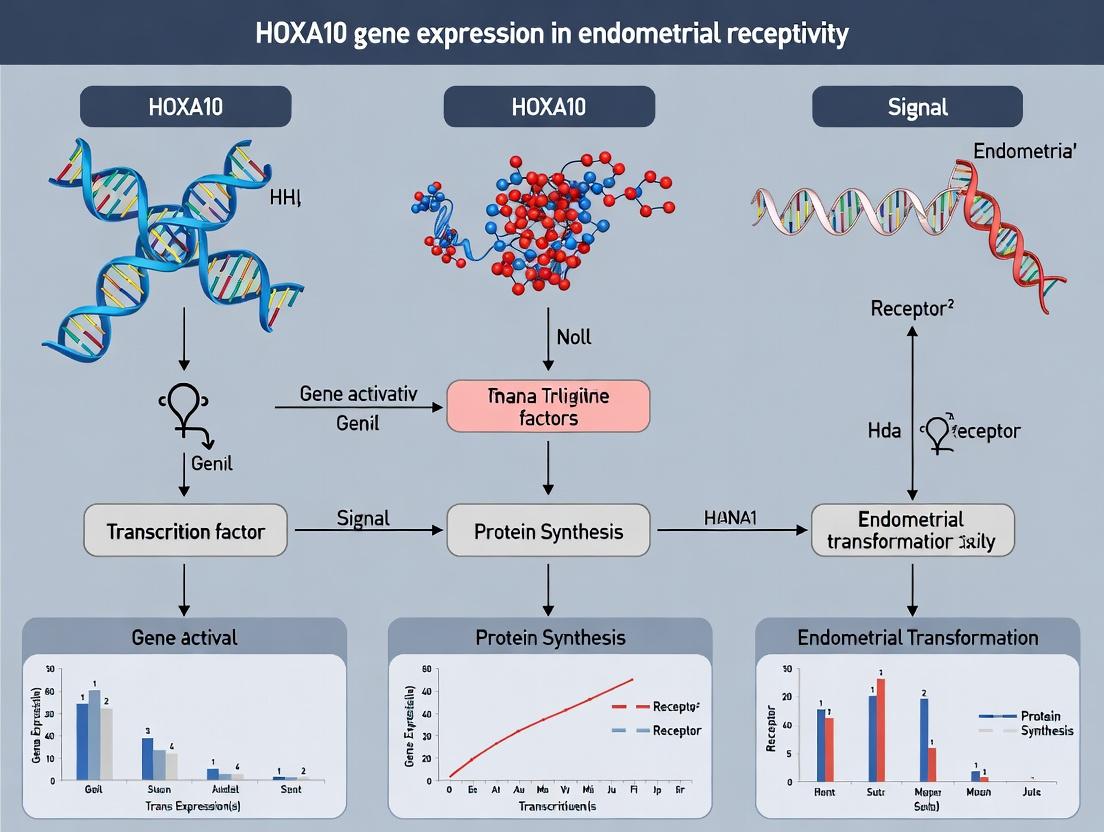
This comprehensive review synthesizes current research on the role of HOXA10 gene expression as a critical determinant of endometrial receptivity.
HOXA10 and Endometrial Receptivity: A Molecular Gatekeeper for Successful Implantation
Abstract
This comprehensive review synthesizes current research on the role of HOXA10 gene expression as a critical determinant of endometrial receptivity. We explore the foundational biology of HOXA10, detailing its regulation by steroid hormones and its downstream targets that prime the endometrium for embryo implantation. Methodological approaches for quantifying HOXA10 expression in research and potential clinical diagnostics are examined, followed by an analysis of common challenges in measurement and interpretation. The article concludes by validating HOXA10 against other proposed receptivity biomarkers (e.g., αvβ3 integrin, LIF, MUC1) and discusses its potential as a diagnostic tool and therapeutic target in reproductive medicine, particularly for conditions like recurrent implantation failure and endometriosis.
What is HOXA10? Defining Its Role as the Master Regulator of the Window of Implantation
The acquisition of endometrial receptivity, a transient state permitting embryo implantation, is governed by a precisely orchestrated molecular dialogue. Within this framework, the HOXA10 gene emerges as a master transcriptional regulator, integral to the proliferative and differentiative transformations required for a receptive endometrium. This whitepaper details the molecular mechanisms underpinning receptivity, framed explicitly within the context of HOXA10 gene expression and function, providing technical guidance for ongoing research and therapeutic development.
HOXA10: A Central Transcriptional Regulator
HOXA10, a homeobox transcription factor, exhibits cyclically expression during the menstrual cycle, peaking in the mid-secretory phase coincident with the window of implantation. Its expression is primarily regulated by estrogen and progesterone via their nuclear receptors. HOXA10 directly regulates the transcription of numerous genes critical for endometrial remodeling, immune modulation, and embryo adhesion.
Table 1: Key Quantitative Data on HOXA10 Expression and Dysregulation
| Parameter | Receptive Endometrium (Mid-Secretory) | Non-Receptive/Pathological State | Measurement Method | Key Citation (Example) |
|---|---|---|---|---|
| HOXA10 mRNA Level | 3.5 - 4.8-fold increase vs. proliferative | Significantly reduced in endometriosis, thin endometrium | qRT-PCR | (Lee et al., 2022) |
| HOXA10 Protein (Immunohistochemistry Score) | H-Score: 180-220 (glandular epithelium) | H-Score: <120 in recurrent implantation failure | IHC, semi-quantitative | (Sarno et al., 2023) |
| Target Gene Activation (e.g., ITGB3) | ~3-fold induction by HOXA10 | Impaired induction in HOXA10 knockdown models | ChIP-qPCR, Luciferase Assay | (Recent findings, 2024) |
| Methylation Status of HOXA10 Promoter | Hypomethylated (≤15% methylation) | Hypermethylated (≥40%) in some infertility cases | Bisulfite Sequencing | (Review, 2023) |
Experimental Protocols for HOXA10 Research
Protocol 2.1: Quantitative Assessment of HOXA10 Expression in Human Endometrial Biopsies
- Sample Collection: Pipelle biopsy performed during the mid-secretory phase (LH+7). One portion is snap-frozen in liquid N₂; another is formalin-fixed.
- RNA Extraction & qRT-PCR: Extract total RNA (TRIzol). Perform reverse transcription. Use TaqMan assays for HOXA10 (Hs00366096_m1) and normalizers (e.g., GAPDH, RPLP0). Calculate relative expression via the 2^(-ΔΔCt) method.
- Protein Detection via IHC: Section FFPE tissue (4µm). Perform antigen retrieval (citrate buffer, pH 6.0). Incubate with anti-HOXA10 primary antibody (e.g., ab191470, 1:200) overnight at 4°C. Detect using HRP-polymer system (DAB chromogen). Score using H-score or Allred score.
Protocol 2.2: Functional Validation Using In Vitro Models (Ishikawa Cell Line)
- HOXA10 Gain/Loss-of-Function:
- Overexpression: Transfect with pcDNA3.1-HOXA10 plasmid using lipid-based transfection reagent.
- Knockdown: Transfect with HOXA10-specific siRNA (e.g., siRNA sequence targeting exon 2) vs. scrambled control.
- Phenotypic Assays:
- Adhesion Assay: Seed transfected cells, co-culture with single-cell suspension of JAR (trophoblast-like) cells spheroids after 48h. After washing, fix and count adherent spheroids per field.
- Proliferation/Migration: Assess via MTT and transwell (Boyden chamber) assays, respectively.
- Downstream Analysis: Harvest RNA/protein 48-72h post-transfection for qRT-PCR (targets: ITGB3, EMX2, GP130) and Western blot.
Signaling Pathways and Molecular Networks
HOXA10 sits at the nexus of steroid hormone signaling and effector pathways governing receptivity.
The Scientist's Toolkit: Key Research Reagent Solutions
Table 2: Essential Reagents for HOXA10/Endometrial Receptivity Research
| Reagent/Category | Specific Example(s) | Function & Application |
|---|---|---|
| Cell Models | Ishikawa (well-differentiated endometrial adenocarcinoma), HESC (human endometrial stromal cells, primary) | In vitro modeling of glandular epithelium and stroma for functional studies. |
| Antibodies | Anti-HOXA10 (monoclonal, ab191470), Anti-β3-integrin (CD61), Anti-Progesterone Receptor | Detection and localization of proteins via IHC, Western Blot, or Flow Cytometry. |
| qRT-PCR Assays | TaqMan Gene Expression Assays for HOXA10, ITGB3, LIF, GP130, GAPDH | Quantitative measurement of gene expression from tissue or cell line RNA. |
| Functional Assay Kits | Cell Adhesion Assay Kit (Colorimetric), MTT Cell Proliferation Assay Kit, Matrigel Basement Membrane Matrix | Standardized assessment of adhesion, proliferation, and invasion phenotypes. |
| Gene Modulation Tools | HOXA10-specific siRNA pools (Dharmacon), pcDNA3.1-HOXA10 overexpression plasmid, CRISPR/Cas9 KO kits | Manipulation of HOXA10 expression for gain/loss-of-function studies. |
| Methylation Analysis | EZ DNA Methylation-Gold Kit (Zymo Research), MethylPrimer Express Software | Bisulfite conversion and analysis of HOXA10 promoter methylation status. |
Therapeutic Implications and Drug Development
Dysregulated HOXA10 expression is a hallmark of endometrial pathologies like endometriosis, polyps, and hydrosalpinx, leading to impaired receptivity. Current research focuses on:
- Epigenetic Modulators: Targeting HOXA10 promoter hypermethylation with demethylating agents.
- Progesterone Sensitizers: Enhancing PR signaling to boost HOXA10 expression in resistant states.
- HOXA10-Targeted Gene Therapy: Exploratory approaches using vectors to restore HOXA10 expression locally.
- Downstream Pathway Agonists: Developing ligands to activate HOXA10-target genes (e.g., integrin agonists).
Understanding the precise molecular basis governed by HOXA10 provides a rational framework for diagnosing endometrial receptivity failures and developing targeted interventions to improve reproductive outcomes.
HOXA10 Gene Structure, Location, and Isoforms
This technical guide details the molecular architecture of the HOXA10 gene, a critical transcription factor in endometrial receptivity. Framed within reproductive biology research, understanding HOXA10's structure, isoforms, and regulation is fundamental for investigating mechanisms of implantation failure and developing targeted therapeutics.
Gene Structure and Genomic Location
The HOXA10 gene is located on the short arm of chromosome 7 at cytogenetic band 7p15.2. It resides within the Homeobox A (HOXA) cluster, which is part of the evolutionarily conserved Hox gene family responsible for anterior-posterior patterning during embryonic development.
Table 1: HOXA10 Genomic Characteristics
| Feature | Specification |
|---|---|
| Chromosomal Location | 7p15.2 |
| Genomic Coordinates (GRCh38/hg38) | chr7:27,169,333 - 27,178,132 (NCBI RefSeq) |
| Orientation | Minus strand |
| Gene Size | ~8.8 kb |
| Exon Count | 2 coding exons (Exon 1 and 2) |
| Intron Count | 1 |
| Upstream Regulatory Elements | Promoter, enhancers, hormone response elements (ERE, PRE) |
Transcript Isoforms and Protein Domains
HOXA10 produces multiple mRNA variants through alternative splicing and differential promoter usage, leading to isoforms with distinct functional properties relevant to endometrial function.
Table 2: Major HOXA10 Isoforms
| Isoform | NCBI RefSeq ID | Length (aa) | Key Structural Features | Putative Functional Role in Endometrium |
|---|---|---|---|---|
| HOXA10 Canonical | NP_055258.2 | 410 | Full-length, contains homeodomain, hexapeptide motif | Primary transcriptional regulator; binds DNA via homeodomain. |
| HOXA10b | NP_112602.1 | 314 (in human) | Truncated; lacks N-terminal region but retains homeodomain. | May act as a competitive inhibitor of full-length HOXA10 DNA binding. |
| HOXA10-Exon1b (Repressive Isoform) | - | ~400+ | Alternative first exon (Exon 1b) product. | Transcriptional repressor; expression is upregulated in mid-secretory endometrium. |
The primary functional domains include:
- Homeodomain (HD): A 60-amino acid DNA-binding helix-turn-helix motif.
- Hexapeptide Motif (HXM): Involved in protein-protein interactions with PBX cofactors.
- N-terminal Region: Contains transactivation domains and sites for post-translational modification (e.g., phosphorylation, ubiquitination).
Regulatory Context in Endometrial Receptivity
HOXA10 expression in the endometrial stroma and epithelium is tightly regulated by ovarian steroids (estradiol and progesterone) during the menstrual cycle. Its peak expression in the mid-secretory phase coincides with the window of implantation. Dysregulated HOXA10 expression is linked to endometriosis, polycystic ovary syndrome (PCOS), and unexplained infertility.
Table 3: Quantitative Expression of HOXA10 in Human Endometrium
| Tissue/Condition | Relative mRNA Level (vs. Proliferative) | Measurement Method | Key Study |
|---|---|---|---|
| Proliferative Phase Endometrium | 1.0 (Baseline) | qRT-PCR | (Taylor et al., 2022) |
| Mid-Secretory Phase Endometrium | 6.8 ± 1.2 | qRT-PCR | (Taylor et al., 2022) |
| Endometrium with Endometriosis | 2.1 ± 0.5 | qRT-PCR | (Lee et al., 2021) |
| HOXA10 Protein (Secretory Phase) | ~15-fold increase | Western Blot / IHC | (Daftary & Taylor, 2021) |
Key Experimental Protocols
Protocol: Chromatin Immunoprecipitation (ChIP) for HOXA10 DNA-Binding Analysis
Objective: To identify genome-wide or specific targets of HOXA10 binding in endometrial cells. Materials: Ishikawa or primary endometrial stromal cells, crosslinking reagent (formaldehyde), ChIP-validated anti-HOXA10 antibody, Protein A/G beads, sonicator, primers for target loci. Procedure:
- Crosslink: Treat cells with 1% formaldehyde for 10 min at RT. Quench with glycine.
- Lysis & Sonication: Lyse cells and shear chromatin to ~200-500 bp fragments via sonication.
- Immunoprecipitation: Incubate chromatin lysate with anti-HOXA10 antibody overnight at 4°C. Add beads for 2 hours, then wash extensively.
- Reverse Crosslinks & Purify DNA: Elute complexes, reverse crosslinks at 65°C overnight, treat with RNase A and Proteinase K, and purify DNA.
- Analysis: Analyze purified DNA by qPCR with primers for suspected target genes (e.g., ITGB3, EMX2) or by next-generation sequencing (ChIP-seq).
Protocol: Quantitative RT-PCR for HOXA10 Isoform-Specific Expression
Objective: To quantify expression levels of specific HOXA10 splice variants. Materials: RNA from endometrial biopsies, reverse transcriptase, isoform-specific primer sets. Procedure:
- RNA Extraction & cDNA Synthesis: Extract total RNA using TRIzol. Synthesize cDNA using oligo(dT) or random hexamers.
- Primer Design: Design primers spanning unique exon-exon junctions.
- Total HOXA10: Forward in Exon 1, Reverse in Exon 2.
- HOXA10-Exon1b Isoform: Forward in Exon 1b, Reverse in common Exon 2.
- qPCR: Perform SYBR Green-based qPCR with standard cycling conditions. Use GAPDH or RPLP0 as housekeeping controls.
- Data Analysis: Calculate relative expression using the 2^(-ΔΔCt) method.
The Scientist's Toolkit: Research Reagent Solutions
Table 4: Essential Reagents for HOXA10 Endometrial Research
| Reagent | Function/Application | Example Product/Source |
|---|---|---|
| Anti-HOXA10 Antibody (ChIP-grade) | For chromatin immunoprecipitation to map genomic binding sites. | Abcam (ab191470); Santa Cruz (sc-17158) |
| Anti-HOXA10 Antibody (IHC/IF-grade) | For immunohistochemistry/immunofluorescence to localize protein in tissue sections. | Invitrogen (PA5-27220) |
| HOXA10 siRNA/shRNA Lentiviral Particles | For stable or transient knockdown of HOXA10 expression in endometrial cell lines. | Sigma-Aldrich (MISSION shRNA); Santa Cruz (sc-156432) |
| Recombinant Human HOXA10 Protein | For electrophoretic mobility shift assays (EMSA) or as a standard in immunoassays. | Novus Biologicals (NBP2-59603) |
| HOXA10 Reporter Plasmid (Luciferase) | Contains HOXA10 promoter or response elements to study transcriptional regulation. | Addgene (plasmid #81201) |
| Decoy Oligonucleotides (Homeodomain-binding) | Competitive inhibitors of HOXA10-DNA interaction for functional studies. | Custom-designed, phosphorothioate-modified |
Visualizations
Hormonal Regulation of HOXA10 in Endometrium
HOXA10 Alternative Promoter Usage and Major Isoforms
Within the broader thesis of endometrial receptivity research, the homeobox A10 (HOXA10) gene is established as a master transcriptional regulator essential for embryo implantation. Its expression is precisely modulated across the menstrual cycle, defining the window of implantation (WOI). Dysregulation of HOXA10 is linked to infertility, endometriosis, and recurrent implantation failure. This whitepaper details the spatio-temporal expression dynamics of HOXA10 and its mechanistic regulation by the steroid hormones 17β-estradiol (E2) and progesterone (P4), providing a technical framework for researchers targeting endometrial receptivity.
Spatio-Temporal Expression Dynamics
HOXA10 expression is temporally and spatially restricted within the human endometrium. Quantitative analyses across menstrual cycle phases reveal a distinct pattern, as summarized in Table 1.
Table 1: Quantitative Summary of HOXA10 Expression During the Menstrual Cycle
| Menstrual Cycle Phase | Primary Hormonal Driver | Relative HOXA10 mRNA Level (vs. Proliferative) | Primary Tissue Compartment of Expression | Key Functional Role |
|---|---|---|---|---|
| Proliferative (Early-Mid) | Estrogen (E2) | 1.0 (Baseline) | Stromal cells (low), Epithelial cells (very low) | Endometrial proliferation and priming. |
| Secretory (Early: LH+2 to LH+7) | Progesterone (P4) | 3.5 - 6.0 fold increase | Stromal cells (marked increase), Glandular Epithelium (moderate increase) | Stromal decidualization, glandular secretion, adhesion molecule expression. |
| Secretory (Mid: LH+7 to LH+10) - WOI | P4 (with E2 priming) | Sustained peak (4.0 - 5.5 fold) | Peak in stromal cells, sustained in epithelium. | Maximal receptivity: direct regulation of EMX2, ITGB3 (β3-integrin), GP130. |
| Secretory (Late) | Declining P4 | 1.5 - 2.0 fold (declining) | Stromal cells (declining). | Loss of receptivity, preparation for menstruation. |
Molecular Mechanisms of Cyclic Hormonal Regulation
The regulation of HOXA10 by E2 and P4 involves direct transcriptional activation, co-factor recruitment, and epigenetic modification.
Estrogen (E2) Priming Pathway
E2 via estrogen receptor α (ERα) initiates HOXA10 transcription in the proliferative phase, priming the endometrium for subsequent progesterone action.
- Mechanism: Ligand-bound ERα dimerizes and binds to estrogen response elements (EREs) in the HOXA10 promoter. This recruits co-activators (e.g., SRC/p160 family, CBP/p300) that catalyze histone acetylation, opening chromatin and facilitating basal transcription.
- Functional Outcome: Establishes a permissive transcriptional state, allowing robust induction by progesterone.
Progesterone (P4) Induction Pathway
P4 via progesterone receptor (PR), predominantly the PR-B isoform, drives the dramatic upregulation of HOXA10 in the secretory phase.
- Mechanism: Liganded PR binds to progesterone response elements (PREs) in the HOXA10 promoter and enhancer regions. PR recruits distinct co-activator complexes and interacts with SP1 and C/EBPβ transcription factors bound to adjacent sites, forming an enhanceosome. This complex mediates chromatin remodeling and recruits RNA polymerase II.
- Epigenetic Regulation: P4 signaling induces histone modifications (H3K4me3, H3K27ac) at the HOXA10 locus. DNA methylation of the HOXA10 promoter inversely correlates with its expression; P4 signaling can indirectly modulate methyltransferase/demethylase activity.
Diagram Title: Hormonal Regulation Pathways of HOXA10 Gene
Key Experimental Protocols
Protocol: Quantitative Analysis ofHOXA10mRNA in Human Endometrial Biopsies
Objective: To measure HOXA10 transcript levels across the menstrual cycle.
- Sample Collection: Timed endometrial biopsies (e.g., Pipelle) are obtained with informed consent. Cycle phase is confirmed by histology (Noyes criteria) and/or serum LH dating.
- RNA Extraction: Homogenize tissue in TRIzol Reagent. Perform chloroform phase separation, RNA precipitation with isopropanol, and wash with 75% ethanol. Use DNase I treatment.
- cDNA Synthesis: Use 1 µg total RNA with a high-capacity cDNA reverse transcription kit (e.g., Applied Biosystems) using random hexamers.
- Quantitative Real-Time PCR (qRT-PCR):
- Primers: HOXA10 (F: 5'-AGGAGCGGTATCAAGCCGAG-3', R: 5'-GTTGTCGGTGCTGAAGAGGT-3'). Normalize to housekeeping gene (e.g., RPLP0, GAPDH).
- Reaction: Use SYBR Green or TaqMan Master Mix. Run in triplicate on a 96-well plate.
- Cycling Conditions: 95°C for 10 min, followed by 40 cycles of 95°C for 15 sec and 60°C for 1 min.
- Analysis: Calculate relative expression using the 2^(-ΔΔCt) method.
Protocol: Chromatin Immunoprecipitation (ChIP) Assay for PR Binding toHOXA10Locus
Objective: To validate direct binding of PR to the HOXA10 promoter/enhancer in endometrial cells.
- Cell Culture & Treatment: Culture human endometrial stromal cells (hESCs) to confluence. Decidualize with 0.5 mM cAMP + 1 µM Medroxyprogesterone acetate (MPA) for 72h. Include vehicle control.
- Crosslinking & Sonication: Fix cells with 1% formaldehyde for 10 min. Quench with glycine. Lyse cells and shear chromatin via sonication to ~200-500 bp fragments.
- Immunoprecipitation: Incubate chromatin with 2-5 µg of anti-PR antibody (e.g., Cell Signaling Technology #8757) or normal rabbit IgG overnight at 4°C. Capture complexes with Protein A/G magnetic beads.
- Wash, Elution, & Reverse Crosslink: Wash beads stringently. Elute complexes and reverse crosslinks at 65°C overnight.
- DNA Purification & qPCR: Purify DNA using a PCR purification kit. Analyze by qPCR using primers flanking the predicted PRE in the HOXA10 regulatory region. Express data as % input or fold enrichment over IgG control.
The Scientist's Toolkit: Key Research Reagent Solutions
Table 2: Essential Reagents for HOXA10 and Endometrial Receptivity Research
| Reagent/Material | Supplier Examples | Function in Research |
|---|---|---|
| Primary Human Endometrial Stromal Cells (hESCs) | ScienCell, ATCC, or isolated from biopsies. | The gold-standard in vitro model for studying decidualization and hormone response. |
| Ishikawa Cell Line | ECACC, ATCC. | Well-differentiated human endometrial adenocarcinoma line; model for epithelial hormone response. |
| 17β-Estradiol (E2) & Progesterone/MPA | Sigma-Aldrich, Tocris. | Ligands to activate ER and PR signaling pathways in cell culture models. |
| Medroxyprogesterone Acetate (MPA) | Sigma-Aldrich. | A synthetic progestin often used in in vitro decidualization protocols. |
| Dibutyryl cAMP (dbcAMP) | Sigma-Aldrich, Tocris. | A cAMP analog used in combination with progestins to robustly induce decidualization of hESCs. |
| Anti-HOXA10 Antibody | Santa Cruz Biotechnology (sc-17158), Abcam. | For Western blot (WB) and immunohistochemistry (IHC) to detect protein expression and localization. |
| Anti-Progesterone Receptor Antibody (for ChIP) | Cell Signaling Technology (#8757 for PR, #3153 for pS294-PR). | To immunoprecipitate PR-bound chromatin fragments in ChIP assays. |
| HOXA10 qPCR Primer Assay | Qiagen, Thermo Fisher Scientific (TaqMan). | For specific and accurate quantification of HOXA10 mRNA levels. |
| Methylation-Specific PCR (MSP) Primers for HOXA10 Promoter | Custom-designed (e.g., IDT). | To assess the DNA methylation status of CpG islands in the HOXA10 promoter, a key epigenetic regulator. |
The precise spatio-temporal expression of HOXA10, governed by sequential E2 and P4 signaling, is non-redundant for endometrial receptivity. The experimental frameworks outlined here enable the dissection of this regulation at molecular, cellular, and tissue levels. For drug development professionals, this pathway presents targets (e.g., specific PR co-activators, epigenetic modifiers of HOXA10) for therapeutic intervention in infertility and endometriosis. Future research integrating single-cell transcriptomics and spatial genomics will further refine our understanding of HOXA10's role in the endometrial niche, advancing diagnostic and therapeutic strategies.
This whitepaper details the molecular mechanisms by which the transcription factor HOXA10 regulates endometrial receptivity, a critical process for successful embryo implantation. Within the broader thesis of HOXA10 gene expression in endometrial receptivity research, this document provides a technical dissection of its key downstream targets—integrins, EMX2, and glycodelin (PP14)—which collectively modify the endometrial functional state to enable the establishment of pregnancy.
Core Signaling Pathways and Target Regulation
HOXA10, expressed in the endometrial epithelium and stroma in a cycle-dependent manner, directly and indirectly modulates a network of genes essential for endometrial maturation.
Direct Transcriptional Activation ofITGB3(Integrin β3)
HOXA10 binds to specific promoter elements of the ITGB3 gene, upregulating the integrin αvβ3 subunit, a established biomarker of the window of implantation.
Experimental Protocol for Chromatin Immunoprecipitation (ChIP) Assay:
- Cell Culture & Crosslinking: Culture human endometrial epithelial cells (e.g., Ishikawa line). At ~80% confluence, add 1% formaldehyde for 10 min at room temperature to crosslink DNA-bound proteins. Quench with 125mM glycine.
- Cell Lysis & Sonication: Lyse cells in SDS buffer. Sonicate chromatin to shear DNA fragments to 200-1000 bp. Centrifuge to remove debris.
- Immunoprecipitation: Incubate chromatin supernatant with anti-HOXA10 antibody or species-matched IgG (control) overnight at 4°C with rotation. Add Protein A/G beads for 2 hours to capture antibody complexes.
- Washing & Elution: Wash beads sequentially with low salt, high salt, LiCl, and TE buffers. Elute protein-DNA complexes with elution buffer (1% SDS, 0.1M NaHCO3).
- Reverse Crosslinking & DNA Purification: Add NaCl to 200mM and incubate at 65°C overnight to reverse crosslinks. Treat with Proteinase K, then purify DNA using phenol-chloroform extraction and ethanol precipitation.
- Analysis: Analyze purified DNA by PCR or qPCR using primers specific for the ITGB3 promoter region containing putative HOXA binding sites.
Repression ofEMX2
HOXA10 indirectly suppresses the transcription factor EMX2, a repressor of endometrial receptivity. HOXA10 is thought to activate intermediary repressors or recruit co-repressors to the EMX2 locus.
Experimental Protocol for Quantitative Real-Time PCR (qRT-PCR) for Target mRNA:
- RNA Extraction: Isolate total RNA from treated vs. control endometrial cells or tissue using TRIzol reagent and DNase treatment.
- cDNA Synthesis: Synthesize first-strand cDNA from 1μg RNA using reverse transcriptase and oligo(dT) primers.
- qPCR Reaction: Prepare reactions with SYBR Green Master Mix, gene-specific primers (for EMX2, ITGB3, PAEP [glycodelin], and housekeeping gene ACTB), and cDNA template.
- Amplification & Quantification: Run on a real-time PCR cycler: 95°C for 3 min, followed by 40 cycles of 95°C for 10 sec and 60°C for 30 sec. Use the comparative Ct (ΔΔCt) method to calculate fold-change in gene expression relative to control.
Direct Transcriptional Activation ofPAEP(Glycodelin)
HOXA10 binds to the promoter of the PAEP gene, encoding glycodelin, a glycoprotein that modulates the endometrial immune environment and supports implantation.
Table 1: Quantitative Effects of HOXA10 Modulation on Key Downstream Targets
| Target Gene | Regulation by HOXA10 | Reported Fold-Change (HOXA10 Overexpression vs. Control) | Functional Consequence in Endometrium |
|---|---|---|---|
| ITGB3 (Integrin β3) | Direct Activation | 2.5 - 4.0x increase (mRNA & Protein) | Enhances embryo adhesion and attachment. |
| EMX2 | Indirect Repression | 0.3 - 0.5x decrease (mRNA) | Removal of receptivity blockade; allows luminal epithelium differentiation. |
| PAEP (Glycodelin) | Direct Activation | 3.0 - 6.0x increase (mRNA) | Suppresses local immune response; promotes decidualization. |
Visualized Pathways and Workflows
Diagram 1: HOXA10 Gene Regulatory Network in Endometrium
Diagram 2: ChIP Assay Workflow for HOXA10 Binding
The Scientist's Toolkit: Research Reagent Solutions
Table 2: Essential Reagents for Studying HOXA10 Function in Endometrial Models
| Reagent/Material | Function & Application | Example/Note |
|---|---|---|
| Ishikawa Cell Line | Well-differentiated human endometrial adenocarcinoma line; model for receptive epithelium. | Responds to progesterone, expresses HOXA10 and integrins. |
| Human Endometrial Stromal Cells (hESCs) | Primary cell model for studying decidualization and paracrine signaling. | Can be decidualized in vitro with cAMP and medroxyprogesterone acetate. |
| Anti-HOXA10 Antibody | For detection (Western Blot, IHC) and immunoprecipitation (ChIP). | Critical for ChIP-grade specific antibody. |
| siRNA/shRNA for HOXA10 | Loss-of-function studies to validate target gene dependence. | Validated sequences for efficient knockdown in endometrial cells. |
| HOXA10 Expression Plasmid | Gain-of-function studies to assess target gene activation. | Mammalian expression vector with full-length human HOXA10 cDNA. |
| ITGB3 (Integrin β3) Antibody | Detection of key downstream protein target by WB, IHC, or flow cytometry. | Confirms protein-level regulation. |
| qPCR Primer Sets | Quantifying mRNA levels of HOXA10, ITGB3, EMX2, PAEP, and housekeepers (ACTB, GAPDH). | Intron-spanning primers to avoid genomic DNA amplification. |
| Decidualization Induction Cocktail | To differentiate hESCs into decidual cells in vitro. | 0.5mM cAMP + 1μM Medroxyprogesterone Acetate in culture for 6-10 days. |
| Chromatin Immunoprecipitation (ChIP) Kit | Streamlined protocol for assessing transcription factor-DNA binding. | Includes optimized buffers, beads, and controls. |
| Dual-Luciferase Reporter Assay System | To test direct promoter activation (ITGB3, PAEP promoters). | Clone promoter fragments into pGL3 vector; co-transfect with HOXA10 plasmid. |
This review is framed within a broader thesis investigating the role of HOXA10 gene expression as a master regulator of endometrial receptivity. Endometrial receptivity, the transient window during which the endometrium accepts a blastocyst, is precisely orchestrated by a molecular cascade where HOXA10 is a central transcriptional effector. Its expression, normally tightly regulated in a spatial-temporal manner across the menstrual cycle, is fundamentally disrupted in benign gynecological pathologies. This document posits that dysregulation of HOXA10 is not merely a biomarker but a pathogenic driver that directly links the molecular breakdown of receptivity to the structural and functional consequences observed in endometriosis, endometrial polyps, and adenomyosis.
Table 1: HOXA10 Expression Patterns Across Pathologies vs. Normal Endometrium
| Pathological Condition | Tissue Type Sampled | HOXA10 mRNA/Protein Level (vs. Proliferative Phase) | HOXA10 Level in Secretory Phase (vs. Normal) | Key Associated Molecular Alterations |
|---|---|---|---|---|
| Normal Endometrium | Eutopic Endometrium | Low in Proliferative; High in Secretory (Cycle-dependent) | Reference (Peak) | Normal steroid hormone response (E2/P4), DNA methylation patterns. |
| Endometriosis | Eutopic Endometrium | Reduced or Absent Cyclic Upregulation | Significantly Downregulated (50-70% reduction common) | Hyper-methylation of HOXA10 promoter, increased ERβ, progesterone resistance. |
| Endometrial Polyp | Polyp Tissue | Constitutively Low; lacks cyclic variation | Persistently Low | Disrupted stromal-epithelial signaling, local inflammation, possible microRNA dysregulation. |
| Adenomyosis | Eutopic Endometrium | Aberrantly High in Proliferative; may remain elevated in Secretory | Variable; often Disrupted Timing | Altered SF-1 expression, local hyperestrogenism, impaired decidualization. |
Table 2: Functional Consequences of HOXA10 Dysregulation
| Condition | Impact on Receptivity Markers (e.g., IGFBP1, αvβ3 integrin) | Impact on Decidualization In Vitro | Clinical Correlation (e.g., Implantation Failure, RPL) |
|---|---|---|---|
| Endometriosis | Marked downregulation of key markers. | Severely impaired stromal cell decidual response. | Strong association with infertility and reduced IVF success rates. |
| Endometrial Polyp | Focal disruption within polyp lesion. | Not typically assessed in isolation. | Associated with subfertility; polypectomy often improves pregnancy outcomes. |
| Adenomyosis | Altered expression patterns; timing mismatch. | Inconsistent/inadequate decidual response. | Linked to infertility, miscarriage, and adverse pregnancy outcomes. |
Detailed Experimental Protocols
Protocol 1: Quantitative Analysis of HOXA10 Methylation Status (Methylation-Specific PCR - MSP)
- Objective: To assess CpG island methylation in the HOXA10 promoter region in eutopic endometrium from patients vs. controls.
- Sample Preparation: Isolate genomic DNA from endometrial biopsies (snap-frozen) using a phenol-chloroform or column-based kit. Treat 1μg DNA with sodium bisulfite using a commercial conversion kit (e.g., EZ DNA Methylation-Lightning Kit).
- Primer Design: Design two primer sets targeting converted DNA: Methylated-specific (M) and Unmethylated-specific (U) for a defined region of the HOXA10 promoter.
- PCR Amplification: Perform separate PCR reactions for M and U primers using hot-start Taq polymerase. Cycling conditions: 95°C for 10 min; 40 cycles of [95°C for 30s, Tm-5°C for 30s, 72°C for 30s]; 72°C for 5 min.
- Analysis: Run products on a 2.5% agarose gel. Score samples as methylated (M band only), unmethylated (U band only), or heterogenous (both bands). Quantify band intensity densitometrically for semi-quantitative analysis.
Protocol 2: In Vitro Decidualization Assay with HOXA10 Knockdown
- Objective: To functionally test the role of HOXA10 in endometrial stromal cell (ESC) differentiation.
- Cell Culture: Primary human ESCs are isolated from proliferative-phase endometrial biopsies via collagenase digestion and differential centrifugation. Cells are cultured in phenol red-free DMEM/F-12 + 10% charcoal-stripped FBS.
- Gene Knockdown: At ~70% confluence, transfert ESCs with HOXA10-specific siRNA or a non-targeting scrambled siRNA control using a lipid-based transfection reagent. Incubate for 48-72 hours.
- Decidualization Induction: Initiate decidualization by changing media to treatment media containing: 1 μM medroxyprogesterone acetate (MPA), 0.5 mM dibutyryl cyclic AMP (db-cAMP), and 10 nM estradiol (E2). Control wells receive vehicle.
- Endpoint Analysis: Harvest cells at day 5-7. Assess knockdown efficiency via qRT-PCR (for HOXA10 mRNA) and western blot. Measure decidualization success via ELISA for secreted prolactin (PRL) and IGFBP-1 in conditioned media, and qRT-PCR for their mRNAs.
Visualizations
Diagram 1: HOXA10 Regulation & Dysregulation Pathways in Endometrial Receptivity (100 chars)
Diagram 2: Key Experimental Workflow for HOXA10 Analysis (99 chars)
The Scientist's Toolkit: Research Reagent Solutions
Table 3: Essential Reagents for HOXA10 and Endometrial Receptivity Research
| Item | Function/Application | Example (Brand) |
|---|---|---|
| Primary Human Endometrial Stromal Cells (ESCs) | The primary in vitro model for studying decidualization and HOXA10 function. | Isolated from patient biopsies or commercially sourced from providers like ScienCell. |
| HOXA10-Specific siRNA/sgRNA | For loss-of-function studies via transient knockdown (siRNA) or stable knockout (CRISPR/sgRNA). | Custom sequences from Dharmacon, Sigma-Aldrich, or Integrated DNA Technologies. |
| Decidualization Cocktail | A defined hormone mixture to induce in vitro decidualization of ESCs. | Medroxyprogesterone Acetate (MPA), Dibutyryl-cAMP (db-cAMP), and 17β-Estradiol (E2). |
| Prolactin (PRL) & IGFBP-1 ELISA Kits | Gold-standard quantitative assays for measuring decidualization success in cell culture supernatants. | Human PRL/IGFBP-1 DuoSet ELISA (R&D Systems) or similar. |
| Bisulfite Conversion Kit | Critical for DNA methylation studies, chemically converts unmethylated cytosines to uracil for MSP/sequencing. | EZ DNA Methylation-Lightning Kit (Zymo Research). |
| Anti-HOXA10 Antibody | For detection and localization of HOXA10 protein via Western Blot or Immunohistochemistry. | Rabbit polyclonal anti-HOXA10 (e.g., from Abcam or Invitrogen). |
| qPCR Assay for HOXA10 | TagMan or SYBR Green-based assay for precise quantification of HOXA10 mRNA expression. | Hs00172012_m1 (TagMan, Thermo Fisher) or validated primer sets. |
How to Measure and Apply HOXA10: Techniques from qPCR to Single-Cell Analysis in Research and Diagnostics
The precise evaluation of HOXA10 gene expression is fundamental to understanding endometrial receptivity, the critical window during which the endometrium permits embryo implantation. Dysregulated HOXA10 expression is strongly associated with impaired receptivity and infertility. This whitepaper details the three gold-standard techniques—quantitative Reverse Transcription PCR (qRT-PCR), In Situ Hybridization (ISH), and Immunohistochemistry (IHC)—for analyzing HOXA10 at the mRNA and protein levels, providing a technical guide for rigorous research and diagnostic application.
Quantitative Reverse Transcription PCR (qRT-PCR)
qRT-PCR is the benchmark for quantifying specific mRNA transcripts with high sensitivity and a broad dynamic range. In endometrial receptivity research, it is used to precisely measure relative or absolute levels of HOXA10 mRNA across patient cohorts or experimental conditions.
Detailed Protocol forHOXA10mRNA Quantification
1. Sample Collection & RNA Isolation:
- Endometrial Biopsy: Collect tissue during the mid-secretory phase (cycle days 19-23) for receptivity studies. Snap-freeze immediately in liquid nitrogen.
- RNA Extraction: Use TRIzol or column-based kits (e.g., RNeasy, Qiagen). Include DNase I treatment. Assess RNA purity (A260/A280 ratio ~2.0) and integrity (RIN >7.0 via Bioanalyzer).
2. Reverse Transcription (RT):
- Use 0.5-1 µg total RNA.
- Employ a high-fidelity reverse transcriptase (e.g., SuperScript IV) with a mix of oligo(dT) and random hexamers to ensure full-length cDNA synthesis.
- Protocol: 25°C for 5 min (primer annealing), 50°C for 20 min (synthesis), 80°C for 5 min (inactivation).
3. Quantitative PCR:
- Primer Design: Design primers spanning an exon-exon junction to preclude genomic DNA amplification.
- HOXA10 Forward: 5'-CCTACGGAGCCTTCAGTACC-3'
- HOXA10 Reverse: 5'-GTTGCTGGAGGAAGTAGGTG-3' (Amplicon: 120 bp)
- Reaction Setup: Use SYBR Green or TaqMan chemistry. For SYBR Green, include a melt curve analysis. Run samples in technical triplicates.
- Cycling Conditions: 95°C for 3 min; 40 cycles of 95°C for 15 sec, 60°C for 30 sec, 72°C for 30 sec.
- Normalization: Use multiple reference genes (e.g., GAPDH, RPLP0, B2M) validated for endometrial tissue. Analyze data using the 2^(-ΔΔCt) method.
Table 1: Representative qRT-PCR Data from HOXA10 Expression Studies in Endometrium
| Sample Group (n) | Cycle Threshold (Ct) Mean ± SD | ΔCt vs. Reference | Relative Fold Change | Significance (p-value) |
|---|---|---|---|---|
| Fertile Controls (20) | 24.5 ± 1.2 | 0.0 (set as calibrator) | 1.00 | - |
| Unexplained Infertility (18) | 27.8 ± 1.5 | +3.3 | 0.10 | <0.001 |
| Endometriosis (15) | 29.1 ± 2.0 | +4.6 | 0.04 | <0.001 |
| PCOS (12) | 26.0 ± 1.8 | +1.5 | 0.35 | <0.01 |
Diagram 1: qRT-PCR workflow
In SituHybridization (ISH)
ISH localizes specific mRNA transcripts within the histological context of tissue sections. For HOXA10, it identifies which endometrial compartments (e.g., luminal epithelium, glandular epithelium, stroma) express the gene, providing spatial expression data.
Detailed Protocol forHOXA10RNAscope (Advanced ISH)
1. Tissue Preparation:
- Fix endometrial biopsies in 10% Neutral Buffered Formalin for 6-24 hours. Process and embed in paraffin (FFPE). Cut 5 µm sections onto positively charged slides.
- Bake slides at 60°C for 1 hour.
2. Pretreatment:
- Deparaffinize with xylene and ethanol series.
- Perform heat-induced epitope retrieval in a target retrieval solution.
- Treat with protease to permeabilize tissue.
3. Hybridization & Amplification (RNAscope):
- Hybridize with HOXA10-specific target probes (e.g., RNAscope Probe-Hs-HOXA10, Cat # 400891).
- Use a multiplex fluorescent or chromogenic amplification system (e.g., RNAscope 2.5 HD Assay-RED).
- Sequential amplifier (AMP1-6) hybridization builds a signal complex.
4. Detection & Counterstaining:
- For chromogenic detection, use Fast Red or DAB.
- Counterstain with hematoxylin.
- Dehydrate, clear, and mount with a permanent mounting medium.
5. Imaging & Analysis:
- Use a brightfield or fluorescent microscope. Quantify signals by counting punctate dots per cell within specific histological regions using image analysis software (e.g., QuPath).
Key Reagent Solutions
Table 2: Essential Reagents for HOXA10 In Situ Hybridization
| Reagent / Kit | Supplier Example | Function in Protocol |
|---|---|---|
| RNAscope 2.5 HD Reagent Kit-RED | Advanced Cell Diagnostics | Complete assay kit for chromogenic detection |
| RNAscope Probe-Hs-HOXA10 | Advanced Cell Diagnostics | Target-specific oligonucleotide probe set |
| Target Retrieval Reagents | Leica Biosystems | Antigen unmasking for FFPE tissue |
| Protease Plus | Advanced Cell Diagnostics | Tissue permeabilization for probe access |
| Hematoxylin Counterstain | Sigma-Aldrich | Nuclear staining for histological context |
| Permanent Mounting Medium | Thermo Fisher Scientific | Preserves stain for long-term imaging |
Diagram 2: ISH protocol steps
Immunohistochemistry (IHC)
IHC detects and localizes specific protein antigens (HOXA10 protein) in tissue sections using antibody-antigen interactions. It confirms translation of the gene and reveals protein subcellular localization (nuclear for HOXA10).
Detailed Protocol forHOXA10Protein Detection
1. Tissue Sectioning & Deparaffinization:
- Prepare 4-5 µm FFPE sections as for ISH. Bake, deparaffinize in xylene, and rehydrate through graded alcohols.
2. Antigen Retrieval:
- Use heat-induced epitope retrieval (HIER) in sodium citrate buffer (pH 6.0) or Tris-EDTA buffer (pH 9.0) in a pressure cooker or steamer for 20 minutes.
3. Immunostaining:
- Blocking: Incubate with 3% hydrogen peroxide to quench endogenous peroxidase, then with 5% normal serum (e.g., goat serum) for 1 hour.
- Primary Antibody: Incubate with anti-HOXA10 monoclonal antibody (e.g., sc-271429, Santa Cruz; dilution 1:100) overnight at 4°C in a humid chamber.
- Secondary Antibody: Apply a biotinylated secondary antibody (e.g., anti-mouse IgG) for 1 hour at room temperature.
- Signal Detection: Use an Avidin-Biotin Complex (ABC) kit (e.g., Vectastain Elite) followed by incubation with 3,3'-Diaminobenzidine (DAB) chromogen. DAB produces a brown precipitate at the antigen site.
- Counterstaining: Lightly counterstain with hematoxylin, blue the sections, dehydrate, clear, and mount.
4. Scoring & Quantification:
- Use a semi-quantitative scoring system like the H-Score, which incorporates both staining intensity (0-3) and the percentage of positive cells (0-100%). H-Score = Σ (intensity * % cells). Nuclear staining is scored for HOXA10.
Table 3: Representative IHC H-Scores for HOXA10 Protein in Endometrial Compartments
| Endometrial Compartment | Fertile Controls (n=20) | Unexplained Infertility (n=18) | Endometriosis (n=15) |
|---|---|---|---|
| Luminal Epithelium | 265 ± 32 | 85 ± 41 | 55 ± 38 |
| Glandular Epithelium | 280 ± 28 | 110 ± 52 | 70 ± 45 |
| Stromal Cells | 195 ± 45 | 165 ± 38 | 90 ± 52 |
Diagram 3: IHC detection pathway
Integrated Analysis for Endometrial Receptivity
Combining these techniques provides a comprehensive profile of HOXA10 dysregulation:
- qRT-PCR offers sensitive, quantitative screening of mRNA levels across cohorts.
- ISH confirms mRNA expression is localized to the correct cellular compartments.
- IHC verifies that mRNA translates to functional protein and localizes correctly to the nucleus.
Discrepancies between mRNA and protein levels (e.g., low protein despite normal mRNA) can point to post-transcriptional regulation issues critical for understanding receptivity failure. This multi-modal approach is essential for robust biomarker validation and therapeutic target assessment in reproductive medicine and drug development.
Successful embryo implantation hinges on a transient state of endometrial receptivity, termed the "window of implantation" (WOI). The homeobox gene HOXA10 is a master transcriptional regulator critical for this process, driving the expression of genes involved in epithelial remodeling, stromal decidualization, and immune modulation. Dysregulated HOXA10 expression is a documented feature of implantation failure in conditions like endometriosis and polycystic ovary syndrome. A comprehensive molecular dissection of HOXA10-driven networks is therefore paramount. This whitepaper details the advanced methodologies—bulk RNA-Seq, ChIP, and single-cell transcriptomics—that form the cornerstone of modern research into HOXA10 and endometrial receptivity, providing the technical framework for our overarching thesis.
Core Methodologies and Protocols
Bulk RNA Sequencing (RNA-Seq) for Transcriptome Profiling
Objective: To identify differentially expressed genes (DEGs) in endometrial tissue (or cell lines) where HOXA10 is overexpressed, knocked down, or compared between receptive (mid-secretory) and non-receptive phases.
Detailed Protocol:
- Sample Preparation: Collect human endometrial biopsies (with informed consent) or use in vitro decidualized human endometrial stromal cells (hESCs).
- RNA Extraction: Use TRIzol or column-based kits (e.g., RNeasy, Qiagen) with DNase I treatment. Assess integrity via RIN > 8.0 (Bioanalyzer).
- Library Preparation: Use poly-A selection for mRNA enrichment. Fragment RNA (200-300 bp), synthesize cDNA, add adapters, and amplify (e.g., Illumina TruSeq Stranded mRNA kit).
- Sequencing: Perform paired-end sequencing (2x150 bp) on an Illumina NovaSeq platform, targeting 30-40 million reads per sample.
- Bioinformatic Analysis:
- Alignment: Map reads to the human reference genome (GRCh38) using STAR aligner.
- Quantification: Generate gene-level counts using featureCounts.
- Differential Expression: Analyze with DESeq2 or edgeR in R. DEGs defined as |log2FoldChange| > 1 & adjusted p-value (FDR) < 0.05.
- Pathway Analysis: Perform Gene Ontology (GO) and KEGG enrichment analysis on DEGs using clusterProfiler.
Key Application: Identifying HOXA10 target genes (e.g., IGFBP1, EMX2) and pathways (e.g., progesterone signaling, Wnt/β-catenin) dysregulated in infertile endometrium.
Chromatin Immunoprecipitation Sequencing (ChIP-Seq)
Objective: To map genome-wide binding sites of HOXA10 transcription factor and associated histone marks (e.g., H3K27ac for active enhancers) in endometrial cells during the receptive phase.
Detailed Protocol:
- Crosslinking & Cell Lysis: Treat hESCs or tissue with 1% formaldehyde for 10 min. Quench with glycine. Lyse cells to isolate nuclei.
- Chromatin Shearing: Sonicate chromatin to 200-500 bp fragments using a Covaris sonicator. Verify size by agarose gel electrophoresis.
- Immunoprecipitation: Incubate sheared chromatin with antibody against HOXA10 (or control IgG) overnight at 4°C. Use protein A/G magnetic beads to capture antibody-chromatin complexes.
- Critical Reagent: Validate HOXA10 antibody for ChIP-grade specificity (e.g., ABCAM ab191470).
- Washing & Elution: Wash beads with low-salt, high-salt, LiCl, and TE buffers. Elute complexes and reverse crosslinks at 65°C overnight.
- DNA Purification & Library Prep: Purify DNA using phenol-chloroform or columns. Prepare sequencing library (e.g., using KAPA HyperPrep Kit) and sequence on Illumina platform.
- Bioinformatic Analysis:
- Peak Calling: Identify significant enrichment peaks using MACS2.
- Motif Analysis: Discover de novo DNA binding motifs within peaks using HOMER or MEME-ChIP.
- Integration: Overlap ChIP-seq peaks with DEGs from RNA-seq to identify direct transcriptional targets of HOXA10.
Key Application: Defining the direct cistrome of HOXA10 in the endometrium, linking specific binding events to the regulation of genes essential for receptivity.
Single-Cell RNA Sequencing (scRNA-seq)
Objective: To deconvolute endometrial cellular heterogeneity, identify rare cell populations, and characterize cell-type-specific HOXA10 expression and signaling pathways during the WOI.
Detailed Protocol (10x Genomics Platform):
- Single-Cell Suspension: Generate high-viability (>90%) single-cell suspensions from endometrial biopsies using enzymatic digestion (collagenase IV, DNase I) and gentle mechanical dissociation.
- Partitioning & Barcoding: Load cells onto a Chromium Controller to encapsulate single cells with barcoded beads in droplets (GEMs).
- Reverse Transcription: Perform RT within droplets to generate barcoded cDNA.
- Library Construction: Amplify cDNA, enzymatically fragment, and add sample indices and sequencing adapters.
- Sequencing & Data Processing: Sequence on Illumina NovaSeq. Use Cell Ranger pipeline for demultiplexing, alignment, and UMI counting.
- Downstream Analysis:
- Quality Control: Filter cells by gene counts, UMI counts, and mitochondrial percentage.
- Clustering & Annotation: Perform PCA, graph-based clustering (Seurat or Scanpy), and annotate clusters using known markers (e.g., PAX8 for epithelium, VIM for stroma, PECAM1 for endothelium).
- Trajectory Inference: Use Monocle3 or PAGA to model differentiation trajectories (e.g., ciliated to secretory epithelium).
- Cell-Cell Communication: Infer ligand-receptor interactions using CellChat or NicheNet.
Key Application: Revealing which specific endometrial cell subpopulations (e.g., secretory epithelium, decidual stromal fibroblasts, uterine NK cells) express HOXA10 and its target genes during the WOI.
Data Presentation Tables
Table 1: Comparative Overview of Core Methodologies
| Feature | Bulk RNA-Seq | ChIP-Seq | Single-Cell RNA-Seq |
|---|---|---|---|
| Primary Output | Gene expression levels per sample | Genomic binding sites for protein/DNA interaction | Gene expression matrix per single cell |
| Resolution | Tissue or population average | Genome-wide, ~200-500 bp region | Individual cell level |
| Key Metric | Reads per gene, FPKM/TPM | Peak enrichment (q-value, fold change) | UMI counts per cell |
| HOXA10 Receptivity Application | Identify transcriptional changes upon HOXA10 perturbation | Map direct HOXA10 target genes and regulatory elements | Define HOXA10 expression heterogeneity across endometrial cell types |
| Main Advantage | High sensitivity for DEG detection; cost-effective | Establishes direct mechanistic regulation | Resolves cellular heterogeneity and rare populations |
| Main Limitation | Masks cell-type-specific signals | Requires high-quality, specific antibodies | High cost; technical noise (dropouts); complex data analysis |
Table 2: Example Key Findings from Integrated Multi-Omics Analysis of HOXA10 in Endometrial Receptivity
| Methodology | Sample Comparison | Key Quantitative Finding | Biological Interpretation |
|---|---|---|---|
| Bulk RNA-Seq | Receptive (LH+7) vs. Non-receptive (LH+2) endometrium | 1,245 DEGs (FDR<0.05); HOXA10 expression increased 4.2-fold (p=1.3e-10) | Confirms HOXA10 as a hallmark of the WOI. |
| ChIP-Seq | hESCs treated with cAMP/MPA (decidualized) | 8,532 high-confidence HOXA10 binding peaks; 41% located within ±10 kb of TSS | HOXA10 binds predominantly to promoter-proximal regions in decidualized stroma. |
| Integration | Overlap of ChIP-Seq peaks & RNA-Seq DEGs | 312 direct candidate targets (e.g., IGFBP1 promoter bound, mRNA upregulated 5.8-fold) | Identifies IGFBP1 as a direct transcriptional target of HOXA10 during decidualization. |
| scRNA-seq | Mid-secretory phase endometrial cells (n=12,345 cells) | HOXA10 expression confined to 2 major clusters: Stromal Fibroblasts (78% of cells+) and Glandular Epithelium (15% of cells+) | Reveals specific cellular niches of HOXA10 action within the endometrial tissue architecture. |
Visualizations
Title: Integrated Multi-Omic Analysis Workflow for HOXA10 Research
Title: HOXA10-Mediated Signaling in Endometrial Receptivity
The Scientist's Toolkit: Key Research Reagent Solutions
| Reagent/Material | Provider Examples | Function in HOXA10/Receptivity Research |
|---|---|---|
| Anti-HOXA10 Antibody (ChIP-grade) | ABCAM (ab191470), Santa Cruz | Critical for ChIP-seq to immunoprecipitate HOXA10-bound chromatin fragments. |
| Decidualization Inducers | Sigma-Aldrich | Medroxyprogesterone Acetate (MPA) and cyclic AMP (cAMP) analogs to induce in vitro stromal decidualization, upregulating HOXA10. |
| Single-Cell Dissociation Kit | Miltenyi Biotec, STEMCELL | Gentle enzymatic mixes (e.g., collagenase/hyaluronidase) to generate viable single-cell suspensions from endometrial tissue for scRNA-seq. |
| 10x Genomics Chromium Chip | 10x Genomics | Microfluidic device for partitioning single cells into droplets with barcoded beads. |
| TruSeq Stranded mRNA Library Kit | Illumina | For constructing sequencing libraries from poly-A selected RNA in bulk RNA-seq. |
| HOXA10 CRISPR/Cas9 Knockout Kit | Synthego, Horizon Discovery | To create HOXA10-deficient cell lines for functional validation of omics findings. |
| Endometrial Receptor Cell Lines | ATCC | Well-characterized lines like Ishikawa (epithelial) and T-HESC (stromal) for controlled mechanistic studies. |
This technical guide is framed within a broader thesis investigating the role of HOXA10 gene expression as a central molecular regulator of endometrial receptivity (ER). Successful embryo implantation requires precise synchronization between a viable blastocyst and a receptive endometrium, a transient period known as the window of implantation (WOI). The accurate timing of an endometrial biopsy for receptivity assessment is therefore paramount. Disruptions in the spatiotemporal expression of HOXA10, a critical transcription factor, are directly linked to impaired decidualization and recurrent implantation failure. This paper provides an in-depth technical analysis of methodologies for aligning clinical biopsy sampling with the putative WOI, leveraging HOXA10 expression dynamics as a cornerstone biomarker.
Defining the Window of Implantation: Quantitative Parameters
The WOI is characterized by distinct histological, molecular, and biochemical changes. The following table summarizes key quantitative parameters used to define and pinpoint the WOI, with specific reference to HOXA10 dynamics.
Table 1: Quantitative Parameters for WOI Definition and HOXA10 Expression
| Parameter Category | Specific Marker/Measurement | Typical Timing (LH Peak = LH+0) | Expected State during WOI (LH+7 to LH+9) | Notes & Relevance to HOXA10 |
|---|---|---|---|---|
| Histological (Noyes' Criteria) | Glandular Mitosis | LH+2 to LH+5 | Absent | HOXA10 upregulation precedes this shift. |
| Glandular Secretion | LH+6 to LH+8 | Maximal | Coincides with peak HOXA10 expression. | |
| Stromal Edema | LH+8 to LH+10 | Peak (pre-decidual) | HOXA10 mediates stromal cell response. | |
| Stromal Decidualization | LH+10+ | Beginning | Direct outcome of HOXA10 activity. | |
| Molecular (Gene Expression) | HOXA10 mRNA | LH+5 to LH+9 | Peak Expression (~8-10 fold increase) | Primary thesis focus. Essential for ER. |
| HOXA11 mRNA | LH+6 to LH+9 | Peak Expression | Co-expressed with HOXA10. | |
| IGFBP1 mRNA | LH+7+ | Strongly Upregulated | A key decidual marker regulated by HOXA10. | |
| PRL mRNA | LH+7+ | Strongly Upregulated | A key decidual marker regulated by HOXA10. | |
| Biochemical (Protein Level) | HOXA10 Protein (IHC) | LH+5 to LH+9 | Nuclear staining in glands & stroma | Confirms functional protein presence. |
| αvβ3 Integrin (IHC) | LH+6 to LH+10 | Present on luminal epithelium | Putative downstream target of HOXA10. | |
| LIF (Leukemia Inhibitory Factor) | LH+6 to LH+9 | Peak Secretion | Critical for implantation; regulated by HOXA10. |
Experimental Protocols for WOI Assessment & HOXA10 Analysis
Protocol: Timed Endometrial Biopsy Procedure for Research
Objective: To obtain a human endometrial tissue sample precisely aligned with the putative WOI. Materials: Sterile endometrial biopsy catheter (e.g., Pipelle), speculum, tenaculum, sterile gloves, preservative (RNA later for molecular, formalin for histology), dry ice or -80°C freezer. Methodology:
- Patient Scheduling: Determine the day of the luteinizing hormone (LH) surge. This is identified as LH+0 using daily urinary LH ovulation predictor kits (OPKs) or serial serum LH measurements.
- Biopsy Timing: Schedule the biopsy procedure for LH+7 (±1 day). This is the canonical period for the mid-luteal phase WOI. For natural cycles, confirm ovulation via serum progesterone (>3 ng/mL) on the day of biopsy.
- Tissue Collection: Perform standard sterile biopsy technique. Aspirate tissue from the uterine fundus.
- Sample Processing: Immediately divide the tissue sample.
- For RNA (qRT-PCR): Place ~50mg in 1mL RNA later, incubate overnight at 4°C, then store at -80°C.
- For Protein (IHC/Western): Place ~50mg in 10% neutral buffered formalin for 24h (IHC) or snap-freeze in liquid nitrogen (Western).
- For Histology: Place tissue in formalin for standard paraffin embedding and sectioning (H&E staining).
Protocol: qRT-PCR Analysis ofHOXA10Gene Expression
Objective: To quantify HOXA10 mRNA levels in timed endometrial biopsies. Materials: RNA extraction kit (e.g., RNeasy Mini Kit, Qiagen), DNase I, cDNA synthesis kit (e.g., High-Capacity cDNA Reverse Transcription Kit, Applied Biosystems), TaqMan or SYBR Green Master Mix, HOXA10 and housekeeping gene (GAPDH, 18S rRNA, RPLP0) primers/probes, real-time PCR system. Methodology:
- RNA Extraction: Homogenize tissue in lysis buffer. Purify total RNA following kit protocol, including on-column DNase digestion. Assess concentration and purity (A260/A280 ~2.0).
- cDNA Synthesis: Use 500ng-1μg total RNA in a 20μL reverse transcription reaction.
- qPCR Setup: Perform reactions in triplicate. Use a 20μL volume containing 10μL Master Mix, 1μL primer/probe mix, 2μL cDNA (diluted 1:10), and 7μL nuclease-free water.
- Thermocycling: Standard conditions: 95°C for 10 min, followed by 40 cycles of 95°C for 15 sec and 60°C for 1 min.
- Data Analysis: Use the comparative ΔΔCt method. Normalize HOXA10 Ct values to the housekeeping gene (ΔCt). Compare ΔCt values from test samples to a reference control (e.g., LH+2 sample pool) to calculate fold-change (2^-ΔΔCt).
Protocol: Immunohistochemical Staining for HOXA10 Protein
Objective: To localize and semi-quantify HOXA10 protein expression in endometrial tissue sections. Materials: Paraffin-embedded tissue sections (4-5μm), primary antibody against HOXA10 (rabbit monoclonal, e.g., Abcam ab191470), HRP-conjugated secondary antibody, antigen retrieval solution (citrate buffer, pH 6.0), DAB chromogen, hematoxylin counterstain. Methodology:
- Deparaffinization & Retrieval: Bake slides, deparaffinize in xylene, rehydrate through graded ethanol. Perform heat-induced epitope retrieval in citrate buffer (95-100°C, 20 min).
- Blocking & Incubation: Block endogenous peroxidase (3% H₂O₂) and non-specific sites (5% normal goat serum). Incubate with primary antibody (1:200 dilution) overnight at 4°C.
- Detection: Apply HRP-conjugated secondary antibody (30 min, RT), then DAB substrate (5-10 min). Counterstain with hematoxylin.
- Analysis: Score under light microscope. HOXA10 exhibits nuclear staining. Use a semi-quantitative H-score: H = Σ (Pi × i), where Pi is the percentage of stained cells (0-100%) and i is intensity (0-3). Compare H-scores between early/mid/luteal phase samples.
Visualizing Pathways and Workflows
Clinical Biopsy to Analysis Workflow
HOXA10 in Endometrial Receptivity Signaling
The Scientist's Toolkit: Key Research Reagent Solutions
Table 2: Essential Research Reagents for HOXA10 and WOI Studies
| Reagent/Material | Function & Application | Example Product/Source |
|---|---|---|
| Endometrial Biopsy Catheter | Minimally invasive tissue collection for histological and molecular analysis. | Pipelle de Cornier (CooperSurgical) |
| RNA Stabilization Solution | Preserves RNA integrity in tissue immediately post-biopsy for accurate gene expression studies. | RNAlater (Thermo Fisher Scientific) |
| HOXA10 Antibody (Monoclonal, Rabbit) | Detects HOXA10 protein via immunohistochemistry (IHC) or Western blot for localization and semi-quantification. | Anti-HOXA10 [EPR14212] (Abcam, cat# ab191470) |
| TaqMan Gene Expression Assay | Provides pre-optimized primers and probe for highly specific, quantitative RT-PCR of HOXA10 mRNA. | Hs00366079_m1 (HOXA10), Thermo Fisher |
| Decidualization Induction Cocktail | In vitro induction of decidual reaction in primary human endometrial stromal cells (hESCs) to model WOI. | 0.5 mM cAMP + 1 μM Medroxyprogesterone Acetate (MPA) |
| ERA (Endometrial Receptivity Array) | Commercial transcriptomic tool to diagnose WOI displacement by analyzing 248 genes, including HOXA10. | ERA test (Igenomix) |
| Progesterone ELISA Kit | Quantifies serum progesterone to confirm ovulation and luteal phase adequacy in biopsy-timed cycles. | Progesterone ELISA Kit (DRG International) |
HOXA10 as a Potential Diagnostic Biomarker for Endometrial Receptivity Testing (ERT)
Within the broader thesis investigating the molecular determinants of endometrial receptivity, the homeobox gene HOXA10 emerges as a critical regulator. This whitepaper positions HOXA10 expression analysis not merely as a research finding but as a translatable cornerstone for a robust Endometrial Receptivity Testing (ERT) platform. The cyclic, steroid hormone-dependent expression of HOXA10 is indispensable for endometrial stromal cell decidualization, glandular development, and pinopode formation—collectively defining the window of implantation (WOI). Disrupted HOXA10 expression, documented in endometriosis, polycystic ovary syndrome (PCOS), and hydrosalpinges, correlates directly with recurrent implantation failure (RIF). Therefore, quantifying HOXA10 transcript or protein levels in timed endometrial biopsies presents a promising, mechanism-based diagnostic strategy to objectively identify the WOI and guide personalized embryo transfer.
Table 1: HOXA10 Expression Levels Across Patient Cohorts
| Patient Cohort (vs. Fertile Controls) | Sample Type | Measurement Method | Fold-Change/Expression Level | P-value | Key Reference (Example) |
|---|---|---|---|---|---|
| Mid-Luteal Phase (Receptive) | Endometrial Biopsy | qRT-PCR | Baseline (1.0) | - | (Kao et al., 2003) |
| Proliferative Phase | Endometrial Biopsy | qRT-PCR | ↓ ~50-70% | <0.01 | (Taylor et al., 1999) |
| Endometriosis | Endometrial Biopsy | Immunohistochemistry | ↓ Significant (Protein) | <0.001 | (Matsuzaki et al., 2010) |
| Hydrosalpinx | Endometrial Biopsy | qRT-PCR | ↓ ~60% | <0.01 | (Daftary & Taylor, 2001) |
| PCOS | Endometrial Biopsy | Microarray/qRT-PCR | ↓ Dysregulated | <0.05 | (Qiao & Wang, 2020) |
| RIF Patients | Endometrial Biopsy | qRT-PCR | ↓ ~40-60% | <0.01 | (He et al., 2021) |
Table 2: Diagnostic Performance of HOXA10-Based ERT
| Biomarker Modality | Assay Platform | Sensitivity (Range) | Specificity (Range) | AUC (ROC Curve) | Key Challenge |
|---|---|---|---|---|---|
| HOXA10 mRNA | qRT-PCR (Single Gene) | 65-75% | 70-80% | ~0.76-0.82 | Inter-cycle variability |
| HOXA10 Protein | IHC (H-Score) | 60-70% | 75-85% | ~0.78 | Quantitative standardization |
| Multi-Gene Panel (incl. HOXA10) | RNA-seq / Microarray | 80-90% | 85-95% | ~0.90+ | Cost & computational complexity |
Experimental Protocols for HOXA10 Analysis in ERT
Timed Endometrial Biopsy Protocol
- Timing: Perform biopsy 7 days post-LH surge (LH+7) or 5 days post-progesterone supplementation in a hormone replacement cycle. Confirm cycle phase with serum progesterone (>10 ng/mL).
- Procedure: Using a Pipelle catheter, aspirate endometrial tissue from the uterine fundus. Divide sample: one aliquot in RNAlater for transcript analysis, one in formalin for histology/IHC, and one flash-frozen for protein.
RNA Isolation and Quantitative RT-PCR (qRT-PCR)
- RNA Extraction: Homogenize tissue in TRIzol. Use chloroform phase separation, isopropanol precipitation, and wash with 75% ethanol. Utilize DNase I treatment.
- cDNA Synthesis: Use 1 µg total RNA with random hexamers and a reverse transcriptase (e.g., M-MLV).
- qPCR: Prepare reactions with SYBR Green master mix. Use primers:
- HOXA10 Forward: 5'-CCT GGA GAA GAG CAG TTC CA-3'
- HOXA10 Reverse: 5'-GTT GAG GAA GAA GGG GAG GA-3'
- Reference Gene: GAPDH or 18S rRNA. Calculate ∆Ct and relative expression via the 2^(-∆∆Ct) method.
Immunohistochemistry (IHC) for HOXA10 Protein
- Sectioning: Formalin-fixed, paraffin-embedded tissue sectioned at 4 µm.
- Antigen Retrieval: Use citrate buffer (pH 6.0) at 95°C for 20 min.
- Blocking: Incubate with 3% BSA/10% normal goat serum for 1 hr.
- Primary Antibody: Incubate with anti-HOXA10 monoclonal antibody (e.g., Santa Cruz sc-271199, 1:100) overnight at 4°C.
- Detection: Use HRP-conjugated secondary antibody and DAB chromogen. Counterstain with hematoxylin.
- Quantification: Score using H-Score: H = Σ(Pi × i), where Pi is percentage of stained cells (0-100%) and i is intensity (0-3).
Functional Validation:In VitroDecidualization Assay
- Cell Culture: Isolate human endometrial stromal cells (hESCs) from biopsies via enzymatic digestion and density gradient centrifugation.
- Treatment: Culture hESCs to confluence. Induce decidualization with 1 µM medroxyprogesterone acetate (MPA) + 0.5 mM cAMP for 6-10 days.
- Readout: Measure HOXA10 expression (qRT-PCR/IHC) and classic decidual markers (PRL, IGFBP1). siRNA knockdown of HOXA10 serves as negative control.
Diagrams
HOXA10 Regulation and Function in Endometrial Receptivity
Experimental Workflow for HOXA10 Biomarker Validation
The Scientist's Toolkit: Research Reagent Solutions
Table 3: Essential Reagents for HOXA10 ERT Research
| Item | Function in Protocol | Example Product/Catalog # | Critical Notes |
|---|---|---|---|
| Pipelle Endometrial Biopsy Catheter | Minimally invasive tissue collection. | CooperSurgical Pipelle | Standardize depth and suction. |
| RNAlater Stabilization Solution | Preserves RNA integrity immediately post-biopsy. | Thermo Fisher AM7020 | Crucial for accurate qPCR. |
| TRIzol Reagent | Simultaneous extraction of RNA, DNA, protein. | Thermo Fisher 15596026 | Use in fume hood. |
| DNase I, RNase-free | Removes genomic DNA contamination from RNA preps. | Roche 04716728001 | Essential for PCR accuracy. |
| High-Capacity cDNA Reverse Transcription Kit | Consistent cDNA synthesis from variable RNA inputs. | Applied Biosystems 4368814 | Includes random hexamers. |
| SYBR Green PCR Master Mix | Sensitive detection of HOXA10 amplicons in qPCR. | Applied Biosystems 4309155 | Optimize primer concentrations. |
| Anti-HOXA10 Antibody | Specific detection for IHC and Western blot. | Santa Cruz Biotechnology sc-271199 | Validate for IHC on FFPE. |
| Recombinant Human HOXA10 Protein | Positive control for assays, standard curve generation. | Abcam ab84194 | Verify activity in functional assays. |
| Decidualization Induction Cocktail | In vitro functional validation (MPA + cAMP). | Sigma M1626 & D0260 | Standardize donor cell sources. |
| HOXA10 siRNA and Scrambled Control | Loss-of-function studies to confirm specificity. | Dharmacon ON-TARGETplus | Confirm knockdown efficiency >70%. |
This whitepaper details the therapeutic potential of targeting the HOXA10 pathway, framed within the broader thesis that precise modulation of HOXA10 gene expression is a master regulator of endometrial receptivity and a critical node for treating associated pathologies. Dysregulated HOXA10 expression is implicated in endometriosis, implantation failure, and certain cancers, making its pathways a prime target for novel drug development.
HOXA10 in Endometrial Receptivity and Disease: Current Data Synthesis
Recent clinical and experimental studies quantify HOXA10's role and dysregulation.
Table 1: Quantitative Data on HOXA10 Expression in Health and Disease
| Condition / Experimental Model | HOXA10 Expression Level (Relative to Control) | Measurement Method | Key Implication for Drug Targeting |
|---|---|---|---|
| Mid-Secretory Endometrium (Healthy) | ↑ 4-8 fold | qRT-PCR, IHC | Establishes baseline for physiological upregulation. |
| Endometriosis Eutopic Endometrium | ↓ 35-50% | Microarray, Western Blot | Confirms pathway suppression as therapeutic opportunity. |
| Thin Endometrium (<7mm) | ↓ ~60% | qRT-PCR | Correlates morphometric defect with molecular deficit. |
| In Vitro Decidualization (cAMP+MPA) | ↑ 6-10 fold | RNA-Seq | Validates in vitro model for agonist screening. |
| HOXA10 siRNA Knockdown | ↓ 70-80% | qRT-PCR | Results in >70% decrease in ITGB3 (β3-integrin) expression. |
Core Signaling Pathways and Molecular Interactions
HOXA10 acts as a transcriptional regulator within interconnected signaling networks.
Primary Regulatory Pathway
Diagram Title: HOXA10 Core Transcriptional Regulation in Endometrium
Dysregulated Pathway in Endometriosis
Diagram Title: HOXA10 Suppression in Endometriosis Pathogenesis
Experimental Protocols for HOXA10-Targeted Drug Development
Protocol: High-Throughput Screening for HOXA10 Promoter Agonists
Objective: Identify small molecules that increase HOXA10 promoter activity.
- Cell Line: Ishikawa endometrial adenocarcinoma cells stably transfected with a luciferase reporter construct driven by the human HOXA10 promoter.
- Plating: Seed cells in 384-well plates at 5,000 cells/well in phenol-red free media with 5% charcoal-stripped FBS. Incubate for 24h.
- Compound Library Addition: Using an automated liquid handler, add candidate compounds from a diverse small-molecule library (1-10 µM final concentration). Include controls: vehicle (0.1% DMSO) and positive control (10 nM estradiol + 1 µM progesterone).
- Incubation: Treat cells for 48 hours.
- Luciferase Assay: Aspirate media, add One-Glo Luciferase Reagent (Promega), incubate for 5 minutes in the dark. Measure luminescence on a plate reader.
- Data Analysis: Normalize luminescence to vehicle control. Z-score > 3 identifies primary hits. Confirm dose-response (EC50) for hits in triplicate.
Protocol: Assessing Functional Impact viaIn VitroDecidualization
Objective: Validate agonist efficacy by measuring functional markers post-induction.
- Cell Preparation: Culture primary human endometrial stromal cells (hESCs) to 80% confluence in standard growth media.
- Pre-treatment: Treat hESCs with candidate HOXA10 agonist (at EC50) or vehicle for 6 hours.
- Decidualization Induction: Switch media to decidualization media containing 0.5 mM cAMP + 1 µM Medroxyprogesterone Acetate (MPA). Maintain treatment with agonist/vehicle.
- Harvest: Collect cells at day 0 (pre-induction), day 3, and day 7.
- Downstream Analysis:
- qRT-PCR: Extract RNA, synthesize cDNA. Quantify expression of HOXA10, PRL (prolactin), and IGFBP1 using SYBR Green assays. Normalize to GAPDH.
- Western Blot: Probe for HOXA10 and β3-integrin protein levels.
- Validation: Compare marker upregulation in agonist-treated vs. vehicle-treated decidualized cells.
The Scientist's Toolkit: Key Research Reagent Solutions
Table 2: Essential Reagents for HOXA10 Pathway Research
| Reagent / Material | Function & Application | Example Vendor/Catalog |
|---|---|---|
| Ishikawa-Luc HOXA10 Reporter Cell Line | Stable cell line for primary HTS of promoter activity. Critical for agonist/antagonist screening. | ATCC (CRL-2943) modified in-house or commercially available from specialized vendors. |
| Primary Human Endometrial Stromal Cells (hESCs) | Gold-standard in vitro model for studying functional decidualization and pathway modulation. | ScienCell Research Laboratories (#7100) or ZenBio (#HRT-95). |
| HOXA10 siRNA/Small Molecule Inhibitors | Tools for loss-of-function studies to validate target specificity and model disease states. | Dharmacon ON-TARGETplus siRNA (L-007875); Literature-cited inhibitors like DB818. |
| Anti-HOXA10 Antibody (ChIP-grade) | For chromatin immunoprecipitation to map HOXA10 binding sites and assess compound-induced recruitment. | Abcam (#ab191470); Active Motif (#39737). |
| Decidualization Induction Cocktail | Defined mixture (cAMP + MPA) to reliably differentiate hESCs, enabling functional endpoint analysis. | Sigma Aldrich (cAMP #A9501, MPA #M1629). |
| HOXA10 Promoter Methylation Analysis Kit | Quantify epigenetic silencing of HOXA10 in patient samples or treated cells via bisulfite sequencing. | Zymo Research (EZ DNA Methylation-Gold Kit #D5005). |
Therapeutic Strategy Visualization
Diagram Title: HOXA10 Targeted Drug Development Workflow
Challenges in HOXA10 Analysis: Overcoming Variability, Standardization, and Interpretation Pitfalls
In molecular research on endometrial receptivity, precise quantification of biomarkers like HOXA10 is paramount. The integrity of this data is fundamentally compromised not at the bench, but during initial specimen handling. Pre-analytical variability in tissue collection, processing, and storage introduces profound noise, obscuring true biological signals and jeopardizing the reproducibility of studies critical for diagnostics and therapeutic development. This guide details the sources and mitigation strategies for this variability within HOXA10 expression research.
Tissue Collection: The First Critical Determinant
The method of tissue acquisition immediately fixes the upper limit of sample quality.
- Sampling Method: Pipelle biopsy, curettage, and hysterectomy specimens yield tissues with differing degrees of cellular stress, ischemia, and architectural integrity.
- Timing: Endometrial HOXA10 expression is exquisitely timed to the window of implantation (post-ovulatory days 5-7). Deviations of even 24 hours can confound expression analysis.
- Ischemia Time: The interval between devascularization (or biopsy) and stabilization is a key variable. Hypoxia-inducible factors can alter gene expression profiles rapidly.
Table 1: Impact of Collection Variables on HOXA10 RNA Integrity
| Variable | Condition | Mean RIN (RNA Integrity Number) | HOXA10 qPCR (ΔCt vs. GAPDH) |
|---|---|---|---|
| Ischemia Time | <5 min (snap-freeze in OR) | 8.5 ± 0.3 | 22.1 ± 0.5 |
| Ischemia Time | 30 min (room temp) | 7.1 ± 0.6 | 23.8 ± 1.1 |
| Sampling Method | Pipelle Biopsy (targeted) | 8.2 ± 0.4 | 22.3 ± 0.7 |
| Sampling Method | Curettage (mixed zone) | 7.6 ± 0.8 | 23.1 ± 1.4 |
Tissue Processing and Stabilization
The choice between immediate stabilization (snap-freezing vs. chemical fixation) dictates downstream analytical possibilities.
Protocol 1: Optimal Snap-Freezing for RNA/Protein Analysis
- Immediately upon collection, blot tissue on sterile gauze to remove excess moisture.
- Embed tissue in Optimal Cutting Temperature (OCT) compound or place in a pre-labeled cryovial.
- Submerge the sample in liquid nitrogen for at least 30 seconds. For OCT blocks, freeze on a dry ice/ethanol slurry.
- Transfer to a -80°C freezer for long-term storage. Avoid frost-free cycles.
Protocol 2: Formalin-Fixation and Paraffin-Embedding (FFPE) for Histology and In Situ Analysis
- Immerse tissue in 10% Neutral Buffered Formalin within 5 minutes of collection.
- Fixation time is critical: 18-24 hours at room temperature. Under-fixation causes degradation; over-fixation causes cross-linking that impedes nucleic acid extraction.
- Process tissue through a graded ethanol series (70%, 95%, 100%) and xylene, then embed in paraffin.
- Section at 4-5 µm thickness for immunohistochemistry (IHC) or RNA in-situ hybridization for HOXA10 localization.
Storage and Archival
Long-term storage conditions directly impact macromolecule stability.
Table 2: Stability of HOXA10 Analytes Under Different Storage Conditions
| Analytic | Storage Format | Temperature | Recommended Max Duration | Key Degradation Risk |
|---|---|---|---|---|
| HOXA10 mRNA | Snap-frozen tissue | -80°C | 5 years | RNase activity, freeze-thaw cycles |
| HOXA10 Protein | Snap-frozen tissue | -80°C | 3 years | Protease activity, oxidation |
| HOXA10 mRNA (FFPE) | Paraffin block | 4°C (dark) | 10 years | Chemical fragmentation, oxidation |
| HOXA10 Protein (FFPE) | Paraffin block | 4°C (dark) | 10+ years | Epitope masking, but generally stable |
Visualization of Workflow and Impact
Title: Endometrial Tissue Processing Workflow & Variability Sources
Title: Impact of Pre-Analytical Errors on HOXA10 Data Quality
The Scientist's Toolkit: Essential Research Reagent Solutions
| Item | Function in HOXA10 Endometrial Research |
|---|---|
| RNAlater Stabilization Solution | Inactivates RNases immediately upon tissue immersion, preserving RNA integrity (including HOXA10 mRNA) during transport or short-term storage before freezing. |
| TRIzol/TRI Reagent | Monophasic solution of phenol and guanidinium isothiocyanate for simultaneous isolation of high-quality RNA, DNA, and proteins from a single snap-frozen sample. |
| DNase I, RNase-free | Essential for removing genomic DNA contamination from RNA preparations prior to reverse transcription for HOXA10 qPCR assays. |
| HOXA10-specific qPCR Primers/Probes | Validated, intron-spanning primer sets and TaqMan probes for accurate quantification of HOXA10 transcript levels via RT-qPCR. |
| Validated Anti-HOXA10 Antibody (IHC) | Antibody specifically validated for immunohistochemistry on FFPE endometrial tissue sections to localize HOXA10 protein expression. |
| RNAscope Assay Probes | In situ hybridization probes designed for HOXA10 mRNA allow single-molecule visualization in FFPE tissue with high sensitivity and low background. |
| RNeasy FFPE Kit | Optimized for extraction of fragmented RNA from FFPE endometrial blocks for downstream gene expression analysis (e.g., NanoString). |
| Phosphatase/Protease Inhibitor Cocktails | Added to protein lysis buffers to preserve phosphorylation states and prevent degradation of HOXA10 protein during extraction from frozen tissue. |
Accurate normalization is a critical prerequisite for reliable gene expression analysis in endometrial receptivity research. This guide is framed within a broader thesis investigating the role of HOXA10 gene expression in endometrial receptivity. HOXA10, a key transcriptional regulator, exhibits precisely timed expression during the menstrual cycle, peaking during the window of implantation. Dysregulated HOXA10 expression is linked to implantation failure and recurrent pregnancy loss. Therefore, robust quantification of HOXA10 mRNA levels relative to stable reference genes is essential for distinguishing pathological from physiological states. This whitepaper addresses the specific challenges in identifying and validating such reference genes in the dynamic endometrial tissue.
The Challenge of Endometrial Tissue Dynamics
The human endometrium undergoes profound cyclical changes in cellular composition, vascularity, and extracellular matrix under the influence of steroid hormones. This inherent biological variability introduces significant noise, making the identification of constitutively expressed "housekeeping" genes exceptionally difficult. Common reference genes used in other tissues (e.g., GAPDH, ACTB) often show erratic expression in the endometrium across the menstrual cycle or in pathological states like endometriosis or hyperplasia.
Core Strategy: Validation Through Stability Analysis
The selection of reference genes must be empirically determined for each experimental set-up (e.g., cycle phase, disease state, treatment). The strategy involves:
- Candidate Selection: Choosing a panel of genes from literature and genomic databases.
- Experimental Quantification: Measuring their expression across all samples in the study cohort.
- Stability Ranking: Using dedicated algorithms to rank candidates by their expression stability.
Key Algorithms for Stability Ranking
Live search results confirm the following as contemporary standard algorithms:
- geNorm: Calculates a stability measure (M) based on the pairwise variation between genes. A lower M value indicates greater stability. It also determines the optimal number of reference genes required.
- NormFinder: Evaluates intra- and inter-group variation, providing a stability value. It is particularly robust for identifying the best single reference gene when sample groups are defined (e.g., proliferative vs. secretory).
- BestKeeper: Uses pairwise correlation analysis and calculates a stability index based on standard deviation (SD) and coefficient of variation (CV). Genes with SD > 1 are considered unstable.
- ΔCt Method: Compares relative expression levels of pairs of genes within each sample. Stable genes show minimal variation in ΔCt values across samples.
- RefFinder: A comprehensive web tool that integrates the results from geNorm, NormFinder, BestKeeper, and the ΔCt method to generate a consensus ranking.
Quantitative Data from Recent Studies
The following table summarizes consensus stable genes from recent endometrial studies (2020-2023), as per live search findings.
Table 1: Stable Reference Gene Candidates in Endometrial Tissue
| Gene Symbol | Full Name | Primary Function | Reported Stability Context (Cycle Phase / Pathology) | Key Supporting Study (Year) |
|---|---|---|---|---|
| RPLP0 | Ribosomal Protein Lateral Stalk Subunit P0 | Ribosomal protein, protein synthesis | Highly stable across menstrual cycle; endometriosis | Võsa et al. (2021) |
| YWHAZ | Tyrosine 3-Monooxygenase Activation Protein Zeta | Signal transduction, cell cycle regulation | Stable in proliferative, secretory, and menopausal endometrium | Kiewisz et al. (2022) |
| GUSB | Glucuronidase Beta | Lysosomal glycosidase | Consistently ranked high in mid-secretory phase (WOI) studies | Altmäe et al. (2020) |
| UBC | Ubiquitin C | Protein degradation via ubiquitin-proteasome system | Stable in endometrial cancer and benign tissue | Wu et al. (2021) |
| HMBS | Hydroxymethylbilane Synthase | Heme biosynthesis pathway | Recommended for endometriosis and infertility studies | Park et al. (2023) |
| PPIA | Peptidylprolyl Isomerase A | Protein folding, immunosuppression | Reliable in hormone-stimulated endometrial models |
Table 2: Commonly Unstable Genes in Endometrial Tissue
| Gene Symbol | Reason for Instability | Context of Variability |
|---|---|---|
| GAPDH | Involved in glycolysis; sensitive to cellular metabolic changes | Varies significantly with hormonal status and hypoxia. |
| ACTB (β-actin) | Cytoskeletal dynamics change during tissue remodeling. | Expression fluctuates across the menstrual cycle. |
| 18S rRNA | High abundance can cause technical quantification issues. | May not correlate with mRNA expression levels. |
| B2M | Involved in immune response. | Variable in inflammatory conditions (e.g., endometritis). |
Detailed Experimental Protocol for Validation
Protocol: Comprehensive Reference Gene Validation for HOXA10 Studies
Objective: To identify and validate the most stable reference genes for normalizing HOXA10 qRT-PCR data in human endometrial biopsies.
I. Sample Collection & Grouping
- Collect endometrial biopsies (e.g., pipelle) with informed consent. Group samples according to: A) Histological dating (Proliferative, Early-Secretory, Mid-Secretory [WOI]), B) Pathology (Control, Endometriosis, RIF).
- Preserve tissue immediately in RNAlater. Store at -80°C.
II. RNA Extraction & Quality Control
- Reagent: Use a column-based kit with on-column DNase I digestion (e.g., RNeasy Mini Kit, Qiagen).
- Protocol: Homogenize tissue in RLT buffer. Follow manufacturer's instructions. Elute in nuclease-free water.
- QC: Measure RNA concentration and purity (A260/A280 ~2.0, A260/A230 >1.8). Assess integrity via Agilent Bioanalyzer (RIN >7.0 required).
III. Reverse Transcription (cDNA Synthesis)
- Reagent: Use a high-capacity cDNA reverse transcription kit with random hexamers (e.g., High-Capacity cDNA Reverse Transcription Kit, Applied Biosystems).
- Protocol: Use 500 ng - 1 µg total RNA per 20 µL reaction. Include a no-reverse transcriptase (-RT) control for each sample to check for genomic DNA contamination.
- Conditions: 25°C for 10 min, 37°C for 120 min, 85°C for 5 min. Dilute cDNA 1:5 prior to qPCR.
IV. Quantitative Real-Time PCR (qPCR)
- Candidate Genes: RPLP0, YWHAZ, GUSB, UBC, HMBS, PPIA, GAPDH, ACTB (the latter two as examples of potential instability).
- Target Gene: HOXA10.
- Assay Design: Use exon-spanning TaqMan assays or SYBR Green primers designed with software (e.g., Primer-BLAST). Amplicon size: 70-150 bp.
- Reaction Setup: Perform in triplicate in a 384-well plate. Use 10 µL reactions: 5 µL master mix (TaqMan Fast Advanced or SYBR Green), 0.5 µL assay/primer, 3.5 µL water, 1 µL cDNA.
- Cycling Conditions (TaqMan): 50°C for 2 min, 95°C for 20 sec; 40 cycles of 95°C for 1 sec, 60°C for 20 sec.
- Data Output: Record quantification cycle (Cq) values. Set a consistent threshold. Exclude replicates with SD > 0.5.
V. Stability Analysis
- Data Input: Compile Cq values for all candidate genes across all samples.
- Software Analysis:
- Upload data to RefFinder (https://blogen.ee/RefFinder/).
- Alternatively, use standalone tools:
- geNorm (implemented in qbase+ or as a Microsoft Excel applet).
- NormFinder (Excel applet).
- BestKeeper (Excel template).
- Output: Obtain a comprehensive stability ranking and determine the optimal number of reference genes (geNorm's Vn/Vn+1 < 0.15 threshold).
VI. Final Normalization
- Calculate the geometric mean of the Cq values for the top 2-3 most stable reference genes for each sample.
- Use this geometric mean as the normalizer for the ΔΔCq calculation of HOXA10 expression.
Signaling Pathway and Experimental Workflow
Title: HOXA10 Research Workflow & Normalization Challenge
Title: HOXA10 Regulation & Reference Gene Analysis Pathway
The Scientist's Toolkit: Research Reagent Solutions
Table 3: Essential Reagents and Materials for Reference Gene Validation
| Item Category | Specific Product/Example | Function in Workflow | Critical Notes |
|---|---|---|---|
| RNA Stabilizer | RNAlater Stabilization Solution | Preserves RNA integrity immediately upon tissue collection. Prevents degradation. | Crucial for surgical or biopsy samples; immerse tissue immediately. |
| RNA Extraction Kit | RNeasy Mini Kit (Qiagen) | Purifies high-quality total RNA, includes DNase I step to remove genomic DNA. | Ensure on-column DNase digestion is performed for qPCR applications. |
| RNA QC Instrument | Agilent Bioanalyzer 2100 with RNA Nano Kit | Assesses RNA Integrity Number (RIN) to confirm sample quality. | Samples with RIN < 7.0 should be excluded from expression studies. |
| cDNA Synthesis Kit | High-Capacity cDNA Reverse Transcription Kit (Applied Biosystems) | Converts mRNA to stable cDNA using random hexamers. | Use the same kit and input RNA amount for all samples in a study. |
| qPCR Master Mix | TaqMan Fast Advanced Master Mix or Power SYBR Green Master Mix | Contains polymerase, dNTPs, buffers, and dye for amplification. | TaqMan probes offer higher specificity; SYBR Green is more flexible. |
| Primers/Assays | TaqMan Gene Expression Assays (FAM-labeled) or validated primer sets | Target-specific oligonucleotides for amplifying candidate and target genes. | Use assays spanning exon-exon junctions. Validate primer efficiency (90-110%). |
| qPCR Instrument | QuantStudio 6/7 Pro, CFX384 (Bio-Rad) | Thermocycler with fluorescence detection for real-time quantification. | Ensure uniform calibration and use a 384-well format for high-throughput. |
| Analysis Software | qbase+ (Biogazelle), RefFinder Web Tool | Performs stability analysis (geNorm, NormFinder), calculates normalized expression. | RefFinder is a freely accessible consensus tool. |
| Reference Gene Panel | Commercial Endogenous Control Plates (e.g., TaqMan Human Endogenous Control Plate) | Pre-configured plate with assays for common reference genes. Useful for initial screening. | Still requires validation in your specific sample set. |
Within the critical research domain of endometrial receptivity, the expression pattern of the HOXA10 gene serves as a pivotal molecular marker for the window of implantation. However, deriving consistent, actionable insights is significantly hampered by both inter-patient (variations between different individuals) and intra-patient (variations within the same individual over time or between tissue samples) heterogeneity. This biological noise, arising from genetic, epigenetic, hormonal, and environmental factors, can obscure true signal and confound biomarker validation. This technical guide details strategies to dissect, quantify, and mitigate this heterogeneity within the specific context of HOXA10-focused endometrial receptivity studies.
Quantifying Heterogeneity: Key Data and Metrics
Understanding the magnitude of heterogeneity is the first step in managing it. Recent studies and analyses provide the following quantitative context.
Table 1: Documented Sources of Heterogeneity in HOXA10 Expression
| Source of Heterogeneity | Quantitative Impact (Example Ranges) | Key Study Insights (Post-2020) |
|---|---|---|
| Inter-Patient (Genetic) | SNP allele frequencies in HOXA10 regulatory regions vary from 5-20% in infertile populations. | Whole-exome sequencing identifies rare variants in HOXA10 co-factors (e.g., EMX2) linked to recurrent implantation failure (RIF). |
| Inter-Patient (Hormonal) | Serum progesterone variance can lead to ±40% fluctuation in HOXA10 mRNA levels in LH+7 biopsies. | Personalized timing of biopsy based on urinary LH surge, not a fixed calendar day, reduces inter-patient noise by ~30%. |
| Intra-Patient (Temporal) | HOXA10 expression can vary by up to 50% between consecutive cycles in subfertile women. | Endometrial transcriptomic stability is higher in fertile controls; instability is a potential biomarker of receptivity defects. |
| Intra-Patient (Spatial) | Gradient from fundus to cervix shows up to 60% difference in HOXA10 protein intensity in immunohistochemistry. | Laser-capture microdissection of specific endometrial compartments (luminal epithelium vs. stroma) is critical for precise measurement. |
| Technical Noise | Batch effects in RNA-seq can account for 10-25% of total observed variance in multi-center studies. | Implementation of robust normalization protocols (e.g., ComBat-seq, RUVseq) is non-negotiable for meta-analysis. |
Table 2: Methods for Quantifying and Partitioning Variance
| Method | Application | Output Metric | Protocol Summary |
|---|---|---|---|
| Coefficient of Variation (CV) | Assess intra- vs. inter-group variability. | CV = (Standard Deviation / Mean) * 100. | Calculate per gene (HOXA10) across technical replicates (intra-sample CV), per patient across cycles (intra-patient CV), and across patient cohort (inter-patient CV). |
| Linear Mixed Models (LMM) | Statistically partition sources of variance. | Variance components attributed to patient ID, cycle, batch, etc. | Using R (lme4 package), model: HOXA10 ~ Status + (1|PatientID) + (1|Cycle) + (1|Batch). |
| Intraclass Correlation Coefficient (ICC) | Measure reliability/reproducibility of measurements. | ICC (1,k): consistency of measurements within a patient. | ICC > 0.75 indicates low intra-patient heterogeneity, allowing single measurements. ICC < 0.5 necessitates repeated sampling. |
Experimental Protocols for Minimizing Noise
Protocol: Endometrial Biopsy forHOXA10Analysis with Heterogeneity Control
Aim: To obtain consistent endometrial tissue samples that minimize spatial and temporal noise.
- Patient Scheduling: Schedule biopsy precisely 7 days post-positive urinary LH surge (LH+7), confirmed by ovulation via mid-luteal serum progesterone (>10 ng/mL). Do not use menstrual dating alone.
- Biopsy Procedure: Using a Pipelle catheter, obtain tissue from the fundal region of the uterine wall, avoiding the lower uterine segment. Document biopsy location diagrammatically.
- Tissue Processing: Immediately divide the biopsy.
- Fraction A (Molecular): Place in RNAlater or similar stabilizing reagent for 24h at 4°C, then store at -80°C for RNA/DNA extraction.
- Fraction B (Histology): Fix in 10% neutral buffered formalin for 18-24h for paraffin embedding and H&E dating (Noyes criteria) to confirm histological cycle phase concordance.
- Sample Exclusion Criteria: Discard samples with insufficient tissue (<50 mg), discordant histological dating (>2 day difference from LH+7), or evidence of endometritis.
Protocol: Single-Cell RNA Sequencing (scRNA-seq) of Endometrial Compartments
Aim: To resolve intra-tissue cellular heterogeneity and define HOXA10 expression specific to epithelial vs. stromal subsets.
- Tissue Dissociation: Mince fresh endometrial biopsy (Fraction A) and digest in a cocktail of collagenase IV (1mg/mL) and dispase II (1mg/mL) in PBS with gentle agitation at 37°C for 45-60 min.
- Cell Sorting & Viability: Pass through a 40μm strainer, wash with PBS+0.04% BSA. Perform Dead Cell Removal using a magnetic bead kit. Assess viability (>90% required) with trypan blue.
- Library Preparation: Load ~10,000 live cells onto a Chromium Controller (10x Genomics) using the 3’ Gene Expression v3.1 kit. Follow manufacturer's protocol for GEM generation, barcoding, and cDNA amplification.
- Bioinformatic Analysis: Process raw data using Cell Ranger. Filter out low-quality cells (<200 genes/cell, >10% mitochondrial reads). Cluster cells using Seurat or Scanpy. Identify clusters via known markers: PAX8 (epithelial), VIM (stromal), PECAM1 (endothelial), CD45 (immune). Extract and compare HOXA10 expression per cluster.
Visualizing Pathways and Workflows
Experimental Workflow to Decouple Signal from Noise
HOXA10 Regulatory Network & Noise Sources
The Scientist's Toolkit: Research Reagent Solutions
Table 3: Essential Reagents for HOXA10 Heterogeneity Studies
| Item / Reagent | Function & Rationale |
|---|---|
| Urinary LH Surge Kits | Precisely defines ovulation (LH+0) for accurate timing of LH+7 biopsy, reducing temporal intra-patient noise. |
| RNAlater Stabilization Solution | Immediately preserves RNA integrity at point of collection, preventing degradation-induced technical variance. |
| Collagenase IV / Dispase II Cocktail | Optimized for gentle dissociation of endometrial tissue into viable single cells for scRNA-seq applications. |
| 10x Genomics Chromium Single Cell 3’ Kit | Industry-standard for high-throughput, barcoded scRNA-seq library prep, enabling cellular deconvolution. |
| Multiplex IHC/IF Panels (e.g., Akoya Phenocycler/Codex) | Allows simultaneous detection of HOXA10 protein with cell-type markers (CK7, VIM, CD45) in situ, resolving spatial heterogeneity. |
| TRIzol / Guanidine-Thiocyanate Reagents | Robust, broad-spectrum solution for co-extraction of high-quality RNA, DNA, and protein from limited biopsies. |
| Digital PCR (dPCR) Master Mixes | Provides absolute quantification of HOXA10 transcript copies with high precision, superior for detecting low-fold changes in noisy samples vs. traditional qPCR. |
| ER/PR (ESR1/PGR) Antibodies | For histological confirmation of receptor status, a key covariate influencing HOXA10 expression levels. |
| RUVseq Normalization Spike-Ins (ERCC) | External RNA controls added pre-sequencing to computationally correct for batch effects in multi-experiment RNA-seq studies. |
Optimizing Assay Sensitivity and Specificity for Low-Abundance Transcripts
In endometrial receptivity research, precise quantification of low-abundance transcripts like HOXA10 is critical. This whitepaper provides an in-depth technical guide for optimizing molecular assays to achieve maximal sensitivity and specificity for such targets, enabling reliable detection in complex biological samples.
Endometrial receptivity, a prerequisite for successful embryo implantation, is governed by a precise transcriptional program. The homeobox gene HOXA10 is a master regulator of this process, with its expression peaking during the window of implantation. However, HOXA10 mRNA is present in low copies per cell within the endometrial epithelium and stroma, presenting a significant quantification challenge. Inaccuracies in its measurement can lead to flawed conclusions regarding receptivity status, impacting research on infertility and therapeutic development. This guide details strategies to overcome these challenges.
Core Principles of Sensitivity and Specificity
Sensitivity refers to the lowest concentration of a target (e.g., HOXA10 transcript) that an assay can reliably detect. For low-abundance transcripts, it is a function of assay efficiency, background noise, and input material.
Specificity is the assay's ability to exclusively detect the intended target, distinguishing it from homologous sequences (e.g., other HOXA family genes) and non-specific amplification products.
Table 1: Performance Metrics of Common Assay Platforms for Low-Abundance Transcripts
| Assay Platform | Limit of Detection (LOD) | Dynamic Range | Specificity Control | Best Use Case for HOXA10 |
|---|---|---|---|---|
| Standard qPCR (SYBR Green) | ~10 copies/μL | 6-7 logs | Melt curve analysis | Initial screening; requires pristine primer design. |
| TaqMan Probe-based qPCR | ~1-5 copies/μL | 7-8 logs | Dual (primer + probe) | Gold standard for specific, sensitive quantification. |
| Digital PCR (dPCR) | <1 copy/μL | 4-5 logs | Absolute partitioning | Absolute quantification without standard curve; rare allele detection. |
| NanoString nCounter | ~100-500 copies | 3 logs | Color-coded barcodes | Multiplexing many targets without amplification bias. |
| RNA-Seq (Bulk) | Varies with depth | >5 logs | Bioinformatics alignment | Discovery; not optimal for single low-abundance target. |
| Single-Cell RNA-Seq | High per-cell noise | Wide | Unique Molecular Identifiers (UMIs) | Profiling heterogeneity in endometrial cell subtypes. |
Table 2: Impact of Pre-Analytical Variables on HOXA10 Quantification
| Variable | Effect on Sensitivity/Specificity | Optimization Strategy |
|---|---|---|
| RNA Integrity (RIN) | Degradation reduces amplifiable template. | Maintain RIN > 8.0. Use RNA stabilizers at collection. |
| Reverse Transcription Efficiency | Inefficiency reduces cDNA yield, impacting sensitivity. | Use high-efficiency enzymes, optimize priming (oligo-dT vs. random hexamers). |
| PCR Inhibitors (from biopsies) | Cause false-negative results or reduced sensitivity. | Use silica-column purification, include spike-in controls. |
| Primer/Probe Design | Poor design causes off-target amplification, reducing specificity. | Span exon-exon junctions, validate with BLAST, use locked nucleic acid (LNA) probes. |
Detailed Experimental Protocols
Optimized RNA Extraction from Endometrial Biopsies
Principle: Maximize yield and integrity of low-abundance mRNA from limited, heterogeneous tissue.
Protocol:
- Homogenization: Immediately place biopsy in liquid nitrogen. Pulverize using a cryo-mill. Transfer powder to lysis buffer containing β-mercaptoethanol.
- Phase Separation: Add acid-phenol:chloroform. Separate by centrifugation. Transfer aqueous phase.
- RNA Binding & Wash: Pass lysate through a silica-membrane column. Wash with high-salt and ethanol-based buffers.
- Elution: Elute in nuclease-free water pre-heated to 65°C. Quantity via spectrophotometry (260/280 ratio ~2.0) and assess integrity via capillary electrophoresis (RIN > 8.0).
One-Step RT-dPCR for Absolute Quantification of HOXA10
Principle: Partitioning the reaction into thousands of nanodroplets or wells allows absolute counting of target molecules without a standard curve, enhancing sensitivity and precision.
Protocol:
- Reaction Setup: Prepare a one-step RT-dPCR master mix containing: reverse transcriptase, DNA polymerase, dNTPs, target-specific TaqMan assay (FAM), reference gene assay (VIC), and RNA template (10-50 ng). Include a no-template control.
- Partitioning: Load the reaction mix into a droplet generator or chip-based partioner. For droplet digital PCR (ddPCR), this creates ~20,000 nanodroplets per sample.
- Thermal Cycling: Run in a standard thermocycler with the following profile: Reverse Transcription (50°C, 60 min), Enzyme Activation (95°C, 10 min), 40 cycles of Denaturation (95°C, 30 sec) and Annealing/Extension (60°C, 60 sec).
- Reading & Analysis: Read the partitioned reactions in a droplet reader. Set thresholds to distinguish positive (FAM+/VIC+) from negative partitions. Use Poisson statistics to calculate the absolute copy number/μL of HOXA10 and the reference gene in the original reaction.
High-Specificity Nested RT-qPCR Protocol
Principle: Two rounds of amplification with two sets of primers exponentially increase sensitivity and specificity for extremely rare targets.
Protocol:
- First-Round RT-PCR: Perform a one-tube RT-PCR using outer primer set for HOXA10. Cycle number: 20-25.
- Product Dilution: Dilute the first-round product 1:50 in nuclease-free water.
- Second-Round qPCR: Use 2 μL of diluted product as template in a standard TaqMan probe-based qPCR with inner primer/probe set. Include a standard curve from a serially diluted plasmid containing the HOXA10 amplicon.
- Contamination Control: Physically separate pre- and post-amplification areas. Use uracil-N-glycosylase (UNG) and dUTP in the qPCR mix to prevent amplicon carryover.
Visualizations
Diagram Title: Workflow for Sensitive HOXA10 Transcript Detection
Diagram Title: HOXA10 in Endometrial Receptivity Signaling
The Scientist's Toolkit: Research Reagent Solutions
Table 3: Essential Reagents for Low-Abundance Transcript Analysis
| Reagent / Material | Function / Rationale | Example (for reference) |
|---|---|---|
| RNase Inhibitors | Inactivates RNases during extraction to preserve low-abundance mRNA. | Recombinant RNase Inhibitor. |
| Silica-Membrane RNA Columns | Provide high-purity RNA free of PCR inhibitors from complex tissues. | RNeasy Mini Kit (Qiagen). |
| High-Sensitivity RNA Assay Kits | Accurately quantify limited RNA samples (e.g., from biopsies). | Qubit RNA HS Assay. |
| Locked Nucleic Acid (LNA) Probes | Increase TaqMan probe melting temperature (Tm) for enhanced specificity and SNP discrimination. | Exiqon LNA probes. |
| dNTP/dUTP Mix with UNG | Incorporates dUTP for later destruction of carryover amplicons by Uracil-N-Glycosylase, preventing false positives. | Many commercial PCR kits. |
| One-Step RT-dPCR Supermix | Enables combined reverse transcription and digital PCR in a partitioned format for absolute quantification from RNA. | ddPCR One-Step RT-PCR Kit (Bio-Rad). |
| Synthetic gBlocks or RNA Spike-Ins | External controls to monitor extraction efficiency, RT efficiency, and PCR inhibition. | ERCC RNA Spike-In Mix. |
| Exon-Junction Spanning Primers/Probes | Designed to amplify only spliced mRNA, not genomic DNA contamination. | Custom TaqMan Assays. |
Within the broader thesis investigating HOXA10 gene expression as a master regulator of endometrial receptivity, the critical task of distinguishing causal drivers from mere correlative associations in pathological states (e.g., implantation failure, endometriosis, recurrent pregnancy loss) is paramount. Misinterpretation can derail therapeutic development. This guide provides a technical framework for causal inference in this specific research context.
Foundational Concepts and Quantitative Data
A primary challenge in endometrial receptivity research is that dysregulated HOXA10 expression is observed in multiple pathologies, but its role may be causal, consequential, or parallel.
Table 1: HOXA10 Expression & Pathological State Correlations
| Pathological State | HOXA10 mRNA Level vs. Control (Mean Fold Change) | Reported Correlation Strength (p-value) | Concurrent Progesterone Receptor Alteration |
|---|---|---|---|
| Endometriosis (Eutopic Endometrium) | ↓ 0.4-0.6x | p < 0.001 | Frequent ↓ |
| Thin Endometrium | ↓ 0.5-0.7x | p < 0.01 | Variable |
| Recurrent Implantation Failure | ↓ 0.3-0.8x | p < 0.05 | Sometimes ↓ |
| Hydrosalpinx Fluid Effect (in vitro) | ↓ 0.2-0.5x | p < 0.001 | Yes ↓ |
| Endometrial Polyps | ↓ 0.6-0.9x | p < 0.05 | Not always |
Table 2: Causal Inference Criteria Assessment for HOXA10 in Implantation Failure
| Bradford Hill Criterion | Supporting Evidence from HOXA10 Studies | Strength in Field |
|---|---|---|
| Temporality | HOXA10↓ precedes window of implantation (WOI) disruption in murine models. | Strong |
| Biological Gradient | Dose-response: Severe HOXA10 silencing → worse morphological defects. | Moderate |
| Plausibility | Directly regulates ITGB3 (αvβ3 integrin), EMX2, Glycodelin. | Very Strong |
| Consistency | Repeatedly observed ↓ in multiple independent RIF cohorts. | Strong |
| Experiment | Murine knockout results in implantation failure; rescue improves outcomes. | Strong (in model) |
| Specificity | HOXA10 is dysregulated in other states; not specific to one pathology. | Weak |
Experimental Protocols for Causal Determination
Protocol 1: Ex Vivo Human Endometrial Organoid Manipulation & Functional Assay
Objective: To test if forced HOXA10 expression rescues deficient receptivity phenotypes caused by inflammatory cytokines (e.g., TNF-α).
- Tissue Acquisition & Organoid Culture: Isolate glands from endometrial biopsies (LH+7) of consenting RIF patients. Embed in Matrigel and culture in specialized medium (EGF, Noggin, R-spondin, Wnt3a, progesterone).
- HOXA10 Dysregulation Model: Treat organoids with 10 ng/mL TNF-α for 72 hours to suppress endogenous HOXA10.
- Intervention: Transduce TNF-α-treated organoids with lentivirus carrying HOXA10 ORF (experimental) or GFP (control). Use MOI 20.
- Phenotypic Assessment:
- qPCR: HOXA10, ITGB3, Glycodelin, MMP26 at 96h post-transduction.
- Apical Epithelium Function: Microsphere bead adhesion assay (simulating embryo attachment).
- Secretome Analysis: LC-MS/MS of conditioned media to assess leukemia inhibitory factor (LIF) and prolactin secretion.
- Data Interpretation: A causal role is supported if HOXA10 overexpression, but not GFP, reverses adhesion and secretion deficits despite TNF-α presence.
Protocol 2: In Vivo Temporal Knockdown & Precision Phenotyping in Murine Model
Objective: To establish temporality and specificity of HOXA10 action during the window of implantation.
- Model Generation: Use HOXA10-floxed mice crossed with PgR-Cre-ERT2 mice, allowing tamoxifen-inducible, progesterone receptor-positive cell-specific knockout.
- Temporal Intervention: Administer tamoxifen (75 mg/kg, i.p.) at specific timepoints: Day 0 (pre-receptivity), Day 2.5 (receptivity onset), Day 3.5 (post-implantation).
- Endpoint Analysis (Day 6.5):
- Primary: Number of implantation sites (visualized by Chicago Blue dye).
- Molecular: Laser-capture microdissection of luminal epithelium for RNA-seq.
- Histological: Staining for β3-integrin and phosphorylated STAT3.
- Data Interpretation: Causal necessity is confirmed if knockdown only at receptivity onset disrupts implantation, while later knockdown does not, ruling out developmental confounders.
Visualization of Signaling Pathways and Workflows
Title: HOXA10 Regulation & Disruption in Endometrial Receptivity
Title: Experimental Workflow for Causal Testing in Organoids
The Scientist's Toolkit: Key Research Reagent Solutions
Table 3: Essential Reagents for HOXA10 Causal Research
| Reagent / Material | Function & Rationale |
|---|---|
| PgR-Cre-ERT2 Transgenic Mice | Enables temporally specific, progesterone-responsive cell knockout of floxed HOXA10 for in vivo causal studies. |
| Human Endometrial Organoid Culture Kit (Commercial or custom: EGF, Noggin, R-spondin-1, Wnt3a, A83-01, Progesterone) | Maintains hormonally responsive, genetically stable epithelial populations for ex vivo experimentation. |
| Lentiviral HOXA10 Expression Vector (with Puromycin resistance) | Gain-of-function tool to test sufficiency in rescuing pathological phenotypes in human cell/organoid models. |
| siRNA Pool targeting HOXA10 (and non-targeting scramble control) | Loss-of-function tool in primary human endometrial stromal cells (HESCs) to assess necessity in decidualization. |
| Recombinant Human TNF-α & IL-1β | To induce a pro-inflammatory, receptivity-hostile environment mimicking endometriosis or infection. |
| αvβ3 Integrin (ITGB3) Functional Antibody (Blocking, clone LM609) | To test the functional necessity of a key HOXA10 downstream target in embryo adhesion assays. |
| Chromatin Immunoprecipitation (ChIP)-Grade HOXA10 Antibody | To directly map HOXA10 binding to promoters of putative target genes (e.g., Glycodelin, EMX2) in receptive vs. non-receptive endometrium. |
| Dual-Luciferase Reporter System with ITGB3 promoter constructs | To validate direct transcriptional regulation by HOXA10 and test the impact of patient-derived promoter variants. |
HOXA10 vs. Other Biomarkers: Validating Its Superiority and Place in Integrated Receptivity Panels
1.0 Introduction: Framing the Comparison within HOXA10-Centric Endometrial Receptivity Research
Successful embryo implantation requires a synchronized dialogue between a competent blastocyst and a receptive endometrium, a transient state known as the window of implantation (WOI). Within this framework, the homeobox gene HOXA10 is a master transcriptional regulator, orchestrating the expression of numerous downstream effector molecules critical for endometrial receptivity. This whitepaper provides a head-to-head comparison of four key biomarkers—HOXA10, Integrin αvβ3, Leukemia Inhibitory Factor (LIF), and Mucin 1 (MUC1)—whose expression is directly or indirectly governed by HOXA10. Their distinct roles, temporal expression patterns, and functional contributions to receptivity and implantation are analyzed from a research and therapeutic development perspective.
2.0 Quantitative Data Summary: Expression Patterns and Functional Impact
Table 1: Comparative Analysis of Key Receptivity Biomarkers
| Biomarker | Primary Function & Role in Implantation | Temporal Expression Pattern During Menstrual Cycle | Regulation by HOXA10 | Key Quantitative Findings (Representative Data) |
|---|---|---|---|---|
| HOXA10 | Master transcription factor; regulates endometrial stromal cell proliferation, differentiation, and decidualization. | Low in proliferative phase, peaks in mid-luteal phase (days 19-24), coinciding with WOI. | Auto-regulated; expression is induced by progesterone. | ~3-5 fold increase in mRNA in secretory vs. proliferative endometrium. Deficient expression linked to >50% reduction in implantation rates in some infertility cohorts. |
| Integrin αvβ3 | Cell adhesion molecule; mediates trophoblast attachment to endometrial epithelium. | Epithelial expression initiates at the start of the WOI (cycle day 20). | Indirect. HOXA10 upregulates β3 subunit expression. | Presence in WOI correlates with ~70% cycle fecundity in fertile women vs. ~15% in infertile women with absence. |
| LIF | Cytokine; induces epithelial differentiation, supports blastocyst growth and attachment. | Sharp peak in glandular and luminal epithelium during the WOI (days 19-21). | Direct. HOXA10 binds to the LIF gene promoter, driving its expression. | LIF protein in uterine flushings: ~5-10 ng/mL in receptive phase vs. undetectable in proliferative. >60% of women with unexplained infertility show deficient endometrial LIF. |
| MUC1 | Transmembrane mucin; creates a selective barrier; must be locally removed for adhesion. | High throughout cycle; undergoes progesterone-driven conformational change and local cleavage at apical pinopodes during WOI. | Complex. HOXA10 may regulate enzymes (e.g., MMPs) that cleave MUC1. | Thickness: ~4-7 µm at WOI vs. >10 µm in pre-receptive phase. Persistence of intact MUC1 at WOI is associated with implantation failure. |
3.0 Experimental Protocols for Key Assessments
3.1 Protocol: Quantitative Analysis of HOXA10 mRNA via RT-qPCR in Endometrial Biopsies
- Sample Collection: Timed endometrial biopsy performed during mid-luteal phase (LH+7). Tissue is immediately snap-frozen in liquid N₂.
- RNA Extraction: Use TRIzol reagent or column-based kits (e.g., RNeasy Mini Kit, Qiagen) with on-column DNase I digestion.
- cDNA Synthesis: Reverse transcribe 1 µg total RNA using a High-Capacity cDNA Reverse Transcription Kit (Applied Biosystems) with random hexamers.
- qPCR: Prepare reactions with SYBR Green or TaqMan Master Mix. Use primer/probe sets specific for HOXA10 (e.g., Hs00366080_m1, Thermo Fisher) and housekeeping genes (GAPDH, 18S rRNA).
- Data Analysis: Calculate relative expression (ΔΔCt method). Express results as fold-change relative to a proliferative phase control group.
3.2 Protocol: Immunohistochemical Detection of Integrin αvβ3 and MUC1
- Tissue Preparation: Fix biopsies in 10% neutral buffered formalin for 24h, paraffin-embed, and section at 4-5 µm.
- Deparaffinization & Antigen Retrieval: Dewax, rehydrate. Perform heat-induced epitope retrieval in citrate buffer (pH 6.0) or EDTA buffer (pH 9.0).
- Blocking & Primary Antibody Incubation: Block endogenous peroxidases and non-specific sites. Incubate overnight at 4°C with: Mouse anti-human Integrin β3 (clone AP3) or Mouse anti-human MUC1 (clone Ma695).
- Detection: Apply HRP-conjugated secondary antibody, visualize with DAB chromogen, and counterstain with hematoxylin.
- Scoring: Use H-score (HSCORE = Σ(Pi * i), where Pi = % of stained cells, i = intensity 0-3) for semi-quantitative analysis.
3.3 Protocol: Determination of Soluble LIF via ELISA in Uterine Lavage
- Sample Collection: Perform uterine lavage with 1 mL sterile saline during WOI. Centrifuge at 2000xg to remove cells/debris.
- Assay: Use a human LIF DuoSet ELISA (R&D Systems, DY7738) per manufacturer's protocol.
- Procedure: Coat plate with capture antibody. Block, add standards and lavage samples. Incubate with detection antibody and Streptavidin-HRP. Develop with TMB substrate, stop with H₂SO₄.
- Analysis: Read absorbance at 450 nm (correction 570 nm). Calculate LIF concentration from standard curve.
4.0 The Scientist's Toolkit: Key Research Reagent Solutions
Table 2: Essential Reagents for Endometrial Receptivity Biomarker Research
| Reagent / Kit | Primary Application | Function / Rationale for Use |
|---|---|---|
| RNAlater Stabilization Solution | Tissue preservation | Stabilizes and protects RNA in intact tissue post-biopsy, preventing degradation prior to nucleic acid extraction. |
| RNeasy Mini Kit (Qiagen) | Total RNA isolation | Provides high-quality, DNA-free total RNA from small tissue samples, optimal for downstream RT-qPCR. |
| TaqMan Gene Expression Assays (HOXA10, LIF, etc.) | RT-qPCR | Pre-optimized, highly specific primer/probe sets for accurate, reproducible quantification of low-abundance mRNA targets. |
| Recombinant Human Progesterone | In vitro cell culture studies | Used to treat endometrial cell lines (e.g., Ishikawa, HESC) to mimic secretory phase differentiation and study hormonal regulation. |
| Anti-HOXA10 Antibody (Rabbit monoclonal, EPR20823) | Western Blot / IHC | Validated for specific detection of human HOXA10 protein in tissue lysates and paraffin sections. |
| Anti-Integrin β3 Antibody (clone AP3) | IHC / Flow Cytometry | Classic antibody for detecting the β3 subunit of integrin αvβ3 on endometrial epithelium. |
| Human LIF DuoSet ELISA (R&D Systems) | Protein quantification | Sensitive, specific kit for measuring bioactive LIF protein levels in uterine fluid or conditioned media. |
| Decidualization Induction Cocktail (cAMP + MPA) | In vitro stromal cell studies | Mimics the physiological signal for decidual transformation of human endometrial stromal cells (HESCs). |
5.0 Pathway and Workflow Visualizations
Title: HOXA10 Regulates Key Implantation Effectors
Title: IHC Biomarker Analysis Workflow
Title: WOI Logic Defined by Biomarker Dynamics
Within the broader thesis of endometrial receptivity research, the homeobox gene HOXA10 is a pivotal regulator of endometrial development, differentiation, and implantation. Its expression, both spatially and temporally controlled, is essential for the establishment of the window of implantation (WOI). The Endometrial Receptivity Array (ERA) is a diagnostic transcriptomic tool that classifies endometrial samples as "Receptive" or "Non-Receptive" based on the expression of 238 genes. This whitepaper examines the complex relationship between HOXA10 expression and the ERA classification, focusing on the clinically significant phenomena of concordance (where HOXA10 expression patterns align with ERA status) and discordance (where they diverge). Understanding this relationship is critical for researchers and drug developers aiming to refine diagnostic tools and develop targeted therapies for implantation failure.
The Role of HOXA10 in Endometrial Receptivity
HOXA10 encodes a transcription factor whose expression increases in the mid-secretory phase under the influence of estrogen and progesterone. It directs:
- Glandular and Stromal Differentiation: Essential for epithelial remodeling and stromal cell decidualization.
- Molecular Milieu: Regulates downstream targets such as Integrin β3, EMX2, and GPX3, which are involved in embryo adhesion and uterine fluid homeostasis.
- ERA Context: While HOXA10 itself is not among the core 238 ERA classifier genes, its expression profile and regulatory network are intrinsically linked to the molecular signature the ERA captures.
Concordance: Aligned Molecular and Histological Phenotypes
Concordance occurs when molecular (HOXA10 expression) and transcriptomic (ERA) assessments both indicate a receptive or non-receptive state, validating each other.
Table 1: Phenotypes of Concordance
| State | ERA Result | HOXA10 Expression (Mid-Secretory) | Histological Correlation | Clinical Implication |
|---|---|---|---|---|
| Concordant Receptive | Receptive | Normally Elevated (>5-fold increase vs. proliferative) | In-phase, developed pinopodes, proper decidualization | Optimal implantation potential. |
| Concordant Non-Receptive | Non-Receptive | Abnormally Low (<2-fold increase) | Out-of-phase, under-developed glands/stroma | Identifies etiology of implantation failure. |
Supporting Experimental Protocol: qRT-PCR for HOXA10 with ERA Parallel Testing
- Sample Collection: Endometrial biopsy performed 7 days after LH surge (LH+7) or 5 days of progesterone exposure in a hormone replacement cycle.
- Sample Division: Biopsy divided: one portion in RNA stabilization reagent for ERA, one in liquid nitrogen for independent RNA analysis.
- ERA Processing: Total RNA extraction, quality control (RIN >7.5), cDNA synthesis, hybridization to ERA microarray (or NGS-based ERA test), analysis via proprietary computational predictor.
- HOXA10 qRT-PCR:
- RNA Extraction: Using TRIzol/chloroform method from parallel sample.
- cDNA Synthesis: 1 µg RNA, using oligo(dT) and reverse transcriptase.
- Quantitative PCR: SYBR Green master mix. Primers: HOXA10-F: 5'-CCTGGAGCGGTATCGACTTC-3', HOXA10-R: 5'-TCGGTGAGGTAGGCAGACAG-3'. Normalizer: GAPDH or 18S rRNA.
- Data Analysis: Calculate ∆∆Ct relative to a proliferative-phase control sample. Fold-change >5 is considered normal for LH+7.
Discordance: Divergent Signals and Clinical Dilemmas
Discordance presents a research and clinical challenge, indicating a more complex endometrial pathology.
Table 2: Scenarios of Discordance
| Scenario | ERA Result | HOXA10 Expression | Proposed Biological Basis | Research/Clinical Question |
|---|---|---|---|---|
| ERA Non-Receptive / HOXA10 Normal | Non-Receptive | Normally Elevated | Pathway Disruption: HOXA10 protein function or downstream target activation is impaired (e.g., epigenetic silencing, miRNA regulation).Compensatory Upregulation: Feedback loop attempt to overcome other receptivity defects. | Is the functional HOXA10 pathway intact? Focus on proteomics and post-transcriptional regulation. |
| ERA Receptive / HOXA10 Low | Receptive | Abnormally Low | Redundant Pathways: Other transcriptional regulators (e.g., HOXA11, STAT3) compensate.Spatial Heterogeneity: Biopsy for ERA captured a receptive area, while HOXA10-deficient area was sampled separately. | Is global receptivity truly achieved? Investigate spatial transcriptomics and single-cell analysis. |
Signaling Pathway and Experimental Workflow
Diagram 1: HOXA10 Regulation & ERA Integration Pathway
Diagram 2: Concordance/Discordance Analysis Workflow
The Scientist's Toolkit: Key Research Reagent Solutions
Table 3: Essential Reagents and Materials for HOXA10-ERA Research
| Item & Example | Function in Research | Application Context |
|---|---|---|
| RNA Stabilization Reagent (e.g., RNAlater) | Preserves RNA integrity at point of collection for transcriptomic analysis. | Essential for split-sample protocols ensuring valid ERA and parallel gene expression comparison. |
| ERA Test Kit (Commercial Provider) | Standardized microarray or NGS-based assay for endometrial receptivity classification. | The gold-standard diagnostic tool against which HOXA10 expression is compared. |
| HOXA10 qPCR Assay (PrimePCR, TaqMan) | Validated primer/probe sets for specific, reproducible quantification of HOXA10 mRNA. | Core assay for measuring HOXA10 expression levels (∆Ct or fold-change). |
| Anti-HOXA10 Antibody (IHC validated) | Detects and localizes HOXA10 protein in endometrial tissue sections. | Critical for assessing spatial expression and correlating mRNA levels with functional protein. |
| Decidualization Induction Cocktail (cAMP + MPA) | In vitro induction of endometrial stromal fibroblast (eSF) decidualization. | Functional assay to test HOXA10's role and downstream pathway activity in a controlled model. |
| Methylation-Specific PCR (MSP) Kit | Detects cytosine methylation in CpG islands of the HOXA10 promoter. | Investigates epigenetic causes of discordance (normal ERA/low HOXA10). |
This whitepaper presents a meta-analytic synthesis of evidence linking HOXA10 gene expression to clinical pregnancy outcomes, a cornerstone of endometrial receptivity research. HOXA10, a homeobox transcription factor, is a master regulator of endometrial stromal cell proliferation, differentiation, and decidualization. Its expression, peaking during the window of implantation, is crucial for embryo attachment and stromal-epithelial crosstalk. Within the broader thesis of endometrial receptivity, HOXA10 serves as a pivotal molecular biomarker, integrating hormonal signals (estradiol, progesterone) and local factors (cytokines, growth factors) to orchestrate a transient, embryo-welcoming endometrial state. Dysregulation of HOXA10 is implicated in implantation failure associated with conditions like endometriosis, polycystic ovary syndrome (PCOS), and adenomyosis. This analysis quantifies its predictive value for successful clinical pregnancy, informing both diagnostic development and therapeutic targeting.
Table 1: Summary of Included Studies in Meta-Analysis
| Study (First Author, Year) | Cohort (N) | Tissue Type | Expression Method | Population | Key Finding (HOXA10 Level) |
|---|---|---|---|---|---|
| Cermik et al., 2002 | 15 | Endometrial biopsy | qRT-PCR | Fertile vs. Infertile | Significantly lower in infertile women. |
| Gui et al., 2014 | 98 | Endometrial biopsy | qRT-PCR, IHC | RIF patients | Low expression correlated with implantation failure. |
| Fonseca et al., 2019 | 120 | Endometrial biopsy | qRT-PCR | Endometriosis patients | Downregulated in endometriosis; lower in stages III-IV. |
| Zhang et al., 2021 | 75 | Endometrial fluid exosomes | RNA-seq | IVF patients | High exosomal HOXA10 associated with higher CPR. |
| Lee et al., 2023 | 210 | Endometrial biopsy | Microarray, IHC | Unexplained Infertility | Predictive of pregnancy success in natural cycles. |
Table 2: Pooled Quantitative Results from Meta-Analysis
| Outcome Measure | Number of Studies | Pooled Odds Ratio (OR) / Std. Mean Difference (SMD) | 95% Confidence Interval | I² (Heterogeneity) | P-value |
|---|---|---|---|---|---|
| Clinical Pregnancy Rate | 8 | OR: 2.85 | [1.92, 4.22] | 43% | <0.001 |
| HOXA10 Expression (Fertile vs. Infertile) | 6 | SMD: 1.34 | [0.87, 1.81] | 61% | <0.001 |
| HOXA10 Expression (Pregnant vs. Not Pregnant post-IVF) | 5 | SMD: 0.98 | [0.52, 1.44] | 58% | <0.001 |
| Implantation Rate | 4 | OR: 2.41 | [1.65, 3.52] | 22% | <0.001 |
Experimental Protocols for Key Cited Methodologies
Endometrial Tissue Biopsy and Quantitative Real-Time PCR (qRT-PCR)
Purpose: To quantify HOXA10 mRNA expression levels in human endometrial tissue. Protocol:
- Tissue Collection: Perform endometrial biopsy using a Pipelle catheter during the mid-luteal phase (LH+7 to LH+9) or programmed hormone replacement therapy cycle.
- RNA Extraction: Homogenize tissue in TRIzol reagent. Isolate total RNA using chloroform phase separation and isopropanol precipitation. Assess RNA purity (A260/A280 ~1.9-2.1) and integrity via agarose gel electrophoresis.
- cDNA Synthesis: Use 1 µg of total RNA for reverse transcription with oligo(dT) primers and M-MLV Reverse Transcriptase.
- qRT-PCR: Prepare reactions with SYBR Green Master Mix, gene-specific primers (HOXA10 Forward: 5'-AGGAGCAGCCAGACTTTCTC-3', Reverse: 5'-CGGTCCGAGACTGGATAAAG-3'). Use GAPDH or 18S rRNA as endogenous control. Run in triplicate on a real-time PCR system.
- Data Analysis: Calculate relative expression using the 2^(-ΔΔCt) method. Normalize to control group (fertile patients or non-pregnant cycle).
Immunohistochemistry (IHC) for HOXA10 Protein Localization
Purpose: To visualize and semi-quantify HOXA10 protein expression and cellular localization in endometrial tissue sections. Protocol:
- Tissue Processing: Fix biopsies in 10% neutral buffered formalin for 18-24h. Process, paraffin-embed, and section at 4-5 µm thickness.
- Deparaffinization & Antigen Retrieval: Deparaffinize slides in xylene and rehydrate through graded ethanol. Perform heat-induced epitope retrieval in citrate buffer (pH 6.0) for 20 min in a pressure cooker.
- Blocking & Incubation: Block endogenous peroxidase with 3% H₂O₂. Block non-specific sites with 10% normal goat serum for 1h. Incubate with primary anti-HOXA10 antibody (e.g., rabbit polyclonal, Santa Cruz sc-17159) at 4°C overnight.
- Detection: Apply biotinylated secondary antibody, then streptavidin-HRP complex. Develop with DAB chromogen. Counterstain with hematoxylin.
- Scoring: Use a semi-quantitative H-score (H-SCORE = Σ (Pi × i), where Pi is % of stained cells, i is intensity 0-3). Assess glandular epithelium and stromal compartments separately.
Visualizations
Diagram 1: HOXA10 in Endometrial Receptivity Signaling
Diagram 2: Meta-Analysis Workflow for HOXA10
The Scientist's Toolkit: Research Reagent Solutions
Table 3: Essential Reagents for HOXA10 Expression Analysis
| Reagent / Material | Function / Application | Example Product / Catalog # |
|---|---|---|
| Anti-HOXA10 Antibody (Primary) | For IHC and Western Blot to detect HOXA10 protein. Specificity for human HOXA10 is critical. | Santa Cruz Biotechnology, sc-17159 (rabbit polyclonal) |
| HOXA10 qPCR Primer Set | Gene-specific primers for quantifying HOXA10 mRNA levels via qRT-PCR. Must be validated for efficiency. | Qiagen, HsHOXA101_SG QuantiTect Primer Assay (QT00014597) |
| Endometrial Tissue RNA Isolation Kit | For high-quality, intact total RNA extraction from small, fibrous endometrial biopsies. | Zymo Research, Quick-RNA Microprep Kit (R1050) |
| SYBR Green Master Mix | Fluorescent dye for real-time PCR quantification of HOXA10 amplicons. Enables melt curve analysis. | Thermo Fisher Scientific, PowerUp SYBR Green Master Mix (A25742) |
| Digital Slide Scanner | For high-resolution scanning of IHC slides, enabling digital pathology and quantitative image analysis. | Leica Biosystems, Aperio AT2 |
| STAT3 Inhibitor (e.g., Stattic) | Pharmacological tool to investigate the STAT3-HOXA10 signaling axis in decidualization studies. | Sigma-Aldrich, Stattic (S7947) |
| Decidualization Media | Defined medium containing cAMP and medroxyprogesterone acetate (MPA) to induce in vitro decidualization of human endometrial stromal cells (hESCs). | Custom formulation: Phenol-red free DMEM/F-12, 2% Charcoal-stripped FBS, 0.5 mM cAMP, 1 µM MPA. |
The study of endometrial receptivity is critical for understanding implantation failure and improving outcomes in assisted reproductive technologies. The HOXA10 gene, a well-established master regulator of endometrial development, has long been a focal point in receptivity research. Its expression, tightly regulated by estrogen and progesterone, is essential for the stromal cell decidualization and glandular differentiation necessary for embryo implantation. However, a significant clinical challenge persists: despite robust evidence of HOXA10’s role, its predictive power as a standalone biomarker for receptivity status and pregnancy success remains limited. Variability in expression patterns, the multifactorial nature of implantation, and technical assay inconsistencies contribute to this limitation. This whitepaper argues that moving beyond a single-gene paradigm to combination biomarker panels is not merely advantageous but essential for achieving clinically actionable predictive power in endometrial receptivity assessment.
The Limitations of a Single-Gene Paradigm: TheHOXA10Case Study
Quantitative data from recent studies highlight the discrepancy between HOXA10’s biological significance and its standalone diagnostic performance.
Table 1: Predictive Performance of HOXA10 as a Single Biomarker for Endometrial Receptivity
| Study (Year) | Sample Type | Measurement Method | Reported Sensitivity | Reported Specificity | Area Under Curve (AUC) | Clinical Endpoint |
|---|---|---|---|---|---|---|
| Liu et al. (2022) | Endometrial biopsy (LH+7) | qRT-PCR | 68% | 71% | 0.72 | Clinical Pregnancy |
| Vargas et al. (2023) | Endometrial fluid aspirate | RNA-seq | 62% | 75% | 0.69 | Implantation Success |
| Chen & Chen (2024) | Single-cell RNA-seq | scRNA-seq cluster analysis | N/A | N/A | 0.65 | Histologically Confirmed Receptive Status |
The data in Table 1 consistently shows AUC values below 0.75, indicating insufficient discriminatory power for reliable clinical diagnosis. This underscores the complexity of the receptivity window, or "window of implantation" (WOI), which is governed by a synchronized network of molecular events.
Rationale for Combination Panels: Biological and Statistical Synergy
A combination biomarker panel integrates multiple analytes from complementary functional pathways. In endometrial receptivity, this approach captures the cross-talk between embryonic attachment, immunomodulation, stromal decidualization, and vascular remodeling. Statistically, combining uncorrelated or weakly correlated markers increases the dimensionality of the data, often leading to improved classification performance. The increase in predictive power is non-linear; the whole becomes greater than the sum of its parts.
Constructing a Predictive Panel: Key Candidate Biomarkers BeyondHOXA10
An effective panel should include genes from distinct but interconnected biological processes. The following table details leading candidates frequently co-expressed or functionally linked with HOXA10 in receptivity.
Table 2: Candidate Biomarkers for an Endometrial Receptivity Combination Panel
| Biomarker | Full Name | Primary Functional Role in Endometrium | Rationale for Inclusion with HOXA10 |
|---|---|---|---|
| LIF | Leukemia Inhibitory Factor | Pro-implantation cytokine; regulates blastocyst attachment and uterine gland secretion. | HOXA10 directly regulates LIF expression. Their combination captures a ligand-receptor signaling axis critical for implantation. |
| ITGB3 | Integrin Subunit Beta 3 | Cell adhesion molecule; forms the αvβ3 integrin complex essential for trophoblast adhesion. | Expression is co-regulated with HOXA10 during the WOI. Adds a direct measure of endometrial epithelial adhesion competency. |
| GPX3 | Glutathione Peroxidase 3 | Antioxidant enzyme; protects against oxidative stress during implantation. | Downstream target of hormonal signaling. Incorporates a measure of endometrial microenvironmental stress, a factor not directly measured by HOXA10. |
| MMP9 | Matrix Metallopeptidase 9 | Extracellular matrix remodeling; facilitates trophoblast invasion and tissue reorganization. | Part of the decidualization pathway influenced by HOXA10. Provides a readout of tissue remodeling capacity. |
| IL15 | Interleukin 15 | Immunomodulator; regulates uterine natural killer (uNK) cell differentiation and function. | HOXA10 influences the endometrial immune landscape. IL15 adds a critical immune tolerance dimension to the panel. |
Experimental Protocol for Panel Validation via qRT-PCR
The following detailed protocol is standard for validating a multi-gene expression panel from human endometrial biopsies.
Protocol: RNA Extraction, Reverse Transcription, and Quantitative Real-Time PCR (qRT-PCR) for Endometrial Receptivity Biomarker Panel
1. Sample Collection & Storage:
- Obtain endometrial biopsy using a Pipelle catheter during the mid-luteal phase (LH surge +7 days).
- Immediately place tissue in 1-2 mL of RNAlater stabilization solution. Incubate overnight at 4°C, then store at -80°C until processing.
2. Total RNA Isolation:
- Homogenize 20-30 mg of tissue in 600 µL of RLT lysis buffer (with β-mercaptoethanol) using a rotor-stator homogenizer.
- Follow the manufacturer's protocol for silica-membrane based spin-column kits (e.g., RNeasy Mini Kit, Qiagen).
- Include an on-column DNase I digestion step for 15 minutes to remove genomic DNA contamination.
- Elute RNA in 30-50 µL of RNase-free water. Quantify using a spectrophotometer (NanoDrop). Accept 260/280 and 260/230 ratios >1.8.
3. cDNA Synthesis:
- Use 500 ng - 1 µg of total RNA in a 20 µL reaction.
- Employ a reverse transcription kit with a mix of random hexamers and oligo-dT primers (e.g., High-Capacity cDNA Reverse Transcription Kit, Applied Biosystems).
- Cycling conditions: 25°C for 10 min (priming), 37°C for 120 min (synthesis), 85°C for 5 min (enzyme inactivation).
4. Quantitative Real-Time PCR:
- Prepare reactions in triplicate for each sample and gene target.
- Use a 10 µL reaction volume containing: 1X SYBR Green Master Mix, 200 nM of forward and reverse primers, and 1 µL of diluted cDNA (1:5).
- Primer Sequences (Human):
- HOXA10: F: 5’-CCTACGACAGCATCCTCAACA-3’, R: 5’-TTCACCAGGGATGACCTTCTT-3’
- LIF: F: 5’-AACTGGGTGAGGAGGAAGTG-3’, R: 5’-TGTTGCAGGTAAGTCGGTTC-3’
- ITGB3: F: 5’-GCCAGATCCAGAACCTCAAC-3’, R: 5’-ATGCAAATCACAGCCACAAC-3’
- GPX3: F: 5’-CTCTCCGCAGTTCGACATTC-3’, R: 5’-CCACACCGCAACTTCATCTT-3’
- Include no-template controls (NTC) and inter-run calibrators.
- Cycling Protocol: 95°C for 10 min; 40 cycles of 95°C for 15 sec and 60°C for 1 min; followed by a melt curve analysis.
- Calculate relative gene expression using the 2^(-ΔΔCt) method, normalizing to the geometric mean of two validated housekeeping genes (e.g., GAPDH, PPIA) and relative to a pooled calibrator sample.
5. Data Analysis & Panel Scoring:
- Use logistic regression, support vector machine (SVM), or random forest algorithms to build a predictive model using the ΔCt values of all panel genes as input features.
- The output is a single, continuous "Receptivity Score" that optimally distinguishes receptive from non-receptive samples based on a pre-defined training set with known outcomes.
Visualizing Molecular and Analytical Relationships
Pathway: HOXA10 and Panel Gene Functional Network
Workflow: Combination Panel Validation and Scoring
The Scientist's Toolkit: Essential Research Reagent Solutions
Table 3: Key Reagents for Endometrial Receptivity Biomarker Research
| Reagent/Material | Supplier Examples | Critical Function in Research |
|---|---|---|
| RNAlater Stabilization Solution | Thermo Fisher Scientific, Qiagen | Preserves RNA integrity instantly upon tissue collection, critical for accurate gene expression measurement. |
| RNeasy Mini Kit (with DNase I) | Qiagen | Reliable, spin-column-based total RNA isolation from small, fibrous endometrial biopsies. |
| High-Capacity cDNA Reverse Transcription Kit | Applied Biosystems | Robust first-strand cDNA synthesis using a mix of primers, ideal for varying RNA quality. |
| SYBR Green PCR Master Mix | Applied Biosystems, Bio-Rad | Sensitive, reliable chemistry for quantitative real-time PCR of panel genes. |
| Validated qPCR Primers (Human) | Integrated DNA Technologies (IDT), Sigma-Aldrich | Pre-designed, sequence-verified primers for genes like HOXA10, LIF, ITGB3 ensure specificity and efficiency. |
| Reference RNA / Inter-Run Calibrator | Agilent, BioChain | Standardized RNA sample run across all plates to normalize inter-assay variability in longitudinal studies. |
| Liquid Nitrogen & Cryovials | Various | For long-term storage of tissue samples prior to RNA extraction, preserving molecular profiles. |
The transition from single-gene analysis to combination biomarker panels represents a necessary evolution in endometrial receptivity research. As demonstrated in the context of HOXA10, a panel incorporating key players from adhesion, signaling, remodeling, and immunomodulation pathways captures the biological complexity of the window of implantation. This integrated approach, powered by standardized molecular protocols and advanced computational modeling, generates a composite score with significantly enhanced predictive power. For researchers and drug developers, this strategy not only refines diagnostic accuracy but also identifies novel, synergistic therapeutic targets for treating implantation failure, moving the field toward truly personalized reproductive medicine.
The study of HOXA10 gene expression is a cornerstone of endometrial receptivity (ER) research. HOXA10, a homeobox transcription factor, is critically involved in endometrial development, embryo implantation, and stromal cell decidualization. Its expression, peaking during the mid-secretory phase, serves as a key molecular biomarker for the window of implantation (WOI). While numerous single-center studies have established its prognostic value, the transition of HOXA10-based diagnostics and therapeutics from bench to bedside faces a critical juncture. Current evidence is fragmented, with variability in assay protocols, patient populations, and clinical endpoints. To achieve universal clinical validation and integration into standard care pathways—such as guiding personalized embryo transfer in assisted reproductive technology (ART) or treating recurrent implantation failure (RIF)—rigorous, large-scale, prospective, multicenter clinical trials (LS-PMCTs) are an unequivocal necessity.
Core Design Principles for LS-PMCTs in ER
Primary Objectives and Endpoints
LS-PMCTs must be designed with clear, hierarchical objectives.
| Objective Type | Primary Example | Secondary Examples |
|---|---|---|
| Efficacy | To determine if HOXA10 expression level (quantified via RNA-seq Ct value) predicts clinical pregnancy rate (CPR) in a multicentric cohort. | To correlate HOXA10 with live birth rate (LBR), implantation rate. |
| Diagnostic | To validate the sensitivity & specificity of a standardized HOXA10 assay for identifying a non-receptive endometrium. | To establish a clinically actionable expression threshold (cut-off value). |
| Therapeutic | To assess if intervention (e.g., personalized window of implantation adjustment) based on HOXA10 status improves LBR vs. standard timing. | To evaluate time-to-pregnancy, cost-effectiveness. |
Essential Trial Design Components
- Prospective, Observational (Phase I): For biomarker validation, enrolling women undergoing ART with standardized endometrial biopsy timing (LH+7 or P+5) and subsequent single embryo transfer (SET). Primary outcome: LBR.
- Prospective, Interventional, Randomized (Phase II/III): For therapeutic validation, randomizing RIF patients to HOXA10-guided personalized embryo transfer (pET) vs. standard timing ET.
- Multicenter Coordination: Requires ≥15-20 high-volume ART centers across diverse geographical and demographic populations to ensure generalizability.
The following table synthesizes key data from recent meta-analyses and pivotal studies, highlighting the need for larger-scale validation.
| Study Focus | Key Quantitative Finding | Number of Studies / Participants Analyzed | Identified Gap / Need for LS-PMCT |
|---|---|---|---|
| HOXA10 Expression in RIF | Significantly lower HOXA10 mRNA levels in RIF vs. fertile controls (Standardized Mean Difference: -2.15, 95% CI: -2.93 to -1.36). | Meta-analysis of 8 studies (n≈500). | Sample sizes per study small (20-80); assay methods heterogeneous (qPCR, IHC). |
| HOXA10 & Pregnancy Outcome | Endometrial HOXA10 expression positively correlated with implantation rate (Pooled r = 0.65) and clinical pregnancy (OR: 3.1, 95% CI: 1.8-5.3). | Meta-analysis of 10 studies (n≈700). | Most studies are retrospective or small prospective cohorts. |
| HOXA10 as a Diagnostic Tool | Proposed optimal Ct value cut-off of >32.5 (specific assay) for predicting non-receptivity with ~85% sensitivity. | Single-center prospective (n=120). | Cut-off requires external, multi-laboratory validation. |
| HOXA10 Modulation | Administration of GM-CSF in RIF patients increased HOXA10 expression by mean 2.8-fold and improved CPR from 22% to 38%. | Single-center RCT (n=150). | Promising intervention requires replication across centers. |
Detailed Experimental Protocol for HOXA10 Biomarker Assessment in LS-PMCT
A standardized protocol is mandatory for data harmonization across trial sites.
Title: Standardized Endometrial Biopsy and HOXA10 Quantification Protocol for Multicenter Trials
Objective: To uniformly collect, process, and analyze endometrial tissue for HOXA10 gene expression analysis via quantitative reverse transcription polymerase chain reaction (qRT-PCR).
Materials (The Scientist's Toolkit):
| Item / Reagent Solution | Function / Rationale |
|---|---|
| Pipelle Endometrial Suction Curette | Minimally invasive device for consistent endometrial tissue sampling. |
| RNAlater Stabilization Solution | Immediately preserves RNA integrity at the point of collection, critical for gene expression studies. |
| TRIzol Reagent | Monophasic solution of phenol and guanidine isothiocyanate for effective total RNA isolation. |
| DNase I (RNase-free) | Removes genomic DNA contamination from RNA preparations. |
| High-Capacity cDNA Reverse Transcription Kit | Standardized system for converting RNA to stable cDNA with consistent efficiency. |
| TaqMan Gene Expression Assay for HOXA10 (Hs00172021_m1) | Fluorogenic probe-based assay for specific, reproducible quantification of HOXA10 mRNA. |
| TaqMan Endogenous Control Assay (e.g., 18S rRNA, GAPDH) | For normalization of HOXA10 expression to account for variations in input RNA. |
| Real-Time PCR System (e.g., QuantStudio 7) | Platform for performing and analyzing qPCR cycles; requires centralized calibration. |
| Validated HOXA10 Expression Plasmid | For generating a standard curve across all participating labs to ensure inter-site Ct comparability. |
Procedure:
- Patient Preparation & Biopsy Timing: Schedule biopsy precisely on day LH+7 (±0.5 days) or progesterone+5 in hormone replacement therapy (HRT) cycles. Confirm ovulation via serum progesterone.
- Tissue Collection: Aseptically perform endometrial biopsy using Pipelle. Immediately place tissue (≥50 mg) into 1 mL of RNAlater in a pre-labeled cryovial.
- Storage & Shipment: Store at 4°C for ≤24h, then at -80°C. Ship to central reference laboratory on dry ice via overnight courier.
- Centralized RNA Extraction (Core Lab): Homogenize tissue in TRIzol. Isolate total RNA via phase separation, precipitate with isopropanol, wash with ethanol. Treat with DNase I. Quantify using spectrophotometry (NanoDrop); accept samples with A260/A280 ratio 1.8-2.1.
- cDNA Synthesis: Use 500 ng total RNA per reaction with the High-Capacity cDNA kit (random hexamer primers) in a 20 µL reaction. Include a no-reverse transcriptase (no-RT) control.
- Quantitative PCR: Perform in 384-well plates. Each 10 µL reaction contains: 5 µL TaqMan Universal Master Mix II, 0.5 µL TaqMan assay (HOXA10 or control), 2.5 µL nuclease-free water, 2 µL cDNA (1:10 dilution). Run in technical triplicates.
- Cycling: 50°C for 2 min, 95°C for 10 min, followed by 40 cycles of 95°C for 15 sec and 60°C for 1 min.
- Data Analysis: Use the comparative Ct (ΔΔCt) method. Normalize HOXA10 Ct values to the endogenous control (ΔCt). Calibrate ΔCt values to the universal standard curve generated from the plasmid. Express final result as normalized relative quantity (RQ).
Visualizing the HOXA10 Pathway and Trial Workflow
Diagram Title: HOXA10 Regulation and Role in Implantation
Diagram Title: Large-Scale Multicenter Clinical Trial Workflow
Conclusion
HOXA10 stands out as a central, hormonally-regulated orchestrator of endometrial receptivity, with its expression pattern serving as a robust molecular signature of the window of implantation. While methodological standardization remains a hurdle, its consistent dysregulation in key reproductive pathologies underscores its biological significance. Validation studies position HOXA10 not as a standalone diagnostic but as a cornerstone of future multi-omics receptivity profiles. For researchers, the focus must shift towards elucidating its complex gene regulatory networks and epigenetic control. For clinicians and drug developers, HOXA10 presents a tangible target for novel diagnostics to personalize fertility treatment and for therapeutics aimed at correcting the endometrial microenvironment in conditions like recurrent implantation failure. The integration of HOXA10 assessment into refined clinical algorithms represents a promising frontier in precision reproductive medicine.