Mitigating Paternal Environmental Exposures: Strategies for Sperm Epigenome Protection and Transgenerational Health
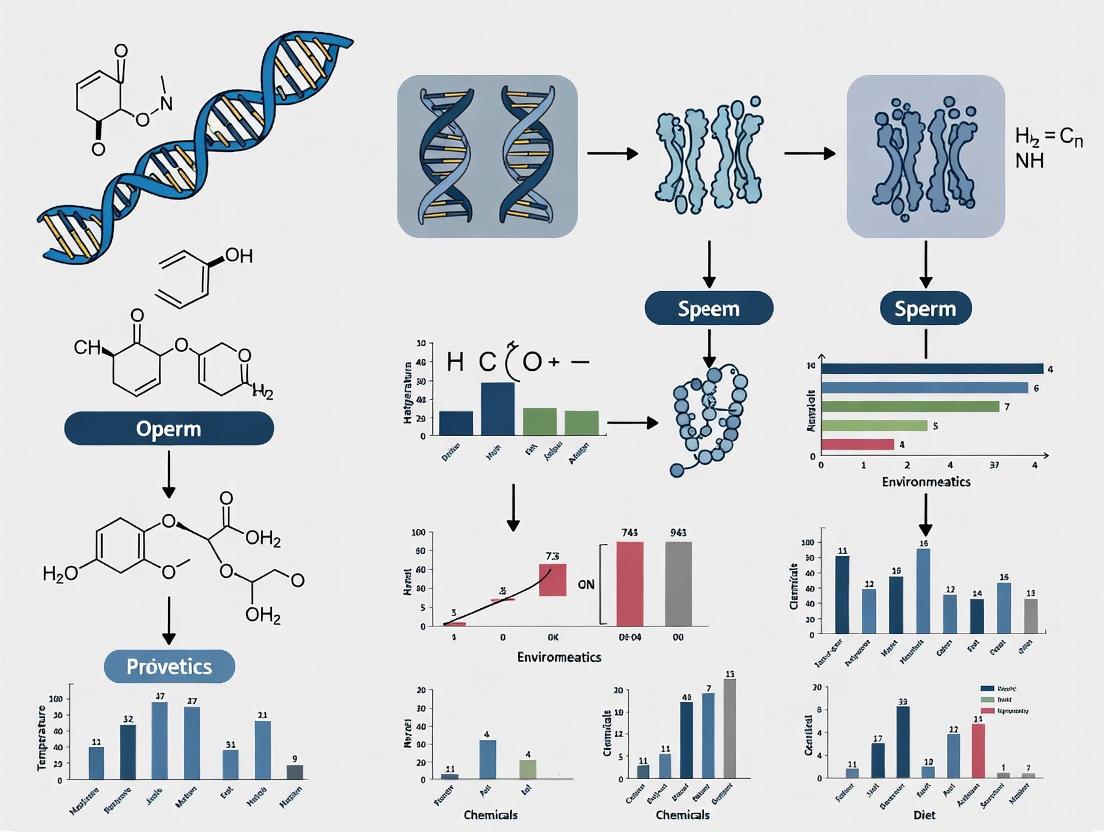
This article synthesizes current evidence on how paternal lifestyle and environmental factors—including diet, obesity, smoking, endocrine-disrupting chemicals, and stress—reshape the sperm epigenome.
Mitigating Paternal Environmental Exposures: Strategies for Sperm Epigenome Protection and Transgenerational Health
Abstract
This article synthesizes current evidence on how paternal lifestyle and environmental factors—including diet, obesity, smoking, endocrine-disrupting chemicals, and stress—reshape the sperm epigenome. It explores the mechanisms of epigenetic inheritance through DNA methylation, histone modifications, and non-coding RNAs, and their implications for embryo development and offspring health. For a research and drug development audience, we detail methodologies for epigenetic assessment, discuss interventional strategies to mitigate adverse effects, and evaluate the validation of epigenetic biomarkers. The review underscores the potential of preconception paternal health as a modifiable lever for improving reproductive outcomes and interrupting the cycle of transgenerational disease.
Decoding the Sperm Epigenome: Mechanisms of Environmentally-Driven Paternal Inheritance
The sperm epigenome comprises three key information carriers that work in concert to shape embryonic development and mediate intergenerational responses to paternal environmental exposures. These pillars are dynamically established during spermatogenesis and are susceptible to modification by various environmental factors.
Table 1: Core Components of the Sperm Epigenome
| Epigenetic Component | Key Features in Sperm | Primary Functions | Environmental Sensitivity |
|---|---|---|---|
| DNA Methylation | ~80-90% global CpG methylation in mice; protects imprinted regions and repeat elements [1] [2] | Genomic imprinting, transposon silencing, nucleosome positioning [1] [3] | Diet, toxins, stress, exercise [2] [4] [5] |
| Histone Retention | 1-15% of genome (species-dependent); enriched at developmental promoters and enhancers [6] [7] | Chromatin structure in sperm; potential blueprint for embryonic gene activation [6] [7] | Toxicants (e.g., vinclozolin, DDT) can alter retention sites [6] |
| sncRNAs | Includes miRNAs, piRNAs, tsRNAs (e.g., mt-tsRNAs); delivered via epididymosomes [8] [9] | Post-transcriptional regulation; embryo gene expression; intergenerational communication [8] [9] | Diet (e.g., high-fat), stress, toxins; rapidly altered [8] [9] |
Sperm Epigenetic Pillars and Environmental Influence
Troubleshooting Common Experimental Challenges
DNA Methylation Analysis
Problem: Inconsistent DNA methylation patterns in sperm from genetically identical mice under similar environmental conditions.
- Potential Cause: Incomplete control of environmental variables such as diet, stress, or microbiome. Sperm DNA methylation is highly sensitive to metabolic state [2] [4].
- Solution: Implement strict environmental control and precise reporting. For diet studies, use defined, purified diets rather than grain-based chow. Consider pair-feeding control animals. Monitor and report body weight, adiposity, and glucose tolerance as covariates in analysis [9].
Problem: Low yield of sperm DNA after bisulfite conversion.
- Potential Cause: Over-fragmentation of DNA prior to conversion or degradation during the harsh bisulfite treatment.
- Solution: Optimize sonication or enzymatic fragmentation conditions to avoid over-processing. Use commercial bisulfite conversion kits designed for low-input DNA and include carrier RNA if needed. For genome-wide analysis, consider Enzymatic Methyl-seq (EM-seq) as a less damaging alternative to bisulfite sequencing [1].
Histone Retention and Modification Studies
Problem: High background noise in ChIP-seq from sperm due to protamine-dominated chromatin.
- Potential Cause: Standard ChIP protocols optimized for nucleosome-rich somatic chromatin are inefficient for sperm.
- Solution: Use a specialized sperm chromatin shearing and immunoprecipitation protocol. Briefly sonicate fixed chromatin to ~200-500 bp fragments. Validate efficient histone H3 pull-down with spike-in controls. Include a pre-clearing step with pre-immune serum to reduce non-specific background [6].
Problem: Somatic cell contamination skewing histone mark profiles.
- Potential Cause: Even minor somatic cell contamination in sperm preparations can dominate the ChIP signal, as somatic cells have ~10x more nucleosomes.
- Solution: Purify sperm rigorously using a discontinuous Percoll gradient. After sorting, include a brief, gentle sonication step that can help remove residual somatic cells and sperm tails without lysing the sperm heads [6]. Check purity by microscopy or flow cytometry.
sncRNA Analysis and Functional Validation
Problem: sncRNA profiles are dominated by ribosomal RNA fragments, masking signal from functional small RNAs.
- Potential Cause: Ribosomal RNA comprises a large fraction of total RNA, even in sperm.
- Solution: Use commercial kits that include probes to deplete rRNA. Alternatively, use size-selection gels or beads to enrich for the 15-40 nt sncRNA fraction (miRNAs, piRNAs, tsRNAs) [8] [9].
Problem: Off-target effects in functional studies using sncRNA injections into zygotes.
- Potential Cause: Injection of total sperm RNA or high concentrations of synthetic RNAs can saturate the endogenous RNAi machinery.
- Solution: Titrate RNA concentrations to the lowest effective dose. Use scrambled sequence controls for synthetic RNAs. For total RNA injections, consider parallel injections with RNA from which the sncRNA fraction has been depleted [8] [9].
Detailed Experimental Protocols
Protocol: Sperm sncRNA Extraction and Sequencing for Environmental Studies
Background: This protocol is optimized for detecting diet-induced changes in sperm sncRNAs, particularly mitochondrial tRNAs (mt-tsRNAs) [9].
Reagents:
- Qiazol Lysis Reagent
- miRNeasy Micro Kit (Qiagen)
- RNase-Free DNase Set (Qiagen)
- T4 PNK (NEB)
- NEXTFLEX Small RNA-Seq Kit v3 (PerkinElmer)
Procedure:
- Sperm Collection and Lysis: Isolate sperm from cauda epididymis. Purify using a swim-up method or Percoll gradient to minimize somatic cell contamination. Lyse ~1-5 million sperm in Qiazol.
- RNA Extraction: Extract total RNA using the miRNeasy Micro Kit according to manufacturer's instructions, including the on-column DNase digestion step.
- RNA Quality Control: Assess RNA quantity and integrity. Expected RNA yield is low (1-10 ng/μL). Use Bioanalyzer Small RNA Assay; a successful profile shows peaks for miRNAs (~22 nt) and tsRNAs (~28-35 nt).
- Library Preparation: Use 10 ng total RNA as input. Deplete 5S rRNA if necessary. Use T4 PNK treatment for 5' phosphorylation. Prepare libraries using the NEXTFLEX kit with 15 PCR cycles.
- Sequencing: Sequence on an Illumina platform to obtain 5-10 million single-end 75 bp reads per sample.
Troubleshooting: If rRNA contamination is high (>50% of reads), optimize the rRNA depletion step or increase input RNA. For low complexity libraries, reduce PCR cycles.
Protocol: Assessing Environmentally-Induced Changes in Sperm Histone Retention
Background: This ChIP-seq protocol identifies Differential Histone Retention Sites (DHRs) in sperm following paternal exposure to environmental toxicants [6].
Reagents:
- Cross-linking Buffer (1% formaldehyde)
- ChIP Sonication Buffer
- Protein A/G Magnetic Beads
- Anti-Histone H3 Antibody
- ChIP DNA Clean & Concentrator Kit
Procedure:
- Sperm Collection and Cross-linking: Purify cauda epididymal sperm using somatic cell lysis buffer and gentle sonication to remove tails. Cross-link ~10 million sperm in 1% formaldehyde for 10 min at room temperature. Quench with glycine.
- Chromatin Shearing: Sonicate chromatin to an average fragment size of 200-500 bp. Optimize sonication conditions to avoid over-shearing.
- Immunoprecipitation: Incubate 100 μL sheared chromatin with 2 μg Anti-Histone H3 antibody overnight at 4°C. Use 50 μL Protein A/G magnetic beads for capture. Include an IgG control.
- DNA Purification: Reverse cross-links, treat with RNase A and Proteinase K, and purify DNA using a commercial column kit.
- Library Preparation and Sequencing: Use 1-10 ng ChIP DNA to prepare sequencing libraries. Sequence on an Illumina platform to a depth of 20-40 million reads.
Analysis: Map reads to reference genome. Identify peaks in control samples to define "core histone retention sites." Use differential binding analysis to identify DHRs in exposed samples (FDR < 0.05).
Signaling Pathways and Molecular Mechanisms
The molecular pathways connecting paternal environment to sperm epigenome and subsequent offspring outcomes involve complex inter-organ communication and mitochondrial signaling.
Paternal Environment to Offspring Health Pathway
Research Reagent Solutions
Table 2: Essential Reagents for Sperm Epigenetics Research
| Reagent/Category | Specific Examples | Function/Application | Key Considerations |
|---|---|---|---|
| Antibodies | Anti-Histone H3 (for retention mapping); Anti-H3K4me3/H3K27me3 (for modifications) [6] [7] | Chromatin Immunoprecipitation (ChIP) | Validate for specificity in sperm chromatin; compare multiple lots |
| sncRNA Library Prep Kits | NEXTFLEX Small RNA-Seq Kit v3; SMARTer smRNA-Seq Kit | sncRNA sequencing | Select kits with low input requirements (1-10 ng); check for rRNA depletion |
| DNA Methylation Kits | Enzymatic Methyl-seq (EM-seq) kits; Bisulfite Conversion Kits [1] | Genome-wide DNA methylation analysis | EM-seq is less damaging than bisulfite; bisulfite gives higher coverage |
| Animal Models | Dnmt3a/3b conditional KO; KDM1A transgenic [1] [7] | Mechanistic studies of epigenetic writing/erasing | Use germ cell-specific promoters (e.g., Stra8-iCre) to avoid somatic effects |
| Specialized Buffers | Sperm Lysis Buffer (with DTT); Somatic Cell Lysis Buffer [6] | Sperm purification and chromatin preparation | Critical for removing somatic cell contamination in histone studies |
Frequently Asked Questions (FAQs)
Q1: What is the most sensitive window for environmental factors to alter the sperm epigenome?
- Answer: The epididymal maturation phase appears highly sensitive. A 2-week high-fat diet exposure in mice during epididymal transit (but not during spermatogenesis) was sufficient to induce glucose intolerance in offspring, associated with increased sperm mt-tsRNAs [9]. However, developing germ cells in the testis are also vulnerable to certain toxicants like vinclozolin [6].
Q2: Can epigenetic changes in sperm be reversed?
- Answer: Some changes appear reversible. Diet-induced alterations in sperm sncRNAs and DNA methylation can normalize after returning to a control diet and completing new spermatogenic cycles [2] [9]. However, some toxicant-induced epigenetic alterations can persist transgenerationally [6].
Q3: How do we distinguish true epigenetic inheritance from confounding factors in paternal studies?
- Answer: Use in vitro fertilization (IVF) to control for seminal fluid effects and maternal interactions. For transgenerational studies, examine F3 generation when the directly exposed germline is the only common link [2] [6]. Include cross-fostering controls where possible.
Q4: What are the biggest technical challenges in sperm epigenetics research?
- Answer: Key challenges include: 1) eliminating somatic cell contamination in histone studies [6]; 2) obtaining high-quality RNA/DNA from highly compacted sperm chromatin [8]; 3) distinguishing functional epigenetic changes from correlative ones; and 4) the high cost of genome-wide epigenetic sequencing at sufficient depth [1] [7].
Q5: How consistent are sperm epigenetic marks across species?
- Answer: DNA methylation patterns are relatively conserved, but histone retention shows significant species variation. Mice retain ~1% histones while humans retain up to 15% [7]. Core histone retention sites at developmental promoters show some conservation, but many specific loci are species-specific [6] [7].
What is the epigenetic landscape of sperm?
The sperm epigenome consists of a unique set of chemical modifications and associated factors that regulate gene expression without changing the DNA sequence itself. This landscape includes three primary components: DNA methylation patterns, histone modifications and retention, and populations of small non-coding RNAs (sncRNAs). Unlike somatic cells, sperm chromatin is highly compacted, with most histones replaced by protamines; however, the remaining histones (3-15%) are strategically located at key developmental gene promoters and imprinted control regions. This epigenetic signature is not fixed—it demonstrates sensitivity to environmental exposures, making it a dynamic interface between paternal lifestyle and offspring health [4].
Why is understanding this important for research and drug development?
Environmental-induced epigenetic changes in sperm represent a potential mechanism for transgenerational inheritance of disease risk. For the research and drug development community, this means that:
- Toxicological Risk Assessment: Epigenetic endpoints are emerging as crucial biomarkers for evaluating the safety of chemicals, drugs, and environmental contaminants.
- Therapeutic Targets: Enzymes responsible for writing, reading, and erasing epigenetic marks (e.g., DNMTs, TETs, HATs) are becoming targets for novel therapeutics for infertility and related conditions.
- Biomarker Discovery: Sperm epigenetic signatures could serve as non-invasive biomarkers for identifying individuals at higher risk of siring children with metabolic or neuropsychiatric disorders, enabling early intervention strategies [2] [4].
FAQs: Core Mechanisms and Impacts
Q1: What are the primary epigenetic mechanisms affected by environmental triggers in sperm? The three major epigenetic mechanisms in sperm are all vulnerable to environmental perturbation:
- DNA Methylation: The addition of a methyl group to cytosine bases, primarily in CpG islands. It is crucial for genomic imprinting, transposon silencing, and gene regulation. Studies show that factors like paternal obesity and smoking can alter methylation at genes controlling development and metabolism [4].
- Histone Modifications: While most histones are replaced by protamines, the retained histones carry important post-translational modifications (PTMs) such as methylation (H3K4me3, H3K27me3) and acetylation. These marks are associated with open or closed chromatin states and gene activity. Environmental toxins can disrupt the enzymes that manage these modifications [10] [4].
- Small Non-Coding RNAs (sncRNAs): This includes tRNA-derived fragments (tRFs), piRNAs, and microRNAs. They are involved in post-transcriptional regulation and can deliver signals to the oocyte upon fertilization. Paternal stress and diet have been shown to alter the profile of sncRNAs in sperm, influencing embryo development and offspring phenotype [4].
Q2: Can epigenetic changes in sperm really affect the health of the next generation? Yes, accumulating evidence from both animal models and human observational studies supports this concept. The transmission is thought to occur when sperm carrying an environmentally-altered epigenome fertilizes an oocyte, thereby influencing the developmental program of the embryo. For example:
- Paternal obesity and high-fat diets are linked to altered sperm DNA methylation and sncRNA profiles, correlating with impaired glucose metabolism and increased adiposity in offspring [2] [4].
- Paternal exposure to chronic stress is associated with depressive-like behaviors and heightened stress sensitivity in the next generation [4].
- Exposure to endocrine-disrupting chemicals (EDCs) in fathers has been linked to an increased risk of reproductive disorders and metabolic issues in their children [11] [4].
Q3: What is the difference between intergenerational and transgenerational inheritance? This is a critical distinction for experimental design:
- Intergenerational Inheritance: The exposure directly affects the germ cells (sperm or oocytes) of the exposed individual (F0 generation), and the effects are observed in their directly conceived offspring (F1 generation). Since the F1 germline was also directly exposed in utero, effects in the F2 generation can still be intergenerational if the exposure was to the pregnant F0 mother.
- Transgenerational Inheritance: This requires the effect to be observed in generations that were not directly exposed. For paternal lineage studies, this means the epigenetic phenotype must persist in the F3 generation (the great-grandchildren of the originally exposed male) to rule out direct exposure of the germline [2].
Troubleshooting Guides
Issue 1: High Variability in Sperm DNA Methylation Measurements
Potential Causes and Solutions:
- Cause: Inconsistent cell purification. Sperm samples contaminated with somatic cells (e.g., leukocytes) will yield confounded DNA methylation data, as somatic and germ cell methylomes are distinct.
- Solution: Implement a rigorous somatic cell lysis protocol or use density gradient centrifugation for pure sperm isolation before DNA extraction.
- Cause: Methodological artifacts from bisulfite conversion. Bisulfite treatment severely degrades DNA, leading to biased amplification and sequencing library failures, especially with low-input samples [12].
- Solution: Consider newer, less-damaging sequencing methods like Enzymatic Methyl Sequencing (EM-Seq) or TET-Assisted Pyridine Borane Sequencing (TAPS), which are more robust and accurate [12].
- Cause: Uncontrolled confounding variables in subject cohort.
- Solution: Meticulously record and statistically control for factors known to influence the epigenome, including age, BMI, smoking status, alcohol consumption, and recent infections.
Issue 2: Difficulty in Linking a Specific Environmental Exposure to an Offspring Phenotype
Potential Causes and Solutions:
- Cause: Multifactorial nature of epigenetic regulation. An observed phenotype is likely the result of combined exposures (e.g., diet, stress, toxins), not a single factor.
- Solution: Use controlled animal models to isolate the variable of interest. In human studies, employ detailed questionnaires and biomarker analysis to better characterize the total exposome.
- Cause: Lack of robust, base-resolution epigenomic data.
- Solution: Move beyond low-resolution, antibody-based methods (like MeDIP-Seq). For DNA methylation, use Whole-Genome Bisulfite Sequencing (WGBS) or the newer EM-Seq/TAPS methods for comprehensive, quantitative maps [12]. For histones, techniques like CUT&Tag offer higher resolution and lower background than traditional ChIP-Seq [12].
- Cause: Insufficient validation in a second model system.
Issue 3: Interpreting the Functional Impact of a Histone Modification
Potential Causes and Solutions:
- Cause: Misinterpretation of the "histone code." A single modification can have different meanings depending on the genomic context (e.g., promoter vs. enhancer).
- Solution: Always integrate histone modification data (from CUT&Tag or ChIP-Seq) with complementary datasets like transcriptomic (RNA-Seq) or chromatin accessibility (ATAC-Seq) data from the same sample to correlate marks with gene expression outcomes.
- Cause: Use of non-specific antibodies leading to false-positive signals.
- Solution: Validate antibodies using peptide arrays or knockout cell lines if possible. Use antibodies that have been validated in previous publications for the specific histone mark in sperm.
Data Presentation: Quantitative Effects of Environmental Exposures
Table 1: Impact of Paternal Lifestyle Factors on the Sperm Epigenome and Offspring Health
This table summarizes key quantitative findings from the literature on how specific paternal exposures correlate with changes in the sperm epigenome and subsequent offspring outcomes.
| Paternal Exposure | Key Epigenetic Changes in Sperm | Observed Offspring Phenotypes (Animal/Human Studies) | Primary References |
|---|---|---|---|
| Obesity / High-Fat Diet | • Altered DNA methylation at genes related to CNS development & metabolism• Changes in sncRNA profiles (particularly tRFs) | • Impaired glucose tolerance & insulin resistance• Increased body weight & adiposity• Altered eating behavior | [2] [4] |
| Chronic Stress | • Differential DNA methylation in genes related to stress response & neurodevelopment• Changes in sncRNA content | • Depressive-like & anxiety-like behaviors• Enhanced sensitivity to stress• Metabolic changes (e.g., high blood glucose) | [4] |
| Smoking / Nicotine | • DNA hypermethylation at genes involved in anti-oxidation and insulin signaling | • Increased risk of childhood asthma & low birth weight• Compromised lung function• Altered metabolic health | [4] |
| Endocrine Disruptors (EDCs) | • Disruption of DNA methylation patterns at imprinted genes• Altered histone retention marks | • Increased risk of reproductive anomalies (e.g., testicular disorders)• Higher predisposition to obesity & PCOS (in females)• Transgenerational transmission of disease risk | [11] [4] |
| Physical Exercise | • Altered DNA methylation near genes controlling neurogenesis & CNS development | • Associated with improved metabolic health (evidence primarily from somatic studies; offspring data emerging) | [2] [13] |
Experimental Protocols
Protocol 1: Assessing Genome-Wide DNA Methylation in Sperm Using Bisulfite Sequencing
Principle: Sodium bisulfite converts unmethylated cytosines (C) to uracils (U), which are amplified as thymines (T) during PCR. Methylated cytosines (5mC) are resistant to conversion. Sequencing the treated DNA allows for base-resolution mapping of methylation status [12].
Procedure:
- Sperm Isolation and DNA Extraction: Purify sperm cells using a somatic cell lysis buffer or Percoll gradient. Extract high-molecular-weight DNA using a kit designed for bisulfite sequencing.
- DNA Quality Control: Check DNA integrity and concentration. Use fluorometric methods for accurate quantification.
- Bisulfite Conversion: Treat 50-100 ng of genomic DNA using a commercial bisulfite conversion kit (e.g., EZ DNA Methylation kits). Follow manufacturer's instructions precisely.
- Library Preparation & Sequencing: Perform whole-genome library construction on the bisulfite-converted DNA. Amplify libraries and sequence on an Illumina platform to achieve >20x genome coverage.
- Bioinformatic Analysis:
- Alignment: Use aligners like
BismarkorBS-Seeker2, which are designed for bisulfite-converted reads. - Methylation Calling: Extract methylation calls for each cytosine in a CpG context.
- Differential Analysis: Identify Differentially Methylated Regions (DMRs) using tools like
DSSormethylKit. Annotate DMRs to genomic features (promoters, gene bodies, etc.).
- Alignment: Use aligners like
Protocol 2: Profiling Histone Modifications in Sperm Using CUT&Tag
Principle: CUT&Tag (Cleavage Under Targets and Tagmentation) uses a protein A-Tn5 transposase fusion protein targeted to specific histone marks by an antibody. Upon activation, Tn5 simultaneously cleaves and inserts adapters into the surrounding DNA, enabling direct PCR amplification for sequencing [12]. It is superior to ChIP-Seq for low-cell-number inputs.
Procedure:
- Sperm Nuclei Isolation: Release and purify sperm nuclei using detergents (e.g., SDS) and DTT to reduce disulfide bonds.
- Cell Permeabilization: Bind permeabilized nuclei to Concanavalin A-coated magnetic beads.
- Antibody Incubation: Incubate with a validated primary antibody against the histone mark of interest (e.g., anti-H3K4me3, anti-H3K27me3).
- pA-Tn5 Binding: Add the protein A-Tn5 transposase complex, which binds to the primary antibody.
- Tagmentation: Activate Tn5 by adding Mg2+, which cleaves and tags the DNA around the antibody-bound nucleosomes.
- DNA Extraction and Amplification: Extract the tagged DNA and amplify it with indexed primers to create the sequencing library.
- Bioinformatic Analysis: Process fastq files, align to the reference genome, and call peaks relative to a control (e.g., IgG).
Visualization of Key Concepts and Workflows
Sperm Epigenome Environmental Influence
CUT&Tag Experimental Workflow
The Scientist's Toolkit: Essential Research Reagents
Table 2: Key Reagents for Sperm Epigenetics Research
This table lists essential reagents and their applications for studying environmentally-driven epigenetic changes in sperm.
| Reagent / Kit | Primary Function | Application Note |
|---|---|---|
| Somatic Cell Lysis Buffer | Lyses leukocytes and other somatic cells while leaving sperm cells intact. | Critical for obtaining pure sperm populations and avoiding contaminated DNA/RNA for epigenetic analysis. |
| Commercial Bisulfite Conversion Kit (e.g., Zymo Research EZ DNA Methylation kits) | Chemically converts unmethylated cytosine to uracil for downstream sequencing. | The industry standard for DNA methylation studies. Newer enzymatic methods (EM-Seq) are less damaging. |
| Validated Histone Modification Antibodies | Binds specifically to a target histone PTM (e.g., H3K4me3, H3K27me3) for CUT&Tag/ChIP. | Antibody specificity is paramount. Use ChIP-grade or CUT&Tag-validated antibodies from reputable suppliers. |
| CUT&Tag Assay Kit | Provides all necessary buffers and pA-Tn5 enzyme for profiling histone marks or DNA-binding proteins. | Ideal for low-input samples. Significantly faster and higher-resolution than traditional ChIP-Seq. |
| TRIzol Reagent / Column-based RNA Kits | Isolate total RNA, including small RNAs, from sperm cells. | Essential for sncRNA sequencing studies. Includes steps to enrich for the small RNA fraction. |
| DNMT / TET Enzyme Inhibitors (e.g., 5-Azacytidine, Decitabine) | Chemically inhibits DNA methyltransferases or TET demethylases. | Used in in vitro models to functionally test the role of specific methylation pathways in response to toxins. |
FAQ: Core Concepts of Paternal Epigenetic Inheritance
1. What are the primary epigenetic marks in sperm that can transmit paternal environmental information to the embryo? The sperm epigenome carries three major types of epigenetic information that can be influenced by the paternal environment and potentially transmitted to the embryo:
- Sperm DNA Methylation: The addition of a methyl group to cytosine bases, primarily in CpG islands, which can regulate gene expression, silence transposons, and control genomic imprinting [2] [14] [4]. Environmental factors can alter these methylation patterns.
- Sperm Histone Modifications: Although most histones are replaced by protamines during spermatogenesis, approximately 1-15% are retained in specific genomic regions [7] [4]. These retained histones bear modifications (e.g., H3K4me3, H3K27ac) that mark genes important for development [7].
- Sperm Non-Coding RNAs: Various classes of small non-coding RNAs (e.g., miRNAs, piRNAs) are present in sperm and can carry epigenetic information that may influence embryonic gene expression [2] [4].
2. How can epigenetic marks in sperm escape the widespread reprogramming that occurs after fertilization? Following fertilization, the mammalian genome undergoes two major waves of epigenetic reprogramming where most epigenetic marks are erased. However, specific genomic regions can escape this erasure through several mechanisms [15] [16] [17]:
- Imprinted Control Regions: These are specific DNA sequences that retain parent-of-origin methylation marks and are protected from demethylation in the zygote.
- Transposable Elements: Certain repetitive elements, such as intracisternal A-particle (IAP) retrotransposons and LINE elements, often maintain their methylation status.
- Other "Escapee" Regions: Recent evidence indicates that additional genomic regions beyond traditional imprinted genes and transposons may also resist reprogramming, particularly those involved in neural development and brain function [15] [2].
3. What environmental factors have been shown to alter the sperm epigenome in ways that could affect offspring health? Multiple paternal lifestyle and environmental exposures have been associated with epigenetic changes in sperm:
- Diet and Obesity: Paternal diet composition and obesity can alter sperm DNA methylation patterns, particularly at genes involved in metabolic regulation, potentially increasing offspring's risk of metabolic dysfunction [2] [4].
- Toxicants and Endocrine Disruptors: Exposure to chemicals such as BPA, phthalates, pesticides, and heavy metals (e.g., cadmium, lead) is linked to epigenetic changes in sperm that may affect reproductive outcomes and offspring health [11] [4] [5].
- Stress: Chronic psychological stress in fathers has been associated with sperm epigenetic changes that may influence offspring stress responses and neurodevelopment [2] [4].
- Smoking and Air Pollution: Tobacco smoke and airborne pollutants have been correlated with DNA methylation changes in sperm, including in genes related to oxidative stress response and implantation [4] [18].
Table 1: Environmental Exposures and Their Documented Effects on the Sperm Epigenome
| Environmental Exposure | Documented Epigenetic Changes in Sperm | Potential Offspring Effects |
|---|---|---|
| High-fat diet/Obesity | Altered DNA methylation at metabolic gene regulators [2] [4] | Increased risk of metabolic dysfunction [2] |
| Toxicants (BPA, Phthalates) | DNA methylation changes at imprinted genes and developmental loci [11] [4] | Reproductive disorders, metabolic issues [11] |
| Chronic Stress | Changes in sperm DNA methylation and non-coding RNA content [2] [4] | Altered stress response, neurodevelopmental effects [2] |
| Smoking/Air Pollution | DNA hypermethylation in genes related to antioxidant defense [4] | Reduced fertility, potential developmental impacts [4] [18] |
| Advanced Paternal Age | Accelerated epigenetic aging of sperm; cumulative methylation changes [5] | Increased risk of neurodevelopmental disorders [5] |
TROUBLESHOOTING GUIDE: Addressing Technical Challenges in Sperm Epigenetics Research
Problem: Inconsistent Results in Assessing Sperm DNA Methylation Patterns
Potential Causes and Solutions:
- Cause 1: Cellular Heterogeneity in Sperm Samples
- Solution: Implement rigorous purification protocols to isolate mature sperm free of somatic cell contamination. Use somatic cell-specific markers (e.g., CD45, CD3) to assess contamination levels. Fluorescence-activated cell sorting (FACS) can effectively separate sperm from other cell types [2].
Cause 2: Incomplete Bisulfite Conversion in DNA Methylation Analysis
- Solution:
- Optimize bisulfite conversion conditions by testing different incubation times and temperatures.
- Include both unmethylated and methylated control DNA in each conversion reaction.
- Design primers that avoid CpG sites to ensure unbiased amplification.
- Verify conversion efficiency by analyzing non-CpG cytosine conversion rates [15].
- Solution:
Cause 3: Technical Variation in Genome-Wide Methylation Profiling
- Solution:
- Use multiple technical replicates for each biological sample.
- Implement randomized sample processing to avoid batch effects.
- Include reference standards in each sequencing run.
- Utilize spike-in controls for normalization in sequencing-based methods [15].
- Solution:
Problem: Difficulty in Detecting and Validating Sperm Histone Modifications
Potential Causes and Solutions:
- Cause: Low Abundance of Histones in Mature Sperm
- Solution:
- Optimize histone extraction protocols specifically for sperm cells, using acid extraction methods.
- Increase starting material (approximately 10-20 million sperm per ChIP reaction).
- Use highly specific antibodies validated for ChIP in sperm cells.
- Implement sensitive detection methods such as CUT&Tag or ULI-NChIP, which are more effective with low cell numbers [7].
- Solution:
Problem: Challenges in Establishing Causal Relationships Between Paternal Exposure and Offspring Phenotypes
Potential Causes and Solutions:
- Cause: Confounding Maternal or In Utero Effects
- Solution:
- Utilize in vitro fertilization (IVF) approaches to isolate paternal contributions.
- In animal studies, use embryo transfer to unexposed surrogate mothers.
- For transgenerational studies, examine at least the F3 generation (through the paternal line) to distinguish true transgenerational inheritance from direct exposure effects [2] [16].
- Control for seminal fluid effects by comparing natural mating with artificial insemination using washed sperm [2].
- Solution:
EXPERIMENTAL PROTOCOLS
Protocol 1: Assessing Environmentally-Induced DNA Methylation Changes in Sperm Using Bisulfite Sequencing
This protocol provides a method for genome-wide analysis of DNA methylation patterns in sperm samples from exposed and control animals.
Materials:
- Purified sperm cells (>1 million cells per sample)
- Commercial sperm lysis buffer
- DNA extraction kit suitable for sperm DNA
- Bisulfite conversion kit (e.g., EZ DNA Methylation Kit)
- Library preparation kit for bisulfite-converted DNA
- High-throughput sequencing platform
Procedure:
- Sperm Collection and Purification:
- Collect sperm by dissection of cauda epididymis or from fresh semen samples.
- Purify using density gradient centrifugation to remove somatic cell contamination.
- Verify purity by microscopy or flow cytometry using somatic cell markers.
DNA Extraction:
- Incubate sperm cells with lysis buffer containing DTT and proteinase K to disrupt disulfide bonds and nuclear proteins.
- Extract DNA using phenol-chloroform or commercial column-based methods.
- Determine DNA concentration using fluorometric methods.
Bisulfite Conversion:
- Convert 500 ng of genomic DNA using bisulfite reagent according to manufacturer's instructions.
- Use the following cycling conditions: Denaturation at 95°C for 30 seconds, incubation at 50°C for 60 minutes, repeated for 16-20 cycles.
- Purify converted DNA and elute in low TE buffer.
Library Preparation and Sequencing:
- Prepare sequencing libraries using kits specifically designed for bisulfite-converted DNA.
- Amplify libraries with a minimal number of PCR cycles to reduce bias.
- Sequence on an appropriate high-throughput platform (e.g., Illumina) to achieve at least 10-15x coverage of the genome.
Bioinformatic Analysis:
- Align bisulfite-treated reads to a reference genome using specialized aligners (e.g., Bismark, BS-Seeker).
- Extract methylation calls for each cytosine position.
- Identify differentially methylated regions (DMRs) between exposure and control groups using statistical packages (e.g., methylKit, DSS).
- Annotate DMRs to genomic features and perform pathway enrichment analysis [15].
Protocol 2: Analyzing Sperm Histone Modifications Through Chromatin Immunoprecipitation (ChIP)
This protocol adapts traditional ChIP methods for the unique chromatin structure of sperm cells.
Materials:
- Purified sperm cells (5-10 million per ChIP)
- Crosslinking solution (1% formaldehyde)
- ChIP-validated antibodies against specific histone modifications (e.g., H3K4me3, H3K27ac)
- Protein A/G magnetic beads
- Sonication device (e.g., Bioruptor, Covaris)
- DNA purification kit
Procedure:
- Chromatin Crosslinking and Extraction:
- Resuspend purified sperm in PBS and crosslink with 1% formaldehyde for 10 minutes at room temperature.
- Quench crosslinking with 125 mM glycine for 5 minutes.
- Pellet cells and wash twice with cold PBS.
- Lyse cells in ChIP lysis buffer (with protease inhibitors) and incubate on ice for 15 minutes.
Chromatin Shearing:
- Sonicate samples to fragment DNA to 200-500 bp fragments.
- Optimize sonication conditions for sperm chromatin, which may require more energy due to high compaction.
- Centrifuge to remove insoluble material and transfer supernatant to new tubes.
Immunoprecipitation:
- Pre-clear chromatin with protein A/G beads for 1 hour at 4°C.
- Incubate chromatin with specific antibody (1-5 μg per reaction) overnight at 4°C with rotation.
- Include control reactions with normal IgG and input DNA samples.
- Add protein A/G beads and incubate for 2 hours at 4°C.
Washing, Elution, and Decrosslinking:
- Wash beads sequentially with low salt, high salt, LiCl wash buffers, and TE buffer.
- Elute chromatin from beads with elution buffer (1% SDS, 0.1 M NaHCO3).
- Reverse crosslinks by adding NaCl to a final concentration of 200 mM and incubating at 65°C for 4-6 hours.
DNA Purification and Analysis:
- Treat samples with RNase A and proteinase K.
- Purify DNA using column-based purification kits.
- Analyze by qPCR for specific genomic regions or prepare libraries for sequencing [7].
Table 2: Key Genomic Regions to Investigate for Environmentally-Induced Epigenetic Changes
| Genomic Region Type | Biological Significance | Analysis Methods |
|---|---|---|
| Imprinted Gene Control Regions | Maintain parent-of-origin expression patterns; often escape reprogramming [15] [17] | Bisulfite sequencing, Methylation-specific PCR |
| Developmental Gene Promoters | Regulate embryonic development; often marked by retained histones with H3K4me3 [7] | ChIP-seq, CUT&Tag, bisulfite sequencing |
| Transposable Elements (LINEs, SINEs, IAPs) | Protect genome stability; often resist demethylation [15] | Repeat-element specific bisulfite sequencing |
| Putative Enhancer Regions | Tissue-specific gene regulation; may bear H3K27ac and H3K4me1 marks [7] | ChIP-seq, ATAC-seq, STARR-seq |
| Neurodevelopmental Gene Loci | Enriched among regions escaping reprogramming; potentially linked to brain disorders [15] [2] | Genome-wide methylation arrays, targeted sequencing |
DIAGRAMS: Key Mechanisms and Experimental Approaches
Diagram 1: Pathway of Paternal Epigenetic Inheritance. This diagram illustrates how environmentally-induced epigenetic changes in sperm can be transmitted to the embryo through genomic regions that escape post-fertilization reprogramming.
Diagram 2: Mechanisms of Escape from Epigenetic Reprogramming. This diagram details how specific genomic regions in sperm resist the widespread epigenetic reprogramming that occurs after fertilization, allowing paternal epigenetic information to persist in the developing embryo.
RESEARCH REAGENT SOLUTIONS
Table 3: Essential Reagents and Tools for Sperm Epigenetics Research
| Reagent/Tool Category | Specific Examples | Research Application |
|---|---|---|
| DNA Methylation Analysis | Bisulfite conversion kits (EZ DNA Methylation Kit), Methylation-specific antibodies (5-methylcytosine), Whole-genome bisulfite sequencing kits | Comprehensive mapping of DNA methylation patterns in sperm; identification of environmentally-induced changes [15] |
| Histone Modification Analysis | ChIP-validated antibodies (H3K4me3, H3K27ac, H3K9me3), CUT&Tag assay kits, Native ChIP protocols | Detection and mapping of histone retention and modifications in sperm chromatin [7] |
| Sperm Purification | Density gradient media (Percoll, PureSperm), Somatic cell removal kits, Fluorescence-activated cell sorters | Isolation of pure sperm populations free of somatic cell contamination [2] |
| Epigenetic Enzymes | DNMT inhibitors (5-azacytidine), TET activators, HDAC inhibitors (Trichostatin A) | Experimental manipulation of epigenetic marks to establish causal relationships [14] |
| Bioinformatic Tools | Bismark (bisulfite read aligner), methylKit (DMR analysis), ChIPseeker (ChIP peak annotation), IGV (visualization) | Analysis and interpretation of high-throughput epigenomic data [15] |
Scientific Foundation: Core Concepts and Targets
What are the key epigenetic targets I must consider in sperm epigenetics research? In sperm epigenetics, your research should focus on three primary classes of epigenetic targets that are crucial for embryonic development and susceptible to environmental influence: imprinted genes, developmental promoters, and transposable elements. These targets are regulated by fundamental mechanisms including DNA methylation, histone modifications, and non-coding RNAs, all of which can be disrupted by environmental stressors, potentially leading to transgenerational inheritance of altered phenotypes [19] [4].
Table 1: Key Epigenetic Targets and Their Roles in Sperm Epigenetics
| Epigenetic Target | Primary Regulatory Mechanism | Core Function in Development | Susceptibility to Environmental Stress |
|---|---|---|---|
| Imprinted Genes [20] [21] | Germline-derived DNA methylation at Differentially Methylated Regions (DMRs) [21] | Parent-of-origin specific expression; critical for placental, embryonic, and postnatal development [21] | High; paternal lifestyle factors (diet, toxins) can alter methylation at Imprinting Control Regions (ICRs) [4] |
| Developmental Promoters [22] | Histone modifications (H3K4me3, H3K27me3); binding of Pioneer Factors [22] | Control genes essential for cell fate determination, zygotic genome activation, and lineage specification [22] | High; oxidative stress can disrupt histone modifier enzymes and pioneer factor function [23] |
| Transposable Elements [2] [4] | DNA methylation (CpG and non-CpG) and repressive histone marks [4] | Maintain genomic integrity by silencing repetitive elements; some regulate nearby genes [4] | Moderate; environmental factors can lead to loss of repression, increasing genomic instability [2] |
The Scientist's Toolkit: Essential Reagents and Materials
Table 2: Key Research Reagent Solutions for Sperm Epigenetics
| Research Reagent / Material | Critical Function | Example Application |
|---|---|---|
| Antibodies for Histone Modifications (e.g., H3K4me3, H3K27me3, H3K9me3) [24] | Chromatin Immunoprecipitation (ChIP); immunostaining to map active/repressive chromatin states | Mapping bivalent domains on developmental promoters in sperm [24] |
| DNA Methyltransferases (DNMTs) & TET Enzyme Inhibitors/Activators [4] | Experimentally manipulate global DNA methylation/hydroxymethylation states | Testing stability of imprinted gene DMRs under oxidative stress in model systems [23] |
| Bisulfite Conversion Kits [4] | Convert unmethylated cytosines to uracils for high-resolution DNA methylation analysis | Interrogating methylation status at specific ICRs (e.g., H19/Igf2) and transposable elements (e.g., LINE-1) [4] |
| Pioneer Factors (e.g., DUX, OCT4, SOX2) [22] | Recombinant proteins for in vitro binding assays; expression vectors for cellular reprogramming | Studying the mechanism of developmental gene activation in embryonic stem cell differentiation models [22] |
| Small RNA Sequencing Kits (for sncRNA) [4] | Profile and quantify sncRNA populations (e.g., tRNA fragments, piRNAs) in sperm | Identifying sncRNA signatures altered by paternal diet that may mediate intergenerational effects [4] |
Troubleshooting Guide: Resolving Common Experimental Challenges
FAQ 1: In my mouse model, how can I determine if an observed developmental defect is linked to disrupted genomic imprinting in sperm?
- Issue: After paternal exposure to an environmental stressor (e.g., high-fat diet), offspring present with growth abnormalities. You suspect loss of imprinting.
- Investigation Protocol:
- Identify Target ICRs: Focus on well-characterized paternally imprinted genes relevant to your phenotype (e.g., H19/Igf2 for growth regulation) [21].
- High-Resolution Methylation Analysis: Isolate sperm genomic DNA from exposed and control males. Perform bisulfite sequencing PCR on the specific DMRs controlling your genes of interest. This provides single-base-pair resolution of methylation status [4].
- Quantitative Analysis: Compare the percentage of methylated CpGs within the DMR between groups. A significant loss (>10-20%) or gain of methylation in the exposed group is indicative of an imprinting defect [21].
- Functional Correlation: If possible, correlate the methylation status with allele-specific expression of the imprinted gene in resulting offspring tissues to confirm functional impact.
FAQ 2: My ChIP-seq on sperm histones shows inconsistent results for developmental promoters. What are the potential sources of error?
- Issue: High background noise or failure to enrich for specific histone marks at key developmental gene promoters.
- Troubleshooting Steps:
- Chromatin Quality and Fragmentation: Ensure sperm chromatin is efficiently decondensed and sonicated to an optimal fragment size (200–500 bp). Over- or under-sonication drastically affects resolution [24].
- Antibody Validation: Use ChIP-grade, validated antibodies. Check literature for antibodies proven to work in germ cells or sperm, as chromatin compaction can affect epitope accessibility. Always include a positive control (e.g., H3 for total histone) and an IgG control [24].
- Input DNA Normalization: Accurately quantify and use the "input DNA" control for normalization during sequencing library preparation and data analysis. This corrects for technical artifacts and regional variation in sequencing efficiency [24].
- Peak Calling Parameters: Bioinformatically, use stringent false discovery rate (FDR) thresholds (e.g., FDR < 0.05) and compare your data to existing histone mark maps from similar cells to validate your peak calls.
FAQ 3: I am investigating transposable element regulation. How do I quantitatively assess their activation status in sperm from environmentally exposed subjects?
- Issue: Need a reliable method to measure whether transposable elements (e.g., LINE-1) have become transcriptionally active due to epigenetic dysregulation.
- Recommended Workflow:
- Methylation-Specific Analysis: Use a combined approach. Perform bisulfite sequencing targeting the 5' promoter regions of active LINE-1 or Alu elements to quantify DNA methylation levels, as hypomethylation correlates with activation [4].
- Transcriptional Output: Measure the RNA expression level of transposable elements by RT-qPCR using primers specific to the ORF2 region of LINE-1 or a consensus Alu sequence. This confirms if epigenetic changes have transcriptional consequences [25].
- Global Methylation Assay (Secondary): As a surrogate, less specific measure, you can use an ELISA-based method for 5-methylcytosine detection. A significant global hypomethylation often accompanies transposable element derepression, but this lacks locus-specific information [2].
Detailed Experimental Protocols
Protocol 1: Analyzing DNA Methylation at an Imprinting Control Region (ICR) Using Bisulfite Sequencing
This protocol is essential for precisely assessing the methylation status of a specific genomic region, such as an ICR, which is often a primary target of environmental insults [4].
- Principle: Sodium bisulfite converts unmethylated cytosine residues to uracil, while methylated cytosines remain unchanged. Subsequent PCR and sequencing reveal the methylation status of each cytosine in the original DNA sequence.
- Materials: Genomic DNA from sperm, Commercial Bisulfite Conversion Kit, PCR reagents, primers designed for bisulfite-converted DNA, DNA sequencing facility.
- Step-by-Step Workflow:
- DNA Isolation & Qualification: Purify high-quality, high-molecular-weight DNA from sperm. Quantify using a fluorometer for accuracy.
- Bisulfite Conversion: Treat 500 ng - 1 µg of DNA with sodium bisulfite using a commercial kit according to the manufacturer's instructions. This step deaminates unmethylated cytosines.
- PCR Amplification: Design primers that are specific to the bisulfite-converted sequence of your target ICR (e.g., the H19 DMR). Use a polymerase optimized for bisulfite-converted DNA.
- Cloning and Sequencing: Clone the PCR products into a plasmid vector. Pick at least 10-20 individual bacterial colonies for Sanger sequencing. This provides clonal, single-molecule resolution.
- Data Analysis: Use software like BiQ Analyzer to align sequences and calculate the percentage of methylation for each CpG site across all clones. Compare the methylation patterns between control and experimental groups statistically.
Bisulfite Sequencing Workflow for ICR Analysis
Protocol 2: Chromatin Immunoprecipitation (ChIP) for Histone Modifications in Sperm
This protocol allows you to map the genomic locations of specific histone modifications, which is key to understanding the epigenetic state of developmental promoters [24].
- Principle: Proteins, including histones, are cross-linked to DNA in living cells. Chromatin is fragmented and immunoprecipitated with an antibody against a specific histone modification. The associated DNA is then purified and analyzed.
- Materials: Sperm cells, Cross-linking reagent (e.g., formaldehyde), ChIP-validated antibody, Protein A/G beads, Sonication device, PCR or sequencing reagents.
- Step-by-Step Workflow:
- Cross-Linking & Lysis: Fix sperm cells with 1% formaldehyde for 10-15 minutes at room temperature to cross-link histones to DNA. Quench with glycine. Lyse cells to isolate nuclei.
- Chromatin Shearing: Sonicate the chromatin to shear DNA into fragments of 200-500 bp. Optimization is critical for success.
- Immunoprecipitation: Pre-clear the chromatin sample. Incubate an aliquot with your target-specific antibody (e.g., anti-H3K4me3) and another with a control IgG overnight at 4°C. Add Protein A/G beads to capture the antibody-chromatin complexes.
- Washing & Elution: Wash beads stringently to remove non-specific binding. Elute the immunoprecipitated chromatin from the beads.
- Reverse Cross-Linking & Purification: Reverse the cross-links by heating, and treat with Proteinase K. Purify the co-precipitated DNA.
- Analysis: Analyze the enriched DNA by qPCR (ChIP-qPCR) for specific promoters or by next-generation sequencing (ChIP-seq) for genome-wide profiling.
ChIP Protocol for Histone Modifications
Data Presentation: Quantitative Epigenetic Alterations
Table 3: Documented Epigenetic Alterations from Environmental Exposures
| Environmental Stressor | Observed Epigenetic Change | Experimental Model | Quantitative Impact | Reference Technique |
|---|---|---|---|---|
| Paternal High-Fat Diet / Obesity [2] [4] | Altered DNA methylation in sperm at genes controlling CNS development | Human (pre/post bariatric surgery) | Significant methylation changes at numerous loci (p < 0.05) | Genome-wide methylation array [26] |
| Endurance Training [21] | Changed DNA methylation in sperm near neurogenesis genes | Human (3-month intervention) | Altered methylation in transposon regions linked to nervous system development | Methylation-specific analysis [21] |
| Chronic Stress [4] | Differential expression of sncRNAs in sperm; altered offspring metabolism | Animal models (mouse/rat) | Increased risk of metabolic dysfunction and depressive-like behavior in F1 | sncRNA sequencing [4] |
| Toxicant Exposure (EDCs) [4] | Transgenerational transmission of disease (obesity, PCOS) via epigenetic changes | Animal models | Increased predisposition to disease in F2 and F3 generations | Analysis of sperm DNA methylation and histone retention [4] |
| Oxidative Stress [23] | Hyper- or Hypo-methylation of critical gene regions; disrupted histone marks | In vitro and animal models | Associated with impaired spermatogenesis and higher DNA fragmentation index | Combined analysis of ROS, methylation, and chromatin integrity [23] |
FAQs & Troubleshooting Guides
FAQ 1: What are the primary epigenetic vectors in sperm that can transmit paternal environmental information to the offspring?
Answer: The primary epigenetic vectors in sperm are DNA methylation, histone modifications, and small non-coding RNAs (sncRNAs). These carriers can be altered by paternal exposures and are transmitted to the oocyte upon fertilization, influencing embryonic development and offspring health [2] [4] [7].
- DNA Methylation: This involves the addition of a methyl group to cytosine bases, primarily in CpG dinucleotides. It is crucial for genomic imprinting, transposon silencing, and gene regulation. Environmental factors can cause differential methylation in sperm, particularly near genes involved in neurogenesis and central nervous system development [2] [4].
- Histone Modifications: Although most histones are replaced by protamines during spermatogenesis, approximately 1-15% are retained in mature sperm. These retained histones, harboring post-translational modifications like H3K4me3, are enriched at promoters of genes critical for embryogenesis [7]. Disruption of these marks (e.g., via overexpression of the histone demethylase KDM1A) can lead to severe developmental defects in offspring [7].
- small non-coding RNAs (sncRNAs): This class includes microRNAs (miRNAs) and others. Their abundance in sperm is highly sensitive to paternal factors like diet. These sncRNAs can directly influence gene expression patterns in the early embryo [27] [4].
FAQ 2: My animal model shows a paternal effect on offspring phenotype, but how can I rule out maternal or in utero confounding factors?
Answer: To isolate the paternal germline-specific effects, the following controlled experimental approaches are recommended:
- Use of In Vitro Fertilization (IVF): This is considered a gold standard. By using sperm from exposed males to fertilize oocytes from unexposed females in vitro, you can eliminate confounding factors such as seminal fluid signaling or maternal microbiota transfer at mating [2] [28]. A recent study successfully used this method with single-embryo transcriptomics to identify distinct molecular responses in blastocysts sired by males exposed to antibiotics or a specific diet [28].
- Paternal-Only Exposure Models: Studies should be designed where only the male parent is exposed to the environmental stressor before conception, while females are kept under controlled conditions [2].
- Caution with IVF: Be aware that the IVF procedure itself can induce epigenetic alterations in gametes and embryos. It is critical to include appropriate sham-handling controls in your experimental design [2].
FAQ 3: What are the critical windows of vulnerability for the sperm epigenome?
Answer: The sperm epigenome is most vulnerable during two key developmental phases:
- Testicular Spermatogenesis: This is the first phase, where germ cells undergo extensive epigenetic programming, including DNA re-methylation and histone-to-protamine transition. Exposures during this window can alter DNA methylation and histone retention patterns [27].
- Post-Testicular Epididymal Maturation: During transit through the epididymis, sperm gain a substantial portion of their sncRNA cargo. Exposure to stressors specifically during this period can significantly alter the sncRNA profile of mature sperm, independent of changes occurring during spermatogenesis [27].
Troubleshooting Guide: Interpreting Subtle Paternal Effects
Problem: Paternal exposure effects on the offspring phenotype or embryo transcriptome are often subtle and can be overshadowed by batch effects or genetic background.
Solution:
- Minimize Confounding Factors: Carefully plan experiments to minimize "batch effects," such as using male mice from parallel or identical batches for exposure and control groups [28].
- Consider Genetic Background: Be aware that the impact of a specific paternal exposure can vary significantly between mouse strains (a "strain effect"). Replicating findings across different genetic backgrounds strengthens the validity of the results [28].
- Ensure Sufficient Statistical Power: Given the anticipated subtlety of effects, ensure your study is adequately powered with appropriate sample sizes to detect statistically significant changes.
Experimental Protocols
Protocol 1: Assessing Paternal Diet-Induced Sperm Epigenetic Alterations
This protocol is adapted from studies investigating high-fat diet (HFD) effects on the sperm epigenome [27].
1. Experimental Design:
- Animals: Use male mice (e.g., C57BL/6 or FVB strains). Include a control group fed a standard diet.
- Exposure: Expose the experimental group to a HFD (e.g., 60% kcal from fat) for a minimum of 6-7 weeks to cover at least one full cycle of spermatogenesis and epididymal transit.
- Tissue Collection: After the exposure period, euthanize the animals and collect sperm from the cauda epididymis.
2. Methodology for Epigenetic Analysis:
- Sperm Collection: Isolate sperm from the cauda epididymis in a suitable medium.
- DNA Extraction & Methylation Analysis:
- Extract genomic DNA from purified sperm.
- Perform genome-wide DNA methylation analysis using techniques such as Whole-Genome Bisulfite Sequencing (WGBS) or Infinium Methylation EPIC Arrays.
- Bioinformatic Analysis: Map sequencing reads to the genome, calculate methylation levels at CpG sites, and identify Differentially Methylated Regions (DMRs) between HFD and control groups. Pathway analysis can then link DMRs to gene ontologies (e.g., embryonic development, neurogenesis) [2] [27].
- sncRNA Sequencing:
- Extract total RNA, enriching for small RNAs.
- Construct sncRNA libraries and perform next-generation sequencing.
- Bioinformatic Analysis: Align sequences to the reference genome, identify and quantify sncRNAs (e.g., miRNAs). Identify sncRNAs with significantly altered abundance (e.g., Log2FC ≥ 1, FDR ≤ 0.05). Use prediction databases (e.g., miRDB) to identify downstream target genes of altered miRNAs [27].
3. Data Integration:
- Cross-reference the list of genes associated with DMRs or predicted miRNA targets with phenotype databases like the International Mouse Phenotyping Consortium (IMPC) to explore potential links to placental or developmental abnormalities [27].
Protocol 2: Evaluating Offspring Outcomes via In Vitro Fertilization (IVF)
This protocol, based on Dura et al., outlines a highly controlled approach to assess paternal effects on early embryogenesis [28].
1. Paternal Exposure & Sperm Collection:
- Expose FVB or C57BL/6 male mice to the environmental factor of interest (e.g., non-absorbable antibiotics, low-protein high-sugar diet) for 6-7 weeks.
- Collect sperm from the exposed males and control males.
2. In Vitro Fertilization:
- Harvest oocytes from unextained, hormonally primed superovulated females.
- Perform IVF using sperm from exposed or control males.
- Culture the resulting zygotes to the blastocyst stage.
3. Embryo Transcriptomic Analysis:
- Single-Embryo RNA Sequencing: Individually lyse blastocysts and perform RNA extraction and library preparation.
- Bioinformatic Analysis: Sequence the libraries and align reads to the reference genome. Identify Differentially Expressed Genes (DEGs) between blastocysts derived from exposed and control fathers. Perform gene ontology (GO) enrichment analysis to identify affected biological pathways (e.g., cell differentiation, metabolic processes) [28].
Signaling Pathways & Molecular Mechanisms
The mTOR/Blood-Testis Barrier Mechanism in Sperm Epigenetic Aging
Recent research has identified the mechanistic target of rapamycin (mTOR) and Blood-Testis Barrier (BTB) integrity as a novel pathway through which environmental stressors influence the sperm epigenome [5]. The diagram below illustrates this mechanism.
Title: mTOR/BTB pathway mediates environmental effects on sperm epigenetics.
Mechanism Explanation: Environmental stressors like heat stress (HS) and cadmium (Cd) disrupt the integrity of the Blood-Testis Barrier (BTB), a specialized structure that protects developing germ cells. HS acts through an mTOR-dependent pathway, while Cd exposure acts via an mTOR-independent mechanism [5]. This BTB disruption accelerates sperm epigenetic aging, measured via a sperm epigenetic clock model. The outcome is altered DNA methylation patterns in sperm, particularly affecting genes involved in embryonic development and neurodevelopment, which can subsequently influence offspring health [5].
Data Presentation: Key Epigenetic Changes & Associated Phenotypes
Table 1: Paternal Exposure-Induced Sperm Epigenetic Alterations and Functional Consequences
| Paternal Exposure | Key Epigenetic Alteration in Sperm | Experimental Model | Observed Offspring/Embryo Phenotype | Citation |
|---|---|---|---|---|
| High-Fat Diet (HFD) | Altered histone methylation (e.g., H3K4me) in testes; Increased specific miRNAs in epididymal sperm | Mouse | Altered gene expression in blastocysts (enriched for metabolic processes); Altered placental development and size; Increased offspring risk of metabolic dysfunction | [28] [27] |
| Low-Protein, High-Sugar Diet | Specific changes in sncRNA profile | Mouse | Altered gene expression in blastocysts (enriched for cell differentiation and developmental pathways) | [28] |
| Non-absorbable Antibiotics | Specific changes in sncRNA profile | Mouse | Altered gene expression in blastocysts (enriched for cellular metabolic processes) | [28] |
| Heat Stress & Cadmium | Accelerated sperm epigenetic aging; Altered DNA methylation | Mouse (C57BL/6) | Changes in methylation of genes involved in embryonic development and neurodevelopment | [5] |
| Chronic Stress | Changes in sperm DNA methylation and sncRNA profiles | Rodent Models | Increased risk of depressive-like behavior, enhanced stress sensitivity, and metabolic changes (e.g., high blood glucose) in offspring | [4] |
| Endurance Training | Altered DNA methylation near genes related to CNS development | Human | Suggested impact on neurodevelopmental programming | [2] |
| Obesity / Bariatric Surgery | Altered DNA methylation near genes related to CNS development | Human | Suggested impact on neurodevelopmental programming | [2] |
Table 2: Research Reagent Solutions for Sperm Epigenetics Studies
| Reagent / Material | Function / Application | Key Details / Considerations |
|---|---|---|
| Infinium Methylation EPIC Array | Genome-wide profiling of DNA methylation in human sperm. | Interrogates over 850,000 CpG sites. Suitable for large cohort studies. A murine version is also available for model organism research [5]. |
| Whole-Genome Bisulfite Sequencing (WGBS) | Comprehensive, base-resolution analysis of DNA methylation. | Provides the most complete picture of the methylome but is more costly and computationally intensive than array-based methods [29]. |
| Chromatin Immunoprecipitation (ChIP) | Mapping histone modifications and histone retention in sperm. | Critical for identifying enrichment of marks like H3K4me3 at developmental gene promoters. Requires specific, validated antibodies [7]. |
| small RNA-Seq Library Prep Kits | Preparation of sequencing libraries for sncRNA profiling. | Essential for detecting and quantifying miRNAs and other sncRNAs that are responsive to paternal exposures [27]. |
| International Mouse Phenotyping Consortium (IMPC) Database | Public resource for gene-phenotype associations. | Used to cross-reference epigenetic data (e.g., DMRs, miRNA targets) with known placental and developmental phenotypes in knockout mice [27]. |
| miRDB (miRNA Target Database) | Online database for prediction of miRNA target genes. | Used to identify high-confidence downstream target genes of diet-altered sperm miRNAs [27]. |
Advanced Methodologies for Profiling and Interpreting Sperm Epigenetic Alterations
Troubleshooting Guides
Illumina MethylationEPIC BeadChip Arrays
Common Issue: Data Inconsistency Between EPIC Array Versions
- Problem: Researchers observe significant technical variation and batch effects when combining data from the Infinium MethylationEPIC v1.0 (EPICv1) and v2.0 (EPICv2) arrays in meta-analyses or longitudinal studies.
- Cause: Although EPICv2 retains ~77% of the probes from EPICv1, it also introduces over 200,000 new probes, removes approximately 143,000 poorly performing probes from v1, and includes technical differences in probe design and annotation to the GRCh38 genome build [30]. These changes, while improving coverage, can lead to discordant methylation measurements for the same CpG site across versions.
- Solution:
- Version Adjustment in Analysis: Implement statistical models that include "EPIC version" as a covariate during data preprocessing to correct for version-specific bias [30].
- Separate Analysis and Meta-Analysis: Process and calculate DNA methylation-based estimates (e.g., epigenetic age) separately for each EPIC version before combining the results using meta-analysis techniques [30].
- Probe Filtering: Always use updated manifest files specific to each array version and filter out probes that are not common to both platforms if a combined analysis is necessary.
Common Issue: Poor Data Quality from Low-Intensity Signals
- Problem: High proportion of probes with low signal intensity, leading to unreliable Beta-value calculations.
- Cause: Suboptimal DNA quality, insufficient bisulfite conversion efficiency, or issues with array hybridization.
- Solution:
- DNA Quality Control: Ensure input DNA is of high quality (e.g., using Bioanalyzer) and meets the recommended quantity.
- Bisulfite Conversion Check: Verify bisulfite conversion efficiency using internal control probes on the array. Inefficient conversion requires repeating the assay.
- Normalization: Apply appropriate normalization algorithms (e.g.,
preprocessFunnormin R'sminfipackage) to correct for technical variation and background noise [31].
Common Issue: Incorrect Probe Annotation
- Problem: Genomic coordinates or gene annotations for probes do not match the reference genome.
- Cause: Using outdated annotation files, especially for EPICv2 which is annotated to GRCh38, unlike the earlier EPICv1 hg19 annotation.
- Solution: Always download and use the most recent probe annotation files directly from Illumina's website or reputable bioconductor packages (e.g.,
IlluminaHumanMethylationEPICv2.anno.20a.hg38).
Small Non-Coding RNA (sncRNA) Sequencing
Common Issue: Low RNA Yield from Sperm Samples
- Problem: Insufficient quantity of sncRNAs isolated from sperm for library preparation.
- Cause: Sperm cells have highly compacted chromatin and low RNA content. Suboptimal lysis protocols can fail to efficiently release sncRNAs.
- Solution:
- Optimized Lysis: Use a rigorous lysis buffer containing strong detergents (e.g., SDS) and reducing agents to fully disrupt the dense sperm protamine-based chromatin [4].
- Carrier RNA: Include glycogen or linear acrylamide as a carrier during RNA precipitation to improve the recovery of low-concentration sncRNAs.
- Library Kits: Use specialized low-input RNA library preparation kits that are optimized for sncRNAs.
Common Issue: Bias in Library Preparation
- Problem: Over-representation of certain sncRNA species (e.g., miRNAs) and under-representation of others (e.g., piRNAs, tRNA fragments).
- Cause: Enzymatic biases during adapter ligation and cDNA synthesis in standard library prep protocols.
- Solution:
- Protocol Modifications: Consider using protocols that incorporate random primers instead of solely relying on adapter ligation to reduce bias.
- Size Selection: Perform rigorous size selection after library preparation using automated electrophoresis systems (e.g., Pippin Prep) to isolate the desired sncRNA fraction and remove adapter dimers.
Chromatin Profiling (e.g., ATAC-seq, ChIP-seq) in Sperm
Common Issue: Very Low or No Signal in Sperm Chromatin Assays
- Problem: Failure to generate libraries or obtaining minimal unique reads in assays like ATAC-seq or ChIP-seq from mature sperm.
- Cause: Mature spermatozoa have exceptionally compacted chromatin where ~85-95% of histones are replaced by protamines, drastically reducing chromatin accessibility and the number of nucleosome-bound regions available for profiling [4].
- Solution:
- Cell Number Optimization: Significantly increase the number of sperm cells used as input (e.g., 500,000 to 1 million cells for ATAC-seq) to account for low accessibility.
- Nuclear Isolation and Permeabilization: Use optimized nuclear isolation buffers with non-ionic detergents to permeabilize the tough sperm membrane without damaging the nucleus.
- Enzyme Titration: For ATAC-seq, titrate the Tn5 transposase enzyme concentration and extend the incubation time to improve fragmentation efficiency.
Common Issue: High Background Noise
- Problem: Elevated levels of non-specific or background signal in chromatin profiles.
- Cause: Residual protamines and highly compacted DNA can lead to non-specific tagmentation or antibody binding.
- Solution:
- Increased Washes: Implement more stringent wash conditions during ChIP-seq protocols to reduce non-specific antibody binding.
- Control Experiments: Always include a matched input DNA or IgG control for ChIP-seq to allow for accurate background subtraction during data analysis.
Frequently Asked Questions (FAQs)
Q1: Which Illumina MethylationEPIC array should I use for my new study, v1 or v2? A1: For new studies, the MethylationEPIC v2.0 array is recommended. It features an updated probe set with improved coverage of enhancer regions and CTCF-binding sites, removes poorly performing probes from v1, and uses the current GRCh38 genome annotation [30] [32]. While data from v1 and v2 can be combined, it requires careful harmonization, so starting with the latest version simplifies analysis and ensures future compatibility [30].
Q2: How can I control for the impact of environmental factors on sperm epigenetics in my study design? A2: Mitigating environmental confounders is critical.
- Questionnaire Data: Collect detailed information on paternal lifestyle (diet, smoking, alcohol, stress) and occupational exposures [4] [33].
- Biomonitoring: Where possible, measure levels of specific environmental endocrine disruptors (EEDs) like BPA or phthalates in blood or urine to quantify exposure [33].
- Standardized Protocols: Process all samples in a randomized manner to avoid confounding batch effects with exposure groups.
- Statistical Adjustment: Include key environmental and lifestyle covariates as confounding variables in your statistical models during data analysis.
Q3: What are the key quality control metrics I should check for my MethylationEPIC array data? A3:
- Bisulfite Conversion Efficiency: Check control probes on the array; efficiency should be >99%.
- Detection P-values: Filter out probes and samples with a high proportion of signals not significantly above background (e.g., p-value > 0.01).
- Beta-value Distributions: Examine density plots to identify outliers.
- Sex Chromosome Consistency: Verify that reported sample sex matches the methylation profile of chromosomes X and Y.
- Check for Spatial Artifacts: Use packages like
minfiin R to visualize signal intensities across the array surface for spatial defects [31].
Q4: We are studying transgenerational inheritance. Why is sncRNA-seq important in this context? A4: Sperm sncRNAs (including miRNAs, piRNAs, and tRNA fragments) are carriers of epigenetic information that can influence embryonic development and offspring health [4] [23]. Environmental stressors, such as paternal diet or toxin exposure, can alter the profile of these sncRNAs in sperm. Upon fertilization, they are delivered to the oocyte and can modulate gene expression in the early embryo, providing a plausible mechanism for the transmission of paternal environmental experiences to the next generation [4].
Q5: What is the most challenging aspect of chromatin profiling in sperm, and how can it be overcome? A5: The primary challenge is the extremely compact and unique nature of sperm chromatin due to protamine packaging [4]. This results in a very low signal-to-noise ratio in assays like ATAC-seq and ChIP-seq. Overcoming this requires:
- High Input Cell Numbers: Using substantially more sperm cells than typical somatic cells.
- Optimized Protocols: Utilizing specialized protocols developed for sperm or hard-to-lyse cells that include stronger detergents and longer incubation times.
- Targeted Approaches: Focusing on the retained nucleosomes, which are often enriched at key regulatory regions like promoters of developmental genes [4].
Experimental Protocols & Data Presentation
Detailed Protocol: MethylationEPIC Array Workflow for Sperm DNA
This protocol outlines the steps from DNA extraction to data generation, highlighting steps critical for sperm samples.
- Sperm DNA Isolation: Use a dedicated sperm DNA extraction kit that efficiently lyses protamine-packed nuclei. Assess DNA purity and integrity (e.g., A260/280 ratio ~1.8, RIN >7 on Bioanalyzer).
- Bisulfite Conversion: Convert 500 ng of high-quality sperm DNA using a bisulfite conversion kit. This step deaminates unmethylated cytosines to uracils, while methylated cytosines remain unchanged. Critical Step: Ensure complete conversion to avoid false positives.
- Whole-Genome Amplification and Hybridization: Following the Illumina Infinium HD Assay protocol, the bisulfite-converted DNA is amplified, fragmented, and hybridized onto the MethylationEPIC BeadChip.
- Scanning: The array is scanned, and intensity data files (
IDATfiles) are generated for each sample. - Data Preprocessing (Bioinformatics):
- Import
IDATfiles into R using theminfipackage [31]. - Quality Control: Calculate detection p-values and remove low-quality probes and samples.
- Normalization: Apply a normalization method like
preprocessFunnormto correct for technical variation [31]. - Probe Filtering: Remove probes containing SNPs, cross-reactive probes, and probes on sex chromosomes if not relevant.
- Beta-value Calculation: Calculate Beta-values (β = M/(M + U + 100)) for each CpG site, representing the methylation level from 0 (unmethylated) to 1 (fully methylated) [31].
- Import
MethylationEPIC Array Specifications
Table 1: Comparison of Illumina Methylation Array Platforms
| Feature | Infinium HumanMethylation450K | MethylationEPIC v1.0 | MethylationEPIC v2.0 | Infinium Methylation Screening Array-48 Kit |
|---|---|---|---|---|
| Total CpG Probes | ~485,577 [32] | ~850,000 [32] | ~936,000 [30] | ~270,000 [32] |
| Coverage Focus | Gene-centric regions, promoters [31] | v1 content + ~350,000 enhancer regions [31] | Enhanced regulatory elements (enhancers, CTCF) [30] | Traits, diseases, environmental exposure, aging [32] |
| Genome Build | hg19 | hg19 | GRCh38 [30] | GRCh38 |
| Best For | Historical data; large-scale EWAS (e.g., TCGA) | Existing studies; broad coverage | New studies; maximal regulatory element coverage [30] [32] | Very large population-scale studies (>100,000 samples) [32] |
Key Reagent Solutions for Sperm Epigenetics Studies
Table 2: Essential Research Reagents for Sperm Epigenetics
| Item | Function | Example/Note |
|---|---|---|
| Sperm DNA Isolation Kit | Efficiently extracts DNA from protamine-compacted sperm chromatin. | Kits with specialized lysis buffers containing DTT are often required. |
| Bisulfite Conversion Kit | Converts unmethylated cytosines to uracils for methylation detection. | Assess conversion efficiency via control probes on arrays or PCR. |
| Infinium MethylationEPIC v2 BeadChip | Genome-wide DNA methylation profiling at >900,000 CpG sites. | Ideal for discovery studies on environmental effects on sperm methylome [30] [32]. |
| sncRNA Isolation Kit | Purifies small RNAs (<200 nt) from low-yield sperm samples. | Includes steps to separate sncRNAs from fragmented genomic DNA and large RNAs. |
| sncRNA Library Prep Kit | Prepares sequencing libraries from low-input sncRNA. | Select kits that minimize bias for a comprehensive profile of miRNAs, piRNAs, etc. |
| Tn5 Transposase | Enzyme for ATAC-seq that fragments and tags accessible DNA regions. | Titration is crucial for sperm due to low accessibility. |
| Antibodies for Sperm ChIP-seq | Target histone modifications retained in sperm (e.g., H3K4me3, H3K27ac). | Validate for use in sperm ChIP; histone retention is limited and specific [4]. |
Signaling Pathways & Workflow Visualizations
Impact of Environmental Stressors on Sperm Epigenetics
Environmental Stress Impact Pathway
Integrated Sperm Epigenetics Analysis Workflow
Sperm Epigenetics Analysis Workflow
The pursuit of robust sperm epigenetic biomarkers for environmental exposures represents a frontier in male reproductive health research. The fundamental premise is that environmental factors can induce specific epigenetic alterations—changes in DNA methylation, histone modifications, and non-coding RNA expression—in sperm, which can then serve as molecular footprints of exposure [4] [7]. These biomarkers hold immense promise for objectively assessing an individual's exposure history and its potential impact on fertility and offspring health.
However, this research domain faces a significant hurdle: the reliable distinction of true exposure-specific epigenetic signatures from confounding biological and technical artifacts. The intricate process of epigenetic reprogramming during germ cell development creates windows of exceptional susceptibility to environmental influences, but also introduces substantial variability [34]. A primary confounder is genetic predisposition, as inherited genetic variants can themselves shape the baseline epigenetic landscape, making it difficult to isolate changes purely attributable to environment [4]. Furthermore, the pervasive reality of mixed exposures in human populations complicates the linkage of any specific epigenetic alteration to a single agent [35]. This technical support center is designed to equip researchers with the methodologies and troubleshooting knowledge necessary to overcome these challenges and advance the rigorous discovery of sperm epigenetic biomarkers.
Frequently Asked Questions (FAQs)
Q1: What are the most well-established environmental exposures known to alter the sperm epigenome? Current evidence, primarily from animal models and supported by human association studies, indicates that several exposure classes can perturb sperm epigenetics:
- Endocrine Disrupting Chemicals (EDCs): Compounds like vinclozolin, bisphenol-A (BPA), phthalates, and DDT have been shown to induce differential DNA methylation regions (DMRs) in sperm, often at intergenic and imprinted loci, with potential transgenerational effects [34] [36] [35].
- Paternal Diet and Metabolic State: Obesity, prediabetes, and specific nutritional deficits (e.g., folate deficiency) are associated with altered sperm DNA methylation patterns at genes involved in metabolic pathways, influencing offspring metabolic health [34] [4].
- Tobacco Smoke: Smoking induces hypermethylation in sperm genes related to anti-oxidation and insulin resistance, with changes at specific loci like AHRR serving as sensitive biomarkers [4] [35].
- Chronic Stress: Paternal stress is linked to metabolic and behavioral phenotypes in offspring, mediated in part by changes in sperm non-coding RNA profiles [4].
Q2: Which epigenetic mark is most stable and reliable for biomarker discovery in sperm? While all major epigenetic mechanisms are investigated, DNA methylation is often the primary focus for biomarker discovery due to its relative stability and the availability of highly quantitative, genome-wide profiling technologies (e.g., Illumina MethylationEPIC arrays, whole-genome bisulfite sequencing) [37]. Its utility is evidenced by the identification of specific CpG sites whose methylation levels strongly correlate with exposures like smoking and alcohol consumption [37]. However, a complete picture requires a multi-faceted approach that also considers histone retention (particularly H3K4me3 and H3K27ac at developmental promoters and enhancers) and sperm-borne non-coding RNAs, as these marks can provide complementary and sometimes causative information [4] [7].
Q3: What is the greatest source of false positives in sperm epigenetic studies? Somatic cell contamination of semen samples is a critical and often underappreciated source of error [38]. Somatic cells (e.g., leukocytes) possess vastly different methylomes compared to sperm. Even low-level contamination (e.g., 5%) can artificially inflate methylation levels at loci that are hypermethylated in somatic cells but hypomethylated in sperm, leading to spurious conclusions about hypermethylation in sperm [38]. This risk is heightened when studying oligozoospermic samples, where the relative proportion of somatic cells is greater.
Troubleshooting Guides
Problem: Inconsistent or Unreplicable Exposure-Associated Epigenetic Signals
| Potential Cause | Diagnostic Steps | Solution |
|---|---|---|
| Unaccounted Genetic Variation | Perform genotyping or use available genetic data. Conduct methylation quantitative trait locus (mQTL) analysis to identify SNPs associated with methylation variance. | Statistically adjust for genetic background in analyses or use genetically matched controls in study design [4]. |
| Mixed/Co-exposures in Cohort | Use detailed exposure questionnaires or biomonitoring to characterize multiple exposures. Employ multivariate statistical models. | Focus recruitment on cohorts with well-defined, single exposures or use statistical methods to disentangle the effects of co-exposures [35]. |
| Insufficient Statistical Power | Perform a power calculation based on expected effect size for a pilot dataset. | Increase sample size. Collaborate to create larger, pooled cohorts for meta-analysis. |
Problem: Suspected Somatic Cell Contamination in Sperm Samples
| Potential Cause | Diagnostic Steps | Solution |
|---|---|---|
| Ineffective Somatic Cell Removal | Microscopic examination post-processing. | Implement a rigorous somatic cell lysis buffer (SCLB: 0.1% SDS, 0.5% Triton X-100) treatment protocol with post-treatment microscopic validation [38]. |
| "Hidden" Low-Level Contamination | Quantify DNA methylation at predefined biomarker CpG sites that are highly methylated in blood but unmethylated in pure sperm. | Integrate a panel of 9,564 validated CpG sites (identified from 450K array data) as a quality control checkpoint. Apply a 15% methylation cut-off at these sites during data analysis to exclude contaminated samples [38]. |
Experimental Protocols for Exposure-Specific Biomarker Discovery
Comprehensive Workflow for Controlling Somatic Contamination
The following diagram illustrates a robust, multi-step workflow to eliminate the influence of somatic cell DNA in sperm epigenetic studies:
Title: Sperm Sample Somatic Contamination Control Workflow
Procedure:
- Initial Processing: Wash fresh semen samples twice with 1X PBS via centrifugation at 200g for 15 minutes at 4°C [38].
- Quality Control Checkpoint 1: Inspect the pellet under a microscope (e.g., 20X objective) to identify and quantify somatic cell presence and sperm count.
- Somatic Cell Lysis: Incubate the sample with freshly prepared Somatic Cell Lysis Buffer (SCLB: 0.1% SDS, 0.5% Triton X-100 in ddH2O) for 30 minutes at 4°C [38].
- Quality Control Checkpoint 2: Re-examine the sample under a microscope. If somatic cells persist, repeat SCLB treatment. If absent, pellet sperm via centrifugation and perform a final PBS wash to obtain a pure sperm population.
- DNA Extraction & Profiling: Proceed with sperm DNA extraction and subsequent epigenomic analysis (e.g., MethylationEPIC array).
- Bioinformatic Quality Control Checkpoint 3: Analyze data against a predefined panel of 9,564 CpG sites known to be hypermethylated in blood (>80%) and hypomethylated in pure sperm (<20%). Apply a stringent 15% methylation cut-off to these biomarker sites to automatically flag and exclude any samples with residual somatic contamination [38].
Protocol for Validating Exposure-Associated DMRs in Functional Assays
Objective: To determine whether a sperm epigenetic signature identified in a biomarker discovery study has functional consequences for embryonic gene regulation. Background: True exposure biomarkers should be linked to biological plausibility. A key question is whether paternally inherited epigenetic marks can influence transcription in the early embryo [7] [35]. Methodology:
- Sperm Chromatin Analysis: Use techniques like ChIP-seq or CUT&Tag in exposed vs. control sperm to map the precise genomic localization of retained histones with modifications like H3K4me3 and H3K27ac, which are enriched at developmental gene promoters and enhancers [7].
- Embryo Transcriptional Analysis: Perform single-cell RNA-sequencing (scRNA-seq) on pre-implantation embryos (e.g., 2-cell, 4-cell, 8-cell stages) sired by exposed vs. control males.
- Data Integration: Correlate the sperm epigenetic marks (DMRs, histone retention) with differentially expressed genes in the corresponding embryos. Functional targets will show a statistical association between the paternal epigenetic state and embryonic gene expression [7].
Table 1: Documented Sperm Epigenetic Changes from Environmental Exposures
| Exposure Category | Specific Agent/Model | Key Sperm Epigenetic Changes | Reported Effect Size / Specifics |
|---|---|---|---|
| Toxicants | Vinclozolin (Rat, in utero) | Differential DNA Methylation Regions (DMRs) | DMRs mostly intergenic; little overlap between different toxicants [34]. |
| Altered microRNA expression (miR-23b, miR-21, let-7) | Observed in F1-F3 PGCs; prominent even without DNA methylation changes [34]. | ||
| Paternal Diet/Metabolism | Life-long Folate Deficiency (Mouse) | 57 DMRs; Global reduction of H3K4me & H3K9me | DMRs associated with genes for cancer, diabetes, neurological diseases [34]. |
| Paternal Prediabetes (Mouse) | 446 DMRs in offspring pancreatic islets | Altered methylation in genes for glucose metabolism (Pik3r1, Pik3ca) [4]. | |
| Lifestyle Factors | Cigarette Smoking (Human) | DNA Hypomethylation at AHRR (cg05575921) | AUC for predicting smoking status: 0.99 [37]. |
| Heavy Alcohol Consumption (Human) | DNA Methylation at CDC42BPB (cg04987734) | AUC for classifying heavy drinkers: 0.88 (single marker); 0.98 (panel) [37]. |
Table 2: Essential Research Reagents for Sperm Epigenetic Studies
| Reagent / Material | Critical Function / Note | Reference / Example |
|---|---|---|
| Somatic Cell Lysis Buffer (SCLB) | Selectively lyses contaminating somatic cells in semen samples without damaging sperm. Crucial for sample purity. | 0.1% SDS, 0.5% Triton X-100 in ddH2O [38]. |
| Infinium MethylationEPIC BeadChip | Genome-wide DNA methylation profiling covering >850,000 CpG sites. Standard for biomarker discovery. | Covers CpG islands, enhancers, intergenic regions. [38]. |
| Biomarker CpG Panel | 9,564 specific CpG sites used as internal control for somatic contamination. | Methylation >15% at these sites indicates contamination. [38]. |
| Antibodies for Sperm ChIP | For mapping histone retention in tightly packaged sperm chromatin. Requires validated, high-quality antibodies. | Anti-H3K4me3, Anti-H3K27ac [7]. |
| DNMT/TET Inhibitors | Experimental tools to probe the mechanistic role of DNA methylation dynamics in exposure effects. | e.g., 5-Azacytidine (DNMT inhibitor) [39]. |
The Scientist's Toolkit: Key Research Reagent Solutions
Table 3: Reagent Kits and Assays for Key Analyses
| Analysis Type | Recommended Kits/Assays | Primary Application |
|---|---|---|
| Sperm DNA Extraction | Commercially available kits designed for sperm cells. | Optimized for breaking down resistant sperm membrane and protamine-bound DNA. |
| Whole-Genome Bisulfite Sequencing (WGBS) | Premium bisulfite conversion kits (e.g., EZ DNA Methylation kits). | Gold-standard for base-resolution, unbiased methylation mapping. |
| Sperm RNA Extraction & sncRNA-seq | Kits for small RNA isolation and library preparation. | Analysis of sperm-borne sncRNAs (miRNAs, tsRNAs), key epigenetic vectors. |
| Chromatin Immunoprecipitation (ChIP) | Low-input or carrier ChIP-seq kits. | Mapping of retained histones in sperm, which is challenging due to low abundance. |
Integrating Epigenetic Data with Clinical Endpoints in Assisted Reproductive Technology (ART)
For researchers and drug development professionals working in reproductive technology, integrating epigenetic data with clinical endpoints presents both unprecedented opportunities and significant technical challenges. A growing body of evidence confirms that paternal preconception environment, including factors such as diet, stress, and chemical exposures, can significantly reshape the sperm epigenome and influence ART outcomes [40] [4]. This technical support center provides targeted guidance for troubleshooting experiments aimed at mitigating these environmental influences, ensuring that your research generates reliable, clinically relevant data.
FAQs: Epigenetics in ART Research
1. How can paternal lifestyle factors before conception influence ART outcomes? Paternal lifestyle and environmental factors before conception can alter the sperm epigenome, which in turn affects embryonic development and clinical ART endpoints such as fertilization rates, embryo quality, and pregnancy success [4] [2]. Specific factors including paternal obesity, smoking, and exposure to endocrine-disrupting chemicals (EDCs) have been associated with epigenetic changes in sperm, such as aberrant DNA methylation and altered small non-coding RNA (sncRNA) expression [4] [40]. These changes can compromise sperm function and potentially transmit metabolic risks to the offspring.
2. What are the primary epigenetic vectors in sperm that respond to environmental factors? The three primary epigenetic mechanisms in sperm that are responsive to environmental factors are:
- DNA methylation: The addition of a methyl group to cytosine bases, crucial for gene regulation and genomic imprinting [2] [4].
- Histone modifications: Post-translational modifications to histone proteins, which impact chromatin packaging and gene accessibility [4] [40].
- Small non-coding RNAs (sncRNAs): Including miRNAs and piRNAs, which can regulate gene expression post-fertilization [40]. These vectors serve as a molecular memory of paternal environmental exposure [2].
3. Why are ART procedures considered a potential risk for inducing epigenetic errors? ART procedures (e.g., superovulation, embryo culture) coincide with critical windows of extensive epigenetic reprogramming in gametes and early embryos [41]. During these periods, the epigenome is particularly vulnerable to environmental perturbations. Procedures such as in vitro culture, which alters pH, temperature, and oxygen tension, can disrupt the natural establishment of epigenetic marks, potentially leading to issues with placental development, fetal growth, and an elevated—though still absolute—risk of imprinting disorders [41].
4. What are the key confounders when studying environmental effects on the sperm epigenome in an ART context? Key confounders include:
- Underlying infertility: It is challenging to dissociate epigenetic changes caused by environmental factors from those intrinsic to the infertility condition itself [41].
- Maternal factors: The maternal uterine environment and seminal fluid signaling can independently influence embryonic development [2] [4].
- Genetic background: Inherited genetic variants can influence the baseline epigenetic landscape and its susceptibility to change [4].
- Complex lifestyle interactions: Diet, exercise, and toxin exposure often interact, making it difficult to attribute epigenetic changes to a single factor [4].
Troubleshooting Guides
Problem 1: Inconsistent DNA Methylation Results from Sperm Samples
Potential Causes and Solutions:
- Cause: Heterogeneous cell populations or somatic cell contamination in sperm samples.
- Solution: Implement rigorous somatic cell lysis protocols and use methods like fluorescence-activated cell sorting (FACS) for pure sperm isolation.
- Cause: Incomplete bisulfite conversion during DNA methylation analysis.
- Solution: Include unmethylated and methylated control DNA in your conversion reaction. Optimize conversion time and temperature, and quantify conversion efficiency [42].
- Cause: High inter-individual variability masking exposure-specific signals.
Problem 2: Poor Correlation Between Sperm Epigenetic Marks and Embryo Quality/Clinical Endpoints
Potential Causes and Solutions:
- Cause: The selected epigenetic mark may not be functionally relevant to the clinical endpoint being measured.
- Cause: Inadequate statistical power or poorly defined clinical endpoints.
- Solution: Pre-define primary clinical endpoints (e.g., blastocyst formation rate, sustained implantation, live birth) and power your study accordingly. Use multivariate models to account for female factors and embryo grading subjectivity.
- Cause: Technical artifacts from low-input material in parallel embryo analysis.
- Solution: For parallel embryo epigenomic analysis, use optimized low-input or single-cell protocols (e.g., scBS-seq, RRBS) and validate findings with orthogonal methods.
Problem 3: Differentiating Environmentally-Induced Epigenetic Changes from ART Procedure Artifacts
Potential Causes and Solutions:
- Cause: Epigenetic alterations induced by in vitro culture conditions mimicking those of environmental exposures.
- Solution: Include appropriate control groups. When using animal models, compare in vivo conceived embryos to those derived from IVF. In human studies, account for culture media and oxygen tension in the statistical model [41].
- Cause: Effect of ovarian stimulation on oocyte epigenetics, which may compound with paternal sperm epigenetic contributions.
- Solution: In model systems, utilize embryo donation or sperm donation paradigms to isolate the paternal contribution. In clinical studies, stratify analysis by the use of donor oocytes.
Essential Data Tables
Table 1: Paternal Environmental Exposures and Their Documented Effects on the Sperm Epigenome
| Exposure Factor | Observed Sperm Epigenetic Changes | Correlated Clinical/Developmental Outcomes |
|---|---|---|
| Obesity / High-Fat Diet | Altered DNA methylation patterns, particularly near genes involved in nervous system development and metabolism; changes in sncRNA expression [2] [4] [40]. | Increased risk of metabolic dysfunction (impaired glucose tolerance, insulin resistance) in offspring; potential impact on sperm quality and fertilization rates [4] [40]. |
| Smoking | DNA hypermethylation in genes related to anti-oxidation and insulin resistance [4]. | Reduced sperm motility and concentration; associated with increased offspring disease risk [4] [40]. |
| Chronic Stress | Changes in sperm sncRNA profiles and DNA methylation [4]. | Increased risk of depressive-like behaviors and stress sensitivity in offspring; metabolic changes (high blood glucose, increased body weight) [4]. |
| Endocrine Disruptors | Altered DNA methylation and sncRNA expression, potentially affecting imprinted genes [4] [40]. | Transgenerational transmission of increased disease predisposition, including infertility, testicular disorders, and obesity [4]. |
| Physical Exercise | Altered DNA methylation in genes related to the development of the central nervous system and neurogenesis [2]. | Improved metabolic health; potential positive influence on offspring brain development (inferred from epigenetic changes) [2]. |
Table 2: Key Analytical Methods for Profiling the Sperm Epigenome in ART Research
| Method | Target Epigenetic Mark | Application in Sperm & ART Research | Technical Considerations |
|---|---|---|---|
| Whole-Genome Bisulfite Sequencing (WGBS) | DNA methylation (single-base resolution) | Gold standard for discovering novel environmentally-sensitive differentially methylated regions (DMRs) [2] [43]. | Requires high-quality DNA; computationally intensive; can detect non-CpG methylation [2]. |
| Immunoprecipitation-based Methods (MeDIP-seq, hMeDIP-seq) | 5-methylcytosine (5mC) or 5-hydroxymethylcytosine (5hmC) | Cost-effective for enriching and sequencing methylated regions; useful for surveying global changes [4]. | Lower resolution than WGBS; antibody specificity is critical. |
| Chromatin Immunoprecipitation (ChIP) | Histone modifications (e.g., H3K4me3, H3K27ac) and histone variants [42] | Mapping the retained nucleosomes in sperm, which are often enriched at key developmental gene promoters [40]. | Technically challenging in sperm due to high protamination; requires optimized sonication and antibody validation. |
| small RNA-Seq | miRNAs, piRNAs, tRNA-derived fragments | Profiling the full repertoire of sncRNAs, which are highly responsive to paternal environment and may influence embryonic gene expression [4] [40]. | Careful RNA isolation to preserve small RNAs; need to account for RNA fragmentation. |
Experimental Protocols
Protocol 1: Assessing Environmentally-Induced DNA Methylation Changes in Human Sperm
Objective: To identify differentially methylated regions (DMRs) in human sperm associated with a specific paternal exposure (e.g., obesity, smoking).
Materials:
- Pure sperm samples (isolated via density gradient centrifugation/Percoll)
- DNA extraction kit (validated for bisulfite conversion)
- Bisulfite conversion kit
- Platform for downstream analysis (e.g., Illumina EPIC array, WGBS library prep kit)
Methodology:
- Sample Collection and Processing: Obtain informed consent and collect semen samples. Purify sperm cells using a two-layer density gradient to minimize somatic cell contamination [40].
- DNA Extraction and Quality Control: Extract genomic DNA. Quantify and assess purity (A260/280 ~1.8).
- Bisulfite Conversion: Treat 500 ng - 1 µg of DNA with sodium bisulfite using a commercial kit to convert unmethylated cytosines to uracils. Purify converted DNA.
- Methylation Profiling:
- For targeted/array-based analysis: Amplify and hybridize converted DNA to the Illumina EPIC BeadChip [41].
- For genome-wide analysis: Prepare sequencing libraries from converted DNA for Whole-Genome Bisulfite Sequencing (WGBS).
- Data Analysis: Align sequences to a bisulfite-converted reference genome. Calculate methylation levels at each CpG. Use statistical packages (e.g.,
DSS,methylSig) to identify DMRs between exposure and control groups. Annotate DMRs to genomic features (promoters, enhancers, imprinted loci).
Protocol 2: Functional Validation of an Epigenetic Marker in an ART Model
Objective: To test if a specific sperm DNA methylation mark identified in human studies has a functional impact on embryo development.
Materials:
- Animal model (e.g., mouse)
- Reagents for controlled environmental exposure (e.g., high-fat diet)
- IVF equipment and reagents
- Bisulfite Pyrosequencing or CRISPR-dCas9 tools
Methodology:
- Induce Exposure: Subject male animals to the environmental factor (e.g., high-fat diet) vs. control diet for a full spermatogenic cycle.
- Confirm Phenotype: Assess metabolic parameters and collect sperm.
- Epigenetic Analysis: Perform targeted bisulfite pyrosequencing on sperm DNA to confirm the DMR of interest.
- Functional ART Assay: Perform IVF using sperm from exposed and control males and oocytes from healthy, unexposed females.
- Assess Outcomes: Track and compare key ART endpoints: fertilization rate, embryo cleavage rate, blastocyst formation rate, and blastocyst cell number.
- Causal Validation (Advanced): Use epigenetic editing tools (e.g., CRISPR-dCas9-DNMT3A/3L or dCas9-TET1) in sperm precursor cells to specifically write or erase the methylation mark at the target locus and repeat the IVF assay to observe direct effects.
Signaling Pathways and Workflows
Diagram 1: Paternal Environment to Offspring Health Pathway
Diagram 2: Sperm Epigenome Analysis Workflow for ART
The Scientist's Toolkit: Research Reagent Solutions
| Item | Function in Epigenetic ART Research |
|---|---|
| DNA Methylation Kits | Bisulfite conversion kits are essential for preparing DNA for methylation analysis, enabling the differentiation between methylated and unmethylated cytosines [42]. |
| Chromatin Immunoprecipitation (ChIP) Kits | Used to investigate histone modifications and their patterns in sperm, which is critical given the unique chromatin structure of male gametes [42] [40]. |
| Small RNA Analysis Kits | Facilitate the isolation and profiling of sncRNAs (e.g., miRNAs, piRNAs) from sperm, which are key vectors for the transmission of paternal environmental information [42] [4]. |
| Percoll/Density Gradient Media | Critical for isolating pure sperm populations free from seminal plasma and somatic cell contamination, which is a prerequisite for accurate epigenomic analysis [40]. |
| Preimplantation Genetic Testing (PGT) Reagents | While primarily used for screening aneuploidies, the protocols and biopsy materials can be adapted for low-input epigenomic analysis of embryos [44] [41]. |
In Vitro and In Vivo Models for Testing Causal Links Between Exposure and Offspring Health
Identifying environmental risk factors that have causal effects on offspring health is a fundamental scientific and public health goal. However, assessing causality is challenging due to confounding factors, reverse causation, and selection bias. Environmental exposures are rarely randomly allocated; instead, they are influenced by dispositional factors, including inherited ones, through a phenomenon known as gene-environment correlation [45]. This creates a significant challenge for researchers: how can we distinguish whether an observed association between parental exposure and offspring outcome represents a true causal effect or is merely confounded by shared genetic or familial factors?
The field has developed sophisticated family-based designs and experimental models that can help disentangle these complex relationships. These approaches enable scientists to separate the influence of environmental exposures from inherited influences shared between parent and offspring. For prenatal exposures, the models that can separate intrauterine environmental effects from genetic confounds differ from those used for postnatal or later-life exposures [45]. This technical resource provides a comprehensive guide to these models, their applications, and methodological considerations for researchers working to establish causal links between exposures and offspring health outcomes.
Frequently Asked Questions (FAQs) on Causal Modeling Approaches
Q1: What study designs best address genetic confounding when investigating prenatal exposures?
A: The most effective designs for separating prenatal environmental effects from genetic confounds include:
Maternal vs. Paternal Exposure Designs: These compare associations between maternal prenatal exposures (which could affect offspring through both genetic and intrauterine pathways) and paternal prenatal exposures (which likely affect offspring primarily through genetic pathways, as fathers don't provide the intrauterine environment) [45].
Discordant Sibling Designs: These compare siblings who were differentially exposed during gestation (e.g., a mother smoked during one pregnancy but not another), thereby holding constant genetic and many shared environmental factors [45].
In Vitro Fertilization (IVF) Designs: These enable separation of the intrauterine environment from the maternal genome, particularly in cases where donated eggs or embryos are used, allowing researchers to disentangle genetic from gestational influences [45].
Each design has distinct strengths and limitations, and convergence of results across multiple designs with different patterns of strengths and weaknesses (triangulation) strengthens causal inference [45].
Q2: What are the key limitations of in vivo models in nanomaterial toxicology studies?
A: Current literature reveals several significant limitations:
Methodological Diversity: There is substantial variation in NP materials, sizes, dosage, exposure routes, and gestational timing across studies, making comparisons and synthesis difficult [46].
Characterization Challenges: Incomplete characterization of nanomaterials, including aggregation status and cellular uptake, limits reproducibility and interpretation [46].
Translation Uncertainty: Differences in placental structure and function between animal models and humans create uncertainty in extrapolating findings [46].
Mechanistic Gaps: Most studies report significant adverse effects but fail to fully elucidate the mechanisms of cellular toxicity [46].
Q3: How can paternal transmission studies control for maternal and in utero confounding?
A: Paternal exposure models are particularly valuable because they circumvent potential in utero effects. However, researchers must consider:
Seminal Fluid Effects: Seminal fluid can send signals to the maternal reproductive tract that may affect embryo development independently of sperm-borne factors [2].
Maternal Microbiome: Contamination of maternal microbiota by the male at mating may impact the in utero environment [2].
IVF Approaches: Using in vitro fertilization can help control for these confounding factors, though the procedures themselves may induce epigenetic alterations [2].
For true transgenerational inheritance studies through the paternal line, effects must be demonstrated in the F2 generation (grandchildren of the exposed male) who were not directly exposed [2].
Q4: What molecular mechanisms mediate environmental effects on sperm epigenetics?
A: Key mechanisms include:
mTOR/BTB Pathway: Environmental stressors like heat stress and cadmium can disrupt the blood-testis barrier via mTOR-dependent or independent mechanisms, accelerating sperm epigenetic aging and altering DNA methylation patterns [5].
Oxidative Stress Pathways: Multiple stressors generate reactive oxygen species that can damage sperm DNA and alter its methylation pattern [5].
Enzymatic Regulation: DNA methyltransferases (DNMTs) and Ten-Eleven Translocation (TET) enzymes mediate DNA methylation and demethylation processes in response to environmental stimuli [2] [4].
These mechanisms can be targeted for therapeutic interventions to mitigate environmental effects on epigenetic programming in sperm.
Experimental Models: Methodologies and Applications
In Vivo Models
Table 1: In Vivo Models for Causal Inference in Exposure-Offspring Health Research
| Model Type | Key Application | Strengths | Limitations | Example Use Cases |
|---|---|---|---|---|
| Maternal vs. Paternal Exposure | Disentangling prenatal environment from genetic inheritance | Can reveal whether exposure effects operate through intrauterine vs. genetic pathways | Cannot completely rule out postnatal confounding; selection bias in trio data [45] | Maternal vs. paternal smoking effects on offspring ADHD [45] |
| Discordant Sibling | Controlling for shared genetic/familial factors | Controls for genetic and many environmental confounds; uses naturally occurring exposure variation | Siblings may differ on unmeasured nonshared confounding; may not generalize to between-family effects [45] | Differential in utero exposure to maternal smoking between siblings [45] |
| In Vitro Fertilization (IVF) Designs | Separating genetic from gestational contributions | Can completely disentangle genetic and gestational effects using donor gametes/embryos | Ethical and practical constraints; IVF procedures may themselves induce epigenetic changes [45] [2] | Comparing offspring outcomes from egg donation vs. standard IVF [45] |
| Rodent Nanoparticle Exposure | Studying placental transfer and developmental toxicity | Controlled exposure timing/dosing; tissue access for mechanism investigation | Species differences in placental structure; high variability in protocols [46] | Titanium dioxide NP effects on offspring neurodevelopment [46] |
| Paternal Exposure Models | Studying germline epigenetic transmission | Circumvents in utero confounding; cleaner transgenerational design | Potential seminal fluid/microbiome confounding; requires F2 generation for transgenerational evidence [2] | Paternal diet effects on offspring metabolism via sperm DNA methylation [2] |
In Vitro Models
Table 2: In Vitro Models for Mechanistic Studies of Exposure Effects
| Model System | Applications | Methodological Considerations | Key Readouts |
|---|---|---|---|
| Placental Cell Cultures (e.g., BeWo, JEG-3) | Nutrient transport, barrier function, hormone processing | Choice of primary cells vs. immortalized lines; oxygenation conditions; differentiation state | Transporter expression (GLUT1, SNAT2); 11β-HSD2 activity; extracellular vesicle release [47] |
| Neural Progenitor Cells (NPCs) | Foetal neurodevelopment, synaptic formation, neural patterning | Developmental stage specificity; 2D vs. 3D culture systems; differentiation protocols | Proliferation markers (Ki67); differentiation markers (Tuj1, GFAP); gene expression pathways [47] |
| Sperm Epigenetic Analysis | Paternal germline transmission studies | Standardized processing to avoid artifactual epigenetic changes; appropriate controls for genetic background | DNA methylation (whole genome bisulfite sequencing); histone modifications; small non-coding RNA expression [2] [4] |
| Blood-Testis Barrier Models | Mechanisms of environmental effects on spermatogenesis | Primary Sertoli cells vs. cell lines; appropriate permeability assays; hormonal regulation | Tight junction protein expression (occludin, ZO-1); transcriptome changes; mTOR pathway activation [5] |
Signaling Pathways and Molecular Mechanisms
mTOR/BTB Pathway in Sperm Epigenetic Reprogramming
Figure 1: mTOR/BTB Pathway Mediating Environmental Effects on Sperm Epigenetics. Environmental stressors disrupt the blood-testis barrier through mTOR-dependent and independent mechanisms, accelerating sperm epigenetic aging and altering DNA methylation patterns in genes involved in embryonic development and neurodevelopment [5].
Placental-Foetal Neurodevelopmental Axis in Maternal Stress
Figure 2: Placental-Foetal Neurodevelopmental Axis in Maternal Stress. Maternal stress exposure impacts foetal neurodevelopment through both increased cytokine exposure and cortisol-mediated pathways, with the placenta playing a central mediating role [47].
Research Reagent Solutions
Table 3: Essential Research Reagents for Exposure-Offspring Health Studies
| Reagent/Category | Specific Examples | Research Application | Technical Considerations |
|---|---|---|---|
| Nanoparticles for Exposure Studies | Titanium dioxide, Silver, Carbon black, Gold NPs | Developmental toxicology, placental transfer studies | Thorough characterization of size, charge, aggregation state essential; consider realistic exposure routes [46] |
| Endocrine Disrupting Chemicals | BPA, BPS, phthalates, parabens, triclosan | EDC effects on gametogenesis, early development | Use environmentally relevant doses; consider mixture effects; account for rapid metabolism of some compounds [48] |
| Epigenetic Analysis Platforms | Illumina MethylationEPIC, Whole genome bisulfite sequencing, MeDIP-Seq | Genome-wide DNA methylation analysis | Appropriate normalization; control for cell type composition; account for genetic influences on methylation [4] [49] |
| Cell Culture Models | BeWo, JEG-3 trophoblast cells; primary Sertoli cells; neural progenitor cells | Mechanistic pathway analysis | Verify differentiation status; use appropriate co-culture systems for barrier function studies [47] [5] |
| Molecular Pathway Reagents | mTOR inhibitors (rapamycin), glucocorticoids, recombinant cytokines | Pathway manipulation studies | Consider timing and duration of interventions; use multiple complementary inhibitors/activators [47] [5] |
Troubleshooting Common Experimental Challenges
Problem: Inconsistent Results in Nanoparticle Exposure Studies
Solution: Standardize characterization and exposure protocols:
- Precise Characterization: Document NP size, surface charge, coating, and aggregation status in exposure medium [46].
- Exposure Route Considerations: Use relevant exposure routes (inhalation, ingestion, injection) based on human exposure scenarios [46].
- Dosage Alignment: Calculate equivalent human exposure levels rather than using arbitrary high doses [46].
Problem: Confounding in Human Observational Studies
Solution: Implement family-based designs:
- Discordant Sibling Approaches: Compare differentially exposed siblings to control for shared genetic and environmental confounding [45].
- Paternal vs. Maternal Exposure Comparisons: Use paternal exposures as negative controls for intrauterine effects [45].
- Multidimensional Risk Profiling: Account for correlated risk factors rather than studying single exposures in isolation [49].
Problem: Distinguishing Intergenerational vs. Transgenerational Effects
Solution: Apply rigorous generational design principles:
- Paternal Line Studies: For paternal exposures, demonstrate effects in F2 generation (grand offspring) to establish transgenerational inheritance [2] [29].
- Maternal Line Studies: For maternal exposures, demonstrate effects in F3 generation to establish transgenerational inheritance (as F2 germline was directly exposed) [2].
- IVF Controls: Use in vitro fertilization to control for in utero and postnatal care confounding [2].
Problem: Low Signal-to-Noise in Sperm Epigenetic Analyses
Solution: Optimize epigenetic workflow:
- Standardized Processing: Implement standardized sperm processing protocols to minimize technical artifacts [4].
- Cell Sorting: Use fluorescence-activated cell sorting for pure sperm populations when possible [4].
- Multiple Assay Validation: Confirm findings with complementary epigenetic assays (e.g., bisulfite sequencing and methylated DNA immunoprecipitation) [4] [5].
Establishing causal links between environmental exposures and offspring health outcomes requires sophisticated experimental approaches that can address inherent confounding. The models and methods described in this technical resource provide researchers with powerful tools to disentangle complex causal pathways. Future research directions should prioritize:
- Multi-omics Integration: Combining epigenetic, transcriptomic, and proteomic analyses across tissues and developmental timepoints [4] [49].
- Mixture Exposure Studies: Moving beyond single-exposure models to investigate realistic mixtures of environmental contaminants [48].
- Cross-Species Validation: Developing approaches for better translation between animal models and human studies [46] [29].
- Intervention Development: Using mechanistic insights to design interventions that mitigate or prevent adverse transgenerational health effects [5].
By applying these sophisticated models and methodologies, researchers can advance our understanding of how environmental exposures become biologically embedded to influence offspring health across generations.
Analytical Frameworks for Distinguishing Intergenerational from Transgenerational Inheritance
Conceptual Framework: Definitions and Key Distinctions
What is the fundamental difference between intergenerational and transgenerational inheritance?
Intergenerational and transgenerational epigenetic inheritance are often confused, but they describe fundamentally different biological phenomena. The key distinction lies in whether subsequent generations were directly exposed to the original environmental stressor.
- Intergenerational Inheritance occurs when the offspring generation (F1) is directly exposed to the environmental stressor alongside the parent (F0). This commonly happens through direct exposure in utero.
- Transgenerational Inheritance occurs when the effects of an environmental exposure are seen in generations that were never directly exposed to the original stressor. This requires the epigenetic marks to persist through multiple rounds of epigenetic reprogramming [50] [51].
The following table summarizes the critical differences based on the route of exposure.
Table 1: Distinguishing Intergenerational and Transgenerational Inheritance Scenarios
| Aspect | Intergenerational Inheritance | Transgenerational Inheritance |
|---|---|---|
| Definition | Direct exposure of the F0 parent and the F1 offspring (and F2 germline) to an environmental stressor [50]. | Epigenetic effects persist in generations that were not directly exposed to the original environmental stressor [50] [51]. |
| Maternal Exposure (affects F0 mother, F1 embryo, and F2 germline) | Effects observed in the F1 and F2 generations. Both were directly exposed: the F1 embryo in utero and the F2 germline within the F1 embryo [50] [29]. | Effects observed in the F3 generation and beyond. The F3 is the first generation without any direct exposure [50]. |
| Paternal Exposure (affects F0 father and his F1 sperm) | Effects observed only in the F1 generation, which was directly exposed as the paternal germ cell [50]. | Effects observed in the F2 generation and beyond. The F2 is the first generation without direct exposure [50] [2]. |
| Primary Cause | Direct exposure of the embryo and/or its germline to the stressor [50]. | A true, germline-mediated inheritance of an epigenetic mark that escapes reprogramming [50] [52]. |
The diagram below illustrates these generational relationships and exposure timelines for both maternal and paternal lineages.
Experimental Design and Troubleshooting
How do I design a rodent study to conclusively demonstrate transgenerational inheritance?
A properly designed transgenerational study must account for the mode of exposure and track phenotypes across multiple generations to rule out direct exposure effects.
Table 2: Experimental Generations Required to Demonstrate Transgenerational Inheritance
| Exposure Scenario | Intergenerational Effects Can Be Studied In | Transgenerational Effects Can First Be Studied In |
|---|---|---|
| Maternal Exposure (e.g., F0 pregnant female) | F1 and F2 generations [50] [2] | F3 generation [50] [29] |
| Paternal Exposure (e.g., F0 male) | F1 generation [50] [2] | F2 generation [50] [2] |
Troubleshooting Guide: Common Pitfalls in Transgenerational Study Design
FAQ: Why is the distinction between maternal and paternal exposure so critical for study design?
- Issue: Maternal exposures can directly affect the F1 embryo and the developing F2 germline in utero, creating intergenerational effects that can be mistaken for transgenerational inheritance. Paternal models are often considered more straightforward for studying germline transmission because they avoid the confounding effects of the in utero environment [2] [29].
- Solution: When using maternal exposure models, you must analyze the F3 generation to claim transgenerational inheritance. For paternal models, the F2 generation is sufficient [50] [2].
FAQ: How can I be sure an observed effect is truly epigenetic and not genetic?
- Issue: Observed phenotypic inheritance could be due to underlying genetic mutations or variations, not epigenetic modifications.
- Solution:
- Sequence the genome of founder and offspring animals to rule out causative genetic mutations [52].
- Use in vitro fertilization (IVF). If the phenotype is transferred to offspring via IVF using sperm from the exposed male, it strongly supports a germline (sperm-borne) factor, minimizing confounding maternal effects [2].
- Demonstrate reversibility. True epigenetic marks are potentially reversible. If the inherited phenotype can be reversed by environmental or pharmacological intervention (e.g., a methyltransferase inhibitor), it supports an epigenetic mechanism [51].
Methodological Framework: Analyzing the Sperm Epigenome
To link an inherited phenotype to a paternal epigenetic factor, detailed analysis of the sperm epigenome is essential. The following workflow outlines a comprehensive methodological approach.
The Scientist's Toolkit: Key Reagent Solutions for Sperm Epigenetics
Table 3: Essential Reagents and Methods for Sperm Epigenome Analysis
| Research Reagent / Method | Function in Analysis | Key Considerations |
|---|---|---|
| Whole Genome Bisulfite Sequencing (WGBS) | Provides a base-resolution map of DNA methylation (5-methylcytosine) across the entire genome [2]. | Distinguishes between CpG and non-CpG methylation. Critical for identifying differentially methylated regions (DMRs) in response to environment [2]. |
| Chromatin Immunoprecipitation (ChIP) | Isulates DNA fragments bound by specific histone proteins or their modifications for sequencing [7]. | In sperm, targets retained histones with modifications like H3K4me3, which are enriched at promoters of developmental genes [53] [7]. |
| Small RNA Sequencing | Profiles the population of small non-coding RNAs (e.g., miRNAs, tRNA fragments, piRNAs) [2] [53]. | Identifies environmentally-induced changes in sperm RNA cargo, which can act as signaling molecules to the embryo post-fertilization [2] [7]. |
| Protamine/Histone Isolation Kits | Isolate and quantify the specific proteins involved in sperm chromatin packaging. | An altered protamine/histone ratio is a marker of infertility and may be influenced by the environment [7]. |
| In Vitro Fertilization (IVF) | Tests whether phenotypes can be transmitted via sperm alone, controlling for maternal influences and seminal fluid factors [2]. | A gold-standard method to prove germline transmission, though the procedure itself can induce epigenetic artifacts [2]. |
Troubleshooting Guide: Method-Specific Challenges in Sperm Analysis
FAQ: Why is my ChIP-seq data from sperm so noisy or uninterpretable?
- Issue: Sperm chromatin is highly compacted with protamines, making it resistant to standard fragmentation and antibody binding.
- Solution: Optimize sonication conditions extensively. Use validated antibodies specifically tested for sperm ChIP. Focus analysis on known histone retention sites (e.g., gene promoters of developmental regulators, CpG islands) as positive controls [53] [7].
FAQ: We see a correlation between a sperm epigenetic mark and an offspring phenotype, but how do we prove causality?
- Issue: Correlation does not equal causation. The epigenetic mark might be a passenger effect, not the driver of the phenotype.
- Solution: Perform functional validation experiments. For example, microinject specific small RNAs (e.g., miRNAs) that were altered in the sperm of exposed males into control zygotes and assess if this recapitulates the offspring phenotype [2] [53]. This directly tests the sufficiency of the sperm-borne factor.
Mitigating Environmental Influences: A Best Practices Framework
How can I minimize unintended environmental confounders in my transgenerational study?
Uncontrolled environmental variables are a major source of irreproducibility in epigenetic inheritance research.
- Standardize Animal Husbandry: Use a single, controlled source for diet, bedding, and water across all generations and experimental groups. Even minor differences in phytoestrogen content between rodent chows can significantly impact the epigenome [29].
- Control for Maternal Effects: In paternal lineage studies, always cross F0, F1, and F2 males with unexposed control females from the same genetic background and husbandry conditions. This ensures any effects are transmitted through the paternal germline and not via maternal care or in utero environment [2].
- Monitor and Report Environmental Parameters: Continuously log and report ambient temperature, humidity, light/dark cycles, and noise levels. These factors can act as environmental stressors.
- Blind Phenotyping: Researchers conducting phenotypic assessments on offspring (e.g., metabolic tests, behavioral assays) should be blinded to the experimental group of the animals to prevent observer bias.
Intervention and Reversal: Strategies to Mitigate Adverse Sperm Epigenetic Programming
Frequently Asked Questions (FAQs)
Q1: What are the primary epigenetic mechanisms in sperm that are responsive to paternal diet and obesity? Paternal diet and obesity can reprogram the sperm epigenome through several key mechanisms [27] [4]:
- DNA Methylation: The addition of a methyl group to cytosine bases, primarily in CpG islands, which can regulate gene expression and genomic imprinting. High-fat diets and obesity can alter methylation patterns in sperm, particularly in genes related to metabolic regulation and embryonic development [2] [4].
- Histone Modifications: Chemical changes to histone proteins, such as methylation and acetylation, which affect chromatin packaging and gene accessibility. During spermatogenesis, most histones are replaced by protamines, but the retained histones (5-15%) carry important epigenetic information that can be modified by paternal diet [27] [4].
- Small non-coding RNAs (sncRNAs): Including microRNAs (miRNAs) and PIWI-interacting RNAs (piRNAs). These RNAs can regulate gene expression post-fertilization. Paternal obesity and high-fat diets significantly alter the abundance and profile of sncRNAs in sperm, particularly during post-testicular maturation in the epididymis [27] [54].
Q2: What are the critical windows for paternal epigenetic programming? There are two discrete windows of vulnerability during sperm development [27]:
- Testicular Spermatogenesis: The period when spermatogonia develop into haploid spermatozoa in the testes. During this phase, the sperm epigenome is susceptible to reprogramming via DNA methylation and histone modifications.
- Post-Testicular Epididymal Maturation: The phase where sperm gain motility and fertilizing capacity. During epididymal transit, sperm selectively gain sncRNAs from epididymosomes (extracellular vesicles), making this a second critical window for environmental influences on the sperm epigenome.
Q3: What offspring outcomes are linked to paternal preconception diet and obesity? Paternal preconception diet and obesity have been associated with several offspring health outcomes [55] [56] [57]:
- Metabolic Health: Increased risk of obesity, impaired glucose tolerance, insulin resistance, and type 2 diabetes.
- Cardiovascular Function: Elevated risk of cardiovascular diseases and dyslipidemia.
- Neurodevelopmental and Behavioral Effects: Increased incidence of anxiety, depression-like behaviors, and other neurodevelopmental disorders.
- Placental Development: Altered placental size, morphology, and vascularization, which can affect nutrient transfer to the fetus.
Troubleshooting Guides
Issue 1: High Variability in Sperm Epigenetic Marks After Dietary Intervention
Problem: Significant inter-individual variation in DNA methylation or sncRNA profiles following paternal dietary interventions. Solution:
- Standardize Pre-Study Conditions: Control for age, genetic background, and baseline metabolic status of animal models or human participants [4].
- Implement Longer Intervention Periods: Ensure interventions cover at least one full spermatogenic cycle (∼60 days in mice, ∼90 days in humans) to capture stable epigenetic changes [27] [2].
- Include Multiple Assessment Timepoints: Analyze sperm at both spermatogenesis and epididymal maturation stages to capture comprehensive epigenetic remodeling [27].
Issue 2: Difficulty Linking Specific Sperm Epigenetic Changes to Offspring Phenotypes
Problem: Challenges in establishing causal relationships between specific sperm epigenetic modifications and offspring metabolic outcomes. Solution:
- Utilize Cross-Dataset Integration: Combine sperm epigenomic data with phenotypic databases like the International Mouse Phenotyping Consortium (IMPC) to identify genes associated with both sperm epigenetic marks and placental/developmental phenotypes [27].
- Employ Pathway Analysis Tools: Use bioinformatics approaches (e.g., Ingenuity Pathway Analysis) to identify enriched biological pathways among genes with diet-induced epigenetic changes [27].
- Implement IVF-Based Models: Use in vitro fertilization to isolate gametic effects from potential confounding factors mediated by seminal plasma or maternal interactions [2].
Issue 3: Optimization of Epigenetic Assays for Sperm Samples
Problem: Technical challenges in analyzing epigenomic marks in sperm due to unique chromatin structure. Solution:
- Adapted DNA Methylation Protocols: Use Methylation-Sensitive High-Resolution Melting (MS-HRM) or Bisulfite Sequencing methods optimized for sperm's hypomethylated genome [58].
- sncRNA Sequencing Considerations: Employ specific library preparation protocols that capture the full spectrum of sncRNAs (miRNAs, piRNAs, tsRNAs) abundant in sperm [27] [54].
- Chromatin Accessibility Assays: Utilize ATAC-Seq (Assay for Transposase-Accessible Chromatin with sequencing) to identify regions of open chromatin in sperm, as demonstrated in paternal obesity studies [59].
Experimental Protocols
Protocol 1: Assessing Paternal Diet-Induced Sperm Epigenetic Changes
Objective: Evaluate the effect of specific dietary interventions on sperm DNA methylation, histone modifications, and sncRNA profiles.
Materials:
- Animal Model: C57BL/6 male mice (8-10 weeks old)
- Diets: Control diet vs. High-Fat Diet (HFD: 60% fat) for 12-16 weeks
- Reagents: Sperm isolation buffer, TRIzol for RNA, DNA extraction kits, MethylationEPIC kit
Methodology:
- Dietary Intervention: House mice (n=10/group) with controlled diet regimens for 12-16 weeks.
- Sperm Collection: Collect sperm from cauda epididymis after euthanasia.
- Epigenetic Analysis:
- DNA Methylation: Extract sperm DNA, perform bisulfite conversion, and analyze using MethylationEPIC array or targeted bisulfite sequencing [4] [58].
- sncRNA Profiling: Isolate total RNA, prepare sncRNA libraries, and sequence on Illumina platform. Analyze differentially expressed sncRNAs using miRDB for target prediction [27].
- Chromatin Accessibility: Perform ATAC-Seq on 50,000 sperm cells per sample using established protocols [59].
- Data Integration: Cross-reference epigenetic changes with databases of imprinted genes and placental development genes [27].
Protocol 2: Evaluating Transgenerational Metabolic Phenotypes
Objective: Assess the functional consequences of paternal dietary interventions on offspring health.
Materials:
- Breeding Setup: Control and intervention males mated with naive females
- Metabolic Phenotyping: Metabolic cages, glucose tolerance test supplies, body composition analyzer
Methodology:
- Breeding Strategy: Mate diet-intervention males with control females. Use in vitro fertilization to control for seminal plasma effects when necessary [2].
- Offspring Monitoring:
- Tissue Collection: Collect pancreatic islets, liver, adipose tissue, and plasma for molecular analyses in F1 and F2 generations.
- Statistical Analysis: Use mixed-effects models to account for litter effects and longitudinal measurements.
Research Reagent Solutions
Table: Essential Reagents for Sperm Epigenetics Research
| Reagent/Category | Specific Examples | Primary Function | Application Notes |
|---|---|---|---|
| DNA Methylation Analysis | MethylMiner Kit, MethylationEPIC Array, Bisulfite Conversion Kits | Enrichment and genome-wide analysis of methylated DNA; converts unmethylated cytosines to uracils | Optimize for sperm's global hypomethylation; use high-sensitivity protocols due to limited sample material [58] |
| sncRNA Analysis | TaqMan ncRNA Assays, miScript miRNA PCR Arrays, Small RNA Sequencing Kits | Detection and quantification of specific small non-coding RNAs; comprehensive sncRNA profiling | Focus on miRNAs altered by HFD (e.g., 148 miRNAs identified); use miRDB for target prediction [27] [58] |
| Chromatin Analysis | ATAC-Seq Kits, ChIP-Seq Kits, Specific Histone Modification Antibodies | Mapping open chromatin regions; analyzing histone retention and modifications in sperm | Critical for identifying 450 differentially accessible regions in sperm from obese fathers [59] |
| Bioinformatics Tools | ShinySpermPlacenta App, Ingenuity Pathway Analysis (IPA), miRDB | Interactive exploration of sperm-placenta gene networks; pathway analysis; miRNA target prediction | Cross-reference sperm epigenetic data with placental phenotype databases (IMPC) [27] |
Experimental Workflows and Pathways
Diagram 1: Paternal Diet Impact on Offspring Health
Diagram 2: Critical Windows for Sperm Epigenetic Programming
Key Quantitative Findings
Table: Diet-Induced Sperm Epigenetic Changes and Offspring Outcomes
| Intervention | Sperm Epigenetic Changes | Offspring Metabolic Outcomes | Key References |
|---|---|---|---|
| High-Fat Diet (HFD) | 1844 genes with histone methylation changes in testis; 148 miRNAs increased in epididymal sperm | Altered glucose tolerance, fat metabolism, increased obesity risk; mild transient effects in some models | [27] [59] |
| Paternal Obesity | 450 regions with differential chromatin accessibility; altered DNA methylation in metabolic genes | Increased body weight, adiposity, impaired insulin sensitivity; transgenerational transmission potential | [56] [59] |
| Folate Deficiency | Altered sperm epigenetics, lower pregnancy rates, abnormal placental development | Higher incidence of developmental irregularities, limb defects, craniofacial malformations | [55] |
| Chronic Stress | Altered sperm miRNAs/piRNAs and methylation patterns | Metabolic changes (high blood glucose), depressive-like behaviors, enhanced stress sensitivity | [4] [54] |
Troubleshooting Guide: Common Experimental Challenges in Nutritional Epigenetics
FAQ 1: Why are my results on paternal folate and sperm DNA methylation inconsistent?
Problem: Inconsistent or non-reproducible changes in sperm DNA methylation following paternal dietary folate interventions.
Solution:
- Control Genetic Background: Account for polymorphisms in folate metabolism genes, such as
MTHFR C677T, which can alter baseline folate status and methylation capacity [60] [61]. Genotype your study subjects or use genetically defined animal models. - Standardize Diet Formulation: Ensure precise control over dietary folate levels and the broader one-carbon metabolism nutrient pool (e.g., Vitamin B12, B6, choline, methionine) in animal studies [62]. Synthetic folic acid in purified diets has 100% bioavailability, while natural folates in chow-based diets are less bioavailable, leading to formulation inconsistencies [61].
- Specify Intervention Timing: The susceptibility of the sperm epigenome is not constant. Interventions spanning the full spermatogenic cycle (approximately 3 months in humans, species-specific in animals) are more likely to capture effects on mature sperm [60].
FAQ 2: How do I distinguish direct epigenetic effects from confounding factors in paternal studies?
Problem: Observed offspring phenotypes could be influenced by the paternal sperm epigenome, paternal seminal fluid, or maternal in utero environment, making it difficult to isolate the role of sperm-borne methylation.
Solution:
- Utilize In Vitro Fertilization (IVF): Using IVF or Intracytoplasmic Sperm Injection (ICSI) with sperm from nutrient-exposed males and oocytes from unexposed females can isolate the gametic contribution [2] [4]. Note that ART procedures themselves can induce epigenetic alterations and must be controlled.
- Analyze Sperm-Specific Methylation Signatures: Focus on genomic regions known to be vulnerable, such as:
- Imprinted Control Regions: Monitor established paternal imprints (e.g.,
H19,GTL2) [62]. - Developmental Gene Promoters: Genes involved in neurogenesis and central nervous system development are frequently reported to show altered methylation in response to paternal diet [2] [4].
- Transposable Elements: Assess methylation at repetitive elements like
LINE-1orB1 SINE[2] [4].
- Imprinted Control Regions: Monitor established paternal imprints (e.g.,
Experimental Protocols: Key Methodologies
Protocol 1: Assessing Global and Gene-Specific DNA Methylation in Sperm
This protocol is adapted from methods used in [62] to analyze sperm DNA methylation following paternal dietary interventions.
Workflow:
DNA Methylation Analysis Workflow
Key Steps:
- DNA Extraction & Bisulfite Conversion: Purify high-quality genomic DNA from sperm. Treat DNA with sodium bisulfite, which converts unmethylated cytosines to uracils, while methylated cytosines remain unchanged [63].
- Methylation Analysis (Choose Method):
- Pyrosequencing: For quantitative, single-nucleotide resolution analysis of specific CpG sites within a gene of interest (e.g., imprinted genes) [63].
- Reduced Representation Bisulfite Sequencing (RRBS): For cost-effective, genome-wide analysis at single-base resolution, focusing on CpG-rich regions [64] [65].
- Methylated DNA Immunoprecipitation (MeDIP): Uses an antibody to pull down methylated DNA fragments, followed by sequencing or qPCR. Useful for genome-wide profiling but has lower resolution than bisulfite-based methods [63].
- Liquid Chromatography-Tandem Mass Spectrometry (LC-MS/MS): The gold standard for quantifying global DNA methylation levels. Digests DNA to nucleosides and precisely measures the percentage of 5-methylcytosine [63].
Protocol 2: Designing a Paternal Folate Diet Intervention Study
This protocol is based on the murine model described in [62], which demonstrated transgenerational effects.
Workflow:
Paternal Folate Diet Study Design
Key Steps:
- Diet Formulation:
- Folate-Sufficient (FS) Control: Contains the recommended level of folate for the species (e.g., 2 mg folic acid per kg diet for mice) [62].
- Folate-Deficient (FD) Diet: Contains a sub-optimal level (e.g., 0.3 mg folic acid per kg, ~15% of requirement) [62]. Diets should be otherwise nutritionally identical.
- Animal Exposure: Begin dietary intervention in parental females to expose males from conception, continuing through postnatal life and into adulthood. This ensures the intervention covers all stages of germline development and epigenetic reprogramming.
- Sample Collection: House control and experimental males similarly. Collect sperm from a subset for epigenetic analysis. Use another subset for breeding with unexposed females to assess reproductive and developmental outcomes.
- Offspring Phenotyping: Systematically document birth outcomes, including the rate of congenital malformations (craniofacial, musculoskeletal), birth weight, and placental weight [60] [62]. Analyze gene expression in offspring tissues like the placenta.
The Scientist's Toolkit: Research Reagent Solutions
Table 1: Essential Reagents for Investigating Folate and Methylation Pathways
| Item/Category | Specific Examples & Functions | Key Considerations for Use |
|---|---|---|
| Defined Diets | Folate-Sufficient (FS) and Folate-Deficient (FD) purified diets. | Precisely control folic acid content; ensure diets are isocaloric and identical in all other nutrients, especially other methyl-donors (B12, choline, methionine). |
| Methylation Analysis Kits | Bisulfite conversion kits, Pyrosequencing assays, RRBS library prep kits, MeDIP kits. | For bisulfite-based methods, prioritize kits with high conversion efficiency and minimal DNA degradation. Validate assays for sperm DNA, which is highly compacted. |
| Enzymes for Molecular Biology | Bisulfite Conversion Reagents: Sodium bisulfite. Restriction Enzymes: Methylation-sensitive (HpaII) and -insensitive (MspI) isoschizomers. DNA Modifying Enzymes: SssI methylase (for positive controls). | Use fresh bisulfite reagents. Include appropriate controls (fully methylated and unmethylated DNA) in every bisulfite conversion experiment. |
| Analytical Standards | S-Adenosylmethionine (SAM) and S-Adenosylhomocysteine (SAH) for HPLC/MS. 5-methylcytosine and 5-hydroxymethylcytosine standards. | Monitor the SAM:SAH ratio (methylation index) in tissues as a functional readout of methyl-group donor availability [63] [61]. |
| Cell Culture Media | Media with defined folate concentrations (e.g., folic acid or 5-methyltetrahydrofolate). | Use physiological (nano-molar) rather than standard (micro-molar) folate concentrations for more translatable results. |
Visualizing the Core Pathway: Folate in One-Carbon Metabolism
Folate-Driven One-Carbon Metabolism Pathway
This diagram illustrates the critical pathway through which folate influences methylation capacity. The generation of the universal methyl donor, SAM, is dependent on folate coenzymes and key B-vitamins. Genetic variations (e.g., in MTHFR) or dietary deficiencies in these nutrients can limit SAM production, thereby impacting DNA methylation reactions [63] [61].
FAQs: Lifestyle Impacts on Sperm Epigenetics
Q1: How can paternal exercise influence the epigenetic profile of sperm? Regular endurance training has been shown to alter the sperm epigenome. Studies indicate that a three-month endurance training intervention in humans can lead to changes in sperm DNA methylation, particularly in genes related to the development of the central nervous system, neurogenesis, and neuron differentiation [2]. These epigenetic modifications are potentially heritable and may influence the developmental programming of the offspring [4].
Q2: What is the mechanistic link between smoking and alterations in sperm DNA methylation? Tobacco smoke contains numerous chemicals that can induce oxidative stress. This stress is a key mechanism that can directly lead to epigenetic alterations, including DNA hypermethylation [66]. Research has specifically associated smoking with hypermethylation in sperm genes involved in anti-oxidation and insulin resistance pathways, which could affect sperm function and offspring health [4].
Q3: Why is reducing alcohol consumption recommended during smoking cessation attempts? Systematic reviews have consistently shown that alcohol use is associated with lower success rates in quitting smoking. In 20 out of 27 naturalistic studies, alcohol consumption was linked to lower quitting rates and shorter durations of smoking abstinence. Furthermore, 12 out of 13 experimental studies found that exposure to alcohol cues or consumption itself induces a strong propensity to smoke [67]. It is therefore recommended that smokers substantially reduce or stop alcohol consumption before and during a quit attempt [67].
Q4: Which epigenetic biomarkers are most responsive to lifestyle changes in sperm? The sperm epigenome is dynamically reactive to lifestyle factors through several key mechanisms [2] [4]:
- DNA Methylation: Changes in the methylation patterns of genes related to neurogenesis and metabolism are commonly observed [2] [4].
- Histone Modifications: Although most histones are replaced by protamines in sperm, the retained histones carry important post-translational modifications (e.g., hyperacetylation, butyrylation) that can be altered by the environment [4].
- Small non-coding RNAs (sncRNAs): The expression profiles of sncRNAs in sperm are highly responsive to paternal lifestyle and are implicated in the epigenetic transmission of phenotypes to the offspring [4].
Q5: How do lifestyle-induced epigenetic changes in sperm affect embryo development and offspring health? Paternal lifestyle factors can remodel the sperm's epigenetic blueprint, which is transmitted to the embryo upon fertilization. This can alter the developmental programming of the offspring, potentially increasing the risk of metabolic dysfunction, impaired glucose tolerance, and changes in stress-related behaviors in the next generation [2] [4]. For example, paternal prediabetes has been linked to altered DNA methylation in the pancreatic islets of offspring in animal studies [4].
Troubleshooting Common Experimental Challenges
Challenge: High Variability in Sperm Epigenetic Measurements Solution: Implement stringent sample quality control and use integrated molecular signatures. Even in normospermic samples, significant molecular heterogeneity exists. To account for this, develop a composite index that combines standard semen parameters (like the number of motile spermatozoa) with the expression levels of key epigenetic regulator genes (e.g., AURKA, HDAC4, CARHSP1). This Spermatozoa Function Index (SFI) has been shown to provide a more robust and clinically relevant evaluation of sperm functional competence than standard parameters alone [68].
Challenge: Confounding Factors in Human Paternal Inheritance Studies Solution: Carefully design studies to account for major confounders. When interpreting data on paternal epigenetic inheritance, consider these key confounders [4]:
- Maternal Microbiota: Contamination at mating can alter the in utero environment.
- Seminal Fluid Signaling: Seminal fluid itself can send signals to the maternal tract, independently affecting embryo development.
- Genetic Background: Underlying genetic variations can influence the baseline epigenetic landscape and its susceptibility to change. Using in vitro fertilization (IVF) can help isolate gametic effects, though the procedures themselves may induce epigenetic alterations that must be considered [2].
Challenge: Translating Animal Model Findings to Human Applications Solution: Focus on conserved epigenetic pathways and validate in human cohorts. Many foundational findings come from controlled animal models. To ensure relevance for human health:
- Pathway Analysis: Identify and focus on epigenetic changes in genes and pathways that are conserved between animal models and humans, such as those involved in metabolic regulation and neurodevelopment [2] [4].
- Human Intervention Trials: Conduct controlled lifestyle intervention studies (e.g., exercise, dietary changes) in human participants and directly analyze epigenetic changes in sperm pre- and post-intervention [2].
Table 1: Impact of Lifestyle Modifications on Sperm Epigenetics and Related Outcomes
| Lifestyle Factor | Epigenetic Change | Functional/Health Outcome | Key References |
|---|---|---|---|
| Exercise / Physical Activity | Altered DNA methylation in genes related to nervous system development [2]. Global increase in H3K36 acetylation in muscle tissue [66]. Changes in miRNA profiles in neutrophils [66]. | Improved metabolic function, mitochondrial biogenesis, and insulin sensitivity [13]. Potential modulation of offspring neurodevelopment [2]. | [2], [66], [13] |
| Smoking Cessation | Reversion of smoke-induced DNA hypermethylation (e.g., in genes for anti-oxidation) [66] [4]. | Successful quitting (pooled RR for abstinence with SMS support: 2.19). Reduced risk of transgenerational transmission of epigenetic defects [69] [4]. | [66], [69], [4] |
| Reduced Alcohol Intake | Not specified in sperm, but general reduction of adverse epigenetic modifications [66]. | Highly increased success rate for concurrent smoking cessation attempts [67]. | [66], [67] |
| Combined Diet & PA | Favorable changes in DNA methylation patterns (e.g., slower epigenetic aging) [13]. | Reduced incidence of diabetes (pooled RR: 0.67); modest reduction in weight and triglyceride levels [69]. | [69], [13] |
Table 2: Key Sperm Epigenetic Marks and Their Alterations in Male Infertility
| Epigenetic Mark | Normal Function in Spermatogenesis | Dysregulation in Male Infertility | Key References |
|---|---|---|---|
| DNA Methylation | Genomic imprinting, transposon silencing, cell differentiation [70]. | Hypermethylation of DAZL, MEST, CREM; Hypomethylation of H19; associated with oligo-/astheno-/teratozoospermia [70]. | [70], [4] |
| Histone Modifications | Chromatin compaction via histone-to-protamine exchange; regulation of gene expression in retained nucleosomes [4] [70]. | Disrupted protamination and histone retention; abnormal hyperacetylation or butyrylation impairing chromatin compaction [4] [70]. | [4], [70] |
| Small non-coding RNAs | Post-transcriptional gene regulation; potential role in early embryogenesis [4]. | Altered sncRNA expression profiles in response to paternal stress, diet, and toxins; linked to offspring metabolic and behavioral phenotypes [4]. | [4] |
Experimental Protocols
Protocol 1: Analyzing Lifestyle-Induced DNA Methylation Changes in Human Sperm
Objective: To identify changes in sperm DNA methylation patterns in response to a controlled lifestyle intervention (e.g., exercise).
Materials:
- Participants: Recruit healthy male volunteers.
- Reagents: Sperm separation medium (e.g., Isolate Sperm Separation Medium), DNA extraction kit, bisulfite conversion kit, platform for DNA methylation analysis (e.g., Microarray or WGBS reagents) [2] [68].
Workflow:
- Baseline Sampling: Collect initial semen sample after informed consent [68].
- Lifestyle Intervention: Subject participants to a structured, supervised intervention (e.g., 3-month endurance training program) [2].
- Post-Intervention Sampling: Collect a second semen sample at the end of the intervention.
- Sperm Processing: Isolate motile sperm using a density gradient centrifugation method (e.g., 300× g for 20 minutes) to purify the sperm population [68].
- DNA Extraction & Bisulfite Conversion: Extract genomic DNA from purified sperm and treat with bisulfite to convert unmethylated cytosines to uracils [68].
- Methylation Analysis: Perform genome-wide methylation analysis (e.g., Whole Genome Bisulfite Sequencing - WGBS) or targeted analysis (e.g., pyrosequencing of candidate genes) [68].
- Data Analysis: Compare pre- and post-intervention methylation profiles. Bioinformatic analysis (e.g., gene ontology enrichment) should focus on pathways like nervous system development and metabolism [2].
Experimental Workflow for Sperm Methylation Analysis
Protocol 2: Assessing the Functional Role of Sperm sncRNAs
Objective: To investigate if sperm sncRNAs are responsible for transmitting paternal lifestyle effects to the embryo.
Materials:
- Animal Model: Mice or rats.
- Reagents: sncRNA extraction kit, microinjection equipment, zygote culture media.
Workflow:
- Group Setup: Expose male animals to a specific environmental challenge (e.g., high-fat diet, chronic stress) and maintain a control group on a standard diet/normal conditions [2].
- Sperm & sncRNA Isolation: Collect sperm from both groups and extract the total sncRNA fraction [4].
- Microinjection: Microinject the sncRNA fraction from either treated or control sperm into naive, wild-type fertilized zygotes [2] [4].
- Embryo Transfer: Culture the injected zygotes and transfer them into healthy surrogate mothers.
- Phenotypic Assessment: Monitor the resulting offspring for metabolic and behavioral phenotypes (e.g., glucose tolerance, weight, stress response) to determine if the sncRNA alone is sufficient to recapitulate the effects of the paternal exposure [4].
Signaling Pathways and Mechanistic Insights
Integrated Pathway of Paternal Lifestyle Impact on Offspring Health The following diagram summarizes the primary mechanistic pathway through which paternal lifestyle factors influence sperm epigenetics and subsequently, offspring health.
Paternal Lifestyle to Offspring Health Pathway
The Scientist's Toolkit: Research Reagent Solutions
Table 3: Essential Reagents for Sperm Epigenetics Research
| Reagent / Material | Function / Application | Example Use Case |
|---|---|---|
| Isolate Sperm Separation Medium | Purification of motile spermatozoa from semen samples using density gradient centrifugation. | Isolation of a pure sperm population for subsequent molecular analysis (DNA/RNA extraction) [68]. |
| Bisulfite Conversion Kit | Chemical treatment of DNA that converts unmethylated cytosine to uracil, allowing for the detection and quantification of methylation. | Preparation of sperm DNA for downstream methylation analysis via sequencing or PCR-based methods [68]. |
| Whole Genome Bisulfite Sequencing (WGBS) | Provides a single-base-resolution, genome-wide view of DNA methylation patterns. | Discovery-phase analysis to identify novel genomic regions where lifestyle interventions alter sperm DNA methylation [68]. |
| DNA Methyltransferase (DNMT) Inhibitors | Chemical inhibitors (e.g., 5-Azacytidine) used to block DNA methylation, often for mechanistic in vitro studies. | Experimentally testing the functional role of specific methylation events in sperm function or early embryonic development [66]. |
| Histone Deacetylase (HDAC) Inhibitors | Chemical inhibitors (e.g., Trichostatin A) that increase histone acetylation, used for mechanistic studies. | Investigating the role of histone acetylation in spermatogenesis or the functional capacity of mature sperm [66]. |
| sncRNA Extraction Kit & qRT-PCR Assays | For the isolation and quantification of small non-coding RNAs (e.g., miRNAs, piRNAs) from sperm samples. | Profiling and validating changes in sperm sncRNA expression in response to paternal lifestyle factors [4]. |
Endocrine-disrupting chemicals (EDCs) are exogenous, human-made chemicals that interfere with the normal function of the endocrine system, leading to adverse health effects in humans and wildlife [71]. For researchers in sperm epigenetics, mitigating EDC exposure is not merely a matter of laboratory best practice; it is a fundamental requirement for ensuring the integrity of experimental data. Exposure to EDCs such as bisphenols, phthalates, and per- and polyfluoroalkyl substances (PFAS) has been linked to epigenetic alterations in sperm, including changes in DNA methylation, histone modification, and small non-coding RNA expression, which can subsequently affect embryo development and offspring health [4] [72]. This guide provides actionable protocols and troubleshooting advice to help researchers minimize these confounding variables in their experimental models.
Endocrine-disrupting chemicals are a heterogeneous group of synthetic chemicals found in a wide array of consumer and industrial products. Their ability to act at extremely low doses and exhibit non-monotonic dose-response relationships makes them particularly potent and challenging to study [73]. For the epigenetic researcher, understanding the sources and health impacts of these chemicals is the first step in designing effective mitigation strategies.
Table 1: Common Endocrine-Disrupting Chemicals and Their Sources
| EDC Class | Common Uses and Sources | Key Health Concerns |
|---|---|---|
| Bisphenols (e.g., BPA, BPS, BPF) | Plastics, food packaging, epoxy resins (can linings), thermal paper [74] [73]. | Reproductive disorders, obesity, neurodevelopmental disorders [73]. |
| Phthalates | Plasticizers (PVC, vinyl), personal care products (fragrances, nail polish), medical tubing [74] [73]. | Reproductive tract abnormalities (e.g., reduced anogenital distance), asthma, impaired semen quality [73]. |
| Per- and Polyfluoroalkyl Substances (PFAS) | Non-stick cookware, waterproofing materials, food packaging, firefighting foam [74] [73]. | Cancer, thyroid disorders, developmental effects, diminished immune response to vaccines [75] [73]. |
| Polybrominated Diphenyl Ethers (PBDEs) | Flame retardants in furniture foam, carpet, electronics [75] [73]. | Neurodevelopmental disorders, thyroid disorders, cancer [73]. |
| Parabens | Preservatives in personal care products and some foods [73]. | Hormonal disruption, reproductive disorders, cancer [73]. |
| Polychlorinated Biphenyls (PCBs) | Historically in electrical equipment; persist in environment [75] [73]. | Reproductive disorders, hormonal disruption, neurodevelopmental disorders [73]. |
The link between EDC exposure and the sperm epigenome is well-established. Paternal exposure to EDCs is associated with transgenerational transmission of an increased predisposition to disease, including infertility, testicular disorders, and metabolic syndromes in offspring [4]. These effects are mediated through epigenetic changes during gametogenesis, making it imperative for research in this field to control for EDC exposure in animal models and human subjects [4] [72].
Experimental Protocols for EDC Exposure Mitigation
Protocol 1: Establishing a Low-EDC Animal Husbandry Workflow
Objective: To maintain laboratory mice or rats under conditions that minimize unintentional EDC exposure, thereby preserving the native sperm epigenome for study.
Background: Standard animal facility practices can inadvertently expose research animals to EDCs via bedding, cages, water, and food. This protocol outlines steps to create a controlled, low-EDC environment, based on practices inferred from exposure studies [5] [4].
Table 2: Reagent and Material Solutions for Low-EDC Animal Husbandry
| Item | Recommended Specification | Function & Rationale |
|---|---|---|
| Water Source | Glass-bottled, certified low-PFAS water or water purified via reverse osmosis combined with activated carbon filtration. | Avoids leaching of phthalates and bisphenols from plastic water bottles/PVC pipes and removes persistent EDCs like PFAS [71]. |
| Food | Certified low-phthalate and low-bisphenol diets, provided in glass or stainless-steel feeders. | Prevents introduction of EDCs through food and its packaging, a major exposure route [4] [71]. |
| Housing | Polysulfone or stainless-steel cages with glass or stainless-steel water bottles. Corn cob or paper-based bedding. | Avoids cages and bottles made from polycarbonate (containing BPA) or PVC (containing phthalates) [4]. |
| Handling | Powder-free, nitrile gloves. Handling with stainless-steel forceps when direct contact is not required. | Prevents contamination from bisphenols and phthalates found in vinyl/polycarbonate equipment and lotions on skin [4]. |
Methodology:
- Acclimation: Upon arrival, acclimate all animals for a minimum of one week in the low-EDC housing conditions prior to the start of any experiment [5].
- Housing Environment: House animals in a controlled environment (e.g., 23 ± 2°C, 40 ± 10% humidity) with a 12-hour light/dark cycle. Use the housing materials specified in Table 2 [5].
- Diet and Water: Provide the certified low-EDC diet and purified water ad libitum. Ensure food is stored in its original, sealed packaging until use and is not transferred to plastic containers.
- Cage Cleaning: Clean cages and water bottles with detergent and hot water. Avoid harsh chemical disinfectants that may leave EDC residues; instead, use high-temperature steam sterilization where possible.
Protocol 2: Controlled Exposure Study via Gavage
Objective: To administer a precise dose of an EDC (e.g., Cadmium Chloride) to study its specific effects on sperm epigenetic aging, while minimizing confounding exposures.
Background: This protocol is adapted from a study investigating the mTOR/BTB mechanism, where cadmium exposure was shown to accelerate sperm epigenetic aging in a mouse model [5]. Using gavage ensures accurate dosing compared to diet or water administration.
Materials:
- Test compound (e.g., Cadmium Chloride (CdCl₂))
- Vehicle control (e.g., purified water)
- Gavage needles (appropriate size for species)
- Syringes
- Scale for body weight measurement
Methodology:
- Solution Preparation: Prepare a fresh working solution of CdCl₂ in purified water. The example concentration used is 2 mg/kg body weight [5].
- Dosing Calculation: Weigh each animal immediately prior to dosing. Calculate the required volume of dosing solution based on the individual animal's body weight (e.g., 1 µL per gram of body weight) [5].
- Administration: Administer the calculated volume to the experimental group via oral gavage. A vehicle control group should receive an equivalent volume of purified water.
- Exposure Duration: Treat the animals for the duration of at least two full spermatogenesis cycles to ensure the exposure captures the entire process of sperm development and maturation. For mice, this is approximately 60 days [5].
- Tissue Collection: At the endpoint, euthanize animals and collect tissues for analysis. Key tissues include:
- Testes: Weigh and process for histology or molecular analysis (e.g., assessment of Blood-Testis Barrier integrity).
- Sperm: Isolated from the cauda epididymis for epigenetic clock analysis (e.g., Infinium Methylation Array) [5].
Troubleshooting Common Experimental Issues
FAQ 1: Our control animal groups are showing unexpected variance in sperm DNA methylation. What could be the source of this contamination?
- Potential Cause 1: Leaching from Plastic Cages or Water Bottles. Bisphenol A (BPA) and substitutes (BPS, BPF) are known to leach from polycarbonate plastics, especially when aged or scratched [73].
- Solution: Transition to housing systems made from polysulfone, glass, or stainless steel. Replace plastic water bottles with glass or stainless-steel alternatives.
- Potential Cause 2: EDCs in Standard Laboratory Diet and Water. Phthalates can contaminate food during processing and packaging, and PFAS are increasingly detected in drinking water [74] [71].
- Solution: Source certified low-phthalate and low-bisphenol diets. Implement a water purification system that combines reverse osmosis and activated carbon filtration, and test the output for common PFAS compounds.
- Potential Cause 3: Background Environmental Exposure. Airborne dust containing flame retardants (PBDEs) from electronics or furniture, or contamination from cleaning agents, can be a source [75].
- Solution: Use HEPA filters in animal room air handling systems. Establish a cleaning protocol that uses minimal, EDC-free cleaning agents.
FAQ 2: We are unable to replicate the sperm epigenetic aging effects reported in a study using a cadmium diet model. What might be wrong?
- Potential Cause: Inconsistent Dosing via Dietary Administration. Dietary administration can lead to highly variable individual animal exposure due to differences in food consumption.
- Solution: Switch from a dietary model to a precise oral gavage protocol, as detailed in Protocol 2. This ensures every animal receives the exact, calculated dose based on its body weight, significantly improving experimental consistency and reproducibility [5].
FAQ 3: How can we control for the potential confounder of maternal transmission when studying transgenerational epigenetic inheritance?
- Solution: Utilize a paternal-only exposure model coupled with in vitro fertilization (IVF). This is considered a gold standard approach for proving gametic epigenetic inheritance.
- Expose only the adult male (F0 generation) to the EDC.
- Collect sperm and use it to fertilize oocytes from unexposed females via IVF.
- The resulting F1 generation is never directly exposed, and any effects can be more confidently attributed to epigenetic changes in the paternal sperm [2] [4]. It is critical to note that to demonstrate true transgenerational inheritance (where the F2 or F3 generation is affected without direct exposure), studies must be extended to these subsequent generations [29].
Key Signaling Pathways and Mechanisms
The following diagram summarizes the key molecular pathway through which certain environmental factors, like heat stress and cadmium, are known to accelerate sperm epigenetic aging, providing a mechanistic target for research.
FAQ: Navigating Common Confounders in Human Sperm Epigenetics
Q: What are the most significant confounders when studying paternal environmental influences on the sperm epigenome? Human studies must account for several key confounders to ensure valid conclusions. Major confounders include the genetic background of participants, as inherited genetic variants can themselves influence the baseline epigenetic landscape [4]. Fluctuating lifestyle behaviors (e.g., diet, physical activity) are not constant, and their changes over time add a layer of complexity [4]. Furthermore, maternal factors can be a source of bias; for instance, contamination of the maternal microbiota by the male at mating or signaling via the seminal fluid can affect the in utero environment and embryo development, potentially mimicking a direct paternal epigenetic effect [2] [4].
Q: How can we distinguish between intergenerational and transgenerational effects in paternal studies? This distinction is critical for study design. In paternal models, the F1 generation (direct offspring) is considered an intergenerational effect, as the father's germ cells were directly exposed. True transgenerational inheritance, which implies the transmission of epigenetic marks through the germline without direct exposure, is only observed in the F2 generation and beyond in paternal lineages [2] [29]. For maternal exposures, the F2 generation is still considered intergenerational due to the direct exposure of the fetal germ cells, requiring study of the F3 generation to confirm transgenerational inheritance [2].
Q: What is the gold standard for proving gametic (sperm-borne) epigenetic inheritance? While paternal models naturally control for in utero effects, the use of assisted reproductive technologies (ART) like IVF/ICSI is considered a gold-standard approach [2]. By fertilizing the oocyte in vitro and transferring the embryo, this method effectively excludes potential confounding effects from paternal seminal fluid signaling or post-conception maternal influences [2]. However, caution is needed as the ART procedures themselves may induce epigenetic alterations [2].
Troubleshooting Guide: Key Methodological Challenges
Challenge 1: Somatic Cell Contamination in Sperm Samples
Semen samples, particularly from oligozoospermic individuals, are often contaminated with somatic cells (e.g., leukocytes). Since somatic cells have a vastly different DNA methylation profile, even low-level contamination can significantly bias results, making it appear that sperm DNA is hypermethylated [38].
- Solution: A Comprehensive Sperm Purification Protocol
- Step 1: Microscopic Examination. Visually inspect the fresh semen sample under a microscope after washing with 1X PBS to identify the level of somatic cell contamination [38].
- Step 2: Somatic Cell Lysis Buffer (SCLB) Treatment. Incubate the sample with a freshly prepared SCLB (e.g., 0.1% SDS, 0.5% Triton X-100 in ddH2O) for 30 minutes at 4°C. Re-examine under a microscope to confirm the removal of somatic cells. Repeat if necessary [38].
- Step 3: Biomarker Quality Check. Analyze the purified sperm DNA for known somatic-specific methylation markers. A comparison of 450K array data has identified 9,564 CpG sites that are highly methylated in blood (>80%) but minimally methylated in sperm (<20%). Use a panel of these sites to quantify contamination [38].
- Step 4: Data Analysis Cut-off. Apply a conservative 15% cut-off during differential methylation analysis. Calculations show that contamination below 5% of sperm number is difficult to detect visually, but applying this threshold in data analysis can effectively eliminate its influence on final interpretations [38].
Challenge 2: Controlling for Genetic and Behavioral Confounders
The observed epigenetic changes in sperm may be due to underlying genetic polymorphisms or complex, fluctuating lifestyle behaviors rather than the specific environmental exposure under investigation [4].
- Solution: Robust Study Design and Statistical Analysis
- Design: Implement longitudinal, controlled studies that repeatedly measure lifestyle factors and the sperm epigenome over time. Where possible, include intervention arms (e.g., diet, exercise) to establish causality [54] [4].
- Analysis: Use multivariate statistical models that explicitly include potential confounders as covariates. Key variables to measure and control for include [4] [76]:
- Genetic background (e.g., via genotyping arrays).
- Body Mass Index (BMI).
- Smoking status and alcohol use.
- Symptoms of depression and anxiety (e.g., using EPDS, SCL-90) [76].
- Age.
Table: Key Confounders and Mitigation Strategies
| Confounder | Impact on Research | Mitigation Strategy |
|---|---|---|
| Genetic Background | Baseline epigenetic landscape differences [4]. | Genotype participants; use sibling or twin study designs; include genetic covariates in analysis. |
| Fluctuating Behaviors | Epigenetic changes cannot be attributed to a single factor [4]. | Longitudinal studies with repeated measures of lifestyle and epigenetics. |
| Somatic Cell Contamination | False positive hypermethylation signals [38]. | Implement the comprehensive purification and quality control protocol outlined above. |
| Maternal/In Utero Effects | Misattribution of offspring phenotype to sperm epigenetics [2]. | Use paternal-only exposure models and ART (IVF/ICSI) for definitive proof. |
Experimental Protocols & Data Presentation
Protocol: Assessing Sperm Epigenetic Aging via a Murine Clock Model
This protocol, adapted from Arowolo et al. (2025), is used to test whether environmental stressors accelerate epigenetic aging in sperm [5].
- Animal Model: Use C57BL/6 male mice.
- Exposure Paradigm:
- Heat Stress (HS): Apply a short-term acute intermittent whole-body HS protocol (e.g., 31.5°C or 34.5°C) to mimic human heat waves.
- Cadmium (Cd) Exposure: Treat with 1 μL/g body weight of a water solution of CdCl2 (e.g., 2 mg/kg).
- Duration: Expose animals for the duration of two spermatogenesis cycles.
- Sperm Collection: Collect sperm from the cauda epididymis after euthanasia.
- DNA Methylation Analysis: Extract genomic DNA and analyze using a platform like the Infinium MethylationEPIC BeadChip.
- Bioinformatic Analysis: Use a pre-established murine sperm epigenetic clock model to calculate the epigenetic age of sperm from exposed and control animals. Compare the acceleration in epigenetic age between groups [5].
The table below synthesizes key quantitative findings from recent research on how paternal factors alter the sperm epigenome [54] [4] [76].
Table: Documented Impacts of Paternal Factors on the Sperm Epigenome
| Paternal Factor | Observed Epigenetic Change | Associated Functional Outcome |
|---|---|---|
| Childhood Maltreatment [76] | 68 tRNA-derived small RNAs (tsRNAs) & miRNAs differentially expressed; 3 genomic regions with differential DNA methylation. | Changes near genes controlling brain development (CRTC1, GBX2). |
| Obesity / High-Fat Diet [54] [4] | Altered methylation & sncRNA profiles. | Greater risk of metabolic dysfunction (impaired glucose tolerance, insulin sensitivity) in offspring. |
| Smoking [54] [4] | Differentially methylated regions in genes related to anti-oxidation, insulin signaling, and spermatogenesis. | Reduced sperm motility and morphology. |
| Endocrine-Disrupting Chemicals (EDCs) [54] [4] | Transgenerational DNA methylation changes. | Increased predisposition to infertility, testicular disorders, and obesity in offspring. |
| Chronic Stress [54] [4] | Altered sperm miRNAs/piRNAs and methylation. | Depressive-like behaviour, metabolic changes (high blood glucose), and increased stress sensitivity in offspring. |
The Scientist's Toolkit: Research Reagent Solutions
Table: Essential Materials for Sperm Epigenetics Research
| Research Reagent | Function / Application |
|---|---|
| Somatic Cell Lysis Buffer (SCLB) [38] | Lyses contaminating somatic cells (e.g., leukocytes) in semen samples to ensure pure sperm DNA extraction. Composition: 0.1% SDS, 0.5% Triton X-100 in ddH2O. |
| Infinium MethylationEPIC BeadChip [54] [5] | Genome-wide DNA methylation array for profiling methylation status at over 850,000 CpG sites in human or mouse sperm DNA. |
| TET-assisted pyridine borane sequencing (TAPS) [77] | Next-generation sequencing method for high-accuracy, single-base resolution DNA methylation profiling without the DNA degradation of bisulfite sequencing. |
| Sperm Protamine & Histone Analysis Kits | Commercial kits available to assess the ratio of histones to protamines, a key chromatin modification in sperm, often via immunofluorescence or ELISA. |
| Small RNA-seq Library Prep Kits | For constructing sequencing libraries to profile sncRNAs (miRNAs, piRNAs, tsRNAs) in sperm, which are key carriers of epigenetic information [76]. |
Signaling Pathways & Experimental Workflows
The mTOR/BTB Mechanism in Sperm Epigenetic Aging
Diagram: mTOR/BTB Mechanism in Epigenetic Aging. This pathway shows how environmental stressors like heat and cadmium disrupt the Blood-Testis Barrier via mTOR-dependent and independent mechanisms, leading to accelerated epigenetic aging of sperm [5].
Workflow for Confounder-Robust Human Sperm Epigenetics Study
Diagram: Robust Human Study Workflow. This workflow outlines key steps for a confounder-resistant study, from detailed participant phenotyping to multi-modal data integration and analysis [4] [76] [38].
Validating Epigenetic Biomarkers and Comparative Analysis of Mitigation Strategies
Assessing Specificity and Sensitivity of Sperm Epigenetic Biomarkers for Clinical Use
Epigenetic biomarkers, particularly DNA methylation patterns in sperm, are emerging as powerful molecular tools for assessing male fertility and the potential for epigenetic inheritance. Unlike genetic mutations, which have a low frequency association with disease in genome-wide association studies, epigenetic alterations can show high-frequency associations (>90-95%) with pathology in epigenome-wide association studies (EWAS) [78]. This makes them exceptionally promising for diagnostic applications. The clinical promise of these biomarkers lies in their ability to identify epigenetically abnormal spermatozoa samples, which could contribute to conditions like recurrent pregnancy loss (RPL) and idiopathic male infertility [79] [80]. Proper assessment of their specificity and sensitivity is paramount for translating these biomarkers from research settings into clinical practice.
Key Performance Metrics: Specificity and Sensitivity of Established Biomarkers
The diagnostic performance of sperm epigenetic biomarkers is primarily evaluated through Receiver Operating Characteristic (ROC) analysis, which generates key metrics including the Area Under the Curve (AUC), specificity, and sensitivity [79]. The following table summarizes the performance of several biomarker combinations identified in recent studies.
Table 1: Specificity and Sensitivity of Sperm Epigenetic Biomarker Panels for Male Infertility and Related Conditions
| Biomarker Combination | Condition Assessed | AUC Value | Specificity | Sensitivity | Threshold Value | Citation |
|---|---|---|---|---|---|---|
| IGF2-H19, IG-DMR, ZAC, KvDMR, PEG3 | Recurrent Pregnancy Loss (RPL) | 0.8841 | 90.41% | 70% | >0.6179 | [79] |
| IGF2-H19, IG-DMR, ZAC, KvDMR, PEG3, MEST | Recurrent Pregnancy Loss (RPL) | 0.8815 | 90.14% | 73.08% | >0.5847 | [79] |
| 7-gene panel (incl. PEG10) | Recurrent Pregnancy Loss (RPL) | 0.8906 | 92.65% | 69.12% | >0.6547 | [79] |
| Genome-wide DMR Signature | Idiopathic Male Infertility | Information Not Specified | Information Not Specified | Information Not Specified | p < 1e-05 | [80] |
| Genome-wide DMR Signature | FSH Therapeutic Responsiveness | Information Not Specified | Information Not Specified | Information Not Specified | p < 1e-05 | [80] |
The five-gene panel targeting imprinted genes (IGF2-H19 DMR, IG-DMR, ZAC, KvDMR, and PEG3) demonstrates high clinical potential. In a validation cohort, this combination correctly classified 97% of control samples (true negatives), while identifying 40% of RPL samples as epigenetically abnormal, with a strong post-hoc power of 97.8% [79]. This indicates a robust ability to rule out disease in healthy individuals while identifying a substantial proportion of affected cases.
Troubleshooting Guides and FAQs
FAQ 1: What could cause low sensitivity in my sperm DNA methylation biomarker assay?
Low sensitivity, resulting in a high rate of false negatives, can stem from several technical and biological factors:
- Suboptimal DNA Bisulfite Conversion: Incomplete conversion of unmethylated cytosines to uracils is a major source of inaccuracy.
- Troubleshooting: Always include control DNA with known methylation status in every conversion batch. Quantify the conversion efficiency, which should be >99%. Optimize incubation time and temperature based on your kit's protocol and ensure the DNA is not degraded prior to conversion [81].
- Sperm Sample Purity: Contamination by somatic cells (e.g., white blood cells) with different methylation patterns can dilute the sperm-specific signal.
- Troubleshooting: Implement a somatic cell lysis buffer treatment step (e.g., using 0.1% SDS and 0.5% Triton X-100) for several hours at room temperature prior to DNA extraction to lyse contaminating cells [79].
- Inadequate Statistical Power: The biomarker model may not be generalizable if the initial discovery cohort was too small.
- Troubleshooting: Ensure your study is sufficiently powered. For validation, use an independent cohort. Adhere to journal guidelines that often require a discovery set and a biological validation set [81].
FAQ 2: How can I improve the specificity of my assay to reduce false positives?
High specificity is crucial to avoid incorrectly diagnosing healthy individuals. Key considerations include:
- Precise Threshold Determination: The probability score threshold is critical for classification.
- Troubleshooting: Determine the threshold using ROC analysis on a well-characterized training cohort. For the five-gene panel, a threshold of 0.6179 was selected to maximize sensitivity at ~90% specificity. Validate this threshold in an independent cohort before clinical application [79].
- Control for Confounding Factors: Lifestyle and environmental factors can alter sperm DNA methylation.
- Troubleshooting: Strictly control for confounders in your study population. This includes documenting and matching for age, BMI, smoking status, alcohol consumption, and exposure to endocrine-disrupting chemicals [4] [54]. Genetic background can also be a confounder; consider genotyping participants for polymorphisms in epigenetic regulator genes [4].
- Cell-type Heterogeneity Correction: As mentioned, somatic cell contamination reduces assay precision.
- Troubleshooting: Beyond somatic cell lysis, in genome-wide analyses (EWAS), use bioinformatic tools to estimate and adjust for cell-type heterogeneity, which is a major source of confounding [81].
FAQ 3: What are the critical steps in the pyrosequencing protocol for DNA methylation analysis?
Pyrosequencing is a gold-standard, quantitative method for validating DNA methylation biomarkers [81]. The workflow and its critical steps are outlined below. The DOT language script for this diagram is provided in the appendix.
Critical Protocol Steps:
- Sperm DNA Extraction and Purity Check: Use a dedicated sperm DNA purification kit. Assess DNA purity and integrity via spectrophotometry and gel electrophoresis.
- Bisulfite Conversion: This is the most critical step. Use a commercial bisulfite conversion kit. Ensure complete desulfonation and DNA clean-up to prevent carryover of salts that inhibit downstream PCR [79] [81].
- PCR Amplification: Design primers specific to the bisulfite-converted sequence of your target imprinted gene DMRs. Use a high-fidelity polymerase from a Pyrosequencing kit. Optimize PCR conditions to avoid amplification bias [79].
- Pyrosequencing: Follow the manufacturer's protocol for preparing single-stranded DNA from the PCR product. The sequencing primer should be designed to anneal adjacent to the CpG sites of interest. Run on the Pyrosequencer and analyze the methylation percentage output for each CpG site using the instrument's software [79].
The Scientist's Toolkit: Essential Reagents and Materials
Table 2: Key Research Reagent Solutions for Sperm Epigenetic Biomarker Analysis
| Reagent / Material | Function / Application | Example / Note |
|---|---|---|
| Somatic Cell Lysis Buffer | Selective lysis of non-sperm cells (e.g., leukocytes) in semen samples to ensure pure sperm DNA analysis. | Typically contains 0.1% SDS and 0.5% Triton X-100 [79]. |
| Bisulfite Conversion Kit | Chemically converts unmethylated cytosine to uracil, while methylated cytosine remains unchanged. | Foundational step for most DNA methylation analysis methods (e.g., Pyrosequencing, MSP) [79] [81]. |
| Pyrosequencing System & Kits | Quantitative analysis of DNA methylation at specific CpG sites following bisulfite conversion and PCR. | System (e.g., PyroMark Q96 ID) and corresponding PCR and sequencing kits are required [79]. |
| Methylated DNA Immunoprecipitation (MeDIP) | Genome-wide enrichment of methylated DNA sequences for discovery-phase biomarker identification. | Used with next-generation sequencing (MeDIP-Seq) to find differential methylated regions (DMRs) [80]. |
| Control DNA (Methylated/Unmethylated) | Essential controls for validating bisulfite conversion efficiency and assay performance. | Commercial sources provide fully methylated and unmethylated human DNA [81]. |
Appendix: Diagram Source Code
Pyrosequencing Workflow for DNA Methylation Analysis
Comparative Analysis of Lifestyle vs. Pharmacological Intervention Outcomes on Epigenetic Marks
Troubleshooting Guides and FAQs for Sperm Epigenetics Research
Frequently Asked Questions (FAQs)
FAQ 1: What are the primary epigenetic marks studied in sperm, and how can I ensure their accurate measurement? The main epigenetic marks in sperm are DNA methylation, histone modifications, and sperm-borne small non-coding RNAs (sncRNAs) [4] [2]. Accurate measurement requires specific precautions:
- DNA Methylation: Use bisulfite conversion followed by sequencing (e.g., Whole Genome Bisulfite Sequencing) or array-based methods (e.g., Infinium MethylationArray). Ensure complete bisulfite conversion and use controls for imprinted genes to validate assay precision [4] [5].
- Histone Modifications: Chromatin Immunoprecipitation (ChIP) is standard. Use high-quality, specific antibodies and include input DNA controls. Note that sperm chromatin is highly compacted, requiring optimized sonication or enzymatic digestion protocols [4].
- sncRNAs: For RNA sequencing, use methods that capture small RNAs and include spike-in controls for normalization. Rigorously exclude samples with RNA degradation [4].
FAQ 2: My experimental models show high variability in offspring phenotype. What are the key confounding factors in paternal epigenetic inheritance studies? High variability can arise from several confounders:
- Maternal Environment: Seminal fluid can signal to the maternal reproductive tract, and paternal microbiota can be transferred at mating, influencing the in utero environment [4] [2]. Using in vitro fertilization (IVF) can help isolate paternal gamete-specific effects.
- Genetic Background: Underlying genetic polymorphisms can influence the baseline epigenome. Use controlled genetic backgrounds in animal models or perform genome-wide genotyping in human studies to account for this [4].
- Lifestyle Fluctuations: Preconceptual paternal exposure must be tightly controlled, as diet, stress, and toxin exposure are dynamic. Implement precise exposure windows and record all lifestyle variables [4].
FAQ 3: How can I distinguish between intergenerational and true transgenerational epigenetic inheritance?
- Intergenerational Effects: Occur when the offspring (F1 generation) is directly exposed to the paternal factor through the gamete. This does not prove heritability beyond the directly exposed generation [2].
- Transgenerational Effects: True transgenerational inheritance requires demonstrating the effect in the F2 generation (when paternal exposure is the only point of influence) or the F3 generation (if the maternal line was exposed), where the germline was not directly exposed [2]. Study design must therefore extend to these later generations.
FAQ 4: What are the best practices for validating that an observed epigenetic change is functionally significant? Correlation does not equal causation. To validate functional significance:
- Targeted Epigenetic Editing: Use CRISPR/dCas9 systems to recapitulate the specific methylation or histone mark in vivo and assess if the offspring phenotype is reproduced [82].
- Functional Embryo Assays: Microinject sperm sncRNAs or histones from exposed males into control zygotes and monitor embryonic development and gene expression patterns [4] [2].
- Multi-Omic Integration: Correlate the epigenetic mark with transcriptomic and proteomic data from relevant offspring tissues (e.g., pancreas, brain) to establish a functional pathway [82].
Troubleshooting Common Experimental Issues
Problem: Inconsistent sperm DNA methylation results after a dietary intervention.
- Potential Cause 1: Inadequate control of methyl-donor nutrients (e.g., folate, choline) in the base diet, leading to high background noise [83] [66].
- Solution: Use precisely formulated purified diets for all animal cohorts and document the full nutritional composition.
- Potential Cause 2: Sampling at different stages of spermatogenesis, which has dynamic methylation patterns.
- Solution: Standardize the timing of sperm collection post-intervention to cover multiple full spermatogenesis cycles [5].
Problem: Failure to detect significant changes in sperm histone retention.
- Potential Cause: The standard protocol for somatic cells is unsuitable for sperm, which have a unique histone-to-protamine exchange.
- Solution: Optimize the ChIP protocol for sperm by using a combination of MNase digestion and sonication. Focus on genomic regions known to retain histones, such as promoters of developmental genes [4].
Problem: An environmental toxicant exposure shows no effect on conventional semen parameters. Should epigenetic analysis still be pursued?
- Recommendation: Yes. Epigenetic marks can be disrupted even in the absence of overt changes in sperm count, motility, or morphology. This is particularly relevant for Unexplained Male Infertility (UMI) [83] [84]. Proceed with genome-wide epigenetic analyses (e.g., methylome sequencing) as a more sensitive endpoint.
Quantitative Data on Intervention Outcomes
Table 1: Comparison of Lifestyle and Pharmacological Interventions on Sperm Epigenetic Marks
| Intervention Category | Specific Intervention | Key Epigenetic Changes Observed | Associated Functional Outcomes in Offspring | Key References |
|---|---|---|---|---|
| Diet & Nutrition | High-Fat Diet / Obesity | DNA Hypomethylation at imprinted genes (e.g., MEG3, SNRPN, IGF2); Alterations in sperm sncRNA profiles. | Increased risk of metabolic dysfunction, obesity, and impaired glucose tolerance. | [4] [2] [84] |
| Weight Loss (Bariatric Surgery) | Partial reversal of obesity-associated DNA methylation patterns, particularly at genes involved in neurodevelopment and appetite control. | Improvement in metabolic parameters; long-term offspring outcomes under investigation. | [2] | |
| "Methyl-Adaptogen" Diet (e.g., green tea, turmeric, berries) | Reduction in epigenetic age acceleration (as measured by Horvath's clock). | Associated with improved healthspan markers; direct offspring data not yet available. | [85] | |
| Folate & Vitamin B12 Supplementation | Modulation of global DNA methylation via the SAM/SAH cycle; correction of miRNA dysregulation. | Reduced risk of neural tube defects; potential protection against carcinogenesis. | [83] [66] | |
| Environmental Exposures | Tobacco Smoking | DNA Hypermethylation in genes related to oxidative stress and insulin resistance. | Increased risk of metabolic syndrome in offspring. | [4] [84] |
| Endocrine Disrupting Chemicals (EDCs; e.g., BPA, phthalates) | Altered DNA methylation patterns at genes controlling development and metabolism; transgenerational transmission of disease risk. | Increased predisposition to infertility, testicular disorders, obesity, and PCOS in females. | [4] [84] | |
| Chronic Stress | Changes in sperm sncRNA profiles and DNA methylation in genes regulating stress response. | Enhanced depressive-like behaviors, increased sensitivity to stress, and metabolic changes. | [4] | |
| Pharmacological/Targeted | DNMT Inhibitors (e.g., 5-Azacytidine) | Genome-wide DNA hypomethylation; reactivation of silenced genes. | Used in cancer therapy; high risk of genomic instability limits use in germline context. | [82] |
| HDAC Inhibitors (e.g., Sodium Butyrate) | Increased histone acetylation, leading to altered gene expression. | Investigated for neurological disorders; potential to reverse aberrant silencing in somatic cells. | [66] [82] |
Detailed Experimental Protocols
Protocol 1: Assessing Sperm DNA Methylation Changes Following a Dietary Intervention
Application: This protocol is designed to detect changes in sperm DNA methylation following a paternal dietary intervention, such as a high-fat diet or nutrient supplementation [2] [85].
Materials:
- Sperm samples from control and intervention groups.
- Sperm lysis buffer (e.g., with SDS and Proteinase K).
- Standard DNA extraction kits (ensure they are validated for sperm cells).
- Bisulfite conversion kit (e.g., EZ DNA Methylation-Lightning Kit from Zymo Research).
- Platform for downstream analysis (e.g., Illumina Infinium MethylationEPIC BeadChip for humans, or Whole Genome Bisulfite Sequencing).
Methodology:
- Sperm Collection and DNA Extraction: Isolate sperm from the cauda epididymis of euthanized mice or from human semen samples via density gradient centrifugation. Extract genomic DNA using a standardized kit, with an included RNase treatment step. Quantify DNA purity and concentration.
- Bisulfite Conversion: Treat 500 ng - 1 µg of DNA from each sample with sodium bisulfite using a commercial kit. This converts unmethylated cytosines to uracils, while methylated cytosines remain as cytosines.
- Library Preparation and Sequencing/Analysis:
- For Array-based analysis: Amplify converted DNA and hybridize to the appropriate Infinium Methylation BeadChip according to the manufacturer's instructions.
- For Sequencing-based analysis (WGBS): Prepare sequencing libraries from the bisulfite-converted DNA. Sequence on a high-throughput platform (e.g., Illumina NovaSeq) to a recommended coverage of >30x.
- Bioinformatic Analysis:
- Align sequences to a bisulfite-converted reference genome using tools like
BismarkorBS-Seeker. - Extract methylation calls for each CpG site. Perform differential methylation analysis (e.g., using
methylKitorDSSpackages in R) to identify Differentially Methylated Regions (DMRs) between control and intervention groups. - Annotate DMRs to genomic features (promoters, CpG islands, etc.) and perform pathway enrichment analysis (e.g., KEGG, GO).
- Align sequences to a bisulfite-converted reference genome using tools like
Protocol 2: Evaluating the Functional Role of Sperm sncRNAs via Microinjection
Application: This functional assay tests whether sperm sncRNAs from exposed males are sufficient to transmit a phenotype to the offspring [4] [2].
Materials:
- Sperm samples from control and exposed males.
miRNeasy Micro Kit(Qiagen) or equivalent for small RNA isolation.- Microinjection apparatus for zygotes.
- Pseudopregnant female mice for embryo transfer.
Methodology:
- sncRNA Isolation: Isolve total RNA from purified sperm, ensuring enrichment for small RNAs (<40 nt). Quantity and quality-check using a Bioanalyzer (e.g., Agilent Small RNA Kit).
- Zygote Collection and Microinjection: Superovulate and mate female mice to collect fertilized zygotes. Microinject approximately 5-10 pl of the isolated sncRNA fraction (or a control solution) into the male pronucleus of the zygote.
- Embryo Transfer and Phenotyping: Culture the injected zygotes to the two-cell stage and surgically transfer viable embryos into the oviducts of pseudopregnant recipient females. Allow pregnancies to go to term.
- Offspring Analysis: Monitor the resulting F1 offspring for the phenotype of interest (e.g., metabolic testing, behavioral assays). Analyze relevant tissues for molecular changes (e.g., transcriptomics) to confirm the effect.
Signaling Pathways and Experimental Workflows
Diagram 1: mTOR/BTB Signaling Pathway in Sperm Epigenetic Aging
Title: Environmental Stressors Disrupt BTB via mTOR, Accelerating Sperm Epigenetic Aging
This diagram illustrates the molecular mechanism identified in recent research [5], showing how environmental stressors like heat and cadmium can dysregulate mTOR signaling, leading to the disruption of the Blood-Testis Barrier. This breach allows aberrant signaling that ultimately accelerates the epigenetic aging of sperm.
Diagram 2: Workflow for Paternal Intervention and Multi-Generational Analysis
Title: Workflow for Paternal Intervention and Transgenerational Epigenetics Study
This workflow chart outlines the critical steps for conducting a robust paternal epigenetic inheritance study [4] [2]. It emphasizes the parallel paths of direct sperm analysis and offspring phenotyping, and includes the key validation step using IVF to isolate gametic effects. Extending the analysis to the F2 generation is necessary to claim transgenerational inheritance.
The Scientist's Toolkit: Research Reagent Solutions
Table 2: Essential Reagents and Kits for Sperm Epigenetics Research
| Item | Function/Application | Example Product/Source |
|---|---|---|
| Sperm Separation Kits | Isolation of pure sperm populations from semen for downstream molecular analysis. | Sil-Select Stock (Fertipro), SpermGrade (CosmoBio) |
| DNA Methylation Analysis Kits | Bisulfite conversion of DNA for methylation sequencing or array-based profiling. | EZ DNA Methylation-Lightning Kit (Zymo Research), MagMeDIP Kit (Diagenode) |
| Infinium Methylation BeadChip | Genome-wide interrogation of DNA methylation at single-base resolution for hundreds of thousands of CpG sites. | Illumina Infinium MethylationEPIC (Human), Mouse Methylation BeadChip |
| ChIP-Grade Antibodies | Specific immunoprecipitation of histone-modified chromatin fragments. | H3K4me3, H3K27ac antibodies (Active Motif, Abcam) |
| Small RNA Sequencing Kits | Library preparation for profiling of sperm-borne microRNAs and other sncRNAs. | NEBNext Small RNA Library Prep Kit (Illumina), QIAseq miRNA Library Kit (Qiagen) |
| CRISPR/dCas9 Epigenetic Editors | For targeted methylation (dCas9-DNMT3A) or demethylation (dCas9-TET1) to establish causal relationships. | Catalogued systems from Addgene |
| One-Carbon Metabolism Assay Kits | Quantification of key metabolites (SAM, SAH) that influence the cellular methylation potential. | SAM/SAH ELISA Kit (Cell Biolabs), Colorimetric Assay Kits (BioVision) |
This technical support center provides troubleshooting guides and FAQs for researchers designing longitudinal studies to track epigenetic changes in human cohorts, with a specific focus on mitigating environmental influences in sperm epigenetics research.
FAQs: Study Design and Data Interpretation
1. How stable are epigenetic clocks in longitudinal studies of older adults, and what are the implications for intervention studies?
Recent research indicates that current epigenetic measures, particularly principal component (PC) clocks, are highly stable over a 2-year period in generally healthy older adults. A study of 899 participants (mean age 70.0) found that PC clocks exhibited substantially smaller 2-year change variance compared to original clocks, indicating greater measurement stability [86].
- Baseline Predictability: Baseline values strongly predicted the same measure at years 1 and 2 (R² ≈ 0.71-0.88 for PC clocks) [86].
- Limited Sensitivity to Short-Term Change: The high stability and strong baseline-follow-up correlations support the use of ANCOVA-based analytical methods for future trials, as they account for this inherent stability in power calculations [86].
2. What are the key environmental factors that can confound sperm epigenetics research?
Paternal exposure to various lifestyle and environmental factors can significantly alter the sperm epigenome, creating confounding variables in longitudinal studies [4]. Key factors include:
- Smoking: May induce DNA hypermethylation in genes related to anti-oxidation and insulin resistance [4].
- Obesity and Diet: Associated with greater risks of metabolic dysfunction in offspring via epigenetic alterations in sperm [4].
- Toxic Chemicals: Exposure to endocrine-disrupting chemicals (EDCs) is linked to transgenerational transmission of disease predisposition through epigenetic changes during gametogenesis [4].
- Heat Stress and Heavy Metals: Experimental models show that heat stress (via mTOR-dependent mechanisms) and cadmium exposure (via mTOR-independent mechanisms) can accelerate sperm epigenetic aging by disrupting the blood-testis barrier [5].
3. What methodological considerations are critical for longitudinal epigenetic analysis in human cohorts?
Table: Key Considerations for Longitudinal Epigenetic Studies
| Consideration | Technical Detail | Rationale |
|---|---|---|
| DNA Quality & Purity | Ensure DNA used for bisulfite conversion is pure and free of particulate matter [87]. | Impurities can lead to incomplete bisulfite conversion, skewing methylation results. |
| Bisulfite Conversion | Centrifuge sample if particulate matter is present and use only the clear supernatant [87]. | Maximizes conversion efficiency and accuracy. |
| Primer Design | Design primers 24-32 nts in length with no more than 2-3 mixed bases; avoid mixed bases at the 3' end [87]. | Ensures specific amplification of the converted template. |
| Polymerase Selection | Use a hot-start Taq polymerase (e.g., Platinum Taq). Avoid proof-reading polymerases [87]. | Standard polymerases cannot read through uracil in converted templates. |
| Amplicon Size | Target ~200 bp amplicons [87]. | Bisulfite treatment causes DNA strand breaks, making longer amplicons difficult to amplify. |
Troubleshooting Guides
Issue: High Variability in Longitudinal Epigenetic Clock Measurements
Potential Cause: The inherent stability of certain epigenetic clocks, like PC clocks, may make them less sensitive to detecting short-term changes in intervention studies [86].
Recommendations:
- Power Calculations: Use the empirical standard deviations (SDs) from existing longitudinal studies, such as those provided by Hamaya et al., to ensure your study is adequately powered to detect meaningful effect sizes [86].
- Analytic Method: Employ ANCOVA-based methods that treat the baseline measurement as a covariate. This approach is statistically more powerful for analyzing change when baseline correlations are high (R² > 0.5) [86].
- Measure Selection: Consider including DunedinPACE, which did not show significant change over 2 years in a stable cohort, as a potential indicator of intervention effects on the pace of aging [86].
Issue: Low Yield or Inconsistent Results in DNA Methylation Analysis
Potential Cause: Suboptimal techniques during methylated DNA enrichment, bisulfite conversion, or PCR amplification [87].
Recommendations:
- Methylated DNA Enrichment: When using low DNA input, follow protocols designed for small amounts carefully, as MBD proteins can bind non-methylated DNA to some extent [87].
- Bisulfite Conversion: Ensure all liquid is at the bottom of the tube and not in the cap before starting the conversion reaction to ensure uniform treatment [87].
- Amplification: If PCR fails, check the recommendations in the table above regarding primer design, polymerase selection, and amplicon size. Using 2-4 µL of eluted DNA per reaction (less than 500 ng total) is recommended [87].
The Scientist's Toolkit: Research Reagent Solutions
Table: Essential Reagents for DNA Methylation Analysis
| Item | Function |
|---|---|
| Methyl-Binding Domain (MBD) Proteins | For enrichment of methylated DNA prior to analysis. |
| Bisulfite Conversion Reagents | To convert non-methylated cytosines to uracils, which forms the basis of many methylation detection methods. |
| Hot-Start Taq DNA Polymerase | A specialized polymerase for robust amplification of bisulfite-converted DNA, which contains uracils. |
| Methylation-Specific HRM Software | For analyzing high-resolution melting (HRM) curves to detect methylation differences. Ensure software and instrument firmware are compatible [87]. |
Experimental Protocols & Workflows
Protocol: Longitudinal Analysis of Epigenetic Age Acceleration
Methodology: This protocol is based on a longitudinal analysis of DNA methylation at baseline, year 1, and year 2 [86].
- Sample Collection: Collect DNA samples at all three time points from cohort participants.
- DNA Methylation Profiling: Perform genome-wide DNA methylation analysis (e.g., using Illumina Infinium Methylation EPIC array).
- Clock Derivation: Derive epigenetic clock estimates (e.g., Horvath, Hannum, PhenoAge, GrimAge, and their PC versions) and pace of aging measures (e.g., DunedinPACE) from the methylation data.
- Calculate Age Acceleration: For each clock, regress the epigenetic age on chronological age to obtain a measure of epigenetic age acceleration (EAA) that is independent of chronological age.
- Statistical Analysis: Use linear mixed-effects models to test for changes in EAA over time. Assess the predictability of follow-up measures from baseline using R². Analyze trajectories to account for regression to the mean.
Longitudinal Epigenetic Analysis Workflow
Protocol: Assessing Environmental Impacts on Sperm Epigenetics
Methodology: This protocol outlines a murine model approach for assessing how environmental stressors impact sperm epigenetic aging via the mTOR/Blood-Testis Barrier (BTB) mechanism [5].
- Animal Exposure: Expose adult male mice to a defined stressor (e.g., intermittent whole-body heat stress or cadmium chloride solution) for the duration of two spermatogenesis cycles.
- Tissue Collection: Euthanize animals and collect testes (for weight and mTOR activity analysis via ELISA) and sperm.
- Sperm DNA Methylation Analysis: Isolate sperm DNA and perform genome-wide methylation analysis (e.g., using Infinium array).
- Epigenetic Aging Assessment: Use a pre-established murine sperm epigenetic clock model to calculate shifts in sperm epigenetic age between control and exposed groups.
- Bioinformatic Analysis: Compare DNA methylation patterns, focusing on genes involved in embryonic and neurodevelopment.
mTOR/BTB Disruption Mechanism
Troubleshooting Guides and FAQs
FAQ 1: How can I determine if my murine model accurately recapitulates human disease biology?
Issue: Researchers are often uncertain whether phenotypic or molecular readouts from their mouse models genuinely reflect human disease states.
Solution:
- Genotype-Specific Signatures: Generate gene expression signatures from your genetically engineered mouse models (GEMMs) with specific driver mutations. Subsequently, test the predictive power of these signatures on clinically annotated human datasets. For example, a Kras signature derived from GEMMs can distinguish human colorectal cancer tumors with KRAS mutations and is associated with poor prognosis [88].
- Quantitative Cross-Species Modeling: For specific endpoints like biomarkers, develop a quantitative model to translate mouse data to predicted human outcomes. In non-alcoholic fatty liver disease (NAFLD) research, a model-based meta-analysis established that a reduction in alanine aminotransferase (ALT) of at least 53.3 U/L in mice predicts a statistically significant effect over placebo in human trials [89].
Issue: Environmental factors can induce epigenetic changes in mouse sperm, confounding experimental results and threatening the validity of cross-species inferences.
Solution:
- Identify Key Stressors: Recognize that stressors like heat stress and exposure to chemicals such as cadmium can accelerate sperm epigenetic aging in mice via mechanisms like mTOR-dependent blood-testis barrier disruption [5].
- Implement Rigorous Controls: Standardize and meticulously monitor animal housing conditions, including temperature, to prevent unintended heat stress. Use controlled environments to minimize exposure to endocrine-disrupting chemicals (EDCs) from caging, bedding, or water [5] [36].
- Monitor Sperm Epigenetic Age: Utilize developed murine sperm epigenetic clock models to assess whether experimental interventions or housing conditions are inadvertently accelerating epigenetic aging, allowing for the quantification of this confounder [5].
FAQ 3: How can I improve the translational power of my preclinical mouse data for human drug development?
Issue: Promising results in mouse models often fail to translate into successful clinical outcomes in humans.
Solution:
- Apply Predictive Thresholds: Use established cross-species efficacy models to determine if the effect size observed in mice is sufficient to predict a human clinical response. For instance, in NAFLD, a mouse ALT reduction of 128.3 U/L predicts a clinical efficacy exceeding that of an FDA-approved therapy [89].
- Leverage Cross-Species Machine Learning: Employ computational models trained on both human and mouse genomic data to improve the prediction of regulatory activity. Jointly trained models can enhance the accuracy of gene expression prediction and provide unique insights when applied to human genetic variants [90].
- Synchronize Behavioral Tasks: For neuroscience and behavioral pharmacology, use synchronized tasks across species. Designing identical perceptual decision-making tasks for mice, rats, and humans allows for direct quantitative comparison of behavior and underlying decision parameters, improving the face validity of animal models [91].
FAQ 4: What mechanistic links exist between environmental factors, oxidative stress, and epigenetic dysregulation in the male germline?
Issue: A detailed understanding of the pathway from exposure to epigenetic alteration is needed for designing targeted experiments.
Solution:
- Refer to Established Pathways: Evidence indicates that environmental factors (e.g., heavy metals, EDCs) can induce oxidative stress in the testes. Excess reactive oxygen species (ROS) can then directly oxidize and disrupt the function of epigenetic regulators like DNA methyltransferases (DNMTs) and histone-modifying enzymes. This leads to aberrant DNA methylation, histone modifications, and non-coding RNA expression in sperm, which can impair spermatogenesis and be transmitted to offspring [92] [23].
- Focus on Key Junctions: The blood-testis barrier (BTB) is a critical site. Environmental stressors can disrupt the integrity of the BTB via mTOR-dependent and independent pathways, facilitating the acceleration of sperm epigenetic aging [5].
Table 1: Cross-Species Efficacy Prediction Thresholds in NAFLD/MASLD
| Metric | Mouse Model Data | Predicted Human Clinical Outcome | Source |
|---|---|---|---|
| Minimum Efficacy Threshold | ΔALT reduction ≥ 53.3 U/L | Predicts superiority over placebo | [89] |
| High Efficacy Benchmark | ΔALT reduction ≥ 128.3 U/L | Predicts efficacy exceeding Resmetirom (FDA-approved therapy) | [89] |
| Analysis Method | Model-based meta-analysis (MBMA) of 18 drugs | Exponential model linking mouse ΔALT to human placebo-corrected ΔΔALT | [89] |
Table 2: Environmental Factors Affecting Sperm Epigenetics in Murine Models
| Environmental Factor | Key Epigenetic Mechanism | Observed Outcome in Model | Source |
|---|---|---|---|
| Heat Stress | mTOR-dependent BTB disruption; accelerated DNA methylation aging | Changes in sperm DNA methylation at genes involved in embryonic/neurodevelopment | [5] |
| Cadmium | mTOR-independent BTB disruption; oxidative stress | Accelerated sperm epigenetic aging; similar methylation changes to heat stress | [5] [36] |
| Endocrine-Disrupting Chemicals (EDCs) | Altered DNA methylation, histone modifications, ncRNAs | Transgenerational transmission of disease predisposition (e.g., infertility, obesity) | [4] [36] |
| Paternal Diet/Obesity | Reprogramming of sperm epigenome (DNA methylation, sncRNAs) | Increased offspring risk of metabolic dysfunction (body weight, glucose intolerance) | [2] [4] |
Experimental Protocol: Generating Cross-Species Gene Expression Signatures
This protocol outlines the key methodology for validating murine models by generating and testing genotype-specific signatures in human data, as demonstrated in colorectal cancer research [88].
1. Model Generation and Tumor Harvest: * Engineer GEMMs: Develop genetically engineered mouse models harboring conditional alleles of human-relevant "driver" lesions (e.g., Apc, Tp53, Kras, Braf). * Induce Tumorigenesis: Use restricted delivery of Cre recombinase (e.g., AdCre) to the target organ (e.g., distal colon) to stochastically initiate sporadic tumor formation. * Monitor and Harvest: Follow mice longitudinally for tumor progression via endoscopy. Harvest primary tumor material and normal control tissue.
2. Genomic Profiling and Signature Generation: * Profile Expression: Subject harvested mouse tumors and normal tissue to whole-genome expression profiling (e.g., RNA-seq). * Quality Control: Perform unsupervised analysis (Principal Component Analysis, hierarchical clustering) to confirm tumors cluster by genotype. * Derive Signatures: Use multivariable analysis to identify lists of differentially expressed genes characteristic of each mutant allele (e.g., Kras signature) relative to other genotypes and normal tissue.
3. Cross-Species Validation and Application: * Obtain Human Data: Access independent, clinically annotated human patient cohorts with genomic profiling and survival data. * Apply Signature: Calculate the murine gene expression signature score within the human tumor data. * Assess Concordance: * Test if the signature score is enriched in human tumors with the corresponding mutation. * Evaluate the signature's prognostic power by correlating its score with clinical outcomes like overall survival (OS) or relapse-free survival (RFS). * In drug discovery, correlate high signature expression with sensitivity to targeted pathway inhibitors (e.g., MEK inhibitors) in human cell lines.
Signaling Pathways and Experimental Workflows
Sperm Epigenetic Aging Pathway
Cross-Species Validation Workflow
The Scientist's Toolkit: Research Reagent Solutions
Table 3: Essential Reagents and Models for Cross-Species and Sperm Epigenetics Research
| Item / Reagent | Function / Application | Key Considerations |
|---|---|---|
| Conditional GEMMs (e.g., Cre-lox systems) | Models sporadic human cancer by allowing tissue-specific, somatic activation of oncogenes or deletion of tumor suppressors. | Ensure driver mutations (e.g., Apc, KrasG12D) are homologous to human lesions. Use inducible systems for temporal control [88]. |
| Murine Sperm Epigenetic Clock | A tool to assess DNA methylation age in mouse sperm. Used to quantify the effect of environmental exposures on the rate of epigenetic aging in the germline [5]. | |
| Infinium Methylation Array | Platform for genome-wide DNA methylation analysis. Essential for developing epigenetic clocks and profiling methylation changes in sperm or tissues [5]. | |
| Deep Convolutional Neural Networks | Machine learning models for cross-species regulatory sequence prediction. Improves gene expression prediction accuracy by jointly training on human and mouse genomic data [90]. | |
| Synchronized Behavioral Apparatus | Operant chambers and matched video games for direct comparison of perceptual decision-making across mice, rats, and humans [91]. | Task mechanics, stimuli, and training protocols must be aligned across species to enable valid comparisons [91]. |
Evaluating the Predictive Power of Sperm Epigenetic Profiles for ART Success and Offspring Health
Technical Support: Frequently Asked Questions (FAQs)
FAQ 1: What are the most critical sperm epigenetic marks for predicting ART outcomes? The most critical epigenetic marks for prediction are DNA methylation patterns, histone modifications, and small non-coding RNA (sncRNA) expression [4]. These marks are crucial regulators of gene expression during early embryonic development. Specifically, the methylation status of genes involved in neurodevelopment and embryonic growth is often altered by paternal factors and has shown strong correlations with ART success rates [93] [2]. Changes in sncRNA expression, which can be influenced by paternal age and lifestyle, are also key players in regulating sperm maturation and embryogenesis [94].
FAQ 2: How can I mitigate the impact of environmental confounders in my sperm epigenetics research? To mitigate the impact of environmental confounders, consider these strategies:
- Controlled Animal Models: Use animal models to isolate the effects of specific stressors. For example, studies have used mouse models to demonstrate that heat stress (HS) and cadmium (Cd) exposure accelerate sperm epigenetic aging via the mTOR/Blood-Testis Barrier (BTB) mechanism [5].
- Detailed Covariate Recording: Meticulously document lifestyle factors (diet, smoking, alcohol use, BMI) and environmental exposures for all human subjects. Statistical methods can then correct for this cellular heterogeneity [93] [95] [4].
- Utilize Epigenetic Clocks: Implement newly developed tools, such as the murine sperm epigenetic clock, to quantitatively measure the extent of age-related and environment-induced epigenetic changes in your samples [5].
FAQ 3: My data shows widespread epigenetic changes. How do I distinguish biologically relevant signals from background noise? Focus on changes in functionally relevant genomic regions. Biologically significant alterations are often enriched at:
- Promoters of developmental genes, particularly Polycomb Group Target (PCGT) genes, which are known to be susceptible to age-related hypermethylation [95].
- Imprinting Control Regions (ICRs). Aberrant methylation at ICRs, such as for H19/IGF2 and KvDMR1, is linked to impaired embryonic development and imprinting disorders in offspring [41].
- Genes involved in specific pathways, such as glucose metabolism and insulin signaling, which are often affected by paternal metabolic health [4]. Using pathway analysis tools on your genome-wide data can help identify these functionally coherent signals.
FAQ 4: What is the best method for genome-wide sperm DNA methylation analysis in a clinical study? The choice depends on your balance between resolution, cost, and sample throughput. The following table summarizes common approaches:
| Method | Resolution | Key Features | Best For |
|---|---|---|---|
| Infinium MethylationEPIC Array | Intermediate (~850,000 CpG sites) | Cost-effective for large cohorts; established analysis pipelines; covers enhancer regions. | Large-scale clinical association studies [95]. |
| Whole-Genome Bisulfite Sequencing (WGBS) | Single-base (Genome-wide) | Gold standard for comprehensive methylation profiling; identifies non-CpG methylation. | Discovery-phase research requiring maximum data [43]. |
| Reduced Representation Bisulfite Sequencing (RRBS) | High (~1-5% of genome) | Cost-effective for CpG-rich regions; covers many promoters and CpG islands. | Targeted yet high-resolution studies with budget constraints. |
| Single-Molecule Native Methylation Sequencing | Single-base & Haplotype-resolution | Can analyze cell-free DNA; can assess haplotype-specific methylation. | Non-invasive diagnostics; advanced research applications [96]. |
FAQ 5: Are epigenetic changes induced by paternal lifestyle factors truly heritable? Evidence from animal and human studies suggests that certain environmentally-induced epigenetic alterations in sperm can be transmitted to the offspring, affecting their health. This is defined as epigenetic inheritance [2] [97]. For example, paternal exposure to factors like poor diet, stress, or endocrine-disrupting chemicals (EDCs) can lead to epigenetic changes in sperm that are associated with an increased risk of metabolic dysfunction and behavioral issues in the next generation [4]. It is critical to use in vitro fertilization (IVF) in animal models to control for post-conception paternal influences and confirm true gametic inheritance [2].
Troubleshooting Common Experimental Challenges
Challenge 1: High Variability in Epigenetic Measurements Between Technical Replicates
- Potential Cause: Incomplete or inconsistent bisulfite conversion during DNA methylation analysis.
- Solution: Implement a rigorous quality control (QC) pipeline. Use control DNA with known methylation levels in every conversion batch. Quantify the conversion efficiency (should be >99%) and only proceed with samples that pass this QC threshold. Standardize the input DNA quantity and purity across all samples.
Challenge 2: Failure to Replicate Published Associations Between Sperm DNA Methylation and Offspring Phenotypes
- Potential Cause: Inadequate control for cellular heterogeneity in sperm samples or confounding by unmeasured paternal lifestyle factors.
- Solution: Account for the proportion of different germ cell types in the sample, as this composition can affect the overall epigenetic profile. If possible, use bioinformatic tools like Reference-based or Reference-free algorithms for cell composition decomposition [95]. Furthermore, collect and statistically adjust for detailed paternal preconception information, including age, smoking status, and BMI [93].
Challenge 3: Difficulty in Linking Specific Environmental Exposures to Specific Epigenetic Alterations
- Potential Cause: The molecular pathways linking exposure to epigenetic change are not fully elucidated.
- Solution: Focus on investigating known mechanistic pathways. For instance, research indicates that environmental stressors like heat stress and cadmium can disrupt the integrity of the Blood-Testis Barrier (BTB) via the mTOR signaling pathway, leading to accelerated epigenetic aging in sperm [5]. Designing experiments to test components of this pathway (e.g., measuring mTOR activation) can provide mechanistic insight.
Table 1: Impact of Paternal Factors on Sperm Epigenetics and ART/Offspring Outcomes
| Paternal Factor | Key Epigenetic Change | Observed Effect on ART/Offspring | Key References |
|---|---|---|---|
| Advanced Age | Altered sncRNA expression; Increased DNA methylation age | Reduced embryo quality; Slower embryo growth; Increased risk of neuropsychiatric disorders in offspring | [93] [94] [5] |
| Obesity / High-Fat Diet | Reprogramming of sperm DNA methylation (e.g., at genes involved in metabolism) | Impaired glucose tolerance and insulin sensitivity in offspring; Altered success rates of ovarian stimulation treatments | [2] [4] [96] |
| Smoking | DNA hypermethylation in genes related to anti-oxidation and insulin resistance | Not specified in search results, but inferred negative impact on embryo health | [4] |
| Toxicant Exposure (e.g., Cd, BPA) | Accelerated sperm epigenetic aging; Global shifts in histone modifications (e.g., H3K27me3) | Transgenerational transmission of disease predisposition (infertility, obesity) | [5] [97] [4] |
| Chronic Stress | Alterations in sperm sncRNA and DNA methylation profiles | Increased risk of depressive-like behavior and metabolic changes in offspring | [4] |
Table 2: Clinically Promising Sperm Epigenetic Biomarkers
| Biomarker Type | Clinical Application | Performance / Outcome | Key References |
|---|---|---|---|
| Sperm Epigenetic Clock | Quantifying biological age of sperm; Assessing impact of environmental exposures | Predicts chronological age in mice; Exposure to HS/Cd causes significant age acceleration | [5] |
| DNA Methylation Signatures (e.g., SpermQT) | Predicting success of ovarian stimulation, IUI, and timed intercourse | Interim clinical trial data shows ability to predict pregnancy likelihood | [96] |
| Imprinted Gene Methylation (H19/IGF2, KvDMR1) | Assessing risk of imprinting disorders and embryonic developmental defects | Hypermethylation of H19/IGF2 DMR associated with Beckwith-Wiedemann syndrome | [41] |
| sncRNA Profiles | Evaluating embryo developmental competence | Altered expression linked to paternal age and failed fertility treatments | [94] |
Detailed Experimental Protocols
Protocol: Assessing Sperm Epigenetic Aging in a Mouse Model
This protocol is adapted from studies investigating the effect of environmental stressors on the sperm epigenome [5].
1. Animal Exposure and Sperm Collection:
- Subjects: Use male C57BL/6 mice.
- Exposure: Divide mice into control and treatment groups. For heat stress (HS), subject mice to an acute intermittent whole-body HS protocol (e.g., 31.5°C or 34.5°C). For chemical exposure, treat with a compound like CdCl2 (1 μL/g body weight) for the duration of two spermatogenesis cycles.
- Tissue Collection: Euthanize mice and collect testes for weight measurement. Isolate sperm from the cauda epididymis for DNA extraction.
2. DNA Methylation Analysis & Epigenetic Clock Application:
- DNA Extraction and Processing: Extract high-quality DNA from sperm. Process DNA using the Infinium Mouse Methylation BeadChip or similar platform.
- Bioinformatic Analysis:
- Preprocess raw data (background correction, normalization).
- Develop or apply a pre-existing murine sperm epigenetic clock model—a mathematical algorithm that predicts chronological age based on DNA methylation levels at specific CpG sites.
- Calculate the epigenetic age for each sample. The difference between epigenetic age and chronological age is termed "epigenetic age acceleration" (positive value = older biological age).
3. Downstream Analysis:
- Perform differential methylation analysis to identify genomic regions significantly altered by exposure.
- Conduct gene ontology (GO) enrichment analysis on differentially methylated genes to identify affected biological pathways (e.g., embryonic development, neurodevelopment).
Protocol: Integrating Sperm sncRNA and ART Outcome Data
This protocol outlines an approach to correlate paternal age-related sncRNA changes with embryo quality [93] [94].
1. Subject Recruitment and Sample Collection:
- Recruit couples undergoing ART treatment. Obtain informed consent and detailed records of male partner's age, lifestyle, and medical history.
- Collect semen samples on the day of oocyte retrieval.
2. sncRNA Sequencing and Bioinformatic Analysis:
- RNA Extraction and Library Prep: Isolate total RNA from purified sperm. Prepare sncRNA sequencing libraries, enriching for fragments of 18-40 nucleotides.
- Sequencing and Data Processing: Perform high-throughput sequencing. Process raw sequencing data:
- Quality control and adapter trimming.
- Map reads to the reference genome.
- Quantify expression levels of different sncRNA classes (e.g., miRNA, piRNA, tRNA-derived fragments).
- Differential Expression: Identify sncRNAs that are significantly differentially expressed between groups (e.g., older vs. younger fathers).
3. Correlation with Embryological Outcomes:
- Statistically correlate the expression levels of specific sncRNAs with standard embryological outcomes, such as:
- Fertilization rate
- Embryo morphology score
- Blastocyst formation rate
- Implantation success
The Scientist's Toolkit: Essential Research Reagents
Table 3: Key Reagents for Sperm Epigenetics Research
| Reagent / Material | Function in Research | Specific Example / Note |
|---|---|---|
| Bisulfite Conversion Kit | Chemically converts unmethylated cytosines to uracils, allowing for methylation detection. | Critical for sequencing (WGBS, RRBS) and array-based methods. Conversion efficiency must be monitored. |
| DNMT / TET Inhibitors | Small molecules to modulate DNA methylation in vitro (e.g., Decitabine). | Used to experimentally manipulate the epigenome to establish causal relationships. |
| Antibodies for Histone Modifications | Immunoprecipitation of histone-bound DNA (ChIP) for locus-specific or genome-wide analysis (ChIP-seq). | Antibodies against H3K4me3 (active promoter), H3K27me3 (repressive), H3K9ac (active). |
| sncRNA Sequencing Kit | Library preparation for next-generation sequencing of small RNAs from sperm. | Allows for comprehensive profiling of miRNA, piRNA, and other sncRNAs. |
| mTOR Pathway Modulators | Investigate the mTOR/BTB mechanism of epigenetic aging (e.g., Rapamycin). | Tools to test the hypothesis that mTORC1 activation accelerates epigenetic aging [5]. |
| Infinium Methylation BeadChip | Platform for medium- to high-throughput DNA methylation analysis at single-CpG resolution. | Human MethylationEPIC array or the equivalent murine BeadChip are industry standards. |
Signaling Pathways and Workflow Diagrams
Diagram 1: Pathways from Paternal Exposure to ART Outcomes. This diagram illustrates the two primary conceptual pathways linking paternal exposures to ART outcomes and offspring health: one through direct alteration of the sperm epigenome by lifestyle factors, and another via mTOR-dependent disruption of the testicular environment by specific environmental stressors.
Diagram 2: Sperm Epigenomics Analysis Workflow. A generalized workflow for a multi-omics study of the sperm epigenome, from sample collection through to biomarker discovery, highlighting the parallel processing of different epigenetic datasets and their eventual integration with clinical metadata.
Conclusion
The burgeoning field of paternal epigenetic inheritance firmly establishes the sperm epigenome as a dynamic interface between paternal environment and offspring health. Mitigating adverse environmental influences requires a multi-pronged approach, combining foundational knowledge of epigenetic mechanisms with robust methodological assessment and targeted preconception interventions. Future research must prioritize large-scale, longitudinal human studies to establish causality and dose-response relationships, standardize epigenetic assays for clinical andrology, and develop evidence-based preconception guidelines. For the biomedical and pharmaceutical sectors, this knowledge opens avenues for novel diagnostic biomarkers, lifestyle-based therapeutic interventions, and potentially, pharmacologic agents designed to protect or reset the paternal epigenome, ultimately breaking cycles of transgenerational disease risk.
References
- 1. DNA methylation modulates nucleosome retention in ... [https://pmc.ncbi.nlm.nih.gov/articles/PMC11706963/]
- 2. Sperm epigenetics and influence of environmental factors - PMC [https://pmc.ncbi.nlm.nih.gov/articles/PMC6034033/]
- 3. Sperm chromatin: Evaluation, epigenetic signatures and ... [https://www.sciencedirect.com/science/article/pii/S0171933524000463]
- 4. How do lifestyle and environmental factors influence the ... [https://clinicalepigeneticsjournal.biomedcentral.com/articles/10.1186/s13148-025-01815-1]
- 5. Environmental factors accelerate epigenetic aging of ... [https://www.sciencedirect.com/science/article/pii/S2666335X25000680]
- 6. Epigenetic Transgenerational Inheritance of Altered Sperm ... [https://www.nature.com/articles/s41598-018-23612-y]
- 7. Emerging evidence that the mammalian sperm epigenome ... [https://www.nature.com/articles/s41467-023-37820-2]
- 8. Sperm-borne small non-coding RNAs - PubMed Central - NIH [https://pmc.ncbi.nlm.nih.gov/articles/PMC11740426/]
- 9. Epigenetic inheritance of diet-induced and sperm-borne ... [https://www.nature.com/articles/s41586-024-07472-3]
- 10. A Comprehensive View of the Epigenetic Landscape. Part II [https://pmc.ncbi.nlm.nih.gov/articles/PMC4300421/]
- 11. Environmental Toxins and Infertility - StatPearls - NCBI - NIH [https://www.ncbi.nlm.nih.gov/books/NBK576379/]
- 12. Mapping epigenetic modifications by sequencing ... [https://www.nature.com/articles/s41418-023-01213-1]
- 13. Epigenetic modulation by life–style: advances in diet ... [https://www.frontiersin.org/journals/nutrition/articles/10.3389/fnut.2025.1632999/full]
- 14. The role of epigenetics in spermatogenesis - PMC [https://pmc.ncbi.nlm.nih.gov/articles/PMC4548616/]
- 15. Characterization of genomic regions escaping epigenetic ... [https://pmc.ncbi.nlm.nih.gov/articles/PMC10944287/]
- 16. Epigenetics & Inheritance [https://learn.genetics.utah.edu/content/epigenetics/inheritance/]
- 17. Epigenetic Reprogramming - an overview [https://www.sciencedirect.com/topics/engineering/epigenetic-reprogramming]
- 18. How to Reassure Patients About Environmental Effects on ... [https://www.volusonclub.net/empowered-womens-health/how-to-reassure-patients-about-environmental-effects-on-fertility/]
- 19. Epigenetics [https://en.wikipedia.org/wiki/Epigenetics]
- 20. Genomic Imprinting - Introduction to Epigenetics - NCBI - NIH [https://www.ncbi.nlm.nih.gov/books/NBK585708/]
- 21. Genomic imprinting [https://en.wikipedia.org/wiki/Genomic_imprinting]
- 22. Pioneer factors: Roles and their regulation in development [https://pmc.ncbi.nlm.nih.gov/articles/PMC10873006/]
- 23. Oxidative-Stress-Mediated Epigenetic Dysregulation in ... [https://pmc.ncbi.nlm.nih.gov/articles/PMC11765119/]
- 24. Epigenetic Marks Define the Lineage and Differentiation ... [https://pmc.ncbi.nlm.nih.gov/articles/PMC3668503/]
- 25. Transposable Elements Could Help Resolve the Tree of Life [https://www.the-scientist.com/transposable-elements-could-help-resolve-the-tree-of-life-73792]
- 26. Transient promoter interactions modulate developmental ... [https://www.sciencedirect.com/science/article/pii/S1097276524008281]
- 27. Dad's Diet Shapes the Future: How Paternal Nutrition Impacts ... [https://pmc.ncbi.nlm.nih.gov/articles/PMC12643195/]
- 28. Exploring paternal epigenetic inheritance in mice [https://www.nature.com/articles/s41684-025-01646-w]
- 29. Exploring the evidence for epigenetic regulation of ... [https://www.nature.com/articles/s42003-021-02316-6]
- 30. Accounting for differences between Infinium ... [https://www.life-science-alliance.org/content/8/9/e202403155]
- 31. DNA Methylation: Array Workflow [https://nbis-workshop-epigenomics.readthedocs.io/en/latest/content/tutorials/methylationArray/Array_Tutorial.html]
- 32. Evolution of Methylation Arrays: From Basic Profiling to ... [https://www.cd-genomics.com/resource-methylation-arrays-evolution-basic-profiling-high-resolution.html]
- 33. The impact, mechanisms and prevention strategies of ... [https://pmc.ncbi.nlm.nih.gov/articles/PMC12520972/]
- 34. Environmental Susceptibility of the Sperm Epigenome ... [https://pmc.ncbi.nlm.nih.gov/articles/PMC4623071/]
- 35. Epigenetics as a mechanism linking developmental ... [https://www.sciencedirect.com/science/article/abs/pii/S0160412017319402]
- 36. The impact, mechanisms and prevention strategies of ... [https://www.frontiersin.org/journals/endocrinology/articles/10.3389/fendo.2025.1573526/full]
- 37. Epigenetic Biomarkers for Environmental Exposures and ... [https://pmc.ncbi.nlm.nih.gov/articles/PMC7068429/]
- 38. Tackling somatic DNA contamination in sperm epigenetic ... [https://www.frontiersin.org/journals/reproductive-health/articles/10.3389/frph.2025.1506117/full]
- 39. Decoding the Epigenetics of Infertility: Mechanisms, ... [https://www.mdpi.com/2075-4655/8/3/34]
- 40. The preconception environment and sperm epigenetics - PMC [https://pmc.ncbi.nlm.nih.gov/articles/PMC7346722/]
- 41. Epigenetic changes and assisted reproductive technologies [https://pmc.ncbi.nlm.nih.gov/articles/PMC6961665/]
- 42. Epigenetics Support Center | Thermo Fisher Scientific - US [https://www.thermofisher.com/us/en/home/technical-resources/technical-reference-library/epigenetics-support-center.html]
- 43. Epigenetics-targeted drugs: current paradigms and future ... [https://www.nature.com/articles/s41392-024-02039-0]
- 44. SART FAQ About IVF [https://www.reproductivefacts.org/browse-resources/frequently-asked-questions/sart-faq-about-ivf/]
- 45. Family-Based Designs that Disentangle Inherited Factors ... [https://pmc.ncbi.nlm.nih.gov/articles/PMC7919395/]
- 46. An analysis of prenatal exposure factors and offspring ... [https://www.sciencedirect.com/science/article/abs/pii/S0890623822000405]
- 47. From placenta to the foetus: a systematic review of in vitro ... [https://www.nature.com/articles/s41380-024-02866-1]
- 48. Short-Half-Life Chemicals: Maternal Exposure and ... [https://www.mdpi.com/2305-6304/12/10/710]
- 49. A novel approach to risk exposure and epigenetics—the use ... [https://bmcmedicine.biomedcentral.com/articles/10.1186/s12916-023-03168-z]
- 50. Inter- or transgenerational epigenetic inheritance? [https://thisisepigenetics.ca/about-epigenetics/intergenerational-versus-transgenerational-epigenetic-inheritance-parental]
- 51. Inter- and transgenerational epigenetic inheritance [https://pmc.ncbi.nlm.nih.gov/articles/PMC4456695/]
- 52. Transgenerational Epigenetic Inheritance: myths and ... [https://pmc.ncbi.nlm.nih.gov/articles/PMC4020004/]
- 53. Sperm epigenomics: challenges and opportunities - PMC [https://pmc.ncbi.nlm.nih.gov/articles/PMC4166955/]
- 54. Review reveals how paternal lifestyle shapes sperm ... [https://www.news-medical.net/news/20251017/Review-reveals-how-paternal-lifestyle-shapes-sperm-epigenetics-and-offspring-health.aspx]
- 55. The Impact of Parental Preconception Nutrition, Body Weight, and Exercise Habits on Offspring Health Outcomes: A Narrative Review [https://www.mdpi.com/2072-6643/16/24/4276]
- 56. Male Obesity: Epigenetic Origin and Effects in Sperm and ... [https://pmc.ncbi.nlm.nih.gov/articles/PMC5768668/]
- 57. Influence of maternal and paternal pre-conception overweight/obesity on offspring outcomes and strategies for prevention | European Journal of Clinical Nutrition [https://www.nature.com/articles/s41430-021-00920-7]
- 58. Epigenetics and ncRNA Research Technical Resources [https://www.thermofisher.com/us/en/home/life-science/epigenetics-noncoding-rna-research/epigenetics-ncrna-technical-resource.html]
- 59. Paternal obesity induces changes in sperm chromatin ... [https://www.sciencedirect.com/science/article/pii/S2405844024100746]
- 60. Paternal Folate Status and Sperm Quality, Pregnancy ... [https://pmc.ncbi.nlm.nih.gov/articles/PMC7317557/]
- 61. Folate | Linus Pauling Institute - Oregon State University [https://lpi.oregonstate.edu/mic/vitamins/folate]
- 62. Low paternal dietary folate alters the mouse sperm ... [https://www.nature.com/articles/ncomms3889]
- 63. Folate and DNA Methylation: A Review of Molecular ... [https://pmc.ncbi.nlm.nih.gov/articles/PMC3262611/]
- 64. Micronutrient supplementation affects transcriptional and ... [https://pmc.ncbi.nlm.nih.gov/articles/PMC8813078/]
- 65. Micronutrient supplementation affects DNA methylation in ... [https://bmcgenomics.biomedcentral.com/articles/10.1186/s12864-022-08348-4]
- 66. Epigenetics and lifestyle - PMC [https://pmc.ncbi.nlm.nih.gov/articles/PMC3752894/]
- 67. The effect of alcohol use on smoking cessation [https://www.sciencedirect.com/science/article/pii/S0741832923000101]
- 68. The Combined Expression Profiles of Epigenetic ... [https://www.mdpi.com/2073-4425/16/11/1314]
- 69. The effectiveness of smoking cessation, physical activity/ ... [https://pmc.ncbi.nlm.nih.gov/articles/PMC5755775/]
- 70. Sperm epigenetics and male infertility - PubMed Central - NIH [https://pmc.ncbi.nlm.nih.gov/articles/PMC11149391/]
- 71. Environmental Endocrine-Disrupting Chemical Exposure [https://www.frontiersin.org/journals/public-health/articles/10.3389/fpubh.2020.553850/full]
- 72. How do lifestyle and environmental factors influence the ... [https://pubmed.ncbi.nlm.nih.gov/39819375/]
- 73. Endocrine-Disrupting Chemicals: Science and Policy - PMC [https://pmc.ncbi.nlm.nih.gov/articles/PMC11698485/]
- 74. 5 Facts About Endocrine-Disrupting Chemicals | The Pew Charitable Trusts [https://www.pew.org/en/research-and-analysis/articles/2025/10/27/5-facts-about-endocrine-disrupting-chemicals]
- 75. Endocrine Disruptors [https://www.niehs.nih.gov/health/topics/agents/endocrine]
- 76. Exposure to childhood maltreatment is associated with ... [https://www.nature.com/articles/s41380-024-02872-3]
- 77. 2025 Trends in Methylation and Epigenetic Testing [https://www.geneusdna.com/en/blog/methylation-epigenetic-trends-2025?]
- 78. Epigenetic biomarkers for disease susceptibility and ... [https://www.sciencedirect.com/science/article/pii/S1550413123004473]
- 79. DNA methylation biomarkers to identify epigenetically ... [https://pmc.ncbi.nlm.nih.gov/articles/PMC10498810/]
- 80. Sperm DNA Methylation Epimutation Biomarkers for Male ... [https://www.nature.com/articles/s41598-019-52903-1]
- 81. Clinical promise and applications of epigenetic biomarkers [https://pmc.ncbi.nlm.nih.gov/articles/PMC11682640/]
- 82. COMPARATIVE ANALYSIS OF TRADITIONAL AND ... [https://www.sciencedirect.com/science/article/abs/pii/S1476927125003780]
- 83. Are epigenetic mechanisms and nutrition effective in male and ... [https://pmc.ncbi.nlm.nih.gov/articles/PMC10523291/]
- 84. Lifestyle and Environmental Factors Affecting Male Fertility, ... [https://www.mdpi.com/1422-0067/26/6/2797]
- 85. Dietary associations with reduced epigenetic age [https://www.aging-us.com/article/206240/text]
- 86. Longitudinal changes in epigenetic measures over 2 years [https://pubmed.ncbi.nlm.nih.gov/41217671/]
- 87. DNA Methylation Analysis Support—Troubleshooting [https://www.thermofisher.com/ca/en/home/technical-resources/technical-reference-library/epigenetics-support-center/dna-methylation-analysis-support/dna-methylation-analysis-support-troubleshooting.html]
- 88. Cross-species analysis of genetically engineered mouse ... [https://pmc.ncbi.nlm.nih.gov/articles/PMC4036469/]
- 89. Development of a Cross-Species Model to Predict Clinical ... [https://www.sciencedirect.com/science/article/abs/pii/S2210740125001792]
- 90. Cross-species regulatory sequence activity prediction [https://journals.plos.org/ploscompbiol/article?id=10.1371/journal.pcbi.1008050]
- 91. A cross-species framework for investigating perceptual ... [https://elifesciences.org/reviewed-preprints/105116]
- 92. Exploring the impact of environmental factors on male ... [https://www.sciencedirect.com/science/article/abs/pii/S0890623825000036]
- 93. Introducing artificial intelligence and sperm epigenetics in ... [https://pmc.ncbi.nlm.nih.gov/articles/PMC11903727/]
- 94. Epigenetic links between paternal age, reproduction and ... [https://pubmed.ncbi.nlm.nih.gov/41283787/]
- 95. Age-associated epigenetic drift: implications, and a case of ... [https://pmc.ncbi.nlm.nih.gov/articles/PMC3782071/]
- 96. Award-Winning Science: Path Fertility Recognized at ... [https://www.inherentbio.com/news/asrm-2025]
- 97. Environmental-stress-induced Chromatin Regulation and ... [https://pmc.ncbi.nlm.nih.gov/articles/PMC4101908/]