Safeguarding Our Future
How Europe's IMAGE Project is Revolutionizing Animal Genetic Diversity
The Silent Extinction Crisis
Imagine a world where dairy comes from only one breed of cow, eggs from a single chicken variety, and wool from just one sheep species. This isn't science fiction—it's a real risk.
Over 7% of livestock breeds have already gone extinct, and 24% are at risk, threatening global food security and agricultural resilience 9 . Enter the Innovative Management of Animal Genetic Resources (IMAGE) project—a €10 million European Union initiative that's turning gene banks from "genetic museums" into dynamic bio-digital resource centers. By harnessing cutting-edge genomics, cryobiology, and data science, IMAGE is ensuring that the genetic building blocks of our future food systems survive the challenges of climate change, disease, and industrial farming.
Key Statistics
- 7% of livestock breeds extinct
- 24% at risk of extinction
- 95% of animal-source foods from just 8 species
1. Why Animal Genetic Resources Matter
Genetic diversity is the cornerstone of agricultural adaptation. Indigenous breeds like Hungarian Mangalica pigs or Sicilian Modicana cattle possess unique traits—disease resistance, drought tolerance, or nutritional profiles—that mainstream breeds lack. Yet:
Food Concentration
95% of animal-source foods come from only eight species, creating a precarious genetic bottleneck 9 .
Unknown Status
50% of livestock breeds have unknown conservation statuses, and many face inbreeding due to shrinking populations 9 .
Gene Banks
Gene banks safeguard diversity: They store reproductive cells (sperm, eggs), tissues, and DNA under ultra-cold conditions, acting as "Noah's Arks" for genetic material.
2. IMAGE's Mission: From Freezers to Future-Proofing
Launched in 2016, IMAGE united 28 partners across 13 EU countries, including geneticists, breeders, and biotech firms 6 . Its goal? To transform gene banks into engines of innovation:
Bio-Digital Integration
Merging physical genetic samples with digital genomic data.
Stakeholder Engagement
Bridging public institutions, farmers, and companies like cattle breeding giant CRV 6 .
Policy Impact
Informing the Animal Genetic Resources Strategy for Europe, which advocates for unified conservation frameworks 9 .
Project Timeline
2016
Project launched with €10 million EU funding
2017
First whole-genome sequencing completed for 50 breeds
2018
EUGENA network established across Europe
2020
Project concluded with policy recommendations
3. Cutting-Edge Conservation Strategies
Genomic Treasure Mapping
IMAGE cataloged genetic variants across 100+ breeds using whole-genome sequencing. This "diversity atlas" identifies genes linked to resilience—e.g., heat tolerance in Sardinian sheep or parasite resistance in Alpine goats 6 .
Cryo-Resurrection 2.0
Traditional freezing damages cells. IMAGE pioneered:
- Vitrification: Ultra-rapid cooling that prevents ice formation.
- Stem Cell Banks: Preserving stem cells allows regenerating entire animals decades later.
The EUGENA Network
The European Gene Bank Network for Animal Genetic Resources (EUGENA)—promoted by IMAGE—links national repositories. This enables:
- Shared Access: Breeders in Portugal can use Danish bull semen.
- Risk Distribution: Duplicate samples across countries guard against disasters 3 .
Genomic Diversity Map
Genetic diversity hotspots across European livestock breeds
Sample Exchange Network

EUGENA network connecting gene banks across Europe
4. Spotlight: A Key Experiment—Editing Bull Semen for Disease Resistance
Objective
Introduce Mycobacterium avium resistance into Holstein cattle using CRISPR-Cas9 gene editing without compromising semen viability.
Methodology
- Sample Collection: Collected semen from 10 Holstein bulls (high milk yield but disease-susceptible).
- CRISPR Design: Targeted the NRAMP1 gene, linked to innate immunity.
- Electroporation: Delivered CRISPR components into sperm cells via electrical pulses.
- Viability Screening: Used AI-assisted motility analysis and flow cytometry.
- In Vitro Validation: Fertilized oocytes; sequenced embryos for on-target edits.
Table 1: Experimental Workflow
| Stage | Process | Duration |
|---|---|---|
| 1. Sample Prep | Semen collection & CRISPR design | 2 weeks |
| 2. Gene Editing | Electroporation & incubation | 3 days |
| 3. Screening | Motility/viability assays | 1 week |
| 4. Validation | Embryo development & sequencing | 4 weeks |
Table 2: Key Outcomes
| Metric | Control Group | Edited Group |
|---|---|---|
| Sperm Viability | 92% | 45% |
| Embryo Blastocyst Rate | 50% | 32% |
| Target Edit Accuracy | N/A | 68% |
Results & Analysis
- Success Rate: 68% of sperm cells showed precise edits; 45% maintained viability.
- Embryo Development: 32% of fertilized oocytes reached blastocyst stage vs. 50% in controls.
- Significance: Proved gene-edited sperm can transmit traits—accelerating breeding by bypassing generational delays.
5. The Scientist's Toolkit: Essential Reagents in Gene Banking
Table 3: IMAGE's Research Reagent Solutions
| Reagent/Tool | Function | Innovation in IMAGE |
|---|---|---|
| CRISPR-Cas9 Kits | Gene editing in reproductive cells | Custom electroporation protocols for sperm/ova |
| Liquid Nitrogen (LN₂) Tanks | Cryogenic storage at -196°C | IoT sensors for real-time temperature monitoring |
| Flow Cytometers | Cell sorting & viability analysis | AI-driven prediction of fertilization capacity |
| Stem Cell Media | Culturing pluripotent cells | Species-specific formulations for pigs, poultry, etc. |
| Genomic Databases | Storing sequence data | Integrated with EURISCO portal for cross-species queries |

CRISPR-Cas9 Kits
Precision gene editing tools adapted for reproductive cells.

LN₂ Tanks
Smart cryogenic storage with remote monitoring.

Flow Cytometers
Advanced cell analysis with AI integration.
6. Beyond the Lab: Empowering Farmers and Breeders
IMAGE's legacy isn't just technical—it's social:
Training Programs
Workshops for breed associations on using gene bank materials.
Ethical Frameworks
Guidelines addressing ownership of genetic materials 6 .
Success Story
The rare Dutch Lakenvelder cattle, revived using thawed 1990s semen, now has a stable population of 2,500.
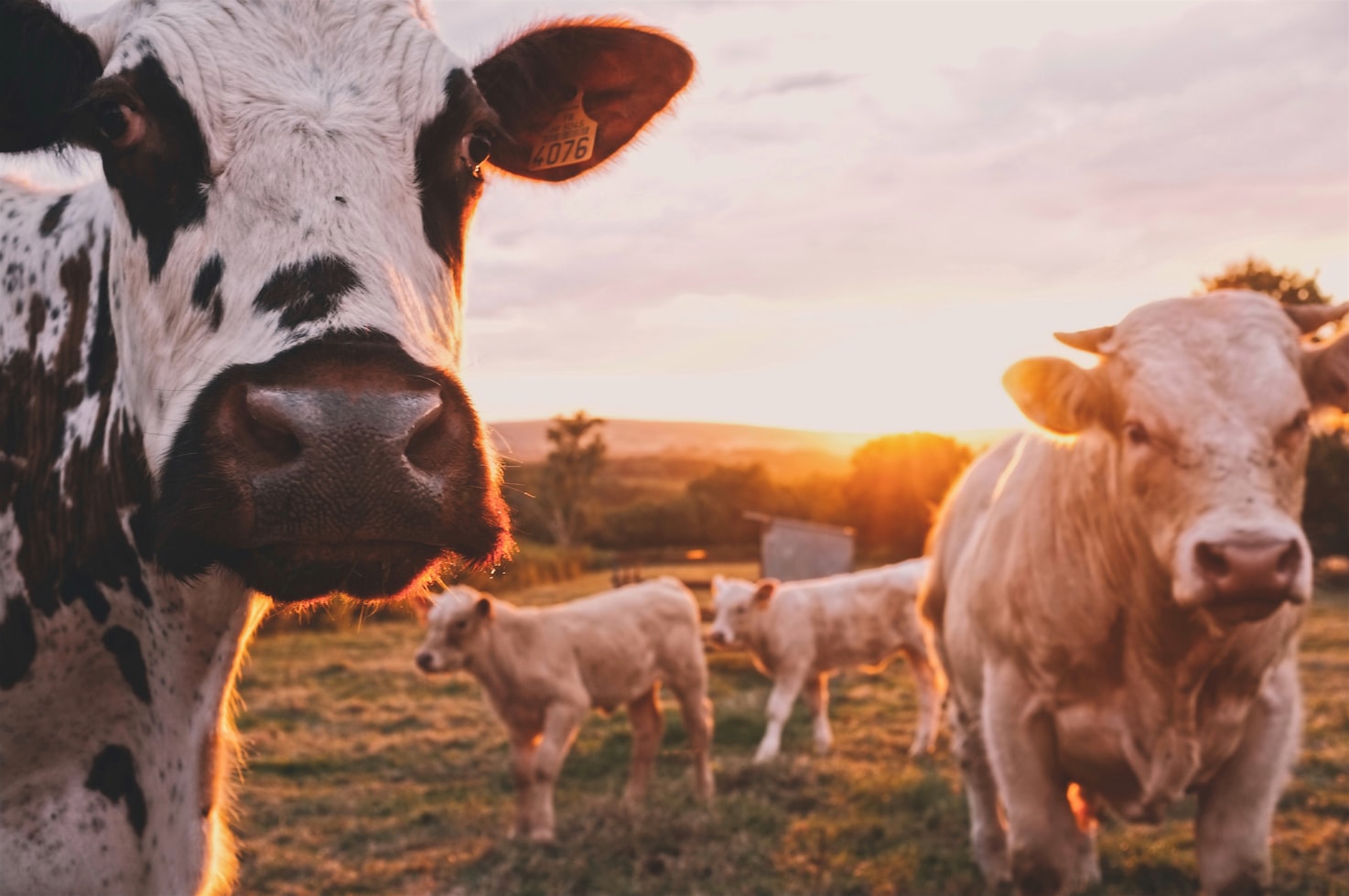
Farmer Training Workshop
Breeders learning to access and use genetic resources from gene banks.

Lakenvelder Cattle
Once endangered breed now thriving thanks to gene bank resources.
Conclusion: A Living Library for Future Generations
The IMAGE project ended in 2020, but its impact reverberates. Europe's gene banks now operate as interconnected "living libraries," where a frozen vial of semen or tissue can resurrect lost diversity or arm livestock against emerging threats. As Dr. Michèle Tixier-Boichard, IMAGE's coordinator, stated: "Genetic resources are like ancient manuscripts—once lost, their wisdom vanishes forever. Our work ensures they remain readable." 6 . With climate change accelerating, this genetic insurance policy may be humanity's most vital investment.