Single-Cell Sequencing of Ovarian Tissue: From Cellular Atlas to Clinical Translation
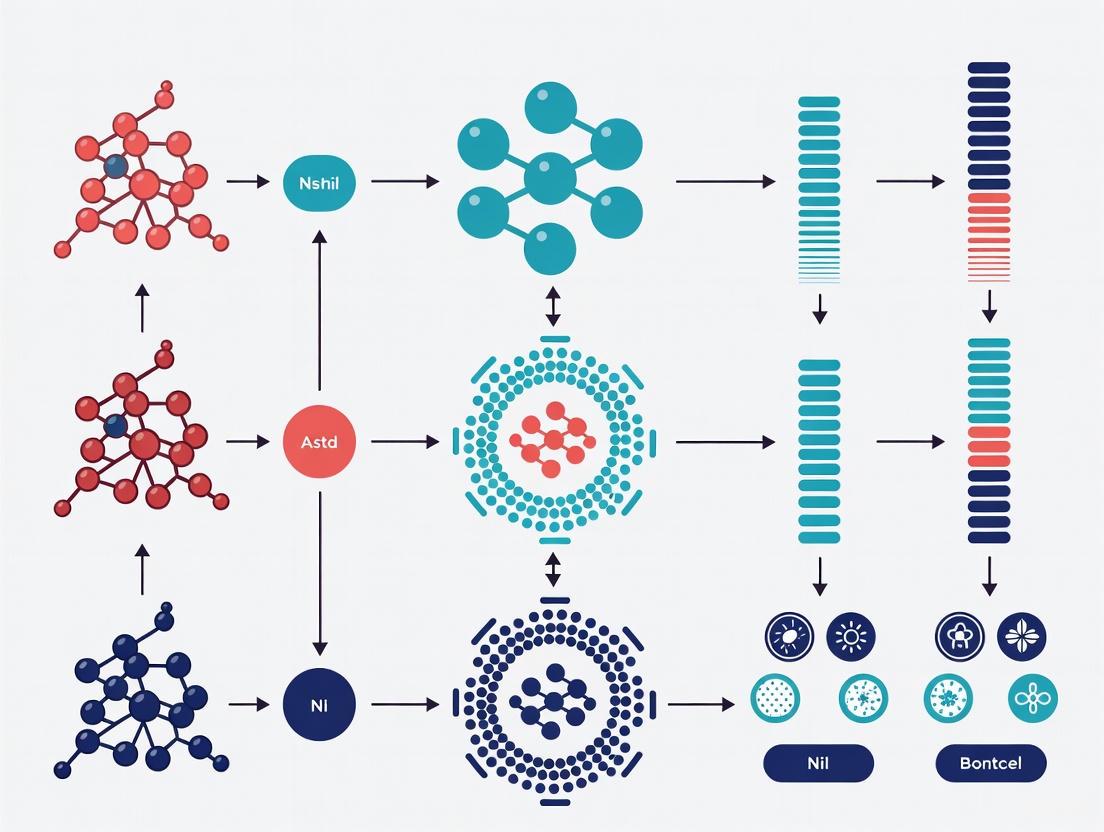
This comprehensive review explores the transformative impact of single-cell sequencing technologies on ovarian biology and pathology.
Single-Cell Sequencing of Ovarian Tissue: From Cellular Atlas to Clinical Translation
Abstract
This comprehensive review explores the transformative impact of single-cell sequencing technologies on ovarian biology and pathology. We examine how single-cell RNA sequencing (scRNA-seq) and spatially resolved transcriptomics are revolutionizing our understanding of normal ovarian function, developmental processes, and disease mechanisms in conditions like ovarian cancer. The article provides researchers and drug development professionals with critical insights into methodological advancements, technical challenges, validation strategies, and clinical applications. By integrating foundational discoveries with cutting-edge techniques, this resource highlights how single-cell approaches are enabling unprecedented resolution of cellular heterogeneity, identifying novel therapeutic targets, and paving the way for personalized treatment strategies in ovarian cancer and reproductive disorders.
Decoding Ovarian Complexity: Cellular Heterogeneity and Atlas Construction
Comprehensive Cell Type Cataloging in Adult Ovarian Cortex
The ovarian cortex, as the outer layer of the ovary, serves as the critical site for the female ovarian reserve, harboring the entire stock of primordial follicles available throughout a woman's reproductive life [1]. Understanding its complex cellular architecture is fundamental to advancing research in female fertility, ovarian pathologies, and reproductive toxicology. For decades, the precise cellular composition and interaction networks within this tissue remained elusive due to the limitations of bulk analysis techniques. The advent of single-cell RNA sequencing (scRNA-seq) has revolutionized this landscape, enabling unprecedented resolution in dissecting cellular heterogeneity [2]. This technical guide synthesizes findings from recent scRNA-seq studies to present a comprehensive catalog of cell types within the adult human ovarian cortex, framing these insights within the broader thesis of single-cell analysis of ovarian tissue. The cellular ecosystem defined here provides a reference atlas essential for researchers investigating ovarian function, disease mechanisms, and therapeutic development.
The Cellular Atlas of the Adult Ovarian Cortex
The Defined Cell Types and Their Markers
Single-cell transcriptomic profiling of high-quality ovarian cortex samples has consistently identified six main somatic cell types, alongside the foundational oocyte population [1] [3]. The table below summarizes these primary cell types and their characteristic marker genes, which are essential for their identification and isolation.
Table 1: Primary Cell Types of the Adult Human Ovarian Cortex and Their Marker Genes
| Cell Type | Characteristic Marker Genes | Key Functional Notes |
|---|---|---|
| Oocytes | GDF9, ZP3, FIGLA, OOSP2, DDX4 [1] |
Found in primordial and growing follicles; express key germline markers. |
| Granulosa Cells (GCs) | AMH, FOXL2 [1] |
Support oocyte development and follicle structure. Subtypes (mural, cumulus) exist [3]. |
| Stromal Cells | PDGFRA, DCN, COL1A1, COL6A1 [1] |
Constitute the majority (~83%) of cortical cells; produce extracellular matrix. |
| Perivascular Cells | MYH11, MCAM, RGS5, TAGLN [1] |
Include pericytes and smooth muscle cells; ~10% of cortical cells. |
| Endothelial Cells | VWF, CDH5 (VE-cadherin) [1] |
Form blood and lymphatic vessels; multiple subtypes identified [3]. |
| Immune Cells | CD69, ITGB2, CD53, CXCR4 [1] [3] |
Mixed population of T-cells (CD2, CD3G) and antigen-presenting cells (CD14, HLA-DRA). |
This atlas is conserved across studies, with similar major cell types identified in ovarian samples from both cesarean section patients and gender reassignment patients, indicating that androgen therapy does not fundamentally alter the core cellular composition of the cortex [1] [2]. Furthermore, integration of cortical data with single-cell profiles from the inner ovarian region (medulla) reveals that while vasculature and immune cells are found throughout the ovary, cortical granulosa cells are distinct from those in growing antral follicles, and the cortical stroma is closely related to the theca cells of the inner ovary [1].
Resolution of a Scientific Debate: The Case of DDX4 and Oogonial Stem Cells
A critical contribution of single-cell sequencing to the field has been the resolution of the long-standing debate regarding the existence of oogonial stem cells (OSCs) in the adult ovarian cortex. It was previously postulated that OSCs could be isolated using an antibody targeting the C-terminal domain of DDX4 (VASA), a germline-specific RNA helicase [1].
However, scRNA-seq analysis of over 24,000 cells from the adult human ovarian cortex demonstrates that cells captured by this DDX4 antibody isolation method are, in fact, perivascular cells, not germline stem cells [1]. The data show that:
- Expression of reported OSC markers (
DDX4,DAZL,DPPA3) is confined to authentic oocytes. - The protein
IFITM3, another proposed OSC marker, is expressed variably across all somatic cell types and is not specific. - While a very small number of somatic cells showed sporadic
DDX4expression, they did not co-express other germline or pluripotency markers (POU5F1,NANOG,TFAP2C) and displayed no transcriptional profile indicative of a distinct stem cell identity [1].
These findings robustly challenge the OSC hypothesis and reinforce the established dogma of a finite ovarian reserve established at birth [1].
Experimental Protocols for Single-Cell Analysis of Ovarian Cortex
Tissue Acquisition and Single-Cell Dissociation
The foundation of a successful single-cell study is high-quality single-cell suspension. The following protocol, compiled from multiple studies, outlines the critical steps [1] [4] [3].
- Tissue Source: Human ovarian cortical tissue can be obtained from patients undergoing cesarean sections (proven fertile) or gender reassignment surgery (generally healthy, though with prior androgen therapy). Tissues should be processed immediately or stored in appropriate storage solution (e.g., MACS Tissue Storage Solution) until processing [1] [4].
- Cortex Isolation: The thin (~1 mm) cortical layer, which harbors the primordial follicles, must be carefully separated from the underlying ovarian medulla using fine dissection tools [1].
- Enzymatic Dissociation:
- Mincing: Wash the cortical tissue in phosphate-buffered saline (PBS) and mince into small pieces (~1 mm³) on ice.
- Digestion: Incubate the tissue fragments with an enzymatic cocktail. A typical formulation includes:
- 125 U/mL Collagenase IV
- 25 U/mL Collagenase I
- 25 U/mL DNase I
- in RPMI-1640 or similar medium
- Incubate for 30 minutes at 37°C with constant agitation [4].
- Termination and Filtration: After digestion, neutralize the enzymes with medium containing fetal bovine serum (FBS). Pass the cell suspension sequentially through 40-μm and 35-μm cell strainers to remove debris and undigested tissue clumps [4].
- Red Blood Cell Lysis: Use a red blood cell lysis buffer to remove contaminating erythrocytes [4].
- Viability Assessment and Dead Cell Removal: Assess cell viability using a fluorescence cell analyzer (e.g., with acridine orange/propidium iodide). Use a dead cell removal kit (e.g., MACS) to significantly enrich for live cells before proceeding to library preparation [4] [3].
Single-Cell Library Preparation and Sequencing
The gold standard for high-throughput scRNA-seq in this context is the 10X Genomics platform.
- Cell Loading: Concentrate the single-cell suspension to ~1,000 cells/μL. Load ~8,000-10,000 cells per channel onto the 10X Genomics Chromium Controller to generate single-cell Gel Bead-in-EMulsions (GEMs), targeting a recovery of 3,000-8,000 barcoded cells per sample [4].
- Library Construction: Follow the manufacturer's protocol for the Chromium Single Cell 3' Reagent Kit. Steps include GEM reverse transcription, cDNA amplification, fragmentation, end-repair, A-tailing, adapter ligation, and index PCR [4].
- Quality Control and Sequencing: Quantify the final libraries (e.g., with Qubit High Sensitivity DNA assay) and assess size distribution (e.g., with Bioanalyzer High Sensitivity DNA chip). Sequence the libraries on an Illumina platform (e.g., Novaseq 6000) for a 150 bp paired-end run [4].
Computational Analysis Workflow
The raw sequencing data is processed through a standardized bioinformatics pipeline to extract biological insights [4] [3].
- Raw Data Processing: Use
fastpor similar tools for adaptor trimming and quality control. Align reads to a reference genome (e.g., GRCh38) usingCell Ranger(v3.1.0 or later) to generate feature-barcode matrices [4]. - Data Integration and Quality Filtering: Use the
Cell Ranger Aggrfunction or a similar tool to correct for sequencing depth differences between samples. Apply cell-level quality filters, typically retaining cells that express more than 200 genes and have a low percentage of mitochondrial UMIs (e.g., below 25-40%) [4] [5]. - Clustering and Cell Type Annotation: Using the R package
Seurat(v3.1.4 or later):- Perform normalization and scaling.
- Identify highly variable genes.
- Conduct principal component analysis (PCA).
- Perform graph-based clustering and non-linear dimensionality reduction (UMAP/tSNE).
- Identify cluster-specific marker genes (Wilcoxon rank-sum test) and annotate cell types by comparing with known marker genes (see Table 1) [4] [3].
- Advanced Analyses:
Diagram 1: Single-cell sequencing workflow for ovarian cortex analysis.
Key Biological Insights from the Atlas
The Follicular Microenvironment and Its Remodeling
The ovarian cortex is a site of continuous remodeling, with the vast majority of follicles undergoing atresia. Single-cell analysis has delineated the molecular signatures of granulosa cell (GC) subpopulations during growth and regression [3].
- Progenitor Granulosa Cells (pGC): In small antral follicles, mural and cumulus GCs share a common progenitor signature, characterized by high expression of
WT1andEGR4[3]. - Lineage Diversification: As follicles become selectable, GCs diverge into two distinct lineages:
- Early Atresia Signature: A distinct cluster of GCs (
CL10) negative forVCAN,FST, andKRT18has been identified, representing early atretic follicles. These cells show reduced expression of gap junction proteinGJA1and adhesion proteinCDH2, suggesting loss of cellular communication is an early event in atresia [3].
The Vasculature and Immune Niche
The cortical stroma is supported by a dynamic vascular and immune network that facilitates remodeling.
- Endothelial Cell Heterogeneity: Three distinct clusters of endothelial cells have been identified, involved in angiogenesis (
CL7:CCL14,SOCS3), lymphatics (CL16:CCL21), and regulation of apoptosis (CL9:TM4SF1) [3]. - Smooth Muscle/Perivascular Cells: Two clusters exist: one representing mature smooth muscle cells (
CL14:ACTA2,MYH11) and another involved in immune regulation and apoptosis (CL17:CRYAB,GJA4) [3]. - Immune Modulation by Estrogen: Studies in mice show that the ovarian immune microenvironment is sensitive to estrogenic modulation. Treatment with 17β-estradiol (E2) can alter immune cell proportions and promote a shift in macrophages from an M1 to an M2 phenotype [6].
The Scientist's Toolkit: Essential Research Reagents
Table 2: Key Research Reagents for Ovarian Cortex Single-Cell Analysis
| Reagent / Tool | Function / Application | Example & Notes |
|---|---|---|
| Collagenase I/IV + DNase I | Enzymatic dissociation of ovarian cortex into single cells. | Sigma; critical for high cell viability and yield [4]. |
| MACS Dead Cell Removal Kit | Magnetic bead-based removal of non-viable cells post-digestion. | Miltenyi Biotec; improves sequencing library quality [4]. |
| Chromium Single Cell 3' Kit | High-throughput barcoding of single cells for RNA-seq. | 10X Genomics; standard for droplet-based scRNA-seq [4]. |
| Anti-DDX4 (VASA) Antibody | Immunostaining or FACS for germ cell identification. | Abcam (ab13840); used to isolate putative OSCs, but scRNA-seq shows it labels perivascular cells [1]. |
| Seurat R Package | Comprehensive toolkit for scRNA-seq data analysis. | Includes clustering, UMAP visualization, and differential expression [4] [3]. |
| Harmony Algorithm | Batch effect correction tool for integrating multiple samples. | Useful for combining datasets from different patients [7]. |
The application of single-cell RNA sequencing has definitively cataloged the cellular constituents of the adult human ovarian cortex, identifying six major somatic cell types and the foundational oocyte population. This atlas resolves previous controversies, such as the nature of DDX4-positive cells, and provides a detailed molecular fingerprint for each component of the follicular and stromal microenvironment. The standardized experimental and computational protocols outlined in this guide provide a robust framework for researchers to probe deeper into ovarian biology. This reference map is not an endpoint but a foundational resource. It enables future investigations into ovarian pathologies—such as primary ovarian insufficiency (POI), polycystic ovary syndrome (PCOS), and ovarian cancer—by providing a healthy baseline from which to detect alterations. Furthermore, it empowers the development of sophisticated in vitro models and informs strategies for fertility preservation, ultimately advancing both basic science and clinical applications in women's health.
Developmental Trajectories from Fetal Stages to Adulthood
The developmental trajectory of the ovary from fetal stages to adulthood represents a complex continuum of dynamic cellular restructuring, transcriptional reprogramming, and intricate cell-cell communication. This whitepaper synthesizes findings from single-cell RNA sequencing (scRNA-seq) studies to delineate the precise molecular and cellular events that define ovarian development across species. By integrating data from human, non-human primate, and murine models, we provide a comprehensive resource detailing the temporal transitions in germ and somatic cell populations, the signaling pathways governing folliculogenesis, and the methodological frameworks for investigating ovarian development at single-cell resolution. This knowledge provides critical insights for researchers and drug development professionals aiming to understand ovarian biology and associated pathologies such as primary ovarian insufficiency, polycystic ovary syndrome (PCOS), and ovarian aging.
The ovary is a heterogeneous organ comprising multiple specialized cell types—including oocytes, granulosa cells, theca cells, stromal cells, endothelial cells, and immune cells—that orchestrate its endocrine and reproductive functions [2]. Unlike bulk RNA sequencing, which averages gene expression across cell populations, single-cell RNA sequencing (scRNA-seq) enables the resolution of cellular heterogeneity, identification of rare cell types, and reconstruction of developmental trajectories from limited biological material [2] [8]. This technical guide details how scRNA-seq has illuminated the developmental trajectories of ovarian cells from fetal life through reproductive adulthood, providing unprecedented insight into the molecular mechanisms governing folliculogenesis, steroidogenesis, and ovarian aging.
Cellular Atlas of the Developing Ovary
Identification of Ovarian Cell Types Across Development
scRNA-seq studies have systematically cataloged the cellular composition of ovarian tissue across developmental stages. The major ovarian cell types are consistent across humans, non-human primates, and mice, though their proportions and transcriptional states change dynamically over time [2].
Table 1: Major Ovarian Cell Types and Their Marker Genes
| Cell Type | Key Marker Genes | Species Identified | Developmental Notes |
|---|---|---|---|
| Oocytes | DDX4, GDF9, ZP3, FIGLA, DAZL |
Human, Monkey, Mouse | Present from fetal stages; marker expression evolves with oocyte maturation [2]. |
| Granulosa Cells | AMH, CYP19A1, FOXL2 |
Human, Monkey, Mouse | Multiple subtypes identified (e.g., preantral, small antral, mural, cumulus) [2] [9]. |
| Stromal Cells | TCF21, STAR |
Human, Mouse | Subpopulations include TCF21high and STARhigh cells with distinct functions [9]. |
| Theca Cells | CYP17A1, LHCGR |
Human, Mouse | Differentiated into internal and external theca cell layers [9]. |
| Immune Cells | PTPRC (CD45), CD68, CX3CR1 |
Human, Mouse | Includes macrophages, T cells, B cells, NK cells; proportions and states change with age [10] [9]. |
| Endothelial Cells | VWF, PECAM1 |
Human, Monkey, Mouse | Form the vascular network; VWFhigh and TM4SF1high subpopulations exist [2] [9]. |
| Smooth Muscle Cells | ACTA2 (α-SMA), MYH11 |
Human, Monkey | Not found in fetal mouse ovaries; appear postnatally [2]. |
The rete ovarii (RO), a poorly understood epithelial structure, has been rediscovered through scRNA-seq. Arising during fetal development, it persists into adulthood and is subdivided into the intraovarian rete (IOR), connecting rete (CR), and extraovarian rete (EOR). Its strategic location at the interface between the ovary and extraovarian milieu suggests a potential role in sensing homeostasis and conveying information to the adult ovary [11].
Developmental Transitions in Cellular Proportions and States
Ovarian development is not a static process but involves significant cellular reorganization. Key transitions include:
- Germ Cell Maturation: Fetal germ cells (FGCs) progress through distinct states: mitotic FGCs (
POU5F1,NANOG), retinoid-acid-signaling-responsive FGCs (STRA8,ZGLP1), meiotic prophase FGCs, and oogenesis-stage FGCs (ZP3,OOSP2) [2]. - Postnatal Immune Cell Dynamics: The ovarian immune microenvironment is established early and is highly sensitive to hormonal cues. In neonatal mice, 17β-estradiol (E2) treatment alters immune cell proportions and promotes a phenotypic transition in macrophages from an M1 to an M2 state [12].
- Aging-Associated Myeloid Restructuring: In aged murine ovaries, a unique
Cx3cr1lowCd81himacrophage subset emerges. Aged ovarian myeloid cells show significant alterations in ANNEXIN and TGFβ signaling, contributing to inflammation and tissue fibrosis [10]. - Somatic Cell Differentiation in PCOS: Deconvolution of bulk RNA-seq data from PCOS patients using scRNA-seq references reveals altered cellular proportions, including decreased small antral granulosa cells, increased
KRT8highmural granulosa cells, and shifts in theca and stromal cell populations [9].
Key Signaling Pathways and Cell-Cell Communication
Cell-cell communication is paramount for coordinated ovarian function. scRNA-seq enables the inference of signaling networks using tools like CellChat [9].
Table 2: Key Signaling Pathways in Ovarian Development and Function
| Signaling Pathway | Key Ligands/Receptors | Cellular Source/Target | Biological Role |
|---|---|---|---|
| NOTCH Signaling | NOTCH1, JAG1 |
Somatic cells → Germ cells | Regulates germ cell proliferation and differentiation [2]. |
| TGF-β Signaling | TGFB1, TGFBR1 |
Theca cells, Stromal cells | Modulates extracellular matrix (ECM) deposition, fibroblast activation; dysregulated in aging and cancer [10] [4]. |
| WNT Signaling | WNT11, FZD receptors |
Multiple cell types | Involved in cell fate determination and epithelial-to-mesenchymal transition (EMT) [4]. |
| Hormonal Signaling | ESR1 (Estrogen receptor), LHCGR |
Granulosa cells, Theca cells, Immune cells | 17β-estradiol modulates immune cell distribution and function in the neonatal ovary [12]. |
The following diagram summarizes the core signaling pathways and their interactions in ovarian development.
Figure 1: Core Signaling Pathways in Ovarian Development. Key pathways like NOTCH, TGF-β, WNT, and hormonal signaling mediate critical interactions between germ cells, somatic cells, immune cells, and stromal cells, governing processes from proliferation to immune regulation and tissue remodeling.
Experimental Protocols for Single-Cell Analysis of Ovarian Tissue
Single-Cell Dissociation Protocol
A critical first step is obtaining a high-quality, viable single-cell suspension. The following protocol is adapted from multiple studies [11] [8] [4]:
- Tissue Collection and Processing: Surgically remove ovarian tissue and keep in cold storage solution (e.g., MACS Tissue Storage Solution) until processing. Wash with PBS and mince into ~1 mm³ pieces on ice.
- Enzymatic Digestion: Digest tissue pieces in a solution containing:
- 125 U/mL Collagenase IV
- 25 U/mL Collagenase I
- 25 U/mL DNase I Incubate for 30 minutes at 37°C with constant agitation.
- Cell Strainer Filtration: Sieve the digested suspension through a 40-μm cell strainer to remove debris and undigested tissue.
- Centrifugation and Red Blood Cell Lysis: Centrifuge at 300–500 × g for 5 minutes. Resuspend the pellet in red blood cell lysis buffer for 5–10 minutes on ice.
- Viability Assessment and Dead Cell Removal: Resuspend cells in RPMI-1640 with 10% FBS and filter through a 35-μm strainer. Assess viability using a fluorescence cell analyzer (e.g., Countstar) with acridine orange/propidium iodide or similar stains. Enrich for live cells using a dead cell removal kit (e.g., MACS, Miltenyi Biotec).
Single-Cell Library Preparation and Sequencing
The standard workflow for 10x Genomics Chromium platforms is widely used [11] [4]:
- Cell Concentration and Loading: Concentrate the single-cell suspension to 1,000 cells/μL. Load ~8,000–10,000 cells per channel onto the Chromium Controller to generate single-cell Gel Bead-In-EMulsions (GEMs).
- Reverse Transcription and cDNA Amplification: Within the GEMs, mRNA is barcoded with a cell-specific barcode and a unique molecular identifier (UMI). Perform reverse transcription, then break the GEMs and purify the barcoded cDNA. Amplify the cDNA via PCR (e.g., 11 cycles).
- Library Construction: Fragment the amplified cDNA, add adaptors, and perform index PCR to create the final sequencing library.
- Quality Control and Sequencing: Quantify libraries using a Qubit High Sensitivity DNA assay and analyze size distribution with a Bioanalyzer. Sequence libraries on an Illumina platform (e.g., NovaSeq 6000, NextSeq 500) with a 150 bp paired-end run.
Computational Analysis Workflow
The following diagram outlines the standard computational pipeline for analyzing ovarian scRNA-seq data, from raw data to biological insight.
Figure 2: Computational Analysis Workflow for Ovarian scRNA-Seq Data. The pipeline begins with raw data processing and progresses through quality control, integration, clustering, and advanced analyses such as trajectory inference and cell-cell communication.
Key Analysis Steps:
- Quality Control (QC): Filter out low-quality cells using thresholds for unique gene counts (200–2,500), UMI counts (300–15,000), and mitochondrial gene percentage (<10% for human, <40% for mouse) [4] [9].
- Data Integration and Clustering: Use Seurat (versions 3–5) or similar tools to normalize data, integrate multiple samples to correct for batch effects, perform dimensionality reduction (PCA, UMAP), and cluster cells [11] [9].
- Cell Type Annotation: Manually annotate clusters by comparing the expression of known marker genes (see Table 1) with existing literature and databases [9].
- Advanced Analyses:
- Developmental Trajectories: Reconstruct differentiation paths using pseudotime analysis tools like Monocle3 or TSCAN [11] [9].
- Cell-Cell Communication: Infer ligand-receptor interactions using tools such as CellChat [10] [9].
- Deconvolution of Bulk Data: Estimate cell type proportions from bulk RNA-seq data (e.g., from PCOS patients) using reference scRNA-seq data and tools like CIBERSORT [9].
Table 3: Key Research Reagent Solutions for Ovarian scRNA-Seq Studies
| Reagent / Resource | Function / Application | Example Product / Marker |
|---|---|---|
| Collagenase I & IV | Enzymatic digestion of ovarian tissue to obtain single-cell suspension. | Worthington Biochemical [8] [4]. |
| DNase I | Prevents cell clumping by digesting DNA released during tissue dissociation. | Worthington Biochemical [8] [4]. |
| Dead Cell Removal Kit | Enriches for viable cells prior to library preparation, improving data quality. | MACS Dead Cell Removal Kit (Miltenyi Biotec) [4]. |
| Single-Cell Library Kit | Generation of barcoded scRNA-seq libraries. | 10x Genomics Chromium Single Cell 3' Reagent Kits [11] [4]. |
| Cell Hashtag Oligonucleotides (HTOs) | Multiplexing samples for a single sequencing run, reducing batch effects and cost. | BioLegend TotalSeq HTO [10]. |
| Fluorescent Antibodies for FACS | Isolation of specific cell populations (e.g., CD45+ CD11b+ myeloid cells). | Antibodies against CD45, CD11b, H2B-GFP [11] [10]. |
| Transgenic Mouse Models | Genetic lineage tracing and specific cell type isolation. | Pax8-rtTA; Tre-H2B-GFP for rete ovarii [11]. |
| Bioinformatics Tools | Data processing, analysis, and visualization. | Seurat, Cell Ranger, Monocle3, CellChat, CIBERSORT [11] [9]. |
Applications in Disease and Future Directions
Understanding normal developmental trajectories provides a critical baseline for identifying pathogenic deviations. Key applications include:
- Polycystic Ovary Syndrome (PCOS): Deconvolution analysis has revealed altered proportions of granulosa cell subtypes (
KRT8highmural GCs,HTRA1highcumulus cells) and theca cells in PCOS, suggesting disrupted differentiation pathways [9]. - Ovarian Aging: scRNA-seq has identified aging-specific immune populations (e.g.,
Cx3cr1lowCd81himacrophages) and implicated dysregulated TGF-β and ANNEXIN signaling in inflammation and fibrosis [10]. - Ovarian Cancer: scRNA-seq of High-Grade Serous Ovarian Cancer (HGSOC) has delineated tumor heterogeneity, identified a prognostic EMT gene panel (
NOTCH1,SNAI2,TGFBR1,WNT11), and highlighted matrix cancer-associated fibroblasts (mCAFs) and TIGIT as an immunotherapeutic target [13] [4].
Future research will leverage multi-omics approaches at the single-cell level (e.g., RNA + ATAC-seq), spatial transcriptomics to contextualize cell-cell interactions, and advanced perturbation screens to functionally validate regulatory networks. These approaches will further refine our understanding of ovarian developmental trajectories and accelerate the development of diagnostics and therapeutics for ovarian disorders.
Spatiotemporal Mapping of Regional Specificity in Ovarian Structure
The ovarian structure exhibits profound spatial heterogeneity and temporal dynamics, which are critical for its function and are now being decoded with unprecedented resolution. This whitepaper synthesizes findings from cutting-edge single-cell RNA sequencing (scRNA-seq) and spatial transcriptomic studies to construct a high-resolution spatiotemporal atlas of the ovary, from fetal development through adulthood. We detail the regional specification of germ cells, granulosa cells, and somatic cell lineages, and provide a compendium of experimental protocols for replicating these analyses. The integration of single-cell and spatial multi-omics technologies provides a powerful framework for understanding ovarian development, folliculogenesis, and the cellular underpinnings of pathology, offering novel insights for therapeutic targeting and regenerative medicine applications.
The ovary is a complex, dynamic organ whose functional units—follicles and corpora lutea—are organized with precise spatial architecture that evolves over time. Traditional bulk sequencing methods obscured the cellular heterogeneity and regional specialization fundamental to ovarian function. The advent of single-cell and spatial genomics technologies has initiated a paradigm shift, enabling the dissection of this complexity by mapping the molecular identities and physical locations of individual cells within their native tissue context. This technical guide outlines the methodologies and findings from recent studies that leverage these advanced technologies to build a comprehensive spatiotemporal map of ovarian development and regional specificity, framed within the broader thesis that cellular niche and developmental trajectory are inseparable determinants of ovarian cell fate and function.
Single-Cell and Spatial Atlas of Developing Mouse Ovary
Integrated Cell Type Classification
A foundational study integrated scRNA-seq data from the early undifferentiated gonad (E11.5) to the mature adult ovary (PD90), analyzing 50,655 high-quality single cells [14]. The analysis identified 11 transcriptionally distinct cell clusters, which were annotated based on classic marker genes. The relative proportions of these cell types shift significantly throughout development, demonstrating a development-dependent relatedness [14].
Table 1: Major Cell Types Identified in the Developing Mouse Ovary by scRNA-Seq
| Cell Type Annotation | Abbreviation | Key Marker Genes | Key GO Term Features |
|---|---|---|---|
| Female Germ Cells | FGCs | Ddx4 |
Oogenesis, Meiosis |
| Bipotential Pre-Granulosa Cells | BPG | Foxl2 |
Ovarian Follicle Development |
| Epithelial Pre-Granulosa & Epithelial Cells | EPG&Epi | Lgr5, Amhr2 |
Cellular Differentiation |
| Early Theca Cells | — | Dlk1 |
Adrenergic Receptor Binding |
| Theca Cells | — | Hsd3b1 |
Steroid Dehydrogenase Activity |
| Proliferative Mesenchymal Cells | pMesenchyma | Pclaf |
Cell Cycle & Proliferation |
| Mesenchymal Cells | Mesenchyma | Col1a1 |
Extracellular Matrix Organization |
| Endothelial Cells | Endo | Pecam1 |
Blood Vessel Development |
| Pericytes | — | Rgs5 |
Regulation of Cell Signaling |
| Immune Cells | — | Tyrobp |
Immune Response |
| Erythrocytes | — | Alas2 |
Heme Biosynthesis |
Spatiotemporal Transcriptomic Profiling
To complement the single-cell data, spatial transcriptomic analysis was performed across eight developmental stages, from E13.5 to PD60 [14]. This entailed:
- Data Acquisition: 1,120 individual spots were obtained with a median of 5,483 genes per spot.
- Spatial Normalization: Data was normalized using
stSME, a method that incorporates tissue Spatial location, Morphology, and gene Expression. - Cluster Identification: Different clusters on the ovary sections were identified using
stLearnsoftware, allowing for the direct visualization of gene expression patterns within the tissue architecture [14].
Experimental Protocols for Ovarian Tissue Analysis
Protocol 1: Single-Cell and Spatial Transcriptomic Profiling of Developing Ovary
This protocol is adapted from the study that built a spatiotemporal atlas of the mouse ovary [14].
1. Tissue Collection and Preparation:
- Collect mouse ovarian tissues at stages from E11.5 to PD90.
- For scRNA-seq, dissociate tissues into single-cell suspensions using appropriate enzymatic blends (e.g., collagenase/DNase) and filter through a 70-μm strainer.
- For spatial transcriptomics, immediately embed and flash-freeze tissues in OCT compound for cryosectioning.
2. Single-Cell RNA Sequencing Library Preparation:
- Use a platform like 10x Genomics Chromium to capture single cells and generate barcoded cDNA libraries.
- Sequence libraries on an Illumina platform to a recommended depth of >50,000 reads per cell.
3. Spatial Transcriptomics Library Preparation:
- Use the Visium Spatial Gene Expression platform (10x Genomics).
- Section frozen OCT-embedded tissues at 10 μm thickness and mount on Visium slides.
- Follow the manufacturer's protocol for tissue permeabilization, cDNA synthesis, and library construction.
- Sequence libraries as per platform specifications.
4. Computational Data Integration and Analysis:
- Perform quality control on scRNA-seq data to remove low-quality cells and doublets.
- Normalize spatial data using tools like
stLearnthat account for spatial neighborhood information. - Use graph-based clustering (e.g., Seurat, Scanpy) to identify cell populations in the scRNA-seq data.
- Map scRNA-seq clusters onto the spatial transcriptomics spots using cell-type deconvolution algorithms to infer spatial localization of identified cell types.
Protocol 2: Multicolor Flow Cytometry for Ovarian Cell Subpopulations
This protocol details the characterization of ovarian cortex cell subpopulations, applicable for profiling human ovarian tissues [15].
1. Ovarian Tissue Dissociation:
- Obtain ovarian cortex strips and cut into small 1–2 mm³ pieces.
- Use a mechanical and enzymatic dissociation system (e.g., GentleMACS Octo Dissociator with heaters) with a human Tumor Dissociation Kit.
- Filter the resulting cell suspension through a 70-μm filter and wash with RPMI medium.
- Perform red blood cell lysis if necessary.
2. Staining and Flow Cytometry:
- Resuspend the viable nucleated cell pellet in an appropriate buffer for staining.
- Utilize a panel of antibodies conjugated to different fluorochromes to identify specific sub-populations. A suggested panel includes:
- Viability dye: FV780-APC-H7 to gate on live cells.
- Leukocytes: CD45-PerCP-Cy5.5, with CD3-APC for T-lymphocytes.
- Endothelial/Progenitor Cells: CD34-PE-Cy7, CD31-PE, CD144-BV421.
- Mesenchymal Cells: Vimentin-FITC.
- Pericytes: CD146-BV421, CD140b-BV510.
- Incubate with antibodies, wash, and resuspend for analysis.
- Acquire data on an 8-color flow cytometer (e.g., FACS Canto II) and analyze with software like FlowJo.
3. Gating Strategy:
- Gate on single cells using FSC-A/SSC-A and FSC-H/FSC-A.
- Select viable, nucleated cells as FV780+.
- Exclude leukocytes by gating on CD45- cells.
- Analyze the CD45- population for the expression of endothelial, mesenchymal, and pericyte markers.
Key Findings on Regional Specification and Heterogeneity
Female Germ Cell Fate Transition and Primordial Follicle Formation
Trajectory analysis of female germ cells (FGCs) from E11.5 to PD5 revealed seven distinct clusters and two major branch points in their development [14].
- Mitotic FGCs (oogonia) were characterized by high expression of pluripotency genes
NanogandPou5f1. - Meiotic FGCs upregulated meiotic markers like
Spo11andSycp3. - Two key oocyte states were identified:
S100a8highoocytes: ExpressedS100a8andS100a9, associated with dormancy.Zp3highoocytes: ExpressedZp3,Gdf9, andNobox, drivers of early oocyte growth.
- The critical transition to follicular oocytes was marked by the upregulation of genes like
XdhandUchl1(State 1), while cells remaining in an early meiotic state expressedInca1,Stag3, andPbx3(State 2) [14]. Immunofluorescence validation confirmedXdhexpression in E18.5 oocytes destined to form primordial follicles.
Regional Heterogeneity of Somatic Cells
The atlas uncovered profound regional specialization in somatic cell compartments:
- Granulosa Cells: Showed distinct subtypes with regional specification contributing to the medullary and cortical waves of folliculogenesis [14].
- Luteal Cells: The study discovered two novel populations in the corpus luteum of the adult ovary:
- Bhmt-positive luteal cells (BLC)
- Onecut2-positive luteal cells (OLC), which exhibited a specific spatial distribution.
- Lineage Tracing: Revealed that
Onecut2-positive luteal cells originate from bothFoxl2-positive granulosa cells andCyp17a1-positive theca cells, illustrating a convergent differentiation pathway in luteinization [14].
Table 2: Quantitative Metrics from Ovarian Spatial Transcriptomics and Flow Cytometry
| Analysis Type | Metric | Value / Finding | Context / Significance |
|---|---|---|---|
| Spatial Transcriptomics (Mouse) [14] | Individual Spots Analyzed | 1,120 spots | Spatial coverage across eight developmental stages |
| Median Genes per Spot | 5,483 genes | Resolution and data density of spatial profiling | |
| Flow Cytometry (Human Cortex) [15] | Viable Nucleated Cells (Fresh) | 1.59 × 10⁶ / 100 mg | Baseline cellularity of ovarian stromal compartment |
| Viable Nucleated Cells (Frozen) | 1.08 × 10⁶ / 100 mg | Impact of cryopreservation on cell yield | |
| Cell Viability (Frozen) | 84.7% | Post-thaw quality for experimental use |
Visualization of Workflows and Signaling
Single-Cell and Spatial Omics Workflow
Diagram 1: Integrated scRNA-seq and Spatial Transcriptomics Workflow
Key Signaling in Germ Cell Fate
Diagram 2: Signaling Pathway of Female Germ Cell Fate Determination
The Scientist's Toolkit: Research Reagent Solutions
Table 3: Essential Research Reagents for Ovarian Spatiotemporal Mapping
| Reagent / Resource | Function / Target | Application in Ovarian Research |
|---|---|---|
| Anti-Foxl2 Antibody | Transcription factor for granulosa cell differentiation [14] | Lineage tracing of granulosa and luteal cell origins |
| Anti-Onecut2 Antibody | Marker for specific luteal cell subpopulation [14] | Immunofluorescence validation of OLC spatial distribution |
| Anti-CD45 Antibody | Pan-leukocyte marker [15] | Exclusion of immune cells in flow cytometry stromal analysis |
| Anti-CD34 Antibody | Hematopoietic progenitor cell antigen [15] | Identification of endothelial/progenitor cells in ovarian stroma |
| Anti-CD31 (PECAM-1) Antibody | Platelet Endothelial Cell Adhesion Molecule [15] | Marker for endothelial cells in vascular structures |
| Anti-Vimentin Antibody | Type III intermediate filament [15] | Identification of cells with mesenchymal phenotype |
| Anti-CD146 Antibody | Cell surface glycoprotein [15] | Marker for pericytes and other mesenchymal subsets |
| GentleMACS Dissociator | Mechanical and enzymatic tissue dissociation [15] | Preparation of single-cell suspensions from ovarian cortex |
| 10x Genomics Visium Slide | Spatial transcriptomics capture [14] | Genome-wide RNA profiling within tissue architecture |
| Chromium Single Cell Kit | scRNA-seq library preparation [14] | High-throughput single-cell transcriptome profiling |
Germ Cell Fate Transitions and Primordial Follicle Assembly Mechanisms
The establishment of the ovarian reserve, a finite pool of primordial follicles, is a cornerstone of female reproductive lifespan. This process, known as primordial follicle assembly (PFA), involves a complex sequence of germ cell fate transitions, from primordial germ cells to the formation of primordial follicles, each comprising a single oocyte surrounded by somatic pregranulosa cells [16]. Understanding these mechanisms is not only fundamental to reproductive biology but also crucial for elucidating the etiology of conditions such as premature ovarian insufficiency (POI). The advent of single-cell RNA sequencing (scRNA-seq) has revolutionized this field by enabling the transcriptomic profiling of individual ovarian cells, revealing unprecedented cellular heterogeneity and dynamic cell-cell communication networks that govern PFA [17] [18]. This whitepaper synthesizes current knowledge on germ cell fate transitions and PFA mechanisms, framing insights within the context of single-cell sequencing studies to provide a technical guide for researchers and drug development professionals.
Single-Cell Atlas of the Developing Ovary
Single-cell RNA sequencing has deconstructed the ovarian cellular landscape, identifying the main cell types as germ cells and various somatic cells, including granulosa cells, immune cells, endothelial cells, perivascular cells, and stromal cells [17]. During the critical period of PFA, significant heterogeneity exists within both germ and granulosa cell populations.
Germ Cell Heterogeneity and Developmental Trajectory
scRNA-seq of murine and human ovaries during PFA has resolved germ cells into distinct subpopulations. In mice, germ cells progress through six sequential subtypes: mitotic S phase, mitotic G2/M phase, pre-meiotic, meiotic, oocyte, and dying oocyte [19] [18]. Pseudotime trajectory analysis reconstructs the continuum of germ cell development, revealing three major states and a critical fate branch point where germ cells commit to either a surviving oocyte destined for follicle assembly or a dying oocyte fated for elimination [18].
Granulosa Cell Diversity
Similarly, granulosa cells exhibit considerable functional specialization. Four distinct subtypes of pre-granulosa cells (PreGC1-4) have been identified, each with unique roles [19]:
- PreGC1: Specialized in steroid synthesis (expressing CYP17A1, STAR).
- PreGC2: Involved in extracellular matrix formation (expressing COL1A1, COL3A1).
- PreGC3: Focused on proliferation regulation (expressing PCNA, MCM3).
- PreGC4: Engaged in cellular communication (expressing NTN1).
Table 1: Key Germ Cell Subtypes Identified by scRNA-Seq During Primordial Follicle Assembly
| Subtype | Key Marker Genes | Functional Role |
|---|---|---|
| Mitotic S Phase | DNA replication markers | Proliferation and expansion of germ cell numbers |
| Pre-meiosis | Genes preparing for meiosis | Transition from mitotic to meiotic cell cycle |
| Meiotic Oocyte | Meiotic prophase I markers | Execution of homologous recombination and synapsis |
| Diplotene Oocyte | LHX8, NOBOX, SOHLH1 | Meiotic arrest and preparation for follicle assembly |
| Dying Oocyte | Autophagy and apoptosis markers | Programmed cell death and cyst breakdown |
Molecular Regulation of Germ Cell Fate
The transition of germ cells from interconnected cysts to individual oocytes within primordial follicles is orchestrated by stage-specific genes, transcription factors, and signaling pathways.
Genetic Regulators of Oocyte Fate
scRNA-seq analyses have identified critical genes that drive germ cell fate determination. These include KIF11, C14ORF39, and LHX8, which ensure meiotic fidelity and high-quality primordial follicle formation [19]. Key transcription factors such as FIGLA, SOHLH1, SOHLH2, LHX8, and NOBOX are indispensable for initiating the genetic programs that promote oocyte survival and follicular assembly [18]. Furthermore, novel genes like ANXA7 and GTF2F1 have been discovered through analysis of scRNA-seq data from human and mouse ovaries. Functional studies confirm that ANXA7 promotes PFA by regulating the JAK/STAT3 signaling pathway, while GTF2F1 operates through the JNK pathway [20].
The Role of Programmed Cell Death
A remarkable feature of PFA is the substantial loss of germ cells, with approximately two-thirds undergoing programmed cell death (PCD) [21] [22]. This process is not merely a passive removal of excess cells but an active, regulated mechanism that ensures the quality and viability of the remaining oocyte pool. scRNA-seq data reveals that dying oocytes are a distinct transcriptomic cluster, characterized by the activation of specific genetic programs [19] [18].
Historically, apoptosis was considered the primary mechanism, governed by the balance of BCL2 family proteins like BAX (pro-apoptotic) and MCL1 (anti-apoptotic) [21] [22]. However, recent evidence underscores the critical role of autophagy (Type II PCD). Autophagy acts as a double-edged sword; it can promote oocyte survival by clearing damaged organelles and maintaining cellular homeostasis, but it can also, under certain conditions, contribute to cell death [21]. The interplay between apoptosis and autophagy is complex and vital for establishing a healthy ovarian reserve.
Table 2: Mechanisms of Programmed Germ Cell Loss During Primordial Follicle Assembly
| Mechanism | Key Regulators | Proposed Function |
|---|---|---|
| Apoptosis (Type I PCD) | BAX, BCL2, Caspase-2 [22] | Elimination of oocytes with meiotic or genetic errors. |
| Autophagy (Type II PCD) | ATG7, BECN1 [21] | Promotion of oocyte survival via nutrient recycling; can also mediate death. |
| Nurse Cell Hypothesis | Microtubule-mediated transport [21] | Dying oocytes donate organelles and biomaterials to surviving sister oocytes. |
Oocyte-Granulosa Cell Crosstalk in Follicle Assembly
The successful formation of a primordial follicle relies on precise bidirectional communication between the oocyte and its surrounding somatic cells. scRNA-seq coupled with computational tools like CellChat and CellPhoneDB has elucidated these critical interaction networks.
Key Signaling Pathways
Several evolutionarily conserved signaling pathways mediate oocyte-granulosa cell crosstalk:
- WNT/β-catenin Pathway: The ligand WNT4, produced by somatic cells, is a central regulator. It activates β-catenin signaling in granulosa cells, driving their proliferation via CDK2 upregulation and guiding their differentiation through the transcription factor WT1 [19].
- ACTIVIN and BMP Pathways: These TGF-β superfamily members are crucial for coordinating development and maintaining the structural and functional integrity of the nascent follicle [19].
- Ligand-Receptor Interactions: Novel interactions have been uncovered, such as MDK-SDC1. The oocyte-derived ligand Midkine (MDK) interacts with its receptor Syndecan-1 (SDC1) on granulosa cells, promoting PFA by regulating the PI3K-AKT signaling pathway [20].
The following diagram summarizes the core signaling network between oocytes and granulosa cells during primordial follicle assembly.
Experimental Protocols for scRNA-seq in Ovarian Research
This section outlines a standard workflow for applying scRNA-seq to investigate germ cell transitions and PFA, synthesizing methodologies from key studies.
Sample Preparation and Single-Cell Dissociation
- Tissue Collection: Ovarian tissues are collected at critical developmental time points. For mice, this typically includes embryonic days 16.5-18.5 (E16.5-E18.5) and postnatal days 0-3 (P0-P3) [18]. Human studies utilize fetal ovaries from the second trimester (e.g., 16-26 weeks post-fertilization) [20].
- Single-Cell Suspension: Ovaries are minimally dissociated using enzymatic digestion (e.g., collagenase, trypsin) and mechanical disruption. Viable single cells are isolated via fluorescence-activated cell sorting (FACS) or magnetic-activated cell sorting (MACS) [18].
Library Preparation and Sequencing
- cDNA Synthesis and Amplification: The SMART-seq2 protocol is widely used for its high sensitivity in capturing full-length transcripts. This involves reverse transcription with oligo(dT) primers, template switching, and PCR amplification [23].
- Library Construction: Libraries are prepared from amplified cDNA using kits such as the Nextera XT DNA Library Preparation Kit (Illumina) [23].
- Sequencing: Libraries are sequenced on platforms like Illumina NovaSeq 6000 to generate high-depth, paired-end reads (e.g., PE150) [23].
The following diagram illustrates the typical workflow for a single-cell RNA sequencing study of the developing ovary.
Bioinformatic Analysis Pipeline
The analysis of scRNA-seq data involves a multi-step computational process:
- Preprocessing and Quality Control: Raw sequencing data is processed using tools like Cell Ranger (10x Genomics) or custom pipelines to generate a gene expression matrix. Low-quality cells, doublets, and cells with high mitochondrial gene content are filtered out.
- Dimensionality Reduction and Clustering: The filtered expression matrix is normalized and scaled. Principal component analysis (PCA) is performed, followed by graph-based clustering in reduced dimensions (UMAP or t-SNE) using packages like Seurat to identify distinct cell populations [20].
- Differential Expression and Trajectory Inference: Marker genes for each cluster are identified. Developmental trajectories are reconstructed using pseudotime analysis tools like Monocle, which orders cells along a hypothetical continuum to model processes like germ cell maturation [20] [18].
- Regulatory Network and Cell-Cell Communication Analysis: The SCENIC algorithm infers transcription factor regulons and their activity [20] [18]. Cell-cell interactions are decoded from ligand-receptor co-expression patterns using tools such as CellChat [20].
The Scientist's Toolkit: Key Reagent Solutions
Table 3: Essential Research Reagents and Resources for Investigating PFA
| Reagent / Resource | Function / Application | Example Use in Context |
|---|---|---|
| SMART-seq2 Kit | High-sensitivity, full-length scRNA-seq protocol. | Amplifying cDNA from limited input material like individual oocytes [23]. |
| Nextera XT DNA Library Prep Kit (Illumina) | Preparation of sequencing-ready libraries from cDNA. | Constructing multiplexed libraries for high-throughput sequencing [23]. |
| Seurat R Package | Comprehensive toolkit for scRNA-seq data analysis. | Data integration, clustering, and UMAP visualization of ovarian cell types [20]. |
| Monocle R Package | Algorithms for single-cell trajectory inference. | Mapping the developmental path from mitotic germ cells to diplotene oocytes [20] [18]. |
| CellChat R Package | Inference and analysis of cell-cell communication. | Identifying MDK-SDC1 and WNT4/β-catenin signaling networks [19] [20]. |
| Anti-DDX4 (VASA) Antibody | Immunohistochemical marker for germ cells. | Validating germ cell identity and localization in ovarian sections [22]. |
| Anti-FOXL2 Antibody | Immunohistochemical marker for granulosa cells. | Confirming the identity of somatic cells surrounding oocytes [18]. |
Single-cell RNA sequencing has fundamentally advanced our understanding of the molecular choreography underlying germ cell fate transitions and primordial follicle assembly. By providing a high-resolution atlas of the developing ovary, this technology has uncovered the remarkable cellular heterogeneity, critical genetic regulators, and complex signaling dialogues that ensure the formation of a functional ovarian reserve. The integration of scRNA-seq with functional experiments is paving the way for a deeper understanding of reproductive disorders such as premature ovarian insufficiency and holds promise for developing novel diagnostic and therapeutic strategies in reproductive medicine. Future research will undoubtedly leverage these insights and techniques to further unravel the intricacies of female fertility.
Cross-Species Conservation in Ovarian Cell Types and Composition
The ovary is a complex organ critical for female reproduction and endocrine function. Single-cell RNA sequencing (scRNA-seq) has revolutionized our ability to characterize this cellular heterogeneity by profiling transcriptomes at individual cell resolution, moving beyond the limitations of bulk RNA-seq which masks cell-to-cell variation [24] [25]. This whitepaper synthesizes findings from single-cell studies of human, mouse, and model systems to delineate the conserved cellular architecture of the ovary and its functional implications. Understanding these cross-species conservation patterns provides a foundational framework for research in ovarian biology, infertility, and therapeutic development.
Conserved Ovarian Cell Types: A Cross-Species Analysis
Integrative analysis of scRNA-seq data from multiple species reveals a core set of conserved cell types that constitute the ovarian microenvironment. The following table summarizes the key conserved cell types and their documented presence across species, based on current single-cell studies.
Table 1: Conservation of Major Ovarian Cell Types Across Species
| Cell Type | Key Marker Genes | Human | Mouse | Primary Functions |
|---|---|---|---|---|
| Oocytes | GDF9, ZP3, FIGLA, OOSP2 [26] |
Yes [26] [25] | Yes (Inferred) | Gamete production; Follicular initiation |
| Granulosa Cells | FOXL2, AMH [26] |
Yes [26] | Yes (Inferred) | Somatic support; Hormone production (Estradiol, AMH) |
| Stromal Cells | PDGFRA, DCN, COL1A1, COL6A1 [26] |
Yes [26] | Yes (Inferred) | Structural support; Tissue integrity |
| Endothelial Cells | CDH5 (VE-cadherin), VWF [26] |
Yes [26] | Yes (Inferred) | Vasculature formation; Blood transport |
| Perivascular Cells | MYH11, MCAM, RGS5, TAGLN [26] |
Yes (Cortex) [26] | Yes (Inferred) | Vessel stability; Blood flow regulation |
| Immune Cells | CD69, ITGB2, CD2/CD3G (T-cells), CD14, HLA genes (APCs) [26] |
Yes (Cortex and Medulla) [26] | Yes (Macrophages) [12] | Immune surveillance; Tissue remodeling |
Insights into Cellular Distribution and Function
The cellular composition of the ovary is spatially organized. The ovarian cortex, which houses the dormant primordial follicle reserve, contains all six main cell types, with stromal cells being the most abundant (approximately 83% of cortical cells) [26]. Integration of human cortical data with datasets from the inner ovarian medulla shows that vasculature and immune cell clusters are consistent throughout the organ, while granulosa cells from cortical primordial follicles are transcriptionally distinct from those in medullary antral follicles, reflecting their different developmental stages and functional specializations [26].
A critical finding across studies is the conservation of the ovarian immune microenvironment. In both humans and mice, immune cells are resident components of the ovary [12] [26]. Furthermore, this immune environment is sensitive to hormonal regulation. For instance, in neonatal mice, treatment with 17β-estradiol (E2) dynamically alters the proportions of ovarian immune cells and promotes a phenotypic shift in macrophages from the M1 to the M2 state, demonstrating a conserved mechanistic link between endocrine signaling and immune function [12].
Detailed Experimental Protocols for scRNA-seq in Ovarian Research
The reliability of cross-species comparisons hinges on robust and reproducible experimental methodologies. The following section outlines standard and specialized protocols used in the field.
Standard Workflow for Single-Cell RNA Sequencing
The general scRNA-seq workflow for ovarian tissues involves several critical steps to ensure high-quality data, applicable to both human and mouse studies [24] [27] [25].
- Sample Preparation and Single-Cell Dissociation: Ovarian tissue is carefully dissected, often separating the cortex from the medulla in human samples [26]. The tissue is then subjected to enzymatic digestion (e.g., collagenase) to obtain a high-quality single-cell suspension. A critical quality control step is to ensure a viability rate typically above 65% [24].
- Single-Cell Isolation and Barcoding: Several techniques are employed, each with advantages:
- Droplet-Based Microfluidics (e.g., BD Rhapsody, MobiNova-100): Cells are partitioned into nanoliter-scale droplets along with barcoded beads, enabling high-throughput analysis of thousands of cells [24] [27]. This is efficient for "whole-tissue" atlasing but can be problematic for large cells like oocytes, which may clog the microfluidic channels [25].
- Fluorescence-Activated Cell Sorting (FACS): Used to target specific cell populations based on surface markers (e.g., DDX4 antibody isolation attempts for oogonial stem cells) or to enrich for live cells [26] [25].
- Direct Cell Lysis (DCL): Individual cells (especially oocytes) are manually isolated via micropipette and placed directly into lysis buffer. This method overcomes size limitations of droplet systems and allows for the separate analysis of oocytes and their surrounding somatic cells [25].
- Library Construction and Sequencing: Following cell isolation, cells are lysed, mRNA is reverse-transcribed into cDNA, and sequencing libraries are constructed with cellular barcodes and Unique Molecular Identifiers (UMIs). These libraries are then sequenced on high-throughput platforms like Illumina [27] [25].
- Bioinformatic Data Analysis: Raw sequencing data (FASTQ files) are processed through a pipeline that includes barcode/UMI identification, quality control, data normalization, and count matrix generation [27]. Subsequent analysis using tools like the Seurat package involves:
- Dimensionality Reduction: Principal Component Analysis (PCA) followed by visualization with t-SNE or UMAP.
- Clustering and Cell Type Annotation: Unsupervised clustering of cells based on transcriptional similarity, followed by annotation of cell types using known marker genes [26] [7].
- Data Integration: Batch effects from multiple samples or species are corrected using algorithms such as Harmony [7] to enable valid comparative analyses [28].
Protocol for Investigating Hormonal Regulation
To experimentally investigate conserved regulatory mechanisms like estrogenic modulation of the immune microenvironment, the following protocol, derived from a mouse study, can be applied [12]:
- Experimental Model: Neonatal C57BL/6J mice.
- Treatment: Administration of 17β-estradiol (E2).
- Tissue Processing: Ovaries are harvested and processed for scRNA-seq.
- Analysis: The resulting single-cell transcriptomes are analyzed to:
- Quantify dynamic alterations in the proportion of immune cell subtypes.
- Assess changes in cytokine and chemokine expression profiles.
- Reconstruct developmental trajectories of immune cells to evaluate the impact of E2 on cell differentiation and functional polarization (e.g., M1 to M2 macrophage transition).
Conserved Signaling Pathways and Regulatory Networks
Single-cell transcriptomics has been instrumental in uncovering signaling pathways that are conserved across species and are critical for ovarian function. One key pathway involves the regulation of androgen production in theca cells, dysregulation of which is implicated in conditions like Polycystic Ovary Syndrome (PCOS).
The following diagram illustrates a conserved pathogenic axis identified through scRNA-seq of human theca cells and validated in a prenatal androgenized mouse model, highlighting the interplay between metabolic signaling, mitochondrial proteostasis, and steroidogenesis [7].
Diagram 1: AKT-LONP1-STAR axis in ovarian theca cells. This conserved pathway, discovered via scRNA-seq, links metabolic signaling to hyperandrogenism. Reduced AKT signaling downregulates the mitochondrial protease LONP1, leading to its failure to suppress the STAR protein. Elevated STAR drives excessive androgen production. This axis was identified in human PCOS theca cells and validated in a mouse model [7].
This section catalogues key reagents, technologies, and computational tools essential for conducting single-cell research on ovarian tissues across species.
Table 2: Key Research Reagent Solutions for Ovarian scRNA-seq
| Category / Item | Specification / Example | Function and Application | Reference / Source |
|---|---|---|---|
| Single-Cell Platform | BD Rhapsody, MobiNova-100, 10x Genomics | High-throughput single-cell partitioning, barcoding, and library preparation. | [24] [27] |
| Bioinformatic Tools | Seurat R package (v4.3.0.1), Harmony (v0.1.1) | Data normalization, clustering, UMAP visualization, and batch-effect integration. | [28] [7] |
| Key Antibodies | DDX4 (VASA) Antibody | Germ cell marker; used in FACS isolation protocols (note: DDX4+ cells in adult human cortex are perivascular, not oogonial stem cells). | [26] |
| Enzymes & Kits | TIANamp Micro DNA Kit, T4 DNA Ligase, BcgI restriction enzyme | Tissue DNA extraction and library construction for specialized sequencing (e.g., 2bRAD-M for microbiome). | [29] |
| Cell Isolation Methods | Direct Cell Lysis (DCL), FACS, MACS | Isolation of specific cell types, particularly effective for large oocytes and their associated somatic cells. | [25] |
Single-cell RNA sequencing has enabled a high-resolution, cross-species view of the ovary, revealing a deeply conserved cellular architecture comprising oocytes, granulosa, stromal, endothelial, perivascular, and immune cells. The consistency of this cellular blueprint across humans and mice validates the use of model organisms for mechanistic studies of ovarian function and dysfunction. Furthermore, the identification of conserved regulatory pathways, such as the AKT-LONP1-STAR axis in theca cells and the estrogen-sensitive immune microenvironment, provides novel, translatable therapeutic targets for conditions like PCOS and infertility. As single-cell technologies continue to evolve, integrating multi-omics data from genomics, epigenomics, and proteomics will further refine our understanding of the conserved molecular networks that govern ovarian biology, ultimately accelerating drug discovery and personalized medicine in women's health.
Advanced scRNA-seq Workflows and Translational Applications in Ovarian Cancer
High-Throughput Pharmacotranscriptomic Profiling for Drug Discovery
High-throughput pharmacotranscriptomic profiling represents a transformative approach in modern oncology drug discovery, seamlessly integrating large-scale drug perturbation with single-cell resolution transcriptomic analysis. This paradigm is particularly impactful for complex and lethal malignancies such as high-grade serous ovarian cancer (HGSOC), where tumor heterogeneity and therapy resistance are major clinical challenges. By employing advanced single-cell RNA sequencing (scRNA-Seq) technologies, researchers can now systematically map the complex gene-regulatory dynamics and signaling feedback loops that govern drug responses in individual cancer cells. This technical guide delineates the core principles, experimental workflows, and key findings of this powerful methodology, framing it within the broader context of single-cell sequencing research aimed at overcoming treatment resistance in ovarian cancer.
The fundamental goal of high-throughput pharmacotranscriptomics is to move beyond bulk cell viability readings and understand the heterogeneous transcriptional mechanisms that underpin drug sensitivity and resistance. Traditional bulk transcriptomic methods, while valuable, obscure cell-to-cell variation. The integration of multiplexed scRNA-Seq with high-throughput drug screening enables the deconvolution of this heterogeneity, revealing distinct cellular subpopulations and their unique drug-induced transcriptional programs [30].
In ovarian cancer research, this is critical. HGSOC is characterized by significant inter- and intratumor heterogeneity, which contributes to almost 80% of patients relapsing after initial treatment [30]. The pharmacotranscriptomic pipeline addresses this by allowing researchers to profile thousands of individual cells from patient-derived samples after exposure to a library of compounds, thereby identifying not only common response pathways but also rare, pre-existing resistant cell clones that would otherwise be missed.
Core Workflow and Experimental Design
The established pipeline for high-throughput pharmacotranscriptomics involves a tightly integrated sequence of steps, from sample preparation to data analysis.
Key Workflow Steps
The following diagram illustrates the core experimental workflow, from drug treatment to single-cell analysis:
Detailed Experimental Protocols
Sample Preparation and Culture
- Patient-Derived Cell (PDC) Models: Isolate epithelial cancer cells from primary HGSOC tissue, including from treatment-naïve, post-neoadjuvant chemotherapy, or relapsed cases. Culture cells at early passages (e.g., < passage 5) in physiologically relevant 3D conditions using a biofunctional hydrogel like VitroGel ORGANOID to maintain phenotypic stability and viability [31] [30].
- Cell Line Controls: Include representative HGSOC cell lines (e.g., JHOS2, Kuramochi) for benchmark comparisons.
Drug Sensitivity and Resistance Testing (DSRT)
- Drug Library: A typical library may contain 45 drugs spanning 13 distinct mechanisms of action (MOAs), including PI3K-AKT-mTOR inhibitors, Ras-Raf-MEK-ERK pathway inhibitors, CDK inhibitors, HDAC inhibitors, and PARP inhibitors [30].
- Screening Protocol: Treat cells across a 10,000-fold dilution range. Calculate a Drug Sensitivity Score (DSS) that integrates the complete dose-response curve. A common cutoff for a significant response is the 75th percentile of the DSS distribution across all samples [30].
Live-Cell Barcoding and Multiplexing
- Barcoding Reagents: Use unique pairs of antibody-oligonucleotide conjugates (Hashtag Oligos, HTOs) targeting ubiquitous surface proteins like β2-microglobulin (B2M) and CD298.
- Procedure: Following 24-hour drug treatment, label cells in each well of a 96-well plate with a unique HTO pair. Subsequently, pool all cells from all wells into a single suspension for simultaneous processing [32] [30]. This approach dramatically reduces batch effects and per-sample costs.
Single-Cell RNA Sequencing
- Platform: Use a high-throughput scRNA-Seq platform, such as the 10x Genomics Chromium Controller with 3' gene expression kits.
- Target Cell Recovery: Aim for a median of 120-140 high-quality cells per well after demultiplexing. Cell quality filtering typically includes thresholds of >200 genes per cell and a mitochondrial UMI rate below 40% [4] [30].
Data Analysis Pipeline
- Demultiplexing: Assign cells to their original well based on HTO reads.
- Clustering and Visualization: Use tools like the Seurat package for clustering and UMAP for dimensionality reduction to visualize cell states [4] [30].
- Pathway Analysis: Perform Gene Set Variation Analysis (GSVA) to evaluate the activity of biological processes and signaling pathways in different clusters and under various drug treatments [30].
Key Findings and Data Outputs
The application of this pipeline in HGSOC research has yielded critical insights into drug response mechanisms, particularly concerning resistance.
Quantitative Profiling of Drug Responses
Table 1: Summary of Key Quantitative Data from a Representative HGSOC Pharmacotranscriptomic Study [30]
| Parameter | Result | Interpretation |
|---|---|---|
| HGSOC Models | 3 (1 cell line, 2 PDCs) | Captured inter-patient heterogeneity |
| Drugs Screened | 45 | Covered 13 distinct Mechanisms of Action (MOAs) |
| Cells Analyzed | 36,016 high-quality cells | Achieved single-cell resolution across 288 samples |
| Median Cells per Well | 122-140 | Robust cellular sampling per condition |
| Successful Demultiplexing Rate | 40-50% | Cells successfully assigned to original treatment well |
| Key Resistance Finding | PI3K/AKT/mTOR inhibitors induced a CAV1/EGFR feedback loop | Identified a novel, targetable resistance mechanism |
Unveiling a Key Resistance Mechanism
A seminal discovery from this approach was identifying a novel drug resistance feedback loop. A subset of PI3K, AKT, and mTOR inhibitors was found to induce the upregulation of Caveolin-1 (CAV1), which in turn activated receptor tyrosine kinases (RTKs) like the Epithelial Growth Factor Receptor (EGFR) [32] [30]. This adaptive survival mechanism explains the limited efficacy of these targeted agents alone.
The following diagram illustrates this resistance pathway and a proposed synergistic intervention:
This finding directly informed a rational combination therapy: the synergistic action of PI3K-AKT-mTOR and EGFR inhibitors mitigated this feedback loop, presenting a viable strategy to overcome resistance in HGSOC tumors with CAV1 and EGFR expression [32] [30].
The Scientist's Toolkit: Essential Research Reagents
Successful implementation of this pipeline relies on a suite of specialized reagents and tools.
Table 2: Key Research Reagent Solutions for Pharmacotranscriptomic Profiling
| Reagent / Tool | Function | Example / Specification |
|---|---|---|
| VitroGel ORGANOID | A biofunctional hydrogel that provides a physiologically relevant 3D matrix for robust culture of patient-derived organoids, preserving phenotypic stability. | [31] |
| Antibody-Oligonucleotide Conjugates (HTOs) | Unique barcodes for live-cell multiplexing, enabling the pooling of dozens of samples for a single scRNA-Seq run. | Targets: B2M, CD298 [30] |
| scRNA-Seq Platform | High-throughput system for generating single-cell transcriptome libraries from thousands of cells in parallel. | 10x Genomics Chromium [4] |
| Validated Drug Library | A curated collection of compounds with diverse mechanisms of action for high-throughput screening. | 45 drugs, 13 MOAs (e.g., Kinase, HDAC, PARP inhibitors) [30] |
| Bioinformatic Analysis Suite | Software packages for demultiplexing, quality control, clustering, and pathway analysis of scRNA-Seq data. | Seurat, CellRanger, GSVA [4] [30] |
High-throughput pharmacotranscriptomic profiling has established itself as an indispensable pipeline for deconstructing the complex biology of drug responses in ovarian cancer. By combining high-throughput drug screening with the resolution of single-cell transcriptomics, it moves the field from simply observing if a drug works to understanding how it works and why it sometimes fails, at an unprecedented cellular level.
The future of this field lies in further technological integration. This includes incorporating long-read scRNA-seq to fully characterize isoform diversity and genomic alterations [33], applying spatial transcriptomics to add a tissue context layer, and leveraging artificial intelligence to predict optimal drug combinations from complex datasets. As these tools mature, the vision of truly personalized therapy for ovarian cancer patients—where treatment is selected based on the predicted transcriptional response of their individual tumor—becomes increasingly attainable.
Single-Cell Long-Read Targeted Sequencing for Isoform Resolution
Single-cell RNA sequencing has revolutionized our understanding of cellular heterogeneity, particularly in complex tissues like the ovary and ovarian cancer. However, conventional short-read approaches fail to comprehensively characterize RNA isoforms, missing critical transcript diversity. This technical guide examines the development, methodology, and applications of single-cell long-read targeted sequencing, with emphasis on ovarian tissue research. We detail how hybridization capture methods such as scTaILoR-seq achieve 29-fold improvement in on-target transcripts, enabling unprecedented resolution of isoform expression, single nucleotide variant detection, and allelic imbalance measurement in individual cells. This approach provides researchers with powerful tools to explore transcriptional variation driving ovarian pathophysiology at single-cell resolution.
The integration of long-read sequencing technologies with single-cell RNA sequencing represents a transformative advancement for transcriptomics research, particularly in complex tissues like ovarian tissue and tumors. While conventional short-read single-cell RNA sequencing (scRNA-seq) excels at characterizing cell types and states through gene expression profiling, it is fundamentally inadequate for comprehensive characterization of RNA isoforms due to limited gene body coverage [34]. Long-read sequencing technologies, primarily through Oxford Nanopore Technologies (ONT) and Pacific Biosciences (PacBio) platforms, enable full-length transcript sequencing, thereby revealing complete RNA isoform information at single-cell resolution [35].
In ovarian cancer research, where alternative splicing is a key driver of proteome complexity and cellular phenotypic diversity, the limitations of short-read approaches become particularly consequential. Approximately 95% of human multi-exon genes are alternatively spliced, and 15-25% of human hereditary diseases and cancers are linked to alternative splicing defects [36]. Unfortunately, with only 20-40% of the human transcriptome being accurately assembled using gold standard isoform reconstruction tools from short-read data, critical isoform-level information remains obscured [36]. This technological gap has driven the development of specialized methods that combine the cellular resolution of single-cell sequencing with the isoform-resolution capabilities of long-read technologies.
Technical Foundations of Targeted Long-Read Approaches
Targeted long-read sequencing methodologies address fundamental limitations in both throughput and sensitivity that plague untargeted long-read approaches. The core innovation involves implementing hybridization capture strategies to enrich for genes of interest prior to sequencing, dramatically improving efficiency and detection sensitivity.
The scTaILoR-seq Method
Single-cell Targeted Isoform Long-Read Sequencing (scTaILoR-seq) exemplifies this targeted approach through its integration of two key strategies: gene panel enrichment and artifact mitigation [37] [36]. This method utilizes commercially available or custom-designed gene panels encompassing over 1,000 genes of interest, significantly improving sequencing efficiency compared to untargeted approaches. The technical workflow incorporates biotinylated PCR primers complementary to the Read1 sequence, enabling streptavidin-coated magnetic bead pull-down and subsequent amplification of complete cDNA constructs while excluding artifactual sequences [36].
The performance advantages of this targeted approach are substantial. scTaILoR-seq achieves approximately 95% usable transcript reads mapped to target genes, compared to only 5% with untargeted long-read sequencing [36]. This translates to a 29-fold improvement in the median number of on-target transcripts per cell and a 16.4-fold increase in on-target reads compared to untargeted long-read sequencing [37] [36]. Importantly, this enrichment maintains quantitative accuracy, with highly correlated gene expression compared to untargeted short-read sequencing (r = 0.92) [36].
Table 1: Performance Comparison of Targeted vs. Untargeted Long-Read Sequencing
| Performance Metric | scTaILoR-seq (Targeted) | Untargeted Long-Read | Improvement Factor |
|---|---|---|---|
| On-target reads | ~95% | ~5% | 16.4-29 fold |
| Detected genes | 279 additional genes | Baseline | Significant increase |
| Detected transcripts | 2,484 additional annotated transcripts | Baseline | 4.5-fold increase |
| Gene fusions | 6.7-fold more on-target fusions | Baseline | Substantial improvement |
| Artifact reduction | 11.8% increase in complete reads | Baseline | Marked improvement |
Complementary Long-Read scRNA-seq Methods
Other notable methods have been developed to address the challenges of single-cell long-read sequencing. The scRCAT-seq approach focuses on capturing variation in transcription start and termination sites using short-read sequencing but remains limited in its ability to reconstruct full-length transcripts [34]. Similarly, VASA-seq (vast transcriptome analysis of single cells by dA-tailing) addresses 3' bias by polyadenylating all fragments but still struggles with accurate assembly when multiple isoforms from the same gene are produced [34].
For PacBio platforms, concatenation methods have been developed to improve throughput. One study implemented a strategy to remove template-switch oligo artifacts through biotin enrichment and concatenated multiple cDNA molecules per circular consensus sequencing (CCS) read, generating an average of 12,000 unique molecular identifiers per cell across 2,571 cells from ovarian cancer patients [33]. This approach identified 152,546 isoforms, with over 52,000 not previously reported, demonstrating the power of high-throughput long-read scRNA-seq in ovarian cancer research [33].
Experimental Protocol for scTaILoR-seq
Library Preparation and Target Enrichment
The scTaILoR-seq protocol begins with standard droplet-based single-cell 3'-end RNA sequencing (e.g., 10X Genomics Chromium) to generate single-cell cDNA from ovarian tissue samples [36]. The resulting cDNA is then subjected to hybridization capture using a pan-cancer probe panel targeting over 1,000 genes of interest. This enrichment step specifically pulls down transcripts related to cancer pathways, dramatically increasing the sequencing efficiency for target genes.
Following target enrichment, the protocol implements a critical artifact mitigation step using biotinylated PCR primers complementary to the Read1 sequence [36]. This enables streptavidin-coated magnetic bead pull-down of complete cDNA constructs containing both the template switch oligo adapter and poly(A) sequences. Compared to non-artifact mitigated approaches, this strategy demonstrates an 11.8% increase in complete read proportion with a marked decrease in template-switching byproducts [36].
Sequencing and Data Processing
The enriched and artifact-mitigated libraries are sequenced using Oxford Nanopore long-read platforms. Following sequencing, data processing involves:
Base Calling and Read Filtering: Raw signals are converted to nucleotide sequences using base callers specific to the sequencing platform. Reads are filtered for quality and minimum length.
Cell Barcode and UMI Assignment: A critical challenge in single-cell long-read sequencing is accurate identification of cell barcodes (CBs) and unique molecular identifiers (UMIs) given the higher error rates of long-read technologies. scTaILoR-seq employs unguided methods like wf-single-cell that eliminate the requirement for supplemental short-read sequencing [36]. This approach leverages the complete read structure to accurately assign CBs and UMIs without additional sequencing.
Read Alignment and Isoform Quantification: Filtered reads are aligned to the reference genome, and isoforms are quantified using tools designed for long-read data. The targeted nature of the sequencing allows for deep coverage of specific genes of interest.
Table 2: Key Research Reagent Solutions for scTaILoR-seq
| Reagent/Component | Function | Specifications |
|---|---|---|
| 10X Genomics Chromium System | Single-cell partitioning and barcoding | Enables 3' end scRNA-seq library preparation |
| Pan-Cancer Probe Panel | Target enrichment | Hybridization probes for >1,000 cancer-associated genes |
| Biotinylated PCR Primers | Artifact mitigation | Complementary to Read1 for complete cDNA enrichment |
| Streptavidin Magnetic Beads | cDNA pull-down | Binds biotinylated primers for complete construct isolation |
| Oxford Nanopore Flow Cells | Long-read sequencing | Enables full-length transcript sequencing |
Applications in Ovarian Tissue Research
Characterization of Isoform Diversity in Ovarian Cancer
Single-cell long-read targeted sequencing has revealed extraordinary isoform diversity in ovarian cancer. Application of these technologies to clinical samples from ovarian cancer patients has identified tens of thousands of previously unannotated isoforms, providing new insights into tumor biology and heterogeneity [33]. In one study, long-read scRNA-seq of ovarian cancer samples captured 152,546 isoforms, of which over 52,000 (approximately 30%) were not previously reported [33]. These novel isoforms included both Novel In Catalog (NIC) isoforms comprising known annotated splice junctions in novel arrangements, and Novel Not In Catalog (NNIC) isoforms containing unannotated splice sites [36].
This isoform-level analysis has crucial implications for accurately interpreting gene expression data. Studies have revealed that approximately 20% of protein-coding gene expression measured in short-read data actually corresponds to non-coding isoforms, leading to overestimation of protein expression potential [33]. This finding has significant consequences for understanding ovarian cancer biology and developing targeted therapies.
Detection of Genomic Alterations and Gene Fusions
Long-read technologies enable detection of expressed single nucleotide variants (SNVs) and their association with alternative transcript structures at single-cell resolution [37]. The phasing of SNVs across transcripts further enables measurement of allelic imbalance within distinct cell populations in ovarian tumors [37] [36]. This capability provides unprecedented insight into tumor evolution and subclonal architecture.
Additionally, targeted long-read sequencing significantly improves detection of gene fusions in ovarian cancer. scTaILoR-seq identifies 6.7-fold more on-target fusions than untargeted long-read sequencing [36]. These include high-confidence fusions annotated in the Mitelman database, with enrichments ranging from 3- to 26.5-fold compared to untargeted approaches [36]. Interestingly, most fusions identified consist of an on-target gene fused to an off-target partner, suggesting that probe coverage over one fusion partner is sufficient for detection.
Resolution of Cellular Heterogeneity in Ovarian Tissue
Beyond cancer applications, single-cell long-read sequencing provides unique insights into normal ovarian function and endocrine disorders. In polycystic ovary syndrome (PCOS) research, single-cell long-read approaches have identified distinct theca cell subpopulations and revealed a critical AKT-LONP1-STAR axis in ovarian hyperandrogenism [7]. This has enabled researchers to delineate how reduced PI3K-AKT signaling downregulates mitochondrial protease LONP1, impairing mitochondrial homeostasis and elevating STAR expression to promote oxidative stress and hyperandrogenemia [7].
The technology has also revealed cellular transitions in the tumor microenvironment of ovarian cancer metastases. Analysis of metastatic omental sites has demonstrated that mesothelial cells transition into cancer-associated fibroblasts, partly through the TGF-β/miR-29/Collagen axis [33]. Such findings illustrate how single-cell long-read sequencing can uncover dynamic cellular reprogramming in the ovarian tumor microenvironment.
Analytical Workflow and Bioinformatics
Data Processing Pipeline
The analytical workflow for single-cell long-read targeted sequencing data involves several specialized steps to address the unique characteristics of this data type:
Cell Barcode and UMI Correction: Due to higher error rates in long-read technologies, specialized tools have been developed for accurate barcode assignment. Options include:
Isoform Identification and Quantification: Tools like SQANTI3 and IsoQuant classify isoforms based on their relationship to reference annotations and perform quality control [39]. These tools distinguish between full splice matches (FSM), incomplete splice matches (ISM), novel in catalog (NIC), and novel not in catalog (NNC) isoforms [33].
Differential Expression Analysis: Specialized statistical methods account for the unique characteristics of isoform-level count data, enabling identification of differentially expressed isoforms across cell types or conditions.
Visualization and Interpretation
Effective visualization is critical for interpreting complex isoform data across single cells. Dimensionality reduction techniques like UMAP are employed to visualize cellular heterogeneity based on isoform expression patterns [38]. Additionally, specialized visualizations for splicing patterns and isoform structures help researchers understand transcript diversity across cell populations.
Diagram 1: scTaILoR-seq Experimental Workflow. This diagram illustrates the key steps in single-cell long-read targeted sequencing, from tissue processing to final isoform resolution.
Single-cell long-read targeted sequencing represents a powerful methodology for unraveling transcriptional complexity in ovarian tissue and cancer. As these technologies continue to evolve, several exciting directions emerge for future development.
Technical improvements in sequencing accuracy, throughput, and cost-effectiveness will further expand applications in ovarian research. The ongoing innovation in bioinformatics tools specifically designed for long-read single-cell data will enhance our ability to extract biological insights from these complex datasets [39]. Additionally, integration with other single-cell modalities, such as epigenomics and spatial transcriptomics, will provide multidimensional views of ovarian biology at unprecedented resolution.
In clinical applications, single-cell long-read targeted sequencing holds promise for identifying novel biomarkers and therapeutic targets in ovarian cancer. The ability to comprehensively characterize isoform diversity and detect rare transcriptional events in specific cell populations may reveal previously unrecognized drivers of disease progression and treatment resistance [33] [38]. As the field advances, these technologies are poised to move from basic research to clinical applications, potentially informing diagnostic and treatment strategies for ovarian cancer patients.
In conclusion, single-cell long-read targeted sequencing overcomes fundamental limitations of short-read approaches, providing unprecedented resolution for studying transcriptional variation in ovarian tissue. By enabling comprehensive isoform characterization at single-cell resolution, this approach reveals previously hidden layers of biological complexity in both normal ovarian function and disease states. As these methodologies continue to mature and become more accessible, they will undoubtedly accelerate discoveries in ovarian biology and cancer research.
Diagram 2: AKT-LONP1-STAR Pathway in PCOS. This diagram illustrates the molecular pathway discovered through single-cell long-read sequencing in polycystic ovary syndrome research, connecting signaling disruption to phenotypic outcomes.
Multiplexed scRNA-seq for Elucidating Drug Response Mechanisms
The emergence of single-cell RNA sequencing (scRNA-seq) has revolutionized biomedical research by enabling the investigation of gene expression at the individual cell level, providing unprecedented resolution for understanding cellular heterogeneity in complex biological systems [40] [41]. This technology has proven particularly valuable in oncology, where it has revealed previously unappreciated levels of heterogeneity within seemingly homogeneous tumor populations [40]. When applied to the context of ovarian cancer research—a field grappling with the challenge of chemotherapy resistance—scRNA-seq offers unique insights into the molecular mechanisms underlying drug response and treatment failure.
Multiplexed scRNA-seq represents a significant advancement in this domain, allowing researchers to barcode individual cells from multiple samples or experimental conditions before pooling them for simultaneous processing and sequencing [42]. This approach not only reduces technical variability and associated costs but also enables the direct comparison of cell states across different treatment conditions, making it ideally suited for investigating drug response mechanisms [42] [43]. Within ovarian cancer research, this methodology provides a powerful framework for dissecting how different cell subpopulations within tumors contribute to platinum resistance, a major clinical challenge in the management of this disease [44] [45].
This technical guide explores the application of multiplexed scRNA-seq for elucidating drug response mechanisms in ovarian cancer, with a specific focus on experimental design, methodological considerations, and analytical frameworks. By integrating recent advances in single-cell technologies with ovarian cancer biology, we aim to provide researchers with a comprehensive resource for designing studies that can effectively decode the cellular and molecular basis of treatment resistance.
Technical Foundations of Multiplexed scRNA-seq
Core Principles and Workflow
Single-cell RNA sequencing has undergone remarkable technological evolution since its inception in 2009, with throughput increasing from a few cells per experiment to hundreds of thousands of cells, while costs have decreased substantially [41] [43]. The fundamental workflow involves several critical steps: single-cell isolation, cell lysis, reverse transcription (converting RNA to complementary DNA), cDNA amplification, and library preparation [40] [41]. The key distinction of multiplexed scRNA-seq is the incorporation of sample-specific barcodes during cell isolation or early in the reverse transcription process, enabling samples from different conditions to be processed together [42].
Multiplexed approaches provide several advantages for drug response studies. First, they minimize batch effects by ensuring that cells from all experimental conditions experience identical downstream processing. Second, they enhance throughput and reduce per-sample costs. Third, they enable the identification of multiplets (droplets or wells containing cells from different samples), improving data quality [42]. These technical benefits are particularly valuable in ovarian cancer drug response studies, where comparing sensitive and resistant models under consistent conditions is essential for identifying bona fide resistance mechanisms.
Comparison of Multiplexing Strategies
Several multiplexing strategies have been developed, each with distinct advantages and limitations. The MULTI-seq method uses lipid-modified oligonucleotides (LMOs) complexed with unique DNA sample barcodes to label cell membranes or nuclear envelopes of live cells while preserving cell viability and endogenous gene expression patterns [42]. This approach demonstrates high labeling efficiency (>98% of cells) and stability for at least two hours on ice, making it suitable for complex sample processing workflows [42]. Alternative approaches include genetic barcoding and chemical multiplexing, each with specific applications depending on the experimental system and research questions.
Table 1: Comparison of Multiplexed scRNA-seq Approaches
| Method | Barcoding Principle | Throughput | Key Advantages | Ideal Applications |
|---|---|---|---|---|
| MULTI-seq | Lipid-modified oligonucleotides | Medium to High | Preserves cell viability; compatible with fixed cells; low multiplet rate | Primary tissue samples; co-clinical studies; time courses |
| Genetic Barcoding | Heritable genetic tags | High | Permanent labeling; enables lineage tracing | Longitudinal studies; cell fate mapping; engineered models |
| Chemical Multiplexing | Antibody-oligonucleotide conjugates | High | Compatible with surface protein measurement; high multiplexing capacity | Immune cell profiling; surface marker correlation with transcriptome |
Experimental Design for Drug Response Studies
Sample Considerations in Ovarian Cancer
When designing multiplexed scRNA-seq experiments to study drug response in ovarian cancer, careful consideration of sample selection and processing is paramount. Ovarian cancer encompasses multiple histological subtypes with distinct molecular features, with high-grade serous ovarian cancer (HGSC) being the most common and deadly form [46]. Research indicates that HGSC frequently originates from the fallopian tube epithelium, suggesting that including normal fallopian tube samples as controls can provide valuable insights into cell states associated with tumorigenesis [46].
Sample preparation requires special attention to maintain RNA integrity and minimize stress-induced artifacts. Tissue dissociation protocols can induce "artificial transcriptional stress responses," altering gene expression patterns and potentially confounding results [43]. Performing dissociation at 4°C rather than 37°C and using optimized enzyme cocktails can minimize these effects. For particularly sensitive tissues or when working with frozen samples, single-nucleus RNA sequencing (snRNA-seq) provides an alternative approach that avoids dissociation-induced stress artifacts, though it captures only nuclear transcripts [43].
Experimental Setup for Resistance Mechanisms
To effectively elucidate drug response mechanisms, researchers should design experiments that capture the diversity of cell states present in both treatment-naïve and drug-exposed conditions. For platinum resistance studies in ovarian cancer, this typically involves:
- Longitudinal sampling: Collecting samples before, during, and after treatment to track the evolution of resistance.
- Multiple model systems: Including patient-derived organoids, cell lines, and primary tissues to validate findings across systems.
- Appropriate controls: Incorporating matched isogenic sensitive-resistant pairs when possible.
- Replication: Including biological replicates to ensure statistical robustness.
A recent study investigating lactylation-associated chemoresistance in ovarian cancer demonstrated the power of integrating bulk RNA-seq and scRNA-seq data from both platinum-resistant and sensitive cohorts to identify resistance-associated genes ALDH1A1 and S100A4 [44]. This integrated approach revealed that tumor cells represented the primary cell subpopulation relevant to resistance studies, with resistant subpopulations showing elevated expression of these genes and association with various immunological and metabolic pathways [44].
Detailed Methodological Protocols
MULTI-seq Sample Multiplexing Protocol
The MULTI-seq protocol provides a robust method for sample multiplexing that is compatible with most downstream scRNA-seq platforms. The following protocol has been adapted from published methodologies [42]:
Preparation of LMO Oligos and Sample Barcodes
- Combine anchor oligo and unique sample barcode oligo to 2 µM concentration each in PBS (-) (without Ca2+ and Mg2+).
- Dilute co-anchor to 2 µM concentration in PBS (-).
- Prepare 4 mL per sample of 1% BSA in PBS (-) and place on ice.
Cell Preparation
- Prepare single cell suspension in PBS (-) at a final concentration of ~500,000 cells in 180 µL.
- Note: Do not over-trypsinize adherent cells as LMO oligo labeling may affect membrane strength.
Labeling Procedure
- Add 20 µL of the mixture of anchor and DNA sample barcode into 180 µL of cell suspension and mix gently by pipetting.
- Incubate for 5 minutes on ice.
- Add 20 µL of Co-Anchor solution and mix gently by pipetting.
- Incubate for 5 minutes on ice.
- Add 1 mL of 1% BSA in PBS (-).
- Pellet cells by centrifugation (avoid high speed).
- Wash cells with 1% BSA in PBS at least twice by centrifugation.
- Resuspend cells in appropriate buffer for single-cell workflow.
Quality Control
- For flow cytometry validation, measure the FAM-positive fraction to evaluate labeling efficiency.
- Expect >98% labeling efficiency when both anchor and co-anchor are used.
- Proceed to single-cell library preparation using standard platforms (10x Genomics, Drop-seq, etc.).
scRNA-seq Library Preparation and Sequencing
Following sample multiplexing, standard scRNA-seq library preparation is performed. The specific protocol varies depending on the platform, but core steps include:
- Single-cell capture: Using microfluidic devices (e.g., 10x Genomics Chromium) or microwell plates (e.g., SMARTer plates).
- Cell lysis and reverse transcription: Lysing cells and reverse transcribing mRNA with cell-specific barcodes and Unique Molecular Identifiers (UMIs).
- cDNA amplification: Amplifying cDNA using PCR or in vitro transcription (IVT).
- Library construction: Fragmenting and adding sequencing adapters.
- Sequencing: Performing deep sequencing on Illumina or other platforms.
UMIs are particularly important for drug response studies as they enable accurate quantification of transcript counts by correcting for PCR amplification biases, providing more reliable differential expression analysis between drug-treated and control cells [41] [43].
Table 2: Essential Research Reagents for Multiplexed scRNA-seq in Drug Response Studies
| Reagent Category | Specific Examples | Function | Considerations for Drug Response Studies |
|---|---|---|---|
| Cell Labeling | MULTI-seq LMOs (Anchor, Co-Anchor, DNA Barcodes) | Sample multiplexing; doublet detection | Enables direct comparison of treated vs. untreated cells within same run |
| Single-Cell Isolation | 10x Genomics Chromium Chip G | Partitioning cells into droplets | Optimize cell concentration to minimize multiplets |
| Library Preparation | GEXSCOPE Single Cell RNA Library Kit | cDNA synthesis; library construction | Compatibility with UMIs for accurate quantification |
| Cell Viability | Propidium iodide; DAPI; Calcein AM | Assessing cell health pre-processing | Critical as drug treatments may affect viability |
| Sample Preservation | sCelLiveTM Tissue Preservation Solution | Maintaining RNA integrity during processing | Particularly important for clinical samples |
| Cell Selection | CD45, EpCAM antibodies with magnetic beads | Immune or tumor cell enrichment | Enables focused study on specific compartments |
Data Analysis Framework
Computational Workflow for Drug Response Studies
The analysis of multiplexed scRNA-seq data from drug response studies requires specialized computational approaches to extract biologically meaningful insights. A standard workflow includes:
- Quality control and preprocessing: Filtering low-quality cells, removing doublets, and normalizing data.
- Sample demultiplexing: Assigning cells to their original samples using barcode information.
- Integration and batch correction: Harmonizing data across samples using tools like Harmony [44].
- Cell type identification: Annotating cell populations using reference datasets and marker genes.
- Differential expression analysis: Identifying genes and pathways altered by drug treatment.
- Trajectory inference: Mapping cellular transitions in response to treatment.
- Cell-cell communication analysis: Inferring changes in signaling networks.
For ovarian cancer research, tools like InferCNV can help distinguish malignant from non-malignant cells by comparing their chromosomal patterns to a reference set of normal cells [44] [47]. This is particularly valuable for identifying cell-state-specific responses to therapy within the tumor compartment.
Analytical Approaches for Resistance Mechanisms
Several analytical strategies are specifically valuable for elucidating drug resistance mechanisms:
Subpopulation analysis: Comparing cell type proportions between sensitive and resistant conditions. A study of ovarian cancer chemoresistance found that several tumor cell subtypes were markedly linked to resistance, with elevated expression levels of ALDH1A1 and S100A4 in the resistant subpopulation [44].
Metabolic pathway analysis: Using tools like scMetabolism and scFEA to quantify metabolic scores and metabolite abundance in different cell subpopulations. Research has shown that oxidative phosphorylation and glycolysis activity were elevated in resistant subpopulations, and lactic acid buildup was associated with chemoresistance [44].
Pseudotime analysis: Reconstructing cellular trajectories to understand how cells transition from sensitive to resistant states using tools like Monocle2 [47].
Regulatory network inference: Identifying key transcription factors and regulatory programs associated with resistance.
Workflow for multiplexed scRNA-seq in ovarian cancer drug response studies
Applications in Ovarian Cancer Drug Resistance
Revealing Intratumoral Heterogeneity
Multiplexed scRNA-seq has dramatically advanced our understanding of intratumoral heterogeneity in ovarian cancer and its relationship to drug response. Studies have revealed that ovarian tumors contain diverse cellular subpopulations with distinct functional states and differential sensitivities to chemotherapy [47] [46]. For example, research on small cell carcinoma of the ovary, hypercalcemic type (SCCOHT) using scRNA-seq identified seven distinct cancer cell subtypes, with one subtype from a recurrent lesion exhibiting the highest stemness accompanied by high expression of genes related to cell mitosis, DNA repair, and epigenetic regulation [47]. This resistant subpopulation expressed genes including AURKB, CHEK2, CCNB1, WEE1, BRCA1, RAD51, EZH2, and DNMT1, suggesting potential therapeutic targets for overcoming resistance [47].
Metabolic Reprogramming in Chemoresistance
A key application of multiplexed scRNA-seq in ovarian cancer research has been the elucidation of metabolic reprogramming associated with chemotherapy resistance. A recent study integrating scRNA-seq and bulk RNA-seq data revealed that lactylation—a post-translational modification driven by lactate accumulation—plays a significant role in ovarian cancer chemoresistance [44]. The research identified two lactylation-related genes, ALDH1A1 and S100A4, associated with platinum resistance, with elevated expression in resistant subpopulations [44]. Analysis of metabolic pathways showed that oxidative phosphorylation and glycolysis activity were elevated in resistant subpopulations, creating a lactic acid-rich environment that promotes lactylation and potentially drives resistance mechanisms [44].
Metabolic reprogramming and lactylation in ovarian cancer chemoresistance
Tumor Microenvironment Interactions
The tumor microenvironment plays a crucial role in modulating drug response in ovarian cancer, and multiplexed scRNA-seq has proven invaluable for dissecting these complex cellular interactions. Studies have revealed that immune cells within the tumor microenvironment, particularly macrophages and T cells, undergo functional changes in response to chemotherapy [47] [46]. In SCCOHT, multiplexed scRNA-seq analysis identified distinct tumor-associated macrophage (TAM) subpopulations, with lipid-associated TAMs predominantly in primary lesions and inflammatory cytokine-enriched TAMs in recurrent lesions [47]. Additionally, T-cell analysis revealed CD4+/CD8+ T-cell infiltration with a certain proportion expressing PD-1, suggesting potential for immunotherapy combinations to overcome resistance [47].
The application of deconvolution algorithms to bulk RNA-seq data using scRNA-seq references has further expanded our understanding of how cellular composition influences treatment response. Research has shown that higher proportions of macrophages were associated with better response to primary chemotherapy, while other cell types showed different associations depending on the reference dataset used for deconvolution [46]. These findings highlight the complex relationship between tumor microenvironment composition and therapeutic outcomes in ovarian cancer.
Integration with Broader Research Applications
Building Comprehensive Cell Atlases
Multiplexed scRNA-seq technologies are playing a pivotal role in building comprehensive cell atlases of normal and diseased ovarian tissues, providing essential reference frameworks for understanding drug response mechanisms in the context of a broader thesis on single-cell sequencing of ovarian tissue research [43] [48]. These atlases enable researchers to precisely classify cell states, identify rare populations, and understand developmental trajectories—all essential for contextualizing drug resistance mechanisms within normal ovarian biology [41] [48]. Initiatives like the Human Cell Atlas have established standards and frameworks that are now being applied to organ-specific projects, including ovarian tissue mapping [48].
The minimum information about a single-cell experiment (minSCe) guidelines provide a standardized framework for reporting scRNA-seq experiments, ensuring that data generated in drug response studies can be effectively reused and integrated with other datasets [48]. These guidelines cover essential metadata categories including experimental design, sample characteristics, single-cell isolation protocol, reverse transcription and amplification methods, library construction, and sequencing specifications [48]. Adherence to these standards is particularly important for drug response studies aiming to contribute to broader community resources.
Future Directions and Clinical Translation
As multiplexed scRNA-seq technologies continue to evolve, several emerging applications hold particular promise for advancing ovarian cancer drug response research. Spatial transcriptomics approaches are beginning to be integrated with single-cell profiling, preserving crucial information about tissue architecture and cellular localization that is lost in dissociated single-cell preparations [43]. Multi-omics technologies that simultaneously profile transcriptomes, epigenomes, and proteomes in the same cells are providing more comprehensive views of the regulatory programs underlying drug resistance [48].
For clinical translation, multiplexed scRNA-seq offers opportunities for biomarker discovery and personalized medicine approaches. The ability to profile minimal residual disease after chemotherapy or to characterize recurrence-specific cell states could inform maintenance therapy strategies and second-line treatment selections [45] [46]. As the technology becomes more accessible and scalable, its implementation in clinical trials may help identify predictive biomarkers of response and resistance, ultimately improving outcomes for ovarian cancer patients.
The integration of multiplexed scRNA-seq with functional screens—such as CRISPR-based perturbation assays—represents a powerful future direction for definitively establishing causal mechanisms in drug resistance. By coupling genetic or chemical perturbations with high-resolution single-cell readouts, researchers can move beyond correlation to establish functional relationships, accelerating the discovery of novel therapeutic targets for treatment-resistant ovarian cancers.
Spatially Resolved Transcriptomics for Tissue Architecture Analysis
Spatially Resolved Transcriptomics (SRT) has emerged as a revolutionary technology that enables unbiased, transcriptome-wide profiling of gene expression while preserving the critical spatial context of cells within intact tissue. Unlike single-cell RNA sequencing (scRNA-seq) which requires tissue dissociation and loses architectural information, SRT technologies allow researchers to investigate cellular heterogeneity, intercellular communication, and tissue organization in their native physiological context. This capability is particularly valuable for understanding complex biological systems such as the ovary, where the precise spatial arrangement of follicles, stromal compartments, and immune cells creates functional microenvironments essential for reproductive function.
The integration of SRT with ovarian tissue research has opened new avenues for investigating ovarian biology and pathology. Recent studies have demonstrated the power of SRT to uncover novel biological insights in various ovarian contexts, including polycystic ovary syndrome (PCOS), ovulation, ovarian aging, and ovarian cancer. By mapping gene expression patterns to specific tissue locations, researchers can identify spatially restricted gene networks, characterize rare cell populations within their niches, and elucidate cell-cell communication events that drive ovarian function and dysfunction. This technical guide provides a comprehensive overview of SRT methodologies, applications in ovarian research, and detailed experimental protocols for implementing these technologies in reproductive biology studies.
SRT Technologies and Platforms
Spatially Resolved Transcriptomics encompasses diverse technological platforms that can be broadly categorized into two approaches: sequencing-based methods and imaging-based methods. Each platform offers distinct advantages in terms of resolution, throughput, and gene detection capability, allowing researchers to select the most appropriate technology for their specific research questions.
Table 1: Comparison of Major SRT Platforms
| Platform | Technology Type | Spatial Resolution | Gene Throughput | Key Applications in Ovarian Research |
|---|---|---|---|---|
| 10x Visium [49] | Sequencing-based | 55 μm (multicellular) | Whole transcriptome | Regional marker identification, tissue domain mapping |
| MERFISH [50] | Imaging-based | Subcellular | Hundreds to thousands | High-resolution cell typing, subcellular localization |
| Slide-seqV2 [51] | Sequencing-based | 10 μm (near single-cell) | Whole transcriptome | High-resolution spatial mapping, cellular interactions |
| Stereo-seq [51] | Sequencing-based | Single-cell to subcellular | Whole transcriptome | Large tissue areas, developmental trajectories |
| SeqFISH [51] | Imaging-based | Subcellular | Hundreds to thousands | Spatial organization of cell states |
Sequencing-based approaches like 10x Visium utilize spatially barcoded oligonucleotides on a slide surface to capture mRNA transcripts from tissue sections. Following tissue permeabilization, mRNA transcripts are captured by these barcoded oligonucleotides, enabling localization of gene expression to specific tissue regions after sequencing [49]. This approach provides whole transcriptome coverage while maintaining spatial context, making it ideal for hypothesis-free exploration of tissue organization.
Imaging-based approaches such as MERFISH (Multiplexed Error-Robust Fluorescence In Situ Hybridization) utilize sequential hybridization of fluorescent probes to detect hundreds to thousands of RNA species simultaneously at subcellular resolution [50]. This method is particularly powerful for characterizing rare cell types and investigating spatial relationships at the cellular level, as demonstrated in recent studies of murine ovulation [50].
The selection of an appropriate SRT platform depends on several factors, including the research question, required resolution, number of genes of interest, and tissue characteristics. For initial exploration of ovarian tissue architecture, sequencing-based methods like 10x Visium provide comprehensive transcriptome-wide data. For focused investigation of specific cell types or pathways, targeted imaging-based approaches offer superior resolution and sensitivity.
SRT Applications in Ovarian Tissue Research
Unraveling Pathological Mechanisms in PCOS
SRT has provided unprecedented insights into the pathological mechanisms underlying polycystic ovary syndrome (PCOS), a common endocrine disorder characterized by elevated androgen levels and impaired follicular development. Recent research employing spatial transcriptomics in DHEA-induced PCOS mouse models revealed a marked expansion of a thecal cell subpopulation with high Lrp2 expression (Lrp2high TCs) that exhibited enhanced activity in genes involved in androgen synthesis and cell cycle regulation [49].
A key finding from this study was the identification of the Inhba/Smad2/E2f4 signaling axis as a critical regulator of thecal cell proliferation in PCOS. Spatial co-localization analysis demonstrated that all three genes were co-expressed in the affected thecal cell regions, and functional validation using siRNA-mediated knockdown confirmed that each component of this axis significantly suppressed thecal cell proliferation in vitro [49]. This research exemplifies how SRT can identify spatially restricted signaling pathways that drive disease pathogenesis, highlighting the technology's potential for uncovering novel therapeutic targets.
Mapping Spatiotemporal Dynamics of Ovulation
The application of parallel single-cell RNA-seq and spatial transcriptomics to mouse ovaries across an ovulation time course has enabled detailed mapping of the spatiotemporal profile of ovarian cell types during this critical reproductive process. This integrated approach revealed that major ovarian cell types exhibit time-dependent transcriptional states enriched for distinct functions and have specific localization profiles within the ovary [50].
Researchers collected ovaries at 0, 4, and 12 hours after induction of ovulation with human chorionic gonadotropin (hCG), capturing distinct stages of the ovulatory process. Through spatial transcriptomics, they identified ovulation-dependent cell states and gene markers for specific spatial domains, validating these findings using orthogonal methods [50]. Cell-cell interaction analyses further identified ligand-receptor pairs that may drive ovulation, revealing previously unappreciated interactions between ovarian cell types. This resource provides a comprehensive view of ovulation, supporting multiple research avenues related to reproductive health and infertility.
Characterizing Ovarian Aging
The combination of scRNA-seq and spatial transcriptomics has been powerfully applied to systematically characterize human ovarian aging, revealing spatiotemporal molecular signatures of eight ovarian cell types across the reproductive lifespan [52]. This study analyzed ovaries from three age groups: reproductively young (18-28 years), middle-aged (36-39 years), and older (47-49 years), creating a comprehensive atlas of age-related changes in ovarian architecture and gene expression.
Spatial transcriptomics enabled the mapping of characteristic age-related changes in ovarian tissue organization, including the distribution of follicles, stromal cells, and immune populations. The research identified FOXP1 as a key regulator of ovarian aging, showing declining expression with age and demonstrating its role in inhibiting CDKN1A transcription [52]. Functional validation confirmed that silencing FOXP1 results in premature ovarian insufficiency in mice, highlighting the potential of SRT to identify central regulatory factors in ovarian aging processes.
Investigating Ovarian Cancer Microenvironments
SRT has proven invaluable for characterizing the tumor microenvironment in ovarian cancer, particularly in high-grade serous ovarian carcinoma (HGSOC). Spatial transcriptomic analysis of HGSOC tissue from patients classified as poor or excellent responders to neoadjuvant chemotherapy revealed extensive differences in tumor composition between these groups, related to cell cluster organization and localization [53].
These studies demonstrated that spatial interactions between cell clusters may influence chemo-responsiveness more than cluster composition alone, highlighting the importance of architectural context in therapeutic response [53]. Similarly, integrated single-cell and spatial transcriptome sequencing in HGSOC uncovered a platinum-resistant epithelial cell subcluster overexpressing TACSTD2, which was found to promote a protective microenvironment through communication with fibroblasts and endothelial cells [54]. These findings illustrate how SRT can identify spatially organized resistance mechanisms in ovarian cancer, potentially informing new therapeutic strategies.
Experimental Protocols for SRT in Ovarian Research
Tissue Preparation and Sectioning
Proper tissue preparation is critical for successful SRT experiments. For ovarian tissue analysis, the following protocol has been successfully employed in recent studies:
Tissue Collection and Preservation: Collect ovarian tissues immediately after surgical resection and embed in Optimal Cutting Temperature (OCT) compound. Snap-freeze in liquid nitrogen-cooled isopentane to preserve RNA integrity [49] [50].
Cryosectioning: Section tissues at 10 μm thickness using a cryostat (e.g., Leica CM1950) and mount onto specific SRT slides (10x Visium slides or equivalent) according to the manufacturer's protocol [49].
Tissue Fixation and Staining: Fix sections in pre-chilled methanol (-20°C) or 4% PFA for 15 minutes. Stain with hematoxylin and eosin (H&E) for histological assessment and image acquisition [49] [50].
Permeabilization Optimization: Conduct permeabilization tests using different enzyme concentrations and incubation times (typically 6-24 minutes) to determine optimal mRNA capture efficiency while maintaining tissue integrity.
Library Preparation and Sequencing
For sequencing-based SRT platforms like 10x Visium, the library preparation workflow includes:
mRNA Capture and Reverse Transcription: After tissue permeabilization, mRNA transcripts are captured by spatially barcoded oligonucleotides on the slide surface. Reverse transcription is performed to synthesize cDNA incorporating spatial barcodes [49].
cDNA Amplification and Library Construction: Amplify cDNA using PCR with appropriate cycle determination based on input material. Construct sequencing libraries incorporating platform-specific adapters and sample indices.
Quality Control and Sequencing: Assess library quality using capillary electrophoresis (e.g., Agilent Bioanalyzer) and quantify using fluorometric methods. Sequence libraries on appropriate Illumina platforms (NovaSeq 6000 or equivalent) with recommended read lengths (typically 28bp Read1, 10bp i7 index, 10bp i5 index, and 90bp Read2) [49].
Data Processing and Analysis
The computational analysis of SRT data involves multiple steps:
Raw Data Processing: Process raw sequencing data using platform-specific pipelines (e.g., Space Ranger for 10x Visium) for alignment, barcode assignment, and gene quantification [49].
Quality Control Filtering: Apply quality control filters to exclude spots with >10% mitochondrial gene content or fewer than 100 detected genes. Remove low-quality genes expressed in fewer than a threshold number of spots [49] [51].
Spatial Domain Identification: Utilize specialized computational tools such as SpaSEG, BayesSpace, or SpaGCN to identify spatial domains—tissue subregions exhibiting coherent gene expression patterns with spatial contiguity [51]. These methods leverage both gene expression similarities and spatial dependencies to delineate biologically relevant tissue territories.
Integration with scRNA-seq Data: For enhanced cellular resolution, integrate SRT data with scRNA-seq datasets from matching tissues using methods like cell2location or SPOTlight to infer the cellular composition of each spatial spot [50] [52].
Diagram Title: SRT Experimental Workflow for Ovarian Tissue
Computational Tools for SRT Data Analysis
The analysis of SRT data requires specialized computational tools that leverage both gene expression information and spatial coordinates. Several recently developed methods have demonstrated particular utility for ovarian tissue analysis:
Table 2: Computational Tools for SRT Data Analysis
| Tool | Methodology | Key Features | Applications in Ovarian Research |
|---|---|---|---|
| SpaSEG [51] | Unsupervised convolutional neural network | Spatial domain identification, multi-sample integration, SVG detection | Identifying ovarian cell territories, aging-related changes |
| Popari [55] | Probabilistic graphical model | Multi-sample analysis, spatial metagene learning | Comparing healthy and diseased ovarian tissues |
| SpaGCN [51] | Graph convolutional network | Spatial domain identification, SVG detection | Unraveling tumor heterogeneity in ovarian cancer |
| BayesSpace [51] | Bayesian statistical model | Spatial clustering enhanced resolution | Refining spatial domains in ovarian tissue sections |
| Cell2location [50] | Bayesian regression | Cell type mapping from scRNA-seq references | Spatial mapping of ovarian cell types |
SpaSEG represents a particularly powerful approach for ovarian SRT analysis, employing an unsupervised convolutional neural network to convert feature vectors into image-like tensors where spots are analogous to pixels [51]. This method has demonstrated superior performance in spatial domain identification compared to conventional clustering methods, achieving higher adjusted rand index (ARI) and normalized mutual information (NMI) scores in benchmark datasets [51]. SpaSEG accomplishes four essential SRT analytical tasks: spatial domain identification, spatial domain alignment for integrative analysis, spatially variable gene detection, and cell-cell interaction inference.
For multisample integration across experimental conditions or time courses, Popari provides a specialized framework for modeling variation in multisample SRT data [55]. This tool jointly learns spatial metagenes—linear gene expression programs—and their spatial affinities across samples, enabling the identification of condition-specific changes in spatial organization [55]. This capability is particularly valuable for studying dynamic processes such as ovulation or ovarian aging across multiple timepoints.
The Scientist's Toolkit: Essential Research Reagents and Materials
Successful implementation of SRT in ovarian research requires specific reagents and materials optimized for preserving spatial information and transcriptomic integrity:
Table 3: Essential Research Reagents for Ovarian SRT
| Reagent/Material | Function | Application Notes |
|---|---|---|
| OCT Compound | Tissue embedding medium | Preserves tissue architecture during cryosectioning |
| Visium Spatial Gene Expression Slide | Spatial barcode array | Captures location-specific mRNA transcripts |
| Tissue Optimization Slide | Permeabilization condition testing | Determines optimal enzyme concentration and time |
| Dual Index Kit TT Set A | Sample multiplexing | Enables sequencing multiple samples in one run |
| Space Ranger | Data processing pipeline | Aligns sequences, assigns spatial barcodes |
| Fixation Buffer (4% PFA) | Tissue preservation | Maintains tissue morphology and RNA integrity |
| Permeabilization Enzyme | Tissue treatment | Releases mRNA for capture on spatial barcodes |
| Hematoxylin and Eosin | Histological staining | Provides reference images for spatial alignment |
| DAPI Solution | Nuclear staining | Facilitates cell segmentation in imaging-based SRT |
Signaling Pathways in Ovarian Biology Revealed by SRT
SRT studies have identified several critical signaling pathways that operate in spatially restricted patterns within ovarian tissue:
Diagram Title: Key Ovarian Pathways Revealed by SRT
The Inhba/Smad2/E2f4 axis represents a recently discovered pathway driving thecal cell proliferation in PCOS [49]. Spatial transcriptomic profiling revealed co-expression of these factors in expanded thecal cell populations in PCOS ovaries, and functional validation confirmed that knockdown of any component suppressed proliferation [49]. This pathway exemplifies how SRT can identify spatially coordinated signaling networks in disease states.
In ovarian aging, FOXP1 has been identified as a protective factor that declines with age, leading to increased CDKN1A/p21 expression and cellular senescence programs [52]. Spatial analysis revealed this regulatory relationship across multiple ovarian cell types, suggesting a central mechanism coordinating age-related functional decline.
In ovarian cancer, TACSTD2 has been spatially mapped to platinum-resistant epithelial cell clusters, where it activates the Rap1/PI3K/AKT pathway to promote survival and therapy resistance [54]. This pathway illustrates how spatially restricted expression of a single gene can drive clinically relevant phenotypes in specific cellular niches.
Spatially Resolved Transcriptomics has transformed our ability to investigate ovarian tissue architecture and function in health and disease. By preserving the spatial context of gene expression patterns, SRT technologies have enabled the discovery of novel cellular subpopulations, signaling pathways, and tissue organizational principles that were previously obscured by bulk or single-cell approaches without spatial information. The integration of SRT with single-cell RNA sequencing and other omics technologies provides a powerful multidimensional framework for advancing our understanding of ovarian biology.
As SRT technologies continue to evolve toward higher resolution and increased throughput, they hold immense promise for unraveling the complex spatial dynamics of ovarian follicles, stromal environments, and immune interactions throughout the lifespan. These advances will likely yield new diagnostic biomarkers, therapeutic targets, and fundamental biological insights with potential applications in treating infertility, ovarian disorders, and gynecologic cancers. The methodologies and applications outlined in this technical guide provide a foundation for researchers to implement these transformative technologies in ovarian research programs.
Integration of scRNA-seq with Clinical Biomarker Identification
The advent of single-cell RNA sequencing (scRNA-seq) has revolutionized our capacity to decipher cellular heterogeneity within complex tissues. In ovarian cancer research, this technology is progressively bridging the gap between fundamental molecular biology and clinical application by enabling the discovery of high-resolution biomarkers. This whitepaper details the methodologies for integrating scRNA-seq data with bulk transcriptomic and clinical datasets to identify, validate, and translate novel biomarkers for ovarian cancer. We provide a technical guide covering computational integration strategies, experimental validation protocols, and a curated toolkit of reagents and analytical frameworks essential for researchers and drug development professionals engaged in this field.
Ovarian cancer (OV) remains the most lethal gynecologic malignancy, primarily due to late-stage diagnosis and profound tumor heterogeneity [56]. Traditional biomarkers like CA125 lack sufficient sensitivity for early-stage detection and cannot capture the dynamic cellular ecosystem of the tumor microenvironment (TME) [56] [44]. Bulk RNA sequencing averages gene expression across all cells, obscuring critical information from rare cell populations and distinct cellular subtypes that drive disease progression, metastasis, and chemoresistance [57] [58].
scRNA-seq addresses these limitations by profiling transcriptomes at the individual cell level, revealing the intricate cellular composition and functional states within ovarian tumors. The integration of this high-resolution data with bulk tissue transcriptomes and clinical outcomes is forging a new path for precision medicine, allowing for the identification of cell-type-specific biomarkers with significant prognostic and predictive value [59] [60]. This guide outlines the core principles and practical methodologies for successfully leveraging integrated scRNA-seq analyses in the context of a broader ovarian cancer research thesis.
Computational Integration of scRNA-seq with Bulk Omics Data
The first critical step in biomarker discovery is the computational integration of single-cell data with bulk genomic and clinical datasets to shortlist candidate genes.
Data Acquisition and Preprocessing
Researchers should gather multiple data types from public repositories. Key datasets for ovarian cancer include:
- scRNA-seq Data: Sourced from the Gene Expression Omnibus (GEO), for example, datasets like GSE154600, GSE158937, and GSE184880, which include primary tumors, metastatic lesions, and normal ovarian tissues [56] [47].
- Bulk RNA-seq Data: The Cancer Genome Atlas Ovarian Cancer (TCGA-OV) dataset and GTEx data for normal tissue comparisons provide a foundation for identifying differentially expressed genes (DEGs) [56] [57].
- External Validation Cohorts: Independent datasets such as GSE26712 and GSE23554 are essential for validating prognostic models [44] [57].
Quality control (QC) for scRNA-seq data is performed using tools like the Seurat package. Low-quality cells are filtered based on thresholds for the number of detected genes and mitochondrial RNA content [56] [47]. Data normalization, scaling, and batch effect correction are then applied using algorithms such as Harmony [44] [58].
Identification of Candidate Biomarker Genes
The integration workflow focuses on finding genes consistently associated with disease across multiple data layers.
Differential Expression Analysis:
- scRNA-seq: Identify DEGs specifically in malignant cell clusters compared to normal epithelial cells or between patient subgroups (e.g., chemoresistant vs. chemosensitive) using Seurat's
FindMarkersfunction [44] [47]. - Bulk RNA-seq: Identify DEGs between tumor and normal bulk tissues using packages like DESeq2 or limma [56] [57].
- scRNA-seq: Identify DEGs specifically in malignant cell clusters compared to normal epithelial cells or between patient subgroups (e.g., chemoresistant vs. chemosensitive) using Seurat's
Intersection Analysis: Candidate genes are selected by taking the intersection of DEGs from the scRNA-seq and bulk RNA-seq analyses. For instance, one study identified 52 overlapping DEGs shared by tumor cells, metastatic subpopulations, and exosomal RNA [56].
Machine Learning for Prognostic Modeling: Candidate genes are further refined using machine learning algorithms. Least Absolute Shrinkage and Selection Operator (LASSO) Cox regression is commonly used to build a multi-gene prognostic signature and calculate a risk score for each patient [57]. Random Forest models can also be employed to rank the importance of these genes [57].
The following diagram illustrates this integrated computational workflow.
Experimentally Validated Biomarkers in Ovarian Cancer
The integrated approach has yielded several promising biomarkers for ovarian cancer, as summarized in the table below.
Table 1: Experimentally Validated Biomarkers Identified via Integrated scRNA-seq in Ovarian Cancer
| Biomarker Gene | Functional Role | Validation Method | Clinical/Prognostic Significance | Source |
|---|---|---|---|---|
| SCNN1A & EFNA1 | Drivers of metastasis and stem-like states; detectable in plasma exosomes. | qPCR, IHC, Exosomal RNA-seq, Machine Learning (AdaBoost) | Diagnostic AUC of 0.955; correlated with poor prognosis and immune evasion. | [56] |
| ALDH1A1 & S100A4 | Lactylation-related chemoresistance; associated with metabolic reprogramming. | RT-qPCR on platinum-resistant cohorts, scRNA-seq of resistant cells. | Upregulated in chemoresistant tissues and cells; associated with oxidative phosphorylation and glycolysis. | [44] |
| LSM4, SNRPC, etc. | RNA modification regulators impacting mRNA stability and translation. | RT-qPCR on tumor vs. normal adjacent tissues, Risk model. | An 8-gene prognostic signature predictive of overall survival and drug response. | [57] |
Wet-Lab Experimental Protocols for Biomarker Validation
Computational predictions require rigorous validation in the laboratory. The following protocols are standard for confirming the expression and function of candidate biomarkers.
Single-Cell RNA Sequencing Wet-Lab Workflow
This protocol outlines the key steps for generating scRNA-seq data from ovarian tissue samples.
Single-Cell Suspension Preparation:
- Tissue Collection: Fresh ovarian tissue samples are collected in preservation solution and kept on ice.
- Digestion: Mince tissue into small pieces and digest using a tissue dissociation solution (e.g., Singleron's sCelLive solution) at 37°C for 15-20 minutes.
- Filtration and Lysis: Filter the cell suspension through a 40μm strainer. Use Red Blood Cell Lysis Buffer (RCLB) to remove erythrocytes. Centrifuge and resuspend the pellet in PBS [47].
Library Preparation and Sequencing:
- Single-Cell Capture: Load the single-cell suspension onto microfluidic chips (e.g., 10X Genomics Chromium or Singleron Matrix system) to partition individual cells into nanoliter-scale droplets or wells.
- Reverse Transcription and Amplification: Within each partition, cells are lysed, and mRNA is barcoded with Unique Molecular Identifiers (UMIs). Reverse transcription creates cDNA, which is then PCR-amplified.
- Library Construction: Fragment the amplified cDNA and ligate sequencing adapters using library preparation kits (e.g., GEXSCOPE kits). Pool libraries and sequence on an Illumina platform (NovaSeq 6000) [56] [47].
Downstream Validation Techniques
Table 2: Key Experimental Methods for Biomarker Validation
| Method | Purpose | Key Steps | Application Example |
|---|---|---|---|
| RT-qPCR | Validate gene expression differences. | 1. RNA extraction from tissues/cells.2. Reverse transcription to cDNA.3. Quantitative PCR with gene-specific primers. | Confirm upregulation of SCNN1A/EFNA1 in tumor vs. normal tissues [56]. |
| Immuno-histochemistry (IHC) | Validate protein expression and localization in tissue context. | 1. Antigen retrieval on FFPE sections.2. Blocking and incubation with primary antibody.3. Detection with enzyme-conjugated secondary antibody and chromogen. | Verify protein level of ALDH1A1/S100A4 in chemoresistant patient tissues [44]. |
| Exosomal RNA Analysis | Isolate and analyze circulating biomarkers. | 1. Isolate exosomes from plasma via ultracentrifugation or commercial kits.2. Extract RNA.3. Perform RNA-seq or qPCR. | Detect SCNN1A/EFNA1 in plasma exosomes as a non-invasive diagnostic tool [56]. |
The following diagram maps the logical progression from computational discovery to experimental and clinical application.
The Scientist's Toolkit: Essential Reagents and Software
Successful execution of these integrated studies requires a suite of reliable wet-lab and computational tools.
Table 3: Essential Research Reagent Solutions and Software Tools
| Category | Product/Software | Specific Function |
|---|---|---|
| Wet-Lab Kits | GEXSCOPE Single Cell RNA Library Kits (Singleron) | Library construction for scRNA-seq. |
| QIAamp DNA Micro Kit (Qiagen) | DNA extraction from frozen tissues. | |
| Maxwell RSC FFPE Plus DNA Kit (Promega) | DNA extraction from FFPE samples. | |
| Dissociation Tools | sCelLive Tissue Dissociation Solution | Enzymatic digestion of tissue into single cells. |
| Singleron PythoN Tissue Dissociation System | Automated instrument for gentle tissue dissociation. | |
| Analysis Software | Seurat (R package) | Comprehensive scRNA-seq data analysis (QC, clustering, DEG). |
| InferCNV (R package) | Identifies somatic copy-number alterations from scRNA-seq data. | |
| CellChat (R package) | Infers and analyzes intercellular communication networks. | |
| Monocle2/3 (R package) | Constructs single-cell trajectories and pseudotemporal ordering. | |
| CLC Genomics Workbench (QIAGEN) | Commercial platform with a Single Cell Analysis Module. |
Advanced Analytical Frameworks for Functional Insight
Beyond identifying marker genes, scRNA-seq data can be mined for deep functional insights into the TME.
- Cell-Cell Communication Analysis: Tools like CellPhoneDB or CellChat analyze the expression of ligand-receptor pairs to map potential interaction networks between different cell types in the TME. This can reveal, for instance, how highly differentiated tumor cells engage with fibroblasts and endothelial cells to form a supportive niche [56] [47].
- Trajectory Inference and Stemness: Algorithms such as Monocle and CytoTRACE predict cellular differentiation states and trajectories. This analysis can show that tumor subpopulations with high expression of certain biomarkers (e.g., SCNN1A/EFNA1) are associated with a stem-like, less differentiated state, correlating with increased metastatic potential [56] [58].
- Integrating Multi-Omics: Combining scRNA-seq with other modalities, such as scATAC-seq for chromatin accessibility or CITE-seq for surface protein expression, provides a more comprehensive view of the regulatory mechanisms driving biomarker expression and cellular function in ovarian cancer [61] [58] [62].
The integration of scRNA-seq with bulk transcriptomic and clinical data represents a paradigm shift in ovarian cancer research. This multi-omics framework moves beyond static, bulk profiling to a dynamic, cell-resolved understanding of tumor heterogeneity, chemoresistance, and immune evasion. The structured workflow—from computational integration and machine learning to rigorous experimental validation—provides a powerful pipeline for discovering and translating novel cellular and molecular biomarkers. As these technologies and analytical methods continue to mature, they hold the definitive promise of enabling earlier diagnosis, more accurate patient stratification, and the development of novel, effective therapies for ovarian cancer.
Technical Challenges and Optimization Strategies in Ovarian scRNA-seq
The accurate resolution of cellular heterogeneity within complex tissues represents a fundamental challenge in modern biological research. Single-cell RNA sequencing (scRNA-seq) has emerged as a transformative technology that enables researchers to deconvolute this complexity by providing unprecedented resolution at the individual cell level [25]. Within the context of ovarian biology and pathology, scRNA-seq applications span multiple domains, from investigating fundamental folliculogenesis processes to characterizing the intricate tumor microenvironment in ovarian cancers [25] [63] [64]. The initial step of isolating viable, high-quality single cells from ovarian tissue serves as the critical foundation upon which all subsequent molecular analyses are built. The methodological approach selected for this dissociation process directly influences both data quality and biological interpretation, creating an essential trade-off between cell throughput and post-isolation viability that researchers must carefully balance based on their specific experimental objectives [25].
The ovarian cellular landscape presents unique technical challenges for single-cell isolation. The organ encompasses diverse cellular compartments, including follicles at various developmental stages, steroidogenic cells, vascular and lymphatic networks, immune populations, and stromal components [25] [65]. These cell types differ dramatically in size, structural properties, and mechanical stability, necessitating tailored dissociation approaches. Particularly challenging are the large oocytes, which can exceed 40 µm in diameter and risk clogging standard microfluidic channels of droplet-based scRNA-seq platforms [25]. Furthermore, researchers often need to isolate individual follicular components (oocytes and their surrounding somatic cells) separately, requiring specialized techniques that preserve cellular integrity while disrupting the close associations between these cell types [25].
Core Single-Cell Isolation Techniques for Ovarian Tissue
Technique Classifications and Key Characteristics
Single-cell isolation methods for ovarian tissue can be broadly categorized based on their fundamental operating principles, each offering distinct advantages and limitations. The following table summarizes the primary techniques used in ovarian research:
Table 1: Core Single-Cell Isolation Techniques for Ovarian Tissue
| Technique | Principle | Targeted/Untargeted | Tissue Status | Key Advantages | Major Limitations |
|---|---|---|---|---|---|
| Direct Cell Lysis (DCL) | Manual isolation of individual cells followed by direct placement into lysis buffer [25] | Untargeted | Fresh | Bypasses size limitations of microfluidic devices; enables separate sequencing of follicular components [25] | Technically challenging and time-consuming; low throughput; not ideal for comprehensive tissue atlasing [25] |
| Fluorescence-Activated Cell Sorting (FACS) | Cell sorting based on light scattering and fluorescent characteristics using antibodies against specific surface markers [25] [66] | Targeted | Fresh | High-speed, multi-parameter sorting; enrichment of rare cell populations [25] | Requires known surface markers; potential antibody-induced cellular stress; excludes uncharacterized cell types [25] |
| Magnetic-Activated Cell Sorting (MACS) | Cell separation using magnetic particles bound to specific antibodies [25] | Targeted | Fresh | Simpler and more affordable than FACS; effective for bulk population enrichment [25] | Lower resolution than FACS; requires known surface markers; bulk group isolation necessitates additional individual cell separation [25] |
| Laser-Capture Microdissection (LCM) | UV laser-based cutting of fixed tissue sections to isolate morphologically identified cells [25] | Untargeted | Fixed | Preserves spatial context; enables isolation based on morphology [25] | Tissue fixation may compromise RNA integrity; subjective cell selection; technically demanding [25] |
| Automated Dissociation | Combined mechanical and enzymatic dissociation using instruments like gentleMACS Dissociator [67] | Untargeted | Fresh or Frozen-thawed | Standardized protocol; consistent results; suitable for processing multiple samples [67] | Potential for increased cellular stress; requires optimization of enzyme combinations and incubation times [67] |
Quantitative Performance Comparisons
The selection of an appropriate isolation method requires careful consideration of quantitative performance metrics, particularly viability yield and processing capacity. The following table compares these practical aspects across different established protocols:
Table 2: Performance Metrics of Ovarian Tissue Dissociation Methods
| Method | Cell Yield (Viable Cells/100 mg Tissue) | Reported Viability | Processing Time | Suitable Ovarian Cell Types | Reference Applications |
|---|---|---|---|---|---|
| Manual DCL | Not quantified | Not reported | High (several hours) | Oocytes, granulosa cells [25] | Investigation of oocyte transcriptomes; analysis of individual follicular components [25] |
| Automated Dissociation (Commercial Kit) | 1.58 × 10^6 ± 0.94 × 10^6 (reference tissue) [67] | 81.3% ± 12.3% [67] | Medium (~1-2 hours) | Stromal, endothelial, immune cells [67] | Ovarian cell qualification; residual disease detection; flow cytometry analysis [67] |
| Automated Dissociation (Laboratory Protocol) | 1.70 × 10^6 ± 1.35 × 10^6 (OTC tissue) [67] | 23.9% ± 12.5% [67] | Medium (~1 hour) | Stromal, endothelial, immune cells [67] | Research settings with cost sensitivity; method development [67] |
| Enzymatic Digest (Liberase/DNase I/Accutase) | Not quantified | High viability reported [68] | Medium (~1-2 hours with incubation) | Primordial follicle oocytes, pre-granulosa cells [68] | Studies of early folliculogenesis; primordial-to-primary follicle transition [68] |
| FACS (DDX4 Antibody) | Variable based on target population | Not specifically reported | Fast sorting after preparation | Intended for putative oogonial stem cells (actually isolates perivascular cells) [66] | Investigation of specific marker-defined populations; separation of immune cell subsets [66] |
Technical Protocols for Specific Ovarian Research Applications
Protocol 1: Isolation of Cells from Human Antral Follicles
The isolation of discrete cell populations from antral follicles enables detailed investigation of follicular development and function. This protocol, adapted from established methodologies, allows for the recovery of granulosa, theca, endothelial, hematopoietic, and stromal cells from antral follicles at various developmental stages [69].
Required Reagents and Materials:
- Leibovitz's L-15 medium supplemented with antibiotic-antimycotic solution
- Enzymatic cell detachment medium (e.g., trypsin-EDTA)
- Cell dissociation enzymes: collagenase (100 U/mL) and dispase (1 U/mL) in Hanks' Balanced Salt Solution
- FACS buffer: PBS + 0.1% FBS
- Fluorophore-conjugated antibodies for cell sorting (see Table 3)
- 100 μm cell strainers
- gentleMACS Dissociator or similar automated dissociation system
Step-by-Step Procedure:
- Ovarian Tissue Collection and Preparation: Collect whole ovaries in sterile saline solution and transport in cold Leibovitz's L-15 medium within 5 hours of collection. Maintain tissue on ice throughout processing [69].
- Antral Follicle Identification and Isolation: Identify healthy antral follicles excluding blood-filled, dark, or asymmetric follicles (indicative of atresia). Excise intact antral follicles with surrounding cortical tissue using scalpel dissection [69].
- Initial Follicle Processing: Bisect isolated antral follicles to access the antral cavity and incubate with 4 mL enzymatic cell detachment medium for 10 minutes at 37°C, 5% CO₂ [69].
- Granulosa Cell Collection: Following incubation, add 4 mL of medium containing 20% FBS and liberate granulosa cells by vigorous pipetting. Filter through 100 μm strainers and centrifuge at 300 × g for 3 minutes at 4°C. Reserve pellet enriched with granulosa cells on ice [69].
- Theca and Stromal Cell Isolation: Transfer remaining follicular tissue to collagenase/dispase enzyme mixture and incubate for 30 minutes at 37°C with mechanical disruption at 10 and 20 minutes. Filter, centrifuge, and reserve pellet containing theca and stromal cells [69].
- Cell Staining and Sorting: Resuspend cell pellets in FACS blocking buffer and incubate for 10 minutes at 4°C. Centrifuge and resuspend in antibody cocktails for specific cell populations. After incubation, wash cells and resuspend in FACS buffer containing DAPI for live-dead discrimination. Sort using appropriate gating strategies [69].
Protocol 2: Enzymatic Dissociation of Murine Primordial Follicles
The study of primordial follicles and their activation requires specialized isolation techniques to access these scarce, early-stage structures. This protocol enables the collection of primordial follicle oocytes and pre-granulosa cells from neonatal murine ovaries for scRNA-seq analysis [68].
Required Reagents and Materials:
- Liberase enzyme blend
- DNase I solution
- Accutase enzyme solution
- Modified Davidson's fixative for histological validation
- Hanks' Balanced Salt Solution
- 70 μm cell strainers
Step-by-Step Procedure:
- Ovarian Dissection: Dissect neonatal murine ovaries (postnatal day 6 recommended) and remove surrounding bursa tissue.
- Enzymatic Digestion: Subject ovaries to three sequential rounds of enzymatic treatment using liberase and DNase I, with physical agitation between each round to liberate intact primordial follicles [68].
- Primordial Follicle Collection: Collect liberated primordial follicles and subsequently incubate with Accutase to dissociate individual oocytes and pre-granulosa cells [68].
- Cell Viability Assessment: Evaluate isolated cell viability using trypan blue exclusion or fluorescent viability dyes before scRNA-seq processing.
- Validation: Perform histological validation on parallel ovarian sections to confirm accurate primordial follicle identification and staging according to standardized morphological criteria [68].
The Scientist's Toolkit: Essential Research Reagents
Successful single-cell isolation from ovarian tissue requires carefully selected reagents and equipment. The following table details essential solutions and their specific functions in the tissue dissociation workflow:
Table 3: Essential Research Reagents for Ovarian Tissue Dissociation
| Reagent Category | Specific Examples | Function | Application Notes |
|---|---|---|---|
| Collection Media | Leibovitz's L-15 medium with antibiotic-antimycotic [69] | Maintain tissue viability during transport; prevent microbial contamination | Must be cold-sterilized through 0.2 μm filtration; kept chilled throughout transport |
| Enzymatic Blends | Liberase + DNase I [68] | Breakdown extracellular matrix; liberate intact follicles and individual cells | Sequential application with mechanical disruption improves yield |
| Cell Detachment Solutions | Accutase [68] | Gentle cell dissociation while preserving surface epitopes | Particularly effective for separating pre-granulosa cells from oocytes in primordial follicles |
| Commercial Dissociation Kits | Tumor Dissociation Kit (human) [67] | Standardized enzyme combination (enzymes H, R, A) for reproducible results | Significantly improves cell viability (81.3%) compared to laboratory protocols (23.9%) [67] |
| Laboratory Enzymes | Collagenase Ia + DNase I [67] | Cost-effective tissue dissociation | Requires optimization of concentration and incubation time for specific tissue types |
| Sorting Antibodies | Anti-DDX4, FSHR, CD45, CD31 [66] [69] | Specific cell population identification and isolation | Validation essential; DDX4 antibody isolates perivascular cells, not oogonial stem cells [66] |
| Viability Stains | DAPI, 7-AAD, SYTO 13 [67] | Live-dead discrimination during flow cytometry | Critical for assessing dissociation quality and ensuring high-quality downstream data |
Workflow Visualization and Decision Framework
The selection of an appropriate single-cell isolation strategy requires consideration of multiple experimental parameters. The following diagram outlines the key decision points in method selection based on research objectives, tissue characteristics, and technical requirements:
Single-Cell Isolation Method Decision Framework
The selection of an appropriate single-cell isolation method represents a critical decision point in experimental design for ovarian biology research. As detailed in this technical guide, no single approach optimally addresses all research scenarios, necessitating careful consideration of the inherent trade-offs between cell viability, population specificity, throughput capacity, and technical feasibility. Method selection must align with primary research objectives—whether constructing comprehensive cellular atlases of the entire ovary, investigating specific follicular components, or characterizing rare cell populations within the ovarian microenvironment.
Emerging methodologies continue to enhance our capabilities in ovarian cell isolation. The integration of advanced enzymatic formulations with gentle mechanical dissociation has significantly improved viability yields, particularly for sensitive cell types like oocytes and early follicular somatic cells [68] [67]. Similarly, the refinement of fluorescence-activated sorting strategies using validated antibody panels enables increasingly precise resolution of ovarian cellular heterogeneity [66] [69]. As single-cell technologies continue to evolve, further innovation in isolation methodologies will undoubtedly expand our understanding of ovarian function in both physiological and pathological contexts, ultimately advancing both reproductive medicine and oncological interventions.
Artifact Mitigation and Target Enrichment in Long-Read Sequencing
Long-read sequencing has revolutionized genomics by enabling the analysis of structurally complex regions of the genome that were previously intractable with short-read technologies. This technical guide examines the critical challenges of artifact mitigation and target enrichment within long-read sequencing workflows, with specific application to single-cell research of ovarian tissue. The complex architecture of the ovary, with its diverse cellular populations including oocytes, granulosa cells, and stromal cells, presents unique opportunities and challenges for genomic analysis [2] [3]. Artifacts introduced during library preparation can compromise data integrity, while effective target enrichment strategies are essential for cost-efficient sequencing of clinically relevant genomic regions. This whitepaper provides researchers, scientists, and drug development professionals with detailed methodologies and quantitative frameworks for optimizing long-read sequencing in ovarian cancer and development studies.
Core Concepts and Challenges
The Need for Long-Read Sequencing in Complex Genomic Regions
Short-read sequencing technologies struggle to resolve complex genomic regions including short tandem repeats (STRs), pseudogenes, and structural variants due to their limited read length [70] [71]. Approximately 400 clinically relevant genes fall into this category, including those associated with repeat expansion disorders and pharmacogenomics [71]. The human genome contains approximately 1.5 million STR loci, collectively covering around 3% of the total sequence, with certain repeat expansions significantly impacting cellular function and contributing to neurodegenerative and neuromuscular diseases [70].
Long-read technologies from Oxford Nanopore and PacBio overcome these limitations by enabling direct sequencing of much longer DNA fragments, often exceeding 10,000 base pairs [70]. Compared to short-read sequencing, long-read sequencing can identify 3 to 4 times as many structural variants, particularly in the 50–1000 bp region [70]. This capability is particularly valuable for ovarian cancer research, where complex genetic alterations drive disease progression and therapeutic resistance.
Artifact Origins in Library Preparation
Sequencing artifacts are potentially introduced during multiple steps of library preparation, including DNA fragmentation, adapter ligation, and PCR amplification [72]. The characteristic patterns of these artifacts differ based on fragmentation methodology:
- Sonication fragmentation tends to produce chimeric artifact reads containing both cis- and trans-inverted repeat sequences of the genomic DNA [72].
- Enzymatic fragmentation typically yields chimeric artifact reads containing palindromic sequences with mismatched bases [72].
These artifacts manifest as low variant allele frequency calls that can be misinterpreted as genuine somatic variants in cancer genomics studies, including investigations of ovarian cancer heterogeneity [72]. The Pairing of Partial Single Strands Derived from a Similar Molecule (PDSM) model explains the formation mechanism of these artifacts during library preparation [72].
Target Enrichment Strategies
Target enrichment enables researchers to focus sequencing resources on genomic regions of interest, increasing coverage depth and reducing costs. Two primary approaches dominate long-read applications:
- Hybridization capture uses designed probes to enrich for specific genomic regions prior to sequencing [73] [71].
- Amplification-based methods employ PCR or other amplification techniques to selectively enrich targets [74].
For single-cell RNA sequencing of ovarian tissue, targeted approaches significantly improve transcript detection sensitivity while preserving relative expression levels [73].
Table 1: Comparison of Target Enrichment Approaches for Long-Read Sequencing
| Approach | Mechanism | Advantages | Limitations | Reported Performance |
|---|---|---|---|---|
| Hybridization Capture | Probe-based hybridization to target sequences | Compatible with long fragments; high specificity | Requires optimization for long fragments; potential off-target binding | 29-fold improvement in on-target transcripts [73] |
| PCR-based | Target-specific amplification | High sensitivity; well-established protocols | Limited multiplexing capability; amplification bias | High concordance (r = 0.991) with confirmatory methods [74] |
| Tagmentation-based | Transposase-mediated fragmentation and adapter ligation | Simplified workflow; reduced handling | Potential insertion bias; optimization required | 700-fold enrichment of targeted region [75] |
Methodologies and Experimental Protocols
scTaILoR-seq: Single-Cell Targeted Isoform Long-Read Sequencing
The scTaILoR-seq protocol combines hybridization capture with artifact mitigation to enable high-quality isoform sequencing in single cells [73]. This method is particularly relevant for characterizing cellular heterogeneity in ovarian tissues and tumors.
Library Preparation Workflow
Single-Cell Isolation: Use droplet-based single-cell 3’-end RNA sequencing (10X Genomics Chromium Controller) to partition individual cells [73] [4].
cDNA Synthesis: Generate full-length cDNA using reverse transcription with template switch oligo (TSO) adapters.
Artifact Mitigation: Employ biotinylated PCR primers complementary to the Read1 sequence to perform streptavidin-coated magnetic bead pull-down of complete cDNA constructs, reducing TSO-TSO byproducts [73].
Target Enrichment: Hybridize cDNA to a custom pan-cancer probe panel (e.g., 10x Genomics or Twist Bioscience panels) to enrich for genes of interest [73] [71].
Library Amplification: Amplify enriched libraries using PCR with appropriate cycle determination to maintain representation.
Long-Read Sequencing: Sequence on Oxford Nanopore (MinION or PromethION) or PacBio (Sequel II or Revio) platforms [73] [75].
Performance Metrics
scTaILoR-seq demonstrates a 29-fold improvement in median on-target transcripts per cell compared to untargeted approaches [73]. The method achieves a high proportion of complete reads (containing both TSO adapter and poly-A sequences) with strong correlation to untargeted short-read sequencing (r = 0.92) for gene expression quantification [73].
dmTGS: Dynamic Mutation Third-Generation Sequencing
For targeted sequencing of tandem repeats associated with repeat expansion disorders, the dmTGS panel provides a specialized approach [74]:
Experimental Protocol
Library Preparation: Use the PacBio Sequel II platform with an average of 8,000 high-fidelity reads per sample [74].
Target Design: Employ a panel targeting 70 TR loci associated with clinical disorders [74].
Quality Control: Achieve mean read length of 4.7 kb with read quality of 99.9% [74].
Variant Calling: Implement specialized algorithms for accurate repeat count quantification and interruption motif detection.
This approach has demonstrated high concordance with confirmatory methods (rlinear = 0.991, P < 0.01) and can detect mosaicism with sensitivities of 1% for FMR1 CGG premutation and 5% for full mutations [74].
HLA Genotyping via Targeted Long-Read Sequencing
A novel method for HLA genotyping uses a single barcoded adapter in tagmentation to streamline library preparation [75]:
Tagmentation: Fragment genomic DNA (5-10 kb) using a transposase bound to a barcoded adapter.
Gap Repair: Fill gaps using polymerase without additional enzymatic treatment.
Hybrid Capture: Enrich tagmented DNA for the HLA region without intermediate PCR amplification.
Sequencing and Analysis: Sequence using Oxford Nanopore or PacBio platforms with specialized software for HLA allele identification and haplotype determination.
This approach achieves approximately 700-fold enrichment of the targeted HLA region and enables accurate resolution of complex duplications with high similarity [75].
Artifact Mitigation Strategies
Bioinformatic Filtering Approaches
The ArtifactsFinder algorithm identifies and filters artifact-induced variants through two specialized workflows [72]:
- ArtifactsFinderIVS: Detects artifacts derived from inverted repeat sequences in sonication-based libraries.
- ArtifactsFinderPS: Identifies artifacts originating from palindromic sequences in enzymatic fragmentation libraries.
This approach generates a custom mutation "blacklist" in BED regions to reduce false positives in downstream analyses [72]. Implementation requires careful parameter optimization based on fragmentation methodology and target regions.
Experimental Mitigation Techniques
Based on the PDSM model, several experimental strategies can reduce artifact formation:
- Modified Fragmentation Conditions: Optimize sonication intensity or enzymatic fragmentation time to minimize partial single-stranded DNA generation.
- Purification Strategies: Implement size selection and clean-up steps to remove incomplete fragments.
- Polymerase Selection: Use high-fidelity polymerases with strong strand displacement activity to reduce misincorporation.
For single-cell RNA sequencing, the combination of artifact mitigation and target enrichment (targeted+AM) provides an optimal balance between complete read proportion and sequencing throughput [73].
Application in Ovarian Tissue Research
Single-Cell Atlas of the Ovary
Single-cell RNA sequencing has revealed the complex cellular heterogeneity of ovarian tissue, identifying six main cell types: oocytes, granulosa cells, immune cells, endothelial cells, perivascular cells, and stromal cells [2]. The ovarian microenvironment undergoes continuous remodeling throughout the reproductive lifespan, with distinct transcriptional states associated with follicular growth, maturation, and atresia [3].
Table 2: Key Cell-Type-Specific Markers in Human Ovarian Tissue
| Cell Type | Marker Genes | Functional Significance |
|---|---|---|
| Oocytes | GDF9, ZP3, FIGLA, OOSP2 | Follicular development and maturation [2] |
| Granulosa Cells | AMH, SERPINE2, HSD17B1 | Hormone production and follicular support [3] |
| Stromal Cells | DCN, LUM | Structural integrity and tissue organization [3] |
| Endothelial Cells | VWF, CLDN5, PECAM1 | Vascularization and nutrient delivery [3] |
| Immune Cells | CD53, CXCR4 | Immune monitoring and tissue remodeling [3] |
| Smooth Muscle Cells | TAGLN, RGS5, ACTA2 | Tissue contractility and structural support [3] |
Insights into Ovarian Cancer Heterogeneity
In high-grade serous ovarian cancer (HGSOC), targeted long-read sequencing has revealed epithelial-to-mesenchymal transition (EMT) signatures characterized by NOTCH1, SNAI2, TGFBR1, and WNT11 expression patterns [13] [4]. These molecular features correlate with poor patient outcomes and represent potential therapeutic targets. Matrix cancer-associated fibroblasts (mCAFs) expressing α-SMA, vimentin, COL3A, COL10A, and MMP11 dominate the HGSOC tumor microenvironment and promote cancer cell invasion [13] [4].
Single-cell analyses have identified distinct immune cell populations in early-stage tumors, including C7-APOBEC3A M1 macrophages, CD8+ tissue-resident memory (TRM) cells, and exhausted T (TEX) cells [13] [4]. The immune coinhibitory receptor TIGIT shows heightened expression on CD8+ TEX cells, and TIGIT blockade significantly reduces tumor growth in mouse models, suggesting a promising immunotherapeutic approach for HGSOC [13] [4].
Research Reagent Solutions
Table 3: Essential Research Reagents for Targeted Long-Read Sequencing
| Reagent / Solution | Function | Example Products |
|---|---|---|
| Target Enrichment Panels | Hybridization-based capture of genomic regions of interest | Twist Alliance Dark Genes Panel, Twist Long-Read PGx Panel [71] |
| Fragmentation Reagents | DNA shearing for library preparation | Rapid MaxDNA Lib Prep Kit (sonication), 5 × WGS Fragmentation Mix (enzymatic) [72] |
| Library Preparation Kits | End repair, A-tailing, adapter ligation | 10X Genomics Chromium Single Cell 3' V3 Reagent Kits [4] |
| Artifact Mitigation Oligos | Biotinylated primers for selective cDNA enrichment | Custom biotinylated PCR primers for Read1 sequence [73] |
| Barcoded Adapters | Sample multiplexing and molecule identification | Single barcoded adapter for tagmentation [75] |
| Enzymatic Mixes | Reverse transcription, amplification, and cleanup | High-fidelity polymerases, DNase I, collagenase IV [4] |
Workflow Visualization
Workflow for Targeted Long-Read Sequencing with Artifact Mitigation
Artifact Identification and Filtering Strategy
Effective artifact mitigation and target enrichment are essential components of robust long-read sequencing workflows for ovarian tissue research. The integration of experimental and computational strategies enables researchers to overcome the unique challenges posed by complex genomic regions while maintaining data integrity. As single-cell technologies continue to advance, optimized long-read approaches will provide unprecedented insights into ovarian development, function, and disease mechanisms, ultimately accelerating therapeutic development for ovarian disorders and cancers. The methodologies outlined in this technical guide provide a foundation for implementing these powerful techniques in basic research and clinical applications.
Tissue Preservation Protocols for Spaceflight and Complex Environments
Tissue preservation for spaceflight represents a critical frontier in biomedical science, enabling advanced biological research and potential clinical applications in low-Earth orbit and beyond. The unique conditions of space—primarily microgravity and increased radiation—introduce significant challenges for maintaining tissue viability, requiring specialized protocols that differ substantially from Earth-based methods. Research aboard the International Space Station (ISS) has demonstrated that microgravity enables the self-assembly of human liver tissues with enhanced differentiation and functionality compared to Earth-grown tissues, validating the potential of space-based biomanufacturing [76]. This technical guide examines current preservation methodologies adapted for space environments, with particular focus on applications for ovarian tissue research where single-cell sequencing provides unprecedented resolution for assessing preservation efficacy.
The integration of advanced analytical techniques like single-cell RNA sequencing (scRNA-seq) has revolutionized our ability to validate tissue preservation protocols by enabling cellular-resolution assessment of transcriptional integrity. Studies utilizing scRNA-seq have mapped the complex cellular heterogeneity of human ovaries, identifying critical cell types including granulosa cells (GSTA1+, AMH+), oocytes (TUBB8+, ZP3+), theca and stroma cells (DCN+, STAR+), and various immune populations [52]. These molecular signatures provide essential benchmarks for evaluating how well preservation methods maintain not just cellular viability but also specialized functions across diverse cell types in complex tissues.
Fundamental Principles of Tissue Cryopreservation
Cryopreservation operates on the principle that ultra-low temperatures effectively halt all metabolic processes, thereby preserving biological material in a state of suspended animation. At temperatures below -130°C, physiochemical exchanges are frozen, enabling theoretically indefinite preservation when properly maintained [77]. Two primary methods have emerged for cryopreservation: traditional slow programmable freezing and vitrification, each with distinct advantages for different tissue types and applications.
The cryopreservation process involves significant challenges that must be carefully managed. During freezing, cells undergo solution effects as ice crystal formation excludes solutes, leading to damaging concentration gradients. Extracellular ice formation can cause mechanical damage through crushing forces on cell membranes, while water migration leads to cellular dehydration and associated stresses. The most damaging phenomenon—intracellular ice formation—is almost always fatal to cells [78]. Cryoprotective agents (CPAs) are essential for mitigating these risks by reducing osmotic shock and physical stresses during the freezing process. These agents include permeating cryoprotectants like dimethyl sulfoxide (DMSO) and glycerol that enter cells, as well as non-permeating agents like sugars that remain extracellular [78] [77].
Table 1: Comparison of Primary Cryopreservation Methods
| Parameter | Slow Programmable Freezing | Vitrification |
|---|---|---|
| Cooling Rate | ~1°C/minute | Ultra-rapid (flash-freezing) |
| Ice Formation | Extracellular ice, minimized intracellular ice | Amorphous, glass-like state without crystals |
| CPA Requirements | Lower concentrations | Higher concentrations often required |
| Technical Complexity | Moderate (requires controlled-rate equipment) | High (requires precise timing and handling) |
| Tissue Applications | Embryos, sperm, cell suspensions | Oocytes, ovarian tissue, complex constructs |
| Potential Toxicity | Lower due to diluted CPAs | Higher due to concentrated CPAs |
Space-Specific Adaptation of Preservation Protocols
Microgravity Considerations and Current Spaceflight Research
The microgravity environment presents both challenges and opportunities for tissue preservation. Space-based research has demonstrated that microgravity enables unique tissue engineering approaches by allowing cells to float freely and self-organize into more physiologically accurate structures without the need for artificial scaffolding matrices used in Earth-based techniques [76]. The Chang Laboratory's pioneering work developing the "Tissue Orb" bioreactor for the ISS incorporates an artificial blood vessel and automated media exchange to simulate natural blood flow processes in weightlessness, representing a significant advancement in space-compatible tissue culture systems [76].
Research on ovarian function during spaceflight has provided critical insights into reproductive tissue responses to microgravity. A 37-day study aboard the ISS examining mouse estrous cycles and ovarian gene expression found that spaceflight did not appreciably alter estrous cycle stages or the expression of key ovarian genes involved in steroidogenesis, suggesting preserved ovarian function during medium-duration missions [79]. However, decreased progesterone levels in flight groups compared to baseline controls indicated some endocrine disruption merits further investigation [79]. These findings underscore the importance of developing preservation protocols that can maintain not just cellular viability but also specialized tissue functions in space environments.
Advanced Preservation Technologies for Space Applications
Isochoric supercooling represents a promising advancement for space tissue preservation currently under investigation. This technique maintains tissues below freezing temperatures without ice crystal formation that causes structural damage, potentially extending the viability window for engineered tissues and possibly whole organs during transport from space to Earth [76]. The method is particularly suitable for space applications where energy constraints and limited resources necessitate preservation techniques with minimal equipment requirements.
The development of matrix-free tissue self-assembly in microgravity addresses a fundamental limitation of Earth-based tissue engineering. Traditional approaches rely on exogenous scaffolds that can introduce foreign materials and alter native cellular functions. Space-adapted protocols leverage the weightless environment to allow cells to organize into natural tissue architectures without artificial supports, potentially yielding more functionally accurate tissues for research and clinical applications [76]. This approach is particularly relevant for ovarian tissue, where the precise three-dimensional organization of follicles (oocytes surrounded by granulosa and theca cells) is essential for reproductive and endocrine function.
Integration with Single-Cell Sequencing Applications
Preservation Quality Assessment via Transcriptomics
Single-cell RNA sequencing has emerged as a powerful tool for validating tissue preservation efficacy, enabling researchers to assess transcriptional integrity at cellular resolution. scRNA-seq workflows begin with high-yield separation of single cells from preserved tissues using techniques including fluorescence-activated cell sorting (FACS), magnetic-activated cell sorting (MACS), and direct cell lysis (DCL), each with specific advantages for different cell types and research questions [25]. For ovarian tissues specifically, the large size of oocytes (often >40μm) presents technical challenges, making DCL approaches particularly valuable for avoiding microfluidic device clogging [25].
Recent studies creating a cellular atlas of the human ovary using scRNA-seq have identified eight major cell types with distinct gene expression signatures: granulosa cells (GCs), oocytes, theca and stroma (T&S) cells, smooth muscle cells, endothelial cells, monocytes, natural killer cells, and T lymphocytes [52]. These reference signatures enable precise quality assessment of preserved tissues by comparing expression profiles before and after preservation protocols. Research has revealed that proper preservation maintains not just viability but also critical spatial distributions—for example, the specific localization of oocytes within follicular structures, GCs at follicle peripheries, and immune cells predominantly in the medullary interstitium [52].
Analytical Workflows for Preservation Validation
Diagram 1: scRNA-seq Preservation Validation
The integration of spatial transcriptomics with single-cell sequencing has created powerful multidimensional validation platforms for preservation protocols. ST-seq captures mRNA directly from tissue sections using barcoded oligo-dT primers, mapping gene expression patterns to specific histological locations [52]. This approach preserves critical spatial context that is lost during standard scRNA-seq tissue dissociation, enabling researchers to verify that preservation protocols maintain not just cellular integrity but also architecturally correct tissue organization. For ovarian tissues, this means confirming the proper spatial relationships between oocytes, surrounding granulosa cells, theca layers, and stromal components after preservation and recovery.
Analysis of age-related transcriptional changes has identified DNA damage response as a key pathway affected in oocyte aging, providing specific molecular targets for evaluating preservation efficacy [52]. Additional quality metrics include assessment of cellular senescence signatures, senescence-associated secretory phenotype (SASP) factors, and oxidative stress markers that may be exacerbated by suboptimal preservation conditions. The identification of FOXP1 as a regulator declining with ovarian aging offers another specific biomarker for evaluating how well preservation methods maintain the functional integrity of ovarian tissues across age groups [52].
Technical Protocols and Methodologies
Ovarian Tissue Cryopreservation Protocol for Spaceflight Applications
Materials and Reagents:
- Cryoprotective agent solution: 1.5M DMSO, 0.1M sucrose in culture medium
- Freezing medium: Leibovitz L-15 medium with 10% FBS
- Liquid nitrogen dry shipper for transport
- Programmable freezer with space-rated certification
- Sealed cryogenic vials with pressure-relief mechanisms
Methodology:
- Tissue Preparation: Collect ovarian tissue samples under sterile conditions within 2 hours of excision. Prepare 1-2mm³ fragments using precision biopsy instruments to ensure uniform cryoprotectant penetration.
- CPA Equilibration: Incubate tissue fragments in graded CPA solutions (0.5M, 1.0M, then final 1.5M DMSO) for 15 minutes each at 4°C with gentle agitation. This stepwise approach minimizes osmotic shock.
- Loading and Sealing: Transfer equilibrated tissues to cryogenic vials, filling 80% capacity to allow for expansion. Secure with pressure-activated relief caps rated for cryogenic storage.
- Controlled-Rate Freezing: Program freezer with the following protocol:
- Start at 4°C, hold for 10 minutes
- Cool at -2°C/minute to -9°C
- Hold at -9°C for 10 minutes, initiate manual seeding
- Cool at -0.3°C/minute to -40°C
- Cool at -10°C/minute to -140°C
- Transfer to long-term storage in liquid nitrogen (-196°C)
- Thawing and CPA Removal: Rapidly thaw in 37°C water bath for 90 seconds. Immediately transfer to decreasing CPA concentrations (1.0M, 0.5M, 0M) at 4°C for 10 minutes each.
Single-Cell Sequencing Quality Assessment Protocol
Sample Processing for scRNA-seq:
- Tissue Dissociation: Thaw preserved ovarian tissues and digest using enzyme cocktail (2mg/mL collagenase IV, 1mg/mL DNase I) in HBSS at 37°C for 30-45 minutes with gentle agitation.
- Cell Sorting: Filter cell suspension through 40μm strainer. For oocyte isolation, use direct cell lysis (DCL) with micropipette collection due to large cell size (>40μm). For somatic cells, employ FACS with viability staining (propidium iodide exclusion) and cell type-specific surface markers.
- Library Preparation: Use 10x Genomics Chromium platform for high-throughput single-cell capture according to manufacturer's specifications, with modifications for space-derived samples including additional UV sterilization steps.
- Sequencing and Analysis: Perform sequencing on Illumina platform targeting 50,000 reads per cell. Process data using Cell Ranger pipeline followed by Seurat analysis in R for quality control, normalization, and clustering.
Table 2: Key Quality Metrics for Preserved Ovarian Tissue Assessment
| Assessment Category | Optimal Values | Acceptable Range | Measurement Method |
|---|---|---|---|
| Post-Thaw Viability | >85% | >70% | Trypan blue exclusion, flow cytometry |
| RNA Integrity Number | ≥8.0 | ≥7.0 | Bioanalyzer electrophoresis |
| Cell Type Diversity | 8 primary ovarian cell types | ≥6 identifiable types | scRNA-seq clustering analysis |
| Marker Gene Preservation | <2-fold change in expression | <4-fold change | Differential expression analysis |
| Hormone Response | Normal steroidogenesis pathway | Responsive to FSH stimulation | CYP19A1, AMH expression |
| Senescence Signature | No increase in CDKN1A/p21 | <2-fold increase | SASP factor expression |
Research Reagent Solutions for Space-Compatible Preservation
Table 3: Essential Reagents for Space Tissue Preservation Research
| Reagent/Category | Specific Examples | Function & Application | Space-Compatible Considerations |
|---|---|---|---|
| Cryoprotectants | DMSO, glycerol, ethylene glycol | Reduce ice crystal formation, mitigate osmotic stress | Pre-mixed, sealed containers; minimal volatile components |
| Trehalose-based Solutions | Natural disaccharide from tardigrades | Membrane stabilization during dehydration | Biocompatible, non-toxic alternative to traditional CPAs |
| Vitrification Mixes | Proprietary blends with high polymer content | Enable glass-like solidification without crystals | Custom formulations for specific tissue types |
| Viability Assays | Propidium iodide, calcein-AM, PrestoBlue | Assess membrane integrity and metabolic function | Stable at room temperature, minimal storage requirements |
| Dissociation Enzymes | Collagenase IV, trypsin-EDTA, DNase I | Tissue breakdown to single-cell suspensions | Lyophilized formats to extend shelf life |
| Stabilization Buffers | RNAlater, DNA/RNA Shield | Preserve nucleic acids for transcriptomic studies | Non-hazardous, safe for confined spacecraft environments |
| Spatial Transcriptomics Kits | 10x Genomics Visium, Slide-seq | Maintain spatial gene expression information | Integrated workflows with minimal processing steps |
Tissue preservation protocols for spaceflight and complex environments continue to evolve, driven by advances in both preservation technologies and analytical methods. The integration of single-cell sequencing as a validation tool has transformed our ability to assess preservation efficacy at unprecedented resolution, revealing both cellular-level and system-level impacts of preservation methods on complex tissues like the ovary. Current research indicates that successful space-compatible protocols must address not just traditional cryobiological challenges but also the unique conditions of microgravity, radiation exposure, and resource limitations inherent to space environments.
Future developments will likely focus on automated, closed-system preservation platforms that minimize crew time requirements while maximizing reproducibility. The continued refinement of vitrification techniques and ice-free cryopreservation methods shows particular promise for complex tissues where intracellular ice formation poses significant risks. Additionally, the integration of multi-omics approaches—combining scRNA-seq with proteomic, epigenomic, and spatial analyses—will provide increasingly comprehensive assessment frameworks for evaluating how well preserved tissues maintain their functional potential after exposure to extreme environments. As space-based biomedical research advances, these preservation protocols will play an increasingly critical role in enabling both fundamental biological discovery and potential clinical applications for long-duration space missions.
Computational Tools for Batch Effect Correction and Data Integration
The application of single-cell RNA sequencing (scRNA-seq) in ovarian research has revolutionized our understanding of its complex cellular heterogeneity, particularly in contexts like ovarian cancer and polycystic ovary syndrome (PCOS). However, scRNA-seq data are often compiled from multiple experiments with differences in capturing times, handling personnel, reagent lots, equipment, and technology platforms. These differences introduce systematic technical variations known as batch effects, which can confound genuine biological variations of interest during data integration [80]. Effective batch-effect removal is therefore essential for accurate biological interpretation.
The challenge is particularly pronounced in ovarian tissue research due to the complex cellular ecosystem of the ovary, which encompasses various follicular stages, endocrine functions, and stromal components. In ovarian cancer studies, the tumor microenvironment (TME) contains diverse cell populations including cancer cells, cancer-associated fibroblasts (CAFs), immune cells, and endothelial cells, each with distinct gene expression profiles [4] [81]. Batch effects can obscure critical cell-type-specific signals, hampering the identification of genuine biomarkers and therapeutic targets. Thus, selecting appropriate batch correction methods is crucial for ensuring research validity and reproducibility in ovarian studies.
Comprehensive Benchmarking of Batch Effect Correction Methods
Performance Evaluation of Computational Tools
Large-scale benchmark studies have systematically evaluated available batch correction methods to determine the most suitable approaches for batch-effect removal. These evaluations typically assess methods based on computational runtime, ability to handle large datasets, and efficacy in correcting batch effects while preserving biological variation, such as cell type purity across different experimental scenarios [80].
A comprehensive benchmark evaluating 14 methods revealed that performance varies significantly across different experimental scenarios relevant to ovarian research. These scenarios include datasets with identical cell types sequenced using different technologies, batches containing non-identical cell types, multiple batches (>2), large datasets (>500,000 cells), and simulated data for differential expression analysis [80]. The evaluation employed multiple metrics including k-nearest neighbor batch-effect test (kBET), local inverse Simpson's index (LISI), average silhouette width (ASW), and adjusted rand index (ARI) to provide a multifaceted assessment of correction quality [80].
Table 1: Comprehensive Comparison of Batch Effect Correction Methods
| Method | Underlying Algorithm | Best Application Scenario | Runtime Efficiency | Key Advantages |
|---|---|---|---|---|
| Harmony | Iterative clustering with diversity correction | Multiple batches, large datasets | Fast | Short runtime, good for large datasets |
| Seurat 3 | CCA with mutual nearest neighbors (MNNs) | Non-identical cell types | Moderate | Preserves biological variation well |
| LIGER | Integrative non-negative matrix factorization (NMF) | Datasets with biological differences | Moderate | Separates technical and biological variation |
| Scanorama | Mutual nearest neighbors in low-dimensional space | Similar cell types across batches | Fast | Efficient for many batches |
| fastMNN | PCA with mutual nearest neighbors | Two batches with high similarity | Fast | Improved version of MNN Correct |
| ComBat | Empirical Bayes framework | Small datasets with strong batch effects | Moderate | Adjusts for known biological covariates |
| BBKNN | Graph-based mutual nearest neighbors | Large datasets requiring speed | Fast | Preserves local neighborhood structure |
Recommended Methods for Ovarian Tissue Research
Based on comprehensive benchmarking, Harmony, LIGER, and Seurat 3 consistently emerge as top-performing methods for batch integration in scRNA-seq data analysis [80]. Due to its significantly shorter runtime, Harmony is recommended as the first method to try, with the other methods serving as viable alternatives depending on specific research needs [80] [82].
In ovarian cancer research, where the TME contains both malignant and non-malignant cells, methods like LIGER offer a particular advantage as they do not assume all differences between datasets are technical. LIGER uses integrative non-negative matrix factorization to obtain a low-dimensional representation composed of both batch-specific factors and shared factors, thereby preserving potentially meaningful biological variations [80]. This is crucial when comparing ovarian tumor samples across different patients or disease stages, where biological differences are of primary interest.
For studies involving PCOS, where subtle transcriptional differences in theca cells, granulosa cells, or oocytes are investigated, Seurat 3 has demonstrated excellent performance in preserving biological variation while removing technical artifacts [9] [7]. The method first uses canonical correlation analysis (CCA) to project data into a subspace to identify correlations across datasets, then computes MNNs in the CCA subspace to serve as "anchors" for data correction [80].
Experimental Protocols for Batch Effect Correction
Standardized Workflow for Data Integration
A robust batch correction protocol begins with proper data preprocessing and quality control. The standard workflow includes:
Quality Control and Filtering: Cells with fewer than 200 detected genes or with >20% mitochondrial gene content are typically filtered out, as high mitochondrial content may indicate apoptotic cells or cellular stress [83] [4]. For ovarian tissue samples, which may have particularly diverse cell sizes and RNA content, additional filtering parameters may include removing cells with fewer than 100 detected genes or where fewer than 3 cells contain a given gene [83].
Normalization and Scaling: Data are normalized using the log-normalization method with a scale factor of 10,000, implemented in the NormalizeData function in Seurat [83] [7]. This step accounts for varying sequencing depths across cells and batches.
Highly Variable Gene Selection: Identification of 2,000-3,000 highly variable genes (HVGs) focuses the subsequent analysis on genes with the most biological information, reducing computational noise and resources [80] [7].
Dimension Reduction: Principal component analysis (PCA) is performed on the scaled data of HVGs to capture the main axes of variation while reducing dimensionality [7].
Batch Correction: Application of the chosen batch correction method (e.g., Harmony, Seurat 3 Integration) using the recommended parameters and the preprocessed data [80] [7].
Downstream Analysis: The batch-corrected data is used for clustering, visualization (UMAP/t-SNE), and biological interpretation.
Table 2: Key Research Reagent Solutions for scRNA-seq in Ovarian Research
| Reagent/Resource | Function in Research | Example Application in Ovarian Studies |
|---|---|---|
| 10x Genomics Chromium | Single-cell partitioning and barcoding | Profiling cellular heterogeneity in HGSOC TME [4] |
| Seurat R Package | scRNA-seq data analysis and integration | Identifying altered cell compositions in PCOS ovaries [9] |
| Scanpy Python Package | scRNA-seq data analysis | Alternative to Seurat for large-scale data integration [84] |
| CIBERSORT Algorithm | Cell type deconvolution from bulk data | Estimating ovarian cell proportions in PCOS [9] |
| CellChat R Package | Cell-cell communication analysis | Inferring interactions in ovarian cellular ecosystems [9] |
| Monocle3 R Package | Single-cell trajectory analysis | Reconstructing developmental pathways in ovarian cells [9] [7] |
Method-Specific Implementation Protocols
Harmony Implementation:
Seurat 3 Integration:
Visualization of Batch Correction Workflow
The following diagram illustrates the complete computational workflow for batch effect correction and data integration in single-cell RNA sequencing studies of ovarian tissue:
Applications in Ovarian Tissue Research
Insights into Ovarian Cancer Microenvironment
Single-cell RNA sequencing with appropriate batch correction has enabled unprecedented insights into the cellular architecture of high-grade serous ovarian cancer (HGSOC). Studies integrating scRNA-seq data from treatment-naïve HGSOC patients and non-malignant ovarian samples have identified distinct cellular states within the tumor microenvironment [4] [13]. For instance, tumor cells are characterized by epithelial-to-mesenchymal transition (EMT)-associated gene signatures, with NOTCH1, SNAI2, TGFBR1, and WNT11 combination serving as a predictive panel for patient outcomes [4].
Batch-corrected integration of multiple HGSOC datasets has revealed that matrix cancer-associated fibroblasts (mCAFs) expressing α-SMA, vimentin, COL3A, COL10A, and MMP11 are the dominant CAFs in HGSOC tumors and can induce EMT properties of ovarian cancer cells in coculture systems [4]. Furthermore, specific immune cell subsets such as C7-APOBEC3A M1 macrophages, CD8+ tissue-resident memory T (TRM) cells, and exhausted T (TEX) cells are preferentially enriched in early-stage tumors [4]. These findings, made possible through robust data integration, provide potential therapeutic targets for HGSOC treatment.
Understanding PCOS Pathophysiology at Single-Cell Resolution
In polycystic ovary syndrome (PCOS) research, batch-corrected integration of scRNA-seq data has revealed altered cellular compositions and molecular networks underlying the disorder. Deconvolution analysis of bulk RNA-seq data using single-cell references has identified decreased proportions of small antral granulosa cells and increased proportions of KRT8high mural granulosa cells and HTRA1high cumulus cells in PCOS ovaries [9]. For theca cells, the abundance of both internal and external theca cells is increased, while the proportion of TCF21high stromal cells decreases and STARhigh stromal cells increase [9].
Recent studies applying scRNA-seq to ovarian theca cells and oocytes from normo-ovulatory controls and PCOS patients have identified a novel pathogenic AKT-LONP1-STAR axis in ovarian hyperandrogenism [7]. Pseudotime trajectory analysis of theca cells revealed altered gene expression patterns linked to AKT signaling, oxidative stress, and androgenesis, demonstrating how reduced AKT signaling downregulates mitochondrial protease LONP1, impairing mitochondrial homeostasis and elevating STAR expression to promote hyperandrogenemia [7]. These findings exemplify how properly integrated single-cell data can uncover previously unrecognized disease mechanisms.
Integration of Bulk and Single-Cell RNA Sequencing
The integration of bulk and single-cell RNA sequencing data has emerged as a powerful approach for identifying prognostic signatures in ovarian cancer. This integrated analysis leverages the statistical power of bulk sequencing with the resolution of single-cell data to identify cell-type-specific expression patterns driving disease progression [85]. For instance, integrating bulk transcriptomic data with scRNA-seq data from ovarian cancer patients has enabled the construction of RNA modifications-related prognostic signatures, identifying LSM4, SNRPC, ZC3H13, LSM2, WTAP, DCP2, PUS7, and TUT1 as key prognostic genes distributed mainly in fibroblast cells, epithelial cells, and endothelial cells within the TME [85].
This integrated approach provides a more comprehensive understanding of the functional heterogeneity of gene expression across different cell subsets within the complex ovarian tissue ecosystem, enabling the development of more accurate prognostic models and identification of novel therapeutic targets.
Effective batch effect correction and data integration are essential components of robust single-cell RNA sequencing studies in ovarian research. As the field advances toward increasingly ambitious atlas projects and multi-omic integrations, the continued development and refinement of computational integration methods will remain crucial for extracting meaningful biological insights from complex datasets. The recommendations and protocols outlined in this technical guide provide a foundation for researchers to implement these critical computational approaches in their investigations of ovarian biology, pathophysiology, and therapeutic development.
Optimizing Cell Viability and RNA Quality in Primary Tissue Samples
The application of single-cell RNA sequencing (scRNA-seq) in ovarian research has revolutionized our understanding of this complex reproductive organ, revealing unprecedented cellular heterogeneity and enabling the identification of novel therapeutic targets for ovarian-related diseases [2]. The ovary contains diverse cellular subpopulations including oocytes, granulosa cells, stromal cells, endothelial cells, and various immune cell types, each with unique functions and gene expression profiles [2]. However, the accuracy of scRNA-seq data heavily depends on the initial quality of the isolated cells or nuclei, as technical artifacts from suboptimal sample preparation can profoundly impact transcriptional measurements and lead to misleading biological conclusions.
The challenges in preparing high-quality single-cell suspensions from ovarian tissue are substantial. The tissue's structural complexity, varying cell sizes, and differential sensitivity to dissociation stresses necessitate optimized, cell-type-specific protocols. Furthermore, RNA degradation during processing remains a significant concern, particularly for sensitive cell types. This technical guide provides evidence-based methodologies for optimizing cell viability and RNA quality in primary ovarian tissue samples, with a specific focus on applications in single-cell sequencing research.
Understanding Ovarian Tissue Complexity and Technical Challenges
Cellular Heterogeneity of Ovarian Tissue
The ovary exhibits remarkable cellular diversity, with scRNA-seq studies identifying six main cell types in the human ovarian cortex: oocytes, granulosa cells, immune cells, endothelial cells, perivascular cells, and stromal cells [2]. Each cell type possesses distinct structural and metabolic characteristics that influence their response to processing conditions. Magdalena et al. demonstrated this heterogeneity by sequencing over 24,000 cells from human ovarian cortex samples, revealing cell-type-specific marker genes and transcriptional signatures [2]. This cellular complexity means that dissociation protocols must be carefully optimized to preserve all cell populations proportionally without introducing bias.
Key Challenges in Ovarian Tissue Processing
Ovarian tissue presents several unique challenges for single-cell preparation. Different ovarian cell types exhibit varying sensitivity to enzymatic dissociation and mechanical stress. Additionally, the compact extracellular matrix structure of ovarian tissue requires efficient but gentle dissociation to maintain cellular integrity. RNA degradation is particularly problematic due to high intrinsic RNase activity in certain cell types, and the need for rapid processing to capture accurate transcriptional states [86]. Studies on ovarian tissue vitrification and microwave-assisted dehydration have shown that preservation methods significantly impact transcriptome dynamics, with immediate effects observable in stress response pathways including mitochondrial respiration and Ras/MAPK signaling [87].
Methodological Approaches for Optimal Sample Preparation
Tissue Dissociation Strategies for Single-Cell Suspensions
The dissociation of ovarian tissue into high-viability single-cell suspensions requires a balanced approach combining enzymatic and mechanical methods. The optimal protocol must be determined empirically for specific ovarian regions and research objectives.
Table 1: Comparison of Single-Cell Separation Methods for Ovarian Tissue
| Method | Throughput | Principles | Advantages | Disadvantages for Ovarian Tissue |
|---|---|---|---|---|
| Fluorescence-Activated Cell Sorting (FACS) | High | Cell sorting based on fluorescent markers [88] | High purity, specific cell type isolation | Potential mechanical stress, requires marker knowledge |
| Magnetic-Activated Cell Sorting (MACS) | High | Magnetic separation using antibody-conjugated beads [88] | Fast, efficient, high purity | Limited to surface markers, potential cell activation |
| Microfluidic Technology | Medium-High | Cell separation through microchannels [88] | Unbiased separation, low contamination | High cost, potential for channel clogging |
| Limited Dilution Method | Low | Serial dilution to single-cell density [88] | Simple, no special equipment | Inaccurate, potential multiple cells per well |
| Laser Capture Microdissection | Low | Laser-based selection of specific cells [88] | Precise spatial selection | Low throughput, cellular damage potential |
Single-Nucleus RNA Sequencing as an Alternative Approach
When cell viability is compromised or for specific cell types like adipocytes that are incompatible with standard scRNA-seq due to their large size and lipid content, single-nucleus RNA sequencing (snRNA-seq) offers a valuable alternative [86]. snRNA-seq utilizes nuclei isolated through tissue homogenization, bypassing the need for enzymatic dissociation and thereby minimizing cell type biases and artifactual transcriptional alterations.
So et al. developed a robust snRNA-seq method that addresses the critical challenge of nuclear RNA degradation [86]. Their optimized protocol incorporates vanadyl ribonucleoside complex (VRC), which significantly improves RNA quality across various tissue types compared to standard methods using only recombinant RNase inhibitors [86]. The protocol maintains nuclear integrity and prevents RNA degradation, making it particularly suitable for ovarian tissues where RNA quality is often compromised during processing.
Diagram 1: Optimized Single-Nucleus RNA Sequencing Workflow for Ovarian Tissue. This protocol emphasizes RNA quality preservation through VRC supplementation and rigorous quality control checkpoints.
Vitrification and Cryopreservation Methods
For ovarian tissue preservation, vitrification has emerged as a valuable technique that maintains structural integrity and cellular viability. Studies using the domestic cat model have shown that vitrification protocols cause measurable transcriptomic changes within 20 minutes after warming, primarily involving upregulation of mitochondrial DNA genes related to respiration [87]. When optimizing vitrification for ovarian tissue, consider:
- CPA Composition and Exposure Time: Balance between cryoprotection and toxicity
- Cooling Rates: Controlled-rate freezing versus ultra-rapid cooling
- Warning Conditions: Rapid warming to prevent ice crystal formation
- Post-Thaw Recovery: Culture conditions to restore metabolic activity
The impact of vitrification is immediately measurable at the transcriptomic level, emphasizing the need for optimized protocols that minimize cellular stress [87].
Quantitative Assessment of Sample Quality
Key Metrics and Quality Thresholds
Rigorous quality control is essential before proceeding with single-cell sequencing. The following metrics should be assessed for each cell or nucleus preparation:
Table 2: Quality Control Metrics for Ovarian Single-Cell and Single-Nucleus Preparations
| Quality Parameter | Optimal Range | Assessment Method | Technical Implications |
|---|---|---|---|
| Cell Viability | >85% | Trypan blue exclusion, flow cytometry with viability dyes | Low viability increases background noise in scRNA-seq |
| RNA Integrity Number (RIN) | ≥8.0 for cells, ≥7.0 for nuclei | Bioanalyzer/TapeStation | Low RIN indicates RNA degradation affecting gene detection |
| Cells/Nuclei Concentration | 700-1,200 cells/μL | Hemocytometer, automated cell counters | Optimal loading for 10X Chromium systems |
| Debris and Clumps | <5% aggregates | Microscopic examination | Clogging of microfluidic devices, multiplets in data |
| Mitochondrial RNA % | <10-20% (tissue-dependent) | scRNA-seq pre-analysis | Indicator of cellular stress or apoptosis |
| Dissociation-Induced Genes | Minimal expression | Stress response gene analysis (Fos, Jun) | Measures artifactual transcriptional responses |
Impact of Sample Quality on Sequencing Outcomes
The relationship between input sample quality and final data outcomes is well-established in single-cell genomics. High-quality samples with >85% viability typically yield:
- Higher number of detected genes per cell
- Lower technical noise and batch effects
- More reliable identification of rare cell populations
- Reduced stress response gene expression
- Improved detection of biologically relevant pathways
In ovarian cancer research, sample quality directly impacts the ability to resolve subtle differences in epithelial cell subtypes, T cell exhaustion states, and fibroblast heterogeneity [13] [63]. For example, in polycystic ovary syndrome (PCOS) research, deconvolution of bulk RNA-seq data using scRNA-seq references requires high-quality initial single-cell data to accurately identify changes in small antral granulosa cells and other rare populations [9].
The Scientist's Toolkit: Essential Reagents and Materials
Table 3: Research Reagent Solutions for Ovarian Tissue Single-Cell Preparation
| Reagent/Category | Specific Examples | Function | Considerations for Ovarian Tissue |
|---|---|---|---|
| RNase Inhibitors | Vanadyl Ribonucleoside Complex (VRC), recombinant RNase inhibitors | Prevent RNA degradation during processing | VRC shows superior protection in delicate tissues [86] |
| Enzymatic Dissociation Kits | Liberase TL, Collagenase IV, Trypsin-EDTA | Breakdown extracellular matrix | Titanerate concentration and exposure time to preserve surface receptors |
| Cell Preservation Media | CryoStor, Bambanker, FBS with DMSO | Maintain viability during freezing | Controlled-rate freezing improves ovarian stromal cell recovery |
| Viability Stains | Trypan blue, Propidium iodide, Calcein-AM, DAPI | Distinguish live/dead cells | Membrane integrity assessment for dissociation optimization |
| Surface Marker Antibodies | CD45 (immune), CD31 (endothelial), EPCAM (epithelial) | Cell type identification and sorting | Validated clones for ovarian cell populations |
| Nucleus Isolation Kits | 10x Genomics Nuclei Isolation Kit, homemade buffers | Nuclear integrity for snRNA-seq | Sucrose cushion centrifugation improves nucleus purity |
| Microfluidic Chips | 10x Genomics Chip B, Chip K | Single-cell partitioning | Chip selection based on cell size range |
Troubleshooting Common Issues in Ovarian Tissue Processing
Low Cell Viability Solutions
When viability falls below acceptable thresholds (<85%), consider these evidence-based adjustments:
- Reduce Enzymatic Exposure: Implement a graded digestion approach with multiple shorter cycles (5-10 minutes) with gentle agitation rather than a single prolonged incubation [87]
- Temperature Control: Perform dissociations at lower temperatures (30-32°C instead of 37°C) to reduce metabolic stress
- Protective Additives: Include albumin (0.1-0.5%) or fetal bovine serum (1-2%) in dissociation buffers to stabilize cell membranes
- Mechanical Method Optimization: Use wider-bore pipettes for trituration and avoid excessive force during tissue processing
RNA Degradation Prevention
The optimized snRNA-seq protocol from So et al. demonstrates that conventional RNase inhibitors alone are insufficient for protection in sensitive tissues [86]. Their approach includes:
- VRC Supplementation: Add 10-20mM VRC to all solutions during nucleus isolation
- Rapid Processing: Complete nucleus isolation within 30 minutes of tissue disruption
- Temperature Management: Keep samples at 4°C throughout the process
- Quality Verification: Assess RNA integrity at multiple points during processing
Cell Type-Specific Considerations for Ovarian Research
Different ovarian cell populations require specialized handling:
- Granulosa Cells: Particularly sensitive to mechanical stress; require gentle pipetting
- Oocytes: Large size may necessitate custom microfluidic settings or alternative approaches
- Immune Cells: Preserve surface epitopes by using minimal enzyme concentrations
- Stromal Cells: Resilient to dissociation but prone to RNA degradation
Optimizing cell viability and RNA quality in primary ovarian tissue samples is not merely a technical prerequisite but a fundamental component of research rigor in single-cell studies. The integration of these optimized protocols enables more accurate characterization of ovarian biology, from normal developmental processes to disease mechanisms in conditions like ovarian cancer and PCOS. As single-cell technologies continue to evolve, maintaining focus on sample quality will ensure that the resulting data truly reflects biological reality rather than technical artifacts.
The protocols and guidelines presented here provide a foundation for reproducible, high-quality single-cell research on ovarian tissue. However, researchers should continue to validate and adapt these methods for their specific experimental contexts, as the field advances toward increasingly sophisticated multi-omic applications.
Validation Frameworks and Cross-Platform Method Comparisons
qPCR and Immunostaining Verification of scRNA-seq Findings
Single-cell RNA sequencing (scRNA-seq) has revolutionized biological research by enabling high-resolution analysis of cellular heterogeneity at the transcriptome level. This technology is particularly transformative in the context of ovarian tissue research, where cellular diversity plays a crucial role in both normal reproductive function and disease pathogenesis [89] [2]. However, the inherent technical noise and complexity of scRNA-seq data necessitate rigorous validation using orthogonal methods to ensure biological fidelity and experimental robustness.
The verification of scRNA-seq findings is not merely a supplementary step but an essential component of the scientific workflow. Validation strengthens the credibility of observations, confirms the identity of newly discovered cell subpopulations, and provides spatial context that sequencing alone cannot capture [90]. Within ovarian research, where tissue accessibility is often limited and cellular heterogeneity is profound, implementing a strategic validation framework becomes particularly critical for generating reliable data that can inform both basic biological understanding and therapeutic development.
This technical guide outlines established methodologies for validating scRNA-seq data, with specific emphasis on quantitative PCR (qPCR) and immunostaining techniques, contextualized within ovarian tissue research. We present experimental protocols, analytical frameworks, and practical considerations to assist researchers in designing rigorous validation studies that reinforce their single-cell findings.
scRNA-seq in Ovarian Tissue Research
Applications and Insights
In ovarian biology and pathology, scRNA-seq has enabled unprecedented resolution in characterizing cellular composition and function. Studies have successfully mapped the complete cellular atlas of the human ovarian cortex, identifying six main cell types: oocytes, granulosa cells, immune cells, endothelial cells, perivascular cells, and stromal cells [2] [91]. This foundational work has clarified debates within the field, such as demonstrating that DDX4 antibody-positive cells in adult human ovaries are perivascular cells rather than oogonial stem cells, thereby reinforcing the dogma of a limited ovarian reserve [91].
In the context of ovarian cancer, scRNA-seq has revealed profound heterogeneity within tumor microenvironments. Research has identified distinct immune cell populations and their functional states, including macrophage polarization states that correlate with patient prognosis [92]. Similarly, studies of chemotherapy resistance have leveraged scRNA-seq to identify distinct tumor cell subpopulations with elevated expression of lactylation-related genes like ALDH1A1 and S100A4 in resistant cases [44]. These findings highlight how scRNA-seq can uncover molecular mechanisms underlying treatment failure and disease progression.
Technical Considerations for Ovarian Tissue
Ovarian tissue presents unique challenges for single-cell analysis due to its structural complexity, varying cellular sizes (from small immune cells to large oocytes), and the delicate nature of follicular structures. Effective single-cell isolation requires optimized enzymatic digestion protocols that preserve cell viability while sufficiently dissociating connective tissue [2]. Additionally, the relatively low abundance of certain cell types (e.g., oocytes in adult tissue) may require enrichment strategies or targeted sequencing approaches to ensure adequate representation in final datasets.
Validation Methodologies: Principles and Applications
qPCR Validation
Principles and Applications
Quantitative PCR serves as a cornerstone method for validating scRNA-seq findings due to its sensitivity, reproducibility, and quantitative nature. While scRNA-seq provides a comprehensive survey of transcriptomes across thousands of cells, qPCR offers focused verification of key genes with greater dynamic range and technical reliability [93]. This technique is particularly valuable for confirming differential expression of critical genes identified in scRNA-seq analyses, such as the two-gene prognostic signature (CXCL13 and IL26) in ovarian cancer that was validated using qPCR [92].
The appropriateness of qPCR validation depends on several factors. It is highly recommended when observations require confirmation using an orthogonal method to satisfy rigorous scientific scrutiny, such as journal reviewer requirements. It is also particularly valuable when initial scRNA-seq data is based on a small number of biological replicates, as qPCR allows for focused analysis of key targets across additional samples with greater cost-effectiveness [93]. However, qPCR validation may be less necessary when scRNA-seq data serves primarily as a hypothesis-generating resource that will be followed by extensive functional experiments at the protein level.
Experimental Protocol
Sample Preparation:
- Isinate RNA from independent biological replicates not used in the original scRNA-seq experiment
- Use the same RNA extraction method (e.g., column-based or TRIzol protocols) across all samples
- Treat samples with DNase I to remove genomic DNA contamination
- Assess RNA quality using bioanalyzer or similar instrumentation (RIN > 8.0 recommended)
cDNA Synthesis:
- Use 500 ng - 1 µg total RNA as input for reverse transcription
- Select reverse transcriptase with high processivity and fidelity
- Include controls without reverse transcriptase to assess genomic DNA contamination
qPCR Reaction:
- Utilize SYBR Green or TaqMan chemistry with manufacturer-recommended cycling conditions
- Include technical triplicates for each biological sample
- Select reference genes with stable expression across experimental conditions (e.g., GAPDH, ACTB, HPRT1)
- Design primers with efficiency between 90-110% and melting curves showing single products
Data Analysis:
- Calculate relative expression using the 2^(-ΔΔCt) method
- Perform statistical testing (e.g., t-tests, ANOVA) appropriate for experimental design
- Include positive and negative controls to ensure assay specificity
Experimental Design Considerations
For conclusive validation, researchers should perform qPCR on both the original samples used for scRNA-seq (as a technical validation) and on an independent set of samples (as a biological validation) [93]. This dual approach confirms both the technical reproducibility across platforms and the broader biological significance of the findings. In ovarian cancer research, this might involve validating prognostic genes in both the original tumor cohort and an independent patient population.
Immunostaining Validation
Techniques and Applications
Immunostaining techniques provide protein-level validation of scRNA-seq findings and offer crucial spatial context within tissue architecture. Several modalities are available, each with distinct advantages:
Immunofluorescence (IF) operates on the principle of antigen-antibody binding with fluorescent detection, enabling multiplexed visualization of multiple protein targets simultaneously. This technique is particularly valuable for characterizing cellular localization and co-expression patterns, such as validating the presence and distribution of tumor-associated natural killer cells (TaNK cells) identified in scRNA-seq datasets [90].
Immunohistochemistry (IHC) similarly relies on antibody-antigen interactions but utilizes enzyme-mediated chromogenic development for detection. IHC is widely used in clinical and research settings for its compatibility with formalin-fixed paraffin-embedded (FFPE) tissue specimens and permanent staining properties. This method has been employed to validate single-cell transcriptome findings, such as demonstrating reduced NPTX2 expression in cognitively impaired individuals that aligned with scRNA-seq data [90].
RNA Fluorescence In Situ Hybridization (FISH) represents an RNA-level validation approach that uses fluorescently labeled nucleic acid probes to detect specific RNA molecules within their native spatial context. This technique not only confirms marker gene expression levels but also reveals the spatial distribution of cell populations identified through scRNA-seq, such as determining the predominant localization of mesenchymal-like or progenitor-like cells within tumor tissues [90].
Experimental Protocol
Sample Preparation:
- For ovarian tissue, optimize fixation conditions to preserve antigenicity and morphology
- Use 4% paraformaldehyde for 24-48 hours depending on tissue size
- Process through graded sucrose solutions (10-30%) for cryoprotection before OCT embedding
- Section tissue at 5-10 µm thickness using cryostat or microtome
Immunofluorescence Staining:
- Perform antigen retrieval using citrate buffer (pH 6.0) or Tris-EDTA buffer (pH 9.0)
- Block with 5% normal serum from host species of secondary antibody for 1 hour
- Incubate with primary antibodies diluted in blocking buffer overnight at 4°C
- Use appropriate negative controls (no primary antibody, isotype controls)
- Incubate with fluorophore-conjugated secondary antibodies for 1-2 hours at room temperature
- Counterstain with DAPI and mount with anti-fade medium
Image Acquisition and Analysis:
- Acquire images using confocal or fluorescence microscope with consistent settings
- Use identical exposure times across compared samples
- Quantify fluorescence intensity using ImageJ or similar software
- Perform statistical analyses on multiple fields of view from independent samples
Integrated Validation Workflow
The most robust validation strategies employ multiple complementary techniques that address different aspects of scRNA-seq findings. The following diagram illustrates a comprehensive workflow integrating these validation methodologies:
Research Reagent Solutions
Successful validation experiments depend on appropriate selection of research reagents and tools. The following table summarizes essential materials and their applications in validating scRNA-seq findings from ovarian tissue:
| Reagent Category | Specific Examples | Application in Validation | Technical Notes |
|---|---|---|---|
| Antibodies | Anti-CXCL13, Anti-IL26 [92] | Protein-level validation via IHC/IF | Optimize dilution using tissue controls |
| RNA Probes | DDX4, FOXL2, AMH [2] [91] | Cell type identification via RNA FISH | Design against specific transcript regions |
| Cell Surface Markers | CD45, CD3, CD14, CD69 [91] | Immune cell sorting and validation | Use validated clones for consistent results |
| qPCR Reagents | SYBR Green, TaqMan assays | Transcript quantification | Validate primer efficiency for each assay |
| Enzymes | Collagenase, Trypsin, DNase I [2] | Tissue dissociation for validation | Titrate concentration for ovarian tissue |
Case Studies in Ovarian Research
Prognostic Signature Validation in Ovarian Cancer
A 2021 study exemplifies rigorous validation of scRNA-seq findings in ovarian cancer research. After identifying a two-gene prognostic signature (CXCL13 and IL26) through integrated analysis of scRNA-seq and bulk RNA-seq data, researchers employed both qPCR and immunohistochemistry to confirm their findings [92]. This multi-modal validation approach demonstrated that both genes showed reduced expression in ovarian cancer tissues compared to controls, strengthening the reliability of the prognostic model. The study highlighted how orthogonal validation methods reinforce the clinical translatability of sequencing-derived biomarkers.
Chemotherapy Resistance Mechanisms
Recent investigation into chemotherapy resistance mechanisms in ovarian cancer combined scRNA-seq with lactylation-focused validation experiments. Researchers identified ALDH1A1 and S100A4 as lactylation-related genes associated with platinum resistance [44]. Validation included comparative analysis of gene expression in resistant versus sensitive patient tissues, coupled with immunostaining to demonstrate co-localization with lactylation markers. This approach confirmed both the transcriptional and post-translational features of chemoresistant tumor subpopulations.
Developmental and Microenvironment Studies
In studies of ovarian development and microenvironment, validation often focuses on defining cellular identities and interactions. Single-cell analyses of neonatal mouse ovaries revealed dynamic alterations in immune cell populations following 17β-estradiol treatment, including a shift from M1 to M2 macrophage polarization [12]. Such findings typically require validation through a combination of flow cytometry (to quantify population changes) and immunostaining (to confirm phenotypic transitions in situ).
Technical Considerations and Troubleshooting
Common Validation Challenges
Discrepancies between scRNA-seq findings and validation results can arise from multiple sources. Technical differences in sensitivity and dynamic range between platforms may account for some inconsistencies, as scRNA-seq can detect transcripts present at very low levels that might fall below the detection threshold of qPCR or protein-based methods [93]. Biological factors such as post-transcriptional regulation and protein turnover rates can also create divergence between mRNA and protein measurements.
Spatial sampling bias represents another significant challenge, particularly in heterogeneous tissues like the ovary. The specific region sampled for validation may not perfectly match the source of sequenced cells, leading to apparent discrepancies. Implementing careful sample tracking and using adjacent sections for different validation modalities can mitigate this issue.
Optimization Strategies
Successful validation requires meticulous experimental design. For qPCR, this includes proper normalization using multiple reference genes that demonstrate stable expression across experimental conditions [93]. For immunostaining, antibody validation using positive and negative control tissues is essential, as is optimization of antigen retrieval methods specifically for ovarian tissue, which has unique extracellular matrix composition.
When validating cell type-specific markers identified through scRNA-seq, independent cell sorting using surface markers followed by RT-qPCR provides a powerful orthogonal approach. This method has been used to validate immune cell populations in ovarian tissues, demonstrating consistency between scRNA-seq clusters and physically isolated cell fractions [90].
Validation of scRNA-seq findings through qPCR and immunostaining represents a critical component of rigorous single-cell research, particularly in the complex context of ovarian tissue biology. These orthogonal approaches confirm transcriptional discoveries at both RNA and protein levels, provide essential spatial context, and strengthen the biological relevance of computational findings. As single-cell technologies continue to evolve and reveal new dimensions of ovarian function and pathology, robust validation frameworks will remain essential for translating these insights into meaningful advances in understanding reproductive health and treating ovarian diseases.
Cross-Species Comparative Analysis of Ovarian Transcriptomes
The ovary is a complex organ critical for female reproduction, and its function is determined by intricate molecular interactions across diverse cell types. This whitepaper explores how cross-species comparative analysis of ovarian transcriptomes, particularly through the lens of single-cell RNA sequencing (scRNA-seq), is revolutionizing our understanding of ovarian biology and evolution. Such analyses reveal both deeply conserved molecular programs and species-specific adaptations in ovarian function, providing a powerful framework for identifying fundamental mechanisms of fertility and reproductive efficiency [94].
The integration of transcriptomic data across species—from zebrafish to humans—within a single-cell resolution framework allows researchers to disentangle the complex cellular heterogeneity of the ovary. This approach is illuminating the molecular basis of critical physiological differences, such as the markedly lower reproductive efficiency observed in donkeys compared to other livestock, and providing insights with potential applications in both agricultural science and human reproductive medicine [94].
Key Biological Insights from Cross-Species Comparisons
Recent studies leveraging high-resolution transcriptomic technologies have uncovered fundamental principles of ovarian biology conserved across vertebrates, as well as key adaptations linked to species-specific reproductive strategies.
Evolutionary Conservation and Divergence of Ovarian Cell Types
A landmark single-cell RNA sequencing study of donkey ovaries, integrated with existing datasets from zebrafish, mice, macaques, and humans, revealed a striking evolutionary pattern. The analysis demonstrated a high degree of transcriptional similarity in core somatic cell types—including endothelial cells, epithelial cells, immune cells, and smooth muscle cells—across these diverse vertebrate species [94].
In contrast, the transcriptomic profiles of granulosa cells and theca cells, which are directly responsible for follicle development and steroidogenesis, exhibited pronounced lineage-specific adaptations. This suggests that while the core stromal architecture of the ovary is widely conserved, the functional units directing folliculogenesis have undergone substantial evolutionary diversification to meet specific reproductive needs [94].
Table 1: Key Conserved and Divergent Features in Ovarian Cell Types Across Species
| Cell Type | Degree of Conservation | Notable Species-Specific Genes | Associated Biological Function |
|---|---|---|---|
| Endothelial Cells | High | NR3C1 (Donkey) |
Blood vessel formation, nutrient transport |
| Granulosa Cells | Low | LIPE (Donkey) |
Follicle development, estrogen synthesis |
| Theca Cells | Low | DHRS9 (Donkey) |
Androgen production, stromal support |
| Immune Cells | High | (Not Specified) | Immune surveillance, tissue remodeling |
| Smooth Muscle Cells | High | (Not Specified) | Tissue contraction, structural support |
Molecular Signatures of Follicular Heterogeneity and Activation
In-depth transcriptomic profiling of individual human ovarian cortical follicles from both children and adults has revealed unexpected interfollicular heterogeneity. Studies have identified two main molecular types of follicles present in both age groups, which are not readily distinguishable by morphology alone [95].
- Group 1 Follicles: Characterized by high expression of oocyte-specific markers (e.g.,
DDX4,DAZL,FIGLA) and enrichment for pathways related to meiosis, cell cycle, and steroidogenesis [95]. - Group 2 Follicles: Defined by elevated expression of granulosa cell markers (e.g.,
AMH,FOXL2) and enrichment for pathways involved in cell communication, signaling, development, and extracellular matrix (ECM) reorganization [95].
This molecular stratification suggests distinct functional states or trajectories among morphologically similar follicles, indicating that transcriptional profiling is essential for refined follicle classification beyond traditional staging systems. Furthermore, while the overall transcriptional changes during initial follicle growth are similar in children and adults, key differences related to the ECM, theca cell recruitment, and miRNA profiles have been identified, which may underlie known differences in follicle physiology before and after puberty [95].
Response to Environmental and Toxicological Insults
Cross-species transcriptome analysis is also a powerful tool for understanding ovarian pathobiology. A study on zearalenone (ZEN)-induced reproductive toxicity used comparative transcriptomics of porcine and mouse granulosa cells, combined with single-cell data and weighted gene co-expression network analysis (WGCNA), to identify a conserved apoptotic pathway [96].
The research pinpointed the TNF-α-mediated MAP2K7/AKT2 signaling axis as the central pathway disrupted by ZEN exposure, a finding validated through gene knockout in vivo and RNA interference in vitro. This conserved response highlights how cross-species analyses can filter out background noise to reveal core mechanistic pathways of toxicity, offering potential therapeutic targets for protecting fertility [96].
Experimental Methodologies and Workflows
The reliability of cross-species transcriptomic comparisons depends on robust and standardized experimental protocols, from tissue collection through data integration.
Single-Cell RNA Sequencing of Ovarian Tissue
The generation of a high-resolution cellular atlas requires a meticulous workflow for tissue processing and sequencing.
Table 2: Key Research Reagents and Solutions for Ovarian scRNA-seq
| Reagent/Solution | Function | Example Specification |
|---|---|---|
| Collagenase Solution | Enzymatic digestion of tissue to dissociate cells | 2 mg/mL (Sigma-Aldrich, C5138) [94] |
| Trypsin Solution | Proteolytic digestion to aid single-cell suspension | 0.25% (Hyclone) [94] |
| Fetal Bovine Serum (FBS) | Halts enzymatic digestion to prevent over-digestion | 10% concentration [94] |
| Bovine Serum Albumin (BSA) | Protects cell viability and reduces clumping in suspension | 0.04% in PBS [94] |
| Cell Strainer | Filters out cell clumps and debris to obtain single cells | 100 μm pore size [94] |
| DNBelab C Series Kit | Library preparation for single-cell barcoding and sequencing | (Manufacturer's protocol) [94] |
Detailed scRNA-seq Workflow [94]:
- Tissue Collection and Dissection: Ovarian tissue is collected and transported in PBS on ice. For large ovaries (e.g., donkey), the tissue is systematically sectioned, and cortical pieces are randomly selected for processing.
- Single-Cell Suspension Preparation: Minced tissue fragments are subjected to enzymatic digestion in a solution of 0.25% trypsin and 2 mg/mL collagenase for 15 minutes at 37°C. Digestion is halted with 10% FBS. The tissue is then mechanically dissociated via pipetting and filtered through a 100 μm cell strainer. The resulting suspension is washed with PBS containing 0.04% BSA.
- Library Preparation and Sequencing: The purified cell suspension is processed following a standardized single-cell library preparation kit (e.g., DNBelab C Series). This involves droplet generation, bead collection, reverse transcription, and cDNA amplification to produce barcoded libraries ready for high-throughput sequencing.
Cross-Species Data Integration and Analysis
Integrating data from different species presents unique computational challenges, primarily due to genetic and annotation differences.
Diagram 1: Cross-species data integration workflow.
A critical first step is the compilation of a robust ortholog list, which defines genes sharing a common ancestor across the species being studied. One established method involves merging lists from sources like MIT and Ensembl to create a comprehensive set of orthologous groups, encompassing one-to-one, one-to-many, and many-to-many relationships [97]. Gene expression matrices from each species are then mapped onto this common orthologous framework. Subsequent data integration is achieved using algorithms, such as Harmony, which correct for technical and species-specific batch effects, allowing cells to cluster based on biological cell type rather than species of origin [98]. Within this integrated space, co-expression network analysis (e.g., WGCNA) and differential expression testing can be applied to pinpoint conserved modules and species-specific gene programs [96].
Signaling Pathways in Ovarian Function and Stress Response
Transcriptomic analyses consistently implicate specific signaling pathways in core ovarian functions and in the response to external stressors.
Key Pathways in Folliculogenesis
The Ras, Rap1, PI3K-Akt, and MAPK signaling pathways are frequently identified as central regulators of follicle development and survival. Their significance is highlighted by their enrichment in transcriptomic studies of growing follicles and their rapid dysregulation in response to preservation-related stress in ovarian tissue [87]. Furthermore, the TNF-α signaling pathway has been identified as a critical mediator of apoptosis in granulosa cells following toxic insult, demonstrating its role in pathological follicle loss [96].
A Conserved Apoptotic Pathway
The role of the TNF-α/MAP2K7/AKT2 axis in ZEN-induced apoptosis provides a clear example of a pathway elucidated through cross-species transcriptomics.
Diagram 2: TNF-α mediated apoptosis pathway.
This model, validated in both porcine and mouse models, shows that ZEN exposure triggers upregulation of TNF-α, which in turn activates MAP2K7 signaling. This activation leads to the disruption of the pro-survival AKT2 pathway, ultimately guiding granulosa cells toward apoptosis. This pathway was consistent across species and even showed evidence of transgenerational transmission in mouse offspring, underscoring its fundamental role [96].
Quantitative Data Synthesis
Cross-species analyses yield quantitative data on cell type composition, gene expression, and follicular dynamics, which are best synthesized in structured tables for clear comparison.
Table 3: Follicle Stage Distribution Across Species (Percentage of Total Follicle Population)
| Species | Primordial Follicles | Primary Follicles | Secondary Follicles | Antral Follicles | Data Source |
|---|---|---|---|---|---|
| Human | ~88% | ~10% | ~2% | (Not specified) | [94] |
| Macaque | ~75% | ~15% | ~10% | (Not specified) | [94] |
| Mouse | ~55% | ~15% | ~13% | ~17% | [94] |
| Donkey | ~91.3% | ~8.2% | ~0.4% | ~0.1% | [94] |
Table 4: Summary of Key Transcriptomic Findings from Recent Ovarian Studies
| Study Model | Key Upregulated Genes / Pathways | Key Downregulated Genes / Pathways | Main Biological Implication |
|---|---|---|---|
| Donkey scRNA-seq [94] | NR3C1 (Endothelial), LIPE (Granulosa), DHRS9 (Theca) |
(Cell type specific) | Defines species-specific markers for key ovarian cell types. |
| Dairy Goat (Non-Breeding Season) [99] | TMEM205, TM7SF2, GSTM1, ABHD6 |
Steroid hormone biosynthesis | Molecular basis for reduced follicular development during anestrus. |
| Cat Ovary Vitrification [87] | Mitochondrial respiration genes (e.g., mt-ND4, mt-CO1) | - | Immediate cellular stress response to cryopreservation. |
| Cat Ovary Dehydration [87] | - | Ras, Rap1, PI3K-Akt, MAPK signaling | Major disruption of key survival and growth pathways. |
Benchmarking Targeted versus Untargeted scRNA-seq Approaches
Single-cell RNA sequencing (scRNA-seq) has revolutionized the study of cellular heterogeneity, particularly in complex tissues like the ovary and ovarian tumors. Ovarian cancer, notably high-grade serous ovarian carcinoma (HGSOC), exhibits profound cellular diversity that drives pathogenesis, treatment resistance, and relapse [100] [101]. scRNA-seq technologies are broadly categorized into targeted approaches, which measure predefined gene panels, and untargeted methods, which capture the entire transcriptome [102]. This benchmarking review examines the technical parameters, applications, and performance of these complementary approaches within ovarian tissue research, providing scientists with a framework for selecting appropriate methodologies based on specific research objectives.
The fundamental difference between these approaches lies in their scope of transcript detection. Targeted methods, including in situ hybridization (ISH)-based and most in situ sequencing (ISS)-based platforms, typically profile dozens to hundreds of pre-selected genes [102]. In contrast, untargeted methods, predominantly next-generation sequencing (NGS)-based platforms, capture thousands to tens of thousands of genes without prior selection [102]. This core distinction drives their respective advantages and limitations in resolving ovarian biology, from fundamental developmental processes to malignant transformation and therapeutic resistance.
Technical Specifications and Methodological Workflows
Core Experimental Workflows
The experimental pipelines for targeted and untargeted scRNA-seq share initial steps but diverge significantly in library preparation and detection. Both approaches begin with single-cell suspension from ovarian tissue, a critical step that requires careful optimization to preserve cell viability and RNA integrity [103]. Ovarian tissues present particular challenges due to their high heterogeneity and complex extracellular matrix, often necessitating specialized dissociation protocols [25] [88].
For untargeted scRNA-seq, the dominant workflows include Smart-seq2 (full-length transcript coverage) and droplet-based methods like 10x Genomics (3'-end counting) [48] [88]. These methods implement cell barcoding during reverse transcription, cDNA amplification via PCR, and library construction compatible with high-throughput sequencing [48]. The resulting data represents the comprehensive transcriptomic landscape of each individual cell, enabling hypothesis-free exploration.
Targeted approaches like MERFISH, osmFISH, and DARTFISH employ gene-specific probes designed against predetermined panels [102]. These methods utilize sequential hybridization or in situ amplification schemes to detect and quantify predefined transcripts while preserving spatial information, a key advantage for understanding tissue architecture in ovarian follicles or tumor microenvironments [102].
Gene Panel Selection Strategies for Targeted Approaches
The design of gene panels represents a critical methodological consideration in targeted scRNA-seq, particularly for ovarian applications. Effective panel design requires careful balancing of cell type discriminative power, coverage of biological processes, and technical constraints of the spatial platform. Computational methods like gpsFISH have been developed specifically to optimize gene selection while accounting for platform-specific effects between scRNA-seq and targeted spatial technologies [102].
Gene selection strategies fall into two primary categories: imputation-based methods that aim to capture maximal transcriptional variation (e.g., L1000, geneBasis, SCMER), and classification-based methods that optimize cell type recovery (e.g., scGeneFit, RankCorr, NS-Forest) [102]. For ovarian tissue applications, classification-based approaches often prove more effective because they explicitly prioritize known markers of ovarian cell types, including oocytes (GDF9, ZP3), granulosa cells (FOXL2, AMH), stromal cells (CYP17A1), and immune populations [2]. The gpsFISH method addresses a key limitation of traditional selection approaches by modeling and correcting for platform effects—systematic differences in gene detection efficiency between scRNA-seq and targeted spatial technologies [102].
Table 1: Quantitative Comparison of Targeted vs. Untargeted scRNA-seq Approaches
| Parameter | Targeted scRNA-seq | Untargeted scRNA-seq |
|---|---|---|
| Gene Capacity | Dozens to hundreds of genes [102] | Thousands to tens of thousands of genes [100] [102] |
| Spatial Resolution | Subcellular (preserves spatial context) [102] | Lost during dissociation (requires integration) [100] |
| Sensitivity | High for targeted transcripts [102] | Variable; lower for low-abundance transcripts [100] |
| Multiplexing Capacity | Limited by panel size | Essentially unlimited |
| Cell Throughput | Moderate to high (varies by platform) | High (10,000+ cells standard) [44] |
| Technical Noise | Lower for targeted genes | Higher due to stochastic sampling |
| Cost Per Cell | Higher for large scales | Lower for large scales |
| Data Complexity | Lower dimensional | High dimensional requiring specialized analysis |
| Ideal Applications | Validation studies, spatial mapping, clinical assays | Discovery research, atlas building, rare cell identification |
Applications in Ovarian Tissue Research
Resolving Normal Ovarian Development and Function
Untargeted scRNA-seq has been instrumental in constructing comprehensive cellular atlases of the human ovary, identifying six main cell types: oocytes, granulosa cells, immune cells, endothelial cells, perivascular cells, and stromal cells [2]. These atlases have revealed cell-type-specific marker genes that define ovarian subpopulations across developmental stages and species [2]. For example, profiling of over 24,000 cells from human ovarian cortex samples demonstrated conservation of cell types between cesarean section patients and sex reassignment patients, suggesting androgen therapy does not fundamentally alter ovarian cellular composition [2].
The power of untargeted approaches is exemplified in studies of fetal ovarian development, where researchers have identified distinct transcriptional states of fetal germ cells, including mitotic FGCs (POU5F1, NANOG), retinoid-acid-signaling-responsive FGCs (STRA8, ZGLP1), and meiotic prophase FGCs (Il13RA2) [2]. Such comprehensive profiling would be impossible with targeted approaches alone, as they require prior knowledge of relevant transcriptional markers.
Advancing Ovarian Cancer Research
In ovarian cancer, both approaches have proven complementary. Untargeted scRNA-seq has revealed extensive intratumoral heterogeneity in HGSOC, identifying distinct cellular subpopulations associated with chemotherapy resistance and disease progression [100] [101]. A landmark study integrating single-cell and bulk RNA-seq data revealed how metabolic reprogramming regulated by lactylation drives platinum resistance in ovarian cancer, identifying ALDH1A1 and S100A4 as key resistance genes [44].
Targeted approaches build upon these discoveries by enabling spatial validation of resistance mechanisms within intact tumor architecture. For example, subsequent targeted studies could spatially localize ALDH1A1 and S100A4 expression to specific tumor subregions, revealing how cellular neighborhoods influence treatment resistance. This iterative cycle of discovery (untargeted) and validation (targeted) represents a powerful paradigm for translational ovarian cancer research.
Table 2: Application-Specific Recommendations for Ovarian Research
| Research Goal | Recommended Approach | Rationale | Example Applications |
|---|---|---|---|
| Cell Atlas Construction | Untargeted | Unbiased discovery of novel cell states | Human ovarian cell atlas [2], follicular development mapping [25] |
| Spatial Organization | Targeted | Preserves spatial context | Tumor microenvironment interactions [102], follicle architecture |
| Therapeutic Resistance Mechanisms | Integrated (Both) | Discovery + spatial validation | Lactylation-mediated chemoresistance [44], immune evasion studies |
| Rare Cell Population Identification | Untargeted | Comprehensive transcriptome coverage | Cancer stem cells [100], rare ovarian somatic cells [2] |
| Clinical Translation | Targeted | Practical implementation, cost-effectiveness | Diagnostic panels, prognostic assays [102] |
| Developmental Trajectories | Untargeted | Captures dynamic transcriptome changes | Oocyte maturation [25], folliculogenesis [2] |
Elucidating Chemotherapy Resistance
scRNA-seq has been particularly transformative in understanding the complex mechanisms underlying chemotherapy resistance in ovarian cancer. By profiling individual cells from chemoresistant and chemosensitive ovarian tumors, researchers have identified distinct transcriptional programs associated with treatment failure. One study demonstrated that lactate accumulation in resistant tumor cells creates a microenvironment conducive to protein lactylation, which in turn drives expression of resistance genes like ALDH1A1 and S100A4 [44].
Single-cell analyses have further revealed that resistant cells exhibit enhanced activity in oxidative phosphorylation and glycolytic pathways, suggesting metabolic adaptations as key resistance mechanisms [44]. These findings were enabled by untargeted approaches that comprehensively captured metabolic transcript changes without prior hypothesis. Subsequent targeted approaches could now spatially map these metabolic programs within intact tumor sections to understand their topographic relationships with immune infiltration and vascularization.
Analytical Considerations and Platform Performance
Addressing Platform-Specific Biases
A critical consideration in benchmarking scRNA-seq approaches is understanding and correcting for platform-specific biases. Significant "platform effects" exist between scRNA-seq and targeted spatial transcriptomics technologies, manifesting as systematic differences in transcript detection efficiency [102]. These effects include both multiplicative biases (affecting high-abundance transcripts differentially) and additive biases (background noise variations) that collectively distort transcriptional profiles when moving between platforms [102].
The gpsFISH algorithm addresses this challenge by employing a Bayesian modeling framework that estimates platform-specific distortion parameters (γ for multiplicative effects, c for additive effects) from paired scRNA-seq and spatial data [102]. This model enables more accurate prediction of how gene panels selected from scRNA-seq data will perform in targeted spatial applications, improving cell type classification accuracy by explicitly accounting for technology-specific detection biases.
Computational Requirements and Data Analysis
Untargeted scRNA-seq generates massive datasets requiring sophisticated bioinformatic pipelines for processing, normalization, clustering, and interpretation [100]. Standard analytical workflows include quality control (filtering low-quality cells), normalization (correcting technical variation), dimensionality reduction (PCA, UMAP), clustering (identifying cell populations), and differential expression analysis [100] [48]. These workflows demand significant computational resources and specialized expertise.
In contrast, targeted approaches produce more focused datasets that are computationally simpler to analyze but require careful probe design and signal normalization [102]. The primary analytical challenge shifts from dimensionality reduction to accurate cell typing based on limited transcriptional information and spatial pattern analysis [102].
Successful implementation of scRNA-seq in ovarian research requires careful selection of reagents and methodologies tailored to the specific research question and tissue characteristics.
Table 3: Essential Research Reagents and Methodologies for Ovarian scRNA-seq
| Reagent/Resource | Function | Considerations for Ovarian Research |
|---|---|---|
| Tissue Dissociation Kits | Generate single-cell suspensions | Gentle protocols needed to preserve ovarian cell viability; enzymatic cocktails vary by tissue type (e.g., cortex vs. medulla) [103] |
| Cell Viability Assays | Assess sample quality | >70% viability recommended; ovarian stroma presents challenges requiring optimization [103] |
| FACS/MACS | Cell sorting and enrichment | Enables isolation of rare populations (oocytes, cancer stem cells); surface marker selection critical [25] [88] |
| Fixation Reagents | Sample preservation | Enables batch processing; particularly valuable for clinical ovarian samples with unpredictable availability [103] |
| Gene Panel Design Tools | Optimize targeted assays | Methods like gpsFISH account for platform effects; ovarian-specific markers should be prioritized [102] |
| Single-Cell Library Prep Kits | cDNA synthesis, amplification | Platform-dependent selection (Smart-seq2 for full-length, 10x for high-throughput) [48] [88] |
| Spatial Transcriptomics Platforms | Targeted spatial profiling | MERFISH, osmFISH, DARTFISH; optimal for preserving ovarian tissue architecture [102] |
| Bioinformatic Pipelines | Data processing and analysis | CellRanger, Seurat, Scanpy; require adaptation for ovarian-specific cell type identification [100] [48] |
Targeted and untargeted scRNA-seq approaches offer complementary strengths for ovarian tissue research. Untargeted methods provide unparalleled discovery power for mapping cellular heterogeneity, identifying novel cell states, and constructing comprehensive atlases of normal and diseased ovaries. Targeted approaches excel at spatial contextualization, validation of discovery findings, and clinical translation where practical constraints limit feasibility.
The future of ovarian cell profiling lies in integrated approaches that leverage both methodologies in sequential or parallel designs. As single-cell technologies continue evolving, emerging methods that combine transcriptomic with epigenetic, proteomic, and spatial information will further enhance our understanding of ovarian biology and pathology. For researchers, selection between targeted and untargeted approaches should be guided by specific research questions, resources, and required resolution, with the recognition that these technologies represent complementary rather than competing paths to scientific advancement in ovarian research.
Integrating scRNA-seq with Bulk Sequencing and Proteomic Data
Ovarian cancer (OC) remains the most lethal gynecological malignancy, with over 70% of patients diagnosed at advanced stages and a 5-year survival rate of only 47% [104]. This poor prognosis stems from extensive tumor heterogeneity, both between patients and within individual tumors, which drives aggressive progression, metastasis, and therapy resistance [81] [105]. Traditional bulk RNA sequencing (bulk RNA-seq) analyzes the average gene expression across thousands to millions of cells, effectively masking the cellular diversity within the tumor ecosystem [81]. The emergence of single-cell RNA sequencing (scRNA-seq) has revolutionized our ability to dissect this complexity, revealing previously hidden heterogeneity by profiling gene expression at the resolution of individual cells [41] [106].
However, scRNA-seq alone cannot fully characterize the molecular landscape of ovarian tumors. Bulk RNA-seq provides a complementary view of population-level expression patterns, while proteomic data reveals the functional proteins that ultimately execute cellular functions [107]. The integration of these multi-modal datasets is therefore critical for constructing a comprehensive understanding of ovarian cancer biology. This integrated approach is particularly powerful for linking cellular subtypes identified through scRNA-seq with clinical outcomes, understanding cell-cell communication within the tumor microenvironment (TME), and identifying novel therapeutic targets [57] [105] [104]. Within the context of ovarian tissue research, this integrated framework enables researchers to move beyond descriptive cellular catalogues to mechanistic insights about disease progression and treatment response.
Methodological Foundations: Core Sequencing Technologies and Their Synergies
The strategic integration of multi-omics data begins with a clear understanding of the strengths and limitations of each individual technology. The following table summarizes the primary data types used in integrative analyses of ovarian cancer.
Table 1: Core Technologies for Multi-Modal Data Integration in Ovarian Cancer Research
| Technology | Resolution | Key Strengths | Primary Limitations | Common Ovarian Cancer Applications |
|---|---|---|---|---|
| scRNA-seq [41] [106] | Single-cell | Reveals cellular heterogeneity and rare cell populations; identifies novel cell states | Sparse data; high technical noise; loses spatial context; expensive per cell | Characterizing tumor, stromal, and immune subsets; tracking cell fate decisions |
| Bulk RNA-seq [81] | Population-level | Cost-effective for large cohorts; robust gene detection; established analysis pipelines | Averages expression, masking cellular subsets; cannot infer cellular composition without deconvolution | Differential expression analysis; prognostic model building; validating findings from scRNA-seq |
| Proteomics (e.g., CITE-seq) [107] | Protein-level (Single-cell or bulk) | Direct quantification of functional effectors; can measure post-translational modifications | Lower throughput and sensitivity than transcriptomics; limited antibody panels for multiplexing | Validating protein expression of candidate targets; linking transcriptome to phenotype |
| Spatial Transcriptomics [81] | Tissue context | Preserves architectural information; maps expression to tissue locations | Lower resolution than scRNA-seq (typically multi-cellular spots); developing technology | Contextualizing cell-cell interactions; understanding tumor microanatomy |
Experimental Workflows for Data Generation
A standardized experimental workflow is essential for generating high-quality data suitable for integration. The following diagram illustrates a generalized pipeline for parallel data generation from a single ovarian cancer tissue sample.
Diagram 1: Multi-Modal Data Generation from a Single Tissue Sample.
Critical Protocol Steps for Ovarian Tissue:
- Single-Cell Suspension Preparation: Ovarian tissue samples are immediately transferred to storage solution (e.g., MACS Tissue Storage Solution) after surgery. Tissues are minced into ~1 mm³ pieces and digested enzymatically. A typical digestion cocktail for ovarian tissue includes 125 U/mL collagenase IV, 25 U/mL collagenase I, and 25 U/mL DNase I, incubated for 30 minutes at 37°C with agitation [4]. The suspension is filtered through 40μm and then 35μm strainers, and red blood cells are lysed if present. Cell viability is assessed (e.g., with acridine orange/propidium iodide), and a dead cell removal kit is often used for enrichment [4].
- scRNA-seq Library Preparation: For high-throughput studies, droplet-based methods like the 10x Genomics Chromium system are widely used. They offer a balance between cost and cell throughput, capturing the 3' or 5' ends of transcripts for thousands of cells [41] [106]. After generating single-cell gel bead-in-emulsions (GEMs), reverse transcription creates barcoded cDNA, which is then amplified, fragmented, and adapter-ligated for sequencing on platforms like Illumina [4].
- Bulk RNA-seq and Proteomics: An aliquot of the single-cell suspension (or a separate piece of tissue) is used for bulk RNA extraction and library preparation. For proteomics, cells can be processed for bulk mass spectrometry or, for a more direct integration with scRNA-seq, stained with antibody-oligonucleotide conjugates (e.g., for CITE-seq) to simultaneously measure surface protein and transcriptome in single cells [107].
Computational Integration Strategies: Bridging Data Modalities
Key Analytical Approaches and Tools
The computational challenge of integration involves harmonizing data from different sources, resolutions, and modalities. The table below catalogs common analytical tasks and the software tools used to address them.
Table 2: Computational Methods for Multi-Modal Data Integration
| Analytical Task | Description | Representative Tools & Algorithms |
|---|---|---|
| Data Preprocessing & QC | Filtering low-quality cells/genes, normalizing counts, correcting for technical variation. | Seurat [105] [104], Scanpy [41], Cell Ranger [4] |
| Cell Type Annotation/Deconvolution | Mapping scRNA-seq clusters to known types or inferring cellular proportions from bulk data. | SingleR [105], CIBERSORT [81] [104], xCell [81] |
| Batch Effect Correction | Removing non-biological technical variation between different samples or batches. | Harmony [106], fastMNN [106], Seurat CCA [106] |
| Trajectory Inference | Reconstructing dynamic cellular processes like differentiation or EMT. | Monocle [105] [4], Slingshot [106] |
| Cell-Cell Communication | Inferring ligand-receptor interactions between cell types. | CellChat [81], NicheNet [81] |
| Risk Model Construction | Building prognostic signatures from multi-omics features. | LASSO Cox regression [57] [105] [104], Random Forest [57] |
Workflow for Integrated Analysis in Ovarian Cancer
A typical integrative analysis pipeline in ovarian cancer research combines scRNA-seq and bulk RNA-seq to link cellular heterogeneity to clinical outcomes. The following diagram outlines this logical flow, from raw data to biological insight.
Diagram 2: Logical Flow for Integrating scRNA-seq and Bulk RNA-seq Data.
Detailed Methodologies for Key Experiments:
- Identification of Prognostic Genes via Integration: A common integration strategy involves identifying cell-type-specific markers from scRNA-seq and validating their clinical relevance using bulk data. For example, in a study focusing on RNA modifications, researchers intersected genes related to RNA modifications (RMRGs) with differentially expressed genes (DEGs) from bulk OC data (adj. p < 0.05, |log2FC| > 0.5). The resulting candidate genes were then subjected to univariate Cox regression (p < 0.2) followed by LASSO (Least Absolute Shrinkage and Selection Operator) regression to build a parsimonious prognostic model. The final risk score is calculated as the sum of the product of each gene's expression level and its LASSO-derived coefficient [57] [105].
- Cancer-Associated Fibroblast (CAF) Subpopulation Analysis: To understand stromal heterogeneity, scRNA-seq data from OC samples is clustered using Seurat. Fibroblasts are identified by classic markers (e.g., ACTA2, FAP, PDGFRB, NOTCH3) and re-clustered to reveal CAF subpopulations. The marker genes for each CAF subcluster are then identified (adjusted p-value < 0.05, logFC > 0.5). The clinical impact of these subclusters is investigated by calculating their enrichment scores in bulk RNA-seq datasets (e.g., TCGA-OV) and correlating them with patient survival [104].
- Pharmacotranscriptomic Profiling: A high-throughput pipeline for drug discovery involves treating primary OC cells with a library of drugs ex vivo. Using live-cell barcoding with antibody-oligonucleotide conjugates (e.g., against B2M and CD298), cells from different drug treatments are multiplexed into a single scRNA-seq run. This allows for the direct comparison of the transcriptomic responses of thousands of individual cells to dozens of drugs, identifying both common and heterogeneous resistance pathways and potential drug synergies [107].
Applications in Ovarian Cancer Research: From Insight to Translation
Integrated multi-omics approaches have yielded significant insights into ovarian cancer biology, directly impacting prognosis prediction and therapeutic development.
Delineating Tumor Heterogeneity and the Microenvironment
scRNA-seq has been instrumental in cataloging the cellular diversity of high-grade serous ovarian cancer (HGSOC). One study of 59,324 cells from HGSOC and normal tissues revealed tumor cells characterized by an epithelial-to-mesenchymal transition (EMT) signature. A specific panel of NOTCH1, SNAI2, TGFBR1, and WNT11 was identified as a powerful predictor of poor patient outcomes [4]. Integrated analysis further decomposes the tumor microenvironment (TME), identifying key immune and stromal players. For instance, a specific subset of matrix cancer-associated fibroblasts (mCAFs) expressing COL3A, COL10A, and MMP11 was shown to be dominant in HGSOC and capable of inducing EMT in cancer cells in coculture systems [4]. On the immune side, integrated analyses have highlighted the presence and clinical relevance of exhausted CD8+ T cells (TEX) and a specific macrophage subset marked by APOBEC3A in early-stage tumors [4].
Establishing Clinically Actionable Prognostic Models
The combination of scRNA-seq's discovery power and bulk RNA-seq's clinical correlative strength is ideal for building robust prognostic tools. Several studies have successfully constructed and validated gene signatures for OC patient stratification.
Table 3: Exemplary Prognostic Signatures from Integrated Analyses in Ovarian Cancer
| Study Focus | Identified Prognostic Genes | Clinical Utility | Validation Method |
|---|---|---|---|
| RNA Modifications [57] | LSM4, SNRPC, ZC3H13, LSM2, WTAP, DCP2, PUS7, TUT1 | Predicts overall survival; stratifies patients for chemotherapeutic drug sensitivity (e.g., Paclitaxel) | RT-qPCR on human OC tissues; independent GEO cohorts |
| Cellular Heterogeneity [105] | 7-gene signature (from scRNA-seq DEGs) | Predicts survival and immunosuppressive TME status; associated with poorer response to immunotherapy | TCGA training; GEO validation (GSE138876) |
| Cancer-Associated Fibroblasts [104] | 7-gene CAF-related signature | Independent predictor of prognosis; informs likelihood of response to immune checkpoint blockade | Nomogram combining signature and disease stage; IMvigor210 cohort |
Elucidating Therapy Resistance and Identifying Novel Therapeutics
Integrated pharmacotranscriptomics—combining drug screening with scRNA-seq—is a powerful approach to overcome drug resistance. One study treated primary HGSOC cells with 45 drugs across 13 mechanisms of action and used multiplexed scRNA-seq to profile the responses. This uncovered a previously unknown resistance mechanism: a subset of PI3K/AKT/mTOR inhibitors induced a feedback loop that upregulated caveolin 1 (CAV1), leading to activation of receptor tyrosine kinases like EGFR. This insight immediately suggested a synergistic combination therapy targeting both PI3K-AKT-mTOR and EGFR pathways in CAV1-positive HGSOC [107]. Furthermore, integrated analyses can nominate new immunotherapeutic targets. For example, the immune checkpoint TIGIT was found to be highly expressed on exhausted CD8+ T cells in HGSOC, and its blockade significantly reduced tumor growth in mouse models, presenting a promising alternative to PD-1/PD-L1 inhibition [4].
Successful execution of integrated multi-omics studies requires a carefully selected set of reagents, tools, and databases. The following table details key resources used in the featured studies.
Table 4: Research Reagent Solutions for Integrated Ovarian Cancer Studies
| Category | Item / Resource | Function / Application | Example Use Case |
|---|---|---|---|
| Commercial Kits & Platforms | 10x Genomics Chromium Controller & Single Cell 3' Reagent Kits | High-throughput single-cell library preparation for transcriptomics | Generating scRNA-seq libraries from dissociated ovarian tumor cells [4] [107] |
| MACS Dead Cell Removal Kit | Enriches viable cells from single-cell suspension prior to sequencing | Improving data quality by removing dead cells and debris [4] | |
| Antibody-Oligonucleotide Conjugates (Hashtag Oligos, HTOs) | Live-cell barcoding for multiplexing samples in a single scRNA-seq run | Pooling drug-treated OC cells for pharmacotranscriptomic screening [107] | |
| Enzymes & Digestion Reagents | Collagenase I, Collagenase IV, DNase I | Enzymatic cocktail for dissociating solid ovarian tissue into single cells | Preparing single-cell suspensions from surgical OC specimens [4] |
| Bioinformatics Tools & Databases | Seurat R Package | Comprehensive toolkit for scRNA-seq data analysis, including QC, clustering, and integration | Core analysis platform for cell type identification and DEG analysis [105] [104] |
| Cell Ranger | Pipeline for processing raw sequencing data into gene-cell count matrices | Aligning scRNA-seq reads to reference genome and generating feature-barcode matrices [4] | |
| TCGA-OV & GEO Datasets (e.g., GSE26712, GSE184880) | Public repositories for bulk and single-cell OC transcriptomic data and clinical information | Training and validating prognostic models and conducting meta-analyses [57] [105] [104] | |
| Cell Culture & Screening | Primary-Derived Cancer Cells (PDCs) | Ex vivo cultures of patient tumor cells that retain phenotypic characteristics | Testing drug responses and transcriptional changes in a clinically relevant model [107] |
| Drug Sensitivity and Resistance Testing (DSRT) Library | A curated collection of oncology drugs for high-throughput screening | Profiling the viability and transcriptomic response of OC cells to targeted agents [107] |
The integration of scRNA-seq with bulk sequencing and proteomic data represents a paradigm shift in ovarian cancer research. This multi-modal approach successfully bridges the gap between cellular resolution and clinical scalability, transforming our understanding of a highly complex and heterogeneous disease. By leveraging the complementary strengths of these technologies, researchers can now move from simply observing cellular diversity to defining the functional impact of specific cell states and interactions on disease progression and treatment failure. The continued refinement of these integrative methodologies, combined with emerging technologies like high-plex spatial proteomics and long-read sequencing, promises to further accelerate the discovery of novel therapeutic vulnerabilities and deliver on the promise of personalized medicine for ovarian cancer patients.
Clinical Validation of Diagnostic and Therapeutic Targets
The integration of single-cell RNA sequencing (scRNA-seq) into ovarian research has revolutionized our ability to discover and validate diagnostic and therapeutic targets with unprecedented cellular resolution. The ovary is a cellularly heterogeneous organ that houses follicles, the reproductive and endocrine unit, alongside diverse stromal, vascular, and immune components [25]. This complexity makes it an ideal candidate for scRNA-seq, which can characterize unique or rare cell types, interpret their interactions, and reveal novel functional states or developmental shifts [25]. This technical guide details the experimental protocols, analytical frameworks, and validation strategies for clinically translating discoveries from single-cell sequencing of ovarian tissue, providing a definitive roadmap for researchers and drug development professionals.
Single-Cell Sequencing Workflow in Ovarian Research
The foundational step in any scRNA-seq study is the robust isolation of single cells from ovarian tissue. The chosen method significantly impacts RNA quality and the representation of different cell populations.
Table 1: Single-Cell Isolation Techniques for Ovarian Tissue
| Technique | Description | Targeted/Untargeted | Key Considerations for Ovarian Research |
|---|---|---|---|
| Direct Cell Lysis (DCL) | Manual mechanical isolation of single cells into lysis buffer [25]. | Untargeted | Overcomes size limitations for large oocytes; allows separate sequencing of oocytes and somatic cells [25]. |
| Fluorescence-Activated Cell Sorting (FACS) | Sorts cells based on light scattering and fluorescent characteristics [25]. | Targeted | Requires known cell surface markers; enables enrichment of live cells or specific populations [25]. |
| Laser-Capture Microdissection (LCM) | UV laser cuts cells of interest from fixed tissue sections [25]. | Untargeted | Useful for isolating cells within morphological context; tissue fixation may compromise RNA integrity [25]. |
Following cell isolation, the standard scRNA-seq workflow proceeds through several critical steps to generate analyzable data. The process converts raw sequencing data into a count matrix that forms the basis for all downstream analyses [108].
Raw Data Processing and Quality Control
The initial computational phase is critical for ensuring the validity of all subsequent findings. Raw sequencing data in FASTQ format must undergo rigorous quality control (QC) using tools like FastQC and MultiQC [108]. Key QC metrics include:
- Per-base sequence quality: Quality scores should remain high across read lengths, though a gradual drop at the end is common [108].
- Per-base N content: The percentage of bases called as 'N' should be near zero across all positions [108].
- Adapter content: High levels of adapter sequences indicate incomplete removal during library prep and may require trimming [108].
Following QC, reads are aligned to a reference genome or transcriptome. The subsequent steps of cell barcode (CB) identification and unique molecular identifier (UMI) counting are essential for accurate molecule quantification and correcting for amplification bias [108]. This process generates the count matrix, which estimates the number of distinct molecules from each gene per cell [108].
Target Discovery and Analytical Validation
Identifying Alterations in the Ovarian Immune Microenvironment
Single-cell sequencing has proven invaluable for characterizing the tumor immune microenvironment (TIME) of ovarian cancer. A study investigating the effects of 17β-estradiol (E2) on neonatal mouse ovaries used scRNA-seq to reveal dynamic alterations in immune cell proportions and a phenotypic shift in macrophages from the pro-inflammatory M1 to the anti-inflammatory M2 state [12]. Such insights into immune cell distribution and functional specialization are crucial for developing immunotherapies.
In human ovarian cancer, studies comparing patients to normal individuals have shown significantly increased frequencies of B cells, CD4+ T cells, CD8+ T cells, macrophages, and plasma cells within the tumor [109]. Concurrently, the frequency of other cell types, like endothelial cells, NK cells, and pericytes/SMCs, is decreased [109]. These findings highlight the profound remodeling of the cellular ecosystem in ovarian cancer.
Defining Diagnostic and Therapeutic Hub Genes
Integrated bioinformatics analyses of single-cell and bulk RNA-seq data can pinpoint hub genes with high diagnostic and therapeutic potential. A study exploring the mechanism of succinic acid in ovarian cancer identified three key hub genes—SPP1, SLPI, and CD9—whose expression was significantly associated with patient survival [109].
Table 2: Key Hub Genes in Ovarian Cancer and Their Expression Patterns
| Gene Symbol | Primary Cell Type Expression | Functional Role | Prognostic Value |
|---|---|---|---|
| SPP1 | Macrophages [109] | Secreted phosphoprotein; implicated in cell adhesion, migration, and tumor progression [109]. | Associated with patient survival time (P=0.049) [109]. |
| SLPI | Epithelial cells [109] | Protease inhibitor; plays roles in inflammatory response and may protect against immune attack [109]. | Associated with patient survival time (P=0.049) [109]. |
| CD9 | Pericytes/SMCs and Epithelial cells [109] | Tetraspanin protein; involved in cell adhesion, motility, and signal transduction [109]. | Associated with patient survival time (P=0.049) [109]. |
The clinical relevance of these targets is further validated through survival analysis (e.g., Kaplan-Meier plots) and receiver operating characteristic (ROC) curve analysis to assess their diagnostic power [109]. Furthermore, a pancancer analysis using multiple immune infiltration algorithms (e.g., TIMER, CIBERSORT, EPIC) can determine if the expression of these hub genes is correlated with immune cell infiltration across various cancer types, reinforcing their role in the tumor microenvironment [109].
Protocols for Clinical Validation
In Silico and Bioinformatics Validation
Protocol 1: Differential Expression and Hub Gene Identification
- Data Sourcing: Obtain gene expression matrices from public repositories like The Cancer Genome Atlas (TCGA) for tumor samples and the Genotype-Tissue Expression (GTEx) project for normal samples [109].
- Differential Expression Analysis: Use the
limmaR package to identify Differentially Expressed Genes (DEGs) between ovarian cancer and normal tissue [109]. - Hub Gene Screening: Perform a survival analysis (e.g., using R packages
survivalandsurvminer) on DEGs to identify genes significantly associated (P < 0.05) with patient survival time [109]. - Independent Cohort Validation: Validate the prognostic value of the identified hub genes using independent datasets from the Gene Expression Omnibus (GEO) [109].
Protocol 2: Single-Cell RNA-Seq Analysis of Cell-Type Specific Expression
- Data Preprocessing: Process raw scRNA-seq data (e.g., from GEO dataset GSE184880) using the
Seuratpackage in R for quality control, normalization, and scaling [109]. - Cell Clustering and Annotation: Perform linear dimensionality reduction (PCA) and graph-based clustering. Annotate cell types using known marker genes.
- Differential Expression by Cell Type: Identify genes that are differentially expressed in specific cell clusters (e.g., macrophages, epithelial cells) between conditions (e.g., tumor vs. normal) [109].
- Expression Visualization: Overlay the expression of validated hub genes (e.g., SPP1, SLPI, CD9) onto cell cluster maps to confirm their cell-type-specific expression patterns [109].
Experimental Validation
Protocol 3: Western Blot Analysis for Protein-Level Confirmation
- Sample Preparation: Lyse ovarian tissue or cell lines in RIPA buffer containing protease inhibitors.
- Electrophoresis and Transfer: Separate proteins via SDS-PAGE and transfer them to a PVDF or nitrocellulose membrane.
- Antibody Probing: Incubate the membrane with primary antibodies specific for the target proteins (e.g., anti-SPP1, anti-SLPI, anti-CD9), followed by HRP-conjugated secondary antibodies [109].
- Detection and Quantification: Detect the signal using chemiluminescence substrate and image the blot. Quantify band intensity to confirm protein-level expression consistent with transcriptomic data [109].
The journey from target discovery to clinical validation involves a multi-faceted pipeline that integrates computational biology with rigorous experimental follow-up.
Therapeutic Development and Target Modulation
Once a target is validated, the next step is to explore its therapeutic modulation. For instance, research into succinic acid, a TCA cycle intermediate with antioxidant and potential immunomodulatory properties, has demonstrated its ability to alter the ovarian cancer immune microenvironment [109]. Studying how such compounds affect the expression of hub genes like SPP1, SLPI, and CD9 provides mechanistic insights into their mode of action [109].
Table 3: Research Reagent Solutions for Ovarian scRNA-seq Studies
| Reagent / Material | Function | Example Application in Workflow |
|---|---|---|
| Collagenase/DNase Mix | Enzymatic digestion of ovarian tissue to dissociate individual cells [25]. | Tissue Dissociation |
| FACS Antibodies | Antibodies against cell surface markers (e.g., CD45, EPCAM) for targeted cell sorting [25]. | Cell Isolation & Enrichment |
| Single-Cell Library Prep Kit | Commercial kits (e.g., 10x Genomics) for barcoding, reverse transcription, and cDNA amplification [25]. | Library Preparation |
| Primary Antibodies (SPP1, SLPI, CD9) | Validate protein expression of hub genes identified via bioinformatics [109]. | Target Validation (Western Blot) |
| scRNA-seq Analysis Software (Seurat) | R package for comprehensive analysis of single-cell transcriptome data [109]. | Data Analysis & Target Discovery |
The development of therapeutic strategies can be mapped from the initial single-cell discovery through to preclinical testing, outlining a clear path for drug development professionals.
The clinical validation of diagnostic and therapeutic targets derived from single-cell sequencing of ovarian tissue is a structured, multi-stage process. It begins with robust tissue dissociation and single-cell isolation, proceeds through rigorous bioinformatics and statistical analysis for target discovery, and culminates in experimental validation across independent cohorts and functional assays. This comprehensive guide outlines the essential protocols, tools, and analytical frameworks required to translate single-cell discoveries into clinically actionable insights, ultimately paving the way for improved diagnostics and targeted therapies for ovarian cancer.
Conclusion
Single-cell sequencing technologies have fundamentally transformed our understanding of ovarian biology, revealing unprecedented cellular heterogeneity in both health and disease. The integration of scRNA-seq with spatial transcriptomics and advanced computational methods has enabled the construction of comprehensive ovarian cell atlases, identified novel cell populations, and uncovered critical mechanisms in ovarian cancer progression and treatment resistance. Methodological innovations in targeted sequencing, multiplexed drug screening, and artifact mitigation are accelerating translational applications, while rigorous validation frameworks ensure biological relevance. Looking forward, these technologies promise to enable personalized therapeutic strategies, improve early detection of ovarian pathologies, and advance our fundamental knowledge of reproductive biology. The continued refinement of single-cell methodologies, combined with multi-omics integration and cross-species comparisons, will be essential for realizing the full clinical potential of these approaches in ovarian cancer treatment and fertility preservation.
References
- 1. - Single analysis of human cell identifies distinct ovarian ... cortex cell [https://pmc.ncbi.nlm.nih.gov/articles/PMC7052271/]
- 2. Application of Single-Cell RNA Sequencing in Ovarian Development - PMC [https://pmc.ncbi.nlm.nih.gov/articles/PMC9855652/]
- 3. Single-cell reconstruction of follicular remodeling in the human adult ovary | Nature Communications [https://www.nature.com/articles/s41467-019-11036-9]
- 4. Single-Cell RNA Sequencing Reveals the Tissue Architecture in Human High-Grade Serous Ovarian Cancer - PMC [https://pmc.ncbi.nlm.nih.gov/articles/PMC9662915/]
- 5. Spatiotemporal Dynamics of Human Ovarian Transcriptome... Cortex [https://www.researchsquare.com/article/rs-6312954/v1]
- 6. - Single reveals alterations in the cell immune... sequencing ovarian [https://www.zoores.ac.cn/en/article/doi/10.24272/j.issn.2095-8137.2024.355]
- 7. - Single transcriptomics uncovering a critical AKT-LONP1-STAR... cell [https://ovarianresearch.biomedcentral.com/articles/10.1186/s13048-025-01837-6]
- 8. Frontiers | Transcriptome Profiling of the Ovarian at the... Cells [https://www.frontiersin.org/journals/cell-and-developmental-biology/articles/10.3389/fcell.2021.647892/full]
- 9. Deconvolution at the single - cell level reveals ovarian ... [https://rbej.biomedcentral.com/articles/10.1186/s12958-024-01195-w]
- 10. - Single analysis of cell myeloid ovarian identifies aging... cells [https://pmc.ncbi.nlm.nih.gov/articles/PMC11195259/]
- 11. Bulk and single - cell transcriptome datasets of the mouse fetal and... [https://www.nature.com/articles/s41597-024-03227-x?error=cookies_not_supported&code=cf1d37b3-83d9-47d7-a478-14d1c5255a19]
- 12. - Single reveals alterations in the cell immune... sequencing ovarian [https://www.zoores.ac.cn/article/cstr/32248.14.zr.2024.355]
- 13. Single-Cell RNA Sequencing Reveals the Tissue Architecture in Human High-Grade Serous Ovarian Cancer - PubMed [https://pubmed.ncbi.nlm.nih.gov/35675036/]
- 14. and Spatiotemporal - single atlases to dissect cell ... regional specific [https://pmc.ncbi.nlm.nih.gov/articles/PMC12134226/]
- 15. Identifying ovarian cortex cell subpopulations using multicolor flow cytometry | Journal of Ovarian Research | Full Text [https://ovarianresearch.biomedcentral.com/articles/10.1186/s13048-025-01775-3]
- 16. From primordial germ cells to primordial follicles: a review and visual representation of early ovarian development in mice - PubMed [https://pubmed.ncbi.nlm.nih.gov/27329176/]
- 17. Application of Single - Cell in RNA Sequencing Ovarian Development [https://www.mdpi.com/2218-273X/13/1/47]
- 18. - Single transcriptome landscape of cell ... | PLOS Biology ovarian cells [https://journals.plos.org/plosbiology/article?id=10.1371/journal.pbio.3001025]
- 19. - Single RNA cell reveals oocyte-granulosa crosstalk and... sequencing [https://pubmed.ncbi.nlm.nih.gov/41109371/]
- 20. Frontiers | Single - cell -seq identified novel genes involved in... RNA [https://www.frontiersin.org/journals/endocrinology/articles/10.3389/fendo.2023.1285667/full]
- 21. Primordial Follicle Formation – Some Assembly Required - PMC [https://pmc.ncbi.nlm.nih.gov/articles/PMC8133693/]
- 22. The role of germ cell loss during primordial follicle assembly: a review of current advances - PMC [https://www.ncbi.nlm.nih.gov/pmc/articles/PMC5436565/]
- 23. of Analysis - single in human oocytes with... cell RNA sequencing [https://rbej.biomedcentral.com/articles/10.1186/s12958-024-01321-8]
- 24. 单细胞测序(scRNA-seq) | 单细胞转录组测序 | Single-cell RNA Sequencing | 细胞类群分析-康成生物丨数谱生物 [https://www.aksomics.com/services/scrna-seq/scrnaseq.html]
- 25. ‐ Single RNA‐ cell of retrieved human oocytes and eggs in... sequencing [https://pmc.ncbi.nlm.nih.gov/articles/PMC9805491/]
- 26. Single- cell analysis of human ovarian cortex... | Nature Communications [https://www.nature.com/articles/s41467-020-14936-3?error=cookies_not_supported&code=abebb746-2226-4750-993e-45c05f14be6c]
- 27. Single Cell multiomics__MobiDrop (Zhejiang) Co., Ltd. [https://www.mobidrop.com/single-cell-sequencing-platform]
- 28. A review on integration methods for single-cell data - PMC [https://pmc.ncbi.nlm.nih.gov/articles/PMC9927430/]
- 29. Frontiers | 2bRAD-M reveals the difference in microbial distribution... [https://www.frontiersin.org/journals/microbiology/articles/10.3389/fmicb.2023.1231354/full]
- 30. A multiplex single-cell RNA-Seq... | Nature Chemical Biology [https://www.nature.com/articles/s41589-024-01761-8?error=cookies_not_supported&code=45b98f81-276b-4c95-bd2c-6456f7b6b152]
- 31. VitroGel® ORGANOID Unlocks Precision High - Throughput ... Drug [https://www.thewellbio.com/research-highlights/vitrogel-organoid-unlocks-precision-insights-in-ovarian-cancer/]
- 32. A multiplex single-cell RNA-Seq pharmacotranscriptomics pipeline for... [https://pubmed.ncbi.nlm.nih.gov/39482470/]
- 33. Detection of isoforms and genomic alterations by high-throughput full-length single-cell RNA sequencing in ovarian cancer | Nature Communications [https://www.nature.com/articles/s41467-023-43387-9]
- 34. Advances in single - cell - long technologies - PMC read sequencing [https://pmc.ncbi.nlm.nih.gov/articles/PMC11106032/]
- 35. Advances in long-read single-cell transcriptomics | Human Genetics [https://link.springer.com/article/10.1007/s00439-024-02678-x]
- 36. Single-cell long-read targeted sequencing reveals transcriptional variation in ovarian cancer | Nature Communications [https://www.nature.com/articles/s41467-024-51252-6]
- 37. - Single - cell reveals transcriptional... long read targeted sequencing [https://pubmed.ncbi.nlm.nih.gov/39134520/]
- 38. When Single Meets Cell - CD Genomics Long Read Sequencing [https://www.cd-genomics.com/longseq/resource-when-single-cell-meets-long-read-sequencing.html]
- 39. Single-cell and long-read sequencing to enhance modelling of splicing and cell-fate determination - PMC [https://pmc.ncbi.nlm.nih.gov/articles/PMC10091034/]
- 40. A practical guide to single-cell RNA-sequencing for biomedical research and clinical applications | Genome Medicine | Full Text [https://genomemedicine.biomedcentral.com/articles/10.1186/s13073-017-0467-4]
- 41. Navigating single-cell RNA-sequencing: protocols, tools, databases... [https://genomicsinform.biomedcentral.com/articles/10.1186/s44342-025-00044-5]
- 42. MULTI-seq Sample Multiplexing for Single Cell Analysis and Sequencing [https://www.sigmaaldrich.com/US/en/technical-documents/technical-article/genomics/sequencing/multi-seq-sample-multiplexing-single-cell-analysis-sequencing]
- 43. Single‐cell RNA sequencing technologies and applications: A brief overview - PMC [https://pmc.ncbi.nlm.nih.gov/articles/PMC8964935/]
- 44. Frontiers | Integration of scRNA - seq and bulk RNA-seq to reveal the... [https://www.frontiersin.org/journals/immunology/articles/10.3389/fimmu.2025.1513806/full]
- 45. Single-cell RNA sequencing in ovarian cancer: Current progress and... [https://pubmed.ncbi.nlm.nih.gov/39778630/]
- 46. - scRNA Can Identify Different Cell Populations in seq Cancer... Ovarian [https://www.mdpi.com/1422-0067/26/15/7512]
- 47. Single-cell RNA sequencing reveals the intra-tumoral heterogeneity... [https://ovarianresearch.biomedcentral.com/articles/10.1186/s13048-025-01649-8]
- 48. Guidelines for reporting single-cell RNA-seq experiments - PMC [https://pmc.ncbi.nlm.nih.gov/articles/PMC9302581/]
- 49. Frontiers | Spatial reveals Inhba/Smad2/E2f4 axis in... transcriptomics [https://www.frontiersin.org/journals/cell-and-developmental-biology/articles/10.3389/fcell.2025.1633254/full]
- 50. Single-cell and spatiotemporal profile of ovulation in the mouse ovary | PLOS Biology [https://journals.plos.org/plosbiology/article?id=10.1371/journal.pbio.3003193]
- 51. SpaSEG: unsupervised deep learning for multi-task analysis of... [https://genomebiology.biomedcentral.com/articles/10.1186/s13059-025-03697-1]
- 52. Spatiotemporal transcriptomic changes of human ovarian aging and the regulatory role of FOXP1 | Nature Aging [https://www.nature.com/articles/s43587-024-00607-1]
- 53. Spatially resolved transcriptomics of high-grade serous ovarian carcinoma - PubMed [https://pubmed.ncbi.nlm.nih.gov/35252817/]
- 54. Single-cell and spatial transcriptome sequencing uncover a platinum-resistant cluster overexpressed TACSTD2 in high-grade serous ovarian cancer - PubMed [https://pubmed.ncbi.nlm.nih.gov/38817863/]
- 55. POPARI: Modeling multisample variation in spatial transcriptomics [https://pubmed.ncbi.nlm.nih.gov/40462963/]
- 56. Frontiers | Integrative - single and exosomal multi-omics uncovers... cell [https://www.frontiersin.org/journals/immunology/articles/10.3389/fimmu.2025.1630794/full]
- 57. of Bulk and Integration - Single to Cell ... RNA Sequencing Identify RNA [https://pmc.ncbi.nlm.nih.gov/articles/PMC12103173/]
- 58. Single-cell sequencing to multi-omics: technologies and applications | Biomarker Research | Full Text [https://biomarkerres.biomedcentral.com/articles/10.1186/s40364-024-00643-4]
- 59. Applications of single-cell RNA sequencing in drug discovery and development - PMC [https://pmc.ncbi.nlm.nih.gov/articles/PMC10141847/]
- 60. Application of scRNA-Seq in Drug Development - CD Genomics [https://www.cd-genomics.com/resource-application-scrna-seq-drug-development.html]
- 61. Integrated proteomics and scRNA - seq analyses of ovarian ... cancer [https://pubmed.ncbi.nlm.nih.gov/39548315/]
- 62. The challenges and opportunities of scRNA-seq in COVID-19 research and clinical translation - PMC [https://pmc.ncbi.nlm.nih.gov/articles/PMC9753867/]
- 63. Single-cell transcriptome analysis of epithelial, immune, and stromal signatures and interactions in human ovarian cancer | Communications Biology [https://www.nature.com/articles/s42003-024-05826-1]
- 64. Frontiers | Unlocking ovarian cancer heterogeneity: advancing... [https://www.frontiersin.org/journals/oncology/articles/10.3389/fonc.2024.1388663/full]
- 65. A single-cell atlas of the cycling murine ovary | eLife [https://elifesciences.org/articles/77239]
- 66. - Single analysis of human cell cortex... | Nature Communications ovarian [https://www.nature.com/articles/s41467-020-14936-3?error=cookies_not_supported]
- 67. Validation of an automated technique for ovarian cortex dissociation... [https://ovarianresearch.biomedcentral.com/articles/10.1186/s13048-017-0337-0]
- 68. - Single transcriptomics of staged oocytes and somatic cells reveal... cell [https://pmc.ncbi.nlm.nih.gov/articles/PMC9354060/]
- 69. Extraction, Labeling, and Purification of Lineage-Specific Cells from... [https://www.jove.com/t/64402/extraction-labeling-purification-lineage-specific-cells-from-human]
- 70. Frontiers | Get ready for short tandem repeats analysis using long ... [https://www.frontiersin.org/journals/genetics/articles/10.3389/fgene.2025.1610026/full]
- 71. Where Target Capture Meets Long - Read Sequencing [https://www.twistbioscience.com/blog/science/targeted-long-read-sequencing]
- 72. Characterization and mitigation of artifacts derived from NGS library... [https://bmcgenomics.biomedcentral.com/articles/10.1186/s12864-024-10157-w]
- 73. Single-cell long - read targeted sequencing reveals transcriptional... [https://pmc.ncbi.nlm.nih.gov/articles/PMC11319652/]
- 74. dmTGS: Precise Targeted - Enrichment ... Long Read Sequencing [https://pubmed.ncbi.nlm.nih.gov/39492694/]
- 75. Capture And Long And Genotyping Of The HLA... Read Sequencing [https://techtransfer.universityofcalifornia.edu/NCD/34275.html]
- 76. How liver tissue from the international space station may transform tissue engineering [https://www.eurekalert.org/news-releases/1061399]
- 77. The cryopreservation of composite tissues: Principles and recent advancement on cryopreservation of different type of tissues - PMC [https://pmc.ncbi.nlm.nih.gov/articles/PMC2781091/]
- 78. Cryopreservation - Wikipedia [https://en.wikipedia.org/wiki/Cryopreservation]
- 79. Effects of spaceflight aboard the International Space Station on... [https://www.nature.com/articles/s41526-021-00139-7?error=cookies_not_supported&code=d45d3da3-b530-4571-95f2-31d2dbf2ea0c]
- 80. A benchmark of batch - effect methods for correction - single RNA... cell [https://genomebiology.biomedcentral.com/articles/10.1186/s13059-019-1850-9]
- 81. Single-cell RNA sequencing in ovarian cancer: revealing new perspectives in the tumor microenvironment - PMC [https://pmc.ncbi.nlm.nih.gov/articles/PMC11301471/]
- 82. A benchmark of batch - effect methods for correction - single RNA... cell [https://pubmed.ncbi.nlm.nih.gov/31948481/]
- 83. Frontiers | Integrated analysis of single - cell and bulk transcriptomics... [https://www.frontiersin.org/journals/immunology/articles/10.3389/fimmu.2025.1596080/full]
- 84. Comparison of Scanpy-based algorithms to remove the batch ... effect [https://cellregeneration.springeropen.com/articles/10.1186/s13619-020-00041-9]
- 85. of bulk and Integration - single RNA cell to identify RNA... sequencing [https://www.dovepress.com/integration-of-bulk-and-single-cell-rna-sequencing-to-identify-rna-mod-peer-reviewed-fulltext-article-IJGM]
- 86. Robust single -nucleus RNA reveals depot-specific sequencing ... cell [https://elifesciences.org/articles/97981]
- 87. Initial response of ovarian transcriptome to vitrification or... tissue [https://bmcgenomics.biomedcentral.com/articles/10.1186/s12864-020-07236-z]
- 88. Application of single cell sequencing technology in ovarian cancer research (review) | Functional & Integrative Genomics [https://link.springer.com/article/10.1007/s10142-024-01432-w]
- 89. Single cell RNA sequencing techniques and applications in research of ovary development and related diseases - ScienceDirect [https://www.sciencedirect.com/science/article/abs/pii/S0890623821001854]
- 90. How To Validate Single-Cell RNA-Seq Data? - CD Genomics [https://www.spatial-omicslab.com/resource/validate-single-cell-rna-seq.html]
- 91. Single-cell analysis of human ovarian cortex... | Nature Communications [https://www.nature.com/articles/s41467-020-14936-3?error=cookies_not_supported&code=580bb5b6-3cc8-4c2b-a82f-b449c7e2a3ca]
- 92. Integration of scRNA - Seq and Bulk RNA-Seq to Analyse the... [https://pubmed.ncbi.nlm.nih.gov/34621670/]
- 93. Do I Need to Validate My RNA-Seq Results With qPCR? | RNA-Seq Blog [https://www.rna-seqblog.com/do-i-need-to-validate-my-rna-seq-results-with-qpcr/]
- 94. The Transcriptomic Signature of Donkey Ovarian Tissue Revealed by... [https://www.mdpi.com/2076-2615/15/12/1761]
- 95. In-depth analysis of transcriptomes in ovarian cortical follicles from... [https://www.nature.com/articles/s41467-024-51185-0?error=cookies_not_supported&code=2b1546d1-659d-4008-8dd3-b4057b022881]
- 96. - Cross of species emphasizes a critical role... analysis transcriptome [https://pubmed.ncbi.nlm.nih.gov/37549580/]
- 97. Transcriptome [https://www.encodeproject.org/comparative/transcriptome/]
- 98. - Single transcriptomic and cell - cross ... species comparison analyses [https://scispace.com/papers/single-cell-transcriptomic-and-cross-species-comparison-18ymaq45pk6g]
- 99. Frontiers | Transcriptome and proteome of ovarian revealed... tissues [https://www.frontiersin.org/journals/veterinary-science/articles/10.3389/fvets.2025.1565807/full]
- 100. Single-cell RNA sequencing in ovarian cancer: Current progress and future prospects - ScienceDirect [https://www.sciencedirect.com/science/article/abs/pii/S0079610725000021]
- 101. Genome doubling as a dynamic driver of ovarian cancer evolution: insights from single-cell sequencing | Journal of Ovarian Research | Full Text [https://ovarianresearch.biomedcentral.com/articles/10.1186/s13048-025-01860-7]
- 102. Gene panel selection for targeted spatial transcriptomics [https://genomebiology.biomedcentral.com/articles/10.1186/s13059-024-03174-1]
- 103. Getting Started with scRNA-seq: Experimental Design and Sample Preparation - Parse Biosciences [https://www.parsebiosciences.com/blog/getting-started-with-scrna-seq-experimental-design-and-sample-preparation/]
- 104. of Integration - single -seq and cell -seq data to... RNA bulk RNA [https://link.springer.com/article/10.1186/s13048-024-01399-z]
- 105. analysis of Integrated - single -seq and cell -seq unveils... RNA bulk RNA [https://ovarianresearch.biomedcentral.com/articles/10.1186/s13048-022-01074-1]
- 106. - scRNA Explained: Workflow, Tools, and Applications - MetwareBio seq [https://www.metwarebio.com/single-cell-rna-seq-workflow-tools-applications/]
- 107. A multiplex single-cell RNA-Seq pharmacotranscriptomics pipeline for drug discovery | Nature Chemical Biology [https://www.nature.com/articles/s41589-024-01761-8]
- 108. 3. Raw data processing — Single - cell best practices [https://www.sc-best-practices.org/introduction/raw_data_processing.html]
- 109. Frontiers | Exploring the mechanism of action of succinic acid in... [https://www.frontiersin.org/journals/oncology/articles/10.3389/fonc.2025.1535504/full]