Synergistic RNAi: Dual Knockdown of Vitellogenin and Vitellogenin Receptor for Enhanced Pest Control and Biomedical Research
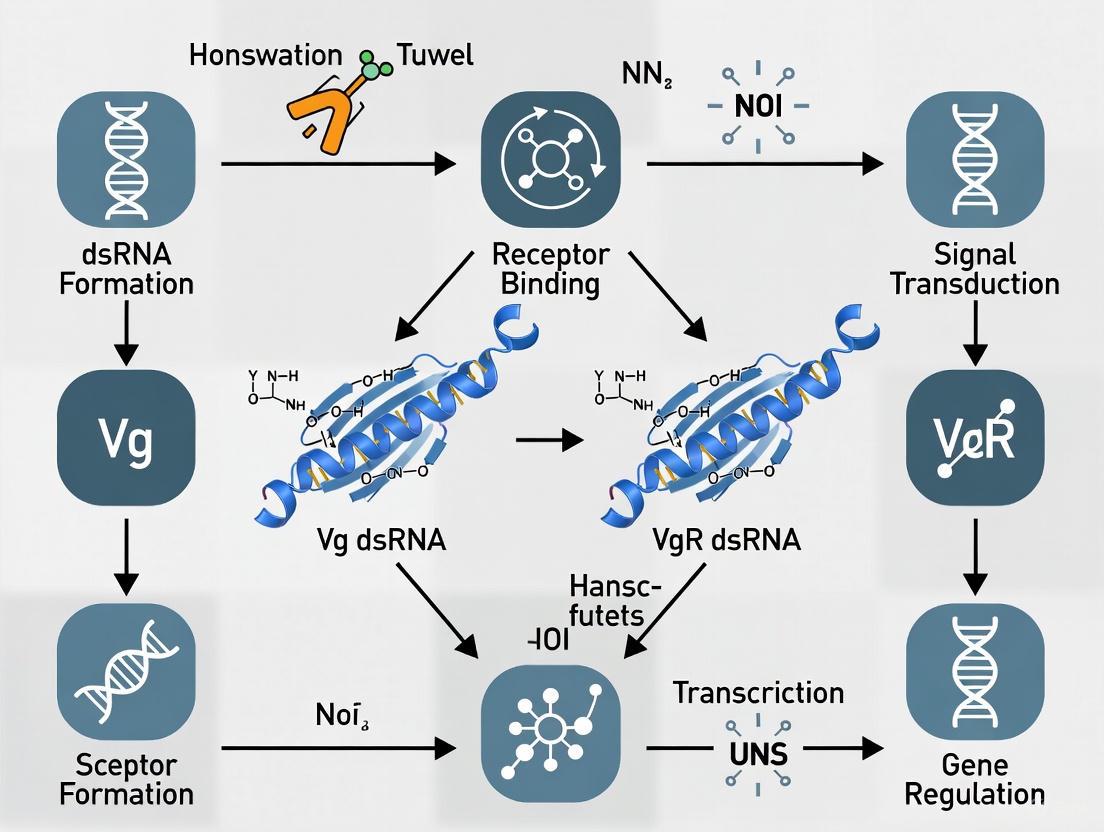
This article explores the combined application of Vitellogenin (Vg) and Vitellogenin Receptor (VgR) double-stranded RNA (dsRNA) to achieve synergistic effects in disrupting critical biological processes, primarily reproduction and stress resilience.
Synergistic RNAi: Dual Knockdown of Vitellogenin and Vitellogenin Receptor for Enhanced Pest Control and Biomedical Research
Abstract
This article explores the combined application of Vitellogenin (Vg) and Vitellogenin Receptor (VgR) double-stranded RNA (dsRNA) to achieve synergistic effects in disrupting critical biological processes, primarily reproduction and stress resilience. Tailored for researchers, scientists, and drug development professionals, the content spans from foundational knowledge of Vg/VgR biology and their interconnected roles to practical methodologies for dual-gene silencing. It further addresses common challenges in RNAi application, presents validation strategies comparing single versus dual-gene knockdown efficacy, and discusses the translational potential of this approach for developing next-generation, species-specific control agents in agriculture and biomedicine.
Vg and VgR Biology: Unraveling the Core Duo in Reproduction and Beyond
Vitellogenin (Vg), traditionally recognized as the major egg yolk precursor protein in oviparous species, has undergone a significant paradigm shift in its functional characterization. Once considered primarily a nutrient source for developing embryos, Vg is now understood to exhibit remarkable pleiotropy, playing critical roles in immunity, antioxidant defense, and longevity across diverse taxa [1] [2]. This multifunctional glycolipophosphoprotein circulates in the hemolymph or blood and is internalized into oocytes via receptor-mediated endocytosis, where it is cleaved into derived yolk proteins including lipovitellin (Lv) and phosvitin (Pv) [1]. The structural characterization of Vg has revealed insights into its diverse functionalities; the honey bee Vg structure, for instance, contains a lipid-binding module, a von Willebrand factor type D (vWD) domain, and a C-terminal cystine knot (CTCK) domain, which collectively facilitate its range of molecular activities [2]. This application note details experimental frameworks for investigating Vg's antioxidant mechanisms and explores the synergistic potential of combining Vg and Vg receptor (VgR) targeting for research and biotechnology applications.
Molecular Mechanisms of Vg's Antioxidant and Immune Functions
Antioxidant Defense Mechanisms
Vitellogenin employs multiple molecular strategies to protect organisms from oxidative damage, a function particularly critical in long-lived species like honey bees.
Direct Reactive Oxygen Species (ROS) Neutralization: Vg demonstrates a remarkable capacity to shield living cells from reactive oxygen species. Experimental evidence confirms that Vg binding to live cells significantly improves their oxidative stress tolerance, suggesting a direct protective role against oxidative damage [3].
Cellular Damage Recognition and Binding: Vg exhibits specific binding affinity for membrane phospholipids, particularly showing preferential binding to phosphatidylserine—a lipid typically located on the inner leaflet of cell membranes that becomes exposed in damaged cells [3]. This ability to recognize and bind to compromised cells positions Vg as a key player in oxidative stress response.
Modulation of Antioxidant Pathways: The vitellogenin receptor (VgR) itself plays a crucial role in antioxidant defense. RNAi-mediated knockdown of AmVgR in honey bees resulted in suppressed antioxidant enzyme activities, elevated oxidative damage markers, and reduced survival under H₂O₂-induced oxidative stress [4]. This indicates that the Vg/VgR system functions as an integral component of the organism's antioxidant network.
Table 1: Experimental Evidence for Vg Antioxidant Functions
| Experimental System | Induced Stress | Key Findings | Reference |
|---|---|---|---|
| Honey bee hemolymph | H₂O₂ | Vg binding to live cells improves oxidative stress tolerance | [3] |
| Honey bee workers | RNAi of AmVgR | Suppressed antioxidant enzymes; increased oxidative damage markers | [4] |
| Honey bee workers | Heat, cold, pesticides, heavy metals | Significant upregulation of AmVgR expression under stress | [4] |
Immune-Relevant Activities
Beyond its antioxidant functions, Vg plays multiple roles in innate immune defense across species:
Broad-Spectrum Antimicrobial Activity: Vg purified from diverse species including fish (rosy barb, carp) and mollusks (scallop) demonstrates potent antibacterial activity against both Gram-negative and Gram-positive bacteria [1].
Pathogen Recognition and Opsonization: Vg functions as a multivalent pattern recognition receptor, capable of identifying invading microbes through direct binding to bacteria and fungi [1]. This binding facilitates pathogen aggregation and promotes phagocytosis by immune cells.
Immune Gene Regulation: Challenge with bacterial pathogens or immune stimulants like LPS and LTA induces Vg expression, confirming its status as an acute-phase reactant actively involved in anti-infection responses [1].
Figure 1: Multifunctional roles of Vitellogenin in stress response and defense mechanisms.
Application Note: Synergistic RNAi of Vg and VgR
Proof of Concept in Pest Control
The combined silencing of Vg and VgR represents a powerful approach for reproductive disruption in arthropods. A seminal study in the citrus red mite (Panonychus citri) demonstrated the enhanced efficacy of this synergistic approach:
Table 2: Synergistic RNAi Effects on Citrus Red Mite Reproduction
| Treatment | Target Stage | Reduction in Egg Laying | Effect on Egg Hatching |
|---|---|---|---|
| dsPcVg alone | Adult female | 48.1% | No significant effect |
| dsPcVgR alone | Adult female | 40.9% | No significant effect |
| dsPcVg + dsPcVgR | Adult female | 60.4% | Slight reduction after 7 days |
| dsPcVg + dsPcVgR | Deutonymph | 67.0% | Significant reduction |
| dsPcVg + dsPcVgR | Protonymph | 70.0% | Data not shown |
This synergistic effect arises from simultaneously disrupting both the ligand (Vg) and its receptor-mediated uptake mechanism (VgR), creating a more comprehensive blockade of vitellogenesis than targeting either component alone [5] [6].
Protocol: RNAi-Mediated Silencing of Vg and VgR
Objective: To simultaneously silence Vg and VgR gene expression using dsRNA and quantify the synergistic effects on reproduction.
Materials:
- Gene-specific dsRNA targeting Vg and VgR sequences
- Control dsRNA (e.g., dsEGFP)
- Experimental organisms (mites, insects, or crustaceans)
- qRT-PCR system for gene expression validation
- Environmental chambers for maintaining organisms
Procedure:
- dsRNA Preparation: Design and synthesize dsRNA targeting conserved regions of Vg and VgR genes. Verify sequence specificity and dsRNA integrity by gel electrophoresis.
- Organism Treatment:
- For aquatic species: Prepare dsRNA-VgP complexes as described in Section 4.2 and inject into hemolymph.
- For mites/insects: Utilize leaf-dip or feeding methods with dsRNA solutions at concentrations ranging from 250-1000 ng/μL.
- Experimental Groups: Establish four treatment groups: (1) Control dsRNA, (2) dsVg alone, (3) dsVgR alone, (4) dsVg + dsVgR combination.
- Gene Expression Analysis: At 24h, 3d, 5d, and 7d post-treatment, collect samples for qRT-PCR to verify target gene knockdown using specific primers.
- Phenotypic Assessment: Monitor and record daily egg production, egg hatching rates, and embryonic development abnormalities over 8 consecutive days.
- Oxidative Stress Tests: For antioxidant function studies, expose a subset of treated organisms to H₂O₂, heavy metals, or pesticide stressors and assess survival rates.
Troubleshooting Tips:
- Optimize dsRNA concentration based on target species; 1000 ng/μL typically shows maximal effect.
- For embryonic studies, treat deutonymph or protonymph stages for more pronounced effects.
- Include rescue experiments with Vg supplementation to confirm phenotype specificity.
Advanced Methodologies for Vg/VgR Research
The Scientist's Toolkit: Key Research Reagents
Table 3: Essential Reagents for Vg/VgR Functional Studies
| Reagent / Tool | Composition / Type | Research Application | Key Function |
|---|---|---|---|
| Vg-derived Peptide (VgP) | 24-amino acid peptide from M. rosenbergii Vg C-terminal | Oocyte-specific delivery vehicle | Binds VgR for receptor-mediated endocytosis [7] |
| OSSCot Chimera | Fusion protein: dsRBD + VgP | dsRNA binding and delivery | Protects dsRNA, facilitates oocyte entry for gene silencing [8] |
| Yolkin | Polypeptide complex from chicken egg yolk | Neuroprotection studies | Antioxidant activity, induces BDNF production [9] |
| Anti-Vg Antibodies | Polyclonal or monoclonal antibodies | Vg quantification and localization | Immunoassays, Western blot, immunohistochemistry |
| Recombinant VgR-LBD | Ligand-binding domain of VgR | Binding affinity studies | In vitro analysis of Vg-VgR interaction mechanisms |
Protocol: Oocyte-Specific dsRNA Delivery Using VgP
Objective: To exploit the Vg-VgR endocytosis pathway for targeted delivery of dsRNA into developing oocytes.
Rationale: The vitelline envelope and follicular cells present significant barriers to conventional dsRNA delivery in oocytes. This protocol utilizes a 24-amino acid peptide (VgP) derived from the Vg C-terminal region that specifically binds VgR, facilitating receptor-mediated endocytosis of conjugated cargo [7].
Materials:
- Synthetic VgP peptide (sequence from species of interest)
- Fluorescent tags (FITC, TAMRA) for tracking
- Target dsRNA (e.g., PAX6 for embryonic eye development)
- Microinjection system
- Confocal microscopy for visualization
Procedure:
- Complex Formation: Incubate VgP with target dsRNA at molar ratio of 5:1 (VgP:dsRNA) in physiological buffer for 30min at room temperature.
- Validation of Binding:
- Confirm complex formation using gel shift assay.
- Test binding affinity to recombinant VgR ligand-binding domain (LBD) using surface plasmon resonance or microscale thermophoresis.
- In Vivo Delivery: Microinject VgP-dsRNA complex (5-10 μL) into the hemolymph of vitellogenic females.
- Internalization Analysis: Sacrifice subset of females 24h post-injection, dissect ovaries, and visualize peptide-dsRNA internalization using fluorescence microscopy.
- Functional Assessment: For developmental genes (e.g., PAX6), monitor embryonic development and phenotype (e.g., eye development) in offspring.
- Gene Silencing Verification: Quantify target mRNA levels in oocytes and embryos using qRT-PCR.
Figure 2: Experimental workflow for oocyte-specific dsRNA delivery using VgP.
Research Applications and Future Directions
The multifunctional nature of Vg and its receptor opens diverse research applications with significant translational potential. The synergistic targeting of Vg and VgR represents a promising approach with implications across multiple fields:
Biotechnology and Aquaculture: The ability to deliver gene silencing constructs specifically to oocytes using VgP-mediated technology enables large-scale manipulation of commercially valuable traits in crustacean aquaculture, including growth enhancement, sterility induction, and pathogen resistance [7] [8].
Sustainable Pest Management: The demonstrated efficacy of combined Vg/VgR RNAi in reducing reproduction in citrus red mites highlights the potential for species-specific pest control strategies with reduced environmental impact compared to conventional pesticides [5] [6].
Therapeutic Development: The antioxidant and neuroprotective properties of Vg-derived compounds, such as the yolkin polypeptide complex from chicken egg yolk, suggest potential for developing novel therapeutics for neurodegenerative diseases and conditions involving oxidative stress [9].
Future research directions should focus on elucidating the structural basis of Vg's pleiotropy, optimizing delivery systems for Vg/VgR-targeting agents, and exploring the translational applications of Vg-derived peptides in medicine and biotechnology. The integration of structural biology insights with functional genomics approaches will continue to reveal new dimensions of Vg's multifunctional nature and its potential applications across diverse fields.
The vitellogenin receptor (VgR) is a critical protein belonging to the low-density lipoprotein receptor (LDLR) superfamily that mediates the uptake of vitellogenin (Vg), the primary yolk protein precursor, into developing oocytes. This process, known as receptor-mediated endocytosis, is fundamental to vitellogenesis and successful reproduction in oviparous animals, including insects, crustaceans, and fish [10] [11] [12]. By transporting Vg from the hemolymph or blood into oocytes, VgR provides the necessary nutrients for embryonic development, making it a pivotal regulator of female fertility. This Application Note details the functional analysis of VgR and provides protocols for investigating its role, with a specific focus on methodologies for achieving synergistic reproductive disruption through combined targeting of Vg and VgR via RNA interference (RNAi).
VgR in Oocyte Development and Vitellogenesis
Molecular Characterization and Expression
Vitellogenin Receptor is a large membrane-bound protein characterized by several conserved structural domains typical of the LDLR family: the ligand-binding domain (LBD), EGF-precursor homology domain (EGFPD), O-linked sugar domain (OLSD), transmembrane domain (TMD), and a cytoplasmic domain (CD) containing an internalization motif [10] [11] [12]. Its expression is predominantly ovary-specific and is temporally regulated to coincide with periods of active vitellogenesis. Transcript levels of VgR increase progressively during ovarian development, peaking during the vitellogenic stages, and decline sharply post-vitellogenesis or during embryonic development [10] [11].
Functional Role in Reproduction
The essential function of VgR is to bind circulating Vg and facilitate its internalization into oocytes via clathrin-mediated endocytosis. Within the oocyte, Vg is processed into vitellin (Vn), which serves as the major nutritional reserve for the developing embryo [10] [12]. Knockdown of VgR expression through RNAi consistently leads to a failure of yolk deposition, impaired ovarian development, a significant reduction in fecundity (egg production), and in some cases, complete female sterility [10] [5] [13]. This underscores its non-redundant role in reproduction.
Table 1: Phenotypic Consequences of VgR Knockdown Across Species
| Species | Experimental Intervention | Impact on Ovary Development & Fecundity | Impact on Vg/Vn Uptake or Accumulation |
|---|---|---|---|
| Litopenaeus vannamei (Shrimp) [10] | VgR RNAi | Stunted ovarian development | Reduced Vg accumulation in oocytes |
| Panonychus citri (Citrus red mite) [5] | VgR RNAi | 48% reduction in egg laying | Not specified |
| Bactrocera dorsalis (Oriental fruit fly) [11] | VgR RNAi | Suppressed ovary maturation | Disrupted yolk protein absorption |
| Trichogramma dendrolimi (Parasitoid wasp) [13] | VgR RNAi (with BAPC carrier) | Reduced initial mature egg load; decreased parasitic capacity | Ovarian dysplasia; inhibited nurse cell internalization |
| Colaphellus bowringi (Cabbage beetle) [12] | VgR RNAi | Reduced yolk deposition in ovaries | Increased Vg accumulation in hemolymph |
Quantitative Data on Synergistic Vg and VgR Targeting
Combining RNAi targeting both Vg and VgR can produce a synergistic effect, leading to a more severe impairment of reproduction than targeting either gene alone. This approach simultaneously reduces the ligand (Vg) and disrupts its cellular uptake mechanism (VgR), creating a dual blockade in the vitellogenesis pathway.
Table 2: Synergistic Effects of Combined Vg and VgR RNAi
| Species | Target Genes | dsRNA Concentration | Synergistic Effect on Fecundity | Other Observations |
|---|---|---|---|---|
| Panonychus citri (Citrus red mite) [5] | PcVg + PcVgR | 1000 ng/µL | 60.42% reduction in egg laying (compared to 48% with PcVgR dsRNA alone) | Deutonymph & protonymph treatment resulted in ~70% egg reduction |
| Panonychus citri (Citrus red mite) [5] | PcVg + PcVgR | Applied to deutonymph stage | 67% reduction in future egg laying | Demonstrates long-lasting impact of early-stage treatment |
| Panonychus citri (Citrus red mite) [5] | PcVg + PcVgR | Applied to protonymph stage | 70% reduction in future egg laying | Slightly enhanced effect compared to deutonymph treatment |
Experimental Protocols for VgR Functional Analysis
Protocol 1: RNAi-Mediated Functional Knockdown of VgR
This protocol is adapted from successful experiments in insects and crustaceans to silence VgR expression and assess its phenotypic consequences [10] [5] [11].
1. dsRNA Preparation:
- Design: Identify a unique 300-600 bp sequence from the target VgR cDNA. Verify specificity using BLAST to ensure no off-target matches (>19 nt contiguous identity) to other genes.
- Synthesis: Synthesize dsRNA in vitro using T7 RNA polymerase-based transcription kits. Common target regions include sequences within the ligand-binding domain (LBD) or EGF precursor domain. A dsRNA targeting a non-functional gene (e.g., GFP) should be produced in parallel as a negative control.
- Purification: Purify the synthesized dsRNA using standard precipitation or column-based methods. Resuspend in nuclease-free buffer or water and quantify spectrophotometrically.
2. dsRNA Delivery:
- Microinjection: For precise dosing, inject 1-2 µg of dsRNA (in a volume of 0.5-2 µL, depending on specimen size) directly into the hemocoel of adult females or early pupal stages. Use a fine glass needle and a microinjector system.
- Oral Feeding (Alternative): For species where injection is impractical, mix dsRNA with an artificial diet or sucrose solution (e.g., 50% w/v). The effective concentration in the diet typically ranges from 0.02 to 0.1 mg/mL, but requires empirical optimization [14].
3. Phenotypic Assessment:
- Molecular Efficacy: 3-5 days post-treatment, collect ovaries from a subset of individuals. Extract total RNA, synthesize cDNA, and use quantitative RT-PCR (qRT-PCR) to quantify the level of VgR transcript knockdown compared to controls.
- Reproductive Output: Monitor treated females for egg laying. Count the total number of eggs laid over a defined period and compare to control groups.
- Histological Analysis: Dissect ovaries from another subset and fix for histological sectioning. Use hematoxylin and eosin (H&E) staining to visualize yolk deposition and oocyte development. Immunofluorescence or immunohistochemistry with a Vg/Vn antibody can directly show the failure of Vg uptake in oocytes [10] [15].
Protocol 2: Juvenile Hormone (JH) Regulation of VgR Transcription
This protocol outlines methods to investigate the hormonal regulation of VgR, a key upstream pathway [12].
1. Hormone Challenge:
- Application: Topically apply 1-2 µg of JH III or a JH analog (e.g., methoprene) in acetone or DMSO to the abdominal tergites of female adults. Control groups receive solvent only.
- Tissue Collection: Collect ovarian tissues at specific time points post-application (e.g., 6, 12, 24 hours).
2. RNAi of JH Pathway Components:
- Targets: Perform RNAi as in Protocol 1 against key components of the JH signaling pathway, such as Methoprene-tolerant (Met) and Krüppel homolog 1 (Kr-h1).
- Hormone Rescue: In groups where Met or Kr-h1 has been knocked down, attempt a rescue by applying JH. This confirms the pathway's role in regulating VgR.
3. Expression Analysis:
- Use qRT-PCR to measure transcript levels of VgR, Met, and Kr-h1 in the ovaries of treated and control animals. An increase in VgR after JH application, or a suppression after Met/Kr-h1 knockdown, confirms JH regulates VgR via the Met-Kr-h1 pathway.
Signaling Pathways and Experimental Workflows
VgR-Mediated Endocytosis and JH Regulation Pathway
The following diagram illustrates the core functional and regulatory pathways of VgR.
RNAi Workflow for Synergistic Vg/VgR Targeting
This workflow outlines the experimental process for testing the combined effect of Vg and VgR dsRNA.
The Scientist's Toolkit: Research Reagent Solutions
Table 3: Essential Reagents and Materials for VgR Research
| Reagent/Material | Function/Application | Example & Notes |
|---|---|---|
| T7 RiboMAX Express RNAi System | In vitro synthesis of high-yield dsRNA | Core reagent for generating dsRNA for injection or feeding studies. Alternative kits available from other manufacturers. |
| VgR & Vg Specific Antibodies | Detection and localization of proteins via immunofluorescence (IF), immunohistochemistry (IHC), and Western Blot (WB) | Custom polyclonal antibodies are often generated against synthesized peptides or recombinant protein fragments of the target species. |
| Branched Amphipathic Peptide Capsules (BAPC) | Nanomaterial carrier for enhanced dsRNA delivery efficiency | Particularly useful for difficult-to-transfect organisms, such as minute insects like Trichogramma [13]. |
| Juvenile Hormone III & Analogs | Investigate hormonal regulation of VgR transcription | JH III (natural); Methoprene (common analog). Used in hormone challenge experiments [12]. |
| Nuclease-Free Water & Buffers | Preparation and dilution of dsRNA to maintain integrity | Essential to prevent degradation of dsRNA by environmental RNases before delivery. |
The vitellogenin (Vg) and vitellogenin receptor (VgR) axis represents a fundamental biological pathway governing reproductive success across oviparous species. This receptor-ligand pair coordinates the massive transport of nutritional reserves from the site of synthesis to developing oocytes, establishing the foundation for embryonic development and subsequent offspring viability. Within the context of modern pest control and reproductive biology, disrupting this axis through RNA interference (RNAi) technology presents a promising strategy for population management. This application note details the molecular machinery of the Vg/VgR axis, quantitative assessments of its disruption, and standardized protocols for evaluating synergistic effects when Vg and VgR dsRNA are combined, providing researchers with a framework for developing novel biological control agents.
Biological Background and Significance
Vitellogenin is a large glycolipophosphoprotein that serves as the primary precursor to the yolk protein vitellin (Vn). It is predominantly synthesized in the fat body (analogous to the vertebrate liver), secreted into the hemolymph, and transported to the ovaries [16]. The vitellogenin receptor, a member of the low-density lipoprotein receptor (LDLR) family, is predominantly localized on the oocyte membrane and mediates the endocytic uptake of Vg into developing oocytes [4] [16]. Its structure comprises characteristic domains including the ligand-binding domain (LBD), EGF-precursor homology domain (EGF-PHD), O-linked carbohydrate domain (OLCD), transmembrane domain (TD), and cytoplasmic domain (CyD), which collectively facilitate efficient Vg binding and internalization [4].
The Vg/VgR axis is critically regulated by hormonal signaling networks. Juvenile hormone (JH) and 20-hydroxyecdysone (20E) serve as the primary gonadotropic hormones, with their relative importance varying across insect orders [16]. These hormonal signals integrate with nutrient-sensing pathways, including the Target of Rapamycin (TOR) and insulin/insulin-like growth factor signaling (IIS) pathways, to synchronize reproductive investment with nutritional status [17] [18]. The regulatory interplay ensures that vitellogenesis proceeds only when sufficient resources are available for egg production.
Table 1: Functional Consequences of Vg/VgR Gene Silencing Across Species
| Species | Target Gene | Effect on Fecundity | Effect on Egg Hatchability | Additional Phenotypes | Citation |
|---|---|---|---|---|---|
| Lasioderma serricorne (Cigarette Beetle) | LsVg & LsVgR (Co-silencing) | Severe reduction | Significant reduction | Impaired ovarian development; shorter oviposition period; more pronounced effect than single knockdown | [19] |
| Apis mellifera (Honeybee) | AmVgR | Not Reported | Not Reported | Reduced antioxidant activity; increased oxidative damage; lower survival under stress | [4] |
| Tuta absoluta (Tomato Leafminer) | TaMet (JH receptor) | 67.25% reduction | 67.21% reduction | Abnormal ovarian morphology; downregulated Vg & VgR expression | [20] |
| Nilaparvata lugens (Brown Planthopper) | TPS (Trehalose-6-P Synthase) | Reduced egg production | Reduced hatch rate | Delayed ovarian development; downregulated Vg & VgR expression | [17] |
Beyond its canonical role in nutrition, Vg also exhibits antioxidant properties, protecting cells from oxidative damage, while VgR expression is not confined solely to ovarian tissues but is also detected in hypopharyngeal glands, fat body, and midgut, suggesting potential pleiotropic functions [4]. The critical nature of this axis for successful reproduction makes it a prime target for intervention strategies aimed at regulating population growth in pest species.
The efficacy of RNAi-mediated silencing of the Vg/VgR axis has been quantitatively demonstrated through multiple physiological and molecular metrics. The data summarized below provide a comparative basis for predicting the potential synergistic effect of a combined dsRNA approach.
Table 2: Quantitative Molecular and Physiological Changes Post-Vg/VgR Knockdown
| Measured Parameter | Experimental System | Change After Gene Silencing | Experimental Method |
|---|---|---|---|
| Vg Transcript Level | Tuta absoluta (TaMet KD) | Significantly downregulated | RT-qPCR [20] |
| VgR Transcript Level | Tuta absoluta (TaMet KD) | Significantly downregulated | RT-qPCR [20] |
| Vitellogenin Protein Content | Lasioderma serricorne | Decreased | Biochemical Assay [19] |
| Oocyte Size/Length | Lasioderma serricorne | Significantly decreased | Microscopic measurement [19] |
| Antioxidant Enzyme Activity | Apis mellifera (AmVgR KD) | Suppressed | Enzyme activity assays [4] |
| Oxidative Damage Markers | Apis mellifera (AmVgR KD) | Elevated | Biochemical Assay [4] |
| JH and 20E Pathway Gene Expression | Nilaparvata lugens (TPS KD) | Disrupted | RT-qPCR [17] |
The data from the cigarette beetle, Lasioderma serricorne, is particularly instructive for synergy research. In this species, the co-silencing of LsVg and LsVgR resulted in a more pronounced negative impact on female fecundity and ovarian development compared to the silencing of either gene alone [19]. This demonstrates that a dual-target approach can enhance the phenotypic effect, providing a strong rationale for applying a combined Vg/VgR dsRNA strategy in other systems.
Experimental Protocols
Protocol 1: dsRNA Preparation and RNAi Functional Assay
This protocol outlines the procedure for designing, synthesizing, and delivering double-stranded RNA (dsRNA) targeting Vg and VgR genes for functional analysis in insects.
Research Reagent Solutions:
- dsRNA Synthesis Kit: e.g., TranscriptAid T7 High Yield Transcription Kit (Thermo Fisher Scientific). Function: For in vitro transcription of sense and antisense RNA strands and their hybridization into dsRNA [20].
- RNA Extraction Kit: e.g., TransZol Up Plus RNA Kit (TransGen) or Trizol reagent. Function: For isolating high-quality total RNA from insect tissues for downstream cDNA synthesis and expression analysis [4] [17].
- cDNA Synthesis Kit: e.g., PrimeScript 1st Strand cDNA Synthesis Kit (TaKaRa). Function: To reverse transcribe mRNA into stable cDNA for quantitative PCR (qPCR) analysis [21].
- qPCR Master Mix: e.g., TransStart Top Green qPCR SuperMix (TransGen Biotech). Function: Provides optimized buffers, enzymes, and dyes for accurate and sensitive real-time PCR quantification [19].
Procedure:
- Template Amplification: Design gene-specific primers flanked by the T7 RNA polymerase promoter sequence (e.g., 5'-TAATACGACTCACTATAGGG-3') for the target Vg and VgR gene fragments. Perform PCR using cDNA as a template to generate the dsDNA template for transcription [19] [20].
- dsRNA Synthesis: Use a commercial dsRNA synthesis kit. Set up the in vitro transcription reaction by mixing the DNA template with nucleotides, transcription buffer, and T7 RNA polymerase. Incubate at 37°C for 4-16 hours.
- dsRNA Purification: Precipitate the synthesized dsRNA and remove contaminants (e.g., proteins, free nucleotides) using purification kits or standard phenol-chloroform extraction. Resuspend the purified dsRNA in nuclease-free water or injection buffer.
- Quality Control: Verify dsRNA integrity via agarose gel electrophoresis and quantify concentration using a spectrophotometer.
- Delivery via Microinjection:
- Anesthetize experimental insects (e.g., pupae or newly emerged adults) on ice or with CO₂.
- Using a microinjector and fine glass needle, inject a calibrated volume (e.g., 50-200 nL) of dsRNA solution (typically 1-5 µg/µL) into the insect's hemocoel, typically through the thoracic pleuron or abdominal sternite.
- For the experimental groups, inject: a) dsVg, b) dsVgR, c) a combination of dsVg and dsVgR, and d) a control group with dsRNA targeting a non-insect gene (e.g., GFP).
- Post-injection Rearing: Maintain injected insects under standard conditions with an adequate food supply. Monitor survival and collect tissues for molecular analysis or assess reproductive phenotypes.
Protocol 2: Molecular Efficacy Analysis of Knockdown
This protocol describes the methods to validate and quantify the silencing of target genes and analyze downstream molecular pathways.
Procedure:
- Sample Collection: At predetermined time points post-injection (e.g., 24, 48, 72 hours), collect whole insects or dissect specific tissues (fat body, ovary) for analysis.
- RNA Extraction and cDNA Synthesis: Extract total RNA from pooled samples. Assess RNA purity and integrity. Synthesize first-strand cDNA from equal amounts of total RNA.
- Quantitative PCR (qPCR):
- Design primers specific for Vg, VgR, and reference genes (e.g., Elongation Factor 1-alpha, EF1α or 18S ribosomal RNA).
- Perform qPCR reactions in triplicate for each sample. Use a standard amplification program: initial denaturation at 95°C for 5 min, followed by 40 cycles of 95°C for 15 s, 60°C for 30 s, and 72°C for 30 s.
- Calculate the relative expression levels of target genes using the comparative 2−ΔΔCT method, normalized to the reference genes and relative to the control group [19] [20].
- Pathway Analysis: To investigate broader transcriptional changes, extract total RNA from ovaries or fat bodies of control and dsRNA-treated groups. Prepare sequencing libraries and perform transcriptome sequencing (RNA-Seq). Analyze differentially expressed genes (DEGs) with bioinformatic tools, focusing on pathways related to reproduction, hormone signaling (JH, 20E), and metabolism (TOR, IIS) [22] [17].
Protocol 3: Phenotypic Assessment of Reproductive Fitness
This protocol standardizes the evaluation of reproductive fitness parameters following the disruption of the Vg/VgR axis.
Procedure:
- Ovarian Morphology: Dissect ovaries from treated and control female adults in saline solution under a stereomicroscope. Image the ovaries and measure the length of ovarian tubes and oocytes using calibrated imaging software [19].
- Fecundity and Hatchability Assessment:
- Place mated, dsRNA-injected females (e.g., N. lugens on rice seedlings, L. serricorne on artificial diet) to lay eggs.
- Record the oviposition period (days eggs are laid) and the total number of eggs laid per female.
- Track the eggs to determine the egg hatch rate (percentage of eggs that hatch into larvae) [19] [22].
- Embryonic Development Analysis: Collect eggs laid by treated females and observe embryonic development using a microscope. Note any morphological abnormalities, such as inverted embryos or delayed eyespot formation [22] [21].
- Biochemical Assays: To assess oxidative stress, homogenize whole insects or tissues and use commercial kits to measure the activity of antioxidant enzymes (e.g., SOD, CAT) and the concentration of oxidative damage markers (e.g., Malondialdehyde, MDA) [4].
Signaling Pathways and Workflows
The Vg/VgR axis is embedded in a complex regulatory network, as illustrated below. Disrupting one component, such as through TPS silencing, creates cascading effects that ultimately suppress the expression and function of Vg and VgR.
Diagram 1: Integrated Regulation of the Vg/VgR Axis. This diagram illustrates how nutritional (IIS, TOR) and hormonal (JH) signaling pathways converge to regulate the synthesis of Vg in the fat body and VgR in the ovaries, coordinating the uptake of yolk into the oocyte. Disruption of upstream components like TPS can impair this entire network [16] [17] [20].
The experimental workflow for evaluating a combined Vg/VgR dsRNA strategy, from design to phenotypic analysis, is outlined below.
Diagram 2: Dual-Target RNAi Experimental Workflow. This workflow chart details the key steps for conducting a synergistic efficacy study, highlighting the critical inclusion of a combined dsVg + dsVgR treatment group alongside the single knockdown and control groups [19].
Vitellogenin (Vg) and its receptor (VgR) are historically recognized for their fundamental role in insect reproduction, facilitating yolk formation and nutrient provision for embryonic development. However, emerging research has unveiled significant non-reproductive functions, particularly in oxidative stress response and immunity. This paradigm shift opens new avenues for therapeutic and pest control strategies. This Application Note details experimental frameworks for investigating these non-reproductive functions, with a specific focus on methodologies for combining Vg and VgR dsRNA to achieve synergistic effects in research. The protocols are designed for researchers and drug development professionals aiming to elucidate novel pathways and develop targeted interventions.
Key Findings on Non-Reproductive Functions
Recent studies have established critical non-reproductive roles for Vg and VgR. The table below summarizes the core findings that form the basis for the subsequent experimental protocols.
Table 1: Key Non-Reproductive Functions of Vg and VgR
| Protein | Non-Reproductive Function | Experimental System | Key Finding | Citation |
|---|---|---|---|---|
| Vitellogenin (Vg) | Antioxidant protection, DNA protection from ROS, regulation of antioxidant defense systems | Social insects, Alfalfa leafcutting bee, Aedes aegypti, Danaus plexippus | Vg protects DNA from ROS damage; its expression is positively correlated with antioxidant enzyme activity and is upregulated under extreme temperatures and heavy metal exposure. [4] | |
| Vitellogenin Receptor (VgR) | Critical protector against abiotic oxidative stress (heat, cold, pesticides, heavy metals) | Apis mellifera (Honeybee) | AmVgR is highly expressed in adult workers and upregulated under stress. Its knockdown reduces antioxidant activity, increases oxidative damage, and lowers survival under H2O2-induced stress. [4] | |
| Vg & VgR (Combined) | Female infertility for pest population control | Citrus red mite (Panonychus citri) | Synergistic application of dsRNA targeting both PcVg and PcVgR caused a 60.42% reduction in egg laying, significantly higher than individual gene knockdowns. [6] |
Protocol I: RNAi-Mediated Functional Analysis of VgR in Oxidative Stress
This protocol is adapted from functional studies in Apis mellifera to assess the role of VgR in antioxidant defense. [4]
Principle
RNA interference (RNAi) is used to knock down target gene expression (e.g., AmVgR) to investigate its physiological role. Subsequent exposure to oxidative stressors allows for quantitative assessment of the gene's contribution to stress resilience via biochemical and molecular assays.
Materials and Reagents
- dsRNA Targeting VgR: Synthesized in vitro or produced recombinantly in E. coli HT115(DE3). [4] [23]
- Control dsRNA: Targeting a non-related gene (e.g., GFP, EGFP).
- Experimental Insects: Adult worker honeybees (Apis mellifera).
- Oxidative Stress Inducers: 2 mol/L H₂O₂, 1.7 μL/mL CdCl₂, 1.7 μL/mL HgCl₂. [4]
- Pesticide Stress Inducers: Imidacloprid (0.02 mg/mL), Thiamethoxam (0.03 mg/mL) in 50% (w/v) sucrose solution. [4]
- RNA Isolation Kit: e.g., TransZol Up Plus RNA Kit. [4]
- cDNA Synthesis Kit: e.g., One-Step gDNA Removal and cDNA Synthesis SuperMix. [4]
- qRT-PCR Reagents: TB Green Premix Ex Taq, specific primers for VgR and antioxidant genes (e.g., SOD, CAT). [4]
- Antioxidant Assay Kits: For Superoxide Dismutase (SOD), Catalase (CAT), and Glutathione S-transferase (GST) activity.
- Oxidative Damage Marker ELISA Kits: For measuring protein carbonylation or lipid peroxidation (MDA content).
Procedure
dsRNA Preparation:
- Template: Amplify a ~500 bp gene-specific fragment from cDNA using primers with T7 promoter sequences.
- Synthesis: Synthesize dsRNA using a commercial in vitro transcription kit. Alternatively, use an E. coli HT115(DE3) expression system for large-scale production. [23]
- Purification: Purify dsRNA using a method such as TRIzol-absolute ethanol or extended ethanol precipitation, which have been shown to offer superior dsRNA recovery efficiency. [23]
Insect Treatment and dsRNA Delivery:
Oxidative Stress Challenge:
- 48-72 hours post dsRNA treatment, expose bees to oxidative stress.
- For pesticide stress, feed bees a sucrose solution containing Imidacloprid (0.02 mg/mL) or Thiamethoxam (0.03 mg/mL). [4]
- For direct oxidative stress, feed bees a sucrose solution containing 2 mol/L H₂O₂. [4]
- Maintain control groups on a normal sucrose diet.
Sample Collection:
- Collect bee tissues (e.g., fat body, abdomen) or whole bees at defined time points (e.g., 0, 1, 2, 3, 4, 5 hours) post-stress challenge.
- Immediately flash-freeze samples in liquid nitrogen and store at -80°C for subsequent analysis.
Efficacy and Outcome Analysis:
- Knockdown Validation: Extract total RNA, synthesize cDNA, and perform qRT-PCR to quantify AmVgR mRNA levels, confirming successful gene silencing. [4]
- Antioxidant Activity: Assay enzymatic activities of SOD, CAT, and GST in homogenates using commercial kits. [4]
- Oxidative Damage: Quantify markers like Malondialdehyde (MDA) for lipid peroxidation or protein carbonyls for protein oxidation. [4]
- Antioxidant Gene Expression: Use qRT-PCR to analyze the expression of genes like SOD, CAT, and CYP450. [4]
- Survival Bioassay: Monitor and record the survival rate of bees under H₂O₂-induced stress over several days. [4]
Table 2: Key Measurements in VgR Oxidative Stress Protocol
| Analysis Type | Specific Target/Method | Expected Outcome with VgR Knockdown |
|---|---|---|
| Gene Expression | qRT-PCR for VgR, SOD, CAT | > Downregulation of VgR and antioxidant genes |
| Biochemical Activity | Spectrophotometric enzyme assays (SOD, CAT, GST) | > Reduced antioxidant enzyme activity |
| Oxidative Damage | ELISA for MDA or protein carbonyls | > Increased oxidative damage markers |
| Phenotype | Survival rate under H₂O₂ stress | > Reduced survival percentage |
The following diagram illustrates the experimental workflow and the logical relationship between the knockdown of VgR and the observed physiological outcomes related to oxidative stress.
Protocol II: Synergistic RNAi of Vg and VgR for Enhanced Efficacy
This protocol outlines a strategy for the combined application of Vg and VgR dsRNA, based on research in the citrus red mite, Panonychus citri. [6]
Principle
Simultaneously targeting both Vg and VgR via RNAi can produce a synergistic effect, leading to a more severe disruption of vitellogenesis and related non-reproductive pathways (e.g., antioxidant defense) than targeting either gene alone. This approach is highly valuable for probing functional redundancy or for developing potent biocontrol agents.
Materials and Reagents
- dsRNA Combinations:
- Individual dsRNA for PcVg and PcVgR.
- Combined dsRNA solution (PcVg + PcVgR). The final concentration for synergistic studies is typically high, e.g., 1000 ng/μL. [6]
- Experimental Mites: Adult female Panonychus citri or target pest species.
- Control dsRNA: dsRNA targeting EGFP.
- Leaf-Dip Setup: Fresh citrus leaf discs, sachets, parafilm.
Procedure
dsRNA Preparation and Combination:
- Synthesize and purify dsRNA for PcVg, PcVgR, and control as described in Protocol 3.3.1.
- For the synergistic treatment, mix equal quantities of PcVg-dsRNA and PcVgR-dsRNA to achieve a final combined concentration of 1000 ng/μL. [6]
Insect Treatment via Leaf-Dip Method:
Assessment of Synergistic Effect:
- Gene Silencing Efficacy: After 24h, 3 days, 5 days, and 7 days, collect mites from each group. Extract total RNA and perform qRT-PCR to monitor the transcript levels of both PcVg and PcVgR. [6]
- Phenotypic Impact:
Anticipated Results
In the citrus red mite model, the synergistic dsRNA treatment (PcVg + PcVgR) resulted in a 60.42% reduction in egg laying, compared to 48.14% (PcVg alone) and 40.94% (PcVgR alone). [6] Furthermore, applying the combined dsRNA to deutonymph and protonymph stages led to even higher infertility (67-70% reduction in subsequent egg laying). [6] This protocol can be adapted to assess non-reproductive phenotypes like sensitivity to oxidative stress.
Table 3: Summary of Synergistic RNAi Effects in Panonychus citri
| dsRNA Treatment | Final Concentration | Cumulative Egg Reduction | Key Observation |
|---|---|---|---|
| PcVg | 1000 ng/μL | 48.14% | Significant impact on reproduction |
| PcVgR | 1000 ng/μL | 40.94% | Significant impact on reproduction |
| PcVg + PcVgR | 1000 ng/μL (combined) | 60.42% | Strong synergistic effect observed [6] |
| PcVg + PcVgR (on deutonymphs) | 1000 ng/μL (combined) | 67.0% | High infertility in subsequent adults [6] |
The Scientist's Toolkit: Research Reagent Solutions
Table 4: Essential Reagents for Vg/VgR Functional Studies
| Reagent / Solution | Function / Application | Example / Specification |
|---|---|---|
| Gene-Specific dsRNA | RNAi-mediated gene silencing | In vitro transcribed or bacterially produced (e.g., E. coli HT115(DE3)) dsRNA targeting Vg or VgR. [4] [23] |
| High-Purity RNA Isolation Kit | RNA extraction for downstream qPCR | Kits such as TransZol Up Plus RNA Kit or methods optimized for dsRNA recovery (e.g., TRIzol-absolute ethanol). [4] [23] |
| cDNA Synthesis SuperMix | First-strand cDNA synthesis from RNA | Kits with gDNA removal step (e.g., EasyScript One-Step gDNA Removal and cDNA Synthesis SuperMix). [4] |
| qRT-PCR Master Mix | Quantitative gene expression analysis | SYBR Green-based mixes (e.g., TB Green Premix Ex Taq II). [4] |
| Antioxidant Assay Kits | Measuring antioxidant enzyme activity | Commercial kits for SOD, CAT, and GST activity. |
| Oxidative Stress Inducers | Inducing controlled oxidative stress | H₂O₂, CdCl₂, HgCl₂, and pesticides like Imidacloprid. [4] |
| Oxidative Damage ELISA Kits | Quantifying lipid/protein oxidation | Kits for Malondialdehyde (MDA) or protein carbonyl content. [4] |
Visualization of the Vg/VgR Role in Oxidative Stress Signaling
The diagram below summarizes the proposed mechanistic role of Vg and VgR in mediating oxidative stress responses, based on current research, and highlights the points of investigation for the described protocols.
Strategies for Dual-Gene Silencing: dsRNA Design, Delivery, and Efficacy Assessment
dsRNA Design Principles for Targeting Vg and VgR Transcripts
This application note provides a comprehensive protocol for the design and application of double-stranded RNA (dsRNA) to target Vitellogenin (Vg) and Vitellogenin Receptor (VgR) transcripts in insect pests. Combining dsVg and dsVgR induces synergistic effects, severely disrupting reproductive processes including egg development, oviposition, and embryo viability. We present optimized dsRNA design parameters, delivery methods, and validation procedures to support the development of RNAi-based pest control strategies.
Vg and VgR play indispensable roles in insect reproduction. Vg, the precursor to yolk protein, is synthesized in the fat body and transported via hemolymph to developing oocytes, where it is internalized by the VgR through receptor-mediated endocytosis [24] [7]. Simultaneous RNA interference (RNAi) targeting of both Vg and VgR genes disrupts this vital nutrient pathway at multiple points, creating a powerful synergistic effect that severely impairs oogenesis and reduces pest population growth [5] [25]. This document outlines the principles and protocols for designing and implementing this combined RNAi strategy.
Target Selection and dsRNA Design Principles
Sequence Selection and Bioinformatics Analysis
Target Gene Identification:
- Vg Transcripts: Identify all Vg gene paralogs from species-specific databases (e.g., Diaphorina citri has at least five Vg genes: Vg1-Vg5). Prioritize isoforms with high expression in the female abdomen, such as Vg4 in D. citri, which demonstrates critical roles in egg formation [24].
- VgR Transcripts: Identify the VgR gene, which is typically present as a single-copy gene in the target insect genome [24].
Conserved Domain Targeting: Design dsRNA to target conserved functional domains to maximize efficacy and potential cross-species reactivity:
- For Vg: Target the Vg_N domain (amino acids 21–735) and Von Willebrand factor domain (VWD) (amino acids 1467–1657), which are critical for receptor binding and function [25].
- For VgR: Target the ligand-binding domains (LBDs), as crustacean and insect VgRs typically contain two LBDs essential for Vg uptake [7].
Specificity Validation: Perform BLAST analysis to ensure the selected dsRNA sequence has:
- High specificity: No more than 19 nucleotides of contiguous homology with non-target genes in the same species.
- Minimal off-target effects: Limited homology to genes in non-target organisms, particularly beneficial insects [14].
dsRNA Structuring for Enhanced Stability
Structured dsRNA (dsRNAst): To protect dsRNA from degradation by plant and insect nucleases, implement a viroid-like structure. This architecture utilizes self-cleaving ribozymes and a highly base-paired structure that remains stable in the plant extracellular environment but disassembles in the insect's digestive system due to pH differences [26].
Design Parameters:
- Length: Optimal dsRNA length is 300–600 base pairs [14].
- GC Content: Maintain moderate GC content (typically 40-60%) to balance stability and silencing efficiency.
- Modifications: For in vivo delivery, consider conjugating dsRNA with the Vg-derived peptide (VgP), a 24-amino-acid sequence that facilitates receptor-mediated endocytosis into oocytes, enhancing uptake for reproductive silencing [7].
Quantitative Efficacy Data of Vg/VgR RNAi
The table below summarizes experimental data demonstrating the synergistic effect of combined Vg and VgR gene silencing across multiple insect species.
Table 1: Efficacy of Combined Vg and VgR RNAi Across Insect Species
| Insect Species | Target Genes | Delivery Method | Synergistic Effect on Oviposition | Impact on Egg Hatchability | Key Findings | Citation |
|---|---|---|---|---|---|---|
| Diaphorina citri (Asian citrus psyllid) | Vg4 & VgR | In-plant system (IPS) | Fecundity reduced by 60-70% (dsVgR) | Significant reduction observed | dsVgR more effective than dsVg4; egg dimensions significantly smaller | [24] |
| Panonychus citri (Citrus red mite) | PcVg & PcVgR | Injection (dsRNA) | 60.42% reduction (synergistic) | Severe reduction | Combination effect greater than individual gene silencing | [5] |
| Rhynchophorus ferrugineus (Red palm weevil) | RfVg | Injection (dsRNA) | Dramatic failure of oogenesis | Eggs not hatched | Vg expression suppressed by 99% at 25 days post-injection | [25] |
| Tuta absoluta (Tomato leafminer) | Vg & VgR (via TaMet) | Injection (dsRNA) | Spawning reduced by 67.25% | Hatching rate decreased by 67.21% | Vitellogenin content significantly diminished; ovarian development impaired | [20] |
Experimental Protocols
In Vitro Synthesis of dsRNA
Reagents Required:
- Template DNA (PCR product with T7 promoter sequences)
- T7 RiboMAX Express RNAi System (Promega) or equivalent
- DNase and RNase-free water
- Nuclease removal columns (e.g., MinElute PCR Purification Kit)
Procedure:
- Template Preparation: Amplify the target sequence (300–600 bp) from cDNA using gene-specific primers with appended T7 promoter sequences (5'-TAATACGACTCACTATAGGG-3').
- dsRNA Synthesis: Set up the transcription reaction per manufacturer's instructions. Incubate at 37°C for 4 hours.
- DNase Treatment: Add 1 U of DNase per µg of DNA template and incubate at 37°C for 15 minutes to remove the DNA template.
- dsRNA Purification: Purify the synthesized dsRNA using nuclease removal columns. Elute in nuclease-free water.
- Quantification and Quality Control: Measure dsRNA concentration using a spectrophotometer and verify integrity by 1% agarose gel electrophoresis, expecting a single, sharp band [14].
In-Plant System (IPS) Delivery for Hemipterans
Reagents Required:
- Young, healthy host plants (e.g., Murraya odorifera for D. citri)
- dsRNA solution (200-500 ng/µL in nuclease-free water)
- Syringe without needle
Procedure:
- Plant Infiltration: Gently pressure-infiltrate dsRNA solution into plant stems and shoots using a syringe.
- Stability Assessment: Confirm dsRNA stability within plant tissues by gel electrophoresis of tissue extracts over 3–6 days post-infiltration [24].
- Insect Bioassay: Introduce adult female insects to the treated plants and allow for continuous feeding.
- Monitoring: Assess gene expression (by RT-qPCR), ovarian development, and fecundity over 10–30 days to capture long-term RNAi effects [24].
Microinjection for Lepidopterans and Coleopterans
Reagents Required:
- Microinjector (e.g., Nanoject II)
- Fine glass needles
- dsRNA solution (200-500 ng/µL)
- Cold anesthesia setup
Procedure:
- Insect Preparation: Anesthetize adult females or pupae on a cold plate.
- Microinjection: Inject a defined volume of dsRNA (e.g., 50-200 nL) into the hemocoel, typically at the intersection of the thorax and abdomen, avoiding major trachea.
- Post-injection Care: Maintain injected insects under standard rearing conditions and monitor for phenotypic changes.
- Efficacy Assessment: Quantify gene expression knockdown 3–5 days post-injection and evaluate reproductive parameters (egg production, egg hatch, ovarian development) [20] [25].
Validation and Phenotypic Assessment
Molecular Validation:
- RNA Extraction and RT-qPCR: Extract total RNA from fat body and ovarian tissues at 3, 5, 10, 15, 20, 25, and 30 days post-treatment. Perform RT-qPCR using gene-specific primers to quantify Vg and VgR transcript levels. Use reference genes (e.g., EF1α, Tubulin) for normalization [24] [25].
- Expected Outcome: Successful silencing results in >70% reduction in target transcripts [25].
Physiological and Reproductive Assessment:
- Ovarian Dissection: Dissect ovaries in saline solution and examine for developmental abnormalities, reduction in mature eggs, and atrophy [25].
- Fecundity and Hatchability Assay: Monitor daily oviposition and collect eggs to determine hatch rates under controlled conditions. A successful experiment shows a >60% reduction in both parameters [5] [20].
- Egg Morphometry: Measure egg length and width using a micrometer; significantly smaller egg size indicates successful vitellogenesis disruption [24].
Signaling Pathways and Experimental Workflow
Diagram 1: JH-regulated vitellogenesis and dsRNA disruption points. Juvenile Hormone (JH) signaling via its receptor Met upregulates Vg synthesis in the fat body and VgR in the ovaries. Vg is transported via hemolymph and internalized into oocytes by VgR. Combined dsVg and dsVgR application disrupts this pathway at two critical points, leading to a synergistic failure of oogenesis [27] [20] [28].
Diagram 2: Experimental workflow for combined Vg/VgR RNAi. The process involves four major phases: target identification through bioinformatics, dsRNA design and synthesis, delivery via species-appropriate methods, and comprehensive validation through molecular and phenotypic analyses [24] [25] [14].
The Scientist's Toolkit: Research Reagent Solutions
Table 2: Essential Reagents for Vg/VgR RNAi Research
| Reagent / Kit | Function / Application | Specific Example / Catalog Number |
|---|---|---|
| T7 RiboMAX Express RNAi System | High-yield in vitro transcription of dsRNA | Promega (P1700) |
| MinElute PCR Purification Kit | Purification of dsRNA after synthesis | Qiagen (28004) |
| TranscriptAid T7 Transcription Kit | Alternative for large-scale dsRNA synthesis | Thermo Fisher Scientific (K0441) |
| TransZol Up Plus RNA Kit | Total RNA extraction from insect tissues | TransGen (ER501-01-V2) [4] |
| EasyScript cDNA Synthesis SuperMix | First-strand cDNA synthesis for RT-qPCR | TransGen (AE311-02) [4] |
| Vg-derived Peptide (VgP) | Enhances dsRNA delivery to oocytes via VgR-mediated endocytosis | Custom synthesis of 24-amino-acid peptide (e.g., M. rosenbergii VgP) [7] |
| Nuclease-free Water | Preparation of all RNA-related solutions to prevent degradation | Invitrogen (AM9937) |
The combined application of dsRNA targeting both Vg and VgR genes represents a powerful RNAi strategy for insect control, leveraging synergistic effects to disrupt reproduction more effectively than single-target approaches. Success depends on careful dsRNA design targeting conserved domains, selection of appropriate delivery methods (IPS for hemipterans, microinjection for others), and thorough validation of gene silencing and phenotypic impacts. This protocol provides a standardized framework for researchers to develop and optimize this promising technology.
In the context of research focused on combining Vitellogenin (Vg) and Vitellogenin Receptor (VgR) double-stranded RNA (dsRNA) for synergistic effects, selecting an appropriate delivery method is paramount to experimental success. RNA interference (RNAi) is a versatile mechanism for post-transcriptional gene silencing that depends on efficient intracellular delivery of dsRNA to trigger sequence-specific mRNA degradation [29] [30]. This application note provides a detailed comparison of four primary dsRNA delivery methodologies—microinjection, soaking, oral feeding, and transgenic plant approaches—focusing on their practical application for Vg and VgR dsRNA delivery in insect models. We include structured protocols, quantitative efficiency comparisons, and specialized workflows for gene combination research to assist researchers in selecting and optimizing their experimental approaches.
Comparative Efficiency of Delivery Methods
The table below summarizes the key performance characteristics of the four primary dsRNA delivery methods, based on aggregated experimental data.
Table 1: Quantitative Comparison of dsRNA Delivery Method Efficiencies
| Delivery Method | Target Genes Used in Studies | Knockdown Efficiency (Range) | Mortality/ Phenotypic Effect | Key Advantages | Key Limitations |
|---|---|---|---|---|---|
| Microinjection | Prosα2, RPS13, Snf7, V-ATPase A [31] |
Up to 91.4% gene suppression [31] | Up to 92.7% mortality [31] | Precise dosing; bypasses digestive degradation [29] | Technically demanding; can cause physical trauma [29] |
| Oral Feeding (Artificial Diet) | JHAMT, Vitellogenin (Vg) [29] |
Significant decrease in target genes [29] | Reduced fertility and fecundity [29] | Non-invasive; applicable to small insects [32] | Variable uptake; dsRNA degradation in gut [30] |
| Soaking | DSOR1 (in Drosophila S2 cells) [29] |
Less efficient than microinjection [29] | Not typically assessed in vitro | High-throughput for cells/nematodes [29] [33] | Low efficiency in many insect species [29] |
| Transgenic Plant | Chitin synthase 2 (CHS2), Vitellogenin (Vg), ETHr [34] |
~70% yolk mortality; reduced gene expression in larvae/adults [34] | ~70% mortality in oviposited yolks; developmental delays [34] | Sustainable delivery; field-deployable [32] [34] | Long development time; complex regulatory approval [32] |
Detailed Experimental Protocols
Protocol 1: Microinjection of dsRNA for Vg/VgR Synergistic Research
This protocol is adapted from Pinheiro et al. (2020) for use in weevils and can be modified for other insect pests [31]. It is ideal for precise combinatorial gene silencing.
Materials & Reagents:
- Purified Vg- and VgR-specific dsRNA (≥ 1 µg/µL)
- Microinjection apparatus (e.g., nanoject II)
- Fine-glass capillary needles
- Cold-anesthetization setup
Procedure:
- dsRNA Preparation: Synthesize and purify dsRNA targeting Vg and VgR genes. For synergistic studies, prepare a 1:1 mixture of Vg:VgR dsRNA. The final concentration for injection should be standardized; 500-1000 ng/insect is a typical range [31].
- Insect Preparation: Cold-anesthetize adult insects to immobilize them.
- Loading dsRNA: Back-load the dsRNA mixture into the glass capillary needle.
- Microinjection: Carefully inject the dsRNA solution into the insect's hemocoel, typically through the pleural membrane between tergites.
- Post-injection Care: Transfer injected insects to fresh diet and maintain under standard rearing conditions.
- Validation: After 3-5 days, assess gene silencing efficiency via qPCR and phenotypic effects (e.g., fecundity, oocyte development) [31].
Protocol 2: Oral Feeding via Artificial Diet
This protocol, based on research with hemipteran insects, is suitable for high-throughput screening and non-invasive delivery [29].
Materials & Reagents:
- Gene-specific dsRNA (Vg and VgR)
- Artificial diet suitable for target insect
- Parafilm sachets
Procedure:
- Diet Preparation: Mix dsRNA directly into the artificial diet at a predetermined effective concentration. Studies have successfully used diets infused with dsRNA targeting genes like
JHAMTandVg[29]. - Sachet Preparation: Create Parafilm sachets and fill them with the dsRNA-infused diet.
- Insect Exposure: Introduce starved insects to the dsRNA diet sachets.
- Feeding Period: Allow continuous feeding for 3-5 days, monitoring ingestion.
- Outcome Assessment: Collect insects for molecular analysis (qPCR of Vg and VgR transcripts) and evaluate physiological impacts on reproduction and development [29].
Protocol 3: Generating Transgenic Plants for dsRNA Delivery
This protocol summarizes the generation of transgenic cotton plants expressing structured dsRNA for insect control, as demonstrated for the cotton boll weevil [34]. This method is ideal for sustained, combinatorial delivery.
Materials & Reagents:
- Plant expression vector with RNAi cassette
Agrobacterium tumefaciensstrain- Plant material (e.g., cotton embryos)
- Tissue culture media
Procedure:
- Construct Design: Clone inverted repeats of target gene fragments (Vg and VgR) into a plant expression vector. To enhance stability, use a viroid-structured dsRNA (dsRNAst) design [34].
- Plant Transformation: Introduce the vector into
Agrobacteriumand transform cotton embryos via standardAgrobacterium-mediated transformation. - Regeneration: Regenerate transformed plants on selective media. PCR-screen T0 plants for the presence of the transgene [34].
- Bioassay: Challenge T1 plant floral buds with insect pests. In the cotton boll weevil model, this led to approximately 70% mortality in oviposited yolks and reduced target gene expression in survivors [34].
- Efficacy Evaluation: Monitor insect mortality, gene silencing, and developmental abnormalities across multiple generations to assess synergistic effects.
Experimental Workflow for Vg/VgR Synergistic Research
The following diagram illustrates the logical workflow for planning and executing a combinatorial RNAi experiment targeting Vg and VgR.
The Scientist's Toolkit: Key Research Reagent Solutions
The table below lists essential reagents and their functions for implementing the described dsRNA delivery protocols.
Table 2: Essential Research Reagents for dsRNA Delivery Experiments
| Reagent / Material | Function / Application | Experimental Context |
|---|---|---|
| In Vitro Transcription Kit | Synthesizes high-quality, gene-specific dsRNA for all delivery methods. | Critical for generating dsRNA for Vg, VgR, and other target genes [33]. |
| Nanoject II Microinjector | Provides precise, automated delivery of dsRNA solution into the insect hemocoel. | Essential for microinjection protocols to ensure accurate dosing [31]. |
| Parafilm Sachets | Creates a membrane for enclosing liquid, dsRNA-infused artificial diet. | Used in oral feeding assays for hemipteran and other insects [29]. |
| Viroid-Structured dsRNA (dsRNAst) | A stabilized dsRNA molecule that resists degradation in plant cells. | Used in transgenic plant approaches to enhance RNAi efficacy in insects [34]. |
| Vg-derived Peptide (VgP) | A 24-amino-acid peptide that facilitates receptor-mediated endocytosis. | Novel tool for targeted delivery of dsRNA into crustacean oocytes by exploiting VgR [7]. |
| qPCR Reagents & Primers | Validates the knockdown efficiency of target Vg and VgR genes. | Mandatory for molecular confirmation of RNAi across all methods [4] [34]. |
The choice of dsRNA delivery method is a critical determinant in the success of combinatorial Vg and VgR silencing research. Microinjection offers precision for foundational proof-of-concept studies, while oral feeding and transgenic plant methods provide more field-relevant delivery pathways. The emerging strategy of using VgR-mediated targeting represents a sophisticated approach for tissue-specific delivery. By following the detailed protocols and utilizing the comparative data provided, researchers can systematically design experiments to effectively uncover and exploit the synergistic effects of simultaneous Vg and VgR gene silencing.
The application of RNA interference (RNAi) for functional genomics and pest control often requires the simultaneous silencing of multiple genes to achieve a desired phenotypic effect, such as the combined disruption of Vitellogenin (Vg) and Vitellogenin receptor (VgR) to severely impair insect reproduction [35]. The efficacy of such combinatorial RNAi is highly dependent on the chosen delivery strategy. This protocol details two principal methodological approaches for co-delivery: the single injection mixture, where multiple dsRNAs are administered simultaneously, and sequential administration, where dsRNAs are delivered in a specific temporal order. The choice between these strategies can significantly impact the degree of gene silencing, the synergy between targets, and the ultimate biological outcome [36] [37].
The table below summarizes the core characteristics, applications, and quantitative findings related to the two main co-delivery strategies.
Table 1: Strategic Comparison of Single Injection vs. Sequential dsRNA Administration
| Feature | Single Injection Mixture (Integrated Co-delivery) | Sequential Administration (Successive Delivery) |
|---|---|---|
| Definition | Premixing of all dsRNA species before complexation with a transfection reagent or carrier [36]. | Separate delivery of dsRNA species at distinct time points [36] [37]. |
| Key Advantage | Maximizes co-transfection efficiency within individual cells; simpler workflow [36]. | Allows for kinetic coordination of peak RNAi effects; can overcome resistance mechanisms [36] [37]. |
| Key Disadvantage | Expression heterogeneity between reporters can be high; less control over timing [36]. | The second transfection round can exhibit lower efficiency; more complex logistics [36]. |
| Ideal Application | Silencing genes within the same pathway or cellular process simultaneously [36] [35]. | Silencing genes with kinetically different outputs or to abrogate resistance [36] [37]. |
| Reported Efficacy | Highest co-transfection efficiency and co-expression levels in single cells [36]. | Maximum efficacy shown for siRNA+mRNA delivery due to different peak output kinetics [36]. |
| Synergistic Effect | Effective for combined Vg/VgR silencing, reducing fecundity by 60-70% [35]. | Sequential IFNγ followed by dsRNA abrogated virus resistance, causing a 100-fold reduction in plaque formation vs. 2-fold for single treatments [37]. |
Detailed Experimental Protocols
Protocol A: Single Injection Mixture (Integrated Co-delivery)
This protocol is adapted from methods used for mRNA co-transfection and dsRNA pest control, focusing on the delivery of a premixed solution of dsVg and dsVgR [36] [35].
Workflow Overview
Step-by-Step Procedure:
- dsRNA Preparation: Synthesize and purify
dsVganddsVgRtargeting the intended genes. Resuspend in ultra-pure nuclease-free water and quantify using a spectrophotometer. Ensure integrity via gel electrophoresis [35]. - Premixing: Combine equal mass amounts of
dsVganddsVgRin a nuclease-free microcentrifuge tube. For example, mix 5 µg of each to make a 10 µg total dsRNA dose. Gently vortex to mix [36]. - Carrier Complexation:
- Dilute the appropriate transfection reagent (e.g., Lipofectamine MessengerMAX) in an optimal buffer (e.g., Opti-MEM) at the manufacturer's recommended ratio (e.g., 1:50 volume ratio) and incubate for 10 minutes at room temperature (RT) [36].
- Add an equal volume of the premixed dsRNA solution to the diluted transfection reagent. Vortex briefly.
- Incubate the final mixture for 5-10 minutes at RT to allow for the formation of stable nucleic acid-carrier complexes.
- Administration: Administer the entire complexed mixture in a single delivery event.
- For injection: Load the complex into a micro-syringe and inject into the hemocoel of the insect. The specific dose and site depend on the insect species and size [38].
- For feeding: Incorporate the complex into an artificial diet or, for plant-based delivery, use methods like the In-Plant System (IPS) via hydroponics [35].
- Incubation and Analysis: Maintain the treated insects under standard conditions. After an appropriate period (e.g., 24-72 hours), harvest tissues for molecular analysis (qRT-PCR for
VgandVgRtranscript levels) and continue monitoring for long-term phenotypic effects such as egg development, oviposition, and hatchability [35].
Protocol B: Sequential dsRNA Administration
This protocol involves administering dsVg and dsVgR at separate, defined time points to coordinate the timing of their peak silencing effects [36] [37].
Workflow Overview
Step-by-Step Procedure:
- First Administration (e.g., Day 0):
- Prepare
dsVgas described in Protocol A. - Complex
dsVgwith the transfection reagent. - Administer the
dsVgcomplex to the insects via injection or feeding.
- Prepare
- Incubation Period: Allow a critical interval for the first RNAi response to establish. Research indicates that dsRNA must be added after a latent state is established for maximum synergy, not before [37]. A 24 to 48-hour interval is often effective for initiating the silencing process of the first target.
- Second Administration (e.g., Day 2):
- Prepare
dsVgRindependently. - Complex
dsVgRwith a fresh aliquot of transfection reagent. - Administer the
dsVgRcomplex to the same population of insects.
- Prepare
- Incubation and Analysis: Continue to maintain the insects. The extended and coordinated silencing of both
VgandVgRis expected to lead to more severe disruptions in vitellogenesis and oocyte maturation. Analyze outcomes as in Protocol A, specifically looking for enhanced, synergistic effects on embryonic development and egg hatchability compared to single injections [37] [35].
The Scientist's Toolkit: Research Reagent Solutions
Table 2: Essential Reagents and Materials for dsRNA Co-delivery Experiments
| Reagent/Material | Function/Description | Example Usage & Notes |
|---|---|---|
| In Vitro Transcription Kits | For high-yield synthesis of dsRNA templates. | Used to generate sufficient quantities of dsVg and dsVgR. Cap analogs can be included to enhance stability [36] [39]. |
| Lipid-Based Carriers (e.g., LipoMM) | Form protective nanoparticles with nucleic acids, enhancing cellular uptake and endosomal escape [36] [40]. | Recommended for integrated co-transfection protocols. Diluted in Opti-MEM before mixing with premixed dsRNAs [36]. |
| dsRNA Nuclease (dsRNase) Inhibitors | Protect dsRNA from degradation in hemolymph or gut content, a major factor in low RNAi efficiency [38]. | Co-silencing of dsRNase genes (e.g., dsRNase3 and dsRNase4) can significantly improve RNAi efficacy in recalcitrant insects [38]. |
| In-Plant System (IPS) | A hydroponic delivery method for sustained dsRNA exposure in pest insects [35]. | Allows for long-term (e.g., 3-6 days) delivery of dsVg4 and dsVgR to insects feeding on plants, mimicking a real-world application scenario [35]. |
| dsRNA Design Tool (dsRIP) | A web platform for optimizing dsRNA sequences for maximum efficacy in target pests while minimizing off-target effects [41]. | Input target gene sequence to design dsRNAs with features like thermodynamic asymmetry and specific GC content that enhance insecticidal RNAi [41]. |
Concluding Remarks
The choice between a single injection mixture and sequential administration is not merely procedural but strategic. The integrated co-delivery method is optimal for achieving the highest possible proportion of cells simultaneously silencing both target genes, making it suitable for direct and immediate combinatorial effects. In contrast, sequential administration provides a powerful means to kinetically coordinate silencing peaks or to overcome biological barriers, such as compensatory mechanisms or viral resistance, potentially unlocking stronger synergistic effects [36] [37]. For research focusing on the synergistic disruption of reproductive genes like Vg and VgR, empirical testing of both protocols is highly recommended to determine the optimal approach for the specific biological system under investigation.
Within the field of RNA interference (RNAi) based pest control and reproductive biology research, a prominent strategy involves targeting essential genes in the reproductive pathway. The combination of Vitellogenin (Vg) and Vitellogenin receptor (VgR) double-stranded RNAs (dsRNAs) presents a compelling case study for inducing a synergistic impact on fertility. This protocol details the key metrics and methodologies for quantitatively evaluating the synergistic disruptive effects on reproduction and the associated fitness costs. The framework is built upon research in the citrus red mite, Panonychus citri [5] [6], demonstrating that simultaneous silencing of PcVg and PcVgR genes resulted in a significantly higher reduction in egg laying (60.42%) compared to silencing either gene alone (48.14% and 40.94%, respectively). The following sections provide a standardized approach for measuring these effects, complete with quantitative metrics, experimental workflows, and essential reagent solutions.
To systematically evaluate the synergistic impact of combined dsRNA treatments, researchers should track a core set of quantitative metrics across experimental and control groups. The following tables summarize the primary and secondary metrics essential for a comprehensive analysis.
Table 1: Core Metrics for Direct Reproductive Impact
| Metric | Description | Measurement Technique | Example of Synergy |
|---|---|---|---|
| Cumulative Egg Reduction | Total reduction in egg laying over a defined period (e.g., from 1st-day adult to 8th day). | Daily count of eggs laid per female; compared to control (e.g., ds-EGFP) [6]. | Combination dsRNA (PcVg + PcVgR) caused 60.42% reduction, greater than individual gene silencing [5] [6]. |
| Gene Silencing Efficiency | Fold-decrease in target gene mRNA expression post-dsRNA treatment. | RT-qPCR analysis at multiple time points (e.g., 1, 3, 5, 7 days post-treatment) [6]. | Maximum downregulation for PcVg and PcVgR was 0.23-fold and 0.29-fold, respectively, on day 5 [6]. |
| Hatching Rate | Percentage of laid eggs that successfully hatch. | Count of hatched larvae versus total eggs laid [6]. | Often shows non-significant difference initially, but a slight reduction may appear after prolonged treatment (e.g., day 7) [6]. |
| Treatment Timing Efficacy | Egg reduction achieved when dsRNA is applied at immature life stages. | Application of dsRNA to deutonymphs and protonymphs, followed by assessment of egg-laying in adults [6]. | 70% and 67.2% infertility for protonymph and deutonymph treatments, respectively [6]. |
Table 2: Secondary Metrics for Fitness Costs and Broader Impact
| Metric | Description | Measurement Technique | Interpretation |
|---|---|---|---|
| Net Reproductive Rate (R₀) | The average number of offspring produced by a female over her lifetime. | Life table analysis following dsRNA treatment [42]. | A lower R₀ indicates a higher fitness cost and more effective population suppression. |
| Lifespan / Longevity | Mean survival time of treated adults. | Daily survival records post-treatment under controlled conditions. | In P. citri, synergistic dsRNA at high concentration resulted in a longer lifespan compared to control, suggesting a complex trade-off [6]. |
| Mating Success | Ability of treated individuals to successfully mate. | Competitive mating assays (e.g., treated males vs. control males competing for control females) [42]. | Reduced mating success indicates a significant behavioral or physiological fitness cost. |
| Gut Microbiota Dysbiosis | Overgrowth and imbalance of the gut microbial community. | 16S rRNA gene sequencing and community analysis post-dsRNA ingestion [43]. | Dysbiosis can accelerate mortality, revealing an indirect fitness cost mediated by the host's microbiome. |
Experimental Protocols
Protocol for Evaluating Synergistic RNAi in Adults
This procedure outlines the oral delivery of combined dsRNA to adult females and the subsequent assessment of reproductive disruption, based on methods used in P. citri [6].
- dsRNA Preparation: Synthesize dsRNA targeting Vg and VgR genes. A recommended final concentration of 1000 ng/µL for the combined dsRNA (PcVg + PcVgR) is used for synergy studies [6]. A non-targeting dsRNA (e.g., ds-EGFP) serves as the negative control.
- Experimental Setup: Place adult female insects on a diet treated with the dsRNA solution. The leaf-dip method is commonly used, where leaves are immersed in the dsRNA solution and air-dried before being provided to the insects [6].
- Sample Collection for Gene Silencing:
- Collect treated individuals at multiple time points (e.g., 1, 3, 5, and 7 days post-treatment).
- Extract total RNA from whole bodies or specific tissues (e.g., abdomen).
- Perform RT-qPCR using gene-specific primers for Vg and VgR to quantify silencing efficiency [6].
- Phenotypic Data Collection:
- Oviposition: Transfer treated females to fresh, treated leaves daily and count the number of eggs laid for a minimum of 8 consecutive days.
- Hatching: Track the same eggs to determine the hatching rate.
- Data Analysis: Calculate the cumulative percentage reduction in egg laying for the combined treatment group versus individual gene treatment groups and the control. Statistical analysis (e.g., ANOVA) should confirm that the effect of the combination is significantly greater than the sum of its parts.
Protocol for dsRNA Microinjection in Hemipterans
For insects where oral delivery is inefficient, microinjection provides a reliable alternative for dsRNA administration. This protocol is adapted from methods used in Triatoma infestans [44].
- Insect Rearing: Maintain a colony of the target insect under standard conditions of temperature, humidity, and photoperiod.
- dsRNA Synthesis & Preparation: As in section 2.1, synthesize and purify dsRNA. Resuspend the dsRNA in nuclease-free water or a suitable buffer.
- Microinjection:
- Anesthetize adult insects on ice.
- Using a microinjector (e.g., from World Precision Instruments), deliver a calibrated volume (e.g., 5 nL) and dose (e.g., 36 ng) of dsRNA into the insect's hemocoel, typically through the abdominal membrane [44] [43].
- Include control groups injected with non-targeting dsRNA (e.g., ds-GFP).
- Post-injection Monitoring:
- Return injected insects to their normal rearing conditions.
- Collect individuals at designated time points for RT-qPCR analysis to confirm gene silencing.
- In parallel, monitor phenotypic endpoints such as oviposition, egg viability, and survival.
Signaling Pathways and Experimental Workflows
Mechanism of Vg/VgR Synergistic Disruption
The following diagram illustrates the mechanistic pathway through which combined Vg and VgR dsRNA application leads to synergistic reproductive disruption.
Experimental Workflow for Synergy Assessment
This workflow outlines the end-to-end process for evaluating the synergistic impact and fitness costs of combined dsRNA treatments.
The Scientist's Toolkit: Research Reagent Solutions
Successful execution of these protocols relies on a set of core reagents and tools. The following table details essential items and their functions.
Table 3: Essential Research Reagents and Tools
| Category | Item / Kit | Function / Application |
|---|---|---|
| dsRNA Synthesis | T7 RiboMAX Express RNAi System [43] | High-yield in vitro transcription of dsRNA from DNA templates. |
| Gene Silencing Verification | RT-qPCR Reagents (Primers, Reverse Transcriptase, SYBR Green) | Quantification of target gene (Vg, VgR) mRNA expression levels post-treatment [6]. |
| Delivery Method: Microinjection | Microinjector (e.g., from World Precision Instruments) [43] | Precise delivery of a defined dsRNA volume into the insect hemocoel. |
| Delivery Method: Oral | Detached Leaf Assay Setup | A bioassay system for oral delivery of dsRNA via treated leaves [6]. |
| dsRNA Quality Control | Spectrophotometer (NanoDrop) / Agarose Gel Electrophoresis | Assessment of dsRNA concentration, purity, and integrity [43]. |
| Bioinformatic Design | dsRIP Web Platform [41] | Optimizes dsRNA sequence design for high RNAi efficacy in insects, considering features like thermodynamic asymmetry. |
| Fitness Cost Analysis | Software for Life Table Analysis (e.g., R, TWOSEX-MSChart) | Calculation of fitness parameters like net reproductive rate (R₀) from survival and fecundity data [42]. |
Overcoming Hurdles in Dual RNAi: Efficiency, Stability, and Resistance Management
The efficacy of RNA interference (RNAi) technology, whether for therapeutic development or pest control, is fundamentally constrained by the delivery of double-stranded RNA (dsRNA). Achieving maximal gene silencing effect requires that dsRNA not only reaches the target tissue but also enters the cells efficiently and, in many applications, spreads systemically. This challenge is particularly acute in the context of a novel research thesis investigating the combined silencing of Vitellogenin (Vg) and Vitellogenin receptor (VgR) genes, a strategy aimed at achieving a synergistic effect to disrupt critical biological processes in target organisms. Vg is a yolk protein precursor essential for reproduction and has been shown to play a role in antioxidant defense [4], while VgR is responsible for its uptake into oocytes [5]. Simultaneously targeting these two interdependent genes presents a powerful approach but demands a sophisticated delivery system to ensure both dsRNAs are co-localized and effectively internalized. This Application Note details advanced carriers and formulations designed to overcome the primary barriers to dsRNA delivery—cellular uptake, environmental stability, and systemic spread—providing a structured protocol for researchers to apply these methods in their investigative models.
Carrier Systems for Enhanced dsRNA Delivery
The choice of delivery system is critical for protecting dsRNA from degradation and facilitating its cellular uptake. The following table summarizes the key characteristics of major carrier types.
Table 1: Comparison of dsRNA Delivery Carrier Systems
| Carrier Type | Key Composition | Mechanism of Action | Advantages | Reported Efficacy/Notes |
|---|---|---|---|---|
| Lipid Nanoparticles (LNPs) | Ionizable lipids, phospholipids, cholesterol, PEG-lipids [45] | Electrostatic complexation with dsRNA; endocytic uptake; endosomal escape [45] | High encapsulation efficiency; excellent cellular uptake; proven clinical success [46] | Dominates the RNAi drug delivery market (60% share) [46] |
| Polymeric Nanoparticles | Chitosan, PEI, PLGA [45] | Condense dsRNA into nano-sized complexes; promote adhesion and uptake across membranes like the insect gut or plant cuticle [45] | Biodegradable; mucoadhesive properties; cost-effective | Growing at a CAGR of 20.70% in drug delivery applications [46] |
| Clay Nanosheets | Layered double hydroxides (LDH) [47] | dsRNA loaded onto sheets; protects dsRNA; facilitates release upon contact with plant surfaces or in insect gut [47] | Shields dsRNA from UV degradation and wash-off; extends residual activity on plants | Used in Spray-Induced Gene Silencing (SIGS) for crop protection [47] |
| Engineered Fungi | Entomopathogenic fungi (e.g., Metarhizium) [48] | Fungus acts as a living factory, producing and delivering dsRNA directly into the insect hemocoel [48] | Target-specific; self-sustaining; ideal for autodissemination traps | USDA project shows efficacy against wood-boring insects [48] |
Protocol: Formulating Nanoparticle-Loaded dsRNA
This protocol provides a detailed methodology for preparing lipid and polymeric nanoparticles for dsRNA delivery, adaptable for co-delivering dsVg and dsVgR.
Materials and Equipment
- dsRNA: Target-specific dsRNA for Vg and VgR genes (200-500 bp, validated by gel electrophoresis) [41].
- Lipids: Ionizable lipid (e.g., DLin-MC3-DMA), DSPC, Cholesterol, DMG-PEG 2000 [46].
- Polymers: Chitosan (low molecular weight, >85% deacetylated) or branched Polyethylenimine (PEI, 25kDa).
- Buffers: Sodium Acetate Buffer (pH 5.0), Tris-EDTA Buffer (pH 7.4).
- Equipment: Microfluidic mixer (e.g., NanoAssemblr), magnetic stirrer, dynamic light scattering (DLS) instrument, nanosizer.
Step-by-Step Procedure
Part A: Preparation of Lipid Nanoparticles (LNPs)
- Lipid Solution Preparation: Dissolve the lipid mixture (ionizable lipid, DSPC, cholesterol, PEG-lipid at a molar ratio of 50:10:38.5:1.5) in ethanol to a final concentration of 10 mg/mL.
- dsRNA Solution Preparation: Dissolve the dsRNA (a 1:1 mixture of dsVg and dsVgR) in sodium acetate buffer (pH 5.0) to a concentration of 0.2 mg/mL.
- Nanoparticle Formation: Use a microfluidic mixer. Set the flow rate ratio of the aqueous (dsRNA) phase to the organic (lipid) phase at 3:1. Combine the two streams at a total flow rate of 12 mL/min. The rapid mixing induces spontaneous nanoparticle formation.
- Dialyze and Filter: Immediately after mixing, dialyze the resulting LNP suspension against a large volume of PBS (pH 7.4) for 4 hours at 4°C to remove ethanol and buffer exchange. Sterile-filter the final formulation through a 0.22 µm filter.
- Quality Control: Measure the particle size, polydispersity index (PDI), and zeta potential using DLS. Determine dsRNA encapsulation efficiency using a Ribogreen assay.
Part B: Preparation of Chitosan/dsRNA Polyplexes
- Polymer Solution: Dissolve chitosan in sodium acetate buffer (pH 5.0) to a concentration of 1 mg/mL and filter-sterilize.
- Complex Formation: Under vigorous vortexing, add the dsRNA solution (in TE buffer, pH 7.4) dropwise to an equal volume of the chitosan solution to achieve a desired N/P (amine-to-phosphate) ratio (typically 5:1 to 10:1).
- Incubation: Allow the mixture to incubate for 30 minutes at room temperature for polyplex formation.
- Quality Control: Characterize particle size, PDI, and zeta potential as described for LNPs.
Data Analysis and Formulation Optimization
Table 2: Critical Quality Attributes for Nanoparticle Formulations
| Parameter | Target Specification | Analytical Method |
|---|---|---|
| Particle Size | 50 - 200 nm | Dynamic Light Scattering (DLS) |
| Polydispersity Index (PDI) | < 0.3 | DLS |
| Zeta Potential | ± 20 - 40 mV (context-dependent) | Electrophoretic Light Scattering |
| Encapsulation Efficiency | > 90% | Fluorescent assay (e.g., Ribogreen) |
| RNA Integrity | No degradation | Gel Electrophoresis (AGE) |
Protocol: In-Vitro and In-Vivo Assessment of Synergistic Vg/VgR Silencing
This protocol outlines the evaluation of the formulated dsRNA, specifically testing the synergistic effect of co-silencing Vg and VgR.
Experimental Workflow for Efficacy Testing
Materials and Experimental Setup
- dsRNA Design: Use the dsRIP web platform to optimize dsRNA sequences for Vg and VgR target genes. Key parameters include thermodynamic asymmetry and GC content in the 9th-14th nucleotides of the antisense strand [41].
- Test Organism: The protocol is adaptable to insect models (e.g., Apis mellifera, Tribolium castaneum) or cell lines relevant to the research.
- Treatment Groups: Include at least 5 groups: 1) Untreated Control, 2) Empty Carrier Control, 3) dsVg alone, 4) dsVgR alone, 5) dsVg + dsVgR (combination).
- Delivery Method:
- In-Vitro: Transfert cells with formulated dsRNA (e.g., 100 ng/µL).
- In-Vivo (Insect): For oral delivery, mix formulated dsRNA with sucrose solution (50% w/v) [4]. For spray application, use a fine mist sprayer to coat plant surfaces or insects directly.
Data Collection and Analysis
- Gene Expression Analysis: At 48-72 hours post-treatment, extract total RNA and synthesize cDNA. Perform qPCR with primers specific for Vg, VgR, and a housekeeping gene (e.g., EF1α [20]). Calculate fold-change using the 2^(-ΔΔCT) method [20].
- Phenotypic Assessment:
- Reproductive Output: In adults, track egg-laying (oviposition) and hatching rates over 5-7 days. Synergistic effect is indicated by a greater reduction in the combination group than the sum of individual effects [5] [20].
- Physiological Markers: Measure vitellogenin content in hemolymph or ovaries via ELISA. Assess oxidative stress markers (e.g., antioxidant enzyme activity) if relevant, as Vg is implicated in stress resilience [4].
- Statistical Analysis: Use two-way ANOVA to analyze the effects of dsVg and dsVgR and their interaction. A significant interaction term indicates a synergistic effect.
Table 3: Expected Synergistic Outcomes from Co-silencing Vg and VgR
| Metric | dsVg Alone | dsVgR Alone | Additive Effect | Expected Synergistic Outcome (dsVg + dsVgR) |
|---|---|---|---|---|
| Vg mRNA Reduction | ~60% | ~20% | ~80% | >80% (e.g., 90-95%) |
| VgR mRNA Reduction | ~15% | ~70% | ~85% | >85% (e.g., 90-95%) |
| Reduction in Egg Laying | ~48% [5] | ~48% [5] | ~96% | >96% (e.g., near-total suppression) |
| Reduction in Hatching Rate | Minor effect | ~67% [20] | ~67% | Significantly greater (e.g., >80%) |
The Scientist's Toolkit: Key Research Reagent Solutions
Table 4: Essential Reagents and Kits for dsRNA Delivery Research
| Reagent / Kit | Function / Application | Example Use Case |
|---|---|---|
| TransZol Up / TransZol Reagent | Total RNA extraction from diverse sample types (insects, cells) [4] [20] | Isolate high-quality RNA for qPCR validation of gene silencing. |
| Ribogreen Assay Kit | Quantification of nucleic acids; measures dsRNA encapsulation efficiency in nanoparticles [46] | Determine the % of dsRNA successfully loaded into LNPs. |
| TranscriptAid T7 Kit | High-yield in vitro transcription for dsRNA synthesis [20] | Produce large quantities of dsVg and dsVgR for experiments. |
| dsRIP Web Platform | Bioinformatics tool for designing optimized dsRNA sequences and assessing off-target risks [41] | Select the most effective dsRNA region for target Vg and VgR genes. |
| Microfluidic Mixer | Precise, reproducible formation of lipid nanoparticles [46] | Manufacture uniform, stable LNP-dsRNA formulations. |
Addressing Variable RNAi Efficiency Across Species and Life Stages
RNA interference (RNAi) has emerged as a powerful tool for gene silencing in functional genomics and pest control, yet its application is frequently challenged by variable efficiency across different insect species and developmental stages [49]. A promising strategy to overcome this variability and achieve robust silencing is the combinatorial RNAi approach, which targets multiple essential genes within the same physiological pathway. This application note is framed within broader thesis research investigating the synergistic effect of simultaneously targeting the Vitellogenin (Vg) and Vitellogenin Receptor (VgR) genes. Vg encodes an egg yolk precursor protein essential for embryo development, while VgR mediates its uptake into developing oocytes [26] [49]. Disrupting both the production and cellular trafficking of yolk proteins presents a potent strategy for compromising insect reproduction. Herein, we detail the critical factors affecting RNAi efficiency and provide optimized protocols for designing and delivering double-stranded RNA (dsRNA) to maximize silencing efficacy, with a specific focus on Vg and VgR as target genes.
The success of RNAi is governed by a complex interplay of molecular and physiological factors. Understanding these variables is paramount for experimental design, especially when targeting multiple genes like Vg and VgR. The table below summarizes the key factors and quantitative data related to dsRNA design.
Table 1: Key Factors in dsRNA Design and Their Impact on RNAi Efficiency
| Factor | Key Consideration | Impact on Efficiency | Empirical Data from Literature |
|---|---|---|---|
| dsRNA Length | Optimal length typically >60 bp; longer dsRNAs generate more siRNAs [49]. | Positively correlated with efficacy; shorter dsRNAs (<27 bp) show limited uptake and knockdown [49]. | In Tribolium castaneum, longer dsRNAs were more effective for silencing CHS2 and NAG2 [49]. In Leptinotarsa decemlineata, effective silencing achieved with dsRNAs ranging from 141 bp (HR3) to 1506 bp (Sec23) [49]. |
| Target Gene Selection | Essential genes involved in development, reproduction, or cellular homeostasis [49]. | Genes with rapid turnover and critical functions yield stronger phenotypic effects (e.g., lethality, reduced fecundity). | Targeting Vg in the cotton boll weevil led to a ~70% mortality in oviposited yolks and reduced offspring fitness [26]. V-ATPase silencing causes up to 80% knockdown, reducing survival and fertility [49]. |
| Target Sequence Region | Accessibility, GC content, and secondary structure of the target mRNA [49]. | Silencing efficiency varies for dsRNAs of equal length targeting different regions of the same mRNA [49]. | In Diabrotica virgifera, dsRNA targeting specific regions of Snf7 and v-ATPase C (240 bp and 184 bp) was effective despite the short length [49]. |
| Biological Barriers | Degradation by nucleases, gut pH, cellular uptake mechanisms (e.g., SID channels) [49]. | Major source of species-specific variability; limits dsRNA stability and systemic spread. | Coleopterans often show robust RNAi, while lepidopterans and hemipterans can be more refractory due to rapid dsRNA degradation and inefficient systemic spread [49]. |
Application Notes and Protocols
Protocol: Target Selection and dsRNA Design for Vg and VgR
This protocol outlines the steps for the bioinformatic identification and in silico validation of optimal target sequences for Vg and VgR.
1. Principles: Effective RNAi requires careful selection of target sequences to maximize specificity and efficacy while minimizing potential off-target effects. This is critical for a dual-gene strategy.
2. Reagents & Equipment:
- Target insect genome/transcriptome database (e.g., NCBI, species-specific database).
- Bioinformatics software: Primer3, BLAST, RNAfold (ViennaRNA Package).
3. Procedure:
- Step 1: Gene Identification. Retrieve full-length cDNA sequences of Vg and VgR from the target species from public databases.
- Step 2: Sequence Analysis. Identify specific, unique regions within each gene (exons preferred) that are ~300-500 base pairs long. Avoid polymorphic regions if known.
- Step 3: Off-Target Prediction. Perform a BLAST search of the selected sequences against the target species' transcriptome to ensure minimal homology with non-target genes. Any sequence with >19-21 nt of contiguous homology to an off-target should be rejected.
- Step 4: dsRNA Stability Check. Use tools like RNAfold to predict the secondary structure of the selected dsRNA. Highly stable self-structures may interfere with Dicer processing. Select sequences with favorable thermodynamic properties.
- Step 5: Primer Design. Design T7 promoter-tailed primers for the selected regions to be used for in vitro transcription.
4. Analytical Methods:
- Confirmation of dsRNA sequence specificity and lack of significant off-targets is assessed computationally via BLAST E-value (target E-value < 0.01, off-target E-value > 0.1).
Protocol: dsRNA Synthesis and Delivery via Microinjection
This protocol describes the synthesis of high-quality dsRNA and its precise delivery into the hemolymph of adult insects via abdominal microinjection, adapted from a method used for Triatoma infestans [44].
1. Principles: Microinjection bypasses several major biological barriers, such as the gut epithelium and nucleases, facilitating reliable systemic delivery of dsRNA, particularly in non-coleopteran species.
2. Reagents & Equipment:
- Template DNA: PCR product containing target sequence (Vg or VgR fragment) flanked by T7 promoter sequences.
- In Vitro Transcription Kit: e.g., MEGAscript RNAi Kit (Thermo Fisher Scientific).
- Nuclease-free water and buffers.
- Microinjection System: Nanoject III or equivalent, glass capillary needles, micromanipulator.
- Insects: Age-synchronized adult insects (e.g., 1-2 day old adults).
3. Procedure:
- Step 1: dsRNA Synthesis. Synthesize dsRNA using an in vitro transcription kit according to the manufacturer's instructions. Typically, a 20 μL reaction is incubated for 4-16 hours at 37°C [44].
- Step 2: dsRNA Purification & Quantification. Purify the dsRNA using precipitation or column-based methods. Resuspend the pellet in nuclease-free buffer. Measure concentration spectrophotometrically (A260). Verify integrity and lack of single-stranded RNA contamination on an agarose gel. A recommended stock concentration is 5 μg/μL [50].
- Step 3: Insect Preparation. Anesthetize insects on a cold plate or using CO₂. For abdominal microinjection, secure the insect on its side on a piece of modeling clay under a dissecting microscope.
- Step 4: Microinjection. Using a micromanipulator, carefully insert a glass capillary needle between abdominal sclerites. Inject a calibrated volume (e.g., 200 nL for a medium-sized insect) of the dsRNA solution (e.g., 5 μg/μL) into the hemocoel [44]. For the synergistic experiment, one group can be injected with a mix of Vg and VgR dsRNA.
- Step 5: Post-injection Care. Gently remove the needle and transfer the insects to fresh rearing containers. Monitor for any immediate mortality.
4. Analytical Methods:
- Silencing Efficiency: At 24-72 hours post-injection, collect tissue (e.g., fat body for Vg, ovaries for VgR) from a subset of insects. Extract total RNA and perform RT-qPCR to quantify the knockdown of Vg and VgR mRNA levels relative to control (dsGFP-injected) insects [44].
- Phenotypic Assessment: Monitor treated insects for phenotypic effects over days or weeks. For Vg/VgR, key metrics include: reduction in oviposition, egg viability, yolk deposition in oocytes, and overall female lifespan.
The following diagram visualizes the core experimental workflow from dsRNA preparation to final analysis.
Figure 1: Experimental workflow for RNAi via microinjection.
Visualization of Signaling Pathways and Logical Relationships
The synergistic effect of targeting both Vitellogenin (Vg) and Vitellogenin Receptor (VgR) arises from their consecutive roles in a critical physiological pathway for insect reproduction. The following diagram illustrates this logical relationship and the point of disruption for the combinatorial RNAi approach.
Figure 2: Vg/VgR pathway and combinatorial RNAi disruption points.
The Scientist's Toolkit: Research Reagent Solutions
A successful RNAi experiment relies on a suite of specialized reagents and tools. The following table details key materials and their functions.
Table 2: Essential Research Reagents and Materials for RNAi Experiments
| Item | Function / Application | Key Considerations |
|---|---|---|
| In Vitro Transcription Kit | Synthesis of high-quality, nuclease-free dsRNA. | Kits (e.g., MEGAscript) provide optimized buffers and enzymes for high-yield production. |
| Nuclease-free Water & Tubes | Resuspension and handling of dsRNA. | Prevents degradation of RNA molecules before and during experiments. |
| Microinjection System | Precise delivery of dsRNA into the insect body cavity (hemocoel). | Systems like Nanoject III allow for accurate, nano-volume injections critical for insect survival [44]. |
| Spectrophotometer / Fluorometer | Accurate quantification of dsRNA concentration. | Essential for standardizing doses across experiments and different target genes. |
| RT-qPCR Kit | Quantification of target gene mRNA levels to confirm silencing efficiency. | Required for validating knockdown before phenotypic assessment [44]. |
| In Vivo Ready siRNA | Positive control for RNAi efficacy. | Specifically formulated for stability in living systems; can be resuspended in saline buffer at 5 mg/mL [50]. |
Stability and Environmental Persistence of Topically Applied dsRNA
The stability and environmental persistence of topically applied double-stranded RNA (dsRNA) are critical factors determining the success of RNA interference (RNAi)-based strategies in crop protection. Spray-Induced Gene Silencing (SIGS) has emerged as a promising, non-transgenic approach for managing fungal pathogens, pests, and weeds in agriculture [51]. However, the practical application of environmental RNAi is limited by the inherent instability of naked dsRNA molecules when exposed to various environmental conditions [52] [53]. Understanding and enhancing dsRNA persistence on plant surfaces and in various environmental matrices is therefore essential for advancing this technology, particularly for applications targeting reproductive genes such as Vitellogenin (Vg) and Vitellogenin Receptor (VgR) for synergistic pest control.
Mechanisms of Environmental RNAi and dsRNA Degradation
Spray-Induced Gene Silencing Pathway
Spray-Induced Gene Silencing utilizes foliar applications of dsRNA to trigger RNAi in target organisms. The applied dsRNA can follow two primary pathways: direct uptake by pests/pathogens, or indirect uptake following plant internalization and processing [51]. Once inside target cells, dsRNA is processed by the Dicer enzyme into small interfering RNAs (siRNAs) of 21-24 nucleotides, which are then incorporated into the RNA-induced silencing complex (RISC). The RISC complex uses these siRNAs as guides to identify and cleave complementary mRNA sequences, resulting in post-transcriptional gene silencing [54].
Figure 1: RNAi Mechanism. Diagram illustrating the core RNAi pathway from dsRNA processing to gene silencing.
Primary Degradation Pathways
The persistence of topically applied dsRNA is challenged by multiple degradation pathways that significantly reduce its bioavailability and efficacy. These include both abiotic and biotic factors that collectively determine the environmental half-life of applied dsRNA formulations [53].
Abiotic factors include UV irradiation which causes photodegradation, and alkaline hydrolysis particularly in certain insect gut environments with pH levels ranging from 9 to 10.5 [54]. Plant surface conditions, including pH and water availability, also contribute to abiotic degradation.
Biotic factors primarily involve nuclease activity from both plant-associated microbial communities and target organisms. Recent research has revealed that fungal communities in water, rather than bacterial populations, show stronger correlation with dsRNA degradation rates [53]. Additionally, insect gut nucleases, which are often more active at basic pH and in the presence of Mg²⁺ ions, present a significant barrier to dsRNA stability following ingestion [54].
The plant surface itself presents multiple barriers to dsRNA uptake and stability. The hydrophobic, waxy cuticle must be traversed before dsRNA can enter the apoplastic space and encounter the cell wall, which restricts movement based on size and surface chemistry [54]. Finally, the plasma membrane represents the last barrier, with evidence suggesting clathrin-mediated endocytosis as the primary mechanism for dsRNA internalization in plants and fungi [51] [54].
Quantitative Analysis of dsRNA Persistence
Stability Across Environmental Matrices
The persistence of dsRNA varies significantly across different environmental matrices, with encapsulation strategies providing substantial improvements in half-life. The following table summarizes key quantitative findings on dsRNA stability under various conditions:
Table 1: Environmental Persistence of Naked vs. Encapsulated dsRNA
| Environmental Matrix | Naked dsRNA DT₅₀ | Encapsulated dsRNA DT₅₀ | Encapsulation Type | Key Factors Affecting Degradation |
|---|---|---|---|---|
| Plant surfaces (general) | Hours to few days [51] | >2x increase vs. naked [53] | Minicells, Chitosan, LDH clay | UV exposure, surface microbes, rain/washing |
| Aquatic systems | Varies by microbial load | >2x increase in most environments [53] | Minicell-encapsulated | Microbial activity (especially fungal), water hardness (Ca²⁺) |
| Insect gut environments | Minutes to hours [54] | Significantly enhanced [54] | Polymer-based nanocarriers | pH, nucleases, peritrophic matrix |
| Leaf apoplast | Limited | Enhanced | Nanocarriers | Apoplastic nucleases, pH |
Impact of Formulation on Key Parameters
Different formulation strategies affect multiple parameters critical to dsRNA efficacy beyond simple half-life extension:
Table 2: Formulation Strategies and Their Impact on dsRNA Performance
| Formulation Approach | Protection Mechanism | Uptake Enhancement | Persistence Improvement | Application Context |
|---|---|---|---|---|
| Chitosan nanoparticles [52] [54] | Electrostatic complexation, nuclease protection | Facilitates cellular uptake via endocytosis | ~2-fold increase in stability | Fungal pathogens, insect pests |
| Layered double hydroxide (LDH) clays [52] [51] | Physical barrier to nucleases, UV protection | Cellular release followed by internalization | Significant extension on plant surfaces | Foliar applications, SIGS |
| Bacterial minicells [52] [53] | Physical encapsulation | Not specified | >2x half-life in most environments [53] | Aquatic systems, plant surfaces |
| Cationic polymers [54] | Electrostatic condensation, nuclease resistance | Enhanced penetration through biological barriers | Improved stability in alkaline gut environments | Insect pest control |
| Protein-based carriers [54] | Biocompatible encapsulation | Receptor-mediated uptake potential | Moderate improvement | Targeted delivery systems |
Experimental Protocols for Assessing dsRNA Stability
Laboratory Protocol for dsRNA Persistence Assay
Objective: Quantify the degradation kinetics of naked and formulated dsRNA on plant surfaces and in simulated environmental conditions.
Materials:
- Purified dsRNA (targeting Vg/VgR genes)
- Formulation components (chitosan, LDH clay, etc.)
- Plant leaf discs (1 cm diameter)
- Environmental chambers with controlled UV, temperature, humidity
- Nuclease-free water and buffers
- RT-qPCR system with dsRNA-specific detection probes
Methodology:
- Sample Preparation:
- Apply 20 µL of dsRNA solution (100 ng/µL) uniformly onto abaxial leaf surfaces
- Include both naked dsRNA and nanocarrier-encapsulated formulations
- Allow samples to air dry under sterile conditions
Environmental Exposure:
- Expose samples to controlled conditions:
- UV radiation (290-400 nm) at 5 W/m²
- 25°C, 70% relative humidity
- Simulated rainfall events at specified intervals
- Collect triplicate samples at time points: 0, 1, 3, 6, 12, 24, 48, 72 hours
- Expose samples to controlled conditions:
dsRNA Recovery and Quantification:
- Wash leaf surfaces with nuclease-free buffer containing 0.1% SILWET L-77
- Concentrate recovered dsRNA using ethanol precipitation
- Quantify intact dsRNA using:
- RT-qPCR with sequence-specific primers
- Electrophoretic mobility shift assay
- Nuclease protection assays
Data Analysis:
- Calculate degradation kinetics (DT₅₀ and DT₉₀) using first-order decay models
- Compare persistence between formulated and naked dsRNA
- Statistical analysis using ANOVA with post-hoc tests
Protocol for Synergistic Vg/VgR dsRNA Efficacy Testing
Objective: Evaluate the enhanced pesticidal effect of combined Vg and VgR dsRNA application and assess its environmental persistence.
Materials:
- dsRNA targeting conserved regions of Vg and VgR genes
- Cationic polymer-based formulation system
- Target insect colonies (e.g., Panonychus citri, Aphis gossypii)
- Artificial diet system or host plants
- Environmental chambers with controlled conditions
Methodology:
- dsRNA Design and Production:
Formulation Preparation:
- Prepare chitosan-dsRNA nanocomplexes at N:P ratio of 5:1
- Characterize particle size (target: 100-200 nm) and zeta potential
- Include fluorescent tags (e.g., Cy3) for uptake tracking
Bioassay and Persistence Assessment:
- Apply dsRNA formulations via topical spraying or leaf dip method [55] [57]
- Assess gene silencing efficacy via RT-qPCR at 24h, 48h, and 72h post-application
- Monitor phenotypic effects: mortality, fecundity reduction, egg viability [55]
- Compare synergistic effects of Vg+VgR dsRNA versus individual applications
- Evaluate environmental persistence using the protocol in section 4.1
Figure 2: Experimental Workflow. Diagram showing the key steps in dsRNA preparation, application, and stability assessment.
The Scientist's Toolkit: Essential Research Reagents
Table 3: Key Reagents for dsRNA Stability and Efficacy Research
| Reagent/Category | Specific Examples | Function/Application | Considerations for Vg/VgR Research |
|---|---|---|---|
| dsRNA Production Systems | E. coli HT115, in vitro transcription kits | Large-scale dsRNA synthesis | Ensure high yield for synergistic combinations; optimize for long constructs |
| Nanocarrier Materials | Chitosan, layered double hydroxide clays, guanylated polymers, star polycations | dsRNA protection and cellular delivery | Select carriers based on target organism uptake mechanisms |
| Stability Enhancers | SILWET L-77, cationic lipids, UV protectants | Enhance environmental persistence | Critical for field applications; test compatibility with dsRNA |
| Detection & Quantification | Sequence-specific qPCR probes, electrophoretic mobility shift assays, fluorescence labeling | dsRNA recovery and integrity assessment | Develop specific assays for degraded vs. intact dsRNA |
| Target Organism Models | Panonychus citri, Aphis gossypii, Tribolium castaneum | Bioefficacy assessment | Select species with characterized Vg/VgR genes and RNAi competency |
| Bioinformatics Tools | dsRIP web platform, DEQOR, siDirect | dsRNA sequence optimization | Optimize for off-target minimization and efficacy in arthropod systems |
Research Implications for Vg and VgR Synergistic Studies
The stability challenges of topically applied dsRNA have particular significance for research investigating the synergistic effects of Vg and VgR dsRNA combinations. Previous studies demonstrate that combined application of PcVg and PcVgR dsRNA in Panonychus citri resulted in 60.42% reduction in egg laying compared to 48.14% and 40.94% for individual applications, respectively [55]. This enhanced efficacy underscores the importance of maintaining dsRNA integrity throughout critical developmental windows.
For successful field application of Vg/VgR targeting strategies, formulation approaches must address several key challenges:
Extended Persistence Requirements: Effective disruption of reproduction requires dsRNA stability throughout critical oviposition periods, typically 3-7 days post-application [55].
Cellular Delivery Efficiency: Vg and VgR genes are expressed in specific tissues (fat body, oocytes), necessitating efficient systemic delivery of dsRNA to these sites.
Sequence Optimization: The dsRIP web platform provides parameters for optimizing insecticidal dsRNA, including thermodynamic asymmetry, avoidance of secondary structures, and specific nucleotide preferences (e.g., adenine at 10th position in antisense siRNA) that differ from mammalian systems [41].
Environmental Safety: While enhancing persistence, formulations must maintain favorable environmental safety profiles, with dsRNA half-lives remaining relatively short compared to conventional chemical pesticides [53].
Future research directions should focus on developing tunable release formulations that maintain therapeutic dsRNA levels throughout the critical period for vitellogenesis and oocyte development, while minimizing potential off-target effects and environmental persistence. The integration of material science with molecular biology approaches will be essential for advancing this promising technology toward field application.
Preventing and Monitoring Potential Resistance to RNAi-based Control
RNA interference (RNAi) has emerged as a revolutionary tool for pest control and therapeutic applications, functioning by sequence-specifically silencing essential genes through the introduction of double-stranded RNA (dsRNA) [58] [59]. As with any targeted control strategy, the potential for the development of resistance in target populations is a significant concern that must be proactively managed [60]. This is particularly critical for long-term strategies relying on key target genes, such as those involving Vitellogenin (Vg) and Vitellogenin receptor (VgR), where synergistic effects are being explored to enhance efficacy and durability [4] [35]. Vg and VgR are crucial for egg formation and embryonic development in insects, and their simultaneous disruption has been shown to cause severe reproductive impairment, making them high-value targets [4] [35]. This document provides detailed application notes and protocols for researchers aiming to implement robust resistance prevention and monitoring frameworks within their RNAi-based control programs, with a specific focus on combinatorial Vg and VgR dsRNA strategies.
Understanding Resistance Mechanisms to RNAi
Resistance to RNAi can arise through several physiological and genetic mechanisms. Understanding these is the first step in designing effective countermeasures.
The primary documented mechanisms include:
- Impaired Cellular Uptake: Reduced efficiency in the internalization of dsRNA from the gut cavity or hemolymph into target cells. This is often linked to mutations in genes encoding receptor proteins involved in dsRNA endocytosis [60].
- Intracellular Defects in the RNAi Machinery: Mutations or downregulation in core RNAi pathway components, such as Dicer-like enzymes or Argonaute proteins, which prevent efficient processing of dsRNA into siRNAs or loading of the RISC complex [58] [60].
- Enhanced dsRNA Degradation: Upregulation or evolution of more efficient nucleases in the gut, hemolymph, or within cells that rapidly degrade the administered dsRNA before it can trigger silencing [61] [60].
- Target Site Mutations: Genetic polymorphisms or mutations in the target gene sequence (e.g., in Vg or VgR) that reduce the binding affinity of the siRNA-guided RISC complex, thereby limiting silencing efficiency [60].
Documented Cases of RNAi Resistance
The following table summarizes key documented instances of resistance to insecticidal dsRNA, providing insight into real-world scenarios and the mechanisms involved.
Table 1: Documented Cases of Resistance to Insecticidal dsRNA
| Insect Species | Selection Context | Resistance Factor | Proposed Mechanism |
|---|---|---|---|
| Western Corn Rootworm (Diabrotica virgifera) | Laboratory selection of field-collected pests with transgenic maize expressing DvSnf7 dsRNA [60]. | ~130-fold after 11 generations [60]. | Autosomal, recessive trait; associated with impaired dsRNA uptake in midgut cells [60]. |
| Colorado Potato Beetle (Leptinotarsa decemlineata) | Laboratory selection with foliar spray of dsRNA targeting V-ATPase [60]. | >11,100-fold after 9 generations [60]. | Not specified in detail, but involved rigorous selective pressure [60]. |
Experimental Protocols for Resistance Monitoring
Implementing a rigorous resistance monitoring program is essential for the early detection of resistance alleles and for informing management decisions. The following protocols are designed to be integrated into the lifecycle of a research program involving Vg/VgR dsRNA applications.
Protocol: Baseline Susceptibility Assay
This assay establishes a reference point for the sensitivity of a target population before the widespread application of an RNAi control agent.
I. Research Reagent Solutions Table 2: Essential Reagents for Baseline Susceptibility and Bioassay Monitoring
| Reagent/Material | Function/Description |
|---|---|
| dsRNA Synthesis Kit | High-yield in vitro transcription kit (e.g., HighYield T7) for producing pure, specific Vg and VgR dsRNAs [62] [61]. |
| Reference Insect Strain | A genetically characterized, susceptible laboratory strain of the target insect, maintained without any pesticide exposure [60]. |
| Delivery Vehicle | A consistent delivery method appropriate for the insect and dsRNA. For microinjection, a microinjector (e.g., Eppendorf Cell Tram Oil) is used [62]. For feeding, an in-plant system (IPS) or artificial diet is employed [35]. |
| qRT-PCR System | Reagents for quantitative reverse-transcription PCR (e.g., SYBR Green, specific primers for Vg, VgR, and reference genes like Elongation Factor 1) to quantify gene silencing efficiency [4] [62]. |
II. Step-by-Step Procedure
- dsRNA Preparation: Synthesize and purify high-quality dsRNA targeting the Vg and VgR genes. A dsRNA targeting a non-functional gene (e.g., GFP) must be produced in parallel as a negative control [62] [35].
- Insect Sampling: Collect a representative sample of the target insect population from multiple field locations. Include the laboratory reference strain.
- Dose-Response Bioassay: Expose insects (both field-collected and lab-strain) to a logarithmic series of dsRNA concentrations (e.g., 0.1, 1, 10, 100 ng/µL). For nymphs or adults, use a standardized delivery method:
- Microinjection: Anesthetize insects and inject a precise volume (e.g., 1 µL) of dsRNA solution between abdominal segments using a fine glass needle [62].
- Oral Feeding: Allow insects to feed on host plants or an artificial diet treated with the dsRNA solution. For plant-mediated delivery, dsRNA can be taken up by shoots through hydroponics (IPS) [35].
- Data Collection and Analysis: Record mortality and sublethal effects (e.g., fecundity, egg maturation) at 24-hour intervals for 3-5 days. Use statistical software (e.g., R) to calculate the LC50 (Lethal Concentration 50) and EC50 (Effective Concentration 50) for both the field and laboratory populations.
- Establish Baseline: The dose-response curve and LC/EC50 values for the laboratory strain and the field population at time-zero constitute the baseline for future comparisons.
Protocol: Molecular Diagnostics for Resistance Mechanism Identification
This protocol screens for established resistance mechanisms in individuals that survive diagnostic doses of dsRNA.
I. Research Reagent Solutions Table 3: Essential Reagents for Molecular Diagnostics
| Reagent/Material | Function/Description |
|---|---|
| RNA Extraction Kit | Kit for high-quality total RNA extraction from single insects (e.g., Direct-zol RNA Mini Prep Kit) [62]. |
| cDNA Synthesis Kit | Reverse transcription kit (e.g., High Capacity cDNA kit) for converting RNA to stable cDNA [4] [62]. |
| PCR & Sequencing Primers | Primers designed to amplify core RNAi genes (e.g., Dicer, Argonaute), dsRNA transporter genes, and the target sites within the Vg and VgR genes for sequencing [62]. |
| Nuclease Activity Assay | Reagents to prepare gut fluid or hemolymph extracts for analyzing dsRNA degradation rates [61]. |
II. Step-by-Step Procedure
- Sample Collection: Collect survivors from the bioassay (Protocol 3.1) and a control group. Preserve specimens in RNA-later or at -80°C.
- Gene Expression Analysis:
- Extract total RNA and synthesize cDNA from individual insects.
- Perform qRT-PCR to measure the expression levels of key RNAi machinery genes (Dicer, Argonaute) and potential dsRNA transporter genes. Compare expression profiles between survivors and susceptible controls [62].
- Target Site Sequencing:
- Amplify the specific regions of the Vg and VgR genes that are targeted by the dsRNA using PCR.
- Sanger-sequence the PCR products and align them with the original target sequence from the susceptible strain to identify single nucleotide polymorphisms (SNPs) or indels that could interfere with dsRNA binding [60].
- Nuclease Activity Assay:
- Isolate gut fluid or hemolymph from survivors and control insects.
- Incubate a known quantity of Vg/VgR dsRNA with the extracted fluids.
- Run the reaction products on an agarose gel at various time points (e.g., 0, 15, 30, 60 minutes) to visualize and quantify the rate of dsRNA degradation. Faster degradation in survivors indicates enhanced nuclease activity [61].
The following diagram illustrates the core resistance mechanisms and the corresponding molecular diagnostics deployed to detect them.
Diagram 1: Linking Resistance Mechanisms to Diagnostics
Integrated Resistance Management Strategies
Preventing resistance requires a multi-faceted approach that reduces selection pressure and eliminates resistant individuals. The following strategies should be combined for maximum durability.
Proactive and Combinatorial Approaches
1. Gene Pyramiding and Synergistic Targets: Instead of relying on a single target gene, use a combination of dsRNAs that target two or more essential genes. The Vg/VgR combination is a prime example, as it attacks the same physiological pathway (reproduction) at two different points, creating a synergistic effect that is harder for the pest to evade [4] [35]. Pyramiding a dsRNA with a non-cross-resistant insecticidal protein, such as a Bt toxin, is also highly effective [60].
2. Nanoparticle-Mediated Delivery to Overcome Physiological Resistance: Encapsulate dsRNA in nanoparticles (e.g., ZIF-8@PDA) to protect it from gut nucleases and enhance cellular uptake. This approach can bypass impaired uptake mechanisms, a common resistance trait. Studies show nanoparticle-encapsulated dsRNA can increase mortality rates by >80% in lepidopteran pests compared to naked dsRNA [61].
3. Rotation and Mosaic Strategies: Rotate the use of Vg/VgR dsRNA with control agents that have entirely different modes of action (e.g., chemical insecticides, Bt proteins). This prevents any single selective pressure from dominating. For transgenic crops, a "mosaic" of treated and untreated refuges is critical to maintain a population of susceptible alleles [60].
4. Temporal and Spatial Application Management: For sprayable dsRNA products, carefully time applications to expose only a single generation of the pest, minimizing continuous selection pressure. This strategy is a cornerstone of the IRM plan for the first sprayable dsRNA insecticide, Calantha [60].
The integrated workflow for implementing these strategies, from research to monitoring, is outlined below.
Diagram 2: Integrated Resistance Management Workflow
The sustainability of RNAi-based control, particularly for promising synergistic targets like Vg and VgR, is entirely dependent on proactive and sophisticated resistance management. By establishing rigorous baseline data, implementing a combination of strategies such as gene pyramiding and advanced delivery systems, and maintaining continuous monitoring through the molecular and bioassay protocols outlined herein, researchers and product developers can significantly delay the onset of resistance. A commitment to integrated pest management principles, rather than reliance on a single silver bullet, will ensure that RNAi technology remains a durable and effective tool for the future.
Proof of Concept and Efficacy: Benchmarking Dual Knockdown Against Single-Gene Targeting
The citrus red mite, Panonychus citri (McGregor), is a major global pest of citrus and various horticultural crops [55]. Traditional control relying heavily on acaricides has led to the development of significant pest resistance, with some populations showing over 23,000-fold resistance to common chemicals [55]. This case study explores a novel RNA interference (RNAi) approach targeting the reproductive genes Vitellogenin (Vg) and Vitellogenin receptor (VgR) to control mite populations by reducing fecundity [55] [5].
Vitellogenin (Vg) serves as the precursor to vitellin (Vn), the primary yolk protein that provides essential nutrients for embryo development [55]. The Vitellogenin receptor (VgR) is a protein located on the surface of oocytes that is essential for the uptake of Vg from the hemolymph into the developing eggs [55]. Silencing these genes disrupts the reproductive process at a fundamental level. This application note details the protocol and data demonstrating a synergistic effect when these two genes are targeted simultaneously, leading to a greater reduction in egg-laying than when either gene is targeted alone [55].
Quantitative Data on Oviposition Reduction
The following table summarizes the core experimental results from RNAi-mediated silencing of PcVg and PcVgR in female P. citri adults, showing both individual and synergistic effects [55].
Table 1: Efficacy of dsRNA Treatments on P. citri Fecundity
| Target Gene | Life Stage Treated | dsRNA Concentration (ng/µL) | Reduction in Egg Laying (%) | Additional Effects |
|---|---|---|---|---|
| PcVg | Adult Female | 1000 | 48.14% | --- |
| PcVgR | Adult Female | 1000 | 40.94% | --- |
| PcVg + PcVgR (Synergistic) | Adult Female | 1000 (total) | 60.42% | --- |
| PcVg + PcVgR (Synergistic) | Deutonymph | 1000 (total) | 67.2% | Significant reduction in egg hatching rate |
| PcVg + PcVgR (Synergistic) | Protonymph | 1000 (total) | 70.0% | Significant reduction in egg hatching rate |
Gene Knockdown Dynamics
The temporal pattern of gene silencing was monitored via RT-qPCR. The most significant downregulation of PcVg and PcVgR occurred 3-5 days post-exposure to dsRNA [55].
Table 2: Gene Knockdown Over Time at 1000 ng/µL dsRNA
| Target Gene | Fold Reduction (1-day post-exposure) | Fold Reduction (3-days post-exposure) | Fold Reduction (7-days post-exposure) |
|---|---|---|---|
| PcVg | 0.44 | 0.27 | ~0.78 |
| PcVgR | 0.63 | 0.37 | ~0.53 |
Experimental Protocols
Protocol 1: dsRNA Preparation and Synthesis
This protocol covers the synthesis of dsRNA for oral delivery.
- Principle: Double-stranded RNA (dsRNA) is synthesized in vitro from a DNA template containing a T7 RNA polymerase promoter, which transcribes both strands of the template simultaneously [62].
- Reagents & Equipment:
- Procedure:
- Template Amplification: Amplify a ~500-600 bp fragment from the open reading frame (ORF) of the PcVg (5553 bp) or PcVgR (5673 bp) genes using gene-specific primers flanked by T7 promoter sequences [55] [62].
- dsRNA Synthesis: Use 1-2 µg of the purified PCR product as a template in the in vitro transcription reaction, following the manufacturer's instructions for the dsRNA synthesis kit.
- Purification and Quantification: Purify the synthesized dsRNA. Confirm its integrity and absence of degradation using 1.5% agarose gel electrophoresis. Quantify the concentration and assess purity using a spectrophotometer [63] [62].
- Storage: Aliquot and store dsRNA at -80°C.
Protocol 2: Oral Delivery of dsRNA via Leaf Dip Method
This is the primary method used for delivering dsRNA to mites in the featured study [55].
- Principle: Mites ingest dsRNA dissolved in a sucrose solution that has been applied to the surface of a leaf, which serves as both a feeding substrate and a delivery vehicle.
- Reagents & Equipment:
- Purified dsRNA (PcVg, PcVgR, and control dsGFP)
- 20% (w/v) Sucrose solution
- Detached citrus leaves (e.g., Valencia orange)
- Parafilm
- Petri dishes
- Procedure:
- Solution Preparation: Dilute the purified dsRNA to the desired working concentration (e.g., 1000 ng/µL) in a 20% sucrose solution [55].
- Leaf Treatment: Immerse detached citrus leaves in the dsRNA-sucrose solution for 10-15 seconds, ensuring complete coverage of the adaxial surface. Use a dsGFP-sucrose solution for negative control treatments.
- Drying: Allow the treated leaves to air dry completely.
- Experimental Setup: Place each treated leaf in a Petri dish with the petiole wrapped in moist cotton wool and sealed with Parafilm to maintain turgor.
- Mite Introduction and Maintenance: Transfer age-synchronized adult female mites (or nymphs) onto the treated leaves. Maintain the bioassay in a controlled environment chamber (e.g., 25 ± 2°C, 60-70% RH, 14:10 L:D).
- Data Collection: Monitor mites daily. Collect eggs for fecundity counts over 8 days. For gene expression analysis, collect mites at designated time points (e.g., 1, 3, 5, 7 days post-exposure) and store at -80°C until RNA extraction [55].
Protocol 3: Gene Expression Analysis via RT-qPCR
This protocol is used to confirm the silencing of the target genes.
- Principle: Reverse transcription quantitative PCR (RT-qPCR) measures the relative abundance of specific mRNA transcripts, allowing for the quantification of gene knockdown following dsRNA treatment.
- Reagents & Equipment:
- RNA extraction kit (e.g., Direct-zol RNA Mini Prep Kit, Zymo Research)
- High-Capacity cDNA Reverse Transcription Kit (Applied Biosystems)
- SYBR Green qPCR Master Mix
- Real-time PCR system
- Gene-specific primers for PcVg, PcVgR, and reference genes (e.g., EF1-α, GAPDH)
- Procedure:
- RNA Extraction: Homogenize pooled mite samples (e.g., 5-10 individuals per replicate) and extract total RNA according to the manufacturer's instructions. Include a DNase treatment step to remove genomic DNA contamination [62].
- cDNA Synthesis: Reverse transcribe 500 ng of total RNA into cDNA using a High-Capacity cDNA Reverse Transcription Kit.
- qPCR Amplification: Perform qPCR reactions in triplicate using gene-specific primers and SYBR Green chemistry. Standard cycling conditions are used.
- Data Analysis: Calculate relative gene expression using the comparative 2^–ΔΔCT method, normalizing the expression of target genes to the reference genes and relative to the control (dsGFP-treated) group [55].
The Scientist's Toolkit: Research Reagent Solutions
Table 3: Essential Reagents for RNAi Research on P. citri
| Reagent / Kit | Function / Application | Example Product / Source |
|---|---|---|
| T7 RiboMAX Express RNAi System | High-yield in vitro synthesis of dsRNA from a DNA template. | Promega [63] [62] |
| Direct-zol RNA Mini Prep Kit | Rapid purification of high-quality total RNA from mite samples. | Zymo Research [62] |
| High-Capacity cDNA Reverse Transcription Kit | Efficient conversion of RNA into cDNA for downstream qPCR analysis. | Applied Biosystems [62] |
| SYBR Green qPCR Master Mix | Fluorescent dye for detecting and quantifying PCR products in real-time. | Various suppliers (Thermo Fisher, Bio-Rad, etc.) |
| dsRNA Target Genes: PcVg & PcVgR | Key targets for RNAi-mediated reproductive disruption in P. citri. | Ali et al., 2017 [55] [5] |
| Control dsRNA (e.g., dsGFP, dsEGFP) | A non-target dsRNA control to account for non-specific RNAi effects. | --- |
Signaling Pathways and Experimental Workflow
The following diagrams illustrate the core biological mechanism of RNAi and the integrated experimental workflow for this case study.
RNAi Mechanism and Synergistic Effect on Reproduction
Experimental Workflow for Synergistic RNAi
This application note provides a comparative analysis of RNA interference (RNAi) strategies targeting the Vitellogenin (Vg) and Vitellogenin receptor (VgR) genes for controlling insect pest populations. We summarize quantitative data from key studies, present detailed protocols for dsRNA delivery and efficacy assessment, and analyze the potential for synergistic effects when combining Vg and VgR targeting. This resource is designed to support researchers in developing effective, RNAi-based pest management solutions.
Vitellogenin (Vg) and its receptor (VgR) are fundamental proteins in insect reproduction. Vg, the precursor to the major yolk protein vitellin, is synthesized in the fat body, secreted into the hemolymph, and transported into developing oocytes via receptor-mediated endocytosis by VgR [64] [25]. Disrupting this pathway through RNAi impairs oocyte development, reduces fecundity, and decreases egg viability, making these genes prime targets for species-specific pest control [24] [64] [25].
Comparative Quantitative Data Analysis
Data from recent studies demonstrate the efficacy of individual and combined Vg and VgR gene knockdowns. The table below summarizes key quantitative findings.
Table 1: Quantitative Effects of Vg and VgR Gene Knockdowns on Pest Fecundity and Viability
| Pest Species | Target Gene | Key Quantitative Findings | Citation |
|---|---|---|---|
| Diaphorina citri (Asian citrus psyllid) | VgR (dsVgR) | - Reduced fecundity by 60-70%.- Caused significant decreases in egg length and width. [24] | |
| Diaphorina citri (Asian citrus psyllid) | Vg4 (dsVg4) | - Caused significant decreases in egg length and width. [24] | |
| Liposcelis entomophila (Psocoptera) | VgR (dsLeVgR) | - Led to decreased egg count and hatchability.- Inhibited ovary maturation. [64] | |
| Rhynchophorus ferrugineus (Red palm weevil) | Vg (dsRfVg) | - Suppressed Vg expression by 95-99% over 15-25 days.- Caused ovarian atrophy and a complete failure of egg hatching. [25] |
Table 2: Observed Efficacy of Single vs. Combined Knockdown Approaches
| Approach | Observed Efficacy | Supporting Evidence |
|---|---|---|
| Single Gene Knockdown | Effective at significantly reducing fecundity and egg viability. | dsVgR was more effective than dsVg4 in reducing D. citri oviposition [24]. |
| Combined Knockdown | Data on true synergistic effect is not present in current literature. The combination has been noted, but a direct, quantitative comparison of single vs. combined treatment efficacy is an area for future research. | One study used both dsVg4 and dsVgR treatments but reported their effects separately without a direct combined-treatment experimental group [24]. |
Detailed Experimental Protocols
The following protocols are compiled from established methods in recent literature.
dsRNA Preparation
This protocol is adapted from methods used in studies of Aedes albopictus and Liposcelis entomophila [65] [64].
- Target Selection and Primer Design: Identify a unique, 400-500 bp region within the target Vg or VgR gene sequence to avoid off-target silencing. Use NCBI Primer-BLAST to design gene-specific primers with T7 promoter sequences (TAATACGACTCACTATAGGG) appended to their 5' ends.
- Template Amplification: Perform RT-PCR using total RNA extracted from target insect tissues (e.g., fat body or whole bodies) to generate a cDNA template containing the T7 promoters.
- In Vitro Transcription: Synthesize dsRNA using a commercial in vitro transcription kit (e.g., New England Biolabs HiScribe T7 Quick High Yield RNAi Kit). Use the PCR product from step 2 as the template.
- dsRNA Purification and Validation: Purify the synthesized dsRNA using phenol-chloroform extraction or commercial purification kits. Verify its integrity and concentration via agarose gel electrophoresis and spectrophotometry.
In-Plant System (IPS) Delivery for Hemipteran Pests
This protocol is based on a successful study of Diaphorina citri [24].
- Plant Preparation: Use young, healthy shoots of host plants (e.g., Murraya odorifera for D. citri).
- dsRNA Uptake: Cut the shoot stem under water to prevent embolism. Immediately place the cut end of the stem into a 1.5 mL microcentrifuge tube containing a solution of dsRNA (e.g., 200 ng/μL). Allow the plant to uptake the dsRNA solution for 24 hours under controlled conditions (e.g., 25°C, 16:8 light:dark photoperiod).
- Stability Check: Verify the stability and presence of dsRNA within the plant tissue over several days using gel electrophoresis [24].
- Insect Bioassay: After confirming dsRNA uptake, enclose the treated shoot with insects (e.g., adult females) using a mesh cage. Monitor the insects for gene expression and phenotypic effects over the desired experimental period.
Assessing Knockdown Efficacy: A Multi-Parameter Approach
- Gene Expression Analysis (RT-qPCR): Extract total RNA from treated insects. Use reverse transcription quantitative PCR (RT-qPCR) with gene-specific primers to measure the relative expression levels of Vg and VgR compared to control groups. A successful knockdown should show a significant reduction (e.g., >70%) in transcript levels [24] [25].
- Phenotypic Assessment:
- Ovary Dissection and Morphology: Dissect ovaries from treated females and observe under a microscope for developmental abnormalities, reduced size, or a lower proportion of mature eggs [24] [25].
- Fecundity and Hatchability Bioassay: Record the number of eggs laid (fecundity) and the proportion of eggs that hatch (hatchability) over a defined period. Compare with control groups to quantify reduction [64] [25].
- Protein Analysis (SDS-PAGE): Perform SDS-PAGE on hemolymph or ovary extracts to visually confirm the reduction of Vg protein in treated individuals [25].
Signaling Pathways and Experimental Workflows
Diagram 1: Vg/VgR pathway and RNAi mechanism.
Diagram 2: Experimental workflow for RNAi experiments.
The Scientist's Toolkit: Research Reagent Solutions
Table 3: Essential Reagents and Kits for Vg/VgR RNAi Research
| Reagent / Kit | Function / Application | Examples & Notes |
|---|---|---|
| In Vitro Transcription Kit | Synthesis of high-quality, template-specific dsRNA. | HiScribe T7 Quick High Yield RNAi Kit (NEB). Ensure high yield for feeding assays. |
| Total RNA Extraction Kit | Isolation of intact total RNA from insect tissues for RT-qPCR and template generation. | Monarch Total RNA Miniprep Kit (NEB) or equivalent. |
| One-Step RT-PCR Kit | Combined reverse transcription and PCR for efficient target amplification from RNA samples. | Simplifies the process of creating cDNA templates from target insects. |
| RT-qPCR Master Mix | Quantitative measurement of gene expression (Vg/VgR) knockdown efficacy. | SYBR Premix EX TaqII (TaKaRa) or similar. Requires gene-specific primers. |
| dsRNA Stability Reagents | Protection of dsRNA from degradation by nucleases in the insect gut. | Liposome-based transfection reagents (e.g., K4). Critical for species with high nuclease activity [65]. |
Current research unequivocally demonstrates that RNAi-mediated knockdown of either Vg or VgR is a potent strategy for suppressing pest populations by disrupting reproduction. While VgR knockdown often shows a strong effect, the literature currently lacks a direct, systematic comparison quantifying the synergistic potential of combined Vg/VgR knockdown versus individual treatments. Future research should prioritize well-controlled experiments designed specifically to test for synergy, optimize dsRNA delivery strategies to overcome nuclease-related limitations [65], and explore the combination of Vg/VgR targeting with other essential genes to enhance mortality and delay resistance evolution.
This application note provides detailed protocols for key validation techniques used in molecular biology research, specifically framed within an investigation into the synergistic effect of Vitellogenin (Vg) and Vitellogenin receptor (VgR) dsRNA for pest control. The integrated approach demonstrates how qRT-PCR, phenotypic scoring, and histological examination can be systematically employed to validate and characterize gene function and treatment efficacy in a research model.
Quantitative Real-Time PCR (qRT-PCR) Validation
Protocol: RNAi Efficacy Validation via qRT-PCR
Purpose: To accurately quantify the knockdown efficiency of target genes (Vg and VR) following dsRNA treatment.
Methodology:
- RNA Isolation: Extract total RNA from treated samples (e.g., adult female mites, nymphs) using a commercial plant RNA kit, incorporating Polyvinyl Pyrrolidone (PVP) during grinding to remove polysaccharides and polyphenols [66].
- cDNA Synthesis: Synthesize complementary DNA (cDNA) using a reverse transcription kit that includes a gDNA wipe buffer to minimize genomic DNA contamination [66].
- qRT-PCR Amplification:
- Reaction Setup: Prepare a 20 µL reaction mixture containing: 10 µL of 2x SYBR Green qPCR PreMix, 0.6 µL of each forward and reverse primer (10 nM), 2 µL of diluted cDNA template, and RNase-free water [66].
- Cycling Conditions: Incubate at 95°C for 15 min; followed by 40 cycles of 95°C for 15 sec and 60°C for 1 min [66].
- Validation: Perform melt curve analysis to confirm amplification specificity. Generate a standard curve using serial cDNA dilutions to calculate primer amplification efficiency [66].
Data Validation Parameters: For reliable qRT-PCR data, assays must be validated against key parameters [67] [68]. The following table summarizes the core performance characteristics that should be established.
Table 1: Essential Validation Parameters for qRT-PCR Assays
| Parameter | Definition | Acceptance Criteria | Application in Vg/VgR Study |
|---|---|---|---|
| Amplification Efficiency | The rate of PCR product amplification per cycle [68]. | 90-110% [68]. | Must be confirmed for both target and reference gene primers. |
| Linear Dynamic Range | The range of template concentrations where the signal is directly proportional to the input [68]. | A 6-8 order of magnitude range with R² ≥ 0.980 [68]. | Determines the quantitative range for measuring gene expression. |
| Analytical Specificity | The ability of an assay to distinguish target from non-target sequences [67]. | No amplification in non-target controls. | Confirmed via melt curve analysis and in silico primer specificity checks. |
| Reference Gene Stability | The consistent expression of a gene used for data normalization across all test samples [66]. | Stability value calculated by geNorm or NormFinder software [66]. | Critical for accurate normalization; genes like TBP or GAPDH are often used [66]. |
Representative Data from Vg/VgR dsRNA Study
Application of this qRT-PCR protocol to study the synergistic effect of Vg and VgR dsRNA in citrus red mites yielded the following quantitative data on gene expression and phenotypic impact [55].
Table 2: Experimental Results from Combinatorial Vg and VgR dsRNA Treatment
| Experimental Variable | Treatment Group | Result | Protocol Context |
|---|---|---|---|
| Gene Expression (Fold Change) | PcVg dsRNA (Day 3) | 0.27x vs. control [55] | Demonstrates effective knockdown. |
| PcVgR dsRNA (Day 3) | 0.37x vs. control [55] | Demonstrates effective knockdown. | |
| Oviposition Reduction | PcVg dsRNA alone | 48.1% reduction [55] | Single-gene effect on phenotype. |
| PcVgR dsRNA alone | 40.9% reduction [55] | Single-gene effect on phenotype. | |
| PcVg + PcVgR dsRNA (Synergistic) | 60.4% reduction [55] | Key finding: Combinatorial effect is greater than individual effects. | |
| Treatment on Nymphs | Deutonymph stage | 70.0% reduction in future eggs [55] | Shows timing-dependent efficacy. |
Phenotypic Scoring Validation
Protocol: Composite Phenotype Scoring for Reproductive Fitness
Purpose: To quantitatively assess the physiological impact of Vg/VgR gene silencing through a composite score of key phenotypic traits.
Methodology: This protocol is adapted from established phenotypic scoring systems used in neurodegenerative disease models [69]. Each measure is recorded on a scale of 0-3, where 0 represents a wild-type or unaffected phenotype and 3 represents the most severe manifestation.
- Oviposition Rate: Quantify daily egg output.
- Score 0: Normal egg-laying rate (comparable to control).
- Score 1: Mild reduction (10-30% decrease).
- Score 2: Moderate reduction (31-60% decrease).
- Score 3: Severe reduction or complete cessation (>60% decrease) [55].
- Egg Viability: Assess the hatching rate of laid eggs.
- Score 0: Normal hatching rate.
- Score 1: Mild reduction in viability.
- Score 2: Moderate reduction in viability.
- Score 3: No hatching observed.
- Motility/Coordination: Observe and score locomotor activity.
- Score 0: Normal, coordinated movement.
- Score 1: Mild tremor or slightly uncoordinated gait.
- Score 2: Severe tremor, limp, or difficulty moving forward.
- Score 3: Immobile or only moves when prodded [69].
- General Morphology: Assess physical appearance, such as abdominal distension or coloration.
- Score 0: Normal morphology.
- Score 1: Mild abnormality.
- Score 2: Obvious morphological defect.
- Score 3: Severe disfigurement.
Data Analysis:
- Calculate the mean score for each measure from multiple assessments.
- The composite phenotype score is the sum of the four individual scores, yielding a maximum possible score of 12.
- A higher composite score indicates a more severe phenotypic outcome [69].
Histological Examination
Protocol: Tissue Preparation, Staining, and Analysis
Purpose: To examine morphological and structural changes in tissues (e.g., ovaries, fat body) following dsRNA treatment.
Methodology:
- Tissue Fixation: Fix dissected tissues in Neutral Buffered Formalin or 4% Phosphate Buffered Formalin. Fixation duration depends on the size of the specimen and irreversibly cross-links proteins to preserve tissue structure [70] [71].
- Dehydration and Clearing: Dehydrate the fixed tissue through a graded series of ethanol baths. Subsequently, clear the tissue using xylene to remove alcohol [70] [71].
- Embedding and Sectioning: Infiltrate and embed the tissue in paraffin wax. Solidified blocks are thin-sectioned (4–12 µm thickness) using a rotary microtome. Sections are floated onto microscope slides and dried [70] [71].
- Staining: Deparaffinize and rehydrate sections before staining.
- Standard Staining - Hematoxylin and Eosin (H&E):
- Special Stains:
- Periodic Acid-Schiff (PAS): Used to highlight carbohydrate-rich structures like mucins or glycoproteins, staining them a red-magenta color [70]. This can be useful for examining yolk deposition.
- Masson's Trichrome: Stains collagen fibers blue, which can help in assessing tissue fibrosis and general connective tissue structure [70].
- Analysis: Examine stained sections under a light microscope for morphological changes, such as impaired oocyte development, reduced yolk deposition, or structural degeneration in the fat body [70].
The Scientist's Toolkit: Research Reagent Solutions
Table 3: Essential Reagents and Kits for Featured Experiments
| Item | Function/Application | Example Use Case |
|---|---|---|
| dsRNA Synthesis Kit | To produce high-quality, template-derived double-stranded RNA for RNAi experiments. | Generating PcVg and PcVgR dsRNA for oral administration to citrus red mites [55]. |
| Plant Total RNA Kit | For the isolation of high-integrity RNA from plant or arthropod tissues, which are rich in polysaccharides and polyphenols. | RNA extraction from mite samples for subsequent qRT-PCR analysis; often includes PVP to remove contaminants [66]. |
| FastQuant RT Kit (with gDNA removal) | For efficient synthesis of first-strand cDNA, including a step to eliminate genomic DNA contamination. | Preparing cDNA templates from isolated RNA for accurate qRT-PCR quantification [66]. |
| SYBR Green qPCR PreMix | A ready-to-use master mix for quantitative real-time PCR, containing DNA polymerase, dNTPs, buffer, and the SYBR Green I fluorescent dye. | Performing qRT-PCR amplification to quantify gene expression levels of Vg and VgR [66]. |
| Neutral Buffered Formalin | A standard histological fixative that preserves tissue structure by cross-linking proteins, preventing degradation. | Fixing mite or insect tissues for histological examination of reproductive structures [70] [71]. |
| H&E Staining Reagents | The most common staining combination in histology, providing a fundamental overview of tissue structure and cell morphology. | Differentiating nuclear and cytoplasmic components in tissue sections to assess overall tissue health and architecture [70]. |
Integrated Workflow for Synergistic Effect Research
Application Notes
RNA interference (RNAi) technology has emerged as a transformative tool for pest and vector management, offering high specificity and a reduced environmental footprint compared to conventional chemical insecticides [49] [30]. Its application extends beyond agricultural pests to include parasitoid wasps (used as biocontrol agents) and insect vectors of human diseases. A particularly promising strategy involves the simultaneous silencing of the Vitellogenin (Vg) gene and its receptor, the Vitellogenin Receptor (VgR) [72] [25]. Vg is the primary yolk protein precursor synthesized in the fat body, while VgR is responsible for its uptake into developing oocytes [72] [25]. Targeting both components of this vital reproductive pathway can create a synergistic effect, leading to severe disruptions in oogenesis and a dramatic reduction in insect fecundity and population growth.
The tables below summarize the efficacy of RNAi, including combined Vg/VgR targeting, across different insect groups.
Table 1: Efficacy of RNAi Against Agricultural Pests
| Insect Pest (Order) | Target Gene(s) | Delivery Method | Observed Effect | Key Efficacy Metric |
|---|---|---|---|---|
| Red Palm Weevil (Coleoptera) Rhynchophorus ferrugineus | Vg [25] | dsRNA injection | Suppressed oogenesis, atrophied ovaries, no egg hatch | ~99% Vg expression suppression after 25 days [25] |
| Cotton Boll Weevil (Coleoptera) Anthonomus grandis | Vg, CHS2, ETHr [26] | Transgenic cotton (viroid-structured dsRNA) | High larval mortality, developmental delays, reduced gene expression | ~70% mortality in oviposited egg yolks [26] |
| Colorado Potato Beetle (Coleoptera) Leptinotarsa decemlineata | IAP + Actin [73] | dsRNA feeding | Rapid feeding inhibition and significant larval mortality | Significant mortality within 48 hours [73] |
| Brown Planthopper (Hemiptera) Nilaparvata lugens | NlEcR, NlFoxO [74] | Feeding on self-assembled RNA nanostructures (SARNs) | Higher mortality and gene downregulation | Superior RNAi efficiency vs. traditional dsRNA [74] |
Table 2: Efficacy of RNAi in Parasitoids and Disease Vectors
| Organism / Group | Target Gene(s) | Delivery Method | Observed Effect | Key Efficacy Metric |
|---|---|---|---|---|
| Parasitoid Wasp (Hymenoptera) Leptopilina boulardi | VgR [72] | dsRNA microinjection (larvae) | No effect on ovary development; impaired host-searching (females) and mating (males) | High VgR expression in head; critical for behavior [72] |
| Aphids (Hemiptera) | MpC002, Rack-1, lmf2-like [32] | Host-Induced Gene Silencing (HIGS) in transgenic plants | Reduced reproduction, survival, and molting | Effective population control demonstrated [32] |
| Mosquitoes & other Vectors (Diptera, etc.) | Chitin synthase, β-actin, JHAMT [30] | Transgenic plants, sprayable dsRNA | Lethality in larvae, disrupted development, increased insecticide susceptibility | Proven concept for vector population suppression [30] |
Key Insights on Synergistic Vg/VgR Targeting
The conceptual framework for combining Vg and VgR dsRNA is built on a dual-blockade strategy. This approach simultaneously disrupts the synthesis of the yolk protein (Vg) and its receptor-mediated transport into oocytes (VgR), leading to a more profound and potentially synergistic reproductive impairment than targeting either gene alone [72] [25]. This is particularly powerful in insects where VgR has conserved, essential functions in reproduction.
A critical consideration for integrated pest management (IPM) is the surprising finding that in some parasitoid wasps like Leptopilina boulardi, VgR does not influence ovary development but is essential for adult behavior [72]. This indicates that Vg/VgR targeting can be species-specific. In pests, it can directly decimate populations, while in beneficial parasitoids, it may subtly manipulate behavior without causing direct mortality, thereby enhancing its compatibility with IPM programs that rely on these natural enemies [72] [73].
Experimental Protocols
Protocol 1: Evaluating Synergistic Vg/VgR RNAi via Microinjection in Weevils
This protocol is adapted from methods used in Rhynchophorus ferrugineus [25] and Leptopilina boulardi [72], optimized for assessing the synergistic effect of combined dsRNA delivery.
A. dsRNA Preparation
- Template Design: Identify unique, non-conserved coding sequences for the target pest's Vg and VgR genes (e.g., ~400-500 bp) using tools like dsRNAmax to minimize off-target effects [75].
- In Vitro Transcription: Synthesize dsRNA for Vg, VgR, and a control (e.g., GFP) using a commercial T7 RiboMAX Express Kit [74].
- Purification and Validation: Purify dsRNA using kits like ZR small-RNA PAGE Recovery Kit [74]. Verify integrity via agarose gel electrophoresis and quantify using a spectrophotometer.
B. Insect Microinjection and Bioassay
- Experimental Setup: Prepare three treatment groups:
dsVg + dsVgR(combined),dsVgalone,dsVgRalone, and adsGFPcontrol. Use a minimum of 30 female adults per group. - Microinjection: Anesthetize insects on ice. Using a microinjector, deliver a calibrated volume (e.g., 0.5-1.0 µL) containing a total of 1 µg of dsRNA (e.g., 0.5 µg each for the combined group) into the hemocoel of the thorax or abdomen.
- Post-injection Rearing: Maintain injected insects under standard conditions and provide an optimal diet. Monitor survival daily.
- Sample Collection: Collect fat bodies and ovaries from subsets of insects at multiple time points (e.g., 3, 7, 10, and 15 days post-injection, dpi) for molecular and phenotypic analysis.
C. Efficacy Assessment
- Molecular Analysis (qRT-PCR):
- Extract total RNA from fat body (for Vg) and ovaries (for VgR).
- Perform quantitative real-time PCR (qRT-PCR) with gene-specific primers to quantify the knockdown of Vg and VgR mRNA levels relative to control genes.
- Phenotypic Analysis:
- Ovary Dissection: Dissect ovaries at 15 dpi and photograph to compare size and development against controls.
- Fecundity and Hatchability: For surviving mated females, record the number of eggs laid and the percentage that successfully hatch.
D. Data Analysis
- Use statistical models (e.g., two-way ANOVA) to analyze the effects of dsRNA treatment and time on gene expression and phenotypic endpoints. Compare the
dsVg + dsVgRgroup to the single-gene groups to test for synergistic interaction.
Protocol 2: Foliar Application of Nanoparticle-Formulated dsRNA for Hemipteran Pest Control
This protocol leverages Spray-Induced Gene Silencing (SIGS) and advanced nanocarriers, such as Self-Assembled RNA Nanostructures (SARNs), to protect dsRNA from degradation and enhance uptake by piercing-sucking pests [74] [32].
A. Formulation of RNAi Bioinsecticide
- dsRNA Production: Produce large quantities of target-specific dsVg/dsVgR via in vivo transcription in E. coli HT115(DE3) [76] or by in vitro transcription.
- Nanoparticle Formulation: For SARNs, follow self-assembly protocols to engineer nanostructures that load pools of siRNAs targeting Vg and VgR [74]. Alternatively, complex purified dsRNA with a cationic polymer or lipid-based nanocarrier to form stable nanoparticles.
B. Plant Treatment and Insect Bioassay
- Plant Material: Use young, healthy host plants (e.g., rice, wheat).
- Spray Application: Apply the nanoparticle-formulated dsRNA solution to the leaves using a fine mist sprayer, ensuring full coverage of the abaxial and adaxial surfaces. Include a formulation-only solution as a control.
- Insect Infestation: After the spray has dried, confine a known number of pest insects (e.g., aphids or planthoppers) onto the treated leaves using clip-cages or whole-plant cages.
- Experimental Design: Use at least 10 replicate plants per treatment group (dsVg/dsVgR-SARNs, naked dsRNA, control).
C. Monitoring and Evaluation
- Insect Mortality: Record insect survival and mortality every 48 hours for 10-12 days.
- Reproductive Output: For aphids, count the number of nymphs produced per female.
- Gene Silencing Validation: Collect surviving insects from each treatment and assess the expression levels of Vg and VgR using qRT-PCR.
Pathway and Workflow Visualizations
Vg VgR Synergistic RNAi Pathway
Experimental Workflow for RNAi Evaluation
The Scientist's Toolkit: Research Reagent Solutions
Table 3: Essential Reagents and Materials for RNAi Pest Control Research
| Reagent / Material | Function and Application in Research | Example or Specification |
|---|---|---|
| T7 RiboMAX Express Kit | High-yield in vitro transcription of dsRNA for lab-scale experiments and bioassays [74]. | Commercial kit (e.g., Promega P1320). |
| E. coli HT115(DE3) | RNase III-deficient bacterial strain for in vivo production of large quantities of dsRNA; cost-effective for scaling [76]. | Genetically modified strain for L4440 vector expression. |
| Self-Assembled RNA Nanostructures (SARNs) | Engineered RNA nanoparticles that enhance dsRNA stability, cellular uptake, and RNAi efficiency, especially in recalcitrant species [74]. | Programmable designs incorporating siRNA pools. |
| Microinjection System | Precise delivery of dsRNA into the hemocoel of insects for target validation and dose-response studies [72] [25]. | Includes microinjector, micromanipulator, and capillary needles. |
| Nanocarrier (Lipid/Polymer) | Formulates dsRNA for spray applications, protecting it from environmental degradation and enhancing leaf/insect uptake [32]. | e.g., Cationic polymers or liposomes. |
| ZR small-RNA PAGE Recovery Kit | Purification and recovery of synthesized dsRNA or siRNAs from gels, ensuring high-quality RNA for experiments [74]. | Commercial kit (e.g., Zymo Research R1070). |
| dsRNAmax Software | Bioinformatics tool for designing chimeric dsRNA sequences that effectively target multiple variants of a gene while minimizing off-target effects [75]. | https://github.com/sfletc/dsRNAmax |
Conclusion
The combined knockdown of Vg and VgR represents a paradigm shift in RNAi-based strategies, demonstrating a clear synergistic effect that surpasses the efficacy of targeting either gene alone. Evidence from multiple studies confirms that this dual approach leads to severe reproductive impairment, including drastically reduced fecundity, arrested ovarian development, and increased mortality. Future directions should focus on refining dsRNA delivery platforms for field applications, such as sprayable formulations or transgenic crops, and exploring the full scope of Vg/VgR functions in stress tolerance. For biomedical and clinical research, this strategy opens avenues for understanding conserved nutrient transport pathways and developing novel interventions for species that impact human health. The successful implementation of this technology promises a new generation of highly specific, sustainable, and potent control agents.
References
- 1. Immune-Relevant and Antioxidant Activities of Vitellogenin ... [https://pmc.ncbi.nlm.nih.gov/articles/PMC4632452/]
- 2. Cryo-EM structure of native honey bee vitellogenin [https://www.nature.com/articles/s41467-025-58575-y]
- 3. Vitellogenin Recognizes Cell Damage through Membrane ... [https://www.sciencedirect.com/science/article/pii/S0021925820489653]
- 4. Functional Elucidation of Vitellogenin receptor Activity in ... [https://pmc.ncbi.nlm.nih.gov/articles/PMC12295193/]
- 5. Biofunctional Analysis of Vitellogenin and ... [https://pubmed.ncbi.nlm.nih.gov/29170435/]
- 6. Biofunctional analysis of Vitellogenin and ... [https://www.nature.com/articles/s41598-017-16331-3]
- 7. A crustacean vitellogenin-derived peptide as an oocyte- ... [https://www.frontiersin.org/journals/marine-science/articles/10.3389/fmars.2023.1128524/full]
- 8. A protein chimera for dsRNA binding and delivery into ... [https://www.sciencedirect.com/science/article/abs/pii/S0044848623010955]
- 9. Yolkin- A Polypeptide Complex Isolated From Chicken Egg ... [https://www.jneuropsychiatry.org/peer-review/yolkin-a-polypeptide-complex-isolated-from-chicken-egg-yolk-with-potential-neuroprotective-and-antioxidative-activity-12552.html]
- 10. Vitellogenin Receptor (VgR) Mediates Oocyte Maturation ... [https://pmc.ncbi.nlm.nih.gov/articles/PMC7243368/]
- 11. The Essential Role of Vitellogenin Receptor in Ovary ... [https://www.mdpi.com/1422-0067/16/8/18368]
- 12. Molecular characterization and juvenile hormone ... [https://www.sciencedirect.com/science/article/abs/pii/S1095643318302964]
- 13. Knockdown of vitellogenin receptor based on minute insect ... [https://pubmed.ncbi.nlm.nih.gov/38783625/]
- 14. Double-strand RNA (dsRNA) delivery methods in Insects [https://pmc.ncbi.nlm.nih.gov/articles/PMC8959005/]
- 15. Vitellogenin receptor mediates heat adaptability of oocyte ... [https://www.nature.com/articles/s41467-025-59035-3]
- 16. Regulatory Mechanisms of Vitellogenesis in Insects [https://www.frontiersin.org/journals/cell-and-developmental-biology/articles/10.3389/fcell.2020.593613/full]
- 17. Effects of Trehalose-6-Phosphate Synthase on the ... [https://www.mdpi.com/2075-4450/16/12/1195]
- 18. FoxO directly regulates the expression of TOR/S6K and ... [https://www.semanticscholar.org/paper/7cbead58733862ad57ad9af1c0b7ba139e0cdd74]
- 19. Roles of Vitellogenin and Its Receptor Genes in Female ... [https://www.mdpi.com/2075-4450/16/2/175]
- 20. Dual roles of methoprene-tolerant gene TaMet in male ... [https://www.frontiersin.org/journals/physiology/articles/10.3389/fphys.2024.1500391/full]
- 21. The CYP303A1 is essential in embryonic development of ... [https://www.frontiersin.org/journals/physiology/articles/10.3389/fphys.2025.1679768/full]
- 22. A Mucin2-Like Gene, NlMuc2, is Required for Early ... [https://www.sciencedirect.com/science/article/pii/S1672630825000423]
- 23. Evaluation of RNA isolation techniques for enhanced ... [https://pubmed.ncbi.nlm.nih.gov/40970954/]
- 24. IPS (In-Plant System) Delivery of Double-Stranded ... [https://pmc.ncbi.nlm.nih.gov/articles/PMC10253278/]
- 25. Silencing of vitellogenin gene contributes to the promise of ... [https://www.nature.com/articles/s41598-021-01159-9]
- 26. Stabilized Double-Stranded RNA Strategy Improves Cotton ... [https://pmc.ncbi.nlm.nih.gov/articles/PMC9691246/]
- 27. Role of Methoprene-tolerant in the regulation of oogenesis ... [https://www.nature.com/articles/s41598-022-18384-5]
- 28. Insulin signaling mediates previtellogenic development and ... [https://bmcdevbiol.biomedcentral.com/articles/10.1186/s12861-019-0194-8]
- 29. Double-stranded RNA Oral Delivery Methods to Induce RNA ... [https://pmc.ncbi.nlm.nih.gov/articles/PMC6101104/]
- 30. RNAi-Based Bioinsecticides for Controlling Vector-Borne ... [https://www.mdpi.com/2073-4425/16/11/1276]
- 31. Delivery of gene-specific dsRNA by microinjection and ... [https://pubmed.ncbi.nlm.nih.gov/31461216/]
- 32. RNA-Interference-Mediated Aphid Control in Crop Plants [https://www.mdpi.com/2077-0472/12/12/2108]
- 33. RNA interference by feeding in vitro-synthesized double ... [https://pubmed.ncbi.nlm.nih.gov/23441014/]
- 34. Stabilized Double-Stranded RNA Strategy Improves Cotton ... [https://www.mdpi.com/1422-0067/23/22/13713]
- 35. IPS (In-Plant System) Delivery of Double-Stranded ... [https://www.mdpi.com/1422-0067/24/11/9497]
- 36. Strategies for simultaneous and successive delivery of RNA [https://pmc.ncbi.nlm.nih.gov/articles/PMC7679312/]
- 37. Combined sequential treatment with interferon and dsRNA ... [https://pubmed.ncbi.nlm.nih.gov/11440640/]
- 38. RNAi Efficiency through dsRNA Injection Is Enhanced by ... [https://pmc.ncbi.nlm.nih.gov/articles/PMC9181381/]
- 39. Progress and prospects of mRNA-based drugs in pre- ... [https://www.nature.com/articles/s41392-024-02002-z]
- 40. mRNA-LNP vaccines: rational design, delivery optimization ... [https://pubmed.ncbi.nlm.nih.gov/41251047/]
- 41. Optimizing dsRNA sequences for RNAi in pest control and ... [https://bmcbiol.biomedcentral.com/articles/10.1186/s12915-025-02219-6]
- 42. Fitness costs of individual and combined pyrethroid resistance ... [https://journals.plos.org/plosntds/article?id=10.1371/journal.pntd.0009271]
- 43. Synergistic action of the gut microbiota in environmental RNA ... [https://microbiomejournal.biomedcentral.com/articles/10.1186/s40168-021-01066-1]
- 44. Protocol for RNA interference in gene expression in adult ... [https://www.sciencedirect.com/science/article/pii/S2666166725002710]
- 45. Nanoparticle-loaded dsRNA delivery system for pesticides [https://www.sciencedirect.com/science/article/pii/S2773237125000590]
- 46. RNA Interference Drug Delivery Market Size 2025 to 2034 [https://www.precedenceresearch.com/rna-interference-drug-delivery-market]
- 47. Spray-induced gene silencing for crop protection [https://pmc.ncbi.nlm.nih.gov/articles/PMC11882566/]
- 48. Emerging Pests and Pathogens Research: Ithaca, NY [https://www.ars.usda.gov/research/project/?accnNo=447174]
- 49. RNAi in Pest Control: Critical Factors Affecting dsRNA ... [https://pmc.ncbi.nlm.nih.gov/articles/PMC12295715/]
- 50. In Vivo RNAi Protocols [https://www.thermofisher.com/cl/en/home/life-science/rnai/introduction-to-in-vivo-rnai/in-vivo-rnai-protocols.html]
- 51. Spray-induced gene silencing for crop protection [https://www.frontiersin.org/journals/plant-science/articles/10.3389/fpls.2025.1527944/full]
- 52. Insights into nanoparticle-formulated dsRNA in RNAi- ... [https://pubmed.ncbi.nlm.nih.gov/40974940/]
- 53. Stability of naked and encapsulated dsRNA in water ... [https://www.sciencedirect.com/science/article/pii/S0147651325016173]
- 54. The role of polymers in enabling RNAi-based technology ... [https://www.nature.com/articles/s41467-024-53468-y]
- 55. Biofunctional analysis of Vitellogenin and ... [https://pmc.ncbi.nlm.nih.gov/articles/PMC5701056/]
- 56. RNAi spray-induced gene silencing of EPSPS by topical ... [https://pmc.ncbi.nlm.nih.gov/articles/PMC12589023/]
- 57. Topical RNA Interference Induces Mortality in the Cotton– ... [https://www.mdpi.com/2075-4450/16/3/276]
- 58. RNA Interference: From Basic Research to Therapeutic ... [https://pmc.ncbi.nlm.nih.gov/articles/PMC7159607/]
- 59. Pipeline Insight RNA : Unlocking the Power of Gene... Interference 2025 [https://www.linkedin.com/pulse/rna-interference-pipeline-insight-2025-unlocking-power-gaurav-bora-zzhwc]
- 60. Insecticide resistance management scenarios differ for ... [https://pmc.ncbi.nlm.nih.gov/articles/PMC12236052/]
- 61. Increased and synergistic RNAi delivery using MOF ... [https://www.nature.com/articles/s41467-025-61604-5]
- 62. RNA interference protocols for gene silencing in the ... [https://www.nature.com/articles/s41598-024-73889-5]
- 63. Synergistic action of the gut microbiota in environmental ... [https://pmc.ncbi.nlm.nih.gov/articles/PMC8097945/]
- 64. Initial characterization of the vitellogenin receptor from a ... [https://www.sciencedirect.com/science/article/abs/pii/S0022474X21000424]
- 65. RNA interference mediated mortality in Aedes albopictus [https://pmc.ncbi.nlm.nih.gov/articles/PMC12619383/]
- 66. Evaluation and validation of suitable reference genes for ... [https://www.nature.com/articles/s41598-024-61806-9]
- 67. Consensus guidelines for the validation of qRT-PCR ... [https://pmc.ncbi.nlm.nih.gov/articles/PMC8792405/]
- 68. Quantitative PCR validation for research scientists: Part 1 of 2 [https://virologyresearchservices.com/2023/01/13/quantitative-pcr-validation-part-1-of-2/]
- 69. A Simple Composite Phenotype Scoring System for ... [https://pmc.ncbi.nlm.nih.gov/articles/PMC3121238/]
- 70. Histology, Staining - StatPearls - NCBI Bookshelf - NIH [https://www.ncbi.nlm.nih.gov/books/NBK557663/]
- 71. Protocols | Histology Service Core | IU School of Medicine [https://medicine.iu.edu/service-cores/facilities/histology/protocols]
- 72. The vitellogenin receptor gene contributes to mating and host ... [https://pmc.ncbi.nlm.nih.gov/articles/PMC10025991/]
- 73. RNAi Targets in Agricultural Pest Insects [https://www.frontiersin.org/journals/agronomy/articles/10.3389/fagro.2021.794312/full]
- 74. Engineered RNA nanostructures for scalable and efficient ... [https://www.sciencedirect.com/science/article/abs/pii/S0167779925003129]
- 75. dsRNAmax: a multi-target chimeric dsRNA designer for ... [https://pubmed.ncbi.nlm.nih.gov/PMC12086532]
- 76. Delivery of Double-Stranded RNAs (dsRNAs) Produced by ... [https://pubmed.ncbi.nlm.nih.gov/34495521/]