The Gut-Reproductive Axis in Female Infertility: Molecular Mechanisms, Diagnostic Strategies, and Therapeutic Targeting
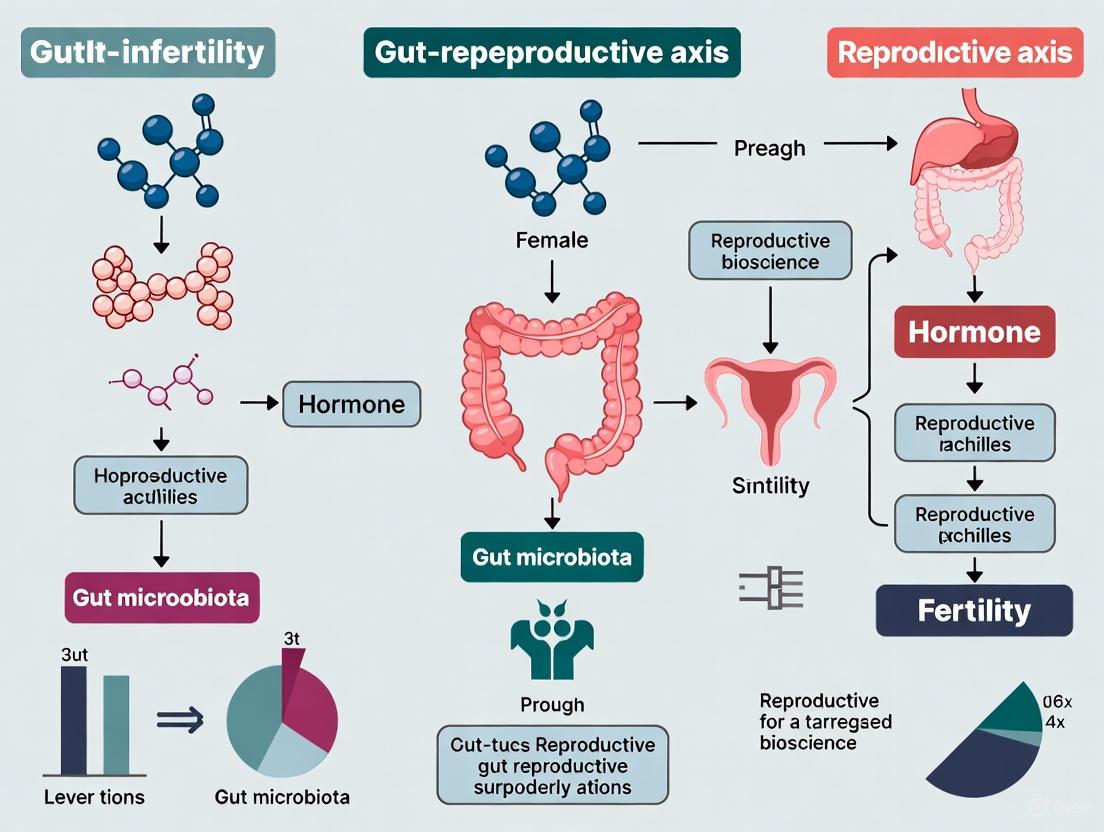
This comprehensive review synthesizes current evidence on the gut-reproductive axis, a bidirectional communication network where gut microbiota critically influences female fertility.
The Gut-Reproductive Axis in Female Infertility: Molecular Mechanisms, Diagnostic Strategies, and Therapeutic Targeting
Abstract
This comprehensive review synthesizes current evidence on the gut-reproductive axis, a bidirectional communication network where gut microbiota critically influences female fertility. We explore foundational mechanisms by which microbial metabolites, including short-chain fatty acids (SCFAs) and bile acids, regulate hormonal balance, immune tolerance, and endometrial receptivity via the estrobolome and hypothalamic-pituitary-gonadal (HPG) axis. The article details methodological approaches for profiling gut and reproductive tract microbiomes, evaluates dysbiosis in conditions like PCOS and endometriosis, and assesses emerging microbiome-targeted therapies, including fecal microbiota transplantation (FMT) and precision probiotics. Aimed at researchers and drug development professionals, this review validates microbial causality through animal models and Mendelian randomization, compares microbial signatures across reproductive disorders, and outlines a translational roadmap for integrating microbiome science into novel diagnostic and therapeutic strategies for infertility.
Decoding the Gut-Reproductive Axis: From Core Concepts to Molecular Crosstalk
The gut-reproductive axis represents a complex, bidirectional communication network between the gastrointestinal microbiome and the female reproductive system. This axis functions as a critical integrator of environmental, metabolic, and immunological signals that directly influence reproductive physiology and pathology. Despite significant advancements in assisted reproductive technologies, global fertility rates continue to decline, highlighting a substantial gap in our understanding of preconception physiology [1]. Emerging evidence now positions the gut microbiome as a crucial mechanistic link connecting environmental influences with ovarian biology [1]. This whitepaper delineates the architectural components, functional mechanisms, and experimental methodologies essential for investigating this axis, providing a foundational framework for researchers and therapeutic developers in the field of female infertility.
The conceptualization of the gut-reproductive axis moves beyond viewing reproductive function as an isolated endocrine process, instead framing it as a process intricately embedded within a broader ecological system [1]. The gut microbiota—comprising trillions of microorganisms—produces tens of thousands of bioactive metabolites that regulate essential aspects of host physiology, effectively representing the critical interface between diet, metabolism, immunity, and reproductive health outcomes [1]. This systemic network extends beyond the gut to encompass local reproductive microbiomes, including the vaginal and endometrial microbial communities, creating a multi-tiered regulatory system that operates through metabolic, immune, and endocrine pathways [2].
Architectural Framework of the Axis
The gut-reproductive axis operates through a sophisticated architectural framework that integrates signals across local, proximal, and distal spatial dimensions. This framework facilitates continuous crosstalk between microbial communities and the host reproductive system.
Core Components and Spatial Organization
Distal Regulation (Gut Microbiome): The gastrointestinal tract hosts the most complex and diverse microbial community in the human body, with profound systemic influence. Through the production of metabolites, immune modulation, and endocrine signaling, the gut microbiome exerts distal effects on reproductive organs [1] [3]. The gut microbiota is dominated by four primary phyla: Firmicutes, Bacteroidetes, Proteobacteria, and Actinobacteria, with Bacteroidetes and Firmicutes being the most dominant [4].
Proximal Regulation (Reproductive Tract Microbiomes): The female reproductive tract maintains distinct microbial ecosystems along its length, with the lower genital tract (vagina and cervix) harboring a microbiota characterized by low diversity and predominance of Lactobacillus species in healthy states [2]. The vaginal microbiota is categorized into five community state types (CSTs), with CSTs I, II, III, and V each dominated by a single Lactobacillus species (L. crispatus, L. gasseri, L. iners, and L. jensenii, respectively), while CST IV is characterized by a diverse mixture of facultative and obligate anaerobes [2].
Local Tissue Microenvironments: At the local level, reproductive tissues including the ovaries, endometrium, and follicles maintain dynamic cellular networks that respond to microbial signals. Recent single-cell analyses have revealed that the ovary maintains a dynamic immune environment containing macrophages, monocytes, dendritic cells, T cells, B cells, and innate lymphoid cells, challenging the historical notion of the ovary as an immune-privileged site [1].
Integrated Network Communication
The communication between these architectural components occurs through multiple parallel signaling systems:
- Circulating Microbial Metabolites: Bioactive compounds produced by gut microbes enter systemic circulation to influence distant reproductive tissues.
- Immune Cell Trafficking: Immune cells primed by gut microbiota can migrate to reproductive sites and modulate local environments.
- Neuroendocrine Signaling: The gut-brain-reproductive axis involves hypothalamic-pituitary-gonadal (HPG) axis modulation through microbial influence on neuroendocrine pathways [5].
- Direct Microbial Translocation: Under certain conditions, whole microbes or their components may translocate across mucosal barriers to directly influence reproductive tissues.
Table 1: Key Microbial Communities in the Gut-Reproductive Axis
| Anatomical Site | Dominant Taxa/Characteristics | Functional Role | Dysbiosis Associations |
|---|---|---|---|
| Gastrointestinal Tract | Firmicutes, Bacteroidetes, Proteobacteria, Actinobacteria | Metabolic homeostasis, immune regulation, estrogen metabolism | PCOS, endometriosis, infertility, poor ART response |
| Vagina (Healthy) | Lactobacillus spp. (CSTs I, II, III, V) | Lactic acid production, pH maintenance, pathogen exclusion | Bacterial vaginosis, preterm birth, IVF failure |
| Vagina (Dysbiotic) | CST IV: Polymicrobial (Gardnerella, Prevotella, Atopobium) | Biogenic amine production, mucin degradation, inflammation | Infertility, recurrent implantation failure |
| Endometrium | Low-biomass community; potential Lactobacillus dominance | Immunomodulation, endometrial receptivity | Recurrent implantation failure, chronic endometritis |
Molecular Signaling Mechanisms
The functional capacity of the gut-reproductive axis is mediated through specific molecular signaling mechanisms that translate microbial activities into host physiological responses.
Metabolite-Mediated Signaling
Microbial metabolites serve as the primary signaling molecules within the gut-reproductive axis, with several key classes demonstrating significant reproductive effects:
Short-Chain Fatty Acids (SCFAs): Acetate, propionate, and butyrate are produced through bacterial fermentation of dietary fiber and exert multifaceted effects on reproductive health. SCFAs demonstrate histone deacetylase inhibitory activity, influencing epigenetic regulation in reproductive tissues [1]. Butyrate has been shown to rescue premature ovarian aging in germ-free mice, preserving ovarian reserve and extending reproductive lifespan [1]. SCFAs also modulate immune function by promoting regulatory T-cell differentiation and reducing inflammation, potentially creating a more receptive endometrial environment [3].
Bile Acids (BAs): Gut microbes extensively modify primary bile acids into secondary bile acids, which function as signaling molecules through receptors such as FXR and TGR5. Altered bile acid metabolism has been implicated in PCOS pathogenesis, with specific bile acid profiles influencing insulin sensitivity and steroid hormone production [3]. Women with PCOS demonstrate decreased concentrations of glycodeoxycholic acid and tauroursodeoxycholic acid, which may contribute to ovarian dysfunction [6].
Tryptophan Catabolites: Gut bacteria influence tryptophan metabolism along the kynurenine and serotonin pathways, with direct implications for reproductive function. Tryptophan-derived metabolites regulate immune tolerance at the maternal-fetal interface and modulate neuroendocrine function through the gut-brain-reproductive axis [5] [3]. Dysregulation of tryptophan metabolism has been associated with anxiety, depression, and potentially reproductive dysfunction [5].
Endocrine Modulation: The Estrobolome
A pivotal mechanism connecting gut microbiota to reproductive endocrinology is the function of the estrobolome—a collection of gut bacteria capable of metabolizing estrogen [3]. The estrobolome regulates estrogen circulation through enzymatic deconjugation:
- Hepatic Phase: Estrogens are conjugated in the liver to water-soluble forms for biliary excretion.
- Microbial Phase: Bacterial β-glucuronidase enzymes produced by species including Clostridium, Escherichia, Bacteroides, and Lactobacillus deconjugate estrogens, allowing their reabsorption into circulation [3].
- Systemic Effects: Recirculated estrogens bind to estrogen receptors in reproductive tissues, influencing endometrial receptivity, follicle development, and overall hormonal balance.
Dysbiosis-induced alterations in β-glucuronidase activity can disrupt estrogen homeostasis, potentially contributing to estrogen-dependent conditions such as endometriosis, PCOS, and hormone-responsive infertility [3].
Immune System Mediation
The gut microbiota plays an indispensable role in calibrating systemic and local reproductive immune responses:
- Cytokine and Chemokine Signaling: Gut microbes influence the production of inflammatory and anti-inflammatory cytokines that can reach reproductive tissues through circulation. This signaling modulates the ovarian immune environment and endometrial receptivity [1].
- T-cell Polarization: Microbial metabolites including SCFAs promote the differentiation of regulatory T-cells (Tregs) while suppressing pro-inflammatory Th17 responses, critical for establishing maternal-fetal tolerance during implantation [3].
- Innate Immune Training: Gut microbiota patterns innate immune responses through toll-like receptor (TLR) signaling, priming immune cells throughout the body, including in reproductive tissues [1] [2].
The diagram below illustrates the core signaling pathways of the gut-reproductive axis:
Experimental Models and Methodologies
Elucidating the mechanistic basis of the gut-reproductive axis requires sophisticated experimental approaches that can establish causality beyond correlation.
Model Systems
Germ-Free Mouse Models: Germ-free females exhibit hallmark features of accelerated reproductive aging, including depletion of the primordial follicle pool, excessive collagen buildup, and shortened reproductive lifespan, ultimately leading to secondary infertility [1]. These models enable researchers to determine the necessity of microbiota for normal reproductive function through colonization studies with specific bacterial taxa or communities.
Humanized Gnotobiotic Models: Mice colonized with human-derived microbiota provide a platform for investigating human-relevant host-microbe interactions in reproductive contexts. These models are particularly valuable for studying the effects of specific human conditions (e.g., PCOS-associated microbiota) on reproductive outcomes [6].
3D Organoid Cultures: Reproductive tissue organoids (ovarian, endometrial) allow for reductionist investigation of microbial metabolite effects on specific cell types without systemic confounding factors. Endometrial organoids can model the implantation interface and test how microbial metabolites influence receptivity [3].
Methodological Approaches
Multi-Omics Integration: Combining metagenomics (microbial community composition), metatranscriptomics (microbial gene expression), metabolomics (microbial and host metabolites), and host transcriptomics provides a systems-level understanding of axis functionality in both animal models and human cohorts [1] [7].
Mendelian Randomization Studies: Leveraging genetic variants associated with microbiome features as instrumental variables helps strengthen causal inference in observational human studies of microbiome-reproductive relationships [3].
Longitudinal Cohort Studies: Prospective studies tracking women through preconception, conception, and pregnancy are essential for understanding temporal dynamics of the axis. The collection of serial biospecimens (stool, blood, reproductive samples) enables analysis of how microbial trajectories influence reproductive outcomes [1] [6].
Table 2: Key Experimental Approaches for Investigating the Gut-Reproductive Axis
| Methodology | Application | Key Outputs | Technical Considerations |
|---|---|---|---|
| 16S rRNA Sequencing | Microbial community profiling | Microbial diversity, composition, and structure | Limited functional information; primer selection critical |
| Shotgun Metagenomics | Functional potential of microbiome | Gene catalog, metabolic pathways, taxonomic resolution | Higher computational requirements; reveals functional potential |
| Metabolomics | Measurement of microbial metabolites | SCFA, bile acid, tryptophan metabolite quantification | Correlation with microbiome data; host vs. microbial source |
| Fecal Microbiota Transplantation (FMT) | Causality testing | Transfer of phenotypic traits via microbiota | Humanized mouse models; standardization of preparation |
| Germ-Free Models | Necessity of microbiota | Reproductive phenotypes in absence of microbes | Technical specialization required; controlled colonization |
| Multi-Omics Integration | Systems-level understanding | Biological networks and interactions | Data integration challenges; computational expertise needed |
Quantitative Evidence from Human Studies
Epidemiological and clinical studies provide compelling evidence for the gut-reproductive axis in female fertility, with several large-scale studies yielding quantitative associations.
Dietary Patterns and Microbial Indices
The Dietary Index for Gut Microbiota (DI-GM) provides a standardized approach to evaluate how diet influences gut microbiota in relation to health outcomes. A recent cross-sectional study of 3,053 women aged 18-45 years from the NHANES database (2013-2018) revealed:
- 12.12% of participants (370 women) were classified as infertile based on self-reported data [6].
- A significant negative association was observed between DI-GM score and infertility risk after full adjustment for covariates (OR = 0.89, 95% CI: 0.80-0.98, p = 0.025) [6].
- When comparing highest versus lowest DI-GM quartiles, women with higher scores had substantially reduced infertility odds (Q4 vs. Q1: OR = 0.63, 95% CI = 0.42-0.94, p = 0.032) [6].
- A non-linear relationship was observed between DI-GM scores and infertility risk, suggesting potential threshold effects [6].
Microbial Signatures in Reproductive Disorders
Distinct gut microbial signatures characterize women with various reproductive disorders compared to healthy controls:
Polycystic Ovary Syndrome (PCOS): Patients with PCOS demonstrate elevated levels of Bacteroides vulgatus and altered bile acid metabolism, particularly decreased concentrations of glycodeoxycholic acid and tauroursodeoxycholic acid [6]. Fecal transplantation from PCOS patients to mice recapitulates key phenotypic features, including ovarian dysfunction and insulin resistance [6].
Endometriosis: Women with endometriosis exhibit gut dysbiosis characterized by altered microbial composition. Fusobacterium nucleatum infiltration has been identified in the uterus of 64% of women with endometriosis, with experimental infection promoting endometriotic lesion development in mouse models [7].
Premature Ovarian Insufficiency (POI): Distinct gut microbial communities are observed in women with POI, with alterations in SCFA-producing taxa and increased abundance of pro-inflammatory species [4]. Animal studies demonstrate that microbiota disruption accelerates ovarian aging, while SCFA treatment can rescue premature ovarian aging phenotypes [1].
Table 3: Microbial Metabolites in Reproductive Disorders
| Metabolite Class | Reproductive Disorder | Alteration | Proposed Mechanism |
|---|---|---|---|
| Short-chain fatty acids (SCFAs) | Premature ovarian insufficiency | Decreased butyrate | Accelerated follicle activation and depletion |
| Secondary bile acids | Polycystic ovary syndrome (PCOS) | Altered composition | Insulin resistance, hyperandrogenism |
| Tryptophan metabolites | Recurrent implantation failure | Imbalanced kynurenine pathway | Impaired immune tolerance at implantation |
| Estrogen metabolites | Endometriosis | Increased deconjugation | Estrogen-driven proliferation |
| Trimethylamine N-oxide (TMAO) | Preeclampsia | Elevated levels | Endothelial dysfunction, inflammation |
Research Reagent Solutions Toolkit
Investigating the gut-reproductive axis requires specialized reagents and methodologies. The following toolkit outlines essential resources for experimental design in this field.
Table 4: Essential Research Reagents for Gut-Reproductive Axis Investigation
| Reagent Category | Specific Examples | Research Application | Technical Notes |
|---|---|---|---|
| Gnotobiotic Animal Models | Germ-free mice, Humanized microbiota mice | Establishing causal relationships | Requires specialized facilities; controlled colonization protocols |
| Bacterial Cultures | Lactobacillus spp., Bacteroides vulgatus, Akkermansia muciniphila | Mechanistic studies of specific taxa | Anaerobic culture conditions; viability verification for gavage |
| Microbial Metabolites | Sodium butyrate, deoxycholic acid, indole-3-propionic acid | Direct testing of metabolite effects | Dose-response studies; physiological concentration validation |
| DNA/RNA Extraction Kits | MoBio PowerSoil Kit, ZymoBIOMICS DNA Miniprep | Microbial community analysis | Standardization across samples; inhibition removal |
| Sequencing Reagents | 16S rRNA primers (V3-V4), shotgun metagenomics kits | Microbiome composition and function | Sample multiplexing; sequencing depth optimization |
| Metabolomics Standards | Stable isotope-labeled SCFAs, bile acids | Quantitative metabolomics | Internal standards for absolute quantification |
| Cell Culture Models | Endometrial organoids, ovarian cell lines | Reductionist mechanistic studies | Physiological relevance validation; primary cell considerations |
| Immunological Assays | ELISA cytokine panels, flow cytometry antibodies | Immune response measurement | Multiplex approaches; reproductive tissue-specific panels |
Therapeutic Implications and Future Directions
The gut-reproductive axis represents a promising target for novel therapeutic interventions in female infertility, with several approaches currently under investigation.
Microbiome-Targeted Interventions
Probiotics and Prebiotics: Specific bacterial strains and growth substrates offer targeted approaches to modulate the gut-reproductive axis. Bifidobacterium longum APC1472 demonstrates anti-obesity effects and may attenuate the enduring effects of early-life high-fat high-sugar diet on metabolic health [7]. Prebiotics including inulin-type fructans and human milk oligosaccharides support beneficial gut microbes and improve gut barrier function [7].
Fecal Microbiota Transplantation (FMT): While primarily investigated for gastrointestinal disorders, FMT holds theoretical promise for severe reproductive dysbiosis states. However, significant challenges remain regarding standardization, safety, and long-term efficacy [8] [9]. FMT from healthy donors to patients with metabolic syndrome has shown improvements in glucose metabolism, suggesting potential applications for reproductive metabolic disorders [5].
Dietary Interventions: Mediterranean-style diets rich in fiber, polyphenols, and fermented foods consistently promote beneficial microbial taxa and metabolite production [6]. The DI-GM scoring system provides a validated framework for prescribing dietary patterns to support fertility via microbial mechanisms [6].
Research Gaps and Clinical Translation
Substantial challenges remain in translating basic research on the gut-reproductive axis into clinical practice:
Mechanistic Specificity: While associations between microbial signatures and reproductive conditions are robust, the specific mechanisms—including which microbial signals affect reproductive tissues through metabolites, immune responses, or hormonal pathways—require further elucidation [1].
Timing and Critical Windows: The preconception period may represent a critical window for intervention, but optimal timing for microbiome-targeted therapies remains undefined [1]. The weaning transition in mice represents a crucial period for microbiota establishment with lasting effects on ovarian reserve, suggesting similar developmental windows may exist in humans [1].
Personalized Approaches: Interindividual variability in microbiome composition, host genetics, and environmental exposures necessitates personalized approaches to microbiome-based fertility interventions [5] [7]. Host genetic factors such as polymorphisms in immune-related genes (NOD2, CARD9) influence microbial composition and may modify response to interventions [3].
The following diagram illustrates the experimental workflow for investigating microbial causation in reproductive health:
As research methodologies advance and causal relationships are firmly established, targeting the gut-reproductive axis holds exceptional promise for revolutionizing fertility management. By reconceptualizing reproductive health through an ecological lens, researchers and clinicians can develop novel diagnostic, preventive, and therapeutic strategies that address the complex interplay between environmental factors, microbial communities, and reproductive function.
The gut microbiota has emerged as a critical regulator of systemic physiology, including reproductive health. Through the gut-reproductive axis, microbial communities influence endocrine function, immune responses, and metabolic pathways essential for fertility [10] [11]. This communication is primarily mediated by microbially-derived metabolites that enter systemic circulation and modulate distant physiological processes. Among these microbial messengers, short-chain fatty acids (SCFAs), bile acids (BAs), and tryptophan metabolites have demonstrated significant roles in maintaining reproductive homeostasis and, when dysregulated, contributing to female infertility [3] [12].
These metabolites function as key signaling molecules at the intersection of microbiology, immunology, and reproductive biology. SCFAs, produced through microbial fermentation of dietary fiber, influence immune cell differentiation and hormone sensitivity [12]. Bile acids, modified by gut bacteria, act as hormone-like regulators through specific receptor interactions [12]. Tryptophan metabolites serve as crucial immunomodulators, shaping the inflammatory milieu of reproductive tissues [12] [13]. Understanding the production, signaling mechanisms, and physiological impacts of these microbial metabolites provides critical insights for developing novel diagnostic and therapeutic approaches for female infertility.
Short-Chain Fatty Acids (SCFAs)
Biochemical Origins and Signaling Mechanisms
Short-chain fatty acids (SCFAs), primarily acetate, propionate, and butyrate, are produced by microbial fermentation of indigestible dietary fibers in the colon and cecum [12]. Specific bacterial taxa contribute differentially to SCFA production: acetate is generated by Akkermansia muciniphila, Bacteroides spp., and Bifidobacterium spp. via the Wood-Ljungdahl pathway; propionate is synthesized through succinate, acrylate, and propanediol pathways by Bacteroides spp. and Salmonella spp.; and butyrate is formed from acetyl-CoA by Anaerostipes spp. and Roseburia spp. [12].
SCFAs mediate their effects through multiple molecular mechanisms. They can directly inhibit histone deacetylases (HDACs), thereby modifying gene expression, or serve as energy substrates for various cell types [12]. Additionally, SCFAs function as ligands for G protein-coupled receptors (GPCRs) including GPR41 (FFAR3), GPR43 (FFAR2), and GPR109A [12]. These receptors are expressed on various immune cells and enteroendocrine cells, enabling SCFAs to modulate systemic inflammatory responses and hormone secretion.
Table 1: SCFA Production, Concentrations, and Primary Receptors
| SCFA | Primary Producers | Colonic Concentration | Plasma Concentration | Key Receptors |
|---|---|---|---|---|
| Acetate | Akkermansia muciniphila, Bacteroides spp., Bifidobacterium spp. | 131 ± 9 mmol/kg (cecum) [12] | 19–146 μM [12] | GPR43, GPR41 |
| Propionate | Bacteroides spp., Salmonella spp. | 80 ± 11 mmol/kg (descending colon) [12] | 1–13 μM [12] | GPR43, GPR41 |
| Butyrate | Anaerostipes spp., Roseburia spp. | Varies throughout colon [12] | 1–12 μM [12] | GPR109A, GPR41 |
Impact on Female Reproductive Health
SCFAs significantly influence female reproductive physiology through multiple interconnected mechanisms. They enhance regulatory T cell (Treg) differentiation and function, promoting immune tolerance at the maternal-fetal interface, which is crucial for successful implantation and pregnancy maintenance [12]. Butyrate, in particular, functions as an HDAC inhibitor that improves insulin sensitivity in granulosa cells, thereby addressing a key aspect of PCOS pathophysiology [14].
Clinical evidence demonstrates that sodium butyrate supplementation (2 g/day for 12 weeks) significantly reduced fasting insulin by 3.1 μIU/mL and improved LH/FSH ratios in women with PCOS [14]. Similarly, a micro-encapsulated SCFA blend administered in clinical trials resulted in a 23% increase in circulating GLP-1 alongside improved insulin sensitivity [14]. These metabolic improvements directly impact reproductive function, as insulin resistance is a key driver of ovarian dysfunction in PCOS.
Table 2: Documented Effects of SCFA Interventions in Female Reproductive Conditions
| Intervention | Population | Duration | Key Outcomes | Mechanistic Insights |
|---|---|---|---|---|
| Sodium butyrate (2 g/day) | Women with PCOS [14] | 12 weeks | ↓ Fasting insulin (3.1 μIU/mL), ↓ LH/FSH ratio [14] | HDAC inhibition improves insulin signaling in granulosa cells [14] |
| Micro-encapsulated SCFA blend | Women with metabolic dysfunction [14] | 8-12 weeks | ↑ GLP-1 (23%), ↓ HOMA-IR (0.7 units) [14] | SCFA stimulation of enteroendocrine L-cells [14] |
| Multi-strain synbiotics | Women with PCOS [14] | 8-12 weeks | ↓ Total testosterone, ↓ Fasting insulin, ↑ HDL-C [14] | Gut microbiota modulation increases SCFA production [14] |
Bile Acids (BAs)
Microbial Modification and Receptor Interactions
Bile acids undergo extensive microbial modification in the intestinal lumen, transforming them into potent signaling molecules. The process begins with bile salt hydrolases (BSHs) produced by Bacteroides, Bifidobacterium, and Lactobacillus, which deconjugate primary bile acids [12]. Subsequent transformations include dehydroxylation by Clostridium species to generate secondary bile acids, and oxidation and epimerization mediated by hydroxysteroid dehydrogenases (HSDHs) [12]. More recently, a fifth microbial modification has been identified: re-conjugation with alternative amino acids to produce novel bile acid amidates such as phenylalanocholic acid and tyrosocholic acid [12].
These modified bile acids interact with several host receptors: the farnesoid X receptor (FXR), pregnane X receptor (PXR), vitamin D receptor (VDR), and G protein-coupled bile acid receptor 1 (GPBAR1, also known as TGR5) [12]. Through these interactions, bile acids regulate not only their own synthesis and enterohepatic circulation but also glucose homeostasis, lipid metabolism, and immune responses—all with implications for reproductive health.
Roles in Reproductive Function and Dysfunction
Bile acids significantly influence female reproductive health through multiple pathways. They enhance sex-hormone-binding globulin (SHBG) expression in hepatocytes, thereby reducing circulating free testosterone levels—a key factor in PCOS pathophysiology [14]. Clinical observations indicate that women with PCOS exhibit a reduced secondary bile acid pool (approximately one-third smaller than healthy controls) with concomitant accumulation of primary bile acids, suggesting impaired microbial 7α-dehydroxylation capacity [14].
During pregnancy, bile acid dynamics shift considerably, with implications for fetal development. Maternal gut microbiota modifications of bile acids can influence fetal brain metabolism, as demonstrated by supplementation with Bifidobacterium breve in germ-free mice [8]. Additionally, gut microbiota-derived bile acids have been implicated in the pathogenesis of intrahepatic cholestasis of pregnancy, a condition associated with adverse fetal outcomes [8].
Tryptophan Metabolites
Metabolic Pathways and Immunomodulatory Functions
Tryptophan metabolism occurs through three major pathways: the kynurenine pathway (accounting for ~95% of tryptophan catabolism), the serotonin pathway, and the microbial indole pathway [13] [12]. Gut microorganisms predominantly metabolize tryptophan through the indole pathway, generating various immunomodulatory compounds including indole-3-propionic acid (IPA), indole-3-aldehyde (IAld), and indole-3-lactic acid (ILA) [12]. Specific bacteria drive these transformations: Clostridium sporogenes produces IPA, indole pyruvic acid, and ILA; Peptostreptococcus species convert tryptophan to IA and IPA; and Lactobacillus species generate IAld and ILA [12].
These metabolites exert profound immunoregulatory effects primarily through the aryl hydrocarbon receptor (AhR) and pregnane X receptor (PXR) [12]. AhR activation by tryptophan metabolites promotes regulatory T cell differentiation and modulates inflammation, while simultaneously strengthening epithelial barrier functions. The kynurenine pathway also impacts reproductive health, with increased activity of rate-limiting enzymes like indoleamine 2,3-dioxygenase (IDO) observed in various reproductive pathologies [13].
Table 3: Tryptophan Metabolites, Their Microbial Sources, and Documented Roles in Reproduction
| Metabolite | Primary Microbial Producers | Receptor Targets | Roles in Reproductive Health |
|---|---|---|---|
| Indole-3-propionic acid (IPA) | Clostridium sporogenes, Peptostreptococcus spp. [12] | AhR, PXR [12] | Antioxidant defense via Nrf2; reduced ovarian volume and testosterone in PCOS [14] |
| Kynurenine (Kyn) | Host enzyme (IDO/TDO)-mediated [13] | AhR [13] | Immunosuppression; increased in endometrial and ovarian cancers [13] |
| Indole-3-aldehyde (IAld) | Lactobacillus spp. [12] | AhR [12] | Enhances mucosal barrier function; supports uterine immune homeostasis |
| Indoleamine 2,3-dioxygenase (IDO) | Host enzyme with microbial regulation [13] | N/A (enzyme) | Increased in endometrial cancer; inhibits NK cell activity [13] |
Implications for Female Infertility and Reproductive Disorders
Tryptophan metabolism represents a crucial interface between gut microbiota and reproductive pathophysiology. In PCOS, plasma levels of indole-3-propionic acid (IPA) are approximately 35% lower than in healthy controls and inversely correlate with fasting insulin levels [14]. Intervention with an IPA-enriched yeast fermentate increased IPA levels from 45±15 nM to 91±18 nM, simultaneously reducing total testosterone by 0.18 ng/mL and decreasing ovarian volume by 12% in women with PCOS [14].
The kynurenine pathway also plays significant roles in gynecological cancers. IDO1 expression is elevated in endometrial cancer cells compared to noncancerous endometrium, where it inhibits NK cell activity and creates an immunosuppressive microenvironment conducive to tumor progression [13]. Similarly, in ovarian cancer, IDO expression correlates with reduced tumor-infiltrating lymphocytes and promotes peritoneal spread through synergistic interactions with immunosuppressive cytokines in ascites [13].
Experimental Approaches for Microbial Metabolite Research
Methodologies for Metabolite Analysis and Functional Characterization
Research on microbial metabolites in reproductive health employs sophisticated methodological approaches. Metabolomic profiling using mass spectrometry-based platforms enables quantification of SCFA, bile acid, and tryptophan metabolite concentrations in biological samples including plasma, follicular fluid, and endometrial tissue [14]. For SCFA analysis, common protocols involve gas chromatography-mass spectrometry (GC-MS) with sample derivatization to improve volatility and detection, allowing measurement across the physiological concentration range (micromolar to millimolar) [12] [14].
Receptor activation assays are crucial for establishing causal relationships between metabolites and observed physiological effects. These typically employ reporter cell lines engineered to express specific receptors (GPCRs, FXR, AhR) linked to measurable outputs such as luciferase activity [12]. For example, to investigate AhR activation by tryptophan metabolites, researchers use human hepatoma cells transfected with an AhR-responsive firefly luciferase construct, allowing quantification of receptor activation in response to microbial metabolites [12] [13].
Gnotobiotic animal models provide powerful platforms for functional validation. These involve germ-free mice colonized with defined microbial communities or specific bacterial strains, enabling researchers to establish causal relationships between microbial metabolites and reproductive phenotypes [8]. For instance, studies transplanting fecal microbiota from women with PCOS into germ-free mice have demonstrated transferability of reproductive and metabolic phenotypes, which can be reversed through targeted microbial interventions [8].
The Scientist's Toolkit: Essential Research Reagents
Table 4: Essential Research Reagents for Investigating Microbial Metabolites in Reproduction
| Reagent/Category | Specific Examples | Research Applications | Key Functions |
|---|---|---|---|
| SCFA Receptor Agonists/Antagonists | Butyrate (HDAC inhibitor), GPR43 agonists (CFMBs) [12] | Mechanistic studies of SCFA signaling | Discern specific receptor contributions to reproductive effects |
| Bile Acid Receptor Modulators | FXR agonists (GW4064), FXR antagonists (guggulsterone), TGR5 agonists (INT-777) [12] | Bile acid signaling pathway analysis | Elucidate bile acid roles in hormonal regulation and fertility |
| Tryptophan Pathway Modulators | IDO inhibitors (epacadostat), AhR antagonists (CH223191) [13] | Tryptophan metabolite immunology studies | Investigate immunomodulatory mechanisms at maternal-fetal interface |
| Defined Microbial Communities | Clostridium sporogenes (IPA producer), Akkermansia muciniphila (acetate producer) [12] [14] | Gnotobiotic mouse studies | Establish causal relationships between specific bacteria and reproductive outcomes |
| Analytical Standards | Deuterated SCFAs, bile acids, and tryptophan metabolites [14] | Mass spectrometry quantification | Enable precise metabolite measurement in complex biological samples |
Signaling Pathway Visualizations
SCFA Signaling in Reproductive Tissue
SCFA Signaling in Reproductive Tissue: Microbial SCFAs signal through GPCRs and inhibit HDACs to improve reproductive outcomes.
Bile Acid Signaling in Reproductive Health
Bile Acid Signaling in Reproductive Health: Gut microbiota transform primary to secondary bile acids that activate host receptors.
Tryptophan Metabolite Regulation of Immunity
Tryptophan Metabolite Regulation of Immunity: Host and microbial tryptophan metabolism generates metabolites that shape immune responses.
The intricate relationships between microbial metabolites and reproductive health represent a paradigm shift in our understanding of female infertility. SCFAs, bile acids, and tryptophan metabolites serve as critical molecular bridges in the gut-reproductive axis, integrating dietary inputs, microbial metabolic capacity, and host physiological responses. The accumulating evidence demonstrates that these microbial messengers significantly influence reproductive outcomes through modulation of immune function, hormone sensitivity, and metabolic homeostasis.
Future research directions should focus on validating causal mechanisms in human populations, moving beyond correlative associations to establish definitive pathways. Microbiome-editing therapies represent a promising frontier, potentially allowing precise manipulation of microbial communities to optimize metabolite production for reproductive benefit [3]. Additionally, personalized microbiome-based interventions require development of diagnostic platforms that can identify specific microbial and metabolic deficiencies in individual patients, enabling targeted restoration of dysfunctional pathways [5]. As our understanding of these complex relationships deepens, targeting microbial metabolite pathways may yield novel therapeutic strategies for conditions such as PCOS, endometriosis, and unexplained infertility—ultimately improving reproductive outcomes through modulation of the gut-reproductive axis.
The human gut microbiome, a complex ecosystem of bacteria, viruses, fungi, and protozoa, is increasingly recognized as a virtual endocrine organ due to its profound capacity to regulate host hormone levels and systemic physiological processes [9] [15]. Central to this regulatory function is the estrobolome, defined as the collection of gut bacterial genes encoding enzymes that metabolize estrogens and modulate their circulating concentrations [16] [17] [15]. The concept of the estrobolome represents a paradigm shift in understanding hormonal homeostasis, positioning gut microbial communities as critical regulators of estrogen balance through enzymatic processing of estrogen metabolites.
Within the context of female infertility research, the estroblome constitutes a fundamental component of the gut-reproductive axis, a bidirectional communication network between gastrointestinal microbial communities and reproductive tissues [3] [18]. This axis integrates endocrine, immune, and metabolic signaling pathways that collectively influence endometrial receptivity, ovarian function, and embryo implantation [3]. Disruption of estrobolome homeostasis, termed estrobolome dysbiosis, has been mechanistically linked to various estrogen-related pathological states including endometriosis, polycystic ovary syndrome (PCOS), recurrent implantation failure, and unexplained infertility [3] [17] [18]. This technical review examines the molecular mechanisms of estrobolome function, its role in reproductive health and disease, and experimental approaches for investigating this critical regulatory system.
Molecular Mechanisms of Estrobolome Function
Biochemical Pathways of Estrogen Metabolism and Recycling
The estrobolome regulates systemic estrogen homeostasis primarily through the enzymatic processing of estrogen metabolites during their enterohepatic circulation. The process involves a coordinated sequence of hepatic and microbial biochemical transformations:
- Phase I Hepatic Metabolism: In the liver, estrogen undergoes cytochrome P450-mediated oxidation to form less active metabolites, primarily estrone (E1) and estradiol (E2) [3].
- Phase II Hepatic Conjugation: These estrogen metabolites are subsequently conjugated with glucuronic acid or sulfate groups via UDP-glucuronosyltransferases (UGTs) and sulfotransferases (SULTs), forming water-soluble estrogen-glucuronide and estrogen-sulfate conjugates that are excreted into the bile [3] [19].
- Intestinal Deconjugation: Following biliary excretion into the intestinal lumen, bacterial β-glucuronidase and β-glucosidase enzymes produced by estrobolome communities catalyze the deconjugation of estrogen metabolites, reactivating them for intestinal reabsorption [16] [3] [15].
- Systemic Recirculation: Deconjugated, reactivated estrogens re-enter the portal circulation and systemic bloodstream, where they can bind estrogen receptors and activate downstream signaling pathways [17] [15].
This enterohepatic recycling process represents a critical regulatory node in systemic estrogen bioavailability, with estrobolome-derived enzymes determining the balance between fecal estrogen excretion and systemic recirculation.
Key Bacterial Taxa and Enzymatic Activities
The estrobolome is compositionally and functionally diverse, comprising bacterial taxa capable of producing estrogen-metabolizing enzymes. Table 1 summarizes the primary bacterial genera implicated in estrobolome function and their specific enzymatic contributions.
Table 1: Key Bacterial Taxa Comprising the Estrobolome and Their Functional Roles
| Bacterial Genus | Enzymes Produced | Estrogen Metabolic Function | Associated Reproductive Health Implications |
|---|---|---|---|
| Bacteroides | β-glucuronidase, β-glucosidase | Estrogen deconjugation | Elevated in endometriosis; associated with estrogen reabsorption [17] [18] |
| Clostridium | β-glucuronidase, sulfatase | Estrogen deconjugation | Increased activity linked to estrogen-driven conditions [3] [15] |
| Escherichia | β-glucuronidase | Estrogen deconjugation | E. coli abundance increased in endometriosis patients [17] |
| Lactobacillus | Limited β-glucuronidase | Competitive inhibition of deconjugation | Protective role; reduces β-glucuronidase activity [17] [19] |
| Bifidobacterium | Limited β-glucuronidase | Competitive inhibition of deconjugation | Depletion associated with menopausal symptoms [17] [19] |
| Ruminococcus | β-glucuronidase | Estrogen deconjugation | Associated with urinary estrogen levels [15] |
The relative abundance and enzymatic activity of these bacterial taxa determine the net effect on systemic estrogen levels. β-glucuronidase represents the most extensively characterized estrobolome enzyme, with its activity directly correlating with estrogen reabsorption capacity [16] [17] [15]. Notably, not all estrobolome bacteria contribute equally to estrogen reactivation; certain Lactobacillus and Bifidobacterium species may actually support estrogen excretion through competitive inhibition of β-glucuronidase-producing bacteria [17] [19].
Figure 1: Estrogen Metabolism and Enterohepatic Circulation. The diagram illustrates the process of hepatic estrogen conjugation, intestinal bacterial deconjugation via β-glucuronidase, and systemic reabsorption of active estrogen. Dashed lines indicate microbial influences.
Signaling Pathways in the Gut-Reproductive Axis
The estrobolome influences reproductive physiology through multiple interconnected signaling pathways that extend beyond direct estrogen metabolism:
- Immunomodulatory Pathways: Gut microbiota and their metabolites, particularly short-chain fatty acids (SCFAs), regulate systemic immune homeostasis through modulation of cytokine networks and immune cell populations [3] [18]. SCFAs (acetate, propionate, butyrate) bind to G-protein-coupled receptors (GPR41, GPR43) on immune cells, inhibiting NF-κB signaling and reducing pro-inflammatory cytokine production (IL-6, TNF-α) [18]. This systemic anti-inflammatory environment supports endometrial receptivity and embryo implantation [3].
- Neuroendocrine Regulation: The gut-reproductive axis incorporates hypothalamic-pituitary-gonadal (HPG) signaling, with gut microbial metabolites influencing GnRH pulsatility through effects on neurotransmitter systems (serotonin, GABA) [18]. This gut-brain-reproductive axis represents an indirect pathway through which estrobolome status can influence ovarian function and menstrual cyclicity [18].
- Barrier Function and Inflammation: Dysbiosis-induced intestinal barrier compromise permits translocation of microbial products (e.g., lipopolysaccharides) into circulation, triggering metabolic endotoxemia and chronic low-grade inflammation that impairs reproductive processes including folliculogenesis and implantation [3] [18].
These interconnected pathways position the estrobolome as a central regulator within an integrated network linking gut microbial ecology to reproductive tissue function.
Estrobolome Dysbiosis in Reproductive Pathology
Dysregulation of estrobolome function, characterized by altered composition and enzymatic activity, has been implicated in the pathogenesis of various reproductive disorders through disruption of estrogen homeostasis.
Endometriosis
Endometriosis, an estrogen-dependent condition characterized by ectopic endometrial growth, demonstrates strong associations with estrobolome dysbiosis. Mechanistic studies reveal:
- Increased β-glucuronidase activity: Elevated abundance of β-glucuronidase-producing bacteria (particularly Escherichia coli) in endometriosis patients enhances estrogen deconjugation and systemic reabsorption, fueling ectopic endometrial tissue growth [17].
- Altered microbial composition: Women with endometriosis exhibit decreased abundance of protective bacteria (Lactobacillus, Bifidobacterium) alongside enrichment of pro-inflammatory taxa [9] [17].
- Metabolite-mediated effects: Microbiota-derived metabolites, including specific SCFAs, may promote disease progression through stimulation of inflammatory pathways and cellular proliferation [9].
These findings position estrobolome modulation as a potential therapeutic strategy for endometriosis management.
Polycystic Ovary Syndrome (PCOS)
PCOS represents a complex endocrine disorder characterized by androgen excess, ovulatory dysfunction, and insulin resistance. While traditionally considered a hyperandrogenic state, PCOS involves significant estrogen dysregulation linked to gut microbiome alterations:
- Reduced microbial diversity: Women with PCOS exhibit significantly lower gut microbiome diversity compared to healthy controls, with specific reductions in SCFA-producing bacteria [17] [18].
- Bacterial translocation and inflammation: Increased intestinal permeability facilitates microbial product translocation, triggering inflammation that exacerbates insulin resistance and hormonal imbalance [18].
- Testrobolome activity: Emerging evidence suggests the existence of a "testrobolome" - microbial communities capable of modulating androgen levels through similar enzymatic mechanisms [17]. Clostridium scindens demonstrates particular capacity for testosterone production, potentially contributing to PCOS hyperandrogenism [17].
These findings establish gut microbiome dysbiosis as a contributor to the complex pathophysiology of PCOS.
Unexplained Infertility and Implantation Failure
The estrobolome influences critical reproductive processes including endometrial receptivity and embryo implantation through both hormonal and immune-mediated mechanisms:
- Estrogen-progesterone balance: Appropriate estrogen levels during the follicular phase, followed by progesterone dominance in the luteal phase, are essential for endometrial preparation and implantation competence [3]. Estrobolome dysbiosis can disrupt this delicate hormonal balance.
- Immune tolerance: Gut microbiota shape systemic immune function, influencing the uterine immune environment necessary for embryo acceptance [3] [20]. Dysbiosis may promote pro-inflammatory conditions incompatible with successful implantation.
- Metabolite signaling: Microbial metabolites, particularly SCFAs, directly influence endometrial function through effects on epithelial integrity, inflammatory tone, and cellular signaling pathways [3].
These mechanisms connect estrobolome function to fertility outcomes independent of specific diagnostic categories.
Table 2: Estrobolome Dysregulation in Reproductive Disorders
| Reproductive Disorder | Microbial Alterations | Functional Consequences | Hormonal Impact |
|---|---|---|---|
| Endometriosis | ↑ E. coli, Bacteroides↓ Lactobacillus, Bifidobacterium | Increased β-glucuronidase activity, intestinal permeability, inflammation | Elevated estrogen reabsorption, estrogen dominance [9] [17] |
| PCOS | ↓ Microbial diversity↑ Firmicutes:Bacteroidetes ratio↓ SCFA producers | Increased intestinal permeability, inflammation, insulin resistance | Androgen excess, estrogen dysregulation [17] [18] |
| Unexplained Infertility | Altered estrobolome composition | Immune dysregulation, impaired endometrial receptivity | Disrupted estrogen-progesterone balance [3] [20] |
| Recurrent Implantation Failure | Specific signatures not fully characterized | Systemic inflammation, altered uterine immune milieu | Implantation window disruption [3] |
Experimental Approaches and Methodologies
Estrobolome Characterization Techniques
Comprehensive assessment of estrobolome composition and function requires integrated multi-omics approaches:
- Metagenomic Sequencing: Shotgun metagenomic sequencing enables taxonomic profiling and functional gene analysis, specifically quantifying β-glucuronidase and β-glucosidase genes within the gut microbiome [3] [20]. This approach permits correlation of specific bacterial taxa and genetic potential with clinical phenotypes.
- Metabolomic Profiling: Mass spectrometry-based quantification of estrogen metabolites in serum, urine, and feces provides functional readouts of estrobolome activity [3]. Ratios of conjugated-to-deconjugated estrogen metabolites specifically reflect microbial deconjugation activity.
- Enzymatic Activity Assays: Direct measurement of β-glucuronidase activity in fecal samples using fluorometric or colorimetric substrates (e.g., p-nitrophenyl-β-D-glucuronide) provides quantitative functional assessment of estrobolome capacity [17].
- Gnotobiotic Models: Germ-free mouse models colonized with defined microbial communities enable causal inference regarding specific bacterial taxa in estrogen metabolism and reproductive outcomes [20]. These systems permit controlled manipulation of estrobolome composition.
Protocol for Estrobolome Functional Assessment
A standardized protocol for comprehensive estrobolome characterization in clinical research studies:
Sample Collection and Processing:
- Collect fecal samples in DNA/RNA shield collection tubes and store at -80°C
- Collect serum and urine samples for hormone and metabolite analysis
- Process fecal samples for DNA extraction using bead-beating protocols for mechanical lysis
Metagenomic Sequencing:
- Extract genomic DNA using validated kits (e.g., QIAamp PowerFecal Pro DNA Kit)
- Prepare sequencing libraries with fragmentation to 350bp insert size
- Perform shotgun sequencing on Illumina platform (minimum 10 million 2x150bp reads per sample)
- Analyze data using bioinformatic pipelines (HUManN2, MetaPhlAn) for taxonomic and functional profiling
Estrogen Metabolite Quantification:
- Extract estrogen metabolites from serum/feces using solid-phase extraction
- Perform LC-MS/MS analysis with multiple reaction monitoring for conjugated and unconjugated estrogens
- Quantify using stable isotope-labeled internal standards
β-glucuronidase Activity Assay:
- Prepare fecal supernatant by centrifugation and filtration
- Incubate with p-nitrophenyl-β-D-glucuronide substrate (4mM) in phosphate buffer (pH 6.8)
- Measure absorbance at 405nm continuously over 60 minutes
- Calculate enzyme activity as nmol p-nitrophenol released/min/mg protein
This integrated approach enables correlation of microbial community structure with functional outputs relevant to reproductive health.
Research Reagent Solutions for Estrobolome Investigation
Table 3: Essential Research Reagents for Estrobolome Studies
| Reagent Category | Specific Products/Assays | Research Application | Technical Notes |
|---|---|---|---|
| DNA Extraction Kits | QIAamp PowerFecal Pro DNA Kit, DNeasy PowerSoil Kit | Microbial community DNA isolation for sequencing | Bead-beating step essential for Gram-positive bacteria lysis [20] |
| Sequencing Standards | ZymoBIOMICS Microbial Community Standard, Mock Microbial Communities | Quality control for metagenomic sequencing | Validates sequencing accuracy and detects contamination [20] |
| Enzyme Substrates | p-Nitrophenyl-β-D-glucuronide, 4-Methylumbelliferyl-β-D-glucuronide | β-glucuronidase activity quantification | Fluorometric assays offer higher sensitivity than colorimetric [17] |
| Hormone Assays | LC-MS/MS kits for estrogen metabolites, ELISA for serum hormones | Quantification of hormone levels and metabolism | LC-MS/MS preferred for conjugated estrogen metabolites [3] |
| Cell Culture Models | Caco-2 intestinal epithelial cells, Ishikawa endometrial cells | In vitro barrier function and hormone response studies | Enables mechanistic investigation of host-microbe interactions [3] |
| Gnotobiotic Systems | Germ-free mice, defined microbial consortia | Causal inference studies | Requires specialized facilities but provides unparalleled mechanistic insight [20] |
| Metabolomics | Short-chain fatty acid standards, bile acid panels | Microbial metabolite profiling | GC-MS and LC-MS platforms for different metabolite classes [3] [18] |
Therapeutic Implications and Future Directions
Manipulation of the estrobolome represents a promising therapeutic approach for estrogen-related reproductive disorders. Current evidence supports several intervention strategies:
- Probiotic Supplementation: Specific bacterial strains, particularly Lactobacillus and Bifidobacterium species, demonstrate capacity to reduce β-glucuronidase activity and promote estrogen excretion [17]. Strain-specific effects necessitate careful selection based on desired outcomes.
- Prebiotic Interventions: Dietary fibers (inulin, resistant starch) and polyphenols selectively promote growth of beneficial taxa while reducing β-glucuronidase activity [17] [19]. Personalized nutritional approaches based on individual microbial profiles may optimize efficacy.
- Fecal Microbiota Transplantation (FMT): While primarily investigated for gastrointestinal disorders, FMT represents a potential approach for severe estrobolome dysbiosis, though evidence in reproductive contexts remains limited [9].
- Microbiome-Informed Drug Development: Targeted antimicrobial agents, enzyme inhibitors, and microbial consortia designed to specifically modulate estrobolome function represent frontier areas for pharmaceutical development.
Future research priorities include establishing causal relationships in human populations, defining optimal estrobolome compositions for reproductive health, and developing personalized microbiome-based interventions integrated with conventional fertility treatments.
Figure 2: Estrobolome Dysbiosis in Reproductive Pathology and Therapeutic Strategies. The diagram illustrates how estrobolome dysbiosis contributes to reproductive disorders through multiple pathways and potential therapeutic approaches for restoration of microbial homeostasis.
The estrobolome represents a fundamental mechanistic link between gut microbial ecology and reproductive health, operating through integrated endocrine, immune, and metabolic pathways. Understanding its composition, function, and dysregulation provides novel insights into the pathophysiology of estrogen-related reproductive disorders and offers promising avenues for microbiome-targeted therapeutic interventions. As research methodologies advance and causal relationships are established in human populations, estrobolome modulation may become an integral component of personalized approaches to reproductive medicine and infertility management.
The gut microbiota emerges as a pivotal regulator of systemic and endometrial immune tolerance, forming a critical gut-endometrial axis that influences female reproductive success. This axis operates through multifaceted mechanisms including microbial metabolite signaling, hormonal regulation, and direct immunomodulation. Dysbiosis of the gut microbiota is increasingly implicated in the pathophysiology of various reproductive disorders, including endometriosis, polycystic ovary syndrome (PCOS), recurrent implantation failure (RIF), and recurrent pregnancy loss (RPL). This whitepaper synthesizes current evidence on the molecular mechanisms by which gut microbiota shapes immune tolerance, examines advanced diagnostic and therapeutic approaches, and provides detailed experimental protocols for investigating this relationship. The insights presented herein aim to inform future research directions and therapeutic development in female reproductive immunology.
The gut-endometrial axis represents a bidirectional communication network between gastrointestinal microbial communities and the female reproductive tract [10]. Fertility is a dynamic, multifactorial process governed by hormonal, immune, metabolic, and environmental factors, with recent evidence highlighting the gut microbiota as a key systemic regulator of reproductive health [10] [3]. This axis exerts profound effects on endometrial function, implantation, pregnancy maintenance, and parturition timing through complex molecular signaling pathways [10].
The endometrium itself undergoes precisely timed immunological changes during the implantation window, characterized by an intricate balance between immune activation and tolerance mechanisms [21] [22]. Essential to this process is the establishment of local immune tolerance that enables acceptance of the semi-allogeneic embryo while maintaining defense against pathogens [21]. The gut microbiota participates in shaping this endometrial immune milieu through several interconnected mechanisms: production of immunomodulatory metabolites, regulation of estrogen metabolism via the estrobolome, and direct influence on systemic immune cell populations [10] [3] [23].
Table 1: Key Microbial Metabolites in Reproductive Immune Regulation
| Metabolite | Producing Bacteria | Immunological Role | Impact on Endometrium |
|---|---|---|---|
| Short-chain fatty acids (SCFAs) | Faecalibacterium prausnitzii, Lactobacillus, Bifidobacterium | Promote Treg differentiation, reduce inflammation, strengthen barrier integrity [3] [23] | Enhances immune tolerance, supports epithelial integrity [10] |
| Tryptophan catabolites | Multiple species utilizing tryptophan | Activate aryl hydrocarbon receptor, modulate T cell balance [10] | Regulates local immune tolerance, influences implantation success [10] |
| Secondary bile acids | Species with bile salt hydrolase activity | Modulate inflammation, influence macrophage polarization [10] | Shapes endometrial immune environment, linked to endometriosis [24] |
| Quinic acid | Microbial-derived metabolite | Promotes survival of endometriotic cells [25] | Drives endometriosis progression in experimental models [25] |
Molecular Mechanisms of Microbiota-Mediated Immune Regulation
Microbial Metabolites and Immune Cell Programming
Gut microbiota-derived metabolites serve as crucial signaling molecules that shape systemic and endometrial immune responses. Short-chain fatty acids (SCFAs)—including acetate, propionate, and butyrate—produced through bacterial fermentation of dietary fiber, demonstrate potent immunomodulatory properties [23]. Butyrate strengthens the intestinal epithelial barrier by upregulating tight junction proteins, thereby reducing translocation of pro-inflammatory microbial products like lipopolysaccharide (LPS) into systemic circulation [23]. SCFAs also promote the differentiation of regulatory T cells (Tregs) through epigenetic mechanisms involving inhibition of histone deacetylases, thereby expanding the pool of anti-inflammatory lymphocytes that can circulate to the endometrium [10] [23].
The gut microbiota also modulates tryptophan metabolism, producing ligands for the aryl hydrocarbon receptor (AhR) that influence the balance between T helper 17 (Th17) cells and Tregs [10]. An optimal Th17/Treg ratio is critical for endometrial receptivity—while Th17 cells provide protection against pathogens, their overabundance relative to Tregs is associated with inflammation and implantation failure [10] [21]. Additionally, microbiota-derived bile acid metabolites influence immune responses by modulating macrophage polarization and inflammasome activation [10].
Estrobolome-Mediated Hormonal Regulation
The estrobolome constitutes a collection of gut microbiota genes capable of metabolizing estrogen [10] [3]. Specific bacteria—including Clostridium, Escherichia, Bacteroides, and Lactobacillus—produce β-glucuronidase, an enzyme that deconjugates estrogen metabolites in the gut [3] [24]. This deconjugation enables estrogen reabsorption into circulation, elevating systemic estrogen levels that impact endometrial function [24].
In reproductive disorders such as endometriosis, which is estrogen-dependent, dysbiosis characterized by increased β-glucuronidase-producing bacteria creates a pro-endometriotic hormonal environment [24] [25]. This mechanism represents a crucial pathway through which gut microbiota composition influences estrogen-sensitive gynecological conditions.
Endometrial Immune Dynamics and Microbiota Influence
The endometrial immune landscape undergoes precise transformations during the menstrual cycle to accommodate potential embryo implantation. Key cellular players include uterine natural killer (uNK) cells, regulatory T cells (Tregs), and macrophages [21] [22]. uNK cells, distinct from peripheral NK cells, exhibit low cytotoxicity but high cytokine-secreting capacity, contributing to vascular remodeling and tissue repair [21]. The gut microbiota influences uNK cell maturation and function through metabolic and inflammatory signals [10].
Flow cytometry analyses of timed endometrial biopsies reveal that immune dysregulation is prevalent in infertility populations, with approximately 28% of patients showing local immune under-activation, 45% exhibiting immune over-activation, and 10.5% displaying mixed profiles [21]. Gut dysbiosis can disrupt the delicate cytokine gradients necessary for proper uNK cell function and Treg recruitment, potentially contributing to these imbalances [10] [21].
Table 2: Endometrial Immune Cells and Microbiota Influence
| Immune Cell | Role in Endometrial Receptivity | Microbiota Influence Mechanisms |
|---|---|---|
| Uterine NK cells | Vascular remodeling, cytokine production [21] | SCFAs modulate maturation; microbiota impacts IL-15/Fn-14 ratio [10] [21] |
| Regulatory T cells | Establish tolerance to paternal antigens [22] | SCFAs promote Treg differentiation; tryptophan metabolites support expansion [10] [23] |
| Macrophages | Tissue remodeling, phagocytosis of apoptotic cells [22] | Microbial metabolites influence polarization state; LPS can trigger pro-inflammatory activation [10] [25] |
| Dendritic cells | Antigen presentation, T cell priming [22] | Shaped by microbial signals; determine T cell response patterns [10] |
Experimental Models and Methodologies
Microbiota Depletion and Fecal Transplant Models
To establish causality between gut microbiota and endometriosis progression, researchers have employed antibiotic-induced microbiota-depleted (MD) mice [25]. This model demonstrates that gut microbiota directly influences lesion establishment and growth.
Protocol: Microbiota Depletion and Endometriosis Model
- Microbiota Depletion: Administer antibiotic cocktail via oral gavage every 12 hours for 7 days: vancomycin (50 mg/kg), neomycin (100 mg/kg), metronidazole (100 mg/kg), ampicillin (100 mg/kg), plus amphotericin-B (1 mg/kg) as an antifungal [25].
- Depletion Verification: Confirm microbiota reduction by quantitative PCR of fecal samples targeting Bacteroidetes, Firmicutes, and Gamma-Proteobacteria [25].
- Endometriosis Induction: Surgically transplant uterine tissue fragments onto the peritoneal wall using either suture or non-suture techniques [25].
- Assessment: Harvest lesions at 21 days post-transplantation for measurement, histological analysis, and immune profiling [25].
In this model, MD mice exhibit significantly reduced lesion size, decreased cellular proliferation (Ki-67-positive cells), diminished vascularization (CD31-positive cells), and fewer macrophages (F4/80-positive cells) compared to controls [25]. Crucially, fecal microbiota transplantation from endometriosis-bearing mice to MD mice rescues lesion growth, confirming the causal role of gut microbiota [25].
Endometrial Immune Profiling
Endometrial immune profiling provides a diagnostic assessment of the local uterine immune environment during the window of implantation [21].
Protocol: Endometrial Immune Profiling by RT-qPCR
- Sample Collection: Perform timed endometrial biopsy 5-9 days after ovulation (mid-luteal phase) [21].
- RNA Extraction and Reverse Transcription: Isolve total RNA and convert to cDNA using standard molecular biology techniques [21].
- Quantitative PCR Targets:
- Data Interpretation: Identify immune dysregulation patterns (under-activation, over-activation, or mixed) based on established reference ranges [21].
- Clinical Application: Guide personalized immunomodulatory treatments based on identified dysregulation patterns [21].
This diagnostic approach has demonstrated clinical utility, with significantly higher pregnancy rates in RIF patients when personalized immunotherapy is applied based on immune profiling results (37.7% vs. 26.9% in balanced profiles) [21].
Metabolomic Profiling
Metabolomic analysis of fecal samples identifies microbiota-derived metabolites associated with reproductive pathologies [25].
Protocol: Fecal Metabolite Profiling
- Sample Collection: Collect fecal samples from experimental subjects and immediately freeze at -80°C [25].
- Metabolite Extraction: Use methanol:water extraction protocol to obtain polar metabolites [25].
- LC-MS Analysis: Perform liquid chromatography-mass spectrometry with appropriate standards [25].
- Data Analysis: Utilize multivariate statistical methods (PCA, OPLS-DA) to identify differentially abundant metabolites [25].
- Functional Validation: Test candidate metabolites (e.g., quinic acid) in vitro on endometriotic epithelial cells and in vivo in mouse models [25].
This approach identified quinic acid as a microbiota-derived metabolite that promotes endometriotic cell survival and lesion growth [25].
Diagnostic and Therapeutic Implications
Microbiota-Based Biomarkers
Gut microbiota composition and associated metabolic signatures show promise as non-invasive biomarkers for reproductive disorders. In endometriosis, specific microbial patterns emerge, including increased Firmicutes/Bacteroidetes ratio and distinctive abundances of Blautia, Bifidobacterium, Dorea, and Streptococcus that correlate with inflammatory and hormonal profiles [24]. Metabolomic analyses reveal altered secondary bile acid biosynthesis and alpha-linolenic acid metabolism pathways in endometriosis patients [24] [25].
Table 3: Microbial Biomarkers in Reproductive Disorders
| Condition | Microbial Biomarkers | Diagnostic Potential |
|---|---|---|
| Endometriosis | ↑ Firmicutes/Bacteroidetes ratio; ↑ Prevotella_7, Blautia, Streptococcus; ↓ Coprococcus_2 [24] | Differential microbial abundance and metabolite signatures may enable non-invasive diagnosis [24] [25] |
| Recurrent Implantation Failure | Altered SCFA-producing taxa; disrupted estrobolome function [10] [21] | Combined with endometrial immune profiling, may identify patients needing immunomodulation [21] |
| PCOS | Reduced microbial diversity; specific alterations not fully characterized [10] | Correlation with insulin resistance and inflammation suggests diagnostic utility [10] |
| Preterm Birth | Proinflammatory microbiota profiles; specific signatures under investigation [10] | Potential for risk stratification through microbial and inflammatory markers [10] |
Microbiota-Targeted Therapeutic Strategies
Several microbiota-targeted interventions show potential for managing reproductive disorders:
Dietary Interventions: High-fiber diets enrich SCFA-producing bacteria and strengthen gut barrier function, reducing systemic inflammation [3] [23]. However, individualized approaches are necessary as high-FODMAP diets may exacerbate symptoms in irritable bowel syndrome patients [23].
Probiotics and Prebiotics: Specific strains of Lactobacillus and Bifidobacterium can restore microbial balance, improve gut barrier integrity, and modulate immune responses [23] [26]. Prebiotics such as inulin and fructooligosaccharides selectively promote beneficial taxa [26].
Fecal Microbiota Transplantation (FMT): Although primarily experimental in reproductive contexts, FMT has demonstrated efficacy in restoring microbial balance in other conditions and represents a potential future approach for severe dysbiosis associated with reproductive disorders [3].
Adjunctive Immunotherapies: For patients with documented immune dysregulation, targeted immunomodulation based on endometrial immune profiling improves pregnancy outcomes in RIF patients (51% vs. 39.9% when sensitivity testing guides treatment) [21].
The Scientist's Toolkit: Research Reagent Solutions
Table 4: Essential Research Reagents for Gut-Endometrial Axis Studies
| Reagent/Category | Specific Examples | Research Application |
|---|---|---|
| Antibiotics for Microbiota Depletion | Vancomycin, Neomycin, Metronidazole, Ampicillin, Amphotericin-B [25] | Create microbiota-depleted mouse models to establish causality [25] |
| Immune Cell Markers (Flow Cytometry) | Anti-CD56 (uNK cells), Anti-FoxP3 (Tregs), Anti-CD31 (endothelial cells), Anti-F4/80 (macrophages) [25] | Characterize immune cell populations in endometrium and lesions [21] [25] |
| qPCR Assays | 16S rRNA primers (microbiota quantification), CD56, IL-15, Fn-14, IL-18, TWEAK [21] [25] | Assess microbial abundance and endometrial immune gene expression [21] |
| Metabolomic Standards | SCFA standards, Bile acids, Tryptophan metabolites, Quinic acid [25] | Identify and quantify microbiota-derived metabolites in fecal and tissue samples [25] |
| Cell Culture Models | Endometriotic epithelial cells, Immune cell co-culture systems [25] | Test direct effects of microbial metabolites on endometrial cells in vitro [25] |
The gut microbiota serves as a master regulator of systemic and endometrial immune tolerance through multiple interconnected mechanisms. The gut-endometrial axis represents a paradigm shift in understanding female reproductive immunology, with profound implications for diagnosing and treating infertility and other gynecological conditions. Key mechanisms include microbial metabolite signaling, estrobolome-mediated hormonal regulation, and direct immune cell modulation.
Future research priorities should include:
- Human Validation Studies: Translating findings from animal models to human populations through well-designed clinical studies [26].
- Mechanistic Deepening: Elucidating precise molecular pathways linking specific microbial signals to endometrial immune responses [10] [23].
- Therapeutic Optimization: Developing targeted microbiota-based interventions matched to specific immune phenotypes [21].
- Diagnostic Refinement: Validating non-invasive microbial and metabolic biomarkers for clinical use [24] [25].
The evolving understanding of the gut-endometrial axis promises to revolutionize approaches to female reproductive health, offering new avenues for personalized, effective interventions for infertility and other gynecological conditions.
Female infertility is a multifactorial condition influenced by an intricate network of neurological and endocrine pathways. This whitepaper examines the sophisticated communication between the hypothalamic-pituitary-ovarian (HPO) axis and the emerging role of the microbiota-gut-brain (MGB) axis in regulating reproductive function. We explore the molecular mechanisms through which gut microbiota dysbiosis impacts systemic inflammation, metabolic function, and hormonal balance, ultimately impairing fertility. With diet serving as a primary modulator of gut microbiome composition, this review contrasts the detrimental effects of Western diets with the therapeutic potential of Mediterranean dietary patterns, providing researchers and drug development professionals with mechanistic insights, experimental approaches, and potential therapeutic targets for managing female infertility.
The hypothalamic-pituitary-ovarian (HPO) axis represents a master regulatory system controlling female reproduction through tightly coordinated hormonal signaling. This axis functions as a complex entity working in concert to enable procreation through cyclic production of gonadotropic and steroid hormones [27]. In a normally functioning HPO axis, the hypothalamus releases gonadotropin-releasing hormone (GnRH) in pulsatile patterns, which signals the anterior pituitary to release follicle-stimulating hormone (FSH) and luteinizing hormone (LH). These gonadotropins then stimulate the ovaries to produce estrogen and progesterone, which are essential for follicular development, ovulation, and endometrial preparation for implantation [11].
The World Health Organization classifies ovulatory disorders resulting from HPO axis dysfunction into three distinct categories. Group I disorders involve hypothalamic failure characterized as hypogonadotropic hypogonadism and account for approximately 10% of ovulation disorders. Group II disorders, which constitute the majority (85%) of ovulatory dysfunction, display a eugonadal state commonly associated with conditions like polycystic ovary syndrome (PCOS), abnormal body mass index, and various endocrinopathies. Group III disorders constitute hypergonadotropic hypogonadism secondary to depleted ovarian function, such as premature ovarian insufficiency [27].
Table 1: WHO Classification of Ovulatory Disorders
| Group | Classification | Characteristics | Prevalence |
|---|---|---|---|
| Group I | Hypothalamic Failure | Hypogonadotropic hypogonadism | ~10% |
| Group II | Eugonadal State | HPO axis dysfunction (e.g., PCOS, BMI abnormalities) | ~85% |
| Group III | Ovarian Insufficiency | Hypergonadotropic hypogonadism | ~5% |
Beyond this classical framework, recent research has revealed that the HPO axis does not operate in isolation but is significantly influenced by upstream neural regulators and extra-hypothalamic inputs, particularly from the gut microbiome through the gut-brain axis [28] [11].
Neuroendocrine Regulation of the HPO Axis
Kisspeptin Signaling: The Master Regulator
The neuropeptide kisspeptin (encoded by the KISS1 gene) has emerged as the primary upstream regulator of GnRH neurons, serving as an indispensable driver of the reproductive axis [29] [30]. Kisspeptin potently stimulates GnRH secretion through direct activation of kisspeptin receptors (KISS1R) located on GnRH neurons. Hypothalamic kisspeptin expression varies in a species-dependent manner, with neurons primarily located in two discrete regions: the arcuate nucleus (ARC) and the anteroventral periventricular nucleus (AVPV) [29].
Kisspeptin neurons in the ARC and AVPV serve as critical conduits for sex steroid feedback regulation of GnRH release. ARC kisspeptin neurons are involved in pulsatile GnRH secretion and mediate the negative feedback effects of sex steroids, while AVPV kisspeptin neurons mediate the positive feedback effect of estradiol that generates the preovulatory LH surge in females [30]. The sexual dimorphism in AVPV kisspeptin expression—with females expressing approximately 10 times higher levels than males—highlights its critical role in female-specific reproductive processes [29].
The KNDy Neuron Network
ARC kisspeptin neurons frequently coexpress neurokinin B (NKB) and dynorphin (Dyn), forming the KNDy (Kisspeptin/Neurokinin-B/Dynorphin) subpopulation that plays a fundamental role in regulating GnRH pulse generation [31]. These neurons operate through autosynaptic and paracrine signaling to generate the pulsatile output that drives episodic GnRH release. The interplay between these neuropeptides creates a pulse generator where NNK stimulates while Dyn inhibits kisspeptin release, establishing the rhythmic pattern essential for normal reproductive function [31].
Inhibitory Regulation: RFRP-3
Complementing the stimulatory kisspeptin system, RFamide-related peptide-3 (RFRP-3), the mammalian ortholog of gonadotropin-inhibitory hormone (GnIH), exerts potent inhibitory actions on LH secretion [30]. RFRP-3 neurons located in the dorsomedial hypothalamus inhibit the electrical firing of GnRH and ARC kisspeptin neurons, providing a brake on reproductive axis activity. This inhibitory system may be involved in timing puberty onset, regulating seasonal reproduction, and suppressing gonadotropin release in response to environmental challenges [30].
Diagram 1: HPO Axis Neuroendocrine Regulation (Title: HPO Axis Regulation)
The Gut-Brain-Reproductive Axis: Mechanisms and Pathways
Gut Microbiota as an Endocrine Organ
The gut microbiota functions as a full-fledged endocrine organ, exerting extensive effects on the intestinal milieu that influence distant organs and pathways [32]. With genetic information at least 150-fold greater than the human genome, these microorganisms actively participate in shaping and maintaining physiological processes, including reproduction [32]. The gut microbiome influences every stage of female reproduction, including follicle and oocyte maturation, fertilization, embryo migration, implantation, and pregnancy progression [32].
Central to this endocrine function is the "estrobolome"—the collection of gut microbiota genes capable of metabolizing estrogens [32]. Microbially secreted β-glucuronidase enzymes deconjugate estrogens from their inactive conjugated forms into active forms that can re-enter circulation. Gut dysbiosis can alter β-glucuronidase activity, leading to either decreased circulating estrogens (potentially contributing to conditions like obesity, metabolic syndrome, and cognitive decline) or elevated estrogens (potentially driving endometriosis and estrogen-sensitive cancers) [32].
Microbial Metabolites and Signaling Molecules
The gut microbiota influences host physiology through various metabolites and signaling molecules:
- Short-chain fatty acids (SCFAs): Produced by bacterial fermentation of dietary fibers, SCFAs including acetate, propionate, and butyrate exhibit neuroprotective properties, modulate systemic inflammation, and influence neurological and mood disorders [5].
- Neurotransmitters: Certain species of Bifidobacterium and Lactobacillus produce gamma-aminobutyric acid (GABA), which participates in mood and anxiety regulation [5].
- Tryptophan metabolites: Gut bacteria influence tryptophan availability, a precursor for serotonin and kynurenine pathways, thereby affecting mood and cognitive function [5].
Gut Microbiota and Hormonal Regulation
The gut microbiota plays a major role in the reproductive endocrine system throughout a woman's lifetime by interacting with estrogen, androgens, insulin, and other hormones [32]. Specific linear correlations between gut microbiota composition and serum hormone levels have been identified, leading to the concept of the "microgenderome" [32]. For instance, decreased ratios of estrogen metabolites to parental compounds and reduced fecal microbiota diversity are associated with increased breast cancer risk in postmenopausal women [32].
In conditions like PCOS, gut microbiota and their metabolites can activate inflammatory pathways, influence brain-gut peptide secretion, and promote abnormal fat accumulation, insulin resistance, and compensatory hyperinsulinemia [32]. Hyperandrogenemia, a hallmark of PCOS, creates a bidirectional relationship with gut microbiota, where testosterone influences microbial composition while gut bacteria modulate circulating testosterone levels [32].
Table 2: Gut Microbial Impacts on Reproductive Hormones
| Hormone | Microbial Mechanism | Reproductive Impact |
|---|---|---|
| Estrogen | β-glucuronidase-mediated deconjugation | Altered estrogen receptor activation, impacts ovulation, endometrial preparation |
| Androgens | Altered bile acid metabolism, inflammation | Exacerbates PCOS symptoms, anovulation |
| Insulin | SCFA production, inflammatory pathway activation | Affects ovulatory function, steroidogenesis |
| LH/FSH | HPO axis modulation via neurotransmitter production | Disrupted gonadotropin pulsatility, impaired ovulation |
HPA-HPG Axis Cross-Talk: The Stress-Reproduction Interface
The hypothalamic-pituitary-adrenal (HPA) and HPO axes engage in reciprocal inhibition that becomes particularly significant when either or both axes increase their activity beyond physiological circadian oscillations [33]. This bidirectional communication creates a neuroendocrine network that allows the organism to prioritize stress responses over reproduction during challenging conditions.
Mechanisms of HPA-Mediated HPG Suppression
Corticotropin-releasing hormone (CRH) and glucocorticoids suppress the HPO axis at multiple levels:
- Hypothalamic suppression: Corticosteroids exert inhibitory effects on hypothalamic kisspeptin and GnRH neurons [33].
- Pituitary suppression: Glucocorticoids reduce pituitary responsiveness to GnRH and gonadotropin secretion [33].
- Gonadal suppression: Direct inhibition of gonadal steroidogenesis occurs under high glucocorticoid conditions [33].
HPG Modulation of HPA Activity
Sex steroids also regulate HPA axis function, creating bidirectional communication:
- Estrogen effects: Estrogens generally enhance HPA axis responsiveness to stress [30].
- Androgen effects: Testosterone typically exerts inhibitory effects on HPA axis activity [33].
- Neurosteroid modulation: Allopregnanolone, a progesterone metabolite, can potentiate GABAergic inhibition of HPA activity [33].
This reciprocal inhibition has been formalized in mathematical models that reveal bifurcations leading to bistable behavior, explaining how chronic stress can create self-sustaining pathological states that resist return to homeostasis [33].
Diagram 2: HPA-HPG Axis Interactions (Title: Stress-Reproduction Interface)
Dietary Modulation of the Gut-Brain-Reproductive Axis
Western Diet vs. Mediterranean Diet
Diet represents a primary modulator of gut microbiome composition and function, with distinct dietary patterns exerting profoundly different effects on reproductive health through their impacts on the MGB axis [28] [11]. The Western diet (WD), characterized by high intake of saturated fats, refined sugars, and processed foods, promotes gut dysbiosis, systemic inflammation, and metabolic dysfunction that negatively impact reproductive function [28]. In contrast, the Mediterranean diet (MD), rich in fiber, polyphenols, unsaturated fats, and fermented foods, promotes a diverse and beneficial gut microbiome that supports reproductive health [28] [11].
Mechanisms of Dietary Impact
Dietary patterns influence reproductive function through multiple interconnected mechanisms:
- Microbiome composition: WD reduces microbial diversity and promotes pro-inflammatory species, while MD enhances beneficial taxa such as Lactobacillus and Bifidobacterium [28].
- Inflammation regulation: WD increases intestinal permeability and systemic inflammation, which can disrupt HPO axis function, while MD exerts anti-inflammatory effects through SCFA production and polyphenol metabolism [28] [11].
- Hormone metabolism: WD-associated dysbiosis impairs estrogen metabolism through altered β-glucuronidase activity, while MD supports proper estrogen balance [32].
- Insulin sensitivity: WD promotes insulin resistance, which exacerbates PCOS symptoms and ovulatory dysfunction, while MD improves insulin sensitivity [11].
Table 3: Dietary Impact on Reproductive Parameters
| Parameter | Western Diet Impact | Mediterranean Diet Impact |
|---|---|---|
| Gut Microbiome Diversity | Decreased diversity, increased pathobionts | Enhanced diversity, beneficial taxa |
| Systemic Inflammation | Increased inflammatory cytokines | Reduced inflammation, SCFA production |
| Insulin Sensitivity | Promotes insulin resistance | Improves insulin sensitivity |
| Estrogen Metabolism | Altered estrobolome function | Balanced estrogen metabolism |
| Ovulatory Function | Increased risk of ovulatory disorders | Improved ovulatory regularity |
| ART Outcomes | Reduced success rates | Enhanced pregnancy rates |
Experimental Approaches and Methodologies
Gut Microbiome Analysis
Comprehensive assessment of gut microbiota composition and function represents a cornerstone of research into the gut-brain-reproductive axis. The following protocols outline standardized approaches for gut microbiome analysis:
16S rRNA Sequencing Protocol:
- Sample Collection: Collect fecal samples in DNA/RNA shield collection tubes and store at -80°C
- DNA Extraction: Use bead-beating mechanical lysis with phenol-chloroform extraction or commercial kits (QIAamp PowerFecal Pro DNA Kit)
- PCR Amplification: Amplify V3-V4 hypervariable regions of 16S rRNA gene using 341F/806R primers with attached Illumina adapter sequences
- Library Preparation: Clean amplified products with AMPure XP beads, quantify with fluorometric methods
- Sequencing: Perform paired-end sequencing (2×250 bp) on Illumina MiSeq platform with 15% PhiX spike-in
- Bioinformatic Analysis: Process using QIIME2 or Mothur pipelines, including quality filtering, OTU clustering, taxonomic assignment, and diversity analysis
Metagenomic Sequencing Protocol:
- Library Preparation: Use Illumina Nextera XT DNA Library Preparation Kit with 1ng input DNA
- Sequencing: Perform shotgun metagenomic sequencing on Illumina NovaSeq platform (2×150 bp)
- Functional Analysis: Annotate using HUMAnN2 pipeline against KEGG, MetaCyc databases
Hormonal Assessments
Accurate measurement of reproductive hormones is essential for evaluating HPO axis function:
Multiplex Hormone Assay Protocol:
- Sample Collection: Collect serum samples at multiple timepoints to account for pulsatile secretion
- Assay Preparation: Use MILLIPLEX MAP Human HPG Magnetic Bead Panel (EMD Millipore)
- Standard Curve: Prepare 7-point standard curve in duplicate, include quality controls
- Incubation: Add 25μL samples/standards to 96-well plate with antibody-coated magnetic beads, incubate 2 hours with shaking
- Detection: Add detection antibodies, incubate 1 hour, then add Streptavidin-PE, incubate 30 minutes
- Analysis: Measure on Luminex xMAP instrument, analyze with 5-parameter logistic curve fitting
Dietary Intervention Studies
Controlled dietary interventions provide critical evidence for causal relationships between diet, microbiome, and reproductive function:
Randomized Controlled Trial Design:
- Participant Recruitment: Recruit women with infertility (WHO Group II) aged 18-40 years
- Randomization: Stratified randomization by BMI and PCOS status
- Intervention Arms:
- Mediterranean Diet: High vegetable/fruit, whole grains, olive oil, nuts, fish
- Western Diet: High saturated fat, refined carbohydrates, processed foods
- Intervention Duration: 12-week intervention with provided meals for first 4 weeks
- Assessment Timepoints: Baseline, 6 weeks, 12 weeks
- Outcome Measures: Gut microbiome (16S sequencing), hormones (LH, FSH, estradiol, progesterone), ovulation (transvaginal ultrasound), inflammatory markers (CRP, IL-6)
Research Reagent Solutions
Table 4: Essential Research Reagents for Gut-Brain-Reproductive Axis Studies
| Reagent/Category | Specific Examples | Research Application |
|---|---|---|
| Antibodies for Immunohistochemistry | Anti-kisspeptin (Millipore AB9754), Anti-GnRH (Santa Cruz sc-20936), Anti-c-Fos (Cell Signaling 2250) | Neuroanatomical mapping of activated hypothalamic neurons |
| ELISA/Multiplex Assays | MILLIPLEX MAP HPG Panel, R&D Systems Estradiol ELISA, Arbor Assays Cortisol ELISA | Hormone level quantification in serum/tissue samples |
| PCR and Sequencing Reagents | Illumina 16S Metagenomic Library Prep, QIAamp PowerFecal Pro DNA Kit, KAPA HiFi HotStart ReadyMix | Microbiome composition and functional analysis |
| Cell Culture Models | GT1-7 GnRH neuronal cell line, LβT2 pituitary gonadotrope cell line, SH-SY5Y neuroblastoma line | In vitro mechanistic studies of signaling pathways |
| Animal Models | Kiss1-Cre transgenic mice, Germ-free mice, Prenatal androgenized PCOS models | In vivo studies of pathway manipulation and causality |
| Dietary Formulations | Western Diet (Research Diets D12079B), Mediterranean Diet (Research Diets AIN-93G modified) | Controlled dietary intervention studies |
The intricate communication between neurological and endocrine pathways governing reproduction represents a paradigm shift in our understanding of female infertility. The bidirectional communication between the HPO axis and the gut-brain-reproductive axis reveals novel mechanisms through which lifestyle factors, particularly diet, can influence fertility outcomes. The kisspeptin system emerges as a critical integrator of metabolic, stress, and nutritional signals that modulate reproductive function, while gut microbiota composition influences hormonal balance through multiple mechanisms including the estrobolome, inflammation regulation, and metabolic signaling.
Future research should focus on developing targeted interventions that specifically modulate the gut-brain-reproductive axis, including precision probiotics, prebiotic formulations, and dietary strategies tailored to individual microbiome profiles. The development of kisspeptin-based therapeutics represents another promising avenue for managing reproductive disorders rooted in HPO axis dysfunction. Additionally, further investigation into the complex cross-talk between the HPA and HPG axes may yield novel approaches for addressing stress-induced reproductive impairment.
For drug development professionals, these findings highlight the importance of considering extra-hypothalamic influences on reproductive function and the potential for targeting gut microbiota and their metabolites as novel therapeutic strategies for female infertility. The integration of multi-omics approaches—including metagenomics, metabolomics, and neuroendocrinology—will be essential for advancing our understanding of this complex physiological network and developing effective interventions for reproductive disorders.
Profiling and Perturbation: Analytical Frameworks and Preclinical Models for Gut-Reproductive Research
The decline in global fertility rates persists despite significant advancements in assisted reproductive technologies (ART), indicating a substantial gap in our understanding of preconception physiology [1]. Within this context, the gut-reproductive axis has emerged as a crucial frontier in female infertility research, representing a complex, bidirectional communication network where gut and reproductive tract microbiota systematically influence reproductive outcomes through metabolic, immune, and endocrine pathways [34]. Multi-omics technologies provide the powerful analytical framework necessary to decode these interactions by simultaneously interrogating microbial communities, their biochemical activities, and their functional gene expression. The integration of metagenomic, metabolomic, and metatranscriptomic profiling offers unprecedented resolution for mapping the mechanistic links between microbial dysbiosis and reproductive pathologies, moving beyond correlation to establish causation in the relationship between microbiome composition and fertility status [1] [35]. This technical guide examines current methodologies, analytical frameworks, and applications of multi-omics approaches in female infertility research, with specific focus on their utility in elucidating the gut-reproductive axis.
Metagenomic Applications in Infertility Research
Metagenomic sequencing enables comprehensive profiling of taxonomic composition and functional potential of microbial communities without culturing. In infertility research, this approach has revealed distinct microbial signatures associated with various reproductive disorders and treatment outcomes.
Taxonomic Profiling of Reproductive Microbiomes
Metagenomic analyses have identified specific bacterial taxa associated with both favorable and adverse reproductive outcomes. These taxonomic signatures vary across different reproductive niches, including the gut, vagina, and endometrium.
Table 1: Microbial Taxa Associated with Reproductive Outcomes Based on Metagenomic Studies
| Reproductive Niche | Taxa Associated with Positive Outcomes | Taxa Associated with Negative Outcomes | Associated Condition/Outcome |
|---|---|---|---|
| Gut Microbiome | Bifidobacterium longum, Faecalibacterium prausnitzii [36] | Prevotella copri, Bacteroides vulgatus, Escherichia coli [36] | Poor ovarian response to stimulation [36] |
| Endometrial Microbiome | Lactobacillus crispatus, L. gasseri, L. jensenii [37] [35] | Gardnerella, Atopobium, Prevotella, Streptococcus [37] | Implantation failure, chronic endometritis [37] |
| Vaginal Microbiome | Lactobacillus-dominant communities (CSTs I, II, III, V) [35] | Polymicrobial anaerobic communities (CST IV) [35] | Bacterial vaginosis, inflammatory milieu [35] |
Experimental Protocols for Metagenomic Sequencing
Sample Collection and DNA Extraction
- Endometrial Sampling: Collect endometrial fluid or tissue biopsies using a specialized catheter (e.g., Pipelle) during the window of implantation. Avoid cervical contamination using a double-catheter system [37].
- Fecal Sample Collection: Participants collect fecal specimens using DNA/RNA-stabilizing collection tubes. Store immediately at -20°C, then transfer to -80°C within 24-48 hours until processing [36].
- DNA Extraction: Use commercial kits designed for microbial DNA extraction (e.g., Magbeads Fast DNA kit). Include negative controls to detect contamination, crucial for low-biomass endometrial samples [36] [37].
- DNA Quality Control: Measure DNA concentration using NanoDrop 2000 and assess integrity via 1% agarose gel electrophoresis. Use Qubit 2.0 for accurate quantification [36].
Library Preparation and Sequencing
- Library Construction: Fragment DNA to ~400 bp average size using KAPA HyperPlus PCR-free reagent. Construct paired-end libraries following manufacturer protocols [36].
- Shotgun Metagenomic Sequencing: Perform sequencing on platforms such as BGISEQ-500 or Illumina NovaSeq with minimum 10-20 million reads per sample to achieve sufficient depth for taxonomic and functional analysis [36].
- Long-Read Metagenomics: For enhanced taxonomic and functional resolution, apply nanopore sequencing (Oxford Nanopore Technologies). This generates longer reads, improving assembly continuity and annotation accuracy [38].
Bioinformatic Analysis
- Quality Control and Host DNA Removal: Use fastp (v0.23.0) for adapter trimming and quality filtering. Remove host-derived reads by aligning to human reference genome (GRCh38) using Bowtie2 [36].
- Taxonomic Profiling: Analyze microbial composition using MetaPhlAn4 for species-level identification and relative abundance quantification [36].
- Functional Annotation: Profile microbial genes against reference databases (KEGG, COG) using HUMAnN3 for pathway analysis [36] [38].
- Diversity Analysis: Calculate alpha diversity (Shannon, Simpson indices) and beta diversity (Bray-Curtis dissimilarity) using QIIME2 or Phyloseq [36].
Metabolomic Profiling in Reproductive Health Assessment
Metabolomics provides direct insight into the biochemical activities within reproductive tissues and fluids, capturing the functional output of microbial and host cellular processes.
Metabolic Signatures in Reproductive Disorders
Non-targeted metabolomic analyses of follicular fluid and reproductive tissues have identified distinct metabolic profiles associated with infertility diagnoses and treatment outcomes.
Table 2: Metabolic Alterations in Reproductive Disorders Identified via Metabolomics
| Sample Type | Metabolic Alterations | Associated Pathways | Reproductive Condition |
|---|---|---|---|
| Follicular Fluid | 40 differential metabolites (18 up-regulated, 22 down-regulated); Perillyl aldehyde as potential biomarker [39] | Glycerophospholipid metabolism, choline metabolism in cancer, autophagy [39] | Poor Ovarian Response (POR) [39] |
| Gut Microbiome-Derived | Reduced short-chain fatty acids (SCFAs: acetate, propionate, butyrate) [1] | Immune modulation, histone deacetylase inhibition, barrier integrity [1] [34] | Accelerated ovarian aging, poor oocyte quality [1] |
| Estrobolome | Altered estrogen metabolite ratios; Modified β-glucuronidase activity [34] | Estrogen recycling and excretion [34] | Endometriosis, hormonal imbalances [40] [34] |
Experimental Protocols for Metabolomic Analysis
Sample Preparation and Metabolite Extraction
- Follicular Fluid Processing: Centrifuge follicular fluid at 10,000 × g for 10 minutes at 4°C to remove cellular debris. Aliquot supernatant and store at -80°C [39].
- Metabolite Extraction: For liquid chromatography-mass spectrometry (LC-MS), use methanol:acetonitrile:water (2:2:1 v/v) extraction protocol. For SCFA analysis, employ acidified water or ether extraction [39].
- Quality Control: Include pooled quality control samples from all samples to monitor instrument performance and ensure data reproducibility [39].
Instrumental Analysis and Data Processing
- LC-MS Analysis: Perform reversed-phase chromatography using C18 columns with gradient elution. Use high-resolution mass spectrometers (Q-TOF, Orbitrap) in both positive and negative ionization modes [39].
- SCFA Quantification: Utilize gas chromatography-mass spectrometry (GC-MS) with specialized columns (DB-FFAP) for volatile fatty acid separation [1].
- Data Preprocessing: Use software (XCMS, MS-DIAL) for peak detection, alignment, and integration. Annotate metabolites against HMDB, KEGG, and MassBank databases [39].
Statistical Analysis and Interpretation
- Multivariate Analysis: Apply orthogonal partial least squares-discriminant analysis (OPLS-DA) to identify metabolite patterns discriminating sample groups [39].
- Pathway Analysis: Perform enrichment analysis using KEGG and MetaboAnalyst to identify altered metabolic pathways [39].
- Biomarker Validation: Use random forest and logistic regression models to evaluate diagnostic performance of candidate biomarkers [39].
Metatranscriptomic Approaches for Functional Insights
While metagenomics reveals functional potential, metatranscriptomics captures the actively expressed genes, providing dynamic insight into microbial community activities in reproductive health and disease.
Analyzing Microbial Gene Expression in Infertility
Metatranscriptomic approaches have revealed how microbial communities respond to and influence host reproductive environments:
- Vaginal Microbiome Dynamics: Metatranscriptomic analysis of vaginal microbiota identifies expressed virulence factors in Gardnerella vaginalis and L. iners during dysbiosis, explaining their association with adverse reproductive outcomes despite taxonomic similarity to beneficial lactobacilli [35].
- Functional Gene Expression in Gut-Reproductive Axis: In the gut microbiome, metatranscriptomics reveals increased expression of β-glucuronidase genes in endometriosis patients, explaining heightened estrogen recycling despite similar taxonomic profiles to healthy controls [40] [34].
- Microbial Immune Modulation: Metatranscriptomic profiling identifies actively expressed microbial genes involved in tryptophan metabolism and SCFA production that regulate T-cell differentiation (Th17/Treg balance) and cytokine expression in endometrial tissue [34].
Experimental Protocols for Metatranscriptomic Analysis
RNA Extraction and Quality Control
- Sample Preservation: Immediately preserve samples in RNA-stabilizing reagents (e.g., RNAlater) to maintain RNA integrity.
- Total RNA Extraction: Use commercial kits with bead-beating lysis to ensure efficient microbial cell disruption. Include DNase treatment to remove genomic DNA contamination.
- RNA Quality Assessment: Verify RNA integrity using Bioanalyzer or TapeStation. Require RIN >7 for sequencing.
Library Preparation and Sequencing
- rRNA Depletion: Use probe-based methods (MicrobEnrich, RiboZero) to remove host and bacterial ribosomal RNA, enriching for mRNA.
- Library Construction: Prepare strand-specific RNA-seq libraries using Illumina-compatible kits.
- Sequencing: Perform paired-end sequencing (2×150 bp) on Illumina platforms with sufficient depth (20-50 million reads per sample).
Bioinformatic Analysis
- Quality Control and Adapter Trimming: Use Trimmomatic or Cutadapt to remove adapters and low-quality bases.
- Host Read Removal: Align reads to host genome and remove matching sequences.
- Taxonomic Assignment: Align non-host reads to microbial reference databases (RefSeq, GTDB) using Kraken2 or similar tools.
- Differential Expression Analysis: Use DESeq2 or edgeR to identify significantly differentially expressed genes between sample groups.
- Pathway Analysis: Map expressed genes to functional databases (KEGG, COG) to identify active metabolic pathways.
Integrated Multi-Omics Data Analysis Strategies
The true power of multi-omics approaches lies in their integration, which enables construction of comprehensive models of the gut-reproductive axis.
Integration Methodologies
- Correlation-Based Integration: Calculate Spearman or Pearson correlations between microbial abundances, metabolite levels, and clinical parameters to identify associative networks [36] [39].
- Multimodal Factor Analysis: Use multivariate methods (MOFA, DIABLO) to identify latent factors that explain variation across multiple omics datasets [41].
- Pathway-Centric Integration: Map metagenomic functions, metatranscriptomic expressions, and metabolomic profiles to unified KEGG pathways to identify functionally coherent modules [36] [39].
- Machine Learning Integration: Apply random forest or neural network models to predict reproductive outcomes from multi-omics features, identifying the most predictive biomarkers across data types [39].
Computational Tools for Multi-Omics Integration
Table 3: Computational Tools for Multi-Omics Data Integration in Microbiome Studies
| Tool Name | Primary Function | Applicability to Infertility Research |
|---|---|---|
| QIIME 2 | Microbiome analysis pipeline | Taxonomic profiling from 16S rRNA and metagenomic data [36] |
| MetaboAnalyst | Metabolomic data processing and statistical analysis | Pathway analysis of follicular fluid metabolites [39] |
| HUMAnN 3 | Metagenomic and metatranscriptomic functional profiling | Analysis of microbial metabolic pathways in gut-reproductive axis [36] |
| MOFA+ | Multi-omics factor analysis | Integration of metagenomic, metabolomic, and clinical data [41] |
| mixOmics | Multivariate data integration | Correlation of microbial taxa with metabolic profiles [41] |
The Scientist's Toolkit: Essential Research Reagents and Materials
Table 4: Essential Research Reagents and Materials for Multi-Omics Infertility Research
| Category | Specific Reagents/Materials | Function/Application |
|---|---|---|
| Sample Collection | Pipelle endometrial biopsy catheter, Fecal collection tubes with DNA/RNA stabilizer, Cervicovaginal swabs | Standardized collection of reproductive tract and gut samples [36] [37] |
| Nucleic Acid Extraction | Magbeads Fast DNA kit, RNAlater stabilization solution, DNase/RNase-free reagents | High-quality DNA/RNA extraction from low-biomass samples [36] |
| Library Preparation | KAPA HyperPlus PCR-free reagent, Illumina-compatible adapter indexes, RiboZero rRNA depletion kit | Preparation of sequencing libraries for metagenomic and metatranscriptomic analysis [36] |
| Metabolomic Analysis | Methanol:acetonitrile:water (2:2:1 v/v), C18 chromatography columns, SCFA analytical standards | Metabolite extraction and analysis from follicular fluid, blood, and fecal samples [39] |
| Computational Analysis | MetaPhlAn4 database, KEGG pathway annotations, HMDB metabolite database | Taxonomic, functional, and metabolic pathway annotation [36] [39] |
Multi-omics approaches represent transformative methodologies for decoding the complex interactions along the gut-reproductive axis in female infertility. The integration of metagenomic, metabolomic, and metatranscriptomic profiling enables researchers to move beyond taxonomic correlations to establish mechanistic links between microbial community structure, functional activities, and reproductive outcomes. As these technologies continue to advance, they promise to unveil novel diagnostic biomarkers and therapeutic targets, ultimately paving the way for more personalized interventions in reproductive medicine. Future directions should focus on establishing standardized protocols for multi-omics integration, particularly for low-biomass reproductive samples, and developing computational frameworks that can effectively model the dynamic, multi-system interactions that characterize the gut-reproductive axis.
Female infertility is a multifactorial condition influenced by genetic, environmental, and lifestyle factors, with recent research illuminating the significant role of the gut-reproductive axis [28]. This bidirectional communication system between the gastrointestinal tract and reproductive organs represents a paradigm shift in our understanding of reproductive physiology and pathology. The gut microbiota, comprising trillions of microorganisms, exerts regulatory effects on host physiology through neurological, metabolic, immune, and endocrine pathways [42]. Emerging evidence suggests that dysbiosis—an imbalance in gut microbial communities—can potentially impair fertility by promoting systemic inflammation, metabolic dysfunction, and hormonal imbalances [28] [6]. Animal models serve as indispensable tools for deciphering the complex mechanisms underlying this relationship, providing biological systems to study either the complete absence of microbes or controlled colonization with specific microbial species [42] [43]. This technical guide examines the spectrum of animal models deployed in gut-reproductive axis research, with particular emphasis on their application in elucidating the pathophysiology of female infertility.
Animal Model Systems in Gut-Reproductive Research
Germ-Free Animal Models
Germ-free (GF) animals are raised in completely sterile conditions with no living microorganisms, representing a biological model system for studying host physiology in the absence of microbes [42] [43]. The creation of new GF mouse strains requires the fetus to remain sterile in utero, with delivery via sterile cesarean section and transfer to a germ-free foster mother while still in the uterine sac [43]. These animals are subsequently maintained in sterile isolators with free access to autoclaved food and water, with their germ-free status continuously verified through microbiological testing [42].
Key Applications in Reproductive Research:
- Mechanistic Studies: GF models enable researchers to directly assess the role of microbiota in reproductive physiology, normal aging, and the development of reproductive disorders [42].
- Microbiota Transplantation: GF animals can be colonized with selected, known microbial consortia to verify the effects of specific bacteria on reproductive parameters [42] [43].
- Disease Modeling: These models help link gut microbiota dysbiosis with reproductive disorders, including polycystic ovary syndrome (PCOS), endometriosis, and ovulatory dysfunction [42] [6].
Antibiotic-Treated Animal Models
As an alternative to GF models, antibiotic-treated animals offer a method to explore microbiota effects under normal and abnormal conditions [42]. This approach involves administering broad-spectrum antibiotics to deplete the existing gut microbiota, creating a controlled dysbiosis state that can be studied in relation to reproductive function.
Methodological Considerations:
- Antibiotic Cocktails: Typically combinations of non-absorbable antibiotics are administered via drinking water or gavage to achieve maximal microbiota depletion.
- Treatment Duration: Varies depending on research objectives, from short-term (days) to long-term (weeks) interventions.
- Limitations: Potential off-target effects and incomplete microbiota elimination must be considered in experimental design [42].
Large Animal Models in Gynecological Research
While rodents dominate gut microbiota research, large animal models—including pigs, sheep, and non-human primates—offer distinct advantages for gynecological disease studies [44]. Their reproductive organs share greater structural and physiological similarity with humans, and they are better suited for long-term serial examinations essential for tracking reproductive disease progression [44].
Table 1: Comparative Reproductive Characteristics Across Species
| Reproductive Characteristic | Women | Cows | Sheep | Mice | Monkeys |
|---|---|---|---|---|---|
| Ovarian size | 4 × 3 × 1 cm | 2–3 × 1–2.5 × 1–1.5 cm | 1–1.5 × 0.5–1 × 0.5–1 cm | 0.2 × 0.1 × 0.05 cm | 1.0–1.8 × 0.4–0.6 × 0.2–0.4 cm |
| Diameter of ovulatory follicle | 18–20 mm | 15–20 mm | 5–7 mm | 0.9–1.1 mm | 6–9 mm |
| Ovulatory cycle | 24–30 days | 17–24 days | 13–19 days | 4–6 days | 22–33 days |
| Length of follicular phase | 12–14 days | 2–3 days | 2–3 days | 1–3 days | 17–19 days |
| Length of luteal phase | 14–16 days | 15–18 days | 12–14 days | — | 13–15 days |
| Duration of gestation | 278–282 days | 278–282 days | 142–148 days | 21 days | 156–180 days |
Table 2: Germ-Free Model Applications in Reproductive Research
| Research Application | Model Type | Key Findings | References |
|---|---|---|---|
| PCOS pathophysiology | GF mice + fecal transplant from PCOS patients | Transferred PCOS phenotypes including ovarian dysfunction and insulin resistance | [6] |
| Hormonal regulation | GF vs. conventionalized mice | Altered estrogen metabolism and hypothalamic-pituitary-ovarian axis signaling | [28] |
| Diet-microbiota interactions | GF mice + defined microbiota | Demonstrated how Western vs. Mediterranean diet patterns modulate reproductive outcomes through microbial metabolites | [28] [6] |
| Ovarian aging | GF and antibiotic-treated models | Accelerated ovarian aging in microbiota-deficient states | [6] |
Experimental Design and Methodologies
Establishing Germ-Free Colonies
The production and maintenance of GF animals require specialized infrastructure and rigorous protocols [42] [43]. The historical development of GF technology dates back to Nuttall and Thierfelder (1896), who generated the first GF guinea pigs that survived for 13 days [42]. Modern approaches involve:
- Sterile Cesarean Section: Pups are delivered aseptically and transferred to sterile isolators.
- Isolator Technology: Flexible film isolators maintained under positive pressure with HEPA-filtered air.
- Sterilization Protocols: All food, water, and bedding are autoclaved before entry into isolators.
- Microbiological Monitoring: Regular screening for bacterial, fungal, and viral contamination through fecal and environmental sampling [42] [43].
Gnotobiotic Approaches
Gnotobiotic ("known life") models involve colonizing GF animals with defined microbial communities, enabling researchers to study host-microbe interactions under controlled conditions [42]. This approach is particularly valuable for:
- Minimal Microbiome Studies: Colonizing GF animals with a reduced-complexity microbial community to evaluate the etiology of disease-associated microbial changes [42].
- Human Microbiota Transplantation: Transferring human gut microbiota to GF mice to create "humanized" models for studying human-specific host-microbe interactions [42] [6].
- Functional Validation: Testing hypotheses regarding specific bacterial strains or consortia in reproductive pathophysiology [6] [43].
Disease-Specific Modeling
Different infertility etiologies require tailored modeling approaches:
- PCOS Models: Letrozole-induced models in rodents or transplantation of fecal microbiota from PCOS patients to GF mice [6].
- Endometriosis Models: Surgical implantation of uterine tissue into ectopic locations in immunocompetent recipients.
- Gestational Diabetes Models: Chemical induction using streptozotocin in pregnant animals or genetic models in large animals [44].
The Scientist's Toolkit: Essential Research Reagents and Materials
Table 3: Essential Research Reagents for Gut-Reproductive Axis Studies
| Reagent/Material | Function/Application | Technical Specifications | Key Considerations |
|---|---|---|---|
| Sterile Isolators | Maintenance of germ-free animals | HEPA-filtered air supply, glove ports, transfer chambers | Regular integrity testing required to prevent contamination |
| Antibiotic Cocktails | Depletion of gut microbiota | Typically vancomycin, neomycin, ampicillin, metronidazole in drinking water | Control for off-target effects; verify depletion through 16S sequencing |
| Defined Microbial Consortia | Gnotobiotic studies | Human-derived isolates or synthetic communities | Community stability and engraftment verification essential |
| Short-Chain Fatty Acids | Microbial metabolite supplementation | Acetate, propionate, butyrate in drinking water or via gavage | Dose-response relationships important for physiological relevance |
| Fecal Material for Transplantation | Human-to-mouse microbiota transfer | Fresh or frozen fecal samples from characterized donors | Donor screening for pathogens; standardized preparation protocols |
| 16S rRNA Sequencing Reagents | Microbiota composition analysis | Primers targeting hypervariable regions, extraction kits | Standardized pipelines for data analysis (QIIME2, MOTHUR) |
| Metabolomics Kits | Measurement of microbial metabolites | LC-MS/MS for SCFAs, bile acids, tryptophan metabolites | Internal standards for quantification; sample stabilization |
| Immunoassay Kits | Cytokine and hormone measurement | Multiplex panels for reproductive hormones, inflammatory markers | Consider pulsatile hormone secretion in sampling design |
| Tissue Culture Media | Ex vivo organoid models | Intestinal and reproductive organoid culture | Microbiota-conditioned media for co-culture studies |
Quantitative Data Analysis and Visualization in Gut-Reproductive Research
Statistical Approaches for Microbiota Data
Quantitative analysis of gut microbiota data requires specialized statistical approaches to handle its high-dimensional, compositional nature [45]. Key methodologies include:
- Descriptive Statistics: Measures of central tendency and dispersion to summarize alpha diversity indices (Shannon, Chao1, Faith's PD) [45].
- Inferential Statistics: PERMANOVA for beta diversity comparisons, differential abundance testing (DESeq2, ANCOM-BC), and multivariate analyses [45].
- Integration Methods: Correlation networks, multinomial regression, and mediation analyses to link microbial features with reproductive phenotypes [6] [45].
Data Visualization Best Practices
Effective visualization of quantitative data is essential for communicating complex relationships in gut-reproductive research [46]. Recommended approaches include:
- Bar Charts: For comparing alpha diversity metrics across experimental groups [45].
- Principal Coordinates Analysis (PCoA) Plots: For visualizing beta diversity and sample clustering [45].
- Line Charts: For tracking temporal changes in microbial abundance or reproductive parameters [45].
- Heatmaps: For displaying abundance patterns of microbial taxa across samples [46] [45].
- Volcano Plots: For visualizing differentially abundant taxa between experimental conditions [45].
Color selection in data visualization should follow established guidelines to ensure accuracy and accessibility [46] [47]. Key considerations include:
- Perceptually Uniform Color Spaces: Using CIE Luv and CIE Lab color spaces rather than RGB or CMYK [46].
- Color Deficiency Awareness: Avoiding red-green combinations that are problematic for color-blind individuals [46].
- Contextual Appropriateness: Adhering to color conventions in biological disciplines (e.g., blue for male, red for female in reproductive studies) [46].
Translational Applications and Clinical Relevance
From Bench to Bedside: Translating Findings to Human Therapeutics
Mouse models serve as powerful tools in reproductive research due to their genetic and physiological similarities to humans, short reproductive cycles, and ease of genetic manipulation [48]. These models have provided significant insights into various aspects of reproduction, including spermatogenesis, oogenesis, hormonal regulation, and the impact of specific genes on fertility [48]. Notable examples include the use of knockout and transgenic mice to study gene functions related to fertility and the development of models for studying human reproductive disorders such as polycystic ovarian syndrome and endometriosis [48].
The translation of findings from animal models to human applications is facilitated by:
- Genetic Approaches: Reverse genetics (involving gene expression modifications followed by phenotypic analysis) and forward genetics (which starts with phenotypic observations to identify genetic causes) [48].
- Intervention Studies: Dietary modifications, including the Mediterranean diet rich in fruits, vegetables, legumes, whole grains, nuts, and olive oil, which has demonstrated beneficial effects on gut microbiota and reproductive outcomes in clinical studies [28] [6].
- Microbiome-Targeted Therapies: Probiotics, prebiotics, and fecal microbiota transplantation strategies informed by mechanistic studies in animal models [6].
Dietary Interventions and the Gut-Reproductive Axis
Human studies have confirmed the relationship between diet, gut microbiota, and reproductive health observed in animal models. The Dietary Index for Gut Microbiota (DI-GM)—a scoring system based on 14 food components—shows a significant negative association with female infertility risk, with lower DI-GM scores correlating with higher infertility prevalence [6]. This association demonstrates a non-linear relationship, highlighting the potential of targeted dietary interventions as promising strategies to enhance reproductive outcomes in subfertile women [6].
Animal models, ranging from germ-free to disease-specific systems, provide indispensable tools for elucidating the complex mechanisms underlying the gut-reproductive axis in female infertility. The integration of these models with advanced molecular techniques, appropriate statistical methodologies, and rigorous visualization practices enables researchers to dissect the multifaceted interactions between gut microbiota, dietary factors, and reproductive function. As this field advances, the continued refinement of animal models and experimental approaches will be crucial for developing novel microbiome-based diagnostics and therapeutics for infertility, ultimately translating mechanistic insights into improved clinical outcomes for affected individuals.
The Dietary Index for Gut Microbiota (DI-GM) represents a novel, quantitative tool developed to evaluate dietary patterns based on their capacity to promote a healthy gut microbial ecosystem. Grounded in systematic evaluation of scientific literature, this index provides researchers with a standardized methodology for investigating the diet-gut microbiome axis. Within female infertility research, the DI-GM offers a framework to mechanistically explore how diet influences reproductive outcomes through microbial-mediated pathways. This technical guide details the DI-GM's composition, scoring methodology, experimental validation, and applications in controlled feeding studies, with specific emphasis on its relevance to the gut-reproductive axis. We provide comprehensive protocols, analytical frameworks, and visualization tools to facilitate its rigorous implementation in research settings investigating female infertility.
The Dietary Index for Gut Microbiota (DI-GM) is a literature-derived scoring system developed to quantify the relationship between dietary intake and gut microbiota health. Kase et al. established this index through systematic review of 106 longitudinal studies examining diet-microbiota interactions in adult populations, identifying 14 dietary components with robust evidence for beneficial or unfavorable effects on gut microbial profiles [49]. The DI-GM translates complex dietary patterns into a single quantitative metric that correlates with validated markers of gut microbial diversity and function, including urinary enterodiol and enterolactone levels [49]. This index addresses a critical methodological gap in nutritional microbiome science by providing a standardized tool for assessing diet's influence on gut ecosystem.
Within female infertility research, the DI-GM provides a mechanistic lens through which to investigate the gut-reproductive axis. Emerging evidence demonstrates that gut microbial communities significantly influence reproductive endocrine homeostasis through multiple pathways, including estrogen metabolism, immune regulation, and metabolite production [1] [34]. The DI-GM serves as a practical research tool for quantifying how dietary patterns that modulate gut microbiota may subsequently impact reproductive outcomes. Recent epidemiological studies have demonstrated that higher DI-GM scores associate with significantly lower prevalence of infertility, suggesting its utility in exploring nutritional interventions for reproductive health [50] [51].
DI-GM Composition and Scoring Methodology
Component Selection and Rationale
The DI-GM incorporates 14 dietary components selected through systematic literature review based on consistent evidence of their effects on gut microbiota composition and function. The components are categorized as either beneficial or unfavorable based on their demonstrated microbial impacts [49].
Table 1: DI-GM Components and Scoring Criteria
| Component | Category | Microbial Impact Rationale | Scoring Threshold |
|---|---|---|---|
| Fermented dairy | Beneficial | Enhances Lactobacillus and Bifidobacterium abundance; supports SCFA production | ≥ Sex-specific median |
| Chickpeas | Beneficial | Provides fermentable fibers; promotes butyrate-producing bacteria | ≥ Sex-specific median |
| Soybean | Beneficial | Source of prebiotic compounds; modulates Bacteroidetes:Firmicutes ratio | ≥ Sex-specific median |
| Whole grains | Beneficial | Increases microbial diversity; enhances SCFA production | ≥ Sex-specific median |
| Fiber | Beneficial | Primary substrate for SCFA production; promotes microbial richness | ≥ Sex-specific median |
| Cranberries | Beneficial | Rich in polyphenols; inhibits pathobionts; stimulates beneficial taxa | ≥ Sex-specific median |
| Avocados | Beneficial | Source of soluble fiber; enhances microbial diversity | ≥ Sex-specific median |
| Broccoli | Beneficial | Sulfur compounds support microbial detoxification pathways | ≥ Sex-specific median |
| Coffee | Beneficial | Polyphenols stimulate Bifidobacterium; anti-inflammatory effects | ≥ Sex-specific median |
| Green tea | Beneficial | Catechins modulate microbial composition; antioxidant properties | ≥ Sex-specific median |
| Red meat | Unfavorable | Associated with pro-inflammatory taxa; reduces microbial diversity | < Sex-specific median |
| Processed meat | Unfavorable | Promotes bile-tolerant anaerobes; induces dysbiosis | < Sex-specific median |
| Refined grains | Unfavorable | Reduces microbial richness; decreases SCFA production | < Sex-specific median |
| High-fat diet (≥40% energy) | Unfavorable | Decreases Bacteroidetes; increases pro-inflammatory Proteobacteria | < 40% of energy from fat |
Quantitative Scoring System
The DI-GM scoring algorithm follows a systematic approach based on 24-hour dietary recall data:
Beneficial Components Scoring: For each of the 10 beneficial components, participants receive a score of 1 if their consumption meets or exceeds the sex-specific median intake; otherwise, they receive a score of 0. These are summed to create the Beneficial-to-Gut Microbiota Score (BGMS), ranging from 0-10 [50].
Unfavorable Components Scoring: For each of the 4 unfavorable components, participants receive a score of 1 if their consumption falls below the sex-specific median (or below 40% energy from fat for high-fat diet); otherwise, they receive a score of 0. These are summed to create the Unfavorable Gut Microbiota Score (UGMS), ranging from 0-4 [50].
Composite DI-GM Score: The overall DI-GM score represents the sum of BGMS and UGMS, yielding a total range of 0-14 points, with higher scores indicating greater adherence to a gut microbiota-friendly dietary pattern [49] [50].
In research applications, DI-GM scores are often categorized for analysis: 0-3 (low adherence), 4, 5, and ≥6 (high adherence) [50]. This categorization facilitates clinical interpretation, with studies demonstrating that women with DI-GM scores ≥6 exhibit a 40% lower prevalence of infertility compared to those with scores of 0-3 (OR = 0.60, 95% CI: 0.44-0.82) [51].
Experimental Validation and Research Applications
Validation Against Microbiota Biomarkers
The DI-GM has been validated against objective biomarkers of gut microbiota activity. In the initial validation study using NHANES data (2005-2010, n=3,812), higher DI-GM scores demonstrated significant positive associations with urinary enterodiol and enterolactone, which are microbial metabolites of dietary lignans that serve as biomarkers of gut microbial diversity and function [49]. This biochemical validation confirms that the index captures dietary patterns associated with functionally relevant microbial communities.
Applications in Female Infertility Research
The DI-GM has emerged as a valuable tool for investigating the gut-reproductive axis in female infertility. Multiple large-scale epidemiological studies have demonstrated significant inverse associations between DI-GM scores and infertility prevalence:
Table 2: DI-GM Association with Infertility in Recent Studies
| Study | Population | Sample Size | Adjusted OR for Infertility (Highest vs. Lowest DI-GM) | Mediation Findings |
|---|---|---|---|---|
| NHANES 2013-2020 [50] | Women 18-45 years | 2,946 | OR = 0.64 (95% CI: 0.43-0.96, p=0.039) for DI-GM ≥6 vs. 0-3 | BMI mediated 5.98% of association |
| NHANES 2013-2018 [51] | Women 20-45 years | 3,008 | OR = 0.60 (95% CI: 0.44-0.82, p=0.001) for DI-GM ≥6 vs. 0-3 | L-shaped nonlinear relationship with threshold at DI-GM=5 |
These associations remain significant after adjustment for demographic, lifestyle, and clinical covariates, including age, race, education, income, BMI, smoking, alcohol intake, physical activity, and gynecological history [50] [51]. The consistent inverse association across studies suggests that DI-GM captures dietary patterns relevant to reproductive health.
Controlled Feeding Studies in Microbiome Research
Methodological Framework for Controlled Feeding
Controlled feeding studies represent the gold standard for establishing causal relationships between diet, gut microbiota, and health outcomes. These studies require meticulous environmental control and standardized methodologies [52]:
Key Protocol Elements:
- Metabolic Ward Setting: Strict control of diet, physical activity, sleep, and environment to minimize confounding variables
- Diet Formulation: Isocaloric diets matched for macronutrients but differing in microbiome-relevant components
- Diet Validation: Chemical analysis of diet composition to verify nutrient content and energy density
- Energy Balance Monitoring: Precise measurement of energy intake, expenditure (via whole-room calorimetry), and output (fecal and urinary energy)
- Microbiome Assessment: Longitudinal sampling of gut microbiota composition (16S rRNA sequencing, metagenomics) and function (metabolomics)
Microbiome Enhancer Diet (MBD) Protocol
The Microbiome Enhancer Diet (MBD) protocol provides a template for designing controlled feeding studies targeting gut microbiota [52]. This paradigm incorporates four key dietary drivers designed to increase substrate delivery to colonic microbes:
- Dietary Fiber: ≥35g/day from diverse sources
- Resistant Starch: ≥15g/day from legumes, whole grains, and tubers
- Large Food Particle Size: Minimal processing to resist digestion
- Limited Processed Foods: Exclusion of additives and highly refined ingredients
In a randomized crossover trial comparing MBD to a Western Diet (WD) under metabolic ward conditions, the MBD resulted in significantly increased fecal energy losses (116±56 kcals/day, P<0.0001) and lower host metabolizable energy (89.5±0.73% vs. 95.4±0.21% on WD, P<0.0001) without altering energy expenditure or hunger/satiety [52]. This demonstrates the capacity of microbiome-targeted diets to substantially impact host energy harvest through microbial mechanisms.
Integration of DI-GM in Controlled Study Design
The DI-GM can be incorporated into controlled feeding studies to standardize the assessment of baseline dietary patterns and to design intervention diets. Research applications include:
- Stratification: Participant stratification by baseline DI-GM scores to examine effect modification
- Intervention Goals: Setting target DI-GM scores as intervention endpoints
- Diet Formulation: Designing experimental diets to achieve specific DI-GM score differentials
- Microbial Response Analysis: Correlating DI-GM changes with microbial shifts and reproductive endpoints
Mechanistic Pathways Linking DI-GM to Female Reproductive Health
The association between DI-GM and female infertility operates through multiple mechanistic pathways connecting gut microbial ecology to reproductive physiology.
Diagram: DI-GM Impact on Reproductive Health via Gut-Mediated Pathways. This figure illustrates the mechanistic pathways through which DI-GM influences female reproductive outcomes. Beneficial components promote short-chain fatty acid (SCFA) production, estrobolome function, and barrier integrity, while unfavorable components drive inflammation. These microbial changes collectively impact ovarian and endometrial function, ultimately affecting fertility.
Key Biological Mechanisms
Estrobolome Modulation
The estrobolome—gut microbial genes encoding β-glucuronidases—regulates estrogen metabolism through deconjugation of estrogen metabolites, enabling their reabsorption and influencing circulating estrogen levels [34]. DI-GM beneficial components (fiber, fermented foods) support microbial taxa that optimize estrogen metabolism, while unfavorable components (high-fat diets, red meat) promote dysbiosis that disrupts estrogen homeostasis, potentially impacting ovulation and endometrial receptivity [1] [34].
Short-Chain Fatty Acid (SCFA) Signaling
SCFAs (acetate, propionate, butyrate) produced through microbial fermentation of DI-GM beneficial components (fiber, whole grains) exert systemic anti-inflammatory effects and influence reproductive tissue function. Butyrate enhances regulatory T-cell differentiation, potentially supporting immune tolerance during implantation [1]. Studies demonstrate that germ-free mice exhibit accelerated ovarian aging that is rescued by SCFA administration, highlighting their direct relevance to reproductive longevity [1].
Inflammation and Barrier Function
DI-GM unfavorable components (processed meat, high-fat diet) promote gut dysbiosis characterized by increased Proteobacteria and decreased beneficial taxa, leading to impaired intestinal barrier function, endotoxemia, and systemic inflammation [53]. This chronic inflammatory state can disrupt ovarian function, endometrial receptivity, and embryo implantation through cytokine-mediated effects on reproductive tissues [2] [34].
Research Implementation Toolkit
Essential Reagents and Methodologies
Table 3: Research Reagent Solutions for DI-GM and Microbiome Studies
| Category | Specific Reagents/Assays | Research Application |
|---|---|---|
| Dietary Assessment | 24-hour dietary recall protocols (Oxford WebQ); USDA Food Composition Database; Automated Self-Administered 24-hour Recall (ASA24) | Standardized quantification of DI-GM components and score calculation |
| Microbiome Analysis | 16S rRNA gene sequencing primers (V3-V4 region); Metagenomic shotgun sequencing kits; Fecal DNA extraction kits (QIAamp PowerFecal Pro DNA Kit) | Assessment of microbial composition, diversity, and functional potential |
| Microbial Metabolites | Gas chromatography-mass spectrometry (GC-MS) for SCFAs; Liquid chromatography-mass spectrometry (LC-MS) for enterolignans; ELISA for LPS | Quantification of gut microbiota functional outputs relevant to reproductive health |
| Reproductive Function | ELISA kits for reproductive hormones (estradiol, progesterone, LH, FSH); Immunoassays for inflammatory cytokines (IL-6, TNF-α, IL-1β) | Assessment of endocrine and inflammatory status in relation to DI-GM |
| Controlled Feeding | Polyethylene glycol (PEG) recovery markers; Bomb calorimetry for fecal energy; Whole-room indirect calorimetry | Precise quantification of energy balance and nutrient absorption in feeding studies |
Experimental Workflow for DI-GM Studies
Diagram: DI-GM Research Implementation Workflow. This figure outlines a systematic four-phase approach for implementing DI-GM studies in reproductive research, encompassing study design, data collection, laboratory analysis, and data integration stages.
Analytical Considerations for Reproductive Studies
When implementing DI-GM in female infertility research, several methodological considerations are essential:
- Confounding Control: Comprehensive adjustment for age, BMI, physical activity, smoking, gynecological history, and socioeconomic factors
- Mediation Analysis: Statistical evaluation of potential mediators (microbial diversity, SCFAs, inflammatory markers, BMI) in the DI-GM-infertility relationship
- Nonlinear Relationships: Assessment of potential threshold effects using restricted cubic splines or similar approaches
- Effect Modification: Evaluation of whether DI-GM associations vary by subgroups (age, BMI, PCOS status)
- Temporal Dynamics: Consideration of critical windows of exposure and latency periods in study design
The Dietary Index for Gut Microbiota represents a validated, quantitative tool for investigating the diet-gut microbiome axis in female infertility research. Its association with microbial biomarkers and reproductive outcomes underscores its utility in mechanistic studies exploring the gut-reproductive axis. Controlled feeding studies provide the methodological foundation for establishing causal relationships and elucidating biological mechanisms.
Future research directions should include:
- Development of validated food frequency questionnaires specifically optimized for DI-GM assessment
- Conducting randomized controlled trials testing DI-GM-targeted dietary interventions on reproductive outcomes
- Integration of multi-omics approaches to elucidate molecular pathways linking DI-GM to reproductive function
- Exploration of DI-GM interactions with female reproductive tract microbiota
- Investigation of DI-GM in specific infertility phenotypes (PCOS, endometriosis, unexplained infertility)
As research in this field advances, the DI-GM provides a standardized metric for quantifying the impact of diet on gut microbiota in the context of female reproductive health, offering potential for developing targeted nutritional interventions to improve fertility outcomes.
The gut-reproductive axis represents a critical, bidirectional communication network where the gut microbiota and female reproductive system interact. Dysbiosis, or an imbalance in gut microbial communities, is increasingly implicated in the pathogenesis of various female reproductive disorders, including infertility, polycystic ovary syndrome (PCOS), endometriosis, and bacterial vaginosis [8]. These interactions are mediated through multiple pathways, including immune modulation, hormonal metabolism, and microbial metabolite production [2]. Understanding these complex host-microbe dynamics is essential for developing novel therapeutic interventions for female infertility.
However, studying these interactions in vivo presents significant challenges, including ethical constraints, difficulty accessing human reproductive tissues, and the complexity of isolating individual variables in a living system. Consequently, advanced in vitro systems have emerged as indispensable tools for modeling the female reproductive tract (FRT) and its interactions with microorganisms. These systems bridge the gap between traditional 2D cell cultures and in vivo models, enabling researchers to move from correlation to causation in understanding how microbial communities influence reproductive health and disease [54]. This technical guide explores the current state of these in vitro models, their applications, methodologies, and future directions within the context of female infertility research.
Model Systems: From Organoids to Organs-on-Chips
Organoid Models of the Female Reproductive Tract
Organoids are three-dimensional (3D) in vitro cell culture systems that mimic the structure and function of native organs. Derived from adult stem cells or pluripotent stem cells, they self-organize into structures containing multiple cell types and recapitulate key aspects of the in vivo tissue microenvironment [55] [56]. For the FRT, organoids provide a physiologically relevant platform for studying development, disease, and host-microbe interactions.
Table 1: Established Organoid Models of the Female Reproductive Tract
| Organoid Type | Key Cellular Components | Key Niche Factors for Culture | Applications in Host-Microbe Research |
|---|---|---|---|
| Endometrial Organoids | Gland-like structures; hormone-responsive | WNT3A, RSPO1, EGF, FGF10, Noggin, A83–01 [54] | Study menstrual cycle, implantation, infertility-related defects, and microbial interactions [54]. |
| Fallopian Tube Organoids | Secretory and ciliated cells | WNT3A, RSPO1, EGF, FGF10, Noggin [54] | Model oviduct physiology, study ascending infections, and persistent pathogens [54]. |
| Cervical Organoids | Squamous and columnar epithelium | RSPO1, Noggin, EGF, Jagged-1 [54] | Investigate cervical homeostasis, host-pathogen interactions (e.g., HPV), and dysbiosis [54]. |
| Vaginal Organoids | Stratified squamous epithelium (mouse) | Ultraserum-G, EGF, A83–01, Y-27632 [54] | Explore epithelial regeneration, stability, and interactions with vaginal microbiota [54]. |
The capacity of organoids to recapitulate the structural and functional elements of the FRT makes them particularly valuable for studying tissues once considered sterile, such as the endometrium and fallopian tubes, but now known to host low-biomass microbial communities [55]. These models faithfully replicate in vivo cellular, molecular, and genetic features, allowing for the investigation of how microbes impact tissues and potentially compromise the success of regenerative medicine strategies, including stem cell-derived therapies [56].
Microfluidic Systems and Organs-on-Chips
Microfluidic chips, often referred to as organs-on-chips, represent a significant advancement over static organoid cultures. These systems consist of micro-scale channels and chambers that allow for precise fluid control, enabling the simulation of dynamic physiological conditions such as fluid shear stress and chemical gradients [57].
A key advantage of microfluidic platforms is their ability to integrate sensors, actuators, and micropumps, facilitating real-time monitoring and creating more complex, interconnected systems [57]. Perhaps most importantly for microbiome studies, advanced microfluidic models have been engineered to overcome the fundamental challenge of co-culturing aerobic human cells with obligate anaerobic bacteria, a hallmark of many microbiomes [58].
Advanced Anaerobic Flow Model: A novel in vitro flow model exemplifies this technological progress. This system maintains an anaerobic environment for microbiota co-cultured with living human epithelium under physiological flow, without requiring complex gas chambers. The design incorporates:
- Anaerobization Unit (AU): A silicone tube coiled within an antioxidant solution that deoxygenates media via liquid-to-liquid gas diffusion before it enters the apical channel.
- Dual Flow Chamber (DFC): Composed of oxygen-impermeable plastic slides with a porous membrane in between, creating separate apical (intestinal lumen) and basolateral channels.
- Oxygen Control: The basolateral channel provides oxygenated media to sustain the intestinal epithelium, while the apical channel receives deoxygenated media from the AU, maintaining oxygen levels below 1%—compatible with obligate anaerobes like Clostridioides difficile and Bacteroides fragilis [58].
This model supports long-term co-culture (several days) and can simulate prolonged colonization and antibiotic treatment responses, providing a more physiologically relevant platform for studying host-anaerobe interactions than static systems [58].
Experimental Protocols and Methodologies
Establishing and Integrating Microbiota with FRT Organoids
Protocol 1: Co-culture of Microbiota with FRT Organoids in a Static System This protocol outlines the basic steps for introducing microbes into FRT organoid cultures.
Organoid Generation:
- Tissue Source: Obtain human tissue samples from surgical specimens or biopsies (e.g., endometrial, fallopian tube).
- Digestion: Mechanically mince and enzymatically digest the tissue (e.g., with collagenase) to break down the extracellular matrix.
- Seeding: Embed tissue fragments containing stem cells into an extracellular matrix gel (e.g., Matrigel).
- Culture: Overlay with defined, organ-specific medium. For example, endometrial organoid medium typically contains WNT3A, RSPO1, EGF, FGF10, Noggin, and the TGF-β inhibitor A83–01 [54].
- Expansion: Allow organoids to form and expand over 1-2 weeks, with regular passaging.
Microbial Preparation:
- Strain Selection: Select commensal or pathogenic strains of interest (e.g., Lactobacillus crispatus, Gardnerella vaginalis).
- Culture: Grow bacteria under appropriate conditions (aerobic/anaerobic) to the desired growth phase.
- Washing and Concentration: Centrifuge bacterial cultures, wash, and resuspend in a suitable, antibiotic-free organoid culture medium or buffer. Determine the colony-forming units (CFU) per mL.
Co-culture Initiation:
- Microbe Introduction: Add the bacterial suspension directly to the organoid culture medium. The multiplicity of infection (MOI) should be optimized for each bacterial strain and organoid type.
- Incubation: Incubate the co-culture under conditions suitable for both the host cells and the microbes. For anaerobic bacteria, this may require placing the culture plate in an anaerobic chamber.
Downstream Analysis:
- Host Response: Analyze organoid viability (e.g., live/dead staining), morphology, gene expression (RNA sequencing, qPCR), and cytokine secretion (ELISA, multiplex assays).
- Microbial Analysis: Quantify bacterial adhesion, invasion, and replication (e.g., by gentamicin protection assay, CFU counting, or 16S rRNA sequencing).
Advanced Co-culture in an Anaerobic Microfluidic System
Protocol 2: Studying Anaerobe-FRT Interactions in a Dual-Flow Chamber This protocol adapts the principles of the anaerobic flow model for FRT applications [58].
Cell Seeding and Maturation:
- Select Cell Line: Use a relevant cell line (e.g., Caco-2 for intestinal models; primary or immortalized FRT epithelial cells can be adapted).
- Seed Basolateral Side: Seed cells onto the porous membrane of the DFC from the basolateral side.
- Maturation: Perfuse the basolateral channel with oxygenated medium for several days until a confluent, differentiated epithelium forms.
System Setup and Anaerobization:
- Connect Anaerobization Unit (AU): Integrate the AU containing the antioxidant solution into the fluidic system upstream of the apical channel inlet.
- Establish Flow: Initiate flow of culture medium through the AU and into the apical channel at a defined shear stress (e.g., 0.3 dyn/cm²).
- Validate Anaerobiosis: Use an inline oxygen sensor to confirm dissolved oxygen levels in the apical effluent are maintained below 1%.
Inoculation and Co-culture:
- Inject Bacteria: Introduce a concentrated suspension of obligate anaerobic bacteria (e.g., Prevotella spp.) into the apical flow stream.
- Sustained Co-culture: Continue the co-culture under flow for several days, maintaining anaerobic conditions in the apical lumen and aerobic support for the epithelium from the basolateral side.
Analysis and Monitoring:
- Real-time Sampling: Periodically collect effluent from the apical outlet for CFU counting and metabolite analysis (e.g., Short-Chain Fatty Acids (SCFAs) via LC-MS).
- Endpoint Analysis: At the experiment terminus, fix the cells for immunostaining or extract RNA/DNA for omics analyses to assess host and microbial responses.
Diagram 1: Experimental workflow for modeling host-microbe interactions in reproductive tissues, integrating both organoid and microfluidic platforms.
Key Research Findings and Data Interpretation
Microbial Influence on Reproductive Physiology and Pathology
In vitro models have been pivotal in elucidating the mechanistic links between microbes and reproductive health. Key findings include:
Impact on Stem Cell Function: Mesenchymal stem cells (MSCs), relevant for regenerative therapies, are directly influenced by microbes. Studies show that gastrointestinal bacteria like Salmonella Typhimurium and Lactobacillus acidophilus can adhere to and invade MSCs without causing cell death. This interaction alters the immunoregulatory profile of MSCs, inducing cytokine transcription and inhibiting MSC migration—a key feature for their therapeutic application [55] [56]. Furthermore, microbial exposure can disrupt differentiation pathways, with S. Typhimurium shown to inhibit osteogenic and chondrogenic differentiation in MSCs [56].
Vaginal Microbiome and Homeostasis: Organoid and chip models have helped clarify the role of specific bacteria. A healthy vaginal environment is dominated by lactobacilli (e.g., L. crispatus), which produce lactic acid and maintain a low pH [2] [54]. In contrast, L. iners acts as an opportunistic "traitor"; its reduced genome limits its ability to produce D-lactic acid and H₂O₂, and it produces inerolysin, a pore-forming toxin that can compromise host defense [2]. This facilitates dysbiosis, characterized by a polymicrobial consortium (Community State Type IV) including Gardnerella vaginalis, Prevotella, and Atopobium. These bacteria produce biogenic amines and enzymes like sialidases, which elevate pH, degrade mucins, and trigger pro-inflammatory responses via TLR/NF-κB signaling, contributing to conditions like bacterial vaginosis [2].
Upper Reproductive Tract Microbiome and Fertility: While traditionally considered sterile, in vitro models are being used to investigate the low-biomass microbiota of the endometrium and fallopian tubes. Evidence suggests that a Lactobacillus-rich endometrial microbiome is associated with successful implantation and higher live birth rates [54]. Conversely, the presence of bacteria like Gardnerella or Streptococcus is linked to implantation failure and early pregnancy loss [54].
Table 2: Microbial Effects on Host Cells and Implications for Infertility
| Microbial Agent / Condition | Observed Effect in In Vitro Models | Proposed Mechanism | Potential Impact on Fertility |
|---|---|---|---|
| Dysbiotic Vaginal Microbiome (CST IV) | Degradation of mucins, elevated pH, pro-inflammatory cytokine release [2]. | Sialidase activity; PAMP (e.g., LPS) recognition by TLRs activating NF-κB pathway [2]. | Compromised cervical barrier, ascent of infection, inflammation impairing implantation [2] [54]. |
| Salmonella Typhimurium | Alters immunoregulatory profile and inhibits migration of MSCs; disrupts trilineage differentiation [55] [56]. | Bacterial adhesion/invasion; induction of cytokine transcription; activation of anti-apoptotic signaling [56]. | Potential impairment of tissue repair and regeneration in the reproductive tract [56]. |
| Lactobacillus crispatus | Maintains acidic environment (pH < 4.5) and epithelial health [2] [54]. | Lactic acid production; potential bacteriocin and H₂O₂ production [2]. | Protection against pathogens, promotion of a healthy reproductive tract microenvironment conducive to pregnancy [54]. |
| Gut Microbiota Dysbiosis | Altered bile acid and SCFA metabolism; modulation of systemic inflammation [6] [8]. | Production of microbial metabolites that can enter circulation and affect distal organs (e.g., ovaries, endometrium) [11] [8]. | Hormonal imbalances (via estrobolome), immune dysregulation, and associated conditions like PCOS [11] [6]. |
The Gut-Reproductive Axis: Insights from Modeling
In vitro studies are crucial for validating correlations observed in clinical studies between gut health and female infertility. The gut microbiota influences reproductive function through several key mechanisms:
- Hormonal Regulation: The "estrobolome" is the collection of gut microbes capable of metabolizing estrogens. Gut bacterial enzymes like β-glucuronidase deconjugate estrogens, allowing their reabsorption into circulation. Dysbiosis can alter this process, leading to estrogen level imbalances that are implicated in disorders like endometriosis and PCOS [8].
- Immune Modulation: The gut microbiota is essential for calibrating the host immune system. Dysbiosis can promote systemic inflammation, characterized by increased circulating pro-inflammatory cytokines. This inflammatory state can negatively impact ovarian function, endometrial receptivity, and embryo implantation [11] [8].
- Metabolic Pathways: Gut microbes produce a wide range of metabolites, including short-chain fatty acids (SCFAs) like butyrate and propionate, which have systemic effects. SCFAs can influence energy metabolism, insulin sensitivity, and immune function—all critical factors in reproductive health and conditions like PCOS [8].
The Scientist's Toolkit: Essential Research Reagents and Materials
Table 3: Key Reagent Solutions for FRT Host-Microbe Research
| Reagent / Material | Function / Application | Example Use Case |
|---|---|---|
| Extracellular Matrix (Matrigel) | Provides a 3D scaffold mimicking the basal membrane; supports organoid growth and polarization. | Standard for embedding and cultivating FRT organoids (e.g., endometrial, fallopian tube) [54]. |
| Niche Factor Cocktails | Key signaling molecules that maintain stemness and direct differentiation in organoids. | Essential components of organoid media (e.g., WNT3A, RSPO1, EGF, Noggin for endometrial organoids) [54]. |
| Polydimethylsiloxane (PDMS) | A gas-permeable, biocompatible elastomer used for soft lithography fabrication of microfluidic chips. | Used in organ-on-chip models to create microchannels; its permeability is leveraged for gas exchange [57] [58]. |
| Oxygen Scavengers / Antioxidants | Chemically removes dissolved oxygen from cell culture media to create anaerobic conditions. | Used in the anaerobization unit (AU) of flow models to deoxygenate media for obligate anaerobe co-culture [58]. |
| Toll-like Receptor (TLR) Agonists/Antagonists | Pharmacological tools to activate or inhibit specific innate immune signaling pathways. | Used to dissect mechanisms of host response to microbial PAMPs (e.g., TLR4 activation by LPS in vaginal dysbiosis) [2]. |
| Transwell / Membrane Inserts | Permeable supports that allow for co-culture of different cell types and creation of apical-basolateral polarity. | Used for simpler 2D co-culture models and as a basis for some microfluidic chamber designs [58]. |
Diagram 2: Proposed signaling pathways linking gut microbiota dysbiosis to female infertility via the gut-reproductive axis, involving metabolic, endocrine, and immune mediators.
In vitro systems for modeling host-microbe interactions in reproductive tissues have evolved from simple static cultures to sophisticated, multi-cellular, and dynamic platforms. Organoids and microfluidic organs-on-chips now enable researchers to dissect the complex molecular dialogues within the gut-reproductive axis with unprecedented precision. These models have been instrumental in revealing how specific microbes and microbial communities influence reproductive health through direct interaction with epithelial barriers, modulation of stem cell function, and via distal effects mediated by microbial metabolites.
The future of this field lies in increasing model complexity and integration. Key directions include:
- Developing Robust Vaginal and Upper FRT Organoids: While progress has been made, further optimization of human vaginal organoids and models for the ovaries is needed [54].
- Creating Multi-Organ Systems ("Body-on-a-Chip"): Linking gut microbiome chips with FRT organ chips will be crucial to directly model and validate the physiological mechanisms of the gut-reproductive axis in vitro [57].
- Incorporating Immune Components: Integrating immune cells (e.g., macrophages, T cells) into these models is essential to fully recapitulate the host response to microbes and the inflammatory milieu associated with infertility [54].
- Personalized Medicine Applications: Biobanks of patient-derived organoids can be used to study individual variations in host-microbe interactions and test personalized therapeutic strategies, including probiotics and fecal microbiota transplantation [8].
As these technologies continue to advance and become more accessible, they will undoubtedly accelerate the translation of basic research findings into novel diagnostics and therapeutics for the millions of women affected by infertility worldwide.
The human microbiome, particularly the gut microbiome, has emerged as a critical endocrine organ that profoundly influences reproductive health through the gut-reproductive axis [26] [9]. This bidirectional communication system enables gut microbial communities to regulate hormone metabolism, immune function, and systemic inflammation—all essential factors for successful reproduction [1] [8]. Disruptions in microbial homeostasis (dysbiosis) have been implicated in various reproductive pathologies, including endometriosis, polycystic ovarian syndrome (PCOS), primary ovarian insufficiency, and recurrent pregnancy loss [1] [9]. The estrobolome, a collection of gut microbiota capable of modulating estrogen levels through deconjugation processes, represents a key mechanistic link between gut health and reproductive function [9]. Understanding these dynamics from preconception through pregnancy is essential for addressing the growing global challenge of infertility, which persists despite advancements in assisted reproductive technologies [1].
Longitudinal cohort studies provide the optimal framework for investigating these complex relationships by capturing temporal dynamics of microbial communities across critical developmental windows [59] [60]. Unlike cross-sectional designs that offer mere snapshots, longitudinal tracking enables researchers to identify causal relationships, distinguish between microbial drivers and consequences of reproductive states, and pinpoint critical windows for intervention [1] [60]. This technical guide examines the design, methodology, and analytical frameworks for longitudinal microbiome studies in reproductive health, with particular emphasis on the preconception period—a previously overlooked yet potentially decisive phase for shaping pregnancy outcomes and offspring health [59] [1].
Foundational Cohort Studies: Design and Implementation
The MothersBabies Study: A Preconception Cohort Model
The MothersBabies Study represents a pioneering prospective longitudinal cohort specifically designed to address critical gaps in understanding microbiome dynamics from preconception through pregnancy and beyond [59]. This Australian initiative aims to recruit 2,000 women with follow-up extending from one year preconception to five years postpartum, creating a comprehensive dataset across the reproductive continuum [59]. The study's innovative design captures the preconception period—a key recommendation from expert bodies that had been notably absent from previous perinatal microbiome research [59].
Table 1: MothersBabies Study Assessment Timeline and Sampling Protocol
| Phase | Timing | Maternal Samples | Child Samples | Clinical Assessments |
|---|---|---|---|---|
| Preconception | Every 3 months for up to 12 months | Stool, vaginal, oral, skin, urine | N/A | Questionnaires (diet, activity, mental health), blood pressure, heart rate |
| Pregnancy | Trimester 1 (5-12 weeks), Trimester 2 (20-24 weeks), Trimester 3 (32-36 weeks) | Stool, vaginal, oral, skin, urine | N/A | Anthropometric measures, blood pressure, hormonal and metabolic parameters |
| Postpartum | 1 week, 2 months, 6 months, then annually to 5 years | Stool, vaginal, oral, skin, urine | Stool, oral, skin, urine (from birth) | Child development milestones, mental health, diet and activity questionnaires |
The study employs multi-modal participation to enhance accessibility, allowing subjects in rural and remote locations to complete assessments via telehealth and mail-in samples [59]. This approach simultaneously addresses logistical challenges and ensures COVID-safe protocols. Inclusion criteria focus on biological females aged ≥18 years intending pregnancy within 12 months, with exclusion of those already pregnant at enrollment (confirmed via urinary hCG testing) [59]. The study protocol also incorporates optional partner participation with one-time baseline sampling to assess potential contributions to the couple's shared microbial environment [59].
Key Methodological Considerations for Longitudinal Microbiome Research
Temporal Sampling Density: The MothersBabies Study exemplifies appropriate sampling frequency with quarterly preconception assessments and trimester-specific pregnancy timepoints [59]. This density captures meaningful transitions while remaining logistically feasible. Higher-frequency sampling (e.g., weekly or daily) may be warranted for investigating specific rapid transitions, such as peri-implantation or early postpartum periods, though this increases participant burden and analytical complexity [60].
Multi-site Sampling: Comprehensive microbial profiling across multiple body sites is essential for mapping the holistic reproductive microbiome ecosystem [59]. Different microbial niches demonstrate varying associations with reproductive outcomes:
- Gut microbiota: Influence systemic inflammation, hormone metabolism, and immune function [1] [8]
- Vaginal microbiota: Directly impact local reproductive tract environment and implantation success [61]
- Oral and skin microbiota: May serve as indicators of systemic microbial dysbiosis or inflammation [59]
Metadata Collection: Rich phenotypic data is crucial for contextualizing microbial findings. The MothersBabies protocol includes validated questionnaires assessing diet, physical activity, mental health, medical and obstetric history, medication use, and environmental exposures [59]. Anthropometric measures and biochemical parameters provide objective health indicators, while documentation of pregnancy and child health outcomes enables correlation with microbial patterns [59].
Analytical Frameworks for Longitudinal Microbiome Data
Advanced Trajectory Analysis and Manifold Detection
Longitudinal microbiome data requires specialized analytical approaches that account for temporal dynamics and individual variation. Manifold detection frameworks, adapted from single-cell RNA sequencing analysis, can identify low-dimensional trajectories embedded in high-dimensional microbiome data [61]. These methods effectively order samples along progression pathways, enabling researchers to quantify disease development through pseudo-time scoring [61].
In vaginal microbiome research, this approach has successfully characterized transitions from healthy Lactobacillus-dominant states to bacterial vaginosis (BV), identifying distinct routes for different community state types (CSTs) [61]. The pseudo-time metric correlates with community diversity and quantifies progression toward dysbiotic states, serving as a continuous health indicator beyond categorical classifications [61].
Table 2: Statistical Approaches for Longitudinal Microbiome Analysis
| Method | Application | Advantages | Considerations |
|---|---|---|---|
| Bayesian Regression with Interactions | Modeling microbial trajectories in response to clinical factors [62] | Accommodates complex longitudinal patterns, handles missing data, provides probability distributions | Computationally intensive, requires specialized statistical expertise |
| Partition-based Graph Abstraction (PAGA) | Manifold detection and pseudo-time analysis [61] | Identifies progression trajectories from cross-sectional data, orders samples along disease continuum | May oversimplify complex multidimensional dynamics |
| Multi-Omics Integration | Combining microbiome data with metabolomic, immunologic, and hormonal data [59] | Provides mechanistic insights, identifies functional pathways | Increased data complexity, requires sophisticated integration methods |
Heritability and Genetic Analyses
Longitudinal sampling designs powerfully address the challenge of confounding between host genetic effects and environmental influences on microbiome composition [60]. By collecting repeated measures from the same individuals across changing environments, researchers can distinguish microbial features under host genetic control from those primarily shaped by environmental factors [60].
This approach has revealed that estimates of microbiome heritability are environmentally contingent, with certain taxa showing genetic influences only under specific conditions [60]. Longitudinal data also enables investigation of microbial plasticity—the degree to which an individual's microbiome changes in response to environmental shifts—and whether this plasticity itself has a genetic component [60].
Experimental Protocols and Methodologies
Standardized Sample Collection and Processing
Self-Collection Protocols: The MothersBabies Study employs standardized self-collection kits with written and video instructions to ensure consistent sampling across participants [59]. This approach facilitates remote participation while maintaining sample quality.
Specific Collection Methods:
- Stool samples: Collected using sterile ColOff catchment bags with aliquoting into Stratec PSP Spin Stool DNA Plus Kit and Sarstedt tubes with 95% ethanol [59]
- Vaginal, oral, and skin samples: Collected using sterile Copan FLOQswabs and eNat guanidine-based preservation media [59]
- Blood samples: Obtained from participants near collection centers for serum isolation and analysis of hormonal and metabolic parameters [59]
Storage and Processing: All microbiome samples are returned to a central laboratory (UNSW Microbiome Research Centre) for aliquoting and storage at -80°C until DNA extraction [59]. Standardized DNA extraction protocols across all samples ensure comparability.
Multi-Omic Bioinformatic Analysis
Comprehensive microbiome analysis extends beyond taxonomic profiling to functional assessment through multi-omic approaches:
DNA Extraction and Sequencing: While specific protocols are not detailed in the available sources, standard practices in the field involve:
- Mechanical and/or enzymatic lysis of microbial cells
- DNA purification using commercial kits (e.g., MoBio PowerSoil kits)
- Shotgun metagenomic sequencing or 16S rRNA gene amplification sequencing
Bioinformatic Processing:
- Taxonomic profiling: Using tools like MetaPhlAn4 for species-level genome bin (SGB) identification [62]
- Functional profiling: Pathway analysis through platforms like MetaCyc to infer metabolic potential [62]
- Statistical integration: Correlation of microbial features with clinical metadata and outcomes
Figure 1: Multi-Omic Workflow for Longitudinal Microbiome Studies
The Scientist's Toolkit: Essential Research Reagents and Materials
Table 3: Research Reagent Solutions for Microbiome Studies
| Category | Specific Products | Application | Function |
|---|---|---|---|
| Sample Collection | Copan FLOQswabs, eNat guanidine media [59] | Vaginal, oral, skin sampling | Microbial DNA preservation and stabilization |
| Stratec PSP Spin Stool DNA Plus Kit [59] | Stool sample collection | DNA stabilization for fecal samples | |
| Sarstedt tubes with 95% ethanol [59] | Stool sample aliquoting | Alternative preservation method | |
| DNA Extraction | MoBio PowerSoil DNA Isolation Kit (inferred) | DNA extraction from all sample types | Standardized microbial DNA isolation |
| Sequencing Reagents | Illumina sequencing kits (inferred) | Shotgun metagenomics/16S sequencing | High-throughput DNA sequencing |
| Bioinformatics | MetaPhlAn4 [62] | Taxonomic profiling | Species-level genome bin identification |
| MetaCyc [62] | Metabolic pathway analysis | Functional potential assessment |
Key Findings and Implications for Female Infertility
Microbial Signatures in Reproductive Disorders
Evidence from longitudinal studies reveals distinct gut microbial signatures associated with various reproductive pathologies:
Polycystic Ovarian Syndrome (PCOS): Women with PCOS exhibit altered gut microbiota composition characterized by reduced microbial diversity, decreased SCFA-producing bacteria, and enrichment of inflammatory taxa [1] [9]. These microbial patterns correlate with hormonal imbalances and metabolic dysfunction central to PCOS pathophysiology [9].
Endometriosis: Gut and reproductive tract microbiota differ significantly in women with endometriosis compared to healthy controls [9]. Specific microbial metabolites, including certain short-chain fatty acids, may promote the inflammatory environment and tissue proliferation characteristic of endometriosis [9].
Ovarian Aging and Reserve: Animal models demonstrate that gut microbiota influence ovarian aging, with germ-free mice showing accelerated depletion of primordial follicles [1]. Microbial metabolites, particularly SCFAs, appear to modulate ovarian longevity independent of systemic metabolic status [1].
Mechanisms of Gut-Reproductive Communication
Immunomodulation: Gut microbiota regulate systemic and local reproductive immune environments through multiple mechanisms:
- Short-chain fatty acids (SCFAs): Microbial metabolites like butyrate, propionate, and acetate modulate regulatory T-cell differentiation and function, reducing inflammatory responses that could impair implantation or placental development [63]
- Bile acid metabolism: Gut microbes transform primary bile acids into secondary forms with altered signaling properties through FXR and TGR5 receptors, influencing metabolic homeostasis and inflammation [8]
Hormonal Regulation: The estrobolome modulates estrogen circulation through microbial β-glucuronidase enzymes that deconjugate estrogen metabolites, allowing reabsorption and altering bioavailable estrogen levels [8] [9]. This process potentially influences endometrial proliferation, ovulation, and other estrogen-dependent reproductive processes.
Barrier Function: Gut microbiota maintain intestinal epithelial integrity, preventing translocation of inflammatory molecules that could trigger systemic inflammation detrimental to reproductive processes [1]. Dysbiosis can compromise this barrier, potentially contributing to the inflammatory milieu associated with reproductive disorders.
Figure 2: Gut-Reproductive Axis Signaling Pathways
Future Directions and Clinical Applications
Microbial Biomarkers and Diagnostic Applications
The longitudinal dynamics of microbiomes across body sites show promise as sensitive indicators for disease prediction and monitoring during pregnancy [64]. Specific microbial signatures have been associated with adverse pregnancy outcomes including preterm birth, gestational diabetes mellitus (GDM), and preeclampsia [59] [63]. For instance, preliminary data from the MUMS pilot study (precursor to MothersBabies) identified aberrations in microbial composition in women who developed GDM that presented prior to clinical diagnosis [59].
The integration of time-series microbiome analysis with additional anthropometric and clinical data enables individualized prediction of responses to dietary interventions and probiotics, forming the foundation for precision medicine approaches to reproductive care [64].
Microbiome-Targeted Therapeutic Strategies
Probiotics and Prebiotics: While commercial probiotic formulations show limited efficacy for complex reproductive disorders, targeted microbial supplementation based on individual dysbiosis patterns holds promise [9]. Prebiotic fibers that selectively enhance beneficial taxa represent a complementary approach [26].
Fecal Microbiota Transplantation (FMT): Although currently experimental for reproductive applications, FMT has demonstrated potential for restoring microbial homeostasis in other dysbiosis-related conditions [8] [9]. Future research should establish safety protocols and efficacy metrics for reproductive applications.
Dietary Interventions: Nutritional strategies that modulate microbial composition, particularly high-fiber diets that enhance SCFA production, offer non-invasive approaches to optimizing the gut-reproductive axis [63] [9]. Longitudinal tracking will be essential for evaluating the sustained impact of these interventions on reproductive outcomes.
Longitudinal and cohort study designs provide indispensable frameworks for elucidating the dynamic relationship between microbiome trajectories and reproductive health across the critical window from preconception to pregnancy. The gut-reproductive axis represents a fundamental biological system through which microbial communities influence female fertility, pregnancy maintenance, and intergenerational health transfer. Technical advances in multi-site sampling, multi-omic integration, and longitudinal analysis now enable researchers to move beyond associative observations toward mechanistic understanding of these complex relationships. As this field progresses, longitudinal microbiome monitoring may transform clinical approaches to infertility, enabling predictive diagnostics and personalized interventions that address underlying microbial contributors to reproductive dysfunction.
Dysbiosis in Reproductive Pathology: Mechanisms, Diagnostics, and Intervention Strategies
Female infertility represents a significant global health challenge, affecting an estimated 15% of couples of reproductive age worldwide [65]. In recent years, the role of the gut-reproductive axis has emerged as a critical frontier in understanding the pathophysiology of reproductive disorders such as polycystic ovary syndrome (PCOS), endometriosis, and unexplained infertility [3] [32] [66]. This bidirectional communication system, facilitated by immunological, metabolic, and neuroendocrine pathways, allows gut and reproductive tract microbiota to systematically influence reproductive health [66] [1].
The concept of the microbiome as a virtual endocrine organ has gained substantial traction, with the gut microbiota actively participating in hormone metabolism, immune regulation, and systemic inflammatory processes [32]. Dysbiosis, characterized by an imbalance in microbial communities, has been correlated with various reproductive disorders through mechanisms involving altered estrogen metabolism, compromised intestinal barrier function, and systemic low-grade inflammation [3] [66]. This technical review synthesizes current evidence on microbial signatures associated with PCOS, endometriosis, and unexplained infertility, providing structured experimental protocols and analytical frameworks for researchers and drug development professionals working in reproductive medicine.
Microbial Ecosystems in Female Reproductive Health
The Gut-Reproductive Axis: Physiological Foundations
The gut-reproductive axis constitutes a complex, multidirectional communication network where gut microbiota influences distant organs, including those within the reproductive system [32] [66]. This axis operates through several key mechanistic pathways:
Microbial Metabolite Signaling: Gut microbes produce short-chain fatty acids (SCFAs), bile acids, and tryptophan catabolites that enter systemic circulation and modulate reproductive tissue function [3] [5]. SCFAs (acetate, propionate, butyrate) bind to G-protein-coupled receptors (GPR41, GPR43) on immune cells and hypothalamic neurons, influencing inflammatory tone and GnRH secretion [66].
Endocrine Modulation: The estrobolome, a collection of gut microbial genes capable of metabolizing estrogen, regulates systemic estrogen levels through β-glucuronidase-mediated deconjugation of estrogen metabolites [3] [32]. This process directly impacts endometrial receptivity, folliculogenesis, and ovarian function [3].
Immune System Regulation: Gut microbiota shapes systemic immune responses through Toll-like receptor (TLR) signaling, cytokine production, and T-cell differentiation, particularly affecting the balance between pro-inflammatory Th17 cells and regulatory T-cells (Tregs) [3] [2].
Barrier Function Maintenance: Microbial communities support intestinal epithelial integrity, preventing translocation of bacterial lipopolysaccharides (LPS) that can trigger systemic inflammation and impair reproductive function [66].
The Reproductive Tract Microbiome: A Continuum
The female reproductive tract hosts a microbial continuum characterized by gradients of biomass and diversity from the vagina to the ovaries [2] [67]. The lower genital tract typically demonstrates Lactobacillus dominance, with specific community state types (CSTs) associated with health and disease [2]. In contrast, the upper reproductive tract (uterus, fallopian tubes, ovaries) reportedly hosts a more diverse, low-biomass community, though this remains actively debated due to methodological challenges in distinguishing true microbial signals from contamination [67].
Table 1: Vaginal Community State Types (CSTs) and Reproductive Health Implications
| CST | Dominant Taxa | pH | Clinical Associations |
|---|---|---|---|
| I | Lactobacillus crispatus | 3.5-4.5 | Healthy state, associated with best reproductive outcomes |
| II | Lactobacillus gasseri | 3.5-4.5 | Generally healthy |
| III | Lactobacillus iners | 3.5-4.5 | Transitional state, associated with instability |
| IV | Diverse anaerobes (Gardnerella, Prevotella, Atopobium) | >4.5 | Bacterial vaginosis, increased inflammation, adverse reproductive outcomes |
| V | Lactobacillus jensenii | 3.5-4.5 | Generally healthy |
Table 2: Key Microbial Metabolites in Reproductive Health
| Metabolite | Producing Bacteria | Mechanism of Action | Reproductive Impact |
|---|---|---|---|
| Short-chain fatty acids (SCFAs) | Faecalibacterium, Roseburia, Bifidobacterium | Bind to GPCRs (FFAR2, FFAR3), inhibit HDACs | Anti-inflammatory, support endometrial receptivity, regulate HPG axis |
| Secondary bile acids | Bacteroides, Clostridium | Activate FXR, TGR5 receptors | Modulate estrogen signaling, affect ovarian function |
| Tryptophan catabolites | Multiple species | Activate aryl hydrocarbon receptor | Immune regulation, trophoblast invasion, placental development |
Disease-Specific Microbial Signatures
Polycystic Ovary Syndrome (PCOS)
PCOS, the most common endocrine disorder in reproductive-aged women, demonstrates distinctive gut and reproductive tract microbial signatures characterized by reduced diversity and functional alterations that contribute to its pathophysiology [66] [67].
Gut Microbiome Alterations in PCOS
Systematic analyses reveal that individuals with PCOS exhibit:
- Decreased overall microbial diversity and increased Firmicutes-to-Bacteroidetes ratio [66]
- Reduced abundance of SCFA-producing bacteria (Lactobacillus, Bifidobacterium, Akkermansia) [32] [66]
- Enrichment of pro-inflammatory taxa (Bacteroides, Escherichia/Shigella, Ruminococcus) [66] [67]
- Increased populations of bacteria involved in steroid hormone synthesis (Clostridiaceae, Nocardiaceae) [32]
These microbial shifts promote PCOS pathophysiology through several mechanisms. Gut dysbiosis increases intestinal permeability, allowing bacterial lipopolysaccharides (LPS) to enter circulation and trigger chronic low-grade inflammation [67]. This inflammatory state stimulates ovarian theca cells to overexpress androgens and contributes to insulin resistance in peripheral tissues [67]. The resulting hyperinsulinemia further stimulates ovarian androgen production, creating a positive feedback loop that exacerbates hyperandrogenism [67].
Reproductive Tract Microbiome in PCOS
While research on reproductive tract microbiota in PCOS is less extensive, emerging evidence suggests alterations in the vaginal microbiome, including reduced Lactobacillus dominance and increased diversity, potentially contributing to the local inflammatory environment [2].
Figure 1: Gut-Mediated Mechanisms in PCOS Pathophysiology. Western diet and other environmental factors promote gut dysbiosis, which increases intestinal permeability and enables LPS translocation into circulation, triggering systemic inflammation and insulin resistance that collectively drive hyperandrogenism and ovarian dysfunction.
Endometriosis
Endometriosis, characterized by the presence of endometrial tissue outside the uterus, demonstrates strong associations with specific gut and reproductive tract microbial patterns that may contribute to its pro-inflammatory environment and impaired immune surveillance [3] [32].
Gut Microbiome Alterations in Endometriosis
Patients with endometriosis exhibit distinct gut microbial signatures:
- Increased abundance of β-glucuronidase-producing bacteria (Clostridium, Escherichia, Bacteroides) leading to elevated deconjugated estrogen levels [3] [32]
- Reduction in beneficial SCFA-producing taxa (Lactobacillus, Bifidobacterium) [32]
- Enrichment of pro-inflammatory Gram-negative bacteria [3]
- Altered bile acid metabolism impacting estrogen signaling and inflammation [3]
These microbial changes promote endometriosis progression through estrogen-driven proliferation of endometrial tissue and immune system dysregulation [3]. Increased β-glucuronidase activity enhances estrogen recycling, creating a hyperestrogenic environment that stimulates endometrial growth [32]. Simultaneously, reduced SCFA production diminishes anti-inflammatory signaling and immune tolerance, permitting the survival of ectopic endometrial implants [3].
Reproductive Tract Microbiome in Endometriosis
The uterine and vaginal microbiomes in endometriosis patients show characteristic alterations:
- Decreased Lactobacillus dominance in the uterus and vagina [2]
- Increased microbial diversity with enrichment of pathogenic taxa (Gardnerella, Streptococcus, Staphylococcus) [2]
- Elevated pro-inflammatory cytokines in the uterine environment [3]
Table 3: Comparative Microbial Signatures Across Reproductive Disorders
| Parameter | PCOS | Endometriosis | Unexplained Infertility |
|---|---|---|---|
| Gut Microbial Diversity | ↓ Decreased | Mixed findings | ↓ Decreased |
| Key Gut Microbial Shifts | ↑ Bacteroides, Escherichia/Shigella, Ruminococcus ↓ Lactobacillus, Bifidobacterium, Akkermansia | ↑ β-glucuronidase producers (Clostridium, Escherichia) ↓ SCFA producers | ↓ Lactobacillus, Bifidobacterium ↑ Pro-inflammatory taxa |
| Vaginal Microbiome | Reduced Lactobacillus dominance, increased diversity | Reduced Lactobacillus dominance, specific pathogen enrichment | CST IV association, diverse anaerobes |
| Key Metabolite Alterations | ↓ SCFAs, ↑ LPS | ↑ Deconjugated estrogens, altered bile acids | ↓ SCFAs, ↑ LPS, ↑ inflammatory cytokines |
| Immune Profile | Chronic inflammation, ↑ IL-6, TNF-α | Local immune suppression, ↑ inflammatory mediators | Endometrial immune dysregulation, ↑ TNF-α, IL-6 |
Unexplained Infertility
Unexplained infertility, representing approximately 30% of infertility cases, demonstrates associations with dysbiosis in both gut and reproductive tract microbiomes, suggesting potential mechanistic involvement in implantation failure and early embryonic development [3] [1].
Gut Microbiome in Unexplained Infertility
Characteristic gut microbial alterations include:
- Reduced abundance of beneficial SCFA-producing bacteria [66]
- Increased pro-inflammatory taxa [3]
- Imbalanced estrobolome function affecting estrogen signaling [3]
- Enhanced bacterial translocation leading to metabolic endotoxemia [66]
These alterations contribute to unexplained infertility through impaired endometrial receptivity and oocyte quality defects [1]. Systemic inflammation triggered by gut dysbiosis creates an unfavorable environment for embryo implantation, while altered estrogen metabolism disrupts the precise hormonal synchronization required for successful conception [3].
Reproductive Tract Microbiome in Unexplained Infertility
The endometrial microbiome in women with unexplained infertility and recurrent implantation failure shows:
- Non-Lactobacillus dominant microbiota profiles [2]
- Enrichment of pathogenic bacteria (Gardnerella, Streptococcus) [2]
- Altered immune environment with abnormal cytokine profiles [3]
Notably, the presence of Lactobacillus in follicular fluid is significantly associated with higher oocyte maturation rates and successful embryo transfer, while dysbiotic bacteria like Streptococcus and Staphylococcus correlate with lower-quality embryos and failed implantation [67].
Experimental Methodologies for Microbial Signature Analysis
Sample Collection and Processing Protocols
Gut Microbiome Analysis
Sample Collection:
- Collect fecal samples in DNA/RNA shield stabilization buffer or immediately freeze at -80°C [68]
- Record patient metadata: age, BMI, diet, medication use, menstrual cycle phase [66] [65]
- For longitudinal studies, collect samples at consistent time points [1]
DNA Extraction:
- Use mechanical lysis with bead beating (0.1mm glass beads) for comprehensive cell disruption [68]
- Employ commercial kits with negative controls to detect contamination [67]
- Quantify DNA yield using fluorometric methods and assess quality via spectrophotometry [68]
16S rRNA Gene Sequencing:
- Amplify V3-V4 hypervariable regions using 341F/805R primers [68]
- Perform paired-end sequencing on Illumina MiSeq or NovaSeq platforms [68]
- Include positive controls (mock communities) and negative controls (extraction blanks) [67]
Bioinformatic Processing:
- Process raw sequences using QIIME2 or mothur pipelines [68]
- Cluster sequences into operational taxonomic units (OTUs) at 97% similarity or use amplicon sequence variants (ASVs) [68]
- Assign taxonomy using SILVA or Greengenes reference databases [68]
Reproductive Tract Microbiome Analysis
Sample Collection:
- Vaginal: Collect swabs from mid-vagina using nylon-flocked swabs [2]
- Endometrial: Utilize transcervical sampling with endometrial biopsy or aspiration devices [2]
- Follicular fluid: Aspirate during oocyte retrieval procedures [67]
- Process low-biomass samples immediately with strict contamination controls [67]
Low-Biomass Specific Protocols:
- Implement rigorous contamination controls including extraction blanks, water controls, and sampling controls [67]
- Use specialized low-biomass methods like 2bRAD-M for reduced host DNA contamination [67]
- Apply statistical decontamination algorithms to identify and remove contaminant sequences [67]
Functional Metabolomic Profiling
SCFA Analysis:
- Extract SCFAs from fecal samples using acidified water or ether [66]
- Quantify via gas chromatography-mass spectrometry (GC-MS) [66]
- Normalize to fecal weight or total protein content [66]
Estrogen Metabolite Profiling:
- Extract estrogen from serum or fecal samples using solid-phase extraction [32]
- Analyze via liquid chromatography-tandem mass spectrometry (LC-MS/MS) [32]
- Measure β-glucuronidase activity fluorometrically using 4-methylumbelliferyl-β-D-glucuronide as substrate [32]
Inflammatory Marker Assessment:
- Quantify plasma LPS using LAL assay [66]
- Measure inflammatory cytokines (IL-6, TNF-α, IL-1β) via multiplex ELISA or MSD assays [3] [66]
- Assess intestinal permeability through sugar absorption tests or serum zonulin levels [66]
Figure 2: Experimental Workflow for Microbiome Analysis. The process spans from sample collection through sequencing to integrated data analysis, with parallel functional assays validating computational findings.
Statistical Analysis and Machine Learning Approaches
Microbial Community Analysis:
- Calculate alpha diversity (Shannon, Chao1, Faith's PD) and beta diversity (Bray-Curtis, UniFrac) [68]
- Perform PERMANOVA to test group differences in community structure [68]
- Use LEfSe or DESeq2 to identify differentially abundant taxa [68]
Multi-Omics Integration:
- Apply sparse Canonical Correlation Analysis (sCCA) to integrate microbiome and metabolome data [68]
- Use Procrustes analysis to assess concordance between different data types [68]
- Implement multivariate analyses (PCA, OPLS-DA) to identify combined biomarkers [68]
Machine Learning Classification:
- Train Random Forest, Support Vector Machine, or XGBoost classifiers to distinguish health states [68]
- Optimize parameters through cross-validation and grid search [68]
- Evaluate model performance using AUROC, precision-recall curves, and confusion matrices [68]
Table 4: Research Reagent Solutions for Microbiome Studies
| Reagent/Category | Specific Examples | Function/Application |
|---|---|---|
| Sample Stabilization | DNA/RNA Shield, RNAlater | Preserves microbial composition at collection |
| DNA Extraction Kits | QIAamp PowerFecal Pro, DNeasy PowerLyzer | Comprehensive lysis and isolation of microbial DNA |
| 16S rRNA Primers | 341F/805R, 515F/806R | Amplification of target regions for sequencing |
| Sequencing Kits | Illumina MiSeq Reagent Kit v3 | High-quality sequence data generation |
| qPCR Assays | Bacteroidetes/Firmicutes ratio, total bacterial load | Absolute quantification of specific taxa |
| SCFA Standards | Acetate, propionate, butyrate analytical standards | Quantification of microbial metabolites |
| ELISA Kits | LPS, zonulin, cytokine panels | Measurement of inflammatory markers and barrier function |
| Cell Culture Media | Anaerobic gut microbiome models | In vitro validation of microbial mechanisms |
Therapeutic Implications and Future Directions
Microbiome-Targeted Interventions
Current evidence supports several microbiome-targeted approaches for managing reproductive disorders:
Probiotic Supplementation:
- Specific strains (Lactobacillus spp., Bifidobacterium spp.) improve metabolic parameters in PCOS and reduce inflammatory markers [32] [67]
- Probiotic interventions demonstrate potential for restoring healthy vaginal microbiota [2]
Prebiotic and Synbiotic Approaches:
- Prebiotics (inulin, FOS, GOS) selectively stimulate growth of beneficial taxa [26]
- Synbiotics (combined prebiotics and probiotics) show enhanced efficacy in PCOS management [67]
Dietary Modifications:
- Mediterranean diet patterns promote beneficial microbial communities and improve reproductive outcomes [65]
- High-fiber diets enhance SCFA production and support hormonal balance [65]
Fecal Microbiota Transplantation (FMT):
- Emerging intervention for severe dysbiosis-associated reproductive disorders [66]
- Requires rigorous safety screening and protocol standardization [66]
Diagnostic Applications
Microbiome-based diagnostics offer promising approaches for:
- Identifying microbial signatures predictive of ART success [1] [67]
- Stratifying patients for personalized intervention strategies [68]
- Monitoring treatment response through microbial community changes [68]
Machine learning classifiers utilizing gut microbiota data have achieved AUROC values of 0.75-0.99 for distinguishing various health states, demonstrating potential clinical utility [68].
Methodological Considerations and Future Perspectives
Critical methodological challenges must be addressed to advance the field:
Low-Biomass Contamination:
- Implement rigorous controls and specialized methods for reproductive tract samples [67]
- Develop standardized protocols for sample collection and processing [67]
Causality Establishment:
- Apply Bradford Hill criteria or similar frameworks to evaluate causal relationships [1]
- Utilize germ-free animal models and bacterial transplantation studies [1]
Multi-Omics Integration:
- Combine metagenomics with metabolomics, metatranscriptomics, and culturomics [1]
- Develop computational tools for holistic data interpretation [68]
Longitudinal Study Designs:
- Track microbial dynamics across menstrual cycles and fertility treatments [1]
- Establish temporal relationships between microbial shifts and reproductive outcomes [1]
The gut-reproductive axis represents a promising target for novel diagnostic and therapeutic strategies in female infertility. As research methodologies advance and causal relationships are established, microbiome-based approaches hold significant potential for revolutionizing the management of PCOS, endometriosis, and unexplained infertility.
The human gut microbiome, a complex ecosystem of bacteria, viruses, fungi, and archaea, is now recognized as a pivotal regulator of systemic health, including endocrine and reproductive functions [69] [9]. Within the context of female infertility, the gut-reproductive axis has emerged as a critical field of study, underscoring a bidirectional communication system where gut microbiota influences hormonal balance, immune responses, and metabolic pathways essential for reproduction [28] [3]. Dysbiosis, or an imbalance in this gut microbial community, has been directly linked to various reproductive pathologies, including polycystic ovary syndrome (PCOS), endometriosis, and unexplained infertility [70] [2] [9].
Therapeutic strategies aimed at modulating the gut microbiota—specifically probiotics, prebiotics, and fecal microbiota transplantation (FMT)—represent promising avenues for restoring microbial homeostasis and improving reproductive outcomes [70] [71]. This whitepaper provides an in-depth technical analysis of these interventions, evaluating their efficacy, mechanisms of action, and the significant challenges that remain for their translation into clinical practice for infertility. It is structured to serve as a definitive guide for researchers, scientists, and drug development professionals, integrating current research data, experimental protocols, and visual tools to advance this burgeoning field.
The Gut-Reproductive Axis: Mechanistic Foundations
The gut microbiota influences female reproductive physiology through several key mechanistic pathways. Understanding these is foundational to appreciating the therapeutic potential of microbiome modulation.
The Estrobolome and Hormonal Regulation
The estrobolome is a collection of gut microbes capable of metabolizing estrogens. These bacteria produce the enzyme β-glucuronidase, which deconjugates hepatic estrogen metabolites excreted into the bile, allowing for their reabsorption into the bloodstream [3]. A healthy estrobolome maintains optimal systemic estrogen levels, which are crucial for endometrial receptivity, ovulation, and menstrual cycle regularity. Dysbiosis can disrupt this balance, leading to either estrogen deficiency or excess, and is implicated in conditions like endometriosis and PCOS [9] [3].
Immunomodulation and Systemic Inflammation
The gut microbiota plays a fundamental role in educating and modulating the host immune system. Microbial-derived metabolites, particularly short-chain fatty acids (SCFAs) like butyrate, propionate, and acetate, are critical for maintaining immune tolerance [69] [3]. SCFAs promote the differentiation of regulatory T-cells (Tregs), which suppress inappropriate inflammatory responses. Dysbiosis can lead to a reduction in SCFA-producing bacteria, fostering a pro-inflammatory state characterized by an imbalance between T-helper 17 (Th17) cells and Tregs [3]. This systemic inflammation can impair ovarian function, embryo implantation, and overall fertility [11] [3].
The Gut-Brain-Reproductive Axis
The gut microbiome is a key component of the microbiota-gut-brain (MGB) axis, a bidirectional communication network linking the gut, brain, and endocrine systems [28] [70]. Gut microbes can influence the hypothalamic-pituitary-ovarian (HPO) axis through neural, endocrine, and immune pathways. For instance, microbial metabolites can affect the release of gonadotropin-releasing hormone (GnRH) from the hypothalamus, thereby influencing the pulsatile secretion of follicle-stimulating hormone (FSH) and luteinizing hormone (LH), which are essential for ovulation [28] [11]. Dysbiosis can disrupt this delicate communication, potentially leading to ovulatory dysfunction.
The following diagram illustrates the core signaling pathways of the gut-reproductive axis:
Figure 1: Core Signaling Pathways of the Gut-Reproductive Axis. This diagram illustrates how the gut microbiome communicates with reproductive organs via endocrine, immune, and neural pathways to influence female fertility. SCFAs: short-chain fatty acids; Th17: T-helper 17 cell; Treg: regulatory T-cell; FSH: follicle-stimulating hormone; LH: luteinizing hormone.
Therapeutic Modalities: Efficacy, Data, and Protocols
Probiotics
Probiotics are live microorganisms that confer a health benefit to the host when administered in adequate amounts. In the context of infertility, they are primarily investigated for their ability to correct dysbiosis and mitigate its downstream effects.
3.1.1 Efficacy and Key Findings Studies highlight the potential of probiotics in improving metabolic and hormonal parameters in women with PCOS. Specific strains, such as Lactobacillus and Bifidobacterium, have been shown to improve insulin sensitivity, reduce testosterone levels, and restore menstrual cyclicity [70]. The proposed mechanisms include reinforcement of the gut barrier, reduction of systemic LPS (lipopolysaccharide) levels, and modulation of SCFA production.
3.1.2 Experimental Protocol: Assessing Probiotic Efficacy in a Murine PCOS Model The following workflow outlines a standard pre-clinical experiment to evaluate the impact of a probiotic intervention on PCOS phenotypes.
Figure 2: Workflow for Probiotic Efficacy Testing in a PCOS Rodent Model. This protocol assesses the impact of probiotic intervention on metabolic, hormonal, and ovarian parameters. GTT: Glucose Tolerance Test; LH: Luteinizing Hormone; AMH: Anti-Müllerian Hormone.
Table 1: Key Research Reagent Solutions for Probiotic and Microbiota Research
| Reagent/Material | Function/Application | Example Specifications |
|---|---|---|
| Probiotic Strains (e.g., Lactobacillus, Bifidobacterium) | Direct microbial intervention to modulate host microbiota and physiology. | Viable count ≥ 1x10^9 CFU/dose; Vehicle: PBS or skim milk. |
| De Man, Rogosa, Sharpe (MRS) Broth | Selective culture medium for the growth and maintenance of Lactobacilli. | Standard formulation; anaerobic conditions at 37°C. |
| Simulated Gastric/Intestinal Fluids (SGF/SIF) | In vitro assessment of probiotic strain survivability through the GI tract. | USP-compliant formulations; pH 2.0-3.0 for SGF, pH 6.8-7.2 for SIF. |
| Enzyme-Linked Immunosorbent Assay (ELISA) Kits | Quantification of systemic and local inflammatory cytokines and reproductive hormones. | Targets: LPS, TNF-α, IL-6, Testosterone, Estradiol, Progesterone. |
| 16S rRNA Gene Sequencing Reagents | Profiling taxonomic composition of gut or reproductive tract microbiota. | Primers targeting V3-V4 hypervariable region; Illumina MiSeq platform. |
Prebiotics and Dietary Modulation
Prebiotics are substrates selectively utilized by host microorganisms, conferring a health benefit. Dietary patterns rich in prebiotic fibers are a powerful tool for shaping the gut ecosystem.
3.2.1 Efficacy and Key Findings The Dietary Index for Gut Microbiota (DI-GM) is a scoring system developed to quantify the gut-health potential of a diet based on 14 beneficial (e.g., fiber, fermented dairy, whole grains) and unfavorable (e.g., red meat, refined grains) components [6]. A large cross-sectional study (n=3,053 women) from NHANES data found a significant negative association between DI-GM score and female infertility. Women in the highest DI-GM quartile had a 37% lower risk of infertility compared to those in the lowest quartile, demonstrating a non-linear, dose-response relationship [6].
Contrasting dietary patterns have distinct effects:
- Western Diet (WD): High in saturated fats and refined sugars, it reduces microbial diversity, promotes pro-inflammatory species, and is linked to hormonal imbalances and increased infertility risk [28] [11].
- Mediterranean Diet (MD): Rich in fiber, polyphenols, and unsaturated fats, it enhances SCFA-producing taxa, supports immune tolerance, and is associated with improved fertility and higher success rates in assisted reproductive technologies (ART) [28] [6] [11].
Table 2: Quantitative Outcomes of Microbiome-Targeted Therapies in Reproductive Health
| Therapy | Study Model/Design | Key Efficacy Endpoints | Reported Outcomes |
|---|---|---|---|
| Dietary Modulation (High DI-GM) | NHANES Cross-Sectional (n=3,053 women) [6] | Infertility Risk (Odds Ratio) | Q4 (High DI-GM) vs Q1: OR = 0.63 (95% CI: 0.42-0.94) |
| Probiotic Supplementation | PCOS Patients & Animal Models [70] | Insulin Resistance; Menstrual Regularity | Improvement in insulin sensitivity; Restoration of ovarian cyclicity. |
| Fecal Microbiota Transplantation (FMT) | Recurrent C. difficile Infection [71] | Clinical Cure Rate | 80-90% cure rate in recurrent CDI. |
| FMT (Encapsulated & Modulated) | Germ-Free Mouse Model [72] | Epithelial Development; Barrier Function | Significant promotion of gut epithelium development and improved barrier integrity. |
Fecal Microbiota Transplantation (FMT)
FMT involves the transfer of processed fecal material from a healthy, screened donor to a recipient to restore a healthy gut microbial community. While most established for recurrent Clostridioides difficile infection, its application in reproductive medicine is exploratory.
3.3.1 Efficacy, Challenges, and Advanced Strategies FMT's primary challenge in transitioning to non-gastrointestinal conditions like infertility is ensuring the engraftment of therapeutic microbes. Key investigative areas include community coalescence (post-FMT microbiome shifts), indicator features (engraftment signals), and resilience (resistance to post-FMT shifts) [69].
Recent research focuses on enhancing FMT precision:
- Donor Microbiota Modulation: Pre-treating donors with probiotics can create a "healthier" donor microbiome. For example, mice donors supplemented with Pediococcus pentosaceus Li05 produced a microbiota that, when transplanted, significantly promoted epithelial development and improved barrier function in germ-free recipients [72].
- Microencapsulation: Protecting fecal bacteria with alginate-chitosan microcapsules significantly improves bacterial viability during transit through the harsh gastrointestinal environment, thereby enhancing FMT efficacy [72].
3.3.2 Experimental Protocol: Precision FMT for Intestinal Maturation The protocol below details the methodology for a advanced FMT study involving donor modulation and microencapsulation.
Figure 3: Workflow for Precision FMT Using Donor Modulation and Microencapsulation. This protocol tests strategies to enhance FMT efficacy by improving the quality of the donor material and protecting it during delivery.
Table 3: Essential Research Toolkit for FMT Studies
| Reagent/Material | Function/Application | Example Specifications |
|---|---|---|
| Anaerobic Chamber/Workstation | Provides an oxygen-free environment for processing fecal samples to preserve viability of obligate anaerobes. | Atmosphere: 85% N₂, 10% H₂, 5% CO₂. |
| Cryopreservation Medium | Long-term storage of donor fecal microbiota while maintaining microbial viability. | 20% Glycerol in normal saline or PBS. |
| Sodium Alginate & Chitosan | Polymers for forming protective microcapsules around fecal bacteria via ionic gelation. | Low viscosity; 2 mg/mL solutions. |
| Germ-Free (Axenic) Mice | In vivo model to study FMT efficacy without confounding resident microbiota. | C57BL/6 background; maintained in isolators. |
| Metagenomic Sequencing Kits | Whole-genome shotgun sequencing for functional profiling of transplanted microbiota. | Kits for DNA extraction, library prep; Illumina HiSeq/NovaSeq. |
Challenges and Future Directions
Despite the promising potential of these therapies, significant challenges must be addressed before they can be widely adopted in clinical infertility practice.
- Standardization and Safety: A major hurdle for FMT is the lack of standardized protocols for donor screening, fecal processing, and administration [69] [71]. While generally safe, FMT carries risks of pathogen transmission and long-term ecological effects that are not yet fully understood. Rigorous donor screening and standardized production are paramount [71].
- Efficacy in Reproductive Disorders: Evidence for FMT and specific probiotic formulations in treating female infertility is still nascent, primarily based on animal studies or small human trials [70] [9]. Large-scale, randomized, placebo-controlled clinical trials are urgently needed.
- Personalization and Predictive Tools: The field is moving towards a precision medicine approach. The integration of multi-omics data (metagenomics, metabolomics) with artificial intelligence is expected to enhance engraftment prediction, optimize donor-recipient matching, and tailor interventions based on an individual's microbial and metabolic profile [69] [3].
Therapeutic modulation of the gut microbiome via probiotics, prebiotics, and FMT holds substantial promise for addressing female infertility rooted in dysbiosis of the gut-reproductive axis. Robust evidence indicates that dietary patterns significantly influence fertility outcomes, and targeted probiotic interventions can ameliorate reproductive dysfunction in conditions like PCOS. The emerging paradigm of precision FMT, utilizing donor modulation and advanced delivery systems, offers a path to overcoming current efficacy challenges. For researchers and drug developers, the priority lies in standardizing methodologies, validating efficacy in rigorous clinical trials, and harnessing computational tools to personalize these innovative therapies, thereby unlocking their full potential to improve reproductive health.
The gut-reproductive axis represents a paradigm shift in understanding female infertility, serving as a critical interface between environmental inputs, such as diet, and reproductive physiology. This whitepaper synthesizes current evidence demonstrating that Western-type and Mediterranean-type diets exert opposing effects on gut microbiome composition and function, with significant downstream consequences for fertility outcomes. The Western diet, characterized by high levels of processed foods, saturated fats, and sugars, promotes gut dysbiosis, systemic inflammation, and hormonal imbalances linked to polycystic ovary syndrome (PCOS), endometriosis, and unexplained infertility. Conversely, the Mediterranean diet, rich in plant-based fibers, polyphenols, and healthy fats, supports a diverse and metabolically robust gut microbiota that enhances reproductive function through anti-inflammatory, immunomodulatory, and endocrine pathways. For researchers and drug development professionals, this analysis provides a mechanistic framework for developing microbiome-targeted therapeutic interventions, including specific experimental protocols, key signaling pathways, and essential research reagents for investigating diet-microbiome-fertility interactions.
The gut-reproductive axis refers to the bidirectional communication network between the gastrointestinal microbiome and the female reproductive system, mediated by neuroendocrine, immune, and metabolic pathways [18]. This axis has emerged as a crucial frontier in reproductive medicine, offering mechanistic insights into how environmental factors, particularly diet, influence fertility. Mounting evidence indicates that gut microbiome dysbiosis—characterized by altered microbial composition and function—contributes to various reproductive disorders, including PCOS, endometriosis, infertility, and pregnancy complications [73] [18].
The gut microbiota influences reproductive physiology through multiple interconnected mechanisms: (1) modulation of steroid hormone metabolism via the estrobolome, a collection of microbial genes encoding enzymes like β-glucuronidase that deconjugate estrogens for reabsorption; (2) production of microbial-derived metabolites, particularly short-chain fatty acids (SCFAs) like butyrate, propionate, and acetate, which exert systemic anti-inflammatory effects and regulate the hypothalamic-pituitary-gonadal (HPG) axis; (3) maintenance of intestinal barrier integrity, preventing translocation of pro-inflammatory bacterial lipopolysaccharides (LPS) that can trigger chronic low-grade inflammation; and (4) regulation of immune homeostasis through cytokine modulation and T-cell differentiation [18] [20].
Within this framework, dietary patterns serve as powerful modulators of gut microbiome structure and function, ultimately influencing reproductive health outcomes. This review systematically evaluates the contrasting effects of Western and Mediterranean dietary patterns on microbial ecology and their translational implications for female fertility.
Comparative Analysis of Dietary Patterns: Quantitative Effects on Microbiome and Fertility
Table 1: Direct Comparative Effects of Western vs. Mediterranean-Type Diets on Gut Microbiome and Reproductive Parameters
| Parameter | Western-Type Diet | Mediterranean-Type Diet | Study Details |
|---|---|---|---|
| Microbial Diversity | Decreased α-diversity | Increased α-diversity | Randomized cross-over study (n=20 healthy men) [74] |
| SCFA Production | Reduced | Significantly enhanced | Metabolomics analysis [74] [20] |
| Microbial Metabolite Networks | Disrupted | Promoted robust networks | Analysis of metabolite networks post-antibiotic treatment [75] |
| Inflammatory Potential | High (pro-inflammatory) | Low (anti-inflammatory) | E-DII assessment [76] |
| Gut Barrier Integrity | Compromised (increased intestinal permeability) | Enhanced | Associated with reduced LPS translocation [18] [20] |
| Systemic Inflammation | Elevated (increased LPS, TNF-α, IL-6) | Reduced | Mechanistic link to reproductive disorders [18] |
| Fertility Association | Increased infertility risk (aOR up to 1.53 for highest E-DII quartile) | Decreased infertility risk (aOR 0.70 for highest adherence quartile) | Population study (n=5,489 women) [76] |
Table 2: Fertility Outcomes Associated with Dietary Patterns Based on Large-Scale Observational Studies
| Dietary Metric | Population | Fertility Outcome | Effect Size | Reference |
|---|---|---|---|---|
| Dietary Inflammatory Index (E-DII) | 5,489 women (ALSWH) | Self-reported fertility problems | aOR 1.13 per 1-unit E-DII increase; aOR 1.53 (Q4 vs Q1) | [76] |
| Mediterranean-Style Pattern | 5,489 women (ALSWH) | Self-reported fertility problems | aOR 0.92 per unit increase; aOR 0.70 (Q4 vs Q1) | [76] |
| Dietary Guideline Index (DGI) | 5,489 women (ALSWH) | Self-reported fertility problems | aOR 0.76 (Q4 vs Q1) | [76] |
| Dietary Index for Gut Microbiota (DI-GM) | 3,053 women (NHANES) | Infertility prevalence | Non-linear association; optimal DI-GM score ~8 | [77] |
Mechanistic Pathways Linking Diet, Microbiome, and Reproductive Outcomes
Western Diet-Induced Dysbiosis and Its Reproductive Consequences
The Western diet establishes a pathological cycle of gut dysbiosis that negatively impacts reproductive function through multiple interconnected pathways. This diet reduces microbial diversity and promotes the expansion of pro-inflammatory bacterial taxa while decreasing beneficial SCFA-producing bacteria [75]. The resultant decline in SCFAs (butyrate, acetate, propionate) diminishes their anti-inflammatory effects and disrupts HPG axis regulation, leading to impaired GnRH pulsatility and ovarian dysfunction [18] [20]. Concurrently, increased gut permeability allows translocation of bacterial LPS into systemic circulation, triggering chronic low-grade inflammation characterized by elevated TNF-α, IL-6, and other pro-inflammatory cytokines that can disrupt folliculogenesis, endometrial receptivity, and implantation [18]. Furthermore, Western diet-induced dysbiosis alters the estrobolome function, potentially creating estrogen imbalances that contribute to conditions like endometriosis and fibroids [18].
Diagram 1: Western Diet Pathogenic Pathways
Mediterranean Diet-Mediated Protective Mechanisms
The Mediterranean diet promotes reproductive health through multifaceted protective mechanisms mediated by the gut microbiome. This dietary pattern enhances microbial diversity and richness, particularly fostering SCFA-producing bacteria such as Lactobacillus and Bifidobacterium species [74]. The resulting SCFAs (butyrate, acetate, propionate) activate G-protein-coupled receptors (GPR41, GPR43) on immune cells and gut enteroendocrine cells, inhibiting NF-κB signaling and reducing production of pro-inflammatory cytokines while simultaneously supporting HPG axis regulation through modulation of GnRH release [18]. Additionally, the Mediterranean diet's high polyphenol content provides antioxidant and anti-inflammatory effects while functioning as prebiotics that shape microbial community structure, further supporting gut barrier integrity and reducing metabolic endotoxemia [7] [75]. The diet also promotes balanced estrobolome function, supporting appropriate estrogen metabolism and reducing risk for estrogen-related reproductive pathologies [18].
Diagram 2: Mediterranean Diet Protective Pathways
Experimental Models and Methodologies
Human Clinical Trial Protocol: Randomized Cross-Over Design
Study Design: A randomized, controlled, cross-over trial comparing Western-type diet (WD) versus Mediterranean-type diet (MD) effects on gut microbiota, digestive function, and fertility-related parameters [74].
Participants: 20 healthy male participants (protocol adaptable for female fertility studies).
Intervention Phases:
- Each diet administered for 2 weeks
- Preceded by 2-week washout period with standardized diet
- WD: High in processed foods, red meat, dairy, sugar, low in fruits/vegetables
- MD: High in plant-based fiber, fruits, vegetables, whole grains, healthy fats
Primary Outcomes:
- Number of anal gas evacuations
- Digestive sensations (flatulence, borborygmi)
- Volume of gas evacuated after probe meal
- Colonic content measured via magnetic resonance imaging (MRI)
Microbiome and Metabolomic Analysis:
- Gut microbiota taxonomy and metabolic functions: Shotgun sequencing of fecal samples
- Urinary metabolites: Untargeted metabolomics
- Microbial metabolic pathways: Abundance analysis using specialized bioinformatics pipelines
Key Findings: The Mediterranean diet was associated with (i) higher number of anal gas evacuations, (ii) sensation of flatulence and borborygmi, (iii) larger volume of gas after the meal, and (iv) larger colonic content. Despite minimal differences in microbiota composition, microbial metabolism differed substantially between diets as shown by urinary metabolite profiles and abundance of microbial metabolic pathways [74].
Animal Model Protocol: Diet-Microbiome Recovery Post-Antibiotics
Objective: To evaluate how WD versus MD affects microbiome recovery after antibiotic disruption and susceptibility to pathogens [75].
Animal Model: Mice fed with either:
- WD: Mimicking Western-style diet (high processed foods, low fiber)
- RC: Regular chow with diverse plant fiber sources (mimicking MD principles)
Experimental Timeline:
- Pre-treatment (2 weeks): Mice acclimated to respective diets
- Antibiotic treatment: Broad-spectrum antibiotics to induce dysbiosis
- Post-antibiotic recovery: Mice maintained on original diets or switched
- Fecal microbial transplant (FMT) in subset from healthy donors
- Pathogen challenge: Salmonella infection to test susceptibility
Sample Collection and Analysis:
- Fecal samples: Collected at multiple timepoints for 16S rRNA sequencing and metagenomics
- Metabolite profiling: LC-MS/MS analysis of cecal and fecal samples
- Immune markers: Cytokine analysis in serum and intestinal tissues
- Pathogen load: Salmonella colonization quantification
Key Findings: Only mice on RC/MD were able to recover healthy microbial diversity after antibiotics. FMT had negligible impact on WD mice, demonstrating that diet provides the foundational ecological context for microbiome recovery. WD mice showed increased susceptibility to Salmonella infection despite FMT [75].
Diagram 3: Human Clinical Trial Workflow
The Scientist's Toolkit: Essential Research Reagents and Methodologies
Table 3: Key Research Reagents and Platforms for Investigating Diet-Microbiome-Fertility Interactions
| Category | Specific Reagents/Platforms | Research Application | Key Features |
|---|---|---|---|
| Dietary Assessment | Dietary Questionnaire for Epidemiological Studies (DQES) Version 2 [76] | Quantifying dietary intake in human studies | 74 food items + 6 alcoholic beverages; validated in Australian female populations |
| Dietary Indices | Energy-adjusted Dietary Inflammatory Index (E-DII) [76] | Assessing inflammatory potential of diet | Calculated from 25+ food parameters; validated against inflammatory biomarkers |
| Dietary Guideline Index (DGI) [76] | Measuring adherence to national dietary guidelines | Food-based diet quality index | |
| Dietary Index for Gut Microbiota (DI-GM) [77] | Evaluating gut microbiota-friendliness of diet | 14 components (10 beneficial, 4 unfavorable); scores 0-13 | |
| Microbiome Analysis | Shotgun metagenomic sequencing [74] | Comprehensive taxonomic and functional profiling | Identifies microbial species and metabolic pathways without amplification bias |
| 16S rRNA gene sequencing [75] | Microbial community structure analysis | Cost-effective for large sample sizes; identifies taxonomic composition | |
| Metabolomic Platforms | Untargeted metabolomics (LC-MS/MS) [74] | Global metabolite profiling in urine, serum, feces | Identifies novel microbial-host co-metabolites |
| Short-chain fatty acid (SCFA) analysis [18] [20] | Quantifying microbial fermentation products | Targeted analysis of butyrate, acetate, propionate via GC-MS | |
| Animal Models | Germ-free mice [20] | Establishing causal microbiome roles | Enables colonization with specific microbial communities |
| Antibiotic-induced dysbiosis model [75] | Studying microbiome disruption and recovery | Models common clinical scenario of antibiotic use | |
| Intervention Tools | Fecal Microbial Transplantation (FMT) [75] | Modifying gut microbiota composition | Tests causality of microbial communities in diet effects |
| Gnotobiotic mouse models [20] | Studying defined microbial communities | Enables reductionist approach to mechanism |
The evidence synthesized in this whitepaper firmly establishes that dietary patterns significantly modulate gut microbiome structure and function, with profound implications for female reproductive health through the gut-reproductive axis. The Western diet promotes a dysbiotic, pro-inflammatory microbial environment associated with increased risk of PCOS, endometriosis, and infertility, while the Mediterranean diet fosters a diverse, SCFA-producing microbiota with protective effects on fertility outcomes.
For researchers and drug development professionals, several critical research priorities emerge:
- Mechanistic Studies: Preclinical models using germ-free and gnotobiotic animals to establish causal relationships between specific microbial taxa, their metabolites, and reproductive endpoints
- Intervention Trials: Well-designed randomized controlled trials examining the efficacy of Mediterranean-style dietary interventions, probiotics, and prebiotics in women with infertility
- Personalized Nutrition: Investigation of individual variations in microbiome composition that may predict response to dietary interventions
- Microbiome-Targeted Therapeutics: Development of next-generation probiotics, prebiotics, and postbiotics specifically designed to correct reproductive-related dysbiosis
The integration of microbiome science into reproductive medicine offers promising avenues for novel diagnostic biomarkers and therapeutic interventions. By leveraging dietary patterns as powerful modulators of the gut-reproductive axis, researchers can develop innovative strategies to address the growing challenge of infertility.
The role of the human microbiome in reproductive health extends far beyond a passive bystander, emerging as an active regulator of reproductive outcomes. Within the context of female infertility, the gut-reproductive axis represents a critical bidirectional communication network where gut and reproductive tract microbiota influence physiological processes essential for conception [28] [8]. Recent evidence has established that microbiome dysbiosis can contribute to various forms of female infertility, including polycystic ovary syndrome (PCOS), endometriosis, and unexplained infertility, through mechanisms involving systemic inflammation, hormonal imbalances, and impaired immune function [28] [11] [8].
The integration of microbiome assessment in assisted reproduction represents a paradigm shift from traditional approaches. Where once success rates were predicted primarily by age and ovarian reserve, we now recognize that microbial biomarkers offer valuable prognostic information that may be modifiable through targeted interventions [78]. This technical guide synthesizes current evidence on how gut and reproductive tract microbiota influence embryo implantation and IVF success, providing researchers and clinicians with actionable insights for optimizing reproductive outcomes through microbiome-informed approaches.
Vaginal Microbiome Composition Directly Influences IVF Success Rates
The vaginal microbiome serves as a critical interface for embryo implantation, with specific microbial communities either supporting or hindering reproductive success. Extensive clinical studies have consistently demonstrated that a Lactobacillus-dominated vaginal microbiota creates a favorable microenvironment for implantation, while diverse communities with anaerobic bacteria are associated with reduced pregnancy rates [79] [80] [78].
Clinical Evidence Linking Vaginal Microbiome to Pregnancy Outcomes
A prospective cohort study of 87 patients undergoing frozen embryo transfer (FET) after oral estradiol preparation revealed striking differences in microbial composition between those who achieved pregnancy versus those who did not. Patients who achieved clinical pregnancy had a significantly higher prevalence of Lactobacillus-dominant profiles (67% compared to 41% in the non-pregnant group), representing a relative risk of pregnancy of 1.52 [79]. Non-pregnant patients exhibited higher abundances of Enterobacteriaceae and other opportunistic pathogens, suggesting these taxa may create a suboptimal endometrial environment [79].
Further supporting these findings, a prospective observational study of 50 infertile women undergoing IVF treatment classified participants into Group A (Lactobacillus-dominant microbiota, n=30) and Group B (non-Lactobacillus-dominant microbiota, n=20). The results demonstrated significantly higher outcomes in Group A, with a clinical pregnancy rate of 53% compared to 25% in Group B, and implantation success rates of 70% versus 42%, respectively [80]. These differences were statistically significant (p<0.01), reinforcing the concept that Lactobacillus-dominant microbiota creates a protective and receptive uterine environment conducive to successful embryo implantation [80].
Table 1: Impact of Vaginal Microbiome Composition on IVF Outcomes
| Microbiome Profile | Clinical Pregnancy Rate | Implantation Success Rate | Key Bacterial Taxa | Study Reference |
|---|---|---|---|---|
| Lactobacillus-dominant | 53-67% | 70% | L. crispatus, L. iners | [79] [80] |
| Non-Lactobacillus-dominant | 25-41% | 42% | Enterobacteriaceae, Gardnerella vaginalis | [79] [80] |
| L. crispatus dominant | 79% (pregnancy rate) | N/A | L. crispatus | [78] |
| L. iners dominant | 66.6% (pregnancy rate) | N/A | L. iners | [78] |
| CST IV (diverse anaerobic) | 25% (pregnancy rate) | N/A | Mixed anaerobic bacteria | [78] |
Inflammation as a Mediating Factor
The mechanism through which vaginal microbiota influence reproductive outcomes appears to be mediated, at least partially, through inflammatory pathways. A pilot study comparing vaginal microbiota composition and immune marker concentrations between patients with unexplained or male factor infertility (MFI) found that pregnant participants had significantly lower microbial diversity and lower genital inflammation scores than those who did not achieve pregnancy [78].
Notably, among participants with CST III vaginal microbiome (L. iners dominant), genital inflammation scores were higher in those who did not conceive compared to those who did, suggesting that the host inflammatory response to similar microbial profiles may impact treatment outcome [78]. This relationship between specific bacterial communities, inflammation, and reproductive success highlights the complex interplay between microbiota and host immune factors in determining IVF outcomes.
Gut Microbiome Dysbiosis Affects Female Fertility Through Systemic Pathways
Beyond the reproductive tract itself, the gut microbiome exerts systemic influences on reproductive function through the gut-reproductive axis. This bidirectional communication network enables gut microbiota to influence distant organ systems, including the reproductive tract, through multiple pathways including hormonal regulation, immune modulation, and metabolic signaling [28] [11] [8].
Dietary Patterns Modulate the Gut-Reproductive Axis
Diet represents a powerful modulator of gut microbiome composition and function, with demonstrated effects on reproductive health. Contrasting dietary patterns like the Western diet (WD) and Mediterranean diet (MD) exert divergent effects on gut microbiota, which subsequently impact fertility outcomes [28] [11] [6].
The Western diet, characterized by high intake of processed foods, saturated fats, and refined sugars, promotes gut microbiome dysbiosis associated with systemic inflammation, metabolic dysfunction, and hormonal imbalances that can impair fertility [28] [11]. Conversely, the Mediterranean diet, rich in fiber, polyphenols, and unsaturated fats, supports a diverse gut microbiome with increased production of beneficial metabolites like short-chain fatty acids (SCFAs) that reduce inflammation and support metabolic health [28] [11].
A cross-sectional study of 3,053 women aged 18-45 years from the NHANES database (2013-2018) investigated the association between the Dietary Index for Gut Microbiota (DI-GM) and female infertility. The findings revealed a non-linear relationship between DI-GM scores and infertility risk, with lower DI-GM scores associated with higher risk of infertility [6]. In the fully adjusted model, participants in the highest DI-GM quartile had significantly reduced odds of infertility compared to those in the lowest quartile (OR = 0.63, 95% CI = 0.42-0.94, p = 0.032) [6].
Table 2: Gut Microbiome Associations with Female Infertility Conditions
| Infertility Condition | Gut Microbiome Alterations | Potential Mechanisms | Therapeutic Implications |
|---|---|---|---|
| Polycystic Ovary Syndrome (PCOS) | ↑ Bacteroides vulgatus, Parabacteroides, Clostridium; ↓ Faecalibacterium, Bifidobacterium, Blautia | Altered bile acid metabolism, insulin resistance, interleukin-22 secretion | Probiotics, prebiotics, fecal microbiota transplantation [11] |
| Endometriosis | ↑ Fusobacterium nucleatum infiltration in uterus | Macrophage infiltration, TGF-b production, transgelin upregulation | Microbiome-targeted therapies to reduce Fusobacterium [7] |
| General Female Infertility | Gut microbiome dysbiosis | Systemic inflammation, metabolic dysfunction, HPO axis disruption | Mediterranean diet, DI-GM dietary approach [28] [6] |
Hormonal Regulation via the Gut Microbiome
The gut microbiome significantly influences estrogen metabolism through the secretion of β-glucuronidase enzymes that deconjugate estrogen metabolites in the colon, allowing them to be reabsorbed into circulation [8]. This collection of gut bacteria capable of regulating estrogen metabolism has been termed the "estrobolome" [8]. Alterations in the estrobolome composition can disrupt circulating estrogen levels, potentially contributing to estrogen-related conditions such as endometriosis, PCOS, and other fertility disorders.
Additionally, the gut microbiome communicates with the hypothalamic-pituitary-ovarian (HPO) axis through various mechanisms including the production of neuroactive metabolites such as short-chain fatty acids, serotonin precursors, and gamma-aminobutyric acid (GABA) that can influence central regulation of reproductive function [28] [11]. This complex network of communication between gut microbiota and reproductive systems highlights the potential for microbiome-targeted interventions in the management of female infertility.
Advanced Methodologies for Microbiome Analysis in Reproductive Research
Sample Collection and Processing Protocols
Standardized protocols for sample collection and processing are essential for generating reliable and reproducible microbiome data in reproductive research. For vaginal microbiome studies, samples are typically collected by a healthcare provider using sterile swabs from the mid-vagina prior to embryo transfer [79] [78]. For gut microbiome studies, stool samples are collected by participants using standardized collection kits with DNA stabilization buffers and stored at -80°C until processing [81] [82].
DNA extraction represents a critical step in microbiome analysis. The repeated bead-beating method using Qiagen DNA extraction kits provides efficient lysis of both Gram-positive and Gram-negative bacteria [82]. For vaginal samples, the PSP Spin Stool DNA Basic Kit has been used according to manufacturer protocols with adaptations for "difficult-to-lyse" bacteria [81].
16S rRNA Gene Sequencing and Bioinformatics
Amplification of the 16S rRNA gene V3-V4 regions using primers such as 341F and 805R followed by sequencing on Illumina platforms (e.g., MiSeq) represents the most common approach for microbial community profiling in reproductive studies [79] [81] [82]. Bioinformatic processing typically involves quality filtering using tools like DADA2 within the QIIME2 pipeline to generate amplicon sequence variants (ASVs) [81]. Taxonomic assignment is performed using reference databases such as Greengenes or SILVA.
Diversity metrics including alpha diversity (within-sample diversity) measured by Shannon Index and beta diversity (between-sample diversity) measured by weighted/unweighted UniFrac distances or Bray-Curtis dissimilarity provide insights into microbial community structure differences between patient groups [78]. Statistical analyses including PERMANOVA tests determine significant differences in beta diversity between groups, while differential abundance testing using tools like MaAsLin2 identify specific taxa associated with clinical outcomes [81].
Diagram 1: Microbiome Analysis Workflow for Reproductive Research
Machine Learning Approaches for Outcome Prediction
Advanced computational approaches including machine learning algorithms show promise for predicting IVF success based on microbiome and inflammatory marker profiles. A recent pilot study applied a Support Vector Machine (SVM) classification model to integrate taxonomic and inflammatory data for pregnancy outcome prediction [78]. The model demonstrated highest prediction performance at time point 2 of the IVF cycle (prior to embryo transfer) with an F1-score of 0.9 when using bacterial features alone [78].
SHapley Additive exPlanations (SHAP) analysis identified Gardnerella vaginalis as the most impactful bacterial variable negatively associated with pregnancy outcome, while L. crispatus showed positive association [78]. These findings suggest that machine learning approaches can identify complex microbial patterns associated with reproductive success that may not be apparent through conventional statistical methods.
Experimental Reagents and Research Tools
Table 3: Essential Research Reagents for Microbiome-Reproduction Studies
| Reagent/Category | Specific Examples | Research Application | Key Function |
|---|---|---|---|
| DNA Extraction Kits | PSP Spin Stool DNA Basic Kit, Qiagen DNA extraction kits | Nucleic acid isolation from vaginal, endometrial, stool samples | Microbial DNA purification for downstream analysis |
| 16S rRNA Primers | 341F/805R, V3-V4 region primers | Target amplification for microbial community profiling | Amplification of hypervariable regions for taxonomic identification |
| Sequencing Kits | Illumina MiSeq 600 Cycle Reagent Kit | High-throughput sequencing | Generation of sequence reads for microbiome analysis |
| Bioinformatics Tools | QIIME2, DADA2, PICRUSt2, MaAsLin2 | Data processing, diversity analysis, functional prediction | Bioinformatic analysis of microbiome data |
| Cytokine Detection | Luminex Multifactor Detection, Human Luminex Discovery Assay | Inflammation marker quantification | Measurement of inflammatory cytokines and chemokines |
| Probiotic Strains | Bifidobacterium longum APC1472, Lactobacillus strains | Intervention studies | Microbiome modulation for therapeutic applications |
The accumulating evidence unequivocally demonstrates that microbiome status significantly impacts IVF success and embryo implantation outcomes. The vaginal microbiome exerts local effects through direct modulation of the endometrial environment and inflammatory milieu, while the gut microbiome influences reproductive function systemically through the gut-reproductive axis. Assessment of both vaginal and gut microbiota, combined with evaluation of inflammatory markers, provides valuable prognostic information that may guide personalized interventions to optimize reproductive outcomes.
Future research directions should focus on developing standardized protocols for clinical microbiome assessment in fertility settings, validating predictive models across diverse patient populations, and conducting randomized controlled trials of microbiome-targeted interventions. The integration of multi-omics approaches including metagenomics, metabolomics, and host transcriptomics will further elucidate the mechanistic pathways linking microbiota to reproductive function. As our understanding of the microbiome-reproductive axis deepens, microbiome-based diagnostics and therapeutics hold promise for revolutionizing the approach to infertility management and expanding treatment options for patients struggling with conception.
Establishing Causality and Clinical Translation: From Animal Data to Human Applications
Global fertility rates continue to decline despite significant advancements in assisted reproductive technologies, highlighting a critical gap in understanding preconception physiology [1]. Emerging research demonstrates that the microbiome plays a crucial yet underexplored role in women's reproductive health, with microbial communities producing substrates that support metabolic, immune, and hormonal functions during this critical period [1]. The gut-reproductive axis represents a dynamic interface where gut and reproductive tract microbes influence endometrial function, implantation, pregnancy maintenance, and timing of birth through molecular signaling pathways [3].
This technical guide examines the biomarker potential of microbial metabolites and taxa within the context of female infertility research. We synthesize current evidence on microbial influences on reproductive health, provide detailed methodological frameworks for biomarker discovery and validation, and outline mechanistic pathways through which microbial communities influence reproductive outcomes. The integration of microbiome science into reproductive medicine presents a unique opportunity to reconceptualize fertility not just as an isolated endocrine process but as one intricately embedded within a broader ecological system [1].
Microbial Signatures in Reproductive Disorders
Taxonomic Shifts in Infertility Conditions
Women with reproductive disorders harbor distinct microbial signatures in both the gut and reproductive tract [1]. These microbial imbalances (dysbiosis) are associated with infertility, poor responses to assisted reproductive technologies, recurrent implantation failure, and adverse pregnancy outcomes [1]. The table below summarizes key microbial taxa associated with common reproductive disorders.
Table 1: Microbial Taxa Associated with Female Reproductive Disorders
| Disorder | Associated Microbial Taxa | Sample Source | Functional Implications |
|---|---|---|---|
| Polycystic Ovarian Syndrome (PCOS) | Altered gut microbiota composition [1] [83]; Distinct microbial signatures [1] | Gut | Improved diversity and abundance after drug treatment [83] |
| Endometriosis | Distinct microbial signatures [1] | Gut, Reproductive tract | Involvement in pathogenesis through inflammatory pathways [3] |
| Primary Ovarian Insufficiency (POI) | Distinct gut microbial signatures [1] | Gut | Acceleration of ovarian aging in animal models [1] |
| Recurrent Implantation Failure (RIF) | Associated with gut dysbiosis [1] | Gut, Endometrium | Disrupted endometrial signaling and immune tolerance [3] |
| Unexplained Infertility | Associated with gut dysbiosis [3] | Gut | Hormonal dysregulation and chronic inflammation [3] |
| Bacterial Vaginosis (BV) | Gardnerella, Prevotella, Atopobium, Mobiluncus [2]; Depletion of Lactobacillus [2] | Vagina | Elevated pH, biogenic amine production, mucosal degradation [2] |
| Healthy Reproductive Tract | Lactobacillus crispatus, L. gasseri, L. jensenii [2] | Vagina, Cervix | Lactic acid production, low pH (3.5-4.5), pathogen inhibition [2] |
Vaginal Community State Types (CSTs)
The vaginal microbiota of reproductive-age women is commonly categorized into five Community State Types (CSTs) [2]. CSTs I, II, III, and V are each dominated by a single Lactobacillus species (L. crispatus, L. gasseri, L. iners, and L. jensenii, respectively), whereas CST IV is characterized by a diverse mixture of facultative and obligate anaerobes [2]. Not all Lactobacillus species provide equal protection; L. iners has an unusually small genome with reduced metabolic capacity, lacking the ability to produce D-lactic acid and hydrogen peroxide, and may facilitate the transition to dysbiotic states [2].
CST IV is recognized as a hallmark of vaginal dysbiosis and is further subdivided: IV-A (dominated by Candidatus Lachnocurva vaginae and G. vaginalis), IV-B (enriched in Atopobium vaginae and G. vaginalis), and IV-C (characterized by low abundances of Lactobacillus with predominance of diverse anaerobes) [2]. The distribution and clinical significance of these CSTs show ethnic variation, being more common and stable in women of African, Hispanic, and certain Asian ancestries [2].
Key Microbial Metabolites in Reproductive Health
Classes and Functions of Microbial Metabolites
Microbial-derived metabolites serve as crucial signaling molecules in the gut-reproductive axis, influencing immune tolerance, estrogen metabolism, and epithelial integrity at the uterine interface [3]. The table below summarizes the major classes of metabolites with biomarker potential in reproductive health.
Table 2: Key Microbial Metabolites with Biomarker Potential in Reproductive Health
| Metabolite Class | Example Metabolites | Producing Bacteria | Reproductive Health Implications |
|---|---|---|---|
| Short-Chain Fatty Acids (SCFAs) | Acetate, Propionate, Butyrate [1] | Faecalibacterium prausnitzii, Lactobacillus, Bifidobacterium [3] | Rescue ovarian aging [1]; support immune tolerance [3]; improve oocyte quality [1] |
| Bile Acids (BAs) | Deoxycholic acid, Lithocholic acid [3] | Bacteria with bile salt hydrolases (BSHs) [3] | Shape immune responses; influence estrogen metabolism [3] |
| Tryptophan Catabolites | Indole-3-aldehyde, Indole-3-propionic acid, Kynurenine [3] | Various gut microbiota [3] | Immune regulation via aryl hydrocarbon receptor (AhR); T cell differentiation [3] |
| Biogenic Amines | Putrescine, Cadaverine [2] | Dialister spp., Megasphaera, Mobiluncus, Prevotella [2] | Elevate vaginal pH; delay re-establishment of healthy microbiota [2]; characteristic odor of BV |
| Estrogen Metabolites | Deconjugated estrogens [3] | β-glucuronidase-producing bacteria (Clostridium, Escherichia, Bacteroides, Lactobacillus) [3] | Modulate systemic estrogen levels via "estrobolome" activity [3] |
Mechanistic Pathways of Microbial Metabolites
Microbial metabolites influence reproductive physiology through three primary mechanistic pathways: immune modulation, hormonal regulation, and barrier function maintenance.
The estrobolome—a collection of microbial genes capable of metabolizing estrogens—represents a crucial endocrine regulatory mechanism [3]. Estrogen metabolism involves a three-phase process: hepatic conjugation into water-soluble metabolites, microbial deconjugation via β-glucuronidase enzymes, and enterolepatic recirculation or excretion [3]. Specific gut bacteria including Clostridium, Escherichia, Bacteroides, and Lactobacillus produce β-glucuronidase, which deconjugates estrogen metabolites, increasing biologically available estrogen that can influence endometrial receptivity and fertility [3].
Diagram 1: Estrobolome Regulation of Estrogen Metabolism
Methodological Framework for Biomarker Discovery
Integrated Multi-Omics Workflow
Comprehensive biomarker discovery requires an integrated approach combining metagenomic sequencing with metabolomic profiling. The workflow below outlines the key steps for identifying and validating microbial biomarkers in reproductive health research.
Diagram 2: Biomarker Discovery Workflow
Experimental Protocols for Metabolite Profiling
Urine Metabolite Profiling Protocol
Non-targeted metabolomics of urine samples provides a non-invasive approach to detect gut microbiome-associated metabolites [84]. The following protocol has been validated for identifying microbial metabolites in human urine:
Sample Collection: Collect urine samples at multiple time points (e.g., first and second morning urine, spot urine). Immediately store at -80°C until processing [84].
Sample Preparation:
LC-MS Analysis:
- Chromatography: Use UPLC with HSS T3 column (2.1 × 100 mm, 1.8 μm). Mobile phases: water (A) and acetonitrile (B), both with 0.1% formic acid. Gradient: 5% B to 50% B over 18 min, then to 100% B [84].
- Mass Spectrometry: Operate in full MS-ddMS2 mode with mass range m/z 50-1000 Da. Use both ESI+ and ESI- modes with electrospray voltages of ±4.5 kV [84].
Data Processing:
- Perform peak detection and alignment using software such as MarkerView.
- Apply "modified 80% rule" to remove missing values and exclude isotope ions.
- Normalize peak responses to internal standards and creatinine concentration [84].
Blood Microbiome Analysis Protocol
Despite traditional views of blood as sterile, emerging evidence supports the presence of a blood microbiome with diagnostic potential [85]. The following protocol enables blood microbiome analysis:
Blood Collection: Collect venous blood (5 mL) following strict sterile protocols after overnight fast. Store at -80°C until DNA extraction [85].
DNA Extraction:
- Use 200 μL of EDTA-preserved whole blood with commercial DNA extraction kit (e.g., TGuide S96 Magnetic Soil/Stool DNA Kit).
- Measure DNA concentration with fluorometric methods (e.g., Qubit dsDNA HS Assay Kit) [85].
16S rRNA Gene Amplification:
- Target V3-V4 hypervariable region with primers 338F (5'-ACTCCTACGGGAGGCAGCA-3') and 806R (5'-GGACTACHVGGGTWTCTAAT-3').
- PCR conditions: 95°C for 5 min; 25 cycles of 95°C for 30s, 50°C for 30s, 72°C for 40s; final extension at 72°C for 7 min [85].
Bioinformatic Analysis:
- Process raw sequences with Trimmomatic for quality filtering.
- Remove primer sequences with Cutadapt and chimera with UCHIME.
- Cluster sequences into OTUs at 97% similarity threshold using USEARCH [85].
The Scientist's Toolkit: Essential Research Reagents
Table 3: Essential Research Reagents for Microbial Biomarker Studies
| Reagent/Kit | Manufacturer | Function | Application Note |
|---|---|---|---|
| TGuide S96 Magnetic Soil/Stool DNA Kit | Tiangen Biotech | Bacterial DNA extraction from blood/feces | Effective for low-biomass samples like blood [85] |
| Agencourt AMPure XP Beads | Beckman Coulter | PCR amplicon purification | Size selection for sequencing libraries [85] |
| Qubit dsDNA HS Assay Kit | Invitrogen | DNA quantification | Fluorometric measurement superior for low-concentration samples [85] |
| CitraFleet/Tirgon | Recordati Pharma | Bowel evacuation | Depletes fecal microbiome to identify microbiome-derived metabolites [84] |
| Internal Standard Mix | Custom | Metabolite quantification | Contains stable isotope-labeled compounds for LC-MS normalization [84] |
| HSS T3 UPLC Column | Waters | Chromatographic separation | Ideal for polar metabolite separation in urine [84] |
Biomarker Validation Framework
Validation Standards and Requirements
Biomarker validation requires demonstrating both analytical and clinical validity. The FDA's guidance on bioanalytical method validation for biomarkers emphasizes rigorous standards, though there is ongoing discussion about appropriate validation frameworks specifically for biomarkers [86]. The validation process must address three distinct aspects:
Analytical Validity: Proof that the assay accurately and reliably measures the biomarker [87]. Requirements include:
- Coefficient of variation under 15% for repeat measurements
- Recovery rates between 80-120%
- Correlation coefficients above 0.95 when comparing to reference standards [87]
Clinical Validity: Evidence that the biomarker predicts the clinical outcome of interest [87]. This requires:
- Meaningful associations with clinical outcomes
- Diagnostic accuracy across different patient populations
- ROC-AUC ≥0.80 for clinical utility [87]
Clinical Utility: Demonstration that using the biomarker improves patient outcomes [87]. This is the ultimate test for clinical adoption.
Statistical Considerations for Biomarker Validation
Recent methodological advances address specific challenges in biomarker validation. Chen et al. (2024) developed adjusted statistical methods for survival outcomes that account for biomarker misclassification—a critical advance for biomarkers with imperfect classification accuracy [87]. Validation studies require appropriate sample sizes (50-200 samples minimum for meaningful statistical associations), and must demonstrate generalizability across different populations and clinical settings [87].
Inter-laboratory validation fails for approximately 60% of biomarkers that appear promising in discovery, highlighting the importance of multi-site validation early in development [87]. For diagnostic biomarkers, the FDA typically expects sensitivity and specificity of ≥80%, depending on the indication and intended use [87].
Microbial metabolites and taxa represent promising biomarkers for diagnosing and prognosticating reproductive disorders. The gut-reproductive axis provides a mechanistic framework for understanding how distant microbial communities can influence reproductive function through metabolic, immune, and endocrine pathways. The continued refinement of multi-omics approaches, combined with rigorous validation frameworks, will accelerate the translation of these microbial biomarkers into clinical practice.
Future research directions should focus on establishing causality rather than correlation, identifying critical developmental windows for intervention, and developing microbiome-based therapeutics for reproductive disorders. As the field advances, a unified framework for research will be crucial to bridge the gap between systemic and reproductive health [1]. The integration of microbiome science into reproductive medicine offers unprecedented opportunities to develop novel diagnostic strategies and therapeutic interventions for the growing challenge of female infertility.
The gut-reproductive axis represents a paradigm shift in understanding female infertility, conceptualizing a bidirectional communication network where gut microbiota influence reproductive physiology through integrated endocrine, immune, and metabolic pathways [66] [18]. While microbiome-targeted therapies emerge as promising interventions, their translation into clinical practice requires rigorous critical appraisal. This review synthesizes current evidence on the safety and efficacy of these innovative approaches, focusing on mechanistic insights, methodological challenges, and translational potential for research and drug development.
The foundational hypothesis centers on the gut microbiota-gonadal axis, where gut microbial communities regulate steroid hormone metabolism, immune homeostasis, and systemic inflammation, thereby impacting reproductive outcomes [26]. Mounting evidence links gut dysbiosis to specific reproductive pathologies including polycystic ovary syndrome (PCOS), endometriosis, unexplained infertility, and impaired pregnancy outcomes [66] [18]. This review evaluates whether modulating this axis through targeted interventions represents a viable therapeutic strategy or remains predominantly a research construct.
Current Evidence for Microbiome-Targeted Interventions
Quantitative Efficacy Assessment
Table 1: Efficacy of microbiome-targeted interventions across reproductive disorders
| Intervention | Condition | Reported Efficacy | Evidence Level | Key Limitations |
|---|---|---|---|---|
| Probiotics | PCOS | Improved insulin sensitivity, menstrual regularity, androgen levels [88] | Preclinical models, small RCTs | Strain-specificity not determined; long-term safety data lacking |
| Probiotics | Mental health in hormonal transitions | Significant reduction in depressive symptoms (SMD = -0.85) and anxiety (SMD = -1.00) [89] | Meta-analysis of RCTs | High heterogeneity; optimal strains/ dosing unclear |
| Fecal Microbiota Transplantation (FMT) | Endometriosis | Partial reversal of dysbiosis in animal models [9] | Preclinical studies | Human safety data scarce; donor screening critical |
| Dietary Modifications | PCOS | Metabolic improvement via SCFA-producing bacteria [88] | Observational studies | Causality not established; compliance variables |
| Synbiotics | Infertility | Improved metabolic parameters [26] | Limited human trials | Mechanism not fully elucidated |
The evidence base for microbiome-targeted therapies remains heterogeneous, with promising but preliminary findings. Probiotic interventions demonstrate the most consistent benefits, particularly for metabolic aspects of PCOS and mental health comorbidities across hormonal transitions [89] [88]. A recent meta-analysis of randomized controlled trials (RCTs) found that gut microbiome-targeted interventions significantly reduced symptoms of depression (Standardized Mean Difference [SMD] = -0.85) and anxiety (SMD = -1.00) in women across key hormonal life stages [89]. However, this analysis noted high heterogeneity (I² = 89-92%), limiting definitive clinical recommendations.
For FMT, evidence remains primarily preclinical. Investigations in endometriosis models suggest FMT may partially reverse dysbiosis, but human data are insufficient to establish safety or efficacy profiles [9]. Researchers caution that "there are currently no accepted or preclinical trials employing microbiome-based therapies specifically for endometriosis or PCOS" in clinical practice [9].
Safety Considerations
Table 2: Safety profile of microbiome-targeted therapies
| Therapy | Documented Risks | Monitoring Parameters | Population-Specific Concerns |
|---|---|---|---|
| Probiotics | Generally recognized as safe (GRAS) status for specific strains; theoretical risk of bacteremia in immunocompromised | Immune status, gastrointestinal tolerance | Pregnancy safety not established for most strains |
| FMT | Transmission of pathogens, immune reactions, unknown long-term consequences [9] | Donor screening, infection signs, metabolic profiles | Absolute contraindication in pregnancy due to unknown risks |
| Prebiotics/Dietary | Gastrointestinal discomfort during adaptation period | Microbiome composition, inflammatory markers, metabolic panels | Limited risks, high safety margin |
| Synbiotics | Combined risks of probiotics and prebiotics | Similar to individual components | Similar to probiotic concerns |
Safety data for microbiome-targeted therapies in reproductive contexts remains limited. While probiotics generally carry a favorable safety profile, strain-specific effects and long-term consequences require further investigation [89]. The critical question of "whether physiological concentrations of SCFAs from gut fermentation can reach the human ovary to exert this effect directly, or if the benefits are primarily mediated through systemic improvement in metabolism and inflammation" remains unresolved [88], highlighting fundamental knowledge gaps in both efficacy and safety.
For FMT, significant safety concerns persist, particularly regarding pathogen transmission and immune reactions [9]. Researchers emphasize that "human studies validating the reports of experimental studies using animal models are important" [26], indicating the preclinical nature of much current evidence.
Mechanistic Insights: Pathways Linking Microbiome and Reproduction
Key Biological Pathways
The gut-reproductive axis operates through several integrated biological mechanisms, with microbial metabolites serving as key signaling molecules:
The Estrobolome and Hormonal Regulation
The estrobolome—a collection of gut microbial genes capable of metabolizing estrogens—represents a crucial hormonal mechanism. Gut bacteria producing β-glucuronidase deconjugate estrogens in the gut, allowing their reabsorption into systemic circulation. Dysbiosis can disrupt this process, leading to either estrogen deficiency or hyperestrogenism, contributing to conditions like endometriosis, uterine fibroids, and hormone-sensitive malignancies [66] [18].
Short-Chain Fatty Acids (SCFAs) and Immunometabolic Function
SCFAs (acetate, propionate, butyrate) produced through microbial fermentation of dietary fiber exert systemic anti-inflammatory effects and influence reproductive hormone regulation. These metabolites impact menstrual regularity and ovarian function by regulating the hypothalamic-pituitary-gonadal (HPG) axis through effects on gonadotropin-releasing hormone (GnRH) release [66] [18]. SCFAs bind to G-protein-coupled receptors (GPR41 and GPR43) expressed on immune cells and hypothalamic tissue, inhibiting NF-κB activity and subsequent inflammatory cascades [18].
Gut-Brain-Reproductive Axis
The gut-brain-reproductive axis introduces neuroendocrine control over fertility, with gut microorganisms regulating neurotransmitters like serotonin and GABA that influence GnRH pulsatility and hypothalamic communication [66] [18]. This pathway integrates psychological stress, nutritional status, and reproductive function through microbial mediation.
Diagram 1: Gut-reproductive axis signaling pathways. The gut microbiome influences reproductive outcomes through multiple integrated mechanisms including SCFA production, estrobolome activity, and neuroendocrine signaling.
Experimental Models and Methodological Approaches
Preclinical Models
Germ-free mouse models have been instrumental in establishing causal relationships between microbiota and reproductive function. Studies demonstrate that germ-free female mice exhibit hallmarks of accelerated reproductive aging, including depletion of the primordial follicle pool, excessive collagen buildup, and shortened reproductive lifespan [20]. Crucially, colonizing germ-free mice with intestinal microbiota during the weaning transition rescues this premature ovarian aging phenotype, as does treatment with microbial-derived SCFAs alone [20], indicating a direct, metabolite-mediated pathway connecting gut microbiota to ovarian function.
PCOS animal models have revealed specific gut-ovary axis interactions. Transplanting gut microbiota from PCOS-affected women or animals to healthy recipients transfers certain metabolic and reproductive features of the disorder, suggesting a causal role for gut microbiota in PCOS pathogenesis [88]. These models have helped identify specific microbial taxa and metabolites implicated in disease mechanisms.
Human Studies
Human research has primarily employed observational designs comparing microbial profiles between affected and healthy individuals. Women with PCOS consistently demonstrate altered gut microbiota composition, including reduced microbial diversity, higher Firmicutes-to-Bacteroidetes ratio, and specific alterations such as increased Bacteroides and Escherichia/Shigella with decreased Lactobacillus and Bifidobacterium [66] [18]. Similar dysbiosis patterns are reported in endometriosis, infertility, and pregnancy complications [9] [66].
Intervention studies remain limited, with most focusing on probiotic supplementation. While several RCTs demonstrate improved metabolic parameters in PCOS [88], studies specifically designed to evaluate reproductive outcomes are scarce. Researchers note that "each condition is specifically and uniquely affected by a specific set of bacteria, and we must identify, isolate, and understand the factors before using them for therapy" [9], highlighting the current lack of personalized approaches.
Diagram 2: Experimental workflow for gut-reproductive axis research. The iterative process begins with human observational studies, progresses through animal models and mechanistic investigations, and culminates in intervention trials that inform clinical practice.
Research Reagent Solutions and Methodological Toolkit
Table 3: Essential research reagents and methodologies for gut-reproductive axis investigations
| Category | Specific Tools/Assays | Research Application | Technical Considerations |
|---|---|---|---|
| Microbiome Profiling | 16S rRNA sequencing, shotgun metagenomics, metabolomics | Characterizing microbial community structure and function | Shotgun metagenomics provides functional insights beyond 16S taxonomy |
| SCFA Quantification | Gas chromatography, mass spectrometry, HPLC | Measuring key microbial metabolites (acetate, propionate, butyrate) | Standardization needed across laboratories for comparability |
| Gut Permeability Assessment | Lactulose-mannitol test, serum LPS, zonulin measurements | Evaluating intestinal barrier function | Multiple complementary methods provide most reliable data |
| Cell Culture Models | Ovarian theca cells, endometrial organoids, enteroids | Mechanistic studies of microbial metabolite effects | Physiological relevance of metabolite concentrations critical |
| Animal Models | Germ-free mice, antibiotic-induced dysbiosis, FMT transfer | Establishing causality and testing interventions | Species differences in reproductive physiology limit translation |
| Hormone Assays | LC-MS/MS, ELISA for reproductive hormones | Assessing endocrine outcomes | Mass spectrometry provides higher specificity than immunoassays |
The methodological toolkit for gut-reproductive axis research spans multiple disciplines, requiring integration of microbiological, metabolic, and reproductive endpoints. Multi-omics approaches are particularly valuable for connecting microbial community features to host physiology. As noted in recent reviews, "future studies will require large, longitudinal, multi-omics research to ensure safety" and establish causal mechanisms [90].
For intervention studies, appropriate control groups and standardized outcomes are essential. The field would benefit from consensus on core outcome sets for microbiome studies in reproductive disorders, including both microbial (composition, diversity, specific taxa) and clinical (hormonal, metabolic, reproductive) endpoints.
Knowledge Gaps and Future Directions
Several critical knowledge gaps limit current clinical translation:
Establishing Causality
While associations between gut dysbiosis and reproductive disorders are well-documented, causal relationships remain incompletely established. Future research should address criteria for microbial causation in reproductive health, including sufficiency, necessity, specificity, and timing [20]. The field requires studies demonstrating that specific microbial manipulations directly and consistently improve reproductive outcomes.
Mechanistic Specificity
The precise molecular mechanisms linking gut microbial signals to reproductive tissues require elucidation. Key unanswered questions include whether microbial metabolites reach reproductive organs in physiologically relevant concentrations or primarily exert indirect effects through systemic metabolic and immune modulation [88]. As one review notes, "the precise molecular cascade from GPR activation or HDAC inhibition to the transcriptional regulation of androgen-producing enzymes in the human ovary remains an active and critical area of investigation" [88].
Intervention Optimization
Substantial work is needed to optimize microbiome-targeted interventions, including:
- Strain-specificity of probiotic effects
- Dosing and duration of interventions
- Personalization approaches based on individual microbial and host characteristics
- Safety standardization, particularly for FMT and novel microbial consortia
As researchers caution, "we cannot rely on commercially available probiotics that are mostly of Lactobacillus origin" [9], highlighting the need for condition-specific bacterial consortia developed through mechanistic understanding.
Microbiome-targeted therapies represent a promising but preliminary approach for addressing reproductive disorders through modulation of the gut-reproductive axis. Current evidence supports potential efficacy for specific interventions, particularly probiotics for metabolic aspects of PCOS and mental health comorbidities, but safety data remain limited, especially for more aggressive approaches like FMT.
The transition from association to causation requires sophisticated experimental models that establish mechanistic links between specific microbial features and reproductive outcomes. Future research should prioritize longitudinal designs, standardized outcome measures, and mechanistic depth to advance this promising field toward legitimate clinical application.
For drug development professionals, the gut-reproductive axis presents both challenges and opportunities. The complex, personalized nature of host-microbiome interactions resists conventional one-size-fits-all therapeutic approaches but may open avenues for precisely targeted interventions based on individual microbial and host characteristics. As evidence matures, microbiome-targeted therapies may eventually become integrated into multidimensional approaches to reproductive health, complementing rather than replacing established interventions.
Conclusion
The evidence unequivocally positions the gut microbiota as a pivotal regulator of female reproductive health, orchestrating effects through hormonal, immune, and metabolic pathways. The foundational exploration of the gut-reproductive axis reveals a complex network mediated by microbial metabolites, while methodological advances provide the tools for deep phenotyping and mechanistic dissection. Troubleshooting efforts highlight dysbiosis as a common feature in reproductive pathologies and point to dietary and microbial interventions as promising therapeutic avenues. Finally, rigorous validation and comparative studies are crucial to transition from associative links to causative mechanisms and clinically actionable insights. Future research must prioritize longitudinal human studies, the development of targeted, condition-specific microbial therapeutics, and the integration of microbiome profiling into standard fertility workups. This paradigm shift, viewing fertility through an ecological lens, holds immense potential to revolutionize the diagnosis and treatment of female infertility.
References
- 1. From gut to gamete: how the microbiome influences fertility ... [https://pmc.ncbi.nlm.nih.gov/articles/PMC12465865/]
- 2. Microbial regulators of physiological and reproductive ... [https://www.nature.com/articles/s41522-025-00839-y]
- 3. The Role of the Gut Microbiota in Female Reproductive and ... [https://pmc.ncbi.nlm.nih.gov/articles/PMC12113314/]
- 4. Gut microbiota: emerging biomarkers and potential ... [https://pmc.ncbi.nlm.nih.gov/articles/PMC12303985/]
- 5. Modulating Metabolism and Reproductive Health through ... [https://www.sciencedirect.com/science/article/abs/pii/S0882401025008381]
- 6. Association between the dietary index for gut microbiota ... [https://www.frontiersin.org/journals/nutrition/articles/10.3389/fnut.2025.1583805/full]
- 7. Nutrition & microbiome research highlights NeuroGASTRO ... [https://www.gutmicrobiotaforhealth.com/nutrition-and-microbiome-research-highlights-from-neurogastro-2025/]
- 8. The gut-reproductive axis: Bridging microbiota balances to ... [https://www.sciencedirect.com/science/article/abs/pii/S1567576924021490]
- 9. The Gut Microbiome's Role in Women's Reproductive Health [https://www.rheumatologyadvisor.com/features/gut-microbiota-and-fertility/]
- 10. The Role of the Gut Microbiota in Female and... Reproductive [https://pubmed.ncbi.nlm.nih.gov/40430189/]
- 11. A disturbed communication between hypothalamic-pituitary ... [https://translational-medicine.biomedcentral.com/articles/10.1186/s12967-025-06117-x]
- 12. Microbiota-dependent metabolites – New engine for T cell ... [https://pmc.ncbi.nlm.nih.gov/articles/PMC12218545/]
- 13. Tryptophan-kynurenine pathway: a possible new mechanism ... [https://pmc.ncbi.nlm.nih.gov/articles/PMC12633197/]
- 14. Effect of probiotic-derived metabolites on hormonal and ... [https://www.frontiersin.org/journals/cellular-and-infection-microbiology/articles/10.3389/fcimb.2025.1680840/full]
- 15. How the Gut Microbiome Influences Breast Cancer [https://asm.org/articles/2025/october/how-estrobolome-infuences-breast-cancer]
- 16. Unraveling the Role of Gut Microbiota in (Phyto)Estrogen ... [https://pubmed.ncbi.nlm.nih.gov/38342595/]
- 17. The Estrobolome: The Gut Microbiome-Estrogen Connection [https://healthpath.com/gut-health/the-estrobolome-the-gut-microbiome-estrogen-connection/]
- 18. Gut Microbiome Dysbiosis and Its Impact on Reproductive ... [https://pmc.ncbi.nlm.nih.gov/articles/PMC12195147/]
- 19. Gut microbiota has the potential to improve health of ... [https://www.frontiersin.org/journals/endocrinology/articles/10.3389/fendo.2025.1562332/full]
- 20. From gut to gamete: how the microbiome influences fertility ... [https://microbiomejournal.biomedcentral.com/articles/10.1186/s40168-025-02230-7]
- 21. Endometrial Immune Profiling: A Method to Design ... [https://pmc.ncbi.nlm.nih.gov/articles/PMC7287127/]
- 22. Immune determinants of endometrial receptivity [https://www.sciencedirect.com/science/article/pii/S0015028222002679]
- 23. Frontiers | Gut : a promising new target in microbiota immune tolerance [https://www.frontiersin.org/journals/immunology/articles/10.3389/fimmu.2025.1607388/full]
- 24. The gut microbiota and endometriosis: From pathogenesis to ... [https://pmc.ncbi.nlm.nih.gov/articles/PMC9729346/]
- 25. Gut microbiota and microbiota-derived metabolites ... [https://www.nature.com/articles/s41420-023-01309-0]
- 26. Gut microbiota-gonadal axis: the impact of ... [https://www.frontiersin.org/journals/immunology/articles/10.3389/fimmu.2024.1346035/full]
- 27. Hypothalamic-Pituitary-Ovarian Axis Disorders Impacting ... [https://pmc.ncbi.nlm.nih.gov/articles/PMC6466056/]
- 28. A disturbed communication between hypothalamic-pituitary ... [https://pubmed.ncbi.nlm.nih.gov/39838491/]
- 29. The Neuroendocrine Regulation of Reproductive Behavior ... [https://pmc.ncbi.nlm.nih.gov/articles/PMC12086422/]
- 30. Emerging insights into Hypothalamic-pituitary-gonadal (HPG ... [https://pmc.ncbi.nlm.nih.gov/articles/PMC6129417/]
- 31. Molecular pathways affecting reproductive efficiency in ... [https://pmc.ncbi.nlm.nih.gov/articles/PMC12569431/]
- 32. The impact of the gut microbiota on the reproductive and ... [https://pmc.ncbi.nlm.nih.gov/articles/PMC7971312/]
- 33. Loop Modeling of the Reciprocal Inhibition Between HPA ... [https://www.mdpi.com/2076-3417/15/19/10483]
- 34. The Role of the Gut Microbiota in Female Reproductive ... [https://www.mdpi.com/2075-1729/15/5/762]
- 35. Microbial regulators of physiological and reproductive health ... [https://pmc.ncbi.nlm.nih.gov/articles/PMC12624143/]
- 36. Metagenomic analysis revealed the association between ... [https://www.nature.com/articles/s41598-024-65869-6]
- 37. Endometrial Microbiome and Reproductive Receptivity [https://pmc.ncbi.nlm.nih.gov/articles/PMC12609489/]
- 38. The influence of vaginal microbiota on ewe fertility - Microbiome [https://microbiomejournal.biomedcentral.com/articles/10.1186/s40168-025-02165-z]
- 39. Non-targeted metabolomic analysis of follicular fluid in ... [https://pubmed.ncbi.nlm.nih.gov/40421242/]
- 40. The Gut–Endometriosis Axis: Genetic Mechanisms and ... [https://www.mdpi.com/2073-4425/16/8/918]
- 41. Endometriosis-associated infertility: Multi-omics insights ... [https://www.frontiersin.org/journals/endocrinology/articles/10.3389/fendo.2025.1613334/full]
- 42. What we need to know about the germ-free animal models [https://pmc.ncbi.nlm.nih.gov/articles/PMC10955174/]
- 43. Germ-free animal experiments in the gut microbiota studies [https://www.sciencedirect.com/science/article/abs/pii/S1471489219300219]
- 44. Large animal models in the study of gynecological diseases [https://pmc.ncbi.nlm.nih.gov/articles/PMC9899856/]
- 45. Top 6 Visualizations for Quantitative Data Analysis Methods [https://chartexpo.com/blog/quantitative-data-analysis-methods]
- 46. Ten simple rules to colorize biological data visualization - PMC [https://pmc.ncbi.nlm.nih.gov/articles/PMC7561171/]
- 47. Navigating color integrity in data visualization [https://www.sciencedirect.com/science/article/pii/S2666389924000801]
- 48. From bench to bedside: Mouse models in translating ... [https://www.sciencedirect.com/science/article/pii/S2667071225000377]
- 49. The Development and Evaluation of a Literature-Based ... [https://pubmed.ncbi.nlm.nih.gov/38613077/]
- 50. Association between dietary index for gut microbiota and ... [https://pmc.ncbi.nlm.nih.gov/articles/PMC12055548/]
- 51. Dietary index for gut microbiota and its inverse association ... [https://pmc.ncbi.nlm.nih.gov/articles/PMC12005999/]
- 52. Host-diet-gut microbiome interactions influence human ... [https://www.nature.com/articles/s41467-023-38778-x]
- 53. Understanding how foods and enteral feedings influence ... [https://pmc.ncbi.nlm.nih.gov/articles/PMC12049572/]
- 54. Advanced Technologies for Studying Microbiome–Female ... [https://pmc.ncbi.nlm.nih.gov/articles/PMC11444813/]
- 55. The use of stem cells and organoids for modeling host- ... [https://www.frontiersin.org/journals/cellular-and-infection-microbiology/articles/10.3389/fcimb.2025.1641366/full]
- 56. The use of stem cells and organoids for modeling host ... [https://pmc.ncbi.nlm.nih.gov/articles/PMC12405370/]
- 57. Revolutionizing the female reproductive system research ... [https://pmc.ncbi.nlm.nih.gov/articles/PMC10729361/]
- 58. An anaerobic in vitro flow model for studying interactions at ... [https://www.nature.com/articles/s41522-025-00800-z]
- 59. The MothersBabies Study, an Australian Prospective Cohort Study Analyzing the Microbiome in the Preconception and Perinatal Period to Determine Risk of Adverse Pregnancy, Postpartum, and Child-Related Health Outcomes: Study Protocol - PMC [https://www.ncbi.nlm.nih.gov/pmc/articles/PMC10531411/]
- 60. How longitudinal data can contribute to our understanding ... [https://pmc.ncbi.nlm.nih.gov/articles/PMC9980606/]
- 61. A manifold-based framework for studying the dynamics of ... [https://www.nature.com/articles/s41522-023-00471-8]
- 62. Longitudinal gut microbiome changes in immune ... [https://www.nature.com/articles/s41591-024-02803-3]
- 63. Microbiome in Female Reproductive Health: Implications ... [https://pmc.ncbi.nlm.nih.gov/articles/PMC11104452/]
- 64. Maternal and infant microbiome: next-generation indicators and targets for intergenerational health and nutrition care - PubMed [https://pubmed.ncbi.nlm.nih.gov/37184065/]
- 65. A disturbed communication between hypothalamic-pituitary-ovary axis and gut microbiota in female infertility: is diet to blame? - PMC [https://pmc.ncbi.nlm.nih.gov/articles/PMC11749209/]
- 66. Gut Microbiome Dysbiosis and Its Impact on Reproductive ... [https://www.mdpi.com/2218-1989/15/6/390]
- 67. Ovarian Microbiome Overview: Fertility, PCOS, and the Gut ... [https://www.news-medical.net/health/Ovarian-Microbiome-Overview-Fertility-PCOS-and-the-Gute28093Ovary-Axis.aspx]
- 68. Gut microbiota analysis reveals microbial signature for ... [https://www.frontiersin.org/journals/microbiology/articles/10.3389/fmicb.2025.1660775/full]
- 69. challenges in translating microbiome research to clinical ... [https://pmc.ncbi.nlm.nih.gov/articles/PMC12550608/]
- 70. Modulating metabolism and reproductive health through ... [https://pubmed.ncbi.nlm.nih.gov/41110468/]
- 71. Safety and efficacy of fecal microbiota transplantation (FMT ... [https://www.frontiersin.org/journals/immunology/articles/10.3389/fimmu.2024.1439176/full]
- 72. Improving fecal transplantation precision for enhanced ... [https://microbiomejournal.biomedcentral.com/articles/10.1186/s40168-025-02204-9]
- 73. The gut-reproductive axis: Bridging microbiota balances to ... [https://pubmed.ncbi.nlm.nih.gov/39579544/]
- 74. Differential Effects of Western and Mediterranean -Type Diets on Gut ... [https://pubmed.ncbi.nlm.nih.gov/34444797/]
- 75. Food as medicine: How diet shapes gut ... | ScienceDaily microbiome [https://www.sciencedaily.com/releases/2025/05/250506131151.htm]
- 76. Diet and female fertility: a population-based study re ... [https://pmc.ncbi.nlm.nih.gov/articles/PMC12586016/]
- 77. Can your diet affect fertility? Gut-linked dietary score ... [https://www.news-medical.net/news/20250504/Can-your-diet-affect-fertility-Gut-linked-dietary-score-reveals-surprising-risk-pattern.aspx]
- 78. a machine learning model for predicting IVF success [https://www.nature.com/articles/s41522-025-00732-8]
- 79. Vaginal Microbiome Dominated by Lactobacillus Positively ... [https://pubmed.ncbi.nlm.nih.gov/40460144/]
- 80. The Impact of Vaginal Microbiota on IVF Success [https://www.sciencedirect.com/science/article/pii/S147264832500536X]
- 81. Gut microbiota differences linked to weight gain and ART in ... [https://pmc.ncbi.nlm.nih.gov/articles/PMC12095285/]
- 82. Characterization of the gut microbiota in different ... [https://www.nature.com/articles/s41598-025-98379-0]
- 83. Gut microbiota: emerging biomarkers and potential ... [https://www.frontiersin.org/journals/microbiology/articles/10.3389/fmicb.2025.1606001/full]
- 84. A New Biomarker Profiling Strategy for Gut Microbiome ... [https://pmc.ncbi.nlm.nih.gov/articles/PMC10608496/]
- 85. Integrated analysis of blood microbiome and metabolites ... [https://translational-medicine.biomedcentral.com/articles/10.1186/s12967-025-06165-3]
- 86. FDA Guidance for Industry on Bioanalytical Method ... [https://labs.iqvia.com/blog/fda-guidance-bioanalytical-method-validation-biomarkers]
- 87. Biomarker Validation Guide 2025: Discovery to FDA Approval [https://www.motif.bio/blog/biomarker-discovery-validation-guide-2025]
- 88. Gut-ovary axis in polycystic ovary syndrome [https://www.frontiersin.org/journals/endocrinology/articles/10.3389/fendo.2025.1684492/full]
- 89. Efficacy of Gut Microbiome-Targeted Interventions on ... [https://www.mdpi.com/2227-9032/13/22/2851]
- 90. Harnessing the microbiota-gut–brain axis to prevent and treat ... [https://translational-medicine.biomedcentral.com/articles/10.1186/s12967-025-07279-4]