The Living Tapestry
How Integrated Zoology Reveals Nature's Master Plan
Article Navigation
The Symphony of Life
Zoology is no longer just about cataloging species or dissecting specimens in isolation. Modern zoology integrates genetics, biomechanics, ecology, and even space biology to decode the universal principles governing all animal life. From deep-sea brittle stars connecting oceans to zombie fungi manipulating spider behavior, recent breakthroughs reveal life's astonishing adaptability—and fragility. This article explores how integrated zoology uncovers evolutionary masterstrokes while racing to conserve biodiversity amid Earth's sixth mass extinction 1 5 .
Did You Know?
Modern zoology combines traditional field observations with cutting-edge technologies like CRISPR gene editing and AI-powered image recognition to study animal life at unprecedented scales.
I. Recent Breakthroughs Rewriting Zoology Textbooks
Deep-Sea DNA Webs
A 2025 study of brittle stars from global museum collections used DNA sequencing to prove deep-sea ecosystems are interconnected across oceans. This overturned the assumption that deep-sea life is geographically isolated, revealing a hidden "biohighway" enabling species resilience 1 .
Climate-Driven Evolution
Fossil evidence shows a prehistoric predator shifted its diet and body size during a warming event 56 million years ago. This mirrors today's rapid changes: Australian skinks now evolve genetic resistance to snake venom, while pygmy bluetongue skinks are being relocated as their habitats dry 1 5 .
The Citizen Science Revolution
Platforms like iNaturalist transform public wildlife photos into vital data. Examples include:
- Rediscovering "lost" species
- Tracking invasive threats
- Documenting biodiversity collapse after marine heatwaves (2014–2016) 1
Deception in Plain Sight
Glasswing butterflies appear identical to evade predators—but produce unique pheromones for mating. This decouples visual and chemical evolution, showing how multiple survival strategies coexist 1 .

Glasswing butterfly demonstrating its transparent wings (Image: Unsplash)
II. Experimental Deep Dive: Simulating Alien Worlds on Earth
How will mammals survive on Mars? NASA's partial-gravity experiments answer this.
Methodology: The Quadrupedal Unloading Model
- Animal Models: Rats (human musculoskeletal analogs) fitted with harness systems.
- Gravity Simulation: Harnesses unload limbs to 20% (Moon-like), 40%, or 70% (Mars-like) of Earth's gravity.
- Duration: 2–4 weeks of continuous exposure.
- Controls: Full-gravity and fully unloaded groups for comparison.
- Analysis: Micro-CT scans for bone density; muscle mass/function assays.
| Gravity Level | Trabecular Bone Loss | Muscle Mass Reduction | Functional Impairment |
|---|---|---|---|
| 20% (Moon) | 28% ↓ | 35% ↓ | Severe |
| 40% | 18% ↓ | 22% ↓ | Moderate |
| 70% (Mars) | 9% ↓ | 12% ↓ | Mild |
Results & Analysis
- Bone/Muscle Decay: Even Mars-like gravity caused significant deterioration, suggesting astronauts need rigorous countermeasures .
- Countermeasure Success: Daily 75-minute loading at Earth gravity preserved spongy bone mass—critical for fracture prevention. Sclerostin antibody treatments also showed promise in stimulating bone growth .
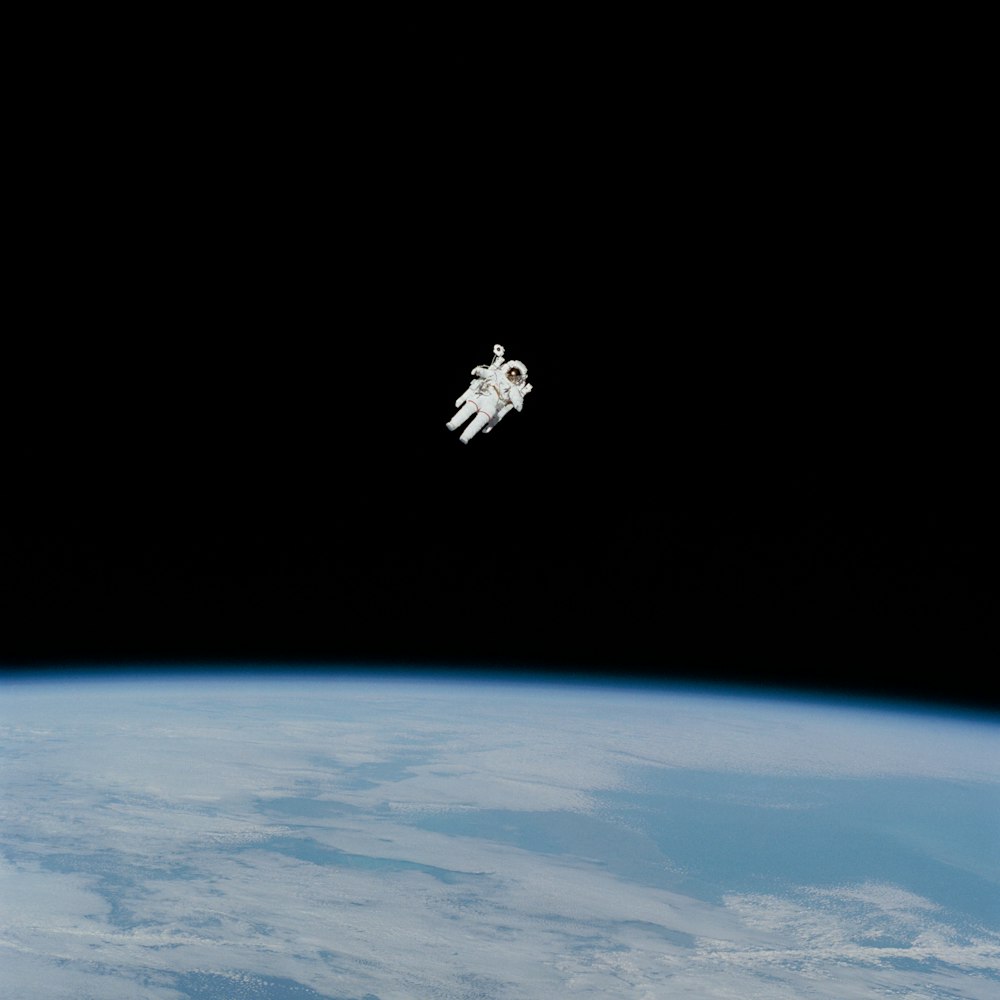
NASA's partial gravity simulation setup for animal studies (Image: Unsplash)
III. The Zoologist's Toolkit: 21st-Century Research Reagents
| Tool | Function | Example Use Case |
|---|---|---|
| Ultrapure Antibodies | Target-specific proteins without endotoxins | Studying immune responses in organoids |
| iNaturalist AI | Species ID from citizen photos | Tracking jaguar movements post-wildfires |
| CRISPR-Cas9 | Gene editing in non-model species | Restoring genetic diversity in endangered populations |
| Rodent Habitat (NASA) | Simulates space stressors | Testing Mars gravity effects on mammals |
| Quadrupedal Unloader | Partial-gravity simulator | Mimicking lunar conditions for rats |
CRISPR-Cas9
Revolutionizing genetic studies in non-model organisms, enabling precise edits to study gene function and conservation applications.
AI Identification
Machine learning algorithms can now identify species from images with accuracy surpassing human experts in many cases.
Remote Sensing
Satellite tracking and drone technology enable monitoring of wildlife populations across vast, inaccessible areas.
IV. Conservation's Cutting Edge
Ecosystem-Scale Triaging
After the Pantanal wildfires, jaguars congregated in wetlands—a behavior tracked via drones and AI to identify new sanctuaries 1 .
Pollution as an Evolutionary Driver
Mercury from legacy pollution accumulates in Arctic wildlife despite global emission reductions, altering neurodevelopment in birds and mammals 1 .
| Species | Significance | Threat Status |
|---|---|---|
| Darwin's Frog (recovery) | 33 froglets bred from 55 rescued adults | Endangered |
| Uropterygius hades (moray eel) | Light-sensitive, mud-burrowing deep-sea species | Data Deficient |
| Atrax christenseni (spider) | Venomous "Big Boy" funnel-web variant | Unknown |
Conservation Alert
With 160,000 species facing extinction by 2050, integrated zoological approaches are critical for developing effective conservation strategies that address both ecological and genetic factors.

V. Core Principles Uniting Zoology
Structure-Function Unity
Whale flippers and bat wings share the same bone layout—modified for different tasks 6 .

Energy Trade-Offs
Hovering fish burn 2x resting energy to avoid tipping—a cost dictated by body shape 1 .

Neural Plasticity
Stress reshapes fish brains more than mammals', offering clues to cognitive resilience 2 .

Conclusion: The Web of Life in Human Hands
Integrated zoology proves that brittle stars, skinks, and astronauts all obey the same biological laws. Yet with 160,000 species facing extinction by 2050, this knowledge is urgent. Innovations like AI "virtual labs" designing nanobody vaccines and tardigrades surviving space extremes offer hope 3 . As we simulate alien worlds and decode ancient DNA, zoology's greatest lesson is clear: life's unity is its greatest strength—and our duty to protect.
"In the end, we will conserve only what we love; we will love only what we understand."

The intricate web of life that integrated zoology seeks to understand and protect (Image: Unsplash)