The Oncobiome Revolution: Developing Microbiome-Based Diagnostics for Gynecological Cancers
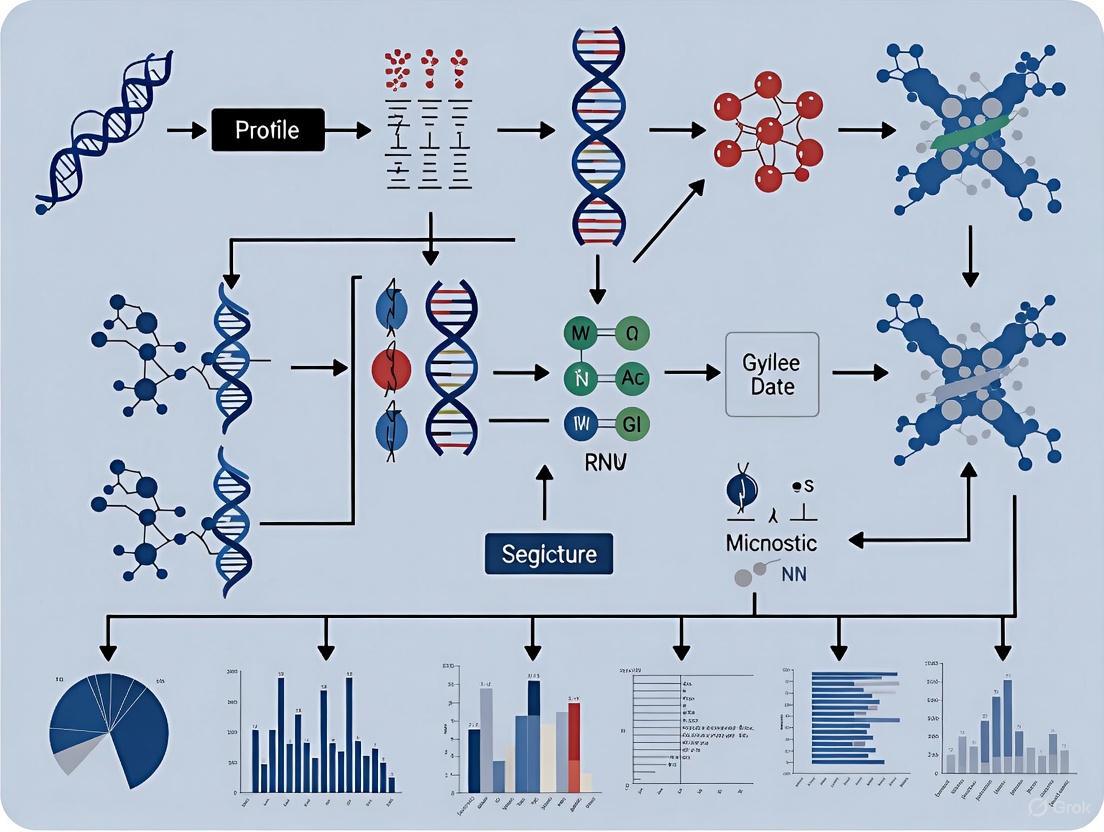
This article synthesizes current research and future directions for microbiome-based diagnostics in gynecological cancers.
The Oncobiome Revolution: Developing Microbiome-Based Diagnostics for Gynecological Cancers
Abstract
This article synthesizes current research and future directions for microbiome-based diagnostics in gynecological cancers. It explores the foundational science linking specific microbial signatures to cervical, ovarian, and endometrial cancers, detailing the transition from correlation to causal understanding. The review examines cutting-edge methodological approaches, including multi-omics and AI, for translating microbial profiles into clinical tools. It critically addresses key challenges in standardization and validation that must be overcome for clinical implementation. Finally, it evaluates the evidence supporting these novel diagnostics and their potential to enable early detection, personalize treatment, and improve patient outcomes, marking a significant shift in gynecologic oncology.
The Tumor Microenvironment: Decoding the Microbial Signatures of Gynecologic Cancers
The once-prevalent notion that tumors are sterile environments has been unequivocally overturned by contemporary research. We now understand that complex microbial ecosystems, termed the oncobiome, exist within tumors and play instrumental roles in carcinogenesis, progression, and treatment response. This application note details the composition of the oncobiome across major gynecological cancers and provides standardized protocols for its characterization. Focusing on the microbiota of the female reproductive tract (FRT) and their systemic influences, we outline how microbiome-based diagnostics and analyses can be integrated into gynecological oncology research to advance the development of novel therapeutic and diagnostic tools.
The human body harbors complex communities of microorganisms, including bacteria, viruses, fungi, and archaea, collectively known as the microbiota. The term oncobiome refers specifically to the unique microbiota and their genetic material found within the tumor microenvironment (TME) [1] [2]. Once considered sterile, tumors are now recognized to host a variety of microorganisms that influence key cancer hallmarks through direct and indirect mechanisms, including chronic inflammation, epithelial barrier disruption, cellular proliferation, apoptosis, genome instability, and angiogenesis [3].
This shift is particularly impactful in gynecological oncology. The FRT has its own site-specific microbiome, and its dysbiosis—a disruption of the microbial equilibrium—is increasingly linked to the pathogenesis of cervical, ovarian, and endometrial cancers [3] [2]. The diagnostic and therapeutic potential of modulating the oncobiome is substantial, ranging from non-invasive early detection to enhancing the efficacy of immunotherapies [1] [4].
Oncobiome Signatures in Gynecological Cancers
The composition of the oncobiome varies significantly between different gynecological malignancies, offering unique diagnostic and prognostic signatures.
Table 1: Oncobiome Signatures Across Gynecological Cancers
| Cancer Type | Key Microbial Findings | Potential Clinical Utility |
|---|---|---|
| Cervical Cancer | - Depletion of protective Lactobacillus species [5]- Enrichment of genera like Sneathia, Gardnerella, Prevotella, and Anaerobic cocci [1] [2]- Associated with high-risk HPV persistence and progression [2] | - Biomarker for risk stratification and early detection [5] |
| Ovarian Cancer | - Intratumoral presence of viral families (e.g., Papillomaviridae, Herpesviridae) [1]- Bacterial signatures: Proteobacteria (52%) and Firmicutes (22%) dominate TME [1]- Gut and vaginal dysbiosis (e.g., reduced Lactobacillus) [1] | - Potential for early detection via gut/vaginal dysbiosis markers [1]- Similarities with head/neck cancer microbiomes [1] |
| Endometrial / Uterine Corpus Cancer | - Differentiated and more diverse microbiome compared to cancer-free samples [1]- Influence of chronic endometrial inflammation on microbiome composition [1] | - Molecular classification and treatment planning [1] |
Table 2: Key Microbial Genera and Their Proposed Oncogenic Mechanisms
| Microbial Genus | Associated Cancer | Proposed Mechanism in Carcinogenesis |
|---|---|---|
| Sneathia | Cervical | HPV persistence, chronic inflammation [2] |
| Gardnerella | Cervical | Elevates vaginal pH, promotes DNA damage, chronic inflammation [5] |
| Prevotella | Cervical, Cervical (Gut) | Associated with inflammatory response, activation of TLRs [2] |
| Proteobacteria | Ovarian | Found in gut dysbiosis and ovarian TME; potential systemic marker [1] |
| Chlamydiae | Ovarian | Inhibition of mitochondrial caspase-3 and apoptosis, promoting cell immortality [1] |
Experimental Protocols for Oncobiome Analysis
A robust, standardized approach is critical for generating reproducible and meaningful oncobiome data. The following protocols outline the key steps from sample collection to data analysis.
Protocol: 16S rRNA Gene Sequencing for Microbial Community Profiling
Application: This protocol is used for identifying and comparing the bacterial composition in various sample types, including vaginal swabs, tumor tissues, and plasma. It provides a cost-effective method for assessing microbial diversity and relative abundance [1] [2].
Workflow Diagram: 16S rRNA Sequencing Protocol
Detailed Procedure:
- Sample Collection:
- Vaginal/Cervical Swabs: Collect using a sterile swab. For cervical samples, use a speculum and avoid mucous. Roll the swab into a sterile cryovial with a DNA-stabilizing solution or immediately flash-freeze in liquid nitrogen [5].
- Tissue Biopsies: Collect fresh tumor tissue during surgery, snap-freeze in liquid nitrogen, and store at -80°C.
- DNA Extraction:
- Use a commercial kit designed for microbial DNA isolation (e.g., QIAamp DNA Microbiome Kit) to maximize lysis of both Gram-positive and Gram-negative bacteria.
- Include negative controls (extraction blanks) to monitor for contamination.
- 16S rRNA Gene Amplification:
- Amplify the hypervariable regions (e.g., V3-V4) of the 16S rRNA gene using region-specific primers (e.g., 341F and 805R) in a PCR reaction.
- Attach Illumina sequencing adapters and sample-specific barcodes (indexes) during this amplification step.
- Next-Generation Sequencing (NGS):
- Pool the purified, barcoded libraries in equimolar ratios.
- Sequence the pooled library on an Illumina MiSeq or HiSeq platform using a 2x250 bp or 2x300 bp paired-end protocol.
- Bioinformatic Analysis:
- Process raw sequences using a pipeline like QIIME 2 or mothur.
- Steps include: demultiplexing, quality filtering (DADA2 for denoising and chimera removal), merging paired-end reads, and clustering sequences into Amplicon Sequence Variants (ASVs) or Operational Taxonomic Units (OTUs).
- Assign taxonomy using a reference database (e.g., SILVA, Greengenes). Perform downstream analyses including alpha-diversity (within-sample diversity), beta-diversity (between-sample diversity), and differential abundance testing (e.g., DESeq2, LEfSe).
Protocol: Multi-Omic Integration for Biomarker Discovery
Application: Integrating proteomics and metabolomics data with microbiome analysis provides a systems-level view of the host-microbiome interaction, enabling the discovery of composite biomarkers for diagnosis and monitoring [6] [7].
Workflow Diagram: Multi-Omic Integration for Biomarker Discovery
Detailed Procedure:
- Sample Collection and Preparation:
- Collect matched plasma (from EDTA or heparin tubes), tissue, and swab samples from the same patient.
- Deplete high-abundance proteins from plasma samples using an immunoaffinity column (e.g., MARS-14) to enhance detection of low-abundance biomarkers.
- Perform protein precipitation and metabolite extraction from plasma using cold methanol/acetonitrile.
- Proteomic and Metabolomic Profiling:
- Liquid Chromatography-Mass Spectrometry (LC-MS): Analyze peptides (from digested proteins) and metabolites using high-resolution LC-MS platforms (e.g., Thermo Fisher Orbitrap series).
- For proteomics, data-dependent acquisition (DDA) or data-independent acquisition (DIA) can be used. Identify and quantify proteins using software (e.g., MaxQuant, Spectronaut) against a human protein database.
- For metabolomics, identify and quantify small molecules by matching their mass-to-charge ratio and fragmentation spectra to databases (e.g., HMDB, METLIN).
- Data Integration and Machine Learning:
- Normalize and scale data from all omics layers (microbiome, proteome, metabolome).
- Use multi-omics integration tools (e.g., MOFA) to identify latent factors that explain variation across datasets.
- Apply machine learning algorithms (e.g., random forest, LASSO regression) on the integrated dataset to build a diagnostic or prognostic model. Validate the model in an independent patient cohort.
The Scientist's Toolkit: Research Reagent Solutions
Table 3: Essential Reagents and Kits for Oncobiome Research
| Product Category/Name | Specific Example | Research Application |
|---|---|---|
| Microbiome DNA Extraction Kit | QIAamp DNA Microbiome Kit | Optimized for simultaneous lysis of Gram-positive and negative bacteria from complex samples [5]. |
| 16S rRNA PCR Primers | 341F (CCTACGGGNGGCWGCAG), 805R (GACTACHVGGGTATCTAATCC) | Amplification of the V3-V4 hypervariable region for bacterial community profiling [2]. |
| Proteomics Sample Prep Kit | PreOmics iST Kit | Streamlined, single-pot protein extraction, digestion, and peptide purification for LC-MS [8]. |
| Metabolite Extraction Solvent | 80% Methanol in Water (v/v) | Efficient precipitation of proteins and extraction of a broad range of polar and semi-polar metabolites for LC-MS analysis [7]. |
| Arginase Inhibitor | OATD-02 (Molecure SA) | A dual (ARG1/ARG2) arginase inhibitor used to investigate the role of arginine metabolism in the TME and its impact on immunotherapy [4]. |
Signaling Pathways and Functional Mechanisms
The oncobiome influences cancer biology through complex interactions with host signaling pathways and the immune system. A key mechanism is metabolic reprogramming of the TME.
Diagram: Arginine Metabolism in the Tumor Microenvironment
Mechanistic Insight: As illustrated, elevated arginase activity in the TME, often from tumor cells or myeloid-derived suppressor cells (MDSCs), depletes L-arginine. This impairs T-cell function by downregulating the T-cell receptor CD3ζ chain, suppressing antitumor immunity [4]. Concurrently, the product L-ornithine fuels polyamine biosynthesis in tumor cells, driving their proliferation. Dual arginase inhibitors like OATD-02 are being developed to block this pathway, restore T-cell function, and inhibit tumor growth, demonstrating the therapeutic potential of targeting microbiome and host metabolic pathways [4].
The definitive characterization of the oncobiome marks a fundamental shift in cancer biology. Moving from the outdated concept of sterile tumors to understanding the intricate microbial ecosystems within them opens new frontiers for precision medicine in gynecological oncology. The standardized application notes and protocols provided here offer researchers a roadmap to reliably investigate these complex host-microbe interactions. As we continue to decode the specific roles of microorganisms in cancer, the integration of microbiome diagnostics with other omics technologies holds exceptional promise for creating a new generation of non-invasive diagnostic tools and personalized therapeutic strategies to improve outcomes for women with gynecologic cancers.
Cervical cancer (CC) remains a significant global health challenge, ranking as the fourth most common cancer among women worldwide [9]. Persistent infection with high-risk human papillomavirus (HR-HPV) is the primary etiological driver of cervical carcinogenesis, but its progression depends on host and environmental factors beyond viral presence [9]. The vaginal microbiome (VM), particularly the transition from Lactobacillus crispatus–dominated communities to dysbiotic states enriched in Gardnerella, Fannyhessea, and Sneathia, has emerged as a key modulator of HPV persistence, local inflammation, and epithelial transformation [9]. This application note details the mechanistic relationships and provides standardized protocols for investigating this triad, framing the findings within the development of microbiome-based diagnostic tools for gynecological cancers.
Quantitative Profiling of the Vaginal Microbiome in Cervical Carcinogenesis
Large-scale clinical studies have consistently demonstrated specific quantitative associations between vaginal microbiome composition, HR-HPV status, and cervical cytology outcomes. Analysis of 15,607 cervicovaginal specimens from U.S. women revealed that Bacterial Vaginosis (BV) was present in 53% and HR-HPV in 11% of samples [10]. Machine-learning models identified age, HR-HPV status, and L. crispatus abundance as the strongest multivariate predictors of BV and cytological outcomes, with an area under the receiver operating characteristic curve (AUROC) of approximately 0.97 [10].
Table 1: Association between Key Vaginal Microbiota and Cervical Health Status
| Microbial Taxon | Association with Cervical Health | Representative Quantitative Shift | Clinical Context |
|---|---|---|---|
| Lactobacillus crispatus | Protective [9] [10] | Enriched in BV-negative, cytologically normal (NILM) samples [10] | Associated with HPV clearance; promotes protective acidic environment [9] |
| Lactobacillus gasseri | Protective [10] | Enriched in BV-negative, NILM samples [10] | Associated with HPV clearance [11] |
| Lactobacillus iners | Opportunistic | Co-occurs with BV-associated anaerobes, HR-HPV, and abnormal cytology [10] | Ecological stability is less robust than L. crispatus [9] |
| Gardnerella vaginalis | Detrimental [9] [12] | Increased abundance in dysbiosis (CST-IV) [9] | Promotes chronic inflammation, increases DNA damage risk [12] |
| Prevotella spp. | Detrimental [11] | Dominant in communities associated with post-therapy cancer recurrence [11] | Linked to HPV persistence and cervical cancer recurrence after therapy [11] |
| Sneathia spp. | Detrimental [9] [11] | Enriched throughout the continuum of cervical carcinogenesis [11] | Promotes epithelial inflammation and immune modulation [9] |
Longitudinal studies in gynecologic cancer survivors reveal persistent dysbiosis post-treatment. One study of 49 cervical cancer survivors found that only 20% had vaginal microbiomes dominated by lactobacilli at any time post-therapy, while the rest exhibited high-diversity, Prevotella-dominant communities associated with a 33% cancer recurrence rate within 2-3 years [11]. Post-treatment HR-HPV was detected in 41.5% (17/41) of women with follow-up samples, significantly associated with this dysbiotic state [11].
Table 2: Vaginal Microbiome Community State Types (CSTs) and Clinical Correlations
| Community State Type (CST) | Dominant Microbiota | Vaginal pH | Association with HPV & Cervical Cancer Risk |
|---|---|---|---|
| CST-I | Lactobacillus crispatus [9] | Acidic (≈3.5-4.5) [12] | Protective; associated with HPV clearance and reduced cancer risk [9] [12] |
| CST-III | Lactobacillus iners [9] | Acidic [12] | Less stable; can transition to dysbiosis [9] |
| CST-IV | Diverse anaerobes (e.g., Gardnerella, Prevotella, Sneathia) [9] | Higher, more alkaline [12] | Strongly predicts persistent HR-HPV infection and progression to high-grade lesions [9] |
Mechanistic Insights: Host-Microbiome Interactions in Oncogenesis
The relationship between vaginal dysbiosis and cervical cancer is not merely correlative but driven by specific mechanistic pathways.
Immunomodulation and Chronic Inflammation
A healthy, Lactobacillus-dominant microbiome maintains a low pH through lactic acid production, inhibiting pathogen colonization and supporting epithelial barrier integrity [9]. In dysbiosis, reduced Lactobacillus abundance leads to a higher vaginal pH, making the environment more susceptible to persistent HPV infection [12]. Dysbiotic bacteria such as Gardnerella vaginalis promote a state of chronic inflammation, increasing the risk of DNA damage and disrupting immune surveillance [9] [12]. This is achieved through the activation of pattern recognition receptors (e.g., TLRs) on immune cells, leading to the production of pro-inflammatory cytokines that can cause genomic instability and inhibit apoptosis [13].
Microbial Crosstalk and Epigenetic Reprogramming
Cervicovaginal dysbiosis promotes epigenetic reprogramming of both host and viral genomes, facilitating immune evasion and oncogenesis [9]. For instance, the HPV E7 oncoprotein has been shown to suppress host defense peptides essential for Lactobacillus survival by interfering with NF-κB and Wnt/β-catenin signaling, creating a forward-feedback loop that perpetuates dysbiosis [9]. Furthermore, metabolomic analyses reveal that women with HR-HPV infection display altered levels of key microbial metabolites, like succinic acid, which is linked to Gardnerella metabolism and can alter local immune signaling [9].
The following diagram illustrates the core mechanisms linking vaginal dysbiosis to the persistence of HPV and the progression to cervical cancer.
Experimental Protocols for Vaginal Microbiome Research
Protocol: 16S rRNA Gene Amplicon Sequencing for Vaginal Microbiome Profiling
This protocol is adapted from longitudinal studies investigating HPV persistence and cervical cancer recurrence [11].
1. Sample Collection:
- Method: Self-collection or clinician-collection using sterile swabs.
- Storage: Place swab in a sterile tube or specific medium (e.g., Cobas, Aptima, SurePath) and freeze at -80°C until DNA extraction [11].
2. DNA Extraction:
- Use a standardized DNA extraction protocol, such as the QIAamp DNA Mini Kit, for whole-community DNA from vaginal samples [11].
- Quantify DNA using spectrophotometry (e.g., Nanodrop) or fluorometry (e.g., Qubit).
3. Library Preparation (16S rRNA Amplification):
- Target Region: Amplify the V4 region of the 16S rRNA gene.
- Primers: Use primers 515F (5'-GTGCCAGCMGCCGCGGTAA-3') and 806R (5'-GGACTACHVGGGTWTCTAAT-3') [11] [14].
- PCR Conditions: Follow a standard amplification protocol. Include negative controls to monitor for contamination.
4. Sequencing:
- Purify the amplicons and sequence using an Illumina MiSeq or HiSeq platform with a 2x250 bp or 2x300 bp kit [11] [14].
5. Bioinformatic Analysis (QIIME2 Pipeline):
- Demultiplexing: Assign sequences to samples based on barcodes.
- Denoising: Use DADA2 or Deblur in QIIME2 to correct errors and infer amplicon sequence variants (ASVs) [11].
- Taxonomy Assignment: Classify ASVs against a reference database (e.g., Greengenes, SILVA) using a trained classifier.
- Diversity Analysis:
- Alpha-diversity: Calculate metrics like Shannon, Chao1, and Faith's Phylogenetic Diversity indices to assess within-sample diversity.
- Beta-diversity: Calculate metrics like Bray-Curtis dissimilarity and UniFrac distances to compare microbial communities between samples. Visualize using PCoA plots [11].
- Differential Abundance: Use statistical tests (e.g., ANCOM, LEfSe) to identify taxa significantly associated with clinical groups (e.g., HPV+ vs. HPV-) [14].
Protocol: Vaginal Microbiome Profiling via Shotgun Metagenomics
For deeper, strain-level resolution and functional insights, shotgun metagenomics is recommended [9].
1. Sample Collection & DNA Extraction: As per Protocol 4.1, but with higher DNA input requirements and steps to minimize shearing.
2. Library Preparation & Sequencing:
- Fragment genomic DNA to a desired size (e.g., 300-500 bp).
- Prepare a sequencing library without target-specific amplification.
- Sequence on an Illumina NovaSeq or PacBio Sequel system to generate high-depth, random genomic fragments.
3. Bioinformatic Analysis:
- Quality Control: Trim adapters and filter low-quality reads using tools like Trimmomatic or Fastp.
- Host Read Depletion: Align reads to the human genome (e.g., hg38) and remove matching sequences.
- Taxonomic Profiling: Use tools like MetaPhlAn or Kraken2 for precise species-level classification.
- Functional Profiling: Align reads to functional databases (e.g., KEGG, eggNOG) using HUMAnN2 to infer the abundance of microbial metabolic pathways [9].
The workflow for these core analytical approaches is summarized below.
The Scientist's Toolkit: Essential Research Reagents and Materials
Table 3: Key Research Reagent Solutions for Vaginal Microbiome Studies
| Item | Function/Application | Representative Examples & Specifications |
|---|---|---|
| Sterile Swab & Transport Media | Sample collection and preservation for DNA/RNA analysis. | Copan FLOQSwabs; placed in Cobas PCR Media or SurePath liquid cytology medium [11]. |
| DNA Extraction Kit | Isolation of high-quality, inhibitor-free microbial DNA. | QIAamp DNA Mini Kit (QIAGEN); MagNA Pure 96 System with Viral NA kit (Roche) [11]. |
| 16S rRNA PCR Primers | Amplification of hypervariable regions for taxonomic profiling. | 341F/806R for V3-V4 region [14]; 515F/806R for V4 region [11]. |
| Shotgun Metagenomics Kit | Preparation of sequencing libraries from fragmented genomic DNA. | Illumina DNA Prep Kit; Nextera XT DNA Library Prep Kit. |
| Positive Control Material | Monitoring assay performance and batch effects. | Mock microbial communities (e.g., ZymoBIOMICS Microbial Community Standard). |
| Bioinformatics Software | Data processing, taxonomic assignment, and statistical analysis. | QIIME2 (16S data); HUMAnN2 (metagenomic pathway analysis); MetaPhlAn (taxonomic profiling) [11]. |
| Cell Culture Models | In vitro investigation of host-microbe interactions. | SKOV3 cells (ovarian cancer); co-culture with bacterial supernatants (e.g., E. coli, Bifidobacterium) [14]. |
The evidence unequivocally positions the vaginal microbiome as an active determinant of HPV-driven carcinogenesis, moving beyond its previous status as a passive bystander. The triad of HPV persistence, vaginal dysbiosis (CST-IV), and Lactobacillus depletion represents a critical pathway in cervical cancer development and recurrence. The integration of VM profiling with HR-HPV testing and cytology holds significant promise as a multi-omic tool for risk stratification, potentially identifying women at highest risk for progression to high-grade lesions and cancer recurrence post-treatment [9] [12] [11]. Furthermore, these insights open avenues for novel therapeutic strategies, including targeted probiotics, vaginal microbiota transplants, and metabolite-based interventions, aimed at restoring a protective Lactobacillus-dominated environment to enhance mucosal resilience and reduce the global burden of cervical cancer [9].
Ovarian cancer (OC) persists as the most lethal gynecologic malignancy globally, with over 60% of patients presenting with advanced-stage disease due to nonspecific early symptoms and the lack of reliable early-detection biomarkers [15]. The 5-year survival rate for epithelial ovarian cancer (EOC) remains less than 30-50%, underscoring the critical need for innovative diagnostic approaches [16] [15] [17]. Emerging evidence implicates the gastrointestinal and female reproductive-tract microbiota in gynecological tumor initiation, progression, and therapeutic response, forming what is now termed the "gut-ovary axis" [18]. This axis represents a bidirectional communication network where gut and reproductive tract microbiota dynamically influence ovarian biology through immune, metabolic, and endocrine pathways.
The gut-ovary axis functions through three principal mechanistic pathways: (1) estrogen-mediated metabolic reprogramming via β-glucuronidase activity; (2) chronic activation of pro-inflammatory cascades (particularly NF-κB and STAT3 signaling); (3) epigenetic silencing of tumor suppressor genes through DNA methyltransferase modulation [15]. Dysbiosis, characterized by disruption of beneficial microbial communities, promotes tumorigenesis through genotoxicity, chronic inflammation, and metabolic dysregulation [18]. These processes intersect with multiple "hallmarks of cancer," including sustained proliferative signaling, resistance to cell death, replicative immortality, angiogenesis, and immune evasion [18].
Quantitative Landscape of Microbial Alterations in Ovarian Cancer
Taxonomic Shifts in Gut Microbiota
Systematic analyses of fecal samples from OC patients reveal consistent patterns of intestinal dysbiosis characterized by altered microbial diversity and composition. These alterations demonstrate potential as diagnostic biomarkers and therapeutic targets.
Table 1: Gut Microbiota Alterations in Ovarian Cancer Patients
| Taxonomic Level | Increased in OC | Decreased in OC | Clinical Association |
|---|---|---|---|
| Phylum | Proteobacteria, Bacteroidota [19] [17] | Firmicutes, Actinobacteria [19] [17] | Disease progression [19] |
| Genus | Escherichia_Shigella, Bacteroides, Prevotella, Dialister, Ruminiclostridium5 [20] [17] | Akkermansia, Coprococcus, Fusicatenibacter, Butyricicoccus, Oscillibacter, Butyrivibrio [20] [19] [17] | Platinum resistance, Inflammation [19] [17] |
| Species | Bacteroides massiliensis, Phascolarctobacterium succinatutens, Paraprevotella clara, Bacteroides dorei [17] | Roseburia hominis, Bifidobacterium bifidum [17] | Causal risk/protective factors [17] |
Diagnostic Performance of Microbial Biomarkers
Machine learning approaches utilizing gut microbiota signatures show promising diagnostic performance for distinguishing ovarian cancer patients from healthy controls and benign conditions.
Table 2: Diagnostic Performance of Microbial Biomarkers
| Biomarker Type | Population | AUC Value | Key Taxa | Reference |
|---|---|---|---|---|
| Gut microbiota | OC vs Healthy | 0.86 | Escherichia_Shigella, Coprococcus, Fusicatenibacter [20] | Scientific Reports (2025) |
| Gut microbiota | BOT vs Healthy | 0.77 | Multiple differential genera [20] | Scientific Reports (2025) |
| Vaginal microbiota | OC vs Benign | N/A | Non-Lactobacillus-dominated (CST IV/O) [15] [21] | Multiple studies |
| Multi-omics | OC detection | >0.85 | Integrated microbial, metabolic, molecular profiles [15] | Proposed framework |
Mechanistic Insights: From Dysbiosis to Malignant Progression
Immunomodulatory Pathways
The gut microbiota profoundly influences antitumor immunity through multiple interconnected mechanisms. In responsive patients, combination immunotherapy (pembrolizumab, bevacizumab, oral cyclophosphamide) induces increased T and B cell clusters in the tumor microenvironment, with elevated immune population estimates including CD8+ T cells, B cells, dendritic cells, and macrophages/monocytes [16]. Gene set enrichment analysis of tumor transcriptomes from exceptional responders shows elevated T- and B-cell activation, differentiation, and proliferation signatures, along with enrichment for immune signatures associated with CD40, antigen presentation, cytokine production and signaling, and tertiary lymphoid structures [16].
Diagram 1: Microbiome-Immune Crosstalk in OC. Gut dysbiosis triggers multiple pro-tumorigenic pathways including barrier disruption, chronic inflammation, and immune suppression, collectively influencing therapeutic response and disease progression.
Metabolic Reprogramming
Microbial metabolites serve as crucial mediators in the gut-ovary axis, with both protective and detrimental effects on ovarian carcinogenesis. Short-chain fatty acids (SCFAs)—particularly butyrate—function as histone deacetylase inhibitors, inducing apoptosis and suppressing proliferation in OC models [18]. Conversely, lactate-producing taxa expand in association with platinum resistance, while specific bile acids and sphingolipids modulate inflammatory pathways and treatment sensitivity [18] [17].
Mendelian randomization studies have identified causal relationships between specific metabolites and OC risk. Caffeic acid, caffeine metabolites, sphingomyelin, and ceramide metabolites act as risk factors, whereas phenylalanine metabolites, butyric acid metabolites, and specific lipid metabolites serve as protective factors [17]. These metabolites influence key cancer pathways including apoptosis, oxidative stress, and membrane integrity.
Experimental Protocols for Microbiome Analysis
Sample Collection and Processing Protocol
Objective: To obtain high-quality fecal and vaginal samples for microbiome analysis from ovarian cancer patients and matched controls.
Materials:
- DNA/RNA Shield Fecal Collection tubes (Zymo Research)
- Copan FLOQSwabs for vaginal sampling
- -80°C freezer for storage
- Ethanol for surface sterilization
Procedure:
- Patient Preparation: Instruct participants to avoid antibiotics, probiotics, and vaginal products for 4 weeks prior to sampling. Document recent medications, menstrual cycle phase, and dietary habits.
- Fecal Collection:
- Collect fresh fecal samples in DNA/RNA Shield stabilization buffer
- Aliquot 100-200 mg into cryovials
- Store immediately at -80°C
- Vaginal Collection:
- Using FLOQSwabs, sample posterior fornix for 30 seconds
- Place swab in stabilization buffer
- Store at -80°C within 2 hours
- Quality Assessment:
- Verify sample integrity via spectrophotometry (A260/A280 >1.8)
- Exclude samples with signs of degradation
16S rRNA Sequencing and Analysis Pipeline
Objective: To characterize microbial community structure and identify differentially abundant taxa.
Materials:
- DNeasy PowerSoil Pro Kit (Qiagen)
- Illumina NovaSeq6000 platform
- V4 region primers (515F: 5′-GTGCCAGCMGCCGCGGTAA-3′, 806R: 5′-GGACTACHVGGGTWTCTAAT-3′)
- QIIME2 (v2022.2) analysis pipeline
Procedure:
- DNA Extraction:
- Extract genomic DNA using PowerSoil Pro Kit with bead beating
- Include extraction controls and positive controls (ZymoBIOMICS Microbial Community Standard)
- Library Preparation:
- Amplify V4 region with barcoded primers (25 cycles)
- Clean amplicons with AMPure XP Beads
- Quantify with PicoGreen dsDNA assay
- Pool equimolar concentrations
- Sequencing:
- Perform 2×150 bp paired-end sequencing on Illumina NovaSeq6000
- Target 50,000-100,000 reads per sample
- Bioinformatic Analysis:
- Demultiplex sequences and quality filter (Q-score >20)
- Denoise with DADA2 to generate amplicon sequence variants (ASVs)
- Assign taxonomy using SILVA database v138
- Calculate alpha-diversity (Shannon index) and beta-diversity (UniFrac)
- Perform differential abundance analysis with DESeq2
Diagram 2: Microbiome Analysis Workflow. The experimental pipeline from sample collection through DNA sequencing, bioinformatic analysis, and multi-omics integration for biomarker discovery.
Multi-omics Integration Protocol
Objective: To integrate microbiome data with host transcriptomic and metabolomic profiles for comprehensive pathway analysis.
Materials:
- MetaboAnalyst 6.0 platform
- R packages (phyloseq, DESeq2, mixOmics)
- Cytoscape for network visualization
Procedure:
- Data Preprocessing:
- Normalize microbiome data (CSS or TSS)
- Transform metabolomic data (log+1)
- Batch correct using ComBat
- Integrative Analysis:
- Perform sparse Canonical Correlation Analysis (sCCA)
- Construct correlation networks (|r| > 0.6, FDR < 0.05)
- Conduct pathway enrichment (KEGG, MetaCyc)
- Machine Learning:
- Train random forest classifiers (1000 trees)
- Validate with 10-fold cross-validation
- Calculate AUC-ROC for diagnostic performance
The Scientist's Toolkit: Research Reagent Solutions
Table 3: Essential Research Reagents for Gut-Ovary Axis Studies
| Category | Product | Application | Key Features |
|---|---|---|---|
| Sample Collection | DNA/RNA Shield Fecal Collection tubes | Nucleic acid stabilization | Preserves sample integrity at room temperature for 30 days |
| DNA Extraction | DNeasy PowerSoil Pro Kit | Microbial DNA isolation | Efficient lysis of difficult-to-break gram-positive bacteria |
| Library Prep | 16S rRNA Amplification Kit | Target enrichment | Minimal amplification bias for complex communities |
| Sequencing | Illumina NovaSeq6000 | High-throughput sequencing | 2×150 bp reads, ideal for microbiome studies |
| Bioinformatics | QIIME2 platform | Data analysis | Reproducible microbiome analysis from raw sequences to statistics |
| Cell Culture | Transwell co-culture systems | Host-microbe interaction studies | Models gut-epithelial barrier function and immune crosstalk |
| Animal Models | Germ-free mice | Causal mechanism studies | Enables fecal microbiota transplantation studies |
The gut-ovary axis represents a paradigm shift in our understanding of ovarian cancer biology, offering novel approaches for early detection and personalized treatment. The consistent observation of intestinal and vaginal dysbiosis across multiple OC cohorts, coupled with elucidation of the underlying immune, metabolic, and endocrine mechanisms, provides a compelling rationale for targeting the microbiome in diagnostic and therapeutic strategies.
Future research directions should include standardized protocols for microbiome analysis in low-biomass environments, longitudinal studies tracking microbial dynamics during treatment, and interventional trials testing microbiota-modulating approaches such as probiotics, prebiotics, or fecal microbiota transplantation. The integration of multi-omics data through machine learning platforms promises to unlock clinically viable biomarkers for early detection, ultimately addressing the critical diagnostic challenges that have long plagued ovarian cancer management.
As evidence for the gut-ovary axis continues to accumulate, microbiome-based diagnostics and therapies are poised to become integral components of precision oncology approaches for gynecologic cancers, potentially transforming outcomes for this devastating disease.
Endometrial cancer (EC) is the most common gynecologic malignancy in high-income countries, with 417,367 new cases and 97,370 deaths reported globally in 2020 alone [22]. The establishment of the Human Microbiome Project (HMP) in 2007, coupled with advances in next-generation sequencing (NGS) techniques, has revolutionized our understanding of microorganisms inhabiting various niches of the human body [23]. While the upper reproductive tract was historically considered sterile, emerging evidence confirms that the endometrium harbors its own unique microbiome, with distinct compositional differences observed between healthy and tumor-lesioned tissues [23].
The gut-endometrium axis represents a critical interface in EC pathogenesis, where microbial dysbiosis contributes to disease development through multiple interconnected pathways [24]. Dysbiosis, or microbial imbalance, can induce chronic inflammation and promote hormonal disruptions that collectively foster a pro-tumorigenic environment in the endometrium [24]. Understanding these complex microbial interactions provides novel insights into EC etiology and opens avenues for innovative diagnostic and therapeutic strategies.
This Application Note outlines standardized protocols for investigating uterine microbiome dysbiosis in endometrial cancer, with particular emphasis on its connection to hormonal and inflammatory pathways. The methodologies presented are designed to generate reproducible, high-quality data for researchers exploring microbiome-based diagnostics in gynecologic cancers.
Key Pathophysiological Mechanisms
Hormonal Pathways: The Estrobolome Connection
The estrobolome comprises gut microbial genes capable of metabolizing estrogens, playing a pivotal role in regulating estrogen homeostasis [24]. In EC development, dysbiosis of the gut microbiome disrupts this delicate balance through several mechanisms:
- Increased β-glucuronidase activity from dysbiotic gut microbiota deconjugates estrogen, promoting its reabsorption and creating systemic hyperestrogenism [24]
- Altered bile acid metabolism influences estrogen receptor signaling and cellular proliferation pathways [13]
- Microbial metabolite production (e.g., short-chain fatty acids) modulates host metabolic pathways that intersect with estrogen signaling [13]
Type I endometrial cancers, which account for approximately 80% of cases, are estrogen-dependent and frequently arise in the setting of endometrial hyperplasia due to prolonged, unopposed estrogen exposure [24]. The gut microbiome thus serves as a critical modulator of estrogen exposure to the endometrium.
Inflammatory Pathways and Immune Dysregulation
Dysbiosis in both the gut and endometrial microbiomes promotes a pro-tumorigenic microenvironment through chronic inflammation and immune dysregulation:
- Pathogen-associated molecular patterns (PAMPs) from dysbiotic bacteria activate pattern recognition receptors (TLRs and NODs) on immune cells, triggering pro-inflammatory cytokine cascades [13]
- Chronic inflammation induces genomic instability, promotes angiogenesis, and disrupts epithelial barriers [23]
- Altered cytokine profiles recruit immunosuppressive cells (M2-TAMs, MDSCs, Tregs) that establish an immunosuppressive tumor microenvironment [22]
- Bacterial translocation from gut and vaginal sites to the endometrium perpetuates local inflammatory responses [25]
Table 1: Key Microbial Genera Altered in Endometrial Cancer
| Body Site | Protective Genera (Depleted in EC) | Detrimental Genera (Enriched in EC) |
|---|---|---|
| Vagina | Lactobacillus, Limosilactobacillus | Anaerococcus, Porphyromonas, Prevotella, Peptoniphilus |
| Rectum/Gut | Prevotella, Peptoniphilus | Buttiaxella |
| Endometrium | Lactobacillus (dominance) | Diverse anaerobic species |
Data adapted from [25]
Experimental Protocols
Sample Collection and Processing Protocol
Objective: To obtain standardized, contaminant-free microbiome samples from multiple body sites for EC research.
Materials Required:
- Sterile polyester-tipped swabs (vaginal/cervical sampling)
- Sterile rectal swabs
- Endometrial biopsy device (e.g., Pipelle)
- DNA/RNA Shield collection tubes
- -80°C freezer for storage
- Liquid handling robotics (optional, for high-throughput processing)
Procedure:
Patient Preparation:
- Record relevant clinical metadata: age, BMI, menopausal status, vaginal pH, medical history, recent antibiotic use
- Obtain informed consent following institutional IRB guidelines
Sample Collection Sequence:
- Vaginal sampling: Insert sterile swab into vaginal vault and rotate for 10-15 seconds against vaginal wall
- Cervical sampling: Use separate sterile swab to collect samples from endocervical canal
- Endometrial sampling: Using sterile technique, insert endometrial biopsy device through cervix to obtain endometrial tissue
- Rectal sampling: Insert sterile swab approximately 1-2cm into rectum and gently rotate
Sample Preservation:
- Immediately place swabs in DNA/RNA Shield solution
- For tissue samples, divide into aliquots: one for histopathology, one for microbiome analysis
- Flash-freeze samples in liquid nitrogen within 30 minutes of collection
- Transfer to -80°C for long-term storage
Quality Control:
- Include extraction blank controls to monitor contamination
- Process samples in batches with appropriate controls
- Document chain of custody for all samples
DNA Extraction and 16S rRNA Sequencing Protocol
Objective: To obtain high-quality microbial DNA suitable for 16S rRNA gene sequencing and analysis.
Materials Required:
- DNeasy PowerSoil Pro Kit (Qiagen) or similar
- Bead-beating system (e.g., TissueLyser)
- Qubit Fluorometer and dsDNA HS Assay Kit
- Agilent 4200 Tapestation or similar for quality control
- 16S rRNA gene primers (e.g., 515F/806R targeting V4 region)
- High-fidelity DNA polymerase
- Illumina MiSeq or similar sequencing platform
Procedure:
DNA Extraction:
- Process samples using mechanical lysis with bead-beating for 10 minutes at 30 Hz
- Follow manufacturer's protocol with modifications for low-biomass samples:
- Concentrate samples by increasing starting material volume
- Use carrier RNA to improve yield
- Extend incubation times with proteinase K
- Include extraction controls and positive controls (mock microbial communities)
DNA Quality Assessment:
- Quantify DNA using Qubit Fluorometer
- Assess quality and fragment size using Tapestation
- Minimum acceptance criteria: DNA concentration ≥0.5 ng/μL, fragment size >1000bp
16S rRNA Library Preparation:
- Amplify V4 region using dual-indexing approach to enable multiplexing
- Use limited PCR cycles (25-30) to reduce amplification bias
- Clean PCR products using AMPure XP beads
- Quantify libraries using qPCR with library quantification kits
- Pool equimolar amounts of each library
- Sequence on Illumina MiSeq platform with 2×250 bp paired-end reads
Sequencing Quality Control:
- Include PhiX control (10-20%) to improve base calling accuracy
- Monitor sequencing metrics: Q30 score ≥80%, cluster density within optimal range
- Demultiplex sequences using appropriate software
Metagenomic and Metabolomic Analysis Protocol
Objective: To perform functional metagenomic profiling and metabolomic characterization of EC-associated microbiomes.
Materials Required:
- Illumina NovaSeq or similar for shotgun metagenomics
- QIIME 2 platform for microbiome analysis
- PICRUSt2 for metabolic inference
- LC-MS system for metabolomics (e.g., Thermo Q-Exactive)
- Methanol, acetonitrile, water (LC-MS grade)
- Standard metabolite mixtures for quality control
Procedure:
Shotgun Metagenomic Sequencing:
- Prepare libraries using Nextera XT DNA Library Preparation Kit
- Sequence to minimum depth of 10 million reads per sample
- Use internal standards (e.g., PhiX, synthetic microbial communities) for normalization
Bioinformatic Analysis:
- Process raw sequences through quality filtering, adapter trimming, and host DNA removal
- Perform taxonomic profiling using MetaPhlAn or similar tools
- Conduct functional annotation using HUMAnN2 against KEGG, MetaCyc databases
- Predict metabolic pathways using PICRUSt2 for 16S data
Metabolomic Profiling:
- Extract metabolites from samples using 80% methanol
- Analyze using reversed-phase LC-MS in both positive and negative ionization modes
- Include quality control pools and blank samples
- Identify microbial-derived metabolites (short-chain fatty acids, bile acids, tryptophan metabolites)
- Integrate metabolomic and metagenomic data using multivariate statistics
Data Analysis and Interpretation Framework
Microbiome Data Analysis Pipeline
A standardized analytical workflow ensures reproducible results across studies:
Microbiome Analysis Workflow
Table 2: Key Bioinformatic Tools for Microbiome Analysis
| Analysis Type | Recommended Tools | Key Parameters |
|---|---|---|
| Sequence Processing | DADA2, QIIME 2, mothur | Quality score (Q≥20), read length (≥200bp), chimeric detection |
| Taxonomic Assignment | SILVA, Greengenes databases | Confidence threshold (≥0.7), classification method (Naive Bayes) |
| Diversity Analysis | phyloseq, microbiome R packages | Rarefaction depth, diversity metrics (Shannon, Faith's PD) |
| Differential Abundance | DESeq2, LEfSe, MaAsLin2 | FDR correction, effect size thresholds, confounder adjustment |
| Functional Prediction | PICRUSt2, Tax4Fun | NSTI score cutoff (<2), pathway coverage metrics |
| Data Integration | MixOmics, ggplot2, Vegan | Multivariate methods (PCA, PCoA), correlation networks |
Statistical Considerations for EC Microbiome Studies
Primary Endpoints:
- Alpha diversity metrics (Richness, Shannon Index, Faith's PD)
- Beta diversity distances (Unweighted/Weighted UniFrac, Bray-Curtis)
- Relative abundance of specific taxa (e.g., Lactobacillus depletion ratio)
- Functional pathway enrichment (KEGG, MetaCyc modules)
Confounding Factors to Adjust For:
- Age, BMI, menopausal status [25]
- Vaginal pH, hormonal contraceptive use [25]
- Recent antibiotic exposure (within 3 months)
- Co-morbid conditions (diabetes, metabolic syndrome)
- Race/ethnicity and socioeconomic factors [22]
Sample Size Considerations:
- Minimum 20 samples per group for pilot studies
- 50+ samples per group for robust differential abundance testing
- Power calculation based on expected effect sizes (e.g., Lactobacillus ratio difference ≥0.5)
Research Reagent Solutions
Table 3: Essential Research Reagents for Endometrial Cancer Microbiome Studies
| Reagent Category | Specific Products | Application Notes |
|---|---|---|
| Sample Collection | Copan FLOQSwabs, DNA Genotek OMNIgene kits | Polyester-tipped swabs preferred over cotton; stabilize at room temperature for transport |
| DNA Extraction | Qiagen DNeasy PowerSoil Pro, MO BIO PowerSoil kits | Optimized for low biomass samples; include inhibition removal steps |
| Library Preparation | Illumina 16S Metagenomic Kit, KAPA HyperPlus | Dual-indexing crucial for sample multiplexing; minimize PCR cycles |
| Quality Control | Agilent High Sensitivity DNA kits, Qubit dsDNA HS | Assess DNA integrity number (DIN) for shotgun metagenomics |
| Positive Controls | ZymoBIOMICS Microbial Community Standards | Verify extraction efficiency and sequencing performance |
| Bioinformatic Tools | QIIME 2, phyloseq, MicrobiomeAnalyst | Standardized pipelines ensure reproducibility; containerized deployment recommended |
Integrated Pathway Analysis
The interconnection between uterine microbiome dysbiosis and EC pathogenesis involves multiple synergistic pathways:
Endometrial Cancer Pathogenesis Pathways
Applications in Diagnostic Development
The protocols outlined herein support the development of microbiome-based diagnostic tools for EC:
Microbial Biomarker Signatures:
- Vaginal Lactobacillus abundance ratio (protective)
- Enrichment of Anaerococcus, Porphyromonas, Prevotella (detrimental)
- Functional potential for estrogen metabolism and inflammatory pathways
- Multi-site microbial community state types (vaginal, gut, endometrial)
Diagnostic Performance Targets:
- Sensitivity ≥85% for EC detection
- Specificity ≥90% against benign conditions
- AUC ≥0.85 for receiver operating characteristic curves
- Validation in independent cohorts with diverse demographics
Integration with Existing Modalities:
- Combine with molecular subtyping (TCGA classification)
- Correlate with histopathological features
- Enhance risk stratification algorithms
- Monitor treatment response and recurrence
The intricate relationship between uterine microbiome dysbiosis and endometrial cancer pathogenesis represents a promising frontier in gynecologic oncology research. The standardized protocols presented in this Application Note provide a framework for generating high-quality, reproducible data on the microbial contributors to hormonal dysregulation and chronic inflammation in EC.
Future developments in this field will likely focus on multi-omics integration, combining microbiome data with host genomics, transcriptomics, and metabolomics to build comprehensive models of EC pathogenesis. Additionally, therapeutic modulation of the microbiome through probiotics, prebiotics, or targeted antimicrobials offers exciting avenues for intervention. The translation of microbiome-based biomarkers into clinical diagnostics has the potential to revolutionize early detection and risk stratification for this common gynecologic malignancy.
As research in this field advances, standardization of methodologies across laboratories will be crucial for comparing findings and building robust microbial signatures for endometrial cancer. The protocols outlined herein provide a foundation for these collaborative efforts, ultimately contributing to improved prevention, diagnosis, and treatment of endometrial cancer.
This document provides a detailed framework for investigating the vaginal microbiome (VMB) in the context of gynecological cancer research. It synthesizes current evidence on microbial biomarkers and outlines standardized protocols for analyzing VMB composition, with a specific focus on differentiating protective Lactobacillus species from high-risk anaerobic bacteria associated with carcinogenesis. The content is structured to enable researchers to generate reproducible, high-quality data for developing microbiome-based diagnostic tools.
Quantitative Microbial Signatures in Gynecologic Health and Disease
The following tables summarize key quantitative findings on microbial abundances associated with gynecologic health, premalignant conditions, and cancers.
Table 1: Key Vaginal Microbiome Taxa and Their Clinical Associations
| Microbial Taxon | Associated Condition/Context | Reported Abundance/Association | Clinical Significance & Potential Mechanism |
|---|---|---|---|
| Lactobacillus crispatus | Gynecologic Health [26] [27] | Dominance associated with ~10x higher odds of clinical pregnancy in ART (pooled OR 9.88) [26] | Protective; consistently linked to low genital inflammation, stable microbiome, and favorable reproductive outcomes [27]. |
| Lactobacillus iners | Unstable Microbiome, BV Transition [28] [27] | Associated with "constant dysbiosis" vaginal community dynamic [28] | Considered a transitional species; frequently associated with an unstable microbiome and less robust protection than other lactobacilli [27]. |
| Sneathia spp. | Cervical Carcinogenesis [29], Menstruation [28] | Abundance associated with all stages of cervical carcinogenesis; more prevalent in Hispanic women with cervical cancer risk [29]. | Pathogenic; associated with reproductive disease and HPV persistence. Thrives with iron from menstrual blood [29] [28]. |
| Fannyhessea vaginae (formerly Atopobium vaginae) | Bacterial Vaginosis (BV), Cervical Cancer [29] [28] | Enriched in dysbiotic states and associated with cervical carcinogenesis [29]. | Pathogenic; a key BV-associated organism linked to gynecologic cancer pathogenesis. |
| Prevotella spp. (e.g., P. bivia, P. timonensis) | Endometrial Cancer, Persistent HPV/CA [30] [31] | Associated with endometrial cancer in vaginal/rectal samples [30]; P. bivia is a diagnostic biomarker for persistent HPV [31]. | Pathogenic; linked to hormone metabolism dysregulation and persistent viral infection. |
| Anaerococcus, Peptoniphilus, Porphyromonas | Endometrial Cancer [30] | Associated with endometrial cancer in vaginal samples [30]. | Pathogenic; part of a dysbiotic microbiome profile linked to endometrial carcinogenesis. |
| Gardnerella vaginalis | Bacterial Vaginosis (BV), Condyloma Acuminatum (CA) [28] [31] | Increased in dysbiosis and CA compared to healthy controls [31]. | Pathogenic; depletes lactobacilli, elevates pH, and is a classic BV-associated pathogen. |
Table 2: Microbial Diversity and Functional Shifts in Disease States
| Condition | Change in Alpha Diversity | Key Functional Pathway Alterations (KEGG) | Implications for Pathogenesis |
|---|---|---|---|
| Healthy VMB | Low diversity (Lactobacillus-dominated) [31] | Lactic acid production; maintenance of low pH [27] | Colonization resistance against pathogens and maintenance of epithelial integrity. |
| Condyloma Acuminatum (CA) / Persistent HPV | Increased (Chao1/ACE indices) [31] | Enrichment in signal transduction, antimicrobial drug resistance, xenobiotic biodegradation, and MAPK signaling [31] | Promotes a microenvironment permissive for viral persistence and cellular transformation. |
| Endometrial Cancer | Not consistently reported (loss of Lactobacillus dominance) [30] | Dysregulation of amino acid metabolism, complex carbohydrate degradation, and hormone metabolism [30] | Altered metabolic processes may fuel cancer cell proliferation and disrupt local immune surveillance. |
Experimental Protocols for Microbiome Analysis in Gynecologic Cancer Research
Protocol 1: Sample Collection and 16S rRNA Gene Amplicon Sequencing
This protocol details the standardized collection of vaginal swabs and subsequent 16S rRNA sequencing, a foundational method for VMB profiling [32] [31].
Research Reagent Solutions:
- Sterile Swab Brushes: For sample collection from the vaginal wall.
- DNA Preservation Buffer: e.g., ATL buffer or specialized commercial kits for immediate sample stabilization.
- Commercial DNA Extraction Kit: e.g., QIAamp DNA Mini Kit or equivalent, for high-quality, inhibitor-free genomic DNA isolation.
- PCR Primers: Targeting the V3-V4 hypervariable regions of the 16S rRNA gene (e.g., Forward: CCTACGGRRBGCASCAGKVRVGAAT; Reverse: GGACTACNVGGGTWTCTAATCC) [32].
- High-Fidelity DNA Polymerase: For accurate amplification of target regions.
- Library Preparation Kit: e.g., MetaVX Library Preparation Kit, for preparing sequencing-ready libraries.
- Illumina Sequencing Platform: e.g., Illumina NovaSeq 6000 or MiSeq.
Procedure:
- Sample Collection: Using a sterile swab brush, collect a sample from the mid-vaginal wall. Avoid contact with the cervical os and external skin to reduce contamination.
- Storage: Immediately place the swab in a sterile cryotube containing DNA/RNA shield preservation buffer. Flash-freeze in liquid nitrogen and store at -80°C until processing.
- Genomic DNA Extraction: Isolate total genomic DNA from swab samples using a commercial kit, following the manufacturer's protocol. Quantify DNA concentration using a fluorescence-based assay (e.g., Qubit dsDNA HS Assay Kit).
- 16S rRNA Gene Amplification: Amplify the V3-V4 regions using the specified primers and high-fidelity polymerase. Verify amplicon size (~600 bp) via agarose gel electrophoresis (1.5% gel).
- Library Preparation & Sequencing: Construct sequencing libraries using the designated kit. Perform quality control on the library for concentration and fragment size. Sequence on an Illumina platform with a 250/300 bp paired-end read configuration.
Protocol 2: Bioinformatic Analysis for Taxonomic and Functional Profiling
This protocol outlines the computational workflow for transforming raw sequencing data into biological insights.
Research Reagent Solutions:
- Computing Infrastructure: High-performance computing cluster or cloud-based environment.
- Bioinformatic Software: QIIME2, VSEARCH, and PICRUSt2 installed via Conda environments for reproducibility.
- Reference Databases: SILVA (v138) or Greengenes for taxonomic classification; KEGG and COG for functional prediction.
Procedure:
- Data Pre-processing & OTU Clustering: Demultiplex raw sequences. Join paired-end reads, quality-filter (remove reads with ambiguous bases, low-quality scores), and remove chimeric sequences. Cluster high-quality sequences into Operational Taxonomic Units (OTUs) at 97% similarity using VSEARCH [32].
- Taxonomic Assignment: Classify representative sequences from each OTU using a trained classifier (e.g., RDP classifier) against the SILVA database [32].
- Diversity Analysis:
- Alpha Diversity: Calculate Chao1 and ACE indices (richness) and Shannon index (diversity) using rarefied OTU tables.
- Beta Diversity: Generate distance matrices (Bray-Curtis, weighted/unweighted UniFrac) and visualize using PCoA and NMDS. Perform ANOSIM to test for significant group differences [32] [31].
- Differential Abundance Testing: Identify taxa with significant abundance differences between groups (e.g., cancer vs. benign) using statistical methods like LEfSe (LDA Effect Size) or Metastats [31].
- Functional Prediction: Predict the functional potential of the microbial communities from 16S data using PICRUSt2, which infers the abundance of KEGG orthologs and pathways [32].
Protocol 3: Multi-Site Microbiome Analysis for Translational Studies
This protocol is for studies investigating the translocation of microbes between body sites, such as in endometrial cancer.
Procedure:
- Multi-site Sampling: Collect paired samples (e.g., vaginal, rectal, endometrial) from participants using standardized swabs or brushes for each site [30].
- Individual Processing: Process each sample separately through DNA extraction and 16S rRNA sequencing as described in Protocol 1.
- Cross-Site Correlation Analysis: Analyze microbial community similarity between sites using techniques like Procrustes analysis on PCoA plots. Identify OTUs that are shared between anatomical sites (e.g., vagina and rectum) with high frequency in disease cohorts [30].
- Network Analysis: Construct microbial co-occurrence networks for each site and compare network complexity and structure between healthy and disease states. An increase in microbe-microbe correlations, particularly within pathogenic families like Peptoniphilaceae, has been observed in endometrial cancer [30].
Signaling Pathways and Conceptual Workflows
The following diagrams illustrate core concepts and experimental workflows in vaginal microbiome research.
Vaginal Microbiome Dynamics in Carcinogenesis
Hormonal Regulation of the Vaginal Ecosystem
Experimental Workflow for Microbiome Analysis
The Scientist's Toolkit: Research Reagent Solutions
Table 3: Essential Reagents and Kits for Vaginal Microbiome Research
| Item Name | Function/Application | Key Characteristics |
|---|---|---|
| Vaginal Swab Kit | Standardized collection of vaginal mucosal samples. | Sterile, synthetic tip (e.g., rayon); DNA/RNA-free; compatible with preservation buffers. |
| DNA/RNA Shield Buffer | Nucleic acid preservation at point of collection. | Inactivates nucleases and pathogens; stabilizes sample integrity for transport and storage. |
| Magnetic Bead-based DNA Extraction Kit | Isolation of high-purity microbial genomic DNA. | Efficient lysis of Gram-positive bacteria (e.g., Lactobacilli); removes PCR inhibitors. |
| 16S rRNA V3-V4 Amplification Primer Set | Target amplification for Illumina sequencing. | High coverage of bacterial taxa; minimal amplification bias; compatible with Nextera indexes. |
| Illumina NovaSeq 6000 Reagent Kit | High-throughput sequencing of amplicon libraries. | Enables deep sequencing of complex microbial communities; provides high data quality. |
| PICRUSt2 Software | Prediction of metagenomic functional potential. | Infers KEGG pathways from 16S data; useful for generating hypotheses on microbial function. |
From Sequencing to Clinical Tools: Methodologies for Microbiome-Based Detection and Monitoring
The integration of multi-omics technologies is revolutionizing our understanding of gynecological cancers by providing unprecedented insights into the complex host-microbiome interactions that drive carcinogenesis. Multi-omics approaches combine data from genomic, transcriptomic, epigenomic, proteomic, and metabolomic levels to shape a holistic view of oncogenesis [33]. For gynecological cancers—including cervical (CC), ovarian (OC), and endometrial (EC) cancers—these technologies enable researchers to move beyond simple microbial composition analysis to functional assessments of microbial activities and their impact on host pathways.
The vaginal microbiome plays a crucial role in maintaining female reproductive health, with Lactobacillus species dominating a healthy ecosystem through lactic acid production, pathogen inhibition, and immune modulation [12] [34]. Disruption of this delicate balance, known as dysbiosis, characterized by decreased Lactobacillus and increased anaerobic bacteria, creates a permissive environment for carcinogenesis through multiple mechanisms including chronic inflammation, immune evasion, and metabolic alterations [35] [9]. Multi-omics analyses have revealed that specific microbial communities, particularly Community State Type IV (CST-IV) with high microbial diversity and reduced Lactobacillus, are consistently associated with increased risk of HPV persistence, cervical intraepithelial neoplasia progression, and development of invasive carcinomas [9] [34].
This Application Note provides detailed protocols for integrating metagenomics, metatranscriptomics, and metabolomics to investigate the functional role of microbiomes in gynecological cancers, enabling researchers to develop novel microbiome-based diagnostic tools and therapeutic interventions.
Multi-Omics Technologies and Analytical Platforms
Technology Comparison and Applications
Table 1: Multi-omics Technologies in Gynecological Cancer Microbiome Research
| Technology | Analytical Focus | Resolution | Key Applications in Gynecologic Cancers | Limitations |
|---|---|---|---|---|
| 16S rRNA Gene Sequencing | Bacterial identification | Genus level | CST classification, rapid dysbiosis screening [9] | Primer bias, limited functional data [9] |
| Shotgun Metagenomics | All microbial genes | Species/strain level | Functional pathway analysis, virulence factor identification [9] | High cost, computational complexity [9] |
| Metatranscriptomics | Gene expression | Active microbial functions | Microbial response to tumor microenvironment, real-time metabolic activity [35] | RNA stability issues, host RNA contamination |
| Metabolomics | Microbial metabolites | Metabolic pathways | Immunomodulatory metabolite detection (SCFAs, bile acids) [13] | Complex data interpretation, platform variability |
| Integrated Multi-omics | Host-microbe interactions | Systems level | Biomarker discovery, therapeutic target identification [33] [16] | Data integration challenges, standardization needs |
Research Reagent Solutions
Table 2: Essential Research Reagents for Multi-omics Microbiome Studies
| Reagent Category | Specific Products/Assays | Function in Research |
|---|---|---|
| DNA Extraction Kits | QIAamp DNA Microbiome Kit, DNeasy PowerSoil Pro Kit | Host DNA depletion, efficient microbial lysis [12] |
| RNA Stabilization | RNAlater, PAXgene Tissue System | Preserves microbial RNA expression profiles [35] |
| Library Preparation | Illumina Nextera XT, KAPA HyperPlus | Fragmentation, adapter ligation for NGS [12] |
| Metabolite Extraction | Methanol:Water (80:20), MTBE extraction | Comprehensive polar/non-polar metabolite recovery [13] |
| Proteomic Digestion | Trypsin/Lys-C mix, FASP filter-aided digestion | Protein cleavage for LC-MS/MS analysis [33] |
| Immunoassay Panels | Luminex cytokine panels, MSD U-PLEX | Quantification of inflammatory biomarkers [16] |
Experimental Protocols for Multi-Omics Integration
Protocol 1: Comprehensive Vaginal Microbiome Profiling for Cervical Cancer Risk Stratification
Objective: To characterize the vaginal microbiome composition and functional potential in women with HPV persistence and cervical intraepithelial neoplasia (CIN) using integrated metagenomics and metabolomics.
Sample Collection and Preparation:
- Patient Recruitment: Recruit three participant groups: (1) HPV-negative controls, (2) HPV-positive with clearance within 6 months, and (3) HPV-positive with persistence >12 months [9].
- Sample Collection: Collect cervicovaginal fluid using sterile polyester-tipped swabs during speculum examination. Divide each sample aliquots for DNA extraction, RNA stabilization, and metabolomic analysis [9].
- Storage: Immediately flash-freeze samples in liquid nitrogen and store at -80°C until processing.
Metagenomic Analysis:
- DNA Extraction: Use the QIAamp DNA Microbiome Kit with modifications for host DNA depletion. Include bead-beating step for comprehensive cell lysis [12].
- Library Preparation and Sequencing: Prepare libraries using Illumina DNA Prep kit and sequence on Illumina NovaSeq platform (2×150 bp) to target 20 million reads per sample [9].
- Bioinformatic Analysis:
- Process raw reads with FastQC and Trimmomatic for quality control.
- Perform taxonomic profiling using MetaPhlAn4 with custom database integration.
- Conduct functional annotation with HUMAnN3 against UniRef90 and KEGG databases [9].
- Calculate microbial diversity metrics (Shannon, Simpson) and perform PERMANOVA for group comparisons.
Metabolomic Profiling:
- Metabolite Extraction: Add 400μL ice-cold methanol:water (80:20) to 100μL cervicovaginal fluid. Vortex, incubate at -20°C for 1 hour, then centrifuge at 14,000g for 15 minutes [13].
- LC-MS Analysis:
- Analyze extracts using Thermo Q-Exactive HF-X mass spectrometer coupled to Vanquish UHPLC.
- Use HILIC chromatography (SeQuant ZIC-pHILIC column) for polar separation.
- Employ reverse-phase C18 chromatography for lipid analysis.
- Perform data extraction with XCMS, annotation with CAMERA, and compound identification against HMDB and MassBank databases [16].
Integration and Data Analysis:
- Multi-omics Integration: Use mixOmics R package for sparse Partial Least Squares Discriminant Analysis (sPLS-DA) to identify correlated metagenomic and metabolomic features [16].
- Pathway Analysis: Perform integrative pathway analysis with IMPaLA, combining metagenomic functional predictions with metabolomic measurements [9].
- Validation: Validate key findings in independent cohort using targeted approaches (qPCR, ELISA).
Protocol 2: Tumor-Immune-Gut Axis Analysis in Ovarian Cancer
Objective: To characterize the interrelationship between gut microbiome, tumor immune microenvironment, and treatment response in recurrent ovarian cancer patients receiving immunotherapy.
Sample Collection and Processing:
- Patient Cohort: Recruit 40 recurrent ovarian cancer patients receiving pembrolizumab, bevacizumab, and oral cyclophosphamide combination therapy [16].
- Multi-sample Collection: Collect matched fecal samples, tumor biopsies, and blood samples at baseline and after 3 treatment cycles (cycle 4, day 1) [16].
- Sample Processing:
- Process fecal samples for metagenomic sequencing and metabolomic profiling.
- Preserve tumor biopsies in RNAlater for transcriptomics and in formalin for spatial profiling.
- Iserve PBMCs from blood using Ficoll density gradient centrifugation.
Gut Microbiome and Metabolome Analysis:
- Fecal Metagenomics: Extract DNA using DNeasy PowerSoil Pro Kit, sequence with shotgun approach on Illumina HiSeq (5-10 million reads/sample). Analyze with MetaPhlAn4 and HUMAnN3 [16].
- Fecal Metabolomics: Perform GC-MS and LC-MS/MS analysis on fecal extracts. Quantify short-chain fatty acids (SCFAs) and bile acids using stable isotope-labeled internal standards [13] [16].
Tumor Immune Microenvironment Characterization:
- RNA Sequencing: Extract total RNA from tumor biopsies, prepare libraries with Illumina TruSeq Stranded mRNA kit. Sequence on NovaSeq 6000 (50 million reads/sample) [16].
- Immune Deconvolution: Apply CIBERSORTx, MCP-counter, and quanTIseq algorithms to estimate immune cell abundances from transcriptomic data [16].
- Digital Spatial Profiling: Use Nanostring GeoMx Digital Spatial Profiler with 52-plex immune oncology protein panel on FFPE sections. Analyze distinct tumor and stromal regions of interest [16].
Data Integration and Statistical Analysis:
- Correlation Networks: Construct association networks between microbial taxa, metabolites, and immune features using SparCC and SPIEC-EASI.
- Survival Analysis: Associate multi-omics features with progression-free survival using Cox proportional hazards models.
- Machine Learning: Develop random forest models to predict treatment response using integrated multi-omics features [16].
Workflow Visualization and Data Integration
Multi-Omics Integration Workflow
Multi-Omics Integration Workflow for Gynecological Cancer Research
Host-Microbiome Interaction Pathways in Cervical Carcinogenesis
Host-Microbiome Interaction Pathways in Cervical Carcinogenesis
Key Findings and Quantitative Associations
Multi-Omics Signatures in Gynecological Cancers
Table 3: Clinically Significant Multi-Omics Findings in Gynecological Cancers
| Cancer Type | Microbial Alterations | Metabolomic Changes | Immune Correlates | Clinical Associations |
|---|---|---|---|---|
| Cervical Cancer | ↓ Lactobacillus crispatus↑ Gardnerella, Sneathia, Fannyhessea [9] | ↑ Succinic acid↑ Phenylacetaldehyde [9] | ↑ IL-1α, IL-1β, IL-8Altered mucosal immunity [9] [34] | HPV persistence (OR: 3.2)CIN progression (HR: 2.8) [9] |
| Ovarian Cancer | ↑ Proteobacteria (52%)↑ Firmicutes (22%) [36] | Altered SCFA profilesModified bile acid metabolism [13] [16] | ↑ T-cell clusters↑ B-cell signatures [16] | Improved immunotherapy responsePFS: 20.2 vs 5.7 months [16] |
| Endometrial Cancer | ↑ Porphyromonas↑ Atopobium [35] | Hormone metabolism alterationsInflammatory metabolites [37] | Inflammatory cytokine elevationAltered T-cell populations [35] | Association with obesityDifferential treatment response [37] |
The integration of metagenomics, metatranscriptomics, and metabolomics provides powerful insights into the functional role of microbiomes in gynecological cancers, moving beyond correlation to establish mechanistic links between microbial communities and carcinogenesis. The protocols outlined in this Application Note enable researchers to comprehensively characterize the tumor-immune-microbiome axis, identifying novel biomarkers and therapeutic targets.
Future applications of multi-omics in gynecologic cancer research will focus on developing clinically applicable diagnostic panels that integrate microbial and metabolic markers with traditional biomarkers, ultimately enabling early detection, risk stratification, and personalized treatment approaches. Standardization of protocols across laboratories and validation in large, diverse cohorts will be essential for translating these findings into clinical practice to improve outcomes for women with gynecological cancers.
The female reproductive tract (FRT) microbiome plays a crucial role in maintaining gynecological health, and its dysbiosis has been increasingly linked to the pathogenesis of various gynecological cancers [34] [3]. Under healthy conditions, the vaginal microbiota is characterized by low diversity and dominance of Lactobacillus species, which help maintain a protective acidic environment through lactic acid production [3] [5]. Disruption of this delicate microbial ecosystem, marked by a decline in lactobacilli and an increase in anaerobic bacteria, can lead to chronic inflammation, epithelial barrier dysfunction, and genomic instability—key hallmarks of cancer development [34] [3] [37].
Next-Generation Sequencing (NGS)-based 16S ribosomal RNA (rRNA) gene sequencing has emerged as a powerful culture-independent method for identifying and comparing bacterial populations from complex microbiome samples [38] [39]. This technical note details the application of 16S rRNA profiling workflows specifically for pathogen discovery in gynecological cancer research, providing structured protocols, data analysis pipelines, and practical implementation guidelines to advance the development of microbiome-based diagnostic tools.
Technical Background
The 16S rRNA Gene as a Phylogenetic Marker
The 16S rRNA gene is a approximately 1,550 base-pair long genetic marker universally present in all bacteria and archaea [38] [39]. Its molecular structure contains nine variable regions (V1-V9) interspersed between highly conserved regions [38]. The variable regions provide species-specific signature sequences that allow for phylogenetic differentiation, while the conserved regions enable the design of universal PCR primers for broad bacterial amplification [39] [40]. This combination of variable and conserved sequences makes the 16S rRNA gene an ideal target for microbial classification and identification, from phylum to genus and often to species level [39].
Compared to traditional culture-based biochemical testing, 16S rRNA sequencing offers several advantages for pathogen discovery: it enables identification of unculturable, fastidious, or rare pathogens; provides higher accuracy for phenotypically aberrant strains; and allows for analysis of complex polymicrobial communities without requiring isolation of pure cultures [39] [40].
Association Between Vaginal Microbiota and Gynecological Cancers
The vaginal microbiome is categorized into five main community state types (CSTs), each with distinct characteristics and implications for gynecological health [34]. The table below summarizes these CSTs and their documented relationships with cancer risk.
Table 1: Vaginal Microbiome Community State Types and Association with Gynecological Cancers
| Community State Type (CST) | Dominant Bacteria | Vaginal pH | Immune Response | Association with Gynecological Cancers |
|---|---|---|---|---|
| CST I | Lactobacillus crispatus | 4.0 ± 0.3 | Does not significantly raise pro-inflammatory cytokines | Considered protective; associated with natural regression of cervical intraepithelial neoplasia (CIN) [34] [5] |
| CST II | Lactobacillus gasseri | 5.0 ± 0.7 | Induces low levels of some pro-inflammatory cytokines | Intermediate protective role [34] |
| CST III | Lactobacillus iners | 4.4 ± 0.6 | Induces moderate levels of pro-inflammatory cytokines | Correlated with higher susceptibility to dysbiosis and persistence of HPV infection [34] [5] |
| CST IV | Polymicrobial; non-Lactobacillus dominant | Higher (>4.5) | Significantly elevated pro-inflammatory cytokines (IL-1α, IL-1β, IL-8) | Strongly associated with increased risk of HPV infection, CIN, and cervical cancer development [34] [5] |
| CST V | Lactobacillus jensenii | ~4.0-4.5 | Not significantly raise pro-inflammatory cytokines | Considered protective [34] |
CST IV, characterized by a diverse mixture of anaerobic bacteria such as Gardnerella vaginalis, Prevotella spp., and Atopobium vaginae, is particularly significant in oncogenesis [34] [3]. This dysbiotic state promotes a pro-carcinogenic environment through multiple mechanisms: elevated vaginal pH reduces protection against viral pathogens like high-risk human papillomavirus (HPV); increased production of pro-inflammatory cytokines (IL-1α, IL-1β, IL-8) creates chronic inflammation; and specific pathogens like G. vaginalis produce cytotoxic proteins like vaginolysin and enzymes such as sialidase that damage cervical epithelium and increase genomic instability [34] [5].
Experimental Workflows
Sample Collection and DNA Extraction
Sample Types: For gynecological cancer research, relevant samples include vaginal swabs, cervical swabs, endometrial aspirates, and tissue biopsies from reproductive organs [5]. Consistent collection methods using standardized swabs and transport media are critical for reproducible results.
DNA Extraction: The workflow begins with microbial genomic DNA extraction using commercial kits specifically validated for microbiome studies [41] [40]. Recommended kits include:
- QIAamp PowerFecal Pro DNA Kit (Qiagen): Effective for difficult samples and inhibits removal.
- ZymoBIOMICS DNA Miniprep Kit (Zymo Research): Maintains representation of both Gram-positive and Gram-negative bacteria. Automated nucleic acid extraction platforms (e.g., QIAcube, Maxwell RSC, KingFisher) are recommended for medium-to-high-throughput laboratories to ensure consistency and efficiency [40].
Quality Control: Extracted DNA should be quantified using fluorometric methods (e.g., Qubit dsDNA HS Assay) and assessed for purity via spectrophotometry (A260/A280 ratio ~1.8-2.0) [40].
16S rRNA Gene Amplification and Library Preparation
This stage involves targeted amplification of the 16S rRNA gene and preparation of sequencing libraries.
Table 2: Selection of 16S rRNA Variable Regions for Sequencing
| Target Region | Length (bp) | Taxonomic Resolution | Common Applications | Considerations |
|---|---|---|---|---|
| V1-V3 | ~500 | Good for genus level | Broad microbial surveys [40] | May underrepresent certain Bifidobacterium species |
| V3-V4 | ~460 | Good for genus level | Microbiome studies using Illumina MiSeq [38] | Well-balanced for many bacterial groups |
| V4 | ~250-290 | Good for genus level | Earth Microbiome Project [40] | Short length suitable for all NGS platforms |
| V4-V6 | ~580 | Good for genus level | Clinical diagnostics [40] | Representative of full-length 16S gene |
| Full-length (V1-V9) | ~1,550 | Species to strain level | High-resolution taxonomic profiling [41] | Requires long-read sequencing (Nanopore, PacBio) |
PCR Amplification: Amplify the target variable regions using universal 16S rRNA primers with overhang adapters compatible with the chosen NGS platform. For Illumina systems, the 16S Metagenomic Sequencing Library Preparation protocol targets the V3-V4 regions using primers 341F (5'-CCTACGGGNGGCWGCAG-3') and 805R (5'-GACTACHVGGGTATCTAATCC-3') [38].
Library Preparation: Clean amplified products using solid-phase reversible immobilization (SPRI) beads, then attach dual indices and sequencing adapters via a limited-cycle PCR [38] [41]. For multiplexing up to 24 samples in a single run, the 16S Barcoding Kit (Oxford Nanopore) provides an integrated solution [41]. Quantify the final libraries using qPCR or bioanalyzer before sequencing.
Sequencing Platforms and Parameters
Table 3: Comparison of NGS Platforms for 16S rRNA Sequencing
| Platform | Technology | Read Length | Advantages | Considerations for Gynecological Cancer Research |
|---|---|---|---|---|
| Illumina MiSeq | Short-read | 2×300 bp | High accuracy, standardized 16S protocols [38] | Ideal for V3-V4 regions; well-established bioinformatic pipelines |
| Illumina iSeq 100 | Short-read | 2×150 bp | Low cost, rapid turnaround [38] | Suitable for lower-resolution surveys |
| Oxford Nanopore | Long-read | Full-length 16S | Species-level resolution, real-time analysis [41] | Enables complete 16S gene sequencing for precise pathogen identification |
| Ion Torrent S5 | Short-read | Up to 600 bp | Fast run times, semiconductor technology [40] | Suitable for clinical research settings |
Sequencing Parameters: For Illumina platforms targeting the V3-V4 region, aim for 50,000-100,000 reads per sample to achieve sufficient depth for detecting low-abundance taxa. For Nanopore full-length 16S sequencing, sequence until achieving 20x coverage per expected microbe using high-accuracy (HAC) basecalling [41]. Include both positive controls (mock microbial communities with known composition) and negative controls (extraction blanks) in each run to monitor performance and contamination.
Data Analysis Pipeline
Bioinformatic Processing
The analysis of 16S rRNA sequencing data involves multiple steps to transform raw sequences into biologically meaningful information:
Quality Filtering and Trimming: Remove low-quality reads, trim adapter sequences, and filter based on quality scores using tools like FastQC, Cutadapt, or Trimmomatic.
Denoising and Amplicon Sequence Variant (ASV) Generation: Use algorithms such as DADA2 or Deblur to correct sequencing errors and identify exact biological sequences (ASVs) without clustering, providing higher resolution than traditional OTU clustering [40].
Taxonomic Classification: Assign taxonomy to ASVs by comparing sequences to curated 16S reference databases using classifiers like SILVA, GreenGenes, or the RDP classifier [38] [39]. The Illumina 16S Metagenomic Sequencing Library Preparation protocol utilizes an Illumina-curated version of the GreenGenes database [38].
Phylogenetic Analysis: Construct phylogenetic trees of ASVs using alignment tools like MAFFT or MUSCLE and tree-building methods (FastTree) to incorporate evolutionary relationships in downstream analyses.
Analytical Approaches for Gynecological Cancer Research
- Alpha Diversity: Calculate within-sample diversity metrics (Observed Species, Shannon Index, Chao1) to compare microbial richness and evenness between patient groups (e.g., healthy vs. cancer) [3].
- Beta Diversity: Compute between-sample diversity metrics (Bray-Curtis, Jaccard, Weighted/Unweighted UniFrac) and visualize using Principal Coordinates Analysis (PCoA) to identify overall microbiome differences between clinical groups [34] [3].
- Differential Abundance: Identify statistically significant differences in taxonomic abundance between groups using tools like DESeq2, LEfSe, or ANCOM, adjusting for multiple testing.
- Community State Typing: Classify samples into CSTs based on dominant taxa and correlate with clinical metadata (e.g., HPV status, cancer stage, treatment response) [34] [5].
The Researcher's Toolkit
Essential Research Reagents and Materials
Table 4: Key Research Reagent Solutions for 16S rRNA Sequencing Workflows
| Category | Specific Product/Kit | Application Note |
|---|---|---|
| DNA Extraction | QIAamp PowerFecal Pro DNA Kit | Effective lysis of Gram-positive bacteria; critical for vaginal lactobacilli [41] |
| DNA Extraction | ZymoBIOMICS DNA Miniprep Kit | Maintains microbial representation; includes inhibition removal [41] |
| 16S Amplification | Illumina 16S Metagenomic Sequencing Library Prep | Standardized protocol for V3-V4 amplification; Illumina platform compatibility [38] |
| 16S Amplification | Oxford Nanopore 16S Barcoding Kit | Full-length 16S amplification with barcoding for multiplexing [41] |
| Library Clean-up | AMPure XP Beads | Size selection and purification of PCR products [38] |
| Quality Control | Qubit dsDNA HS Assay Kit | Fluorometric quantification of double-stranded DNA [40] |
| Positive Control | ZymoBIOMICS Microbial Community Standard | Mock community with known composition for quality assurance [40] |
Bioinformatics Tools and Databases
Table 5: Bioinformatics Resources for 16S rRNA Data Analysis
| Tool/Database | Type | Application in Gynecological Cancer Research |
|---|---|---|
| QIIME 2 | Analysis Pipeline | End-to-end platform from raw sequences to statistical analysis; supports diversity analyses [40] |
| DADA2 | R Package | High-resolution ASV inference from amplicon data; reduces spurious taxa [40] |
| SILVA | Reference Database | Curated database of aligned ribosomal RNA sequences; comprehensive taxonomy [39] |
| GreenGenes | Reference Database | Illumina-curated version used in standardized workflows [38] |
| phyloseq | R Package | Analysis and visualization of microbiome data; integrates with clinical metadata [34] |
| LEfSe | Algorithm | Identifies biomarkers that explain differences between clinical groups [3] |
| EPI2ME wf-16s | Workflow | Real-time analysis for Nanopore 16S data; provides rapid species identification [41] |
16S rRNA NGS profiling represents a powerful methodology for advancing microbiome-based diagnostics in gynecological cancers. The technical workflows outlined in this application note provide researchers with a comprehensive framework for implementing these approaches in both basic and translational research settings. As evidence accumulates linking specific microbial patterns, particularly CST IV dysbiosis, with increased cancer risk and progression, the potential for microbial biomarkers to enhance early detection, risk stratification, and therapeutic monitoring continues to grow. Future developments in standardization, bioinformatic tools, and multi-omics integration will further solidify the role of 16S rRNA profiling in the evolving landscape of gynecological cancer research and clinical diagnostics.
Leveraging Artificial Intelligence and Machine Learning for Diagnostic Pattern Recognition
The integration of artificial intelligence (AI) and machine learning (ML) into gynecological oncology is transforming the paradigm of cancer diagnostics. These technologies demonstrate a remarkable capacity to identify complex, multi-dimensional patterns within biomedical data, enabling earlier and more precise detection of cancers such as ovarian, cervical, and endometrial cancer [42] [43]. This document details the application of AI and ML for diagnostic pattern recognition, with a specific focus on emerging microbiome-based diagnostic tools. It provides a structured overview of quantitative performance, detailed experimental protocols for key methodologies, and essential resources for researchers and drug development professionals working at the intersection of computational biology and gynecological oncology.
Quantitative Performance of AI/ML Models in Gynecological Cancer Diagnostics
The following tables summarize the performance metrics of various AI/ML models as reported in recent literature, providing a benchmark for expected outcomes in diagnostic pattern recognition tasks.
Table 1: Performance of AI/ML Models in Ovarian Cancer Diagnostics
| Model Name/Type | Data Input(s) | Key Performance Metrics | Reference |
|---|---|---|---|
| MIA3G (Deep Feedforward Neural Network) | 7 protein biomarkers (CA125, HE4, etc.), age, menopausal status | Sensitivity: 89.8%, Specificity: 84.0%, NPV: 99.5% | [42] |
| Multi-criteria Decision-making Fusion (MCF) | 52 features from 99 laboratory test items | AUC: 0.949 (CI 95%: 0.948–0.950) | [42] |
| Machine Learning with Metabolomic Profiles | Serum metabolites (e.g., 3-Hydroxydodecanedioic acid, ceramide) | Positive Predictive Value (PPV): 93% | [42] |
| Multiple Classification Models | Metabolites from 5 key metabolic pathways | Accuracy: 85.29% | [42] |
Table 2: Performance of AI/ML Models in Cervical and General Diagnostic Applications
| Model Name/Type | Data Input(s) | Key Performance Metrics | Reference |
|---|---|---|---|
| Supervised Deep Learning Model | 188,542 cervical cytology images | AUC for CIN2+ lesions: 0.762 | [44] |
| ML with Routine Hematological Indices | Inflammatory markers, coagulation parameters, metabolic indicators | AUC for invasiveness models: 0.700 - 0.781 | [45] |
| Convolutional Neural Network (CNN) | CA-125 levels across age groups | Enabled age-specific reference intervals | [42] |
Experimental Protocols
This section outlines detailed methodologies for key experiments that leverage AI/ML for pattern recognition in gynecological cancer diagnostics, with an emphasis on protocols amenable to microbiome and multi-omics integration.
Protocol: Developing a Multi-Omics Risk Stratification Model for Ovarian Cancer
Objective: To develop an ML model that integrates microbiome data with proteomic and clinical data for improved risk assessment of adnexal masses.
Materials:
- Biological Samples: Serum, stool, and vaginal swab samples.
- Reagent Solutions: Listed in Section 5.
- Computational Tools: Python with scikit-learn, TensorFlow/PyTorch, and pandas libraries.
Procedure:
- Sample Collection and Data Acquisition:
- Collect serum, stool, and vaginal swab samples from patients with adnexal masses prior to surgical intervention.
- From serum, quantify a panel of protein biomarkers (e.g., CA125, HE4).
- From stool and vaginal swabs, perform 16S rRNA sequencing to characterize microbial community structure and identify specific taxa.
- Record clinical variables: patient age, menopausal status, and imaging findings.
Data Preprocessing and Feature Engineering:
- Biomarker/Clinical Data: Normalize protein biomarker levels. Encode categorical variables.
- Microbiome Data: Process raw sequencing reads (QIIME2 recommended) to generate Operational Taxonomic Unit (OTU) tables. Calculate alpha-diversity (Shannon index) and beta-diversity (Bray-Curtis dissimilarity) metrics. Select top N most abundant taxa or taxa with significant differential abundance as features.
- Data Integration: Create a unified feature matrix combining normalized protein levels, clinical data, and selected microbiome features.
Model Training and Validation:
- Split Data: Partition the dataset into training (70%), validation (15%), and hold-out test (15%) sets, ensuring balanced class distribution (malignant vs. benign) in each split.
- Algorithm Selection: Train multiple algorithms (e.g., Random Forest, Support Vector Machine, Deep Feedforward Neural Network) on the training set.
- Hyperparameter Tuning: Optimize model parameters using the validation set via cross-validation and grid search.
- Model Evaluation: Assess the final model on the hold-out test set. Report standard metrics: Area Under the Receiver Operating Characteristic Curve (AUC), sensitivity, specificity, positive predictive value (PPV), and negative predictive value (NPV).
Protocol: AI-Assisted Analysis of Cervical Cytology Images with Microbiome Correlation
Objective: To train a deep learning model for automated detection of precancerous lesions in Pap smear images and correlate findings with cervicovaginal microbiome profiles.
Materials:
- Biological Samples: Pap smear slides and paired vaginal swabs.
- Reagent Solutions: Listed in Section 5.
- Computational Tools: Python with OpenCV, TensorFlow/Keras, and Scikit-image libraries.
Procedure:
- Digital Whole-Slide Imaging (WSI):
- Scan all Pap smear slides using a high-throughput digital slide scanner to create whole-slide images (WSIs).
- For each patient, obtain a paired vaginal swab for 16S rRNA sequencing.
Image Preprocessing and Annotation:
- Patch Extraction: Divide WSIs into smaller, manageable patches (e.g., 256x256 pixels).
- Data Labeling: Have expert cytopathologists annotate each image patch with a diagnostic label (e.g., "Normal," "CIN1," "CIN2," "CIN3").
- Data Augmentation: Apply transformations (rotation, flipping, color jittering) to the training image patches to increase dataset size and improve model robustness.
Deep Learning Model Development:
- Model Architecture: Employ a Convolutional Neural Network (CNN) architecture such as ResNet or Inception as the base model (transfer learning).
- Training: Train the CNN using the annotated and augmented image patches. Use categorical cross-entropy as the loss function.
- Validation: Validate model performance on a separate set of images, comparing AI predictions to ground-truth pathologist annotations.
Microbiome Correlation Analysis:
- Process 16S rRNA sequencing data from vaginal swabs to define microbiome community state types (CSTs).
- Statistically correlate specific CSTs or individual taxa with the risk scores for precancerous lesions generated by the AI model using multivariate analysis.
Diagram 1: AI/ML Diagnostic Workflow. This schematic outlines the core steps for developing a multi-omics diagnostic model, from data input to predictive output.
Key Signaling Pathways and Workflows
Understanding the biological context is crucial for interpreting AI-derived patterns. The following diagram maps the logical relationship between diagnostic inputs, the AI/ML analysis process, and the resulting clinical applications.
Diagram 2: From Data to Application. This diagram illustrates the pathway from raw multi-omics data through AI-driven analysis to tangible clinical and research applications.
The Scientist's Toolkit: Research Reagent Solutions
Table 3: Essential Reagents and Kits for AI-Driven Microbiome and Diagnostic Research
| Item | Function/Application | Example Use Case |
|---|---|---|
| 16S rRNA Sequencing Kits | Amplification and sequencing of hypervariable regions of the 16S rRNA gene to profile bacterial communities. | Characterizing the cervicovaginal or gut microbiome in patients with ovarian cancer versus benign controls. |
| Cell-Free DNA (cfDNA) Extraction Kits | Isolation of circulating tumor DNA (ctDNA) and microbial DNA from blood plasma (liquid biopsy). | Enabling DELFI (DNA Evaluation of Fragments for Early Interception) analysis for early cancer detection [42]. |
| Multiplex Immunoassay Panels | Simultaneous quantification of multiple protein biomarkers (e.g., CA125, HE4) from a single serum sample. | Generating the proteomic input features for the MIA3G neural network model [42]. |
| Metabolomic Assay Kits | Profiling of small molecule metabolites in serum or tissue samples. | Identifying metabolic signatures (e.g., in Nicotinate metabolism) associated with ovarian cancer for ML models [42]. |
| Pap Smear Collection Kits | Standardized collection of cervical cells for cytology and molecular testing. | Creating digital cytology image datasets for training AI-based automated screening systems [44]. |
| DNA/RNA Shield | Stabilization of nucleic acids in biological samples at the point of collection for transport and storage. | Preserving the integrity of microbial genomic material in vaginal swabs for subsequent sequencing. |
The human microbiome has emerged as a key modulator of carcinogenesis, offering a novel frontier for diagnostic tool development. In gynecological cancers, particularly ovarian and endometrial malignancies, specific microbial signatures within the reproductive tract and gut are increasingly implicated in disease biology [18]. These microbial biomarkers present promising avenues for non-invasive risk assessment and early detection strategies, potentially addressing the critical clinical challenge of late-stage diagnosis that plagues gynecologic oncology [46]. This document outlines standardized protocols for identifying, validating, and applying microbial biomarkers in predictive models for gynecological cancer risk stratification and early detection, framed within the broader thesis of advancing microbiome-based diagnostic tools.
Key Microbial Biomarkers in Gynecological Cancers: Current Evidence
Emerging evidence from serological and metagenomic studies has identified specific microbial associations with gynecological cancer risk and progression. The table below summarizes quantitatively significant biomarkers identified in recent research.
Table 1: Microbial Biomarkers Associated with Gynecological Cancer Risk and Diagnosis
| Microbial Biomarker | Cancer Type | Association Measure (OR/Effect Size) | Biological Specimen | Clinical Application |
|---|---|---|---|---|
| Chlamydia trachomatis (Pgp3 antigen) | Type II Endometrial | OR: 2.96 (CI: 0.85, 10.31)* [47] | Serum | Risk Stratification |
| Chlamydia trachomatis (CT_418 antigen) | Any Endometrial | OR: 1.79 (CI: 0.96, 3.23) [47] | Serum | Risk Assessment |
| Herpes Simplex Virus 2 (mgG antigen) | Low-Grade Endometrial | OR: 1.43 (CI: 1.02, 2.00) [47] | Serum | Risk Stratification |
| Vaginal Dysbiosis (Lactobacillus depletion) | Ovarian | Increased Risk [18] | Vaginal Swab | Early Detection / Risk |
| Gut Dysbiosis (Pseudomonadota/Bacteroidota enrichment, Akkermansia depletion) | Ovarian | Accelerated Tumor Growth (Preclinical) [18] | Stool / Feces | Prognostication / Treatment Response |
| "Vienna Index" (CA125 + MIF + Age) | Ovarian | AUC: 0.967 [48] | Serum | Diagnostic Detection |
| "Top Vienna Index" (MIF + CA125 + HE4 + Age) | Ovarian | AUC: 0.975 [48] | Serum | Diagnostic Detection |
Note: OR = Odds Ratio; CI = Confidence Interval; AUC = Area Under the Curve; *Association for Type II tumors, heterogeneity p-value = 0.03 vs. Type I tumors.
Experimental Protocols for Microbial Biomarker Discovery and Validation
Protocol: Multiplex Serology for Pathogen-Specific Antibody Detection
This protocol is adapted from methodologies used in the Polish Endometrial Cancer Study to assess circulating antibodies against microbial antigens [47].
1. Principle: A bead-based suspension array allows for the simultaneous detection of IgG, IgM, and IgA antibodies against multiple recombinant microbial antigens in a single serum sample.
2. Key Research Reagent Solutions:
Table 2: Essential Reagents for Multiplex Serology
| Reagent / Material | Function / Description | Supplier Example / Note |
|---|---|---|
| Glutathione-Casein Derivatized Beads | Solid phase for coupling GST-fusion protein antigens. | Luminex Corp. (e.g., MagPlex or MicroPlex beads) |
| Recombinant GST-Antigen Fusion Proteins | Target antigens for antibody capture (e.g., C. trachomatis Pgp3, MOMP, HSV-2 mgG). | Expressed and purified in E. coli. |
| Biotinylated Anti-Human IgG/IgM/IgA | Secondary antibody for detection. | Jackson ImmunoResearch |
| Streptavidin-R-Phycoerythrin (SAPE) | Fluorescent reporter for quantification. | MossBio |
| Luminex Analyzer (e.g., Luminex 200) | Instrument to measure median fluorescence intensity (MFI). | Luminex Corp. |
| Serum Quality Control Pools | Inter-batch quality control. | Prepared in-house from characterized serum samples. |
3. Step-by-Step Workflow:
- Antigen Coupling: Express microbial proteins of interest as Glutathione S-transferase (GST) fusion proteins. Couple these proteins to uniquely fluorescently labeled polystyrene beads via glutathione-casein.
- Bead Mixture Preparation: Combine different antigen-loaded bead sets into a master mixture.
- Serum Incubation: Incubate the bead mixture with study serum samples at a standardized dilution (e.g., 1:100). Antibodies present in the serum will bind to their cognate antigens on the beads.
- Detection: Add a biotinylated secondary antibody (goat anti-human IgG/IgM/IgA) followed by Streptavidin-R-Phycoerythrin.
- Analysis and Quantification: Analyze beads on a Luminex platform. The instrument identifies each bead by its intrinsic fluorescence and quantifies the antibody bound via the PE signal, reported as Median Fluorescence Intensity (MFI).
- Data Processing: Subtract background and GST-control MFI values to obtain antigen-specific signals. Dichotomize results into seropositive/seronegative using pre-defined, validated cut-offs.
Protocol: 16S rRNA Gene Sequencing for Microbiota Profiling
This protocol outlines the standard workflow for characterizing microbial community composition in gynecological and gut samples [18].
1. Principle: Amplification and sequencing of the conserved 16S ribosomal RNA gene from a complex DNA sample, followed by bioinformatic analysis, allows for taxonomic profiling of the bacterial community.
2. Key Research Reagent Solutions:
Table 3: Essential Reagents for 16S rRNA Sequencing
| Reagent / Material | Function / Description | Supplier Example / Note |
|---|---|---|
| DNA Extraction Kit (for stool/tissue) | Isolate high-quality microbial DNA. | Qiagen DNeasy PowerSoil Pro Kit (effective for tough lysis) |
| 16S rRNA Gene Primers (e.g., 515F/806R) | Amplify hypervariable regions (e.g., V4). | Illumina, Integrated DNA Technologies |
| High-Fidelity DNA Polymerase | PCR amplification with low error rate. | New England Biolabs, Thermo Scientific |
| Library Preparation Kit | Prepare amplicons for sequencing. | Illumina MiSeq Reagent Kit v3 |
| Sequencing Platform | Perform high-throughput sequencing. | Illumina MiSeq or NovaSeq |
| Bioinformatic Software (e.g., QIIME 2, mothur) | Process raw sequences, assign taxonomy, perform diversity analysis. | Open-source platforms |
3. Step-by-Step Workflow:
- Sample Collection and DNA Extraction: Collect samples (vaginal swabs, peritoneal fluid, stool) under controlled conditions to prevent contamination. Extract total genomic DNA using a specialized kit. Include negative controls.
- PCR Amplification: Amplify the target 16S rRNA region using barcoded primers to allow for sample multiplexing.
- Library Preparation and Sequencing: Pool purified amplicons in equimolar ratios and sequence on an Illumina platform to generate paired-end reads.
- Bioinformatic Analysis:
- Demultiplexing: Assign sequences to samples based on barcodes.
- Quality Filtering & ASV/OTU Picking: Remove low-quality sequences and cluster into Amplicon Sequence Variants (ASVs) or Operational Taxonomic Units (OTUs).
- Taxonomic Assignment: Classify ASVs/OTUs against a reference database (e.g., SILVA, Greengenes).
- Diversity and Differential Abundance: Calculate alpha and beta diversity metrics. Use statistical models (e.g., LEfSe, DESeq2) to identify taxa associated with cancer cases vs. controls.
Integrating Biomarkers into Predictive Machine Learning Models
Machine learning (ML) models are powerful tools for integrating complex microbial data with clinical variables to build robust predictive tools [46].
1. Data Integration: Combine microbial data (serology results, 16S sequencing taxa abundances) with clinical variables (e.g., age, BMI, CA-125 levels) into a feature matrix.
2. Model Selection and Training:
- Supervised Learning: Apply algorithms like Random Forests or Support Vector Machines (SVMs) to classify patients (e.g., case vs. control) based on the integrated features [46].
- Model Validation: Use rigorous train-test splits and cross-validation to assess model performance and avoid overfitting. Metrics include AUC, accuracy, sensitivity, and specificity.
3. Clinical Application: The "Vienna Index" study exemplifies this approach, demonstrating that adding a simple variable like age to biomarker combinations (CA125 and MIF) significantly improves diagnostic performance for ovarian cancer (AUC 0.967) [48]. ML can automate and enhance the discovery of such powerful combinations.
Visualizing Microbial-Host Interactions in Carcinogenesis
The following diagram, generated using Graphviz, illustrates the conceptual framework of how microbiota influences gynecological carcinogenesis, integrating key mechanisms from the literature [18].
Diagram 1: Microbial Drivers of Gynecological Carcinogenesis. This flowchart summarizes the primary mechanisms by which dysbiotic microbiota contributes to cancer development, from initial insults to the acquisition of hallmark capabilities [18].
The integration of microbial biomarkers with advanced analytical techniques like multiplex serology, next-generation sequencing, and machine learning holds significant promise for revolutionizing risk stratification and early diagnosis of gynecological cancers. The protocols and frameworks outlined here provide a foundational roadmap for researchers to standardize discovery and validation efforts. Future work must focus on the rigorous validation of identified biomarkers in large, multi-center cohorts, the standardization of wet-lab and computational protocols, and the development of cost-effective, accessible platforms to ensure these innovative tools can ultimately improve patient outcomes across diverse healthcare settings.
The human microbiome, once primarily studied for its role in initial disease development, is now emerging as a critical factor in monitoring cancer treatment efficacy and predicting recurrence risk. In gynecologic malignancies, specific microbial signatures within the reproductive tract and gut are demonstrating significant value for tracking patient response to chemoradiation and identifying those at highest risk for disease progression. Unlike static diagnostic markers, the microbiome represents a dynamic, modifiable ecosystem that can provide real-time insights into therapeutic effectiveness and tumor behavior. This application note synthesizes recent clinical evidence and provides standardized protocols for implementing microbiome analysis in gynecologic cancer management, offering researchers and clinicians a novel approach to personalizing oncology care.
Clinical Evidence: Microbial Signatures in Treatment Response and Recurrence
Key Studies Linking Microbiome to Gynecologic Cancer Outcomes
Table 1: Clinical Evidence for Microbiome in Treatment Monitoring and Recurrence Prediction
| Cancer Type | Microbial Signature | Clinical Correlation | Study Details |
|---|---|---|---|
| Ovarian Cancer | Enrichment of Dialister, Corynebacterium, Prevotella, Peptoniphilus [49] | Early-stage detection; Depleted in advanced-stage disease [49] | 30 OC patients vs. 34 benign controls; Multiple body sites sampled [49] |
| Ovarian Cancer | Distinct microbiome signature | Predicts poor treatment response [50] | Microbiome more pronounced in early-stage OC [50] |
| Cervical Cancer | Prevotella-dominant, high-diversity communities [11] | Post-therapy hrHPV persistence and cancer recurrence [11] | 49 patients with Stage IB-IIIC CxCa; 33% recurrence rate within 2-3 years [11] |
| Cervical Cancer | Enrichment of Fusobacterium in pretreatment samples [51] | Predictive of disease recurrence after chemoradiation [51] | 26 postmenopausal women with LACC; 46% recurrence rate [51] |
| Cervical Cancer | Depletion of Lactobacillus; Anaerobe abundance [51] | Associated with cancer state; Limited change with treatment [51] | Diverse communities with median of 32 species taxa per sample [51] |
Temporal Dynamics of Microbial Communities
The stability of microbial signatures during treatment provides a consistent baseline for monitoring applications. In locally advanced cervical cancer patients undergoing chemoradiation, the vaginal microbiome demonstrated remarkable resilience despite aggressive treatment. Quantitative PCR assessments revealed no significant difference in bacterial abundance before and during chemoradiation (P=0.73), while α-diversity metrics similarly showed no significant variation across sampling timepoints (P=0.78) [51]. This stability underscores the potential of baseline microbiome assessments to serve as durable biomarkers throughout the treatment course.
Longitudinal analysis further revealed that pretreatment and during-treatment samples collected from the same patient maintained greater similarity to each other than to samples from other patients at the same timepoints, suggesting patient-specific microbial fingerprints that persist despite therapeutic interventions [51]. This individual-specific stability enhances the prognostic value of initial microbiome characterization for predicting long-term outcomes.
Methodological Framework: Standardized Microbiome Analysis
Sample Collection and Processing Protocol
Table 2: Sample Collection and Processing Standards
| Protocol Step | Specification | Quality Control Measures |
|---|---|---|
| Sample Collection | Vaginal swabs self-collected or clinician-collected [11] | Multiple timepoints: T0 (pre-treatment), T1 (3 months), T2 (6 months), T3 (12 months) post-treatment [11] |
| Storage | Frozen at -80°C until testing [11] | Stable storage prevents microbial community shifts |
| DNA Extraction | Whole-community DNA using standardized protocols [11] | Include negative controls to detect contamination [49] |
| 16S rRNA Sequencing | V4 region [11] or V3-V5 region [49] | Amplicon sequence variants (ASVs) identified via QIIME2 [11] |
| Bioinformatic Analysis | Decontamination process to remove taxa abundant in negative controls [49] | Filtering of potential contaminants [49] |
Analytical Approaches for Microbiome Data
Diversity Metrics Calculation:
- α-diversity: Within-sample richness and evenness assessed using Inverse Simpson, Shannon indices, and observed ASVs [49]
- β-diversity: Between-sample differences measured through weighted/unweighted UniFrac distances, Bray-Curtis dissimilarity [49]
Differential Abundance Analysis:
- Linear discriminant analysis (LDA) for identifying taxa enriched or depleted by treatment [51]
- Analysis of compositions of microbiomes with bias correction (ANCOM-BC) to correct for sampling biases [51]
- Multivariable logistic regression adjusted for age, sample source, and clinical variables [11]
Visualization Methods:
- Stacked bar plots for taxonomic composition [51]
- Nonmetric dimensional scaling (NMDS) for plotting microbiome similarity across individuals and timepoints [51]
Integration Pathways: From Microbiome Data to Clinical Applications
The Scientist's Toolkit: Essential Research Reagents and Materials
Table 3: Essential Research Reagents for Microbiome Studies in Gynecologic Cancers
| Reagent/Material | Specification | Application |
|---|---|---|
| DNA Extraction Kit | Standardized protocol for whole-community DNA [11] | Microbial community DNA isolation |
| 16S rRNA Primers | V4 region [11] or V3-V5 region [49] | Target amplification for sequencing |
| Sequencing Platform | Illumina-based 16S rRNA gene sequencing [11] [49] | High-throughput microbiome profiling |
| qPCR Reagents | Quantitative PCR for bacterial abundance [51] | Total bacterial load assessment |
| HPV Typing Assay | TypeSeq method detecting 52 Alpha genus types [11] | HPV persistence monitoring |
| Bioinformatic Tools | QIIME2 for ASV identification [11] | Microbiome data processing |
| Statistical Packages | R or Python with specialized microbiome packages [52] | Diversity and differential abundance analysis |
Experimental Workflow: From Sampling to Clinical Interpretation
The integration of microbiome analysis into gynecologic cancer management represents a paradigm shift from static diagnosis to dynamic monitoring of treatment response and recurrence risk. The consistent findings across multiple studies—linking specific microbial communities to clinical outcomes—provide a compelling evidence base for further development of microbiome-based prognostic tools. As standardization improves through initiatives like the STORMS checklist [52] and international consensus statements on microbiome testing [53], the transition from research to clinical application becomes increasingly feasible. Future work should focus on validating these signatures in larger, multi-center cohorts and developing interventions that modulate the microbiome to improve treatment outcomes, ultimately advancing toward more personalized management of gynecologic malignancies.
Bridging the Gap to the Clinic: Overcoming Technical and Biological Challenges
The exploration of the human microbiome has opened transformative avenues for the early detection, diagnosis, and treatment of gynecological cancers. However, the field is fraught with challenges that threaten the validity and translational potential of its findings. Contamination, protocol heterogeneity, and irreproducibility represent significant bottlenecks in advancing microbiome-based diagnostic tools from research settings to clinical applications [54]. This is particularly critical in studies of gynecological cancers, where sample biomass is often low, increasing susceptibility to contaminating DNA skewing results [54] [49]. The underrepresentation of women in clinical trials further exacerbates these issues, limiting the development of diagnostics specifically designed for women's health [12] [5]. This application note details the standardized methodologies and contamination control practices essential for generating reliable, reproducible data in gynecological cancer microbiome research, directly supporting the broader thesis of developing robust diagnostic tools.
Contamination Control in Low-Biomass Environments
Samples from the female reproductive tract and tumors are frequently low in microbial biomass. In these environments, signal from contaminating microbial DNA can easily overwhelm the true biological signal, leading to spurious conclusions.
- Laboratory Reagents: Kits for DNA extraction and purification, PCR reagents, and water often contain trace microbial DNA.
- Sample Collection Materials: Swabs and collection tubes can be a source of contamination.
- Cross-Contamination: During processing, samples can contaminate each other.
- Environmental Exposure: Ambient laboratory air and surfaces can introduce contaminants.
Strategic Control and Decontamination Workflow
A rigorous, multi-layered strategy is non-negotiable. The following workflow, synthesized from established practices, outlines the critical path for ensuring data integrity [54] [49].
Workflow Title: Contamination Control for Low-Biomass Samples
Implementation of Controls:
- Negative Controls: Include extraction blanks (reagents only) and PCR no-template controls in every batch. These are processed identically to biological samples and are essential for identifying reagent-derived contaminants [49].
- Bioinformatic Decontamination: Following sequencing, apply a rigorous decontamination pipeline. This involves filtering out microbial taxa that are more abundant in negative controls than in experimental samples or are present in multiple negative controls [49]. This step is critical for removing signal from contamination before downstream analysis.
Standardized Protocols for Sample Processing and Analysis
Lack of protocol consistency across studies impedes comparative analysis and meta-analyses. Standardization across the entire workflow is paramount for reproducibility.
Sample Collection and Metadata
Collection Protocols: For vaginal microbiome studies, samples should be collected by a healthcare professional using standardized, DNA-free swabs. The sampling location (e.g., posterior fornix) must be consistent [12] [5]. For multi-site studies, sample the same anatomical locations across all participants.
Metadata Collection: Comprehensive metadata is crucial for interpreting results and accounting for confounding variables. The table below outlines essential metadata categories.
Table 1: Essential Metadata for Gynecological Microbiome Studies
| Category | Specific Variables | Rationale |
|---|---|---|
| Clinical & Demographic | Age, Ethnicity, BMI, Menopausal Status | Known to influence microbiome composition [34] [49]. |
| Gynecological Health | Pregnancy history, Menstrual cycle phase, Hormone use (e.g., HRT, contraceptives) | Hormonal fluctuations dramatically shift the vaginal microbiome [12] [54]. |
| Cancer Specific | Cancer type, Stage, Grade, Histology, BRCA status | Microbiome differs by disease state and genetics [36] [54] [49]. |
| Lifestyle & Medical History | Antibiotic use (within 3 months), Smoking status, Sexual activity | These factors can cause significant dysbiosis [55]. |
DNA Extraction and Sequencing
Standardized DNA Extraction: Use the same commercially available kit across all samples in a study. The mechanical lysis step should be standardized (e.g., bead-beating time and intensity) to ensure consistent cell disruption across samples.
16S rRNA Gene Sequencing: For bacterial community profiling, the V3-V5 or V4 hypervariable regions are commonly sequenced [56] [49]. Use the same primer set and sequencing platform (e.g., Illumina) across the project.
Shotgun Metagenomics: For strain-level resolution and functional gene analysis, shotgun metagenomics is required. Protocol standardization includes defining minimum DNA input amounts and using fixed library preparation kits [12] [5].
Bioinformatic Analysis and Data Standardization
Variability in bioinformatics pipelines is a major source of irreproducibility. Adopting standardized workflows is essential.
Table 2: Standardized Bioinformatic Pipeline Components
| Pipeline Stage | Tool/Standard Options | Key Parameters |
|---|---|---|
| Quality Control & Trimming | FastQC, Trimmomatic | Define a minimum Phred score (e.g., Q30) and read length. |
| Clustering into ASVs/OTUs | DADA2, UNOISE, VSEARCH | ASVs are recommended over OTUs for higher resolution [56]. |
| Taxonomic Assignment | SILVA, Greengenes databases | Use a consistent, updated reference database version. |
| Functional Prediction | PICRUSt2, KEGG, LEfSe | For 16S data; shotgun metagenomics provides direct evidence [56]. |
| Data Reporting | MIMMS (Minimum Information for Microbiome Studies) | Adhere to reporting standards for publication. |
Experimental Protocols: Vaginal and Tumor Microbiome Profiling
The following is a detailed, citable protocol for profiling the microbiome in gynecological cancer research, synthesizing methods from the search results.
Protocol: 16S rRNA Gene Sequencing for Vaginal and Tumor Microbiome Analysis
Application: Characterizing bacterial community composition and structure in vaginal swabs and gynecological tumor tissues [56] [49].
Principle: Amplification and high-throughput sequencing of the conserved 16S rRNA gene allows for the identification and relative quantification of bacterial taxa present in a sample.
Materials and Reagents:
- Sample Collection: DNA-/RNA-free sterile swabs, sterile cryovials.
- DNA Extraction: Mo Bio PowerSoil DNA Isolation Kit or equivalent.
- PCR Amplification: Primers for 16S V3-V5 or V4 region, high-fidelity DNA polymerase (e.g., Platinum Taq).
- Library Preparation and Sequencing: Illumina MiSeq or NovaSeq platform with recommended reagents.
- Negative Controls: Nuclease-free water for extraction and PCR blanks.
Procedure:
- Sample Collection:
- Vaginal Swab: Collect a swab from the posterior vaginal fornix. Immediately place the swab in a cryovial and flash-freeze in liquid nitrogen, then store at -80°C.
- Tumor Tissue: Collect fresh tissue during surgery. Snap-freeze a portion in liquid nitrogen and store at -80°C.
- DNA Extraction:
- Perform extraction on all samples, including negative controls, in batches.
- Use a standardized mechanical lysis step (e.g., bead beating for 10 minutes).
- Elute DNA in a standard volume of elution buffer.
- Quantify DNA using a fluorometric method (e.g., Qubit).
- 16S rRNA Gene Amplification:
- Amplify the target region (e.g., V3-V5: 341F/806R) using barcoded primers.
- Perform PCR in triplicate for each sample to reduce reaction-level bias.
- Pool triplicate reactions and purify PCR products using magnetic beads.
- Library Preparation and Sequencing:
- Prepare libraries according to the Illumina protocol.
- Quantify libraries by qPCR and pool at equimolar concentrations.
- Sequence the pooled library on an Illumina MiSeq platform using a 2x250 or 2x300 cycle kit.
- Bioinformatic Analysis:
- Process raw sequencing data through the standardized pipeline outlined in Table 2.
- Critical Step: Apply decontamination by filtering ASVs present in negative controls.
- Perform downstream analyses including α-diversity (Shannon, Chao1), β-diversity (PCoA based on UniFrac/Bray-Curtis), and differential abundance (LEfSe, DESeq2) [56] [49].
The Scientist's Toolkit: Essential Research Reagents
Table 3: Key Research Reagent Solutions for Microbiome Studies
| Item | Function/Application | Example |
|---|---|---|
| DNA/RNA-Free Swabs | Standardized sample collection from mucosal surfaces. | FLOQSwabs |
| PowerSoil DNA Kit | DNA extraction from complex, low-biomass samples; includes bead-beating for mechanical lysis. | Qiagen |
| 16S rRNA Primers | Amplification of specific hypervariable regions for bacterial community profiling. | 341F/806R (V3-V5) [49] |
| Illumina Sequencing Kits | High-throughput sequencing of amplicon or metagenomic libraries. | MiSeq Reagent Kit v3 |
| Bioinformatic Tools | Processing and analyzing sequencing data. | DADA2, VSEARCH, LEfSe [56] |
| Cell Culture Media | In vitro validation of host-microbe interactions. | RPMI-1640 for cancer cell lines |
| CCK-8 Assay Kit | Measuring cell proliferation and cytotoxicity in response to microbial metabolites. | Used to test butyrate effects [56] |
Signaling Pathways in Microbiome-Gynecological Cancer Interactions
Microbial communities influence carcinogenesis through specific molecular mechanisms. Understanding these pathways is key to developing diagnostics and therapies.
Diagram Title: Microbial Mechanisms in Gynecological Carcinogenesis
Pathway Insights:
- TLR/Inflammation Pathway: Vaginal dysbiosis (e.g., enrichment of Gardnerella vaginalis) and gut dysbiosis can lead to the presence of microbial products like Lipopolysaccharide (LPS). These engage Toll-like Receptors (TLRs) on host cells, activating pro-inflammatory signaling cascades (NF-κB, STAT3) and cytokine release. This chronic inflammatory environment promotes tumor progression by supporting proliferation, angiogenesis, and epithelial-mesenchymal transition (EMT) [54].
- Metabolite Pathway: Beneficial gut and vaginal bacteria produce metabolites like short-chain fatty acids (SCFAs). Butyrate, for example, functions as a histone deacetylase (HDAC) inhibitor, leading to epigenetic modifications that induce apoptosis and suppress cancer cell proliferation, as demonstrated in cervical cancer models [54] [56].
- Direct Viral Oncogenesis: A vaginal microbiome depleted of protective Lactobacillus species is associated with persistent high-risk HPV infection, the primary cause of cervical cancer. The dysbiotic environment promotes chronic inflammation and DNA damage, driving carcinogenesis [12] [5] [34].
The path to reliable microbiome-based diagnostics for gynecological cancers is inextricably linked to rigorous standardization. By implementing the detailed protocols for contamination control, sample processing, and data analysis outlined in this document, researchers can significantly enhance the reproducibility and translational potential of their work. A concerted effort to adopt these standards across the field will accelerate the development of microbial biomarkers for early detection and novel therapeutic strategies, ultimately improving outcomes for women worldwide.
The human microbiome plays a vital role in maintaining health, and its dysbiosis is increasingly linked to diseases, including gynecologic cancers [37]. However, microbial communities exhibit significant heterogeneity across ethnic groups, geographic populations, and individuals. This variation presents substantial challenges for developing robust microbiome-based diagnostic tools. Studies have demonstrated that machine learning models for gynecologic conditions show differential performance across ethnicities, with lower accuracy observed for Black women compared to White women [57]. Furthermore, the gut and reproductive tract microbiomes demonstrate distinct compositional patterns across global populations [58] [59]. Simultaneously, longitudinal studies reveal that each individual maintains a unique microbial fingerprint that remains remarkably stable during health [60]. This application note provides detailed protocols and analytical frameworks for accounting for such multi-level microbial heterogeneity within gynecologic cancer research, enabling the development of more equitable and effective diagnostic tools.
Quantitative Evidence of Microbial Variation
Table 1: Microbial Diversity Variations Across Ethnic Groups in US-Based Studies
| Ethnic Group | Shannon Diversity Index (AGP) | Significant Microbial Taxa | Association with Gynecologic Conditions |
|---|---|---|---|
| Hispanic | Highest [58] | 12 genera/families reproducibly vary by ethnicity [58] | Higher prevalence of BV and specific CSTs [57] |
| Caucasian | Intermediate [58] | Christensenellaceae (most heritable family) [58] | Different significant predictive taxa for BV [57] |
| Asian-Pacific Islander | Lower [58] | Genetically associated taxa clusters [58] | Machine learning model performance variation [57] |
| African American | Lowest [58] | Co-occurring fermentative/methanogenic clusters [58] | Highest BV prevalence (56% CST IV) [57] |
Table 2: Performance Variation in Machine Learning Diagnosis of BV by Ethnicity
| Machine Learning Model | Overall Balanced Accuracy | Balanced Accuracy - Black Women | False Positive Rate - Black Women |
|---|---|---|---|
| Random Forest | 0.90-0.92 [57] | Lowest [57] | Highest [57] |
| Logistic Regression | 0.90-0.92 [57] | Lowest [57] | Highest [57] |
| Support Vector Machine | 0.90-0.92 [57] | Lowest [57] | Highest [57] |
| Multi-layer Perceptron | 0.90-0.92 [57] | Most comparable across groups [57] | Most comparable across groups [57] |
Experimental Protocols
Protocol for Sample Collection and Sequencing for Gynecologic Microbiome Studies
Principle: Consistent and standardized collection of gynecologic samples is crucial for reliable microbiome analysis. This protocol ensures high-quality samples for assessing ethnic, geographic, and individual variation [61].
Materials:
- Sterile polyester/flocked swabs
- DNA/RNA Shield stabilization buffer
- Liquid nitrogen or -80°C freezer
- RNA/DNA extraction kits (e.g., Qiagen, MoBio)
- Illumina sequencing adapters and primers for 16S rRNA gene sequencing
Procedure:
- Patient Enrollment and Ethics:
Sample Collection:
- For endometrial/tubal tissues: Collect during surgical procedures, flash-freeze in liquid nitrogen, and store at -80°C [61].
- For vaginal swabs: Collect using standardized swabbing techniques and place in stabilization buffer.
Nucleic Acid Extraction and Sequencing:
- Purify gDNA and total RNA from flash-frozen tissues using commercial kits [61].
- Assess RNA integrity number (RIN); use only samples with RIN ≥7.0 [61].
- Prepare libraries using Illumina Triseq stranded total RNA library preparation [61].
- Sequence on Illumina HiSeq 4000 platform using 150 bp paired-end chemistry [61].
Protocol for Accounting for Ethnic Variation in Machine Learning Models
Principle: Machine learning models for microbiome-based diagnostics must be validated across diverse ethnic groups to ensure equitable performance [57].
Materials:
- 16S rRNA sequencing data from multi-ethnic cohorts
- Computational resources (Python/R environment)
- ML libraries (scikit-learn, TensorFlow)
Procedure:
- Data Preprocessing:
Model Training with Ethnicity Considerations:
Model Validation:
Protocol for Assessing Geographic Variation in Humanized Mouse Models
Principle: Germ-free mice humanized with microbiomes from different geographic regions can model geographic variation in host-microbe interactions relevant to disease [59].
Materials:
- Germ-free mice
- Stool samples from donors in multiple geographic regions
- Pathogens (e.g., Citrobacter rodentium, Listeria monocytogenes)
- DNA/RNA extraction kits
- 16S rRNA sequencing reagents
Procedure:
- Donor Selection and Microbiome Humanization:
Pathogen Challenge:
- Challenge humanized mice with enteric pathogens like C. rodentium [59].
- Monitor pathogen load and disease progression.
- Compare susceptibility across mice humanized with different geographic microbiomes.
Cohousing Experiments:
- Cohouse mice with microbiomes from different geographic origins [59].
- Test whether cohousing transfers resistance/susceptibility phenotypes.
- Analyze microbial transfer and immune responses.
Visualization of Microbial Heterogeneity Concepts
Microbial Heterogeneity Impact Diagram
Microbiome-Cancer Pathway Diagram
Research Reagent Solutions
Table 3: Essential Research Reagents for Microbial Heterogeneity Studies
| Reagent/Kit | Function | Application in Gynecologic Cancer Research |
|---|---|---|
| DNA/RNA Shield | Stabilizes nucleic acids | Preserves microbiome samples during collection and transport [61] |
| Illumina Triseq Library Prep Kit | Prepares sequencing libraries | Enables whole genome and transcriptome sequencing [61] |
| 16S rRNA Primers | Amplifies bacterial genes | Taxonomic profiling of microbial communities [61] [57] |
| MAPseq Software | Maps sequences to reference databases | Identifies microbial taxa from sequencing data [61] |
| VITCOMIC2 Tool | Visualizes taxonomic compositions | Analyzes microbial community structures [61] |
| Phyloseq R Package | Statistical analysis of microbiome data | Evaluates diversity and differential abundance [61] |
| Germ-Free Mice | Microbiome-humanized models | Tests causal relationships between specific microbiomes and disease [59] |
The human microbiome, particularly the vaginal and gut microbiota, plays a crucial and complex role in gynecological health and disease. In the context of gynecologic cancers—primarily cervical, endometrial, and ovarian cancers—researchers face the significant challenge of distinguishing between microbial "drivers" that actively contribute to carcinogenesis and microbial "passengers" that merely colonize the compromised tumor microenvironment [62] [55]. A healthy vaginal ecosystem is typically dominated by Lactobacillus species (L. crispatus, L. iners, L. jensenii, and L. gasseri) which maintain a low pH, produce antimicrobial compounds, and support immune defense [62]. Dysbiosis, characterized by a loss of this lactobacilli dominance and increased microbial diversity, has been consistently associated with gynecological cancers, though the causal relationships remain incompletely understood [62] [12].
The "driver-passenger" model for microbiomes, adapted from colorectal cancer research, provides a useful framework for investigating these relationships in gynecological malignancies [63]. This model posits that "driver" bacteria with pro-carcinogenic features initiate cellular damage and tumor development, subsequently creating an environment that allows "passenger" bacteria with opportunistic features to thrive and potentially promote cancer progression [63]. For gynecological cancers, persistent infection with high-risk human papillomavirus (HPV) is the established causal driver in most cervical cancers, but the vaginal microbiome appears to significantly influence HPV persistence and progression to malignancy [62] [12].
Table 1: Key Characteristics of Driver vs. Passenger Microbes in Gynecological Cancers
| Characteristic | Driver Microbes | Passenger Microbes |
|---|---|---|
| Temporal Appearance | Early in carcinogenesis | Later, after tumor establishment |
| Functional Role | Initiate DNA damage, chronic inflammation, disrupt barriers | Thrive in altered tumor microenvironment; may promote progression |
| Dependency | Not dependent on pre-existing tumor | Dependent on ecological changes created by drivers/tumor |
| Examples in Gynecological Cancers | Fusobacterium spp., Porphyromonas spp., Gardnerella vaginalis [62] [13] | Streptococcus spp., Staphylococcus spp., Veillonella spp. [62] [13] |
Application Notes: Functional Characterization of Microbial Roles
Identifying Potential Carcinogenic Drivers
Potential driver bacteria in gynecological cancers are those that can directly or indirectly cause host genomic instability, persistent inflammation, and epithelial barrier disruption. Key mechanisms include:
- Genotoxin Production: Certain bacteria produce toxins like cytolethal distending toxins (CDTs) and colibactin that directly cause DNA double-strand breaks, cell cycle arrest, and genomic instability in host cells [62].
- Inflammatory Pathway Activation: Pathogenic microbes can trigger chronic inflammation by activating pattern recognition receptors (e.g., TLRs, NLRs), leading to increased production of pro-inflammatory cytokines such as IL-6, IL-8, and TNF-α, which promote cell proliferation and inhibit apoptosis [62].
- Metabolite Production: Bacterial enzymes like β-glucuronidase can alter estrogen metabolism, influencing the "estrobolome" and potentially driving estrogen-dependent cancers like endometrial cancer [62].
- Epithelial Barrier Disruption: Bacteria associated with bacterial vaginosis (BV) such as G. vaginalis produce hydrolytic enzymes (sialidase, prolidase) that compromise epithelial integrity, allowing microbial translocation and immune activation [62].
The Gut-Reproductive Tract Axis in Gynecological Cancers
The gut microbiome exerts systemic effects that can influence gynecological cancer development and treatment response through immune modulation and metabolic activities [13]. The gut "estrobolome" regulates circulating estrogen levels through bacterial β-glucuronidase activity, which deconjugates estrogens into their active forms, leading to reabsorption and potentially affecting estrogen-responsive tissues in the reproductive tract [62]. Furthermore, gut microbial metabolites including short-chain fatty acids (SCFAs) and bile acids (BAs) can influence systemic inflammation and immune cell populations, thereby modulating the tumor microenvironment of gynecological malignancies [13].
Protocols for Establishing Microbial Causality
Protocol 1: Longitudinal Cohort Study for Temporal Association
Objective: To establish temporal relationships between specific microbial taxa and the development of gynecological cancer precursors.
Sample Collection:
- Collect vaginal (posterior fornix), cervical, and urine samples at baseline and every 6 months for a minimum of 3 years.
- For gut microbiome analysis, collect stool samples at the same intervals.
- Immediately freeze samples at -80°C until DNA extraction.
Microbiome Profiling:
- Extract genomic DNA using a kit designed for microbial DNA isolation (e.g., QIAamp PowerFecal Pro DNA Kit).
- Amplify the V3-V4 hypervariable region of the 16S rRNA gene using primers 341F and 805R.
- Sequence amplicons on an Illumina MiSeq platform with 2x250 bp paired-end reads.
- Process sequences using QIIME 2 (2024.5 release) with the Silva 138 database for taxonomic assignment.
Data Analysis:
- Compare microbial community composition (alpha and beta diversity) between participants who develop cervical intraepithelial neoplasia (CIN) or other cancer precursors and those who remain healthy.
- Use machine learning models (e.g., random forest) to identify microbial signatures predictive of disease progression.
- Conduct phylogenetic investigation of communities by reconstruction of unobserved states (PICRUSt2) to infer metagenomic functions.
Table 2: Essential Research Reagents for Microbiome-Cancer Causality Studies
| Reagent/Material | Function/Application |
|---|---|
| QIAamp PowerFecal Pro DNA Kit | Efficient extraction of microbial genomic DNA from complex samples including swabs and stool. |
| 16S rRNA Gene Primers (341F/805R) | Amplification of the V3-V4 region for bacterial community profiling via sequencing. |
| Illumina MiSeq Reagent Kit v3 | High-throughput sequencing of 16S rRNA amplicons. |
| Silva 138 SSU Ref NR 99 Database | Taxonomic classification of 16S rRNA sequencing data. |
| Cell Culture Inserts (0.4 μm pore) | Co-culture of bacteria with epithelial cell lines to study host-microbe interactions. |
| C57BL/6 Mouse Model | In vivo studies to investigate microbial effects on tumor development and progression. |
Protocol 2: Functional Validation Using In Vitro Co-Culture Systems
Objective: To determine the direct pathogenic potential of candidate driver bacteria on gynecological epithelial cells.
Bacterial Isolation and Culture:
- Isolate putative driver bacteria (e.g., Fusobacterium nucleatum, Gardnerella vaginalis) from patient samples using anaerobic culture techniques.
- Grow bacteria in appropriate media (e.g., NYC III for Gardnerella) under anaerobic conditions (80% N₂, 10% H₂, 10% CO₂) at 37°C.
Epithelial Cell Co-Culture:
- Culture immortalized human cervical (e.g., HeLa) or endometrial (e.g., Ishikawa) epithelial cells in DMEM supplemented with 10% FBS at 37°C in 5% CO₂.
- Seed epithelial cells in 12-well plates at a density of 1x10⁵ cells/well and allow to adhere overnight.
- Infect epithelial cells with bacteria at a multiplicity of infection (MOI) of 100:1 (bacteria:epithelial cell) for 24 hours.
- Include controls with non-pathogenic Lactobacillus crispatus and sterile culture media.
Downstream Analysis:
- DNA Damage Response: Perform immunofluorescence staining for γ-H2AX foci and western blot for p53 and p21.
- Inflammatory Response: Quantify cytokine levels (IL-6, IL-8, TNF-α) in supernatant using ELISA.
- Barrier Function: Measure transepithelial electrical resistance (TEER) over time using cell culture inserts.
- Cell Proliferation: Assess using MTT assay and EdU incorporation.
Protocol 3: In Vivo Causal Studies in Mouse Models
Objective: To validate the tumor-promoting capacity of candidate driver microbes in an animal model.
Animal Model Setup:
- Use 6-8 week old female C57BL/6 mice (n=15 per group).
- Deplete endogenous microbiota with broad-spectrum antibiotics (ampicillin 1 mg/mL, vancomycin 0.5 mg/mL, neomycin 1 mg/mL, metronidazole 1 mg/mL) in drinking water for 2 weeks.
Microbial Inoculation and Tumor Monitoring:
- Orally gavage mice with 200 μL of candidate driver bacteria (10⁸ CFU) or vehicle control twice weekly for 4 weeks.
- For cervical cancer models, intravaginally instill HPV pseudovirions expressing oncogenes E6/E7.
- Monitor tumor development weekly by ultrasound imaging.
- Sacrifice mice at 6 months or when tumors reach 1.5 cm in diameter.
Sample Collection and Analysis:
- Collect reproductive tissues, feces, and blood at endpoint.
- Analyze tumor incidence, size, and histopathology (H&E staining).
- Assess immune cell infiltration in tumors by flow cytometry (CD4⁺, CD8⁺ T cells, macrophages).
- Profile microbiome in different compartments by 16S rRNA sequencing.
Analytical Framework and Data Integration
Establishing causality requires integrating evidence from multiple approaches. Koch's postulates, while foundational, are insufficient for microbiome studies where consortia of microbes rather than single pathogens may be responsible for disease phenotypes. A modified framework incorporating molecular Koch's postulates and Hill's criteria for causation is recommended.
The following diagram illustrates the integrated workflow for distinguishing driver from passenger microbes:
Table 3: Multi-Omics Approaches for Establishing Microbial Causality in Gynecological Cancers
| Approach | Application | Data Output | Interpretation for Causality |
|---|---|---|---|
| 16S rRNA Sequencing | Taxonomic profiling of microbial communities | Relative abundance of taxa; alpha/beta diversity | Identifies microbial signatures associated with disease state |
| Shotgun Metagenomics | Functional potential of microbial community | Gene content; metabolic pathways | Reveals enrichment of virulence genes in drivers |
| Metatranscriptomics | Active microbial functions | Gene expression; pathway activity | Shows upregulated pathogenic processes in drivers |
| Metabolomics | Microbial metabolite production | Small molecule identification and quantification | Links microbial metabolites to host pathways dysregulation |
Distinguishing driver from passenger microbes in gynecological cancers is essential for developing effective microbiome-based diagnostic tools and targeted therapies. The protocols outlined provide a systematic approach for establishing causality, moving beyond correlation to functional validation. Current evidence suggests that a dysbiotic vaginal state characterized by decreased lactobacilli and increased diversity facilitates HPV persistence and progression to cervical cancer, with specific bacteria like Fusobacterium, Gardnerella, and Prevotella potentially acting as drivers [62] [12]. For endometrial and ovarian cancers, the gut microbiome and its influence on systemic inflammation and estrogen metabolism may play a more prominent role [62] [13].
Future research should focus on standardized protocols for sample collection, multi-omics integration, and development of germ-free gynecologic cancer models. The ultimate goal is to identify conserved microbial drivers across patient populations that can be targeted for prevention, incorporated into diagnostic panels to improve risk stratification, or leveraged to enhance response to cancer therapies.
Application Notes: Market Context and Financial Landscape
The integration of microbiome diagnostics into healthcare systems, particularly for gynecological cancers, is propelled by significant market growth and technological advancements. The global human microbiome market, valued at between $519 million (2024) and $791 million (2025), is projected to expand rapidly, with forecasts reaching $2.20 billion by 2031 (CAGR of 23.5%) and $6.09 billion by 2035 (CAGR of 20.4%) [64] [65]. The cancer microbiome testing segment specifically is poised for substantial growth, with an estimated market size of approximately $2,500 million by 2025 and a projected CAGR of 22% between 2025 and 2033 [66].
This growth is underpinned by the critical role of microbial communities in gynecological health. The vaginal microbiome, dominated by lactic acid-producing Lactobacillus species, maintains a healthy acidic pH (~3.5-4.5). Dysbiosis, characterized by a shift in this composition, is linked to increased risk of persistent HPV infection, cervical intraepithelial neoplasia (CIN), and the development of cervical cancer [12]. Furthermore, interactions between gut and oral microbiota can influence gynecological cancer progression through mechanisms like chronic inflammation and immune modulation [13].
Table 1: Economic and Performance Metrics of Microbiome Diagnostic Technologies
| Technology / Aspect | Key Economic/Performance Characteristic | Context and Trend |
|---|---|---|
| Next-Generation Sequencing (NGS) | Dominant technology for comprehensive profiling [66]. | The cost of NGS has decreased dramatically, making it more accessible for clinical use [66]. |
| Overall Market CAGR | 20.4% - 23.5% (2025-2035) [64] [65]. | Indicates robust sector growth and increasing adoption. |
| Cancer Microbiome Testing CAGR | ~22% (2025-2033) [66]. | Highlights rapid expansion within the oncology segment. |
| Primary End-User Setting | Hospitals and Clinics [66]. | Driven by integration into routine diagnosis, treatment, and patient management workflows. |
| Key Market Challenge | High R&D costs and lengthy, complex regulatory approval processes [64]. | Can slow innovation and increase the cost of eventual diagnostic products. |
Protocol: Vaginal Microbiome Profiling for Gynecological Cancer Risk Assessment
This protocol outlines a standardized methodology for analyzing the vaginal microbiome to assess dysbiosis associated with gynecological cancer risk, utilizing Next-Generation Sequencing (NGS) technology.
Background and Principle
The protocol is based on the principle that a vaginal microbiota characterized by low diversity and a high relative abundance of Lactobacillus species (e.g., L. crispatus) is associated with reduced susceptibility to Human Papillomavirus (HPV) infection and cervical cancer. Conversely, a diverse, Lactobacillus-depleted microbiome is linked to a greater risk for Cervical Intraepithelial Neoplasia (CIN) and cancer development [12]. The analysis involves DNA extraction from vaginal swabs, followed by sequencing and bioinformatic analysis to characterize the microbial community structure.
Materials and Equipment
- Sterile Vaginal Swab Kit: For standardized sample collection and minimal contamination [67].
- DNA Extraction Kit: Optimized for bacterial genomic DNA from swab samples.
- NGS Platform: Such as Illumina or Oxford Nanopore sequencers [67] [66].
- PCR Thermocycler: For library preparation amplification.
- Bioinformatics Software Pipeline: For sequence quality control, taxonomic assignment, and diversity analysis (e.g., QIIME 2, mothur).
- In Vitro Diagnostic (IVD)-certified Tests: Where possible, to ensure reliability and standardization [68].
Step-by-Step Procedure
Step 1: Patient Sample Collection
- Collect a vaginal swab sample using a sterile swab kit, following standardized procedures to avoid contamination [68].
- Immediately post-collection, store the swab at -80°C or in a dedicated nucleic acid preservation buffer to maintain DNA integrity until processing.
Step 2: DNA Extraction and Purification
- Extract total genomic DNA from the vaginal swab sample using a commercial DNA extraction kit.
- Quantify the extracted DNA using a fluorometric method and assess purity via spectrophotometry (A260/A280 ratio ~1.8-2.0).
Step 3: Library Preparation and Sequencing
- Amplify the hypervariable regions (e.g., V3-V4) of the bacterial 16S rRNA gene using region-specific primers.
- Prepare the sequencing library by attaching platform-specific adapters and barcodes to the amplified products.
- Perform high-throughput sequencing on an NGS platform according to the manufacturer's instructions to a minimum depth of 50,000 reads per sample to ensure sufficient coverage.
Step 4: Bioinformatic Analysis
- Process raw sequencing data through a quality control pipeline to remove low-quality reads and chimeras.
- Cluster high-quality sequences into Operational Taxonomic Units (OTUs) or Amplicon Sequence Variants (ASVs) at a 97% similarity threshold.
- Assign taxonomy to OTUs/ASVs using a reference database (e.g., SILVA, Greengenes).
- Generate outputs including:
- Microbial Community Composition: Relative abundance of bacterial taxa (e.g., Lactobacillus spp., Gardnerella vaginalis).
- Alpha-diversity Metrics: Shannon and Chao1 indices to assess within-sample diversity.
- Beta-diversity Metrics: Bray-Curtis dissimilarity to compare microbial communities between samples.
Step 5: Diagnostic Interpretation
- Calculate the Relative Abundance of Lactobacillus species. A high abundance (e.g., >90%) is indicative of a low-risk profile.
- Calculate the Dysbiosis Index, which may include the ratio of anaerobes (e.g., G. vaginalis, A. vaginae) to Lactobacillus. A higher index suggests a dysbiotic state associated with increased cancer risk [12].
- Integrate results with patient clinical data (e.g., HPV status, cytology) for a comprehensive risk assessment.
The Scientist's Toolkit: Essential Research Reagents
Table 2: Key Research Reagent Solutions for Vaginal Microbiome Analysis
| Reagent / Material | Function in the Protocol |
|---|---|
| Sterile Vaginal Swab & Transport Kit | Standardized collection and stabilization of microbial biomass from the vaginal mucosa during sample collection [68] [67]. |
| Bacterial DNA Extraction Kit | Lyses microbial cells and purifies total genomic DNA from the complex sample matrix for downstream molecular applications [12]. |
| 16S rRNA Gene Primers (e.g., V3-V4) | Target and amplify hypervariable regions of the bacterial 16S rRNA gene for subsequent sequencing and taxonomic identification [68]. |
| NGS Sequencing Kit (Illumina) | Provides the enzymes and buffers required for the sequencing-by-synthesis reaction on the flow cell, generating raw sequence data [67] [66]. |
| Bioinformatics Software (e.g., QIIME 2) | Processes millions of raw sequencing reads, performs quality filtering, taxonomic classification, and ecological diversity analysis [12] [67]. |
Protocol: Investigating the Gut-Oral Microbiome Axis in Gynecological Cancers
This protocol describes a methodology to explore the interaction between gut and oral microbiota and its role in gynecological cancer progression, focusing on mechanistic pathways.
Background and Principle
The "gut-oral axis" represents a bidirectional communication where dysbiosis in one site can influence the other, potentially promoting gynecological carcinogenesis. Oral microbiota can translocate to the gut or enter systemic circulation, leading to chronic inflammation, genomic instability, and an immunosuppressive tumor microenvironment [13]. This protocol uses multi-omics approaches to analyze samples from both sites to uncover these interactions.
Materials and Equipment
- Stool Collection Kit: For gut microbiome sampling.
- Saliva Collection Kit: For oral microbiome sampling.
- Metabolomics Kit: For extraction of short-chain fatty acids (SCFAs) and bile acids.
- LC-MS/MS System: For metabolomic profiling.
- RNA Extraction Kit and qPCR System: For host inflammatory marker analysis.
Step-by-Step Procedure
Step 1: Paired Sample Collection
- Collect matched stool and saliva samples from participants (patients with gynecological cancers and healthy controls) using standardized, sterile kits [68].
- For metabolomic analysis, immediately freeze samples at -80°C.
Step 2: Microbiome and Metabolite Profiling
- Perform DNA extraction and 16S rRNA or shotgun metagenomic sequencing on stool and saliva samples as described in Section 2.3.
- Extract metabolites from stool samples and perform targeted LC-MS/MS analysis to quantify key microbial-derived metabolites, including SCFAs (acetate, propionate, butyrate) and secondary bile acids.
Step 3: Host Response Analysis
- Isolve RNA from blood or tissue samples.
- Perform qPCR or RNA-Seq to analyze the expression of host genes involved in inflammation (e.g., pro-inflammatory cytokines IL-6, TNF-α), barrier function (e.g., ZO-1, occludin), and pattern recognition receptors (e.g., TLRs, NODs) [13].
Step 4: Data Integration and Pathway Analysis
- Integrate microbiome composition data, metabolite concentrations, and host gene expression data using multivariate statistical models and correlation networks.
- Identify potential mechanistic pathways linking specific oral and gut microbial taxa to host metabolic and immune responses relevant to gynecological cancer pathology.
The Scientist's Toolkit: Essential Research Reagents
Table 3: Key Research Reagent Solutions for Gut-Oral Axis Analysis
| Reagent / Material | Function in the Protocol |
|---|---|
| Paired Stool & Saliva Collection Kits | Standardized simultaneous collection of microbial communities from the gastrointestinal and oral niches for comparative analysis [13]. |
| Metabolite Extraction Solvents & LC-MS Kit | Quenches metabolism and extracts key microbiome-derived signaling molecules (e.g., SCFAs) for quantitative analysis via mass spectrometry [13]. |
| RNA Extraction Kit & qPCR Assays | Preserves and purifies host RNA from blood or tissue for quantifying gene expression changes in inflammatory and barrier function pathways [13]. |
| Reference Genome Databases (e.g., KEGG) | Allows for functional annotation of metagenomic sequences, predicting the metabolic potential of the microbial community [13]. |
Application Notes
The development of microbiome-based diagnostic tools is revolutionizing the early detection and risk stratification of gynecological cancers. These tools leverage our growing understanding of how specific microbial signatures and host-microbe interactions contribute to carcinogenesis, offering a new dimension to personalized medicine in oncology.
Vaginal Microbiome Signatures in Gynecological Cancer Risk
The composition of the vaginal microbiome is a critical factor in gynecologic health. A healthy state is characterized by a low-diversity environment dominated by Lactobacillus species (e.g., L. crispatus, L. iners, L. jensenii, L. gasseri), which maintain a protective acidic pH through lactic acid production [12] [62]. Dysbiosis, a disruption of this balance, is marked by a depletion of lactobacilli and an increase in microbial diversity, often involving genera such as Gardnerella, Atopobium, Prevotella, and Sneathia [12] [62]. This dysbiotic state, formally classified as Community State Type IV (CST IV), is associated with a significantly elevated risk for gynecologic cancers through multiple mechanisms [62].
Table 1: Vaginal Community State Types (CSTs) and Association with Gynecological Health
| Community State Type (CST) | Dominant Microbiota | Vaginal pH | Clinical Association |
|---|---|---|---|
| CST I, II, III, V | Dominated by specific Lactobacillus species (L. crispatus, L. gasseri, L. iners, L. jensenii) [62] | Low (Acidic, ~3.5-4.5) [12] | Healthy state; protective against infections and associated with regression of cervical intraepithelial neoplasia (CIN) [12] [62] |
| CST IV-A | Mixed anaerobic bacteria (e.g., Anaerococcus, Finegoldia, Corynebacterium) [62] | Higher (Alkaline) [12] | Dysbiosis; associated with increased risk of persistent HPV infection, CIN, and cervical cancer [12] [62] |
| CST IV-B | High proportion of Atopobium with Prevotella, Gardnerella, Sneathia [62] | Higher (Alkaline) [12] | Dysbiosis; strong association with bacterial vaginosis (BV) and increased risk of cervical cancer [12] [62] |
The link between the vaginal microbiome and cervical cancer, which is primarily caused by persistent infection with high-risk human papillomavirus (HPV), is particularly well-established. Dysbiosis promotes HPV persistence and carcinogenesis by creating a more alkaline environment that is more susceptible to viral infection and through the induction of chronic inflammation, which can lead to DNA damage [12]. Women with a Lactobacillus-depleted, diverse microbiome are at a greater risk for cervical intraepithelial neoplasia (CIN) and the development of cervical cancer, whereas those with a Lactobacillus-dominated microbiome are more likely to experience natural regression of CIN [12].
Mechanistic Pathways Linking Microbiota to Carcinogenesis
Microbial dysbiosis contributes to gynecologic carcinogenesis through several interconnected functional mechanisms, as illustrated in the diagram below.
The mechanisms outlined in the diagram are driven by specific microbial activities. Key pathways include:
- Induction of Chronic Inflammation: Pathogenic bacteria can activate host pattern-recognition receptors, such as Toll-like receptors (TLRs), leading to the activation of the NF-κB signaling cascade [62] [13]. This results in the production of pro-inflammatory cytokines (e.g., IL-6, IL-8, TNF-α), which create a local inflammatory environment that can cause tissue damage and promote a pro-carcinogenic state [62].
- Genotoxicity: Certain bacteria produce toxins, such as cytolethal distending toxins (CDTs) and colibactin, which can directly cause DNA damage in host cells or inhibit DNA repair mechanisms, leading to genomic instability and an increased susceptibility to mutations [62].
- Dysregulation of Host Cell Processes: Microbial dysbiosis can lead to the disruption of the epithelial barrier through the production of hydrolytic enzymes (e.g., sialidase), facilitating invasion and further inflammation [62]. The inflammatory signaling can also inhibit apoptosis and promote angiogenesis, providing a survival and growth advantage to potentially cancerous cells [62].
- Hormonal Modulation via the Estrobolome: The gut microbiota regulates circulating estrogen levels through a collection of genes known as the "estrobolome" [62]. Bacteria producing the enzyme β-glucuronidase deconjugate estrogens into their active forms, leading to their reabsorption. Dysbiosis can alter this activity, causing elevated systemic estrogen levels that may promote the development of estrogen-dependent gynecologic cancers, such as endometrial cancer [62].
The Gut-Oral-Vaginal Axis in Gynecologic Cancers
Emerging evidence suggests that the microbiota of other body sites, particularly the gut and oral cavity, can influence gynecologic cancer risk and progression through systemic communication [13]. The gut and oral microbiomes are interconnected, and dysbiosis in either site can lead to mucosal destruction, inflammatory responses, and genomic instability, ultimately inducing or worsening cancer [13]. Oral pathogens can translocate to the gut or enter the bloodstream, exerting pro-carcinogenic effects at distant sites [13]. Furthermore, gut microbiota metabolites, such as short-chain fatty acids (SCFAs) and bile acids (BAs), play critical roles in cell homeostasis, immune cell differentiation, and cytokine production, systemically influencing the tumor microenvironment [13].
Experimental Protocols
Protocol for Vaginal Microbiome Profiling via Next-Generation Sequencing (NGS)
This protocol details the methodology for characterizing the vaginal microbiota from a swab specimen using 16S rRNA gene amplicon sequencing, a core technique for microbiome-based diagnostic research [12].
Objective: To extract microbial DNA from a vaginal swab, perform 16S rRNA gene amplification and sequencing, and analyze the resulting data to determine microbial community composition and structure.
Materials and Equipment:
- Sterile vaginal swab collection kit
- DNA extraction kit (e.g., DNeasy PowerSoil Pro Kit, QIAamp DNA Microbiome Kit)
- PCR thermal cycler
- 16S rRNA gene primers (e.g., 27F/338R targeting the V1-V2 hypervariable regions)
- High-fidelity DNA polymerase
- Agarose gel electrophoresis system
- NGS library preparation kit
- Next-Generation Sequencer (e.g., Illumina MiSeq, NovaSeq)
- Bioinformatics computing resources
Procedure:
Sample Collection:
- Collect a vaginal swab specimen using a sterile swab according to standardized clinical procedures.
- Place the swab in a provided transport medium and store at -80°C until DNA extraction.
DNA Extraction:
- Thaw the sample on ice.
- Extract total genomic DNA from the swab eluent using a commercial DNA extraction kit, following the manufacturer's instructions. Include negative extraction controls to monitor for contamination.
- Quantify the extracted DNA using a fluorometric method (e.g., Qubit). Assess DNA quality by running an aliquot on an agarose gel.
16S rRNA Gene Amplification and Library Preparation:
- Amplify the hypervariable regions of the 16S rRNA gene using locus-specific primers with overhang adapters.
- Set up 25-50 μL PCR reactions and run with the following cycling conditions: initial denaturation at 95°C for 3 min; 25-35 cycles of 95°C for 30s, 55°C for 30s, and 72°C for 30s; final extension at 72°C for 5 min.
- Clean the PCR amplicons using magnetic beads to remove primers, dNTPs, and enzymes.
- Index the amplified samples by performing a second, limited-cycle PCR to attach dual indices and sequencing adapters.
- Pool the indexed libraries in equimolar amounts and purify the final library pool.
Sequencing:
- Quantify the pooled library accurately (e.g., by qPCR) and dilute to the appropriate loading concentration for the sequencer.
- Load the library onto an Illumina MiSeq or similar platform for paired-end sequencing (e.g., 2x300 bp), following the manufacturer's protocol.
Bioinformatic Analysis:
- Process raw sequencing data using a pipeline such as QIIME 2 or mothur.
- Perform quality filtering, denoising, and chimera removal to generate Amplicon Sequence Variants (ASVs) or cluster into Operational Taxonomic Units (OTUs).
- Assign taxonomy to ASVs/OTUs using a reference database (e.g., SILVA, Greengenes).
- Perform downstream analyses, including alpha-diversity (within-sample diversity), beta-diversity (between-sample diversity), and differential abundance testing to identify taxa associated with clinical conditions (e.g., cancer vs. healthy controls).
Troubleshooting Notes:
- Low DNA Yield: Ensure swab eluent is thoroughly vortexed during extraction. Increase the starting volume if possible.
- High Contamination in Controls: Reagent contamination can occur. Use dedicated pre-PCR workspace and UV-treat solutions. If contamination is persistent, prepare fresh reagents.
- Low Sequence Diversity: Optimize PCR cycle number to avoid over-amplification, which can bias community representation.
Protocol for Functional Metagenomic Analysis of Pro-carcinogenic Pathways
This protocol outlines a methodology for predicting the functional potential of microbial communities from metagenomic sequencing data, with a focus on pathways involved in inflammation and carcinogenesis.
Objective: To infer the collective metabolic functions encoded by the vaginal or gut microbiome and identify enriched pathways in cancer samples compared to healthy controls.
Materials and Equipment:
- Extracted microbial DNA (from Protocol 2.1)
- DNA library preparation kit for shotgun sequencing
- Next-Generation Sequencer (e.g., Illumina NovaSeq)
- High-performance computing cluster
- Bioinformatic software (e.g., HUMAnN 3, MetaPhlAn)
Procedure:
Shotgun Metagenomic Library Preparation and Sequencing:
- Prepare a sequencing library from the extracted DNA using a shotgun library prep kit. This involves fragmenting the DNA, repairing ends, ligating adapters, and PCR amplification.
- Perform quality control on the final library using a Bioanalyzer or Tapestation.
- Sequence the library on an appropriate NGS platform to generate sufficient depth (e.g., 20-50 million paired-end reads per sample).
Functional Profiling:
- Use the HUMAnN 3 pipeline to process the raw sequencing reads.
- The pipeline first profiles the taxonomic composition of the community using MetaPhlAn.
- It then maps reads to a comprehensive protein database (e.g., UniRef90) to identify which microbial genes are present and their abundances.
- Finally, it reconstructs the abundance of metabolic pathways from the gene families.
Pathway-Centric Analysis:
- Normalize pathway abundances to copies per million for cross-sample comparison.
- Statistically test for differences in the abundance of specific pathways between sample groups (e.g., cancer vs. healthy).
- Focus on pathways related to:
- Lipopolysaccharide (LPS) biosynthesis: Indicator of Gram-negative bacteria and potential for TLR4-mediated inflammation [62] [13].
- Beta-glucuronidase activity: Key function of the estrobolome linked to estrogen reactivation [62].
- Genotoxin biosynthesis (e.g., colibactin synthesis genes): Directly linked to DNA damage [62].
Table 2: Key Pro-carcinogenic Microbial Functions and Associated Metagenomic Signatures
| Functional Target | Metagenomic Signature / Gene Family | Predicted Role in Carcinogenesis |
|---|---|---|
| Chronic Inflammation | Abundance of Lipopolysaccharide (LPS) biosynthesis genes; Flagellin synthesis genes [62] [13] | Activates TLRs (e.g., TLR4, TLR5) on host cells, triggering NF-κB signaling and production of pro-inflammatory cytokines (IL-6, TNF-α) [62]. |
| Estrogen Reactivation | Abundance of bacterial genes encoding β-glucuronidase (e.g., uidA, gus) [62] | Deconjugates estrogen, increasing systemic levels of active estrogen and promoting the growth of estrogen-dependent tumors (e.g., endometrial cancer) [62]. |
| Genotoxicity | Presence of the pks genomic island (colibactin) or genes for Cytolethal Distending Toxin (CDT) [62] | Causes direct double-strand DNA breaks and genomic instability in host epithelial cells, a direct driver of mutagenesis [62]. |
| Barrier Disruption | Abundance of genes encoding sialidase and prolidase [62] | Hydrolyzes protective mucins and epithelial cell junctions, compromising the epithelial barrier and facilitating pathogen invasion and inflammation [62]. |
The Scientist's Toolkit: Research Reagent Solutions
Table 3: Essential Reagents and Materials for Microbiome-Cancer Research
| Item | Function / Application | Example Product / Specification |
|---|---|---|
| Sterile Vaginal Swab & Transport Medium | Collection and preservation of microbial biomass from the vaginal epithelium for downstream molecular analysis. | Copan FLOQSwab with Liquid Amies or BD Vacutainer Vaginal Collection Kit. |
| DNA Extraction Kit (Microbiome-Optimized) | Lysis of microbial cells (including tough Gram-positive bacteria) and purification of inhibitor-free genomic DNA suitable for PCR and NGS. | QIAamp DNA Microbiome Kit, DNeasy PowerSoil Pro Kit. |
| 16S rRNA Gene Primers | Amplification of hypervariable regions for taxonomic profiling of bacterial communities via amplicon sequencing. | 27F (5'-AGRGTTTGATYMTGGCTCAG-3') / 338R (5'-TGCTGCCTCCCGTAGGAGT-3') targeting V1-V2. |
| Shotgun Metagenomic Library Prep Kit | Fragmentation, adapter ligation, and amplification of total community DNA for comprehensive functional gene analysis. | Illumina DNA Prep Kit, Nextera XT DNA Library Prep Kit. |
| Taxonomic Profiling Database | Reference database for classifying 16S rRNA sequences or metagenomic reads to bacterial species and strains. | SILVA, Greengenes, GTDB. |
| Functional Profiling Database | Protein family database for quantifying gene families and metabolic pathways in metagenomic data. | UniRef90, KEGG, MetaCyc. |
| Cell Culture Model (VK2/E6E7) | Immortalized vaginal epithelial cell line for in vitro studies of host-microbe interactions, bacterial adhesion, and cytokine response. | ATCC CRL-2616. |
| Cytokine ELISA Kits | Quantification of pro-inflammatory cytokines (e.g., IL-6, IL-8, TNF-α) in cell culture supernatants or patient samples to measure immune response. | R&D Systems DuoSet ELISA Kits. |
Experimental and Diagnostic Workflows
The integration of microbiome analysis into gynecological cancer research and diagnostic pipelines involves a multi-step process, from sample collection to clinical interpretation. The following diagram outlines a proposed workflow for utilizing vaginal microbiome diagnostics in cervical cancer screening.
Evidence and Efficacy: Validating Microbial Biomarkers and Comparative Clinical Performance
Emerging research has illuminated the significant role of the gut microbiota in modulating cancer risk and progression, including gynecological malignancies. Cervical cancer ranks as the fourth most prevalent cancer among women globally, constituting a substantial health burden with an estimated 569,847 new cases and 311,365 fatalities annually worldwide [69]. While persistent infection with high-risk human papillomavirus (HPV) is the necessary cause in over 99.7% of cases, it alone is insufficient for carcinogenesis, suggesting the involvement of additional cofactors [70]. The gut microbiota, often described as a "hidden organ," contributes more genetic data than the total human genome by a factor of over 150 and plays crucial roles in metabolism, immune regulation, and maintenance of physiological barriers [13].
Mendelian Randomization (MR) has emerged as a powerful epidemiological approach to investigate causal relationships between gut microbiota and cervical cancer while mitigating confounding biases inherent in observational studies. This method utilizes genetic variants as instrumental variables to infer causality, operating under the principle that genetic alleles are randomly assigned at conception according to Mendel's laws, thus reducing susceptibility to reverse causation and environmental confounding [71]. This Application Note synthesizes current MR evidence establishing causal links between specific gut microbial taxa and cervical cancer, providing detailed protocols for implementing these analytical approaches in gynecological cancer research.
Causal Microbial Taxa: Quantitative Evidence Synthesis
Recent MR analyses have identified specific bacterial taxa with causal relationships to cervical cancer risk, with consistent findings across multiple independent datasets. The table below summarizes the key causal associations identified through robust MR methodologies:
Table 1: Causal Associations Between Gut Microbial Taxa and Cervical Cancer Risk Identified via Mendelian Randomization
| Bacterial Taxon | Effect on Cervical Cancer | Odds Ratio (OR) | 95% Confidence Interval | P-value | Datasets Confirmed |
|---|---|---|---|---|---|
| Actinomyces | Protective | 0.52-0.55 | 0.29-0.92 | <0.05 | BBJ, EBI [69] [72] |
| Lachnospiraceae UCG001 | Risk-enhancing | 1.91-2.00 | 1.11-3.58 | <0.05 | BBJ, EBI [69] [72] |
| Intestinibacter | Protective | 0.50 | 0.29-0.87 | <0.05 | BBJ [69] |
| Eubacterium oxidoreducens group | Risk-enhancing | 2.08 | 1.08-4.01 | <0.05 | BBJ [69] |
| Clostridia | Risk-enhancing | Consistent positive association | - | <0.05 | Multiple [70] |
| Christensenellaceae R7 group | Protective | Consistent negative association | - | <0.05 | Multiple [70] |
Additional MR studies have expanded these findings, identifying 17 gut microbial taxa associated with HPV infection, 9 taxa related to cervical intraepithelial neoplasia (CIN), and 7 taxa linked to cervical cancer across the disease spectrum [71]. This demonstrates that various gut microbial communities play either protective or promoting roles at different stages of cervical carcinogenesis.
Experimental Protocols for Mendelian Randomization in Microbiome-Cancer Research
Protocol 1: Two-Sample Mendelian Randomization Workflow
Purpose: To establish causal relationships between gut microbiota composition and cervical cancer risk using genome-wide association study (GWAS) summary statistics.
Materials and Instrumental Variable Selection Criteria:
- Host genetic variants associated with gut microbial features from the MiBioGen consortium (n=14,306-18,340 individuals; 8,107,040 SNPs analyzed) [69] [71]
- Cervical cancer GWAS data from Biobank Japan (BBJ: 605 cases, 89,731 controls) and EBI GWAS Catalog (967 cases, 60,614 controls) [69]
- Genetic association statistics for HPV16/18 E7 protein levels, CIN, and cervical cancer from IEU Open GWAS and GWAS Catalog [71]
Procedure:
- Instrumental Variable (IV) Selection:
- Extract SNPs significantly associated with gut microbial taxa at genome-wide significance (P < 5×10⁻⁸) or suggestive threshold (P < 5×10⁻⁶) for taxa with limited instruments [71] [70]
- Exclude SNPs with minor allele frequency (MAF) < 0.01
- Perform linkage disequilibrium (LD) clumping (r² < 0.001 within 10,000 kb windows) to ensure independence of IVs
- Remove palindromic SNPs to prevent strand orientation ambiguity
- Calculate F-statistics (β²/SE²) to quantify instrument strength, retaining IVs with F > 10 to avoid weak instrument bias [69]
Data Harmonization:
- Align effect alleles for exposure (gut microbiota) and outcome (cervical cancer) datasets
- Ensure consistent effect directionality across datasets
- Exclude variants with incompatible alleles or strand ambiguity
MR Analysis Implementation:
- Apply inverse variance weighted (IVW) method as primary analysis assuming balanced pleiotropy [69]
- Conduct sensitivity analyses using:
Validation and Sensitivity Analyses:
- Perform heterogeneity testing using Cochran's Q statistic
- Conduct leave-one-out analysis to assess influence of individual SNPs
- Test for horizontal pleiotropy via MR-Egger intercept and MR-PRESSO global test
- Validate findings in independent datasets (trans-ancestry or cohort replication) [69]
Protocol 2: Bidirectional MR for Directionality Assessment
Purpose: To determine the direction of causal pathways in gut microbiota-cervical cancer relationships and identify potential reverse causation.
Procedure:
- Forward MR Analysis:
- Apply standard MR with gut microbiota as exposure and cervical cancer as outcome
- Follow Protocol 1 steps for IV selection and analysis
Reverse MR Analysis:
- Exchange exposure and outcome: cervical cancer as exposure, gut microbiota as outcome
- Select IVs for cervical cancer at genome-wide significance (P < 5×10⁻⁸)
- Apply same LD clumping and quality control procedures
- Perform MR analysis using IVW, MR-Egger, and weighted median methods
Directionality Interpretation:
- Significant results in forward but not reverse MR support causal effect of microbiota on cancer
- Significant results in both directions suggest bidirectional relationship
- Significant results only in reverse MR indicates reverse causation [70]
Biological Mechanisms: From Correlation to Causation
The identified causal relationships between gut microbiota and cervical cancer operate through several biological mechanisms along the gut-cervix axis:
Table 2: Mechanistic Pathways Linking Gut Microbiota to Cervical Cancer Pathogenesis
| Mechanistic Pathway | Biological Process | Key Mediators | Protective/Risk Taxa |
|---|---|---|---|
| Immune Modulation | Systemic inflammation; altered tumor microenvironment; T-cell differentiation | Pro-inflammatory cytokines (IL-6, TNF-α); SCFAs; immunoregulatory cells | Lachnospiraceae UCG001 (risk); Actinomyces (protective) [69] [13] |
| Estrogen Metabolism | Extra-ovarian estrogen production; hormonal dysregulation | β-glucuronidase; estrogen metabolites; hormone receptors | Altered diversity communities (risk); Lactobacillus-dominated (protective) [69] |
| Metabolite Signaling | Microbial metabolite circulation; host cell signaling | Short-chain fatty acids; bile acids; bacteriocins | Butyrate-producers (protective); secondary bile acid-producers (risk) [13] [73] |
| Barrier Integrity | Intestinal and cervical epithelial barrier function | Mucus layer; tight junction proteins; antimicrobial peptides | Mucin-degraders (risk); SCFA-producers (protective) [13] |
| HPV Persistence | Viral clearance vs. persistence; immune evasion | Local inflammation; Lactobacillus dominance; pH modulation | Diverse anaerobic microbiota (risk); L. crispatus dominance (protective) [12] |
The gut microbiota influences cervical cancer development through complex immune and metabolic pathways. Specific bacterial populations can promote extra-ovarian estrogen production, and dysregulation of estrogen levels and gut microbial status has been linked to the development of cervical cancer [69]. Additionally, microbiota-derived metabolites including short-chain fatty acids (SCFAs) and bile acids play critical roles in cell homeostasis by influencing immune cell migration, cytokine production, and programmed cell death [13].
Table 3: Key Research Reagents and Resources for Microbiome-Cancer MR Studies
| Resource Category | Specific Resource | Application in Research | Key Features |
|---|---|---|---|
| GWAS Data Sources | MiBioGen Consortium (n=18,340) | Provides genetic instruments for gut microbiota | 211 taxa (131 genera, 35 families, 20 orders, 16 classes, 9 phyla); 16S rRNA sequencing [69] [71] |
| BioBank Japan (BBJ) | Cervical cancer genetic associations | 605 cases, 89,731 controls; East Asian ancestry [69] | |
| EBI GWAS Catalog | Validation dataset for cervical cancer | 967 cases, 60,614 controls; European ancestry [69] | |
| UK Biobank (fastGWA-GLMM) | CIN and cervical cancer genetics | 456,348 individuals; 2,989 binary traits [71] | |
| Analysis Tools | TwoSampleMR R package | Core MR analysis implementation | Multiple MR methods; data harmonization; sensitivity analyses [70] |
| MR-PRESSO package | Detection of horizontal pleiotropy | Outlier identification; causal estimation correction [71] [70] | |
| QIIME (v1.9.0) | Microbiome bioinformatics | OTU clustering; diversity analysis; taxonomic assignment [14] | |
| Laboratory Methods | 16S rRNA gene sequencing (V3-V4 region) | Microbiome profiling | Microbial community characterization; taxonomic resolution [14] |
| SOMAscan proteomic platform | HPV E7 protein quantification | 1,124 protein levels; aptamer-based affinity proteomics [71] | |
| Fecal genomic DNA extraction kit | Sample preparation for sequencing | High-quality microbial DNA isolation [14] |
Application in Diagnostic Development and Therapeutic Translation
The causal relationships established through MR analyses provide a robust foundation for developing microbiome-based diagnostic tools and therapeutic interventions for cervical cancer. Specific applications include:
Risk Stratification Biomarkers: Integration of high-risk microbial signatures (e.g., Lachnospiraceae UCG001 abundance) with traditional risk factors to identify women at elevated cervical cancer risk who may benefit from intensified screening [69] [70].
Preventive Interventions: Development of targeted probiotics containing protective taxa (e.g., Actinomyces) or prebiotics to promote a favorable gut environment that reduces cervical cancer susceptibility [69].
Therapeutic Adjuncts: Modulation of gut microbiota to enhance treatment response and reduce adverse effects, potentially through dietary interventions, probiotic supplementation, or fecal microbiota transplantation [37].
Microbiome-Informed Precision Screening: Combining vaginal and gut microbiome profiles with HPV status to create personalized cervical cancer screening algorithms that improve early detection while reducing unnecessary procedures [12].
These applications represent the translational potential of establishing causal rather than merely correlative relationships between gut microbiota and cervical cancer pathogenesis.
Mendelian Randomization studies have provided compelling causal evidence linking specific gut microbial taxa to cervical cancer risk, advancing our understanding beyond correlation to causation. The consistent identification of Actinomyces as protective and Lachnospiraceae UCG001 as risk-enhancing across multiple datasets underscores the robustness of these findings. The detailed protocols and mechanistic insights provided in this Application Note equip researchers with the methodological framework to further explore the gut-cervix axis in gynecological cancers, ultimately contributing to the development of novel microbiome-based diagnostic and therapeutic strategies for cervical cancer prevention and management.
The tumor microenvironment (TME) of gynecologic cancers is not sterile but comprises a complex ecosystem of bacteria, viruses, fungi, and parasites, collectively known as the oncobiome [36]. This systematic review synthesizes current evidence on the oncobiome of the three most common gynecologic malignancies—ovarian cancer (OC), cervical cancer (CC), and uterine corpus cancer (UCC, or endometrial cancer) [36]. Mounting evidence indicates that microbial dysbiosis in the gut and oral cavity can communicate via various pathways, leading to mucosal destruction, chronic inflammation, genomic instability, and ultimately, carcinogenesis [13]. Modern research is therefore pivoting from traditional chemotherapy towards leveraging specific elements of the oncobiome for early detection, prognostic stratification, and novel therapeutic interventions [36] [37].
Quantitative Synthesis of the Gynecologic Cancer Oncobiome
The following tables summarize key quantitative findings from the systematic review of 72 included studies, detailing the specific microbial signatures associated with each cancer type.
Table 1: Summary of Oncobiome Composition Across Gynecologic Cancers
| Cancer Type | Key Bacterial Phyla & Genera | Key Viral Associations | Clinical & Prognostic Correlations |
|---|---|---|---|
| Ovarian Cancer (OC) | - Proteobacteria (52%, e.g., Shewanella) [36]- Firmicutes (22%) [36]- Decreased Lactococcus piscium [36] | - HPV (Types 16, 18, 45) [36]- Herpesviridae (HHV6A, HHV6B, HHV7) [36]- Retroviridae, Polyomaviridae [36] | - Microbiome similar to head/neck and triple-negative breast cancers [36]- Gut dysbiosis (Proteobacteria) as a potential marker [36]- Vaginal Lactobacillus depletion [36] |
| Cervical Cancer (CC) | - Differential abundance of Methylobacter, Robignitomaculum, Klebsiella, Micromonospora, Microbispora [36] | - Human Papillomavirus (HPV) is the primary etiological agent [36] | - Specific bacteria impact overall survival [36]- Vaginal dysbiosis initiates dysplasia [36] |
| Uterine Corpus Cancer (UCC) | - More diverse microbiome compared to cancer-free samples [36] | - Information not specified in results | - Chronic endometrial inflammation influences microbiome [36] |
Table 2: Key Microbial Functional Metabolites and Carcinogenic Mechanisms
| Metabolite/Pathway | Producing Microbes | Mechanism in Carcinogenesis | Associated Cancers |
|---|---|---|---|
| Short-Chain Fatty Acids (SCFAs) [13] | Gut commensals (e.g., Bifidobacterium) | - Binds GPCRs (GPR41, GPR43, GPR109A)- Influences T-cell differentiation, cytokine production, MAPK p38 signaling [13] | Gynecologic & Colorectal Cancers |
| Bile Acids (BAs) [13] | Gut microbiota | - Ligands for FXR and TGR5 receptors- Affects intestinal permeability, immune cell infiltration [13] | Gynecologic & Colorectal Cancers |
| Colibactin (genotoxin) [74] | pks+ Escherichia coli | - Causes DNA alkylation and double-strand breaks [74] | Colorectal Cancer (potential implication in gynecologic) |
Experimental Protocols for Oncobiome Analysis
This section provides detailed methodologies for profiling the oncobiome, from sample collection to data analysis, which are critical for generating reproducible research.
Protocol: 16S rRNA Gene Amplicon Sequencing
Application: Taxonomic profiling of bacterial communities in tumor tissue, blood, or swab samples [74].
Workflow:
Detailed Steps:
- Sample Collection & DNA Extraction:
- Collect samples (e.g., tumor tissue, vaginal swabs, stool) under sterile conditions and preserve at -80°C.
- Extract genomic DNA using kits designed for microbial DNA (e.g., QIAamp PowerFecal Pro DNA Kit) to minimize host DNA contamination.
- PCR Amplification:
- Amplify hypervariable regions of the 16S rRNA gene (e.g., V3-V4) using barcoded primers.
- Use a high-fidelity polymerase. Purify the PCR amplicons.
- Library Preparation & Sequencing:
- Quantify amplicons and pool them in equimolar ratios.
- Prepare the library according to the sequencing platform's specifications (e.g., Illumina MiSeq with 2x300 bp paired-end reads).
- Bioinformatic Analysis:
- Quality Control & Denoising: Use pipelines like QIIME 2 or DADA2 to trim primers, filter low-quality reads, correct errors, and infer exact amplicon sequence variants (ASVs).
- Taxonomic Assignment: Classify ASVs against reference databases (e.g., SILVA, Greengenes).
- Diversity Analysis: Calculate alpha diversity (within-sample richness) and beta diversity (between-sample dissimilarity) using metrics like UniFrac.
Protocol: Shotgun Metagenomic Sequencing
Application: Comprehensive profiling of all genetic material in a sample (bacteria, viruses, fungi, archaea) and analysis of functional potential [74].
Workflow:
Detailed Steps:
- Sample Collection & DNA Extraction:
- As in Protocol 3.1, but with an emphasis on obtaining high-molecular-weight, high-quality DNA.
- Library Preparation & Sequencing:
- Fragment the DNA, size-select, and ligate with sequencing adaptors without a PCR amplification step (to reduce bias) if possible.
- Sequence on a high-throughput platform (e.g., Illumina NovaSeq) to generate tens of millions of paired-end reads.
- Bioinformatic Analysis:
- Host Decontamination: Align reads to the human genome (e.g., hg38) and remove matching sequences using tools like KneadData.
- Taxonomic Profiling: Use tools like MetaPhlAn to profile the community composition from unique clade-specific marker genes.
- Functional Profiling: Use tools like HUMAnN to map reads to databases of protein families (e.g., UniRef90) and metabolic pathways (e.g., MetaCyc) to infer the functional potential of the microbial community.
Visualization of Host-Microbiome Interaction Pathways
The interplay between the oncobiome and host immunity is a critical driver of carcinogenesis. The following diagram synthesizes key pathways from the reviewed literature.
The Scientist's Toolkit: Research Reagent Solutions
Table 3: Essential Reagents and Kits for Oncobiome Research
| Reagent / Kit | Function & Application | Example Product |
|---|---|---|
| Microbial DNA Extraction Kit | Selective isolation of high-quality microbial genomic DNA from complex samples like stool, tissue, or swabs; critical for minimizing host DNA contamination. | QIAamp PowerFecal Pro DNA Kit, DNeasy PowerLyzer PowerSoil Kit |
| 16S rRNA PCR Primer Set | Targeted amplification of hypervariable regions of the bacterial 16S rRNA gene for taxonomic identification and community profiling. | 341F/805R (V3-V4 region), 27F/1492R (full-length) |
| Metagenomic Library Prep Kit | Preparation of sequencing libraries from fragmented genomic DNA for shotgun metagenomic sequencing, enabling comprehensive functional analysis. | Illumina DNA Prep, KAPA HyperPrep Kit |
| Bioinformatics Pipeline Software | Open-source platforms for end-to-end analysis of microbiome sequencing data, from quality control to taxonomic and functional profiling. | QIIME 2, mothur, HUMAnN 3.0 |
| Machine Learning Library | Programming libraries used to build predictive models that classify cancer types based on microbial profiles or identify key diagnostic taxa. | scikit-learn (Python), randomForest (R) |
The diagnostic landscape for gynecological cancers is undergoing a significant transformation, moving beyond traditional cytology and HPV testing alone. The human cervicovaginal microbiome, particularly its composition and diversity, has emerged as a critical factor in cervical carcinogenesis and a promising diagnostic tool [75] [76]. High-risk human papillomavirus (HR-HPV) infection is the primary cause of cervical cancer, but most infections resolve spontaneously; the vaginal microenvironment appears to be a key modulator of persistence and progression [75] [77]. This Application Note provides a detailed comparative analysis and protocols for evaluating microbiome-based diagnostics against established cytological and molecular methods within gynecological cancer research.
Quantitative Performance Comparison
The table below summarizes a head-to-head performance comparison of traditional and microbiome-based diagnostic approaches for detecting cervical precancer and cancer.
Table 1: Diagnostic Modality Performance Comparison
| Diagnostic Modality | Target/Signature | Reported Sensitivity for CIN2+ | Reported Specificity for CIN2+ | Key Advantages | Key Limitations |
|---|---|---|---|---|---|
| Cytology (Pap smear) | Cellular Morphology | Relatively low sensitivity [77] | Varies | Cost-effective; well-established [77] | Subjective; low sensitivity [77] |
| Primary HPV Testing | HR-HPV DNA/RNA | High sensitivity [78] | High specificity [78] | Objective; high sensitivity [78] | Requires robust laboratory infrastructure [77] |
| Microbiome Analysis (16S rRNA-seq) | CST-IV, Reduced Lactobacillus, Increased Diversity | Comparable to clinician-collected HPV tests (Relative Sensitivity ~0.99) [75] [78] | Comparable to clinician-collected HPV tests (Relative Specificity ~0.98) [75] [78] | Provides mechanistic insights (e.g., dysbiosis); potential for risk stratification [75] [76] | Complex data analysis; evolving standardization |
| Multi-Modal Signature (Random Forest Model) | Characteristic Genera (e.g., Prevotella, Streptococcus) | High (AUC up to 84.96%) [76] | High (AUC up to 84.96%) [76] | High predictive accuracy from microbiome data alone [76] | Model requires further validation |
Microbiome analysis demonstrates high agreement with traditional HPV testing, especially when using Polymerase Chain Reaction (PCR)-based assays, showing near-equivalent relative sensitivity and specificity for detecting CIN2+ [75] [78]. Furthermore, machine learning models based on specific bacterial genera can achieve high predictive accuracy for gynecological cancer risk [76].
Detailed Experimental Protocols
Protocol A: Self-Collection and Processing for Microbiome & HPV Co-Analysis
This protocol enables direct comparison of microbiome signatures and HPV status from the same self-collected specimen, enhancing patient accessibility [75] [78].
1. Sample Collection:
- Device: Evalyn Brush or similar FDA-approved self-sampling device [75] [78].
- Procedure: Instruct patients to insert the brush into the vagina and rotate it gently 3-5 times.
- Storage: Place the brush in a standard liquid-based cytology (LBC) medium or a dedicated molecular transport medium. Store at 4°C if processing within 72 hours; otherwise, store at -80°C [75].
2. Nucleic Acid Extraction:
- Process: Aliquot 200-500 µL of the transport medium.
- Method: Use a commercial DNA/RNA co-extraction kit (e.g., Qiagen AllPrep PowerFecal DNA/RNA Kit) to ensure comprehensive lysis of both human and microbial cells. Elute in nuclease-free water [75].
3. HPV Detection and Genotyping (Comparator Method):
4. 16S rRNA Gene Sequencing (Microbiome Analysis):
- Amplification: Amplify the hypervariable regions (e.g., V3-V4) of the 16S rRNA gene using primers 341F and 805R with attached Illumina adapter sequences.
- Library Preparation & Sequencing: Purify PCR products and use a commercial kit for index attachment. Sequence on a platform such as Illumina MiSeq (2x250 bp) or using Oxford Nanopore Technology (ONT) for long-read sequencing [75].
5. Bioinformatic Processing:
- Quality Control: Use tools like QIIME 2 or VSEARCH to filter reads, remove chimeras, and cluster sequences into Operational Taxonomic Units (OTUs) at 97% similarity [75] [76].
- Taxonomic Assignment: Classify OTUs against the Greengenes or SILVA database using a pre-trained classifier [76].
- Diversity Analysis:
- α-diversity: Calculate within-sample diversity (e.g., Chao1, Shannon index) to compare species richness and evenness between HPV-positive and HPV-negative samples [75] [76].
- β-diversity: Calculate between-sample diversity (e.g., Bray-Curtis distance) and visualize via Principal Component Analysis (PCA) to see if samples cluster by disease status [75] [76].
Protocol B: Microbiome Community State Type (CST) Classification for Risk Stratification
This protocol details the analysis of microbiome composition to classify samples into Community State Types (CSTs), which are strongly associated with HPV status and cervical disease progression [75].
1. Data Acquisition: Obtain taxonomic abundance data from Protocol A (5. Bioinformatic Processing).
2. Dominance Assessment:
- Calculate the relative abundance of the genus Lactobacillus and other non-Lactobacillus genera for each sample.
- A sample is considered Lactobacillus-dominated if the genus constitutes >50% of the community.
3. Species-Level Identification:
- For Lactobacillus-dominated samples, perform a deeper analysis to determine the dominant Lactobacillus species (L. crispatus, L. gasseri, L. iners, L. jensenii). This may require species-specific primers or higher-resolution sequencing methods.
4. CST Assignment:
- CST-I: Dominated by L. crispatus.
- CST-II: Dominated by L. gasseri.
- CST-III: Dominated by L. iners.
- CST-V: Dominated by L. jensenii.
- CST-IV: Characterized by a marked reduction in Lactobacillus and a higher abundance of diverse anaerobic bacteria such as Sneathia, Dialister, Megasphaera, and Atopobium [75].
5. Correlation with Clinical Outcomes:
The Scientist's Toolkit: Research Reagent Solutions
Table 2: Essential Materials and Reagents
| Item | Function/Description | Example Brands/Assays |
|---|---|---|
| Self-Sampling Device | Enables patient self-collection for increased screening uptake and comparable microbiome/HPV data. | Evalyn Brush, cervicovaginal swabs [75] [78] |
| Liquid-Based Cytology Medium | Preserves cellular and microbial material for dual-purpose cytology and molecular analysis. | SurePath, ThinPrep [75] |
| Nucleic Acid Co-Extraction Kit | Simultaneously extracts high-quality DNA and RNA from complex biological samples. | Qiagen AllPrep PowerFecal DNA/RNA Kit, Zymo BIOMICS DNA/RNA Miniprep Kit |
| HPV PCR Assay | The gold-standard comparator for detecting and genotyping high-risk HPV. | cobas HPV Test, BD Onclarity HPV Assay [77] [78] |
| 16S rRNA PCR Primers | Amplifies hypervariable regions for subsequent taxonomic profiling. | 341F (5'-CCTACGGGNGGCWGCAG-3'), 805R (5'-GACTACHVGGGTATCTAATCC-3') [75] |
| High-Throughput Sequencer | Generates sequence data for microbiome composition analysis. | Illumina MiSeq, Oxford Nanopore platforms [75] |
| Bioinformatics Pipeline | Software for processing raw sequence data into actionable taxonomic and diversity metrics. | QIIME 2, VSEARCH, USEARCH [75] [76] |
Analytical Workflow and Pathway Logic
The diagnostic and prognostic value of the cervicovaginal microbiome in the context of HPV infection and cervical carcinogenesis can be conceptualized through the following logical pathway, which integrates mechanisms and analytical steps.
The human microbiome has emerged as a critical factor in oncogenesis, with particular relevance to gynecological malignancies. Advances in genomic sequencing and bioinformatics have enabled the identification of specific microbial taxa as potential biomarkers for cancer risk and progression. Two bacterial taxa, Actinomyces and Lachnospiraceae, demonstrate particularly significant and opposing roles in gynecological cancers. Actinomyces appears to confer protective effects, while specific genera within the Lachnospiraceae family are associated with increased cancer risk. This application note details the evidence supporting their biomarker potential and provides standardized protocols for their investigation in gynecological cancer research.
Table 1: Key Microbial Biomarkers in Gynecological Cancers
| Microbial Taxon | Associated Cancer | Effect | Strength of Evidence |
|---|---|---|---|
| Actinomyces | Cervical Cancer | Protective | MR study across two independent datasets [69] |
| Lachnospiraceae UCG001 | Cervical Cancer | Risk-Promoting | MR study across two independent datasets [69] |
| Lachnospiraceae | Ovarian Cancer | Risk-Promoting | MR study with validation [79] [80] |
| Lachnospiraceae | Uterine Fibroids | Protective | MR study with validation [79] [80] |
| Reduced Lactobacillus | Multiple Gynecological Cancers | Risk-Promoting | Observational studies [12] [76] |
Quantitative Evidence from Genetic Studies
Mendelian Randomization Findings
Mendelian randomization (MR) studies, which use genetic variants as instrumental variables to infer causality, provide the most compelling evidence for microbial involvement in gynecological cancers. A 2025 two-sample MR analysis utilizing data from the MiBioGen consortium and two independent cervical cancer GWAS datasets (BioBank Japan and EBI GWAS Catalog) revealed consistent causal relationships:
Table 2: Mendelian Randomization Analysis of Gut Microbiota and Cervical Cancer Risk
| Microbial Taxon | Dataset | Odds Ratio (OR) | 95% Confidence Interval | P-value |
|---|---|---|---|---|
| Actinomyces | BioBank Japan | 0.52 | 0.29-0.92 | < 0.05 |
| Actinomyces | EBI GWAS Catalog | 0.55 | 0.29-0.87 | < 0.05 |
| Lachnospiraceae UCG001 | BioBank Japan | 2.00 | 1.11-3.58 | < 0.05 |
| Lachnospiraceae UCG001 | EBI GWAS Catalog | 1.91 | 1.16-3.13 | < 0.05 |
This analysis employed multiple MR methods (inverse variance weighting, maximum likelihood, MR-Egger, weighted median, weighted model, and MR-PRESSO) with consistent results, and sensitivity analyses showed no significant heterogeneity or horizontal pleiotropy, strengthening causal inference [69].
A separate 2024 MR study further identified Lachnospiraceae as causally associated with both uterine fibroids (protective effect: OR 0.882, 95% CI: 0.793-0.982, P = 0.022) and ovarian cancer (risk-promoting effect: OR 1.329, 95% CI: 1.019-1.732, P = 0.036), demonstrating the tissue-specific nature of microbial influences [79] [80].
Protocol: Validating Microbial Biomarkers via Mendelian Randomization
Instrumental Variable Selection and MR Analysis
Purpose: To establish causal relationships between gut microbiota and gynecological cancers using genetic variants as instrumental variables.
Experimental Workflow:
Procedure:
Data Source Identification
Instrumental Variable Selection
- Extract SNPs significantly associated with microbial taxa at genome-wide significance (P < 5×10⁻⁸) [69].
- For comprehensive analysis, a locus-wide significance threshold (P < 1×10⁻⁵) may be applied [79].
- Perform linkage disequilibrium (LD) clumping (r² < 0.001 within 10,000 kb windows) to ensure independence of IVs [69].
- Exclude palindromic SNPs and those with minor allele frequency <1% [69].
- Calculate F-statistic for each IV (F = β²/SE²) and exclude weak instruments (F < 10) to minimize bias [79].
Two-Sample Mendelian Randomization Analysis
Sensitivity Analyses
- Assess heterogeneity using Cochran's Q statistic (P < 0.05 indicates significant heterogeneity) [69].
- Test for horizontal pleiotropy using MR-Egger intercept (P < 0.05 suggests significant pleiotropy) [69].
- Perform leave-one-out analysis to evaluate influence of individual SNPs on causal estimates [69].
Validation
Protocol: Vaginal Microbiome Profiling for Cancer Diagnostics
Sample Collection and 16S rRNA Sequencing
Purpose: To characterize the vaginal microbiome signature associated with gynecological cancers using 16S rRNA sequencing.
Experimental Workflow:
Procedure:
Subject Recruitment and Sample Collection
DNA Extraction and 16S rRNA Amplification
Library Preparation and Sequencing
- Prepare sequencing libraries following manufacturer protocols.
- Perform high-throughput sequencing on Illumina platforms (MiSeq or HiSeq) [76].
Bioinformatic Analysis
Statistical Analysis and Predictive Modeling
- Calculate α-diversity (Chao1, Shannon, Simpson indices) and β-diversity (Bray-Curtis, UniFrac distances) [76].
- Perform differential abundance analysis using LEfSe or similar tools [76].
- Construct random forest models to identify microbial signatures predictive of cancer status [76].
- Validate model performance using leave-one-dataset-out (LODO) cross-validation [76].
Biological Mechanisms and Signaling Pathways
The protective and risk-promoting effects of microbial biomarkers operate through distinct biological mechanisms:
Protective Mechanisms
- Vaginal Acidification: Lactobacillus dominance maintains a low vaginal pH (3.5-4.5) through lactic acid production, inhibiting pathogen colonization and HPV infection [12].
- Estrogen Metabolism: Specific bacterial populations regulate extra-ovarian estrogen production, influencing hormonal balance in the gut-vaginal axis [69] [82].
- Immune Regulation: Protective taxa modulate inflammatory responses and maintain epithelial integrity, creating an unfavorable environment for carcinogenesis [82] [13].
Risk-Promoting Mechanisms
- Chronic Inflammation: Pathobionts such as Gardnerella vaginalis and Prevotella species promote chronic inflammation through activation of TLRs and NODs, leading to immune dysregulation [69] [13].
- Barrier Disruption: Microbial dysbiosis can compromise epithelial barrier function, resulting in "leaky gut" and systemic exposure to bacterial antigens [13].
- Metabolite Production: Bacterial metabolites including secondary bile acids and specific SCFAs can promote DNA damage and create a pro-tumorigenic microenvironment [13].
The Scientist's Toolkit: Research Reagent Solutions
Table 3: Essential Research Reagents for Microbiome-Cancer Studies
| Reagent/Resource | Function | Example Sources |
|---|---|---|
| MiBioGen Consortium GWAS | Genetic instrumental variables for MR studies | [69] [79] |
| 16S rRNA Primers (V3-V4) | Amplification of bacterial hypervariable regions | 341F (CCTAYGGGRBGCASCAG) & 806R (GGACTACNNGGGTATCTAAT) [81] |
| Greengenes Database | Taxonomic classification of 16S sequences | [76] |
| QIIME2 Platform | Bioinformatic analysis of microbiome data | [76] |
| VSEARCH Algorithm | Processing of 16S rRNA sequencing data | [76] |
| Random Forest Classifier | Predictive modeling of cancer risk from microbiome data | R "RandomForest" package [76] |
| MR-Base Platform | Two-sample Mendelian randomization analysis | [69] |
The converging evidence from Mendelian randomization studies and observational research solidifies Actinomyces and Lachnospiraceae as significant microbial biomarkers in gynecological cancers. Their opposing effects—protection versus risk—highlight the complex interplay between host microbiota and cancer pathogenesis.
These microbial signatures hold substantial potential for clinical translation in several key areas:
- Risk Stratification: Microbial profiles could identify high-risk individuals for targeted screening and prevention strategies.
- Early Detection: Vaginal microbiome signatures may enable non-invasive early detection of gynecological cancers, complementing existing screening methods.
- Therapeutic Targeting: Microbiome modulation through probiotics, prebiotics, or fecal microbiota transplantation represents a promising frontier for cancer prevention and adjunct therapy.
- Treatment Response Prediction: Microbial biomarkers may help predict patient responses to immunotherapy, chemotherapy, and other cancer treatments.
The standardized protocols outlined in this application note provide a framework for validating these biomarkers across diverse populations and exploring their mechanistic roles in gynecological carcinogenesis. As research progresses, microbiome-based diagnostics and interventions are poised to become integral components of precision oncology for women's cancers.
The human microbiome, an complex ecosystem of bacteria, viruses, and fungi, plays a crucial role in maintaining physiological homeostasis and, when dysregulated, in driving disease pathogenesis. In gynecological oncology, emerging evidence highlights the significant potential of microbiome-based biomarkers to revolutionize early cancer detection, prognostication, and therapeutic monitoring [3] [13]. Ovarian cancer, the fifth leading cause of cancer death in women, along with cervical and endometrial cancers, often presents at advanced stages due to a lack of definitive early symptoms and reliable diagnostic biomarkers [83] [84]. This application note provides a detailed assessment of the sensitivity, specificity, and prognostic value of microbiome-derived signatures for gynecological cancers, supported by structured experimental protocols and analytical frameworks designed for research and drug development applications.
Performance Metrics of Microbiome-Based Diagnostics
The diagnostic and prognostic performance of microbial signatures is evaluated through rigorous clinical studies, demonstrating their potential as effective biomarkers. The table below summarizes key performance metrics from recent investigations.
Table 1: Performance Metrics of Microbiome-Based Diagnostic and Prognostic Models
| Cancer Type | Microbiome Signature | AUC / Predictive Value | Clinical Application | Reference |
|---|---|---|---|---|
| Multiple Gynecological Cancers | Vaginal microbiome signature (56 genera) | AUC = 84.96% | Cancer risk prediction | [76] |
| Ovarian Serous Cystadenocarcinoma | Intratumoral microbiota prognostic risk score | 1-, 3-, 5-year AUC > 0.60 | Prognostic stratification (OS) | [85] |
| Ovarian Cancer | Depletion of Dialister, Corynebacterium, Prevotella, Peptoniphilus | N/A | Indicator of advanced-stage disease | [84] |
| Ovarian Cancer | Accumulation of pathogenic taxa | N/A | Predictor of adverse treatment outcome | [84] |
These quantitative findings underscore the clinical validity of microbiome-based approaches. The random forest model leveraging vaginal microbial genera demonstrates high discriminatory power for identifying gynecological cancers, while specific intratumoral microbial constellations provide prognostic information independent of traditional clinical variables [76] [85]. Furthermore, the depletion of certain taxa in advanced-stage disease suggests a dynamic relationship between the microbiome and cancer progression [84].
Experimental Protocols for Microbiome Analysis
To ensure reproducibility and standardization in microbiome research, the following detailed protocols are provided for key analytical processes.
Protocol 1: 16S rRNA Sequencing and Bioinformatic Analysis of Vaginal Microbiome
Purpose: To characterize the vaginal microbiome composition and identify taxa associated with gynecological cancer risk.
Materials:
- Sample Type: Vaginal swabs.
- DNA Extraction Kit: Commercially available kit for microbial genomic DNA isolation.
- PCR Reagents: Primers targeting the 16S rRNA gene variable regions, high-fidelity DNA polymerase.
- Sequencing Platform: Illumina MiSeq or comparable next-generation sequencer.
Procedure:
- Sample Collection and DNA Extraction: Collect vaginal swabs and stabilize according to manufacturer's instructions. Extract total genomic DNA.
- Library Preparation: Amplify the 16S rRNA gene regions via PCR. Attach sample-specific barcodes and sequencing adapters.
- Sequencing: Perform paired-end sequencing on the designated platform to a minimum depth of 50,000 reads per sample.
- Bioinformatic Processing:
- Quality Control & Denoising: Use tools like VSEARCH or DADA2 within the QIIME 2 environment to filter raw sequences, remove chimeras, and group sequences into Amplicon Sequence Variants (ASVs) [76].
- Taxonomic Assignment: Classify ASVs against a curated database (e.g., Greengenes) using a naive Bayes classifier [76].
- Diversity Analysis: Calculate alpha-diversity (Chao1, Shannon index) and beta-diversity (Bray-Curtis dissimilarity) metrics [76].
Protocol 2: Construction and Validation of a Microbiome-Based Prognostic Model
Purpose: To develop a risk-score model based on intratumoral microbiota for predicting patient survival.
Materials:
- Data Input: Microbial abundance data (e.g., from Kraken taxonomic classification) and matched clinical survival data (e.g., from TCGA-OV) [85].
- Software: R packages including
survival,survminer,glmnet, andpROC.
Procedure:
- Cohort Partitioning: Randomly split the patient cohort into training (50%) and validation (50%) sets.
- Feature Selection: Perform univariate Cox regression analysis on the training set to identify microbial taxa significantly (p < 0.05) associated with Overall Survival (OS) [85].
- Model Construction:
- Subject significant taxa from univariate analysis to Least Absolute Shrinkage and Selection Operator (LASSO) Cox regression to prevent overfitting and select the most robust features.
- Calculate a risk score for each patient using the formula: Riskscore = Σ (Abundance~i~ × Coefficient~i~) where i represents each selected microbe [85].
- Model Validation:
- Stratify patients into high-risk and low-risk groups based on the median risk score from the training set.
- Validate the model in the test set using Kaplan-Meier survival analysis and Log-rank test.
- Assess the model's predictive accuracy over time (1, 3, 5 years) by calculating the Area Under the Curve (AUC) of the time-dependent Receiver Operating Characteristic (ROC) curve [85].
Mechanistic Insights and Diagnostic Workflows
The functional role of the microbiome in gynecological carcinogenesis involves complex, interconnected pathways. The following diagram illustrates key mechanistic insights linking dysbiosis to cancer development.
Mechanisms of Microbiome in Gynecological Carcinogenesis
The diagnostic and prognostic application of these mechanistic insights requires a structured workflow, from sample collection to clinical interpretation.
Microbiome-Based Diagnostic Workflow
Research Reagent Solutions
The following table catalogs essential reagents and tools required for implementing the described microbiome analyses in a research setting.
Table 2: Key Research Reagent Solutions for Microbiome Studies
| Item | Function/Description | Example Application |
|---|---|---|
| 16S rRNA Primers | Amplify hypervariable regions for bacterial community profiling. | Taxonomic classification in vaginal swabs [76]. |
| QIIME 2 Platform | Open-source bioinformatics pipeline for microbiome analysis from raw sequence data. | Data processing from quality control to diversity analysis [86]. |
R packages: randomForest |
Machine learning algorithm for building classification and regression models. | Constructing a gynecological cancer risk prediction model [76]. |
R packages: survival, glmnet |
Statistical tools for survival analysis and LASSO regression. | Developing a microbiota-based prognostic risk score [85]. |
| Amazon S3 & EC2 | Cloud computing services for scalable data storage and high-performance computation. | Hosting a reproducible microbiome data analysis pipeline [86]. |
The integration of microbiome science into gynecological oncology presents a transformative frontier for improving patient outcomes. The data and protocols detailed in this application note provide a foundational framework for researchers and drug development professionals to advance the validation and clinical implementation of these promising biomarkers. Future efforts must focus on standardizing analytical protocols, validating findings in large, multi-center cohorts, and elucidating the causal mechanisms by which the microbiome influences cancer pathogenesis to unlock its full therapeutic potential.
Conclusion
The integration of microbiome science into gynecologic oncology represents a paradigm shift with transformative potential. The convergence of evidence confirms that distinct microbial signatures are not merely bystanders but active participants in the pathogenesis of cervical, ovarian, and endometrial cancers. Advances in multi-omics and bioinformatics are successfully translating these discoveries into sophisticated diagnostic and prognostic tools. Future efforts must prioritize large-scale, standardized clinical trials to validate these biomarkers and solidify their place in routine screening programs. The ultimate goal is a new era of precision women's healthcare, where microbiome-based diagnostics enable earlier intervention, guide personalized therapeutic strategies—including probiotics and microbiota modulation—and significantly improve survival and quality of life for patients with gynecologic cancers.
References
- 1. Gynecological Cancer Oncobiome Systematic Review - PMC [https://pmc.ncbi.nlm.nih.gov/articles/PMC12524127/]
- 2. Immune-Onco-Microbiome: A New Revolution for ... [https://www.mdpi.com/2227-9059/11/3/782]
- 3. The microbiome and gynaecological cancer development ... [https://pmc.ncbi.nlm.nih.gov/articles/PMC9977514/]
- 4. Metabolomic reprogramming of the tumor ... [https://www.nature.com/articles/s41598-025-03446-1]
- 5. The untapped potential of vaginal microbiome diagnostics ... [https://www.frontiersin.org/journals/cellular-and-infection-microbiology/articles/10.3389/fcimb.2025.1595182/full]
- 6. Integrated Proteomics and Metabolomics Profiling Unveils ... [https://pubmed.ncbi.nlm.nih.gov/41165339/]
- 7. Metabolomics and metabolites in cancer diagnosis and ... [https://pmc.ncbi.nlm.nih.gov/articles/PMC12618785/]
- 8. Deep plasma proteomics identifies and validates an eight- ... [https://www.nature.com/articles/s43856-025-00945-0]
- 9. The vaginal microbiome in HPV persistence and cervical ... [https://www.frontiersin.org/journals/cellular-and-infection-microbiology/articles/10.3389/fcimb.2025.1634251/full]
- 10. Lactobacillus-rich cervicovaginal microbiome associated ... [https://www.sciencedirect.com/science/article/pii/S2589004225017341]
- 11. Associations among HPV persistence, the vaginal ... [https://pmc.ncbi.nlm.nih.gov/articles/PMC12317609/]
- 12. The untapped potential of vaginal microbiome diagnostics for ... [https://pmc.ncbi.nlm.nih.gov/articles/PMC12367778/]
- 13. Gut and oral microbiota in gynecological cancers [https://www.nature.com/articles/s41522-024-00577-7]
- 14. Machine learning-derived diagnostic model of epithelial ... [https://translational-medicine.biomedcentral.com/articles/10.1186/s12967-025-06339-z]
- 15. Gut–Vaginal Microbiome Crosstalk in Ovarian Cancer [https://pmc.ncbi.nlm.nih.gov/articles/PMC12298164/]
- 16. Integrative multi-omics analysis uncovers tumor-immune ... [https://www.nature.com/articles/s41467-024-54565-8]
- 17. Exploring the causal associations of the gut microbiota and ... [https://ovarianresearch.biomedcentral.com/articles/10.1186/s13048-025-01610-9]
- 18. The Role of Microbiota in Ovarian Cancer: Implications for ... [https://www.mdpi.com/2073-4409/14/22/1813]
- 19. Gut Microbiome Alterations and Their Clinical ... [https://www.frontiersin.org/journals/oncology/articles/10.3389/fonc.2025.1690541/full]
- 20. Characteristics and potential diagnostic value of gut ... [https://www.nature.com/articles/s41598-025-99912-x]
- 21. The Role of Microbiota in Ovarian Cancer [https://hamidiyemedj.com/articles/the-role-of-microbiota-in-ovarian-cancer-implications-for-diagnosis-prognosis-and-treatment/hamidiyemedj.galenos.2025.98700]
- 22. Epidemiology, molecular typing, microbiome-immune ... [https://www.frontiersin.org/journals/immunology/articles/10.3389/fimmu.2025.1595638/full]
- 23. The role of dysbiosis in shaping host immunity in endometrial ... [https://pmc.ncbi.nlm.nih.gov/articles/PMC12491265/]
- 24. The Gut–Endometrium Axis: Exploring the Role of ... [https://pmc.ncbi.nlm.nih.gov/articles/PMC11940670/]
- 25. Navigating complexities of polymorphic microbiomes in ... [https://www.nature.com/articles/s41522-025-00690-1]
- 26. and Reproductive Outcomes: A Systematic Review and... Microbiome [https://biomedres.us/fulltexts/BJSTR.MS.ID.009920.php]
- 27. Vaginal Microbiome : Environmental, Biological, and Racial Influences... [https://pmc.ncbi.nlm.nih.gov/articles/PMC11640209/]
- 28. Exploring the vaginal ecosystem: insights into host-microbe ... [https://pmc.ncbi.nlm.nih.gov/articles/PMC12418763/]
- 29. Closing the Women's Health Gap [https://asm.org/articles/2025/may/closing-the-women-s-health-gap]
- 30. Microbiomes may provide a biomarker for endometrial ... [https://cancercenter.arizona.edu/news/2025/06/microbiomes-may-provide-biomarker-endometrial-cancer]
- 31. Changes in the vaginal microbiome in female patients with ... [https://www.nature.com/articles/s41598-025-18900-3]
- 32. Frontiers | Comparison of the lower genital tract microbiome ... [https://www.frontiersin.org/journals/global-womens-health/articles/10.3389/fgwh.2025.1507907/full]
- 33. Ovarian Cancer: Multi-Omics Data Integration [https://www.mdpi.com/1422-0067/26/13/5961]
- 34. Vaginal microbiota and gynecological cancers [https://pmc.ncbi.nlm.nih.gov/articles/PMC11179293/]
- 35. Microbiome and Gartynecologic Cancer [https://www.sciencedirect.com/science/article/abs/pii/S0304383525005099]
- 36. Gynecological Cancer Oncobiome Systematic Review [https://www.mdpi.com/2072-6694/17/19/3227]
- 37. Review The microbiome and gynecologic cancer [https://www.sciencedirect.com/science/article/pii/S1048891X24012969]
- 38. 16S and ITS rRNA Sequencing | Identify bacteria & fungi ... [https://www.illumina.com/areas-of-interest/microbiology/microbial-sequencing-methods/16s-rrna-sequencing.html]
- 39. Impact of 16S rRNA Gene Sequence Analysis for ... [https://pmc.ncbi.nlm.nih.gov/articles/PMC523561/]
- 40. Advantages and Limitations of 16S rRNA Next-Generation ... [https://pmc.ncbi.nlm.nih.gov/articles/PMC7602188/]
- 41. Workflow overview: 16S sequencing [https://nanoporetech.com/resource-centre/workflow-16s-sequencing]
- 42. Artificial Intelligence in Gynecological Oncology from ... [https://pmc.ncbi.nlm.nih.gov/articles/PMC11987942/]
- 43. Machine Learning Models for Predicting Gynecological Cancers [https://pmc.ncbi.nlm.nih.gov/articles/PMC12427352/]
- 44. Research progress of artificial intelligence in the early ... [https://www.frontiersin.org/journals/oncology/articles/10.3389/fonc.2025.1648407/full]
- 45. Machine Learning-Based Prediction of Clinical Outcomes ... [https://www.frontiersin.org/journals/oncology/articles/10.3389/fonc.2025.1661153/full]
- 46. Machine Learning Models for Predicting Gynecological ... [https://www.mdpi.com/2072-6694/17/17/2799]
- 47. Circulating biomarkers of infection and endometrial cancer ... [https://pmc.ncbi.nlm.nih.gov/articles/PMC12630196/]
- 48. New Diagnostic Index Improves Ovarian Cancer Detection [https://www.emjreviews.com/oncology/news/new-diagnostic-index-improves-ovarian-cancer-detection-esgo-2025/]
- 49. Diagnostic and prognostic potential of the microbiome in ... [https://www.nature.com/articles/s41598-023-27555-x]
- 50. Obstetrics and Gynecology [https://www.mayoclinic.org/medical-professionals/obstetrics-gynecology/news/mayo-clinic-investigators-discover-new-clues-to-early-ovarian-cancer-detection-and-treatment-response-prediction/mac-20570511]
- 51. Characterization of the vaginal microbiome ... [https://pmc.ncbi.nlm.nih.gov/articles/PMC11949058/]
- 52. Reporting guidelines for human microbiome research [https://www.nature.com/articles/s41591-021-01552-x]
- 53. International consensus statement on microbiome testing ... [https://www.sciencedirect.com/science/article/abs/pii/S246812532400311X]
- 54. The Role of Microbiota in Ovarian Cancer: Implications for ... [https://pmc.ncbi.nlm.nih.gov/articles/PMC12651909/]
- 55. Microbiota, a new tool for gynaecological cancer ... [https://www.ejgo.net/articles/10.22514/ejgo.2025.075]
- 56. Specific vaginal and gut microbiome and the anti-tumor ... [https://www.sciencedirect.com/science/article/pii/S1936523324000287]
- 57. Population-level predictive variation in machine learning ... [https://www.nature.com/articles/s44294-025-00092-w]
- 58. Gut microbiota diversity across ethnicities in the United States [https://pmc.ncbi.nlm.nih.gov/articles/PMC6279019/]
- 59. Geographic differences in gut microbiota composition ... [https://pmc.ncbi.nlm.nih.gov/articles/PMC8333197/]
- 60. Our bacteria are more personal than we thought, Stanford ... [https://med.stanford.edu/news/all-news/2024/03/personal-microbiome.html]
- 61. Microbial Communities in Gynecological Cancers and ... [https://pmc.ncbi.nlm.nih.gov/articles/PMC10340580/]
- 62. Gynecological Cancers and Microbiota Dynamics: Insights into Pathogenesis and Therapy - PMC [https://pmc.ncbi.nlm.nih.gov/articles/PMC10889201/]
- 63. “Driver-passenger” bacteria and their metabolites in the pathogenesis of colorectal cancer - PMC [https://www.ncbi.nlm.nih.gov/pmc/articles/PMC8265790/]
- 64. Human Microbiome Market Outlook 2025 to 2032 [https://www.24lifesciences.com/human-microbiome-market-8023]
- 65. Human Microbiome Market Industry Research 2025-2035 [https://finance.yahoo.com/news/human-microbiome-market-industry-research-081200143.html]
- 66. Cancer Microbiome Testing Market's Decade-Long Growth ... [https://www.datainsightsmarket.com/reports/cancer-microbiome-testing-586595]
- 67. How Microbiome Diagnostics Works — In One Simple Flow ... [https://www.linkedin.com/pulse/how-microbiome-diagnostics-works-one-simple-sxoie]
- 68. Navigating microbiome variability: implications for research ... [https://pmc.ncbi.nlm.nih.gov/articles/PMC12018463/]
- 69. Gut microbiota and risk of cervical cancer - PubMed Central [https://pmc.ncbi.nlm.nih.gov/articles/PMC12534617/]
- 70. The causal correlation between gut microbiota abundance ... [https://www.frontiersin.org/journals/microbiology/articles/10.3389/fmicb.2024.1336101/full]
- 71. Dynamic causal effects of gut microbiota on cervical ... [https://www.nature.com/articles/s41598-025-00483-8]
- 72. Gut microbiota and risk of cervical cancer: a Mendelian ... [https://pubmed.ncbi.nlm.nih.gov/41105342/]
- 73. Causal Effects between Gut Flora Significantly Associated with ... [https://ojs.sgsci.org/journals/amr/article/view/459]
- 74. Using New Technologies to Analyze Gut Microbiota and ... [https://pmc.ncbi.nlm.nih.gov/articles/PMC11640725/]
- 75. Proof of Concept Study: Comparability of Microbiome ... [https://pmc.ncbi.nlm.nih.gov/articles/PMC11172023/]
- 76. Highly specific vaginal microbiome signature for ... [https://pmc.ncbi.nlm.nih.gov/articles/PMC11022122/]
- 77. Evolving HPV diagnostics: current practice and future ... [https://www.frontiersin.org/journals/cellular-and-infection-microbiology/articles/10.3389/fcimb.2025.1681779/full]
- 78. Self-Collected Vaginal Specimens for HPV Testing [https://pmc.ncbi.nlm.nih.gov/articles/PMC11939108/]
- 79. Causal relationship between gut microbiota and ... [https://pmc.ncbi.nlm.nih.gov/articles/PMC11339882/]
- 80. Causal relationship between gut microbiota and ... [https://pubmed.ncbi.nlm.nih.gov/39176273/]
- 81. Gut microbial biomarkers for the treatment response in first- ... [https://www.nature.com/articles/s41398-021-01531-3]
- 82. The role of the microbiome in endometrial carcinoma [https://pmc.ncbi.nlm.nih.gov/articles/PMC12417558/]
- 83. Ovarian Cancer and the Microbiome : Connecting the Dots for Early... [https://pmc.ncbi.nlm.nih.gov/articles/PMC10972291/]
- 84. Diagnostic and prognostic potential of the microbiome in ... [https://pmc.ncbi.nlm.nih.gov/articles/PMC9839674/]
- 85. The intratumoral microbiota biomarkers for predicting survival ... [https://ovarianresearch.biomedcentral.com/articles/10.1186/s13048-024-01464-7]
- 86. Developing a Reproducible Microbiome Data Analysis ... [https://medinform.jmir.org/2019/4/e14667/]