Therapeutic Target Validation in Premature Ovarian Insufficiency: From Genetic Discovery to Functional Studies
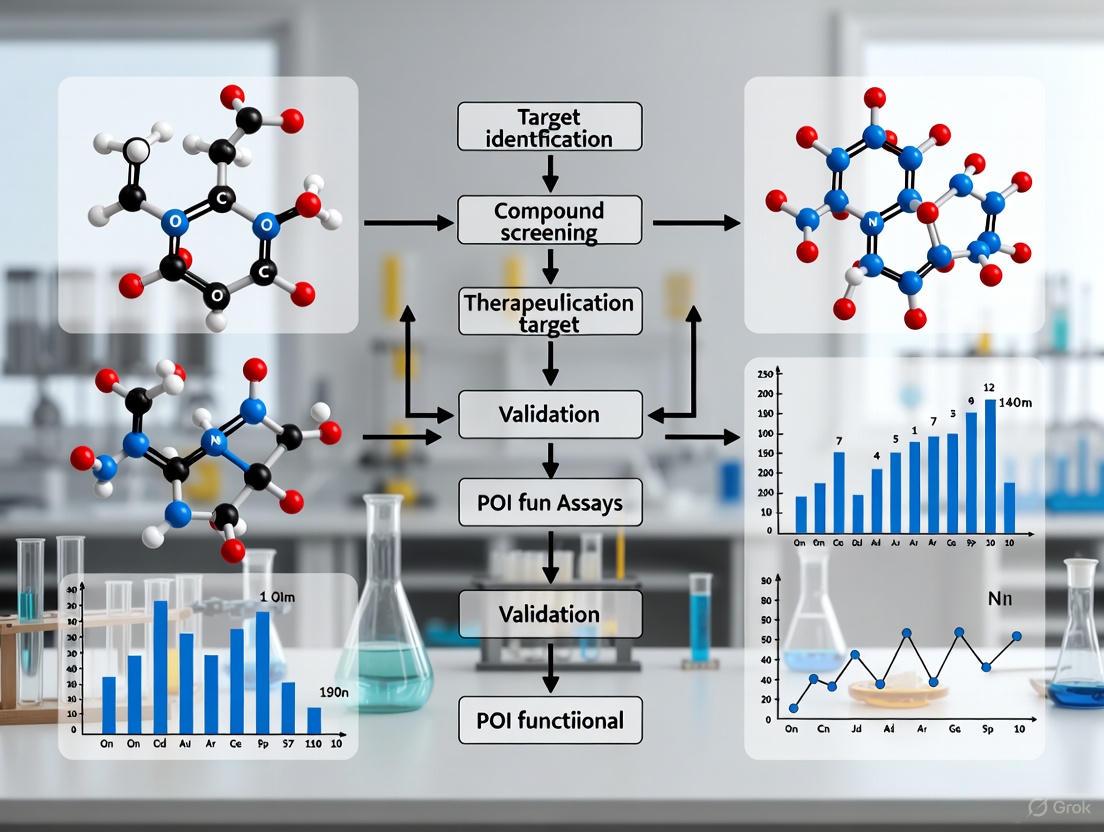
This article provides a comprehensive roadmap for researchers and drug development professionals navigating the complex process of therapeutic target validation for Premature Ovarian Insufficiency (POI).
Therapeutic Target Validation in Premature Ovarian Insufficiency: From Genetic Discovery to Functional Studies
Abstract
This article provides a comprehensive roadmap for researchers and drug development professionals navigating the complex process of therapeutic target validation for Premature Ovarian Insufficiency (POI). We synthesize current genetic discoveries, including recent findings from large-scale whole-exome sequencing studies that have identified novel POI-associated genes such as FANCE and RAB2A. The content explores established and emerging methodological frameworks for target assessment, addresses common challenges in functional validation, and presents rigorous approaches for preclinical confirmation. By integrating foundational exploration with practical validation strategies, this resource aims to accelerate the translation of genetic findings into viable therapeutic candidates for this challenging condition that affects approximately 3.5% of reproductive-aged women worldwide.
Unraveling the Genetic Landscape of POI: From Association to Causality
Premature Ovarian Insufficiency (POI) is a clinically heterogeneous disorder characterized by the loss of ovarian function before the age of 40, affecting approximately 1-3.7% of women [1] [2]. This condition not only causes infertility but also presents significant long-term health risks, including osteoporosis, cardiovascular disease, and neurological complications [1] [3]. The epidemiological characteristics of POI suggest that its occurrence involves a complex combination of genetic and environmental factors [4]. For researchers and drug development professionals, understanding the genetic architecture of POI is paramount for developing targeted diagnostic tools and therapeutic interventions.
Recent advances in high-throughput sequencing technologies have revolutionized our understanding of POI pathogenesis, moving beyond traditional etiologies to reveal a complex genetic landscape [5]. Whole exome sequencing (WES) studies in large-scale POI cohorts have uncovered a genetic architecture that includes monogenic, oligogenic, and polygenic inheritance modes, presenting both challenges and opportunities for genetic diagnosis and therapeutic target validation [4] [5]. This expanding genetic framework provides the foundation for novel therapeutic strategies and precision medicine approaches in POI management.
The Evolving Genetic Landscape of POI
Historical Context and Traditional Genetic Associations
The genetic basis of POI has long been recognized, with initial understanding centered on chromosomal abnormalities and a limited number of candidate genes. Traditional genetic assessments focused on X chromosome abnormalities like Turner syndrome (affecting approximately 13% of POI cases) and FMR1 premutations (present in 3-15% of cases) [6]. Before the advent of large-scale sequencing approaches, genetic counseling and diagnosis primarily targeted these established associations, which explained only a minority of POI cases.
Other well-recognized genetic causes included autoimmune regulator (AIRE) gene mutations associated with autoimmune polyglandular syndrome, and rare mutations in the FSH and LH receptors that altered ovarian response to gonadotropins [1]. Despite these known associations, approximately 90% of spontaneous POI cases lacked a determined underlying etiology, highlighting significant knowledge gaps in the genetic architecture of this condition [1].
Impact of Large-Scale Sequencing Studies
The application of large-scale whole exome sequencing has dramatically expanded our understanding of POI genetics. A landmark study published in Nature Medicine (2023) performed WES on 1,030 POI patients, representing the largest such cohort to date [5]. This study systematically quantified the genetic contribution to POI, identifying pathogenic or likely pathogenic variants in 59 known POI-causative genes that accounted for 193 (18.7%) of cases [5].
Through case-control association analyses comparing the POI cohort with 5,000 individuals without POI, researchers identified 20 novel POI-associated genes with a significantly higher burden of loss-of-function variants [5]. Functional annotation of these novel genes revealed their involvement in critical ovarian processes including gonadogenesis (LGR4, PRDM1), meiosis (CPEB1, KASH5, MCMDC2, MEIOSIN, NUP43, RFWD3, SHOC1, SLX4, STRA8), and folliculogenesis and ovulation (ALOX12, BMP6, H1-8, HMMR, HSD17B1, MST1R, PPM1B, ZAR1, ZP3) [5].
Table 1: Genetic Landscape Revealed by Large-Scale WES in POI (Nature Medicine, 2023)
| Genetic Category | Number of Genes | Percentage of Cases Explained | Key Representative Genes |
|---|---|---|---|
| Known POI-causative genes | 59 | 18.7% | NR5A1, MCM9, HFM1, SPIDR, EIF2B2 |
| Novel POI-associated genes | 20 | 4.8% (additional) | LGR4, CPEB1, ALOX12, BMP6, ZP3 |
| Meiosis/HR genes | Multiple | 48.7% of genetically explained cases | HFM1, SPIDR, BRCA2, MCM8, MCM9 |
| Mitochondrial function genes | Multiple | Significant portion | AARS2, CLPP, HARS2, POLG, TWNK |
| Total Genetic Contribution | 79 | 23.5% | Cumulative from known and novel genes |
This expanded genetic framework demonstrates that genetic factors contribute to nearly a quarter of all POI cases, with genes implicated in meiosis and homologous recombination repair accounting for the largest proportion (48.7%) of genetically explained cases [5]. The study also revealed distinct genetic characteristics between clinical presentations, with a higher genetic contribution in cases with primary amenorrhea (25.8%) compared to secondary amenorrhea (17.8%) [5].
Comparative Analysis of Genetic Findings
Monogenic vs. Oligogenic Inheritance Patterns
Traditional approaches to POI genetics often assumed monogenic inheritance patterns, but large-scale sequencing reveals a more complex reality. The WES study identified that most cases (80.3%) with genetic findings carried monoallelic single heterozygous pathogenic variants, while 12.4% had biallelic variants, and 7.3% had multiple pathogenic variants in different genes (multi-het) [5]. This oligogenic inheritance, where combinations of variants in different genes contribute to disease pathogenesis, presents significant challenges for genetic diagnosis and counseling.
The expanding list of POI causal genes and the recognition of oligogenic inheritance patterns have promoted the viability of genetic diagnosis while simultaneously highlighting the complexities of genotype-phenotype correlations [4]. This genetic heterogeneity mirrors the clinical heterogeneity of POI, where women present with varying ages of onset, menstrual patterns, and associated health implications.
Table 2: Comparative Genetic Architecture in POI Subtypes
| Genetic Feature | Primary Amenorrhea | Secondary Amenorrhea | Research Implications |
|---|---|---|---|
| Overall genetic contribution | 25.8% | 17.8% | Different underlying mechanisms |
| Biallelic variants | 5.8% | 1.9% | More severe genetic impact in PA |
| Multi-het variants | 2.5% | 1.2% | Oligogenic models more common in PA |
| Representative genes | FSHR (4.2% vs 0.2%) | AIRE, BLM, SPIDR (0.7% vs 0%) | Gene-specific phenotypic spectra |
Functional Classification of POI-Associated Genes
The biological pathways implicated in POI pathogenesis extend beyond ovarian-specific functions to include fundamental cellular processes. Large-scale sequencing studies have enabled researchers to categorize POI-associated genes based on their primary functional roles:
- Meiosis and DNA Repair Genes: HFM1, MCM8, MCM9, MSH4, SPIDR, BRCA2 [5]
- Ovarian Development and Transcription Factors: NOBOX, FIGLA, FOXL2, NR5A1 [3]
- Metabolic and Mitochondrial Function Genes: EIF2B2, AARS2, CLPP, POLG, GALT [5] [3]
- Receptor and Signaling Molecules: FSHR, LGR4, BMP6, MST1R [5]
- Extracellular Matrix and Zona Pellucida: ZP3, HMMR [5]
This functional classification provides insights into the diverse mechanisms underlying ovarian dysfunction and offers multiple potential entry points for therapeutic intervention.
Methodological Approaches in POI Genetic Research
Whole Exome Sequencing Protocol
The identification of novel POI-associated genes relies on robust WES methodologies. The protocol used in the landmark Nature Medicine study exemplifies the rigorous approach required for meaningful genetic discovery [5]:
Sample Preparation and Sequencing:
- DNA extraction from peripheral blood of 1,030 unrelated POI patients
- Exome capture using standard kits (specific kit should be confirmed from original publication)
- Sequencing on high-throughput platforms (Illumina recommended)
- Target mean coverage >50x with >95% of exons covered at least 20x
Variant Calling and Annotation:
- Alignment to reference genome (GRCh37/hg19 recommended)
- Variant calling using GATK best practices
- Annotation against multiple databases (gnomAD, dbSNP, ClinVar)
- Filtering against in-house controls (5,000 individuals in the referenced study)
Variant Prioritization and Validation:
- Focus on protein-altering variants (nonsense, frameshift, splice-site, missense)
- Removal of common variants (MAF >0.01 in population databases)
- Pathogenicity prediction using multiple algorithms (CADD, SIFT, PolyPhen-2)
- Validation by Sanger sequencing for candidate variants
- Segregation analysis in families when available
This comprehensive approach ensures the identification of high-confidence candidate variants and genes while minimizing false discoveries.
Integration with Functional Genomics Data
Advanced studies now integrate WES findings with functional genomics data to enhance gene discovery and validation. A 2024 study employed genome-wide association analysis (GWAS) integrated with expression quantitative trait loci (eQTL) data from the GTEx and eQTLGen databases to identify potential therapeutic targets [6]. This integrated approach identified 431 genes with available index cis-eQTL signals, of which four (HM13, FANCE, RAB2A, and MLLT10) were significantly associated with POI through Mendelian randomization analysis [6].
Colocalization analysis provided strong evidence for FANCE and RAB2A as potential therapeutic targets, with these genes subsequently undergoing druggability assessments [6]. This methodology demonstrates how combining genetic association data with functional genomic information can prioritize candidates for therapeutic development.
Diagram 1: Comprehensive WES Workflow for POI Genetic Discovery
Emerging Therapeutic Targets and Validation Strategies
From Genetic Discovery to Therapeutic Targets
The translation of genetic discoveries into viable therapeutic targets requires systematic validation and assessment of druggability. The identification of FANCE and RAB2A through integrated GWAS-eQTL analysis exemplifies this process [6]. FANCE plays a crucial role in DNA repair through the Fanconi anemia pathway, while RAB2A is involved in autophagy regulation - both processes implicated in ovarian follicle maintenance and development [6].
Therapeutic target assessment should follow established frameworks such as the GOT-IT recommendations, which provide guidelines for evaluating target-related safety issues, druggability, and assayability [7]. For POI, this involves:
- Biological Plausibility: Establishing the role of the target gene in ovarian biology
- Genetic Evidence: Demonstrating association through multiple genetic studies
- Functional Validation: Using model systems to verify target involvement in POI pathways
- Druggability Assessment: Evaluating the potential for pharmacological modulation
Functional Validation Methodologies
Robust functional validation is essential for establishing candidate genes as bona fide therapeutic targets. Key experimental approaches include:
In Vitro Models:
- Human granulosa cell culture systems for assessing gene function in follicle development
- Oocyte maturation assays using primary oocytes or model systems
- Gene editing (CRISPR-Cas9) in relevant cell lines to recapitulate patient mutations
In Vivo Models:
- Genetically modified mouse models with targeted mutations in candidate genes
- Assessment of ovarian reserve, follicle counts, and hormonal profiles
- Fertility testing and reproductive lifespan evaluation
Mechanistic Studies:
- Protein-protein interaction networks to identify pathway relationships
- Transcriptomics and proteomics to define downstream effects
- Follicle development and atresia assays
The functional annotation of the 20 novel POI-associated genes identified in the large-scale WES study provides a roadmap for these validation experiments, with genes already implicated in biological processes relevant to ovarian function [5].
Diagram 2: Therapeutic Target Validation Pipeline for POI
The Scientist's Toolkit: Essential Research Reagents and Solutions
Table 3: Key Research Reagent Solutions for POI Genetic Studies
| Reagent Category | Specific Examples | Research Application | Considerations |
|---|---|---|---|
| Sequencing Reagents | Illumina Nextera Flex for WES, TWIST Human Core Exome | Target enrichment for exome sequencing, variant discovery | Coverage uniformity, GC bias correction, compatibility with automation |
| Variant Annotation Tools | ANNOVAR, SnpEff, VEP | Functional consequence prediction, pathogenicity assessment | Database currency, integration with population frequency data |
| Functional Validation Systems | CRISPR-Cas9 reagents, Granulosa cell culture media, Primary oocyte isolation kits | Gene editing, in vitro functional assays, meiotic studies | Delivery efficiency, cell viability, physiological relevance |
| Animal Models | Transgenic mouse strains (e.g., Cre-lox system), Human ovarian tissue xenografts | In vivo target validation, therapeutic efficacy testing | Physiological relevance, genetic background, translational potential |
| Antibodies for Ovarian Tissue Analysis | Anti-MVH, Anti-FIGLA, Anti-SCP3, Anti-γH2AX | Follicle staging, meiotic progression, DNA damage assessment | Specificity validation, species cross-reactivity, multiplexing capability |
Future Directions and Research Implications
Multi-Omics Integration and Systems Biology Approaches
The future of POI genetic research lies in the integration of multiple omics technologies to create comprehensive molecular maps of ovarian function and dysfunction. Combining genomic data with transcriptomic, epigenomic, proteomic, and metabolomic profiles will enable researchers to construct detailed pathway models that capture the complexity of ovarian aging and premature insufficiency [4]. These integrated datasets provide unprecedented opportunities for identifying key regulatory nodes that may serve as therapeutic targets.
Recent advances in multi-omics analysis have already expanded our perspective on pathogenic mechanisms and potential targeted therapeutic strategies for POI [4]. The application of single-cell sequencing technologies to ovarian tissue is particularly promising, allowing researchers to characterize the molecular signatures of individual follicles and identify cell-type-specific pathological changes in POI.
Precision Medicine and Personalized Therapeutic Development
The expanding genetic architecture of POI enables a more personalized approach to diagnosis and treatment. Genetic screening panels that include both established and novel POI-associated genes can provide patients with precise molecular diagnoses, informing recurrence risks and guiding therapeutic decisions [5]. For drug development professionals, this genetic stratification facilitates the identification of patient subgroups most likely to respond to targeted therapies.
Emerging therapeutic approaches including mesenchymal stem cell (MSC) therapies, platelet-rich plasma (PRP) injections, and in vitro activation techniques represent promising avenues for intervention that may benefit from genetic stratification [8] [9]. The genetic characterization of POI patients participating in clinical trials of these novel therapies will be essential for understanding variable treatment responses and optimizing therapeutic protocols.
Large-scale sequencing studies have fundamentally transformed our understanding of the genetic architecture of POI, moving from a limited set of known genes to a complex landscape of nearly 80 contributing genes involved in diverse biological processes. This expansion has important implications for researchers and drug development professionals, providing new insights into disease mechanisms and revealing novel therapeutic targets. The integration of genetic findings with functional genomics and multi-omics data will continue to drive discoveries in POI pathogenesis and treatment, ultimately improving outcomes for women affected by this challenging condition.
Key Biological Pathways Implicated in POI Pathogenesis
Premature Ovarian Insufficiency (POI) is a complex disorder characterized by the loss of ovarian function before age 40, affecting approximately 3.7% of women globally [2] [10]. Its pathogenesis involves a heterogeneous interplay of genetic, inflammatory, and cellular stress pathways. Understanding these key biological pathways is crucial for therapeutic target validation in POI functional studies. This guide systematically compares the principal pathogenic pathways, supported by experimental data and methodologies relevant to researchers and drug development professionals.
Comparative Analysis of Key POI Pathways
The table below summarizes the core biological pathways implicated in POI pathogenesis, their genetic and molecular evidence, and associated therapeutic implications.
Table 1: Key Biological Pathways in POI Pathogenesis
| Pathway/Category | Key Genes/Proteins | Functional Role in POI | Supporting Evidence | Therapeutic Potential |
|---|---|---|---|---|
| DNA Repair & Meiosis | FANCE, RAB2A, MCM8, MCM9, HFM1, MSH4 [6] [5] | Ensures genomic stability during oocyte meiosis; defects cause accelerated follicle depletion. | GWAS & Mendelian Randomization; WES in 1,030 patients [6] [5] | High (Causal genes identified via genetic studies) |
| Inflammatory Signaling | CXCL10, CX3CL1 (protective), IL-18R1, MCP-1/CCL2 (risk) [11] | Chronic inflammation disrupts ovarian follicle reserve and function. | Mendelian Randomization on 91 inflammatory proteins [11] | High (Multiple druggable targets) |
| Autophagy & Ferroptosis | USP8, Beclin1, GPX4 [12] | Regulates programmed cell death in granulosa cells via iron-dependent lipid peroxidation. | Experimental validation in granulosa cells; Co-IP, WB [12] | Emerging (Pathway-specific mechanisms) |
| Metabolic & Oxidative Stress | CENPW, ENTPD3, LYPLA1 [13] | Disrupts oxidative phosphorylation, ribosome processes, and steroid biosynthesis. | Integrated transcriptomic analysis & machine learning [13] | Moderate (Multi-gene targeting needed) |
| LncRNA-Mediated Regulation | GCAT1, PVT1, ZNF674-AS1, HOTAIR, DANCR [14] | Modulates granulosa cell proliferation, apoptosis, and hormone response; often downregulated in POI. | lncRNA profiling, qRT-PCR, in vitro functional studies [14] | Novel (Biomarker and target potential) |
Detailed Pathway Mechanisms and Experimental Validation
DNA Repair and Meiotic Pathways
Genetic defects in DNA repair and meiotic processes constitute one of the most significant pathogenic mechanisms in POI, accounting for a substantial proportion of cases.
- Functional Role: Genes like FANCE (involved in DNA interstrand crosslink repair) and RAB2A (regulating autophagy) are critical for maintaining oocyte integrity and meiotic fidelity [6]. Biallelic pathogenic variants in these genes disrupt homologous recombination, leading to meiotic arrest and primordial follicle depletion [5].
- Experimental Evidence: A large-scale whole-exome sequencing study of 1,030 POI patients identified 195 pathogenic/likely pathogenic variants in 59 known POI-causative genes, with genes involved in meiosis or homologous recombination accounting for 48.7% of genetically explained cases [5]. Mendelian randomization analysis established a causal relationship, showing that genetically predicted increased expression of FANCE and RAB2A is associated with a reduced risk of POI (Odds Ratio [OR] 0.82 and 0.73, respectively) [6].
- Validation Workflow: The following diagram illustrates the key steps in validating genetic targets through integrated genomics:
Inflammatory and Immune Pathways
Systemic and local ovarian inflammation is a key driver of POI pathogenesis, with specific inflammatory proteins demonstrating causal effects.
- Functional Role: Chemokines like MCP-1 (CCL2) promote a pro-inflammatory ovarian environment, contributing to follicular atresia, while protective factors like CXCL10 may counter these effects [11].
- Experimental Evidence: A Mendelian randomization study analyzing 91 inflammation-related proteins identified MCP-1/CCL2 as a risk factor for POI and TGFB1 as a protective factor [11]. These findings were validated in a cyclophosphamide-induced POI model using KGN human granulosa cells, where protein levels were confirmed by Western blot and RT-PCR. The oncostatin M signaling pathway was identified as a convergent point for these inflammatory mediators.
- Key Reagents: The following table lists essential research tools for studying inflammation in POI.
Table 2: Key Research Reagents for POI Inflammation Studies
| Reagent / Resource | Function/Application | Example Source / Catalog |
|---|---|---|
| Olink Target Inflammation Panel | Multiplex proteomics for 91 inflammation-related proteins | Olink Proteomics [11] |
| KGN Cell Line | Human granulosa-like tumor cell line for in vitro POI modeling | iCell-h298, icell bioscience [11] |
| Anti-MCP-1 Antibody | Detection of MCP-1 protein levels via Western Blot | Proteintech, 29547-1-AP [11] |
| Anti-TGF-β1 Antibody | Detection of TGF-β1 protein levels via Western Blot | Bioss Technology, bs-0086R [11] |
| Cyclophosphamide (CTX) | Chemical inducer of POI in in vitro models | Felixbio, F403282 [11] |
Autophagy and Ferroptosis Pathways
Dysregulated cell death mechanisms, particularly autophagy-dependent ferroptosis, represent a novel pathogenic axis in POI.
- Functional Role: The deubiquitinating enzyme USP8 stabilizes Beclin1, promoting autophagy which in turn facilitates ferroptosis—a form of cell death characterized by iron accumulation and lipid peroxidation in granulosa cells [12].
- Experimental Evidence: USP8 expression was markedly upregulated in POI granulosa cells. Functional studies demonstrated that USP8 overexpression decreased glutathione levels, reduced cell viability, and increased lipid peroxidation and iron accumulation, thereby inducing ferroptosis. Conversely, USP8 knockdown inhibited these processes. The mechanistic link was confirmed by co-immunoprecipitation (Co-IP), showing that USP8 deubiquitinates and stabilizes Beclin1 protein [12].
- Pathway Visualization: The core mechanism of USP8-induced ferroptosis is outlined below:
LncRNA-Mediated Regulatory Pathways
Long non-coding RNAs (lncRNAs) are emerging as crucial epigenetic regulators of granulosa cell function and ovarian aging.
- Functional Role: Multiple lncRNAs are consistently downregulated in POI, including GCAT1, PVT1, ZNF674-AS1, DANCR, and HOTAIR [14]. They regulate key processes such as granulosa cell proliferation (e.g., PVT1 via Foxo3a), glycolysis (e.g., ZNF674-AS1 via ALDOA and AMPK activation), and cellular aging (e.g., DANCR via hNRNPC-p53 interaction) [14].
- Experimental Evidence: Functional validation often involves gain-of-function and loss-of-function experiments in granulosa cells. For example, overexpression of HOTAIR was shown to promote proliferation by regulating the miR-148b-3p/ATG14-mediated autophagy pathway, suggesting its potential as a biomarker and therapeutic target [14].
- Validation Workflow: The standard approach for lncRNA investigation involves:
The pathogenesis of POI is multifactorial, with DNA repair deficiencies, chronic inflammation, dysregulated cell death (ferroptosis), and lncRNA-mediated epigenetic changes representing the most compelling validated pathways. For drug development professionals, targets like FANCE, RAB2A, and MCP-1/CCL2 show high translational potential based on human genetic evidence and experimental validation. Future therapeutic strategies should consider combination approaches that address multiple pathways simultaneously, given the intricate interplay between genetic susceptibility, inflammatory responses, and cellular stress in ovarian failure. The continued integration of multi-omics data with robust functional studies in relevant cell and animal models remains essential for accelerating the development of effective POI treatments.
Mendelian Randomization (MR) has emerged as a powerful methodological framework for causal inference in biomedical research, playing an increasingly crucial role in therapeutic target identification and validation. By leveraging genetic variants as instrumental variables, MR enables researchers to assess causal relationships between modifiable exposures and health outcomes while minimizing confounding biases inherent in observational studies [15]. This approach is fundamentally transforming the landscape of drug development by providing a genetic foundation for target prioritization, reducing late-stage failure rates, and illuminating potential efficacy and safety concerns before substantial investment in clinical trials.
The conceptual foundation of MR rests on Mendel's second law of independent assortment, which ensures that genetic variants are randomly assigned at conception, mimicking the random assignment of randomized controlled trials (RCTs) [15]. This "natural randomization" provides a unique opportunity to infer causality from observational data, addressing a critical challenge in epidemiological research. As the availability of large-scale genomic resources like UK Biobank continues to expand, with recent releases including whole-genome sequencing data for 490,640 participants [16], the resolution and applicability of MR analyses have dramatically improved, enabling more robust target identification across diverse therapeutic areas.
Methodological Foundation of Mendelian Randomization
Core Principles and Assumptions
MR operates on three fundamental assumptions that must be satisfied for valid causal inference. First, the genetic variants used as instrumental variables must be robustly associated with the exposure of interest (relevance assumption). Second, these variants must not be associated with any confounders of the exposure-outcome relationship (independence assumption). Third, the genetic variants must influence the outcome only through the exposure, not via alternative pathways (exclusion restriction assumption) [15] [17]. Violations of these assumptions, particularly the third, can lead to biased causal estimates, necessitating careful sensitivity analyses.
The methodological framework of MR has evolved substantially from early approaches using simple linear or logistic regression to contemporary methods that leverage summary statistics from genome-wide association studies (GWAS) [18]. The availability of user-friendly statistical packages and freely accessible GWAS databases has democratized MR analyses, though this accessibility has also highlighted the importance of rigorous methodological standards to ensure valid causal inference [18].
MR Study Designs and Analytical Approaches
Different MR designs offer distinct advantages depending on the research question and data availability. Two-sample MR utilizes summary statistics from different populations for exposure and outcome, offering increased sample sizes and statistical power [18]. One-sample MR uses individual-level data from a single cohort, allowing for more flexible modeling but potentially limited by sample size constraints. Multivariable MR extends the framework to account for multiple potentially correlated exposures simultaneously, while bidirectional MR helps elucidate the direction of causal relationships [17].
Advanced MR methods have been developed to address methodological challenges. MR-Egger regression provides a test for directional pleiotropy and can yield consistent causal estimates even when all genetic variants are invalid instruments, though with reduced statistical power [19]. Inverse variance weighted (IVW) meta-analysis serves as the primary analysis method in many MR studies, providing precise estimates when the instrumental variable assumptions hold [19]. Additional methods like weighted median estimation and MR-PRESSO offer robustness to pleiotropy and outliers, respectively [19].
Table 1: Key MR Analytical Methods and Their Applications
| Method | Principle | Strengths | Limitations | Appropriate Use Cases |
|---|---|---|---|---|
| Inverse Variance Weighted (IVW) | Meta-analyzes ratio estimates using inverse variance weights | High statistical power; simple implementation | Biased if any instruments are invalid or there is directional pleiotropy | Primary analysis when pleiotropy is unlikely |
| MR-Egger | Allows for balanced pleiotropy via regression intercept | Provides pleiotropy test; robust to directional pleiotropy | Lower statistical power; sensitive to outlying variants | When unbalanced pleiotropy is suspected |
| Weighted Median | Uses median of ratio estimates | Consistent if >50% of weight comes from valid instruments | Requires at least 50% valid instruments | Robustness analysis to complement IVW |
| MR-PRESSO | Identifies and removes outliers | Corrects for horizontal pleiotropy; provides distortion test | May remove valid instruments; power depends on outlier proportion | When specific genetic variants likely violate assumptions |
Experimental Protocols and Methodological Workflows
Standardized MR Analysis Pipeline
A robust MR analysis follows a structured workflow to ensure methodological rigor. The initial stage involves instrument selection, typically single-nucleotide polymorphisms (SNPs) that reach genome-wide significance (p < 5×10⁻⁸) for the exposure of interest [19]. To ensure independence between instruments, variants are pruned for linkage disequilibrium (LD) using thresholds such as r² < 0.001 within a 10,000 kb window [19]. The strength of selected instruments is quantified using F-statistics, with values >10 indicating sufficient strength to minimize weak instrument bias [20].
The primary analysis phase implements multiple MR methods to triangulate evidence. The IVW method serves as the main analysis, supplemented by MR-Egger, weighted median, and other robust approaches. Sensitivity analyses then assess the robustness of findings, including tests for horizontal pleiotropy (MR-Egger intercept), heterogeneity (Cochran's Q statistic), and leave-one-out analyses to identify influential variants [19]. Additional methods like MR-PRESSO can detect and correct for outliers [19].
Integration with Experimental Validation
While MR provides compelling genetic evidence for causal relationships, integration with experimental studies remains crucial for comprehensive target validation. A exemplary workflow demonstrated in a study investigating interleukin-6 receptor subunit beta (gp130), obesity, and Alzheimer's disease combined MR analyses with animal experiments [19]. The MR analysis utilized GWAS data from 10,534,735 participants for the interleukin-6 receptor, 23,971 obesity cases with 388,084 controls, and 39,106 Alzheimer's disease cases with 46,828 controls [19].
Following significant MR findings, the researchers conducted experimental validation using animal models. They established an obesity model by feeding 6-week-old male ApoE−/− mice a high-fat diet for 16 weeks, while control C57BL/6 mice received a normal diet [19]. An Alzheimer's model utilized 3-month-old APP/PS1 mice fed a normal diet for 24 weeks. Serum and hippocampal tissues were harvested for enzyme-linked immunosorbent assay (ELISA) analyses measuring gp130, oncostatin-M (OSM), and IL-6 levels [19]. This integrated approach confirmed that MR-identified biomarkers showed consistent directional changes in experimental models, strengthening the causal inference.
Comparative Performance of MR Across Therapeutic Areas
Application in Neurological Disorders
MR analyses have yielded significant insights into neurological disorders, particularly Alzheimer's disease. A recent investigation revealed that genetically predicted increases in interleukin-6 receptor subunit beta elevated Alzheimer's disease risk (OR = 1.064, 95% CI: 1.021–1.109, p = 0.003), while serving as a protective factor against obesity (OR = 0.937, 95% CI: 0.892–0.985, p = 0.010) [19]. The study further demonstrated an inverse relationship between body mass index and Alzheimer's disease, with increasing BMI associated with reduced AD risk (OR = 0.930, 95% CI: 0.894–0.967, p < 0.001) [19]. These findings illustrate how MR can elucidate complex relationships between metabolic factors and neurological outcomes, offering potential targets for therapeutic intervention.
In delirium research, a recent meta-analysis of MR studies identified Alzheimer's disease as a significant risk factor, alongside 29 other risk factors and 22 protective factors [17]. The analysis categorized these factors into five groups: psychiatric and neurological disorders, inflammatory biomarkers, circulating metabolites, lifestyle factors, and other biomarkers [17]. This systematic approach demonstrates MR's utility in mapping the etiological landscape of complex neurocognitive disorders, highlighting potential targets for prevention and intervention.
Insights in Oncological Applications
MR has challenged conventional understanding in oncology, particularly regarding the relationship between adiposity and cancer risk. Contrary to traditional observational evidence, MR analyses in UK Biobank participants revealed that increased BMI, waist circumference, and hip circumference were associated with decreased risk of breast cancer (OR = 0.70 per 5.14 kg/m², 95% CI: 0.59–0.85, p = 2.1×10⁻⁴) and prostate cancer (OR = 0.76 per 10.23 kg/m², 95% CI: 0.61–0.95, p = 0.015) [21]. These findings highlight obesity's heterogeneous effects across cancer types and emphasize the importance of differentiating between metabolically favorable and unfavorable adiposity.
Further stratification of adiposity by metabolic profiles revealed nuanced cancer risk associations. Genetically instrumented "unfavorable adiposity" (characterized by higher CRP, HbA1c, and adverse lipid profiles) was associated with increased risk of non-hormonal cancers (OR = 1.22, 95% CI: 1.08–1.38) but decreased risk of hormonal cancers (OR = 0.80, 95% CI: 0.72–0.89) [22]. Specifically, unfavorable adiposity increased multiple myeloma (OR = 1.36, 95% CI: 1.09–1.70) and endometrial cancer risk (OR = 1.77, 95% CI: 1.16–2.68), while decreasing breast and prostate cancer risk [22]. These findings demonstrate MR's ability to dissect heterogeneous exposure effects and identify more precise therapeutic targets.
Applications in Inflammatory and Immune-Mediated Conditions
MR has proven particularly valuable in elucidating causal relationships in immune-mediated disorders. In keratoconus, a comprehensive MR analysis identified IL-12B as a significant risk factor (OR = 1.427, 95% CI: 1.195–1.703, P = 8.26×10⁻⁵) after false discovery rate adjustment, while IL-17A demonstrated protective effects (OR = 0.601, 95% CI: 0.361–0.999, P = 0.049) [20]. The study further identified 33 immune cell phenotypes with causal relationships to keratoconus, including 22 protective and 11 risk-associated phenotypes [20]. These findings provide a roadmap for targeted immunomodulatory interventions.
Table 2: Comparative MR Findings Across Therapeutic Areas
| Therapeutic Area | Exposure | Outcome | Causal Estimate (OR) | 95% CI | P-value | Data Source |
|---|---|---|---|---|---|---|
| Neurology | Interleukin-6 receptor subunit beta | Alzheimer's Disease | 1.064 | 1.021–1.109 | 0.003 | GWAS (10.5M participants) [19] |
| Neurology | Body Mass Index | Alzheimer's Disease | 0.930 | 0.894–0.967 | <0.001 | GWAS (86,000 participants) [19] |
| Oncology | Body Mass Index | Breast Cancer | 0.70 | 0.59–0.85 | 2.1×10⁻⁴ | UK Biobank [21] |
| Oncology | Unfavorable Adiposity | Endometrial Cancer | 1.77 | 1.16–2.68 | NR | UK Biobank (321,472 participants) [22] |
| Ophthalmology | IL-12B | Keratoconus | 1.427 | 1.195–1.703 | 8.26×10⁻⁵ | GWAS summary statistics [20] |
| Ophthalmology | IL-17A | Keratoconus | 0.601 | 0.361–0.999 | 0.049 | GWAS summary statistics [20] |
Quality Assessment and Methodological Standards
Evaluation Framework for MR Studies
The rapid proliferation of MR applications has highlighted substantial variability in methodological quality, necessitating standardized evaluation frameworks. A recent assessment of 86 two-sample MR studies in hyperuricemia and gout revealed quality scores ranging from 0 to 19 (mean 9.1, median 11) on a scale from -9 to 21 [18]. This evaluation system prioritized methodological rigor (40% of score) and statistical methods (40% of score), with remaining points assessing interpretation consistency with statistical evidence [18].
High-quality studies consistently demonstrated several key characteristics: use of genome-wide significant SNPs (p < 5×10⁻⁸) or strong instrument strength (F-statistic > 10), appropriate linkage disequilibrium pruning (r² < 0.1), comprehensive sensitivity analyses including MR-Egger and MR-PRESSO, multiple testing corrections, power calculations, and replication in independent datasets [18]. Conversely, common methodological weaknesses included failure to address participant overlap between exposure and outcome datasets, inadequate handling of ancestral differences in multi-ancestry datasets, and insufficient correction for multiple testing [18].
STROBE-MR Reporting Guidelines
The STROBE-MR (Strengthening the Reporting of Observational Studies in Epidemiology Using Mendelian Randomization) guidelines provide a critical framework for transparent MR reporting [18]. These guidelines emphasize clear documentation of instrumental variable selection criteria, genetic association estimates, assessment of underlying assumptions, and comprehensive sensitivity analyses. Adherence to STROBE-MR has been associated with higher methodological quality, though many published studies still demonstrate incomplete compliance [18].
Table 3: Essential Research Resources for MR Studies
| Resource Category | Specific Tools/Databases | Key Features | Applications in MR |
|---|---|---|---|
| GWAS Data Repositories | UK Biobank [23] [16], FinnGen [19], Veteran Affairs Million Veterans Program [18] | Large-scale genomic and phenotypic data; Diverse ancestry representation; Regular updates | Source of exposure and outcome associations; Replication cohorts; Multi-ancestry validation |
| Analysis Software | MendelianRandomization R package [18], TwoSampleMR R package | User-friendly implementation of multiple MR methods; Integrated sensitivity analyses | Primary MR analyses; Pleiotropy assessment; Result visualization |
| Genomic Reference Databases | gnomAD [16], 1000 Genomes Project [16] | Comprehensive variant frequency data; Population-specific allele frequencies | Instrument selection; Ancestry-specific analyses; Functional annotation |
| Quality Control Tools | MR-PRESSO [19], LD Score Regression [20] | Outlier detection; Genetic correlation estimates; Pleiotropy assessment | Sensitivity analyses; Bias detection; Robustness checks |
| Experimental Validation Platforms | ELISA kits [19], Animal models (ApoE−/−, APP/PS1 mice) [19] | High specificity protein quantification; Disease-relevant phenotypes | Biomarker validation; Mechanistic studies; Pathophysiological insights |
Mendelian Randomization represents a paradigm shift in causal inference and therapeutic target validation, offering a powerful approach to prioritize interventions with higher probability of clinical success. The integration of MR findings with experimental validation, as demonstrated in studies of interleukin-6 signaling in Alzheimer's disease, provides a robust framework for translating genetic discoveries into therapeutic insights [19]. As genomic resources continue to expand, particularly with advancements in whole-genome sequencing and diverse ancestry representation [16], the resolution and applicability of MR will further improve.
However, methodological rigor remains paramount, as evidenced by the substantial variability in quality across published MR studies [18]. Adherence to standardized reporting guidelines, comprehensive sensitivity analyses, and replication in independent cohorts are essential components of credible MR investigations. Furthermore, the integration of multi-omics data, including proteomics and metabolomics, with MR frameworks holds promise for elucidating biological mechanisms and identifying druggable targets across diverse therapeutic areas. As the field evolves, MR will continue to play an increasingly central role in the therapeutic development pipeline, bridging genetic discoveries and clinical applications to deliver more effective and safer treatments.
Premature Ovarian Insufficiency (POI) is a clinically heterogeneous disorder characterized by the cessation of ovarian function before age 40, affecting approximately 3.7% of women worldwide [24]. It manifests through either primary amenorrhea (PA), defined as the failure to reach menarche by age 15, or secondary amenorrhea (SA), defined as the absence of menses for ≥3 months after previously established cycles [25] [26]. Understanding the distinct genetic architectures underlying these phenotypic presentations is crucial for advancing targeted therapeutic strategies and improving diagnostic precision in clinical practice. Current research indicates that while PA and SA represent a clinical spectrum of ovarian dysfunction, their genetic contributors differ significantly in both burden and specificity [5]. This analysis systematically compares the genetic profiles associated with PA and SA within POI, providing a framework for therapeutic target validation and personalized treatment approaches.
Comparative Genetic Landscape
Large-scale genomic studies reveal differential genetic contribution rates between amenorrhea phenotypes. In a cohort of 1,030 POI patients, pathogenic or likely pathogenic (P/LP) variants in known POI genes were identified in 25.8% of PA cases (31/120) compared to 17.8% of SA cases (162/910) [5]. This higher diagnostic yield in PA suggests a more substantial genetic component in early-onset ovarian failure.
Table 1: Comparative Genetic Burden in POI Phenotypes
| Genetic Characteristic | Primary Amenorrhea (PA) | Secondary Amenorrhea (SA) |
|---|---|---|
| Overall P/LP variant contribution | 25.8% [5] | 17.8% [5] |
| Monoallelic variants | 17.5% [5] | 14.7% [5] |
| Biallelic variants | 5.8% [5] | 1.9% [5] |
| Multiple heterozygous variants | 2.5% [5] | 1.2% [5] |
| Most prevalent genetic mechanisms | Gonadal dysgenesis, chromosomal abnormalities [27] | Meiosis, DNA repair, mitochondrial function [5] |
| Common syndromic associations | Turner syndrome, Swyer syndrome [27] | Fragile X premutation, autoimmune polyglandular syndrome [28] [29] |
Phenotype-Specific Gene Associations
Genotype-phenotype correlations reveal distinct genetic signatures between PA and SA. The follicle-stimulating hormone receptor (FSHR) gene shows predominant involvement in PA (4.2% in PA vs. 0.2% in SA) [5]. Conversely, genes including AIRE (autoimmune regulation), BLM (DNA repair), and SPIDR (homologous recombination) were exclusively observed in SA cases within one large cohort [5]. This distribution reflects fundamental biological differences: PA often stems from defects in ovarian development and gonadogenesis, while SA frequently involves pathways governing follicular maintenance and DNA repair mechanisms.
Table 2: Phenotype-Specific Gene Associations in POI
| Gene | Primary Amenorrhea Association | Secondary Amenorrhea Association | Primary Biological Function |
|---|---|---|---|
| FSHR | Strong (4.2%) [5] | Weak (0.2%) [5] | Follicle development, hormone signaling |
| AIRE | Not reported [5] | Present (0.2%) [5] | Immune tolerance, autoimmune regulation |
| BLM | Not reported [5] | Present (0.2%) [5] | DNA helicase, genomic stability |
| SPIDR | Not reported [5] | Present (0.5%) [5] | Homologous recombination, DNA repair |
| FMR1 | Both phenotypes [29] | Both phenotypes (premutation) [2] | RNA processing, neuronal development |
| GALT | Both phenotypes [28] | Both phenotypes [28] | Galactose metabolism, glycosylation |
| EIF2B2 | Both phenotypes [5] | Both phenotypes (highest prevalence) [5] | Protein translation, stress response |
Methodologies for Genetic Discovery
Whole Exome Sequencing and Variant Analysis
Comprehensive genetic profiling in POI relies primarily on whole exome sequencing (WES) approaches. The standard workflow involves: (1) DNA extraction from patient blood samples; (2) exome capture using hybridization-based probes; (3) high-throughput sequencing on platforms such as Illumina; (4) variant calling and annotation using established pipelines [5]. In recent studies, variant filtering typically excludes common polymorphisms (MAF > 0.01 in gnomAD or control populations) and focuses on protein-altering variants (nonsense, frameshift, splice-site, missense) in known and candidate POI genes [5].
Functional Validation of Genetic Variants
Therapeutic target validation requires robust functional assessment of identified variants. For variants of uncertain significance (VUS), common experimental approaches include: (1) Functional complementation assays in gene-specific knockout cell lines; (2) Protein expression and localization studies via immunofluorescence; (3) Impact on DNA repair efficiency for genes involved in homologous recombination; (4) Enzyme activity assays for metabolic genes [5]. In one large-scale study, 75 VUS from seven POI genes were experimentally validated, with 55 (73%) confirmed as deleterious and 38 subsequently reclassified as likely pathogenic [5]. This high reclassification rate underscores the importance of functional studies for accurate variant interpretation and therapeutic prioritization.
Key Biological Pathways and Therapeutic Implications
Signaling Pathways in Follicular Development
The PTEN/PI3K/AKT/FOXO3a pathway represents a critical signaling axis regulating primordial follicle activation and a promising target for intervention. In this pathway, PTEN negatively regulates PI3K activity, which converts PIP2 to PIP3, leading to AKT activation. Activated AKT promotes FOXO3a phosphorylation and nuclear export, initiating follicle growth [24]. Concurrently, the Hippo signaling pathway influences follicular activation through mechanical stress and actin polymerization, leading to YAP/TAZ nuclear translocation and expression of growth factors [24]. These pathways offer complementary targets for in vitro activation (IVA) strategies aimed at recruiting residual dormant follicles in POI patients.
DNA Repair and Meiotic Genes
Genes involved in DNA repair and meiosis constitute the largest functional group associated with POI, accounting for approximately 48.7% of genetically explained cases [5]. Key genes in this category include HFM1, MCM8, MCM9, MSH4, MSH5, and SPIDR, which are critical for meiotic recombination, DNA double-strand break repair, and genomic integrity maintenance during oocyte development [29] [5]. The predominance of this functional category highlights the exceptional vulnerability of the female germline to DNA damage accumulation and impaired repair capacity. From a therapeutic perspective, this suggests potential for PARP inhibitors or other DNA damage response modulators in selected genetic forms of POI.
Experimental Reagents and Research Tools
Table 3: Essential Research Reagents for POI Genetic Studies
| Reagent/Resource | Application in POI Research | Specific Examples |
|---|---|---|
| Whole Exome Sequencing Kits | Comprehensive variant detection across coding regions | Illumina Nextera, IDT xGen Exome Research Panel |
| ACMG Guidelines Framework | Standardized variant pathogenicity classification | PS3/BS3 criteria for functional data [5] |
| Polyethylene Glycol Precipitation | Differentiation of macroprolactin from monomeric prolactin | Evaluation of hyperprolactinemia in amenorrhea [30] |
| PTEN Inhibitors | Experimental activation of dormant primordial follicles | bpV (bisperoxovanadium) [24] |
| mTOR Activators | Stimulation of follicle growth pathways | MHY1485 [24] |
| Anti-Müllerian Hormone (AMH) Assays | Assessment of ovarian reserve in POI patients | Diagnostic aid alongside FSH [2] |
| Karyotyping & FMR1 Testing | Detection of chromosomal abnormalities and premutations | Standard evaluation for all POI patients [30] |
Discussion and Research Implications
The distinct genetic profiles of primary versus secondary amenorrhea in POI underscore fundamental differences in disease pathogenesis and developmental timing of ovarian dysfunction. The higher genetic contribution and increased burden of biallelic variants in PA suggests more severe developmental impairments, while the diverse genetic associations in SA reflect multifactorial influences on follicular maintenance and homeostatic control. These distinctions have profound implications for therapeutic development, as targeted interventions would likely need to address the specific biological pathways disrupted in each phenotypic presentation.
For drug development professionals, these genetic insights enable more precise target selection and patient stratification strategies. Genes highly associated with PA (e.g., FSHR) represent candidates for hormone receptor-based therapies or gene correction approaches, while SA-associated genes in DNA repair pathways (e.g., MCM8/9) might respond to DNA damage mitigators or ovarian protection agents. Furthermore, the shared genetic associations across phenotypes (e.g., EIF2B2, FMR1) suggest opportunities for broad-spectrum interventions targeting common final pathways in ovarian dysfunction.
Future research directions should include: (1) Expanded multi-ethnic cohorts to improve generalizability of genetic associations; (2) Functional characterization of novel genes through animal models and in vitro systems; (3) Clinical trials of pathway-specific interventions based on genetic stratification; (4) Integration of non-coding variants and regulatory elements into the genetic landscape of POI. Such efforts will accelerate the translation of genetic discoveries into meaningful therapies for women affected by this complex condition.
The validation of emerging genetic targets represents a cornerstone of modern precision medicine, offering new avenues for therapeutic intervention in cancer and other complex diseases. Within this landscape, DNA repair mechanisms and their associated proteins have emerged as particularly promising targets due to their critical role in maintaining genomic stability. While research on FANCE remains limited in the available literature, RAB2A has surfaced as a multifunctional Ras-related GTPase with significant implications across cellular trafficking, cancer progression, and cardiotoxicity mitigation. This guide provides an objective comparison of these emerging targets, focusing on their functional roles, experimental validation, and therapeutic potential for researchers and drug development professionals.
The growing importance of these targets lies in the concept of synthetic lethality, where cancer cells with pre-existing DNA repair deficiencies become uniquely vulnerable to inhibition of complementary repair pathways. This approach has already demonstrated clinical success with PARP inhibitors in BRCA-deficient cancers and continues to expand to new targets and mechanisms. Understanding the comparative profiles of these emerging targets enables more strategic therapeutic development and combination strategies.
Target Profiles: Molecular Characteristics and Functional Roles
Table 1: Comparative Profile of Emerging Genetic Targets
| Target | Gene Family | Primary Functions | Therapeutic Context | Expression Impact |
|---|---|---|---|---|
| RAB2A | Ras small GTPases superfamily | Vesicular ER-to-Golgi transport, autophagy regulation, sperm-ZP binding | Cancer metastasis, chemoprotection, infertility | Upregulation in breast cancer stem cells; associated with poor prognosis |
| FANCE | Fanconi Anemia Complementation Group | DNA interstrand crosslink repair, genome stability maintenance | Fanconi anemia, cancer predisposition, chemosensitivity | Mutation leads to FA pathway deficiency; chromosomal instability |
| DNA Repair Mechanisms | Multiple pathways | Genome maintenance, damage response, error correction | Oncology, radiation sensitization, combination therapies | Defects confer hypermutation; therapeutic vulnerability |
Table 2: Disease Associations and Therapeutic Implications
| Target | Associated Diseases | Therapeutic Approach | Development Stage |
|---|---|---|---|
| RAB2A | Breast cancer, colon cancer, oral cancers, doxorubicin cardiotoxicity, infertility | Inhibition for metastasis suppression; cardioprotection via p53 axis modulation | Preclinical validation |
| FANCE | Fanconi anemia, AML, solid tumors with FA pathway defects | Gene therapy; synthetic lethal approaches with DNA damaging agents | Early research |
| DNA Repair Mechanisms | Various cancers with specific DNA repair deficiencies | PARP inhibitors, DNA-PK inhibitors, ATR/ATM inhibitors, combination strategies | Clinical and preclinical |
RAB2A: A Multifunctional GTPase with Diverse Cellular Roles
RAB2A belongs to the Rab family of small GTPases that serve as membrane-bound regulators of vesicular fusion and trafficking. This protein is primarily localized to pre-Golgi intermediates and is functionally required for protein transport from the endoplasmic reticulum to the Golgi complex [31]. Beyond this canonical role, recent evidence has revealed surprising diversity in RAB2A's functions, extending to autophagy regulation, cancer progression, and specialized roles in reproductive biology.
In cancer biology, RAB2A has been implicated as a significant driver of tumor progression and metastasis. Studies in breast cancer demonstrate that RAB2A upregulation, potentially driven by factors like Pin1 or gene amplification, promotes cancer stem cell expansion by sustaining Erk1/2 signaling [31]. This leads to downstream effects including Zeb1 upregulation and β-catenin nuclear translocation. Furthermore, RAB2A critically affects tumor invasiveness by regulating the trafficking of membrane-bound metalloproteases (such as MT1-MMP) and adhesion molecules like E-cadherin [31].
DNA Repair Mechanisms: Foundational Pathways with Therapeutic Potential
DNA repair constitutes a vital mechanism that safeguards genomic integrity and prevents malignancies. Numerous repair pathways exist, each specialized for specific types of DNA damage. The major pathways include base excision repair (BER) for single-strand breaks and damaged bases, nucleotide excision repair (NER) for bulky helix-distorting lesions, mismatch repair (MMR) for replication errors, and multiple pathways for resolving double-strand breaks including homologous recombination (HR) and non-homologous end joining (NHEJ) [32] [33].
Cancer cells typically exhibit compromised DNA repair functions, making them more dependent on remaining mechanisms. This dependency creates therapeutic opportunities through synthetic lethality, where inhibition of backup repair pathways selectively kills cancer cells while sparing normal cells [33]. The clinical validation of this approach with PARP inhibitors in BRCA-deficient cancers has accelerated interest in targeting DNA repair pathways more broadly.
Experimental Data: Functional Characterization and Validation
RAB2A Functional Studies and Methodologies
Table 3: Key Experimental Findings for RAB2A
| Experimental Approach | Key Findings | Biological System | Functional Significance |
|---|---|---|---|
| Antibody-blocking assays | Commercial anti-RAB2A significantly reduced sperm-ZP binding | Porcine oocytes | Validates RAB2A role in fertilization |
| Competitive binding with recombinant proteins | rc-RAB2A significantly reduced sperm-ZP binding | Porcine gametes | Confirms direct involvement in sperm-egg interaction |
| Immunofluorescence localization | RAB2A surface accessibility increases upon capacitation | Boar spermatozoa | Supports role in ZP-binding complex formation |
| Knockdown studies | Rab2A silencing alleviates DOX-induced cardiomyocyte apoptosis | Mouse model | Reveals cardioprotective potential via p53 regulation |
Recent research has provided compelling experimental validation of RAB2A's functional roles across biological contexts. In reproductive biology, antibody-blocking and competitive binding assays using porcine oocytes demonstrated that recombinant RAB2A (rc-RAB2A) significantly reduces sperm-zona pellucida binding, confirming its functional relevance in fertilization [34] [35]. Immunofluorescence detection further revealed that RAB2A becomes accessible on the sperm surface upon capacitation, supporting its potential involvement in primary sperm-ZP interactions preceding acrosomal exocytosis [34] [35].
In cardiotoxicity research, mechanistic studies revealed that RAB2A interacts directly with p53 and phosphorylated p53 on Ser 33, promoting p53 phosphorylation and thereby activating the apoptotic pathway in response to doxorubicin treatment [36]. This finding establishes the lnc5745-Rab2A-p53 axis as a critical regulator of DOX-induced cardiotoxicity, suggesting that suppression of Rab2A expression could represent a novel cardioprotective strategy during chemotherapy.
DNA Repair Mechanism Characterization
The experimental characterization of DNA repair mechanisms has revealed sophisticated pathways with distinct specificities. For double-strand breaks – particularly significant in cancer radiotherapy – the two primary repair pathways in mammalian cells are nonhomologous end joining (NHEJ) and homologous recombination (HR), which cooperate and compete to achieve effective repair [37].
The molecular machinery governing these pathways has been systematically elucidated. DSB recognition and repair component recruitment depend critically on the MRE11-RAD50-NBS1 (MRN) complex and the Ku70/80 heterodimer/DNA-PKcs (DNA-PK) complex, whose regulation determines the choice between HR and NHEJ pathways [37]. This detailed mechanistic understanding has facilitated the development of inhibitors targeting specific repair proteins, advancing precise cancer therapy and enhancing the efficacy of cancer radiotherapy.
Experimental Protocols: Key Methodologies for Target Validation
RAB2A Functional Characterization in Gamete Interactions
The functional validation of RAB2A in sperm-zona pellucida binding employed well-established reproductive biology techniques with specific modifications:
Antibody-blocking Assay Protocol:
- Sperm Preparation: Boar spermatozoa were collected and capacitated in appropriate media to induce surface exposure of RAB2A.
- Antibody Treatment: Sperm samples were incubated with either in-house generated monoclonal anti-RAB2A (5C5) at 0.35 μg/mL, commercial rabbit polyclonal anti-RAB2A (#PA5-101823, ThermoFisher Scientific), or isotype control antibodies (mouse IgG at 1 μg/mL) for 30-60 minutes.
- Binding Assay: Treated sperm were introduced to zona pellucida-intact porcine oocytes and co-incubated for specified durations.
- Quantification: Bound spermatozoa per oocyte were counted microscopically. Statistical analysis compared binding capacity across treatment conditions [34] [35].
Competitive Binding Assay Protocol:
- Recombinant Protein Preparation: Recombinant RAB2A (rc-RAB2A) was expressed and purified using standard systems.
- Competition Setup: Porcine oocytes were pre-incubated with rc-RAB2A or control proteins before introduction of capacitated sperm.
- Binding Assessment: Sperm-ZP binding was quantified as above, with significant reduction in rc-RAB2A-treated groups indicating competitive inhibition [34] [35].
DNA Repair Pathway Analysis Methods
Methodologies for characterizing DNA repair mechanisms employ sophisticated molecular and cellular techniques:
Double-Strand Break Repair Pathway Analysis:
- DSB Induction: Cells were subjected to ionizing radiation or chemical agents (e.g., etoposide) to induce controlled DSBs.
- Repair Protein Recruitment Monitoring: Immunofluorescence staining for key repair proteins (γH2AX, RAD51, Ku80) at time points post-damage induction.
- Pathway-Specific Reporter Assays: Fluorescent-based reporter systems (e.g., DR-GFP for HR, EJ5-GFP for NHEJ) to quantify pathway efficiency.
- Inhibitor Studies: Treatment with pathway-specific inhibitors (DNA-PKcs inhibitors for NHEJ; ATM/ATR inhibitors for HR) to characterize repair dependencies [32] [37].
Pathway Diagrams: Molecular Relationships and Mechanisms
RAB2A in Doxorubicin-Induced Cardiotoxicity
Diagram Title: RAB2A-p53 Axis in Doxorubicin Cardiotoxicity
DNA Double-Strand Break Repair Pathway Choice
Diagram Title: DSB Repair Pathway Regulation
Research Reagent Solutions: Essential Tools for Investigation
Table 4: Key Research Reagents for Target Investigation
| Reagent Category | Specific Examples | Application | Experimental Notes |
|---|---|---|---|
| RAB2A Antibodies | In-house monoclonal 5C5 (0.35 μg/mL); Commercial anti-RAB2A (#PA5-101823, ThermoFisher) | Immunofluorescence, blocking assays, Western blot | 5C5 specificity confirmed by blocking peptide assay with recombinant human RAB2A |
| Recombinant Proteins | Recombinant RAB2A (rc-RAB2A); Recombinant lactadherin (rc-lactadherin) | Competitive binding assays, protein interaction studies | Significant reduction in sperm-ZP binding demonstrated |
| DNA Repair Inhibitors | PARP inhibitors (Olaparib); DNA-PKcs inhibitors; ATM/ATR inhibitors | Synthetic lethality studies, pathway inhibition, radiosensitization | Clinical validation in BRCA-deficient cancers |
| Cell Line Models | Breast cancer lines with RAB2A amplification; FA pathway-deficient lines | Functional studies, drug screening, mechanistic investigation | Context-dependent effects observed |
The investigation of these emerging targets requires specialized research tools and reagents. For RAB2A studies, well-validated antibodies are essential, particularly the in-house monoclonal 5C5 antibody and commercial alternatives that have demonstrated efficacy in both detection and functional applications [34] [35]. For DNA repair targets, selective small molecule inhibitors have become indispensable tools for pathway dissection and therapeutic modeling.
Critical considerations for reagent selection include:
- Validation Specificity: Antibodies should be validated using appropriate controls, such as blocking peptide assays for RAB2A antibodies [34].
- Functional Grade: Reagents for blocking studies require careful concentration optimization, as demonstrated by the use of 5C5 at 0.35 μg/mL alongside higher concentration isotype controls (1 μg/mL) to ensure specificity [35].
- Pathway Selectivity: DNA repair inhibitors should demonstrate specific on-target activity without overlapping effects on complementary pathways.
The emerging genetic targets profiled in this guide represent distinct but complementary opportunities for therapeutic development. RAB2A stands out for its pleiotropic functions across multiple disease contexts, particularly in cancer progression and chemoprotection, with experimental data supporting both its mechanistic roles and therapeutic relevance. While direct comparative data for FANCE remains limited in the current literature, DNA repair mechanisms collectively represent clinically validated targets with expanding therapeutic applications.
Future research directions should prioritize the systematic comparative profiling of these targets across disease contexts, with particular emphasis on:
- Comprehensive functional characterization of FANCE in DNA repair and disease pathogenesis
- Elucidation of context-dependent roles of RAB2A in different cancer types
- Development of more specific inhibitors with optimized therapeutic windows
- Exploration of combination strategies leveraging synthetic lethal interactions
The continuing functional validation of these emerging genetic targets will undoubtedly expand the arsenal of precision medicine approaches, particularly in oncology, where selective targeting of cancer-specific vulnerabilities remains the cornerstone of effective treatment.
The Role of Meiosis, Mitochondrial Function, and Immune Regulation Genes
In the evolving landscape of therapeutic target validation, the intricate crosstalk between meiotic regulators, mitochondrial function, and immune regulation genes represents a frontier of significant translational potential. Once considered distinct biological domains, emerging research reveals profound interconnections between these systems across diverse pathological states, including cancer, autoimmune disorders, cardiovascular disease, and infertility. Mitochondria, in particular, have shed their traditional image as mere cellular powerhouses to emerge as dynamic signaling hubs that integrate metabolic flux, cell death pathways, and immune activation [38]. Similarly, meiotic regulators, once confined to reproductive biology, are now recognized for their roles in cellular differentiation and genome stability. This review systematically compares key molecular players at this convergence, evaluating their validation status, experimental methodologies, and therapeutic implications for drug development professionals engaged in preclinical target prioritization.
Key Gene Targets and Their Functional Relationships
Table 1: Comparative Analysis of Key Genes Converging Meiosis, Mitochondrial Function, and Immune Regulation
| Gene Target | Primary Biological Context | Role in Meiosis | Mitochondrial Function | Immune Regulation | Therapeutic Potential |
|---|---|---|---|---|---|
| BCL2 | Meiosis Induction, Cancer | Promotes meiotic entry via mitochondrial membrane stabilization [39] | Inhibits apoptosis; regulates mitochondrial membrane permeability [39] | Influences immune cell survival; modulates inflammatory responses [38] | Enhanced meiotic efficiency in iPSCs; cancer therapy; infertility treatment [39] |
| ACO1/OGDH | Preeclampsia, Metabolism | Not directly established | TCA cycle regulators; mitochondrial energy metabolism [40] | Coordinators of mitochondrial-immune crosstalk; correlate with NK & CD8+ T cells [40] | Dual-target strategy for preeclampsia (ACO1 agonism, OGDH inhibition) [40] |
| ClpP | Cancer, Mitochondrial Proteostasis | Not directly established | Mitochondrial matrix protease; regulates mitochondrial proteostasis [38] | Impacts immunometabolic crosstalk in tumor microenvironment [38] | Agonists disrupt cancer mitochondrial homeostasis; oncologic interventions [38] |
| MSRB2, TSPO, BLOC1S1 | Sepsis, Immunometabolism | Not directly established | MSRB2: mitochondrial redox; TSPO: mitochondrial membrane transport [41] | Sepsis biomarkers; correlate with neutrophil & macrophage infiltration [41] | Diagnostic biomarkers for sepsis; modulators of immune cell function [41] |
| CROT | Idiopathic Pulmonary Fibrosis | Not directly established | Fatty acid metabolism; peroxisomal β-oxidation [42] | Regulates EMT and immune-cell alterations in pulmonary fibrosis [42] | Potential intervention target for immune microenvironment in IPF [42] |
| Separase | Meiosis, Mitosis | Chromosome segregation; regulated by Mad2/SGO2 complex [43] | Not directly established | Not directly established | Target for mitigating aneuploidy in oocytes [43] |
Experimental Methodologies for Target Validation
Bioinformatics-Driven Discovery Pipelines
Advanced computational frameworks have become indispensable for identifying genes at the meiosis-mitochondria-immune interface. Representative studies consistently employ integrated multi-omics analysis combining transcriptomic data from public repositories (e.g., GEO) with specialized gene databases (MitoCarta3.0 for mitochondrial genes) [44] [40] [41]. The standard workflow begins with differential expression analysis using R/bioconductor packages (limma) to identify genes significantly altered in disease states, followed by intersection analysis to extract context-relevant gene sets (e.g., mitochondrial-related genes in sepsis) [41]. Weighted Gene Co-expression Network Analysis (WGCNA) identifies gene modules highly correlated with phenotypic traits of interest, while protein-protein interaction networks (via STRING database) reveal functional complexes and central hubs [44] [42]. Machine learning algorithms—particularly LASSO, SVM-RFE, and random forests—then prioritize candidate biomarkers from these networks based on their classification power and biological relevance [40] [42]. This computational triangulation efficiently narrows thousands of candidate genes to a manageable number of high-probability targets for experimental validation.
Functional Validation in Cellular Models
In vitro functional validation employs sophisticated cell culture systems to probe target mechanisms. For meiotic studies, the cutting-edge approach involves generating human-induced pluripotent stem cells (hiPSCs) with dual fluorescent reporters (e.g., DDX4-tdTomato/SYCP3-mGreenLantern) to track meiotic progression in real-time [39]. Induction protocols typically combine genetic manipulation (overexpression of pro-meiotic factors like MEIOC, BOLL, or HOXB5 plus antiapoptotic BCL2) with small molecule treatments (DNMT1 inhibitors for epigenetic resetting and retinoids for signaling activation) [39]. For mitochondrial-immune studies, disease-relevant cell lines (e.g., BEAS-2B bronchial epithelial cells for pulmonary fibrosis) are stimulated with pathogenic insults (bleomycin) followed by gene knockdown/overexpression via CRISPR/Cas9 or siRNA systems [42]. Endpoints include qRT-PCR for transcriptional validation, Western blotting for protein confirmation, mitochondrial functional assays (ROS production, membrane potential, OCR measurements), and immunostaining for subcellular localization and immune marker expression [44] [42]. Flow cytometry extensively characterizes immune cell populations and their activation states following target modulation.
Immune Microenvironment Profiling
The immune dimension of these targets is typically quantified using CIBERSORT or similar deconvolution algorithms that infer immune cell composition from bulk transcriptomic data [40] [41]. This computational approach is complemented by in vitro coculture systems where immune cells (e.g., macrophages, T cells) are exposed to conditioned media from target-modulated cells, with subsequent cytokine profiling via ELISA or Luminex arrays [42]. For in vivo validation, bleomycin-induced mouse models of fibrosis or cecal ligation and puncture (CLP) models of sepsis remain standards for evaluating target relevance in whole-organism physiology and complex immune responses [41] [42].
Integrated Signaling Pathways and Workflows
Research Reagent Solutions for Experimental Investigation
Table 2: Essential Research Reagents for Investigating Meiosis-Mitochondria-Immune Axis
| Reagent Category | Specific Examples | Research Application | Key Functions |
|---|---|---|---|
| Cell Line Models | DDX4-tdTomato/REC8-mGreenLantern hiPSCs [39] | Meiosis induction studies | Fluorescent tracking of meiotic progression |
| BEAS-2B bronchial epithelial cells [42] | Pulmonary fibrosis research | Modeling epithelial-mesenchymal transition | |
| Gene Modulation Systems | PiggyBac transposon vectors (doxycycline-inducible) [39] | Candidate factor screening | Barcoded overexpression library delivery |
| CRISPRa/CRISPRi systems [39] | Targeted gene activation/repression | Epigenetic factor manipulation | |
| Small Molecule Inhibitors/Activators | GSK3484862 (DNMT1 inhibitor) [39] | Epigenetic reprogramming | DNA methylation erasure for meiotic entry |
| Retinoic acid/AM580 [39] | Meiosis induction | Retinoid signaling activation | |
| Devimistat/ABT-737 [44] | Mitochondrial modulation | Targeting mitochondrial metabolism/apoptosis | |
| Analytical Tools | CIBERSORT algorithm [40] [41] | Immune microenvironment profiling | Computational deconvolution of immune cell types |
| MitoCarta3.0 database [44] [41] | Mitochondrial gene annotation | Curated mitochondrial protein reference | |
| STRING database [40] [41] | Protein interaction mapping | PPI network construction and analysis |
Discussion and Therapeutic Implications
The converging evidence from diverse disease contexts underscores the therapeutic potential of targeting the meiosis-mitochondria-immune axis. The identification of BCL2 as a critical factor enabling meiotic progression by stabilizing mitochondrial membranes reveals how core cellular survival machinery can be co-opted for specialized differentiation processes [39]. Similarly, the context-dependent roles of metabolic enzymes like ACO1 and OGDH in preeclampsia demonstrate how mitochondrial function shapes immune responses in pregnancy disorders, suggesting dual-target therapeutic strategies [40]. In degenerative conditions like IPF, the mitochondrial transporter CROT emerges as a regulator of both epithelial integrity and immune cell infiltration, positioning it at a critical intersection in disease pathogenesis [42].
From a drug development perspective, the genes highlighted in this review present varying levels of therapeutic tractability. Enzymatic targets like ClpP and ACO1/OGDH offer well-defined active sites for small molecule intervention, with clinical-stage compounds already available for some [38] [40]. In contrast, transcription factors and structural proteins may require more innovative targeting approaches. The consistent involvement of these targets in immune regulation further suggests that their modulation may yield pleiotropic benefits across multiple pathological systems.
Future research should prioritize elucidating cell-type-specific expression patterns of these genes, as their functions may diverge across cellular contexts. The development of more sophisticated humanized mouse models and organoid systems will enable better assessment of therapeutic efficacy and toxicity before clinical translation. Additionally, combinatorial approaches that simultaneously modulate multiple nodes in these interconnected networks may prove more effective than single-target strategies for complex diseases like cancer and autoimmune disorders where these pathways are co-opted. As validation methodologies continue advancing, the integration of multi-omics datasets with functional studies will undoubtedly reveal additional therapeutic opportunities at this compelling biological intersection.
Target Validation Frameworks: Best Practices for POI Functional Studies
The transition from basic academic research to the initiation of clinical drug development represents a critical vulnerability in the biomedical pipeline. Insufficient target validation at an early stage has been directly linked to costly clinical failures and low drug approval rates [45]. It was predicted over a decade ago that more effective target validation and early proof-of-concept studies could reduce attrition in phase II clinical trials by approximately 24%, thereby lowering the cost of developing new molecular entities by about 30% [45] [7]. Despite this understanding, a significant gap persists between academic discovery and industrial application. Academic research plays a fundamental role in identifying new drug targets and understanding their biology, yet this research must progress to testing drug candidates in clinical trials, typically conducted by the biopharma industry [7] [45] [46]. The GOT-IT (Guidelines On Target Assessment for Innovative Therapeutics) framework was developed to bridge this gap by providing a structured, flexible approach to target assessment, designed specifically to support academic scientists and funders of translational research [45] [47].
The GOT-IT Framework: Core Components and Structure
The GOT-IT framework is built around a modular "critical path" concept, designed to be flexible and adaptable to individual project goals, indication-specific needs, and available resources [45]. This structure categorizes the complex process of target assessment into five distinct Assessment Blocks (ABs), which can be assembled into a project-specific critical path [45].
The Five Assessment Blocks (ABs)
The framework organizes relevant aspects of target validation and assessment into five core blocks, each addressing a key set of questions [45]:
- AB1: Target–Disease Linkage: This block focuses on establishing a causal relationship between the target and the disease process. It is the foundational block that validates the biological rationale for pursuing a target.
- AB2: Safety Aspects: This involves the assessment of potential on-target or target-related safety issues, a crucial consideration for any future therapeutic.
- AB3: Microbial Targets: This block addresses aspects specifically related to non-human targets, such as those in infectious diseases.
- AB4: Strategic Issues: This covers broader strategic considerations, including clinical unmet need, commercial potential, intellectual property landscape, and possibilities for partnership or licensing.
- AB5: Technical Feasibility: This block evaluates practical aspects like the druggability of the target (the likelihood of finding a drug that can modulate it), assayability (the ability to develop tests to measure its activity), and biomarker availability [45] [47].
The Critical Path and Customization
A key innovation of the GOT-IT framework is that not all assessment blocks are equally relevant for every project. The "critical path" is the unique sequence of assessment activities tailored to a project's specific goals [45]. For instance, a project aimed primarily at understanding disease biology might focus intensely on AB1 and AB2, while a project with the goal of spin-off formation or licensing would also need to prioritize AB4 and AB5 [45]. This modularity ensures efficient use of resources and allows academic researchers to build a compelling data package that addresses the most pertinent questions for their intended next steps.
The following diagram illustrates the logical flow of the GOT-IT critical path, from target identification to various project goals, showing how different assessment blocks can be prioritized.
Comparative Analysis: GOT-IT Versus Traditional Academic Assessment
To understand the value of the GOT-IT framework, it is essential to compare its comprehensive approach with the current state of target assessment in academic research. A status quo analysis of 428 academic publications dealing with target validation revealed significant gaps in how targets are typically assessed [45].
Table: Prevalence of Key Assessment Elements in Academic Literature (n=428 publications)
| Assessment Element | Prevalence in Academic Publications | GOT-IT Framework Coverage |
|---|---|---|
| Target-Disease Linkage | 85.5% | Core of AB1 |
| Future Patient Population | 85.5% | Integrated into AB1 & AB4 |
| Use of Tool Compounds | 53.0% | Part of technical validation in AB1 & AB5 |
| Potential Safety Issues | 9.1% | Core of AB2 |
| 3D Structure Analysis | 8.6% | Considered in AB5 (Druggability) |
| Biomarker Application | 6.1% | Core component of AB5 |
| Intellectual Property/Patents | 2.1% | Core of AB4 |
| Target Assayability | 1.9% | Core of AB5 |
| Blinding in In Vivo Studies | 12.4% | Emphasized under Data Robustness |
| Randomization in In Vivo Studies | 28.9% | Emphasized under Data Robustness |
| Implementation of All Landis Criteria | 0.8% | Promoted as best practice |
The data reveals that while academic research is strong at establishing a basic target-disease link, it often neglects critical translational aspects. Crucially, only a small minority of publications address safety (9.1%), assayability (1.9%), or intellectual property (2.1%) [45]. Furthermore, the implementation of data quality measures to ensure unbiased results, such as blinding and randomization, remains low. The GOT-IT framework is designed to address these exact gaps by providing a structured checklist that ensures these vital, yet frequently overlooked, aspects are considered early and systematically.
The Scientist's Toolkit: Key Reagents and Experimental Approaches
Robust target assessment relies on a suite of specific research reagents and technologies. The table below details essential tools for functional studies in therapeutic target validation, aligning with the GOT-IT framework's emphasis on technical feasibility and biological relevance [45] [48].
Table: Key Research Reagent Solutions for Target Validation
| Reagent / Technology | Category | Primary Function in Target Validation |
|---|---|---|
| CRISPR-Cas9 [45] | Genome Editing | Enables precise gene knockout or knock-in to study loss-of-function or gain-of-function phenotypes in cellular and animal models. |
| RNAi (siRNA/shRNA) [48] | Transcript Inactivation | Mediates transcript knockdown to validate target-disease linkage through loss-of-function studies; useful for genome-wide screens. |
| Monoclonal Antibodies [48] | Protein Targeting | Used as highly specific affinity reagents to inhibit protein function, block interactions, or detect expression and localization. |
| Chemical Probes [45] [48] | Small Molecules | Well-characterized small molecules used to pharmacologically modulate target activity and establish therapeutic potential. |
| cDNA Overexpression Clones [48] | Gene Overexpression | Facilitates a "gain-of-function" approach to observe phenotypic changes resulting from increased target expression. |
| Phage Display Libraries [48] | Protein/Peptide Discovery | Used for discovering novel peptides or antibody fragments that bind to a target of interest, useful for probing function. |
| Validated Cell Models [45] | Cellular System | Authenticated and disease-relevant cell lines (e.g., primary cells, iPSCs) that provide a physiological context for validation experiments. |
| Animal Disease Models [45] | In Vivo System | Preclinical models that recapitulate aspects of human disease for testing target modulation in a whole-organism context. |
Experimental Workflows for Target Assessment
The choice of experimental strategy depends on the starting point and the biological question. The GOT-IT framework's emphasis on "right target, right patient" is supported by two primary validation strategies [48]:
Target-Driven Approach (Hypothesis-Based): This classical method begins with a pre-characterized target or correlative data linking it to a disease. Researchers then use inactivation (e.g., CRISPR, RNAi) or activation (e.g., cDNA overexpression) methods in a relevant cellular or animal model to observe if modulating the target produces the expected phenotypic change, thereby establishing a causal role [48]. This aligns with GOT-IT's AB1 (Target-Disease Linkage).
Discovery-Driven Approach (Phenotype-Based): Also known as "inverse genomics," this strategy starts with a phenotype of interest. Researchers use high-throughput technologies, such as genome-wide CRISPR or siRNA libraries, to screen for genes whose modulation affects the phenotype. The output is a list of novel targets directly linked to the biological function being studied [48]. This approach can feed directly into the GOT-IT framework for subsequent systematic assessment.
The GOT-IT framework provides a vital, structured pathway for navigating the complex journey from basic biological discovery to therapeutic candidate. By offering a modular, flexible system based on five core Assessment Blocks, it addresses the critical weaknesses in traditional academic target assessment, particularly the neglect of safety, strategic, and technical feasibility considerations. The framework's emphasis on building a robust, comprehensive data package not only de-risks projects but also creates a common language and set of expectations that facilitate essential academia-industry collaboration. For the broader field of therapeutic target validation, the adoption of such systematic guidelines represents a concrete step towards improving R&D productivity, reducing costly late-stage failures, and ultimately accelerating the delivery of new medicines to patients.
Establishing Pharmacologically Relevant Exposure and Engagement
In the realm of drug development, establishing pharmacologically relevant exposure and target engagement is a critical cornerstone for validating therapeutic targets and advancing viable clinical candidates. This process directly links the administration of a drug to its biological effect, ensuring that the compound not only reaches its intended target but also elicits a meaningful pharmacological response. Target engagement biomarkers help to assess on- and off-target effects and elucidate drug mechanism of action, both directly as a measure of target occupancy and indirectly via measurement of how the biochemical pathway downstream of the target is up- or down-regulated [49]. High failure rates in Phase II clinical trials, often due to lack of efficacy, underscore the necessity of robustly demonstrating that a drug engages its target at clinically achievable doses and produces the desired physiological outcome [50]. This guide provides a comparative analysis of the experimental frameworks and methodologies used to confirm that a drug candidate achieves adequate target exposure and engagement, thereby de-risking the drug development pipeline.
The journey from a theoretical therapeutic target to an effective medicine hinges on two interdependent concepts: exposure and engagement. Pharmacologically relevant exposure refers to the concentration-time profile of a drug and its metabolites within the body, determining the availability of the drug at its site of action [51] [52]. Key parameters include Area Under the Curve (AUC), maximum concentration (Cmax), and trough concentration (Cmin) [53] [52]. Target engagement, on the other hand, is the specific binding and functional modulation of the intended biological target by the drug molecule [49] [54]. It is the definitive proof that a drug is "on-target."
The relationship between exposure and response (efficacy or safety) is foundational. Analysis of this exposure-response (E-R) relationship is critical for identifying the dose that optimally balances therapeutic benefit with adverse events [51] [52]. For instance, in oncology, understanding this relationship can reveal that a lower dose may offer a similar efficacy profile but with a better safety profile, optimizing the benefit-risk for patients [52]. Establishing this linkage is not merely an academic exercise; it is a practical necessity for making informed decisions throughout the clinical development process, from first-in-human trials to market approval [51].
Comparative Analysis of Validation Approaches
Different therapeutic modalities and target classes require tailored strategies for establishing exposure and engagement. The table below provides a structured comparison of the primary approaches, highlighting their applications and strategic value.
Table 1: Comparative Analysis of Exposure and Engagement Validation Strategies
| Validation Approach | Primary Application | Key Measurable Outputs | Strategic Value in Drug Development |
|---|---|---|---|
| Direct Target Occupancy | Early preclinical research; targets with available specific probes [49]. | Binding affinity (Ki), occupancy rate, residence time. | Confirms physical drug-target interaction. Often difficult to measure in human trials [49]. |
| Pharmacodynamic (PD) Biomarkers | Translational and clinical phases; indirect measurement of engagement [49]. | Change in biomarker level (e.g., NT-proBNP) or activity post-treatment [49]. | Provides mechanistic evidence of drug effect and functional consequences of engagement [49]. |
| Pharmacokinetic/Pharmacodynamic (PK/PD) Modeling | Bridging preclinical and clinical development; dose selection and forecasting [51]. | EC50, Emax, drug concentration-effect relationship. | Quantitatively links exposure to response; enables simulation of different dosing scenarios [51]. |
| Exposure-Response Analysis | Clinical dose justification and optimization, particularly in late-phase trials [51] [52]. | Efficacy and safety profiles across different exposure quartiles. | Informs risk-benefit analysis; supports dose adjustments for subpopulations [52]. |
The strategic, fit-for-purpose use of the combination of robust target engagement and well-qualified disease-related biomarkers significantly enhances the understanding of a drug's mechanism of action and increases the efficiency of early clinical development with improved quality of decision making [54].
Experimental Protocols for Establishing Exposure and Engagement
A fit-for-purpose experimental protocol is required to generate conclusive evidence of target engagement at relevant drug exposures. The following workflows and methodologies provide a framework for this critical validation.
Integrated Workflow for Therapeutic Target Validation
The following diagram illustrates the multi-layered, iterative process of validating a therapeutic target, from initial expression analysis to final clinical proof-of-concept.
Detailed Methodologies
The following protocols are essential for generating high-quality data on target exposure and engagement.
Protocol 1: Exposure-Response (E-R) Analysis in Clinical Trials
- Objective: To characterize the relationship between drug exposure (e.g., AUC) and a clinical efficacy or safety endpoint, enabling optimal dose selection [51].
- Workflow:
- Planning & Key Questions: Define specific questions for each development phase (e.g., "Does treatment effect increase with exposure?"). Collaborate with stakeholders for buy-in [51].
- Trial Design & Simulation: Use prior knowledge to simulate the trial design. Ensure the study is powered to detect an E-R signal and explores a sufficiently broad dose/exposure range [51].
- Exposure Data Collection: Obtain intensive (early phases) or sparse (late phases) pharmacokinetic (PK) samples from patients. Sparse sampling (1-3 samples per patient) can be used with advanced computational methods to estimate individual exposure (AUC) [52].
- Response Data Collection: Measure the primary clinical endpoint (e.g., change from baseline in a disease score) and key safety parameters at protocol-specified time points [51].
- Data Integration & Modeling: Construct an E-R model by relating individual exposure metrics to the corresponding response. This can range from simple regression to complex non-linear mixed-effects models [51].
- Data Interpretation: The model identifies the exposure levels associated with desired efficacy and unacceptable toxicity, defining the therapeutic window. It can also predict the effect of dose modifications in subpopulations (e.g., patients with organ impairment) [52].
Protocol 2: Assessing Target Engagement via Pharmacodynamic (PD) Biomarkers
- Objective: To provide indirect, functional evidence that a drug has engaged its target and modulated a downstream biological pathway [49].
- Workflow:
- Biomarker Identification: Discover a measurable biomarker linked to the target's pathway. This can be a small molecule, protein, or imaging signal. Untargeted small molecule discovery (e.g., via mass spectrometry) is used when no known biomarker exists [49].
- Assay Development & Validation: Develop a robust, quantitative assay (e.g., ELISA, LC-MS, qPCR) to measure the biomarker in accessible biological fluids (e.g., blood, CSF) or via medical imaging [49] [55].
- Baseline Measurement: Collect pre-dose samples from study subjects to establish individual baseline biomarker levels [49].
- Post-Treatment Measurement: Collect samples at predetermined timepoints after drug administration to track dynamic changes in the biomarker [49].
- Data Analysis: Correlate the magnitude and time-course of biomarker change with drug exposure. A significant, exposure-dependent change in the PD biomarker confirms target engagement and pharmacological activity [49].
- Exemplar Case: In the development of sacubitril/valsartan for heart failure, the PD biomarker NT-proBNP decreased by 32% one month after therapy initiation. This demonstrated pharmacodynamic effect was pivotal evidence of target engagement and was included in the FDA label [49].
Protocol 3: Functional Analysis in Model Systems
- Objective: To validate the functional role of a target and the consequences of its modulation in a living system, providing early evidence for a therapeutic hypothesis [56].
- Workflow:
- System Selection: Choose a fit-for-purpose model system such as human cell lines (e.g., iPSCs), zebrafish, or Drosophila, balancing physiological relevance with experimental throughput [56].
- Target Modulation: Use techniques like CRISPR-Cas9 for gene editing or "tool" molecules (e.g., a known potent inhibitor) to perturb the target's function [57] [55].
- Phenotypic Assessment: Measure the outcome of target modulation using relevant assays. These can include transcriptomics (qPCR, RNA-Seq), proteomics (mass spectrometry), or functional cellular assays [57] [55].
- Translation to Human Biology: Compare the findings from model systems with human genetic and clinical data in an iterative learning process to build confidence in the target's role in human disease [50].
The Scientist's Toolkit: Essential Research Reagents and Materials
Successful execution of the aforementioned protocols relies on a suite of specialized reagents and tools. The following table catalogs key solutions for conducting functional studies on exposure and engagement.
Table 2: Key Research Reagent Solutions for Functional Studies
| Research Reagent / Solution | Core Function | Example Applications |
|---|---|---|
| "Tool" Molecules | Well-characterized compounds (agonists/antagonists) used to probe target function and demonstrate a desired biological effect in vitro [55]. | Used as positive controls in assay development; to establish proof-of-concept that modulating the target produces a therapeutic phenotype [55]. |
| Validated Assay Kits | Commercial kits (e.g., ELISA, Luminex) for quantifying specific protein biomarkers or analytes in complex biological samples [55]. | Measuring PD biomarkers in patient serum/plasma; assessing target expression levels in disease-relevant cells and tissues [49] [55]. |
| CRISPR-Cas9 Systems | RNA-guided gene editing technology for creating precise genetic perturbations (knock-out, knock-in) in model systems [57]. | Functional knockout of a target gene in cell lines or animal models to study resulting phenotypes and validate the target's role in disease [57]. |
| qPCR Platforms | Quantitative polymerase chain reaction systems for accurately measuring levels of specific mRNA transcripts [57] [55]. | Profiling mRNA expression of the target and pathway genes in healthy vs. diseased tissues; validating gene editing events [55]. |
| Induced Pluripotent Stem Cells (iPSCs) | Patient-derived stem cells that can be differentiated into various disease-relevant cell types (e.g., neurons, cardiomyocytes) [55]. | Creating physiologically relevant human cell models for functional analysis and compound testing in a genetically defined background [55]. |
Establishing pharmacologically relevant exposure and engagement is a non-negotiable, multidisciplinary endeavor in therapeutic target validation. It requires the strategic integration of clinical pharmacokinetics, pharmacodynamic biomarker measurements, and robust functional analysis in predictive models. The experimental frameworks and comparative data presented herein provide a roadmap for researchers to objectively assess the viability of their drug candidates. By rigorously applying these principles and leveraging the growing toolkit of reagents and technologies, drug developers can build a compelling chain of evidence from target binding to clinical response, thereby increasing the likelihood of launching successful and safe new medicines.
The translation of genomic discoveries into validated therapeutic targets represents a critical bottleneck in modern drug development. For complex conditions like Premature Ovarian Insufficiency (POI), establishing a causal link between genetic variants, gene expression changes, and clinical pathology requires multifaceted validation approaches. Genetic validation systematically investigates whether and how genetic variations influence gene function, cellular processes, and ultimately, disease phenotypes. This process is particularly crucial for prioritizing targets with the highest likelihood of therapeutic success, thereby de-risking drug development pipelines. The convergence of large-scale genomic studies, advanced functional genomics, and detailed clinical correlation now enables researchers to move beyond association studies toward mechanistic understanding.
This guide objectively compares the performance, applications, and limitations of current genetic validation methodologies, with a specific focus on their utility within POI functional studies. We provide structured comparisons of experimental data, detailed protocols for key experiments, and analytical frameworks for correlating molecular findings with clinical variables. By synthesizing standards and emerging best practices, this resource aims to equip researchers with the practical knowledge needed to design robust genetic validation strategies for POI and other complex disorders.
Comparative Analysis of Genetic Validation Methodologies
Table 1: Comparison of Primary Genetic Validation Approaches
| Methodology | Core Principle | Key Outputs | Typical Throughput | Key Strengths | Major Limitations |
|---|---|---|---|---|---|
| Expression Quantitative Trait Locus (eQTL) / Protein QTL (pQTL) Mapping [58] | Identifies genetic variants associated with changes in mRNA or protein levels. | cis- and trans-QTLs; statistical associations between SNPs and molecular phenotypes. | High (population-scale genomics). | Genome-wide, unbiased discovery; identifies regulatory mechanisms. | Establishes correlation, not causation; linkage disequilibrium can obscure causal variants. |
| Mendelian Randomization (MR) [11] | Uses genetic variants as instrumental variables to infer causal relationships between a modifiable exposure (e.g., protein level) and a disease. | Causal effect estimates (Odds Ratios); significance values (p-values). | High (uses summary-level GWAS data). | Establishes causal inference; minimizes confounding and reverse causation. | Relies on key assumptions (no pleiotropy); requires strong genetic instruments. |
| Machine Learning Prediction Models (e.g., AbExp) [59] | Trains models on genomic and transcriptomic data to predict the functional impact of variants (e.g., aberrant expression). | Tissue-specific variant/gene scores predicting pathogenicity or outlier expression. | Very High (in silico prediction). | Tissue-specific insights; continuous scores for prioritization; generalizes to unseen variants. | Is a prediction, not direct experimental evidence; model performance depends on training data. |
| Functional Validation in Cell Models (e.g., Granulosa Cell Models) [12] | Direct experimental manipulation (overexpression/knockdown) of a candidate gene in a relevant cellular context to observe phenotypic changes. | Changes in cell viability, pathway activity, and specific molecular readouts (e.g., protein levels, lipid peroxidation). | Low to Medium. | Establishes direct, mechanistic evidence in a physiological context. | May not fully recapitulate in vivo tissue complexity; potential for cell line-specific artifacts. |
Table 2: Performance Metrics of Key Methodologies from Recent Studies
| Study Example | Methodology | Application / Target | Key Performance Findings | Supporting Experimental Data |
|---|---|---|---|---|
| pQTL Mapping in LCLs [58] | Micro-Western Array / RPPA for pQTL mapping. | 441 transcription factors and signaling proteins in 68 YRI LapMap LCLs. | Identified 12 cis- and 160 trans-pQTLs (20% FDR). Up to 2/3 of cis-eQTLs were also pQTLs, but many pQTLs were not eQTLs. | KARS trans-pQTL with DIDO1 protein levels was functionally validated. |
| Mendelian Randomization for POI [11] | Two-sample MR using GWAS of 91 inflammation-related proteins and POI summary statistics. | Identified causal proteins for POI (e.g., protective: CXCL10; risk: IL-18, MCP-1). | Inverse-variance weighted method identified several significant associations (P < 1e-04). | Western blot and RT-PCR in POI cell model confirmed MCP-1, TGFB1, ARTN, and LIFR changes. |
| AbExp Model for Aberrant Expression [59] | Machine learning model integrating variant annotations and tissue-specific isoform data. | Prediction of aberrant underexpression across 49 GTEx tissues from rare variants. | 12% average precision (AUPRC), outperforming CADD (1%) and LOFTEE (1.6%). Integration of expression from accessible tissues doubled performance. | Improved gene discovery sensitivity and phenotype prediction for blood traits in UK Biobank. |
| USP8 Functional Study in POI [12] | In vitro gain/loss-of-function in granulosa cell line. | Role of USP8 in POI via Beclin1-dependent autophagy-ferroptosis axis. | USP8 overexpression induced ferroptosis (↓GSH, ↓viability, ↑lipid peroxidation). Knockdown inhibited ferroptosis. | Co-IP showed USP8 deubiquitinates and stabilizes Beclin1. |
Experimental Protocols for Key Validation Assays
Protocol 1: Protein Quantitative Trait Locus (pQTL) Mapping
This protocol outlines the steps for identifying genetic variants that influence cellular protein levels, adapted from a study on lymphoblastoid cell lines (LCLs) [58].
Workflow Diagram: pQTL Mapping Pipeline
Detailed Methodology:
Biological Sample Preparation:
- Cell Lines: Obtain 68 unrelated Yoruba (YRI) HapMap lymphoblastoid cell lines (LCLs) from a biorepository (e.g., Coriell Institute). Culture cells in RPMI 1640 medium with 15% FBS, maintaining viability ≥85% and harvesting after a consistent number of passages (e.g., fourth passage) [58].
- Protein Isolation: Resuspend cell pellets in a denaturing SDS lysis buffer (e.g., 1.5% SDS, 240 mM Tris-acetate, 50 mM DTT) containing comprehensive protease and phosphatase inhibitors. Boil samples for 10 minutes, sonicate to ensure complete denaturation, and concentrate using a 10 kDa molecular weight cutoff filter to a final concentration of 5–10 μg/μl [58].
Antibody Validation:
- Screen all antibodies for specificity using a method like Micro-Western Array (MWA) or western blot.
- Include a positive control (e.g., β-actin) on each blot.
- Select antibodies that display a single predominant band at the predicted molecular weight with a signal-to-noise ratio ≥3 for subsequent high-throughput quantification [58].
High-Throughput Protein Quantification:
- Use Reverse Phase Protein Arrays (RPPA). Spot four technical replicates of each of the three biological replicates per sample onto nitrocellulose membranes using a non-contact piezoelectric microarrayer.
- Include serial dilutions of pooled lysates on each array to ensure antibody signal linearity.
- Probe arrays with validated primary antibodies and fluorescently labeled secondary antibodies. Scan arrays using a LI-COR Odyssey scanner or equivalent [58].
Data Processing and Normalization:
- Quantify fluorescence intensity using image analysis software (e.g., LI-COR Odyssey). Perform background subtraction using local background estimation.
- Apply log2-quantile normalization across arrays to correct for technical variation using statistical packages (e.g.,
limmain R) [58].
pQTL Mapping Statistical Analysis:
- Integrate normalized protein levels with genome-wide genotype data (e.g., >3 million SNPs).
- Perform association testing between each SNP and each protein's level using a linear model, correcting for potential confounders like population stratification.
- Apply a False Discovery Rate (FDR) threshold (e.g., 20%) to identify significant pQTLs, distinguishing cis-(near the gene) and trans-(distant) associations [58].
Protocol 2: Mendelian Randomization for Causal Inference
This protocol describes using genetic instruments to assess the causal relationship between a biomarker (e.g., plasma protein) and a disease (e.g., POI), based on a recent investigation into inflammation-related proteins [11].
Workflow Diagram: Mendelian Randomization Analysis
Detailed Methodology:
Data Source Acquisition:
- Exposure Data: Obtain summary-level Genome-Wide Association Study (GWAS) data for the exposure of interest (e.g., plasma levels of 91 inflammation-related proteins from an Olink Target panel, N=14,824 individuals) [11].
- Outcome Data: Obtain summary-level GWAS data for the disease outcome (e.g., POI, with 424 cases and 118,796 controls from the FinnGen consortium) [11].
Instrumental Variable (IV) Selection:
- Identify single-nucleotide polymorphisms (SNPs) significantly associated with the exposure variable at genome-wide significance (P < 5 × 10⁻⁸).
- Perform linkage disequilibrium (LD) clumping (e.g., R² < 0.001, distance=10,000 kb) to ensure independence of IVs.
- Calculate the F-statistic for each SNP to assess instrument strength; exclude SNPs with F-statistics < 10 to avoid weak instrument bias [11].
Two-Sample MR Statistical Analysis:
- Primary Analysis: Use the Inverse-Variance Weighted (IVW) method to combine the Wald ratio estimates of each SNP to obtain an overall causal estimate.
- Sensitivity Analyses: Perform additional methods to validate the robustness of the results:
- MR-Egger regression: Tests for and corrects directional pleiotropy.
- Weighted Median: Provides a consistent estimate if up to 50% of the genetic instruments are invalid.
- Simple and Weighted Mode: Mode-based estimation approaches [11].
Sensitivity and Robustness Checks:
- Heterogeneity Test: Use Cochran's Q statistic to assess heterogeneity among the IV-specific estimates. Significant heterogeneity (P < 0.05) may indicate violations of MR assumptions.
- Pleiotropy Test: Use the MR-Egger intercept test to assess horizontal pleiotropy (P < 0.05 suggests significant pleiotropy).
- Leave-One-Out Analysis: Iteratively remove each SNP to determine if the causal effect is driven by a single influential variant [11].
- Apply multiple testing corrections (e.g., Bonferroni) to significance thresholds [11].
Protocol 3: Functional Validation in a POI Cell Model
This protocol details the experimental process for validating a candidate gene's role in a POI-relevant cellular pathway, using a study on USP8 and ferroptosis in granulosa cells as a template [12].
Workflow Diagram: In Vitro Functional Validation
Detailed Methodology:
Cell Culture and Model Establishment:
Genetic Manipulation:
- Overexpression: Stably transfect cells with a plasmid (e.g., pcDNA3.1) expressing the candidate gene (e.g., USP8-Flag). Use an empty vector as a control.
- Knockdown: Stably transfect cells with a short hairpin RNA (shRNA) vector targeting the candidate gene. Use a non-targeting scramble shRNA as a control.
- Use lipofectamine-based transfection and select stable pools with appropriate antibiotics (e.g., puromycin for shRNA, G418 for overexpression). Validate manipulation efficiency via western blot and RT-qPCR [12].
Phenotypic Assays for Ferroptosis:
- Cell Viability: Measure using MTT or similar assays.
- Glutathione (GSH) Levels: Quantify using a GSH assay kit; decreased GSH indicates ferroptosis induction.
- Lipid Peroxidation: Measure malondialdehyde (MDA) levels using a Lipid Peroxidation Assay Kit.
- Iron Accumulation: Use an Iron Assay Kit to detect intracellular ferrous iron [12].
Mechanistic Investigation:
- Western Blot: Analyze protein expression of key pathway components (e.g., USP8, Beclin1, GPX4, ACSL4, FTH1) using specific antibodies. GAPDH serves as a loading control.
- Co-Immunoprecipitation (Co-IP): To test protein-protein interactions, incubate cell lysates with an antibody against the protein of interest (e.g., Beclin1). Use protein A/G beads to pull down the complex, then immunoblot for the interacting partner (e.g., USP8, Ubiquitin) to investigate deubiquitination.
- RT-qPCR: Quantify mRNA expression changes of relevant genes [12].
Table 3: Key Research Reagent Solutions for Genetic Validation
| Reagent / Resource | Specific Example | Function in Validation | Considerations for Use |
|---|---|---|---|
| Cell Lines | Yoruba (YRI) HapMap LCLs [58]; KGN (human granulosa-like tumor cell line) [11] | Provides a genetically diverse cellular model for QTL mapping; provides a relevant cellular context for POI functional studies. | LCLs may not reflect tissue-specific biology; granulosa cell lines may have altered physiology compared to primary cells. |
| Protein Array Platform | Reverse Phase Protein Array (RPPA) [58]; Olink Target Inflammation panel [11] | Allows high-throughput, quantitative profiling of hundreds of proteins; enables sensitive quantification of specific proteins in plasma. | Limited by antibody availability and specificity; pre-defined panel of targets. |
| Validated Antibodies | Anti-USP8, Anti-Beclin1, Anti-GPX4, Anti-ACSL4 [12]; Anti-MCP-1, Anti-TGF-β1 [11] | Critical for Western Blot, Co-IP, and RPPA to ensure specific and reproducible target detection. | Requires rigorous validation for specificity (e.g., via knockout cell line). High batch-to-batch variability. |
| Genetic Instruments | GWAS-significant SNPs for exposure traits [11]; Rare variants from WGS/WES [59] | Serves as instrumental variables in MR analysis; used for predicting aberrant expression and burden testing. | Strength and validity of instruments (F-statistic, pleiotropy) must be carefully evaluated. |
| Software & Algorithms | OUTRIDER (aberrant expression caller) [59]; LOFTEE (loss-of-function predictor) [59]; TwoSampleMR R package [11] | Identifies expression outliers from RNA-seq data; annotates high-confidence loss-of-function variants; performs MR analysis. | Algorithms have inherent assumptions and limitations that can bias results if not understood. |
Integrated Data Interpretation and Clinical Correlation
The ultimate goal of genetic validation is to bridge molecular discoveries to clinical application. This requires integrating data from the various approaches described above and correlating findings with clinically relevant variables.
Pathway Diagram: Integrating Genetic Validation for POI Target Discovery
Strategies for Clinical Correlation:
- Linking Molecular Data to Clinical Parameters: As demonstrated in other fields, gene-expression profiles can be directly correlated with clinical variables of disease severity or progression [60]. In POI, findings from functional studies (e.g., protein levels of MCP-1 or activity of the USP8-Beclin1 axis) should be analyzed for association with clinical markers such as FSH levels, anti-Müllerian hormone (AMH), antral follicle count (AFC), or specific patient symptoms [2].
- Leveraging Clinical Guidelines for Context: The latest evidence-based guidelines for POI provide a framework for interpreting the clinical relevance of genetic findings. They emphasize a diagnosis based on irregular menses and elevated FSH (>25 IU/l) before age 40, and highlight the multi-systemic impact of the condition (bone, cardiovascular, neurological health) [2]. A robust validation strategy should demonstrate how a target gene influences these clinically relevant domains.
- The "Corroboration over Validation" Mindset: In the era of high-throughput biology, it is crucial to recognize that no single method provides absolute validation. Instead, confidence in a target grows through orthogonal corroboration—where different methods (e.g., computational prediction, MR causality, and experimental perturbation) converge on the same conclusion [61]. For instance, a target for POI is significantly strengthened if it is: 1) predicted to cause aberrant expression by AbExp [59], 2) identified as causal by MR [11], and 3) shown to disrupt granulosa cell function in vitro [12]. This multi-layered evidence base provides a compelling case for advancing a target toward therapeutic development.
The successful development of novel therapies hinges on robust preclinical validation, a phase where genetically engineered models (GEMs) have become indispensable tools for bridging target discovery and clinical application. Within the broader thesis of therapeutic target validation and POI (Protein of Interest) functional studies, these models provide critical insights into disease mechanisms, drug efficacy, and toxicological profiles under controlled in vivo conditions. Unlike traditional models, advanced GEMs are designed to replicate specific human disease pathologies and drug responses with increasing fidelity, thereby addressing the high attrition rates observed in clinical trials [62]. For researchers and drug development professionals, understanding the comparative strengths, limitations, and qualification requirements of various GEM platforms is fundamental to selecting the right model for specific validation objectives, ultimately de-risking the translational path from bench to bedside.
Regulatory analyses reveal that deficiencies in preclinical evidence frequently lead to objections in regulatory applications for advanced therapies, underscoring the need for more predictive and well-characterized models [63]. The qualification of these models relies heavily on the identification and use of translational endpoints—measurable biological, pathological, or behavioral signatures that can bridge observations from preclinical models to human clinical outcomes. This guide provides a structured comparison of prevalent genetically engineered models, supported by experimental data and detailed protocols, to inform their application in therapeutic target validation research.
Comparative Analysis of Major Genetically Engineered Model Platforms
The selection of an appropriate animal model is a critical strategic decision in preclinical research. The table below summarizes the key performance metrics, applications, and limitations of major GEM platforms, providing a basis for objective comparison.
Table 1: Performance Comparison of Major Genetically Engineered Model Platforms
| Model Type | Key Genetic Features | Primary Research Applications | Quantitative Performance Data | Key Limitations |
|---|---|---|---|---|
| Genetically Engineered Mouse Models (GEMMs) | Conditional (e.g., Cre-loxP) or germline mutations in disease-relevant genes; intact immune system [64]. | Oncology, neuroscience, metabolic diseases; studying disease mechanisms and therapy response in an immunocompetent setting [64]. | High histological and molecular fidelity to human diseases; useful for validating essentiality of candidate cancer genes [64]. | Time-consuming and expensive to generate and maintain; potential for pleiotropic effects in germline models [64]. |
| Humanized Mouse Models | Immunodeficient base (e.g., NOG mouse) engrafted with human immune cells or tissue [65] [66]. | Immuno-oncology, infectious diseases, graft-versus-host disease; evaluating human-specific immune responses and immunotherapies [65]. | Show a 30% increase in endothelialization for cardiac implants; demonstrate improved implant integration and reduced inflammatory responses [65]. | Incomplete recapitulation of human immune system; variable engraftment efficiency; specialized housing required [62]. |
| Transgenic Carcinogenicity Models (e.g., rasH2) | Carries a human HRAS transgene, making it highly susceptible to carcinogenesis [66]. | Short-term (6-month) carcinogenicity bioassays for cancer risk assessment of new drug compounds [66]. | Accepted by regulatory agencies; reduces the in-life portion of carcinogenicity studies to one-quarter of traditional 2-year bioassays [66]. | Limited to carcinogenicity endpoint; may not capture all mechanisms of human carcinogenesis. |
| Patient-Derived Xenograft (PDX) Models | Human tumor tissues engrafted into immunodeficient mice [62]. | Oncology drug discovery, biomarker identification, and personalized medicine co-clinical trials [62]. | Retain patient-specific clonal architecture and drug response phenotypes, useful for ex vivo sensitivity profiling [62]. | Loss of human stromal and immune components over passages; expensive and low-throughput [62]. |
Experimental Workflows and Key Methodologies
A critical component of preclinical qualification is the implementation of robust and reproducible experimental protocols. The following workflows outline the core processes for generating and utilizing GEMs in target validation studies.
Protocol 1: Development and Validation of a GEMM for Target Validation
Objective: To create and characterize a genetically engineered mouse model that validates the functional role of a candidate gene in a specific disease pathophysiology.
Materials & Reagents:
- CRISPR/Cas9 System: For precise gene knockout or knock-in via guide RNA and Cas9 nuclease [65].
- Embryonic Stem (ES) Cells: For gene targeting via homologous recombination in blastocysts (primarily used in mice) [65].
- Cre-loxP or Flp-FRT Systems: For spatiotemporally controlled, conditional gene expression or knockout [65] [64].
- Immunodeficient Recipient Mice (e.g., NOG mice): As hosts for ES cell injection or tumor engraftment [66].
Methodology:
- Targeted Genetic Modification: Using CRISPR/Cas9 or ES cell targeting, introduce a latent mutation (e.g., a loxP-stop-loxP oncogene or a floxed tumor suppressor allele) into the mouse genome [65] [64].
- Generation of Founder Animals: Inject genetically modified ES cells into blastocysts or perform pronuclear microinjection of CRISPR components into fertilized embryos. Implant these into pseudopregnant female mice to generate founder animals [65].
- Breeding and Colony Expansion: Cross founder animals with appropriate Cre-driver or Flp-driver lines to achieve tissue-specific or time-controlled induction of the genetic alteration in the offspring [64].
- Phenotypic Validation: Monitor animals for disease development using relevant endpoints:
The following diagram illustrates the logical workflow for this multi-stage validation process.
GEMM Target Validation Workflow
Protocol 2: Implementing a Humanized Mouse Model for Immunotherapy Assessment
Objective: To establish a humanized immune system (HIS) mouse for evaluating the efficacy and toxicity of human-specific immunotherapies.
Materials & Reagents:
- Super Immunodeficient Mice (e.g., CIEA NOG mouse): The base model for successful engraftment of human cells [66].
- Human Hematopoietic Stem Cells (CD34+): Sourced from cord blood or peripheral blood.
- Human PBMCs or Tumor Cells: For specific efficacy studies.
- Flow Cytometry Antibodies: For immune profiling (e.g., anti-human CD45, CD3, CD19).
Methodology:
- Pre-conditioning: Subject immunodeficient recipient mice (e.g., NOG) to sublethal irradiation to create niche space for engraftment.
- Engraftment: Inject human CD34+ hematopoietic stem cells via the tail vein or intrahepatically into newborn pups [66].
- Immune System Reconstitution: Allow 12-16 weeks for the development of a functional human immune system within the mouse. Monitor engraftment efficiency by periodically bleeding mice and analyzing human CD45+ cell populations in peripheral blood via flow cytometry.
- Therapeutic Intervention: Once stable engraftment is confirmed (typically >25% human CD45+ cells), administer the immunotherapeutic agent (e.g., immune checkpoint inhibitor, CAR-T cells).
- Endpoint Analysis:
- Efficacy: Measure tumor volume regression if oncology models are used.
- Immunophenotyping: Analyze tumor infiltrating lymphocytes (TILs) and changes in immune cell subsets in blood, spleen, and tumor.
- Safety: Monitor for signs of cytokine release syndrome (CRS) or graft-versus-host disease (GvHD).
The Scientist's Toolkit: Essential Research Reagent Solutions
The following table details key reagents and platforms essential for conducting rigorous preclinical studies with GEMs.
Table 2: Essential Research Reagents and Platforms for Preclinical GEM Studies
| Reagent/Solution | Function/Application | Example Use-Case in Preclinical Studies |
|---|---|---|
| CRISPR/Cas9 Systems | High-precision genome editing for creating knockouts, knock-ins, and point mutations [65]. | Generating a novel GEMM with a patient-specific oncogenic mutation for target validation [65]. |
| Cre-loxP & Flp-FRT Systems | Enable tissue-specific and temporally controlled gene recombination for conditional mutagenesis [65] [64]. | Studying the role of a tumor suppressor gene in a specific organ in adult mice, avoiding embryonic lethality [64]. |
| Super Immunodeficient Mice (e.g., NOG) | Base models for engrafting human cells, tissues, or immune systems to create humanized models [66]. | Serving as hosts for PDX models or for reconstitution with a human immune system (HIS) [66]. |
| Transgenic HLA Mice | Mice expressing human HLA molecules for evaluating human-restricted immune responses [66]. | Vaccine research and testing T-cell engaging immunotherapies in a more human-relevant context [66]. |
| Liquid Biopsy Assays | Non-invasive monitoring of circulating tumor DNA (ctDNA) and other biomarkers from blood samples [67]. | Tracking tumor dynamics and emergence of resistance mutations in oncology GEMMs or PDX models longitudinally [67]. |
| Multi-Omics Analysis Platforms | Integrated genomics, transcriptomics, and proteomics for comprehensive molecular profiling [67]. | Identifying mechanism-based biomarkers and elucidating pathways of drug response or resistance [67]. |
Qualification of Translational Endpoints and Biomarkers
A cornerstone of preclinical qualification is the identification of endpoints that are predictive of clinical outcomes. These translational biomarkers bridge the gap between animal models and human patients.
Categories of Translational Biomarkers
Preclinical Biomarkers: Measurable indicators used in early-stage development to evaluate a compound’s pharmacokinetics (PK), pharmacodynamics (PD), mechanism of action, and potential toxicity in model systems [67]. They are primarily experimental and support Investigational New Drug (IND) applications. Examples include:
Clinical Biomarkers: Quantifiable biological indicators used in human trials to assess drug efficacy, safety, and patient stratification [67]. They require extensive clinical validation and are integral to FDA/EMA drug approvals. Examples include the same ctDNA measurement used preclinically now validated in patient blood, or blood glucose levels for diabetes therapies [67].
Pathway to Biomarker Qualification
The transition from a preclinical finding to a qualified clinical biomarker is a formal process. Regulatory agencies like the FDA and EMA have established pathways, such as the Biomarker Qualification (BQ) program, for this purpose [68]. A successful example is the qualification of seven urinary biomarkers for preclinical drug-induced nephrotoxicity by the FDA and EMA through a consortium approach [68]. The pathway involves two key stages, illustrated below.
Biomarker Qualification Pathway
The strategic selection and rigorous qualification of genetically engineered models, coupled with robust translational endpoints, are fundamental to enhancing the predictive power of preclinical research. As the field evolves, the integration of New Approach Methodologies (NAMs)—such as patient-derived organoids, organ-on-chip platforms, and AI-driven computational models—with traditional GEMs promises to create more human-relevant testing paradigms [62]. These integrated approaches can de-risk clinical translation by providing deeper mechanistic insights and improved human-relevant data earlier in the drug development pipeline. Furthermore, regulatory reforms like the FDA Modernization Act 2.0 are creating clear pathways for the acceptance of validated non-animal methods and sophisticated GEM data in regulatory submissions [62]. For researchers engaged in therapeutic target validation, a nuanced understanding of the comparative data, methodologies, and reagent solutions presented in this guide is essential for designing preclinical studies that are not only scientifically sound but also optimally positioned for successful clinical translation.
Biomarker Development for Objective Target Engagement Assessment
In modern drug development, target engagement biomarkers have become indispensable tools for objectively determining whether a therapeutic compound interacts with its intended biological target in living systems. These biomarkers provide a critical link between the drug candidate and its expected pharmacological effect, helping to de-risk the expensive and time-consuming process of therapeutic development [69]. The fundamental importance of these biomarkers is underscored by industry analyses revealing that nearly one-fifth of Phase II clinical failures attributed to efficacy issues occur without conclusive demonstration of adequate target exposure [49]. Without robust biomarkers to confirm target engagement, researchers cannot definitively determine whether drug failures result from invalid targets or simply from failure to adequately engage the intended target in vivo [69].
The development and application of target engagement biomarkers spans the entire drug development continuum, from early preclinical studies to late-stage clinical trials. Within the context of therapeutic target validation and POI (Protein of Interest) functional studies, these biomarkers provide essential evidence that a drug is hitting its mark and producing the desired downstream biological effects. This guide systematically compares the leading technologies, approaches, and methodological frameworks for developing and implementing biomarkers that objectively assess target engagement, providing researchers with actionable experimental protocols and data-driven comparisons to inform their target validation strategies.
Types of Target Engagement Biomarkers and Their Applications
Target engagement biomarkers can be broadly categorized into direct and indirect approaches, each with distinct advantages, limitations, and appropriate applications throughout the drug development pipeline. The following table summarizes the key characteristics of these biomarker categories:
Table 1: Comparison of Target Engagement Biomarker Types
| Biomarker Type | Definition | Measurement Approach | Key Advantages | Primary Limitations |
|---|---|---|---|---|
| Direct Target Engagement | Measures physical binding or occupancy of drug to target | Target occupancy assays; CETSA; TR-FRET | Direct evidence of drug-target interaction; quantitative | Often requires specialized reagents; may not reflect functional consequences |
| Pharmacodynamic (PD) Biomarkers | Measures downstream biochemical changes resulting from target engagement | Pathway substrate/product analysis; transcriptional changes | Provides functional validation; can reflect net biological effect | May lack specificity if pathway is shared; time delay after engagement |
| Proximal Biomarkers | Measures immediate consequences of target engagement (e.g., autophosphorylation) | Phosphoproteomics; substrate phosphorylation | Close coupling to target engagement; high specificity | May not translate to functional or clinical effects |
| Imaging Biomarkers | Visualizes target engagement or consequence in intact systems | PET ligands; fMRI; functional connectivity | Non-invasive; spatially resolved; enables longitudinal studies | Expensive; limited resolution; requires specialized imaging agents |
Direct target engagement biomarkers provide the most straightforward evidence of drug-target interaction, employing techniques such as cellular thermal shift assays (CETSA) and time-resolved fluorescence resonance energy transfer (TR-FRET) to quantitatively measure binding events [69]. These approaches are particularly valuable in early discovery phases where establishing proof of mechanism is essential.
Pharmacodynamic (PD) biomarkers offer complementary value by reporting on the functional consequences of target engagement. Small molecule biomarkers are especially useful as they can be generated by active biological processes in local tissue and detected non-invasively in circulation [49]. For example, in the development of sacubitril/valsartan for heart failure, reductions in NT-proBNP levels served as a crucial PD biomarker, demonstrating a 32% decrease at one month post-treatment that was sustained through eight months [49].
The choice between biomarker types depends on the specific research context, with the most robust target validation strategies often employing multiple complementary approaches to build a comprehensive chain of evidence from target binding to functional outcome.
Comparative Analysis of Biomarker Assessment Technologies
Various technological platforms have been developed to measure target engagement across different experimental systems, each offering distinct capabilities, throughput, and information content. The following table provides a data-driven comparison of these methodologies:
Table 2: Quantitative Comparison of Target Engagement Assessment Technologies
| Technology Platform | Target Class Applicability | Throughput | Information Content | Key Metric | Typical Sample Requirements |
|---|---|---|---|---|---|
| Competitive ABPP | Enzymes (especially hydrolases, transferases) | Medium | High (on-target + off-target) | % inhibition at specified concentration | Cells or tissue lysates (100-500 µg protein) |
| Kinobeads/LC-MS | Kinases, bromodomains, other ATP-binding proteins | Low-Medium | High (proteome-wide selectivity) | Ki or IC50 values in cellular context | Cell lysates (1-5 mg protein) |
| Photoaffinity Labeling + LC-MS | Broad (configurable with photoreactive group) | Low | High (direct binding evidence) | % target occupancy | Living cells (10⁶-10⁷ cells per condition) |
| CETSA | Soluble proteins with ligand-induced stability | Medium | Medium (limited to stabilizable targets) | Thermal shift (ΔTm) | Cells or tissue (similar to kinobeads) |
| Autophosphorylation Monitoring | Kinases with known autophosphorylation sites | Medium | Medium (specific kinase activity) | % reduction in autophosphorylation | Cell culture models or tissue samples |
Competitive Activity-Based Protein Profiling (ABPP) has emerged as a particularly powerful technology for assessing target engagement in complex biological systems. This approach utilizes chemical probes with latent affinity handles (alkynes or azides) that impose minimal steric interference with native protein interactions while enabling subsequent detection via bioorthogonal chemistry [69]. The methodology has revealed surprising discrepancies between inhibitor potency against recombinant proteins versus native kinases in cellular environments, highlighting the importance of measuring engagement in physiologically relevant systems [69].
Kinobeads combined with LC-MS provide a complementary chemoproteomic approach, wherein proteomes from inhibitor-treated cells are exposed to bead-immobilized broad-spectrum kinase inhibitors, followed by quantitative analysis of bound kinases [69]. This platform has demonstrated that some kinase inhibitors exhibit dramatically different activity profiles against native versus recombinant kinases, underscoring that target engagement observed in purified systems cannot be assumed to occur in living cells [69].
Experimental Protocols for Key Target Engagement Assays
Competitive Activity-Based Protein Profiling (ABPP) Protocol
Objective: To quantitatively measure target engagement for enzyme classes (serine hydrolases, cysteine proteases, etc.) in native proteomes using competitive ABPP.
Materials and Reagents:
- Active site-directed fluorescent ABPP probes (e.g., FP-rhodamine for serine hydrolases)
- Test compounds at desired concentrations
- Cell lines or tissue samples of interest
- Lysis buffer (25 mM Tris pH 7.4, 150 mM NaCl, 0.1% Triton X-100)
- SDS-PAGE equipment and imaging system
- Copper (I) catalyst for click chemistry (if using alkyne/azide-functionalized probes)
Procedure:
- Cell Treatment and Lysis: Treat cells with test compounds or vehicle control for predetermined timepoints. Wash cells with PBS and lyse using appropriate lysis buffer. Clarify lysates by centrifugation (14,000 × g, 10 min).
- Protein Concentration Determination: Measure protein concentration using BCA or Bradford assay. Normalize samples to equal protein concentrations.
- Competitive ABPP Reaction: Incubate proteomes (50 µg) with FP-rhodamine probe (1 µM final concentration) for 30 min at room temperature.
- SDS-PAGE Separation: Terminate reactions by adding 4× SDS-PAGE loading buffer. Separate proteins by SDS-PAGE (10% gels).
- Fluorescence Scanning: Image gels using a fluorescence scanner with appropriate excitation/emission settings for the probe.
- Data Analysis: Quantify fluorescence intensity of target bands using image analysis software. Calculate % inhibition relative to vehicle control.
Data Interpretation: Significant reduction in fluorescence intensity of specific protein bands indicates engagement of the corresponding enzyme by the test compound. This protocol can be adapted for LC-MS-based readouts by replacing fluorescent probes with alkyne-functionalized probes followed by click chemistry conjugation to biotin for streptavidin enrichment and LC-MS/MS identification [69].
Autophosphorylation Biomarker Assay for Kinase Target Engagement
Objective: To identify and validate autophosphorylation events as proximal biomarkers of kinase inhibition in cellular systems.
Materials and Reagents:
- Phospho-specific antibodies (if available)
- LC-MS/MS system with phosphopeptide enrichment capability
- Cell culture models responsive to kinase inhibition
- Lysis buffer with phosphatase and protease inhibitors
- TiO₂ or IMAC beads for phosphopeptide enrichment
Procedure:
- Cellular Treatment: Treat cells with kinase inhibitors at multiple concentrations and timepoints.
- Cell Lysis and Protein Extraction: Lyse cells in urea-containing buffer (6 M urea, 2 M thiourea, 40 mM Tris pH 8.0) with protease and phosphatase inhibitors.
- Protein Digestion: Reduce, alkylate, and digest proteins with trypsin overnight.
- Phosphopeptide Enrichment: Enrich phosphopeptides using TiO₂ or IMAC beads according to manufacturer protocols.
- LC-MS/MS Analysis: Analyze enriched phosphopeptides by LC-MS/MS using data-dependent acquisition.
- Data Analysis: Identify and quantify phosphorylation sites using computational tools like MaxQuant. Normalize to total protein abundance.
Data Interpretation: Phosphosites that show dose-dependent reduction following inhibitor treatment represent candidate autophosphorylation biomarkers. These sites should be validated using targeted proteomics (SRM/PRM) in independent experiments [69].
Diagram 1: Target engagement biomarker workflow showing sequential steps from compound treatment to final assessment, with multiple measurement approaches.
Biomarker Validation Frameworks and Success Metrics
The transition from biomarker discovery to clinically implemented tools requires rigorous validation against established frameworks. The Biomarker Toolkit represents an evidence-based guideline developed through systematic literature review, expert interviews, and Delphi surveys that identifies 129 attributes associated with successful biomarker implementation [70]. These attributes are categorized into four main domains:
- Rationale - Biological plausibility and mechanistic understanding
- Analytical Validity - Accuracy, precision, and reproducibility of measurement
- Clinical Validity - Ability to accurately identify biological state
- Clinical Utility - Demonstrated improvement in patient outcomes [70]
Quantitative validation of this framework demonstrated that total scores derived from these attributes significantly predict biomarker success in both breast and colorectal cancer (p < 0.0001) [70]. This toolkit provides a standardized approach for assessing biomarker maturity and guiding development priorities.
For target engagement biomarkers specifically, the GOT-IT recommendations provide additional guidance for target assessment in biomedical research, emphasizing factors such as target-related safety issues, druggability, and assayability [7]. These frameworks help researchers identify potential translational gaps early and design more robust biomarker strategies.
In clinical development, novel approaches are emerging that integrate target validation directly into Phase I trials. The P1-FCTE approach assesses "functional changes necessary for therapeutic effect" as a target validation milestone, while the P1-PIV approach directly evaluates primary endpoints for pivotal studies during Phase I [71]. These strategies aim to accelerate proof-of-concept decisions and improve development success rates.
Diagram 2: NT-proBNP target engagement case study showing cascade from treatment to clinical outcomes.
The Scientist's Toolkit: Essential Research Reagent Solutions
Successful development and implementation of target engagement biomarkers requires access to specialized reagents, technologies, and analytical capabilities. The following table details key research solutions and their applications in target engagement assessment:
Table 3: Essential Research Reagent Solutions for Target Engagement Assessment
| Research Solution | Primary Application | Key Features | Example Providers/Platforms |
|---|---|---|---|
| Multiplex Immunofluorescence (mIF) | Simultaneous detection of multiple targets in tissue samples | Quantitative visualization of up to 9 markers; automated platforms | Precision for Medicine; PerkinElmer |
| Activity-Based Probes | Direct monitoring of enzyme activity in native systems | Broad-spectrum and tailored probes; compatible with fluorescence and MS readouts | ActivX; Promega |
| Liquid Chromatography-Mass Spectrometry | Quantitative analysis of small molecule biomarkers | High sensitivity; wide dynamic range; untargeted capability | Sciex; Thermo; Agilent |
| Genetically Encoded Sensors | Real-time monitoring of target engagement in living cells | Spatiotemporal resolution; compatibility with high-content imaging | Montana Molecular |
| Photoaffinity Probes | Covalent capture of drug-target interactions | Photoreactive groups with minimal perturbation; bioorthogonal handles | Broad Institute; academic synthesizers |
| Tissue Biospecimen Collections | Biomarker assay validation in clinically relevant samples | IRB-approved; clinically annotated; characterized via NGS | Precision for Medicine; commercial biobanks |
These research solutions enable the implementation of the experimental protocols described in Section 4 and facilitate the transition from exploratory biomarker discovery to validated target engagement assays. Each solution offers distinct advantages for specific applications, with the most comprehensive biomarker programs often employing multiple complementary approaches to build confidence in target engagement conclusions.
The development of robust biomarkers for objective target engagement assessment represents a critical capability in modern therapeutic development. As evidenced by the frameworks, technologies, and case studies presented in this guide, the field has matured significantly, moving from qualitative inference to quantitative measurement of drug-target interactions in physiologically relevant systems.
The ongoing evolution of target engagement biomarkers is being shaped by several key trends. Multi-omics integration combines genomic, proteomic, and metabolomic data to provide a more comprehensive view of target engagement and its functional consequences [72]. Artificial intelligence and machine learning are increasingly being applied to biomarker data to identify subtle patterns and signatures that might escape conventional analysis [72]. Additionally, novel clinical trial designs that incorporate target engagement assessment directly into early development decisions are helping to bridge the gap between preclinical promise and clinical reality [71].
For researchers engaged in therapeutic target validation and POI functional studies, the systematic implementation of the technologies, protocols, and frameworks described in this guide offers a pathway to more definitive target engagement assessment. By applying these tools and approaches, the field moves closer to the ultimate goal: confident determination of drug-target interactions that accelerate the development of effective therapeutics while reducing late-stage attrition due to inadequate target engagement.
Integrating Multi-Omics Data for Comprehensive Target Profiling
In the field of contemporary drug development, identifying and validating drug targets constitutes a crucial and challenging foundation for therapeutic innovation [73]. The transition from traditional single-omics technologies to integrated multi-omics analysis represents a paradigm shift, enabling researchers to overcome the limitations of approaches that examine only genomic, transcriptomic, proteomic, or metabolomic data in isolation [73]. This comprehensive profiling strategy systematically integrates diverse biological datasets to provide a layered, cross-dimensional perspective that captures the intricate molecular interactions underlying disease mechanisms [74]. By offering a more holistic understanding of biological systems, multi-omics integration helps distinguish causal mutations from inconsequential ones, identifies functionally relevant drug targets that might otherwise be overlooked, and ultimately enhances the potential to deliver more effective, personalized therapeutics [74].
The fundamental challenge in drug target identification lies in the fact that no single omics level can adequately elucidate the causal connections between drug interventions and the emergence of complex phenotypic outcomes [73]. While genomics can identify disease-associated mutations, transcriptomics reveals gene expression patterns, proteomics elucidates protein-level changes, and metabolomics provides the most direct evidence of physiological and pathological processes, each layer offers only a partial view of a highly interconnected system [73]. Multi-omics integration addresses this limitation by enabling researchers to discover potential relationships and interactions across different biological layers, mutually validate findings to reduce false positives, and obtain more comprehensive biological explanations that surpass the information provided by any single-omics analysis [73]. This approach has become increasingly essential for constructing organismal regulatory networks, identifying key molecules and pathways in biological systems, and discovering novel biomarkers and therapeutic targets with greater confidence and precision [73].
Foundational Technologies and Analytical Frameworks in Multi-Omics Research
Core Omics Technologies and Their Complementary Roles
Multi-omics integration leverages several core technologies, each providing distinct yet complementary insights into biological systems. Genomics explores the composition, structure, function, and editing of genetic material (DNA), aiming to quantitatively analyze all genes within organisms for their biological significance [73]. Through approaches like whole-genome sequencing, functional genomics technologies including RNA interference, small interfering RNA, short hairpin RNA, and CRISPR-Cas9 systems play important roles in drug target discovery and validation [73]. Transcriptomics investigates gene transcription and transcriptional regulation at the cellular level, dynamically capturing gene expression changes from DNA to RNA and revealing spatiotemporal differences in gene expression patterns [73]. By comparing transcriptomes between diseased and normal tissues, researchers can identify significantly upregulated or downregulated genes that may serve as potential drug targets [73].
Proteomics provides a direct window into the functional output of cells and tissues, analyzing protein structure, function, and interactions [74]. When combined with translatomics, which identifies which transcripts are actively translated into proteins, proteomics offers crucial functional context for interpreting multi-omics data by distinguishing between mRNAs that are merely present and those actively shaping the cellular proteome [74]. Metabolomics delivers the most direct evidence for understanding physiological and pathological processes by profiling biochemical changes and metabolic pathways [73]. Each technology contributes unique insights, but their integration enables a more accurate mapping of biological pathways and identification of druggable targets that would remain invisible when examining any single layer in isolation [73] [74].
Reference Materials and Quality Control Frameworks
The reliability of multi-omics integration depends heavily on robust quality control measures and standardized reference materials. The Quartet Project addresses this critical need by providing multi-omics reference materials and reference datasets for quality assessment and data integration in large-scale multi-omics studies [75]. This initiative involves suites of publicly available multi-omics reference materials (DNA, RNA, protein, and metabolites) derived from immortalized cell lines from a family quartet of parents and monozygotic twin daughters [75]. These references provide built-in truth defined by relationships among family members and the information flow from DNA to RNA to protein, following the central dogma of molecular biology [75].
A key innovation from the Quartet Project is the ratio-based profiling approach, which scales the absolute feature values of a study sample relative to those of a concurrently measured common reference sample [75]. This method produces reproducible and comparable data suitable for integration across batches, laboratories, platforms, and omics types, addressing the irreproducibility inherent in absolute feature quantification [75]. For quality control in bioinformatics analyses, tools like MultiQC aggregate results from multiple bioinformatics tools across many samples into a single report with interactive plots, enabling researchers to quickly assess data quality and identify potential issues before proceeding with integration [76] [77]. MultiQC supports over 150 bioinformatics tools and provides standardized outputs that facilitate downstream analysis and interpretation [76] [77].
Table 1: Core Omics Technologies in Comprehensive Target Profiling
| Omics Layer | Key Elements Analyzed | Primary Applications in Target Profiling | Common Technologies |
|---|---|---|---|
| Genomics | DNA sequences, mutations, variations | Identifying disease-associated genetic variants and inherited risk factors | Whole-genome sequencing, CRISPR-Cas9, functional genomics |
| Transcriptomics | RNA expression, gene transcription patterns | Revealing gene expression changes in disease states, identifying differentially expressed genes | RNA-seq, single-cell RNA-seq, spatial transcriptomics |
| Proteomics | Protein structure, function, interactions | Understanding functional cellular mechanisms, drug-target interactions | LC-MS/MS, protein arrays, structural proteomics |
| Metabolomics | Metabolic pathways, biochemical changes | Providing direct evidence of physiological and pathological processes | LC-MS/MS, NMR spectroscopy, metabolic flux analysis |
Benchmarking Multi-Omics Integration Algorithms: Performance and Applications
Classification of Integration Methods and Their Underlying Principles
As multi-omics technologies have advanced, numerous computational methods have been developed to integrate diverse omics datasets. These integration algorithms can be broadly classified into three categories based on the data modalities they are designed to handle: unpaired integration, paired integration, and paired-guided integration methods [78]. Unpaired integration methods are designed for single-cell RNA and ATAC data derived from the same tissue but different cells, employing various strategies including manifold alignment, integrative non-negative matrix factorization (iNMF), canonical correlation analysis (CCA), and graph-based coupling with adversarial alignment [78]. Notable examples in this category include UnionCom, MMD-MA, LIGER, BindSC, Seurat v3, scDART, scJoint, and GLUE [78].
Paired integration methods address multi-omics data simultaneously profiled from the same cell, utilizing approaches such as variational inference, matrix factorization, weighted graphs, and clustering-constrained multi-view variational autoencoders [78]. Representative methods include MOFA+, scAI, Seurat v4, scMVP, and TotalVI [78]. Paired-guided integration methods, also known as multiome-guided integration, use paired multi-omics data to assist the integration of unpaired data through deep generative models that assume different distributions for each omics type while employing techniques like Kullback-Leibler Divergence to align integrations [78]. MultiVI and Cobolt are prominent examples in this category [78].
Comprehensive Benchmarking of Integration Performance
Recent systematic evaluations have assessed the performance of these integration methods across multiple dimensions to provide guidance for method selection in practical research scenarios. A 2024 benchmarking study evaluated 12 popular multi-omics integration methods across three distinct integration tasks using both qualitative visualization and quantitative metrics [78]. The assessment considered six critical aspects: mixing among different omics, cell type conservation, single-cell level alignment accuracy, trajectory preservation, time scalability, and ease of use [78].
The benchmarking revealed that different methods exhibit distinct strengths across various evaluation aspects, with some methods outperforming others in most metrics [78]. For mixing among omics—which evaluates how well different omics datasets integrate in the latent space—methods were assessed using neighborhood overlap score (NOS), graph connectivity (GC), Seurat alignment score (SAS), and average silhouette width across omics (ASW-O) [78]. Cell type conservation, which measures whether cells of the same type cluster together while different types remain separated, was evaluated using mean average precision (MAP), average silhouette width (ASW), and normalized mutual information (NMI) [78]. For datasets with expected trajectories, conservation was measured using the F1 score of branches and Spearman's and Pearson's correlation between trajectories in the latent space [78].
Table 2: Performance Comparison of Multi-Omics Integration Methods
| Method | Category | Omics Mixing Performance | Cell Type Conservation | Trajectory Preservation | Computational Efficiency |
|---|---|---|---|---|---|
| GLUE | Unpaired | High | High | Medium | Medium |
| LIGER | Unpaired | Medium | High | Medium | High |
| Seurat v3 | Unpaired | Medium | High | Low | Medium |
| scJoint | Unpaired | High | Medium | Medium | High |
| scDART | Unpaired | Medium | Medium | High | Medium |
| MOFA+ | Paired | Medium | Medium | Low | High |
| scMVP | Paired | High | High | High | Medium |
| MultiVI | Paired-guided | High | High | Medium | Medium |
| Cobolt | Paired-guided | Medium | Medium | Low | High |
Experimental Protocols for Method Evaluation
The benchmarking methodology employed standardized experimental protocols to ensure fair comparison across integration methods [78]. Researchers evaluated methods on three distinct datasets representing different integration scenarios: a P0 mouse cerebral cortex dataset with 5,081 cells generated by droplet-based SNARE-seq for paired integration; 1,469 cells with an expected cell trajectory extracted from this paired dataset for integration with trajectory analysis; and a human uterus dataset with 8,237 cells for scRNA-seq and 8,314 cells for scATAC-seq for unpaired integration [78]. These datasets were selected to present unique challenges representative of different integration application scenarios in real-world research [78].
For each method, researchers visualized the latent embedding using Uniform Manifold Approximation and Projection (UMAP), coloring cells by either omics type or cell type to assess whether cells of the same type derived from different omics clustered together in the latent space [78]. Quantitative metrics were then applied to evaluate integration accuracy across the different dimensions mentioned previously, providing a comprehensive assessment of each method's performance characteristics [78]. This rigorous benchmarking approach offers valuable guidance for researchers selecting appropriate integration methods based on their specific data characteristics and research objectives, whether focusing on sample clustering, feature identification, trajectory analysis, or other applications [78].
Diagram 1: Multi-Omics Data Integration Workflow for Target Profiling. This diagram illustrates the comprehensive process from diverse omics data inputs through integration methods and quality control to therapeutic applications.
Advanced Applications in Therapeutic Target Validation
Single-Cell and Spatial Multi-Omics Technologies
The emergence of single-cell multi-omics technologies represents a significant advancement in target validation research, enabling researchers to better understand cell heterogeneity and functional differences that bulk analyses cannot detect [73]. Unlike multicellular-level analyses that average cell signals and potentially overlook minor differences, single-cell multi-omics provides transcriptomic, epigenomic, and proteomic information from individual cells, offering unprecedented resolution for identifying cell-type-specific gene regulation [73]. This approach is particularly valuable for highly heterogeneous tissues like tumors and immune cells, where bulk analyses may obscure critical cellular subpopulations that drive disease progression or treatment response [73].
Spatial multi-omics technologies further enhance this capability by preserving the native tissue architecture and spatial context of molecular activity [73]. First proposed in 2016, spatial transcriptomics addresses the limitation of single-cell approaches that dissociate samples from their native environments, disrupting tissue structure and losing crucial spatial information [73]. By determining the spatial positions and localizations of cells within tissues, researchers can identify cell types and distributions within complex microenvironments like tumors, revealing spatial relationships between different cell populations and their functional states [73]. These technologies are particularly critical for better understanding diseases like cancer and autoimmune disorders, where cellular spatial organization significantly influences disease mechanisms and treatment outcomes [74].
AI and Machine Learning in Multi-Omics Integration
Artificial intelligence (AI), particularly machine learning and deep learning, has become increasingly integral to multi-omics data analysis, detecting patterns in high-dimensional datasets that surpass human capability [74]. AI algorithms can predict how combinations of genetic, proteomic, and metabolic changes influence drug response or disease progression, significantly accelerating target identification and validation [74]. When integrated with real-world data (RWD) from sources like wearable devices, medical imaging, and electronic health records, these tools reveal entirely new layers of biological insight and enable longitudinal tracking of how multi-omics markers evolve over time in dynamic patient populations [74].
The synergy of AI, RWD, and multi-omics represents a paradigm shift from static biological snapshots to dynamic, predictive models of disease that can inform drug development in near real-time [74]. Platforms like Pluto's translational infrastructure exemplify this integration, combining standard bioinformatics workflows with AI-assisted analysis to help research teams extract meaningful insights from complex datasets without requiring dedicated bioinformatics expertise [79]. These systems provide statistical and bioinformatics analysis across multiple data types, AI-suggested analyses for target discovery and identification, interactive visualization tools for data exploration, automated quality metrics for result validation, and comprehensive data provenance tracking [79]. This integrated approach ensures experiment reproducibility while maintaining consistent quality standards across validation experiments [79].
Research Reagents and Computational Tools for Multi-Omics Studies
Essential Reference Materials and Quality Control Reagents
The reliability and reproducibility of multi-omics studies depend heavily on well-characterized reference materials and robust quality control reagents. The Quartet reference materials, derived from B-lymphoblastoid cell lines (LCLs) from a family quartet, provide DNA, RNA, protein, and metabolite standards with built-in truth defined by Mendelian relationships and central dogma information flow [75]. These materials enable objective evaluation of wet-lab proficiency in data generation and computational method reliability for both horizontal integration (within omics types) and vertical integration (across omics types) [75]. Approved by China's State Administration for Market Regulation as the First Class of National Reference Materials, these suites are extensively used for proficiency testing and method validation in multi-omics research [75].
For ratio-based quantitative profiling, which addresses irreproducibility in absolute feature quantification, common reference materials are essential for scaling the absolute feature values of study samples relative to those of concurrently measured reference samples [75]. This approach produces reproducible and comparable data suitable for integration across batches, laboratories, platforms, and omics types, fundamentally improving measurement consistency in multi-omics studies [75]. Additional quality control tools like MultiQC provide standardized frameworks for aggregating results from multiple bioinformatics analyses across many samples into single interactive reports, enabling researchers to quickly assess data quality and identify potential issues before proceeding with integration [76] [77].
Specialized Software and Computational Tools
Multi-omics research requires specialized computational tools for data processing, integration, visualization, and interpretation. Molecular visualization software like PyMOL provides powerful capabilities for representing complex molecular structures in intuitive and interactive ways, helping researchers understand key information such as atomic spatial arrangements and chemical bond connectivity [80]. These tools employ various representation models including skeletal models (lines, stick, ball-and-stick, space-filling), cartoon models (ribbons, arrows, backbone traces), and surface models (Van der Waals surface, solvent accessible surface, solvent excluded surface) to highlight different aspects of molecular structure and function [80].
For protein screening and characterization, tools like ProteinFilter Pro integrate multi-level screening algorithms, UniProt database access, and machine learning prediction capabilities to help researchers quickly identify proteins with specific characteristics [81]. This tool enables filtering based on multiple dimensions including membrane localization, tissue specificity, molecular function, and expression level, significantly accelerating the process of target candidate selection [81]. In medical imaging integration, platforms like IntelliVision DeepEye utilize innovative hybrid architecture design and advanced deep learning algorithms to achieve automated identification, segmentation, and interactive auxiliary diagnosis of medical images, providing complementary spatial information for multi-omics studies [81].
Table 3: Essential Research Reagents and Computational Tools for Multi-Omics Integration
| Category | Tool/Reagent | Primary Function | Key Applications |
|---|---|---|---|
| Reference Materials | Quartet Reference Materials | Provide multi-omics ground truth with built-in biological relationships | Quality control, batch effect correction, method validation |
| Quality Control | MultiQC | Aggregate results from multiple bioinformatics tools into a single report | Quality assessment, outlier detection, data standardization |
| Data Integration | Seurat, LIGER, MOFA+, GLUE | Integrate multiple omics datasets into unified latent space | Cross-omics pattern recognition, biomarker discovery, target identification |
| Visualization | PyMOL, ProteinFilter Pro | Molecular structure visualization and protein characterization | Target validation, structural analysis, functional annotation |
| AI/Analytics | Pluto Platform, IntelliVision DeepEye | AI-assisted analysis of complex multi-omics datasets | Pattern recognition, predictive modeling, target prioritization |
Future Perspectives and Concluding Remarks
The field of multi-omics integration for target profiling continues to evolve rapidly, with several emerging trends poised to further transform drug discovery paradigms. Spatial multi-omics technologies are expected to mature significantly, enabling researchers to map molecular activity at the level of individual cells within their native tissue context and revealing cellular heterogeneity and spatial organization critical for understanding complex diseases [74]. The integration of real-world data from diverse sources including wearable devices, electronic health records, and medical imaging will provide richer context for multi-omics findings, enhancing the clinical relevance and translational potential of discovered targets [74]. Additionally, advances in AI and machine learning will continue to enhance our ability to extract meaningful patterns from increasingly complex and high-dimensional multi-omics datasets, potentially identifying novel target relationships that would remain invisible through conventional analytical approaches [74].
Despite these promising developments, significant challenges remain in the widespread implementation of multi-omics approaches for target profiling. Data integration complexities arising from heterogeneous data with varying scales, resolutions, and noise levels require continued methodological innovation [74]. Infrastructure limitations in storage, processing power, and computational resources present practical barriers for many research organizations [74]. Cost considerations, despite decreasing sequencing expenses, still constrain comprehensive multi-omics profiling across large cohorts [74]. Additionally, regulatory and privacy concerns surrounding patient-level omics data can limit collaborative research and model training across institutions [74]. Addressing these challenges will require coordinated efforts across academia, industry, and government, including investments in infrastructure, standardization of data formats, and development of interdisciplinary data repositories [74].
In conclusion, multi-omics data integration represents a transformative approach for comprehensive target profiling that embraces rather than simplifies the complexity of biological systems [73] [74]. By systematically integrating diverse biological datasets across genomics, transcriptomics, proteomics, and metabolomics, researchers can gain unprecedented insights into disease mechanisms, identify novel drug targets with greater confidence, and predict patient-specific therapeutic responses with improved accuracy [73] [74]. As technologies advance and computational methods become more sophisticated, multi-omics integration is poised to become an indispensable foundation for precision medicine, enabling the development of more effective, targeted therapies for complex diseases [74]. With appropriate investments in infrastructure, collaboration, and education, multi-omics approaches will undoubtedly accelerate innovation in drug discovery and contribute significantly to improved human health outcomes.
Diagram 2: Central Dogma Expansion for Multi-Omics Target Validation. This diagram illustrates the flow of biological information from genomic variations through multiple molecular layers to functional outcomes, highlighting how multi-omics integration captures the complete picture for therapeutic target identification and validation.
Navigating Validation Challenges: Technical Hurdles and Optimization Strategies
Addressing POI Heterogeneity in Preclinical Models
Premature ovarian insufficiency (POI) is a complex and heterogeneous clinical condition characterized by the loss of ovarian function before the age of 40, affecting approximately 3.5-3.7% of women [2] [82]. This disorder presents significant challenges for therapeutic development due to its diverse etiologies, which include genetic, autoimmune, iatrogenic, and idiopathic causes. The etiological landscape has shifted substantially over recent decades, with a comparative analysis of historical (1978-2003) and contemporary (2017-2024) cohorts revealing a more than fourfold increase in identifiable iatrogenic cases (from 7.6% to 34.2%) and a twofold rise in autoimmune cases (from 8.7% to 18.9%), while idiopathic cases have halved (from 72.1% to 36.9%) [82] [83]. This evolving understanding of POI causation underscores the critical need for preclinical models that accurately reflect disease heterogeneity to enable valid therapeutic target validation and functional studies.
The translational challenge in POI research lies in bridging the gap between experimental models and clinical reality. While rodent models cannot fully replicate human autoimmune POI complexity, they offer valuable translational insights through conserved immunological pathways [84]. These models are indispensable for studying ovarian damage mechanisms and testing initial therapies, despite limitations including physiological disparities in reproductive biology, etiological oversimplification, therapeutic translation barriers due to interspecies differences, and inability to mirror clinical heterogeneity [84]. This guide systematically compares existing preclinical models for POI research, providing researchers with evidence-based guidance for selecting appropriate modeling approaches tailored to specific study objectives within the framework of therapeutic target validation.
Comparative Analysis of Preclinical POI Models
Model Classifications and Methodological Approaches
Current methods for constructing immune-mediated POI animal models encompass several strategic approaches [84]. Active immunization with ovarian-specific antigens involves zona pellucida 3 peptide (pZP3), crude ovarian antigens, or zona pellucida 4 peptide (pZP4). Neonatal thymectomy in animals utilizes surgical removal of the thymus in newborn rodents to disrupt immune tolerance. Inhibin-α-induced autoimmune targeting affects the pituitary-ovarian axis. Gene-edited models include Rag gene knockout (Rag1−/− or Rag2−/− mice), AIRE gene knockout (mimicking autoimmune polyendocrine syndrome type 1), and knockout of other immune-related genes (FoxP3, BNDF). Adoptive transfer nude mouse models involve transfer of autoreactive T cells into immunodeficient nude mice to study ovarian-specific immune damage. Passive transfer of autoantibodies utilizes injection of autoantibodies (anti-ZP3 or anti-FSH receptor antibodies) to induce ovarian dysfunction. Other potential target antigens include candidate antigens for POI induction, such as 3 beta-hydroxysteroid dehydrogenase (3β-HSD), heat-shock protein 90-beta (HSP90β), and explorations of cross-reactivity hypotheses between viral proteins and ovarian antigens [84].
Table 1: Comparison of Major Preclinical POI Modeling Approaches
| Model Type | Induction Method | Key Mechanisms | Primary Applications | Technical Complexity |
|---|---|---|---|---|
| Active Immunization | pZP3, crude ovarian antigens, pZP4 | Antibody-mediated ovarian damage, T-cell dysfunction | Studying humoral and cellular immune responses, antigen-specific therapies | Moderate |
| Gene-Edited Models | AIRE knockout, Rag knockout, FoxP3 knockout | Spontaneous autoimmunity, immune dysregulation | Investigating genetic susceptibility, immune tolerance mechanisms | High |
| Adoptive Transfer | Transfer of autoreactive T-cells to immunodeficient mice | Cell-mediated autoimmune responses | Studying T-cell pathogenesis, cellular immunity role | High |
| Neonatal Thymectomy | Surgical thymus removal in newborns | Disrupted immune tolerance, autoantibody production | Researching early immune development, tolerance mechanisms | Moderate |
| Passive Antibody Transfer | Injection of anti-ZP3 or anti-FSH receptor antibodies | Immediate ovarian dysfunction, receptor blockade | Investigating antibody-mediated pathogenesis, acute interventions | Low-Moderate |
Quantitative Comparison of Model Characteristics
The selection of an appropriate POI model requires careful consideration of methodological strengths, limitations, and translational relevance. Contemporary techniques such as CRISPR-based gene editing, single-cell RNA sequencing, and high-dimensional immune profiling have significantly improved model characterization compared to traditional approaches [84]. The incorporation of these advanced methodologies is crucial for developing more physiologically relevant models with greater translational potential for POI research.
Table 2: Technical Specifications and Experimental Output of POI Models
| Model Characteristic | ZP3 Immunization | AIRE Deficiency | Adoptive Transfer | Neonatal Thymectomy |
|---|---|---|---|---|
| Time to POI Onset | 2-4 weeks | 8-12 weeks | 3-6 weeks | 10-14 weeks |
| Follicle Depletion Pattern | Primarily growing follicles | Global follicular depletion | Selective targeting | Progressive depletion |
| Immune Features | ZP3-specific T-cells, autoantibodies | Multi-organ autoimmunity | Antigen-specific T-cells | Diverse autoantibodies |
| Hormonal Profile | Elevated FSH, low AMH | Elevated FSH, variable steroids | Elevated FSH, inflammatory cytokines | Elevated FSH, variable AMH |
| Reproducibility Rate | High (>85%) | Moderate (70-80%) | Variable (60-85%) | Moderate (65-75%) |
Experimental Protocols for Key POI Models
Active Immunization with Zona Pellucida Peptides
The ZP3 immunization model represents one of the most extensively characterized approaches for inducing immune-mediated POI. The zona pellucida (ZP) glycoprotein layer surrounding mammalian oocytes serves as an ovarian-specific target antigen, with ZP3 being particularly crucial for murine ZP development [84]. The protocol requires careful preparation of immunogenic peptides and adjuvants to break immune tolerance effectively.
Detailed Methodology:
- Peptide Preparation: Synthesize mouse ZP3 peptide (pZP3) corresponding to amino acids 330-342 (NSSSSQFQIHGPR). Dissolve in sterile PBS at 1 mg/mL concentration.
- Emulsion Formation: Mix equal volumes of pZP3 solution with complete Freund's adjuvant (CFA) for primary immunization. For subsequent boosts, use incomplete Freund's adjuvant (IFA).
- Immunization Schedule: Administer 100μL emulsion (containing 50μg pZP3) subcutaneously to 8-10 week old B6A mice at day 0. Deliver booster immunizations at 2-week intervals for 2-3 cycles.
- Monitoring Parameters: Track estrous cycle regularity via vaginal cytology, measure serum FSH and anti-ZP3 antibodies at 2-week intervals, and assess ovarian histology for inflammatory infiltrates and follicular depletion after 8-12 weeks.
- Endpoint Analysis: Collect ovaries for histological evaluation, classifying follicles into primordial, primary, secondary, and antral stages. Quantify CD4+ and CD8+ T-cell infiltration via immunohistochemistry.
This model demonstrates high reproducibility and specifically targets the ovarian antigen ZP3, which is central to murine ZP development and requires at least two glycoproteins (Zp1-Zp3 or Zp2-Zp3 combinations), with Zp3 being indispensable [84]. Studies reveal that ZP3 mRNA levels significantly exceed those of other ZP genes across all follicular stages, directly linking ZP3 to zona pellucida synthesis and oocyte maturation [84].
Genetic Manipulation: AIRE-Deficient Models
Autoimmune regulator (AIRE)-deficient mice develop spontaneous autoimmune oophoritis as part of the autoimmune polyendocrine syndrome type 1, providing insights into genetic control of immune tolerance. The AIRE protein plays a crucial role in promoting self-antigen expression in thymic medullary epithelial cells, enabling negative selection of self-reactive T-cells.
Detailed Methodology:
- Model Selection: Utilize AIRE knockout mice (B6.Cg-Airetm1.1Doi/J) on C57BL/6 background. Maintain under specific pathogen-free conditions.
- Disease Monitoring: Begin weekly assessment for ovarian autoimmunity at 6 weeks of age. Monitor for extra-ovarian manifestations including thyroiditis and adrenalitis.
- Serological Analysis: Measure anti-21-hydroxylase antibodies, anti-interferon-ω antibodies, and ovarian autoantibodies every 4 weeks using ELISA.
- Histopathological Evaluation: Harvest ovaries at 12, 16, and 20 weeks for comprehensive scoring of lymphocytic infiltration, follicular integrity, and corpora lutea formation.
- Immune Profiling: Characterize T-cell subsets in ovarian infiltrates and draining lymph nodes using flow cytometry with markers for CD3, CD4, CD8, CD25, and FoxP3.
This genetic model avoids the need for external immunization and reflects spontaneous breakdown of tolerance, but presents challenges including variable disease penetrance and multi-organ involvement that can complicate interpretation of ovarian-specific phenotypes [84].
Adoptive Transfer Models
Adoptive transfer of autoreactive T-cells enables investigation of cell-mediated immune responses in POI pathogenesis without active immunization. This approach allows researchers to study purified T-cell populations with defined antigen specificity.
Detailed Methodology:
- Donor Cell Preparation: Immunize donor mice with pZP3/CFA as described in section 3.1. After 10 days, harvest splenocytes and isolate CD4+ T-cells using magnetic bead separation.
- Cell Activation: Stimulate CD4+ T-cells with pZP3 (10μg/mL) and IL-12 (10ng/mL) for 72 hours to generate Th1-polarized effectors.
- Recipient Preparation: Use nude mice (Foxn1nu/Foxn1nu) or RAG-deficient mice as recipients to prevent rejection of transferred cells.
- Cell Transfer: Inject 5-10×10^6 activated pZP3-specific T-cells intravenously into recipients.
- Disease Assessment: Monitor ovarian function weekly. Sacrifice mice at 3-5 weeks post-transfer for analysis of ovarian histology and follicular counts.
This model permits investigation of T-cell pathogenesis in isolation from other immune components and allows tracking of specific T-cell populations, but requires specialized facilities for maintaining immunodeficient mouse strains [84].
Signaling Pathways and Molecular Mechanisms
Key Molecular Pathways in POI Pathogenesis
Recent research has identified several critical pathways involved in POI pathogenesis, providing potential targets for therapeutic intervention. Mendelian randomization studies integrating genome-wide association analysis with expression quantitative trait loci data have identified four genes (HM13, FANCE, RAB2A, and MLLT10) significantly associated with reduced POI risk [6]. Colocalization analysis provided strong evidence for FANCE and RAB2A as promising therapeutic targets, supported by their involvement in DNA repair and autophagy regulation, respectively [6].
Diagram 1: Molecular Pathways in POI Pathogenesis. This diagram illustrates key molecular mechanisms identified in POI, including DNA repair (FANCE), autophagy regulation (RAB2A), immune-mediated damage, and USP8/Beclin1-regulated ferroptosis.
The deubiquitinating enzyme USP8 has emerged as a significant regulator in POI pathogenesis through ferroptosis pathways. Research demonstrates that USP8 modulates primary ovarian insufficiency through regulation of Beclin1-dependent autophagy-induced ferroptosis [12]. USP8 stabilizes the Beclin1 protein by preventing its ubiquitination and subsequent degradation, promoting autophagy which in turn facilitates ferroptosis - an iron-catalyzed form of programmed cell death distinguished by accumulation of lipid peroxides resulting from reactive oxygen species generation [12].
Research Reagent Solutions for POI Investigations
Essential Materials and Experimental Tools
Table 3: Key Research Reagents for POI Mechanistic Studies
| Reagent Category | Specific Examples | Research Applications | Technical Considerations |
|---|---|---|---|
| Animal Models | B6A mice, AIRE knockout mice, Nude mice | Pathogenesis studies, therapeutic testing | Genetic background controls, immune status verification |
| Antibodies | Anti-ZP3, Anti-21-hydroxylase, Anti-FoxP3 | Immunohistochemistry, flow cytometry, neutralization | Species cross-reactivity, validation for application |
| Cytokines/Peptides | pZP3 (330-342), IL-12, IFN-γ | Immune activation, polarization studies | Purity, endotoxin testing, storage conditions |
| Molecular Tools | USP8 shRNA, CRISPR/Cas9 systems, qPCR primers | Mechanistic studies, target validation | Off-target effects, delivery efficiency |
| Assay Kits | GSH assay, Lipid peroxidation assay, FSH ELISA | Ferroptosis detection, hormonal profiling | Sensitivity, dynamic range, sample requirements |
The selection of appropriate research reagents must align with the specific model system and research question. For genetic studies, FANCE and RAB2A have been identified as promising candidates for POI treatment, supported by their involvement in DNA repair and autophagy regulation, respectively [6]. For immunological investigations, ZP3 remains a critical target antigen as it is central to murine ZP development and requires at least two glycoproteins (Zp1-Zp3 or Zp2-Zp3 combinations), with Zp3 being indispensable [84].
The heterogeneity of premature ovarian insufficiency presents both a challenge and opportunity for preclinical model development. No single model fully recapitulates the complex spectrum of human POI, yet each approach offers unique insights into specific pathogenic mechanisms. Strategic model selection should be guided by research objectives: active immunization models for antigen-specific immune responses, genetic models for spontaneous autoimmune mechanisms, adoptive transfer systems for T-cell-mediated pathogenesis, and novel target validation using contemporary genetic and molecular approaches.
The evolving etiological landscape of POI, with increasing proportions of iatrogenic and autoimmune cases, necessitates continued refinement of preclinical models to enhance their translational relevance [82] [83]. Future directions should incorporate humanized mouse systems, three-dimensional ovarian organoids, and multi-omics approaches to better address disease heterogeneity. By carefully matching model systems to specific research questions within the framework of therapeutic target validation, researchers can accelerate the development of effective interventions for this clinically significant and heterogeneous condition.
Overcoming Limitations in Ovarian Tissue Accessibility and Modeling
The female ovary, with its complex cyclic dynamics and finite follicle reserve, presents significant challenges for experimental modeling and therapeutic development. Research into conditions like premature ovarian insufficiency (POI) and ovarian aging has been historically constrained by limited access to human tissue, the organ's intricate architecture, and the lack of robust in vitro systems that faithfully recapitulate the in vivo microenvironment. This guide provides a comparative analysis of emerging technologies that are overcoming these barriers, with a specific focus on their application in validating novel therapeutic targets for functional POI studies. We objectively evaluate the performance of advanced biomaterial scaffolds, dynamic culture platforms, and biofabrication techniques against traditional methods, providing researchers with the data and protocols needed to select the optimal tools for their specific research objectives.
Comparative Analysis of Ovarian Tissue Modeling Platforms
The choice of experimental platform is critical for generating physiologically relevant and reproducible data in ovarian research. The table below compares the core characteristics, outputs, and applications of established and emerging technologies.
Table 1: Performance Comparison of Ovarian Tissue Modeling and Accessibility Platforms
| Modeling Platform | Key Features & Components | Primary Applications in POI/Target Validation | Key Performance Metrics & Experimental Readouts | Reported Advantages | Inherent Limitations |
|---|---|---|---|---|---|
| Static 2D Culture | Monolayer of granulosa or ovarian stromal cells; standard culture plates; basic medium [85]. | High-throughput drug screening; initial toxicity studies; basic mechanism studies of isolated cell types [85]. | Cell viability (MTT assay); apoptosis (Caspase-3/7 activity); gene expression (qPCR) [85]. | Low cost, simple protocol, highly scalable, excellent for reductionist studies. | Lacks 3D architecture; no cell-ECM interactions; rapid dedifferentiation; poor predictor of in vivo efficacy [85]. |
| 3D Biomaterial Scaffolds | Natural (alginate, fibrin, decellularized ECM) or synthetic (PEG) hydrogels; encapsulated follicles or ovarian cells [85] [86]. | Studying follicle development; testing cytoprotective compounds; evaluating biomaterial-driven follicle survival. | Follicle survival rate; growth diameter; antrum formation; hormone secretion (E2, AMH); oocyte meiotic competence [85]. | Preserves 3D follicle structure; maintains oocyte-granulosa cell contact; tunable mechanical properties [85] [86]. | Batch-to-batch variability (natural hydrogels); potential cytotoxic crosslinking (synthetic hydrogels); manual encapsulation can be inconsistent [85]. |
| Dynamic Bioreactor Systems | Perfusion or rotating wall vessels; continuous medium flow; integrated oxygen control [85]. | Long-term culture of ovarian tissue strips; studying follicle-endocrine axis; scaling up tissue culture. | Tissue viability (histology); follicle density; stromal health; sustained hormone production over weeks [85]. | Enhanced nutrient/waste exchange; mimics mechanical stimuli; improves oxygen diffusion; supports larger tissue volumes [85]. | Higher cost and complexity; more specialized equipment required; potential for shear stress damage if not optimized [85]. |
| Decellularized Ovarian ECM (dOECM) Hydrogels | Hydrogel derived from decellularized ovary; ovary-specific biochemical composition; used as microspheres or bulk scaffolds [86]. | Creating a biomimetic niche for stem cell delivery in POI; studying the role of native ECM in ovarian regeneration. | Stem cell retention time in vivo; restoration of estrous cycles; paracrine factor secretion (VEGF, HGF); live birth rates post-transplant [86]. | Provides a tissue-specific microenvironment; enhances host cell recruitment and engraftment; superior bioactivity [86]. | Complex decellularization and hydrogel fabrication process; risk of residual immunogenicity; source tissue scarcity [86]. |
| Microfluidic Organ-on-a-Chip (OVoC) | Polydimethylsiloxane (PDMS) microchannels; dynamic flow; potential for multi-tissue integration (e.g., ovary-liver axis) [85]. | High-fidelity modeling of ovarian tissue interactions; paracrine signaling studies; toxicology with metabolic competence. | Real-time analysis of secreted biomarkers; follicle development under flow; gene expression profiling [85]. | Unprecedented control over tissue microenvironment; can integrate multiple cell types; allows for real-time, non-destructive monitoring [85]. | Still in early developmental stages for ovary; very low throughput; requires expertise in microfluidics and imaging [85]. |
Detailed Experimental Protocols for Key Platforms
Protocol: In Vitro Folliculogenesis in 3D Alginate Hydrogels
This protocol supports the growth of isolated preantral follicles to the antral stage, enabling the study of follicle development and the testing of interventions for follicle survival [85].
Key Research Reagent Solutions:
- Alginate (1.5% w/v): A biocompatible polysaccharide derived from brown algae. Serves as a 3D encapsulation matrix, providing mechanical support while allowing for nutrient diffusion [85].
- Ovarian Follicle Culture Medium: Base medium (e.g., MEM-alpha) supplemented with 3 mg/mL bovine serum albumin (BSA), 1 mg/mL fetuin, 5 µg/mL insulin, 5 µg/mL transferrin, 5 ng/mL selenium (ITS), 100 mIU/mL recombinant FSH, and 10 ng/mL recombinant human growth factor. Delivers essential nutrients, hormones, and signaling molecules [85].
- Stromal Cell Conditioned Medium: Collected from cultured ovarian stromal cells. Provides a source of yet uncharacterized growth factors and cytokines that mimic the native ovarian paracrine environment and improve follicular development [85].
- IVF Culture Medium: For the final step of oocyte maturation post-in vitro growth.
Step-by-Step Workflow:
- Follicle Isolation: Dissect ovarian cortex from animal or human tissue. Dissociate mechanically and enzymatically (e.g., with collagenase) to isolate intact preantral follicles (100-150 µm diameter) under a stereomicroscope [85].
- Encapsulation: Mix isolated follicles with a sterile 1.5% (w/v) low-viscosity alginate solution. Drop the follicle-alginate mixture into a crosslinking solution (e.g., 50 mM CaCl₂) to form solid hydrogel beads, each encapsulating a single follicle [85].
- Culture Initiation: Transfer individual alginate beads to a 96-well plate, each well containing 100-150 µL of Ovarian Follicle Culture Medium, optionally supplemented with 50% Stromal Cell Conditioned Medium. Culture under standard conditions (37°C, 5% CO₂) [85].
- Dynamic Culture (Optional): For improved outcomes, transfer the beads to a dynamic perfusion bioreactor system after 4 days of static culture to enhance nutrient delivery and waste removal [85].
- Oocyte Maturation: After 8-10 days of culture, when antral cavities are visible, retrieve oocyte-granulosa cell complexes from the hydrogels. Culture the complexes in IVF Culture Medium for an additional 14-18 hours to achieve oocyte meiotic maturation to Metaphase II [85].
Protocol: Functional Validation of Pro-Survival Targets in a POI Mouse Model
This in vivo protocol uses a hydrogel-based stem cell delivery system to validate the therapeutic potential of targets identified via in vitro models, such as anti-apoptotic or angiogenic factors [86].
Key Research Reagent Solutions:
- Ovarian ECM Hydrogel Microspheres (OG-HMPs): Microspheres fabricated from decellularized porcine or human ovarian cortex and gelatin. Functions as a biomimetic, bioactive delivery vehicle that enhances stem cell retention and paracrine activity [86].
- Bone Marrow Mesenchymal Stem Cells (BMSCs): Engineered to overexpress the therapeutic target of interest (e.g., an anti-apoptotic miRNA like miR-644-5p or an angiogenic factor like VEGF). Acts as a living factory for localized, sustained delivery of therapeutic molecules [86].
- Chemotherapy-Induced POI Mouse Model: Created by intraperitoneal injection of cyclophosphamide (e.g., 120 mg/kg) and busulfan (e.g., 12 mg/kg) to induce ovarian damage mimicking POI [86].
Step-by-Step Workflow:
- Cell-Seeded Construct Preparation: Culture BMSCs (transduced with a lentiviral vector for target gene overexpression) on OG-HMPs for 48 hours to allow for cell attachment and spheroid formation [86].
- POI Model Generation & Treatment: Induce POI in female mice (e.g., C57BL/6, 8-10 weeks old) with chemotherapeutic agents. One week post-chemotherapy, randomly assign mice to groups (e.g., PBS control, naive BMSCs, OG-HMPs@BMSCs). Surgically transplant constructs directly into both ovaries [86].
- Functional Monitoring:
- Serum Hormone Analysis: Collect blood samples weekly via tail vein. Measure levels of Follicle-Stimulating Hormone (FSH) and estradiol (E2) by ELISA. Successful intervention shows decreased FSH and increased E2 [86].
- Estrous Cycle Tracking: Perform daily vaginal cytology for 2-3 weeks post-transplant to monitor the restoration of regular estrous cycles [86].
- Endpoint Analysis (4-8 weeks post-transplant):
- Ovarian Morphology: Process ovaries for histology (H&E staining). Quantify the number of primordial, primary, secondary, and antral follicles per section [86].
- Fertility Assessment: Mate treated females with proven fertile males. Record the number of pups per litter [86].
- Molecular Analysis: Immunostain ovarian sections for markers of apoptosis (Cleaved Caspase-3), proliferation (Ki67), and angiogenesis (CD31) to elucidate the mechanism of action of the therapeutic target [86].
Signaling Pathways in Ovarian Aging and Therapeutic Intervention
Recent discoveries have illuminated key molecular pathways driving ovarian aging and POI, providing a roadmap for therapeutic target validation. The following diagrams, generated using Graphviz DOT language, delineate these critical pathways and the logical workflow for target discovery.
Diagram 1: miR-874 Tumor Suppressor Pathway in EMS-Associated Ovarian Cancer. This pathway illustrates the molecular mechanism by which downregulation of miR-874 contributes to carcinogenesis, identifying ZNF217 and MTBP as potential therapeutic targets [87].
Diagram 2: Integrated View of Ovarian Aging Pathophysiology. This diagram synthesizes key pathophysiological triggers, including the newly identified role of Multinucleated Giant Cells (MNGCs), and their convergence on the hallmarks of ovarian aging [88] [89].
Diagram 3: Therapeutic Target Validation Workflow for POI. This flowchart outlines a systematic pipeline from initial target identification to final pre-clinical validation, integrating the platforms and protocols described in this guide.
The Scientist's Toolkit: Essential Research Reagents
This table catalogs critical reagents for implementing the advanced ovarian tissue modeling platforms discussed, serving as a procurement and experimental design aid.
Table 2: Essential Research Reagents for Advanced Ovarian Modeling
| Reagent / Material | Supplier Examples | Core Function in Experiment | Key Considerations for Selection |
|---|---|---|---|
| Low-Viscosity Alginate | Sigma-Aldrich, NovaMatrix, FMC Biopolymer | Forms a gentle, biocompatible 3D hydrogel for follicle encapsulation; preserves ovarian follicle architecture [85]. | Purity (USP grade); guluronate-to-mannuronate (G/M) ratio which affects gel stiffness and stability [85]. |
| Decellularized Ovarian ECM | Custom prepared in-lab (protocol in [86]) | Provides a biomimetic, ovary-specific microenvironment; enhances stem cell engraftment and paracrine function in regenerative therapies [86]. | Must validate decellularization efficiency (DNA content <50ng/mg); ensure retention of key ECM proteins (collagen, laminin) [86]. |
| Recombinant Human FSH | Merck, R&D Systems | Key gonadotropin for stimulating follicular growth and steroidogenesis in in vitro folliculogenesis systems [85]. | Bioactivity (≥10,000 IU/mg); use carrier-free protein to avoid interference with encapsulation hydrogels. |
| Anti-Müllerian Hormone (AMH) ELISA Kit | Ansh Labs, Thermo Fisher | Quantifies AMH secretion from growing follicles in culture; a critical functional biomarker of granulosa cell health and ovarian reserve [89]. | Check cross-reactivity for species used (human, mouse, etc.); high-sensitivity kits required for low-concentration in vitro samples. |
| BMSCs & Transduction Reagents | ATCC, Lonza; Takara, Sigma | Bone Marrow Mesenchymal Stem Cells serve as a versatile vehicle for delivering therapeutic factors (e.g., VEGF, miRNAs) in POI models [86]. | Use low-passage cells; validate multipotency; choose high-efficiency lentiviral/electroporation systems for genetic modification. |
| PTPN2 Expression Plasmid | Addgene, OriGene | Used to overexpress this identified tumor suppressor in ovarian cancer models to validate its role in inhibiting proliferation and migration [90]. | Confirm plasmid sequence and tag (e.g., FLAG, GFP); optimize transfection protocol for specific ovarian cancer cell lines. |
The landscape of ovarian tissue modeling is rapidly evolving, moving from simple 2D cultures to sophisticated, biomimetic 3D systems that are directly addressing the historical challenges of tissue accessibility and physiological relevance. The integration of ovary-specific decellularized ECM, dynamic culture conditions, and advanced cell delivery strategies is generating more predictive models for both fundamental research and therapeutic development. For researchers focused on POI and ovarian aging, the consistent application of these platforms, coupled with rigorous functional validation in relevant animal models, will be essential for translating newly discovered molecular targets—such as those within the miR-874-ZNF217 axis or involving immune regulators like MNGCs—into tangible therapeutic strategies. The experimental data and comparative analysis provided here serve as a foundational guide for selecting and implementing the most appropriate and powerful tools to advance this critical field.
Mesenchymal stem cell-derived exosomes (MSC-Exos) have emerged as a paradigm-shifting therapeutic modality in regenerative medicine and immunomodulation. As fundamental paracrine effectors of MSCs, these nano-sized extracellular vesicles (30-150 nm) transfer bioactive molecules—including proteins, lipids, and nucleic acids—to recipient cells, facilitating intercellular communication and mediating therapeutic effects without the risks associated with whole-cell transplantation [91] [92]. The compelling advantages of MSC-Exos include their low immunogenicity, ability to cross biological barriers, absence of tumorigenic potential, and superior stability compared to their parent cells [93] [91]. These properties position MSC-Exos as a next-generation therapeutic tool for diverse conditions ranging from fibrosis and osteoarthritis to psoriasis and respiratory diseases.
However, the clinical translation of MSC-exosome therapies faces substantial standardization challenges that threaten to undermine their therapeutic potential and commercial viability. The inherent biological variability of exosomes, combined with methodological inconsistencies in their production and characterization, creates significant hurdles in achieving reproducible and efficacious treatments. This comparison guide examines the critical standardization challenges in MSC-exosome research through an analytical lens, providing researchers with experimental data comparisons, methodological protocols, and analytical frameworks to advance the field toward harmonized practices and reliable therapeutic applications.
Comparative Analysis of MSC-Exosome Production Methods
Source-Dependent Variability in Exosome Characteristics
The therapeutic profile of MSC-Exos is significantly influenced by their cellular origin, creating fundamental standardization challenges before production even begins. MSC sources commonly used in therapeutic development include bone marrow (BM-MSCs), adipose tissue (AD-MSCs), umbilical cord (UC-MSCs), and placental tissue (PMSCs), each imparting distinct functional characteristics to their secreted exosomes [94] [95]. This source-dependent variability manifests in differences in exosomal cargo, surface markers, and ultimately, biological activity.
Table 1: Impact of MSC Source on Exosome Characteristics and Therapeutic Potential
| MSC Source | Key Advantages | Documented Therapeutic Specializations | Notable Cargo Variations |
|---|---|---|---|
| Bone Marrow (BM-MSCs) | Gold standard, most extensively characterized | Enhanced fibroblast proliferation in wound healing [93], Neuroprotective effects [96] | Higher proliferative influence on dermal fibroblasts [93] |
| Umbilical Cord (UC-MSCs) | High proliferation capacity, non-invasive collection | Superior keratinocyte migration in wound healing [93], Enhanced improvement in psoriasis clinical scores [97] | Contains TGF-β (absent in other sources) [93], Strongest effect on keratinocytes [93] |
| Adipose Tissue (AD-MSCs) | Abundant tissue source, high yield | Angiogenesis promotion, immunomodulation [95] | Distinct growth factor profile (PDGF-BB, FGF-2, VEGF-A, HGF) [93] |
| Placental (PMSCs) | Fetal characteristics, high immunomodulatory potential | Psoriasis mitigation, inflammatory regulation [97] | Comparable efficacy to UC-MSCs in reducing epidermal thickness [97] |
A comparative murine study on psoriasis treatment revealed that while both human placenta MSC (hPMSC) and human umbilical cord MSC (hUCMSC) exosomes significantly reduced epidermal thickness and skin tissue cytokines compared to controls, meta-regression analysis demonstrated superior improvement in clinical scores for hUCMSC exosomes [97]. Similarly, in wound healing applications, functional assays showed that while exosomes from all sources induced proliferation and migration of dermal fibroblasts and keratinocytes, BMSC-derived exosomes exerted the greatest proliferative effect on fibroblasts, while UCMSC-derived exosomes had the strongest impact on keratinocytes [93]. These source-dependent functional specializations must be considered when designing therapeutic approaches for specific tissue targets.
Production Methodologies and Yield Comparisons
Isolation techniques represent another critical variable in MSC-exosome production, significantly impacting yield, purity, and ultimately, therapeutic potential. Current methods employ diverse approaches including ultracentrifugation (UC), tangential flow filtration (TFF), size-based exclusion chromatography, and precipitation techniques, each with distinct advantages and limitations.
Table 2: Comparison of MSC-Exosome Production and Isolation Methods
| Method | Principles | Particle Yield | Key Advantages | Major Limitations |
|---|---|---|---|---|
| Ultracentrifugation (UC) | Sequential centrifugation based on size/density | Baseline yield [96] | Considered gold standard, no reagent requirement [93] [96] | Time-consuming, equipment-intensive, potential vesicle damage [96] |
| Tangential Flow Filtration (TFF) | Size-based separation through membranes | Statistically higher than UC [96] | Scalable for GMP production, gentle processing [96] | Membrane fouling, requires optimization |
| Size-Exclusion Chromatography | Size-based separation through porous matrix | Moderate-high | High purity, preservation of vesicle integrity | Sample dilution, limited scalability |
| Precipitation | Chemical reduction of solubility | Variable, may include contaminants | Technical simplicity, compatible with small volumes | Co-precipitation of contaminants, requires purification |
A comprehensive study comparing production methods for bone marrow MSC-derived small extracellular vesicles (BM-MSC-sEVs) demonstrated that particle yields were statistically higher when isolated by tangential flow filtration (TFF) compared to ultracentrifugation (UC) [96]. This finding has significant implications for scalable GMP-compliant production necessary for clinical translation. The same study also investigated culture media composition, finding that α-MEM supported higher cell proliferation and particle yields (4,318.72 ± 2,110.22 particles/cell) compared to DMEM (3,751.09 ± 2,058.51 particles/cell), though these differences were not statistically significant [96].
Characterization Challenges and Analytical Variability
The accurate characterization of MSC-Exos faces substantial technical challenges due to their nanoscale size and heterogeneous composition. The International Society for Extracellular Vesicles (ISEV) has established minimal reporting guidelines, but implementation varies considerably across studies, complicating cross-study comparisons and technology transfer.
Current characterization typically employs a combination of:
- Nanoparticle Tracking Analysis (NTA): For determining particle size distribution and concentration [97] [96]
- Transmission Electron Microscopy (TEM): For morphological assessment [97] [96]
- Western Blotting: For detection of surface markers (CD9, CD63, CD81) and absence of contaminants [97] [96]
- Flow Cytometry: For specific marker quantification
Despite these available techniques, interlaboratory variability in characterization protocols contributes to significant inconsistencies in reported exosome attributes. A critical analysis of 66 clinical trials revealed "large variations in EVs characterization, dose units, and outcome measures" across studies [94]. This methodological heterogeneity underscores the urgent need for harmonized analytical standards in the field.
Experimental Models and Functional Validation
In Vitro Functional Assays and Protocols
Standardized in vitro assays are essential for evaluating the therapeutic potential of MSC-Exos and establishing robust potency measures. The following experimental protocols represent validated approaches for assessing exosome functionality across different therapeutic applications:
Protocol 1: Evaluation of Antioxidant Effects on Retinal Pigment Epithelium
- Experimental Model: ARPE-19 cells (spontaneously arising retinal pigment epithelium) with H₂O₂-induced oxidative damage [96]
- Intervention: Application of BM-MSC-sEVs (50 μg/mL) for 24 hours before or after H₂O₂ exposure
- Outcome Measures: Cell viability (increased from 37.86% to 54.60%), apoptosis reduction via flow cytometry
- Key Findings: BM-MSC-sEVs demonstrated significant cytoprotective effects, reducing apoptosis and enhancing cell viability under oxidative stress [96]
Protocol 2: Immunomodulatory Potential in Psoriasis Models
- Experimental Model: Imiquimod (IMQ)-induced psoriasis murine model [97]
- Intervention: Topical application of hUCMSC or hPMSC exosomes (1×10⁸ particles in 25 μL PBS) daily for 7 days
- Outcome Measures: PASI clinical scores, epidermal thickness, skin tissue cytokines (TNF-α, IL-17A)
- Key Findings: Both exosome types significantly reduced clinical severity scores (SMD: -1.886) and epidermal thickness (SMD: -3.258) compared to controls [97]
Protocol 3: Migratory Effects in Wound Healing
- Experimental Model: In vitro scratch assay using dermal fibroblasts and keratinocytes [93]
- Intervention: Application of exosomes from different MSC sources (ADMSCs, BMSCs, UCMSCs)
- Outcome Measures: Cell migration rates, proliferation markers
- Key Findings: Dose-dependent migratory responses with source-dependent efficacy patterns [93]
In Vivo Therapeutic Efficacy and Dose Optimization
The translation of in vitro findings to in vivo models presents additional standardization challenges, particularly regarding administration routes and dose optimization. A comprehensive review of 66 clinical trials registered between 2014-2024 revealed critical route-dependent efficacy patterns:
Table 3: Administration Route and Dose Optimization in MSC-Exosome Therapies
| Administration Route | Primary Applications | Effective Dose Range | Therapeutic Advantages |
|---|---|---|---|
| Intravenous Infusion | Systemic conditions, multiple organ targets | Higher doses required | Broad distribution, suitable for systemic immunomodulation |
| Aerosolized Inhalation | Respiratory diseases (ARDS, COVID-19) | ~10⁸ particles [94] | Direct target engagement, lower effective dose |
| Topical Application | Dermatological conditions (psoriasis, wounds) | 1×10⁸ particles in murine models [97] | Localized delivery, minimal systemic exposure |
| Intravitreal Injection | Ocular diseases (retinal degeneration) | 50 μg/mL in preclinical models [96] | Targeted ocular delivery, bypassing blood-retinal barrier |
Notably, nebulization therapy achieved therapeutic effects at doses approximately 10⁸ particles, significantly lower than those required for intravenous routes, suggesting a relatively narrow and route-dependent effective dose window [94]. This finding highlights the critical importance of administration route selection in clinical trial design and the need for route-specific dose optimization.
Visualization of MSC-Exosome Biogenesis and Signaling
Diagram 1: MSC-Exosome Biogenesis and Therapeutic Mechanisms. The diagram illustrates the endosomal pathway of exosome formation and key mechanisms through which MSC-Exos exert their therapeutic effects, including immune modulation, tissue repair, and anti-fibrotic actions.
The Scientist's Toolkit: Essential Research Reagents
Table 4: Essential Research Reagents for MSC-Exosome Studies
| Reagent Category | Specific Examples | Research Applications | Standardization Role |
|---|---|---|---|
| Surface Marker Antibodies | Anti-CD9, CD63, CD81, TSG101, Alix [97] [96] | Exosome characterization and quantification | Quality control assessment and identity verification |
| Isolation Kits | Ultracentrifugation alternatives, TFF systems, precipitation kits | Exosome isolation and purification | Standardization of yield and purity across studies |
| Cell Culture Media | α-MEM, DMEM, xeno-free supplements with hPL [96] | MSC expansion and exosome production | Control of cellular microenvironment and secretome |
| Characterization Instruments | NTA (ZetaView), TEM, Western Blot [97] [96] | Physical and molecular characterization | Harmonized assessment of critical quality attributes |
| Cytokine Assays | ELISA for TNF-α, IL-17A, IL-10 [97] [93] | Functional potency assessment | Quantification of immunomodulatory potential |
The kits and reagents segment represents the fastest-growing market sector in exosome research, projected to grow at a considerable CAGR during the forecast period, reflecting increased demand for standardized, user-friendly tools that simplify and expedite workflows associated with exosome isolation, purification, labeling, and downstream analysis [98]. The commercial availability of validated kits ensures consistent protocols that minimize variability and enhance overall research outcomes, particularly crucial in biomarker discovery and therapeutic development.
The field of MSC-exosome therapeutics stands at a critical juncture, balancing tremendous therapeutic potential against significant standardization challenges. The path forward requires concerted efforts in several key areas:
First, the development of standardized bioreactor-based production systems represents a priority for scaling exosome manufacturing while maintaining quality and consistency. Advanced monitoring and control strategies will be essential to ensure reproducible exosome profiles across production batches [99].
Second, the implementation of quality-by-design (QbD) principles throughout the development process will help establish critical quality attributes (CQAs) that correlate with therapeutic efficacy. This includes standardized potency assays that reflect relevant mechanisms of action for specific clinical indications.
Finally, international collaboration among academic institutions, regulatory agencies, and industry stakeholders is essential to establish harmonized regulatory frameworks and technical standards. Such cooperation can accelerate the clinical translation of MSC-exosome therapies while ensuring their safety, efficacy, and consistent quality for patients.
As research continues to unravel the complexities of MSC-exosome biology, addressing these standardization challenges will be paramount to realizing their full potential as next-generation therapeutic tools in regenerative medicine and beyond.
Optimizing Delivery and Homing Efficiency for Target Engagement
In the field of therapeutic target validation for Premature Ovarian Insufficiency (POI), achieving effective therapeutic outcomes hinges on the precise delivery of therapeutic agents to their intended cellular targets and ensuring their sustained engagement. Target engagement—the physical binding of a therapeutic molecule to its biological target—is a fundamental prerequisite for eliciting a desired pharmacological response. However, the efficiency of this process is critically dependent on two interconnected factors: the delivery of the therapeutic to the target site and its homing to the specific cell type or molecular target of interest. Within the ovarian microenvironment, this involves navigating complex biological barriers to reach key cellular components like granulosa cells (GCs), which play a pivotal role in POI pathogenesis [12] [14].
This guide objectively compares leading and emerging strategies designed to optimize these parameters. We focus on approaches with direct applicability to POI functional studies, comparing cell-based delivery systems, exosome-mediated delivery, and advanced techniques for quantifying intracellular target engagement. The evaluation is grounded in experimental data, detailing methodologies, key performance metrics, and the specific contexts in which each approach demonstrates superior efficacy.
Comparison of Delivery and Homing Strategies
The following table summarizes the core characteristics and experimental support for three primary strategies used to enhance delivery and homing.
Table 1: Comparison of Delivery and Homing Strategies for Therapeutic Agents
| Strategy | Core Mechanism | Key Experimental Findings | Advantages | Limitations / Challenges |
|---|---|---|---|---|
| Cell-Based Carriers [100] [101] | Use of tropic cells (e.g., MSCs, T-cells, macrophages) as living carriers for nanoparticle/drug delivery. | MSCs injected intravenously migrate to injured liver; systemically administered MSCs undergo a multi-step homing process (rolling, activation, adhesion, crawling, migration) [101]. | Innate tumor-/injury-tropism; potential to penetrate physiological barriers; can be pre-conditioned (hypoxic priming, drug pretreatment, genetic modification) to enhance survival/homing [100] [101]. | Low cell survival post-transplantation (<5% after 4 weeks in liver tissue [101]); rapid clearance by liver/spleen; complex logistics and need for optimization of multiple parameters (cell type, payload, loading) [100]. |
| Exosome-Mediated Delivery [102] | Use of naturally occurring, tumor-homing exosomes as nanocarriers for drugs/nucleic acids (e.g., siRNA). | Tumor-homing exosomes successfully delivered siRNA and isoimperatorin to overcome BTK inhibitor resistance in Diffuse Large B-Cell Lymphoma (DLBCL) [102]. | Innate targeting capabilities; natural biocompatibility and low immunogenicity; ability to carry complex cargo (hydrophobic drugs, nucleic acids) [102]. | Relatively early stage of research, particularly for POI applications; challenges in large-scale production and standardization of cargo loading [102]. |
| Intracellular Target Engagement Measurement (BRET) [103] | Bioluminescence Resonance Energy Transfer in living cells to quantify drug-target binding and residence time. | Quantified isozyme-specific engagement and binding kinetics for HDAC inhibitors; revealed long intracellular residence time of prodrug FK228 at HDAC1, explaining its sustained action [103]. | Measures target engagement in a physiologically relevant, intracellular context; enables real-time, kinetic analysis (e.g., residence time) without cell lysis; can function at endogenous expression levels [103]. | Requires genetic engineering (target protein fused to NanoLuc luciferase); development of a cell-permeable fluorescent tracer is necessary for competitive binding assays [103]. |
Detailed Experimental Protocols and Data
Protocol: Utilizing Mesenchymal Stem Cells (MSCs) as Drug Carriers
This protocol outlines the process of loading MSCs with therapeutic nanoparticles and assessing their homing and engraftment efficiency, a method applicable to targeting the ovarian niche in POI [100] [101].
Materials & Reagents:
- Primary Cells: Mesenchymal Stem Cells (e.g., from bone marrow, umbilical cord).
- Nanoparticles: Drug-loaded biodegradable nanoparticles (e.g., PLGA, liposomes).
- Culture Medium: Complete cell culture medium (e.g., DMEM/F12 with 10% FBS).
- Animal Model: Mouse or rat model of Premature Ovarian Insufficiency.
Methodology:
- Cell Culture and Expansion: Isolate and culture MSCs in standard conditions (37°C, 5% CO₂). Use cells at low passages (e.g., passage 3-5) for experiments [101].
- Cell "Priming" or Pre-conditioning (Optional but Recommended): To enhance subsequent homing efficiency, pre-treat MSCs before loading. Strategies include:
- Hypoxic Priming: Culture MSCs in 1-3% O₂ for 24-48 hours.
- Cytokine Pretreatment: Incubate with relevant cytokines (e.g., SDF-1) known to enhance homing [101].
- Loading of Therapeutic Payload: Incubate MSCs with drug-loaded nanoparticles. Optimize incubation time (e.g., 4-24 hours) and nanoparticle concentration to maximize intracellular payload without inducing significant cytotoxicity [100].
- Cell Transplantation: Administer loaded MSCs (e.g., 1-5 x 10⁶ cells) via intravenous injection (via peripheral or tail vein) into the POI animal model.
- In Vivo Tracking and Analysis: Sacrifice animals at predetermined time points (e.g., 24 hours, 7 days post-transplantation). Analyze ovarian tissue via:
- Histology/Immunofluorescence: To identify and quantify MSCs within ovarian sections (e.g., using a pre-cell label like CM-Dil or GFP-expressing MSCs).
- Bioluminescence Imaging: If using luciferase-expressing MSCs, track homing in real-time [101].
Protocol: Measuring Intracellular Target Engagement via BRET
This protocol describes a method for directly quantifying drug-target engagement and binding kinetics within the intact cellular environment, crucial for validating target engagement in POI functional studies [103].
Materials & Reagents:
- Plasmids: Expression vector for the POI-related target protein (e.g., a specific enzyme or receptor) genetically fused to Nanoluc luciferase (Nluc).
- Cell Line: Relevant cell line for POI research (e.g., human granulosa cell line, KGNs [11]).
- Tracer: A cell-permeable fluorescent tracer derived from a drug molecule that binds the target of interest (e.g., SAHA-NCT for HDACs [103]).
- Test Compounds: Small molecule inhibitors or drug candidates for profiling.
- Microplate Reader: Instrument capable of detecting luminescence and fluorescence.
Methodology:
- Cell Transfection: Transiently or stably transfect cells with the Nluc-target fusion construct. Include controls (e.g., binding-deficient mutant target) to determine specificity.
- Tracer Binding Validation: Seed transfected cells into a microplate. Add increasing concentrations of the fluorescent tracer to the culture medium. Measure the BRET ratio (emission of the fluorescent acceptor over the luminescent donor) to generate a saturation binding curve and determine tracer affinity [103].
- Competitive Binding Assay for Target Engagement:
- Incubate cells expressing the Nluc-target fusion with a fixed concentration of the tracer.
- Co-incubate with a range of concentrations of the unlabeled test compound.
- The test compound will compete with the tracer for binding to the target, resulting in a decrease in the BRET signal.
- Data Analysis: Plot the BRET signal against the logarithm of the test compound concentration. Fit the data to a sigmoidal dose-response curve to determine the IC₅₀ value, which reflects the compound's cellular potency and affinity for the target [103].
- Residence Time Measurement: Perform a "wash-out" experiment. Pre-bind the test compound to the target in cells, wash away unbound compound, and monitor the recovery of the BRET signal (from the tracer) over time. Slow recovery indicates a long drug-target residence time [103].
Visualization of Key Concepts
The MSC Systemic Homing Process
The diagram below illustrates the multi-step journey of intravenously administered Mesenchymal Stem Cells to the site of injury, a critical process for effective cell-based therapy.
Intracellular Target Engagement Workflow
This diagram outlines the experimental workflow for using BRET to measure target engagement and drug residence time within living cells.
The Scientist's Toolkit: Key Research Reagents
Table 2: Essential Research Reagents for Delivery and Homing Studies
| Reagent / Solution | Function / Application | Specific Examples / Notes |
|---|---|---|
| Mesenchymal Stem Cells (MSCs) [100] [101] | Used as tropic carriers for targeted drug/NP delivery to injured sites. | Can be isolated from bone marrow, adipose tissue, or umbilical cord. Defined by surface markers (CD73+, CD90+, CD105+) and differentiation capacity [101]. |
| Drug-Loaded Nanoparticles [100] | Payload carriers for chemotherapeutics; improve drug solubility and control release. | Common types: Liposomes (e.g., Doxil), polymeric NPs (e.g., PLGA, Eligard), micelles (e.g., Genexol-PM). Can be pH-sensitive for triggered release [100]. |
| Nanoluc Luciferase (Nluc) Vector [103] | Genetic fusion tag for the protein target in BRET assays; provides intense, stable luminescence. | Used to create a fusion construct with the target protein (e.g., HDAC1-Nluc). The small size (19 kDa) minimizes disruption to protein function [103]. |
| Cell-Permeable Fluorescent Tracer [103] | Competes with unlabeled drugs for target binding in BRET assays; enables signal generation. | A drug derivative coupled to a fluorescent dye (e.g., SAHA-NCT). Must be cell-permeable and retain affinity for the target [103]. |
| siRNA and Molecular Probes [102] [12] | Used as therapeutic cargo (siRNA) or to study molecular mechanisms (e.g., ferroptosis) in POI. | Exosomes can deliver siRNA [102]. Probes for lipid peroxidation, iron accumulation, and GSH levels are used to study ferroptosis in granulosa cells [12]. |
| Granulosa Cell Line (KGN) [11] [12] | A relevant in vitro model for studying POI pathogenesis and testing therapeutic interventions. | Human granulosa-like tumor cell line; used to model POI, e.g., via cyclophosphamide treatment [11] [12]. |
The strategic optimization of delivery and homing is a cornerstone for successful therapeutic target validation in Premature Ovarian Insufficiency. No single approach offers a universal solution; rather, the choice depends on the specific therapeutic agent, the biological target, and the experimental question.
- Cell-based carriers offer a powerful "Trojan horse" strategy for navigating biological barriers, though challenges of low engraftment necessitate pre-conditioning strategies [101].
- Exosome-mediated delivery represents a promising, biocompatible platform for nucleic acid and drug delivery, warranting further investigation in POI models [102].
- BRET and other intracellular engagement techniques are indispensable for moving beyond simple potency measurements, providing critical, mechanistic data on target binding within a physiological context that can explain sustained drug action [103].
Integrating these advanced delivery systems with robust, cell-based validation assays provides a comprehensive framework for advancing the development of effective therapies for POI. The future of POI therapeutic development lies in the rational combination of targeted delivery platforms and rigorous, intracellular target engagement validation.
Mitigating Technical Variability in Functional Assays
In the critical field of therapeutic target validation, functional assays provide indispensable data for linking genetic findings to disease mechanisms. However, the utility of these assays is profoundly challenged by technical variability—non-biological fluctuations introduced through experimental procedures that can obscure true biological signals and compromise data integrity. Technical variability arises from numerous sources, including reagent lot differences, instrumentation drift, operator technique, and environmental conditions [104]. In large-scale omics studies, batch effects are notoriously common and can lead to misleading outcomes if uncorrected, or hinder biomedical discovery if over-corrected [104]. The profound negative impact of this variability ranges from reduced statistical power and invalidated research findings to serious clinical consequences, such as incorrect patient classification in clinical trials [104].
Addressing these challenges requires a systematic approach to quality control and experimental design. This guide objectively compares strategies and methodologies for mitigating technical variability across different functional assay platforms, providing researchers with evidence-based frameworks to enhance the reliability of their target validation studies. By implementing robust mitigation protocols, scientists can ensure that their functional data accurately reflects biological reality rather than technical artifacts, thereby accelerating the translation of genomic findings to therapeutic applications.
Comparative Analysis of Variability Mitigation Strategies
Strategic Approaches Across Assay Platforms
Table 1: Comparison of technical variability mitigation strategies across functional assay platforms.
| Assay Platform | Primary Sources of Variability | Key Mitigation Strategies | Performance Metrics | Limitations |
|---|---|---|---|---|
| Multiparameter Flow Cytometry | Sample handling, staining procedures, instrument performance, manual gating [105] | Standardized protocols, automated gating, control beads, centralized analysis [105] | Quality control scores, Z-factor, SSMD [105] [106] | Panel-specific optimization required, complex data analysis [105] |
| High-Throughput Screening (HTS) | Liquid handling, reagent stability, plate effects, detection systems [107] [108] | Robotics integration, control normalization, cluster-based hit selection, Z-score normalization [107] [108] | Z'-factor, signal-to-noise ratio, confirmation rates [108] [106] | High instrumentation costs, specialized expertise required [107] |
| Multiplexed Assays of Variant Effect (MAVEs) | Library complexity, transformation efficiency, selection bias, read depth [109] [110] | Barcode-balanced design, internal controls, replicate measurements, VarCall algorithm [111] [109] | VarCall sensitivity/specificity, Spearman correlation to clinical classification [111] [110] | Functional relevance may not reflect disease mechanisms [110] |
| Deep Mutational Scanning (DMS) | Growth rate variations, transfection efficiency, sequencing depth [110] | Normalization to internal controls, direct vs. indirect assay selection, replicate experiments [110] | Correlation with clinical variants, coverage of variants [110] | Assay-specific biases, buffer effects from cellular systems [110] |
Quantitative Assessment of Statistical Measures
Table 2: Statistical measures for assessing and mitigating technical variability.
| Measure | Formula | Application Context | Advantages | Disadvantages |
|---|---|---|---|---|
| Z'-Factor [106] | 1 - (3σₚ₊ + 3σₙ₊)/|μₚ - μₙ| | HTS quality assessment | Robust to sample size, standardized interpretation | Inadequate for concentration-response assays [106] |
| Strictly Standardized Mean Difference (SSMD) [108] | (μₚ - μₙ)/√(σₚ² + σₙ²) | HTS hit selection, RNAi screens | Directly measures effect size, comparable across experiments [108] | Requires effective positive/negative controls [108] |
| VarCall Algorithm [111] | Bayesian hierarchical model | Functional classification of BRCA1 VUS | High sensitivity (1.0) and specificity (1.0) [111] | Requires specialized statistical expertise |
| Cluster-Based Enrichment [108] | Fisher's exact test with odds ratio ranking | HTS confirmation rates | Improved confirmation rates (31.5% increase) [108] | Dependent on clustering quality and parameters |
Experimental Protocols for Robust Functional Data
Integrated Workflow for Flow Cytometry Panel Validation
Comprehensive technical validation is essential for generating reliable flow cytometry data in systems immunology studies. The following protocol, adapted from a published investigation on immune profiling, provides a robust framework for assessing and mitigating technical variation [105]:
Sample Processing Standardization: Cryopreserved PBMCs are rapidly thawed at 37°C for 2 minutes and transferred to cold medium. Centrifugation is performed at precisely 1200rpm for 7 minutes, and cell concentration/viability is determined using Trypan blue exclusion on a hematocytometer [105].
Staining Procedure: Transfer 10 million cells to a 15ml conical tube, centrifuge, and resuspend in 200μl PBS with 10% FBS for 10 minutes at 4°C. Add 200μl PBS containing pre-optimized antibody concentrations and incubate for 30 minutes at 4°C protected from light. After two washes in PBS, resuspend cells in 500μl FACS buffer (PBS with 0.5% FBS and 2mM EDTA) [105].
Instrumentation and Acquisition: Perform compensation using single-stained beads with identical antibody dilutions as experimental samples. Acquire data on calibrated instruments using standardized application settings. For longitudinal studies, utilize the same instrument across all experiments when possible [105].
Quality Control Metrics: Calculate a quality control score based on replicate runs from a control donation. Compare different gating strategies to assess technical variability associated with each cell population. Implement both manual gating following standardized procedures and automated gating pipelines to minimize operator-induced variability [105].
Data Analysis and Batch Correction: Apply appropriate batch effect correction algorithms when samples are processed across multiple batches or sites. Account for biological covariates (age, gender, ethnicity) that significantly influence immune cell population frequencies [105].
Cluster-Based Hit Selection in High-Throughput Screening
The following protocol for cluster-based hit selection has demonstrated a 31.5% improvement in confirmation rates compared to traditional top-X approaches in HTS [108]:
Compound Clustering: Group screening library compounds into clusters based on molecular similarity using Daylight fingerprints or Murcko scaffolds. Optimize cluster size to balance chemical similarity and statistical power—too many small clusters reduce power, while too few large clusters diminish similarity [108].
Candidate Hit Identification: Rank compounds individually by assay activity level and identify those above a predetermined activity threshold as candidate hits. Set this threshold relatively low to maximize power for subsequent enrichment detection while remaining above background noise levels [108].
Cluster Enrichment Scoring: For each cluster, calculate enrichment of candidate hits using Fisher's exact test. Rank significant clusters by enrichment odds ratio rather than p-value, as odds ratio provides better prioritization of chemically meaningful hits [108].
Hit Selection and Confirmation: Walk down the ranked list of enriched clusters until the desired number of hits is selected for confirmation screening. As a backup strategy to ensure compound diversity, supplement with additional hits using a traditional top-X approach based solely on activity level [108].
Confirmation Analysis: Identify confirmed hits using a mixture modeling approach that integrates both primary and confirmation screen data. This data-driven method accounts for the different activity thresholds appropriate for each stage of screening [108].
The Scientist's Toolkit: Essential Research Reagents
Table 3: Key research reagent solutions for mitigating technical variability.
| Reagent/Resource | Function in Variability Mitigation | Specific Application Examples | Quality Control Requirements |
|---|---|---|---|
| Cryopreserved PBMCs [105] | Standardized biological material for assay validation | Inter-assay comparison, longitudinal studies | Viability >90%, consistent recovery post-thaw [105] |
| Compensation Beads [105] | Instrument calibration and spectral overlap correction | Multiparameter flow cytometry panel optimization | Lot-to-lot consistency, single-stained controls [105] |
| Daylight Fingerprints [108] | Molecular descriptors for chemical clustering | Cluster-based hit selection in HTS | Structural diversity representation, cluster optimization [108] |
| Control Cell Lines [111] | Reference standards for functional assay performance | BRCA1 transcriptional activation assays | Known pathogenicity status, consistent performance [111] |
| Validated Antibody Panels [105] | Standardized detection reagents for consistent staining | 10-color flow cytometry immune profiling | Optimal dilution determined, lot-to-lot validation [105] |
| VarCall Algorithm [111] | Bayesian model for functional classification of variants | BRCA1 VUS pathogenicity prediction | Reference panel of known variants for validation [111] |
Advanced Methodologies: MAVEs and DMS Approaches
Multiplexed Assays of Variant Effect (MAVEs) represent a transformative approach for addressing the variant interpretation crisis in functional genomics [109]. These methodologies enable simultaneous measurement of the functional consequences for thousands of variants in disease-relevant loci, generating large-scale functional datasets that can be combined with machine learning for accurate pathogenicity prediction [109]. The resulting "lookup tables" of variant effects provide a powerful resource for interpreting newly discovered variants without requiring individual functional testing for each one.
Deep Mutational Scanning (DMS), a class of MAVE focusing on protein mutations, has shown remarkable correlation with clinical variant classification when used to benchmark variant effect predictors [110]. In recent comprehensive assessments, VEP performance against DMS datasets strongly corresponded with their clinical classification accuracy, particularly for predictors not directly trained on human clinical variants [110]. This approach minimizes data circularity concerns that often plague traditional benchmarking methods and provides a more reliable strategy for assessing the clinical relevance of computational predictors.
Mitigating technical variability in functional assays requires a multifaceted approach integrating rigorous experimental design, appropriate statistical methods, and standardized protocols. The strategies compared in this guide—from flow cytometry standardization and cluster-based HTS analysis to MAVE methodologies—provide researchers with evidence-based frameworks for enhancing data reliability in therapeutic target validation studies. As functional genomics continues to evolve, the implementation of these robust practices will be essential for translating genomic discoveries into validated therapeutic targets with genuine clinical potential.
In the high-stakes landscape of drug development, attrition rates in Phase II clinical trials remain high, with a significant proportion of failures attributed to inadequate efficacy stemming from poor target selection [50]. While the scientific community rightly emphasizes robust target validation, there is a growing recognition that rapid target invalidation is an equally critical, yet underutilized, strategy for prioritizing resources [50]. Efficiently identifying and deprioritizing targets that are unlikely to succeed in the clinic can conserve substantial time and financial investment, redirecting efforts toward the most promising therapeutic opportunities. This guide objectively compares the performance of modern target invalidation strategies, providing the experimental data and methodologies needed to inform resource allocation in preclinical research.
The Critical Role of Target Invalidation in Drug Development
Target invalidation is the process of determining that modulation of a biological target does not yield a therapeutic benefit for a specific disease, or that its engagement leads to unacceptable safety risks. The high failure rate in Phase II trials, approximately 66% as noted by some industry experts, underscores the consequence of proceeding with insufficiently vetted targets [50]. Samuel Gandy and Reisa Sperling, in a workshop summary for the National Academies, highlighted the opportunity that early target validation—and invalidation—presents for accelerating therapeutic development [50].
The GOT-IT (Guidelines On Target Assessment for Innovative Therapeutics) working group further stresses that insufficient target validation at an early stage is directly linked to costly clinical failures and low drug approval rates [45]. Their framework categorizes target assessment into modular blocks, including "target-disease linkage" (AB1) and "safety aspects" (AB2), which are primary domains for invalidation efforts [45]. By front-loading these critical assessments, research teams can make more informed go/no-go decisions earlier in the pipeline.
Comparative Analysis of Target Invalidation Strategies
The following table summarizes the core methodologies for rapid target invalidation, highlighting their key applications and the type of evidence they generate for decision-making.
Table 1: Comparison of Core Target Invalidation Strategies
| Strategy | Key Objective | Primary Output for Invalidation | Resource & Time Requirements | Key Advantages for Invalidation |
|---|---|---|---|---|
| Human Genetic Evidence [50] [112] | To utilize natural human genetic variation to infer the consequence of target modulation. | Genetic variants that mimic drug action show no protective effect or increase disease risk. | High initial data cost, but low marginal cost for analysis; rapid computational assessment once data is available. | Provides direct human evidence; highly predictive of clinical trial success; can be analyzed in silico prior to any experimental work. |
| Functional Genomics (CRISPR) [113] | To determine if a gene is essential for survival in specific disease contexts (e.g., cancer cell lines). | Gene knockout does not impair cell viability or disease-relevant phenotypes in model systems. | Moderate to high cost; requires specialized laboratory expertise; medium-term experimental timelines. | Provides direct, causal evidence in disease-relevant models; high-throughput capability allows for screening multiple targets in parallel. |
| Pharmacological Probes [45] | To use tool compounds to assess the biological effect of acute pharmacological target modulation. | A selective tool compound fails to produce the expected therapeutic effect in a preclinical model. | Variable cost (compound synthesis/purchase); low to moderate resource needs for in vivo studies. | Tests pharmacological modulation directly; can provide early insight into pharmacodynamic relationships and safety profiles. |
| Translational Biomarkers [50] | To objectively measure biological states and therapeutic effects early in development. | A biomarker fails to demonstrate target engagement or a pharmacodynamic response in a short-term study. | Can be very high if novel biomarker development is required; lower cost if established assays are used. | Can provide an early, objective readout in humans (Phase I/IIa); enables rapid "fast-fail" decisions before large efficacy trials. |
A more detailed analysis of the predictive value and specific experimental metrics for the most powerful strategies is provided below.
Table 2: Performance Metrics of High-Value Invalidation Strategies
| Methodology | Predictive Power for Clinical Failure | Critical Experimental Metrics for Invalidation | Data Outputs Supporting Invalidation |
|---|---|---|---|
| Genetic Evidence (from large-scale biobanks) [112] | High (Genetic evidence supporting gene-disease causality is associated with a 2.6-fold increase in drug development success). | Odds Ratio (OR) ~1.0 with high p-value (>0.05) for disease association; p-value for direction of effect (DOE) inconsistency. | Lack of significant genetic association in genome-wide association studies (GWAS); Predicted incorrect Direction of Effect (DOE). |
| CRISPR-Cas9 Knockout Screens [113] | Context-Dependent (High in oncology for identifying non-essential genes in specific cancers). | Gene Effect Score (approaching 0); Viability (non-significant change vs. control). | Identification of a gene as "non-essential" in a disease-relevant cellular or animal model. |
| Target Engagement Biomarkers in Early Trials [50] | High for Mechanism (A failure to engage the target reliably predicts failure to show efficacy). | Failure to achieve pre-defined level of target occupancy; Lack of significant change in a downstream pharmacodynamic (PD) biomarker. | Negative Positron Emission Tomography (PET) ligand displacement data; No measurable change in a proximal pathway biomarker (e.g., phosphorylated protein). |
Experimental Protocols for Key Invalidation Methodologies
Protocol 1: Invalidation Using Human Genetics & Allelic Series Analysis
This computational protocol uses human genetic data to model the dose-response relationship of target modulation, directly informing the direction of effect (DOE) [112].
Methodology:
- Data Aggregation: Compile genetic association data for the target gene across the allele frequency spectrum (common, rare, ultrarare variants) from resources like UK Biobank, gnomAD, and disease-specific consortia.
- Variant Annotation & Filtering: Annotate variants for predicted functional impact (e.g., LOEUF score for loss-of-function intolerance) and focus on those likely to alter gene function or expression.
- Direction of Effect (DOE) Analysis: For each variant, determine the direction of its effect on the disease phenotype (i.e., increased or decreased risk). An allelic series is established where different variants within the same gene exert graded effects.
- Prediction & Invalidation: Use a validated computational framework (e.g., as described in npj Drug Discovery, 2025) to generate a probabilistic DOE prediction [112]. Invalidation Criterion: If the predicted DOE for a therapeutic hypothesis (e.g., inhibition) is inconsistent with the genetic evidence (e.g., genetics suggest activation is required), the target can be deprioritized for that approach.
Protocol 2: Invalidation via Genome-Wide CRISPR-Cas9 Essentiality Screens
This experimental protocol identifies genes essential for cell survival or disease-relevant phenotypes in a high-throughput manner [113].
Methodology:
- Library Design & Transduction: A lentiviral library containing a genome-wide guide RNA (gRNA) collection is transduced into a disease-relevant cell line (e.g., a cancer cell line) at a low multiplicity of infection (MOI) to ensure one gRNA per cell.
- Selection & Passaging: Cells are selected with an antibiotic (e.g., puromycin) to eliminate untransduced cells. The remaining cell pool is passaged for 2-3 weeks, allowing cells with essential gene knockouts to be depleted.
- Genomic DNA Extraction & Sequencing: Genomic DNA is harvested at the start (T0) and end (T_final) of the experiment. The integrated gRNA sequences are amplified by PCR and sequenced to high depth.
- Bioinformatic Analysis: gRNA abundance at T0 and T_final is compared. gRNAs targeting essential genes will be significantly depleted in the final population. Invalidation Criterion: If the target gene shows no significant depletion of its targeting gRNAs (i.e., a gene effect score near zero), it is invalidated as non-essential for survival in that specific disease context [113].
The workflow for a CRISPR-Cas9 invalidation screen is depicted below.
The Scientist's Toolkit: Research Reagent Solutions
Successful execution of these invalidation strategies relies on key reagents and tools.
Table 3: Essential Research Reagents for Target Invalidation Studies
| Reagent / Tool | Function in Invalidation Studies | Key Considerations |
|---|---|---|
| Validated Tool Compound | To pharmacologically modulate the target in in vitro and in vivo models to test for efficacy and safety. | Selectivity, potency, and pharmacokinetic properties are critical to avoid off-target effects and ensure adequate exposure [45]. |
| Genome-Wide CRISPR Library | To perform pooled genetic knockout screens for identifying essential genes and context-specific dependencies. | Library coverage (e.g., GeCKO, Brunello), gRNA design, and efficient viral transduction are vital for screen quality [113]. |
| Biomarker Assay Kits | To quantitatively measure target engagement and downstream pharmacodynamic effects in preclinical models and early clinical trials. | Assay sensitivity, specificity, and dynamic range are essential for reliably detecting biological changes [50]. |
| Genetic Database Access | To analyze human genetic evidence for target-disease associations and predict the direction of effect. | Data from large, diverse biobanks (e.g., UK Biobank, All of Us) increases power and generalizability [112]. |
Integrating rapid target invalidation strategies at the earliest stages of research creates a more efficient and resilient drug development pipeline. The most robust approach combines multiple lines of evidence: leveraging human genetics to predict feasibility, employing functional genomics in disease models to establish causality, and using translational biomarkers to confirm engagement in humans. By systematically applying these methods, research organizations can proactively identify and de-prioritize targets with a high probability of failure, thereby concentrating precious resources on the most promising opportunities and ultimately increasing the likelihood of delivering successful new therapies to patients.
Comparative Efficacy and Translational Confidence in POI Targets
Comparative Analysis of Validation Approaches Across POI Target Classes
In the disciplined landscape of modern drug discovery, the rigorous process of therapeutic target validation is a critical gateway between target identification and clinical development. This process verifies that a predicted molecular target—typically a protein or nucleic acid—is genuinely involved in a disease pathway and that its modulation is likely to yield a therapeutic effect [114]. A crucial component of this validation is the Probability of Identification (POI) model, a statistical framework adapted from analytical sciences that quantifies the reliability of a binary identification method [115]. Within the context of a broader thesis on therapeutic target validation, this guide provides a comparative analysis of how POI-focused functional validation strategies are applied across different target classes, from enzymes to genetic variants. The performance of these strategies is evaluated based on key metrics such as robustness, accuracy, and translational success, providing a structured resource for researchers and drug development professionals.
Theoretical Foundations of POI and Validation
The Probability of Identification (POI) Model
The Probability of Identification (POI) is a statistical model used to characterize and validate the performance of qualitative, binary-output methods. In its original context, a POI curve plots the probability of a positive identification (vertical axis) against the concentration of a target material, illustrating the method's transition from a negative to a positive response [115].
In therapeutic target validation, this model is conceptually adapted. The "target material" becomes the hypothesized molecular target (e.g., a specific protein), and the "identification" is the confirmation of a functional and pharmacologically relevant interaction. The POI curve, in this context, helps characterize how confidently a functional assay can confirm a target's role based on the strength of the experimental evidence. The model's performance is defined by its ability to discriminate, with a specified confidence level (e.g., 95%), between a Specific Superior Test Material (SSTM), which represents a true-positive target engagement, and a Specific Inferior Test Material (SITM), which represents a false-positive or non-specific interaction [115].
Foundational Validation Concepts in Machine Learning
While the POI model provides a statistical framework, the procedural backbone of validation in computational biology is borrowed from machine learning (ML). It is critical to distinguish between three key datasets [116]:
- Training Dataset: The sample of data used to fit the model.
- Validation Dataset: A sample of data held back from training used to provide an unbiased evaluation of a model fit during the tuning of its hyperparameters. This is analogous to using preliminary functional data to optimize an assay.
- Test Dataset: A final sample of data used to provide an unbiased evaluation of a fully specified, final model. This represents the final, independent confirmation of a target's validity before proceeding to more costly stages like clinical development.
The confusion between these terms, particularly between validation and test sets, can lead to over-optimistic estimates of a model's—or a target's—real-world performance, a form of statistical "peeking" that compromises the integrity of the validation process [116].
Comparative Analysis of Validation Approaches by Target Class
The strategies for functional validation vary significantly depending on the nature of the target and the available technological tools. The following sections and tables compare the core methodologies, performance metrics, and outputs for different target classes.
Table 1: Comparison of Primary Validation Approaches for Different Target Classes
| Target Class | Core Validation Methodology | Key Performance Indicators (KPIs) | Primary Output / Readout |
|---|---|---|---|
| Enzymes & Proteins [117] [118] | AI-driven Drug-Target Interaction (DTI) prediction; Free Energy Perturbation (FEP) protocols (e.g., QresFEP-2); In vitro binding & activity assays. | Prediction Accuracy (AUC-ROC); Binding Affinity (ΔΔG, IC50/Kd); Specificity & Selectivity. | Validated small-molecule binder; Confirmed mechanistic pathway engagement; Quantitative structure-activity relationship (QSAR). |
| Genetic Variants [119] | Whole Exome/Genome Sequencing (WES/WGS); mRNA expression analysis (RNA-seq); Segregation analysis; In silico pathogenicity prediction tools. | Diagnostic Yield Increase; Allele Frequency; Segregation LOD Score; Computational Pathogenicity Score. | Variant Pathogenicity Classification (Benign/Likely Pathogenic/Pathogenic); Functional consequence (e.g., loss-of-function, splice defect). |
| First-in-Class (FIC) Targets [118] | Phenotypic screening; De novo drug design via AI; In vivo efficacy models; Multi-omics integration. | Clinical Trial Success Rate; Novelty of Mechanism; Efficacy in Preclinical Models. | A first-in-class drug candidate with a novel target or mechanism of action (MoA). |
| Botanical Targets [115] | Morphological, genetic (DNA barcoding), and chemical (chromatographic/spectral fingerprinting) identification methods. | Inclusivity (true positive rate); Exclusivity (true negative rate); False Positive/Negative Fractions. | Binary Identification (1=Identified, 0=Not Identified) of the botanical material against specifications. |
Experimental Protocols for Key Approaches
Protocol 1: AI-Driven Drug-Target Interaction (DTI) Prediction and Validation [117]
- Data Curation: Compile a high-quality dataset of known drug-target pairs, protein structures (e.g., from AlphaFold), and molecular descriptors.
- Model Training: Implement a deep learning model (e.g., Graph Neural Networks, CNNs) to extract structural features and predict interaction probabilities. The dataset is split into training, validation, and test sets [116].
- Hyperparameter Tuning: Use the validation set to optimize model architecture and parameters, assessing performance with metrics like AUC-ROC.
- Independent Testing: Evaluate the final model on the held-out test set to obtain an unbiased estimate of its predictive skill for novel interactions.
- Experimental De-risking: Top-ranked predictions from the model are validated experimentally using surface plasmon resonance (SPR) for binding affinity and cellular assays for functional activity.
Protocol 2: Functional Validation of Genetic Variants of Unknown Significance [119]
- Genetic Discovery: Perform WES or WGS on a patient cohort and filter data using a virtual gene panel based on clinical phenotype.
- Bioinformatic Triangulation: Integrate allele frequency data, phylogenetic conservation scores, and computational pathogenicity predictions (e.g., from SIFT, PolyPhen-2).
- Segregation Analysis: Check if the variant co-segregates with the disease phenotype in the family.
- Functional Assays (Tier 1 - mRNA): Perform RNA-seq on patient-derived cells (e.g., fibroblasts) to identify aberrant splicing or allelic expression imbalances.
- Functional Assays (Tier 2 - Biochemical): Conduct targeted biochemical studies, such as enzyme activity assays, metabolite profiling, or protein stability measurements, to directly demonstrate a deleterious functional effect.
The workflow for validating a genetic variant demonstrates a multi-layered approach that moves from computational analysis to increasingly direct functional evidence, as shown in the diagram below.
Diagram 1: Genetic Variant Validation Workflow.
Performance Benchmarking and Data Visualization
The success of different validation strategies can be measured by their translational output and their ability to de-risk the drug development process.
Table 2: Benchmarking Performance of AI-Validated Targets in Clinical Development (2023-2024) [118] [117]
| AI-Validated Drug Candidate | Company | Target Class | Target | Indication | Clinical Stage (as of 2025) |
|---|---|---|---|---|---|
| INS018-055 | Insilico Medicine | Kinase | TNIK | Idiopathic Pulmonary Fibrosis (IPF) | Phase 2a |
| RLY-4008 | Relay Therapeutics | Kinase | FGFR2 | Cholangiocarcinoma | Phase 1/2 |
| ISM-6631 | Insilico Medicine | Transcriptional Regulator | Pan-TEAD | Mesothelioma, Solid Tumors | Phase 1 |
| EXS4318 | Exscientia | Kinase | PKC-theta | Inflammatory/Immunologic Diseases | Phase 1 |
| REC-3964 | Recursion | Bacterial Toxin | C. diff Toxin | Clostridioides difficile Infection | Phase 2 |
The data reveals that kinases are a prominent target class for AI-driven discovery and validation, reflecting their well-characterized biology and druggability. Furthermore, a significant number of recently validated first-in-class candidates are in oncology and fibrotic diseases, underscoring the focus of modern drug discovery on these high-need areas [118].
The Scientist's Toolkit: Key Research Reagent Solutions
Essential tools and reagents form the backbone of any functional validation pipeline. The table below details critical components for a modern, genomics-driven validation lab.
Table 3: Essential Research Reagents for Functional Validation Studies
| Reagent / Solution | Function in Validation | Example Application |
|---|---|---|
| Virtual Gene Panels [119] | Bioinformatic tool to focus WES/WGS analysis on a curated set of genes relevant to the patient's phenotype. | Increases diagnostic yield and reduces unsolicited findings during genetic variant discovery. |
| Validated Antibodies | To detect and quantify protein expression, localization, and post-translational modifications via Western Blot, IHC, or flow cytometry. | Confirming target protein overexpression in a disease model or knockdown/knockout efficiency. |
| CRISPR/Cas9 Systems | For precise gene knockout, knock-in, or introduction of specific point mutations in cell lines or model organisms. | Functional validation of a genetic variant by recreating it in a model system and assessing the phenotypic consequence. |
| Patient-Derived Fibroblasts/iPSCs [119] | Provide a physiologically relevant human cell model for functional genomics studies. | Used for RNA-seq to study splice defects or for metabolic rescue assays to confirm pathogenicity of a variant. |
| QresFEP-2 Software [114] | A hybrid-topology free energy perturbation protocol for computational prediction of mutational effects. | Accurately predicting effects of point mutations on protein stability, protein-ligand, and protein-protein interactions. |
| AugMix / DeepAugment [120] | Data augmentation techniques that generate corrupted or altered versions of training data. | Enhancing the robustness and generalizability of deep learning classifiers used in image-based phenotypic screening. |
Integrated Validation Workflow and Pathway Analysis
A robust validation strategy for a novel drug target often requires the integration of computational, in vitro, and in vivo data. The following diagram illustrates a consolidated, multi-faceted workflow for target validation, synthesizing the approaches discussed in this guide.
Diagram 2: Integrated Target Validation Workflow.
The pathway from a target hypothesis to clinical development is iterative. The POI model serves as a central assessment point, integrating data from all validation streams—computational, genetic, and experimental—to provide a statistical measure of confidence in the target's identity and role. If the POI for the target (i.e., the confidence that it is a true positive) meets the predefined MPRs, the project can proceed to the next stage. If not, the hypothesis must be refined, and the validation cycle repeats [115].
This comparative analysis demonstrates that there is no single, universal protocol for therapeutic target validation. Instead, the optimal approach is dictated by the target class, ranging from AI-powered chemocentric validation for enzymes and proteins to layered functional genomics for rare genetic variants. The consistent theme across all classes is the necessity of a rigorous, multi-pronged strategy that moves from computational prediction to empirical confirmation. The adoption of structured frameworks like the POI model and strict adherence to ML principles of dataset usage provide a quantitative and unbiased foundation for decision-making. As the field evolves, the integration of more diverse data types—particularly from real-world evidence and advanced spatial omics—into these validation frameworks will be crucial for increasing the success rate of first-in-class therapies and delivering new medicines to patients.
Indirect Comparison Methods for Therapeutic Efficacy Assessment
In the field of therapeutic target validation and drug development, randomized controlled trials (RCTs) represent the gold standard for providing direct, head-to-head evidence of comparative clinical efficacy and safety [121] [122]. However, ethical constraints, practical feasibility issues, and the realities of developing treatments for rare diseases often make direct comparisons impossible or impractical [121]. When investigating novel therapeutic targets or biological mechanisms, researchers frequently encounter situations where a direct comparison between an emerging intervention and the most relevant existing treatment is unavailable.
Indirect Treatment Comparisons (ITCs) provide a statistical framework to estimate relative treatment effects when direct evidence is absent, thereby playing a crucial role in informing health technology assessment (HTA) and clinical decision-making [121] [123]. Unlike naïve comparisons that simply contrast outcomes across different studies—an approach considered methodologically unsound—adjusted ITC techniques preserve within-trial randomization and account for underlying differences between study populations [121] [122]. For researchers engaged in functional studies of therapeutic targets, understanding these methodologies is essential for contextualizing how a novel intervention might perform against established alternatives in the clinical landscape.
Core Methodologies for Indirect Comparison
Numerous ITC techniques exist, each with distinct methodological approaches, data requirements, and applications. The choice of technique is critical and should be based on the connected network of evidence, heterogeneity between studies, the number of relevant studies, and the availability of individual patient-level data (IPD) [121].
Table 1: Overview of Key Indirect Treatment Comparison Methods
| Method | Description | Primary Data Requirements | Key Applications | Reported Frequency |
|---|---|---|---|---|
| Network Meta-Analysis (NMA) | Simultaneously compares multiple treatments by combining direct and indirect evidence across a connected network of trials [121]. | Aggregate data from multiple RCTs. | Connected networks of treatments; multiple treatment comparisons [121]. | 79.5% [121] |
| Matching-Adjusted Indirect Comparison (MAIC) | Re-weights individual patient data (IPD) from one study to match the aggregate baseline characteristics of another study [121] [123]. | IPD for at least one treatment arm; aggregate data for the comparator. | Single-arm trials; comparisons with limited data availability [121] [124]. | 30.1% [121] |
| Simulated Treatment Comparison (STC) | Uses outcome regression models adjusted for treatment-effect modifiers to simulate comparative outcomes [121]. | IPD for one trial; aggregate data and individual covariates for the comparator. | When effect modifiers are known and measured; supplementing MAIC [121]. | 21.9% [121] |
| Bucher Method | A simple adjusted indirect comparison for two treatments vs. a common comparator [121]. | Aggregate data for two sets of trials (A vs. C and B vs. C). | Simple connected networks with a common comparator [121]. | 23.3% [121] |
Key Methodological Assumptions and Validation
The validity of any ITC hinges on core assumptions that must be critically assessed [122]:
- Similarity: The assumption that the true treatment effect is similar across all trials involved in the comparison. This encompasses similarities in patient populations, study designs, and outcome definitions [122].
- Homogeneity: Concerns the consistency of treatment effects within the sets of head-to-head trials (e.g., all A vs. C trials) [122].
- Consistency: Refers to the agreement between direct and indirect evidence when both are available for the same treatment comparison [122].
A review of published ITCs found that these underlying assumptions are not routinely explored or reported, highlighting a critical area for improvement in methodological rigor [122]. For unanchored MAIC—used when there is no common comparator—the omission of important prognostic factors (variables predictive of the outcome regardless of treatment) can introduce significant bias, as the estimates may reflect imbalances in these factors rather than a true treatment effect [124]. A proposed validation process involves using the available IPD to artificially create imbalanced risk groups and then testing whether the selected covariates, when used for weighting, can successfully rebalance the hazards, thereby validating their sufficiency [124].
Experimental and Analytical Workflows
The application of ITC methods follows structured workflows to ensure robustness and validity. The following diagram illustrates the general decision pathway for selecting and applying an appropriate ITC method.
Protocol for Unanchored Matching-Adjusted Indirect Comparison (MAIC)
MAIC is a cornerstone technique for scenarios involving single-arm trials or when IPD is available for only one treatment. The following provides a detailed methodological protocol.
Objective: To estimate a relative treatment effect by adjusting for cross-trial differences in baseline characteristics when IPD is available for one treatment (Source A) and only aggregate data (AgD) is available for the comparator treatment (Source B) [123] [124].
Step-by-Step Workflow:
- Individual and Aggregate Data Collection: Obtain IPD for the experimental treatment (Source A). Systematically collect published AgD on baseline characteristics and outcomes for the comparator treatment (Source B) [123].
- Covariate Selection: Identify and select prognostic factors and treatment effect modifiers for inclusion in the model. The UK NICE TSD 18 recommends including all known prognostic factors and effect modifiers, though a balance must be struck to avoid over-specification and loss of statistical power [124].
- Model Fitting and Weight Calculation: Using the IPD from Source A, fit a propensity score model (typically a logistic regression) where the "treatment" indicator is set to 0 for all patients. The model predicts the probability that a patient belongs to the aggregate Source B population based on the selected covariates. Calculate weights for each patient in the IPD as ( wi = \frac{1}{1 - \hat{p}i} ), where ( \hat{p}_i ) is the estimated propensity score [124]. These weights make the re-weighted IPD cohort resemble the aggregate baseline characteristics of Source B.
- Assessing Balance and Convergence: Compare the weighted means of baseline characteristics in the IPD cohort against the AgD from Source B. Effective balancing is achieved when the differences (standardized mean differences) are minimized. The method's success is highly dependent on the overlap in patient characteristics between the two sources and the completeness of the covariate set [123] [124].
- Outcome Comparison and Uncertainty Estimation: Analyze the weighted outcomes (e.g., overall response rate, progression-free survival) in the IPD and compare them statistically to the AgD outcomes from Source B. Employ bootstrapping or robust variance techniques to calculate confidence intervals that account for the weighting process [124].
Robust ITCs are grounded in high-quality primary evidence, which often originates from rigorous functional studies during target validation. The following table details key research solutions that support the generation of this essential evidence.
Table 2: Key Research Reagent Solutions for Therapeutic Target Validation
| Research Solution | Function in Experimental Protocols | Application in Target Validation |
|---|---|---|
| CRISPR-based Genome Editing | Enables precise gene knock-out, knock-in, or introduction of point mutations to study gene function [125]. | Validates target necessity (e.g., via cell viability assays) and establishes a link between target and disease phenotype [125]. |
| Chemical Probes & Small Molecule Inhibitors | High-quality, selective small molecules used to pharmacologically modulate target protein activity [7]. | Provides evidence for target druggability and investigates the phenotypic consequences of target inhibition [7]. |
| Functional Genomic Assays (RNA-seq, ChIP-seq) | Profiles global gene expression (RNA-seq) or maps epigenetic modifications and transcription factor binding (ChIP-seq) [126]. | Identifies human-specific changes in gene regulation, maps active regulatory elements, and understands target biology in disease contexts [126]. |
| Recombinant Protein Production | Generates purified, functional target proteins for structural and biochemical studies [125]. | Facilitates structural validation (e.g., X-ray crystallography) and biophysical characterization for assessing target tractability [125]. |
| Computational Biology & AI Tools | Uses bioinformatics and machine learning for target prioritization, ligandability assessment, and patient stratification [125]. | Analyzes multi-omics datasets to identify novel targets, synthetic lethalities, and biomarkers from patient profiles [125]. |
Indirect treatment comparison methods provide an indispensable toolkit for assessing therapeutic efficacy in the absence of direct head-to-head trials. As drug development increasingly focuses on targeted therapies and rare diseases, techniques like MAIC, STC, and NMA will remain vital for informing clinical and health economic decisions. The acceptability of ITC evidence by regulatory and HTA bodies remains contingent on the rigorous application and transparent reporting of these methods, including thorough assessments of the underlying assumptions of similarity, homogeneity, and consistency [121] [122]. For researchers in therapeutic target validation, integrating robust functional assay data with sophisticated indirect comparison frameworks creates a powerful, evidence-based pathway for translating novel biological insights into validated therapeutic strategies.
Benchmarking Novel Targets Against Established Biological Pathways
The validation of novel therapeutic targets requires rigorous benchmarking against established biological pathways to assess mechanistic relevance and de-risk drug discovery. This process is fundamental in translating promising scientific findings into viable clinical candidates. As drug discovery faces increasing costs and high failure rates, robust benchmarking frameworks have become essential for prioritizing targets with the highest probability of success [127]. This guide objectively compares current benchmarking methodologies, their performance characteristics, and practical implementation strategies to support researchers in making evidence-based decisions in therapeutic target validation.
Comparative Analysis of Benchmarking Platforms
Performance Metrics Across Methodologies
Table 1: Comparative performance of target benchmarking approaches
| Methodology | Primary Application | Key Performance Metrics | Strengths | Limitations |
|---|---|---|---|---|
| CANDO Platform | Drug repurposing & discovery | 7.4-12.1% known drugs ranked in top 10 [127] | Proteomic-scale analysis; Multiple database integration | Performance correlates with chemical similarity [127] |
| Foundation Cell Models (scGPT, scFoundation) | Post-perturbation gene expression prediction | Pearson correlation in differential expression space: 0.327-0.641 [128] | Pre-trained on large-scale scRNA-seq data; Captures gene-gene relationships | Underperforms versus simple baselines; Low perturbation-specific variance in benchmarks [128] |
| Random Forest with GO Features | Post-perturbation prediction | Pearson Delta: 0.480-0.739 across datasets [128] | Incorporates biological prior knowledge; Outperforms complex models | Dependent on quality and completeness of GO annotations |
| CARA Benchmark | Compound activity prediction | Distinguishes VS vs. LO assays; Few-shot scenario evaluation [129] | Real-world data distribution; Practical task splitting | Model performance varies significantly across assay types [129] |
Database and Ground Truth Considerations
Table 2: Ground truth data sources for benchmarking
| Database | Application in Benchmarking | Key Characteristics | Performance Impact |
|---|---|---|---|
| Comparative Toxicogenomics Database (CTD) | Drug-indication association mapping [127] | Curated drug-disease relationships | CANDO performance: 7.4% drugs in top 10 [127] |
| Therapeutic Targets Database (TTD) | Drug-target-indication evidence [127] | Target-focused therapeutic associations | CANDO performance: 12.1% drugs in top 10 [127] |
| ChEMBL | Compound activity benchmarking [129] | Millions of activity records from literature and patents | Enables VS/LO assay distinction; Real-world data distributions [129] |
| ClinGen VCEP Specifications | Functional assay validation [130] | Expert-curated assay recommendations for specific disease genes | Standardizes PS3/BS3 criteria application; Ensures consistency [130] |
Experimental Protocols for Target Benchmarking
Protocol 1: Cross-Validation Framework for Target-Disease Association
Ground Truth Establishment: Map known drug-disease associations using CTD and TTD to establish benchmark reference sets [127]
Data Splitting: Implement k-fold cross-validation with temporal splitting to assess model generalizability
- Training set: 70-80% of known associations
- Validation set: 10-15% for hyperparameter tuning
- Test set: 10-15% held-out associations
Performance Assessment:
- Calculate recall at top k rankings (e.g., top 10, top 50)
- Determine area under precision-recall curve (AUPRC)
- Compute Spearman correlation against chemical similarity controls [127]
Bias Evaluation: Assess correlation between performance and number of drugs per indication or intra-indication chemical similarity [127]
Protocol 2: Functional Assay Validation for Variant Interpretation
Assay Selection: Identify assays reflective of disease mechanism using ClinGen Variant Curation Expert Panel (VCEP) specifications [130]
Validation Parameters:
- Establish replicate requirements (minimum n=3 recommended)
- Define positive and negative controls for each experiment
- Set statistical thresholds for significance (e.g., p < 0.05 with multiple testing correction)
- Implement validation measures using orthogonal approaches [130]
Evidence Strength Modification:
- Strong evidence (PS3/BS3): Well-established assays with robust validation
- Moderate evidence (PS3M/BS3M): Partial validation or emerging methodologies
- Supporting evidence (PS3P/BS3P): Preliminary data requiring confirmation [130]
Documentation: Curate assay instances using structured narratives including PMID, methodology, replicates, controls, and statistical analyses [130]
Protocol 3: Compound Activity Prediction Benchmarking
Assay Classification:
- Virtual Screening (VS) Assays: Diffused compound distribution patterns
- Lead Optimization (LO) Assays: Aggregated, congeneric compound patterns [129]
Data Splitting Schemes:
- VS Tasks: Random splitting with chemical diversity preservation
- LO Tasks: Temporal splitting or scaffold-based splitting to simulate real-world Scenarios [129]
Evaluation Metrics:
- VS Focus: Enrichment factors, ROC-AUC, early recall metrics
- LO Focus: Rank-based metrics, root mean square error (RMSE) for continuous values
- Activity Cliff Prediction: Ability to identify small structural changes with large activity effects [129]
Few-Shot Scenario Evaluation: Assess model performance with limited task-specific data using meta-learning and multi-task learning approaches [129]
Signaling Pathways and Workflows
Target Benchmarking Workflow
Evidence Integration Framework
The Scientist's Toolkit: Research Reagent Solutions
Table 3: Essential research reagents and databases for target benchmarking
| Resource | Type | Primary Function in Benchmarking | Key Features |
|---|---|---|---|
| CTD Database | Database | Ground truth for drug-indication associations [127] | Curated drug-disease relationships; Chemical-gene interactions |
| TTD Database | Database | Therapeutic target evidence [127] | Target-focused therapeutic associations; Drug-target mappings |
| ChEMBL Database | Database | Compound activity data for benchmarking [129] | Millions of activity records; Assay classification capabilities |
| ClinGen VCEP Specifications | Guidelines | Functional assay standardization [130] | Expert-curated assay recommendations; Disease-specific adaptations |
| Gene Ontology (GO) | Ontology | Biological prior knowledge features [128] | Standardized biological process annotations; Machine-readable format |
| scGPT Embeddings | Computational Resource | Gene representation learning [128] | Pre-trained gene embeddings; Transformer architecture |
| Causaly Bio Graph | Analytical Platform | Target-disease relationship exploration [131] | Literature-based relationship mapping; Visual exploration of pathways |
| Bioassay Ontology (BAO) | Ontology | Assay description and classification [130] | Standardized assay descriptions; Enables cross-study comparisons |
Integrating Human Genetic and Preclinical Evidence for Stronger Validation
The integration of human genetic evidence with advanced preclinical models has emerged as a powerful paradigm for enhancing the validation of therapeutic targets. This approach addresses a fundamental challenge in drug development: the high attrition rate of clinical programs, which see only about 10% eventually receive approval [132]. This guide objectively compares the performance of different validation strategies, presents quantitative data on their success rates, and provides detailed methodologies for implementing integrated validation workflows. Evidence consistently demonstrates that drug mechanisms with human genetic support are 2.6 times more likely to succeed from clinical development to approval compared to those without such support [132]. This framework is particularly valuable for researchers, scientists, and drug development professionals seeking to strengthen target validation within the broader context of therapeutic target validation and POI functional studies research.
Quantitative Comparison of Validation Approaches
Table 1: Clinical Success Rates by Validation Strategy
| Validation Evidence Type | Relative Success Rate | Therapeutic Areas with Highest Impact | Key Strengths |
|---|---|---|---|
| Human Genetic Evidence | 2.6× overall increase [132] | Hematology, Metabolic, Respiratory, Endocrine (all >3×) [132] | Demonstrates causal role in human disease; informs direction of effect [133] |
| OMIM (Mendelian) Evidence | 3.7× increase [132] | Rare diseases, Monogenic disorders | High confidence in causal gene assignment [132] |
| Somatic Evidence (Oncology) | 2.3× increase in oncology [132] | Oncology | Direct relevance to cancer mechanisms |
| Preclinical Biomarkers Only | Variable success | Dependent on model translatability | Functional assessment; mechanistic insights [67] |
| Integrated Genetic + Preclinical | Highest predictive value (see Table 2) | Across therapeutic areas | Combines human causality with functional validation |
Table 2: Impact of Genetic Evidence Across Development Phases
| Development Phase | Probability Increase with Genetic Support | Most Impactful Genetic Evidence Characteristics |
|---|---|---|
| Preclinical to Clinical | 1.38× for metabolic diseases [132] | High confidence in variant-to-gene mapping [132] |
| Phase I to Launch | 2.6× overall [132] | Causal gene confidence rather than effect size [132] |
| Phase II to III | Most pronounced impact [132] | Allelic series informing dose-response [133] |
| Regulatory Approval | Supported 2 out of 3 FDA-approved drugs (2021) [133] | Consistency across rare and common variants [133] |
Experimental Data and Methodologies
Genetic Evidence Generation Protocols
Genome-Wide Association Studies (GWAS) Protocol
- Sample Collection: Recruit thousands of patients and controls with precise phenotyping
- Genotyping: Utilize high-density SNP arrays or whole-genome sequencing
- Quality Control: Apply stringent filters for call rate, Hardy-Weinberg equilibrium, and population stratification
- Association Analysis: Perform logistic/linear regression for trait-variant associations with appropriate covariates
- Variant-to-Gene Mapping: Integrate functional genomics data (e.g., eQTL, chromatin interaction) to connect non-coding variants to candidate genes [133]
Rare Variant Analysis Protocol
- Sequencing: Conduct whole exome or genome sequencing of affected individuals and families
- Variant Filtering: Prioritize rare (MAF <0.1%), protein-altering variants with predicted functional impact
- Segregation Analysis: Confirm co-segregation with disease in families
- Functional Enrichment: Test for burden of rare variants in cases versus controls [133]
Allelic Series Analysis
- Variant Aggregation: Collocate rare and common variants within the same gene
- Effect Size Correlation: Assess relationship between variant severity and phenotypic effect
- Direction of Effect Determination: Establish whether loss-of-function or gain-of-function variants are protective or pathogenic [133] [112]
Integrated Preclinical Validation Workflows
Knowledge Graph-Based Target Prioritization
- KG Construction: Build biological knowledge graphs with entities (drugs, diseases, genes, pathways) and relationships
- Rule Learning: Apply reinforcement learning-based symbolic reasoning (e.g., AnyBURL) to generate therapeutic hypotheses
- Evidence Chain Filtering: Implement automated filtering to retain biologically meaningful paths using disease-specific gene and pathway lists [134]
- Experimental Validation: Test top predictions in disease-relevant models (see validation rate data in Table 3)
Direction of Effect Prediction Methodology
- Feature Engineering: Incorporate genetic associations across allele frequency spectrum, gene embeddings (GenePT), and protein embeddings (ProtT5)
- Model Training: Develop machine learning classifiers using known drug-target pairs as training data
- Validation: Assess performance using cross-validation and independent test sets [112]
Table 3: Experimental Validation Rates by Approach
| Validation Method | Throughput | Clinical Predictive Value | Key Applications |
|---|---|---|---|
| Patient-Derived Organoids | Medium | High for patient-specific responses | Drug efficacy testing; biomarker identification [67] |
| Patient-Derived Xenografts | Low | High for oncology | Cancer biomarker validation; drug resistance studies [67] |
| CETSA Target Engagement | Medium-High | Improving | Confirming direct binding in intact cells [135] |
| Knowledge Graph Prediction | High | Validated in multiple case studies [134] | Drug repositioning; novel target identification [134] |
| Humanized Mouse Models | Low | Medium-High | Immunotherapy biomarker discovery [67] |
Signaling Pathways and Workflow Visualizations
Genetic-to-Preclinical Integration Workflow
Direction of Effect Determination Logic
Research Reagent Solutions Toolkit
Table 4: Essential Research Reagents for Integrated Validation
| Reagent/Category | Primary Function | Key Examples | Application Context |
|---|---|---|---|
| Patient-Derived Organoids | 3D culture systems replicating human tissue biology | Colorectal cancer organoids; brain region-specific organoids | Disease modeling; drug efficacy testing [67] |
| CRISPR-Based Functional Genomics | Gene editing for functional validation | CRISPR-Cas9 knockin/knockout libraries; base editors | Identifying genetic biomarkers; validating target necessity [67] |
| Cellular Thermal Shift Assay (CETSA) | Measuring target engagement in intact cells | CETSA with high-resolution mass spectrometry | Confirming direct drug-target interaction [135] |
| Knowledge Graph Databases | Integrating biological data for computational prediction | Healx KG; Open Targets; PharmOmics | Drug repositioning; target identification [134] [136] |
| Humanized Mouse Models | In vivo systems with human immune components | PDX models; humanized immune system mice | Immunotherapy biomarker discovery; translational studies [67] |
| Single-Cell RNA Sequencing | Resolving cellular heterogeneity | 10X Genomics; Smart-seq2 | Identifying biomarker signatures; cell type-specific responses [67] |
| Multi-Omics Integration Platforms | Combining genomic, transcriptomic, proteomic data | PharmOmics; Mergeomics | Comprehensive biomarker discovery; pathway analysis [136] |
Comparative Performance Analysis
The integration of human genetic and preclinical evidence demonstrates clear advantages over single-modality approaches. Genetic evidence alone provides strong clinical derisking, with the highest success rates observed when combined with mechanistically informative preclinical models. The performance of this integrated approach varies across therapeutic areas, with the greatest impact observed in hematology, metabolic, respiratory, and endocrine diseases, where genetic support increases success rates by more than 3-fold [132].
The value of genetic evidence is further enhanced by the confidence in causal gene assignment rather than effect size or allele frequency [132]. This highlights the importance of robust variant-to-gene mapping in therapeutic target identification. Meanwhile, preclinical models provide essential functional validation and mechanistic insights that complement genetic findings, with advanced models like patient-derived organoids and humanized systems offering improved clinical translatability [67].
Emerging computational approaches, particularly knowledge graph-based reasoning and direction of effect prediction models, are strengthening the integration of these evidence streams. These methods systematically connect genetic associations to biological mechanisms and predict the appropriate therapeutic modulation strategy, addressing a critical challenge in drug development [134] [112].
Portfolio Assessment Tools for Target Prioritization Decisions
This guide objectively compares software tools and methodological frameworks used for portfolio assessment in therapeutic target validation. It focuses on the critical process of prioritizing potential drug targets based on genetic evidence, mechanistic relevance, and strategic alignment to optimize research investments.
Comparative Analysis of Portfolio Assessment Tools
The table below compares key portfolio assessment tools and platforms used in drug discovery based on their prioritization capabilities, data integration, and analytical strengths.
| Tool / Framework | Primary Methodology | Key Application in Target Validation | Integrates Genetic Evidence | Experimental Data Support |
|---|---|---|---|---|
| OnePlan Portfolio Modeler [137] | Weighted scoring, AI-enabled scenario modeling | Ranks initiatives by strategic alignment, resource demand, and ROI potential [137] | Not explicitly stated | Supports financial and resource data; experimental specifics limited [137] |
| Causaly [131] | AI-powered evidence synthesis from literature & databases | Validates mechanistic role in disease, assesses safety signals, benchmarks competitiveness [131] | Yes, through literature and biomedical data mining [131] | Directly analyzes published experimental data and clinical trials [131] |
| Genetic Evidence Prioritization [138] | Systematic annotation using ontologies, druggability, expression data | Annotates and prioritizes disease-associated proteins from genetic studies [138] | Yes, core function is analyzing genetic findings [138] | Designed to prioritize findings for downstream experimental validation [138] |
| Can Do [139] | Target-actual comparison with baseline plans | Monitors portfolio performance against initial project plans and milestones [139] | Not specified | Tracks timeline, cost, and effort deviations; not for mechanistic data [139] |
Analysis Summary: The tool landscape is divided between strategic portfolio managers (OnePlan, Can Do) that optimize resource allocation across projects and scientific evidence synthesizers (Causaly, genetic frameworks) that biologically validate individual targets [137] [131] [139]. Causaly is particularly notable for its ability to directly interrogate mechanistic evidence from public biomedical literature and data, helping researchers link targets to diseases and de-risk selection [131]. For researchers, a combined approach is often most effective: using evidence-based tools for biological prioritization and strategic platforms for resource and timeline management.
Experimental Protocol: Genetically-Guided Target Prioritization & Validation
This detailed methodology is adapted from established principles of genetically guided drug development and provides a framework for generating quantitative data used in portfolio assessment [138].
Hypothesis Generation from Genetic Data
- Input: Begin with a large set of potential targets identified from Genome-Wide Association Studies (GWAS), loss-of-function analyses, or other genetic sequencing data [138].
- Method: Apply statistical genetics techniques like Mendelian Randomization (MR) and colocalization to infer causal relationships between genetic variants and disease risk. This provides genetic support for a target's involvement in the disease biology [138].
Systematic Annotation and Scoring
Each target from Step 1 is then annotated using multiple biomedical resources to generate a quantitative prioritization score. The workflow involves scoring targets based on several biological and practical criteria [138]:
Systematic Target Prioritization Workflow
Worked Example: NAFLD Target Prioritization
A study applying this protocol to Non-Alcoholic Fatty Liver Disease (NAFLD) identified five proteins with strong genetic support: CYB5A, NT5C, NCAN, TGFBI, and DAPK2 [138]. Subsequent annotation revealed all were expressed in relevant tissues (liver and adipose), and TGFBI and DAPK2 were flagged as potentially druggable, making them high-priority candidates for further functional studies [138].
Research Reagent Solutions for Target Validation
This table lists essential reagents and their functions for conducting the functional studies that follow computational prioritization.
| Research Reagent / Resource | Critical Function in Validation |
|---|---|
| Biomedical Ontologies [138] | Standardize mapping of genes, proteins, and diseases across different databases for consistent annotation. |
| Druggability Databases [138] | Provide information on a protein's structural suitability for binding small molecules or biologics. |
| Tissue & Cell Expression Atlases [138] | Identify biologically relevant model systems for in vitro and in vivo studies based on target expression. |
| Pathway Mapping Resources [138] | Place the target within established biological networks to understand function and predict on-target effects. |
Quantitative Data Presentation in Validation Studies
Effective presentation of quantitative data is crucial for communicating prioritization results. The table below outlines standard methods.
| Data Type | Recommended Visualization | Best Use in Target Prioritization |
|---|---|---|
| Frequency Distribution (e.g., scores across a portfolio) [140] [141] | Histogram | Display the distribution of composite scores across all evaluated targets to identify a high-priority cohort. |
| Comparative Data (e.g., scores from different methods) [140] | Frequency Polygon | Compare the score distributions of two different prioritization frameworks on the same chart. |
| Time-Trend Data (e.g., project milestones) [139] | Line Diagram | Track portfolio progress over time, comparing planned vs. actual milestones in a monitoring portfolio [139]. |
| Correlation Analysis (e.g., genetic vs. functional evidence) | Scatter Diagram | Assess the relationship between two quantitative variables, like genetic support score and functional readout strength [141]. |
Visualization Guidelines
- Histograms are superior to bar charts for numerical data (e.g., prioritization scores) as they show the distribution on a continuous scale [140].
- Comparative Frequency Polygons effectively overlay two distributions (e.g., scores for oncology vs. neurology targets) to highlight differences [140].
- Ensure all visualizations have sufficient color contrast (minimum 4.5:1 for large text, 7:1 for standard text) for accessibility and clarity [142] [143].
The Translational Landscape: Quantifying the Journey from Bench to Bedside
The transition from promising results in animal models to successful human therapies is a critical, yet challenging, phase in drug development. A comprehensive 2024 umbrella review of 122 articles, encompassing 54 human diseases and 367 therapeutic interventions, provides the most recent quantitative overview of this process [144]. The analysis reveals that approximately 50% of therapies tested in animal studies advance to any form of human study. Of these, about 40% progress to randomized controlled trials (RCTs), yet only 5% ultimately achieve regulatory approval [144]. This high attrition rate underscores a significant translational gap.
This review also shed light on translational timelines, indicating a median of 5 years to move from the first animal study to the first human study, 7 years to reach an RCT, and 10 years to secure regulatory approval [144]. Despite the low final approval rate, the meta-analysis showed an encouragingly high concordance—86%—between positive results in animal studies and positive results in subsequent human studies for the same interventions [144]. This suggests that when animal studies yield positive outcomes, they are often a reliable indicator of human efficacy, though other factors contribute to the high attrition before market approval.
Table 1: Quantitative Overview of Animal-to-Human Translation [144]
| Translational Stage | Success Rate | Typical Timeframe (Median) |
|---|---|---|
| Advancement to Any Human Study | 50% | 5 years |
| Advancement to Randomized Controlled Trial (RCT) | 40% | 7 years |
| Achievement of Regulatory Approval | 5% | 10 years |
| Measure of Consistency | Result | Context |
| Animal-Human Result Concordance | 86% | For therapies with positive animal results |
Evaluating and Improving the Predictive Value of Animal Models
The widespread concern over "translational failure" is often driven by high-profile examples of drugs that showed efficacy in animals but failed in human trials [145]. A 2019 systematic scoping review observed that reported translational success rates vary wildly, from 0% to 100%, reflecting the unpredictability and inconsistency in this field [145]. This variability is attributed to a range of factors, including suboptimal experimental design, lack of reproducibility, and fundamental physiological differences between species [145] [146].
To address these challenges, the scientific community is developing more robust frameworks and methodologies. Key initiatives include:
- Enhanced Guidelines: The implementation of guidelines like ARRIVE (Animals in Research: Reporting In Vivo Experiments) and PREPARE (Planning Research and Experimental Procedures on Animals: Recommendations for Excellence) aims to improve the internal validity and reporting quality of animal studies [146].
- Systematic Reviews and Meta-Analyses: These tools are increasingly used to quantitatively discriminate between animal models and synthesize existing evidence more reliably [146].
- The Framework to Identify Models of Disease (FIMD): This framework was developed to standardize the assessment and validation of animal models. FIMD evaluates models across eight core domains—Epidemiology, Symptomatology and Natural History, Genetics, Biochemistry, Aetiology, Histology, Pharmacology, and Endpoints—to provide a multidimensional appraisal of how well an animal model recapitulates the human condition, thereby facilitating the selection of models with higher predictive value [146].
A Case Study in Therapeutic Target Validation for Primary Ovarian Insufficiency
Primary Ovarian Insufficiency (POI) is a condition characterized by the premature loss of ovarian function, serving as a relevant model for exploring therapeutic target validation. Recent research has identified several potential druggable targets and pathological mechanisms underlying ovarian aging and POI.
Genetic Screening and Clinical Validation
A 2025 study employed systematic genetic analyses to identify potential therapeutic targets for ovarian aging. The research identified five key genes as promising targets [147]:
- Protective Factors: BRCA1, KLHL18, PNP, and SRPK1. The expression of these genes was downregulated in granulosa cells from women with diminished ovarian reserve (DOR), and their expression was positively correlated with markers of ovarian function like Anti-Müllerian Hormone (AMH) and Antral Follicle Count (AFC) [147].
- Risk Factor: PDIA3 [147].
This study combined genetic screening with clinical validation, comparing gene expression in human granulosa cells from patients with normal ovarian reserve versus DOR, thereby strengthening the translational potential of the findings [147].
Mechanistic Insights into Ferroptosis
Another 2025 study elucidated a novel mechanism in POI pathogenesis, focusing on the deubiquitinating enzyme USP8 (Ubiquitin-Specific Peptidase 8). The research demonstrated that USP8 is upregulated in POI and plays a critical role in inducing ferroptosis (an iron-dependent form of programmed cell death) in granulosa cells [12]. The mechanistic pathway was detailed as follows: USP8 deubiquitinates and stabilizes the Beclin1 protein, which enhances autophagy activity, ultimately leading to ferroptosis in granulosa cells. This pathway represents a promising new target for therapeutic intervention [12].
Table 2: Key Research Reagent Solutions for POI Functional Studies
| Reagent / Resource | Function / Application | Key Experimental Context |
|---|---|---|
| Mouse Ovarian Granulosa Cell Line (CP-M050) | In vitro model for studying granulosa cell biology and pathways like ferroptosis. | Cell culture and manipulation (e.g., USP8 overexpression/knockdown) [12]. |
| shRNA Vector (for USP8) | Gene silencing to investigate specific gene function. | Knocking down USP8 expression to confirm its role in inhibiting ferroptosis [12]. |
| pcDNA3.1 Expression Vector | Gene overexpression to study gain-of-function effects. | Stably overexpressing USP8-Flag to observe its pathological effects [12]. |
| Lipofectamine 3000 | Transfection reagent for introducing nucleic acids into cells. | Used for stable transfection of plasmids (shRNA or overexpression) [12]. |
| Anti-USP8, Anti-Beclin1, Anti-GPX4 Antibodies | Protein detection and analysis via Western Blot. | Mechanistic validation of protein expression and interactions (e.g., Co-IP) [12]. |
| Primers for RT-qPCR (e.g., USP8, GAPDH) | Quantification of gene expression levels. | Validating mRNA expression changes in manipulated cells and patient samples [147] [12]. |
An Integrated Workflow for Building Translational Confidence
Building confidence in the translation of findings requires a systematic, integrated workflow that spans from basic research to clinical trial design. The following diagram and subsequent text outline this multi-stage process.
- Target Identification and Prioritization: The process begins with identifying potential therapeutic targets through methods such as genetic screening (e.g., genome-wide association studies for age at menopause) [147].
- Robust Preclinical Validation: Identified targets are then validated using robust in vitro and in vivo models. This stage must adhere to rigorous guidelines (e.g., ARRIVE, SYRCLE) to ensure internal validity [146]. Tools like the Framework to Identify Models of Disease (FIMD) should be employed to critically assess the model's relevance to the human condition across multiple domains, enhancing external validity [146].
- Mechanistic Elucidation: Detailed studies are necessary to unravel the biological pathway through which a target acts, such as the USP8-Beclin1-ferroptosis axis in POI [12].
- The Translational Bridge: Before embarking on clinical trials, a critical synthesis of evidence is required. This includes systematic reviews and meta-analyses of existing preclinical data to quantitatively evaluate the strength and consistency of the evidence [146]. Where possible, early clinical correlation using human tissues or biomarkers (e.g., validating target gene expression in human granulosa cells from patients versus controls) provides a crucial reality check [147].
- Informed First-in-Human Trial Design: The culmination of this workflow is the design of first-in-human trials. The preclinical evidence should directly inform critical trial parameters, including the selection of a relevant patient population, the choice of biomarkers for assessing target engagement or preliminary efficacy, and the determination of a safe starting dose [144] [146].
Conclusion
Therapeutic target validation for POI requires a multidisciplinary approach that integrates robust genetic evidence with systematic functional validation. The expanding genetic landscape, illuminated by large-scale sequencing studies, provides a fertile ground for target discovery, particularly in DNA repair, meiosis, and mitochondrial function pathways. However, successful translation demands rigorous application of validation frameworks like GOT-IT, careful navigation of disease heterogeneity, and strategic use of comparative efficacy methods. Future progress will depend on developing better biomarkers for target engagement, creating more representative disease models, and establishing standardized protocols for emerging therapies. The promising candidates emerging from genetic studies, coupled with refined validation methodologies, position the field for significant advances in developing effective therapies for POI patients in the coming years.
References
- 1. Primary Ovarian Insufficiency - StatPearls - NCBI Bookshelf [https://www.ncbi.nlm.nih.gov/books/NBK589674/]
- 2. Evidence-based guideline: Premature Ovarian Insufficiency [https://www.asrm.org/practice-guidance/practice-committee-documents/evidence-based-guideline-premature-ovarian-insufficiency--2024/]
- 3. Research Progress on the Etiology and Treatment of ... [https://pmc.ncbi.nlm.nih.gov/articles/PMC10718577/]
- 4. Epidemiology, genetic etiology and intervention of ... [https://pubmed.ncbi.nlm.nih.gov/40177739/]
- 5. Landscape of pathogenic mutations in premature ovarian ... [https://www.nature.com/articles/s41591-022-02194-3]
- 6. Identifying therapeutic targets for primary ovarian ... [https://pmc.ncbi.nlm.nih.gov/articles/PMC11446024/]
- 7. Improving target assessment in biomedical research [https://www.nature.com/articles/s41573-020-0087-3]
- 8. Precision medicine in premature ovarian insufficiency: a focus ... [https://stemcellres.biomedcentral.com/articles/10.1186/s13287-025-04512-1]
- 9. Evaluation of intraovarian injection of platelet-rich plasma for ... [https://eurjmedres.biomedcentral.com/articles/10.1186/s40001-025-02854-3]
- 10. The risk factors, pathogenesis and treatment of premature ... [https://pmc.ncbi.nlm.nih.gov/articles/PMC12175422/]
- 11. Genetic Association and Drug Target Exploration Between ... [https://pmc.ncbi.nlm.nih.gov/articles/PMC12517199/]
- 12. USP8 modulates primary ovarian insufficiency through ... [https://www.nature.com/articles/s41598-025-19876-w]
- 13. mechanisms linking POI and RSA - PMC - PubMed Central - NIH [https://pmc.ncbi.nlm.nih.gov/articles/PMC12515496/]
- 14. The implications of LncRNAs and premature ovarian ... [https://ovarianresearch.biomedcentral.com/articles/10.1186/s13048-025-01878-x]
- 15. Mendelian Randomization Methods for Causal Inference [https://arxiv.org/html/2509.11519v1]
- 16. Whole-genome sequencing of 490640 UK Biobank ... [https://www.nature.com/articles/s41586-025-09272-9]
- 17. Systematic review and meta-analysis of Mendelian ... [https://www.sciencedirect.com/science/article/abs/pii/S0165032725017380]
- 18. Mendelian Randomization Studies: A Metric for Quality ... [https://www.mdpi.com/2813-4583/3/2/8]
- 19. A Mendelian Randomization Study and Experimental ... [https://pmc.ncbi.nlm.nih.gov/articles/PMC12441000/]
- 20. Mendelian randomization and genetic analyses reveal ... [https://www.nature.com/articles/s41598-025-10759-8]
- 21. Mendelian randomisation analyses of UK Biobank and ... [https://www.nature.com/articles/s41598-021-04401-6]
- 22. a Mendelian randomization analysis in the UK biobank [https://pubmed.ncbi.nlm.nih.gov/34453097/]
- 23. Data release v20 [https://community.ukbiobank.ac.uk/hc/en-gb/articles/26655455734301-Data-release-v20]
- 24. Therapeutic options for premature ovarian insufficiency [https://pmc.ncbi.nlm.nih.gov/articles/PMC8815154/]
- 25. Amenorrhea - StatPearls - NCBI Bookshelf - NIH [https://www.ncbi.nlm.nih.gov/books/NBK482168/]
- 26. Secondary Amenorrhea - StatPearls - NCBI Bookshelf [https://www.ncbi.nlm.nih.gov/books/NBK431055/]
- 27. Primary Amenorrhea - StatPearls - NCBI Bookshelf - NIH [https://www.ncbi.nlm.nih.gov/books/NBK554469/]
- 28. Genetic insights into the complexity of premature ovarian ... [https://pmc.ncbi.nlm.nih.gov/articles/PMC11295921/]
- 29. Genetics of Primary Ovarian Insufficiency in the Next ... [https://pmc.ncbi.nlm.nih.gov/articles/PMC7033037/]
- 30. Current evaluation of amenorrhea: a committee opinion [https://www.asrm.org/practice-guidance/practice-committee-documents/current-evaluation-of-amenorrhea/]
- 31. RAB2A Gene [https://maayanlab.cloud/Harmonizome/gene/RAB2A]
- 32. of Mechanisms DNA Repair [https://www.news-medical.net/life-sciences/Mechanisms-of-DNA-Repair.aspx]
- 33. and DNA Uses in Oncologic Field | IntechOpen Repair Therapeutic [https://www.intechopen.com/online-first/1213483]
- 34. Functional characterization and phenotyping of RAB2A ... [https://www.frontiersin.org/journals/cell-and-developmental-biology/articles/10.3389/fcell.2025.1653053/full]
- 35. Functional characterization and phenotyping of RAB2A ... [https://pmc.ncbi.nlm.nih.gov/articles/PMC12528150/]
- 36. Long noncoding RNA NONMMUT015745 inhibits ... [https://www.nature.com/articles/s41420-022-01144-9]
- 37. Double-strand DNA break repair : molecular mechanisms and... [https://pubmed.ncbi.nlm.nih.gov/37808268/]
- 38. Editorial: Mitochondria in metabolic reprogramming and ... [https://www.frontiersin.org/journals/genetics/articles/10.3389/fgene.2025.1686852/full]
- 39. Initiation of meiosis from human iPSCs under defined conditions through identification of regulatory factors - PMC [https://pmc.ncbi.nlm.nih.gov/articles/PMC12356269/]
- 40. ACO1 OGDH axis drives mitochondrial immune crosstalk in ... [https://www.nature.com/articles/s41598-025-17800-w]
- 41. Integrated bioinformatics analysis unravels mitochondrial ... [https://pmc.ncbi.nlm.nih.gov/articles/PMC12465656/]
- 42. Integrated bioinformatics and machine learning analysis ... [https://www.sciencedirect.com/science/article/abs/pii/S0925443925004508]
- 43. Nuances in the control of separase activity between mitosis and meiosis - PubMed [https://pubmed.ncbi.nlm.nih.gov/40522965/]
- 44. Identification and validation of mitochondrial-related genes ... [https://pubmed.ncbi.nlm.nih.gov/41234537/]
- 45. Improving target assessment in biomedical research: the GOT ... [https://pmc.ncbi.nlm.nih.gov/articles/PMC7667479/]
- 46. Improving target assessment in biomedical research [https://pubmed.ncbi.nlm.nih.gov/33199880/]
- 47. GOT-IT (Guidelines on Target Assessment for Innovative ... [https://got-it.app/]
- 48. Emerging high-throughput drug target validation ... [https://www.sciencedirect.com/science/article/abs/pii/S1359644602024297]
- 49. On the Mark? Identifying Biomarkers of Target Engagement [https://sapient.bio/resources/target-engagement-biomarkers/]
- 50. Target Validation - NCBI - NIH [https://www.ncbi.nlm.nih.gov/books/NBK195039/]
- 51. Establishing Good Practices for Exposure–Response Analysis ... [https://pmc.ncbi.nlm.nih.gov/articles/PMC4625861/]
- 52. Pharmacokinetics and Exposure Response in Drug ... [https://ascopost.com/issues/february-25-2015/pharmacokinetics-and-exposure-response-in-drug-development/]
- 53. Exposure Pharmacodynamics - an overview [https://www.sciencedirect.com/topics/pharmacology-toxicology-and-pharmaceutical-science/exposure-pharmacodynamics]
- 54. Strategic approach to fit-for-purpose biomarkers in drug ... [https://pubmed.ncbi.nlm.nih.gov/17937595/]
- 55. Target Validation [https://www.sygnaturediscovery.com/drug-discovery/integrated-drug-discovery/target-validation/]
- 56. Functional Studies [https://uofuhealth.utah.edu/center-genomic-medicine/research/functional-studies]
- 57. The most common technologies and tools for functional ... [https://pmc.ncbi.nlm.nih.gov/articles/PMC5467957/]
- 58. Identification and Validation of Genetic Variants that ... [https://pmc.ncbi.nlm.nih.gov/articles/PMC4129400/]
- 59. Aberrant gene expression prediction across human tissues [https://www.nature.com/articles/s41467-025-58210-w]
- 60. Correlations Between Clinical Variables and Gene ... [https://www.sciencedirect.com/science/article/pii/S1078588411003649]
- 61. Re-evaluating experimental validation in the Big Data Era [https://genomebiology.biomedcentral.com/articles/10.1186/s13059-021-02292-4]
- 62. Integrating New Approach Methodologies (NAMs) into ... [https://www.mdpi.com/2313-7673/10/12/796]
- 63. Synthesizing regulatory guidance for demonstrating ... [https://pmc.ncbi.nlm.nih.gov/articles/PMC11515533/]
- 64. Using genetically engineered mouse models to validate ... [https://www.sciencedirect.com/science/article/abs/pii/S0959437X12000056]
- 65. Personalized and genetically engineered animal models ... [https://pmc.ncbi.nlm.nih.gov/articles/PMC12577965/]
- 66. Genetically Engineered Models (GEMs) for Preclinical ... [https://www.taconic.com/products/mouse-rat/gems]
- 67. Preclinical vs. Clinical Biomarkers: Understanding Their ... [https://blog.crownbio.com/preclinical-vs-clinical-biomarkers-understanding-their-distinct-roles-in-drug-development]
- 68. Translational Biomarkers: from Preclinical to Clinical a Report ... [https://pmc.ncbi.nlm.nih.gov/articles/PMC3085704/]
- 69. Determining target engagement in living systems - PMC [https://pmc.ncbi.nlm.nih.gov/articles/PMC4004587/]
- 70. The Biomarker Toolkit — an evidence-based guideline to ... [https://bmcmedicine.biomedcentral.com/articles/10.1186/s12916-023-03075-3]
- 71. Utilization of phase I studies for target validation of first-in- ... [https://www.sciencedirect.com/science/article/pii/S1359644624003258]
- 72. Cancer Biomarkers: Reflection on Recent Progress, Emerging ... [https://pmc.ncbi.nlm.nih.gov/articles/PMC12468363/]
- 73. Advances in Integrated Multi-omics Analysis for Drug-Target ... [https://pmc.ncbi.nlm.nih.gov/articles/PMC11201992/]
- 74. Advancing drug discovery through multiomics [https://www.ddw-online.com/advancing-drug-discovery-through-multiomics-37448-202510/]
- 75. Multi-omics data integration using ratio-based quantitative ... [https://www.nature.com/articles/s41587-023-01934-1]
- 76. MultiQC/MultiQC: Aggregate results from bioinformatics ... [https://github.com/MultiQC/MultiQC]
- 77. MultiQC [https://seqera.io/multiqc/]
- 78. Benchmarking multi-omics integration algorithms across ... [https://pmc.ncbi.nlm.nih.gov/articles/PMC10944570/]
- 79. Multi-Omics Target Validation: Building an Eff... [https://pluto.bio/resources/Learning%20Series/multi-omics-target-validation-building-an-effective-drug-discovery-pipeline]
- 80. A Concise Review of Biomolecule Visualization - PMC [https://pmc.ncbi.nlm.nih.gov/articles/PMC10887528/]
- 81. Software | AFMU-China - iGEM 2025 [https://2025.igem.wiki/afmu-china/software]
- 82. Changing Etiological Spectrum of Premature Ovarian ... [https://pmc.ncbi.nlm.nih.gov/articles/PMC12248835/]
- 83. A Comparative Analysis of Two Cohorts from a Single Center [https://www.mdpi.com/2075-4418/15/13/1724]
- 84. Comparison of animal models for immune premature ovarian ... [https://pmc.ncbi.nlm.nih.gov/articles/PMC12513378/]
- 85. Engineering the ovarian niche: Environmental control of ... [https://www.sciencedirect.com/science/article/abs/pii/S1084952125000497]
- 86. Ovarian extracellular matrix hydrogel microspheres increase ... [https://www.the-innovation.org/article/doi/10.59717/j.xinn-life.2025.100147]
- 87. Big data analysis reveals miR-874 as a suppressor and ... [https://link.springer.com/article/10.1007/s12672-025-03587-9]
- 88. New Molecular Mechanisms of Ovarian Aging Discovered [https://news.feinberg.northwestern.edu/2025/07/21/new-molecular-mechanisms-of-ovarian-aging-discovered/]
- 89. Ovarian aging: pathophysiology and recent developments ... [https://www.frontiersin.org/journals/endocrinology/articles/10.3389/fendo.2025.1619516/full]
- 90. PTPN2 acts as a tumor suppressor and therapeutic target ... [https://pubmed.ncbi.nlm.nih.gov/41005284/]
- 91. Mesenchymal stem cell-derived exosomes: A paradigm ... [https://www.sciencedirect.com/science/article/abs/pii/S0014482725002125]
- 92. Mesenchymal stem cell-derived extracellular vesicles for ... [https://www.nature.com/articles/s41419-022-05034-x]
- 93. Therapeutic potential of mesenchymal stem cell-derived ... [https://pmc.ncbi.nlm.nih.gov/articles/PMC10907468/]
- 94. Trends in mesenchymal stem cell-derived extracellular ... [https://pmc.ncbi.nlm.nih.gov/articles/PMC12488731/]
- 95. Bio fluid exosomes: promises, challenges, and future ... [https://translational-medicine.biomedcentral.com/articles/10.1186/s12967-025-06886-5]
- 96. Comparison of production methods for mesenchymal stem ... [https://www.nature.com/articles/s41598-025-21218-9]
- 97. A Murine Study and Meta-Analysis of Experimental Studies [https://pmc.ncbi.nlm.nih.gov/articles/PMC12467663/]
- 98. Exosome Research Global Market Forecasts 2025-2030 [https://www.businesswire.com/news/home/20250728987947/en/Exosome-Research-Global-Market-Forecasts-2025-2030-Kits-Reagents-Segment-to-Lead-Growth-Due-to-Increased-Demand-for-Standardized-Tools---ResearchAndMarkets.com]
- 99. Recent advances in scalable exosome production [https://www.sciencedirect.com/science/article/pii/S2096691125000196]
- 100. Exploiting homing abilities of cell carriers: targeted delivery of ... [https://pmc.ncbi.nlm.nih.gov/articles/PMC5681359/]
- 101. Enhancing mesenchymal stem cell survival and homing ... [https://stemcellres.biomedcentral.com/articles/10.1186/s13287-023-03476-4]
- 102. Tumor-Homing Exosomes Enable Targeted Delivery of ... [https://www.sciencedirect.com/science/article/pii/S2590006425008373]
- 103. and drug residence... | Nature Communications Target engagement [https://www.nature.com/articles/ncomms10091?error=cookies_not_supported&code=8503b15c-c868-4473-bb1c-c1b5517d877a]
- 104. Assessing and mitigating batch effects in large-scale omics ... [https://genomebiology.biomedcentral.com/articles/10.1186/s13059-024-03401-9]
- 105. An integrated workflow to assess technical and biological ... [https://pmc.ncbi.nlm.nih.gov/articles/PMC5296239/]
- 106. Articles A Comparison of Assay Performance Measures in ... [https://www.sciencedirect.com/science/article/pii/S247255522208460X]
- 107. High-throughput screening [https://en.wikipedia.org/wiki/High-throughput_screening]
- 108. Analysis of High Throughput Screening Assays using ... [https://pmc.ncbi.nlm.nih.gov/articles/PMC3635947/]
- 109. Variant Interpretation: Functional Assays to the Rescue [https://www.sciencedirect.com/science/article/pii/S0002929717302926]
- 110. Variant effect predictor correlation with functional assays is ... [https://genomebiology.biomedcentral.com/articles/10.1186/s13059-025-03575-w]
- 111. Functional assays provide a robust tool for the clinical ... [https://pmc.ncbi.nlm.nih.gov/articles/PMC5539989/]
- 112. Genetic evidence informs the direction of therapeutic ... [https://www.nature.com/articles/s44386-025-00027-0]
- 113. The identification of essential cellular genes is critical for ... [https://www.sciencedirect.com/science/article/abs/pii/S1359644624003404]
- 114. Target validation - Latest research and news [https://www.nature.com/subjects/target-validation]
- 115. Probability of Identification: A Statistical Model for the ... [https://pmc.ncbi.nlm.nih.gov/articles/PMC3620024/]
- 116. What is the Difference Between Test and Validation ... [https://www.machinelearningmastery.com/difference-test-validation-datasets/]
- 117. Progress of AI-Driven Drug–Target Interaction Prediction and ... [https://pmc.ncbi.nlm.nih.gov/articles/PMC12563295/]
- 118. Global first-in-class drugs approved in 2023–2024 [https://www.sciencedirect.com/science/article/pii/S2666675825000049]
- 119. functional validation of genetic variants - PMC - PubMed Central [https://pmc.ncbi.nlm.nih.gov/articles/PMC5959958/]
- 120. A Validation Strategy for Deep Learning Models [https://arxiv.org/html/2509.19197v1]
- 121. Methods for Indirect Treatment Comparison: Results from a ... [https://pmc.ncbi.nlm.nih.gov/articles/PMC11036291/]
- 122. Indirect Comparisons: A Review of Reporting and ... [https://pmc.ncbi.nlm.nih.gov/articles/PMC2978085/]
- 123. Indirect treatment comparisons: how to MAIC it right? [https://haematologica.org/article/view/11451]
- 124. A process to validate prognostic factors for unanchored ... [https://pmc.ncbi.nlm.nih.gov/articles/PMC12007475/]
- 125. Centre for Target Validation [https://www.icr.ac.uk/research-and-discoveries/centres-and-strategic-collaborations/centre-for-target-validation]
- 126. Comparative Functional Genomic Analyses of Development [https://medicine.yale.edu/lab/noonan/research/development/]
- 127. Strategies for robust, accurate, and generalizable ... [https://pmc.ncbi.nlm.nih.gov/articles/PMC12607264/]
- 128. Benchmarking foundation cell models for post-perturbation ... [https://pmc.ncbi.nlm.nih.gov/articles/PMC12016270/]
- 129. Benchmarking compound activity prediction for real-world ... [https://www.nature.com/articles/s42004-024-01204-4]
- 130. Comparative analysis of functional assay evidence use ... - PMC [https://pmc.ncbi.nlm.nih.gov/articles/PMC6884856/]
- 131. How a scientist accelerates target validation with Causaly [https://www.causaly.com/case-studies/from-complexity-to-clarity-how-a-scientist-accelerates-target-validation-with-causaly]
- 132. Refining the impact of genetic evidence on clinical success [https://www.nature.com/articles/s41586-024-07316-0]
- 133. Future prospects for human genetics and genomics in drug ... [https://pmc.ncbi.nlm.nih.gov/articles/PMC7614359/]
- 134. An experimentally validated approach to automated ... [https://www.nature.com/articles/s41467-024-50024-6]
- 135. Top 5 Drug Discovery Trends 2025 Driving Breakthroughs [https://www.pelagobio.com/cetsa-drug-discovery-resources/blog/drug-discovery-trends-2025/]
- 136. PharmOmics: A species- and tissue-specific drug signature ... [https://www.sciencedirect.com/science/article/pii/S2589004222003224]
- 137. Portfolio Modeling & What-If Scenario Analysis Software [https://oneplan.ai/features/portfolio-modeler/]
- 138. Prioritising genetic findings for drug target identification ... [https://www.sciencedirect.com/science/article/pii/S0021915024000224]
- 139. Target-actual comparison for portfolios [https://www.can-do.de/en/user-blog/target-actual-comparison-for-portfolios]
- 140. Presenting Quantitative Data Graphically [https://courses.lumenlearning.com/waymakermath4libarts/chapter/presenting-quantitative-data-graphically/]
- 141. Presentation of Quantitative Data [https://ihatepsm.com/blog/presentation-quantitative-data]
- 142. Text has enhanced contrast | ACT Rule | WAI [https://www.w3.org/WAI/standards-guidelines/act/rules/09o5cg/]
- 143. Text has enhanced contrast - Rules - Siteimprove [https://alfa.siteimprove.com/rules/sia-r66]
- 144. Analysis of animal-to-human translation shows that only 5 ... [https://pmc.ncbi.nlm.nih.gov/articles/PMC11175415/]
- 145. Animal to human translation: a systematic scoping review of ... [https://translational-medicine.biomedcentral.com/articles/10.1186/s12967-019-1976-2]
- 146. Levelling the Translational Gap for Animal to Human ... [https://www.mdpi.com/2076-2615/10/7/1199]
- 147. Identification of potential therapeutic targeting in ovarian ... [https://pubmed.ncbi.nlm.nih.gov/40343599/]