Transcriptomic Analysis of Endometrial Receptivity: From Molecular Foundations to Clinical Applications in Reproductive Medicine
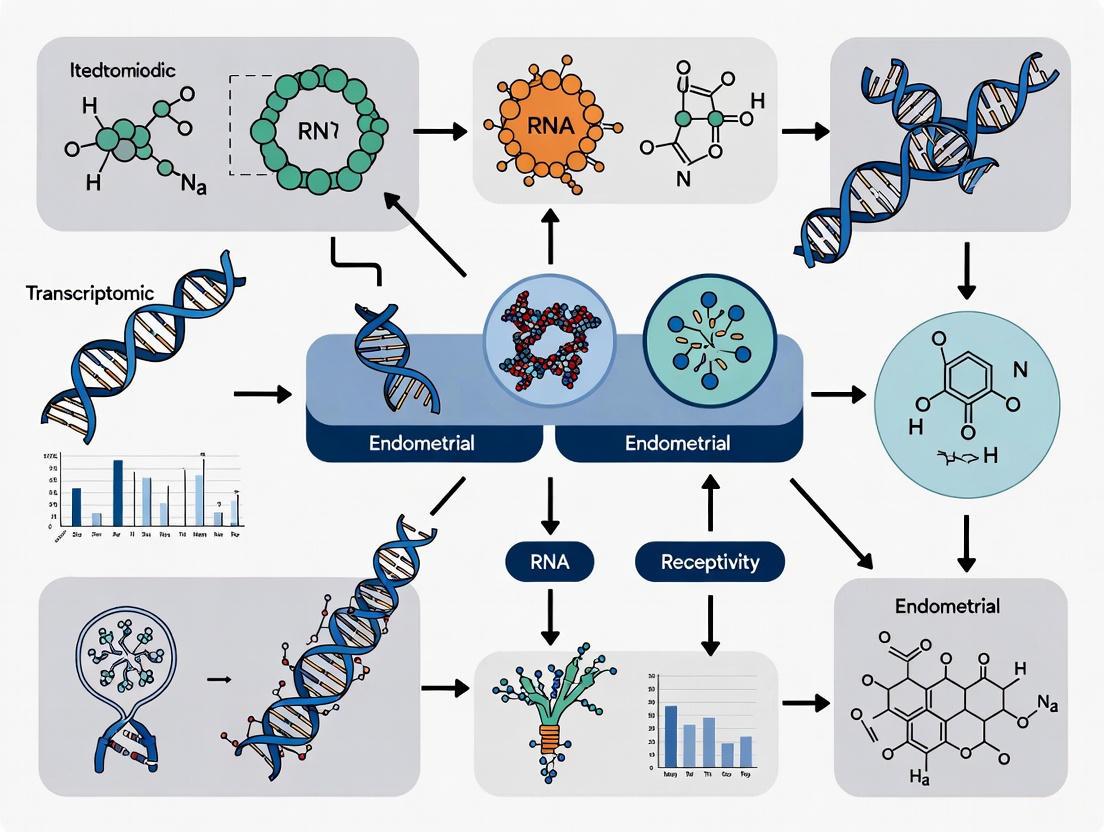
This article provides a comprehensive review of transcriptomic technologies revolutionizing endometrial receptivity (ER) assessment.
Transcriptomic Analysis of Endometrial Receptivity: From Molecular Foundations to Clinical Applications in Reproductive Medicine
Abstract
This article provides a comprehensive review of transcriptomic technologies revolutionizing endometrial receptivity (ER) assessment. It explores the molecular basis of the window of implantation (WOI), details the evolution from microarray to RNA-Seq methodologies, and evaluates clinical applications for recurrent implantation failure (RIF). The content critically analyzes validation studies and predictive model performance, including novel systems biology approaches utilizing uterine fluid extracellular vesicles and machine learning. Designed for researchers and drug development professionals, this synthesis of current evidence highlights how transcriptomic signatures are enabling personalized embryo transfer and transforming infertility management.
Decoding the Molecular Landscape of the Window of Implantation
Defining Endometrial Receptivity and the Window of Implantation (WOI)
Endometrial receptivity describes the intricate process undertaken by the uterine lining to prepare for the implantation of an embryo. The accepted definition is "the period of endometrial maturation during which the trophectoderm of the blastocyst can attach to the endometrial epithelial cells and subsequently invade the endometrial stroma and vasculature" [1]. Successful implantation and early pregnancy maintenance rely entirely on this transient receptive state, with its deficiency or absence being a recognized cause of infertility and early pregnancy loss [1].
The limited period of optimal endometrial receptivity is commonly referred to as the window of implantation (WOI). In a typical 28-day menstrual cycle, this window is generally detected between days 20 and 24 [1]. During the WOI, which lasts approximately 30–36 hours, the maternal endometrium becomes receptive to blastocyst implantation, enabling the complex communication between the embryo and endometrial tissue needed for the initiation of pregnancy [2] [3]. The synchrony between a developed embryo and a receptive endometrium is critical to the success of apposition, adhesion, invasion, and subsequent ongoing pregnancy [1].
This foundational concept is increasingly investigated through transcriptomic analysis, which provides a molecular profile of the receptive state, moving beyond traditional histological dating towards a more precise, personalized understanding of endometrial function.
Molecular and Hormonal Regulation
The preparation of a receptive endometrium is established by sequential exposure to the steroid hormones estrogen and progesterone [1].
- Estrogen's Role: Estrogen signals the proliferation of the endometrial lining during the preovulatory (proliferative) phase and induces an increase in progesterone receptor expression [1]. While essential for proliferation, excessive estrogen activity can negatively impact receptivity. Notably, the down-regulation of Estrogen receptor alpha (ER alpha) by progesterone in the secretory phase is required for successful embryo implantation [1].
- Progesterone's Role: After ovulation, progesterone induces major cellular changes within the endometrium that are required to create a receptive state. These changes, collectively known as decidualization, transform the endometrial stromal cells and are crucial for immune tolerance, nutrient provision, and regulated trophoblast invasion [1]. Progesterone resistance, often resulting from a pro-inflammatory state caused by conditions like endometriosis or chronic endometritis, can disrupt this process [1].
The cross-talk between the synchronized embryo and receptive endometrium is facilitated by these hormones and involves a complex network of molecular mediators, as outlined in the diagram below.
Key Molecular Mediators and Immune Regulation
The process of implantation occurs in three sequential steps: apposition, adhesion, and invasion [1]. Each step is governed by specific molecular factors:
- Apposition: The hatched blastocyst orients itself and weakly adheres to pinopods on the endometrial surface. Leukemia Inhibitory Factor (LIF), upregulated by progesterone, plays a critical role in pinopod development. The initial contact is driven by heparin-binding epidermal growth-like factor (HB-EGF) signaling [1].
- Adhesion: A stronger connection forms between the blastocyst and endometrium, mediated by adhesion molecules like beta-3 integrin and L-selectin. Embryonic interleukin-1 triggers the upregulation of epithelial beta-3 integrin, while L-selectin on the trophoblast interacts with maternal oligosaccharide ligands [1].
- Invasion: The blastocyst penetrates the epithelial layer and invades the decidual stroma. This requires maternal immune tolerance, mediated by innate immune cells (e.g., uterine Natural Killer (uNK) cells, macrophages) and the adaptive immune system (e.g., T regulatory cells). The embryo contributes through the expression of human leukocyte antigen G (HLA-G), which helps maintain a local immunosuppressive state [1].
Transcriptomic Analysis of Endometrial Receptivity
Transcriptomic technologies have revolutionized the study of the WOI by enabling high-throughput analysis of the gene expression patterns that define the receptive endometrium. This approach has moved the field beyond morphological assessment to a molecular definition of receptivity.
Established and Emerging Methodologies
Current methods for assessing endometrial receptivity leverage transcriptomic signatures to pinpoint the WOI with greater precision.
- Endometrial Receptivity Array/Analysis (ERA): This pioneering molecular diagnostic tool utilizes next-generation sequencing (NGS) to analyze the expression levels of 248 genes related to endometrial receptivity status. The computational predictor identifies transcriptomic signatures for different endometrial stages (proliferative, pre-receptive, receptive, late receptive, post-receptive) to recommend a personalized embryo transfer (pET) time [3].
- Novel Non-Invasive Approaches: A significant advancement is the transcriptomic analysis of Extracellular Vesicles isolated from Uterine Fluid (UF-EVs). UF-EVs are lipid-bilayer enclosed particles released by cells, and their RNA cargo reflects the molecular profile of the parent endometrial tissue. This method provides a strong correlation with endometrial tissue biopsy transcriptomic signatures but is non-invasive, allowing for the possibility of embryo transfer in the same cycle [2] [4].
The following diagram illustrates a typical workflow for transcriptomic analysis of endometrial receptivity, incorporating both tissue and UF-EV approaches.
Key Analytical Workflows and Findings
Advanced computational biology methods are essential for interpreting the complex data generated by transcriptomic studies.
- Differential Gene Expression (DGE) and Gene Set Enrichment Analysis (GSEA): A 2025 study analyzing UF-EVs from 82 women identified 966 differentially expressed genes between women who achieved pregnancy and those who did not after euploid blastocyst transfer. GSEA revealed significant enrichment in biological processes critical for implantation, including adaptive immune response, ion homeostasis, and inorganic cation transmembrane transport [2].
- Weighted Gene Co-expression Network Analysis (WGCNA): This analysis clusters genes with similar expression patterns into modules that correlate with clinical traits. The aforementioned study used WGCNA to cluster the 966 genes into four functionally relevant modules highly correlated with pregnancy outcome, providing deeper insight into the gene networks governing receptivity [2].
- Molecular Subtyping of Receptivity Defects: Integrating multiple transcriptomic datasets has revealed that Recurrent Implantation Failure (RIF) is not a single condition but comprises distinct molecular subtypes. A 2025 study identified two reproducible subtypes: an immune-driven subtype (RIF-I), enriched for inflammatory pathways like IL-17 and TNF signaling, and a metabolic-driven subtype (RIF-M), characterized by dysregulation of oxidative phosphorylation and fatty acid metabolism [5]. This subtyping provides a foundation for personalized therapeutic interventions.
Clinical Assessment and Impact
Methods for Assessing Receptivity
A range of clinical tools are used to evaluate endometrial receptivity, each with its own strengths and limitations.
Table 1: Methods for Assessing Endometrial Receptivity
| Method | Description | Key Parameters/Output | Clinical Utility & Limitations |
|---|---|---|---|
| Transvaginal Ultrasound | Non-invasive imaging to measure endometrial morphology and vascularization. | Endometrial Thickness (EMT), Volume, Pattern, Pulsatility Index (PI), Vascularization Flow Index (VFI) [6] [7]. | Prognostic factor; associated with outcomes but lacks specificity. No molecular data [6] [7]. |
| Endometrial Biopsy (Histology) | Invasive tissue sampling for histological dating based on Noyes' criteria. | Morphological changes in glands and stroma [8]. | Traditional method; limited accuracy and reproducibility for predicting WOI [9]. |
| Transcriptomic Array (ERA) | Invasive biopsy analyzed by NGS of a 248-gene panel. | Classifies endometrium as Pre-/Receptive/Post-Receptive; recommends pET timing [9] [3]. | Personalizes transfer timing for ~40% of RIF patients with displaced WOI; invasive [9] [3]. |
| UF-EV Transcriptomics | Non-invasive sampling of uterine fluid for RNA-seq of extracellular vesicles. | Differential gene expression signatures; pregnancy prediction models [2] [4]. | Emerging non-invasive alternative; allows same-cycle transfer. Requires further validation [2]. |
Impact on Reproductive Outcomes
Quantitative data from recent studies demonstrate the clinical significance of endometrial receptivity.
Table 2: Impact of Endometrial Receptivity on Reproductive Outcomes
| Parameter | Findings | Source |
|---|---|---|
| Endometrial Thickness (EMT) | In frozen-thawed ET cycles, a thicker endometrium was associated with a higher live birth rate for cut-offs between ≥5 mm (OR 2.65) and ≥8 mm (OR 1.17). Effect size decreased linearly as the cut-off increased [6]. | PMC, 2025 |
| ERA in RIF Patients | In RIF patients, clinical pregnancy rate and live birth rate were significantly higher with ERA-guided pET (62.7%, 52.5%) vs. standard ET (49.3%, 40.4%) after propensity score matching [9]. | Sci Rep, 2025 |
| ERA with Euploid Embryos | In patients with ≥1 previous failure transferring euploid embryos, ongoing pregnancy rate was significantly higher with ERA-guided pET (49.0%) vs. standard ET (27.1%); aOR 2.8 [3]. | Sci Rep, 2025 |
| Pre-Receptive Endometrium | Pre-receptive endometrium was detected substantially more often in RIF patients (19.1%) than in controls (6.1%), indicating a common cause of displacement [8]. | BMC Women's Health, 2025 |
| Displaced WOI Risk Factors | Logistic regression shows patient age and number of previous failed ET cycles are positively correlated with a displaced WOI [9]. | Sci Rep, 2025 |
The Scientist's Toolkit: Research Reagent Solutions
For researchers designing experiments in endometrial receptivity, the following table outlines key reagents and their applications based on the cited methodologies.
Table 3: Essential Research Reagents for Endometrial Receptivity Studies
| Reagent / Material | Function in Research | Application Example |
|---|---|---|
| Pipelle Endometrial Suction Catheter | Minimally invasive device for obtaining endometrial tissue biopsies. | Standardized collection of endometrial tissue samples for RNA extraction and transcriptomic analysis (e.g., ERA, RNA-seq) [3] [8]. |
| Hormone Replacement Therapy (HRT) Drugs | To artificially create a synchronized endometrial cycle for standardized sampling or embryo transfer. | Endometrial preparation with estradiol (oral/transdermal) and progesterone (micronized vaginal/intramuscular) in research protocols [9] [3]. |
| RNA Extraction Kits (e.g., Qiagen RNeasy) | For the isolation of high-quality, intact total RNA from tissue or fluid samples. | Essential pre-processing step for all transcriptomic analyses, including microarray and RNA-seq [5]. |
| Next-Generation Sequencing (NGS) Platforms | High-throughput sequencing of transcribed genes to generate a comprehensive expression profile. | Transcriptomic profiling of endometrial biopsies (e.g., 248-gene ERA panel) or UF-EV RNA for receptivity classification [2] [3]. |
| CD138/Syndecan-1 Antibody | Immunohistochemical marker for identifying plasma cells in the endometrial stroma. | Gold-standard diagnostic reagent for detecting chronic endometritis, a known cause of receptivity defects [8]. |
| Illumina TAC-Seq Reagents | Targeted Allele Counting by sequencing for highly precise, quantitative gene expression analysis. | Used in the beREADY test to analyze a core set of 68 endometrial receptivity biomarker genes [8]. |
The definition of endometrial receptivity has evolved from a purely histological concept to a dynamic molecular phenotype, precisely characterized by transcriptomic technologies. The WOI represents a critical and narrow temporal window governed by a sophisticated network of hormonal, cellular, and immunological factors, the molecular signature of which can now be profiled with high resolution. Transcriptomic analysis, through both invasive biopsy and the promising non-invasive approach of UF-EVs, has proven essential for identifying the displaced WOI that underlies implantation failure in a significant subset of infertile patients. Furthermore, the emergence of molecular subtyping, such as the identification of immune (RIF-I) and metabolic (RIF-M) subtypes of RIF, paves the way for truly personalized therapeutic strategies that move beyond simple timing adjustments to address the specific pathogenic mechanisms of endometrial dysfunction. Continued research into these transcriptomic profiles is paramount for developing targeted diagnostics and interventions, ultimately improving outcomes in assisted reproduction and women's health.
Historical Evolution from Histological Dating to Transcriptomic Profiling
In assisted reproductive technology (ART), embryo implantation remains a pivotal yet inefficient process, with many in vitro fertilization (IVF) attempts failing to result in pregnancy despite extensive research and advances [10]. For decades, the assessment of endometrial receptivity (ER)—the transient period during which the uterus is receptive to embryo implantation—relied primarily on histological examination. This window of implantation (WOI), limited to approximately 48 hours during the mid-secretory phase around the seventh day after the luteinizing hormone (LH) surge, represents the final barrier in ART when a high-quality embryo is transferred [10]. Impaired uterine receptivity is believed to be one of the major reasons behind pregnancy establishment failure, with some studies suggesting that up to two-thirds of implantation failures are due to defects in ER, while embryo quality itself is responsible for only one-third of failures [10]. This review traces the scientific evolution from morphological assessment to molecular profiling, documenting how transcriptomic technologies have revolutionized our understanding and clinical approach to endometrial receptivity.
The Era of Histological Dating
Foundations and Principles
Histological dating of the endometrium, based on the Noyes criteria developed in the 1950s, constituted the primary method for assessing endometrial receptivity for over half a century. This approach relied on microscopic examination of endometrial tissue biopsies to evaluate morphological changes throughout the menstrual cycle, particularly during the putative window of implantation. The fundamental premise was that specific histological features consistently appear at certain time points in the luteal phase, allowing clinicians to determine whether the endometrial development was synchronized with the expected timeline for embryo implantation [11].
The methodology involved obtaining endometrial biopsies typically on cycle day 21 (or 7 days post-ovulation) in natural cycles or equivalent timing in medicated cycles. Pathologists would then examine tissue characteristics including glandular architecture, stromal edema, pseudostratification of nuclei, and the presence of specific features such as vacuolization and decidualization. These morphological markers were presumed to provide a reliable indication of endometrial maturity and receptivity status, guiding the timing of embryo transfer in ART cycles [11].
Limitations and Clinical Challenges
Despite its longstanding use, histological dating demonstrated significant limitations that affected its reliability and clinical utility. A critical comparative study published in 2020 highlighted the poor concordance between histological dating and molecular analysis by Endometrial Receptivity Array (ERA), with only 40.0% agreement and a kappa statistic of -0.18 (95% CI: -0.50, 0.14) [11]. This striking discordance underscored the fundamental inadequacy of morphological criteria alone for accurately pinpointing the window of implantation.
Additional diagnostic approaches emerged but proved similarly unsatisfactory. Ultrasound evaluation of endometrial thickness and echogenic pattern was deemed inadequate for predicting ER, as neither parameter correlated reliably with histological findings [10]. The measurement of potential biomarkers such as leukemia inhibitor factor (LIF) in serum or cytokines in cervical mucus also failed to provide consistent correlation with fertility status or endometrial gene expression [10]. These limitations encouraged investigation and application of new technologies to objectively diagnose ER, setting the stage for the transition to transcriptomic approaches.
The Transcriptomic Revolution
Technological Foundations
The emergence of transcriptomics technologies in the late 1990s and early 2000s represented a paradigm shift in endometrial receptivity research. Transcriptomics encompasses techniques used to study an organism's transcriptome—the complete set of RNA transcripts—capturing a snapshot in time of the total transcripts present in a cell [12]. The field has been characterized by repeated technological innovations that transform research capabilities, with two key contemporary techniques dominating: microarrays, which quantify a predetermined set of sequences, and RNA sequencing (RNA-Seq), which uses high-throughput sequencing to capture all sequences [12].
The fundamental advantage of transcriptomic approaches lies in their ability to analyze gene expression in its entirety, allowing detection of broad coordinated trends that cannot be discerned by more targeted assays [12]. For endometrial receptivity research, this meant moving beyond static morphological assessment to dynamic molecular profiling of the complex biological processes governing the implantation window.
Table 1: Comparison of Key Transcriptomic Technologies
| Method | Throughput | Input RNA Amount | Prior Knowledge Required | Quantitation Accuracy | Key Applications in ER Research |
|---|---|---|---|---|---|
| Microarrays | Higher | ~1 μg mRNA | Reference transcripts required for probes | >90% (limited by fluorescence detection) | ERA test, targeted gene expression profiling |
| RNA-Seq | High | ~1 ng total RNA | None required, though genome sequence useful | ~90% (limited by sequence coverage) | Discovery of novel biomarkers, splice variants, comprehensive transcriptome analysis |
| Single-Cell RNA-Seq | Varies by platform | Single cell | None required, but reference genomes helpful | Limited by transcript capture efficiency | Cell-type specific expression profiling, cellular heterogeneity mapping |
| Spatial Transcriptomics | Varies by platform | Tissue section | Varies by approach | Developing | Spatial localization of gene expression within endometrial tissue architecture |
Microarrays and the First Commercial Tests
The development of microarray technologies enabled the first global approaches to identify novel genes and pathways involved in the acquisition of a receptive endometrium [10]. Since 2002, multiple studies have published transcriptome analyses of human endometrium during the WOI, comparing gene expression profiles between early secretory and mid-secretory phases in both natural and stimulated cycles [10].
This research led to the commercialization of the first ER diagnostic tools for personalizing frozen embryo transfer. The Endometrial Receptivity Array (ERA) utilizes a customized microarray analyzing the expression of 238 genes implicated in endometrial receptivity to determine endometrial status [11]. Similarly, the Win-Test (Window Implantation Test) was developed as another commercial diagnostic based on transcriptomic signatures [10]. These tests represented the first clinical applications of transcriptomics in endometrial evaluation, offering a molecular alternative to histological dating.
The clinical application of these technologies revealed significant insights into endometrial biology. Studies demonstrated that the WOI is not uniform across all women, with temporal displacement observed in a substantial proportion of patients experiencing recurrent implantation failure (RIF) [13]. One study of RIF patients found that 67.5% (27/40) were non-receptive during the conventional WOI (P+5) of hormone replacement therapy cycles, highlighting the prevalence of displaced implantation windows in this population [13].
RNA-Seq and Next-Generation Sequencing
The advent of RNA sequencing (RNA-Seq) brought further transformation to ER research, offering a more comprehensive and quantitative method for gene expression profiling completely independent of prior knowledge [13]. Compared to microarray technology, RNA-Seq provides several advantages: it can detect novel transcripts and splicing variants, offers a broader dynamic range, and does not require predetermined probes [12] [13].
The transition to RNA-Seq enabled more sophisticated classification systems for endometrial receptivity. Research using this technology has identified distinct transcriptomic signatures associated with advanced, normal, and delayed WOI in RIF patients [13]. These studies revealed that specific genes involved in immunomodulation, transmembrane transport, and tissue regeneration could accurately classify endometrium with different WOI timings, providing deeper biological insights into the mechanisms underlying receptivity disorders.
Recent research has further leveraged RNA-Seq to develop more accurate predictive models. A 2025 study analyzing extracellular vesicles from uterine fluid (UF-EVs) identified 966 differentially expressed genes between women who achieved pregnancy and those who did not following single euploid blastocyst transfer [2]. By applying Weighted Gene Co-expression Network Analysis (WGCNA), researchers clustered these genes into functionally relevant modules involved in key biological processes related to embryo implantation and development. A Bayesian logistic regression model integrating these gene expression modules with clinical variables achieved a predictive accuracy of 0.83 and an F1-score of 0.80 for pregnancy outcome prediction [2].
Single-Cell and Spatial Transcriptomics
The most recent evolution in transcriptomic profiling has been the development of single-cell RNA sequencing (scRNA-Seq) and spatial transcriptomics, enabling unprecedented resolution in analyzing endometrial biology. Single-cell technologies have revealed the complex cellular architecture and heterogeneity of human endometrium, identifying distinct subpopulations of epithelial, stromal, and immune cells that coordinately create a receptive microenvironment [14].
A landmark 2025 study performing time-series scRNA-Seq profiling across the window of implantation analyzed over 220,000 endometrial cells from fertile women and those with recurrent implantation failure [14]. This research uncovered a two-stage stromal decidualization process and a gradual transitional process of luminal epithelial cells across the WOI. Additionally, the study identified a time-varying gene set regulating epithelial receptivity and stratified RIF endometria into two distinct classes of deficiencies characterized by a hyper-inflammatory microenvironment [14].
Spatial transcriptomics has further advanced the field by preserving the spatial context of gene expression within tissue architecture. Technologies such as GeoMx Digital Spatial Profiler enable transcriptomic profiling of specific tissue compartments, including epithelial-enriched regions, macrophage-enriched regions, and stromal areas [15]. This approach has been instrumental in understanding regionally restricted biomarkers and cellular interactions within the endometrial microenvironment.
Comparative Analysis of Methodologies
Technical Performance and Clinical Utility
The evolution from histological dating to transcriptomic profiling has brought substantial improvements in the accuracy and reliability of endometrial receptivity assessment. A direct comparison between histological dating and the ERA test revealed significant discordance, with only 40.0% agreement between the methods [11]. Importantly, the clinical pregnancy rate in patients shown to be receptive by ERA was 26.7% compared to 22.5% in non-receptive patients following personalized embryo transfer, though this difference did not reach statistical significance (p=0.66) in the study population [11].
RNA-Seq based approaches have demonstrated superior performance for classifying endometrial receptivity status. One study developed an endometrial receptivity diagnostic (ERD) model containing 166 biomarker genes that showed 100% prediction accuracy in the training set [13]. When applied clinically, this model improved pregnancy rates in RIF patients from a historical baseline to 65% (26/40) after ERD-guided personalized embryo transfer [13].
The most recent approaches analyzing extracellular vesicles from uterine fluid (UF-EVs) offer a non-invasive alternative to endometrial biopsies while maintaining predictive accuracy. A Bayesian model integrating UF-EV transcriptomic modules with clinical variables achieved a predictive accuracy of 0.83 and F1-score of 0.80 for pregnancy outcome prediction [2]. This represents a significant advancement as it enables endometrial evaluation without an invasive biopsy procedure.
Table 2: Evolution of Endometrial Receptivity Assessment Methods
| Assessment Method | Basis of Evaluation | Sample Type | Key Advantages | Key Limitations | Clinical Validation |
|---|---|---|---|---|---|
| Histological Dating (Noyes Criteria) | Morphological features | Endometrial biopsy | Established history, widely available | Poor concordance with molecular methods (40%), subjective | Limited improvement in pregnancy outcomes |
| Ultrasound Assessment | Endometrial thickness/pattern | Non-invasive | Completely non-invasive, readily available | Poor correlation with histological findings | Inadequate for predicting ER |
| ERA (Microarray) | 238-gene expression signature | Endometrial biopsy | Objective molecular classification, personalized WOI | Invasive biopsy required, fixed gene panel | 26.7% vs 22.5% pregnancy rate (receptive vs non-receptive) |
| RNA-Seq ERD | 166+ biomarker genes | Endometrial biopsy | Comprehensive transcriptome, novel biomarker discovery | Invasive biopsy required, complex analysis | 65% pregnancy rate in RIF patients after personalized transfer |
| UF-EV Transcriptomics | Extracellular vesicle RNA | Uterine fluid | Non-invasive, reflects endometrial status | Emerging technology, requires validation | 0.83 accuracy for pregnancy prediction |
| Single-cell RNA-Seq | Cell-type specific expression | Endometrial cells/tissue | Cellular resolution, heterogeneity mapping | Technically challenging, expensive | Research use currently, identifies RIF subtypes |
Biological Insights Gained from Transcriptomics
Transcriptomic approaches have fundamentally advanced our understanding of the molecular mechanisms governing endometrial receptivity. Bulk transcriptomic studies have identified that ER-related genes share similar expression patterns during WOI in both natural and hormone replacement therapy cycles, and their aberrant expression is associated with WOI displacements [13]. Specific biological processes enriched during receptivity include adaptive immune response, ion homeostasis, inorganic cation transmembrane transport, and various molecular functions related to transmembrane signaling and transporter activities [2].
Single-cell transcriptomics has revealed the complex cellular dynamics during the implantation window. Research has identified eight distinct epithelial cell subpopulations, five stromal cell subpopulations, eleven NK/T cell subpopulations, and ten myeloid cell subpopulations in the human endometrium, highlighting the intricate cellular architecture underlying receptivity [14]. Time-series analysis across the WOI has demonstrated a clear two-stage decidualization process for stromal cells and a gradual transition process for luminal epithelial cells [14].
Spatial transcriptomics has further enhanced our understanding by preserving the architectural context of gene expression. Studies comparing well-differentiated, moderately differentiated, and poorly differentiated endometrial regions have identified enrichment of pathways related to humoral immune response, complement activation regulation, and extracellular matrix receptor interaction in poorly differentiated areas, all associated with poorer reproductive outcomes [15].
The Scientist's Toolkit: Research Reagent Solutions
Table 3: Essential Research Reagents and Platforms for Endometrial Transcriptomics
| Category | Specific Examples | Function/Application | Key Considerations |
|---|---|---|---|
| RNA Isolation Kits | Poly-A affinity methods, ribosomal depletion probes | High-quality RNA extraction from endometrial tissues or UF-EVs | Snap-freezing preservation, DNase treatment, quality control for degraded RNA |
| Microarray Platforms | Affymetrix arrays, Agilent Whole Human Genome Oligo Microarray | Targeted gene expression profiling for ERA and similar tests | Fixed gene panels, fluorescence detection, prior sequence knowledge required |
| RNA-Seq Library Prep | Illumina sequencing kits, reverse transcription reagents | Comprehensive transcriptome sequencing, novel isoform detection | Fragmentation parameters, amplification bias, read length selection |
| Single-Cell Platforms | 10X Chromium system, droplet-based microfluidics | Cell-type specific expression profiling, cellular heterogeneity analysis | Tissue dissociation protocols, cell viability, capture efficiency |
| Spatial Transcriptomics | GeoMx Digital Spatial Profiler, CosMx, Xenium, MERFISH | Spatial localization of gene expression within tissue architecture | Region of interest selection, probe design, cellular resolution limits |
| Bioinformatics Tools | DESeq2, edgeR, WGCNA, Seurat, Cell Ranger | Differential expression analysis, co-expression networking, cell clustering | Statistical power, multiple testing correction, batch effect correction |
| Validation Reagents | qPCR probes, multiplex immunofluorescence antibodies | Technical validation of transcriptomic findings | Orthogonal confirmation, protein-level correlation, spatial verification |
Experimental Protocols in Modern Transcriptomics
Endometrial Tissue Processing and RNA Sequencing
Standard protocols for endometrial transcriptomic analysis begin with careful tissue collection and processing. Endometrial biopsies are typically collected using a pipelle catheter during the putative window of implantation (LH+7 in natural cycles or P+5 in hormone replacement therapy cycles) [13]. Immediately following collection, tissue samples should be snap-frozen in liquid nitrogen or placed in specialized RNA stabilization reagents to preserve RNA integrity [12].
RNA extraction follows well-established protocols involving mechanical disruption of tissues, inhibition of RNases using chaotropic salts, separation of RNA from other biomolecules, and concentration through precipitation [12]. For bulk RNA-Seq, enrichment of messenger RNA is typically performed by poly-A affinity methods or ribosomal RNA depletion to improve sequencing efficiency [12]. Library preparation utilizes reverse transcription to generate cDNA, followed by adapter ligation and amplification appropriate for the sequencing platform.
Quality control steps are critical throughout the process. RNA integrity should be verified using methods such as the RNA Integrity Number (RIN), with samples typically requiring RIN >7 for reliable results [12]. For single-cell RNA-Seq, additional steps include tissue dissociation to create single-cell suspensions, viability assessment, and capture using microfluidic devices such as the 10X Chromium system [14].
Bioinformatic Analysis Pipeline
The analysis of transcriptomic data follows a standardized bioinformatic workflow. For RNA-Seq data, this typically includes:
- Quality Control and Preprocessing: Tools such as FastQC assess read quality, followed by trimming of adapters and low-quality bases using Trimmomatic or similar tools.
- Alignment to Reference Genome: Reads are aligned to a reference genome using splice-aware aligners such as STAR or HISAT2.
- Quantification: Transcript abundance is estimated using featureCounts or HTSeq, generating count matrices for each sample.
- Differential Expression Analysis: Statistical packages such as DESeq2 or edgeR identify significantly differentially expressed genes between conditions.
- Functional Enrichment Analysis: Gene set enrichment analysis (GSEA) and over-representation analysis (ORA) identify biological processes and pathways enriched in differentially expressed genes.
For more advanced analyses, additional approaches include:
- Co-expression Network Analysis: Weighted Gene Co-expression Network Analysis (WGCNA) identifies modules of correlated genes associated with clinical traits [2].
- Single-Cell Analysis: Clustering and cell type identification using tools such as Seurat, followed by trajectory inference and RNA velocity analysis to understand cellular dynamics [14].
- Spatial Transcriptomics Analysis: Integration of spatial location data with gene expression patterns, often using platform-specific analytical tools.
The historical evolution from histological dating to transcriptomic profiling represents a fundamental transformation in how we assess and understand endometrial receptivity. This journey has moved the field from subjective morphological evaluation to objective molecular classification, enabling more personalized approaches to infertility treatment. The ongoing development of transcriptomic technologies—from microarrays to RNA-Seq, single-cell analysis, and spatial transcriptomics—continues to refine our ability to precisely characterize the window of implantation and identify pathological states underlying implantation failure.
Future directions in endometrial receptivity research will likely focus on several key areas. First, the development of less invasive assessment methods using uterine fluid extracellular vesicles or other biofluids may eventually replace endometrial biopsies while maintaining diagnostic accuracy [2]. Second, the integration of multi-omic approaches—combining transcriptomics with epigenomics, proteomics, and metabolomics—will provide a more comprehensive understanding of the complex biological processes governing receptivity. Third, the application of artificial intelligence and machine learning to large transcriptomic datasets may uncover novel biological insights and improve predictive models for clinical outcomes.
As these technologies continue to evolve, the field moves closer to truly personalized embryo transfer based on comprehensive molecular assessment of endometrial status. This progression from histological dating to sophisticated transcriptomic profiling exemplifies how technological innovation can transform clinical practice and improve outcomes for patients struggling with infertility.
Key Regulatory Genes and Pathways in Receptivity Acquisition
Embryo implantation is a pivotal event in human reproduction, serving as the primary bottleneck in assisted reproductive technology (ART). Successful implantation is not merely a function of embryo quality but is critically dependent on a brief, self-limited period known as the window of implantation (WOI), during which the endometrium attains a receptive status [16] [10]. This period, opening approximately 4-5 days after progesterone production and closing after 9-10 days, is characterized by a sophisticated molecular dialogue between the blastocyst and the maternal endometrium [16]. When high-quality embryo transfer fails, impaired uterine receptivity is believed to be the contributing factor in up to two-thirds of implantation failures [10]. Over the past fifteen years, transcriptomic analysis has revolutionized our understanding of endometrial receptivity by moving beyond histological dating to uncover the complex gene networks and regulatory pathways that govern this critical period [10]. This technical guide synthesizes current knowledge on the key regulatory genes and pathways central to receptivity acquisition, framed within the broader context of transcriptomic research, to provide researchers and drug development professionals with a comprehensive molecular framework.
Transcriptomic Landscape of the Window of Implantation
Temporal Gene Expression Dynamics
The transition from a pre-receptive to a receptive endometrium involves dramatic reprogramming of gene expression patterns driven by ovarian steroid hormones. Transcriptomic studies comparing endometrial samples from prereceptive (LH+2 to LH+5), receptive (LH+7), and post-receptive (LH+9) phases have identified thousands of differentially expressed genes (DEGs) [17]. During the proliferative to early secretory transition, upregulated genes are predominantly involved in metabolic processes and negative regulation of cell proliferation, while downregulated genes are enriched in cell cycle regulation and cellular mitosis pathways [18]. The critical transition to the mid-secretory phase (receptive state) involves upregulation of genes mediating cell adhesion, motility, communication, immune and inflammatory responses, and hormone signaling [18].
Table 1: Key Temporal Gene Expression Shifts During Endometrial Maturation
| Developmental Phase | LH Reference Day | Upregulated Biological Processes | Downregulated Biological Processes |
|---|---|---|---|
| Pre-receptive (Proliferative) | LH+2 to LH+5 | Tissue regeneration, Cellular proliferation [18] | - |
| Early Secretory | LH+2 to LH+5 | Metabolic processes, Negative regulation of cell proliferation [18] | Cell cycle regulation, Cellular mitosis [18] |
| Receptive (Mid-Secretory) | LH+7 | Cell adhesion, Motility, Immune/inflammatory response, Hormone signaling [18] | Cell division [18] |
| Post-receptive (Late Secretory) | LH+9 | Extracellular matrix alteration, Immune response, Wound healing [18] | - |
Core Regulatory Genes and Functional Classification
Transcriptomic profiling has identified a core set of receptivity-associated genes (RAGs) that serve as molecular markers for the WOI. These include well-characterized genes such as LIF (Leukemia Inhibitory Factor), HOXA10, ITGB3 (Integrin Beta 3), and BMP4 (Bone Morphogenetic Protein 4) [19]. A 2025 RNA-sequencing study of extracellular vesicles from uterine fluid (UF-EVs) identified 966 differentially expressed genes between women who achieved pregnancy and those who did not after euploid blastocyst transfer, with 236 genes being over-expressed in the pregnant group [2]. Furthermore, four genes—RPL10P9, LINC00621, MTND6P4, and LINC00205—demonstrated significant differential expression with an adjusted p-value cut-off (padj < 0.05), all showing higher expression in women who achieved pregnancy [2].
Table 2: Key Regulatory Genes in Endometrial Receptivity
| Gene Symbol | Full Name | Function in Receptivity | Expression Pattern |
|---|---|---|---|
| LIF | Leukemia Inhibitory Factor [19] | Embryo adhesion, Immune tolerance [19] | Upregulated during WOI |
| HOXA10 | Homeobox A10 [18] | Cell differentiation, Embryo implantation [18] | Upregulated during WOI |
| ITGB3 | Integrin Beta 3 [19] | Embryo adhesion [19] | Upregulated during WOI |
| BMP4 | Bone Morphogenetic Protein 4 | Embryonic development, Cell signaling | Upregulated in pregnancy (padj=0.058) [2] |
| GPX3 | Glutathione Peroxidase 3 | Oxidative stress response | Upregulated in pregnancy group (GSEA) [2] |
| SOD2 | Superoxide Dismutase 2 | Oxidative stress response | Upregulated in pregnancy group (GSEA) [2] |
The following diagram illustrates the temporal relationship between hormonal changes, key genetic activation events, and the resulting endometrial status throughout the menstrual cycle, culminating in the brief window of implantation:
Critical Molecular Pathways in Receptivity Acquisition
Immune and Signaling Pathways
Gene set enrichment analysis (GSEA) of transcriptomic data from receptive endometrium has revealed several critical pathways essential for receptivity acquisition. The adaptive immune response (GO:0002250) demonstrates significant enrichment (NES = 1.71), highlighting the crucial role of immune modulation during implantation [2]. Equally important is the response to interferon signaling, particularly interferon-alpha, which facilitates maternal tolerance to the semi-allogeneic embryo [20]. Additionally, pathways involved in inorganic cation transmembrane transport (GO:0098662, NES = 1.45) and ion homeostasis (GO:0050801, NES = 1.53) are significantly activated, reflecting the extensive membrane remodeling and signaling events required for blastocyst attachment [2].
Gene Co-Expression Networks and Systems Biology
Weighted Gene Co-expression Network Analysis (WGCNA) of transcriptomic data from UF-EVs has clustered differentially expressed genes into functionally relevant modules associated with pregnancy outcomes [2]. These modules represent groups of highly correlated genes functioning in coordinated biological processes. Four distinct modules have been identified with varying correlations to pregnancy success: a grey module (624 genes, cor = 0.40), a brown module (37 genes, cor = 0.33), a turquoise module (230 genes, cor = 0.27), and a blue module (75 genes, cor = -0.27) [2]. The brown module, comprising highly correlated genes with the second-highest correlation to pregnancy outcome, is particularly enriched for genes involved in key implantation processes.
The following diagram illustrates the core signaling pathways and their interconnections during the acquisition of endometrial receptivity:
Transcriptomic Methodologies and Analytical Frameworks
Experimental Workflows for Endometrial Receptivity Analysis
Transcriptomic analysis of endometrial receptivity employs diverse methodological approaches, each with distinct advantages. The fundamental workflow begins with endometrial tissue sampling via biopsy timed to the mid-secretory phase (LH+7) or through less invasive collection of uterine fluid containing extracellular vesicles (UF-EVs) that carry endometrial transcripts [2] [20]. Following RNA extraction, researchers typically employ either whole-transcriptome approaches (RNA-Seq, microarrays) or targeted gene expression profiling of predefined receptivity gene panels [21].
Next-generation sequencing (RNA-Seq) provides comprehensive, unbiased transcriptome coverage, enabling discovery of novel receptivity-associated genes and pathways [20] [17]. Targeted approaches like TAC-seq (Targeted Allele Counting by sequencing) offer enhanced sensitivity and cost-effectiveness for clinical applications by focusing on established receptivity biomarkers [21]. Bioinformatic analysis involves differential expression analysis, often using packages like DESeq2 or edgeR, followed by functional enrichment analysis using tools such as ClueGO and GSEA to identify overrepresented biological pathways [2] [20].
Advanced Model Systems and Non-Invasive Diagnostics
Recent advances include the development of endometrial epithelial organoids that recapitulate in vivo endometrial responses. Transcriptomic analysis of organoids exposed to seminal plasma revealed induction of receptivity-associated genes, demonstrating their utility for studying embryo-endometrial dialogue [22]. For clinical application, non-invasive diagnostics using uterine fluid extracellular vesicles (UF-EVs) represent a significant advancement. RNA-sequencing of UF-EVs has shown strong correlation with endometrial tissue transcriptomic profiles, offering a promising alternative to invasive biopsies [2]. Bayesian predictive models integrating UF-EV transcriptomic data with clinical variables have achieved impressive predictive accuracy (0.83) for pregnancy outcomes [2].
The following workflow diagram outlines the primary experimental approaches in endometrial receptivity transcriptomics:
The Scientist's Toolkit: Essential Research Reagents and Materials
Table 3: Essential Research Reagents for Endometrial Receptivity Studies
| Reagent/Category | Specific Examples | Function/Application | Reference |
|---|---|---|---|
| Sample Collection Media | RNAlater, PAXgene Tissue Systems | Preservation of RNA integrity in endometrial biopsies | [20] [17] |
| RNA Extraction Kits | Qiagen RNeasy, TRIzol-based systems | High-quality RNA isolation from tissue/UF-EVs | [2] [20] |
| RNA-Seq Library Prep | Illumina TruSeq, SMARTer Ultra Low RNA | cDNA library construction for transcriptome sequencing | [2] [17] |
| Targeted Sequencing | TAC-seq (Targeted Allele Counting) | Quantitative analysis of specific receptivity gene panels | [21] |
| Cell Culture Systems | Endometrial epithelial organoids | In vitro modeling of endometrial responses | [22] |
| qPCR Assays | TaqMan assays, SYBR Green master mixes | Validation of differentially expressed genes | [21] |
| Bioinformatic Tools | DESeq2, edgeR, WGCNA, GSEA, ClueGO | Differential expression, network, and pathway analysis | [2] [20] |
Clinical Translation and Diagnostic Applications
Endometrial Receptivity Assays
Transcriptomic discoveries have directly translated into clinical diagnostic tools that personalize embryo transfer timing. The Endometrial Receptivity Array (ERA) analyzes the expression of 238 genes to identify the personalized window of implantation, particularly in patients with recurrent implantation failure (RIF) [10] [19]. The beREADY test employs a targeted TAC-seq approach profiling 72 genes (including 57 receptivity biomarkers) to classify endometrium as pre-receptive, receptive, or post-receptive with 98.2% accuracy [21]. The WIN-Test and ER Map represent additional commercialized transcriptome-based diagnostics that have entered clinical practice [10].
Clinical validation studies demonstrate significant improvement in reproductive outcomes following personalized embryo transfer based on transcriptomic signatures. In RIF patients, the beREADY test identified displaced WOI in 15.9% of cases compared to only 1.8% in fertile women (p=0.012) [21]. Similarly, a Bayesian model integrating UF-EV transcriptomic modules with clinical variables achieved a predictive accuracy of 0.83 and F1-score of 0.80 for pregnancy outcome prediction [2].
Therapeutic Implications and Future Directions
The identification of key regulatory pathways offers promising therapeutic targets for modulating endometrial receptivity. The demonstrated efficacy of intrauterine platelet-rich plasma (PRP) infusion in RIF patients—significantly improving biochemical pregnancy rates (RR: 1.56), clinical pregnancy rates (RR: 1.67), and live birth rates (RR: 2.36)—suggests that targeted manipulation of the endometrial environment can rescue implantation failure [23]. Future directions include refining single-cell and spatial transcriptomic approaches to resolve cellular heterogeneity in the endometrium, developing non-invasive monitoring through UF-EVs, and creating multi-omics integration frameworks that combine transcriptomic, proteomic, and metabolomic data for comprehensive receptivity assessment [19].
Transcriptomic analysis has fundamentally advanced our understanding of endometrial receptivity by revealing the sophisticated gene regulatory networks and pathways that orchestrate the brief window of implantation. The integration of advanced methodologies—from RNA-seq and weighted gene co-expression network analysis to uterine fluid extracellular vesicle profiling and endometrial organoid models—has provided unprecedented resolution of the molecular events governing embryo-endometrial dialogue. The continued refinement of transcriptomic biomarkers and pathways, coupled with their translation into clinically validated diagnostic tools and emerging therapeutic strategies, holds significant promise for addressing the challenge of implantation failure and improving outcomes for patients undergoing assisted reproduction.
Temporal Gene Expression Dynamics Across the Menstrual Cycle
The human endometrium undergoes profound, cyclic remodeling to support embryo implantation, a process tightly regulated by dynamic gene expression patterns. Disruptions in these temporal gene expression dynamics are a significant cause of endometrial-factor infertility and recurrent implantation failure [14]. Transcriptomic analyses, particularly single-cell RNA sequencing (scRNA-seq) and spatial transcriptomics, are revolutionizing our understanding of endometrial receptivity by revealing the precise cellular and molecular changes that occur across the menstrual cycle [14] [24]. This technical guide synthesizes current methodologies, key findings, and analytical frameworks for investigating temporal gene expression in endometrial receptivity research, providing a foundation for developing diagnostic and therapeutic applications.
Background and Significance
The window of implantation (WOI) represents a brief period during the mid-luteal phase, approximately 7 days after the luteinizing hormone (LH) surge, when the endometrium acquires a receptive phenotype for embryo attachment [14]. Recurrent implantation failure is clinically defined as the failure to achieve a clinical pregnancy after the transfer of at least four good-quality embryos in a minimum of three cycles in women under 40 years [14]. While embryonic factors contribute to RIF, endometrial dysfunction is a major component, with studies indicating that approximately 28% of RIF patients exhibit a displaced implantation window [25].
Traditional histological dating has limitations in accurately assessing endometrial receptivity, leading to the development of transcriptomic-based diagnostic tools. The integration of temporal transcriptomic profiling with spatial context provides unprecedented resolution for identifying the cellular and molecular signatures of receptivity and their dysregulation in infertility disorders [14] [24].
Methodological Approaches
Experimental Design and Sample Collection
Robust experimental design is crucial for capturing meaningful temporal dynamics in endometrial studies:
- Cycle Dating: Precisely timed sample collection relative to the LH surge (LH+0) confirmed by daily serum or urinary LH measurement [14]. The critical peri-implantation period spans from LH+3 to LH+11.
- Sample Procurement: Endometrial biopsies collected using Pipelle catheter from the fundal and upper uterine regions during the mid-luteal phase (LH+7) [24].
- Cohort Selection: Include fertile controls and well-characterized RIF patients. Key exclusion criteria: uterine pathologies, endocrine disorders, metabolic diseases [24].
Single-Cell and Spatial Transcriptomic Technologies
Single-Cell RNA Sequencing
Table 1: scRNA-seq Workflow and Key Parameters
| Step | Method/Platform | Key Parameters | Quality Metrics |
|---|---|---|---|
| Tissue Dissociation | Enzymatic digestion | Enzyme cocktail, incubation time | Cell viability >80% |
| Single-Cell Isolation | 10X Chromium System | Target cell recovery | Cell concentration |
| Library Preparation | 10X 3' RNA-seq | Cycle number adjustments | cDNA concentration |
| Sequencing | Illumina NovaSeq 6000 | Read depth: 50,000 reads/cell | Sequencing saturation |
| Quality Control | Seurat (v4.3.0) | Filter: genes/cell >500, MT genes <20% | Median genes/cell: 2,983-8,481 |
Comprehensive scRNA-seq profiling of human endometrium across the WOI has identified major cell types including unciliated epithelial cells, ciliated epithelial cells, stromal cells, endothelial cells, natural killer (NK)/T cells, myeloid cells, B cells, and mast cells [14]. Subclustering within these populations reveals extensive cellular heterogeneity and dynamic transitions during the implantation window.
Spatial Transcriptomics
Table 2: Spatial Transcriptomics Specifications
| Parameter | Specification | Application in Endometrial Research |
|---|---|---|
| Platform | 10X Visium Spatial Tissue Optimization Slide | Mapping tissue niches in endometrium |
| Capture Area | 6.5 × 6.5 mm with ~5,000 barcoded spots | Regional gene expression analysis |
| Tissue Preparation | Fresh frozen, OCT-embedded | Preservation of spatial context |
| Permeabilization | Optimization required (tissue-dependent) | mRNA release efficiency |
| Sequencing | Illumina NovaSeq 6000, PE150 | High-depth spatial gene expression |
| RNA Quality | RIN >7.0 | Minimum degradation |
Spatial transcriptomics enables the identification of distinct cellular niches within endometrial tissue and the investigation of cell-cell communication networks [24]. Integration with scRNA-seq data through deconvolution algorithms (e.g., CARD) reveals the spatial distribution of cell types and states [24].
Computational and Analytical Methods
Temporal Modeling and Trajectory Analysis
StemVAE Algorithm: A computational model for analyzing time-series single-cell data that enables both temporal prediction and pattern discovery [14]. This approach can reconstruct cellular trajectories across the WOI.
RNA Velocity Analysis: Determines the directionality of cellular state transitions by comparing spliced and unspliced mRNA ratios, revealing differentiation trajectories such as luminal to glandular epithelial transitions [14].
Multi-slice Integration Methods: Critical for integrating multiple spatial transcriptomics slices. Performance varies by application context and technology [26]. Recommended methods include:
- Deep learning-based: GraphST, SPIRAL
- Statistical methods: Banksy, PRECAST
- Hybrid methods: STAligner, CellCharter [26]
Visualization of Temporal Dynamics
Temporal GeneTerrain: An advanced visualization method that represents dynamic changes in gene expression over time as Gaussian density fields mapped onto protein-protein interaction networks [27]. This approach overcomes limitations of traditional heatmaps in capturing transient expression patterns.
Diagram 1: Experimental workflow for temporal gene expression analysis. The workflow progresses from sample collection through computational analysis to visualization.
Key Biological Findings
Temporal Dynamics Across the Window of Implantation
scRNA-seq time-series analysis of over 220,000 endometrial cells has revealed sophisticated cellular dynamics during the WOI [14]:
Two-stage stromal decidualization: Stromal cells undergo a coordinated differentiation process with distinct early and late decidual phases marked by specific transcriptional programs.
Gradual epithelial transition: Luminal epithelial cells display a continuous transitional process rather than abrupt state changes, with time-varying receptivity gene sets.
Luminal epithelial plasticity: RNA velocity analysis indicates differentiation potential of luminal epithelial cells toward glandular phenotypes, with spatial mapping showing these cells localize to both luminal surface and glandular areas [14].
Dysregulation in Recurrent Implantation Failure
Comparative analysis of RIF endometria has identified two major classes of deficiencies:
Displaced WOI: Approximately 28% of RIF patients exhibit a pre-receptive endometrium at the expected time of receptivity (LH+7), indicating temporal misalignment [25].
Hyper-inflammatory microenvironment: RIF endometria show elevated inflammatory signaling, particularly in dysfunctional epithelial cells, creating a suboptimal environment for implantation [14].
Spatial transcriptomics of RIF endometria has identified seven distinct cellular niches with altered composition and gene expression patterns compared to fertile controls [24].
Signaling Pathways and Regulatory Networks
Diagram 2: Endometrial maturation across the menstrual cycle. The process involves coordinated changes in stromal and epithelial compartments, culminating in the brief window of implantation.
Clinical Applications and Therapeutic Development
Endometrial Receptivity Testing
ERT-guided transfer significantly improves pregnancy outcomes for RIF patients:
- Clinical pregnancy rates: 57.78% in ERT-guided group versus 35.00% in standard treatment group [25].
- Live birth rates: 53.33% in ERT-guided group versus 30.00% in standard treatment group [25].
These tests utilize RNA sequencing and artificial intelligence to determine the personalized implantation window, enabling precisely timed embryo transfer.
Endometrial Preparation Strategies
Table 3: Comparison of Endometrial Preparation Protocols for Frozen Embryo Transfer
| Protocol | Live Birth Rate | Advantages | Disadvantages | Maternal Safety |
|---|---|---|---|---|
| Natural Cycle (NC) | 38.2% | Physiological hormone levels, lower risk of hypertensive disorders | Less flexibility, higher cancellation rate | Excellent |
| Ovulation Induction (OI) | 45.0% | Broader applicability | Frequent monitoring required | Good |
| Hormone Replacement (HRT) | 46.5% | Flexibility, low cancellation rate | Increased risk of pre-eclampsia | Moderate |
| GnRHa + HRT | 50.9% | Prevents ovulation, improves receptivity | Higher cost, medication burden | Moderate |
Recent evidence from a multicenter RCT (n=4,376) demonstrates that natural regimens yield comparable live birth rates (51.2% vs. 50.1%) but significantly lower risks of clinical pregnancy loss (14.0% vs. 17.0%), hypertensive disorders (6.1% vs. 8.8%), and postpartum hemorrhage (2.0% vs. 6.1%) compared to programmed regimens [23].
Emerging Therapeutic Approaches
Intrauterine Platelet-Rich Plasma Infusion: A comprehensive meta-analysis of 31 controlled trials (n=3,813) demonstrates that PRP significantly improves biochemical pregnancy rates (RR: 1.56), clinical pregnancy rates (RR: 1.67), and live birth/ongoing pregnancy rates (RR: 2.36) while reducing miscarriage rates (RR: 0.44-0.51) in RIF patients [23].
The Scientist's Toolkit
Table 4: Essential Research Reagents and Computational Tools
| Category | Item | Specification/Function | Application Notes |
|---|---|---|---|
| Wet Lab | 10X Chromium Controller | Single-cell partitioning | Target cell recovery: 220,000+ cells [14] |
| 10X Visium Spatial Slide | Spatial barcoding | Capture area: 6.5×6.5mm, ~5,000 spots [24] | |
| Estradiol Valerate | Endometrial preparation | Typical dose: 6 mg/day in HRT protocols [28] | |
| Micronized Vaginal Progesterone | Luteal phase support | Standard: 800 mg/day; monitoring at LH+7 [23] | |
| Computational | Seurat Package (v4.3.0) | scRNA-seq analysis | QC filtering: >500 genes/cell, <20% MT genes [24] |
| StemVAE Algorithm | Temporal modeling | Predicts cellular trajectories across WOI [14] | |
| CARD Package (v1.1) | Spatial deconvolution | Integrates scRNA-seq with spatial data [24] | |
| Temporal GeneTerrain | Dynamic visualization | Maps expression onto PPI networks [27] |
Future Directions
The field of endometrial receptivity research is rapidly evolving with several promising avenues:
- Multi-omics integration: Combining transcriptomic data with epigenetic, proteomic, and metabolomic profiles for comprehensive pathway analysis.
- Advanced temporal modeling: Developing more sophisticated algorithms to predict personalized implantation windows and optimize transfer timing.
- Spatio-temporal mapping: Creating 4D atlases of endometrial transformation throughout the cycle using sequential spatial transcriptomics.
- Drug discovery: Identifying novel therapeutic targets based on dysregulated pathways in RIF for pharmacological intervention.
These approaches will continue to refine our understanding of the complex temporal gene expression dynamics that govern endometrial receptivity and ultimately improve outcomes for patients suffering from infertility.
Cellular Heterogeneity and Single-Cell Transcriptomic Insights
Transcriptomic analysis has revolutionized our understanding of cellular biology, moving beyond bulk tissue analysis to reveal the intricate heterogeneity within individual cells. In endometrial receptivity research, single-cell RNA sequencing (scRNA-seq) has emerged as a transformative technology, enabling unprecedented resolution of the molecular dynamics that govern embryo implantation. The endometrium undergoes precisely orchestrated changes during the window of implantation (WOI), a critical period when the tissue becomes receptive to embryo attachment. Dysregulation of these cellular processes contributes to recurrent implantation failure (RIF) and other reproductive disorders, presenting significant challenges in assisted reproduction. This technical guide synthesizes current scRNA-seq methodologies, analytical frameworks, and applications in endometrial biology to provide researchers with comprehensive insights into endometrial cellular heterogeneity and its clinical implications.
Single-Cell Landscape of the Endometrium
Cellular Composition Across the Window of Implantation
Advanced scRNA-seq profiling of human endometrium across the WOI has generated high-resolution cellular maps revealing complex architecture and dynamic changes. A landmark study analyzing 220,848 individual cells from endometrial aspirates across five time points (LH+3 to LH+11) identified eight major cell types and numerous specialized subpopulations [14].
Table 1: Major Cell Types in Human Endometrium During WOI
| Cell Type | Proportion | Key Marker Genes | Functional Significance |
|---|---|---|---|
| Stromal cells | 35.8% | - | Decidualization process |
| NK/T cells | 38.5% | - | Immune modulation |
| Unciliated epithelial cells | 16.8% | - | Epithelial receptivity |
| Myeloid cells | 3.8% | - | Immune regulation |
| Ciliated epithelial cells | 1.9% | - | Luminal function |
| B cells | 1.8% | - | Adaptive immunity |
| Endothelial cells | 0.6% | - | Angiogenesis |
| Mast cells | 0.6% | - | Inflammatory response |
The analysis revealed substantial inter-individual variations in cellular composition among fertile individuals across the WOI, consistent with genuine tissue variation rather than technical artifacts [14]. Subclustering within major lineages further illuminated the complexity of endometrial organization:
- Epithelial cells segregated into 8 distinct subpopulations including luminal, glandular, unciliated secretory (high-PAEP expressing), and proliferative (cycling) subtypes [14]
- Stromal cells formed 5 subpopulations with distinct functional specializations [14]
- Immune cells diversified into 11 NK/T cell and 10 myeloid cell subpopulations [14]
A particularly intriguing finding concerned the luminal epithelial population, which exhibited both luminal and glandular characteristics by expressing marker genes from both lineages (LGR4, FGFR2, ERBB4 for luminal; MMP26, SPP1, MUC16 for glandular) [14]. RNA velocity trajectory analysis indicated these cells possess relatively high differentiation potential and could differentiate toward glandular cells, suggesting a dynamic transitional state during the WOI [14].
Temporal Dynamics During the Window of Implantation
Time-series scRNA-seq analysis has uncovered precise temporal dynamics across the WOI, revealing two particularly critical processes:
- A two-stage stromal decidualization process with distinct molecular signatures and functional states [14]
- A gradual transitional process of luminal epithelial cells involving coordinated gene expression changes [14]
Computational modeling of these temporal patterns identified a time-varying gene set regulating epithelial receptivity, providing a molecular framework for understanding the precise timing requirements for successful embryo implantation [14]. Disruption of these carefully orchestrated temporal patterns represents a key mechanism underlying implantation failure.
Technical Frameworks for Single-Cell Transcriptomics
Experimental Design and scRNA-seq Protocols
Robust experimental design is foundational to generating meaningful scRNA-seq data. Key considerations include species specification (human samples for clinical applications), sample origin (tissue biopsies, aspirates, or organoids), and appropriate case-control groupings to address specific research questions [29]. Multiple scRNA-seq protocols have been developed, each with distinct advantages and limitations:
Table 2: Comparison of Major scRNA-seq Protocols
| Protocol | Isolation Strategy | Transcript Coverage | UMI | Amplification Method | Unique Features |
|---|---|---|---|---|---|
| 10X Chromium | Droplet-based | 3'-only | Yes | PCR | High-throughput, low cost per cell |
| Smart-Seq2 | FACS | Full-length | No | PCR | Enhanced sensitivity for low-abundance transcripts |
| Drop-Seq | Droplet-based | 3'-end | Yes | PCR | Scalable to thousands of cells simultaneously |
| inDrop | Droplet-based | 3'-end | Yes | IVT | Uses hydrogel beads; low cost per cell |
| CEL-Seq2 | FACS | 3'-only | Yes | IVT | Linear amplification reduces bias |
| MATQ-Seq | Droplet-based | Full-length | Yes | PCR | Increased accuracy in quantifying transcripts |
| Seq-well | Droplet-based | 3'-only | Yes | PCR | Portable, low-cost implementation |
Droplet-based techniques like 10X Genomics Chromium (used in the endometrial WOI study [14]) enable high-throughput processing of thousands of cells simultaneously, making them particularly suitable for capturing cellular heterogeneity in complex tissues [30]. Full-length transcript protocols like Smart-Seq2 offer advantages for isoform usage analysis, allelic expression detection, and identifying RNA editing, while 3' end counting methods provide more cost-effective cellular profiling [30].
Sample Preparation and Quality Control
Proper sample preparation is critical for reliable scRNA-seq results. The initial stage involves extracting viable individual cells from endometrial tissue, with enzymatic dissociation protocols optimized to preserve cell integrity and RNA quality [14]. For challenging samples where tissue dissociation is problematic, single-nucleus RNA-seq (snRNA-seq) provides an alternative approach [30]. Split-pooling techniques with combinatorial indexing can handle extremely large sample sizes (up to millions of cells) without expensive microfluidic devices [30].
Rigorous quality control is essential to ensure analyzed "cells" represent intact single cells rather than damaged cells, dying cells, stressed cells, or doublets [29]. Standard QC metrics include:
- Total UMI count (count depth)
- Number of detected genes
- Fraction of mitochondria-derived counts per cell barcode [29]
Low numbers of detected genes and low count depth typically indicate damaged cells, while high mitochondrial count fractions suggest dying cells. Conversely, extremely high detected gene numbers and count depth often indicate doublets [29]. Specific thresholds vary depending on tissue type, dissociation protocol, and library preparation method, requiring careful optimization for endometrial samples.
Computational Analysis Pipeline
scRNA-seq data analysis progresses through multiple stages, each requiring specialized computational tools:
Raw Data Processing: Conversion of sequencing reads to cell-wise UMI count matrices using pipelines like Cell Ranger (10X Genomics) or CeleScope (Singleron) [29]
Quality Control and Doublet Removal: Filtering of low-quality cells and multiplets using R packages like Seurat or Scater [29]
Normalization and Integration: Technical bias correction and batch effect removal using methods like SCTransform or Harmony [29]
Feature Selection and Dimensionality Reduction: Identification of highly variable genes followed by PCA and UMAP/t-SNE visualization [29]
Cell Clustering and Annotation: Community detection algorithms (Louvain, Leiden) combined with marker gene identification and reference dataset mapping [29]
Advanced Analytical Applications:
- Trajectory inference to reconstruct cellular differentiation paths (e.g., pseudotime analysis) [31]
- Cell-cell communication analysis to map ligand-receptor interactions [31]
- Transcription factor activity prediction using regulon inference [29]
- Metabolic flux estimation from gene expression patterns [29]
For endometrial studies specifically, temporal analysis across the menstrual cycle requires specialized computational approaches. The StemVAE algorithm developed for endometrial analysis enables both temporal prediction and pattern discovery in time-series scRNA-seq data, modeling transcriptomic dynamics across the WOI in descriptive and predictive manners [14].
The Scientist's Toolkit
Essential Research Reagents and Materials
Table 3: Key Research Reagents for Endometrial scRNA-seq Studies
| Reagent/Material | Function | Application Example |
|---|---|---|
| 10X Chromium Controller | Single-cell partitioning | High-throughput single-cell capture [14] |
| Enzymatic dissociation cocktail | Tissue dissociation | Liberating individual cells from endometrial biopsies [14] |
| Unique Molecular Identifiers (UMIs) | mRNA molecule counting | Correcting for amplification bias in droplet-based protocols [30] |
| Poly[T] primers | mRNA capture | Selective analysis of polyadenylated mRNA molecules [30] |
| Antibody panels (CD9, SUSD2) | Progenitor cell isolation | Flow cytometry sorting of endometrial progenitor cells [31] |
| Cell culture reagents (estrogen, progesterone) | Hormonal simulation | Mimicking menstrual cycle phases in vitro [32] |
| Seurat R package | scRNA-seq data analysis | Comprehensive analysis toolkit for clustering and visualization [31] |
| CellChat R package | Cell-cell communication analysis | Mapping ligand-receptor interactions in endometrial niches [31] |
| scVelo Python package | RNA velocity analysis | Predicting cellular differentiation trajectories [31] |
Signaling Pathways in Endometrial Receptivity
scRNA-seq studies have identified several critical signaling pathways regulating endometrial receptivity and disrupted in pathological states. The prolactin (PRL) signaling pathway has emerged as a particularly important regulator in both normal endometrial function and disorders like adenomyosis [32].
In adenomyosis, scRNA-seq revealed a distinct ECM-high epithelial subcluster with enriched PRLR expression exhibiting hyperactivated PRL signaling, promoting cellular survival and proliferation that drives lesion formation [32]. Concurrently, PRLR is highly expressed in a fibroblast subcluster characterized by strong expression of inflammation-related genes, establishing a pro-inflammatory microenvironment [32]. These findings highlight PRL signaling as a critical driver of adenomyosis pathogenesis and identify PRLR inhibition as a promising therapeutic strategy [32].
Additional pathways implicated in endometrial receptivity include:
- VEGF signaling between uterine smooth muscle cells/vascular smooth muscle cells and capillary endothelial cells, intensified in adenomyosis lesions and contributing to abnormal bleeding [32]
- Collagen deposition pathways around perivascular CD9+SUSD2+ cells, disrupted in thin endometrium and indicating impaired endometrial repair response [31]
- Time-varying epithelial receptivity gene sets dynamically regulated across the WOI and dysregulated in RIF [14]
Clinical Applications and Therapeutic Insights
Pathophysiological Mechanisms Revealed by scRNA-seq
Single-cell transcriptomics has provided unprecedented insights into the cellular and molecular basis of endometrial disorders, revealing previously unappreciated disease mechanisms:
Recurrent Implantation Failure (RIF)
Analysis of RIF endometria using time-series scRNA-seq has identified:
- Displaced window of implantation with aberrant temporal gene expression patterns [14]
- Dysregulated epithelial cells in a hyper-inflammatory microenvironment [14]
- Two distinct classes of epithelial receptivity deficiencies based on time-varying gene set expression [14]
These findings enable stratification of RIF patients according to specific molecular deficiencies, potentially guiding personalized treatment approaches.
Thin Endometrium (TE)
scRNA-seq of TE has uncovered:
- Perivascular CD9+SUSD2+ cells as putative progenitor stem cells with functions in ossification, stem cell development, and wound healing [31]
- TE-associated shifts in cell function manifesting as increased fibrosis and attenuated cell cycle and adipogenic differentiation [31]
- Aberrant crosstalk among specific cell types, particularly collagen over-deposition around perivascular CD9+SUSD2+ cells, indicating disrupted endometrial repair response [31]
These mechanistic insights establish new potential therapeutic strategies for endometrial regeneration and repair in TE patients.
Adenomyosis
scRNA-seq of adenomyosis patients has identified:
- Expansion of ECM-high epithelial cells with both epithelial and fibroblast characteristics [32]
- Hyperactivation of PRL signaling in specific epithelial and fibroblast subpopulations [32]
- Enhanced VEGF signaling between uSMCs/VSMCs and capillary endothelial cells, accounting for increased angiogenic activity in lesions [32]
These findings highlight PRL signaling inhibition as a promising targeted therapeutic approach for adenomyosis.
Diagnostic and Therapeutic Translation
The insights gained from scRNA-seq studies are driving development of novel diagnostic and therapeutic strategies:
- Molecular classification systems for endometrial disorders based on cellular subtypes and gene expression signatures rather than morphological features alone [14] [32]
- Novel therapeutic targets such as PRLR for adenomyosis treatment, with the monoclonal antibody HMI-115 showing efficacy in preclinical models [32]
- Stem cell-based regenerative approaches targeting perivascular CD9+SUSD2+ cells for thin endometrium repair [31]
- Personalized receptivity assessment combining transcriptomic signatures with temporal analysis to optimize embryo transfer timing [14] [19]
Single-cell transcriptomic analysis has fundamentally transformed our understanding of endometrial cellular heterogeneity, revealing complex cellular ecosystems and dynamic molecular programs underlying receptivity and its pathologies. The precise characterization of cellular subpopulations, temporal dynamics across the WOI, and cell-specific dysregulation in disorders like RIF, TE, and adenomyosis provides unprecedented opportunities for advancing diagnostic precision and therapeutic innovation in reproductive medicine. As scRNA-seq technologies continue to evolve, integrating spatial context, multi-omic dimensions, and computational modeling, they promise to further illuminate the intricate cellular conversations governing endometrial function and dysfunction, ultimately improving outcomes for women facing infertility and other reproductive challenges.
Advanced Transcriptomic Technologies and Diagnostic Implementation
The precise evaluation of endometrial receptivity—the transient period when the endometrium is capable of supporting embryo implantation—has long represented a significant challenge in reproductive medicine. The emergence of high-throughput transcriptomic technologies has revolutionized this field, enabling a shift from morphological assessments to molecular profiling. The window of implantation (WOI), typically occurring between days 19-23 of the menstrual cycle, exhibits individual variability that can lead to recurrent implantation failure (RIF) when displaced [33]. Transcriptomic profiling platforms have been instrumental in addressing this biological complexity, evolving from microarray to RNA sequencing (RNA-Seq) technologies. This evolution has transformed endometrial receptivity assessment from traditional histological dating to sophisticated molecular diagnostics, including the Endometrial Receptivity Array (ERA) and emerging RNA-Seq-based endometrial receptivity tests (rsERT) [34] [35]. Within this context, this review examines the technical evolution of these platforms, their clinical applications, and future directions in endometrial receptivity research.
Technological Foundations: Platform Architectures and Methodologies
Microarray Technology: Hybridization-Based Profiling
Microarray technology operates on the principle of complementary hybridization between labeled target cDNA and immobilized DNA probes on a chip [36]. The workflow begins with RNA extraction from endometrial biopsy samples, followed by reverse transcription into cDNA with fluorescent labeling. The labeled cDNA is then hybridized to arrayed probes, with subsequent fluorescence scanning and signal intensity quantification providing gene expression measurements [36] [37].
The Endometrial Receptivity Array (ERA) exemplifies the clinical application of microarray technology in reproductive medicine. Developed by Díaz-Gimeno et al., the ERA utilizes a customized Agilent microarray containing 238 differentially expressed genes identified through comparison of prereceptive versus receptive endometrial stages [34]. This tool incorporates a computational predictor that objectively diagnoses receptivity status and identifies the personalized window of implantation (pWOI) with reported specificity of 0.8857 and sensitivity of 0.99758 for endometrial dating [34].
RNA-Seq Technology: Sequencing-Based Profiling
RNA-Seq represents a fundamental shift from hybridization-based to sequencing-based transcriptome analysis. This approach involves converting RNA into a library of cDNA fragments with adaptors attached to one or both ends, followed by high-throughput sequencing using platforms such as Illumina [36] [38]. The resulting sequences are then aligned to a reference genome or transcriptome, with digital counts of transcripts providing quantitative expression data.
The RNA-Seq-based endometrial receptivity test (rsERT) demonstrates the application of this technology in reproductive medicine. This method employs 175 biomarker genes and has demonstrated an average accuracy of 98.4% via tenfold cross-validation, precisely distinguishing between pre-receptive, receptive, and post-receptive endometrium [35]. Unlike microarray-based approaches, RNA-Seq captures the entire transcriptome without prior probe selection, enabling detection of novel transcripts, alternative splicing variants, and non-coding RNAs relevant to endometrial receptivity [35].
Table 1: Core Technological Comparison Between Microarray and RNA-Seq
| Feature | Microarray | RNA-Seq |
|---|---|---|
| Principle | Hybridization-based | Sequencing-based |
| Prior Knowledge Required | Yes | No |
| Throughput | Limited to pre-designed probes | Comprehensive, whole transcriptome |
| Dynamic Range | ~10³ [39] | >10⁵ [36] |
| Sensitivity to Low-Abundance Transcripts | Limited [38] | High [38] |
| Ability to Detect Novel Transcripts | No | Yes |
| Background Noise | Significant due to cross-hybridization [38] | Low |
| Quantitative Accuracy | Limited by saturation effects | High across broad expression range |
Comparative Performance in Transcriptomic Analysis
Analytical Sensitivity and Dynamic Range
RNA-Seq demonstrates superior analytical sensitivity and a broader dynamic range compared to microarray technology. A comparative study of transcriptome profiling in activated T cells revealed that RNA-Seq was superior in detecting low abundance transcripts, differentiating biologically critical isoforms, and identifying genetic variants [38]. This enhanced sensitivity is particularly valuable in endometrial receptivity research, where critical molecular markers may be expressed at low levels.
The dynamic range of RNA-Seq exceeds that of microarray by approximately two orders of magnitude (>10⁵ versus 10³) [36] [39]. This expanded range enables more precise quantification of highly expressed genes and better detection of subtle expression changes that might occur during the narrow window of implantation.
Concordance in Differential Expression Analysis
Studies comparing both platforms demonstrate reasonable but incomplete concordance in differential gene expression detection. Research comparing liver samples from rats treated with hepatotoxicants found approximately 78% of differentially expressed genes (DEGs) identified with microarrays overlapped with RNA-Seq data, with Spearman’s correlation ranging from 0.7 to 0.83 [39]. However, RNA-Seq identified additional DEGs that significantly enriched biologically relevant pathways and provided improved mechanistic insights [39].
In endometrial receptivity research, a study comparing RNA-seq-based ERT (rsERT) with conventional pinopode evaluation found that rsERT diagnosed 65.31% of RIF patients with normal WOIs, while pinopode assessment identified only 28.57% with normal WOIs [33]. This discrepancy highlights how technological differences can lead to substantially different clinical interpretations.
Diagram 1: Comparative workflows of microarray and RNA-Seq platforms in endometrial receptivity testing, highlighting their divergent technical approaches converging on clinical applications.
Clinical Applications in Endometrial Receptivity Assessment
Microarray-Based ERA Clinical Validation
The Endometrial Receptivity Array (ERA) has been extensively studied in clinical settings, particularly for patients with recurrent implantation failure (RIF). The test analyzes the expression pattern of 238 genes to classify the endometrium as prereceptive, receptive, or post-receptive [34]. Clinical studies have demonstrated that ERA-guided personalized embryo transfer (pET) can improve reproductive outcomes in selected patient populations.
The efficacy of ERA appears context-dependent. While some studies question its value in good prognosis patients or first embryo transfer cycles, research focused on RIF patients with euploid embryo transfers has demonstrated improved outcomes [34]. This suggests that the clinical utility of transcriptomic profiling may be most pronounced in specific patient subgroups with complex implantation failure histories.
RNA-Seq-Based ERT Emerging Evidence
The rsERT represents an evolution in endometrial receptivity assessment, leveraging the technical advantages of RNA-Seq. A prospective, nonrandomized controlled trial involving RIF patients demonstrated that rsERT-guided personalized embryo transfer significantly improved the intrauterine pregnancy rate (IPR) to 50.0% compared to 23.7% in the control group when transferring day-3 embryos [35]. For blastocyst transfers, the IPR was 63.6% in the rsERT group versus 40.7% in controls, though this difference did not reach statistical significance, possibly due to sample size limitations [35].
Comparative studies between rsERT and traditional evaluation methods demonstrate the clinical impact of technological progression. One investigation found poor consistency between endometrial receptivity diagnostics based on cellular structure (pinopode evaluation) versus gene profiling (rsERT), with rsERT demonstrating superior clinical utility [33]. Patients in the rsERT-guided transfer group achieved higher successful pregnancy rates while requiring fewer embryo transfer cycles (50.00% vs. 16.67%, p=0.001) [33].
Table 2: Clinical Performance of Transcriptomic Platforms in Endometrial Receptivity Assessment
| Parameter | ERA (Microarray) | rsERT (RNA-Seq) |
|---|---|---|
| Number of Classifier Genes | 238 [34] | 175 [35] |
| Reported Accuracy | >0.88 (Specificity) [34] | 98.4% (Cross-validation) [35] |
| WOI Displacement Detection in RIF | 25.9% of RIF patients [35] | 30.61% advancements, 4.08% delays [33] |
| Pregnancy Rate Improvement in RIF | Conflicting data, potentially beneficial in selected populations [34] | 50.0% vs. 23.7% in controls (day-3 embryos) [35] |
| Personalized Embryo Transfer Guidance | Yes | Yes |
Integrated Analysis and Emerging Methodologies
Meta-Analysis Approaches
The integration of multiple microarray datasets through meta-analysis represents an intermediate approach that leverages existing data while overcoming limitations of individual studies. One integrated analysis of five GEO microarray datasets regarding RIF identified 1,532 robust differentially expressed genes and 18 hub genes effective in predicting RIF with an accuracy rate of 85% [40]. This methodology enhances statistical power and identifies consistent molecular signatures across different platforms and patient cohorts.
Non-Invasive Alternatives Using RNA-Seq
Recent innovations focus on developing non-invasive assessment methods using RNA-Seq technology. One study analyzed extracellular vesicles isolated from uterine fluid (UF-EVs) using RNA-Seq, identifying 966 differentially expressed genes between women who achieved pregnancy and those who did not following euploid blastocyst transfer [2]. This approach eliminates the need for invasive endometrial biopsy, potentially allowing receptivity assessment within the same treatment cycle.
A Bayesian logistic regression model integrating gene expression modules with clinical variables achieved a predictive accuracy of 0.83 and an F1-score of 0.80 for pregnancy outcome prediction [2]. This systems biology approach utilizing UF-EVs may represent an advancement over current methods that rely on invasive endometrial sampling.
The Scientist's Toolkit: Essential Research Reagents and Platforms
Table 3: Essential Research Reagents and Platforms for Transcriptomic Profiling
| Reagent/Solution | Function | Application Context |
|---|---|---|
| TruSeq Stranded mRNA Library Prep Kit | RNA-Seq library construction for Illumina platforms | Preparation of sequencing libraries from endometrial RNA samples [39] |
| Agilent Customized Gene Expression Microarray | Hybridization-based expression profiling | ERA test implementation [34] |
| RNA-later Buffer | RNA stabilization in tissue samples | Preservation of endometrial biopsy samples for RNA analysis [33] |
| Qiazol | Total RNA extraction | RNA isolation from endometrial tissues or UF-EVs [39] |
| Oligo(dT) Magnetic Beads | mRNA enrichment from total RNA | Preparation of mRNA for RNA-Seq library construction [38] |
| DNase I Treatment | Removal of genomic DNA contamination | RNA purification for both microarray and RNA-Seq [39] |
Experimental Protocols for Endometrial Receptivity Research
Endometrial Tissue Collection and Processing Protocol
Standardized endometrial biopsy collection is critical for reliable transcriptomic analysis. The recommended protocol involves:
Timing: Biopsies should be timed according to the clinical protocol, typically on day 7 after the LH surge (LH+7) in natural cycles or day 5 of progesterone administration (P+5) in artificial cycles [35].
Sample Processing: Collected tissue should be immediately divided and preserved using appropriate methods:
Quality Control: Assess RNA integrity using BioAnalyzer with RIN scores ≥ 9 recommended for optimal results [39]
RNA-Seq Library Preparation and Sequencing Protocol
For comprehensive transcriptome profiling:
RNA Extraction: Use Qiazol extraction with on-column DNase I treatment to obtain high-quality total RNA [39]
Library Preparation:
Sequencing Parameters:
- Use Illumina platforms (e.g., NextSeq500, HiSeq 2000)
- Aim for 25-30 million reads per sample for standard differential expression analysis [39]
- Consider 75-100bp single-read or paired-end sequencing depending on research goals
Data Analysis Workflows
Microarray Data Analysis:
- Preprocessing: RMA normalization, background correction [40]
- Differential expression: Limma R package with p-value < 0.05 and |log2FC| >1 [40]
- Functional annotation: DAVID, GO, KEGG enrichment analysis [37]
RNA-Seq Data Analysis:
- Quality control: FastQC for read quality assessment [37]
- Alignment: HISAT2 or STAR alignment to reference genome [37]
- Quantification: FeatureCounts or HTSeq for gene-level counts [37]
- Differential expression: DESeq2 or edgeR for statistical analysis [37]
- Advanced applications: Alternative splicing analysis (Cufflinks), variant calling (GATK)
Diagram 2: Evolution of transcriptomic assessment technologies and their impact on clinical decision-making in endometrial receptivity evaluation, demonstrating progressive refinement from morphological to molecular approaches.
The evolution from microarray to RNA-Seq technologies has fundamentally transformed transcriptomic profiling in endometrial receptivity research, enabling increasingly precise molecular assessments of the window of implantation. While microarray-based ERA established the clinical utility of transcriptomic signatures for personalized embryo transfer timing, RNA-Seq-based approaches offer enhanced sensitivity, dynamic range, and novel biomarker discovery capabilities.
Future developments will likely focus on non-invasive assessment methods using uterine fluid extracellular vesicles [2], multi-omics integration combining transcriptomics with proteomics and metabolomics [19], and single-cell resolution to address endometrial cellular heterogeneity [19]. Furthermore, machine learning approaches applied to transcriptomic data show promise for improved predictive models, with one study achieving AUC >0.9 for pregnancy outcome prediction [19].
As these technologies continue to evolve, standardization of protocols, analytical pipelines, and clinical validation will be essential for translating technological advancements into improved reproductive outcomes. The integration of multi-omics data through systems biology approaches represents the next frontier in unraveling the complexity of endometrial receptivity and offering personalized solutions for patients experiencing implantation failure.
Endometrial receptivity, defined as the transient period when the endometrium is capable of supporting blastocyst implantation, represents a critical bottleneck in assisted reproductive technologies (ART) [41]. The concept of the window of implantation (WOI)—typically occurring between days 19-23 of a 28-day menstrual cycle—has long been recognized, but its precise molecular characterization remained elusive until the advent of transcriptomic technologies [41] [42]. Molecular diagnostics analyzing gene expression patterns have revolutionized endometrial receptivity assessment by moving beyond morphological evaluations to provide quantitative, personalized readouts of endometrial status [41] [42].
The clinical imperative for such tools is most apparent in cases of recurrent implantation failure (RIF), a condition affecting 5-10% of patients undergoing in vitro fertilization (IVF) [43] [44]. While definitions vary, RIF is commonly described as failure to achieve clinical pregnancy after multiple high-quality embryo transfers [43] [8]. Evidence suggests that approximately two-thirds of implantation failures may be attributable to inadequate endometrial receptivity rather than embryonic factors [42] [43]. This understanding has driven the development of commercial transcriptomic tests that can identify the optimal WOI for individual patients, enabling personalized embryo transfer (pET) timing [41] [9].
This review provides a comprehensive technical analysis of three prominent commercial diagnostic platforms: Endometrial Receptivity Array (ERA), RNA-seq-based Endometrial Receptivity Test (rsERT), and Win-Test. We examine their methodological foundations, analytical pipelines, clinical validations, and applications within reproductive medicine research and drug development.
Technical Specifications and Methodological Approaches
Endometrial Receptivity Array (ERA)
Technology Foundation: ERA utilizes microarray technology to analyze the expression of 238 genes associated with endometrial receptivity [41] [44]. The test is performed on endometrial tissue biopsies obtained during the putative WOI, typically after 5 days of progesterone administration in hormone replacement therapy (HRT) cycles or 7 days after the luteinizing hormone (LH) surge in natural cycles [41].
Analytical Pipeline: Following RNA extraction and quality control, samples undergo microarray hybridization. Proprietary computational algorithms then compare the expression profile against a reference database of receptive and non-receptive endometria, classifying samples as pre-receptive, receptive, or post-receptive [41]. The output provides clinical guidance on whether to adjust the timing of embryo transfer and by how many hours [45].
Validation Data: Initial validation studies reported consistent results in 84% of patients across consecutive cycles, demonstrating inter-cycle reproducibility [45]. However, a recent large randomized controlled trial (RCT) by Doyle et al. (2022) questioned the clinical efficacy of ERA-guided transfer, finding no significant difference in live birth rates between ERA-guided and standard timing groups (58.5% vs. 61.9%) [45]. Notably, this study population consisted largely of non-RIF patients, leaving open questions about utility in specific patient subgroups.
RNA-seq-based Endometrial Receptivity Test (rsERT)
Technology Foundation: rsERT employs next-generation RNA sequencing (RNA-seq) to analyze a panel of 175 differentially expressed genes associated with endometrial receptivity [43] [33]. This platform leverages the enhanced sensitivity and dynamic range of RNA-seq compared to microarray technology.
Analytical Pipeline: Following endometrial biopsy and RNA extraction, libraries are prepared and sequenced. The expression data is processed through a customized bioinformatic pipeline incorporating artificial intelligence algorithms to classify endometrial status and precisely predict the WOI [43]. The output provides a quantitative assessment of receptivity status with timing recommendations specific to the hour.
Validation Data: In a validation study of 57 samples, rsERT demonstrated 98.2% accuracy in classifying endometrial receptivity status [21]. Clinical implementation in RIF patients showed significantly higher positive β-hCG rates (56.3% vs. 30.5%, p=0.003) and clinical pregnancy rates (43.8% vs. 24.2%, p=0.017) compared to standard frozen embryo transfer [43]. A separate study comparing rsERT to pinopode evaluation found substantially higher pregnancy rates with rsERT-guided transfer (50.0% vs. 16.7%, p=0.001) [33].
Win-Test
Technology Foundation: The Win-Test utilizes transcriptomic analysis of endometrial receptivity biomarkers, though available literature provides less technical detail compared to ERA and rsERT [42]. The test is mentioned alongside other commercial tools as part of the evolving landscape of endometrial receptivity testing.
Analytical Approach: Based on the limited information available, the Win-Test appears to employ targeted gene expression analysis to determine WOI timing, though the specific technological platform (microarray vs. RNA-seq) and the number of genes analyzed are not clearly specified in the available literature [42].
Table 1: Comparative Technical Specifications of Commercial Endometrial Receptivity Tests
| Parameter | ERA | rsERT | Win-Test |
|---|---|---|---|
| Technology Platform | Microarray | RNA sequencing | Not specified [42] |
| Number of Genes | 238 [41] [44] | 175 [43] | Not specified |
| Sample Type | Endometrial biopsy | Endometrial biopsy | Presumed endometrial biopsy |
| Classification Output | Pre-receptive, Receptive, Post-receptive | Receptive, Non-receptive (Pre/Post) | Not specified |
| Reported Accuracy | High intra- and inter-cycle reproducibility [45] | 98.2% [21] | Not specified |
| Recommended Application | RIF patients [41] | RIF patients [43] | Not specified |
Experimental Protocols and Workflows
Endometrial Tissue Sampling Protocol
Standardized endometrial sampling is critical for reliable receptivity testing across all platforms:
Endometrial Preparation: Patients undergo either natural cycle monitoring or hormonal replacement therapy (HRT). In HRT cycles, estradiol administration begins on cycle day 2-3, with progesterone initiation once endometrial thickness reaches ≥7mm [43] [9].
Biopsy Timing: In HRT cycles, biopsies are typically performed after 5 days (120 hours) of progesterone administration (P+5). In natural cycles, biopsies are taken 7 days after the LH surge (LH+7) [43] [9].
Sample Collection: Endometrial tissue is obtained using a Pipelle catheter or similar device. For rsERT, a specimen >5mm is placed in specific preservation solution (XK-039, Yikon Genomics) and stored at -20°C [43]. ERA samples are placed in specific collection tubes provided by the manufacturer [41].
Quality Control: Tissue samples are evaluated for sufficient endometrial material and processed according to platform-specific requirements.
Laboratory Processing workflows
The following diagram illustrates the core experimental workflow shared by transcriptomic-based receptivity tests, with platform-specific variations in the analysis stage:
Platform-Specific Analytical Methods
ERA Analysis: RNA is extracted, amplified, and labeled with fluorescent dyes before hybridization to the proprietary microarray chip containing probes for the 238-gene panel. Scanning and image processing are followed by algorithm-based classification against a reference database [41].
rsERT Analysis: Following RNA extraction, libraries are prepared using platform-specific protocols (e.g., TAC-seq for beREADY variants). Sequencing generates millions of reads that are aligned to the human genome, with expression quantified for the 175-gene panel. Machine learning algorithms then classify receptivity status [21] [43].
Quality Control Measures: Across platforms, quality control includes RNA integrity number (RIN) assessment, sample outlier detection, and positive controls to ensure technical reproducibility.
Performance Characteristics and Clinical Validation
Analytical Performance
Table 2: Performance Characteristics of Endometrial Receptivity Tests
| Performance Measure | ERA | rsERT | beREADY (TAC-seq variant) |
|---|---|---|---|
| Reported Accuracy | Not specified | 98.2% [21] | 98.8% (cross-validation) [21] |
| Displaced WOI Rate in RIF | ~30% non-receptive [45] | 15.9% [21] | 15.9% [21] |
| Displaced WOI Rate in Fertile Controls | Not specified | Not specified | 1.8% [21] |
| Inter-cycle Reproducibility | 84% [45] | Not specified | Not specified |
Clinical Outcomes in RIF Populations
Recent clinical studies demonstrate varied outcomes for receptivity-test-guided transfers:
ERA Clinical Outcomes: The largest RCT to date (n=767) found no significant difference in live birth rates between ERA-guided and standard timing transfers (58.5% vs. 61.9%) [45]. However, this study predominantly included non-RIF patients. A separate retrospective study of RIF patients (n=481 with ERA) showed significantly higher clinical pregnancy rates (62.7% vs. 49.3%, p<0.001) and live birth rates (52.5% vs. 40.4%, p<0.001) with ERA-guided transfer [9].
rsERT Clinical Outcomes: In a study of 155 RIF patients, those with rsERT-guided transfer had significantly higher positive β-hCG rates (56.3% vs. 30.5%, p=0.003) and clinical pregnancy rates (43.8% vs. 24.2%, p=0.017) compared to standard FET [43]. The same study reported higher live birth rates (35.4% vs. 21.1%) though this difference did not reach statistical significance [43].
Factors Influencing Test Results: A study of 68 women with RIF found that abnormal endometrial receptivity was significantly associated with patient age and duration of infertility, with older women with longer infertility history more likely to show pre-receptive endometrium [8]. Additionally, an optimal estradiol-to-progesterone (E2/P) ratio was identified as beneficial for maintaining normal receptivity [9].
Research Applications and Methodological Considerations
The Scientist's Toolkit: Essential Research Reagents and Materials
Table 3: Essential Research Materials for Endometrial Receptivity Studies
| Reagent/Material | Function/Application | Examples/Specifications |
|---|---|---|
| Endometrial Biopsy Catheter | Tissue sample collection | Pipelle flexible suction catheter [8] |
| RNA Stabilization Solution | RNA preservation for transcriptomics | RNA-later buffer [33], XK-039 preservation solution [43] |
| RNA Extraction Kits | High-quality RNA isolation | Platform-specific kits (not detailed in sources) |
| Microarray Platforms | Gene expression profiling (ERA) | Custom arrays with 238 genes [41] [9] |
| RNA-seq Library Prep Kits | Library construction for sequencing | TAC-seq reagents for targeted sequencing [21] |
| Computational Algorithms | Receptivity classification | Proprietary algorithms for each platform [41] [43] |
Signaling Pathways and Molecular Mechanisms
The transcriptomic signatures analyzed by these tests reflect complex hormonal regulation and signaling pathways involved in endometrial maturation. The following diagram illustrates key molecular pathways and their relationships in endometrial receptivity regulation:
Considerations for Research Applications
Patient Selection: Research studies should carefully define RIF criteria, with most studies defining it as failure after ≥3 good-quality embryo transfers [43] [8]. Age stratification is critical, as receptivity abnormalities increase with advanced maternal age [9] [8].
Control Groups: Appropriate controls include fertile women, non-RIF infertility patients, and same-patient comparisons across cycles [21] [8].
Endpoint Selection: Meaningful endpoints include clinical pregnancy rate, implantation rate, live birth rate, and biochemical pregnancy loss [43] [44] [45].
Technical Validation: Researchers should incorporate measures of technical reproducibility, including inter-cycle consistency and inter-observer concordance for histological correlations [33] [45].
Future Directions and Research Opportunities
The field of endometrial receptivity testing continues to evolve with several promising research avenues:
Technology Enhancement: Optimization of gene panels continues, with evidence suggesting enhanced performance with refined gene selection. A 2025 meta-analysis indicated that optimized gene-enhanced ERA methods showed significant improvements in clinical pregnancy rates (RR, 2.04) and live birth rates (RR, 2.61) compared to traditional ERA [44].
Integration of Multi-omics: Combining transcriptomics with proteomic, metabolomic, and microbiomic data may provide more comprehensive receptivity assessment [42].
Artificial Intelligence Applications: Advanced machine learning algorithms are being incorporated to improve prediction accuracy and potentially reduce the number of genes required for reliable WOI detection [41] [43].
Non-invasive Monitoring: Development of non-invasive or minimally invasive monitoring techniques based on uterine fluid analysis or blood-based biomarkers represents an important research frontier [41].
In conclusion, commercial transcriptomic tests for endometrial receptivity represent sophisticated molecular tools that have advanced both clinical practice and reproductive biology research. While evidence regarding their clinical efficacy remains mixed, particularly for ERA in unselected populations, these tools provide valuable platforms for investigating the molecular mechanisms underlying implantation competence. Further technical refinements and rigorous validation in well-defined patient populations will strengthen their research applications and potential clinical utility.
The precise evaluation of endometrial receptivity remains a pivotal challenge in assisted reproductive technology (ART). The identification of the individual window of implantation (WOI) is crucial for successful embryo implantation, yet traditional assessment methods rely on invasive endometrial biopsies, requiring separate cycles for analysis and transfer [2] [46]. The emergence of uterine fluid extracellular vesicles (UF-EVs) as a non-invasive alternative represents a significant advancement in the field. UF-EVs are lipid-bilayer enclosed nanoparticles (30-150 nm) secreted by endometrial cells into the uterine cavity, carrying molecular cargo—including RNAs, proteins, and lipids—that reflects the physiological state of the endometrium [46] [47]. Their transcriptomic profile closely mirrors that of the parent endometrial tissue, making them ideal surrogate biomarkers for receptivity [2] [48]. This whitepaper details the core methodologies, analytical frameworks, and clinical applications of UF-EVs, positioning them within the broader context of transcriptomic analysis for endometrial receptivity research.
Molecular Landscape and Transcriptomic Profiling of UF-EVs
Transcriptomic analysis of UF-EVs reveals a dynamic molecular landscape intricately linked to endometrial receptivity and pregnancy success. A 2025 study profiling UF-EVs from 82 women undergoing single euploid blastocyst transfer identified 966 differentially expressed genes (nominal p-value < 0.05) between pregnant and non-pregnant groups, with a global gene expression increase observed in patients who achieved pregnancy [2] [49].
Table 1: Key Differentially Expressed Genes in UF-EVs Associated with Pregnancy Outcome
| Gene Symbol | log2 Fold Change | Biological / Technical Relevance |
|---|---|---|
| RPL10P9 | 2.65 | Pseudogene with potential regulatory functions; top significant hit (adjusted p-value) [49]. |
| LINC00621 | 2.67 | Long non-coding RNA; implicated in transcriptional regulation [49]. |
| MTND6P4 | 3.04 | Mitochondrial pseudogene; may reflect cellular metabolic status [49]. |
| BMP4 | 1.73 | Bone Morphogenetic Protein 4; key signaling molecule in embryo development and implantation (adjusted p-value = 0.058) [49]. |
| ZNF321P | 2.16 | Zinc finger protein pseudogene; potential regulatory role [49]. |
Gene Set Enrichment Analysis (GSEA) of UF-EV transcriptomes further illuminates the biological processes critical for receptivity. Significantly enriched Gene Ontology terms include adaptive immune response (GO:0002250, NES=1.71), ion homeostasis (GO:0050801, NES=1.53), and inorganic cation transmembrane transport (GO:0098662, NES=1.45) [2]. These processes underscore the importance of immune modulation, ion balance, and signaling transduction during the window of implantation.
Core Analytical Workflow: From UF-EV Isolation to Systems Biology
The analytical pipeline for UF-EVs integrates wet-lab isolation with advanced computational biology to construct predictive models for endometrial receptivity.
UF-EV Isolation and Collection Protocols
A critical first step involves the minimally invasive collection of uterine fluid. This is typically performed using an embryo transfer catheter inserted into the uterine cavity during a natural or hormone replacement cycle, avoiding the endometrial fundus to prevent contamination with cervical mucus [48]. The collected fluid is immediately stabilized in an RNA-preserving buffer. EVs are then isolated from the uterine fluid using various methods, with double-step ultracentrifugation being a preferred method for yielding cleaner EV suspensions suitable for downstream RNA sequencing, despite being more time-consuming than single-step or kit-based methods [50]. The isolated EVs must be characterized to confirm their identity and size distribution (e.g., via Nanoparticle Tracking Analysis), checking for positive markers like CD9 and HSP70, and the absence of contaminants like GM130 [51] [50].
Transcriptomic Sequencing and Data Analysis
RNA is extracted from the isolated UF-EVs and prepared for RNA sequencing (RNA-Seq). Subsequent bioinformatic analysis involves aligning sequences to a reference genome and generating a count matrix for over 54,000 RNA species [2]. A typical workflow for a proof-of-concept study involves:
- Differential Gene Expression (DGE): Identifying genes with statistically significant expression changes between groups (e.g., pregnant vs. non-pregnant). A study on 82 women used a nominal p-value < 0.05 to find 966 candidate genes [2] [49].
- Weighted Gene Co-expression Network Analysis (WGCNA): This systems biology method clusters the 966 differentially expressed genes into modules of highly correlated genes. In the referenced study, four key modules were identified, with the "brown" module (37 genes) showing the highest correlation with pregnancy outcome among co-expressed genes [2]. This reduces data complexity and highlights functionally related gene networks.
- Predictive Modeling: The gene modules, along with clinical variables (e.g., vesicle size, history of miscarriage), are integrated into a classifier. A Bayesian logistic regression model achieved a predictive accuracy of 0.83 and an F1-score of 0.80 for pregnancy outcome, demonstrating the clinical potential of this approach [2].
Table 2: Research Reagent Solutions for UF-EV Analysis
| Item / Technique | Function / Application in UF-EV Research |
|---|---|
| Embryo Transfer Catheter | Minimally invasive collection of uterine fluid aspirate [48]. |
| RNA-later Buffer | Immediate stabilization of RNA content within collected UF-EVs [48]. |
| Double-Step Ultracentrifugation | Isolation of clean EV suspensions from uterine fluid, reducing protein contaminants [50]. |
| Nanoparticle Tracking Analysis (NTA) | Characterization of EV size distribution and concentration [50]. |
| Western Blot / ELISA | Detection and validation of EV-specific marker proteins (e.g., CD9, CD63, HSP70) [51] [50]. |
| RNA-Sequencing (RNA-Seq) | Comprehensive profiling of the UF-EV transcriptome; preferred over microarrays for its dynamic range and low background [2] [48]. |
| Weighted Gene Co-expression Network Analysis (WGCNA) | R-based systems biology tool to identify clusters (modules) of highly correlated genes associated with traits like pregnancy [2]. |
| Bayesian Logistic Regression | A probabilistic modeling framework that integrates gene module data with clinical variables for outcome prediction [2]. |
Functional Roles and Signaling Pathways of UF-EVs in Implantation
UF-EVs are not merely passive biomarkers but active mediators of embryo-endometrial crosstalk. Their cargo is instrumental in key processes during the window of implantation.
- Tissue Remodeling and Decidualization: Endometrial stromal cell-derived EVs contain matrix metalloproteinases (MMPs like MMP-1, -3, -10) and disintegrin and metalloproteinases (ADAMs like ADAM-9, -10). These are internalized by uterine fibroblasts, promoting the production of MMPs critical for extracellular matrix remodeling, a prerequisite for embryo invasion [46]. Furthermore, EVs from decidualized stromal cells carry molecules like GLUT1, which enhances glucose uptake in recipient stromal cells, thereby advancing the decidualization process [46].
- Immune Regulation: The enrichment of the "adaptive immune response" pathway in UF-EV transcriptomes from receptive endometria highlights their role in modulating the local immune environment to facilitate tolerance towards the semi-allogeneic embryo [2].
- Enhancing Trophoblast Invasion: EVs derived from endometrial epithelial cells treated with estrogen and progesterone (mimicking the secretory phase) significantly enhance the adhesive and invasive capacity of human trophoblast cells (e.g., HTR8). This effect is mediated by EVs enriched with invasion-related proteins (e.g., LGALS1/3, S100A4/11) and is dependent on MAPK pathway activation [46].
The transition from invasive endometrial biopsies to the analysis of UF-EVs marks a significant evolution in endometrial receptivity research. The integration of transcriptomic profiling of UF-EVs with systems biology approaches and machine learning models offers a powerful, non-invasive framework for personalized embryo transfer. Future efforts must focus on standardizing isolation protocols, validating findings in large multi-center cohorts, and further elucidating the functional mechanisms of UF-EV cargo. As a reflection of the dynamic endometrial microenvironment, UF-EVs hold immense promise not only as predictive biomarkers in ART but also as therapeutic targets or agents for treating implantation failure, ultimately bridging the gap between diagnostic discovery and improved clinical outcomes.
Bioinformatic Pipelines for Data Analysis and WOI Prediction
Within the broader thesis on transcriptomic analysis of endometrial receptivity, the precise identification of the Window of Implantation (WOI) represents a cornerstone challenge in reproductive medicine. Successful embryo implantation depends on a transient period of endometrial receptivity, and displacement of this window is a significant cause of implantation failure in assisted reproductive technology (ART), particularly in patients with recurrent implantation failure (RIF) [9] [52]. Transcriptomic analysis has emerged as a powerful tool to objectively diagnose endometrial receptivity status, moving beyond traditional histological dating methods which lack accuracy and reproducibility [34] [52]. This technical guide details the bioinformatic pipelines essential for analyzing these complex transcriptomic datasets to achieve reliable WOI prediction, framing them within the context of advanced endometrial receptivity research.
Transcriptomic Profiling of Endometrial Receptivity
The molecular landscape of the receptive endometrium is characterized by significant transcriptomic changes. Research has consistently identified hundreds of differentially expressed genes (DEGs) between pre-receptive and receptive phase endometria [53]. A meta-analysis of 164 endometrial samples established a meta-signature of 57 genes (52 up-regulated and 5 down-regulated) during the WOI, with top up-regulated genes including PAEP, SPP1, GPX3, MAOA, and GADD45A [53]. Enrichment analyses of these signature genes highlight the critical biological processes and pathways involved in receptivity, predominantly immune responses, inflammatory responses, and the complement and coagulation cascades [53]. Furthermore, a significant number of these genes are associated with the extracellular region and exosomes, suggesting a key role for extracellular vesicles in embryo-endometrial communication [49] [53].
Recent technological advances have enabled a shift from invasive endometrial biopsies to less invasive methods. Notably, transcriptomic profiling of Extracellular Vesicles isolated from Uterine Fluid (UF-EVs) has proven to be a highly correlated, non-invasive surrogate for endometrial tissue transcriptomics [49]. One study analyzing UF-EVs from 82 women identified 966 differentially expressed genes between women who achieved pregnancy and those who did not after a single euploid blastocyst transfer [49]. This underscores the power of transcriptomic data in pinpointing the WOI and predicting ART outcomes.
Bioinformatics Pipeline for RNA-Seq Data Analysis
The transformation of raw sequencing data into biological insight requires a structured bioinformatics workflow. Adherence to a standardized pipeline ensures data integrity, analytical robustness, and reproducible results. A generalized but comprehensive workflow is depicted below, with particular attention to steps specific to receptivity analysis.
Key Analytical Steps and Methodologies
1. Experimental Design and Quality Control (QC): A well-designed experiment is the foundation of a successful analysis. To minimize batch effects, samples from different experimental conditions should be processed and sequenced together whenever possible [54]. Initial QC of raw sequencing data is performed using tools like FastQC, assessing metrics such as per-base sequence quality, adapter contamination, and GC content.
2. Read Alignment and Gene Quantification: Quality-checked reads are aligned to a reference genome (e.g., GRCh38 for human) using splice-aware aligners like STAR or TopHat2 [54]. The aligned reads are then assigned to genomic features (genes, transcripts) using quantification tools such as HTSeq or featureCounts to generate a raw counts table [54].
3. Differential Expression and Functional Enrichment: The raw counts are normalized (e.g., using the TMM method in edgeR) and filtered to remove genes with low, unreliable expression [54]. Differential expression analysis between groups (e.g., pre-receptive vs. receptive) is typically performed using statistical models designed for count data, such as those implemented in edgeR or DESeq2 [54]. Significantly DEGs are then subjected to functional enrichment analysis using tools like Gene Set Enrichment Analysis (GSEA) or g:Profiler to identify over-represented Gene Ontology (GO) terms and biological pathways [49] [53].
4. WOI-Specific Advanced Analyses:
- Co-expression Network Analysis: Tools like Weighted Gene Co-expression Network Analysis (WGCNA) cluster genes into modules based on correlated expression patterns across samples. These modules can be linked to key biological traits (e.g., pregnancy outcome) and reveal functionally related gene networks central to receptivity [49].
- Predictive Modeling: For clinical WOI prediction, DEGs or WGCNA modules are integrated into classification models. For instance, a Bayesian logistic regression model that incorporates gene expression modules with clinical variables (e.g., vesicle size, history of miscarriage) has been shown to achieve high predictive accuracy for pregnancy outcome (accuracy = 0.83, F1-score = 0.80) [49]. Other machine learning algorithms are also employed to build robust classifiers from transcriptomic data [52].
Key Receptivity Signatures and Predictive Models
The field has evolved from discovery-based transcriptomics to defined diagnostic signatures. The following tables summarize the core gene signatures and the performance of resulting predictive models used for WOI detection.
Table 1: Established Transcriptomic Signatures for Endometrial Receptivity
| Signature Name / Type | Key Genes/Description | Biological Processes/Pathways Highlighted | Technical & Validation Notes |
|---|---|---|---|
| Meta-Signature (57 genes) [53] | PAEP, SPP1, GPX3, MAOA, GADD45A (up); SFRP4, EDN3 (down) | Immune response, complement cascade, responses to external stimuli, exosomes | Identified via meta-analysis of 9 studies (164 samples). Validated in independent sample sets and FACS-sorted epithelial/stromal cells. |
| Endometrial Receptivity Array (ERA) [34] | Custom microarray of 238 differentially expressed genes | Oxidoreductase activity, receptor binding, carbohydrate binding | Developed by Díaz-Gimeno et al. (2011). A computational predictor classifies samples as "receptive" or "non-receptive." |
| Endometrial Receptivity Testing (ERT) [52] | RNA-Seq-based panel of 175 predictive genes | Not specified in protocol; whole-transcriptome analysis | Utilizes RNA-Seq advantages (broader dynamic range, discovery potential). Combined with a machine learning algorithm. |
| UF-EVs Signature [49] | 966 DEGs (pregnant vs. non-pregnant); 4 significant after adjustment (RPL10P9, LINC00621, MTND6P4, LINC00205) | Adaptive immune response, ion homeostasis, inorganic cation transmembrane transport | Non-invasive approach. WGCNA revealed four functionally relevant gene modules. |
Table 2: Performance of Predictive Models for WOI and Pregnancy Outcome
| Model / Test | Input Features | Model Type | Reported Performance | Application Context |
|---|---|---|---|---|
| Bayesian Logistic Model [49] | WGCNA gene expression modules, vesicle size, history of previous miscarriages | Bayesian Logistic Regression | Accuracy: 0.83, F1-score: 0.80 | Prediction of pregnancy outcome from UF-EVs transcriptome. |
| ERA Predictor [34] | Expression levels of 238 genes | Computational Predictor (Microarray) | Specificity: 0.8857, Sensitivity: 0.99758 (for endometrial dating) | Classifying endometrial sample as "receptive" or "non-receptive." |
| ERT Predictor [52] | Expression levels of 175 genes | Machine Learning Algorithm (RNA-Seq) | Evidence from RCTs is being gathered; previous data suggested ~25% increase in pregnancy rates in RIF [52]. | Diagnosing WOI displacement in a randomized controlled trial setting. |
Experimental Protocols for Key Assays
Endometrial Biopsy and RNA-Seq for ERT
This protocol is adapted from ongoing randomized controlled trials evaluating ERT efficacy [52].
- Patient Preparation: In a hormone replacement therapy (HRT) cycle, estrogen is administered for approximately 16 days. When endometrial thickness exceeds 6-7 mm, intramuscular progesterone (P) supplementation begins.
- Biopsy Timing: An endometrial biopsy is performed on P + 5 (the fifth day of progesterone administration), corresponding to the time of a standard embryo transfer.
- Sample Processing: The biopsy tissue is collected and stabilized in an appropriate RNA-preserving solution.
- RNA Extraction & Library Prep: Total RNA is extracted from the tissue. The mRNA is isolated, and cDNA libraries are prepared using kits such as the NEBNext Ultra DNA Library Prep Kit for Illumina.
- Sequencing: Libraries are sequenced on a high-throughput platform (e.g., Illumina NextSeq 500) to generate single-end or paired-end reads.
- Bioinformatic Analysis: The resulting FASTQ files are processed through the bioinformatics pipeline outlined in Section 3, culminating in classification by the ERT's machine learning algorithm to determine receptivity status and recommend a personalized transfer day (pET) if needed [52].
UF-EVs Isolation and Transcriptomic Analysis
This protocol details the non-invasive alternative for receptivity assessment [49].
- Sample Collection: Uterine fluid is aspirated from the uterine cavity during the WOI, a minimally invasive procedure.
- EV Isolation: Extracellular vesicles (UF-EVs) are isolated from the uterine fluid supernatant using techniques such as size-exclusion chromatography or ultracentrifugation.
- Characterization: The size and concentration of isolated EVs are characterized, for example, by nanoparticle tracking analysis (NTA). The 90th percentile of EV size has been identified as a significant variable in outcome prediction [49].
- RNA Extraction & Sequencing: RNA is extracted from the UF-EVs. RNA-sequencing (RNA-Seq) libraries are prepared and sequenced. Notably, RNA from UF-EVs can include various RNA species, requiring careful library preparation.
- Bioinformatic Analysis: The RNA-Seq data is analyzed as described in Section 3. This includes DGE, WGCNA to find co-expression modules, and finally, building an integrated predictive model like the Bayesian model that combines transcriptional and clinical data [49].
Signaling Pathways in Endometrial Receptivity
Gene enrichment analyses consistently point to the critical role of specific biological pathways in establishing endometrial receptivity. The following diagram synthesizes these findings into a core signaling network activated during the WOI.
The Scientist's Toolkit: Research Reagent Solutions
Table 3: Essential Research Reagents and Materials for Transcriptomic WOI Research
| Item | Function/Application | Example Usage & Notes |
|---|---|---|
| Endometrial Biopsy Kit | Minimally invasive collection of endometrial tissue for transcriptomic analysis. | Used in ERA/ERT protocols. Allows for histological and molecular analysis from a single sample [9] [34]. |
| Uterine Fluid Aspiration Catheter | Collection of uterine fluid for non-invasive analysis of UF-EVs. | Enables study of the endometrial luminal microenvironment without a tissue biopsy [49]. |
| RNA Stabilization Solution | Preservation of RNA integrity in collected tissue or fluid samples immediately after collection. | Critical for preventing RNA degradation and ensuring accurate transcriptomic profiles (e.g., RNAlater) [54]. |
| RNA Isolation Kit | Extraction of high-quality total RNA from tissue or extracellular vesicles. | Kits optimized for low-concentration RNA (e.g., from EVs) are available (e.g., PicoPure RNA isolation kit) [49] [54]. |
| Poly(A) mRNA Magnetic Beads | Enrichment for messenger RNA (mRNA) from total RNA during library preparation. | Used to deplete ribosomal RNA and improve sequencing coverage of protein-coding genes (e.g., NEBNext Poly(A) mRNA Magnetic Isolation Kit) [54]. |
| cDNA Library Prep Kit | Preparation of sequencing-ready libraries from purified RNA. | Kits are often platform-specific (e.g., NEBNext Ultra DNA Library Prep Kit for Illumina) [54]. |
| ERA/ERT Test Kit | Commercial diagnostic kit for personalized WOI detection. | Includes the biopsy device, sample storage tube, and shipping materials for centralized analysis [34] [52]. |
| Quality Control Assays | Assessment of RNA integrity (RIN) and library quality. | Tools like Agilent Bioanalyzer/TapeStation are used to ensure RIN > 7.0 for high-quality data [54]. |
The integration of sophisticated bioinformatic pipelines with transcriptomic profiling has revolutionized the objective identification of the Window of Implantation. From the initial discovery of meta-signatures to the development of clinical-grade diagnostics like ERA and ERT, and the emerging non-invasive approach via UF-EVs, the field is steadily advancing towards personalized embryo transfer. The continued refinement of these pipelines, coupled with robust predictive modeling and validation in large-scale randomized trials, holds the promise of significantly improving live birth rates for the millions of couples struggling with infertility worldwide.
Integration with Clinical Variables in Predictive Modeling
In the field of assisted reproductive technology (ART), transcriptomic analysis of endometrial receptivity has revolutionized our understanding of the window of implantation (WOI). However, gene expression signatures alone often lack the complete contextual framework necessary for robust clinical prediction. The integration of clinical variables with transcriptomic data addresses a critical gap, moving beyond correlation to establish causative, clinically actionable models. This approach recognizes that molecular receptivity does not occur in isolation but is significantly modulated by patient-specific factors such as reproductive history, physiological characteristics, and therapeutic interventions. Within the broader thesis of endometrial receptivity research, this integration framework provides the necessary bridge between molecular discovery and clinical application, enabling truly personalized embryo transfer strategies that account for both biological mechanisms and individual patient contexts.
The fundamental challenge in endometrial receptivity prediction lies in the multifactorial nature of implantation failure, where transcriptomic signatures capture only one dimension of a complex biological process. Clinical variables provide the essential phenotypic context that grounds transcriptomic findings in patient reality. As demonstrated in recent studies, this integration yields superior predictive performance compared to single-data-type models, with one Bayesian logistic regression model achieving a predictive accuracy of 0.83 and F1-score of 0.80 by combining gene expression modules with clinical variables including vesicle size and history of previous miscarriages [4] [2]. This performance improvement underscores the synergistic value of multimodal data integration for reproductive outcome prediction.
Foundational Concepts: Clinical Variables in Transcriptomic Research
Categorization of Clinical Variables in Endometrial Receptivity
Clinical variables in endometrial receptivity research can be systematically categorized to ensure comprehensive integration with transcriptomic data. These variables span demographic, reproductive history, physiological, treatment-related, and outcome dimensions, each contributing unique explanatory power to predictive models.
Table: Classification of Clinical Variables in Endometrial Receptivity Studies
| Category | Specific Variables | Research Significance | Example Findings |
|---|---|---|---|
| Demographic Factors | Maternal age, BMI, ethnicity | Control for population heterogeneity | Maternal age shows significant association with endometrial receptivity abnormalities [8] |
| Reproductive History | Number of previous miscarriages, previous live births, duration of infertility | Capture cumulative reproductive health status | History of previous miscarriages integrated into Bayesian predictive models [4] [2] |
| Physiological Parameters | Endometrial thickness, vesicle size, hormone levels | Provide contextual biological measurements | Vesicle size of extracellular vesicles used as clinical covariate [4] [2] |
| Treatment Protocol | Ovarian stimulation regimen, embryo transfer day, hormone replacement protocol | Account for iatrogenic variability | Hormone replacement therapy cycles require specific receptivity assessment [55] |
| Comorbidities | PCOS, endometriosis, chronic endometritis | Address pathological influences | Chronic endometritis associated with receptivity disruption [8] |
Theoretical Framework for Integration
The integration of clinical variables with transcriptomic data operates on the principle that gene expression patterns reflect the intersection of intrinsic molecular programs and extrinsic clinical influences. This relationship can be conceptualized through several mechanistic frameworks:
- Effect Modification: Clinical variables may alter the relationship between gene expression and receptivity outcomes. For example, maternal age might modify the effect of specific transcriptomic signatures on implantation success [8].
- Biological Mediation: Some clinical factors exert their effects through transcriptomic changes. Chronic endometritis may influence receptivity by activating inflammatory gene pathways that disrupt the implantation microenvironment [5].
- Confounding Control: Clinical variables can account for external influences that might otherwise distort transcriptomic-phenotype associations. Body mass index (BMI) adjustment prevents adiposity-related gene expression patterns from being misinterpreted as receptivity signatures [4].
The integration of these data types follows a systematic process of variable selection, data transformation, model specification, and validation, with careful attention to avoiding overfitting while capturing clinically meaningful interactions.
Methodological Approaches: Integrating Clinical and Transcriptomic Data
Statistical Integration Frameworks
Bayesian Logistic Regression
Bayesian approaches offer a flexible framework for integrating continuous transcriptomic data with categorical and continuous clinical variables. This method was successfully implemented in a study of uterine fluid extracellular vesicles (UF-EVs), where gene co-expression modules derived from Weighted Gene Co-expression Network Analysis (WGCNA) were combined with clinical variables including vesicle size and history of previous miscarriages [4] [2].
Experimental Protocol: Bayesian Integration
- Preprocessing: Normalize transcriptomic data using counts per million (CPM) transformation and log2 transformation for clinical variables requiring normalization
- Dimension Reduction: Apply WGCNA to cluster differentially expressed genes into co-expression modules; calculate module eigengenes as representative expression profiles
- Model Specification: Define prior distributions for all parameters, typically using weakly informative priors for clinical variable coefficients
- Model Implementation: Use Markov Chain Monte Carlo (MCMC) sampling for posterior estimation with convergence diagnostics
- Validation: Perform k-fold cross-validation and calculate performance metrics (accuracy, F1-score, AUC)
The Bayesian model achieved a predictive accuracy of 0.83 and F1-score of 0.80, outperforming transcriptomic-only models [2].
Machine Learning Classification Frameworks
Supervised machine learning algorithms provide another powerful approach for integration. The MetaRIF classifier, developed to distinguish molecular subtypes of recurrent implantation failure (RIF), integrated transcriptomic data with clinical features using an ensemble approach [5].
Experimental Protocol: Machine Learning Integration
- Data Harmonization: Use random-effects models to combine multi-platform transcriptomic data with standardized clinical variables
- Feature Selection: Identify robust differentially expressed genes between cases and controls using MetaDE; select clinical variables with known biological relevance
- Algorithm Selection: Test multiple algorithms (SVM, random forest, neural networks) and select optimal combination based on F-score
- Model Training: Use nested cross-validation to optimize hyperparameters and prevent overfitting
- Validation: Assess performance on independent cohorts using AUC, sensitivity, and specificity
The MetaRIF classifier achieved an AUC of 0.94 in validation cohorts, successfully distinguishing immune-driven (RIF-I) from metabolic-driven (RIF-M) subtypes of recurrent implantation failure [5].
Workflow Visualization: Clinical-Transcriptomic Integration
Multi-Omics Integration Strategies
Beyond clinical-transcriptomic integration, additional power can be derived from incorporating multiple molecular data types. Correlation-based integration strategies enable the construction of networks that capture relationships across biological layers.
Table: Multi-Omics Integration Techniques
| Integration Approach | Methods | Application in Endometrial Research |
|---|---|---|
| Correlation-Based | Gene co-expression analysis, Gene-metabolite networks | Identify co-regulated genes and metabolites in implantation pathways [56] |
| Network-Based | Similarity Network Fusion, Enzyme-metabolite networks | Reveal interconnected molecular features across biological layers [56] |
| Machine Learning | Multi-kernel learning, Deep neural networks | Predict implantation success from heterogeneous data types [57] |
| Pathway Integration | Joint pathway enrichment, Multi-omics factor analysis | Understand system-level disruptions in RIF [5] |
Gene-co-expression analysis integrated with metabolomics data has been particularly valuable for identifying metabolic pathways co-regulated with gene modules during the window of implantation. This approach calculates correlations between module eigengenes (representative expression profiles) and metabolite intensity patterns to identify genes involved in regulating metabolic pathways relevant to implantation [56].
Case Studies: Successful Clinical-Transcriptomic Integration
Endometrial Failure Risk (EFR) Signature Development
A multicentric, prospective study of 281 women developed a gene expression signature that identifies endometrial disruptions independent of endometrial luteal phase timing. After removing endometrial timing variation from gene expression data, researchers integrated clinical reproductive outcomes to stratify patients into poor (n=137) or good (n=49) endometrial prognosis groups [55].
Experimental Protocol: EFR Signature
- Cohort Design: 281 Caucasian women (39.4±4.8 years) undergoing hormone replacement therapy
- Sample Collection: Endometrial biopsies collected in mid-secretory phase with RNA quality assessment
- Data Processing: Normalization of 404-gene expression data with correction for luteal phase timing
- Clinical Integration: Association with reproductive outcomes after first single embryo transfer
- Signature Development: Identification of 59 upregulated and 63 downregulated genes distinguishing prognosis groups
The resulting EFR signature showed remarkable performance metrics with median accuracy of 0.92 (min=0.88, max=0.94), sensitivity of 0.96 (min=0.91, max=0.98), and specificity of 0.84 (min=0.77, max=0.88). Clinical integration revealed that patients with poor endometrial prognosis had significantly worse reproductive outcomes: pregnancy (44.6% vs. 79.6%), live birth (25.6% vs. 77.6%), and clinical miscarriage (22.2% vs. 2.6%) rates compared to good prognosis groups [55].
Molecular Subtyping of Recurrent Implantation Failure
A comprehensive computational analysis integrated publicly available endometrial transcriptomic datasets with prospectively collected samples to define molecular subtypes of RIF. The study identified 1,776 robust differentially expressed genes between RIF and normal samples, then used clinical and hormonal correlations to assess heterogeneity [5].
Experimental Protocol: RIF Subtyping
- Data Collection: Integration of GEO datasets (GSE111974, GSE71331, GSE58144, GSE106602) with prospective samples
- Consensus Clustering: Unsupervised clustering to identify reproducible RIF subtypes
- Clinical Correlation: Association of subtypes with clinical presentation and outcomes
- Classifier Development: Creation of MetaRIF using optimal F-score from 64 algorithm combinations
- Therapeutic Prediction: Connectivity Map (CMap) analysis to identify subtype-specific treatments
This integrated analysis revealed two biologically distinct RIF subtypes: an immune-driven subtype (RIF-I) enriched for immune and inflammatory pathways, and a metabolic-driven subtype (RIF-M) characterized by dysregulation of oxidative phosphorylation and fatty acid metabolism. The MetaRIF classifier accurately distinguished these subtypes in independent validation cohorts (AUC: 0.94 and 0.85) and outperformed previously published models. Most importantly, clinical integration enabled identification of candidate therapeutic compounds: sirolimus for RIF-I and prostaglandins for RIF-M [5].
Non-Invasive Assessment via Uterine Fluid Extracellular Vesicles
A groundbreaking study profiled endometrial receptivity through transcriptomic analysis of uterine fluid extracellular vesicles (UF-EVs) using systems biology and Bayesian modeling. RNA-sequencing of UF-EVs from 82 women undergoing ART with single euploid blastocyst transfer revealed 966 differentially expressed genes between pregnant and non-pregnant women [4] [2].
Experimental Protocol: UF-EV Analysis
- Sample Collection: UF-EVs collected from 82 women undergoing ART
- RNA Sequencing: Transcriptomic profiling of extracellular vesicles
- Differential Expression: Identification of 966 differentially expressed genes (nominal p-value<0.05)
- Network Analysis: WGCNA clustering into four functionally relevant modules
- Model Integration: Bayesian logistic regression combining gene modules with clinical variables
The Bayesian model integrated gene expression modules with clinical variables including vesicle size and history of previous miscarriages, achieving a predictive accuracy of 0.83 and F1-score of 0.80. This non-invasive approach represents a significant advancement over traditional endometrial biopsies, enabling receptivity assessment in the same cycle as embryo transfer [4] [2].
The Scientist's Toolkit: Research Reagent Solutions
Table: Essential Research Reagents for Clinical-Transcriptomic Integration
| Reagent/Category | Specific Examples | Function in Research |
|---|---|---|
| RNA Isolation Kits | Qiagen RNeasy Mini Kits | High-quality RNA extraction from endometrial biopsies [5] |
| Sequencing Platforms | Illumina TAC-seq, RNA-Seq | Transcriptomic profiling with high sensitivity [8] |
| Extracellular Vesicle Isolation | Ultracentrifugation kits | UF-EV isolation for non-invasive receptivity assessment [4] |
| Immunohistochemistry Reagents | CD138/syndecan-1 antibodies | Detection of plasma cells for chronic endometritis diagnosis [8] |
| Computational Tools | WGCNA, MetaDE, ConsensusClusterPlus | Bioinformatic analysis of integrated data [4] [5] |
| Multi-omics Integration Platforms | RNAcare, Cytoscape, Similarity Network Fusion | Integration of transcriptomic with clinical and other omics data [58] [56] |
Analytical Pathways: From Data to Discovery
Implementation Considerations and Best Practices
Data Quality and Standardization
Successful integration of clinical variables with transcriptomic data requires rigorous attention to data quality and standardization protocols. Clinical variables must be collected using consistent definitions and measurement approaches across study participants. Key considerations include:
- Standard Operating Procedures: Develop detailed protocols for clinical data collection, including specific definitions for variables such as previous miscarriage (confirmed clinical pregnancy loss) and chronic endometritis (≥5 CD138+ cells per 10mm²) [8].
- Timing Standardization: Ensure consistent timing of sample collection relative to hormonal triggers or menstrual cycle events. Endometrial biopsies should be timed using LH surge detection or standardized progesterone administration protocols [55] [8].
- Batch Effect Management: Implement randomization strategies and statistical correction methods to address technical variability in transcriptomic data collection across different batches or sequencing runs [5].
Model Validation and Clinical Translation
Robust validation strategies are essential for integrated models to ensure generalizability and clinical utility:
- Prospective Validation: Validate predictive models in independent patient cohorts with predefined endpoints. The MetaRIF classifier was validated in independent cohorts with AUCs of 0.94 and 0.85, demonstrating strong generalizability [5].
- Clinical Utility Assessment: Evaluate not just statistical performance but clinical impact through decision curve analysis or impact studies. The EFR signature demonstrated significant differences in pregnancy rates (44.6% vs. 79.6%) between prognostic groups, confirming clinical relevance [55].
- Regulatory Considerations: Address requirements for clinical implementation, including reproducibility, interpretability, and analytical validity. The Bayesian model for UF-EVs achieved regulatory-friendly performance metrics with accuracy of 0.83 and F1-score of 0.80 [4].
The integration of clinical variables with transcriptomic data represents a paradigm shift in endometrial receptivity research, moving beyond single-dimensional biomarkers toward comprehensive predictive models. The field is rapidly advancing toward multi-omics integration, combining transcriptomics with proteomics, metabolomics, and epigenomics data, all contextualized within rich clinical frameworks [57] [56]. Artificial intelligence approaches are increasingly being deployed to identify complex, non-linear relationships between clinical features and molecular signatures that would remain undetected through conventional statistical methods [57] [55].
The clinical implementation of these integrated models promises truly personalized embryo transfer strategies, where transfer timing is determined not just by transcriptomic receptivity status but by a holistic integration of molecular, clinical, and treatment factors. As validation studies accumulate and assay technologies advance toward less invasive approaches like UF-EV analysis, these integrated models are poised to transform clinical practice in assisted reproduction, ultimately improving outcomes for patients experiencing infertility and recurrent implantation failure.
Addressing Clinical Challenges and Optimizing Diagnostic Accuracy
Managing Inter-Patient Variability in Transcriptomic Signatures
In the field of endometrial receptivity (ER) research, transcriptomic analysis has revolutionized our understanding of the molecular dialogue between the embryo and the maternal endometrium. The window of implantation (WOI)—a transient period lasting approximately 48 hours during the mid-secretory phase—represents a critical state during which the endometrium acquires a receptive phenotype [59]. However, a significant challenge in identifying a universal ER transcriptomic signature is the considerable inter-patient variability in gene expression profiles, influenced by factors such as age, hormonal status, underlying gynecological pathologies, and genetic background. This variability often confounds the identification of robust biomarkers and the development of reliable diagnostic tools. This guide outlines advanced experimental and computational strategies to effectively manage and mitigate this variability, thereby enhancing the reproducibility and clinical translatability of transcriptomic findings in ER research.
Understanding the origins of variability is the first step in managing it. In ER studies, variability arises from both biological and technical sources.
Biological Sources: The endometrium is a dynamic tissue whose gene expression is tightly regulated by steroid hormones. Key genes like HOXA10 and HOXA11, which are crucial for regulating progesterone receptors and facilitating implantation, show cyclic variation, with expression surging during the mid-secretory phase [60]. However, conditions such as endometriosis, polycystic ovary syndrome (PCOS), and uterine fibroids are associated with epigenetic alterations, including abnormal promoter hypermethylation of these genes, which suppresses their expression and contributes to pathological variability in the transcriptome [60]. Furthermore, the WOI itself shows "great inter-individual variability" in its timing and duration, making temporal alignment of samples critical [60].
Technical Sources: Technical variation in RNA-seq experiments can stem from differences in RNA quality, library preparation protocols, batch effects, and sequencing depth [61]. Library preparation, in particular, has been identified as a major source of technical variation. This noise can obscure true biological signals, especially when sample sizes are small or groups are heterogeneous.
The impact of this variability is starkly evident in the literature. A review of 23 transcriptomic studies on the WOI found that the number of genes differentially expressed between pre-receptive and receptive endometrial phases varied dramatically across studies—from as few as 107 to over 2800 genes [59]. This lack of consensus underscores the challenge of defining a stable, reproducible ER signature amidst high background noise.
Experimental Design for Variability Reduction
A robust experimental design is the most effective defense against variability.
Cohort Stratification and Precise Phenotyping
To minimize biological noise, patient cohorts must be meticulously characterized. Key baseline characteristics should be recorded and matched between groups where possible. In ER research, this includes:
- Age and Body Mass Index (BMI)
- Ovarian stimulation protocol (for ART cycles)
- History of previous miscarriages and number of previous IVF failures
- Embryo quality (e.g., via PGT-A for euploidy and standardized morphology assessments) [2]
Including patients with a history of male-factor infertility or egg donors as a "fertile" control group can help isolate endometrial factors from embryonic ones [59].
Sample Collection and Timing
Precise timing of sample collection is paramount. In natural cycles, the "LH surge" is used as a reference point, with the receptive phase typically occurring around LH+7 to LH+9 [59]. For studies requiring high temporal resolution, a within-patient design—comparing the early-secretory (e.g., LH+2) to the mid-secretory (LH+7) phase in the same individual—can powerfully minimize the impact of inter-patient variability [59].
Leveraging Non-Invasive Biomarkers
Endometrial biopsies are invasive and prevent embryo transfer in the same cycle. A promising alternative is the analysis of extracellular vesicles isolated from uterine fluid (UF-EVs). A 2025 study demonstrated a strong correlation between the transcriptomic signatures of endometrial tissue and UF-EVs collected at corresponding menstrual cycle phases, validating UF-EVs as a non-invasive surrogate for profiling endometrial receptivity [2].
RNA-seq Experimental Best Practices
- Replication: Biological replicates (samples from different individuals) are essential for capturing biological variance and should be prioritized over technical replicates. For RNA-seq, a minimum of three biological replicates per group is often recommended, though larger numbers increase power [61].
- Sequencing Depth and Strategy: Deeper sequencing (e.g., 20-30 million reads per sample for bulk RNA-seq) improves the detection of low-abundance transcripts. Paired-end sequencing provides more information for accurate alignment, especially for transcript isoform identification [61].
- Randomization and Multiplexing: To avoid confounding batch effects with experimental groups, samples should be randomized during library preparation and sequenced using multiplexing across all lanes/flow cells [61].
Computational and Statistical Mitigation Strategies
Once data is collected, computational methods are critical for extracting signal from noise.
Differential Expression Analysis and Covariate Integration
Standard differential expression (DGE) tools like DESeq2 and edgeR model biological variance using a negative binomial distribution. To further control for unwanted variability, known covariates—such as patient age, BMI, or batch—should be included in the statistical model. A recent study on UF-EVs went beyond simple DGE by employing a Bayesian logistic regression model that integrated gene expression modules with clinical variables (e.g., vesicle size and history of previous miscarriages) to predict pregnancy outcome with an accuracy of 0.83 [2]. This approach directly models the relationship between molecular data, clinical covariates, and the phenotype of interest.
Systems Biology: Co-expression Network Analysis
Co-expression network analysis is a powerful method for managing variability by focusing on groups of genes rather than individual entities. Weighted Gene Co-expression Network Analysis (WGCNA) clusters highly correlated genes into modules, which are then tested for association with traits of interest (e.g., pregnancy success). This technique is robust to inter-patient variability because it identifies networks of genes that function together, which are more likely to be biologically reproducible than individual differentially expressed genes [2]. In the UF-EV study, WGCNA clustered 966 differentially expressed genes into four modules that were functionally relevant to implantation, with the "brown module" showing a high correlation with pregnancy outcome [2].
The following diagram illustrates the integrated experimental and computational workflow for managing inter-patient variability, from sample collection to final model building.
Quantitative Data from a Recent UF-EV Transcriptomic Study
The following table summarizes key quantitative findings from a 2025 study that exemplifies the application of these principles. The research analyzed UF-EVs from 82 women undergoing single euploid blastocyst transfer to identify a transcriptomic signature predictive of pregnancy success [2].
Table 1: Key Quantitative Findings from a UF-EV Transcriptomic Study of Pregnancy Outcome
| Analysis Type | Number of Genes/Modules | Key Findings and Associations | Clinical Covariates Integrated |
|---|---|---|---|
| Differential Expression | 966 genes (nominal p < 0.05) | Global gene expression was higher in the pregnant group (N=37) vs. non-pregnant (N=45). | N/A |
| Strict DGE (SEQC cut-off) | 262 genes (236 over-expressed in pregnant group) | 4 genes significant after multiple-testing correction (padj < 0.05): RPL10P9, LINC00621, MTND6P4, LINC00205. | N/A |
| Gene Set Enrichment (GSEA) | Multiple significant GO Terms | Top enriched biological processes: adaptive immune response (NES=1.71), ion homeostasis (NES=1.53). | N/A |
| WGCNA | 4 co-expression modules | Module eigengenes significantly correlated with pregnancy outcome (e.g., MEGrey cor=0.40, MEBrown cor=0.33). | N/A |
| Bayesian Predictive Model | N/A | Achieved a predictive accuracy of 0.83 and an F1-score of 0.80 for pregnancy outcome. | Vesicle size, history of previous miscarriages. |
Table 2: Key Research Reagent Solutions for Transcriptomic Studies of Endometrial Receptivity
| Item/Category | Specific Examples & Details | Function and Role in Managing Variability |
|---|---|---|
| Sample Source | Endometrial Biopsy, Uterine Fluid (for UF-EVs) | UF-EVs provide a non-invasive, correlated surrogate for endometrial tissue, enabling same-cycle transfer and repeated sampling [2]. |
| RNA-Seq Kit | Nugen Ovation RNA-seq System v2 | Provides robust, amplified cDNA synthesis from limited or low-quality RNA input, reducing technical failure. |
| Library Prep Kit | Ultralow Duplicate Read (DR) Library Kit | Minimizes PCR duplicate bias during library construction, improving the accuracy of transcript quantification [61]. |
| Alignment Software | TopHat2, STAR | "Splice-aware" aligners that accurately map RNA-seq reads across exon-exon junctions, crucial for detecting isoform-specific expression [61]. |
| DGE Analysis Tool | DESeq2, edgeR | Statistical models based on a negative binomial distribution that are robust to the over-dispersion common in count data from biological replicates [61]. |
| Co-expression Analysis | WGCNA (Weighted Gene Co-expression Network Analysis) | Clusters thousands of genes into a few dozen modules based on expression patterns, reducing dimensionality and highlighting robust, collaborative gene networks over individual genes [2]. |
| Functional Analysis | Gene Set Enrichment Analysis (GSEA) | Identifies enriched biological pathways from pre-defined gene sets, which is often more reproducible than single-gene lists between studies [2]. |
Managing inter-patient variability is not merely a statistical hurdle but a fundamental aspect of experimental design in endometrial receptivity research. A multi-faceted approach—combining precise clinical phenotyping, rigorous sample collection, non-invasive sampling techniques like UF-EVs, and advanced computational methods such as WGCNA and Bayesian modeling—provides a powerful framework for uncovering robust, biologically significant transcriptomic signatures. By systematically implementing these strategies, researchers and drug developers can accelerate the translation of transcriptomic discoveries into reliable diagnostic tools and effective therapeutics for infertility.
Recurrent Implantation Failure (RIF) presents a significant challenge in assisted reproductive technology. A predominant endometrial etiology in a substantial subset of RIF patients is the displacement of the Window of Implantation (WOI), a transient period of endometrial receptivity. This whitepaper synthesizes current evidence on the prevalence of WOI displacement in RIF and its detailed molecular characterization through transcriptomic analyses. Findings indicate that approximately one-third of RIF patients exhibit a displaced WOI. Personalized Embryo Transfer (pET) guided by molecular diagnostic tools like the Endometrial Receptivity Array (ERA) or RNA-Seq-based tests can restore embryo-endometrial synchrony, significantly improving pregnancy outcomes. This underscores the critical role of transcriptomic profiling in diagnosing and treating endometrial factors in RIF, paving the way for advanced diagnostic and therapeutic strategies.
Within the context of a broader thesis on transcriptomic analysis of endometrial receptivity, this document focuses on the specific phenomenon of Window of Implantation (WOI) displacement in patients with Recurrent Implantation Failure (RIF). Successful embryo implantation is contingent upon a synchronized dialogue between a competent blastocyst and a receptive endometrium [35]. The endometrium acquires this receptivity during a brief, well-defined period known as the WOI, which typically occurs around days 19-24 of the menstrual cycle or on day P+5 in a hormone replacement therapy (HRT) cycle [9] [13].
A critical barrier to implantation arises when this WOI is temporally displaced—advanced or delayed—leading to embryo-endometrial asynchrony [35]. Historically, assessing endometrial receptivity relied on ultrasound or histological dating, but these methods lack the precision and objectivity required to pinpoint the individual WOI [62]. The advent of high-throughput transcriptomic technologies has revolutionized this field, enabling the molecular characterization of endometrial receptivity and the identification of a personalized WOI (pWOI) [10]. Tools like the Endometrial Receptivity Array (ERA) and various RNA-Seq-based tests analyze the expression of hundreds of genes to accurately classify the endometrium as receptive or non-receptive [63] [35].
Framed within ongoing transcriptomic research, this whitepaper delves into the epidemiology of WOI displacement in RIF, its underlying molecular signatures, and the clinical application of this knowledge through pET. It further provides detailed experimental protocols and essential research tools to equip scientists and drug developers in advancing this field.
Prevalence of WOI Displacement in RIF
Quantifying the prevalence of WOI displacement is essential for understanding its impact on RIF. Systematic analyses and large-scale clinical studies consistently show that a significant proportion of RIF patients suffer from this condition.
A systematic review and meta-analysis found the estimated incidence of WOI displacement in RIF patients to be 34% (95% CI: 24-43%) [63] [62]. This aligns with other studies reporting high rates of non-receptive endometrium at the standard P+5 timing, including 67.5% (27/40) [13] and even 84.9% in a cohort of patients with multiple implantation failures [64].
A large retrospective study of 3,605 patients with previous failed embryo transfer cycles provided further granularity. It demonstrated that the likelihood of a displaced WOI is not uniform and is influenced by specific patient factors [9] [65].
Table 1: Factors Correlated with Displaced WOI [9] [65]
| Factor | Normal WOI Group | Displaced WOI Group | P-value |
|---|---|---|---|
| Patient Age | 32.26 years | 33.53 years | < 0.001 |
| Number of Previous Failed ET Cycles | 1.68 | 2.04 | < 0.001 |
| Serum E2/P Ratio(on day of progesterone administration) | Displaced WOI rate was lowest (40.6%) in the median ratio group (4.46 < E2/P ≤ 10.39 pg/ng) compared to the lower and higher ratio groups. | < 0.001 |
These findings highlight that WOI displacement is a major endometrial factor in RIF, particularly in older patients and those with a higher number of previous failed cycles. An inappropriate E2/P ratio may also contribute to receptivity issues.
Molecular Characterization of the Displaced WOI
Transcriptomic analyses have been pivotal in moving beyond histological descriptions to define the molecular basis of WOI displacement. These studies compare gene expression profiles between receptive and non-receptive endometria and between patients with normal and displaced WOIs.
Key Transcriptomic Signatures and Dysregulated Pathways
Studies employing RNA-Seq and microarrays have identified distinct gene expression patterns associated with WOI displacement. A study comparing RIF patients with advanced, normal, and delayed WOI found that the gene expression profiles of their P+5 endometrium were "significantly different from each other" [13]. Furthermore, research on uterine fluid extracellular vesicles (UF-EVs), a non-invasive surrogate for endometrial tissue, revealed that the transcriptome of pregnant women was globally distinct. Gene set enrichment analysis highlighted the importance of processes like adaptive immune response, ion homeostasis, and inorganic cation transmembrane transport during the WOI [2].
A focused analysis identified 10 differentially expressed genes (DEGs) involved in immunomodulation, transmembrane transport, and tissue regeneration that could accurately classify endometrium with different WOI statuses (advanced, normal, delayed) [13]. This suggests that a relatively small panel of biomarkers may be sufficient for clinical diagnosis of WOI displacement.
The following diagram illustrates the core transcriptional logic underlying the transition to receptivity and how its disruption leads to WOI displacement.
Figure 1: Transcriptional Dynamics of Endometrial Receptivity. This diagram contrasts the coordinated gene expression leading to a normal Window of Implantation (WOI) against the dysregulated signaling that results in a displaced WOI, a key finding in RIF patients.
Temporal Gene Expression Patterns in Natural vs. HRT Cycles
A critical question in the field is the comparability of molecular receptivity between natural and artificial cycles. Research has shown that a "large number of ER-related genes showed significant correlation and similar gene expression patterns" in endometrium from HRT cycles (P+3, P+5, P+7) and natural cycles (LH+5, LH+7, LH+9) [13]. This provides molecular validation for using HRT cycles in mock cycles for ERA testing and subsequent pET, as the core transcriptomic program of receptivity is preserved.
Clinical Translation: From Diagnosis to Personalized Embryo Transfer
The molecular characterization of WOI displacement has a direct clinical application: guiding pET to correct embryo-endometrial asynchrony.
Impact of pET on Pregnancy Outcomes
Clinical studies consistently demonstrate that correcting the transfer timing based on transcriptomic findings significantly improves outcomes for RIF patients. The following table summarizes key results from recent studies.
Table 2: Clinical Outcomes of pET Guided by Transcriptomic Analysis in RIF Patients
| Study / Population | Intervention | Clinical Pregnancy Rate | Live Birth Rate | Statistical Significance |
|---|---|---|---|---|
| RIF patients (n=782) [9] [65] | pET (guided by ERA) | 62.7% | 52.5% | P < 0.001 vs. control |
| Standard ET (Control) | 49.3% | 40.4% | ||
| RIF patients (n=142) [35] | pET (guided by rsERT) | 50.0% (Cleavage-stage) 63.6% (Blastocyst) | Not Reported | P = 0.017 (Cleavage-stage) |
| Standard ET (Control) | 23.7% (Cleavage-stage) 40.7% (Blastocyst) | Not Reported | ||
| RIF patients (n=40) [13] | pET (guided by ERD model) | 65.0% | Not Reported | Effective |
| Multiple Implantation Failure [64] | ERA + Immune Profiling | Significantly Higher | Not Reported | P = 0.007 (Implantation Rate) |
A meta-analysis corroborates these findings, concluding that while patients with a general good prognosis may not benefit from ERA, "pET guided by ERA significantly increases the chances of pregnancy for non-receptive patients with RIF of endometrial origin" [63] [62]. Notably, after pET, the ongoing pregnancy/live birth rate of RIF patients with a previously non-receptive ERA increased to a level comparable to those with a receptive result who underwent standard transfer [63].
Experimental Protocols for Transcriptomic Analysis
For researchers aiming to replicate or build upon these findings, here are detailed methodologies for key experiments.
Endometrial Receptivity Array (ERA) Protocol
This protocol is based on the commercial ERA test and similar methodologies [63] [9] [62].
- Patient Preparation: Conduct a mock HRT cycle. Administer estrogen (e.g., estradiol valerate) for approximately 16 days from day 2-3 of menstruation.
- Endometrial Monitoring: Use transvaginal ultrasound to track endometrial growth. Once thickness exceeds 7-8 mm, initiate progesterone supplementation (e.g., intramuscular progesterone, 60 mg). This day is designated as P+0.
- Endometrial Biopsy: Perform an endometrial biopsy on the conventional day P+5 (or the adjusted day in a follow-up cycle for pET). The biopsy should be taken from the uterine fundus using a catheter, avoiding cervical mucus.
- Sample Processing: Transfer the tissue sample to a sterile cryovial and immediately snap-freeze in liquid nitrogen. Store at -80°C until RNA extraction.
- RNA Extraction & Quality Control: Extract total RNA using a commercial kit (e.g., Qiagen RNeasy). Assess RNA integrity and purity (RNA Integrity Number, RIN > 7 is recommended).
- Microarray Analysis: Following the manufacturer's instructions (e.g., Agilent Whole Human Genome Oligo Microarray), perform cDNA synthesis, labeling, hybridization, and array scanning. The custom array analyzes the expression of 238-248 genes.
- Computational Prediction: Analyze the raw expression data using a proprietary computational predictor. The output classifies the endometrium as Receptive or Non-Receptive and, if non-receptive, may suggest a displaced WOI (pre-receptive/post-receptive), providing a recommendation for a new transfer timing (e.g., P+4 or P+6).
RNA-Seq-Based Endometrial Receptivity Test (rsERT) Protocol
This protocol outlines a more comprehensive RNA-Seq approach [13] [35].
- Sample Collection: Follow steps 1-5 of the ERA protocol for patient preparation and biopsy.
- Library Preparation & Sequencing: Use a standardized kit (e.g., Illumina TruSeq Stranded Total RNA) to prepare sequencing libraries from high-quality RNA. Sequence the libraries on an appropriate platform (e.g., Illumina NovaSeq 6000) to generate 20-30 million paired-end reads per sample.
- Bioinformatic Analysis:
- Quality Control & Alignment: Process raw sequencing reads (FASTQ files) with tools like FastQC and Trimmomatic to remove adapters and low-quality bases. Align the clean reads to a reference genome (e.g., GRCh38) using a splice-aware aligner like STAR.
- Quantification: Generate a count matrix for genes using featureCounts or HTSeq.
- Differential Expression & Machine Learning: Perform differential expression analysis with packages like DESeq2 or edgeR in R. Use a machine learning algorithm (e.g., Random Forest, Support Vector Machine) trained on samples from fertile women or patients with known pregnancy outcomes to identify a predictive gene signature (e.g., 175 genes [35]). Validate the model using cross-validation.
- WOI Prediction: Apply the trained model to the transcriptomic data of a test sample to predict its receptivity status and optimal WOI timing.
The workflow for these analyses is summarized in the following diagram.
Figure 2: Workflow for Transcriptomic Assessment of Endometrial Receptivity. The process from patient preparation to the final predictive report for personalized embryo transfer (pET), highlighting the two main technological paths.
The Scientist's Toolkit: Essential Research Reagents & Materials
The following table catalogues key reagents and materials essential for conducting research on endometrial receptivity and WOI displacement.
Table 3: Key Research Reagent Solutions for Endometrial Receptivity Studies
| Item / Reagent | Function / Application | Specific Examples / Notes |
|---|---|---|
| Hormone Replacement Therapy (HRT) Drugs | Standardizes endometrial preparation in artificial cycles for reproducible sampling. | Estradiol Valerate (Progynova); Progesterone (e.g., intramuscular injection, utrogestan) [9] [13]. |
| Endometrial Biopsy Catheter | Minimally invasive device for obtaining endometrial tissue samples. | Pipelle de Cornier or similar suction catheter [13] [35]. |
| RNA Stabilization Solution | Preserves RNA integrity immediately post-biopsy to prevent degradation. | RNAlater [35]. |
| Total RNA Extraction Kit | Isolates high-quality, intact total RNA from tissue samples for downstream analysis. | Qiagen RNeasy Kit [35]. |
| Microarray Platform | Simultaneously profiles the expression of a predefined set of genes. | Agilent Whole Human Genome Oligo Microarray (for ERA) [63] [10]. |
| RNA-Seq Library Prep Kit | Prepares sequencing libraries from RNA for whole-transcriptome analysis. | Illumina TruSeq Stranded Total RNA Library Prep Kit [13] [2]. |
| Bioinformatics Software | For analysis of raw sequencing data, including QC, alignment, and quantification. | FastQC, STAR aligner, featureCounts/HTSeq [13] [35]. |
| Statistical & ML Software | For differential expression analysis and building predictive models. | R packages (DESeq2, edgeR), Python (scikit-learn) [2] [35]. |
Transcriptomic analysis has unequivocally established WOI displacement as a prevalent and treatable endometrial pathology in RIF, affecting approximately one-third of patients. The molecular characterization of this condition reveals distinct gene expression signatures and dysregulated biological pathways that disrupt the finely tuned process of endometrial receptivity. The clinical translation of this knowledge through pET, guided by tools like ERA or rsERT, offers a powerful, evidence-based strategy to significantly improve live birth rates for this challenging patient population. Future research should focus on refining non-invasive diagnostic methods using UF-EVs [2], elucidating the functional roles of key biomarker genes, and integrating multi-omics data to provide a more holistic view of the receptive endometrium, ultimately guiding the development of novel therapeutics.
Standardization Challenges Across Sampling Protocols and Platforms
Transcriptomic analysis has revolutionized endometrial receptivity (ER) research, shifting the paradigm from morphological assessment to molecular profiling for identifying the window of implantation (WOI). This transition is critical because impaired ER accounts for up to two-thirds of implantation failures in assisted reproductive technology (ART), despite the transfer of high-quality embryos [60]. The emergence of various transcriptomic technologies—including RNA sequencing (RNA-seq) of endometrial tissue, single-cell RNA sequencing (scRNA-seq), and analysis of extracellular vesicles (EVs) from uterine fluid (UF-EVs)—has created both unprecedented opportunities and significant standardization challenges [2] [19] [66].
The clinical imperative for standardization is substantial. Current pregnancy rates per in vitro fertilization (IVF) cycle remain below 40%, with live birth rates at approximately 25-30% [60]. Transcriptomic profiling offers the potential to significantly improve these outcomes through personalized embryo transfer (pET) based on precise WOI determination. However, the translational potential of these molecular diagnostics depends heavily on overcoming standardization barriers across sampling protocols, platforms, and analytical pipelines [67] [9]. This technical guide examines these challenges within the context of ER research and provides frameworks for enhancing reproducibility and clinical applicability.
Transcriptomic Technologies and Platform Variability
The landscape of transcriptomic technologies applied to ER research encompasses multiple platforms with distinct methodological approaches, resolution capabilities, and output characteristics. Understanding these platform differences is fundamental to addressing standardization challenges.
Sequencing-Based Spatial Transcriptomic Platforms
Sequencing-based spatial transcriptomics (sST) represents an advanced approach that preserves spatial context while capturing transcriptome-wide data. A comprehensive benchmarking study evaluating 11 sST methods revealed significant variability in key performance parameters [68]. The study utilized reference tissues with well-defined histological architectures, including mouse embryonic eyes and hippocampal regions, to generate cross-platform data for systematic comparison.
Table 1: Performance Comparison of Selected Spatial Transcriptomic Platforms [68]
| Platform | Technology Base | Distance Between Spot Centers (μm) | Sensitivity in Mouse Hippocampus | Sensitivity in Mouse Eye |
|---|---|---|---|---|
| Stereo-seq | Polony-based | <10 | High (with full sequencing depth) | Moderate (downsampled) |
| Visium (probe) | Microarray | 100 | High | High |
| Slide-seq V2 | Bead-based | 10 | High | High |
| DBiT-seq | Microfluidics | Varies by channel width | Moderate | Moderate |
| DynaSpatial | Microarray | Not specified | High | High |
The study identified molecular diffusion as a variable parameter across different methods and tissues that significantly affects effective resolutions. Furthermore, platform sensitivity showed substantial variation when normalized for sequencing depth, with probe-based Visium, DynaSpatial, and Slide-seq V2 demonstrating the highest sensitivity in both hippocampal and eye tissues [68]. These findings highlight the challenges in comparing results across studies employing different sST platforms.
Single-Cell RNA Sequencing Platforms
Single-cell RNA sequencing enables the resolution of cellular heterogeneity within endometrial tissue, which is crucial for understanding the distinct contributions of various cell types to endometrial receptivity. A comparative analysis of five scRNA-seq platforms revealed significant differences in capacity, sensitivity, and reproducibility [66].
The evaluated platforms included Fluidigm C1 and HT (microfluidic-based), WaferGen iCell8 (nanowell-based), 10x Genomics Chromium Controller (droplet-based), and Illumina/BioRad ddSEQ (droplet-based). Each platform employed different strategies for single-cell capture, cDNA synthesis, and library preparation, resulting in variable gene detection sensitivities and technical artifacts [66]. For ER research, where precise characterization of rare cell populations may be critical, these platform-specific characteristics can significantly impact results and interpretation.
Standardization Challenges in Sampling Protocols
Standardization begins at sample acquisition, where numerous variables can introduce unwanted technical variation in transcriptomic profiles of endometrial receptivity.
Sample Type Selection
ER research utilizes diverse sample types, each with distinct advantages and standardization challenges:
Endometrial Tissue Biopsies: The traditional approach for ER assessment, providing direct tissue context but requiring invasive procedures that prevent embryo transfer in the same cycle [2] [9]. Standardization challenges include precise anatomical location of biopsy, depth of sampling, and contamination from blood or cervical mucus.
Uterine Fluid Extracellular Vesicles (UF-EVs): A promising non-invasive alternative that reflects the molecular profile of endometrial tissue [2]. Studies have demonstrated a strong correlation between transcriptomic signatures of endometrial tissue biopsies and UF-EVs collected at corresponding menstrual cycle phases [2]. Standardization challenges include EV isolation methods, RNA extraction efficiency from small volumes, and normalization for vesicle concentration and size distribution.
Single-Cell Suspensions: Enable resolution of cellular heterogeneity but require tissue dissociation protocols that can introduce stress responses and alter gene expression [66]. Standardization challenges include dissociation enzyme selection, processing time, and viability thresholds.
Temporal Precision in Sample Collection
The window of implantation is a transient period typically occurring 6-10 days post-ovulation in natural cycles or after progesterone administration in hormone replacement cycles [2] [60]. Precise timing of sample collection is critical because transcriptomic profiles change rapidly during this period. Studies have demonstrated that displaced WOI occurs in 25-50% of patients with recurrent implantation failure (RIF) [69] [9], highlighting the importance of precise temporal classification.
Standardized protocols must account for:
- Cycle day confirmation through hormonal monitoring
- Duration of progesterone exposure in medicated cycles
- Time of day for sample collection to control for circadian influences
- Processing delays between collection and preservation
Analytical Standardization Challenges
Bioinformatics Pipeline Variability
Once samples are processed and sequenced, bioinformatic analysis introduces additional layers of variability. A study profiling endometrial receptivity through transcriptomic analysis of UF-EVs utilized both Differential Gene Expression (DGE) analysis and Weighted Gene Co-expression Network Analysis (WGCNA) to identify gene modules associated with pregnancy outcomes [2]. This systems biology approach clustered 966 differentially expressed genes into four functionally relevant modules involved in key biological processes related to embryo implantation and development [2].
The choice of analytical approaches significantly impacts results:
- Normalization methods: CPM (Counts Per Million), TPM (Transcripts Per Million), or housekeeping gene approaches
- Batch effect correction: Especially important in multi-center studies
- Differential expression thresholds: Nominal p-value versus adjusted p-value with multiple testing correction
- Pathway analysis: Gene Set Enrichment Analysis (GSEA) versus Over-Representation Analysis (ORA)
Table 2: Key Analytical Parameters in Endometrial Receptivity Transcriptomic Studies [2] [67]
| Analytical Step | Standardization Challenge | Impact on Results |
|---|---|---|
| RNA-seq preprocessing | Adapter trimming, quality filtering, alignment algorithms | Gene detection sensitivity and quantification accuracy |
| Normalization | Choice of method (CPM, TPM, housekeeping genes) | Inter-sample comparability and differential expression results |
| Differential Expression | p-value thresholds, fold-change cutoffs | Number and identity of significant genes identified |
| Functional Enrichment | Database selection, statistical approaches | Biological interpretation and pathway identification |
| Machine Learning | Feature selection, model validation | Predictive accuracy and clinical applicability |
Reference Materials and Standards
The availability and implementation of reference materials is critical for both intra-laboratory repeatability and inter-laboratory reproducibility [67]. Documentary standards for transcriptomics have been produced by formal standardization bodies like the International Organization for Standardization (ISO), while others represent best practices developed by the scientific community [67]. These standards encompass multiple steps of the omics-based workflow, including experimental design, sample collection, sample preparation, data generation, processing, analysis, interpretation, and reporting.
Experimental Protocols for Endometrial Receptivity Assessment
Transcriptomic Analysis of Uterine Fluid Extracellular Vesicles
A recently published protocol for UF-EV transcriptomic analysis demonstrates a systems biology approach to ER assessment [2]:
Sample Collection: Uterine fluid is aspirated using a specialized catheter during the window of implantation (typically P+5 to P+7 in hormone replacement cycles). The procedure is performed without cervical traction or endometrial touching to minimize blood contamination.
EV Isolation: Extracellular vesicles are isolated using sequential centrifugation:
- 300 × g for 10 minutes to remove cells
- 2,000 × g for 20 minutes to remove debris
- 12,000 × g for 30 minutes to obtain large EVs
- Ultracentrifugation at 110,000 × g for 70 minutes to collect small EVs
RNA Extraction and Sequencing: RNA is extracted using phenol-chloroform separation with column purification. Library preparation employs SMARTer technology with unique molecular identifiers (UMIs) to correct for amplification bias. Sequencing is typically performed to a depth of 20-30 million reads per sample.
Bioinformatic Analysis:
- Quality control with FastQC
- Alignment to the human reference genome (GRCh38) using STAR
- Gene quantification with featureCounts
- Differential expression analysis with DESeq2 or edgeR
- Weighted Gene Co-expression Network Analysis (WGCNA) to identify gene modules
- Bayesian modeling integrating gene expression with clinical variables
This approach achieved a predictive accuracy of 0.83 and an F1-score of 0.80 for pregnancy outcome prediction [2].
Endometrial Receptivity Array (ERA) Protocol
The ERA test is based on a customized array containing 238 genes expressed at different stages of the endometrial cycle [9]:
Endometrial Biopsy: A biopsy is obtained using a pipelle catheter during the window of implantation. The sample is immediately placed in RNA stabilization solution.
RNA Processing: Total RNA is extracted, quantified, and qualified. cDNA synthesis is performed followed by in vitro transcription to produce biotin-labeled cRNA.
Hybridization and Scanning: The labeled cRNA is hybridized to the custom microarray chip. After washing, the array is scanned, and fluorescence intensities are measured.
Computational Analysis: A computational predictor trained on samples with known receptivity status classifies the endometrium as receptive or non-receptive. The results guide personalized embryo transfer timing.
Visualization of Experimental Workflows and Analytical Pipelines
Experimental Workflow for ER Transcriptomic Analysis
The Scientist's Toolkit: Essential Research Reagents and Materials
Table 3: Key Research Reagent Solutions for Endometrial Receptivity Transcriptomics [2] [66] [67]
| Reagent Category | Specific Examples | Function and Importance |
|---|---|---|
| RNA Stabilization Reagents | RNAlater, PAXgene Tissue Systems | Preserve RNA integrity during sample storage and transport; critical for accurate gene expression quantification |
| EV Isolation Kits | ExoQuick, Total Exosome Isolation Kit | Isolate extracellular vesicles from uterine fluid with minimal protein contamination; impact RNA yield and quality |
| Single-Cell Isolation Systems | Fluidigm C1 IFC, 10x Genomics Chromium | Partition individual cells for heterogeneity analysis; platform choice affects cell viability and gene capture efficiency |
| Library Preparation Kits | SMARTer Ultra Low RNA Kit, Nextera XT | Convert RNA to sequencing libraries; influence coverage bias and UMI incorporation for accurate quantification |
| Reference Materials | ERM-EC001 (RNA reference standards) | Quality control for analytical performance; enable cross-platform and cross-laboratory comparability |
| Quality Control Assays | Bioanalyzer RNA Integrity Number, Qubit Fluorometry | Assess sample quality and quantity; critical thresholds impact sequencing success and data interpretability |
Standardization across sampling protocols and platforms represents both a formidable challenge and a critical imperative in endometrial receptivity research. The translation of transcriptomic findings into clinically applicable diagnostics requires rigorous attention to technical variability at every step—from sample collection through data interpretation. Promising approaches include the development of reference materials, implementation of documentary standards, and utilization of computational methods that integrate multiple data modalities.
As the field advances, priorities for standardization should include:
- Establishment of standardized protocols for UF-EV isolation and analysis as a non-invasive alternative to endometrial biopsies
- Development of reference datasets from well-characterized patient cohorts across multiple platforms
- Implementation of quality control metrics specifically validated for endometrial samples
- Adoption of reporting standards that enhance reproducibility and clinical translation
Addressing these challenges will accelerate the development of robust transcriptomic signatures for endometrial receptivity, ultimately improving pregnancy outcomes for women undergoing assisted reproduction.
Ethnic and Population-Specific Considerations in Biomarker Development
The development of robust and clinically applicable biomarkers is a cornerstone of modern personalized medicine. However, the failure to account for human population diversity represents a significant blind spot that can compromise the validity, utility, and equity of biomarker technologies. Transcriptomic biomarkers, which measure gene expression patterns, are particularly susceptible to population-specific influences because they capture not only genetic but also environmental, epigenetic, and lifestyle factors [70]. Within the specific context of endometrial receptivity research, which aims to identify the precise "window of implantation" (WOI) for successful embryo transfer, overlooking ethnic and population diversity can lead to diagnostic tools with unequal performance across patient subgroups [71] [72]. This whitepaper synthesizes current evidence on population-specific considerations in biomarker development, using transcriptomic analysis of endometrial receptivity as a focal point to illustrate both the challenges and solutions. We provide a comprehensive technical guide for researchers, scientists, and drug development professionals to develop more inclusive and accurate biomarker platforms.
The fundamental issue is that gene expression profiles demonstrate considerable variation across different human populations. These differences are driven by a complex interplay of genetic ancestry, epigenetic modifications, environmental conditions, and socioeconomic factors [70]. When biomarker development studies predominantly recruit participants from a single ethnic background, the resulting diagnostic signatures may fail to generalize to broader, more diverse populations. For instance, a biomarker panel trained exclusively on European populations might miss critical gene expression features relevant to Asian or African populations, leading to reduced diagnostic accuracy and perpetuating health disparities [73] [74]. This paper explores the evidence for such population differences, details methodologies for their investigation, and provides recommendations for creating truly global biomarker solutions.
Evidence of Population-Specific Variation in Biomarkers
Quantitative Evidence from General Biomarker Studies
Numerous studies have documented significant ethnic and population-specific differences in various biomarker concentrations. The Canadian Laboratory Initiative on Pediatric Reference Intervals (CALIPER) study comprehensively examined the influence of ethnicity on 52 common biomarkers in a healthy pediatric population, revealing statistically significant differences for several key analytes [74].
Table 1: Biomarkers with Documented Ethnic Variations from the CALIPER Study
| Biomarker | Ethnic Variations Observed | Clinical Implications |
|---|---|---|
| Vitamin D | Significant differences between Black, Caucasian, East Asian, and South Asian children [74] | Impacts bone metabolism, immune function; requires ethnic-specific reference intervals |
| Follicle-Stimulating Hormone (FSH) | Levels differ between Caucasians and Asians [74] | Affects interpretation of fertility and pubertal development tests |
| Amylase | Higher levels in Asian populations compared to Caucasians [74] | Influences diagnosis of pancreatic conditions |
| Ferritin | Significant ethnic-specific differences observed [74] | Affects assessment of iron storage status |
| Immunoglobulins (IgA, IgG, IgM) | Variations across ethnic groups [74] | Impacts evaluation of humoral immune function |
Furthermore, research using machine-learning approaches to associate blood-based biomarkers with later-life health has demonstrated that the selection of predictive biomarkers can vary substantially across racial and ethnic groups, particularly for outcomes like all-cause mortality [73]. This indicates that the biological pathways most predictive of health outcomes may themselves differ by population, arguing strongly against one-size-fits-all biomarker models.
Population-Specific Findings in Endometrial Receptivity
In endometrial receptivity research, the need for population-specific considerations is increasingly recognized. A landmark study focusing on Chinese women aimed to define the transcriptomic signature of endometrial receptivity in this specific population [71]. Using RNA-Seq, researchers analyzed endometrial biopsies from 90 healthy, fertile Chinese women across different phases of the menstrual cycle. They developed a bioinformatic predictor for endometrial dating based on the identified feature genes, which achieved an accuracy of 85.19% in the validation set when applied to the Chinese population [71]. This study successfully identified a transcriptomic signature that was specifically tailored to, and effective for, the population under study.
Notably, the predictor developed in the Chinese cohort [71] was based on a signature distinct from those derived predominantly from Western populations, such as the Endometrial Receptivity Array (ERA). This directly illustrates that transcriptomic profiles of receptivity can exhibit population-specific characteristics, necessitating the development and validation of biomarkers in the intended target population to ensure optimal diagnostic performance.
Methodologies for Studying Population-Specific Biomarkers
Transcriptomic Profiling Technologies
The choice of transcriptomic profiling technology is fundamental and has implications for the sensitivity and discovery potential of population-specific biomarker studies.
- Microarray Technology: This hybridization-based method was used in earlier transcriptomic studies, including some initial investigations of population differences in gene expression in lymphoblastoid cell lines [70] [53]. While cost-effective, microarrays have a limited dynamic range and rely on pre-defined probes, which can restrict the discovery of novel, population-specific transcripts [70] [72].
- RNA Sequencing (RNA-Seq): Next-generation sequencing technologies, like RNA-Seq, have become the gold standard for discovering population-specific biomarkers. RNA-Seq offers several advantages:
- Ultra-high sensitivity and a broader dynamic range than microarrays [72].
- Hypothesis-free discovery, enabling the identification of novel transcripts and population-specific splice variants without being limited by pre-designed probes [71] [72].
- More accurate quantification of gene expression levels, which is critical for detecting subtle but biologically relevant inter-population differences [70] [72].
The transition to RNA-Seq is evident in recent endometrial receptivity research, where it has been used to develop more refined, population-aware diagnostic tests [71] [72].
Analytical and Bioinformatics Approaches
Robust bioinformatic pipelines are essential to distinguish true population-specific biological signals from technical artifacts and other sources of variation.
- Handling Technical Variability: Batch effects, caused by technical differences between experimental runs, can be a major confounder. Methods like Empirical Bayes normalization (e.g., in the
ComBatalgorithm) are routinely used to correct for these artifacts, ensuring that observed differences are more likely to be biological in origin [70]. - Identifying Differential Expression: Tools like
DESeq2andedgeRare used to identify genes that are differentially expressed between populations or conditions, while appropriately accounting for count-based data and over-dispersion [72] [53]. - Meta-analysis and Signature Validation: The Robust Rank Aggregation (RRA) method has been employed to identify a consensus "meta-signature" of endometrial receptivity by integrating data from multiple independent studies. This approach helps distinguish reproducible core biomarkers from study-specific noise [53].
- Machine Learning for Predictive Modeling: Supervised machine learning algorithms are used to build predictive classifiers based on transcriptomic signatures. The study in Chinese women used a set of identified feature genes to train a predictor for endometrial dating [71]. Similarly, the RNA-Seq-based Endometrial Receptivity Test (rsERT) was built using a machine learning algorithm on 175 biomarker genes [72]. It is critical to validate the performance of these models in each specific ethnic population to ensure generalizability.
(Figure 1: A recommended workflow for developing population-informed transcriptomic biomarkers, highlighting critical steps where population diversity must be considered.)
Table 2: Key Research Reagent Solutions for Population Transcriptomics
| Reagent/Resource | Function in Research | Population-Specific Considerations |
|---|---|---|
| PAXgene Blood RNA Tubes | Stabilizes intracellular RNA in blood samples for transcriptomic studies [70]. | Ensures RNA integrity from diverse field collection sites, reducing technical bias. |
| Lymphoblastoid Cell Lines (LCLs) | Renewable source of biomaterial for genetic and transcriptomic studies (e.g., HapMap project) [70]. | Enable comparative studies across CEU (Caucasian), CHB/JPT (East Asian), YRI (African) populations. |
| RNA-Seq Library Prep Kits | Prepare cDNA libraries for next-generation sequencing (e.g., Illumina TruSeq). | High sensitivity is crucial for detecting low-abundance, population-specific transcripts. |
| Cell Type-Specific Isolation Kits | Isulate pure populations of specific cell types (e.g., endometrial epithelial/stromal cells via FACS) [53]. | Allows discovery of cell-type-specific expression differences that may vary by population. |
| Bioinformatic Pipelines | Software for differential expression (DESeq2, edgeR) and batch correction (ComBat). | Essential for disentangling true population signals from technical and biological confounders. |
The evidence is clear: ethnicity and population ancestry are critical biological variables that must be integrated into the entire biomarker development pipeline. From initial study design and cohort recruitment to analytical validation and clinical implementation, a failure to account for population diversity produces biomarkers that are, at best, suboptimal for non-reference populations and, at worst, exacerbate existing health disparities. The field of endometrial receptivity research provides a compelling model for this principle, demonstrating that population-specific transcriptomic signatures can offer superior diagnostic performance [71] [72].
Future progress will depend on conscious effort and resource allocation. Key priorities include:
- Promoting Diverse Cohort Recruitment: Funding agencies and institutional review boards should mandate and enable the recruitment of diverse participants in biomarker discovery studies [75] [74].
- Building Diverse Biobanks: Supporting the creation of large, well-annotated biobanks from diverse global populations is a non-negotiable prerequisite for inclusive biomarker development [70].
- Developing Advanced Computational Tools: Investing in more sophisticated statistical and machine-learning methods capable of handling multi-ethnic data and generating equitable predictive models is essential [73].
- Implementing Rigorous Validation Protocols: Establishing a regulatory standard that requires robust validation of novel biomarkers across all major ethnic groups before clinical approval will ensure equitable healthcare outcomes.
By adopting these practices, researchers and drug development professionals can lead the transition toward a new generation of biomarkers that are not only technically sophisticated but also universally effective and equitable.
Multi-Omics Integration for Enhanced Predictive Capability
Endometrial receptivity (ER) represents a critical, transient state of the endometrium during the window of implantation (WOI), enabling embryo attachment and subsequent successful pregnancy. Transcriptomic profiling has revolutionized ER research by moving beyond histological dating to provide a comprehensive molecular signature of receptivity. The emergence of multi-omics approaches—integrating transcriptomic data with genomic, epigenomic, proteomic, and single-cell analyses—now offers unprecedented predictive capability for implantation success and personalized treatment strategies in assisted reproductive technology (ART).
This technical guide examines how the integration of diverse omics technologies enhances the predictive power of ER assessment, with a particular focus on transcriptomic profiling as the foundational element. We explore experimental protocols, analytical frameworks, and clinical applications that leverage multi-omics data to advance reproductive medicine, providing researchers and drug development professionals with methodologies to improve diagnostic accuracy and therapeutic outcomes in infertility treatment.
Transcriptomic Profiling of Endometrial Receptivity
Bulk RNA Sequencing for Receptivity Assessment
Bulk RNA sequencing of endometrial tissue remains the cornerstone of ER transcriptomic profiling, enabling identification of receptivity-associated genes (RAGs) during the WOI. The Human Gene Expression Endometrial Receptivity database (HGEx-ERdb) has cataloged 19,285 genes expressed in human endometrium, with 179 consistently identified as RAGs [76].
Standardized protocols for endometrial tissue collection and RNA sequencing have been established across multiple studies. In research investigating recurrent implantation failure (RIF), endometrial biopsies are typically collected during the mid-secretory phase (LH+7 in natural cycles or P+5 in hormone replacement therapy cycles) [13]. Following RNA extraction and library preparation, sequencing data undergo rigorous bioinformatic processing including differential expression analysis, with genes typically considered differentially expressed at false discovery rate (FDR) < 0.05 and log2 fold change > 1 [13].
Table 1: Key Transcriptomic Markers of Endometrial Receptivity
| Gene Symbol | Full Name | Expression Pattern | Proposed Function in ER |
|---|---|---|---|
| HOXA10 | Homeobox A10 | Upregulated | Regulation of endometrial development and implantation |
| LIF | Leukemia Inhibitory Factor | Upregulated | Embryo-uterine dialogue during implantation |
| MUC1 | Mucin 1 | Downregulated | Creates permissive barrier for embryo attachment |
| SPP1 | Secreted Phosphoprotein 1 | Upregulated | Mediates adhesion between embryo and endometrium |
| GPX3 | Glutathione Peroxidase 3 | Upregulated | Oxidative stress protection during WOI |
Emerging Non-Invasive Transcriptomic Approaches
Recent advances focus on minimally invasive methods for ER assessment, particularly through analysis of extracellular vesicles in uterine fluid (UF-EVs). These vesicles carry molecular cargo, including RNA transcripts, that reflect the endometrial state. A 2025 study profiling UF-EVs from 82 women undergoing single euploid blastocyst transfer identified 966 differentially expressed genes between pregnant and non-pregnant groups, achieving a predictive accuracy of 0.83 using a Bayesian logistic regression model that integrated gene expression modules with clinical variables [2].
The experimental workflow for UF-EV analysis involves:
- Collection of uterine fluid via minimally invasive techniques
- Isolation of extracellular vesicles using ultracentrifugation or commercial kits
- RNA extraction and quality assessment
- Library preparation and RNA sequencing
- Bioinformatic analysis including differential expression and co-expression network analysis
This approach enables ER assessment without the need for invasive endometrial biopsy, potentially allowing same-cycle embryo transfer.
Multi-Omics Integration Methodologies
Transcriptomics with Genomic and Epigenomic Data
Integration of transcriptomic data with genomic and epigenomic profiles provides a more comprehensive understanding of ER regulation. Single nucleotide polymorphisms (SNPs) in genes critical for endometrial function have been associated with impaired receptivity. For instance, the +331G/A polymorphism in the progesterone receptor (PGR) gene increases implantation failure risk in women undergoing IVF [76]. Similarly, SNPs in leukemia inhibitory factor (LIF), vascular endothelial growth factor (VEGF), and various interleukin genes have been linked to recurrent implantation failure [76].
Epigenomic modifications, particularly DNA methylation, dynamically regulate gene expression throughout the menstrual cycle. Genome-wide methylation profiling reveals that approximately 5% of CpG sites show differential methylation during the transition from pre-receptive to receptive phase, affecting pathways in extracellular matrix organization, immune response, and angiogenesis [76]. Key epigenomic regulators include:
- DNA methyltransferases (DNMTs): DNMT3A/B expression varies across the menstrual cycle
- Ten-eleven translocation (TET) enzymes: TET1 downregulation associated with HOXA10 hypermethylation in endometriosis
- Histone modifiers: Various modifications affect chromatin accessibility during WOI
Table 2: Multi-Omics Analytical Approaches in Endometrial Receptivity Research
| Analytical Method | Key Features | Applications in ER Research |
|---|---|---|
| Weighted Gene Co-expression Network Analysis (WGCNA) | Identifies clusters of highly correlated genes | Module-trait relationships; 966 DEGs clustered into 4 functional modules [2] |
| Gene Set Enrichment Analysis (GSEA) | Determines coordinated pathway changes | Identified adaptive immune response and ion homeostasis during WOI [2] |
| Single-cell RNA sequencing | Resolves cellular heterogeneity | Revealed luminal epithelial transition and two-stage decidualization [14] |
| Bayesian Modeling | Integrates molecular and clinical data | Achieved 0.83 predictive accuracy for pregnancy outcome [2] |
| Machine Learning Integration (RF, XGBoost) | Identifies diagnostic biomarkers | Selected PDIA4 and PGBD5 as shared markers in endometriosis-RIF [77] |
Single-Cell Transcriptomic Landscape
Single-cell RNA sequencing (scRNA-seq) has revolutionized our understanding of endometrial cellular heterogeneity during the WOI. A 2025 time-series scRNA-seq study analyzed over 220,000 endometrial cells across five time points (LH+3 to LH+11), revealing previously unappreciated cellular dynamics [14].
Key findings from single-cell transcriptomics include:
- Two-stage stromal decidualization: Distinct early and late decidualization phases with unique transcriptional programs
- Gradual luminal epithelial transition: Continuous transcriptomic changes in luminal epithelium across WOI
- Immune cell dynamics: Natural killer (NK)/T cells constitute 38.5% of endometrial cells during WOI
- Luminal-glandular interplay: Luminal cells with glandular characteristics localized to both surface and glandular areas
The experimental protocol for endometrial scRNA-seq involves:
- Precise timing of endometrial biopsy relative to LH surge
- Tissue dissociation using enzymatic digestion
- Single-cell capture using 10X Chromium system
- Library preparation and sequencing
- Computational analysis including clustering, trajectory inference, and cell-cell communication prediction
Figure 1: Single-cell transcriptomic workflow for endometrial receptivity analysis, integrating temporal dynamics with clinical outcomes for recurrent implantation failure (RIF) classification.
Integrative Computational Frameworks
Advanced computational approaches enable the integration of multi-omics data for enhanced predictive capability. The StemVAE algorithm, specifically designed for time-series single-cell data, models transcriptomic dynamics across the WOI in both descriptive and predictive manners [14]. This approach can:
- Predict temporal states: Infer developmental trajectories from static snapshots
- Identify dysregulation: Detect aberrant cellular states in RIF endometria
- Classify deficiency patterns: Stratify RIF into distinct molecular subtypes
Bayesian logistic regression models have demonstrated particular utility in integrating transcriptomic modules with clinical variables. One study achieved a predictive accuracy of 0.83 and F1-score of 0.80 for pregnancy outcome by combining WGCNA-identified gene modules with vesicle size and previous miscarriage history [2].
Experimental Protocols for Multi-Omics Integration
Weighted Gene Co-expression Network Analysis (WGCNA)
WGCNA identifies clusters (modules) of highly correlated genes across samples, connecting these modules to external traits. The standard protocol includes:
- Data preprocessing: Filter genes with low expression; check for outliers
- Network construction: Choose soft-thresholding power to achieve scale-free topology
- Module detection: Identify gene clusters using dynamic tree cutting
- Module-trait relationships: Correlate module eigengenes with clinical traits
- Functional enrichment: Interpret biological significance of key modules
In ER research, WGCNA of UF-EVs transcriptomes identified four functionally relevant modules significantly associated with pregnancy outcome, with the brown module (37 highly correlated genes) showing the strongest correlation after excluding the unassigned grey module [2].
Cross-Omics Integration for Biomarker Discovery
Integrated bioinformatics approaches have identified shared diagnostic genes across different infertility conditions. A 2025 study combining transcriptomic and single-cell sequencing data from endometriosis and RIF patients identified PDIA4 and PGBD5 as shared diagnostic biomarkers using machine learning algorithms (Random Forest and XGBoost) [77].
The experimental workflow includes:
- Data collection and preprocessing: Download and normalize datasets from public repositories
- Differential expression analysis: Identify DEGs using limma with |log2FC| > 1.0 and adjusted p-value < 0.05
- WGCNA: Identify co-expression modules associated with disease status
- Machine learning feature selection: Apply multiple algorithms to identify robust biomarkers
- Validation: Validate findings in external datasets and using ROC analysis
This integrated approach revealed that these biomarkers were predominantly expressed in fibroblasts and showed significant expression differences in disease states, with area under the curve (AUC) values above 0.7 for disease diagnosis [77].
The Scientist's Toolkit: Research Reagent Solutions
Table 3: Essential Research Reagents for Multi-Omics Endometrial Receptivity Studies
| Reagent/Category | Specific Examples | Function in Experimental Workflow |
|---|---|---|
| RNA Sequencing Kits | Illumina TruSeq, SMARTer | Library preparation for transcriptome profiling |
| Single-Cell Platforms | 10X Chromium, Drop-seq | Single-cell capture and barcoding |
| Extracellular Vesicle Isolation Kits | ExoQuick, Total Exosome Isolation | UF-EV purification for non-invasive diagnostics |
| Cell Type Markers | CD45 (immune), CD31 (endothelial), EPCAM (epithelial) | Cell population identification and validation |
| Bioinformatic Tools | Seurat, WGCNA, clusterProfiler | Data analysis, visualization, and functional enrichment |
| Hormone Assays | ELISA for LH, progesterone, estradiol | Precise cycle dating and hormonal correlation |
Signaling Pathways and Molecular Networks
Transcriptomic analyses have revealed several critical pathways and networks regulating endometrial receptivity:
Figure 2: Integrated molecular network regulating endometrial receptivity, showing how multiple omics layers converge to enable successful implantation.
Gene set enrichment analyses consistently identify several biological processes as critical for receptivity:
- Adaptive immune response (GO:0002250, NES = 1.71)
- Ion homeostasis (GO:0050801, NES = 1.53)
- Inorganic cation transmembrane transport (GO:0098662, NES = 1.45)
- Transmembrane signaling receptor activity (GO:0004888, NES = 1.63)
- ATPase-coupled transmembrane transporter activity (GO:0042626, NES = 1.84) [2]
These pathways collectively create a receptive endometrial environment through immune modulation, vascular changes, and cellular preparation for embryo interaction.
Clinical Translation and Therapeutic Implications
Multi-omics integration has direct clinical applications in personalized embryo transfer strategies. Transcriptome-based endometrial receptivity diagnosis (ERD) has demonstrated significant improvement in pregnancy outcomes for women with recurrent implantation failure. One study showed that 67.5% of RIF patients had non-receptive endometrium during the conventional WOI, and personalizing transfer timing based on ERD results increased clinical pregnancy rates to 65% [13].
The clinical implementation workflow includes:
- Endometrial biopsy during putative WOI
- RNA sequencing and receptivity status assessment
- WOI classification as pre-receptive, receptive, or post-receptive
- Personalization of embryo transfer timing based on molecular diagnosis
- In cases of displaced WOI, adjustment of progesterone exposure timing
For women with endometriosis-associated infertility, multi-omics analyses have revealed additional therapeutic targets, including:
- Iron-driven ferroptosis: Particularly injures granulosa cells
- Microbiome dysbiosis: Affects reproductive tract and gut microbiota
- Metabolic reprogramming: Enhanced aerobic glycolysis in ectopic lesions [78]
These findings open new avenues for therapeutic interventions targeting specific molecular pathways identified through multi-omics integration.
The integration of multi-omics approaches, with transcriptomic analysis at its core, has significantly enhanced our predictive capability for endometrial receptivity and implantation success. Through methodologies ranging from bulk RNA sequencing to single-cell transcriptomics and integrative computational analyses, researchers can now obtain a comprehensive molecular portrait of the receptive endometrium.
The field continues to evolve with emerging technologies including spatial transcriptomics, which adds spatial context to single-cell data, and multi-omics integration platforms that simultaneously capture transcriptomic, epigenomic, and proteomic information from the same samples. These advances promise to further refine our understanding of endometrial receptivity, enabling more precise diagnostics and targeted therapeutic interventions for infertility.
For researchers and drug development professionals, the methodologies outlined in this technical guide provide a framework for implementing multi-omics approaches in endometrial receptivity research, with the ultimate goal of improving reproductive outcomes through personalized medicine strategies.
Clinical Validation, Performance Metrics, and Comparative Effectiveness
Analytical validation provides the documented evidence that an analytical test method is fit for its intended purpose, ensuring that the data generated is reliable, meaningful, and reproducible. In the context of transcriptomic analysis of endometrial receptivity, rigorous validation is paramount for developing diagnostic tools and guiding clinical decisions in assisted reproductive technology (ART). The complex, multifactorial nature of endometrial receptivity necessitates tests with high analytical accuracy and clinical utility to identify the window of implantation (WOI) and improve pregnancy outcomes [41] [9]. This guide outlines the core principles of analytical validation, framed within endometrial receptivity research, to provide researchers and drug development professionals with a robust technical framework.
Core Principles of Analytical Validation
Analytical validation establishes the performance characteristics of a method through defined laboratory studies. The International Conference on Harmonisation (ICH) and other regulatory bodies have harmonized guidelines for method validation, which are critical for regulatory compliance and scientific integrity [79].
The following table summarizes the key performance characteristics and their definitions:
Table 1: Key Analytical Performance Characteristics and Definitions
| Performance Characteristic | Definition |
|---|---|
| Accuracy | The closeness of agreement between an accepted reference value and the value found. It measures the exactness of the analytical method [79]. |
| Precision | The closeness of agreement among individual test results from repeated analyses of a homogeneous sample. It is commonly evaluated at three levels: repeatability, intermediate precision, and reproducibility [79]. |
| Specificity | The ability to measure accurately and specifically the analyte of interest in the presence of other components that may be expected to be present in the sample [79]. |
| Limit of Detection (LOD) | The lowest concentration of an analyte in a sample that can be detected, but not necessarily quantitated, under the stated operational conditions of the method [79]. |
| Limit of Quantitation (LOQ) | The lowest concentration of an analyte in a sample that can be quantitated with acceptable precision and accuracy [79]. |
| Linearity | The ability of the method to provide test results that are directly proportional to analyte concentration within a given range [79]. |
| Range | The interval between the upper and lower concentrations of an analyte that have been demonstrated to be determined with acceptable precision, accuracy, and linearity [79]. |
| Robustness | A measure of the method's capacity to remain unaffected by small, deliberate variations in method parameters, indicating its reliability during normal usage [79]. |
Application to Transcriptomic Assays
For RNA-based sequencing tests, such as the FoundationOneRNA assay, these validation parameters are assessed through targeted studies. For instance, in one validation study, the assay demonstrated a Positive Percent Agreement (PPA) of 98.28% and a Negative Percent Agreement (NPA) of 99.89% when compared to established orthogonal methods for fusion detection, providing a strong measure of its accuracy. The same study established the assay's reproducibility at 100% for a set of pre-defined fusions and determined its limit of detection (LoD), which ranged from 21 to 85 supporting reads depending on the fusion type [80].
Analytical Validation in Endometrial Receptivity Transcriptomics
The transcriptomic analysis of endometrial receptivity presents unique challenges for analytical validation, given the dynamic nature of the endometrium and the goal of detecting a subtle, transient biological state—the window of implantation (WOI).
The Clinical Imperative for Validated Tests
Endometrial receptivity is a critical determinant of successful embryo implantation. The WOI is a brief period during which the endometrium is receptive to blastocyst implantation, typically occurring between days 19 and 24 of a 28-day menstrual cycle [41] [60]. An estimated two-thirds of implantation failures are associated with defects in endometrial receptivity, highlighting the need for robust diagnostic tools [60]. The Endometrial Receptivity Array (ERA) is a pioneering transcriptomic test that analyzes the expression of 238-248 genes to classify the endometrium as receptive, pre-receptive, or post-receptive, thereby personalizing embryo transfer timing [41] [9].
Clinical outcomes underscore the value of validated tests. A large retrospective study of 782 patients undergoing ERA-guided personalized embryo transfer (pET) showed significantly higher clinical pregnancy rates and live birth rates compared to non-personalized transfer, particularly in patients with recurrent implantation failure (RIF) [9]. This demonstrates the direct link between a well-validated analytical method and improved clinical outcomes.
Key Analytical Workflow and Considerations
The standard workflow for an endometrial receptivity transcriptomic study involves several steps, each requiring rigorous validation.
Diagram 1: Transcriptomic analysis workflow with key validation points.
Sample Acquisition and Quality Control: The process begins with an endometrial biopsy, typically performed after five days of progesterone administration in a hormone replacement therapy (HRT) cycle [9]. The invasive nature of this procedure is a limitation, driving research into non-invasive alternatives, such as the analysis of extracellular vesicles (EVs) in uterine fluid (UF-EVs) [2]. For any sample type, the accuracy and reproducibility of the results depend heavily on consistent sample collection, handling, and RNA extraction. Quality control metrics for RNA (e.g., RNA Integrity Number) are critical at this stage.
Transcriptome Analysis and Bioinformatics: RNA sequencing (RNA-Seq) is a powerful tool that has revealed thousands of genes with changing expression levels in the endometrium throughout the menstrual cycle [60]. Multiple bioinformatic pipelines exist for RNA-Seq data analysis, and the choice of pipeline can impact the results. Studies have shown that while results from different pipelines are often highly correlated, they can differ in their sensitivity for genes with particularly high or low expression levels [81]. This makes the validation of the specificity and robustness of the bioinformatic pipeline a necessity.
Advanced Models and Integrated Validation
Moving beyond single-analyte tests, systems biology approaches are being used to develop more powerful predictive models. One study utilized Weighted Gene Co-expression Network Analysis (WGCNA) to cluster 966 differentially expressed genes from UF-EVs into four functionally relevant modules. These modules were then integrated with clinical variables (vesicle size, history of previous miscarriages) into a Bayesian logistic regression model. This model achieved a predictive accuracy of 0.83 and an F1-score of 0.80 for pregnancy outcome, demonstrating how combining analytical data with clinical covariates can enhance predictive power and clinical utility [2].
Experimental Protocols for Key Analyses
Protocol: Weighted Gene Co-expression Network Analysis (WGCNA)
WGCNA is used to identify clusters (modules) of highly correlated genes and relate them to clinical traits [2].
- Input Data Preparation: Start with a matrix of normalized gene expression values (e.g., FPKM, TPM, or counts from RNA-Seq) for all samples. The matrix should include genes identified as differentially expressed in a prior analysis.
- Network Construction: Choose a soft-thresholding power (β) to achieve a scale-free topology network. Calculate a pairwise correlation matrix between all genes and transform it into an adjacency matrix.
- Module Detection: Use topological overlap matrix (TOM)-based dissimilarity to cluster genes with highly correlated expression patterns. Identify modules of co-expressed genes using dynamic tree cutting.
- Module-Trait Relationships: Calculate module eigengenes (MEs), the first principal component of a module, representing the module's expression profile. Correlate MEs with external clinical traits (e.g., pregnancy outcome, maternal age, BMI) to identify modules significantly associated with phenotypes of interest.
- Functional Analysis: Perform over-representation analysis (ORA) on genes within significant modules to identify enriched biological processes, molecular functions, and pathways.
Protocol: Determining Accuracy via Orthogonal Comparison
This protocol validates the accuracy of a new transcriptomic method by comparing it to an established orthogonal method [80] [79].
- Sample Selection: Obtain a set of clinical specimens (e.g., N=160) with known profiles from a previously validated large-panel DNA- or RNA-based NGS test.
- Parallel Testing: Run all samples through the new transcriptomic assay (e.g., FoundationOneRNA) following its standard operating procedure.
- Data Analysis: For each variant or expression signature detected by the new assay, check for concordance with the results from the orthogonal method.
- Statistical Calculation:
- Positive Percent Agreement (PPA): (Number of true positives) / (Number of true positives + Number of false negatives) × 100.
- Negative Percent Agreement (NPA): (Number of true negatives) / (Number of true negatives + Number of false positives) × 100.
- Reporting: Document the PPA, NPA, and any discrepancies. Investigate major discrepancies with a third, confirmatory method (e.g., FISH).
The Scientist's Toolkit: Research Reagent Solutions
The following table details essential materials and reagents used in transcriptomic analysis of endometrial receptivity.
Table 2: Key Research Reagents for Endometrial Receptivity Transcriptomics
| Item | Function/Application |
|---|---|
| Endometrial Biopsy Kit | For obtaining endometrial tissue samples during the mid-secretory phase (LH+7 or P+5) for transcriptomic analysis. The consistency of the collection method is critical for reproducibility [41] [9]. |
| RNA Stabilization Reagent (e.g., RNAlater) | Preserves RNA integrity immediately after biopsy collection by inhibiting RNases, ensuring that the extracted RNA accurately reflects the in vivo transcriptome. |
| Total RNA Extraction Kit | Isolates high-quality, intact total RNA from tissue or biofluid samples. The purity and integrity of the input RNA (e.g., RIN > 7) are crucial for sequencing library preparation [80]. |
| Stranded RNA-Seq Library Prep Kit | Converts purified RNA into a sequencing-ready library by steps including mRNA enrichment, cDNA synthesis, adapter ligation, and PCR amplification. The choice of kit impacts library complexity and bias. |
| Hybrid-Capture Probes (for Targeted Panels) | For targeted RNA-seq assays (e.g., FoundationOneRNA), these probes are designed to enrich sequencing reads for a specific panel of genes related to receptivity (e.g., 238 genes in ERA) or other pathways, allowing for higher sequencing depth at a lower cost [80]. |
| Alignment & Quantification Software (e.g., HISAT2, StringTie, Kallisto) | Bioinformatics tools used in the Phase 1 (alignment) and Phase 2 (quantification) of RNA-seq analysis. They map sequencing reads to a reference genome/transcriptome and generate gene-level counts or abundances [81]. |
| Differential Expression Analysis Tools (e.g., DESeq2, edgeR, limma) | Statistical software packages used in Phase 4 of RNA-seq analysis. They normalize count data and identify genes that are significantly differentially expressed between sample groups (e.g., receptive vs. non-receptive endometrium) [2] [81]. |
Signaling Pathways in Endometrial Receptivity
Transcriptomic studies have identified key molecular pathways and gene networks that govern endometrial receptivity. The diagrams below illustrate the central role of hormone signaling and the expanded network involving epigenetic regulators and key transcriptional factors.
Diagram 2: Core hormonal and epigenetic pathways in receptivity.
Hormonal Regulation and Key Transcription Factors: The process is initiated by the synergistic action of estrogen and progesterone. These hormones bind to their respective receptors (ER-α and PR) in the endometrium. A critical downstream effect is the dramatic upregulation of the homeobox genes HOXA10 and HOXA11 during the mid-secretory phase. These genes are master regulators of endometrial receptivity, controlling processes such as stromal decidualization, leukocyte infiltration, and pinopode development [60]. Their expression is absolutely essential for the acquisition of a receptive phenotype.
Epigenetic Modulation: Epigenetic mechanisms, particularly DNA methylation, provide another layer of control. In various gynecological pathologies associated with infertility (e.g., endometriosis, PCOS, uterine fibroids), the promoter regions of HOXA10 and HOXA11 can undergo abnormal hypermethylation. This epigenetic silencing leads to a loss of gene expression and, consequently, impaired endometrial receptivity and recurrent implantation failure (RIF) [60]. This pathway represents a significant barrier to successful implantation.
Diagram 3: Molecular pathways and convergent evolution in distantly related species.
Randomized Controlled Trials (RCTs) represent the cornerstone of evidence-based medicine in obstetrics, providing the most valid basis for comparing alternative treatment modalities [82]. The rigorous methodology of RCTs is particularly crucial for evaluating reproductive health interventions, where confounding factors can significantly impact outcomes [82]. Recently, the integration of advanced molecular profiling techniques, particularly transcriptomic analysis, has begun to transform our approach to clinical validation in pregnancy-related research. This integration enables researchers to not only determine whether an intervention works but also to understand the underlying molecular mechanisms through which it exerts its effects.
The historical exclusion of pregnant individuals from clinical drug trials has created significant evidence gaps in maternal healthcare [83]. Surprisingly, fewer than 1% of clinical drug trials for women aged 18-45 enroll pregnant participants, leading to situations where medications are prescribed during pregnancy without rigorous safety data [83]. This practice exposes both pregnant people and their children to potential risks while simultaneously limiting access to beneficial treatments. The COVID-19 pandemic highlighted this problematic evidence gap, as vaccine RCTs initially excluded pregnant participants, potentially contributing to preventable maternal mortality [83].
This technical guide explores the methodological framework for combining rigorous RCT design with transcriptomic technologies to improve pregnancy outcomes, with particular emphasis on how these approaches can advance endometrial receptivity research and address critical evidence gaps in maternal-fetal medicine.
The Current Landscape of Obstetrical Clinical Trials
Methodological Considerations for RCTs in Pregnancy
Designing high-quality RCTs for reproductive health interventions requires careful attention to methodological specifics. Researchers must make deliberate choices regarding null hypothesis testing framework (superiority vs. noninferiority vs. equivalence) and statistical interpretation (frequentist versus Bayesian) [84]. Each approach carries distinct implications for sample size, interpretability, and clinical applicability.
The participant inclusion paradigm in obstetrical research is gradually evolving. A retrospective cohort study demonstrated that participation in obstetrical studies itself is associated with improved outcomes, including significantly lower odds of composite maternal morbidity (8.7% vs. 9.2%; adjusted OR, 0.83; 95% CI, 0.73-0.95) and composite neonatal morbidity (18.6% vs. 27.5%; adjusted OR, 0.53; 95% CI, 0.48-0.58) compared to nonparticipants [85]. This "trial effect" persists even after adjusting for potential confounders and may be attributed to the additional surveillance and standardized care protocols inherent to clinical study participation [85].
The Case for Inclusive Trial Designs
The traditional exclusion of pregnant individuals from clinical trials stems from well-intentioned concerns about fetal vulnerability but has resulted in systematic undertreatment and inadequate safety data [83]. Quantitative analysis reveals that had thalidomide been subjected to pre-market RCTs, up to 33 children might have experienced birth defects during the trial, but this would have prevented approximately 8,000 affected births—preventing more than 99.5% of the actual birth defects that occurred [83].
Table 1: Consequences of Including vs. Excluding Pregnant Participants from RCTs
| Scenario | Potential Benefits | Potential Risks |
|---|---|---|
| Inclusion in RCTs | Generation of pregnancy-specific safety and efficacy data | Possible fetal exposure to investigational products |
| Earlier access to beneficial treatments | Liability concerns for sponsors | |
| Improved clinical guidance for providers | Higher trial complexity and cost | |
| Exclusion from RCTs | Perceived protection of fetal safety | Widespread off-label use without monitoring |
| Simplified trial protocols | Delayed access to innovative treatments | |
| Reduced regulatory complexity | Systematic evidence gaps |
Institutional-level reforms are needed to address the real and perceived barriers to including pregnant participants in RCTs. These include liability protections, funding structures that account for higher costs, and timeline adjustments for slower enrollment [83]. The FDA has proposed reforms in these areas, but inclusion rates have remained flat over the past 15 years [83].
Transcriptomic Analysis in Endometrial Receptivity Research
Technological Advances in Receptivity Assessment
Endometrial receptivity is a critical determinant of successful embryo implantation, yet traditional clinical assessments primarily focus on morphological evaluation and lack molecular-level insights [19]. The emergence of multi-omics technologies—including transcriptomics, proteomics, and metabolomics—has enabled comprehensive analysis of endometrial receptivity dynamics [19].
The transcriptomic analysis of extracellular vesicles isolated from uterine fluid (UF-EVs) represents a significant advancement as a non-invasive alternative to traditional endometrial biopsies [2]. These lipid bilayer-enclosed particles contain specific RNAs that reflect the molecular profile of their parent cells and serve as mediators of cell-to-cell communication during the window of implantation [2]. Research has demonstrated a strong correlation between the transcriptomic signatures of endometrial tissue biopsies and UF-EVs collected at corresponding phases of the menstrual cycle, validating UF-EVs as a non-invasive surrogate for endometrial tissue [2].
Analytical Frameworks for Transcriptomic Data
Advanced bioinformatics approaches are essential for extracting meaningful biological insights from transcriptomic data. Weighted Gene Co-expression Network Analysis (WGCNA) can cluster differentially expressed genes into functionally relevant modules that exhibit distinct correlations with clinical traits such as pregnancy outcome [2]. In one study of 82 women undergoing assisted reproductive technology with single euploid blastocyst transfer, WGCNA analysis of UF-EVs revealed four co-expression modules significantly associated with pregnancy success [2].
Bayesian logistic regression models that integrate gene expression modules with clinical variables have demonstrated impressive predictive accuracy for pregnancy outcomes (AUC = 0.83, F1-score = 0.80) [2]. This systems biology approach represents a advancement over current methods that rely solely on endometrial transcriptomic profiles during the embryo implantation window.
Table 2: Key Transcriptomic Analysis Techniques in Endometrial Receptivity Research
| Technique | Application | Advantages | Limitations |
|---|---|---|---|
| RNA Sequencing | Genome-wide transcriptome profiling | Comprehensive, hypothesis-free | Requires bioinformatics expertise |
| Weighted Gene Co-expression Network Analysis | Identifying clusters of correlated genes | Reveals functional modules | Complex interpretation |
| Bayesian Modeling | Predicting clinical outcomes | Incorporates prior knowledge | Computationally intensive |
| Differential Gene Expression | Identifying significantly altered genes | Straightforward implementation | Multiple testing correction needed |
| Gene Set Enrichment | Determining biological pathways | Contextualizes gene lists | Dependent on quality of reference databases |
Integration of Transcriptomic Profiling in RCT Design
Framework for Biomarker-Driven Clinical Trials
The incorporation of transcriptomic biomarkers into RCT designs enables more precise evaluation of interventional effects on pregnancy outcomes. This approach moves beyond traditional clinical endpoints to include molecular mechanisms of action, potentially increasing the sensitivity to detect treatment effects and providing insights into heterogeneous treatment responses.
For endometrial receptivity interventions, the experimental workflow typically begins with sample collection through minimally invasive methods such as uterine fluid aspiration [2]. Subsequent RNA extraction and sequencing is followed by comprehensive bioinformatics analysis including differential gene expression, co-expression network construction, and pathway enrichment analysis [2]. The identified gene signatures can then serve as intermediate endpoints in clinical trials, potentially reducing sample size requirements and study duration compared to trials relying solely on clinical pregnancy outcomes.
The following diagram illustrates the integrated transcriptomic-RCT workflow for evaluating endometrial receptivity interventions:
Methodological Considerations for Integrated Designs
Successful integration of transcriptomic approaches into RCTs requires careful consideration of several methodological factors. Trialists must determine the optimal timing for sample collection, with specific reference to the window of implantation (typically 6-10 days post-ovulation) [2]. Standardization of laboratory protocols is essential to minimize technical variability, and prospective specification of both molecular and clinical primary endpoints is critical for maintaining statistical rigor [84].
Bayesian statistical approaches offer particular advantages for integrated transcriptomic-RCT designs, as they naturally accommodate the incorporation of prior biological knowledge from preliminary omics studies and enable more efficient learning across related molecular endpoints [84]. Adaptive trial designs that allow for modification based on interim analysis of transcriptomic biomarkers can increase trial efficiency while maintaining scientific validity.
Experimental Protocols and Methodologies
Transcriptomic Profiling of Endometrial Receptivity
A standardized protocol for transcriptomic analysis of endometrial receptivity using UF-EVs includes the following key steps:
Sample Collection: UF-EVs are collected during the window of implantation (cycle days 19-21) using a minimally invasive aspiration technique. For comparative analysis, samples should be collected from both receptive and non-receptive endometrium [2].
RNA Extraction and Quality Control: Total RNA is extracted using TRIzol reagent, and RNA quality is assessed using an Agilent Bioanalyzer. Samples with RNA Integrity Number (RIN) >7 are typically preferred for sequencing [2].
Library Preparation and Sequencing: RNA sequencing libraries are prepared using platform-specific kits (e.g., ABclonal mRNA-seq library preparation kit) and sequenced on high-throughput platforms (e.g., Illumina Novaseq 6000) to generate at least 20 million paired-end reads per sample [86].
Bioinformatic Analysis:
- Read alignment using HISAT2 (version 2.2.1) [86]
- Gene expression quantification with featureCounts (version 2.0.3) [86]
- Differential expression analysis using DESeq2 (version 1.42.0) with thresholds of p-value <0.05 and |log2FC| >1 [86]
- Co-expression network analysis using WGCNA to identify gene modules associated with clinical traits [2]
- Pathway enrichment analysis using clusterProfiler (version 4.0) [87]
Predictive Modeling: Construction of Bayesian logistic regression models integrating gene expression modules with clinical variables (e.g., vesicle size, previous miscarriage history) for pregnancy outcome prediction [2].
The Scientist's Toolkit: Essential Research Reagents
Table 3: Essential Research Reagents for Transcriptomic Analysis of Endometrial Receptivity
| Reagent/Kit | Manufacturer | Function | Key Considerations |
|---|---|---|---|
| TRIzol Reagent | Thermo Fisher Scientific | RNA extraction from UF-EVs | Maintains RNA integrity during processing |
| Agilent Bioanalyzer | Agilent Technologies | RNA quality assessment | RIN >7 recommended for sequencing |
| ABclonal mRNA-seq Kit | ABclonal | Library preparation | Compatible with low-input RNA |
| Ficoll-Paque PLUS | Cytiva | PBMC isolation | Critical for blood transcriptome studies |
| DESeq2 Package | Bioconductor | Differential expression analysis | Handles biological replication appropriately |
| clusterProfiler | Bioconductor | Functional enrichment | Supports multiple ontology databases |
| CIBERSORTx | Stanford University | Immune cell deconvolution | Estimates cell-type specific expression |
Signaling Pathways and Molecular Mechanisms
Key Pathways in Endometrial Receptivity
Transcriptomic analyses have identified several critical pathways and biological processes associated with successful embryo implantation. In studies comparing receptive versus non-receptive endometrium, significantly enriched processes include adaptive immune response (GO:0002250), ion homeostasis (GO:0050801), inorganic cation transmembrane transport (GO:0098662), and structural constituent of ribosome (GO:0003735) [2].
The molecular landscape of endometrial receptivity involves complex interactions between immune tolerance mechanisms, cell adhesion processes, and metabolic reprogramming. Key genes identified in receptivity studies include leukemia inhibitory factor (LIF), homeobox A10 (HOXA10), integrin beta-3 (ITGB3), and various non-coding RNAs such as long non-coding RNA H19 and microRNA let-7 family members [19].
The following diagram illustrates the core signaling pathways and their interactions in endometrial receptivity:
Transcriptomic Biomarkers for Pregnancy Complications
Beyond endometrial receptivity, transcriptomic profiling has identified potential biomarkers for various pregnancy complications. In pre-eclampsia research, integrative bioinformatics approaches have identified key genes such as SPP1, FGF7, FGF10, and GAPDH as potential diagnostic biomarkers and therapeutic targets [88]. Similarly, transcriptomic analysis of maternal blood has revealed gene expression signatures associated with preterm birth risk as early as the first trimester [89].
For gestational diabetes mellitus (GDM), integrated analysis of transcriptomic and epigenomic data has identified 11 genes (RASSF2, WSCD1, TNFAIP3, TPST1, UBASH3B, ZFP36, CRISPLD2, IGFBP7, TNS3, TPM2, and VTRNA1-2) as potential diagnostic biomarkers, while protein-protein interaction analysis identified an additional 7 hub genes (POLR2G, VWF, COL5A1, COL6A1, CD44, COL3A1, and COL1A1) with high diagnostic potential [87].
Validation and Clinical Translation
Analytical Validation Frameworks
Rigorous validation is essential for translating transcriptomic biomarkers into clinically useful tools. Technical validation includes assessment of analytical sensitivity, specificity, reproducibility, and robustness across different sample batches and processing conditions [2]. For endometrial receptivity biomarkers, this involves demonstrating consistent performance across multiple menstrual cycles and different patient populations.
Clinical validation requires establishing clear correlation between transcriptomic signatures and meaningful clinical endpoints. For example, in a study of 82 women undergoing ART with single euploid blastocyst transfer, the Bayesian model integrating UF-EV transcriptomic modules achieved a predictive accuracy of 0.83 and F1-score of 0.80 for pregnancy outcome [2]. Similarly, in preterm birth research, a diagnostic model based on monocyte-derived genes CXCL3 and IL-6 achieved an AUC value of 1 in the discovery cohort for distinguishing PTB patients from healthy controls [86].
Regulatory and Implementation Considerations
The path to clinical implementation of transcriptomic biomarkers for pregnancy outcomes requires careful attention to regulatory standards. The FDA has established frameworks for biomarker qualification, emphasizing the need for prospective validation in clinically relevant populations [83]. For endometrial receptivity testing, current assays like the endometrial receptivity array (ERA) based on 238 coding genes exemplify initial clinical translation, though these approaches have limitations including their focus on coding genes and requirement for endometrial biopsy [19].
The development of non-invasive alternatives using UF-EVs represents a significant advancement, potentially enabling receptivity assessment without disrupting the ART cycle [2]. Future directions include the integration of multi-omics data, refinement of machine learning algorithms, and validation in diverse patient populations to ensure equitable access to these advanced diagnostic tools.
The integration of transcriptomic technologies with rigorous RCT designs represents a powerful approach for advancing pregnancy outcome research. This synergy enables not only the determination of intervention efficacy but also elucidation of the underlying molecular mechanisms, facilitating personalized treatment approaches and biomarker-driven trial designs. The development of non-invasive assessment methods using UF-EVs and maternal blood transcriptomics addresses critical limitations of traditional approaches while providing comprehensive molecular profiling.
As the field evolves, key priorities include increasing inclusion of pregnant participants in clinical trials, standardizing omics protocols across research centers, developing robust bioinformatics pipelines for data integration, and establishing regulatory pathways for multi-omics biomarker qualification. By addressing these challenges, researchers can accelerate the translation of scientific discoveries into clinical practice, ultimately improving pregnancy outcomes through evidence-based, personalized interventions.
The future of obstetrical research lies in embracing both methodological rigor in trial design and technological innovation in molecular assessment, creating a comprehensive framework for understanding and improving reproductive health outcomes.
Comparative Performance of ERA, Tb-ERA, and rsERT Platforms
Within the field of reproductive medicine, the precise evaluation of endometrial receptivity (ER) has emerged as a critical determinant of successful embryo implantation. Endometrial receptivity tests, which analyze gene expression profiles to determine the individual window of implantation, represent a significant advancement toward personalized embryo transfer (pET) strategies [90]. The core principle underlying these technologies is transcriptomic analysis, which provides a molecular snapshot of the endometrial status at the time of biopsy.
This whitepaper provides a technical comparison of three distinct transcriptomic platforms: the Endometrial Receptivity Array (ERA), its tuberculous endometritis-focused counterpart (Tb-ERA), and the emerging RNA-sequencing based Endometrial Receptivity Test (rsERT). The objective is to delineate their methodological frameworks, performance characteristics, and applicability within both research and clinical environments, with a specific focus on their contributions to advancing endometrial receptivity research.
Endometrial Receptivity Array (ERA)
- Technology Foundation: The ERA utilizes targeted gene expression analysis via quantitative polymerase chain reaction (qPCR) or microarray technology. It evaluates a predefined panel of genes implicated in endometrial receptivity.
- Primary Function: To classify the endometrial state as "receptive" or "non-receptive" by analyzing the expression signature of these key genes, thereby determining the personalized window of implantation [90].
- Research Context: ERA has been extensively studied in the context of repeated implantation failure (RIF), though definitive indications for its use across all infertile couples are still evolving [90].
Tuberculous Endometritis Receptivity Array (Tb-ERA)
- Technology Foundation: Tb-ERA is a specialized adaptation, likely incorporating a gene panel designed to identify both receptivity status and molecular markers suggestive of Mycobacterium tuberculosis infection in the endometrium.
- Primary Function: This platform aims to differentiate between non-receptive endometrium due to displaced window of implantation and non-receptivity resulting from chronic infectious etiologies like tuberculous endometritis, a significant cause of infertility in endemic regions.
- Research Context: Its development is informed by transcriptomic studies of host-pathogen interactions, similar to those investigating macrophage responses to M. tuberculosis [91]. It focuses on immune signaling pathways, such as cytokine-cytokine receptor interaction and Toll-like receptor signaling, which are perturbed in infectious states.
RNA-seq based Endometrial Receptivity Test (rsERT)
- Technology Foundation: The rsERT leverages next-generation sequencing (NGS) to perform an unbiased profiling of the entire transcriptome [92]. This hypothesis-free approach allows for the discovery of novel gene networks and pathways associated with receptivity.
- Primary Function: Beyond a binary receptive/non-receptive classification, rsERT can provide a deeper, systems-level understanding of the molecular dynamics of the endometrium. A 2025 randomized controlled trial highlighted its use in guiding pET for women with polycystic ovarian syndrome (PCOS) [92].
- Research Context: rsERT represents the next generation of receptivity testing, moving beyond predefined panels to a comprehensive transcriptomic landscape. This is particularly valuable for investigating complex endocrine disorders like PCOS, where endometrial receptivity is known to be compromised but the underlying mechanisms are multifactorial.
Table 1: Core Methodological Characteristics of Transcriptomic Platforms for Endometrial Receptivity
| Feature | ERA | Tb-ERA | rsERT |
|---|---|---|---|
| Core Technology | Microarray / qPCR | Microarray / qPCR | RNA-sequencing (NGS) |
| Analysis Scope | Targeted (Predefined Gene Panel) | Targeted (Predefined Gene Panel + Pathogen Response) | Genome-wide (Hypothesis-free) |
| Key Output | Receptive / Non-Receptive Status | Receptive Status & Infection Indicator | Transcriptomic Profile & Receptive Status |
| Primary Application | Personalized Embryo Transfer Timing | Infertility Diagnostics in TB-endemic areas; Differential Diagnosis | Advanced Receptivity Research; Complex Infertility Cases (e.g., PCOS) [92] |
Comparative Performance Data Analysis
Quantitative performance data for these platforms, especially from head-to-head studies, is limited in the public domain. However, insights can be drawn from recent clinical investigations.
A 2025 randomized controlled trial on the rsERT platform in PCOS patients without RIF found that pET guided by rsERT did not significantly improve clinical outcomes compared to standard frozen embryo transfer (FET). The intrauterine pregnancy rate was 60.0% in the rsERT-pET group versus 61.2% in the standard FET group, with no statistically significant differences in embryo implantation rate, early miscarriage rate, or ongoing pregnancy rate [92]. This suggests that the routine application of even advanced transcriptomic testing may not be beneficial for all patient populations, emphasizing the need for precise indications.
The performance of specialized arrays like Tb-ERA can be inferred from the analytical principles of transcriptomics. Its accuracy would depend on the sensitivity and specificity of its curated gene set for detecting both receptivity and the distinct immune signature associated with tuberculous endometritis, which involves pathways like NF-kappa B signaling and IL-17 signaling, as identified in related transcriptomic studies [91].
Table 2: Comparative Analysis of Key Performance and Operational Metrics
| Metric | ERA | Tb-ERA | rsERT |
|---|---|---|---|
| Analytical Sensitivity | High for targeted genes | High for targeted genes & specific immune response | Very High (captures low-abundance transcripts) |
| Discovery Potential | Low | Low | High (identifies novel biomarkers) |
| Data Complexity | Low (Predefined outcome) | Moderate | High (Requires advanced bioinformatics) |
| Reported Pregnancy Outcome (in PCOS without RIF) [92] | Information Missing | Information Missing | Intrauterine Pregnancy Rate: ~60% |
| Key Clinical Limitation | Limited to known gene panel | Specific to a particular infectious etiology | Lack of evidence for routine use in all populations [92] |
Experimental Workflow and Protocol Design
A standardized protocol is foundational for generating reliable and reproducible transcriptomic data in endometrial receptivity research. The following workflow outlines the key stages from sample collection to data interpretation, highlighting critical steps where platform-specific variations occur.
Detailed Experimental Protocol
1. Patient Preparation and Endometrial Biopsy:
- Patient Scheduling: The endometrial biopsy is timed according to a standardized protocol, typically after a set number of hours of progesterone exposure in a hormone replacement therapy (HRT) cycle (e.g., 132±3 hours) to target the putative window of implantation.
- Biopsy Procedure: An endometrial tissue sample is obtained using a specialized catheter (e.g., Pipelle de Cornier) under sterile conditions. The procedure is minimally invasive and performed in an outpatient setting.
- Sample Handling: The biopsy tissue is immediately placed in a nucleic acid preservation solution (e.g., RNAlater) to prevent RNA degradation and stored at -80°C until processing.
2. RNA Extraction and Quality Control:
- Extraction: Total RNA is extracted from the homogenized tissue using a commercial kit (e.g., EZ-10 DNAaway RNA Mini-Preps Kit [91]). The protocol includes a DNase digestion step to remove genomic DNA contamination.
- Quality Control (QC): RNA integrity and concentration are assessed using spectrophotometry (e.g., Nanodrop) and automated electrophoresis systems (e.g., Agilent TapeStation). Only samples with high-quality RNA (e.g., RNA Integrity Number, RIN >7.0) should proceed to analysis.
3. Platform-Specific Library Preparation and Analysis:
- For ERA/Tb-ERA (qPCR/Microarray):
- cDNA Synthesis: High-quality RNA is reverse-transcribed into complementary DNA (cDNA).
- Target Amplification/Hybridization: For qPCR, the cDNA is amplified using primers specific to the receptivity (and for Tb-ERA, immune-response) gene panel. For microarray, the labeled cDNA is hybridized to a chip containing probes for the target genes.
- For rsERT (RNA-sequencing):
- Library Preparation: The RNA library is prepared, often enriching for the poly-adenylated (polyA) RNA fraction to capture protein-coding mRNAs [91].
- Sequencing: The prepared libraries are sequenced on a high-throughput NGS platform (e.g., Illumina).
4. Bioinformatic Analysis and Interpretation:
- ERA/Tb-ERA: Expression levels of target genes are quantified (e.g., Ct values in qPCR) and analyzed by a proprietary algorithm that compares the sample's signature to a reference database of known receptive and non-receptive profiles.
- rsERT: Raw sequencing reads are processed through a bioinformatic pipeline (e.g., the "General RNA-Seq pipeline (featureCounts)" [91]). This includes:
- Alignment: Reads are aligned to the human reference genome using aligners like STAR.
- Differential Expression: Expression levels are quantified, and statistical analyses are performed to identify genes that are differentially expressed compared to a receptive reference.
- Pathway Analysis: Advanced analyses, such as Gene Set Enrichment Analysis (GSEA), are used to identify over-represented biological pathways (e.g., NF-kappa B signaling, TNF signaling, cytokine-cytokine receptor interaction [91]).
- Output: The final output is a clinical report classifying the endometrium as "Receptive" or "Non-Receptive" and, for a displaced window, recommending a personalized transfer time.
Critical Signaling Pathways in Endometrial Receptivity
Transcriptomic analyses, particularly unbiased methods like RNA-seq, have elucidated key signaling pathways that are dynamically regulated during the window of implantation. These pathways form a complex network that governs the morphological and functional transformation of the endometrium into a receptive state. The following diagram summarizes the core pathways and their interconnections identified in transcriptomic studies of endometrial receptivity and related immune cell models.
Pathway Descriptions:
- NF-kappa B Signaling: A master regulator of inflammation and immune responses. Its controlled activation is crucial for mediating the effects of progesterone and estradiol and for regulating the expression of cytokines and chemokines essential for embryo-endometrial dialogue [91].
- TNF Signaling: Tumor Necrosis Factor signaling is intricately involved in cell proliferation, differentiation, and apoptosis. A finely tuned balance in this pathway is necessary for the tissue remodeling that occurs during receptivity.
- Cytokine-Cytokine Receptor Interaction: This represents a broad but critical category of cell signaling. Key cytokines, including IL-1β, LIF, and GM-CSF, have well-established roles in supporting implantation by modulating the local immune environment and facilitating trophoblast invasion [91].
- Toll-like Receptor (TLR) Signaling: TLRs recognize pathogen-associated molecular patterns (PAMPs). Their involvement in receptivity suggests a role in preparing the endometrium for the semi-allogeneic embryo. Dysregulation is a target of platforms like Tb-ERA.
- IL-17 Signaling: This pathway, driven by T-helper 17 (Th17) cells, is pro-inflammatory. Recent transcriptomic studies on immune responses highlight its significant upregulation in protective immune activation, suggesting a potential role in the inflammatory phase of implantation [91].
- Th1/Th2/Th17 Cell Differentiation: The endometrium during the receptive phase exhibits a shift towards a Th2 and Treg-dominant environment, which is considered more permissive to pregnancy. A dominant Th1 or Th17 response is often associated with implantation failure and inflammatory pathologies.
Essential Research Reagents and Materials
The following table details key reagents and materials essential for conducting transcriptomic analyses of endometrial receptivity, as derived from cited experimental protocols.
Table 3: Essential Research Reagent Solutions for Transcriptomic Analysis of Endometrial Receptivity
| Reagent / Material | Function / Application | Example Product / Kit |
|---|---|---|
| RNA Stabilization Solution | Preserves RNA integrity immediately post-biopsy by inhibiting RNases; critical for accurate gene expression data. | RNAlater [91] |
| Total RNA Extraction Kit | Isolates high-quality, DNA-free total RNA from endometrial tissue lysates. | EZ-10 DNAaway RNA Mini-Preps Kit [91] |
| RNA Quality Control Tools | Assesses RNA concentration, purity (A260/280 ratio), and integrity (RIN) prior to downstream analysis. | Nanodrop Spectrophotometer, Agilent TapeStation [91] |
| cDNA Synthesis Kit | Reverse transcribes purified RNA into stable complementary DNA (cDNA) for qPCR or microarray. | Various High-Capacity cDNA Reverse Transcription Kits |
| qPCR Master Mix | Provides enzymes, nucleotides, and buffer for real-time amplification and quantification of target genes. | Various SYBR Green or TaqMan Master Mixes |
| RNA-seq Library Prep Kit | Prepares sequencing-ready libraries from total RNA, often including poly-A selection for mRNA enrichment. | Illumina TruSeq Stranded mRNA Kit |
| Alignment & Analysis Software | Processes raw sequencing data: aligns reads to reference genome and performs differential expression analysis. | STAR Aligner, featureCounts pipeline [91] |
The evolution from targeted arrays like ERA and Tb-ERA to comprehensive sequencing-based rsERT platforms marks a significant transition in endometrial receptivity research. While ERA provides a focused, clinically actionable output for timing embryo transfer, its utility may be limited in unselected populations, as recent RCTs in PCOS patients have shown no significant benefit [92]. The Tb-ERA concept highlights the potential for specialized panels to address specific etiologies of implantation failure, drawing on principles from infectious disease transcriptomics [91].
The rsERT platform, with its unbiased, genome-wide approach, offers the greatest potential for discovery, enabling the identification of novel biomarkers and a deeper understanding of the complex signaling networks—such as NF-kappa B, TNF, and IL-17 pathways—that underpin endometrial receptivity [91]. The choice of platform should be guided by the specific research question or clinical scenario, balancing the need for standardized clinical output against the desire for comprehensive mechanistic insight. Future research must focus on rigorous head-to-head comparisons and the validation of novel biomarkers in diverse patient populations to fully realize the promise of transcriptomic analysis in overcoming implantation failure.
In the field of transcriptomic analysis of endometrial receptivity, the development of predictive models is paramount for advancing assisted reproductive technologies (ART). The non-invasive profiling of extracellular vesicles from uterine fluid (UF-EVs) has emerged as a promising approach, generating high-dimensional transcriptomic data [2]. Interpreting the predictive performance of models built from this complex data requires a rigorous understanding of specific evaluation metrics. A model's ability to accurately distinguish between receptive and non-receptive endometrium, or to predict pregnancy outcomes, hinges on its performance as quantified by metrics like accuracy, sensitivity, and specificity [93] [4]. These metrics, often derived from a fundamental confusion matrix, provide researchers and clinicians with the evidence needed to trust and implement a model in clinical decision-making. However, no single metric provides a complete picture; a holistic view that understands the trade-offs and contextual application of these metrics is essential to avoid misleading conclusions and to ensure robust, reliable research outcomes [93] [94].
Core Performance Metrics for Binary Classification
In transcriptomic studies, such as those predicting pregnancy outcome from UF-EV RNA-sequencing data, models often perform binary classification (e.g., pregnant vs. not pregnant) [2]. The evaluation of such classifiers begins with the confusion matrix, a table that summarizes the model's predictions against the known ground truth [93] [94]. This matrix delineates four key outcomes:
- True Positives (TP): Cases correctly predicted as the positive class (e.g., pregnancy achieved).
- False Positives (FP): Cases incorrectly predicted as positive (Type I error).
- True Negatives (TN): Cases correctly predicted as the negative class (e.g., pregnancy not achieved).
- False Negatives (FN): Cases incorrectly predicted as negative (Type II error) [93] [94].
From these four values, a suite of core performance metrics is derived, each offering a distinct perspective on the model's strengths and weaknesses.
Table 1: Core Performance Metrics for Binary Classification
| Metric | Formula | Interpretation | Clinical Relevance in Endometrial Receptivity |
|---|---|---|---|
| Accuracy | (TP + TN) / (TP + TN + FP + FN) | Overall proportion of correct predictions. | Can be misleading if the prevalence of one outcome (e.g., pregnancy failure) is high [93]. |
| Sensitivity (Recall) | TP / (TP + FN) | Ability to correctly identify positive cases. | Crucial for minimizing missed opportunities for embryo implantation [93] [94]. |
| Specificity | TN / (TN + FP) | Ability to correctly identify negative cases. | Important for avoiding unnecessary procedures or false hope [93] [94]. |
| Precision (PPV) | TP / (TP + FP) | Proportion of positive predictions that are correct. | Reflects the model's reliability when it predicts a receptive endometrium [93]. |
| F1 Score | 2 × (Precision × Recall) / (Precision + Recall) | Harmonic mean of precision and recall. | A balanced measure when seeking a compromise between PPV and sensitivity [93] [2]. |
These metrics are not independent. For instance, in a study using a Bayesian model to predict pregnancy from UF-EV transcriptomics, an F1-score of 0.80 was reported, indicating a strong balance between precision and recall [2] [4]. However, optimizing for one metric often comes at the cost of another. A model can achieve near-perfect sensitivity by simply labeling all cases as positive, but this would devastate its specificity. This fundamental trade-off must be carefully managed based on the clinical or research question.
Advanced Evaluation: ROC Curves, PR Curves, and Calibration
The Receiver Operating Characteristic (ROC) Curve
The Receiver Operating Characteristic (ROC) curve is a fundamental tool for visualizing the trade-off between sensitivity and specificity across all possible classification thresholds [93] [94]. It plots the True Positive Rate (sensitivity) against the False Positive Rate (1 - specificity). The Area Under the ROC Curve (AUROC) summarizes this performance in a single value between 0.5 (no discriminative power, equivalent to random guessing) and 1.0 (perfect discrimination) [93]. While AUROC is one of the most commonly reported metrics, it can be overly optimistic in situations with significant class imbalance, which is common in medical datasets where disease prevalence is low [93] [94].
The Precision-Recall (PR) Curve
For imbalanced datasets, the Precision-Recall (PR) curve is often a more informative alternative to the ROC curve. It plots precision against recall (sensitivity) at various thresholds [93] [95]. The baseline of a PR curve is a horizontal line at the prevalence of the positive class in the dataset. The Area Under the PR Curve (AUPRC) provides a single value for comparison, with a higher AUPRC indicating better performance, particularly in correctly identifying the minority class [93]. In the context of endometrial receptivity, where successful pregnancy may be the less frequent outcome, the PR curve can be more insightful than the ROC curve.
Calibration
Beyond discrimination (the ability to separate classes), a model's calibration is critical for risk prediction. Calibration measures how well the predicted probabilities of an outcome align with the true underlying probabilities [93]. A perfectly calibrated model that predicts a 30% risk of implantation failure should see that outcome occur 30% of the time. This is typically assessed with a calibration plot, where predicted probabilities are binned and plotted against the observed frequency of the event. A well-calibrated model's points will lie close to the diagonal line [93]. A model can have high AUROC but poor calibration, which would make its probability outputs unreliable for clinical risk assessment.
Experimental Protocol for Metric Evaluation in Transcriptomics
The following protocol outlines the key steps for training a predictive model from transcriptomic data and rigorously evaluating its performance using the discussed metrics, as demonstrated in recent endometrial receptivity research [2].
- Sample Collection and RNA Sequencing: Collect uterine fluid (UF) from 82 women undergoing single euploid blastocyst transfer. Isolate extracellular vesicles (UF-EVs) from the UF and perform RNA-sequencing (RNA-Seq) to obtain transcriptomic profiles [2].
- Data Preprocessing and Differential Expression: Process raw RNA-Seq data, filter for quality, and normalize counts. Perform differential gene expression (DGE) analysis between the pregnant (N=37) and not-pregnant (N=45) groups to identify significantly dysregulated genes (e.g., 966 genes with nominal p-value < 0.05) [2].
- Feature Engineering via Network Analysis: Apply Weighted Gene Co-expression Network Analysis (WGCNA) to the differentially expressed genes. This clusters genes into modules (e.g., 4 modules) of highly correlated genes, with each module's overall expression pattern (eigengene) serving a more robust feature for modeling than individual genes [2].
- Predictive Model Training: Integrate the gene module eigengenes with relevant clinical variables (e.g., vesicle size, history of previous miscarriages) into a Bayesian logistic regression model. Use a training subset of the data to fit the model [2].
- Performance Evaluation on Hold-Out Test Set:
- Apply the trained model to a held-out test set to generate predictions.
- Using a pre-defined probability threshold, convert these predictions into binary outcomes (pregnant vs. not pregnant).
- Construct the confusion matrix from the ground truth and predicted labels.
- Calculate accuracy, sensitivity, specificity, precision, and F1 score directly from the confusion matrix [93] [94].
- Generate the ROC curve and calculate AUROC, as well as the PR curve and AUPRC, by varying the classification threshold across its entire range [93] [94].
- Assess model calibration by creating a calibration plot [93].
Table 2: Research Reagent Solutions for Transcriptomic Predictive Modeling
| Reagent / Tool | Function in the Experimental Protocol |
|---|---|
| RNA-Sequencing (RNA-Seq) | High-throughput technology to capture the complete set of RNA transcripts in a sample, providing the raw gene expression data [12]. |
| Weighted Gene Co-expression Network Analysis (WGCNA) | Bioinformatics algorithm to cluster thousands of genes into a few modules based on expression patterns, reducing dimensionality and revealing functional networks [2]. |
| Bayesian Logistic Regression | A statistical modeling framework that incorporates prior knowledge and uncertainty, generating probabilistic predictions for classification [2]. |
| Confusion Matrix | Foundational table for quantifying model prediction errors, serving as the input for calculating accuracy, sensitivity, and specificity [93] [94]. |
| ROC/PR Curve Analysis | Graphical methods for evaluating model performance across all decision thresholds, providing AUROC and AUPRC metrics [93] [94]. |
A deep and practical understanding of predictive model performance metrics is non-negotiable in the rigorous field of transcriptomic analysis for endometrial receptivity. While accuracy provides a seemingly simple summary, its limitations in imbalanced scenarios necessitate a more nuanced approach. Sensitivity, specificity, and precision offer a multi-faceted view of model behavior, and composite metrics like the F1-score and visual tools like ROC and PR curves are indispensable for holistic evaluation. As research progresses towards clinical application, ensuring models are not only discriminative but also well-calibrated will be crucial for generating trustworthy probabilistic assessments. By systematically applying these metrics and understanding their interrelationships, researchers can robustly validate their models, thereby accelerating the development of reliable, non-invasive diagnostic tools to improve outcomes in assisted reproduction.
Cost-Effectiveness and Implementation Barriers in Clinical Practice
The integration of transcriptomic analysis of endometrial receptivity into routine clinical practice represents a significant advancement in Assisted Reproductive Technology (ART). This technical guide examines the cost-effectiveness and implementation barriers of these novel molecular diagnostics, with a specific focus on non-invasive methodologies such as the analysis of uterine fluid extracellular vesicles (UF-EVs). Evidence indicates that a Bayesian model integrating UF-EV transcriptomic data achieves a predictive accuracy of 0.83 for pregnancy outcomes [2]. While these technologies promise to reduce the protracted 17-year average lag from publication to clinical application typical of medical guidelines, their adoption faces significant hurdles, including regulatory complexities, multi-stakeholder buy-in requirements, and the need for robust financial validation [96] [97]. Successfully navigating these barriers is crucial for realizing the potential of personalized, cost-effective embryo transfer strategies to improve pregnancy rates.
Economic Evaluation of Transcriptomic Technologies in ART
The economic assessment of transcriptomic technologies for endometrial receptivity requires analyzing both direct costs and long-term value through improved clinical outcomes.
Cost-Effectiveness Analysis of Molecular Diagnostics
Table: Economic Profiles of Endometrial Receptivity Assessment Methods
| Methodology | Technical Approach | Invasiveness | Cycle Flexibility | Key Economic Considerations |
|---|---|---|---|---|
| Endometrial Tissue Biopsy | Traditional transcriptomic analysis of endometrial tissue | Invasive | Requires separate cycle for testing [2] | Higher procedural costs, cycle delay expenses |
| UF-EV Transcriptomics | RNA-sequencing of extracellular vesicles from uterine fluid [2] | Non-invasive [2] | Potentially same-cycle transfer [2] | Lower collection costs, requires specialized sequencing equipment |
| Uterine Fluid Proteomics | OLINK inflammation panel of uterine fluid proteins [98] | Non-invasive | Potentially same-cycle transfer | Lower equipment costs than sequencing, reagent expenses |
Beyond the direct comparison of methodologies, broader economic modeling demonstrates that clinical AI interventions—including sophisticated diagnostic algorithms—can improve diagnostic accuracy, enhance quality-adjusted life years, and reduce costs largely by minimizing unnecessary procedures and optimizing resource use [99]. Several interventions achieve incremental cost-effectiveness ratios well below accepted thresholds, though many evaluations rely on static models that may overestimate benefits [99].
Budget Impact and Value-Based Considerations
The budget impact of implementing transcriptomic analysis of endometrial receptivity must account for several critical factors:
- Resource Optimization: Precidentification of the window of implantation reduces costly failed embryo transfers through personalized transfer timing [2].
- Technology Acquisition Costs: Significant investment in RNA-sequencing infrastructure or specialized proteomic panels represents substantial initial capital outlay [99].
- Implementation Expenses: Integration with existing Electronic Health Record (EHR) systems and workflow adaptation create additional implementation costs [96].
- Long-term Economic Benefits: Reduced numbers of embryo transfers per live birth and decreased time to pregnancy achievement contribute to substantial long-term savings for healthcare systems and patients [2] [99].
Technical Methodologies and Experimental Protocols
Transcriptomic Analysis of Uterine Fluid Extracellular Vesicles
Table: Essential Research Reagents for UF-EV Transcriptomic Analysis
| Research Reagent | Specific Application | Critical Function |
|---|---|---|
| RNA Stabilization Solution | Sample preservation post-collection [5] | Maintains RNA integrity for accurate transcriptomic analysis |
| OLINK Target-96 Inflammation Panel | Uterine fluid proteomic analysis [98] | Quantifies 92 inflammatory proteins simultaneously |
| RNA-sequencing Library Prep Kits | UF-EV RNA library preparation [2] | Enables high-throughput transcriptome sequencing |
| Differential Centrifugation Equipment | UF-EV isolation from uterine fluid [2] | Separates vesicles from other fluid components |
| Bayesian Logistic Regression Models | Predictive model development [2] | Integrates molecular and clinical variables for outcome prediction |
Detailed Experimental Workflow
The following diagram illustrates the complete workflow for UF-EV analysis and model development:
Key Analytical Steps
Sample Collection and Preparation: Uterine fluid is collected via gentle aspiration using an embryo transfer catheter attached to a syringe. The fluid is centrifuged to remove cellular debris, and the supernatant containing UF-EVs is stored at -80°C until analysis [2] [98].
RNA Sequencing and Differential Expression: RNA is extracted from UF-EVs and sequenced. Bioinformatics processing identifies differentially expressed genes between patient cohorts. In one study, this revealed 966 differentially expressed genes between pregnant and non-pregnant groups using a nominal p-value threshold < 0.05 [2].
Network Analysis and Model Integration: Weighted Gene Co-expression Network Analysis (WGCNA) clusters differentially expressed genes into functionally relevant modules. These modules are integrated with clinical variables (vesicle size, previous miscarriages) using Bayesian logistic regression to develop predictive models [2].
Complementary Proteomic Approaches
Proteomic analysis of uterine fluid offers an alternative methodological approach:
The proteomic protocol utilizes the OLINK Target-96 Inflammation panel to quantify 92 inflammatory proteins in uterine fluid. Preliminary experiments determine optimal dilution factors to minimize missing data [98]. This approach identifies distinct inflammatory profiles between receptive and non-receptive endometrium, with the displaced WOI group characterized by increased expression of various inflammatory factors [98].
Implementation Barriers and Adoption Pathways
Structural and Regulatory Challenges
Implementation of transcriptomic technologies in clinical practice faces significant structural barriers:
- EHR Integration Challenges: Strict regulations governing EHR systems increase the market power of dominant vendors, creating closed ecosystems that limit entry prospects for innovative solutions [96].
- Vendor Lock-in: Providers tied to major platforms have limited ability to adopt alternative solutions, creating substantial barriers to adoption and scaling of new health technologies [96].
- Regulatory Priorities Shifts: Changing regulatory landscapes under different political administrations can significantly impact approval pathways and implementation timelines [100].
Multi-Stakeholder Value Proposition Requirements
Unlike consumer technology, medical technology adoption requires approval from multiple stakeholders, each with distinct priorities:
- Hospital Administrators: Focus on budget adherence and long-term cost savings from innovation investments [96].
- Clinical Staff: Prioritize ease of use, workflow integration, and demonstrated improvements in patient care [96].
- Procurement Teams: Evaluate manufacturer support and technology compatibility with existing systems [96].
- Insurance Providers: Assess economic impact based on reduced hospital stays, improved monitoring, and overall cost reduction [96].
Successful adoption requires presenting a clear value proposition addressing each stakeholder's concerns, including regulatory compliance, usability, integration feasibility, and long-term improvements in operational performance [96].
Implementation Science Frameworks
The application of implementation science (IS) frameworks can significantly reduce the typical 17-year lag between guideline publication and clinical application [97]. Determinant frameworks—particularly the Consolidated Framework for Implementation Research (CFIR) and the Theoretical Domains Framework (TDF)—are the most widely applied in healthcare settings [97]. These frameworks help identify barriers and facilitators, develop implementation strategies, and evaluate effectiveness, supporting seamless integration of evidence-based practices into routine care.
Transcriptomic analysis of endometrial receptivity, particularly through non-invasive methods like UF-EV characterization, represents a promising frontier in personalized ART. The demonstrated predictive accuracy of Bayesian models integrating molecular and clinical data highlights the potential clinical utility of these approaches [2]. However, widespread adoption faces significant implementation barriers including regulatory hurdles, multi-stakeholder coordination challenges, and substantial upfront investment requirements [96] [97].
Future development should focus on creating standardized implementation protocols, validating cost-effectiveness through prospective trials, and developing integrated reimbursement pathways. Additionally, advancing multi-omics approaches that combine transcriptomic, proteomic, and clinical data may further enhance predictive accuracy and clinical value. By addressing both technological refinement and implementation strategy, these innovative diagnostic approaches can potentially transform ART practice, offering improved outcomes for patients experiencing infertility while optimizing healthcare resource utilization.
Conclusion
Transcriptomic analysis has fundamentally transformed endometrial receptivity assessment from morphological evaluation to precise molecular diagnosis. The development of robust signatures, particularly through RNA-Seq, has enabled accurate WOI identification with clinical validation demonstrating significant pregnancy rate improvements in RIF patients. Emerging non-invasive approaches using UF-EVs and sophisticated bioinformatic integration of clinical variables show particular promise for future applications. However, challenges remain in standardization, population-specific customization, and clinical implementation. Future directions should focus on multi-omics integration, single-cell resolution, AI-driven predictive modeling, and expanded clinical trials to further personalize infertility treatment and optimize reproductive outcomes.
References
- 1. Endometrial Receptivity - StatPearls - NCBI Bookshelf [https://www.ncbi.nlm.nih.gov/books/NBK587449/]
- 2. Endometrial receptivity profiled through transcriptomic ... [https://www.nature.com/articles/s41598-025-19633-z]
- 3. Clinical outcomes following endometrial receptivity ... [https://www.nature.com/articles/s41598-025-01056-5]
- 4. Endometrial receptivity profiled through transcriptomic ... [https://pubmed.ncbi.nlm.nih.gov/41083775/]
- 5. Molecular subtype of recurrent implantation failure reveals ... [https://translational-medicine.biomedcentral.com/articles/10.1186/s12967-025-06771-1]
- 6. Impact of endometrial thickness on reproductive outcome in ... [https://pmc.ncbi.nlm.nih.gov/articles/PMC12401503/]
- 7. The Endometrial Receptivity Test: The Impact of Combined ... [https://pmc.ncbi.nlm.nih.gov/articles/PMC12387963/]
- 8. Factors influencing endometrial receptivity in women with ... [https://bmcwomenshealth.biomedcentral.com/articles/10.1186/s12905-024-03531-z]
- 9. The study on the clinical efficacy of endometrial receptivity ... [https://www.nature.com/articles/s41598-025-91745-y]
- 10. 15 years of transcriptomic analysis on endometrial receptivity [https://pmc.ncbi.nlm.nih.gov/articles/PMC6681490/]
- 11. Comparing endometrial receptivity array to histologic ... [https://pubmed.ncbi.nlm.nih.gov/32998580/]
- 12. Transcriptomics technologies - PMC [https://pmc.ncbi.nlm.nih.gov/articles/PMC5436640/]
- 13. Endometrial transcriptome profiling of patients with recurrent ... [https://pmc.ncbi.nlm.nih.gov/articles/PMC10863671/]
- 14. Time-series single-cell transcriptomic profiling of luteal ... [https://www.nature.com/articles/s41467-024-55419-z]
- 15. Spatial transcriptomic analysis across histological subtypes ... [https://pmc.ncbi.nlm.nih.gov/articles/PMC12373976/]
- 16. Human endometrial receptivity: gene regulation - PubMed [https://pubmed.ncbi.nlm.nih.gov/12062828/]
- 17. Transcriptomic analysis of endometrial receptivity for a ... [https://pubmed.ncbi.nlm.nih.gov/33589135/]
- 18. Frontiers | Genetic Regulation of Transcription in the Endometrium in Health and Disease [https://www.frontiersin.org/journals/reproductive-health/articles/10.3389/frph.2021.795464/full]
- 19. Advances in endometrial receptivity and embryo ... [https://www.sciencedirect.com/science/article/pii/S2950248925000355]
- 20. Transcriptomics of receptive endometrium in women with ... [https://pmc.ncbi.nlm.nih.gov/articles/PMC8722101/]
- 21. Targeted gene expression profiling for accurate endometrial receptivity testing | Scientific Reports [https://www.nature.com/articles/s41598-023-40991-z]
- 22. Seminal plasma induces receptivity-associated genes and ... [https://www.sciencedirect.com/science/article/pii/S1472648325001890]
- 23. Highlights from ESHRE 2025: Advances in Endometrial ... [https://www.emjreviews.com/reproductive-health/congress-review/highlights-from-eshre-2025-advances-in-endometrial-preparation-strategies-for-frozen-embryo-transfer-j150125/]
- 24. A spatial transcriptomics dataset of the endometrium from ... [https://pmc.ncbi.nlm.nih.gov/articles/PMC12572259/]
- 25. Novel endometrial receptivity test increases clinical ... [https://pubmed.ncbi.nlm.nih.gov/40221820/]
- 26. Benchmarking multi-slice integration and downstream ... [https://genomebiology.biomedcentral.com/articles/10.1186/s13059-025-03796-z]
- 27. Temporal GeneTerrain: advancing precision medicine ... [https://www.frontiersin.org/journals/bioinformatics/articles/10.3389/fbinf.2025.1602850/full]
- 28. Endometrial preparation methods prior to frozen embryo ... [https://bmcpregnancychildbirth.biomedcentral.com/articles/10.1186/s12884-025-07211-0]
- 29. Data analysis guidelines for single-cell RNA-seq in ... [https://mmrjournal.biomedcentral.com/articles/10.1186/s40779-022-00434-8]
- 30. Navigating single-cell RNA-sequencing: protocols, tools ... [https://pmc.ncbi.nlm.nih.gov/articles/PMC12085826/]
- 31. Single-cell RNA sequencing of endometrium uncovers ... [https://stemcellres.biomedcentral.com/articles/10.1186/s13287-025-04658-y]
- 32. Single-cell RNA sequencing identifies the prolactin ... [https://www.nature.com/articles/s41392-025-02339-z]
- 33. The RNA-seq based endometrial receptivity test (rsERT ... [https://pmc.ncbi.nlm.nih.gov/articles/PMC9634259/]
- 34. Review of Endometrial Receptivity Array: A Personalized ... [https://pmc.ncbi.nlm.nih.gov/articles/PMC10219399/]
- 35. The role of transcriptomic biomarkers of endometrial ... [https://translational-medicine.biomedcentral.com/articles/10.1186/s12967-021-02837-y]
- 36. Microarray vs. RNA Sequencing [https://www.cd-genomics.com/resource-microarray-vs-rna-sequencing.html]
- 37. Microarray vs. RNA-Seq: When to Use Which and How ... [https://dromicsedu.com/blog-details/microarray-vs-rna-seq-when-to-use-which-and-how-to-analyze-both]
- 38. Comparison of RNA-Seq and Microarray in Transcriptome ... [https://journals.plos.org/plosone/article?id=10.1371/journal.pone.0078644]
- 39. Comparison of RNA-Seq and Microarray Gene Expression ... [https://pmc.ncbi.nlm.nih.gov/articles/PMC6349826/]
- 40. Integrated Analysis of Multiple Microarrays Based on Raw ... [https://www.frontiersin.org/journals/endocrinology/articles/10.3389/fendo.2022.785462/full]
- 41. A Comprehensive Review of the Endometrial Receptivity ... [https://pmc.ncbi.nlm.nih.gov/articles/PMC11424594/]
- 42. Commercially Available Molecular Approaches to Evaluate ... [https://pmc.ncbi.nlm.nih.gov/articles/PMC9689742/]
- 43. Personalized embryo transfer guided by rsERT improves ... [https://www.frontiersin.org/journals/medicine/articles/10.3389/fmed.2024.1369317/full]
- 44. Optimized gene-enhanced ERA improves in vitro fertilization ... [https://pmc.ncbi.nlm.nih.gov/articles/PMC11903006/]
- 45. Endometrial Receptivity Array (ERA): the definitive clinical ... [https://www.ivi-rmainnovation.com/endometrial-receptivity-array-definitive-clinical-trial/]
- 46. Current knowledge on the role of extracellular vesicles in ... [https://pmc.ncbi.nlm.nih.gov/articles/PMC10614333/]
- 47. ''Non-Invasive Extracellular Vesicle Biomarkers in ... [https://www.mdpi.com/1467-3045/47/11/956]
- 48. Can biomarkers identified from the uterine fluid transcriptome ... [https://rbej.biomedcentral.com/articles/10.1186/s12958-023-01070-0]
- 49. Endometrial receptivity profiled through transcriptomic ... [https://pmc.ncbi.nlm.nih.gov/articles/PMC12518540/]
- 50. Improving extracellular vesicles visualization: From static to ... [https://www.nature.com/articles/s41598-020-62920-0]
- 51. Extracellular Vesicles: Current Analytical Techniques for ... [https://pmc.ncbi.nlm.nih.gov/articles/PMC7357140/]
- 52. Efficacy of endometrial receptivity testing for recurrent ... - Trials [https://trialsjournal.biomedcentral.com/articles/10.1186/s13063-024-08125-6]
- 53. Meta-signature of human endometrial receptivity [https://www.nature.com/articles/s41598-017-10098-3]
- 54. A Beginner's Guide to Analysis of RNA Sequencing Data [https://pmc.ncbi.nlm.nih.gov/articles/PMC6096346/]
- 55. Predicting risk of endometrial failure: a biomarker signature ... [https://www.sciencedirect.com/science/article/pii/S0015028224001900]
- 56. Strategies for Comprehensive Multi-Omics Integrative Data ... [https://pmc.ncbi.nlm.nih.gov/articles/PMC11592251/]
- 57. AI-driven multi-omics integration for multi-scale predictive ... [https://www.sciencedirect.com/science/article/pii/S2001037024004513]
- 58. RNAcare: integrating clinical data with transcriptomic ... [https://bmcmedgenomics.biomedcentral.com/articles/10.1186/s12920-025-02162-z]
- 59. 15 years of transcriptomic analysis on endometrial receptivity [https://fertilityresearchandpractice.biomedcentral.com/articles/10.1186/s40738-019-0059-7]
- 60. HOXA10 and HOXA11 Methylation: Epigenetic Barriers to ... [https://pmc.ncbi.nlm.nih.gov/articles/PMC12563246/]
- 61. RNA-seq Data: Challenges in and Recommendations for ... [https://pmc.ncbi.nlm.nih.gov/articles/PMC4230301/]
- 62. Frontiers | The Clinical Efficacy of Personalized Embryo Transfer Guided by the Endometrial Receptivity Array/Analysis on IVF/ICSI Outcomes: A Systematic Review and Meta-Analysis [https://www.frontiersin.org/journals/physiology/articles/10.3389/fphys.2022.841437/full]
- 63. The Clinical Efficacy of Personalized Embryo Transfer Guided by the Endometrial Receptivity Array/Analysis on IVF/ICSI Outcomes: A Systematic Review and Meta-Analysis - PubMed [https://pubmed.ncbi.nlm.nih.gov/35574479/]
- 64. Effectiveness comparison between endometrial receptivity array, immune profiling and the combination in treating patients with multiple implantation failure - PubMed [https://pubmed.ncbi.nlm.nih.gov/34766396/]
- 65. The study on the clinical efficacy of endometrial receptivity ... [https://pubmed.ncbi.nlm.nih.gov/40025209/]
- 66. Comparative Analysis of Single-Cell RNA Sequencing ... [https://pmc.ncbi.nlm.nih.gov/articles/PMC9258609/]
- 67. The important role of standards for the uptake ... [https://pmc.ncbi.nlm.nih.gov/articles/PMC12454597/]
- 68. Systematic comparison of sequencing-based spatial ... [https://www.nature.com/articles/s41592-024-02325-3]
- 69. Efficacy of endometrial receptivity testing for recurrent ... [https://pmc.ncbi.nlm.nih.gov/articles/PMC11134766/]
- 70. Population transcriptomics: a novel tool for studying genetic ... [https://pmc.ncbi.nlm.nih.gov/articles/PMC12455628/]
- 71. Transcriptomic analysis of endometrial receptivity for a ... [https://www.sciencedirect.com/science/article/pii/S0015028220326789]
- 72. The role of transcriptomic biomarkers of endometrial ... [https://pmc.ncbi.nlm.nih.gov/articles/PMC8082865/]
- 73. Using machine-learning to identify differences in the ... - PubMed [https://pubmed.ncbi.nlm.nih.gov/40680237/]
- 74. Influence of ethnicity on biochemical markers of health and ... [https://pmc.ncbi.nlm.nih.gov/articles/PMC8997685/]
- 75. Evolving demographics of eligible patient population can ... [https://pmc.ncbi.nlm.nih.gov/articles/PMC12063902/]
- 76. Endometrial Receptivity–Lessons from “Omics” [https://www.mdpi.com/2218-273X/15/1/106]
- 77. Unraveling shared diagnostic genes and cellular ... [https://www.nature.com/articles/s41598-025-93146-7]
- 78. Identification of metabolic reprogramming-associated ... [https://hereditasjournal.biomedcentral.com/articles/10.1186/s41065-025-00590-6]
- 79. Analytical Method Validation: Back to Basics, Part II [https://www.chromatographyonline.com/view/analytical-method-validation-back-basics-part-ii]
- 80. Analytical validation (accuracy, reproducibility, limit of ... [https://pubmed.ncbi.nlm.nih.gov/40938919/]
- 81. A comparison of transcriptome analysis methods with ... [https://pmc.ncbi.nlm.nih.gov/articles/PMC8957167/]
- 82. Methodological issues of randomized controlled trials for ... [https://pubmed.ncbi.nlm.nih.gov/8781015/]
- 83. Randomized controlled trials should include pregnant women [https://www.statnews.com/2025/08/12/pregnant-women-randomized-controlled-trials-rcts-evidence/]
- 84. Methodologic considerations in randomized clinical trials ... [https://www.sciencedirect.com/science/article/pii/S001502822030399X]
- 85. Participation in obstetrical studies is associated with ... [https://pmc.ncbi.nlm.nih.gov/articles/PMC10577523/]
- 86. Transcriptomics reveals preterm birth risk: identification and ... [https://bmcpregnancychildbirth.biomedcentral.com/articles/10.1186/s12884-025-07293-w]
- 87. Integrating transcriptomic and epigenomic data to identify ... [https://www.nature.com/articles/s41598-025-18018-6]
- 88. Transcriptomic analysis reveals potential biomarkers for ... [https://www.sciencedirect.com/science/article/abs/pii/S0010482525005542]
- 89. Blood gene transcript signature profiling in pregnancies ... [https://pmc.ncbi.nlm.nih.gov/articles/PMC7528201/]
- 90. Endometrial receptivity tests in reproduction: a SWOT ... [https://www.sciencedirect.com/science/article/pii/S2666577823001016]
- 91. Comparative transcriptomic analysis of mouse ... [https://pmc.ncbi.nlm.nih.gov/articles/PMC12289490/]
- 92. The efficacy of RNA-seq-based endometrial receptivity test ( rsERT ) in... [https://pubmed.ncbi.nlm.nih.gov/40946138/]
- 93. Evaluating Prediction Model Performance - PMC [https://pmc.ncbi.nlm.nih.gov/articles/PMC10529246/]
- 94. Magician’s Corner: 9. Performance Metrics for Machine Learning Models - PMC [https://pmc.ncbi.nlm.nih.gov/articles/PMC8204137/]
- 95. Text has enhanced contrast | ACT Rule | WAI [https://www.w3.org/WAI/standards-guidelines/act/rules/09o5cg/]
- 96. Barriers and Pathways to Healthtech Adoption in Clinical ... [https://medcitynews.com/2025/05/barriers-and-pathways-to-healthtech-adoption-in-clinical-practice/]
- 97. Implementation science promotes clinical practice of guidelines [https://bmchealthservres.biomedcentral.com/articles/10.1186/s12913-025-13317-0]
- 98. Inflammatory proteomics of uterine fluid is potentially a non ... [https://link.springer.com/article/10.1007/s10815-025-03728-7]
- 99. Systematic review of cost effectiveness and budget impact of ... [https://pmc.ncbi.nlm.nih.gov/articles/PMC12381244/]
- 100. The biggest challenges clinical trials will face in 2025 [https://www.clinicaltrialsarena.com/features/clinical-trials-challenges-expect-2025/]