Research Articles
Beyond the Diagnosis: How Sub-phenotype Stratification is Unlocking New Genetic Insights in Endometriosis
Endometriosis is a complex, heterogeneous gynecological disorder whose genetic underpinnings have remained elusive in traditional genome-wide association studies (GWAS), which explain only a small fraction of heritability.
Breaking the Reproducibility Barrier: A Roadmap for Standardizing Microbiome Protocols Across Research Sites
The translation of microbiome research from bench to bedside is critically hindered by a lack of standardization, leading to challenges in reproducibility and data comparability.
A Standardized Protocol for Multi-Site Microbiome Sampling in Human Fertility Studies: From Sample Collection to Data Integration
This protocol provides a comprehensive framework for designing and implementing multi-site microbiome sampling in human fertility research.
The Social Microbiome: Decoding Microbial Transmission Between Partners and Its Impact on Health and Therapeutics
This article synthesizes current research on the social microbiome, focusing on the mechanisms and health implications of microbial transmission between partners.
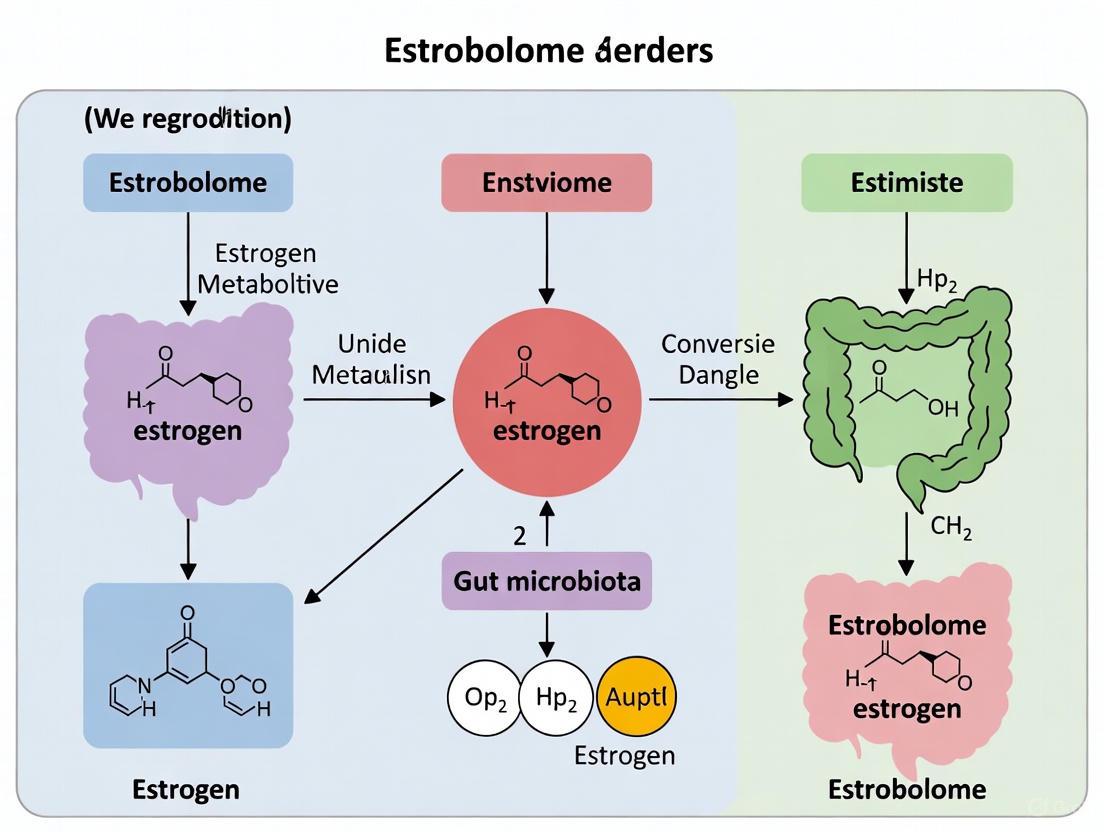
The Estrobolome and Estrogen Metabolism: Mechanistic Insights and Therapeutic Targeting in Reproductive Disorders
This article synthesizes current research on the estrobolome—the collection of gut microbiota and their genes involved in estrogen metabolism—and its pivotal role in the pathogenesis of reproductive disorders.
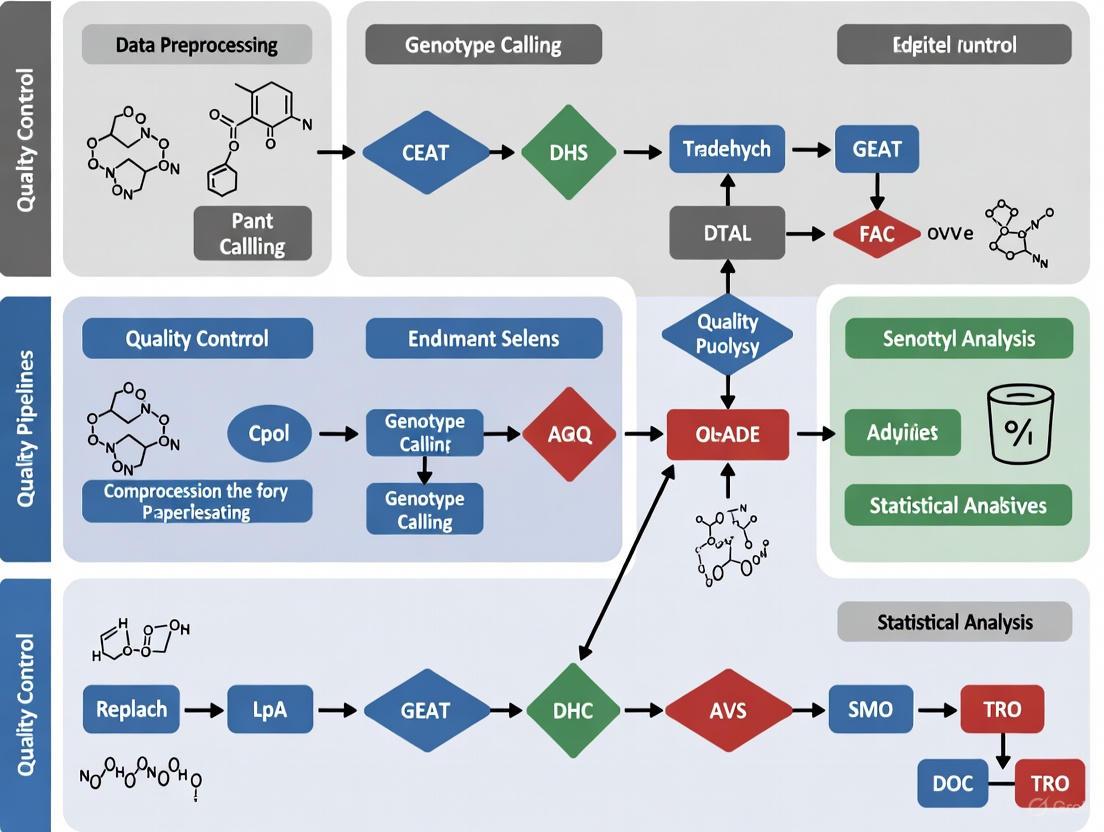
Robust Quality Control Pipelines for Multi-Center Endometriosis GWAS: Ensuring Data Integrity from Genotyping to Discovery
This article provides a comprehensive framework for implementing robust quality control (QC) pipelines in multi-center genome-wide association studies (GWAS) of endometriosis.
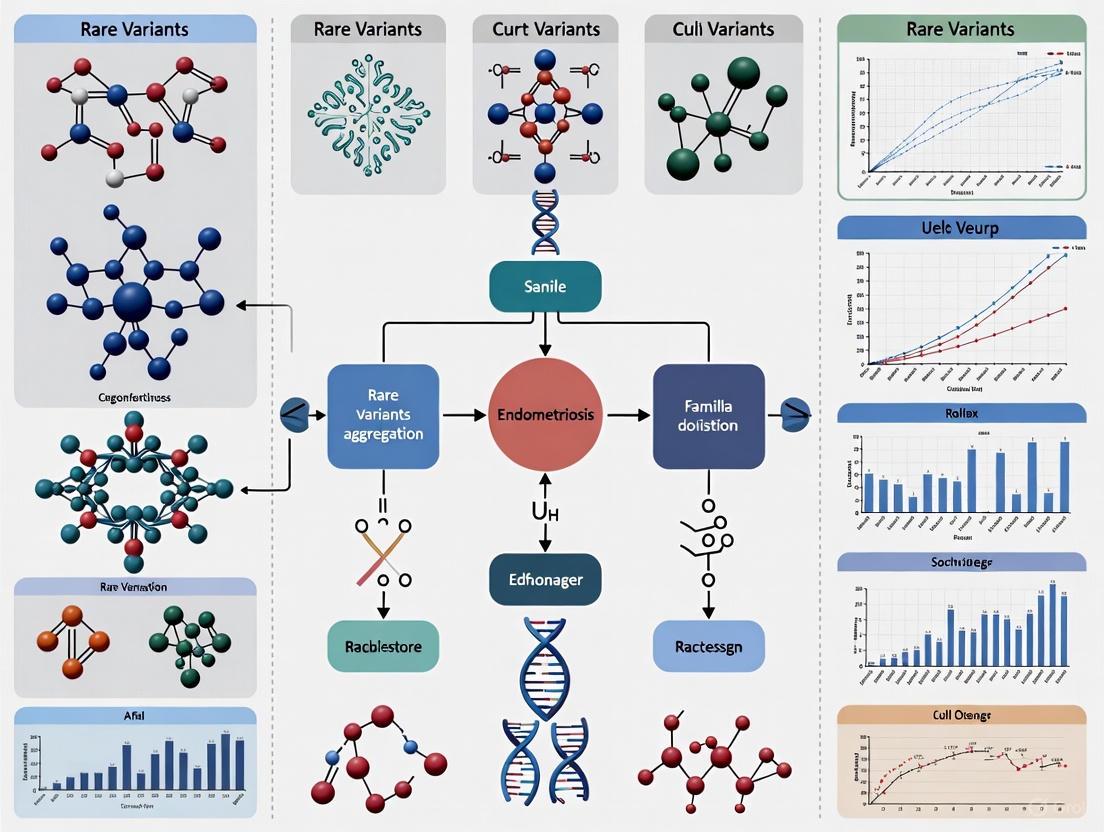
Unraveling Familial Endometriosis: The Critical Role of Rare Genetic Variants in Disease Aggregation and Pathogenesis
This article synthesizes current research on the role of rare genetic variants in familial endometriosis aggregation, a area complementing common variant studies from GWAS.
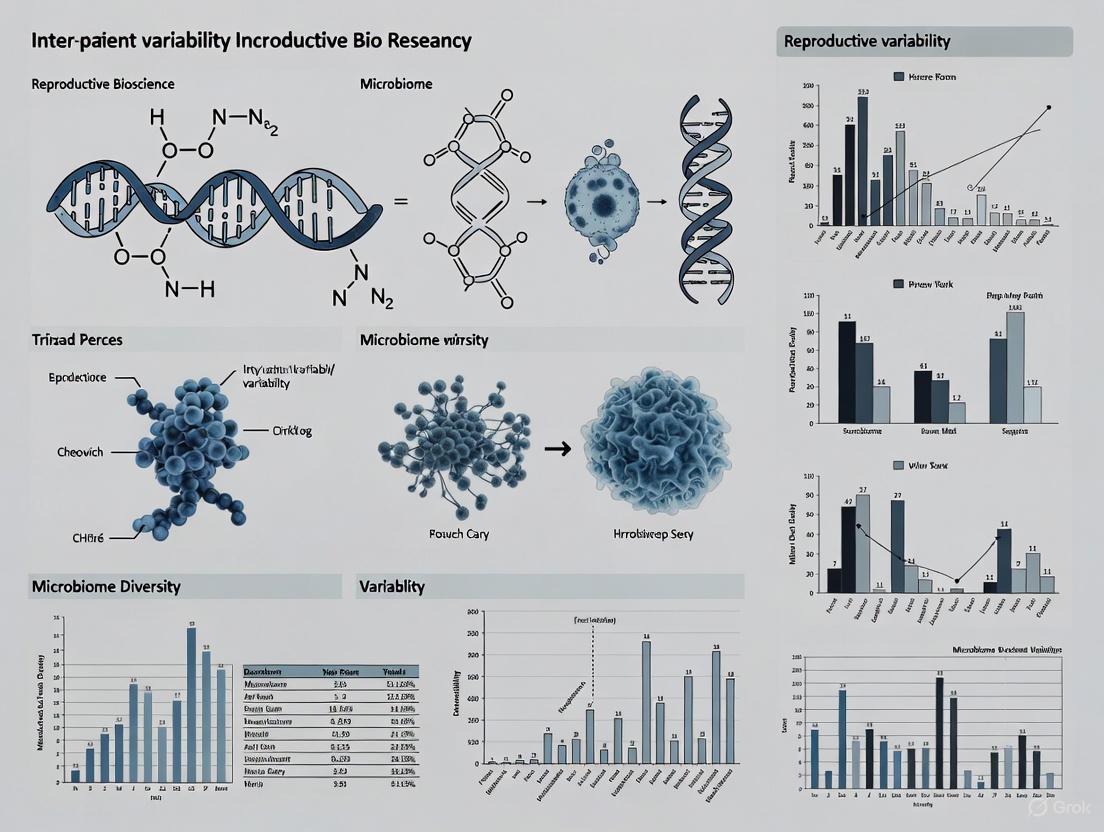
Addressing Inter-Patient Variability in Microbiome Study Designs: From Foundational Concepts to Clinical Translation
Inter-patient variability remains a central challenge in translating microbiome research into reliable diagnostics and therapeutics.
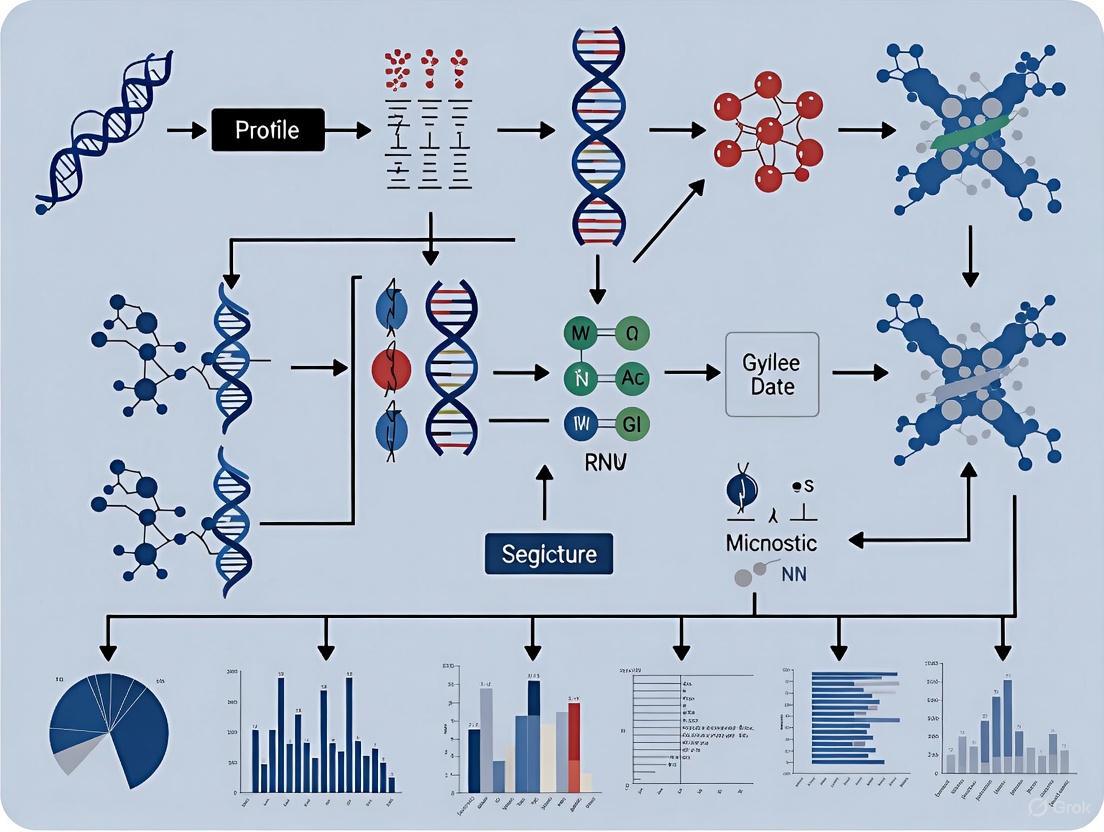
The Oncobiome Revolution: Developing Microbiome-Based Diagnostics for Gynecological Cancers
This article synthesizes current research and future directions for microbiome-based diagnostics in gynecological cancers.
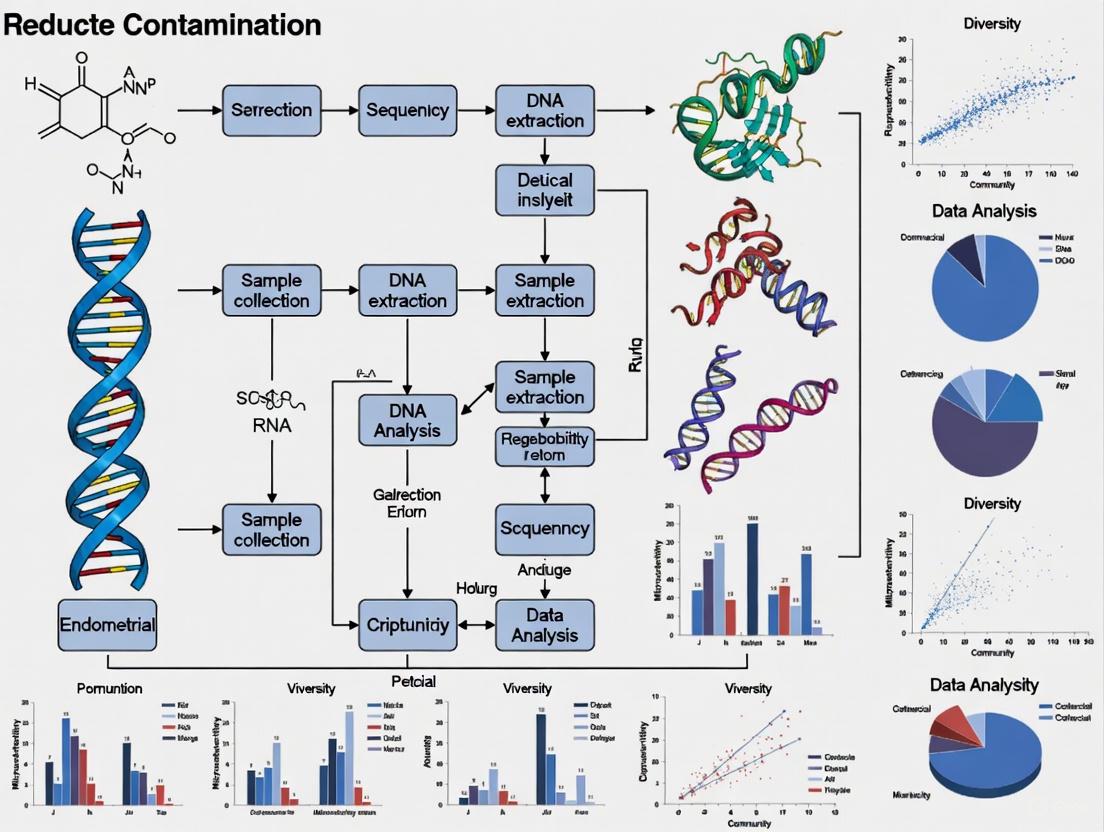
A Researcher's Guide to Contamination Control in Low-Biomass Endometrial Microbiome Studies
Accurate characterization of the low-biomass endometrial microbiome is critically important for understanding its role in reproductive health, IVF outcomes, and gynecological pathologies.