Research Articles
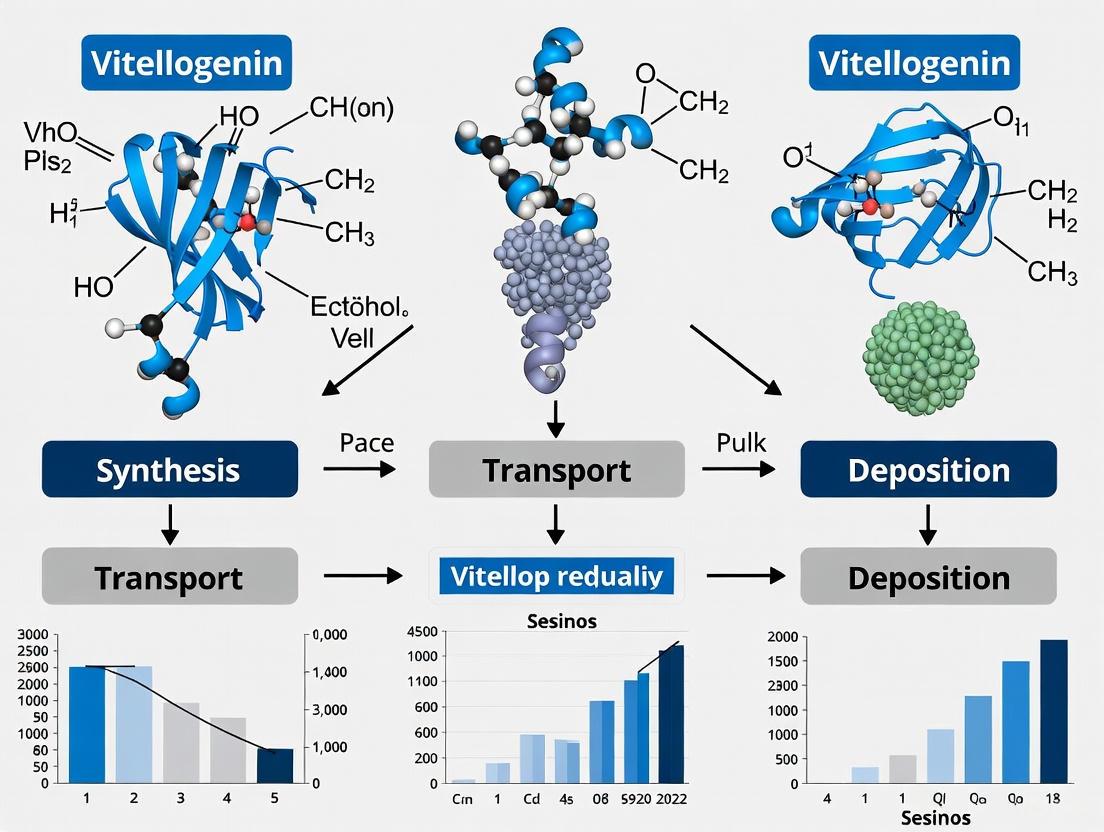
Vitellogenin: From Egg Yolk Precursor to Pleiotropic Biomarker in Biomedical Research
This article provides a comprehensive overview of vitellogenin (Vg), a conserved glycolipophosphoprotein and yolk precursor critical for reproduction in oviparous species.
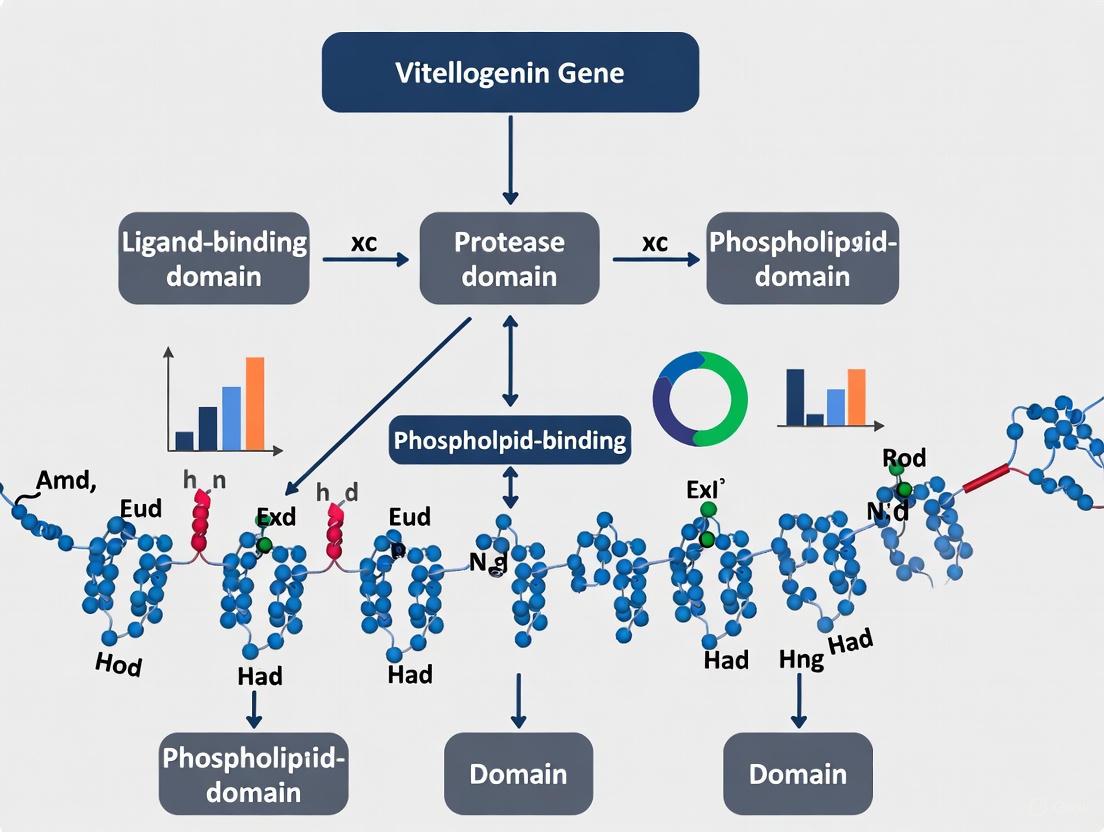
Vitellogenin Gene Structure and Functional Domains: From Evolutionary Architecture to Clinical Applications
This comprehensive review examines the structural architecture, functional domains, and evolutionary relationships of vitellogenin genes and proteins across diverse taxa.
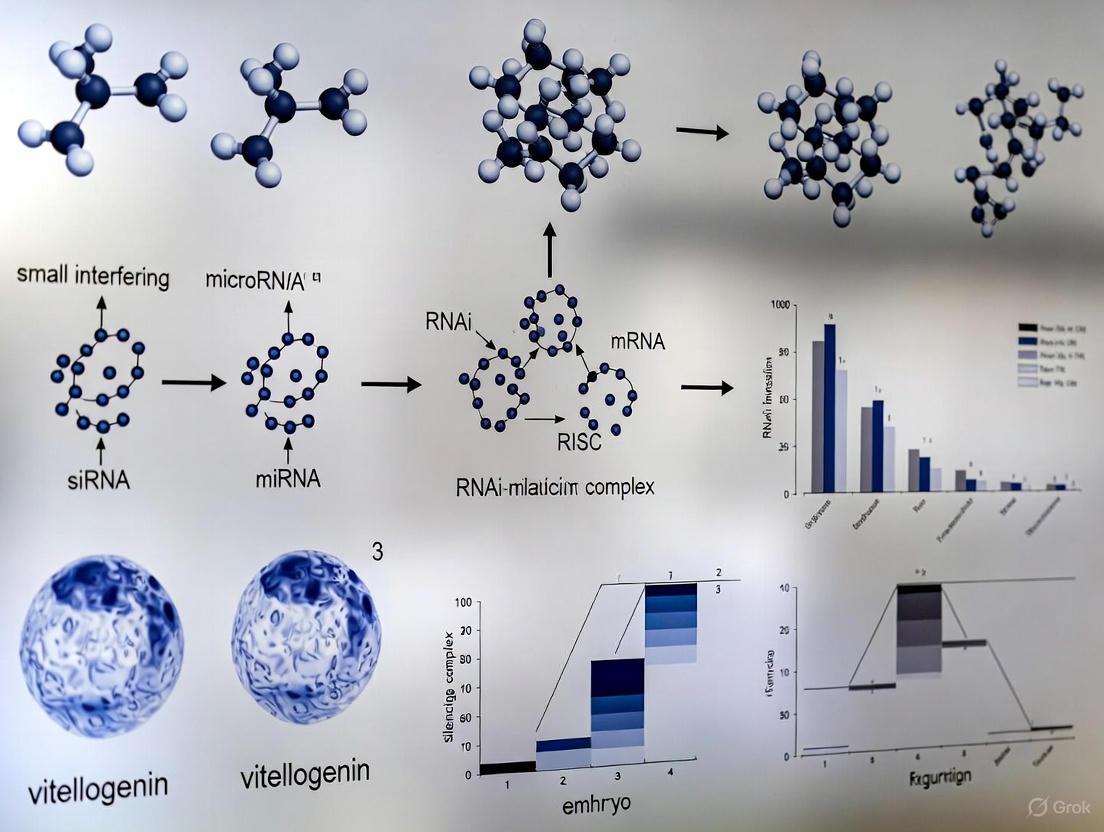
Targeting Vitellogenin with RNAi: Mechanisms, Applications, and Future Therapeutics in Disrupting Embryo Development
This article synthesizes current research on RNA interference (RNAi) of vitellogenin (Vg) and its critical role in disrupting embryo development across diverse species.
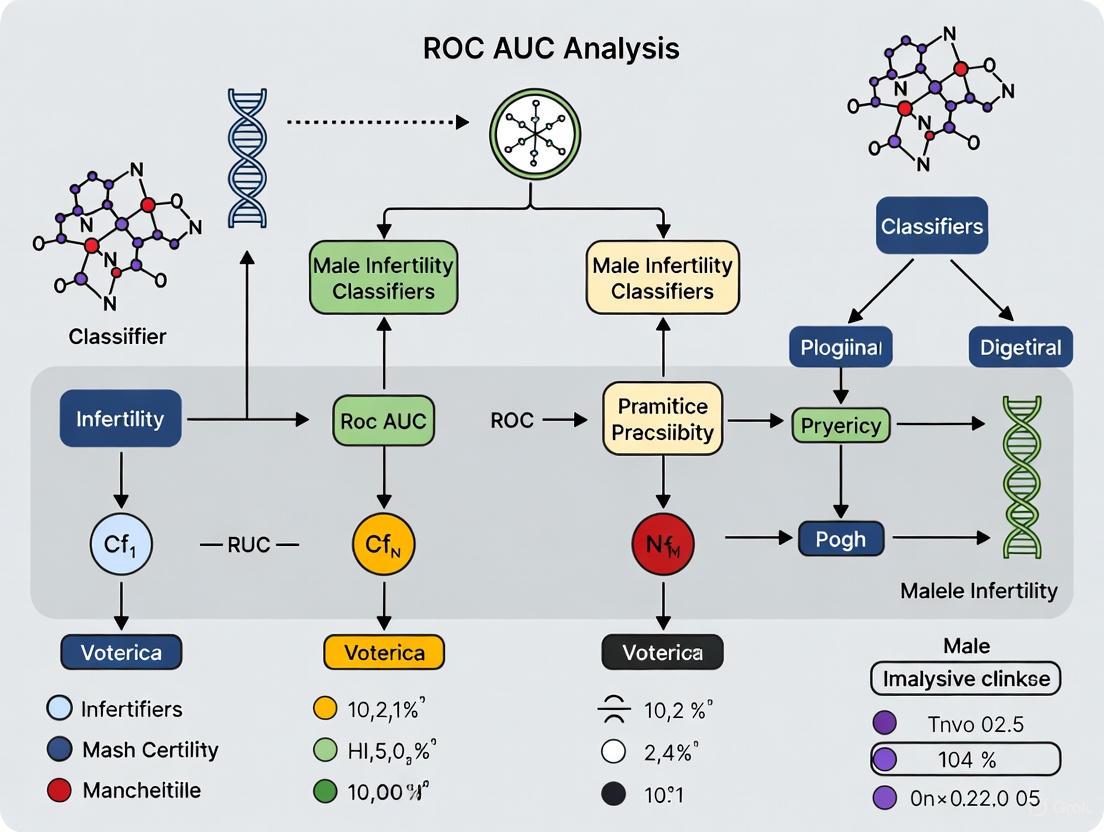
ROC AUC Analysis of Machine Learning Classifiers for Male Infertility: A Comprehensive Performance Review
This article provides a systematic evaluation of machine learning classifier performance for male infertility diagnosis and prediction, with a focus on ROC AUC metrics.
Validating AI Models for Azoospermia Prediction: A Roadmap for Biomedical Research and Clinical Translation
This article provides a comprehensive analysis for researchers and drug development professionals on the validation of artificial intelligence (AI) models for predicting azoospermia, a severe form of male infertility.
Feature Engineering for Lifestyle and Environmental Risk Factors: A Data-Driven Framework for Biomedical Research and Drug Discovery
This article provides a comprehensive overview of feature engineering methodologies tailored for the complex, high-dimensional data of lifestyle and environmental risk factors.
Beyond the Training Set: Strategies for Enhancing Generalization in Fertility Prediction Models
This article addresses the critical challenge of generalizability in machine learning models for fertility prediction.
Navigating Small Disjuncts in Imbalanced Male Fertility Data: From Foundational Concepts to Clinical AI Applications
The application of artificial intelligence (AI) in male fertility faces the dual challenge of imbalanced datasets, where the number of infertile cases is much lower than fertile ones, and the...
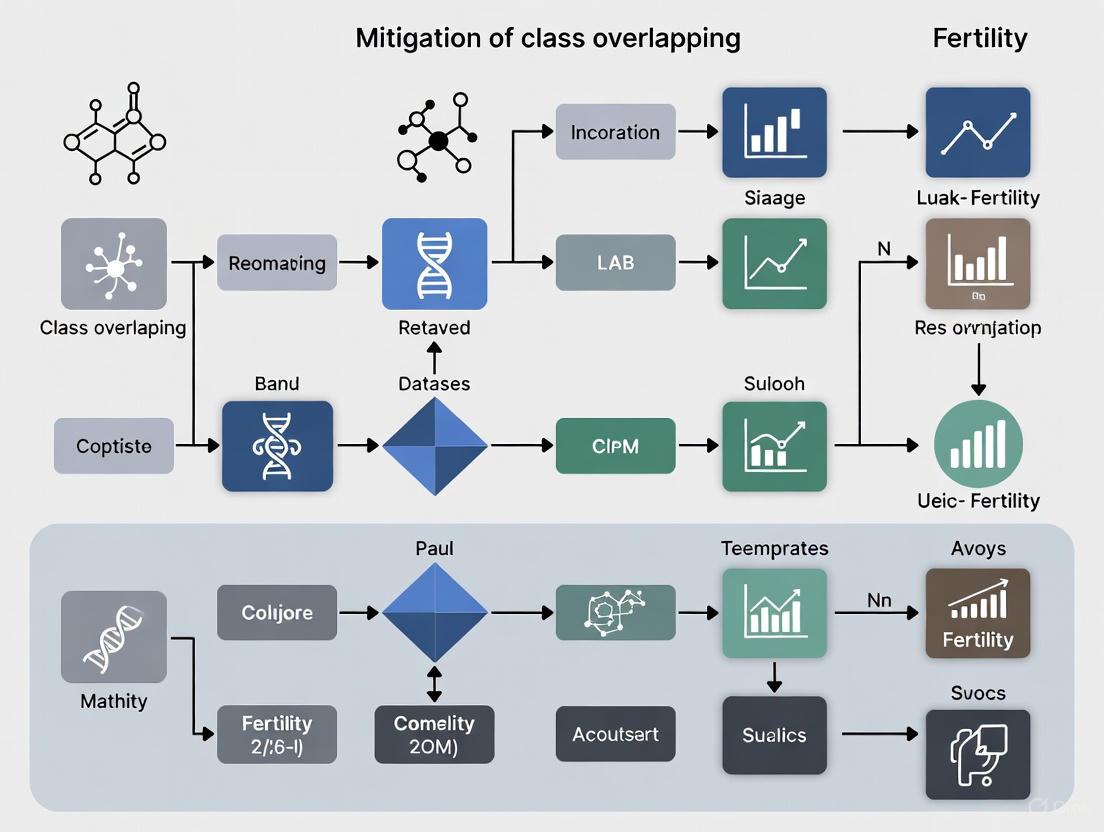
Addressing Class Overlap in Fertility Datasets: Advanced Resampling and Machine Learning Strategies for Biomedical Research
Class overlap, the phenomenon where examples from different classes share similar feature characteristics, significantly impairs the performance of machine learning models in fertility and reproductive medicine.
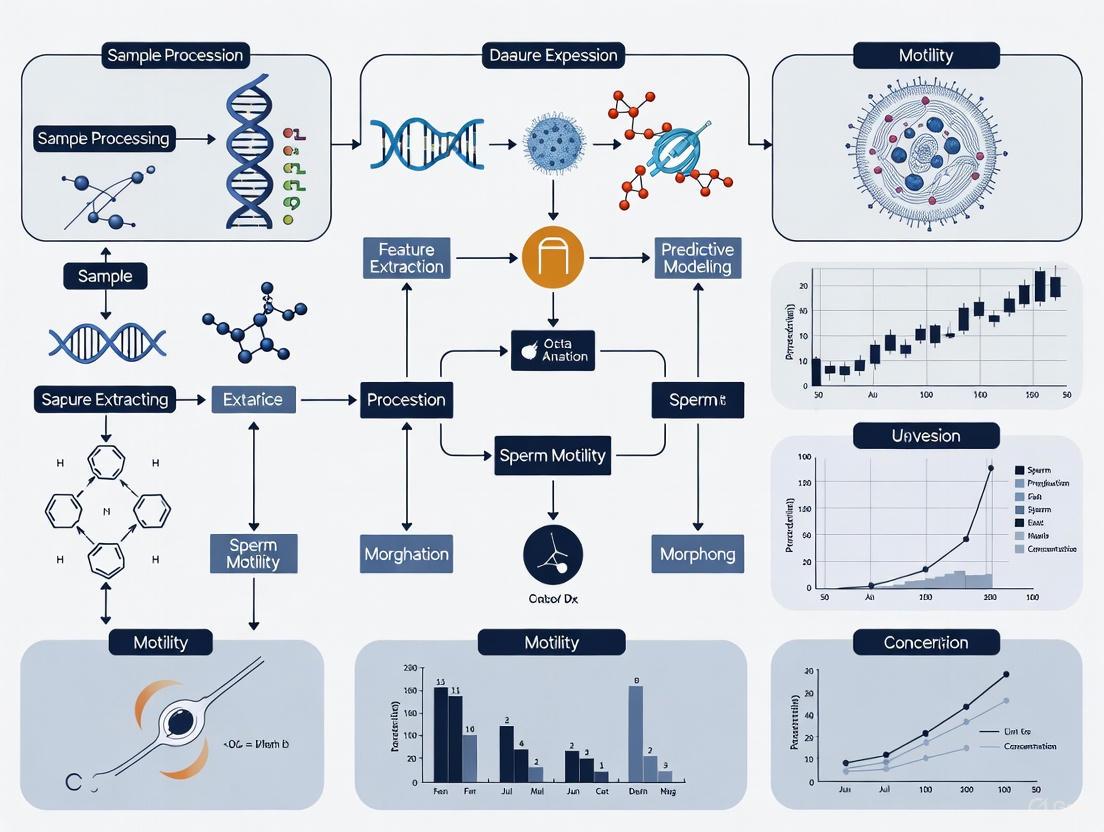
Revolutionizing Andrology: Real-Time Male Fertility Diagnostics Powered by Machine Learning
Male factor infertility contributes to nearly half of all infertility cases, yet diagnosis is often hindered by subjective, time-consuming, and inaccessible methods.