Research Articles
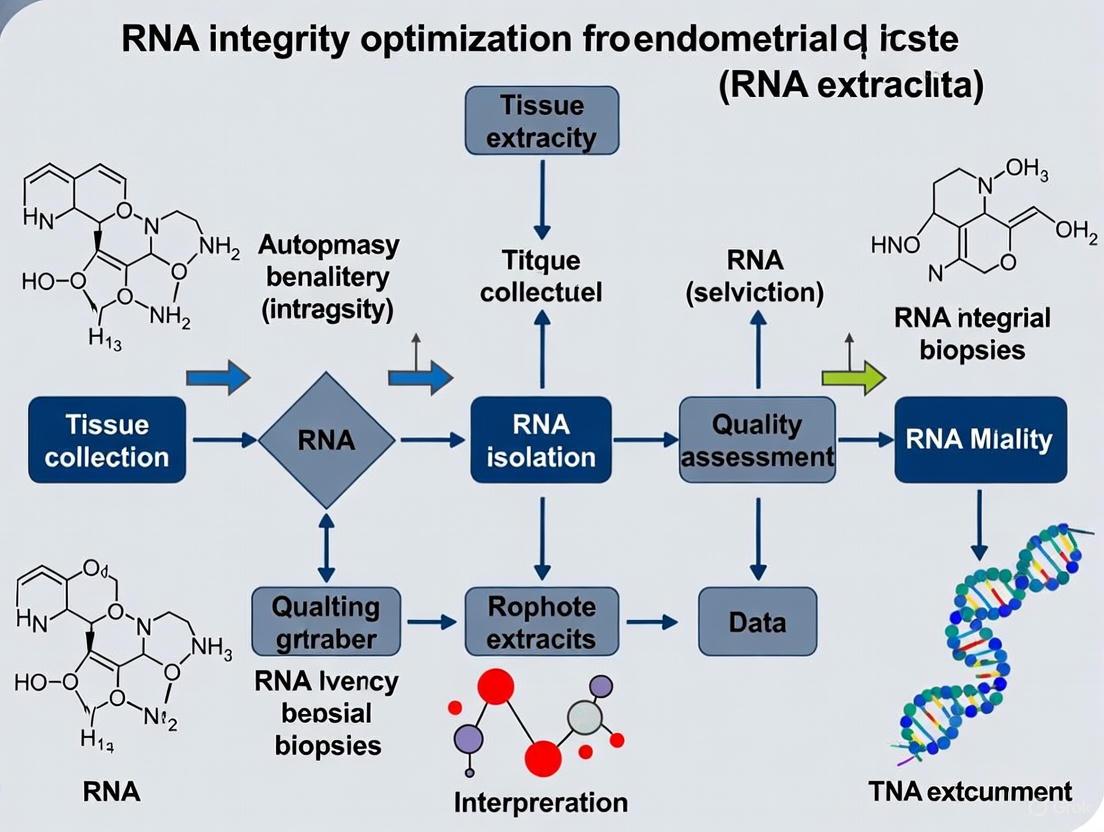
Optimizing RNA Integrity from Endometrial Biopsies: A Complete Guide for Reproductive Research and Biomarker Discovery
High-quality RNA from endometrial biopsies is fundamental for advancing research in endometrial receptivity, disease pathogenesis, and drug development.
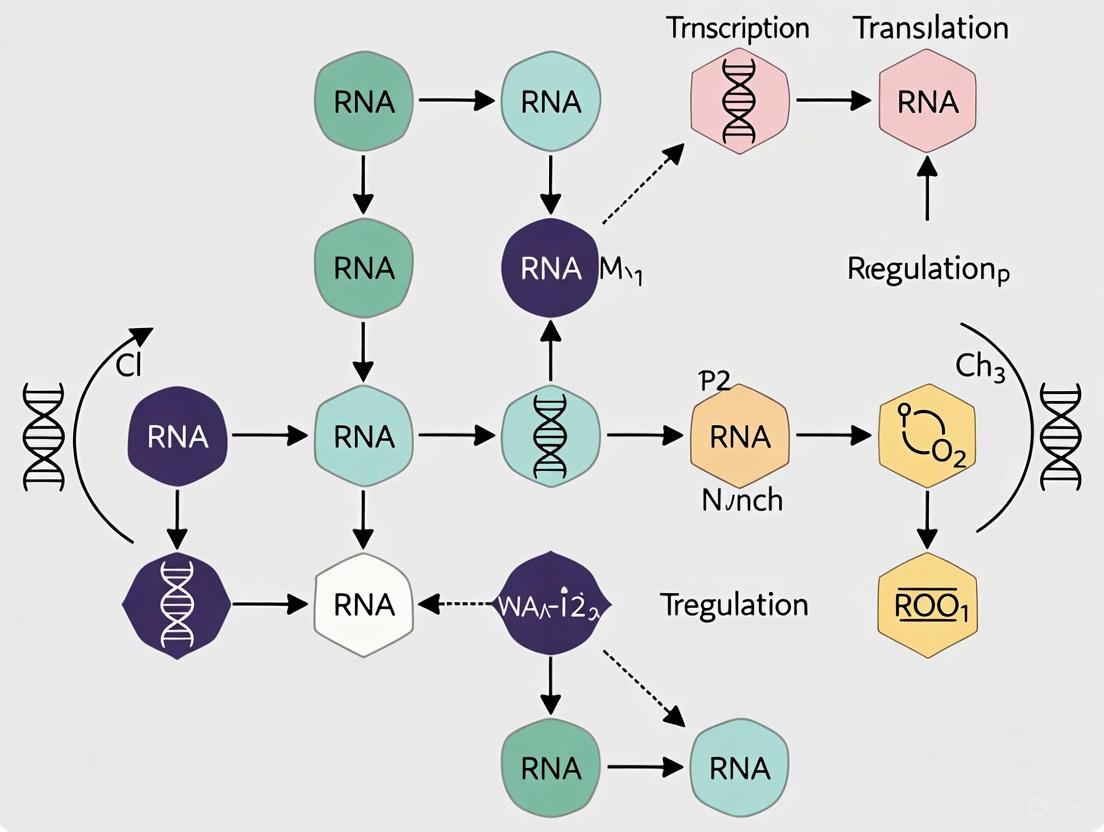
A Researcher's Guide to Mitigating Batch Effects in Endometrial RNA-Seq Data
Batch effects are a pervasive and critical challenge in endometrial RNA-seq studies, posing a significant threat to data reliability and biological discovery.
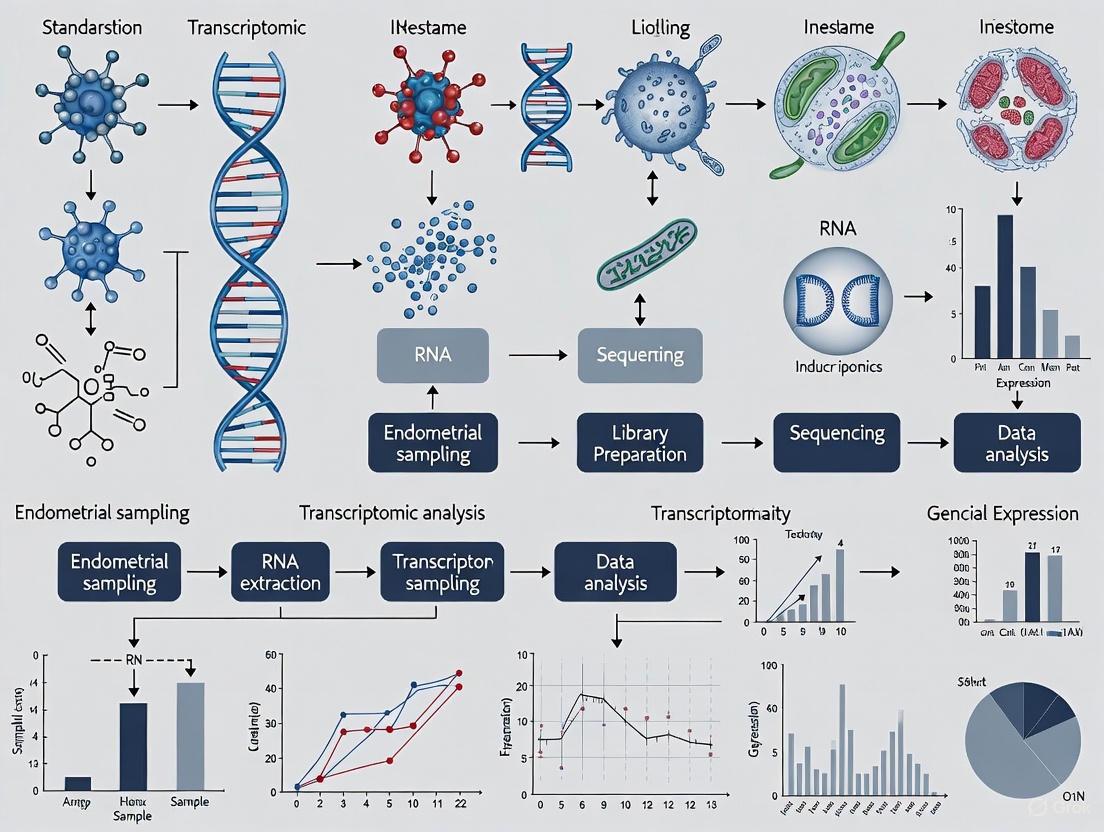
Standardizing Endometrial Sampling for Transcriptomics: From Foundational Principles to Clinical Translation
Accurate and reproducible endometrial sampling is the critical first step for reliable transcriptomic analysis, directly impacting research validity and clinical diagnostics in reproductive medicine and oncology.
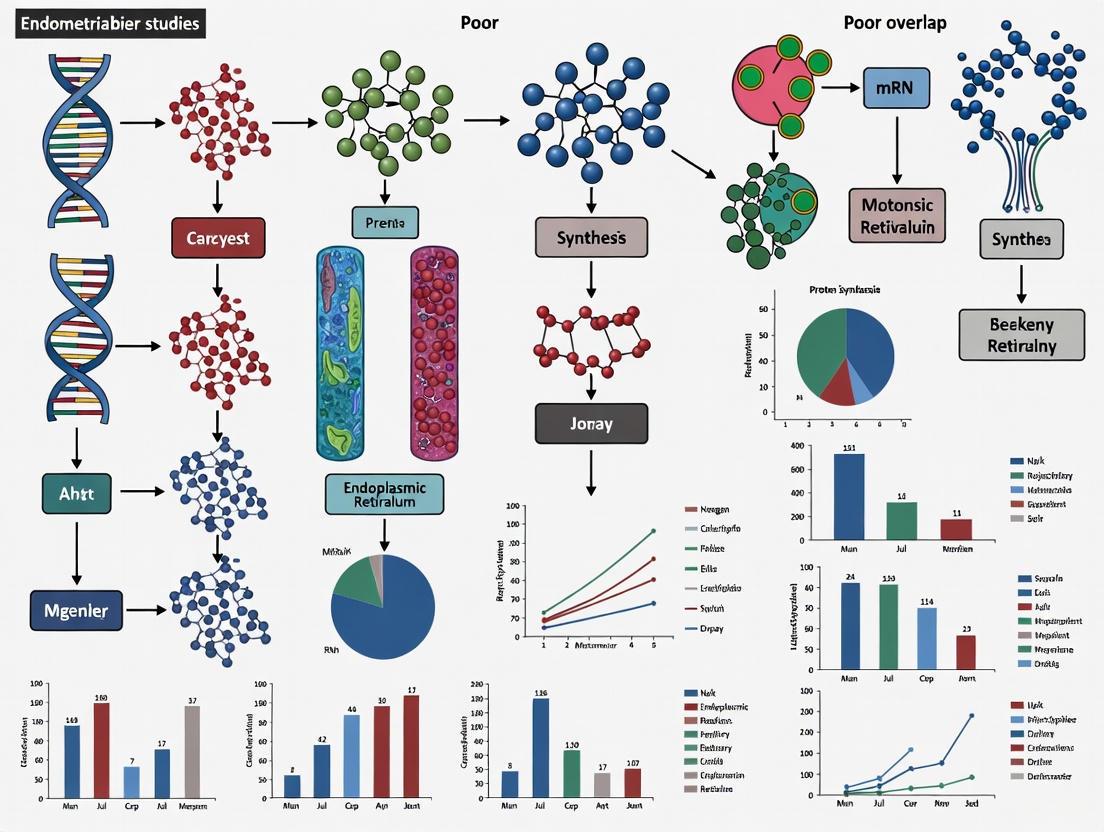
Addressing Poor Overlap in Endometrial Cancer Biomarker Studies: Pathways to Reproducibility and Clinical Translation
The promise of biomarkers to revolutionize endometrial cancer (EC) diagnosis, prognosis, and therapy is tempered by a significant challenge: poor overlap and low reproducibility across studies.
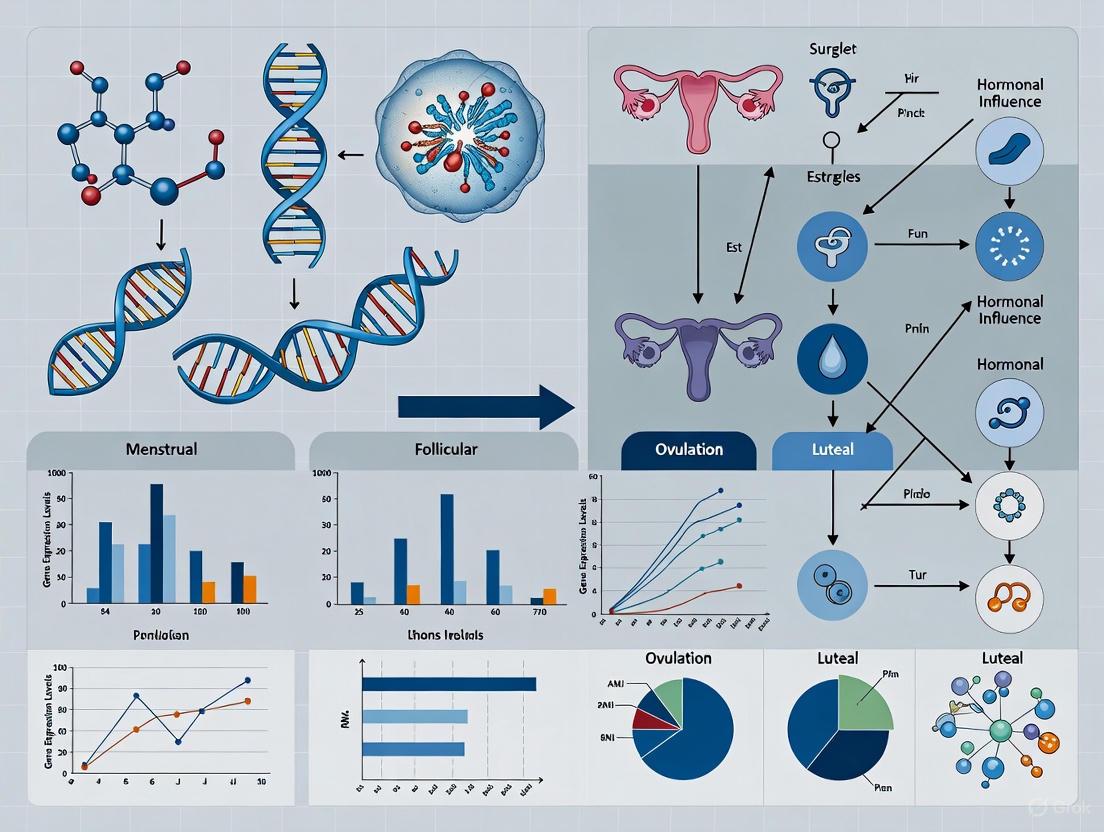
Decoding the Cyclic Endometrium: A Temporal Transcriptome Atlas of the Human Menstrual Cycle
This review synthesizes current transcriptomic research on the dynamic remodeling of the human endometrium across the menstrual cycle.
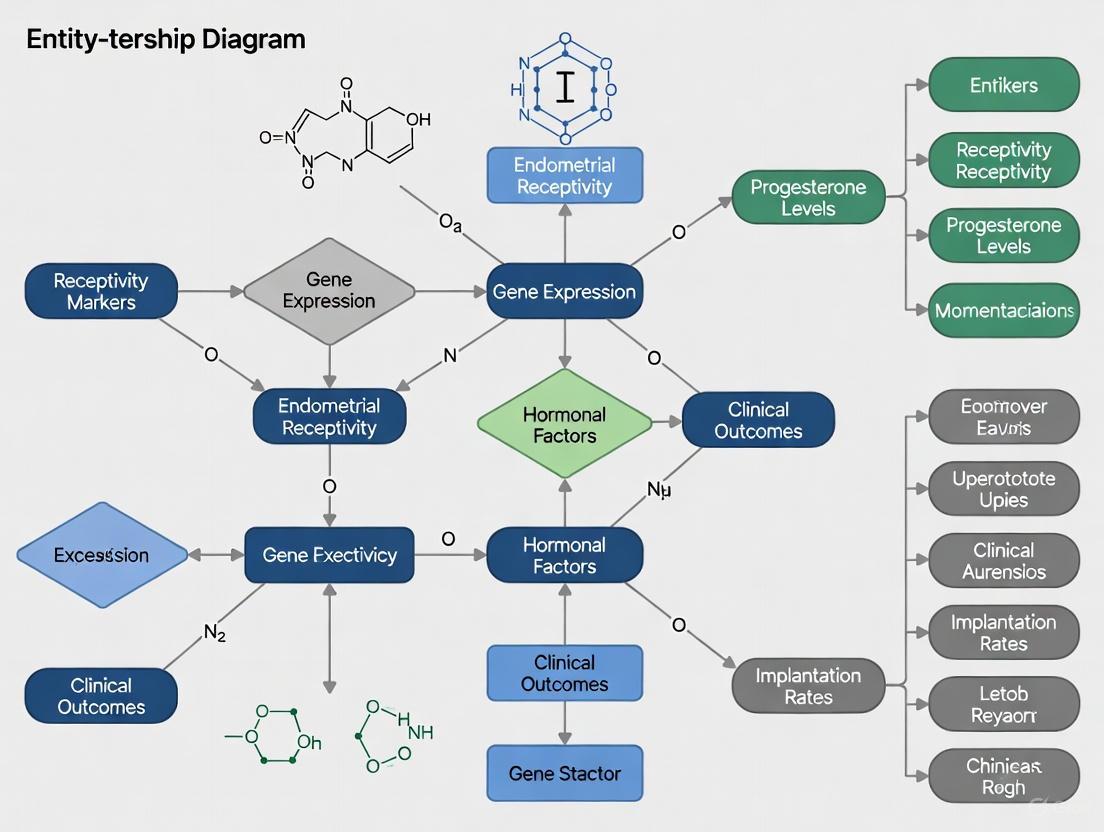
Advancing Endometrial Receptivity Diagnosis: Molecular Mechanisms, Clinical Application, and Future Directions of the ERD Model
This article provides a comprehensive analysis of the Endometrial Receptivity Diagnosis (ERD) model, a transcriptome-based tool for personalizing embryo transfer in assisted reproduction.
Computational Modeling of Endometrial Dynamics: From Digital Twins to Clinical Translation
This article provides a comprehensive overview of the rapidly evolving field of computational modeling of the endometrium, a critical frontier in women's health research.
StemVAE: A Comprehensive Guide to Temporal Modeling with Single-Cell Transcriptomic Data
This article provides a comprehensive exploration of the StemVAE algorithm, a computational framework designed for the analysis and prediction of dynamic biological processes from time-series single-cell RNA sequencing (scRNA-seq) data.
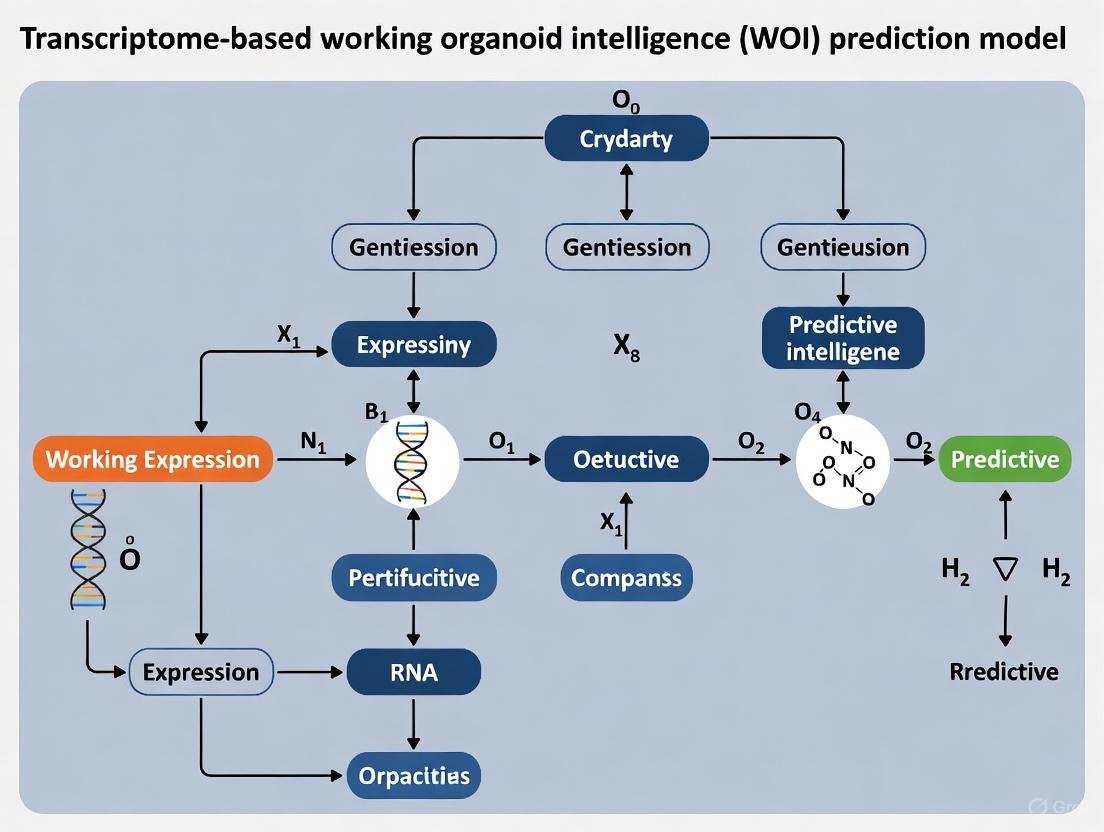
Transcriptome-Based WOI Prediction: From Molecular Mechanisms to Clinical Applications in Reproductive Medicine
This comprehensive review explores the transformative potential of transcriptome-based models for predicting the window of implantation (WOI) in assisted reproductive technology.
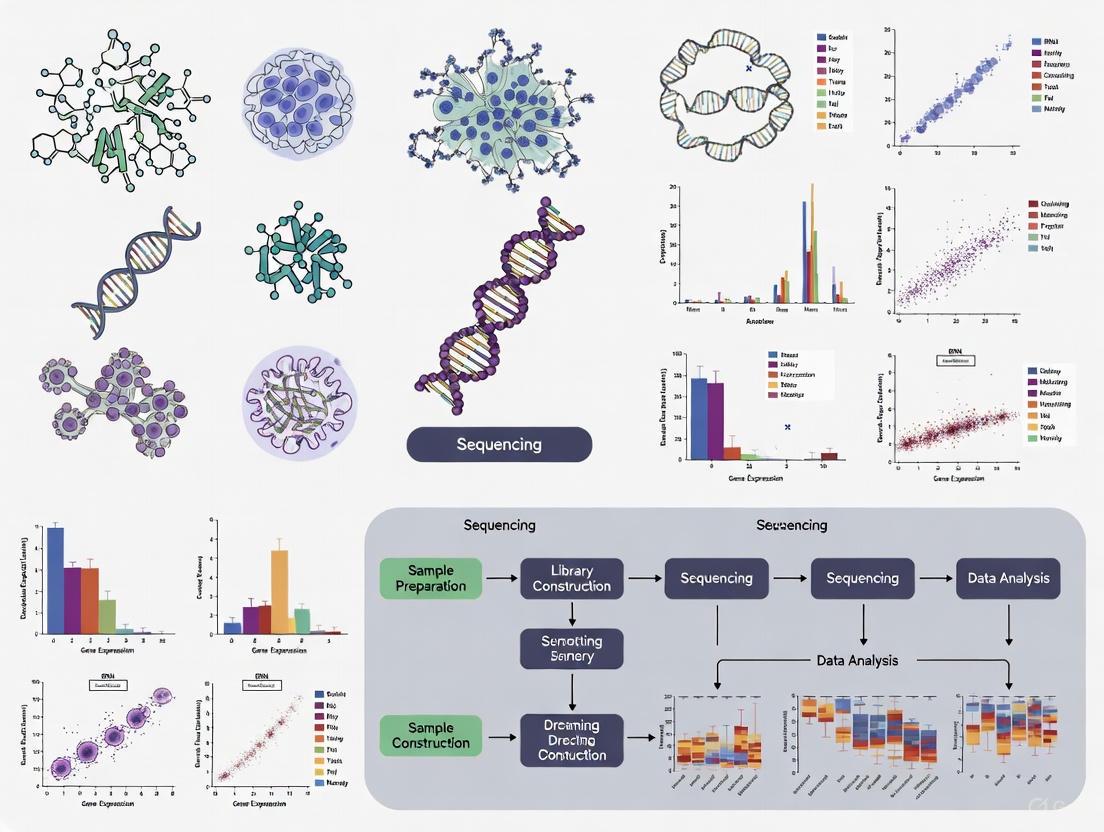
Single-Cell RNA Sequencing of the Human Endometrium: A Comprehensive Guide from Atlas to Application
Single-cell RNA sequencing (scRNA-seq) is revolutionizing our understanding of the complex cellular architecture and dynamic functions of the human endometrium.