Research Articles
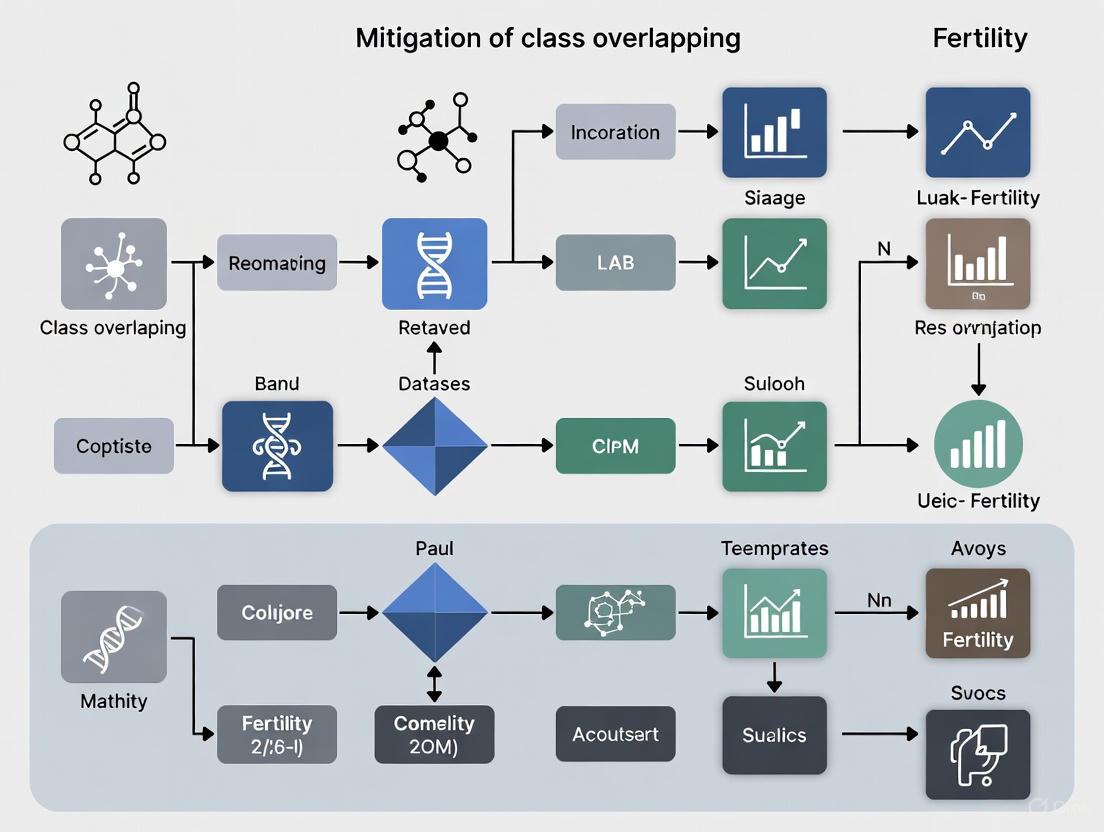
Addressing Class Overlap in Fertility Datasets: Advanced Resampling and Machine Learning Strategies for Biomedical Research
Class overlap, the phenomenon where examples from different classes share similar feature characteristics, significantly impairs the performance of machine learning models in fertility and reproductive medicine.
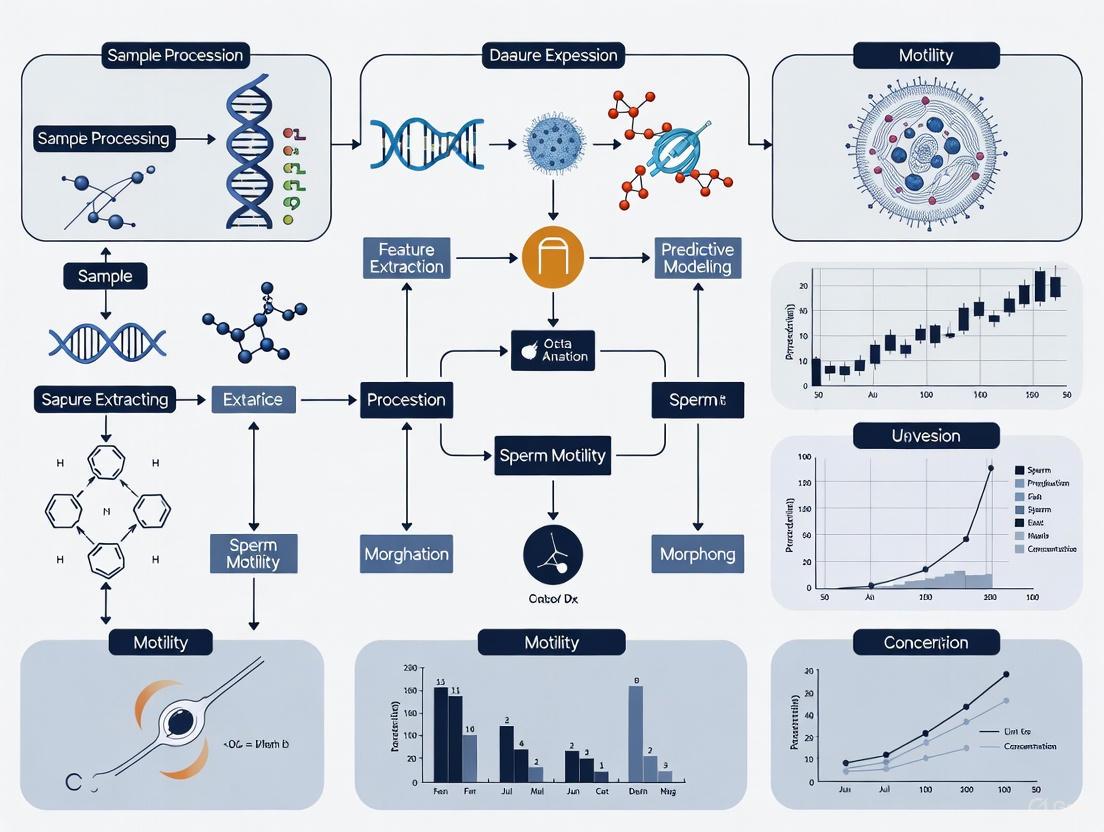
Revolutionizing Andrology: Real-Time Male Fertility Diagnostics Powered by Machine Learning
Male factor infertility contributes to nearly half of all infertility cases, yet diagnosis is often hindered by subjective, time-consuming, and inaccessible methods.
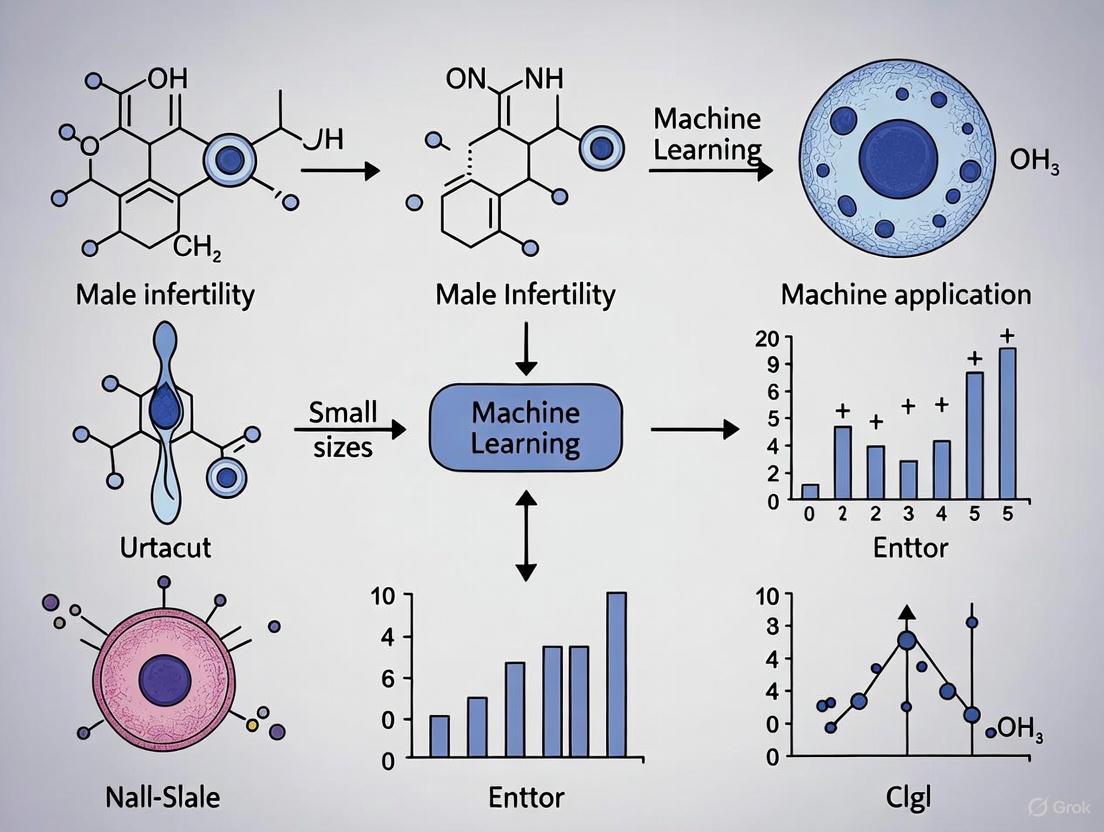
Overcoming Small Sample Size Challenges in Male Infertility Machine Learning: Strategies for Robust Model Development
Machine learning (ML) presents transformative potential for male infertility diagnostics and research, yet small sample sizes frequently undermine model robustness and clinical applicability.
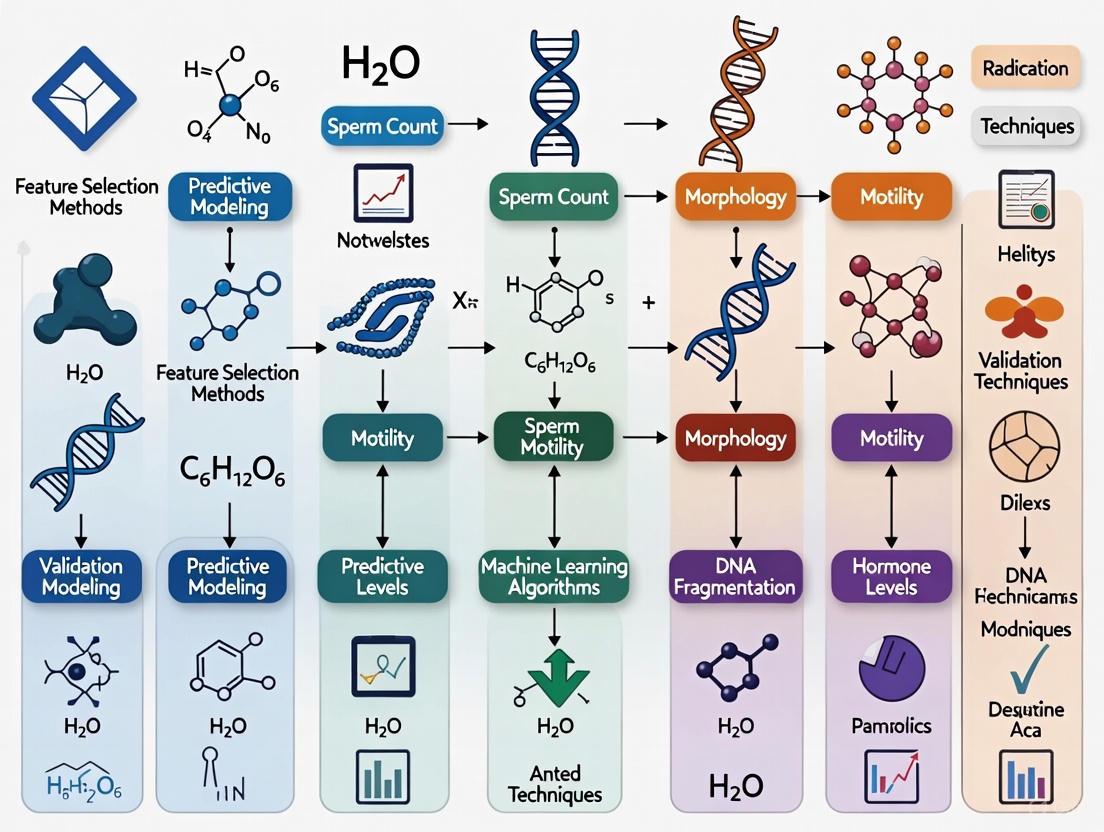
Advanced Feature Selection Methods for Male Fertility Prediction: From Biomarkers to Machine Learning
This article provides a comprehensive analysis of feature selection methodologies for male fertility prediction, tailored for researchers, scientists, and drug development professionals.
Overcoming Class Imbalance: Advanced Strategies for Robust Male Infertility Dataset Analysis
Class imbalance in male infertility datasets presents significant challenges for developing reliable AI/ML diagnostic and predictive models.
Bio-Inspired AI: Enhancing Fertility Diagnostics with Ant Colony Optimization and Neural Networks
Male infertility, contributing to nearly half of all infertility cases, presents a complex diagnostic challenge influenced by genetic, lifestyle, and environmental factors.
Interpreting Male Fertility Machine Learning Models with SHAP: A Comprehensive Guide for Biomedical Research
This article provides a comprehensive exploration of SHapley Additive exPlanations (SHAP) for interpreting machine learning (ML) models in male fertility research.
AI in Andrology Diagnostics: Foundational Concepts, Clinical Applications, and Future Directions for Biomedical Research
This article provides a comprehensive exploration of artificial intelligence (AI) fundamentals and their transformative application in andrology diagnostics, tailored for researchers, scientists, and drug development professionals.
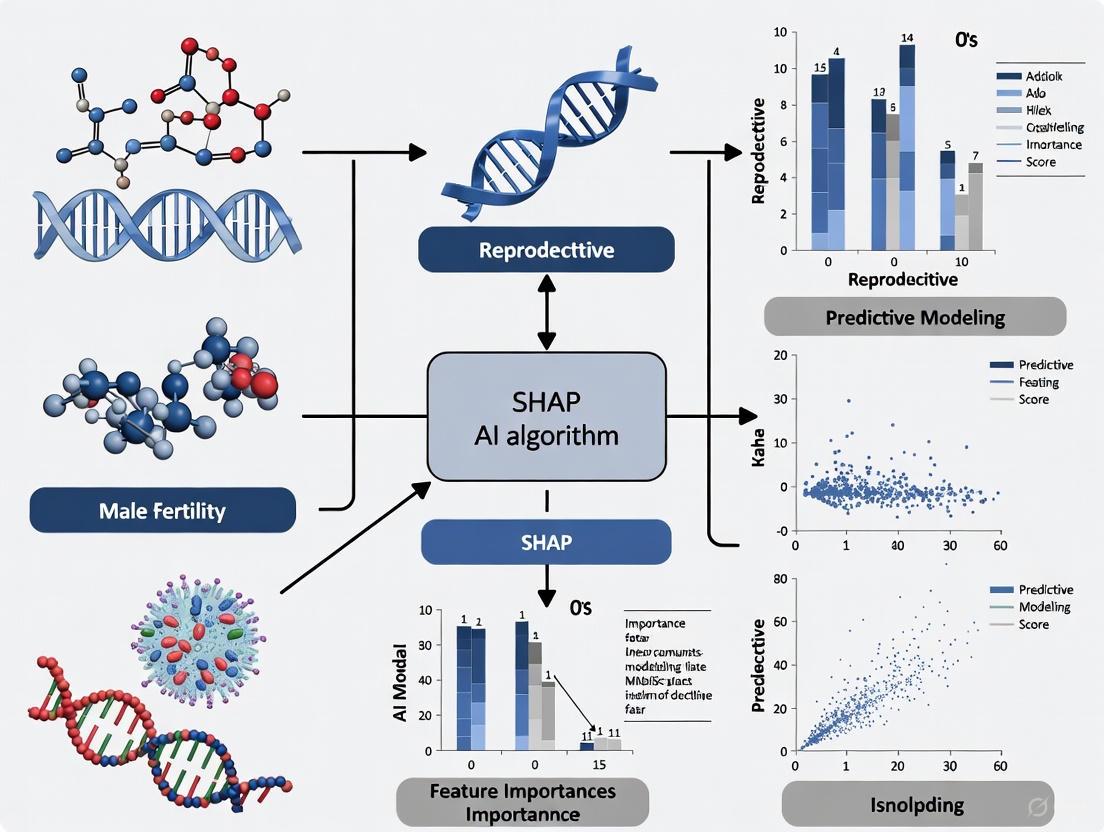
Explaining Male Fertility AI Models with SHAP: A Guide for Biomedical Research and Clinical Translation
This article provides a comprehensive exploration of Explainable AI (XAI) for male fertility prediction, specifically focusing on the application of SHapley Additive exPlanations (SHAP).
Deep Learning in Sperm Fertility Prediction: A Comprehensive Review of Models, Applications, and Clinical Translation
This review synthesizes current advancements in deep learning (DL) applications for sperm fertility prediction, a critical domain in addressing male-factor infertility.